360 Degree Automated Fire Fighting Robotic Platform
Vinayak Tilavi1 , Sairaj Ghodake2 , Tejas Patil3 , Rohan Kumbar4 S A Alur5, Dr.Rajendra M Galagali61234Students, Department of Mechanical Engineering S.G. Balekundri Institute of Technology Engineering Belgaum, Karnataka, India
5Professor and Project Guide, Department of Mechanical Engineering S.G. Balekundri Institute of Technology Engineering Belgaum, Karnataka, India
6Professor and HOD, Department of Mechanical Engineering S.G. Balekundri Institute of Technology Engineering Belgaum, Karnataka, India ***
Abstract - Robots are significant nowadays because they can do tasks that humans find difficult.Theproposedprojectis concerned with the concept of a 360-degree firefighting robotic vehicle with several modes of operation. We have incorporated two modes of operation: manual control and autonomous mode. The robotic vehicle may be operated manually and utilized to extinguish the fire using a wireless remote control. The proposed device also incorporates a robotic arm to aid in fire extinguishment at various heights, it has the capacity to spin in 360 degrees to perform firefighting tasks. The vehicle also has a camerathatcanwirelesslystream live footage from the autonomous vehicle and aid in navigation using views from the camera. The vehicle also has an autonomous mode that will detect a fire using the sensors on the robotic vehicle, go to the area of the fire, and autonomously extinguish the firein360degrees.Toextinguish the fire, the Robotic Arm is attached on a rotating up and down movable robotic platform.
Key Words: Robotic Vehicle, Fire Fighting, Camera, Wireless, Wireless, Autonomous, Sensors, Robotic Arm etc.

1.INTRODUCTION
Arobotischaracterizedasamechanicaldesignthatcando human tasks or behave like a person. Creating a robot necessitates specialized knowledge and advanced programming. It is about constructing systems and connectingmotors,flamesensors,andwiring,amongother vitalcomponents.Afirefighterrobotisonethatincludesa miniature fire extinguisher. The automation extinguished firebyconnectingatinyfireextinguishertotherobot.This paperdescribesthedesignandbuildingofafire-sensingand extinguishingrobot.Thefollowingideasareimplementedin this robot: ambient detection and comparative motor controller.Thispaperdescribesthedesignandbuildingofa fire-sensing and extinguishing robot. It senses the fire accidentusingthermistors,ultravioletorvisiblesensors.For thefirstdetectionoftheflame,UVsensors/thermistors/ flamesensorswillbeemployed.Whenaflameisspotted,the robot hums an alert using the accompanying buzzer and
activatesanelectricalvalve,releasingsprinklesofwateron the flame. The project helps to generate interests and innovationsinthefieldsofroboticswhileworkingtowardsa viableandfeasib2le solutiontosavelivesandlimittherisk of property damage. This project aims to create a fire fightingroboticvehiclethatcanbeoperatedinbothmanual and autonomous modes. DC motors, a wheel, a microcontroller,sensors,andaminiaturefireextinguisher canisterareused.Microcontrollercontrolsall theparts of therobotbyprogramming,andasthefiresensorsensesthe fire, an amplifier amplify the signal and sends it to microcont1roller. The robotic vehicle's live video streaming system is used toextinguishthefireinmany directions.
2.LITERATURE SURVEY
RatneshMalikandhiscolleagueshavedevisedastrategyfor buildingafirefightingrobotthatiscapableofextinguishing fires.Therobotiscompletelyself-sufficientandincorporates cutting-edgeconceptssuchasenvironmentalawarenessand proportional motor control. Kristi Kokasih and colleagues have developed an intelligent tank robot for fire fighting purposes.Therobotisdesignedtoautonomouslysearcha designated area, identifyanyfires present,and extinguish themeveninintricateroomconfigurations.H.P.Singhand colleagues have established a technique for managing an independentindustrialfire-fightingrobot.SwatiDeshmukh andherteamhaveadvancedawirelessrobotdesignedfor firefighting, equipped with a fully automated platform capableofdetectingandextinguishingfiresfromanyangle. Robot with fire detection devices which can be operated withaphonewascreatedbyLakshayArora.Therobothasa phone that it can use to command its actions when it is called.
3.COMPONENTS
1.IRSensor:operatingvoltage4.5Vto5.5Vaveragecurrent consumption33mama(typical)distancemeasuringrange 20cmto150cm(8″to60″)affairtypeanaloguevoltage affairvoltagedifferentialoverdistancerange2.0V(typical)
update period 38 ±10 ms package size29.5 ×13.0 ×21.5 mm(1.16″×0.5″×0.85″)weight4.8g(0.17oz)
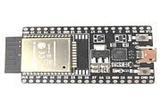
2.MicrocontrollerBoard:

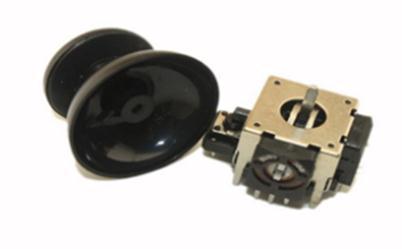
4.Joystick:Joysticksarewidelyutilizedinvariousindustries, includingaeronautics,gaming,heavymachinery,andmobile devices,toprovideinputtocomputersormachines.Theyare constructedtoconvertthephysicalmovementoftheplastic stickintoelectronicsignalsthatcanbecomprehendedand processedbyacomputer.
NodeMCUgroundedonESP-WROOM-32module
1) GroundedonESP32DEVKITDOIT
2) 30GPIOVersion
3) 520KByteRAM
4) 2.2tp3.6VOperatingvoltagerange
5) Inbreadboardfriendlyrout
6) USB micro B for power and periodical communication,usetoloadprogramandperiodical debuggingtoo
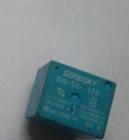
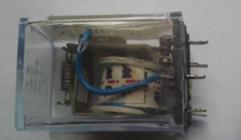
3.ChannelRelayBoard:Coilrating:Thevoltageatwhicha relaycoilgetsfullyactivated.Themostcommonlyavailable coil voltage ratings are 6V and 12V.Contact rating: The contactratingofarelaydependsACorDCcurrentispassing. bluecoloredrelayhasaratingof12Aat120VAC,5Aat250V AC,and10Aat24VDC.
1) VoltageRange:5.5V-16V
2) MaximumCurrentrating:30A
3) PracticalContinuousCurrent:14A
4) Currentsenseoutputproportionaltomotorcurrent
5) MOSFETon-resistance:19mΩ(perleg)
6) MaximumPWMfrequency:20kHz
7) ThermalShutdown
8) UndervoltageandOvervoltageshutdown
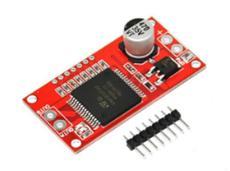
6.H-BridgeMotor:
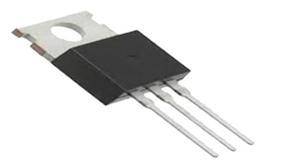
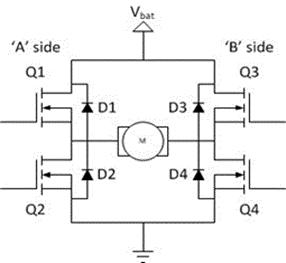
H-bridge controls DC motor with 4 switching elementsbipolar/FET transistors, IGBTs & catch diodes. Used with DC/stepper motors, project has 2 H-bridges for robotic vehicle'sbase&arm.BaseusesTIP122/127transistors.
4.METHODOLOGY
TheMethodologytocarryouttheprojectis:
1)Materialsurvey:Thedetailedmaterialsurveyofvarious materialsavailableinthemarket.Themostsuitablematerial for the project fabrication is chosen and the problem definition is outlined. A rough plan is devised which can handleallthedefinedobjectives.
2)Fabricationofchassis:Thisphaseinvolvesthefabrication ofchassisbychoosingthepropermaterialforthechassis Thechassisformstheintegralpartoftheprojectasitisthe framewhichprovidesabaseformountingothercomponents
and mechanisms. The chassis is fabricated first and then othermechanismsaremountedoverit.
3)The microcontroller and sensor interfacing: A microcontroller is a modest microcomputer that governs embeddedsystemsinavarietyofdevices,includingvending machines, robots, office equipment, sophisticated medical equipment,mobileradiotransceivers,andhomeappliances. A processor, retention, and peripherals are common components of a microcontroller. This stage involves connecting the microcontroller of the robotic vehicle alongsidethefiredetectionsensors.Themicrocontroller's response to both inputs and outputs is appropriately programmed.
4)TheRoboticArmfabrication:Inthisphasetheroboticarm isfabricatedwhichisincorporatedontotheroboticvehicle. The robotic arm can be controlled wirelessly using the controllerprovided.Theroboticarmhelpstoextinguishfire atdifferentheights.
5)TheAssembly:Theproject'sfinalassemblyiscompleted duringthis6phase.Alloftheproject'scomponentsmustbe puttogetherduringthisphase,alongwiththepowerunit. Themotorinthepowerunitisinchargeofmovingtherobot and robotic arm. The components fabricated above are assembled and tested for performance and changes are madeifrequired.Thuscompletingalltheabovephaseswe plantocompletetheproject.Theprojectaimstosolvethe problemsfacedduetofirehazardswhicharenoticedevery day.
5.CALCULATIONS
TorquerequiredonaflatsurfaceNormalforce(Fn)=m*g =25*9.81 =245.25N
Frictionforce(Ff)=Fnµ =0.2*245.25 =49.05N
Torquerequired=Ff*rw =49.05*0.355 =17.41N-m
Totalmassacting=25kg =25*9.8 =245.25N
For Slope Surface consider maximum slope of 15 degrees Normalforceacting(Fn)=mgcosƟ =25*9.81*cos(15) =236.89N
Frictionalforce(Ff)=Fnµ =0.2*236.89 =47.37N
Opposingforce(Fo)=mgsinƟ =25*9.81*sin(15) =63.4755.67N
Torquerequired=(Ff+Fo)rw=(47.37+63.47)0.355
=69.90N-m
Therefore; WhileSelectingMotor,ThemotorShouldbeabletoprovide atleastatorqueof69.90N-mi.e70N-mConsideringNormal aswellasslopyconditions.
6.RESULT
Therobotwasabletodetectthefirethroughthesensorsata distanceofabout900mmandwasabletotakedecisionsto move towards the fire location at a speed of 0.5 m/s. Reachingtowardsthefirelocation,itwasabletoextinguish the fire through the water spray from the nozzle at a pressureof110psi.Afterextinguishing,therobotwasable to return to its original position. It satisfied our objective which was to operate the robot in manual & autonomous mode.
7.CONCLUSION
InConclusion,Theprojectaimstoaddresstheissueofdaily fire hazards, which often lead to the loss of many lives. Manual operations are often incapable of handling such situationsduetotheriskposedtoworkers'lives.Therefore, the pr4oposed project seeks to replace manual fire extinguishers with an autonomous system that can detect and extinguish fires using an onboard extinguisher. Additionally,theprojectcanoperateindualmode:manual and autonomous. It can approach and put out fires in autonomousmode,andinmanual operation,the operator mayw1irelesslysteertherobottowardsthefire'sspotand putitout.Thereisnodangertotheoperator'slifebecause theycancontroltheroboteffortlesslyfromadistance.
REFERENCES
[1]W.Budiharto,MembuatRobotCerdas,Jakarta:Gramedia, 2006
[2] Ratnesh Malik, “Fire Fighting Robot : An Approach”, Indian Streams Research Journal Vol.2,Issue.II/March; 12pp.1-4
[3] Kristi Kosasih, E. Merry Sartika, M. Jimmy Hasugian, danMuliady, “The Intelligent Fire Fighting Tank Robot”, ElectricalEngineeringJournalVol.1,No.1, October2010
[4] H. P. Singh, AkanshuMahajan, N. Sukavanam, VeenaBudhraja,”ControlOfAnAutonomousIndustrialFire Fighting Mobile Robot”, DU Journal of Undergraduate ResearchandInnovation
[5] Swati A. Deshmukh, Karishma A. Matte and Rashmi A. Pandhare, “Wireless Fire Fighting Robot”, International JournalForResearchInEmergingScienceandTechnology
[6] Lakshay Arora, Prof. AmolJoglekar, “Cell Phone Controlled Robot with Fire Detection Sensors”, (IJCSIT) InternationalJournalofComputerScienceandInformation Technologies,Vol.6(3),2015,2954-2958
[7] Arpit Sharma, ReeteshVerma, Saurabh Gupta and Sukhdeep Kaur Bhatia, “Android Phone Controlled Robot Using Bluetooth”, International Journal of Electronic and ElectricalEngineering.ISSN0974-2174,Volume7,Number 5(2014),pp.443-448
[8]SaravananP,“DesignandDevelopmentofIntegrated Semi-AutonomousFireFightingMobileRobot”,International Journal of EngineeringScience and Innovative Technology (IJESIT)Volume4,Issue2,March2015.
[9]PoonamSonsale,RutikaGawas,Siddhi Pise,AnujKaldate, “Intelligent FireExtinguisherSystem”,IOSRJournalof ComputerEngineering(IOSR-JCE) e-ISSN: 2278-0661, pISSN: 2278-8727Volume16,Issue1,Ver.VIII(Feb.2014), PP59-61www.iosrjournals.org
[10] PhyoWaiAung, Wut Yi Win, “Remote Controlled Fire Fighting Robot”, International Journal of Scientific Engineering and Technology Research Volume.03, IssueNo.24,September-2014