
Abstract
COMPARATIVE STUDY OF CLOSED LOOP CONTROL DFIG BY USING FUZZY
LOGIC AND PI CONTROLLERS Voggu Sai Teja Sagar1 and Dr. S Tara Kalyani2***
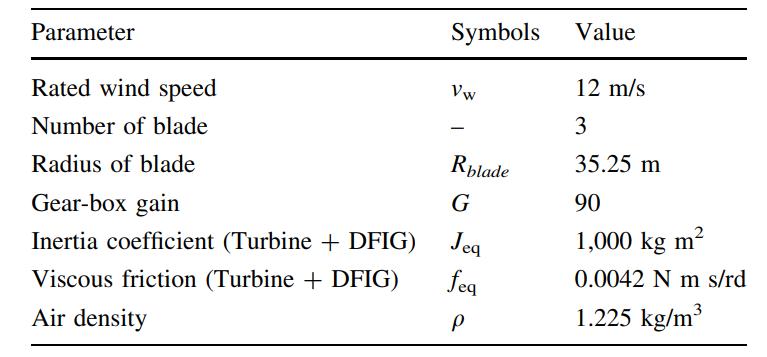
Doubly-fed induction generator (DFIG), maybe a producing rule broadly utilized in wind turbines. By utilizing the converter to control the rotor streams, it is conceivable to alter the dynamic and receptive control nourished to the frameworkfromthestatorfreelyofthegenerator'sturningspeed.adoubly-fedInductionmachineawound-rotordoublyfedelectricmachineandhasafewfocalpointsoveracustomaryInductionmachineinwindcontrolapplications.Tobegin with,astherotorcircuitiscontrolledbyacontrolhardwareconverter,theInductiongeneratorcanbothmomentandsend outresponsivecontrol.This hasimperative resultsforcontrol framework steadiness andpermitsthe machinetobolster thenetworkamidextremevoltageunsettlinginfluences.Moment,thecontroloftherotorvoltagesandstreamsempowers theInductionmachinetostaysynchronizedwiththenetwork whereasthewindturbinespeedchanges.A variable-speed wind turbine utilizes the accessible wind asset more effectively than a fixed-speed wind turbine, particularly amid light wind conditions. Third, the taken toll of the converter is moo when compared with other variable speed arrangements since as it were a division of the mechanical control is encouraged to the lattice through the converter, the rest being encouraged to the lattice specifically from the stator The fluffy rationale controller is a set of etymological control rules related to the double concepts of fluffy suggestion and the compositional run the show of deduction. The FLC gives a calculation that can change over the phonetic control methodology based on master information into a programmed controlmethodology.Theexecutionofsuchcontrolcomprisesinterpretingtheinputfactorstoadialectlikepositivehuge, zero,negativelittle,etc.,andbuildingupcontrolrulessothatthechoicepreparecancreatethefittingyields.Fluffycontrol (FC)utilizingetymologicaldatahasa fewpointsofinterestsuchasvigor,model-free,all-inclusiveestimationhypothesis, and rules-based calculation. This paper points to compare the execution of the Proportional-Integral (PI) controller and Fluffy rationale controller for vector control of the rotor side converter (RSC). The objective is to supply free control of stator dynamic and responsive control, as well as ideal speed following for the greatest vitality capture. A vector control conspireforthenetworksideconverter(GSC)willalsobeinspected,tosupplyanautonomouscontrolofslipdynamicand receptivecontroltradedbetweenthelatticeandGSC.Thecomesaboutofthiscomparisonwillbeutilizedtodecidewhich of the two controllers is more reasonable for vector control of the RSC and GSC. The study will moreover give an understandingintothepotentialofbothPIandFluffyrationalecontrollersingivingautonomouscontrolofstatordynamic andreceptivecontrol,aswellasidealspeedfollowingformostextremevitalitycapture.Thiscontroltechniqueisexecuted inMATLAB/SIMULINKenvironment.
Keywords: MPPT, DFIG, Rotor Side Converter(RSC), Grid Side Converter(GSC), PI Controllers, Fuzzy logic control, Vectorcontrol,WindEnergyConversionSystem.

1.1 Background and Motivation
Investigatinginwindcontroleraframeworksisboomingduetotheexpandedrequestforrenewablevitalitysources.The double-fedInductiongenerator(DFIG)isbroadlyutilizedinwindturbinesduetoitspreferencesoverordinaryInduction machines, such as controlling rotor streams and bringing in and sending out receptive control. Control of the rotor voltagesandstreams empowerstheInductionmachinetostaysynchronizedwiththenetwork whereasthewindturbine speedchanges.Thisleadstomoreeffectivevitalitycapture.TheDFIGinnovationempowerstheturbinetocapturevitality from the wind and nourish it into the lattice. This gives a dependable source of renewable vitality, which makes a differencetodecreasedependenceonfossil powers andrelieve theimpacts ofclimatealteration. The motivationforthis termpaperistocomparetwocontrolmethodologies,fluffyrationale,andPIcontrollers,forDFIGusedinwindturbines.In spite of the fact that PI control could be a well-known strategy for DFIG control, fluffy rationale control has a few focal points, such as vigor and model-free characteristics, making it a promising choice for DFIG control methodologies. This investigation gives an in-depth investigation of both control strategies' execution in the autonomous control of stator
dynamic and receptive control, ideal speed following, and resistance to unsettling influences. This inquiry about will contributetotheenhancementofwindcontroleraframeworksandadvancetheadvancementofmoreeffectiveandsolid control procedures for DFIG. The ponder moreover gives a comprehensive comparison of the two control procedures, highlighting the preferences and impediments of each. The comes about of this inquiry about will be valuable for future applicationsofDFIGsinwindcontroleraframeworks
1.2 Problem Statement
Theissuetendedtointhistermpaperisthecomparisonoftwocontrolmethodologies,fluffyrationale,andPIcontrollers, for a doubly-fed Induction generator (DFIG) utilized in wind turbines. The objective is to attain free control of stator dynamic and responsive control, ideal speed following, and resistance to unsettling influences. To decide which control technique is more fitting for DFIG control procedures in wind control applications, this ponder compares both control methodologiestorecognizetheirqualitiesandshortcomings
1.3 Investigate Objective
Givingapoint-by-pointunderstanding oftheDFIGframework,itspreferencesoverordinaryInductionmachines,andthe requirement for effective control procedures in wind control applications. And creating a vector control conspire for the rotorsideconverter(RSC) that gives freecontrol ofstator dynamic and responsive control andideal speedfollowing for mostextremevitalitycapture.Executingavectorcontrolplotforthenetworksideconverter(GSC)thatgivesautonomous controlofslipcontrolandresponsivecontroltradedbetweentheframeworkandGSC.Comparisonoffluffyrationaleand PI controllers execution in terms of free control of stator dynamic and receptive control, ideal speed following, and resistance to disturbances. To assess the viability of the proposed fluffy rationale control strategy utilizing a shrewdly fluffy induction system with master knowledge. To approve the proposed control procedure by reenactment and comparisonof reenactment comesabout offluffy rationaleandPIcontrollers utilizingMATLAB/SIMULINKenvironment. This investigation provides a comprehensive investigation and comparison of fluffy rationale and PI controllers for DFIG control methodologies in wind control applications. The extreme objective is to create a more effective and solid control procedureforDFIG-basedwindturbines.Thismethodologyoughttobeabletodecreasecontrolmisfortunesandprogress thebyandlargevitality yieldofthe wind turbines. Also,theprocedureoughttotoobeableto decreasethe requirement forcomplexandcostlycontrolhardwareframeworks
1.4 Structure of Paper
Therestofthepaperisorganizedasfollows.Principlesof PIandFuzzycontrolstrategiesforDFIGControlarediscussed in SectionII.SectionIIIgivesadynamicmathematicalmodelofthewindturbinesystem. ModelingoftheDFIGsystemfor itsstatorand rotorequationsisdiscussedin SectionIV andSection Vconsists of theVectorcontrol strategy of theDFIG. The Fuzzy logic control strategy for the control of DFIG is given in Section VI. Simulation Results for the considered parametersarepresentedinSectionVII,ConclusionofthepaperisstatedinSectionVIII.
Ⅱ. Principles of DFIG Control Strategies
Thecontrolframeworkmaybeapivotalissueforthewindvitalitytransformationframework(WECS).It maximizes the extricated control from the wind through all the components. It moreover guarantees that the conveyed controltothenetworkcomplieswiththeinterconnectionprerequisites.Thecontrolprocedureisconnectedtodistinctive parts of the doubly-fed Induction generator-based wind vitality change framework (WECS) and they have distinctive points Numerousnumbersofdiversecontrolstrategieshavebeendevelopedtocontrolwindvitalitychangeframeworks Theforemost broadly utilizedstrategy ofcontrollingconvertersis utilizing PIcontrollers.However, PIcontrollerhasthe samemajorissues:unreliableconditionswithinthepreciseshow,anderraticbehaviorofafewframeworkdetails,suchas wind speed, varieties in reference values of required control, and concurrent changes in these parameters, which makes controllerparameter directionsohard[1],[2].Thereasonforthispaperisto control Active,reactive,anddc-link voltage employinga fluffycontroller. Utilizing fluffycontrol, we are abletodeliver controlleryields thatare more solid since the impact of other parameters such as commotion and occasions due to a wide extent of control zones can be considered. Additionally, the control of parameters can be done more effortlessly without the need for a numerical show of the frameworkandbyfairutilizingthefulloperationandbehavioroftheframework[1].
2.2 PI Control Strategy
A PI controller (proportional-integral controller) can be utilized in a closed-loop framework for a Double-Fed InductionGenerator(DFIG)tocontrolthegenerator'selectricalcontrolyield.DFIGsareregularlyutilizedinwindturbines,
wherethecontrolyieldshouldbecontrolledtopreserveasteadyfrequencywithintheelectricgrid.ThePIcontrollercan offer assistance to the generator's electrical control yield by shifting the current through the rotor winding. This in turn influences the generator's torque. The PI controller has two components: corresponding and integral. The relative component changes the yield based on the contrast between the required setpoint and the current measured esteem. Necessarilycomponentsaltertheyieldbasedonthecollected errorovertime,whichdisposesofsteady-stateerrors.The PI controller's yield alters the voltage connected to the rotor winding. This voltage can be controlled using a control hardware converter. The converter alters the voltage to preserve the required rotor current, which controls the generator's control yield. In outline, a PI controller can be utilized in a closed-loop framework for a DFIG to control the generator's electrical control yield by setting the voltage connected to the rotor winding. The corresponding component modifies the yield based on the current blunder, whereas the fundamental component alters the yield based on the gatheredblunderovertime.Thiscomesaboutinwaybetterframeworkcontrol
2.3 Limitations of PI Control
PI control can overshoot the desired set point, which can harm the system. I control can have a slow transient response time, which can cause delays in the system. PI control can have limited accuracy in situations where system parameters changeconstantly. PIcontrol requirespropertuningto optimizesystemperformance,andthiscanbea complexprocess thatrequiresadeepunderstandingofthesystem.
2.4 Fuzzy control
Zadehintroducedfuzzy logic controllersin1965.Following that,Mamdani presentedfuzzy logic-basedcontroller conceptsin1974[3].Themainconceptbehindfuzzylogicisstudyinganaloginputsintermsoflogicalvariablesthatcan take continuous values between 0 and 1. On many occasions, fuzzy logic control is considered more effective than conventional control, especially in large-scale systems. It is usually adopted in electronic systems to enhance system performance by minimizing fluctuations in system outputs [4, 5]. Fuzzy logic ismainly based on the element (��) and the associated membership function (��) which determines the percentage of this element belonging to the fuzzy set [6]. A generalfuzzyset(A)isrepresentedbyamembershipfunction�andtheelementwhichcanhaveanyvalueintherange (��)asrepresentedintheequationbelow.Themembershipfunction(����)isusedtodeterminethedegreeofmembership of the element (��) in the fuzzy set (��). The membership function can be represented graphically or numerically as a function of the element. The participation work can at that point be utilized to decide the yield of the fluffy rationale framework.Theyieldofthefluffyrationaleframeworkisdecidedbythedegreeofparticipationofthecomponentwithin thefluffyset.Thisyieldcanthenbeutilizedtoformchoicesortakeessentialactivities.
Multiplevariablescanbelongtothesamesubset(A)ordifferentsubsets(AandB)butwithdifferentpercentages. The individuals of these subsets speak to the values of each variable. The enrollment capacities are made with certain shapes that are characterized to a particular extent. Fig. 2.1 speaks to a case of a triangular participation work that includesarangeof(-E,E).

2.1ATriangularMembershipFunction
At �� = 0, the membership function contains an esteem of 1 which outline that this esteem has a place in this enrollment work with a rate of 100%. On the other hand, at �� =E/2, the enrollment encompasses esteem of 0.5 which suggests thatthere's a chanceof50%inwhichthisvariablecan havea place inthis membership function[6].Therange betweenE2istheregionofinstability.ThisimpliesthatthevaluesofxbetweenandE2havealikelihoodofhavingaplace
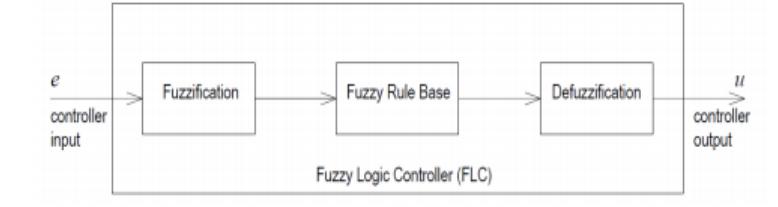
inthisenrollmentworkthatgoesfrom100%to0%.Thiszoneofvulnerabilityisknownasthefluffylocale.Themeasureof the fluffy locale can be balanced agreeing to the application. A smaller fluffy locale will give more exact comes about, whereasabiggerlocalewillincrementtheadaptabilityoftheframework Whendesigningafuzzylogiccontrol,weshould passthroughthreephases:
1)Fuzzification,
2)Fuzzyrulebaseand
3)Defuzzification.
Theformerphaseincludes designingmembershipfunctionsandselectingtheproperrange.Themiddlephaserepresents therulesthatlinktheinputstotheoutputs,andtheyaresquaredofthenumberofthedesignedmemberships.Thelatter phasetransformsthegeneratedfuzzyvalueintoanumericalvalue.Forexample,themiddlephaseiscomposedof"if-then" rules of the form: if (x is A) and (y is B), then (z is C). This is an example of fuzzy logic, which is a form of artificial intelligence that uses imprecise data to process and make decisions. Fuzzy logic helps machines to interpret real-world situations more accurately and can be used to solve problems that require complex decisions based on incomplete or uncertaininformation.Fuzzylogiccanbeappliedtoawiderangeoftasks,fromcontrollingmachinestodecision-making. It can also be used to improve the accuracy of predictive analytics models. A general fuzzy logic block diagram is representedinFig.2.2
Ⅲ.Dynamic Mathematical Model
3.1
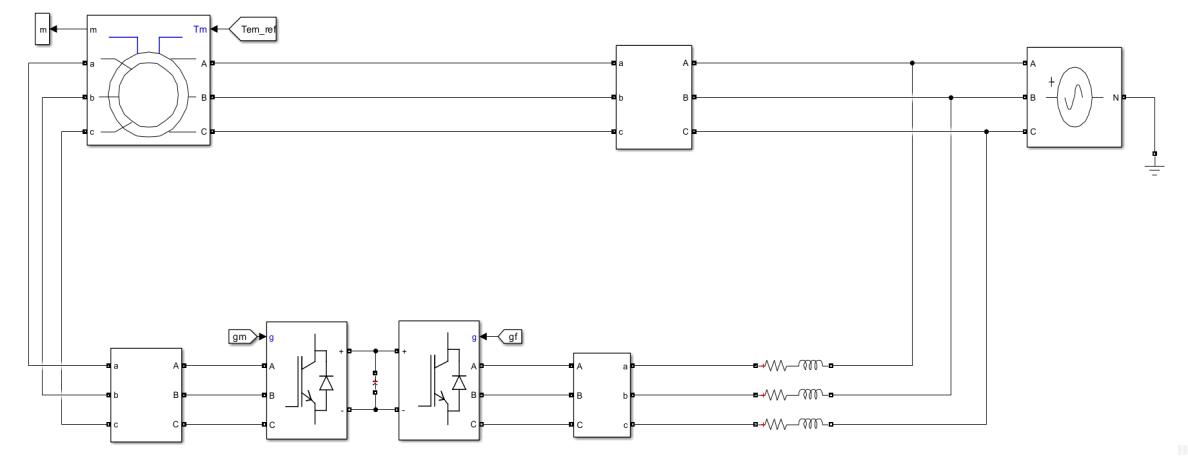
Double-fedInductiongenerator(DFIG)isoneoftheforemostWellknownwindturbineswhichincorporatesanInduction generator With a slip ring, a back-to-back voltage source converter, and a Common DC-link capacitor. Control electronic converters have Two primary parts; the lattice side converter (GSC) and the rotor side converter (RSC). This converter (RSC)usesthree-phasestatorwindingthat'sspecificallyassociatedwiththelatticewhereasthethree-phaserotorwinding isassociatedwiththelatticebyslipringsandbrushesthroughacontrolConverter.Theback-to-backcontrolconverterhas full Controllability of the framework. It can be utilized to direct the control stream between two vitality sources, such as renewablevitalitysourcesandthepowernetwork.Theconvertercantoocontrolthevoltageandrecurrenceofthevitality, permitting a consistent vitality exchange. This makes a difference to guarantee a steady control framework and encourages the integration of renewable vitality sources into the network. It moreover guarantees that the control deliveredisofthemostelevatedqualityandcanbeutilizeddependably.
ThedivisionofthecontrolwithinthewindextricatedbytheturbineandindicatedbyPtisgivenas:
Pt=1/2πρR2bladev3 wCp(λTSR,β) 3.1
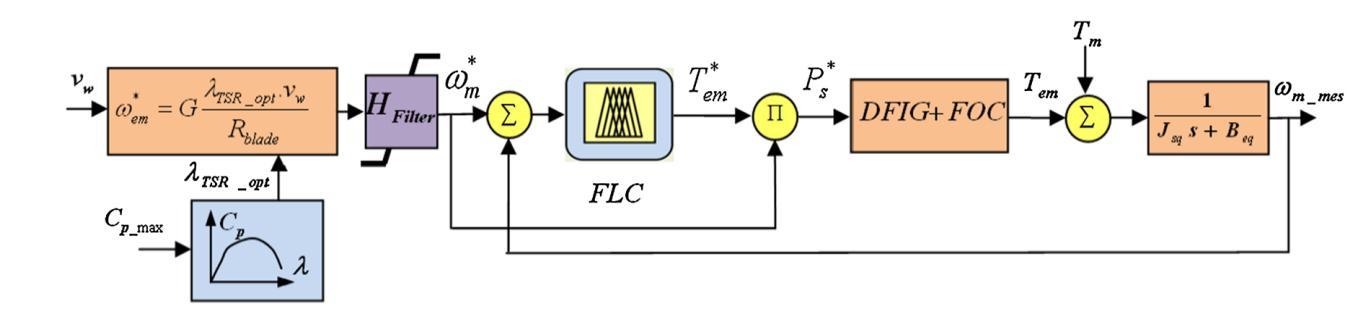
Theeffectivenesscoefficientisapproximatedbyemployinganonlinearworksinceitgivesmoreexactcomesaboutandis fasterinsimulation,itmaybeaworkofthepitchpointsignifiedbyβ,andthetipspeedproportion(TSR)signifiedby λTSR, whichisgivenas:
λTSR = 3.2
Therelationshipbetween λTSR, andCpfordistinctivebisdisplayedinFig.2andgivenbythefollowingrelation: Cp(λTS,β)=0.240 ) 3.3 = [( ) - ( )] 3.4
For the turbine operation when there's a plausibility to control TSR, the pitch angle is kept at zero. The most extreme esteem of the efficiency coefficient can reach 16/27 ≈ 0.593 which is called the Betz restrain(LiandChen2006).Thedrivingtorqueoftheturbineischaracterizedby:
Ⅳ. MODELING OF THE DFIG
ThecommonmodeloftheDFIGiscontinuedastakesafter:Theconditionsofthestatorandrotorvoltageswithinthed-q outlineindividuallyaregivenby:
Thestatorandrotorfluxlinkageconditionswithinthed-qoutlineseparatelyaregivenby:
TheEMtorquegeneratedbytheDFIGisgivenby:
r , s :RotorandStatorphaseresistances.
r, s :RotorandStatorphaseinductances.
:themutualinductances
:Machinepolepairs
Ⅴ. VECTOR CONTROL STRATEGY
Hasse and Blaschke created this strategy by drawing motivation from DC engine drives. This strategy isolates flux and torque control [8]. DFIG is progressively utilizing vector control due to its effectiveness in controlling. Vector control permits for made strides execution, decreased torque swell, and quick energetic reaction. Vector control moreover dispenses with the require for a slip emolument calculation and can viably handle a wide run of stack necessities. In expansion,vectorcontrol is cost-effectivedueto itsmoo componentcheck.Vectorcontrol hasthepotential tocreatethe frameworkmoresolidanddiminishupkeepcosts.Itmoreoverpermitsforhigherframework proficiencyandprogressed control quality. Vector control can too give superior framework solidness, progressed energetic reaction, and smoother operation.Vectorcontrolissubsequentlyaawesomechoiceforcomplexenginecontrolframeworks.
Agreeingtotheproposedprocedure,thestatorfluxisadjustedwiththed-axis: 5.1
5.2
Soagreeingtocondition(4.9),theelectromagnetictorqueisgivenby:
5.3
Theequationsofthedirectandquadraticstatorcurrentsindividually: 5.4
AcceptingthattheframeworkissteadyandthevoltagedropofthestatorresistanceRsisdismissed[9],[10]:
5.5
Hence,bysituatingthecoordinateaxiswiththestatorflux,thevoltageis adjustedwiththeaxisinquadrature.Thestator Active andreactivepowerscanatthatpointbecomposedastakesafter:
5.6
5.7
To get the expressions of the powers as a work of the rotor streams, the streams within the two past conditions are supplantedbytheirexpressionsinconditions(5.6)and(5.7): – 5.8
5.9
The final conditions appear that the active and receptive powers might be controlled by means of rotor streams. The dynamiccontrolcanbecontrolledbythecurrentonthequadraticpivot,whereastheresponsivecontrolcanbecontrolled bythecurrentonthe coordinatepivot.Inthisway,therotorvoltages withinthed-q axis canbecomposedas takesafter
5.10
5.1
:thecoefficientofLeakage,itisgivenby:
5.12
The system transfer function is defined by ignoring the coupling terms and Atthatpointincludingthesetermstotheyield
Ⅵ. Fuzzy Control Strategy
Fluffy rationale controllers (FLCs) are a sort of control framework that utilize fluffy rationale to reason approximately looseorquestionabledata.FLCscanutilizeasetoffluffyrulestoinexactthebehaviorofacomplexframework.Thismakes themvaluableforcontrollingcomplexformsthataretroublesometodemonstratenumerically.FLCsaremoreoverutilized toimitatehumandecision-makingforms.Theyareespeciallyvaluableforassignments wheretherearedifferentgoalsor questionable inputs. They can too be utilized to optimize complex frameworks in real-time.FLCs are able to handle nonlinear, questionable, and complex frameworks that are troublesome to demonstrate numerically. They can be effectively executedandtunedutilizingbasicrules,andtheirexecutioncanbeprogressedwithextrarulesorfluffysets.
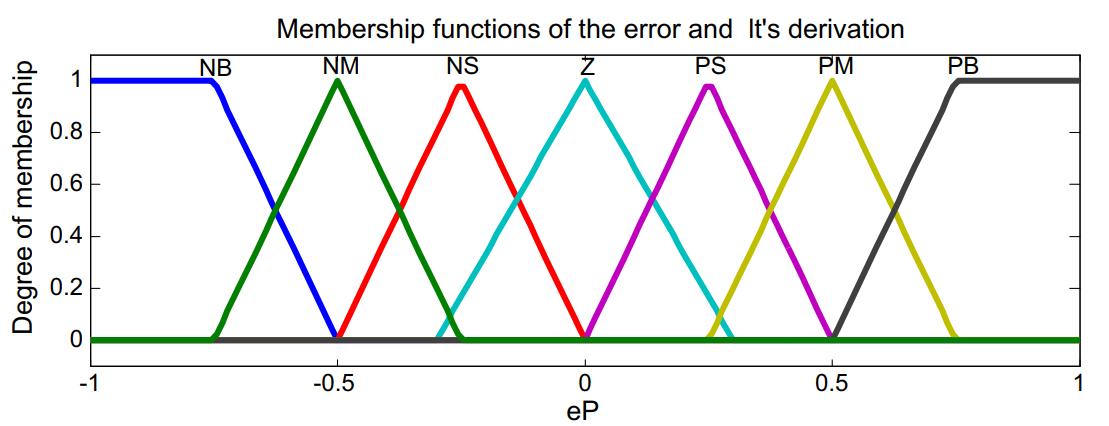
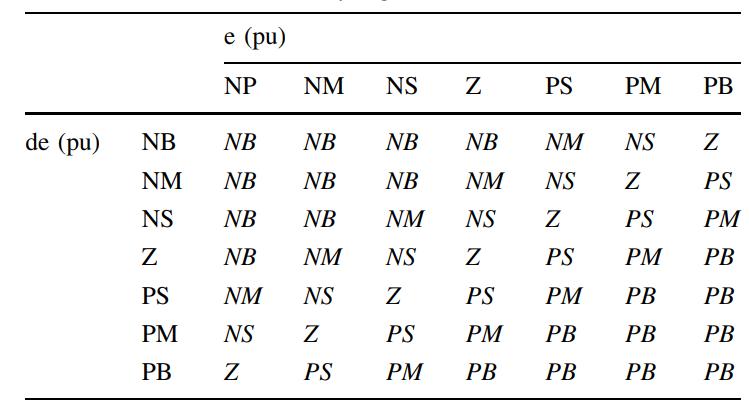
Z=zero,PS=PositiveLittle,PM=PositiveMedium,PB=PositiveHuge,NS=Negativelittle,NM=NegativeMedium,NB= NegativeEnormous,Theuniverseoftalkofallthefactorsiscommunicatedinperunitvalues.TherearesevenMFsforthe inputsandtheyieldsignals.AllMFsaresymmetricalforpositiveandnegativevaluesofthe factors Fluffycontrolrunthe showdatabasecomprisesofarrangementif-and-thenfluffyrationaleconditionsentences.Table1appearsthecomparing run the show table for the fluffy controller, the plan of these rules is based on subjective information, found from broad Simulationtests.
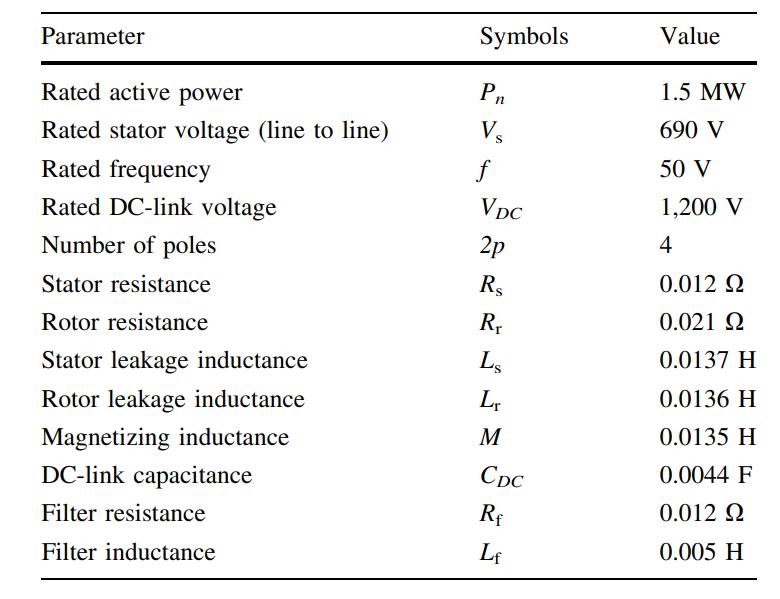
Ⅶ. SIMULATION PARAMETERS
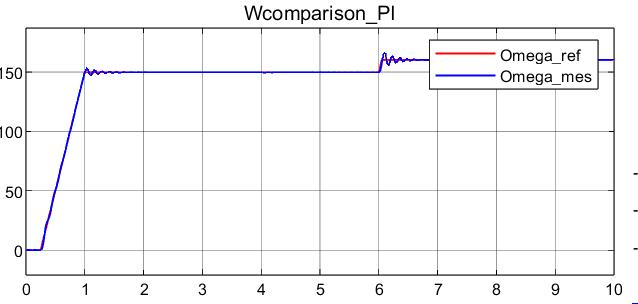
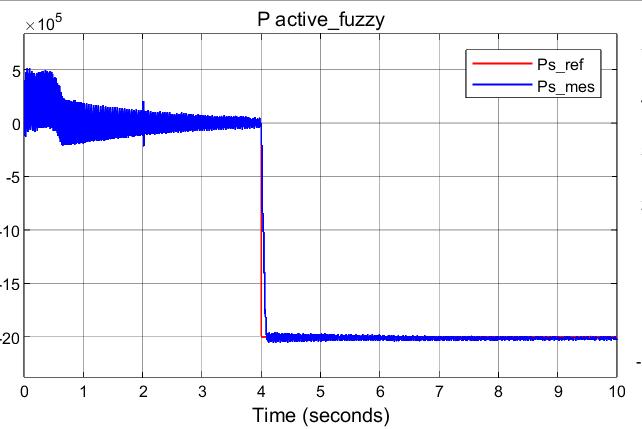
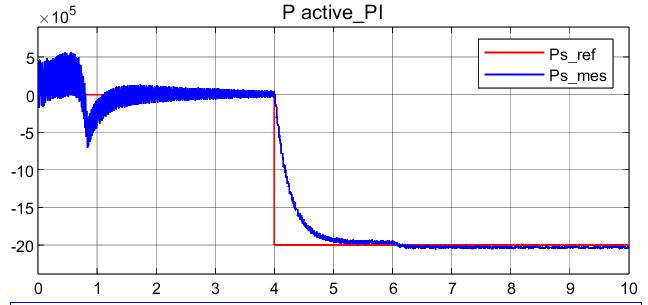
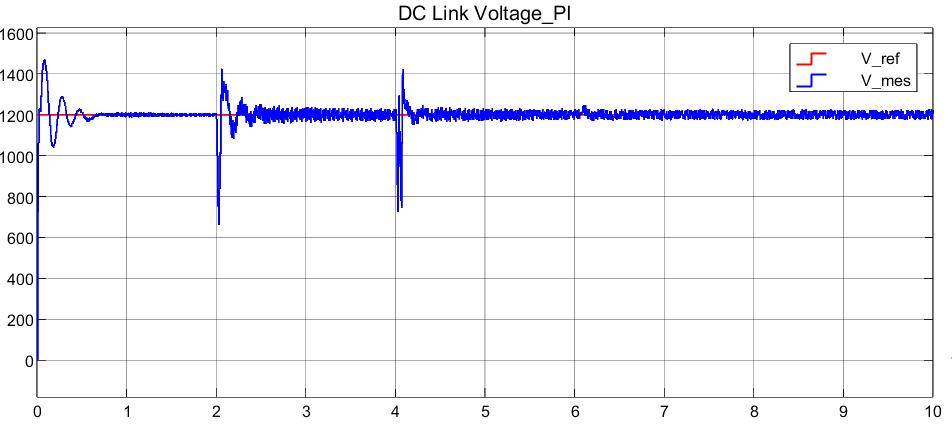
IX. CONCLUSION
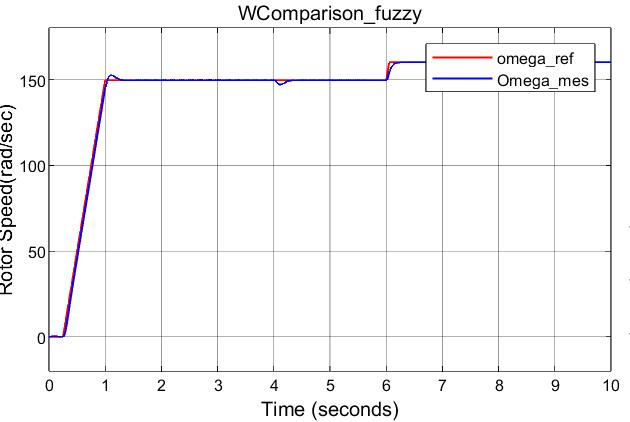
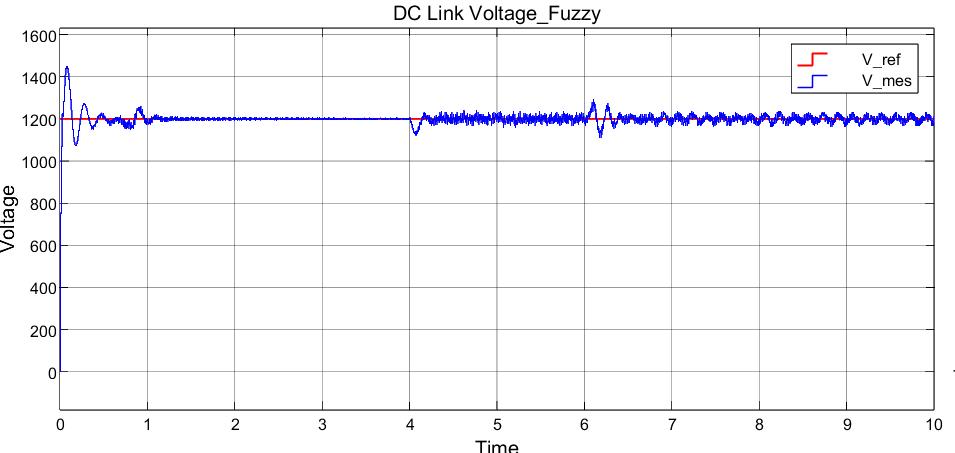
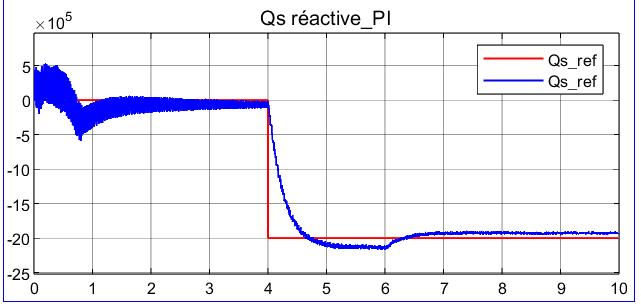
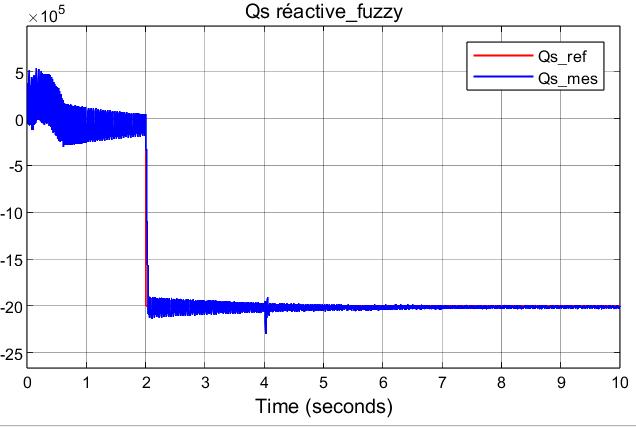
Thecomparativestudyofclosed-loopcontrolofDFIGbyusingfuzzylogicandPIcontrollerswascarriedouttodetermine theperformanceofbothcontrolstrategiesinwindpowerapplications.Thestudyaimedtoachieveindependentcontrolof statoractiveandreactivepower,optimalspeedtracking,andresistancetodisturbances. Basedontheresultsobtained,it was concluded that both PI and fuzzy logic controllers are suitable for vector control of DFIG, but fuzzy logic controllers provide more robust and accurate control than PI controllers. Fuzzy logic controllers can handle uncertainties and nonlinearitiesinthecontrolsystem,makingthemmoresuitableforwindpowerapplications. Overall,thisstudyprovides insight into the potential of both PI and fuzzy logic controllers in providing independent control of stator active and reactivepowerandoptimalspeedtrackingformaximumenergycaptureinwindpowergenerationsystems.Thefindings ofthisstudycouldbeusefulforfutureresearchindevelopingmoreefficientandreliablecontrolstrategiesforDFIG.
References
1. H. K.-Davijani, A. Sheikholeslami, H. Livani and M. K.-Davijani, “ Fuzzy Logic Control of Doubly Fed Induction GeneratorWindTurbine,”WorldAppliedSciencesJournal,vol.6,no.4,pp.499-508,2009.
2. Arash Abedi, Mojtaba Pishvaei, Ali Madadi and Homayoun Meshgin Kelk, “Analyzing Vector Control of a GridConnected DFIG under Simultaneous Changes of Two Inputs of Control System” European Journal of Scientific Research,ISSN1450-216X,vol.45No.2,pp.221-231(2010).
3. M.Cavazzutti,“Fuzzygainscheduling,”ControlEngineeringLaboratory,HelsinkiUniversityofTechnology,SciRep. 62,2000
4. ErtugalCam,IlhanKocaarslan.LoadFrequencyControl inTwoAreaPowerSystemsUsingFuzzyLogicController. KirikkaleUniversity.Turkey.2004.
5. AtulIkhe,AnantKulkarni.Dr.Veeresh.LoadFrequencyControlUsingFuzzyLogicControllerofTwo AreathermalthermalPowerSystem.InternationalJournalofEmergingTechnologyandAdvancedEngineering.2012.
6. K. Tomsovic, “Fuzzy systems applications to power systems”, short course Proc. of international conference on intelligentsystemapplicationtopowersystems.BrazilRiodeJaneiro,pp.1-13,1999.
7. K.M.Passino,S.Yurkovich,FuzzyControl,California:Addison-Wesley,1998.
8. A.Chourasia,V. Srivastava,A.Choudhary,and S. Praliya,“Comparisonstudy of VectorControl of Induction Motor Using Rotor Flux Estimation by Two Different Methods,” Int. J. Electron. Electr. Eng., vol. 7, no. 3, pp. 201–206, 2014.
9. Z. Liu, O. A. Mohammed, and S. Liu, “A Novel Direct Torque Control of Doubly-Fed Induction Generator Used for VariableSpeedWindPowerGeneration,”in2007IEEEPowerEngineeringSocietyGeneralMeeting,2007,no.1,pp. 1
6.
10. M. Machmoum, A. Hatoum, and T. Bouaouiche, “Flicker mitigation in a doubly fed induction generator wind turbinesystem,”Math.Comput.Simul.,vol.81,no.2,pp.433–445,2010.
11. Bezza M, Moussaoui B.EL, Fakkar A (2012) Sensorless MPPT fuzzy controller for DFIG wind turbine. egypro, Energy procedia. Elsevier proceedings, vol 18, pp 339–348. Elsevier, New York Camblong H, de Alegria IM, RodriguezM,AbadG(2006)Experimentalevaluationofwindturbinesmaximumpowerpointtrackingcontrollers. EnergyConvManage47:2846–2858(Elsevier)
12. ElAimaniS,FrancoisB,MinneF,RobynsB(2003)Modellingandsimulationofdoublyfedinductiongeneratorsfor variable speed wind turbines integrated in a distribution network. In: 10th European conference on power electronicsandapplications(EPE2003),Toulouse,France.
13. Jabr HM, Kar NC (2005) Adaptive vector control for slip energy recovery in doubly-fed wind driven induction generator.In:ProceedingsoftheIEEECanadianconferenceonelectricalandcomputerengineeringpp759–762.
14. Jabr HM, Kar NC (2006) Fuzzy gain tuner for vector control of doubly-fed wind driven induction generator. In: ProceedingsofIEEECanadianconferenceonelectricandcomputerengineering,Ottawa,pp2266–2269
15. JabrHM,LuD,KarNC(2011)Designandimplementationofneurofuzzyvectorcontrolforwind-drivendoubly-fed inductiongenerator.IEEETransSustEnergy2(4):236–241.
16. LeeHH,DzungPQ,PhuongLM,KhoaLD,NhanNH(2010)Anewfuzzylogicapproachforcontrolsystemofwind turbinewithdoublyfedinductiongenerator.In:IFOSTproceedings,Ulsan13–15October,pp134–139.