STUDY OF WATER MANAGEMENT SYSTEM USING GEOGRAPHIC INFORMATION SYSTEM
Venkatesh.U1 , Sudhan Srinivas.N2
1M. Plan Student, School of Planning Architecture and Design Excellence, Hindustan Institute of Technology and Science, Chennai, Tamilnadu, India.
2 Assistant Professor, School of Planning Architecture and Design Excellence, Hindustan Institute of Technology and Science, Chennai, Tamilnadu, India

Abstract - Water management is the process of managing the distribution, storage and use of water resources in a sustainable and efficient manner. It involves the planning, development and implementation of policies and strategies. The water delivery networks need to adhere to a number of guidelines for the amount and quality of water given to consumers. Urban flooding is a major catastrophic feature of many cities across the world causing property destruction, essential infrastructure interruption and facilities. Water distribution network it is also possible to combine in a GIS database information such as water quantity and quality in a specific territory. It is thus important to collect in the same computer support all the information related to a water system based on geographical location. The methodology consists of literature studies and case studies of existingwater management system in National and International countries from the studies the various models, methods and approaches has been identified and the case studies has been analyzed based on the parameters and indicators.Thecasestudiesdone on both national and international. The study focuses on the sampling technique, Approaches, Location survey, calculation model and GIS tools which help to priorities Finally, the conclusion of dissertation part which consists of overall observations and inferences from the studies which have been comparing and concluding by analysing various sampling technique, indicators, models, and approaches in various national and international of Literature and case studies to planning water management systemforcreatingthedatabase and Management of water supply networks is monitored by specialized programs usingGeospatialinformationsystemGIS models identify problems to solve them by working with models specific to water supply systems which lead the way forward to the thesis project.
Key Words: Water Management, GIS, Water supply, Waste Water, Strom Water, Water Resources Management
1. INTRODUCTION
Water management is the process of managing the distribution, storage and use of water resources in a sustainableand efficientmanner.Itinvolvestheplanning, developmentandimplementationofpoliciesandstrategies
toensureadequatewatersupplyforvariouspurposessuch asdrinking,irrigation,industrialuses,andrecreation,while alsotakingintoaccounttheneedsoftheenvironmentand futuregenerations. Geographic InformationSystems(GIS) areessentialtoolsinwatermanagementastheyenablethe mapping, analysis,andvisualizationofwater-relateddata such as the location and extent of water resources, water quality and water demand. GIS technology allows water managers to make informed decisions about where to allocate resources, identify potential sources of contamination and assess the impact of various waterrelatedprojects. Watersupplyisa critical aspectof water managementasitinvolvestheprovisionofsafeandreliable drinking water to communities. This involves a range of activities such as water treatment, distribution and maintenance of infrastructure. Water supply is a complex process that requires the collaboration of multiple stakeholders includinggovernmentagencies,waterutilities, and the public. Wastewater management is another important aspect of water management as it involves the safe and effective treatment and disposal of wastewater generated by households, industries and other sources. Proper wastewater management is crucial for protecting publichealthandtheenvironmentasuntreatedwastewater can contain harmful contaminants that can pollute water sources and cause disease. Effective wastewater managementinvolvesarangeofstrategies,includingtheuse of wastewater treatment plants, recycling and reuse of wastewaterandtheproperdisposalofresidualsludge
1.1 Aim
To Study of water management system in cities using GeographicInformationSystem.
1.2 Objective
Tounderstandthedifferentwatersupplynetworks tostudy the water shortage and water logging problems in urban area tounderstandthewastewatermanagementinurban area. ApplicationofGISinwatermanagementsystem.
1.3 Methodology
1methodology
2. LITERATURE STUDY
The review of existing literature and case studies has identified important indicators pertaining to land use changesandpopulationdensityanalysisusingGIS.Togaina deeperunderstandingofhowtheseindicatorsinfluenceland use changes and population density, further research is needed.Additionally,itiscrucialtoexplorehowGIScanbe effectivelyutilizedtofacilitateinformeddecision-makingin thesedomains.
2.1 Water Supply Management
GIS is a powerful tool that combines spatial data withanalyticalcapabilitiestoenableuserstovisualizeand analyse complex data sets. When applied to water supply systems,GIScanprovidevaluableinsightsthatcanhelp to identifyandsolveproblemsrelatedtowatersupply[1].For example, using GIS real-world maps the water supply managers can identify areas with low water pressure or water quality issues which may require maintenance or repair.Bypinpointingthelocationoftheseproblemson a map, managers can quickly identify the cause of the issue and allocate resources to fix it. Moreover, GIS models can also predict future problems based on the analysis of historical data and help managers take pre-emptive measures to avoid future issues [2] Additionally, GIS can helpinreducingtheworkingtimerequiredforanalysingand managing water supply networks. It provides real-time monitoringofthenetwork whichcanhelpmanagersquickly identifyanyissuesthatariseandtakecorrectiveactionsin
real-time. Furthermore using GIS maps with statistical indicatorsnsuchaswaterdemandandsupply,waterquality, anddistributionnetworkefficiency,canhelpidentifyissues relatedtowatersupplymanagement.Theseindicatorscan assist in determining the optimal locations for new water sources,improvingwaternetworkefficiency,andidentifying demandandsupplygaps[3].
GIS is a powerful tool for water supply management, enablingreal-timemonitoringandpredictivemodellingof the water supply network. It also enables data-driven decision making by identifying issues related to water supply management such as water demand and supply, waterqualityandnetworkefficiency.Additionally,GIScan help in identifying the optimal locations for new water sources,improvingtheoverallefficiencyofthewatersupply network.
2.2 Waste Water Management
The use of statistical indicators and sewer network maps with GIS software can be a powerful tool for identifying problemsanddevelopingplanningpoliciesrelatedtosewer networks.Byanalysingdataonparameterssuchastheflow of wastewater, the location of sewer lines, and the performanceoftheSewageTreatmentPlant(STP),GIScan help identify areas of concern and develop effective strategies for improving the overall efficiency and functionalityofthesewernetwork[2].
GPStechnologycanbeusedtotracktheflowofwastewater and map the sewer line to the STP, providing valuable information for planning and decision-making. By integratingthisdatawithGISsoftware,managerscancreate digitalmapsandreportsthatcanbeusedtoidentifyareasof high demand and low supply, track performance metrics, and analyse trends over time. This can help in predicting future issues and planning for maintenance and repair activities[4].
GISmodelsusequeriestocreatedigitalmapsandreportfor the sewer network, allowing managers to analyse data on various parameters and identify areas of concern. These models can also predict future problems and help in developingeffectivestrategiestoaddressthem.Forexample, GISmodelscanhelpinidentifyingoptimallocationsfornew sewer lines or STPs improving the overall efficiency and functionalityofthesewernetwork.[3]
Insummary,theuseofstatisticalindicators,sewernetwork maps, GPS technology, and GIS software can provide valuableinsightsintosewernetworkproblemsandhelpin developingeffectiveplanningpolicies.Byanalysingdataon variousparametersandcreatingdigitalmapsandreports, managers can identify areas of concern, predict future problemsanddevelopstrategiesforimprovingtheoverall functionalityofthesewernetwork
2.3 Water Resources Management
Water quality is an important factor to consider when managing water resources, as it affects the health and wellbeingofcommunitiesandecosystems.Byanalysingand evaluating the tap water quality and groundwater hydrogeochemistry, itispossibleto determinethe quality andhardnessofthewater,whichcanhelpinformdecisions ontreatmentmethodsorwaterusage.[5]
The observationis thatwater qualityisa critical factor to consider when managing water resources because it has directimpactsonbothhumanhealthandtheenvironment. By analysing and evaluating the quality of tap water and groundwaterhydrogeochemistry,itispossibletodetermine thequalityandhardnessofthewater.Thisinformationcan beusedtomakeinformeddecisionsontreatmentmethods orwaterusage,whichcanhelpensuretheavailabilityofsafe and clean water for communities and ecosystems. Proper management of water resources is crucial for sustainable developmentandthelong-termwell-beingofourplanet
INFERENCE
The use of GIS and other data-driven tools is critical for effective water supply management particularly in monitoring and predicting network performance and identifying optimal locations for new water sources. Additionally, monitoring water quality and evaluating hydrogeochemistryareessentialforensuringsafeandclean waterforcommunitiesandecosystems.Propermanagement ofwaterresourcesisvitalforsustainabledevelopmentand the long-term well-being of our planet and the use of advanced technology can help us achieve this goal. By leveraging GIS and other data-driven tools, managers can make informed decisions and develop effective planning policies to improve the overall functionality of the water supplynetworkandaddressissuesrelatedtowaterdemand andsupply,waterquality,andnetworkefficiency.
3 CASE STUDY ( NATIONAL AND INTERNATIONAL )
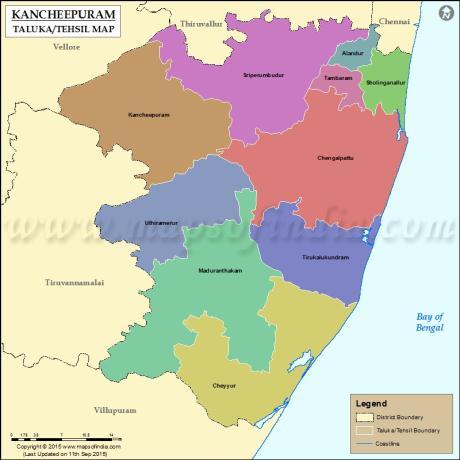
3.1 Study Area- Shollinganallur Taluk Kanchipuram
Shollinganallur Taluk comes under the administrative boundary of Kancheepuram district. The study area is locatedbetweenlatitudes1215’20”Nand1258’12”Nand longitudes809’12”and8016’9”E,coveringatotalareaof 118km2.Thephysiographicunitspresentinthestudyarea are alluvial plain, hard rock areas and coastal plain. The present population of Shollinganallur Taluk as per 2011 Census[6]
The study used a GIS-based approach to select the most suitable wastewater treatment technology by evaluating variousfactorssuchascost,energyrequirements,reliability, andenvironmentalimpact.ThestudyalsousedGISmodeling tointegrateandanalyzespatialdatarelatedtotheselection criteria,allowingfortheidentificationofpotentialsitesfor wastewatertreatmentplants.Thestudyconcludedthatthe sequencing batch reactor (SBR) system was the most suitablewastewatertreatmenttechnologybasedonitscosteffectiveness, low energy requirements, reliability, and environmentalimpact.TheuseofaGIS-basedapproachcan be a useful tool in selecting appropriate wastewater treatmenttechnologyandcancontributetothesustainable managementofwastewaterresources.[6]
Thestudysuggeststhattheselectionofsuitablewastewater treatment technology depends on factors such as wastewater quality, availability of land and climatic conditions.Consideringthesemi-aridclimaticconditionsof thestudyarea,theupflowanaerobicsludgeblanket(UASB) system was recommended for urban areas, while constructed wetlands were suggested for rural areas. Overall, the case study highlights the usefulness of GIS in identifyingsuitablewastewatertreatmenttechnologiesand determiningfavorablesitesfortheirimplementation.
3.2 Damodar Canal Command of west Bengal, Eastern India
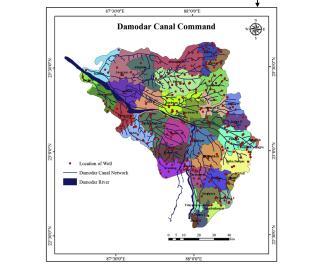
Damodar Canal Command that is situated in the upper Damodar River basin of West Bengal, Eastern India is consideredasacasestudyarea.Thestudyareacomprisesof forty administrativeblocksfalling under four districts namelyBurdwan20blocks,Hooghly 12 blocks,Howrah 4 blocksandBankura 4blocks.Geographically,thestudyarea issituatedbetween22°31ʹ25ʺNto23°42ʹ48ʺNlatitudeand 87°15ʹ14ʺ Eto88°26ʹ22ʺ E longitudeandoccupiesnearly 7470km2 [7].
GISmodelingcanbeusedtointegratespatialdataintothe decision-makingprocess.Thedatacanbecollectedthrough field surveys, remote sensing, and existing databases. The datalayerscanincludetopography,landuse,soiltype,and existingwatersources.GIScanhelpidentifyareasthatare suitable for water harvesting and artificial recharge by overlayingdifferentdatalayersandanalysingtheresults. Theidentifiedprospectivesitescanthenbeevaluatedusing MCA to select the most suitable options based on the identified criteria. The selected sites can then be further assessed for their technical feasibility and environmental sustainability[7].
GIS-based MCDA help full to make a decision analysis process with the help of thematic layers. Using Thematic layers to identify the problem related to water supply management.Thelayerhelpfulltoidentifysustainablesites forrainwaterharvestingandartificialrechargearea
4.1 Dhuleil-HalabatWell-Field/Jordan, Asia
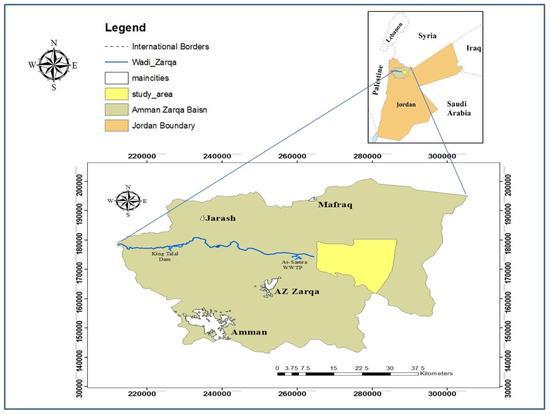
Dhuleil-Halabatwell-field(260to290Eastand165to180 North)accordingtothePalestineGrid,whichissituatedto the northeast of the capital Amman and covers an area of approximately450km2.Thisareaismainlylocatedinthe AZB and stretches from Khirbet As-Samra in the west to Khannaintheeast[8].
GIS can be used to analyse and visualize the spatial data related to the site such as land use, soil type and topography.Thisinformationcanbeusedtoidentifysuitable locations for the injection of treated wastewater. The modellingtoolscansimulatethemovementofthetreated wastewater in the subsurface and predict the potential impacts on the groundwater quality. The process can be dividedintoseveralstepsstartingwiththeidentificationof the study area and the collection of relevant data. This includestheexistinggroundwaterquality,thevolumeand qualityofthetreatedwastewater,andtheavailablelandfor recharge.[8]
GIS can then be used to overlay different data layers and analysetheresults.Forexamplebyoverlayinglanduseand soil type data, areas with suitable soil characteristics for rechargecanbeidentified.Byanalysingthetopographydata the areas that are prone to flooding can be avoided IdentifyingapotentialsiteforGWRCwithTWWusingGIS Multi-CriteriaAnalysisGIShelpstoidentifythelocationof GWRC site. Using GIS, detect low ground water levels and installatreatmentplantinthatarea.Ithelpstreatwaterto rechargethegroundwaterlevel.
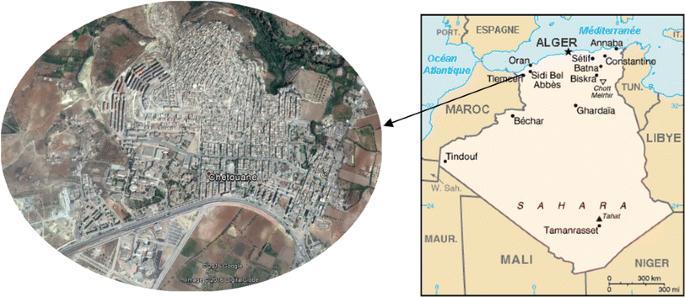
4.2 Chetouane in Algeria , Africa
ThemunicipalityofChetouanewhichislocatedintheNorthEastofTlemcen,inAlgeriainNorthAfricais5kmfromthe city center (Fig. 1). It represents the northern part of the townofTlemcenandisboundedontheNorth-Eastbythe municipality of Amieur, on the North-West by the municipalityofHenaya,on theSouth-Westbythetownof Tlemcen,andontheSouth-EastbythemunicipalityofAin Fezza.About47,600peoplelivein105km2ofChetouane. [9]
Thefirststepintheapproachwastocreateadigitalmapof thewaterdistributionnetworkusingGIS.Thismapincluded the location of pipes, valves, meters, and other infrastructure. GIS was also used to analyse the spatial distributionofwaterqualityanddetectanyareasthatmay requireadditionaltreatment.Hydraulicmodellingwasthen used to simulate the flow of water in the distribution networkandpredicttheimpactsofchangesinthenetwork's designoroperation.Thisincludedevaluatingthenetwork's efficiency and identifying areas with low pressure or high demand that may require additional infrastructure. The modelling also helped to identify areas with a higher likelihood of leaks or other issues, enabling proactive maintenance and repair activities. The results of the hydraulic modelling were used to optimize the network's design and operation such as adjusting pump settings or replacingpipes.Byidentifyingandaddressinginefficiencies in the network, water losses were reduced, and the network'sreliabilityandefficiencywereimproved [9].
Coupling GIS and hydraulic modeling can improve the managementofawaterdistributionnetworkbyoptimizing thenetwork'sdesignandoperation,reducingwaterlosses, and identifying areas that require maintenance or repair. This approach can help ensure the sustainability and reliabilityofthenetworkinthelongtermandisapplicable inotherareasthatfacesimilarwaterdistributionchallenges. ThecombinationofGISandEPANETsoftwarecanprovidea powerfultoolforwatersupplymanagement.Byidentifying problemsandsolutions,predictingthenetwork'sbehavior, andoptimizingitsdesignandoperation,theapproachcan help ensure the sustainability and reliability of the water supplynetworkinthelongterm.
INFERENCE
The importance of considering various factors when selectingsuitablewastewatertreatmenttechnologiessuch as wastewater quality, availability of land, and climatic conditionsishighlightedbythestudy.GISisfoundtobea usefultoolinidentifyingappropriatetreatmenttechnologies and determining favorable implementation sites. Furthermore, GIS can assist in identifying sustainable locations for rainwater harvesting and artificial recharge
areas as well as potential sites for groundwater recharge utilizing treated wastewater. However sustainable water managementpracticesthatconsiderenvironmentalimpacts andlong-termsustainabilityneedtobedeveloped.Future research should focus on creating such practices and discoveringwaystoencouragetheiradoption.
5 FINDINGS
Integration of real-time data: While GIS enables real-time monitoringofthewatersupplynetwork,thereisaneedto integrate data from various sources to provide a comprehensive view of the network's behaviour. Future research could focus on developing more advanced data integrationtechniquestoimprovenetworkmonitoringand management.
Improved modellingtechniques:WhileGIScan be used to createpredictivemodelsofthewatersupplynetwork,there is a need for more accurate and reliable modelling techniques.Futureresearchcouldfocusondevelopingmore sophisticatedmodellingtechniquesthatincorporateawider range of variables such as weather patterns and climate change. Incorporation of social factors - While GIS can providevaluableinsightsintothephysicalaspectsofwater supplymanagement itisalsoimportanttoconsidersocial factors such as community perceptions and behaviour. Futureresearchcouldfocusonincorporatingsocialfactors intoGIS-baseddecision-makingprocesses.Sustainablewater managementpractices:WhileGIScanhelpidentifysuitable locations for water sources and treatment technologies. There is a need to develop more sustainable water managementpracticesthattakeintoaccountenvironmental impactsandlong-termsustainability.Futureresearchcould focus on developing more sustainable water management practicesandidentifyingwaystoincentivizetheiradoption.
6. CONCLUSIONS
Inconclusion,GISplaysacrucialroleinthemanagementof water resources, supply and waste water. It helps in identifying and analysing the problems related to water supply, waste water management, and water resources management.Byusingstatisticalindicators,thematiclayers, andqueries,GIScan provideaccurateandreliabledata to decision-makers for effective planning and policy-making. Furthermore, GIS-based MCDA and modeling provide valuable tools for analysing and predicting water-related problemsandsolutions.ByusingGISandEPANETsoftware, watersupplyproblemscan be identifiedandanalyzedfor accurate predictions. Similarly, by using GPS, digital elevation maps and water quality data, waste water management and water resources management can be efficientlymonitoredandmanaged.Thus,theapplicationof GIS technology can help in the effective and sustainable managementofwaterresources,supplyandwastewaterfor thefuture.
REFERENCES
[1] Iustina, L. (2017). The management of water. Hydro technical,RevCAD22/2017.
[2] D. Pellegrino, M. L. (2019). An Integrated GIS for wastewatermanagement. A Scitechnol journal
[3] Lates, I. (2018). Applications Of Gis Model For Water SupplySystems. Land Reclamation, Earth Observation& Surveying, Environmental Engineering.
[4] Patil,M.R.(2019).DesignandMappingofUnderground SewerageNetworkusingGIS&GPS -Areviewpaper. International Research Journal of Engineering and Technology (IRJET) ,917-920.
[5] P.N.Dadhich,H.J.(2018).WaterResourceManagement basedonGIS-ACaseStudyofMunicipalityofSanganer, Jaipur. International Journal Of Engineering Research & Technology (Ijert),1-2.
[6] K.Deepa,M.M.(2015).AGISBasedApproachToSelect AppropriateWastewaterTreatmentTechnologyACase Study – Shollinganallur Taluk Kanchipuram DistrictTamilNadu. International Journal of Scientific & Engineering Research, Volume 6, Issue 3, March-2015 483.
[7] k.jha, M. (2016). Multi-criteria analysis and GIS modelingforidentifyingprospectivewaterharvesting andartificialrechargesitesforsustainablewatersupply. Journal of Cleaner Production,Pages1436-1456.
[8] Moayyad Shawaqfah, F. A. (2021). Potential Use of Treated Wastewater as Groundwater Recharge using GIS techniques and modeling tools in dhuleil -halabat well. water ,1-24.
[9] Che´rifaAbdelbaki,•.M.(2016).Managementofawater distribution network by coupling GIS and hydraulic modeling. cross mark