Renewable Energy Harvesting Using SuperCapacitor
Suraj Titare1 , Pratiksha Petkar2 , Dimpal Zade31Student, Electrical Engineering, Shri Sai College of Engineering & Technology,Bhadrawati, India

2Student, Electrical Engineering, Shri Sai College of Engineering & Technology,Bhadrawati, India
3Assi.Prof, Electrical Engineering, Shri Sai College of Engineering & Technology, Bhadrawati, India
***
Abstract:- Harvestingenergyfromthesurroundingsisaacceptableandanincreasingnumberofimportantfunctionalityin severalemergingpackagesofcleversensingstructures.Duetothelow-electricitytraitsofmanyclever-sensorsystems,their energy harvestingsystems(EHS)canachieveexcessiveperformancebymeansofemphasizing lowoverheadinmaximum electricityfactortracking(MPPT)andtheusageofsupercapacitorsasapromisingformofelectricitystoragefactors(ESE). concernsindesigninggreenchargingcircuitryforsupercapacitorsincludeleakage,residualstrength,topology,electricitydensity, andpriceredistribution.Thischapterfirstopinionsambientelectricitysourcesandtheirenergytransducersforharvesting, followedwiththeaidofdescriptionsharvesterswithlow-overheadgreenchargingcircuitryandsupercapacitor-primarilybased garage.
I. INTRODUCTION
Electricity-harvestingsmartsensingsystemswerereceivingdevelopinginterestincurrentyears.cleversensingstructuresare thosewithindependentmanipulate,communication,computation,andstorageabilitiesandatthemomentareutilizedina extensiverangeofapplicationsfromwearabletoenvironmentalmonitoring.Miniaturization,wi-ficommunique,andexcessivecapacitystatisticsgaragecapabilitiesopenupnewutilitydomainswiththeaidofallowingaentiregadgettobeestablishedonor implantedinternalmanyextrabodilygadgetsthaneverearlierthan.however,batterieswanttogetreplacedorrecharged,and theyarefrequentlythemaximumhighpricedpartofthegadget.despitethefactthattwinelesscommunicationmakesitmore flexibletosetupsmartsensingstructuresatscaleandcankeephigh-pricedwiringvalue,batteryalternativemaybeevengreater costly if not prohibitive ifthe sensing nodes are deeplyembedded. application electricity is not readlyeavailableat many deploymentwebsitesorfarawaylocations,andpowerharvestingisconsequentlyobligatoryinsuchinstances.but,anecdotes havefrequentlybeenapproximatelyhowluxuriousandbulkythosepowerharvesterscanbe,howtheyfailtomaintaindaysof terrible climate,and the way their batteries nevertheless fail after a 12 months or two. The value, size,and poor weather sustainabilitymaybeaddressedbyincorporatingenergy-harvestingcircuitrythatcanextractthemaximumquantityofenergy fromanstrengthtransducertogetherwithasunpaneloverahugerangeofsupply.Situationswithlowoverhead.numerouslatest capabilitiesthatdistinguishsuchharvestersfromtheirutility-grade,larger oppositenumbers encompass emphasisonlow overheadinmaximumstrengthpointmonitoring(MPPT)ormaxi-mumstrengthtransfertracking(MPTT),andtheusageof supercapacitorsasapotent-tailkindofstrengthgaragefactors(ESE)todealwiththehassleofbatteryag-in.Supercapacitors, additionallyknownasultracapacitorsorelectrochemicaldoublelayercapacitors(EDLCs),havelengthylifestylescyclesandwere identifiedasapromisingformofESEforcleversensornodes.mainly,supercapacitorsandphotovoltaic(PV)modulesmakean awesome combination for electricity harvesters. This has motivate researchers to design green charging circuits for supercapacitorsoftheirsensingsystems.Supercapacitorshavedecreasestrengthdensitythanbatteriesdowiththeaidofan orderofvaluebutanawfullothigherelectricitydensity, whichenablestheir use inpackagesthat requireshort-timeperiod. Excessiveelectricitydraw,whichincludeelectricmotorsandscientificdevicespecifically,despitethelowerstrengthdensity, their very long life cycles lead them to suitable for use as ESE for energy harvesting structures (EHS) this type of system generallyconsistsofthesubsequent4components theelectricitytransducers,(e.g.,sun,wind,vibrationandsoforth.),strengthharvestingcircuitry,electricitystoragesubsystem,andtargetload,asproveninFig.1theprincipleproblemswithEHSsforclever sensingstructuresareconstraintsattheformthing,harvestingperformance,
Fig. 1 TheblockdiagramforEHS,poweringsmartsensingsystems: low-overheadharvestingcircuitry,scalabilitytomultiplereservoirs,andcoldbootingmanage.Toremedythesetroubles,every ofthesubsystemsmaybeoptimizedinisolation,but togethertheymaybecollectivelyoptimizedwithexcitingtrade-offs. therefore,it'smilesessentialtodevise chargingcircuitstomaximizeharvestingefficiencyand thecircuitstomechanically discoverthemostpowerfactor(MPP).furthermore,supercapacitors-basedelectricitygaragesubsystemshouldconsiderthe nonlinearityofsupercapacitorsinclusiveofleakage,residualelectricity,topology,powerdensity,andchargeredistributionto pricethesupercapacitorsefficiently.Asaresult,supercapacitor-basedtotallyenergy-harvestingcleversensingstructurescan causeseveraladvantagessuchascosteffectiveness,smallformaspect,andlengthyoperatinglifetime














II. ENERGY TRANSDUCERS


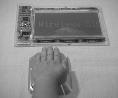


Ambientpowerresourcesareregularlytobehadintheenvironmentofmostdeploymentsites.Examplesofsuchelectricity sources consist of mechanical (vibrations, deformations), thermal (temperature gradients or variations), radiant (solar, infrared,RF),andchemicalenergy(chemistry,biochemistry)assets.theyarecharacterizedviadifferentstrengthdensitiesas shown in power harvesting from the solar is the most powerful but is not usually available or green beneath low solar irradiationsituationssuchasterribleweatherordarkishplaces.inaddition,itisn'tpossibletohar-vestelectricityfromthermal sourceswheretheremaybenothermalgradientortoharvestvibrationenergyinwhichthere'snovibration.asaconsequence, thesourceofambientstrengthoughttobechosenconsistentwiththedeployedenvironmentofthecleversensornodes.each givensourceofambientpowercanbeconvertedbywayofauniqueenergytransducerthatperformsconversionto
III. DIRECT CURRENT ELECTRICITY

ThisphaseintroducesphotovoltaictransducersasaconsultantkindofDCoutputstrengthresourceswiththeaidofdescribingits traitsthrutheequalcircuitmodels.


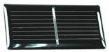
Photovoltaic Cells:Photovoltaic(PV)cellsarethemost typeofDCpowersupplyforitsexcessivepowerdensity.Fig.2(a) indicatestheequivalentcircuitofasuncellular,whichmaybemodeledasacurrentsourcewithavoltagelimiter.basedtotallyat thecircuit,theoutputpresentday ofasuncellcanbeexpressedas:
Thermoelectricturbines: Thermoelectricgenerators(TEGs)convertgeothermalpowerintoelectricenergybymeansoftheSee beckeffect.TheTEGhasnownotbecometremendousbutduetothelowconversionperformance.nomatterthelowefficiencyof theTEGs,thepossibilityofthermoelectricpowertechnologyhasswiftlyturnouttobeverypromisingwiththedevelopingpublic interestinenvironmentaltroublesinre-centyears.viatheusageofdifferingcombinationsofseriesandparallelconnectionsof thejunctionpairs,theoutputvoltageandcurrentoftheharvestermaybeadjusted.commonly,achainconnectionisusedto maximizetheoutputvoltage,onthepriceofcontemporary,toreachausablevoltagedegreeatdecreasetemperaturegradients.




TheprimaryequalcircuitofaTEGisillustratedinFig.4(a),thatismodelledtheeravoltagesupplyVGandtheinternalresistor Rin.Theopen-circuitvoltage(Voc)oftheTEGisexpressedas:
Voc = N(αp − αn)(TH − TC)
whilethetemperaturedifferencebetweenthesurfacesofTEGismodified,theoutputvoltageoftheTEGvariesaccordingly. however,mostloadstobepoweredrequireastandardsupplyvoltage,whichmaybeproducedbyDC-DCconverters.inany othercase,TEGsarelinkedinseriesandinparalleltoattainenoughpower

IV. ALTERNATING CURRENT ELECTRICITY
MechanicalenergyisprobablythemaximumstandardAC-outputelectricitysourceandarelocatedinwindmills,magneticcoil turbines,piezoelectricgenera-tors andmagneticinduction,andmanymore.amongstthem,onthisphase,weconsciousnesson thevibration-poweredmillsasAC-outputtransducers.
Vibrationenergyharvestingistotransformvibrationsintoelectricalstrength.actually,turningambientvibrationsintopoweris atwo-stepconversionprocedure:vibrationsarefirstconvertedinarelativemovementamongtwoelements,waytoamassspringdevice,thatisthentransformedintopowerthroughamechanical-to-electricalconverter(e.g.,piezoelectricmaterial, magnet-coil,orvariablecapacitor).Asambientvibrationsarecommonlylowinamplitude,whenthemass-springsystemisin resonance, the relative motion amplitude ofthemobilemass isamplifiedcom- paredtothevibrationsamplitude,thereby increasingtheharvestedpowerasshowninFig.four.Theresonancepointmaybeamaximumstrengthpointofthevibrationpoweredgenerators.
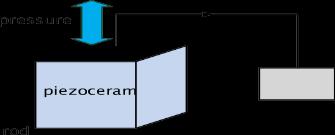
Piezoelectric turbines: Piezoelectricceramicswereusedfordecadestoconvertmechanicalstrengthintoelectricalstrength. specifically,theuseofpiezo-electricturbinestopowerhuman-wearablesystemshasbeendrasticallystudiedduetotheirbetter outputvoltages,highcapacitances,andnoneedtomanipulateanyhole.Humanmotionmaybecharacterizedbymeansofhugeamplitudemovementsatlowfrequencies,andthereforeitishardtolayoutaminiatureresonantgeneratortoworkonhuman beings. Coupling by direct straining of, or impacting on, piezoelectric elements have been carried out to human-wearable systems.Anexttoolhasbeenevolvedthroughmountingan8-layerstackofPVDFlaminatedwithelectrodeson mm-thickplasticsheet.Thisstavechangedintousedasaninsoleinasportstrainingshoe.afrequencyofafootfallof0.9Hz, producedamedianelectricityof1.threemwrightintoa250kΩload.
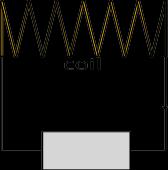
Electromagnetic turbines: Electromagneticinductionisthetechnologyofelectriccontemporaryinaconductorlocatedwithina magneticfield.Theconductornormallytakestheformofacoilandtheenergyisgeneratedbyusingeithertherelativemovement ofthemagnetandcoilorbyadjustmentsinsidethemagneticfield.oneoftheonlystrategiesforelectricity harvestingisto produce electromagnetic induction by permanent magnets, a coil, and a resonating cantilever beam. numerous groups specializinginsidetheareaofpowerharvestinghaveemergedovercurrentyearsduringshaking,amagnetpassestoandfrovia acoilofwireandcreatesanelectricalmodern-daythatisthensavedinasupercapacitororbattery.whentheflashlightis turned on,thecapacitorsuppliesthestoredelectricitytothebulb.exceptflashlights,micro
Electrostatic mills: Electrostaticmillsarecapacitivestructuresproductoftwoplatesseparatedwiththeaidofair,vacuum,or anydielectric substances.Arelative passements amongthe twoplates generates a capacitancevariationandthen electric poweredcosts.thoseelectrostaticturbinesmaybedividedintoelectret-freeandelectret-primarilybasedones.theprevious usesconversioncyclesproductofcostsanddischargesof
Fig. 5 Mechanical-to-electricalconversionforsmartsensorsystems
thecapacitorwhilethelattermakesuseofelectrets,givingthemthepotential toatoncecon- vert mechanicalpower into strength Anelectrostaticgeneratorisproperly-tailoredforlengthreduction,growingelectricpoweredfields,andcapacitances. itcouldalsoprovidethepossibilitytodecouplethemechanicalshapeandthegenerator.soonerorlater,itpermitsdevelopment oflow-costdevicesastheydonotneedanymagnetordoubtlesslycostlypiezoelectricmaterial.
V. TECHNIQUE FOR MAXIMIZING EEFICIENY OF HARVESTOR
Energyharvestersforsmartsensingsystemscanachievegreenoperationsthroughmonitoringthemaximumenergyfactor.This phasefirstoffersthefundamentalprincipleofMPPTonstrengthtransducers,inparticularsuncells,inphrasesofanequalcircuit model. subsequent, it provides processes to MPPT and describes techniques for maximizing the performance of power harvestersatsubwattscale,followedbymeansofacomparisonofMPTTissues.
VI. ENERGY STORAGE SUBSYSTEM
Batteriesarethenumberoneformofstrengthsourceforsmartsensingsystems.amongrechargeablebatteries,Li-ionandLipolymerbatterieshavethebestpowerdensityandexcessiveprice-to-dischargeefficiency.Chargingofalithium-kindbatteryis extracomplicatedandisusuallyhandledthroughachargingIC.severalworksnotedthisreasonandchosenickelmetallichydride (NiMH)batteriesinstead.NiMHisoneofthemostpopularstylesofstrengthgarageforitsfairlyexcessiveelectricitydensityand comparativelysimplechargingapproach,i.e.,tricklecharging.Nickel-Cadmium(NiCad)batterieshavetheadvantageofbetter dischargefeesandmaytoleratedeeperdis-ratecyclesthanlithiumbatteriescan.but,inexercise,theycansufferfromthe memoryimpact,oranapparentlossofpotentialifit'sfarrechargedearlierthanbeingcompletelydischarged.Rechargeable batteriesalsohavearestrictedrangeofrechargecyclesattheorderof1000.thankstolengthycharging-discharginglifestyles cycles,supercapacitorswerereceivedevelopinginterestasstrengthgarageinadditiontoorratherthanbatteriesinabrandnew eraofstrengthharvesters.table1.1suggestsaassessmentamongbatteriesandsupercapacitors.eventhoughitscapacityisstill plentysmallerthandifferentvarietiesofbatteries,asupercapacitorcansaveenoughstrengthtoelectricitymanycleversensor structures.
VI. SUPERCAPACITORS IN SUB-WATT ENERGY HARVESTERS
Supercapacitorshavehighpowerdensity,howevertheycan'tbeusedasdrop-inupdateforbatterieswithoutconsideringtheir intrinsiccharacteristicsinclusiveofthedis-fee(voltage-vs.-power)curve,leakage,feeresidualenergyaswelldensity,topology, andcoldbooting.Theirvoltagedependsontheamountofsavedpower,andtheyworkasadigitalbriefcircuitallthrough chargingsegment.moreover,thesupercapacitorshashigherleakagecurrentthanrechargeablebatteriesdo.Tocopewiththe problemsandenhancethechargingperformanceofsupercapacitorsinsub-wattstrengthharvesters,researchershaveused dollar,raise,orbuck-raisedc-dcconvertersalongwithcontrolgoodjudgmentcircuitryThemanipulatecommonsensecircuitry playsapivotalfunctioninincreasingthechargingperformanceofsupercapacitorswiththeaidoftrackingtheMPP.Researchers have developed MPP-monitoring supercapacitors- charging circuitry using dc-dc converters, and plenty of anticipate sun resourceswith
excessiveenergydensitybelowrobustsunlight,butitishardtoratesupercapacitorsuccessfullywithlow-overheadMPPT circuitry.therefore,it'smilesvitaltofirstbecomeawareofthenonidealityofsupercapacitorsandbearinminditatlayouttimeto improveefficiencyofsupercapacitorchargingcircuitry.
CHRACTERISTIC OF SUPERCAPACITOR
Equivalentcircuitversionofsupercapacitors:Manycircuits-primarilybasedsupercapacitortormodelshavebeenproposedto simulatethevarioustraitsofsupercapacitor.Thisphasedescribesequalcircuitmodels:anR-Cequalcircuitmodel,whichis suitedfortherelativelylowstrengthwaftandthelongtimeaspectsinthecourseofchargingand discharging;thevariable leakageresistancemodelforanalysisofrateredistributionofsupercapacitorsandenergycontrolresearch.TheR-Cequivalent circuitversionconsistsofthreecomponents:theequivalentserialresistanceReprisal,theequivalentparallelresistanceReprisal, andthecapacitorC,asproveninFig.9(a).TheReprisalistheinternalcollectionresistance,whichrepresentslossesinchargingor dischargingcycles.TheReprisalishookedupinparallelwiththecapacitor.TheReprisalisusedtoversiontheleakagecuttingedgelossthatrepresentslong-timeperiodstoragecharacteristics.DifferingfromtheR-Cequalcircuitversion, the variable leakage resistance model capabilities resistor-capacitor branches.
ThecapacitorinsidethefirstdepartmentconsistsofaregularcapacitorCaandavoltageestablishedcapacitorCv.theopposite department includesa regular capacitor Asthecapacitanceofa supercapacitorincreases,itsleakagemodern-dayalsoincreases,atthesametimeas Reprisal decreases.further,whilethevoltageofthe supercapacitorrises,theleakagemodern progressively will increase; this is, it's far proportional to the charged voltage of the supercapacitor. To charge the supercapacitorwithalowambient-electricitysupply,thechargingpoweroughttobebetterthantheleakagestrength.Therefore, the electricity-transfer efficiency of a dc-dc converter and the additional overhead of the manage circuit are critical elementsinfiguringouttheefficiencyofthechargerforsupercapacitors.
Charge redistribution: Supercapacitoraremadefromtwoporouselectrodesimmerseinelectrolyteandseparatedbyone porousinsulatingmembrane.Itsbodilyshapewillincreasethefaradfeeaswellasthecomplexityofcorrectmodeling.theyalso revelinseveralrate-distributionstrategieswithexceptionaltimeconstants,eveninremotedanddisconnectednation.This
makesitdifficulttopickouttheprocedurethatischargeableforvoltageversions.Afterjustbeingchargedforaquicklength,a disconnectedsupercapacitorwillshowcaseadecreasingvoltage.Thislowerisespeciallyasaresultofapricedistributionwithin branches.InFig.nine(b),feeredistributiontakesplacewhenthevoltagesthroughoutnolongerequal.
CONCLUSION:
Cleversensing structures hadbeenmainly poweredby means ofbatteries, butsupercapacitorsarespeedy turningintoa possible alternative shape of electricity garage for the ones smart sensing systems that harvest energy for lengthy-term operation. They overcome the 1-2 12 months carrier existence of batteries and can deliver high present day, but their limitationsrequireanswersatnotonlythecircuitdegreehoweveradditionallythedevicedegree.Awholeenergy-harvesting systemconsistsofanpowertransducer,powerharvestingcircuitry,anenergystorageelement,andthesmartsensingmachine becausethetargetload.Thestate-of-the-artworkinsubwatt-scaleharvesterscanbecharacterizedbywayoftheirlowoverhead inmost energyfactortracking(MPPT)ormaximumpowerswitchtracking(MPTT),andtheiruseofsupercapacitorsasa capacityformofstrengthgarageelement.Forsupercapacitorstoreplacebatteries,theharvesterneedtorecallleakage,residual energy,topology,strengthdensity,rateredistribution.consequently,thisbankruptcyspecializesindescribingtheimpactofthe nonlinearitiesofsupercapacitorsandthemannertocompensateortriumphoverthesedisadvantagesonthesystemandcircuit levels
REFERENCE
1. Ahsoka,R.,Mamur,H.:Areview:Thermoelectricgeneratorsinrenewableenergy.InternationalJournalofRenewable EnergyResearch(IJRER)4,128–136(2014)
2. Beeby,S.,Tudor,M.,White,N.:Energyharvestingvibrationsourcesformicrosystemsapplications.Journalofmeasurement scienceandtechnology17(12),175–196(October2006)
3. Bierschenk,J.:Optimizedthermoelectricsforenergyharvestingapplications.In:Proceedingsofthe17thInternational SymposiumontheApplicationsofFerroelectrics(ISAF).pp.1–4.SantaRe,NM,USA(February,23-282008)
4. Brunelli,D.,Moser,C.,Thiele,L.,Benini,L.:Designofasolar-harvestingcircuitforbatterylessembeddedsystems.IEEE TransactionsonCircuitsandSystems56,2519–2528(November2009)
5. Burke,A.:Ultracapacitors:why,how,andwhereisthetechnology.JournalofPowerSources91,37–50(November2000)
6. Chen,C.Y.,Chou,P.H.:DuraCap:asupercapacitor-based,power-bootstrapping,maximumpowerpointtrackingenergyharvestingsystem.In:ProceedingsoftheInternationalSympo-siumonLowPowerElectronicsandDesign(ISLPED).pp.313–318.ACM,Austin,TX,USA(August2010)