UNIFIED PAYMENT SYSTEM FOR INDIAN TRANSPORTATION
Riddhiman Baruah1 , Abdul Raziq Siddique2 , Helen Santhi M31,2
B. Tech Student, Civil Engineering, VIT Chennai3 Professor, Dept. of Civil Engineering, VIT Chennai, Chennai, India ***
Abstract - In a developing nation like India as cities continue to grow as a result of the influx of people from smaller towns and rural areas, more people will live farther away from the commercial districts and will have to commute to work, putting a pressure on the transportation system and resulting in longer travel times and congestion. The nation's public transit systems, including the toll booths, monorails, metros, and trains, will need to operate more efficiently. Effective, safe, and user-friendly transit payment methods contribute to this. Presently, India distributes monthly-renewable individual bus and suburban local train passes. Furthermore, specific metro cards exist that may be refilled based on customer demand; similarly, our concept will do the same thing but on a larger scale.
The project's objective is to find out what would happen if passengers on urban transit systems like city buses, ferries, or even ropeways were not required to carry cash. This one smart card is required for all payments; it only needs a tiny deposit, which will be deducted when the card is scanned.
Key Words: Smart Card; Transportation; K-Means Clustering; Public Transportation; India; Fare Method Collection.
1. INTRODUCTION
The vast majority of the current public transportation networks,includingasmetrolines,suburbantrains,andbus links, have been increased in accordance with the assumption that most people dwell at either end of a commercial district. Hence, these routes are frequently complicatedandperhapsevenchallengingtouse.Citiesand urban transportation networks encounter a number of difficulties,includingtrafficjams,alackofparkingspaces, unequalaccessforallpeople,alackoflast-mileconnectivity, dangerous roads, or pollution. According to a July 2018 Forbes India article, India loses $21.3 billion yearly as a result of traffic congestion. Also, there are problems with connectivity. One is the case where there is actually no connectivity to certain areas of the town or metropolis. Together with this, there are other problems including accessibility,regularity,anddependability.Peopleneedto travel in this situation, yet there aren't enough public transportationoptions.Two,wherethereisconnectivitybut no one knows how to go around or find their way. This typically occurs when there is a massive inflow of people, especiallytometropolitancentresthataredispersedover vastdistances.Thecurrenttransportationsystemsbecome
insufficientasaresultofthesignificantpopulationgrowth. Becauseofthis,moreandmoreindividualsareturningtothe useofprivatevehicles,andpublictransitisbecomingless andlesspopular,withonly18.1%ofpeopleinIndiancities usingitforbusinessrelatedtravel.
Transfernodesmustbegivenalotofconsiderationifurban transportationistobefullyutilized.Althoughstudyhasbeen doneonthesignificanceoftransfernodesforthesuccessful useofurbantransportation,efficientresearchhasnotbeen conductedtofullyutilizethecapabilitiesofsmartcardsand theirapplications.
The project's goal is to investigate what would happen if people didn't need to carry currency when using urban transportationsystemslikecitybuses,ferries,orevenrope ways.Allpaymentsmustbemadeusingthisonesinglesmart card, which only requires a small deposit from which the farewillbeautomaticallydeducteduponscanning.
2. PROBLEM DEFENIATION AND OBJECTIVES
Theenormouspopulationexpansionmainlyincountrieslike Indiacausesthecurrenttransportationnetworkstobecome insufficient.Asaresult,moreandmorepeoplearechoosing todriveprivately,andpublictransportationisbecomingless and less common; in Indian cities, only 18.1% of people utilizeitforbusiness-relatedtravel.
If urban transportation is to be used to its maximum potential,transferpointsmustbecarefullyconsidered.The importance of transfer nodes for effective urban transportationusehasbeenstudied,buteffectiveresearch has not been done to fully exploit the potential of smart cardsandtheirapplications.
Theproject'sobjectiveistofindoutwhatwouldhappenif passengersonurbantransitsystemslikecitybuses,ferries, orevenropewayswerenotrequiredtocarrycash.Thisone smartcardisrequiredforallpayments;itonlyneedsatiny deposit,whichwillbedeductedwhenthecardisscanned.
Themainobjectivesinclude:
To find out what would happen if passengers on urban transit systems like city buses, ferries, or evenropewayswerenotrequiredtocarrycash.
To modernize the transportation and locomotion industries in India which is coherent with the

industry4.0whichpromotesautonomousdecision makingwithdigitizedandrobotchainprocessesin thefieldoftransportationindustry.
To promote Digital Payment System towards a cashlessIndia.
3. METHODOLOGY
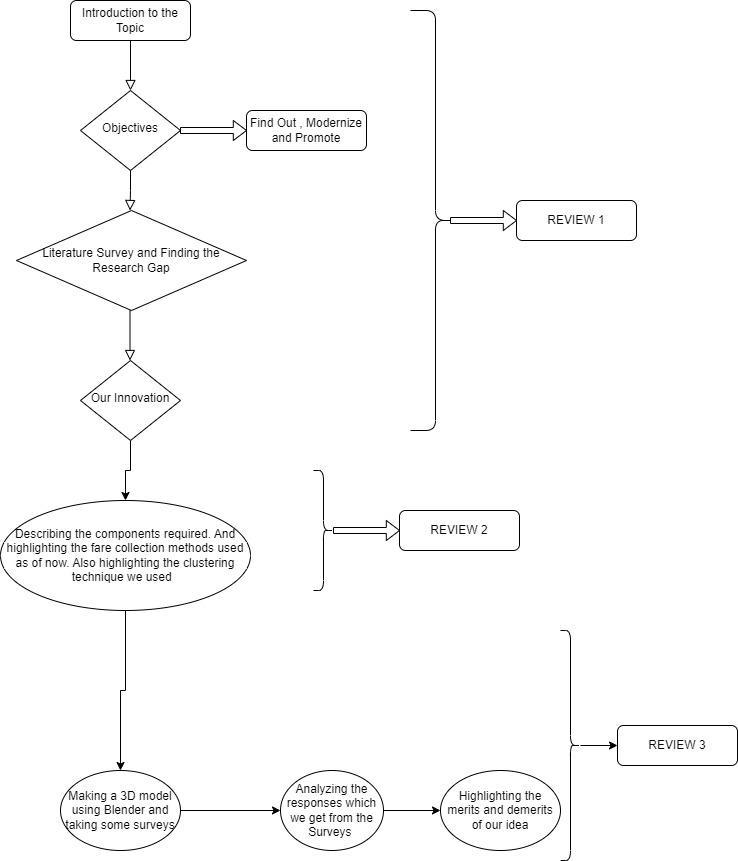
Firstly,atotalof25paperswerereviewedandbasedonthat theproblemdefinitionandobjectiveswereconsideredalso thecomponentsofthesmartcardhasbeendiscussed.Based on those discussions a cost benefit analysis has also been conducted and a cost estimation analysis has also been derived. Secondly, we discussed on the programs and the algorithmsassociatedwithasmartTransportationCardand typeofsmartcardsusedinothercountries.Finally,atotalof fivesurveyshasbeenconductedfromregionssuchasAssam and Gujarat prioritizing the assessment on the mode of transportation the public uses and also the potential customerswillingtoswitchtosmartcards,basedonthose surveysfromwherethedatasetsweretakenaformofvector quantization was conducted in the form of K -means clustering in MS Excel. A 3D model of the smart card was thenmadeinBlender.
4. COMPONENTS OF THE SMART CARD
Thepriceofmakingatransportation-relatedsmartcardcan differsignificantlybasedon a varietyofvariables,suchas the type and complexity of the card, the quantity being manufactured,andthematerialsandtechnologiesemployed. Thefollowingaresomeofthekeyelementsthatcanimpact howmuchasmartcardcost:
MICROPROCESSOR:The"brain"ofthesmartcardis themicroprocessor,whichhandlesdataprocessing, datastorage,andexternalsystemcommunication. Thetypeandcapabilitiesofthechip,aswellasthe manufacturer, might affect the price of the microprocessor.
CARDSUBSTRATE:Avarietyofmaterials,including PVC,PET,andpolycarbonate,canbeusedtocreate the card substrate, which serves as the card's foundation. The thickness, quality, and requirementsforprintingandcustomizationcanall affecthowmuchthesubstratecosts.
CARD FEATURES: The features of the card: Contactlesschips,magneticstripes,anddisplaysare justafewexamplesoftheextrafeaturesthatsmart cards can have. Depending on the nature and complexity of the feature, the quantity of cards beingmanufactured,andthefeatureitself,theprice ofthesefeaturescanchange.
4.1Microprocessors
Dependingonthetypeandfeaturesofthechipaswellasthe manufacturer,thecostofthemicroprocessorinasmartcard fortransportationcanchange.Thefollowingaresomebroad rangesforthecostofsmartcardmicroprocessors:
Low-end microprocessors: These chips are frequently found in simple smart cards that don't callforhighlydevelopedcomputingpower.These chips might cost depending on the manufacturer andvolume.
Mid-rangemicroprocessors:Thesechipssupporta larger range of smart card applications and have more advanced processing capabilities than lowend chips. Depending on the volume and manufacturer.
High-endmicroprocessors:Thesechipsareutilized insmartcardsthatneedextensivesecurityfeatures or a lot of memory since they have the best processing power. The price of these chips varies basedonthemanufacturerandvolume.
4.2CardSubstrate
Asmarttransitcard'ssubstrateisthesubstancethatserves asthecard'sbasisorbase.Itusuallytakestheformofathin, hardsheetthatsupportsthecard'sdifferentparts,suchas the IC microprocessor, memory, and other parts. The substratecanalsobecomposedofvariousmaterials,suchas paperormetal,howeveritisfrequentlymadeofplastic,such as PVC (Polyvinyl Chloride) or PET (Polyethylene Terephthalate).
Theselectionofthesubstratematerialcanbeinfluencedbya variety of elements, including the card's physical requirements,intendedapplication,andcostofthesubstrate material.Forinstance,acardthatneedstobethrownaway andisusedinfrequentlywouldbemoresuitedwithapaper substrate than one that is more durable and resistant to wear. The substrate might also need to adhere to certain normsorspecifications,suchasbeingimpervioustofraudor manipulation
4.3CardFeatures
Various features can be included in smart transit cards, dependingontherequirementsandobjectivesoftheproject. Smarttransitcardsfrequentlyhavethefollowingfeaturesas standardinclusions:
MICROPROCESSOR: The microprocessor, sometimesknownasthe"brain" ofthesmart card, manages data storage, processing, and communicationwithexternalsystems.Atypical integratedcircuit(IC)thatmaybeconfiguredto carry out a range of functions is the microprocessor.
CONTACTLESS CHIP: Using radio frequency (RF)technology,acontactlesschipenablesthe cardtointerfacewithexternalsystems.Smart transitcardsfrequentlyusecontactlesschipsto support tap-and-go payments and access control.
MAGNETICSTRIPE:Informationonthecardis keptonamagneticstripe,asortofdatastorage medium. Smart transit cards frequently use magneticstripestostoredatalikethebalance orticketinformation.
Ingeneral,thecharacteristicsofasmarttransitcardwillrely ontheparticularspecificationsoftheprojectandthecard's objectives.Alargerangeoffunctionalitymaybepresenton somecardstoenableawiderangeofapplicationsanduse cases,whileothersmayhaveaminimalfeatureset
5. IMPORTANCE OF SMART CARD FOR THE FUTURE OF INDIAN TRANSPORTATION AND THE SOFTWARES INVLOVED
Convenience:Comparedtomoreconventionalways of fare payment, such cash or ticket vending machines,smartcardsmaybemoreuser-friendly. Theydon'trequireuserstocarrycashorstandin linetobuytickets,andtheymaybesimplyreloaded withvalueorusedtobuytickets.
Efficiency:Byminimizingtheneedforticketingand cashhandlingactivities,smartcardscanalsohelp the transportation system run more smoothly. Operators can save time and money while also gettinga betteroverall user experience iftheydo this.
Data gathering: A lot of data produced by smart cardscanbeusedtoguidetransportationplanning anddecision-making.Transportationengineerscan use this data to increase the effectiveness and efficiencyofthetransportationsystembyusingitto better understand user usage patterns and preferences.
Integration: To give users a more seamless and practicalexperience,smartcardscanbecombined with other technologies, such as contactless payment systems or real-time tracking systems. When it comes to multi-modal transportation systems, where consumers would have to switch betweenvariousformsoftransportation,thiscan beverycrucial.
Overall,smartcardsmaybeacrucialinstrumentforIndia's transportationengineering, enhancingusers'accessibility, effectiveness,andsystemintegration.
For smart card systems in Indian transit, the following examples of fare collection, ticketing, and payment processingsoftwaremightbeused:
Many Indian transit networks employ Trivec Aviacom,acomprehensiveplatformforprocessing payments and smart card tickets. It has features includingreal-timetracking,contactlesspayment, andonlineandmobileticketing.
Indian transportation systems employ the fare collectionandticketingsoftwareplatformknownas TrapezeFareMaster.Ithasfunctionsincludingfare estimation,ticketsales,andrevenuemanagement.
TheNextfareticketingplatform,whichisutilizedby numeroustransitsystemsinIndia,isoneofthefare collectionandticketingsoftwaresolutionsoffered byCubicTransportationSystems.
Trimax IT Infrastructure and Services: This businessprovidesaselectionofsmartcardticketing and payment processing solutions, such as the Trimax E-Ticketing System, which is utilized by severalIndiantransportationsystems.
Theseareonlyahandfuloftheseveralsoftwareoptionsthat can be used for fare collection, ticketing, and payment processing in the Indian transportation system. There are numerousfurtheralternatives,andtheparticularsoftware used will depend on the demands and objectives of the transportationsystem.
5.1 Current Fare Method Collection for Indian Transportation
Cash:Tocollectfares,manyIndiantransitsystems,including busesandrailroads,still usecash.Whilesomeconsumers mayfindthishandy,managingitcanbetime-consumingand expensiveforoperators.
TicketVendingMachines:Machinesthatsellticketshave been installedinsomeIndiantransportationsystems, enablingcustomerstopaywithcashoradebitorcredit card.Theseterminals,whichcanbefoundatstationsor otherplaces,letyoutobuyticketsforoneormoretrips.
Smartcards:Asaformoffarecollecting,manytransit networks in India have adopted smart cards. These cardscanbeusedtopayforridesbytappingthemon readersatthebeginningandconclusionoftrips.They canalsobefilledwithmoneyorusedtobuytickets.As usersdonotneedtocarrycashorstandinlinetobuy tickets,smartcardscanbemorepracticalandeffective thancashorticketvendingmachines.
Overall, the way that fares are collected in the Indian transportation system might change based on the system and the region. Some systems might combine varioustechniques,butothersmightonlyuseone.
6. COST BENEFIT ANALYSIS OF THE SMART CARD
Implementing a smart card system for India's transport network:Acost-benefitanalysis
Assumptions:
5millionridersperyear
20INRistheaveragefeepertrip.
TotalyearlyincomeofINR100million
InstallingasmartcardsystemwillcostINR20million. Smartcardsystem'syearlyrunningexpenseisINR5million.
Smart card technology generates a 5% increase in annual revenue.
Smartcards'annualcostreductionsare2%.
Benefits: Gain in annual revenue brought on by the smart cardsystem:5%ofyearlysalesequalsINR5million. Savingsperyearbroughtonbythesmartcardsystem:2%of yearlysalesequalsINR2million.
NetadvantagesGaininannualincomeof5millionINRyearly financialsavingsofINR2million
BenefitsofINR7millioneachyear.
Repaymentperiod:
Theannualbenefit/theimplementationcostofthesmart cardsystemwilldeterminehowlongittakestorecoverits costs.
Payback term equals INR 20,000,000 / INR 7,000,000, or 2.85years.
Accordingtothisestimate, deployinga smartcardsystem wouldhaveapaybackperiodof2.85yearsandanetyearly benefitofINR7million.Thecost-benefitanalysiscanoffera useful framework for assessing the viability and possible impactofasmartcardsysteminthetransportationindustry, albeit these numbers can vary depending on the unique contextandassumptionsutilized.
6.1 COST ESTIMATION OF SMART CARD IMPLEMENTATION
Costanalysisofasmartcardsystemfora10,000-passenger dailyaverageand50vehiclesinIndia'smedium-sizedbus transportationnetwork
CostsofHardware:Assumingasmartcardreaderwillcost roughlyINR5,000andthat50readerswillbeneeded;the totalcostofhardwarewillbeINR2,50,000.
SoftwareCosts:Assumingthereare50busesinthenetwork andfarecollectionsoftwarecostsaboutINR10,000perbus, thetotalcostofsoftwarewouldbeINR5,00,000.
Costs ofImplementation:Assuming thatthewholecost of implementation,whichincludesstafftraining,hardwareand software installation, and integration, will be roughly INR 10,00,000.
OperationalCosts:Itisassumedthatthesmartcardsystem's yearly operating costs, which include staffing costs, maintenance,repairs,andreplacementsofbothhardware andsoftware,areroughlyINR5,00,000.
RevenueLoss:Ifpassengersabandonthesystemorswitchto another means of transportation during the transition period,therewillbea10%revenueloss,whichwillresultin alossofincomeofaboutINR5,00,000.
Gaininrevenue:Assuminga10%increaseinridershipanda 5%decreaseinthepriceofpapertickets,handlingcash,and fraud,thegaininrevenuewouldbeaboutINR20,00,000.
Accordingtotheseprojections,thesmartcardsystemwould costaboutINR18,50,000tobuildandrunforthefirstyear, with an estimated net income gain of INR 15,00,000. The cost-benefitanalysiswouldneedtobeupdatedonaregular basisinlightofactualusagepatterns,maintenanceexpenses, and other elements that might influence the system's performance.
7. SURVEY, ANALYSIS AND DISCUSSIONS
Ourresearchandotherstudieshaveshownthattechnologyenhancedmodeintegration,includingfareandticketing,can impact both the journey experience and a person's willingnesstousepublictransportation.Primaryinfowas usedasthedatasource.Atotalofabout500sampleswere gatheredfromdifferentregionsofIndia,andourresearch wasbasedonthoseresults.
Questionnairesarethesurveytoolusedtogatherdata.Using internet platforms like Google, this was disseminated to individualslocatedthroughoutIndia.Electronicrecordsof the responses were also made. The online material was retrieved and put into a format that allowed for cleaning. AnalyseswereconductedusingMicrosoftExcel.Peoplewho residedinIndia'smaincitiesprovidedtheresponses.
Figure3,showsthat,inaccordancewithouranswers,public transportation is used by 61.3% of the population while privatetransportationisusedby38.7%ofthepopulation.
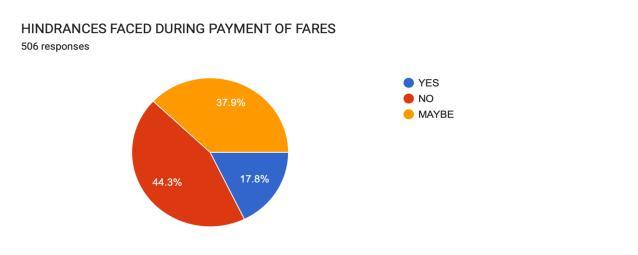
Another survey was conducted on the case whether or if peoplefacedanydifficultiesregardingthemodeofpayment inPublicTransportation.
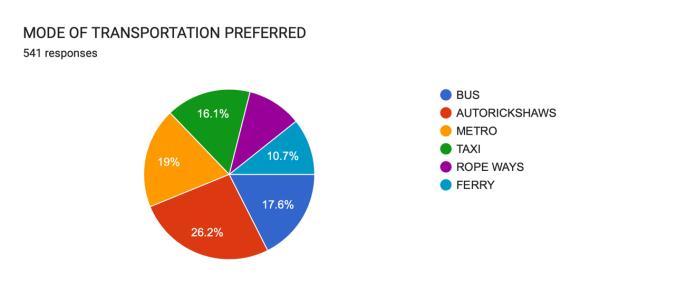
Fig-2:ModeofTransportationPreferred
In accordance with Figure 2, out of the entire population, 26.2% of commuters have access to auto rickshaws, and another 19% have access to metro services. It is also important to keep in mind that 16.1% of the people can choosetousetaxis,while17.6%canchoosetocommuteto workbybus,andanother10.7%and10.4%canchooseto useropewaysorferries,respectively.
Fig-4:HindrancesfacedduringPayments
According to Figure 4, 44.3% of people do not face any problem while paying the fare, around 37.9% of people sometimesfacetheissueandaround17.3%facethisissue almostregularlymainlybecauseofusingcertainmethodsof paymentsuchasUPI.
A questionnaire with potential reasons why people might not choose public transportation was prepared as part of another survey we did on this topic. The objective behind thissurveyistofindasuitablespotwherewecanboostthe currentstandardsofIndianTransportation
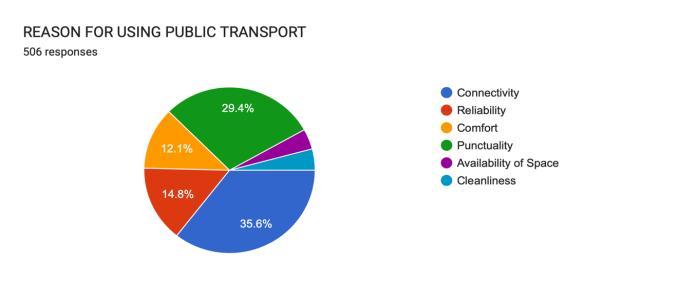
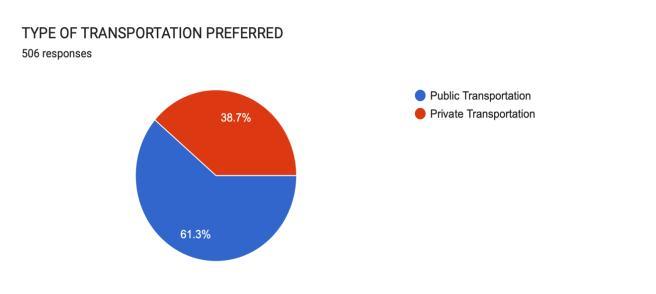
Fig-5:ReasonsforUsingPublicTransportation
Thisraisesthequestionofconnectivityandreliability.Those surveyedindicatedthattheywouldusepublictransitifthe problems with connectivity, timeliness, and dependability wereresolved.
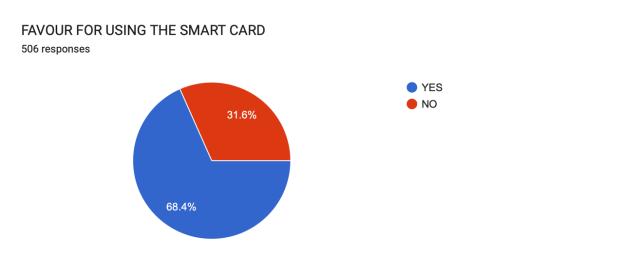
Ourrespondentsclaimthattheydonotchoosesmartcards or passes because, in the opinion of 31.6% of the general population, they are only suitable for one form of transportation. A single smart card cannot be used for all transitmethods.Wemusteitherpurchasenewticketsoruse alternative passes in our transfer nodes, and if a pass expires,passengersmusteitherrenewitatthattimeorgo withoutaticketforthatday.MumbaiSuburbanRailwayshas averyhighprevalenceofthispractice.Oneofthereasons peopledon'tusepublictransportisduetothis
trains as well as to make purchases at shops, vending machines,andparkinglots.
Globally, smart cards are used extensively in the transportation sector, and their use is growing quickly in manynations,includingIndia.Inthetransportationsector, smartcardsarenowusedfor:
Smartcardsarefrequentlyemployedforcontactless fare collection on public transport systems like buses, trains and metros. Without using cash or papertickets,passengerscanloadmoneyontothe smartcardandtouchthecardonthescannertopay fortheirtrip.Thisincreasespassengerconvenience, lowersthepossibilityoffraudandrevenueleakage, and boosts transportation providers' operational effectiveness.
Fig-6:FavorforUsingtheSmartCard
Accordingtooursurveyresults,themajorityofpeoplewant asinglesmartpassthatcombinesbus,metro,andlocaltrain services. The integration of auto rickshaws and taxis with buses,themetro,andlocaltrainsintoasinglesmartcardis thenextsignificantreaction.
7.1 Current Use of Smart Card in Transportation IndustryinaGlobalScale
Smartcardsystemsareusedinmanynationsthroughoutthe world for transit and other purposes. Countries that are well-knownforusingsmartcardsinclude:
Japan:TheSuicacard,oneoftheworld'smostsophisticated smartcardsystems,isused extensivelyinJapan.Itcan be usedtopayforridesonbuses,trains,andsubwaysaswellas to make purchases at vending machines and convenience stores.
SouthKorea:T-Moneycards,whicharewidelyusedinSouth Korea'spublictransportationsystemandforotherpurposes including payingforthings atconveniencestores,parking spacesandevenpubliclockers,havebeenputintoplace.
Hong Kong: Hong Kong has adopted the Octopus card system,whichisusedtomakepurchasesatshops,vending machines,andparkinglotsaswellastopayfaresonbuses, subways,andferries.
Singapore: The EZ-Link card system was put into place in Singapore,anditisusedtopayforfaresonbuses,subways, andlightrailtransit,aswellasinshops,vendingmachines, andparkinglots.
UnitedKingdom:TheOystercardsystemhasbeendeployed inLondonandisusedtopayfaresforbuses,subways,and
Smart cards are used to offer integrated mobility solutions,allowinguserstouseasinglecardfora variety of forms of transport, including buses, trains,taxisandferries.Asaresult,thereiseasier connectivitybetweenvariousformsoftransit,fewer ticketsarerequired,andthepassengerexperience isimproved.
Smart cards are used to deliver personalized services, including loyalty programmers, savings, and rewards for regular travelers. This supports sustainable transportation methods, increases passengerparticipation,andincentivizestheusage ofpublictransportation.
Data analytics: The use of smart cards generates enormousamountsofdata,whichcanbeexamined togainknowledgeabouttravelerbehavior,demand for transportation, and resource allocation. This makes it possible for transport companies to streamline their processes, raise the standard of theirservices,andcutexpenses.
Smartcardsareusedtoregulateaccesstorestricted locationsincludingparkinglots,tollhighways,and areas reserved for employees. This improves securityandlowersthepossibilityofunauthorized access.
Ingeneral,smartcardsarebeingutilizedmoreandmorein thetransportationsectorforavarietyofpurposes,including contactless fare collection, integrated mobility solutions, personalized services, data analytics, and access control. Smartcardshavethepotentialtorevolutionizethetransport sector and improve passenger experience, safety, and sustainabilitywithfurtherinnovationandacceptance.
8. K-MEANS CLUSTERING FOR THE SMART CARD
K-means clustering is a popular unsupervised machine learning technique that can be utilized to analyze data related to smart card usage in the Indian transportation system. Here are some ways in which K-means clustering canbehelpful:
Segmentation of Smart Card Usage Patterns: Kmeansclusteringcangroupsmartcardusagedata based on usage patterns, such as frequency, duration, and fare amount. This can help in identifying different segments of passengers with similarusagebehaviors,suchasdailycommuters, occasionaltravelers,ortourists.Understandingthe usagepatternsofdifferentpassengersegmentscan assist transportation authorities and operators in tailoringtheirservicesandfarepoliciesaccordingly.
K-means clustering can be used to analyze smart cardtransactiondataonfarestofindanomaliesin fares and improve fares structures. K-means clusteringcanbeusedtofindthebestfarebrackets that strike a compromise between revenue generationandpassengeraffordabilitybygrouping faredataaccordingtojourneydistance,timeofday, dayoftheweek,andotherrelevantparameters.
K-means clustering can be used to find abnormalities or outliers in smart card data that mightpointtofraud,likecardcloningormisuse.Kmeans clustering can assist in highlighting suspectedfraudsituationsforfurtherexamination bygroupingtypicalusagepatternsandidentifying datapointsthatdrasticallydepartfromtheclusters.
Demand Prediction: Historical smart card data analysisusingK-meansclusteringcanbeutilizedto spotpatternsandtrendsinpassengerdemand.Kmeansclusteringcan estimatepassengerdemand forvarioustransportationservicesbygroupingdata based on time of day, day of the week, and other pertinent characteristics. This can help with capacity planning, resource allocation, and operationaldecision-making.
K-means clustering can, in general, be a useful tool for analyzing smart card data in the Indian transportation system, enabling data-driven, decision-making and optimization of transportation services for increased effectivenessandpassengerexperience.
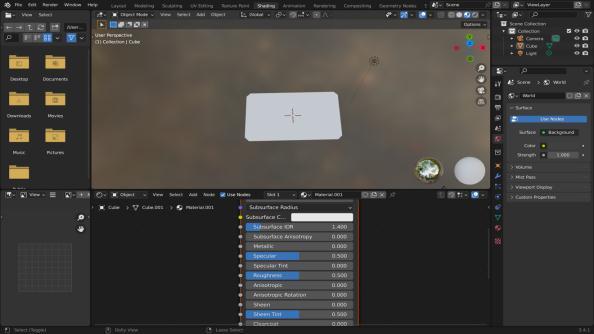
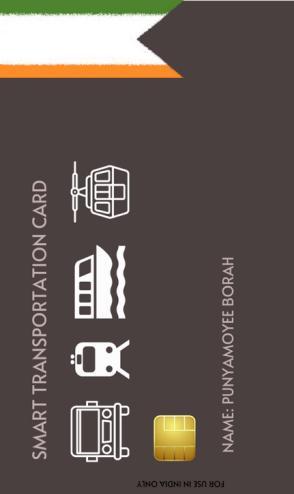
Using Blender, we created a 3D model of a smart card by importingaplaneimageofthecard,usingtheExtrudetool to give the plane depth and give the card a 3D shape, modelling the chip, magnetic stripe and card numbers, applying materials to the model, setting up lighting and camera angles to render the model, and exporting the renderedmodelasa.pngor.jpegfile.Inconclusion,creating this smart credit card in Blender was a rewarding and difficult project that called for a solid command of 3D modelling,texturing,andrendering.Wearegladtopresent ourdesign,wewilltrytoupdateitintheforeseeablefuture also.
10. CONCLUSIONS AND DISCUSSIONS
Theresearchwasconductedentirelyfromthebottomup.It emphasizes the value of transfer hubs over end-to-end connectivity. We learned what travelers want and how to improvetheirservices.Welearnedthefundamentalreason whypeoplechooseoursmartcardsfromfurtherdiscussion. First,smartcardsmaybemorepracticalforusersthanmore conventionalmeansofpayingfortransportation,including cashorticketvendingmachines.Theydon'trequireusersto carrycashorstandinlineto buytickets,andtheymaybe simply reloaded with value or used to buy tickets. By minimizing the need for ticketing and cash-handling procedures,smartcardscanalsoincreasetheeffectiveness ofthetransportationsystem.Operatorscansavetimeand moneywhilealsogettingabetteroveralluserexperienceif theydothis.
Buttherewerealsosomedemeritstothesmartcard.Firstly, asmartcardsystem'simplementationcanbecostlybecause it calls for the acquisition or manufacture of the cards themselvesaswellastherequiredhardwareandsoftware. Usersmaypaymoreinfaresorotherfeesasaresultofthis expense.UtilizingasmartcardintheIndiantransportation

system could provide problems with cost, inclusivity, dependency, and security. When considering whether to installasmartcardsysteminthetransportationsystem,itis crucialtocarefullyweighthesefactors.
OnlyafewlocationsinIndiahavesmartcardresearchgoing on.Theinformationonpublictransportationandroutesis providedbythealready-availableappslikeGoogleMapsand m-indicator,butnotitsavailabilityorposition.Thisresearch addresses the disconnect between smartcards and the currentlyavailableapps.Datafromsmartcardscanbeused to plan the network of public transportation's general sustainability.Onecardforallpublictransportationoptions is heavily emphasized. According to the research, fare collection should take place at the time of embarkation rather than alighting. It also highlights the benefits and drawbacks of smartcards. Finally, this paper clarifies the different problems with data sharing and the kinds of informationthatpeoplearewillingtoshare.Thisshedslight onhowindividualsviewdatasecurityandhowcrucialitis.
ACKNOWLEDGEMENT
We are obliged to give my appreciation to a number of people without whom we could not have completed this thesissuccessfully.
wewouldliketoplaceonrecordmydeepsenseofgratitude and thanks to my internal guide Prof. Dr. Helen Santhi M. School of Civil Engineering (SCE), Vellore Institute of Technology,Chennai,whoseesteemedsupportandimmense guidance encouraged me to complete the project successfully.
WewouldliketothankourHoDProf.ShanmugaSundaram, School of Civil Engineering (SCE) for his support and encouragementtotakeupandcompletethisproject.
We thank our management of Vellore Institute of Technology,Chennai,forpermittingmetouseanyresources attheirdisposal.Wealsoappreciatealloftheprofessorsfor giving us the bravery and fortitude we required to accomplish our goal. Without expressing our sincere gratitudetoourfamilyandfriends,whosupportedusduring ourcareer,thisappreciationwouldbelacking.
REFERENCES
[1] Duzdevich,D.,Redding,S.andGreene,E.C.(2014), ‘Dna dynamics and Single-Molecule Biology’, ChemicalReviews114(6),3072–3086
[2] Maedche,A.andStaab,S.(2001),‘Ontologylearning for the semantic web’, IEEE Intelligent Systems 16(2),72–79.
[3] Thiruganam, M., Anouncia, S. M. and Kantipudi, S. (2010),‘Automaticdefectdetectionandcountingin
radiographic weldment images’, International JournalofComputerApplications10(2),1–5.
[4] Japan Masanobu KII , Jun-ichi TERAO, Kazuki NAKAMURA(2015), Analysis of Efficient Public Transport Network Using Smart Card Data and SimulationApproachinTakamatsu
[5] Milada Št’astná , Antonín Vaishar , Katerˇina Stonawská(2017),IntegratedTransportSystemof theSouth-MoravianRegionanditsimpactonrural development.
[6] S. Chowdhury, and A. Ceder, Users’ willingness to ride an integrated public-transport service: A literaturereview
[7] NISHI Takahiro, AOYAGI Muneyuki, AKUTSU Akifumi, TANNO Haruyuki(2010), Transit System SmartCardSolutionsandFutureProspects
[8] Mohamed K. El Mahrsi, Etienne Côme, Latifa Oukhellou,andMichelVerleysen(2017),Clustering SmartCardDataforUrbanMobilityAnalysis
[9] Antonio Gschwender, Marcela Munizaga, Carolina Simonetti(2016),UsingsmartcardandGPSdatafor policyandplanning:ThecaseofTransantiago
[10] Swetha Sridharan; R. Venkatesh Prasad; S. Srinarayan(2017), Designing a smart transport systemapplicationforSouthIndiantrafficscenarios
A modern approach towards digitalizing the transportsystems
[11] H.FaroqiM.MesbahJ.Kim(2010),Applicationsof transitsmartcardsbeyondafarecollectiontool:a literaturereview.
[12] Angshuman Baruah, Lalitha Sannidhi(2019), Rationalizing Urban Transportation using Smart CardData
[13] Neriza V. Bustillo; Desiree I. Cendana; Thelma D. Palaoag(2017),E-pursetransitpass:Thepotential of public transport smart card system in the Philippines
[14] Catalina Espinoza , Marcela Munizaga , Benjamin Bustosa, Martin Trépanier(2018), Assessing the publictransporttravelbehaviorconsistencyfrom smartcarddata
[15] Swetha Sridharan; R. Venkatesh Prasad; S. Srinarayan(2017), Designing a smart transport systemapplicationforSouthIndiantrafficscenarios
A modern approach towards digitalizing the transportsystems
[16] Piotr S Olszewski(2003), Integrated public transportinSingaporeandHongKong
[17] P. T. Blythe(2004), Improving public transport ticketingthroughsmartcards
[18] C M Shield and P T Blythe (1997), THE USE OF SMARTCARDSINTRANSPORTATIONSYSTEMS:A EUROPEANPERSPECTIVE
[19] Artem Chakirov, A. Erath(2011), USE OF PUBLIC TRANSPORTSMARTCARDFAREPAYMENTDATA FORTRAVELBEHAVIOURANALYSISINSINGAPORE
[20] Marie-PierPelletier ,MartinTrépanier ,Catherine Morency (2011), Smart card data use in public transit:Aliteraturereview.
[21] Nithin Ninan Thomas (2021), A STUDY ON THE POPULARITYOFKOCHI1SMARTCARD.
[22] MinhyuckLee,InwooJeonandChulminJun(2022) A Deterministic Methodology Using Smart Card DataforPredictionofRidershiponPublicTransport
[23] Doan,A.,Madhavan,J.,Domingos,P.andHalevy,A. (2002),Learningtomapbetweenontologiesonthe semantic web, in ‘Proceedings of the 11th internationalconferenceonWorldWideWeb’,ACM, pp.662–673
[24] Gilbarg, D. and Trudinger, N. S. (2015), ‘Elliptic partial differential equations of second order’, SpringerPublications.
[25] Kothari, C. R. (2004), ‘Research methodology: Methods and techniques’, New Age International Publications.
[26] Google Maps. (2019, February 5). The British Library, London, UK. Google. Retrieved from https://www.google.com/search?q=scope+meanin g&oq=scope+&aqs=chrome.6.69i57j0l2j0i433j0j0i4 33l3j0l2.4838j0j15&sourceid=chrome&ie=UTF-
[27] Flower,R.(2019,June1).Howasimpleformulafor resolving problems and conflict can change your reality[Blogpost].PickTheBrain.Retrievedfrom http://www.pickthebrain.com/blog/how-a-simpleformula-for-resolving-problems-and-conflict-canchange-your-reality/