
ELECTRICAL SAFETY ASSESSMENT OF POWER INDUSTRY
Abstract - As one of the most hazardous source at a construction sites and a symbol of modern construction operations, electricity possesses the capacity of powering all the tools and machineries at any construction site. In this research, the author aims to understand the different underlying electrical safety hazards in power industry and to understand the different methods to identify the underlying hazards. Also the author aims to learn the appropriate remedial measure or recommendations for the identified hazards. The methodology adopted in the research work also uses
The objective of this study is to examine the different underlying electrical safety hazards in power industry and to understand the different methods to identify the underlying hazards.Asecondaryobjectiveistoevaluatetheeffectiveness of the AHP (Analytical Hierarchical Process) method to prioritize the identified flaws in the system so that the important electrical flaws can be addressed first on the basis of a pre-determined priority. Lastly, this research was undertakentohelpdevelopspecificbest practicesconcerning electrical operations
Key Words: ElectricalSafety,HIRA,AHP,PowerIndustry

1.INTRODUCTION
Theutilizationofelectricityhasbecomeanintegraland essential component of contemporary life, and as such, it presentsnumeroussafetyrisksthatposeathreattothewellbeingofpeopleandproperty.Thesehazardstaketheformof electricalshock,burns,injury,fire,andexplosions.Despite electricity's automatic nature and its absence of smell, visibility,orsound,itsdangersarerealandever-present.In thepast,hotelswereforcedtoassuregueststhatelectricity was innocuous, but today, warnings about its dangers are commonplace.Theshiftfromviewingelectricityasasilent ally toa perilous hazard has beenchallenging for manyto comprehend until it is too late. Consequently, the implementation of robust electrical safe work practices is necessarytosafeguardthewelfareofworkers.Thisincludes guidelines for personnel qualification, job planning requirements,andmanagement,amongotheraspects.
Comprehendingthemeasuresandprotocolsutilizedina well-designed electrical safety program necessitates an appreciation of the inherent dangers posed by electricity. Althoughacompactdefinitionoftheseperilsmayeludemost individuals, the sensation of electric shock is a familiar experiencethatleavesanenduringimpressiononthehuman psyche. Nonetheless, electric shock is but one of several electrical hazards, including arc, blast, acoustic, light, and
toxicgases.Thischapterdelineateseachofthesehazardsand elucidates their impact on the human body. However, comprehendingthenatureofthesehazardsisunproductive unlessprotectivestrategiesaredevisedtosafeguardworkers frompotentialharm.
Annually, electricity utilization at construction sites results in numerous accidents that can result in electric shocks and burns, potentially leading to severe and even lethal injuries.Furthermore,suchaccidentscanalsocause individuals to fall from ladders, scaffolds, and other equipment,exacerbatingthedamageinflictedbytheshock. Additionally,faultyequipmentcanjeopardize thesafetyof individuals,suchaswhenascaffoldbecomeselectrifiedor shortcircuitsleadtofires
Withoutadoubt,electricityhasbecomeanindispensable aspect of modern life, energizing various sectors such as industrial, manufacturing, commercial, and residential domains. The electricity industry encompasses the production, transmission, distribution, and supply of electricitytoboththegeneralpublicandindustries.India's power sector is highly diversified, relying on conventional sourcessuchascoal,gas,hydro,andnuclearpower,aswellas viable non-conventional sources like wind, solar, and agriculturalanddomesticwaste.
Electricinjuriesposeasignificantthreattoindividuals,as they can cause a range of multisystem trauma and complications, including cardiopulmonary arrest, cardiac arrhythmia,hypoxia,renalfailure,andsepsis.Thesehazards can also lead to long-term neurological and psychosocial effectsthatcansignificantlyaffectanindividual'squalityof life.StudiesconductedbyPliskinetal.(1994)andNobleetal. (2006)provideevidenceofsucheffects.Theprimaryinjury eventsassociatedwithelectricalhazardsareelectricshocks and arc flash and arc blast. The former occurs when the victimcomesintodirectcontactwithelectriccurrent,while thelatterinvolvesanarcthatcarrieselectriccurrentfromthe source to the victim without physical contact. This phenomenoncanproducetemperaturesashighas35,000° andcancausesevereburns,hearingloss,eyeinjuries,skin damagefromblastsofmoltenmetal,lungdamage,andblast injuries.Therefore,itiscrucialtotakeappropriatemeasures tominimizeelectricalhazardsandprotectagainstelectrical injuries. To this end, individuals and organizations must ensuretheyareknowledgeableaboutelectricalhazardsand takestepstopreventthem,suchasmaintainingequipment and using appropriate personal protective equipment (Cooper&Price,2002;Koumbourlis,2002;Leeetal.,2000; WorkplaceSafetyAwarenessCouncil).
In consonance with the recent edition of 'Accidental DeathsandSuicidesinIndia'2021[1],whichwascompiled
by the National Crime Records Bureau (NCRB) under the auspices of the Ministry of Home Affairs, Government of India, it has come to light that the fatalities resulting from OtherCauses,suchas‘Electrocution,’witnessedanupswing intheyear2020incomparisontotheantecedentyear,2019. TheStateCrimeRecordsBureaux(SCRBx)collatedthedata for this report from the District Crime Records Bureaux (DCRBx) and furnished it to NCRB at the close of the year underreview.Thedatafrommetropolises,definedasurban agglomerationswithapopulationoftenlakhormoreasper the latest census, is also collected separately. The report postulatesthatelectrocutionconstituted3.2%oftheoverall accidentdatabasefortheyear2021,asevincedinFigure1 [2].
number of unintended deaths due to electrocution in the precedingyear.
Table -2: Number of Persons Injured and Died due to Electrocutionduring2020
In Table 2 [2], we can discern the grievous impact of electricity by examining the number of persons injured versus the number of persons who perished due to electrocutioninIndiaduringtheyear2020.However,itis important to note that minor injuries resulting from electrocutionarenotincludedinthereportastheyarenot reported anywhere. Furthermore, the number of male fatalitiesduetoelectrocutionissignificantlyhigherthanthat of their female counterparts. This is a result of the maledominated workforce that exists in industrial and other sectors.
Fig -1:PercentageShareofVariousMajorCausesof AccidentalDeathsduring2021

ThechartrepresentationinFigure1exhibitsacategoryof causes that fall under the miscellaneous bracket. These miscellaneous causes comprise of an array of unfortunate eventssuchasthecollapseofastructure,suffocation,demise ofexpectantmothers,fatalattacksbyanimals,consumption of poisonous/illegal alcohol, accidental explosions, drug overdose, industrial machine accidents, firearm incidents, minesorquarrycatastrophes,stampedes,air-crashes,ship accidents,andlastly,othercausesthatdonotfallunderthe aforementioned categories or unknown causes altogether. Thesefindingsareinaccordancewiththeresearchconducted bytheconcernedauthoritiesonthesubjectmatter(Ministry ofHomeAffairs,GovernmentofIndia,2019).
-1:NumberandShareofAccidentalDeathsdueto Electrocution
Whenevaluatingelectricalsafety,itisimperativetoreferto variousstandardssuchastheNationalBuildingCode2006–Electrical Part, the Electricity Rules, and the appropriate sections of the NFPA 70 (an American standard) Edition 2011, particularly in areas that are deemed high-risk, including grounding, main and sub distribution boards, circuit protections, receptacles, hand-tools, and the like. Employing an electrical assessmentfor safetyis crucial in Occupational Health & Safety Management System Standards, and for demonstrating due diligence to OccupationalHealth&SafetyRegulations.Byutilizingsucha system, potential electrical hazards can be identified and subsequently prevented to minimize the loss of life and property.
2. PROBLEM IDENTIFICATION
Inordertolaythefoundationfortheresearchwithaproblem statement,avisittopowerplantwasmade.Thevisitprovided exposuretorealworkingenvironmentsalongwithapractical perspective of a theoretical concept relevant to electrical hazards.Fewsignificantbenefitsoftheconductingavisitare givenbelow:
• A chance to meet industry leaders, professionals, entrepreneurs,policymakers,andcorporateswhoshare theirwisdom,learning,andexperiences.
• To see and experience real layout and installation of electricalsystemsandinteractwithhighlytrainedand experiencedpersonnel.
• Tolearnaboutcompanypoliciesintermsofproduction, quality,andservicemanagement.
ThetabulatedfiguresdelineatedinTable1[2]divulgethe incidence of inadvertent fatalities brought on by electrocution in the years 2019 and 2020. The aforementioneddataexplicitlyindicatesariseof0.1%inthe
• To open many doors for corporate training and internships,whichinturnincreasetheemployability.
• To understand how managers, engineers, employees workintandemtoachieveacommontarget,whichisa managementlessoninitself.
• To identify the learning towards safety and to decide future work areas like electrical safety, Construction safetyetc.
Therearesomedeficienciesintheelectricalsystemofthe “Powerplant”, which are listed below for appropriate correctionandcorrectiveactions.Theseformpartofthetotal numberofnon-conformitieswhichwillbefurtherpresented fromthepicturesofthevariouspartsofthesystemandDB scheduleaswellasthroughtheinterpretationsofthethermal imagesofthepartsofthesystems.Allmaterialsincludingthe rawdataformspartofthereportingpackage.
Observation1.1(HighlyHazardous):
Althoughsinglelinediagram(SLD)ofmaindistribution circuit and floor levels circuits connecting electrical loads (machines/lights/coolingsystemetc.)areavailableatsitebut does not match with actual circuit from floor level DistributionBoardstoloadpointsandthereforearenotvery useful.
With the help of proper electrical drawings, any addition/deduction/isolationofloadscanbedoneeasilyand any table-top decision can be made centrally taking considerationofsafety,integrityandgoodproductivity.
Observation1.2(Hazardous):
ElectricalLayoutdrawingsarenotavailableatsite.Proper layoutdrawingisveryimportantfortheproduction-oriented factory. A layout drawing should be prepared considering possible maximum loading/production capacity of a floor area. Accordingly, electrical infrastructure will have to be built.Insuchacaseanyadditionordeductioncanbedone easilyandsafely.
Observation1.3(Critical):
PeriodicalInsulationResistanceTest(IRTest)shallhave to be carried out for all electrical equipment with Meggar applying0.5KVor1KV(accordingtothevoltageratingof equipment). No such programmed schedule or record of PeriodicalInsulationResistanceTestisevidenthere.
Observation1.4(Critical):
OperatingTest(measurementofloadcurrent)isneeded onallfeederstomonitortheconditionandtendencyofthe equipment. No such programmed schedule or record of currentloadmeasurementisevidenthere.
Observation1.5(Hazardous):
SomeoftheHand-heldtoolsusedbytheelectriciansat floor level are not of good quality and are not double insulated. Hand gloves are missing in some floors and earthinglids are not found at any floor. For safety, double insulatedhand-heldtools,handglovesandearthinglidsare required.
Observation1.6(Hazardous):
Calibration/validationofalltypeofmetersatfloorlevels, SubstationandGeneratorRoomshouldbedoneperiodically. Calibrationwasneverdoneafterinstallation.Meteringerror ofmorethan3%notallowedinAct-2003.
Observation1.7(Hazardous):
The presence of lightning protection system but no drawingavailable:The“asbuilt”electricaldrawing(SLD)for lightningprotectionsystemwasnotavailabletoreviewand sotheadequacyandfunctionalityofthesystemcouldnotbe checked.
Observation1.8(Critical):
Clear identifications/markings are not available at LTPANEL,MDBs,DBsandSDBs.Asperact,clearandpermanent identification markings are required to be painted in all distribution boards, sub main boardsand switchboardsas necessary
Observation1.9(Hazardous):
IndicatorlampsforsomeoftheLT-PANEL/MDB/DB/SDB connectedwithoutanyprotectivedevice(Fuse/MCB).
Observation1.10(Critical):
Listanddiagram(SLD)ofthecircuitsthatthedistribution boards(SDB/DB/MDB/LT-PANEL)controlarenotavailable. This is a violation of Act-2003 which requires “Each (Distribution Board) shall be provided with a circuit list giving diagram of each circuit which it controls and the currentratingforthecircuitandsizeoffuseelement.”
Observation1.12(HighlyHazardous):
Meansofidentificationofearthedconductorsandearthed neutralconductorsshallbeofpermanentnature.Hereitis notfollowed(SomeDB).Itisaviolationofelectricityrules 1937,Act-2003.
Observation1.13(HighlyHazardous):
Circuits in most of the distribution boards (DB/MDB/SDB)aslistedbelowhaveinadequateECC(earth continuityconductor).ThisisaviolationofAct-2003.
Asperact-2006,ECCsizeshallnotbelessthanhalfthe areaofthelargestcurrentcarryingconductorsupplyingthe line.Ifthephaseconductorislessthan16mm2thenECCwill besamesizebutnotlessthan14SWG(3.243mm2)andifthe sizeis16to35mm2thenECCwillbe16mm2
Observation1.14(Hazardous):
Thesizeofneutralofthefollowingcircuitscouldnotbe measuredduetoabsenceofthemeansofindividualcircuit identification.
Observation1.15(Critical):
Higher rated MCCB/MCB/Fuse is used to protect the lowerratedcableofcircuitsintheDistributionBoardslisted below.ThisisaviolationofAct-2003.
Moreover, the size of the protecting devices (MCCB/MCB/Fuse)ofthecircuitsaslistedbelowcouldnotbe registered in the DB schedule because their ratings are erased:
Observation1.16(Critical):
Noprotectivedevice(MCCB/MCB)usedforthefollowing Circuits.ThisisaviolationofAct-2003.
Observation1.17(Critical):
UnknownloadisconnectedtothefollowingDBs.Thisisa violationofAct-2003.
Observation1.18(HighlyHazardous):
Load current must be measurable in all circuits. But in some board’s circuits are so cramped to measure the load current. The circuits whose load currents couldn’t be measuredarelistedbelow:ThisisaviolationofAct-2003.


Observation1.19(Critical):
Sockets & Lights are used in same circuit in the Distribution Boards listed below. This is a violation of) of Electricity Act-2003. As per Act-2003, Socket Circuit and LightCircuitshallbeseparated.
Pictorial Observations:
Category:
Highly Hazardous Observation
B-1
Location:
GasGenerator,G.F,Generator Room,

Observation:
Generator’sbatteryterminalopen. Maycause electricshock,shortcircuitand fire.
Required Action: Needtoputterminalcover.
Category: Highly Hazardous Observation B-2
Location: GasGenerator,G.F,Generator Room

Observation:
Generator’s self-starter’s connection terminal open. May cause electric shock, short circuit andfire.
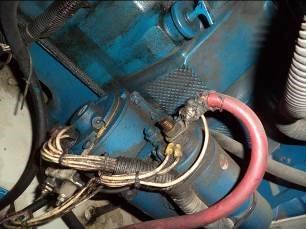
Required Action: Needtoputterminalcover.
Category: Highly Hazardous Observation B- 3
Location: DieselGen,G.F,Generator Room.
Observation:
Generator’sbatteryterminalopen.May causeelectricshock,shortcircuitand fire.
Required Action: Needtoputterminalcover.
Category: Highly Hazardous Observation B- 4
Location: DieselGen,G.F, GeneratorRoom.
Observation: Generator’s self-starter’sconnection terminalopen.Maycause electricshock,shortcircuit andfire.
Required Action: Needtoputterminalcover.
Category: Highly Hazardous Observation B- 5
Location: LT-3,G.F,Sub-StationRoom
Observation: Un-terminatedwireinsidethepanel. Maycauseelectricshock.


Required Action: Needtoremovefromthepanel.
Category: Highly Hazardous Observation B- 6
Location: LT-2,G.F,Sub-Station Room.
Observation: Bottomofthepanelhas opening.Lint,dustand verminmayenterinside andcauseshortcircuit& fire.
Required Action: Needtomakethepanellint, dustandverminproof
Category: Highly Hazardous Observation B7
Category: Highly Hazardous Observation B- 8
Location: LT-2,G.F,Sub-StationRoom Location: LT-3,G.F,Sub-StationRoom
Observation: Lintanddirtpresentinsidethe panel.May catchfire.
Observation: Lintanddirtpresentinsidethe panel.May catchfire.
Required Action: Needtoclean
Required Action: Needtomakethepanellint, dustandvermin proof.
Required Action: Needtoclean
Required Action: Needtomakethepanellint,dust andvermin proof.
Category: Highly Hazardous Observation B- 9
Category: Highly Hazardous Observation B- 10
Location: LT-1,G.F,Sub-StationRoom. Location: LT-4,G.F,Sub-StationRoom Observation: Bottomofthepanelhasopening. Lint,dustandverminmayenter insideandcauseshortcircuit& fire.
Required Action: Needtomakethepanellint,dust andverminproof
Observation: Bottomofthepanelhasopening. Lint,dustandverminmayenter insideandcauseshortcircuit& fire.
Required Action: Needtomakethepanellint,dust andvermin proof.
Category: Highly Hazardous Observation B- 15
Category: Highly Hazardous Observation B16
Location: COS-2,G.F,Sub-StationRoom. Location: COS-3,G.F,Sub-StationRoom.
Observation: Lintanddirtpresentinsidethe Change-OverSwitch.Maycatchfire.
Required Action: Needtocleanlintand/ordirt.
Observation: Bottomofthepanelhasopening.Lint, dustandverminmayenterinsideand causeshortcircuit&fire.
Required Action: Needtomakethepanellint,dustand verminproof.
Category: Highly Hazardous Observation B- 11
Category: Highly Hazardous Observation B- 12 Location: LT-4,G.F,Sub-StationRoom Location: LT-4,G.F,Sub-StationRoom
Observation:
Bunchofcableconnectedatearth bus-bar.Maycauseloose connection,electricshock,spark andfire.
Required Action: Needtoconnectsinglecablein singlePort.
Observation:
Connectionwithoutlugatearth bus-bar.Maycauseelectricshock, spark&fire.
Required Action: Needtousepropersizecablelugs.
Category: Highly Hazardous Observation B- 17
Category: Highly Hazardous Observation B18
Location: TG#2 Location: Boiler#2,12mtr


Observation: UnwantedandhangingrebarfoundatTG #2,40mtr

Required Action: Removaloftheprotrudingrebar
Observation: Connectionswithoutlugatlive neutralbus-bar.Maycauseloose connection,sparkandfire.
Required Action: Needtousepropersizecablelugs. panel.
Category: Highly Hazardous Observation
B- 13
Category: Highly Hazardous Observation
B- 14
Location: PFI,G.F,Sub-StationRoom Location: PFI,G.F,Sub-StationRoom
Observation:
Lintanddirtpresentinsidethe panel.May catchfire.
Observation: Bottomofthepanelhasopening. Lint,dustandverminmayenter insideandcauseshortcircuit& fire.
Category: Highly Hazardous Observation B- 19
Category: Highly Hazardous Observation B- 20
Location: MDB-2,IPSRoom,G.F,OldBuilding Location: MDB-2,IPSRoom,G.F,OldBuilding
Observation: Bunchofcableconnectedatearthbusbar. Maycauselooseconnection,electric shock,


Observation: Paneldoorfixedbynut-bolts. Emergency operationdifficult.

sparkandfire.
Required Action: Needtoconnectsinglecableinsingle Port.
Required Action: Needtousehinge-typedoor
sparkandfire electricshock, sparkandfire.
Required Action: Needtoconnectsinglecablein singlePort.
Required Action: Needtoconnectsinglecablein singlePort.panel.
Category:
Highly Hazardous Observation B21
Location:
SDB-1,IPSRoom,G.F,OldBuilding
Observation:
Accesslimitedtopanel. Maintenanceand emergencyoperationdifficult.
Required Action:
Needtoensureclearaccessinfront ofthepanel
Category: Highly Hazardous Observation B22
Location: SDB-1,IPSRoom,G.F,OldBuilding
Observation: Bunchofcableconnectedatearth bus-bar.Maycauseloose connection,electricshock,spark andfire
Required Action: Needtoconnectsinglecable
Category: Highly Hazardous Observation B27
Location:
DB-1,G.F,OldBuilding,Section (SouthSide)
Observation: Bunchofcableconnectedatlive neutralbusbar. Maycauselooseconnection,spark andfire.
Required Action: Needtoconnectsinglecablein singlePort.
Category: Highly Hazardous Observation B28
Location: DB-2,G.F, (SouthSide)
Observation: Accesslimitedtopanel. Maintenanceand emergencyoperationdifficult.
Required Action: Needtoensureclearaccessinfront ofthepanel.
Category: Highly Hazardous Observation B- 23
Location: SDB-1,IPSRoom,G.F,Old Building
Observation:
Bunchofcableconnectedatlive neutralbusbar.Maycauseloose connection,sparkandfire
Required Action:
Needtoconnectsinglecablein singlePort.
Category: Highly Hazardous Observation B- 24
Location: SDB-2,IPSRoom,G.F,Old Building
Observation:
Accesslimitedtopanel. Maintenanceand emergencyoperationdifficult.
Required Action: Needtoensureclearaccessin frontofthepanel.
Category: Highly Hazardous Observation B29
Location:
DB-2,G.F,SouthSide
Observation: Bunchofcableconnectedatlive neutralbusbar. Maycauselooseconnection,spark andfire.


Required Action: Needtoconnectsinglecablein singlePort.
Category: Highly Hazardous Observation B30
Location: DB-2,G.F,(SouthSide)
Observation: Connectionswithoutlugatlive neutralbus-bar. Maycauselooseconnection,spark andfire.
Required Action: Needtousepropersizecablelugs. panel.
Category: Highly Hazardous Observation B- 25
Location:
SDB-3,IPSRoom,G.F,Old Building
Observation:
Bunchofcableconnectedatlive neutralbusbar.
Maycauselooseconnection,
Category: Highly Hazardous Observation B- 26
Location: DB-1,G.F,OldBuilding,Section


Observation: Bunchofcableconnectedatearth bus-bar. Maycauselooseconnection,
Category: Highly Hazardous Observation B31
Location:
G.F,Sub-StationRoom.
Observation: CableontheCableTraynotdressed properly. Maycauseprobleminidentification and


Category: Highly Hazardous Observation B32
Location:
MDB-1,G.F,IPSRoom,OldBuilding
Observation: Bunchofcableconnectedatearth bus-bar.
Maycauselooseconnection,electric shock,
maintenance. sparkandfire.
Required Action:
Needtodressupproperly.
Required Action: Needtoconnectsinglecablein singlePort.
enforcement actions and occupational diseases data. The teamidentifyingthehazardmustincludeengineers,safety supervisors,workersandoperationspecialist.
Category:
Highly Hazardous Observation B33
Location:
TG#3,24mtr
Category:
Highly Hazardous Observation B34
Location:
Reheatlineunit#1,18mtr

Inthisstage,worksiteanalysisofworkactivitiesiscarried out, this includes making a list of people to be involved, responsibility to be assigned, detailed work procedures in chronological order, materials required, loading and unloading location, equipment’s to be used etc. For this various information’s are required such as organizational charts,interviews,recordsanda‘walk-through’surveyofthe work site. A walk-through survey is considered to be the mosteffectivewayoflistingoutalltheactivitiesandpossible failures at site. After analyzing and listing out everything necessaryforcompletionoftheactivity,hazardidentification iscarriedout.Thegoalofhazardidentificationistofindout potential risks associated with the hazard. The hazards identifiedduringthisstageistobecategorizedonthebasisof their nature, likelihood, severity and risk level. The list of identified hazards needs to be updated and reviewed in regularintervals.
b) Risk Assessment
Observation:
Temporarysupportfound Observation: Damagedinsulationsheetandsmall openingfound
Required Action: Removalofthetemporarysupport andreplacementwithpermanent support.
3. METHODOLOGY
Required Action: Damagedinsulationsheetneedsto berepaired.
3.1 HIRAC (Hazard Identification, Risk Assessment and Control)
Withtheadvancementofnewtechnology,techniquesand machineries in construction of rural road, new and novel hazardsarearisingpromptly.Inordertoachievethetargetof constructingroadwithinthestipulatedtimeduration,alotof hazardousactivitiesareneglectedandhumanlivesarebeing put at stake daily. To control the hazards arising during construction of roads most of the contractors follow ISO 45001:2018 Occupational Health & Safety Management System in India, Factories act 1948 and rules as per the construction work. In most of the rules requires Hazard Identification, Risk Assessment and Control (HIRAC) to be performed for managing and controlling the hazards and minimizingtheriskassociatedwiththework.
Itislegalrequirementforallcontractorstoassesstherisk andeliminate orminimize the risk failingtodosoattracts enforcement actions. So Hazard Identification, Risk Assessment and Control must be performed where risk assessmentiscarriedoutforallpotentialhazardstoachieve zeroaccidentinconstructionindustry
There are five basic steps to perform Hazard Identification,RiskAssessmentandControl:

a) Hazard Identification
Hazardidentificationisthefirstactivitytobeperformed byacompetentteambythoroughly analyzingall thetasks and considering previous accident record, first aid cases,
RiskassessmentisthesecondstepinHIRACinwhichthe levelofriskassociatedwiththeidentifiedtasksareexamined. In this step, a competent risk assessment team having expertise in hazards considers each and every tasks individuallyanddeterminesthelikelihoodoftheoccurrence of hazards and its potential consequences on workers, property,businessandenvironment.Previousaccidentdata isalsoreferredtodraftthebestpossibleassessmentwhichis recorded and reviewed regularly. This assessment of risk helps us to determine the seriousness of the risk and its consequenceslinktothecorrespondingtask.
After identifying the hazards, risk associated with the hazard is estimated by considering number of people exposed to each hazard and exposure time. Thus the probability and severity of harm that can be caused by a hazard is estimated. Meanwhile in order to find out the probability and severity of harm, knowledge of the regulations and safety standards under which the facility operatesisalsoimportant,assomeoftheregulationsprovide guidelinesaboutriskassessmentprocedure.
In the methodologyadoptedtoassess risk quantitative techniquesisused.Quantitativeriskestimation(QRA)uses numerical values to express both the likelihood and consequencesofanaccident/incidentthatislikelytooccur. It also involves intensive mathematical calculations and modelling to rank risk; such as low, medium, high. It describesriskasthefrequencyofinjuryordeath.Theriskis calculated considering the potential consequences of an incident / accident, the exposure factor and probability factor The legends used to describe the likelihood/probabilityintheprojectisshowninTable3
3 Possible Theeventmayoccuratsometime
4 Likely The event will probably occur in mostcircumstances
5 Almost Certain Theeventisalmostcertaintooccur and has occurred in repeatedly in theconstructionindustry
Thelegendsusedtodescribetheconsequences/severityof hazardsintheprojectislistedinTable4
Table 4:SeverityDescription
Value Guideword Result of hazard to personnel / Environmentalimpact
1 Insignificant Noinjuries/damage
2 Minor Injuryorillnessrequiringfirst-Aid treatment/minorpollution
3 Moderate Non-ReportableLostTimeInjuryor Illness resulting in less than two daysoffwork
4 Major Reportable injury or illness resultinginmorethantwodaysoff work/PermanentTotalDisability/ Majorpollution
5 Catastrophic Fatality
Itistobenotedherethatthehighervalueoflikelihoodor severityistobeselectedalways.
c) Risk Analysis
Inthisstepagainriskassessmentsheetisconsideredand riskrankingisprovidedtoeveryactivity.Prioritizationofrisk aidsinhighlightingthehazardsthatshouldbeundertakenas a priority for emergency management program. The risk rankingisbasedonoccurrenceprobabilityofhazardandits potentialconsequencearrangedtoformariskmatrixsystem.
Riskmatrixisaquantitativetoolthatisusedtoevaluate andanalysestherisklevelandtoranktheriskaccordingto theirseverity &probability.According to ISO 45001:2018, preparation of risk matrix is an integral part of the risk assessmentprocess.Therowsandcolumnsintheriskmatrix arethelikelihoodandconsequencesofthehazardousactivity undertakenrespectively.
Risk (R) = Likelihood (L) × consequences (C)
Or
Risk (R) = Probability (L) × severity (S)
Theabsoluteriskattainedafterpreparationofriskmatrix issimplytheproductoflikelihood/probabilityofoccurrence and consequences/severity of hazard. After the determinationoflikelihoodandseverityvalue,risklevelis determinedbythehelpofriskmatrixasshowninTable3 Theintersectionofrows(Likelihood)andcolumns(Severity) indicatestherisklevelofthetaskundertaken.
Table 5: RiskMatrix
d) Control Measures
Controlmeasureinvolvesanysystem,procedure,device or process that is intended to eliminate the hazards or to reducetheseverityofconsequencesofanyaccidentthatdoes occur.
Basedontheriskratingattainedinthe risk matrix,the risklevelisdeterminedasshowninTable4andonthebasis ofrisklevelcorrespondingcontrolmeasuresareselectedto reducetherisktoanacceptancelevel.Thisreductionistobe achievedbyreducingthelikelihoodand/orseveritybythe implementationofcontrolmeasures.
Table-6: Recommendedactionplansagainstdifferentrisk levels Risk
1
16to25
Thecontrolsmeasuresrecommendedfortheattainedrisk level from the previous step is based on the concept of “hierarchyofcontrols”inwhichtheobjectivetoreducethe risk level by implementing measures like elimination, substitution, isolation, Engineering controls and administrativecontrolsandlastlyPPEs.Figure1,illustrates thecontrolhierarchicalmodeladoptedinmethodologyfor determiningthecontrolmeasures.[4]
Intheoccupationalhealthandsafetycontext,riskcontrol isdone by usingthe “riskcontrol hierarchy”methodology. This hierarchy helps to decide on which risk control to implement. The preference of selecting the risk control option is arranged in a hierarchical manner from top to bottom.
(i) Elimination – In the elimination part, we will try to eliminatethehazardwhichcanremovethecauseofdanger completely. However, itis difficult toeliminate all hazards and unsafe conditions, and therefore elimination is not alwayspossible
(ii)Substitution–Inthesubstitutionpart,wewilltrytofinda substitute, if we can’t eliminate the hazard completely, by findingasubstituteitwillbelessriskytoachievethesame outcome.
(iii) Isolation– In Isolationcontrol measure,some formof barrier is placed between the employee and the hazard in ordertoprovideprotection.Theriskisalwaystherebutby providingthebarrier,workersareshieldedbythehazard.
(iv) Engineering Control – In engineering control, we can implementtheengineeringtechniquestoreducetheriskof thehazardssuchasdoinganyphysicalchanges,addingsafe guardsetc.
(v) Administrative Control - In administrative control, the administrativeworksshouldbefollowedupproperlysuchas proper training to the employees & workers, risk assessments,issueofpermitsetc.
(vi)PPE(PersonalProtectiveEquipment)–Thisisthefinal stage,hereproperPPEtobeprovidedtotheemployeesand workerstosavethemselvesfromthehazards.
e)MonitorandReview
All the updated Hazard Identification, Risk Assessment and Control have to be monitored and reviewed by managementandcompetentstaffatregularinterval.
3.2 Analytic Hierarchy Process (AHP)

ThomasSaatyintheyear1980developedatoolthatis used to make complex decisions and to help the decision maker for setting-up the priorities. Using AHP tool both objectiveaswellassubjectiveaspectsofdecisionmakingcan be captured by plummeting complex decisions into a succession of pairwise comparisons which is synthesized latertoobtaintheresults.Thebiasnessofthedecisionmaker isreducedinAHPbycheckingtheresultsforconsistency.[5]
ThestepsinvolvedintheimplementationofAHPare
1)Computingthevectorofcriteriaweights.
2)Computingthematrixofoptionscores.
3)Rankingtheoptions.
Itistobeassumedinitiallythat‘m’evaluationcriteriaare considered,and‘n’optionsaretobeevaluated.
3.2.1 Computing the vector of criteria weights
Inordertocalculatetheweightsfortheseveralcriteria,a pairwisecomparisonmatrixAisdevelopedinthefirststepof AHP. The matrix A is a m×m real matrix, where m is the numberofevaluationcriteriaconsidered.ForamatrixA, denotestheentryinthejthrowandthekthcolumnofA.Each entry ofthematrixArepresentstheimportanceoftheith criterionrelativetothekthcriterion.
If ,thenthejthcriterionismoreimportantthanthe kth criterion, while if , then the jth criterion is less importantthanthekthcriterion.
Iftwocriteriahavethesameimportance,thentheentry . The entries and satisfy the following constraint:


Obviously, for all j. The relative importance betweentwocriteriaismeasuredaccordingtoanumerical scalefrom1to9,asshowninTable1,whereitisassumed thatthejthcriterionisequallyormoreimportantthanthekth criterion. Values 2,4,6 and 8 can be used to represent the intermediateintensity.
Table 7: Interpretationofvaluesforconstructionofpair wisematrix
Valueof Interpretation
1 Boththehazardsareequallyhazardous
3 Hazard‘j’isslightlymorehazardousthan hazard‘k’
5 Hazard‘j’ismorehazardousthanhazard‘k’
7 Hazard‘j’isstronglymorehazardousthan hazard‘k’
9 Hazard‘j’isabsolutelymorehazardousthan hazard‘k’
2,4,6,8 Intermediatevalues
OncethematrixAisbuilt,itispossibletoderivefromAthe normalized pairwise comparison matrix Anorm by making equal to 1 the sum ofthe entries oneachcolumn, i.e.each entry ofthematrixAnormiscomputedas
(1)
Finally, the criteria weight vector w (that is an mdimensionalcolumnvector)isbuiltbyaveragingtheentries oneachrowofAnorm,i.e.
(2)

3.2.2 Computing the matrix of option scores
Thematrixofoptionscoresisan×mrealmatrixS.Each entry of S represents the score of the ith option with respecttothejth criterion.Inordertoderivesuchscores,a pairwisecomparisonmatrix isfirstbuiltforeachofthe m criteria, j=1,...,m. The matrix is a n×n real matrix, wherenisthenumberofoptionsevaluated.Eachentry of the matrix represents the evaluation of the ith option comparedtothehth optionwithrespecttothejth criterion.
If ,thentheithoptionisbetterthanthehthoption, while if , then the ith option is worse than the hth option. If two options are evaluated as equivalent with respecttothejthcriterion,thentheentry is1.Theentries and satisfythefollowingconstraint:


and foralli.Anevaluationscalesimilartotheone introduced in earlier Table may be used to translate the decisionmaker’spairwiseevaluationsintonumbers.
Second,theAHPappliestoeachmatrix thesametwostepproceduredescribedforthepairwisecomparisonmatrix
A,i.e.itdivideseachentrybythesumoftheentriesinthe samecolumn,andthenitaveragestheentriesoneachrow, thusobtainingthescorevectors ,j=1,...,m.Thevector containsthescoresoftheevaluatedoptionswithrespectto thejthcriterion.Finally,thescorematrixSisobtainedas
3.2.3 Ranking the options
Once the weight vector w and the score matrix S have beencomputed,theAHPobtainsavectorvofglobalscoresby multiplyingSandw,i.e.
v=Sw (4)
Theithentryviofvrepresentstheglobalscoreassignedby theAHPtotheithoption.Asthefinalstep,theoptionranking isaccomplishedbyorderingtheglobalscoresindecreasing order.
4. RESULT
All the 34 identified electrical and other major fault scenariosareevaluatedusingAHP,wheren=34alternatives. Each identified findings (F) (criterion) is expressed by an attribute.Thelargervalueofthegivenattribute,resultsinto better enactment of the alternative with respect to the correspondingfinding(F).
Initially, the investigator prepares the pairwise comparison matrix A as discussed in Chapter 4 for the 34 identifiedfindings(F)inwhichboththerowsandcolumns represent the findingsusingthe values for construction of pair-wisematrix
After completing the matrix, weight of each finding is calculated using eq. (1) and eq. (2). Then the calculated weightvalueismultipliedwiththeobtainedmatrixtogetthe rankingasdiscussedinthemethodologysection.
Usingthepairwisecomparisonmatrixthescorematrixin formed to determine the weight of each hazard The final raking of the hazards obtained after the multiplication of weightvalueswiththescorematrix.
Therankingattainedfromtheabovetableiscategorized on the basis of their corresponding consistency measure score.Iftheconsistencymeasureismorethan50thenthe correspondingfindingfromtheelectricalsafetyinspectionis consideredtohaveveryhighprioritytoberesolvedbythe providedrecommendationswhereasifthescoreisbetween 46to49thenitisconsideredtobeofmediumpriorityandif thescoreislessthan45thenitisconsideredtobehavinglow prioritytoberesolved.
FromtheprioritizationoffindingsobtainedinTable8,it can be clearly identified that the electrical fault that need immediateresolutionsare:
Ranking Findings
1 UnwantedandhangingrebarfoundatTG#2, 40mtr
2 Un-terminatedwireinsidethepanel.May causeelectricshock.
3 Bottomofthepanelhasopening.Lint,dustand verminmayenterinsideandcauseshort circuit&fire
4 Accesslimitedtopanel.Maintenanceand emergencyoperationdifficult.
5 Accesslimitedtopanel.Maintenanceand emergencyoperationdifficult.
Tool box talk / PEPtalk were deliveredon the basis of observation during safety survey. The talk covered all the aspects of maintaining safer and healthy working environment. Few important talk included the training on electricalsafety,trainingonworkatheight,traininginfire, trainingonscaffolding,air&noisemonitoringandmockdrill atsite.
• Anothertoolusedintheprioritizationofidentified electrical flaws in the system is AHP which a very comprehensive comparative tool used to compare each findingwithotherstodeterminetheirimportance.Lookingat the results, it can be concluded that AHP should only be applied to tasks where pair-wise comparison matrix is of order10X10orlesssince,thetaskofcomparingeachmode with all the other possible finding is very tedious and laboriousforagrouptoperformwithperfection.
Overall,itcanbeconcludedthattheadoptedmethodology providesanuprighttechniquetodeterminetheflawsandto setthepriorityinordertominimizetheriskbyimplementing providedrecommendations.
In the current research, only electrical related process was covered in-detail for identification offlaws duringthe working of plant. In the future research, all the tasks and processinvolvedinthetextileindustrycanbeinvestigated withdifferentanalyticaltoolsprovidingoverallsafetystatus.
REFERENCES
[1] Akbar-Khanzadeh F (1998). Factors Contributing to Discomfort or Dissatisfaction as a Result of Wearing Personal Protective Equipment. Journal of Human Ergology27:70-75.
[2] American Burn Association (2014). National Burn RepositoryReport2004-2013.
[3] AmericanSocietyofSafetyEngineers(2002).Summary AddressingtheReturnonInvestment(ROI)forSafety, Health, and Environmental (SH&E) Management Programs.
[4] ArnoldoBD,PurdueGF,KowalskeK,HelmPA,BurrisA, Hunt JL (2004). Electrical Injuries: A 20-Year Review. JournalofBurnCareRehabilitation25:479-484.Bailey
[5] B,ForgetS,GaudreaultP(2001).PrevalenceofPotential Risk Factors in Victims of Electrocution. Forensic ScienceInternational123:58-62.
[6] BerniusM,LubinJ(2009).ElectrocutionandElectrical Injuries. In: DC Cone, RE O’Connor, RI Fowler (eds.) Emergency Medical Service Clinical Practice and Systems Oversight, Vol. 1. Kendall Hunt Publishing, Dubuque,IA;2009:44-50.
3. CONCLUSIONS
The research sets out the result of investigation performed to identify different electrical safety faults and theirremedialmeasuresinapowerplantandthefollowing conclusionscanbederivedfromtheresults
• The methodology adopted in the research uses checklistmethodtoidentifytheelectricalsafetyhazardsin theindustry.Basedontheexperienceoftheauthor,checklist methodcanbehighlyusefulifitisperiodicallyimplemented andmostimportantlyupdatedbasedonnewfindings.
• It was also observed during the discussion with industrial workers that they were not given any separate electricalsafetytrainingapartfromthegeneralsafetydrill.

[7] BiksonM(2004).Areviewofhazardsassociatedwith exposure to low voltages. Department of Biomedical Engineering.TheGraduateSchoolandUniversityCenter oftheCityUniversityofNewYork.NewYork,NY.
[8] BrandtM,McReynoldsMC,AhrnsKS,WahlWL(2002). Burn Centers Should Be Involved in Prevention of Occupational Electrical Injuries. Journal of Burn Care andRehabilitation23:132-134.
[9] Brenner B, Cawley JC (2009). Occupational Electrical InjuryandFatalityTrends:1992-2007.EHSToday.
[10] CaliforniaDepartmentofHealthServices(2006).AHotel MaintenanceWorkerDiedfromInjuriesReceivedfrom an Arc Flash. Richmond, CA: Fatality Assessment and ControlEvaluation(FACE)ReportNo.06CA008.
[11] Capelli-SchellpfefferM,LandisFH,EastwoodK,Liggett DP (2000). Electrical Accidents. IEEE Industry ApplicationsMagazine,May/June:16-23.77
[12] CawleyJC(2011).OccupationalElectricalAccidentsin theU.S.,2003-2009.ESFIWhitePaper.
[13] Cawley JC, Homce GT (2007). Protecting Miners from Electrical Arcing Injury. NIOSHTIC-2 No. 20032718, NationalInstituteforOccupationalSafetyandHealth.
[14] CawleyJC,HomceGT(2006).TrendsinElectricalInjury in the U.S., 1992-2002. InbProceedings of the IEEE Petroleum and Chemical Industry Committee Annual Conference, Philadelphia, PA, September 11-1, 2006, IEEE,325-328.
[15] Chudasama S, Goverman J, Donaldson JH, van Aalst J, Cairns BA, Hultman CS (2010). Does Voltage Predict Return to Work and Neuropsychiatric Sequelae Following Electrical Burn Injury? Annals of Plastic Surgery64:522-525.
[16] Cooper MA (1995). Emergent Care in Lightning and ElectricalInjuries.SeminarsinNeurology15:268-278.
[17] Cooper MA, Price TG (2002). Electrical and Lightning Injuries.In:MarxJA(ed).Rosen’sEmergencyMedicine: Concepts and Clinical Practice, 5th ed. St Louis, MO, p.2010-2020.
[18] DiMaioVJ,DimasioD(2001).ForensicPathology,2nd ed.CRCPress,BocaRaton,FL.
[19] Doan DR, Hoagland H, Neal T (2010). Update of Field Analysis of Arc Flash Incidents, PPE Protective PerformanceandRelatedWorkerInjuries.IEEEPaper No.ESW2010-15.
[20] Farooqui R, Ahmed SM, Panthi K, Azhar S (2009). Addressing the Issue of Compliance with Personal Protective Equipment on Construction Workers: A Worker’s Perspective. Proceedings of the 45th ASC AnnualConference,Gainesville,FL,April2-4,2009.
[21] GillenM,GoldenharLM,HeckerS,SchneiderS(2013). SafetyCultureandClimateinConstruction:Bridgingthe GapBetweenResearchandPractice.Proceedingsfrom CPWR sponsored Safety Culture/Climate Workshop, Washington,D.C.,June11-12,2013.
[22] Homce GT, Cawley JC (2007). Understanding and QuantifyingArcFlashHazardsinthe MiningIndustry. ProceedingsoftheIEEEIndustryApplicationsSociety Conference,NewOrleans,LA.
[23] Janicak CA (2008). Occupational Fatalities Due to Electrocution in the Construction Industry. Journal of SafetyResearch39:617-21.
[24] Kentucky Injury Prevention and Research Center (2004).LicensedElectricianDiesWhenElectrocutedby 480 Volts. Lexington, KY: Fatality Assessment and ControlEvaluation(FACE)ReportNo.03KY115.
[25] KoumbourlisAC(2002).ElectricalInjuries.CriticalCare Medicine30(Suppl):S424-S430.