SMART STREET LIGHTING Using IOT
1,2,3,4 Students, Department of Information Technology, GCE Amravati, Maharashtra 444604, India
5Asst.Prof. Department of Information Technology GCE Amravati, Maharashtra 444604, India ***

Abstract – This paper addresses the objective of providing an "IoT-based automatic street lighting system" during the night. Street lighting is an essential part of all cities and highways, helping to prevent accidents and unwanted thefts or robberies. Thousands of street lights are installed along highways and main roads. But the main problem is that these street lights consume about 25-30% of the total energy used in the city. A simple and effective solution would be dimming the off-peak lights. Whenever a presence is detected, the lights around it turns on in normal (bright) mode. This would save a lot of energy and also reduce the cost of running public lighting. We can check the status of the street lights on the Internet using IoT (Internet of things) from anywhere in real time and solve problems if they occur during processing.
Key Words: Internet of Things, Embedded Systems
Programming, PIR, Arduino UNO, Smart Street Lights
1. INTRODUCTION
Street lighting is an integral part of any development site. Theyarepresentonallmajorroadsaswellasinthesuburbs. Thestreetlightsarepoweredfromsunsettosunriseevery day at full power, even when no one is around. Globally, millionsofdollarsarespentonthesestreetlightseveryday to provide the required electricity. The maintenance and replacementcostsofconventionallightbulbsarehuge.They usealotofelectricitytofunctionandtheirheatemissions arealsoquitehigh.Allofthiscontributestogreaterdemand forelectricitygenerationand,consequently,greatercarbon dioxide emissions from power plants. Along with unnecessarylightpollution,thispracticealsodamagesour planet. This system is very easy to implement, the key components of this project are LDR, IR Sensor, Arduino Board and LED. The Arduino board is the brain of this projectthatcontrolstheentiresystem.TheIRsensoractsas theeyeofthisprojecttodetectthepresenceofvehiclesor people on the road and the LDR senses the presence or absenceofsunlightandtheLEDsrepresentthestreetlights. Duringtheday,thesystemdetectsLDRsunlightandturns off the street lighting (LED). When the system detects darkness(intheevenings),itturnsonthestreetlights(LED). When the streetlamp isturned on,ifthesystem doesnot detectanyvehiclesorpeoplemovingontheroadusingthe IRsensor,itwillturnonthelow-intensitylights.Whenthe systemdetectsthemovementofvehiclesorpeopleusingthe IRsensor,itturnsonthestreetlightswithhighintensity.
1.1 EXISTING SURVEY
TherealreadyexistsmanyideasabouttheSmartStreetLight Systems.
S.Suganyaetal.designedastreetlightbeamtodetectvehicle movementusingtheisasensorsystem,whichusesthelatest technologyforlightsourcessuchasLEDlamps.Itisalsoused toautomaticallycontrolstreetlightswitchingbasedonlight intensity to develop dynamic flow-based control statistics using infrared detection technologyand maintain wireless communicationbetweenthestreetlightpoleandthecontrol terminalusingtheZigBeeWirelessprotocol.Italsocombines varioustechnologies:timer,operatingcurrentsizestatistics, photodiodes,LEDs,powertransistors.
K. Santha et al conducted a survey on vehicle movementbasedstreetlightingsystem.Thesystemworksinautomatic mode, which regulates the street lighting according to the brightness and dimming algorithm and light intensity. Regulationcanbemadeaccordingtoseasonalfluctuations.It isequippedwithatime-offfunctionandanautomaticcontrol pattern to save electricity. The entire project was implemented using a PIC microcontroller. He designed an automaticremote-controlsystemforpubliclightingbasedon ZigBee. The system is designed with the help of ZigBee modulesthathelpindetectingfaultylightsandcontrolling the light. It also discusses an intelligent system that automaticallydecideson/off/dimmingbasedonvehicleor pedestrian movement as well as the surrounding environment. The PIR motion sensor is used to detect the movementoflivingandnon-livingthings.
In2015,M.Abhisheketalimplementedatrafficflow-based street lighting control system design with efficient use of solar energy. For street lighting, they used a renewable sourceofenergy,i.e.,solarenergy.Theyalsoused8052series microcontrollersandisdevelopedbyreplacingnormalLED bulbs,thankstowhichenergyconsumptionisreducedby3 times.Onbothsidesoftheroad,therearesensorsthatdetect the movement of the vehicle and send commands to the microcontrollertoturnthelightsonandoff.Here,allstreet lightsremainoffandonlycomeonwhenitdetectsvehicle movement.Therefore,becauseofthemicrocontroller,evenif itisnight,thelightsareonoroff.
C. Bhuvaneshwari et al. analysed street lighting with an automatic tracking system can increase solar energy conversion efficiency. Here, tracking the sun a sensor is a sensingdevicethatdetectsthepositionofthesunfromtime totimeandindicatesoutputtoamplifierbasedonsunlight density.ThesuntrackingsensorisLDR,anamplifierunitis usedtoamplifythesignalsoftheLDRwhichconvertsthelow levelsignalstohighlevelsignalsandtheoutputisgivento the comparator. LM324 IC is used as amplifier. The comparatorcomparesthesignalsandgivesacommandtothe AT89C51microcontroller.
ArduinoUNOWiFiRev.2has14digitalinput/outputpins-5 can be used as PWM outputs - 6 analog inputs, USB connection,powerconnector,ICSPheaderandresetbutton. It contains everything needed to support the microcontroller. To get started, just connect it to your computerwithaUSBcableorpoweritwithanACadapteror battery.
2.2 ATmega328
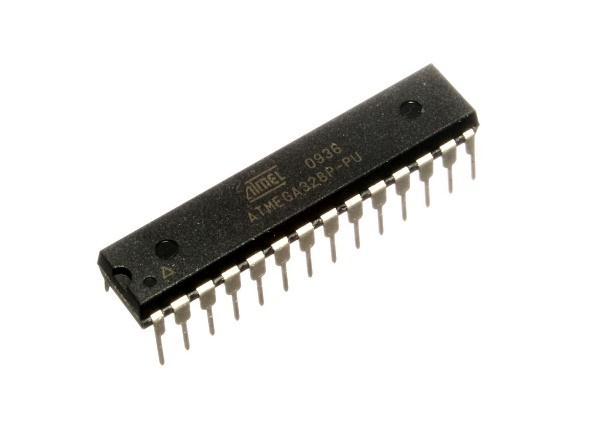
The ATmega328 is 32KB (with 0.5KB consumed by the bootloader).Italsohasanextra2KBofSRAMand1KBof EEPROM(whichcanbereadandwrittenusingtheEEPROM library)
Using this device allows Arduino code to be used in your own embedded project without the need for an actual Arduinoboard.
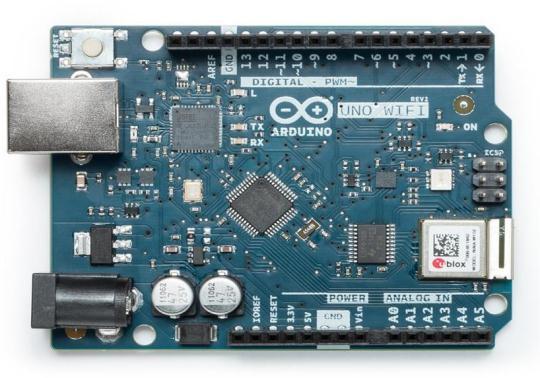
ArduinoUNOWIFIRev.2isthesimplestentrypointtobasic IoT with the standard form factor of the UNO family. Whetheryou'relookingtobuildasensornetworkconnected to your office or home router, or if you want to create a Bluetooth®LowEnergydevicethatsendsdatatoamobile phone, the Arduino UNO WiFi Rev.2 is your one-stop solutionformanyofthebasicIoTapplicationscenarios.
2.3 NODEMCU
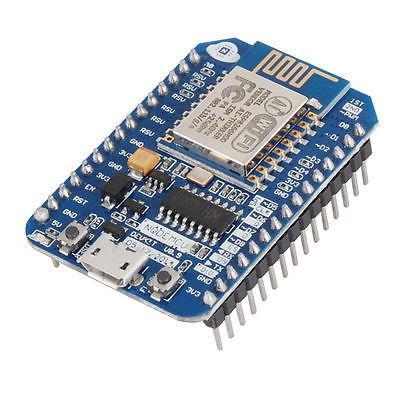
NodeMCUisanopen-sourceplatform,itshardware design is open to modification/modification/build. The NodeMCUDevKit/boardconsistsofESP8266chipwithWIFI support. ESP8266 is a low-cost Wi-Fi chip developed by EspressifSystemswithTCP/IPprotocol.TheNodeMCUDev Kit has Arduino pins on its board as analog (i.e., A0) and digital(D0-D8).Itsupportsserialcommunicationprotocols, i.e.,UART,SPI,I2C,etc.Usingtheseserialprotocols,wecan interface it with serial devices such as I2C-enabled LCD display,HMC5883magnetometer,MPU-6050gyrometer+ accelerometer,RTCchips,GPSmodules,touchscreens,SD cardsetc.
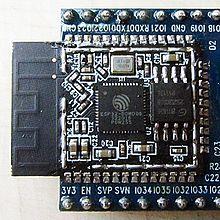
TheESP32isaseriesoflow-cost,low-powermicrocontroller systemsonachipwithintegratedWi-FianddualBluetooth. The ESP32 series uses either the Tensilica Extensa LX6 microprocessor in dual-core or single-core variants, the XtensaLX7dual-coremicroprocessorortheRISC-Vsinglecoremicroprocessorandincludesbuilt-inantennaswitches, an RF balun, a power amplifier, a low-noise receiving amplifier, filters and power management modules. The ESP32 is created and developed by Espressif Systems, a ChinesecompanybasedinShanghai,andismanufacturedby TSMCusingtheir40nmprocess.[2]Itisthesuccessorofthe ESP8266microcontroller
photocells.Theyaremadeofsemiconductormaterialswith highresistance.
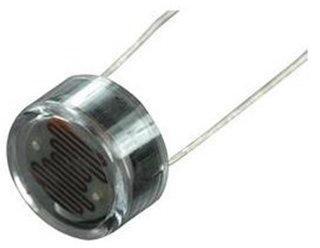
LDR works on the principle of photoconductivity. Photoconductivity is an optical phenomenon in which the conductivity of materials decreases when light is actually absorbedbythematerial.However,whenlightshinesonthe LDR,itsresistancedropsandcurrentflowstothebaseofthe first transistor and then the second transistor. The preset resistancecanbeturnedupordowntoincreaseordecrease the resistance, this way the circuit can be more or less sensitive.LDRsendresponsetoArduino.
2.5 Photo Light Dependent Resistors (LDR)
Alight-dependentresistor(LDR)alsocalledaphotoresistor is a device whose resistance factor is a function of electromagnetic radiation. That's why they are lightsensitivedevicesthataresimilartohumaneyes.Theyare alsocalledasphotoconductors,conductivecellsorsimply
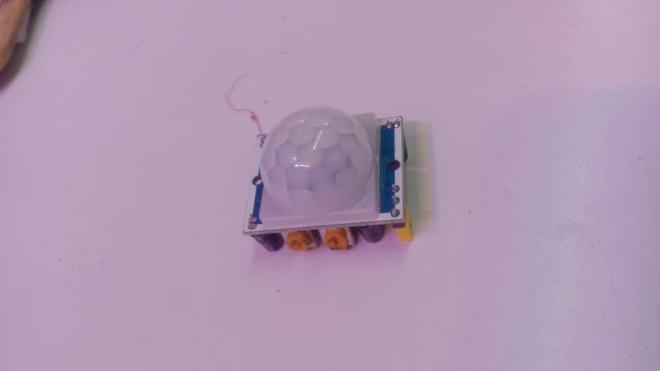
PIR sensors are also known as passive infrared sensors. A passiveinfrared(PIR)sensordetectsinfraredlightemitted from nearby objects. PIR sensors only detect infrared radiationanddonotemititfromLEDs
Passiveinfraredsensorsconsistof:
Twostripsofpyroelectricmaterial(pyroelectricsensor)
Infraredfilter
(Thisblocksallotherwavelengthsoflight)
Fresnellens(whichcollectslightfrommanyanglestoasingle point)
Case (to protect the sensor from other environmental variablessuchashumidity)
2.7
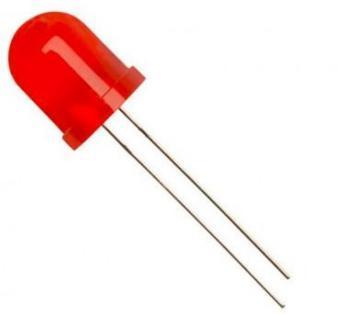
A light-emitting diode(LED)isa junction diodethat emits lightwhenactivated.Whenweapplyvoltagetoitswires,the electrons can recombine with the holes in the LED and release energy in the form of photons that give light. It is thereforeatwo-wiresemiconductorlightsource.
Linux.TheenvironmentiswritteninJavaandcanbeused with any Arduino board before running the Java IDE softwaretobeinstalledonthemachine.
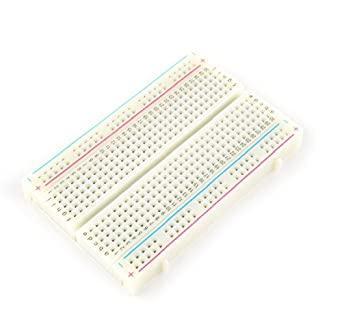
Abreadboardissimplyaboardforprototypingorbuilding circuits.Itallowsyoutoplacecomponentsandconnections ontheboardandcreatecircuitswithoutsoldering.Holesina breadboard take care of your connections by physically holding the parts or wires where you place them and electricallyconnectingtheminsidetheboard.Eachcolumnis also labeled with a letter from A to J, which can be easily referencedintheinstructions(likesquaresonachessboard).
It is a lightweight protocol used to communicate between devices. Devices typically "publish" (i.e., send) data to an MQTT"broker"(orserver),whichisthenstoredfordelivery tootherdevicesorwebapplications.Anotherdeviceorweb application"subscribes"tothisdataset(i.e.,requestsdata) fromtheMQTTbroker,andtheMQTTbrokerthendelivers thedatatothem.
Think of it really as just a glorified web server with two majorexceptions:
Datapacketsareverylight(whichincreasesspeed,efficiency andcost)
MQTT can use other communication modes than just the Internet(e.g.,Bluetooth)
3. SOFTWARE REQUIREMENTS
3.1
ARDUINO IDE
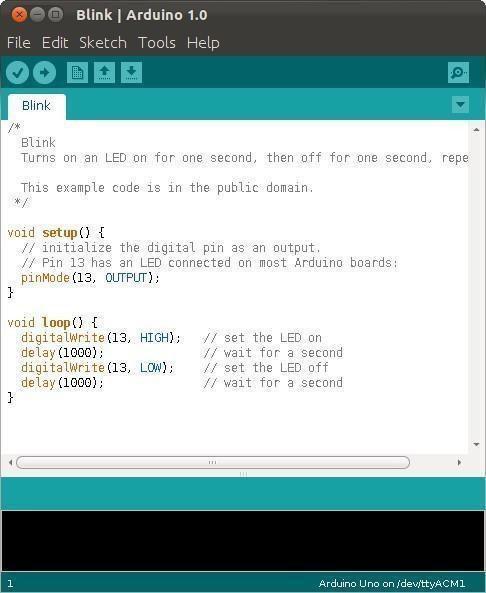
The Arduino Software (IDE) is open-source software and makescodinganduploadingtotheboardeasy.Runningona deviceotherthanWindows,MACOS,
4. SPECIFICATIONS

Dynamiclightingcontrolsbasedonmovementdetection;
Environmentalandweathermonitoring;
Digitalsignagethatcanupdateasneeded,suchasparking regulationsoraccidentalerts;
Parking management, such as alerting officials of illegally parkedvehiclesordriversofopenspaces;
Extendedcellularandwirelesscommunications;
Trafficmanagementthroughreal-timedatafeedsthattrack congestionandspeed.
Automaticemergencyresponseintheeventofacarcrashor crime.
5. WORKING APPROACH
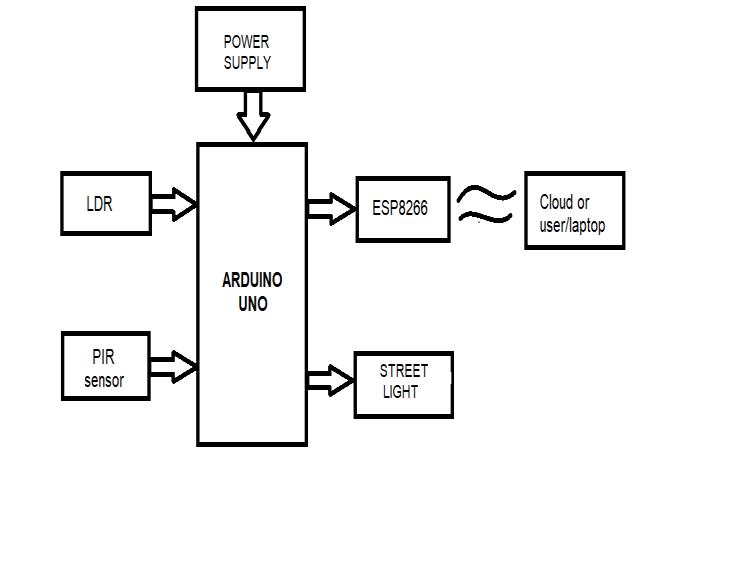
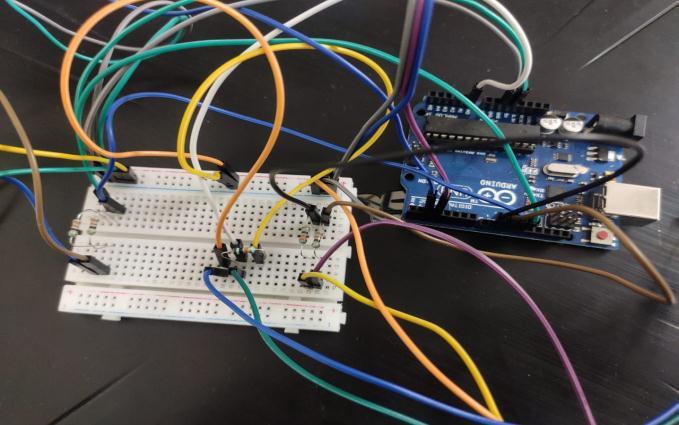
The LDR is connected to the analog pin of the Arduino. Controls LEDs by detecting the presence or absence of sunlight.
Condition 1:
Whenthereisenoughsunlightaround,thentheLDRoffers high resistance and acts as an insulator. In this case, the Arduinowillreadthehighvaluesoftheanalogoutputfrom the LDR and automatically turn off all the LEDs (street lights).
Condition 2:
Duringtheabsenceofsunlight,theLDRdetectsdarknessand offerslowresistanceandactsasaconductor.Inthiscase,the ArduinoreadsthelowanaloginputvaluesfromtheLDRand automaticallyturnsontheLED(streetlights).
Condition 3:
Atthesametime,thePIRsensorisalsoactivatedandstarts todetectanyvehiclesorpeoplemovingontheroad.
In this project we are using 2 PIR sensors which are connectedtothedigitalpinsoftheArduino.Wealsouse4 LEDstorepresentthestreetlights,witheachLEDconnected tothePWMpinsoftheArduino.EachPIRsensorcontrols2 LEDs.WhenoneofthePIRsensorsdetectsthepositionofa vehicle or person, its output will go LOW (0). Then the Arduino read the low output value from this sensor and increasedthelightintensityofthetwoLEDsusingthePulse WidthModulation(PWM)technique.WhenthePIRsensors donotdetectanyvehicleorhumanpositionorobstacle,its outputwillgotoHigh(1).ThentheArduinoreadthehigh outputvaluefromthissensor.NowtheArduinoreducesthe intensityoftheLEDlightusingthePulseWidthModulation (PWM)technique.
Condition 4:
At night, street lights dim to lower levels during off-peak hours, but automatically brighten when the presence of vehicles,cyclistsandpedestriansaredetected.
6. CONCLUSIONS
Thispaper"IOTBasedSmartLighting"canbeaneffective, eco-friendlyandthusthesafesttechniquetoavoidenergy wastage,andwiththistechnique,sunshinestatusdatacan beaccessedanytime,anywhere.Itsolvestheproblemthat theearthisfacingrecentlyandsavesenergy.Thisdocument has scope in various different applications to provide lightinginindustries,campusesandparkinglotsincountless large areas such as shopping malls. The article presents several advantages that could overshadow the current limitations.Consideringthelong-termbenefitsandthusthe initialvaluewouldneverbeaproblemasthepaybackperiod isextremelyless.
ACKNOWLEDGEMENT
ProfA.D.Wankhade,DepartmentofInformationTechnology, Government College of Engineering, Amravati, has been a tremendoussourceofsupportandguidancetotheauthors throughoutthisproject.
REFERENCES
[1] J. C. Downey, "Discussion on street lighting," in TransactionsoftheSouthAfricanInstituteofElectrical Engineers,vol.48,no.1,pp.36-38,Jan.1957.
[2] S.Jadhav,“Anenergyefficientpedestrianawaresmart street lighting system”, IOSR Journal of Electrical and ElectronicsEngineering(IOSR-JEEE),Volume3.
[3] A.Lavric,V.Popa,C.MalesandI.Finis,“Aperformance studyofZigBeewirelesssensornetworktopologiesfor streetlightingcontrolsystems”,InternationalWorkshop onMobileAd-HocW
[4] P.Y.Chen,Y.H.Liu,Y.T.YauandH.C.Lee,“Development of energy efficient street lighting system”, IEEE International Conference on Sustainable Energy Technologies,Singapore,2008.
[5] A. Szalai, T. Szabó, P. Horváth, A. Timár and A. Poppe, "SmartSSL:ApplicationofIoT/CPSdesignplatformsin LED-based street-lighting luminaires," 2016 IEEE LightingConferenceoftheVisegradCountries(Lumen V4),Karpacz,Poland,2016
[6] R. Prasad, "Energy Efficient Smart Street Lighting SysteminNagpurSmartCityusingIoT-ACaseStudy," 2020FifthInternationalConferenceonFogandMobile EdgeComputing(FMEC),Paris,France,2020.
[7] Modabbir and A. Mohammad, "Energy and Economic Analysis of Smart Technologies on Street Lighting System," 2021 7th International Conference on Advanced Computing and Communication Systems (ICACCS),Coimbatore,India,2021.