Knowza.io – Advanced Library Management System
Vinod Bhat 1 , Rahul Gaikwad2 , Manjiri Tare3, Dipali Gharate4, Martina D’Souza51,2,3,4Students, Dept. of Information Technology, Xavier Institute of Engineering, Maharashtra, India
5Professor, Dept. of Information Technology, Xavier Institute of Engineering, Maharashtra, India

***
Abstract – A Library Management System (LMS) is an integrated software system designed to handle the many activities and operations of a library. It aids with the automation and streamlining of conventional manual library administration activities such as book procurement, cataloging, circulation, user management, and reporting.Knowza.io is an online gateway that allows users to access library resources, search for books, and request materials. It provides librarians with a variety of tools to manage the library's collection, track user activity, produce reports, and handle administrative responsibilities such as handling fines and fees.Knowza.io assists libraries in improving their services, improving the user experience, and optimizing resource use. It is an essential tool for all types and sizes of libraries, including academic, public, and special libraries, to properly manage their resources, engage their users, and encourage lifelong learning
Key Words: NodeJS, Express, MongoDB, Web Scrapping, Docker, GitHub Actions, React, Python
1.INTRODUCTION
ALibraryManagementSystem(LMS)isasoftwareapplicationthatassistslibrariesinefficientlymanagingtheiroperationsand services.Itprovidesacentralizedplatformforlibrarianstomanageandorganizelibraryresourceslikebooks,magazines, newspapers,audioandvideomaterials,anddigitalresources.
Cataloguing, circulation, acquisitions, serials management, and patron management are common features of an LMS. Cataloguingenableslibrarianstocreateandmaintainadatabaseoflibraryresources,includingmetadatasuchasauthor,title, year of publication, and subject. Librarians can track the circulation of library materials, such as lending, renewing, and returningbooks,usingcirculationmanagement.
Throughacquisitionmanagement,librarianscanmanagethepurchaseandreceiptofnewlibraryresourcessuchasbooks, journals,andothermaterials.Librarianscanmanagepatronaccounts,includingregistration,borrowingprivileges,andfines, usingusermanagement.
LMSscanalsoincludefeatureslikesearchfunctionality,anonlinecatalogue,andareservationsystem,makingiteasierand moreconvenientforuserstoaccesslibraryresources.LMSscanalsoprovidelibrarianswithanalyticaltoolsfortrackinglibrary usages,suchascirculationstatistics,resourceusage,anduserbehaviour.
Overall,learningmanagementsystems(LMS)arecriticaltoolsforlibrariestomanagetheiroperationsefficiently,provide qualityservicestousers,andimprovetheoveralllibraryexperience.
2. BACKGROUND
For millennia, libraries have been an important aspect of human society, functioning as storehouses of knowledge and information.Librarieshavedevelopedandadaptedtoshiftingsocietalrequirementsandtechnologybreakthroughsovertime. Before,librariesmanagedtheirholdingsusingmanual methodssuchaspaper-basedcatalogs,indexcards,andcirculation ledgers.Thesesystemswereinefficientandtime-consuming,resultingininefficienciesinlibraryoperations.
Librariesbegantouseautomatedmethodstomanagetheircollectionswiththedevelopmentofcomputertechnologyinthe twentiethcentury.Theearliestlibraryautomationsystems,whichusedmainframecomputersandbatchprocessing,were implementedinthe1960sand1970s.
Libraryautomationsystemsexpandedtoincludeclient-serverarchitecturesandgraphicaluserinterfacesaspersonalcomputers became increasingly common in the 1980s and 1990s. These tools, known as Integrated Library Systems (ILS), enabled librarianstobettermanagetheirholdingsanddeliverservices.
Web-basedtechnologyandtheinternetusheredinaneweraoflibraryautomationsystemsintheearly2000s.TheseLibrary ManagementSystems(LMS)providedincreasedflexibilityandaccessibility,allowingconsumerstosearchandaccesslibrary materialsfromanylocationwithaninternetconnection.
LMSsystemsnowadaysaremorecomplexandsophisticated,withcapabilitieslikeartificialintelligence,machinelearning,and cloud-basedarchitectures.Inafast-changingdigitalworld,theyprovidelibrarieswithsignificanttoolsformanagingresources, engagingpatrons,andpromotinglifelonglearning.
3. METHODOLOGY
3.1 Module Description
User Module: Thismodulehasthefollowingfunctionality
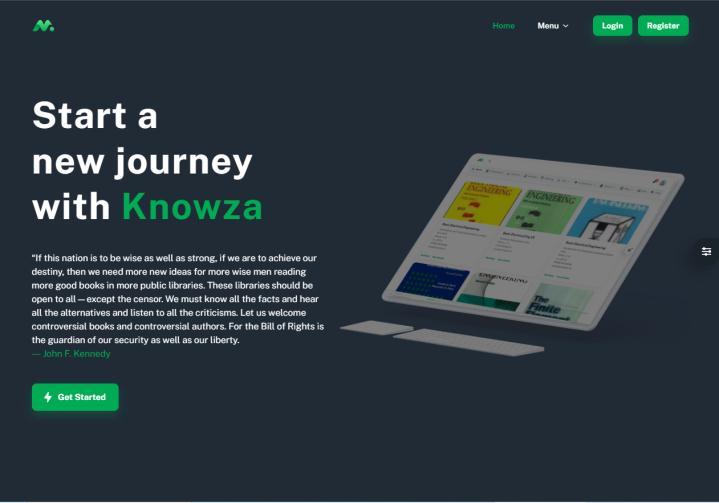
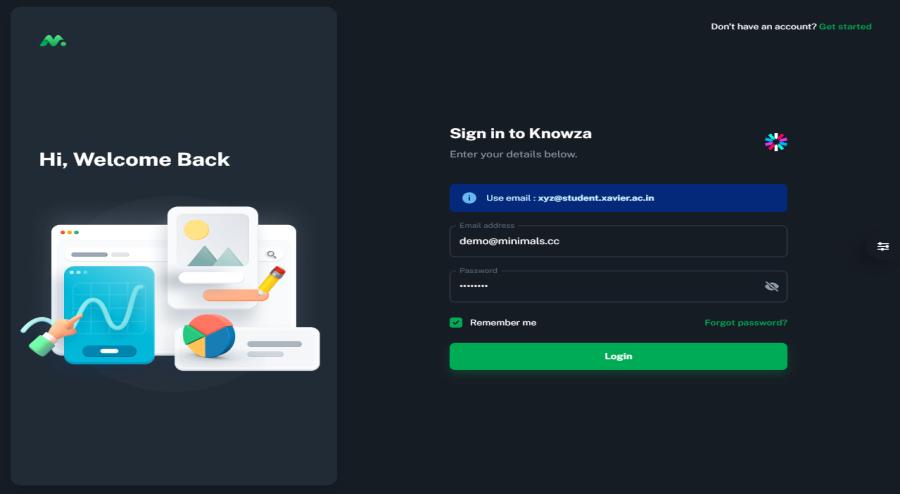
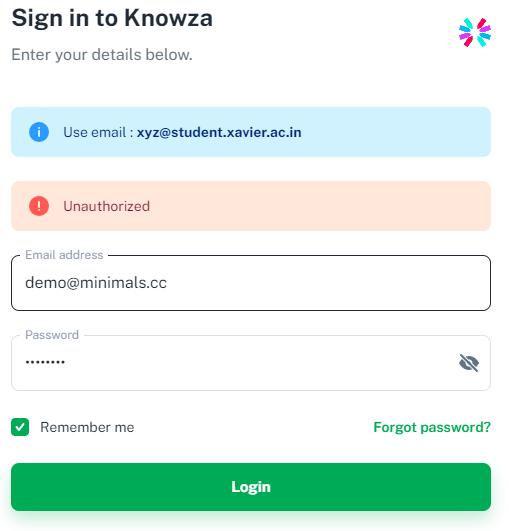
Login: Webpagethatletstheuserlogintotheiraccounttoaccessthewebpage.Thisisdonewiththehelpofemailand passwordcombinationandanerroristhrownifthesecredentialsaregivenincorrectly.
Sign up: ThispageallowstheusertocreateanewaccountwithKnowza.iotoaccessthewebapp.
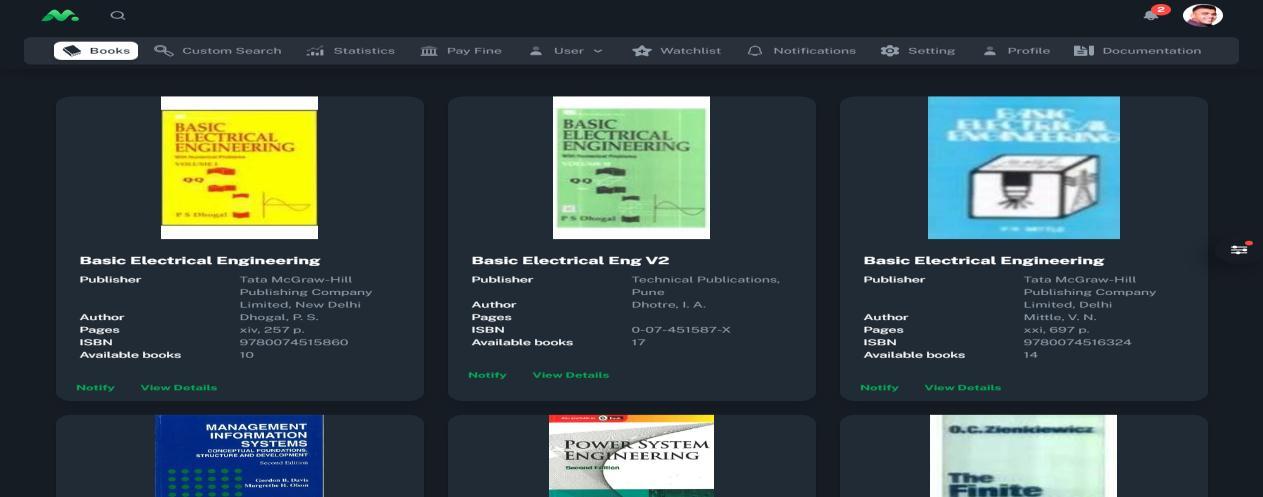
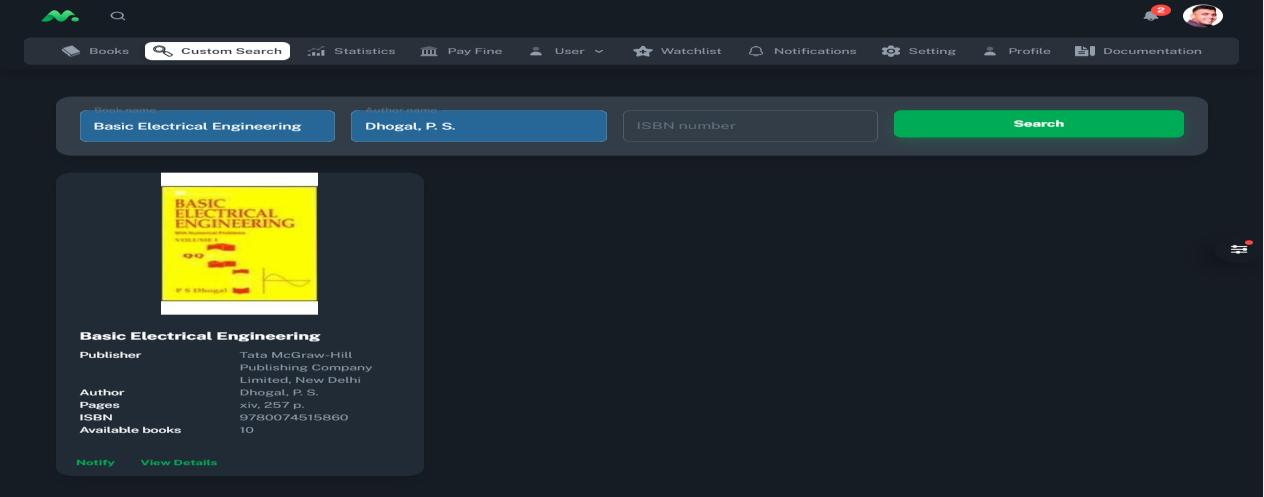
Search for Books: Thisfunctionalitydealswiththesearchingofbooksthatarepresentinthelibrary(database)to checkfortheiravailabilityaswellasifthebookispresentinthelibraryornot.
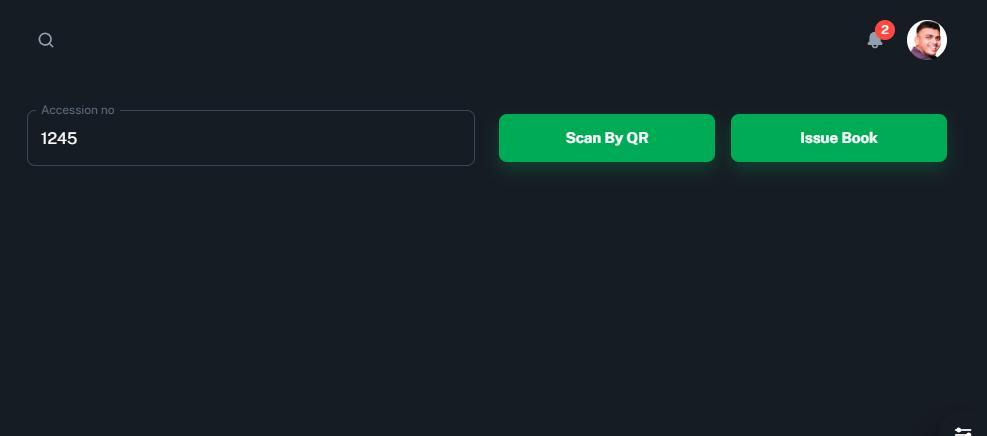
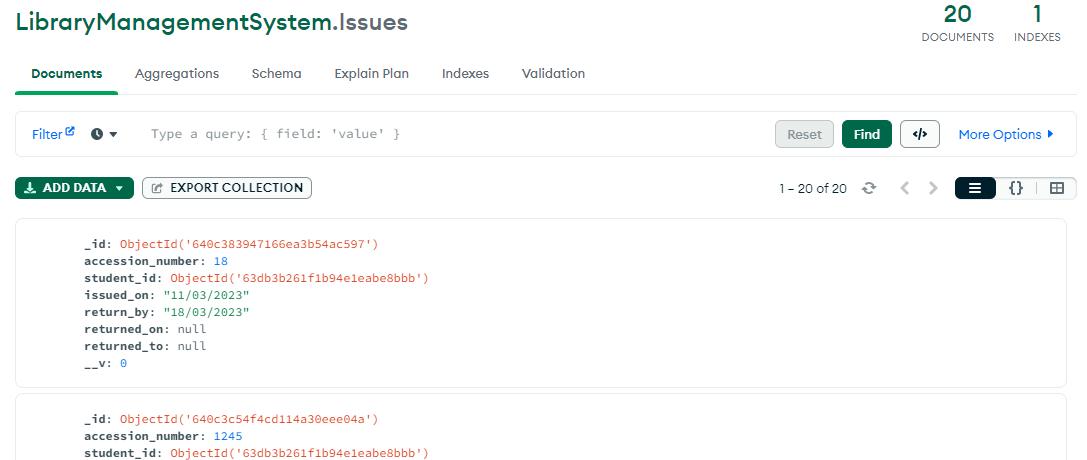
Issue Books: Userscanissuebooks(maxof3atatime)byjustscanningthebarcodepresentonthebackofthebookfor quickandeasyissuingofbooks.
Add to Watch list: Ifthebookwhichtheuserwantsisnotpresent(available)inthelibrarythentheycanaddthebook tothewatchlistsothattheywillberemindedwhenthebookisavailableinthelibrary.
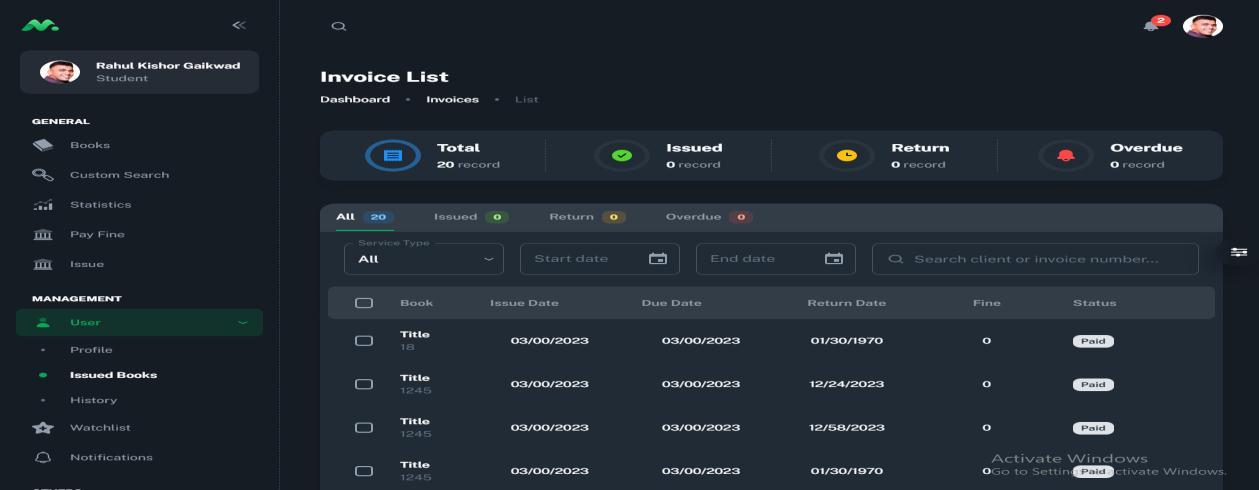
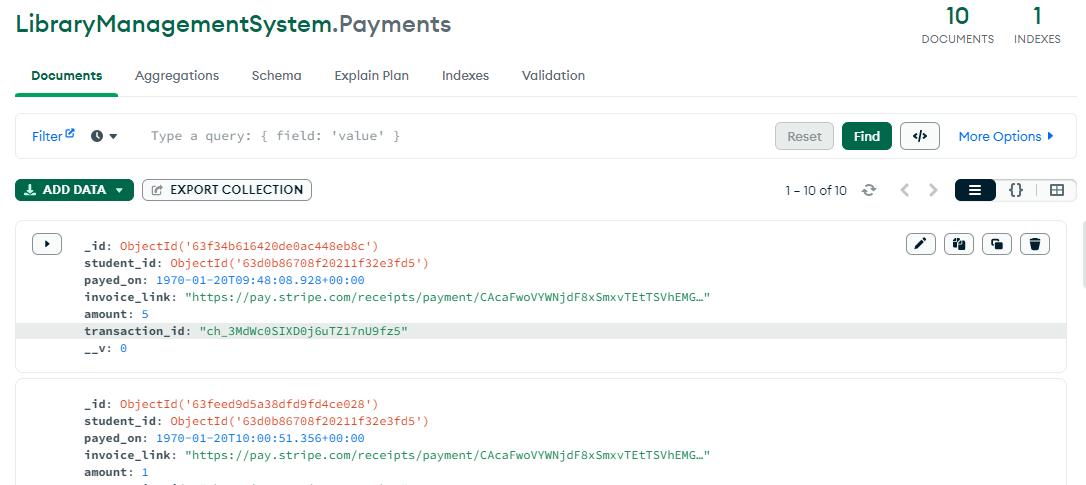
Pay Fine: Iftheuserfailstoreturnthebookontime,thentherewillbeafineassociatedwitheverydaytheuserfailsto returnthebook.Thisfinecanbepaidbythiswebpage.UsesStripeasapaymentgateway.
Admin Module: Thismoduleconsistsofthefollowingfunctionality
Login: Webpagethatletstheadminlogintotheiraccounttoaccessthewebpage.Thisisdonewiththehelpofemail andpasswordcombinationandanerroristhrownifthesecredentialsaregivenincorrectly.
Sign Up: ThispageallowstheadmintocreateanewaccountwithKnowza.iotoaccessthewebapp.
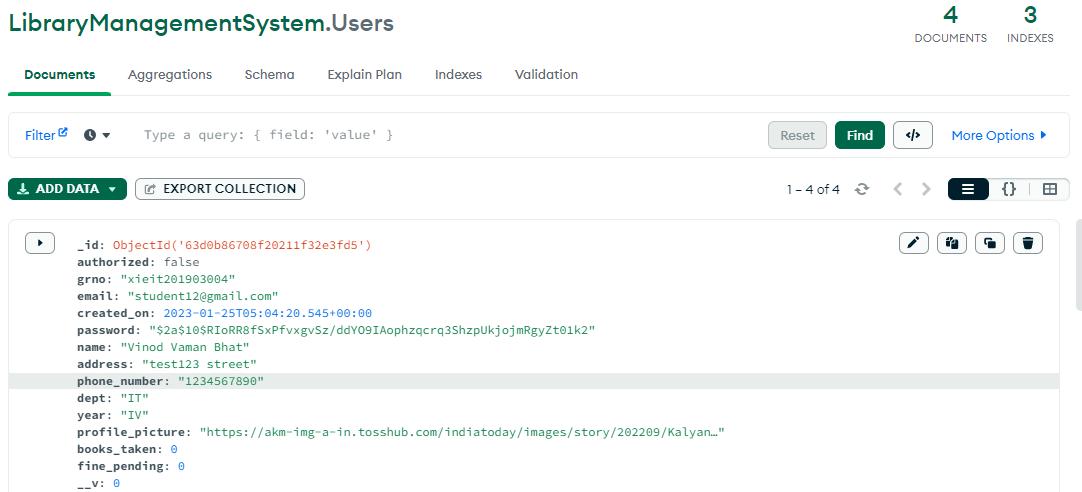
Activate User Account: ThisisusedtoactivatetheuseraccountthathasjustcreatedanewaccountforKnowza.io.
CRUD operation on books: Sincethelibraryisaplacewherebooksareconstantlyupdated,added,orpulleddownfrom thelibrary.AdmincanADD,UPDATE,andDELETEbookspresentinthedatabaseusingthiswebpage
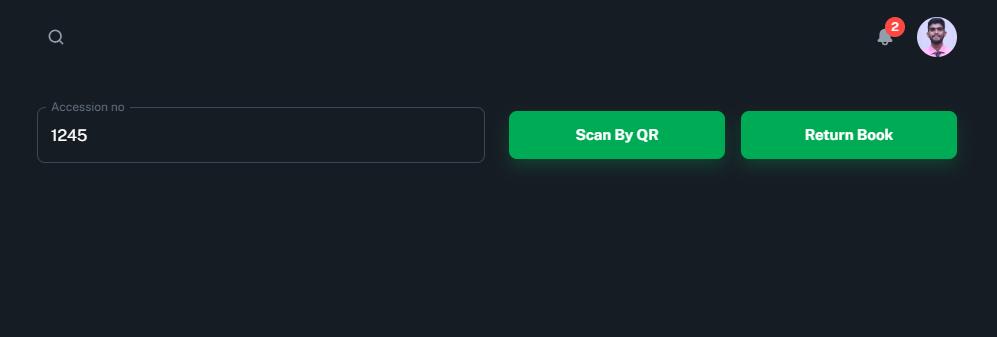
Return Books: Thebookstakenbytheuserneedtobereturnedtothelibrarythisisdonebytheadminbyjustscanning thebarcodeonthebackofthebookandthereturnissuccessfullydone.
Get data like issues, returns, payments, etc.:Adminscangetdataregardingtheissues,returns,payments,andusersso thattheycancreateareportaswellasarecordofalltheactivitiesassociatedwiththelibrary.
Notification Module: Thismoduleconsistsofthefollowingfunctionality
Account Activation:Users'accountneedstobeactivatedinorderforthemtoissuebooks.Thissendsamailtotheuser informingthemaboutsuccessfulaccountactivation.Sothattheusercanusethewebsite’sfunctionalitylikeissuing books.
Password Reset and Update: Thissendsmailaboutthepasswordresetlinkaswellasmailaboutsuccessfulpassword updates.
Book Available:Thisisamailtellingtheuserthatthebookthattheywereinterestedinissuesisavailableinthelibrary.
Payment Receipt:Afterthesuccessfulpaymentprocedureareceiptwillbesenttotheuserinformingthemabouttheir payment.
Return Book: Thistellstheuseraboutthesuccessfulreturnofabookthatwasissuedbytheuserandhandedoverto thelibrarian.
Payment Module: Thismoduleconsistsofthefollowingfunctionality
Payment: Thisisthehelpermodulethatdoesallthehardworkofcollectingpreciousmoneyasafinefromtheuserand depositingittothelibraryaccountusingStripe.
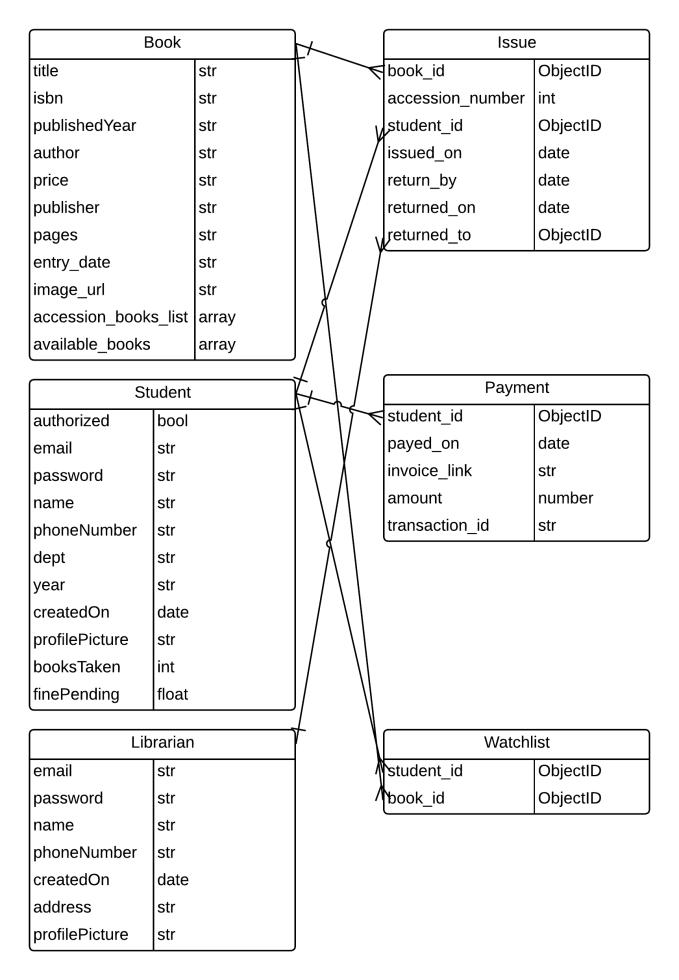
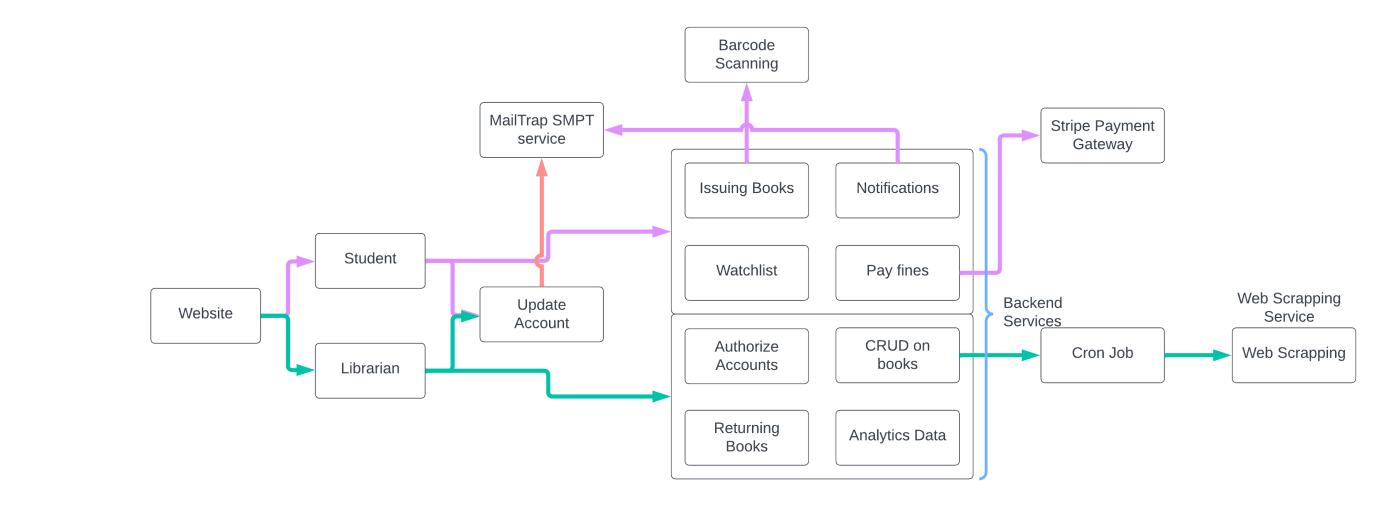
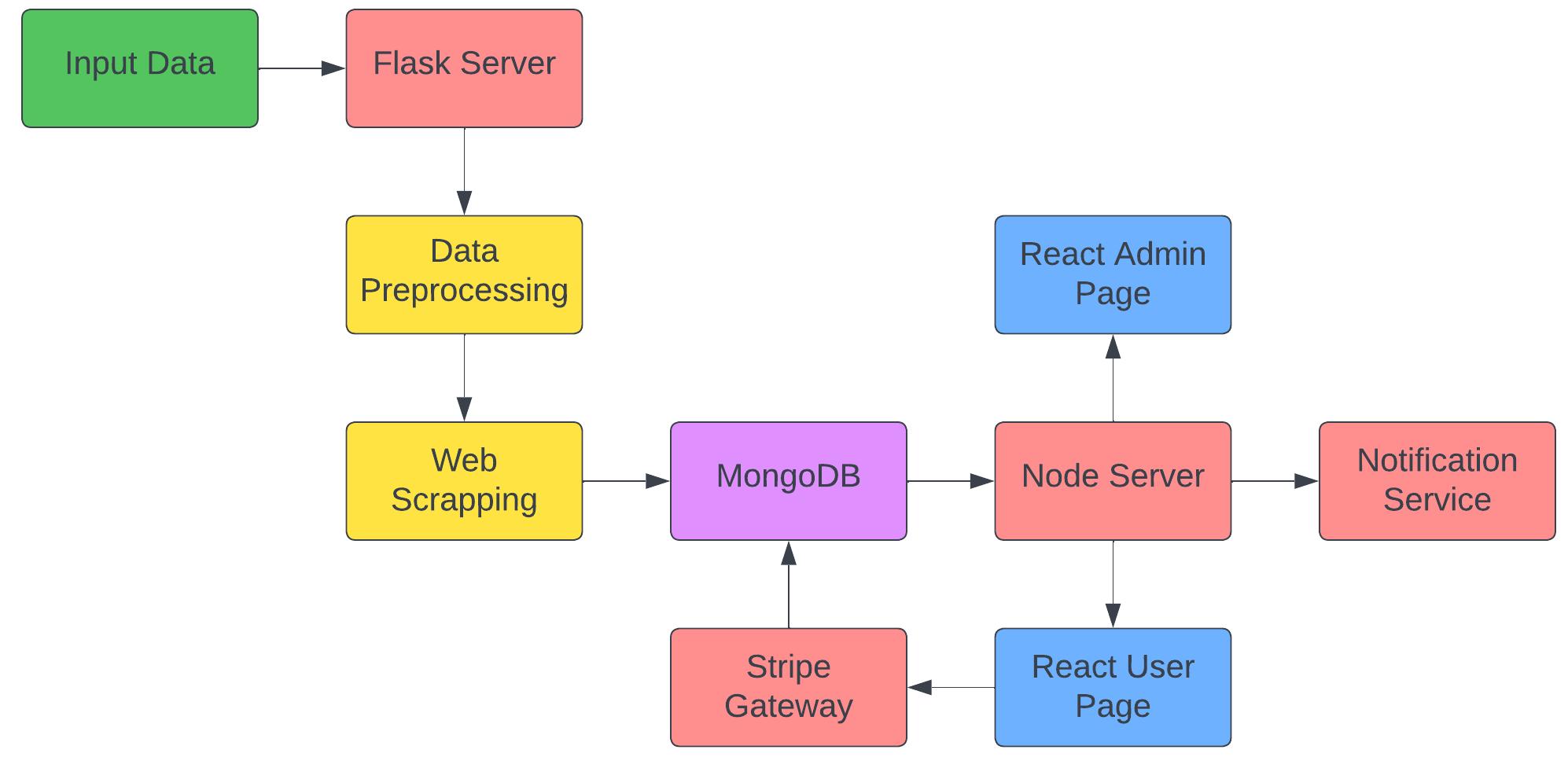
3.2 System Architecture
3.3 Evaluation Methods
Evaluationtechniquesaresystematicprocessesusedtoexamineaprogram's,product's,orservice'sefficacy,efficiency,and overallperformance.Surveys,interviews,observation,testing,anddataanalysisareamongthemethodsusedtogivefeedback andinsightsthatmaybeutilizedtoenhancetheprogram,product,orservice.
Usability Testing: Thisentailswatchinghowusersengagewiththesystemandgatheringfeedbackonitsusability, user interface, and overall user experience. This is very important as to ensure user the best experience.
Performance testing: Thisapproachevaluatesthesystem'scapacitytomanagemanyusersandtransactions,suchas book checkouts, returns, and payments. The system must handle large amount of load as in production.
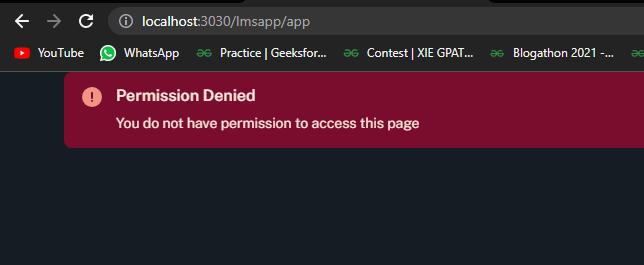
Security testing: Thisincludesevaluatingthesystem'ssecurityfeatures,suchasdataencryption,accesscontrol,and authentication methods, to guarantee sensitive data is protected. No user may login into other user’s account.
Functionality testing: This approach entails evaluating the system's functioning to ensure that all features and modules are operational and fulfill the requirements of the library and their corresponding functions
Compatibility testing: This approach assesses Knowza.io's compatibility with various operating systems, web browsers,anddevicestoensurealluserscanaccessandutilizethesystem.Sothattheusercanusewebsitewithout issue.
Acceptance testing: Thisprocessentailstestingthesystemagainsttheneedsandspecificationsofthelibrarytoverify that it satisfies their expectations and is fit for usage. All the functionality is handled and issued in the website.
Post-implementation review: Thisapproachentailsgatheringfeedbackfromlibraryemployeesandusersafterthe systemhasbeeninstalledinordertoidentifyanydifficultiesorareasfordevelopmentforsmoothfunctionoflibrary
3.4 Experimental Results
Theoutcomesorfindingsofanexperimentorresearcharereferredtoasexperimentalresults.Thefindingsofanexperiment areexaminedtodevelopconclusionsregardingtheimpactoftheindependentvariable(s)beingresearchedonthedependent variable(s). Typically, experimental results are presented as quantitative data, such as statistical analyses or graphical representations.Tosummarize,experimentalresultsgiveempiricaldatathatmaybeusedtosupportorinvalidatehypotheses orideasregardingthetopicunderinvestigation.
Inthissection,wewilllookintotheimplementationoftheproposedsystembyperformingcertainexperiments/teststocheck whetherthesystemprovidesaccurateorexpectedresultsandcanhandlehighloadsandalsoifwegettheoutcomesthatwe expectedbeforetestingthesystemintheimplementationphase.
Table -1: ExplainstheTestcases.
Test Case Testing Purpose Testing Condition
Login
Tocheckiftheusercan logintotheiraccount
Expected Outcomes Actual Results
SignUp
Tocheckiftheusercan createanewaccount
If the user provides invalidcredentials,then the system will throw anerror
If the User provides withdetailsthatarenot acceptedbythesystem orinthewrongformat then it will throw an error
Grant access to the websiteuponpassingof correctinfo
Successfully create a new account with the giveninfo
User logs into the websitesuccessfully
User gets access to the website by the newly createdaccount
SearchforBooks Check books based on ISBN, Author name or Bookname
Userprovidesunknown orwrongdetails
Provides the user with the correct info based uponthegiveninfo
Showsthebookpresent in the library (database) by the parameters provided bytheuser
IssueBooks To test if the user can issue books by just scanning the barcode from the back of the book
AddtoWatchList Check if a book can be addedtowatchlist
User scans a barcode thatisnotvalid
Book is issued to the user Usersuccessfullyissues the book which is scannedbytheuser
Book cannot be added tothewatchlist
Book is added to the watchlist
The book provided by theuserissuccessfully added to the watchlist queue
PayFine To test if payment can bedone
Payment cannot be donebytheuser
Paymentissuccessfully donebytheuser
Fineispaidbytheuser using stripe payment gateway
ActivateUserAccount Admincanactivatethe users account which theyhavecreated
CRUD operations on books
To check if the admin can perform CRUD operations on the books
Account cannot be activatedbytheadmin
If the admin provides invaliddetails,thenthe system will throw an error
User's account is activated successfully bytheadmin
Perform successful CRUDoperations
The user accounts which have been accepted by the admin isactivatedsuccessfully
Admin can create, update,delete,andread booksfromdatabase
ReturnBooks
To check if admin can returntheissuedbooks backtothelibrary
Adminscanstheinvalid barcode
Successful return of books
Admincansuccessfully returntheissuedbooks from the user by scanningthebarcode
Get data like issues, returns,payments,etc.
Account Activation, Password Reset and Update,BookAvailable, Payment Receipt, ReturnBook
Get analytical data like issues, returns, payments,etc.
Sendemailstotheuser
Check ifthe data given totheadminisaccurate
To check if the mails are sent to the users properly
Provides the admin withthecorrectinfofor analytics
Send email to the desireduser
Give the Admin the accurate and real-time data
By given condition the emails are sent to the users
Payment Check if payment microservice can handle multiple paymentrequests
Payment cannot be done Payment is done successfully Payment microservice can handle payment microservice
3. CONCLUSIONS
Knowza.iosystemsareessential toolsformodernlibrariesto effectivelymanageresources, engageusers,and encourage lifelonglearning.Theyprovideincreasedefficiencyandaccuracyinlibraryoperations,greaterresourceuse,improveduser experience, and data-driven decision-making. However, theyalso requirecareful design,implementation,andcontinuing maintenance.ToensurethesuccessofKnowza.io,librariesmustensurethatthesystemislinkedwiththeirobjectivesand goals, that staff members are educated to use it successfully, and that it is updated and maintained on a regular basis to guaranteeitsdependabilityandsecurity.Additionally,usersmustbeabletoaccesslibraryresources,browseforbooks,request materials,andrenewborrowedthingsusingonlineportals.
Inconclusion,Knowza.iosystemsarecriticaltoolsformodernlibrariesinordertomanagematerials,engagepatrons,and encouragelifelonglearning.Theyprovideanumberofadvantages,includingincreasedefficiency,abettercustomerexperience, anddata-drivendecision-making.However,toensurethesuccessofKnowza.io,properdesign,andcontinuingmaintenanceare required. Knowza.iosystems,withproper planningand implementation,mayhelplibrariessurviveinthedigital era and continuetoserveasvaluablecommunityresources.
REFERENCES
[1] LibraryManagementSystemShanmugamA.P,RamalakshmiA.,SasthriG.,BaalachandranS.
[2] OnlineLibraryManagementSystembyNamburiSaiNagaLakshmiPrasannaandB.N.SrinivasaGupta.
[3] DevelopingaQRCode-basedLibraryManagementSystemwithCaseStudyofPrivateSchoolinSurakartaCityIndonesiaby HeruSupriyono,MuhammadRamadhanFitriyan,Muamaroh.
[4] TheUniversityLibraryManagementSystemBasedonRadioFrequencyIdentificationbyJinFengZhang,ChangJiWen.
[5] AndroidApplicationforLibraryAutomationbyPrasannaPillai,SonalSingh,ShreyaThakare.
[6] DevelopmentofLibraryManagementRoboticSystembyAnitaGade,YogeshAngal.
[7] Customer-OrientedLibraryServicesforChineseHigherEducationJiahuiJiangandYongbingZhang.
[8] GlobalResearchinLibraryManagementfrom2010to2020:ABibliometricInvestigationbasedonScopusbyAnkitBiswas, DhrubaJyotiBorgohain.
[9] ResearchandDesignonLibraryManagementSystemBasedonStrutsandHibernateFrameworkbyErxiangChen,Minghui Liu.
[10] ADigitalLibrarySystemforPeriodicalsDistributionD.M.Choy,C.Dwork.
[11] AWeb-basedBookApplicationusingMongoDB\&NodejsAishnaGupta,AnuskaRakshit,MansiRaturi,NishantRaj,Pallavi Mishra