Volume:
e-ISSN:2395-0056
Volume:
e-ISSN:2395-0056

Abstract - TheEnvironmentalImpactAssessment(EIA) is a tool with the aim to identify, predict, evaluate, and prevent or, if necessary, correct and communicate the impacts of a project on the environment. The EIA is regulated by the environmental laws of each country, where commonly an Environmental Impact Statement (EIS) is required to obtain an environmental license. Colombian legislation, as in several other countries, does not determine what EIA methodology is used (rather it is limited to suggesting a few parameters). Ultimately, the decision is left to the work group responsible for developing the EIS. For this reason, many methodologies and variants are created, thereby affecting the process quality.Itwasdeterminedthatthebestoptionistoadjust an already established methodology, taking advantage of itsexperience.
Key words: Water quality test, Wind Analysis, Ambient Air Quality.
ThisEnvironmentalImpactAssessment(EIA)istoprovide information on the potential positive and negative environmental and social impacts of the project. It also aims to make recommendations for the mitigation of the potential negative impacts and enhancement of the positive ones. A field survey of the project site was conductedandpotentialenvironmentalimpactsofproject activities were identified, assessed, and documented. The EIA team carried out consultation with local authorities andtheaffectedpeople.TheEnvironmentalProtectionAct (1986) policies have been considered during the assessment. The EIA has been proposed according to the EIA format regarding the guidelines of the Ministry of Environment,Forest&ClimateChange.ImportanceofEIA links environment with development for environmentally safe and sustainable development. EIA provides a cost effective method to eliminate or minimize the adverse impactofdevelopmentalprojects.EIAenablesthedecision makerstoanalyzetheeffectofdevelopmentalactivitieson the environment well before the developmental project is
***
implemented.EIAencouragestheadaptationofmitigation strategiesin the developmental plan. EIA makessure that the developmental plan is environmentally sound and within the limits of the capacity of assimilation and regenerationoftheecosystem.
EIAisaprocessofmeasuringandevaluatingtheimpactof any proposed project and development on the environment,includingthebenefits.Throughenvironment impact assessments, project managers know which projects need full screening topreventany damage to the environment.
Helps to assess potential impacts relevant to the environmental legislation based on the legislative requirements. Identifies problems and helps through the mitigationprocessinadvancetoanticipatedisasterslikely to happen. Protects the biodiversity environment by suggestingalternativesafeprojectdesignsandmethods.
As worldwide temperatures rise, global weather patterns arefollowingsuit.Wind,orwindpower,isoneofthemost critically affected factors of changing weather patterns. While global warming has some experts hypothesizing that wind strength across the world will decrease, others claim it will intensify in the Southern hemisphere while weakening in the Northern, along with various other schools of thought. As it is still too soon to determine the true consequences of global warming, wind pattern changes are already upon us. This poses a number of problems including decreasing the amount of power generated by wind farms, along with increasing conscientious construction of buildings that are experiencing fluctuating wind velocities. As this problem progresses, wind engineering, through wind analysis, is becoming an extremely important consideration for engineers, city planners, and architects alike. In this article, we will discuss how wind simulation through Sim Scale allows engineers to employ cloud-based CFD as a wind.
Wind analysis can include but is not limited to evaluating comfort, wind loading on structures, as well as pollution, and natural ventilation. Below, further explanation and
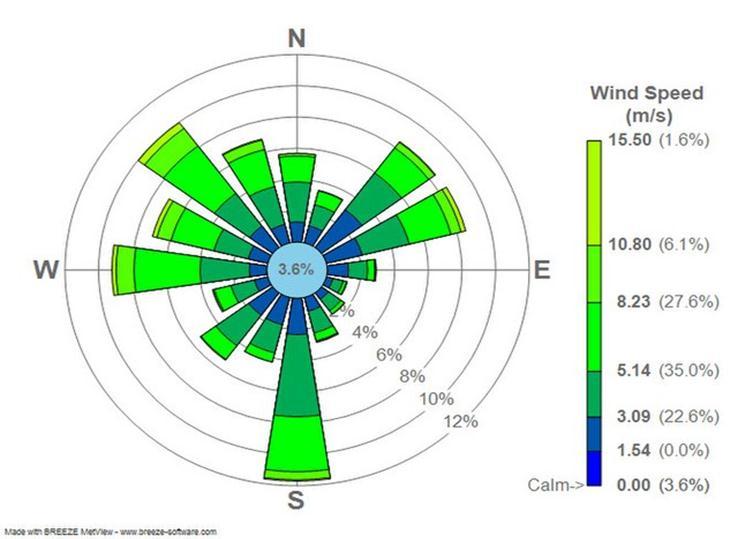
real-life wind evaluations and wind simulations will be discussed.
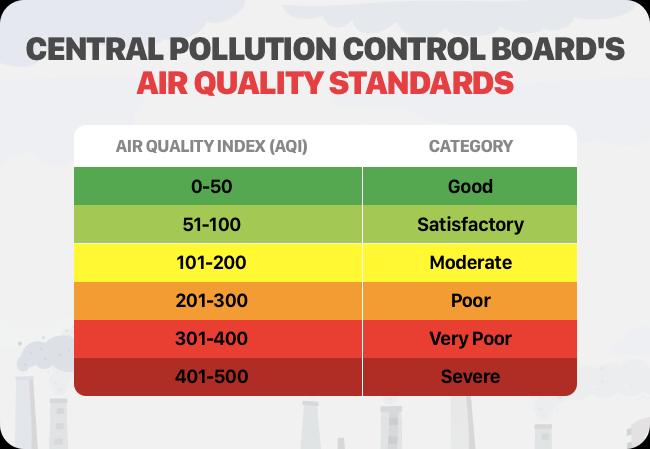
Ambient Air Quality monitoring or testing is a process of measurement of pollutants present in the atmosphere. It measures the healthiness and safety of our environment. Ambientairqualityisdefinedasthe qualityofairoutside and sometimes inside. Ambient air quality standards are limits to concentrations of pollutants in air stated for wellbeing of human, nature, animals, etc. There is no single specified definition of standards resulting, various organizations use standards which are not often similar. Ambient air quality monitoring is also called as Outdoor AirQualityTesting.
Airqualitymonitoringistheprocessofassessmentofpollutants presentintheatmospherebytheirquantityandtypesasperair quality standards. Air quality monitoring helps us to take action based on pollutants present in atmosphere to improve air quality.
Ambient air quality monitoring & testing is required to determine the existing quality of air, evaluation of the effectiveness of the control program. National Air Quality Monitoring Program is described in this chapter along with details on pollutants measured and their frequency. Similarly,Guidelinesformonitoringaremadeforcarrying outAAQMunderNAMPand description oftheprogram is essential as the monitoring is carried out to meet the objectivesofNAMP
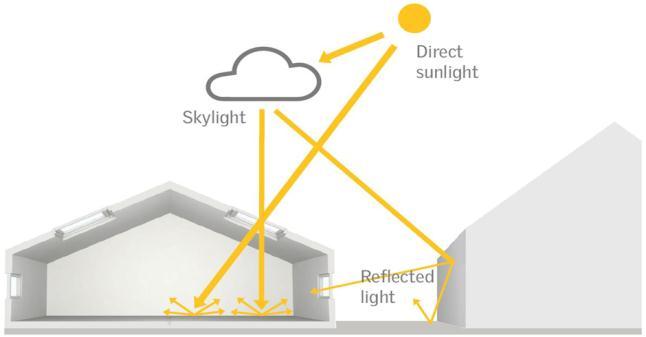
Daylighting is the practice of placing windows, skylights, other openings, and reflective surfaces so that sunlight (direct or indirect) can provide effective internal lighting. Particularattentionisgiventodaylightingwhiledesigning a building when the aim is to maximize visual comfort or toreduceenergyuse.Energysavingscanbeachievedfrom the reduced use of artificial (electric) lighting or from passive solar heating. Artificial lighting energy use can be reduced by simply installing fewer electric lights where daylightispresentorbyautomaticallydimming/switching offelectriclightsinresponsetothepresenceofdaylight –aprocessknownasdaylightharvesting.
The amount of daylight received in an internal space can be analyzed by measuring illuminance on a grid or undertaking a daylight factor calculation. Computer programssuchasRadiance allowanarchitectorengineer to quickly calculate benefits of a particular design. The human eye's response to light is non-linear, so a more even distribution of the same amount of light makes a roomappearbrighter.
A sound level meter (also called sound pressure level meter (SPL)) is used for acoustic measurements. It is commonly a hand-held instrument with a microphone. Thebesttypeofmicrophoneforsoundlevelmetersisthe condenser microphone, which combines precision with stability and reliability. [1] The diaphragm of the microphonerespondstochangesinairpressurecausedby sound waves. That is why the instrument is sometimes referred to as a sound pressure level meter (SPL). This movement of the diaphragm,i.e. the sound pressure(unit pascal,Pa),isconvertedintoanelectricalsignal(unitvolt, V). While describing sound in terms of sound pressure, a logarithmic conversion is usually applied and the sound pressurelevelisstatedinstead,indecibels(dB),with0dB SPLequalto20microPascal’s.
Sound level meters are commonly used in noise pollution studies for the quantification of different kinds of noise, especially for industrial, environmental, mining and aircraft noise.[2][3] The current international standard that specifies sound level meter functionality and performances is the IEC 61672-1:2013. However, the reading from a sound level meter does not correlate well to human-perceived loudness, which is better measured by a loudness meter. Specific loudness is a compressive nonlinearity and varies at certain levels and at certain frequencies. These metrics can also be calculated in a numberofdifferentways.
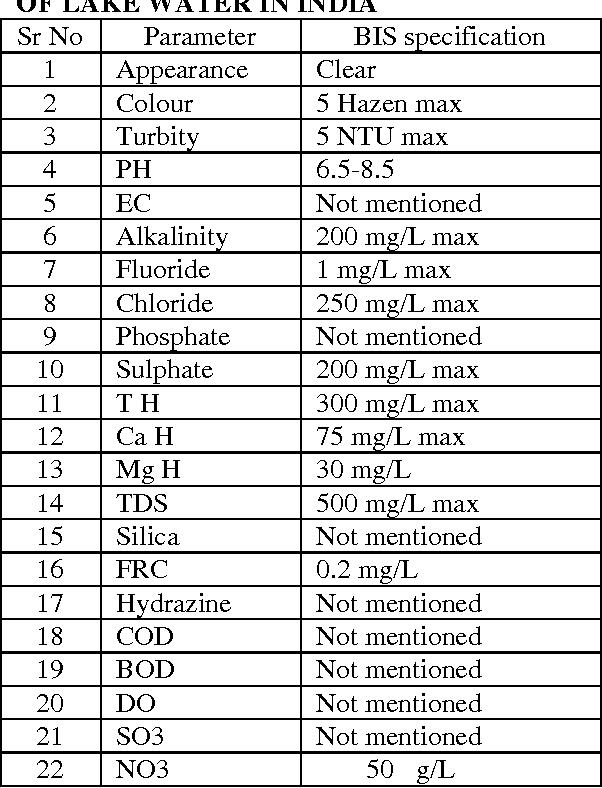
Water analysis in Environmental Impact Assessment is one of the key tests to be performed. Ground water testing was performed on site and area surrounding our projectsite.Variouslocationswereselectedforextraction ofgroundwaterandtoidentifythedepthofgroundwater tableastheprojectareahasfloraandfaunasurroundingit andalsomanywaterbodiesaroundtheproject.Asground water level can vary at different locations two different locationsonsitewereselected.Astheground watertable consists of two zones, the unsaturated zone and the saturatedzone.Afterselectingthelocationandcalculating the depth of ground water table it was found to be at a higher depth with lies under saturated zone. The ground water was extracted using an aerator pump. After collecting the water samples, they are sent to Lab for testinganddeterminingthecontentsofchemicalspresent andqualityofwater.
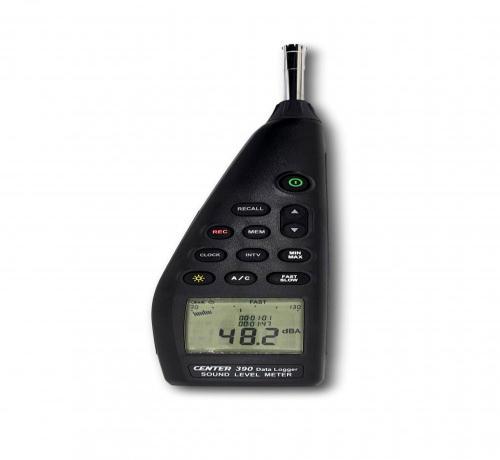
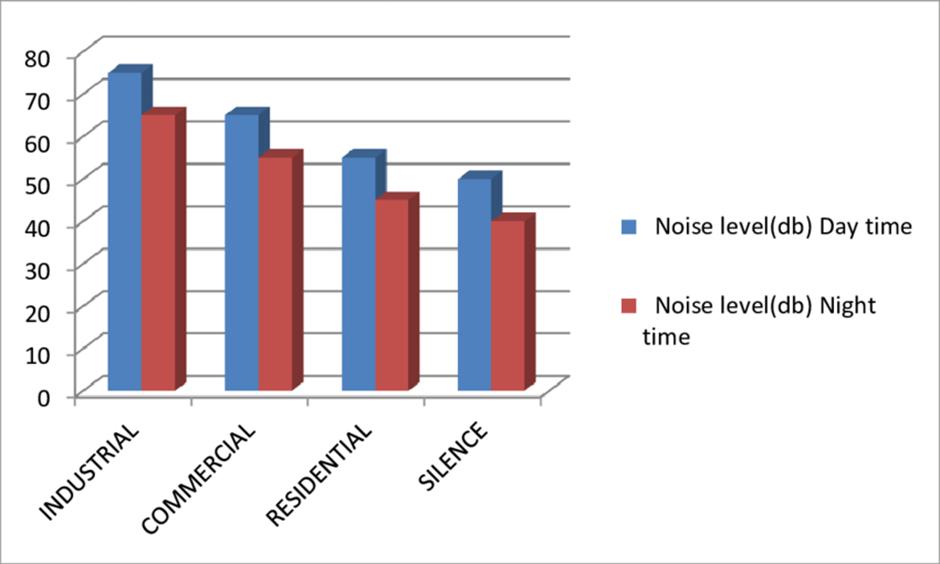
In the past few years, the importance of Noise control in EnvironmentalImpactAssessmenthasgrownextensively. Noise produced on site should be controlled while executing the project as so to minimize the effect on surrounding locality and people working on site. We selected different locations on site for measuring the decibels of current location. The locations were decided according to the activity on that location. The instrument we used for measuring the noise was ‘Noise MeterCenter- C390-SL-I-08. The locations selected were Main gate,PlotArea,MainOfficeetc.Thenoisemeterwassetup on the decided location at the time of activity and the noiselevel wasrecorded.Aftergettingall the noise meter readings wecompared it withtheIndian Standardslimits forNoiseLevel.
Air quality test is one of the key factors for wellbeing of humans and other living organisms. Ambient air quality testisperformedtoknowthetypesofgasespresentinthe air on site. It also helps to determine the amount of dust particles present in the air and the amount of dust generated due to construction activity. Determining the number of harmful gases and other gases present in the air can help in implementing preventing measures to decrease the air pollution. The instrument used for determiningtheairqualityonsitewas‘AirSamplerRDS-I01’. Different locations were selected on site after inspection of site and according to construction activity. The air sampler was located at the selected locations and the readings were noted. After all readings from different locations were noted, they are compared with the Indian StandardLimitsforAirpollution.
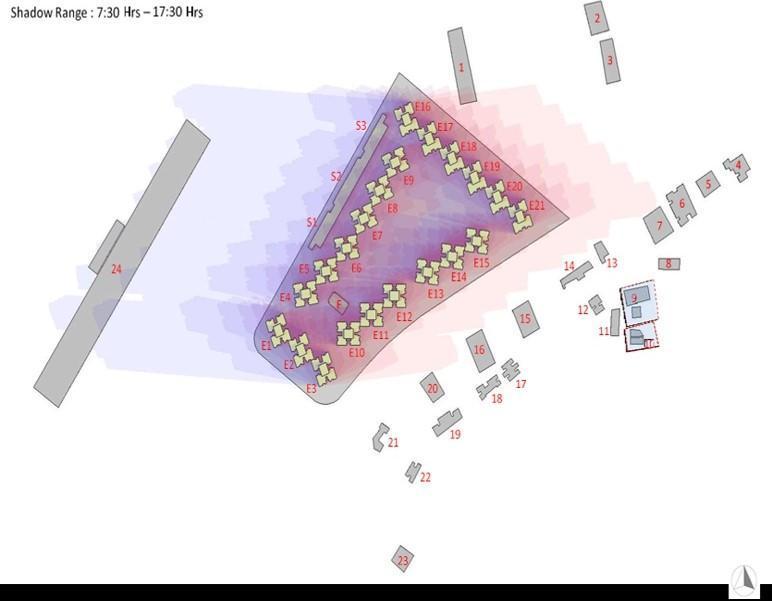
Daylightingis becomingan effectivewayofsaving energy andprovidingmorecomforttothecustomers.Daylighting uses natural sources of energy to provide brightness and comfort to consumers without the need of any lights and electronic objects. The location of the building of our project was selected after analyzing the wind direction and getting the satellite images provided by the government. The satellite provides images according to the sunlight falling on the ground and using the shadow rangetoshowtheareawithmostsunlight.Thelocationof the building was tilted to 45 degrees to get the maximum possible sunlight and to minimize the use of alternate energy sources. The floor plan and the location of the windows and rooms are planned according to the daylighting results. Shadow range for different hours was
recordedtogetaccurateresultsandtominimizetheuseto energy.
1. Theoverallobjectiveofdaylightingistominimize the amount of artificial light and reduce electricity costs, butitcanalsolowerHVACcostsaswell.Electricallighting produces a lot of heat, whereas, if properly controlled, naturallightinggenerateshardlyanyheatatall.
2. For most buildings incorporating daylighting, the overall energy savings range from 15 to 40 percent. Although energy savings and sustainability may be the reasons companiesinitially opt for daylighting, it can also have an impact on the productivity and satisfaction of employees,studentsandevenclientsandretailcustomers.
3. People have a natural attraction and need for daylight. Studies suggest that daylighting has a direct impact on well-being, productivity and overall sense of satisfaction.EvenretailstoreslikeWal-Marthaveseenthe environmental and monetary benefits of daylighting for both employees and consumers. In an experiment, stores that included skylights over certain departments found that overall sales per square foot were higher in the departmentslitbynaturallight.
Afterconductingvarioustestsontheimpactofwater,soil, air, noise, and daylighting on the environment, the followingconclusionscanbedrawn:
1. Water: Based on the test result optioned form the site visit samples all the required parameters are within the limit of the Indian standards: The Ph of the sample water is 7.72 which is within the pH range provided by Indian codes and standard. NaOH required for the neutralization
ofwateriswithintherangeof5MLasperISCodes.SO3is 142.08 mg/ltr. Which is acceptable by IS codes as it is belowtherangegiven400mg/ltr.
2. Soil: Soil quality can be impacted by land use changes, improper waste disposal, and erosion. As per IS 2720:2010 part 5 the liquid limit, plastic limit and plasticityindexarefeasible.
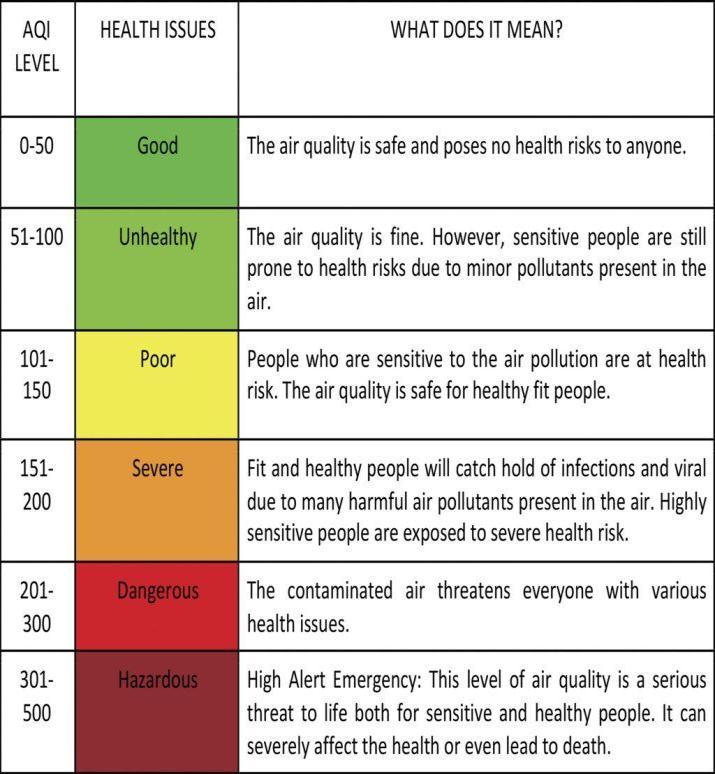
3.Air:Airqualitycanbenegativelyimpactedbyemissions from transportation, industrial processes, and other human activities. The essential parameters like SO2, NO2, PM10,COarewithintherangeasperIS5182.
4.Noise: Exposure to excessive noise can have negative impacts on human health and well-being. As per Indian standards limits after testing the noise level decibel, we achievedrangedbetween60-70dBwhichisrecommended forhumanlimits.
5. Daylighting: Access to natural daylight is essential for human health and well-being, and can also impact energy consumption. Building design strategies such as passive solar design and use of Daylighting systems can help optimize natural daylight while reducing energy consumption. After analyzing all the satellite images provided from the gov, we adjusted the position of the project at an angle of 45°.To use the maximum possible natural energy and to reduce the use of other energy sources. In conclusion, it is evident from the testing that water, soil, air, noise, and daylighting have significant impacts on the environment, and it is important to adopt sustainable practices to minimize these impacts and promoteenvironmentalsustainability.
1.Thomas.B.Fischer, Urmila .Jha-Thakur(2015):Environmental Impact Assessment And Strategic EnvironmentalAssessmentResearchInTheUK,Journalof Environmental assessment policy and management Vol:17.
2.Md ZafarMahfooz Nomani (2003): - Environmental impact assessment Laws, department of law Aligarh Muslimuniversity.
3.Will Banham and Douglous Brew (2012): -A review of the development of environmental impact assessment India,EnvironmentalAssesmentVol:-11.
4. John Glasson Riki Therivel and Andrew Chadwick (2005): -Introduction to EIA, the natural and build environmentseries,Vol:4.
5.Stephen Jay, Paul Slinn,Carys Jones(2007):Environmental impact assessment: Retrospect and prospect,Environmentalimpactassessmentreview.
6.EA Marmaya and R Mahbub (2018): -A comparative study on environmental impact assessment of industrial projectsinMalaysia,EarthandEnvironmentScience.
7.Morrison-Saunders,AngusArts,JosBondAlan(2021):Reflecting on, and revising, international best practice on EIA,Environmentalimpactassessmentreview.
8. John J. Loomis & Maurício Dziedzic (2018):Environment impact assessment Review 68,29-37, 2018, Vol:-68.
9. Einar Leknes (2001): -Environment impact assessment review21(4),309-334,2001.
10. Madeleine Marara & Nick Okello (2011):Environment impact assessment review Vol: -31 (3)286296,2011.