Abstract
Conservation & Management of Goan Living Heritage
DR SUDHIR V. DHOMANE, DR KRISHNA KUMAR DHOTE***
The intention of conservation is to protect values linked to cultural heritage that we are trying to keep safe for future generations. The old native people and people make regular visits of the opinion that Goa is rapidly losing its special characterofIndo-PortugueseArchitecture.Oneofthemainreasonsisthat,Goanhousesthatformedthespecialcharacter are disappearing and the type of structures that are coming up could be commonly seen anywhere in India. In Goa, this special architectural character and aesthetic development is a result of its long association with Portuguese people and crossculturalinfluenceswiththem.Ifthissignificanceandarchitecturalvalueshastobeprotectedtheneveryoldhousein Goa must be considered Re-architecture is absolutely needed for occupants looking for conservation, preservation and suitable re-use of that building This paper discusses about the main causes of degradation, the values and significance, methodsofinterventions&managementpracticesforconservationoftheheritageGoanhouses.
Keywords: re-architecture,adaptivere-use,culturalambience,Goanhouses,Heritagevalue
Word Count: 3194
1.1 Overview
“Architectureisthatgreatlivingcreativespiritwhichfromgenerationtogenerations,fromagetoage,proceeds,persists, creates,accordingtothenatureofman,andhiscircumstancesastheychange.Thatisreallyarchitecture.”…..FrankLloyd Wright.
It is evident that architecture last for long & does not change suddenly & abruptly. Historical & cultural architecture is important to understand the meaning of continuity & change if any. Architectural structures of the past make sure the needandbetterunderstandingforkindofarchitecturewewanttodayandtomorrow.
Oldstructuresreinforcestheimageofthecityaswellasextendtangibleconnectiontothepast. Sometimesbuildingsoften defuncttheiroriginalpurposesand the‘character,spiritandsense’ofplaceisoftenmissed.Thisresultsintheprocessof adaptive reuse ofsuch buildingsinorder to bring back tolife, the existingstructure andsurroundings active onceagain. Conservationprojectscomeinmanyshapesandsizes–adaptivereuse,expansion,andmuchmore.
Aims
Aimofthispaperistodevelopstrategies&policiesforlinkingpast,present&futureGoanhouses,onthelinesofexisting oldgreathouses,residences,villasetc.Ialsohavelookedforadesigngeneofthatlocalitytogiveitauniquecharacter.
Objectives
1. Bymanagingexistingarchitecture&controllingfuturearchitecture,respondwelltobuildingssurroundingand reinforcetheimageofarea.
2. Todevelopessentialguidelineforheritageconservation&newconstructionmanagement.

1.2 The Values & Significance
Globalizationhasrobbedmanycitiesoftheirindividualcharacter,resultinginablendingofculturesandalossof individuality. Goa,however,themostPortugueselooking smallstateinIndia,andalsotheleastWestern,isoneofthefew provincesintheworldthathasretaineditsownuniqueandauthenticcharacter.
International Research Journal of Engineering and Technology (IRJET) e-ISSN:2395-0056 Volume: 10 Issue: 03 | Mar 2023 www.irjet.net p-ISSN:2395-0072 © 2023, IRJET | Impact Factor value: 8.226 | ISO 9001:2008 Certified Journal | Page995
Architectural Significance
TherichheritageofGoaconsistsofresidences,churches,precinct,associatedlandscape,forts,churches,temples and archaeological sites. Each one of these places reflects richness of culture. Largely it is the architectural style, the interior decor, the facades or even the landscaping that are physical reminder of the place’s story. So in order to understand the story of the place, the original or significant elements should be identifiable to future generation. The conservationofbuiltheritageisgenerallyperceivedtobeinthelongterminterestofsociety.Overthepastseveralyears, as development pressure increase in our cities, more heritage buildings are being reused. In reuse of heritage buildings there is challenge to Architects and Designers to produce innovative solutions which would retain heritage significance. There are some structures comprises of non-heritage structures within heritage area, however these still contribute to determinethecharacterofthelocality.
Cultural Significance
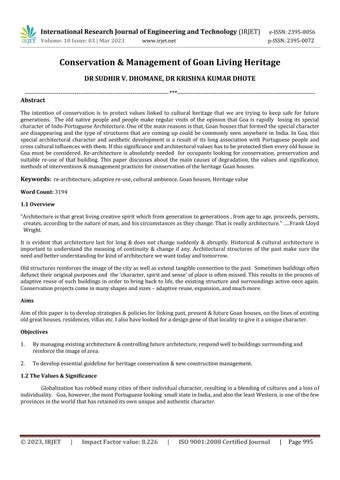
ThearchitecturalheritageofPortuguesecolonialperiodoffersitselfasavastbranchoflearning.ThePortuguese colonizedGoaforaperiodof451years,themostlastingEuropeanpresenceinIndia.Goanhouseillustratetheblendingof urban and rural civilization, culture and the wilderness of nature, the sense of a continuing narrative, a story that has evolved in time.(Ref. Fig No. 1) It is by keeping socio-cultural context in mind that flourished in 18th and 19th century houses. Goan houses which have emerged as Portuguese influence on the coastal area of Goa. It can be termed as the resultofamalgamationofnaturalbeauty,climateandprevailingsocioculturalconditions.
Figure1:TIMESCALE-ShowingPortuguesePeriodMilestonesvs.Goan HouseDevelopment
These dwellings, which, for the most part, were built not by Portuguese settlers but by Indian families of the Brahmin and Chardo castes who had converted to Christianity, are the expression of the cultural and economic heritage lefttotheGoansthroughthepaththeysharedwiththePortugueseformorethanfourcenturies(Carita,1999).
1.3 Issues & Potentials
Aninterestinglocationisoftenonethatretainsitsoriginality,and offeringwaysofseeingthepast.Itmaybethat, an interesting kinship emerged the Hindu and Portuguese houses of Goa. It is also observed that, it is becoming
International Research Journal of Engineering and Technology (IRJET) e-ISSN:2395-0056 Volume: 10 Issue: 03 | Mar 2023 www.irjet.net p-ISSN:2395-0072 © 2023, IRJET | Impact Factor value: 8.226 | ISO 9001:2008 Certified Journal | Page996
increasingly difficult to maintain them. As a matter of fact, many of the houses studied here are already in a state of disrepair.Thefollowingtobethemaincausesofdegradation:
1. Therigorousclimaticfactorscausedthedeteriorationofthebuildingmaterials.
2. Inappropriateinterventionsinexistingspaces,forinstance,werefittingkitchens intoveranda,creatingroomsin bighalls,buildingtoiletsinbedrooms.
3. Infiltrationofwaterandmoisturefromtheroad,doors,windows,thefoundationsanddrainagesystem. Thereisalackofsystematicmaintenancewhichmightbebecausethehousehasbeenabandonedorbecauseitis not seen as part of the cultural heritage of Goa. Houses may be abandoned, locked up and neglected due to following reasons:
1. Thedivisionofpropertybetweenfamilymembersleadingtopartitioninthestructure.
2. Familydisputesandtheendoffamilyline.
3. Growingemigrationdebilityofagedowners.
4. Lackoffundformaintenanceandscarcityofcaretakers.
5. Problemasculturalvalue,whichpreventsthehousefrombeingseenasconsiderableworth.
6. Impossibletorestoreandmaintaintheancestralhouse.
7. Threatofdevelopers.
The question comes in mind- what is Goa to do with its Great Houses and can they survive in the 21st century despitetheircomplex,problems.Foranansweritwouldseemonemustputourtrustinthisresourceful region.Withits remarkablerevolutionaryhistoryandnewincreasingtourist/economicsuccess,Goasimplyneedsthewilltofindawayto preserve this precious part of Goa’s history and heritage. In efforts to preserve Goan Houses many such structures have beenturnedinto:
1. Museumhouses
2. Housesforinterculturalmeetings
3. Resthouses
4. Torentoutforspecialoccasions
5. Tourismhomes
1.3.1 User's Preferences for Goan Houses
Today’shousescomingupinGoaaretechnicallysuperiorinconstructionthatistheyareenergyefficient,weather resistantandmaintenancefree,howevertheyseemtolackinthewarmthandcharmofPortugueseerahouses.Different culturaloverlapsandmoderntrendscausedagradualdeclineinhuman,socialandemotionalqualitiesofGoanhouses. Users’preferencesforhouses.
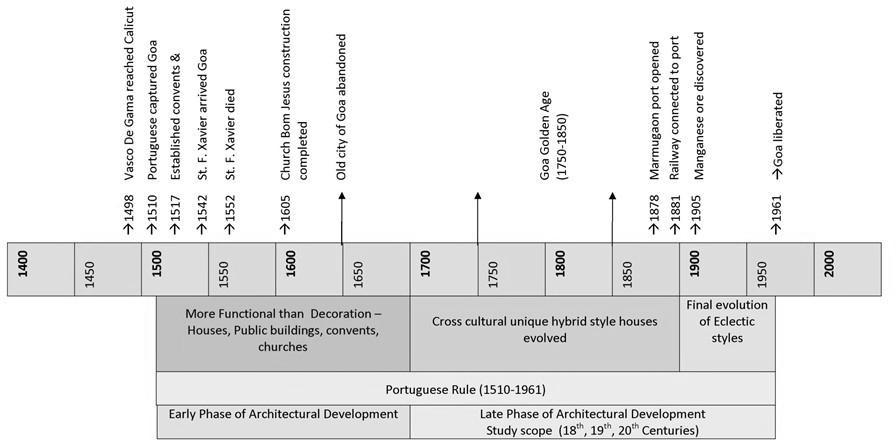
1. The changing behavior of people/society changes the house preferences and choices. (Ref. Fig.No.2) To fulfill individual preferences; one has to choose from the available options, ready in product market. Technology is becominganintegralpartofnew-agehouses.
International Research Journal of Engineering and Technology (IRJET) e-ISSN:2395-0056 Volume: 10 Issue: 03 | Mar 2023 www.irjet.net p-ISSN:2395-0072 © 2023, IRJET | Impact Factor value: 8.226 | ISO 9001:2008 Certified Journal | Page997
2. Onvery macrolevel people haveindicatedthedesire formore environmentallyandaccepted sustainabilityasonits qualifyingfeatures.
3. The influence of Europeanization and industrialization reduced the dependency of agriculture and importance of granariesinhouses.Bigprayerrooms,largestoreroomswheregrainsandvaluableswerestorednowreplacedwith small puja room and kitchen store. The young house owners also looking forward for improving the external and internalaestheticsofhousebymeansofbuildingdesign,interiordesign,furnitureandlandscaping.
4. Coexisting efforts by the local architects and designers towards the cultural context of Goan designs and its architectural priorities would provide a platform in the demand to relate emerging architecture with the place and time.Combinethepreferencesofbotharchitectsandusersforpreservationof“inheritedvalue.”
5. The existing Goan Houses has a “heritage value,” that might get lost due to various economic and market pressures. (Ref. Fig No 3) The society, in general, has to be inculcated with the glorious past through advertisement and impartingthissensetotheschoolchildren.
International Research Journal of Engineering and Technology (IRJET) e-ISSN:2395-0056 Volume: 10 Issue: 03 | Mar 2023 www.irjet.net p-ISSN:2395-0072 © 2023, IRJET | Impact Factor value: 8.226 | ISO 9001:2008 Certified Journal | Page998
Figure2:ChangeofLifePatterninGoa
6. The local inhabitants could also be intimated about the lucrative “tourism industry” of Goa and they should be told aboutthepotentialityofincrease in tourismby protectingtheseheritage houses. Thelocal bodiesmayalsobe given the power to protect these heritage structures by awarding some incentives to those who protect their own houses fromfurtherchanges.
1.4 Conservation Strategies
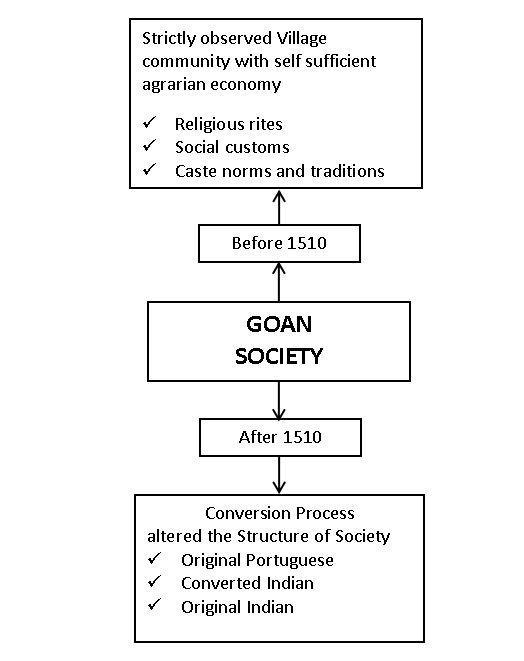
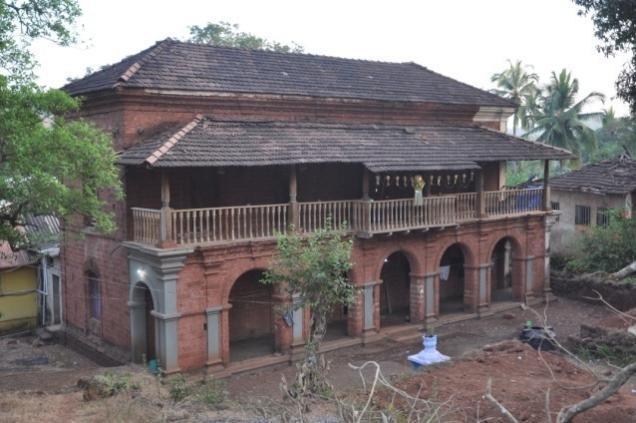
The social and cultural sustainability demands for harmonious reuse of old structures, and controlled new developmentyetretaininglocaloriginality.(Ref.FigNo.4) Inordertorestorelegacy&managefuturearchitectureinGoa, development guidelines are to be brought out. The successof essential Guidelines depends upon- How we treat the past andwhatwevalue?Inordertoholdtogetherexistingandfuturearchitecturetwotypesofguidelineswouldbemade:
1. Guidelinestomanageexistingarchitecture
2. Guidelinestocontrolfuturearchitecture.
International Research Journal of Engineering and Technology (IRJET) e-ISSN:2395-0056 Volume: 10 Issue: 03 | Mar 2023 www.irjet.net p-ISSN:2395-0072 © 2023, IRJET | Impact Factor value: 8.226 | ISO 9001:2008 Certified Journal | Page999
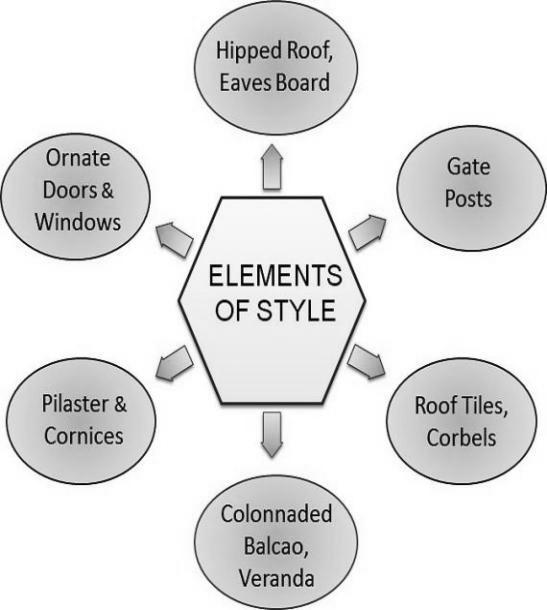
Figure3:ElementsofGoanHouseStyle
Figure4:AnantDesai'sTraditionalHouseAtNorthGoa (Source: Author)
1.4.1 Conservation of Present Structures
To create awareness about conserving our rich heritages, following essential Guidelines are suggested which wouldhelptheprofessionalsinthisfield.
1. Preservethebeautyofthearea:Thelocalheritageconservationauthorityistobeestablishandshouldhavethepower to direct, especially in areas designated by them, that the exterior design and height of buildings should have their approvaltopreservethebeautyofthearea.
2. Maintainskylineandarchitecturalharmony:Buildingwithinheritageprecinctsorinthevicinityofheritagesitesshall maintain the skyline in the precinctandfollow thearchitectural style asmay be existinginthesurroundingsites,so thattoretainandnotdestroythevalueandbeautyofortheviewfromthesaidheritagesites.
3. Incentiveusesforheritagebuildings:Ifowneragreetomaintainthelistedbuildingasitisinexistingstateownermay be allowed to change use zone toconvert tocommercial,officeuse,andhotel.It the heritage valueofthe buildingis spoiledinanymannerthechangeofusezoneshallbedisallowed.
4. Responsibility of the owners of heritage houses: The Govt. departments should be responsible for repairs and maintenance for the buildings owned by them. To carry out regular repairs and maintenance of the building in heritage precincts shall be the duty of concern owner. Concern local authority requires compulsory documentation before undertaking any alteration or extension work. The responsibility of protecting the special ambience and the architecturalheritageofthisarealieswithitsbuildingowners,citizensandpoliticalrepresentativeaswellasthestate Government.
5. Restriction of development or re-development or repairs etc.: No development or redevelopment or additions/alterations, repairs, renovations, replacement of special features or plastering or painting of the listed buildingshallnotbeallowedexceptwiththepriorpermissionofconcernauthority.
6. Penalties: Impose high penalties on those who demolish without permission. If the listed building is allowed to be damaged or destroyed due to the neglect or any other reason, no permission to construct any new building shall be grantedonthesite.
7. Alteration/ relaxation in development norms: on the advice of the local heritage authority, the commissioner of concernauthoritymayalter,modifyorrelaxthedevelopmentcontrolrulesprescribedinthemasterplanifrequired.
1.4.2 Suggestions for Upcoming Building & Reconstruction
1. HeritageStreetscape- Keepinginviewtheexistinglow densitydevelopment,subdivisionofresidentialplotsshould notbegranted.Theresidentialzonehasauniquegreencharacter,withtreestuddedavenues,largeopenfrontprivate courts,widesetbacks,fruittreeplantingandgardenaroundthehouse,tobemaintained.
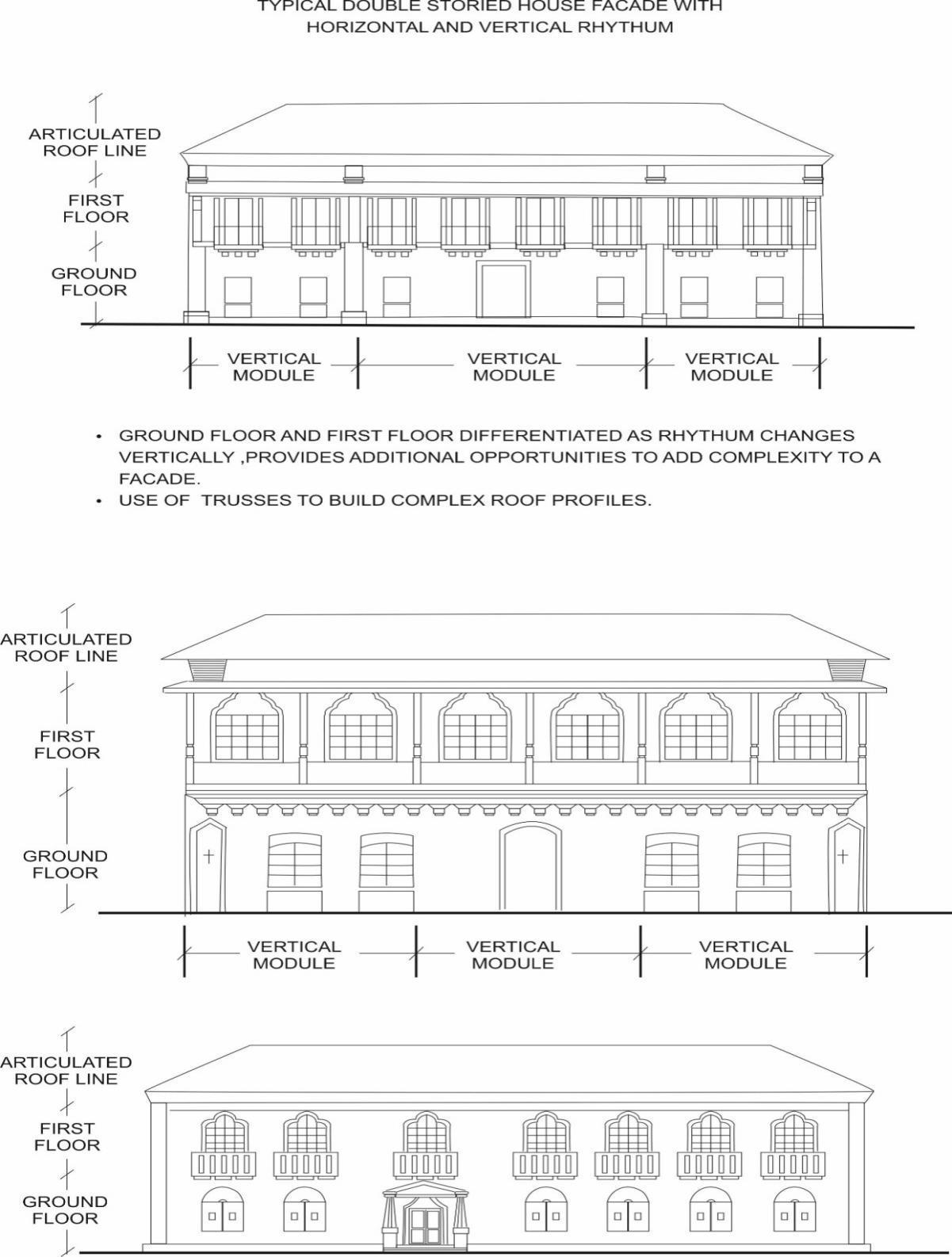
2. Facadecomposition-Avoidplacingbathroomandstaircasesinthefrontthatisstreetfacadeastheydisruptthebasic facade composition. Place doors and windows of right proportion symmetrically in wall panels framed by pilasters and cornices with bands. Generally use traditional patterns for window shades, balconies, gates, gate posts, fencing walldesign,sloppingtiledroofetc.(Ref.FigNo.5)
International Research Journal of Engineering and Technology (IRJET) e-ISSN:2395-0056 Volume: 10 Issue: 03 | Mar 2023 www.irjet.net p-ISSN:2395-0072 © 2023, IRJET | Impact Factor value: 8.226 | ISO 9001:2008 Certified Journal | Page1000
3. Exterior Facade finishing- construct and finish the building in traditional method- Laterite stone and plastering preferably in lime cement mortar. Finish the exterior façade in traditional finishes and colors. Original finish to be identifiedandpreserved.Theprevalentcolorsaremaroonred,lightgreen,paleyellow,ochre,terra-cotta,white and off-white,Mediterraneanblue.Colorschemesdrasticallycontrastingwiththetypicalcolorschemesoftheprecinctto be avoided. Stripping the original finish or replacing it with facing/cladding materials such as ceramic tiles, stones, metal,syntheticplasterareindisharmonywiththetraditionalmaterialstobeavoided.Forsunshadesuselightweight materialslikecommercial boardonwooden frames. Whereunavoidable modern materialslikeconcretecan be used withcareandsensitivity.
International Research Journal of Engineering and Technology (IRJET) e-ISSN:2395-0056 Volume: 10 Issue: 03 | Mar 2023 www.irjet.net p-ISSN:2395-0072 © 2023, IRJET | Impact Factor value: 8.226 | ISO 9001:2008 Certified Journal | Page1001
Figure5: Facadecomposition:SymmetricOrganization Source: (Pandit,Mascarenhas,Koshy,&Dalvi,1999)
4. RoofDesign- Roofisthemostimportantcharacter,definingtheskyline.Original roofsaretypeof basicslopingroofs thatishiproofsandleantoroof,supportedbyhugewoodentrusses.Newroofstobeinharmonywiththecharacterof the precinct, complementing the skyline of the street scape/town scape. Roof tiles shall be Mangalore or half round countrytilesandshallbeleftinthenaturalfinish.
5. Compoundwall-TheexistingcompoundwallsarebuiltwithLateritestonesandsometimescarvedinintricatedesign. Thegatepostiselaboratelyornamented.TheuniquegatepostsseeninGoaarewithfinialsandanimalperchedontop. Dogsandlionswerepopularchoices.Thecompoundwallsandgatesbecometheprominentstreetcharacters.Original compoundallshallbesensitivelydesignedtocomplementthestreetscape.
6. Balconies- the original balconies including their wooden/iron railings, lean to roof with wooden posts and wrought iron brackets to be retained and preserved. New designs with steel/iron pipe railings or fanciful balustrades contrastingwiththecharacteristicskylineofthestreetscapetobeavoided.Newbalconiestoreflectthecharactersof thetraditionalbalconiesandtobesensitivelydesignedsoastocomplementthestreetscape.
7. ScaleandProportions-Retainingandpreservingtheoriginalfloorplanfeaturessuchassize,configuration,proportion andrelationshipofrooms/spaces.Extensionstobeharmoniousandinsuchawaythattheiradditionorlaterremoval doesnotaffecttheessentialcharacterofthebuilding.Newconstructiontomatchwiththetraditionalplanfeaturesof the precinct. Radically changing the original floor plan/interior spaces, demolishing the principal walls or damaging thequalityandrelationshipofspacestobeavoided. Theoriginalscaleandproportionoftheoldbuildingsshouldbe maintained. Newconstructionsshouldcomplywiththegenerousscaleandproportionscharacteristicoftheprecinct. Thehorizontalfloordivisionsandverticalbaydivisionstobeadoptedbasedonthesitecontext.Outofscalefeatures likeslenderdummycolumns,fancifulpedimentsorsquattedproportionsofopenings(lowceilingheight)orabsence of horizontal/vertical divisions to be avoided. Scale and proportions, varying with the overall street context or heritagebuilding,oftheprecincttobeavoided.
8. Columns, Pilasters and Cornices- Although Goan houses became display cases for a variety of indigenous columns, pilastersandpillars;theydidnotapparentlyfollowanystrictorder.Existingpilastersandcornicestoberetainedand preserved. In the case of new constructions the exterior wall shall be divided into panels by well-proportioned pilasters and cornices based on the overall street context. Very thin pilasters and cornices or haphazard wall panels withinconsistentrhythmofverticalsandhorizontalstobeavoided.
9. Windows- the windows gave facades character and personality. Windows are mostly high with flat, segmental or semi-circular arches with bands, wooden stutters with oyster shells to replace glass. The flat shells were selected, dressed,shapedandslippedbetweengroovedwoodenbattersof2ꞌꞌ x2ꞌꞌ size. TheGoanhousewindowsshowsstyle thatrangefromNeo-MannuelinetoBaroqueandRococoandspottedbothCatholicreligiousaswellasHindutemple influences. So the characteristic proportions with typical shutters to be adopted, which include size, position and numberofopeningstoberetainedandpreserved.
10. Doors- doors are similar to windows featuring high and arched or flat lintel with elaborate moldings around it. A combinationofpilastersandcornicesaroundthedoorgivethedifferentlookofthatperiod.Thesymmetricalschedule, including the size, position and number of doors/openings to be retained and preserved, in the case of new constructions.
1.5 Result - Modern Era Designs
1. Thehousedesignmaycombineoneandtwostorymodelswithadd-onhighenddaytodayrequirementslikeporches, driveways,landscape,waterpoolsetc.toaddresslocalpreferencesandstyles.
2. Theintricateandvisuallystylesensitive elementlikedoors, windows, furniture, falseceilingand interior decoration elements could be factory-built with market preferences so as to maintain a likeness in the overall image of newly constructedhouses.
3. Mostofthenegatives,inworkmanshipcouldbeovercomewiththeimplementationofselecteddesignpriorities.
4. Revitalization of traditional skills like preparation of lime mortar, country tiles, mud walls, stucco, broken china mosaicetc.andencouragementforsuchtraditionswhichwouldgenerateemployment.
International Research Journal of Engineering and Technology (IRJET) e-ISSN:2395-0056 Volume: 10 Issue: 03 | Mar 2023 www.irjet.net p-ISSN:2395-0072 © 2023, IRJET | Impact Factor value: 8.226 | ISO 9001:2008 Certified Journal | Page1002
5. In view of above conditions, construction quality, visual appeal and costs can be better controlled than for conventionalsite-builthousing.
6. In modern era the size of nuclear families, shrunken with just 4–6 family members, still they needed a spacious separate automated house of large size which would meet their needs of domestic appliances in the domain of technologicaldevelopment.
1.6 Conclusion
1. Afewpointerswerecommonthatindicatedduringthe discussionwithGoanhouseownersthat,certainlythey want their houses to look and feel like European houses (Portuguese- inspired) and houses would function to suit Indian behaviorpattern.Theyarealsoinclinedforquickadaptationoftechnology,gooddesignandgoodworkmanship.
2. Goaisnowcrowdedwithtouristorientedlanduses,whichhasdevelopedconflictbetweenurbanchangeandheritage. The latesttrend is to owna secondhome for elitesfromtheurbanmetropolitan. They are luxury second homes, for theelitepeople,whoarelikenewcolonizers,andwhohavenoroleorinterestinthefutureofthisplace.
3. Architect Gerard da Cunha questioned the fate of these houses. He further admits that, they would be replaced by facelessblocksofapartment’sbuildingsbypropertydevelopers.Hedoesn’twanttechnicallydrivenarchitectureofthe WestforGoa,whichwouldcausedestructiontoourenvironmentandisunsuitabletoourclimate.
4. The traditional Goan houses has also has a lot to “teach” about vernacular architecture, climatic adaptability and suitability to the life style of the locals. The schools of Architecture in Goa must come forward in this regard to understandthe“meaning”andcontextualityoftheGoanHouses.
1.7 Recommandations for Heritage and Conservation Management in Goa
So it is intended to preserve these existing beautiful great houses and develop new houses as per essential guideline to explainhowtoconstructnewbuildingsharmoniouslywithinthehistoriccontext.Theconservationandre-useofheritage isnotonlytheworkofcreativitybutitisalsoasocialresponsibilityofArchitectsandPlanners.
1. ConservationPilotProjects:ToundertakepilotprojectsinconservationandadoptHouses/areasforconservationand creativere-useofheritage.
2. Conservation Plan: To understand key features of houses/buildings and precincts, it is suggested to prepare the Conservation Plan for heritage areas in Goa. This plan attempt to understand the integrity of the house and other heritage assets. The purpose of a Conservation Plan is to establish the conservation policies within which, decisions aboutanasset’sfutureareestablished.TheConservationPlandirectsthenatureoftheproject,identifiesthescopeof worksandthebudgetrequiredtoconservingtheassets.
3. Preservation Movement: old building is cultural and material resource, and it would be recycled, reconfigured and built upon, and develop a people’s movement aimed at protecting architecture of cultural or historical importance. Wheneverweworkonit,wenotrestoringthestructuresbutwearerevivingthetraditionswhichhavegotlost.
REFERENCES
1. ConservationofHeritageBuildings-Aguide1013byCPWD
2. Couto,M.A.(2005).Goa:ADaughter'sStory.PenguinBooks.
3. King,A.D.(1976).ColonialUrbanDevelopment.London:Routledge.
4. Pandit,H.,Mascarenhas,A.,Koshy,A.,&Dalvi,S.(1999).HousesofGoa.ArchitectureAutonomous.
5. Prabhugaonkar,O.V.(2009).HousesofCanacona-Assessingsocio-culturalFactors.Canacona.
6. Rajagopalan,S.(1987).OldGoa.NewDelhi:ASI.
7. Teixeira,M.C.(1990).Portuguesetraditionalsettlements:AresultofculturalMiscegenation.TDSR,4
International Research Journal of Engineering and Technology (IRJET) e-ISSN:2395-0056 Volume: 10 Issue: 03 | Mar 2023 www.irjet.net p-ISSN:2395-0072 © 2023, IRJET | Impact Factor value: 8.226 | ISO 9001:2008 Certified Journal | Page1003