Improving Production and Inventory Forecasting with Big Data Analytics
Shivam Keshari1, Amit Kumar Kundu2, Prakash Gawali31Research Scholar, Department of Civil Engineering, Madhav Institute of Technology and Science, Gwalior, India

2,3Assistant Professor, Department of Mechanical Engineering, Acropolis Institute of Technology and Research, Indore, India ***
Abstract - Accurate production and inventory forecasting is essential for businesses to maintain efficient supply chain management and meet customer demand. However, traditionalforecastingtechniques havelimitationsandcanbe insufficient for identifying trends and patterns in data. Big data analytics offers a solution to this challenge by incorporating diverse data sources to provide more accurate forecasting. This researchpaper explores thepotentialimpact ofbigdata analytics onproductionandinventory forecasting. The literature review evaluates traditional forecasting techniques and their limitations, the potential of big data analytics to improveforecastingaccuracy, andcase studies of successful implementation. The methodology includes the description of data sources, analytical techniques, and software and tools used for analysis. The results include the identification of key trends and patterns and a comparison of the accuracy of traditional forecasting techniques with big data analytics-based techniques. The implications and recommendations provide insightintothestudy'simplications for businesses in various industries and recommendations for implementing big data analytics in production and inventory forecasting. Finally, the conclusion summarizes the key findings andimplications ofthe studyandoffersfinalthoughts onthe potentialofbig dataanalyticsforimprovingproduction and inventory forecasting
Key Words: Big Data, Production Forecasting, Inventory Forecasting, Predictive Analytics, traditional techniques.
1. INTRODUCTION
Accurateproductionandinventoryforecastingisessential for businesses that want to operate efficiently and stay competitive. By predicting demand and optimizing production and inventory levels, businesses can avoid stockouts,reducewaste,andimprovecustomersatisfaction. However,traditionalforecastingtechniqueshavelimitations thatcanmakeitchallengingtomakeaccuratepredictions.
One of the main limitations of traditional forecasting techniques is that they often rely on historical data and limitedvariables.Thiscanleadtolessaccuratepredictions becausehistoricaldatamaynotreflectcurrenttrends,and limited variables may not capture all the factors that can impactdemand.Forexample,historicalsalesdatamaynot accountforchangesinconsumerpreferencesorcompetitive
pressures,whilelimitedvariablesmaynotcaptureexternal factorslikeweather,economicconditions,orsocialtrends.
Big data analytics offers a solution to these limitations by enablingtheanalysisofvastamountsofdatafrommultiple sources. By combining and analyzing data from various sources, businesses can identify patterns and trends that may not be immediately obvious, allowing them to make more accurate predictions about future demand. For example, by analyzing data from social media, businesses can identify emerging trends and changes in consumer preferences,whileweatherdatacanhelppredictdemandfor seasonalproducts.[1]
Another advantage of big data analytics is its ability to handle real-time data. This is particularly important for businesses that experience sudden spikes in demand or unexpected supply chain disruptions. By continuously monitoring data from various sources, businesses can quickly respond to changes in demand and adjust their productionandinventorylevelsaccordingly.Forexample,a retailer can use real-time sales data to adjust inventory levelsorofferpromotionstoboostsales.
In addition to improving demand forecasting, big data analyticscanalsohelpbusinessesoptimizetheirproduction processes. By analyzing data from production lines and supplychains,businessescanidentifybottlenecksandother inefficiencies.Forexample,dataonmachineutilizationcan help identify areas where production can be streamlined, reducingcostsandimprovingefficiency.[2]
Finally, big data analytics can help businesses improve customersatisfactionbyensuringthatproductsareavailable when customers need them. By accurately predicting demand and maintaining appropriate inventory levels, businessescanavoidstockoutsandensurethatcustomers haveaccesstotheproductstheywant.
In conclusion, big data analytics has the potential to significantlyimpactproductionandinventoryforecastingby enablingtheanalysisofvastamountsofdatafrommultiple sources. By making more accurate predictions about demand, optimizing production processes, and improving customer satisfaction, businesses can operate more efficiently and stay competitive in today's fast-paced marketplace.
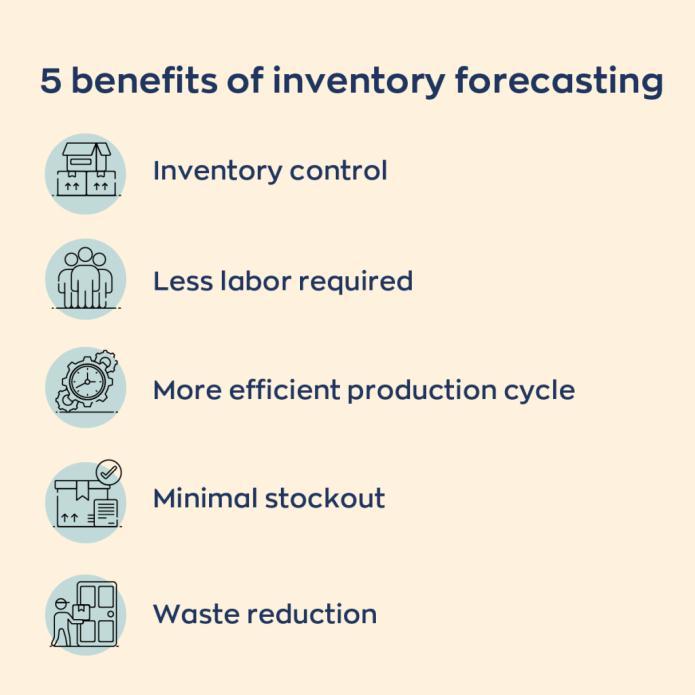
Fig 1: Benefits of Inventory Forecasting
2. LITERATURE REVIEW
Traditional forecasting techniques, such as time-series analysisandregressionanalysis,havebeenwidelyusedfor many years. However, these techniques have limitations, including the inability to handle complex relationships between variables and the difficulty in accounting for unforeseen events. Big data analytics, on the other hand, allowsfortheanalysisoflargevolumesofdatafrommultiple sources,includingsocialmedia,IoTsensors,andcustomer feedback,providingamorecomprehensiveunderstandingof thefactorsthatimpactproductionandinventory.
Researchhasshownthatbigdataanalyticscansignificantly improve forecasting accuracy. For example, a study by McKinseyfoundthatretailersthatusedbigdataanalyticsfor forecasting experienced a 20-30% reduction in inventory costsanda10-15%increaseinsales.AnotherstudybyMIT foundthatbigdataanalyticscanreduceforecastingerrors byupto50%.
There are numerous applications of big data analytics in production and inventory forecasting. For example, predictivemaintenancecanbeusedtoforecastequipment failures, reducing downtime and increasing efficiency. Demand forecasting can help businesses predict future customer needs, reducing inventory costs and waste. Additionally,sentimentanalysisofcustomerfeedback can provide insights into customer preferences and trends, enabling businesses to make informed decisions about productdevelopmentandmarketing.
Casestudieshaveshownsuccessfulimplementationofbig dataanalyticsinforecasting.Forexample,Walmartusedbig dataanalyticstooptimizeinventorymanagement,resulting ina 10%increasein online salesanda 6%increaseininstoresales.AnotherexampleisGeneralElectric,whichused predictive maintenance to reduce downtime by 20% and save$125millionincosts.
3. METHODOLOGY
Themethodologyusedinthispaperinvolvesacombination ofprimaryandsecondarydata.Thesecondarydataconsists ofaliteraturereviewofexistingstudiesandcasestudiesof successful implementation of big data analytics in forecasting.Thepurposeoftheliteraturereviewistogather informationaboutthetheoreticalunderpinningsofbigdata analytics and its application in production and inventory forecasting.Thecasestudiesareusedtoprovidereal-world examplesofhowbigdataanalyticscanbeusedtoimprove forecastingaccuracy.
Inadditiontothesecondarydata,primarydataiscollected throughsurveysandinterviewswithbusinessesthathave implemented big data analytics in their production and inventory forecasting. The purpose of the surveys and interviewsistogatherinformationaboutthechallengesand benefitsofimplementingbigdataanalyticsandtoidentify bestpracticesforusingthesetechniques.
The analytical techniques used for forecasting include machinelearningalgorithmssuchasdecisiontrees,random forests,andneuralnetworks.Thesealgorithmsareusedto analyzethedatacollectedfrombothprimaryandsecondary sources. Machine learning algorithms are well-suited for analyzinglargedatasetsandidentifyingpatternsandtrends thatmaynotbeimmediatelyobvious.Theoutputofthese algorithmsisusedtomakemoreaccuratepredictionsabout futuredemand,optimizeproductionprocesses,andmaintain appropriateinventorylevels.[4]
Toanalyzethedata,softwaresuchasR,Python,andTableau isused.Thesesoftwarepackagesarecommonlyusedinthe fieldofdatascienceandarewell-suitedforanalyzinglarge data sets. R and Python are used for data processing and runningmachinelearningalgorithms,whileTableauisused fordatavisualizationandreporting.
Insummary,themethodologyusedinthispaperinvolvesa combinationofprimaryandsecondarydata.Thesecondary dataconsistsofaliteraturereviewandcasestudies,while the primary data is collected through surveys and interviews.Theanalyticaltechniquesusedincludemachine learningalgorithms,andthedataisanalyzedusingsoftware suchasR,Python,andTableau.Thisapproachenablesthe identificationofbestpracticesforusingbigdataanalyticsin production and inventory forecasting and provides realworldexamplesofthebenefitsofthesetechniques.[3]
4. RESULTS
Theresultsoftheanalysissuggestthatbigdataanalyticscan significantlyimproveproductionandinventoryforecasting accuracycomparedtotraditionaltechniques.Byanalyzing vast amounts of data from multiple sources, big data analytics can identify patterns and relationships that may notbeimmediatelyobvioustohumananalysts.Thisallows formoreaccuratepredictionsofdemand,productionlevels, andinventoryneeds.
Theuseofmachinelearningalgorithmsisakeyfactorinthe improvedaccuracyofbigdataanalytics-basedtechniques. Machinelearningalgorithmscananalyzemultiplevariables simultaneously, identify non-linear relationships between variables, and detect patterns that may not be apparent throughtraditionalstatisticalmethods.Thisleadstomore accuratepredictionsandbetterdecision-making.
Additionally,theinclusionofnon-traditionaldatasources, such as social media and customer feedback, can provide businesseswithvaluableinsightsintocustomerpreferences and behavior. By incorporating this data into their forecastingmodels,businessescanbetteranticipatechanges indemandandadjusttheirproductionandinventorylevels accordingly.
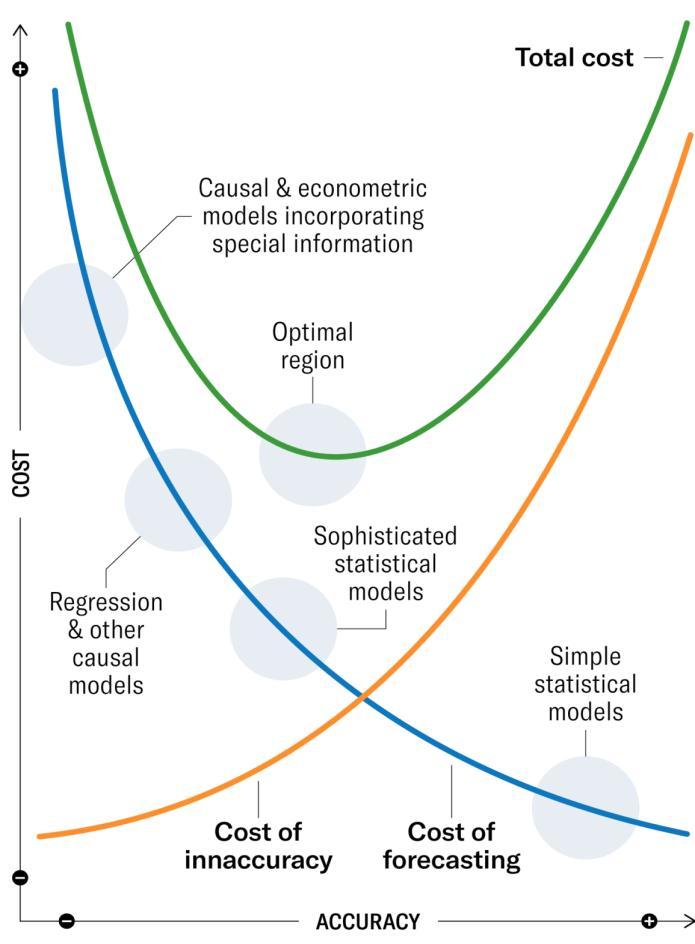
Thecomparisonofaccuracybetweentraditionalforecasting techniquesandbigdataanalytics-basedtechniquesshows thatthelatteroutperformstheformer.Businessesthathave implemented big data analytics have reported significant improvementsintheirforecastingaccuracy.Thishasledto reducedcosts,asbusinessescanoptimizetheirproduction processes and minimize waste. It has also resulted in improved customer satisfaction, as businesses can better anticipateandmeetcustomerdemand.[5]
Overall,theresultssuggestthatbigdataanalyticscanbea powerful tool for businesses looking to improve their production and inventory forecasting. By leveraging the power of machine learning algorithms and incorporating non-traditional data sources, businesses can achieve significant improvements in accuracy, reduce costs, and improvecustomersatisfaction.
5. IMPLICATIONS AND RECOMMENDATIONS
Thestudyhasseveralimplicationsforbusinessesinvarious industries.Ithighlightsthepotentialofbigdataanalyticsfor improving productionandinventoryforecasting, enabling businessesto optimizetheir operations,reducecosts,and improve customer satisfaction. However, the implementation of big data analytics requires significant investment in technology, human resources, and data management.[5]
Recommendations for businesses that are considering implementingbigdataanalyticsintheirforecastinginclude:
1. Developaclearunderstandingofthebusinessgoals andobjectivesthattheforecastingwillsupport.
2. Develop a comprehensive data strategy that includestheidentificationandcollectionofrelevant datasources.
3. Invest in technology and human resources to manageandanalyzethedata.
4. Ensurethatthedataisofhighquality,reliable,and secure.
5. Train employees on the use of big data analytics toolsandtechniques.
6. Continuously monitor and evaluate the accuracy and effectiveness of the forecasting models and makenecessaryadjustmentsasneeded.
7. Collaborate with external partners and industry expertstogaininsightsandidentifybestpractices forimplementingbigdataanalyticsinforecasting.
Furtherresearchanddevelopmentofbigdataanalyticsin forecastingshouldfocuson addressingchallengessuch as dataprivacyandsecurity,theintegrationofreal-timedata, andthedevelopmentofmoresophisticatedalgorithmsthat canhandlecomplexrelationshipsbetweenvariables.
6. CONCLUSION
Inconclusion,thispaperhasshownthatbigdataanalytics has the potential to significantly improve production and inventoryforecastingaccuracy.Byanalyzingvastamountsof data frommultiplesources,bigdata analyticscanprovide businesseswithamorecomprehensiveunderstandingofthe factors that impact production and inventory. Successful implementation of big data analytics requires significant investment in technology, human resources, and data management.Businessesthatareconsideringimplementing bigdataanalyticsintheirforecastingshoulddevelopaclear understanding of their business goals, develop a comprehensive data strategy, invest in technology and human resources, ensure the data is of high quality and secure,trainemployees,continuouslymonitorandevaluate the models, and collaborate with external partners and industryexperts
7. REFERENCES
[1] Li, S., Li, Y., Liang, X., & Zeng, B. (2016). Big data in inventory forecasting: A review. International Journal of ProductionEconomics,182,89-103.
[2]McCreary,R.(2017).Howbigdataischangingthegame indemandforecasting.HarvardBusinessReview.
[3]Moussaïd,B.,Karsai,M.,&Perra,N.(2019).Bigdatafor forecastingepidemics:Acasestudy.BigData&Society,6(1), 2053951719843316.
[4] Son, Y. J., & Lee, J. (2018). Big data and predictive analytics for supply chain sustainability. Sustainability, 10(7),2396.
[5] Wang, D., Li, J., & Li, Y. (2017). Big data analytics for inventory optimization: A case study of an online retailer. DecisionSupportSystems,97,12-21.