
NAPKINS
USING NATURAL FIBRES (BANANA FIBRE, COTTON, LINEN)
1ASSISTANT PROFESSOR, Department of Textile Technology, Bannari Amman Institute of Technology, Sathyamangalam, Erode, Tamil Nadu, India.

2Students,Department of Textile Technology, Bannari Amman Institute of Technology, Sathyamangalam, Erode, TamilNadu, India. ***
ABSTRACT:
The vast amount of menstrual-related non-biodegradable waste produced in a nation like India, where women make up nearly 50% of the population, has serious environmental consequences. The bulk of the population in the country comes from low-middle class origins, therefore maintaining healthy menstrual hygiene practises with eco-friendly products calls for taking into account accessible and highly sustainable options. Furthermore, women are turning to the market for reusable products for inexpensive and durable alternatives because period poverty is now more prevalent than ever due to the COVID-19 pandemic. As a result, we investigated the Feasibility and Acceptability (FA) of a novel menstruation pad made of banana fibre in both rural and urban settings.
Keywords: Cotton, Banana fibre, Linen, Polyethylene film
INTRODUCTION:
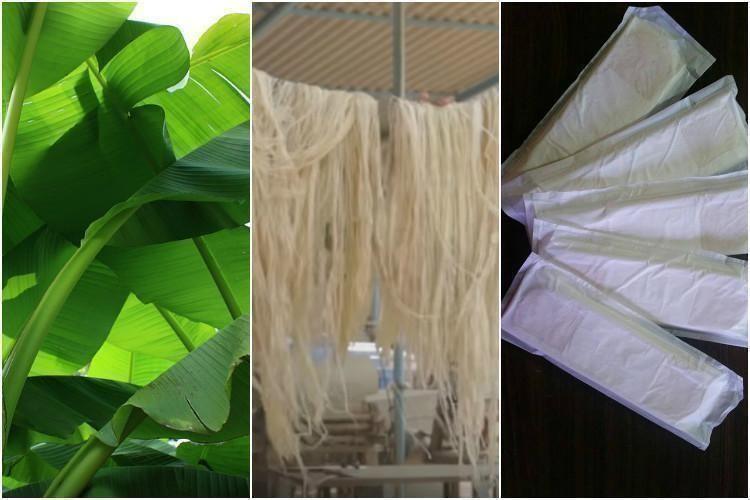
Oneofthestrongestnaturalfibresisbananafibre,sometimesreferredtoasMusafibre.Thisstrongnaturalfibreismadefrom thebarkofthebananaplantandisbiodegradable.Thethicker,moredurablefibresemergefromtheoutersheaths,whilethe softestfibresarefoundintheinteriorsheaths(figure1),yetitsItmostlyconsistsoflignin,hemicelluloses,andcellulose.
Thefibrescanbecolouredandareremovedfromthebananastem.Afterbeingwashed,theydonotshrinkandthecolourdoes notchange.Politiciansmightprefertheclothbecauseofitsrigidityevenwithoutstarch.Thefabricmightbemadeentirely of bananafibre(figure1),butforbestdurability,itshouldalsocontain60%cotton.
Itissimpletosortbananafibrebythickness(figure1).Thestrongestandthinneststalkfibresareontheinside,whereasthe softestandmostflexiblestalkfibresareontheoutside.Theprocessofturningwoodybamboo,hemp,orflaxstalksintotextilegradefibresisrelativelylabor-andtime-intensiveandtheoppositeoftheprocessofturningbananastalksintotextiles.
Fabricmadeoflinenhasacoolingsensation,isbreathable,stronger,andmoreglossy thancotton.Itbecomessofterthemore times it is washed. Wet linen is more durable than dry linen. Additionally, it is dirt- and clothing- moth-resistant. As an acquisitionanddistributiontool,itisutilisedinthesecondlayerofnapkins.
Cotton isutilisedin top sheets becauseithasexcellent liquidretentionCapabilities, iskind ontheskin,and hasnoirritating properties.Itprovidescomfortanddrynessandissoftandbreathable.
© 2023, IRJET | Impact Factor value: 7.529 | ISO 9001:2008 Certified Journal | Page322
2
MOHANBHARATHI.C1 , NANDHINI.E2 , TAMILARASI.K.A2 , NAVADHEESAN.R2 , MOTHISHWARAN.G.K
International Research Journal of Engineering and Technology (IRJET) e-ISSN:2395-0056 Volume: 10 Issue: 02 | Feb 2023 www.irjet.net p-ISSN:2395-0072
METHODOLOGY:
MATERIAL EXTRACTION:
Cottonfibreextraction:
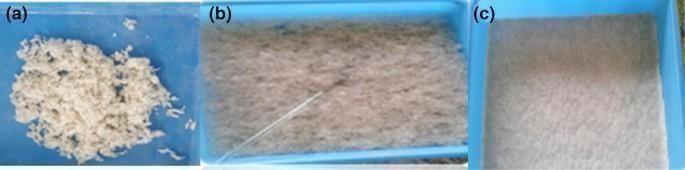
We start by processing it through a machine that separates the thick fibre tufts from the ginned cotton bales (figure 2). The fibreisfedintoahopperthatmechanicallyseparatesthefibretufts,andtheseparatedfibreisthenfedintoaseriesof highly sophisticatedcleaningtechnologiesthatwecalledEVC(shorthandforEnhancedVisual,Opening,Cleaningsystem)(figure2). Thesetechnologiesremoveasignificantamountofplantmatter,suchasstalk,stem,andleaves,aswellasextraneousmatter andtrash.
The goal isto eliminateall non-lint material, but in practise,mechanical cleaning methodscan never completelyeradicate it. The remaining steps of the procedure take place in enormous containers known as kiers. To hasten the wet purification procedure,thesekettlescanbeheatedandpressured.Cottoniswetoutandpackedintolargecakeswithaholeinthemiddle (foraperfectvisual,imagineaBundtcake).Thecottoncakesarethenlowereddownintothekieranditisclosed(figure2).
© 2023, IRJET | Impact Factor value: 7.529 | ISO 9001:2008 Certified Journal | Page323
Figure1-BANANAFIBRE
International Research Journal of Engineering and Technology (IRJET) e-ISSN:2395-0056 Volume: 10 Issue: 02 | Feb 2023 www.irjet.net p-ISSN:2395-0072
StepTwo:Scouring
International Research Journal of Engineering and Technology (IRJET) e-ISSN:2395-0056
Following that, a sodium hydroxide-containing solution is poured into the cotton scouring process during the processing of cotton (FIGURE 3). The alkali solution is continually pumped through the cakes as the kier is heated and pressured. The residualplantmatterissoftened,thewaxesonthefibrearesaponified(turnedintowatersolublesoaps),andthepectinsand othernon-cellulosiccomponentsaresuspendedsotheymaybewashedaway.
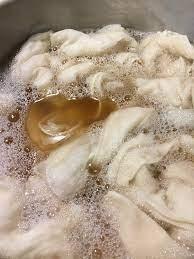
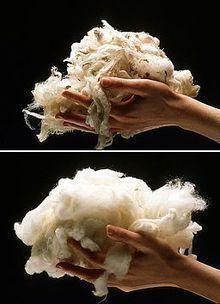
Thesaponifiedwaxesandsuspendeddebrisareremovedwithfreshwaterafterasetamountoftimeatahightemperatureand pressuretoenableathoroughscouring.(SeeFigure4)Thecottonfibreisabsorbentafterscouring,andanytraceamountsof plantmatteraresoftened.
© 2023, IRJET | Impact Factor value: 7.529 | ISO 9001:2008 Certified Journal | Page324
FIGURE3-SCOURING
FIGURE4-PURECOTTON
FIGURE4-PURECOTTON
www.irjet.net
Volume: 10 Issue: 02 | Feb 2023
p-ISSN:2395-0072
StepThree:Purifying
Acleansingsolutionisinjectedintothekierafterthescouringrinsehasbeendrained.The onlyoxidising(purifying) agentusedbyBarnhardtishydrogenperoxide,makingourprocesscompletelychlorine-free(TCF).
Thehydrogenperoxidewhitens thefibersbyoxidizingthecoloringmatter.Thepurifyingchemicalcanpermeatetheresidual plant matter more efficiently and make it white since the scouring process softens the remaining plant matter.In order to remove all colour bodies, the purifying solution is pushed through the cakes for a specific amount of time at a high temperature.Afterthat,thetankisdrainedandthepurifyingsolutioniswashedawaywithfreshwater.Atthisstageofcotton processing,allimpuritiesandcolouringagentshavebeeneliminated,leavingonlypurecelluloseinthecottonfibres.
StepFour:FiberFinishing
Despitetheremovalofthenaturalfibrefinish(wax),processingthefibremightbechallengingbecauseofthehighamountof fiber-on-fiber friction. Therefore, a fibre finish (lubricant) must be applied to enable efficient processing on high-production webformingmachinery.
Depending on the use required, a variety of fibre coatings can be used. The necessary level of finish can be imparted to the cottonfibresbypumpingthesefinishsolutionsthroughthecakes.Thecompletedsolutionisdrainedoncethetargetlevelhas beenreached.
StepFive:
OpeningandDrying:Thewetcakesaresplitopenoncemoreintotuftsoffibreinthisfinalprocess,andthe fibreisdried toa predeterminedmoisturelevel.
© 2023, IRJET | Impact Factor value: 7.529 | ISO 9001:2008 Certified Journal | Page325
S.No Properties Banana Cotton Linen 1 Length 1-1.5meters 0.5ʺ–2.5” 18”-30” 2 Strength, tenacity(gm per denier) 29.98g/denier 3–5 5.56.5gms/den 3 Dimensional stability Maximum medium Adequate 4 Moistureregain 13.00% 7-10%(standard8.5%) 10-12% 5 Stiffness: 70.35g/d 57-60 g/d due tohigh crystallinity 2.7-3.5 6 Elasticity 1.35-1.45% 1.50-1.58% 2.7-3.5% 7 Resiliency Maximum low Maximum 8 Abrasionresistance low medium more 9 Density(gm/cc) 750-950kg/m less thanbothsilk andwoolbut morethanlinen. 5.56.5gm/density 10 Color Dullyellowish cream or yellowishlikecleanwhite Warmgrey 11 Specificgravity 1.35 1.52-1.55 1.50 International Research Journal of Engineering and Technology (IRJET) e-ISSN:2395-0056 Volume: 10 Issue: 02 | Feb 2023 www.irjet.net p-ISSN:2395-0072
TABLE-1 - PROPERTIES OF NATURAL FIBRES (BANANA FIBRE, COTTON, LINEN)
International Research Journal of Engineering and Technology (IRJET) e-ISSN:2395-0056
Volume: 10 Issue: 02 | Feb 2023
BANANA FIBRE EXTRACTION:
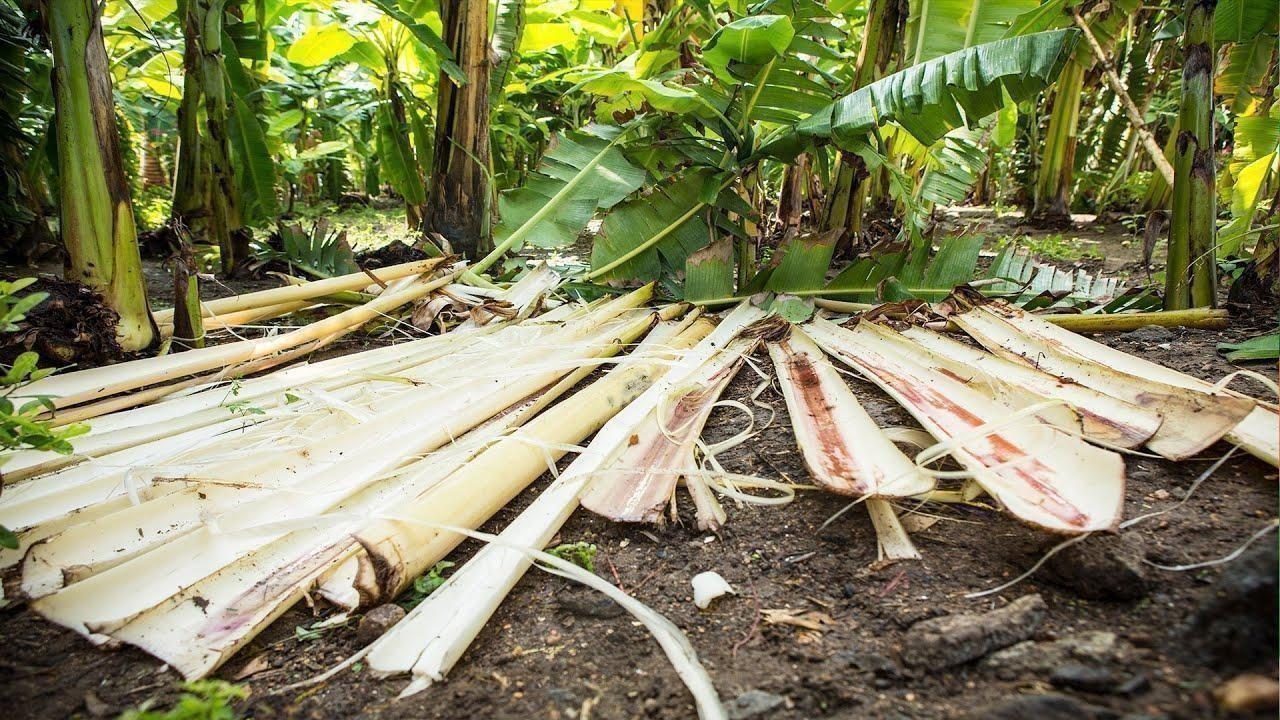
Bananafibrescanberemovedfrombananasusingavarietyoftechniques,includingchemical,mechanical,andbiologicalones. Previous research has shown that biological approaches take at least a month before the fibres can be recovered while chemical procedures frequently harm the environment (FIGURE 5). However, the mechanical approach is simple and affordable,anditisverycommoninunderdevelopedcountries.
Layersoffibrethatarefirmlywrappedmakeuptheoutsidesheathofthetrunk.Thefibre canbepulledoffinstripsthatare5 to8cmbroadand2-4mmthickandisprimarilyfoundnexttotheouterlayer.Tuxyingthestrips,sometimesknownastuxies, isthetermforthestripping procedure. The tuxiesarepackedandtransportedto thestrippingknifeforcleaningafterbeing removedfromthesheath.Thetuxedosarepulledundertheknifeduringthisprocedure.Theplanttissuebetweenthefibresis scrapedawaybypressingthebladefirmlyagainstawoodorstoneblock.
The clean fibre bundles are then dried by hanging them. Hand stripping can be substituted with simple machines. They are madeupoftworolls,oneofwhichhasascrapingbladeonit(figure5).Thetrunkissplitintoportionsthatarebetween120 and180cmlongoncethedarkeroutersheathhasbeenremoved.Therotatingdrumsreceivethesepartsasinput.Thetissue thatispulpyisremovedbythescrapingblade.Afterdrying,thepulpcanbeutilisedinthesamewayastuxedos.
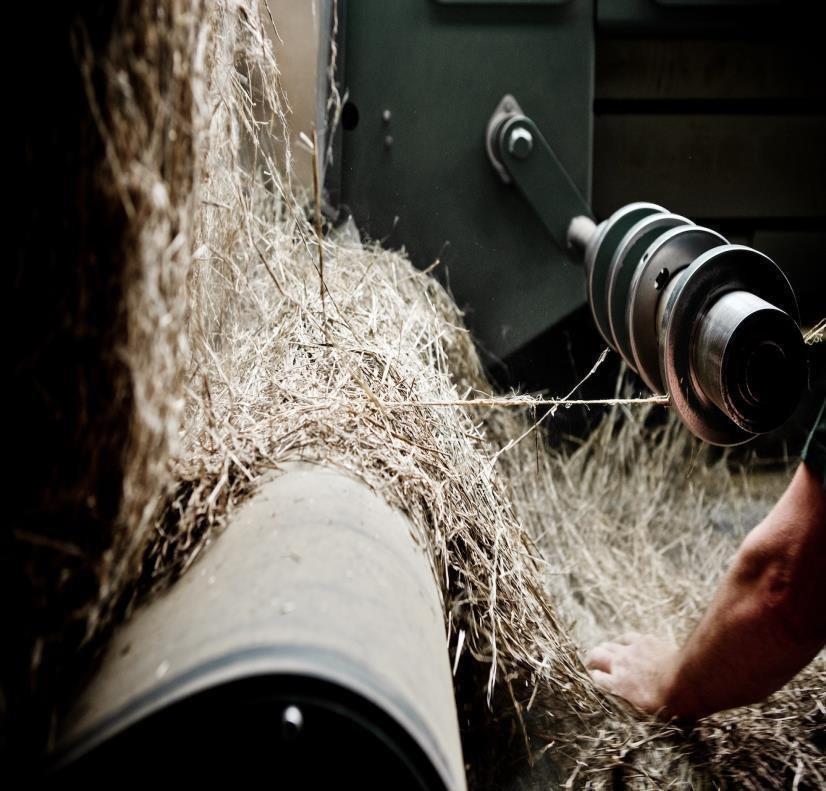
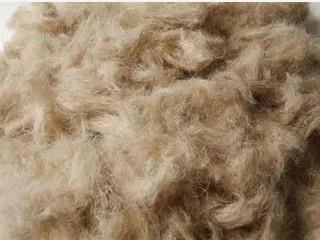
Linen extraction: In the scutching process, the woody plant stalk is cut into pieces called shives without damaging the flax fibre,andthenthemachinepullsitthroughhugerollerstofurtherbreakthestalkintoshivesbutkeepthefibreintact.Theflax finallymakesittothedrumsinthelaststage.(Figure6)
© 2023, IRJET | Impact Factor value: 7.529 | ISO 9001:2008 Certified Journal | Page326
FIGURE5-BANANAFIBREEXTRACTION
www.irjet.net p-ISSN:
2395-0072
© 2023, IRJET | Impact Factor value: 7.529 | ISO 9001:2008 Certified Journal | Page327
Figure6-LINENEXTRACTION
FIGURE7-LINEN LAYERS:
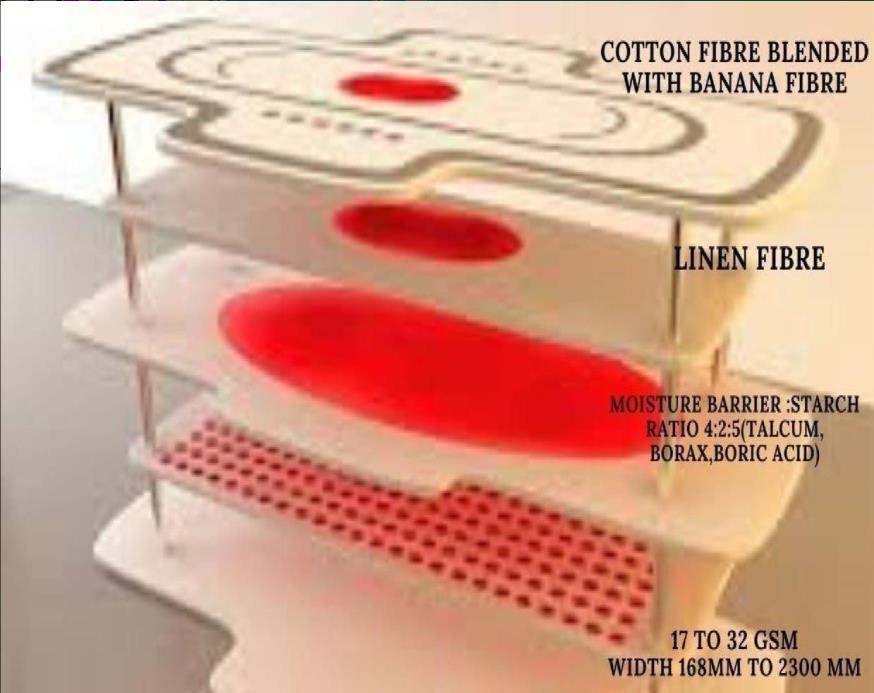
1.Topsheet:(figure7)
International Research Journal of Engineering and Technology (IRJET) e-ISSN:2395-0056 Volume: 10 Issue: 02 | Feb 2023 www.irjet.net p-ISSN:2395-0072
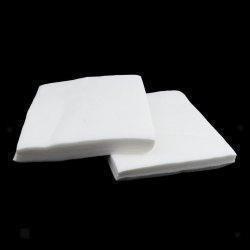
Nonwoven(CottonfibreblendedwithBananafibre)cottonfibre-25%waterholdupBananafibre-13permoistureregain
International Research Journal of Engineering and Technology (IRJET) e-ISSN:2395-0056
Volume: 10 Issue: 02 | Feb 2023 www.irjet.net
p-ISSN:2395-0072
Fluidacquisitionanddistributionlayer:
Haveexcellenthydrophilicpropertiesandconsequentlycanacceleratetheabsorption
Linenfibre–Knownforfreshnessinhotweather
Durableanddriesquickly
–Allergyfree
–20%waterholdup
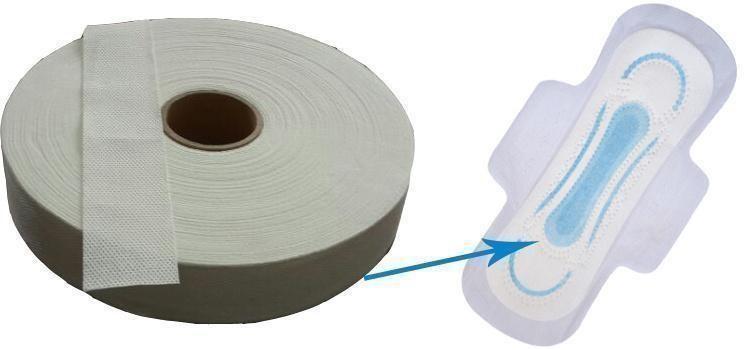
1.Absorbentcore:(figure8)
-Chlorinebleachedwoodpulp(sucksupliquidquickly)
-Moisturebarrier:Starchratio-Inthefirsttaketalcum,borax,boricacid(4:2:5)
-Inthesecondtaketalcum,borax,boricacid(8:11:3)
© 2023, IRJET | Impact Factor value: 7.529 | ISO 9001:2008 Certified Journal | Page328
FIGURE8-NONWOVEN(COTTONBLENDEDWITHBANANAFIBRE)
–
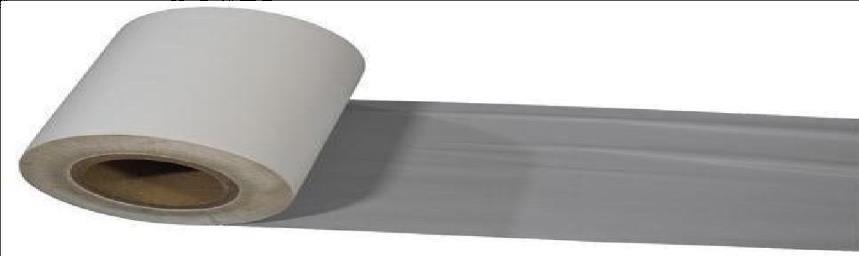
Backsheet:
Breathablefilm:Polyethylenefilm
Basicweight:17-32GSM
Width:168mm-2300mm
© 2023, IRJET | Impact Factor value: 7.529 | ISO 9001:2008 Certified Journal | Page329
FIGURE9-ABSORBENTCORE
FIGURE9-POLYTHENEFILM
International Research Journal of Engineering and Technology (IRJET) e-ISSN:2395-0056 Volume: 10 Issue: 02 | Feb 2023 www.irjet.net p-ISSN:2395-0072
FIGURE11
International Research Journal of Engineering and Technology (IRJET) e-ISSN:2395-0056
Volume: 10 Issue: 02 | Feb 2023 www.irjet.net p-ISSN:2395-0072
CONCLUSION
Bananafibreisoneofthemostenvironmentallyfriendlyrawmaterialsforsanitarypadsduetothemonocarpicreplantability ofbanana plantsandtheuseofagricultural wasteastheir pseudo-stem. Theyarebothenergy- efficientandsimpletomassproduce. The superior absorption qualities of banana fibre allowed us to create sanitary pads that are hygienic, simple to wash, and quick to dry. The prolonged life of these sanitary napkins can greatly reduce the environmental risk provided by discardedsanitarypads.
REFERENCES:
1. https://www.the-sustainable-fashion-collective.com/2019/06/03/what-is-banana-fibre-and-how-do- youmaketextilesfrom-it
2. https://www.technicaltextile.net/articles/an-overview-on-sanitary-napkins-7850
3. https://barnhardtcotton.net/technology/cotton-processing/
4. https://www.sciencedirect.com/science/article/pii/S0273230015300386
5. https://sewport.com/fabrics-directory/linen-fabric
6. https://www.sciencedirect.com/topics/engineering/absorbent-core
7. https://www.wptnonwovens.com/acquisition-layer/
8. https://newbusi.en.made-in-china.com/product/HdCmpaRlbUVO/China-Acquisition-and- DistributionLayerfor-SanitaryFemine-Napkin.html
9. https://www.carnegietextile.com/characteristics-of-linen-fabric/
10. https://textilevaluechain.in/news-insights/characteristics-properties-of-banana-fibers/
© 2023, IRJET | Impact Factor value: 7.529 | ISO 9001:2008 Certified Journal | Page330