PLANT LEAFLET MALADY REVELATION UTILIZING CNN ALONGSIDE FOG SYSTEM
1 ,2,3,4 Student, Department of Computer Engineering, Savitribai Phule Pune University, P. K. Technical Campus, Chakan, Pune, Maharashtra ,India.
5Asst.Professor, Department of Computer Engineering, Savitribai Phule Pune University, P. K. Technical Campus, Chakan, Pune, Maharashtra ,India. ***
Abstract - Agriculture or tillage is the practice of growing crops. Agriculture provides much of the world's natural foods and fabrics. Ph, climate, moisture and humidity are environmental factors that contribute to the development of plant diseases. Various cyclical conditions infect plants with different types of diseases. These diseases first affect the foliage of plants and then infect the plants, affecting crop quality and quantity. Diseased crops can cause enormous economic losses to individual farmers by reducing the quality of their produce. Farmers observe crops to detect and identify diseases, but this method is often slow and inaccurate. Due to the large number of crops on a farm, it becomes very difficult for the human eye to recognize and classify diseases in each crop in the field. These diseases can spread, so identifying each plant is very important. Predicting crop diseases accurately and quickly can reduce losses. Therefore, in this article, we introduce a convolutional neural network (CNN) based on deep learning detection of plant leaf diseases to get fast and accurate disease results and classify them. Healthy leaves and background images match other classes, so the model can use a convolutional neural network to distinguish betweenhealthy and diseased leaves and from the environment. Leaflet Malady Revelation (LMR) is a light farming technique aimed at revealing disease from the leaves and applying the required medicine in a mist system to cure the disease.
Key Words: Malady Revelation, Plant Leaf Diseases
Detection, CNN, Deep Learning, Fog System
I.INTRODUCTION
According to FAO's World Agriculture Statistics 2014, Indiaproducesmanyfreshfruitssuchasmangoes,lemons, guavas,bananasandpapaya;vegetablessuchaschickpeas and milk; important spices such as chilies; is the world's largestproducerofStaplecropssuchasmillet,gingerand castor beans. Growing pacified species produced food surpluses that allowed people to live in cities, helping to make agriculture the most important innovation in the emergence of inactive human social hierarchies. In all countries India is the second biggest maker of rice and wheat,theforemostimperativestaplenourishmentswithin the world. Industrial agriculture based on monocultures overtookagriculturalproduction,butabout2billionpeople
stilllivedonsubsistencefarming.Mainagriculturalproducts can be broadly divided into fiber, food, fuel, and raw materials(rubber,etc.).Foodclassesincludefruits,cereals (cereals), vegetables, milk, eggs, cooking oils, meats, and mushrooms.
Plantdiseases,disturbancesofthenormalstateofplants thatdisruptoraltervital functions.Croploss duetoplant diseases can also lead to starvation and starvation. In specific,gettoinfectioncontrolstrategiesisconstrained,and yearlymisfortunesof 27-49%ofimperativecropsarenot unprecedented.
Lossesarehigherinsomeyears,withdireconsequences forthosewhodependoncropsforfood.Generallyspeaking, leaf pathogens can be divided into pathogenic and noninfectioustypes.Irresistibleplantinfectionsarecausedby malady like pathogens such as organisms, nematodes, mycoplasma, microbes, infections, viroids or parasitic bloomingplants.Irresistiblespecialistscanduplicateinside or on a have and spread from a helpless have to another. Non-infectious plant diseases are caused by unfavorable growingconditionssuchasextremesoftemperatureandpH, unfavorable moisture-oxygen relationships, soil or atmospheric toxins, and excess or deficiency of essential minerals.
Farmers monitor crops for disease detection and identification. This method is often slow and imprecise. Recent technological developments and this development havepavedthewayforthe detectionandidentificationof plant diseases, helping to provide better treatments for plantswhentheyareinadiseasedstate.Theproposedplant leafdiseasedetectionsystemfocusesonplantcultivars.The system is built on the concept of Convolutional Neural Networks (CNN) and is run on input images and used to transformtheinputtoformastatisticalmodelthatclassifies the output tags. After the disease detection system implements the necessary treatments to cure the disease, thissystemcontrolslossesandgains.
II. LITERATURE SURVEY
Chutinan Trontorkid. "Expert system for diagnosing mangodiseasesusingleafsymptomanalysis".Inthisarticle,

Chutinanpresentsanewmodelbasedonhisdevelopmentof aplantdiseaseexpertsystemformango,oneofThailand's majoragriculturalexportcrops.Inanycase,Thailandmaybe a tropical nation and the climate causes different plant infections that affect the development of mango trees. There'snorecommendationframeworkforchoicemaking. Thisleadstomanyerrorsin handlinginfectedplants.The systemwasthereforedevelopedtohelpfarmersdiagnose infected crops and fix the problem immediately. Farmers should have an application that acts as an experienced human worker in the process of diagnosing specific plant diseases.
Imagesenhancedwiththispaperareashighqualityand sharpastheoriginal.Computervisionimageprocessingis used in a variety of real-time applications such as remote sensing, medical image analysis, and plant leaf disease detection.TheoriginalrecordedimageisanRGBimage.An RGBimageisacombinationofprimarycolors(red,green, blue).Thiscolorrangesfrom0to255,makingitdifficultto implement applications. Grayscale images can only range from0to1.Somanyoperationscanbeeasilyimplemented. Histogramequalizationisusedtoincreaseimagesharpness. Grayscale transformation and histogram equalization are usedforplantleafdiseasedetection.
Thispaperalsodescribesdifferentstrategiesforextracting the disposition of infected leaves and classifying plant diseases.Weutilize convolutionalneuralnetwork(CNN)for prediction.Thefullmethodisdescribedbasedontheimages used for training and preprocessing testing and image enhancement, then how to train CNN Deep and the optimizer.Basedontheseimages,treatmentmethodscanbe accuratelydeterminedand different plantdiseasescan be distinguished.
Inthispaper,weutilize well-knownconvolutionalneural network(CNN)andimageprocessingtodevelopamethod fordetectingplantleafmelody.IsuggestFirst,weapplythis techniquetohisplant datasetofappleandtomatoleavesto examineunhealthyleafsymptoms.Afeatureextractionand classificationprocessisthenperformedonthedataset.
This research gives an proficient result for recognizing differentillnessesinnumerousplantcultivars.Thesystemis designedtorecognizeandrecognizemultiplecropvarieties, especially apples, corn, grapes, potatoes, sugarcane and tomatoes. This application can also detect some plant diseases.Thetrainedmodelachievedacertainaccuracy,and thesystemwasabletoregisteritsaccuracyindetectingand detectingcroptypesanddiseasetypes.
III. TECHNOLOGIES
i. Deep Learning
Aneuralnetworkwith morelayers,Itmaybeasubsetof ML . These neural systems endeavor to imitate the
performanceofthehumanbrain,andwhiletheyarenoplace closeascompetent,theypermitthemto"memorize"from expansive sums of information.A single-layerNN canstill produce comparative expectations, but extra covered up layers can be utilized to optimize and progress exactness. Control robotization and numerous AI applications and administrations that perform expository and actual task withouthumanarbitration.
ii. CONVOLUTIONAL NEURAL NETWORK
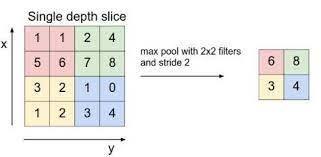
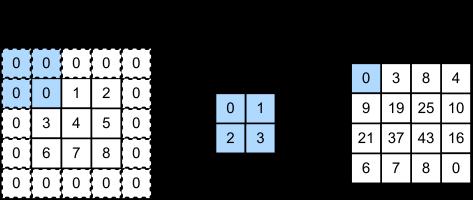
ACNNisadeeplearningalgorithmthatcanincorporate subjectssuchasimagesoflobes,brains,andheartsintothe image,assignmeaningstodifferentaspects/objectswithin theimage,anddistinguishoneimagefromanother.
CNNrequiresmuchlesspreprocessingcomparedtoother classification algorithms. Filters are developed manually usingrudimentarymethods,butwithenoughtraining,aCNN canlearnthesefiltersorproperties.
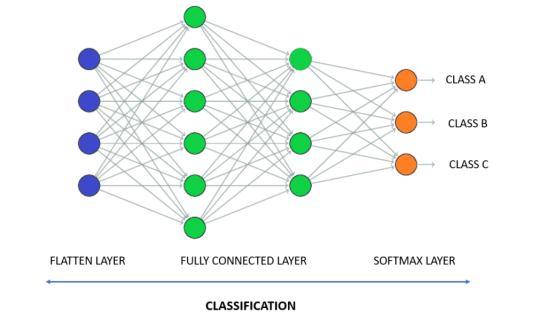
3. Fully Connected Layer – Classification
IV
Using this proposed system, we build neural network models for image classification and accurate disease outcome,andperformnecessarycorrectiveactions.There arevariouscausesthatcanbecategorizedaccordingtothe disturbance due to environmental conditions such as the effect on the leaves of the plant, humidity, too high temperature or insufficient nutrition, light, most common diseases such as fungal, viral and bacterial diseases. This frameworkemploymentstheCNNcalculationtodistinguish plantleafdisease.Thisisbecausewecanachievemaximum fastaccuracywiththehelpofCNNwhenthedataisgood.
1.Collecting Dataset
Getting a Dataset Weare usingthe PlantDataset, which contains9600imagesofgoodandbadleavesdividedinto groupsbyspeciesanddisease.
Healthy Leaf Leaf Disease
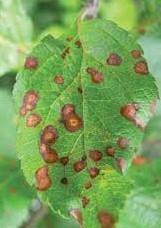
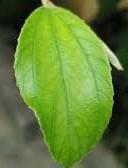
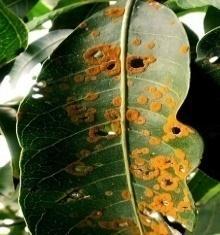
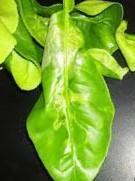
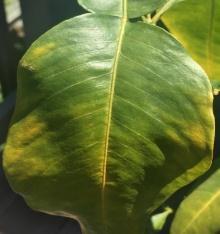
2 . Data Processing and
Building a powerful image classifier requires careful considerationofdataprocessingandpictureimprovement. TheKerasdeeplearningmodelisusedfordataprocessing and image enhancement. Various image enhancement options include flipping the image vertically/horizontally, rotatingitatdifferentangles,scalingtheimage,etc.These extensionshelpincreasetherelevantdatainyourdataset.
Thetrainingaugmentationalpossibilitiesareasfollows:
•Brilliancy-Makesadifferencetheshowtoadjusttovariety inlightingwhereasnourishingpicturesofshiftingbrightness amidpreparing.
•Rotation-Arbitrarilyturnthepreparingpicturesatdiverse points.
•Shear-Setstheshearangle.
3. BuildingCNN(ConvolutionalNeuralNetwork)Modelfor classificationofvariousplantdiseasedorhealthy.
4. IfdiseaseisdetectedintheplantthenFogsystemperform anactionbytheRaspberrypi.
V. DESIGN
A. System Architecture
Orange CurledOrange
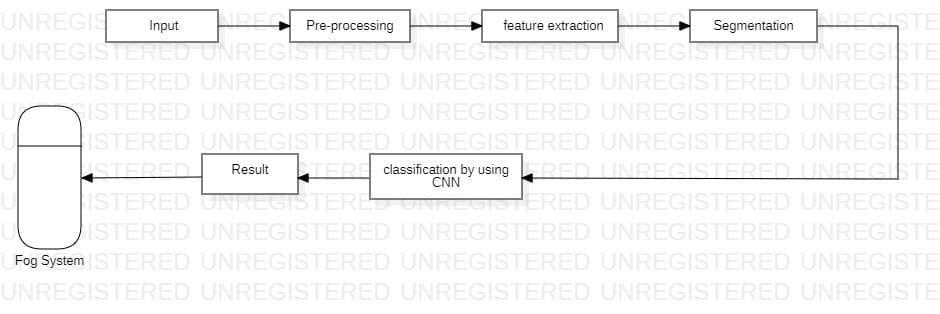
Thedevelopedarchitectureentailsdatacollectionfroma significant dataset, processing at various convolutional layers,andfinallytheidentificationofplantpathogensthat determinesifa leafimageassuchtoa classofinfected or healthyplants.
Themethodsofhowdataispassedfromtheinputtothe predictionoftheappropriateoutputarerepresentedbydata flowdiagrams(DFDs).
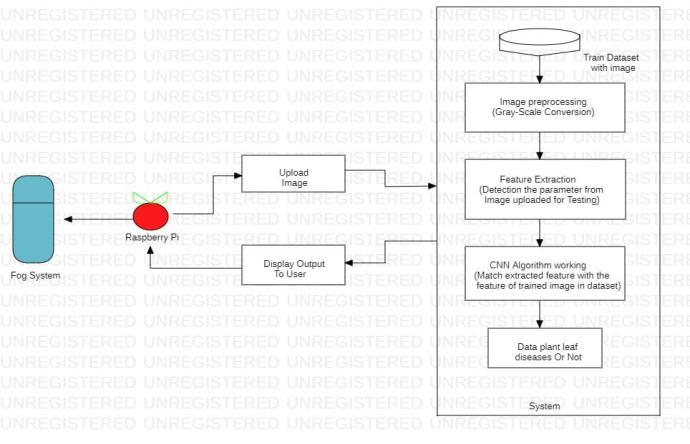
It could be a Python-based integrated development environment(IDE)that'sopen-sourceandcross-platform.
VII. EXPERIMENTAL ANALYSIS AND RESULTS
Data Analysis
The Plant dataset is the one utilized in the proposed framework research work. The dataset consisted of leaf imagesofdiseasedplantsandimagesofhealthyplantleaves.
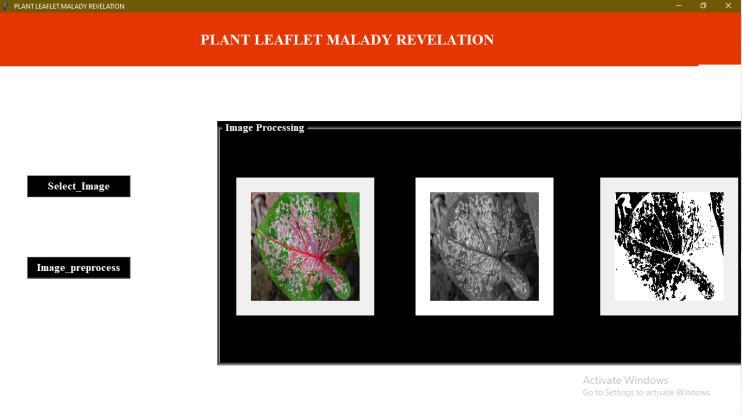
The dataset was examined, and no missing values were discovered.Thedatasetwasfurtherstudiedtounderstand different spices and diseases in plant leaves. The dataset consistedofmanydifferentplantcultivars.
VI. IMPLEMENTATION DETAILS
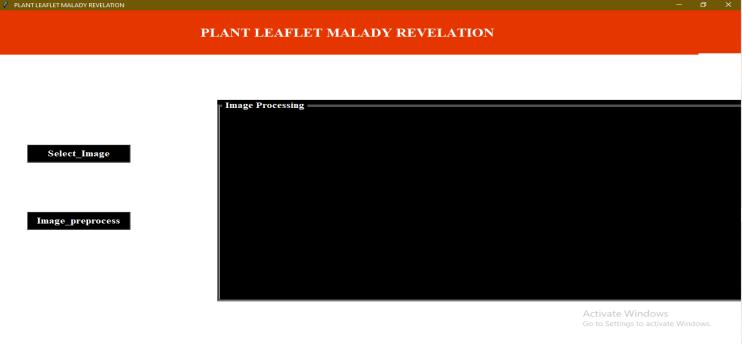
TheenvironmentfordevelopmentisPython.Itcontains libraries that are required to run the programme. The librariesusedare-TensorFlow,Keras,Matplotlib,Opencv, Pillow.
Theframeworkforsoftwareuseduringimplementation.
With the help of the robust computer graphical user interfaceknownasAnacondaNavigator,whichisapartof theAnacondaDistribution,youcanmanagecondapackages, environments,andchannelsaswellasrunapps
VIII. CONCLUSION
It isbased on a thorough knowledge of thecrops being grownandtheirpotentialforpests,pathogensandweeds.
This project is based on a deep learning approach called CNN,whichisusedtobuild varioussystems for plantleaf disease identification, detection, and detection. This approachusedfewerlayerstoidentifydisease.Toidentify plantillnessesfromphotosofhealthyorsickplantleaves,a trainingisperformedutilizingPlantdataset.Thefogsystem carriesthemedicinesneededtocurethedisease.
References
[1]C.Trongtorkid,P.Pramokchon.2018.”Expertsystemfor diagnosis mango diseases using leaf symptoms analysis"."International Conference on Digital Arts, Media andTechnology“.10.1109.8376496
[2] V. Singh,Varsha Singh,A K Misra.2015.”Detection of unhealthyregionofplantleavesusingimageprocessingand geneticalgorithm"."InternationalConferenceonAdvancesin ComputerEngineeringandApplications”.10.1109.
[3] K. Thangadurai,K Padmavathi.2014.”Computer Visionimage Enhancement for Plant Leaves Disease Detection"."World Congress on Computing and CommunicationTechnologies”.10.1109/WCCCT.2014.39
[4]H.Ajra,Mst.KhairunNahar,L.Sarkarand Md.Shohidul Islam.2020.”Disease Detection of Plant Leaf using Image ProcessingandCNNwithPreventiveMeasures"."Emerging Technology in Computing,Communication and Electronics“.51779.2020.9350890
[5]K.Elangovan,S.Nalini.2017.”PlantDiseaseClassification Using Image Segmentation and SVM Techniques". "International Journal of Computational Intelligence Research”.ISSN0973-1873.Volume13,pp.1821-1828
[6] A. Vibhute,S.K.Bodhe.2012.”Application of Image Processing in Agriculture". "International Journal of ComputerApplications”.52(2):34-40
[7] S. V. Militante.2019.”Fruit Grading of Garcinia Binucao (Batuan)usingImageProcessing"."InternationalJournalof Recent Technology and Engineering”. ISSN: 2277-3878, Volume-8Issue-2