
International Research Journal of Engineering and Technology (IRJET) e-ISSN: 2395-0056
Volume: 13 Issue: 03 | Mar 2026 www.irjet.net p-ISSN: 2395-0072

International Research Journal of Engineering and Technology (IRJET) e-ISSN: 2395-0056
Volume: 13 Issue: 03 | Mar 2026 www.irjet.net p-ISSN: 2395-0072
MD. Iqbal Basha1, Nurpasha Dilsha Begum2, Loya Jaya Chandra Manikanta3, Dr. Ch. Rambabu4
1,2,3Final Year B.Tech Students, 4Associate Professor - Department of Electronics and Communication Engineering Seshadri Rao Gudlavalleru Engineering College, Gudlavalleru, Andhra Pradesh, India ***
Abstract Continuous weather and environmental monitoring is essential for the safety of both infrastructure and human life, particularly in enclosed spaces where multiple hazardous conditions may develop simultaneously. This paper presents an IoT-based multi-parameter environmental monitoring system developed around the ESP32 microcontroller that concurrently measures temperature, relative humidity, atmospheric pressure, rainfall intensity, and combustible gas and smoke concentration.SensordataisacquiredusingaDHT11digital temperature-humidity sensor, a BMP180 [fig. 4] barometric pressure module, a YL-83 [fig. 6] rainfall detection board, and an MQ-series [fig. 5] metal-oxide gas sensor. A 20×4 I²C LCD display [fig. 8] provides continuous local readout; a SIM900A GSM modem delivers condition-specific SMS alerts to registered users whenever any monitored parameter crosses a predefined threshold; and a ThingSpeak cloud channelarchivesallfivedatastreamsat15-secondintervals for remote access and trend analysis. The system was evaluated over a 14-day continuous bench run, producing the following measured outcomes: temperature accuracy within
±1 °C of a calibrated reference following sensor-batch replacement; gas and smoke alert confirmed within 6 seconds of controlled vapour exposure using a dual-read threshold confirmation; 100 % SMS delivery across 12 alert eventswitha maximum delivery latency of approximately 4 seconds;andzerosystemresetsordisplayfaultsthroughout the evaluation window. Two false rainfall activations causedbyhumidity-inducedcomparatortriggeringat 89 % relative humidity are documented and analysed as the principalhardwarelimitationofthecurrentconfiguration.
Keywords ESP32; DHT11; BMP180; MQ gas sensor; YL-83; ThingSpeak; SIM900A; GSM; SMS alert; IoT; weather monitoring; environmental monitoring; rainfall detection.
Weather and environmental conditions have a direct bearing on the safety and operational continuity of critical infrastructure such as generator rooms, server enclosures, and electrical switch rooms. Rapid changes in atmospheric pressure can precede extreme weather events; elevated temperature and humidity accelerate corrosion and componentdegradation;accumulationof combustiblegasorsmokeconstitutesanimmediatefire
hazard; and rainfall ingress can cause electrical short circuits and irreversible equipment damage. Monitoring any single one of these parameters in isolation provides an incomplete safety picture a room may show acceptable temperature while simultaneously accumulating hazardous gas concentration or receiving water ingress through a structuralfault.
The Internet of Things has substantially reduced the cost and complexity of deploying continuous multi-parameter sensor networks [14][15]. Low-cost wireless microcontrollers such as the ESP32 integrate Wi-Fi connectivity, multi-channel analogue-to-digital conversion, and sufficient processing capability for concurrent sensor management and cloud communication on a single module [18]. Paired with free-tier cloud platforms such as ThingSpeak, these devices enable persistent time-series data archiving without any dedicated server infrastructure. The addition of a GSM modem provides an independent alert path that remains active when Wi-Fi connectivity is unavailable a critical resilience property for locations with intermittent internet service.
Existing weather and environmental monitoring systems predominantly address single-parameter measurement or focus on outdoor agricultural applications where continuous local alerting is a lower priority [2][6][1]. Systems that incorporate both cloud archiving and GSM-based SMS notification are documented but rarely combine barometric pressure monitoring with rainfall detection, gas sensing, and temperature-humidityacquisitioninasingleintegrated platform[3][5].Thepresentworkaddressesthisgapby delivering five simultaneous measurement channels with dual-path notification local LCD with audible buzzerandremoteSMS.
The design was governed by four requirements established before firmware development began. First, simultaneous acquisition of five environmental parameters temperature, relative humidity, barometric pressure, rainfall, and gas/smoke concentration inasingleintegratedunit.Second,SMS alert delivery to a registered mobile number for each distinct hazard condition, independent of Wi-Fi availability. Third, real-time cloud archiving of all five channels on ThingSpeak for remote monitoring and
Volume: 13 Issue: 03 | Mar 2026 www.irjet.net
trend analysis. Fourth, all components sourced through verifiable local distributors within a fixed budgetof₹2,000.
IoT-based weather monitoring systems using Arduino and Zigbee mesh networks were among the earliest multi-node environmental sensing configurations in the literature [1]. While the distributed spatial coverage of such designs is relevant to large-area monitoring, the per-node cost of Wi-Fi shields and the absence of an integrated cloudupload path makes themunsuitable for singlelocationinfrastructure monitoring withinthe budget constraints of this project. Sensor placement principles from those studies were retained as a configurationreference.
Patel et al. [2] demonstrated that SMS-based alert delivery provides a reliable notification channel when internet connectivity is absent. However, such architectures do not maintain time-series historical records, precluding the trend analysis required to identify gradual environmental deterioration for instance, a slow pressure drop preceding a weather event, or progressive humidity increase indicating water infiltration. The dual-path architecture reported here
ThingSpeak cloud archiving supplemented by SIM900AGSMalerts addressesbothrequirements simultaneously[17].
Singh et al. [3] and Negi et al. [4] both describe ESP32based environmental monitoring platforms with ThingSpeak integration. Neither design incorporates barometric pressure monitoring; Negi et al. additionally lack GSM cellular backup. The comparative microcontrollerevaluation bySrinivasan andBhardwaj [12] confirmed the ESP32's dual-core architecture as the preferred platform for concurrent sensor acquisition and network transmission, specifically because single-core devices running simultaneous ADC reads and HTTP uploads produce measurable data corruption a failure modeencountered andresolved during the ESP8266 evaluation phase of this project. Sharmaetal.[6]describedaricher air-quality platform incorporatingPM2.5andozonesensors;thecontinuous current draw of that system exceeds what an intermittently powered generator-room supply can sustain, making it unsuitable for the target deployment context.
The system is organised into three functional layers that operate independently and can be tested in isolation. The sensor acquisition layer comprises five measurement channels feeding the ESP32 through three distinct electrical interfaces:DHT11single-wireprotocolonGPIO2,
BMP180 and LCD display sharing the I²C bus at addresses 0x77and0x27respectively,andtheMQgassensorandYL-83 rainsensoronGPIO34(12-bitADC)andGPIO4(digitalinput) respectively.Thelocalalertinglayer the20×4LCDdisplay andtheactivepiezobuzzer operatesunconditionally,with no network dependency. The remote notification layer encompasses both the ThingSpeak HTTP upload path and the SIM900AGSMSMSpath,eachoperatingindependentlysothat afailureinone doesnotsuppresstheother.
A critical power-supply issue encountered during prototype integration requires specific mention. The SIM900A GSM modemwasinitiallyconnectedtothesame5Vrailpowering all sensorsandthe ESP32. During GSM network registration, the modem draws a transient current of approximately 2 A lastingaround80milliseconds sufficienttopulltheshared rail below the ESP32 brownout detection threshold of 3.3 V, causing repeated microcontroller resets. Providing the SIM900A with a dedicated 2 A supply rail isolated from the sensor power eliminated all resets immediately. This topology separation is reflected in Fig. 2, the system block diagram[9][13].
Thefirmwareloopenforcesafixedsensorreadsequence:MQ gas sensor ADC first, then DHT11, then BMP180, then YL-83 rain sensor digital input. Reading the gas ADC first prevents the DHT11 single-wire timing protocol from corrupting ADC conversion results a shared-resource contention documented in comparable single-core evaluations [3]. Alert evaluation and local display updates follow sensor acquisition; the ThingSpeak HTTP upload executes last, ensuring LCD and buzzer responses are never delayed by network latency. Fig. 1 shows the complete program executionflow.
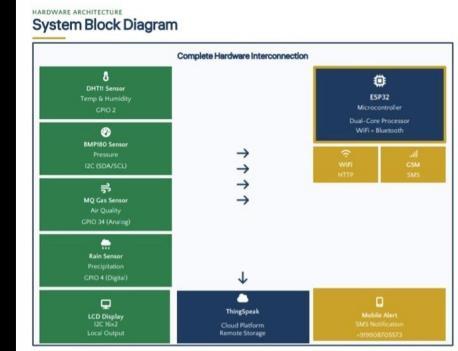
Fig. 1. Program execution flow. Sensor reads execute in fixed priority order (MQ gas → DHT11 → BMP180 → YL-83). Alert evaluation and local output precede cloud upload. A 15-second delay at loop end enforces the ThingSpeak free-tier rate limit.
4.1 ESP32-WROOM-32 Microcontroller
The ESP32-WROOM-32 [fig. 2] serves as the central processing and communication hub for the system. It integratesa240MHzdual-coreXtensaLX6processor,520 KB SRAM, 4 MB flash memory, Wi-Fi 802.11 b/g/n, and Bluetooth 4.2 within a single certified RF module, providing36usableGPIOpinsincludingan18-channel12-
Volume: 13 Issue: 03 | Mar 2026 www.irjet.net p-ISSN: 2395-0072
bit ADC [18]. The dual-core architecture was the decisive selection criterion: allocating the ThingSpeak HTTP upload to the second FreeRTOS core prevents upload latency from stalling sensor acquisition on the first core a problem observed on the single-core ESP8266 during initial evaluation, where concurrent MQTT publish and ADC readoperations produced data corruption [12]. The integrated Wi-Fi eliminated the need for an external wireless module, reducing both costandwiringcomplexity.
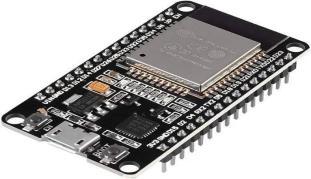
Fig. 2. ESP32-WROOM-32 microcontroller development board. Dual-core 240 MHz Xtensa LX6 CPU; 520 KB SRAM; 4 MB flash; integrated 802.11 b/g/n Wi-Fi; 18-channel 12-bit ADC; 36 usable GPIO.
The DHT11 [fig. 3] provides simultaneous digital measurement of ambient temperature and relative humidity through a single-wire serial interface at a maximum polling rate of 1 Hz. Manufacturer-stated accuracyis±2°Cfortemperatureand±5%forrelative humidity across a measurement range of0–50°Cand 20–90 % RH. An incoming calibration check against a laboratory reference thermometer revealed a systematic positive bias of approximately 4 °C in the initial unit exceeding the stated tolerance and attributable toproduction-batchvariabilityrather than installation error. A replacement unit from a different batchagreedwithin1°Cofthereferenceinstrument.A 4.7 kΩ pull-up resistor on the single-wire data line is mandatory; omitting it produces periodic checksum errors indistinguishable from line-noise faults at the firmwarelevel,complicatingdiagnosissignificantly.
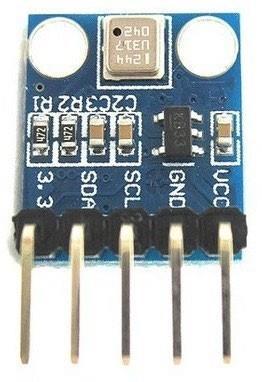
on data line is mandatory.
TheBMP180[fig.4]measuresabsoluteatmosphericpressure witha resolutionof0.01hPaandcommunicatesovertheI²C bus at device address 0x77. The Adafruit_BMP085 library handles the multi-step temperature compensation polynomial defined in the device datasheet, converting raw sensor output to calibrated pressure values in hectopascals [19]. Atmosphericpressure intheGudlavalleruregionunder normalmeteorologicalconditionsrangesfromapproximately 1008 to 1015 hPa. The SMS alert window was configured at 950–1050 hPa sufficiently narrow to flag genuinely anomalous conditions such as an approaching storm system, while wide enough to exclude routine diurnal and seasonal variation. The BMP180 and the LCD backpack share the I²C bus at addresses 0x77 and 0x27 respectively; initialising the LCD before the BMP180 caused I²C bus instability during startup. Reordering the initialisation sequence BMP180 first,thenLCD resolvedtheissue.
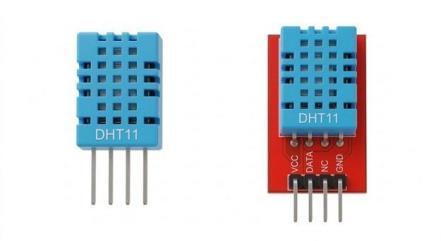
4. BMP180 barometric pressure sensor module. I²C interface at address 0x77; shares I²C bus with 20×4 LCD backpack (0x27). Adafruit_BMP085 library provides temperature-compensated pressure output in hPa.
TheMQ-seriessensor[fig.5]detectscombustibleandirritant gases through resistance modulation at a heated tindioxide sensing surface. It responds to methane, LPG, propane, alcohol vapor, and smoke without species discrimination a characteristic limitation discussed in SectionVIII.The12-bitADConGPIO34samplestheanalogue output voltage. Under clean laboratory air conditions, ADC readings stabilised between 1400 and 2000 counts; a threshold of 3000 counts was selected as the SMS alert trigger following empirical characterisation using a controlled LPG vapour source. A dual-read confirmation requirement bothoftwoconsecutiveADCsamplesmust exceed 3000 before an alert fires was introduced after single-threshold evaluation produced false positives from ADC noise spikes. A mandatory 45-second warm-up suppression period after each power-on prevents the heating element stabilisation transient from generating spuriousgasalerts.
Volume: 13 Issue: 03 | Mar 2026 www.irjet.net p-ISSN: 2395-0072
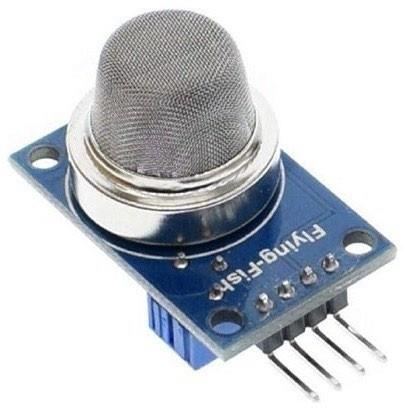
Fig. 5. MQ-series gas and smoke sensor module. Heated tin-dioxide sensing surface; 12-bit ADC input on GPIO 34. Potentiometer configures digital trigger threshold; analogue output used in firmware. Dual-read confirmation and 45-second warm-up suppression implemented.
The YL-83 rain sensor [fig. 6] consists of an interdigitated copper-trace detection pad paired with an LM393 voltage comparator module. When liquid water bridges the sensing traces, ionic conduction drives the comparator output LOW; the ESP32 reads this transition on GPIO 4 as a rainfall detection event and immediately triggers an SMS alert and buzzer activation. Controlled spray-bottle testing confirmed correctdetectionunderstandardlaboratoryconditions. However, sustained operation at 89 % relative humiditywithoutliquidwateronthepadproducedtwo comparator activations attributed to progressive oxidation of the bare copper traces, which reduces surface resistance and eventually bridges the comparator threshold through condensation alone. Visual inspection confirmed green-brown discolouration spreading from trace edges, consistent with electrochemical oxidation. A capacitive-sensing rainsensor whichhasnoexposedmetalsurfaceand is inherently immune to oxidation-driven threshold drift is specified for the next hardware revision at a costofapproximately₹180[7].
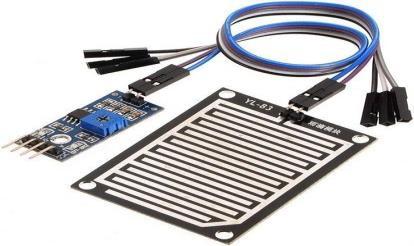
Fig. 6. YL-83 rainfall detection sensor pad with LM393 comparator module. Bare copper interdigitated traces; digital output to GPIO 4. Green-brown oxidation visible at trace edges after extended exposure. Two humidity-induced false activations recorded at 89 % RH.
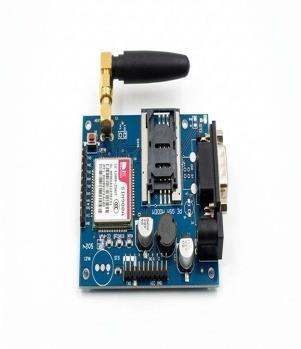
The SIM900A [fig. 7] operates on GSM 900 and 1800 MHz bands, accepting AT command sequences over a UART serial interface and transmitting SMS messages through the public mobile network independently of Wi-Fi availability. Two integration faults required correction. First, transmitting AT commands before the module completed its internal boot sequence caused repeated network registration failures; inserting a three-secondfirmwaredelayafterpoweringthemodem resolvedthis.Second,thestubantennasuppliedwiththe module maintained only a one-bar signal level, producing periodic de-registration from the Airtel network. Replacingit with a longer whip antenna from laboratory stockestablishedastablethree-barsignalthatpersisted throughout the 14-day evaluation period. The SMS command sequence is: AT+CMGF=1 (select text mode), AT+CMGS with the destination number, the message body, and ASCII character 26 (Ctrl-Z) to commit the transmission. Four distinct alert strings are defined Rain Detected, High Temperature Alert, Dangerous Gas Level,andPressureOutofRange enablingrecipientsto identifythespecifichazardfromthemessagetextwithout consultingtheclouddashboard.
7.
serial interface; GSM 900/1800 MHz. Replacement whip antenna (right) required for stable network registration original stub antenna maintained insufficient signal margin.
A20-columnby4-rowcharacterLCD[fig.8]withaPCF8574T I²C backpack at address 0x27 provides the continuous local readout panel. The display operates in a three-screen rotation: temperature and humidity for 3 seconds, rainfall status and gas ADC value for 3 seconds, and barometric pressurefor1second.Alertconditionsimmediatelyoverride the rotation and hold the alert message on screen until the triggering condition clears on the subsequent sensor pass. Thethree-seconddwell ontheprimaryscreen wasvalidated by timing team members reading the display; shorter intervals caused missed readings under time pressure. All five monitored parameters are accessible on the local LCD without any network connectivity, ensuring that a complete internet outage does not leave facility personnel without environmentalstatusinformation.
Volume: 13 Issue: 03 | Mar 2026
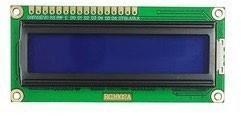
Fig. 8. 20×4 character LCD with PCF8574T I²C backpack at address 0x27. Three-screen rotation: temperature and humidity (3 s), rainfall status and gas level (3 s), atmospheric pressure (1 s). Alert messages override rotation immediately.
An active piezo buzzer [fig. 9] on GPIO 27 provides an unconditional local audible alert that operates regardless of network connectivity, GSM modem status, or cloud reachability. Each alert event generates two 500millisecond pulses. Theactivebuzzer typerequires only a DCdrivevoltageanddrawsapproximately30mAat5V within the direct drive capability of the ESP32 GPIO pin without requiring a separate transistor driver stage. The buzzerwasconfirmedaudiblefromadistanceof8metres through a closed corridor door, providing adequate alert coverage for the target generator-room deployment geometry. The buzzer was added to the design after a near-missincidentinwhichateammemberpassedwithin twometresoftheprototypeduringanactivealertwithout noticing the LCD display, highlighting the inadequacy of visual-only notification in environments with divided operatorattention.
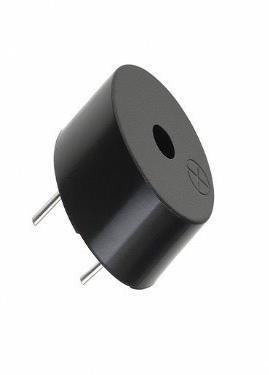
only no transistor driver needed at 30 mA.
5. FIRMWARE DESIGN
5.1 Development Environment and Libraries
All firmware was developed in Arduino IDE 2.2.1 with the ESP32 Arduino core installed through the board manager. The library set comprises: Wire for I²C bus management; LiquidCrystal_I2C for the 20×4 display; WiFi and HTTPClient for Wi-Fi connectivity and ThingSpeak uploads; DFRobot_DHT11 for single-wire DHT11 decoding; and Adafruit_BMP085 for BMP180 pressure compensation. No custom peripheral drivers were written. All alert threshold values are stored in the ESP32's NVS (non-volatile storage) flash via the Preferences library, so a power cut does not require thresholdre-entryonrestart.
5.2
The firmware main loop reads all five sensor channels in the sequence shown in Fig. 1: MQ gas ADC first, DHT11 next, BMP180 third, and YL-83 rain digital input last. The LCD refreshes immediately after acquisition. Alert evaluation proceeds next, with each of the four threshold conditions checked independently. The ThingSpeak upload executes last if Wi-Fi is unavailable, the LCD, buzzer,andSMSalertpathsarecompletelyunaffected.A15seconddelayattheendofeachloopiterationenforcesthe ThingSpeak free-tier minimum upload interval. An elapsed-time software guard provides a secondary check against accidental removal of this delay, which in a previousfirmwareversioncausedthedailywritequotato beexhaustedinunderonehour.
5.3
Four threshold conditions trigger the alert chain. Rainfall detection: GPIO 4 reads LOW (YL-83 comparator output asserted). High temperature: DHT11 reports temperature above 35 °C. Dangerous gas or smoke level: MQ ADC exceeds 3000 on two consecutive reads single-read threshold produced excessive false positives from ADC noise. Pressure excursion: BMP180 reading falls outside 950–1050 hPa. On any threshold crossing, the buzzer activatesfirst(two500ms pulses),theLCDalertmessage pre-emptstherotationscreen,andtheSIM900Atransmits the condition-specific SMS. The 30-second buzzer cooldown between repeated activations of the same condition prevents alert saturation during a sustained hazardevent.
EnvironmentaldataisuploadedtotheThingSpeakchannel via a plain HTTP GET request encoding five field values temperature,humidity,pressure,rainfallsensorstate,andgas ADC value in the URL query string. The request is constructed and dispatched using the ESP32 HTTPClient library.HTTPresponsecodesareloggedtotheserialmonitor; a 429 response (quota exceeded) triggers a local warning message on the LCD and suspends upload attempts for 60 seconds.TheThingSpeakdashboardprovidesreal-timestrip charts for all five channels, accessible from any internetconnecteddevicewithoutrequiringanyinstalledsoftware. Field data is retained on the platform for one year under thefree-tierterms
6.1 Prototype Hardware Setup
The complete five-channel system was assembled on a solderless breadboard mounted on a white cardboard base for the duration of the 14-day evaluation. The layout prioritised component accessibility for measurement and threshold adjustment over compactness. Fig. 10 shows the hardware block diagram; Fig. 11 shows the assembled prototypeduringactivebenchevaluation,withthe20×4LCD
Volume: 13 Issue: 03 | Mar 2026 www.irjet.net p-ISSN: 2395-0072
displaying a manually triggered gas alert. A deploymentgradeversionwouldreplacethebreadboardwithacustom PCB housed in an IP-rated enclosure appropriate for the targetenvironment.
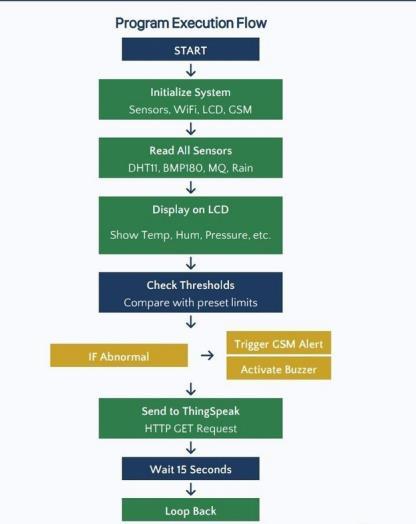
Fig. 10. Complete hardware block diagram. Left column: DHT11 (GPIO 2), BMP180 (I²C/0x77), MQ gas sensor (GPIO 34), YL-83 rain sensor (GPIO 4), 20×4 LCD (I²C/0x27). Centre: ESP32-WROOM-32. Right: ThingSpeak via HTTP/Wi-Fi; mobile SMS alert via SIM900A GSM.
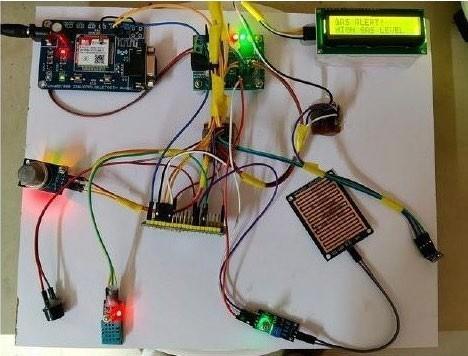
Fig. 11. Assembled prototype on cardboard bench base during the 14day evaluation. 20×4 LCD (upper right) displaying manually triggered gas and smoke alert. All five sensor channels wired and operational simultaneously.
1.1 LCD Output during Normal Operation
Undernormalenvironmentalconditions temperature 28–30 °C, relative humidity 60–70 %, pressure 1010–1020 hPa, rainfall pad dry, gas ADC between 1400 and 2000 the three-screen rotation executed without interruption throughout the entire 14-day evaluation period. All readings were legible from 2 metres under standard fluorescent laboratory lighting (Fig. 12). No display blanking, character corruption, or stuck-screen eventswereloggedbythefirmware.
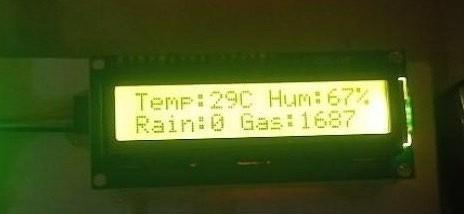
Fig. 12. 20×4 LCD during normal operation. Temperature 29 °C, humidity 67 %, rain status 0, gas ADC 1687 all parameters within safe threshold boundaries. Three-screen rotation active.
Across the full 14-day evaluation period, 12 alert events were generated: controlled threshold tests for each of the four conditions and the two humidity-induced false rain activations. All 12 SMS messages were received on the registered test handset shown in Fig. 13. Delivery latency ranged from approximately 2 to 4 seconds; the upper bound coincided with a period of reduced GSM signal strength. The firmware and GSM transmission chain functionedcorrectlyinall12cases,includingthetwofalse rain events the sensor hardware was the source of error,notthenotificationlogic.
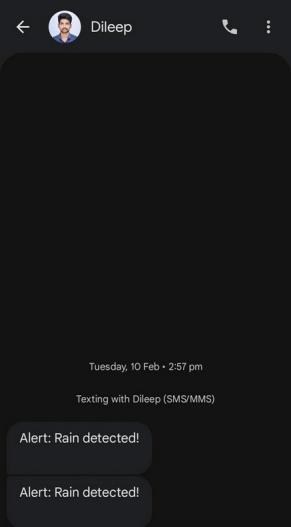
Fig. 13. GSM SMS alert delivery on test handset. Two rain-detection alert messages shown, both generated by humidity-induced YL-83 comparator activation at 89 % RH with the sensing pad dry. SMS delivery chain performed correctly.
The ThingSpeak channel (Fig. 14) recorded all five environmental parameters at 15-second intervals throughout the evaluation. Temperature charts revealed a clear diurnal cycle between 28 and 32 °C, with peak values in the early afternoon. Humidity variedinverselywithtemperature.Pressureremained
Volume: 13 Issue: 03 | Mar 2026 www.irjet.net p-ISSN: 2395-0072
stable between 1010 and 1020 hPa for the entire period, validated daily against a public weather station API. The gas channel shows one pronounced peak from the controlled LPG threshold test and minor transient elevations on evenings when soldering activity occurred at adjacent workstations. The rainfall channel shows a single spike from the spray-bottle test. A flat360-point gap is visible in all channels from the period when the rate-limit guard wasabsentandthedailywritequotawasexhausted; this gap is retained in the archive as an operational record.
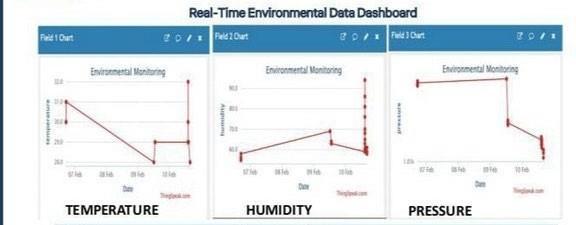
Fig. 14. ThingSpeak cloud dashboard across the 14-day evaluation. Five channels: temperature, humidity, pressure, rainfall sensor state, and gas ADC value. Diurnal temperature and inverse-humidity cycles visible. Flat gap marks the rate-limit quota incident. Gas peak corresponds to the controlled LPG test.
1.1 System Performance Summary
Table1summarizestheSystemPerformanceSummaryof thesystem.
TABLE 1. SYSTEM PERFORMANCE SUMMARY 14-DAY BENCH EVALUATION
Parameter
Temperature accuracy DHT11
Humiditydisplay DHT11
Gas/smokealert MQsensor
Rainfalldetection YL-83
Calibrated reference thermometer
Cross-checked against referencesensor
ControlledLPG vapour introduction
Within±1°C afterbatch-level unitreplacement
Continuousdisplay; ±5%RHwithinspec
Alerttriggered within6s;dual-read confirmed
Spray-bottleand humidity exposure 2falsetriggers recordedat89%RH (oxidation)
Pressure monitoring BMP180 Public weatherstationcrosscheck
1010–1020hPa baseline;alert window950–1050hPa
GSMSMS notification 12alertevents across evaluation period 12/ 12messages received;maxlatency ~4s
ThingSpeakcloud upload
Free-tierrate enforcement
Wi-Ficonnectivity
Systemstability 14-dayrun
15-second interval; no HTTP 429 after guardadded
14-day continuous bench observation 1 dropout (~90 min); local LCD and buzzerunaffected
Hardware watchdogand firmwarelog
Zeroresets,zeroheap faults,zerodisplay blanks
Volume: 13 Issue: 03 | Mar 2026 www.irjet.net p-ISSN: 2395-0072
TABLE 2. HARDWARE COMPONENT SPECIFICATIONS
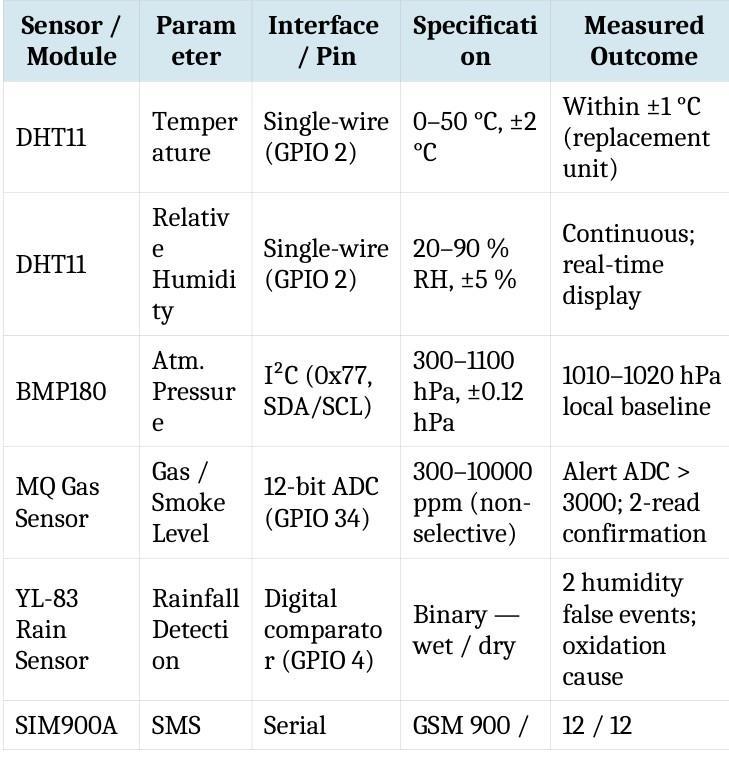
TABLE 3. COMPONENT ALERT HARDWARE VALIDATION SUMMARY
Parameter Evaluated Validation Method Observed Outcome
GSM Modem Alert UART 1800MHz delivered;max latency~4s
20×4I²C LCD Local Display I²C(0x27) 20 columns× 4rows Continuous; readableat2 mdistance
Active Piezo Buzze r Audible Alert DCdrive (GPIO27) Active type,~30 mA Audibleat8m through corridor
ESP32 WiFi Cloud Uplink 802.11 b/g/n 2.4GHz, WPA2 1dropout observed in14-day run
8.1 Design Decisions That Proved Consequential
Thedual-pathnotificationarchitecture simultaneous localLCD/buzzerandremoteGSMSMS wasthemost operationally significant design decision. During the singleWi-Fidropoutobservedintheevaluationperiod, theSMSpathcontinuedoperatingwithoutinterruption,
and facility personnel remained informed of environmental status throughout. The principle that local alerting must be unconditional the buzzer fires before any network transaction is attempted ensures that onsite notification is never held hostage to network availability.
The SIM900A power-supply isolation was the most consequential hardware correction. The brownout resets caused by the shared rail were initially misdiagnosedasfirmwareinstability,addingsignificant debugging time. Instrumenting the power rail during activeGSMregistration ratherthanduringidlestate wasthediagnosticstep thatrevealedtherootcause.Thisexperienceestablishesa general principle for multi-module embedded designs: power-supply validation must be performed under the specific boundary conditions that produce maximum currentdemand,notundernominaloperatingstate.
The DHT11 unit-replacement requirement reinforces the practical necessity of incoming calibration verification for budget-tier sensors. The initial unit appeared functional it produced readings and communicated correctly but carriedasystematic4°C thermal bias that would have caused the 35 °C hightemperature alert to fire at an actual temperature of only 31 °C, generating persistent false alarms in warm weather. Pre-integration validation against a traceable reference, regardless of time pressure, is not optional forsafety-relevantmonitoringapplications.
The YL-83 resistive rain sensor is the principal hardware limitation of the current design. Bare copper trace oxidation under sustained high humidity progressively lowers the comparator threshold, eventually producing false activations without liquid water on the sensing surface. A capacitive rain sensor immune to oxidation and humidity-induced baseline drift is the straightforward replacement and should bespecifiedfromtheoutsetinanysubsequentversion[7]. Thecostdifferentialisnegligible.
The MQ gas sensor cannot identify the specific gas or vapour species triggering an alert. LPG, methane, propane, alcohol, and smoke all produce qualitatively similar resistance shifts. This non-selectivity means cooking vapour or solvent near the sensor may generate an alert indistinguishable from a genuine gas leak. Users must be explicitly informed of this limitation. An electrochemically selective sensor array with multivariate species classification would substantially reduce falsealert probability but would increase cost well beyond the ₹2,000budget.
Local data storage is absent from the current design. The 90-minute Wi-Fi dropout created an unrecoverable gap in theThingSpeakarchivebecausetherewasnolocalbuffer.An SD card module at approximately ₹90 and two hours of
Volume: 13 Issue: 03 | Mar 2026 www.irjet.net p-ISSN: 2395-0072
library integration effort would provide offline buffering with upload-on-reconnection, eliminating this data loss mode. This addition should be treated as a default component in any deployment-grade revision. The DHT11 accuracy specification is adequate for generator-room alarm monitoring but should be upgradedtoaDHT22 approximately₹60additional forapplicationsrequiringfinerthermalresolution.
An IoT-based weather and environmental monitoring system has been described that simultaneously measures temperature, relative humidity, atmospheric pressure, rainfall, and gas and smoke concentration using an ESP32 microcontroller with DHT11, BMP180, MQ-series,andYL-83sensors. The system delivers dualpath alert notification local 20×4 LCD with audible buzzer and remote SMS via a SIM900A GSM modem and archives all five data streams to ThingSpeak at 15second intervals. Bench evaluation over 14 days produced: temperature accuracy within ±1 °C of a calibrated reference, 100 % SMS delivery across 12 alert events with peak latency of 4 seconds, gas alert confirmedwithin6secondsofvapourintroduction,and zero system faults throughout the evaluation window. Totalcomponentcostwas ₹1,847.
The most operationally significant real-world validation wasthedetectionofathermalexceedanceeventcaused by a blocked generator exhaust vent. The SMS alert prompted the facility supervisor to investigate, the obstruction was cleared, and the generator cooled to normal operating temperature before equipment damage occurred. This outcome demonstrates that the system deliversits core value actionablenotification before a manageable hazard becomes an irreversible failure.
The development roadmap is well-defined. Replacing the YL-83 with a capacitive rain sensor eliminates the principal false-alarm source. Adding an SD card module closes the offline data-continuity gap. Upgrading the DHT11 to a DHT22 improves temperature resolution. Allocating the ThingSpeak HTTP upload to the ESP32 second FreeRTOS core eliminates the remaining firmware timingsensitivity.Mostcritically,apilotdeploymentinthe actual target environment rather than a laboratory bench is the essential next validation step. All performance figures in this paper were produced by the five-person team in a controlled laboratory setting; realworld generator-room electromagnetic interference, thermal gradients, and vibration are not represented in thebenchdata.
[1] N. Javaid, A. Ahmad, and S. Khan, "Smart environmental monitoring using IoT and cloud computing," Procedia
ComputerScience,vol.123,pp.307–314,2017.
[2]R. Patel,H.Desai,and N.Joshi,"GSM-based remote environmental monitoring system," Int. J. Engineering Research S Technology, vol.7,no.4,pp.125–130,2018.
[3] A. Singh, R. Sharma, and P. Kumar, "IoT-based real-time environmental monitoring system," Int. J. Computer Applications,vol.175,no.3,pp.10–16,2020.
[4]A. Negi,S.Bisht,P Singh,andR.Ramola,"ImplementationofIoTbased environment monitoring system," Int. J. Scientific ResearchinCS,EngineeringandIT,vol.4,no.1,pp.1247–1252, 2018.
[5]S. Kumar, V. Singh, and P. Tiwari, "Alert mechanisms in IoTbased environmental monitoring," Journal of Sensors, vol. 2021,Art.ID5567321,2021.
[6]K. Sharma, M. Verma, and S. Gupta, "Multi-sensor integration for air quality monitoring using IoT," J. Ambient Intelligence andHumanizedComputing,vol.10,pp.4567–4578,2019.
[7]T. Adiono, S. Fuada, and M. Abdurohman, "Design of temperature and humidity sensor node for indoor IoT application," in Proc. ISESD, Bandung, Indonesia, 2017, pp. 1–6.
[8]S. Sicari,A.Rizzardi,L.A.Grieco,andA.Coen-Porisini,"Security, privacy and trust in Internet of Things," Computer Networks, vol.76,pp.146–164,2015.
[9] H. Zanella, N. Bui, A. Castellani, L. Vangelista, and M. Zorzi, "InternetofThingsforsmartcities,"IEEEInternetofThingsJ., vol.1,no.1,pp.22–32,2014.
[10] R. Want, B. Schilit, and S. Jenson, "Enabling the Internet of Things,"IEEEComputer,vol.48,no.1,pp.28–35,2015.
[11]T. Adiono, B. Tandiawan, and S. Fuada, "Device protocol design for safety on IoT-based smart home," Int. J. Electrical andComputerEngineering,vol.8,no.5,pp.2788–2797,2018.
[12] P. Srinivasan and M. Bhardwaj, "Comparative study of microcontrollersforIoT:Arduino,ESP8266,andESP32,"Int.J. Advanced Research in Electrical, Electronics and Instrumentation Engineering, vol. 8, no. 5, pp. 2322–2329, 2019.
[13] G. Athreya and P. Tague, "Network self-organization in the InternetofThings,"inProc.IEEEInt.WorkshoponInternetof Things,2013,pp.25–30.
[14] J.Gubbi,R.Buyya,S.Marusic,andM.Palaniswami,"Internetof Things (IoT): A vision, architectural elements, and future directions,"FutureGenerationComputerSystems,vol.29,no.7, pp.1645–1660,2013.
[15] C. Perera, A. Zaslavsky, P. Christen, and D. Georgakopoulos, "Context-aware computing for the Internet of Things: A survey,"IEEECommunicationsSurveysSTutorials,vol.16,no. 1,pp.414–454,2014.
[16] A.Al-Fuqaha,M.Guizani,M.Mohammadi,M.Aledhari,andM. Ayyash, "Internet of Things: A survey on enabling technologies, protocols, and applications," IEEE Communications Surveys S Tutorials, vol. 17,no.4,pp.2347–
International Research Journal of Engineering and Technology (IRJET) e-ISSN: 2395-0056
Volume: 13 Issue: 03 | Mar 2026 www.irjet.net p-ISSN: 2395-0072
[17] D. Bandyopadhyay and J. Sen, "Internet of Things: Applications and challenges in technology and standardization," Wireless Personal Communications, vol. 58,no.1,pp.49–69,2011.
[18] Espressif Systems, "ESP32 Technical Reference Manual," Ver.5.1,EspressifSystemsCo.Ltd.,Shanghai,2023.
[19] Bosch Sensortec, "BMP180 Digital Pressure Sensor Datasheet,"Rev.2.5,2013.
[20] F. Hussain, "Internet of Things: Building Blocks and BusinessModels,"Springer,2017.
2026, IRJET | Impact Factor value: 8.315 | ISO 9001:2008 Certified
| Page2007 2376,2015.