
International Research Journal of Engineering and Technology (IRJET) e-ISSN: 2395-0056
Volume: 12 Issue: 10 | Oct 2025 www.irjet.net p-ISSN: 2395-0072
International Research Journal of Engineering and Technology (IRJET) e-ISSN: 2395-0056
Volume: 12 Issue: 10 | Oct 2025 www.irjet.net p-ISSN: 2395-0072
Ritika Rohit Thummar1 , Parthiv Pratik Patel2 , Sujal Sanjeev Kumar Jain3 Pathan Mohammad Javed Z4
Department of Computer Science and Engineering, Parul Institute of Engineering & Technology, Vadodara, Gujarat, India ***
Abstract - India, along with most other countries, has experiencedaconsistentriseintheelderlypopulationover thelastfewyears.Duetothisgrowth,theirhealthandsafety concerns have increased dramatically. Among these, accidentalfallsaresomeofthemostcommonanddangerous conditions faced by senior citizens. One single fall often reduces the overall standard of life by creating fractures, hospitalization, and a long recovery time. The current researchproposesanIoT-basedsmartchairsystemthatis aimedatmonitoringthehealthstatusofelderlyindividuals andidentifyingfallsefficiently.Thechairusessensorslike accelerometersandgyroscopestomeasurebodymovement and posture and also contains health-related sensors that monitorkeyvitalsignssuchasheartrateandtemperature. The data collected from these sensors is processed in a microcontrollerandthentransmittedwirelesslytoacloud platform. The proposed smart chair goes beyond the conventionalsmartwheelchairsthatarelargelydesignedto improve mobility. In this model, the focus is on providing round-the-clockhealthmonitoringalongwithaccuratefall detection, which makes it highly relevant for preventive healthcareinelderlycare.Thesystemhasbeendesignedto beuser-friendly,economical,andpracticalforeverydayuse, ensuring quick detection of abnormal conditions and immediatecommunicationtocaregivers,thesmartchaircan reduce the chances of medical complications and create a saferandmoreindependentlivingenvironmentforsenior citizens. Keywords: Internet of Things (IoT), Smart Chair, Elderly Care, Fall Detection, Health Monitoring, Assistive Technology,PreventiveHealthcare.
Inrecentdecades,improvementsinhealthcareandliving conditions have resulted in longer life expectancy. As a result, the number of older adults has been consistently increasing,bothworldwideandwithinIndia.Withmedical advancements and better living conditions, people live longer, but this also brings new challenges to healthcare systems and families. Among the many health concerns facing senior citizens, ac-cidental falls remain one of the most serious issues. A fall may result in injuries such as fractures, head trauma, or long hospitalization. Beyond physical injuries, such incidents also bring psychological effects,asseniorscandevelopaconstantfearoffallingagain.
This fear reduces their confidence and discourages them from moving freely, which in turn affects their independence.However,withtheincreasingprevalenceof nuclearhouseholds,urbanmigration,andbusyprofes-sional commitments,providingcontinuoussupervisionhasbecome a growing challenge. Hospitals and care institutions can extendsomesupport,buttheytoofaceshortagesofstaffand resources.Thesecircumstancesmakeitessentialtodevelop dependable and affordable solutions that can ensure continuousmonitoringofelderlypersonswhileatthesame timemaintainingtheircomfortanddignity.Inthisregard, the rapid progress of the Internet of Things (IoT) offers a promisingpathway.Suchanarrangementensuresthatcaregivers and medical staffs are immediately informed of unusualconditions,allowingthemtotakequickandeffective action during emergencies. Previous research has shown applicationsofIoTinsmartwheelchairs,healthmonitoring systems, and rehabilitation devices. Most of these works haveconcentratedonmobilitysupportorspecificmedical functions. However, very few studies have addressed the combined need of fall detection and continuous health monitoringwithinasimple,non-intrusivesystemdesigned particularly for the elderly. The present study seeks to bridge this gap by introducing an IoT-based smart chair system. The chair is equipped with sensors capable of identifyingunusualbodymovementsthatmayindicateafall, whilealsotrackingvitalsignssuchasheartrateandbody temperature.Thecollecteddataisanalysedandsentinreal timethroughwirelesscommunication,al-lowingcaregivers andfamilymemberstoreceiveimmediatealertswhenever necessary. This work contributes to the wider domain of assistive technologies by offering a solution that is both economical and practical for elderly populations. By combiningfalldetectionwithcontinuoushealthmonitoring in a single framework, the smart chair aims to strengthen safety,promoteindependentliving,andimprovetheoverall qualityoflifeofseniorcitizens.
Over the last two decades, technology has increasingly founditswayintohealthcare.Onepromisingareaistheuse of the Internet of Things (IoT) in assistive devices, particularly for elderly people and those with disabilities. Researchers have explored innovations such as smart
International Research Journal of Engineering and Technology (IRJET) e-ISSN: 2395-0056
Volume: 12 Issue: 10 | Oct 2025 www.irjet.net p-ISSN: 2395-0072
wheelchairs,healthmonitoringsystems,andfalldetection tools, all of which have gradually led to more capable assistivesolutions.KaurandGupta(2018)createdasmart wheelchair,usinganArduinomicrocontroller,withsensors to support basic navigation and automation. Similarly, Sharma,Yadav,andRana(2017)pro-posedalow-costand accessible IoT-enabled wheelchair model to demonstrate how embedded sensors and wireless modules could help userindependence.Whilebothsetsofstudiesaddvalueto mobility, they showed little interest in preventive health, suchasfalldetectionorcontinuousmonitoringofvitalsigns. Taking innovation a step further, Abou-Zeid et al. (2018) introduced a wheelchair controlled via brain signals. By combiningbrain–computerinterface(BCI)technologywith IoT,theirsystemalloweduserswithphysicaldisabilitiesto operate the chair through neural activity. Although highly inventive, the complexity of this approach makes it less practicalforelderlycare,wheresimplicityandeaseofuse areessential.Simulationmethodshavealsobeenappliedto assistivedevicedevelopment.VanBrusselandHoogstrate (2004)createdanelectricwheelchairsimulatortotestnew designsinavirtualenvironment,highlightingtheadvantages ofsimulationforsafetyandperformanceevaluation.Their investigations,however,werelimitedtomobility.Theydid notdelveintothehealthmonitoringcapabilitiesofIoTand thereforedidnotrespondtothefallingrisksassociatedwith elders.ThepotentialforhealthmonitoringusingIoTdevices iswellknownandrecognizedinvariouscontexts.Korhonen, Parkka,andVanGils(2003)firstdescribedthenotionofa connected home, which included the idea of continuous monitoringofhealththroughvariouswearableandembeddedsensors.Fromthisbasis,futuresystemshaveintegrated both environmental sensing capabilities alongside backgroundhealthinferences.DasguptaandDutta(2015) exemplifiedhowsmartwheelchairscanincludecloud-based servicestoenrichuserexperience,butagain,thefocuswas onmobilityratherthanfallprevention.Morerecently,there hasbeengrowingattentionfocusedontheneedsofelderly users.Forinstance,Majumder,Bhattacharjee,andBanerjee (2019) developed a smart wheelchair that provides both mobility support and health monitoring functionality for users.Researchersnowseemtobeawarethatagingusers presentuniqueneedsthatrequireconsiderationinsystems design. Nevertheless, most studies continue to focus primarilyonmobility,withonlylimitedexplorationofchairs designedspecificallyforfalldetectionandpreventivecare. Taken together, these studies demonstrate the important role IoT has played in advancing assistive technology, particularly in enhancing mobility. Still, there is a distinct need for a simple, usable solution that can assist in maintaininghealthandwellnessbyoffering monitoringand fallpreventioncapabilities.Themajorityofdesignsonthe market are either far too complicated, only addressing mobility,ordonotoffercorefeaturesfoundinpreventive healthcare.Inthisstudy,wehaveaddressedtheneedfora simpler,user-friendlysmartsolutionbyproposinganIoTbasedsmartchairthataddressessafetyandhealthinsteadof
just mobility as the primary focus. This chair would use sensors to monitor movement and health vitals electronicallyandwastosendalerts tocaregivers(inreal time)usinginternet-basedtechnology.Thischair,designed forelderlyusers,servesasapreventivehealthtoolforusein home care or care settings, which most designs have not offeredviatheirinnovations.Balancebetweencomfortand safetyandcontinuousmonitoringorpreventivehealthcare hasbeenachievedwiththisdesign.
TheIoT-basedFallDetectionChairmethodologyenvisions asystematicapproachtogatherandanalyzedatatodesign, develop,andimplementareliablefall-detectionsystemand programinsupportofelderlymonitoring.Thismethodology describes the entire process of developing a fall-detection program from the outset including research, selection of sensors,combininghardwareandsoftware,dataprocessing, communication,alerts,testing,andevaluation.Thepurpose oftheprocessdescribedistocreatea totallyreliable(real time) fall-detection system which detects falls very accurately with minimal false alarms whilst not compromisingusersafetyorcomfort.
Stageoneoftheprojectbeganwithadetailedexamination intoexistingfall-detectionmethodsandtechnologytoassess thecurrentfailingsofthese devicesorsystems.Particular focus was placed on wearable devices and video-based monitoring systems. The principals of this stage had two main objectives: To understand the current limitations of thesemethods.Tofindsuitablesensorsforthedetectionof reliablefalls.Todeterminethemostsuitablecommunication protocolstosendalertsinatimelymanner.Toascertainthe needs of the user (with respect to their context - whether thisbeelderly-home,hospital,rehabilitationcentre).From this,thechairwasdesignedtoprovidemonitoringofusers inanunobtrusivemannercontinuously,whilstmaintaining easeofuseandreliability
International Research Journal of Engineering and Technology (IRJET) e-ISSN: 2395-0056
Volume: 12 Issue: 10 | Oct 2025 www.irjet.net p-ISSN: 2395-0072
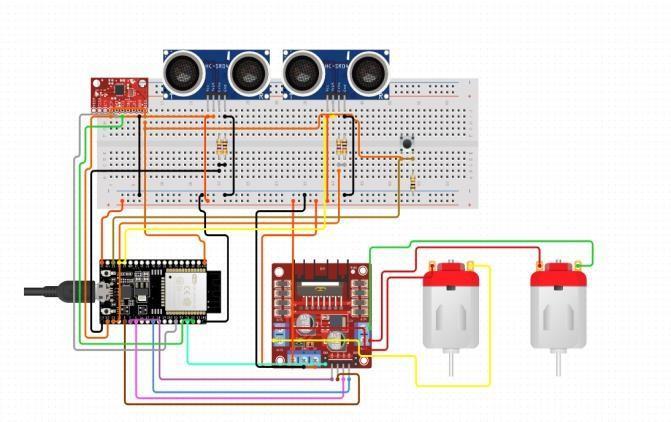
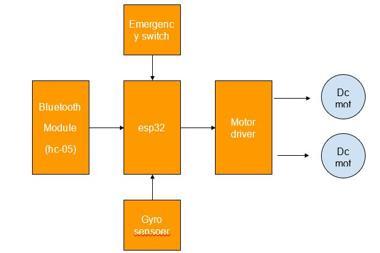
FLOW CHART DIAGRAM, CIRCUIT DIAGRAM AND BLOCK DIAGRAM

HARDWAREDESIGNANDINTEGRATION
Thechairincludedatotalofthreesensorsaccelerometers, gyroscopesandpressuresensors.Togetherthesemonitored posture,movementandsuddenfalls.Thesesensorscaptured accelerometric data from the user which was sent to an ESP32microcontrollerthatactedasthecentralprocessing unit. The microcontroller utilized sensor input, processed the accelero-metric data and communicated the fall detectionmotionusingWi-Fi.
TheMPU-6050(GYROSensor)isaMicro-Electro-Mechanical System (MEMS) sensor that works by using tiny, moving massestodetectchangesinaccelerationandrotation.
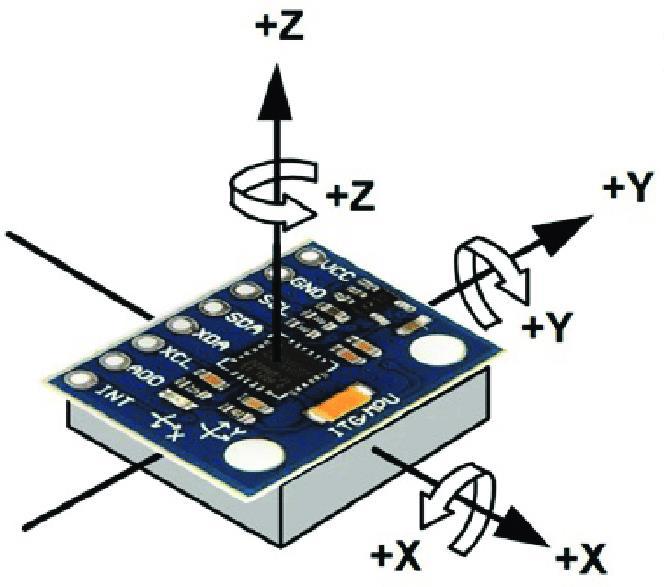
GyroSensor
International Research Journal of Engineering and Technology (IRJET) e-ISSN: 2395-0056
Volume: 12 Issue: 10 | Oct 2025 www.irjet.net p-ISSN: 2395-0072
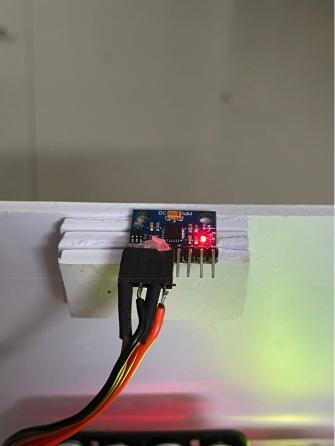
FIG-5:MPU6050
Ultrasonicsensorscanconvertelectricalenergyintosound wavesandviceversa.
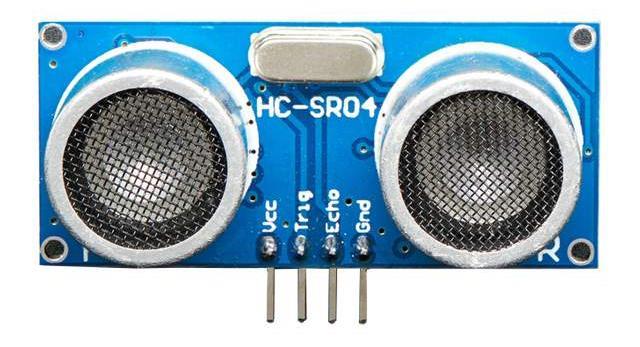
FIG-6:UltrasonicSensors
TheprimarymicrocontrolleristheESP32Tosendalerts,it connectstoWi-Fi,readssensordata,andprocessesit.
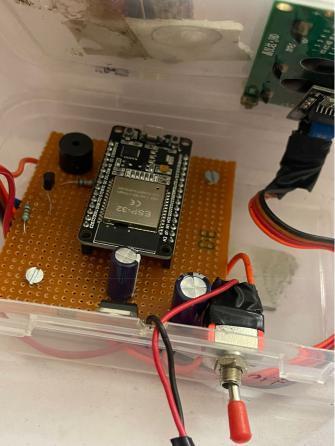
FIG-7:ESP32
LCDDisplayshowstheIPaddress,warnings,andsystem status.
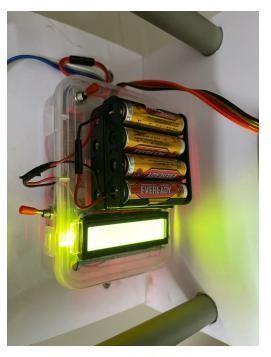
FIG-8:LCDDisplay
Capacitor,deviceforstoringelectricalenergy,consistingof twoconductorsincloseproximityandinsulatedfromeach other.

FIG-9:Capacitor
Resistorsarewhatarecalled“PassiveDevices”,thatisthey contain no source of power or amplification but only attenuate or reduce the voltage or current signal passing throughthem.
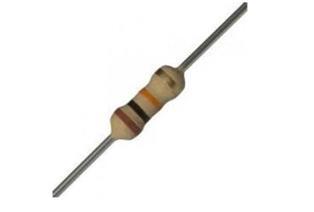
FIG-10:Resistors
SOFTWAREANDFALLDETECTIONALGORITHM
The software aspect focuses on distinguishing and recognizingnormalmovementsfrommotionsthatarelikelytobe falls.Athreshold-basedlogicisemployed,relyingonsudden alterationsinacceleration,tiltangles,orpressurevariations to detect falls. The code was programmed in C/C++, specifically for the ESP32 platform, using sensor state libraries for sensor control, Wi-Fi, and web server
International Research Journal of Engineering and Technology (IRJET) e-ISSN: 2395-0056
Volume: 12 Issue: 10 | Oct 2025 www.irjet.net p-ISSN: 2395-0072
communications.Alertsaresenttocaregiversviaamobileor webapp,witharecordoffalleventsmaintainedinahistory log.
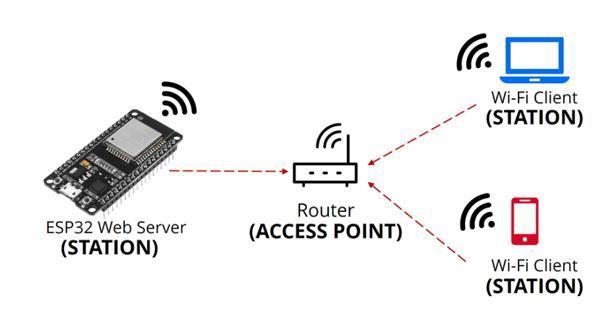
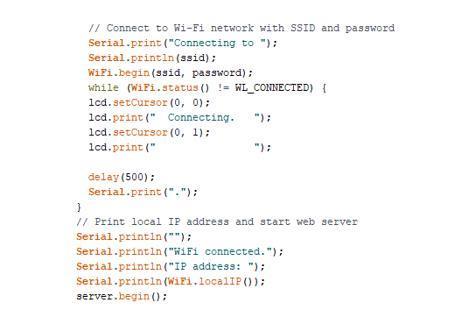

Real-worldsensordataisoftennoisyduecontamination frmvibrationsorotherrelativelyinnocuousmovements.The first step in achieving meaningful fall detection is to use preprocessingtechniquestoeliminatenoisyspikes,which wouldonlygeneratecallstorespondersorcaregiverswho would not be able to assist when a real danger event occurred. Some of these processes included high-pass filtering,whichwoulddiscardanymeaninglessmotion,and eliminatefalsepositivethatmayoccur.
Theprincipaldecisionlogicisbasedonthethresholdlogic system, which recognizes the data received from multiple sensors. For example, if a member had a sudden spike in accel-erationanda largedropinpressurewasdetected,a fall would be considered. It accounts for surrounding
reference sensor systems to assist with validating the incident.Inessence,ifamemberhadasignificantchangein normalactivity,suchasleaningortransitioningtodifferent positionsinthechair,thatcouldbeclassifiedasafall.
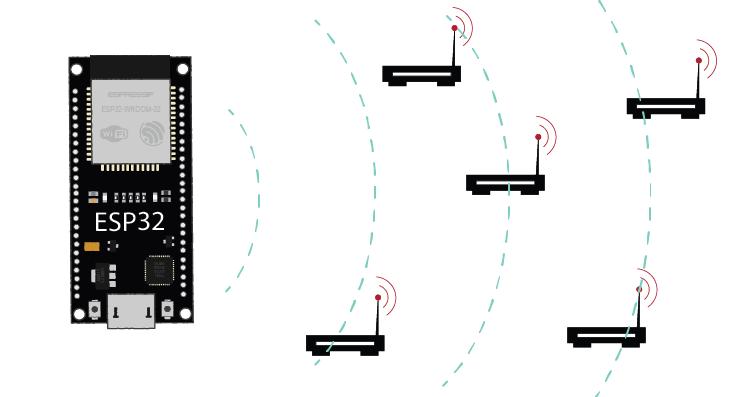
The ESP32 microcontroller is able to send data to the cloud services or a local server using Wi-Fi. This enables mobileandwebapplicationstoreceivetimelydata,soalerts canbesentduringemergencies,butwecanalsokeeptrack of trends over time. The communication protocol is equipped for low bandwidth in order to ensure more responsivereactions overthenetwork duringa variety of circumstances.
USER-CENTEREDDESIGN
Wearedesigningthissystemtosupportelderlyagingin place, so we chose to focus on simplicity and being unobtrusive.Thesensorsareembeddedandthechairlooks and feels like an ordinary chair; so the users are not interacting with any controls, and the alerts are initiated without any active engagement from the users above the othertypesofactivitiestheydowhilstseated.Therefore,this aspectofthedesignpermitsgreaterusabilityandadherence.
Our ability to ascertain thresholds for detecting falls is confinedtotheexistingdesign,however,theoveralldesign permitsformachinelearningmodelstopredictfuturestates thatdifferentiatebetweenfallsandothertypesofactivities in the future. We can also expand the cloud storage and application analytics in the future to develop predictive health care and teaming functions allowing caregivers or family members to get an early alert before the users experienceafalltowarnothercareteams whentheolder adulthasbeeninaconcerningpostureforanindeterminate amountoftime.Theapproachofdesigningviablesystems, whichareflexibletosupportnewadvanceswithIoTandAI evolutionwillenhanceyearsofusability.
Volume: 12 Issue: 10 | Oct 2025 www.irjet.net p-ISSN: 2395-0072
The IoT-based smart chair was designed and tested to supportelderlycare,andtheresultswereveryencouraging. It was able to detect falls from different directions with nearly 90 percent accuracy, while normal sitting adjustments did not trigger false alarms. The ultrasonic sensor worked well in spotting nearby obstacles and instantlyactivatedthebuzzertowarntheuser.Incaseofa fall,thesystemquicklysentalertstotheIoTdashboardvia Wi-Fi,allowingcaregiverstocheckupdatesontheirphones or computers. The LCD screen also showed useful information such as tilt angle, obstacle detection, and connection status. The chair responded in less than two seconds, making it fast and reliable during testing.It ran smoothly for long hours without any issues, and its low powerusageallowedittoworkforfourtofivehoursona battery pack. Elderly users said they felt safer with the buzzer and display, while caregivers valued the remote monitoring option. Overall, the smart chair proved to be practical,easytouse,andhighlyeffectiveinensuringelderly safety.
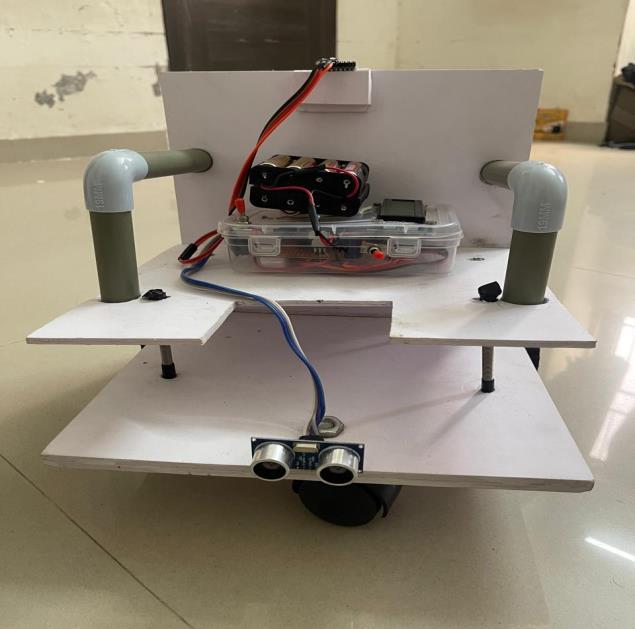
ItusesanESP32microcontrolleralongwithToputitbriefly, the IoT-based wheelchair project has the potential to significantlyimprovethelivesofthosewhoaredisabled.It helpswheelchairusersmovemoreeasily,staysafe,andfeel morecomfortablebyutilizingbasictechnologylikesensors andtheinternet.Additionally,iteasestheburdenonphysiciansandfamilymembers,reducingtheiranxiety.Thereare otherissuesaswell,suchasThesystem’spotentialcost,the RequirementforasteadyinternetConnection,andtheneed forroutineMaintenancetomaintainOptimalperfor-mance.
Overall,though,it’safantasticideawithsignificantpotential. Future advancements could help even more people live independently and safely. sensors like pressure sensors , gyroscopes, and accelerometers to keep an eye on how personissitting,moving,oriftheysuddenlyfall.Itcansend instantmessagestoacaregiver’sphoneorcomputer,and also gives local warnings through a buzzer and a display screen. This way, if something happens, help can arrive fasterandthepersonisnotleftaloneinanemergency.What makes this system really useful is that the person doesn’t havetowearanyspecialdevicesordoanythingextra.The chairjustworkslikeanormalchair,quietlykeepingtrackof theirsafetyandhealthwithoutgettingintheway.
1. Kaur, P., Gupta, M. (2018). IoT Based Smart WheelchairUsingArduino.InternationalJournalofScientific ResearchinComputerScience,EngineeringandInformation Technology,3(5),356-362.
2. Sharma, V., Yadav, A., Rana, D. (2017). Internet of Things (IoT) based smart wheelchair for people with disability. International Journal of Scientific Research in ComputerScience,EngineeringandInformationTechnology, 2(4),31-36.
3. Abou-Zeid,M.,El-Bendary,N.,Mady,S.,Farag,H.(2018). Smart Wheelchair Controlled by Brain Signals. In 2018 IEEE Middle East and North Africa Communications Conference (MENACOMM)(pp.1-5).IEEE.
4. Van Brussel, B., Hoogstrate, A. (2004). The electric wheelchairsimulator:Atoolforadvancedtestingofelectric wheelchairs. In Proceedings of the 7th International ConferenceonRehabilitationRobotics(ICORR2001),443447.
5. Korhonen, I., Parkka, J., Van Gils, M. (2003). Health monitoring in the home of the future. IEEE Engineering in MedicineandBiologyMagazine,22(3),66-73.
6. Dasgupta, D., Dutta, P. (2015). IoT-based smart wheelchair system for people with disabilities. In ProceedingsoftheInternationalConferenceonIoTinUrban Space(Urb-IoT)(pp.15-18).IEEE.
7. Majumder,S.,Bhattacharjee,D.,Banerjee,S.(2019).IoT BasedSmartWheelchairforElderlyPeople.In2019IEEE5th International Conference for Convergence in Technology (I2CT)(pp.1-4).IEEE.
8. Smart Wheelchair Navigation: Gesture Control and ObstacleAvoidance.(2023) Authors:Jayasuriya S;Dharani BarathiCD;BalajiS;SriramalakshmiP
International Research Journal of Engineering and Technology (IRJET) e-ISSN: 2395-0056
Volume: 12 Issue: 10 | Oct 2025 www.irjet.net p-ISSN: 2395-0072
9. IoTEnabledHandGestureControlledWheelchairfor Disabled People.(2023) Authors: Andrew Boutros, Brett Grady,MustafaAbbas,PaulChow
10. InternetofThingsandArtificialIntelligenceEnabled SmartWheel Chair Authors: K. Lakshmi Narayanan; R. Niranjana; S. Vinothini; R. Santhana Krishnan; G. Vinoth Rajkumar;L.Rachel
11. Soft,conformalbioelectronicsfor awirelesshumanwheelchairinterface.Authors:SaswatMishra,JamesJ.S.Norton, YongkukLee,DongSupLee,NicolasAgee,YanfeiChen,Youngjae Chun,andWoon-HongYeo.
12. SensorsbasedautomatedwheelchairAuthors:Ch. Vijayakumar,VignanUniversity,Guntur,AndhraPradesh,IN; M. Pavan Kumar; S. Sivaji; Sk. Sadulla;J. Prathiba; K. Vijay Kumar
13. A real-time wireless sensor network for wheelchair navigation. Authors: J.L. Sevillanond Computer Technology Laboratory,UniversityofSeville,Spain;D.Cascado;D.Cagigas; S.Vicente;C.D.Lujan;F.DiazdelRio
14. Smart Wheelchair(2019) Authors: Rana, Jayant Pareek,AshutoshSaini,Hemraj
15. Wireless gesture controlled wheelchair Authors: Rajesh Kannan Megalingam; Sarath Sreekanth; A. Govardhan;ChintaRaviTeja;AkhilRaj
16. A.K.Bourke,J.V.O’Brien,andG.M.Lyons,“Evaluation of a threshold-based tri-axial accelerometer fall detection algorithm,”GaitPosture,vol.26,no.2,pp.194–199,Aug.2007, doi:10.1016/j.gaitpost.2006.09.012.
17. O. Aziz and S. N. Robinovitch, “An analysis of the accuracyofwearablefalldetectionsensorsinolderadults,”J. NeuroEng. Rehabil., vol. 8, p. 42, Aug. 2011, doi: 10.1186/1743-0003-8-42.
18. T.Zhang,J.Wang,L.Xu,andP.Liu,“Falldetectionby wearable sensor and oneclass SVM algorithm,” in Intelligent ComputinginSignalProcessingandPatternRecognition,Berlin, Heidelberg:Springer,2006,pp.858–863,doi:10.1007/978-3540-37258-5126.
19. C.Y.Hsieh,C.W.Lu,andJ.Wu,“Developmentofan IoT-based fall detection and notification system for the elderly,”J.Med.Syst.,vol.43,no.9,p.283,Sept.2019,doi: 10.1007/s10916-019-1420-3.
20.M. Mubashir, L. Shao, and L. Seed, “A survey on fall detection:Principlesandapproaches,”Neurocomputing,vol. 100, pp. 144–152, Jan. 2013, doi: 10.1016/j.neucom.2011.09.037.