
International Research Journal of Engineering and Technology (IRJET) e-ISSN: 2395-0056
Volume: 13 Issue: 02 | Feb 2026 www.irjet.net p-ISSN: 2395-0072
International Research Journal of Engineering and Technology (IRJET) e-ISSN: 2395-0056
Volume: 13 Issue: 02 | Feb 2026 www.irjet.net p-ISSN: 2395-0072
Harpreet Singh Chhabra1a, P.N Shivangi1b, Sanjeev Kumar1c,Vinayak Gopal Vadagave1d , Anil Kumar Kothari1e , Ranjay Kumar Singh1e
1a Technologist, Automation Dept, Tata Steel India Limited, Jamshedpur.
1 b Sr. Area Manager Caster, LD3 TSCR Dept, Tata Steel India Limited, Jamshedpur
1c Head OA-Mills, Automation Dept, Tata Steel India Limited, Jamshedpur
1 d Head Rolling Mill, LD3 TSCR Dept, Tata Steel India Limited, Jamshedpur.
1 e Chief Process Automation & Digital -TSJ &TSG, Automation Dept, Tata Steel India Limited, Jamshedpur
1 f Chief Thin Slab Caster & Rolling, LD3 TSCR Dept, Tata Steel India Limited, Jamshedpur
Abstract - This paper focuses on the investigation of camber and shifting of slabs in the thin slab casting process of steel. The study begins with a tracking process to monitor the camber of slabs based on their unique slab IDs. Subsequently, data analysis is conducted to examine the relationship between camber and various process parameters. The findings reveal that wedge formation is a significant factor contributing to camber in the thin slab casting process. Further analysis identifies segment water force as the primary cause of the wedge formation. As a result, the study proposes the monitoring of segment force to mitigate camber and shifting issues in thin slab casting. By understanding the underlying causes and implementing appropriate monitoring techniques, this research aims to improve the overall quality and efficiency of the thin slab casting process in the steel industry.
Key Words: Quality, Camber, Data, Tracking, Wedge
1. INTRODUCTION
The thin slab casting process plays a crucial role in the production of high- quality steel. However, the occurrence of camberandshiftinginthecastslabsposessignificantchallengestotheindustry.Camberreferstothecurvatureorbowing oftheslab,whileshiftingrefers tothelateral displacement oftheslabduringthecastingprocess.These defects notonly affect the dimensional accuracy of the slabs but also lead to downstream processing difficulties and reduced product quality.Toaddresstheseissues,thispaperpresentsacomprehensiveinvestigationintothecausesofcamberandshifting inthinslabcastingofsteel.Thestudybeginsbyimplementingatrackingprocesstomonitorthecamberofindividualslabs based on their unique slab IDs. This enables the collection of data on Camber variations throughout the casting process. Subsequently,a detailedanalysisofthecollecteddata isperformedtoidentifythe keyprocessparametersthatinfluence camberandshifting.Thestudyrevealsthatwedgeformationisoneoftheprimaryfactorscontributingtocamberinthin slab casting. Further analysis delves into the underlying causes of the wedge formation, leading to the discovery that segmentwaterforceplaysasignificantrole.Basedonthesefindings,thepaperproposesthemonitoringofsegmentforce tomitigatecamberandshiftingissuesinthinslabcasting.Bycloselymonitoringandcontrollingthesegmentwaterforce, itispossibletominimizetheformationofwedgesandsubsequentlyreducecamberandshiftingdefects.
The objective of this research is to enhance the overall quality and efficiency of the thin slab casting process in the steel industry.Bygaininga deeperunderstandingofthe causesofcamberandshiftingandimplementing effectivemonitoring techniques,manufacturerscanoptimizetheirprocesses,improveproductquality,andreducecostlyreworkandscrap.In the following sections, this paper will delve into the methodology employed for tracking camber, the data analysis techniquesusedtoidentifytheinfluenceofprocessparameters,andthefindingsrelatedtowedgeformationandsegment water force. The proposed approach for monitoring segment force and its potential impact on reducing camber and shifting defects will also be discussed. Finally, the paper will conclude with recommendations for future research and practicalimplicationsforthesteelindustry.
Thesectionofthispaperprovidesacomprehensiveoverviewoftheexistingresearchandknowledgerelatedtocamberand shiftinginthinslabcastingofsteel.Previousstudieshaveidentifiedcamberandshiftingascommondefectsinthethinslab castingprocess,whichcanhavedetrimental effectsonproductqualityanddownstreamprocessing.Thereviewhighlights
International Research Journal of Engineering and Technology (IRJET) e-ISSN: 2395-0056
Volume: 13 Issue: 02 | Feb 2026 www.irjet.net p-ISSN: 2395-0072
theuseoftrackingprocessestomonitorcambervariationsthroughoutthecastingprocess,enablingresearcherstocollect valuable data on camber behavior. Furthermore, the literature review delves into the analysis of various process parameters that influence camber formation, such as casting speed, cooling water flow rate, and Mold design. These investigationsaimtoidentifythekeyfactorsthatcontributetocamberandshiftingdefects,providinginsightsintopotential areasforprocessoptimization.
In addition to process parameters, the literature review explores the role of wedge formation as a significant factor contributing to camber defects. Wedges, formed between the slab and the Mold, disrupt the uniform cooling process and leadtounevenstressdistribution,resultingincamberformation.Thereviewhighlightsstudiesthathaveinvestigatedthe mechanismsofwedgeformationanditsrelationshipwithcamberdefects.Thisunderstandingofwedgeformationprovides valuable insights into the underlying causes of camber and shifting, paving the way for targeted mitigation strategies. Moreover, the literature review focuses on the influence of segment water force on wedge formation and subsequent camber defects. Segment water force refers to the force exerted by the cooling water on the slab segments during the castingprocess.Highsegmentwaterforcecanleadtounevencooling,resultingintheformationofwedgesandsubsequent camber defects. The review discusses studies that have explored the relationship between segment water force, wedge formation,andcamberdefects.Thisknowledgeiscrucialfordevelopingeffectivestrategiestocontrolandoptimizesegment waterforce,therebyreducingcamberandshiftinginthinslabcasting.
Lastly,theproposedstrategyofmonitoringsegmentforcetomitigatecamberandshiftingdefects.Bycloselymonitoringthe segment water force and adjusting it as needed, manufacturers can minimize wedge formation and reduce camber. The reviewdiscussesstudies thathaveimplementedsegmentforcemonitoringtechniquesandevaluatestheireffectivenessin reducingcamberandshiftingdefects.
By synthesizing the existing research, the literature review sets the stage for the current study, identifying gaps in knowledge and providing a foundation for the methodology and findings presented in the paper. It emphasizes the importanceofunderstandingthefactorsinfluencingcamberandshiftinginthinslabcastingandthepotentialfortargeted processoptimizationandmonitoringtechniquestomitigatethesedefects.
3.1 Tracking Process for Camber Analysis:
1. Division of Slab: The slab is divided into three sections - head, body, and tail - based -on its length. This division allowsforamoredetailedanalysisofcamberatdifferentpartsoftheslab.
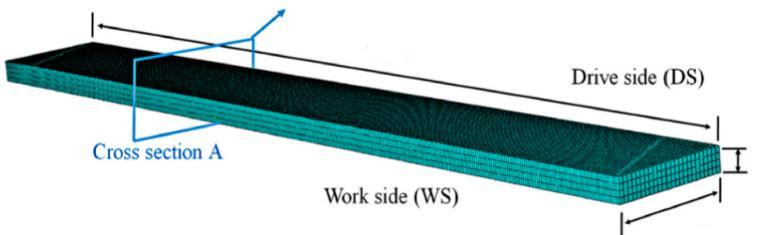
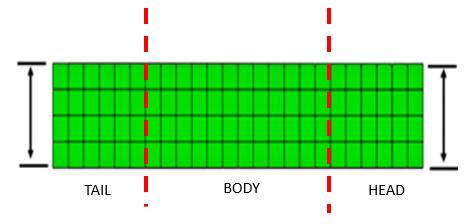
2 Sensor Data Collection: Sensors installed in the heating furnace are utilized to collect real-time camber values of the slab.Thesesensorsprovideaccuratemeasurementsofcamber,enablingpreciseanalysis.
International Research Journal of Engineering and Technology (IRJET) e-ISSN: 2395-0056
Volume: 13 Issue: 02 | Feb 2026 www.irjet.net p-ISSN: 2395-0072
3. Linking Camber Data with Slab ID:Toenhanceunderstandingandfacilitatefurtheranalysis,thecamberdataislinked withthecorrespondingSlabID.Thisassociationenablesthetrackingandexaminationofcamberdataforindividualslabs, leading to more targeted optimization efforts. By implementing this methodology, a comprehensive and systematic approachtocamberanalysisisachieved.Thedivisionoftheslabintosections,coupledwithsensordatacollectionandthe linkageofcamberdatawithSlabID,allowsforathoroughunderstandingofcamber behavior.Thisknowledgecanthenbe leveragedtooptimizethethinslabcastingprocess,resultinginimprovedefficiencyandquality.
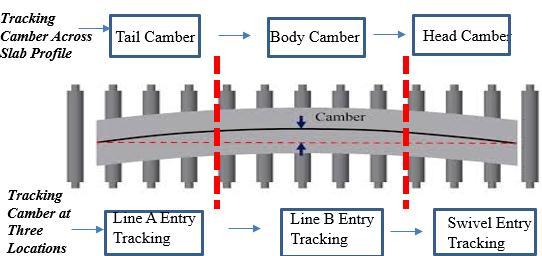
The Fig:2 illustrates a method for tracking camber across a slab profile. It shows a segmented slab with camber representedbyacurvedline. Thetrackingprocessbeginsbyassessingthe"HeadCamber,"followedbythe"BodyCamber," andfinallythe"TailCamber,"progressingacrosstheslab. Additionally,thecamberistrackedatthreespecificlocations:the "LineAEntry,""LineBEntry,"and"SwivelEntry,"providingacomprehensiveanalysisofthecamberacrosstheentireslab profile.
The overall camber (the combined curvature across the entire slab's length) is classified into different severity levels basedonthetotaldeviationfromtheidealcenterline:
A.)LowSeverityCamber:Totalcamberbetween50mmand80mm.
B.)HighSeverityCamber-2:Totalcambergreaterthan80mm.
C.)HighSeverityCamber-1:Totalcambergreaterthan100mm.
3.2 Data Analysis for Camber & Process Parameter:
Boxplotshowsthedistributionofoverallslabcamberfortwodifferentlines(LineAandLineB)inTSCR process.The box plot reveals that Line B produces slabs with significantly higher median camber and greater variability than Line A. Line A shows lower camber values with a smaller range, although several high positive camber outliers suggest inconsistencies. Incontrast,LineBdisplaysawiderdistributionofcambervalues,centeredaroundamuchhighermedian, andincludesahighpositiveoutlier,indicatingpotentialprocesscontrolissuesonthatline.
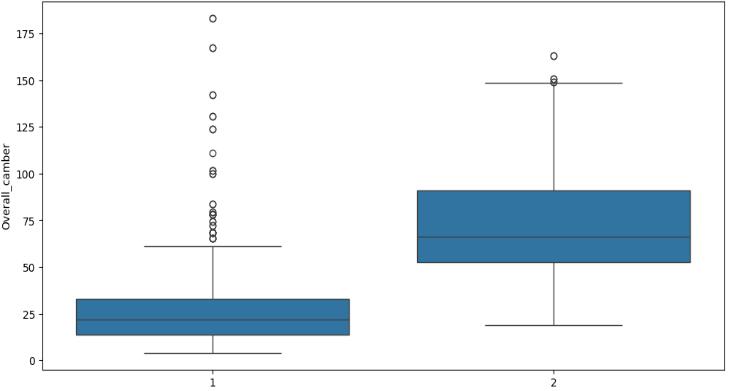
Fig 3: Box plot showing variation in Line A and B
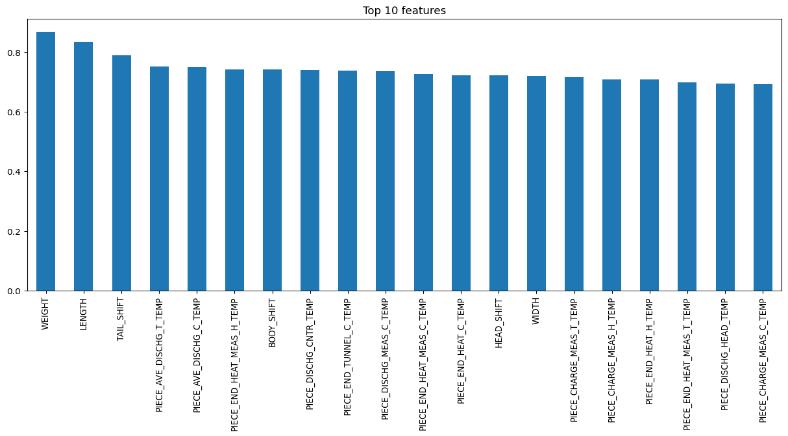
A bar chart ranks the importance of process parameters and slab characteristics in determining final camber. Further analysis,usingadrill-downapproach,identifiedtherootcauseofthecamberissue.
International Research Journal of Engineering and Technology (IRJET) e-ISSN: 2395-0056
Volume: 13 Issue: 02 | Feb 2026 www.irjet.net p-ISSN: 2395-0072
4.1 Identification of Wedge Formation as a Cause of Camber:
The data presented in the Fig:5 provides compelling evidence for the hypothesis that wedge formation is a significant contributor to camber. The figure depicts boxplots representing the distribution of common-section camber values for differentSlabWedgemeasurements.
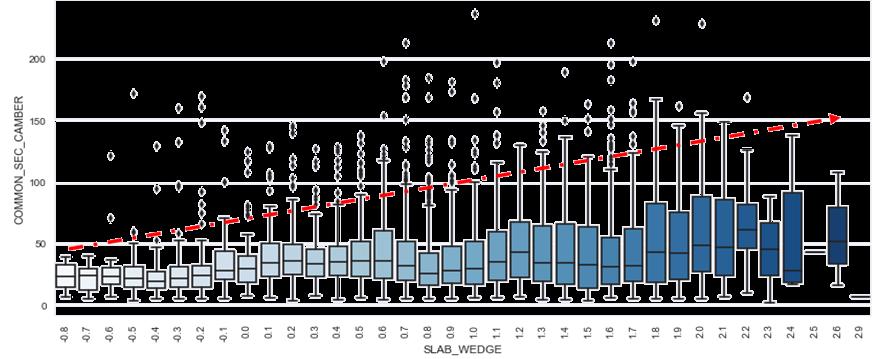
AstheSlabWedgevaluesincrease,we observeaclearpositivetrendinthemedian Cambervalues.This positivetrendis further emphasized by the red dashed line, indicating a linear regression fit. The increasing values of Camber with increasing Slab Wedge strongly suggest a direct relationship between wedge formation and the development of camber. Theboxplotsalsorevealawideningoftheinterquartilerange(IQR)astheSlabWedgeincreases.
Thisimpliesthatthevariabilityincambervaluesbecomeslargerwithmoresignificantwedgeformation. Thepresenceof outliers(representedbyblackdots)furthersupportstheideathatwedgeformationintroducessignificantvariabilityinto thecambermeasurements.
International Research Journal of Engineering and Technology (IRJET) e-ISSN: 2395-0056
Volume: 13 Issue: 02 | Feb 2026 www.irjet.net p-ISSN: 2395-0072
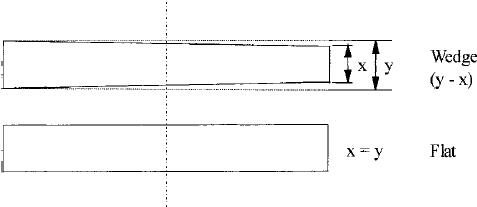
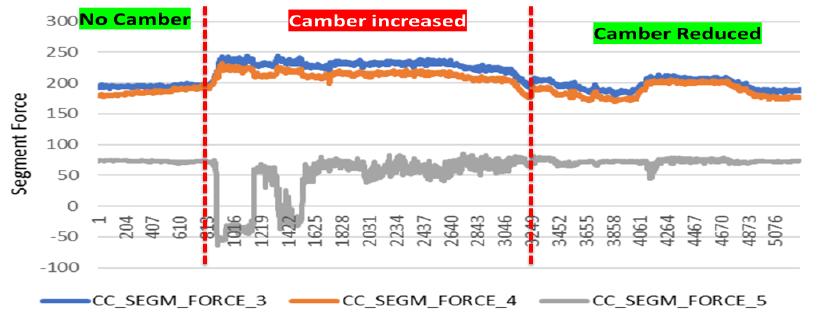
Theinvestigationofcastersegmentwaterforceasthemaincauseofwedgeinslabinthinslabcastingisanimportantarea of research in the field of metallurgy and casting technology. The wedge defect refers to the formation of a triangularshapedgapordepressionintheslabduringthecastingprocess.Thisdefectcanhavesignificantimplicationsonthequality andintegrityofthefinalproduct.Thecastersegmentwaterforcereferstothewaterflowandpressureappliedtothemold during casting. It has been observed that excessive water force can lead to uneven cooling and solidification of the slab, resulting in the formation of wedges. Understanding the factors influencing the water force and its impact on wedge formationiscrucialfordevelopingeffectivecontrolmeasuresandoptimizingthecasting processtominimizedefectsand improveproductquality
low.
Thegraphsuggestsarelationship:
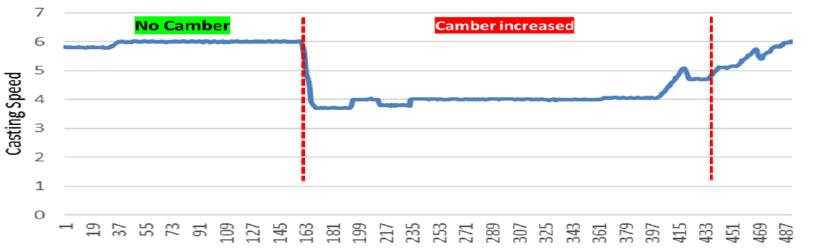
Initial Phase (No Camber): The graph shows a relatively constant, high casting speed initially. This suggests stablecastingconditionswheretheslabisforminguniformly,resultinginminimalcamber.
Camber Development: The significant drop in casting speed, indicated by the red dashed lines, is directly followedbyanincreaseincamber. Thisimpliesthatthespeedreductioncausesadisturbanceinthesolidification andcoolingprocessoftheslab.
The reduced casting speed likely leads to increased heat transfer from the molten metal to the mold or rolls. This can cause:
Uneven cooling: Slower speed allows more time for heat dissipation, potentially leading to faster cooling and highersolidificationratesincertainareasoftheslabcomparedtoothers.Thisunequalcoolingisaprimarycause ofcamber.
International Research Journal of Engineering and Technology (IRJET) e-ISSN: 2395-0056
Volume: 13 Issue: 02 | Feb 2026 www.irjet.net p-ISSN: 2395-0072
Differential shrinkage: Uneven cooling results in different degrees of shrinkage across the slab's width. The areasthatcoolfasterandsolidifyearliercontractmore,resultinginthecurvedshape–camber.
Stress build-up: Differential shrinkage and cooling creates internal stresses within the solidifying metal. These stressescancontributetowarpingandthedevelopmentofcamber.
Subsequent Speed Changes: Thegraphshowsthecastingspeedfluctuatingaftertheinitialdropandbeforethe second drop. This suggests that while the initial speed change was the most significant factor contributing to camber, further variations in casting speed can exacerbate or modify the effect. For example, slightly increased speed after the first drop may slightly reduce camber or alter the overall shape of the curvature before further speedreductionleadstofurthercamber.
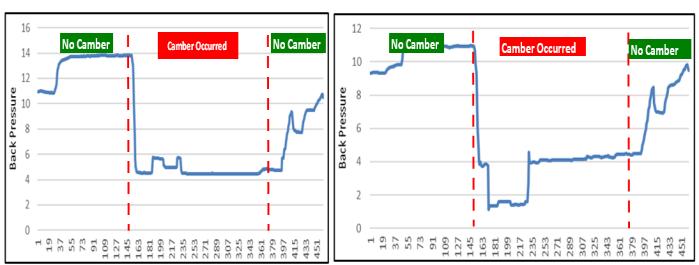
The figure shows the back pressure in Thin Slab Casting Rolling (TSCR) for casting. The red dashed lines indicate the pointswherecamber(acurvatureintheslab)isobserved.Thekeyobservationisthatthebackpressureexhibitsadistinct variationaroundthetimecamberisobserved. Thissuggestsastrongcorrelationbetweenbackpressurefluctuations and camberformation.
Before camber: In most cases, the back pressure shows a relatively stable or gradually changing trend. This impliesaconsistentflowofmaterialandrelativelyuniformpressuredistributionwithinthecaster.
During camber formation: Thebackpressureundergoesasignificantchange. Thiscouldmanifestasasudden drop(asinsomeplots),atemporaryincrease,oramorecomplexfluctuation.Thisvariationsuggeststhattheflow of material within the caster becomes disrupted, leading to uneven solidification and consequently, the developmentofcamber.
After camber: Oncethecamberisformed,thebackpressuremayreturntoamorestablestate,althoughit'snot alwaysaperfectreturntothepre-camberlevel.
Theobservedbackpressurevariationslikelyreflectchangesinthemoltenmetalflowwithinthecaster,causedbyfactors suchas:
Uneven cooling: If some parts of the slab cool faster than others, this could create variations in the solidifying metal'sflowresistance,influencingthebackpressure.
Meniscus fluctuations: Changes in the meniscus (the liquid-gas interface at the top of the molten metal pool) couldalterthepressuredistributionwithinthecaster.
Mold clogging or imperfections: Any blockages or irregularities in the mold can restrict flow, generating localizedpressurechanges.
Solidification variations: Changes in the solidification rate of the slab, potentially due to temperature fluctuationsorcompositionalvariationsinthemoltenmetal,couldaffectflowpatternsandpressure.
International Research Journal of Engineering and Technology (IRJET) e-ISSN: 2395-0056
Volume: 13 Issue: 02 | Feb 2026 www.irjet.net p-ISSN: 2395-0072
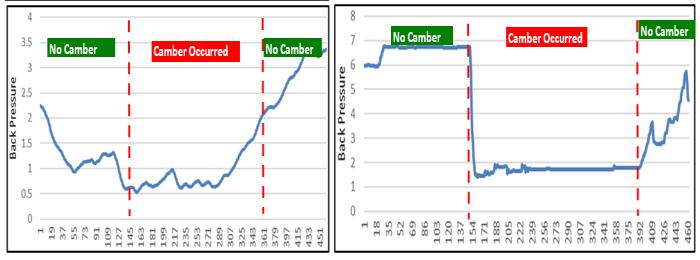
Fig 9: Back Pressure of Caster showing deviation during camber formation.
4. CONCLUSION:
Itisextremelydifficulttoquantifytheamountofcambergeneratedbytheseeffectsonaslab-by-slabbasis.However,they can be controlled by establishing tight engineering standards for equipment and maintenance procedures. The goal is to developanautomaticcambercontrolsystemwhichpredictsandminimizescamberforawiderangeofvaryingoperating andprocessingparameters.
[1] M. Young, The Technical Writer’s Handbook. Mill Valley, CA: University Science, 1989. Xu, Dong, Yang Liu, Xiaochen Wang,QuanYang,ZhengyangDai,and XiaodongWang."Researchandapplicationonslabcambercontrolmodelin hotrolling."Ironmaking&Steelmaking(2020).
[2] Biggs,D.L.,S.J.Hardy,andK.J.Brown."Influenceofprocessvariablesondevelopmentofcamberduringhotrollingof stripsteel."Ironmaking&Steelmaking27,no.1(2000):55-62.
[3] Keats,J.Bert,andDouglasC.Montgomery."Statisticalprocesscontrolinmanufacturing."(NoTitle)(1991).