
International Research Journal of Engineering and Technology (IRJET) e-ISSN: 2395-0056
Volume: 13 Issue: 05 | May 2026 www.irjet.net p-ISSN: 2395-0072

International Research Journal of Engineering and Technology (IRJET) e-ISSN: 2395-0056
Volume: 13 Issue: 05 | May 2026 www.irjet.net p-ISSN: 2395-0072
Prof.
Amit Gadhge, Shloka Hatwar
P. R. Patil College of Architecture Sant Gadge Baba Amravati University (Pote Estate, Kathora Rd, Kathora, Maharashtra 444604, India)
Abstract-The growing elderly population necessitates creative architectural approaches that improve physical, mental, and social health. This research investigates the incorporation of therapeutic landscapes in senior living facilities,particularlyinretirementcommunities.Therapeutic landscapes are purposefully designed outdoor and semioutdoor areas that facilitate healing through nature, sensory experiences, and communal interaction. The study analyzes how elements of landscape design, such as gardens, water features, walking trails, and sensory environments, lead to better health outcomes for older residents. It also assesses designtechniques,spatialorganization,anduserinvolvement in these settings. The findings indicate that the inclusion of therapeutic landscapes greatly boosts the quality of life, independence, and emotional health of seniors.
Key Words: Therapeutic Landscapes, Autonomy, Sensory Engagement, Healing Environments.
1. INTRODUCTION
One of the biggest demographic shifts of the twenty-first century has been the increase in the world's elderly population. The number of older people who need specializedlivingenvironmentsisrisingasaresultoflonger life expectancies brought about by advancements in healthcare and higher living standards. In addition to psychological and social issues like loneliness, cognitive decline,anddiminishedindependence,agingisfrequently linkedtophysicalconstraintslikedecreasingmobility.These problemsdemonstratethecriticalneedforenvironmental andarchitecturalsolutionsthatpromoteoverallwell-being bygoingbeyondsimplehousingandhealthcare. Traditionally, accommodations, safety, and healthcare services have been the main priorities of traditional retirementhomesandseniorlivingfacilities.Althoughthese elementsarecrucial,thesesettingssometimesoverlookthe impact of natural surroundings and spatial design on inhabitants'mentalandemotionalwell-being.Elderlypeople wholiveinbuiltsurroundingsthataredisconnectedfrom naturemayexperiencestress,loneliness,andalowerquality of life. As a result, the significance of creating spaces that actively encourage healing, engagement, and social connectionisbecomingincreasinglyapparent.
In this regard, the idea of healing landscapes has become morepopularinenvironmentalandarchitecturaldesign.In order to produce healing surroundings, therapeutic landscapes are purposefully created outdoor and semioutdoorareasthatincorporatenatural featureslikeplant, water,sunlight,andfreshair.Theselandscapesareuseful areasthatpromotesocialinteraction,physicalactivity,and sensory stimulation in addition to being aesthetically pleasing additions. They offer relaxing and fascinating experiences that enhance both physical and mental wellbeingbyappealingtothesensesofsight,sound,touch,and smell.
Elderlycitizens'everydaylivesaregreatlyimprovedbythe incorporation of therapeutic landscapes into senior living facilities. Opportunities for rest, mobility, and social connection are provided by features including communal outdoor areas, water features, shaded walks, and healing gardens. These areas boost cognitive functioning, lessen stress, elevate mood, and create a feeling of community. Additionally,theyfosterindependencebymakingitsafeand comfortableforpeopletomovearoundandutilizeoutdoor spaces.
Therapeuticlandscapesalsohelptocreatesurroundingsthat are more sensitive and humane from an architectural standpoint.Theypromoteachangefrominstitutionaldesign methods to more user-centered and community-focused planning.Designersmaydevelopspacesthatsupportaging withdignityandautonomybycarefullytakingintoaccount elements like accessibility, climate adaptability, spatial arrangement,anduserbehavior.
Theincorporationoftherapeuticlandscapesinseniorliving settings,especiallyretirementcommunities,isthesubjectof thisstudy.Itseekstoinvestigatehowaspectsoflandscape design affect overall quality of life, user experience, and health consequences. In order to produce spaces that are healing,engaging,andhelpfulfortheelderly,theprojectalso aims to find beneficial design solutions that may be integratedintoarchitecturalplanning.
International Research Journal of Engineering and Technology (IRJET) e-ISSN: 2395-0056
Volume: 13 Issue: 05 | May 2026 www.irjet.net p-ISSN: 2395-0072
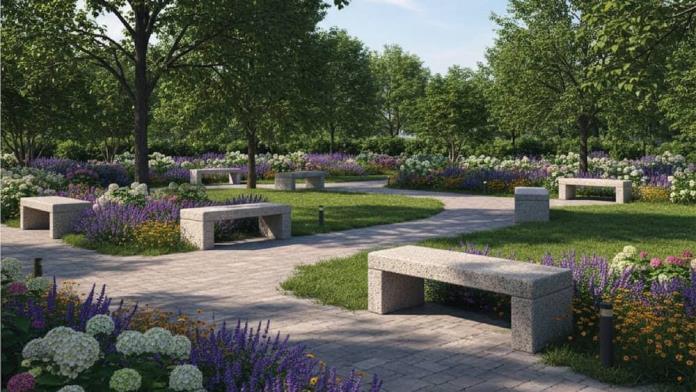
2.1EvolutionofHealingEnvironmentsinArchitecture Sinceancienttimes,peoplehaveunderstoodtheconnection between building and healing. Monasteries, temples, and courtyardsareexamplesoftraditionalhealingspacesthat werecreatedwithclosetiestothenaturalworld,light,and open areas. These settings prioritized overall well-being, attending to emotional and spiritual requirements in additiontophysicalhealth.
Butascontemporaryresidentialandinstitutionalhealthcare models gained popularity, efficiency, density, and utility becamemoreimportantdesignconsiderations.Becauseof this,alotofmodernseniorlivingfacilitieshaveturnedinto mechanical,solitaryspacesdevoidofsensorydiversityanda senseofconnectednesstothenaturalworld.
Aparadigmchangetowardhuman-centeredandevidencebaseddesignhasoccurredinrecentdecades,withagrowing recognition of the significance of the environment in improving health. Therapeutic landscapes are now a vital partofhealthcareandseniorlivingdesignasaresultofthis change.
2.2
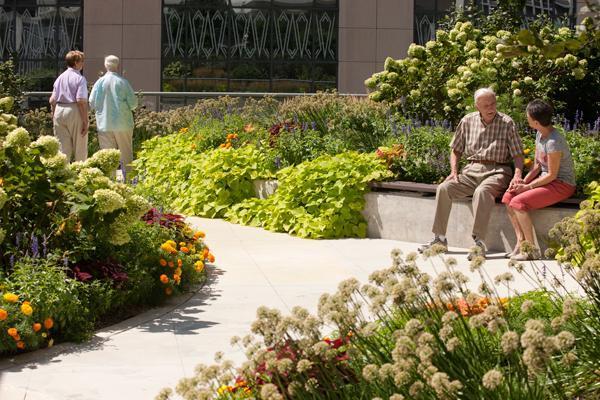
Inthecontextofseniorliving,therapeuticlandscapesmust adapt to age-related changes, such as decreased mobility, sensory decline, and cognitive impairments. The term "therapeutic landscapes" refers to environments that promotehealingthroughtheinteractionofphysicalsetting, socialcontext,andsymbolicmeaning.Theselandscapesare not limited to green spaces but include a combination of
natural and built elements designed to create restorative experiences.
2.3.1
Accordingtoenvironmentalpsychology,peoplearenaturally connectedtothenaturalworld.Forolderpeople,whomight have little contact with the outside world, this connection becomesespeciallycrucial.Accesstonaturalsettingsoffersa senseofcontinuityandfamiliarityandaidsintherestoration ofemotionalequilibrium.
Cognitiveskillsincludingattention,memory,andproblemsolving may deteriorate with age. Natural settings offer fascinating, low-stimulation surroundings that promote cognitive recovery without overstimulating the senses. Componentslike:Lightmotion(leaves,water)Patternsfound in natureOpen viewsEnhance concentration and lessen mentalexhaustion.
2.3.3
Asstressrelievers,therapeuticlandscapeslessenagitation, despair, and anxiety. Environments that elicit warmth, nostalgia, and emotional security are beneficial to elderlypeople,particularlythosewholiveapartfromfamily. Gardens,courtyards,andverandahsareexamplesofspaces thatevokeasenseofidentityandbelonging.
International Research Journal of Engineering and Technology (IRJET) e-ISSN: 2395-0056
Volume: 13 Issue: 05 | May 2026 www.irjet.net p-ISSN: 2395-0072
3.1 Research Framework and Design
Thisstudyusesamixedqualitativeapproachthatcombines: Literature-based theoretical analysis Empirical research (user observation plus case studies) Interpretationfocusedondesign(architecturalapplication) The goal of this exploratory and analytical study is to determinehowtherapeuticlandscapesaffectseniorcitizens' well-beingandhowarchitecturaldesignmightincludethese ideas.
Thestudyusedamulti-layeredframework: Comprehending Theory → (Environmental psychology, therapeuticlandscapes)ExaminingCurrentProjects→(Case studies)Examining User Behavior → (Interviews & Observation)Deriving Design Strategies → (Thesis design application)
MainQuestion howmightseniorlivingsettingsincorporate therapeuticlandscapestoimprovegeneralwellbeing?
SecondaryInquiries
1. What effects do therapeutic landscapes have on older people'bodies,minds,andsociallives?
2. Which aspects of the landscape gardens, water, walkways,andsensoryelements havethemostimpacton involvementandhealing?
3.Howdoseniorcitizensviewandutilizeoutsideareasona dailybasis?
4.Whatarchitecturalandgeographicalelementsaffectthese landscapes'usabilityandaccessibility?
5. How might therapeutic landscapes be created to assist certainusergroups,suchaspeoplewithdementiaorthose withlimitedmobility?
6. How do cultural background and climate influence landscapedesignstrategies?
7. How May building design and landscape planning be combinedduringthemasterplanningphase?
In order to comprehend the function and efficacy of therapeutic landscapesinsenior living environments,this study's data collection procedure is intended to collect extensive qualitative, geographic, and behavioral data. To makesurethatthedatagatheredrepresentsboththeoretical knowledge and actual user interaction, a multi-method approachhasbeenused.Acomprehensiveandtrustworthy analysis is made possible by the study's reliance on both primaryandsecondarydatasources.
Direct observation, interviews, behavioral mapping, and visualdocumentationaremethodsusedtogatherprimary data. Among these, observational research is essential to comprehending how senior citizens engage with outdoor andsemi-outdoorareasonaregularbasis.Theresearcher closely examines user behavior without interfering with their activity during the non-participatory observation. Finding movement patterns, how long residents stay in particularplaces,howoftentheyusespace,andthekindsof activities they engage in are all part of the observation's focus.Inordertorecordvariationsinusagepatternsdriven byclimate,lightconditions,anddailyroutines,observations areconductedatseveraltimesoftheday,suchasmorning, afternoon,andevening.
Behavioral mapping is used as a methodical tool to document and display user interaction with space in additiontogeneralobservation.Thisapproachusesthesite plan of the chosen setting as a foundation, marking congregationspaces,activityplaces,andusermovements. Thismethodaidsinlocatingportionsofthelandscapethat areneglectedorunderutilizedaswellashighlyactivezones. In order to comprehend the efficacy of landscape design,
International Research Journal of Engineering and Technology (IRJET) e-ISSN: 2395-0056
Volume: 13 Issue: 05 | May 2026 www.irjet.net p-ISSN: 2395-0072
behavioral mapping also offers information regarding preferredroutes,restareas,andareasforsocialinteraction.
Qualitative information about user perception, emotional reaction, and individual experience is gathered through semi-structured interviews. Both senior citizens and employees,includingfacilityadministratorsandcaregivers, participateintheseinterviews.Byallowingparticipantsto freely express their opinions, open-ended questions offer greaterinsightsintotheirpreferences,comfortlevels,and difficultieswhenusingoutdoorspaces.Thepurposeofthe interviewsistofindoutwhichplacesaremostcommonly used,howthesespacesaffectmoodandwellbeing,whether users feel safe and at ease, and what changes they would recommend. This technique aids in capturing subjective experiencesthatarenotdirectlyobservable.
Anadditional crucial step in the data collectionprocess is casestudyanalysis.Athoroughanalysisisconductedona fewseniorlivingsettingsthatincludetherapeuticlandscape features.Examininglandscapeplans,architecturaldrawings, and site photos are all part of the analysis. Careful considerationisgiventofactorssuchsitezoning,circulation systems, accessibility, landscape element integration, and human engagement patterns. This aids in comprehending thepracticalapplicationoftheoreticalconceptsindesign.
Diagrammaticrepresentations,sketches,andphotographs are also used in visual documentation. By recording the physical aspects of the surroundings, such as layout, materials, vegetation, and design elements, this approach facilitates spatial analysis. These visual records are then utilizedtocomparevariousdesignstrategiesandinterpret spatialquality.
A thorough review of the literature is used to gather secondary data in addition to primary data. This covers scholarlypublications,books,researchpapers,andinternet resources about environmental psychology, elder living design,andtherapeuticlandscapes.Theseresourcessupport thedevelopmentof a solidtheoretical framework andthe identificationofaccepteddesignrulesandprinciples.
Severalimportantdiscoveriesonthefunctionandefficacyof therapeuticlandscapesinseniorlivingsettingsarerevealed by the analysis of data gathered through case studies, observations,userinteractions,andliteraturereviews.The results underscore the significance of including such
surroundingsintoarchitecturalplanningbyhighlightingthe substantial correlation between landscape design and the social, psychological, and physical well-being of senior citizens.
Thestudy'smainconclusionisthatseniorcitizenswholive intherapeuticenvironmentsengageinmuchmorephysical exercise. Well-planned walking routes, particularly those withloopsandnodeadends,promoteconstantmovement andlessenuncertaintyorindecision.Byenablingpeopleto takeregularbreaks,theevenlyspacedseatingsectionsalong theseroutespromotemobilityevenmore.Elderlypeopleare moreinclinedtowalkandengageinlightphysicalexercise when routes are safe, aesthetically pleasing, shaded, and havedistinctboundariesandnon-slipsurfaces.Ontheother hand, outdoor areas without these amenities typically continuetobeunderutilized.
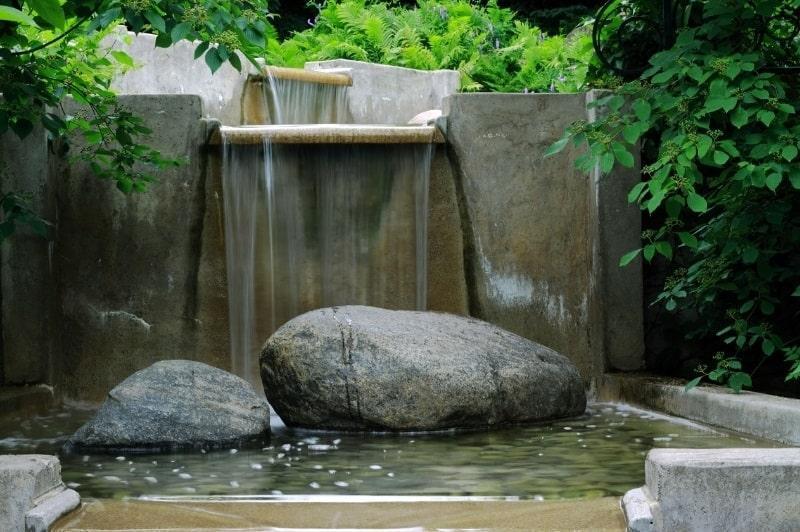
The beneficial effects of natural components on psychological and emotional well-being are another significantfinding.Asereneandrejuvenatingatmosphereis producedbylandscapeswithvegetation,bloomingplants, water features, and open skies. People who live in such environmentsreportfeelinglessstressed,happier,andmore relaxed.Emotionalcomfortisgreatlyenhancedbysensory componentslikethesoundofflowingwaterorthescentof plants.Thesesettingsalsolessenthesymptomsofdespair andanxiety,whichareprevalentinolderpeople,especially thosewholivefarfromrelatives.
Additionally, the study shows that therapeutic landscapes are essential for fostering social contact and lowering feelings of loneliness. Residents can congregate, socialize, andtakepartingroupactivitiesinoutdoorareasincluding activity zones, Courtyards, and communal seats. These exchangespromoteafeelingofbelongingandcommunity, which is crucial for mental health. It has been noted that tenantsaremorelikelytointeractsociallyinsettingsthat are comfortable, aesthetically pleasing, and conveniently closetotheirapartments.
One noteworthy finding is the significance of safety and accessibility in assessing the usability of landscape areas. Olderpeopletendtostayawayfromplacesthatarehardto getto,dimlylighted,orhaveunclearroutesforcirculation. Features that discourage use and raise the danger of falls includeramps,railings,levelchanges withoutappropriate transitions,andunevensurfaces.However,areaswithclear navigation, barrier-free access, and visual continuity are utilizedmoreregularlyandwithmoreassurance.Thisresult emphasizeshowimportantitistoincludeuniversaldesign principlesintheplanningoftherapeuticlandscapes.
International Research Journal of Engineering and Technology (IRJET) e-ISSN: 2395-0056
Volume: 13 Issue: 05 | May 2026 www.irjet.net p-ISSN: 2395-0072
The study also shows that, especially for residents with dementiaormemory-relateddisorders,sensorystimulation isessentialforimprovingcognitiveengagement.Arangeof textures,hues,andscentsfoundinsensorygardensaidwith memorystimulationandmeaningfulinvolvement.Afeeling offamiliarityandcomfortisenhancedbytheuseoffamiliar elements, such as traditional flora or landscape characteristicsthatareculturallyappropriate.Furthermore, circular pathways and well-defined routes facilitate independentmovementand lessenuncertainty for people withcognitiveimpairments.
The impact of spatial organization on user behavior is another important discovery. Compared to isolated or peripheralregions,landscapesthatarecentrallylocatedand visuallyconnectedtoindoorspacesaretypicallyusedmore. Residentsarekeptvisuallyconnectedtonatureevenwhen they are not physically outside because to elements like courtyards and verandahs that integrates interior and outdoor spaces. The psychological benefits of this visual connection alone have been discovered, highlighting the significanceofspatialcontinuityindesign. Thestudyalsoemphasizeshowclimate-responsivedesign might improve therapeutic landscapes' efficacy. Natural ventilation, water features, and shaded locations greatly increasecomfortlevelsandpromoteoutdooruseinwarm climates. Extreme weather frequently results in the abandonmentoflandscapesthatdonottakeclimaticissues intoaccount.Inadditiontoimprovingsustainability,theuse ofnativeplantsandpassivecoolingtechniquesguarantees thatoutdoorareasareusableallyearround.
Additionally,theresultsshowthattherapeuticlandscapes help senior citizens feel independent and self-sufficient. Residents feel more comfortable accessing and using outdoorareasontheirownwhentheyaremadetobesafe, accessible,andentertaining.Self-esteemandgeneralquality oflifearepositivelyimpactedbythisindependence.Asense ofcontrolanddignityarefosteredbythefreedomtochoose activities,movearound,andengagewiththesurroundings.
The study finds that many senior care facilities already in operation underutilize the potential of therapeutic landscapes,despitethesefavorableresults.Outdoorareas arefrequentlyviewedmoreasornamentalfeaturesthanas engaging,usefulsettings.Spacesthatdon'tsatisfyoccupants' demands are the consequence of poor planning, poor upkeep,andalackofuser-centereddesignprinciples.This demonstrates a disconnect between theoretical understandingandreal-worldapplication. Insummary,theresultsunequivocallyshowthattherapeutic landscapes are crucial elements of senior living settings. They encourage social interaction, boost mental health,
increasephysicalactivity,andfosterindependenceinsenior citizens.However,carefulplanning,appropriatearchitecture integration, and response to human demands and environmentalcontextareallnecessaryfortheselandscapes to be effective. These observations offer a solid basis for creating design approaches that might turn retirement communities into comprehensive and encouraging living spaces.
The importance of architecture and landscape design in influencing senior citizens' quality of life is shown by the researchoftherapeuticlandscapesinseniorlivingfacilities. Retirementhomescannolongeronly Serveasplacestoliveandgetmedicalcareduetotheaging population'sincreasinggrowth.Rather,theymustdevelop intoall-encompassingsettingsthatpromotepsychological well-being, social engagement, emotional stability, and physicalhealth.
Thisstudyshowsthattherapeuticlandscapesareimportant designelementsthatactuallypromotehealingandwellbeing rather than just being decorative embellishments. These landscapes offer chances for leisure, mobility, and interaction by incorporating natural elements like flora, waterfeatures,openareas,andsensory-richsettings.Such settings have been demonstrated to lower stress, elevate mood, improve cognitive function, and promote physical activityinseniorcitizens.
The significance of user-centered design in therapeutic environmentsisoneofthestudy'smainconclusions.Elderly people have different demands depending on their social preferences,cognitivecapacities,andphysicalcapabilities. As a result, landscape design needs to be flexible and inclusive, embracing elements like looped circulation networks, accessible walkways, shaded rest places, and distinctzonesforvariousactivities.Specifically,dementiafriendlylandscapedesignwhichincorporatessafemobility loops, visual markers, and basic navigation systems is essential for promoting cognitive health and lowering anxiety.
Theimportanceofspatialconnectivitybetweenarchitecture andlandscapeisalsohighlightedbythestudy.Incorporating therapeutic landscapes into senior living facilities' overall planningfromtheverybeginningisnecessary,ratherthan treatingthemasseparateorsecondarycomponents.Even whenmobilityisrestricted,inhabitantscanstayconnected tonaturethankstotechniqueslikecourtyarddesign,visual connectivitytooutdoorareas,andsmoothindoor-outdoor
International Research Journal of Engineering and Technology (IRJET) e-ISSN: 2395-0056
Volume: 13 Issue: 05 | May 2026 www.irjet.net p-ISSN: 2395-0072
transitions.Throughintegration,constructedsurroundings become dynamic, living spaces that encourage ongoing interaction.
Thestudyalsoemphasizeshowclimate-responsivedesign mightimprovetherapeuticlandscapes'usability.Inorderto guarantee comfort and sustainability in areas with warm weather,itiscrucialtohaveshadedareas,bodiesofwater, andlocalvegetation.Inadditiontoenhancingenvironmental performance, context-sensitive design fortifies the bond betweenusersandtheirenvironment.
The study finds a disconnect between theoretical understanding and real-world use, despite the wellestablished advantages. Instead of seeing landscapes as usefulandtherapeuticsettings,manyseniorcarefacilities still view them as decorative elements. This suggests that architects, planners, and legislators need to be more conscious of the importance of therapeutic landscapes in seniorcare.
To sum up, therapeutic landscapes have the power to completely change senior living settings by creating communitiesthatareencouraging,stimulating,andhealing. Theselandscapeshelpolderpeoplelivemoredignifiedand satisfyinglivesbyaddressingthesocial,psychological,and physicalaspectsofaging.Theresultsofthisstudysupport thenecessityofanintegrateddesignstrategythatintegrates landscape, architecture, and human behavior to provide spaces that genuinely address the requirements of aging populations.
This study encourages architects and designers to use creative, human-centered approaches when creating retirement communities by laying the groundwork for further research and design investigation. In the end, the incorporationoftherapeuticlandscapessignifiesachange towardmoresustainableandcaringarchitecturalmethods, in which the built environment actively contributes to its users'well-being.
[1] Ulrich, R. S. (1984). View through a window may influence recovery from surgery. Science, 224(4647),420–421.
[2] Kaplan,R.,& Kaplan, S.(1989). The experience of nature: A psychological perspective. Cambridge UniversityPress.
[3] Kaplan, S. (1995). The restorative benefits of nature:Towardanintegrativeframework.Journal ofEnvironmentalPsychology,15(3),169–182.
[4] Marcus,C.C.,&Barnes,M.(1999).Healinggardens: Therapeuticbenefitsanddesignrecommendations JohnWiley&Sons.
[5] Cooper Marcus, C., & Sachs, N. A. (2014). Therapeutic landscapes: An evidence-based approach to designing healing gardens and restorativeoutdoorspaces.JohnWiley&Sons.
[6] Gesler, W. M. (1992). Therapeutic landscapes: Medical issues in light of the new cultural geography.SocialScience&Medicine,34(7),735–746.
[7] Ulrich,R.S.,Zimring,C.,Zhu,X.,Dubose,J.,Seo,H.B., Choi, Y. S., & Joseph, A. (2008). A review of the research literature on evidence-based healthcare design.HERD:Health
[8] EnvironmentsResearch&DesignJournal,1(3),61–125.
[9] WorldHealthOrganization(WHO).(2015). World report on ageing and health. World Health Organization.
[10]Kellert, S. R., Heerwagen, J. H., & Mador, M. L. (2008). Biophilic design: The theory, science, and practiceofbringingbuildingstolife.JohnWiley& Sons.
[11]Day, K., Carreon, D., & Stump, C. (2000). The therapeuticdesignofenvironmentsforpeoplewith dementia:Areviewoftheempiricalresearch.The Gerontologist,40(4),397–416.