

International Research Journal of Engineering and Technology (IRJET) e-ISSN: 2395-0056
Volume: 13 Issue: 04 | Apr 2026 www.irjet.net p-ISSN: 2395-0072
HEALTH STACK: A SCALABLE AND SECURE HEALTHCARE INFORMATION SYSTEM
Satyaprakash
1 ,
Shivam Dubey2 , Swapnil Tripathi3 , Ms. Shreoshi Roy4
1UG student of the Department of Computer Science, Goel Institute of Technology and Management Lucknow, Uttar Pradesh, India
2 UG student of the Department of Computer Science, Goel Institute of Technology and Management Lucknow, Uttar Pradesh, India
3 UG student of the Department of Computer Science, Goel Institute of Technology and Management Lucknow, Uttar Pradesh, India
4 Assistant Professor of the Department of Computer Science, Goel Institute of Technology and Management Lucknow, Uttar Pradesh, India
Abstract- This project develops a web-based healthcare management system, Health Stack, designed to streamline interactions between patients, doctors, and healthcare providers. By integrating a centralized platform using the Django framework, the system allows users to manage patient profiles, schedule appointments, access medical records, and handle prescriptions efficiently. The platform reduces manual paperwork, minimizes data entry errors, and improves overall workflow within healthcare environments. Built using modern web technologies, the system ensures secure data handling, real-time information access, and user-friendly navigation. Results indicate that the system significantly enhances operational efficiency and accessibility compared to traditional healthcare management methods. The system provides a reliable and scalable digital solution suitable for hospitals, clinics, and individual practitioners.
Key Words: Healthcare Management System, Django, Web Application, Patient Management, Appointment Scheduling,MedicalRecords,DigitalHealth.
1. INTRODUCTION
Healthcaremanagementhasbecomeanincreasinglycomplexandcriticaloperationinthemoderndigitalera,requiring efficientcoordinationbetweenpatients,doctors,hospitals,andmedicalresources.Despitetheavailabilityofbasicdigital tools,manyhealthcare systemsstill relyonmanual processessuchaspaper-basedrecords,in-personscheduling,and fragmenteddatastorage.Thesetraditionalmethodsoftenleadtoinefficiencies,delaysinpatientcare,datainconsistency, and increased administrative workload. As healthcare demands continue to grow, there is a pressing need for a centralizedandefficientsystemthatcanstreamlineoperationsandimproveservicedelivery.
Theadvancementofwebtechnologiesprovidesapracticalsolutiontothesechallengesbyenablingthedevelopmentof integrated healthcare platforms. A web-based healthcare management system allows users to access services such as appointmentbooking,patientprofilemanagement,andmedicalrecordtrackingthroughaunifiedinterface.Byreducing manual data handlingandsimplifying workflows,such systemsenhance accessibility,accuracy,and overall efficiency. Additionally,secureauthenticationandrole-basedaccessensurethatsensitivemedicaldataisprotectedwhileallowing authorizeduserstointeractwiththesystemeffectively.
ThisresearchfocusesonthedevelopmentofHealthStack,acomprehensivehealthcaremanagementsystembuiltusing the Django framework. The system aims to bridge the gap between patients and healthcare providers by offering a centralizedplatformformanaginghealthcareservices.Byutilizingastructureddatabaseandmodernwebtechnologies, the system enables real-time data access, efficient communication, and improved decision-making. The proposed solutionemphasizesusability,scalability,andsecurity,creatingaseamlessdigitalenvironmentthatenhanceshealthcare managementprocessesandimprovespatientexperience.
International Research Journal of Engineering and Technology (IRJET) e-ISSN: 2395-0056
Volume: 13 Issue: 04 | Apr 2026 www.irjet.net p-ISSN: 2395-0072
2. SCOPE
The scope of this project is to develop a web-based healthcare management system that enables efficient interaction between patients, doctors, and healthcare providers through a centralized platform. The system focuses on core functionalities such as patient management, appointment scheduling, prescription handling, and medical record maintenance.
Itaimsto replace manual processeswitha digital solution thatimproves data accuracy,accessibility,and operational efficiency. The system is designed to be secure, scalable, and user-friendly, with the capability to be extended with advancedfeaturessuchasonlineconsultationanddigitalbillinginthefuture.
3. OBJECTIVE
The main aim of this project is to develop a web-based healthcare management system, Health Stack, through an integrated application that enhances user experience and improves coordination between patients, doctors, and healthcareproviders.Thekeyobjectivesoftheprojectinclude:
• PatientProfileManagement:Tocreateandmanagepatientrecordsdigitally,allowinguserstostoreandaccess personaldetails,medicalhistory,andreportsefficiently.
• AppointmentSchedulingSystem:Toenablepatientstobook,manage,andtrackappointmentswithdoctors, reducingmanualschedulingeffortsandwaitingtime.
• Doctor Dashboard Management: To provide doctors with a dedicated dashboard for managing patient data, appointments,prescriptions,andmedicalreportsinanorganizedmanner.
• PrescriptionandReportHandling:Tofacilitatethecreation,storage,andretrievalofprescriptionsandmedical reportsinadigitalformatforeasyaccessandlong-termrecordkeeping.
• User Authentication and Security: To implement a secure login system with role-based access control for patients,doctors,andadministrators,ensuringdataprivacyandsystemintegrity.
• Centralized Database Management: To maintain all healthcare-related data in a structured and centralized database,enablingefficientdataretrievalandconsistency.
• Real-Time Data Interaction: To allow seamless interaction with the system where users can access updated informationinstantly,improvingcommunicationanddecision-making.
• Billing and Payment Management: To incorporate billing functionalities for managing healthcare expenses, invoices,andpaymentrecordswithinthesystem.
• User-FriendlyInterface:Todesignanintuitiveandresponsiveinterfacethatensureseaseofuseforalltypes ofusers,enhancingaccessibilityandoverallsystemusability.
4. LITERATURE REVIEW
[1] Thescientificandengineeringcommunityisgloballyexaminingtheintegrationofvoice-assistedtechnologyand intelligent automation within management systems, resulting in a growing body of publications reflecting advancementsinuserinteraction,systemefficiency,andautomatedscheduling.ResearchbyMinandcolleagues (2019)utilizedtheTheoryofPlannedBehaviortopinpointhowindividualengagementisenhancedwhenusers areprovidedwithproactive,technology-drivenmanagementtools.Similarly,casestudiesreportedbyWangand Tan (2022) explore how multi-channel interaction and community-focused digital engagement serve as key determinantsinchangingtraditionalorganizationalbehaviorsandimprovingmanagementoutcomes.
[2] OptimizationofcomplexsystemsthroughdetailedanalysishasbeenemphasizedbyPires&Chang(2011),who demonstratedthatsystematicprocessmonitoringprovidessignificantlyhigheroperational efficiency.Jinetal. (2019) adopted a science mapping approach to assess the evolving trends in automated management by scrutinizingthewidespreadscopeofresearchappliedinthefieldofintelligentsystems.Additionally,thestudy by Hannan et al. (2015) demonstrated the state of real-time monitoring and management systems regarding information and communications technology, identifying the specific challenges and opportunities associated withautomatedresourcecoordination.
[3]Tangetal.(2022)lookedatmotivationfactorsofurbanusers’digitalbehaviorsandproposedtheroleofreward and feedback mechanisms in enhancing the practice of systematic task management. Lu & Yuan (2010)
International Research Journal of Engineering and Technology (IRJET) e-ISSN: 2395-0056
Volume: 13 Issue: 04 | Apr 2026 www.irjet.net p-ISSN: 2395-0072
performedanin-depthstudyaboutsuccessfactorsformanagementinhigh-pressureconstructionenvironments, showingthatadministrative problemsbecomemore criticalasprojectscaleincreases.Furthersurveyscarried outbyGalaetal. (2020) aimed at targeting optimal management strategies specific to diverse resource sources through comprehensivedigitalmonitoring.
[4] The literature constitutes several studies on new technologies for task classification, including multilayer hybrid deep-learning methods where deep learning algorithms are used to escalate the scheduling and categorizationprocesses.Moreover,theimprovementofmanagementmethodologies, includingdeeplearningbasedmethodspresented byAltikatetal.(2021),showedthatAIcouldbeusedtooptimizelogistical practicesandoverallsystemresponsiveness.
[5] Cerchecci et al. (2018) introduce a multi-sensor node architecture for management in the context of a Smart City,withspecialattentiontotheroleofIoTinreducingoperationalfriction.Inaddition,Pardinietal.(2019) worked on a survey on IoT-based management solutions, emphasizing the role of urbanization and cloud computing in facing complex logistical problems in urban areas. In Aarif et al. (2022), a smart management systemusingdeeplearning and IoTtechnologiestodistinguishtaskprioritieswaspresented, demonstrating suchtechnologies'applicabilityinadministrativeenvironments.
[6] Adding to that, automated task separationusing natural language processingand machinelearning portrays thenecessityofautomationinmanagementprocessesforproperresourceallocation.Inparallel,Maparietal. discussamonitoringsystemthatstressesthehierarchyoftasksasacriticalcomponentofmanagementdesign. Chitale (2023) developed a smartmanagementsystemsupportedbytheInternet of Things,emphasizing the significanceofusingeffectivecoordinationmechanismstodealwithcomplexorganizationalissues.
[7] Accumulationofknowledge inthe fieldforeshadowssmartsystemsthatutilize IoTdevicestostrengthen the need for environmentally friendly habits and the reduction of administrative pollution through technology. Lundinetal.(2017)conductedresearchtooperationalizesensor-basedsolutionsthathelpmonitorserviceand collectionofdatainpublicenvironments.AnIoT-basedrecommendationsystemproposedbyGhahramaniet al.(2022)demonstratestheroleofsmartmanagementindevisingefficientlogisticalrouteswhenstorageand resourcesareconfined.
[8] Concerning the classification and control of management fields, recent research has found viable ways of controllingworkflow.Users’mechanismsofdecision-makinghavebeenstudiedbyMengetal.(2019),depicting how individuals classify and organize their digital tasks while providing useful information concerning individualparticipationinsystemmanagement.Unlikemostpreviousstudies,Wongetal.(2022)highlighted the role of numerous connected sensors that can be applied to solve the issue of ineffective resource management.
[9] Chuetal.(2018)introducedtheideaofusinghybriddeep-learning methods for task classification, meaningthetechnologycanbeusedeffectivelyintheautomationofcomplexlogisticalsorting.Liuetal.(2019) wentintothemechanismsofformaleducationandhowurbanresidentsapplyingmanagementbehaviorsare impacted by environmental campaigns on sustainable practices. Liugboja & Wang (2019) proposed a Convolutional Neural Network based AI system for classification that proves the applicability of AI toward efficientsystemmanagement.
[10]Furthermore,Chenetal.(2020)andZhangetal.(2021)madedeterminationsbasedonuserintentionstowards systematicclassificationandactualbehaviors,showcasingpersonalitytraitsdealingwithdigitalmanagement. Vo et al. (2019) demonstrated a new transfer deep learning model, showing the possibility of superior algorithms for sorting procedures in management. According to Yang et al. (2021), a study concerning user readiness for commingled digital collection and its association with awareness of task- classifying behaviors wasconducted.
[11]In addition,Zhengetal.'s(2022)latestpaperpointedoutthatdifferentfactorsandincentivesinfluencepeople's behaviorandhowtheycategorizetheirtasks.Adelicateapproachtotheobstaclesandinspiringforcesofdigital separation illustrated these insights. Zhou et al. (2019) documented novel regulations and sorting infrastructures for management in Shanghai, aligning these concepts with the challenges and prospects of internationalpolicyguidelines.
[12] These studies combined provide insights into management practices, public behaviors, technological innovations,andpolicyframeworkswhichultimatelystrivetoencourageenvironmentallyfriendlyandefficient management. Tocontributetothebodyofknowledgeonsystematicclassification,thisprojectaimstoexpand the field by creating an application with Python and voice-assistance technology that integrates advanced
International Research Journal of Engineering and Technology (IRJET) e-ISSN: 2395-0056
Volume: 13 Issue: 04 | Apr 2026 www.irjet.net p-ISSN: 2395-0072
andenhancesmanagementmethodsaswellasthecommitmenttowarddigitalefficiency.
5. PROPOSED METHODOLOGY
To construct an effective web-based healthcare management system, the proposed methodology focuses on integrating a centralized platform that enables seamless interaction between patients, doctors, and healthcare providers.ThesystemisdevelopedusingtheDjangoframework,whichfollowstheModel-View-Template(MVT) architecture to ensure a structured and scalable design. The application captures user inputs such as patient details,appointmentrequests,andmedicalrecordsthroughaninteractivewebinterface.
These inputs undergo processing through backend logic where data is validated, organized, and stored in a relationaldatabase.ThesystemutilizesDjangoORM(ObjectRelationalMapping)toefficientlymanagedatabase operations,ensuringconsistencyandquickretrievalofinformation.Patientdata,prescriptions,andappointment detailsarecategorizedintopredefinedmodels,enablingstructuredstorageandeasyaccess.
Theintegratedsystemallowsuserstoperformvariousoperationssuchasbookingappointments,viewingpatient profiles, generating prescriptions, and accessing medical reports. A role-based access control mechanism is implemented to differentiate functionalities for patients, doctors, and administrators, ensuring secure and authorizedaccesstosensitiveinformation.Theauthenticationsystemensuresthatusercredentialsaresecurely handled,maintainingdataprivacyandintegrity.
Furthermore,the platform incorporates real-timedata interaction, allowing userstoview updated information instantly. The user interface is designed to be intuitive and responsive, enabling smooth navigation across differentmodulessuchasdashboards,profilemanagement,andbillingsystems.Thesystemalsosupportsefficient communicationbetweenstakeholdersbymaintainingaccurateandup-to-daterecords.
Thisproposedmethodologyintegratesmodernwebtechnologies,structureddatabasemanagement,andsecure authenticationmechanismstoprovideareliableanduser-friendlyhealthcaremanagementsolution.Thesystem isdesignedtoimproveoperationalefficiency,reducemanualerrors,andenhancetheoverallhealthcareservice experience.
6. METHODOLOGY
IterativeWaterfallModel:Theprojectfollowsanextendedwaterfallmodelcombinedwithaniterativeapproach, enabling a structured development process along with continuous improvements based on user feedback. This methodologyensuressystematicdevelopmentwhileallowingflexibilityforenhancements.
1. RequirementsGathering(InitialPhase):Thefirststepinvolvescollectinganddocumentingallproject requirementsaccurately.
•Keyelementsincludeidentifyingcorefeaturessuchaspatientprofilemanagement,appointmentscheduling, doctordashboard,prescriptionhandling,andsecureauthentication.
2. SystemDesign(InitialPhase):Thesystemarchitectureanddataflowaredesignedtodefinehowdifferent componentsinteractwithintheapplication.
•ThisphaseincludesselectingtechnologiessuchasDjangoframework,databasedesign,anddefiningmodules likepatientmanagement,doctorinterface,andbillingsystem.
3. Implementation(IterativePhase):Theimplementationbeginswithdevelopingindividualmodulessuchas userauthenticationandpatientmanagement.
•Aworkingprototypeiscreatedandtestedforeachmodule.
•Thesystemisimprovediterativelybyrefiningfunctionalityandfixingissuesbasedontestingresults.
4. Testing(IterativePhase):Comprehensivetestingisconductedforeachmoduletoensureproperfunctionality.
•Testingfocusesonfeaturessuchasloginsystem,appointmentbooking,dataaccuracy,andsystem responsiveness.
•Errorsidentifiedduringtestingareresolvedthroughrepeatediterations.
5. Integration(IterativePhase):Allmodulesareintegratedintoasinglesystemtoensuresmoothinteraction.
International Research Journal of Engineering and Technology (IRJET) e-ISSN: 2395-0056
Volume: 13 Issue: 04 | Apr 2026 www.irjet.net p-ISSN: 2395-0072
•Checksareperformedtoensureseamlessdataflowbetweenfrontendandbackendandconsistencyinuser interface.
6. User Feedback (Iterative Phase): Feedback is collected from users through testing and trial usage.
•Thisfeedbackisusedtoenhanceusability,performance,andsystemfeatures.
7. Documentation(Ongoing):Properdocumentationismaintainedthroughoutthedevelopmentprocess.
•Thisincludessystemdesigndiagrams,usermanuals,andcodedocumentationforfuturereference.
8. Deployment(FinalPhase):Thefullydevelopedsystemisdeployedinaworkingenvironment.
•Finaltestingensuresthatallmodulessuchaspatientmanagement,doctordashboard,andbillingsystem functioncorrectly.
9. MaintenanceandUpdates(Post-Deployment):Afterdeployment,systemperformanceiscontinuously monitored.
•Bugfixes,updates,andadditionalfeaturesareimplementedbasedonuserrequirementsandsystem improvements.
TECHNOLOGIES USED
1. DjangoFramework:ThesystemisdevelopedusingDjango,ahigh-levelPythonwebframeworkthat enablesrapiddevelopment,secureauthentication,andefficienthandlingofbackendoperations.
2. Python:Python is used as thecore programming language for implementing business logic, data processing,andsystemfunctionalities.
3. HTML,CSS,andJavaScript:Thesetechnologiesareusedtodesignthefrontendinterface,ensuring aresponsiveanduser-friendlyexperience.
4. Database Management System: SQLite/MySQL is used for storing and managing patient data, appointments,prescriptions,andotherhealthcarerecordsinastructuredformat.
5. Django ORM (Object Relational Mapping): ORM is used to interact with the database efficiently, enablingeasydatamanipulationandretrievalwithoutcomplexSQLqueries.
6. Authentication and Security Mechanisms: Django’s built-in authentication system is used to implementsecurelogin,passwordmanagement,androle-basedaccesscontrol.
7. WebBrowserandServer:Thesystemrunsonawebserverandisaccessedthroughstandardweb browsers,ensuringaccessibilityacrossdifferentdevices.
8. SYSTEM REQUIREMENT
For Developers:
• Hardware Platform:
o Processor: Corei3orHigher
o RAM: 4GBorabove
o GPU: Optional(Integratedgraphicssufficient)
o Hard Disk: 100GBorabove
• Software Platform:
o Development Environment: PythonIDEs(e.g.,PyCharm)orVSCode
o Framework: Django(PythonWebFramework)
o Database: SQLite/MySQL
o Operating System: Windows10/11orLinux/MacOS
o Web Browser: GoogleChrome/MozillaFirefox/MicrosoftEdge
International Research Journal of Engineering and Technology (IRJET) e-ISSN: 2395-0056
Volume: 13 Issue: 04 | Apr 2026 www.irjet.net p-ISSN: 2395-0072
For Users:
• Hardware Platform:
o Processor: AnymodernsmartphoneorPCprocessor
o RAM: 2GBorabove
o ROM: 16GBorabove
• Software Platform:
o Operating System:Android,iOS,Windows,orLinux
o Web Browser: GoogleChrome,MozillaFirefox,oranymodernbrowser
Thesystemisdesignedtobelightweightandaccessible,allowinguserstointeractwiththehealthcaremanagement platform through standard web browserswithout requiring high-endhardware. Thisensureswider usabilityand easeofaccessforbothhealthcareprovidersandpatients.
8. SYSTEM DESIGN
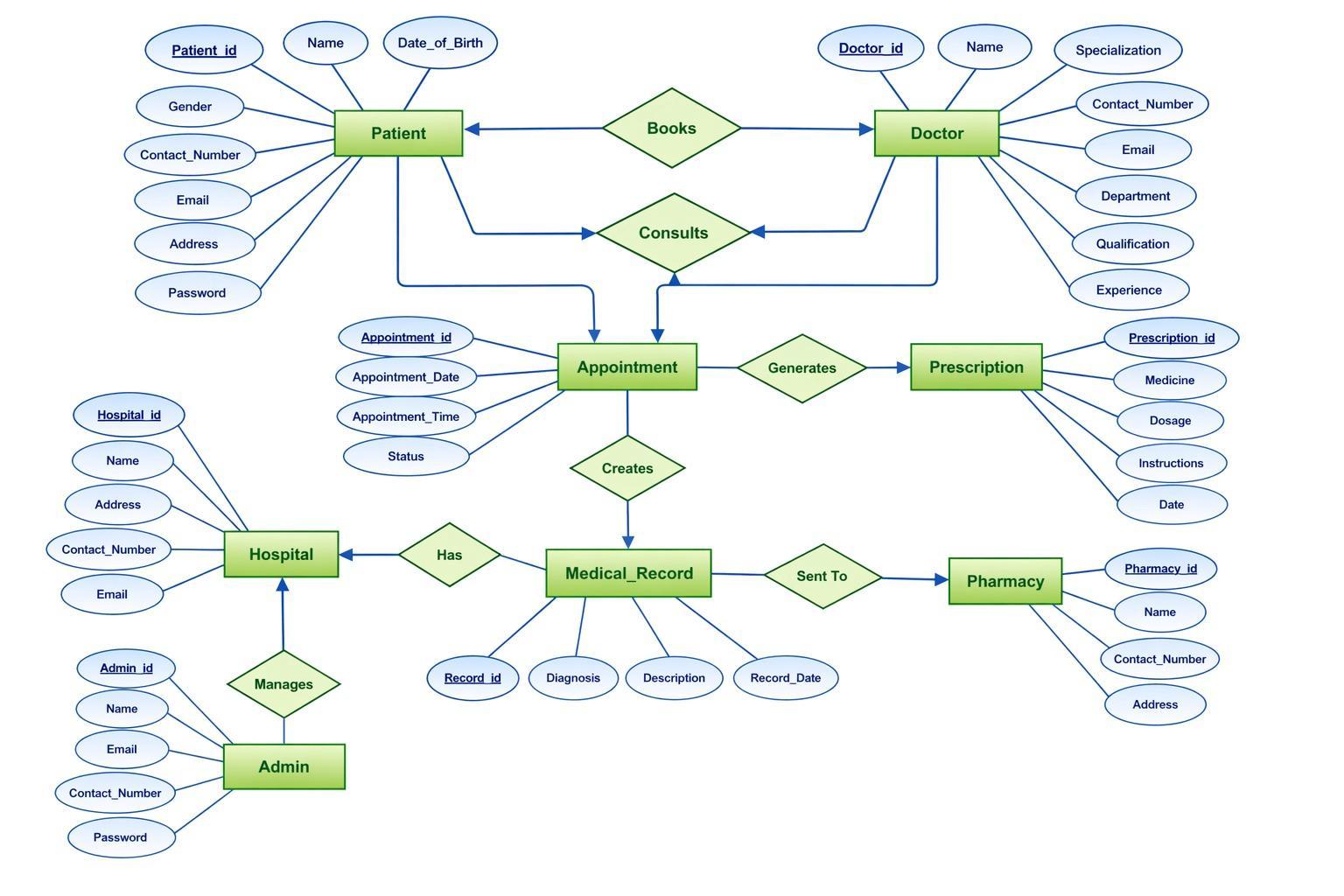
8.1 E-R Diagram
International Research Journal of Engineering and Technology (IRJET) e-ISSN: 2395-0056
Volume: 13 Issue: 04 | Apr 2026 www.irjet.net p-ISSN: 2395-0072
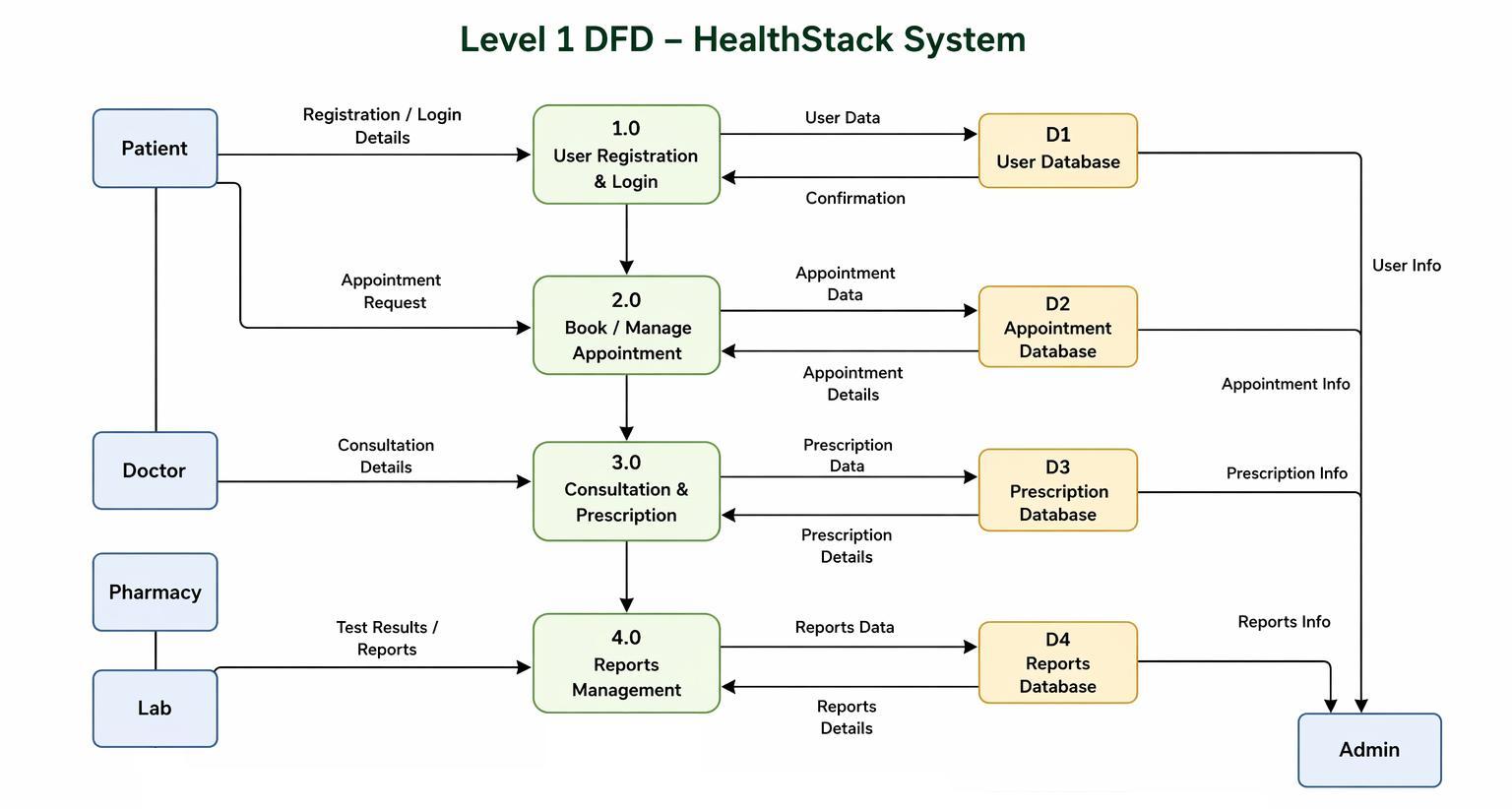
8.2 Data Flow Diagram
International Research Journal of Engineering and Technology (IRJET) e-ISSN: 2395-0056
Volume: 13 Issue: 04 | Apr 2026 www.irjet.net p-ISSN: 2395-0072
International Research Journal of Engineering and Technology (IRJET) e-ISSN: 2395-0056
Volume: 13 Issue: 04 | Apr 2026 www.irjet.net p-ISSN: 2395-0072
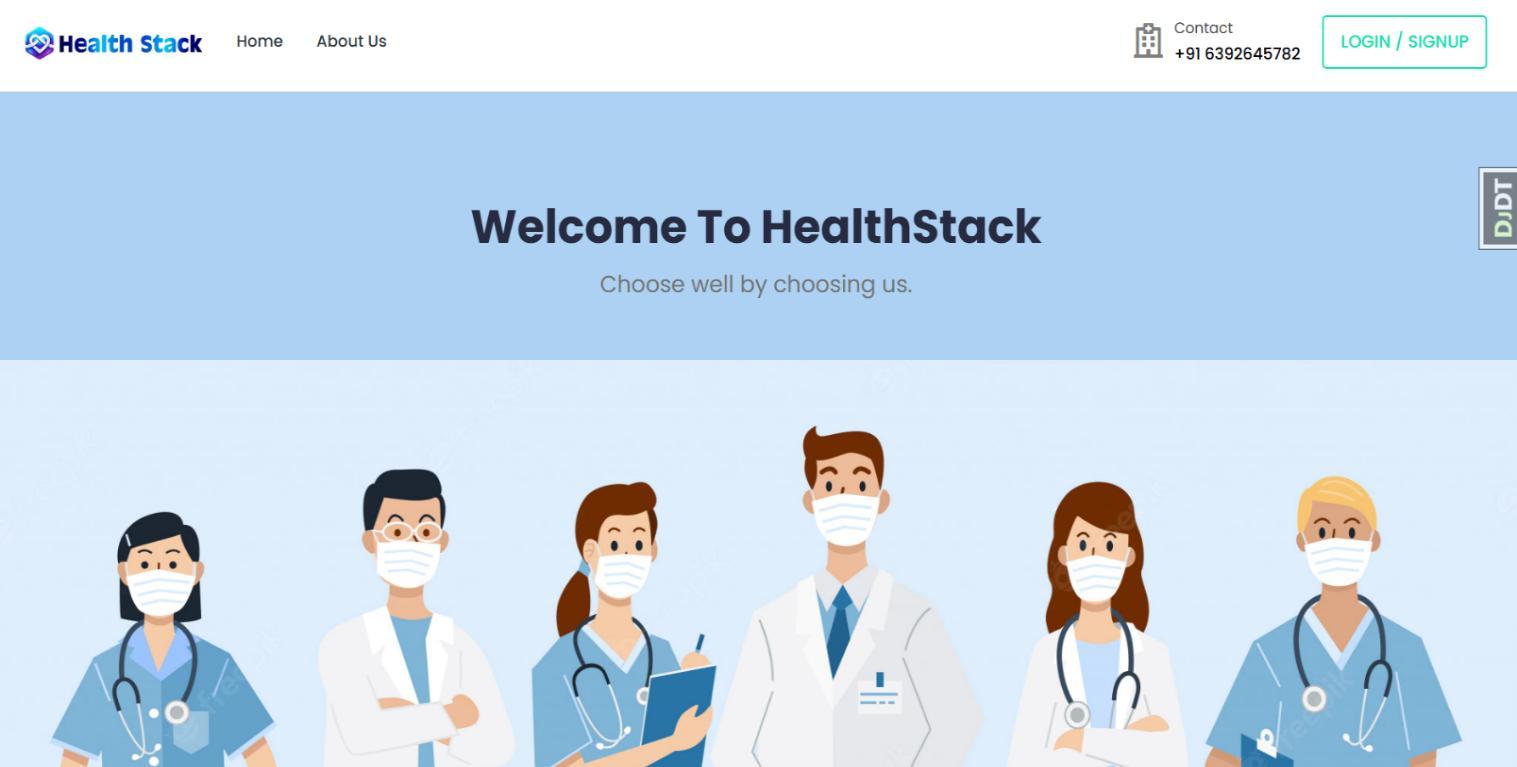
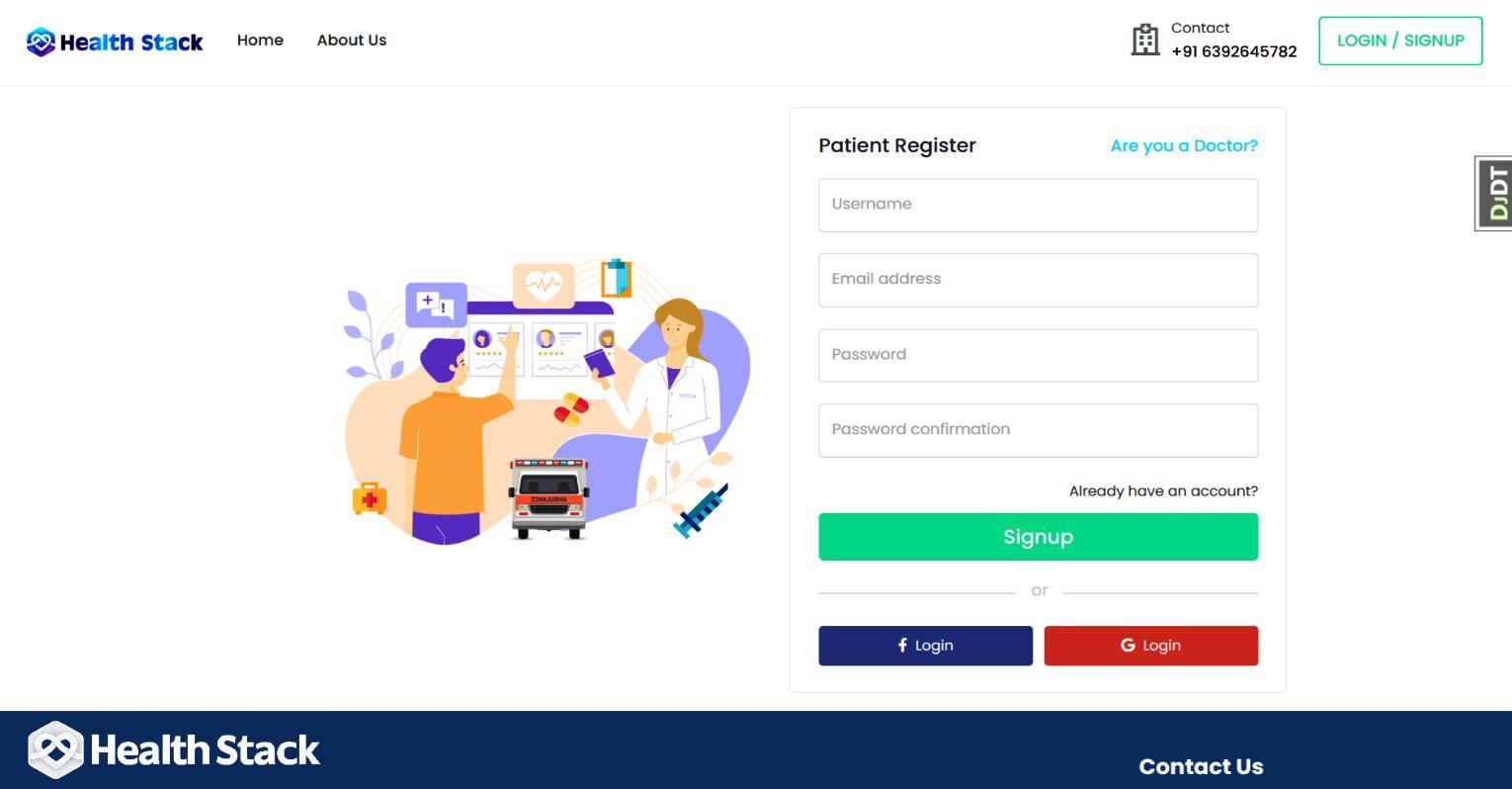
IMPLEMENTATION: (For Patient User):
International Research Journal of Engineering and Technology (IRJET) e-ISSN: 2395-0056
Volume: 13 Issue: 04 | Apr 2026 www.irjet.net p-ISSN: 2395-0072
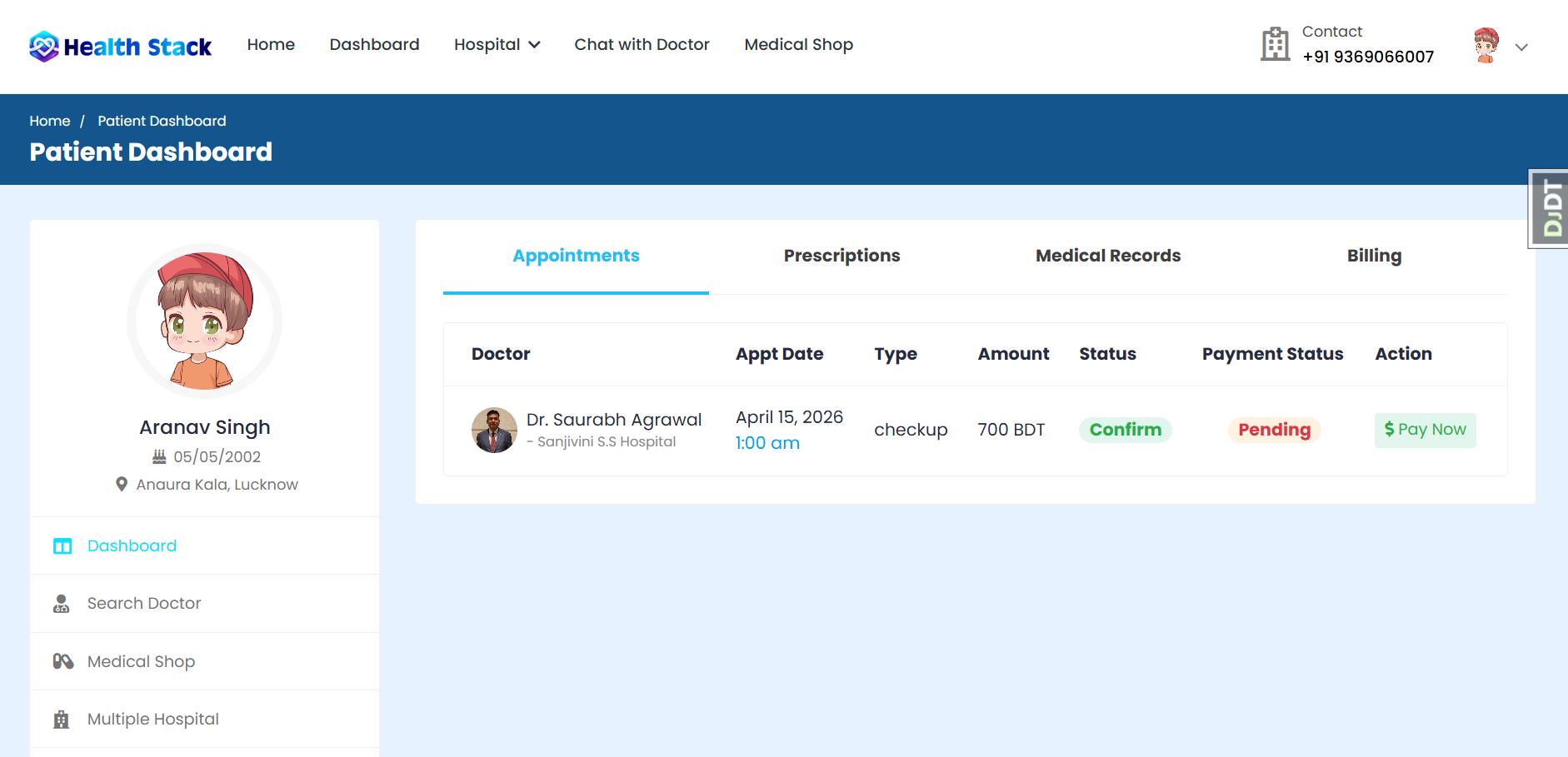
9.3 Patient Dashboard:
9.4 Hospital Searching:
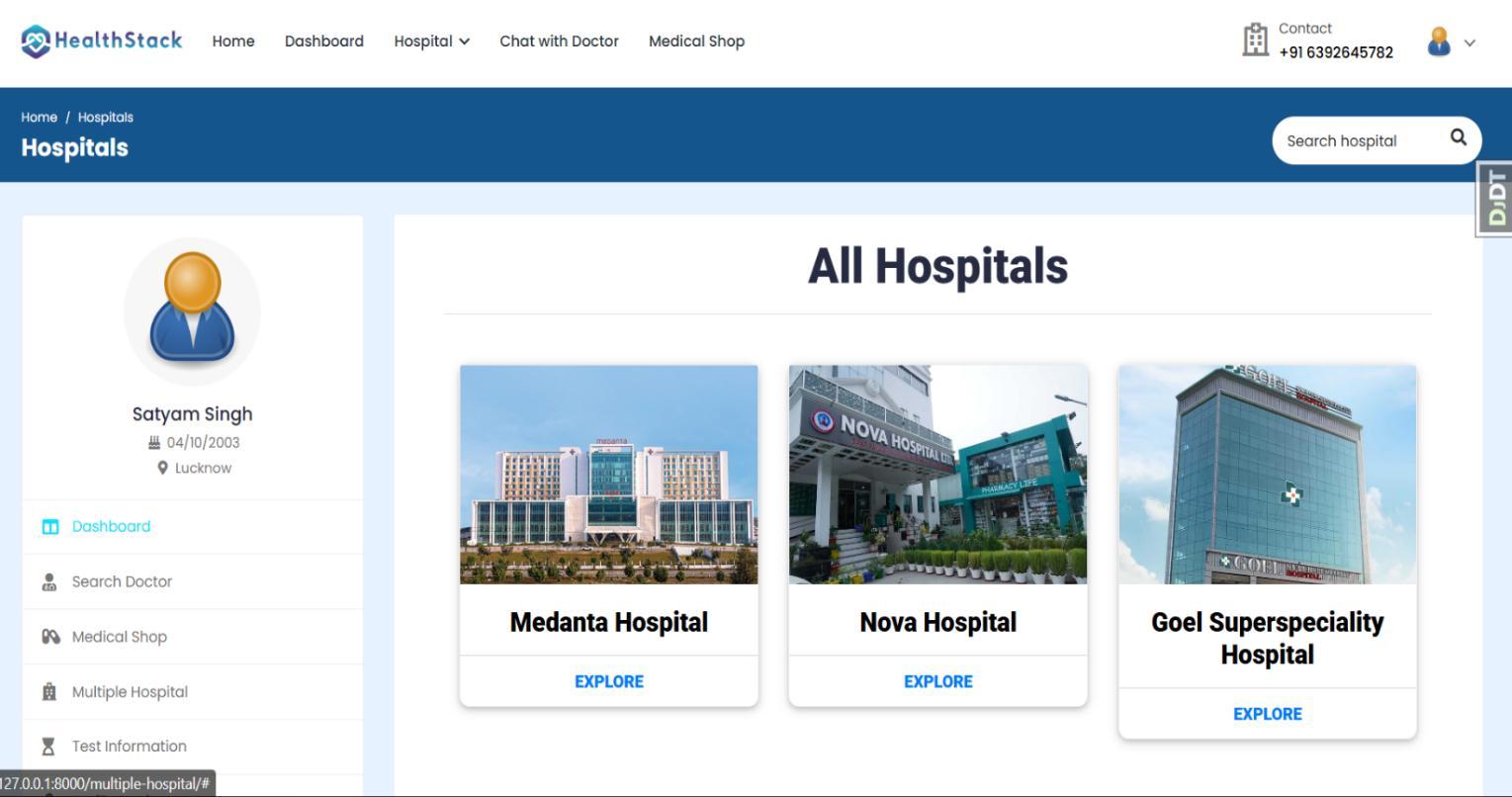
9.4 HospitalSearching:
International Research Journal of Engineering and Technology (IRJET) e-ISSN: 2395-0056
Volume: 13 Issue: 04 | Apr 2026 www.irjet.net p-ISSN: 2395-0072
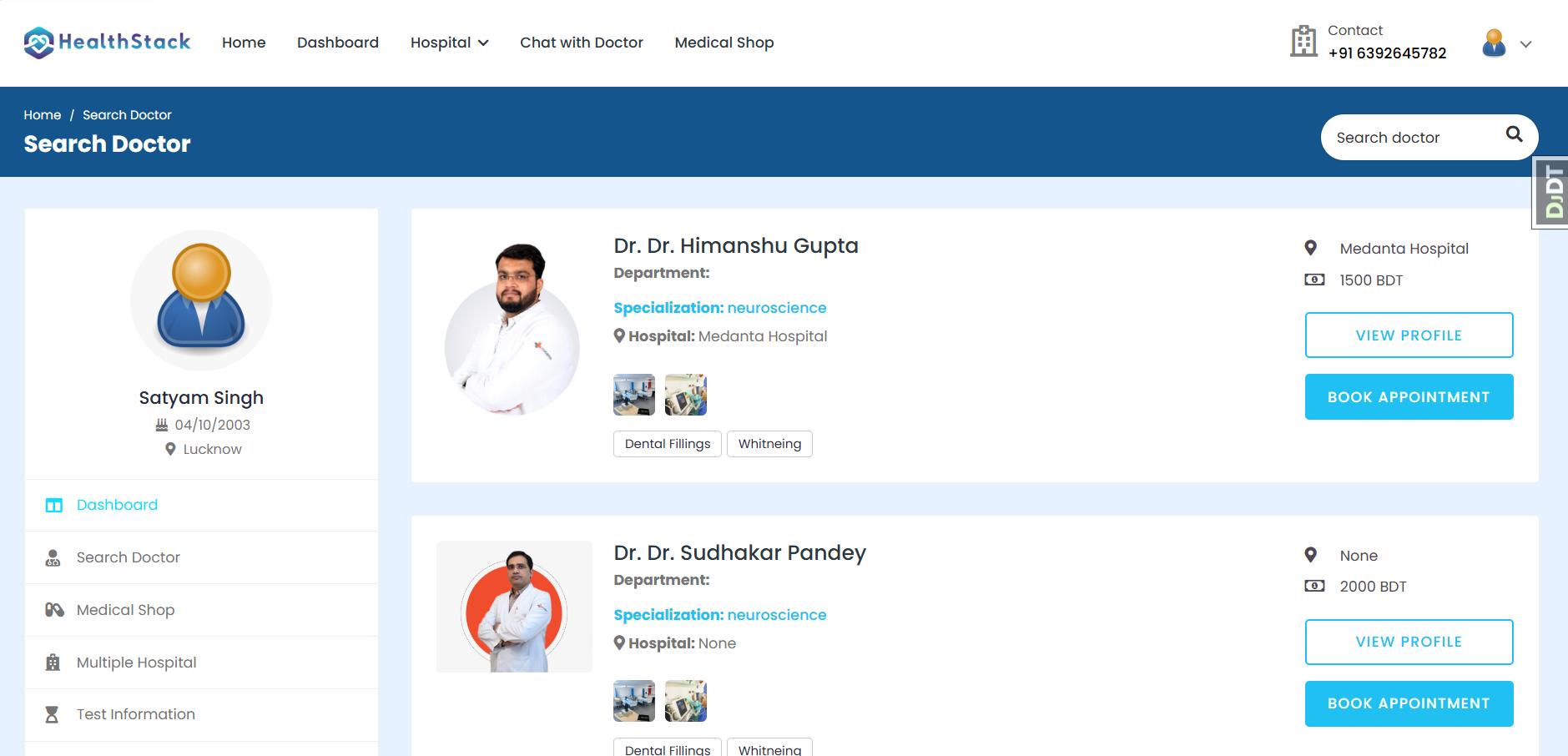
9.5 Doctor Searching Page:
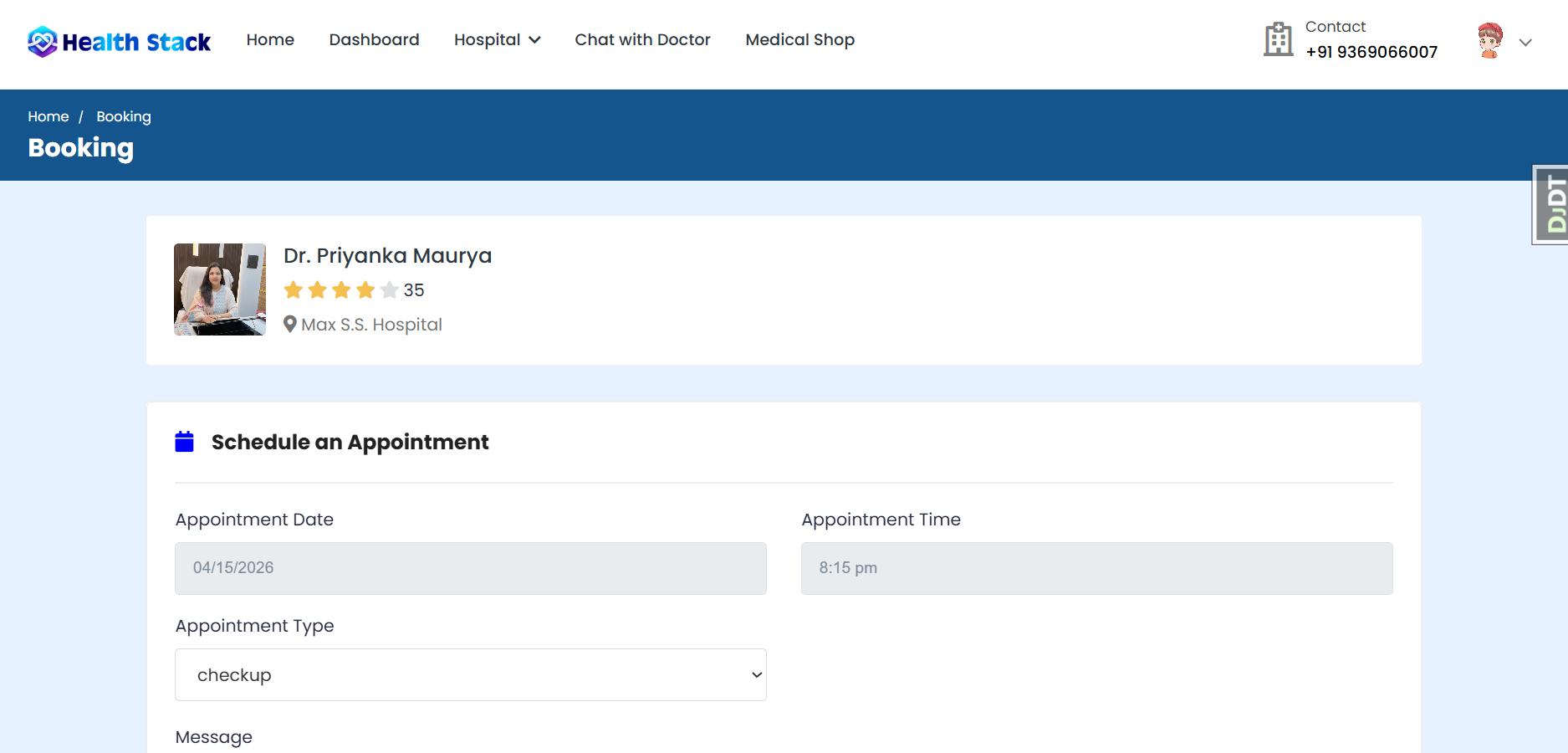
9.6 Doctor Appointment:
International Research Journal of Engineering and Technology (IRJET) e-ISSN: 2395-0056
Volume: 13 Issue: 04 | Apr 2026 www.irjet.net p-ISSN: 2395-0072
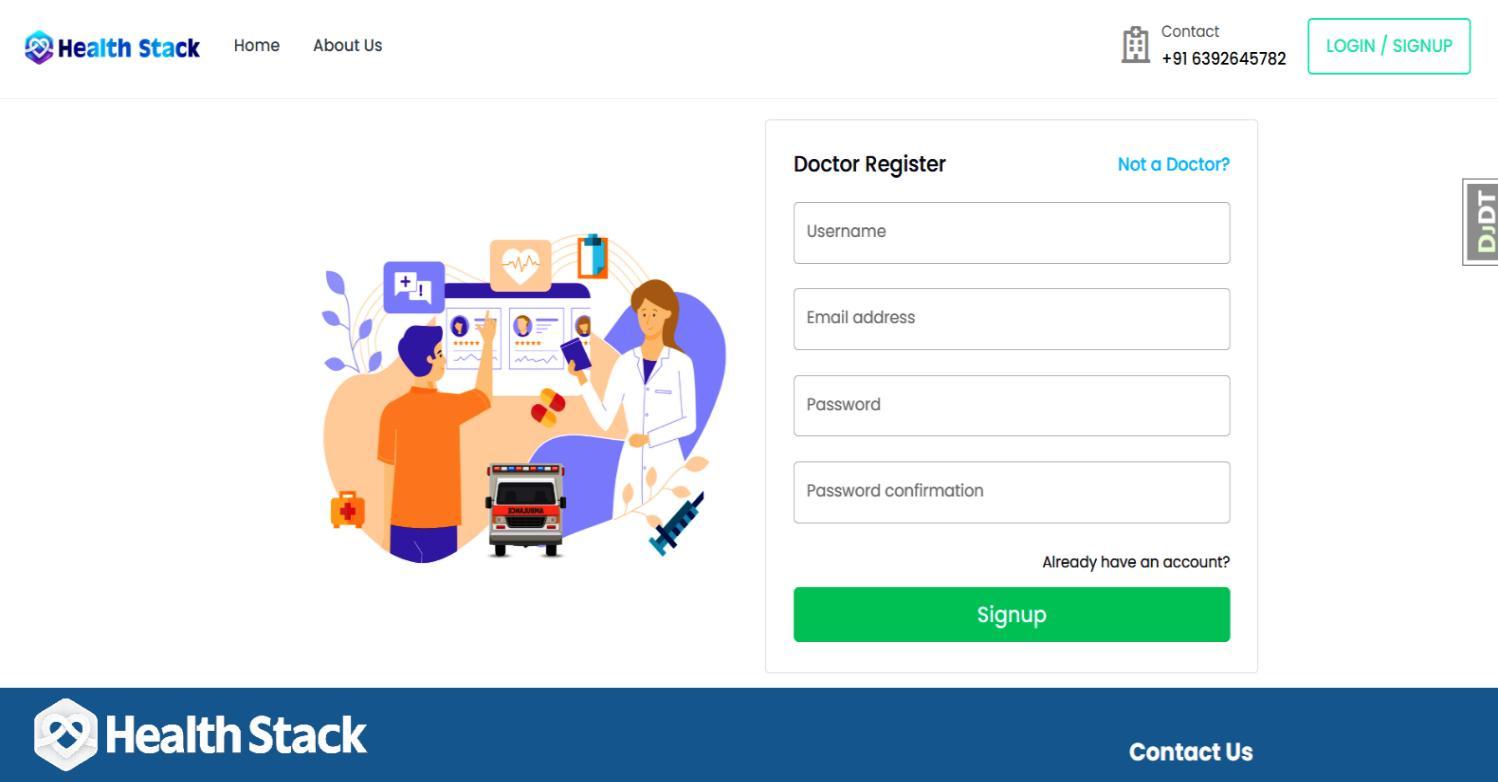
(For Doctor Users): 9.7 Doctor Signup Page:
International Research Journal of Engineering and Technology (IRJET) e-ISSN: 2395-0056
Volume: 13 Issue: 04 | Apr 2026 www.irjet.net p-ISSN: 2395-0072
9.9 Appointment Approval:
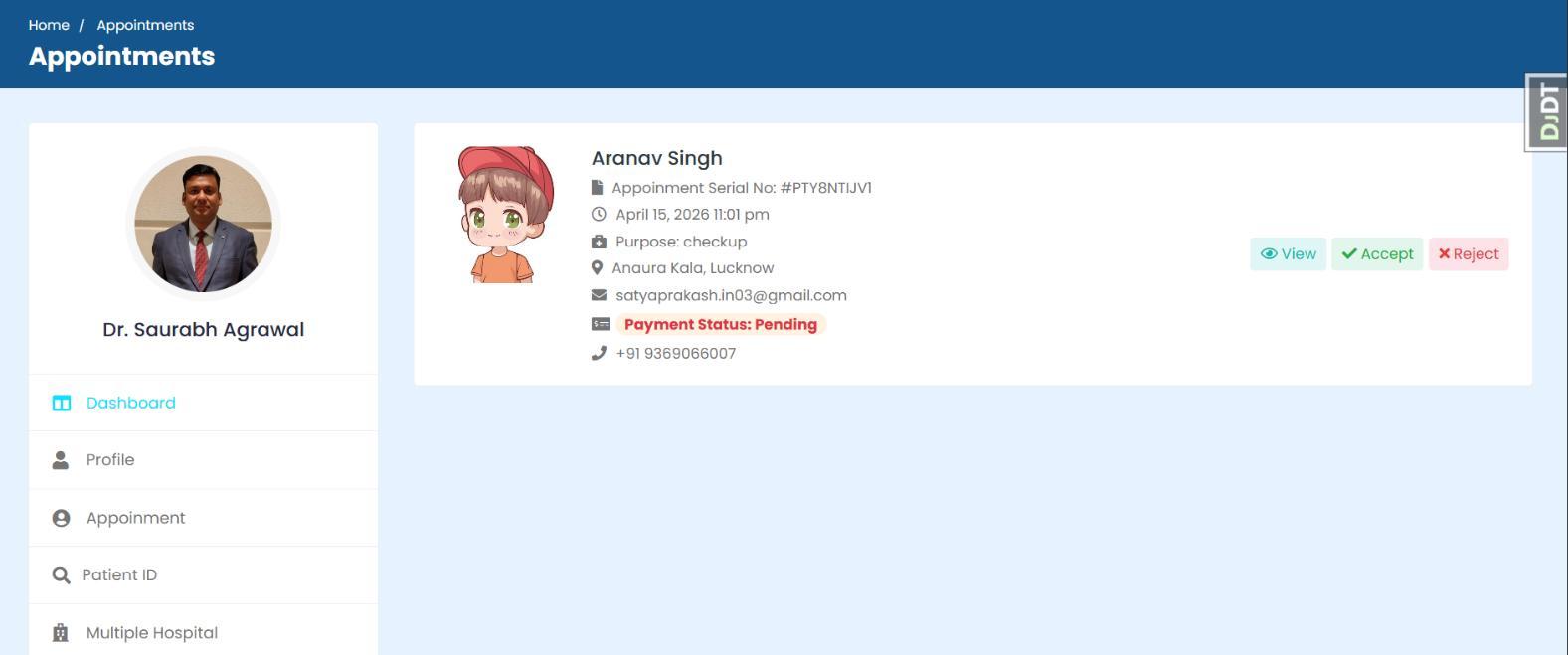
9.9 AppointmentApproval:
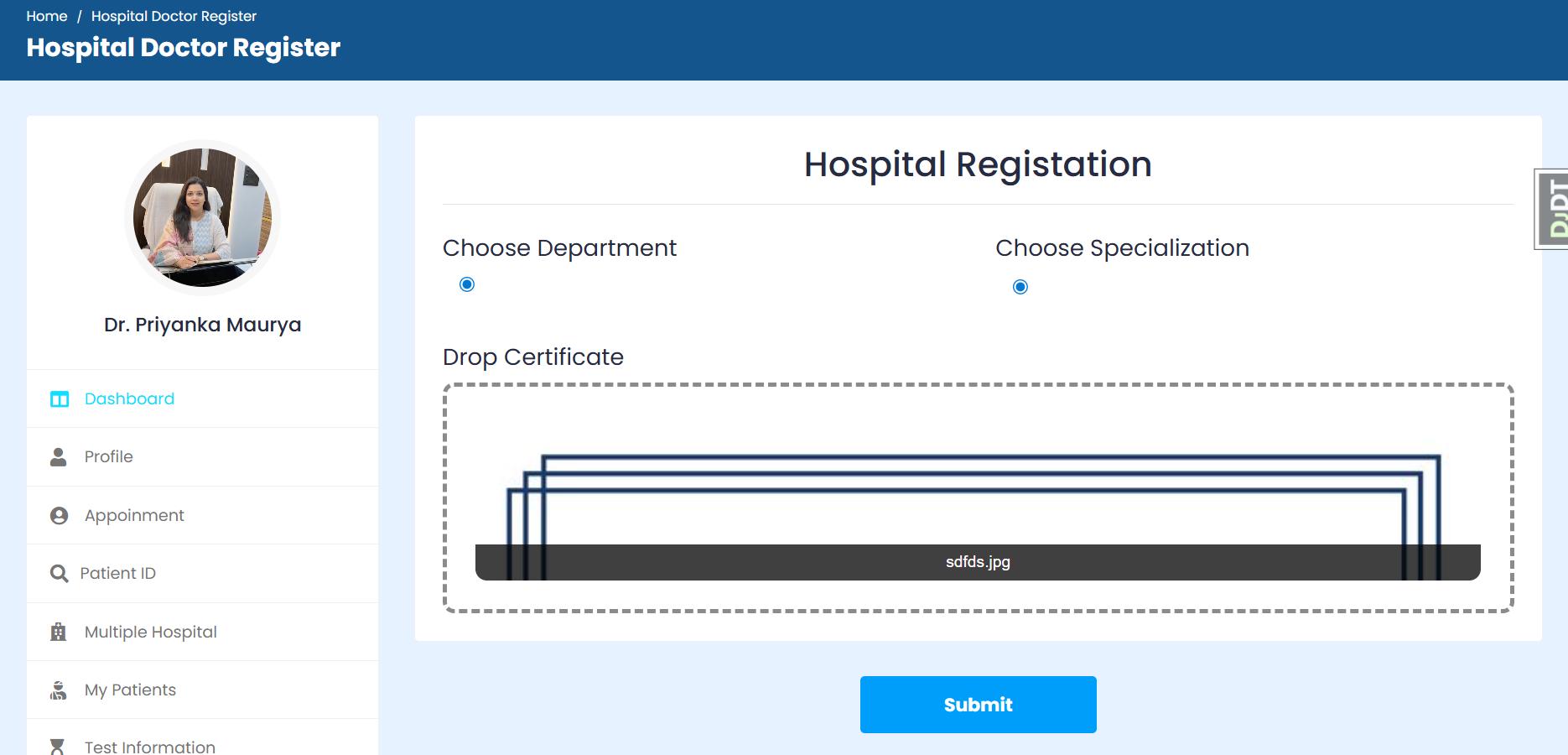
9.10 Registration in Hospital:
International Research Journal of Engineering and Technology (IRJET) e-ISSN: 2395-0056
Volume: 13 Issue: 04 | Apr 2026 www.irjet.net p-ISSN: 2395-0072
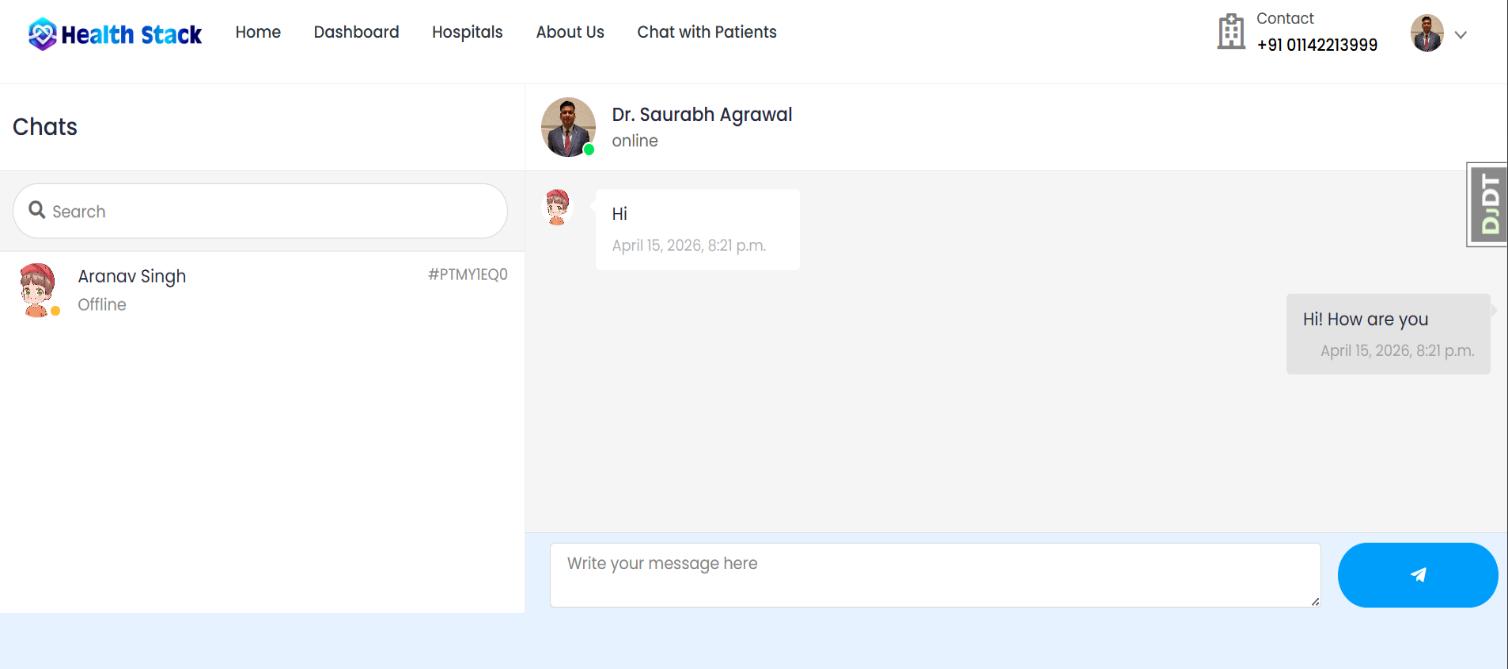
9.11 Chat to Patient:
(For Admin Users)
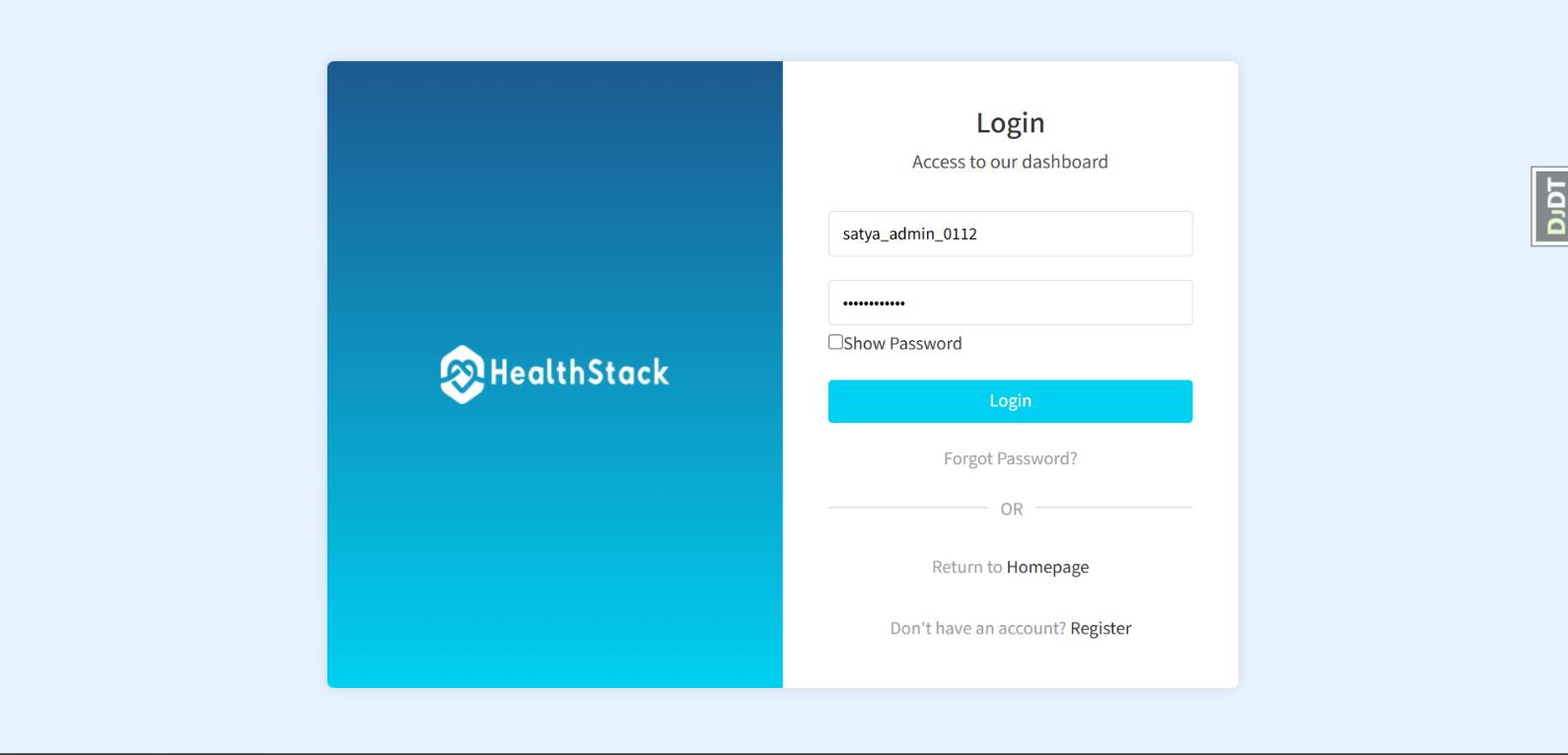
9.12 Admin Login Page:
International Research Journal of Engineering and Technology (IRJET) e-ISSN: 2395-0056
Volume: 13 Issue: 04 | Apr 2026 www.irjet.net p-ISSN: 2395-0072
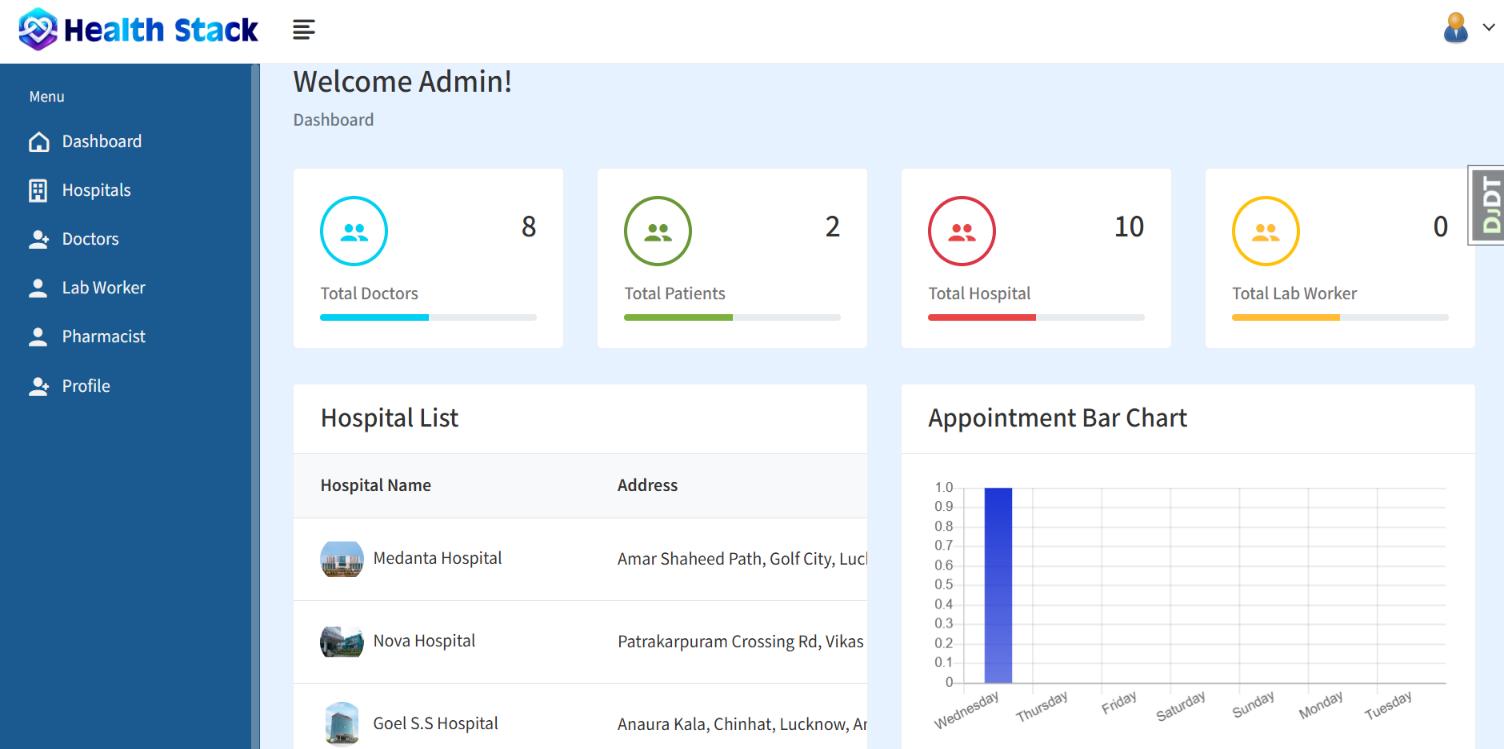
9.13 Admin Dashboard:
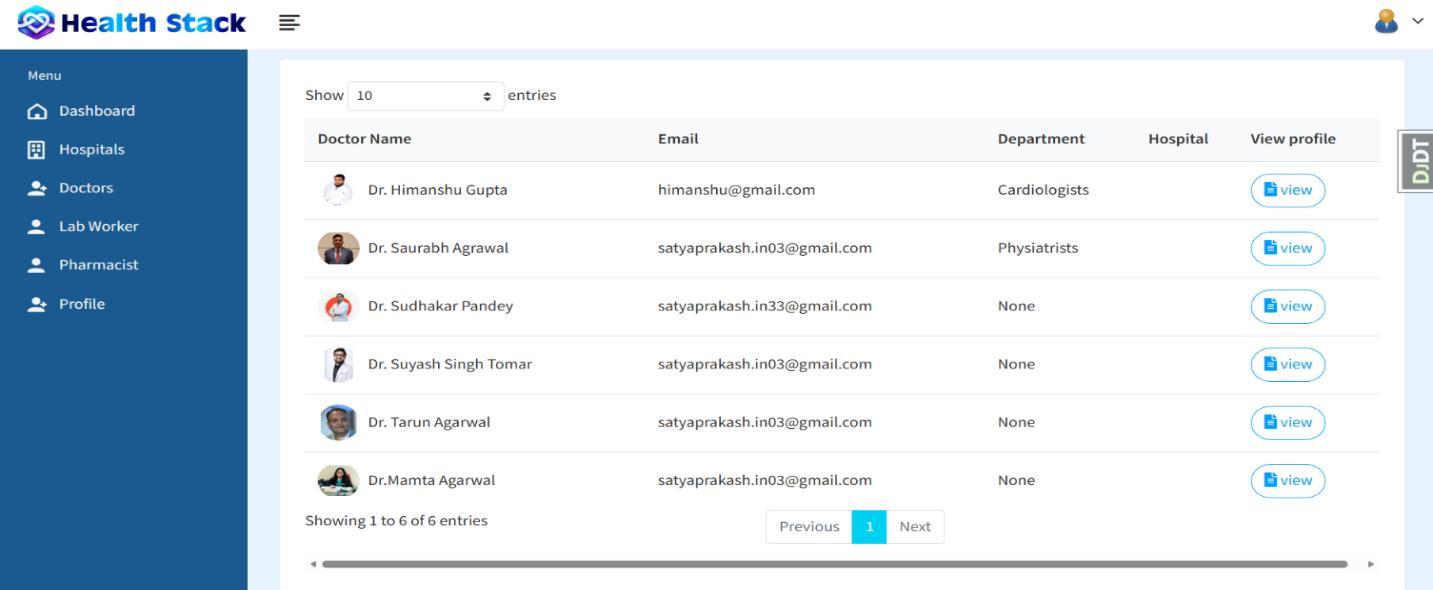
9.14 Admin-Doctor Manage Page
10. SYSTEM FLOW
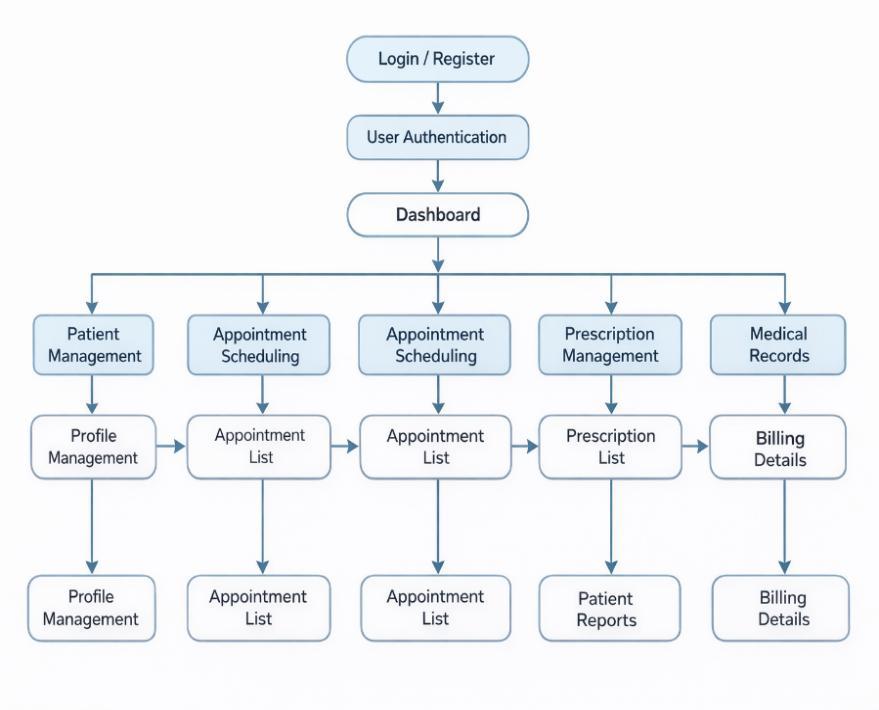
Thesystemflowbeginswithuserauthentication,whereusersloginorregistertoaccesstheplatform.Aftersuccessful login,usersareredirectedtotheirrespectivedashboards. Thedashboardservesasthemaininterface,allowinguserstoaccesskeyfeaturessuchaspatientprofilemanagement, appointmentscheduling,prescriptionhandling,andmedicalrecords.Doctorscanmanagepatientdataandprescriptions,
© 2026, IRJET | Impact Factor value: 8.315 | ISO 9001:2008 Certified Journal | Page2372
International Research Journal of Engineering and Technology (IRJET) e-ISSN: 2395-0056
Volume: 13 Issue: 04 | Apr 2026 www.irjet.net p-ISSN: 2395-0072
while patients can view their details and book appointments. The system ensures smooth navigation, secure data handling, and real-time interaction between users, resulting in an efficient and user-friendly healthcare management process.
11. RESULT:
The research presents the successful development of a Health Stack (web-based healthcare management system) using the Django framework. The system effectively integrates various modules such as patient management, appointmentscheduling,prescriptionhandling,andbilling,resultinginimprovedefficiencyandorganizationwithin healthcareservices.
Theapplicationensuresauser-friendlyinterfaceandsmoothinteractionbetweenpatientsanddoctors,enablingrealtime access to medical records and appointment details. The use of a centralized database allows accurate data storageandretrieval,reducingredundancyandminimizingmanualerrors.
Additionally,theimplementationofsecureauthenticationandrole-basedaccesscontrolenhancesdataprivacyand system reliability. The system demonstrates how modern web technologies can provide a scalable, efficient, and accessiblesolutionforhealthcaremanagement,improvingoverallservicequalityanduserexperience.
12.
CONCLUSION:
TheHealthStacksystemsuccessfullydemonstratesthedevelopmentofaweb-basedhealthcaremanagementplatform that enhances the efficiency of patient and doctor interactions. By integrating key functionalities such as patient management,appointmentscheduling,prescriptionhandling,andsecuredatastorage,thesystemprovidesareliable anduser-friendlysolutionformodernhealthcareneeds.
The use of the Djangoframework ensuresscalability,security,and efficient data management, while the centralized systemreducesmanualerrorsandimprovesaccessibility.Theprojecthighlightsthepotentialofwebtechnologiesin transformingtraditionalhealthcareprocessesintoamoreorganizedanddigitalapproach.
Overall, the system offers a practical and effective solution for healthcare service management and can be further extendedwithadvancedfeaturestomeetfuturerequirements.
International Research Journal of Engineering and Technology (IRJET) e-ISSN: 2395-0056
Volume: 13 Issue: 04 | Apr 2026 www.irjet.net p-ISSN: 2395-0072
REFERENCE:
[1]Kumar,M.,&Gupta,S.,“DesignandDevelopmentofaWeb-BasedHealthcareManagementSystem,”International JournalofComputerApplications,2018.
[2] Sharma, P., & Patel, R., “Healthcare Management Systems Using Web Technologies,” International Journal of EngineeringResearch&Technology(IJERT),2020.
[3] Singh, A., & Verma, R., “Digital Transformation in Healthcare Using Web Applications,” International Journal of AdvancedComputerScience,2021.
[4] Gupta, D., & Srivastava, Y., “A Secure Healthcare Management System Using Django Framework,” International JournalofComputerScienceEngineeringandTechnology,2022.
[5]Khan,S.,&Ali,M.,“Patient-CentricHealthcareSystemsandTheirApplications,”JournalofHealthcareEngineering, 2020.
[6] Reddy, P., & Kumar, V., “Role-Based Access Control in Web-Based Healthcare Systems,” International Journal of InformationTechnology,2019.
[7]Patel,N.,&Shah,K.,“DatabaseManagementinHealthcareApplications,”InternationalJournalofDataScienceand Analytics,2021.
[8] Verma, S., & Mishra, A., “Web-Based Medical Record Management Systems,” International Journal of Innovative ResearchinComputerScience,2022.
[9]WorldHealthOrganization,“DigitalHealthandHealthcareSystems,”WHOPublications,2021.
[10]Sommerville,I.,“SoftwareEngineeringforHealthcareSystems,”PearsonPublications,2016.
[11] Mehta, R., & Jain, S., “Development of Smart Healthcare Management Systems Using Web Technologies,” InternationalJournalofComputerScienceandInformationSecurity,2021.
[12]Patil,A.,&Deshmukh,P.,“EfficientPatientDataManagementUsingWeb-BasedApplications,”InternationalJournal ofAdvancedResearchinComputerScience,2020.
[13] Shukla, N., & Tiwari, P., “Digital Healthcare Systems: Challenges and Opportunities,” International Journal of EngineeringandAdvancedTechnology,2022.
[14] Gupta, V., & Agarwal, R., “Secure Web-Based Medical Record System Using Django,” International Journal of ComputerApplications,2021.
[15] Kumar, S., & Singh, D., “Design of Hospital Management System Using Database Technologies,” International JournalofDatabaseManagementSystems,2019.
[16] Rajput, A., & Yadav, K., “Role of Information Technology in Healthcare Services,” International Journal of InformationSystems,2020.
[17]Mishra,R.,&Pandey,A.,“ImplementationofWeb-BasedAppointmentSchedulingSystem,”InternationalJournal ofInnovativeTechnologyandExploringEngineering,2021.
[18] Chaudhary, P., & Verma, S., “Modern Healthcare Systems Using Cloud and Web Technologies,” International JournalofCloudComputing,2022.
[19] Saxena, K., & Sharma, D., “Patient Information Systems and Their Impact on Healthcare,” Journal of Medical Systems,2020.
2026, IRJET | Impact Factor value: 8.315 | ISO 9001:2008 Certified Journal | Page2374