
International Research Journal of Engineering and Technology (IRJET) e-ISSN: 2395-0056
Volume: 12 Issue: 03 | Mar 2025 www.irjet.net p-ISSN: 2395-0072
International Research Journal of Engineering and Technology (IRJET) e-ISSN: 2395-0056
Volume: 12 Issue: 03 | Mar 2025 www.irjet.net p-ISSN: 2395-0072
Vishakha Mistry
Head of Department, Department of Information Technology, 360 Research Foundation, Tumkaria, Bihar, India
Abstract - According to the WHO, Lung cancer is the most common cause of cancer-related fatalities globally, accounting for the highest death rates among both men and women. As a result, identifying, diagnosing, and predicting lung cancer at an early stage is critical. This paper investigates the feasibility of predicting lung cancer illness using machine learning black box models and interpreting the findings using the machine learning package InterpreteML
Key Words: Machine Learning, Lung cancer detection, explainable Artificial Intelligence (XAI), Explainable Boosting Machines (EBMs).
Cancer is more than simply an illness. There are several varietiesofcancer,whichcanoccuranywhereinthebody. Lung cancer is defined as the uncontrolled growth of abnormalcellsinthelungs.Lungcancernormallydoesnot createapparentsymptomsuntilithasprogressedacrossthe lungs.Sothistypeofcancerismoreseriousthanmanyother types of cancers. The survival rate is determined by the extentofthecancer'sspread.Asaresult,earlydetectionof cancercanmakeasignificantimpact.
MachineLearning has widespread applications in the real world.TheusesofMLinhealthcarearerising,anditbenefits patientsandprofessionalsinvariousways.Machinelearning enablesustorelateexistingdatatofutureillnessestimates.
ThoughMachineLearningsolvescomplicatedissues,itmay also be a black box, without explaining why or how judgments are made. This may confuse, especially when consequences relate to human lives or healthcare applications.InterpretMLmeetsthesedemands.InterpretML supports both interpretable glassbox models and noninterpretable black box models. There are two basic categoriesofinterpretability:globalandlocal.Thepurpose ofthisresearchistousetheMLmodel-ExplainableBoosting MachineunderInterpreteMLAPItopredictlungcanceratan earlystage,highlightingbothaccuracyandtransparency.
Various researchers have applied machine learning to predictlungcancer.Manyresearchershave not employed theinterpretabilitytechniquewithanExplainableBoosting machine. Here, I evaluated a variety of lung cancer predictionresearchpublicationsandinterpretablemachinelearningresearchpapers.
Authors,GaoyangLiuandBochaoSunin[1]haveusedEBM for compressive strength prediction. Concrete mix design datawascollectedfromtheUCIrepository.EBM,Random forest, Decision Tree, XGBoost are performed over downloaded datasets. The authors evaluated the performanceofEBMandotherML modelsandfoundthat theEBMalgorithmoutperformedtheothermodels.
Theauthorsof[2]presentedacasestudytopredictwhich patients are most likely to be readmitted to the hospital within 30 days of being released. The AUC of Logistic Regressor,RandomForest,andGeneralizedAdditiveModel withpairwiseinteraction(GA2M)havebeencomparedand theyhaveshownthatgivethebestaccuracyandaswellas maintainintelligibility.
Senthil and B. Ayshwarya [3] has presented Lung Cancer prediction using Feed Forward Back Propagation Neural Networks with Optimal Features. Lung cancer feature extraction is done by particle Swarm optimization (PSO) technology. Performance comparison of KNN, SVM, Bayes Network, and proposed NN-PSO has been shown. The proposedmethodhasdemonstratedremarkableaccuracy, and NN-PSO can be used effectively by Lung Cancer oncologists.
Authors in [4] have proposed SVM classifier on the Lung cancer dataset. According to the assessment results, SVM withtworoundsofSMOTEresamplingisperformedonthe Lung Cancer dataset to achieve the greatest performance. TheaccuracyoftheKNNmethodis68.9%,butSVMreaches 98.8%accuracy.
MRI dataset is taken for the prediction of Alzheimer's diseasebytheAuthors[5].Afterdealingwithmissingvalues andcategoricaldata,Chi-squareandL1regularization are used to choose features. The authors demonstrated that both strategies can generate superior outcomes. The suggested model is compared against ResNet-50, RF Classifier, Deep CNN, and VGG16-LIME. Overall, EBM achieves94.35%accuracy.
ThedatawasobtainedfromtheKagglewebsite.Thedataset has 309 instances and 16 attributes such as Gender, Age, Smoking, Yellow fingers, Anxiety, Peer pressure, Chronic Disease,Fatigue,Allergy,Wheezing,Alcohol,Coughing,Lung Cancer, Chest pain, Swallowing Difficulty, Shortness of
International Research Journal of Engineering and Technology (IRJET) e-ISSN: 2395-0056
Volume: 12 Issue: 03 | Mar 2025 www.irjet.net p-ISSN: 2395-0072
Breath. I needed to perform some preprocessing and adjustments so that the data is a more acceptable ML algorithm.Labelencodingtransformscategoricalvariables intonumericalvalues.However,theagepropertyhasbeen adjusted to match the true one. The age normalization formula[6]isstatedbelow:
newvalue=
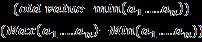
Figure1depictsasignificantlyuneventargetdistribution. Before using ML algorithm, we need to handle this imbalance.

Fig -1: Targetdistribution
I employed the Adaptive Synthetic Sampling Approach (ADASYN)[7]forImbalancedLearning.Basedontheoriginal datadistribution,ADASYNcanadaptivelygeneratesynthetic data samples for the minority class to reduce the bias introducedbytheimbalanceddatadistributionADASYNcan generatesyntheticdatasamplesfortheminorityclassbased on the original distribution, reducing bias caused by imbalances [7]. ADASYN can focus the classifier decision boundaryonchallengingcases,leadingtoimprovedlearning performance[7].
Beforepresentingthefindings,theclarityoftheblackbox andtheglassboxexplainabilityisessential.
Usually,wedon'tfullycomprehendthereasoningbehindthe decisionsoractionsofAIsystems.ThekindofMLalgorithms usedwilldeterminehowexplanationsareproduced.Glass boxmodelsincludemachinelearningalgorithms,including Bayesianclassifiers,decisiontrees,andlinearmodels.These algorithmsprovideinterpretabilityofdecision-makingwith amanageablysmallnumberofinternalcomponents.
However, all deep learning algorithms are referred to as "black box" models, which compromise transparency in favourofpredictionaccuracy.Neuralnets,randomforests, andBoostedtreesareafewblack-boxmodelexamples[8].
TechniquesknownasXAIaredevelopedtoexplaintheblack boxmodels.Afewwell-knownXAImethodsthattacklethe
trade-off between explanation and prediction in deep learningmodelsareLIME,SHAP,andPDP.
InterpretML is Microsoft’s open-source package that comprisesMLinterpretabilitytechniques[8].Itexposestwo types of interpretability- glassbox and blackbox. This packagealsohasavisualizationplatform[8].
An explainable boosting machine classifier is used on the LungCancerdatasetandthemodelhasachievedanaverage accuracy of 0.9502. The following sections provide an explanationoftheresultsandinterpretablegraphs.
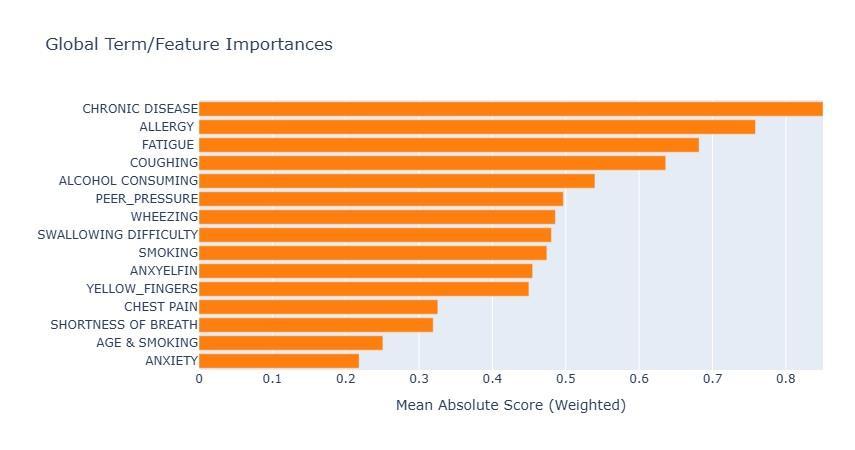
Thefiguredepictstheoverallrelevanceofeachfeature.The overallrelevanceofeachfeatureiscalculatedbyaveraging theabsolutepredictedvaluesofeachfeatureinthetraining set.
The behavior ofa model can be explained byusingfeature importance.Itshowsthenumberofrecordsthatafeaturehas asignificantimpacton.Byaveragingtheabsolutevaluesofa feature's influences across training datasets, feature significanceisdetermined.Sampleweights(ifany) andthe quantity of samples in each bin are used to weight contributions.Thetop15termsaredisplayedinsFigure2.
Thegraphicillustratesthecontributionoftermagetomodel predictionisindicatedinFigure3 Itshowsthatagehasno effecttill50.Followingthis,agehasthegreatestimpacton prediction.
International Research Journal of Engineering and Technology (IRJET) e-ISSN: 2395-0056
Volume: 12 Issue: 03 | Mar 2025 www.irjet.net p-ISSN: 2395-0072
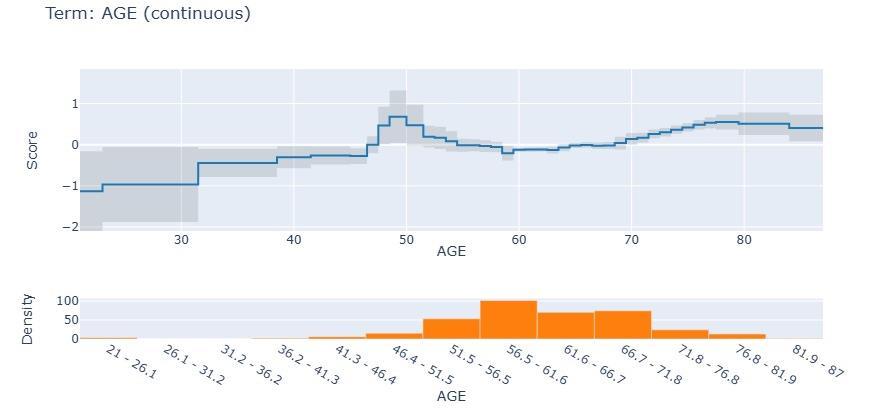
Fig -3: ContributionofthetermAgetothemodel prediction
Figure 4 depicts the contribution of the two features, smoking,andallergy,tothemodel'spredictions.Similarly, theinfluenceofnumerousotherfeaturesmaybeobserved usingsimilargraphs.
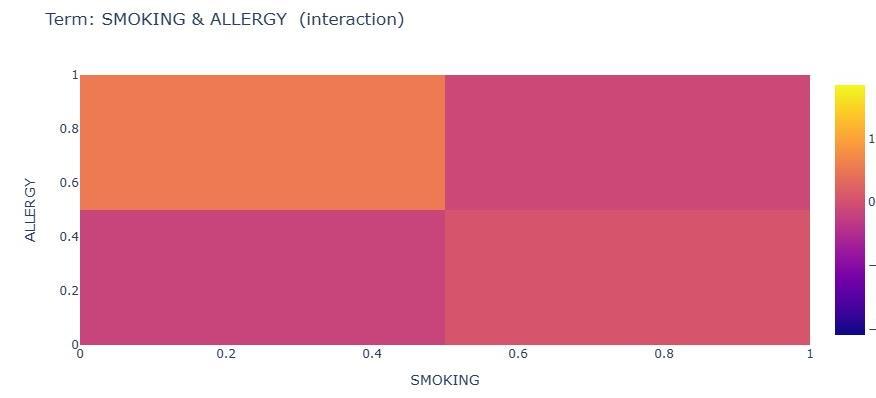
Fig -4: ContributionofthetermSmokingandAllergyto themodelprediction
Globalfeatureexplanationindicateswhichcolumnshadthe biggest influence on the forecast. However, a local explanation is required if I wish to examine each forecast separately.Localexplanationgraphwillshowactualclassas wellaspredictedclass.Whenexaminingcolumns,eachrow willhaveadistinctgraphillustratingitsreasonsformaking decisions.
These graphs provide an explanation for a person's classification as either having lung cancer or not. For the observationshowninFigure5,theactualclassis1andthe predictedclassis1,andthepredictionprobabilityis0.991. Theorangefeatureintheillustrationispositive,whereasthe bluefeatureisnegative.Featuresthatcausenegativeeffects include coughing, allergies, exhaustion, wheezing, and shortnessofbreath.Buttheforecastispositivewhenallthe featuresareaddedtogether.
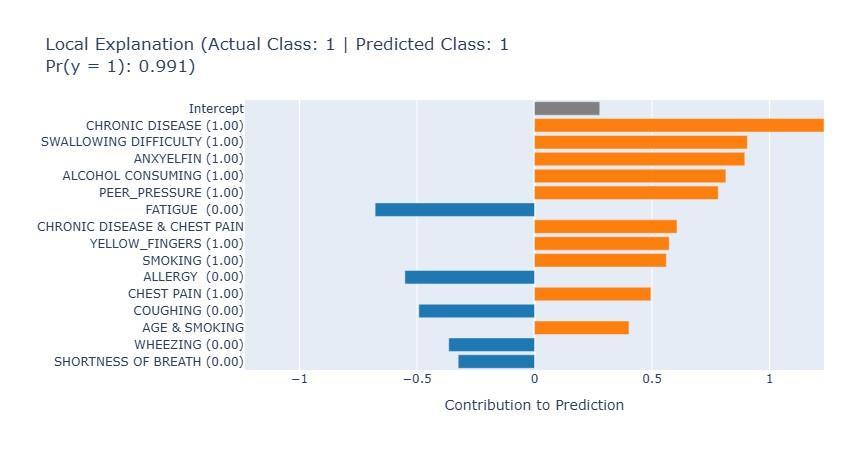
-5: LocalexplanationforActualClass=1andPredicted Class=1
Additionally,ascanbeseeninFigure6,thepredictedclassis zero,theactualclassiszero,andthepredictionprobabilityis 0.994.Twofeaturesthatpredicttotheinappropriateclass aresmokingandchestpain.However,theforecastturnsout tobenegativeafterallfeaturesareadded.
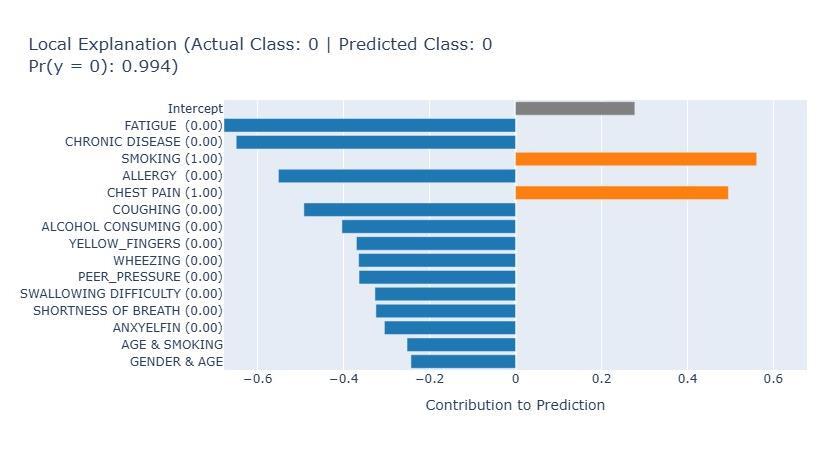
Fig -6: LocalexplanationforActualClass=0andPredicted Class=0
AmisclassificationobservationisshowninFigure7,where the predicted class is 1 and the actual class is 0. Chronic disease, swallowing difficulty, wheezing, and shortness of breatharethefeaturesthatleadtoincorrectclassification. Thisaidsindatadebuggingandcodingenhancement.
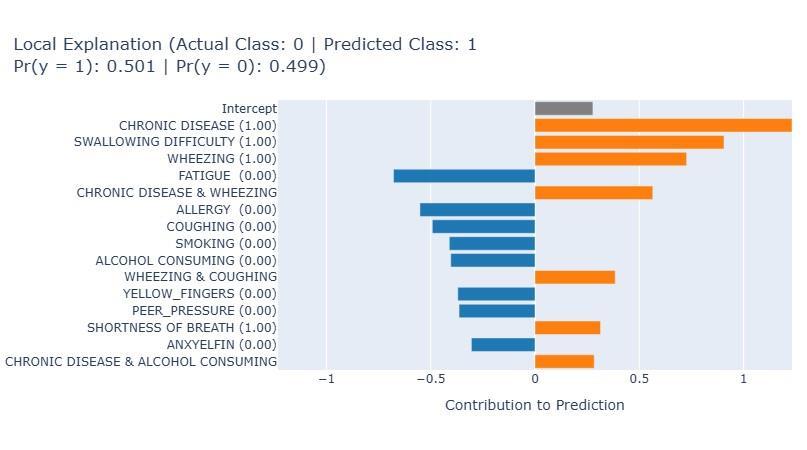
Fig -7: LocalexplanationforActualClass=0andPredicted Class=1
International Research Journal of Engineering and Technology (IRJET) e-ISSN: 2395-0056
Volume: 12 Issue: 03 | Mar 2025 www.irjet.net p-ISSN: 2395-0072
Likewise,anotherinstanceofmisclassificationisshownin Figure 8, where the predicted class is zero and the actual class is one. The primary characteristics that lead to misclassification include fatigue, chronic illness, and allergies.
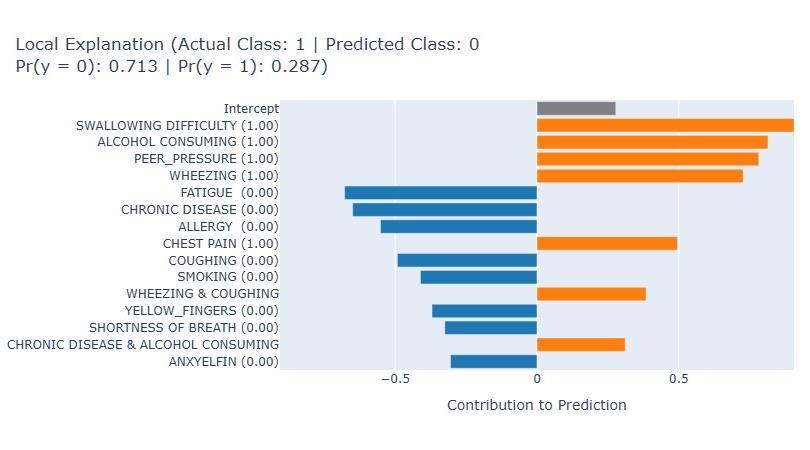
Fig -8: LocalexplanationforActualClass=1andPredicted Class=0
Maingoalofcurrentresearchistoaccuratelydiagnoseand classification of lung cancer using EBM. The model gives accurate results and provides insights into the factors affectingthepredictionresults.Thisallowshumanusersto comprehend and trust the results and output created by machine learning. This model helps clinicians to make decisions confidently. With the help of local and global explanations,furtherinsightsintothedataarepossible.
Inthefuture, thiswork can be extended for other disease detection. We will develop a morecomprehensivedataset withreal-worldclinicalfeatures.Also,wewilltranslatethe algorithmintoauser-friendlyinterfacewheredoctorsand healthcareprofessionalscanutilizeiteasily.
[1] Gaoyang Liu, Bochao Sun, “Concrete compressive strength prediction using an explainable boosting machinemodel”,CaseStudiesinConstructionMaterials, Volume18,July2023,Elsevier,e01845
[2] R.Caruana,Y.Lou,J.Gehrke,P.Koch,M.Sturm,andN. Elhadad,“IntelligibleModelsforHealthCare:Predicting PneumoniaRiskandHospital30-dayReadmission”,in Proceedings of the 21th ACM SIGKDD International ConferenceonKnowledgeDiscoveryandDataMining, pages1721–1730.ACM,2015.
[3] Dr. S. Senthil, B. Ayshwarya, “Lung Cancer Prediction usingFeedForwardBackPropagationNeuralNetworks withOptimalFeatures”,InternationalJournalofApplied Engineering Research ISSN 0973-4562 Volume 13, Number1(2018)pp.318-325
[4] C.AnilKumar,S.Harish,PrabhaRavi,MurthySVN,B.P. Pradeep Kumar, V. Mohanavel, Nouf M. Alyami, S. Shanmuga Priya, Amare Kebede Asfaw, “Lung Cancer PredictionfromTextDatasetsUsingMachineLearning”, BIOMED RESEARCH INTERNATIONAL, Wiley, https://doi.org/10.1155/2022/6254177
[5] Archana Menon p, r. Gunasundari, “Intelligent Alzheimer’s disease prediction using Explainable BoostingMachine”,JournalofTheoreticalandApplied InformationTechnology,31stMarch2024,Vol.102.No6
[6] Ibrahim M. Nasser, Samy S. Abu-Naser, “Lung Cancer DetectionUsingArtificialNeuralNetwork”,International Journal of Engineering and Information Systems (IJEAIS),Vol.3Issue3,March–2019,Pages:17-23
[7] HaiboHe,YangBai,EdwardoA.Garcia,andShutaoLi, “ADASYN: Adaptive Synthetic Sampling Approach for Imbalanced Learning”, 2008 International Joint ConferenceonNeuralNetworks(IJCNN2008)
[8] Nori, Harsha and Jenkins, Samuel and Koch, Paul and Caruana,Rich,“InterpretML:AUnifiedFrameworkfor Machine Learning Interpretability.” ArXiv abs/1909.09223(2019)
BIOGRAPHY

Vishakha is working as a HOD of the Department of IT at 360 Research Foundation, she establishes a research agendain AI/ML,helpsresearchersinthe fieldofempowermentandlivelihood,and guidesresearchworktoengineeringand computer science students. She earned her M.Tech. from (NIT), Surat, Gujarat. SheisanexperiencedAssistantProfessor withavarietyofengineeringeducationalinstitutesincluding NIT-SuratandRVCollegeofEngineering,Bangalore.Sheis passionateabout AI/ML, Explainable AI(XAI), speechand audiosignalprocessing,andDigitalSignalProcessing.