
International Research Journal of Engineering and Technology (IRJET) e-ISSN:2395-0056
Volume: 12 Issue: 02 | Feb 2025 www.irjet.net p-ISSN:2395-0072
International Research Journal of Engineering and Technology (IRJET) e-ISSN:2395-0056
Volume: 12 Issue: 02 | Feb 2025 www.irjet.net p-ISSN:2395-0072
Rudraakshi Tiwari1 , Prof. Ar. Divya Pandey2
1(MURP Scholar III Semester), Faculty of Architecture and Planning, Dr. APJ Abdul Kalam Technical University Lucknow, India
2Faculty of Architecture and Planning, Dr. APJ Abdul Kalam Technical University, Lucknow, India
ABSTRACT
Theplatform-basedgigeconomyisatransformativeforceincontemporarylabormarkets,particularlyinurbancenterswhere digitalplatformsconnectworkerswithflexibleandon-demandemploymentopportunities.InIndia,withitsburgeoningdigital infrastructure and urban population, this model has rapidly gained traction. Over 15 million individuals are engaged in platform-based gig work, primarily in sectors such as food delivery, ride-hailing, and home services. However, this growth is accompanied by significant challenges, including job insecurity, inadequate social protections, and the impact of urban infrastructuralconstraints,particularlytrafficcongestion.
Thisresearchpaperexploresthemultifacetedissuesfacedbygigworkers,focusingonhowurbantrafficconditionsexacerbate thesechallenges.Congestion,delays,andsafetyriskscreateafeedbackloop,reducingworkerproductivityandearningswhile increasingoperationalandhealthcosts.Thesedynamicsalsohavebroaderimplicationsforurbanmobilityandsustainability.
The study employs a qualitative research design, drawing on secondary data sources such as policy documents, industry reports, and academic literature. It examines legislative efforts, such as the Rajasthan Platform-based Gig Workers (RegistrationandWelfare)Bill,2023,andconsidersglobalbestpracticesforintegratinggigworkerneedsintourbanplanning.
Findingssuggestthataddressingthechallengesfacedbygig workersrequiresanintegrated policyframeworkthatcombines labor protections, platform accountability, and infrastructural improvements. This paper advocates for a collaborative approachinvolvingpolicymakers,urbanplanners,andplatformoperatorstoensureequitablelaborconditionsandsustainable urbanmobility.
The gig economy is a pivotal shift in employment paradigms, characterized by task-based, flexible work facilitated by digital platforms. This model has disrupted traditional employment structures, offering opportunities for supplemental income and entrepreneurship. India’s gig economy is among the largest globally, with platforms like Uber, Zomato, Swiggy, and Urban Companyleadingthistransformation.
Platform-based gig work thrives on urbanization, which provides a dense customer base and logistical feasibility. However, these urban centers also pose unique challenges. India’s urban population is projected to exceed 600 million by 2030, intensifying existing infrastructural issues such as traffic congestion and inadequate public transport. For location-based gig workers,theseissuesdirectlyimpacttheirproductivity,earnings,andqualityoflife.
International Research Journal of Engineering and Technology (IRJET) e-ISSN:2395-0056
Volume: 12 Issue: 02 | Feb 2025 www.irjet.net p-ISSN:2395-0072
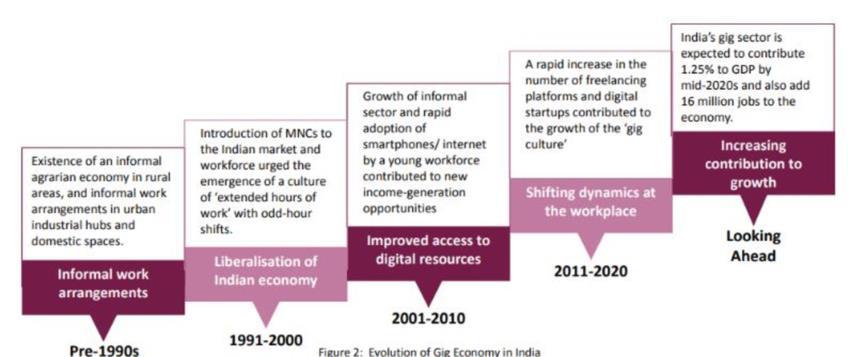
Fig1:EvolutionoftheGigeconomyinIndia(Source:https://pwonlyias.com)
1.2 The Duality of Opportunities and Challenges
Gig work offers unparalleled flexibility, enabling workers to manage their schedules and supplement their income. It is particularlyappealingtomarginalizedgroups,includingstudents,homemakers,andindividualsinsemi-urbanoreconomically weakersections.However,thisflexibilityoftencomesatthecostofjobsecurityandsocialprotections(Vijayasankari,A.(n.d.))
Challengesspecifictogigworkersinclude:
1. Economic Vulnerability: Earnings are often inconsistent and contingent on demand, platform algorithms, and customerbehavior.
2. Absence of Social Protections:Workersarenotentitledtobenefitssuchashealthinsurance,pensions,orpaidleave, astheyareclassifiedasindependentcontractors.
3. Algorithmic Management: Task assignments and earnings are governed by opaque algorithms, which can lead to inequitableoutcomes.
4. Urban Traffic Congestion: Increased vehicular density in Indian cities reduces the number of trips workers can complete,impactingtheirincome.Additionally,itincreaseshealthrisksandoperationalcosts.
International Research Journal of Engineering and Technology (IRJET) e-ISSN:2395-0056
Volume: 12 Issue: 02 | Feb 2025 www.irjet.net p-ISSN:2395-0072
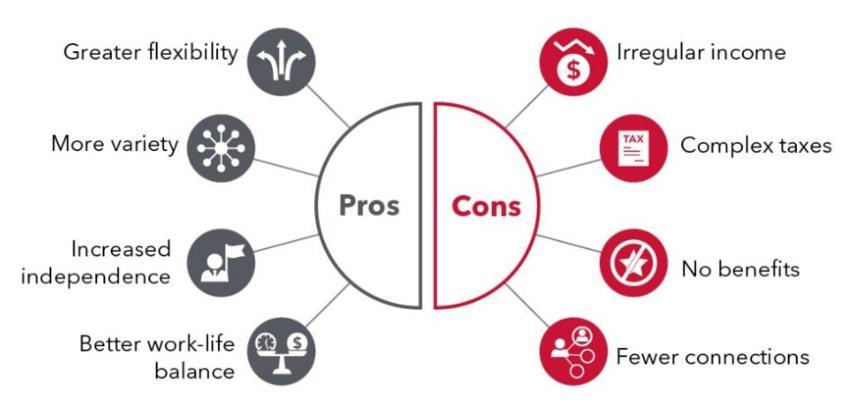
Fig2:ProsandconsoftheGigEconomy(Source:https://online.maryville.edu/)
Urban traffic congestion is a defining feature of Indian cities. The TomTom Traffic Index (2023) reports that cities like Bengaluru,Delhi,andMumbairankamongthemostcongestedglobally.Forgigworkerswhorelyon efficientmobility,traffic congestiontranslatesinto:
Reduced Productivity:Longertraveltimesdecreasethenumberoftaskscompletedpershift.
Increased Costs:Higherfuelconsumptionandvehiclewear-and-tearaddtooperationalexpenses.
Safety Risks: Navigating congested roads increases the likelihood of accidents and health issues such as stress and respiratoryailments.
Efforts to address these challenges have been limited. The Rajasthan Platform-based Gig Workers (Registration and Welfare) Bill, 2023, represents a pioneering legislative attempt to provide social protections for gig workers. However, the success of suchmeasuresdependsoneffectiveimplementationandalignmentwithurbanplanninginitiatives.
Thisresearchaimsto explorethechallengesfacedbyplatform-basedgigworkers,withafocusontheireconomic,social,and operational vulnerabilities. The papers also analyze the impact of urban traffic congestion on gig workers’ productivity, earnings,andsafety.Italsoevaluatepolicyinterventionsandproposeintegratedsolutionstoaddresstheseinterrelatedissues.
2.1 Research Design
Aqualitative researchdesign wasadoptedtoprovidea comprehensiveunderstandingofthechallengesfacedbygig workers and their interaction with urban traffic dynamics. The study relied on secondary data analysis, using diverse and credible sources.
Data Collection
Academic Literature: Researchpapersandjournalarticlesonthegigeconomy,urbantraffic,andlaborrights.
International Research Journal of Engineering and Technology (IRJET) e-ISSN:2395-0056
Volume: 12 Issue: 02 | Feb 2025 www.irjet.net p-ISSN:2395-0072
Policy Documents:
Analysis of the Rajasthan Platform-based Gig Workers (Registration and Welfare) Bill, 2023, and related legislative frameworks.
Industry Reports:
InsightsfromorganizationslikeNITIAayog,ILO,andprivateconsultancies.
Case Studies:
DocumentedexperiencesofgigworkersinIndianurbancenters.
2.2 Analytical Framework
Datawasanalyzedthematically,focusingon:
Workervulnerabilities,includingeconomic,social,andoperationalchallenges.
Theinterplaybetweenurbantrafficcongestionandgigwork.
Evaluationofpolicymeasuresandbestpractices.
3. Literature Review
3.1 Global Context of the Gig Economy
The gig economy, characterized by flexible and task-based employment, has experienced unprecedented growth globally. Digital platforms like Uber, TaskRabbit, and Fiverr have disrupted traditional labor markets, emphasizing efficiency and convenience over conventional employment structures. The International Labour Organization (ILO, 2021) identifies three defining characteristics of gig work task-based employment, digital intermediation and worker classification as independent contractors.
While these platforms offer unprecedented flexibility, they often bypass labor laws, creating precarious working conditions. Globally,countriesaregrapplingwithhowtoregulategigworkwithoutstiflinginnovation.TheEuropeanUnion(EU)hasledin policydiscussions,proposingdirectivestoenhancetransparencyinalgorithmicmanagementandensurefairwages.
In India, the gig economy is emerging as a transformative force in reshaping the labor market, driven by advancements in technology,widespreadinternetpenetration,andayouthful,dynamicworkforceeagertoexploreflexibleemploymentoptions. Theproliferationofsmartphonesandaffordabledataplanshasmadedigitalplatformsaccessibletomillions,creatingafertile ground for gig work to flourish. The sector's growth is also buoyed by India's urbanization trajectory, with metropolitan and tier-2citiesservingashubsforplatform-basedserviceslikefooddelivery,ride-hailing,andhome-basedassistance.
India’syoungpopulation,withamedianageofaround29years,isnaturallyinclinedtowardsexploringgigopportunitiesdue to their tech-savviness and preference for flexible working arrangements. A significant portion of this demographic includes students, homemakers, and first-time job seekers who view gig work as a means to earn income without the constraints of traditionalemployment.
Rapidurbanizationhasfueleddemandforquickandreliableservicesincities,fromfooddeliveriestocabrides.Platforms like Swiggy, Zomato, and Ola cater to the growing expectations of urban dwellers who prioritize convenience. Consequently, gig workersareindispensableinensuringtheseplatformsmeetconsumerdemandsefficiently.
For many Indian workers, the gig economy serves not just as an additional source of income but as a primary means of livelihood. Unlike Western economies where gig work often complements stable jobs, Indian gig workers frequently rely on
International Research Journal of Engineering and Technology (IRJET) e-ISSN:2395-0056
Volume: 12 Issue: 02 | Feb 2025 www.irjet.net p-ISSN:2395-0072
these platforms to support their families. This dependency stems from factors such as limited availability of full-time formal jobs,regionaleconomicdisparities,andalargeinformalsectorofferinglow-paying,insecurework.
Gig platforms in India benefit from operating in a relatively low-cost environment. Workers, categorized as independent contractors, are not entitled to benefits like health insurance or pensions, significantly reducing operational expenses for companies. However, this cost-saving mechanism comes at the expense of workers’ economic security, making them highly vulnerabletofinancialshocks.
Gig workers in India face significant economic challenges due to the inherent instability of their income. Unlike traditional employment,gigworklackspredictablewagesandishighlysusceptibletoexternalfactors.Earningsarefrequentlyaffectedby fluctuatingcustomerdemand,withnoticeabledeclinesduringoff-peakseasons.Additionally,gigplatformsemployalgorithms that prioritize operational efficiency, often at the expense of worker welfare. These algorithms can exacerbate income instabilitybydictatingtaskavailabilityandcompensationwithoutconsideringindividualworkerneedsormarketconditions.
Further compounding these vulnerabilities are unpaid waiting times and cancellations, which disproportionately affect earnings. Workers often spend hours waiting for tasks or face cancellations after incurring fuel and time costs, with no compensation provided for these losses. According to a report by Fairwork India (2023), the majority of gig workers earn below the recommended minimum wage, highlighting the precariousness of their financial situation. High costs associated with vehicle maintenance, fuel, and platform commissions further erode their take-home income, leaving little room for savingsorlong-termfinancialplanning.
Gig workers in India are classified as independent contractors rather than employees, a distinction that excludes them from essential statutory benefits. Without access to health insurance, workers are left to bear the full financial burden of medical emergencies, often forcing them into debt. Similarly, the absence of retirement benefits like provident funds denies workers financialsecurityintheirlateryears.
Thelackofpaidsickandmaternityleavefurtheraggravatestheirprecariousness.Workersarecompelledtocontinueworking evenduringillnessorpregnancy,astakingtimeofftranslatesdirectlyintoincomeloss.Thislackofsocialprotectioncreatesa vicious cycle of financial instability, where unforeseen events like accidents or health emergencies result in unmanageable debts,perpetuatingpovertyandeconomicinsecurityamonggigworkers.
A defining characteristic of platform-based gig work is its reliance on algorithmic management to allocate tasks, determine pricing, and evaluate performance. However, the opaque nature of these algorithms often creates inequities and frustrations among workers. For instance, task distribution is frequently unequal, with workers in less favorable locations or those with lower ratings receiving fewer tasks. This algorithmic bias can lead to significant income disparities among workers on the sameplatform.
Furthermore, external factors beyond a worker’s control such as traffic congestion, adverse weather conditions, or customer delays can result in penalizations. These factors negatively impact worker ratings, which in turn affect their access to future tasks and earnings. The lack of clear, accessible mechanisms for workers to dispute unfair ratings or task assignments compounds their challenges. Without transparency or recourse, workers are left to navigate an ecosystem that prioritizes platformefficiencyovertheirwelfare,leadingtoasenseofdisempowermentandmistrustinthegigeconomysystem.
India's urban centers are grappling with an escalating mobility crisis characterized by severe traffic congestion, insufficient public transport systems, and deteriorating road infrastructure. Cities like Bengaluru, Mumbai, and Delhi consistently rank among the world's most congested urban areas, with average daily commute times exceeding 1.5 hours, as reported by the TomTom Traffic Index (2023). These mobility challenges pose significant obstacles for gig workers, who depend heavily on efficienttraveltomaximizetheirproductivityandearnings.
Volume: 12 Issue: 02 | Feb 2025 www.irjet.net
-ISSN:2395-0072
Forgigworkers,trafficcongestioncreatesacascadingsetofchallenges.Firstly,delayscausedbygridlockedroadsreduce the number of tasks they can complete within a shift, directly impacting their earnings. With many platforms compensating workers on a per-task basis, fewer trips translate into lower income. Secondly, prolonged travel times lead to increased operationalcosts,includinghigherfuelconsumptionandacceleratedvehiclewear-and-tear.Forworkersoperatingonalready narrow profit margins, these expenses further erode their financial stability. Lastly, navigating congested roads exposes workers to heightened health and safety risks. Prolonged exposure to vehicular emissions increases the likelihood of respiratoryillnesses,whilecongestedandpoorlymaintainedroadselevatetheriskofaccidents.
Bengaluru,oftenreferredtoasIndia’sSiliconValley,holds thedubiousdistinctionofbeingthecountry’smostcongestedcity. Gig workers in Bengaluru face average delays of 30–40 minutes per trip, particularly during peak hours. This congestion severelyhampersproductivity,with workersreportinga 20–30%dropinearningsastheystruggle tocomplete theexpected number of tasks per shift (Radhakrishnan, A., & Singha Roy, N. (2023)). The city's crumbling infrastructure, coupled with its exponential vehicular growth, exacerbates the challenges, forcing gig workers to dedicate longer hours to meet platform quotas.
Mumbai’s urban landscape is characterized by one of the highest vehicle densities in the country, leading to a near-constant state of slow-moving traffic and frequent jams. Delivery and ride-hailing workers in Mumbai spend up to 60% of their shifts stuckintraffic,drasticallyreducingtheirproductivity.Thisinefficiencynotonlyimpactstheirearningsbutalsoelevatesstress and fatigue levels. For many, the inability to complete sufficient tasks within a shift result in longer working hours, further strainingtheirphysicalandmentalwell-being(Kuttler,T.(2023))
Delhipresentsauniquesetofchallengesforgigworkers,combiningchronictrafficcongestionwithhazardousairquality.The city’svehicularemissionscontributesignificantlytorespiratoryillnesses,whichareparticularlyprevalentamonggigworkers who spend hours outdoors navigating polluted roads. Stress-related conditions, including anxiety and burnout, are also common due to the constant pressure to meet platform-imposed targets amid adverse working conditions. These health challengesdiminishworkers’capacitytoperformconsistently,compoundingtheireconomicvulnerabilities.
The Rajasthan Platform-Based Gig Workers (Registration and Welfare) Bill, 2023, marks a groundbreaking effort in India to formalize protections for gig workers. It recognizes the precarious nature of gig work and seeks to provide a framework for enhancing worker welfare. A cornerstone of the bill is the mandatory registration of all gig workers on a state-managed platform. This centralized database enables the implementation of targeted welfare initiatives, such as health insurance, accidentcoverage,andfinancialaidduringemergencies.
TheBillalsointroducesa dedicatedwelfarefund,whichpoolscontributionsfromplatforms,thestategovernment,andother stakeholders. This fund aims to ensure that gig workers have access to essential benefits, bridging the gap between their independent contractor status and the social security needs traditionally afforded to employees. Additionally, a formal grievanceredressalmechanismallowsworkerstoraisedisputesandseekresolutionthroughtransparentprocesses,ensuring accountabilityfromplatforms.
AnotablefeatureoftheRajasthanBillisitsprovisionforaminimumearningsguarantee.Platformsarerequiredtoensurethat workersearnaboveaspecifiedincomethreshold,mitigatingthefinancialvolatilitycommonlyassociatedwithgigwork.While these measures represent a significant step forward, the Bill's success hinges on effective implementation and scalability across other states. However, challenges persist, including resistance from platform operators wary of increased operational costsandlimitedawarenessamonggigworkersabouttheirrightsunderthisframework.
California’s AB5 mandates that gig workers be classified as employees rather than independent contractors, granting them access to minimum wage, overtime pay, and employee benefits like healthcare. This reclassification aims to address the economic precarity of gig workers, ensuring a more equitable distribution of resources. However, AB5 has faced opposition
International Research Journal of Engineering and Technology (IRJET) e-ISSN:2395-0056
Volume: 12 Issue: 02 | Feb 2025 www.irjet.net p-ISSN:2395-0072
from major platforms citing increased costs and operational challenges, leading to ongoing debates about its scope and implementation(Graham,M.,&Wood,A.(2020)).
The European Union has introduced directives focusing on algorithmic transparency and fair wage guarantees. These measures compel platforms to disclose the criteria used in task allocation and performance evaluations, fostering greater accountability.Byensuringfairwagesandreducingtheopacityofalgorithmicprocesses,thesedirectives aimtoempowergig workersandenhancetheirtrustinplatformoperation(EuropeanCommission.(2021)).
In a landmark decision, the United Kingdom’s Supreme Court classified Uber drivers as “workers” rather than independent contractors. This ruling entitles drivers to fundamental rights such as minimum wage, holiday pay, and rest breaks. The decision underscores the growing recognition of gig workers’ contributions to the economy and the need to address their vulnerabilities(UKSupremeCourt.(2021))
Economic Vulnerabilities
Gig workers in India face significant income instability due to several factors, including fluctuating customer demand, algorithm-driventaskallocation,andunpaidwaitingtimesorcancellations.Theseinconsistenciesmake itdifficultforworkers to predict their earnings or plan for long-term financial stability. Additionally, high operational costs, such as fuel expenses, vehiclemaintenance,andplatformcommissions,furtherdiminish theirtake-homeincome.Thisleavesworkerswithminimal savingsandlittletonofinancialsecurity,makingthemparticularlysusceptibletoeconomicshocks.
Lack of Social Protections
As independent contractors, gig workers are excluded from essential statutory benefits, such as health insurance, pensions, andpaidleave.Thislackofaccesstosocialprotectionsleavesthemhighlyvulnerabletounforeseenfinancialburdens,such as medicalemergenciesoraccidents.Theabsenceofmaternityandsickleaveexacerbatestheirprecariousness,forcingworkers toprioritizeearningovertheirhealthandwell-being,eveninchallengingcircumstances.
Algorithmic Management Challenges
The reliance on opaque algorithms for task allocation, earnings calculation, and performance evaluation creates significant challenges for gig workers. These systems often result in inequitable task distribution and income disparities. Moreover, externalfactorssuchastrafficcongestion,adverseweather,orcustomerdelayscannegativelyaffectworkerratingsand future earning potential. With limited avenues for dispute resolution, workers often face a sense of disempowerment within the platformecosystem.
Impact of Urban Traffic
Traffic congestion in Indian cities is a major hurdle for gig workers, directly affecting their productivity and earnings. Prolonged travel times due to gridlocked roads reduce the number of tasks completed per shift, while increased fuel consumption and vehicle wear-and-tear inflate operational costs. Moreover, gig workers are frequently exposed to pollution andunsaferoadconditions,posingserioushealthrisks,includingrespiratoryailmentsandstress,whichfurtherdiminishtheir overallqualityoflife.
Policy and Legislative Gaps
While the Rajasthan Platform-Based Gig Workers Bill provides a promising framework for worker welfare, its success is hindered by challenges in implementation and scalability. Resistance from platform operators, concerned about increased operationalcosts,posesasignificantobstacle.Additionally,limitedawarenessamongworkersabouttheirrights andbenefits undersuchinitiativesreducestheireffectivenessandreach.
International Research Journal of Engineering and Technology (IRJET) e-ISSN:2395-0056
Volume: 12 Issue: 02 | Feb 2025 www.irjet.net p-ISSN:2395-0072
Urban centers must adopt targeted mobility solutions to alleviate the challenges faced by gig workers and improve overall traffic efficiency. One innovative approach is the implementation of dedicated lanes for gig workers, a strategy successfully employed in cities like Jakarta (Hosseini, 2021). These lanes prioritize motorbike delivery workers, significantly reducing travel times and enabling more tasks to be completed within a shift. By minimizing delays, such lanes enhance productivity andearningsforgigworkerswhilesimultaneouslyreducingcongestioningeneraltrafficlanes.
Advanced traffic management systems offer another potential solution. These systems use adaptive traffic signals and smart technologies to prioritize gig workers during peak hours (Sharma & Karthik, 2019). For instance, ride-hailing and delivery vehicles could be equipped with transponders that communicate with traffic lights, ensuring smoother and faster movement throughcongestedareas.Thisapproachwouldnotonlyimprovetheefficiencyofgigworkbutalsooptimizeoveralltrafficflow inurbanareas.
Additionally,providingsubsidizedpublictransportforgigworkerscanhelpreducetheirrelianceonpersonalvehicles(Kumar et al., 2022). Discounted or free access to public transit systems could enable workers to complete certain segments of their tasks using buses, trains, or metro systems, easing the burden on road infrastructure and lowering vehicular emissions. Subsidieswouldalsohelpworkerssaveonfuelcosts,improvingtheirfinancialstabilitywhilecontributingtomoresustainable urbanmobility.
Gig platforms must take responsibility for addressing systemic issues that exacerbate worker vulnerabilities. Transparent algorithms are a critical first step. Platforms should clearly disclose how task allocations, earnings calculations, and performance evaluations are determined (De Stefano, 2016). Transparency would empower workers to make informed decisionsandreduceperceivedbiasesorinequitiesintaskdistribution.
Another key area is the enforcement of safety protocols. Platforms must prioritize worker safety by providing access to protective equipment, such as helmets and reflective gear, and offering mandatory training on traffic safety and emergency response.Enhancedsafetymeasureswouldreduceaccidentratesandimproveworkerconfidenceintheplatformstheyrelyon fortheirlivelihoods(Shao&Zhang,2021) PlatformslikeUberandOlaarealreadyexploringthesemeasurestoenhancedriver safety(Kaur,2020)
Implementing minimum earningsguarantees isequally essential.Bymandatinga baselineincome,platformscanensurethat workers receive fair compensation regardless of external factors such as traffic congestion or task cancellations. This policy would provide a critical safety net for workers, protecting them from the financial instability associated with fluctuating earnings(Berg,2020).Suchinitiativesarebeingintegratedbygovernmentsandplatformsglobally,includingCalifornia'sAB5 legislation(Bohleetal.,2021).
Acomprehensiveandsustainableapproachtogigworkerchallengesrequirescollaborationbetweengovernments,platforms, and urban planners. Public-private partnerships could play a pivotal role in improving road infrastructure, such as creating gig-worker-specific lanes or establishing designated delivery zones in high-traffic areas (Chien & Ding, 2020). These partnerships could leverage both public resources and private sector innovation to create worker-friendly urban environments.
Data-sharing agreements between platforms and municipal authorities couldoptimizetrafficand delivery routes.Bysharing real-time traffic data, platforms can enhance route planning for workers, reducing delays and fuel consumption. Simultaneously,citiescanusethisdatatoidentifycongestionhotspotsandimplementtargetedtrafficmanagementmeasures (Keller&Ghosh,2019)
Finally,gigworkers’needsmustbeincorporatedintosmartcityinitiatives.Urbanplanningstrategiesshouldincludededicated spacesfordeliveries,safeparkingareasforride-hailingvehicles,andintegrationwithpublictransporthubs.Thesemeasures would not only enhance the efficiency of gig work but also contribute to broader urban development goals, creating more livableandworker-friendlycities(Tanetal.,2022).
International Research Journal of Engineering and Technology (IRJET) e-ISSN:2395-0056
Volume: 12 Issue: 02 | Feb 2025 www.irjet.net p-ISSN:2395-0072
Gig workers’ challenges are multifaceted, stemming from economic instability, lack of social protections, and urban infrastructural deficits. Traffic congestion amplifies these vulnerabilities, creating a vicious cycle of reduced earnings and heightened risks. Addressing these issues requires systemic interventions that bridge gaps between labor rights, urban planning,andplatformaccountability.
While platformshavea moral and economic obligation toimprove working conditions,relyingsolely on their initiatives may lead to fragmented or inconsistent measures. Collaborative efforts between governments, platforms, and urban planners are essentialtocreatestandardized,enforceablesolutions.
Adopting global best practices like task prioritization lanes and transparent algorithms must be contextualized for India’s uniqueurbanandeconomiclandscape.Forinstance,India’shighpopulationdensity necessitatesscalable,low-costsolutions, suchasintegratinggigworkersintoexistingpublictransportnetworks.
Incorporatinggigworkerneedsintosmartcityprojectscanaddressmobilitychallenges whilecontributingtobroaderurban development goals. Data-sharing agreements and real-time traffic management systems can optimize both worker efficiency andurbaninfrastructure.
Thegig economy represents a transformativeshiftin employment,offeringflexibilityandincomeopportunities,especiallyin urbanizing nations like India. However, it also exposes workers to significant vulnerabilities, particularly in the context of trafficcongestionandlackofsocialprotections.
Urban traffic congestion directly impacts gig workers’ productivity, earnings, and safety, exacerbating existing challenges. Addressing these requires an integrated approach that combines targeted mobility solutions, platform accountability, and collaborativepolicymaking.
Key recommendations include implementing dedicated lanes, subsidized public transport, transparent algorithms, and minimum earnings guarantees. Legislative efforts like the Rajasthan Gig Workers Bill mark significant progress, but effective implementationandexpansionacrossstatesarecrucial.
Byaligninggigworkerneedswithurbanmobilitystrategiesandsmartcityinitiatives,policymakersandplatformscanfostera moresustainable,equitable,andproductivegigeconomythatbenefitsworkers,platforms,andurbandwellersalike.
Reference
1. TomTom.(2023,January).TomTomTrafficIndex2023:Globaltrafficrankings.TomTom.
2. FairworkIndia.(2023,January).FairworkIndiaRatings2023:Labourstandardsinthegigeconomy.FairworkIndia.
3. Bery,S.,Kant,A.,&Rao,K.R.(2022,June27).India'sboominggigandplatformeconomy.NITIAayog.
4. Vijayasankari,A.(n.d.).PrevalenceofroadtrafficaccidentsamongfooddeliveryworkersinSouthernChennai.
5. RajasthanStateGovernment.(2023).RajasthanPlatform-BasedGigWorkers(RegistrationandWelfare)Bill,2023.
6. Radhakrishnan, A., & Singha Roy, N. (2023). Gig economy workers' livelihood: A qualitative study of ride-hailing platformsinBangalorecity,India. Artha Vijnana, 65(2),171-187.
7. Kuttler, T. (2023). Urban mobilities in Mumbai: Towards worker-centric platformisation beyond ‘urban solutionism’. Urban Studies, 61(4),675-690
8. Graham,M.,&Wood,A.(2020).California’sAB5andthegigeconomy:Workerclassificationandchallenges. Journal of Labor Policy, 45(2),178-193
9. EuropeanCommission.(2021). Digital labor platforms and transparency: Ensuring fair wages and accountability.
10. UKSupremeCourt.(2021). Uber drivers are ‘workers’, not independent contractors: Landmark ruling. The Guardian.
11. Hosseini, S. (2021). Urban mobility and gig workers: Implementing dedicated lanes in megacities. Journal of Urban Planning and Development, 147(2),100-112.
International Research Journal of Engineering and Technology (IRJET) e-ISSN:2395-0056
Volume: 12 Issue: 02 | Feb 2025 www.irjet.net p-ISSN:2395-0072
12. Sharma, R., & Karthik, M. (2019). Smart urban mobility: Optimizing traffic flow with adaptive management systems. Transportation Research Part C: Emerging Technologies, 102,52-68.
13. Kumar, P., Singla, A., & Soni, V. (2022). Public transport subsidies for gig workers: Policy implications and economic impact. Journal of Public Economics, 195,104416.
14. DeStefano,V.(2016).Theriseofthe‘gig’economyandimplicationsforlaborlaw. Comparative Labor Law and Policy Journal, 37(3),471-507.
15. Shao, C., & Zhang, Y. (2021). Safety and well-being of gig workers: A policy framework for risk management. Safety Science, 139,105243.
16. Kaur,A.(2020).Safetyregulationsandprotocolsforgigeconomyworkers:AnanalysisofplatformsinIndia. Journal of Transportation Safety & Security, 12(1),55-67.
17. Berg, J. (2020). Towards a fairer gig economy: Minimum wage and platform accountability. International Labour Organization.
18. Bohle, P., Quinlan, M., & Mayhew, C. (2021). The impact of platform work on gig workers: Safety, fairness, and earnings. Industrial Relations Journal, 50(4),315-332.
19. Chien, S., & Ding, Y. (2020). Urban mobility for gig workers: Infrastructure solutions and challenges. Transportation Research Part A: Policy and Practice, 131,275-291.
20. Keller, M., & Ghosh, S. (2019). Using data for traffic management in urban areas: A case study of real-time collaborationbetweenmunicipalitiesanddeliveryplatforms. Urban Studies, 56(8),1703-1717.
21. Tan, S., Huang, L., & Wang, H. (2022). Smart city integration and gig economy workers: A future roadmap. Urban Planning Review, 32(1),45-59.