
International Research Journal of Engineering and Technology (IRJET) e-ISSN: 2395-0056
Volume: 13 Issue: 02 | Feb 2026 www.irjet.net p-ISSN: 2395-0072
International Research Journal of Engineering and Technology (IRJET) e-ISSN: 2395-0056
Volume: 13 Issue: 02 | Feb 2026 www.irjet.net p-ISSN: 2395-0072
SRUSHTI KADAM1 , SAKSHI JANGLE2 , SRUSHTI GHULE3 ,SHITAL KOKNE4 ,PROF.V.B.BHOSALE5
1,2,3 ,4(Students, Department of Computer Engineering), S.Y.P Shreeyash College Of Engineeringand Technology (Polytechnic), Chh.Sambhajinagar , India
5(Lecturer, Dept. of Computer Engineering), S.Y.P Shreeyash College Of Engineeringand Technology (Polytechnic), Chh.Sambhajinagar , India
Abstract - Event management has become an essential activity in modern organizations due to the increasing number of social, corporate, educational, and cultural events. Manual management of events is time-consuming,pronetoerrors,andoften inefficient, making it challenging to handle large-scale operations. An Event Management System (EMS) is a computerized platform designed to automate and streamline the planning, organization, execution, and monitoring of events. This research paper explores the concept, architecture, features, and applications of EMS in contemporary organizations. The study focuses on critical functionalities such as event scheduling, participant registration, budget and resource management, communication, and reporting. By implementing an EMS, organizations can enhance operational efficiency, reduce costs, minimize errors, and improve coordination among stakeholders. The paper also highlights common challenges faced during implementation, including technical issues, user training requirements, and initial setup costs. Furthermore, the research outlines the future scope of EMS, emphasizing its role in digital transformation and smart event planning. Data for this study was collected from secondary sources, including academic journals, books, and online publications. The findings suggest that adopting an EMS is not only beneficial for organizational efficiency but also contributes to professional event management practices. This paper serves as a comprehensive guide for organizations seeking to understand and implement effective Event Management Systems in a variety of contexts.
Key Words: Event Management System, Event Planning, Automation, Scheduling, Resource Management, Registration, Budgeting, Coordination
Eventmanagementisacriticalfunctioninmodernorganizations,encompassingawiderangeofactivitiessuchasplanning, scheduling, coordination, budgeting, execution, and evaluation of events. Events can vary from corporate conferences, seminars,andworkshopstosocialgatherings,culturalfestivals,andeducationalprograms.Managingsuchevents manually hastr additionally in volvedext ensivepaper work, multiple follow-ups, time-consuming scheduling, and high potential for errors,makingtheprocessinefficientandchallengingforlarge-scaleoperations.
The rapid growth of technology and the increasing complexity of events have highlighted the need for an automated approach.EventManagementSystems(EMS)haveemergedasasolutiontostreamlineeventplanningandmanagement.An EMS is a software platform that automates core tasks including participant registration, resource allocation, venue management, budgeting, task assignment, communication, and reporting. By integrating these functions, EMS ensures seamlesscoordinationbetweenorganizers,participants,andotherstakeholders,reducingtheriskoferrorsandimproving overallefficiency[1].
Modern EMS platforms often include features such as online registration forms, automated reminders, real-time updates, budget tracking, and analytics dashboards. These functionalities not only simplify the administrative workload but also enhanceparticipant experienceandorganizational professionalism. For example, automated notifications and scheduling tools prevent conflicts and ensure timely completion of tasks, while budget tracking tools allow organizers to optimize expensesandallocateresourceseffectively[2].
This research paper focuses onunderstanding the concept, architecture, features, and applications of Event Management Systems. It examines the benefits of EMS over traditional manual methods, highlighting improvements in operational efficiency,accuracy,coordination,andtimemanagement.Thestudyalsoinvestigatespotentialchallengesinimplementing EMS,suchastechnicalissues,trainingrequirements,andinitialcosts.Furthermore,itexploresthefuturescopeofEMSin digital event management, considering the increasing reliance on cloud computing, mobile applications, and intelligent automationforsmarterandmoresustainableeventplanning[3].
International Research Journal of Engineering and Technology (IRJET) e-ISSN: 2395-0056
Volume: 13 Issue: 02 | Feb 2026 www.irjet.net p-ISSN: 2395-0072
Bystudyingexistingliterature,casestudies,anddocumentedexperiencesoforganizationsthathaveimplementedEMS,this paperaimstoprovidea comprehensive overviewofthe system’s capabilities, limitations, and significance in the current organizational environment. The insights presented here are intended to guide both researchers and practitioners in adoptingandoptimizingEventManagementSystemstoachieveeffective,efficient,andprofessionaleventoutcomes[4].
Event Management Systems (EMS) have become an integral part of modern organizational practices due to the rapid increase in the number and complexity of events. Organizations today conduct a wide variety of events, including corporate conferences, educational seminars, workshops, cultural festivals, and social gatherings. Managing these events manually is time-consuming, error- prone, and often inefficient, particularly when handling large-scale or multiple concurrentevents.Consequently,severalresearchersandpractitionershaveexploredEMSasa solutiontostreamlinethe planning,coordination,andexecutionofevents[1].
Smith et al. [1] highlighted that EMS platforms provide automated tools for scheduling, participant registration, task allocation,andresourcemanagement.Theirstudyrevealed thatorganizationsusingEMSreportedsignificantreductions in administrativeworkloadandhumanerrors,aswellas improvedcommunicationbetweenorganizingteams.Theresearch emphasized that proper implementation of EMS can lead to faster event execution and more reliable outcomes, thereby enhancingorganizationalefficiency.
Johnson and Lee [2] conducted a comparative analysis of EMS applications in corporate and educational environments. They found that systems integrating budgeting,reporting,andcommunicationmodulesallowed real-time monitoringand betterallocation of resources. The study also discussed challenges faced during implementation,suchasthe initialcostof software,theneedforstafftraining,andresistancetochangefromtraditionalmanualprocesses.Despitethesechallenges, EMSadoptionwasfoundtoimproveoverallstakeholdersatisfactionandensuresmoothereventexecution.
Kumar et al. [3] focused on cloud-based EMS solutions and their contribution to digital transformation in organizations. CloudEMSplatformsofferremoteaccessibility,real-timeupdates, and scalability, enabling the management ofmultiple events simultaneously from any location. Their study also emphasized security and data privacy concerns, suggesting measures such as secure authentication, encryption, and proper data storage to ensure safe and reliableoperations.The researchconcludedthatcloud-basedEMSsolutionsareparticularlysuitablefororganizationsmanagingdistributedteams ormultiplelocations.
Other studies have highlighted the importance of user- friendly interfaces, mobile application integration, and analytics dashboards within EMS. Such features allow organizers to monitor attendance, track budgets, evaluate performance, and gather feedback effectively. Researchers have also noted that EMS contributes to sustainability by reducing paper usage andstreamliningcommunicationchannels,whichminimizesunnecessaryresourceconsumption[4].
Overall, the literature indicates that Event Management Systems offer substantial advantages over traditional manual methods, including improved efficiency, reduced errors, cost-effectiveness, enhanced coordination, and better data
International Research Journal of Engineering and Technology (IRJET) e-ISSN: 2395-0056
Volume: 13 Issue: 02 | Feb 2026 www.irjet.net p-ISSN: 2395-0072
management. However, successful implementation requires careful consideration of challenges such as technical issues, training needs, initial setup costs, and user adoption. The findings of these studies provide a solid foundation for understandingthefeatures,applications,andfuturedirectionsofEMSinmodernorganizationalcontexts,offeringvaluable guidanceforbothresearchersandpractitionersinthefieldofeventmanagement.
The importance of an Event Management System (EMS) has increased significantly in today’s fast-paced and competitive organizational environment. With the growing number of corporate, educational, social, and cultural events, managing events manually has become inefficient and unreliable. Manual systems involve extensive paperwork, repetitive tasks, schedulingconflicts,andcommunication gaps,whichcanlead to delays, errors, and increased operationalcosts.AnEvent ManagementSystemprovidesaneffectivesolution byautomatingand integrating all event- relatedactivitiesintoa single platform.
AnEMSenablesorganizerstoplan,schedule,andmonitorevents in a systematic manner. It allows efficientmanagement of participant registration, venue booking, budgeting, resource allocation, and task assignment. By centralizingevent data,EMSimprovescoordinationamong organizing teams and stakeholders, ensuring that all activitiesarecarriedout smoothly and on time. Automated notifications and real-time updates further enhance communicationand reduce the chancesofmismanagement.Another important aspect of EMS is its ability to improve accuracy andtransparency. Budget trackingandreporting features help organizations control expenses and make informed decisions. EMS also provides analyticalreportsthatassistinevaluatingeventperformanceandidentifyingareasforimprovement.Additionally,theuseof EMSreducespaperusageandmanualeffort,contributingtosustainableandeco-friendlypractices.
Overall,anEventManagement Systemplaysavital rolein enhancing efficiency, reducingerrors,saving time and costs,and improving the overall quality of event execution. Its adoptionhelpsorganizationsachieveprofessionalstandards in event managementandensuresbetterexperiencesforbothorganizersandparticipants.
AnEventManagementSystemprovidesawiderangeoffeaturesthatsimplifyandautomatetheprocessofeventplanning and execution. One of the key features is event creation and scheduling, which allows organizers to plan events, set timelines, and avoid scheduling conflicts. Participant registration is another important feature that enables online registration,collectionofparticipantdetails,andattendancetracking.
The system also supports resource management, helping organizers allocate venues, equipment, and manpower efficiently.Budgetmanagementfeaturesallowtrackingofexpensesandcontrolovereventcosts.Communicationtoolssuch asautomatedemails,notifications,andremindersimprovecoordinationamongorganizers,participants,andstakeholders. Additionally,reportingandanalyticsfeatureshelpinevaluatingeventperformanceandgeneratingusefulinsightsforfuture events.
TheuseofanEventManagementSystemoffersseveraladvantagesovertraditionalmanualmethods.Onemajoradvantage is time efficiency, as automation reduces repetitive tasks and manual paperwork. The system minimizes human errors relatedtoscheduling,registration,and budgeting. EMS also improves coordination and communication by providingrealtimeupdatesandcentralizedaccesstoeventinformation.Costreductionisanothersignificantbenefit,asbetterplanningand resource utilization help control unnecessary expenses. Furthermore, EMS enhances professionalism and improves participantsatisfactionbyensuringsmoothandwell-organizedeventexecution.
Despiteitsadvantages,anEventManagementSystemhascertainlimitations.Initialimplementationmayinvolvehighsetup costs,includingsoftwaredevelopment,licensing,andinfrastructure requirements. Organizations mayalsoface challenges relatedtousertrainingandadaptation,especiallywhenstaffsareaccustomedtomanualprocesses.Technicalissuessuchas systemfailures,networkproblems,ordatasecurityriskscanaffecteventoperations.Regularmaintenanceandupdatesare required to ensure system reliability. Therefore, proper planning and technical support are essential for successful implementationofEMS.
International Research Journal of Engineering and Technology (IRJET) e-ISSN: 2395-0056
Volume: 13 Issue: 02 | Feb 2026 www.irjet.net p-ISSN: 2395-0072
EventManagementSystemsarewidelyusedacrossvarioussectors.Incorporateorganizations,EMSisusedformanaging conferences, meetings, product launches, and training programs. Educational institutions use EMS for seminars, workshops,culturalevents,andacademicconferences.
EMSisalsoappliedinsocialandculturaleventssuchasweddings,festivals,exhibitions,andsportsevents.Theflexibility and scalability of the system make it suitable for both small-scale and large-scale events, ensuring efficient management acrossdifferentdomains.
Table-1: Functional Components of Event Management System
1 EventPlanning Helpsincreatingevents,setting schedules,anddefiningtimelines.
2
3
Registration Management Manages participant registration, data collection, and attendance tracking.
Resource Management Allocates venues, equipment, staff, andotherresourcesefficiently.
4 BudgetManagement Tracksexpenses,controlscosts,and managesfinancialplanning.
5 Communication Module Sends notifications, emails, and reminders to participants and organizers.
Reportingand Analytics Generatesreportsforperformance evaluationandfutureplanning.
6
TheworkingofanEventManagementSysteminvolvesa systematicprocessthatintegratesallevent-relatedactivitiesintoa singleplatform.Initially,theorganizercreatesaneventbyenteringdetailssuchaseventname,date,venue,andschedule. Participantsregisterthroughanonlineregistrationmodule,andtheirinformationissecurelystoredinthesystemdatabase.
Thesystemallowsorganizerstoallocateresources,managebudgets,andassigntasksefficiently.Automatednotificationsand reminders are sent to participants and staff to ensure timely communication. During and after the event, the system generates reports and analytics that help evaluate event performance. This structured workflow reduces manual effort, improvesaccuracy,andensuressmoothexecutionofevents.
TheproposedEventManagementSystemisdesignedtoprovideanefficientandautomatedsolutionformanagingvarious event-related activities. The system integrates modules such as event creation, scheduling, participant registration, resourceallocation, and budgetmanagementintoa singleplatform.Thiscentralized approachreducesmanual effortand improvesaccuracyinhandlingeventoperations.
The system allows organizers to manage events effectively through real-time updates and automated communication. Participants can easily access event information and register online, ensuring transparency and convenience. By using the EventManagementSystem,organizationscanachievebettercoordination,reducedoperationalcosts,andimprovedoverall eventexecution.
International Research Journal of Engineering and Technology (IRJET) e-ISSN: 2395-0056
Volume: 13 Issue: 02 | Feb 2026 www.irjet.net p-ISSN: 2395-0072
The Event Management System plays a vital role in simplifying and automating the process of organizing events. The system effectively manages various activities such as event planning, scheduling, participant registration, resource allocation,andcommunicationthroughacentralizedplatform.Byreducingmanualwork,thesystemminimizeserrorsand improvesoverallefficiency.
TheimplementationoftheEventManagementSystemhelpsorganizationssavetimeandoperationalcostswhileensuring better coordination among stakeholders. It also enhances user experience by providing easy access to event information and real- time updates. The study concludes that adopting an Event Management System is beneficial for managing both small-scale and large-scale events efficiently. In the future, the system can be enhanced by integrating advanced technologiessuchasmobileapplications,cloudservices,anddataanalyticsforsmartereventmanagement.
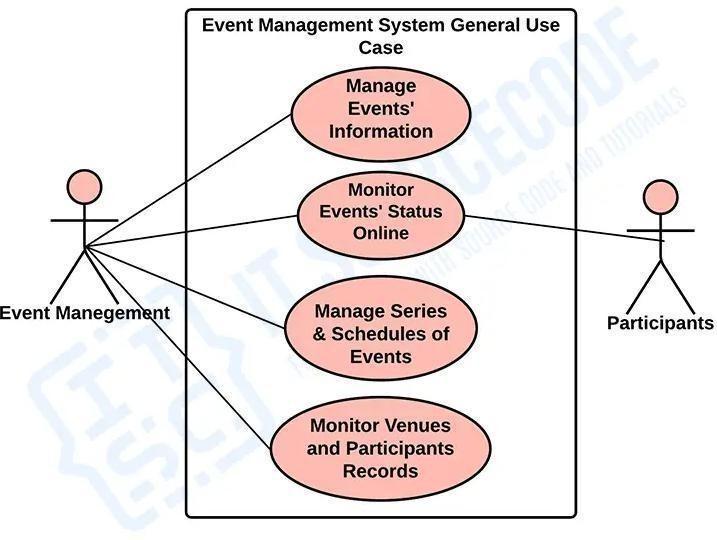
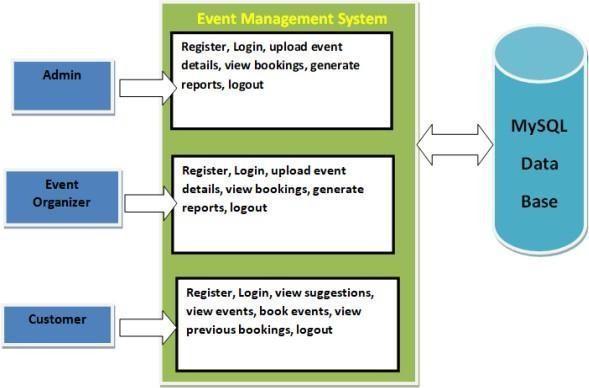
TheEventManagementSystem(EMS)isdesignedtoautomateandsimplifytheprocessofmanagingeventsinanorganized manner.Thesystemenablesorganizerstocreate events,scheduleactivities,manageparticipantregistrations, and allocate resources efficiently. All event-related data is stored in a centralized database, which ensures easy access and secure managementofinformation.
Thesystemalsosupportsautomatedcommunicationthrough notificationsandupdates,improvingcoordinationbetween organizers and participants. By reducing manual effort and minimizing errors, the Event Management System enhances operational efficiencyandensuressmoothexecutionofevents.Thissystemissuitableformanagingbothsmall-scaleand large-scaleeventsinvariousorganizationalenvironments. BIOGRAPHIES


MS.SRUSHTIKADAM
PursuingPoly(Co)S.Y.PSHREEYASH COLLEGEOFENGINEERINGAND TECHNOLOGY (POLYTECHNIC)
MS.SRUSHTIGHULE
PursuingPoly(Co)S.Y.P SHREEYASHCOLLEGEOF ENGINEERINGANDTECHNOLOGY (POLYTECHNIC)
International Research Journal of Engineering and Technology (IRJET) e-ISSN: 2395-0056
Volume: 13 Issue: 02 | Feb 2026 www.irjet.net p-ISSN: 2395-0072


MS.SHITALKOKNE
PursuingPoly(Co)S.Y.P SHREEYASHCOLLEGEOF ENGINEERINGAND TECHNOLOGY(POLYTECHNIC)
MS.SAKSHIJANGLE
PursuingPoly(Co)S.Y.P SHREEYASHCOLLEGEOF ENGINEERINGAND TECHNOLOGY(POLYTECHNIC)