
International Research Journal of Engineering and Technology (IRJET) e-ISSN: 2395-0056
Volume: 13 Issue: 03 | Mar 2026 www.irjet.net p-ISSN: 2395-0072
International Research Journal of Engineering and Technology (IRJET) e-ISSN: 2395-0056
Volume: 13 Issue: 03 | Mar 2026 www.irjet.net p-ISSN: 2395-0072
SUNIL T S1 , NAVYA K P2 , SWAPNISHA P K3 ,THASWFIYA M4
1234Graduate Student, 5Assistant Professor Department of Civil Engineering, AWH Engineering College Calicut, Kerala, India
Abstract - Rapid urbanization and industrial growth have increased wastewater generation, creating a needfor effective and sustainable treatment methods. Textile dyewastewater is difficult to treat due to its high color andcomplexcomposition, while kitchen wastewater contains organic matter, oils and grease that increase pollution levels if not properly treated. This study evaluates natural bio-coagulants Neem leaves (Azadirachta indica), Moringa (Moringa oleifera), and Date seeds (Phoenix dactylifera) for wastewater treatment using jar test experiments. The results showed improvement in key parameters such as turbidity, pH, TDS and BOD with best performance at 0.6 mg/l. The study concludes that these materials are cost-effective, eco-friend and suitable alternatives to chemical coagulants.
Key Words: Textile dye waste water, Kitchen waste water, Neem leaves, Moringa leaves & seeds, Date seeds, turbidity, pH, Total hardness,EC, TDS and BOD
Water is an essential resource for human survival, environmental balance, and economic development. However, rapid industrialization, urbanization, and populationgrowthhavesignificantlyincreasedwastewater generation from both industrial and domestic sources. Textile dye wastewater is difficult to treat due to its high color, turbidity, and presence of non-biodegradable chemicals,whichaffectaquaticlifeandreducewaterquality. Kitchen wastewater also contributes to pollution as it contains organic matter, oils, grease, and microorganisms thatincreasebiochemicaloxygendemand(BOD)andcause environmental and health problems if discharged without propertreatment.
Thisstudyfocusesontheuseofnaturalbio-coagulantsNeem leaves (Azadirachta indica), Moringa seeds and leaves (Moringaoleifera),andDateseeds(Phoenixdactylifera)as eco-friendly alternatives to chemical coagulants. These materialshelpinremovingimpuritiesthroughcoagulation, adsorption,andantimicrobialaction.Moringaimprovesfloc formation,Neemreducesmicrobialcontent,andDateseeds enhancetheremovalofdissolvedpollutants.Thecombined useofthesematerialsincreasesoveralltreatmentefficiency, making them a cost-effective, sustainable and environmentallyfriendlysolutionfortreatingtextiledyeand kitchenwastewater.
2.1 Materials
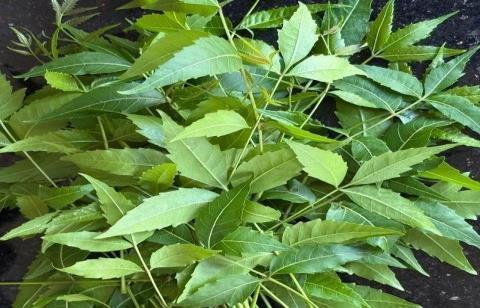
A. Neem leaves
Neem(Azadirachta indica)leavescanbeusedasa natural coagulanttohelptreatwaterandwastewater.Theyareecofriendly,biodegradable,andnon-toxic.Neemleavescontain natural compounds like tannins, flavonoids, saponins and alkaloidsthathelpremoveimpuritiesbybindingparticles togetherandallowingthemtosettle.Inpractice,theleaves aredried,groundintopowderandmixedwithwastewater, then left to settle so the impurities can separate from the water.StudiesshowthatNeemcanremoveupto80–90%of turbidity and reduce some heavy metals, making water cleaner. Although it may be slightly less effective than chemicalcoagulantsforveryfineparticles,Neemislow-cost, sustainableandespeciallyusefulforruralorlow-resource areas.
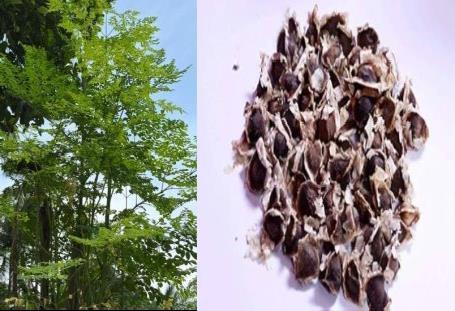
B. Moringa leaves and seeds
Moringa oleifera seeds and leaves are commonly used as naturalcoagulantsforwatertreatmentbecausetheyareecofriendly, biodegradable and low-cost. The seeds contain naturalproteinsthathelpbindsuspendedparticlessothey cansettleoutofthewater,whiletheleavescontainbioactive compoundsthathelpremoveimpuritiesthroughadsorption andparticle bridging.Thisprocesshelps reduceturbidity, remove pollutants and control some bacteria, improving water quality. Although slightly higher amounts may be needed for very polluted water, Moringa is a safe,
International Research Journal of Engineering and Technology (IRJET) e-ISSN: 2395-0056
Volume: 13 Issue: 03 | Mar 2026 www.irjet.net p-ISSN: 2395-0072
sustainable, and effective green alternative for water purification.
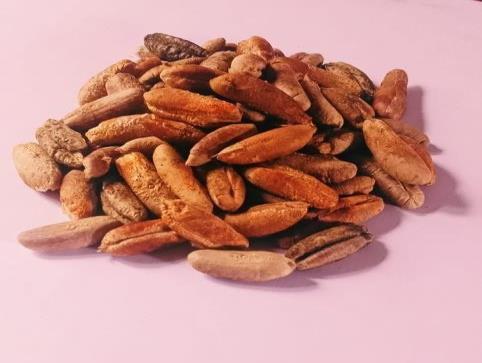
C. Date seeds
Dateseeds(Phoenixdactylifera)canbeusedasanaturaland eco-friendly coagulant for treating water and wastewater. Theycontaincompoundssuchasproteins,polysaccharides, tannins and polyphenols that help remove impurities by bindingparticlestogetherandallowingthemtosettle.Date seed powder can reduce turbidity, suspended solids, and some heavy metals in water. Compared to chemical coagulants,itisbiodegradable,non-toxic,low-costandeasily available.Italsoproduceslessharmfulsludge,makingita sustainableoptionforwater treatment,especiallyinrural andlow-resourceareas.
2.2 Methods
A. Preparation of coagulant
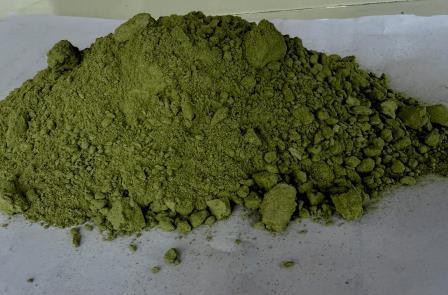
Neemleaveswerecollected,washedwithdistilledwaterto removeimpuritiesandair-driedundershadeforfourdaysto preservetheirbioactiveproperties.Thedriedleaveswere then ground into a fine powder and sieved through a 75micron mesh for uniform size. Finally, the powder was stored in an airtight container to maintain its quality and preventcontamination.
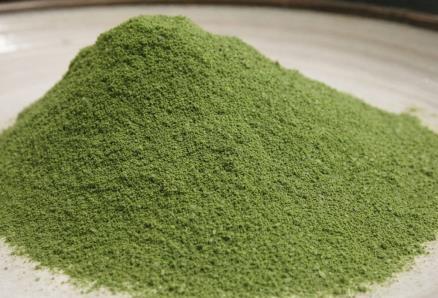
Moringa seeds and leaves were collected, washed with distilled water and air-dried under shade for four days to preservetheirbioactivecompounds.Thedriedmaterialwas groundintoafinepowderandsievedthrougha75-micron meshforuniformsize.Finally,thepowderwasstoredinan airtight container to maintain quality and prevent contamination.
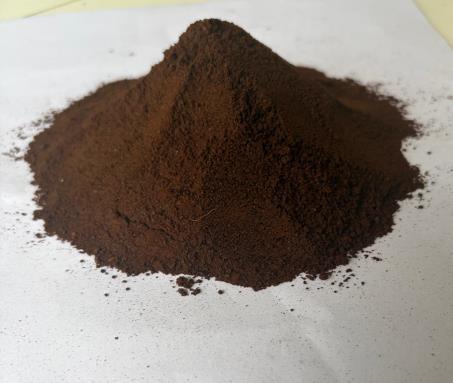
Date fruits were obtained from the local market and the seeds were separated, washed thoroughly with distilled water, and sun-dried for five days. They were then ovendriedat105°Cfor8hourstoremovemoisturecompletely. The dried seeds were crushed into smaller particles and stored in an airtight container to maintain quality and preventcontamination.
International Research Journal of
Volume: 13 Issue: 03 | Mar 2026 www.irjet.net
Ajartestapparatuswasusedtocarryoutthecoagulation experiments.It includedthree 1000 ml beakersplaced on magnetic stirrers, which allowed different samples to be tested at the same time. Measured amounts of coagulants (0.4–0.8mg/lper100mlofwater)wereaddedtotheraw waterineachbeaker.Theprocessstartedwithslowmixing at50rpmfor15minutes,followedbyfastermixingat150 rpmfor10minutestoensureproperdispersion.Afterthat, slowstirringwascontinuedagainat50rpmforanother15 minutestohelpflocformation.Thesampleswerethenleft undisturbedfor30minutestoallowtheparticlestosettle. Finally,theclearupperlayer(supernatant)wasfilteredand tested for various parameters such as pH, total dissolved solids (TDS), electrical conductivity (EC), turbidity, total hardnessand(BOD)
Neem leaves, moringa leaves and seeds, and date seed powderplayanimportantroleinimprovingwaterqualityby helping to remove different physicochemical parameters. These natural materials help reduce pH, total dissolved solids (TDS), electrical conductivity (EC), turbidity, total hardnessandbiologicaloxygendemand(BOD)makingthe wastewatercleanerandsaferaftertreatment.
Table -1: Resultoftextiledyewastewaterbeforetreatment
value of 38.25 mg/l indicates a high level of organic pollution, which can reduce oxygen in water bodies and affectaquaticorganisms.
Table -2: ResultofTotalhardnessintextiledyewaste wateraftertreatedwithNeemleavesstocksolution
SI No.
Table -3: ResultofTotalhardnessintextiledyewastewater aftertreatedwithMoringaleaves&seedsstocksolution SI
4
5
6
The table 1 shows the characteristics of textile dye wastewater before treatment, indicating that the water is highlypollutedandnotsuitablefordirectdischarge.ThepH valueof9.9showsthatthewaterisstronglyalkalinedueto the chemicals used in textile processing, which can harm aquatic life. The turbidity of 227 NTU indicates a high amountofsuspendedparticlesandcolorinthewater.The total hardness of 250 mg/l suggests the presence of dissolved minerals like calcium and magnesium. The electrical conductivity of 2403 µS/cm and total dissolved solids of 950 mg/l show that the water contains a large amountofdissolvedionsandchemicals.Inaddition,theBOD
Table -4: ResultofTotalhardnessintextiledyewastewater aftertreatedwithDate seedsstocksolution SI No.
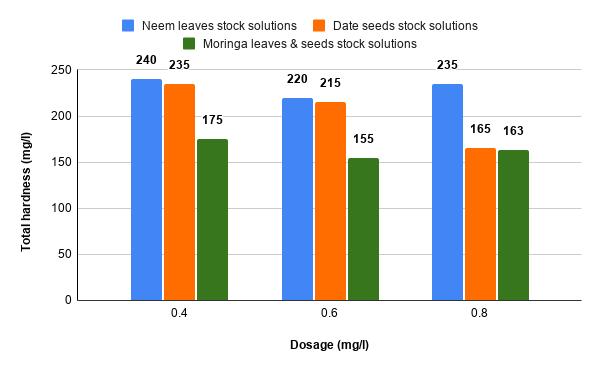
Fig 7: GraphshowingTotalhardnessoftextiledyewaste wateraftertreatment
International Research Journal of Engineering and Technology (IRJET) e-ISSN: 2395-0056
Volume: 13 Issue: 03 | Mar 2026 www.irjet.net p-ISSN: 2395-0072
Fig7showshowNeemleaves,Dateseeds,andamixtureof Moringa leaves and seeds affect total water hardness at different dosages (0.4, 0.6 and 0.8 mg/l). The mixture of Moringaleavesandseedsshowedthebestresult,withthe lowesthardnessvalueof155mg/lat0.6mg/ldosage,which meansitremovedmorehardness-causingmineralsfromthe water. This may be because Moringa contains natural proteinsthathelpbindandremovecalciumandmagnesium ions. Date seeds also improved hardness removal as the dosage increased, reaching 165 mg/l at 0.8 mg/l. Neem leavesshowedonlysmallchangesinhardnesscomparedto the other treatments. The results indicate that Moringa worksmoreeffectively,especiallyatamoderatedosage.
Theresultsshowthatbio-coagulantefficiencydependson theparameterconsidered.Moringaseedsandleaveswere mosteffectiveinreducingpH(9.1%),turbidity(60%),and total hardness (35.4%), indicating strong coagulation ability.Date seed coagulant performed better in reducing electrical conductivity (17.5%) and TDS (34.3%), highlighting its effectiveness in removing dissolved substances. Moringa is more suitable for suspended impurities, while date seeds are better for dissolved contaminants.Thesenatural coagulantsarelow-cost,ecofriendly, and suitable for irrigation reuse, making them sustainablealternativestochemicalcoagulantslikealum.
[1] Sankeeth.K.V,AshaRani.N.R ,“Useofneemleafpowder as natural coagulant to treat industrial wastewater,” International Journal Of Innovative Research In TechnologyIJIRT8(1),vol.08,june2021,ISSN:23496002
[2] Muhammad Hakim Abdul Rahman Adrin et al “Effectivenessofdatedryseedasanaturalcoagulantin wastewatertreatmentprocess”,Internationaljournalof sustainableconstructionengineeringandtechnologyvol. 15,Dec.2024,doi:10.30880/ijscet.2024.15.03.015
[3] S Mohan et al “Textile Waste Water Treatment by Using Natural Coagulant(Neem-Azadirachta India)”, International research journal of multidisciplinary technovation(IRJMT)Nov.2019,doi:10.34256/irjmtcon9 0.
[4] MengHongNg,MohamedSolimanElshikh,“Utilization of Moringa oleifera as Natural Coagulant for Water Purification,vol.01, Dec. 2021 doi: 10.53623/idwm.v1i1.41.
[5] Bahati Shabani Nzeyimana, A. Daisy Caroline Mary , “Sustainablesewagewatertreatmentbasedonnatural plantcoagulant:Moringaoleifera,”vol.04,march.2024, doi:10.1007/s43832-024-00069-x



Ms Nandana sunil T S FinalYear B-tech student in the Civil Engineering Department at AWH EngineeringCollegeCalicut Kerala India.
Ms. Navya K P Final Year B-tech student in the Civil Engineering Department at AWH Engineering CollegeCalicutKeralaIndia.
Ms Swapnisha P K Final YearBtech student in the Civil Engineering Department at AWH EngineeringCollegeCalicut Kerala India.
Ms. Thaswfiya M Final Year Btech student in the Civil Engineering Department at AWH EngineeringCollegeCalicut Kerala India.

Ms. Jithma T. Currentlyworking asan AssistantProfessorinthe civilengineering departmentat AWHEngineeringCollegeCalicut KeralaIndia.Shehasmorethan 12 yearsexperienceinteaching and one-year Industrial experience. Her interested area isstructuralengineering.