
International Research Journal of Engineering and Technology (IRJET) e-ISSN: 2395-0056
Volume: 12 Issue: 03 | Mar 2025 www.irjet.net p-ISSN: 2395-0072
International Research Journal of Engineering and Technology (IRJET) e-ISSN: 2395-0056
Volume: 12 Issue: 03 | Mar 2025 www.irjet.net p-ISSN: 2395-0072
Shahina K H1 , Fathimathul Afsila C2 , Bharath Krishnan K M3 , Sreya V4
1Student, Department of Civil Engineering, JCET, Palakkad, Kerala, India
2 Student, Department of Civil Engineering, JCET, Palakkad, Kerala, India
3 Student, Department of Civil Engineering, JCET, Palakkad, Kerala, India
4Assistant Professor, Department of Civil Engineering, JCET, Palakkad , Kerala , India ***
Abstract – Water contamination due to high levels of chloride, fluoride, and hardness poses a significant threat to public health and the environment. This study explores an eco-friendly treatment method using tamarind and neem as bioadsorbents for the removal of these contaminants. Water samples were collected from Chittur, Kozhinjampara, Kollengode, and Pallassena in Palakkad, Kerala, India. The treatment process involved using neem and tamarind individually at varying concentrations (5, 10, 15, 20, and 25 mg/L for neem; 4, 8, 12, 16, and 20 mg/L for tamarind) and in combination at different ratios (1:1, 1:2, and 2:1). Experimental results indicated that neem at 10 mg/L, tamarind at 12 mg/L, and the combination of both in a 1:1 ratio achieved the highest removal efficiency for chloride, fluoride, and hardness. This study highlights the potential of tamarind and neem as sustainable and cost-effective alternatives for water treatment, offering an environmentally friendly solution for mitigating water contamination.
Key Words: Watertreatment,bio-adsorbents,neem,tamarind,chlorideremoval,fluorideremoval,hardnessreduction, eco-friendlyapproach.
Water contamination occurs when harmful pollutants, such as heavy metals, pesticides, fluoride, chloride, and minerals causing hardness, enter water sources. These contaminants originate from industrial waste, agricultural runoff, and improperchemicaldisposal,affectingbothhumanhealthandecosystems.Pollutedwatercanleadtoseverehealthissues, includinggastrointestinalinfections,neurologicaldisorders,andchronicillnesses,makingeffectivetreatmentessential.
Clean drinking water is crucial for preventing diseases like cholera, typhoid, and diarrhea, ensuring proper hygiene,andsupportingcognitivedevelopmentinchildren.Contaminated watercan causemalnutrition,stunted growth, and developmentaldelays,whilesafewateraccessenhancesvelsoffluoride,chloride,andhardnessindrinkingwatercan have serious health and environmental consequences. High fluoride levels may lead to dental and skeletal fluorosis, causing discoloration and damage to teeth and bones, and in severe cases, bone deformities. Long-term exposure to fluoridecanalsoaffect cognitive developmentinchildren. Elevatedchloridelevelscancontribute tohigh blood pressure and gastrointestinal issues, with environmental impacts that disrupt aquatic ecosystems due to increased salinity, which affectsthebiodiversityoffreshwaterhabitats.Waterhardness,caused byhighconcentrationsofcalciumandmagnesium, canleadtohealthissueslikekidneystonesanddigestivedisturbances.
The permissible limit for fluoride In drinking water, according to the World Health Organization (WHO) and the BureauofIndianStandards(BIS),is1.0mg/L.Fluoridelevelsabovethislimitcancausehealthissues,suchasdentaland skeletalfluorosis.Inareaswherefindingalternativewatersourcesischallenging,levelsupto1.5mg/Lmaybeacceptable. However, exceeding the recommended limit increases the risk of fluoride-related health issues, especially affecting teeth and bones over long-term exposure. For chloride, the acceptable Concentration in drinking water is 250 mg/L. Chloride levels above this limit may start to affect the taste of water, making it salty or unpleasant. In cases where it’s difficult to obtain water with lower chloride levels, concentrations up to 1,000 mg/L are allowed, though they may contribute to health issues like high blood pressure and stomach irritation. High chloride concentrations can also corrode pipes and appliances,impactingwaterinfrastructure.Waterhardness,measuredastheconcentrationofcalciumcarbonate(CaCO₃), has an ideal limit of 150 mg/L. Hardness beyond this level can contribute to problems such as scaling in pipes and household appliances, reducing their efficiency and lifespan. Higher hardness levels may also increase the likelihood of kidneystonesanddigestiveissues.
An eco-friendly approach using natural bio-adsorbents like tamarind and neem offers an effective, cost-efficient solution. Tamarind pulp and seeds, rich in hydroxyl and carboxyl groups, efficiently adsorb fluoride, while neem leaves
International Research Journal of Engineering and Technology (IRJET) e-ISSN: 2395-0056
Volume: 12 Issue: 03 | Mar 2025 www.irjet.net p-ISSN: 2395-0072
contain tannins and flavonoids that help remove chloride and hardness-causing minerals. These bio-adsorbents function throughadsorption,attractingandholdingcontaminants,afterwhichtheycanbefilteredout.
Using tamarind and neem for water purification is a sustainable, affordable, and environmentally friendly alternative to chemical treatments. Their widespread availability makes them ideal for rural and resource-limited areas, contributingtocleanerwater,betterhealth,andsustainablewatermanagement.
2.1 Water Sample Collection
Water samples were collected from four locations: Chittur, Kozhinjampara, Kollengode, and Pallassena. Sampling points included public wells, borewells, and communal water sources. A total of five samples were collected two from Kozhinjampara,onefromChittur,andtwofromKollengode
To maintain sample integrity, sterilized airtight plastic or glass bottles were used. Before collection, each containerwasrinsedwiththerespectivesourcewatertoremoveresidualimpurities.Sampleswerefilled,leavingasmall airspacetopreventpressurebuildup,thentightlysealedandlabeledwithlocationdetails.Allsamplesweretransported inacoolertothelaboratoryandstoredundercontrolledconditionstopreventcontaminationbeforeanalysis.
2.2 Initial Water Quality Analysis
Thecollectedsampleswereanalyzedforthefollowingparametersbeforetreatment:
Table.1 Initial Parameters of water samples
Standard analytical methods, such as spectrophotometry for fluoride, titration for chloride and hardness, and pH and turbiditymeters,wereusedtodeterminebaselinevalues.
2.3 Preparation of Bio-Adsorbents
2.3.1TamarindBio-Adsorbent
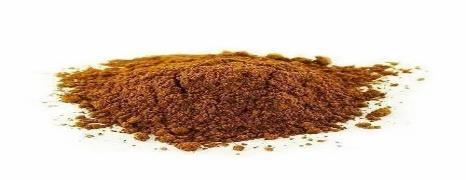
Mature tamarind pods were collected from local sources. The pods were manually opened, and the pulp was extracted, washed,andair-driedina shadedarea toretainadsorptionproperties.The driedpulpwasgroundintofinepowderand storedinairtightcontainers.
2.3.2NeemBio-Adsorbent
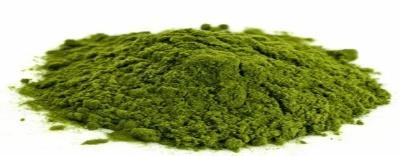
Fresh, mature neem leaves were collected early in the morning to preserve bioactive compounds. Leaves were washed thoroughly, air-dried in shade, and ground into fine powder. The powder was stored in airtight containers for use in adsorptionexperiments.
International Research Journal of Engineering and Technology (IRJET) e-ISSN: 2395-0056
Volume: 12 Issue: 03 | Mar 2025 www.irjet.net p-ISSN: 2395-0072
2.4 Treatment Process
Adsorptionexperimentswereconductedusingdifferentconcentrationsofneemandtamarindbio-adsorbents:
Neempowderconcentrations:5,10,15,20,and25mg/L
Tamarindpowderconcentrations:4,8,12,16,and20mg/L
Combinedneemandtamarindratios:1:1,1:2,and2:1
Eachtreatmentwasperformedbyaddingaknownconcentrationofthebio-adsorbentto100mLofcontaminatedwaterin a beaker.Themixturewasstirredata constantspeedfor 180minutestoenhanceadsorption.After stirring,the solution wasallowedtosettleforaspecifieddurationbeforebeingfiltered.
Thetreatedwaterwasanalyzedforfluoride,chloride,andhardnesslevelsusingthesamestandardanalytical methods as intheinitialtesting.Removalefficiencywascalculatedusingtheformula:
Cᵢistheinitialconcentrationbeforetreatment. Ci Cf isthefinalconcentrationaftertreatment.
2.5.1UsingTamarindTreatment
Table.2
International Research Journal of Engineering and Technology (IRJET) e-ISSN: 2395-0056
Chloride in various Adsorbent Dosage

Hardness in various Adsorbent Dosage



Volume: 12 Issue: 03 | Mar 2025 www.irjet.net p-ISSN: 2395-0072 © 2025, IRJET | Impact Factor value: 8.315 | ISO 9001:2008 Certified


AdsorbentDosage(g/L)

Chittur Kozhinjampara Kollengode Pallassena
Chart1-Chlorideinvariousadsorbentdosagesusingneem



AdsorbentDosage(g/L)
Chittur Kozhinjampara Kollengode Pallassena
Chart2-Hardnessinvariousadsorbentdosagesusing neem
Fluoride in various Adsorbent Dosage


AdsorbentDosage(g/L)
Chart3–Fluorideinvariousadsorbentdosagesusingneem


The experimental study confirms the adsorption potential of Tamarind as a bio-adsorbent for water treatment, demonstratingitseffectivenessinremovingchloride,fluoride,andhardness.Atanoptimumdosageof12g/L,theremoval efficienciesobservedwere59–62%forchloride,63–68%forfluoride,and37–40%forhardness.
International Research Journal of Engineering and Technology (IRJET) e-ISSN: 2395-0056
Volume: 12 Issue: 03 | Mar 2025 www.irjet.net p-ISSN: 2395-0072
Table.3 Final parameters using Tamarind as Bio-adsorbents
Absorbe nt Dosage
4–
Chloride in various Adsorbent Dosage

Hardness in various Adsorbent Dosage




ChlorideinvariousadsorbentdosagesusingTamarind Chart5–




Chittur Kozhinjampara Kollengode Pallassena
HardnessinvariousadsorbentdosagesusingTamarind
International Research Journal of Engineering and Technology (IRJET) e-ISSN: 2395-0056
Volume: 12 Issue: 03 | Mar 2025 www.irjet.net p-ISSN: 2395-0072
(ppm)




AdsorbentDosage Ratios
Chart6–FluoridelevelinvariousadsorbentdosagesusingTamarind
Using neem as a bio-adsorbent demonstrates high removal efficiency at an optimum dosage of 10 g/L , with chloride reduction of 74–78%, fluoride removal of 52–60%, and hardness reduction of 52–57%. This indicates the strong adsorption capacity of neem for these contaminants, likely due to its active functional groups. The efficiency variation suggests that factors like adsorbent dosage, contact time, and solution pH influence performance. Optimal conditions ensuremaximumremoval,whileexceedingdosagelimitsmayleadtoadsorptionsaturationoriondesorption.
2.5.3UsingCombinationofTamarindandNeem
Table.4 Final parameters using the combination of neem and tamarind
International Research Journal of Engineering and Technology (IRJET) e-ISSN: 2395-0056
Volume: 12 Issue: 03 | Mar 2025 www.irjet.net p-ISSN: 2395-0072
Chloride in various Adsorbent Dosage Ratios
Hardness in various Adsorbent Dosage Ratios




AdsorbentDosage Ratios
Chittur Kozhinjampara Kollengode Pallassena




AdsorbentDosage Ratios
Chittur Kozhinjampara Pallassena Kollengode



AdsorbentDosage Ratios
9-Fluorideinvariousratiosofneemandtamarind
International Research Journal of Engineering and Technology (IRJET) e-ISSN: 2395-0056
Volume: 12 Issue: 03 | Mar 2025 www.irjet.net p-ISSN: 2395-0072
The combination of Neem and Tamarind as bio-adsorbents significantly enhances the removal efficiency of chloride, fluoride,andhardnessinwatertreatment.Attheoptimumdosageratioof1:1,theremovalefficiencyobservedis78–83% forchloride,85–88%forfluoride,and62–65%forhardness.
The study demonstrates that Tamarind and Neem are effective bio-adsorbents for the removal of chloride, fluoride, and hardness from water, with Neem showing superior adsorption capacity compared to Tamarind when used individually. At their respective optimum dosages (12 g/L for Tamarind and 10 g/L for Neem), Neem exhibited higher chlorideandhardnessremoval,whileTamarindshowedbetterfluorideadsorption.
However, the most efficient approach was found to be the combination of Neem and Tamarind in a 1:1 ratio, whichsignificantlyenhancedremoval efficiencyto78–83%forchloride, 85–88%forfluoride,and62–65%for hardness. This improvement is due to the synergistic effect of their active functional groups, which enhances the adsorption of multiplecontaminantssimultaneously.
Beyond the optimum dosage, a decline in removal efficiency was observed. This can be attributed to adsorption saturation, where the active sites on the bio-adsorbents become fully occupied, preventing further contaminant uptake. Additionally, at higher dosages, particle agglomeration may occur, reducing the available surface area for adsorption. Furthermore, excessive adsorbent concentrations can lead to ion desorption or competition among adsorbent particles, negativelyimpactingoverallefficiency.
ThesefindingsestablishthattheNeem-Tamarindcombinationisthemostefficient,cost-effective,andsustainable solutionforwaterpurification,particularlyinregionsaffectedbyfluorideandchloridecontamination.Furtherstudies on adsorption kinetics, desorption mechanisms, and large-scale applications can enhance the feasibility of this approach for real-worldwatertreatmentsystems.
1) C Thamaraiselvi, Dr Srija, ST Athira, Jesudass Joseph Sahayarayan, Daoud Ali, Saud Alarifi, Glisina Dwinoor Rembulan, Sumathi Jones, Krishna Kumar Yadav, Ganesh Munusamy Ramanujam, Soon Woong Chang, Balasubramani Ravindra – “Defluoridation of potable water employed by natural polysaccharide isolated from TamarindusindicaL”,Chemosphere335,138931,2023.
2) NA Zainol,Nur Nasuha Mohd Fadli – “Surface Water Treatment Using Tamarind Seed as Coagulants via CoagulationProcess”,IOPConferenceseries:MaterialsScienceandEngineering864(1),012172,2020.
3) Pratibha Pandey, Fahad Khan, Varish Ahmad, Abhimanyu Singh, Taniya Shamshad, Rashmi Mishra , “Combined efficacy of Azadirachta indica and Moringa oleifera leaves extract as a potential coagulant in ground water treatment”,SNAppliedscience,2020
4) RashiModi,KavyaJ,SameekshaPatel,ClinceJoshy,ParinithaTNiranjan,RajeshwariR -“ExaminingtheEfficiency ofTamarindusIndicatoaidinFluoride”,JournalofWaterResourceEngineering&PollutionStudies,2021
5) Sankeeth KV , Asha Rani NR – Use of Neem leaf powder as Natural coagulant to treat industria waste water –InternationalJournalofInnovativeResearchinTechnology(IJITT)8(1),2021.
6) Urooj Gul Sandilo, Amir Detho, Asif Ali Memon, Abdul Qayoom Jakhrani, Aeslina Abdul Kadir - Equilibrium and mechanism of removal of total dissolved solids and hardness by adsorption onto neem seed powder adsorbent , Water,Air,&SoilPollution234(3),203,2023.
7) Vipul Patel, Sneha Gupta – Removal of fluoride from groundwater using low cost natural adsorbents –InternationalResearchJournalofEngineeringandTechnology,2020.