
International Research Journal of Engineering and Technology (IRJET) e-ISSN: 2395-0056
Volume: 12 Issue: 03 | Mar 2025 www.irjet.net p-ISSN: 2395-0072
International Research Journal of Engineering and Technology (IRJET) e-ISSN: 2395-0056
Volume: 12 Issue: 03 | Mar 2025 www.irjet.net p-ISSN: 2395-0072
Dr. M. Ganesh Kumari1
M.K. Ajith Kumar 2 , K.K. Balakumar3 , V.S. Dhanushkumar4
1 Assistant Professor (Sr.Gr.), Department. of Electrical and Electronics Engineering, K.L.N. College of Engineering, Tamil Nadu ,India.
2,3,4 UG Scholar, Department of Electrical and Electronics Engineering, K.L.N. College of Engineering, Tamil Nadu ,India ***
Abstract - The rise of electric mobility has significantly impacted the transport sector by addressing environmental concerns. Electric Vehicles (EVs) introduce challenges such as charging schedules, station placement, and energy demands. To address this, we propose a solution that integrates solar power with grid power for EV charging. Solar panels help reduce grid dependency and greenhouse gas emissions. A relay prioritizes solar power when available, ensuring costeffectiveness. A cascaded buck-boost converter and an AC-DC converter manage voltage conversion. An Arduino, integrated with a relay and sensing circuit, monitors voltage andcurrent, optimizing power flow. This approach enhances renewable energy use, promoting sustainable electric mobility.
Key Words: Electric Vehicles (EVs), Digital Display, Battery Charging Schedules, Sustainability , Arduino.
The internal combustion engine (ICE) revolutionizedtransportationwithreliabilityandextended range.However,ICEvehiclesposechallengeslikepoorfuel efficiency, pollution, and rising fuel costs. Hybrid electric vehicles(HEVs)provideasustainablesolutionbycombining petrol and electric power, reducing emissions while improving efficiency. This project focuses on designing a hybridbikethatutilizeselectricpowertochargeabattery, driving the motor and minimizing fuel dependency. An advanced digital display will provide real-time data on speed, battery status, fuel level, and energy consumption, enhancingperformancemonitoring.Addressingchallenges like energy management and battery optimization, this project integrates ICE dependability with electric sustainability, contributing to cleaner and cost-effective urbantransportationinIndia.
2. Proposed System:
TheproposedHybridElectricVehicle(HEV)system integratesadigitaldisplayandenergymanagementsystem forefficiencyandsustainability.Itoperatesonbothelectric andpetrolpower,enablingseamlesstransitionstooptimize energyuse.A48V,28Ahbatterypowersa48V,250Wmotor,
ensuring efficient electric propulsion. The energy management system regulates battery usage, preventing overcharginganddeepdischargingtoextendbatterylife.A digital display provides real-time data on speed, battery voltage,andfuellevelfordriverawareness.Sensorsmonitor vehicle speed and battery status to ensure safe operation, withlow-batteryalertsandanautomaticengineshutdown feature for protection. Testing focuses on smooth mode transitions,energyefficiency,andsafety.Thesystemreduces fuel consumption and enhances battery lifespan. Future improvements include regenerative braking for energy recovery and wireless monitoring. This project supports sustainable transportation with a cost-effective and ecofriendlyhybridvehiclesolution.
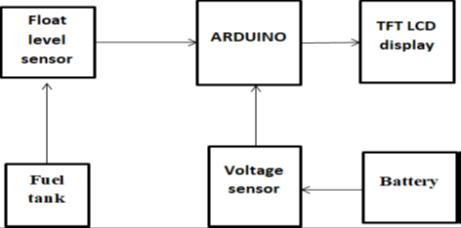
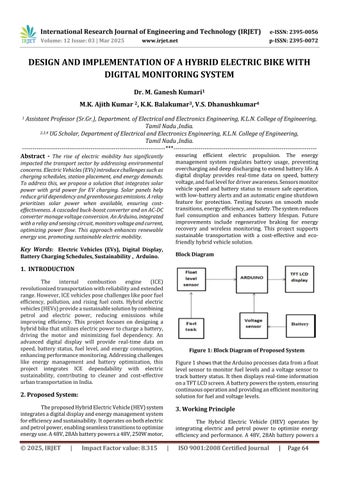
Figure1 shows that theArduinoprocessesdatafromafloat level sensorto monitor fuel levelsanda voltagesensorto trackbatterystatus.Itthendisplaysreal-timeinformation onaTFTLCDscreen.Abatterypowersthesystem,ensuring continuousoperationandprovidinganefficientmonitoring solutionforfuelandvoltagelevels.
3. Working Principle
The Hybrid Electric Vehicle (HEV) operates by integrating electric and petrol power to optimize energy efficiencyandperformance.A48V,28Ahbatterypowersa
International Research Journal of Engineering and Technology (IRJET) e-ISSN: 2395-0056
Volume: 12 Issue: 03 | Mar 2025 www.irjet.net p-ISSN: 2395-0072
48V, 250W motor for electric propulsion, reducing fuel consumptionandemissions,whileamicrocontroller-based controlsystemmonitorsbatteryvoltage,vehiclespeed,and throttle position to ensure smooth transitions between modes. In electric mode, the battery drives the motor, makingitidealforlow-speedorshort-distancetravel,while thepetrolengineactivateswhenadditionalpowerisneeded orthebatterychargeislow.Theenergymanagementsystem regulates battery charging and discharging, preventing overcharginganddeepdischargingtoextendbatterylife.A digital display system provides real-time data on speed, batterylevel,andfuelstatus,enablingbetterdrivercontrol. Safety features such as low-battery alerts and automatic engine shutdown protect the system under critical conditions,whileaspeedmonitoringsystemensuresstable operation. This intelligent power management strategy enhancesvehicleefficiency,ensuresreliability,andsupports sustainabletransportation,makingtheHEVacost-effective andeco-friendlyalternativetoconventionalvehicles.
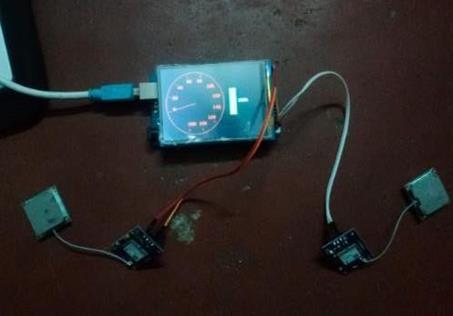
Figure2showsthatthedigitaldisplayintheHybridElectric Vehicle(HEV)providesreal-timeinformationtotherider, including speed, fuel level, and battery status, enhancing user experience and enabling informed decision-making duringoperation.
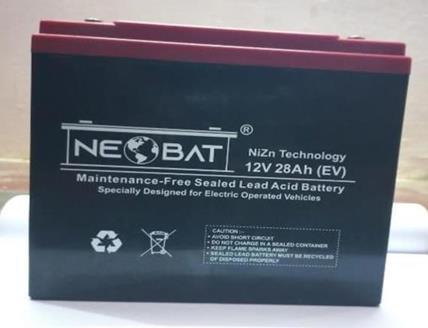
Figure3 shows that thelead-acidbatteryisareliableand cost-effectivepowersource.Weareusinga48V,28Ah batterytoensureastablepowersupplyforourvehicle.
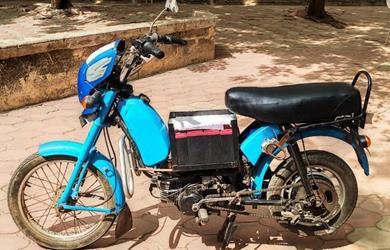
Figure 4: Hardware Implementation
Figure4showsthatthehardwareimplementationofthe completeprojectkit.
TestingtheHybridElectricVehicle(HEV)inurban, suburban, and highway environments demonstrated a significantimprovementinfuelefficiency,particularlyincity driving,wheretheelectricmodewaspredominantlyactive. Comparedtoconventionalinternalcombustionengine(ICE) vehicles,fuel consumption wasreduced byapproximately 25-30%inurbansettings,loweringemissionsandreducing environmental impact. On highways, the petrol engine rechargedthebattery,extendingthevehicle’srangewithout externalcharging.Thedigitaldisplaysystemprovidedrealtime feedback on speed, battery charge, fuel level, and energyconsumption,helpingdriversoptimizeperformance. Thebatterymanagementsystemandregenerativebraking played crucial roles in maintaining battery health and recovering kinetic energy during deceleration, enhancing efficiency instop-and-go traffic.These outcomeshighlight hybrid vehicles as a practical solution for urban mobility, offering a balance between efficiency and sustainability. Future improvements could focus on optimizing battery technologyandexpandinginfrastructureforbroaderhybrid adoption.
Table 1: Result Statistics
International Research Journal of Engineering and Technology (IRJET) e-ISSN: 2395-0056
Volume: 12 Issue: 03 | Mar 2025 www.irjet.net p-ISSN: 2395-0072
TheresultstatisticsareshowsinTable1.Thetablepresents a cost comparison of different operational modes for a hybridtwo-wheeler,highlightingthepricepermodeandthe correspondingtraveldistance.
5. Conclusion
The Hybrid Electric Vehicle (HEV) efficiently integrates gasoline and battery power to optimize performance based on driving conditions. It operates on battery power during low-speed city driving, reducing emissions,whilethegasolineengineactivatesduringhighpower demands for efficiency. This dual-mode operation enhances fuel economy, achieving twice the mileage of conventionalvehicleswhilecuttingemissionsby50%.HEVs are particularly beneficial in urban areas, minimizing pollution and fuel wastage, making them a sustainable solutionformoderntransportation.
1.SDG7:AffordableandCleanEnergy
Theprojectpromotestheuseofhybridtechnology, combining electric and petrol power to enhance energy efficiency and reduce dependence on fossil fuels. By improvingtheenergyutilizationinvehicles,itcontributesto makingenergysystemsmoresustainableandaccessible.
2.SDG9:Industry,Innovation,andInfrastructure
The project embodies innovation in automotive technology, showcasing how advancements in hybrid systemscanleadtomoresustainableindustrypractices.It encourages investment in sustainable infrastructure that supportsgreentransportationsolutions.
3.SDG11:SustainableCitiesandCommunities
The development of hybrid vehicles supports the creation of sustainable urban transportation solutions, helpingtoreducetrafficcongestionandairpollution.This contributestobuildingresilientinfrastructureandfostering inclusiveandsustainableurbanization.
4.SDG13:ClimateAction
Byreducinggreenhousegasemissionsthroughthe integration of electric power in vehicles, the project addresses climate change challenges. It promotes cleaner technologiesandpracticesthatcontributetoglobalclimate actionefforts.
7. Acknowledgement:
Wethankourmentorsandadvisorsfortheirguidance,and our institution for providing the necessary resources. Our peers and colleagues also played a key role through their collaborationandsupport.Weappreciatethecontributions
of industry experts and research references that helped shapeourproject.Lastly,wearegratefultoourfamiliesand friendsfortheirconstantencouragementandmotivation.
8. References:
[1] Sharada Prasad N and Dr. K R Nataraj, “Design and development of hybrid electric two-wheeler with solar chargingmethodology”inInternationalJournalofScientific & Engineering Research, Volume 5, Issue 11, November 2014.
[2]YasmeenMalikandVikasKumar,“AReviewonHybrid Electric Vehicle” in International Journal of Advanced Research in Electrical, Electronics and Instrumentation Engineering,Vol.6,Issue9,September2017.
[3]PappuriHazarathaiah,Y.AshokKumarReddy,P.Vijaya Bhaskara Reddy and M.Sreenivasulu, “Design and FabricationofHybridElectricBike”inInternationalJournal of Applied Engineering Research, Volume 14, Number 4 (2019),pp.930-935
[4]N.Boopalan,MarlonJonesLouis,A.K.Nachimuthu,“Design and Fabircation of Hybrid Two Wheeler” in International Journal of Research and Innovation in Engineering Technology,Volume01,Issue:01,Pages8–12,April-2020.
[5]KamatchiKannanV,PonmuruganPandChitraK,“Design andDevelopmentofHybridTwo-Wheeler”inInternational JournalofScientific&TechnologyResearch,Volume9,Issue 01,January2020
[6] Balasubramani N, Hari Prasath S, Jagadeesh Kumar A, Karna Prakash S, and Karun Prasath D, “Fabrication and Performance Analysis of Hybrid Two Wheeler” in International Research Journal of Engineering and Technology,Volume:05,Issue:03,Mar-2018.