
International Research Journal of Engineering and Technology (IRJET) e-ISSN: 2395-0056
Volume: 13 Issue: 04 | Apr 2026 www.irjet.net p-ISSN: 2395-0072
International Research Journal of Engineering and Technology (IRJET) e-ISSN: 2395-0056
Volume: 13 Issue: 04 | Apr 2026 www.irjet.net p-ISSN: 2395-0072
Sameer Joseph Toppo 1, Akhand Pratap Singh2
M.Tech. Scholar1, Assistant Professor2
Department of Civil Engineering
Shri Rawatpura Sarkar University, Raipur Chhattisgarh
Abstract-In India, coal-fired thermal power plants generate enormous quantities of fly ash and bottom ash, which pose significantenvironmentalandhealthhazardswhendisposedofimproperly.Theeffectiveutilizationofthesewastematerials in pavement construction offers a sustainable solution for waste management while reducing dependence on natural aggregates.ThisstudyinvestigatestheperformancecharacteristicsofDenseBituminousMacadam(DBM)mixesincorporating coalash(flyashandbottomash)alongwithnaturalsisalfiberasreinforcement.
Inthisresearch,flyashwasutilizedasamineralfillerandbottomashasapartialreplacementforfineaggregate,whilenatural aggregates wereused ascoarseaggregates. Sisal fiber, coated with slow-setting bitumen emulsion (SS-1),was introduced as anadditivetoenhancethemechanicalpropertiesofthemix.TheaggregategradationwasselectedinaccordancewithMORTH (2013)specificationsforDBMwithanominalmaximumaggregatesize(NMAS)of26.5mm.
Theexperimentalprograminvolvedvaryingfibercontent(0%,0.25%,0.5%,0.75%,and1%byweightofmix)andfiberlength (5 mm, 10 mm, 15 mm, and 20 mm). Two grades of bitumen (VG-10 and VG-30) were initially evaluated, and VG-30 was selected based on superior Marshall characteristics. The optimum mix parameters were determined using Marshall Stability analysis,whichyieldedanoptimumbindercontentof5.57%,fibercontentof0.5%,andfiberlengthof10mm,corresponding toamaximumstabilityvalueof15kN.
Further performance evaluation, including Indirect Tensile Strength (ITS), Tensile Strength Ratio (TSR), moisture susceptibility, and static creep tests, indicated significant improvement in the engineering properties of the modified mixes compared to conventional mixtures. The addition of coal ash and sisal fiber enhanced resistance to moisture damage, improvedtensilestrength,andreducedpermanentdeformation.
The study concludes that the combined utilization of coal ash and natural sisal fiber in bituminous mixes is a viable and sustainable approach for pavement construction. This method not only improves the performance and durability of flexible pavements but also provides an economical solution for coal ash disposal while conserving natural aggregate resources and minimizingenvironmentalimpact.
Keywords: Bottom ash, Fly ash, Sisal fiber, Emulsion, Indirect tensile strength, Static creep test, Tensile strength ratio, Bituminous Macadam (DBM), Marshall Stability.
Introduction
Roads,highways,andpavementsareconsideredthebackboneofanation’sinfrastructureandplayavitalroleinitseconomic and social development. Governments invest heavily in the construction of new roads as well as the maintenance and rehabilitation of existing pavements. Achieving high performance and long-term durability in both flexible and rigid pavementsrequiressubstantialfinancialandmaterialresources.
InIndia,highwaysformtheprimarytransportationnetwork,andsignificantinvestmentshavebeenmadebythegovernment toenhancetheirconstructionandmaintenance.Comprehensiveengineeringstudiesareessentialtooptimizematerialusage, reducecosts,andimprovethereliabilityandperformanceofhighways.
International Research Journal of Engineering and Technology (IRJET) e-ISSN: 2395-0056
Volume: 13 Issue: 04 | Apr 2026 www.irjet.net p-ISSN: 2395-0072
Inthecontextofflexiblepavements,twokeyaspectsareofprimaryimportance:mixdesignandpavementdesign.Thisstudy focuses on evaluating the engineering properties of bituminous mixes incorporating non-conventional or alternative materials,withtheaimofimprovingperformancewhilepromotingsustainability.
1.2.1
Dasetal.(2004)reviewindicatesthatthebituminouspavingtechniquewasfirstintroducedonruralroadsinthe1900s.The first formal mix design method was developed using the Hubbard field method, originally created for sand-bituminous mixtures.However,thismethodstruggledtohandlelargeaggregates.Subsequently,FrancisHveem,aprojectengineeratthe CaliforniaDepartmentofHighways,developedtheHveemstabilometertoassessthestabilityofbituminousmixtures.Initially, Hveem lacked experience in determining the optimum amount of bitumen for mix designs. He borrowed the surface area calculationconceptfromcementconcretemixdesigntoestimatethenecessarybitumenquantity.Meanwhile,BruceMarshall invented equipment to test the stability and deflection of bituminous mixtures, a method adopted by the US Army Corps of Engineersinthe1930sandfurtherrefinedinthe1940sand50s.
Bituminouspavementcomprisesofamixtureofstonechips,gradedfromnominalmaximum aggregatessize(NMAS),through the fine fraction smaller than 0.075 mm mixed with appropriateamount of bitumen that can be compacted adequately with smallerairvoidsandwillhaveadequatedissipativeand elasticproperties. Theaim ofbituminous mixdesignis todetermine thefairproportionofbitumenandaggregatesfractiontoyieldamixturethatiseffective,durable,reliableandeconomical.
Bituminousmixturesconventionallyutilizeaggregatesinthreefractions,namelycoarse,fine,andmineralfiller,toachieve the desired gradation and mechanical performance. However, in many regions, the availability of well-graded aggregates is limited, necessitating their procurement from distant sources, which significantly increases construction costs and environmentalburdenassociatedwithtransportation.
Simultaneously, the rapid expansion of coal-fired thermal power plants to meet growing energy demands has led to the generationofsubstantialquantitiesofcoalash.InIndia,approximately120milliontonnesofashareproducedannuallyfrom around forty major thermal power plants. The conventional disposal practices such as land filling in open areas, ash ponds, and dumping yards pose serious challenges related to land utilization, environmental degradation, and potential health hazards.
Therefore, the safe management and beneficial utilization of coal ash have become critical concerns for sustainable development. A systematic and in-depth investigation is essential to explore viable engineering applications of these waste materials,therebyaddressingenvironmentalissues,reducingdependencyonnaturalaggregatesandfulfillingtheincreasing infrastructuraldemandsinaneconomicalandsustainablemanner.
Theprimary objectiveofthisexperimental studyistooptimizetheutilizationofcoal ashasa non-conventional aggregatein bituminous mixtures, in combination with natural sisal fibre as a reinforcing additive. The study aims to ensure adequate performanceofthemodifiedmixesintermsoffatigueresistance,moisturesusceptibilityandcreepcharacteristics.
The present study focuses on the utilization of coal ash as a fine aggregate substitute in Hot Mix Asphalt (HMA), with the objectiveofdevelopinghigh-performancebituminousmixescapableofprovidingdurable,smooth-surfacedpavementsunder varying environmental and loading conditions. The incorporation of coal ash not only aims to enhance engineering performancebutalsopromotessustainablewastemanagementandcost-effectiveconstructionpractices.
International Research Journal of Engineering and Technology (IRJET) e-ISSN: 2395-0056
Volume: 13 Issue: 04 | Apr 2026 www.irjet.net p-ISSN: 2395-0072
Furthermore, the combined use of unconventional materials such as coal ash and natural fibers (sisal fiber) is explored to develop innovative bituminous mix designs. This approach seeks to partially replace conventional materials such as natural sand and stone dust, thereby addressing issues related to depletion of natural resources, disposal of industrial waste, and environmentaldegradation.
A comprehensive comparative analysis has been carried out on Dense Graded Bituminous Macadam (DBM) mixes under differentmaterialcombinations.Thescopeofthestudyincludesthefollowingkeyinvestigations:
1. Evaluation of Marshall Properties of DBM Mixes undervaryingconditions:
Mixescontainingbothfiberandcoalash
Mixescontainingfiberwithoutcoalash
Mixescontainingcoalashwithoutfiber
Conventionalmixeswithoutfiberandcoalash
2. Assessment of Performance Characteristics of Bituminous Mixes:
(a) Moisture Susceptibility Analysis (withandwithoutfiberandcoalash)using:
TensileStrengthRatio(TSR)Test
RetainedStabilityTest
(b) Thermal Cracking Resistance evaluated through Indirect Tensile Strength (ITS) Test on DBM mixes with and withoutfiberandcoalash.
(c) Permanent Deformation Characteristics assessed using Static Creep Test to evaluate rutting resistance of the mixes.
Putman, Bradley J., and Serji N. Amirkhanian (2004) studied the use of waste fiber in stone mastic asphalt mixture (SMA).Heusedwastetireandcarpetfibersasanadditivetostabilizingtheexcessivedrain-downduetorelativelyhighair voidinSMA.HealsostudiedtheperformancecharacteristicsofSMAmixturespreparedwithwastetireandcarpetfibers.A comparative study has been done between SMA modified with tire and carpet fibers and with other mixes prepared with celluloseandpolyester.
From the observation he found that the sample containing carpet and tire fibers, were effective in stopping unnecessary drain-downoftheSMAmix.ThetoughnessoftheSMAmixesincreaseswhenaddedwithtireandcarpetfibersascompared toothercellulosefibers.Themixcomprisingtirefibersdidnotloseanytoughnesswhenconditionedinwater.Theresistance tomoistureinduceddamageofthebituminousmixes,whichcontainedtireandcarpetfibers100.9and101.8%,respectively.
Kumar, Pawan, Satish Chandra, and Sunil Bose (2007) studied the performances of the SMA mixture modified with crumb rubber modified binder (CRMB) and low viscosity binder coated jute fibers. The performance of SMA mixture were assessed by conducting two different methods of drain-down, durability test, moisture susceptibility test, fatigue life tests and rutting test. He also compared the characteristic of modified SMA prepared with coated jute fiber and with other patented fibers. From the test observation he conclude that fiber content of 0.3% by weight of the mix improve the Draindown property of the mix. Also in moisture susceptibility test the mixture shows satisfactory result. The observation from Hamburgwheeltrackingtests,agingtestsandflexuralfatiguetestscarriedoutonthreemixesofSMAindicatebetterresult thanconventionalmix.
Kar, Debashish (2007) studied the effect of indigenouslyavailablesisal fiber on SMAandBCmixture. He consideredsisal fiber asan additive for BC mix and stabilizing agent for SMA Mix. Fiber content varied from0% to 0.5% by weight of total mixwhereasbindercontentwasvariedfrom4%to7%.Formineralfillerheusedflyash,asithasshownsatisfactoryresult at the initial stage of experiment. For the performance test the BC and SMA mixes were subjected to various tests such as
International Research Journal of Engineering and Technology (IRJET) e-ISSN: 2395-0056
Volume: 13 Issue: 04 | Apr 2026 www.irjet.net p-ISSN: 2395-0072
Draindowntest,StaticCreeptestandStaticIndirectTensileStrength Test.FromtheMarshallpropertiestestitwasobserve, addition of fiber helps to improve the Marshall Stability and indirect tensile strength, it also reduces the Drain down. He againobservedthattheindirecttensilestrengthofSMAmixtureisbetterthanBCmixture.FromMarshalltesthefoundthat theoptimumbindercontentforBCandSMAwere5%and5.2%respectivelywhereasoptimumfibercontentwere0.3%.
Previous studies show that coal ash (bottom ash and fly ash) can effectively be used as a partial replacement of natural aggregatesinbituminousmixtures.Itimprovespropertieslikeskidresistance,stability,fatigue,andmoistureresistance, but mayrequirehigherbitumencontentandcanreducedensity. Research also indicates that adding natural fibers such as sisal, jute, and coconut enhances Marshall stability, tensile strength, and reduces drain-down, thereby improving overall pavement performance. The optimum fiber content is generallyfoundtobearound0.3%.
Overall, the combined use of coal ash and natural fibers is a sustainable approach that improves engineering properties of bituminousmixes,althoughproperoptimizationisnecessarytobalancestrength,durability,andcost.
3.1 Materials
Thematerialsusedinthepresentstudyincludeconventionalaggregatesalongwithcoalashandnaturalfiberreinforcement. Eachcomponentofthebituminousmixisdescribedbelow:
3.1.1 Aggregates
Crushedstoneaggregateswereusedascoarseaggregates.Theaggregateswereprocuredfromalocalquarryandsievedinto differentsizesaspertherequiredgradation.Theseaggregatesprovidetheprimaryload-bearingcapacitytothebituminous mix.
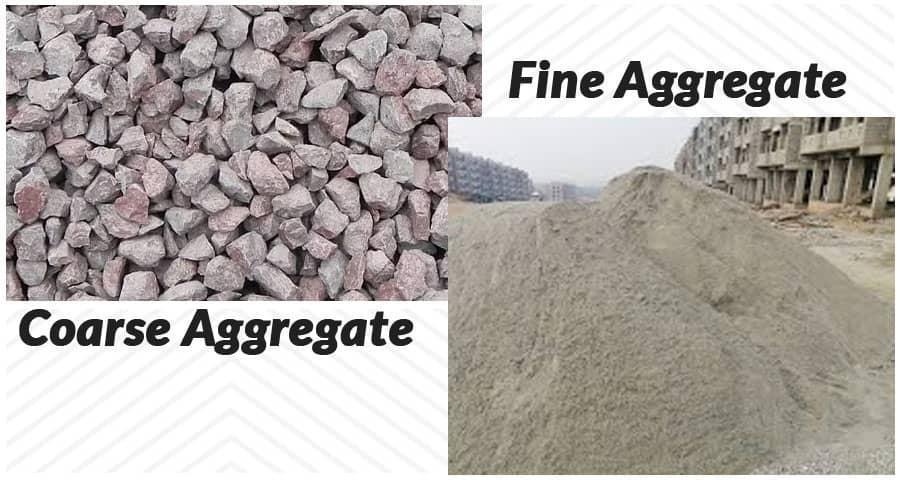
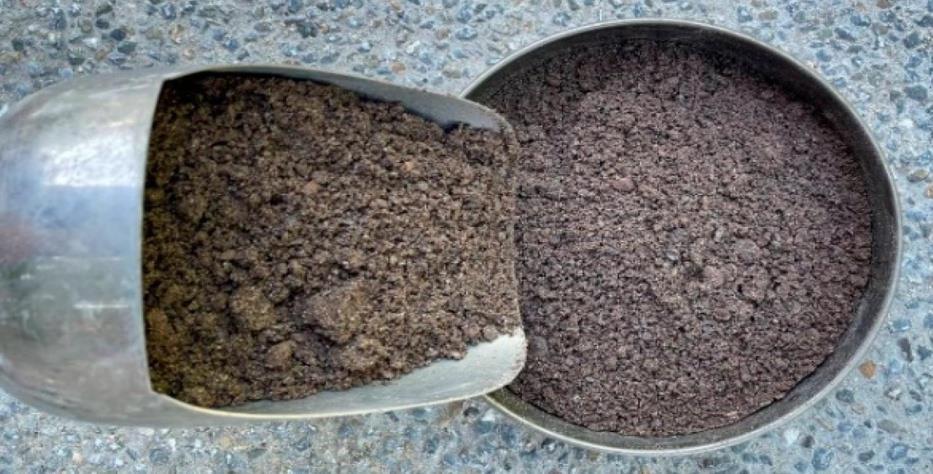
Bottom ash obtained from a nearby thermal power plant was used as a partial replacement for fine aggregates. It was incorporateduptoapproximately 9%byweightoftotalmix.Duetoitsporousnature,bottomashcontributestoimproved interlockingbutincreasesbinderdemand.
International Research Journal of Engineering and Technology (IRJET) e-ISSN: 2395-0056
Volume: 13 Issue: 04 | Apr 2026 www.irjet.net p-ISSN: 2395-0072
3.1.3 Fly Ash
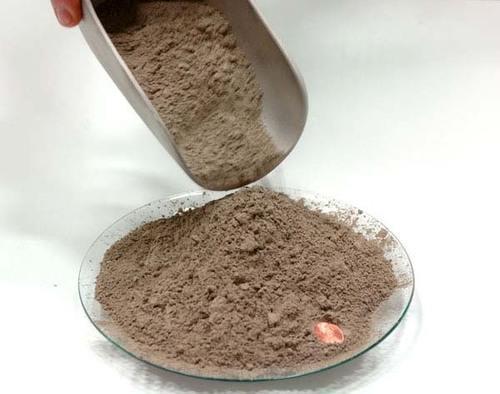
Fly ash was used as mineral filler in the mix at about 5% by weight of total mix. It helps in filling voids and improves the bindingcharacteristicsbetweenaggregatesandbitumen.
3.1.4 Bitumen
VG-30 grade bitumen was used as the binder in this study. Initially, VG-10 and VG-30 were compared, and VG-30 was selectedduetoitssuperiorMarshallStabilityperformance.
3.1.5 Sisal Fiber
Naturalsisalfiberwasusedasareinforcingadditive.Thefiberswere:
Coatedwithslow-settingemulsion(SS-1)
Ovendriedat110°Cfor24hours
Cutintolengthsof5mm,10mm,15mm,and20mm
Sisalfiberimprovestensilestrength,reducescracking,andenhancesdurabilityofthemix.
3.1.6 Bitumen Emulsion
SS-1typeslow-settingbitumenemulsionwasusedforcoatingthefiberstoimprovebondingwiththebituminousmix.
International Research Journal of Engineering and
Volume: 13 Issue: 04 | Apr 2026 www.irjet.net
Table 3.1 Physical Property of Coarse Aggregate and Fine
Test(FiveCycleInSodium
Table 3.2 Physical Property of Binder
Table 3.3 Physical and Chemical Property of Sisal Fiber [13]
Composition
International Research Journal of Engineering and Technology (IRJET) e-ISSN: 2395-0056
Volume: 13 Issue: 04 | Apr 2026 www.irjet.net p-ISSN: 2395-0072
3.2 Mix Design
DenseBituminousMacadam(DBM)mixwasdesignedasper MORTH(2013)specifications.TheMarshallmixdesignmethod wasadoptedtodeterminetheoptimumbindercontent.
TheselectedaggregategradationsatisfiedthespecifiedlimitsforDBMwithanominalmaximumaggregatesizeof26.5mm.
3.3 Experimental Variables
Thestudyinvolvedvariationinfibercontentandfiberlengthasfollows:
Fiber Content
0%(Controlmix)
0.25%
0.5%
0.75%
1%(byweightoftotalmix)
Fiber Length
5mm
10mm
15mm
20mm
3.4 Preparation of Specimens
ThepreparationofbituminousspecimenswascarriedoutusingtheMarshallmethodasfollows:
1. Aggregatesandbitumenwereheatedseparatelytoatemperatureof150–160°C
2. Coatedandcutsisalfiberswereaddedtothehotaggregates.
3. RequiredquantityofVG-30bitumenwasaddedandmixedthoroughlytoobtainauniformmix.
4. Themixwaspouredintopre-heatedMarshallmoulds.
5. Compactionwasdoneusing75blowsoneachface.
6. Specimenswereallowedtocoolatroomtemperaturefor24hoursbeforetesting.
3.5 Testing Methods
TheperformanceofthepreparedDBMmixeswasevaluatedusingthefollowingtests:
3.5.1 Marshall Stability Test
Figure5.1illustratesthat,incomparisontoaconventionalmix,theuseofcoalashintheDBMmixisnotsatisfactoryinterms ofstabilityvalue.When14%ofthemix'sweightcontainedcoalash,thehigheststabilityvalueof11.83kNwasreachedwhen creatingDBMsamples.
International Research Journal of Engineering and Technology (IRJET) e-ISSN: 2395-0056
Volume: 13 Issue: 04 | Apr 2026 www.irjet.net p-ISSN: 2395-0072

Stability vs Bitumen content


3.5.2 Indirect Tensile Strength (ITS) Test
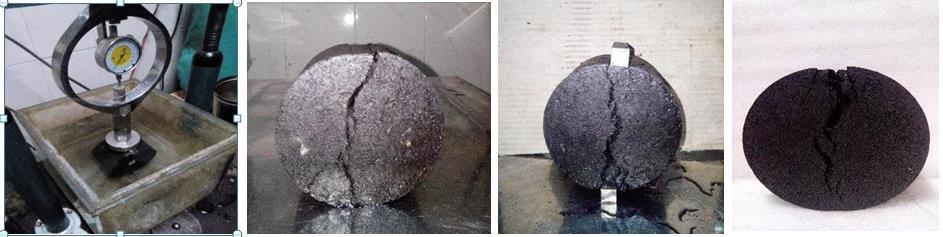
Thistestevaluatesthetensilestrengthofthemixanditsresistancetocrackingunderload.

3.5.3 Tensile Strength Ratio (TSR)
TSRtestwasconductedtoassessmoisturesusceptibilitybycomparingwetanddrytensilestrengths.
International Research Journal of Engineering and Technology (IRJET)
Volume: 13 Issue: 04 | Apr 2026 www.irjet.net



Figure 3.6 Graph between Tensile Strength Vs Temperature
Table 3.4 TSR of DBM Mixes with and Without Fiber and Coal Ash
Tensile Strength Ratio Design Requirement
3.5.4 Retained Stability Test
Thistestmeasurestheabilityofthemixtoretainstrengthafterexposuretomoisture
Table 3.5 Retained Stability of DBM Mixes With and Without Fiber and Coal Ash
International Research Journal of Engineering and Technology (IRJET) e-ISSN: 2395-0056
Volume: 13 Issue: 04 | Apr 2026 www.irjet.net p-ISSN: 2395-0072
3.5.5 Static Creep Test
Usedtoevaluatepermanentdeformationandruttingresistanceundersustainedload.


3.6 Evaluation Parameters
Theperformanceofmixeswasanalyzedbasedon:
MarshallStability
FlowValue
AirVoids(VA)
VoidsinMineralAggregate(VMA)
VoidsFilledwithBitumen(VFB)
ITSandTSRvalues
Deformationcharacteristics
International Research Journal of Engineering and Technology (IRJET) e-ISSN: 2395-0056
Volume: 13 Issue: 04 | Apr 2026 www.irjet.net p-ISSN: 2395-0072
Based on experimental study the following conclusions were drawn,The results of the study indicate that Dense Bituminous Macadam (DBM) mixes incorporating bottom ash (300–75 micron) and fly ash (passing 75 micron) can be effectively optimized to meet Marshall design criteria. The optimum combination was achieved at 5.6% bitumen content, 0.5% fiber content,and10mmfiberlength.
Marshall Stability and flow values remained within acceptable limits when coal ash content was maintained up to 15%, demonstratingthesuitabilityofashasapartialaggregatereplacement.Itwasobservedthatincreasingfibercontentandfiber lengthledtoareductioninairvoidsandflowvalues,whiletheMarshallQuotientincreasedduetoimprovedstability. However, higher fiber content and length required an increase in optimum bitumen content and emulsion to ensure proper coating and bonding. The indirect tensile strength results revealed that the addition of emulsion-coated fibers and coal ash significantlyenhancedthestrengthandresistanceofthemixagainstthermalcracking.
Furthermore, the inclusion of coal ash and emulsion-coated fibers improved resistance to moisture-induced damage, as indicated by higher tensile strength ratio and retained stability values. Overall, the combined use of coal ash and sisal fiber contributes to improved engineering performance and durability of DBM mixes, making it a sustainable and effective alternativeinpavementconstruction.
Thepresentstudyhighlightsthepotentialofsisalfiberasanaturalreinforcingmaterialinbituminousmixes.However,further research can be extended by exploring other natural fibers such as jute and coconut fiber to evaluate and compare their performanceinDenseBituminousMacadam(DBM)mixes.
ThisstudywaslimitedtotheuseofSS-1emulsionasacoatingmediumforsisalfibers.Futureinvestigationsshouldconsider other types of emulsions, such as rapid-setting (RS) and medium-setting (MS) emulsions, to assess their effectiveness and influenceontheperformancecharacteristicsofthemix. Moreover, the role of different mineral fillers such as cement and lime should be explored in detail. Lime can act as an antistrippingagent,whilecementmayenhancethestabilityofthemix.Futurestudiesshouldfocusonevaluatingthesematerials tofurtherimprovethestrength,durability,andmoistureresistanceofDBMmixes.
References
1. AASHTOT283,“Standardmethodoftestforresistanceofcompactedasphaltmixturesto moisture-induceddamage”, Americanassociationofstatehighwayandtransportationofficials.
2. Ali,N.,Chan,J.S.,Simms,S.,Bushman,R.,&Bergan,A.T.;“Mechanisticevaluationofflyashasphaltconcretemixtures”. JournalofMaterialsinCivilEngineering,(1996),8(1),19-25.
3. Al-Suhaibani, A. S., & Tons, E. T.; "Properties of fly ash-extended-asphalt concrete mixes." Transportation Research, (1991).
4. ASTM D 1559, “Test method for resistance of plastic flow of bituminous mixtures using Marshall Apparatus”, Americansocietyfortestingandmaterials.
5. ASTMD6931, “IndirectTensile (IDT)Strengthfor bituminous mixtures”,American societyfortestingand materials, (2007).
6. ASTMD792,“Standardtestmethodsfordensityandspecificgravityofplasticbydisplacement”,Americansocietyfor testingandmaterials,(2008).
International Research Journal of Engineering and Technology (IRJET) e-ISSN: 2395-0056
Volume: 13 Issue: 04 | Apr 2026 www.irjet.net p-ISSN: 2395-0072
7. Boyes,A.J.; “Reducingmoisturedamageinasphaltmixesusingrecycledwasteadditives” Diss.CaliforniaPolytechnic StateUniversity,SanLuisObispo,(2011).
8. Chakroborty,P.,&Das,A.“PrinciplesofTransportationEngineering”,PrenticeHallofIndia,NewDelhi,(2010),pp294299.
9. Colonna, P.; Berloco, N., Ranieri, V., & Shuler, S. T. (2012), “Application of bottom ash for pavement binder course.”, Procedia-SocialandBehavioralSciences53(2012):961-971.
10. Gunalaan,V.;“PerformanceOnCoalBottomAshInHotMix Asphalt”International JournalofResearchinEngineering andTechnology,(Aug2013) eISSN:2319-1163|pISSN:2321-7308.
11. Hadiwardoyo,S.P.;“Evaluationoftheadditionofshortcoconutfibersonthecharacteristicsofasphaltmixtures.”Civil andEnvironmentalResearch3.4(2013):63-73.
12. http://www.themartincompanies.com/sites/themartincompanies.com/files/asphalt/pds/SS1.pdf.)
13. http://textilelearner.blogspot.in/2013/01/sisal-fiber-properties-of-sisal-fiber.html
14. http://www.civil.iitb.ac.in/~vmtom/1100_LnTse/407_lnTse/plain/img13.png
15. http://www.google.co.in/imgres?imgurl=http://www.mellausisal.co.uk/img/environmentl/ agave.jpg&imgrefurl=http://www.mellausisal.co.uk/about/environmental_statement&h=26& w=400&tbnid=YCOsLX5KgxSLM:&zoom=1&docid=gkrbNH2Xf9aBM&ei=fFRpVYXXN om3uATy7IDwDA&tbm=isch&ved=0CCEQMygFMAU
16. Hunsucker,D.Q.;“DesignandPerformanceofaBituminousSurfaceMixtureContainingBottomAshAggregate.”(1992).
17. IS: 2386, “Methods of test for aggregates for concrete (P - I): Particle size and shape”,Bureau of Indian Standards, NewDelhi,(1963).
18. IS: 2386, “Methods of test for aggregates for concrete (P-III): Specific Gravity, Density,Voids, Absorption, Bulking”, BureauofIndianStandards,NewDelhi,(1963).
19. IS: 2386, “Methods of test for aggregates for concrete (P-IV): Mechanical Properties”,Bureau of Indian Standards, NewDelhi,(1963).
20. IS:1203,“Methodsfortestingtarandbituminousmaterials:determinationofpenetration”,BureauofIndianStandards, NewDelhi,(1978).
21. IS: 1205, “Methods for testing tar and bituminous materials: determination of softening point”, Bureau of Indian Standards,NewDelhi,(1978).
22. IS: 8887, “Bitumen Emulsion for Roads (Cationic Type)[PCD 6: Bitumen Tar and their Products] Bureau of Indian Standards,NewDelhi,(2004).
23. Kar,D.;“Alaboratorystudyofbituminousmixesusinganaturalfibre.”Diss.2012.
24. Khanna,S.K.,&Justo,C.E.G.(1991);“Highwayengineering”.NemChand&Bros,(1991).
25. Ksaibati,K.,&Stephen,J.;“Utilizationofbottomashinasphaltmixes”.No.MCPReportNo.99-104A.DepartmentofCivil andArchitecturalEngineering,UniversityofWyoming,(1999).
26. Ksaibati, K., & Sayiri, S. R. K.; “Utilization of Wyoming bottom ash in asphalt mixes”. No. MPC Report No. 06-179. MountainPlainsConsortium,(2006).