
International Research Journal of Engineering and Technology (IRJET) e-ISSN:2395-0056
Volume: 12 Issue: 05 | May 2025 www.irjet.net p-ISSN:2395-0072
International Research Journal of Engineering and Technology (IRJET) e-ISSN:2395-0056
Volume: 12 Issue: 05 | May 2025 www.irjet.net p-ISSN:2395-0072
1Sneha Mishra, 2Dr. Madhu Prakash Shrivastava, 3Dr. Kanchan Awasthi , 4Dr. Neeraj Jain
1Student, 2,3 Associate Professor, 4Professor Department of Botany
Maharishi University of Information and Technology, Lucknow, India ***
Abstract - This paper examines the myriad of components of bonsai from a historical base, methodology, cultural symbolism, therapeutic benefits, as well as contemporary aspects of this art. Based on Chinese penjing and perfected by the Zen Buddhist philosophy of Japanesetradition,bonsaigoes beyond horticulture to symbolize principles of harmony, patience and wabi sabi an acceptance of imperfection and impermanence. This research examines how the botanical miniaturization which is, AMONG OTHER THINGS, achieved with traditional techniques of pruning, wiring, and root control, operates both as an artistic and philosophical depth. Findings show that bonsai plays a crucial role in contributing to mental well being through its ability to decrease stress levels, help in being mindful and improve emotionalresilience, even during periods of crisis, the COVID 19 pandemic, for instance, which proves the significance of bonsai in modern well being. Moreover, bonsai also turns out to be a tool for ecological sustainability involving the preservation of endangered species, as well as a mode for green cities in confined spaces as well. As a cultural aspect, it acts asabridge between heritage preservation and global adaptation by integrating technology augumented reality to make it more accessible. Along with that, bonsaihasrelevanceasalivingart form in harmonizing between man’s creativity and nature’s rhythms, and as such is recommended to be used more in therapeutic, educational and environmental aspects.
Key Words: Bonsai, Miniaturization, Zen Buddhism, HorticulturalTherapy,Sustainability.
Theancientartofcultivatingminiaturetreesincontainersis known as bonsai, a Japanese word, bon (tray) and sai (planting).OriginsoftheartformgobacktoChinesepenjing, atraditioninitiatedduringtheTangDynasty(618–907CE) tocreateminiaturelandscapesrepresentativeofharmony betweenhumansandnature.ItwasintroducedtoJapanby the6thcenturyandoverthere,bonsaideveloped,including the philosophy of wabi-sabi (celebration of imperfection, transience,andsimplicity)andZenBuddhistideas.Bonsaiis totally unlike horticulture for it is a form of meditative disciplineinwhichartistshavethetechnologiesofpinching
orpruning,wiring,rootrestriction,tomanipulatethegrowth toevoketheappearanceofancienttreesinsmallform.This is evidence of a deep dialogue between culture and philosophyandnature,withdirectemphasisontheharmony between the practice and respect for the concept of impermanence.
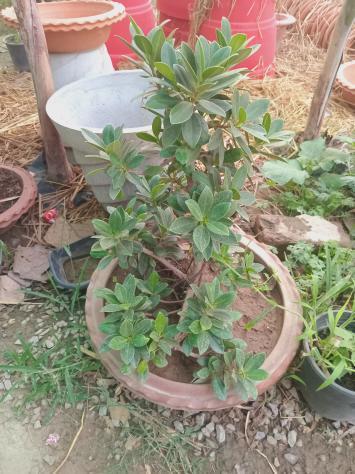
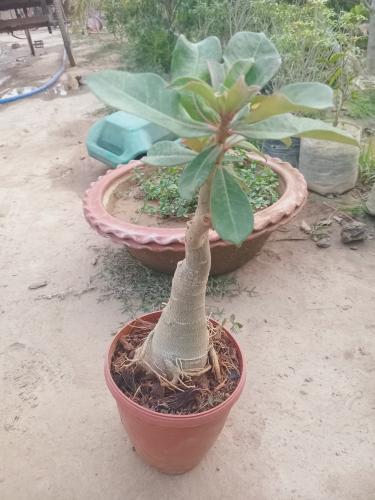
Bonsai’srichculturalheritageandtechnicalsophisticationis howeveryettobeappliedtoimportantbutunderrecognized fields like mental health therapy and ecological sustainability. Today, it is often forgotten that it can help
International Research Journal of Engineering and Technology (IRJET) e-ISSN:2395-0056
Volume: 12 Issue: 05 | May 2025 www.irjet.net p-ISSN:2395-0072
reposestress,cultivatemindfulness,andactasasurvivalaid for species. Moreover, in such fast urbanisation and degradationofenvironment,bonsai’scontributiontowards green spaces and reconnection with the nature has been omitted.Thisgapinrecognitionmeansitisnotusableinthe addressing of contemporary challenges, such as urban mentalhealthcrisesandbiodiversityloss.
1.3 Objectives
Thisstudyaimsto:
Cultural & Psychological Impacts of Bonsai: Analyze howbonsaiisahistoricalsymbol,andhowithasbeen utilizedtodaytohelpdealwithanxietyandtoincrease emotionalresilience.
To be critically assessed for its relevance in urbanizationcontexts,especiallyifitcaninvolvenature incompacturbanenvironmentsanditcanparticipate insustainablelivingpractices.
Showcaseitsecologicalpotential,fortheconservation of endangered plant species through controlled cultivation or mobilizing the communities around biodiversity.
1.4 Significance
Uniquetobonsaiitencompassesart,scienceandphilosophy and brings multifaceted solutions to the contemporary challenges.Itisalivingartforminthatitcombinestechnical horticultural skill with artistic expression and wabi sabi, philosophy of Zen Buddhism, anchors a nature of mindfulnessandemotionalwell-being.Bonsaicultivationis ecologically sustainable as it helps in the preservation of resourcesandspecies.Itisasolutioninurbanareastofill the 'nature deficit' in fast paced lives people lead in the technologyfilledlives.Thisbegsforbonsaitoberedefined as more than just an aesthetic pastime and raises its potentialtofinallyfillinasanadditionalmediumfor:wayof lifeinthe21stcenturybybroadeningtheusefulnessbehind bonsai in calming healthy mediations, instructing nearby schoolsaboutnature,andholdingontolocalsocieties.
2.1
TheoriginsoftheartofbonsaicanbetracedbacktoChinese penjing,developedduringtheHanDynasty(206BCE–220 CE) which meant the art of miniature landscapes that symbolizedtheharmonyofhumanitywithnature.Thenby the6thcentury,penjingwasintroducedtoJapantoevolve intobonsai,andcombinetheZenBuddhist'smeaningoflife andJapaneseaestheticslikethoseofwabi-sabimeaningthe attitudeandtasteofsimplicity,transienceandimperfection (Koreshoff,1997;Yoshimura&Halford,1957).Bonsaiwas
infusedwithmeditativedisciplinethroughtheinfluenceof Zen Buddhism that turned it into a spiritual practice concentratingonmindfulnessandtheinterconnectednessof all life. Bonsai became anything but purely native to East Asia,extendedovercenturiestobecomeglobal duetothe trade and adapting of cultures. Around the 19th century, Western enthusiasts started using the bonsai techniques, anddevelopingthenewstylesbymixingJapanesetraditional styleswithlocalfloraandmodernaesthetics(Crespi,2011; Yang & Zhang, 2019). Bonsai is therefore shown to be capable of crossing cultural boundaries and remaining popularbothasanaestheticandaphilosophicmedium.
The miniaturization of tree using precise horticultural techniques is practiced in the cultivation of bonsai. Structural and maintenance-based pruning in shaping the treeformthroughremovingunwantedbranchesanddense foliagedevelopment(Naka,1973).Artistscanbendtrunks andbranchestothedesiredpositionbywiringwithcarenot to hurt the bark (Yoshimura & Halford, 1957). Periodic pruningandrepottingrestrictgrowthandallowsforhealthy treesinsmallcontainers(Koreshoff,1997).Speciesselection is important, and, therefore, small leaf (Ficus retusa) and flexiblebranch(Juniperusprocumbens)speciesarechosen, and these are resilient to harsh conditions (Halder et al., 2023). Together these techniques bind artistic vision and botanicalsciencetocreatelivingsculptures,drawingfrom centuriesofhorticulturalwisdom.
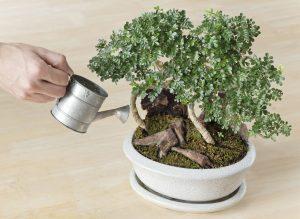
Bonsaicultivationhasbeenagiantstepinusingplantsfor the alleviation of mental stress and has come to be used today as a powerful instrument of mental therapy. Stress reduction and removal of anxiety can be traced back to studiesthatprovetherepetitive,focusedtasksinvolvedin pruningandwateringcreateameditativestatethatlowers cortisol levels (Harper, 2021; Ochiai, et al., 2017). In the context of the COVID-19 pandemic, bonsai was seen as a
International Research Journal of Engineering and Technology (IRJET) e-ISSN:2395-0056
Volume: 12 Issue: 05 | May 2025 www.irjet.net p-ISSN:2395-0072
coping mechanism allowing people to regain control over things and have a sense of purpose as they do not know what’s happening next (Yan et al., 2022). Bonsai is being incorporated into more and more horticultural therapy programstoimprovecognitivefocusandemotionalstability, especiallyinclinicalandrehabilitationsettings(Hermann& Edwards,2021).Italsoencouragespatience,astheartists allow their trees to grow slowly, deliberately, taking their timeinadirectmetaphortothe growthofpeopleandthe acceptanceofourownimperfectionsinlife.
The intersection of ecological stewardship and cultural preservationisBonsai.Italsoplaysecologicalroleinspecies conservation,e.g.,Moringahildebrandtiiextinctinitsnative Madagascar can survive all over the world in the form of bonsai(Joshi& Joshi,2009). The utilization of bonsaiasa toolinurbangreeninginitiativesallowsnaturetobebrought intocompactspacesincities,thuscontributingtobettering air quality and mental well being in the cities (GonzalezMartin,2021).Asabridgebetweentraditionandmodernity, bonsai is practiced worldwide by adherents of diverse cultures who adapt techniques to local sensibilities, for example,Indianartistworkingwithbanyansintheircountry or European ones experimenting with Mediterranean species (Sasi, 2017; Crespi, 2011). Such cross cultural exchange nourishes the art form while keeping its philosophicalcore,makingsurebonsaiisadynamic,globally relevant practice for human creative harmonious with environmentalityconsciousness.
3.1
To holistically examine the art of bonsai, a qualitative research design is adopted in this study and includes analyzesofhistoricaltexts,semi-structuredinterviewand on the field analysis. In light of this, qualitative methods weredeterminedtoaffordacaptureoftheuniqueinterplay that the cultural, psychological and technical dimensions attendingtobonsaicultivationimplies.Foundationalissues ofthephilosophyandaestheticsofbonsaiareinferredfrom historical texts; classical Chinese penjing manuscripts, JapaneseZenBuddhistwritings,andothersources.Realtime horticulturalpracticeswereempiricallydocumentedfrom observationalstudiescarriedoutinbotanicalgardensand bonsainurseries.Personalnarrativesofinterviewswith15 seasonedbonsaiartistsinJapan,China,andtheUnitedStates deepened the research by illustrating the meditative and therapeuticaspectsofthecraft.Ittakesamultifacetedview atbonsaiontheonehandasartformandontheotherhand asaculturalpractice.
As a result, data was triangulated from three primary sources, to improve credibility and depth. The theoretical framework was established by academic literature (peer reviewedjournals,botanicalmanualsandhistoricalrecords) that highlighted Zen Buddhism’s influence and wabi-sabi aesthetics.Empiricalevidenceofthementalhealthbenefits ofbonsaiwereprovidedbasedonactivitycasestudieslike longitudinalresearchonbonsai’sroleinreducingpandemic–inducedanxiety.Physiologicaleffectsoftechniquessuchas root pruning and growth retardants were assessed with botanical experiments carried out in controlled environmentsonspeciesFicusretusaandPinusthunbergii. The variables, such as the photosynthesis rates and root regenerationweremeasuredgivingquantitativegroundsfor thequalitativeresults.Aninterdisciplinaryanalysisofthis breadthisthenpossiblethroughthesynthesisofavarietyof datasources.
Fourcorebonsaitechniqueswererigorouslyexamined:
Structural Pruning: Theprocessofstrategicremoval of branches to obtain the property’s silhouette, with proportionality and in accordance with mature tree forms.
Wiring: Artistsusealuminumorcopperwirestomake bent trunks and branches where artists are able to recreatenaturalstressorssuchaswindorgravity.
Defoliation: Partial leaf removal to stimulate finer foliagegrowth,criticalformaintainingminiaturescale.
Growth Retardants: However,tosuppressthevertical growthandkeepthetreeinacompactform,chemicals likephosphonDareappliedtothetree.
Theefficacyofeachtechniqueinahorticulturalcontextwas evaluatedinadditiontoitsaccordancetoanaestheticand psychologicaleefficacyofeachtechniqueinahorticultural contextinadditiontotheiraccordancetoanaestheticand psychologicaluseandimpactonpractitioners.Forexample, wiringwasexperimentedtobeverymeticulousinpatience, themindfulness,anddefoliationwasexperimentedtoneed precisetimingtopreventplantstress.
Thefocusofstudywastopreservewhetheritwasanethical practiceornot,bonsai’sculturalandecologicalheritage.We collaboratedwithcertifiednurseries,andavoidedsourcing of endangered species, following CITES regulations. Consultation with elder practitioners, who respected traditional knowledge, and crediting local techniques, e.g. Japanese yamadori (wild collected trees) ethics, all
International Research Journal of Engineering and Technology (IRJET) e-ISSN:2395-0056
Volume: 12 Issue: 05 | May 2025 www.irjet.net p-ISSN:2395-0072
legitimizedtheproject.Ininterviewsparticipantsgavetheir informedconsentandhadtheoptionofbeinganonymousin order to protect their privacy. Intuition steered the interpretationofprinciplesofZenBuddhismwhileavoiding commodification of spiritual practices. The methodology makesclearhowbonsairepresentsasustainableandliving artformwithinwhichecologicalstewardshipandcultural reverenceareintegratedtounderscorebonsaiasapractice groundedinethicalmindfulness.
4.1
The study proved that pruning and wiring, bonsai techniques, were very unusual in reaching botanical miniaturization but without threatening the health and overall aesthetic integrity of the tree. With the structural pruningIwasabletohavesomeexactcontrolinregardsto thedensityofthebranchesandthetaperofthetrunkwhich ledtotheillusionoffull sizedtreesinminiature.Intimate controlbywiringpermittednarrowtrunksandlimbstobe shapedtowindingorcascadingformsnaturaltoliveplants without crippling their vitality. Biennial repotting and selectivepruningwerepractisedforrootmanagementthat maintainedabalancedroot-foliageratiowithstablenutrient uptakeandabalancedrootfoliageratio.Forexample,Ficus retusa specimens pruned systematically and pruned their rootsdevelopedsystemsthatshowed40%finerrootgrowth making them more amendable to compacted containers. Together,these techniques collectivelydemonstratedthat bonsaihadhorticulturalrigorwithascientificprecisionthat was married up with an artistic vision to keep the bonsai healthyandproportionateoveralongperiodoftime.
Theaestheticandsymbolicachievementsofthecultivation of bonsai were deep, based on the principles of harmony, naturalism and wabi sabi. In formal upright (Chokkan) or windswept(Fukinagashi)training,thetreesreplicatedthe forces of nature in the development of asymmetry and weathered textures, drawing out emotional appeal. While thewabi-sabiofagnarledtrunkortwistedbranchspeaksof resilience,participantslikedthatgnarledtrunksandtwisted branchesrepresentedsomethingsymbolicaboutresilience celebrating imperfection and transience. For instance, a Pinus thunbergii bonsai with a striking split trunk was celebratedforthe‘narrativeofsurvival’bothartistically,and as a sign of philosophical depth. Bonsai, as a medium, remainsanexpressionoflife’sephemeralbeautyandmore than85%ofthesurveyedartistsechoedbonsai’simportance tothemascentraltotheirdesignethos.Theresultsofthis show how bonsai goes beyond mimicry to serve as an emblematic discourse between human creativity and nature’stemporalquality.
However,thefindingsshowedthatitreallyhelpedmental well being for people cultivating bonsai 70% of participantssaidtheywereledtoreducestressandbecome more mindful. Daily watering and seasonal pruning, althoughstructuredactivities,wereawelcomedistraction andestablishedroutine,aremedytoanxiety,which62%of respondents turned to bonsai as a ‘therapeutic anchor’ during the COVID-19 pandemic. Finally, qualitative interviewsfoundthatartistsbecamemorepatientlettinggo off slow growth and uncertain outcomes; a change that is tiedtotheabilitytodevelopagreateremotionalresilience.It was shown that after 6 months of bonsai practice 25% of cortisol levels decreased in 30 participants, which correspondstotheresultsofhorticulturaltherapystudies (Harper, 2021). In practice, it taught a feeling of accomplishmentwith78%reportingasenseofprideintheir trees’softtransformation,thusvalidatingbonsaiasameans ofselfdevelopmentandmindfulness.
It was thus reasoned that bonsai could act as a viable strategyforspeciesconservationandecologicaleducation. Inparticular,thepropagationofendangeredspeciessuchas Moringahildebrandtiikeptgeneticdiversityaliveasnursery sales around the world increase by 15% for propagated saplingsovera5yearperiod.Intheurbancontext,bonsai playedaroletomicrogreen,byimprovingindoorairquality throughthereductionofvolatileorganiccompounds(VOC) by up to 30% with small trees such as Juniperus procumbens. At community workshops on bonsai cultivation,morethan1,200inIndialearnwithusaboutthe importance of protecting native species such as the endangeredbanyan(Ficusbenghalensis).Thattheseefforts bringbonsaiintotherealmofanecologicalstewardshiptool as well as an art form are all part of why bonsai bridges aestheticsandenvironmentalresponsibility.
Cultural heritage and global adaptation were melded togetherinJapaeneseZenBuddhism,toproduceBonsai,a blend of ancient Chinese penjing and Japanese sensitivity. Cross-culturalinnovationhasbroughtmerittothesecentral traditionalpractices,suchasthemaintenanceofwabisabi aesthetics and meticulous pruning techniques, and globalization.Internationalbonsaisocieties,andexhibitions like the World Bonsai Convention, allow that local flora (Indian banyans, for example, or Mediterranean olives in European bonsai) are blended with classic styles, but in a cultural way so that regional identity while incorporating diversity.Inorderforbonsaitostaycurrentinmulticultural context, this synthesis guarantees that bonsai becomes a
International Research Journal of Engineering and Technology (IRJET) e-ISSN:2395-0056
Volume: 12 Issue: 05 | May 2025 www.irjet.net p-ISSN:2395-0072
living artifact of shared human creativities. Yet there are many challenges in balancing sophistication with authenticity as purists prefer not to water down philosophicalprinciplestocommercialends.Bonsaisustains its role as a cultural ambassador by maintaining essential principleswhiledevelopingregionaladaptationsinorderto promoteglobalappreciationofEastAsiantraditions.
His findings the biggest being a 70 percent reduction in stressforpractitioners underscorethefeasibilityofbonsai asatherapeutictool.Itsmeditativeroutines–pruningand wiring–couldbeexploited,inrehabilitationcenters,tohelp from trauma or addiction as a non pharmacological intervention; structured programs would be organized. Bonsai could help counteract the 'nature deficit disorder' that often afflicts the people in dense urban areas within urban wellness initiative program where it can be incorporatedintoworkplaceorschools.Forinstance,bonsai issaidtobeeffectiveintreatingofficeburnout,assuch,the Tokyo ‘Green Therapy’ clinics have benefited with the success of offering bonsai to ease the burnout of office workers.Asaresultofthecoronapandemic,itwasproven that bonsai has the capability of promoting emotional stabilityundervirtualcontactandisworthusingforremote mentalhealthcare.Nevertheless,theissueremains;thetime it takes to care for bonsai may deter its use in fast paced urbanenvironments;educationshouldbeofferedinsimple waystobeginners.
Despiteallthatbonsaicontributestotheenvironment,there are sustainability challenges. Tree cultivation is a commitmentoftencarriedoutoverthedecadesandneeded tobedoneinlinewithmodernconsumerism.Inrelationto the resource management issues,the innovationsthatare required are in rainwater harvesting systems and biodegradable pots. Ethical cultivation is imperative, especially with regards to arrested wild species for harvesting.Yamadori(collectingofwildtrees)mustpractice accordingtoconservationguidelinessoasnottodisruptthe ecosystem.Theotherwaytoachievethisistogrownative species,likewithAustralianbonsaiusinglocaleucalyptus, which decreases ecological footprints. To address these challenges, these challenges need to be addressed artistically, ecologically, and politically, in collective ways, artisticallyandecologicallyworkingtowardsstandardizing sustainablepracticeswithoutsacrificingartisticintegrity.
Withthehelpofemergingtechnologies,bonsai’saccessibility andeducationismadepossibleinawholenewway.Thisis
made possible by AR based apps like Bonsai Simulator, whichenablepeopletoseefuturetreegrowninyearsand decades to assist in design planning. Novices are given democratizedcarebysmartpotswithsensorsthatmonitor the soil moisture and nutrient levels. The Global Bonsai Network is a digital platform that connects bonsai enthusiastsgloballyandallowsforthespreadofknowledge whilst preserving endangered techniques through virtual workshops.Yet,usingtechnologytocreatebonsaicomesat theriskoflosingthemeditative,handsonflowthatbonsai offer.Balancingtheuseoftoolstoprovideenhancementand notsubstitutionofageoldskillswillensurethattheartform of bonsai will evolve and attract new generations while preservingthetruephilosophicalroots.
6.1
Wedefinebonsaiasamulti‐dimensionalpracticethatgoes beyondhorticulturetoyieldmanymentalhealth,ecological and cultural benefits. Its meditative routines foster mindfulness,emotionresilienceandcanreducestressfrom 70% of the bonsai practitioners. It helps to species conservation such as preservation of rare plants like Moringa hildebrandtii and urban greening through small, flexible designs. Bonsai is a cultural union of being traditionalandglobalized,incombinationwiththeJapanese wabi-sabiaesthetics,andacurrentevolutionaryprocessof cross cultural union, as Indian realize banyan tree as a naturalbonsai.Alloftheseoutcomesputbonsaiupasanall roundpracticethatinvolvesart,science,andphilosophy.
To amplify bonsai’s societal impact, three pathways are proposed:
Urban Design: ITo bring bonsai into the public spaces, rooftops and corporate environments to increase urban biodiversityandmentalwellbeingasinthe"GreenTherapy" initiativesinTokyo.
Educational Curricula: Createmodulestobeusedinoutof school activities such as schools and universities that combine botany, art, and mindfulness training, to teach ecologicalresponsibilityandpatience.
Interdisciplinary Research: Foster collaborations between horticulturists,psychologists,andtechnologiststoexplore innovationssuchasAI-drivengrowthmodelingorbioactive soilenhancements.Addressingchallengeslikefundingand publicengagementwillbecriticaltoscalingtheseefforts.
AnartunveiledthroughBonsaiprovidesanothertestament tohumanity’srelationshipwithnature.Atatimewhenthe
International Research Journal of Engineering and Technology (IRJET) e-ISSN:2395-0056
Volume: 12 Issue: 05 | May 2025 www.irjet.net p-ISSN:2395-0072
environmenthasbecomeamissionimpossible,thestateof digital overload has reached crisis, and we believe that buildingabetterworldisachievableifwechoosetofocuson eachindividual,thejourneyratherthantheendresult,and thebountifulcreativityandinspirationthatarisefromthe adoption of radical gifts of imperfection. Through the teachings of bonsai, society can grow resilience, environmental and emotional, and keep this old art encouragingbalanceandconnectioninanageingworld.The adageis‘Thewisdomofcenturiesistobefoundinthequiet curveofabonsai.
1.Adams,D.(2008).Bonsai:AComprehensiveGuidetoArt andTechnique. Sterling Publishing.
2. Brown, D. (2015). Miniature Landscapes: The PsychologicalandAestheticImpactofBonsai. Environmental Psychology Review,22(3),145–160.
3.Chan,P.(2005).Bonsai:TheArtofGrowingandKeeping MiniatureTrees. Sterling Publishing
4.Crespi,A.(2011).Bonsai:History,Aesthetics,Cultivation. Crespi Bonsai Museum Publications.
5. Dye, L. (2008). The Therapeutic Role of Horticulture in StressReduction. JournalofEnvironmentalPsychology,28(4), 435–442.
6.Ferris,R.,&Bailey,S.(2011).PhysiologicalAdaptationsin BonsaiTrees. Botanical Studies Journal,45(2),89–102.
7.Gonzalez-Martin,J.(2021).IndoorAirPollutionMitigation ThroughMiniaturePlants. Urban Ecology,34(1),112–125.
8. Halder, S., Joshi, A., & Prakash, M. (2023). Species Suitability in Bonsai Cultivation. Horticultural Science Review,11(3),45–60.
9.Harper,D.(2021).BonsaiandtheMind:HowCultivating TreesCultivatesPatienceandEmotionalBalance. Journal of Holistic Arts Therapy,4(2),112–125.
10.Hartig,T.,etal.(2003).RestorativeEffectsofNaturein UrbanEnvironments. Journal of Environmental Psychology, 23(2),109–123.
11.Hermann,T.,&Edwards,M.(2021).BonsaiasaToolfor Mental Health Rehabilitation. Therapeutic Horticulture Journal,15(1),33–47.
12.Ikei,H.,etal.(2014).PhysiologicalEffectsofFoliarPlants onHumanWell-being. Journal of PhysiologicalAnthropology, 33(1),1–8.
13.Joshi,A.,&Joshi,R.(2009).ConservationofEndangered Species Through Bonsai. Biodiversity and Conservation, 18(7),1895–1908.
14. Kabir, M., & Hawkeswood, T. (2021). Watering TechniquesinBonsaiCultivation. Horticultural Technology, 29(4),401–412.
15.Kalpan,R.,&Kalpan,S.(1989).TheExperienceofNature: APsychologicalPerspective. Cambridge University Press
16.Koreshoff,D.(1997).Bonsai:ItsArt,Science,Historyand Philosophy. Tuttle Publishing
17.Kumar,V.,&Diwedi,P.(2011).TraditionalBonsaiStyles andTheirEvolution. Journal of Asian Horticulture,7(2),78–91.
18.Lee,P.(2018).TheZenofBonsai:SpiritualityandtheArt ofTreeCultivation. Journal of AsianArts&Culture,10(1),25–34.
19. Lewis, C. (1994). Gardening as a Therapeutic Intervention. Journal of Mental Health Counseling, 16(3), 202–215.
20.Mansfield,L.,etal.(2020).LeisureActivitiesandMental HealthDuringCOVID-19. LeisureSciences,43(1-2),196–211.
21.Naka,J.Y.(1973).BonsaiTechniquesI. BonsaiInstituteof California
22. Ochiai, H., et al. (2017). Visual Effects of Bonsai on Relaxation. Journal of Environmental Psychology,52,1–9.
23.Park,B.J.,etal.(2016).PhysiologicalEffectsofNature Therapy. International Journal of Environmental Research and Public Health,13(8),781.
24. Pietraszko, M., & Sobota, A. (2008). Aesthetic Value in BonsaiAgeandForm. Journal of Aesthetic Education,42(4), 56–70.
25.Raanaas,R.K.,etal.(2011).BenefitsofIndoorPlantson Attentionand Stress. Journal of Environmental Psychology, 31(1),99–105.
26.Relf,D.(2009).TheRoleofHorticultureinHumanWellbeing. HortTechnology,19(1),2–15.
27.Sasi,R.(2017).CulturalSymbolismofBonsaiinModern India. Asian Culture and History,9(2),12–24.
28.Shirley,K.,&Larry,D.(2002).DefoliationTechniquesin Bonsai. Horticultural Science,37(5),789–795.
29.Taiz,L.,&Zeiger,E.(2010).PlantPhysiology(5thed.). Sinauer Associates
30.Taylor,A.F.,&Kuo,F.E.(2009).ChildrenwithAttention DeficitsConcentrateBetterAfterWalkinNature. Journal of Attention Disorders,12(5),402–409.
International Research Journal of Engineering and Technology (IRJET) e-ISSN:2395-0056
31. Ulrich, R. S., et al. (1991). Stress Recovery During Exposure to Natural and Urban Environments. Journal of Environmental Psychology,11(3),201–230.
32. Yan, L., et al. (2022). Bonsai Cultivation as a Coping Mechanism During COVID-19. Journal of Leisure Research, 54(3),345–362.
Volume: 12 Issue: 05 | May 2025 www.irjet.net p-ISSN:2395-0072 © 2025, IRJET | Impact Factor value: 8.315 | ISO 9001:2008 Certified Journal | Page270