
International Research Journal of Engineering and Technology (IRJET) e-ISSN: 2395-0056
Volume: 11 Issue: 12 | Dec 2024 www.irjet.net p-ISSN: 2395-0072

International Research Journal of Engineering and Technology (IRJET) e-ISSN: 2395-0056
Volume: 11 Issue: 12 | Dec 2024 www.irjet.net p-ISSN: 2395-0072
Sahana K1 , Dr. Dharmesh N2, Dr. L Govindaraju3
1P.G Student, Department of Civil Engineering, U.V.C.E, Bangalore University, Bengaluru
2Assistant Professor, Department of Civil Engineering, R.N.S.I.T, Bengaluru
3Professor, Department of Civil Engineering, U.V.C.E, Bangalore University, Bengaluru.
Abstract Seismic isolation is recognized as one of the most effective strategies for mitigating earthquake hazards. In bridges, seismic isolation bearings are typically installed between the substructure and superstructure, effectively decoupling the superstructure from the horizontal components of ground motion. As a result, during an earthquake, inelastic deformations are concentrated in the isolation bearings, reducing the forces transmitted to the substructure and superstructure, thereby allowing them to remain elastic. This study focuses on an RC T-beam bridge equippedwithdifferentbearingsystems,includingelastomeric bearings and lead rubber bearings. Using Finite Element Analysis, the behavior of the isolated bridge is examined. The bridge’s performance is assessed through modal and time historyanalyses,evaluatingparameterssuchasfundamental time period, base shear, acceleration, and displacement. The findings suggest that elastomeric bearings can be effectively replaced with lead rubber bearings, as they increase the fundamental time period and significantly reduce the base shear coming on the piers.
Key Words: Seismic isolation, Ground motion, Seismic isolation bearings, elastomeric bearings, lead rubber bearings, Finite element analysis, time history analysis.
Bridgesarestructuresbuilttospanphysicalobstacleslike water,valleys,orroads,providingapassageoverthem.They are essential for transportation, connecting people and places that would otherwise be inaccessible or require lengthy detours. Bridges play a crucial role in modern infrastructure,connectingcommunitiesandfacilitatingthe flowofgoods,services,andpeople.Theyareatestamentto human ingenuity, embodying our ability to overcome obstacles and connect distant lands. Bridges are an importantinfrastructurebecausetheyallowpeopletocross waterways,canyons,andotherobstacleseasilyandsafely, whichwouldotherwisebedifficultorimpossibletonavigate. Bridges are critical links in transportation networks, connecting roads, highways, and railway systems, helping reduce traffic congestion and improve travel time. In addition,theyhelptospureconomicgrowthbyenablingthe efficientmovementofgoodsandpeopleandfacilitatingthe developmentofnewbusinessandresidentialareas.Whether a simple footbridge over a creek or a massive suspension
bridgespanningabay,thedifferenttypesofbridgesplayan integralroleinshapingourworldandsupportingthegrowth andprosperityofourcommunities
Elastomericbearingsareoneofthemostcommontypes of bridge bearings, made from elastomers, usually rubber, whichmaybereinforcedwithsteellaminates.Thesebearings provideflexibilityforbridgesbyallowinglimitedmovement inmultipledirections,accommodatingsmallrotations,and providingessentialresiliencetohandleminordisplacements duetotrafficloads,temperaturechanges,andseismicforces. elastomericbearingisolatorsconsistofupperandlowersteel plates with a series of alternating layers of natural, or synthetic,rubberbondedtointermediatesteelshimplates. The rubber provides lateral flexibility while the steel providesverticalstiffness.
Lead Rubber Bearings (LRB) are specialized seismic bearingsdesignedtoprovidebothloadsupportandseismic isolation for structures like bridges and buildings in earthquake-proneareas.Thebearingcombinesanelastomer (rubber) with a lead core, which together help isolate the superstructurefromgroundmotion,reducingtheamountof seismicforcetransmittedduringanearthquake.Leadcoreis Positionedatthecentreofthebearing,theleadcoreservesas anenergy-dissipatingelementbyabsorbingseismicenergy. Lead is used because it can undergo plastic deformation (permanentchangeinshape)repeatedlywithoutlosingits structuralintegrity.RubberLayersSurroundingtheleadcore arelayersofnaturalorsyntheticrubber.Theserubberlayers absorbhorizontalmovementsand provideflexibility.Steel platesareembeddedwithintherubberlayers,reinforcingthe bearing, controlling deformation, and increasing its loadbearingcapacity.Outersteelplatesarelocatedonthetopand bottomofthebearing,theseplatesconnectthebearingtothe bridgesuperstructureandsubstructure.
1. TodesigntheElastomericbearingforRCTBeam bridgeinaccordancewithIRC83(Part2)2018
International Research Journal of Engineering and Technology (IRJET) e-ISSN: 2395-0056
Volume: 11 Issue: 12 | Dec 2024 www.irjet.net p-ISSN: 2395-0072
2. TodesigntheLeadrubberbearingforRCTBeam bridgeinaccordancewithAASHTO2007
3. To perform Time history analysis using ground motionrecordedatEL-Centroduring1940Imperial valleyearthquakeandBhujearthquake.
4. ToassessbehaviorofRCTBeambridgewithtwo differentisolators
5. ToevaluateseismicresponseofRCTBeambridge withElastomericbearingandleadrubberbearing.
6. To evaluate Modal parameters, Base Shear, Acceleration and Displacements of R C T Beam bridgewithtwodifferentisolators.
7. TocompareR C T Beam bridge with Elastomeric bearingandleadrubberbearing.
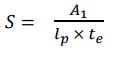
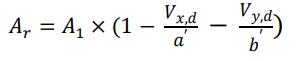
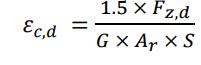
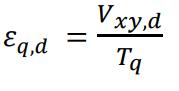
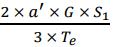
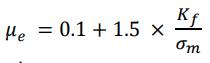
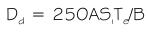
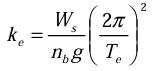
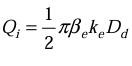
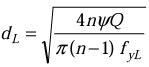
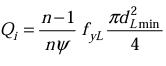
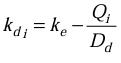
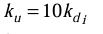
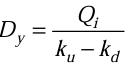
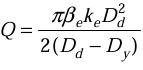
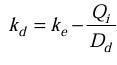
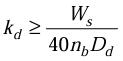
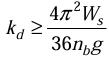
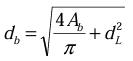
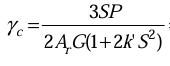
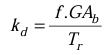
1. Design of Elastomeric bearing and Lead rubber bearing: The design of elastomeric bearingisdoneasperIRC83(Part2):2018The isolation design of a bridge with elastomeric bearingsprimarilyinvolvesthedeterminationof cross-sectional area of the bearing, total thickness of rubber layers, instantaneous compression modulus of the elastomer, shear modulus of the elastomer, vertical and shear stiffness of the isolator. Design of lead rubber bearingisdoneasperAmericanAssociationof State Highway and Transportation Officials (AASHTO):2007Theisolationdesignofabridge withleadrubberbearingsprimarilyinvolvesthe determinationofthepropertiesoftheisolators themselvessuchasleadcorediameter,isolator diameter, thickness and number of rubber layers,thicknessandnumberofsteelreinforcing plates.
2. Bridge geometry: thestudyfocusedontheRC TBeambridgewhichis48mlongand8.7mwide andconsistsofthreespancontinuousreinforced concretegirders.Deckslabconsistsof280mm deep supported by three reinforced concrete girdersof1400mmdepth.Threemaingirders areprovidedat2.5mcenters.Solidpiersof1.6 m width and 1.2 m thick of rest on firm soil strata. The seismic analysis considered both elastomericbearingandleadrubberbearing.
4.
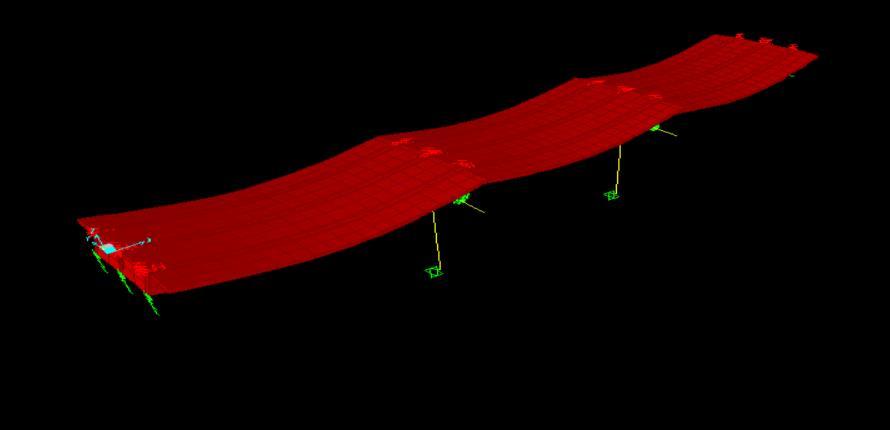
3. Numerical Analysis: FiniteElementMethod(FEM) softwareSAP2000V14wasemployedfornumerical analysis. Time history analysis of ground motion recordedatEL-Centroduring1940ImperialValley earthquakeandBhujearthquakeduring2001were defined.TheRCTBeambridgewasmodelledinthe software. The analysis covered using both elastomericbearingandleadrubberbearing.
4. Seismic Analysis Parameters: The evaluations includedfixedbaseanalyses,examiningparameters suchasbaseshear,acceleration,displacement,and modalcharacteristicsforbothelastomericandlead rubberbearing.
5. Analysis Sequencing: The analyses were systematically arranged to cover seismic considerations for RC T beam bridge. Sequentially, the study investigated the seismic performance of RC T beam bridge with elastomericbearingandleadrubberbearing.
The design of elastomeric bearing is done as per IRC 83(Part2):2018 Designofleadrubberbearingisdoneasper AmericanAssociationofStateHighwayandTransportation Officials (AASHTO):2007 The seismic analysis considered both elastomeric bearing and lead rubber bearing. Finite Element Method (FEM) software SAP2000 V14 was employed for numerical analysis. Time history analysis of groundmotionrecordedatEL-Centroduring1940Imperial Valley earthquake andBhuj earthquake during 2001 were defined. The evaluations included fixed base analyses, examining parameters such as base shear, acceleration, displacement,andmodalcharacteristicsforbothelastomeric andleadrubberbearing.
Thebridgeis48mlongand8.7mwideandconsistsofthree span continuous reinforced concrete girders. Deck slab consists of 280 mm deep supported by three reinforced concretegirdersof1400mmdepth.Threemaingirdersare providedat2.5mcenters.Solidpiersof1.6mwidthand1.2m thickofrestonfirmsoilstrata.Bridgeislocatedinseismic zone IV. Grade of concrete and steel are M25 and Fe500, respectively.
International Research Journal of
Volume: 11 Issue: 12 | Dec 2024 www.irjet.net
Table -1:Designof
International Research Journal of
Volume: 11 Issue: 12 | Dec 2024 www.irjet.net

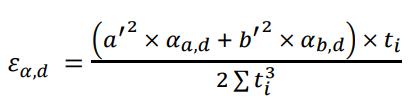
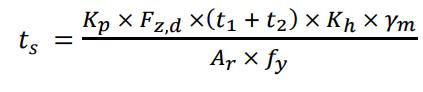
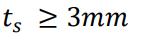

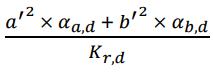
International Research Journal of Engineering and
Volume: 11 Issue: 12 | Dec 2024 www.irjet.net
Design




Fromjournal paper author AliAkbar Edalati (2019)
International Research Journal of
Volume: 11 Issue: 12 | Dec 2024 www.irjet.net

Volume: 11 Issue: 12 | Dec 2024 www.irjet.net

49
Research
Volume: 11 Issue: 12 | Dec 2024 www.irjet.net
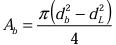
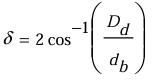
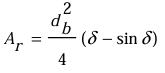
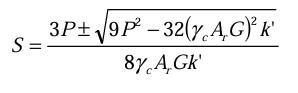
Design of a Lead Rubber Bearing


Volume: 11 Issue: 12 | Dec 2024 www.irjet.net
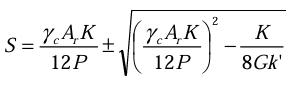
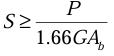
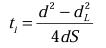

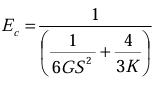
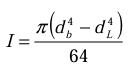
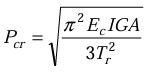



International Research Journal of Engineering and
Volume: 11 Issue: 12 | Dec 2024 www.irjet.net
Design of a Lead Rubber Bearing
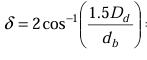
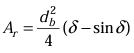





International Research Journal of Engineering and Technology (IRJET) e-ISSN: 2395-0056
Volume: 11 Issue: 12 | Dec 2024 www.irjet.net p-ISSN: 2395-0072
Finite Element Analysis (FEA) of a bridge is a methodical process that involves modeling the structure, defining its material properties, loads, and boundary conditions, and performing a computational analysis to evaluate its performance. FEA can be used to simulate the structural behaviorofabridge,andtooptimizeitsdesigntoensureitis safe, stable, and cost-effective. FEA works by dividing a complexstructureintosmaller,simplerparts,calledfinite elements. By simulating the behavior of each element individually. Theprocess of dividinga continuous domain (like a structure or object) into smaller subdomains, or "elements".
Thepurposeofthissectionistoinvestigateandcomparethe influence of the LRB and the ERB bearings on the seismic responsesofaRCTBeambridge.
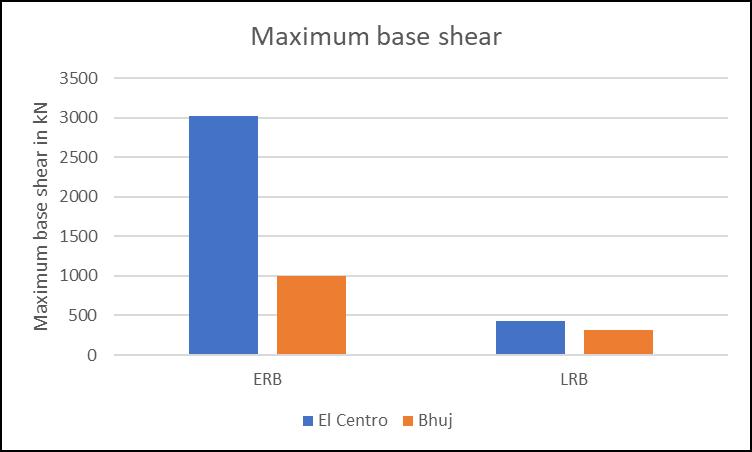
UsingtheLRBisolator,thebaseshearissharplydecreasedin earthquakegroundmotions,whichcauseslessforcetoenter thebridge.Thereasonsforreducingthebasesheararethe increaseintheperiodanddampingofthebridge.Theresults show that under the El Centro earthquake record during 1940therateofreductionofthebaseshearis85%andunder Bhujearthquakerecordduring2001therateofreductionis 68%. It can also be inferred that the bridge response is groundmotiondependentandvariesindifferentearthquake motions.
Table 4:Maximumbaseshearforceinbridge
Thepurposeofseismicisolationisthereductionofforcesin the structure and the foundation. In which, one of the solutionsistoincreasethevibrationperiodofthestructure. Increasing the vibration period reduces the structural responseaccordingtothedesignspectrum,whichhasbeen investigatedinmanystudiesastheeffectofstructuralperiod transitions.However,increasingtheperiodofthestructure reducesthelateralstiffnessofthebridgethatincreasesthe lateral displacement of the structure. As expected, LRB isolation system increases the period of the structure in comparisonwiththeERBisolation.
Table 3:Fundamentaltimeperiodinsec
Centro (1940)
(2001)
Fig2MaximumBaseshearforceinbridge
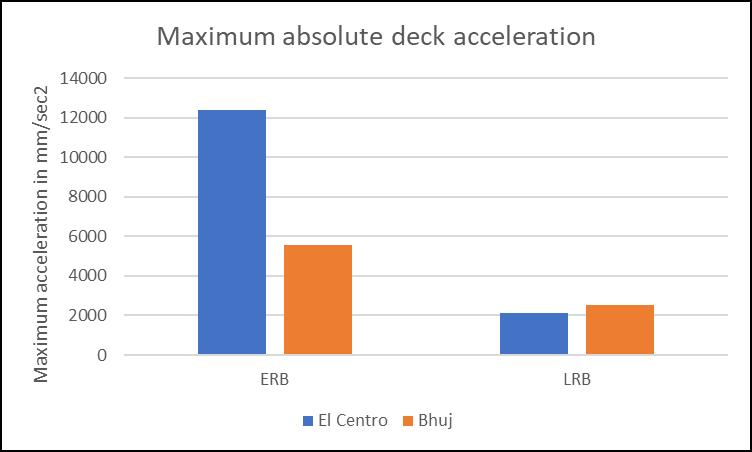
Maximum absolute deck acceleration
The absolute acceleration of the bridge was significantly reducedusingtheLRBsothattheamountofthisreductionis upto82%forEL Centrorecordduring1940and55%for Bhuj earthquake record during 2001. The reason for the differences between the accelerations is the frequency contentoftheselectedearthquakegroundmotions.
Table 5:Maximumabsolutedeckacceleration
Centro(1940)
(2001)
International Research Journal of Engineering and Technology (IRJET) e-ISSN: 2395-0056
Volume: 11 Issue: 12 | Dec 2024 www.irjet.net p-ISSN: 2395-0072
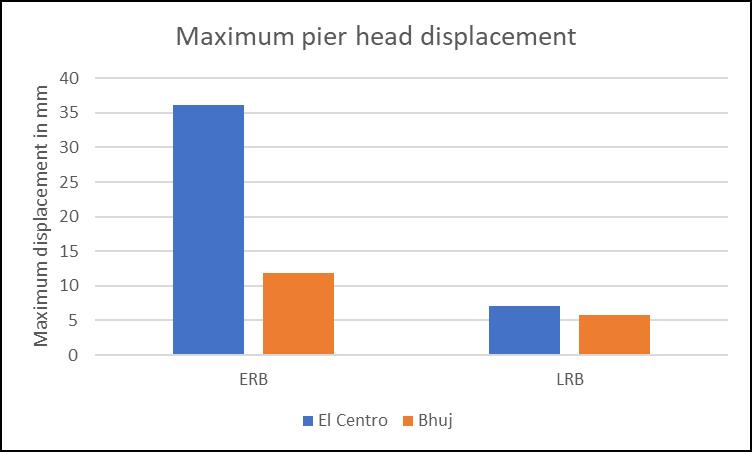
Maximum pier head displacement
TheLRBisolatorreducesthebridgedisplacementagainstthe ERBisolatorandtheamountofthisreductionisupto80% forELCentrogroundmotionduring1940and50%forBhuj earthquake ground motion during 2001. Generally, the displacementreductiondependsontheearthquakeground motion. It can also be inferred that the bridge response is groundmotiondependentandvariesindifferentearthquake motions.
Table 6:Maximumpierheaddisplacement
9. CONCLUSION
1. The design of elastomeric bearing is done as per IRC 83(Part2):2018 The isolation design of a bridge with elastomeric bearings primarily involves the determinationofcross-sectionalareaofthebearing,total
thicknessofrubberlayers,instantaneouscompression modulus of the elastomer, shear modulus of the elastomer,verticalandshearstiffnessoftheisolator.
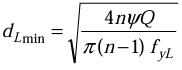
2. DesignofleadrubberbearingisdoneasperAmerican Association of State Highway and Transportation Officials(AASHTO):2007Theisolationdesignofabridge with lead rubber bearings primarily involves the determination of the properties of the isolators themselvessuchasleadcorediameter,isolatordiameter, thickness and number of rubber layers, thickness and number of steel reinforcing plate, Vertical stiffness, Effectivestiffnessofbearings,andYieldstrength.
3. TheuseofanLRBisolatorinsteadoftheERBincreased thefundamentalperiodofthebridgebyafactorof2.
4. The base shear of the bridge using the LRB isolator is significantly reduced compared to the ERB. The maximumrateofreductionofthebaseshearis85%.
5. Theabsoluteaccelerationofthebridgewassignificantly reducedusingtheLRBsothatthemaximumamountof thisreductionisupto82%.
6. The LRB performance is suitable for reducing the displacement so that the maximum reduction is up to 80%.
7. Theseismicisolationreducestheseismicresponseinthe superstructure and controls the distribution of the reducedlateralforcesamongthesubstructures.
8. The elastomeric bearing can be replaced with lead rubber bearings as it increases the fundamental time periodandreducessignificantamountofthebaseshear comingonpier.
1. AASHTO (1991) “Guide Specifications for Seismic Isolation Design”, American Association of State HighwayandTransportationOfficials,Washington,DC.
2. AASHTO (1998) “LRFD Bridge Design Specifications”, SecondEdition,AmericanAssociationofStateHighway andTransportationOfficials,Washington,DC.
3. IRC:83Part-II(2018).“Standardspecificationsandcode ofpracticeforroadbridges”.
4. Ghobarah,A.,&Ali,H.M.(1988).Seismicperformanceof highwaybridges.EngineeringStructures,Vol.10,issue 3,pp.157-166.
5. Ghobarah, A. (1988). Seismic behaviour of highway bridges with base isolation.Canadian Journal of Civil Engineering,Vol.10,issue3,pp.72-78.
International Research Journal of Engineering and Technology (IRJET) e-ISSN: 2395-0056
Volume: 11 Issue: 12 | Dec 2024 www.irjet.net p-ISSN: 2395-0072
6. Abé, M., Fujino, Y., & Yoshida, J. (1998). Seismic PerformanceEvaluationofBase-IsolatedBridges.IFAC Proceedings,Vol.31,issue28,pp.117-121.
7. Chaudhary, M. T. A., Abe, M., & Fujino, Y. (2001). Performance evaluation of base-isolated Yama-age bridge with high damping rubber bearings using recordedseismicdata.Engineeringstructures,Vol.23, issue8,pp.902-910.
8. Kunde,M.C.,&Jangid,R.S.(2003).Seismicbehaviorof isolated bridges: A-state-of-the-art review.Electronic journalofstructuralengineering,Vol.31,pp. 140-170.
9. Jangid, R. S. (2004). Seismic response of isolated bridges.Journal of Bridge Engineering,Vol. 9, issue 2, pp.156-166.
10. Matsagar,V.A.,&Jangid,R.S.(2006).Seismicresponse ofsimplysupportedbase-isolatedbridgewithdifferent isolators.International Journal ofAppliedScienceand Engineering,Vol.4,issue4,pp.53-69.
11. Hameed, A., Koo, M. S., Do, T. D., & Jeong, J. H. (2008). Effect of lead rubber bearing characteristics on the response of seismic-isolated bridges.KSCE Journal of CivilEngineering,Vol.12,pp.187-196.
12. Haque,M.N.,Bhuiyan,A.R.,&Alam,M.J.(2010,August). Seismic response analysis of base isolated highway bridge: Effectiveness of using laminated rubber bearings.InIABSE-JSCEJointConferenceonAdvancesin BridgeEngineering-IIVol.4.
13. Olmos,B.A.,Jara,J.M.,&Roesset,J.M.(2011).Effectsof isolationontheseismicresponseofbridgesdesignedfor two different soil types.Bulletin of Earthquake Engineering,Vol.9,pp.641-656.
14. Chauhan Kalpesh M, Dr. B. J. Shah. (2013). Excel spreadsheetfordesignofleadrubberbearingusesfor seismic isolation of bridges. International Journal of Advanced Engineering Research and Studies, Vol. 2, issue3.
15. Anajafi,H.,Zandi,A.P.,&Khanmohammadi,M.(2013). Seismic-isolationeffectonbridgeseismicperformance, acasestudy.In13thWorldConf.onSeismicIsolation, Energy Dissipation and Active Vibration Control of Structures Commemorating JSSI 20th Anniversary. Sendai,Japan:JSSI.Vol.2
16. NitinChavan,PraneshMurnal.(2015).AComparative StudyonSeismicResponseofBridgewithElastomeric Bearing and Elastomeric Isolator. Journal of Civil Engineering and Environmental Technology, Vol. 2, issue10.
17. Zellat, K., & Kadri, T. (2015). Influence of seismic isolation system on bridge responses. Revista IngeneratedeConstructionVol.4,issue4.
18. Roy,S.S.,&Dash,S.R.(2018).Dynamicbehaviorofthe multi span continuous girder bridge with isolation bearings.International Journal of Bridge Engineering (IJBE),Vol.6,issue2,pp.01-23.
19. Edalati,A.A.,&Tahghighi,H.(2019).Investigatingthe performance of isolation systems in improving the seismicbehaviorofurbanbridges.acasestudyonthe Hesarakbridge.Archivesofcivilengineering,Vol.12,pp. 155-175.
20. Ashwini Satyanarayana, Dattatreya J. K. (2020). Investigation of Seismic Performance of RC T-Beam Bridges Using Isolation Technique. International AdvancedResearchJournalinScience,Engineeringand Technology,Vol.7,issue8.
21. Zhang,Y.,Li,J.,Wang,L.,&Wu,H.(2020).Studyonthe seismicperformanceofdifferentcombinationsofrubber bearingsforcontinuousbeambridges.AdvancesinCivil Engineering,2020,Vol.1,pp.880.
22. Hassan,A.L.,&Billah,A.M.(2020).Influenceofground motiondurationandisolationbearingsontheseismic response of base-isolated bridges.Engineering Structures,Vol.222,pp. 111