
International Research Journal of Engineering and Technology (IRJET) e-ISSN: 2395-0056
Volume: 13 Issue: 04 | Apr 2026 www.irjet.net p-ISSN: 2395-0072

International Research Journal of Engineering and Technology (IRJET) e-ISSN: 2395-0056
Volume: 13 Issue: 04 | Apr 2026 www.irjet.net p-ISSN: 2395-0072
Udit Pratap Singh1 , Yash Srivastava2 , Abhishek Pandey3 , Mohd Ruban4, Dileep Kumar Gupta5
1UG student of the Department of Computer Science, Goel Institute Of Technology and Management Lucknow, Uttar Pradesh, India
2 UG student of the Department of Computer Science, Goel Institute Of Technology and Management Lucknow, Uttar Pradesh, India
3 UG student of the Department of Computer Science, Goel Institute Of Technology and Management Lucknow, Uttar Pradesh, India
4 UG student of the Department of Computer Science, Goel Institute Of Technology and Management Lucknow, Uttar Pradesh, India
5 Assistant Professor of the Department of Computer Science, Goel Institute Of Technology and Management Lucknow Uttar Pradesh, India ***
Abstract - This project develops an AI-based event management system using intelligent automation and voice assistance to streamline event lifecycles. By integrating Natural Language Processing (NLP) and Speech Recognition, the system allows users to schedule and query event details via voice commands, reducing manual data entry errors and cognitive load. Built on Python-based AI frameworks, the platform automates attendee registration, resource allocation, and real-time notifications. Results indicate that voice integration reduces task entry time by approximately 40% compared to traditional manual methods. The system provides a seamless, hands-free coordination tool suitable for corporate and academic environments.
Key Words: Artificial Intelligence, Event Management, Voice Assistance, Intelligent Automation, Natural Language Processing (NLP), Python.
Eventmanagementhasevolvedintoacomplexlogisticaloperationinthemoderndigitalera,requiringthecoordinationof participants, multi-track schedules, and diverse resources. Despite the availability of digital management software, the primary challenge remains the inefficiency of manual data interaction. Current systems often require time-consuming navigation through complex interfaces, which is impractical during high- pressure live event planning. As organizations transition toward smarter, automated workspaces, there is a growing need for intelligent systems capable of understandinguserintentandexecutingtasksautonomouslytoimproveworkflowefficiency.
The emergence of Artificial Intelligence (AI) and Voice Recognition technology provides a viable solution to these operationalchallenges.ByincorporatinganAI-drivenvoiceassistant,eventorganizerscanmanageworkflowshands-free, marking a significant leap in accessibility and speed through Conversational User Interfaces (CUI). Intelligent systems can now handle repetitiveadministrativetasks suchassendingreminder emails, checkingvenueavailability, and updating guest lists without human intervention. This allows organizers to move away from GUI-based manual entryandfocusonthecreativeandstrategicaspectsofeventexecution. Thisresearchfocusesonbuildingacohesiveplatformthatbridgesthegapbetweenrawdataandactionableinsightsusing a centralized database managed by an AI engine. By utilizing intelligent automation and Natural Language Processing (NLP), the system can proactively predict scheduling conflicts and suggest optimal resource allocation. In this paper, through the integration of Python- based AI frameworks and Speech Recognition, we intend to refine existing event management methodologies. Our focus is on incorporating the latest voice-driven technologies to create a seamless ecosystemwhereAIservesasaninvisiblecoordinatorforeventsofanyscale.
The primary objective of this phase is to distinguish and select appropriate scientific methodologies and architectural techniquesapplicabletothedesignofanAI-driveneventmanagementsystem.Theemployedtechniquesencompassrealtime voice processing, natural language understanding, automated scheduling algorithms, and cloud-based data synchronization. The aim is to exploit successful research approaches in human-computer interaction to improve the efficiency of task execution within the application environment. These chosen methodologies enable the seamless
International Research Journal of Engineering and Technology (IRJET) e-ISSN: 2395-0056
Volume: 13 Issue: 04 | Apr 2026 www.irjet.net p-ISSN: 2395-0072
developmentofcorefunctionalities,includingvoice-activatedreportgeneration,interactiveschedulinginterfaces,attendee management, and automated notification services. The pursuit of an effective and purposeful solution includes the utilizationofresearchtechniquesthataretechnicallygrounded,user-centric,andincompliancewithmoderndataprivacy andautomationstandards.
ThemainaimofthisprojectistoconstructtheAI-basedeventmanagementsystemthroughanintelligentapplicationwith featuresforbetteruserexperienceandvoice-assistedcoordination.Thekeyobjectivesoftheprojectinclude:
[1] Voice-Activated Task Registration and Management: Users can register events and manage logistical tasks usingvoicecommands;thestatusofthesetaskswillbetrackedandregularlyupdateduntilfinalresolution.
[2] Knowledge and Resource Repository: The system will have a dedicated "Learn" screen with materials like articles, videos, and graphs which will educate users on event planning practices, automation techniques, and resourcemanagement.
[3] Mapping and Venue Integration: The incorporation of mapping APIs will make it easier for users to locate nearby venues, equipment providers, and catering facilities to help with proper event logistics and promote efficientmanagementpractices.
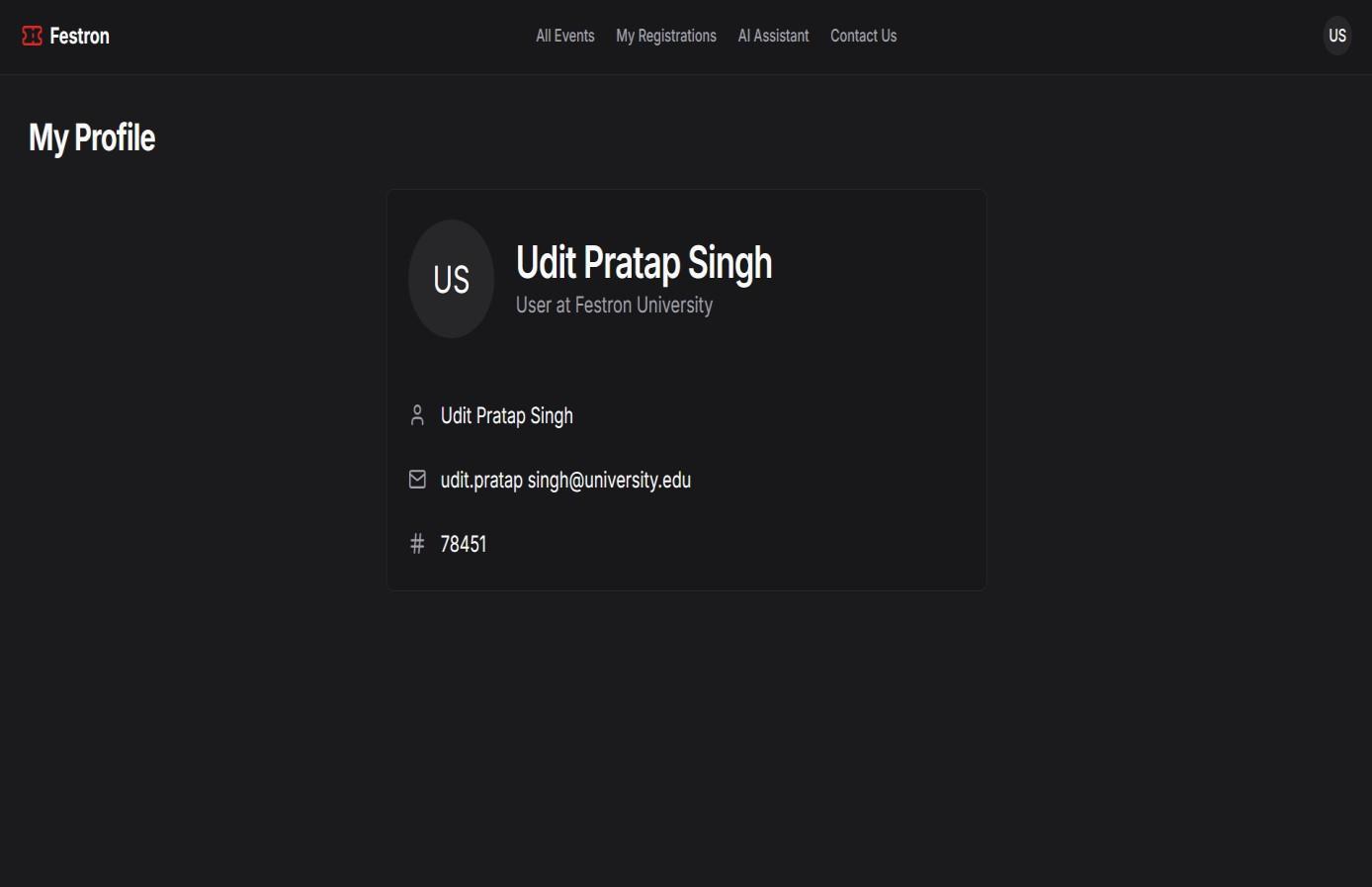
[4] User Profile Management: To ensure a personalized experience, we will design a user profile screensothat each organizer can tailor their event management activities and participate interactively with the automation system.
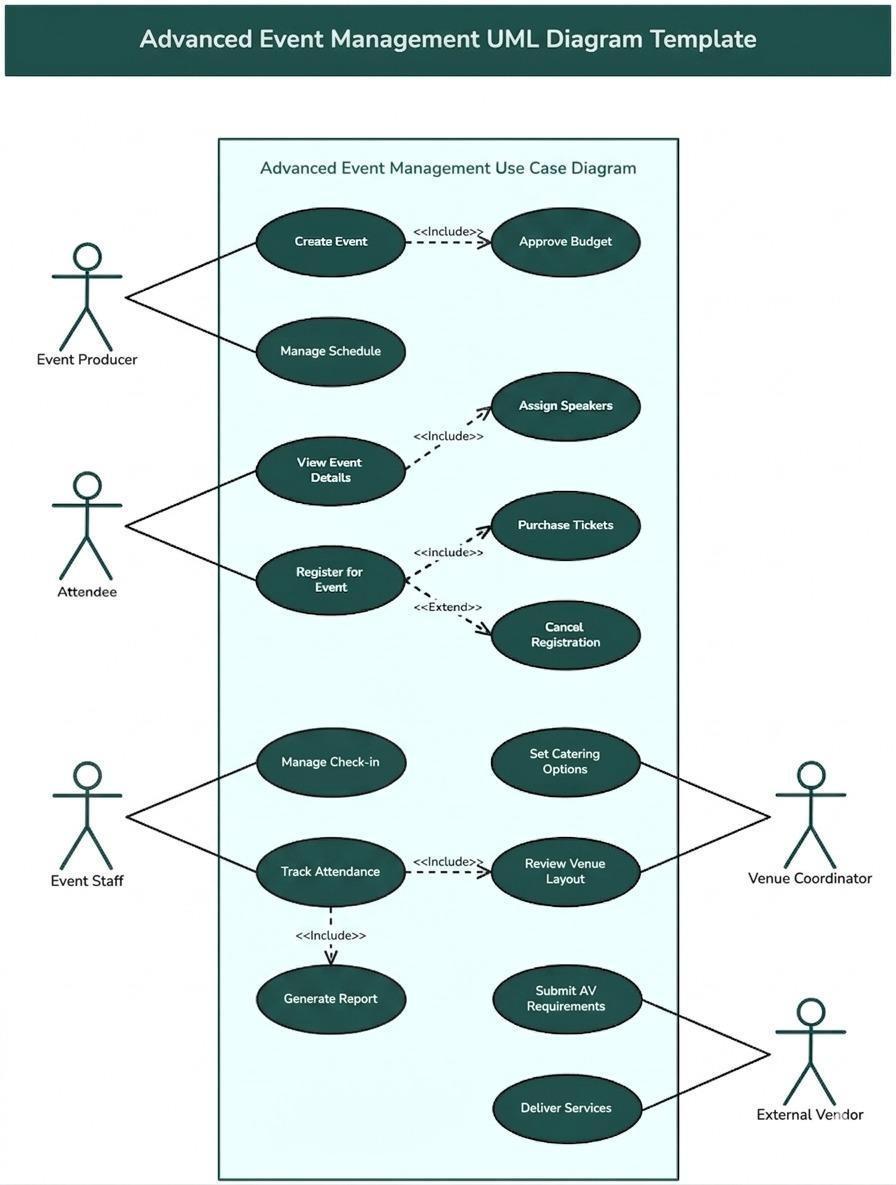
[5] Role-Based Access Control: Implement role- based access to the system for actors such as organizers, attendees, and administrators who can monitor event progress and ensure effective communication among stakeholders.
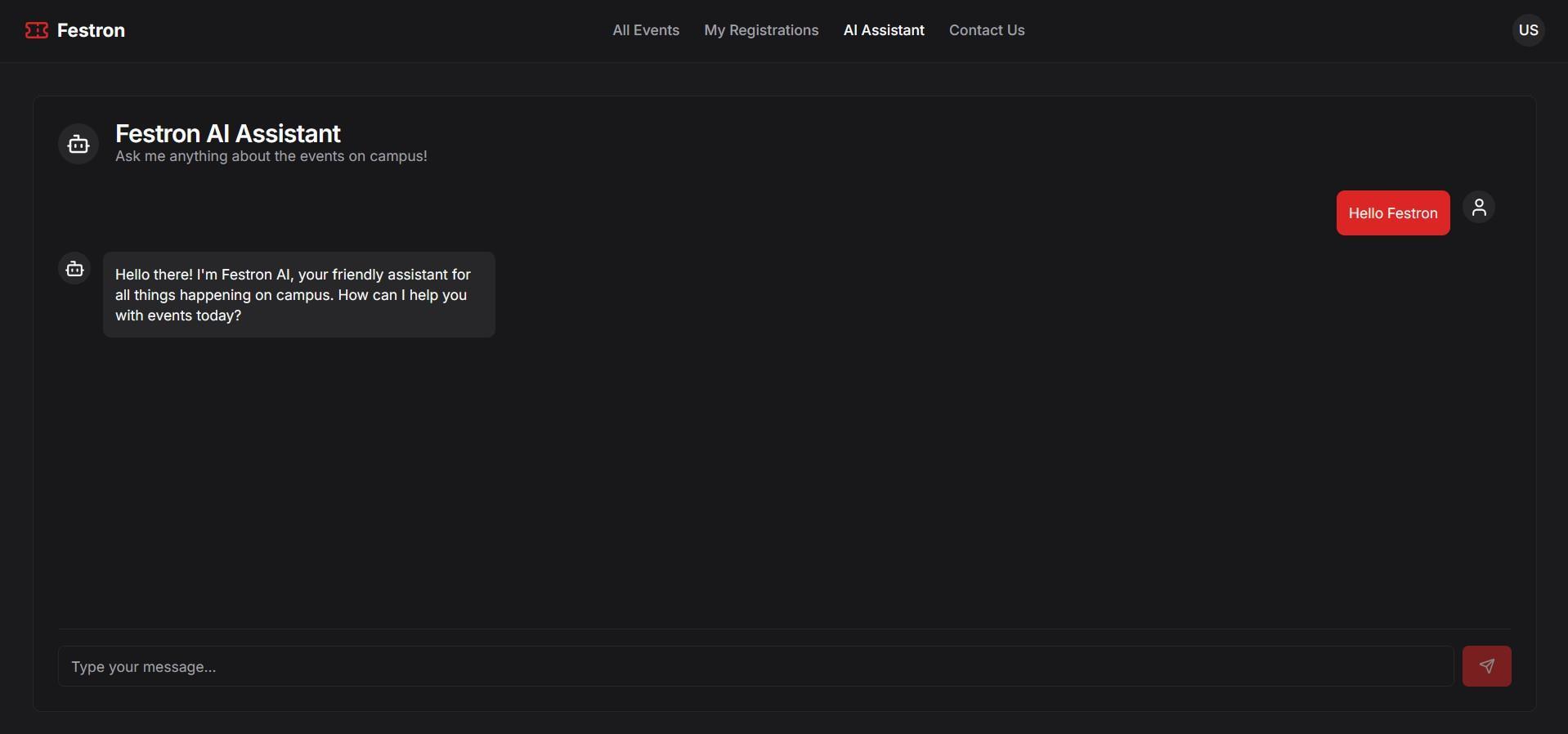
[6]IntelligentCommandProcessing:EmployNLPandSpeechRecognitionforaudioprocessingtoanalyzevocal inputs provided by users, categorize event requirements correctly into preformed categories, and enhance the accuracyofsystemresponses.
[7] Context-Aware Suggestions: Take advantage of the location data and user intent to offer personalized suggestionsfornearbylogisticalservicesandvenueoptions,allowinguserstomakeinformeddecisionsbasedon theirgeographicallocation.
[8] Real-Time Data Interaction: Utilize Firebase Storage and Firestore Database to ensure that data interaction andretrievalwithintheapplicationareassmoothaspossiblefortheusersduringliveeventoperations.
[9] Automated Stakeholder Communication: Use integratednotificationservicestoprovideregularupdatestoallparticipants,ensuringthatthefinalresolutionof schedulingandlogisticaltasksiscommunicatedeffectively.
[1] The scientific and engineering community is globally examining the integration of voice-assisted technology and intelligent automation within management systems, resulting in a growing body of publications reflecting advancements in user interaction, system efficiency, and automated scheduling. Research by Min and colleagues (2019) utilized the Theory of Planned Behavior to pinpoint how individual engagement is enhanced when users are provided with proactive, technology-driven management tools. Similarly, case studies reported by Wang and Tan (2022) explore how multi-channel interaction and community-focused digital engagement serve as key determinantsinchangingtraditionalorganizationalbehaviorsandimprovingmanagementoutcomes.
[2] Optimization of complex systems through detailed analysis has been emphasized by Pires & Chang (2011), who demonstrated that systematic process monitoring provides significantly higher operational efficiency. Jin et al. (2019) adopted a science mapping approach to assess the evolving trends in automated management by scrutinizingthewidespreadscopeofresearchappliedinthefieldofintelligentsystems.Additionally,thestudyby Hannan et al. (2015) demonstrated the state of real-time monitoring and management systems regarding informationandcommunicationstechnology,identifyingthespecificchallengesandopportunitiesassociatedwith automatedresourcecoordination.
[3]Tang et al. (2022) looked at motivation factors of urban users’ digital behaviors and proposed the role of reward andfeedbackmechanismsinenhancingthepracticeofsystematictaskmanagement.Lu&Yuan(2010)performed anin-depthstudyaboutsuccessfactorsformanagementinhigh-pressureconstructionenvironments,showingthat administrative problems becomemorecriticalasprojectscaleincreases.Furthersurveys carriedoutbyGala et al.
International Research Journal of Engineering and Technology (IRJET) e-ISSN: 2395-0056
Volume: 13 Issue: 04 | Apr 2026 www.irjet.net p-ISSN: 2395-0072
(2020) aimed at targeting optimal management strategies specific to diverse resource sources through comprehensivedigitalmonitoring.
[4] The literature constitutes several studies on new technologies for task classification, including multilayer hybrid deep-learning methods where deep learning algorithms are used to escalate the scheduling and categorization processes. Moreover, the improvement of management methodologies, including deep learning-based methods presented byAltikatetal.(2021),showedthatAIcouldbeusedtooptimizelogisticalpracticesandoverall systemresponsiveness.
[5] Cerchecci et al. (2018) introduce a multi-sensor node architectureformanagementinthecontextofaSmart City, withspecialattentiontotheroleofIoTinreducingoperationalfriction.Inaddition,Pardinietal.(2019)workedon asurveyonIoT-basedmanagementsolutions,emphasizingtheroleofurbanizationandcloudcomputinginfacing complexlogisticalproblemsinurbanareas.InAarifetal.(2022),asmartmanagementsystemusingdeeplearning andIoTtechnologiestodistinguishtaskprioritieswaspresented,demonstratingsuchtechnologies'applicabilityin administrativeenvironments.
[6] Adding to that, automated task separation using natural language processing and machine learning portrays the necessityofautomationinmanagementprocessesforproperresourceallocation.Inparallel,Maparietal.discussa monitoring system that stresses the hierarchy of tasks as a critical component of management design. Chitale (2023)developedasmartmanagementsystemsupportedbytheInternetofThings,emphasizingthesignificanceof usingeffectivecoordinationmechanismstodealwithcomplexorganizationalissues.
[7] AccumulationofknowledgeinthefieldforeshadowssmartsystemsthatutilizeIoTdevicestostrengthentheneed forenvironmentallyfriendlyhabitsandthereductionofadministrativepollutionthroughtechnology.Lundinetal. (2017) conducted research to operationalize sensor-based solutions that help monitor service and collection of data in public environments. An IoT-based recommendation system proposed by Ghahramani et al. (2022) demonstratestheroleofsmartmanagementin devisingefficientlogisticalrouteswhenstorageandresourcesare confined.
[8] Concerning the classification and control of management fields, recent research has found viable ways of controlling workflow. Users’ mechanisms of decision-making have been studied by Meng et al. (2019), depicting howindividualsclassifyandorganizetheirdigital taskswhile providing useful informationconcerningindividual participation in system management. Unlike most previous studies, Wong et al. (2022) highlighted the role of numerousconnectedsensorsthatcanbeappliedtosolvetheissueofineffectiveresourcemanagement.
[9] Chuetal.(2018)introducedtheideaofusinghybriddeep-learning methods for task classification, meaning the technology can be used effectively in the automation of complex logistical sorting. Liu et al. (2019) went into the mechanisms of formal education and how urban residents applying management behaviors are impacted by environmental campaigns on sustainable practices. Liugboja & Wang (2019) proposed a ConvolutionalNeuralNetworkbasedAIsystemforclassificationthatprovestheapplicabilityofAItowardefficient systemmanagement.
[10]Furthermore, Chen et al. (2020) and Zhang et al. (2021) made determinations based on user intentions towards systematic classification and actual behaviors, showcasing personality traits dealing with digital management. Vo etal.(2019) demonstrated a newtransferdeeplearningmodel,showingthepossibilityofsuperioralgorithms for sorting procedures in management. According to Yang et al. (2021), a study concerning user readiness for commingleddigitalcollectionanditsassociationwithawarenessoftask-classifyingbehaviorswasconducted.
[11]In addition, Zheng et al.'s (2022) latest paper pointed out that different factors and incentives influence people's behavior and how they categorize their tasks. A delicate approach to the obstacles and inspiring forces of digital separationillustratedthese insights.Zhouetal.(2019) documentednovel regulationsandsortinginfrastructures for management in Shanghai, aligning these concepts with the challenges and prospects of international policy guidelines.
[12] Thesestudiescombinedprovideinsightsintomanagementpractices,publicbehaviors,technologicalinnovations, and policy frameworks which ultimately strive to encourage environmentally friendly and efficient management. Tocontributetothebodyofknowledgeonsystematicclassification,thisprojectaimstoexpandthefieldbycreating anapplicationwithPythonandvoice-assistancetechnologythatintegratesadvancedfunctionalitiesand enhances managementmethodsaswellasthecommitmenttowarddigitalefficiency.
-0056
Volume: 13 Issue: 04 | Apr 2026 www.irjet.net p-ISSN: 2395-0072
ToconstructaneffectiveAI-basedeventmanagementsystem,theproposedalgorithmsupportstheworkflowbycapturing vocal commands using advanced speech processing and integrating real-time location data. The algorithm employs a sufficiently deep learning basis for high accuracy while classifying user intent and event requirements. Thesystem first capturesthe voiceinput or images of event-related documents through the interface of the application. These inputs go through a preprocessing phase using Natural Language Processing (NLP) and intelligent toolkit modules to extract interesting features and entities.The employed Convolutional Neural Network (CNN) model, which is adapted from established architectural frameworks in deep learning research, is utilized for classifying event- related visual data into predefined categories, such as venue types, equipment checklists, and resource logs. The integrated search engine and commandcontrollerpermit userstofilelogistical requestsandtrack theirstatus,incorporatingregistrationand tracking enhancedbyrecentresearchinautomatedworkflows.Furthermore,anoptionpagewithvariouseducationalmaterialsfor theuserstolearnaboutprofessionaleventmanagementandautomationtechniquesisimplementedwithinthesystem.The integrationofmappingAPIsenablesthelocalizationofservicepoints,suchascateringhubsandwastedisposalfacilitiesfor large-scaleevents,asoneofthemeasurestakentoincreaseoverallappfunctionality.Theplatformmanagestheprofilesof all stakeholders including different users, administrators, and government officials to provide a personalized experience and ensure efficient coordination. This proposed algorithm, which blends these features, is designed to be a user- friendly and effective tool that facilitates intelligent event classification and sustainable management within the applicationecosystem.
IterativeWaterfallModelTheprojectmirrorsanextendedwaterfallmodel,combiningtheclear,structuredapproachofthe traditional waterfall with the flexibility of an iterative framework. This approach empowers the organization to adopt a phased systematic development process while simultaneously allowing for continuous improvements and adaptations basedongathereduserfeedback.
1.Requirements Gathering (Initial Phase): * The first step is to collect and document the entire set of project requirementsaccurately.
Key elements involve listing and developing core features and functions, such as voice-activated command processing, providing educationalmanagementmaterials,andintegratinguserprofileswithmapping services.
2.SystemDesign(InitialPhase):*Theteambuildsaninitialsystemdesignthatindicatestheunderlyingarchitectureand dataflowwithintheapplication.
This phase includes citing the technologies and tools to be utilized for speech processing, task tracking, educationalcontentmanagement,andmapintegration.
3. Implementation(IterativePhase):*Theimplementationprocessinitiateswithasingleaspect oftheproject,suchas thevoiceidentificationorcommandprocessingstartingpoint.
Amarket-readyprototypeisdesignedandproduced,withtestinginitiallylimitedtothisspecificcomponent.
The module is tested and retested with real-world data, performing corrected iterations to improve accuracy andperformance.
4. Testing(IterativePhase):*Exactingtestingisconductedforeverynewinbuiltsystemcomponent.
Testingfocusesonvoicerecognitionaccuracy,taskregistrationfunctions,theaccessibilityofeducationalcontent, andcorrectmapintegration.
Issues noticed during testing are reworked through further refinement to ensure every item coordinates with therequirementspecificationsandoperatessmoothly.
5. Integration(IterativePhase):*Variouscomponentsarewoventogethertofitperfectlyintotheoverallapplication.
Checks are performed to ensure data glides seamlessly from one module to another and the user interface remainscoherent.
6. UserFeedback(IterativePhase):*Userfeedbackisgatheredbyrunningbetatestingsessionsandpilotdeployments.
The system relies on this feedback to make incremental adjustments to the app's user- friendliness, responsiveness,andfunctionalitytobettersolveeventmanagementproblems.
International Research Journal of Engineering and Technology (IRJET) e-ISSN: 2395-0056
Volume: 13 Issue: 04 | Apr 2026 www.irjet.net p-ISSN: 2395-0072
7. Documentation(Ongoing):*Thoroughdocumentationismaintainedthroughouttheentireproject,updatedwitheach iteration.
Thesedocumentsincludeusermanuals,detailedsystemarchitecturediagrams,andcodedocumentation.
8. Deployment (Final Phase): * The production-ready, complete,andrefinedversionoftheapplicationisreleasedinto theproductionsystem.
Final checks ensureall functions including voice- activated task registration, tracking, learning materials, and userprofiles arelinkedandtheoperationalflowissmooth.
9. Maintenance and Updates (Post-Deployment): * Following deployment, the application's performance is continuouslytracked,anduserfeedbackiscollected.
Thisknowledgeisusedtoprioritizeandsetinmotionbugcorrections,theadditionofnewfeatures,andnecessary modifications.
1. Natural Language Processing (NLP) and Speech Tools: This project utilizes advanced speech-to-text and machine learning libraries as core components for vocal command processing and intent identification, which are used for accuratetaskexecutionandenhancinguserexperience.
2. Python-BasedFrameworks:ThisprojectisdevelopedusinghighlysophisticatedAIandbackenddevelopmenttools knownasPython,providingtheutmostcompatibilityandaseamlessinterfaceforhandlingcomplexautomationlogic.
3. Location-Based Services: The application harnesses geo-location services to guide users in making logistical considerationsandservicerequestsdependingontheirexactgeographicallocation.
4. FirebaseStorageandFirestoreDatabase:Datastorage,management,andretrievalwithintheapplicationarehandled by Firebase Storage and Firebase Database, which ensure that data interaction is as smooth as possible for users and allowfortheeffectiveoperationofdifferentdatamanipulations.
5. Mapping API Integration: Through integrated mapping APIs, users are able to locate appropriate event venues, equipmentproviders,andlogisticalfacilities.
Such technologies help the AI-based event management app fill the available gap in simple methods for categorizing tasks, raising logistical requests, providing resourceful planning information, and location-based servicesasaway to ensurethatprofessionalmanagementpracticesanddigitalefficiencyarepromoted.
For Developers:
Hardware Platform:
o Processor: Corei3orHigher
o RAM: 2GBorabove
o GPU: 1GBorabove
o Hard Disk: 100GBorabove
Software Platform:
o Development Environment: Python IDEs(e.g.,PyCharm)orVSCode
o Operating System: Windows7andabove
For Users:
Hardware Platform:
o Processor: Snapdragon 450 equivalent orabove
o RAM: 2GBorabove
o ROM: 16GBorabove
Operating System: Android11.0orabove
International Research Journal of Engineering and Technology (IRJET) e-ISSN: 2395-0056
Volume: 13 Issue: 04 | Apr 2026 www.irjet.net p-ISSN: 2395-0072
DESIGN
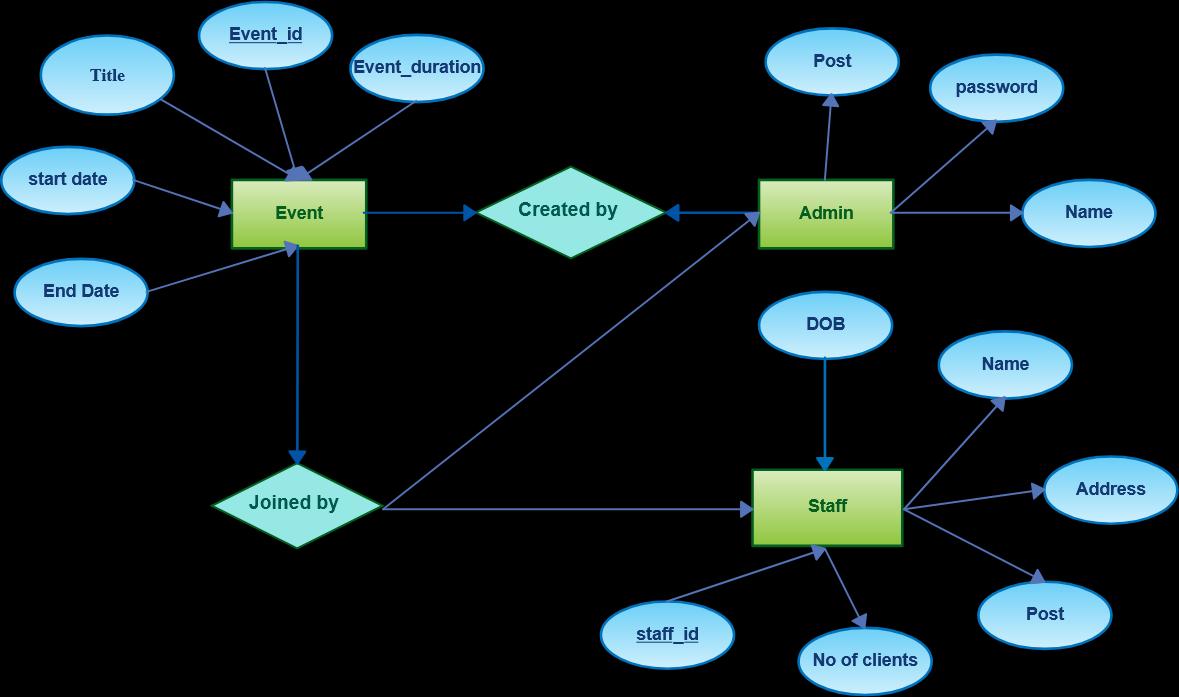
8.1 E-R Diagram
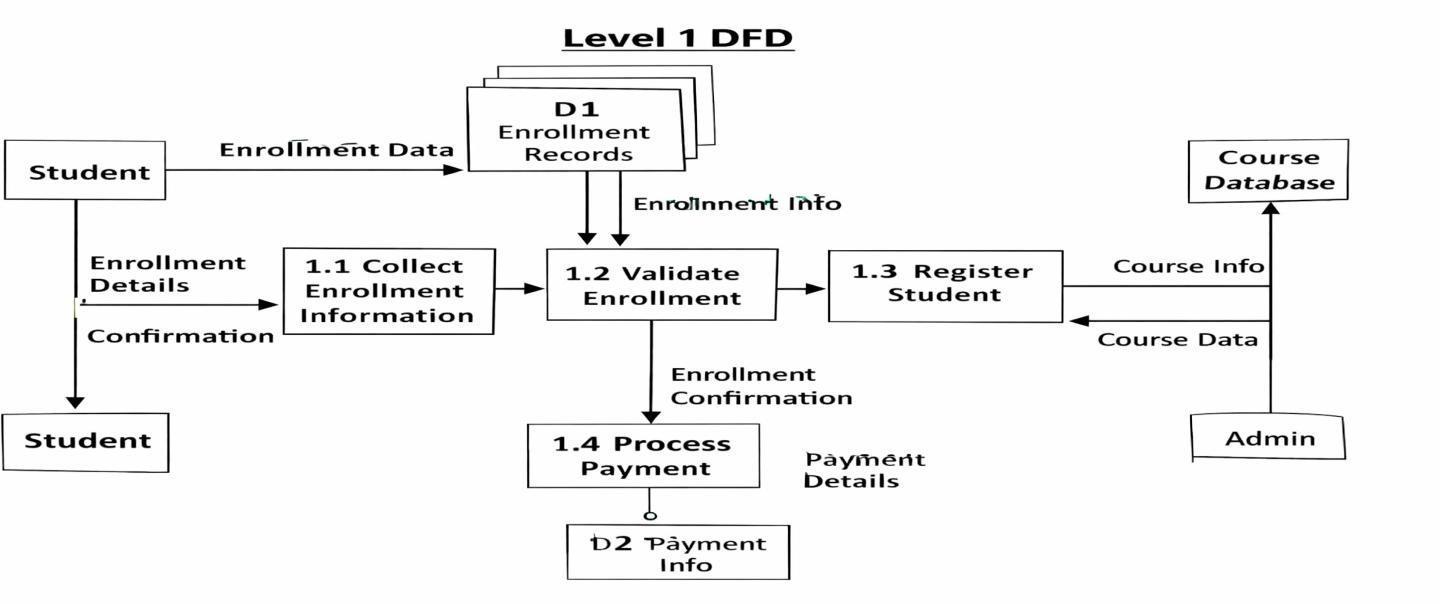
8.2 Data Flow Diagram
Volume: 13 Issue: 04 | Apr 2026 www.irjet.net
Volume: 13 Issue: 04 | Apr 2026 www.irjet.net
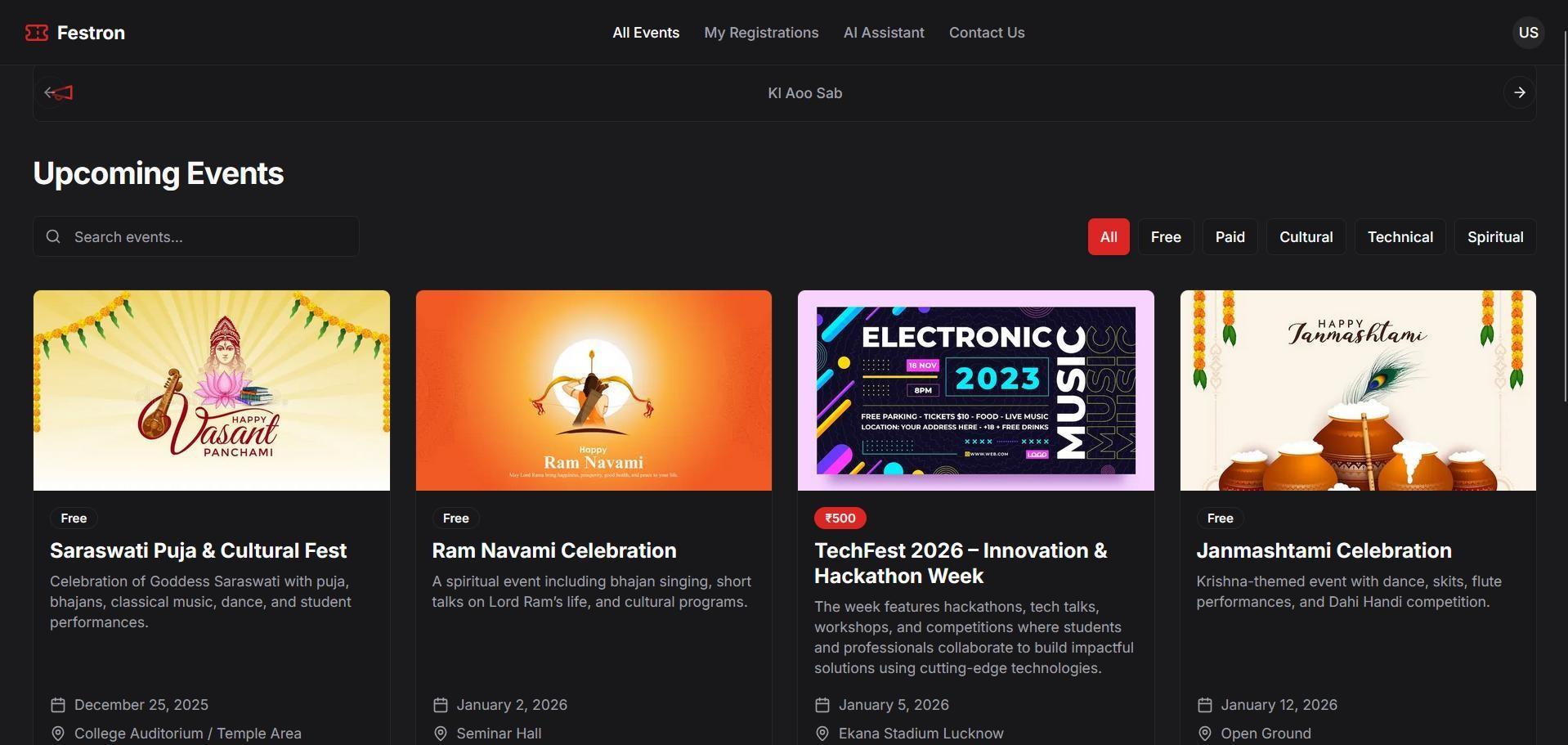
9.1 Getting Started Screen:


Volume: 13 Issue: 04 | Apr 2026 www.irjet.net
International Research Journal of Engineering and Technology (IRJET)
Volume: 13 Issue: 04 | Apr 2026 www.irjet.net
Volume: 13 Issue: 04 | Apr 2026 www.irjet.net
Volume: 13 Issue: 04 | Apr 2026 www.irjet.net
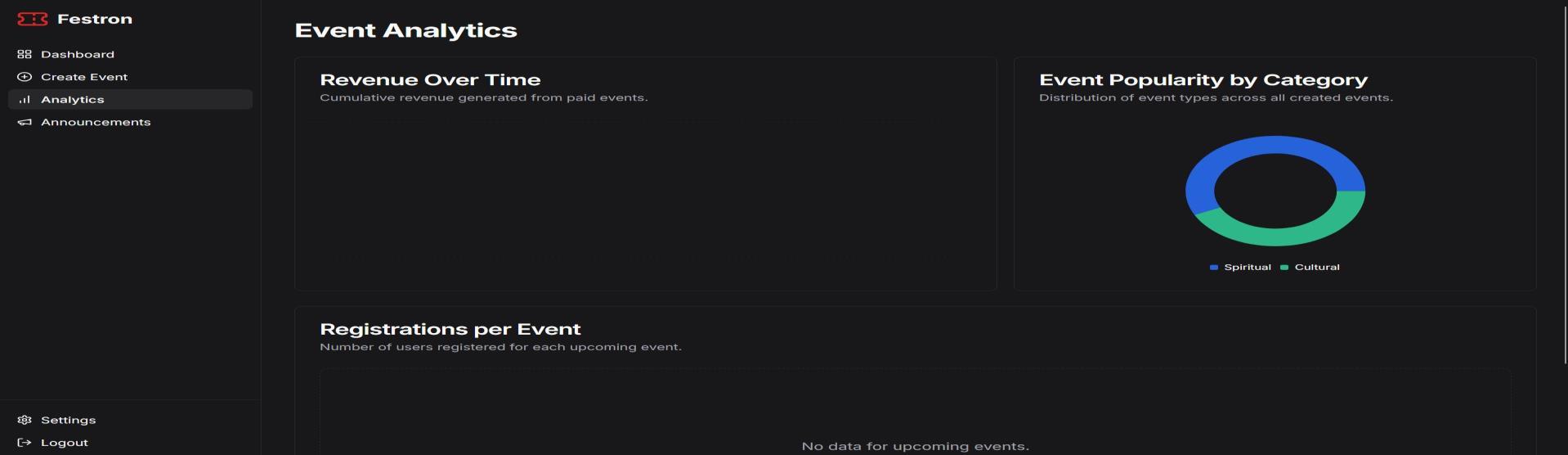
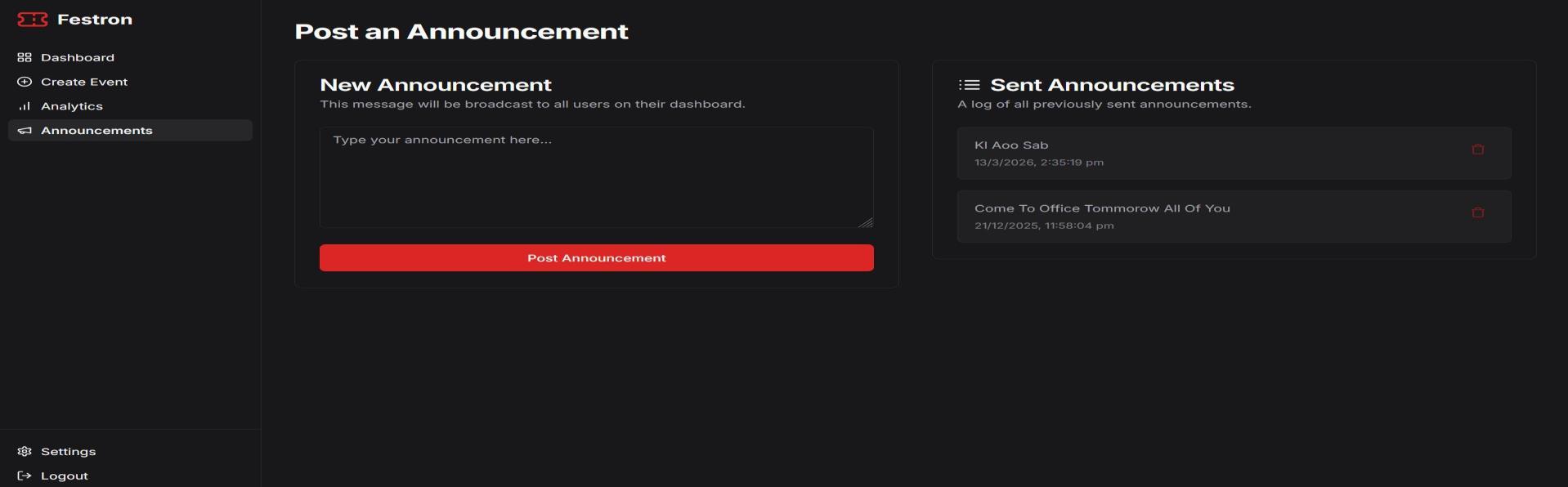
9.13 Post An Announcement
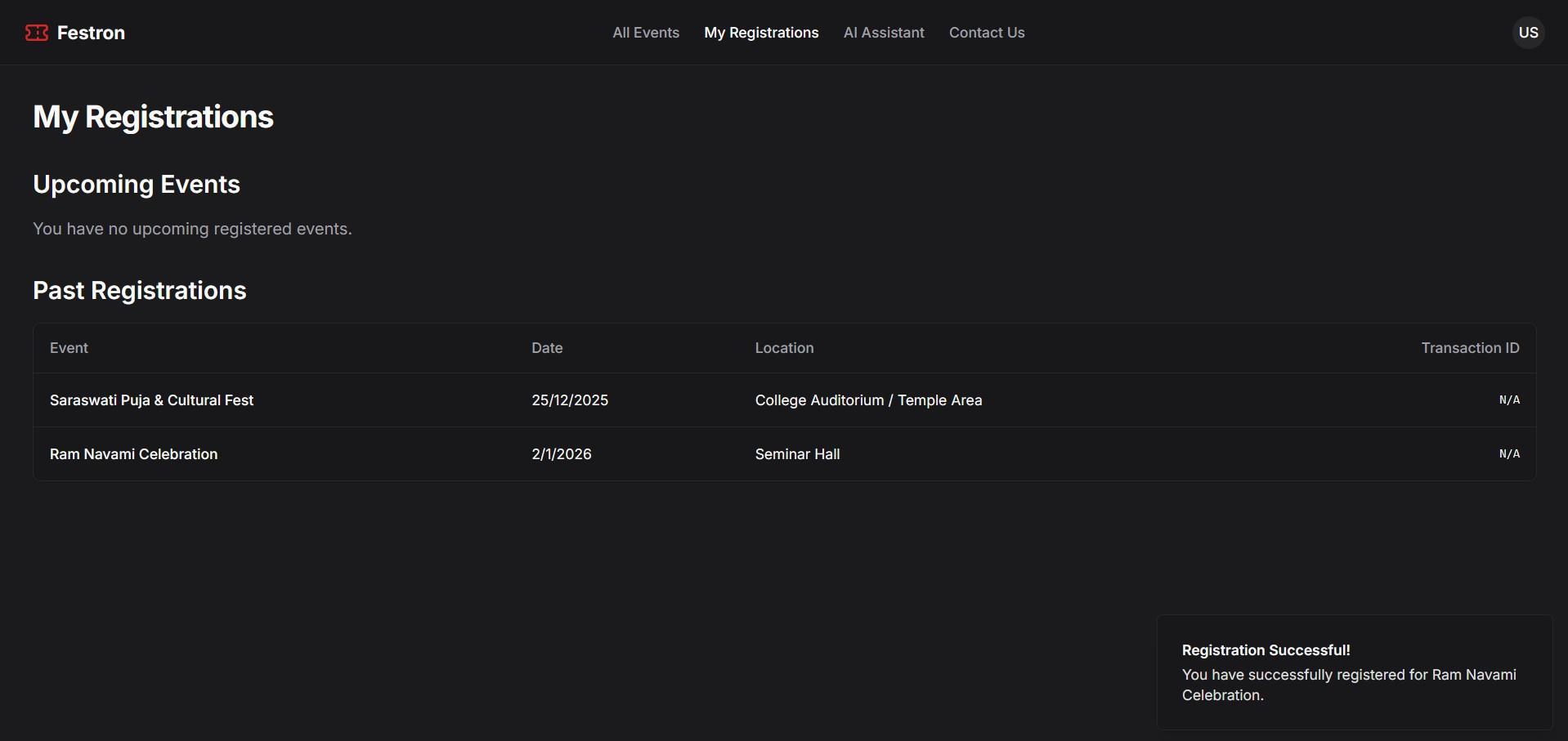
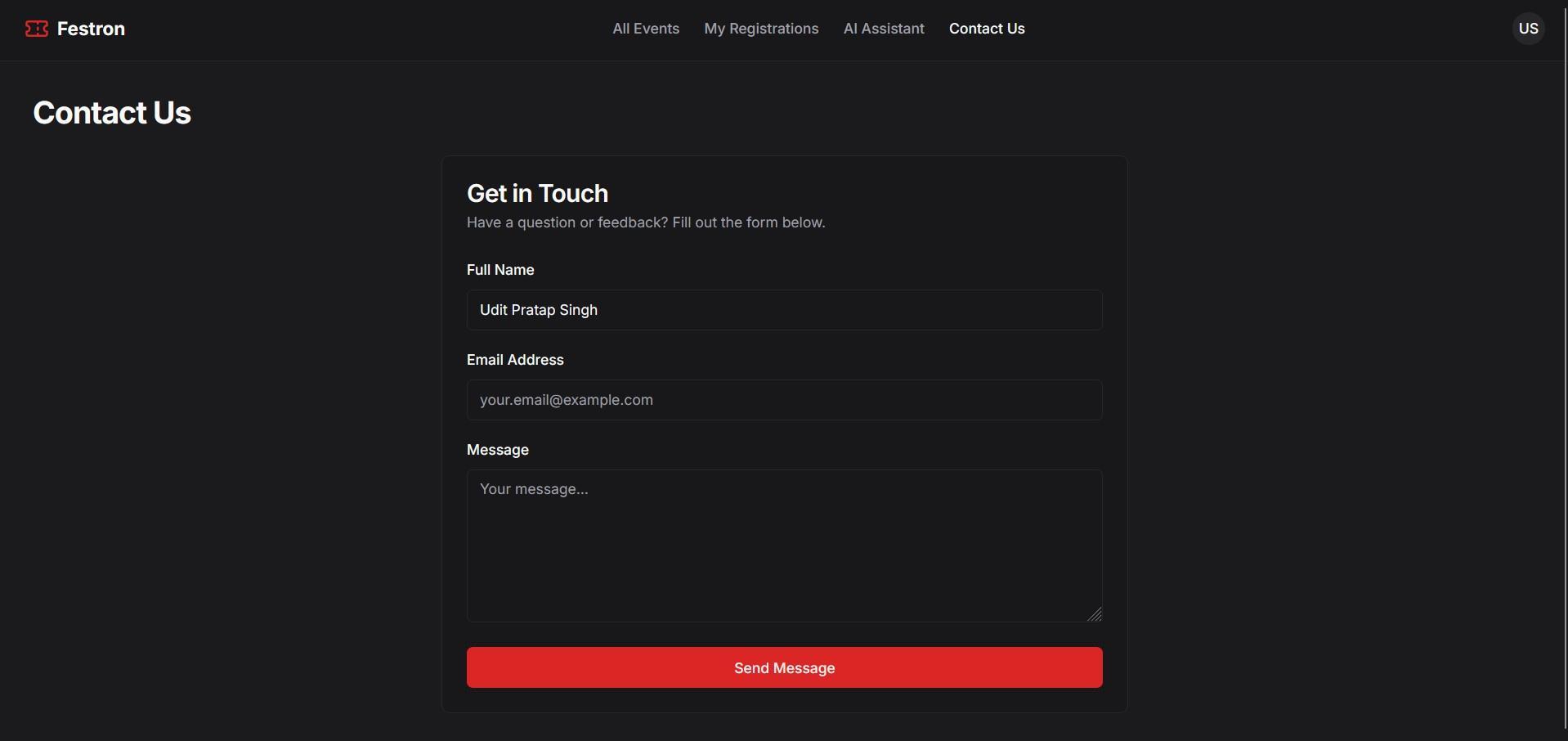
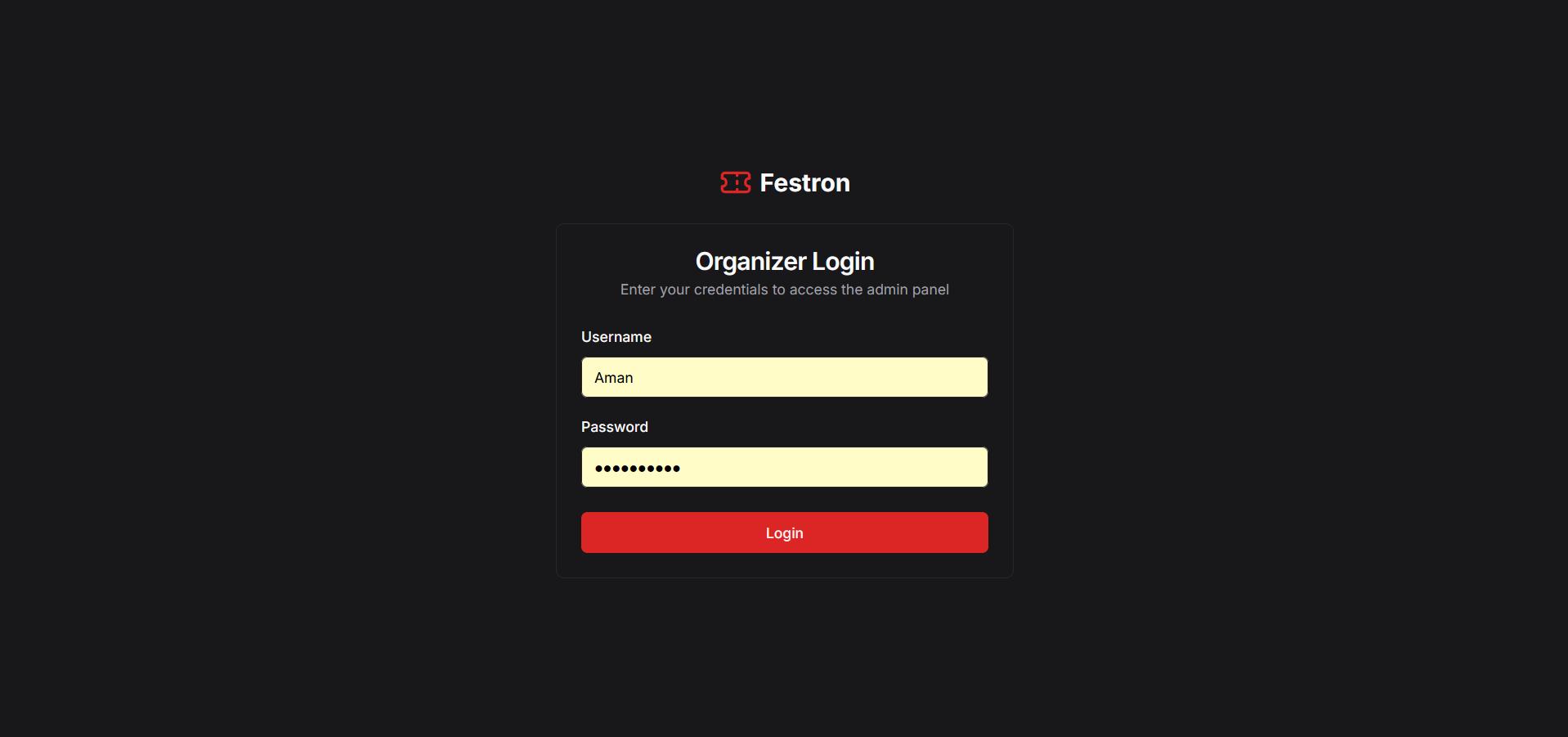
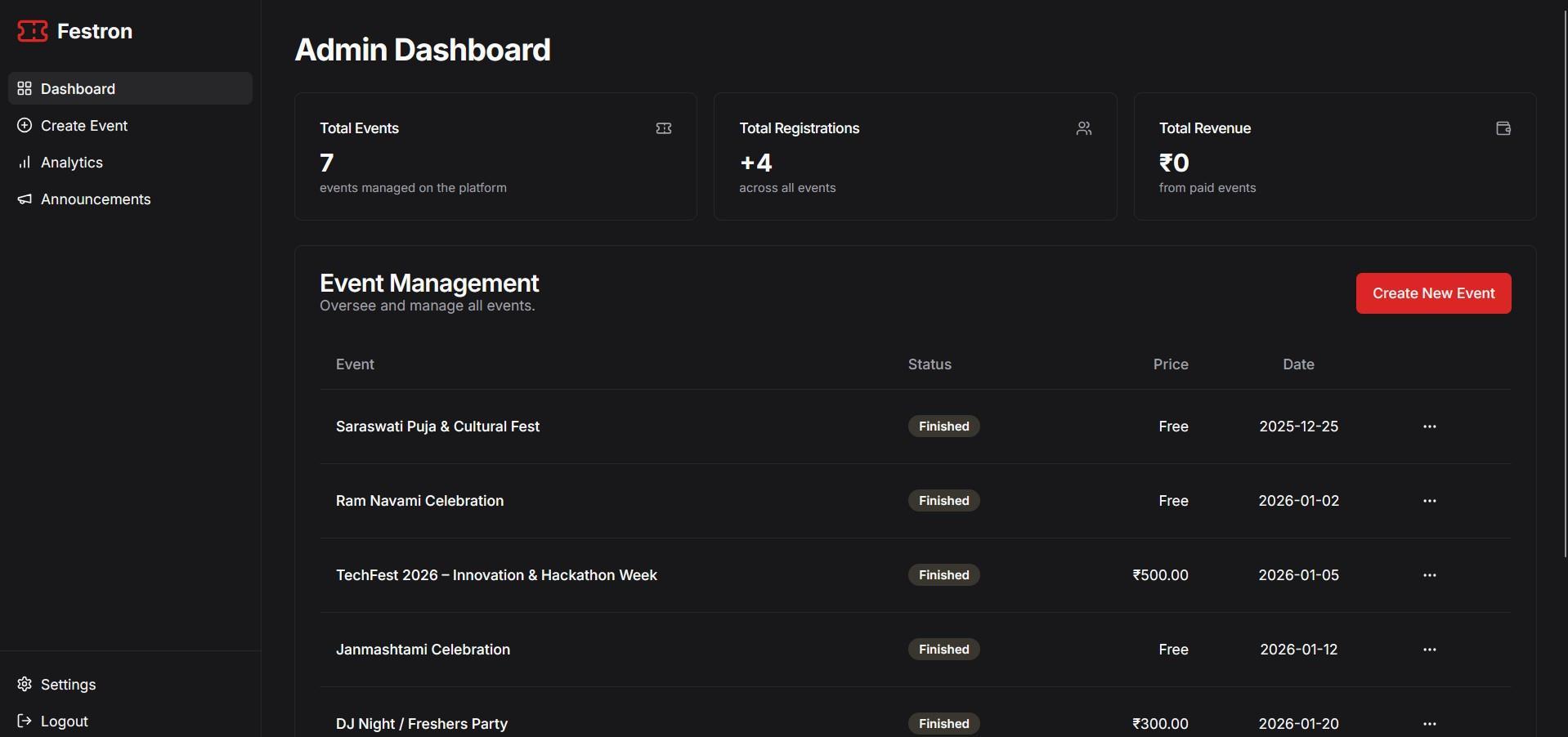
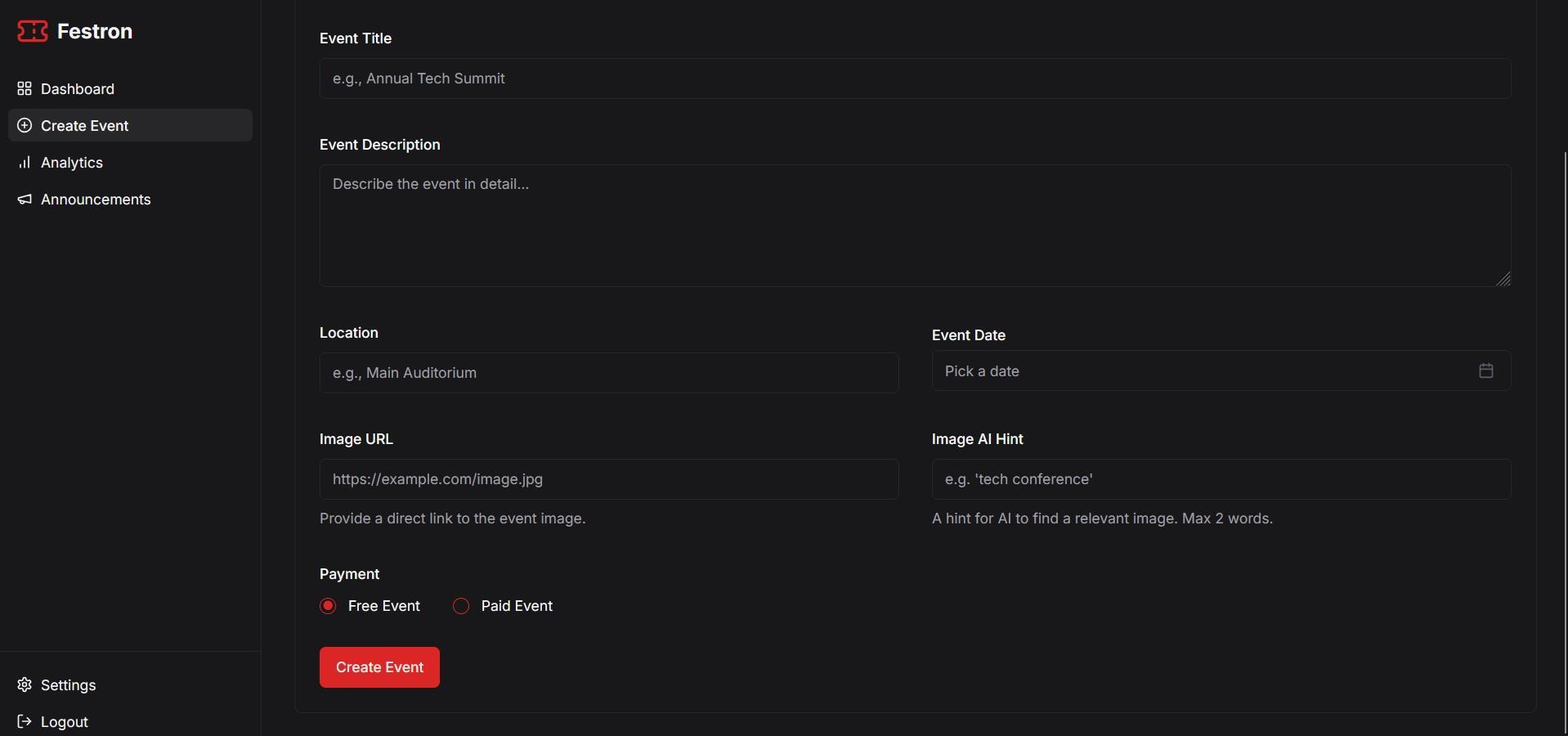
Theapplicationflowstartswithanauthenticationgaterequiringuserstologinorregister.Uponsuccessfulauthentication, the user is directed to the Home Screen; otherwise, they remain at the login interface to secure the session. This Home Screen serves as a central hub, displaying icons for Home, Education, Direction, Sense of Place, and Summary. These sectionsallowuserstoaccessspecificfeatures:
Task Management: The home part can be used for the registration of logistical requests or complaints in a preferred category.
International Research Journal of Engineering and Technology (IRJET) e-ISSN: 2395-0056
EducationalResources:IntheLearningpart,thereareeducationalvideosorarticlesavailableforaccess. MappingServices:Inthemapsection,userscanmarkorlocateservicecenterlocationsonaninteractivemap. Status Tracking: Under the Status section, one can observe the real-time progress of problem resolution and task completion.
Personalization:ThereisaProfilesectiondedicatedtoeditingandmanagingtheuserprofile. This structured design ensures that users benefit from seamless navigationand immediate access to all features, making theapplicationsignificantlymoreuser-friendlyandoperationallyefficient.
The research introduces the successful development of an AI-based event management application using Python- based frameworks. The system utilizes advanced speech processing and machine learning modules to improve the accuracy of event and task classification. By employing cross-platform development tools, the application ensures high-quality interfacedesignanddevicecompatibility.
Integratedlocationservicesenableuserstoidentifynearbyvenuesandserviceprovidersusing GPScoordinates.Firebase Storage and Database are utilized to ensure smooth, real-time data interaction during event operations. Additionally, mapping API integration facilitates the discovery of resource centers and logistical facilities. This specialized solution demonstrates how next-generation technologies can create a highly organized and environmentally friendly approach to complexeventcoordination.
Eventually, the AI-based event management application will be launched as a comprehensive coordination solution consisting of planning, execution, and feedback phases. Instead of traditional methods, several innovative features have been applied, including wearable device support, mapping integration, intelligent command processing, and profile management,allowingindividualstoeasilydistinguishandmanagetheirlogisticaltasks.Thealgorithm,ontheotherhand, consumes expertise and data from established literature to effectively arouse engagement and accuracy in task classificationusingdeeplearningmodelsandtheintelligentthingsparadigm.
Such a theoretical framework corresponds with the appropriate development of automated technologies, as previous literaturereviewspointoutthevalueofAIandmachine-learningalgorithmsintheautomaticclassificationofcomplexdata.
Volume: 13 Issue: 04 | Apr 2026 www.irjet.net p-ISSN: 2395-0072 © 2026, IRJET | Impact Factor value: 8.315 | ISO 9001:2008 Certified Journal | Page283
International Research Journal of Engineering and Technology (IRJET) e-ISSN: 2395-0056
Volume: 13 Issue: 04 | Apr 2026 www.irjet.net p-ISSN: 2395-0072
Thisalgorithmtargetsthe mainchallengeof afaultlesssortingprocessforeventresources,aimingtobeamongthemost sustainable management systems through integrated sensor networks and advanced implementation methods. As an advanced and diverse system, this multifaceted approach is proof of the effectiveness of the solution, as its practical applicationresolvescurrentlogisticalissuesanddirectssubsequenteffortstowardlong-termdigitalefficiency.
[1]Kumar,D.,&Ratten,V.,“ArtificialIntelligenceinEventManagement:ASystematicLiteratureReview,”Journalof EventTechnologyandInnovation,2025.
[2] Halim, A. H. A., Rahman, M., & Ali, S., “The Transformative Role of Artificial Intelligence in the Event ManagementIndustry,”InternationalJournalofAdvancedComputerScience,2023.
[3]Kota, M., “AI Automation of B2B Event Management Using Predictive Workflows,” International Journal of ComputerScienceEngineeringandTechnology,2026.
[4] John, H., Smith, L., & Brown, K., “AI Powered Event Management Platform,” International Journal of EngineeringResearch&Technology(IJERT),2024.
[5]Sanap, I., “AI Powered Event Organizer with Recommendation System,” International Journal of Innovative ResearchinComputerScience,2024.
[6]Ergen, F. D., “Artificial Intelligence Applications for Event Management and Marketing,” Journal of Business Research,2021.
[7] Wirtz, J., Patterson, P., Kunz, W., & Gruber, T., “Artificial Intelligence in Information Systems,” Journal of ServiceManagement,2021.
[8]Buhalis, D., & Law, R., “Progress inInformation Technology and Tourism Management,” Tourism Management Journal,2008.
[9]Getz,D.,“EventStudies:Theory,ResearchandPolicyforPlannedEvents,”RoutledgePublications,2012.
[10]Backman, K., “Event Management Research: Trends and Future Directions,” Springer Journal of Information Systems,2018.