
International Research Journal of Engineering and Technology (IRJET) e-ISSN: 2395-0056
Volume: 12 Issue: 05 | May 2025 www.irjet.net p-ISSN: 2395-0072
International Research Journal of Engineering and Technology (IRJET) e-ISSN: 2395-0056
Volume: 12 Issue: 05 | May 2025 www.irjet.net p-ISSN: 2395-0072
Sahil
Shyamkumar Karale 1 , Tanmay Mahesh Patil 2 , Daud Alam Aslam Nalband3 , Prof. Mrs. Amruta Bhosale4
Department of Civil Engineering, D.Y.Patil College of Engineering and Technology, Kolhapur, Maharashtra, India ***
Abstract -Understanding how traffic moves through urban intersections is key to improving road safety and efficiency. This study focuses on Bindu Chowk, a prominent yet unsignalized intersection in Kolhapur, to evaluate its current traffic conditions and determine its Level of Service (LOS). As the city continues to grow, Bindu Chowk experiences increasing traffic pressure, especially during peak hours. Using systematic traffic volume counts during both morning and evening peak periods, we analyzed vehicle flow patterns, composition, and delays. The collected data was then used to assess the intersection’s performance using standard methodologies recommended by the Highway Capacity Manual (HCM) and Indian Road Congress (IRC). The study reveals how effectively or inefficiently the intersection operates and identifies the point at which traffic conditions begin to deteriorate. Based on the LOS evaluation, we provide insights into whether the intersection meets acceptable traffic service standards and suggest practical recommendations to enhance its performance. This research aims to support better traffic management strategies in Kolhapur and contribute to a smoother, safer urban commute.
Key Words: Traffic volume, Unsignalized intersection, Level of service, Bindu Chowk, Kolhapur, Traffic engineering
1.INTRODUCTION
Urban areas around the world are facing growing traffic congestion, and Indian cities like Kolhapur are no exception. As populationandvehicleownershiprise,theexistingroadinfrastructurestrugglestokeepup,especiallyduringpeakhours.The resultisfrequentdelays,higherfuelconsumption,andincreasedstressforcommuters.Amongthemostaffectedpartsofa city’strafficnetworkareintersections,wheremultipletrafficstreamsconvergeandoftencreatebottlenecks.
Unsignalizedintersections,inparticular,requirecloserattention.Unlikesignalizedjunctionsthatregulatevehiclemovement throughtrafficlights,theseintersectionsdependondriverjudgmentandright-of-wayrules.Thismakesthemmorevulnerable tocongestion,delays,andevenaccidents especiallyduringhigh-volumeperiods.Despitetheircommonpresenceinsmaller cities,unsignalizedintersectionsareoftenoverlookedintrafficstudies.
ThisstudyfocusesonBinduChowkinKolhapur,amajorunsignalizedintersectionthatexperiencesheavytrafficdaily.The objectives ofthisstudyaretocollectandanalyzetrafficvolumedata,determinetheintersection’sLevelofService(LOS),and identifyproblemareasthathindersmoothtrafficflow.
ThescopeofthestudyislimitedtoBinduChowkduringtypicalpeakhours,usingestablishedtrafficengineeringmethodsfor datacollectionandanalysis.However,itssignificanceextendsbeyondthissingleintersection itoffersvaluableinsightsthat caninformbroaderurbantrafficplanning,helpingKolhapurmovetowardamoreefficientandsaferroadnetwork.
Trafficvolumestudiesareessentialforunderstandinghowroadsareusedandwhereproblemslikecongestionorsafetyrisks arise. By counting and analyzing vehicles over time, planners can design better traffic signals, improve road layouts, and prepareforfuturegrowth.Aroundtheworld,citiesfaceserioustrafficchallenges driversinplaceslikeNewYorkandLondon losenearly100hoursayearintraffic.InIndia,theissueisevenmorepressing,withhighaccidentratesandover11%ofglobal roaddeaths.Poorinfrastructureandweakenforcementinurbanareasmaketheneedforsmarttrafficplanningevenmore urgent.
BinduChowk,locatedintheheartofKolhapur,Maharashtra,isakeyintersectionthatconnectsseveralbusypartsofthecity. Just1.27kilometersfromKolhapurRailwayStationandabout700metersfromthefamousMahalaxmiTemple,itplaysa centralroleinthecity'strafficnetwork.Thejunctionisathree-legged,unsignalizedintersectionwheremajorroadslikeTakala Roadconverge,carryingadiversemixofvehicles two-wheelers,cars,rickshaws,andbuses.Thereisalsoagovernmentpayand-parkfacilitynearby,addingtotheactivityinthearea.
International Research Journal of Engineering and Technology (IRJET) e-ISSN: 2395-0056
Volume: 12 Issue: 05 | May 2025 www.irjet.net p-ISSN: 2395-0072
Surrounding land use is a lively mix of commercial, residential, and institutional spaces, which creates fluctuating traffic volumesthroughouttheday.Shops,schools,banks,andhomesallcontributetothearea'sdynamicenvironment.However,the absenceoftrafficsignalsorlanechannelizationmakestheintersectionpronetoconfusionandcongestion,especiallyduring peak hours. Drivers rely solely on mutual understanding to navigate the crossing, which often compromises safety and efficiency.
Recognizing these issues, the Kolhapur Municipal Corporation is planning to introduce traffic signals at Bindu Chowk. A detailedstudyinvolvingfieldobservations,trafficvolumeanalysis,andcapacityassessmentsisbeingusedtoguidethismuchneededimprovement.
Togetaclearpictureoftrafficpatterns,datawascollectedoversevendaysandthenaveraged.Thishelpedaccountfordaily changesbetweenweekdaysandweekends,givingamoreaccurateviewoftypicaltrafficflow.Itallowedustounderstandrealworldconditionsandhowtheintersectionnormallyfunctions.Trafficdatacollectedoveracontinuousseven-dayperiodwas averaged to ensure consistency and account for daily fluctuations. This approach provided a representative dataset for evaluatingflowcharacteristics,volumetrends,andintersectionperformanceacrosstypicaloperatingconditions.
Vehiclespeedswerecalculatedbyanalysingthevideorecordingscapturedduringpeakhours.Foreachapproach,thetime takenbyvehiclestotravelbetweentwofixedreferencepointswasnoted.
Thefollowingformulawasused:

Thismethodoffersapracticalandon-siteobservablewaytoestimatespeedsusingrealtrafficconditions.Whilenotasprecise assensor-basedtracking,itprovidessufficientlyreliablespeeddatawhenexecutedwithcarefulobservationandconsistent timingpoints ( fig 3.1 -Traffic Speed Trends During Morning Peak Hours)
International Research Journal of Engineering and Technology (IRJET) e-ISSN: 2395-0056
Volume: 12 Issue: 05 | May 2025 www.irjet.net p-ISSN: 2395-0072
( fig3.2 -Traffic Speed Trends During Evening Peak Hours)
(Fig3.3 - Traffic Speed Patterns Over the Week.)
Peak Hour Factor (PHF):
ThePeakHourFactor(PHF)isacriticalindicatorintrafficengineeringusedtoassessthedistributionconsistencyoftraffic volumeduringthepeakhour.Itquantifiesthelevelofdemandfluctuationbycomparingthetotalhourlyvolumetothehighest traffic volume recorded during any 15-minute interval within the same hour. This measure helps in identifying peaking characteristicsandassessingtheoperationalefficiencyofafacilityunderpeakloadconditions.
International Research Journal of Engineering and Technology (IRJET) e-ISSN: 2395-0056
Volume: 12 Issue: 05 | May 2025 www.irjet.net p-ISSN: 2395-0072
ThePHFisdefinedbythefollowingequation:

Where:
HourlyVolumeisthetotalPassengerCarUnits(PCUs)observedduringthepeakhour.
Peak15-minuteVolumeisthehighestvolumerecordedinany15-minutesubintervalwithinthathour.
Thefactor4representsthenumberof15-minuteintervalsinonehour
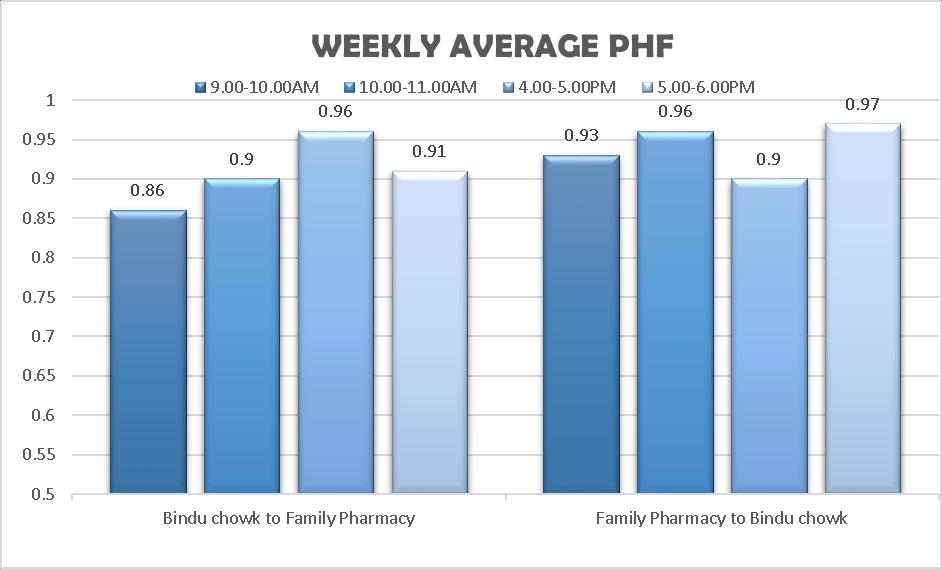
(fig3.4 weekly average Peak hour factor)
Level of Service (LOS) Measurement:
TheLevelofService(LOS)representstheoverallefficiencyandoperationalperformanceofeachapproach.Itwasdetermined by calculating the volume-to-capacity (V/C) ratio, which compares actual traffic volume to the designed capacity of the roadwaysegment,asperapplicablestandards
Table 3.1-Level of Service Classification Based on Volume-to-Capacity Ratio
A 0.00–0.60
B 061–070
C 071–0.80
D 081–090
E 0.91–1.00
F Greaterthan100
Free-flowingconditionswithminimaldelay
Goodflowwithlimitedinterruptions
Stableoperations,occasionalslowing
Approachingcapacity;acceptableperformance
Unstableflow;highdelayandreducedcomfort
Oversaturated;breakdowninmovement
International Research Journal of Engineering and Technology (IRJET) e-ISSN: 2395-0056
Volume: 12 Issue: 05 | May 2025 www.irjet.net p-ISSN: 2395-0072
Thisclassificationhelpedinunderstandinghowefficientlyeachapproachwasperforming.Itmadeiteasiertospotwhere trafficwasmovingsmoothlyandwherethereweresignsofcongestionorbreakdown.Usingthisstandardmethodensureda fairandconsistentwaytoassesstrafficflowacrossallconditions.
Table 3.2- LOS Assessment: Bindu chowk to Family Pharmacy
Table 3.3-
4. CONCLUSIONS AND RECOMMENDATIONS:
4.1 Identifying and Addressing Roadside Element Issues for Better Traffic Flow
Overview: ThisassessmentidentifiescriticalroadsideelementsdisruptingtrafficflowandsafetyatBinduchowk.Through fieldobservationsandalignmentwithIRCguidelinesandstatutorynorms,keyissuessuchasbusstopandrickshawstand placement,illegalparking,hoardingobstructions,misalignedlightpoles,roadsurfacedefects,andvendorencroachmentswere analysed. Each element was evaluated for its impact on congestion, visibility, and pedestrian movement. The proposed interventionsfocusedonrelocation,clearance,andregulatoryenforcementaimtorestoreintersectionefficiency,enhance safety,andsupportfuture-readyurbanmobilityplanning.
International Research Journal of Engineering and Technology (IRJET) e-ISSN: 2395-0056
Issue1:Thereisalackofclearandvisibleroadsigns.
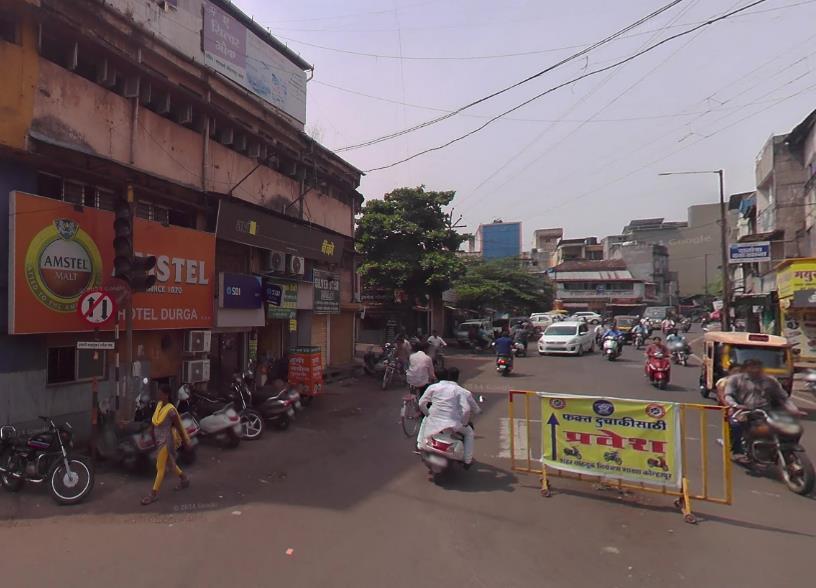
Touristsvisitingtheareaoftenstrugglewithnavigationduetothelackofclearandvisibleroadsigns.Withoutproperguidance, theycaneasilygetconfused,takewrongturns,orunknowinglybreaktrafficrules,whichaffectsbothsafetyandtrafficflow.To addressthis,installingwell-placed,reflective,andbilingualroadsignsasperIRC:67-2012standardsisessential.Thesesigns shouldbemaintainedregularlyandpositionedtohelpunfamiliardriversfindtheirwayeasily.Doingsowillnotonlyimprove the experience for visitors but also reduce accidents, ensure smoother traffic movement, and make the roads safer for everyone localsandtouristsalike.
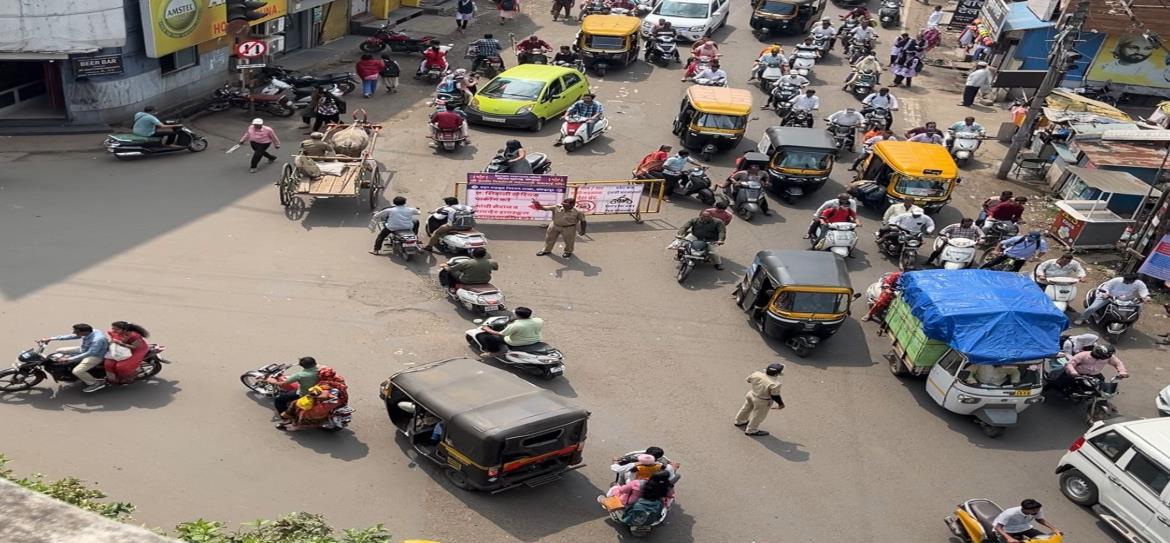
(fig 4.2 lack of lane discipline at the intersection)
At Bindu Chowk, two-wheelers often ignore lane discipline, weaving through traffic and creating chaos at the already unsignalizedintersection.Thisnotonlyleadstocongestionbutalsoincreasestheriskofaccidents.Toaddressthis,clearlane markings, visible road signs like “Stay in Lane,” and speed-calming measures such as rumble strips are recommended. Deployingtrafficpoliceduringpeakhoursandrunningawarenesscampaignscanfurtherencouragesaferbehavior.Iffeasible, addingatrafficsignalcouldbringmuch-neededorder.Together,thesestepswouldguidetwo-wheelerstofollowlanes,reduce riskymaneuvers,andmaketheintersectionsaferandmoremanageableforallroadusers.
Volume: 12 Issue: 05 | May 2025 www.irjet.net p-ISSN: 2395-0072 © 2025, IRJET | Impact Factor value: 8.315 | ISO 9001:2008
International Research Journal of Engineering and Technology (IRJET) e-ISSN: 2395-0056
Volume: 12 Issue: 05 | May 2025 www.irjet.net p-ISSN: 2395-0072
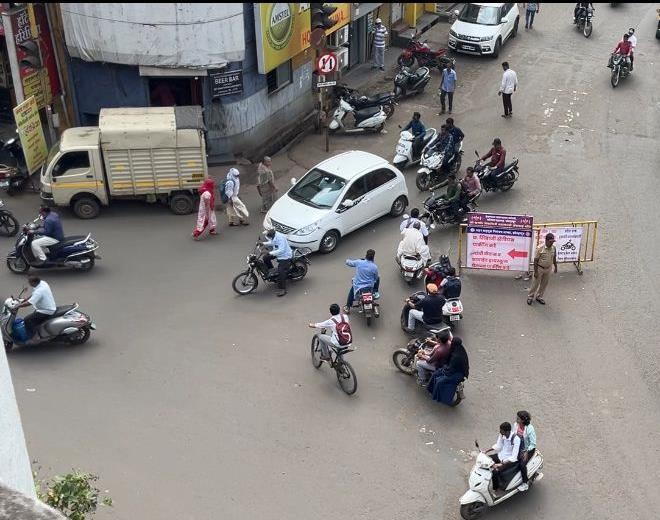
(fig 4.3 Top View of Roadside Parking)
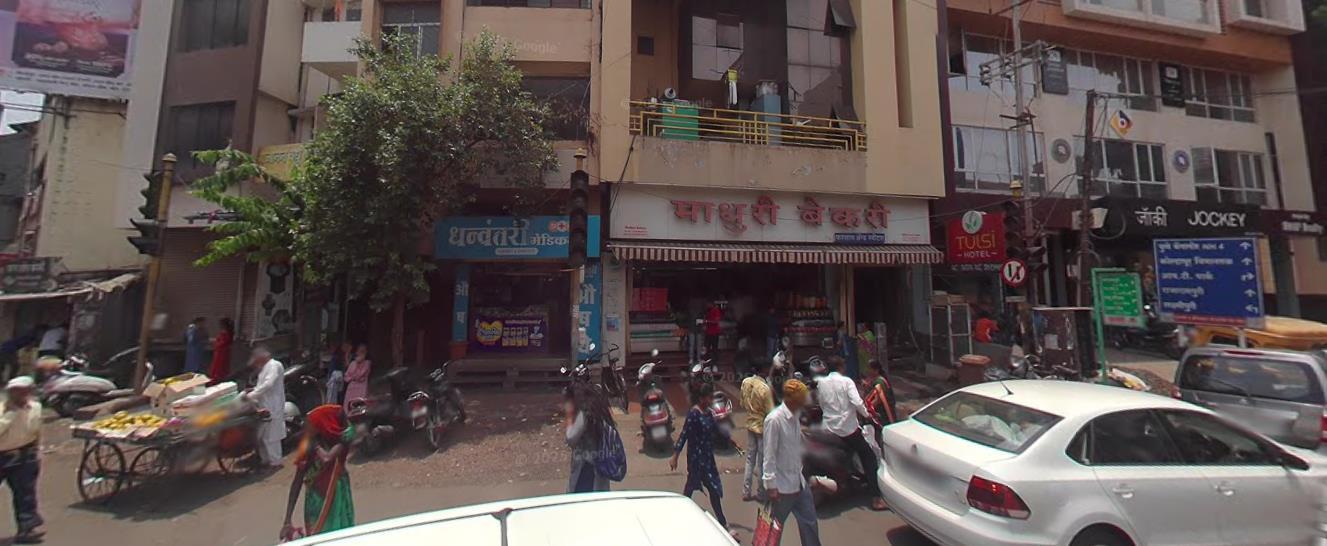
(fig 4.4- Roadside Parking on at turning point in front of shops)
TheintersectionisnearMahalaxmiTempleinKolhapur,whichisalsoclosetoD.R.KDuringtheNavratrifestival,thearea aroundthecollegeandshopsnearMahalaxmiTemplefacesmajorcongestionduetouncheckedroadsideparking.Withvisitors, students,andshoppersallcompetingforspace,illegallyparkedvehiclesoftenblocklanesandreducevisibility makingthe roadsunsafeforbothdriversandpedestrians.Emergencyanddeliveryvehiclesalsostruggletogetthrough.Toeasethis,clear no-parking zones, off-street parking facilities, and better pedestrian infrastructure are urgently needed. Boosting traffic enforcementandusingadaptivetrafficsystemsduringpeakhourscanhelpmanageflowmoreeffectively,ensuringsafer, smoothermovementforeveryoneduringthebusyfestivalseason.
International Research Journal of Engineering and Technology (IRJET) e-ISSN: 2395-0056
Volume: 12 Issue: 05 | May 2025 www.irjet.net p-ISSN: 2395-0072
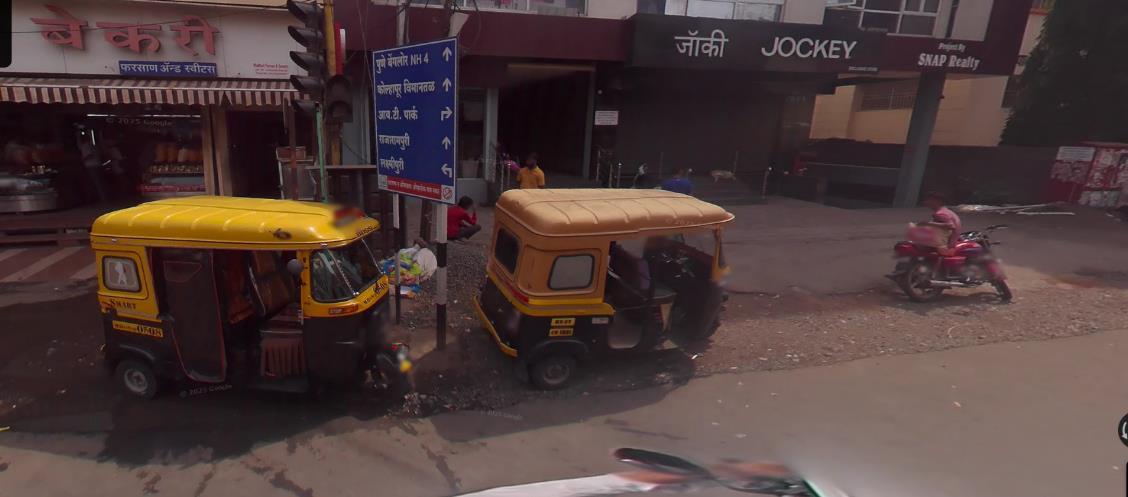
TheautorickshawstopatBinduChowkcreatesserioustrafficproblemsbyblockinglanesandpedestrianpaths,especially duringbusyhours.Parkedrickshawsreducevisibility,causejams,andevendelayemergencyvehicles.Tofixthis,thestop shouldbemovedslightlyawayfromtheintersectiontoawiderareawithmarkedparkingbays.Regulatingpick-upanddropofftimes,addingcrosswalks,andusingconesorbarricadescanhelpmaintainorder.Smartparkingtoolsandmoretrafficpolice presencewouldalsoimproveflow.Thesestepswillreducecongestion,improvesafetyforbothdriversandpedestrians,and maketrafficsmootherandmoremanageable.
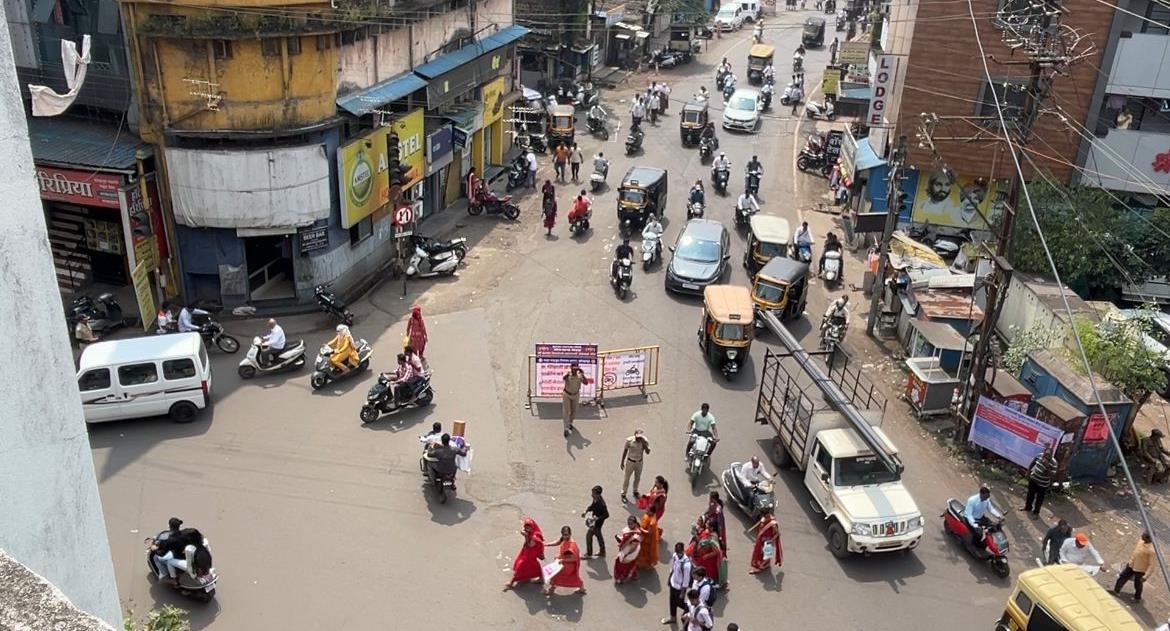
DuringtheNavratrifestival,BinduChowkseesasurgeinpedestrianactivitythatoverwhelmsthearea’slimitedwalkways, forcingpeopleontotheroadandcausingtrafficchaos.Thisunorganizedmovementslowsdownvehicles,increasesaccident risks,andcreatesconfusionatintersections.Tomanagethis,wider,continuousfootpathsandclearlymarkedcrossingswith pedestriansignalsareessential.Temporarybarricadesandtrafficmarshalscanguidecrowdssafely,whilepedestrian-only zonesduringpeakhourscaneasepressureonroads.Thesesimpleyeteffectivestepswillkeeppedestrianssafe,reducevehiclepedestrianconflicts,andensuresmoothertrafficflowduringhigh-trafficfestivalperiodslikeNavratri.
4.2 Strategic Traffic Signage and Road Marking Plan for Bindu chowk intersection
AtBinduChowk,abusyintersectionwithhightrafficvolumes,clearandeffectivesignageiscrucialforimprovingsafetyand trafficflow.Theproposedregulatorysigns,suchas“NoParking,”“OneWay,”and“Stop,”willbestrategicallyplacedtoprevent congestionandguidevehiclesmoresmoothly.Forexample,the"LeftTurnOnly"signbeforetheintersectionwilldirectdrivers, whilethe"SpeedLimit"sign30-100metersawaywillhelpcontrolspeedandreduceaccidents.A"One-Way"signnearthe pharmacyareawillmanagevehicleaccess,and"NoEntry"signswillpreventwrong-waydriving.
International Research Journal of Engineering and Technology (IRJET) e-ISSN: 2395-0056
Volume: 12 Issue: 05 | May 2025 www.irjet.net p-ISSN: 2395-0072
Inadditiontoregulatorysigns,warningsignslike"PedestrianCrossingAhead"and"SpeedBreakerAhead"willalertdriversof potentialhazards.Thesesigns,placedatappropriatedistances,willenhancesafety,especiallyinpedestrian-heavyareaslike near schools and markets. To further guide tourists and reduce confusion, informatory signs will be installed to provide directionstokeylandmarks,parking,andpublicfacilities.
Allsignswillbebilingual(MarathiandEnglish),withclear,reflective,weather-resistantmaterialstoensurevisibility.These measureswillimprovetrafficdiscipline,enhancepedestriansafety,andensuresmoothernavigationthroughthishigh-traffic area.
1. HighwayCapacityManual(HCM),IRC:SP:41-1994
2. JaydipGoyani,S.M.ASCE,InvestigationofCrossingConflictsbyVehicleTypeatUnsignalizedT-Intersectionsunder VaryingRoadwayandTrafficConditions
3. SuprabeetDatta,AssessmentofUncontrolledIntersectionsThroughCalibrationofVISSIMforIndianTrafficConditions
4. L.G.DivyaK.J.NithinSusanMathews,SustainableTrafficImprovementforUrbanRoadIntersectionsofDeveloping Countries:ACaseStudyofEttumanoor,India
5. Shailesh Singh, Dr. Kishore Ravande, TRAFFIC STUDY AND ROAD SAFETY ASSESSMENT AT BUS TERMINAL JUNCTION,HADAPSAR,PUNE
6. SiddharthaRokadeSarveshP.S.RajputRetracted,UncontrolledIntersectionOperationalAssessmentunderMixed TrafficConditions
7. ZhichaoLiandJilinHuang,HowtoMitigateTrafficCongestionBasedonImprovedAntColonyAlgorithm
8. DineshMohanGeetamTiwari,Urbantrafficsafetyassessment:AcasestudyofsixIndiancities
9. RashmiMahajan,DarshanMahajan,ToStudytheFactorsCausingTrafficProblemsinIndiawithSpecificReferenceto PuneCity:ConceptualFramework
10. HrishikeshPokharkar,YugandharShinde,PritamKashid,ChaitanyaJoshi,TrafficCongestionatTollPlaza:ACase StudyofKhed-Shivapur,Pune
11. ShekharK.Rahane,PROF.U.R.Saharkar,TrafficCongestion–CausesandSolutions:AStudyofTalegaonDabhadeCity
12. SohamSarda,JanhaviChavare,RohitBhosale,TrafficCongestion:CausesandSolutions,CaseStudy:Hinjewadi,Pune
13. AdityaMehendaleRaveena,S.Pujari,AssessmentofAccidentalBlackSpots–ACaseStudyofSangli-KolhapurHighway
14. Saurabh Sayre, Dr. Prafull Wadhai, Dr. B. V. Khode, Study of Traffic Management on Congested Intersections, By RedesignofSignal
15. .https://www.researchgate.net/publication/271833441_Traffic_Volume_Study