
International Research Journal of Engineering and Technology (IRJET) e-ISSN: 2395-0056
Volume: 13 Issue: 01 | Jan 2026 www.irjet.net p-ISSN: 2395-0072
“FORMULATION AND EVALUATION OF HERBAL HYDROGEL FOR THE TREATMENT OF ACNE”
A. Vasanthan1*, A. Ameena2 , M. Archana3 , S. Archana4
1 Associate Professor, Sri Vijay Vidyalaya College of Pharmacy, Dharmapuri, Tamil Nadu (India) 2, 3, 4 B. Pharm, Students, Sri Vijay Vidyalaya College of Pharmacy, Dharmapuri, Tamil Nadu (India)
Abstract-Aim: The present study aimed to develop and evaluate an herbal hydrogel formulation for the management of acne vulgaris. Objectives: The objectives of this research were to identify herbal ingredients possessing anti-acne properties, to prepare a stable herbal hydrogel using a suitable gelling agent, and to assess the formulation for its physicochemical characteristics, antimicrobial efficacy, and potential for skin irritation.
Conclusion: In this study, a herbal hydrogel formulation for acne treatment was successfully developed and evaluated. The formulated hydrogel showed desirable physicochemical properties, appropriate pH for skin application, good spread ability, and satisfactory stability. The formulation exhibited notable antibacterial activity against acne-associated microorganisms and was found to be non-irritant to the skin, confirming its suitability for topical use. Overall, the findings suggest that the developed herbal hydrogel is a safe, effective, and promising alternative to conventional synthetic anti-acne products.
Keywords: Herbal hydrogel; Acne vulgaris; Herbal formulation; Antimicrobial activity; Topical drug delivery
Introduction
Acne vulgaris is a widespread chronic inflammatory condition affecting the pilosebaceous units of the skin and is most commonly observed during adolescence and early adulthood, although it may continue into later life. Clinically, acne presents as come dones, papules, pustules, nodules, and, in severe cases, cystic lesions that may result in permanent scarring. The development of acne is complex and involves multiple contributing factors, including increased sebum secretion,abnormalfollicularkeratinization,proliferationof Cut ibacterium acnes,andassociatedinflammatoryprocesses. Whilenotalife-threateningdisorder,acnecanhaveaprofoundnegativeeffectonanindividual’spsychologicalwell-being, oftenleadingtoemotionaldistress,diminishedself-confidence,andsocialanxiety.
Current acne management strategies primarily rely on topical and systemic treatments such as antibiotics, retinoids, benzoyl peroxide, and hormonal therapies. Although these conventional therapies are effective, their long-term use is frequently limited by undesirable side effects including skin dryness, irritation, erythema, photosensitivity, and the increasing concern of antimicrobial resistance. These drawbacks have driven the search for safer and more sustainable treatmentalternatives.
Herbalmedicineshavegainedconsiderableattentionduetotheirbroadspectrumofpharmacologicalactivities,including antimicrobial,anti-inflammatory,antioxidant,andwound-healingeffects,whicharebeneficialinacnetreatment.Inrecent years, hydrogels have been widely explored as topical drug delivery systems because of their high water content, biocompatibility, non-greasy nature, and ability to provide controlled drug release while maintaining skin hydration. Incorporating herbal extracts into hydrogel systems can further enhance therapeutic effectiveness, improve patient acceptability,andreduceadversereactions.
The present study aims to formulate and evaluate a herbal hydrogel for acne treatment by integrating selected herbal ingredients with a suitable hydrogel base. The formulation is assessed through various physicochemical and biological evaluationparameterstodetermineitsstability,safety,andtherapeuticpotential,therebyhighlightingitssuitabilityas an alternativeapproachtoconventionalanti-acnetherapies.
International Research Journal of Engineering and Technology (IRJET) e-ISSN: 2395-0056
Volume: 13 Issue: 01 | Jan 2026 www.irjet.net p-ISSN: 2395-0072
Plant profile:
1. Green tea.
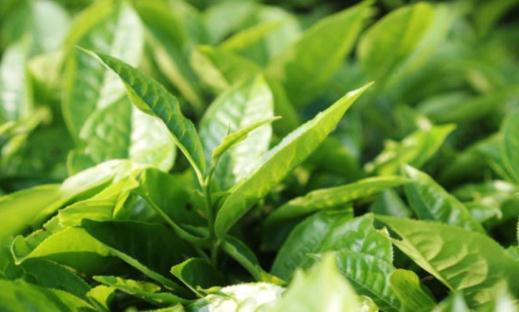

BOTANICAL NAME: Camelliasinensis(L.)Kuntze
FAMILY: Theaceae
SYNONYMS: GreenTea,Cha,Chai,Thea
VERNACULAR NAME:
Tamil; pachchaitheyilai
Hindi; harichai
Telugu; akupacchati
Malayalam; pacchaChaya
2. Tea tree.

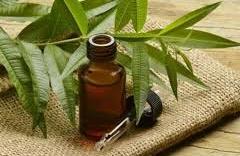
FAMILY:Myrtaceae
SYNONYM: Melaleucaoil
Vernacular name; BOTANICAL NAME: Melaleucaalternifolia
© 2026, IRJET | Impact Factor value: 8.315 | ISO 9001:2008 Certified Journal | Page603
International Research Journal of Engineering and Technology (IRJET) e-ISSN: 2395-0056
Volume: 13 Issue: 01 | Jan 2026 www.irjet.net p-ISSN: 2395-0072
Tamil;titriennai
Hindi; titreeoil
Telegu; titriayi
Malayalam; titrioyil
Materials and methods:
Materials: Greenteaextract,Carbopol940,Propyleneglycol,Glycerine,Methylparaben,Triethanolamine,Distilledwater, Teatreeoil.
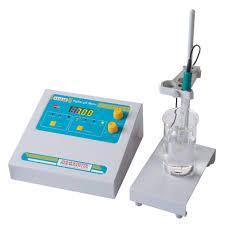
Equipments: Magneticstirrerwithhotplate,Viscosimeter,Phmeter,thermometer,Mechanicalstirrer,Weightingbalance, Glassware(beaker,cylinder),Franzdiffusioncell.
METHOD OF PREPARATION:
Step 1: PreparationofGelBase(Carbopol940Hydration)
Step 2: PreparationofPreservativeandHumectantSolution
Step 3: IncorporationofHerbalActives
Step 4: NeutralizationandpHAdjustment
Step 5:FinalWeightAdjustment
Step 6: FillingandPackaging

EXCIPIENTS
Excipients are pharmacologically inert substances that are intentionally added to a pharmaceutical dosage form along with the active ingredient. They play a crucial role in the formulation by improving the physical, chemical and aesthetic properties of the dosage form. In topical preparations such as hydrogels, excipients help in gel formation, stability, spread ability, preservation and patient acceptability without affecting the therapeutic activityofthedrug.
Inthepresentstudy,variousexcipientswereselectedtoformulateastableandeffectiveGreenTeaandTeaTree Oilbasedherbalhydrogelforthetreatmentofacne.
International Research Journal of Engineering and Technology (IRJET) e-ISSN: 2395-0056
CARBOPOL 940:
GLYCERIN: METHYL PARABEN: PROPYL PARABEN: DISTILLED WATER: TRIETHANOLAMINE [TEA]
EVALUATION PROCEDURE:
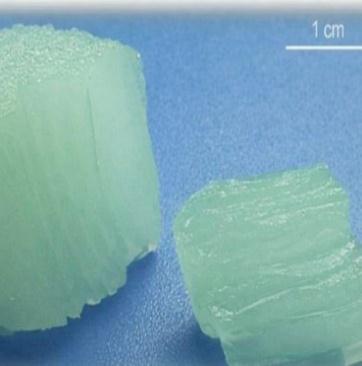
1. PHYSICAL EVALUATION; THEFORMULATIONHERBALHYDROGELWASEVALUATEDBYUSINGFOLLOWINGPHYSICALPARAMETERS
2. PH TEST;
3. VISCOSITY TEST:
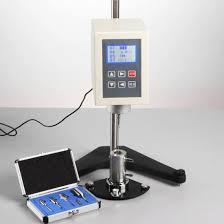
Testing the viscosity of a herbal antiseptic cream is for determining its texture, spread ability and overall formulation quality.
Volume: 13 Issue: 01 | Jan 2026 www.irjet.net p-ISSN: 2395-0072 © 2026, IRJET | Impact Factor value: 8.315 | ISO 9001:2008 Certified Journal | Page605
International Research Journal of Engineering and Technology (IRJET) e-ISSN: 2395-0056
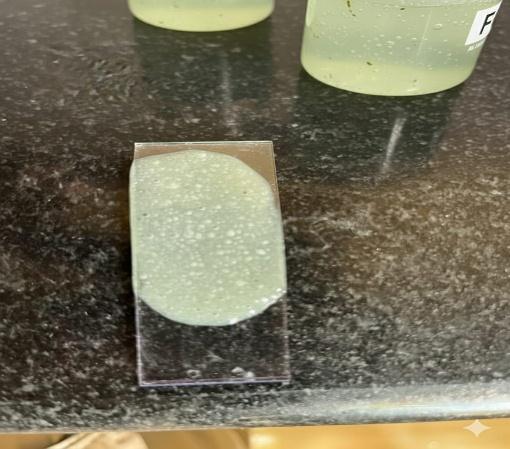
4. SPREADIBILITY:
5. STABILITY TEST
StabilitystudywascarriedoutforoptimizedformulationaccordingtoICHguidelinesat40℃/75%RHfor1month.
7. HOMOGENEIY:
Testedviavisualappearanceandtouchtoensurenocoarseparticlesarepresent.
8.WASHABILITY:
Determinedbyapplyingasmallamountofthegeltotheskinandobservingifitwashesoffeasilywithtapwater.
9.PHASE SEPARATION:
Monitored over a period of storage at normal temperature to ensure the gel components do not separate into distinct layers
Volume: 13 Issue: 01 | Jan 2026 www.irjet.net p-ISSN: 2395-0072 © 2026, IRJET | Impact Factor value: 8.315 | ISO 9001:2008 Certified
International Research Journal of Engineering and Technology (IRJET) e-ISSN: 2395-0056
Volume: 13 Issue: 01 | Jan 2026 www.irjet.net p-ISSN: 2395-0072
REPORT & DISCUSSION:
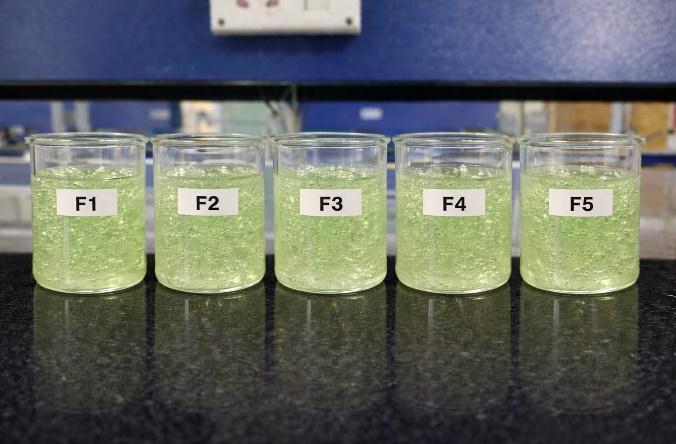
TABLE: NO: 01 REPORT F FORMULATION OF HERBAL HYDROGEL
S.NO EVALUATION TEST
1. Physical appearance
Colour: Palegreen
Odour: Characteristic herbal
Texture: Smooth
Colour: Palegreen
Odour: Pleasant herbal
Texture: Smooth
Colour: Palegreen
Odour: Mild herbal
Texture: Smooth andglossy
Colour: Palegreen
Odour: Characteristic herbal
Texture: Slightlythick andsmooth
Colour: Palegreen
Odour: Pleasant herbal
Texture: Smooth andthick
2. pH determination
3. Viscosity
4. Spreadability
5. Stability Notstable Notstable Stable Notstable Notstable
6. Irritationtest Noirritation No irritation No irritation Noirritation No irritation
7. Homogeneity Touchgood Touch good Touch
8. Washability
9.
Conclusion
Thepresentinvestigationsuccessfullyinvolvedthedevelopmentandevaluationofaherbalhydrogelformulationintended for the management of acne. The formulation was prepared using selected herbal constituents recognized for their antimicrobial, anti-inflammatory, and antioxidant activities. The developed hydrogel demonstrated satisfactory physicochemical properties, including uniform consistency, skin-friendly pH, appropriate viscosity, good spread ability, andformulationstability.
The evaluation results confirmed that the herbal hydrogel exhibited significant antimicrobial activity against acneassociatedmicroorganisms,alongwithgoodskincompatibilityandeaseoftopicalapplication.Theexclusionofsynthetic chemicalagentsreducedthelikelihoodofadversereactions,therebyenhancingthesafetyprofileoftheformulationwhen comparedtoconventionalanti-acneproducts.
Inconclusion,theformulatedherbalhydrogelrepresentsasafe,effective,andpromisingtopicaldeliverysystemforacne treatment. This study highlights the potential of herbal-based formulations as an alternative or supportive therapeutic option in acne management. However, further clinical investigations and extended stability studies are necessary to validateitslong-termefficacyandsuitabilityforlarge-scaleproduction.
International Research Journal of Engineering and Technology (IRJET) e-ISSN: 2395-0056
Volume: 13 Issue: 01 | Jan 2026 www.irjet.net p-ISSN: 2395-0072
REFERENCES
1. Savant SE, Patil SM, Patil SD. Formulation and evaluation of herbal gel containing neem and turmeric extracts for topicalapplication.InternationalJournalofPharmaceuticalSciencesandResearch.2016;7(5):2105–2112.
2. Dev SK, Choudhury PK, Srivastava R. Development and evaluation of polyherbal topical gel for antimicrobial and anti-inflammatoryactivity.JournalofPharmacognosyandPhytochemistry.2019;8(2):1234–1241.
3. Navindgikar NN, Kamalapurkar OS, Chavan PS. Formulation and evaluation of multipurpose herbal gel for dermatologicaluse.InternationalJournalofResearchinPharmaceuticalSciences.2020;11(3):3456–3463.
4. Patel RP, Joshi JR, Patel MM. Formulation and evaluation of herbal anti-acne gel containing Green Tea extract. InternationalJournalofPharmaceuticalandBiologicalSciences.2018;8(4):89–96.
5. Kaur T, Guleri TK. Development and evaluation of Tea Tree Oil based herbal gel for acne vulgaris. Asian Journal of PharmaceuticalandClinicalResearch.2017;10(7):290–295.
6. Singh A, Verma R, Sharma PK. Formulation and evaluation of polyherbal anti-acne gel containing Green Tea, Neem andAloevera.JournalofDrugDeliveryandTherapeutics.2019;9(3):120–126.
7. Deshmukh R, Patil S, Jadhav M. Formulation and evaluation of Green Tea based herbal hydrogel for topical application.InternationalJournalofPharmaceuticalSciencesReviewandResearch.2020;62(1):45–51.
8. Sharma P, Sharma S. Development and evaluation of herbal gel containing Tea Tree Oil and Aloe vera for acne treatment.WorldJournalofPharmaceuticalResearch.2018;7(15):1105–1113.