THE PROFESSIONAL VOICE OF SCHOOL LEADERS


McCabes Pharmacy are delighted to once again offer our on-site Flu vaccination service to primary schools this Autumn/Winter 2026.
Why choose McCabes Pharmacy?
Nationwide On-Site Flu Vaccination for Students & Staff
We bring our school vaccination clinics directly to you eliminating the need to travel and minimising disruption to the school day.
Our qualified pharmacists are highly trained and have years of experience in delivering school vaccination programmes across the country.
Easy, GDPR-Compliant Consent Process
Consent is managed securely via our digital platform.
To register your school’s interest, simply scan the QR code and complete the online form at mccabespharmacy.com

Or Email services@mccabespharmacy.ie




ISSUE 143 | MAY/JUN 2026
Gort Small Schools’ Cluster Project
Empowering School Communities with Psytales: A Practical Resource for Emotional Wellbeing
Deirdre Kelly IPPN President
Only positive outcomes for leaders, teachers and pupils 6 11 17 9
Collaborative & Proactive Solutions A More Compassionate and Inclusive Way of Supporting Behaviour in Schools 14 19

Dr Siobhán Keenan Fitzgerald Principal of Eglish NS, Ballinasloe, Galway

Ruth Eadie
Príomhoide, Gaelscoil Shliabh Rua, Bóthar Bhaile Uí Ógáin, Dublin 18

Building School Cultures Where Students Want to Be
Professor Selina McCoy ESRI

Bullying & Negative Acts Towards School Leaders in Irish Primary & Post Primary Schools
Teresa Gibbons Primary School Teacher, County Galway
Rethinking Autism Class Provision
– Helena Trench - Principal of Powerstown ETNS, Dublin 15
Tusla Education Support Service Stands with School Leaders to Improve Attendance – Áine O’Keeffe, TESS Director
End Of Year Reflections On The Front Line
- Paul O’Donnell, Principal of St Patrick’s NS, Slane, Co. Meath
Legal Diary: Recruitment - ‘You Only Get One Chance to Get It Right’ – David Ruddy BL
Work in Progress Across the Leadership Spectrum
– Brian O’Doherty And much more…

Irish Primary Principals’ Network, Glounthaune, Co. Cork 1800 21 22 23 • www.ippn.ie
Editor: Geraldine D’Arcy
Editorial Team: Geraldine D’Arcy, Brian O’Doherty and Deirdre Kelly
Comments to: editor@ippn.ie n Advertising: Sinead O’Mahony adverts@ippn.ie
ISSN: 1649-5888 n Design: Brosna Press
The opinions expressed in Leadership+ do not necessarily reflect the official policy or views of IPPN

HELENA TRENCH PRINCIPAL OF POWERSTOWN ETNS
The demand for special class placements across Ireland is at an all-time high. Between 2010 and 2024, there has been a 916% increase in special class sanctions nationally. While this reflects a system attempting to respond to increasingly complex pupil need, it also prompts us to critically examine how we conceptualise provision, placement and inclusion.
In our Dublin 15 school community, these pressures are lived daily. This year, 54% of our mainstream pupils are accessing School Support or School Support Plus, with each Special Education Teacher (SET) supporting between 18 and 24 pupils. We also operate eight special classes. Looking ahead, 14% of our incoming junior infants for 2026 have autism class recommendations and NCSE eligibility.
All of these children live locally – many are siblings of current pupils. Parents are aware that no special class places are available in the short term, yet they are choosing mainstream placement, hoping their child can begin in an inclusive setting and access additional provision if needed.
This raises a critical question: does every child with complex needs require a special class placement? Or are we operating within a binary system that does not reflect the fluid and evolving nature of children’s needs?
Recent Department of Education and Youth announcements signal an important shift. The introduction of “inclusive special classes” at post-primary level reflects a move towards more flexible, needsresponsive provision, where pupils can access both mainstream learning and targeted support within their local school. This “bridging” approach has the potential to place greater decision-making in the hands of schools. With dedicated staffing and resources, school leaders are better positioned to deploy support in ways that respond to the individual and evolving needs of pupils, rather than working within fixed structures or assumptions of linear educational journeys.
...does every child with complex needs require a special class placement?
Or are we operating within a binary system that does not reflect the fluid and evolving nature of children’s needs?
In Powerstown ETNS, this type of flexibility is central to our practice. We have developed an Inclusion Teacher model –an “in-between” approach that supports children with complex needs to remain and succeed in mainstream classrooms, while also enabling others to transition from special classes to full-time mainstream placement, thereby ensuring that special class placements remain available for those with the most complex needs.
Each Inclusion Teacher works with a small caseload of 6–7 pupils, providing a minimum of one hour of daily specialised teaching through a combination of in-class collaboration, targeted withdrawal and access to special class spaces.
The impact has been significant. Pupils are making meaningful progress socially, emotionally and in their regulation and engagement. Incidents of Emotional School-Based Avoidance have decreased, while pupils’ self-esteem and confidence ratings have increased. Class teachers report reduced stress and greater confidence, as the Inclusion Teacher works in close partnership with them and the Additional Needs Assistant (ANA) to co-plan, adapt and respond in real time. This is not parallel support – it is nurturing, relational, embedded and sustained.
Parents are offered this model of support, with strong communication and continuity built into the approach. Many are actively choosing it as a preferred pathway. Pupils – particularly those who receive a “later” diagnosis – are also self-advocating for
this “bridging” approach, favouring it over placement in a special class.
This new model may signal a growing recognition by the Department of Education and Youth of the role of school leadership in shaping effective, responsive provision. Schools are best placed to understand the complexity and fluidity of need within their communities and, with appropriate resourcing and autonomy, can design models – such as the Inclusion Teacher – that bridge the gap between mainstream and specialist support.
However, many pupils with complex profiles – including autism, DLD, hearing and visually impaired, intellectual disability, Down syndrome and rare conditions –continue to struggle in mainstream settings without access to this level of inclusive support. To realise the full potential of the inclusive special class model, its core principle – flexible, proactive and needsresponsive support within a child’s local school – must be extended to all pupils who are not currently thriving.
This calls for a move beyond “one size fits all” approaches. The focus is no longer on whether special classes are needed, but on how all forms of provision – mainstream, special class, special school and models in between – can operate together in a way that is equitable, flexible and centred on the child. Crucially, this must not result in prioritising one disability over another or creating hierarchies of need but instead ensure that supports are allocated based on the individual needs of each child, regardless of diagnosis.
Rethinking special class provision is not about dismantling structures. It is about strengthening them – by embedding flexibility, enabling school-led solutions, and ensuring that every child can access the right support, in the right place, at the right time, in their local school.
If you would like to get in touch with Helena in relation to this piece, you can contact her at principal@powerstownet.com




LEADERSHIP+ EDITORIAL TEAM
We are acutely aware that this issue of Leadership+ is landing in your Inbox, or on your desk, at the busiest time of the school year. It is also important to acknowledge that the late issuing of the staffing circular, and its implications for redeployment/recruitment, allied to the delayed issuing of the guidance on the summer programme, has exacerbated the situation this year. We had made progress on the timely issuing of these circulars in recent years but there has been a significant backward step this year. We will work to ensure that this is not repeated next year.
Being mindful of your workload and the demands on your time, we offer the following by way of update on some of the work that is being progressed.
In the piece on page 20, we describe the work underway ‘across the Leadership Spectrum’, including the development of A Guide to the Leadership of Inclusion and the launch of a Digital Leadership Reflection Journal to support aspiring and emerging leaders in their preparation for leadership. There are also updates on the Administrative Executive Pilot Project and our work on Group Mentoring for Deputy Principals, as well as a research collaboration with our international colleagues through ICP and ESHA, which will ultimately lead to the publication of a global status of school leadership report.
In terms of our submission on Budget 2027, which is usually announced in mid-October, our focus remains on achieving increased discrete time for leadership in all schools to better ensure high-quality teaching and learning, and the effective enactment of the primary revised curriculum. The other priorities are adequate SET and SNA resourcing, extended DEIS provisions, and a significant increase in grant funding. See the details on page 21.
Following the member consultation survey on SEN in mainstream schools, we were pleased to issue a follow-up survey focused on special schools in late April. This survey is an important opportunity to listen to and hear the voices of those leading our special schools, ensuring their experience, insights and perspectives are clearly captured.
We are currently reviewing the responses and appreciate the thoughtful engagement of school leaders. We look forward to sharing the findings through E-scéal and in the next issue of Leadership+
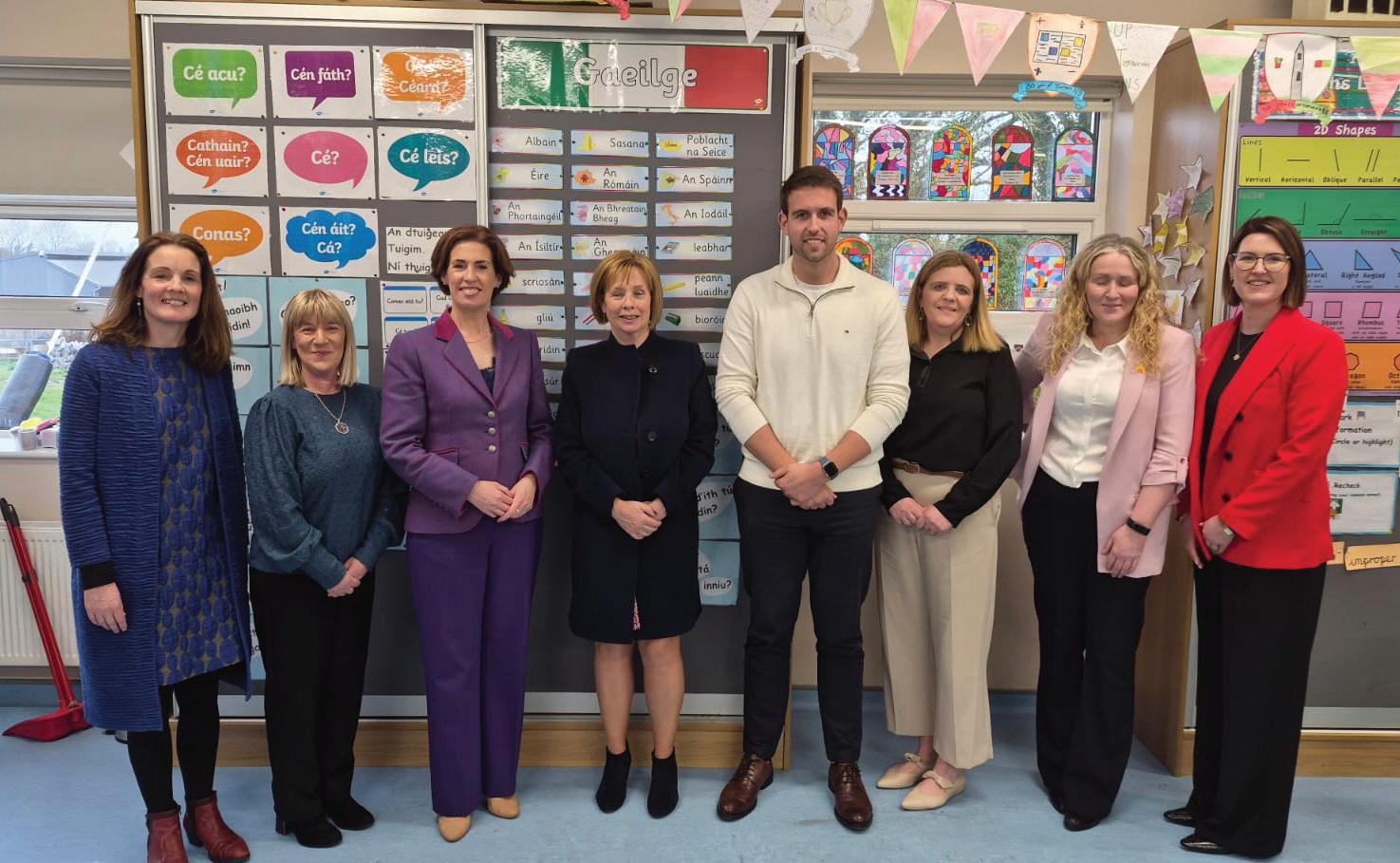
IPPN was delighted to invite the Minister to meet the leaders and administrator of five schools in Gort that are participating in the Small Schools Action Research project,
Continued overleaf...
Continued from page 3
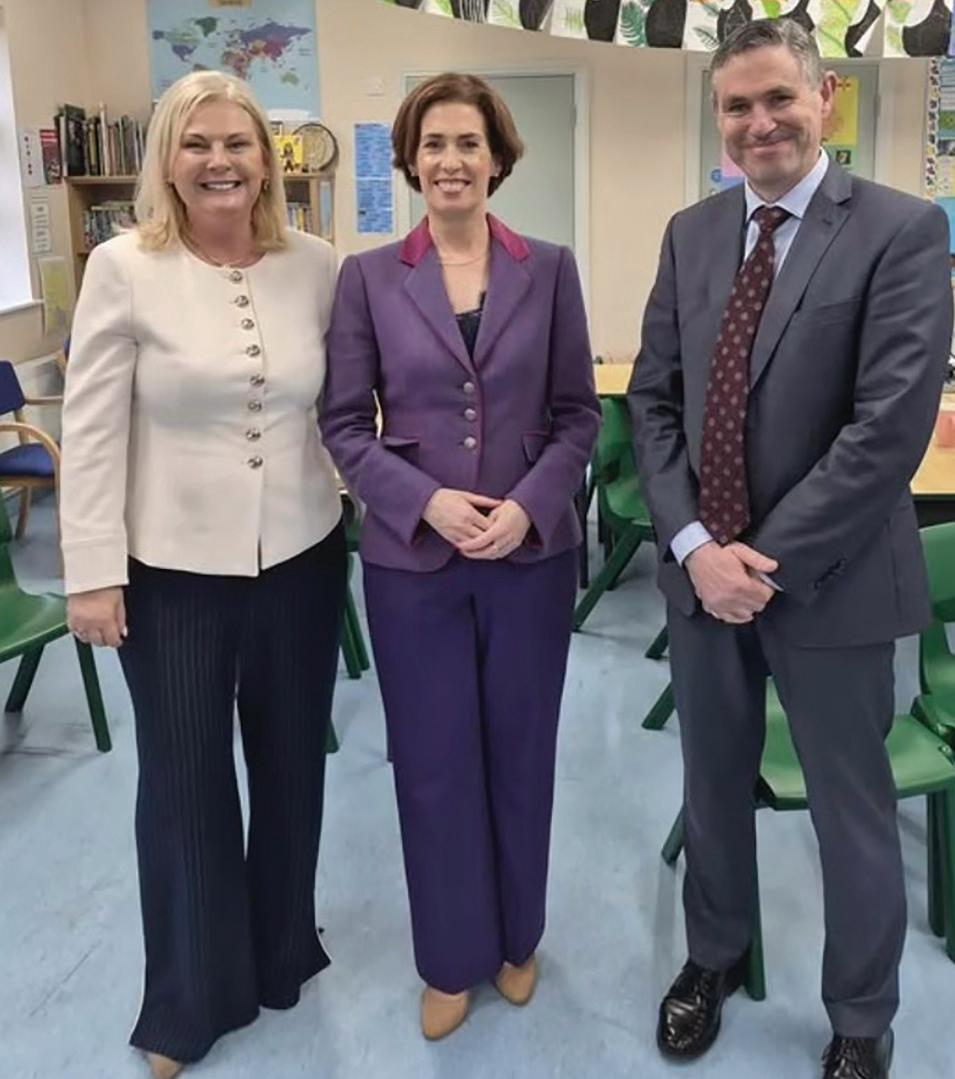
and to discuss with her the importance of continuing the pilot project and extending it to all small schools.
The school leaders involved clearly outlined the positive impact the cluster has had on all members of their school communities including enhanced pupil experience and collaborative practice among teaching staff. Importantly, the initiative has had a positive impact on the role of the school leader, supporting more focused, strategic leadership. You can read their reflections on the project and its impact on pages 9 and 10.
In recent weeks, IPPN has shared with the DEY and education partners our thinking on how the small schools clustering pilot project can be expanded and rolled out nationally, to bring the benefits outlined by the pilot project to bear on all small schools. We will share the proposal with you once it has been finalised.
In the sixth episode of Leading with Impact, host Brian O’Doherty talks with Daire Hennessy, CEO of the charity Citywise Education about Scaling Community Education Impact. This episode will resonate particularly strongly with disadvantaged school communities, as Daire shares a clear and compelling vision for supporting children and young
people through community-based education. His passion and commitment are evident in the positive, lasting impacts highlighted, especially in terms of improved opportunities, confidence and outcomes for children.
There are several insightful articles by school leaders on a wide range of topics – child voice, bullying and negative acts towards school leaders, supporting behaviour, rethinking Autism provision - as well as guidance on recruitment from our esteemed past president David Ruddy in the Legal Diary and research-based insights from the ESRI and others. Sincere thanks, as always, to all those who contribute to Leadership+. Suggestions and feedback are welcome to editor@ippn.ie.
Geraldine D’Arcy Deirdre Kelly Brian O’Doherty Editor President Deputy CEO

DAVID RUDDY BL
The final term of school coincides with the recruitment of teachers, special needs assistants and ancillary staff. A starting point is whether the Board of Management (BoM) has sanction for the post in question. In the case of vacant permanent posts, you should be clear as to what entitlements existing members of staff have, if any, to contracts of indefinite duration. Be familiar with the revised criteria for the award of a CID as set out in Circular 20/2026. The BoM must be mindful that it adheres to its obligations in relation to the panel operator in each diocese or relevant patron body.
In advertising a post and in any subsequent interviews, one must be careful not to offend against the Equal Status Acts to include issues concerning gender, marital status, family status, age, disability, sexual orientation, race and religion. The interview process needs to stand up to scrutiny in the event of a dispute or legal action. Notes recorded by the interview panel should be on the basis that the applicant is ‘looking over your shoulder’. Ensure that the independent assessors are from a list approved by the relevant Patron. After the interview process references should always be checked and never take short cuts.
When the BoM has approved the selection board recommendations, the Patron’s and Department of Education’s approval should be sought. Another issue is the contract of employment. In its simplest term, a contract is a bargain struck between two people, i.e. the employer and employee. This is a crucial document as it is the reference point when there are any disputes. Management bodies
In advertising a post and in any subsequent interviews, one must be careful not to offend against the Equal Status acts to include issues concerning gender, marital status, family status, age, disability, sexual orientation, race and religion. The interview process needs to stand up to scrutiny in the event of a dispute or legal action.
have employment templates that are tried and tested. Good practice dictates that any staff should only commence employment after signing the contract. If a member of staff does not have a contract, they should be offered one.
Recently, a disappointed job applicant brought a complaint to the Workplace Relations Commission. The case involved a gender discrimination case where the male teacher complained that he was discriminated against. A female teacher was the successful candidate even though the male candidate had more experience. The male teacher claimed that it was a foregone conclusion that the female teacher would be successful, that the notes of one assessor were minimal, and that the BoM was improperly constituted. Ultimately the claim against the BoM failed.
Another teacher who unsuccessfully applied for a fixed term post, took a case. Her complaint was that her nonappointment, and the way that her application was treated by the school constituted discrimination on the grounds of age and religious beliefs. The teacher was 37 years of age and claimed that successful candidates were in their 20s and that age discrimination is endemic in schools. She also claimed that an interview question was discriminatory in that it undermined her strong religious beliefs. The claim failed. It was held that the teacher’s skills on paper alone were not sufficient to get her the job. It was also held that taking offence to a remark is not the same as being discriminated against.
Employment legislation is complex and strongly tilted towards staff. Employing staff is probably one of the most important tasks that you as a member of the BoM must make. Additionally, the current job market still favours the applicant. Better leave a post unfilled on a temporary basis than select an unsuitable candidate. Always seek advice if you’re unsure or inexperienced.
If you would like to get in touch with David in relation to this article, you can contact him at david.ruddybl@gmail.com
DEIRDRE KELLY IPPN PRESIDENT
As teaching principals in Irish primary schools, my colleague Catríona Donohoe and I recognise the vital importance of supporting children’s emotional wellbeing. In our daily work, we see how stories can become powerful supports when children face challenges. Stories help pupils make sense of events, understand their feelings, and reflect on their experiences in a safe and engaging way.
In late summer 2024, we had the privilege of Royal College of Surgeons in Ireland (RCSI) inviting IPPN as partners in the Psytales research project. This innovative initiative brings together expertise from five organisations across Europe: RCSI, SCS LogoPsyCom (Belgium), Les Apprimeurs (France), Regional Directorate of Education of Western Macedonia (Greece), Kanaus Teacher Training Centre (Lithuania) and IPPN (Ireland).
From the outset, Psytales resonated strongly with us, as it combines practical classroom experience with research-based approaches to support children’s emotional health in a structured and accessible way. We are now delighted to share Psytales with school leaders. At its core, Psytales offers a rich collection of stories, practical teaching resources, and valuable research to support children’s emotional growth, resilience and overall wellbeing.
In an increasingly complex world, prioritising children’s emotional wellbeing is essential. Schools play a central role in creating environments where pupils feel safe, understood and equipped to navigate life’s challenges. Psytales has been designed as a hands-on resource to support schools in fostering emotional health through the enduring power of storytelling.
The project supports educators, parents and school communities in engaging meaningfully with children’s emotional learning. Its collection of stories explores a
At its core, Psytales
offers a rich collection of stories, practical teaching resources, and valuable research to support children’s emotional growth, resilience, and overall wellbeing.
wide range of emotions and experiences, helping children to build understanding and resilience. Storytelling, long recognised as a powerful educational tool, sparks imagination, fosters empathy, and creates a safe space for children to explore feelings they may find difficult to express. Psytales builds on this tradition by presenting stories that make complex emotional concepts accessible and relatable for young learners.
The stories are age-appropriate, culturally sensitive and designed to encourage participation and reflection. This transforms emotional learning from a passive activity into an interactive experience that children enjoy and look forward to. Importantly, Psytales recognises that every school community is unique. It provides a pedagogical booklet and a free online course to support educators in adapting the materials to suit their own contexts and the needs of their pupils.
Integrating Psytales into a school’s wellbeing approach helps children develop resilience – the ability to respond positively to challenges – and emotional literacy, enabling them to identify, understand and express their feelings. These are essential life skills that support long-term wellbeing and success. The programme addresses a broad spectrum of emotions, from anxiety and fear to joy and gratitude, ensuring that it is inclusive and relevant for children from diverse backgrounds. In doing so, it supports the development of empathetic
and supportive school environments where all pupils feel valued.
Psytales also offers opportunities to strengthen the connection between home and school. By sharing stories and activities with families, schools can extend emotional learning beyond the classroom and reinforce key messages in children’s everyday lives.
In addition to its practical resources, the project includes a European Practices Analysis Report, providing insights into wellbeing and mental health strategies across different countries. This offers school leaders a valuable perspective and a source of ideas for enhancing their own approaches to wellbeing.
We encourage educators to engage with the free online course developed as part of the project, which deepens understanding of emotional learning and storytelling techniques available www.psytales.eu. A webinar is also available through the IPPN website, offering a helpful introduction and practical guidance for schools interested in getting started https://www.ippn.ie/.
We would like to sincerely thank the schools in Ireland and across Europe that participated in the testing phase of Psytales. Their commitment and feedback – both qualitative and quantitative – were instrumental in shaping the final resources and ensuring they meet the real needs of school communities.
Psytales is more than a project; it is a practical and adaptable resource ready for use in schools. By engaging with its stories, tools and research, school leaders and teachers can bring emotional learning to life, nurture resilience and support children in developing the confidence to understand and manage their emotions.
Deirdre.Kelly@ippn.ie









Out of nowhere, a parent alleges that another child is looking strangely at his daughter and wants him suspended immediately. Meanwhile, a quarter of the teachers urgently need a course day tomorrow. This is all just after active schools’ week, which has resulted in fourteen stitches, three broken collarbones and a solicitor’s letter to the school.
You are relieved to escape outside on yard duty, but on the way, the caretaker says that the sewerage system is backing up and may not hold after lunch. A kind community member meets you at home time on your way to the car with a great local fundraising idea for you to organise. Exhausted, you reach home and fall asleep on the sofa, only to be woken from a nightmare in which you are being chased down a motorway by a challenging senior infant in a toy tractor. All of this means only one thing: it is June in your school.
While these variables may or may not emerge in the busiest month of the year, it’s the obvious stuff that has you chasing your tail in the first place. Recruitment, invoices, testing, reports, welcoming new pupils and saying goodbye to soon-to-be old ones. Let us not forget board meetings, class allocation, concerts, tours and talent shows. Each event is fraught with danger. If you wanted to create the month from hell for your worst enemy, you couldn’t design it any better.
There is no avoiding the chaos. It is as certain as Christmas, but this time you are the turkey. One reason is that,
Outright anarchy was averted when, with the mention of the staff v pupils soccer match disappearing, one teacher said, ‘If the match goes, I’m going too.’ We fell around the room laughing but realised a simple truth: everybody loves their own sacred cow pet projects, while complaining about being overwhelmed.
every year, at least one new event or activity is added to the mix in June, but nothing is ever taken away. Staff, parents’ associations, boards of management, pupils and the wider school community. Everybody means well but addictively adds to the list. Every attempt I have tried to make June more tolerable has failed miserably. My best effort came after reading a pseudo-psychobabble leadership book, in which ‘Jones’ window’ was referenced. You write a list of every voluntary initiative, activity or event that the school is involved in. Then, in groups, the staff prioritise which window each initiative should be placed in - more, less, stop, start or keep. It’s like PIEW on speed.
I must admit, the theory behind it was alluring. In practice, there was bedlam. Out of nowhere came a campaign to start tennis lessons in June. The Gaelic football coaches wanted more matches, even though they were already out of school twice a week. Before losing complete control, I had to veto the plan to drop writing school reports altogether. Outright anarchy was averted when, with the mention of the staff v pupils soccer match disappearing, one teacher said, ‘If the match goes, I’m going too.’ We fell around the room laughing but realised a simple truth: everybody loves their own sacred cow pet projects, while complaining about being overwhelmed. Only two initiatives out of sixty-four were dropped.
June is the most miserable time of the school year, where three months’ work has to be squeezed into about eighteen days. It is chaotic, exhausting and tumultuous. With children fighting with their own toenails, and the ghost of Jones’ window haunting every staff meeting, it’s clear nothing can save you. In the end, June doesn’t break you. It just steadily crushes your soul.
How many more sleeps until the summer holidays?
If you would like to get in touch with Paul in relation to this article, you can drop him an email at donegalpaul@hotmail.com
Beginning this pilot, we had little idea where the journey would lead or the extent of the impact it would have on each of our schools. While we all knew of one another, we had rarely spent meaningful time together beyond meeting briefly at local meetings or crossing paths at Cumann na mBunscol games. Like many teaching principals in rural areas, we worked in neighbouring communities yet often carried out our leadership roles independently, each managing the same challenges within our own school gates. At the outset, we could not have predicted how valuable this partnership would become or how deeply it would strengthen our schools.
Over the past five years, the Small Schools Cluster has developed into something far greater than an administrative arrangement or professional network. It has become a genuine community
of support, collaboration and shared leadership. In what is often an isolating and demanding role, the collegiality, trust and friendship that has grown among us has been invaluable. Small school principals are required to balance teaching, leadership, management, administration, communication with parents, staffing matters, policy development and pupil needs, often all within the same school day. Those responsibilities can feel relentless. While this project did not remove every pressure or provide a magic solution to the realities of school leadership, it ensured that none of us had to carry those burdens alone.
The cluster meant there was always someone to call who understood the context, the challenges and the urgency of the situation. It meant access to trusted colleagues who could offer advice, reassurance or simply a listening ear. It
created a network where professional generosity replaced much of the overwhelm that can arise in small schools. Ideas were shared openly, resources were exchanged willingly, and problems were solved collectively. That sense of solidarity has helped sustain each of us and has undoubtedly strengthened leadership capacity across all five schools.
A key support within the project was the allocation of two additional Principal Release Days per term. For teaching principals, protected leadership time is extremely difficult to secure. These release days created opportunities for purposeful collaboration, strategic planning and whole-school improvement work that would otherwise have been postponed or lost entirely. They allowed us to meet, reflect, plan and move priorities forward in a meaningful way.
At the outset, we could not have predicted how valuable this partnership would become or how deeply it would strengthen our schools.
Continued from page 9
Another transformative development was the creation of the Cluster Administration Officer role, now evolving into an Executive Officer model. This support has significantly reduced the administrative burden on teaching principals. Over the course of the pilot, this role assisted with school meals administration, book procurement, STEM and Emergency Works grant applications, health and safety audits, Garda vetting, training coordination and many other essential but time-consuming tasks. This practical support enabled principals to devote more time to educational leadership, teaching and learning, staff support and pupil outcomes.
From a teaching perspective, the impact has been equally significant. Staff across the cluster have benefitted from high-quality professional development opportunities that would have been difficult for individual small schools to organise independently.
Training in areas such as First Aid, Coding, Artificial Intelligence, Creative Arts and Restorative Practice has directly enhanced classroom practice and broadened opportunities for pupils.
Teachers have also engaged in meaningful collaborative planning through shared staff development days. Meeting in classlevel groupings to discuss methodologies, pedagogy and curriculum implementation has been hugely beneficial. Professional dialogue of this nature is essential for school improvement, yet it can be difficult to facilitate in small, isolated settings. Through the cluster, it became possible.
Special Education Teachers have worked together to develop common approaches to testing, assessment and pupil support. Peer observation opportunities allowed teachers to visit neighbouring schools to observe practice in areas such as SET and infant teaching. Shared digital resources, ICT equipment, Maths resources and EAL materials have further reduced workload and improved provision
Most importantly, pupils have benefited enormously. Shared transport has enabled educational trips and inter-school activities that would otherwise have been beyond
reach. Access to grants, enhanced teaching resources and stronger teaching practice has enriched learning experiences for children across all five schools.
There have been no negatives associated with this initiative – only positive outcomes for leaders, teachers and pupils. As the pilot now comes to an end, we are deeply concerned. Its value has been clearly demonstrated. Without it, principals will again be consumed by administration, teachers will lose vital opportunities for collaboration, and pupils will lose the benefits of stronger, more connected schools.
As five school leaders, we cannot envisage a future without this model. It has sustained us, strengthened our schools and improved outcomes for our communities. We firmly believe the Small Schools Cluster model should not only continue, but expand, so that small schools can continue to thrive.
Sincere thanks to the cluster leaders for their input to this article: Colette Rhatigan, St Columba’s Ballyturn, Aoife O’Connor & Ann Lynskey, Tierneevin NS, Bryan Kealy, Kilbeacanty NS, Patricia Lee, Tubber NS, Sinéad Lundon Scanlon, Lurga NS.


PROFESSOR SELINA McCOY HEAD OF EDUCATION RESEARCH, ESRI
School attendance has rightly become a key focus in recent years, with increased attention on patterns across groups, school contexts and over time. These data consistently highlight inequalities, particularly along socio-economic lines, and by disability and special educational needs (SEN) status. Research also points to longterm consequences: for example, children who miss more than ten days of school at age nine are significantly less likely to progress to higher education, even when early academic performance and background factors are taken into account (Carroll et al., 2022).
For school leaders, these findings underline the importance of monitoring attendance and responding early. However, attendance data alone cannot tell the full story. A narrow focus on presence risks overlooking the underlying drivers of absence. Schooling is about more than getting students through the door – it is about ensuring they feel connected, valued and motivated to engage.
A growing body of research shows that students are more likely to attend and participate when they experience a strong sense of belonging, positive relationships and meaningful opportunities to contribute to school life. This shifts the leadership challenge from managing attendance to shaping school culture. Improving attendance, in this sense, becomes an outcome of wider work on engagement and inclusion.
Understanding why students are absent requires looking beyond metrics to their day-to-day experiences. Evidence highlights the central role of student wellbeing (Dempsey and McCoy, 2026). For school leaders, this points to several practical priorities: strengthening relationships across the school community, embedding student voice in decision-making, fostering inclusive environments, and actively celebrating diversity. Wellbeing in schools cannot simply be taught – it must be experienced through everyday interactions and practices.
At the same time, greater clarity is needed in how schools respond to wellbeing and mental health needs. Whole-school approaches to wellbeing are essential, but they are not a substitute for targeted supports for students
with more complex mental health needs. When these are conflated, staff may feel underprepared and students may struggle to access appropriate specialist services. School leaders play a critical role in ensuring clear pathways, appropriate training and effective use of external supports.
Within the DEIS framework, creating schools where students actively want to be is a central goal. Importantly, research challenges deficit narratives about disadvantaged schools. Many DEIS schools are already fostering strong, protective climates. Recent evidence shows that bullying rates in some DEIS schools are comparable to, or even lower than, those in non-DEIS schools (McCoy et al., 2026). This highlights a crucial point for leadership: disadvantage does not determine outcomes. The quality of relationships, peer norms and students’ sense of belonging within a school, can make a decisive difference.
The policy context offers opportunities to build on this work. The new DEIS Strategy
and DEIS Plus plan not only target resources but also emphasise the importance of positive school culture. For school leaders, the priority is to identify what is already working, learn from effective practice within and across schools, and scale these approaches in a sustainable way.
Attendance matters and cannot be overlooked. However, it is only one part of a much richer story. Small, consistent improvements in students’ everyday experiences – how they are welcomed, supported, listened to, and included – can have lasting impacts on both attendance and a range of outcomes. Ultimately, the most effective strategy for improving attendance is not simply to track it more closely, but to build a school environment where students feel they belong and is where they want to be.
If you would like to get in touch with Selina in relation to this piece, you can email her at Selina.McCoy@esri.ie References available on request to editor@ippn.ie








info@ourfundraiser.ie www.ourfundraiser.ie







Conflict is part of school life. Misunderstandings, complaints, tensions and disagreements can and will arise between staff, parents, pupils or management. Effective school leadership is not about eliminating conflict entirely, which is impossible, but about ensuring that the school community is prepared to respond to it calmly, professionally and constructively. As Mahatma Gandhi wisely said, ‘Peace is not the absence of conflict, but the ability to cope with it.’
Failure to prepare is preparation to fail. It is therefore incumbent on leaders to prepare staff for conflict through the establishment of a clear whole-school strategy. When conflict suddenly occurs, emotions can rise quickly and individuals may experience what psychologists call an ‘emotional hijack,’ where reactions are driven by anger, fear or frustration rather than reason. A planned approach helps staff remain composed and focused on resolution rather than reaction.
A practical framework for schools is the 4P Strategy: Pause, Postpone, Ponder and Prepare. This simple model gives staff a structured response when confronted with challenging situations.
Pause means taking a moment before reacting. This may involve taking a deep breath, staying silent briefly or mentally stepping back from the tension. The purpose is to reduce emotional responses and create space for calm thinking.
Postpone involves respectfully moving the discussion to a more suitable time and place. Rather than trying to solve a heated issue in a corridor, classroom doorway or public setting such as the playground, staff can acknowledge the concern and arrange a later meeting. This
When conflict suddenly occurs, emotions can rise quickly and individuals may experience what psychologists call an ‘emotional hijack,’ where reactions are driven by anger, fear or frustration rather than reason. A planned approach helps staff remain composed and focused on resolution rather than reaction.
creates a more professional atmosphere and allows emotions to settle.
Ponder refers to reflection and information gathering. Once time has been created, staff and leaders can consider the issue, review relevant facts, consult policies and think through possible solutions. This stage helps ensure that responses are fair, informed and measured.
Prepare means organising the next step effectively. Decisions can be made about where the meeting should take place, who should attend, what the agenda is,
and how the conversation can remain focused and respectful. Good preparation greatly increases the chances of a positive outcome.
For the 4P Strategy to succeed, it must become a habit across the school. Leaders should provide training, discussion and scenario-based practice, so that staff feel confident using the approach when needed. When schools prepare people for conflict in advance, they build resilience, professionalism and a healthier school culture for everyone.
If you would like to get in touch with Donal in relation to this piece, you can contact him at Donal.Kerins@ippn.ie
‘Peace is not the absence of conflict, but the ability to cope with it.’
MAHATMA GANDHI






DR SIOBHÁN KEENAN FITZGERALD PRINCIPAL OF EGLISH NS, BALLINASLOE, GALWAY

Grounded in respect and partnership between adults and children, it has the potential to strengthen individual children’s confidence and sense of agency while building school cultures that are more inclusive, responsive and democratic.
Where was Child Voice when you were a child? As school leaders now, what’s our understanding of Child Voice and its powerful and empowering potential in our schools?
I graduated in 1992 with a B.Ed. degree, unaware at the time that Ireland ratified the United Nations Convention on the Rights of the Child (UNCRC, 1989) that same year. It wasn’t until 2016, when I began my Doctoral studies, that I began to hear more about the UNCRC and, in particular, Article 12, which states that children have a right to have a say in matters that affect their lives. In the Ireland of my youth, I frequently heard ‘children should be seen and not heard.’ We now know that this, certainly, did not lead to any good.
Child Voice practices, referring to the meaningful involvement of all children in expressing their views, contributing to decisions, and influencing the systems that shape their education, wellbeing and lives, protect and empower children. ‘It’s not the gift of the adult, but the right of the child’ (Lundy, 2018). Grounded in respect and partnership between adults and children, it has the potential to strengthen individual children’s confidence and sense of agency while building school cultures that are more inclusive, responsive and democratic.
Some of the well-researched benefits include:
• Children becoming more motivated, confident and willing to engage. Lansdown (2011) explains that the more children participate, the more confident and competent they become in that participation
• Children develop respect for others’ right to have a say also
• It models democratic citizenship from an early age
• It can illuminate blind spots we adults may have
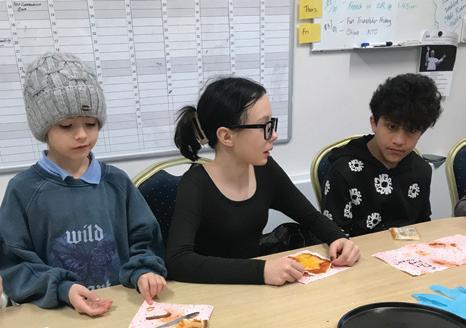
• When children feel seen, heard and respected, it improves wellbeing and belonging leading to stronger relationships, improving behaviour.
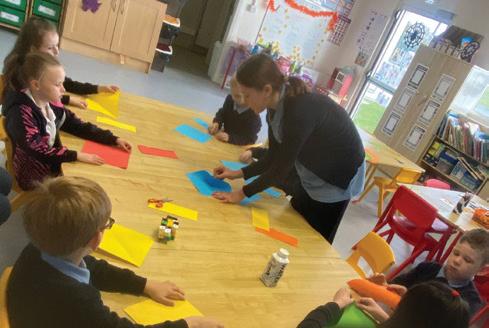
It requires us to truly embrace and promote the vision of the child, as set out in the Primary Curriculum Framework (NCCA, 2023), as ‘unique, competent and caring’ acknowledging that children are the experts in their own lives. Creating a safe, supportive, encouraging environment in the classroom and school which facilitates the sharing of ideas and experiences is key. We are uniquely positioned to encourage, enable and empower children to speak, communicate and contribute. We can model good listening by listening actively, deeply and openly to each child, cultivating a culture of listening throughout the school that not only values Child Voice, but the voices of all.
The overarching pedagogies of the Redeveloped Primary School Curriculum (NCCA, 2025) all honour Child Voice in their own way, especially Play and Dialogic Pedagogy, my favourite. This year’s grant for further resources for the Wellbeing Curriculum Area provides a meaningful opportunity to involve children in suggesting resources from their unique perspective. In our school, many great ideas were put forward. Honouring the voice of the child who suggested a roller coaster simply means reporting back to them that the grant doesn’t stretch that far and it may also be in breach of health and safety regulations. However, other suggestions such as weighted teddies, lava lamps and black-out tents, will certainly be considered.
In action, on a daily basis, children are involved in co-creating classroom rules reinforcing accountability and shared
ownership. They may be co-designing art displays, regularly giving suggestions for what and how they learn, collaborating with peers on project work. In the back and forth of lively dialogue across the school, we hear ‘What do you think?’ and ‘Tell me more.’ We see plenty of circle time activities, thinkpair-share and small group discussions. We feel connection.
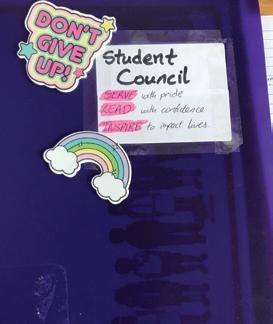
On a structural level, all children have the opportunity to contribute to an active Student Council that is consulted with regularly. The Student Council, in turn, has an important role to play in gathering, listening to and representing the voices of the other children. However, Child Voice is not confined to the Student Council.
How much do we really know about what’s going on in the hearts and minds of our children if we don’t intentionally listen? Even if we weren’t duty-bound to make intentional space for Child Voice, those of us who have seen it in action know of its powerful, change-making potential. Valuing Child Voice with a clear commitment to recognising children as active partners in their education and development has the potential to not only change schools for the better but also to change the world.
Where was Child Voice when you were a child? Where is Child Voice in our schools today? Where do we see it? Where do we hear it? Where do we feel its powerful and empowering potential?
To get in touch with Siobhán in relation to this article, she can be reached at principal@eglishns.com
References available by request by emailing editor@ippn.ie

About the course:
This online course provides convenient and practical professional development tailored to the needs of all school leaders—whether you are considering applying for a leadership position, stepping into a new role, or already leading and wishing to reflect on your experience.
Course Includes
5 modules (20 hours).
Fully interactive online lessons with audio/video.
Discussion forums with expert moderators & facilitators.
Individual feedback on all submitted assignments
Online reflective learning log.
Innovative technology-enhanced learning.
Newly appointed principals.
Aspiring school leaders. Deputy principals.
Experienced leaders who wish to reflect. on their current leadership practice.
www.ippn.ie
online@ippn.ie
Sustainable Leadership. Policies & Child Protection. School Self Evaluation Process. Relationships. Essential Information.
Course registration will be available on ippn.ie from April 2026.
Course will be open on July 1st. Registration fee is €95.

Course dates July 1st - 31st

ÁINE O’KEEFFE TESS DIRECTOR
Anseo Framework, a way forward in helping combat the increase in chronic absence since Covid-19 pandemic.
According to data collected for the 2023–24 school year by Tusla’s Education Support Service (TESS), one in five children and young people across in Ireland – in both primary and post primary schools – are chronically absent, missing 20 days or more of their school year. The percentage of total days lost across primary (8%) and post primary (11.3%) remains consistently high when compared with previous years.
This is by no means a blip on the radar. What we are seeing now, both in Ireland and in many other countries, is a persistently higher degree of school absence since the Covid-19 pandemic.
The pandemic first began impacting attendance in Ireland in the 2020–21 school year with school closures and an increase in school days lost, but the data for second half of the 2021–22 school year – when schools were fully open – was severe enough to signal a significant shift in the culture around school attendance. While there has been some improvement in school days lost since the pandemic period, particularly in primary schools, absences remain well above the pre-pandemic years.
...one in five children and young people across in Ireland – in both primary and post primary schools – are chronically absent, missing 20 days or more of their school year.
In response to this concerning trend, TESS has focused significant energy on the development and implementation of a new school-based framework to strengthen supports to school leaders to promote attendance, wellbeing, and engagement through a coherent, wholeschool framework. This new model, called Anseo, provides a tiered structure that aligns existing practices, supports, and services, within a unified system. Following a successful trial of Anseo in four schools during the 2023-24 school year, TESS is now implementing a phased national roll out of the framework. Anseo is now in use in 62 primary and post primary schools, with a further planned roll out to 150 additional schools this year and to all schools by 2028.
A strategic goal of the Anseo Framework is to strengthen schools’ capacity to embed universal practices that promote belonging, relational safety, and positive attendance for all students. This includes supporting schools to set their own goals for improvement, to use data proactively, foster inclusive school climates, and to embed preventative practices within everyday routines and teaching. TESS’s dedicated Anseo team provides continual support to schools that are working to embed the model into practice, and a national online hub with distinct communities for primary and post primary, is available for sharing resources and best practice.
Another key aspect of improving school attendance is speaking directly to families to reinforce positive messaging around school attendance. Working with focus groups, the HSE and key stakeholders, TESS and the Department for Education and Youth developed a new campaign in
September 2025 – ‘Every School Day is a New Day’ – which highlights the many benefits of school attendance and that each new day is a chance to get children into school to reap those benefits.
The campaign includes video, radio, online and print advertisements featured nationwide. The video advertisement was produced in a primary school in North Dublin and features the students from that very school, enjoying all the wonderful experiences a typical school day has to offer.
A new web page was also launched in September 2025 to provide supports for families across Ireland that may struggle from time to time with getting their children and young people into school.
School leaders can play a part in the ongoing campaign by using the following resources in their communications with parents and guardians about the importance of attendance.
Share the webpage with supports for parents and schools at www.gov.ie/SchoolAttendance and in Irish at www.gov.ie/FreastalScoile
Share the link to our 30-second video ad (English) at https://bit.ly/4c7ZD1R or (Irish) at https://bit.ly/3O2Rvqa
Download posters that can be printed or used at https://www.tusla.ie/schoolattendance/
If you would like to get in touch with Áine in relation to this article, you can email her at aine.okeeffe@tusla.ie

This research was conducted in partial fulfilment of the Master of Education in School Leadership Studies, University of Limerick.
Introduction
Workplace bullying within educational leadership is associated with serious consequences, including heightened stress, burnout and decisions to leave the profession (Einarsen et al., 2020). Despite its potential impact on school functioning, the experiences of Irish school leaders remain under-explored. This study investigates the prevalence and impact of negative acts targeting principals, deputy principals and assistant principals in primary and postprimary schools, providing insights into their personal and professional consequences.
Research Questions
1. What is the prevalence of workplace bullying and negative acts targeting school leaders?
2. How do these behaviours effect school leaders’ well-being, professional identity, and effectiveness?
3. How do school leaders respond to negative acts?
4. How do these experiences influence long-term leadership sustainability and career aspirations?
Methodology
A qualitative methodology was employed using anonymous online questionnaires via the Qualtrics platform, producing 142 responses. The Revised Negative Acts Questionnaire (NAQ-R) assessed the frequency of negative acts, while a constructivist framework explored how leaders interpreted and responded to these behaviours. Data were analysed thematically using Braun and Clarke’s sixstep approach (2006) to identify patterns in organisational culture and staff dynamics.
Findings
Prevalence of Negative Acts
The data revealed a substantial prevalence of negative behaviours targeting school leaders, including exclusion, persistent criticism, personal attacks and deliberate
Workplace
bullying within educational leadership is associated with serious consequences, including heightened stress, burnout and decisions to leave the profession
withholding of critical information. Specifically, withholding information was reported weekly by 27%, monthly by 23%, and daily by 15% of participants, meaning nearly half (49%) regularly faced such behaviours. Social exclusion, including the silent treatment, affected 78% of respondents, while gossip and the spread of false information were reported by 45%. Resistance to leadership directives, staff neglect of duties, and the obstruction of initiatives were consistently reported in open-response questions, highlighting patterns of systemic undermining. These behaviours collectively contributed to emotional distress, reduced confidence and compromised professional effectiveness, reflecting findings by O’Connell and Leymann (1998).
Most participants strongly identified with their leadership roles (39% complete agreement, 65% partial agreement). While this professional commitment can foster positive outcomes, it also heightens vulnerability to stress and burnout. Nearly a third of leaders regularly suppressed their true feelings, often daily or weekly, and 29% reported sleep disturbances. Career reconsideration was notable: 26% considered changing schools monthly, while 76% contemplated leaving the profession entirely at least once a month, highlighting the impact of negative acts on leadership sustainability.
School leaders reported employing avoidance, direct confrontation,and formal institutional or legal interventions. However, inadequate institutional support often left leaders managing conflicts with limited resources.
Many sought assistance from external bodies, such as the Workplace Relations Commission. Survey data indicate strong consensus for intervention: 37% strongly agreed and 21% agreed that urgent action is required, underscoring the need for systemic support.
Negative staff dynamics, conflict management, administrative overload, and insufficient institutional support emerged as key factors affecting leadership retention. Open-ended responses indicated difficulties with uncooperative or underperforming staff, resistance to change, and low work ethic. These behaviours hinder cohesion, intensifying leaders’ strain. Administrative overload and limited support from higher authorities, particularly in handling staff, student and parental issues, further exacerbated challenges.
Recommendations
• Expand Bí Cínéalta - The timing of this study coincides with the introduction of Bí Cínéalta procedures in Irish schools. While aimed at promoting positive student behaviour, its omission of staff wellbeing represents a missed opportunity, and it should be expanded to include staff relationships
• Structured Performance Reviews
- Implement termly reviews to improve accountability, collaboration and professional standards
• Enhance Leadership CapacityAllocate additional leadership posts to distribute responsibilities
• Strengthen Institutional Support
• Establish Safe Reporting Mechanisms
• Prioritise Emotional and Mental Health.
If you would like to get in touch with Teresa in relation to this article, you can contact her at gibbonsteresa133@gmail.com.


Emma Coughlan, Allianz Claims Relationship Manager, delves into the outcomes of notable school-related personal injury claims and the factors influencing their resolution. Through these cases, we aim to provide schools with insights into effective risk management and the importance of adhering to protocols.
The Board of Management engaged a cleaning contractor to carry out daily cleaning duties in the school. The cleaning company had been providing services for over 15 years, with cleaners arriving at 3pm each day. One afternoon, a teacher fell in the corridor and sustained serious injuries.
CCTV footage confirmed that water had been spilled on the floor by a cleaner and was not properly cleaned up, leading to the fall.
The Board of Management had no formal contract with the cleaning company for the entire 15-year period.
The cleaning company did not have an active insurance policy in place.
Medical reports confirmed that the teacher sustained significant injuries.
The claim proceeded to the High Court. While the cleaning company was clearly liable for the incident, their lack of representation during litigation and in court and subsequent liquidation left the Board of Management fully exposed under the Occupiers’ Liability Act. This led to the Board of Management’s insurer having to settle the claim.
The Board of Management must ensure that formal, written contracts are in place with all
contractors, including cleaning, catering, transport and other service providers.
It is critical to request and review a Certificate of Insurance from all contractors annually, not just during the initial engagement. This ensures that contractors maintain active and adequate insurance coverage throughout the duration of their service.
A parent alleged that she sustained injuries due to a slip and fall while collecting her son from school. The incident occurred as she walked through the corridor from her son’s classroom. She claimed her fall was caused by the condition of the floor, alleging that the school had allowed liquid to be present on the floor.
Two witnesses were present at the time of the incident:
1. A teacher walking up the corridor who witnessed the fall confirmed that she inspected the floor immediately after the fall and found it to be dry and free of debris.
2. Another parent seated in the entrance hall stated that the floor was dry and noted that the injured parent was walking briskly, accompanied by a child, and wearing high-heeled shoes.
An engineering assessment
confirmed that the floor presented a low risk of slipping when clean and dry.
The incident was captured on CCTV and retained by school principal.
The case proceeded to the High Court, with significant claims made by the injured parent for loss of earnings, general damages and costs. On the morning of the trial, the injured parent’s legal team requested an adjournment, citing parent’s illness. However, the judge required her presence in court the following day. The injured parent appeared and was cross-examined by the school’s senior counsel in relation to the accident locus, injuries sustained in a previous accident, claim for loss of earnings.
During the trial, the injured parent’s legal team approached the school’s legal team and proposed withdrawing the claim on the condition that parent would not be pursued for costs. The school agreed to this proposal, resulting in a favourable outcome with no liability or financial exposure for the school.
The presence of credible witnesses and CCTV footage was instrumental in defending the school’s position.
Immediate inspection of the accident locus by the teacher and the corroboration of facts by the second witness strengthened the school’s case.
The engineering report confirming the low slip risk of the floor was a key factor in the school’s defence.

RUTH EADIE PRÍOMHOIDE, GAELSCOIL SHLIABH RUA, BÓTHAR BHAILE UÍ ÓGÁIN, DUBLIN 18
How much time and energy do we invest in trying to fix, manage and modify concerning behaviour in our schools? What if that same time and energy could be used more effectively, leading to better outcomes for both children and adults?
Collaborative and Proactive Solutions (CPS), developed by Dr. Ross Greene, CPS is an evidence-based framework for understanding and supporting children who present with concerning behaviour. Rather than relying on rewards, sanctions or exclusion, CPS offers a more compassionate, inclusive and effective way of working with children who struggle with meeting expectations or demands placed upon them.
The most significant difference between CPS and traditional behaviour approaches is that it does not focus on behaviour itself. This was a major mindset shift for me. For over twenty years, I tried to reduce challenging behaviour by focusing on the behaviour – modifying it, managing it and attempting to control it through incentives, consequences and behaviour plans. While these strategies sometimes produced short-term improvements, I noticed that the same behaviours would repeatedly reoccur.
CPS takes a different path. Rather than asking, ‘How do we stop this behaviour?’, CPS asks, ‘What problems is the child having difficulty solving?’ Concerning behaviour, in this model, is viewed through the lens of a lack of skill, not a lack of will. With CPS, the focus shifts from managing behaviour to solving the problems that are causing the behaviour in the first place.
CPS targets these unsolved problems and addresses them collaboratively with the child. When the problems are solved, the concerning behaviours are reduced or eliminated. This work is done through a structured, proactive
Just by engaging in this collaborative problem-solving process, children are actively developing the very skills they may be struggling with –skills such as flexibility, frustration tolerance, communication, emotional regulation, empathy, perspective-taking and problem-solving.
conversation called Plan B, which is at the centre of the CPS approach. In this conversation, adults seek to genuinely understand the child’s perspective, share adult concerns and work together to arrive at realistic and mutually satisfactory solutions.
Just by engaging in this collaborative problem-solving process, children are actively developing the very skills they may be struggling with – skills such as flexibility, frustration tolerance, communication, emotional regulation, empathy, perspective-taking and problem-solving. When children struggle in these areas, it can affect their ability to cope with demands and frustrations, often resulting in concerning behaviour.
Another defining feature of CPS is that it is proactive rather than reactive. Much of my career was spent responding to behaviour after it occurred – firefighting in moments of crisis. Incentives, sanctions, de-escalation strategies and behaviour plans were often introduced ‘late’, when situations had already escalated. CPS, by contrast, is ‘early’ and preventative. It aims to reduce
crises by solving problems before they lead to behavioural incidents.
Like many educators, I have invested countless hours in behaviour plans, reward charts, targets, meetings and daily reports – working tirelessly with teachers, parents and children to try to change or fix behaviour. In hindsight, the outcomes rarely matched the effort. I now understand why: by intervening with these approaches, we were solving no problems and teaching no skills.
I always felt something was missing from my professional toolkit when dealing with concerning behaviour. I now believe that CPS is that missing link. It is inclusive, authentic and compassionate. It replaces control with collaboration and blame with understanding. Most importantly, it works. I have seen firsthand how investing time and energy in CPS leads to durable solutions, improved relationships and better outcomes for both children and adults.
When children struggle academically, we respond with empathy and targeted support, not punishment for skills they have yet to develop. I would love to see schools in Ireland responding in the same compassionate, supportive way to behaviour challenges.
CPS offers schools a more inclusive framework for responding to concerning behaviour, one that has the potential to genuinely transform school culture and climate over time.
For further information and free downloadable resources, visit www. livesinthebalance.org.
To get in touch with Ruth in relation to this piece, you can email her at eadie.ruth@gmail.com
BRIAN O’DOHERTY IPPN DEPUTY CEO
As you will know, there are two elements to the work that IPPN does in service of members, and our stated mission is to create the conducive conditions for leadership to flourish. Through the provision of supports and services that are informed by your needs, we seek to empower your leadership practice. Similarly, through our targeted advocacy, we are working to ensure that school leaders can focus to a greater extent on what is core to the role (teaching and learning) with sufficient dedicated leadership time to do so. It is in that context that I am sharing the following updates on some key projects that have a relevance both to aspiring and emerging school leaders, as well as those who are established in their leadership roles.
In November 2024, we published the Guide to the Leadership of Teaching and Learning, as a resource to schools to scaffold reflection upon and to inform the practice of leadership of teaching and learning in their particular context. School leadership teams have used the guide to focus on specific elements of leadership practice, developing a culture of shared responsibility and enhancing impact.
While there is a section in the guide on inclusive practice, we recognise that the leadership of inclusion in the specific context of meeting additional needs is both broad and complex. Accordingly, we have undertaken to develop a Guide to the Leadership of Inclusion which will be published this autumn. A digital version of the Guide will be published on the website and hard copies will be available at the autumn meetings. The Guide will be fully aligned with the Inclusive Practice Guidelines that the NCSE will publish later this year.
One of the stated goals in our strategic plan Leading for Impact is to support aspiring and emerging leaders in their preparation for leadership. To assist in the achievement of that goal, we undertook to develop a digital journal for personal reflection on leadership. That prototype has now been developed and is in the process of being trialled.
There are four sections in the reflective journal:
Personal Perspectives on Leadership Learning for Leadership Leadership in Practice Leadership in Other Contexts.
Each of the sections in the journal contain prompt questions to provide a framework for reflection with the facility to revisit and edit those reflections, as perspectives evolve through experience. When the prototype has been refined on foot of feedback, we will upload it to the website for use by aspiring and existing leaders alike.
Group mentoring for Deputy Principals
In previous years, IPPN offered group mentoring to newly-appointed Deputy Principals (NADPs) during their first year in the role. However, most NADPs participate in the Tánaiste programme during their first year in the role, which involves 4 inperson and 2 online sessions. Balancing this undertaking, with an added commitment to attend group mentoring sessions, proved challenging for participants. Accordingly, in 2026/27, IPPN will offer Group Mentoring to deputy principals in their second year in the role. This builds on the support that has been provided through engagement with the Tánaiste programme. The sessions will facilitate reflection on leadership practice in the company of peers who are at the same stage on their leadership journey.
If you are interested in participating in the group mentoring programme in 2025/26, please send an email to brian.odoherty@ippn.ie. Please include in your email the following details: your name the name and location of your school a contact email address and mobile number.
In last September’s issue of Leadership+, I flagged the commencement of and shared some information about the Administrative Executive Pilot Project. You may recall that each school in the pilot has employed an administrator to undertake a range of administrative and operational duties in order to reduce the administrative burden on the school leaders.
The principals of the schools involved in the pilot attended the most recent meeting of the Project Advisory Group to share their experience of the project to date. Despite the diversity of school contexts, ranging from a primary school with a teaching principal to a postprimary school with over 1000 students, the universality of the experience of leadership was striking.
Acknowledging that it is early days, encouragingly, the principals reported that the reduced administrative burden has had an immediate positive impact on role sustainability, enabling increased contact with children and staff and a consequential impact on teaching and learning. While flagging a need for guardrails around roles and responsibilities, the principals highlighted enhanced compliance and its potential to impact positively on governance practice.
In the last issue of Leadership+, I wrote about IPPN’s proposal for a collaborative international research project with school leadership organisations from around the world. The project has gained considerable momentum since then. The design of the research has been agreed which will lead to the publication of a global status of school leadership report. The report will provide a focused international snapshot of the current leadership environment, including the identification of enablers, blockers and reform priorities. The aim is to build shared evidence base in order to strengthen advocacy for school leadership and improve conditions for school leaders within and across systems. The board of the European School Heads Association (ESHA) and the executive of the International Confederation of Principals (ICP) have agreed to support and actively promote participation in the project among its member organisations. As the project progresses, further updates will be provided.
brian.odoherty@ippn.ie

GERALDINE D’ARCY IPPN ADVOCACY & COMMUNICATIONS MANAGER
IPPN’s proposed budgetary priorities for 2027 can be summarised as follows.
Give school leaders time to lead
Nearly half of all primary school principals teach four out of the five days in a school week and more than 95% of primary school deputy principals have full-time teaching duties. This lack of discrete leadership time compromises both leadership and school effectiveness and is in marked contrast to the approach taken to the allocation of leadership time in post-primary schools.
The Revised Primary Curriculum Framework will be implemented over the next 6 years. Additional discrete time for leadership must be a priority if the implementation process is to be successful. IPPN recommends that in each of these years, every school be allocated at least six additional leadership and management days. These additional leadership and management days can be availed of by the person best placed in the school to lead specific curriculum enactment work.
Resource Special Education Needs Provision
Special Education resourcing is not keeping pace with the number of children with additional needs in our schools. IPPN’s research confirms that 31% of pupils require additional support from a Special Education Teacher through the Continuum of Support Model, far short of the 25% figure used by the DEY when determining Special Education Teacher allocations to schools. This means that there is a 22% deficit or a shortfall of 3000 SET posts within the system.
IPPN’s research also shows that, on average, 23.4% of primary-age children have an identified care need requiring support from a Special Needs Assistant. The current definition of ‘care needs’ described in Circular 0030/2014 does not reflect the current reality and the spectrum of care needs presenting in classrooms. The Circular needs to be updated and SNA allocations need to be revised on the basis of a more accurate assessment of the level of need in schools.
67% of those who co-ordinate special education provision in our schools have no leadership time. To empower schools to implement and embed best practices in inclusion, formalise the Special Education Needs Coordinator (SENCO) role and provide leadership and management time to undertake this important work.
Sufficient investment is required to ensure that every child with additional needs has access to an appropriate school placement and to the therapies, equipment, resources and supports they need to achieve their potential, alongside their peers.
Sufficient investment is required to ensure that every child with additional needs has access to an appropriate school placement and to the therapies, equipment, resources and supports they need to achieve their potential, alongside their peers.
Enhance supports for children experiencing disadvantage IPPN acknowledges the significant investment and the targeted supports to be provided through the DEIS Plus scheme. Building on those targeted supports, IPPN calls for a) the extension of the Education Therapy Service, currently available to schools in the pilot project and to Special Schools, initially to DEIS+ schools, then to those in DEIS1, DEIS2 and DEIS Rural b) funding and classroom space to implement trauma-informed practices and interventions c) The provision of HSCL support to Rural DEIS schools.
The Minister has acknowledged that there is a structural funding deficit in education. She has committed to ‘making sure that schools and teachers were adequately resourced’ and that her ‘department was properly funded to do that’
To better ensure that this is the case, IPPN proposes that capitation funding be increased in all primary schools to €350 per pupil to enable schools to meet running costs without resorting to debt or voluntary parental contributions. In addition, sufficient ancillary funding must be provided to enable schools to pay for caretaking services. Advocacy@ippn.ie

GERALDINE D’ARCY IPPN ADVOCACY & COMMUNICATIONS MANAGER
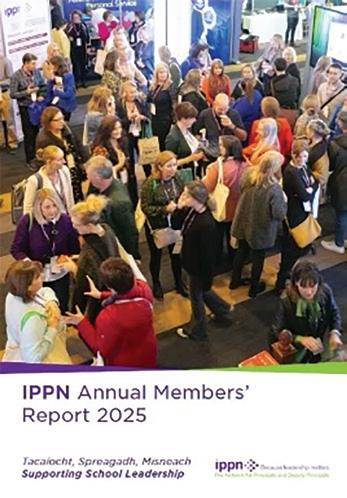
IPPN’s annual report provides an overview of the work that was undertaken in 2025, both to support and to advocate on behalf of members. The team reflects on what has been achieved in relation to the specific objectives set out in IPPN Strategic Priorities 2021 – 2025 and details the approach taken to improving and developing the advocacy, supports and services provided to members. To view the report, see the dedicated email issued to all members on 21st April or access it via ippn.ie
SUBMISSIONS
To the DEY re. Cineáltas Action Plan on Bullying 2023-2027
To the Teaching Council re. CéimProgramme Review Consultation
To the DEY re. Customer Service Education Partners Survey 2026 See www.ippn.ie Advocacy/Submissions.
PRESENTATIONS
IPPN presented at the following events ESHA Council Meeting re. ESHA Biennial in Killarney 2027 and the international research collaboration project ‘Towards Flourishing Leadership’ Maynooth University – presentation to student teachers on ‘Changes, Opportunities & Challenges: short, medium and long-term implications for school leadership in Ireland’.
Listener numbers remain strong for a new podcast, with almost 4,000 by end March. In the sixth episode of Leading with Impact, issued in April, host Brian O’Doherty talks with Daire Hennessy, CEO of the charity Citywise Education about Scaling Community Education Impact. Educational underachievement remains a complex challenge, often limiting young people’s potential despite their talents. This issue extends beyond the classroom, requiring a long-term, community-focused approach to foster personal growth and academic success. You can access it via ippn.ie or wherever you get your podcasts.
IPPN Board of Directors and National Council
Chief Inspector
ESHA General Assembly and Conference
Oide Professional Learning Days, Leadership Committee Meeting and Stakeholder Collaborative Forum
NAPD Symposium
INTO Congress and meeting
Advisory Group for Review of DEY Wellbeing Policy and Framework for Practice
Oide Leadership Collaborative Forum
- Engaging in Change Together: From Mandate to Meaning in School Leadership
Supported the visit to Ireland of 21 Croatian school leaders
Small Schools Cluster meeting in Gort, attended by Minister Hildegarde Naughton
ARP Project Advisory Meeting
TTT Collegiate event - Thinking Foundation - Promoting the voice of the child
Project All Rise Launch Data Collection in the Irish Education System Meeting
ICP Europe Regional Meeting
TREX Monaghan. T-REX, in collaboration with the Fíorú Network –
In addition to the work outlined by Brian on ‘Work in progress across the leadership spectrum’ (page 20), the following work has been undertaken since the last issue of Leadership+.
Shared Learning, Shared Island – Linking Evidence, Policy and Teaching Practice
IPPN President Deirdre Kelly visited schools to discuss leadership and management - Scoil Eoin, Crumlin; St Mary’s BNS, Rathfarnham; Divine Mercy, Balgaddy.
LEADERSHIP SUPPORT GROUPS
190 of the 230 leaders who responded to our survey are interested in joining a support group. The work to match an existing group to those interested in joining one is underway. Where no group exists, or there is insufficient capacity, a new group will be formed.
MEMBER FEEDBACK & CONCERNS
The following matters were raised by members via email to advocacy@ippn.ie since the last issue of Leadership+. The information provided supports IPPN’s advocacy with key stakeholders. Time allocated for AON process New ‘inclusive special classes’ Delays in announcing Summer Programme 2026, SET allocations, staffing schedule and DEIS+ Special schools’ staffing schedule and SET allocations – was to have been issued alongside mainstream IPPN’s submission to the National Convention.




Since expanding into Ireland in September 2025, Nourish has already transformed the dining experience in 13 schools. We are now ready to partner with new schools to deliver bespoke, high-performance catering solutions.
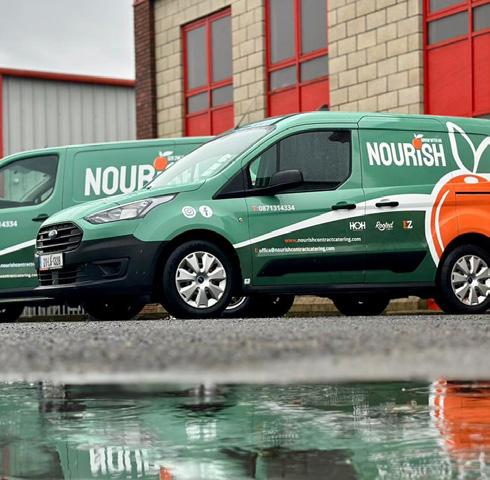

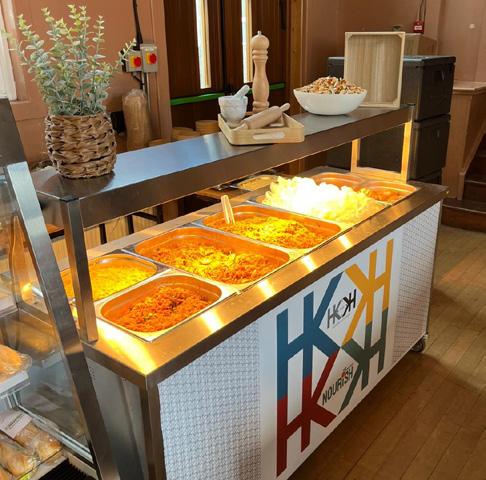
To find out how we can work with you at your school contact: David Kearns on 087 131 4334 | david@nourishcontractcatering.com

SARAH COLGAN FOUNDER, PROJECT ALL RISE
The last three years have been a fascinating deep dive into neurodiversity at school. I’ve filmed interviews with thought leaders here and internationally, and have begun building something with experts in education, psychology, occupational therapy and with those with lived experience across ADHD, autism, dyslexia, dyspraxia, OCD and Tourette’s. All to gain the fullest possible understanding of what the school day feels like when you think or learn or process differently.
New understanding of neurodiversity has meant identification has shot up, and more and more reports have been landing on principals’ desks. There is also a new reality around anxiety and pupils with school attendance difficulties due to distress. We found out in a recent study that 92% of these pupils are neurodivergent. Supports from health services were, and remain completely overwhelmed, with educators carrying vast amounts without the support they need for the diversity of learner profiles in their classrooms.
The new understanding has brought new approaches, through research and academic papers, but has needed help to become practically usable across classrooms and culture. The theory is here but so is the overload. Central to conversations with educators has been their need for more staff, more training, more time, and more confidence to apply new approaches in the reality of their classrooms.
This listening and learning became Project All Rise. Though it can’t bring more staff, it has just launched as an accessible companion in building a neuroinclusive school culture, one step at a time. It has been designed to feel easy and comes in short films rather than formal training. Instead of learning about neurodiversity from the outside, staff hear from neurodivergent young people and adults about what it feels like from the inside, as well as experts sharing stories and examples of what’s working in real
Across all of this work, a guiding principle emerges as the fulcrum for enabling different thinkers and learners. And it is the need to start with the body. We’ve been too focused on brains.
settings. It’s like learning a new language by visiting the country rather than reading the textbook.
Across all of this work, a guiding principle emerges as the fulcrum for enabling different thinkers and learners. And it is the need to start with the body. We’ve been too focused on brains.
The word ‘neuro’ sends us down the wrong path. When a child is under stress, their physiology takes over. That’s not a choice – it’s a nervous system response, and different nervous systems will need different things to regulate. The evidence on the brain-body connection has emerged across health and science far beyond the topic of neurodiversity, but it is perhaps most apparent for neurodivergent pupils. ‘Relate’ from the NCSE is such an important resource on this, and our first chapter will complement, consolidate and offer inspiration and jumping-off points to bring this knowledge into everyday practice.
One of the first places this plays out is movement. All of us have different natural needs for movement – many of us need to move to learn. Research has reframed this not as distraction but as part of thinking: bodily movement organising thought, supporting deeper learning and lightening cognitive load.
This extends to stimming – a word we need to regularise across school life. We all stim. The pen-clicking, hair-twirling, leg-bouncing. For neurodivergent people,
stimming serves a more vital function: it helps regulate overwhelming thoughts, emotions and sensory input. It can express joy as much as distress. It can be vocal or movement-based, and there is still a real stigma associated with some natural stims and so children try to suppress them. One of the key evidence papers behind our content reframes self-stimulatory behaviour as a resource for learning. Suppression increases stress and exhaustion. Acceptance supports focus and wellbeing. We need to make hand flapping as acceptable as leg bouncing and rocking as acceptable as pen-clicking. That’s a culture shift, and it can start with any staff team, in any school.
Project All Rise Bitesize launches in September with short, story-led films released weekly – each under ten minutes, designed to fit into staff meetings or Croke Park hours. They are self-paced and come with no extra paperwork. If you register your school’s interest at projectallrise. com before the end of this term, your staff will get free access from September. Principals, deputies, teachers and ANAs are all eligible. Alongside Bitesize, Project All Rise Live will run as a series of online events – the first on 20th May with Clare, Navan and Tralee Education Centres.
Thanks to early support from the IPPN, we’ve been able to bring Project All Rise directly to school leaders during development. Of the 400+ educators who engaged with the taster content so far, 93% said they learnt something practical for supporting neurodiversity at school, and 95% said they would like more content from Project All Rise for their school. I hope it can be useful to yours.
Register at projectallrise.com
If you would like to get in touch with Sarah in relation to this piece, you can send her an email at sarah@projectallrise.com
Set your school year up for success with the 4schools ISM Planner –designed specifically to support the demands of school leadership in Ireland, ideal for all principals, DPs and AP post holders.
Whether you’re steering whole-school planning, coordinating staff, or managing parental engagement, this planner has
This planner is your comprehensive tool to stay organised, prepared and proactive all year long.

2026–2027 School Calendar (from September to June)
Themed Weeks & Key Events

Quick reference to national themed weeks and essential dates for the school year
Monthly & Weekly Planner Pages
• Double-page monthly overviews (August 2026 – July 2027).
• Weekly diary pages with a dedicated To-Do List on the right to keep priorities clear.
Tabs for easier navigation
Records & Logs
• Staff Meetings Log
• Parent/Guardian Contact Record
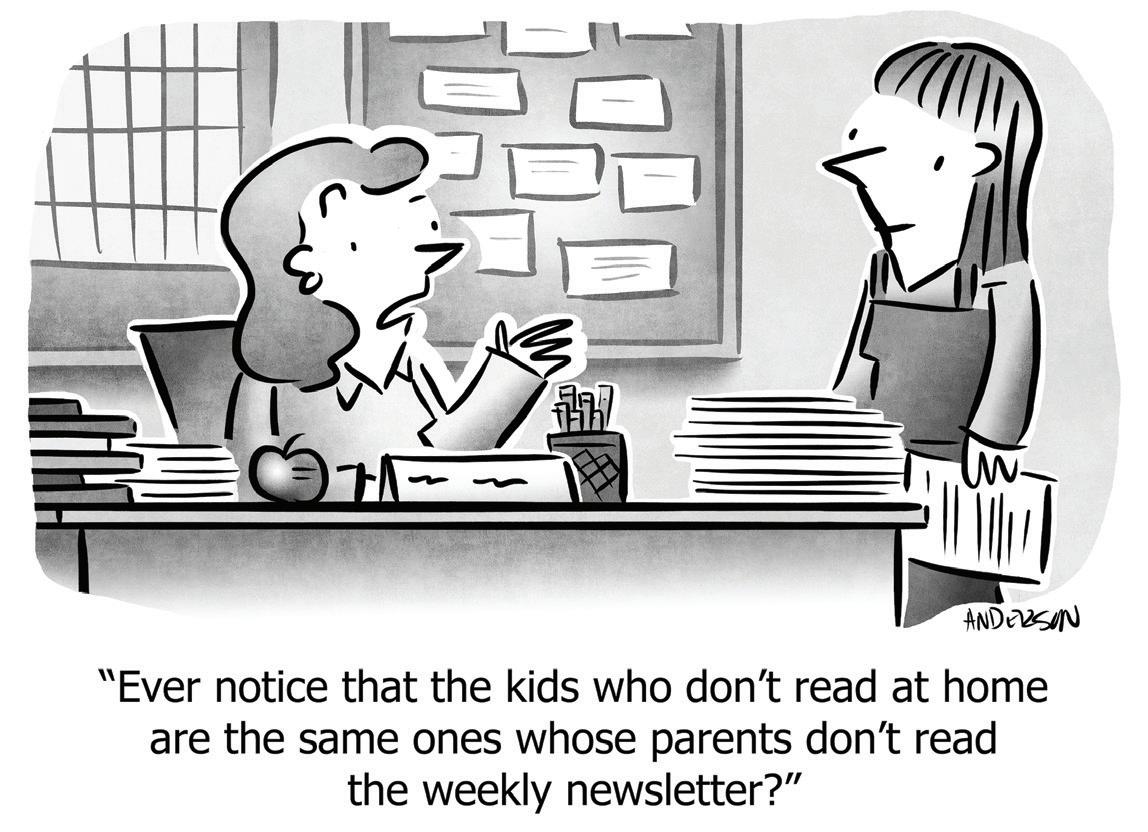
You may have what it takes but are you doing what it takes?
ROBIN SHARMA
“Your most unhappy customers are your greatest source of learning.”
BILL GATES
8 Thinks I wish I’d Known Before I Became a Leader
Leadership looks different once you’re
Leadership can feel lonely and that’s normal.
Some people will leave.
Growth changes paths.
You can’t out-care others.
Energy is finite.
Integrity is tested privately.
Character shows in silence.
inside it.
Perfection isn’t required.
Honesty builds trust.
Hard conversations stay.
Courage is doing them anyway.
Rest is non-negotiable.
Burnout leads no one.
Self-doubt stays.
?
You lead despite it..
You don’t become a leader by having answers. You become one by carrying the weight and staying human.
FRAOL MUSSA

During the month of September, members of the IPPN team will visit all 31 city/county networks, as part of our autumn meetings’ schedule. The meetings provide an opportunity to update you on our advocacy work, on new tools/resources that have been developed to support your leadership practice, and on developments within the sector. Hard copies of the soon to be published Guide to the Leadership of Inclusion will also be available at the meetings.
As a professional network of school leaders, these meetings provide a valuable opportunity to meet and engage with principal and deputy principal colleagues from other schools. They also provide an opportunity to get involved in IPPN and its work, for those who may wish to do so. Those who join our National Council help to harness the power of our network by articulating the real experience and professional insight of school leaders in order to shape educational policy, practice and priorities.
We look forward to seeing you in September at whichever meeting it suits you to attend.
03
THURSDAY
SEPT, 2026
07
SEPT, 2026
Meetings start at 4pm
DUBLIN GREEN ISLE HOTEL
MONAGHAN ED CTR
MONDAY MONAGHAN MAYO ROSCOMMON WATERFORD MAYO ED CTR ABBEY HOTEL
WATERFORD TEACHER CTR
GALWAY ED CTR
WEXFORD ED CTR
HOTEL KILMORE
SEPT, 2026
09
SEPT, 2026
DONEGAL ED CTR
TULLAMORE COURT
CLAYTON SILVERSPRINGS
10
THURSDAY
SEPT, 2026
TIPPERARY MEATH CARLOW LONGFORD HORSE & JOCKEY NAVAN ED CTR
DOLMEN HOTEL LONGFORD ARMS KILDARE KILDARE ED CTR
15
SEPT, 2026
TUESDAY KILKENNY KERRY LEITRIM KILKENNY ED CTR
TRALEE ED CTR
CARRICK ON SHANNON ED CTR
16
WEDNESDAY CLARE WESTMEATH CLARE ED CTR NAVAN ED CTR
SEPT, 2026
GLENVIEW HOTEL
GATEWAY HOTEL
WEDNESDAY CORK LIMERICK WICKLOW LOUTH LAOIS LIMERICK ED CTR
LAOIS ED CTR SLIGO SLIGO ED CTR