Welcome to the May issue of IPN, a month that marks a significant period of progress and transformation for community pharmacy in Ireland.
This issue comes at a time of major legislative and professional advancement for the sector, with the signing of new legislation by the Minister for Health introducing electronic record keeping in community pharmacy. The long-awaited reform represents an important step forward in modernising pharmacy practice, reducing unnecessary administrative burden and supporting safer, more efficient patient care. Strongly advocated for by the Irish Pharmacy Union and identified as a key recommendation in its 2024 White Paper, the move demonstrates how collaboration between government, healthcare stakeholders and frontline pharmacy professionals can deliver meaningful change.
We also report on another landmark development for the profession — the reform of phased dispensing arrangements under the Community Pharmacy Agreement. From June 2026, community pharmacists will play an even greater role in supporting vulnerable patients through a new patientcentred medicines optimisation framework. The changes recognise the expanding clinical expertise of pharmacists while helping to ensure patients receive safer, more tailored care in their communities.
Together, these developments reflect the evolving role of pharmacy in Ireland’s healthcare system. Community pharmacists continue to be among the most accessible healthcare professionals in the country, delivering not only medicines but increasingly vital clinical services, patient support and public health leadership.
This issue also shines a spotlight on excellence across the profession as we profile all finalists in the 2026 Irish Pharmacy Awards. The awards remain the biggest night in the pharmacy calendar and provide an important opportunity to celebrate the dedication, innovation and commitment demonstrated every day across Ireland’s pharmacy sector. From patient care initiatives to leadership, education and innovation, the finalists represent the very best of the profession and the enormous contribution pharmacy teams make to healthcare nationwide.
The Awards take place on Saturday, June 6th in the Clayton Hotel (Burlington). We look forward to seeing you all there.
As always, we hope this issue provides valuable insight, professional updates and inspiration for our readers across the sector.
Irish Pharmacy News is circulated to all independent, multiple Pharmacists and academics in Ireland. All rights reserved by Irish Pharmacy News. All material published in Irish Pharmacy News is copyright and no part of this magazine may be reproduced, stored in a retrieval system or transmitted in any form without written permission. IPN Communications Ltd. has taken every care in compiling the magazine to ensure that it is correct at the time of going to press, however the publishers assume no responsibility for any effects from omissions or errors.
Regulars
FEATURE: TESTOSTERONE DEFICIENCY P24
FEATURE: UNDERSTANDING SUN DAMAGE IN SKIN OF COLOUR P30
The Irish Pharmacy Union (IPU) has welcomed the signing by the Minister for Health of new legislation introducing electronic record keeping in community pharmacy.
The 2026 amendments to pharmacy legislation will allow prescriptions transmitted electronically to be retained in electronic form, removing the requirement to print them in defined circumstances.
The IPU has consistently called for administrative reform to support community pharmacy. Electronic record keeping was a key recommendation in the IPU White Paper, published in September 2024. It was subsequently reflected in the Programme for Government 2025 and included as a priority measure under the administrative reform pillar of the Community Pharmacy Agreement 2025.
The introduction of electronic record keeping represents a significant step forward in reducing administrative burden in pharmacies. It will streamline pharmacy operations by reducing reliance on paper-based processes and free up pharmacy teams’ time, allowing greater focus on patient care and the delivery of services.
This change also marks an important step towards wider digital developments in healthcare, including electronic prescription services and more connected systems. It reflects an ongoing shift in how pharmacy practice operates and supports the change management required as the sector prepares for further eHealth developments.
Improved access to accurate and up-to-date information will empower pharmacists to make more informed clinical decisions and contribute further to positive health outcomes in the community.
Commenting on the development, Áine Loughnan, Chair of the IPU IT Steering Group and member of the Electronic Record Keeping Implementation Group, said, “This is a really important and practical step for community pharmacy. It reduces unnecessary administrative work and supports pharmacists to spend more time on patient care. It also helps prepare pharmacy teams for the changes ahead as digital systems become more central to how we deliver services.”
Ms Loughnan added: “A collaborative effort between the Department of Health, PSI, HSE, IPU, and pharmacy representatives ensured the new system is practical and ready for everyday use in community pharmacies. By enabling pharmacies to maintain digital records, the legislation will enhance the quality and continuity of care for patients, and support better communication between healthcare professionals.”
Community pharmacies are already operating in largely digital environments through their Patient Medication Record (PMR) systems. This change builds on that existing foundation and supports a more consistent and efficient way of working.
“The IPU welcomes the introduction of this legislation and will continue to support members through this change. We will continue to engage with the Department of Health, the PSI and other stakeholders on further administrative reform and the ongoing development of eHealth and pharmacy services,” she concluded.
Castletroy Pharmacy Celebration
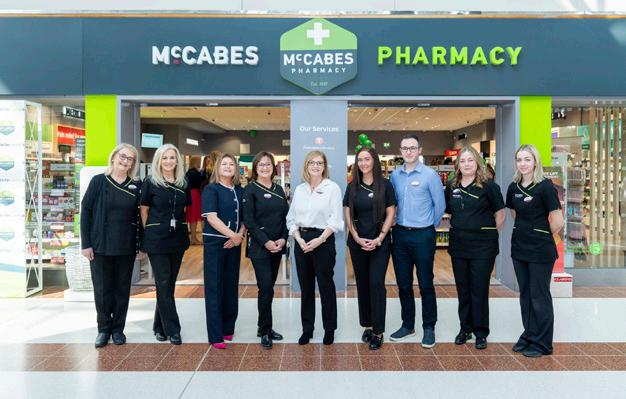
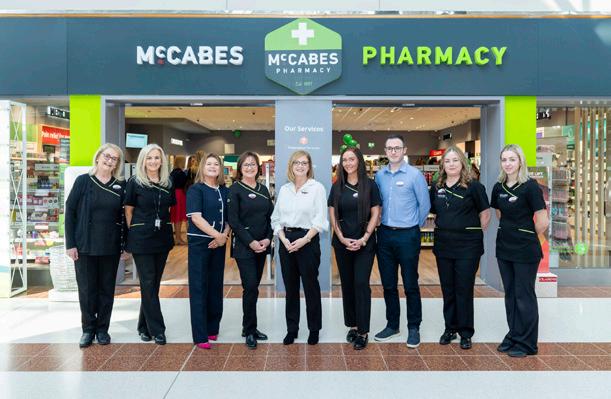
Just last month, McCabes Pharmacy proudly hosted a Celebration Day event to mark the completion of the refit of their Castletroy Pharmacy.
The day was filled with energy and excitement, bringing together the community to celebrate this new chapter. Guests enjoyed live music, incredible brand showcases, personalised calligraphy, and so
much more creating a vibrant and memorable experience throughout the day.
Staff and customers were also delighted to welcome special guest Paudie Maloney, who
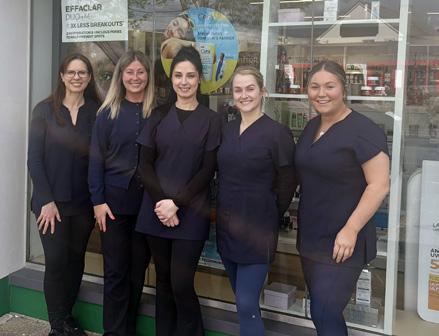
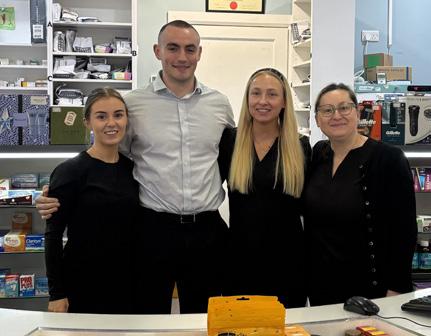
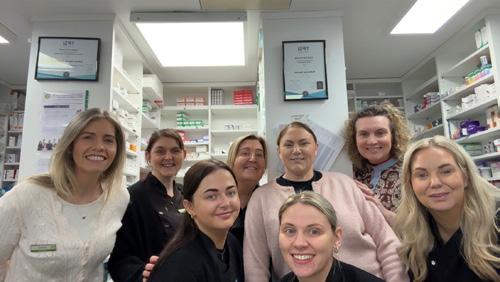
Pharmacy staff from McCabes Pharmacy Castletroy
helped make the occasion even more meaningful.
A spokesperson said, “A sincere thank you to the teams who helped make the day a success including our Marketing Team, Procurement Team, Regional Manager Sharon Curtin and of course Store Manager Maria McBrearty, and her dedicated team for their outstanding effort and collaboration. Also a big bualadh bos to our own PR manager Lauren Tracey in delivering such a successful event. Everyone's hard work and attention to detail truly made the day exceptional.
“We look forward to welcoming our customers into the newly refitted Castletroy Pharmacy and continuing to serve our community creating better health for everyone.”
PSI Fees Change
The fees that the Pharmaceutical Society of Ireland charges for registration and related applications are changing. An increase in fees will apply from 1 May 2026.
In 2025, the PSI commissioned an independent review of their funding model. This review was carried out by Forvis Mazars to support the Council of the PSI in its role to ensure the continued effective delivery of statutory responsibilities - the range of functions that assure public confidence and trust in the standard of services provided by those the PSI regulates.
A key objective of the Core Funding Review was to ensure that the PSI’s fee model operates on a cost recovery basis. This approach is consistent with recognised best practice for regulatory bodies, where there is limited receipt of Exchequer funding. The review recommended an increase in registration-related fees in order that the PSI can continue to meet its legal obligations now and into the future. These fees are the PSI’s primary funding source and have not increased since the current fee model was introduced 17 years ago.
Following consideration of the report and its recommendations, the PSI Council proposed the fee increases and a public consultation was held from 30 October to 27 November 2025 in relation to changing the statutory Fees Rules.
In recognition of the significance of this change, the PSI Council decided to implement the overall fee increase on a phased basis over three years. These fees must be set out in statutory fees rules, and the new rules have been signed into law on 20 April 2026 and will come into operation on 1 May 2026.
The new fees will apply to all registration applications received from 1 May 2026.
The fee increase applies to new registration applications, annual continued registration, applications for the internet supply list, and other related fees. There is no increase to the fees for the Third Country Qualification Recognition process, as fees were reset for that route in 2025.
Stroke Action Plan
Minister for Health Jennifer Carroll MacNeill has signed the Stroke Action Plan for Europe which aims to transform stroke care across the Continent by 2030.
The Irish Heart Foundation played a significant role in developing the Plan, which targets major improvements across the entire chain of care including prevention, acute care, rehabilitation and communitybased life after stroke services and supports.
Minister Carroll MacNeill said she signed the Plan in recognition of the high burden of stroke on individuals, families, carers and society. “We know that as our population ages, the incidence of stroke is expected to rise substantially. The Stroke Action Plan for Europe sets out a clear roadmap for the development of evidenceinformed stroke policy and services in Ireland to meet our demographic challenges.”
HSE National Stroke Programme lead Prof Ronan Collins said, “The burden of stroke is enormous on Irish society with one in four of us having a stroke in our lifetime. National and international research now predicts that new cases of stroke could rise by up to 59% in the next two decades.”
Irish Heart Foundation Director of Advocacy and Patient Support Chris Macey described the signing of the Stroke Action Plan for Europe as, ‘a landmark day for stroke care in Ireland and for tens of thousands of people of all ages and walks of life affected by the condition. The signing of the action plan marks a solid commitment to the development of comprehensive prevention, acute treatment and rehabilitation services that will minimise death and disability from stroke. Signing the Plan also signifies our commitment to creating post discharge protocols and supports that will help maximise the ability of survivors to live the best lives possible after stroke strikes.’
Pharmacy Memorandum of Understanding
SETU and University Hospital Waterford (UHW) have formally signed a Memorandum of Understanding (MOU) establishing a strategic framework for collaboration across education, research, and clinical practice in pharmacy.
Ben O'Sullivan, CEO of University Hospital Waterford, is pictured with Professor Veronica Campbell, President of SETU. They are pictured with representatives of SETU and UHW (L-R) Doireann Shanahan-Ball (UHW); Tracie Swift (UHW); Eimear McGowan (UHW); David Lumsden (UHW); Dr Claire Lennon. Head of Department of Pharmacy (SETU); Cliona Hayden, Pharmacist Executive Manager (UHW); Darren Walsh (UHW); Cathy Naylor (UHW); Dr Laurence Fitzhenry, Head (Waterford) Faculty of Science and Computing; and Sarah Browne, MPSI and Pharmacy Lecturer (SETU), at the signing of a MoU in Waterford
The agreement sets out a structured approach to discussions and future initiatives between the two organisations, with a focus on enhancing opportunities for students, staff, and healthcare professionals, while ultimately improving patient outcomes.
Professor Veronica Campbell President of SETU said, “This MoU represents an important step in strengthening the link between academic education and clinical pharmacy practice. By working closely with the Pharmacy Department at University Hospital Waterford, we can ensure our pharmacy graduates are equipped with the knowledge, skills, and
experience required to deliver highquality, patient-centred care, while also fostering a strong culture of research and innovation.”
Cliona Hayden Pharmacist Executive Manager, UHW added, “Pharmacists are central to delivering safe, high quality, and sustainable healthcare. This partnership with SETU aligns strongly with UHW’s mission to provide patient centred care to our region, while ensuring effective stewardship of healthcare resources. Investing in strong clinical–academic collaboration supports better outcomes for patients and long term value for the health system.”
Ben O’SullivanCEO, UHW and Kilcreene Regional Orthopaedic Hospital noted, “The MoU outlines several key areas for potential collaboration, including interprofessional education (IPE), research opportunities; potential for programme development, as well as placements for students of SETU’s Master of Pharmacy (MPharm) programme.”
Through shared expertise and resources, SETU and UHW aim to strengthen clinical pharmacy practice, delivering the most relevant and future-focused education and training for pharmacy students.
All-Ireland Schools of Pharmacy Conference
The All-Ireland Schools of Pharmacy Conference 2026, hosted by Ulster University, will be held on the Coleraine campus on Thursday 3rd and Friday 4th September 2026.
The fee is ¤60 and includes full access to all conference sessions and entry to the conference dinner on Thursday 3rd September.
This year’s theme, “Discovery to Care – Translating Research into Real-World Impact,” will highlight how advances across the pharmaceutical sciences are transforming patient care and healthcare delivery.
The conference will bring together researchers, educators, clinicians and students from across the island of Ireland to share the latest research in pharmaceutical science and pharmacy practice.
Reform of Phased Dispensing brings Flexibility for Pharmacy
Community pharmacists are set to play an even greater role in supporting vulnerable patients under a significant reform of phased dispensing arrangements, announced recently by Minister for Health Jennifer Carroll MacNeill TD, the HSE and the Irish Pharmacy Union (IPU).
The changes, agreed under the Community Pharmacy Agreement (CPA), introduce a new patientcentred medicines optimisation framework and will come into effect from 1 June 2026. The reforms aim to modernise how medicines are managed in the community, while providing pharmacists with greater clinical autonomy and reducing administrative burden.
A key element of the announcement is a substantial financial investment in community pharmacy services. To date, ¤20 million has already been allocated to increased standard dispensing fees, backdated to September 2025. In addition, a further ¤20–24 million will fund a new medicines optimisation fee for GMS (medical card) patients, alongside ¤2.5 million in targeted supports for patients who require more frequent dispensing, such as those receiving medication more than once per week.
For community pharmacists, the reforms represent a notable shift away from rigid structures towards a more flexible, professional judgement-led approach. The existing phased dispensing fee model will be replaced with a
system that allows pharmacists to tailor supports based on individual patient needs, rather than adhering to fixed criteria.
This move is expected to be particularly beneficial in managing the care of vulnerable patient groups, including those with cognitive impairment or dementia, intellectual disabilities, physical impairments, or those at risk of medication misuse. Pharmacists will now be empowered to implement a range of supports designed to improve adherence and patient safety.
These supports may include:
• Adjustments to facilitate the use of original packaging
• Medication reminder systems
• Administration charts
• Instalment dispensing
• Blister packs, where clinically necessary
Importantly, the use of blister packs will remain a lastresort intervention, reflecting international evidence that highlights potential risks such as reduced patient autonomy and safety concerns. However, where
deemed clinically appropriate, blister packs will be provided free of charge to eligible medical card patients within defined cohorts.
The reforms also provide reassurance for existing patients, with confirmation that those currently receiving phased dispensing or blister packs free of charge will continue to do so, ensuring continuity of care.
From a practice perspective, the introduction of medicines optimisation fees signals a broader recognition of the pharmacist’s role in delivering clinical care, rather than purely dispensing services. By linking funding to patient need and professional input, the new framework supports pharmacists in delivering more personalised, outcomes-focused care.
Minister for Health Jennifer Carroll MacNeill TD described the reforms as a significant step forward for both patients and the profession, noting that they place “patient care at the centre of health services” while recognising the “vital role of community pharmacists” and providing them with greater flexibility to use their expertise.
IPU President Tom Murray also welcomed the agreement, highlighting its importance in strengthening medicines management in the community and supporting the continued expansion of the pharmacist’s role within the wider health system.
For community pharmacy teams, these changes mark a meaningful evolution in practice — moving towards a model that prioritises clinical judgement, patient safety and tailored care, while also delivering increased investment into the sector.
As implementation approaches in June 2026, pharmacies will be preparing to integrate these new supports into daily practice, with the reforms expected to enhance both patient outcomes and the overall delivery of care in the community setting.
Immunisation against RSV
HIQA has published a health technology assessment (HTA) of immunisation against respiratory syncytial virus (RSV) in Ireland. The HTA was requested by the Department of Health with the aim of informing longterm policy decisions by the Minister for Health regarding the immunisation of infants and older adults against RSV.
RSV is a common seasonal viral infection that affects the lungs and upper airways. RSV does not usually cause serious illness, but some groups, such as infants and older people, are at increased risk of severe illness. Every winter in Ireland, more than 7,000 people are diagnosed with RSV, with historically a large number of young children requiring admission to hospital, especially infants aged less than one year.
For the infant population, HIQA looked at immunising just those born during the RSV season or all babies during their first RSV season. It also considered different immunisation products, that is a maternal vaccine (administered to the mother) or a monoclonal antibody (administered to the baby). All RSV immunisation products considered were found to be safe and effective. HIQA found that all of the approaches would result in significant reductions in medically attended cases and RSV-related hospitalisations in infants. The estimated cost to the HSE over five years ranged from ¤15.6 million to provide the maternal vaccine to pregnant women whose baby will be born during RSV season, to ¤58.5 million for a strategy providing a monoclonal antibody to all babies during their first RSV season.
For the older adult population, RSV vaccination was also found to be safe and effective. However, the effectiveness of the vaccines, which are given as a once-off dose, wanes over time.
Never at ease?
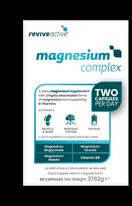
Magnesium is good for your mind and muscles
In today’s fast-paced world, we need our minds to stay sharp and our muscles to function well to support us in our achievements. Magnesium is an essential mineral contributing to normal psychological functions and normal muscle function.
• BioActive Magnesium is a complex with three different magnesium salts in a matrix, making it fast-soluble.
• BioActive Magnesium has a documented high absorption in the body.
• Pharma Nord’s products are manufactured in Denmark to pharmaceutical standards.
Visit: www.pharmanord.ie
Health Promotion in Community Pharmacies
HSE Health and Wellbeing will be working with the Irish Pharmacy Union (IPU) during 2026 to deliver on a partnership to promote health and wellbeing campaigns through the network of 1900 community pharmacies.
The agreement was completed recently in collaboration with HSE Primary Care as part of the overall Community Pharmacy Agreement between the HSE and community pharmacies which are well positioned to act as health and wellness hubs.
The majority of community pharmacies are open six days a week, with a significant proportion opening seven days a week, and have extended daily opening hours. Approximately 50 per cent of the population lives within 1km of a community pharmacy, and 85 per cent within 5km.
Community Pharmacy has long supported and participated in campaigns that enhance access to existing public health services, for example, screening services and health promotion initiatives, such as the HSE Making Every Contact Count (MECC) programme.
During the coming months, community pharmacies will collaborate with HSE Health and Wellbeing in promoting the following public health campaigns:
• Pregnancy and Alcohol – April 2026
• Men’s Health week – June 2026
• Autumn Winter Vaccination Programme 2026/27
Pharmacists and their teams will be supporting the public with verbal advice, signposting to additional resources and referral to other services or healthcare professionals where appropriate. Applying the Making Every Contact Count (MECC) principle approach, when suitable, will further support the public in their health journey and enhance the overall experience.
New Secretary General for Health
Minister for Health, Jennifer Carroll MacNeill TD, has announced the appointment of Derek Tierney as the new Secretary General of the Department of Health, following approval by the Government.
Minister Carroll MacNeill said, “I am delighted to welcome Derek Tierney as Secretary General of my Department. Derek brings a wealth of experience from across the health service, particularly in the delivery of major infrastructure and capacity projects that are essential to the future of our services. He has demonstrated a strong track
Derek Tierney
record in translating strategic investment into real, tangible improvements for patients.”
Derek Tierney is currently Assistant Secretary General at the Department of Health where he leads out on Health Infrastructure, advancing Digital Health and the coordination of the Sláintecare Reform agenda. Prior to that he served as Programme Director in the Government’s Covid-19 Vaccination Taskforce. He has held senior roles across the Justice and Transport sectors and central Government with responsibility for large scale programmes, reform delivery, system governance and whole of Government responses. Before moving into the Civil Service, he has also held senior
Mental Health Bill
Minister for Mental Health, Mary Butler TD, has secured the final passage of the Mental Health Bill 2024 through both Houses of the Oireachtas. This landmark legislation will now go to Uachtarán na hÉireann for her consideration.
Minister Butler thanked Deputies and Senators for their support and constructive debate on the legislation, with over 40 hours dedicated to the legislation in both the Dáil and Seanad and said, "I am proud to have brought this Bill from the publication of the General Scheme through to its passage through both Houses of the Oireachtas today. The enactment of this Bill has been a longstanding priority for me and for the Government.
“This Bill will regulate all community mental health services for the first time, including all community Child and Adolescent Mental Health Services (CAMHS). This Bill will allow 16 and 17 year olds to consent to their mental health treatment on the same basis as physical health. It will introduce significant new safeguards for people accessing mental health treatment, particularly around consent to treatment and the use of restrictive practices."
roles in a commercial transport semi state and the private sector working in pharmaceutical, computer and telecoms industries.
The period ahead presents important strategic and operational challenges for Ireland’s public health service. These include improving access to services and patient outcomes, strengthening integrated care through the Health Regions while enhancing productivity and value for money within available resources. Rising demand driven by population change and workforce pressures will also shape the service’s priorities with a focus on progressing Sláintecare reforms to deliver better, faster and future ready care in the coming period. Ireland will hold the Presidency of the EU Council in the second half of 2026, and the preparations for and execution of this responsibility will be a significant focus.
Minister Butler continued, “This is a once-in-a-generation piece of legislation. The last Mental Health Act was enacted in 2001 by the current Taoiseach. Prior to that, it was 1945. I believe the Bill we have passed here today will stand the test of time and I hope it is in place for many years, if not decades, to come.
“The purpose of this Bill is to introduce a more personcentred, human rights-based approach to mental health services in statute. This Bill will empower people accessing mental health services to make decisions about their own care and treatment - respecting their voice and choice.
“I hope this Bill will be formally enacted next week following consideration by the President.”
READY FOR HAYFEVER SEASON?
24hr CONTROL FAST RELIEF OF ALLERGIES
Always read the leaflet.
Abbreviated prescribing information
Women in Pharma Awards
The Women in Pharma Awards 2026 took place on 29 April at the Crowne Plaza Hotel, Santry, bringing together industry leaders to celebrate the outstanding achievements of women across Ireland’s pharmaceutical and life sciences sectors.
Now firmly established as a key event within the industry calendar, the awards recognise excellence, innovation and leadership among individuals, teams and organisations, shining a spotlight on the vital contribution women make across all areas of the sector.
The evening’s highest honour, the Overall Leader Award, was presented to Emma Kilgallon of West Pharmaceutical Services in recognition of her exceptional leadership and impact within the industry. The prestigious Legacy Award was awarded to Jean Casey of Eli Lilly, acknowledging her longstanding contribution and influence within the pharma community. Takeda Ireland emerged as one of the standout organisations on the night, securing multiple awards across key categories. Deirdre Connaughton was recognised for Excellence in Senior Leadership — Pharma, while Marie Smith received the award for Best Clinical Operations Leadership. Victoria Hampson was honoured for Best Marketing and Communications Leadership, and Rachel Torreggiani was named Rising Star of the Year, reflecting the organisation’s
strength across both established and emerging leadership.
A wide range of achievements across the sector were also recognised, highlighting the diversity of roles and expertise within the industry. Dr Gemma Robinson of Acorn Regulatory Consulting Services was awarded Excellence in Senior Leadership, Contract Services, while Alette Ramos Hunt of Novartis received the award for Excellence in Pharma and Life Sciences. Rose Kidd of ICON plc was recognised for Excellence in Senior Leadership within Life Sciences.
Leadership in education and mentoring was acknowledged through Nicola Rice of Innopharma Technical Services, while Liz Allan of Exyte received the award for Best Engineering and Manufacturing Operations Leadership. Victoria Ramos of Grifols Worldwide Operations was recognised for Best Finance Leadership, and Emma Kilgallon also received the award for Best HR Leadership.
Further winners included Áine Hopkins of PTC Therapeutics for
Women’s Heart Health
The Irish Association of Emergency Medicine and the Irish Heart Foundation, Ireland’s national heart and stroke charity, have joined forces to highlight one of the leading causes of heart attack in women under fifty years of age, SCAD (Spontaneous Coronary Artery Dissection).
Dr Mohammed Hamza, Consultant of Emergency Medicine at St. Vincent’s Hospital, Dublin spoke with Pauline O’Shea, SCAD survivor and Advocacy Campaign Manager with the Irish Heart Foundation for the latest episode of theCase.report, an Emergency Medicine podcast produced in association with the Irish Association of Emergency Medicine.
The 2-hour special, focusing on women’s heart health, covered two distinct aspects of SCAD, firstly how Emergency Medicine professionals might encounter SCAD in the Emergency Department, and what to do if they do, and secondly, the patient perspective of SCAD and how a misdiagnosis, can have devastating consequences.
Best Quality Leadership, Lisa Mullaney of Medguard Healthcare for Best Sales and Commercial Leadership, and Mary Moran of AbbVie for Best Site Leadership. Flavia Baccaro of AbbVie was honoured with the award for Best Supply Chain and Logistics Leadership.
Team achievements were also celebrated, with the Cancer Trials Ireland Start-Up Team recognised as Best Female-Led Team, while the AbbVie Affiliate Leadership Team secured the award for Best Female-Led Team (Large). BioMarin Pharmaceutical was named Workplace of the Year, reflecting its commitment to fostering an inclusive and supportive environment.
The Women in Pharma Awards programme, established under the umbrella of the Irish Pharma Industry Awards, continues to grow in significance each year. The initiative is dedicated to recognising and promoting the achievements of women within the pharmaceutical and life sciences sectors, while encouraging greater visibility, representation and leadership across the industry.
SCAD is an emergency condition in which a ‘tear’ happens within the layers of the wall of the artery. This leads to blood becoming trapped within the artery, forming a clot and causing a partial or complete blockage. This can lead to a possible heart attack, an abnormal heart rhythm or even sudden death, if not treated promptly.
SCAD has traditionally been seen as a rare but deadly cardiac event, mostly affecting women (80% of reported cases are women), however research from around the world is now suggesting that SCAD may not be as rare as once thought.
Sharonne N. Hayes, MD, FACC, a cardiologist and SCAD Research Program Team Lead at the Mayo Clinic in Minnesota, USA says, “SCAD was once a rare autopsy finding, but we now know it to be the most common cause of myocardial infarction (MI) in women under 50 and the most common cause of MI in women who are pregnant or have recently given birth.”
Pictured are the winners from the 2026 Women in Pharma Awards
Recommend Calpol® for their little ones’ big moments
CALPOL® Vapour Plug & Nightlight is an electrical device and non-medicine. CALPOL® Saline Nasal Spray is a medical device for congestion relief. ALWAYS READ THE LABEL.
Calpol 120 mg/5 ml Sugar Free Infant Oral Suspension. Calpol Six Pus 250 mg/5 ml Sugar/Colour Free Oral Suspension Composition: Calpol 120 mg/5 ml Sugar Free: 120 mg paracetamol in each 5 ml. Calpol Six Pus 250 mg/5 ml Sugar/Colour Free: 250 mg paracetamol in each 5 ml Indications: For the relief of headache, migraine, neuralgia, toothache and teething pains, sore throat, influenza, feverishness and feverish colds. Dosage: Calpol 120 mg/5 ml Sugar Free Infant: Infants aged 2-3 months: 1. Post-vaccination fever and 2. Other causes of Pain and Fever (if baby weighs over 4 kg and was born after 37 weeks). Dose: 2.5 ml. If necessary, after 4-6 hours, give a second 2.5 ml dose. Do not give to babies less than 2 months of age; Do not give more than 2 doses unless your doctor or nurse has advised otherwise; Leave at least 4 hours between doses; If further doses are needed, talk to your doctor or pharmacist. Children aged 3 months – 6 years: 3 – 6 months: 2.5 ml (4 times in 24 hours). 6 – 24 months: 5 ml (4 times in 24 hours). 2 – 4 years: 7.5ml (5 ml + 2.5 ml) (4 times in 24 hours). 4 – 6 years: 10ml (5 ml + 5 ml) (4 times in 24 hours). Calpol Six Pus 250 mg/5 ml Sugar/Colour Free: Do not give to children under 6 years of age. Children aged 6 years – 12 years: 6 – 8 years: One 5 ml spoonful (large end) (4 times in 24 hours). 8 – 10 years: One 5 ml spoonful (large end) and one 2.5 ml spoonful (small end) (4 times in 24 hours). 10 - 12 years: Two 5 ml spoonful (large end) (4 times in 24 hours). Children aged 12 – 16 years: Two – three 5ml spoonfuls (large end) up to 4 times a day. Adults and children over 16 years: Two – four 5ml spoonfuls (large end) up to 4 times a day. Do not give more than 4 doses in any 24-hour period; Leave at least 4 hours between doses; Do not give this medicine to your child for more than 3 days without speaking to your doctor or pharmacist. It is important to shake the bottle for at least 10 seconds before use. Renal impairment: It is recommended, when giving paracetamol to patients with renal impairment, to reduce the dose and to increase the minimum interval between each administration to at least 6 hours unless directed otherwise by a physician. Recommended dose for adults with renal impairment (Calpol Six Plus product only): Glomerular filtration rate: 10-50 ml/min: 500mg (10ml) every six hours; Glomerular filtration rate: less than 10ml/min: 500mg (10ml) ever eight hours. Patients should be advised to contact their healthcare professional before use. Hepatic impairment: In patients with hepatic impairment or Gilbert’s Syndrome, the dose should be reduced or the dosing interval prolonged. Patients should be advised to contact their healthcare professional before use. Calpol Six Plus only: For adults, the daily dose should not exceed 2g per day unless otherwise directed by a physician. The Elderly: Experience has indicated that normal adult dosage is usually appropriate. However, in frail, immobile, elderly subjects or in elderly patients with renal or hepatic impairment, a reduction in the amount or frequency of dosing may be appropriate. For certain patient groups, a reduced maximum daily dose should be considered: Patients who are underweight (for adults, those under 50kg); Chronic alcoholism; Dehydration; Chronic malnutrition. These patients should be advised to contact their healthcare professional before use. For adults the maximum daily dose should not exceed 60mg/kg/day (up to 2g per day). Contra-indications: Hypersensitivity to the active substance or to any of the excipients. Special warnings and precautions for use: Paracetamol should be administered with caution under the following circumstances: Hepatic impairment; Chronic alcoholism; Renal impairment (GFR≤50ml/min); Gilbert’s Syndrome (familial non-haemolytic jaundice); Concomitant treatment with medicinal products affecting hepatic function; Glucose-6-phosphate dehydrogenase deficiency; Haemolytic anaemia; Glutathione deficiency; Dehydration; Chronic malnutrition; Patients who are underweight (for adults, those under 50 kg); Elderly. In general, medicinal products containing paracetamol should be taken for only a few days without the advice of a physician or dentist and not at high doses. If high fever or signs of secondary infection occur or if symptoms persist for longer than 3 days, a physician should be consulted. Prolonged or frequent use is discouraged. Patients should be advised not to take other paracetamol containing products concurrently. Taking multiple daily doses in one administration can severely damage the liver; in such case medical assistance should be sought immediately. Cases of high anion gap metabolic acidosis (HAGMA) due to pyroglutamic acidosis have been reported in patients with severe illness such as severe renal impairment and sepsis, or in patients with malnutrition or other sources of glutathione deficiency (e.g. chronic alcoholism) who were treated with paracetamol at therapeutic dose for a prolonged period or a combination of paracetamol and flucloxacillin. If HAGMA due to pyroglutamic acidosis is suspected, prompt discontinuation of paracetamol and close monitoring, is recommended. The measurement of urinary 5-oxoproline may be useful to identify pyroglutamic acidosis as underlying cause of HAGMA in patients with multiple risk factors. Serious skin reactions such as acute generalized exanthematous pustulosis (AGEP), Stevens - Johnson syndrome (SJS), and toxic epidermal necrolysis (TEN), have been reported very rarely in patients receiving paracetamol. Patients should be informed about the signs of serious skin reactions and use of the drug should be discontinued at the first appearance of skin rash or any other sign of hypersensitivity. Calpol Infant contains the following excipients which have recognised effects: Carmoisine (E122) which may cause allergic reactions; Methyl parahydroxybenzoate (E218), Propyl parahydroxybenzoate (E216), Ethyl parahydroxybenzoate (E214) which may cause allergic reactions (possibly delayed); This medicine contains less than 1 mmol sodium (23 mg) per 5ml, that is to say essentially ‘sodium-free’; This medicine contains 14.32mg propylene glycol (E1520) in each 5ml dose, which is equivalent to 2.86mg/ml. ; This medicine contains 0.16mg benzyl alcohol in each tablet. High volumes should be used with caution and only if necessary, especially in subjects who are pregnant or breastfeeding, or subjects with liver or kidney impairment because of the risk of accumulation and toxicity (metabolic acidosis); This medicine contains 0.00071mg of alcohol (ethanol) in each 5ml which is equivalent to 0.000142 mg/ml. The amount in 5 ml is equivalent to less than 1ml beer or 1 ml wine. The small amount of alcohol in this medicine will not have any noticeable effects; Due to the sorbitol (E420) and maltitol (E965) content of this product, patients with rare hereditary problems of fructose intolerance should not take this medicine. Sorbitol and maltitol may cause gastrointestinal discomfort and have a mild laxative effect. Calorific value 2.3kcal/g maltitol. Calpol Six Plus contains 2.04g Maltitol and 1.4g Sorbitol per 5ml. Sorbitol and maltitol may cause gastrointestinal discomfort and have a mild laxative effect. Patients with hereditary problems of fructose intolerance (HFI) should not take/be given this medicine. Calorific value 2.3kcal/g maltitol. Methyl and propyl parahydroxybenzoates may cause allergic reactions (possibly delayed). Contains less than 1 mmol sodium (23 mg) per 5ml, that is to say essentially ‘sodium-free’. This medicine contains 20.92mg propylene glycol (E1520) in each 5ml dose, which is equivalent to 4.18mg/ ml. This medicine contains 0.05mg benzyl alcohol in each tablet. High volumes should be used with caution and only if necessary, especially in subjects who are pregnant or breastfeeding, or subjects with liver or kidney impairment because of the risk of accumulation and toxicity (metabolic acidosis). This medicine contains 0.00075mg of alcohol (ethanol) in each 5ml which is equivalent to 0.00015 mg/ml. The amount in 5 ml is equivalent to less than 1ml beer or 1 ml wine. The small amount of alcohol in this medicine will not have any noticeable effects. Undesirable effects: Blood and lymphatic system disorders: Not known –Agranulocytosis, Haemolytic anaemia, Thrombocytopenic purpura. Immune system disorders: Rare – Hypersensitivity. Not known - Anaphylactic reaction. Hepatobiliary disorders: Not known - Hepatic function abnormal, Hepatic necrosis. Skin and subcutaneous tissue disorders: Rare – Rash. Not known - Fixed eruption, Rash pruritic, Urticaria.Renal and urinary disorders: Uncommon - Nephropathy toxic. Not known - Renal papillary necrosis (after prolonged administration). Investigations: Not known - Transaminases increased. Metabolism and nutrition disorders: Not known - High anion gap metabolic acidosis. Liver damage has been reported after daily ingestion of excessive amounts of paracetamol. A review of a group of patients with chronic active hepatitis failed to reveal differences in the abnormalities of liver function in those who were long-term users of paracetamol nor was the control of the disease improved after paracetamol withdrawal. Low level transaminase elevations may occur in some patients taking labelled doses of paracetamol; these elevations are not accompanied with liver failure and usually resolve with continued therapy or discontinuation of paracetamol. Very rare cases of serious skin reactions have been reported. High anion gap metabolic acidosis. Cases of high anion gap metabolic acidosis due to pyroglutamic acidosis have been observed in patients with risk factors using paracetamol. Pyroglutamic acidosis may occur as a consequence of low glutathione levels in these patients. MAH: JNTL Consumer Health I (Ireland) Ltd., Block 5, Hight Street, Tallaght. Dublin 24, Ireland. MA Number: PA23490/003/004, PA 23490/003/003. Date of last revision of text: February 2025 Products not subject to medical prescription. Supply through non-pharmacy and pharmacy outlets. Further information available upon request from JNTL Consumer Health I (Ireland) Ltd.,
Paracetamol
Medical Device Medicine Electrical Device
Driving accuracy and efficiency: United Drug delivers ARC Claims Management training webinar
United Drug recently delivered a focused training webinar on its ARC Claims Management platform, aimed at helping community pharmacies improve accuracy, reduce rejections and better manage their monthly claims process.
Led by Alan Franklin, Pharmacy Solutions Manager, the session provided a practical overview of the system, alongside a walkthrough of new features introduced over the past number of months. The training reflects the commitment by United Drug to equip pharmacies with tools and insights that support operational efficiency in an increasingly complex reimbursement environment.
Shifting to a proactive model
ARC integrates with pharmacy dispensing systems to capture claim data in real time and present it in a clear, actionable format. By engaging with the system regularly throughout the month, pharmacies can identify and resolve issues earlier, reducing both administrative pressure and the risk of non-payment.
The Alerts function remains a key component, flagging potential problems at the point of dispensing and storing them for review. These alerts focus on issues most likely to result in “not payable” rejections, including quantity limits, prior approval requirements and incorrect coding.
Targeting common sources of rejection
Recent ARC updates have focused on addressing recurring trends in claim errors.
The new Pre-Claim Check report highlights issues such as zero-cost items, duplicate dispensing on DPS and LTI schemes, and highvalue GLP-1 duplicates. Duplicate claims in particular were identified as a growing source of rejection across pharmacies, with ARC now providing a simple, daily-updated view to support early intervention.
Another addition, the “Do Not Substitute” report, brings greater visibility to reference-priced items. It allows pharmacies to review dispensing where the designation has not been applied, supporting more consistent co-payment handling and reducing the risk of financial clawbacks.
Greater visibility after payment Alongside pre-claim checks, ARC continues to expand its post-claim functionality.
The Claim Reconciliation tool provides a breakdown of rejected
items by value and error type, enabling pharmacies to quickly identify where losses are occurring and prioritise reclaims. Users can drill down into individual claims and access supporting documentation directly within the platform.
The recently introduced Claim Discrepancies report adds a further layer of insight, highlighting cases where the reimbursed amount differs from what was claimed. This includes issues such as quantity errors and reference pricing differences, offering greater clarity on so-called “claim leakage”.
Supporting complex claim areas
The webinar also addressed more complex aspects of claims management, including high-tech care fees and hardship schemes.
ARC simplifies the identification of patients eligible for high-tech care fees, particularly in systems where the process remains manual. For hardship claims, the platform provides a structured way to track and reconcile payments, replacing traditional paper-based methods with a more organised digital approach.
Ongoing development and support
United Drug highlighted that ARC continues to evolve in response to pharmacy needs, with new features and refinements driven by user feedback and emerging trends in claims data.
Pharmacies are supported by a dedicated ARC team, with training resources and follow-up assistance available to ensure users can fully utilise the system.
A data-led approach to claims
The session underlined the growing importance of data in pharmacy operations. By providing clear, accessible insights before and after claim submission, ARC supports pharmacies in reducing errors, protecting revenue and streamlining workflows.
As claims processes become more complex, tools that enable earlier intervention and better visibility are likely to play an increasingly important role across the sector.
For more information on ARC contact Alan Franklin at alan.franklin@united-drug.com.
Meaghers Pharmacy Group first ever Wellness Village
Meaghers Pharmacy Group brought health and wellness to the heart of Bord Bia Bloom with the launch of the Meaghers 360° Wellness Village, a brand-new, immersive destination at Ireland’s most celebrated festival.
Taking place over the June Bank Holiday weekend, Bord Bia Bloom for the first time in its 20 year history, featured a dedicated wellness area — delivered in partnership with Meaghers Pharmacy Group as official Wellness Partner for Bloom 2026.
The Meaghers 360° Wellness Village, marks a milestone moment for both organisations, celebrating 25 years of Meaghers Pharmacy Group and 20 years of Bord Bia Bloom, while reflecting the growing appetite among Irish audiences for trusted, expert led wellbeing experiences.
Oonagh OHagan CEO Meaghers and Laura Douglas, Head of Bloom & Brand Partnerships Bord Bia
At its core was the Meaghers 360° Wellness Stage, hosting expert talks, panel discussions and low to mid tempo movement and exercise classes throughout the festival.
Sessions covered some of the most relevant health topics facing modern Ireland today, including hormone health, gut health, healthy ageing, sleep, stress, inflammation, movement, nutrition and mental wellbeing.
Meaghers’ philosophy has been rooted in wellness since owner Oonagh O’Hagan acquired her first store on Baggot Street in Dublin in 2001. Oonagh has gone on to establish the Meaghers chain of pharmacies, and online store, as trusted authorities on wholeperson, preventative health.
In 2024, Meaghers launched Pharmacy 360°, a fully integrative approach to viewing a person’s health. It brings together traditional pharmacy expertise with lifestyle medicine, preventative care, nutrition, movement, sleep, stress management and mental wellbeing to act as a whole health partner — empowering people to take preventative steps to improve their overall health through, consultations, education and science backed wellness solutions that support every stage of life.
Oonagh O’Hagan, CEO of Meaghers Pharmacy Group, said, “We are delighted to be partnering with Bord Bia Bloom to deliver their first wellness venture to their wonderful festival. For 25 years, Meaghers has been rooted in wellness — supporting people not just when they are unwell, but in staying well every day.
What’s
Measured, Gets Managed - helping you manage your claims
ARC offers you the opportunity to be proactive rather than reactive with your monthly claim and greater peace of mind with it's clear and easy to understand claim reconciliation
Realtime alerts (with second look opportunity)
Claim reject and reclaim reconciliation (including manual schemes)
PCRS claiming rule checks
Proactive monthly check reporting
Claim leakage reporting
ARC is fully supported by 3 Pharmacy technicians for training, claim review and technical support
United, we do better
Group overview functionality
PharmaService: Transforming How Pharmacies
Deliver the Common Conditions Service
As the Common Conditions Service (CCS) continues to expand across Ireland, community pharmacies are stepping into a wider patient-facing role than ever before. With this opportunity, however, comes a new operational challenge: how to deliver a high-quality, compliant service without adding significant administrative burden.
Every CCS consultation comes with a paper trail. Structured assessment records. Compliant prescriptions. Healthmail transmissions. Audit-ready documentation. The opportunity is real, and so is the operational weight that comes with it.
Navi’s new platform, PharmaService, has been developed to solve exactly that.
Turning CCS into a Scalable Opportunity
The CCS represents a meaningful shift in how patients access care and how pharmacies generate value. Pharmacists can now treat conditions that previously required a GP appointment, easing pressure on primary care while opening a new role for the pharmacy.
However, delivering CCS at scale requires more than professional expertise. It demands:
• Structured documentation
• Compliance with HSE protocols
• Secure communication of prescriptions and referrals
• Consistent workflows across teams
PharmaService addresses this by bringing the entire CCS workflow into a single integrated platform.
A Fully Digital CCS Workflow
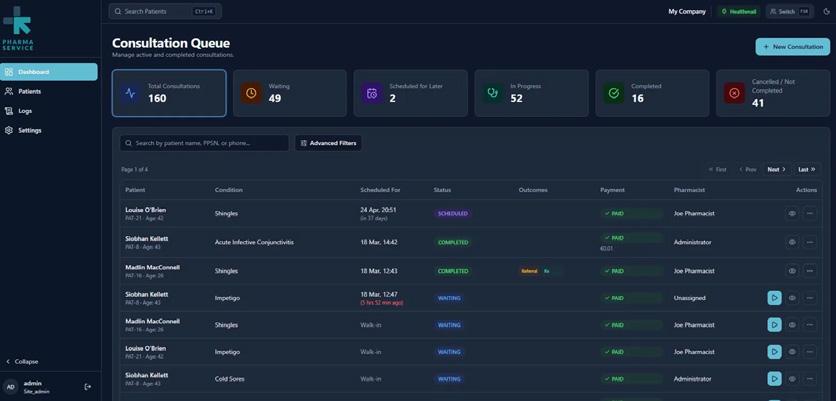
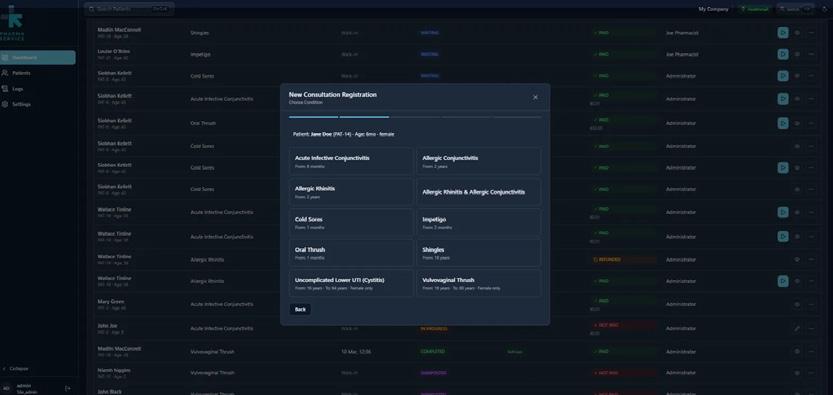
PharmaService is a web-based consultation management system designed by Navi specifically for Irish community pharmacies. It guides pharmacy teams through every step of a CCS consultation, from patient registration through to documentation, replacing paper forms, spreadsheets, and disconnected systems with one structured workflow.
From the moment a patient presents:
• Patient details are captured, and consent is recorded at the appropriate stage
• Basic eligibility criteria are automatically verified against CCS protocol requirements
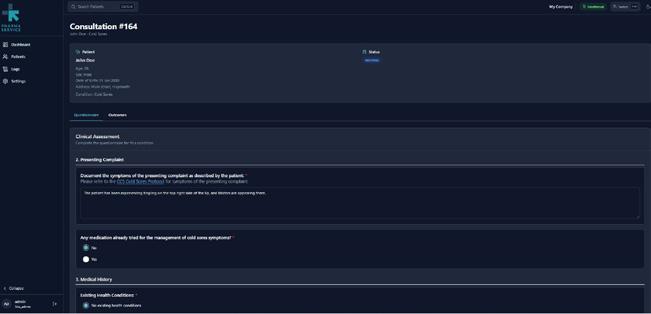
• The pharmacist completes a guided clinical assessment
• Common Condition Outcomes are recorded and documentation generated
• Prescriptions and referrals (where required) are sent securely via Healthmail
All of this is stored with a complete audit trail, ensuring governance requirements are met at every stage.
Supporting Consistency Across Consultations
Consistency across consultations is a key challenge in delivering CCS, particularly in busy pharmacy environments.
PharmaService addresses this through structured consultation forms aligned with the HSE protocols. These forms incorporate:
• Protocol-aligned questionnaires
• Red flag, amber flag, and referral criteria surfaced in real time during the consultation
• Embedded HSE protocol logic and patient-facing safety netting content
• Standardised outcome recording
This ensures that every consultation is thorough, consistent, and aligned with best practice, while still allowing pharmacists to exercise their professional judgement.
Importantly, clinical decisionmaking remains with the pharmacist throughout, with the system providing relevant information exactly when needed.
Built for Compliance from the Ground Up
Governance and compliance are central to CCS delivery. Every consultation must be documented correctly and available for audit.
PharmaService has been designed by Navi with this in mind:
• All actions are recorded in a complete audit trail
• Consultation records are automatically generated in line with legislation, HSE requirements and PSI Guidelines
• Prescriptions follow the legally required prescription template, as set out in the HSE Operational Guidance for Pharmacists
• Role-based permissions ensure each team member operates within scope
• Secure Healthmail integration ensures safe transmission of documents
This gives pharmacies confidence that they are delivering CCS in line with regulatory expectations.
Reducing Admin, Freeing Up Time
Pharmacy teams know the hidden cost of new services.
PharmaService significantly reduces this burden by:
• Eliminating duplicate data entry
• Automating documentation generation
• Streamlining consultation workflows
• Centralising patient and consultation records
In practical terms, this can save pharmacies up to 2.5 weeks of admin time per year, freeing up staff to focus on patient care and other high-value activities.
Unlocking New Revenue Potential
Beyond efficiency, CCS represents a clear commercial opportunity for pharmacies.
With the right systems in place, even modest consultation volumes can deliver meaningful returns. Pharmacies conducting 5–10 CCS consultations per week can generate up to ¤20,000 in additional annual
revenue at typical consultation fees, without requiring significant investment in new IT infrastructure.
Designed Around the Pharmacy Workflow
PharmaService has been built by Navi with the realities of pharmacy practice in mind.
It supports a typical CCS interaction:
• Front-of-store staff or technicians complete initial patient registration
• The pharmacist obtains consultation consent and conducts the assessment using the guided workflow
• Outcomes are recorded, and any prescriptions or referrals are generated
• Documentation is printed or sent securely via Healthmail
All clinical assessment, decision-making, and prescribing remain the pharmacist's responsibility. Role-based access ensures that each team member can contribute appropriately, while maintaining clear professional accountability.
Enhancing the Patient Experience
From the patient’s perspective, CCS is about convenience, speed, and confidence in their care.
PharmaService supports this by:
• Reducing waiting times through streamlined workflows
• Providing clear, professional documentation
• Delivering consistent advice and safety-netting information
• Enabling faster access to treatment or referral
The result is a more modern, professional service that strengthens the pharmacy’s role as a frontline healthcare provider.
Looking Ahead
PharmaService continues to evolve. Upcoming enhancements include:
• Online patient booking
• Appointment scheduling based on staff availability
• Integration with DispenSense to remove duplicate data entry
• Support for the upcoming national Continuation of Contraception service
• Support for additional pharmacy services, including vaccinations, blood pressure monitoring, weight management, and emergency hormonal contraception
A Step Forward for Community Pharmacy
The Common Conditions Service represents a significant step in the expanding role of the community pharmacist in Ireland, broadening patient access to care while opening new revenue streams for pharmacies. Realising that opportunity, however, requires the right operational support.
PharmaService provides a practical, purpose-built solution that enables pharmacies to deliver CCS efficiently, compliantly, and at scale. Built by Navi specifically for the Irish market, it gives pharmacies the operational foundation to deliver CCS today and whatever comes next for pharmacy professional services.
Interested? To watch a demo, learn more or book a demo, head to navi.ie/pharmaservice.
Reducing Unnecessary Antibiotic Prescribing
Early findings from a major Irish research project show patients are strongly supportive of rapid diagnostic tests to guide antibiotic prescribing for respiratory infections, a promising start in tackling antibiotic resistance.
Congratulations to Dr Isil Coklar-Okutkan for her presentation at the Psychology, Health and Medicine Conference, held at Royal College of Surgeons in Ireland (RCSI) last week. Dr CoklarOkutkan spoke about interventions to tackle antibiotic resistance and outlined early findings from interviews with patients and carers as part of the PREDICTORS Project (Point-of-caRE DiagnostICs for respiraTOry tRact infectionS), a Health Research Board (HRB)funded programme.
Antimicrobial resistance is a significant global health challenge, and unnecessary prescribing is a key driver. In Ireland, antibiotic prescribing rates are slightly above the EU average, with respiratory tract infections among
the most common reasons people receive a prescription. Most of these infections are caused by viruses, meaning antibiotics will not help. Without a test, it is genuinely difficult for a general practitioner (GP) or community pharmacist (CP) to be certain whether an infection is bacterial or viral, so antibiotics are sometimes prescribed as a precaution.
The project, led by Professor Cristín Ryan at the School of Pharmacy and Pharmaceutical Sciences, aims to target antibiotic resistance by developing a practical intervention to support general practitioners and community pharmacists in using rapid CRP (C-reactive protein) point-of-care tests when managing respiratory infections. These quick,
finger-prick blood tests are carried out during a patient’s appointment and can help clinicians decide within minutes whether an antibiotic is genuinely needed.
Fifteen patients and carers with experience of respiratory infections took part in in-depth interviews. Most were in favour of CRP testing and were comfortable with both GPs and CPs carrying it out. They valued the diagnostic certainty it offered and felt greater confidence in prescribing decisions when backed by a test result. Participants also recognised broader benefits, including reduced pressure on healthcare services and support for preserving antibiotics for when they are truly needed.
Pharmacies Join ‘Move in May’ Campaign
Cost and accessibility were raised as the main practical concerns, with most participants feeling that testing should be state-funded. These patient findings will be brought together with interviews from GPs and CPs to inform the intervention being developed.
By placing patient perspectives at the centre of the research, the team is helping to ensure that any intervention developed will be both clinically sound and acceptable to the people it is designed to help. If successful, the project could contribute to meaningful changes in how respiratory infections are managed across primary care in Ireland, and inform policy on antibiotic stewardship more broadly.
Allcare, Hickey’s and McCauley Pharmacies Rally Communities Nationwide to Raise ¤100,000 for The Irish Heart Foundation “Move Every Day in May” Campaign
Allcare, Hickey’s and McCauley Pharmacies, part of the Uniphar Group, are proud to partner with the Irish Heart Foundation to launch the nationwide “Move Every Day in May” campaign, calling on communities across Ireland to get active every day throughout May while raising vital funds for heart health.
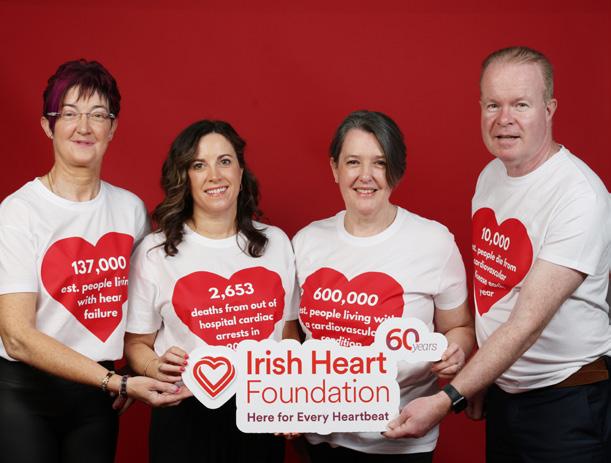
According to the Irish Heart Foundation, approximately 10,000 people die from cardiovascular disease each year, while over 600,000 people are living with a cardiovascular condition, underlining the urgent need for awareness, prevention and support.
With a fundraising target of ¤100,000, the campaign encourages people of all ages and abilities to take part in a simple, inclusive challenge: Move Every Day in May, no matter what the activity. From walking and cycling to dancing or gardening, the focus
Emma Balmaine, CEO, Irish Heart Foundation, Louise Martin, General Manager Retail, Uniphar, Irish Heart Foundation Patient Ambassador Maura Canning and Broadcaster and campaign ambassador Joe Lynam
is on building small, sustainable habits that support heart health.
Participants will receive a movement tracker to log daily activity and stay motivated, while individuals and pharmacy teams can create their own iDonate fundraising pages to share with friends and friends.
Throughout the month of May, Allcare, Hickey’s, and McCauley
Pharmacies will serve as community hubs, with a series of “Love Your Heart Days” taking place each Friday in May, where customers can make a minimum ¤5 donation to the campaign to receive a blood pressure check in participating pharmacies.
In addition, the Irish Heart Foundation’s Mobile Health Unit will visit selected pharmacy locations nationwide throughout the month, offering free heart health checks and expert advice, making it easier for people to take proactive steps in managing their cardiovascular health.
Louise Martin, General Manager Retail, Uniphar said “Our pharmacy teams are at the heart of the communities we serve, helping over 200,000 customers annually with cardiovascular illness, so this campaign is a powerful way to bring people together for a shared purpose. ‘Move Every Day in May’ is a simple and inclusive challenge for everyone, and we are proud to support the Irish Heart Foundation in raising vital funds while helping people take positive steps for their heart health.”
Now Available in a 2 mg dose for adults with Type 2 Diabetes1
HSE reimbursement effective from 01 May 2026
Start on Ozempic®, Stay on Ozempic®
Safety profile comparable across all doses1,2
Abbreviated Prescribing Information Ozempic® (semaglutide). Please refer to the Summary of Product Characteristics (SmPC) before prescribing. Ozempic® 0.25 mg solution for injection in pre-filled pen, Ozempic® 1 mg solution for injection in pre-filled pen: One ml of solution contains 1.34 mg of semaglutide (human glucagon-like peptide-1 (GLP-1) analogue). Ozempic® 0.5 mg solution for injection in pre-filled pen: One ml of solution contains 0.68 mg of semaglutide. Ozempic® 2 mg solution for injection in pre-filled pen: One ml of solution contains 2.68 mg of semaglutide. Indication: Ozempic® is indicated for the treatment of adults with insufficiently controlled type 2 diabetes mellitus as an adjunct to diet and exercise • as monotherapy when metformin is considered inappropriate due to intolerance or contraindications • in addition to other medicinal products for the treatment of diabetes. For trial results with respect to combinations, effects on glycaemic control, cardiovascular disease and kidney events and the populations studied, see sections 4.4, 4.5 and 5.1 of the Ozempic® SmPC. Posology and administration: Administered once weekly at any time of the day, with or without meals. Injected subcutaneously in the abdomen, thigh or upper arm. Starting dose: 0.25 mg once weekly. After 4 weeks the dose should be increased to 0.5 mg once weekly. After at least 4 weeks with a dose of 0.5 mg once weekly, the dose can be increased to 1 mg once weekly to further improve glycaemic control. After at least 4 weeks with a dose of 1 mg once weekly, the dose can be increased to 2 mg once weekly to further improve glycaemic control. If a dose is missed: administer as soon as possible and within 5 days after the missed dose. If more than 5 days have passed, the missed dose should be skipped, and the next dose should be administered on the regularly scheduled day. In each case, patients can then resume their regular once weekly dosing schedule. The day of weekly administration can be changed, as long as the time between two doses is at least 3 days. After selecting a new dosing day, once-weekly dosing should be continued. When Ozempic® is added to existing metformin and/or thiazolidinedione therapy or to a sodium-glucose cotransporter-2 inhibitor (SGLT2) inhibitor, the current dose of metformin and/or thiazolidinedione or SGLT2 inhibitor can be continued unchanged. When Ozempic® is added to a sulfonylurea (SU) or insulin, a reduction in dose of SU or insulin should be considered to reduce the risk of hypoglycaemia. Blood glucose self-monitoring is necessary to adjust the dose of SU and insulin, particularly when Ozempic® is started and insulin is reduced. A stepwise approach to insulin reduction is recommended. Children: No data available. Elderly: No dose adjustment required. Renal impairment: No dose adjustment is required for patients with mild, moderate or severe renal impairment. Experience in patients with end-stage kidney disease is limited. Hepatic impairment: No dose adjustment is required for patients with hepatic impairment. Experience with severe hepatic impairment is limited. Caution should be exercised when treating these patients with semaglutide. Contraindications: Hypersensitivity to the active substance or to any of the excipients. Special warnings and precautions for use: Should not be used in patients with type 1 diabetes mellitus or for the treatment of diabetic ketoacidosis (DKA). Not a substitute for insulin. DKA has been reported in insulin-dependent patients whom had rapid discontinuation or dose reduction of insulin. There is no experience in patients with congestive heart failure NYHA class IV and is therefore not recommended in these patients. Pulmonary aspiration has been reported in patients receiving GLP-1 receptor agonists undergoing general anaesthesia or deep sedation. Therefore, the increased risk of residual gastric content due to delayed gastric emptying should be considered prior to performing procedures with general anaesthesia or deep sedation. Use of GLP-1 receptor agonists (RAs) may be associated with gastrointestinal adverse reactions. This should be considered when treating patients with impaired renal function as nausea, vomiting, and diarrhoea may cause dehydration which in rare cases can lead to a deterioration of renal function. Patients treated with semaglutide should be advise of the potential risk of dehydration in relation to gastrointestinal side effects and take
precautions to avoid fluid depletion. Acute pancreatitis has been observed with the use of GLP-1 RAs. Patients should be informed of the characteristic symptoms of acute pancreatitis. If pancreatitis is suspected, semaglutide should be discontinued; if confirmed, semaglutide should not be restarted. Exercise caution in patients with a history of pancreatitis. Use of semaglutide in combination with a SU or insulin may have an increased risk of hypoglycaemia; consider reducing the dose of SU or insulin when initiating treatment with Ozempic®. In patients with diabetic retinopathy treated with insulin and semaglutide, an increased risk of developing diabetic retinopathy complications has been observed. Exercise caution when using semaglutide in patients with diabetic retinopathy treated with insulin, monitor such patients closely and treat according to clinical guidelines. Rapid improvement in glucose control has been associated with a temporary worsening of diabetic retinopathy, but other mechanisms cannot be excluded. Ozempic® 2 mg is not recommended in patients with type 2 diabetes with uncontrolled or potentially unstable diabetic retinopathy. Data from epidemiological studies indicates an increased risk for non-arteritic anterior ischaemic optic neuropathy (NAION) during treatment with semaglutide. There is no identified time interval for when NAION may develop following treatment start. A sudden loss of vision should lead to ophthalmological examination and treatment with semaglutide should be discontinued if NAION is confirmed. Semaglutide treated patients with gastroparesis may experience more serious or severe gastrointestinal adverse events. Semaglutide should be used with caution in these patients, and semaglutide is not recommended if gastroparesis is severe. When semaglutide is used in combination with a SU or insulin, patients should be advised to take precautions to avoid hypoglycaemia while driving and using machines. Fertility, pregnancy and lactation: Women of childbearing potential are recommended to use contraception when treated with semaglutide. Should not be used during pregnancy or breast-feeding. Discontinue at least 2 months before a planned pregnancy. Effect on fertility unknown. Undesirable effects: Very common (≥1/10): Hypoglycaemia when used with insulin or sulfonylurea, nausea, diarrhoea. Common (≥1/100 to <1/10): Hypoglycaemia when used with other oral antidiabetic medications, decreased appetite, dizziness, headache, diabetic retinopathy complications, vomiting, abdominal pain, abdominal distension, constipation, dyspepsia, gastritis, gastro-oesophageal reflux disease, eructation, flatulence, cholelithiasis, fatigue, increased lipase, increased amylase, weight decreased. Uncommon (≥1/1 000 to <1/100): Hypersensitivity, dysgeusia, increased heart rate, acute pancreatitis, delayed gastric emptying, injection site reactions. Rare (≥1/10 000 to <1/1 000): Anaphylactic reaction. Very rare (<1/10 000): Non-arteritic anterior ischaemic optic neuropathy (NAION). Not known (cannot be estimated from available data): Angioedema, intestinal obstruction, dysaesthesia. The SmPC should be consulted for a full list of side effects. MA numbers: Ozempic® 0.25 mg pre-filled pen EU/1/17/1251/002. Ozempic® 0.5 mg pre-filled pen EU/1/17/1251/012.Ozempic® 1 mg pre-filled pen EU/1/17/1251/005. Ozempic® 2 mg pre-filled pen EU/1/17/1251/010. Each pre-filled pen delivers 4 doses and includes 4 disposable NovoFine® Plus needles. Legal Category: POM. For complete prescribing information, please refer to the SmPC which is available on www. medicines.ie or by email from infoireland@novonordisk.com or from the Clinical, Medical and Regulatory Department, Novo Nordisk Limited, 1st Floor, Block A, The Crescent Building, Northwood Business Park, Santry, Dublin 9. Date last revised: March 2026
Adverse events should be reported to the Health Products Regulatory Authority. Information about adverse event reporting is available at www hpra.ie. Adverse events should also be reported to Novo Nordisk on Tel: 01 8629 700 or complaintireland@ novonordisk.com
References 1. Ozempic® Summary of Product Characteristics www.medicines.ie 2. Frías JP, et al. Efficacy and safety of once-weekly semaglutide 2.0 mg versus 1.0 mg in patients with type 2 diabetes (SUSTAIN FORTE): a doubleblind, randomised, phase 3B trial. Lancet Diabetes Endocrinol. 2021;9(9):563–574.
Ozempic® is a prescription only medication. Ozempic® and the Apis bull logo are registered trademarks owned by Novo Nordisk A/S. April 2026. IE26SEMO00117
Novo Nordisk Limited, First Floor, Block A, The Crescent Building Northwood Business Park, Santry, Dublin 9, D09 X8W3, Ireland Tel: 01 862 9700 Fax: 01 862 9725
Absolutely thrilled that Revive Active has once again won Best Immunity Product. This was the very first product launched in the Revive Active range 15 years ago, the original super supplement and truly the first of its kind. Idealised and scientifically formulated by a team of experts in Galway, manufactured in Mullingar and now shipped to 50+ countries worldwide, it remains a firm favourite, delivering real benefits that customers feel every day.
Judges Comments
The company now have a great range of products but I must say this is by far my favourite one.
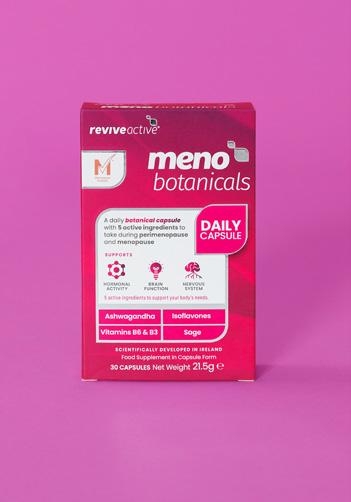
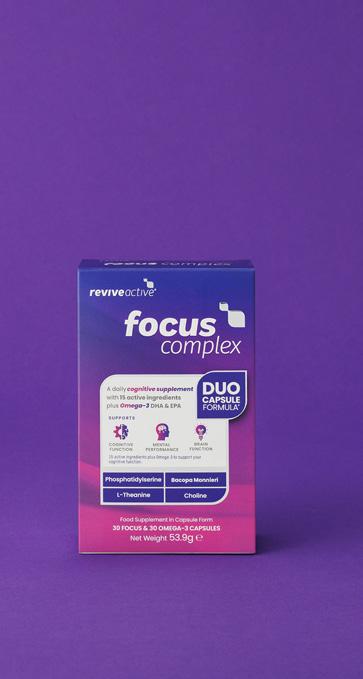
Revive Active delivers a premium range of advanced nutritional supplements designed to support your health from the inside out.
These super supplements are delivered in a single daily sachet that are effortlessly mixed with water to create a refreshing daily drink. These super supplements are scientifically formulated using bioavailable nutrients, at the correct inclusion levels, that work in synergy to offer customers real beneficial effects. Whether your customer is seeking immune support, support during menopause, boosted energy or joint support their wellness journey starts with Revive Active.
It is my go to customer recommendation. customerservice@reviveactive.com
Price point is very affordable. A lot of repeat buyers for these products as they work really well.
Or contact your local area sales representative
Menopause in Practice: A Pharmacist’s Guide to HRT, Sleep, Supplements and Safe Care
Menopause is one of the most common yet complex transitions women will experience — and increasingly, community pharmacists are finding themselves on the frontline of care. From managing prescriptions and advising on over-the-counter options, to identifying when something doesn’t quite add up, pharmacists play a critical and often under-recognised role.
Dr Aoife Nic Shamhráin, GP and Menopause Specialist at Rose Clinic, Bray, believes pharmacists are uniquely positioned to support women through this stage — but only if they feel confident navigating the nuances of Hormone Replacement Therapy (HRT), supplements, and symptom management.
“Sometimes, the most powerful thing a pharmacist can do isn’t dispensing — it’s recognising patterns, validating concerns, and guiding women towards the right care,” she says.
HRT: Effective, Safe — But Only When Used Correctly
HRT remains the gold standard for treating menopausal symptoms. When appropriately prescribed, it is both safe and highly effective. However, as Dr Nic Shamhráin highlights, the real-world challenge lies not in prescribing — but in correct use.
“Pharmacists play a key role in ensuring safe use, adherence, and early identification of issues,” she explains.
Women on HRT should be reviewed by their GP or menopause specialist every 6–12 months, but pharmacists often encounter practical issues long before that.
Common issues seen in pharmacy
• Patches not adhering properly (with patients improvising using tape)
• Incorrect use or storage of gels and sprays
• Confusion between cyclical and continuous regimens
• Micronised progesterone (e.g. Utrogestan) taken in the morning — causing avoidable drowsiness
“These are small but important details that can significantly affect outcomes,” she says.
The Critical Role of Progestogen
One of the most important — and sometimes overlooked — aspects of HRT is ensuring adequate progestogen protection in women with a uterus.
“Pharmacists are in a strong position to identify missed doses, incorrect timing, or incomplete regimens,” Dr Nic Shamhráin notes.
This is not a minor issue. Without appropriate progestogen, women are at increased risk of endometrial hyperplasia — a potentially serious complication.
“If there’s any uncertainty around dosing or regimen, pharmacists should not hesitate to contact the prescriber,” she advises.
An Underused Treatment: Vaginal Oestrogen
One of the most impactful yet underutilised treatments in menopause care is vaginal oestrogen.
“It’s incredibly effective, safe for long-term use, and has minimal systemic absorption,” says Dr Nic Shamhráin.
It is particularly beneficial for:
• Genitourinary symptoms
• Vaginal dryness
• Recurrent urinary symptoms
• Even breastfeeding women in some cases
A typical regimen involves daily use for two weeks, followed by maintenance dosing two to five times per week.
“Pharmacists should be actively recommending and discussing this with suitable patients — it can make a huge difference to quality of life.”
Drug Interactions: Fewer Than You Might Think
Reassuringly, HRT has relatively few significant drug interactions. However, caution is needed — particularly when it comes to unregulated products.
“Herbal supplements and compounded HRT are where the real risks lie,” she explains. “Potency, purity and interactions can be unpredictable.”
Pharmacists should remain vigilant and ensure:
• Correct regimens are followed
• Products are used appropriately
• Misuse (e.g. vaginal oestrogen for cosmetic purposes) is avoided
Supplements and ‘Natural’ Remedies: A Grey Area
Many women turn to supplements before, alongside, or instead of HRT — often at considerable cost and with mixed results.
“Very few complementary therapies have robust evidence,” says Dr Nic Shamhráin. “And importantly, ‘natural’ does not mean safe or effective.”
Commonly used supplements include:
• Black cohosh – may offer slight relief for hot flushes but carries risk of side effects and interactions
• Phytoestrogens (soy, red clover) – variable evidence and not suitable for all groups (e.g. breast cancer patients)
• St John’s Wort – can help mood but has significant drug interactions
How pharmacists should approach this
Rather than dismissing these choices, Dr Nic Shamhráin recommends a balanced, empathetic approach:
• Validate the patient’s preference for natural options
• Provide clear, evidence-based information
• Explain that HRT remains the most effective treatment
• Highlight non-hormonal alternatives where appropriate
“Patients need guidance, not judgement,” she says.
Dr. Aoife Nic Shamhráin
Sleep and Fatigue: The Hidden Burden of Menopause
Sleep disturbance is one of the most common and debilitating symptoms of menopause, affecting up to 40–56% of women.
“It’s a major clinical issue — and often multifactorial,” Dr Nic Shamhráin explains.
What’s driving it?
• Declining oestrogen levels
• Night sweats and hot flushes
• Mood changes and stress
• Underlying conditions such as:
o Restless legs syndrome (often linked to iron deficiency)
o Sleep apnoea
What Actually Works?
First-line (often overlooked)
• Sleep hygiene measures
• Cognitive Behavioural Therapy for Insomnia (CBT-I) — one of the most effective long-term treatments
Digital tools such as Sleepio or HSE-supported platforms like Silvercloud can be useful.
Hormonal approaches
HRT can significantly improve sleep:
• Directly through neurological effects
• Indirectly by reducing vasomotor symptoms
The choice of progestogen also matters:
• Micronised progesterone may have a beneficial effect on sleep
Non-hormonal options
For some women, alternatives may be required:
• SSRIs / SNRIs
• Gabapentin
• Clonidine
New and emerging treatments
A particularly exciting development is the emergence of Neurokinin receptor antagonists, such as:
• Fezolinetant (Veoza)
• Elinzanetant (in development)
“These target central thermoregulation pathways and can reduce night sweats — with potential added benefits for sleep,” Dr Nic Shamhráin explains.
What Can Pharmacists Realistically Recommend?
In everyday practice, pharmacists can make a meaningful difference through practical advice:
• Reinforce sleep hygiene
• Screen for underlying issues (e.g. iron deficiency, sleep apnoea)
• Suggest simple, low-risk interventions
Interestingly, some advice is surprisingly simple:
“Two kiwis before bed has evidence behind it,” she notes.
Magnesium is another commonly used supplement:
• Limited evidence
• Low risk
• Some patients report benefit
“Be honest about what we know — and what we don’t,” she adds.
When HRT Isn’t Enough
If a patient remains significantly fatigued despite being on HRT, this should not automatically lead to dose escalation.
Instead, it should prompt further investigation.
“Think broader,” says Dr Nic Shamhráin.
Possible causes include:
• Anaemia
• Thyroid dysfunction
• Sleep disorders
• Mental health issues
New Directions in Menopause Care
Menopause management is evolving rapidly, with a move towards more personalised treatment.
Key trends include:
• Individualised HRT regimens
• Increased use of transdermal HRT (lower VTE risk)
The role of contraceptives
Some newer contraceptive options are also finding a place in menopause care:
• Drovelis (combined oral contraceptive)
o Contains estetrol (a “natural” oestrogen)
o Potentially lower VTE risk profile
• Slinda (drospirenone-only pill)
o Can be used as the progestogen component of HRT (per new BMS guidance)
o Taken continuously
o May offer benefits for PMS/ PMDD
“These developments are important for pharmacists to be aware of,” she notes.
When to Refer: Key Red Flags
Pharmacists are often the first point of contact — making recognition of red flags essential.
Urgent referral
• Postmenopausal bleeding
• New breast symptoms
• Persistent pelvic pain
Routine referral
• Ongoing symptoms despite treatment
• Significant fatigue
• Side effects or unclear regimens
Common Misconceptions
Despite growing awareness, several misconceptions persist:
• “Natural” equals safe
• Supplements are always effective
• HRT is inherently risky
• Menopause is not considered as a cause of vague symptoms
“These misconceptions can delay appropriate treatment,” Dr Nic Shamhráin warns.
A Final Thought: The Pharmacist’s Role
For Dr Nic Shamhráin, the key message is simple but powerful:
“Listen to women — and think menopause early.”
Many women present repeatedly with:
• Fatigue
• Poor sleep
• Low mood
• A general sense of “not feeling like themselves”
“Pharmacists are uniquely placed to recognise these patterns, validate concerns, and guide women towards evidence-based care,” she says.
“In many cases, that intervention is more powerful than anything you dispense.”
Further Resources
• British Menopause Society (BMS)
• Women’s Health Concern
• Menopause Society of Ireland
• HSE Silvercloud (CBT support)
22 Melanoma
Barriers to Early Melanoma Diagnosis in Ireland
The incidence of melanoma almost trebled between 1994 and 2017 in Ireland and is expected to increase by 172 per cent between 2015 and 2045, potentially giving rise to 3,078 new cases of melanoma annually. Melanoma disproportionately affects younger age groups, with one-in-three cases (33 per cent) occurring in people under 50 years of age, according to the National Cancer Registry of Ireland.
We know the early detection of melanoma is crucial to increase the likelihood of effective treatment and cure. The five-year survival rate for people diagnosed with stage one melanoma in Ireland is 100 per cent. If melanoma isn’t detected until it reaches stage four, the five-year survival rate drops to 41 per cent.
There are some signs that we encourage people to pay attention to, and to raise with their GP to aid in the early detection of melanoma. We advise people to see their GP if they notice any new or changing pigmented lesion/dark spot on the skin; a long-standing pigmented lesion on the skin which is changing progressively in shape, size or colour regardless of age; a new pigmented line in a nail, especially where there is associated damage to the nail; or a lesion growing under a nail.
It’s also important for them to go their GP if they develop a pigmented lesion which has changed in appearance, or which is persistently itching or bleeding; an ‘ugly duckling’ pigmented lesion, which is one that looks different to all the other pigmented lesions that person has, and we also encourage familiarity with the ABCDE lesion system as this can help to determine whether a mole or skin lesion is suspicious for melanoma.
Ideally patients will be able to identify signs of melanoma, they will be seen quickly by their GP and, if their GP deems it necessary, they will receive a
Michelle Lonergan, Cancer Awareness Nurse at the Irish Cancer Society
referral to a dermatologist. But we know things don’t always go seamlessly and that some people do face barriers when it comes to factors around getting a melanoma diagnosis.
One of the barriers which we actively try to address in our Skin Cancer Awareness Campaign, which kicked off this month and will run throughout the summer, is a lack of awareness around the signs of melanoma. And for some people who do know the signs and symptoms, they can have a delayed presentation to their GP due to fear, as they hope the skin change that they’ve noticed will go away on its own.
Lower levels of health literacy can mean patients present to their GP at a later stage when the melanoma could have progressed, and a lack of awareness of referral pathways can pose another barrier.
It is essential that healthcare professionals and patients can recognise the early signs of melanoma. Your GP is your first port of call. If a GP suspects that a patient has melanoma skin cancer, they can refer them to a pigmented lesion clinic (PLC) or
to a dermatology or plastic surgery service so their skin change can be investigated, and it can be determined if it is, or is not, melanoma.
We know that securing access to get a mole or skin change assessed can be a barrier for some, with some people not being registered with a GP at all or having to wait longer than they would like to, to see a GP. The cost of a GP appointment can also be a barrier.
When it comes to getting a dermatologist to check a skin change or mole, we know that waiting times can be several months in some cases in the public system. According to HIQA, Irish dermatology services are “under significant pressure”, with more than 60,000 patients waiting for an appointment as of June 2025. Some people are waiting up to three years for a routine appointment.
HIQA has warned about the potential health risks to delays in accessing specialist dermatology services, such as reduced survival for cancers diagnosed at later stages and increased physical and psychological burden for patients.
Distance from a pigmented lesion clinic can be a potential challenge. A 2019 study by the Department
of Dermatology, South Infirmary Victoria University Hospital (SIVUH), Cork and the Department of Histopathology at University Hospital Kerry (UHK) found that cases of melanoma diagnosed locally in UHK presented at an advanced stage compared to the national average.
The study’s authors noted that they suspected that the lack of access to a local pigmented lesion clinic in Kerry and long distances to travel to the SIVUH pigmented lesion clinic were barriers to melanoma diagnosis for the Kerry-based patients who were part of the study, particularly those who were elderly or disadvantaged.
Within the context of barriers to the detection of melanoma, it’s important to note that there are still opportunities for the early detection of melanoma – meaning more effective treatment and an increased likelihood of cure.
We aim to improve the early detection of melanoma through our Skin Cancer Awareness Campaign that encourages selfchecking, and by empowering people with the knowledge and tools to seek help and to know the signs and symptoms of melanoma. We know that this can make a difference and can lead to better patient outcomes.
NOT ALL DRY EYE DROPS HAVE CLINICALLY PROVEN EFFICACY
NOT ALL DRY EYE DROPS HAVE CLINICALLY PROVEN EFFICACY
THEALOZ DUO DOES!
Preser vative -free
THEALOZ DUO DOES!
Thealoz® Duo relieves symptoms of
Phosphate -free
Hypotonic Osmoprotec tive
Thealoz® Duo relieves the signs and symptoms of Dry Eye Disease1
The increase in TFT with Thealoz® Duo was significantly longer than with HA (p<0,01). With Thealoz® Duo the effect remained statistically significant over 240 min.
The increase in TFT with Thealoz® Duo was significantly longer than with HA (p<0,01). With Thealoz® Duo the effect remained statistically significant over 240 min. 1 drop of Thealoz® Duo lasts for up to 4 hours1
reatment of mild non-infectious allergic or inflammator y conjunctival diseases. Posology: The recommended dosage of 14 days. Gradual tapering off up to one administration ever y other day may be recommended in order to avoid substance or to any of the excipients; Known glucocorticosteroid-induced ocular hypertension and other forms of (except when combined with specific chemiotherapeutic agents for herpes virus), conjunctivitis with ulcerative keratitis conjunctivitis and purulent blepharitis, stye and herpes infection that may be masked or aggravated by anti-inflammato glucocorticoids are excreted in breast milk and may cause suppression of growth or of endogenous corticosteroid
reatment of mild non-infectious allergic or inflammator y conjunctival diseases Posology: The recommended dosage of 14 days Gradual tapering off up to one administration ever y other day may be recommended in order to avoid substance or to any of the excipients; Known glucocorticosteroid-induced ocular hypertension and other forms of ocular (except when combined with specific chemiotherapeutic agents for herpes virus), conjunctivitis with ulcerative keratitis conjunctivitis and purulent blepharitis, stye and herpes infection that may be masked or aggravated by anti-inflammator y drugs glucocorticoids are excreted in breast milk and may cause suppression of growth or of endogenous
newborns/infants cannot be excluded Undesirable effects: Hydrocortisone: Eye disorders: Not known:
Andropause
Testosterone Deficiency: Understanding the ‘Male Menopause’ and the Role of Early Intervention
As awareness of menopause continues to grow, a parallel but less understood condition in men is beginning to gain attention — Testosterone Deficiency (TD), often referred to as “male menopause” or andropause. Despite being a recognised medical condition, it remains underdiagnosed and frequently misunderstood, with many men either unaware of the symptoms or reluctant to seek help.
Dr Deirdre Forde, Medical Director and Founder of Ceile Medical, explains that Testosterone Deficiency is both a clinical and biochemical syndrome associated with advancing age and underlying health conditions. It is characterised not only by low levels of testosterone in the blood, but also by a range of physical, psychological and sexual symptoms that can significantly impact quality of life.
A recognised but overlooked condition
While TD is a recognised medical issue, Dr Forde highlights that it is still poorly understood in general practice and often overlooked as a contributing factor to many common symptoms in men.
“Men frequently present with issues such as low mood, fatigue or poor concentration, but the underlying cause may not be immediately identified as testosterone deficiency,” she explains.
Certain groups are at higher risk. Men with chronic conditions such
as type 2 diabetes, obesity, liver or renal disease, sleep apnoea, or HIV are more likely to have low testosterone levels. In addition, a range of medications — including opioids, corticosteroids, anti-psychotics and some chemotherapy drugs — can contribute to reduced testosterone.
Other causes include natural ageing, testicular injury or disease, pituitary tumours, genetic conditions such as Klinefelter’s syndrome, and lifestyle factors such as alcohol use and chronic stress.
Recognising the early signs
One of the key challenges with TD is recognising the early symptoms, which can often be subtle or dismissed. According to Dr Forde, some of the first signs men may notice include:
• Loss of early morning erections
• Reduced libido
• Poor sleep
• Decreased muscle strength
• Difficulty concentrating
Dr Deirdre Forde, Medical Director and Founder of Ceile Medical
Importantly, the loss of night-time erections may also be an early indicator of cardiovascular risk.
“Up to 67% of men experience erectile dysfunction before developing cardiovascular disease within three to five years,” she notes, highlighting the importance of early assessment.
How men present in practice
In clinical settings, men rarely present directly with concerns about testosterone levels. Instead, they may report symptoms such as depression, low motivation, mood swings or relationship difficulties.
“Very often, the real issue — erectile dysfunction — is not mentioned unless the healthcare professional asks directly and sensitively,” says Dr Forde. “There can be a strong sense of embarrassment or perceived failure, which prevents men from opening up.”
Routine blood tests may reveal clues such as anaemia or borderline diabetes, which should prompt further investigation, including testosterone testing. Interestingly, Dr Forde notes that women are often the ones who first recognise the symptoms in their partners and encourage them to seek help.
Breaking the taboo
Despite increasing awareness, TD remains a sensitive topic for many men. Reluctance to seek medical advice continues to be a significant barrier, contributing to poorer health outcomes.
“Many men will avoid attending their GP until they are significantly unwell,” Dr Forde explains. “Education is key — both for patients and healthcare professionals.”
She recommends that men adopt a proactive approach to their health, including regular checkups. Testosterone levels naturally decline by approximately 1% per year from the age of 35–40, but younger men are not immune, particularly in the context of stress or lifestyle factors.
Treatment and lifestyle approaches
Management of Testosterone Deficiency typically involves a combination of medical treatment and lifestyle interventions.
Testosterone Replacement Therapy (TRT) is the mainstay of treatment and is available in several forms, including gels and injectable preparations. However, it is not suitable for all patients — particularly those wishing to maintain fertility, as TRT can suppress sperm production. In such cases, alternative treatments such as clomiphene may be considered. TRT is also contraindicated in men with certain conditions, including prostate cancer, male breast cancer, severe heart failure, or elevated haematocrit levels.
Alongside pharmacological treatment, lifestyle plays a crucial role. Dr Forde emphasises the importance of:
• A balanced diet including healthy fats
• Managing stress to reduce cortisol levels
• Adequate sleep, as testosterone production peaks during sleep
• Supplementation where appropriate, including vitamin D3, omega-3, zinc and magnesium
In some cases, medications such as PDE5 inhibitors (e.g. tadalafil) may also be prescribed, not only to address erectile dysfunction but also for their potential cardiovascular benefits.
A role for early intervention
Ultimately, increasing awareness of Testosterone Deficiency is essential to improving outcomes for men. Earlier recognition, open conversations, and proactive health management can all help to reduce the long-term impact of the condition.
As Dr Forde concludes, “We need to normalise these discussions and ensure men feel comfortable seeking help. With the right approach, TD is a highly manageable condition — but only if it is recognised.”
SHROOMS
SHROOMS ANDROPAUSE ANDROPAUSE ANDROPAUSE
F O R M E N
Created By Laura Dowling, Fabulous Phar macist.
Made For Him. Men's Health Optimised. 100% Results.
“Bought andropause for my fiancé, amazing results. More effective than anything we’ve tried. Highly recommend!”
“Star ted noticing real benefits within a week, does exactly what it says.”
OUR BEST SELLING MEN’S HEALTH SUPPLEMENT
TESTOSTERONE SUPPORT
ENERGY COGNITIVE FUNCTION
REDUCTION OF TIREDNESS & FATIGUE
NORMAL MUSCLE FUNCTION
Surfer’s Ear and Summer ENT Risks: What Pharmacists Need to Know
As Ireland’s love of open water swimming, surfing and coastal activities continues to grow, so too does the incidence of ear-related conditions linked to water exposure. While “swimmer’s ear” is widely recognised, another condition — surfer’s ear — remains less well understood, despite being surprisingly common in Ireland’s climate.
Dr Marcus Choo, ENT Consultant at Sligo University Hospital, highlights the importance of awareness, early recognition, and prevention — particularly for community pharmacists who are often the first point of contact for patients presenting with ear complaints. A hidden but common condition
Surfer’s ear, clinically known as exostoses, is a condition where the ear canal develops bony growths in response to repeated exposure to cold water. Unlike many ear conditions, it develops gradually and is often asymptomatic in its early stages.
“Typically, the risk of developing clinically evident surfer’s ear increases in proportion to time spent in cold water,” explains Dr Choo. “Around 66% of Irish surfers have evidence of the condition, although most are unaware they have it.”
Ireland’s climate plays a significant role. With water temperatures rarely exceeding 17°C, even seasonal or recreational water users are at risk.
“It’s not just surfers,” Dr Choo notes. “Open water swimmers, triathletes and kayakers are all susceptible. As participation in these activities has increased over the past decade, we’re seeing a corresponding rise in cases.”
Surfer’s ear vs swimmer’s ear
One of the key challenges in practice is distinguishing surfer’s ear from swimmer’s ear (otitis externa), as patients often use the terms interchangeably.
Swimmer’s ear is an infection of the outer ear canal, typically caused by water trapping and subsequent bacterial or fungal growth. It is particularly common in warm, humid environments but is also frequently seen in Ireland among pool users and open water swimmers.
Surfer’s ear, by contrast, is not an infection but a structural change in the ear canal. Symptoms usually only develop once the canal becomes significantly narrowed.
“When the canal is blocked by 70–80%, water and wax can become trapped,” says Dr Choo.
“This can lead to a feeling of blockage, hearing loss, and eventually infection.”
Recognising symptoms and red flags
For pharmacists, recognising the difference between routine ear complaints and more serious issues is essential.
Patients with surfer’s ear may initially present with:
• A sensation of blocked ears
• Reduced hearing
• Recurrent infections
Pain, swelling or discharge usually indicates a secondary infection.
Swimmer’s ear, on the other hand, often presents with:
• Ear pain, particularly when touching the ear
• Swelling at the entrance of the ear canal
• Discharge
It may also occur following swimming or water exposure, particularly in warm or crowded environments.
Dr Choo advises that certain symptoms should prompt immediate referral:
• Persistent pain or discharge
• Hearing loss
• Fever
• Bleeding from the ear
• Severe or spreading redness
• Vertigo
“These can indicate that the infection is spreading beyond the ear canal and require urgent medical attention,” he says.
When to refer
Pharmacists play a key triage role in identifying when patients should be referred for further assessment.
“Anyone with persistent symptoms — particularly pain, discharge or hearing loss — should be assessed by a GP,” says Dr Choo. “If there is suspicion of a perforated eardrum, non-ototoxic drops should be used.”
Patients with recurrent infections or ongoing symptoms should be referred to an ENT specialist, particularly if surfer’s ear is suspected.
In more advanced cases, surgical intervention may be required.
“This involves widening the ear canal under general anaesthetic,” Dr Choo explains. “Recovery can take up to six weeks before water activities can resume.”
Prevention: a key role for pharmacists
Given the link between cold water exposure and surfer’s ear, prevention is critical — and pharmacists are well placed to advise patients on practical strategies.
“Anything that reduces cold water entering the ear canal will help,” says Dr Choo.
Recommended measures include:
• Wearing ear plugs during water activities
• Using swim caps or hoods in colder conditions
• Ensuring ear plugs are comfortable and properly fitted
“The type of ear plug is less important than whether the patient will actually use it,” he adds. “Encouraging patients to try different options can improve compliance.”
For patients prone to swimmer’s ear, additional measures may help:
• Using alcohol-based ear drops after swimming to evaporate trapped water
Surfer's Ear
Call for papers: make your contribution to Irish Pharmacy News
Articles
Research Papers
Reviews
Programme Descriptions
Reports
Case Reports
Letters to editor
In-depth review articles critique fundamental concepts, issues, and problems that define a field of research or practice and support advanced practitioners as well as aspiring early-year pharmacists.
Practice reports share innovations on any area of practice, including delivering clinical services, pharmacy administration, or new approaches to inform and engage with patients with the aim to improving pharmacy practice.
Perspective articles focus on a specific field or discipline and discuss current advances or future directions, and may include original data as well as expert insight and opinions.
Contact: Kelly Jo Eastwood at: kelly-jo@ipn.ie or Anna Hadfield anna@ipn.ie
• Placing Vaseline-coated cotton wool in the ears before swimming
• Avoiding water retention in the ear canal
Interestingly, despite awareness of the risks, compliance with protective measures remains inconsistent.
“Many people know they should use ear plugs but don’t,” says Dr Choo. “Comfort, cost and reduced hearing are common barriers — and sometimes it’s simply habit.”
Common summer presentations
During the summer months, swimmer’s ear remains the most common ear complaint seen in pharmacy.
“Increased water exposure, travel to warmer climates, and crowded swimming environments all contribute,” Dr Choo explains.
The most common bacterial causes include Staphylococcus aureus and Pseudomonas aeruginosa, which should be considered when selecting appropriate treatment.
Pharmacists should also be aware of broader ENT risks associated with summer.
The overlooked role of UV exposure
While ear infections are a key concern, Dr Choo emphasises that UV exposure remains a significant but often under-recognised issue.
“The ears are constantly exposed to the sun, yet often overlooked when applying sun protection,” he says.
Despite Ireland’s climate, skin cancers remain common, and the ears are a frequent site of concern.
“Protecting the skin, including the ears, is a simple but effective way to reduce risk,” he adds.
Public health messaging
From a prevention perspective, Dr Choo highlights several key messages pharmacists can reinforce:
• Protect ears from prolonged cold water exposure
• Use ear plugs, swim hats or hoods where appropriate
• Avoid inserting cotton buds into the ear canal
• Use olive oil sprays to maintain ear canal health
• Seek early advice for persistent symptoms
For patients with recurrent infections, having antibiotic ear drops available when travelling may also be beneficial.
“Pharmacists are ideally placed to deliver these messages,” he says. “They are accessible, trusted, and often the first point of contact.”
Supporting better awareness
Ultimately, improving awareness of conditions such as surfer’s ear — alongside more common issues like swimmer’s ear — is key to reducing long-term complications.
As water-based activities continue to grow in popularity, so too does the need for proactive education and prevention.
“Simple measures can make a significant difference,” concludes Dr Choo. “With the right advice and early intervention, many of these conditions are entirely preventable.”
Otits Externa
Normal Ear
Ear Cancer
Protecting the prepared since 1979
Up to 10 hours of sun protection
High UVA & UVB protection
Highly water resistant
AllergyCertified
Since 1979, P20 has delivered high performance sun protection designed for reliable, long lasting results. Our formulations provide up to 10 hours of protection, with broad spectrum UVA & UVB defence and high-water resistance.
AllergyCertified, hypoallergenic and fast absorbing, P20 is trusted by families and active individuals who want dependable protection for every outdoor moment.
Hidden Risks: Understanding Sun Damage in Skin of Colour
As Ireland’s population becomes increasingly diverse, community pharmacists are encountering a broader range of patient needs — including those relating to skin health across different skin tones. A common misconception persists that individuals with darker skin are not at risk of sun damage or skin cancer, which can lead to delayed diagnosis and poorer outcomes. In this issue, we speak with Desmond J. Tobin, Full Professor of Dermatological Science and Director of the Charles Institute of Dermatology at University College Dublin, to explore the realities of sun risk in darker skin, the challenges in recognising skin cancers, and the crucial role pharmacists can play in education, early detection, and patient support.
1. There is a common perception that people with darker skin tones are not at risk of sun damage or skin cancer. From a dermatological perspective, how accurate is this belief and what should healthcare professionals understand about sun risk across different skin types?
Skin tone is often characterised by level and type of melanin in the epidermis of our skin and reflects one’s ability to make brown/black eumelanin or red/ yellow pheomelanin. Typically, skin protection is conferred by levels of eumelanin, which is much more photostable (and so protective) than pheomelanin. Broadly speaking skin protection from sunlight (especially ultraviolet A and -B radiation) is assessed by susceptibility to sunburn. Light skin tones are grouped into skin phototype (SPT)-I and II. While darker, more sunburn resistant skin tones are grouped into SPT-III to -VI. These are relative categories. People of darker skin tones can get sunburned, and even peel. The usual early signs of sun-burn (redness or erythema) seen in light skinned individuals are disguised in
Desmond J. Tobin, Full Professor of Dermatological Science and Director of the Charles Institute of Dermatology at University College Dublin
darker skin tones. Thus, we need to educate people with darker skin tones of their need to interpret how unprotected sun exposure can adversely affect their skin, especially as the warning signs can be obscured by their darker tone. Beyond acute burn/peel, darker skin tones tend to reveal photoaging signs later in their lives compared to lighter skin people, due to this relatively-protective higher eumelanin level.
2. Are there particular challenges or differences in recognising skin cancers, including melanoma, in patients with darker skin tones?
Yes, this is a key point. The evidence is already clear - skin cancers tend to be diagnosed later in people with darker skin tones (due to colour contrast differences compared to light-tone skin), when they often are more advanced and when they are often more difficult to treat. Also, black individuals may present with different subtypes of a particular skin cancer, eg. Melanoma. Here Acral Lentiginous Melanoma is more common and can appear on/around ‘hidden areas’ like nails and soles of the feet, and so not typically associated with sun exposure. While much rarer than for white skin, black skin can still develop sun-induced melanoma. In darker skin toned people Basal Cell Carcinoma often shows as a brown/black growth and not the pink patch seen in lighter skin.
3. As Ireland’s population becomes increasingly diverse, are there important considerations pharmacists should be aware of when advising patients from different ethnic backgrounds about sun protection?
Yes, that darker toned skin can still burn/peel/undergo carcinogenic changes if not protected, especially during prolonged highUVR index exposures. That darker skin toned people can develop ALL the main skin cancers, including basal cell carcinoma, squamous cell carcinoma, and melanoma, even if they are less common.
4. What practical sun safety advice should pharmacists be giving patients with darker skin tones who may feel they do not need sun protection or who might be unaware of the dangers of UV rays in Ireland, even when it seems overcast.
While darker skin toned people have more protective melanin, this protection is not complete i.e., is not a sufficient shield against both skin photodamage and skin cancers. Pharmacists should emphasise this reality, especially for those who move from high UVR-index parts of the world to less sunny Ireland, where they may develop a false sense of security. In Ireland we all need to take sun-safety measures especially during April to September months, when UV-index can reach 3 or higher. This level of UV can still be present when overcast (up to 90% of UV\R still penetrates cloud to reach our skin). Skin damage from the sun still happens, even if the darker-skin people cannot see it or feel it i.e. as they are less likely to sunburn than pale skinned individuals. Thus, these darker skinned patients are at risk of skin cancer diagnosis at a more advanced and dangerous stage, making it harder to treat.
5. Are there particular signs or symptoms pharmacists should be mindful of that would warrant referral to a GP or dermatologist?
New moles or changing moles, dark streaks under nails, and non-healing sore/ulcer or skin patches, dark spots appearing on their palms, soles, or under nails.
Scalp is also an area of attention, often ignored.
6. From a clinical perspective, are there specific presentations or anatomical sites where melanoma or other skin cancers may appear more commonly in patients with darker skin?
Yes, see above. But should also look inside mouth and genital areas to see if darker/ discoloured skin appears.
7. Finally, from your perspective, what role can community pharmacists play in improving awareness and early detection of skin cancer?
Create a safe space for people with darker skin to bring their skin concerns to their attention, as they may include under-represented and marginalised groups. Have posters/flyers/handouts available to customers for casual perusal. The accessibility of pharmacies to all, and their prominence on the street, represents an ideal first-line space for engagement with this cohort. Identification of at risk/high-risk customers could facilitate triage/referral for lesions that cause concern.
Summary:
• The level of melanin in darker skin does not provide complete protection against skin photodamage and skin cancers.
• Pharmacists are positioned on the ideal and a highly accessible front-line to educate customers with skin of color and to potentially tirage and refer those with suspicious lesions to the GP or dermatologist.
• Hospital clinicians in Ireland, especially of Irish geographic ancestry, need to be upskilled in the area of all pigmentary lesional and variants, given the serious consequences of delayed diagnosis to the patient.
Step out from the shadow of nail fungus
Available in selected pharmacies nationwide.
Nailner 2-IN-1 Pen & Brush are anti-fungal treatments and classified as medical devices. Always read the individual product leaflets and follow instructions before use. There is no age limit for using Nailner products but consult a doctor if the child is under the age of 16. *Visible results in 7 days with correct use, due to a combination of cosmetic brightening and active ingredients. Available in pharmacy only.
Summer Foot Health: What Pharmacists Need to Know
Rebecca Conway (BSc. Hons Podiatrist) shares expert insights on seasonal foot concerns, patient trends and the vital role of pharmacy teams
As the summer months approach, community pharmacists can expect a noticeable shift in the types of footrelated concerns presenting at the counter. Warmer weather, increased activity levels, changes in footwear and more time spent outdoors all contribute to a rise in seasonal foot complaints.
For pharmacy teams, this presents both a challenge and an opportunity — to support patients early, offer practical advice and identify when referral is needed. In this feature, Rebecca Conway, BSc (Hons) Podiatrist, shares her clinical perspective on the most common summer foot conditions, emerging trends in practice, and how pharmacists can play a key role in prevention and early intervention.
A Seasonal Surge in Foot Complaints
According to Rebecca, there is a clear and consistent pattern in the types of conditions presenting during the warmer months.
“From a clinical perspective, we see a recognisable increase in superficial fungal skin infections, verrucae, friction-related blistering, heel pain and recurrent corns or callus,” she explains. “Ingrown toenails are also very common at this time of year, particularly where there has been recent nail trauma or prolonged pressure.”
Written by Rebecca Conway, (BSc.Hons Podiatrist)
Summer Habits and Their Impact on Foot Health
Many of the habits associated with summer — while enjoyable — can contribute significantly to foot problems.
Flat or unsupportive footwear is a major factor. Sandals and flipflops, while convenient, often lack adequate support and can place strain on the heel and forefoot.
distance, often in footwear that is new or unsuitable.
“We frequently see blistering and nail trauma in patients returning from holidays,” Rebecca explains. “It’s often a combination of increased activity and inappropriate footwear.”
These insights highlight the importance of preventative advice at pharmacy level — particularly ahead of travel or seasonal changes.
This seasonal surge is largely driven by behavioural changes.
Patients are more active, footwear choices often change dramatically, and exposure to communal environments increases — all of which can impact foot health.
For pharmacists, being aware of these predictable patterns allows for more proactive engagement with patients, particularly those seeking over-the-counter treatments or advice.
“Unsupportive sandals can contribute to heel pain and forefoot strain,” Rebecca notes. “At the same time, barefoot walking on hard or hot surfaces increases the risk of both skin damage and infection.”
Communal environments also play a role. Swimming pools, gyms and shared changing facilities are wellknown sources of fungal infections and verrucae.
Increased activity levels during holidays can further compound these issues. Many patients dramatically increase their walking
Changing Trends in Patient Presentations
Since her last feature, Rebecca has observed some notable shifts in the types of patients presenting with foot conditions.
One of the most significant trends is the increase in fungal nail infections among younger patients.
“Traditionally, we would expect to see fungal nail infections more commonly in older populations,” she says. “However, we are now seeing these infections in much younger patients.”
GET ATHLETE’S FOOT OFF THEIR MIND
ONE TIME APPLICATION
To optimise treatment, remind patients to:
Apply Lamisil Once to both feet
Spread evenly on toes, sole and sides of feet
Do not wash feet for 24 hours
HELPS TO KILL THE FUNGUS1-6
HELPS SOOTHE SYMPTOMS1-6
HELPS PREVENT RECURRENCE1-6,7
1. Ryder NS. Terbinafine: mode of action and properties of the squalene epoxidase inhibition. Br J Dermatol. 1992; 126Suppl 39: 2-7. 2. McClellan KJ, Wiseman LR, Markham A. Terbinafine. An update of its use in superficial mycoses. Drugs. 1999; 58(1):179-202. 3. Havlickova B, Czaika VA, Friedrich M. Epidemiological trends in skin mycoses worldwide. Mycoses. 2008; 51 Suppl 4: 2-15. 4. GSK. Core Data Sheet. Lamisil Once 1% Film Forming Solution. Terbinafine 10 mg/g (as hydrochloride). 2014. 5. De Chauvin MF, et al. Novel, single-dose, topical treatment of tinea pedis using terbinafine: results of a dose-finding clinical trial. Mycoses. 2008; 51(1): 1-6. 6. GSK. Data on File. A randomized, double-blind, placebo-controlled, multicentre, parallel group study of the efficacy and safety of terbinafine film forming solution, 1% (as hydrochloride), in patients with tinea pedis (athlete’s foot). Clinical Study Report Study No. LANT-DE-305. 2003. 7. Up to 3 months. Lamisil Once 1% cutaneous solution. Each gram of cutaneous solution contains 10 mg terbinafine (as hydrochloride). Indication: Lamisil Once 1% cutaneous solution is indicated in the treatment of tinea pedis (athlete’s foot) for adults. Posology and method of administration: Cutaneous use only. Adults aged 18 years and over: The film forming solution should be applied once on both feet, even if lesions are visible on one foot only. This ensures elimination of the fungi (dermatophytes) that might be found in areas of the feet where no lesions are visible. Clinical symptoms usually start to improve within a few days. If there are no signs of improvement within two weeks after completed treatment, patients should contact a pharmacist to verify that the product is correctly used or see a doctor to verify diagnosis. There is no data on repeated treatment with this product, therefore a second treatment cannot be recommended within a particular episode of tinea pedis. Lamisil Once 1% cutaneous solution has not been studied in the paediatric population. Its use is therefore not recommended in patients below 18 years of age. Method of administration: Apply a thin layer to clean dry feet starting at the toes, to the sole and sides of the foot. Leave to dry for 1-2 minutes. Apply to both feet. Wash hands after each foot application. Treated areas should not be washed for 24 hours. Refer to the SmPC for full practical instructions for use. Contraindications: Hypersensitivity to the active substance or to any of the excipients. Special warnings and precautions for use: Lamisil Once 1% cutaneous solution should be used with caution in patients with lesions where alcohol could be irritating (after sun exposure or severe skin scaling). It should not be used on the face. Lamisil Once 1% cutaneous solution is for external use only. It may be irritating to the eyes. In case of accidental contact with the eyes, rinse eyes thoroughly with running water. Lamisil Once 1% cutaneous solution should be kept out of the sight and reach of children. Lamisil Once 1% cutaneous solution is not recommended to treat hyperkeratotic chronic plantar tinea pedis (moccasin type). In the event of allergic reaction, the film should be removed with an organic solvent such as denatured alcohol and the feet washed with warm soapy water. Fertility, pregnancy and lactation: There is no clinical data for the use of terbinafine in pregnant women. Animal studies do not indicate any harmful effects with respect to pregnancy or the health of the foetus. Lamisil Once 1% cutaneous solution should not be used during pregnancy unless clearly necessary. Terbinafine is excreted into breast-milk. After topical use, only a low systemic exposure is expected. Terbinafine should only be used in a nursing mother if the expected benefit justifies the risk to the infant. In addition, infants must not be allowed to come into contact with any treated skin, including the breast. No effect of terbinafine on fertility have been seen in animal studies. Undesirable effects: Undesirable effects include mild and transient reactions at the site of application. In very rare instances, allergic reactions may occur. Uncommon (>1/1,000, <1/100): application site reactions such as skin dryness, skin irritation or burning sensation. Very rare (<1/10,000): allergic reactions such as rash, pruritus, dermatitis bullous and urticaria. Not known (cannot be estimated from available data): Skin exfoliation, skin discolouration, erythema, application site pain, eye irritation. Marketing Authorisation Holder: Karo Pharma AB, Box 16184, 103 24, Stockholm, Sweden. Marketing Authorisation Number: PA22650/009/003. Legal Category: P – Supply through pharmacies only. Not subject to medical prescription. For full prescribing information, please refer to the Summary of Product Characteristics: https://www.medicines.ie/medicines/lamisilonce-1-cutaneous-solution-32641/spc. Suspected adverse reactions should be reported to the HPRA Pharmacovigilance, website: www.hpra.ie and directly to adverse PVIE@karopharma.com. Date of preparation: February 2026.
34 Summer Feet
This change is largely linked to the growing popularity of cosmetic nail treatments.
“There is an increase in beauty treatments such as false and cosmetic nails, where sterile equipment is not always used,” she explains. “As a result, we are seeing younger patients contracting fungal nail infections, which are notoriously difficult to treat.”
This presents a significant clinical challenge. While oral treatments such as terbinafine are effective, they require monitoring and are generally reserved for more severe cases.
“These patients are often facing a long and frustrating journey to restore nail health,” Rebecca adds. On a more positive note, advancements in treatment options are also emerging.
“There is increasing awareness of newer treatments for stubborn verrucae, such as microwave therapy,” she says. “While effective, these treatments can be costly and may not be accessible to all patients.”
The Role of Pharmacists in Early Intervention
Pharmacists are ideally positioned to support patients with earlystage foot conditions, often acting as the first point of contact.
“Pharmacists can effectively manage a range of common conditions in the early stages,” Rebecca explains. “These include superficial fungal infections such as tinea pedis, mild skin maceration between the toes, friction-related blistering and dry or fissured heels.”
Appropriate use of over-thecounter treatments can be highly effective when combined with correct advice.
“Antifungal creams, sprays and powders can work very well when selected correctly and used for the full recommended duration,” she says.
However, treatment alone is not enough. Education and preventative guidance are equally important.
“Pharmacists play a key role in reinforcing good foot hygiene, advising on suitable footwear and helping patients recognise when further assessment may be needed.”
This combination of treatment and education is essential in preventing minor conditions from progressing.
Recognising Red Flags
While many foot conditions can be managed in the pharmacy setting, it is crucial that pharmacy teams can identify when referral is required.
Rebecca highlights several key red flags:
• Persistent or worsening pain
• Signs of infection (redness, swelling, heat or discharge)
• Delayed healing
• Any wound or break in the skin
• Changes in the colour, size or shape of lesions
Patients with underlying conditions require particular attention.
“Individuals with diabetes, vascular disease or reduced sensation should be referred promptly for any foot concern,” she advises. “Even minor issues can escalate quickly in these groups.”
Other conditions that warrant referral include:
• Recurrent ingrown toenails
• Persistent verrucae
• Fungal infections that do not respond to treatment
Early referral is critical in preventing complications and ensuring appropriate management.
Common Misconceptions Around Foot Health
Despite increased awareness, several misconceptions around foot conditions persist.
One of the most common relates to fungal nail infections.
“Often, patients believe that topical treatments alone will cure a fungal nail infection,” Rebecca explains.
“In reality, this is rarely sufficient.”
She emphasises the importance of lifestyle factors in management.
“We need to encourage patients to allow air circulation, change socks regularly and address hygiene habits,” she says. “If they are struggling, they should be referred to a podiatrist rather than continuing to spend money on ineffective treatments.”
Corns are another area where misunderstanding is common.
“Many patients believe that once a corn is removed, it will not
return,” she notes. “However, corns develop due to pressure — if that pressure remains, the corn will recur.”
This highlights the importance of addressing underlying causes, such as footwear or foot structure.
Breaking Down Barriers to Care
Embarrassment remains a significant barrier to patients seeking help for foot-related issues.
“Conditions such as fungal nail infections, foot odour or visible skin changes can be a source of self-consciousness,” Rebecca explains. “As a result, patients may delay seeking advice.”
Pharmacy teams can play a crucial role in overcoming this barrier.
“Creating a supportive and approachable environment is key,” she says. “Clear communication, reassurance and a nonjudgemental approach can make a huge difference.”
Strong collaboration between pharmacy and podiatry services also supports better outcomes.
“Pharmacists are often the first point of contact,” Rebecca adds. “By providing consistent advice and appropriate signposting, they can facilitate early intervention and continuity of care.”
Practical Prevention Advice for Summer
Prevention remains the most effective strategy for managing seasonal foot issues.
Rebecca outlines several key messages pharmacists can share with patients:
• Wear supportive, well-fitting footwear
• Avoid prolonged barefoot walking on hard surfaces
• Use flip-flops or pool shoes in communal areas
• Maintain good daily foot hygiene
• Dry thoroughly between the toes
• Rotate footwear to allow drying
• Use antifungal powders or sprays where appropriate
For patients planning travel, preparation is essential.
“We often see patients heading on walking holidays without proper preparation,” she says. “Simple advice can make a big difference.”
Key recommendations include:
• Breaking in new footwear before travel
• Wearing appropriate socks
• Using products such as petroleum jelly to reduce friction
• Packing blister prevention products and basic footcare items
Addressing existing concerns before travel is also important.
High-Risk Patient Groups
Certain patient groups require additional attention and early intervention.
“People with diabetes, poor circulation or reduced sensation are at significantly higher risk,” Rebecca explains. “Even minor issues can develop into serious complications if left untreated.”
Older patients may also face challenges due to reduced mobility or difficulty maintaining footcare.
For these groups, early assessment and ongoing monitoring are essential.
A Simple but Powerful Message
When asked for one key message to share with patients this summer, Rebecca is clear:
“Prevention is always preferable to treatment.”
She emphasises the importance of early action.
“If patients are concerned about their feet, they should seek advice early — whether in the pharmacy or through a podiatrist. Early intervention can prevent minor issues from becoming more serious problems.”
Supporting Better Foot Health Through Pharmacy
As community pharmacies continue to expand their role in primary care, their contribution to foot health should not be underestimated.
From providing early advice and treatment to identifying red flags and supporting referrals, pharmacy teams are central to improving patient outcomes.
By combining clinical knowledge with accessible care, pharmacists can help ensure that patients stay active, comfortable and healthy throughout the summer months — and beyond.
Getting Ahead of Hay Fever: A Community Pharmacy Perspective
with Prof Christine Loscher
Spring is a welcome change for many, bringing longer days and warmer weather. However, for a significant portion of the population, it also signals the return of hay fever season. In Ireland, hay fever affects approximately one in five adults, making it one of the most common seasonal conditions encountered in community pharmacy.
While it may be impossible to completely avoid pollen, emerging evidence and clinical advice suggest that early intervention — often guided by pharmacists — can make a substantial difference in symptom control.
Professor Christine Loscher of Dublin City University explains that hay fever is not simply an inconvenience, but an immunedriven condition that can significantly impact quality of life.
“Hay fever occurs when the immune system mistakenly identifies harmless pollen as a threat,” she says. “This triggers the production of immunoglobulin E, or IgE antibodies, which activate mast cells to release histamine — the chemical responsible for the classic symptoms such as sneezing, itching, and nasal congestion.”
Understanding the Season
Hay fever is not caused by a single type of pollen. Instead, symptoms vary depending on the time of year. Tree pollen dominates early
in the season (typically March to May), followed by grass pollen in late spring and early summer, and weed pollen in late summer and early autumn.
Despite these differences, the symptoms remain broadly the same — including sneezing, itchy eyes, runny nose, and congestion — and can range from mild irritation to symptoms that interfere with sleep, work, and daily functioning.
The Importance of Early Treatment
One of the key messages for both patients and pharmacy teams is the importance of starting treatment early.
“Many people wait until symptoms are already quite severe before taking antihistamines,” says Prof Loscher. “But there is good evidence to suggest that starting treatment before pollen exposure — or as soon as pollen counts begin to rise — can significantly reduce symptom severity.”
Professor Christine Loscher, Head of School and Full Professor of Immunology, School of Biotechnology, Dublin City University
Loscher. “Using them daily for a few weeks before the season starts can significantly improve symptom control.”
For patients experiencing significant nasal blockage, shortterm use of decongestants may also provide relief. Decongestants work by narrowing blood vessels in the nasal passages, reducing swelling and improving airflow.
However, pharmacists play a crucial role in advising appropriate use.
“Decongestants can be very effective in relieving congestion, particularly at night,” Prof Loscher notes. “But they should only be used for a limited period — typically no more than five to seven days — to avoid rebound congestion, where symptoms can actually worsen.”
This makes pharmacy guidance essential in helping patients balance symptom relief with safe use.
Managing Exposure: Practical Advice for Patients
Antihistamines remain a cornerstone of hay fever management and are widely available over the counter. They work by blocking the action of histamine at its receptor sites. However, as Prof Loscher highlights, they do not prevent histamine from being released in the first place.
“This is why regular, consistent use is so important,” she explains. “Taking antihistamines daily during the season helps to reduce the body’s response over time, rather than simply reacting to symptoms as they arise.”
Beyond Antihistamines: The Role of Nasal Sprays and Decongestants
In addition to oral antihistamines, intranasal corticosteroid sprays are increasingly recognised as one of the most effective treatments for moderate to severe hay fever.
“These sprays target the underlying inflammation associated with allergic responses,” says Prof
While medication plays a key role, reducing exposure to pollen is equally important in managing hay fever.
“It’s very difficult to completely avoid pollen,” says Prof Loscher. “But even small changes can reduce overall exposure and help control symptoms.”
Simple strategies include keeping windows closed during high pollen days, especially in the early morning and evening when pollen counts tend to peak. Washing bedding regularly and showering after being outdoors can also help remove pollen from the skin and hair.
Pharmacists may also advise patients to use pollen filters in cars, invest in air purifiers at home, and avoid drying clothes outdoors when pollen counts are high.
Night-time symptoms can be particularly troublesome, often due to pollen accumulated throughout the day.
Up to 24-Hour Hayfever Control1
Zirtek Allergy Relief Tablets and Zirtek Oral Solution improve quality of life for individuals with seasonal or perennial allergic rhinitis.2 They provide proven, year-round allergy relief and are non-drowsy in most people.1,2 Zirtek Plus Decongestant combines antihistamine with an added decongestant. Help your customers take control with Plus Decongestant, stay in control with Allergy Relief Tablets, and there’s relief for the little ones with Oral Solution (2yrs+)2
Boost your campaigns this allergy season with Zirtek
A great range of products from 2 years to adult2
Up to 24 hour allergy symptom relief1
Available in extra-value packs and travel sizes
High-profile marketing support, including online advertising and social media
Eye-catching point-of-sales material; contact your local agent below
Orders and Further Information
Alice Dwyer: 085 8817729 | alice.dwyer@uniphar.com
Ger Allen: 087 2958103 | ger.allen@uniphar.com
Gary Lydon: 085 8716855 | gary.lydon@uniphar.com www.zirtek.ie @ZirtekIE
References available upon request. Date of prep April 2026. Further information is available on request from UCB Pharma (Ireland) Ltd, United Drug House, Magna Drive, Citywest Road, Dublin 24. Zirtek Allergy Relief Tablets and Zirtek Oral Solution (cetirizine dihydrochloride)
Active Ingredients: Cetirizine dihydrochloride Tablets: 10 mg; Oral solution: 1 mg/ml. Indications: Relief of nasal and ocular symptoms of seasonal and perennial allergic rhinitis. For the relief of symptoms of Chronic idiopathic urticaria. Dosage and Administration: Adults and over 12 years: 10 mg once daily. Children aged 6 to 12 years: 5 mg twice daily. Children aged 2 to 6 years: Oral solution only - 2.5 mg twice daily. Reduce dose in moderate or severe renal impairment – see SmPC. Contraindications: Hypersensitivity to active ingredients or excipients, hydroxyzine, or piperazine derivatives. End stage renal disease. Warnings and Precautions: Caution in epilepsy, risk of convulsions, predisposition factors of urinary retention and with alcohol. Allergy skin tests are inhibited. Rebound pruritus and/or urticaria may occur. Tablets: galactose intolerance, Lapp lactase deficiency or glucose-galactose malabsorption. Oral solution: Fructose intolerance. Interactions: Concurrent alcohol and CNS depressants may reduce alertness. Pregnancy/Lactation: Caution. Driving etc: Patients experiencing somnolence should refrain from driving, potentially hazardous activities or operating hazardous machinery. Adverse Effects: Uncommon: agitation, paraesthesia, diarrhoea, pruritus, rash, asthenia, malaise. Rare: hypersensitivity, aggression, confusion, depression, hallucination, insomnia, convulsions, tachycardia, abnormal hepatic function, urticaria, oedema, increased weight. Very rare: thrombocytopenia, anaphylactic shock, tics, dysgeusia, syncope, tremor, dystonia, dyskinesia, accommodation disorder, blurred vision, oculogyric crisis, angioneurotic oedema, fixed drug eruption, dysuria, enuresis. Not known: increased appetite, suicidal ideation, nightmare, amnesia, memory impairment, vertigo, hepatitis, acute generalized exanthematous pustulosis, arthralgia, myalgia, urinary retention. Pruritis and/or urticaria following discontinuation. See SmPC for adverse effects reporting in clinical studies. Legal Category: Supply through Pharmacy only. MA Numbers: Tablets: PA 0891/008/005. Oral solution: PA 0891/008/003. Further information is available from MA Holder: UCB Pharma (Ireland) Ltd, United Drug House, Magna Drive, Citywest Road, Dublin 24, Ireland. Medical Information: (+353) 01 463 2371 Email: ucbcares.ie@ucb.com. Date of Revision: October 2023 (IE-P-ZI-ALY-2300012). Zirtek is a registered trademark. Zirtek Plus Decongestant Prolonged Release Tablets (cetirizine dihydrochloride and pseudoephedrine hydrochloride) Active Ingredients: 5 mg cetirizine dihydrochloride and 120 mg pseudoephedrine hydrochloride. Indications: Treatment of symptoms such as nasal congestion, sneezing, rhinorrhoea and nasal and ocular pruritus associated with seasonal or perennial allergic rhinitis. Use when anti-allergy and nasal decongestant activity desired. Dosage and Administration: Adults and adolescents over 12 years: one tablet twice daily for up to 2-3 weeks. After disappearance of nasal symptoms, continue antihistamine alone. Moderate renal/hepatic insufficiency: one tablet daily. Contraindications: Hypersensitivity to active ingredients or excipients, ephedrine or piperazine. Hypertension, ischaemic heart disease, end stage renal disease, uncontrolled hyperthyroidism, severe arrhythmias, pheochromocytoma, elevated intraocular pressure, urinary retention, concurrent antihypertensives (such as beta-blockers, sympathomimetics, dihydroergotamine or amphetamines), concurrent monoamine oxidase inhibitors (and up to 2 weeks after their discontinuation), concurrent vasoconstrictors or other decongestants history of stroke or increased risk of haemorrhagic stroke. Under 12 years of age. Warnings and Precautions: Not with galactose intolerance, total lactase deficiency or glucose-galactose malabsorption. Caution with concurrent sympathomimetics, tricyclic antidepressants, linezolid, guanethidine, reserpine, phenothiazines, antihypertensives and cardiac glycosides. Caution in diabetes mellitus, hyperthyroidism, tachycardia, cardiac arrhythmia, angina, moderate hepatic or renal insufficiency, use with alcohol or other central nervous system depressants, a history of, or at high risk of stroke, at risk for hypercoagulability as in inflammatory bowel disease, hypertensive patients on non-steroidal anti-inflammatory drugs, patients over 50 years and the elderly. May increase risk of urinary retention. May cause insomnia, nervousness, hyperpyrexia, tremor, epileptiform convulsions. Cases of pseudoephedrine abuse observed. Ischaemic colitis and ischaemic optic neuropathy have been reported. Discontinue and seek medical advice if sudden abdominal pain, rectal bleeding or other symptoms of ischaemic colitis develop or sudden loss of vision or visual acuity. Severe skin reactions may occur so monitor for signs and symptoms (e.g pyrexia, erythema or small pustules) and discontinue if observed. Can cause positive doping results. Have wash-out period before allergy skin tests. Interactions: See above and SmPC for detail. Pregnancy/Lactation: Not recommended. Driving etc: Patients experiencing somnolence should refrain from driving, potentially hazardous activities or operating machinery. Adverse Effects: Common: nervousness, insomnia, vertigo, dizziness, headache, drowsiness, tachycardia, dry mouth, nausea, asthenia. Uncommon: agitation, anxiety. Rare: hypersensitivity (including anaphylactic shock), hallucinations, convulsions, tremor, arrhythmia, pallor, arterial hypertension, vomiting, abnormal hepatic function, dry skin, rash, increased sweating, urticaria, dysuria. Very rare: psychotic disorder, dysgeusia, cerebrovascular accident, circulatory collapse, angioneurotic oedema, fixed drug eruption. Not known: aggression, confusional state, depression, tic, euphoric mood, suicidal ideation, paraesthesia, restlessness, dystonia, dyskinesia, amnesia, memory impairment, syncope, accommodation disorder, blurred vision, mydriasis, eye pain, visual impairment, photophobia, oculogyric crisis, ischaemic optic neuropathy, palpitations, dyspnoea, ischaemic colitis, diarrhoea, abdominal discomfort, acute generalised exanthematous pustulosis, pruritus, arthralgia, myalgia, urinary retention, enuresis, erectile dysfunction, oedema, malaise. Isolated cases of hepatitis reported. Pruritis following discontinuation. Legal Category: Supply through Pharmacy only. MA Number: PA 0891/008/001 Further information is available from MA Holder: UCB Pharma (Ireland) Ltd, United Drug House, Magna Drive, Citywest Road, Dublin 24, Ireland. Medical Information: (+353) 01 463 2371 UCBCares.IE@ ucb.com. Date of Revision: November 2021 (IE-P-ZI-ALY-2100058). Zirtek is a registered trademark.
Adverse events should be reported. Reporting forms and information can be found at https://www.hpra.ie/homepage/about-us/report-an-issue for Republic of Ireland. Adverse events should also be reported to UCB (Pharma) Ireland Ltd at ucbcares.ie@ucb.com or 1800 930075 for Republic of Ireland.
38 Allergies
ALLERGIES IN CHILDREN
Pharmacists have a key role to play in advising the younger generation on how to take medications and how to stay away from toxic medications.
Providing customers with easy to navigate back-to-school sections in community pharmacy, with relevant point of sale and prominent window displays during August and September, will help remind parents and carers that preparation is key when it comes to the management of back-toschool self-treatable conditions.
In addition, many parents worry about whether they should keep their children at home or send them to school when they are ill. Pharmacy teams should be prepared to ask appropriate questions and offer advice to help them to make that decision. For example, does the child seem well enough to carry out the usual day-to-day activities they would at school, or is their condition serious or contagious enough to be passed on to classmates or teachers? Helping people to make such decisions will add to their self care skills and knowledge for managing coughs and colds.
Highlighting the availability of products, giving advice for back to school ailments and communicating the principles of self care to parents is an important service that community pharmacy offers families as the first port of call.
“Histamine levels naturally increase at night, and lying down can worsen congestion,” Prof Loscher explains. “This is why many patients report poorer sleep during hay fever season.”
Supporting Patients in Community Pharmacy
Community pharmacists are ideally placed to support patients through hay fever season — not only by recommending appropriate treatments, but also by helping patients understand how and when to use them.
This includes advising on:
• Starting antihistamines early and taking them consistently
• Correct use of nasal sprays for maximum effectiveness
• Safe, short-term use of decongestants
From head lice and rotavirus, to stomach upsets and cold/ flu symptoms, there are many self-treatable conditions that can hit families hard when September comes. Consider these commonly presented concerns when thinking about your front of shop and category management within the community pharmacy.
Managing Allergies
The sun may be out, and now is the tie we will enjoy some of our sunniest weather, so children will be out playing sports. This increases the risk of not only sports-related injuries but also exposure to allergens.
Nasal allergy in children, if unrecognised or badly managed, can have a significant toll on emotional as well as physical well-being.
Itchy eczematous skin, snuffly and irritable noses and wheezy chests, carry a significant burden of ill health. Dr Paul Carson of the Slievemore Clinic Ireland says, “If the nasal allergy is especially troublesome the child may get intermittent hearing loss. One day he’s bright and alert in class, inter-reacting and co-operating. Next day he seems distant and detached, ignoring questions or not fully grasping what’s going on. The teachers are at a loss to explain these variations in attentiveness and the boy’s parents can’t quite understand the situation either. It’s not uncommon for these children to be labelled ‘difficult’.
• Lifestyle adjustments to reduce pollen exposure
Importantly, pharmacists can also identify patients whose symptoms are not well controlled and may require escalation of treatment or referral.
A Proactive Approach
Ultimately, the key message is that hay fever management should be proactive rather than reactive.
“It’s about getting ahead of the immune response,” says Prof Loscher. “By starting treatment early and taking a consistent approach, many people can significantly reduce the impact of hay fever on their daily lives.”
While pollen may be unavoidable, effective management is not out of reach — and community pharmacy has a central role to play in helping patients navigate the season more comfortably.
“Nasal allergy also provokes intense fatigue. If an affected child is not treated he misses out on ordinary children’s activities and can be isolated and ignored.
“The term Allergic Irritability Syndrome (ARS) has been coined to explain the many unpleasant symptoms and features children with untreated nasal allergy show.”
Children with un-recognised ARS have:
• A significantly impaired quality of life.
• Significant learning difficulties.
• A lower ability to achieve different types of knowledge (factual, conceptual and knowledge application) compared with healthy children.
• May suffer sleep apnoea, snoring and disturbed sleep pattern. This in turn leads to daytime drowsiness, grumpy mood and poor school performance.
• In severe cases it may cause or at least contribute to attention deficit hyper-activity disorder (ADHD).
• May cause impaired hearing if fluid collects in the inner ear (medical term: serous otitis media).
• May suffer repeated ‘head colds’ that go down to the chest (which is really an untreated nose and sinus allergy triggering early asthma).
• Nasal blockage and irritation (sneezing, rubbing at the nose to relieve itch); dark circles around the eyes with puffiness of the lower lids.
• Poor concentration; disruptive behaviour and unexplained mood swings.
Below are the common effects of persisting nasal allergy in children.
Nasal Congestion
Sometimes a child’s nose is congested (obstructed) to the point that he or she breathes through the mouth, especially while sleeping. If the congestion is left untreated this forces air currents through the mouth. The strength of the air changes the way the soft bones of the face grow. The features may become abnormally elongated in a pattern called ‘adenoidal face’. This causes the teeth to come in at an improper angle as well as creating an overbite. Braces or other dental treatments may be necessary to correct these problems.
Nasal allergy and ear infections
Nasal allergy can lead to inflammation in the ear and may cause fluid accumulation which in turn can trigger ear infections and decreased hearing. If this happens when the child is learning to talk, poor speech development may result. Hayfever can also cause earaches and ear itching, popping and fullness (‘stuffed up ears’).
Fast allergy congestion relief To Breathe Free
Sudafed Nasal Spray
Gets to work in
2 mins
Helps relieve nasal congestion caused by hayfever.
Non-Drowsy Sudafed Decongestant 60 mg Film-Coated Tablets. Composition: Each Film-Coated Tablet contains Pseudoephedrine hydrochloride 60.0 mg. Indications: This medicine is a decongestant of the mucous membranes of the upper respiratory tract, especially the nasal mucosa and sinuses and is indicated for the symptomatic relief of nasal congestion in conditions such as allergic rhinitis, vasomotor rhinitis, the common cold and influenza. Dosage: Tablets: Adults and Children aged 12 years and over: The usual dose is 1 tablet (60 mg) every four to six hours, up to four times a day. Maximum daily dose: 240 mg pseudoephedrine. Children under 12 years: This medicine is contraindicated in children under the age of 12 years. Use in the Elderly: There have been no specific studies of this medicine in the elderly. Experience has indicated that normal adult dosage is appropriate. Hepatic Dysfunction: Caution should be exercised when administering this medicine to patients with severe hepatic impairment. Renal Dysfunction: Caution should be exercised when administering this medicine to patients with mild to moderate renal impairment. Contra-Indications: This medicine is contra-indicated in individuals with known hypersensitivity to pseudoephedrine or any of the excipients. This medicine is contra-indicated in individuals who are taking or have taken monoamine oxidase inhibitors (MAOIs) within the preceding two weeks. The concomitant use of pseudoephedrine and this type of product may cause a rise in blood pressure and/or hypertensive crisis This medicine is contra-indicated in individuals with cardiovascular disease including hypertension, and in those who are taking beta blockers. This medicine is contraindicated in individuals who have diabetes mellitus, phaeochromocytoma, hyperthyroidism, closed angle glaucoma, or severe acute or chronic kidney disease / renal failure impairment. This medicine is contra-indicated in individuals at risk of developing respiratory failure. This medicine is contraindicated in individuals who are currently taking other sympathomimetic decongestants. This medicine is contra-indicated in children under 12 years of age. Special Warnings and Special Precautions for Use: Although pseudoephedrine has virtually no pressor effects in normotensive patients, this medicine should be used with caution in patients taking antihypertensive agents, tricyclic antidepressants, or other sympathomimetic agents (such as appetite suppressants and amphetamine-like psychostimulants) The effects of a single dose on the blood pressure of these patients should be observed before recommending repeated or unsupervised treatment. The physician or pharmacist should check that sympathomimetic containing preparations are not simultaneously administered by several routes i.e. orally and topically (nasal, aural and eye preparations). If any of the following occur, this medicine should be stopped: Hallucinations, Restlessness, Sleep disturbances. Severe Skin reactions: Severe skin reactions such as acute generalized exanthematous pustulosis (AGEP) may occur with pseudoephedrine-containing products. This acute pustular eruption may occur within the first 2 days of treatment, with fever, and numerous, small, mostly non-follicular pustules arising on a widespread oedematous erythema and mainly localized on the skin folds, trunk, and upper extremities. Patients should be carefully monitored. If signs and symptoms such as pyrexia, erythema, or many small pustules are observed, administration of this medicine should be discontinued and appropriate measures taken if needed. Ischaemic colitis: Some cases of ischaemic colitis have been reported with pseudoephedrine. Pseudoephedrine should be discontinued and medical advice sought if sudden abdominal pain, rectal bleeding or other symptoms of ischaemic colitis develop. Ischaemic optic neuropathy: Cases of ischaemic optic neuropathy have been reported with pseudoephedrine. Pseudoephedrine should be discontinued if sudden loss of vision or decreased visual acuity such as scotoma occurs. Posterior reversible encephalopathy syndrome (PRES) and reversible cerebral vasoconstriction syndrome (RCVS). Cases of PRES and RCVS have been reported with the use of pseudoephedrine-containing products. The risk is increased in patients with severe or uncontrolled hypertension, or with severe acute or chronic kidney disease/renal failure. Pseudoephedrine should be discontinued and immediate medical assistance sought if the following symptoms occur: sudden severe headache or thunderclap headache, nausea, vomiting, confusion, seizures and/or visual disturbances. Most reported cases of PRES and RCVS resolved following discontinuation and appropriate treatment. There have been no specific studies of this medicine in patients with hepatic and/or renal dysfunction. Caution should be exercised when using the product in the presence of severe hepatic impairment or mild to moderate renal impairment. Patients with difficulty in urination and/or enlargement of the prostate should be advised to consult a physician before using this product. Patients with thyroid disease who are receiving thyroid hormones should not take pseudoephedrine unless directed by a physician. Use with caution in occlusive vascular disease. This product may act as a cerebral stimulant giving rise to hyperpyrexia, tremor and epileptiform convulsions. Care should be taken when used in epileptic patients. Pseudoephedrine may induce positive results in certain anti-doping tests. This product contains lactose. Tablets: Patients with rare hereditary problems of galactose intolerance, the Lapp lactose deficiency or glucose-galactose malabsorption should not take this medicine. Undesirable Effects: Immune System Disorders Not known Hypersensitivity –cross sensitivity may occur with other sympathomimetics Psychiatric Disorders Common Insomnia, Nervousness Rare Hallucination Not known Agitation, Anxiety, Delusion, Euphoric mood, Hallucination, visual, Irritability, Restlessness, Sleep disorder Nervous System Disorders Very common Headache Common Dizziness Not known Cerebrovascular accident (stroke without known pre-existing risk factors), Paraesthesia, Posterior reversible encephalopathy syndrome (PRES) / Reversible cerebral vasoconstriction syndrome Psychomotor hyperactivity, Somnolence, Tremor Eye Disorders Not known Ischaemic optic neuropathy Cardiac Disorders Not known Arrhythmia, Myocardial infarction/Myocardial ischaemia, Palpitations, Tachycardia Vascular Disorders Not known Hypertension Gastrointestinal Disorders Common Dry mouth, Nausea Not known Ischaemic colitis, Vomiting Skin and Subcutaneous Tissue Disorders Not known Angioedema, Pruritus, Rash, Severe skin reactions, including acute generalised exanthematous pustulosis (AGEP) Renal and urinary Disorders Not known Dysuria, Urinary retention (in male patients in whom prostatic enlargement could have been an important predisposing factor). MA holder: JNTL Consumer Health I (Ireland) Ltd. Block 5, Hight Street, Tallaght, Dublin 24, Ireland. PA number: PA23490/034/002. Products not subject to prescription. Full prescribing information available upon request. Supply through pharmacies only. Date of revision of text: August 2024. Sudafed 0.1% w/v Nasal Spray Solution. Composition: Contains 0.1% w/v Xylometazoline Hydrochloride. Each metered spray (0.14 ml) delivers 140 micrograms of xylometazoline hydrocholoride. Indications: Sudafed Nasal Spray is indicated for the symptomatic relief of nasal congestion associated with the common cold, influenza, sinusitis, allergic and non-allergic rhinitis, and other upper respiratory tract allergies. Dosage: Adults and children 12 years and over: Nasal. One spray to be expressed into each nostril 2-3 times daily, as necessary. Maximum daily dose: 3 Sprays per nostril. Do not exceed the stated dose. Use for more than seven consecutive days is not recommended. Children aged 6 to 12 years: Nasal. One spray to be expressed into each nostril 2-3 times daily, as necessary. Maximum daily dose: 3 Sprays per nostril. Do not exceed the stated dose. Consult a doctor or pharmacist before use. Use only when simple measures have failed to bring adequate relief. Use for more than five consecutive days is not recommended. Children under 6 years: Do not give SUDAFED decongestant Nasal Spray to children under 6 years of age The Elderly: Experience has indicated that normal adult dosage is appropriate. Hepatic/renal dysfunction: Normal adult dosage is appropriate. Contraindications: Sudafed Nasal Spray is contra-indicated in individuals with known hypersensitivity to the product or any of its constituents. Sudafed Nasal Spray is contraindicated in individuals who are taking or have taken, monoamine oxidase inhibitors within the preceding two weeks. Sudafed Nasal Spray is contraindicated in individuals with hypophysectomy or surgery exposing dura mater. Sudafed Nasal Spray is contraindicated for use in children under the age of 6 years. Special warnings and precautions for use: Patients with long QT syndrome treated with xylometazoline may be at increased risk of serious ventricular arrhythmias. There is minimal systemic absorption with topically applied imidazoline sympathomimetics such as xylometazoline, however, Sudafed Nasal Spray should be used with caution in patients suffering coronary artery disease, hypertension, hyperthyroidism or diabetes mellitus. This medicine is intended for short-term use onl. Prolonged treatment
1. Eccles et al. 2008. The nasal decongestant effect of xylometazoline in the common cold. Am J Rhinol 22, 491–496, 2008.
When Allergies Co-Exist
It is common for allergic conditions to co-exist and research has shown that there are close links between food allergies, asthma, hay fever and eczema. A genetic tendency to develop allergies is termed ‘atopy’. Children with an immediate family history of allergies are at an increased likelihood of developing one, but not necessarily the same type as their family member.
The progression of allergic disease from birth to late childhood has been historically described as the ‘allergic march’, meaning the natural order by which allergic disease develops over time. The first signs of an allergic disease seen in infants are usually a food allergy and eczema, with asthma and hay fever having a later onset. Where a food allergy and asthma co-exist, there is an increased risk of a severe allergic reaction –especially when the food allergy is caused by peanuts. Dispensing asthma and allergy medications provides a chance to review medication compliance and ensure patients know how to use their devices, such as inhalers and adrenaline autoinjectors.
Hay fever is usually a seasonal (mid-summer) problem but can start earlier and even drag on until late autumn. Most sufferers are troubled with grass pollen only (10,000 pollen grains fit on the tip of a pin) but a significant number are troubled with a combination of tree and grass pollen allergy.
Their season starts in early spring with mild nasal irritation. By the time the summer months arrive they are already compromised so that even small amounts of grass pollen can trigger quite aggressive hay fever. If the summer is especially warm and sunny with high surges of pollen, then those three to four months can be a write-off.
For those with the extra burden of mould spore allergy hay fever misery can drag on through the autumn/fall months.
Hay fever is a name that covers a range of different allergic reactions, all of which peak around the same time of the year. Some people are allergic to the spores released by certain fungi, though this is not a major cause of hay fever. Fungi are more easily avoided than the plants, flowers and grasses, which are responsible for most cases of allergic rhinitis. When we think of pollen, we tend to envisage the fine yellow powder that gathers on the calyxes of flowers, but trees and grasses also spread pollen. The pollen of the birch tree is one of the most prolific pollen allergens in Britain and Ireland.
Community pharmacists are well placed with their product and knowledge to recommend specific treatments for hay fever. Antihistamines are commonly used to treat mild symptoms, such as runny or congested nose, sneezing, and itching or watery eyes. These should always be nonsedating so they do not impact on an individual’s ability to carry out their day-to-day activities.
Patient education should always be provided for correct use of nasal sprays and eye drops.
Hay fever Symptom Summary
• Sneezing
• Blocked and runny nose
• Sinus congestion with headaches, especially along the forehead
• Itchy, red and watery eyes
• Puffy eyes and lower eyelids
• Cough and occasional wheeze
• Ears popping with occasional hearing impairment
• Diminished senses of taste and smell (severe hay-fever sufferers)
• Itch along roof of mouth and back of throat when eating certain foods
• Feeling of intense lethargy
People’s experience of hay fever symptoms can vary from year to year, which can make it difficult for customers to know which products to use, even those who have experienced symptoms before. Pharmacies should offer a varied range of allergy remedies in multiple formats.
First-time sufferers often have to use trial and error to find a remedy that works well for them, so having multiple options available allows customers to continue returning to trial a variety of products.
It is very difficult to completely avoid pollen or spores. However, reducing exposure to the substances that trigger hay fever should ease the severity of symptoms. Offer customers presenting in the pharmacy advice below to avoid being exposed to excessive amounts of pollen and spores.
• Avoid cutting grass, playing or walking in grassy areas, and camping
• Wear wraparound sunglasses to stop pollen getting in the eyes when they are outdoors
• Change their clothes and take a shower after being outdoors to remove the pollen on their body
• Try to stay indoors when the pollen count is high (over 50)
• Keep windows and doors shut in the house. If it gets too warm, draw the curtains to keep out the sun and keep the temperature down
• Do not keep fresh flowers in the house
• Vacuum regularly, ideally using a machine with a HEPA (highefficiency particulate air) filter
• Damp dust regularly. Dusting with a wet cloth, rather than a dry one, will collect the dust and stop any pollen from being spread around
• Keep pets out of the house during the hay fever season. If a pet does come indoors, wash it regularly to remove any pollen from its fur
• Do not smoke or let other people smoke in the house. Smoking and breathing in other people's smoke will irritate the lining of the nose, eyes, throat and airways, and can make symptoms worse
• Keep car windows closed.
60 Second Summary
Pharmacists meet older people with reduced physical function every day. Many of these older people are reliant on mobility devices, hearing aids, polypharmacy, home modifications, friends and family to perform basic and instrumental activities of daily living. Reduced physical function generally results from loss of muscle strength and mass.
In practice, sarcopenia often goes unrecognised, with many health providers and older people themselves unaware of the impact of the condition at both individual and health system levels.
Management of sarcopenia in the community setting is multifactorial and evidenceinformed interventions include resistance training and a nutrient-dense diet. Resistance training is any exercise designed to improve strength and endurance by forcing muscles to contract against an external resistance and differs from aerobic physical activity (such as walking, cycling, swimming).
As no pharmaceutical treatments for sarcopenia exist, pharmacists can emphasise to their patients that exercise is medicine. Exercise can improve symptoms of stiffness, fatigue, pain, insomnia, constipation, depression, falls risk and can provide opportunities for older people to socialise, increasingly recognised as important for overall well-being in older adults.
Pharmacists need to be aware of the signs of sarcopenia and encourage their patients to engage in resistance training and consume a nutrient-dense diet that contains sufficient protein in line with Department of Health and Health Service Executive Guidelines.
AUTHORS: Ms Catherine Fallon and Professor Clare Corish
Catherine Fallon, BSc (Hons) in Human Nutrition, PhD candidate, University College Dublin
Clare Corish, Registered Dietitian and Professor of Clinical Nutrition and Dietetics, University College Dublin
1. REFLECT - Before reading this module, consider the following: Will this clinical area be relevant to my practice?
2. IDENTIFY - If the answer is no, I may still be interested in the area but the article may not contribute towards my continuing professional development (CPD). If the answer is yes, I should identify any knowledge gaps in the clinical area.
3. PLAN - If I have identified a
knowledge gap - will this article satisfy those needs - or will more reading be required?
4. EVALUATE - Did this article meet my learning needs - and how has my practise changed as a result? Have I identified further learning needs?
5. WHAT NEXT - At this time you may like to record your learning for future use or assessment. Follow the
4 previous steps, log and record your findings.
Published by IPN. Copies can be downloaded from www.irishpharmacytraining.ie
Disclaimer: All material published is copyright, no part of this can be used in any other
Recognising and supporting sarcopenia in older adults: A pharmacist’s guide
Pharmacists meet older people with reduced physical function every day. Many of these older people are reliant on mobility devices, hearing aids, polypharmacy, home modifications, friends and family to perform basic and instrumental activities of daily living. Reduced physical function generally results from loss of muscle strength and mass.1, 2 Between the ages of 50 and 60 years, adults lose approximately 1.5% of their muscle strength annually.3 Those aged 70 and over experience a decline in muscle mass of approximately 4% per decade.4 This loss of muscle strength and mass can lead to the development of sarcopenia. Sarcopenia can occur at any age because of acute or chronic disease (secondary sarcopenia) but is most frequently seen in those who are older (primary sarcopenia) for the biological reasons outlined above. The prevalence of sarcopenia in adults aged over 60 ranges from 10-27%5 and consequences include increased falls and fractures, mobility limitations and disability, metabolic disorders, negative clinical events and higher risk of mortality.6
In practice, sarcopenia often goes unrecognised, with many
health providers and older people themselves unaware of the impact of the condition at both individual and health system levels. Community pharmacists frequently meet older people with undiagnosed muscle loss, placing them in a key position to support symptom recognition, screening, practical advice and referral for specialist care when appropriate. Visible physical changes such as slow gait, difficulty rising from a chair, balance issues, decreased grip when handling items, cognitive decline or confusion are all warning signs.7, 8 Older people trust their pharmacists whom they have generally known for many years. Hence, pharmacists are often uniquely positioned to refer patients to their GP for further investigation.
To screen for sarcopenia, the screening questionnaire Strength, Assistance with walking, Rising from a chair, Climbing stairs, and Falls (SARC-F) questionnaire can be used (Figure 1).1 This simple 5-item questionnaire can indicate if a person needs further assessment; a score over four indicates risk of sarcopenia.1 To assess loss of muscle strength, a simple lower body strength test is the Five-times Sit-To-Stand (5xSTS) (Figure 1).1 This test
requires a person to sit and stand five times from a chair and the time taken to perform this is recorded. Taking more than 15 seconds to perform this test indicates lower body muscle weakness.1 Ideally, muscle mass is assessed using dual-energy X-ray absorptiometry (DEXA) or bioelectrical impedance (BIA) (Figure 1).1 However, these are often unavailable in practice and simple measurement of calf and/or mid-upper arm circumference can provide a useful, readily obtainable indication of muscle mass.1
Management of sarcopenia in the community setting is multifactorial and evidence-informed interventions include resistance training and a nutrient-dense diet.1, 9, 10 Resistance training is any exercise designed to improve strength and endurance by forcing muscles to contract against an external resistance.11 and differs from aerobic physical activity (such as walking, cycling, swimming). Many older people believe walking is sufficient exercise; however, although walking is good for cardiovascular health, resistance training is necessary for muscle health. Resistance training should be performed at least twice weekly, using progressive external loads, such as body weight,
publication without permission of the publishers and author. Fresenius Kabi has no editorial oversight of the CPD programmes included in these modules.
Catherine Fallon
Clare Corish
FIND CASES
SARC-F or clinical suspicion
No sarcopenia; rescreen later
ASSESS
Muscle strength
Grip strength
Chair stand test
Sarcopenia probable*
No sarcopenia; rescreen later
In clinical practice this is enough to trigger assessment of causes and start intervention
CONFIRM
Muscle quantity or quality
DXA; BIA, CT, MRI
Sarcopenia confirmed
Physical Performance
Gait speed, SPPB, TUG, 400m walk
Sarcopenia severe
Abbreviations: BIA, bioelectrical impedance analysis; CT, computed tomography; DXA, whole body dual-energy X-ray absorptiometry; MRI, magnetic resonance imaging; SARC-F, Strength, assistance with walking, rising from a chair, climbing stairs, and falls questionnaire; SPPB, short physical performance battery; TUG, timed get up and go.
Figure 1. European Working Grouping on Sarcopenia 2019 (EWGSOP2) algorithm for screening and diagnosis of sarcopenia1
Topic
Resistance training
Type of exercises
Protein intake per meal
Animal-based protein
Plant-based protein
Vitamin D supplementation
Key recommendation
Perform two times per week; 2-3 sets per exercise; 6-12 repetitions
Target major muscle groups: quadriceps, hamstrings, gluteus maximum, calves, ankle/foot, shoulders, chest, back
Include a serving of protein at each meal
Beef, poultry, eggs, dairy, fish
Beans, lentils, legumes, dairyalternatives
Daily vitamin D supplement for all adults ≥65 years in Ireland
Notes for pharmacists
Benefits of strength training include feeling stronger, improved confidence and fall prevention
Relevant for performing basic and instrumental activities of daily living such as dressing, cooking and self-care
Supports muscle maintenance
Food-first approach where possible
Encourage adherence throughout the year
free weights, resistance bands or machines to target different muscles.11 The weight lifted should provide some physical challenge and should be performed repeatedly, for example, 1-3 sets of 6-12 repetitions. Resistance training can be performed at home, in the gym, at community classes and even online.
As no pharmaceutical treatments for sarcopenia exist,12 pharmacists can emphasise to their patients that exercise is medicine. Exercise can improve symptoms of stiffness, fatigue, pain, insomnia, constipation, depression, falls risk13, 14 and can provide opportunities for older people to socialise, increasingly recognised as important for overall well-being in older adults.15 Guidelines for resistance training are provided by Healthy Ireland and pharmacists can encourage their older patients to participate.
In addition to following a structured resistance training programme, consuming a
Table 1. Practical advice for pharmacists for the management of sarcopenia in older adults
Table 1. Practical advice for pharmacists for the management of sarcopenia in older adults.
healthy diet is important for muscle maintenance. Healthy older adults should consume a more protein-dense diet than the general adult population while those who are frail, sarcopenic or undernourished need a protein-dense diet that provides adequate energy.16 Although it can appear that high protein foods are a younger adult ‘trend’, these foods can be very useful in providing sufficient protein for older people who are frail, sarcopenic or undernourished. A serving of protein should be eaten at each meal, and when an older person reports poor appetite, providing protein as snacks, nourishing drinks, side dishes and desserts can be a useful strategy. Protein is found in both animal- (e.g., beef, poultry, eggs,
dairy products) and plant-based food (e.g., beans, lentils and legumes). A food-first approach for an older person with poor appetite is always recommended, as this provides familiar foods (which can be fortified), has a high impact and a low cost.17, 18 However, when this is insufficient, oral nutritional supplements (ONS) can be prescribed.18 These can provide high amounts of energy and protein in small volumes. Pharmacists can help to ensure adherence to ONS by recommending their consumption between meals, providing preferred flavours, suggesting ways to incorporate ONS into the usual diet, providing samples and referring to a dietitian when appropriate.19, 20
Another nutrient that is important for bone and muscle health in older adults is vitamin D. Because of our latitude in the Northern Hemisphere, older people living in Ireland are recommended to take a daily supplement of vitamin D.21 Pharmacists can reiterate the importance of daily consumption of vitamin D for bone and muscle function.
The POWER study is a recently completed randomised controlled trial that investigated the effects of a 12-week whey protein oral nutritional supplement plus online resistance training compared to resistance training alone on physical function, nutritional status and health-related outcomes in older Irish adults receiving
homecare who were at risk of sarcopenia.22 The study results indicate that physical function and nutritional status improved and that the resistance training could be safely and effectively delivered using an online platform.
In summary, sarcopenia is a condition that can have multiple negative consequences. Pharmacists need to be aware of the signs of sarcopenia and encourage their patients to engage in resistance training and consume a nutrient-dense diet that contains sufficient protein in line with Department of Health and Health Service Executive Guidelines.
References available on request
A New Enemy for Itch: Advancing the Management of Pruritus in Pharmacy
Pruritus — or itching — is one of the most common presentations in community pharmacy, yet it remains an area that is often underestimated in terms of its clinical and quality-of-life impact. While frequently associated with minor skin conditions, persistent itching can significantly affect sleep, concentration and overall wellbeing. Increasingly, pruritus is being recognised not merely as a symptom, but as a condition in its own right, requiring targeted and effective management strategies.
For pharmacy teams across Ireland, the management of pruritus presents a valuable opportunity to deliver timely, patient-centred care. With expanding roles under services such as the Common Conditions Service, pharmacists are playing an increasingly important role in assessing and recommending appropriate treatments for a range of dermatological concerns — from insect bites and stings to urticaria and contact dermatitis.
Against this evolving backdrop, the introduction of Pruridene 1mg/g Gel offers a welcome innovation to the Irish pharmacy market — bringing a new approach to managing itch.
A Dual-Action Approach to Itch Relief
Pruridene Gel contains dimetindene maleate, a topical antihistamine that provides effective relief from histaminemediated itching. However, what sets this product apart is its additional local anaesthetic properties, offering a dualaction mechanism that not only addresses the underlying cause of itch but also provides a soothing, calming effect on irritated skin.
This combination is particularly valuable in pharmacy practice, where patients are often seeking fast, noticeable relief. By both reducing histamine activity and helping to numb the affected area, Pruridene Gel can support improved patient comfort and satisfaction.
Importantly, dimetindene maleate represents a novel ingredient within this category in Ireland, distinguishing Pruridene from many existing products that rely on older, more established formulations. As such, it offers pharmacy teams a meaningful alternative when recommending treatment options.
Targeting Common Skin Conditions Seen in Pharmacy
Pruridene Gel is indicated for the short-term symptomatic relief of pruritus associated with minor inflammatory skin conditions, including:
• Insect bites and stings
• Hives (urticaria)
• Contact dermatitis
These are among the most frequent skin complaints encountered in pharmacy, making Pruridene a highly relevant addition to the dispensary.
As highlighted in the product information, it is suitable for adults, the elderly, and children aged over two years, offering flexibility for pharmacy teams when advising families. The gel should be applied in a thin layer to the affected area 2–4 times daily, with patients advised to seek medical advice if symptoms persist beyond a few days.
Why Formulation Matters: The Benefits of a Gel
When managing inflamed or irritated skin, formulation plays a key role in patient comfort and
adherence. Pruridene’s gel formulation offers a cooling, soothing effect, making it particularly suitable for red, inflamed or sensitive skin.
Unlike heavier creams or ointments, gels are often preferred in acute situations where patients want:
• A lighter texture
• Faster absorption
• A non-greasy feel
This can enhance the overall user experience, particularly for conditions such as insect bites or allergic skin reactions where rapid relief is a priority.
Supporting Steroid-Sparing Options in Practice
Another important consideration for pharmacy teams is the growing preference — both among patients and healthcare professionals — for non-steroidal treatment options where appropriate.
While topical corticosteroids remain an important part of dermatological care, there is increasing demand for alternatives, particularly for mild or self-limiting conditions. Pruridene Gel provides an effective option for managing itch without the use of topical corticosteroids, supporting a more tailored and stepwise approach to treatment.
This is especially relevant in community pharmacy, where patients may present early in the course of a condition and can benefit from appropriate first-line management.
Aligning with the Evolving Role of Pharmacy
As pharmacy continues to evolve, with greater involvement in clinical assessment and prescribing, products such as Pruridene Gel align well with the needs of modern practice.
Classified as a P medicine, it supports pharmacist-led decision-
making and intervention. Pharmacy teams are ideally placed to:
• Assess the nature and severity of the skin condition
• Recommend appropriate treatment
• Provide advice on application and duration of use
• Identify when referral is necessary
This reinforces the role of the pharmacist as a key healthcare provider in the management of common dermatological conditions.
Designed with Patients and Pharmacy in Mind
Pruridene Gel is presented in a 30g tube, offering both convenience and value for patients. The product is brought to market by Citrine Healthcare, an Irish company, further strengthening its relevance to the local pharmacy sector.
The branding — “Itch has a new enemy” — reflects both the product’s positioning and the broader shift towards more targeted, effective management of pruritus.
A Timely Addition to the Pharmacy Toolkit
With increasing recognition of pruritus as a condition requiring dedicated management, and with pharmacy playing an everexpanding clinical role, the launch of Pruridene Gel is both timely and relevant.
By combining a topical antihistamine with local anaesthetic properties, introducing a novel active ingredient, and offering a soothing gel formulation, Pruridene provides pharmacy teams with a valuable new option for managing a wide range of common skin complaints. For pharmacists, it represents an opportunity to enhance patient care, deliver effective symptom relief, and support a more personalised approach to treatment — ensuring that when patients present with itch, pharmacy has a truly effective answer.
Pruridene 1mg/g Gel
Dimetindene maleate
Abbreviated Prescribing Information for Pruridene can be found below.. The Summary of Product Characteristics and Patient Information Leaflet can be found at www.hpra.ie
Abbreviated Prescribing Information
Product Name: Pruridene 1mg/g Gel. Active Ingedient: Each gram of gel contains 1 mg dimetindene maleate. Presentation: Gel. Colourless, clear to slightly opalescent homogeneous gel. Indications: Indicated in adults, the elderly and children aged 2 years or over for the short-term symptomatic relief of pruritus associated with minor inflammatory skin conditions, such as bites, stings, hives, and contact dermatitis. Posology and method of administration: Children, adults, elderly Pruridene Gel should be applied in a thin layer to the affected and itchy area of the skin 2-4 times a day. The patient should be advised to see a doctor if there is no improvement or worsening after using Pruridene Gel for 3 days. The maximum duration of treatment without consulting a doctor is 7 days. Paediatricpopulation Not to be used in children under 2 years of age. Avoid use to large areas of skin in younger children (see section 4.4). Method of administration. Cutaneous use. Occlusive dressings ort bandages should not be used with this product. Contraindications: Hypersensitivity to the active substance or to any of the excipients. Special warnings and precautions for use: Pruridene Gel should not be used on large areas of the skin, particularly if broken, especially in children and pregnant or breastfeeding women. In case Pruridene Gel be applied to large areas of skin, prolonged exposure of treated areas to sunlight should be avoided. Excipients This medicinal product contains 0.05 mg benzalkonium chloride in each g of gel. Benzalkonium chloride may irritate the skin. Use during pregnancy and lactation is not expected to be associated with harmful effects to the mother as cutaneous absorption of benzalkonium chloride is minimal. However, this medicine should not be applied to the breasts including nipples if the patient is breast-feeding because the baby may take it in with milk. Not for application to mucosa. This medicinal product contains 150 mg propylene glycol in each g of gel. Propylene glycol may cause skin irritation. Undesirable effects:
The most frequently reported adverse reactions during treatment are mild and transient skin reactions at the application site. Skin and subcutaneous tissue disorders. Not known: skin burning sensation, dry skin, allergic dermatitis. Reporting suspected adverse reactions after authorisation of the medicinal product is important. Healthcare professionals are asked to report any suspected adverse reactions via HPRA Pharmacovigilance, Website: www.hpra.ie. Legal Category: P. Marketing Authorisation Holder: Citrine Healthcare Limited, Orchard Road, Clondalkin, Dublin 22, D22 V4H1, Ireland. Marketing Authorisation Number: PA23214/002/001. Date of Preparation: March 2026.
Adverse events should be reported. Reporting forms and information can be found on the HPRA website (www.hpra.ie).
Adverse events should also be reported to Citrine Healthcare Ltd – info@citrinehealthcare.com; 01-4457206
DURING PREGNANCY BEFORE
Pregnacare® Conception with 21 nutrients including folic acid as recommended for all women trying to conceive.
More than just folic acid Most trusted by mums
Pregnacare® Max with over 19 nutrients including folic acid, calcium and omega 3.
2 Most recommended by midwives 2,3
AFTER
Pregnacare® New Mum supporting nutritional requirements of new mothers including vitamin B12 and iron.
Helping to keep mums and babies healthy for over 30 years, Pregnacare® provides the recommended level of folic acid4 and vitamin D which is advised by the Department of Health.5 It also provides a range of micronutrients, and is supported by unique clinical research with mums-to-be.6,7 DURING AFTER
Valeo Healthcare, Merrywell Industrial Estate, Ballymount, Dublin 12. For general queries: 01 405 1500. Email: valeohealthcare@valeofoods.ie. 1. Journal of the American College of Nutrition, Vol.18, No.5, 487-489 (1999). 2. For more information on this research, please visit www.pregnacare.com/mostrecommended. 3. Based on a survey of 1000 midwives. 4. Folic acid contributes to maternal tissue growth during pregnancy. Pregnacare® has always contained 400mcg folic acid, the level recommended for all women from the start of trying to conceive until the 12th week of pregnancy. 5. The Department of Health recommends that all adults, including pregnant and breastfeeding women, should consider taking a daily supplement containing 10μg of vitamin D between September and March. (Source: www.NHS.uk). 6. Agrawal, R. et al. Prospective randomised trial of multiple micronutrients in women undergoing ovulation induction, Reproductive BioMedicine Online December 2011. 7. L Brough et al. Effect of multiple-micronutrient supplementation on maternal nutrient status, infant birth weight and gestational age at birth in a low-income, multi-ethnic population. British Journal of Nutrition (2010), 104, 437-445. For more information on the Vitabiotics range, contact your Valeo Healthcare Territory Manger Lisa Kelly 086 206 1449 Lisa.Kelly@valeofoods.ie Mike Peters 086 856 2077 Mike.Peters@valeofoods.ie Gary Considine 087 933 4227 Gary.Considine@valeofoods.ie Chris Ferncombe 086 033 8162 Chris.Ferncombe@valeofoods.ie
Finalists Finalists
Awards
United Drug Business Development (Independent) Award 2026
Collon Pharmacy has been shortlisted for its exceptional transformation into a modern, digitally enabled healthcare hub, delivering measurable impact for both patients and the business. Over the past year, the pharmacy has successfully implemented a comprehensive digital strategy, including an integrated online platform and mobile app, significantly enhancing patient access to prescriptions, consultations and health services.
Alongside this, Collon Pharmacy has expanded its clinical offering, supporting initiatives such as vaccination services, medication therapy management and national healthcare schemes, improving patient outcomes and engagement. Its strong focus on operational efficiency, including enhanced workflows and delivery systems, has further strengthened service delivery.
This forward-thinking approach has driven impressive growth across both in-store and digital channels, while reinforcing the pharmacy’s role as a trusted community healthcare provider. Collon Pharmacy stands out for its innovation, strategic vision and commitment to delivering high-quality, patient-centred care.
Rathfarnham Pharmacy has been shortlisted for its outstanding business development strategy, combining innovation, community engagement and patient-centred care to deliver measurable growth. Since opening, the pharmacy has rapidly established itself as a trusted healthcare hub through a unique dual-channel digital prescription system, integrating both WhatsApp and online ordering to enhance accessibility for all patient groups.
Under the leadership of Superintendent Pharmacist Áine Mac Grory, the pharmacy has embraced forward-thinking initiatives, including the introduction of a loyalty rewards platform and strategic partnerships with local organisations and Irish brands. This approach has driven strong prescription growth, increased patient retention and expanded market reach.
By prioritising relationships, accessibility and operational excellence over traditional marketing, Rathfarnham Pharmacy has built a sustainable, community-driven model. Its innovative, patient-first approach sets it apart as a leading example of modern independent pharmacy practice.
O’Connell’s Pharmacy has been shortlisted for its innovative and community-driven approach to business development, successfully transforming a challenging retail park location into a thriving healthcare destination. By placing a strong focus on retail experience, the pharmacy has introduced in-store wellness events, educational evenings and local partnerships, creating a welcoming space that extends beyond traditional dispensing.
The team has embraced new digital and commercial channels, including the introduction of Just Eat and the launch of a new website, expanding reach and improving customer engagement. Combined with active social media campaigns and targeted promotions, these initiatives have driven increased footfall, strengthened customer loyalty and diversified revenue streams.
Led by a fresh, forward-thinking approach, O’Connell’s Pharmacy has prioritised experience, accessibility and community connection, demonstrating how independent pharmacies can grow sustainably while maintaining a strong patient-centred ethos.
Rathfarnham Pharmacy, Rathfarnham
Collon Pharmacy, Collon
OTC Counter Assistant of the Year Award 2026 Awards 2026
Sarah is an exceptional pharmacy counter assistant who combines clinical awareness, initiative, and outstanding patient care to deliver a consistently high standard of service. Through careful assessment and clear communication, she ensures patients receive safe, appropriate advice while promoting responsible self-care. Sarah goes beyond her role by improving workflows, reducing waiting times, and proactively managing stock and prescriptions to enhance efficiency. Her calm problem-solving, teamwork, and commitment to supporting both patients and colleagues make her a vital part of the pharmacy. Sarah’s dedication, professionalism, and impact make her a truly deserving finalist for Counter Assistant of the Year.
Ellen Hardiman consistently demonstrates excellence in patient care, combining strong clinical awareness with exceptional empathy and communication skills. Through her training and reflective approach, she delivers safe, personalised advice while recognising when to involve the pharmacist. Ellen builds trust effortlessly, ensuring patients feel heard, supported, and confident in managing their health. She goes beyond her role by supporting dispensing workflows, managing stock, and maintaining efficiency in a busy pharmacy. Her initiative, professionalism, and genuine care for patients—especially vulnerable members of the community—make her a vital part of the team and a highly deserving finalist.
Ellen Hardiman, Leo Walsh Pharmacy, Tornog
Sarah Matthews, Collon Pharmacy, Collon
Katie Smith, Complete Care Pharmacy, Mulhuddart
With a warm, welcoming approach, Katie Smith creates genuine connections with every customer, ensuring they feel valued, listened to, and supported. By taking time to engage in conversation, she builds trust and encourages patients to seek advice, often becoming a familiar and reassuring point of contact in the pharmacy. She is committed to providing clear, accurate guidance and goes the extra mile to source products when unavailable, ensuring continuity of care. Her passion for learning and helping others is evident in every interaction, and the loyalty and feedback from returning customers reflect her positive impact and dedication to exceptional patient care.
Anna May is a warm, approachable counter assistant who creates a welcoming environment where every customer feels at ease and supported. She is highly resourceful, always striving to find solutions and ensure no one leaves without help. From managing stock and promotions to supporting community engagement, she plays a key role in the smooth running of the pharmacy. Anna May always goes that extra mile for patients, including assisting those unable to attend in person, and is a trusted, familiar face within the community. Her positivity, reliability, and dedication make her an invaluable team member and a truly deserving finalist.
María is a dynamic and highly proactive counter assistant who combines strong patient care with exceptional leadership and innovation. As a trusted first point of contact, she provides clear, safe advice while building meaningful relationships within the community. She plays a key role in the pharmacy’s growth, driving efficiency, enhancing patient experience, and leading initiatives such as digital engagement and in-store campaigns. María’s ability to remain calm under pressure, support her colleagues, and continuously improve services makes her an invaluable team member. Her professionalism, creativity, and commitment to patient-centred care make her truly stand out.
Anna May Bracken, Pettit’s Allcare Pharmacy, Clara
Maria Galfetti, Rathfarnham Pharmacy, Rathfarnham
Awards
BOI Payment Acceptance (BOIPA) Innovation & Service Development (Chain) Award 2026
TillSense has been shortlisted for its transformative approach to modernising pharmacy retail operations, delivering a purpose-built EPOS system designed specifically for the community pharmacy environment. By seamlessly integrating with DispenSense, Navi Group’s pharmacy management system, TillSense creates a unified workflow that connects dispensing and retail, significantly improving efficiency, accuracy and the overall patient experience.
This next-generation platform goes beyond traditional point-of-sale systems, introducing real-time inventory management, automated pricing controls and advanced reporting tools that empower pharmacies to make data-driven decisions and enhance profitability. Its intuitive design reduces training time and streamlines day-to-day operations, enabling teams to focus more on patient care.
Complementing this, the integration of digital engagement initiatives, including interactive social media and live patient education, further strengthens accessibility and service uptake. Together, these innovations position TillSense as a forward-thinking solution driving the future of pharmacy practice.
Lannons Late Night Allcare Pharmacy
Lannons Late Night Allcare Pharmacy has developed an innovative approach to digital patient engagement, transforming how pharmacy care is delivered beyond the traditional in-store setting. Through a structured, clinically focused social media strategy, the pharmacy has successfully extended access to trusted healthcare advice, enabling patients to engage with the team in a more flexible and accessible way.
Central to this initiative are team-led Facebook Live broadcasts, where staff deliver interactive, real-time advice across areas such as skincare, supplements and preventative health. This collaborative approach enhances patient trust, improves health literacy and encourages earlier engagement with pharmacy services. Complemented by regular health-focused radio segments, the initiative has significantly broadened community reach.
By combining clinical expertise with digital accessibility, Lannons has created a forwardthinking model that drives service uptake, supports preventative care and positions community pharmacy as a trusted, modern healthcare resource.
United Drug Wholesale Resource Hub, a transformative digital platform designed to support community pharmacies through a single, integrated source of clinical, operational and commercial resources. Developed in direct response to customer feedback, the Hub addresses a key challenge within pharmacy practice — the fragmentation of information across multiple systems — by providing a centralised, easy-to-access solution.
Combining on-demand training, practical marketing tools and specialised patient support resources, including the UrostomaCare Hub, the platform empowers pharmacy teams to deliver more consistent, informed and patient-centred care. Its flexible, user-friendly design supports continuous professional development while enhancing efficiency in day-to-day operations.
With strong engagement metrics and positive feedback from users, the Resource Hub demonstrates measurable impact across both service delivery and business performance. This forward-thinking initiative represents a significant step in supporting the evolving role of community pharmacy.
Navi Group / TillSense
United Drug Wholesale Resource Hub
Finalists Finalists
Uniphar Innovation & Transformation (Independent) Award 2026 Awards
Market Pharmacy Smithfield has been shortlisted for its successful digital transformation, introducing an online prescription ordering and service booking platform to enhance patient access and streamline pharmacy operations. Designed to meet the needs of a busy urban population, the platform allows patients to request prescriptions in advance and book appointments for services such as the Common Conditions Service, improving convenience and reducing waiting times.
This innovation has transformed the pharmacy from a traditional walk-in model to a more accessible, digitally enabled service, supporting both patient experience and workflow efficiency. Implemented by a small team alongside daily operations, the system demonstrates adaptability and a strong commitment to continuous improvement.
By embracing digital solutions while maintaining a patient-centred approach, Market Pharmacy Smithfield has strengthened its role as a key healthcare provider within the community and positioned itself for sustainable future growth.
Mark’s Pharmacy has been shortlisted for its transformative integration of a fully connected digital system, fundamentally changing how the pharmacy manages patient care, communication and operations. By implementing the Zoho platform across all areas of the business, the pharmacy has created a seamless, data-driven approach that links patient interactions, clinical services, training and internal workflows.
This innovation has shifted the pharmacy from a reactive model to a proactive, structured system, enabling consistent follow-up, improved communication and enhanced patient engagement. The use of real-time data, patient feedback and near-miss reporting supports continuous improvement and strengthens safety across the pharmacy.
The impact has been significant, with increased service uptake, expanded offsite clinical services and strong business growth. By embedding technology into everyday practice, Mark’s Pharmacy has developed a scalable, future-ready model that enhances patient care while supporting long-term sustainability.
O’Connell’s Pharmacy has been shortlisted for its creative and customer-focused transformation, successfully addressing the challenges of a low-footfall location through innovation and community engagement. Under the leadership of Craig Murphy, the pharmacy has introduced a series of forward-thinking initiatives, including in-store wellness events, digital booking systems and new ordering channels such as WhatsApp, Healthmail and Just Eat.
By combining healthcare expertise with a strong retail and customer experience approach, the pharmacy has increased visibility, attracted new customers and strengthened relationships within the local community. Educational events and partnerships with local professionals have positioned the pharmacy as a trusted destination for health and wellbeing support.
Recent investment in a new website has further enhanced accessibility to services and information. Through resilience, adaptability and a willingness to embrace new ideas, O’Connell’s Pharmacy demonstrates a modern, sustainable approach to independent community pharmacy.
Mark’s Pharmacy, Ardee
O’Connell’s Pharmacy, Tralee
Market Pharmacy, Smithfield
The Irish Pharmacy
Awards
Haleon Self-Care Award 2026
McCabes Pharmacy has been shortlisted for its holistic and inclusive approach to self-care, guided by its “Better Health For Every Body” ethos. Through expert in-pharmacy advice, preventative services and personalised consultations, the team empowers patients to take an active role in managing their health.
Innovative initiatives such as the Mobile Health Check programme extend care into the community, reaching groups who may not typically engage with healthcare services. Digital tools, including DigiScript and SMS prescription notifications, further enhance accessibility and support medication management.
Boots Ireland empowers people to take control of their health through accessible, trusted, pharmacy-led care. From leading the rollout of the Common Conditions service to expanding vaccination, cancer support, and mole scanning, Boots strengthens community pharmacy as a first point of contact. By combining clinical expertise with local accessibility, it improves early intervention, supports self-care, and reduces system pressure—helping customers make informed decisions and manage their wellbeing with confidence, convenience, and professional support.
Collon Pharmacy
Remedi CarePlus Pharmacy places self-care at the heart of every patient interaction, empowering people with the knowledge, confidence, and support to manage their health proactively. Through pharmacist-led consultations, structured triage, and accessible health checks, it promotes early intervention and responsible self-care. Its innovative digital tools and strong community outreach—from workplace screenings to local partnerships—extend care beyond the pharmacy. By combining clinical expertise with genuine community engagement, Remedi CarePlus is building a healthier, more informed population.
Through the use of digital tools, including online ordering and virtual consultations, Collon Pharmacy has enhanced accessibility to self-care advice for all patient groups. In-store health screenings and structured self-care kits further support early intervention and preventative care.
Combined with strong community engagement and educational initiatives, Collon Pharmacy continues to promote health awareness and independence, positioning itself as a trusted hub for accessible, high-quality self-care support.
Boots Pharmacy
McCabes Pharmacy
Remedi CarePlus Pharmacy
Haleon, formerly part of GSK
Finalists Finalists
Clonmel Healthcare
The Irish Pharmacy
Awards
Customer Service Award 2026
* Open to all pharmacies with more than 3 stores
Dooradoyle CarePlus Pharmacy, Keating’s CarePlus Pharmacy Dooradoyle, and Maher’s CarePlus Pharmacy Thurles deliver exceptional customer service through a consistent, patientcentred approach across all locations. Under the leadership of Eugene and Roisín Daly, they combine clinical excellence with genuine compassion, ensuring every patient receives clear, personalised, and reliable care. Strong team culture, long-standing staff, and ongoing training support a high standard of service, while accessible opening hours and responsive care meet diverse patient needs. Built on trust, consistency, and community connection, this pharmacy group provides a seamless and supportive experience that truly sets it apart.
Boots Ireland has been recognised as a finalist in the Customer Service Award category for its continued commitment to delivering accessible, compassionate and patient-focused pharmacy care across communities nationwide.
At the heart of Boots Ireland’s approach is a strong belief in empowering people to take greater ownership of their health through trusted advice, professional support and convenient access to healthcare services. From everyday health concerns to more complex patient support needs, Boots teams work to ensure customers receive the right guidance and care at the right time.
Meaghers Pharmacy Group is widely recognised for delivering a high-quality customer experience built on innovation, accessibility, and a strong patient-first ethos. With multiple award wins for customer service and innovation, the group combines expert healthcare advice with seamless digital and in-store support. Strong patient feedback, responsive care, and a commitment to continuous improvement underpin its success. By consistently focusing on accessibility, professionalism, and community engagement, Meaghers has established itself as a leading example of modern, customer-focused pharmacy service.
Adrian Dunne Pharmacy
Adrian Dunne Pharmacy Group is a well-established, Irish-owned network that has grown from a single pharmacy into a multi-location community-focused business, built on strong local relationships and high standards of patient care.
The group is recognised for its commitment to accessible healthcare, combining expert advice with a consistent, patient-first approach across all locations. Through investment in digital services, operational efficiency, and team development, it continues to evolve with changing healthcare needs. With a strong emphasis on community engagement and trusted care, Adrian Dunne Pharmacy Group delivers a reliable, high-quality customer experience across its network.
Meaghers Pharmacy
Boots Ireland CarePlus Pharmacy
The Irish Pharmacy
Originalis & Pluripharm Community Pharmacy Technician of the Year Award
2026 Awards
Jessica Egerton, Whelehans Pharmacy, Mullingar
Jessica is an exceptional pharmacy technician whose leadership, expertise, and dedication have made a lasting impact on both her team and patients. With extensive experience, she excels in managing complex cases, particularly supporting vulnerable nursing home patients and ensuring access to essential treatments. As a supervisor, she fosters a positive, collaborative environment, mentoring colleagues and driving high standards across the team. Jessica’s proactive approach to problem-solving and continuous improvement enhances both workflow and patient care. Her compassion, professionalism, and commitment set her apart as a standout finalist in this category.
Becky is a dedicated and compassionate pharmacy technician who plays a vital role in the smooth running of her dispensary. With strong organisational skills and attention to detail, she ensures efficient stock management, supports vaccine clinics, and helps maintain continuity of care for patients. Becky goes above and beyond to assist vulnerable patients, providing practical support and reassurance with kindness and empathy. Her proactive approach to learning and service development enables her to support both patients and colleagues effectively. A reliable and valued team member, Becky’s warmth, professionalism, and commitment make her a stand out amongst the team.
Kate is an exceptional pharmacy technician who plays a central role in ensuring the safe and efficient running of a busy dispensary. Known for her accuracy, organisation, and attention to detail, she consistently delivers high standards of care while supporting both patients and colleagues. A natural leader, Kate takes ownership of training new staff, fostering a structured and supportive team environment. Her calm, solution-focused approach helps reduce waiting times and resolve issues efficiently, building strong patient trust. Kate’s reliability, leadership, and commitment to excellence make her a key driver of both team performance and patient care.
Kate Fallon, Maher’s CarePlus Pharmacy, Thurles
Stephen Conlan, Remedi Pharmacy IFSC, Dublin
Stephen Conlan is an accomplished pharmacy technician and Dispensary Manager who has progressed through dedication, continuous development, and a strong commitment to patient care. With extensive experience across all areas of community pharmacy, he plays a key role in ensuring efficient dispensary operations and high clinical standards. Stephen is a natural leader, supporting and mentoring colleagues while maintaining stability during critical periods. His proactive approach to improving workflow and service delivery enhances both team performance and patient experience. Combining professionalism, empathy, and innovation, Stephen continues to make a meaningful impact within his pharmacy and community.
Amy Lawlor, McCauley Fairgreen Pharmacy, Carlow
Amy Lawlor is a highly experienced pharmacy technician whose expertise and innovation have significantly improved patient care. With over 13 years in community pharmacy, she has played a key role in enhancing medicines management for nursing home patients through the introduction of structured blister pack systems, improving safety and adherence. Her attention to detail and forward-planning approach ensure accuracy and continuity of care in complex cases. Amy is also a supportive mentor, fostering best practice within her team. Her commitment to quality, efficiency, and patient wellbeing makes her a standout finalist in this category.
Dorota Pacula, Chemco Pharmacy, Celbridge
Dorota Pacula is an exceptional pharmacy technician and store manager who combines clinical expertise with outstanding leadership. Managing a team of 19 while working on the dispensary floor, she ensures high standards of care, safety, and efficiency. Dorota has driven improvements in systems and training, while her proactive approach to patient care includes identifying critical prescribing errors and enhancing service delivery. Fluent in Polish, she has built strong trust within her local community, improving access and communication for patients. Her dedication, innovation, and ability to lead at every level distinguish her as a truly outstanding finalist.
Aisling McGann, Allcare Pharmacy
Perrystown
Aisling is a dedicated and highly skilled pharmacy technician whose journey from front-ofcounter to qualified technician reflects her passion and commitment to patient care. She plays a leading role in managing complex blister pack services, including coordinating closely with local nursing homes to ensure accuracy and continuity of care. Aisling has introduced and supported systems that improve workflow and efficiency, while maintaining a strong focus on patient safety. Known for her proactive approach and community involvement, she consistently goes above and beyond to support patients and colleagues, making her a valued and impactful member of her pharmacy team.
Elaine Fitzpatrick, Adrian Dunne Pharmacy, Portarlington
Elaine Fitzpatrick is an outstanding Senior Pharmacy Technician who combines expertise, leadership, and genuine compassion to deliver exceptional patient care. She has introduced impactful initiatives including structured staff training, improved workflow systems, and a more efficient, patient-focused delivery service. Elaine’s proactive approach has enhanced both team performance and patient experience. She consistently goes above and beyond, supporting vulnerable patients and ensuring continuity of care through thoughtful, hands-on support. A natural leader and mentor, she fosters a positive, collaborative environment within her team. Elaine’s dedication and innovation make her a highly deserving finalist for Technician of the Year.
Touchstore Excellence in Dispensing Award 2026
Mark’s Pharmacy has been shortlisted for its highly structured, technologydriven dispensing system that places patient safety, traceability and continuous improvement at its core. The pharmacy has developed a clear and consistent workflow, ensuring every prescription follows the same pathway from clinical check through to final handover, supported by role separation, barcode tracking and double verification processes.
Innovative use of digital tools, including integrated SMS communication, CRM systems and real-time feedback collection, enhances both operational efficiency and patient engagement. A strong culture of safety is embedded through proactive nearmiss reporting, regular team reviews and ongoing training, ensuring risks are identified and addressed early.
Patient understanding is central, with tailored counselling, written guides and QRlinked video supports improving adherence and confidence. By combining practical systems, team engagement and forward-thinking use of technology, Mark’s Pharmacy demonstrates a leading example of modern dispensing excellence.
Sheena’s Pharmacy, Ratoath
Sheena’s Pharmacy has been shortlisted for its outstanding commitment to safe, accurate and patient-focused dispensing, underpinned by robust processes and a strong culture of continuous improvement. Every prescription undergoes thorough clinical screening, with clearly defined workflows guiding each stage from data entry and labelling through to final accuracy checks and patient handover.
The pharmacy operates strict Standard Operating Procedures, supported by regular audits, error logging and near-miss reviews, ensuring high standards are consistently maintained. A clear team structure, ongoing training and competency assessments further strengthen the reliability of the dispensing process.
Patient care remains central, with identity checks and counselling embedded into every interaction to support understanding and adherence. By combining clinical excellence with a proactive approach to safety and service, Sheena’s Pharmacy has created a trusted environment and a model of dispensing best practice within community pharmacy.
Rathfarnham Pharmacy, Rathfarnham
Rathfarnham Pharmacy has been shortlisted for its innovative use of digital systems to enhance dispensing accuracy, efficiency and patient care. By implementing a centralised workflow platform, the pharmacy has streamlined prescription management, reduced interruptions and improved overall organisation within the dispensary.
This structured approach allows pharmacists to focus more fully on clinical checks and patient interaction, ensuring consistent and safe dispensing practices. Integrated communication channels, including WhatsApp and Healthmail, provide clear and accessible routes for prescription management and patient queries, while automated updates and reminders keep patients informed throughout the process.
A strong emphasis on continuous improvement, supported by regular system reviews and team feedback, ensures that processes evolve alongside patient needs. By combining technology with personalised care, Rathfarnham Pharmacy has created a modern, efficient and patient-focused dispensing model that reflects best practice in independent community pharmacy.
Mark’s Pharmacy, Ardee
Finalists Finalists
McLernons Independent Community Pharmacy of the Year Award 2026 Awards
Collon Pharmacy has been shortlisted for its exceptional all-round performance, combining patientcentred care, innovation and strong community engagement. At the heart of the pharmacy is a commitment to personalised care, with the team going above and beyond to support patients through medication counselling, proactive follow-ups and tailored health advice.
The pharmacy has embraced digital innovation to enhance accessibility, introducing online services, virtual consultations and structured self-care initiatives that empower patients to take an active role in their health. Its strong community presence is reflected through health promotion events, vaccination programmes and ongoing support for vulnerable patients.
Underpinned by efficient workflows, continuous staff development and a collaborative team culture, Collon Pharmacy consistently delivers safe, high-quality care. Its forward-thinking approach and measurable impact on patient outcomes position it as a leading example of excellence in independent community pharmacy.
Rathfarnham Pharmacy has been shortlisted for its outstanding leadership, innovation and deeply patient-centred approach to community care. Under the direction of Superintendent Pharmacist Áine Mac Grory, the pharmacy has evolved into a modern, responsive healthcare hub, combining clinical excellence with accessibility and strong community integration.
A standout feature is its inclusive dual-channel digital prescription system, integrating WhatsApp and online ordering to ensure patients of all ages and abilities can easily access services. This, alongside a strong focus on personalised care, has driven high patient satisfaction, improved safety and strengthened long-term relationships within the community.
The pharmacy’s success is further underpinned by a collaborative team culture, ongoing professional development and strong engagement with the wider healthcare network. Rathfarnham Pharmacy exemplifies the future of independent pharmacy — innovative, resilient and firmly rooted in delivering exceptional patient care.
Finnegan’s Pharmacy has been shortlisted for its relentless pursuit of excellence and its commitment to delivering consistently outstanding patient care. Driven by a strong internal culture of continuous improvement, the team embraces a “1% better every day” philosophy, ensuring that high standards are not only achieved but sustained across every patient interaction.
Following a previous nomination, the pharmacy has used reflection as a catalyst for growth, embedding accountability, teamwork and attention to detail into daily practice. This results in a service that is both highly professional and deeply personal, where every patient is treated with genuine care and respect.
The impact of this approach is clearly reflected in consistently strong patient feedback and high levels of trust within the community. Finnegan’s Pharmacy stands out for its consistency, team culture and unwavering focus on raising the standard of what community pharmacy can deliver.
Rathfarnham Pharmacy, Rathfarnham
Finnegans Pharmacy, Sallynoggin
Collon Pharmacy, Collon
Awards
McLernons Independent Community Pharmacy of the Year Award 2026
Mark’s Pharmacy, Ardee
Quin’s Pharmacy has been shortlisted for its deeply personal, community-driven approach to pharmacy care, where strong patient relationships and genuine compassion are at the heart of everything the team does. As a small, dedicated team, they have created a welcoming and trusted environment, becoming an integral part of their patients’ daily lives.
Despite increasing pressure from larger chain competitors, the pharmacy continues to distinguish itself through exceptional customer service, continuity of care and a commitment to going above and beyond for every patient. Innovative initiatives such as an out-of-hours emergency texting service ensure patients have access to essential medication when they need it most, while a growing delivery service supports those unable to attend in person.
This unwavering dedication, combined with a strong team ethos and passion for patient care, has earned lasting trust within the community and sets Quin’s Pharmacy apart as a truly outstanding independent pharmacy.
Mark’s Pharmacy has been shortlisted for its outstanding transformation into a highly structured, patient-focused healthcare hub, underpinned by innovation, clinical excellence and a strong team culture. By integrating advanced digital systems across all areas of the business, the pharmacy has created a seamless model that connects dispensing, patient care, communication and continuous improvement.
This approach ensures every patient interaction is consistent, safe and personalised, with enhanced follow-up, clear communication and strong adherence support.
The pharmacy’s commitment to proactive care is reflected in its expanding clinical services and measurable growth, alongside its ability to deliver services both in-store and across the wider community.
Central to its success is a culture of accountability, teamwork and continuous learning, empowering staff to actively contribute to improving systems and patient outcomes. Mark’s Pharmacy represents a modern, forward-thinking independent pharmacy delivering excellence at every level.
Sheena’s Pharmacy has been shortlisted for its resilience, adaptability and unwavering commitment to delivering high-quality, patient-centred care in a challenging and evolving healthcare landscape. Facing increasing regulatory demands, competitive pressures and operational challenges, the pharmacy has consistently responded with a proactive and solutions-focused approach.
A strong emphasis on continuous staff development and training ensures the team remains highly skilled, confident and aligned with best practice, while fostering a supportive and collaborative working environment. This culture of teamwork enables the pharmacy to deliver a seamless and efficient service, even during periods of high demand.
By prioritising personalised consultations, proactive follow-up care and community initiatives such as free vaccination services, the pharmacy has built strong patient relationships and trust. Its ability to combine clinical excellence with a people-focused approach positions it as a standout example of independent community pharmacy at its best.
Quin’s Pharmacy, Bray
Sheena’s Pharmacy, Ratoath
Finalists Finalists
The Irish Pharmacy
Awards
Perrigo Superintendent Pharmacist of the Year 2026
Tony
Pharmacy
Tony has been shortlisted for his outstanding leadership, governance and commitment to delivering safe, patient-centred pharmacy services. As Superintendent Pharmacist, he has consistently demonstrated a proactive and strategic approach, ensuring the highest standards of regulatory compliance, operational excellence and patient safety across all areas of the business.
Tony has successfully embedded a strong culture of risk management and continuous improvement, introducing robust audit processes, near-miss reporting systems and enhanced clinical oversight. His leadership has also driven innovation within pharmacy operations, including the adoption of digital solutions and the expansion of clinical services, resulting in improved efficiency and patient outcomes.
Denis O’Driscoll has been shortlisted for his exceptional leadership, governance and lasting impact on community pharmacy at both organisational and national level. As Superintendent Pharmacist for McCabes Pharmacy, Denis has successfully driven the integration of over 100 stores, establishing consistent standards of care through robust governance frameworks, dynamic SOPs and clear, collaborative communication.
His leadership has been instrumental in advancing key patient-focused services, including the rollout of the Common Conditions Service, expansion of vaccination programmes and the introduction of enhanced screening and diagnostic services. A strong advocate for patient safety, Denis has also implemented innovative systems such as 24/7 temperature monitoring and a centralised quality management platform.
Sheena places a strong focus on team development, operational excellence and consistently high standards of patient care. As Superintendent Pharmacist, she has created a supportive and empowering environment where staff are encouraged to grow, contribute and excel in their roles.
Through structured mentorship, one-to-one development sessions and the introduction of a dedicated professional development fund, Sheena has invested significantly in building a highly skilled and motivated team. This commitment to continuous learning has enhanced both clinical capability and
Eugene Daly, CarePlus Pharmacy Dooradoyle
Eugene has been instrumental in delivering safe, high-quality pharmacy care within one of the most demanding community pharmacy environments in Ireland. As Superintendent Pharmacist of CarePlus Pharmacy Dooradoyle, Eugene oversees a high-volume, extended-hours service operating at the frontline of urgent care, positioned alongside out-of-hours GP services and close to University Hospital Limerick.
He has successfully embedded strong governance structures, including robust audit systems, near-miss reporting and clear SOP-driven workflows, ensuring patient safety remains paramount at all times. His strategic approach to workforce planning, including double pharmacist cover during peak periods, enables enhanced clinical oversight and safe management of complex prescriptions.
Denis O’Driscoll, McCabes Pharmacy
Fitzsimmons, Collon
Sheena McEntaggart, Sheena’s Pharmacy, Ratoath
The
Awards
Reckitt Community Pharmacist of the Year 2026
Áine Mac Grory, Rathfarnham Pharmacy, Rathfarnham
Áine Mac Grory is a forward-thinking community pharmacist who has transformed patient care through innovation, advocacy, and deeply personalised service. As founder of Rathfarnham Pharmacy, she has introduced accessible digital solutions, including WhatsApp-based prescription services, alongside proactive follow-up care to improve adherence and outcomes. Her commitment to inclusivity ensures patients with complex needs receive clear, tailored support. Beyond the pharmacy, Áine is a national advocate for healthcare equity, contributing to policy through her role on the PSI Council and her published work. Her leadership, compassion, and drive to improve both patient care and the profession set her apart.
Niamh Boden, Dunville Pharmacy, Ranelagh
Niamh of Dunville Pharmacy is a highly respected community pharmacist whose patient-first approach has shaped a trusted healthcare hub in Ranelagh over nearly two decades. Known for her deeply personal care, she combines clinical expertise with a unique holistic approach, offering tailored herbal consultations alongside traditional pharmacy services. Niamh has also driven innovation through the development of her BodeWell product range and the integration of digital tools to enhance accessibility. Her commitment to meaningful patient relationships, community involvement, and continuous service improvement has created a pharmacy experience that is both compassionate and forward-thinking, making her a standout finalist.
James is a dynamic community pharmacist and leader who has made a significant impact across both his pharmacies and the wider healthcare community. Overseeing multiple stores, he ensures a consistent, patient-centred standard of care through strong leadership, collaboration, and ongoing team support. He is deeply committed to improving community health, offering trusted advice on wellbeing while actively engaging with local groups and initiatives. His monthly radio health segment extends his reach, providing accessible advice to those less engaged online. Combining clinical expertise, community involvement, and a proactive approach to patient care, James is a highly deserving finalist.
James Geraghty, Molloy’s Pharmacy, Ballina
Emma Early, Meaghers Pharmacy Bhagwans
Emma is an outstanding community pharmacist whose leadership, compassion, and adaptability have had a lasting impact on both her team and patients. She successfully guided her pharmacy through a major transition to the Meaghers group, maintaining high standards of care while implementing modern systems to improve efficiency and patient experience. Emma is deeply committed to patient wellbeing, offering personalised care, vaccinations, and innovative services such as Common Conditions support. A dedicated mentor, she nurtures the next generation of pharmacy professionals while fostering a positive team culture. Her clinical expertise, community engagement, and patient-first approach make her a truly deserving finalist.
Jonathan Mullan, known locally as “Johnney,” is a trusted and compassionate community pharmacist who has served Mulhuddart for nearly two decades. As both Supervising and Superintendent Pharmacist, he leads with empathy, empowering his team while placing patient care at the heart of everything he does. A true first point of contact, Johnney provides expert advice, early intervention, and vital support—demonstrated through lifesaving actions such as identifying serious health conditions and ensuring urgent care. Deeply embedded in his community, he promotes wellbeing through local engagement and personal connections, making a meaningful and lasting impact on the lives of those he serves.
Niamh is an exceptional community pharmacist who consistently delivers outstanding, patient-centred care while demonstrating strong leadership and innovation in practice. She is deeply committed to patient safety, taking time to provide personalised support and working closely with GPs and healthcare teams to ensure optimal outcomes. Her proactive approach to public health, including the delivery of vaccination programmes and health monitoring services, has significantly improved access to care in her community. Niamh’s calm and decisive response in emergency situations further highlights her clinical expertise and compassion. Her dedication, professionalism, and drive to continuously improve services make her a truly deserving finalist.
Ivor Masica, Adrian Dunne Pharmacy, Ashford
Ivor Masica is a dedicated and forward-thinking community pharmacist who consistently delivers high-quality, patient-centred care. Known for his compassionate approach and clinical attention to detail, he ensures every patient receives safe, personalised support while building strong, trusted relationships within his community. Ivor has embraced innovation through digital services and the introduction of the Common Conditions Service, improving accessibility and efficiency in care delivery. His proactive public health initiatives, including administering vaccination programmes within local schools, highlight his commitment beyond the pharmacy. Combining strong leadership, professionalism, and genuine care, Ivor is a highly deserving finalist.
Catherine Maher is a highly respected community pharmacist whose dedication, experience, and patient-first approach have made a lasting impact in Thurles. A former pharmacy owner, she has remained a trusted and reassuring presence, ensuring continuity of care for longstanding and vulnerable patients. Catherine is known for her proactive clinical approach, identifying medication issues, improving adherence, and working closely with local GPs to enhance patient outcomes. She provides accessible, walk-in support while mentoring her team to maintain exceptional standards. Her compassion, leadership, and commitment to improving community health make her a truly deserving finalist.
Niamh Daly, McCauley Pharmacy, Douglas
Jonathan Mullan, Complete Care Pharmacy, Mulhuddart
The Irish Pharmacy
Awards
Molloy’s Pharmacy, Ballina
Finalists Finalists
Athlone Pharmaceuticals Community Pharmacy Team of the Year 2026
Lilly’s Pharmacy, Ratoath
Lilly’s Pharmacy and Health Store stands out as a truly innovative and patient-focused team, delivering care that goes far beyond traditional pharmacy services. With a strong culture of warmth, teamwork, and shared purpose, the team has transformed the pharmacy into a modern clinical hub, offering services such as a weekly blood clinic, 24-hour blood pressure monitoring, and specialist weight management support. Their collaborative approach, flat team structure, and commitment to continuous improvement ensure every patient receives consistent, high-quality care. Combining clinical excellence with genuine compassion, Lilly’s has created a trusted healthcare destination where patients feel supported, informed, and valued at every visit.
Molloys Pharmacy Bunree stands out for its strong team culture, seamless collaboration, and unwavering commitment to patient-centred care. Every team member works cohesively, ensuring prescriptions are handled safely and efficiently, even during high-pressure periods. Clear communication and a supportive environment underpin their success, with systems such as improved workflow processes and task coordination enhancing both accuracy and patient experience. The team takes a genuinely personal approach, building trusted relationships and offering tailored support, particularly for those with complex medication needs. Combining professionalism, innovation, and community focus, Molloys Pharmacy Bunree consistently delivers a high standard of care that makes a meaningful difference to patients.
CarePlus Pharmacy Dooradoyle is a high-performing, patient-focused team delivering exceptional care in a demanding, high-volume environment. Located beside University Hospital Limerick and an out-of-hours GP service, the pharmacy provides vital, accessible healthcare 365 days a year. Strong leadership from Eugene and Róisín Daly has fostered a collaborative culture where pharmacists, technicians, and support staff work seamlessly to ensure safe, efficient care. Continuous training, innovative workflow improvements, and expanded services such as the Common Ailments Service enhance patient access and outcomes. Combining clinical excellence, teamwork, and genuine compassion, CarePlus Pharmacy Dooradoyle consistently delivers a reliable, responsive, and community-centred healthcare service.
Marrons Pharmacy, Clane
Brogan’s Chemco Pharmacy, Boyle, is a deeply rooted community pharmacy delivering exceptional, patient-centred care built on trust, experience, and genuine connection. Serving generations of families since 1945, the 16-person team combines strong clinical expertise with unparalleled local knowledge. Long-standing staff relationships ensure continuity of care, while a collaborative, safety-focused culture supports consistently high standards across all services. From managing complex dispensing and nursing home care to supporting vulnerable patients through delivery and personalised support, the team goes far beyond traditional pharmacy practice. Combining heritage, teamwork, and compassion, Brogan’s Pharmacy remains a trusted and essential healthcare hub at the heart of its community.
Marron’s Pharmacy, Clane, is a long-established, family-owned pharmacy delivering exceptional, patient-centred care through strong teamwork and innovation. Led by Superintendent Pharmacist Jonathon Morrissey, the multidisciplinary team works seamlessly across dispensary and retail, ensuring every patient receives efficient, personalised support. A shared culture of collaboration, continuous training, and clear communication underpins consistently high standards. The pharmacy offers an extensive range of accessible clinical services, many free of charge, alongside digital innovations that enhance convenience and engagement. Combining heritage with forwardthinking practice, Marron’s Pharmacy has become a trusted healthcare hub, delivering reliable, compassionate care to its community every day.
Life Mulcahy's Pharmacy Main Street, Mallow
Adrian Dunne Pharmacy Newtownmountkennedy stands out for its strong team culture, innovation, and unwavering commitment to patient-centred care. Built on trust, communication, and shared responsibility, the team works seamlessly to deliver safe, efficient, and personalised services in a busy community setting. Continuous improvement is evident through initiatives such as enhanced dispensing workflows, digital prescription systems, and the introduction of AI-supported patient communication. The team goes above and beyond through proactive medication management, reliable delivery services, and meaningful community engagement. Combining professionalism, compassion, and forward-thinking practice, this team consistently delivers a high standard of care that makes a real difference to patients’ lives.
Life Mulcahy’s Pharmacy, Main Street Mallow, delivers outstanding patient care through exceptional teamwork, innovation, and community focus. A highly coordinated team ensures seamless collaboration between dispensary and front-of-shop staff, enabling efficient, safe, and personalised service. Continuous improvement is evident through initiatives such as streamlined workflows, digital prescription management, and accessible communication channels including WhatsApp consultations. The team goes above and beyond with proactive medication support, emergency responsiveness, and strong inter-branch collaboration to ensure continuity of care. Deeply embedded in the local community, their commitment to education, fundraising, and patient wellbeing makes them a truly deserving finalist.
Hickey’s Pharmacy, Monkstown
Hickey’s Pharmacy stands out for delivering consistently high-quality, patient-centred care through a strong, collaborative team culture. Combining clinical expertise with efficient, well-structured workflows, the team ensures patients receive safe, timely, and personalised support at every interaction. Clear communication between dispensary and front-of-shop staff allows for seamless service, even during busy periods. Their commitment to continuous improvement is evident in streamlined processes, expanded healthcare services, and a proactive approach to patient engagement. With a focus on accessibility, professionalism, and genuine care, Hickey’s Pharmacy has built a trusted reputation within its community, making them a deserving finalist for Community Pharmacy Team of the Year.
Brogan’s
Adrian Dunne Pharmacy, Newtownmountkennedy
The Irish Pharmacy
Awards
PKF Brenson Lawlor Young Community Pharmacist of the Year 2026
Aoife Clabby is an outstanding young pharmacist who has made an immediate impact through her leadership, innovation, and patient-centred care. Early in her career, she has introduced improvements such as streamlined dispensing systems and proactive medication management, enhancing efficiency and patient safety. Aoife builds strong relationships with patients, delivering personalised care with empathy and professionalism. She is a natural leader, supporting and training colleagues while fostering a positive, collaborative team environment. Her proactive approach, strong clinical knowledge, and commitment to continuous improvement make her a highly deserving finalist.
Joe White is a dynamic young pharmacist who has demonstrated strong leadership, innovation, and commitment to patient care. He has expanded services at Park CarePlus Pharmacy, including the development of a pharmacist-led vaccination clinic, improving access to flu, COVID-19, and shingles vaccines. Joe fosters a collaborative, supportive team culture while mentoring future pharmacists and championing continuous professional development. His proactive approach to service development and dedication to improving patient outcomes have strengthened the pharmacy’s role within the community.
Eimear Ní Ghiollagáin is an exceptional young pharmacist whose leadership and clinical excellence have transformed her pharmacy into a trusted, patient-centred service. Progressing from locum to Supervising Pharmacist, she has rebuilt patient confidence through compassionate care, high clinical standards, and a strong focus on safety and governance. Eimear leads with energy and integrity, mentoring her team and fostering a culture of collaboration and continuous improvement. Her ability to combine empathy with expertise has had a profound impact on patients and the wider community.
Roisin Burke, Pettit’s Allcare Pharmacy, Clara
Roisin is an inspiring young pharmacist who has rapidly progressed from Support to Supervising Pharmacist, demonstrating exceptional commitment to patient care and service improvement. She has enhanced the patient experience through initiatives such as a “Ready to Collect” prescription system, significantly reducing waiting times and improving medication adherence. Known for her empathetic, patient-centred approach, Roisin takes time to provide personalised advice, building strong trust within the community. She also fosters a supportive team environment, encouraging learning and development.
Joe White, Park CarePlus Pharmacy, Dublin
Eimear Ní Ghiollagáin, Boots Pharmacy, Navan
Aoife Clabby, Adrian Dunne Pharmacy, Ballinteer
Finalists Finalists
The Irish Pharmacy
Awards
Medisource Hospital Pharmacy Technician of the Year 2026
Sharon Curran is a highly accomplished Senior Pharmacy Technician and Team Leader within the Clinical Trials Pharmacy Service at Tallaght University Hospital. With over 25 years dedicated to clinical trials, she has played a pivotal role in developing and sustaining a specialised service that provides patients with safe access to innovative and life-changing therapies.
Sharon leads the full clinical trials medicines pathway, ensuring the safe procurement, storage, dispensing, and accountability of investigational and compassionate access medicines in line with Good Clinical Practice and regulatory standards. Her expertise and meticulous attention to detail underpin the safe delivery of complex treatments, while her proactive approach to reviewing protocols and managing risks makes a significant contribution to patient safety and clinical governance.
A natural leader and mentor, Sharon is central to the training and development of pharmacy staff, embedding high standards of compliance, accuracy, and professionalism across the team.
Jessica Turner is an exceptional Senior Pharmacy Technician at St John of God University Hospital, where she has rapidly progressed into a leadership role through her commitment to excellence, innovation, and patient-centred care. Working within a specialist psychiatric setting, Jessica leads key dispensary operations, medicines management processes, and hospital-wide stock systems, ensuring safe and efficient medication use for a vulnerable patient population.
A passionate advocate for advancing the role of the pharmacy technician, Jessica has successfully completed the Accuracy Checking Pharmacy Technician programme and played a leading role in implementing a Tech-Check framework within her hospital. This initiative has enhanced efficiency, reduced pharmacist workload, and strengthened medication safety, with the model now adopted by other hospitals nationally.
Jessica is also a trailblazer as one of Ireland’s first Specialist Pharmacy Technicians in Psychiatry. Through advanced training and continuous professional development, she has developed expertise in complex psychiatric medicines, supporting services such as the Clozapine clinic and improving patient understanding and adherence.
Sharon Curran, Tallaght University Hospital
Jessica Turner, St John of God Hospital
The Irish Pharmacy
Awards
Medisource Hospital Pharmacy Technician of the Year 2026
Tatiana Fernandes is an outstanding Senior Pharmacy Technician at Blackrock Health at Galway Clinic, recognised for her commitment to advancing pharmacy practice through innovation, leadership, and a strong focus on patient safety. Since beginning her career in 2015, she has continuously developed her expertise, progressing into a senior role and becoming a driving force for service improvement within her department.
Tatiana has demonstrated exceptional dedication to professional development, completing advanced qualifications in clinical pharmacy, accuracy checking, pharmacy management, and most notably a Master’s in Health Informatics. This unique combination of clinical and digital expertise has enabled her to play a key role in enhancing medication safety through the effective use of electronic health record systems.
Her research into clinical decision support systems and alert fatigue has had a measurable impact, highlighting the critical role of pharmacy interventions in preventing medication errors and improving prescribing safety. This work has strengthened awareness across multidisciplinary teams and reinforced the value of pharmacy input in patient care.
Helen Glassett, St Patrick's University Hospital
Helen Glassett is an exceptional Senior Pharmacy Technician and Dispensary Procurement Lead at St Patrick’s Mental Health Services, recognised for her leadership, innovation, and unwavering commitment to patient safety. With over a decade of service in SPMHS and a wealth of experience across both hospital and community pharmacy, Helen plays a pivotal role in ensuring the safe, efficient, and cost-effective supply of medicines within a complex mental health setting.
Helen’s expertise spans procurement, dispensary management, and specialist medicines such as clozapine, where she is deeply involved in patient-facing services and clinical support. She has demonstrated outstanding leadership in managing workflow, supervising and mentoring staff, and driving continuous improvement across the department. Her proactive approach to medicines shortages and product sourcing ensures continuity of care while always prioritising patient safety.
A key achievement has been her role in advancing technician practice through the introduction of accuracy checking, helping to optimise workflow and enable pharmacists to focus on clinical care. She has also led the development of critical SOPs and safety initiatives, including risk-reduction measures for look-alike/sound-alike medicines and the introduction of “Time Critical Medicines” alerts, directly improving medication safety.
Louise Hunt is an outstanding Senior Pharmacy Technician at St James’s Hospital. With nearly a decade of hospital pharmacy experience, Louise has consistently demonstrated excellence across clinical services, operational management, and national professional leadership.
Currently leading pharmacy services within the South Dublin Surgical Hub, Louise has played a pivotal role in establishing and managing medicines supply for this flagship national initiative. Her proactive, solutionsfocused approach ensures the seamless availability of critical medicines, supporting high-volume surgical activity while maintaining the highest standards of patient safety and efficiency. Her ability to anticipate demand, optimise stock management, and collaborate with multidisciplinary teams has been central to the success of this evolving service.
Louise is a passionate advocate for service improvement and innovation. Beyond her hospital role, Louise is currently President of the National Association of Hospital Pharmacy Technicians (NAHPT), where she provides national leadership in promoting the profession and advancing key priorities such as technician regulation.
Tatiana Fernandes, Blackrock Health Galway Clinic
Louise Hunt, St James’s Hospital
Finalists Finalists
The Irish Pharmacy
Awards
HPN Hospital Pharmacy Team of the Year 2026
Mater Misericordiae University Hospital Pharmacy, Dublin
The Mater Hospital Pharmacy Team is an exceptional, multidisciplinary group whose scale, expertise, and collaborative culture underpin the safe and effective delivery of medicines across one of Ireland’s busiest acute hospitals. What sets this team apart is its ability to consistently deliver high-quality care in a complex and demanding environment. Through robust governance structures, including over 80 standard operating procedures and the innovative Mater Medicines Guide app, the team ensures standardisation, safety, and access to evidence-based practice across the hospital.
The Tallaght University Hospital Pharmacy Team is a highly skilled, forward-thinking multidisciplinary team delivering exceptional, patient-centred care across a complex acute hospital setting. Structured across specialised areas including clinical services, aseptic compounding, medication safety, cancer care, and informatics, the team works seamlessly to ensure the safe, effective, and efficient use of medicines at every stage of the patient journey.
This team stands out for its ability to lead and deliver major transformational projects while maintaining outstanding day-to-day services.
Blackrock Health Pharmacy, Galway Clinic
The Pharmacy Team at Blackrock Health at Galway Clinic is a highly collaborative, multidisciplinary group delivering safe, efficient, and patient-centred care across both inpatient and outpatient services. A key strength of this team is its seamless integration of roles. Pharmacists lead on clinical review, medicines reconciliation, and antimicrobial stewardship, while pharmacy technicians manage dispensing, procurement, and ward supply.
University Hospital Limerick Pharmacy Purchasing Team, Limerick
The Pharmacy Purchasing Team at University Hospital Limerick plays a critical and often unseen role in ensuring the safe, continuous supply of medicines in a high-demand acute hospital environment. Operating within a fast-paced and expanding hospital, this dedicated team of pharmacy technicians works seamlessly across roles, demonstrating flexibility, resilience, and a shared commitment to patient care.
Despite significant challenges, including national medicine shortages and increasing service demands, the team has consistently maintained supply continuity through efficient procurement, stock management, and strong collaboration with pharmacists.
Tallaght University Hospital Pharmacy, Tallaght
Awards 2026
The Irish Pharmacy
Pharmasource Hospital Pharmacist of the Year 2026
Peter Duddy is a highly respected hospital pharmacist whose career spans over two decades of leadership, clinical excellence, and innovation in maternal and neonatal care. As Deputy Pharmacist Executive Manager and Pharmacy Lead for Neonatology and Medication Safety at the Coombe Hospital, he plays a central role in shaping safe, effective, and forward-thinking pharmacy services within one of Ireland’s busiest specialist hospitals.
Peter’s expertise in neonatal pharmacotherapy and medication safety has had a profound impact on patient care, particularly for some of the most vulnerable patients in the healthcare system. He has led the development of critical guidelines, introduced smart infusion pump technology, and pioneered digital prescribing tools that are now embedded in daily clinical practice. His work consistently improves safety, efficiency, and clinical decision-making across multidisciplinary teams.
Mahreen Khosa, Mater Private Hospital
Mahreen Khosa is an outstanding hospital pharmacist whose work consistently demonstrates clinical excellence, leadership, and a clear commitment to advancing pharmacy practice within a complex oncology setting. As an advanced specialist pharmacist in aseptic compounding, haematology and oncology, she plays a pivotal role in ensuring the safe and effective delivery of systemic anticancer therapies within a high-throughput environment.
Mahreen combines technical expertise with a proactive, solutions-driven approach to patient safety. She played a key role in the successful implementation of a new electronic health record system, identifying and resolving prescribing discrepancies and developing practical training tools that continue to support safe prescription verification across the team. Her ability to translate complex systems into clear, structured processes has had a lasting impact on service quality and staff confidence.
Peter Duddy, The Coombe Hospital
Edwina Morrissey, Tallaght University Hospital
Edwina Morrissey is an outstanding Advanced Specialist Pharmacist in Medication Safety whose work has had a transformative impact on patient safety at Tallaght University Hospital. As Founder and Chair of the hospital’s Medication Safety Committee and a key member of the VTE Prevention Committee, she has embedded a culture of safety, collaboration, and continuous improvement across the organisation.
Edwina’s leadership is evident in her multidisciplinary approach, bringing together medical, nursing, pharmacy, and quality teams to identify risks, implement system-wide improvements, and deliver impactful education programmes. Her innovative use of data analysis, audit, and simulation-based training ensures that medication safety initiatives are not only implemented but continuously measured and refined.
Cathal Hannafin, The Coombe Hospital
Cathal Hannafin is an exceptional hospital pharmacist whose specialist work in neonatology has had a profound impact on patient safety and clinical care for some of the most vulnerable patients in the healthcare system. As a Senior Pharmacist in the Neonatal Intensive Care Unit at the Coombe Hospital, he plays a critical role in delivering complex, evidencebased pharmaceutical care to extremely preterm and critically ill infants. Cathal combines advanced clinical expertise with a proactive, solutionfocused approach. In an area where evidence is often limited, he applies rigorous clinical judgement, translating emerging data into safe, practical treatment plans that directly improve patient outcomes. His work in antimicrobial optimisation, guideline development, and innovative therapies demonstrates both clinical excellence and a strong commitment to advancing neonatal pharmacy practice.
Julie Coffey, St James’s Hospital
Julie Coffey is an Advanced Specialist Pharmacist in Cardiology at St James’s Hospital, recognised for her clinical expertise, leadership, and significant contribution to patientcentred care. With over a decade of experience in cardiology, Julie plays a pivotal role across inpatient, critical care, cath lab, and cardiac rehabilitation services, ensuring safe and effective medicines use for complex cardiac patients.
A highly valued member of the multidisciplinary team, Julie is central to clinical decisionmaking, providing expert guidance on high-risk therapies such as anticoagulants and antiplatelets. Her work in medication optimisation, patient counselling, and discharge planning has had a direct and meaningful impact on patient safety and outcomes.
Julie is also a leader in service development and education. She has developed key cardiology protocols, contributed to regional initiatives such as the STEMI pathway, and continuously updates the St James’s Hospital Medicines Guide, an essential resource supporting best practice across the hospital.
Community Roots, National Support:
Murphy’s Life Pharmacy’s Next Chapter
At Murphy’s Life Pharmacy in Mitchelstown, Karen Murphy carries forward a family legacy more than a century in the making. As co-owner and supervising pharmacist of Murphy’s Life Pharmacy in Mitchelstown, Co. Cork, Karen represents the fourth generation of a family business that has been serving the local community since 1908. Today, that legacy continues to evolve. What began as an independent, family-run pharmacy has grown into something more connected since joining the Life Pharmacy network in 2024. Karen’s story is one of heritage, careful decision-making, and ultimately, transformation.
“We’re fourth generation in the business,” Karen explains. “The pharmacy was first opened by my great grandad in 1908 on the Main Street in Mitchelstown.”
While the pharmacy was originally located on the town’s Main Street, the business relocated to its current premises in the Tesco Shopping Centre Brigown in 2004, where it has continued to grow and evolve ever since.
From those early beginnings, the pharmacy passed through the hands of each generation – grandparents who met while studying pharmacy together, parents Peter and Eileen, who expanded and modernised the business, and now Karen and her sister Yvonne, who took over ownership in 2021.
Healthcare has always been at the heart of the Murphy family. “It’s what we grew up with,” Karen says. “Even outside the pharmacy, two of my siblings are GPs. It’s just always been part of our lives.”
That deep-rooted connection to community care remains central to how Karen and Yvonne run the pharmacy today. Customers aren’t just customers, they’re neighbours, families, and often, familiar faces spanning decades.
“We still have people coming in who remember my granddad,” Karen reflects. “Or telling us about gifts they received from my grandparents.”
Despite its strong foundation, Murphy’s Pharmacy wasn’t immune to the challenges facing independent pharmacies today.
“Sometimes it could feel very isolating,” Karen admits. “Even though Yvonne and I had each other, you didn’t always know what was happening outside your own four walls.” Like many independent owners, they valued their autonomy but began to recognise the increasing complexity of running a modern pharmacy business. “Things are changing,” she says. “They’re different now than they were ten years ago, and they’ll be different again in another ten. We felt that being part of something bigger might be where things were heading.”
Finding the right fit. Importantly, the decision wasn’t driven by dissatisfaction. “We were happy as an independent pharmacy,” Karen emphasises. “It just felt like the right time to explore what more we could have.”
Before joining Life Pharmacy, Karen and Yvonne carefully researched several options. “We had looked at different groups and brands over the years, but nothing ever felt quite right,” Karen says.
That changed when they attended a Life Pharmacy webinar. “What really stood out was the number of people with similar backgrounds – family businesses, long histories, just like ours,” she explains. “That really resonated with us.” A key concern was preserving their identity.
“We didn’t want to lose Murphy’s. That was really important to us,” Karen says. “And with Life, we didn’t have to. We still have our name, our autonomy, our way of doing things but now we also have that additional support.”
That balance proved decisive. “After the webinar, it just felt like a clear-cut decision.” Within months, they had signed up and less than two years later, Karen says they’ve “never looked back.”
Strength in Support and Community . One of the most immediate benefits of joining Life Pharmacy has been the sense of connection. “You suddenly have access to pharmacists all over the country,” Karen explains. “If something comes up, you can have access to 100 other
people who can help you troubleshoot. Someone will have dealt with it before.”
That peer network has proven invaluable, particularly during times of change within the industry.
“You don’t feel like you’re making decisions alone anymore,” she says. “There’s a reassurance in knowing what others are doing and having that shared approach.”
Support also extends beyond peer interaction. “From marketing to operations, there’s always someone to call,” Karen says. “If we’re doing something locally, an ad, or a sponsorship, we can get help straight away instead of figuring it out from scratch.” For busy pharmacy owners, that kind of support saves both time and mental load.
Enhancing the Customer Experience . Joining Life Pharmacy hasn’t just changed the back end of the business, it has had a noticeable impact on the customer experience. “We have a wider offering now,” Karen says. “Access to brands and ranges we wouldn’t have had before.”
New additions like premium skincare lines Caudalie and Sculpted By Aimee have elevated the in-store experience, while staff continuous training ensures customers receive expert advice. “The training is a huge part of it,” she explains. “It means our team can really stand over the products they’re recommending.”
The introduction of a national loyalty programme has also been a game-changer. “As an independent pharmacy, running a loyalty card system would be very difficult,” Karen admits. “Now, we can give back to our customers in a meaningful way.” Promotions,
too, are streamlined, yet flexible.
“There’s very little stress on our side,” she says. “We can choose what works for us while still benefiting from national campaigns.”
A Refit with Purpose . The transition to Life Pharmacy also provided an opportunity to refresh the store. “We had done a refit in 2020, but it was during COVID, so it was quite rushed,” Karen explains.
This time, they approached it differently. “We really took our time,” she says. “We wanted to make sure everything reflected who we are and what we offer.”
The result is a brighter, more clearly signposted space, with dedicated areas for key categories like skincare and vitamins. “It’s much more engaging for customers,” Karen notes. “And we’ve still kept our story front and centre, with a timeline on the front window showing our history from 1908 to now.”
Behind the scenes, they also invested in a dispensing robot to improve efficiency and accuracy. “It’s about futureproofing,” she says. “Making sure we’re set up for what’s coming next.”
Retaining Independence, Gaining Confidence. A common concern among independent pharmacy owners is the fear of losing control when joining a symbol group. For Karen, that hasn’t been the case. “We still make our own decisions,” she says. “That autonomy is still there.” Instead, the change has brought confidence.
“You know you’re supported,” she explains.
“And that makes a big difference, especially when new challenges come up.”
That confidence extends to navigating industry changes, implementing new services, and planning for the future.
A Profession Built on People. Despite all the operational improvements, Karen is clear about what matters most: the customers. “At the end of the day, it’s the interactions with customers that make the job,” she says. Whether it’s a quick consultation, a reassuring conversation, or simply catching up with a familiar face, those moments are what define the pharmacy’s role in the community.
“You can ease someone’s mind in seconds,”Karen reflects. “That’s powerful. ”Even outside the pharmacy,
Join Life Pharmacy
Life Pharmacy is always looking to expand its community of independent pharmacists. To learn more about joining, contact Laura Garrett at lgarrett@uniphar.ie or Trish Biggane at tbiggane@uniphar.ie
those connections continue. “I live locally, my kids go to school here, so you’re always part of the community,” she says. “And I love that.”
Looking Ahead. For Karen and Yvonne, the future is about balance, growing the business while maintaining the personal touch that has defined it for over a century. “We want the business to thrive, but also to have a good work-life balance, for us and for our team,” Karen says.
They’re also excited about the continued evolution of pharmacy services in Ireland. “Anything that allows us to do more for our patients, we’re up for it and we’ll embrace it,” she says. “That’s the direction we want to go.”
A Message to Other Independent Pharmacies. For those considering the move to a symbol group, Karen offers a clear perspective: “It’s about finding the right fit,” she says. “For us, Life Pharmacy was exactly that.” Her advice? Don’t wait too long.
“There’s a point where you know it will benefit your business,” she says. “And sometimes it’s better to make that decision before you feel forced into it.” Most importantly, she reassures fellow independents that joining a network doesn’t mean losing what makes them unique. “You can still be yourself,” Karen says. “You just don’t have to do it alone anymore.”
In Murphy’s Life Pharmacy, the past and future now work hand in hand, combining over a century of community trust with the strength of a national network. For Karen Murphy, that balance is what ensures the legacy continues, not just for the next generation, but for every patient and customer who walks through the door.
Haemorrhoids – an Increasingly Prevalent issue, now with High-Tech Solutions
Haemorrhoids or Piles have been an ever-present problem for many years, but increasingly so in modern times. Our sedentary lifestyles – sitting down for prolonged periods at our desks, on our phones, in traffic etc – increases downward pelvic pressure, which obstructs venous return, increasing the risk of developing haemorrhoids. Specifically, we are referring to the inflammation of the venous cushions in the lower anal canal, usually short acute flares, which may become chronic.
Symptoms
Haemorrhoid symptoms can range from a short-lived pressure, itch and discomfort, to severe chronic pain, prolapse and rectal bleeding.
News
Written by Dr Fergal Macnamara , Dublin City Clinic
As they affect up to 50% of the population, they should be on the radar or all health professionals.
Younger patients
We are seeing an increasingly younger cohort of patients seeking treatment, for the reasons outlined above. Children and young adults do not move as much as their predecessors, largely due to their engagement with technology, namely smartphones, tablets, gaming consoles or streaming services
Lifestyle Advice
• Improving bowel habit, with regular soft stools and minimal straining, is the principal aim
• Aim to establish a regular daily bowel habit, usually mid-morning
• Avoid sitting for prolonged periods, including time spent on the toilet
• Increase physical activity, with weight loss also proven to decrease risk
Medical Management
• Topical agents containing steroids, local anaesthetics to ease acute flaresScheriproct/Anusol
• Topical ointment or powders to ease perianal itching
• Advise a GP or colorectal specialist if symptoms
aren’t responding, pain is severe or there is persistent rectal bleeding
• The current treatment options include eXroid Electrotherapy, Banding, injection sclerotherapy and surgical haemorrhoidectomy
eXroid Electrotherapy at Dublin City Clinic
eXroid Electrotherapy is a highly effective and safe, novel therapy for all 4 grades of haemorrhoids. The treatment was first established in the USA, now based in the UK, being used globally. We have been running Irelands only dedicated haemorrhoid clinic in Fitzwilliam square since 2021specialising in non-surgical treatment. We are fully covered by Irish Life Health and a number of smaller insurers, and welcome self referrals.
Scientists unveil Molecular Map - Unlocking New Treatments
This map uncovers how an important human receptor involved in blood clotting and inflammation works. This advance could help us design better drugs for conditions such as pulmonary arterial hypertension, cardiovascular disease, and certain cancers.
The study, which was led by an international team including researchers from Trinity and published in leading international journal, Nature Communications, used advanced cryo-electron microscopy to capture high-res images of the “thromboxane A2 receptor ” while it was active and primed to send signals across the membrane to the cell interior.
This receptor is found on blood platelets and many other cell types, where it helps regulate blood clot formation, blood vessel contraction, and inflammatory responses.
“Thromboxane A2 itself is a shortlived signalling molecule that disappears within seconds in the body, which has always made it difficult for us to study how it activates the receptor,” said Dr Pawel Krawinski, Postdoctoral Research Fellow in Trinity’s
School of Medicine and School of Biochemistry and Immunology.
“To overcome this, we used a new technique which allowed us to visualise its structure in extraordinary detail and that in turn helped us learn how it interacts with signalling proteins inside the cell.”
The structural images from their work revealed several surprising features. It turns out that unlike many related receptors, the thromboxane receptor uses an unusual “activation switch” that triggers internal signalling.
And the researchers also discovered signalling molecules likely enter the receptor from within the cell membrane, rather than from outside the cell.
Dr Krawinski added: “These insights are fascinating to us, but they are far more than
just structural details as they could have important medical implications too. The thromboxane receptor plays a role in multiple diseases, including cardiovascular and cardiopulmonary disorders, pulmonary arterial hypertension, and fibrotic lung disease. It is also overactive in some cancers and inflammatory conditions.
“By revealing exactly how activating molecules bind and trigger the receptor, the new molecular map provides a blueprint for developing drugs that can selectively block or fine-tune its activity. Such drugs could help prevent harmful blood clotting, reduce excessive blood vessel constriction, or limit inflammatory signalling linked to disease.”
The study also sheds light on rare inherited mutations in the receptor that cause bleeding disorders. Understanding how
these mutations alter the receptor’s structure may help researchers better diagnose and treat patients with these conditions.
What are the potential implications of this research?
Overall, the research offers an unprecedented view of a clinically important signalling system. By combining structural biology, computational modelling, and laboratory experiments, the team has provided a detailed molecular map that could guide the design of safer and more effective therapies targeting the thromboxane receptor in the future.
This work was supported by funding from Research Ireland, the European Research Council, the Blavatnik Foundation, the Zuckerman STEM Leadership Program, and the Biotechnology and Biological Sciences Research Council.
Wegovy® delivers quality weight loss1,2,5 and provides cardiovascular risk reduction1,3ɬ
Safety and tolerability profile comparable to the GLP-1 RA class in general1
Wegovy® is recommended in the ESC CCS guidelines for cardiovascular risk reduction4
tThis product is subject to additional monitoring. ESC = European Society of Cardiology. CCS = Chronic Coronary Syndrome. GLP-1 RA = Glucagon Like Peptide 1 Receptor Agonist.
Wegovy®t(semaglutide) Please refer to the full Summary of Product Characteristics (SmPC) before prescribing. Wegovy® 0.25 mg FlexTouch® solution for injection in pre-filled pen. Wegovy® 0.5 mg FlexTouch® solution for injection in pre-filled pen. Wegovy® 1 mg FlexTouch® solution for injection in pre-filled pen. Wegovy® 1.7 mg FlexTouch® solution for injection in pre-filled pen. Wegovy® 2.4 mg FlexTouch® solution for injection in pre-filled pen. Indication(s): Adults: Wegovy® is indicated as an adjunct to a reduced-calorie diet and increased physical activity for weight management, including weight loss and weight maintenance, in adults with an initial Body Mass Index (BMI) of ≥30 kg/m2 (Obesity) or ≥27 kg/m2 to <30 kg/m2 (overweight) in the presence of at least one weight-related comorbidity e.g. dysglycaemia (prediabetes or type 2 diabetes mellitus), hypertension, dyslipidaemia, obstructive sleep apnoea or cardiovascular disease. For trial results with respect to cardiovascular risk reduction, obesity-related heart failure, and populations studied, see section 5.1. of the Wegovy® SmPC. Adolescents: Wegovy® is indicated as an adjunct to a reduced-calorie diet and increased physical activity for weight management in adolescents ages 12 years and above with obesity* and body weight above 60 kg. Treatment with Wegovy® should be discontinued and re-evaluated if adolescent patients have not reduced their BMI by at least 5% after 12 weeks on the 2.4 mg or maximum tolerated dose. *See table 1 in the Wegovy® SmPC for BMI cut-off points for obesity by sex and age. Posology and administration: Administered once weekly at any time of the day, with or without meals. Injected subcutaneously in the abdomen, in the thigh or in the upper arm. The injection site can be changed. It should not be administered intravenously or intramuscularly. For the 7.2 mg dose, inject three doses of 2.4 mg one after each other. The injections can be administered in the same body area but should be at least 5 cm apart. Injection sites should always be rotated to reduce the risk of injection site amyloid deposits. The day of weekly administration can be changed if necessary, as long as the time between doses is at least 3 days (>72 hours). After selecting a new dosing day, once-weekly dosing should be continued. Adults: The maintenance dose of semaglutide 2.4 mg once-weekly is reached by starting with a dose of 0.25 mg. To reduce the likelihood of gastrointestinal symptoms, the dose should be escalated over a 16-week period to the maintenance dose. If needed, the dose can be increased to 7.2 mg once weekly after a minimum of 4 weeks on the 2.4 mg dose in adults with BMI ≥ 30 kg/m2 at treatment initiation. If no additional clinical improvement in body weight is observed with 7.2 mg, lower the dose to 2.4 mg once weekly. In case of significant gastrointestinal symptoms, consider delaying dose escalation or lowering to the previous dose until symptoms have improved. Adolescents: For adolescents ages 12 years and above, the same dose escalation schedule as for adults should be applied. The dose should be increased until 2.4 mg (maintenance dose) or maximum tolerated dose has been reached. Weekly doses higher than 2.4 mg are not recommended in the adolescent population. Patients with type 2 diabetes: When initiating Wegovy®, consider reducing the dose of concomitantly administered insulin or insulin secretagogues (such as sulfonylureas) to reduce the risk of hypoglycaemia. Missed dose: If a dose is missed, it should be administered as soon as possible and within 5 days after the missed dose. If more than 5 days have passed, the missed dose should be skipped, and the next dose should be administered on the regularly scheduled day. If more doses are missed, reducing the starting dose for re-initiation should be considered. Elderly: No dose adjustment is required based on age. Renal impairment: No dose adjustment is required for patients with mild or moderate renal impairment. Experience in patients with severe renal impairment is limited. Semaglutide is not recommended for use in patients with severe renal impairment (eGFR <30 mL/min/1.73m2) including patients with end-stage renal disease. Hepatic impairment: No dose adjustment is required for patients with mild or moderate hepatic impairment. Experience in patients with severe hepatic impairment is limited. Semaglutide is not recommended for use in patients with severe hepatic impairment and should be used cautiously in patients with mild or moderate hepatic impairment. Paediatrics: The safety and efficacy of semaglutide in children below 12 years of age have not been established. Contraindications: Hypersensitivity to the active substance or to any of the excipients. Special warnings and precautions for use: Cases of pulmonary aspiration have been reported in patients receiving GLP-1 receptor agonists undergoing general anaesthesia or deep sedation. Therefore, the increased risk of residual gastric content due to delayed gastric emptying should be considered prior to performing procedures with general anaesthesia or deep sedation. Use of GLP-1 receptor agonists may be associated with gastrointestinal adverse reactions. This should be considered when treating patients with impaired renal function, as nausea, vomiting, and diarrhoea may cause dehydration, which in rare cases can lead to a deterioration of renal function. Patients treated with semaglutide should be advised of the potential risk of dehydration in relation to gastrointestinal side effects and take precautions to avoid fluid depletion. Acute pancreatitis has been observed with the use
of GLP-1 receptor agonists. Patients should be informed of the characteristic symptoms of acute pancreatitis. If pancreatitis is suspected, Wegovy® should be discontinued; if confirmed, Wegovy® should not be restarted. Caution should be exercised in patients with a history of pancreatitis. In the absence of other signs and symptoms of acute pancreatitis, elevations in pancreatic enzymes alone are not predictive of acute pancreatitis. Data from epidemiological studies indicates an increased risk for nonarteritic anterior ischaemic optic neuropathy (NAION) during treatment with semaglutide. There is no identified time interval for when NAION may develop following treatment start. A sudden loss of vision should lead to ophthalmological examination and treatment with semaglutide should be discontinued if NAION is confirmed. Wegovy® should not be used as a substitute for insulin in patients with type 2 diabetes. Wegovy® should not be used in combination with other GLP-1 receptor agonist products. Patients treated with Wegovy® in combination with a sulfonylurea or insulin may have an increased risk of hypoglycaemia. The risk of hypoglycaemia can be lowered by reducing the dose of sulfonylurea or insulin when initiating treatment with a GLP-1 receptor agonist. In patients with diabetic retinopathy treated with semaglutide, an increased risk of developing diabetic retinopathy complications has been observed. Patients with diabetic retinopathy using semaglutide should be monitored closely and treated according to clinical guidelines. There is no experience with Wegovy® in patients with type 2 diabetes with uncontrolled or potentially unstable diabetic retinopathy. In these patients, treatment with Wegovy® is not recommended. Semaglutide treated patients with gastroparesis may experience more serious or severe gastrointestinal adverse events. Semaglutide should be used with caution in these patients, and semaglutide is not recommended if gastroparesis is severe. The safety and efficacy of Wegovy® has not been investigated in patients treated with other products for weight management, with type 1 diabetes, with severe renal or hepatic impairment or with congestive heart failure New York Heart Association (NYHA) class IV. Use in these patients is not recommended. There is limited experience with Wegovy® in patients aged 85 years or more, with mild or moderate hepatic impairment, with inflammatory bowel disease. Use with caution in these patients. If semaglutide is used in combination with a sulfonylurea or insulin, patients should be advised to take precautions to avoid hypoglycaemia while driving and using machines. Fertility, pregnancy and lactation: Women of childbearing potential are recommended to use contraception when treated with semaglutide. There are limited data from the use of semaglutide in pregnant women. Therefore, semaglutide should not be used during pregnancy. If a patient wishes to become pregnant, or pregnancy occurs, semaglutide should be discontinued. Semaglutide should be discontinued at least 2 months before a planned pregnancy due to the long half-life. In lactating rats, semaglutide was excreted in milk. A risk to a breast-fed child cannot be excluded. Semaglutide should not be used during breast-feeding. Effect on fertility unknown. Undesirable effects: Very common (≥1/10): Headache, vomiting, diarrhoea, constipation, nausea, abdominal pain, fatigue. Common (≥1/100 to <1/10): Hypoglycaemia in patients with type 2 diabetes, dizziness, dysgeusia, dysaesthesia, diabetic retinopathy in patients with type 2 diabetes, gastritis, gastrooesophageal reflux disease, dyspepsia, eructation, flatulence, abdominal distension, cholelithiasis, hair loss, injection site reactions. Uncommon (≥1/1,000 to <1/100): Hypotension, orthostatic hypotension, increased heart rate, acute pancreatitis, delayed gastric emptying, increased amylase, increased lipase. Rare (≥1/10,000 to <1/1,000): Anaphylactic reaction, angioedema. Very rare (<1/10 000): Non-arteritic anterior ischaemic optic neuropathy (NAION). Not known (cannot be estimated from the available data): Intestinal obstruction. The SmPC should be consulted for a full list of side effects. MA number(s): Wegovy® 0.25 mg FlexTouch® EU/1/21/1608/006. Wegovy® 0.5 mg FlexTouch® (1.5 ml cartridge) EU/1/21/1608/007. Wegovy® 0.5 mg FlexTouch® (3 ml cartridge) EU/1/21/1608/012. Wegovy® 1 mg FlexTouch® EU/1/21/1608/008. Wegovy® 1.7 mg FlexTouch® EU/1/21/1608/009. Wegovy® 2.4 mg FlexTouch® EU/1/21/1608/010. Legal category: Product subject to prescription which may not be renewed. For complete prescribing information please refer to the SmPC which is available on www.medicines.ie or by email from infoireland@novonordisk.com or from the Clinical, Medical and Regulatory Department, Novo Nordisk Limited, 1st Floor, Block A, The Crescent Building, Northwood Business Park, Santry, Dublin 9, Ireland. Date last revised: February 2026. IE26SEMO00055.
tThis medicinal product is subject to additional monitoring. This will allow quick identification of new safety information. Adverse events should be reported to the Health Products Regulatory Authority. Information about adverse event reporting is available at www.hpra.ie. Adverse events should also be reported to Novo Nordisk on Tel: 01 8629700 or complaintireland@novonordisk.com.
*From baseline to week 72. Data presented here from the STEP UP trial are based on the trial product estimand, which describes the treatment effect if all people adhered to treatment, whereas the primary treatment policy estimand describes the treatment effect regardless of treatment adherence. When applying the treatment policy estimand, people treated with Wegovy® 7.2 mg achieved a superior weight loss of 18.7% vs placebo of 3.9%. The proportion of patients with a body weight reduction of ≥25% was greater with Wegovy® 7.2 mg (31.2%), vs placebo (0%).1
ɬ People living with overweight or obesity and established cardiovascular disease without diabetes.
Ŧ The co-primary endpoints were percentage change in body weight and the proportion of patients with a body weight reduction of 5% or greater for Wegovy® 7.2 mg vs placebo.1
Applying the trial product estimand, the proportion of patients with a body weight reduction of ≥5% was greater with Wegovy® 7.2 mg (93.2%), vs placebo (35.7%).1
¥Confirmatory secondary endpoint.
References: 1. Wegovy® Summary of Product Characteristics www.medicines.ie 2. Wharton S, Freitas P, Hjelmesæth J, et al. Once-weekly semaglutide 7.2 mg in adults with obesity (STEP UP): a randomised, controlled, phase 3b trial. Lancet Diabetes Endocrinol. 2025; S2213-8587(25)00226-8. 3. Lincoff AM, Brown-Frandsen K, Colhoun HM, et al. Semaglutide and cardiovascular outcomes in obesity without diabetes. N Engl J Med. 2023;389(24):2221-2232 4. Vrints C, Andreotti F, Koskinas KC, et al. 2024 ESC Guidelines for the management of chronic coronary syndromes. Eur Heart J. 2024;45(36):3415-3537. 5. Hjelmesæth J, Bhat S, Garvey WT, et al. Effect of semaglutide on body composition and proximal muscle strength: the STEP UP trial. Presented at: The 61st European Association for the Study of Diabetes (EASD) Annual Meeting; September 15-19, 2025; Vienna, Austria.
Topic Team Training – Fungal Foot Infections
A community pharmacy environment that fosters teamwork ensured high levels of consumer satisfaction. This series of articles is designed for you to use as guide to assist your team in focusing on meeting ongoing CPD targets and to identify any training needs in order to keep the knowledge and skills of you and your team up to date.
The below information, considerations and checklist provides support to enable you to run a team training session and identify opportunities for learning within the topic of Fungal Infections
Fungal nail and skin infections can present with various symptoms. Athlete’s foot, a common fungal infection that usually develops between the toes, most commonly affects teenagers and young adults. The infection usually clears up within days or weeks with antifungal treatment. Customers can choose between fungicidal products that kill the fungus and fungistatic products, which slow down its growth until it stops. A low-potency steroid cream may be recommended if the skin is very sore.
Athlete’s foot is highly infectious, as the fungi multiply quickly in warm and humid environments, such as swimming pools, showers and changing rooms. Good foot hygiene can help to reduce the spread of an infection and involves drying the feet thoroughly, particularly between the toes, wearing clean cotton socks, rotating footwear and avoiding walking barefoot in changing rooms.
Tines pedis can present with red, sweaty, hot, and itchy feet. It is very common during the warmer months and can be accompanied by small red pustules on certain areas of the foot. It can be seen interdigitally and underneath the arch profile on the plantar aspect of the foot. The risk of leaving tinea pedis untreated is that small tears in the skin epidermis form, resulting in a portal for infection that can escalate to cellulitis. In warm weather, feet tend to sweat more, and such conditions as tinea pedis can be exacerbated.
Symptoms of Athlete’s foot include:
• An itchy, red rash, which often starts in between the 4th and 5th toes, before spreading to the other toes.
• Scaling or cracking of the skin may occur.
• Blisters can occur. If these burst, they can cause pain & swelling.
Consider:
Unfortunately, fungal toenails are notoriously common, and the patients coming in to see pharmacists are getting younger.
Fungal nail infections can make the nail:
• thicker
• change colour
• brittle
• painful
Fungal nail infections sometimes start at the edges of the nail. The infection often spreads to the middle of the nail. The nail becomes yellow and can lift off. The nail may become brittle and pieces can break off. It sometimes causes pain and swelling around the nail.
Often the infection is just in one nail but several may be affected. It is usually painless. The most common symptoms are:
• Thickened nail.
• Discoloured nail (often a yellowish colour).
Commonly, this is all that occurs and fungal nail infections often cause no other symptoms. The main reason people see their doctor is because the appearance is unsightly.
Sometimes the infection becomes worse and additional symptoms occur. These include:
• The nail becoming soft and crumbling.
• White or yellow patches appearing where the nail has come away from the skin.
• The skin next to the nail becoming inflamed or scaly.
Sometimes the whole nail comes away. If left untreated, the infection may eventually destroy the nail and the nail bed, and may become painful. Walking may become uncomfortable if a toenail is affected.
Between 3 and 8 out of 100 people will develop a fungal nail infection (tinea unguium) at some stage of their lives. Toenails are more commonly affected than
Those most likely to suffer from athlete’s foot and fungal foot infections
Conditions which may lead to fungal infections
The signs and symptoms of athlete’s foot and fungal foot infections
Any follow-up actions that may be required
fingernails. It is more common in people aged over 60 and in younger people who share communal showers, such as swimmers or athletes.
What causes fungal nail infections?
• Spread from a fungal skin infection. For example, athlete's foot (tinea pedis) is a fungal skin infection of the toes. This may spread to the toenails if the skin infection is not treated early.
• Fingernail infection may occur after a toenail infection has become established. The fungus may spread to a finger after scratching itchy toes and toenails.
• Fingernail infections are also more likely to occur in someone who washes their hands frequently or has them in water a lot, for example, cooks or cleaners. Constant washing may damage the protective skin at the base of the nail. This may allow fungi to enter.
• A nail that has recently been damaged is also more likely to become infected.
• There is an increased risk of developing a fungal nail infection with various other conditionsfor example:
o Diabetes.
o Psoriasis.
Key Points:
Check your pharmacy team are aware and understand the following key points:
Are able to recognise the signs and symptoms of athlete’s foot and fungal nail infections
Be aware of the OTC treatment options available
Know when to refer and spot red flags
o Poor circulation.
o A weakened immune system (for example, if you have AIDS or are on chemotherapy).
o A general poor state of health such as heavy alcohol consumption.
• Nail infections are more common in people who live in hot or humid climates.
• Smoking also increases the risk of developing a nail infection.
• In some cases there is no apparent reason. Fungal germs are common and an infection can occur 'out of the blue'.
Fungal nail infection diagnosis
Other nail conditions can sometimes look like a fungal infection (typically "trauma" to the nails from shoes). Therefore, to confirm the diagnosis, a doctor will usually request that a nail clipping is sent to the laboratory for testing.
Actions:
Ensure efficient sign posting to discreet consultation areas within the pharmacy for further help and advice
Educate staff on being able to identify the presenting features of some common fungal infections of the feet
Ensure that I know the recommendations for OTC treatments
Educate the team to advise patients on the use of these treatments
Ensure pharmacy staff are able to explain management options and possible complications
Be familiar with when to not treat fungal infections OTC
Train the team to meet all the above considerations
80 Clinical Profiles
IRISH HEALTHCARE LEADERS TO UNITE IN DUBLIN TO ADVANCE NATIONAL PATIENT ACCESS ROADMAP
This month’s Patient Access Conference will examine the practical realities of delivery as Ireland targets a 180-day reimbursement decision timeline for innovative treatments
Key leaders from across the Irish healthcare system will convene at the RDS Concert Hall in Dublin on Thursday, April 30th, for a landmark conference aimed at bridging the gap between policy and patient access to medicines. AXIS Reimbursement Experts Ltd will host the conference, entitled Patient Access in Ireland: From Commitment to Delivery. It will unite all key stakeholders including policy, payers, clinicians, patient advocates, and industry experts, to examine the practical realities of improving access to medicines in Ireland.
This month’s conference comes at a pivotal moment for the Irish healthcare system, with the recently-announced fouryear Framework Agreements between the Irish Pharmaceutical Healthcare Association (IPHA), Medicines for Ireland (MFI) and the Irish State. The IPHA / DOH/ DEPR/ HSE 2026 Agreement focuses on accelerating patient access to innovative medicines, with a central commitment from all parties to achieve a 180-day reimbursement decision timeline by Q1 2029.
The conference aims to address the current delays in reimbursement, and to highlight the importance of strategic partnerships and meaningful collaborations to drive progress. It will focus on the strategic and operational issues that shape access to medicines in Ireland, with discussions centred on how commitments, when fully embraced by all parties involved, can translate into timely and meaningful delivery for patients.
This is the second time AXIS Reimbursement Experts Ltd has hosted a Patient Access Conference in Ireland. The first event, in February 2023, shone a light on the significant complexity, uncertainty and risk for new medicine development in Ireland. At the time, a full Health Service Executive health technology assessment (HTA) was taking 2.6 years, on average, to reach a funding decision.
This month’s conference will hear from a host of high-profile leaders from across the Irish Access system. Attendees will hear from senior representatives from the Department of Health, Health
Dooley, AXIS Founder and CEO
Service Executive’s National Centre for Pharmacoeconomics, Health Protection Regulatory Authority, as well as leading clinicians, pharmaceutical industry executives, international HTA experts, and patient advocacy groups.
Among those to address the conference will be David Cullinane (Head of Medicines Pricing and Reimbursement, FASPM, Department of Health), Professor Michael Barry (Clinical Director of the NCPE and Clinical Lead for the HSE Medicines Management Programme), and Linda Fitzharris (Head of the HSE Corporate Pharmaceutical Unit and HSE Pharmacy Function). Also speaking will be Anne Willsemsen (Chair of the HTA Coordination Group's subgroup on Joint Clinical Assessment and Senior Advisor at Zorginstituut Nederland), and Ellen McGrath (Medicine Shortages and Borderline Classification Manager, HPRA).
AXIS Founder and Chief Executive, Brenda Dooley, will host the conference, as well as moderating the panel discussions. Topics on the day will include medicine shortages, health technology assessment, reimbursement pathways, the implications of European Joint Clinical Assessment, the realities of implementation in Ireland, and the role of collaboration in improving timely patient access.
The first of the day’s two panels will focus on access to innovative oncology treatments, with the second addressing the value in hope for patients with rare diseases. The event will hear from both the CEO and Head of Advocacy at Debra Ireland, who will reflect on the lived experience of bringing an orphan medicine through the system in Ireland. Speaking ahead of the conference, AXIS Reimbursement Experts’ Brenda Dooley said the event on April 30th is about “uniting all stakeholders, and moving beyond high-level commitment to practical delivery.”
“There is real momentum now around medicine access reform in Ireland, but meaningful progress will depend on how well all stakeholders work together in practice. Our aim is to bring together the leaders shaping those decisions and to create a neutral forum for informed, constructive discussion about what needs to happen next,” she said.
“The conference will focus on how Ireland can continue to improve patient outcomes through faster and more equitable access to new medicines, as well as ensuring Ireland continues to be recognised as an attractive market for pharmaceutical companies. There will also be a specific focus on the oncology and rare disease space – areas where timely access can be truly transformative for patients and families,” added Ms Dooley.
BR HEALTHCARE APPOINTED DISTRIBUTOR FOR BIC® RAZORS IN RETAIL PHARMACIES ACROSS IRELAND
BR Healthcare is pleased to announce its appointment as one of the distributors for BIC® Razors within retail pharmacy channels throughout Ireland. This strategic partnership will see BR Healthcare manage the distribution and sales BIC’s razor portfolio to independent and symbol pharmacy groups nationwide.
The agreement strengthens BR Healthcare’s growing personal care portfolio and reinforces its position as a trusted distribution partner within the Irish pharmacy sector. With immediate effect, pharmacies across Ireland will have streamlined access to BIC’s leading range of high-quality, affordable shaving products for men and women.
BIC is globally recognised for delivering reliable, highperformance shaving solutions, combining innovation and value. Through this partnership, BR Healthcare will focus on expanding visibility, optimising category performance, and supporting pharmacy partners with tailored promotional programmes, pointof-sale materials, and dedicated account management.
Commenting on the appointment, Laura Payne BR Healthcare said:
“We are delighted to be appointed as one of the distributors for BIC® Razors in Irish retail pharmacies. BIC is an internationally respected brand with strong consumer recognition and trust. This partnership aligns perfectly with our strategy to bring leading personal care brands to the Irish pharmacy market, supported by exceptional service and commercial expertise.”
The collaboration is expected to deliver growth opportunities within the shaving category, enhancing pharmacy offerings with a brand known for quality, innovation, and everyday value.
Pharmacy customers can expect:
• Full access to BIC’s core and seasonal razor ranges
• Competitive pricing decided by the pharmacies and promotional support
• Reliable nationwide distribution
• Dedicated sales and merchandising support
BR Healthcare will commence distribution immediately, with stock now available to order.
David Briggs, Head of Sales, BiC, Yvonne McGarry, BiC, Laura Payne, Head of Healthcare, BR Marketing, Gordon Kennedy, CEO, BR Marketing
Brenda
Pharmacist Seeking to Acquire a Community Pharmacy
Experienced pharmacist actively looking to purchase a community pharmacy in Louth, Meath, Monaghan, Cavan, or North Dublin
If you are an independent pharmacy owner considering retirement, succession, or a potential sale, I would welcome a confidential, no-obligation conversation.
Complete discretion is assured at all times.
Please contact: debbiegraham@ipn.ie
HIQA COMMENCES
ASSESSMENT OF NEW ADDITION TO THE NATIONAL NEWBORN BLOODSPOT SCREENING PROGRAMME
The Health Information and Quality Authority (HIQA) has today published a protocol for a health technology assessment (HTA) of the addition of congenital adrenal hyperplasia (CAH) to the National Newborn Bloodspot Screening Programme. This HTA was requested by the National Screening Advisory Committee (NSAC) and will inform NSAC’s recommendation on whether the National Newborn Bloodspot Screening Programme should be expanded to include CAH.
CAH is a group of inherited autosomal recessive conditions affecting the adrenal glands located on top of each kidney, which are responsible for producing hormones including cortisol, aldosterone, and androgens. The condition ranges from mild to severe forms. As existing newborn screening methods are only designed to detect more severe forms of the condition (that is, classic CAH), HIQA’s assessment will focus on this form.
In the most severe form of classic CAH, the body cannot produce enough aldosterone and cortisol, the hormones that regulate electrolyte balance, maintain blood pressure and support the body’s stress response. If not identified and treated urgently, a severe loss of salt and water balance can lead to a life-threatening adrenal crisis in early life. The signs of CAH differ by sex, with females typically identified earlier because there may be physical signs of the condition which are not apparent in males.
This HTA will look at the overall benefit-harm balance of including CAH as part of the National
Newborn Bloodspot Screening Programme. The protocol published today outlines the methodological approach that HIQA’s evaluation team will adopt to synthesise the evidence and develop HIQA’s advice to NSAC.
Commenting on today’s protocol, HIQA’s Deputy CEO and Director of Health Technology Assessment, Dr Máirín Ryan, said:
“The National Newborn Bloodspot Screening Programme screens for rare but serious conditions in Ireland. As part of our assessment, we will review international guidelines on newborn screening for CAH, and evaluate its clinical effectiveness and safety alongside the budgetary and organisational considerations associated with its addition. This will help to inform a recommendation by the National Screening Advisory Committee to the Minister for Health.”
The National Newborn Bloodspot Screening Programme currently
screens for nine rare but serious conditions, and has an uptake of 99.9%. Each year, the NNBSP identifies over 120 babies with one of the conditions included in the screening panel.
INDUSTRY LEADERS TO ADDRESS WORKFORCE CHALLENGES AT INSPIRE CONFERENCE IN CORK
Ireland’s pharmaceutical and life sciences sector is facing a growing demand for skilled talent, and this challenge will take center stage at the ISPE Ireland Affiliate’s flagship INSPIRE Conference, taking place on Thursday 14th May 2026 at Páirc Uí Chaoimh, Cork.
With more than 800 professionals expected to attend, INSPIRE 2026 will bring together industry leaders, innovators, educators, and emerging talent to explore the future of pharmaceutical manufacturing, digital transformation, and workforce development.
A key feature of this year’s event is a dedicated Careers Fair, this initiative aims to connect students, graduates, and experienced professionals with leading employers from across Ireland’s thriving life sciences ecosystem.
Alongside the Careers Fair, a largescale trade exhibition featuring over 70 vendors will showcase the latest technologies and solutions shaping the industry. Attendees will gain insights into how innovation and digitalisation are transforming roles and skill requirements, further highlighting the importance of continuous upskilling and workforce readiness.
The conference programme will include keynote speakers from IDA and presentations from MSD,
Astellas, Amgen, ERA Sciences and many more, with panel discussions, and interactive sessions including a live podcast being recorded onsite and workshops throughout the day there truly is something for everyone.
The event will be hosted by media personality Anna Daly, with a special keynote address from comedian and broadcaster Dermot Whelan, who will offer a unique perspective on resilience, mindset, and performance in a fast-paced and evolving sector, many thanks to all our sponsors on the day including our Headline sponsor Veolia Ireland.
All attendees will have the opportunity to stay on for our exclusive BBQ networking session where we will have some familiar GAA stars helping round off a fantastic event. We encourage all participants to join us for the evening, enhancing both the professional and social value of your Inspire experience.
Speaking ahead of the event, Adrienne Fleming, ISPE Ireland Affiliate Vice-Chair, said: ISPE Ireland’s Inspire is an exceptional opportunity to learn, connect, and be inspired by industry leaders. Access to this level of insight and networking— completely free of charge— makes it an unmissable event for anyone looking to grow and stay connected within our sector.
INSPIRE is free to attend, with strong demand expected. Tickets are available on Eventbrite by searching ISPE IRE INSPIRE 2026. Follow updates via the ISPE Ireland LinkedIn page.
Image attached:
Adrienne Fleming, ISPE Ireland Vice-Chair (TUD) and Michael Kent, ISPE Ireland Inspire PM (Prochem Engineering)
L-R, Gary O’Brien, ISPE Ireland Secretary (Flexachem), Philip Gammell, ISPE Ireland Chair (Astellas), Carolann Power, ISPE Ireland Affiliate Manager (Prochem Engineering) , Eoin Reidy, ISPE Ireland Events lead (Getinge),
82 Clinical Profiles
UNIVERSITY HOSPITAL GALWAY PATIENTS HONOURED AT SPECIAL AWARDS CEREMONY
Sixteen patients attending the Diabetes Outpatient Clinic at University Hospital Galway were honoured at a special awards ceremony recently held in Croí. At the event, Diabetes Ireland recognised the individuals for living with type 1 diabetes, presenting 50- and 65-year achievement medals in acknowledgement of their courage, perseverance, and lifelong commitment to managing the condition.
The recipients, 10 women and 6 men, from Galway, Mayo, Clare and Tipperary, received either a 50-year or 65-year medal. (One recipient of a 65-year medal and 15 recipients of a 50-year medal).
Currently, approximately 308,000 people are living with diabetes in Ireland.
Tomás Griffin, Consultant Physician/Diabetologist at University Hospital Galway, said: “We are deeply honoured to celebrate this extraordinary group of people who have lived with diabetes for 50 years or more. Their resilience and determination inspire us all, demonstrating that it is not only possible, but empowering, to live active, healthy, and fulfilling lives with diabetes.
“Reaching this milestone is never solely an individual achievement. It also reflects the steadfast support, care, and encouragement of families, friends, and communities.
“Over the decades, diabetes care has advanced dramatically, from early insulin regimens and manual glucose testing to modern technologies such as continuous glucose monitoring, insulin pumps, and hybrid closed-loop systems. These innovations have transformed daily management and improved both outcomes and quality of life in profound and lasting ways.”
The ceremony highlights both the personal achievements of the recipients and the remarkable advancements in diabetes care over the past five decades, celebrating the resilience of those living with the condition and the support of their communities.
Kieran O’Leary, CEO, Diabetes Ireland said: “Our Living Well With Diabetes” ceremony celebrates life with diabetes and it is an honour and a privilege to present medals to people with diabetes who have lived over 50 years managing their condition on a daily basis and adapting to the many changes in treatment over the years. This group of recipients are among a special group of 400 people who have received a medal.”
HIQA PUBLISHES ASSESSMENT OF IMMUNISATION AGAINST RSV
HIQA has today published a health technology assessment (HTA) of immunisation against respiratory syncytial virus (RSV) in Ireland. The HTA was requested by the Department of Health
with the aim of informing longterm policy decisions by the Minister for Health regarding the immunisation of infants and older adults against RSV. RSV is a common seasonal viral infection that affects the lungs and upper airways. RSV does not usually cause serious illness, but some groups, such as infants and older people, are at increased risk of severe illness. Every winter in Ireland, more than 7,000 people are diagnosed with RSV, with historically a large number of young children requiring admission to hospital, especially infants aged less than one year.
For the infant population, HIQA looked at immunising just those born during the RSV season or all babies during their first RSV season. It also considered different immunisation products, that is a maternal vaccine (administered to the mother) or a monoclonal antibody (administered to the baby). All RSV immunisation products considered were found to be safe and effective. HIQA found that all of the approaches would result in significant reductions in medically attended cases and RSV-related hospitalisations in infants. The estimated cost to the HSE over five years ranged from ¤15.6 million to provide the maternal vaccine to pregnant women whose baby will be born during RSV season, to ¤58.5 million for a strategy providing a monoclonal antibody to all babies during their first RSV season.
For the older adult population, RSV vaccination was also found to be safe and effective. However, the effectiveness of the vaccines, which are given as a once-off dose, wanes over time. The estimated cost of offering the vaccine to adults aged 80 years and older, the adult age group who are most at risk of RSV-related hospitalisation and death, was ¤70.6 million over five years.
Commenting on the findings, HIQA’s Deputy CEO and Director of Health Technology Assessment, Dr Máirín Ryan, said:
“RSV results in a substantial burden of illness for vulnerable groups. It also creates a lot of challenges for our healthcare system, particularly in paediatric healthcare. RSV results in approximately 1,800 hospital discharges and 130 ICU stays in children aged less than two years each year. Approximately 9 in every 10 of these discharges are in children aged less than one year and occur mostly between October and December. In those aged 65 years and older, there are approximately 120 discharges each year with a primary diagnosis of RSV. Approximately 1 in every 2 of these discharges are in those aged 80 years and older. These seasonal RSV surges can lead to scheduled care being delayed, increase pressure on staff and undermine the resilience of the healthcare system.”
Dr Ryan continued:
“RSV immunisation significantly reduces hospitalisation with the greatest benefit in infants due to the highest burden of disease in this patient group. While it would reduce winter overcrowding and help make our health service more resilient, it is very expensive. Our healthcare budget is finite, and cost effectiveness is an important part of any healthcare decision.”
HIQA’s HTA noted that longer-term effectiveness and safety data are likely to become available in the near future, which may influence the cost effectiveness of RSV immunisation.
WINNERS OF THE UNIVERSITY OF LIMERICK ‘DRAGON’S DEN’ MEDICAL DEVICE INNOVATION SHOWCASE ANNOUNCED
The winners of the fourth annual University of Limerick (UL) ‘Dragon’s Den’ Medical Device Innovation Showcase were announced this week. The event, sponsored by Edwards Lifesciences, the leading global structural heart innovation company, was held on 15th April at UL’s Bernal Institute. The
Sixteen patients attending the Diabetes Outpatient Clinic at University Hospital Galway were honoured at a special ceremony in Croí, where Diabetes Ireland presented 50- and 65-year medals recognising their lifelong resilience, dedication, and commitment to living with type 1 diabetes
winning team was announced as NaviCor Medical.
The event provides an opportunity for three teams of Biomedical Engineering students from the University’s Masters programme (Year 4) to pitch medical device concepts to a distinguished panel of industry and academic leaders. The event showcases student capability, providing a high visibility platform for some of the top innovators and an inspiration for students in Years 1–3 of their studies.
NaviCor Medical's winning project, EchoTrack, featured an innovative ultrasound-visible catheter tip. This advancement allows for realtime tracking during procedures, significantly enhancing accuracy and safety while minimising the need for fluoroscopy and reducing radiation exposure in cardiac and vascular interventions.
The event also included keynote addresses from Edwards Lifesciences and Engineers Ireland and was attended by an audience comprising of 225 UL biomedical students, faculty members and the Head of the School of Engineering.
Emmet Kelly, Vice President & General Manager, Edwards Lifesciences Ireland, said: “Building on the foundation of our collaboration with the University of Limerick through a Memorandum of Understanding last year, our partnership with the Dragons’ Den showcase further reinforces our commitment to fostering innovation, developing talent and making a lasting impact, both locally and globally. We value the opportunity
(niraparib and abiraterone acetate dual action tablet) with prednisone or prednisolone (AAP) in combination with androgen deprivation therapy (ADT), for the treatment of patients with metastatic hormone-sensitive prostate cancer (mHSPC) and BRCA1/2 mutations (germline and/ or somatic).
Prostate cancer is Ireland's most prevalent male cancer, with approximately 4,000 annual diagnoses, frequently detected through prostate-specific antigen (PSA) testing. Metastatic hormonesensitive prostate cancer, also known as metastatic castrationsensitive prostate cancer (mCSPC), refers to prostate cancer that still responds to ADT and has spread to other parts of the body. Ireland ranks seventh globally and fourth in Europe in age-adjusted incidence rates, with 99.8 cases per 100,000 population annually.
two decades in the treatment of prostate cancer, we are driven by the belief that the next frontier of care requires more personalised treatment approaches that address the specific drivers of high-risk disease. This announcement is an important step towards integrating targeted precision medicine into routine care."
The approval is supported by data from the Phase 3 AMPLITUDE study, which evaluated the efficacy and safety of the niraparib/ AAP combination compared with placebo plus AAP in 696 patients with mHSPC and HRR gene alterations. The study demonstrated clinically meaningful and statistically significant improvements in its primary endpoint of radiographic progression-free survival (rPFS).
to support an event that further deepens our relationship with the University of Limerick.”
Dr John Mulvihill, Course Director of BioMedical Engineering, Chair of ULREG, Associate Professor BioMechanics and MechanoBiology commented, "The UL Dragons’ Den Medical Device Innovation Showcase continues to be a cornerstone event for our Biomedical Engineering programme, and the consistent support from industry leaders like Edwards Lifesciences is invaluable. It’s a high-visibility platform where our students truly shine, demonstrating their ability to tackle complex challenges and develop solutions that have realworld impact. This collaboration is instrumental in preparing our graduates to become leaders in medical technology."
The Dragons’ Den has a strong track record of launching student success. A recent highlight includes a UL team becoming the first allfemale group to win the Engineers Ireland Innovative Student of the Year award in 2024, and the first UL winners in 15 years.
EUROPEAN COMMISSION APPROVES AKEEGA® (NIRAPARIB AND ABIRATERONE ACETATE DUAL ACTION TABLET) FOR THE TREATMENT OF PATIENTS WITH BRCA1/2MUTATED METASTATIC HORMONE-SENSITIVE PROSTATE CANCER (MHSPC) Johnson & Johnson have announced that the European Commission (EC) has approved an indication extension for AKEEGA®
Most patients with metastatic hormone-sensitive prostate cancer (mHSPC) ultimately develop resistance to available therapies and progress to metastatic castration-resistant prostate cancer (mCRPC) – an aggressive stage of disease with limited longterm survival.
Approximately one in four patients with mHSPC harbour homologous recombination repair gene alterations (HRR) – most commonly BRCA1/2 – which are associated with faster disease progression and often shorter survival. As current mHSPC treatment approaches are not biomarker-selected and do not specifically address underlying DNA repair deficiencies, this highrisk population faces a significant unmet need for novel therapies.
Dr. Lynda Corrigan, Consultant Medical Oncologist at Tallaght University Hospital said: "Metastatic hormone-sensitive prostate cancer patients with BRCA1/2 mutations currently face a challenging disease with poor outcomes to standard first line treatments, and shorter survival. The marketing authorisation of this dual action tablet is an important development, offering a new treatment approach that can intervene earlier and target the disease's genetic drivers, with the potential to improve long- term outcomes for these patients."
"At Johnson & Johnson we are committed to advancing truly innovative, precision medicine solutions for patients," said Brid Seoighe, Medical Director, Johnson & Johnson Innovative Medicine Ireland. "Building on our deep legacy spanning nearly
Patients with BRCA1/2 mutations showed the greatest benefit of treatment with the niraparib/ AAP combination (n=191), as after 30.7 months of followup, the median rPFS was not yet reached compared to 26 months in patients treated with the placebo plus AAP (n=196), corresponding to a reduction in the risk of radiographic progression or death by 48 percent (hazard ratio [HR] 0.52, 95 percent confidence interval [CI], 0.37-0.72, p<0.0001.
Treatment with the niraparib/AAP combination also significantly prolonged the time to symptomatic progression in patients with BRCA alterations (HR 0.44, 95 percent CI, 0.29-0.68, p=0.0001).
The second interim analysis of overall survival was consistent with the first interim analysis and favoured the niraparib/AAP combination, with a 20 percent reduction in risk of death (HR 0.80, 95 percent CI, 0.58-1.11) in patients with BRCA mutations. Follow-up is ongoing.
The safety profile of the niraparib/ AAP combination in mHSPC was consistent with that observed in mCRPC, for which the niraparib/AAP combination is currently authorised. The most common Grade 3/4 adverse events (AEs) with the niraparib/ AAP combination were anaemia and hypertension; however, treatment discontinuations due to AEs remained low and AEs were manageable with dose modifications and supportive care.
Data from the AMPLITUDE study were presented at the 2025 American Society of Clinical Oncology (ASCO) Annual Meeting and selected for inclusion in the Best of ASCO and ASCO Press Programme.
Left to right: Kevin Finn (Director of Engineering, Edwards Lifesciences), Leona Sheehy (student), Hannah Brind (student), Kes Cheevers (student), Ele Madigan (student), Amy Ward (student), Prof. John Mulvihill (Course Director of Biomedical Engineering, UL)