activity for weight management, including weight loss and weight maintenance, in adults with an initial Body Mass Index (BMI) of ≥30 kg/m2 (Obesity) or ≥27 kg/m2 to <30 kg/m2 (overweight) in the presence of at least one weight-related comorbidity e.g. dysglycaemia (prediabetes or type 2 diabetes mellitus), hypertension, dyslipidaemia, obstructive sleep apnoea or cardiovascular disease. For trial results with respect to cardiovascular risk reduction, obesity-related heart failure, and populations studied, see section 5.1. of the Wegovy® SmPC. Adolescents: Wegovy® is indicated as an adjunct to a reduced-calorie diet and increased physical activity for weight management in adolescents ages 12 years and above with obesity* and body weight above 60 kg. Treatment with Wegovy® should be discontinued and re-evaluated if adolescent patients have not reduced their BMI by at least 5% after 12 weeks on the 2.4 mg or maximum tolerated dose. *See table 1 in the Wegovy® SmPC for BMI cut-off points for obesity by sex and age. Posology and administration:
Administered once weekly at any time of the day, with or without meals. Injected subcutaneously in the abdomen, in the thigh or in the upper arm. The injection site can be changed. It should not be administered intravenously or intramuscularly. For the 7.2 mg dose, inject three doses of 2.4 mg one after each other. The injections can be administered in the same body area but should be at least 5 cm apart. Injection sites should always be rotated to reduce the risk of injection site amyloid deposits. The day of weekly administration can be changed if necessary, as long as the time between doses is at least 3 days (>72 hours). After selecting a new dosing day, once-weekly dosing should be continued. Adults: The maintenance dose of semaglutide 2.4 mg once-weekly is reached by starting with a dose of 0.25 mg.
To reduce the likelihood of gastrointestinal symptoms, the dose should be escalated over a 16-week period to the maintenance dose. If needed, the dose can be increased to 7.2 mg once weekly after a minimum of 4 weeks on the 2.4 mg dose in adults with BMI ≥ 30 kg/m2 at treatment initiation. If no additional clinical improvement in body weight is observed with 7.2 mg, lower the dose to 2.4 mg once weekly. In case of significant gastrointestinal symptoms, consider delaying dose escalation or lowering to the previous dose until symptoms have improved. Adolescents: For adolescents ages 12 years and above, the same dose escalation schedule as for adults should be applied. The dose should be increased until 2.4 mg (maintenance dose) or maximum tolerated dose has been reached. Weekly doses higher than 2.4 mg are not recommended in the adolescent population. Patients with type 2 diabetes: When initiating Wegovy®, consider reducing the dose of concomitantly administered insulin or insulin secretagogues (such as sulfonylureas) to reduce the risk of hypoglycaemia. Missed dose: If a dose is missed, it should be administered as soon as possible and within 5 days after the missed dose. If more than 5 days have passed, the missed dose should be skipped, and the next dose should be administered on the regularly scheduled day. If more doses are missed, reducing the starting dose for re-initiation should be considered. Elderly: No dose adjustment is required based on age. Renal impairment: No dose adjustment is required for patients with mild or moderate renal impairment. Experience in patients with severe renal impairment is limited. Semaglutide is not recommended for use in patients with severe renal impairment (eGFR <30 mL/min/1.73m2) including patients with end-stage renal disease. Hepatic impairment: No dose adjustment is required for patients with mild or moderate hepatic impairment. Experience in patients with severe hepatic impairment is limited. Semaglutide is not recommended for use in patients with severe hepatic impairment and should be used cautiously in patients with mild or moderate hepatic impairment. Paediatrics: The safety and efficacy of semaglutide in children below 12 years of age have not been established. Contraindications: Hypersensitivity to the active substance or to any of the excipients. Special warnings and precautions for use: Cases of pulmonary aspiration have been reported in patients receiving GLP-1 receptor agonists undergoing general anaesthesia or deep sedation. Therefore, the increased risk of residual gastric content due to delayed gastric emptying should be considered prior to performing procedures with general anaesthesia or deep sedation. Use of GLP-1 receptor agonists may be associated with gastrointestinal adverse reactions. This should be considered when treating patients with impaired renal function, as nausea, vomiting, and diarrhoea may cause dehydration, which in rare cases can lead to a deterioration of renal function. Patients treated with semaglutide should be advised of the potential risk of dehydration in relation to gastrointestinal side effects and take precautions to avoid fluid depletion. Acute pancreatitis has been observed with the use
of GLP-1 receptor agonists. Patients should be informed of the characteristic symptoms of acute pancreatitis. If pancreatitis is suspected, Wegovy® should be discontinued; if confirmed, Wegovy® should not be restarted. Caution should be exercised in patients with a history of pancreatitis. In the absence of other signs and symptoms of acute pancreatitis, elevations in pancreatic enzymes alone are not predictive of acute pancreatitis. Data from epidemiological studies indicates an increased risk for nonarteritic anterior ischaemic optic neuropathy (NAION) during treatment with semaglutide. There is no identified time interval for when NAION may develop following treatment start. A sudden loss of vision should lead to ophthalmological examination and treatment with semaglutide should be discontinued if NAION is confirmed. Wegovy® should not be used as a substitute for insulin in patients with type 2 diabetes. Wegovy® should not be used in combination with other GLP-1 receptor agonist products. Patients treated with Wegovy® in combination with a sulfonylurea or insulin may have an increased risk of hypoglycaemia. The risk of hypoglycaemia can be lowered by reducing the dose of sulfonylurea or insulin when initiating treatment with a GLP-1 receptor agonist. In patients with diabetic retinopathy treated with semaglutide, an increased risk of developing diabetic retinopathy complications has been observed. Patients with diabetic retinopathy using semaglutide should be monitored closely and treated according to clinical guidelines. There is no experience with Wegovy® in patients with type 2 diabetes with uncontrolled or potentially unstable diabetic retinopathy. In these patients, treatment with Wegovy® is not recommended. Semaglutide treated patients with gastroparesis may experience more serious or severe gastrointestinal adverse events. Semaglutide should be used with caution in these patients, and semaglutide is not recommended if gastroparesis is severe. The safety and efficacy of Wegovy® has not been investigated in patients treated with other products for weight management, with type 1 diabetes, with severe renal or hepatic impairment or with congestive heart failure New York Heart Association (NYHA) class IV. Use in these patients is not recommended. There is limited experience with Wegovy® in patients aged 85 years or more, with mild or moderate hepatic impairment, with inflammatory bowel disease. Use with caution in these patients. If semaglutide is used in combination with a sulfonylurea or insulin, patients should be advised to take precautions to avoid hypoglycaemia while driving and using machines. Fertility, pregnancy and lactation: Women of childbearing potential are recommended to use contraception when treated with semaglutide. There are limited data from the use of semaglutide in pregnant women. Therefore, semaglutide should not be used during pregnancy. If a patient wishes to become pregnant, or pregnancy occurs, semaglutide should be discontinued. Semaglutide should be discontinued at least 2 months before a planned pregnancy due to the long half-life. In lactating rats, semaglutide was excreted in milk. A risk to a breast-fed child cannot be excluded. Semaglutide should not be used during breast-feeding. Effect on fertility unknown. Undesirable effects: Very common (≥1/10): Headache, vomiting, diarrhoea, constipation, nausea, abdominal pain, fatigue. Common (≥1/100 to <1/10): Hypoglycaemia in patients with type 2 diabetes, dizziness, dysgeusia, dysaesthesia, diabetic retinopathy in patients with type 2 diabetes, gastritis, gastrooesophageal reflux disease, dyspepsia, eructation, flatulence, abdominal distension, cholelithiasis, hair loss, injection site reactions. Uncommon (≥1/1,000 to <1/100): Hypotension, orthostatic hypotension, increased heart rate, acute pancreatitis, delayed gastric emptying, increased amylase, increased lipase. Rare (≥1/10,000 to <1/1,000): Anaphylactic reaction, angioedema. Very rare (<1/10 000): Non-arteritic anterior ischaemic optic neuropathy (NAION). Not known (cannot be estimated from the available data): Intestinal obstruction. The SmPC should be consulted for a full list of side effects. MA number(s): Wegovy® 0.25 mg FlexTouch® EU/1/21/1608/006. Wegovy® 0.5 mg FlexTouch® (1.5 ml cartridge) EU/1/21/1608/007. Wegovy® 0.5 mg FlexTouch® (3 ml cartridge) EU/1/21/1608/012. Wegovy® 1 mg FlexTouch® EU/1/21/1608/008. Wegovy® 1.7 mg FlexTouch® EU/1/21/1608/009. Wegovy® 2.4 mg FlexTouch® EU/1/21/1608/010. Legal category: Product subject to prescription which may not be renewed. For complete prescribing information please refer to the SmPC which is available on www.medicines.ie or by email from infoireland@novonordisk.com or from the Clinical, Medical and Regulatory Department, Novo Nordisk Limited, 1st Floor, Block A, The Crescent Building, Northwood Business Park, Santry, Dublin 9, Ireland. Date last revised: February 2026. IE26SEMO00055.
*From baseline to week 72. Data presented here from the STEP UP trial are based on the trial product estimand, which describes the treatment effect if all people adhered to treatment, whereas the primary treatment policy estimand describes the treatment effect regardless of treatment adherence. When applying the treatment policy estimand, people treated with Wegovy® 7.2 mg achieved a superior weight loss of 18.7% vs placebo of 3.9%. The proportion of patients with a body weight reduction of ≥25% was greater with Wegovy® 7.2 mg (31.2%), vs placebo (0%).1
ɬ People living with overweight or obesity and established cardiovascular disease without diabetes.
Ŧ The co-primary endpoints were percentage change in body weight and the proportion of patients with a body weight reduction of 5% or greater for Wegovy® 7.2 mg vs placebo.1
Applying the trial product estimand, the proportion of patients with a body weight reduction of ≥5% was greater with Wegovy® 7.2 mg (93.2%), vs placebo (35.7%).1 ¥Confirmatory secondary endpoint.
References: 1. Wegovy® Summary of Product Characteristics www.medicines.ie 2. Wharton S, Freitas P, Hjelmesæth J, et al. Once-weekly semaglutide 7.2 mg in adults with obesity (STEP UP): a randomised, controlled, phase 3b trial. Lancet Diabetes Endocrinol. 2025; S2213-8587(25)00226-8. 3. Lincoff AM, Brown-Frandsen K, Colhoun HM, et al. Semaglutide and cardiovascular outcomes in obesity without diabetes. N Engl Med. 2023;389(24):2221-2232 4. Vrints C, Andreotti F, Koskinas KC, et al. 2024 ESC Guidelines for the management of chronic coronary syndromes. Eur Heart J. 2024;45(36):3415-3537. 5. Hjelmesæth J, Bhat S, Garvey WT, et al. Effect of semaglutide on body composition and proximal muscle strength: the STEP UP trial. Presented at: The 61st European Association for the Study of Diabetes (EASD) Annual Meeting;
With the world’s most clinically studied strain of acidophilus,
L. acidophilus NCFM®
For digestion, immunity, skin health, energy levels and wellbeing; includes specific strains for those needing extra support
Page 5: Caoimhe McAuley
Elected as New President of the Irish Pharmacy Union
Page 6: Ongoing Work to Support Electronic Record Keeping in Community Pharmacy
Page 8: Irish Patients
Longer Wait for Medicines
Page 10: Pharmacy
Regulator Welcomes Funding Award
Page 16: Unlocking a High-Growth Category for Community Pharmacy
Page 22: Growth in Irish Clinical Trial Activity
Page 32: Calls for Community Pharmacy to Play Central Role in Europe’s Health Preparedness
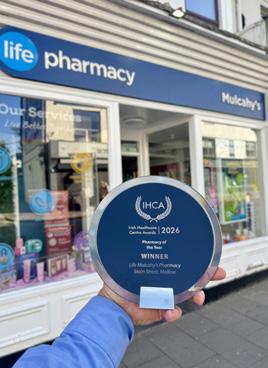
Page 34: Recognition for Mulcahy’s Life Pharmacy
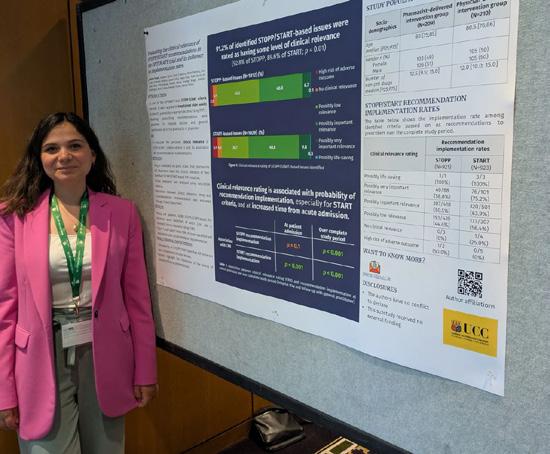
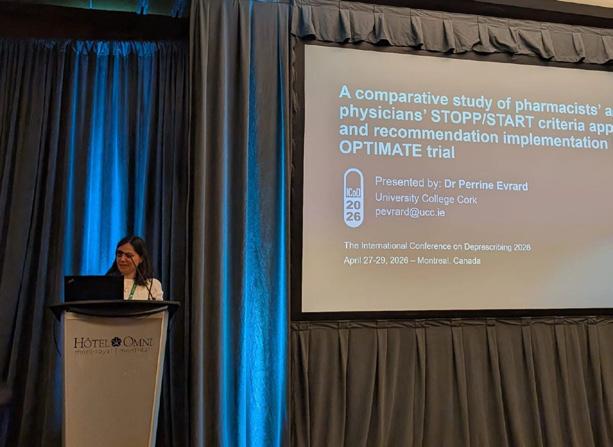
Page 36: What ICOD 2026 Means for Irish Pharmacy Practice
Irish Pharmacy News is circulated to all independent, multiple Pharmacists and academics in Ireland. All rights reserved by Irish Pharmacy News. All material published in Irish Pharmacy News is copyright and no part of this magazine may be reproduced, stored in a retrieval system or transmitted in any form without written permission. IPN Communications Ltd. has taken every care in compiling the magazine to ensure that it is correct at the time of going to press, however the publishers assume no responsibility for any effects from omissions or errors.
Foreword
As we move further into 2026, one thing remains abundantly clear: community pharmacy continues to sit at the very heart of healthcare delivery in Ireland. Accessible, trusted and increasingly clinical in its focus, the profession continues to evolve and adapt to meet the changing needs of patients, often while navigating significant challenges and increasing demands.
In this issue, we explore several developments that highlight both the opportunities and challenges facing pharmacy and healthcare more broadly.
One welcome development is the forthcoming rollout of a nationwide medicines disposal service through community pharmacies. Following confirmation from the Department of Health that Ireland currently lacks comprehensive national data on medicines waste, the new initiative represents an important step forward. Not only will it provide patients with a convenient and safe route for returning unwanted medicines, but it will also help build a clearer picture of the scale and cost of medicines waste in Ireland.
At the same time, concerns continue to grow around access to innovative medicines, particularly for patients living with rare diseases. New figures highlighted in this issue reveal that Irish patients are now waiting longer than ever to access EMA-approved rare disease treatments, with average reimbursement timelines exceeding 800 days. While there has been some improvement in the number of medicines ultimately becoming available, the pace of access remains a significant concern.
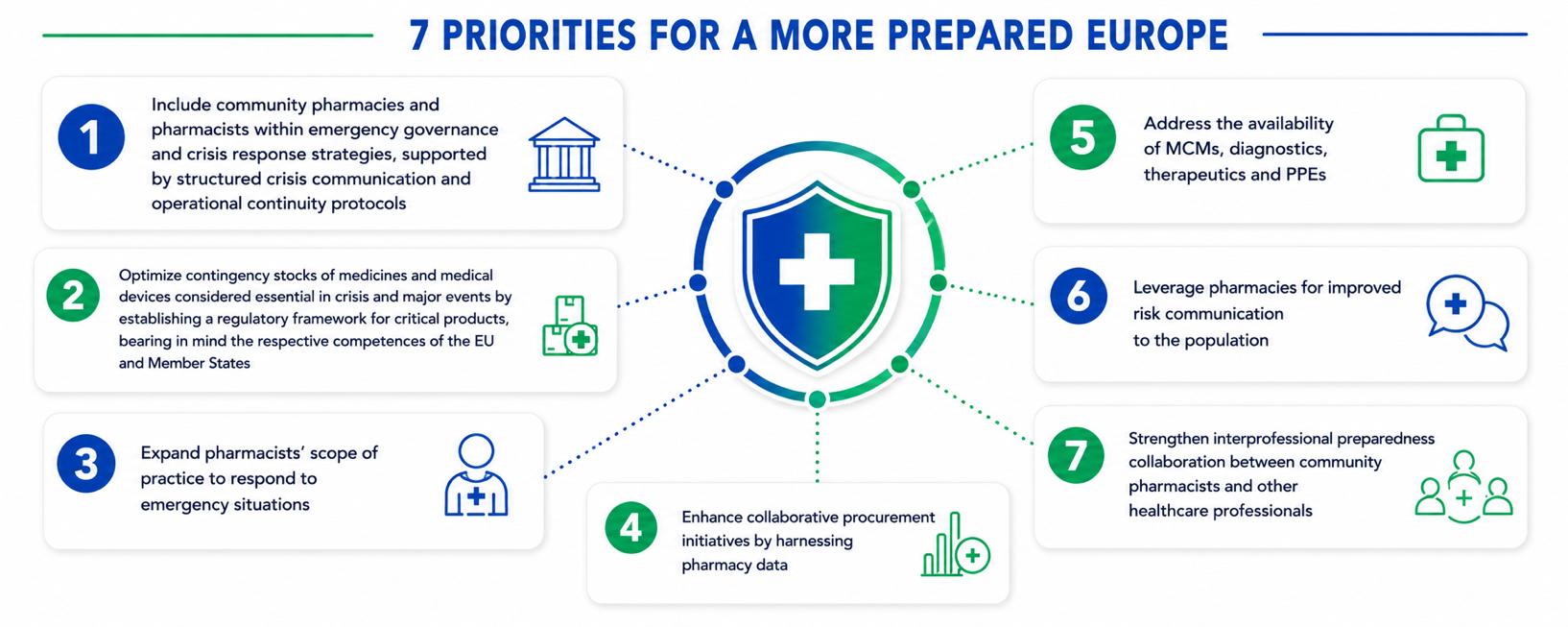
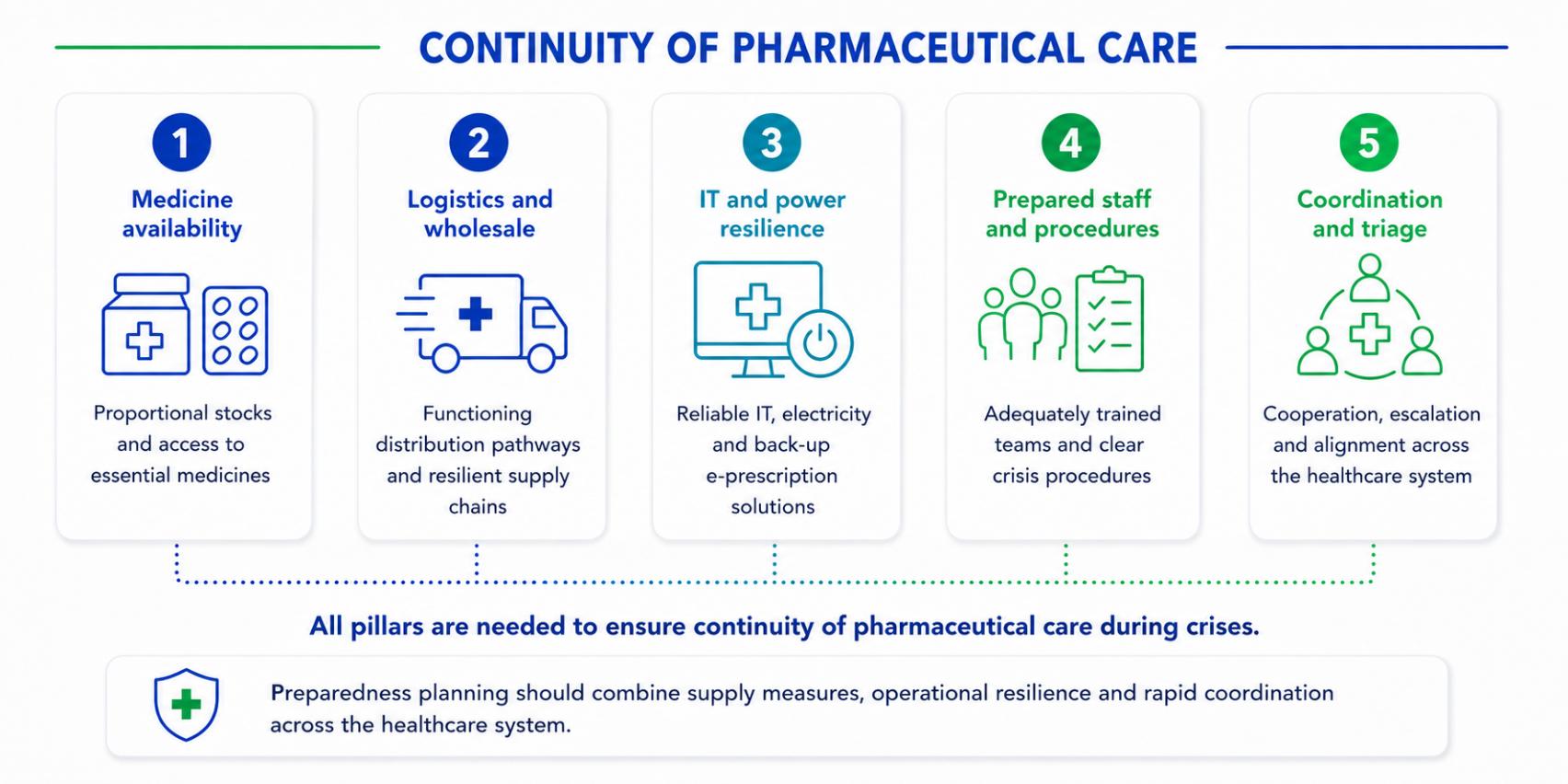
We also report on the Pharmaceutical Group of the European Union's new Position Paper on Health Preparedness. The PGEU paper argues that community pharmacies should be formally recognised as a core component of health preparedness planning across Europe. It is difficult to disagree. Pharmacies remained open, accessible and responsive throughout recent crises, and their contribution to healthcare resilience deserves greater recognition and integration into future planning.
Our educational special this issue focuses on one of the most significant developments currently reshaping healthcare conversations: weight management. Increasingly, community pharmacy teams are supporting patients through every stage of the journey, from injection training and side effect management to ongoing monitoring, encouragement and lifestyle support. Our feature explores the growing role of pharmacy-led weight loss clinics and highlights how pharmacists are helping patients achieve sustainable health outcomes beyond the prescription itself.
I hope you enjoy this issue.
National Medicines Disposal Service to Launch
A new nationwide medicines disposal service is set to be rolled out through community pharmacies in the coming months, following confirmation from the Department of Health that Ireland currently has no comprehensive national data on the scale or cost of medicines waste.
The update came in response to a parliamentary question from Deputy Ken O'Flynn, who asked the Minister for Health whether her Department or the HSE had carried out any national assessment since 2020 of the annual cost to the Exchequer of unused, expired, uncollected or otherwise wasted medicines under State-funded medicine schemes.
In her response, Minister for Health Jennifer Carroll MacNeill confirmed that, to date, the Department has not carried out a national assessment of medicines waste, largely because no national programme for the collection and disposal of unused medicines has existed.
"To date, there has been no national programme established
PMI Masterclass
for the collection and safe disposal of unused medicines," the Minister stated.
While community pharmacists have traditionally accepted returned medicines from patients, this has largely been facilitated either on a goodwill basis or through localised arrangements. Various regional initiatives aimed at encouraging the return and appropriate disposal of unused medicines have also been undertaken over the years, with some receiving time-limited HSE funding. However, these programmes have not operated on a national scale.
As a result, the Department acknowledged that it does not currently have sufficient data to accurately quantify the extent
of medicines waste across the country or assess its associated cost to the healthcare system.
The issue of medicines waste has long been recognised as both an economic and environmental challenge. Unused and expired medicines represent a potential loss of healthcare resources, while inappropriate disposal can pose risks to public health and the environment.
The Minister's response, however, signals a significant step forward with the forthcoming introduction of a national medicines disposal service under the Community Pharmacy Agreement 2025 (CPA25).
Under the agreement, an annual allocation of ¤4.5 million has been made available to fund a HSE-tendered medicines disposal service through community pharmacies nationwide.
The new service will formalise and standardise the collection of unused medicines through Ireland's network of community pharmacies, providing patients with a clear and accessible route for the safe return and disposal of unwanted medicines.
Importantly, the initiative is also expected to generate valuable information on the scale and nature of medicines waste for the first time.
Further details on the rollout and operational arrangements for pharmacies are expected in the coming months.
The Pharmaceutical Managers’ Institute are delighted to partner with the University of Galway’s Health Economics and Policy Analysis Centre (HEPAC) to deliver a one-day short course in Health Economic Modelling for Health Technology Assessment in Ireland.
The course has been designed to provide a practical, accessible introduction to cost-effectiveness modelling, while also offering valuable insights and applied learning for professionals already working with HTA and economic models.
It takes place on Thursday June 18th from 9.30-4pm at the Irish Management Institute, Sandyford, Dublin.
This course is designed for HEOR, Market Access, and adjacent professionals working in the pharmaceutical and healthcare sectors. No prior modelling experience is required. The course is specifically designed to make modelling concepts approachable and practical, while still delivering meaningful value to participants with existing knowledge or experience.
Osteoporosis Research
Researchers in Limerick have developed a new way of using routine bone density scans (DEXA) to predict when someone is likely to develop osteoporosis and when treatment could help them recover from it.
Osteoporosis is the most common bone condition and is characterised by reduced bone strength leading to increased fracture (four people per hour in Ireland).
The study, just published in the leading Medical Informatics & Decision Making journal, was carried out by researchers at University Hospital Limerick and the Research Directorate, HSE Mid West, and analysed repeated DEXA scans from 200 patients.
Currently, DEXA scans are mainly used to diagnose osteoporosis by measuring bone density at a single point in time. The new research instead uses a series of scans to estimate a patient’s future bone health trajectory.
The researchers created mathematical models that can estimate:
• the age at which a person may enter the osteoporotic range, and
• the age at which they may leave that range following treatment or recovery.
The team says the approach should help doctors explain bone health in more intuitive, agebased terms.
“Patients often want to know not just what their bone density score is today, but where it is heading,” said Professor Declan Lyons, Director of Research. “This framework aims to translate bone scans into understandable timelines.”
Unlike many artificial intelligence systems used in healthcare, the researchers say their model is fully transparent, with every prediction traceable directly to the patient’s scan results.
The study is an early proof-ofconcept and has potential for widespread clinical applicability. The authors are optimistic that this approach could enhance the management of osteoporosis worldwide and believe that the findings could support earlier identification of high-risk patients, improve communication around osteoporosis risk, and help monitor recovery during treatment.
Pharmacy-Led Self Care
Insights on advancing pharmacyled self-care worldwide are presented today in a new report from the International Pharmaceutical Federation (FIP).
The report captures discussions from the inaugural Self-Care Summit held in The Hague, where global experts explored how pharmacists can support common ailment management, improve access to care, and strengthen health system sustainability.
Findings highlight the growing impact of self-care in addressing workforce shortages, rising healthcare costs, and increasing demand for services. The report emphasises the need for stronger policy support, sustainable remuneration models, and greater integration of digital health and diagnostics in pharmacy practice. It also underscores pharmacists’ expanding clinical roles and the importance of education, data, and collaboration to unlock their full potential as accessible primary care providers and key enablers of patient empowerment.
Advances in self care in pharmacy-based management of common ailments are already leveraged in various countries; however, regulatory restrictions, unclear legal frameworks, cost, infrastructure and training gaps hinder widespread implementation. A crucial message from the discussions is that tailored national contextual approaches are important for ensuring sustainable pharmacybased services. This involves implementing services aligned with local regulations, workforce capacity, fair financing models and the needs of the population, recognising pharmacists as providers of professional services rather than solely products.
The report calls for coordinated efforts to leverage the trust and accessibility of pharmacy, improve education, create sustainable service models, harness digital innovation and embed self management of common ailments in pharmacy practice. With strategic leaders, care and hip and investment, pharmacy can play a transformative global role in advancing equitable, sustainable and person centred self care.
Caoimhe McAuley Elected as New President of the Irish Pharmacy Union
The Irish Pharmacy Union (IPU) has announced the election of Caoimhe McAuley, Director of Pharmacy and Superintendent Pharmacist at Boots Ireland, as its new President.
Ms McAuley has served as VicePresident of the IPU for the past two years, representing the full breadth of community pharmacy and supporting all members regardless of employment setting. She has been a consistent voice for unity within the sector, emphasising that a strong IPU is a united one.
Addressing pharmacists at the IPU National Pharmacy Conference 2026 in Carlow, Ms McAuley highlighted the importance of ensuring that the funding environment keeps pace with the evolving role of pharmacy. “The cost base for pharmacies continues to increase. The upcoming June fee review is therefore a critical opportunity to ensure that funding arrangements reflect the reality that 82% of dispensary revenue is publicly funded and pharmacies are effectively price takers on the majority of their business.”
This issue, she noted, is not solely a financial matter but one that directly affects access to pharmacy services in communities across the country, particularly in rural and disadvantaged areas, “Pharmacies have taken on significant reform, expanded services, and new clinical roles. What we need in return is a
funding model that keeps pace and enables us to deliver those services sustainably, particularly in rural and disadvantaged areas where pharmacies are often the most accessible healthcare touchpoint.”
Ms McAuley also called for Government support to fully enable pharmacists to meet the infrastructure and connectivity requirements of an increasingly digital healthcare system.
“There is a clear opportunity to fully enable pharmacists to contribute to the digital era,” Ms McAuley said following her election. “This requires transparency, alignment and support from the State to ensure pharmacies can connect to and work effectively within national health systems. Community pharmacy has embraced digital change, but we now need the infrastructure, engagement, and support to manage that agenda.”
Addressing workforce challenges, Ms McAuley emphasised the need for a structured and collaborative approach with Government. “Pharmacy is a people-led service. If Government wants pharmacy to carry more of the load in primary care, then there must be a clear
plan for the workforce required to deliver that. We want a real workforce strategy, developed with the Department, ensuring that the profession can attract, develop and retain the people needed to meet growing demand and deliver highquality care into the future.”
Having joined Boots in 2007 as a community pharmacist, Ms McAuley progressed through a series of leadership roles before being appointed Superintendent Pharmacist and Director of Pharmacy in 2017. Speaking on her appointment as IPU President she said her focus will be to ensure that community pharmacy continues to evolve in line with patient needs.
“It is a privilege to take on the role of President of the Irish Pharmacy Union at a time when community pharmacy is playing an increasingly central role in delivering care to patients across Ireland. We are at an important point for the profession. There has been real progress, but there is more to do to ensure that pharmacies are supported to deliver for patients in a way that is sustainable, forwardlooking and reflects the role we are now being asked to play.”
Caoimhe McAuley, Director of Pharmacy and Superintendent Pharmacist at Boots Ireland with Minister for Health Jennifer Carroll MacNeill
Ongoing Work to Support Electronic Record Keeping in Community Pharmacy
The Department of Health has reaffirmed its commitment to supporting the rollout of electronic record keeping in community pharmacy, while acknowledging that the timeline for software implementation will ultimately rest with individual pharmacy system vendors.
The update came in response to a parliamentary question from Deputy Pádraig O'Sullivan, who sought clarification from Minister for Health Jennifer Carroll MacNeill on the readiness of pharmacy software systems following the introduction of new electronic record keeping provisions signed into law in April 2026.
The legislation, which came into effect on 30 June 2026, represents a significant step forward in the digitalisation of community pharmacy practice and forms part of wider efforts to modernise pharmacy services and reduce administrative burdens on pharmacy teams.
Deputy O'Sullivan asked whether the Department could provide an update on the timeline for software vendors to implement the necessary system changes and whether steps were being taken to avoid a gap between the legislative commencement date and the practical ability of pharmacies to utilise the new provisions.
In her response, Minister Carroll MacNeill highlighted that enabling electronic record keeping is a key objective under both the Community Pharmacy Agreement 2025 and the Workforce Intelligence Report 2023.
"The Department of Health is committed to enabling electronic record keeping practices in community pharmacy practice," the Minister stated.
To support implementation, the Department established
the Electronic Record Keeping Implementation Group (ERKIG), a multi-stakeholder body bringing together representatives from across the pharmacy sector. Membership includes the Irish Pharmacy Union (IPU), the Pharmaceutical Society of Ireland (PSI), practising pharmacists and patient representatives.
According to the Minister, the group has played a central role in preparing for the transition to electronic record keeping by contributing to both the legislative framework and the development of supporting guidance documentation.
The guidance is intended to ensure consistent interpretation of the new legal requirements and to assist pharmacy software vendors in developing and updating systems that comply with the legislation.
However, while the Department has sought to facilitate implementation through engagement and guidance, it acknowledged that it does not have direct control over the timelines adopted by software providers.
"The specific timeline for implementation of the necessary system changes will be determined by individual software vendors, having regard to their own development schedules and system updates," the Minister explained.
This means that while the legislative framework is now in place, the pace at which pharmacies can fully utilise electronic record keeping functionality may vary depending on the software systems they use and the readiness of their chosen vendors.
The Minister stressed that the Department remains actively engaged with stakeholders through the ERKIG process and is working to support a smooth transition across the sector.
"While the Department does not directly control vendor timelines, it is actively engaged through the ERKIG process to support readiness and facilitate as smooth a transition as possible," she said.
The ERKIG continues to meet regularly and remains focused on supporting pharmacy teams, software providers and other stakeholders as implementation progresses.
The move towards electronic record keeping has been widely welcomed as an important milestone for community pharmacy. Digital record keeping has the potential to improve efficiency, reduce reliance on paper-based systems, enhance information governance and support the continued expansion of clinical services within community pharmacy practice.
For pharmacy teams, however, the practical benefits of the new legislation will depend heavily on the availability of compliant software solutions and the successful integration of new functionality into existing pharmacy management systems.
As implementation progresses over the coming months, many pharmacists will be watching closely to see how quickly software providers can deliver the necessary updates and whether a consistent approach emerges across the sector.
The Department's latest comments provide reassurance that engagement with pharmacy stakeholders remains ongoing, but they also confirm that responsibility for system development and deployment ultimately lies with individual vendors.
For now, community pharmacy teams are being encouraged to engage with their software providers and remain informed about forthcoming updates as the sector transitions towards a more digitally enabled future.
Stroke Action Plan
Minister for Health Jennifer Carroll MacNeill has signed the Stroke Action Plan for Europe which aims to transform stroke care across the Continent by 2030.
The Irish Heart Foundation played a significant role in developing the Plan, which targets major improvements across the entire chain of care including prevention, acute care, rehabilitation and community-based life after stroke services and supports.
Minister Carroll MacNeill said she signed the Plan in recognition of the high burden of stroke on individuals, families, carers and society. “The Stroke Action Plan for Europe sets out a clear roadmap for the development of evidence-informed stroke policy and services in Ireland to meet our demographic challenges.”
HSE National Stroke Programme lead Prof Ronan Collins said: “Today marks a major milestone in the future direction of stroke care in Ireland. The burden of stroke is enormous on Irish society with one in four of us having a stroke in our lifetime. National and international research now predicts that new cases of stroke could rise by up to 59% in the next two decades.”
Irish Heart Foundation Director of Advocacy and Patient Support Chris Macey described the signing of the Stroke Action Plan for Europe as, ”a landmark day for stroke care in Ireland and for tens of thousands of people of all ages and walks of life affected by the condition. The signing of the action plan marks a solid commitment to the development of comprehensive prevention, acute treatment and rehabilitation services that will minimise death and disability from stroke. Signing the Plan also signifies our commitment to creating post discharge protocols and supports that will help maximise the ability of survivors to live the best lives possible after stroke strikes”.
Padraig O'Sullivan TD
Irish Patients Longer Wait for Medicines
Patients in Ireland continue to wait longer than their peers in most Western European countries in terms of accessing life-enhancing new medicines after authorisation by the European Medicines Agency, according to a new report by data analysts IQVIA for EFPIA, the European pharmaceutical body.
For patients with rare diseases the wait time from EMA authorisation has significantly increased from 685 days to over 800 days. This is in stark contrast to the EU average of 614 days. Furthermore only 18 (27%) of a total of 66 rare disease medicines approved by the EU are publiclyreimbursed and available to patients in Ireland, compared to 64 in Germany. While this rate of availability represents a marginal improvement from last year (20%), the deterioration in access timelines for these medicines is concerning.
This new data from the EFPIA Patients WAIT Indicator, assesses the availability of 168 innovative medicines with EMA central-marketing authorisation between 2021 and 2024 across 36 countries. While the rate of availability of new medicines in Ireland remains similar to previous years – 32% against the EU average of 45% – the time it takes for patients to access these treatments continues to increase and remains significantly behind the European average.
More broadly, the data shows:
• Average access timelines for all medicines in Ireland have risen moderately to 685 days from 645 days as reported in 2025.
• However, for oncology medicines, timelines have increased to 730 days from 644 days since last year.
These delays have real and lasting consequences for all patients. For people living with rare diseases – many of whom have limited or no treatment options – delayed access can mean disease progression, reduced quality of life, and lost opportunities for early intervention.
Alongside the EFPIA W.A.I.T. Indicator Report released today, a further survey* shows that 66% of newly authorised medicines by EFPIA members have been submitted for pricing and reimbursement in Ireland — a 15% increase since 2025 — bringing Ireland broadly in line with the EU average (69%). However, while submission rates have improved, patient access timelines remain significantly out of step with Europe, highlighting persistent systemic inefficiencies beyond the point of submission, as identified in IPHA’s Faster and Fairer paper (2024).
However, the recently agreed IPHA Framework Agreement directly addresses these structural challenges by setting out a clear pathway to streamline processes, reduce delays across the system, and ensure faster, more
FIP 79th World Health Assembly
This month marked the start of the 79th World Health Assembly (WHA79) in Geneva. Similarly to the past three years, the International Pharmaceutical Federation (FIP) invited members of the Board, constituencies and member organisations to support the FIP team in Geneva and advocate for the role of pharmacists in health care systems across activities held during the week.
The 55-member delegation includes eleven FIP Board members, one Honorary President, representatives from four sections, 22 organisations in membership including two academic institutions, four early career colleagues and four team members.
FIP hosted it's first of three side events. The session titled “Selfcare essential for primary health care. Pharmacists critical for self-care and Universal Health Coverage” explored practical strategies to strengthen self-care through communitybased services.
predictable access to medicines for patients in Ireland. This includes a commitment to achieve 180 days as outlined in the Health Act 2013, over the lifetime of the current Agreement.
Oliver O’Connor, Chief Executive of the Irish Pharmaceutical Healthcare Association said, “The Framework Agreement is a critical step forward in supporting patients in Ireland to gain faster access to innovative and lifechanging new medicines. It reflects a shared recognition by the State and industry that delays are unacceptable and that meaningful reform is required.”
“The focus must now turn to implementation. By delivering on the commitments within the Agreement, we have a real opportunity to significantly reduce timelines, improve patient outcomes, and empower clinicians to provide the best care available.”
IPHA emphasised that improving access to rare disease medicines must be a priority, given the disproportionate impact of delays on these patient populations.
“Ireland has the ambition to be a leader in life sciences and healthcare innovation. Ensuring timely access to medicines – particularly for rare disease patients – is fundamental to achieving this goal.”
The speakers at this event included FIP vice president Marianne Ivey, FIP Eastern Mediterranean Region Pharmaceutical Forum president Wael Ali, WHO Scientist in Sexual, Reproductive, Maternal, Child, Adolescent Health and Aging Manjulaa Narasimhan, FIP president Paul Sinclair, FIP CEO Catherine Duggan, Opella chief science officer Josephine Fubara.
On the third day of #WHA79, FIP hosted it's third side event on implementing the World Health Organization Framework Convention on Tobacco Control (WHO FCTC) and broader non-communicable disease prevention targets by integrating the pharmacy workforce.
FIP CEO Catherine Duggan moderated the event, which featured presentations from Hebe Gouda, WHO technical officer: Tobacco Free Initiative, FCTC Secretariat Atobor Szilagyi, FIP vice presidents Luís Lourenço and John Pieper, Roshan Varghese, Kenvue, and Virginia Olmos, Uruguayan Association of Chemistry and Pharmacy and FIP vice president.
During this event, FIP launched the first episode of a CPD bite series for pharmacists on supporting tobacco cessation. The episode focuses on understanding the impact of second- and third-hand tobacco exposure on family members.
Oliver O’Connor, Chief Executive, Irish Pharmaceutical Healthcare Association
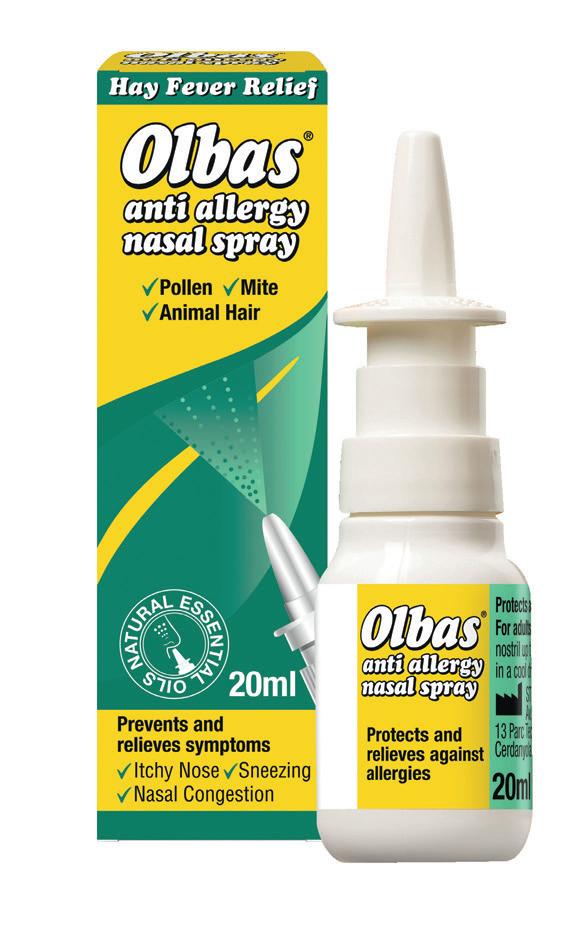
Olbas Anti-Allergy Nasal Spray prevents and relieves the following symptoms of Hayfever:
Olbas Anti-Allergy Nasal Spray can help relief symptoms caused by Pollen, Mites or Animal Hair
Pharmacy Regulator Welcomes Funding Award
The PSI the Pharmacy Regulator has welcomed the decision by the Health Research Board (HRB) to award funding to an innovative new applied research project to identify and develop evidence-based practical strategies to incorporate patient and public involvement (PPI) into the regulation of pharmacy and healthcare professionals.
“The project findings and recommendations will enable the PSI to further enhance the means and methods by which we collaborate and engage with patients and the public, and to ensure that a patient-centred approach is at the core of our work”
On completion, the findings will identify effective ways of engagement and collaboration that support a patient-centred approach and make certain the patient’s voice is heard. The work has the potential to benefit other healthcare regulatory bodies, in Ireland and globally, who can adapt learnings into respective regulatory approaches.
Under the HRB’s Applied Partnership Award, the majority funding contribution of ¤200,000 is awarded to the PSI and Royal College of Surgeons Ireland (RCSI) for the two-year PARTNER project – Optimising Public and Patient Involvement in Regulation of Pharmacy and Healthcare Professions. The research is led by Professor Michelle Flood at the School of Pharmacy and Biomolecular Sciences, RCSI, with whom the PSI made the joint application for funding at the end
of 2024. Professor Flood is also the current All-Island Lead of the PPI Ignite Network.
The PSI will act as the principal case-study for the research, facilitating the development of strategies that will enable the integration of patient and public perspectives into its regulatory approach. The work is collaborative, delving into the public and patient perspective, national and international experiences, and including experienced academics and researchers.
This latest development further demonstrates PSI’s commitment to ensuring its regulatory approach is centred on its mandate to protect and promote public health and safety, and, in doing so, ensuring engagement with those experiencing pharmacy care. It builds on the objectives of the PSI’s Corporate Strategy to further enhance patient and public
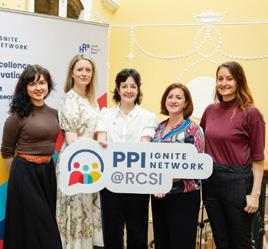
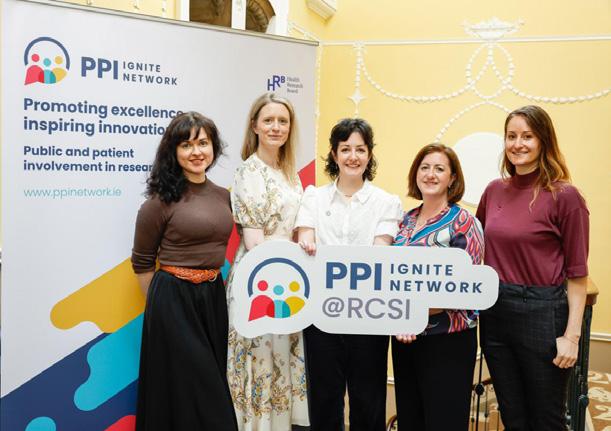
Some of the PARTNER project team at the PPI Ignite Network event in RCSI, May 2026. L-R: From RCSI Dr. Jennifer Donnelly, Prof. Michelle Flood, and Niamh Dillon, and from PSI Dr. Cora Nestor and Dr. Theresa Terstegen
HPV Vaccine Update
The HSE is offering a further opportunity for students currently in 5th and 6th Year to receive the HPV vaccine, a highly effective cancer-preventing vaccine, free of charge through the School Immunisation Programme.
engagement, to ensure a patientcentred approach and as part of its overall commitment to assure trust in pharmacy.
Welcoming the news, Joanne Kissane, Registrar and Chief Officer of the PSI, said, “We welcome the success of our HRB funding application for this research partnership with RCSI. It is important for the PSI in the context of building patient and public perspectives into pharmacy regulation, ensuring that our regulatory approach is informed by their experiences and insights.
“It aligns with our commitment to person-centred regulation that is underpinned by evidence-based research and data. The project findings and recommendations will enable the PSI to further enhance the means and methods by which we collaborate and engage with patients and the public, and to ensure that a patient-centred approach is at the core of our work. We are delighted to have commenced this important research and to be working closely with Professor Michelle Flood at RCSI, and the fantastic wider team.”
Highlighting the importance of the partnership, Professor Michelle Flood at the School of Pharmacy and Biomolecular Sciences, RCSI, said, “We at RCSI are proud to work alongside the PSI as a research partner in this important and evolving area of patient and public involvement, helping to shape more inclusive and patientcentred approaches to regulation.”
The Laura Brennan HPV vaccine schools catch-up programme is designed to offer a further vaccination opportunity to young people. Both male and female students are eligible for the catch-up programme if they missed their dose previously. Students identified as not having previously received the HPV vaccine and who would like to receive the vaccine this summer are invited to contact the HSE School Immunisation Office (SecondarySchoolImm.SLSD@ hse.ie) so they can receive an appointment inviting them to attend one of the upcoming catch-up HPV vaccination clinics, scheduled throughout the summer and beyond.
The single-dose HPV vaccine helps protect against a range of HPV-related cancers. Students aged 16 and over can complete their own consent form. Parents/ guardians will be asked to provide consent for young people aged 15 years and under. Further information on HPV is available at www.immunisation.ie
Dr Cathriona Walsh, HSE School Immunisation Lead, said, “We encourage all eligible students to take this opportunity to protect themselves against HPV-related cancers. The HPV virus is very common; around eight out of ten people (80%) will be infected with the virus at some point in their lives, and vaccination provides safe, effective, lifelong protection against a range of cancers, including cervical, throat, anal, penile and vulval cancers. Each year in Ireland, about 640 people are diagnosed with a HPV-associated cancer. The HPV vaccine works and is recommended for both males and females and is available free of charge. By making vaccination accessible through the HSE catch-up programme and at clinics, we are supporting young people and their families to make informed decisions that can have lasting health benefits.”
What’s Measured, Gets Managed - helping you manage your claims
ARC offers you the opportunity to be proactive rather than reactive with your monthly claim and greater peace of mind with it's clear and easy to understand claim reconciliation
Realtime alerts (with second look opportunity)
Claim reject and reclaim reconciliation (including manual schemes)
PCRS claiming rule checks
Proactive monthly check reporting
Claim leakage reporting
ARC is fully supported by 3 Pharmacy technicians for training, claim review and technical support
United, we do better
Group overview functionality
The VMS Market in Men’s Health
The market for vitamins, minerals and supplements (VMS) targeted at men has expanded significantly in recent years, driven by increasing health awareness, an ageing male population, greater openness to discussing men’s health issues, and strong consumer marketing around energy, performance, immunity and “healthy ageing”. For community pharmacists in Ireland, this is a category with both commercial opportunity and important professional responsibility, as many men self-select supplements without fully understanding their clinical relevance, safety profile or evidence base.
What is driving growth in the men’s supplement market?
Traditionally, men were less likely than women to engage proactively with preventive healthcare. However, this pattern is changing. Increased media coverage of cardiovascular disease, prostate cancer, mental health, testosterone deficiency and fertility has led more men to seek health information and OTC solutions. The COVID-19 pandemic also heightened awareness of immune health and general wellbeing, accelerating uptake of multivitamins, vitamin D, zinc and omega-3 products.
In addition, lifestyle factors such as high stress, poor diet, obesity, alcohol consumption and sedentary behaviour have contributed to a perception of “nutritional gaps” that supplements may help address. For many men, the pharmacy represents an accessible and discreet environment to seek advice on sensitive topics such as sexual health, fatigue, hair loss or ageing, positioning pharmacists as key influencers in appropriate product selection.
Key segments within the men’s VMS category
From a community pharmacy perspective, the men’s supplement market can be broadly divided into several overlapping segments:
1. Men’s Multivitamins and General Health
These products are often positioned as “all-in-one” solutions, containing a combination of vitamins, minerals and sometimes herbal extracts. They typically emphasise energy metabolism (B vitamins),
immunity (vitamin C, D, zinc), bone and muscle health (vitamin D, magnesium) and antioxidant protection. While convenient, pharmacists should counsel that multivitamins are not a substitute for a balanced diet and that excessive intakes of certain nutrients, particularly fat-soluble vitamins and minerals such as zinc or selenium, may be harmful if combined with additional singleingredient supplements.
2. Energy, Fatigue and Stress Support
Men frequently request supplements for low energy, reduced concentration or “burnout”. Common ingredients include B-complex vitamins, iron (though true iron deficiency is less common in men), magnesium, coenzyme Q10, ginseng and ashwagandha. It is important to explore underlying causes such as sleep disorders, depression, thyroid disease or anaemia and to refer where appropriate, rather than defaulting to long-term supplement use.
3. Testosterone, Muscle and Performance Products
Products marketed for “testosterone support” or muscle strength often contain vitamin D, zinc, magnesium, fenugreek, tribulus or D-aspartic acid. While correcting deficiencies of vitamin D or zinc may support normal hormonal function, evidence for many herbal “testosterone boosters” is limited. Pharmacists should caution against unrealistic expectations and advise referral for symptoms of hypogonadism, such as persistent fatigue, low libido or reduced muscle mass.
4. Heart Health and Metabolic Support
Cardiovascular disease remains the leading cause of mortality in men in Ireland. Omega-3 fatty acids, plant sterols, soluble fibre and, in some cases, coenzyme Q10 are commonly used. Pharmacists can play a key role in advising on evidence-based use, interactions with statins or anticoagulants, and reinforcing lifestyle measures as the cornerstone of risk reduction.
5. Prostate and Urinary Health
Saw palmetto, beta-sitosterol, pygeum and zinc are widely used for lower urinary tract symptoms associated with benign prostatic hyperplasia. While some men report symptomatic relief, the evidence is mixed, and pharmacists should screen for red flags such as haematuria, recurrent urinary retention or systemic symptoms that require medical evaluation.
6. Sexual Health and Fertility
Supplements containing zinc, selenium, folate, omega-3 and antioxidants are commonly marketed for sperm quality and erectile function. Again, pharmacists should balance support for evidence-based nutrition with appropriate referral for persistent erectile dysfunction or fertility concerns.
Safety and interaction considerations
Men are more likely than women to use supplements alongside prescription medicines for hypertension, dyslipidaemia, diabetes and mental health conditions. Key counselling points include:
• Potential interactions between herbal products (e.g. ginseng, ginkgo, St John’s wort) and anticoagulants, antihypertensives or antidepressants.
• The risk of excessive zinc intake when combining multivitamins with “immune” or “testosterone” products.
• The need for caution with vitamin A and selenium at high doses.
• The importance of checking for stimulant ingredients, including caffeine or synephrine, in “energy” formulations.
Pharmacists should also be alert to the use of online or gym-sourced products that may be unregulated or adulterated with prescriptiononly substances.
The role of the community pharmacist
Community pharmacists are ideally placed to add clinical value in this expanding market by:
• Taking a brief but structured history to understand symptoms, diet, lifestyle and medicines.
• Differentiating between supplementation for deficiency, therapeutic support and general wellness.
• Providing evidence-based recommendations and realistic expectations.
• Identifying when symptoms warrant medical investigation rather than OTC management.
• Promoting safe duration of use and regular review.
From a professional and commercial perspective, positioning the men’s VMS category as part of a broader, pharmacist-led approach to healthy ageing, cardiovascular risk reduction, mental wellbeing and sexual health can enhance both patient trust and service uptake.
Conclusion
The men’s vitamins, minerals and supplements market continues to grow in Ireland, reflecting changing attitudes to self-care and preventive health. While many products can play a supportive role when used appropriately, there is also significant potential for misuse, unrealistic expectations and missed diagnoses. Community pharmacists, as accessible and trusted healthcare professionals, are uniquely placed to guide men toward safe, evidencebased choices, integrate supplementation into holistic care, and ensure that underlying medical conditions are recognised and referred appropriately.
Men’s Health Week 2026: What Community Pharmacists Should Know About Supporting Men’s Health
International Men’s Health Week (MHW) 2026 will run from Monday 15th to Sunday 21st June, beginning on the Monday before Father’s Day and concluding on Father’s Day itself. Celebrated across Ireland and internationally, the week aims to raise awareness of preventable health issues affecting men and boys, encourage healthier lifestyle choices and support the early detection and treatment of health concerns.
This year’s all-island theme promotes a simple but powerful message: improving men’s health one step at a time — focusing on progress rather than perfection.
For community pharmacy teams, Men’s Health Week provides an important opportunity to reflect on how pharmacies can better engage this cohort of the population and support earlier intervention, prevention and health awareness.
Understanding the Challenge
Men continue to experience poorer outcomes across a range of health indicators. Research consistently shows that men are less likely to seek help promptly, engage with preventative healthcare or discuss physical and mental health concerns at an early stage.
Many men will delay seeking professional advice until symptoms worsen or daily life is significantly affected. Work commitments, stigma, cultural expectations around masculinity and a reluctance to appear vulnerable can all contribute to reduced healthcare engagement.
This presents a unique opportunity for community pharmacy.
As one of the most accessible healthcare settings, pharmacies often encounter men who may not regularly attend a GP but who will present for OTC advice, prescriptions, vaccinations, smoking cessation products or support for minor ailments.
Every interaction can become an opportunity for health promotion.
Cardiovascular Health: A Key Priority
Cardiovascular disease remains one of the most significant health concerns affecting men.
Community pharmacists are well placed to identify risk factors including:
• Hypertension
• Elevated cholesterol
• Smoking
• Obesity
• Diabetes risk
• Sedentary lifestyle
• Excess alcohol intake
Simple opportunistic conversations around blood pressure checks, weight management, smoking cessation or cardiovascular risk can play an important preventative role.
Men presenting for unrelated concerns may benefit from gentle questioning around family history, lifestyle habits or cardiovascular screening awareness.
Importantly, pharmacists can reinforce that prevention does not require dramatic lifestyle change. Small, realistic improvements — aligning closely with this year’s Men’s Health Week theme — can produce meaningful health benefits over time.
Mental Health: Breaking Down Barriers
Mental health remains an essential area of focus during Men’s Health Week.
Many men continue to find it difficult to discuss stress, anxiety, low mood, loneliness or emotional wellbeing. Community pharmacists frequently interact with patients who may not explicitly present with mental health concerns but who display indirect indicators such as sleep difficulties, fatigue, increased alcohol use, chronic pain or repeated purchases of symptommanagement products.
Creating a non-judgemental environment and normalising conversations around mental wellbeing can make a significant difference.
Pharmacists should remain aware of local support pathways, referral options and crisis resources, while recognising the important role pharmacy can play in reducing stigma and encouraging early support-seeking behaviour.
Sometimes a brief conversation or signpost to appropriate services may be the first step toward help.
Cancer Awareness and Early Detection
Community pharmacy can also contribute meaningfully to cancer awareness and early detection among male patients.
Areas of focus may include:
• Prostate health awareness
• Bowel cancer screening participation
• Skin cancer prevention and detection
• Testicular awareness and early presentation
Pharmacists are often well positioned to encourage men to act on symptoms they may otherwise dismiss or delay investigating.
Conversations around persistent urinary symptoms, unexplained changes in bowel habits, suspicious skin lesions or unexplained pain should prompt appropriate referral where indicated.
Sexual Health and Men’s Wellbeing
Sexual health concerns can present frequently within community pharmacy but may be under-discussed.
Issues such as erectile dysfunction, contraception queries, sexual health concerns or urinary symptoms can provide important clinical insight.
Pharmacists should remain mindful that erectile dysfunction, for example, may be associated with underlying cardiovascular risk, diabetes or wider health concerns and can therefore represent an opportunity for broader health assessment and referral.
Maintaining a discreet, supportive and professional approach is essential in encouraging open discussion.
Community Pharmacy’s Role in Prevention
Men’s Health Week reinforces the value of community pharmacy
not only as a medicine supply point, but as a trusted health promotion hub.
Pharmacy teams can support men through:
• Preventative health conversations
• Vaccination uptake
• Smoking cessation services
• Weight management advice
• Medicines adherence support
• Blood pressure monitoring
• Lifestyle education and signposting
Importantly, engagement does not always require formal interventions. Small, practical conversations delivered consistently can contribute significantly to improved awareness and earlier action.
One Step at a Time
The Men’s Health Forum in Ireland (MHFI) coordinates Men’s Health Week activities across the island of Ireland and emphasises that improving men’s health does not require perfection.
For pharmacy professionals, this message resonates strongly.
Encouraging one positive conversation, one health check, one referral or one achievable lifestyle change may be enough to begin meaningful progress.
Community pharmacy’s accessibility, trusted relationships and everyday contact with patients place the profession in a powerful position to help men and boys take better care of their health — one step at a time.
ABBREVIATED PRESCRIBING INFORMATION
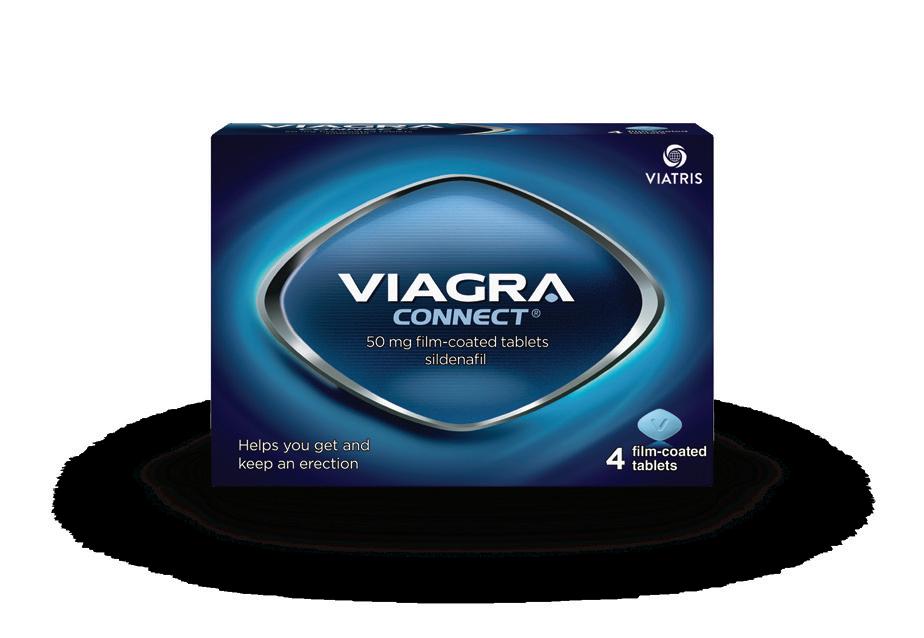
Please refer to Summary of Product Characteristics (SmPC) before prescribing Viagra Connect (sildenafil) 50 mg Film-Coated Tablet
Indications, Dosage and Administration: Indications: For erectile dysfunction in adult men. Dosage and Method of use: Adults: one 50 mg tablet taken with water approx. one hour before sexual activity. The maximum dosing frequency is once per day. The onset of activity may be delayed if taken with food. Patients should be advised that they may need to take Viagra Connect a number of times on different occasions (max of one 50 mg tablet per day), before they can achieve a penile erection satisfactory for sexual activity. If patients are still not able to achieve a sufficient penile erection they should be advised to consult a doctor. Elderly: no dosage adjustments required (≥ 65 years old). Renal Impairment: No dosage adjustments for patients with mild to moderate renal impairment. Dosage adjustments required for those with severe renal impairment, see SmPC. Hepatic Impairment: Dosage adjustments required for those with mild-moderate hepatic impairment, see SmPC. Viagra Connect is contraindicated for patients with severe hepatic impairment (see contraindications). Presentation: Film-coated tablets containing sildenafil citrate equivalent to 50 mg of sildenafil. Contraindications: Hypersensitivity to the active substance or to any of the excipients. Co-administration with nitric oxide donors (such as amyl nitrite), nitrates, ritonavir, guanylate cyclase stimulators (such as riociguat) is contraindicated. Agents for the treatment of erectile dysfunction, including sildenafil, should not be used by those men for whom sexual activity may be inadvisable, and these patients should be referred to their doctor. This includes patients with severe cardiovascular disorders such as a recent (6 months) acute myocardial infarction (AMI) or stroke, unstable angina or severe cardiac failure. Sildenafil should not be used in patients with severe hepatic impairment, hypotension (blood pressure < 90/50 mmHg) and known hereditary degenerative retinal disorders such as retinitis pigmentosa (a minority of these patients have genetic disorders of retinal phosphodiesterases). Sildenafil is contraindicated in patients who have loss of vision in one eye because of non-arteritic anterior ischaemic optic neuropathy (NAION), regardless of whether this episode was in connection or not with previous PDE5 inhibitor exposure. Viagra Connect should not be used in patients with anatomical deformation of the penis (such as angulation, cavernosal fibrosis or Peyronie's disease). Viagra Connect is not indicated for use by women. The product is not intended for men without erectile dysfunction. This product is not intended for men under 18 years of age. Warnings and precautions: Erectile dysfunction can be associated with a number of contributing conditions, e.g. hypertension, diabetes mellitus, hypercholesterolaemia or cardiovascular disease. As a result, all men with erectile dysfunction should be advised to consult their doctor within 6 months for a clinical review of potential underlying conditions and risk factors associated with erectile dysfunction (ED). If symptoms of ED have not improved after taking Viagra Connect on several consecutive occasions, or if their erectile dysfunction worsens, the patient should be advised to consult their doctor. Cardiovascular risk factors: Since there is a degree of cardiac risk associated with sexual activity, the cardiovascular status of men should be considered prior to initiation of therapy. Agents for the treatment of erectile dysfunction, including sildenafil, are not recommended to be used by those men who with light or moderate physical activity, such as walking briskly for 20 minutes or climbing 2 flights of stairs, feel very breathless or experience chest pain. For a list of patients who are considered at low cardiovascular risk from sexual activity see SmPC. Patients previously diagnosed with the following must be advised to consult with their doctor before resuming sexual activity: uncontrolled hypertension, moderate to severe valvular disease, left ventricular dysfunction, hypertrophic obstructive and other cardiomyopathies, or significant arrhythmias. Sildenafil has vasodilator properties, resulting in mild and transient decreases in blood pressure. Patients with increased susceptibility to vasodilators include those with left ventricular outflow obstruction (e.g. aortic stenosis), or those with the rare syndrome of multiple system atrophy manifesting as severely impaired autonomic control of blood pressure. Priapism: Patients who have conditions which may predispose them to priapism (such as sickle cell anaemia, multiple myeloma or leukaemia), should consult a doctor before using agents for the treatment of erectile dysfunction, including sildenafil. Prolonged erections and priapism have been occasionally reported with sildenafil in post-marketing experience. In the event of an erection that persists longer than 4 hours, the patient should seek immediate medical assistance. Concomitant use with other treatments for erectile dysfunction is not recommended. Effects on vision: Patients should be advised that in the event of any sudden visual defect, they should stop taking Viagra Connect and consult a physician immediately. Concomitant use with CYP3A4 inhibitors: patients should be advised to consult a doctor before taking Viagra Connect as a 25 mg tablet may be more suitable for them. Concomitant use with alpha-blockers: Caution is advised when sildenafil is administered to patients taking an alpha-blocker, as the co-administration may lead to symptomatic hypotension in a few susceptible individuals. This is most likely to occur within 4 hours post sildenafil dosing. In order to minimise the potential for developing postural hypotension, patients should be hemodynamically stable on alpha-blocker therapy prior to initiating sildenafil treatment. Thus, patients taking alpha blockers should be advised to consult their doctor before taking Viagra Connect. Treatment should be stopped if symptoms of postural hypotension occur, and patients should seek advice from their doctor on what to do. Effect on bleeding: the use of sildenafil is not recommended in those patients with history of bleeding disorders or active peptic ulceration, and should only be administered after consultation with a doctor. Hepatic impairment: Patients with hepatic or renal impairment must be advised to consult their doctor before taking Viagra Connect, since a 25 mg tablet may be more suitable for them. Lactose: The film coating of the tablet contains lactose. Viagra Connect should not be administered to men with rare hereditary problems of galactose intolerance, total lactase deficiency or glucose-galactose malabsorption. Sodium: This medicinal product contains less than 1 mmol sodium (23 mg) per tablet. Patients on low sodium diets can be informed that this medicinal product is essentially ‘sodium-free’. Use with alcohol: Drinking excessive alcohol can temporarily reduce a man's ability to get an erection. Men should be advised not to drink large amounts of alcohol before sexual activity. Interactions with other medicinal products and other forms of interaction: Individuals receiving concomitant treatment with CYP3A4 inhibitors must be advised to consult their doctor before taking Viagra Connect, dosing adjustments may be required, see SmPC. Patients receiving alpha blocker treatment should be stabilised on therapy prior to initiating sildenafil treatment and must be advised to consult their doctor before taking Viagra Connect as dosing adjustments may be required, see SmPC. Caution when sildenafil is initiated in patients treated with sacubitril/valsartan, see SmPC. Fertility, pregnancy and lactation: There was no effect on sperm motility or morphology after single 100 mg oral doses of sildenafil in healthy volunteers. Viagra Connect is not indicated for use by women. Undesirable effects: Very common (≥1/10): headache. Common (>1/100, <1/10): dizziness, visual colour distortions, visual disturbance, vison blurred, flushing, hot flush, nasal congestion, nausea, dyspepsia. For details of uncommon, rare and very rarely reported adverse events and those of unknown frequency, see SmPC.
Reporting of adverse reactions: Reporting suspected adverse reactions after authorisation of the medicinal product is important. It allows continued monitoring of the benefit/risk balance of the medicinal product. Healthcare professionals are asked to report any suspected adverse reactions via HPRA Pharmacovigilance, Website: www.hpra.ie. Adverse reactions/events should also be reported to the marketing autorisation holder at the email address: pv.ireland@viatris.com or phone 0044(0)8001218267.
Legal Category: Not subject to medical prescription. Supply through pharmacies only. Marketing Authorisation Number: PA23355/063/001 Marketing Authorisation Holder: Viatris Healthcare Limited, Damastown Industrial Park, Mulhuddart, Dublin 15, DUBLIN, Ireland Full prescribing information available on request from: Viatris, Dublin 17. Email : info.ie@viatris.com Date of Revision of Abbreviated Prescribing Information: 14 Apr 2026 Reference Number: IE-AbPI-ViagraConnect-v005
References: 1. European Medicines Agency (EMA), 2024. Viagra: European Public Assessment Report. Available at: https://www.ema.europa.eu/en/medicines/human/EPAR/viagra Last Accessed 23 Apr 2026 2. European Medicines Agency (EMA),
Unlocking a High-Growth Category for Community Pharmacy
Once considered a niche market, male grooming has evolved into one of the most dynamic and profitable sectors within personal care. From skincare and beard maintenance to men’s wellness supplements and fragrances, male grooming now represents a diverse, fast-moving category that continues to attract new customers and product innovation. For community pharmacists, this trend presents a clear opportunity.
Understanding the Male Grooming Market
The modern male grooming market has shifted far beyond traditional shaving products. Men of all ages are investing more in their personal appearance, health, and hygiene — and expect easy access to high-quality, credible products.
According to industry analysts, the global men’s grooming market is projected to exceed $115 billion by 2028, with skincare, beard care, and hair styling products among the fastest-growing segments. In Ireland and the UK, the growth has been driven by lifestyle changes, social media influence, and the increasing normalisation of male self-care.
Where once male grooming was confined to aftershave and razor blades, today’s consumer is exploring moisturisers, anti-ageing serums, exfoliating cleansers, beard oils, hair styling clays, and wellness supplements.
Who Is the Male Grooming Customer?
Understanding customer motivation is the first step in designing an effective merchandising and service strategy.
Broadly, the male grooming shopper falls into three main groups:
1. Traditionalists – often 40+, these men focus on shaving,
deodorant, and basic skincare. They value trusted brands, practicality, and ease of use.
2. Modern Groomers – typically 20–40 years old, they’re interested in skincare, hair styling, and beard maintenance. They’re more brand-conscious and influenced by social media and professional appearance.
3. Gift Buyers – partners, family, and friends buying male grooming sets, fragrances, or luxury shaving kits, particularly around Father’s Day, Christmas, and Valentine’s Day.
Pharmacy Advantages: Trust, Advice, and Accessibility
Community pharmacies have several built-in strengths that can differentiate them from supermarkets or online retailers:
• Health Expertise: Pharmacists can advise on sensitive skin, acne, eczema, or beard irritation — common barriers to product use.
• Credibility: Men are often cautious about experimenting with new skincare or cosmetic products; pharmacy endorsement builds confidence.
• Convenience: Pharmacies are easily accessible, offering both over-the-counter products and professional guidance in one visit.
These advantages make pharmacies ideal for introducing men to tailored grooming routines and cross-selling relevant healthcare products, such as sunscreen, supplements for hair and skin health, or fragrance-free options for sensitive skin.
Product Segmentation: Building the Right Range
Successful male grooming merchandising starts with smart range selection. The category can be divided into five clear segments:
1. Shaving and Beard Care –razors, blades, shaving foams and gels, beard oils, trimmers, and aftershave balms.
2. Skincare – facial cleansers, moisturisers, exfoliators, serums, and anti-ageing products formulated for men.
3. Haircare and Styling –shampoos, conditioners, styling gels, clays, pomades, and scalp treatments.
4. Fragrance and Body Care –deodorants, body washes, and signature scents.
5. Men’s Wellness and Supplements – hair loss prevention, vitamins for skin and nails, energy boosters, and testosterone support.
Merchandising Strategies: Making the Category Stand Out
1. Location and Layout
Visibility is crucial. Many pharmacies still position male grooming in low-traffic corners or near women’s beauty aisles, where male shoppers may feel out of place.
Instead, consider creating a distinct male grooming zone — ideally near the entrance, men’s health products, or fragrance displays.
A dedicated end bay or branded gondola signals that this is a space for men, encouraging browsing. Clear signage such as “Men’s Grooming – Shave, Style, Skincare” works well.
2. Visual Appeal
Use darker tones like charcoal, navy, or metallic accents for shelf headers and signage — these convey a masculine aesthetic that contrasts well with brighter cosmetics sections.
Display products vertically by category (e.g. shave → skincare → hair → fragrance), and ensure pricing and product information are clear. Keep the section uncluttered — men shop differently from women and are often goal-oriented, preferring clarity over variety.
3. Seasonal Focus
Plan seasonal refreshes around key male gifting times:
• Father’s Day – gift sets, premium grooming kits, and fragrance bundles.
• Christmas – pre-wrapped gift options and limited editions.
• Summer – travel-size grooming kits and SPF skincare.
Seasonal displays help maintain freshness and encourage repeat visits.
4. Cross-Merchandising Opportunities
Strategic cross-merchandising can boost average basket size. Pair related categories, such as:
• Beard oil beside beard trimmers.
• Moisturiser beside razor blades or shaving gel.
• Shampoo beside hair supplements.
• Aftershave beside men’s fragrance testers.
You can also link male grooming with men’s health. For example, a sign reading “Healthy Skin Starts Within” above grooming products could direct customers to supplements for skin, hair, and nail health.
Front-of-Store Engagement: Turning Browsers into Buyers
Pharmacy teams play a vital role in converting casual interest into sales. Here are some practical, achievable tips:
1. Use the Counter Space Wisely
Counter displays can feature highmargin impulse products such as beard oils, small travel grooming kits, or moisturisers. Compact point-of-sale (POS) units with bold visuals work well.
2. Empower the Team
Many pharmacy teams are more familiar with female skincare, so training is key. Encourage staff to test male grooming products themselves or use brand training materials to learn about key ingredients (e.g., charcoal, hyaluronic acid, caffeine).
Confidence in discussing these products helps overcome the barrier many male customers feel when asking for advice.
18 Blood Pressure
Blood Pressure Diagnostics
High blood pressure, or hypertension, is a prevalent yet often silent condition that significantly increases the risk of cardiovascular diseases, kidney damage, and stroke. As frontline healthcare professionals, pharmacists and their teams play a critical role in diagnosing, managing, and educating patients about hypertension.
With the increasing availability of diagnostic tools in pharmacies, pharmacy staff can help bridge the gap in blood pressure monitoring, offer early detection services, and ensure patients adhere to treatment protocols.
Understanding Blood Pressure
Blood pressure is the force exerted by circulating blood on the walls of arteries, measured in two components:
Systolic Pressure: The pressure when the heart contracts and pumps blood.
Diastolic Pressure: The pressure when the heart relaxes between beats.
Blood pressure readings are expressed in millimeters of mercury (mmHg), with normal levels generally defined as <120/80 mmHg. Hypertension is categorised as follows:
• Elevated Blood Pressure: 120–129/<80 mmHg
• Stage 1 Hypertension: 130–139/80–89 mmHg
• Stage 2 Hypertension: ≥140/≥90 mmHg
Hypertension is often called the “silent killer” because it can
develop without symptoms, causing long-term organ damage if left untreated. This makes routine blood pressure monitoring a critical component of preventive healthcare, particularly in pharmacies where patients have convenient access to services.
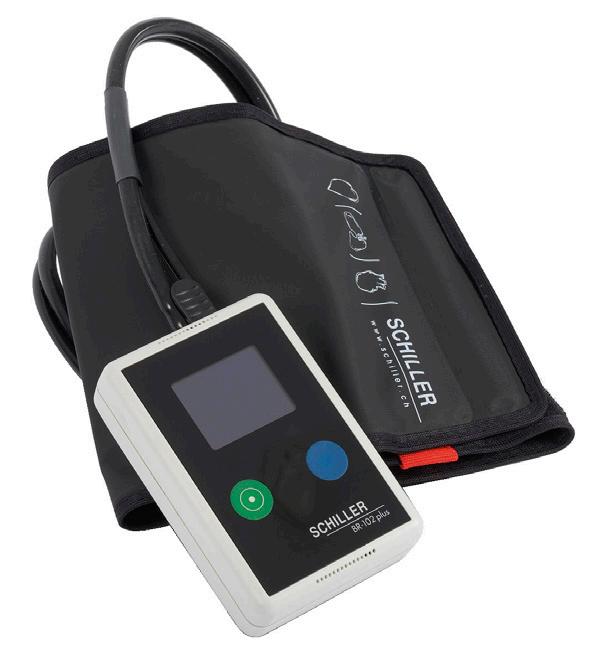
Pharmacies have become increasingly equipped to offer blood pressure diagnostic services, enabling early identification and management of hypertension. The use of automated blood pressure monitors, ambulatory blood pressure monitoring (ABPM), and pharmacist-led counselling can significantly enhance patient care.
Automated Blood Pressure Monitors
Automated devices, widely used in pharmacies, are easy to operate and provide accurate readings when used correctly. These devices help screen patients who may not have access to routine healthcare services.
Ambulatory Blood Pressure Monitoring (ABPM)
ABPM involves wearing a portable device that measures blood pressure at regular intervals over 24 hours. It provides a comprehensive profile of a patient’s blood pressure, capturing
fluctuations and identifying white-coat hypertension (elevated readings in clinical settings but normal at home).
Home Blood Pressure Monitoring (HBPM)
HBPM empowers patients to take control of their health by tracking blood pressure over time in the comfort of their home. This is particularly useful for detecting masked hypertension (normal readings in the clinic but elevated at home).
Beyond diagnostics, pharmacy teams play a pivotal role in managing hypertension through counselling, medication management, and promoting lifestyle changes.
It’s important for staff to be able to provide personalised education to help patients understand their condition, treatment options, and the importance of adherence to therapy. Key areas of focus include:
• Explaining blood pressure readings and targets.
• Addressing misconceptions about hypertension as an asymptomatic disease.
• Discussing the risks of untreated hypertension,
24-Hour Blood Pressure Monitoring: A Practical Role for Community Pharmacy
including heart attacks, strokes, and kidney failure.
Medication Management
It is also important counter assistants and staff ensure patients receive appropriate antihypertensive therapy while minimising side effects and drug interactions. Common classes of antihypertensive medications include:
• ACE Inhibitors: Relax blood vessels by blocking angiotensin production.
• Beta-Blocker: Lower heart rate and decrease cardiac output.
• Diuretics: Help eliminate excess fluid and reduce pressure.
Pharmacists monitor adherence, assess efficacy, and intervene when patients experience side effects. For example:
• Recommending alternative therapies if side effects, such as persistent cough from ACE inhibitors, occur.
• Educating patients on how to take medications (e.g., diuretics in the morning to avoid nocturnal urination).
High blood pressure remains an important public health concern because it can often develop without obvious symptoms. The HSE advises that adults aged 40 and over should have their blood pressure checked at least once a year, and notes that checks may be available through GP surgeries, pharmacies and other healthcare settings. For community pharmacies, this creates a practical opportunity to support earlier identification and appropriate follow-up within an accessible local setting.
This role is becoming more relevant as more patients seek support for weight management, diabetes risk and long-term cardiovascular health. These conversations often begin in pharmacy, where patients may already be asking about lifestyle changes, medicines, monitoring devices or wider wellbeing support. In this context, blood pressure monitoring can provide a useful starting point for identifying patients who may need further assessment.
A standard in-pharmacy blood pressure check is valuable, but one reading does not always provide the full picture. Blood pressure can vary throughout the day, and the HSE notes that anxiety or stress during a healthcare visit can temporarily raise a reading. This is often referred to as white coat hypertension and can make interpretation more difficult without further monitoring.
24-hour ambulatory blood pressure monitoring, or ABPM, can help provide a broader view of a patient’s blood pressure across normal daily activity and overnight. It may be particularly useful where there is uncertainty around raised clinic readings, suspected white coat effect, or possible masked hypertension, where clinic readings appear normal but out-of-clinic readings are raised. NICE guidance advises considering ABPM or home blood pressure monitoring alongside clinic readings in people with suspected white coat effect or masked hypertension.
As pharmacy services continue to develop, ABPM offers a measured way for pharmacies to strengthen their role in cardiovascular health support. It can contribute to more informed GP referrals, clearer patient conversations and a more structured approach to monitoring patients who may benefit from further assessment.
References for pharmacist reading: HSE hypertension guidance; NICE NG136 hypertension in adults; Irish Heart Foundation blood pressure resources.
Lightweight, compact and discreet Built-in pump, making it almost silent
Schiller BR-102 PLUS 24-HR ABPM
Leasing Available at €77 per month over 36 months. Contact our team to discuss leasing.
Easy menu guidance with two control buttons
Bring 24 Hour Blood Pressure Monitoring to Your Pharmacy
Simple. Reliable. Clinically valuable.
Pharmacies across Ireland are increasingly offering 24-hour monitoring services to help patients better understand their cardiovascular health.
In just 4 steps unlock a new service stream for your patients.
1
PATIENT VISITS the pharmacy for fitting.
2
24 HR MONITOR records blood pressure automatically over 24 hours.
3
PATIENT RETURNS the device the following day.
FLEMING MEDICAL - Exclusive Irish Distribution Partner with Schiller
4
DATA DOWNLAODED and shared with the patient and their GP if required.
Irish researchers are warning of a growing public health concern after new data revealed a sharp increase in hospital admissions linked to recreational nitrous oxide use, with young adults presenting with potentially serious neurological complications.
Often perceived as a harmless drug, recreational use of nitrous oxide gas, often called "whippets" by users, is increasingly being used with significant nerve damage and prolonged hospital stays among young people in Ireland. The warning comes following the publication of a new study in the Irish Medical Journal which examined nitrous oxide-related hospital admissions across the Republic of Ireland between 2020 and 2024. Researchers identified 63 hospital discharges involving nitrous oxide exposure alongside neurological complications or vitamin B12 deficiency, representing a dramatic increase in presentations over the four-year period.
The study, conducted by Dr Shahzad Bakhshi, Dr Catherine McGorrian and Dr Suzanne O'Mahony from the Mater Misericordiae University Hospital, found that admissions increased more than four-fold during the study period. Patients were overwhelmingly young, with an average age of just under 20 years, while more than 87 per cent came from the Dublin area.
Speaking to Irish Pharmacy News, co-author Dr Catherine McGorrian said the research was prompted by observations made by clinicians on the frontline.
"We started seeing patients coming into hospital with disturbances of their walking," she explained. "They would have pins and needles or changes in sensation in their feet and legs, and they would have this characteristic dragging walk. The striking thing was that these patients were really young – 17, 18, 19 years old – and they were coming in with nerve damage to their legs. It was really shocking to us."
A Hidden Consequence
Nitrous oxide has long been used safely in healthcare settings for its anaesthetic and analgesic properties and remains widely used in dentistry and maternity care. However, the gas is also readily available in catering products where it is used as a propellant in whipped cream dispensers.
According to Dr McGorrian, the ease of access to catering-grade nitrous oxide has contributed to its growing popularity among young people.
"You could go on the internet now and order a box of whippets if you wanted to. There is no problem accessing nitrous oxide because it's used in the catering industry. Anyone can buy it," she said.
Dr Catherine McGorrian, Mater Misericordiae University Hospital
Serious Impact on Young Lives
The study paints a concerning picture of the burden these cases place on both patients and healthcare services. Researchers found an average hospital stay of more than six days, with admissions accounting for almost 400 inpatient bed days during the study period.
For Dr McGorrian, however, the statistics only tell part of the story.
"These are young people who shouldn't be in hospital," she said. "The average age was 19. It's dreadful for them."
She recalls treating very young women with this new physical limitation from nitrous oxide misuse.
"You can see beautiful young people who clearly take pride in themselves, and their walking is clearly damaged by the nerve damage
Users typically transfer the gas into balloons before inhaling it repeatedly to achieve a shortlived euphoric effect. While many may be aware of the risk of cold burns caused by the freezing temperatures of the gas, fewer appear to understand the neurological consequences.
The problem stems from nitrous oxide's ability to inactivate vitamin B12, creating what clinicians describe as a "functional B12 deficiency". This disrupts the body's ability to maintain healthy myelin, the protective sheath surrounding nerves and the spinal cord.
"People still have vitamin B12 in their body, but it becomes unavailable to support the health of their spinal cord and nerves," Dr McGorrian explained. "That's how they develop these neurological effects."
The resulting condition, known as subacute combined degeneration of the spinal cord, was once considered relatively rare.
"It was a condition we all learned about in medical school but rarely ever saw," she said. "Suddenly we were seeing it again, but this time in teenagers and young adults because of nitrous oxide use."
Many patients require extensive investigations including MRI scans and specialised blood tests to establish the diagnosis and rule out other neurological conditions. Treatment typically involves immediate cessation of nitrous oxide use alongside aggressive vitamin B12 replacement therapy.
While some patients recover well, delayed treatment may result in longer-term complications.
"There are data suggesting that if you treat quickly and stop the nitrous oxide use, patients can recover," said Dr McGorrian. "But I also know anecdotally of people who have had more long-term consequences."
A Role for Community Pharmacy
The findings have particular relevance for community pharmacists, who may encounter patients long before they present to emergency departments.
Dr McGorrian believes pharmacy teams could play an important role in recognising early warning signs and initiating conversations with young people.
"I think early treatment is really important," she said. "If somebody has changes in sensation, pins and needles or difficulties walking, they should be advised to attend an emergency department."
THE OG CURL
CURL JELLY for over 20 years! and gives sublime
The no.1 curly girl favourite for Banishes frizz, adds shine and defintion to waves and curls.
She also encouraged pharmacists to ask direct but non-judgemental questions where appropriate.
"I generally just try to be straightforward with people and ask, 'Have you been doing whippets?' Young people will usually tell you the truth if you ask them in a supportive way because they want the best healthcare."
Interestingly, some patients appear to have some awareness of the link between nitrous oxide and vitamin B12 deficiency.
"I met one young man who was actually taking B12 tablets while continuing to use nitrous oxide," she recalled. "Unfortunately oral B12 replacement alone wasn't sufficient to prevent the nerve damage for him."
This observation raises an intriguing possibility for community pharmacists.
News
"Perhaps pharmacists might notice young people unexpectedly looking for vitamin B12 supplements and feel comfortable opening a conversation," she suggested.
Dr McGorrian believes community pharmacists are uniquely positioned to offer support.
"The community pharmacist is a trusted person outside the family who is still part of the community. There is potentially a harm reduction role there."
Calls for Greater Awareness
The researchers hope the study will help raise awareness among healthcare professionals, policymakers and the public.
International evidence suggests that awareness of nitrous oxide's neurological risks remains low among young people. Yet the
Irish findings mirror trends being reported across Europe, where health authorities are increasingly expressing concern about recreational use of the gas.
Dr McGorrian believes both education and regulation deserve consideration.
"There has to be something we can do to prevent recreational use of this agent," she said. "Every box of canisters dumped in a park represents young people putting their nerve health and ability to walk at risk."
As festival season and summer gatherings approach, she is urging young people to recognise that nitrous oxide is far from harmless.
"This is a high-risk thing to do," she warned. "People can become habituated to it and use larger and larger amounts. There's no room for complacency."
Growth in Irish Clinical Trial Activity
For pharmacists, the message is equally clear. While nitrous oxide misuse may not always be immediately apparent, unexplained neurological symptoms, unusual requests for vitamin B12 supplements, or conversations about recreational drug use may provide opportunities for early intervention.
As the study concludes, admissions related to nitrous oxide misuse are rising rapidly in Ireland, predominantly affecting young adults and placing increasing pressure on acute hospital services. Preventing further harm will require awareness, education and collaboration across healthcare settings – with community pharmacy potentially playing an important role in identifying those at risk before lasting damage occurs.
The Irish Pharmaceutical Healthcare Association (IPHA) has welcomed encouraging growth in clinical trial activity in Ireland, while highlighting that system reforms are needed to ensure the country can compete internationally and maximise benefits for patients.
New data shows that a total of 165 pharmaceutical industrysponsored clinical trials were commenced in Ireland between 2023 and 2025, with numbers rising year-on-year — from 41 in 2023 to 51 in 2024 (up 24%), and a further increase to 73 in 2025 (up 44%). However, IPHA cautioned that Ireland continues to underperform relative to comparable countries. Denmark, with a similar population and economic profile, initiated over two-and-a-half times as many clinical trials (425 vs 157) over the same period.
Dr Rebecca Cramp
Clinical trials start-up time following the EU Clinical Trial Regulation (CTR) approval ideally should be as short as possible. However, significant challenges also persist in clinical trial set-up times in Ireland. In fact, Ireland ranked as the slowest of all EU member states for the time from EU CTR approval to the first clinical trial site being ready (213 days) for studies commenced between 2023 to 2025.
Per capita, Ireland also lags many European peers, ranking 14th out of 27 EU countries in 2025 for clinical trial activity.
Oncology remains the largest area of clinical research in Ireland, accounting for 48% of industrysponsored trials, yet participation
remains below national ambition. Just 1.5% of cancer patients were enrolled in interventional clinical trials in 2023, significantly short of the 6% target set in the National Cancer Strategy.
IPHA emphasised that improving Ireland’s performance is critical not only for competitiveness, but for patients’ access to cutting-edge treatments. Dr. Rebecca Cramp, Director of Code and Regulatory Affairs at IPHA, said:
“There is clear published evidence that by including patients in clinical trials their health improves substantially. Thus, while it is encouraging to see growth in the number of clinical trials conducted in Ireland, it is of concern that we remain significantly behind comparable European countries. Clinical trials not only improve patients’ health, they also create benefits for our healthcare system and generate significant revenue, benefitting our economy too. To realise this considerable potential, Ireland must address persistent delays, administrative burdens and structural barriers that continue to impact clinical trial start-up, performance and delivery.”
To accelerate progress, IPHA is calling for five priority reforms:
• Establish a Clinical Trials Advisory Council (CTAC) with clear authority and political backing to oversee implementation of the NCTOG recommendations
• Introduce a universal Clinical Trial Contract and standardised costing template to reduce administrative burdens, inconsistencies and delays
• Develop national guidance on data protection responsibilities and designated officer sign-off to improve consistency across clinical trial sites
• Create a national open-access clinical trials dashboard with Key Performance Indicators, integrated into HSE reporting, to enhance transparency, accountability and monitoring
• Plan strategically for workforce needs, including clear career pathways with stable job roles to attract, motivate and retain clinical research talent
Allergies
Allergies in the Air!
Allergic Rhinitis
Allergic rhinitis (AR) is a common chronic condition affecting both adults and children. It can be seasonal or year-round. The seasonal (pollen-induced) type is often called “hay fever”. AR can negatively impact sleep, work, leisure activities and overall quality of life.
What is AR?
AR is allergy-induced inflammation of the lining of the nose and sinuses, caused by inhaled triggers called “allergens” in susceptible individuals. Typical symptoms include sneezing, a runny nose, postnasal drip, congestion and nose blockage.
“Allergic conjunctivitis” — allergyrelated eye symptoms such as itch, redness and watering — commonly occurs as part of AR. Itching of the nose, ears, palate or throat are also common. Symptoms can range from mild and intermittent to severe and persistent. Nose blockage is generally considered a more severe symptom than sneezing or a runny nose.
What causes AR?
People with AR may react to one or several inhaled allergens. The most common triggers are grass pollen, tree pollen and house dust mite. Pet dander (cats and dogs), weed pollen and mould are other possible triggers.
Pollen allergies are seasonal, while house dust mite allergy typically causes symptoms throughout the year. In Ireland, peak tree pollen
Written by Dr Fiona Magee, GP, Tully Family Practice
season is in Spring, whilst grass pollen season is late Spring to mid-Summer.
AR and asthma
There is a strong association between AR and asthma: up to 80% of people with asthma also have AR. This overlap is often under-recognised, as attention tends to focus on lower airway symptoms (asthma) rather than upper airway symptoms (AR).
Poorly controlled AR can worsen asthma, whilst appropriate treatment of AR can improve asthma, alongside usual asthma management such as inhalers.
Recognising AR
People with AR commonly present in the community to pharmacists or GPs, both of whom play important roles in managing this condition.
The first step is to determine whether symptoms are due to AR or another cause. Respiratory viruses eg headcolds are a very common cause of runny or blocked nose and are by far the most common cause in preschool children. Treatments used for AR, such as antihistamines and nasal steroid sprays, are not generally helpful for viral upper respiratory infections.
Patients whose AR symptoms are poorly controlled with over-thecounter treatments, or where the diagnosis is uncertain, should be advised to consult their GP.
Management of AR in the community
1. Allergen avoidance
Where possible, reducing exposure to the relevant allergen can help. During pollen season, keeping windows closed, showering after outdoor exposure, and applying a suitable balm inside the nostrils may reduce symptoms.
For house dust mite allergy, measures such as reducing bedroom clutter, regular vacuuming around the bed and mattress, and washing bed linen at 60°C or higher can help reduce mite exposure. Saline nose and sinus rinses are helpful at reducing all inhaled allergens.
2. Oral antihistamines
Non-sedating oral antihistamines may be taken as needed or regularly during symptomatic periods for mild or intermittent AR. Sedating antihistamines are generally not recommended because of their side effects.
3. Nasal decongestants
Nasal decongestants can provide short term relief of congestion, but regular use should be avoided because rebound congestion can occur. They should not be used for more than five days.
4. Nasal steroid sprays
For AR that is either moderate or severe and persistent, nasal steroid sprays are advised. They should be used daily for best effect. They can be used all year for allergies that are year-round or started several weeks before the relevant pollen season then continued throughout that season.
Perceived treatment failure is often due to incorrect spray technique or inconsistent use, so patient education is important.
Fluticasone is preferred over beclomethasone because of its effectiveness and much lower systemic steroid absorption. Both are available in OTC or prescription options.
5. Combined nasal steroid and antihistamine sprays
If symptoms persist despite nasal steroid use alone, a combined steroid-antihistamine spray on prescription is the next step. Fluticasone-azelastine is the preferred option and is licensed for patients aged 12 years and older.
6. Antihistamine eye drops
These are useful when allergic eye symptoms are prominent. Sodium cromoglycate drops are available over the counter and are usually used four times daily. Olopatadine is prescription-only and is administered twice daily.
Management of AR in specialised clinics
Patients with persistent symptoms despite adherence to the above measures may benefit
from referral to a clinician with expertise in allergy. Some GPs with a special interest in allergy provide this service.
1. Allergy testing
Specialist clinics may offer skin prick testing to identify relevant inhaled allergens. Serum IgE blood tests are an alternative method.
2. Optimisation of standard treatment
Existing treatment is often first optimised by reviewing adherence, ensuring correct nasal spray technique, and stepping up therapy where needed.
3. Sublingual immunotherapy (SLIT)
SLIT is a form of desensitisation treatment for patients with troublesome AR symptoms despite optimised standard treatment. Immunotherapy is the only “disease-modifying” treatment option for AR, as opposed to treating symptoms only. Identification of the relevant allergen on testing is required before considering SLIT.
In Ireland, SLIT options are available for grass pollen, tree pollen and house dust mite AR, each of these licensed now from the age of 5 years. Treatment must be initiated by a clinician with expertise in allergy, with the first dose supervised in clinic.
SLIT involves taking a daily tablet under the tongue for three years and can significantly reduce allergy symptoms over time. Standard treatments (antihistamines and nasal steroid sprays) are usually continued initially and then used as needed. At present, only grass pollen SLIT is covered under the GMS/DPS schemes, so cost can be a barrier to the other types.
Summary
Allergic rhinitis is a common condition that can significantly affect quality of life. Most AR can be managed successfully in the community using allergen avoidance measures, oral antihistamines, nasal steroid sprays with or without antihistamine and antihistamine eyedrops. Those with persistent symptoms may benefit from specialist assessment, allergy testing and, where appropriate, sublingual immunotherapy. References available on request
READY FOR HAYFEVER SEASON?
24hr CONTROL FAST RELIEF OF ALLERGIES
Always read the leaflet.
Abbreviated prescribing information
Pharmacist’s Ticket to Travel Health
Around two million Irish people will go on a sun holiday this year, according to the Irish Travel Agents Association
Pharmacy has utilised the changes in legislation since 2000 to increase the range and supply function of services such as travel health to travellers. With the number of travellers leaving Ireland and trying new destinations there is an increasing need for more travel health provision.
Rates of international travel are increasing annually, with particular growth observed in travel to Southeast Asia and to emerging economies. While all patients traveling across geographic regions are recommended to receive a pre-travel consultation to consider their individual risks, many do not, or receive care and recommendations that are not consistent with current evidencebased guidelines.
As experts in medicines, and given the largely preventive nature of most travel health recommendations, pharmacists are well suited to help address this need. Pharmacists possess a high degree of knowledge and confidence with more commonly observed travel health topics in community practice such as travellers’ diarrhoea.
Pharmacists providing travel advice are also reminded to consider non-infectious risks of illness and
injury abroad and to advise those presenting in the pharmacy on strategies to minimise these risks in addition to providing drug and vaccine recommendations.
International Travel
The United Nations World Tourism Organisation has reported a steady rise in international travel. In fact, 2016 marked the seventh consecutive year of above-average international arrivals, reaching 1.2 billion. This is expected to continue to increase at a rate of 3.3% annually through 2030.
Survey research suggests that 22–64% of travellers experience some degree of health impairment while traveling.
Travellers’ diarrhoea is most common, affecting 30–80% of travelers, depending on the destination, with malaria and vaccine-preventable infections significantly less common.
Important information to obtain from those seeking medical travel advice includes the travel destination, reason for travel (such as work, or leisure), duration of travel, itinerary, and any specific health concerns.
Pharmacists may also be instrumental in helping patients locate a travel-medicine clinic.
Common Ailments
Diarrhoea is one of the most common symptoms experienced during travel. Travellers’ diarrhoea is defined as passing 3 or more loose/watery bowel motions in 24 hours. It may be accompanied by any of the following symptoms; fever, tummy cramps, urgent need to pass bowel motion, nausea or vomiting.
Most cases occur in the first week of travel and are mild; i.e. diarrhoea is the only symptom and it does not disrupt normal activities. On average, symptoms last for 3-5 days and most cases resolve without any specific treatment. When travellers’ diarrhoea is associated with additional symptoms and this leads to an interruption of normal activities, it is classed as moderate to severe.
Travellers’ diarrhoea can be caused by many different organisms including bacteria, such as E.coli and Salmonella, parasites such as Giardia, and viruses such as norovirus. All these organisms are spread through eating/drinking
contaminated food/water or contact between the mouth and contaminated hands, cups, plates etc.
Loose bowel movements can also result from a change in diet including, for example, spicy or oily foods.
The priority in treatment is preventing dehydration, especially in young children.
• Clear fluids such as diluted fruit juices or oral rehydration solutions (purchased as packeted oral rehydration salts) should be drunk liberally.
• All rehydrating drinks must be prepared with safe water.
Antidiarrhoeal Agents can help, particularly with associated colicky pains.
If > 6 diarrhoea stools are passed in 24 hours and cause incapacitation, or there is blood or mucous in the stool, or marked vomiting, fever, pain, bleeding, medical attention must be sought. Intravenous fluids may be needed to prevent dehydration.
Malaria is a serious disease that can be life-threatening. It can affect anyone who travels to a region where infected mosquitoes are found.
The burden of malaria is felt most strongly in sub-Saharan Africa, where numerous initiatives are aiming to improve disease
prevention or treatment. Despite reductions in the number of people affected by malaria each year, progress is threatened by the rapid spread of resistance to insecticides and antimalarial drugs
But malaria shouldn’t ruin anyone’s trip abroad. Mosquito bite prevention is an important way to reduce the risk of getting malaria; however, for many destinations, travellers are also advised to take malaria chemoprophylaxis.
The initial symptoms of malaria resemble flu symptoms, such as vomiting, fever, headache and shivers/chills. Other symptoms, such as diarrhoea, shivering, general malaise, and body aches can also occur. In some cases, flu-like symptoms can be mild or diarrhoea alone may be present – this can make it difficult to diagnose the disease correctly.
Malaria can develop within seven days of being bitten by an infected mosquito. However, P. falciparum malaria can take up to three months to develop, while other types of malaria can lie dormant for up to a year.
A patient with malaria may seek over-the-counter cold or flu remedies. If this occurs within one year (but especially in the first three months) of their return from a malaria-endemic country, then malaria should be considered.
The risk of serious malaria will also be increased for some individuals, for example those who are very young, elderly, pregnant, or who have had a splenectomy. Each travel consultation by a pharmacist is unique and requires individualised advice.
Effective bite prevention is the first line of defence against malaria. Stopping bites before they occur also reduces the traveller’s risk of contracting other diseases transmitted via mosquitoes.
Travel thrombosis is now a recognised condition. It can affect all travellers, whether it be by air, sea or road, and seems to be related to long periods of immobility. There is little evidence to suggest that flying is any more dangerous than taking a long sea voyage or traveling by train, bus or car. A pharmacist can assess the risk of travel thrombosis. These risks clearly relate to increasing age of patients, a past history of deep vein thrombosis of whatever cause, a co-existing medical illness, recent surgery, recent accident and, in particular, immobilisation in a plaster cast.
Any traveller with any of these conditions is clearly at increased risk. Pharmacists can identify those patients who are at no additional risk, those with some
risk factors and those with considerable risk factors. The pharmacist is then in a position to provide advice.
All passengers should be aware that sitting down for long periods of time results in the stagnation of blood flow through the legs, which may precipitate thrombus formation. Clots usually start in the small veins in the leg and progress into the larger veins. The process might start during travel and can then continue, often during the holiday period, with further extension occurring during the return journey. For this reason, travellers are more likely to experience problems on the return journey.
Before traveling passengers should be encouraged to exercise (walking). After sitting for long periods further exercise can be taken, which may involve walking or carrying out active exercises while seated. The avoidance of drinking too much alcohol combined with drinking plenty of water is advisable.
Offering Travel Advice
Ann-Marie Horan is a pharmacist at Fortfield Pharmacy, Dublin and a member of the IPU’s Executive committee. Last year, the IPU published a checklist for use by all community pharmacies in helping to advise those travelling. She says “The days before departing for a holiday can be very hectic. That is why we have published this handy checklist so nothing important gets left behind.”
In terms of offering advice to customers, Ann-Marie suggests the following.
“The most important thing to remember is essential medicines. Individuals should bring at least enough for the duration of their trip, and always bring a copy of their prescription in case they need something while away. Be aware of the storage conditions of their medications, some will need to be refrigerated. Offer tips on how best to transport and store these medications.
“Depending on where a person is travelling to, and their own language skills, they may find it challenging to communicate with a pharmacy abroad. That is why we would always recommend bringing a supply of common medicines including antihistamines, pain relievers and treatments for upset stomachs.”
Of course it is not all about medicines, you should also ensure your store is properly category managed with the full range of sun creams and insect repellents, as well as travel sized toiletries.
Tips to provide:
• Medication: Make sure to bring an adequate supply of prescription medication on holidays. Always carry some medication in hand luggage in case checked-in luggage is delayed or goes missing.
• Sun: In warmer climates, stay out of the sun between 11am and 3pm. Protect with a high sun protection factor (SPF) with UVA protection, along with a hat, sunglasses and t-shirt. Apply a complete sun block to children and reapply frequently, especially after swimming.
• Sunburn: Those with sunburn should stay out of the sun for a few days until the sunburn dies down. Drink plenty of water. Advise on appropriate creams and painkillers to relieve symptoms and bring down a temperature. Severe cases of sunburn may require special burn cream and burn dressings.
• Mixing Alcohol and the Sun: Be careful when drinking alcohol in hot weather as it can cause dehydration. Those who have taken alcohol should avoid swimming or engaging in sporting activities.
• Insect bites: Bring insect repellent to protect from insect bites. Those who get bitten should be advised to wash the area with soap and water, and apply a cool compress or calamine lotion to help cool down the affected area. Finally, apply some antiseptic cream to avoid infection.
Business Opportunities
Alongside giving the appropriate advice, pharmacies can also capitalise on the business opportunity that the travel health category offers. Staff can help customers assemble a travel health kit that is appropriate for the area they will be visiting.
If a customer comes into the pharmacy asking for insect repellent, this gives pharmacists, and pharmacy staff, the opportunity to ask where they are travelling to and then you can discuss what other items they may need to purchase, such as anti-diarrhoea or oral rehydration treatments.
Depending on their destination, the following items can be useful in a travel health kit:
• Sunscreen
• After-sun lotion
• Oral rehydration sachets
• Anti-diarrhoea tablets
• Laxatives
• Lip balms (with SPF)
• Tissues/wet wipes/alcohol-based hand sanitiser
• Contraception
• Antihistamines
• Motion sickness tablets
• Painkillers such as paracetamol or ibuprofen
• Insect repellent and bite cream
• Remedies for indigestion or over-indulgence.
Pharmacists should also suggest that customers take a first aid kit, whether it is pre-prepared or comprises individual items. Again, the recommended contents will depend on the person’s destination.
For example, a basic kit containing antiseptic cream, plasters and antiseptic wipes will often suffice when travelling on a European holiday or to developed countries, but if someone is going on a more adventurous trip, such as trekking through the Amazon, they will need a more comprehensive kit containing items such as sterilised syringes, sutures and clean needles.
Managing Insect Bites and Stings in the Community Pharmacy
Preparing for the Irish Summer Season
In recent years, consultations for insect bites, stings, and outdoor allergic reactions have increased. With more people holidaying locally and spending time farming, hiking, gardening, and participating in outdoor activities, pharmacists are increasingly becoming the first point of contact for advice and early management.
Most insect bites and stings in Ireland are mild, but recognising potentially serious systemic reactions remains essential.
Common Presentations in Ireland
In the Irish climate, most bites and stings arise from a relatively predictable group of insects and arthropods, particularly during spring and summer months.
Midges and Mosquitoes
These commonly present with small erythematous pruritic papules, particularly after evening outdoor exposure near water or wooded areas. Reactions are generally mild but can become more pronounced in atopic individuals and children.
Horseflies (Clegs)
Horsefly bites are painful because they cut the skin, often causing large, red, inflamed welts. This trauma frequently leads to secondary bacterial infections,
Written by Dr Afonso Caires
Consultant Allergist working alongside renowned allergist
Dr. Ranbir Kaulsay at the Dublin Allergy Centres, based at the Beacon Hospital and Bon Secours Hospital. His clinical interests include allergic rhinitis, asthma, insect venom hypersensitivity, immunotherapy, and travel medicine.
“One of the most important roles of the pharmacist is differentiating a benign localised reaction from a potentially dangerous systemic allergy”
especially in children who scratch the site.
Wasps and Bees (Hymenoptera)
These produce an immediate painful sting followed by localised swelling and erythema. In sensitised individuals, however, stings may trigger systemic allergic reactions ranging from generalised urticaria to life threatening anaphylaxis.
Ticks
Ticks in Ireland are key vectors for Lyme disease, making prompt, safe removal vital. Patients should inspect the knees, groin, armpits, and scalp after outdoor activity. Use a tick tool or finetipped tweezers to remove ticks without squeezing the body. Pharmacists should also advise patients to monitor for erythema and systemic flu like symptoms in the weeks after exposure. While Tick-Borne Encephalitis is not established in Ireland, travelers hiking in endemic areas of mainland Europe or Scandinavia should consider vaccination.
Allergic Reactions: Local Versus Systemic
One of the most important roles of the pharmacist is differentiating a benign localised reaction from a potentially dangerous systemic allergy.
Large Local Reactions are common and may continue to expand over 24 to 48 hours, sometimes exceeding 10 cm in diameter. Although uncomfortable, they are generally not predictive of future anaphylaxis.
Red flags requiring urgent GP or emergency assessment include generalized hives, facial swelling, respiratory distress (wheeze, dyspnoea, throat tightness), dizziness, or collapse. Seek immediate care for persistent vomiting, abdominal pain, or infection signs like fever and rapidly spreading cellulitis. Patients with respiratory or cardiovascular compromise must be treated for potential anaphylaxis and receive adrenaline therapy promptly.
The Noble False Widow Spider and its myths and misconceptions
Public concern regarding spiders has grown, particularly toward the Noble False Widow. Social media fuel anxiety despite the low medical risk. Bites are often compared to wasp stings, usually causing localised redness and swelling that settle with conservative management.
Pharmacists should note that a minority may experience pronounced swelling, limb stiffness, or nausea. Rarely, secondary infections or complications requiring hospital assessment occur. Importantly, Ireland has no “deadly” spiders and many presumed “bites” are actually other insect bites or skin infections.
Practical Advice and OTC Management
Prevention advice includes using insect repellents containing DEET (N,N-diethyl-meta-toluamide), Icaridin or PMD (p-menthane-3,8diol), wearing long sleeves and tucking trousers into socks in tick prone areas, avoiding bright floral clothing and strong perfumes, and keeping sugary drinks covered when outdoors, particularly for those in higher-risk environments such as farming or rural settings.
For most insect bites and stings, treatment focuses on
symptomatic relief and prevention of secondary infection.
To relieve symptoms and prevent infection, cold compresses to reduce swelling and discomfort, use oral non-sedating antihistamines to improve pruritic and swelling and add topical antipruritic preparations such as crotamiton or calamine and advice to avoid scratching to reduce the risk of secondary infection.
Role of Specialist Allergy Assessment
While most reactions can be safely managed in primary care or pharmacy settings, selected patients benefit from specialist allergy evaluation.
With growing interest in beekeeping and increasing awareness of the potentially serious stings associated with the Asian hornet, concerns around venom allergy are also rising. While the current risk in Ireland remains low, this species is now well established in countries including France, Spain, Portugal, Belgium and Italy, making this particularly relevant for Irish travellers and individuals who have experienced systemic reactions following bee or wasp stings.
In our clinical practice, we provide diagnostic testing for Hymenoptera venom allergy, including testing relating to the Asian hornet, helping identify those at higher risk of severe allergic reactions. Where appropriate, patients can also be equipped with emergency medication, including adrenaline auto-injectors.
Conclusion
Community pharmacists occupy a central role in the management of insect bites and stings. Their contribution extends beyond symptomatic treatment to include early recognition of systemic allergic reactions, identification of tick-borne disease risk, prevention counselling, and patient reassurance.
As outdoor activity continues to increase during the Irish summer season, maintaining a balanced approach between clinical vigilance and public reassurance remains essential.
Pruridene 1mg/g Gel
Dimetindene maleate
Abbreviated Prescribing Information for Pruridene can be found below.. The Summary of Product Characteristics and Patient Information Leaflet can be found at www.hpra.ie
Abbreviated Prescribing Information
Product Name: Pruridene 1mg/g Gel. Active Ingedient: Each gram of gel contains 1 mg dimetindene maleate. Presentation: Gel. Colourless, clear to slightly opalescent homogeneous gel. Indications: Indicated in adults, the elderly and children aged 2 years or over for the short-term symptomatic relief of pruritus associated with minor inflammatory skin conditions, such as bites, stings, hives, and contact dermatitis. Posology and method of administration: Children, adults, elderly Pruridene Gel should be applied in a thin layer to the affected and itchy area of the skin 2-4 times a day. The patient should be advised to see a doctor if there is no improvement or worsening after using Pruridene Gel for 3 days. The maximum duration of treatment without consulting a doctor is 7 days. Paediatricpopulation Not to be used in children under 2 years of age. Avoid use to large areas of skin in younger children (see section 4.4). Method of administration. Cutaneous use. Occlusive dressings ort bandages should not be used with this product. Contraindications: Hypersensitivity to the active substance or to any of the excipients. Special warnings and precautions for use: Pruridene Gel should not be used on large areas of the skin, particularly if broken, especially in children and pregnant or breastfeeding women. In case Pruridene Gel be applied to large areas of skin, prolonged exposure of treated areas to sunlight should be avoided. Excipients This medicinal product contains 0.05 mg benzalkonium chloride in each g of gel. Benzalkonium chloride may irritate the skin. Use during pregnancy and lactation is not expected to be associated with harmful effects to the mother as cutaneous absorption of benzalkonium chloride is minimal. However, this medicine should not be applied to the breasts including nipples if the patient is breast-feeding because the baby may take it in with milk. Not for application to mucosa. This medicinal product contains 150 mg propylene glycol in each g of gel. Propylene glycol may cause skin irritation. Undesirable effects:
The most frequently reported adverse reactions during treatment are mild and transient skin reactions at the application site. Skin and subcutaneous tissue disorders. Not known: skin burning sensation, dry skin, allergic dermatitis. Reporting suspected adverse reactions after authorisation of the medicinal product is important. Healthcare professionals are asked to report any suspected adverse reactions via HPRA Pharmacovigilance, Website: www.hpra.ie. Legal Category: P. Marketing Authorisation Holder: Citrine Healthcare Limited, Orchard Road, Clondalkin, Dublin 22, D22 V4H1, Ireland. Marketing Authorisation Number: PA23214/002/001. Date of Preparation: March 2026.
Adverse events should be reported. Reporting forms and information can be found on the HPRA website (www.hpra.ie).
Adverse events should also be reported to Citrine Healthcare Ltd – info@citrinehealthcare.com; 01-4457206
Holiday-Proof Your Smile: Simple Ways to Protect Your Teeth While Travelling
Holiday-Proof Your Smile: Simple Ways to Protect Your Teeth While Travelling Holidays are meant to be a break from routine — but your teeth may not always appreciate the adventure quite as much as you do. Long flights, sugary snacks, disrupted schedules, heat, dehydration and forgotten toothbrushes can all take a toll on your oral health. The good news? A few simple habits can keep your smile healthy wherever your travels take you.
Most people are familiar with the classic travel-sized toiletries kit. Your mouth deserves one too. A compact dental kit with a toothbrush, mini fluoride toothpaste, floss/floss sticks and interdental brushes can make all the difference when you are rushing through airports, stuck on delayed flights or living out of a suitcase.
Choose a toothbrush with a protective cover for the bristles so it stays clean inside your wash bag. If you do not have one, wrapping the brush head in a little plastic works just as well. One important point people often forget: let your toothbrush air dry after use. Sealing a damp brush inside a container creates the perfect environment for bacteria to grow.
Keeping your dental kit in your carry-on is also worthwhile — especially if luggage goes missing or you simply want to freshen up after a long journey.
Travel itself can also create unexpected problems for your mouth. Airplane cabins and hot climates are notoriously dehydrating, and dry mouth increases the risk of tooth decay. Saliva acts like your mouth’s natural cleansing system, constantly lubricating the mouth, protecting against harmful bacteria, and acid changes.
Sipping plain water regularly throughout the day is one of the easiest ways to protect your teeth while travelling.
If you are travelling somewhere with water safety concerns, bottled water can be used safely for brushing your teeth. And remember one of the most important brushing tips dentists repeat again and again: spit out after brushing, don’t rinse. Leaving a small layer of toothpaste on your teeth after brushing allows fluoride to continue protecting and remineralising enamel.
Written by Orlaith Kennedy, CEO, Dental Health Foundation
Sugar-free chewing gum can also help stimulate saliva production and freshen breath. Many sugarfree gums contain xylitol, a natural sweetener that helps reduce harmful bacteria and lower acid production in the mouth. While fluoride strengthens enamel directly, xylitol works by making life harder for the bacteria that cause decay — together, they are an excellent team.
Brushing properly matters just as much as brushing regularly. Aim for at least two minutes each time. A useful trick is to remember that every tooth has five surfaces — front, back, left, right and the biting surface. Once you start giving attention to each side properly, two minutes suddenly makes perfect sense.
Food routines also tend to change on holidays. Airports, road trips and sightseeing days often lead to frequent snacking, and it is surprisingly easy for sugary treats to creep into the day more often than usual. The important thing to remember is that teeth are less affected by the amount of sugar you eat than by how often you eat it.
Every time sugar enters the mouth — whether from sweets, juice, dried fruit or even “healthy” snack bars — bacteria feed on sugars and produce acid. This acid weakens tooth enamel until the mouth returns to a balanced pH level again. Constant grazing means your teeth spend more
time under acid attack. Instead of frequent snacking, try to keep sweet treats to mealtimes. Choose tooth-friendly snacks where possible: apples, celery, nuts, cheese, crackers or natural yoghurt are all better options when travelling. Drinking water helps to remove food debris from the mouth and keeps you hydrated.
It is also worth packing a small dental emergency kit alongside your usual travel medications. Paracetamol and ibuprofen can help if sudden dental pain strikes but knowing where to find emergency dental care at your destination is important. Cracked teeth, lost fillings, infections or children damaging teeth in swimming pools are all more common during holidays than many people realise.
Most large cities have emergency dental clinics, and hospitals can usually assist in more serious cases. Before travelling, check whether dental emergencies are included in your travel insurance. Within parts of the EU, emergency medical treatment may also be covered under public healthcare arrangements, depending on the country.
One small item that deserves a permanent place in your bag or wallet is a single use disposable floss stick. Ask your dentist or hygienist how to use these correctly. Having floss or a small interdental brush nearby can quickly solve an annoying issue before it turns into discomfort.
And finally — do not forget your lips. They are part of your smile too. Sun exposure can trigger cold sores in people carrying the HSV-1 virus, especially during periods of stress, fatigue or disrupted sleep — all common features of travel. A lip balm with SPF 30 to 50 offers important protection, even on cloudy days.
A holiday should leave you with memories, photographs and stories — not toothache. Because while passports, chargers and sunglasses are easy to replace, your smile travels home with you.
Promoting good oral health since
1965
Developed in collaboration with dental experts, TePe is the UK’s No. 1 selling Interdental Brush (IDB) and most recommended by dental hygienists.* IDB’s are highly effective in removing dental plaque between teeth and TePe offers a wide range in multiple sizes and handle lengths to suit everybody.
We’re using a range of initiatives from raw materials to energy supply that reduces our IDBs carbon footprint by 80% – without
Get the details at tepe.com
*Source: A survey of 201 dental hygienists in the UK, Ipsos (2019)
Calls for Community Pharmacy to Play Central Role in Europe’s Health Preparedness
Executive Summary
Community pharmacists are among the most accessible healthcare professionals in Europe, supporting patients every day through a network of more than 200,000 pharmacies across 33 European countries.
At its Annual Conference in Wrocław, held under the theme “Ensuring Europe’s health preparedness”, the Pharmaceutical Group of the European Union (PGEU) launched its new Position Paper on Health Preparedness, outlining how community pharmacies and pharmacists can further strengthen Europe’s capacity to prevent, prepare for and respond to health crises.
countermeasures, diagnostics and personal protective equipment. These experiences have shown that the community pharmacy network is a vital part of Europe’s health preparedness and response capacity.
the Polish Government, the Military Institute of Medicine, and national pharmacy organisations.
European pharmacists play a crucial role in reinforcing Europe’s health preparedness and are strongly committed to strengthening Europe’s resilience to health crises. Community pharmacies are essential healthcare hubs providing unique on-the-ground support during emergencies. Recent crises have exposed structural vulnerabilities in Europe’s health security, from pandemics and epidemics to energy and cyber disruptions, as well as war-driven population displacement. Throughout these shocks, community pharmacists have been a constant, highly accessible point of care
The paper sets out a comprehensive roadmap for strengthening Europe’s resilience to future emergencies and argues that community pharmacies should be recognised as a core component of healthcare preparedness planning.
Recent crises have exposed structural vulnerabilities in Europe’s health systems, from pandemics and epidemics to medicine shortages, cyber and energy disruptions, natural disasters and war-driven population displacement. Throughout these challenges, community pharmacies remained open and continued to provide support to patients and communities.
PGEU President Mikołaj Konstanty said, “Europe’s community pharmacists are a critical part of health preparedness. They are accessible, trusted and present in every community, also when health systems are under pressure. Recent crises have shown that pharmacists can help maintain continuity of care, support public health interventions, communicate reliable information and relieve pressure on other parts of the healthcare system. However, this potential can only be fully used if pharmacies are formally integrated into emergency planning, properly resourced, and empowered.”
At the heart of the PGEU paper are seven priorities designed to strengthen Europe’s preparedness for future health emergencies. The first calls for the formal inclusion of community pharmacies and pharmacists within emergency governance structures. According to PGEU, pharmacies’ extensive geographic reach and accessibility make them uniquely positioned to support rapid crisis response, continuity of care and public communication. However, this capacity can only be fully utilised if pharmacists are formally embedded within crisis planning, emergency task forces, pandemic committees and decision-making bodies.
During COVID-19, pharmacies supported mass vaccination programs, delivered testing, produced disinfectants, and ensured continuity of treatment when other services were curtailed. In response to the threat of avian influenza (H5N1), pharmacists have supported the controlled dispensing of antivirals and helped ensure access to personal protective equipment (PPE), such as protective masks. Pharmacies have also provided practical support to displaced people, including those arriving in countries such as Poland following the war in Ukraine, by facilitating access to medicines, advice and vaccination. Even when essential services are disrupted, including during major power outages in Spain and Portugal, pharmacists have continued to support patients by providing guidance and helping maintain access to medicines where possible.
PGEU warns against poorly coordinated or disproportionate approaches that could place unnecessary strain on supply chains or lead to wastage through expiry. Instead, the organisation advocates a coordinated European framework built on transparency, solidarity and product-specific risk assessment. Importantly, the paper highlights the operational reality of community pharmacy. Pharmacies typically operate on lean, fast-moving inventory systems supported by daily wholesaler deliveries and do not have the capacity to maintain large emergency stock holdings. Imposing enhanced stock obligations at pharmacy level, the paper argues, would be impractical and potentially threaten sustainability.
The paper also stresses that preparedness is about more than medicine supply alone. Operational resilience is equally important, including reliable electricity, functioning IT systems, robust e-prescription platforms, resilient logistics networks and trained staff capable of maintaining safe pharmaceutical care under pressure.
These crises underscored that the dense network of community pharmacies is vital in supporting local communities and relieving pressure on other parts of the health system. The essential services provided by pharmacies ensure continuity of treatment at all times, bringing essential added value during emergencies. Recent critical infrastructure disruptions in some Member States (e.g. power outages or storms damages) have also shown that preparedness must include operational continuity of community pharmacy services, such as, resilient power, redundant communications and workable e- prescription/IT solutions.
Pharmacists ensured continuity of treatment, supported vaccination and testing campaigns, helped manage shortages, provided health advice, and contributed to access to medicines, medical
The PGEU Annual Conference brought together European and national policymakers, healthcare professionals, public health authorities and PGEU members to discuss the role of community pharmacists in emergencies, and how to ensure the preparedness of European healthcare systems. Speakers and panellists included representatives from the European Commission, DG HERA, DG ECHO, the European Parliament, Vaccines Europe, the Standing Committee of European Doctors,
A second major recommendation concerns contingency stocks of medicines and medical devices. While recognising the need for stockpiles of essential medicines,
Building on these lessons and in light of current challenges, such as geopolitical instability and supply chain vulnerabilities, PGEU proposes the following priorities to reinforce Europe’s preparedness and response capacity:
A key theme throughout the report is the need to expand pharmacists’ scope of practice during crises. PGEU argues that pharmacists across Europe should be empowered to fully utilise their skills in patient care when healthcare systems are under strain. This could include administering vaccines, supplying critical medicines such as antivirals, providing point-of-care testing, supporting treatment decisions and helping ensure continuity of treatment during medicine shortages.
The paper also calls for greater flexibility to allow pharmacists, where appropriate, to adapt prescriptions, substitute medicines during shortages, provide alternative formulations or compound essential medicines locally when authorised products are unavailable. These measures, PGEU argues, could significantly improve healthcare capacity and patient access during emergencies.
Another important focus is the better use of pharmacy-generated data. Community pharmacists generate large volumes of real-world information through dispensing records, vaccination activity, point-of-care testing and daily patient interactions. PGEU believes this information could be used more effectively to inform public health decision-
making, shortages management and collaborative procurement initiatives, provided that any systems introduced avoid increasing administrative burden and respect privacy and data protection requirements.
Medicine shortages also feature prominently within the report. Community pharmacies currently spend significant time managing shortages, diverting valuable clinical capacity away from patient care. PGEU calls for stronger European action to improve supply chain resilience, strengthen communication channels and better utilise existing tools such as the European Shortages Monitoring Platform. Faster, more coordinated approaches to shortage management, it argues, would free pharmacists to spend more time supporting patients.
To strengthen Europe’s health preparedness, PGEU calls for:
The report further highlights the role of pharmacists as trusted communicators during health emergencies. With misinformation and disinformation presenting growing public health challenges, community pharmacists are seen as ideally placed to deliver clear, science-based advice to patients. PGEU calls on governments and health authorities to better integrate pharmacies into public risk communication strategies, ensuring pharmacists receive timely information, consistent messaging and appropriate communication tools.
Finally, the paper emphasises the importance of interprofessional collaboration. Effective crisis response requires structured cooperation between community pharmacists, GPs, hospital teams, nurses, public health
authorities and emergency services. Shared protocols, rapid consultation channels, resilient information exchange systems and clearly defined responsibilities are all identified as essential components of a coordinated, patient-centred response.
In its conclusion, PGEU argues that Europe’s future health preparedness depends on resilient, accessible and well-integrated primary care systems, with community pharmacy recognised as a vital strategic asset rather than an auxiliary service. By embedding pharmacists into emergency governance, investing in sustainable pharmacy services and strengthening supply chain resilience, Europe can improve its ability to respond to future health crises while protecting continuity of care for patients and communities.
Formal inclusion of community pharmacists in emergency and crisis response strategies: ensure that pharmacies and pharmacists are integrated into emergency governance structures, preparedness plans, crisis response strategies and decision-making processes.
A proportionate and coordinated European framework for contingency stocks: optimise contingency stocks of essential medicines and medical devices through a rational, product-specific and coordinated approach that avoids duplication, waste and unnecessary pressure on the supply chain.
Expansion of pharmacists’ scope of practice: enable pharmacists to support emergency response, vaccination, testing, shortage management, continuity of treatment and the safe provision of medical countermeasures when healthcare systems are under pressure.
03/13
03/13
Better use of aggregated pharmacy data: harness pharmacy data to inform preparedness, collaborative procurement and shortages management, while avoiding additional administrative burden and fully respecting data protection, confidentiality and privacy requirements.
Targeted action to improve the availability of medical countermeasures, diagnostics, therapeutics and personal protective equipment: strengthen supply chain resilience, improve communication on shortages and ensure that essential products are available when most needed during crises.
Integration of pharmacies into public risk communication strategies: leverage pharmacists as trusted healthcare professionals to provide sciencebased information, counter misinformation and support public adherence to health recommendations during emergencies.
Stronger interprofessional preparedness collaboration: reinforce structured cooperation between community pharmacists, doctors, hospital pharmacists, nurses, public health authorities and emergency services before, during and after crises.
Europe’s health preparedness depends on resilient, accessible and well-integrated primary care systems. Community pharmacies are ready to contribute to a stronger, more coordinated and patient-centred crisis response, but this requires formal recognition, sustainable resourcing and practical empowerment.
Mulcahy’s Life Pharmacy Mallow Recognised as Pharmacy of the Year 2026
Mulcahy’s Life Pharmacy, Main Street, Mallow, has been recognised on a national stage, receiving the prestigious Irish Healthcare Centre Pharmacy of the Year Award 2026.
This accolade reflects the team’s ongoing commitment to delivering high-quality, patient-centred care and professional service to the people of Mallow. Situated at the heart of the community, Mulcahy’s Life Pharmacy has built a strong reputation for accessible healthcare support and trusted advice.
Speaking following the announcement, Supervising Pharmacist Radek Zuk said the recognition is a testament to the dedication and teamwork shown by staff every day.
“We are absolutely delighted to receive this award. It reflects the hard work and commitment of our entire team and the standard of care we strive to deliver every day. We are especially grateful to our customers and patients for their continued trust and support -it is a privilege to be part of their healthcare journey.”
The pharmacy highlighted that the award is a collective achievement, recognising the contribution of every team member who plays a role in delivering consistent, highquality service.
The team also acknowledged the loyalty of their customers, noting
that strong relationships within the community have been central to their success.
Looking ahead, Mulcahy’s Life Pharmacy remains committed to maintaining the highest standards of care, support, and service for the people of Mallow.
The team extended their thanks to the Irish Healthcare Centre Awards for the recognition.
From left to right: Donna Harold - Medicines Counter Assistant, Shirley Dalton - Medicines Counter Assistant, Avril Thomas - Medicines Counter Assistant with one of the judges Cathy Doyle
The Pharmacy Team
Beyond Polypharmacy: What ICOD 2026 Means for Irish Pharmacy Practice
Medication review, patient goals, fragmented care and the future of appropriate prescribing were among the major themes discussed at the International Conference on Deprescribing (ICOD) 2026 in Montréal. Irish Pharmacy News spoke with pharmacist and UCC researcher Dr Perrine Evrard about the evolving conversation around deprescribing — and why pharmacists have a central role to play.
As healthcare systems grapple with multimorbidity, ageing populations and increasingly complex medication regimens, the question is no longer simply whether patients are receiving too many medicines. Increasingly, the focus is shifting towards a more nuanced challenge: are medicines still appropriate for the patient in front of us?
That broader conversation was at the heart of the International Conference on Deprescribing (ICOD) 2026, held in Montréal, Canada, from 27–29 April.
Building on the success of previous conferences in Denmark and France, ICOD 2026 brought together clinicians, researchers, pharmacists, nurses, physicians, policymakers and patient representatives committed to improving medication use and medication appropriateness.
Among the contributors was Dr Perrine Evrard, pharmacist, PhD and postdoctoral researcher at University College Cork, whose work focuses on deprescribing interventions, behaviour change and the factors influencing prescribing decisions.
Reflecting on the event, she described ICOD as a uniquely focused international meeting.
“I think it’s the only one actually that’s really focused on deprescribing,” she said.
Importantly, however, the conference reinforced that deprescribing is far from being solely a pharmacy issue.
“You need to have everyone on board,” Evrard noted.
That multidisciplinary ethos shaped many of the key themes emerging from Montréal — themes with clear implications for both hospital and community pharmacy practice in Ireland.
From “Overprescribing” to Appropriate Prescribing
One of the strongest messages from ICOD 2026 was a subtle but important reframing of the conversation around medicines.
For years, much discussion about deprescribing has centred on overprescribing and reducing medication burden. However, speakers increasingly emphasised a shift towards the broader concept of appropriate prescribing.
“I think there’s a shift a little, but we move from overprescribing to really appropriate prescribing because we realised too that for some patients it is appropriate to have this high number of medication,” said Evrard.
Polypharmacy remains highly prevalent, particularly among older adults and people living with multiple chronic conditions. Patients taking five, ten or more medicines daily are now a familiar reality across healthcare settings. Yet medication count alone does not tell the full story.
Many medicines are initiated appropriately according to disease-specific clinical guidelines. Problems often emerge because healthcare systems excel at starting treatments, but may be less effective at reassessing them over time.
As discussed at ICOD, polypharmacy can sometimes become the unintended consequence of good healthcare: medicines accumulate through guideline-driven prescribing, while multimorbidity, changing priorities and opportunities for review receive less attention.
For pharmacists, this reflects a challenge encountered every day in practice.
Deprescribing is not about stopping medicines for the sake of achieving a lower number on a medication list. Rather, it involves asking whether each medicine continues to offer meaningful benefit, aligns with current goals of care and maintains an acceptable balance between benefit and burden.
When Patients Don’t Like the Word “Deprescribing” Language emerged as another major conference theme — and one with important implications for patient communication.
According to Evrard, patient representatives consistently highlighted discomfort with the term deprescribing itself.
“It has been clear from the beginning that all patient representatives… stated that they don’t like the word deprescribing,” she explained.
Within healthcare professions, the term has become commonplace. However, patients may interpret it differently.
For some, “deprescribing” may sound like withdrawal of care, cost-saving, or having medicines removed without sufficient explanation.
Healthcare professionals appear to recognise this distinction in practice.
“They use it between themselves when we talk about it, but maybe not directly with patients,” Evrard observed.
Alternative terminology discussed at the conference included concepts such as “right-sizing”, “desintensification” and “appropriateness”, although no universally accepted replacement emerged.
The discussion highlights an important consideration for pharmacists involved in medication review conversations. How discussions are framed matters.
Patients may respond differently to questions such as:
“Is this medicine still helping?” “Does this treatment still fit your goals?”
“Should we review whether this medicine is still needed?”
These approaches position medication review as a collaborative process centred on benefit and patient priorities, rather than simply removing treatment.
Medicines Must Align with Patient Goals
Patient-centred care was another recurring theme throughout ICOD 2026.
A key message emerging from conference discussions was that medicines should be aligned not only with clinical guidelines, but also with patient values, preferences and goals of care.
This may sound straightforward, but in practice it raises challenging questions.
Fitzgerald Power is the leading financial advisor to the Irish community pharmacy sector and the leading pharmacy sales brokerage in Ireland.
Get in touch today with our specialist advisory team and we will help you really understand what’s financially driving your business.
We can help you with:
ɖ Financial Health Checks
ɖ Pharmacy Valuation
ɖ Pharmacy Sale Brokerage
ɖ Due Diligence & Fundraising
ɖ Tax & Compliance
Waterford T: (0)51 870152 www.fitzgeraldpower.ie
Dublin T: (0)1 6794772 info@fitzgeraldpower.ie
ɖ Management Accounts
ɖ Payroll
ɖ Year End Accounts & Audit
ɖ Book Keeping
ɖ Company Secretarial Services
What matters most to the patient?
Is the priority longevity, symptom relief, independence, reduced pill burden, quality of life, or minimising treatment side-effects?
The answers may differ substantially from one patient to another.
Conference speakers stressed the importance of ensuring patients understand what medicines are intended to achieve and how treatment decisions relate to their broader healthcare goals.
For pharmacists, this reinforces the growing importance of shared decision-making within medication optimisation and medicines review services.
Deprescribing is not simply a technical exercise driven by prescribing criteria, algorithms or risk calculations.
Communication, trust and patient understanding remain fundamental.
Importantly, patient-centred prescribing does not always lead to fewer medicines.
As highlighted during conference discussions, aligning medicines with patient priorities may result in deprescribing in some situations — but additional prescribing in others.
The central issue is not medicine reduction. It is ensuring treatment decisions make sense for the individual patient.
Deprescribing Is a Process — Not a Single Intervention
One of the most practical messages emerging from Montréal concerned
Fragmented Care Remains a Major Barrier
Across healthcare systems internationally, fragmented care continues to pose a significant barrier to medication appropriateness.
Patients frequently navigate between hospital teams, GPs, outpatient specialists, nursing homes and community pharmacy — often becoming the default coordinators of their own medication information.
Conference discussions highlighted the consequences of this fragmentation: outdated medication lists, unclear prescribing intentions, duplicated therapies and poor communication regarding medication changes.
For pharmacists working in Ireland, these challenges will be familiar.
“You cannot have too many alerts because of alert fatigue,” Evrard cautioned.
For pharmacists working within increasingly digital prescribing environments, the issue is well recognised.
Excessive, poorly designed or clinically irrelevant alerts risk becoming background noise — potentially reducing rather than improving engagement.
It has been highlighted that tools don’t lack value, but that they must be carefully designed, targeted and clinically meaningful.
As Ireland continues to expand digital healthcare systems, this will remain an important consideration.
A Broader Conversation About Appropriate Medicines Use
how deprescribing happens in real-world clinical practice.
Deprescribing is rarely a one-off event.
Instead, it is typically an ongoing process involving identification, assessment, discussion, planning, implementation and follow-up.
This process creates multiple opportunities for pharmacy involvement.
According to Evrard, pharmacists can contribute in several ways: identifying medicines suitable for review, communicating with prescribers, applying tools such as STOPP/START criteria, educating patients, supporting medication changes and monitoring for withdrawal symptoms or emerging concerns.
These responsibilities extend across the healthcare continuum.
Community pharmacists may be particularly well positioned to identify long-term repeat prescribing, medicine-related adverse effects, concerns raised during dispensing encounters or confusion following medication changes.
Hospital pharmacists, meanwhile, continue to play essential roles in medicines reconciliation, clinical review, discharge planning and communication around medication changes during transitions of care.
The conference message was clear: successful deprescribing depends on collaboration, continuity and follow-up rather than isolated interventions.
For Irish pharmacy, that message carries particular relevance.
Community pharmacists are often among the healthcare professionals who maintain the most regular contact with patients after hospital discharge, consultant appointments or GP medication reviews.
This places them in a critical position to support continuity of care.
Clarifying medication changes, identifying discrepancies, supporting patient understanding and helping maintain accurate medication records are already integral aspects of pharmacy practice.
There is also a clear hospital pharmacy dimension.
Medicines reconciliation, discharge communication and improved coordination between acute hospitals, GPs and community pharmacy remain essential components of safer prescribing and deprescribing.
The message from ICOD 2026 was unmistakable: deprescribing cannot be separated from wider discussions about communication, transitions of care and integrated healthcare delivery.
Digital Tools: Helpful, But Not a Cure-All
Technology features prominently in deprescribing conversations around supporting medication appropriateness.
Digital prompts, clinical reminders and decision-support tools may offer opportunities to encourage clinicians to consider medication review and deprescribing.
One familiar challenge is alert fatigue.
Although older adults remain a key focus because of the high prevalence of polypharmacy, ICOD 2026 demonstrated that deprescribing extends well beyond geriatric medicine.
Conference discussions included psychotropics, diabetes therapies, cardiovascular medicines and prescribing considerations across different age groups.
There was particular interest this year in cardiovascular therapies, partly reflecting recent work around statin deprescribing recommendations.
Yet the broader message transcended individual therapeutic areas.
Ultimately, ICOD 2026 positioned deprescribing within a wider movement towards appropriate, patient-centred prescribing — one that acknowledges complexity, values multidisciplinary working and recognises that medicines should evolve alongside patients’ changing circumstances.
For Irish pharmacists, the themes discussed in Montréal are highly relevant.
From medication review and medicines optimisation initiatives to transitions of care and patient communication, pharmacists are increasingly central to ensuring medicines remain safe, appropriate and aligned with patient needs.
The message from ICOD 2026 was clear: deprescribing is no longer simply about reducing medicine numbers.
It is about ensuring every medicine continues to make sense for every patient, at every stage of care.
Dr Perrine Evrard, pharmacist, PhD and postdoctoral researcher at University College Cork
Diabetes Policy Review Launched
The Minister for Health, Jennifer Carroll MacNeill TD, has launched The Diabetes Policy and Services Review: A Strategy for Better Care.
This is Ireland’s first national strategy for diabetes and sets out recommendations for action in relation to type 1 diabetes, type 2 diabetes, diabetes in pregnancy, and paediatric diabetes.
Minister for Health, Jennifer Carroll MacNeill, said, “There have been substantial advances in the delivery of diabetes care in recent years, including the introduction of the National Framework for the Integrated Prevention and Management of Chronic Disease.
"This has supported the rollout of the Chronic Disease Management Programme and the establishment of communitybased specialist teams for people living with type 2 diabetes.
"This strategy aims to ensure that people living with all types of diabetes, regardless of their location, have equitable access to a consistently high standard of care."
The Government has committed to developing a new strategy for diabetes care in its Programme for Government, ‘Securing Ireland’s Future.’ The strategy marks a major milestone in diabetes care in Ireland, representing the development of a unified approach to the delivery of diabetes care.
HSE Chief Clinical Officer, Dr Colm Henry, said, “I welcome
HSE Chief Clinical Officer, Dr Colm Henry
the completion of this report and look forward to working with colleagues to ensure its effective implementation.
“Diabetes represents a major challenge for those living with the condition and ensuring effective and consistent care across the country will make a significant difference in their lives.
“It will also help to ensure that care is delivered at the most effective level possible, thereby also ensuring the most effective use of the resources of the health system.”
Diabetes Ireland, Professor Hilary Hoey, Chairperson, said:
“I am delighted to welcome the publication of this strategy for diabetes care. Diabetes Ireland is happy to have collaborated with the Department of Health and the HSE to develop the strategy; implementation of its recommendations will make a difference in the lives of people living with diabetes in this country.
“I look forward to working with the Department of Health
and the HSE to ensure its effective implementation.”
The HSE will soon finalise an Implementation Framework to complement The Diabetes Policy and Services Review: A Strategy for Better Care and ensure consistent rollout of improvement in diabetes care across the regions.
Read The Diabetes Policy and Services Review: A Strategy for Better Care.
Immune System overreaction linked to deadly Flu in Pregnancy
Researchers have discovered why influenza can lead to life-threatening complications during pregnancy.
In most people, influenza stays in the upper respiratory tract – mainly the nose – and clears without spreading further. But during pregnancy, the virus can extend beyond the lungs into the cardiovascular system, increasing the risk of severe complications for mothers and babies.
Now a new preclinical study using animal models reveals precisely why the virus can spill into the bloodstream during pregnancy, opening the door for targeted treatment. The study is a bilateral partnership between Trinity College Dublin, with collaborators from RMIT University and the University of Adelaide and is published in Science Advances.
Researchers identified a viral sensor in the immune system, known as TLR7, that can become overactive during pregnancy, amplifying inflammation and spreading disease into the bloodstream.
Blocking TLR7 could help prevent the harmful inflammation that makes flu in pregnancy so dangerous. This work can help protect developing babies by stopping the placenta from becoming overly inflamed during flu infection.
Professor John O’Leary, School of Medicine, Trinity, said, “This international research is of high impact in relation to our
understanding of viruses and pregnancy and the role of the maternal immune response.”
Earlier studies from RMIT have shown that severe flu in pregnancy can have long term impacts on babies’ brain development, by inflaming blood vessels and reducing the flow of oxygen and nutrients from mother to baby.
This new study pinpoints the underlying cause of that damage, reshaping our understanding of flu related risk in pregnancy and opening the door to more targeted therapies.
RMIT co-lead author, Prof. Stavros Selemidis, said future treatments
could focus on the immune system rather than the virus itself.
“Our study shows that in pregnancy, the problem isn’t just the flu virus – it’s the immune system overreacting. That’s where future treatments could really make a difference," he explained.
“We’re ready to work with partners to help develop the next generation of therapies and clinical guidelines.”
Next steps for this work: The team is planning further research on how to target TLR7 to reduce the risk of severe influenza and pregnancy complications.
40 Infant Feeding
Sterilising Infant Feeding Equipment: Updated Guidance for Pharmacy Teams
Pharmacy teams are frequently asked for advice on sterilising infant feeding equipment, particularly during the early postpartum period when parents are often overwhelmed by conflicting information online and evolving product guidance. Recent updates surrounding cold water sterilising recommendations have added further confusion for many families.
Pharmacists and pharmacy staff are therefore well placed to provide clear, practical and evidence-based advice that aligns with current HSE, NHS and CDC guidance.
Current Recommendations for Bottle Feeding Equipment
The HSE and NHS recommend that all bottle-feeding equipment used for infants under 12 months should be washed and sterilised after every use. This includes bottles, teats, bottle collars, lids and formula preparation equipment.
Formula milk is considered a food product and can provide an ideal environment for bacterial growth if feeding equipment is not cleaned correctly. Organisms can multiply rapidly in residual milk.
Parents should first wash all feeding equipment thoroughly in hot soapy water using a dedicated bottle brush before sterilising.
Recommended sterilisation methods include:
• Cold water sterilisation systems
• Electric or microwave steam sterilisers
• Boiling
Cold water sterilising solutions should be changed every 24 hours, and equipment must remain submerged for the recommended contact time.
Written by Katie Mugan RGN RCN RPHN IBCLC
Updated Milton Guidance
Milton recently updated its guidance following revised regulatory requirements relating to rinsing after cold water sterilisation.
Historically, parents were commonly advised that equipment sterilised using the Milton method could simply be shaken dry and used immediately. However, updated regulations now recommend an additional rinsing step.
Initially, Milton advised rinsing with drinking water, but to align with NHS guidance and reduce parental confusion, the recommendation has now changed to rinsing with cooled boiled water where rinsing is undertaken.
It is important to reassure parents that:
• The Milton sterilising solution itself has not changed
• There are no new safety concerns regarding the product and this change is to comply with the stricter regulations
• The update reflects revised regulatory wording rather than concerns about product safety or effectiveness
Breastfeeding Equipment: Different Guidance Applies
Guidance for breast pump equipment and expressed breast milk collection differs from formula feeding equipment and is an important distinction for pharmacy teams to understand.
Unlike formula milk, breast milk is a living biological substance containing antibodies, leukocytes and antimicrobial properties which reduce the likelihood of harmful bacterial growth.
For healthy, full-term infants under two months of age with no underlying medical concerns:
• Breast pump parts and milk collection equipment should be washed thoroughly in hot soapy water after every use
• Equipment should then be rinsed and allowed to air dry completely
• Sterilisation is recommended once every 24 hours rather than after every use
For healthy infants over two months of age:
• Routine sterilisation of breast pump equipment is generally not required
• Thorough washing and air drying after use is considered sufficient
However, more stringent hygiene measures may be needed for premature infants, immunocompromised babies or infants with underlying medical conditions. In these cases, sterilisation after every use may be recommended.
Parents should also be advised to fully dismantle pump parts before cleaning, paying particular attention to valves, membranes and collection containers where milk residue may accumulate.
Soothers and Teething Items
Items that babies regularly place in their mouths, including soothers and teething toys, should be cleaned frequently and sterilised where appropriate, particularly for younger infants.
Parents should inspect soothers regularly for signs of wear or cracking, as damaged surfaces may harbour bacteria.
Common Misunderstandings
Encountered in Practice
Pharmacy teams commonly encounter misconceptions around sterilising and storage practices. These include:
• Assuming dishwashers alone sterilise equipment
• Confusion between guidance for formula feeding and breast milk equipment
• Inadequate cleaning prior to sterilisation
• Reusing partially consumed formula feeds
• Improper storage of sterilised equipment
One particularly common issue involves the storage of bottles after sterilisation. Parents may appropriately wash and sterilise bottles and teats but then remove the separate components from the steriliser and leave them exposed on countertops or drying racks until needed. Once exposed to the environment, they can no longer be considered sterile.
Parents should instead be advised to either:
• Leave bottles inside the closed steriliser until required, or
• Immediately assemble the bottle using clean hands, attaching the teat, collar and lid to create a sealed sterile environment
When left inside a closed steriliser or fully assembled after sterilisation, bottles are generally considered sterile for up to 24 hours, depending on manufacturer guidance.
It is also important to reinforce that cleaning and sterilisation are separate processes. Sterilisation is ineffective if visible milk residue remains on equipment beforehand.
When to Refer for Further Support
Parents should be referred to a Public Health Nurse (PHN), GP, paediatrician or IBCLC if:
• An infant has recurrent vomiting or diarrhoea
• There are concerns regarding poor weight gain
• Persistent feeding difficulties are present
• The infant is premature or medically vulnerable
• Parents require additional support with expressing or combination feeding
Pharmacy professionals play an important role in reducing parental anxiety by providing consistent, evidence-based guidance. While sterilisation recommendations may evolve over time, the core principles remain unchanged: appropriate cleaning, safe storage and tailored advice based on the infant’s age, feeding method and clinical vulnerability.
NEW LOOK, NEW RECIPE SMA GOLD PREM ® 1 & 2
Provide optimal levels of nutrients needed to support growth, neurodevelopment and bone health.1,2
Partially hydrolysed protein for improved gastrointestinal tolerance.1,3,4,5 HELP PROMOTE SOFTER STOOLS due to the SN-2 palmitate fat blend.10,11
Clinically shown* to be safe and well tolerated.1,6,7,8,9
REFERENCES: 1. Zemrani B, et al. Abstract presentation. 12th International Conference on Nutrition & Growth. 2025. 2. Embleton, N. D. et al. Enteral nutrition in preterm infants (2022): a position paper from the ESPGHAN committee on nutrition and invited experts. Journal of Pediatric Gastroenterology and Nutrition. 2023; 76 (2): 248-268. 3. Senterre T and Rigo J. Hydrolyzed Proteins in Preterm Infants. Nestle Nutr Inst Workshop Ser. 2016; 86: 39-49. 4. Mihatsch WA, et al. Hydrolysed protein accelerates the gastrointestinal transport of formula in preterm infants. Acta Paediatr. 2001; 90: 196-198. 5. Mihatsch WA, et al. Hydrolyzed protein accelerates feeding advancement in very low birth weight infants. Pediatrics. 2002; 110(6): 1199–1203. 6. SMA Gold Prem® 1 data card. Available at www.smahcp.ie/formula-milk/gold-prem-1 (Accessed April 2026). 7. Aptamil Nutriprem 1 data card. Available at www.nutricia.ie/hcp/pim-products/cow-gate-nutriprem-1.html (Accessed April 2026) 8.SMA Gold Prem® 2 data card. www.smahcp.ie/formula-milk/gold-prem-2 (Accessed April 2026). 9. Aptamil Nutriprem 2 data card. Available at www. nutricia.ie/hcp/pim-products/cow-gate-nutriprem-2-post-discharge-powder.html (accessed April 2026). 10. Lucas A, et al. Randomised controlled trial of a synthetic triglyceride milk formula for preterm infants. Archives of Disease in Childhood. 1997; 77: F178–F184. 11. Carnielli VP, et al. Feeding
42 Infant Nutrition
Infant Feeding
Pharmacy assistants should be familiar with HSE guidelines on safe preparation, including sterilisation, correct measurement and safe storage.
A supportive, knowledgeable pharmacy environment plays an essential role in helping new parents feel confident in feeding their baby. In Ireland, community pharmacies are often the first point of contact for feeding queries, concerns and product advice. This training article is designed to help pharmacy assistants update their knowledge, identify learning needs and prepare for common conversations with parents.
Feeding during the first two years of life is crucial for long-term health. Research consistently shows that good nutrition in infancy reduces the risk of illness, supports optimal growth and brain development, and lowers the likelihood of chronic disease later in life. Whether a family chooses breastfeeding, formula feeding or a combination of both, pharmacy teams are ideally placed to offer impartial, evidence-based guidance.
Parents often worry when babies experience hiccups, coughing during feeds, reflux, or slow weight gain. Pharmacy teams should offer clear guidance on feeding positions, frequency, burping, and how long symptoms should last before seeking medical advice. One-to-one consultations can make a significant difference, as parents may feel overwhelmed by brand choice or conflicting information.
Formula Feeding: What Parents Need to Know
There is a wide variety of infant formulas available over the counter in Ireland. For babies from birth to 12 months, both whey-based and casein-based formulas provide complete nutrition and are regulated under strict EU standards.
Specialist Formulas: When to Involve the Pharmacist
Specialist formulas such as formulas for reflux, lactose intolerance, cow’s milk protein allergy (CMPA), or colic should be used only under professional guidance. Pharmacists must assess symptoms, as incorrect use may worsen feeding issues or delay proper diagnosis.
Breastfeeding Support in the Pharmacy
Breast milk is the optimal source of nutrition for infants in the first six months of life. It contains the perfect balance of nutrients, antibodies and protective factors that support development. Although pharmacists cannot position themselves as breastfeeding counsellors, the pharmacy team can offer encouragement, answer practical questions, and help identify early feeding difficulties.
• Whey-based formulas more closely resemble the protein balance of breast milk. They are generally easier to digest and are often recommended for newborns.
There has been a rise in demand for specialist milks due to increased awareness of CMPA and reflux. Clear merchandising and in-store signposting (e.g., Ask the pharmacist for advice) help ensure that parents do not select specialist products without proper assessment.
• Casein-based formulas tend to keep babies fuller for longer but may be slower to digest.
Creating a Supportive Pharmacy Environment
• Follow-on formulas (for infants over 6 months) contain more iron and vitamin D. They are not needed before 6 months.
• Cow’s milk should not be used as a main drink before 12 months due to inadequate nutrient content and potential digestive issues.
gain. Pharmacy teams should offer clear guidance on feeding positions, frequency, burping, and how long symptoms should last before seeking medical advice. One-to-one consultations can make a significant difference, as parents may feel overwhelmed by brand choice or conflicting information.
Creating a Supportive Pharmacy Environment
Community pharmacies can greatly influence a family's feeding experience. A knowledgeable team, supported through regular CPD and training, can help parents feel reassured rather than overwhelmed. Recording common queries, reviewing new product ranges and discussing updated HSE guidance during team meetings strengthens customer care.
Specialist Formulas: When to Involve the Pharmacist
Common issues parents raise include nipple soreness, engorgement, concerns about milk supply, or questions about safe medicines while breastfeeding. Knowing how to signpost sensitively—to public health nurses, lactation consultants, GP care, or breastfeeding support groups such as Cuidiú or La Leche League—is an important skill. Promoting informed choice is essential. Parents should never feel judged about their feeding decisions. For those who combination-feed or choose to formula-feed from the outset, pharmacy teams can provide reliable, unbiased advice.
Pharmacy assistants should:
• Semi-skimmed milk can be introduced from age 2 if the child is eating a balanced diet; skimmed milk is unsuitable until age 5.
• provide balanced, non-judgemental information
• recognise symptoms requiring pharmacist review
Specialist formulas—such as formulas for reflux, lactose intolerance, cow’s milk protein allergy (CMPA), or colic—should be used only under professional guidance. Pharmacists must assess symptoms, as incorrect use may worsen feeding issues or delay proper diagnosis.
Community pharmacies can greatly influence a family's feeding experience. A knowledgeable team, supported through regular CPD and training, can help parents feel reassured rather than overwhelmed. Recording common queries, reviewing new product ranges and discussing updated HSE guidance during team meetings strengthens customer care.
Pharmacy assistants should:
• provide balanced, nonjudgemental information
• recognise symptoms requiring pharmacist review
• support parents choosing any feeding method
• know how to signpost to community health supports
Many new parents receive little instruction on how to correctly prepare bottles. Incorrect mixing— too much powder or too little water—can lead to dehydration, malnutrition or digestive upset. Pharmacy assistants should be familiar with HSE guidelines on safe preparation, including sterilisation, correct measurement and safe storage.
• offer practical guidance on safe formula preparation
Parents often worry when babies experience hiccups, coughing during feeds, reflux, or slow weight
Below is a quick reference table for infant feeding milestones:
Table: Milk Options by Age
There has been a rise in demand for specialist milks due to increased awareness of CMPA and reflux. Clear merchandising and in-store signposting (e.g., Ask the pharmacist for advice) help ensure that parents do not select specialist products without proper assessment.
• support parents choosing any feeding method
• know how to signpost to community health supports
• offer practical guidance on safe formula preparation
Below is a quick reference table for infant feeding milestones:
1. REFLECT - Before reading this module, consider the following: Will this clinical area be relevant to my practice?
2. IDENTIFY - If the answer is no, I may still be interested in the area but the article may not contribute towards my continuing professional development (CPD). If the answer is yes, I should identify any knowledge gaps in the clinical area.
3. PLAN - If I have identified a
60 Second Summary
Urinary incontinence (UI) is a common but often underreported condition affecting quality of life, confidence and daily functioning across all age groups. Pharmacists play an important role in recognising symptoms, supporting management and facilitating referral.
The main types of urinary incontinence include stress, urge, mixed, overflow and functional incontinence. Risk factors include ageing, obesity, pregnancy and childbirth, neurological disease, diabetes, mobility issues and certain medicines.
Assessment should include symptom history, medication review, contributing medical conditions and identification of referral triggers such as sudden onset symptoms, pain, haematuria or recurrent infections.
Conservative management remains first-line therapy for many patients and includes lifestyle measures, pelvic floor muscle training, bladder training and fluid, caffeine and weight management.
Pharmacological treatment is mainly used for urge incontinence/overactive bladder, with antimuscarinics and mirabegron representing key therapeutic options. Pharmacists should be mindful of adverse effects, anticholinergic burden and medication contributors such as diuretics and sedatives.
Continence products, skin care advice, sensitive communication and stigma reduction are also important aspects of pharmacy care. Through medicines optimisation, patient counselling and appropriate referral, pharmacists can make a significant contribution to improving continence outcomes and patient wellbeing.
knowledge gap - will this article satisfy those needs - or will more reading be required?
4. EVALUATE - Did this article meet my learning needs - and how has my practise changed as a result? Have I identified further learning needs?
5. WHAT NEXT - At this time you may like to record your learning for future use or assessment. Follow the
4 previous steps, log and record your findings.
Published by IPN. Copies can be downloaded from www.irishpharmacytraining.ie
Disclaimer: All material published is copyright, no part of this can be used in any other publication without permission of the publishers and author.
Urinary Incontinence: Recognition, Assessment and the Pharmacist’s
Role in Patient Care
Urinary incontinence (UI) is one of the most common conditions encountered in clinical practice, yet it remains significantly underreported and undertreated. While many patients assume urinary leakage is simply a consequence of ageing, pregnancy or chronic illness, urinary incontinence is not an inevitable part of growing older and, in many cases, can be effectively managed.
The condition affects millions of people worldwide and is associated with considerable physical, emotional and social consequences. Estimates suggest that up to one-third of people may experience urinary incontinence during their lifetime, with prevalence increasing among older adults, women following pregnancy and childbirth, and those living with chronic disease or mobility limitations.
However, the impact of urinary incontinence extends far beyond the bladder. Many patients restrict social activities, avoid exercise, limit travel and experience reduced confidence due to fear of leakage. Some may alter fluid intake inappropriately or delay seeking medical advice because of embarrassment or the mistaken belief that nothing can be done to help.
Community pharmacists are often among the most accessible healthcare professionals for patients experiencing urinary symptoms. Individuals may first present seeking continence products, advice on bladder symptoms or over-the-counter treatments. This places pharmacists in an important position to identify symptoms, recognise potential causes and facilitate timely referral where appropriate.
Understanding the Different Types of Urinary Incontinence
Urinary incontinence refers to the involuntary loss of urine, but it is not a single disease. Rather, it is a symptom that may arise from a variety of underlying mechanisms. Identifying the type of incontinence is important because management approaches differ depending on the cause.
Stress Urinary Incontinence
Stress urinary incontinence is one of the most common forms of urinary leakage, particularly among women. It occurs when increases in abdominal pressure exceed the ability of the urethra to remain closed, resulting in leakage during activities such as coughing, sneezing, laughing, lifting or exercise.
The condition is commonly associated with weakness of the pelvic floor muscles or reduced support of the bladder neck and urethra. Pregnancy, childbirth, obesity, menopause and advancing age are recognised risk factors. Men may also experience stress incontinence, particularly following prostate surgery.
Patients will often describe predictable leakage associated with physical activity rather than an overwhelming urge to pass urine.
Urge Urinary Incontinence
Urge urinary incontinence is characterised by a sudden and compelling need to urinate that is difficult to postpone, often resulting in leakage before the individual can reach a toilet.
Patients commonly report symptoms such as urgency, frequency and nocturia, alongside episodes of incontinence. Many describe feeling unable to control the urge once it occurs.
Urge incontinence is frequently associated with overactive bladder syndrome and may occur in the presence of urinary tract infections, diabetes, neurological disorders, cognitive impairment or medication-related effects.
Because symptoms can occur unpredictably, urge incontinence can have a particularly significant impact on quality of life, affecting sleep, work and social activities.
Mixed Urinary Incontinence
Many patients experience features of both stress and urge incontinence simultaneously. Mixed urinary incontinence is common, particularly among women, and may present as leakage during physical activity combined with episodes of urgency and inability to delay voiding.
Recognising mixed symptoms is important because treatment often requires a combination of interventions rather than a single management approach.
Overflow Incontinence
Overflow incontinence occurs when the bladder does not empty effectively, leading to overdistension and leakage.
Patients may complain of a weak urinary stream, hesitancy, incomplete emptying, frequent dribbling or a sensation that the bladder never fully empties.
The condition is more commonly encountered in men and may be associated with bladder outlet obstruction caused by benign prostatic enlargement. Neurological conditions, severe constipation and certain medicines may also contribute.
Functional Incontinence
Functional incontinence differs from other forms because the bladder itself may function
normally. Instead, the individual is unable to reach or use toilet facilities in time because of physical, cognitive or environmental barriers.
Reduced mobility, frailty, arthritis, dementia and environmental obstacles can all contribute. Functional causes are particularly relevant among older adults and those living in residential care settings.
Risk Factors and Contributing Factors
Urinary incontinence is rarely caused by a single factor. Instead, symptoms often develop through a combination of physiological, medical, lifestyle and medicationrelated influences.
Age remains one of the strongest risk factors, with prevalence increasing as people grow older. However, it is important to emphasise that incontinence should never be dismissed as a normal consequence of ageing. Older adults deserve the same level of assessment and intervention as any other patient presenting with urinary symptoms.
Obesity is another significant contributor, particularly in stress urinary incontinence. Increased abdominal pressure places additional strain on pelvic support structures and may worsen existing symptoms. Weight reduction has been shown to improve urinary symptoms in some individuals and should be considered as part of a broader management strategy where appropriate.
Pregnancy and childbirth also play an important role. Hormonal changes during pregnancy, combined with increased pressure on pelvic structures, can contribute
to urinary leakage. Vaginal delivery is associated with a higher risk of pelvic floor injury and subsequent stress incontinence.
A range of chronic medical conditions may also influence bladder function. Diabetes mellitus, Parkinson's disease, stroke, multiple sclerosis, spinal cord injury and dementia can all affect continence through neurological, functional or behavioural mechanisms.
Lifestyle factors can further exacerbate symptoms. Excessive caffeine intake, alcohol consumption, smoking-related chronic cough and constipation have all been associated with worsening urinary symptoms. While these factors are not usually the sole cause of incontinence, addressing them may improve symptom control.
Medicines and Urinary Symptoms
Medication review should form an essential part of any continence assessment.
A variety of medicines can contribute to urinary symptoms, either by precipitating new-onset incontinence or worsening existing problems. Because pharmacists routinely review prescriptions and over-the-counter purchases, they are uniquely placed to identify potential medicationrelated contributors.
Diuretics can increase urine production and contribute to urgency, frequency and nocturia. Sedatives and hypnotics may impair mobility or awareness, increasing the likelihood of accidents, particularly among older adults.
Understanding the patient's experience is just as important as identifying the symptom pattern. Pharmacists should consider the impact on quality of life, including effects on sleep, confidence, work, exercise and social activities.
When to Refer
While many patients can initially be supported in the pharmacy setting, certain symptoms require prompt medical assessment.
Referral should be considered where patients present with:
• Sudden onset urinary symptoms
• Haematuria
• Pain or dysuria
• Suspected urinary tract infection
• Recurrent infections
Certain antidepressants, anticholinergic medicines and antihistamines may influence bladder function, while medicines used in the management of neurological conditions can also affect urinary symptoms.
Pharmacists should be particularly alert when symptoms appear shortly after the initiation of a new medicine, following dose escalation or after significant changes to a patient's medication regimen.
Assessment in Community Pharmacy
Although a definitive diagnosis may require medical assessment, pharmacists can play an important role in identifying symptom patterns and determining when referral is required.
A structured consultation can help distinguish between different types of incontinence and identify potential contributing factors.
Useful assessment questions include:
• When did the symptoms begin?
• What circumstances trigger leakage?
• Is urgency present?
• Does the patient experience frequency or nocturia?
• Is there a sensation of incomplete emptying?
• Are there any relevant medical conditions or mobility issues?
• Could medicines be contributing?
• What measures have already been tried?
• Significant urinary retention symptoms
• Neurological symptoms
• Rapid deterioration in symptoms
• Suspected medication-related complications
Persistent symptoms, diagnostic uncertainty or significant qualityof-life impairment should also prompt referral for further evaluation.
Early intervention is important. Urinary incontinence is frequently manageable, and community pharmacists can play a vital role in helping patients move from silent coping to appropriate treatment and support.
Non-Pharmacological
Management: The Foundation of Care
For many patients, the management of urinary incontinence begins with conservative measures rather than medicines or surgical intervention. These approaches form the cornerstone of treatment across several continence conditions and are often recommended before pharmacological therapy is considered.
Community pharmacists can play a valuable role in supporting these interventions by reinforcing advice, encouraging adherence and helping patients understand that meaningful improvement may take time.
Lifestyle Modification
A number of lifestyle factors can influence urinary symptoms, and addressing these may lead to significant improvements for some patients.
Weight management is particularly relevant in stress urinary incontinence. Excess body weight increases intra-abdominal pressure, placing additional strain on the pelvic floor and bladder support structures. Even modest weight loss may reduce symptom severity and improve quality of life.
Dietary habits can also affect bladder function. Caffeine, found in coffee, tea, cola and energy drinks, may worsen urgency and frequency in susceptible individuals. Alcohol can have similar effects due to its diuretic properties. While complete avoidance is not always necessary, patients may benefit from monitoring whether symptom severity is linked to consumption patterns.
Hydration is another area where misconceptions are common. Many patients attempt to control symptoms by restricting fluid intake, sometimes excessively. However, inadequate hydration can result in concentrated urine, bladder irritation and worsening urinary symptoms. Pharmacists can provide balanced advice on maintaining appropriate fluid intake while avoiding excessive consumption.
Constipation should not be overlooked. Faecal loading can place pressure on the bladder, contribute to incomplete emptying and aggravate urinary symptoms. Addressing bowel health through dietary advice, hydration and medicines review may therefore form an important part of continence management.
Pelvic Floor Muscle Training
Pelvic floor muscle training remains one of the most effective first-line interventions for stress urinary incontinence and can also benefit some patients with mixed symptoms.
The pelvic floor muscles support the bladder, urethra and other pelvic organs. Weakness or dysfunction in these muscles may contribute to leakage during activities that increase abdominal pressure.
Pelvic floor exercises aim to strengthen these muscles through regular, structured contractions. Evidence consistently supports their use in stress urinary incontinence, particularly when patients receive appropriate instruction and maintain long-term adherence.
One of the challenges, however, is that many patients struggle to identify the correct muscles or
perform the exercises effectively. Others become discouraged if improvement is not immediate.
Pharmacists can reinforce several important messages:
• Pelvic floor training requires consistency.
• Benefits may take several weeks or months to become apparent.
• Correct technique is essential.
• Ongoing practice is often needed to maintain results.
Referral to a physiotherapist specialising in pelvic health may be beneficial for patients requiring additional support.
Bladder Training
Bladder training is commonly recommended for urge urinary incontinence and overactive bladder symptoms.
The goal is to gradually increase the time between visits to the toilet and reduce urgency-driven voiding behaviour. Patients are encouraged to follow scheduled toileting routines, gradually extending the interval between voids while learning techniques to suppress urgency.
Symptom diaries can be particularly useful in helping patients identify patterns and track progress.
As with pelvic floor training, pharmacists should emphasise that bladder retraining is a gradual process and does not provide immediate results. Persistence and consistency are key to success.
Pharmacological Management
Drug therapy is primarily used in patients with urge urinary incontinence and overactive bladder symptoms. Pharmacological treatment is generally introduced alongside behavioural and lifestyle interventions rather than replacing them.
When counselling patients, pharmacists should discuss expected benefits, possible adverse effects and realistic timelines for improvement.
Antimuscarinic Medicines
Antimuscarinic agents remain widely used in the management of overactive bladder. These medicines work by reducing involuntary bladder muscle contractions, helping to improve bladder storage capacity and reduce symptoms of urgency, frequency and urge leakage.
Commonly prescribed agents include fesoterodine, solifenacin and darifenacin.
For many patients these medicines can provide meaningful symptom relief, but they are associated with a number of well-recognised adverse effects.
Dry mouth and constipation are particularly common and may affect adherence. Other possible side effects include dry eyes, blurred vision, dizziness and cognitive effects in susceptible individuals.
Older adults require special consideration. Many patients
already receive medicines with anticholinergic properties for conditions such as allergies, depression, gastrointestinal disorders or Parkinson's disease. The cumulative anticholinergic burden may increase the risk of adverse effects and should be reviewed carefully.
Pharmacists are ideally positioned to identify these risks through routine medicines review.
Mirabegron
Mirabegron offers an alternative treatment option for overactive bladder symptoms.
Unlike antimuscarinics, mirabegron acts through beta-3 adrenergic receptor stimulation, promoting relaxation of bladder smooth muscle during the storage phase of the micturition cycle.
Many patients find mirabegron attractive because it is associated with a lower incidence of dry mouth and constipation compared with antimuscarinic therapy.
As with all medicines, pharmacists should remain familiar with prescribing considerations, monitoring requirements and potential interactions.
Combination Therapy
Some patients may receive combination therapy when symptom control remains inadequate with a single agent. Counselling should focus on adherence, monitoring, management of side effects and the importance of regular review to assess effectiveness.
Medicines Optimisation: A Core Pharmacy Responsibility
Medicines review remains one of the pharmacist's most valuable contributions to continence care.
Medication-related urinary symptoms are often overlooked, particularly in older adults receiving multiple medicines. Reviewing prescription histories, over-the-counter purchases and recent changes to treatment can reveal important contributors.
Diuretics may worsen urgency, frequency and nocturia by increasing urine production. Sedatives can impair mobility and awareness, increasing the risk of accidents. Medicines with anticholinergic properties may contribute to urinary retention or altered bladder function.
By identifying potential medicinerelated causes, pharmacists can support safer prescribing and optimise overall management.
Continence Products: Supporting Dignity and Quality of Life
While continence products do not treat the underlying cause of urinary incontinence, they play an important role in symptom management and maintaining patient confidence.
Many patients use these products while awaiting assessment, during
treatment initiation or as part of longer-term management plans.
Pads and liners are commonly used for light to moderate leakage and are available in a wide range of absorbencies and designs. Pull-up pants may be preferred by patients seeking greater discretion and independence, while highersupport products such as tabfastened briefs may be required for individuals with severe symptoms, reduced mobility or caregiver support needs.
Selection should always be individualised. Factors such as leakage severity, mobility, dexterity, lifestyle, comfort and affordability all influence suitability.
Community pharmacists and pharmacy teams are frequently the first point of contact for patients seeking advice on product choice. Sensitive questioning can help ensure recommendations meet both clinical and practical needs.
Protecting Skin Health
One area that is often overlooked in continence management is skin integrity.
Repeated exposure to urine can increase the risk of irritation, dermatitis and infection. Patients who regularly use absorbent products may benefit from advice on gentle cleansing, barrier protection and regular product changes.
Empathy and professionalism remain essential components of effective continence care.
Key Practice Points
Urinary incontinence is common, frequently underreported and often highly manageable. Accurate assessment of symptom patterns is essential to appropriate management, while medicines review should form a routine part of continence consultations.
Conservative interventions such as pelvic floor training, bladder retraining and lifestyle modification remain first-line approaches for many patients. Pharmacological treatment may provide additional benefit, particularly in urge urinary incontinence and overactive bladder.
Community pharmacists play an important role in identifying symptoms, recognising medicinerelated contributors, supporting adherence, recommending appropriate continence products and facilitating referral when required.
Pharmacists should remain alert for signs of skin breakdown and recommend appropriate supportive care products when required.
Communication and Reducing Stigma
Urinary incontinence remains strongly associated with embarrassment and stigma. Many patients delay seeking help because they feel uncomfortable discussing symptoms or assume nothing can be done.
How pharmacists approach these conversations can have a significant impact on patient engagement.
Offering privacy where possible, using respectful language and normalising the discussion of continence concerns can help patients feel more comfortable disclosing symptoms.
Simple statements such as, "This is a very common condition," or, "There are a number of effective treatment options available," can help reduce anxiety and encourage help-seeking behaviour.
Pharmacists should avoid assumptions about who may be affected. Urinary incontinence can occur in younger adults, postpartum individuals, men following prostate surgery, people living with neurological disease and older adults alike.
Most importantly, pharmacists can help reduce the stigma surrounding urinary incontinence by creating a supportive environment in which patients feel comfortable seeking advice.
Conclusion
Urinary incontinence represents a significant but often hidden healthcare challenge. Although commonly associated with ageing, it affects people across the lifespan and may arise from a wide range of physiological, medical, neurological and medicationrelated causes.
For many patients, the impact extends far beyond physical symptoms, affecting confidence, independence, relationships and overall quality of life.
Community pharmacists occupy a uniquely valuable position within continence care. Through accessible consultations, medicines optimisation, product counselling and timely referral, pharmacists can support earlier recognition and more effective management of urinary symptoms. Equally importantly, pharmacists can help challenge the stigma that continues to prevent many individuals from seeking support. Continence care is not simply about managing leakage. It is about preserving dignity, supporting wellbeing and ensuring patients receive compassionate, evidence-informed care.
Highlighting the importance of Women’s Health
Minister for Health Jennifer Carroll MacNeill recently addressed the Ladies Lounge event at RCSI University of Medicine and Health Sciences, highlighting the Government’s continued commitment to strengthening and improving women’s healthcare services across every stage of life.
Minister Jennifer Carroll MacNeill said, "I am delighted to be here at the Ladies Lounge event and to see and hear the commitment, expertise and ambition of our healthcare professionals, clinicians and advocates in advancing women’s health.
"The Ladies Lounge is a fantastic example of what happens when we bring the right people together
– experts, clinicians, advocates, and women with lived experience, your experiences! in a relaxed and supportive environment. It allows conversations that truly matter. Conversations about endometriosis, reproductive health, fertility, menopause, and so many other issues that have a profound impact on women’s daily lives, their well-being, their families, and their futures."
World No Tobacco Day
Minister for Health Jennifer Carroll MacNeill pictured at the Ladies Lounge event at RCSI University of Medicine and Health Sciences
Hosted by HSE Dublin and North East Region and the Faculty of Nursing and Midwifery at RCSI, the event brought together healthcare professionals, clinicians, researchers and advocates to explore key issues affecting women’s health.
These included mental health, fertility and reproductive care, menopause, cardiovascular health, endometriosis, breast cancer care and wider preventative health strategies.
Taking place during Women’s Health Month, the event focused on advancing evidence-based practice, improving awareness of women’s health issues, and strengthening integrated care pathways and support services for women throughout their lives.
The Ladies Lounge event featured expert speakers from across the healthcare sector covering a broad range of topics, including women’s mental health, postnatal care, reproductive health and fertility services, venous thromboembolism risk across the lifespan, menopause and hormone replacement therapy, female cardiovascular health, recurrent miscarriage supports, and emerging developments in breast cancer care and rehabilitation.
The event was attended by approximately 150 delegates and included contributions from healthcare specialists across HSE Dublin North East, RCSI, maternity services and community healthcare organisations. It provided a platform for shared learning, professional exchange and discussion on the future of women-centred healthcare in Ireland.
The Ladies Lounge is a nurse-led educational initiative dedicated to promoting women’s health and empowering women through education, awareness and open conversation around health issues that have historically been underrecognised or under-discussed.
World No Tobacco Day is marked annually on 31 May – bringing together governments, health organizations, civil society and youth from around the world to raise awareness of the threats of tobacco use and the tactics used by the tobacco industry, and to promote effective measures to end nicotine and tobacco addiction.
Building on momentum
Building on the momentum of the 2025 campaign, World No Tobacco Day 2026 reaffirms WHO’s commitment to exposing the evolving strategies of the tobacco and nicotine industry and to advancing policies that protect young people and communities from addiction.
The 2026 campaign aims to:
• expose the industry’s strategies – including the use of synthetic nicotine, nicotine salts and analogues designed to enhance addiction potential while being marketed as innovative or even less harmful;
• promote stronger policy action – through bans on flavours, advertising and promotion (including digital and social media), and through stricter regulation of packaging and product design that increase youth appeal; and
• empower youth and the public – by providing knowledge and tools to recognise and resist industry influence and by ensuring access to evidencebased cessation support.
Need for stronger policies to protect youth in the WHO European Region
The European Region continues to face a high and gender-
balanced adolescent tobacco burden. Approximately 11.6% of 13–15-year-olds (around 4 million) use tobacco (11.8% of boys and 11.4% of girls, roughly 2 million each). The Region has the highest global prevalence of adolescent cigarette smoking (8.4%) and the highest rate of smoking among adolescent girls (8.7%).
Use of nicotine products such as e-cigarettes and nicotine pouches is increasing rapidly among youth. The European Region has the highest global average prevalence of e-cigarette use among adolescents aged 13–15 years – at 14.3%, with similar rates among boys (13.6%) and girls (15%). Comparisons between adult and adolescent survey
results reveal a striking pattern: in a third of countries in the Region, the prevalence of e-cigarette use among adolescents is at least 5 times higher than among adults.
Despite these concerning trends, significant policy gaps remain. WHO data for 2024 show that only 7 countries in the Region ban all e-cigarette flavours, while 5 do not apply age restrictions on sales. Eight countries have no restrictions on advertising, promotion and sponsorship; 19 have partial bans; and 10 do not regulate e-cigarette use in public places. These gaps leave young people particularly vulnerable to targeted marketing and product designs intended to sustain nicotine addiction.
A wild catch
Good for your heart1, brain2 and vision2
Natural fish oil in the form of free fatty acids which the body can easily absorb and use. In BioActive Omega-3 , the omega-3 is combined with vitamin B12 and folic acid to support your energy levels3 and immune3 system. The pure fish oil comes from free range fish that are caught in deep seas. Each capsule contains 500 mg of fish oil with 65% omega-3 fatty acids. The small capsules are easy to swallow.
1. DHA/EPA contribute to the function of the heart. 2. DHA contributes to the maintenance of normal vision and normal brain function. 3. Folic acid (vitamin B9) and vitamin B12 contribute to the reduction of fatigue and tiredness and to the normal function of the immune system. * The beneficial effect is obtained with a daily intake of 250 mg EPA and DHA ** The beneficial effect is obtained with a daily intake of 250 mg DHA
Scan to learn more
Sign up to receive the latest information about health and food supplements based on science.
Sign up here: www.pharmanord.ie
The Cosmetic Association Annual Trade Show
The Cosmetic Association was formed almost 40 years ago to offer the Pharmacy sector a one-stopshop for their Christmas trade. As the years went by, exhibitors took the opportunity of introducing new brands at the Trade Fair and this was a welcome addition. For Buyers to see a full stand of cosmetics, or a display of perfumes, or a range of jewelry or a display of wrapping / bags, in one day, and in one place, is a huge benefit.
This year the team extended in a full selection of ‘front of house’ products in Pharmacy.
This event is aimed primarily at the Pharmacy sector. It is the only event organised to help Pharmacy buyers see as much front of house stock as possible, under one roof. They have now included gift retailers, garden center shops and some beauty salons with retail sections.
This year was the most colourful to date held 17th, 18th and 19th May 2026 in the Main Hall and Hall 3, in the RDS, Merrion Road, Ballsbridge, Dublin 4.
Revive Active with Kristine Krastina and Michelle Burke Your Local Pharmacy, Dublin
JVA Group and Lizas Jewellery Pharmed
Cian Ryan, Pamex
Call for papers: make your contribution to Irish Pharmacy News
Articles
Research Papers
Reviews
Programme Descriptions
Reports
Case Reports
Letters to editor
In-depth review articles critique fundamental concepts, issues, and problems that define a field of research or practice and support advanced practitioners as well as aspiring early-year pharmacists.
Practice reports share innovations on any area of practice, including delivering clinical services, pharmacy administration, or new approaches to inform and engage with patients with the aim to improving pharmacy practice.
Perspective articles focus on a specific field or discipline and discuss current advances or future directions, and may include original data as well as expert insight and opinions.
Contact: Kelly Jo Eastwood at: kelly-jo@ipn.ie or Anna Hadfield anna@ipn.ie
More than medicine. A Partner+ in your Pharmacy.
Maximise the value of quality over-thecounter and prescription products, with a flexible Pharmacy rewards program designed around you. No matter the size of your Pharmacy, Rowex Partner+ has you covered.
Contact us today to help find the right Rowex Partner+ package for your Pharmacy 1800 83 20 83
Newtown, Bantry, Co. Cork, P75 V009, Ireland.
Flexible rewards
Consistent service
Maintaining personal relationships with our customers is important to us.
That’s why, whether it’s in person or over the phone, you always have a dedicated representative who truly knows your business.Updated v4
Tom Egan 087 2896738
Mary Hynes 087 9884447
Donal Kennedy 087 9087145
Martin Rowe 087 9821463
Peter Hughes 087 68701407
Breda Kelleher 085 8530435
Rita Healy 085 8530784
Breda Kelleher 085 8530435
Jeanne-Marie Barrett 085 8530784
Jeanne-Marie Barrett 085 8530784
Rita Healy 085 8530784
The Free Contraception Scheme
How pharmacists can improve access for marginalised
women
The Free Contraception Scheme introduced in 2022 has been one of the key advancements for women’s health in recent years, reaching over 200,000 women in 2023 alone. Ground-breaking in its aims, the scheme intends to make contraception free to every woman who needs it between the ages of 17 and 35.
Community pharmacists are often the first point of entry to the health system particularly for women from marginalised communities, such as disabled women or Traveller women. As the first point of entry, pharmacists are key players in helping women navigate the health system, by sharing their knowledge about services. This is particularly important for communities who may not have the same networks and knowledge.
As key players, it’s essential that pharmacists understand the specific barriers that marginalised groups of women face in accessing healthcare in general, and the Free Contraception Scheme more specifically. Last month, along with Trinity College Dublin and the Department of Health, the National Women’s Council (NWC) published research into exactly this issue.
The research included a survey of more than 500 women and focus groups with migrant women, disabled women, LGBTQ+ people, and Traveller women.
Overall, women very much welcomed the introduction of the Free Contraception Scheme. However, 31% reported barriers
and challenges to access. A key challenge for migrant women was access to a GP. On top of the barriers which many people encounter - a general scarcity of GPs, affordability – migrant women may lack knowledge on how to navigate the system in general. This is an area where the legislation on pharmacist prescribing – approved but not yet implemented – could make a huge difference.
Another key challenge for migrant women was simply not knowing about the scheme. Here, pharmacists can play a key role by sharing their knowledge with women who may not realise they could be accessing the scheme.
Many of our participants –Traveller women, disabled women and migrant women - also felt uncomfortable talking to a male GP about contraception. This is another area where pharmacist prescribing could significantly improve access to the scheme. Traveller women in our focus groups spoke about the dynamics of coercive control and domestic abuse and how this could play out for a woman hoping to access contraception. Privacy was seen as paramount. In this
regard, it is heartening to see the Irish Pharmacy Union’s "Safe Pharmacy" strategy for victims and survivors of domestic violence and coercive control; this is a good example of how informed pharmacists can help break down barriers to accessing healthcare. Migrant women also spoke of exclusion from accessing the Free Contraception Scheme because they did not have a PPS number or because of their migration status. Traveller women shared they had experienced stigma and prejudice from healthcare providers in the past which affected willingness to access healthcare in general, including the Free Contraception Scheme. Disabled women explained how mobility, visual or other impairments often act as a barrier in accessing healthcare providers and certain forms of contraceptives.
Many members of these groups have experienced medical trauma. Disabled women we spoke to reported trauma related to their impairment. Some migrant women had experienced Female Genital Mutilation. Some LGBTQI+ people reported previous negative experiences with medical
Written by Corrinne Hasson, Executive Director, The National Women’s Council of Ireland
professionals. These experiences all played a role in eroding trust between these groups and healthcare professionals, impeding access to the Free Contraception Scheme.
Many of the women we spoke to said more training, sensitivity, and flexibility is needed in healthcare. Gender sensitive training can ensure that providers and health care professionals (including pharmacists) are equipped to support women in all their diversity. Sometimes we simply do not know the right terms to use, or maybe we don’t fully understand the culture of the person we are talking to, and gender sensitive training – which includes cultural competency – can support us to do our work. This could be beneficial for pharmacists not only in relation to the Free Contraception Scheme but in their overall practice.
So what are the next steps?
NWC is advocating for the removal of all limitations in the Scheme, including age limitations and PPSN requirements. We know women are fertile well over the age of 35 so the age barrier must go. We also know that women who don’t have a PPS number are extremely vulnerable financially, so it’s important that this scheme reaches them too.
NWC is also calling for information on the scheme to be made available in more languages and in more accessible formats. The needs of migrant communities and disabled women should be front of mind when doing this.
Lastly, NWC is advocating for mandatory training in gender sensitivity across the health services and supports. We would like to see more supports for pharmacists to guide women to access the Free Contraception Scheme. In the future, a change in scope of practice, to allow pharmacists prescribe some forms of contraception, could also be key in ensuring all women can access contraception when they need it.
Now Available in a 2 mg dose for adults with Type 2 Diabetes1
HSE reimbursement effective from 01 May 2026
Start on Ozempic®, Stay on Ozempic®
Safety profile comparable across all doses1,2
Abbreviated Prescribing Information Ozempic® (semaglutide). Please refer to the Summary of Product Characteristics (SmPC) before prescribing. Ozempic® 0.25 mg solution for injection in pre-filled pen, Ozempic® 1 mg solution for injection in pre-filled pen: One ml of solution contains 1.34 mg of semaglutide (human glucagon-like peptide-1 (GLP-1) analogue). Ozempic® 0.5 mg solution for injection in pre-filled pen: One ml of solution contains 0.68 mg of semaglutide. Ozempic® 2 mg solution for injection in pre-filled pen: One ml of solution contains 2.68 mg of semaglutide. Indication: Ozempic® is indicated for the treatment of adults with insufficiently controlled type 2 diabetes mellitus as an adjunct to diet and exercise • as monotherapy when metformin is considered inappropriate due to intolerance or contraindications • in addition to other medicinal products for the treatment of diabetes. For trial results with respect to combinations, effects on glycaemic control, cardiovascular disease and kidney events and the populations studied, see sections 4.4, 4.5 and 5.1 of the Ozempic® SmPC. Posology and administration: Administered once weekly at any time of the day, with or without meals. Injected subcutaneously in the abdomen, thigh or upper arm. Starting dose: 0.25 mg once weekly. After 4 weeks the dose should be increased to 0.5 mg once weekly. After at least 4 weeks with a dose of 0.5 mg once weekly, the dose can be increased to 1 mg once weekly to further improve glycaemic control. After at least 4 weeks with a dose of 1 mg once weekly, the dose can be increased to 2 mg once weekly to further improve glycaemic control. If a dose is missed: administer as soon as possible and within 5 days after the missed dose. If more than 5 days have passed, the missed dose should be skipped, and the next dose should be administered on the regularly scheduled day. In each case, patients can then resume their regular once weekly dosing schedule. The day of weekly administration can be changed, as long as the time between two doses is at least 3 days. After selecting a new dosing day, once-weekly dosing should be continued. When Ozempic® is added to existing metformin and/or thiazolidinedione therapy or to a sodium-glucose co-transporter-2 inhibitor (SGLT2) inhibitor, the current dose of metformin and/or thiazolidinedione or SGLT2 inhibitor can be continued unchanged. When Ozempic® is added to a sulfonylurea (SU) or insulin, a reduction in dose of SU or insulin should be considered to reduce the risk of hypoglycaemia. Blood glucose self-monitoring is necessary to adjust the dose of SU and insulin, particularly when Ozempic® is started and insulin is reduced. A stepwise approach to insulin reduction is recommended. Children: No data available. Elderly: No dose adjustment required. Renal impairment: No dose adjustment is required for patients with mild, moderate or severe renal impairment. Experience in patients with end-stage kidney disease is limited. Hepatic impairment: No dose adjustment is required for patients with hepatic impairment. Experience with severe hepatic impairment is limited. Caution should be exercised when treating these patients with semaglutide. Contraindications: Hypersensitivity to the active substance or to any of the excipients. Special warnings and precautions for use: Should not be used for the treatment of diabetic ketoacidosis (DKA). Not a substitute for insulin. DKA has been reported in insulin-dependent patients whom had rapid discontinuation or dose reduction of insulin. There is no experience in patients with congestive heart failure NYHA class IV and is therefore not recommended in these patients. Pulmonary aspiration has been reported in patients receiving GLP-1 receptor agonists undergoing general anaesthesia or deep sedation. Therefore, the increased risk of residual gastric content due to delayed gastric emptying should be considered prior to performing procedures with general anaesthesia or deep sedation. Use of GLP-1 receptor agonists (RAs) may be associated with gastrointestinal adverse reactions. This should be considered when treating patients with impaired renal function as nausea, vomiting, and diarrhoea may cause dehydration which in rare cases can lead to a deterioration of renal function. Patients treated with semaglutide should be advise of the potential risk of dehydration in relation to gastrointestinal side effects and take precautions to avoid fluid depletion. Acute pancreatitis
has been observed with the use of GLP-1 RAs. Patients should be informed of the characteristic symptoms of acute pancreatitis. If pancreatitis is suspected, semaglutide should be discontinued; if confirmed, semaglutide should not be restarted. Exercise caution in patients with a history of pancreatitis. Use of semaglutide in combination with a SU or insulin may have an increased risk of hypoglycaemia; consider reducing the dose of SU or insulin when initiating treatment with Ozempic®. In patients with diabetic retinopathy treated with insulin and semaglutide, an increased risk of developing diabetic retinopathy complications has been observed. Exercise caution when using semaglutide in patients with diabetic retinopathy treated with insulin, monitor such patients closely and treat according to clinical guidelines. Rapid improvement in glucose control has been associated with a temporary worsening of diabetic retinopathy, but other mechanisms cannot be excluded. Ozempic® 2 mg is not recommended in patients with type 2 diabetes with uncontrolled or potentially unstable diabetic retinopathy. Data from epidemiological studies indicates an increased risk for nonarteritic anterior ischaemic optic neuropathy (NAION) during treatment with semaglutide. There is no identified time interval for when NAION may develop following treatment start. A sudden loss of vision should lead to ophthalmological examination and treatment with semaglutide should be discontinued if NAION is confirmed. Semaglutide treated patients with gastroparesis may experience more serious or severe gastrointestinal adverse events. Semaglutide should be used with caution in these patients, and semaglutide is not recommended if gastroparesis is severe. When semaglutide is used in combination with a SU or insulin, patients should be advised to take precautions to avoid hypoglycaemia while driving and using machines. Fertility, pregnancy and lactation: Women of childbearing potential are recommended to use contraception when treated with semaglutide. Should not be used during pregnancy or breast-feeding. Discontinue at least 2 months before a planned pregnancy. Effect on fertility unknown. Undesirable effects: Very common (≥1/10): Hypoglycaemia when used with insulin or sulfonylurea, nausea, diarrhoea. Common (≥1/100 to <1/10): Hypoglycaemia when used with other oral antidiabetic medications, decreased appetite, dizziness, headache, diabetic retinopathy complications, vomiting, abdominal pain, abdominal distension, constipation, dyspepsia, gastritis, gastro-oesophageal reflux disease, eructation, flatulence, cholelithiasis, fatigue, increased lipase, increased amylase, weight decreased. Uncommon (≥1/1 000 to <1/100): Hypersensitivity, dysgeusia, increased heart rate, acute pancreatitis, delayed gastric emptying, injection site reactions. Rare (≥1/10 000 to <1/1 000): Anaphylactic reaction. Very rare (<1/10 000): Non-arteritic anterior ischaemic optic neuropathy (NAION). Not known (cannot be estimated from available data): Angioedema, intestinal obstruction, dysaesthesia. The SmPC should be consulted for a full list of side effects. MA numbers: Ozempic® 0.25 mg pre-filled pen EU/1/17/1251/002. Ozempic® 0.5 mg pre-filled pen EU/1/17/1251/012. Ozempic® 1 mg pre-filled pen EU/1/17/1251/005. Ozempic® 2 mg pre-filled pen EU/1/17/1251/010. Each pre-filled pen delivers 4 doses and includes 4 disposable NovoFine® Plus needles. Legal Category: POM. For complete prescribing information, please refer to the SmPC which is available on www.medicines.ie or by email from infoireland@novonordisk.com or from the Medical and Regulatory Department, Novo Nordisk Limited, 1st Floor, Block A, The Crescent Building, Northwood Business Park, Santry, Dublin 9. Date last revised: April 2026.
Adverse events should be reported to the Health Products Regulatory Authority. Information about adverse event reporting is available at www hpra.ie. Adverse events should also be reported to Novo Nordisk on Tel: 01 8629 700 or complaintireland@ novonordisk.com
References 1. Ozempic® Summary of Product Characteristics www.medicines.ie 2. Frías JP, et al. Efficacy and safety of once-weekly semaglutide 2.0 mg versus 1.0 mg in patients with type 2 diabetes (SUSTAIN FORTE): a doubleblind, randomised, phase 3B trial. Lancet Diabetes Endocrinol. 2021;9(9):563–574.
Ozempic® is a prescription only medication. Ozempic® and the Apis bull logo are registered trademarks owned by Novo Nordisk A/S. May 2026. IE26OZM00040
Novo Nordisk Limited, First Floor, Block A, The Crescent Building Northwood Business Park, Santry, Dublin 9, D09 X8W3, Ireland Tel: 01 862 9700 Fax: 01 862 9725
Weight Loss Clinics in Pharmacy: Supporting Patients Beyond the Prescription
The rise of GLP-1 medicines such as Mounjaro and Wegovy has transformed the conversation around weight management. Once considered a challenging area of healthcare with limited treatment options, obesity management is now evolving rapidly, with increasing numbers of patients seeking support to achieve sustainable weight loss and improve their overall health.
While much of the public discussion has focused on the medicines themselves, community pharmacy teams are increasingly finding themselves at the centre of the patient journey. From helping patients understand how to use injectable treatments for the first time, to managing side effects, monitoring progress and providing ongoing encouragement, pharmacies are playing a growing role in supporting patients beyond the prescription.
Across Ireland and Northern Ireland, pharmacies are responding to rising demand by developing dedicated weight management services and clinics. At the same time, other healthcare providers are seeing the knockon effects of significant weight loss as patients seek support for
the physical changes that can accompany their transformation.
A Growing Need for Support
According to McCabes Pharmacy, increasing demand for weight management services has been driven by both the growing use of weight loss medicines and patients' desire for structured clinical support.
A McCabes Pharmacy spokesperson said the organisation had identified a need for dedicated in-pharmacy weight management services and responded by developing a model that gives patients access to trained pharmacists in a private consultation setting.
The service includes BMI and blood pressure measurements,
lifestyle advice and guidance on medication use, while prescribing decisions remain with the patient's GP or prescribing clinician.
Appointments can be booked online and are delivered through consultation rooms across McCabes Pharmacy's nationwide network, helping to make weight management support more accessible to patients.
The development reflects a wider trend across pharmacy, where patients are increasingly looking for healthcare support that is convenient, accessible and delivered by trusted professionals.
More Than Dispensing
For Maeve Cope, Support Pharmacist at McCabes Pharmacy in Malahide, much of the value of
the service comes from helping patients navigate the practical realities of treatment.
Many patients attending the clinic require pharmacist-confirmed weight checks as part of their ongoing care, particularly those accessing treatment through online providers.
However, Maeve says one of the most important aspects of the service is helping patients feel confident using injectable medicines correctly.
"These medicines can be expensive and many patients are using an injectable treatment for the first time," she explains. "We often spend time showing them how to use the pen properly, how to remove the safety cap, how to inject correctly and how to dispose of the needle safely afterwards."
This education can help prevent wasted doses and improve patient confidence, particularly during the early stages of treatment.
Pharmacy teams also play an important role in helping patients manage common side effects. Gastrointestinal symptoms such as nausea, indigestion and reflux are among the most frequent concerns raised by patients using GLP-1 medicines.
"A lot of our conversations are around side effects," says Maeve. "Sometimes patients are struggling with nausea when they increase their dose, or they may be experiencing reflux or indigestion."
In many cases, practical support and reassurance can make a significant difference. Advice may include dietary modifications, hydration, ginger tea for nausea or appropriate over-the-counter options such as reflux remedies where clinically suitable.
According to McCabes Pharmacy, increasing demand for weight management services has been driven by both the growing use of weight loss medicines and patients' desire for structured clinical support
58 Weight Loss
Importantly, pharmacists can also identify when patients may need further medical review and encourage them to speak with their GP if symptoms persist or if treatment adjustments may be required.
A Different Model North of the Border
In Northern Ireland, pharmacyled weight management services have developed along a slightly different path.
Daniel Donnelly, pharmacist with Corrys Chemists in Enniskillen, says demand for weight management support has grown significantly and has brought many new patients into the pharmacy.
Unlike the Republic of Ireland, where patients generally require a prescription from a doctor or other prescriber, pharmacists in Northern Ireland can supply certain weight management medicines under a Patient Group Direction (PGD), provided patients meet defined clinical criteria.
This allows pharmacies to play a more direct role in initiating treatment.
Daniel says the service has increased footfall and introduced many new patients to the pharmacy, while also creating opportunities to provide broader healthcare support.
One notable trend has been the number of patients travelling from the Republic of Ireland to Northern Ireland to access weight management medicines.
"We are seeing a huge number of patients coming from the Republic," he explains.
Whether attending the clinic directly or presenting with prescriptions, many patients require support around medicine use, injection technique and side effect management.
As in McCabes, digestive symptoms are among the most common concerns.
Patients frequently seek advice about diarrhoea, nausea and gastrointestinal discomfort, with pharmacy teams providing practical guidance around hydration, dietary measures and over-the-counter support where appropriate.
Looking Beyond the Medicine
While pharmacists are helping patients achieve their weight loss goals, other healthcare providers are witnessing the physical changes that can follow significant weight reduction.
Ailish Kelly, Patient Experience Director at Avoca Clinic, says the clinic has experienced a substantial increase in enquiries from patients who have lost weight using GLP-1 medicines and are now seeking support for issues such as loose skin, skin laxity and changes in body shape.
"These people wouldn't have been patients of ours five years ago," she says.
Many have lost two to three stone and are now exploring options to address loose skin around the abdomen, thighs and other areas. Others have experienced more dramatic weight loss of six or seven stone, creating more complex challenges that may require surgical intervention.
The clinic has also noticed an increase in men seeking consultations, while many patients are in their mid-thirties to midforties and report feeling healthier and more confident following their weight loss journey.
Ailish describes many of these patients as highly motivated individuals who are now looking to complete the next stage of their transformation.
For some, non-surgical skin tightening treatments may be suitable. However, for patients who have experienced substantial weight loss, restorative surgical procedures are often the more realistic option.
The trend has become significant enough that Avoca Clinic is expanding its services in response to growing demand.
A Holistic Approach
The importance of supporting patients beyond weight loss alone is echoed by Anthony Houghton, Group CEO of Holland & Barrett. He notes that weight management remains a significant challenge for many adults, with the company's recent research finding that more
Anthony Houghton, Group CEO of Holland & Barrett
than one quarter of customers reported difficulties managing their weight during the previous year.
As interest in weight loss medicines grows, Anthony believes patients require more than medication alone to achieve longterm success.
"Research suggests that people prescribed the new generation of weight loss drugs may not receive sufficient nutritional guidance to support safe and sustainable weight loss," he says.
To address this, Holland & Barrett has invested in wellness services that focus on areas including nutrition, gut health, sleep, stress and hydration.
The company has also seen growing demand for products such as protein supplements, fibre and hydration support, which can help patients maintain healthy habits alongside medical treatment.
“At Holland & Barrett, we know that weight management remains a significant and personal challenge for many adults in the UK, and following our recent State of the Nation survey, we found that among those who have bought health and wellness products from us in the last 12 months, 1 in 4 (26%) report experiencing challenges with weight management over the same period.
“We’ve already supported 1 million customers with their weight management missions, providing a holistic approach and support on whatever their journey may be. To further support this approach, we are continuing to invest through our Back Your Body commitment, including offering free 15-minute Wellness Check-Ins delivered by trained Wellness Champions in stores. These are designed to help customers take practical first steps around areas such as sleep, energy, stress, gut health and immunity, while also accessing trusted advice around nutrition and wellbeing.
“Research suggests that people prescribed the new generation of weight loss drugs may not receive sufficient nutritional guidance to support safe and sustainable weight loss. That’s why at Holland & Barrett, we are building on our long-standing expertise in nutrition and wellbeing and combining
Super Health Essentials is a 100% Irish company dedicated to developing advanced, science‑led nutritional supplements. Each product is designed to support a specific area of health and are trusted by pharmacists, athletes and thousands of customers.
WHAT PEOPLE ARE SAYING
“I take Heart Essentials every morning before I go out running and it gives me a great boost of energy. It is a special blend of L-arginine and L-citrulline and it supports a healthy heart and it is brilliant for circulation. I get a great boost when I am out running. Super Health Essentials is a 100% Irish company and it is important that we support them.”
Catherina McKiernan Irish Olympian
“I have been recommending Super Health Essentials products for years. People come into my pharmacy every day who are very tired, stiff and struggling to move comfortably. I always go to Joint Essentials. The collagen supports normal connective tissue and the MSM is included as part of this comprehensive formula. The person starts to feel better quite fast. I am a firm believer in this product."
Kate Kennedy Pharmacist and Owner of Liberty Pharmacy, Thurles
Digestion
Weight Loss
trusted wellness support with regulated providers, and continuing to support customers with products such as protein, fibre and hydration - which we know can play an important role in supporting weight management as part of a balanced and sustainable approach.
We are also investing in our own-brand weight management ranges with new launches planned throughout 2026 and beyond as part of our commitment to help people live longer, healthier lives, reaching at least 10 million people from 2030 across Holland & Barrett's core markets.”
A Solgar spokesperson told IPN, “We are seeing a growing level of interest from pharmacists seeking guidance on appropriate supplementation to support patients taking GLP-1 medications. Nutritional counselling is a critical component of care for these patients. While pharmacists are typically well versed in macronutrient considerations, particularly protein intake, there can be less confidence when it comes to recommending targeted supplementation.
“Recent research indicates that 84% of individuals taking GLP1 medications are also using supplements, with 55% continuing supplementation after completing their course. Notably, 73% report taking a multivitamin, underlining the important role pharmacy teams can play in guiding appropriate product choice (Informa Nutrition Business Journal, Supplements in the Ozempic Age, 2024). This clearly highlights the need for accessible, evidence based guidance to support both pharmacists and patients in this evolving space.
“At Solgar, our ambition is to help bridge this gap by providing credible, science led nutritional education for pharmacy teams. We plan to begin rolling out dedicated training in the coming months to further support pharmacists in delivering confident, informed patient care.”
The Future of Weight Management in Pharmacy
As weight management services continue to evolve, community pharmacy is emerging as a key part of the patient support network.
The accessibility of pharmacies, combined with pharmacists' clinical expertise and regular contact with patients, places them
in a unique position to provide ongoing support throughout the weight loss journey.
Whether helping patients administer their first injection, monitoring progress through regular weigh-ins, advising on side effects or supporting wider lifestyle changes, pharmacy teams are increasingly demonstrating that successful weight management involves much more than a prescription alone.
For many patients, the journey does not end when treatment begins. Instead, it is the start of an ongoing process requiring education, encouragement, monitoring and support. As demand for weight management services continues to grow, community pharmacies look set to play an increasingly important role in helping patients achieve their goals safely, effectively and sustainably.
Why Community Pharmacy is Uniquely Positioned to Support Weight Management
As demand for weight management services continues to grow, community pharmacies are increasingly demonstrating their value as accessible, trusted healthcare destinations for patients embarking on a weight loss journey.
While much of the public attention surrounding GLP-1 medicines has focused on prescribing and availability, successful weight management requires far more than simply supplying a medicine. Patients often need ongoing education, encouragement, monitoring and practical support throughout their treatment journey, and this is where community pharmacy can make a significant difference.
Importantly, pharmacy teams can also help reinforce the lifestyle changes that underpin successful long-term weight management.
Optibac Every Day Max – summary
A premium, high-strength probiotic supplement suitable for those with a wide range of GI side effects
• Contains B. lactis HN019, included in the World Gastroenterology 2023 guidelines for constipation. Proven to increase beneficial bacteria in the gut as well as reduce transit time by 33% and support with nausea, abdominal pain and regurgitation.
• A gold standard trial with 88 individuals suffering with functional GI issues found B. lactis HN019 significantly reduced 8 out of 9 digestive issues within 2 weeks.
• Plus with, L. acidophilus NCFM® proven to reduce abdominal pain scores by 33% and up to 58% in those with moderate-severe pain in IBS sufferers.
Optibac Bifido & Fibre - summary
A high-quality probiotic with prebiotic FOS fibres specifically researched for constipation
• Contains Bifidobacterium lactis BB-12®, one of the most researched strains of Bifidobacteria, used in over 300 scientific publications.
• FOS fibres may enhance probiotic effects, supporting regularity as well as ensuring a healthy gut environment. In addition, preliminary evidence suggests FOS fibres may support satiety and weight management.
Optibac S. Boulardii - summary
A pure Saccharomyces boulardii supplement, one of the most researched strains in the world and included in the WGO guidelines for acute diarrhoea and IBS-D
• Additionally shown to support abdominal pain, increase beneficial bacteria and promote a healthy gut lining and environment during bouts of diarrhoea.
Conversations around healthy eating, hydration, physical activity and realistic expectations can complement pharmacological treatment and support sustainable behaviour change.
Perhaps most importantly, pharmacies provide a supportive and non-judgemental environment. Weight management can be a sensitive topic for many patients, and having access to trusted healthcare professionals who are approachable, knowledgeable and available can help patients feel more comfortable seeking advice and support.
As weight management services continue to evolve, community pharmacy is increasingly proving that its role extends well beyond medicine supply. By combining accessibility, clinical expertise and ongoing patient engagement, pharmacies are becoming an integral part of the multidisciplinary approach to obesity care and longterm weight management.
GLP-1 receptor agonists - a panacea for all our problems? Possibly
For years, despite encouragement, willpower and the assistance of dietitians and support groups such as Weight Watchers, my patients were overwhelmingly unsuccessful in attaining clinically meaningful weight loss.
Weight loss can improve many aspects of a patient’s quality of life. Benefits may include reduced pressure on weight-bearing joints, such as the hips, knees and ankles; improved diaphragmatic movement during inspiration, which can help reduce the severity of sleep apnoea; and improvements in metabolic markers, including glucose, HbA1c and cholesterol levels.
Previous pharmaceutical agents had significant limitations: dexfenfluramine was associated with valvular side effects; orlistat caused severe gastrointestinal side effects; rimonabant was associated with suicidal ideation; and sibutramine and lorcaserin had cardiovascular side effects. The advent of GLP-1 RA analogues, such as liraglutide in 2014 and
Written by Associate Professor
Dermot McCaffrey, Consultant Cardiologist and Heart Failure Specialist, Beacon Hospital and St Vincent’s University Hospital
semaglutide in 2020, followed by tirzepatide, a dual GLP-1 RA/GIP agonist, has changed the course of many patients’ lives for the better. Triple agonists may soon become available, including retatrutide, which has glucagon receptor agonism, increasing energy expenditure and further reducing hepatic fat accumulation.
Graphical abstract Current evidence on the effect of each obesity intervention on weight, cardiovascular risk factors, and ... Eur Heart J, Volume 44, Issue 48, 21 December 2023, Pages 5036–5048, https://doi.org/10.1093/eurheartj/ehad664 The content of this slide may be subject to copyright: please see the slide notes for details.
The cardiovascular effects of novel weight loss therapies
Graphical abstract Current evidence on the effect of each obesity intervention on weight, cardiovascular risk factors, and ...
GLP-1
So far, no significant adverse outcomes have been reported besides frequent, though not unexpected, GI side effects which can usually be managed by dose titration.
Absolute contraindications include a family history of multiple endocrine neoplasia (MEN) syndrome and type 1 diabetes mellitus. Extreme caution is advised in patients with a history of pancreatitis, unless it was
caused by gallstones that have since been treated.
Patients with diabetic retinopathy should only be prescribed the drugs under endocrine guidance as glucose fluctuations may worsen vision related complications.
Mechanism of action: Incretin hormones are gut hormones released in response to eating that lower blood glucose by stimulating insulin release and slowing
digestion. There are 2 primary incretin hormones, glucagon-like peptide-1 hormone (GLP-1) and glucose-dependent insulinotropic polypeptide hormone (GIP).
1) Increase insulin secretion from pancreatic beta cells
2) Suppress glucagon, prevents the liver releasing stored glucose
3) Delay gastric emptying, thus slowing the rate at which nutrients are absorbed
4) Induce a feeling of satiety
5) Synthetic GLP-1 receptor agonists are resistant to the usual degradation process by DPP-4 so have a longer half-life so can be given weekly
NB: Sitagliptin and saxagliptin block DPP-4, allowing natural GLP-1 and GIP levels to remain elevated. They are used to manage type 2 diabetes.
Case report 1: 63-year-old male chef living with obesity weighing 100kg, height 168cm, BMI 35.7kg/m2 and abdominal circumference 104cm. He had type 2 diabetes and ischaemic heart disease and previous stent as well as hypertension and sleep apnea. He was referred with shortness of breath on effort eg walking up an incline as well as gasping for breath at night and ankle oedema, so GP was concerned about heart failure with PND.
Normal ECG: sinus rhythm 70bpm. Normal echo showing sinus rhythm, normal LV size and systolic function LVEF 60%. Normal valves. Normal relaxation pattern for age.
On examination, BP 140 / 90mmHg. Chest clear. No murmurs. Mild peripheral edema.
Bloods included normal FBC, normal renal function, eGFR 66ml, mildly deranged LFTs consistent with alcohol excess and a fatty liver. He had a normal NTproBNP of 200pg/mL which effectively excluded heart failure in this setting even allowing for the obesity.
Plan: encouraged to go on an exercise and weight loss program, alcohol abstention as well as being prescribed Ozempic 0.25mg weekly x 4 weeks, 0.5mg x 4 weeks and then 1.0mg weekly long term. His amlodipine was also stopped in view of the ankle oedema. He was reassured that the gasping at night was due to his sleep apnoea and not PND.
He was reviewed 12 months later when weight 84kg, height 168cm, BMI 29.8kg/m2, abdo circ 94cm and he reported significantly improved effort tolerance. His lipid profile had improved and normal LFTs with NTproBNP now 120pg/mL. His sleep apnoea had improved, and perindopril dose reduced to 5mg as normotensive on ABPM.
The incretin mimetics, namely the GLP-1 RAs and the dual GLP-1 RA/GIP agonist, have additional benefits. These include antiinflammatory and antioxidant effects, significant reductions in CRP, improved endothelial function and a reduced risk of atherosclerosis. Cardiovascular benefits have also been demonstrated in the SELECT trial in non-diabetic patients with a BMI greater than 27 kg/m2 and established cardiovascular disease. The incretin mimetics have multiple mechanisms of action, although the precise way in which they act on the satiety centre in the brain and reduce reward-driven behaviours is not yet fully understood. Studies are examining their potential role not only in overeating, but also in alcohol and nicotine addiction and other impulse-driven behaviours, such as gambling and shopping. GLP-1 receptors are present in the mesolimbic pathway, and their activation may reduce the dopamine release normally triggered by these behaviours. Patients often report that, when
they see a dessert, they no longer feel the same drive or need to have it as they might have previously.
It is important when prescribing these drugs to people who get a lot of joy out of food, let’s call them “foodies”, that they need to think long and hard before going on GLP1 receptor agonists as it may reduce a certain “joie de vivre”. However, the benefits of losing weight will hopefully outweigh their loss of food-driven joy.
Case report 2: a 57-year-old man with mild hypertension and sleep apnoea, living with morbid obesity with BMI 38 kg/m2. He was prescribed Ozempic but not warned about the Antabuse effect and after watching a rugby game and having a burger and 6 pints of Guinness, ended up in ED with severe dehydration from vomiting and diarrhoea.
An important warning to give patients before starting GLPs is that, because they slow the transit of food, patients may feel bloated, experience more indigestion, burping, farting and possibly constipation. The large
studies reported nausea in 22% of patients and diarrhoea in 18%, which is not a small percentage. Nevertheless, the percentage of patients having to stop the drug was approximately 5%.
Advice when uptitrating GLP-1s
If you have GI side effects … ask yourself, could it be alcohol related or dietary indiscretion. Are you taking concomitant drugs e.g. Metformin which someone may be on for NIDDM or for PCOS/PMOS
Consider skipping next week’s dose and then restart at lower dose i.e. delay uptitrating
Remember physical activity and diet must be part of the weight loss programme
Take PPIs such as omeprazole or esomeprazole or Gaviscon prn
Take laxatives OTC if constipation is the main issue
Encourage the patient to persist for up to six months, as studies have shown that more than 50% of the benefit is seen by the sixmonth mark
Remember that Ozempic is not indicated for weight loss but only for management of type 2 diabetes. Ozempic contains semaglutide at doses 0.25, 0.5 and 1.0mg weekly and very recently, they have a 2.0mg Ozempic dose available.
Whereas Wegovy (weight Go Away) has a weight loss indication and has doses containing semaglutide 1.7 and 2.4mg which was used in the weight loss trials.
Patient question: I heard that if I start Ozempic, I must stay on it forever. Is this true? Not necessarily. However, if you stop the injections and have not made the necessary lifestyle and dietary changes, you may regain weight, although you should remain below baseline.
The Step 4 trial published in JAMA, looked at what happens after stopping semaglutide 2.4mg after 20 weeks and showed that patients regain 7% of their initial weight. This study suggests the GLP-1 RA need to be taken longterm unless there is significant behavioural change to maintain the weight loss achieved.
Case report 3: A 60-year-old woman living with obesity, with a BMI of 32 kg/m2, was referred for a cardiac review prior to a total knee replacement.; cardiac risks were being a smoker, high cholesterol, hypertension and she was short of breath on effort. Cardiac tests, including a CT coronary angiogram, ECG and echocardiogram, were normal. She was prescribed semaglutide which she self-paid for as she was not a PCRS approved diabetic; HbA1c 44mmol/mol. She was uptitrated over 4 months to Wegovy (semaglutide dose 2.4mg) and she was a “super-responder” losing 15% of her body weight as well as quitting smoking. She was able to defer knee surgery as she had no further pain and reported improved QOL.
Specific recommendations: patients need to stop their injection 2 weeks prior to any major surgery requiring general anesthetic (GA) because the delayed gastric emptying increases the aspiration risk.
Although these medicines are kept in the fridge in pharmacies, patients can be advised that they can keep them in a drawer in their room if they wish. They may want to avoid other people in the household knowing they are on a weight loss promoting agent.
Tirzepatide, trade name Mounjaro, is a more effective weight loss agent than Wegovy as it is a dual agent working on both GLP-1 receptor agonism as well as glucose-dependent insulinotropic
polypeptide (GIP). However, it is also more expensive and apparently, the syringe-pen is more cumbersome than the Ozempic/Wegovy delivery pen and needles.
Future possible indications: The incretin mimetics have other positive effects such as improved QOL as measured by the KCCQ scale, improved sleep apnoea indices, reduced systolic and diastolic BP, anti-inflammatory effects with significant reduction in high sensitivity CRP, antioxidant effects, improved endothelial function and improved cardiovascular benefits seen in the Select trial in non-diabetics with BMI > 27kg/m2 and established CV disease.
There are studies showing benefits in patients outside of the diabetic and cardiovascular arena; e.g. patients with inflammatory conditions such as rheumatoid arthritis and psoriasis. These drugs are also being used in psychiatry because of the association between depression and obesity as well as being prescribed to counteract the weight gain seen with certain psychiatric meds e.g. olanzapine and certain anti-depressants, e.g. mirtazapine, TCAs like amitriptyline and SSRIs like Lexapro.
In summary, the incretin mimetics have opened a viable weight loss option for many people living with obesity.
Those who are not type 2 diabetics eg HbA1c > 48mmol/mol have to self-pay for the drugs which can be a significant cost to the patient as they are not covered by the drug payment scheme or on a medical card. Nevertheless, some patients report that they can “break-even” from a cost perspective as they are eating out less often, buying fewer treats and especially if alcohol was an element in their calorie excess.
As with many novel therapeutic agents, the incretin mimetics are finding their role in many different areas of medicine. Patients who weigh up the pros and cons of the drugs should be encouraged to at least “give them a try” and then decide after 12 months, whether they wish to continue long term on weekly injections.
The weight loss seen at 12 months on either Wegovy or Mounjaro if titrated to the maximum dose, is generally where patient’s weight will plateau. If patient’s can get to this target, they can then make a personal health/lifestyle
decision dependent on whether the benefits they have hopefully noted e.g. better effort tolerance, less discomfort on weight bearing joints, less lower back pain, better quality of sleep with less sleep apnoea and snoring, improved BP indices, improved CV outcomes etc., are worth the cost.
My advice is to try the GLP1RA or GLP-1RA/GIP drugs for 1 year and then make an informed decision… but then I’m not the one paying between 250-450/month depending on the product and dose attained.
The pressure to have these drugs at least partly subsidized by the HSE will grow as the health benefits are becoming more obvious across many different patient cohorts. The National Institute for Health and Care Excellence (NICE) in the UK has done extensive health economic evaluations and cost-benefit analysis on Wegovy and concluded that it be prescribed for those with a BMI of 30kg/m2 and one weight related comorbidity or simply a BMI > 35kg/m2
The future is looking brighter than a few years ago when all I could advise my patients was exercise, dietary change and a whole lot of disappointment, whereas now my patients who can afford the drugs are achieving clinically meaningful weight loss and significant and measurable life improving benefits.
Wegovy® delivers quality weight loss1,2,5 and provides cardiovascular risk reduction1,3ɬ
Safety and tolerability profile comparable to the GLP-1 RA class in general1
Wegovy® is recommended in the ESC CCS guidelines for cardiovascular risk reduction4
tThis product is subject to additional monitoring. ESC = European Society of Cardiology. CCS = Chronic Coronary Syndrome. GLP-1 RA = Glucagon Like Peptide 1 Receptor Agonist.
Wegovy®t(semaglutide) Please refer to the full Summary of Product Characteristics (SmPC) before prescribing. Wegovy® 0.25 mg FlexTouch® solution for injection in pre-filled pen. Wegovy® 0.5 mg FlexTouch® solution for injection in pre-filled pen. Wegovy® 1 mg FlexTouch® solution for injection in pre-filled pen. Wegovy® 1.7 mg FlexTouch® solution for injection in pre-filled pen. Wegovy® 2.4 mg FlexTouch® solution for injection in pre-filled pen. Indication(s): Adults: Wegovy® is indicated as an adjunct to a reduced-calorie diet and increased physical activity for weight management, including weight loss and weight maintenance, in adults with an initial Body Mass Index (BMI) of ≥30 kg/m2 (Obesity) or ≥27 kg/m2 to <30 kg/m2 (overweight) in the presence of at least one weight-related comorbidity e.g. dysglycaemia (prediabetes or type 2 diabetes mellitus), hypertension, dyslipidaemia, obstructive sleep apnoea or cardiovascular disease. For trial results with respect to cardiovascular risk reduction, obesity-related heart failure, and populations studied, see section 5.1. of the Wegovy® SmPC. Adolescents: Wegovy® is indicated as an adjunct to a reduced-calorie diet and increased physical activity for weight management in adolescents ages 12 years and above with obesity* and body weight above 60 kg. Treatment with Wegovy® should be discontinued and re-evaluated if adolescent patients have not reduced their BMI by at least 5% after 12 weeks on the 2.4 mg or maximum tolerated dose. *See table 1 in the Wegovy® SmPC for BMI cut-off points for obesity by sex and age. Posology and administration: Administered once weekly at any time of the day, with or without meals. Injected subcutaneously in the abdomen, in the thigh or in the upper arm. The injection site can be changed. It should not be administered intravenously or intramuscularly. For the 7.2 mg dose, inject three doses of 2.4 mg one after each other. The injections can be administered in the same body area but should be at least 5 cm apart. Injection sites should always be rotated to reduce the risk of injection site amyloid deposits. The day of weekly administration can be changed if necessary, as long as the time between doses is at least 3 days (>72 hours). After selecting a new dosing day, once-weekly dosing should be continued. Adults: The maintenance dose of semaglutide 2.4 mg once-weekly is reached by starting with a dose of 0.25 mg. To reduce the likelihood of gastrointestinal symptoms, the dose should be escalated over a 16-week period to the maintenance dose. If needed, the dose can be increased to 7.2 mg once weekly after a minimum of 4 weeks on the 2.4 mg dose in adults with BMI ≥ 30 kg/m2 at treatment initiation. If no additional clinical improvement in body weight is observed with 7.2 mg, lower the dose to 2.4 mg once weekly. In case of significant gastrointestinal symptoms, consider delaying dose escalation or lowering to the previous dose until symptoms have improved. Adolescents: For adolescents ages 12 years and above, the same dose escalation schedule as for adults should be applied. The dose should be increased until 2.4 mg (maintenance dose) or maximum tolerated dose has been reached. Weekly doses higher than 2.4 mg are not recommended in the adolescent population. Patients with type 2 diabetes: When initiating Wegovy®, consider reducing the dose of concomitantly administered insulin or insulin secretagogues (such as sulfonylureas) to reduce the risk of hypoglycaemia. Missed dose: If a dose is missed, it should be administered as soon as possible and within 5 days after the missed dose. If more than 5 days have passed, the missed dose should be skipped, and the next dose should be administered on the regularly scheduled day. If more doses are missed, reducing the starting dose for re-initiation should be considered. Elderly: No dose adjustment is required based on age. Renal impairment: No dose adjustment is required for patients with mild or moderate renal impairment. Experience in patients with severe renal impairment is limited. Semaglutide is not recommended for use in patients with severe renal impairment (eGFR <30 mL/min/1.73m2) including patients with end-stage renal disease. Hepatic impairment: No dose adjustment is required for patients with mild or moderate hepatic impairment. Experience in patients with severe hepatic impairment is limited. Semaglutide is not recommended for use in patients with severe hepatic impairment and should be used cautiously in patients with mild or moderate hepatic impairment. Paediatrics: The safety and efficacy of semaglutide in children below 12 years of age have not been established. Contraindications: Hypersensitivity to the active substance or to any of the excipients. Special warnings and precautions for use: Cases of pulmonary aspiration have been reported in patients receiving GLP-1 receptor agonists undergoing general anaesthesia or deep sedation. Therefore, the increased risk of residual gastric content due to delayed gastric emptying should be considered prior to performing procedures with general anaesthesia or deep sedation. Use of GLP-1 receptor agonists may be associated with gastrointestinal adverse reactions. This should be considered when treating patients with impaired renal function, as nausea, vomiting, and diarrhoea may cause dehydration, which in rare cases can lead to a deterioration of renal function. Patients treated with semaglutide should be advised of the potential risk of dehydration in relation to gastrointestinal side effects and take precautions to avoid fluid depletion. Acute pancreatitis has been observed with the use
of GLP-1 receptor agonists. Patients should be informed of the characteristic symptoms of acute pancreatitis. If pancreatitis is suspected, Wegovy® should be discontinued; if confirmed, Wegovy® should not be restarted. Caution should be exercised in patients with a history of pancreatitis. In the absence of other signs and symptoms of acute pancreatitis, elevations in pancreatic enzymes alone are not predictive of acute pancreatitis. Data from epidemiological studies indicates an increased risk for nonarteritic anterior ischaemic optic neuropathy (NAION) during treatment with semaglutide. There is no identified time interval for when NAION may develop following treatment start. A sudden loss of vision should lead to ophthalmological examination and treatment with semaglutide should be discontinued if NAION is confirmed. Wegovy® should not be used as a substitute for insulin in patients with type 2 diabetes. Wegovy® should not be used in combination with other GLP-1 receptor agonist products. Patients treated with Wegovy® in combination with a sulfonylurea or insulin may have an increased risk of hypoglycaemia. The risk of hypoglycaemia can be lowered by reducing the dose of sulfonylurea or insulin when initiating treatment with a GLP-1 receptor agonist. In patients with diabetic retinopathy treated with semaglutide, an increased risk of developing diabetic retinopathy complications has been observed. Patients with diabetic retinopathy using semaglutide should be monitored closely and treated according to clinical guidelines. There is no experience with Wegovy® in patients with type 2 diabetes with uncontrolled or potentially unstable diabetic retinopathy. In these patients, treatment with Wegovy® is not recommended. Semaglutide treated patients with gastroparesis may experience more serious or severe gastrointestinal adverse events. Semaglutide should be used with caution in these patients, and semaglutide is not recommended if gastroparesis is severe. The safety and efficacy of Wegovy® has not been investigated in patients treated with other products for weight management, with type 1 diabetes, with severe renal or hepatic impairment or with congestive heart failure New York Heart Association (NYHA) class IV. Use in these patients is not recommended. There is limited experience with Wegovy® in patients aged 85 years or more, with mild or moderate hepatic impairment, with inflammatory bowel disease. Use with caution in these patients. If semaglutide is used in combination with a sulfonylurea or insulin, patients should be advised to take precautions to avoid hypoglycaemia while driving and using machines. Fertility, pregnancy and lactation: Women of childbearing potential are recommended to use contraception when treated with semaglutide. There are limited data from the use of semaglutide in pregnant women. Therefore, semaglutide should not be used during pregnancy. If a patient wishes to become pregnant, or pregnancy occurs, semaglutide should be discontinued. Semaglutide should be discontinued at least 2 months before a planned pregnancy due to the long half-life. In lactating rats, semaglutide was excreted in milk. A risk to a breast-fed child cannot be excluded. Semaglutide should not be used during breast-feeding. Effect on fertility unknown. Undesirable effects: Very common (≥1/10): Headache, vomiting, diarrhoea, constipation, nausea, abdominal pain, fatigue. Common (≥1/100 to <1/10): Hypoglycaemia in patients with type 2 diabetes, dizziness, dysgeusia, dysaesthesia, diabetic retinopathy in patients with type 2 diabetes, gastritis, gastrooesophageal reflux disease, dyspepsia, eructation, flatulence, abdominal distension, cholelithiasis, hair loss, injection site reactions. Uncommon (≥1/1,000 to <1/100): Hypotension, orthostatic hypotension, increased heart rate, acute pancreatitis, delayed gastric emptying, increased amylase, increased lipase. Rare (≥1/10,000 to <1/1,000): Anaphylactic reaction, angioedema. Very rare (<1/10 000): Non-arteritic anterior ischaemic optic neuropathy (NAION). Not known (cannot be estimated from the available data): Intestinal obstruction. The SmPC should be consulted for a full list of side effects. MA number(s): Wegovy® 0.25 mg FlexTouch® EU/1/21/1608/006. Wegovy® 0.5 mg FlexTouch® (1.5 ml cartridge) EU/1/21/1608/007. Wegovy® 0.5 mg FlexTouch® (3 ml cartridge) EU/1/21/1608/012. Wegovy® 1 mg FlexTouch® EU/1/21/1608/008. Wegovy® 1.7 mg FlexTouch® EU/1/21/1608/009. Wegovy® 2.4 mg FlexTouch® EU/1/21/1608/010. Legal category: Product subject to prescription which may not be renewed. For complete prescribing information please refer to the SmPC which is available on www.medicines.ie or by email from infoireland@novonordisk.com or from the Clinical, Medical and Regulatory Department, Novo Nordisk Limited, 1st Floor, Block A, The Crescent Building, Northwood Business Park, Santry, Dublin 9, Ireland. Date last revised: February 2026. IE26SEMO00055.
tThis medicinal product is subject to additional monitoring. This will allow quick identification of new safety information. Adverse events should be reported to the Health Products Regulatory Authority. Information about adverse event reporting is available at www.hpra.ie. Adverse events should also be reported to Novo Nordisk on Tel: 01 8629700 or complaintireland@novonordisk.com.
*From baseline to week 72. Data presented here from the STEP UP trial are based on the trial product estimand, which describes the treatment effect if all people adhered to treatment, whereas the primary treatment policy estimand describes the treatment effect regardless of treatment adherence. When applying the treatment policy estimand, people treated with Wegovy® 7.2 mg achieved a superior weight loss of 18.7% vs placebo of 3.9%. The proportion of patients with a body weight reduction of ≥25% was greater with Wegovy® 7.2 mg (31.2%), vs placebo (0%).1
ɬ People living with overweight or obesity and established cardiovascular disease without diabetes.
Ŧ The co-primary endpoints were percentage change in body weight and the proportion of patients with a body weight reduction of 5% or greater for Wegovy® 7.2 mg vs placebo.1
Applying the trial product estimand, the proportion of patients with a body weight reduction of ≥5% was greater with Wegovy® 7.2 mg (93.2%), vs placebo (35.7%).1
¥Confirmatory secondary endpoint.
References: 1. Wegovy® Summary of Product Characteristics www.medicines.ie 2. Wharton S, Freitas P, Hjelmesæth J, et al. Once-weekly semaglutide 7.2 mg in adults with obesity (STEP UP): a randomised, controlled, phase 3b trial. Lancet Diabetes Endocrinol. 2025; S2213-8587(25)00226-8. 3. Lincoff AM, Brown-Frandsen K, Colhoun HM, et al. Semaglutide and cardiovascular outcomes in obesity without diabetes. N Engl J Med. 2023;389(24):2221-2232 4. Vrints C, Andreotti F, Koskinas KC, et al. 2024 ESC Guidelines for the management of chronic coronary syndromes. Eur Heart J. 2024;45(36):3415-3537. 5. Hjelmesæth J, Bhat S, Garvey WT, et al. Effect of semaglutide on body composition and proximal muscle strength: the STEP UP trial. Presented at: The 61st European Association for the Study of Diabetes (EASD) Annual Meeting; September 15-19, 2025; Vienna, Austria.
Eye Care Reforms Highlighted at Irish College of Ophthalmologists Annual Conference
Ireland’s eye care system has been quietly undergoing a significant structural shift since 2013, when the National Clinical Programme for Ophthalmology was established. The central aim is clear: too much eye care was traditionally delivered in acute hospitals when many patients could be assessed, monitored and treated safely in the community. Moving appropriate services closer to home frees hospital capacity, shortens waiting times and improves patient access.
Pictured at the Irish College of Ophthalmologists Annual Conference 2026 (13 - 15 May) at The Galmont Hotel, Galway were: Keynote speakers at the Cataract symposium on Wednesday, 13th May (l-r): Professor Uday Devgan, Consultant Ophthalmic Surgeon, Devgan Eye Surgery, Los Angeles, Dr Ger Comer, Consultant Ophthalmologist, HSE West/North West, Professor Alvin Young, Clinical Professor, Chinese University of Hong Kong, with session chair, Mr Rory Murphy, Consultant Ophthalmic Surgeon, Royal Victoria Eye and Ear Hospital, Dublin.
A key enabler of this reform has been the Integrated Eye Care Team (IECT) model, a multidisciplinary team of ophthalmic nurses, orthoptists, optometrists and technicians working under the clinical leadership of a Consultant Medical Ophthalmologist. These teams provide much needed highvolume community-based eye care while maintaining strong links with hospital ophthalmology services.
The first IECTs were launched in 2020 in North Dublin (linked to the Mater Hospital) and South/West Dublin (linked to the Royal Victoria Eye and Ear Hospital). Since then, the model has expanded into Cork and the West of Ireland, where the Galway region has become a leading example of how integrated pathways can transform access to care.
Galway: Leading the Way in Community Eye Care
Major improvements in eye care services across the Galway region were highlighted at the
Irish College of Ophthalmologists Annual Conference, held at The Galmont Hotel in Galway this week (13-15th May).
Cataract remains the highestvolume surgical procedure in Ireland, and demand continues to grow with an ageing population. In response, the HSE in collaboration with the National Clinical Programme for Ophthalmology, has introduced new cataract pathways designed to streamline referrals and ensure hospital surgical capacity is used efficiently.
At a dedicated Cataract Symposium on Wednesday, 13th May, Dr Geraldine Comer, Consultant Medical Ophthalmologist for HSE West / North West, outlined the modernised cataract pathway currently operating across the west region and the significant benefits it is delivering for patients.
Speaking at the conference, Dr Comer described how the implementation of the cataract
pathway in the region is helping patients move more efficiently from referral to assessment and onward treatment, while ensuring hospital services are focused on surgery and more complex cases.
“A standardised cataract-only referral form has been developed for GPs and optometrists referring to the HSE system. This ensures that patients referred for surgical assessment are suitable, informed and ready to proceed if surgery is offered. Patients who do not yet require surgery can remain under community optometric care until the appropriate time.
The new model of care is designed to reduce unnecessary hospital visits, shorten waiting times and allow more services to be delivered closer to patients’ homes through community-based clinics. Community pre-assessment clinics, supported by technicians, nurses and optometrists, also allow much of the preparatory work to be completed locally before surgery.
The Clinical Programme developed a cataract-only referral form with Healthlink to make it digitally available. This form is now in use in Galway and ready for use in other community ophthalmology clinics who request it.”
Paediatric Ophthalmology Developments in Galway
The Ophthalmology Paediatric Care Pathway, which has been in operation in Galway since May 2023, is a Community Healthcare West managed integrated service with links to Galway University Hospitals.
The clinics are run by a Community Integrated Eye Care Team, led by a Consultant Medical Ophthalmologist, and operate five days a week in Galway City (Shantalla) and Tuam.
Waiting times for paediatric patients requiring eye tests have been reduced dramatically from 2 years to 6 weeks in Galway under the new Ophthalmology Modernised Care Pathway. These developments form part of the wider National Clinical
Programme for Ophthalmology which aims to modernise eye care services nationally by shifting appropriate care from hospitals into community settings.
The Consultant Medical Ophthalmologist Role
The expansion of community ophthalmology services has been underpinned by the growing role of the Consultant Medical Ophthalmologist. This consultantled model ensures that patients receive specialist oversight while benefiting from care delivered in accessible community settings.
Consultant Medical Ophthalmologists provide governance, clinical decisionmaking and supervision across paediatric, cataract and chronic disease pathways. They also create stronger integration between hospital and primary care services, helping patients move seamlessly through the system when escalation or surgery is required.
Integrated Eye Care Teams: A Modern Model of Care
The Integrated Eye Care Team model represents a modern, patient-centred approach to healthcare delivery. By combining the expertise of multiple professionals in one service, patients can receive assessment, diagnostics, monitoring and treatment in a single coordinated pathway.
Benefits already being seen include:
• Reduced waiting times for paediatric patients
• Faster access to cataract assessment and surgery pathways
• More hospital capacity for complex and urgent cases
• Care delivered closer to home
• Better use of specialist workforce skills
• Improved patient experience and convenience
Recognise Symptoms of the Nation’s “Hidden Condition”
This June, during World Haemochromatosis Awareness Week (1st–7th June 2026), the Irish Haemochromatosis Association (IHA) is calling on the public to recognise the symptoms of haemochromatosis, also known as iron overload, and seek testing earlier.
Haemochromatosis is Ireland’s most common genetic condition. Often referred to as the “Celtic Gene,” Ireland has the highest prevalence of the condition in the world, with around 1 in 5 people carrying the gene linked to iron overload and approximately 1 in 83 genetically predisposed to developing haemochromatosis. New research funded by Haemochromatosis UK and led by Professor Jim Wilson at the University of Edinburgh has identified clear genetic “hotspots” across Ireland, with the highest concentrations of risk found in the north-west.
The condition causes the body to absorb too much iron from food. Over time, excess iron can build up in vital organs including the liver, heart, pancreas and joints, potentially leading to irreversible damage if left untreated. Serious complications can include liver disease, heart problems, diabetes and joint damage.
Despite how common it is, haemochromatosis is often missed because the early symptoms can be vague and easily mistaken for stress, ageing or general fatigue. Common warning signs include persistent tiredness, brain fog, abdominal discomfort and joint pain, particularly in the knuckles sometimes referred to as the “iron fist.”
The Irish Haemochromatosis Association (IHA), the only registered charity in Ireland dedicated to supporting people living with haemochromatosis and their families, is urging anyone experiencing symptoms to speak with their GP about screening for the condition. Initial screening involves a simple iron panel blood test to measure iron levels. If Serum Ferritin or Transferrin Saturation (TSAT) levels are raised, a genetic blood test is then recommended.
Priorities for the next National Cancer Strategy
The Swedish Institute for Health Economics (IHE) have presented the Cancer Dashboard for Ireland, a report commissioned and funded by MSD, offering an evidence-based picture of how cancer care in Ireland is performing and where further progress is needed. The report shows Ireland must act decisively to strengthen cancer prevention, early detection, diagnostics, workforce capacity and research integration if it is to build on recent improvements in survival rates and meet growing demand.
Samantha Humphreys, Managing Director of MSD Ireland Human Health with Bardh Manxhuka, Health Economist at the Swedish Institute for Health Economics and lead co-author of the report
Cancer remains the leading cause of death in Ireland, responsible for almost a third of all deaths nationally. In 2022 alone, 25,540 new cancer cases were diagnosed with cancer incidence continuing to rise year-on-year and increasing pressure across the health system.
With Ireland due its next National Cancer Strategy for 2027 - 2036, the Cancer Dashboard for Ireland report findings come at a critical moment for policymakers. The analysis shows that without decisive action on prevention, early detection, diagnostics, workforce capacity, data infrastructure and access to research, Ireland risks stalling hard won gains in cancer survival at a time when demand on services continues to grow.
The report remarks on early detection as a critical challenge. While participation in national screening programmes is one of the most effective levers for improving outcomes, uptake in Ireland during the period studied remains uneven:
• Breast cancer screening participation stands at 70%, above the EU average but below leading countries such as Denmark.
• Cervical screening coverage has reached 75%, short of the national 80% target, with significant regional variation.
• BowelScreen participation remains lower again at 46%, with particularly low uptake among first time invitees and men.
Challenges also persist in diagnostics and precision medicine. While Ireland has made progress in building genomics infrastructure, access to advanced biomarker testing using next generation sequencing remains fragmented. Ireland’s availability of CT, MRI and PET scanners, during the period studied, is approximately 23% below the EU average, raising concerns about timely diagnosis and system capacity as demand continues to grow.
The report findings also importantly point to a cancer system that remains unevenly configured, with experience and outcomes continuing to depend on where and how patients enter the system. The Dashboard highlights persistent variation across care pathways, reflecting differences in capacity, integration and coordination between services and centres. While progress has been made in recent years, the report underlines that greater consistency in national planning and delivery will be essential if Ireland is to sustain and build on improvements in cancer outcomes over the next decade.
One area where this variation is particularly evident is clinical trials.
The Dashboard identifies trials as a critical but underdeveloped pillar of Ireland’s cancer system. While participation in trials can offer patients earlier access to innovation and strengthen clinical learning and research excellence, access to clinical trials in Ireland remains inconsistent, limiting their role as an integral part of routine care and with Ireland trailing behind comparable European countries in this area.
The report points to this as a missed opportunity and calls for more consistent national integration of trials into care pathways, alongside stronger leadership and better leveraging of existing EU funding mechanisms to expand participation and capacity.
The Cancer Dashboard for Ireland is being presented at the All-Island Cancer Summit, hosted by the Business Post in collaboration with the All-Island Cancer Research Institute. It provides a comprehensive, evidence-based assessment of Ireland’s cancer system across the full care pathway, from prevention and screening to treatment, survivorship and research.
68 Foot Care
OTC Management of Foot & Leg Conditions
Common problems that patients will present with in pharmacy include cracked heels, dry skin and fungal growth with these issues becoming more prevalent as people start to let more air at their feet in the warmer months.
Feet are often the most neglected part of our bodies with research showing that people are more likely to have their car serviced than have their feet checked by a Podiatrist.
This is contrary to the fact that our feet are our main mode of transport and deserve equal amounts of care and attention.
According to the HSE, during a lifetime, feet may walk the equivalent of four times around the world so it is essential that they are taken care of at all times.
According to Podiatry Ireland, our feet are complex. They house a quarter of the bones in the body, as well as a network of muscles, ligaments and joints.
They are also vulnerable to injury and disease with over 300 identified foot ailments.
While our feet suffer wear by the age of fifty, they have also lost up to half of the shock-absorbing capability of the natural foot pad which cannot be replaced like a pair of shoes.
Some feet have special needs - children's feet, sporting feet, working feet, mature feet and feet affected by disease.
There are many different types of foot ailments that Podiatrists treat including athlete’s foot, bunions, arthritis, and Achilles tendonitis.
Many of these complaints may present at Pharmacy first and Podiatry Ireland has the following advice for pharmacists when advising their patients on foot care:
1. Advise patients to alternate shoes – they should not wear the same pair of shoes everyday
2. Barefoot cautions – patients should avoid walking barefoot as their feet will be more prone to injury and infection. At the beach or when wearing sandals, patients should always use sunblock on their feet as well as the rest of their body
3. Feet washing – patients should wash feet regularly, especially between the toes and they should always ensure to dry them completely
4. Feet Inspection – patients should always inspect feet regularly. They should pay
attention to changes in colour and temperature of the feet, look for thick or discoloured nails (a sign of developing fungus), and check for cracks or cuts in the skin. If there is peeling or scaling on the soles of feet it could indicate athlete's foot. Any growth on the foot is not considered normal.
5. Shoe fit – patients should make sure that shoes fit properly. It is important to purchase new shoes later in the day when feet tend to be at their largest and they should replace worn out shoes as soon as possible.
Pharmacies should ensure that they signpost the footcare section clearly within store and stock a comprehensive range of wellknown products for customers to choose from.
With an ageing population, suffering from foot, knee and joint problems is seen as just part of getting older, but although to some extent that’s true, there are still warning signs that good pharmacists should take note of and refer on to a GP or podiatrist, along with effective support and treatment for feet and leg conditions.
Those at Risk
Some people are more likely to experience pain in their feet and lower leg than others. Risk factors include:
• Age: Feet flatten and widen with age, the fat padding the sole of the foot wears down and skin becomes drier. Foot pain in older people may be an early sign of age-related illnesses such as diabetes, arthritis and circulation issues. Foot problems may also impair balance.
• Gender: Women are more likely than men to suffer severe foot pain and this may be due to the type of shoes they wear.
• Occupation: Foot problems, including arthritis in the foot and ankle, toe deformities, pinched nerves between the toes, plantar fasciitis, adult-acquired flat foot and tarsal tunnel syndrome, have been attributed to repetitive use at work – for example, in people whose job means they have to walk long distances or stand for many hours at a time.
• Activity: Sports players and people who take part in vigorous exercise. Women are at higher risk of stress fractures than men.
Common Foot Conditions
Corns and Callouses - Corns (which usually appear on the tops or sides of toes) and calluses (found on the soles of feet) are areas of hard, thickened skin that develop when the skin is exposed to excessive pressure or friction. Problems can be prevented by wearing well-fitting shoes and using protective gel pads or strips to reduce pressure.
Hardened skin can be gently removed with a pumice stone or foot file. OTC products containing salicylic acid are available to treat established corns or calluses, but severe cases or people with diabetes or circulation problems should be referred to a podiatrist.
Cracked Heels - Cracked heels are often caused by open-backed shoes such as sandals or flip-flops striking the heel. Older people are most at risk of cracked heels, as well as those who stand for prolonged periods. Limiting unsupportive footwear can help to prevent the problem arising, while regularly applying a moisturising foot cream can help keep feet smooth and soft. A pumice stone or foot file can be used to remove hard skin; these are particularly effective when used after a bath or shower.
Athlete’s Foot
Athlete’s foot is contagious via skin-to-skin contact and indirectly if one uses the same towel as a person with the condition.
Athlete’s foot, a common fungal infection that usually develops between the toes, most commonly affects teenagers and young adults. The infection usually clears up within days or weeks with antifungal treatment.
Customers can choose between fungicidal products that kill the fungus and fungistatic products, which slow down its growth until it stops. Lamisil AT Athlete’s Foot Cream offers effective relief from Athlete’s foot.
Its active ingredient, terbinafine hydrochloride, works by killing the fungus causing the infection, providing fast-acting relief from itching, burning, and discomfort. Trusted by those seeking relief from fungal skin infections, Lamisil AT Cream provides convenient and targeted treatment for
GET ATHLETE’S FOOT OFF THEIR MIND
ONE TIME APPLICATION
To optimise treatment, remind patients to:
Apply Lamisil Once to both feet
Spread evenly on toes, sole and sides of feet
Do not wash feet for 24 hours
HELPS TO KILL THE FUNGUS1-6
HELPS SOOTHE SYMPTOMS1-6
HELPS PREVENT RECURRENCE1-6,7
1. Ryder NS. Terbinafine: mode of action and properties of the squalene epoxidase inhibition. Br J Dermatol. 1992; 126Suppl 39: 2-7. 2. McClellan KJ, Wiseman LR, Markham A. Terbinafine. An update of its use in superficial mycoses. Drugs. 1999; 58(1):179-202. 3. Havlickova B, Czaika VA, Friedrich M. Epidemiological trends in skin mycoses worldwide. Mycoses. 2008; 51 Suppl 4: 2-15. 4. GSK. Core Data Sheet. Lamisil Once 1% Film Forming Solution. Terbinafine 10 mg/g (as hydrochloride). 2014. 5. De Chauvin MF, et al. Novel, single-dose, topical treatment of tinea pedis using terbinafine: results of a dose-finding clinical trial. Mycoses. 2008; 51(1): 1-6. 6. GSK. Data on File. A randomized, double-blind, placebo-controlled, multicentre, parallel group study of the efficacy and safety of terbinafine film forming solution, 1% (as hydrochloride), in patients with tinea pedis (athlete’s foot). Clinical Study Report Study No. LANT-DE-305. 2003. 7. Up to 3 months. Lamisil Once 1% cutaneous solution. Each gram of cutaneous solution contains 10 mg terbinafine (as hydrochloride). Indication: Lamisil Once 1% cutaneous solution is indicated in the treatment of tinea pedis (athlete’s foot) for adults. Posology and method of administration: Cutaneous use only. Adults aged 18 years and over: The film forming solution should be applied once on both feet, even if lesions are visible on one foot only. This ensures elimination of the fungi (dermatophytes) that might be found in areas of the feet where no lesions are visible. Clinical symptoms usually start to improve within a few days. If there are no signs of improvement within two weeks after completed treatment, patients should contact a pharmacist to verify that the product is correctly used or see a doctor to verify diagnosis. There is no data on repeated treatment with this product, therefore a second treatment cannot be recommended within a particular episode of tinea pedis. Lamisil Once 1% cutaneous solution has not been studied in the paediatric population. Its use is therefore not recommended in patients below 18 years of age. Method of administration: Apply a thin layer to clean dry feet starting at the toes, to the sole and sides of the foot. Leave to dry for 1-2 minutes. Apply to both feet. Wash hands after each foot application. Treated areas should not be washed for 24 hours. Refer to the SmPC for full practical instructions for use. Contraindications: Hypersensitivity to the active substance or to any of the excipients. Special warnings and precautions for use: Lamisil Once 1% cutaneous solution should be used with caution in patients with lesions where alcohol could be irritating (after sun exposure or severe skin scaling). It should not be used on the face. Lamisil Once 1% cutaneous solution is for external use only. It may be irritating to the eyes. In case of accidental contact with the eyes, rinse eyes thoroughly with running water. Lamisil Once 1% cutaneous solution should be kept out of the sight and reach of children. Lamisil Once 1% cutaneous solution is not recommended to treat hyperkeratotic chronic plantar tinea pedis (moccasin type). In the event of allergic reaction, the film should be removed with an organic solvent such as denatured alcohol and the feet washed with warm soapy water. Fertility, pregnancy and lactation: There is no clinical data for the use of terbinafine in pregnant women. Animal studies do not indicate any harmful effects with respect to pregnancy or the health of the foetus. Lamisil Once 1% cutaneous solution should not be used during pregnancy unless clearly necessary. Terbinafine is excreted into breast-milk. After topical use, only a low systemic exposure is expected. Terbinafine should only be used in a nursing mother if the expected benefit justifies the risk to the infant. In addition, infants must not be allowed to come into contact with any treated skin, including the breast. No effect of terbinafine on fertility have been seen in animal studies. Undesirable effects: Undesirable effects include mild and transient reactions at the site of application. In very rare instances, allergic reactions may occur. Uncommon (>1/1,000, <1/100): application site reactions such as skin dryness, skin irritation or burning sensation. Very rare (<1/10,000): allergic reactions such as rash, pruritus, dermatitis bullous and urticaria. Not known (cannot be estimated from available data): Skin exfoliation, skin discolouration, erythema, application site pain, eye irritation. Marketing Authorisation Holder: Karo Pharma AB, Box 16184, 103 24, Stockholm, Sweden. Marketing Authorisation Number: PA22650/009/003. Legal Category: P – Supply through pharmacies only. Not subject to medical prescription. For full prescribing information, please refer to the Summary of Product Characteristics: https://www.medicines.ie/medicines/lamisilonce-1-cutaneous-solution-32641/spc. Suspected adverse reactions should be reported to the HPRA Pharmacovigilance, website: www.hpra.ie and directly to adverse PVIE@karopharma.com. Date of preparation: February 2026.
70 Foot Care
affected areas. With its easy-touse cream formulation, it ensures thorough coverage and absorption, promoting healing and restoring skin health.
A low-potency steroid cream may be recommended if the skin is very sore.
Athlete’s foot is highly infectious, as the fungi multiply quickly in warm and humid environments, such as swimming pools, showers and changing rooms. Good foot hygiene can help to reduce the spread of an infection and involves drying the feet thoroughly, particularly between the toes, wearing clean cotton socks, rotating footwear and avoiding walking barefoot in changing rooms.
Symptoms of Athlete’s foot include:
• An itchy, red rash, which often starts in between the 4th and 5th toes, before spreading to the other toes.
• Scaling or cracking of the skin may occur.
• Blisters can occur. If these burst, they can cause pain & swelling. These tips can help ease the symptoms of Athlete's foot or avoid a recurrence:
• Keep feet clean and dry. Wash feet twice a day and gently towel-dry between the toes.
• Use an antifungal product. After washing and drying the feet, apply an antifungal product. The antifungal terbinafine such as Lamisil AT which has been shown to be very effective.
• Change socks regularly. Change socks at least once a day — more often if feet get really sweaty.
• Wear light, well-ventilated footwear. Avoid shoes made of synthetic material, such as vinyl or rubber. Wear sandals when possible to let feet air out.
• Alternate pairs of shoes. Use different shoes from day to day. This gives shoes time to dry after each use.
• Protect feet in public places. Wear waterproof sandals or shoes around public pools, showers and lockers rooms.
• Try not to scratch the rash. Sufferers can try soothing itchy feet by soaking them in cool water.
• Don't share shoes. Sharing risks spreading a fungal infection.
Verrucas - A verruca is a wart on the sole of the foot caused by infection with the human papilloma virus (HPV), which is
picked up from contaminated floors in changing rooms or around swimming pools.
The affected skin is usually white and may have a black spot in the centre. Verrucas may clear up naturally, but treatment is advisable to prevent the infection spreading. Several treatment options are available OTC, including salicylic acid gels, creams, plasters and paints, cryotherapy sprays containing dimethyl ether propane and silver nitrate. To make verrucas more susceptible to treatment, the affected area should be soaked in warm water for a few minutes and gently filed with a pumice stone or emery board. Waterproof plasters are available to protect the verruca and prevent the infection from spreading.
Diabetic Foot Care
Diabetes can cause nerve damage and blood vessel disease in the feet. This may cause skin and tissue breakdown, which can develop into non-healing wounds (ulcers), which are at risk of infection. This may even result in limb amputation. Structural deformity leaves bony prominences exposed to increased external pressure on the skin, leaving it at risk of being damaged.
Identification of patients at risk of diabetic foot disease allows early intervention of preventative measures to be taken, and thus reduces the risk of further complications.
As the number of type 2 diabetes (T2D) cases continues to escalate each year, pharmacists are likely to encounter patients inquiring about proper diabetic foot care. Foot problems are very common in patients with T2D, accounting for a significant portion of diabetesrelated complications and health care costs. Pharmacists are in a pivotal position to educate patients with a new diagnosis of diabetes about their care.
Pharmacists should remind patients about the importance of routine diabetic foot care to prevent or delay complications, such as diabetic foot ulcers and amputations. Patients with diabetes, especially those with poorly controlled disease, are more susceptible to skin-related complications; therefore, patients should be reminded that many dermatologic conditions can be either prevented or effectively treated if identified early.
Conducting a daily skin inspection and adhering to daily skin care, especially foot care, is imperative for all patients with diabetes. Pharmacists should seize every opportunity to stress the
importance of maintaining tight glycaemic control and remind patients how proper and routine foot care is critical to decreasing the incidence of foot ulcers and amputations. It is estimated that nearly 85% of amputations are preventable with education and early intervention.
The primary goal of diabetic foot care is prevention of diabetes-related complications, such as changes in the skin (dryness and itching) and foot ulcers, which are often attributed to vascular disease, neuropathy, and relative immunosuppression.
Prevention is Key
Strategies for preventing foot problems include patient education, patient involvement and adherence, maintenance of tight glycaemic control, and daily care and inspections of the skin, feet, and nails.
Several OTC dermatologic products are marketed specifically for foot care in patients with diabetes. Prior to recommending any of these products, pharmacists should encourage patients with certain signs or symptoms to seek immediate medical care to avoid further complications. Examples of diabetic foot care products include antimicrobial lotions, skin moisturisers, and antifungal and callus treatments.
Varicose veins occur when valves in the leg veins stop working properly, resulting in blood flowing down the veins the wrong way. According to research, varicose veins affect around 30% of adults. There is a stereotype that it is only the old and the overweight that will suffer from them but the condition is hereditary and can strike at any time of life – although it does become commoner with passing years.
Although varicose veins are thought to be bulging veins that protrude from the legs, in up to half of all cases the problematic veins
remain hidden under the skin. Many people will often seek simple removal of these thread or spider veins. However, if the underlying hidden varicose veins have not been found and treated first, then thread or spider vein treatments are much less likely to work.
Why are my legs aching?
Tired, aching legs are a common problem, especially in people who sit or stand for long periods. It could be a sign that leg veins are allowing blood to flow backwards and pool, rather than travel up towards the heart. Insole arch supports may provide extra support for the ankles, which can limit any swelling, while compression hosiery can improve the flow of blood, relieving the tiredness and aching sensation.
Deep vein thrombosis (DVT) causes pain and swelling in the leg as a result of blood clotting while it is still inside the blood vessel. It usually affects one leg only. If DVT symptoms occur, they may include tenderness in one leg (usually the calf), a heavy ache in the affected area, warm skin in the area of the clot, and also red skin, particularly at the back of the leg below the knee. If customers are concerned about DVT, they should see their GP.
Category Management
Pharmacists should think beyond foot and leg care when it comes to making a sale. If someone picks up corn plasters, combination treatments may be required, and there is an opportunity for a link purchase such as insole supports to take the pressure off the area. Also, what about pain relief?
This is precisely where community pharmacy can add value over and above its competitors – it’s an opportunity not to be missed. This category should be displayed next to or near the first aid category. This is where you will find antiseptic creams and plasters, so the link to the category is appropriate.
Step out from the shadow of nail fungus
Available in selected pharmacies nationwide.
Nailner 2-IN-1 Pen & Brush are anti-fungal treatments and classified as medical devices. Always read the individual product leaflets and follow instructions before use. There is no age limit for using Nailner products but consult a doctor if the child is under the age of 16. *Visible results in 7 days with correct use, due to a combination of cosmetic brightening and active ingredients. Available in pharmacy only.
Topic Team Training – Foot Care in Pharmacy
Foot complaints are a common presentation in community pharmacy, particularly during the summer months and back-to-school season. From verrucae and fungal infections to poorly fitting school shoes and ingrown toenails, pharmacy teams are well placed to offer first-line advice, OTC treatment guidance and appropriate referral.
Understanding the differences between common conditions can help ensure patients receive the right support.
Corns vs Verrucae – Spotting the Difference
Corns and verrucae are frequently confused — both by patients and healthcare professionals.
Corns are areas of hardened skin that develop at points of pressure or friction. Common causes include:
• Tight or ill-fitting footwear
• Pressure from gait abnormalities
• Repetitive rubbing
Verrucae, however, are a viral infection caused by HPV. They are often picked up in communal wet areas such as swimming pool changing rooms, showers and gyms.
Useful clues include: Corns:
• Pressure-related
• Often linked to footwear
• More common in adults Verrucae:
• May show tiny black dots (small blood vessels)
• More common in children and young adults
• Linked to swimming and communal surfaces
Corn Plasters: Use With Caution
Many OTC corn plasters contain salicylic acid, which can damage healthy surrounding tissue if not used precisely.
Because corns vary in size and shape, standard corn plasters may not align correctly with the lesion. Movement inside shoes can cause
Consider:
the plaster to shift, potentially resulting in irritation, chemical burns or skin breakdown.
This risk is particularly important in patients with:
• Diabetes
• Poor circulation
• Fragile skin
• Neuropathy
Pharmacy teams should remember that treating the source of pressure is key. Advice may include:
• Reviewing footwear fit
• Using urea-based emollients to soften hard skin
• Referral to a podiatrist for professional removal
Managing Verrucae in Pharmacy
Summer holidays often bring an increase in verruca presentations.
Prevention advice is valuable and may include:
• Wearing flip-flops in communal showers
• Using swimming socks for children
• Avoiding barefoot walking in shared wet areas
OTC options such as low-strength salicylic acid preparations and cryo treatments can be appropriate for some patients. However, patients should be counselled carefully regarding correct application to avoid damaging healthy skin.
Keeping the lesion covered with occlusive tape may help reduce spread and, in some cases, support resolution.
Back-to-School Footwear Advice
As children return to school, footwear-related issues commonly increase.
Am I/my team confident in distinguishing common foot complaints such as corns, verrucae, fungal infections and ingrown toenails, and recognising when referral is appropriate?
How can we use routine OTC and advice conversations to promote preventative foot care, particularly around footwear, hygiene, fungal prevention and seasonal risk factors?
Are we aware of the additional risks associated with certain patients — including people with diabetes, poor circulation, neuropathy or vulnerable skin — when recommending OTC foot care products?
What practical steps can we take to ensure consistent, safe advice in the pharmacy, including appropriate questioning, treatment recommendations and timely signposting to podiatry or GP services?
Poorly fitting shoes can contribute to:
• Corns
• Blisters
• Ingrown toenails
• Foot discomfort
Good footwear advice can make a real difference. Recommended features include:
• Adequate width and length
• Wide, deep toe box
• Secure fastening (laces or strong Velcro)
• Room for growth without excessive looseness
School shoes are often worn for long hours every day, making correct fit particularly important.
Ingrown Toenails – Know When to Refer
Ingrown toenails frequently result from footwear that is too tight, short or narrow.
Pressure from the shoe can force the nail edge into surrounding skin, creating an entry point for infection.
Common signs include:
• Redness
• Swelling
• Pain
Key Points:
Reinforce that many common foot complaints can be supported within pharmacy, but accurate identification is essential to ensure safe treatment and avoid inappropriate self-care.
Ensure the team can confidently differentiate between corns and verrucae, advise on appropriate OTC options for fungal infections and verrucae, and understand why caution is needed with products such as corn plasters.
Promote preventative advice including appropriate footwear, foot hygiene, keeping feet dry, fungal prevention measures and strategies to reduce spread of verrucae.
• Infection
• Yellow or green discharge
Initial self-care advice may include warm salty water bathing to provide temporary relief.
However, pharmacy teams should recognise that antibiotics alone may not resolve the problem if the underlying nail edge remains embedded. Referral to a GP or podiatrist is often necessary.
Fungal Skin & Nail Infections
Fungal infections remain extremely common in pharmacy practice.
Tinea pedis (athlete’s foot) may present with:
• Redness
• Itching
• Sweating
• Burning or soreness
• Scaling or small pustules
It commonly affects spaces between the toes and the sole of the foot.
For many patients, OTC antifungal creams and powders can be effective. Persistent or extensive infections may require medical review.
Actions:
Ensure support staff understand the following key points:
The common features of corns, verrucae, fungal skin infections, fungal nails and ingrown toenails, including how to recognise symptoms that may indicate infection, skin damage or the need for referral.
How to recommend appropriate OTC foot care treatments, including antifungal creams/powders, verruca treatments and emollients, while understanding limitations and safety considerations around products such as salicylic acid preparations.
When referral is required — including persistent or resistant symptoms, uncertain diagnosis, infected ingrown toenails, suspicious lesions, severe presentations or patients with diabetes, vascular disease or compromised skin integrity.
RELIEVE AND TREAT ATHLETE’S FOOT
Immediate relief
Clinically proven
Pharmacy Role in Athlete’s Foot Management
Athlete’s foot (tinea pedis) is one of the most frequently encountered fungal skin infections in community pharmacy, affecting an estimated 15–25% of the population at any given time. While it is commonly associated with athletes, gyms, and swimming pools, the condition can affect anyone, including those with sedentary lifestyles. Pharmacy teams are often the first point of contact for customers experiencing symptoms such as itching, redness, or peeling skin on the feet, making it essential that assistants and pharmacists feel confident in recognising the condition, recommending appropriate treatment, and providing practical prevention advice.
Athlete’s foot is caused by dermatophyte fungi, most commonly Trichophyton species, which thrive in warm, moist environments. Conditions such as sweaty feet, tight or non-breathable footwear, and prolonged use of occlusive shoes create an ideal environment for fungal growth. Communal settings such as changing rooms, public showers, and swimming pool surrounds are common sources of transmission, but infection can also spread within households through shared towels, socks, or footwear. The infection typically begins in the interdigital spaces, particularly between the fourth and fifth toes, but may spread to the soles, sides of the feet, and in some cases the toenails if left untreated.
Recognising Athlete’s Foot
Symptoms of athlete’s foot can vary depending on the clinical presentation, but most customers will report itching, burning, or stinging sensations, along with redness, flaking, and peeling skin. In interdigital tinea pedis, the skin between the toes may appear soft, white, and macerated, sometimes with fissures that can be painful. In the moccasin-type form, the soles of the feet may become dry, thickened, and scaly, often mistaken for simple dry skin. Some customers may also complain of foot odour, which can occur due to secondary bacterial involvement.
Because symptoms can initially be mild, many people delay treatment until the infection becomes more persistent or uncomfortable.
Symptoms vary depending on the type of tinea pedis but commonly include:
• Itching, burning, or stinging between the toes
• Redness, flaking, or peeling skin
• Soft, white, macerated skin between the toes
• Cracking or fissures
• Dry, rough, “moccasin-type” scaling on the soles
• Odour caused by secondary bacterial involvement
Many cases start subtly and worsen over time, especially in people who regularly wear tight or nonbreathable footwear. Pharmacy assistants should be confident distinguishing athlete’s foot from other conditions such as eczema, psoriasis, or contact dermatitis, which can appear similar.
In community pharmacy, it is important to differentiate athlete’s foot from other dermatological conditions that may present in a similar way. Eczema, psoriasis, contact dermatitis, and simple dry skin can all mimic fungal infections, particularly in chronic cases. A key distinguishing feature of
athlete’s foot is its typical location between the toes and its tendency to spread gradually. If the rash is unusually widespread, painful, or not responding to appropriate antifungal treatment, referral to the pharmacist for further assessment is advisable.
Causes and Risk Factors
The fungi responsible for athlete’s foot spread easily through direct skin contact or indirectly via contaminated floors, towels, footwear, and communal surfaces. Contributing factors include:
• Sweaty feet or hyperhidrosis
• Occlusive footwear
• Poor foot hygiene
• Sharing towels or sports equipment
• Diabetes or weakened immune systems
• Wearing the same shoes daily without airing them
Customers with repeated episodes may need more structured advice or referral to ensure the correct diagnosis.
Treatment Options Available in the Pharmacy
Community pharmacy offers a wide range of effective antifungal treatments, and pharmacy assistants play a key role in guiding customers to appropriate product selection. Topical antifungals are available in various formulations, including creams, sprays, powders, gels, and solutions. Common active ingredients include terbinafine, clotrimazole, miconazole, and tolnaftate. Terbinafine, an allylamine antifungal, is often preferred for its fungicidal action and shorter treatment duration, typically requiring one to two weeks of use. Azole antifungals such as clotrimazole and miconazole are effective but generally require a longer course of two to four weeks to ensure full eradication of the infection. Clear counselling is essential to maximise treatment success.
Customers should be advised to continue treatment for the full recommended duration, even if symptoms improve within a few days, as premature discontinuation is a common cause of recurrence. It is also important to apply the product to the surrounding skin, not just the visibly affected area, to prevent the infection from spreading. For customers experiencing significant inflammation, redness, or discomfort, combination antifungal products containing hydrocortisone may be considered, but only following pharmacist input and for short-term use, typically no longer than seven days.
In addition to medicinal treatment, effective self-care and hygiene measures are fundamental in both treating and preventing athlete’s foot. Customers should be encouraged to wash their feet daily using mild soap and to dry thoroughly, particularly between the toes where moisture can accumulate. Changing socks daily and choosing breathable, moisture-wicking materials such as cotton or technical fibres can significantly reduce the risk of reinfection. Footwear should ideally be rotated to allow shoes to dry out fully between uses, and antifungal powders or sprays can be recommended for use inside shoes to reduce moisture and fungal growth.
Important points for customer counselling
• Treatment must continue for the full recommended course, even if symptoms improve quickly.
• Terbinafine generally clears infection faster (typically 1–2 weeks), whereas azole antifungals may require 2–4 weeks.
• Combination hydrocortisone products should only be used for acute inflammation and for no more than 7 days unless directed by a pharmacist.
• Powders and sprays are beneficial for preventing reinfection and keeping shoes dry.
Using gut hormones to disrupt hospital admissions of patients with cardio-kidneymetabolic complications in the future
Written by Sumaya Shaikh, Carel W le Roux, Diabetes Complications Research Centre, University College Dublin, Ireland
W le Roux
Introduction
Cardio-kidney-metabolic (CKM) syndrome represents a convergent and escalating clinical crisis, driven by the synergistic interaction of cardiovascular disease (CVD), chronic kidney disease (CKD), obesity, liver disease, and type 2 diabetes mellitus (T2DM). This interconnected pathophysiological network fuels a relentless cycle of recurrent hospitalisations, progressive organ dysfunction, and premature mortality, placing an unsustainable burden on modern healthcare systems.1,2
Recent advances in gut hormone–based therapies have emerged as a promising strategy to address the underlying drivers of the CKM syndrome. By targeting the causes of multiple cardio-kidney-metabolic pathways simultaneously, these agents may offer a novel opportunity to reduce disease progression and disrupt the cycle of recurrent hospital admissions.3
1. New Gut Hormone Treatments: GLP-1, GIP, Glucagon, Amylin (and Their Combinations) and Key Outcome Trials (TRIUMPH, SYNCHRONIZE CVOT, REDEFINE 3, HF-POLARIS)
Gut hormone–based therapies are transforming the management of cardio-kidney-metabolic (CKM) syndrome by targeting an important cause, the disease of obesity.
Glucagon-like peptide-1 (GLP1) receptor agonists, such as semaglutide and liraglutide, exert their effects through multiple mechanisms, including weight loss independent but glucosedependent insulin secretion, delayed gastric emptying, and central control of the disease of obesity, leading to improved glycaemic control, weight loss, and inflammation to reduce cardiovascular and chronic kidney events.4,5,6 GLP-1 medications are now also available in oral forms of semaglutide and orforglipron.7,8
Dual incretin therapies, particularly the GLP-1/GIP receptor agonist tirzepatide, is more effective at the control of obesity through the addition of GIP-mediated effects, including enhanced insulin secretion, improved β-cell function, and modulation of adipose tissue metabolism. This complementary action results in greater weight reduction and improved insulin sensitivity compared with GLP-1 monotherapy.9 In patients with diabetes, cardiovascular events are reduced to the same extend as dulaglutide.10
Building on this approach, triple agonists such as retatrutide, targeting GLP-1, GIP, and glucagon receptors, have demonstrated even greater weight loss and metabolic improvements
in phase 2 trials, with potential implications for cardiometabolic risk reduction.11
Amylin analogues such as Cagrilintide mimic endogenous amylin, which is co-secreted with insulin from pancreatic β-cells, enhancing satiety, delaying gastric emptying, and suppressing postprandial glucagon secretion. These effects improve postprandial glucose control and reduce caloric intake. When combined with GLP-1 receptor agonists such as Semaglutide, particularly in the cagrilintide–semaglutide combination (CagriSema), they exert complementary effects on the disease of obesity, resulting in greater weight loss than either therapy alone.12
Ongoing outcome trials and hypotheses
The TRIUMPH outcomes programme is evaluating Retatrutide based on the hypothesis that triple agonism of the GLP-1, GIP, and glucagon receptors may lead to greater impact of the CKM syndrome, with the potential to translate into reductions in major adverse cardiovascular events (MACE) and hospitalisations.13 Phase 2 clinical trial data support this rationale, demonstrating substantial weight loss, inflammation, and glycemic improvements.11 This will be the first trial that will have dual primary endpoints testing cardiovascular events and chronic kidney disease events. Secondary endpoints will also test hospitalisations related to heart failure and acute coronary syndromes.
The SYNCHRONIZE cardiovascular outcomes trial (CVOT) will test the hypothesis that an oxyntomodulin analogue, targeting GLP-1 and glucagon receptors, can reduce major adverse cardiovascular events (MACE) including cardiovascular death, myocardial infarction, and stroke as well as cardiovascularrelated hospitalisations.14 It will also help determine whether a new oxyntomodulin analogue
can reduce recurrent hospital admissions due to heart failure and other cardio-kidneymetabolic diseases.
REDEFINE 3 is based on the hypothesis that combined gut hormone therapy using cagrilintide and semaglutide (CagriSema) will lead to sustained weight reduction and maintain the benefits of semaglutide on its own to improved cardiovascular outcomes, thereby further slowing progression of cardio-kidneymetabolic (CKM) diseases.15 Beyond weight reduction alone, the trial aims to evaluate the broader impact on vascular function, cardiac structure, and renal endpoints.15 The underlying concept is that early and sustained metabolic intervention may disrupt obesity related complications such as cardiovascular and renal disease, and may contribute to reducing long-term complications and hospitalisation rates.
Specifically in the heart failure setting, HF-POLARIS is based on the hypothesis that gut hormone–based therapies can improve functional capacity, reduce congestion, and optimise metabolic status, particularly in patients with heart failure with preserved ejection fraction (HFpEF) and heart failure with minimally reduced ejection fraction.16 By targeting both weight loss dependent and weight loss independent pathways, the zenagamtide may address key drivers of heart failure progression. These physiological improvements are expected to translate into reductions in heart failure–related hospitalisations and cardiovascular events.
Collectively, these therapies and outcome trials reflect a paradigm shift, in how gut hormones are emerging not only as metabolic treatments but as diseasemodifying strategies capable of altering the natural history of cardio-kidney-metabolic diseases and reducing the burden of recurrent hospitalisation.
Carel
Sumaya Shaikh
Why Stock Mycosan this Summer ?
Increased seasonal demand for fungal footcare during sandal season
Comprehensive range covering fungal nail, athlete’s foot & foot protection.
Consumer-friendly formats.
Strong shelf standout in pharmacy footcare category.
2. Hospitalisation and mortality outcomes of STEP-HFpEF, STEPHFpEF Diabetes, and SUMMIT
Recent trials have provided important evidence that gut hormone-based therapies can improve clinical outcomes in patients with heart failure with preserved ejection fraction (HFpEF), a population characterised by high rates of hospitalisation and morbidity.
The pooled analyses of the STEP-HFpEF and STEP-HFpEF Diabetes trials demonstrated that semaglutide was superior to placebo in improving heart failure–related symptoms, physical function, and exercise capacity, alongside significant reductions in body weight.17 These findings were consistent in patients with and without type 2 diabetes, indicating similar benefits in symptom burden and functional status.17
Although hospitalisation was not a primary endpoint in these trials, the observed improvements in symptoms and functional capacity are clinically meaningful. Reduced dyspnoea and improved exercise tolerance are associated with a lower risk of heart failure decompensation, a major driver of hospital admissions. In addition, weight loss may reduce left ventricular filling pressures, improve ventricular compliance, and decrease systemic congestion, thereby lowering the likelihood of acute hospitalisation. A post-hoc pooled analysis of the
data did suggest a reduction in hospital admission and death.17
In contrast, the SUMMIT trial provides direct evidence of outcome modification. In patients with obesity-related HFpEF, treatment with tirzepatide was associated with a significant reduction in a composite endpoint of cardiovascular death and worsening heart failure events, including hospitalisation.18
These findings supports the emerging role of gut hormones in reducing heart failure–related hospitalisations and adverse cardiovascular outcomes in patients with cardio-kidneymetabolic diseases.
3. Hospitalisation and mortality outcomes of FLOW
The FLOW trial provides important evidence for the role of GLP-1 receptor agonists in patients with chronic kidney disease (CKD) and type 2 diabetes, a population characterised by a high risk of hospitalisation, morbidity, and mortality.
Semaglutide was associated with a significant reduction in a composite endpoint of kidney failure, sustained decline in kidney function, or death from renal or cardiovascular causes.6 These findings demonstrate that GLP-1 receptor agonists can disrupt metabolic drivers such as obesity and type 2 diabetes to slow the progression of kidney
The SELECT trial extended these findings to patients with obesity without diabetes, showing that semaglutide reduced major adverse cardiovascular events and was associated with fewer hospital admissions and reduced length of stay in hospital. Together these substantially reduced healthcare utilisation.3
The SURPASS-CVOT trial showed that tirzepatide was non-inferior to the know cardiovascular benefits of dulaglutide in patients with type 2 diabetes at high cardiovascular risk.19 Taken together, these findings demonstrate that gut hormone–based therapies reduce cardiovascular events and, in selected populations, contribute to meaningful reductions in hospitalisation and mortality, reinforcing the role of gut hormones as disease-modifying strategies in cardio-kidneymetabolic diseases.
Conclusion
disease while also providing cardiovascular protection.
Although hospitalisation was not a primary endpoint of the FLOW trial, the observed reductions in both cardiovascular and renal events are clinically relevant. These events represent major drivers of hospital admissions in CKD populations, particularly through acute kidney injury, heart failure exacerbations, and other cardiovascular complications. In this high-risk population, where overlapping cardio-kidney-metabolic dysfunction drives frequent hospitalisation, these combined benefits are likely to translate into reductions in downstream hospital admissions. Overall, these findings reflect a paradigm shift in which gut hormone–based interventions are emerging as disease-modifying strategies capable of altering the natural history of cardio-kidneymetabolic disease and reducing recurrent hospitalisations.
4. Hospitalisation and mortality outcomes of LEADER, SUSTAIN 6, SELECT, and SURPASS-CVOT
In the LEADER trial, liraglutide was associated with a significant reduction in major cardiovascular events and cardiovascular death in patients with type 2 diabetes at high cardiovascular risk.5 A similar population was studied in the SUSTAIN 6 trial that demonstrated semaglutide also significantly reduced major adverse cardiovascular events.4
Gut hormone–based therapies are redefining the management of cardio-kidney-metabolic diseases by targeting the root cause of many of these diseases. Addressing the shared mechanisms across metabolic, cardiovascular, and renal pathways, the drugs can now be consider as disease modifying rather than weight loss drugs. This allows clinicians to move away from the traditional organ-specific approaches to reduce hospitalisation across the CKM spectrum. Early use in high-risk individuals can delay progression to overt disease, while in established CKM populations, improvements in haemodynamics, metabolic control, and renal function reduce acute decompensation and recurrent admissions, thus reducing healthcare utilisation.3,18
At a system level, widespread adoption could alleviate pressure on inpatient services and enable a transition toward preventive, outpatient-focused care. If access and implementation challenges are addressed, gut hormone–based therapies have the potential to disrupt the cycle of recurrent hospitalisation and represent a pivotal advance in the long-term management of CKM disease. Beyond clinical outcomes, this paradigm shift is likely to improve patient-reported outcomes, functional capacity, and overall quality of life across the CKM spectrum, resulting in patients living longer and better, with a reduced health care utilisation. References available on request
80 Clinical Profiles
EYLEA® (AFLIBERCEPT) 114.3 MG/ML RECEIVES HOSPITAL PRICING APPROVAL FROM HSE
Bayer is pleased to announce that the HSE has granted hospital pricing approval for EYLEA® (aflibercept) 114.3 mg/mL solution for injection in a pre-filled syringe. This is indicated for the treatment of adult patients with neovascular (wet) age-related macular degeneration (nAMD) and adult patients with visual impairment due to diabetic macular oedema (DMO), both on the basis that aflibercept is used as a secondline treatment, following first-line treatment with bevacizumab.
Dr Tristan Cooper, Medical Director, Bayer Ireland, said: “EYLEA 8mg offers a higher dose aflibercept option that may help maintain vision outcomes for appropriate patients while enabling longer intervals between injections for some individuals, reducing treatment and clinic visit burden over time.”
John Woods, Managing Director, Bayer Ireland, added: “We welcome the HSE’s decision to grant hospital pricing approval for EYLEA 8 mg (aflibercept 114.3 mg/mL) as a second-line option following bevacizumab for adult patients with nAMD and DMO. At Bayer, we remain committed to responsibly advancing innovative medicines and collaborating with the HSE and the clinical community to help meet patient needs in Ireland, in line with the approved indication and national guidance.”
JOHNSON & JOHNSON’S DARZALEX® (DARATUMUMAB) BECOMES THE FIRST ONCOLOGY INJECTABLE APPROVED FOR ADMINISTRATION BY PATIENTS OR CAREGIVERS
Johnson & Johnson has announced that the Committee for Medicinal Products for Human Use (CHMP) of the European Medicines Agency (EMA) has granted approval for a Type II variation to the labelling for DARZALEX® (daratumumab) subcutaneous (SC) formulation. The label update enables patients living with multiple myeloma or their caregivers to administer daratumumab from the fifth dose, if determined to be appropriate by their healthcare professional and following proper training. This landmark decision makes daratumumab the first oncology injectable approved for selfadministration in Europe.
Multiple myeloma remains an incurable blood cancer, with nearly all patients relapsing and requiring subsequent therapy. Approximately 380 people are
diagnosed with multiple myeloma each year in Ireland and over 2,000 people are currently living with this type of cancer. It’s more common in people over 60, in those who have a family member with the condition, or in people who have been exposed to certain chemicals or radiation. It tends to affect men slightly more often than women.
Offering greater flexibility in care
With this label update, patients and their healthcare professionals can work together to decide the most suitable choice of administration. It applies to all ten therapeutic indications of daratumumab SC for multiple myeloma, smouldering multiple myeloma and light chain (AL) amyloidosis.
“Living with multiple myeloma often means regular hospital visits, which can be a burden for patients trying to maintain their daily lives," commented Professor Paul Browne, Chairperson of Multiple Myeloma Ireland and Professor of Haematology at Trinity College Dublin. "This development will empower patients by giving them more independence and flexibility in how or where they receive their care. It also offers our healthcare system a way to alleviate some capacity pressures, reducing the number of hospital visits."
Building on a decade of innovation with daratumumab
“For over two decades, Johnson & Johnson has remained committed to improving outcomes for people living with multiple myeloma,” said Dr Bríd Seoighe, Medical Director at Johnson & Johnson Innovative Medicine Ireland.
“While treatment has advanced, significant challenges persist. Inspired by real-world experience and feedback from patients and physicians, we recognised a clear and growing need to evolve how treatment is delivered. This is about much more than convenience. It is about redefining how treatment fits into patients’ lives, while we ensure care is tailored by clinicians and patients to their individual needs.”
EUROPEAN COMMISSION APPROVES MSD’S ENFLONSIA™ (CLESROVIMAB) FOR THE PREVENTION OF RESPIRATORY SYNCYTIAL VIRUS (RSV) LOWER RESPIRATORY TRACT DISEASE IN INFANTS DURING THEIR FIRST RSV SEASON
MSD, one of Ireland’s leading healthcare companies, has announced that the European Commission (EC) has approved ENFLONSIA™ (clesrovimab) for the prevention of respiratory syncytial virus (RSV) lower respiratory tract disease in
newborns and infants during their first RSV season. Clesrovimab is contraindicated for infants with hypersensitivity to the active substance or any of its excipients.
Clesrovimab is a preventive, long-acting monoclonal antibody (mAb) designed to provide direct, rapid and durable protection through 5 months, a typical RSV season, with non-weight-based dosing. The availability in Ireland will depend on multiple factors, including the completion of reimbursement procedures.
RSV is the main cause of bronchiolitis and pneumonia in very young children and can be particularly serious for infants in their first year of life. While most RSV infections are mild and resolve within a few weeks, newborns and young infants, including those entering their first RSV season or with certain underlying medical conditions, are at higher risk of developing more severe lower respiratory tract disease that may require medical attention or hospitalisation.
In Ireland, national focus on RSV prevention has increased significantly in recent seasons. An evaluation published earlier this year by public health authorities found that infant RSV immunisation achieved a high uptake rate of 83%, with more than 22,000 newborns immunised during the 2024/25 winter season.The evaluation estimated that the programme averted approximately 1,030 laboratory confirmed RSV infections in infants, including 440 non hospitalised emergency department presentations, 433 hospitalisations and 79 intensive care admissions. Overall, RSV cases among infants were reduced by an estimated 65% compared with the previous season, helping to ease pressure on paediatric services during peak winter months.
Commenting on the approval, Samantha Humpreys, Managing Director of MSD Ireland Human Health said: “The European Commission approval marks a significant milestone, with the potential to help reduce the burden of RSV disease on infants in Ireland. RSV is one of the leading causes of infant hospitalisation globally given it can progress to severe conditions like bronchiolitis and pneumonia in both healthy and at-risk infants.
This milestone also reflects our continued commitment to advancing science-led innovation and bringing new preventive and treatment options to patients, as we build a strong pipeline of future medicines across areas of unmet need today and into the future. "
The EC approval is supported by results from the pivotal Phase 2b/3 CLEVER trial (MK-1654-004; NCT04767373), which evaluated the safety and efficacy of a single dose of Clesrovimab administered to preterm and full-term infants (birth to 1 year of age), as well as interim data from RSV season 1 of the Phase 3 SMART trial (MK-1654-007; NCT04938830) evaluating the safety, efficacy and pharmacokinetics of Clesrovimab versus palivizumab in infants at increased risk for severe RSV disease. Clinical data from the CLEVER and SMART trials were published in the New England Journal of Medicine in September 2025.
IRISH RHINOLOGIC SOCIETY HIGHLIGHTS RISKS OF OBSTRUCTIVE SLEEP APNEA IN NEW ‘FOLLOW YOUR NOSE’ PODCAST EPISODE
The Irish Rhinologic Society has released a new episode of its Follow Your Nose podcast, focusing on Obstructive Sleep Apnea (OSA), a serious and often underdiagnosed condition affecting an estimated 1 billion people worldwide.
Featuring Dr John Garvey, Consultant, Respiratory & Sleep Physician at St Vincent’s University Hospital, Dr Brendan Fennessy, Consultant, ENT Surgeon at The Beacon Hospital and Tallaght University Hospital, the episode explores the causes, consequences and treatment options for adults living with OSA.
“Sleep apnea is the most common respiratory condition. It affects 1 in 7 people in Ireland,” says Mr Brendan Fennessy, Consultant, ENT Surgeon at The Beacon Hospital and Tallaght University Hospital, who emphasises the importance of recognising and treating the condition early.
Dr John Garvey, Consultant, Respiratory & Sleep Physician at St Vincent’s University Hospital, explains the effects of the disorder on everyday life: “Patients don’t function well the following day. It can be disturbing for partners; their sleep can be affected, which can affect their relationships. Over time, moderate to severe cases are associated with a reduced survival rate.”
OSA occurs when the airway repeatedly collapses during sleep, disrupting breathing and reducing sleep quality. While often associated with snoring, its impact is far wider, affecting energy levels, daily functioning, relationships, and long-term health.
“OSA is far more than just snoring — it is a significant medical condition that can have profound
consequences for a person’s overall health, wellbeing, and quality of life.” explains Ms Mona Thornton Assoc Clinical Professor and Consultant Otolaryngologist / Head & Neck Surgeon, St Vincent’s University and RVEEH, including St Vincent's Private Hospital and President of the Irish Rhinology Society, “At the Irish Rhinology Society, we are committed to raising awareness of conditions like OSA. Through initiatives such as the Follow Your Nose podcast, we aim to empower the public with reliable information, encourage earlier recognition of symptoms, and highlight the importance of seeking appropriate medical assessment and care.”
Untreated OSA is linked to:
• Cardiovascular disease and stroke are due to a buildup of plaque in the carotid artery.
• Neurocognitive effects in children.
• Daytime fatigue impacts safety, including driving.
Exploring the Causes:
Weight, Airway Structure, and Wearable Tech
A key theme of the discussion is the range of contributing factors, with obesity identified as a leading risk. Increased weight distribution around the neck can impact the airway, and the adipose tissue may also influence hormonal control of breathing, as explained by Dr Fennessy.
Additional causes include structural issues such as enlarged tonsils or nasal obstruction, a collapsible upper airway, and broader lifestyle and health factors.
The episode also explores the potential role of GLP-1 medications, which offer new pathways for weight management and may improve outcomes for some patients with OSA. The rise of wearable technology is also prompting more people to question their sleep quality, with some devices now flagging potential sleep apnea.
“Wearable tech is increasing awareness and can often detect severe cases,” notes Dr Garvey. “However, it is not a diagnostic tool.”
A formal diagnosis requires clinical consultation and medical history, a physical examination and a sleep study, which determines severity.
Treatment options for OSA v ary depending on the individual and may include weight management and lifestyle changes, medical devices such as CPAP, surgical interventions and targeted therapies.
“Patients have options,” says Dr Fennessy. “The important step is seeking proper medical advice.”
With symptoms often dismissed as normal tiredness, the Follow Your Nose podcast urges listeners to pay closer attention to their breathing and sleep quality, and to seek medical advice where needed.
The latest episode of Follow Your Nose, produced by the Irish Rhinological Society and supported by A. Menarini Pharmaceuticals, is available on all major streaming platforms now.
ABBVIE’S COMMITMENT TO WOMEN IN THE WORKPLACE EARNS THREE HONOURS AT IRELAND’S WOMEN IN PHARMA AWARDS 2026
Global biopharmaceutical leader, AbbVie, which employs approximately 2,900 people across six locations in Ireland, took home three awards at the recent Women in Pharma Awards.
Dana Kendall, General Manager, AbbVie Ireland, and her team were recognised as the “Best FemaleLed Team”; Mary Moran, Site Head at AbbVie North Dublin, was named winner in the “Best Site Leadership” category; and Flavia Baccaro, Director of Operations, Eye Care at AbbVie Westport, received the award for “Best Supply Chain/ Logistics Leadership”
“This recognition is a testament to the extraordinary talent, dedication, and leadership of our colleagues across AbbVie and I am particularly proud that the Affiliate leadership team received this award,” said Dana Kendall, General Manager, AbbVie Ireland.
“Winning three key awards across a broad range of functions at AbbVie in Ireland is an incredible achievement and speaks to the culture we are building together— one grounded in collaboration, accountability, inclusion, and a shared commitment to excellence.”
Mary Moran, Site Head, AbbVie North Dublin commented on her win: “Creating a culture of support, commitment and collaboration is a key driver of AbbVie’s success. I am immensely fortunate to be surrounded by highly talented, dedicated colleagues, as great leadership is never achieved alone.”
Ben Schroeder, Site Head, AbbVie Westport, congratulated his colleague, Flavia Baccaro, on her award: “Flavia’s achievement is a fantastic reflection of her leadership, expertise, and the impact she makes every day. We are incredibly proud to see her recognised among such outstanding talent at the Women in Pharma Awards.”
AbbVie continues to invest in programmes and practices that support career development, leadership advancement, and a high-performing culture. The company’s focus on empowering women leaders across functions has helped strengthen performance across Operations, Quality, Supply Chain, Manufacturing, and site leadership, while also creating opportunities for the next generation of talent to grow and succeed.
The Women in Pharma Awards honour individuals and teams who are helping shape the future of the
Dr Catriona Bradley, Founder & Managing Director of Fios & Praxis (was previously Executive Director, Irish Institute of Pharmacy) presenting the Women in Pharma Award for Best Supply Chain/Logistics Leadership to Flavia Baccaro, Director of Operations, Eye Care at AbbVie Westport. The Women in Pharma Awards honour individuals and teams who are helping shape the future of the pharmaceutical industry. Global biopharmaceutical leader, AbbVie, employs approximately 2,900 people across six locations in Ireland, including at its location in Westport
pharmaceutical industry. AbbVie’s wins highlight the strength of AbbVie’s teams, the depth of its leadership pipeline, and the company’s ongoing commitment to building a workplace where talented people can thrive and deliver meaningful results for patients and communities around the world.
ROCHE RECEIVES CE MARK FOR NEW BLOOD TEST, ENABLING EARLIER AND SIMPLER DETECTION OF ALZHEIMER’S DISEASE IN CLINICAL SETTINGS
A new blood test that could help detect Alzheimer’s disease earlier has been approved for use in the UK, Roche announced today.
Elecsys® pTau217 is a blood test that measures the phosphorylated Tau (pTau) 217 protein, an indicator of amyloid pathology and a hallmark of Alzheimer’s disease. The standalone blood-based biomarker (BBBM) was developed in collaboration with Eli Lilly and Company and can be used to help rule in or rule out Alzheimer’s in people over 55 presenting with symptoms of cognitive decline, using the same thresholds across primary and specialist care settings.1,2,4,5
In Ireland, 64,000 people are estimated to have dementia, a figure projected to more than double over the next 25 years, reaching over 150,000 by 2045.3
Identifying the changes linked to Alzheimer’s disease early is critical for accurate diagnosis and timely access to care and treatment. The approval of the Elecsys® pTau217 blood test is based on data from retrospective studies in real-world populations, including people at the earliest stages of the disease - such as those experiencing mild memory problems but who are still living independently.
These early stages, often described as subjective cognitive decline or mild cognitive impairment, are when symptoms first emerge but can be difficult to diagnose with certainty. By enabling detection at this point, the test can help determine whether Alzheimer’srelated changes are present earlier in the patient pathway.
A confirmed diagnosis can help individuals and their families understand the cause of symptoms, access appropriate support, and plan next steps.
“The CE Mark for Elecsys pTau217 marks a significant milestone for patients in Ireland who are experiencing cognitive symptoms”, said Peter Hampson, Head of Medical Affairs UK and Ireland at Roche Diagnostics.
82 Clinical Profiles
“Alzheimer’s remains one of the greatest and most urgent health challenges we face today, affecting millions of people and placing growing pressure on families and health systems. With no cure currently available, earlier and more accurate diagnosis is increasingly critical. For many people, the journey to an Alzheimer’s diagnosis can be long, distressing, and filled with uncertainty. People shouldn’t be left in limbo for months or years, not knowing what’s happening to them. This blood test could help people get answers sooner, when it really matters.”
Brain scans and CSF tests that are currently used to diagnose Alzheimer’s can be expensive, difficult to access, and invasive.6 By contrast, the Elecsys pTau217 blood test offers a simpler way to detect signs of the disease, helping to identify people who might otherwise go undiagnosed. Roche is working closely with two early-adopter sites in the UK and Ireland to enable rapid patient access.
HIQA PUBLISHES SCOPING REVIEW OF EVIDENCE ON SHINGLES VACCINATION AND REDUCED DEMENTIA RISK
Just last month, the Health Information and Quality Authority (HIQA) has published a scoping review examining whether there is evidence that shingles (herpes zoster) vaccination may be associated with a lower risk of dementia. This review follows HIQA’s 2024 Health Technology Assessment of Herpes Zoster Vaccination and was commenced by HIQA in response to emerging evidence reporting a link between shingles vaccination and lower dementia risk.
This review identified three considerations to help understand how shingles vaccination might be associated with a lower risk of dementia. These included the link between shingles and dementia, between shingles vaccination and dementia, and between adult vaccination generally and dementia. The review looked for studies to address each of these three topics.
HIQA’s review found that some studies reported that shingles increases the risk of dementia, while others reported no clear link. For the second question, the available studies reported a lower incidence of dementia in people with a history of shingles vaccination or in groups who were eligible for vaccination compared with those who were not. While these studies can show an association, they cannot prove
that shingles vaccination reduces dementia risk. For the third question, many reviews showed that other adult vaccines, including influenza, are also linked with a lower risk of dementia. Again, they cannot prove that vaccination alone resulted in lower risk.
In the absence of randomised clinical trials, HIQA concluded that it is not possible to determine whether shingles vaccination by itself directly reduces the risk of dementia. This is because the available evidence only looked at association and not causation. Other factors, including vaccinated individuals having healthier lifestyles and or lower levels of underlying risk, were also identified as potential explanations for the lower observed incidence of dementia.
Commenting on the publication of today’s scoping review, HIQA’s Chief Scientist, Dr Conor Teljeur, said:
“Dementia is a major public health challenge, and even modest reductions in risk could have meaningful benefits for individuals, families, and society. Recent studies report a protective association between vaccination and dementia. We need to understand the magnitude of any benefit of the shingles vaccine and the extent to which it applies independent of other vaccinations, such as for flu.”
HIQA has advised that the findings of this scoping exercise should be considered in the planned review of any new evidence of the clinical effectiveness and safety of shingles vaccination since the publication of its 2024 HTA. This planned review will inform any reconsideration of whether a national shingle vaccination programme is a good use of healthcare resources.
Read the full scoping review on the HIQA website.
80% OF STROKES AND HEART ATTACKS ARE PREVENTABLE, POLITICIANS TO HEAR AT OIREACHTAS HEALTH BRIEFING
Stroke remains a leading cause of death and long-term disability, yet up to 80% of strokes are preventable, politicians will be told this week at an Oireachtas Cardiovascular Health Briefing in Leinster House to mark World Hypertension Day, taking place this Sunday, May 17.
The event, which will bring together leaders from health policy, clinical practice, patient advocacy and the international community, will hear that the establishment of national
cardiovascular risk prevention clinics is key to moving away from the inconsistent and delayeddetection care that is currently a feature of the health system.
Health experts will explain the very preventable nature of cardiovascular disease and the urgent need to strengthen prevention-focused care in Ireland to align with international best-practice, and the wider EU’s cardiovascular health ambitions. May is also ‘May Measure Month’, a global campaign dedicated to increasing public awareness of blood pressure as a key health indicator.
Dr Susan Connolly, Integrated Care Cardiologist, Galway University Hospital, speaking ahead of the Oireachtas Cardiovascular Health Briefing, said: “Hypertension is one of the primary causes of cardiovascular disease and stroke in Ireland, and if detected early can be better managed to greatly reduce cardiovascular risk factors. Unfortunately our current health system features inconsistent detection, fragmented care, and inadequate follow-up, and our goal now is to foster a prevention-focused, evidencebased, cost-effective pathway in partnership with patients that allows them to better manage hypertension and significantly reduce cardiovascular risk.”
Senator Gerard Craughwell, hosting the event in Leinster House, said: “World Hypertension Day is the moment to move the conversation beyond awareness and towards coordinated action. Today’s discussion adds valuable and diverse perspectives to this vitally important area of cardiovascular health, as we consider how policy and clinical practice can deliver measurable change.”
The discussion in Leinster House will explore the current gaps and opportunities in detecting and managing hypertension and cardiovascular risk in the community and the critical role of prevention led, integrated care in reducing avoidable disease and health system pressure. Attendees at the briefing will also hear how stronger national and European cardiovascular health strategies can materially reduce the burden of stroke and heart disease in Ireland.
WORLD OVARIAN CANCER DAY
World Ovarian Cancer Day takes place on Friday, 8th May 2026. On this day, patient organisations, healthcare professionals, and advocates around the world unite to raise awareness of ovarian cancer, improve understanding of symptoms, support women affected by the disease, and
highlight the urgent need for earlier diagnosis, as ovarian cancer continues to be one of the most challenging cancers to detect early. INGO has released new research which reveals significant gaps in awareness and understanding of ovarian cancer symptoms among women in Ireland. Less than one in three women (29%) feel confident they would recognise the symptoms of ovarian cancer, and only 2% of women are aware of the B.E.A.T acronym, which represents the key symptoms of ovarian cancer:
• Bloating that is persistent and doesn’t come and go
• Eating less and feeling full more quickly
• Abdominal and pelvic pain you feel most days
• Toilet changes in urination or bowel habits
If these symptoms occur frequently, are persistent, and represent a change from what is normal for someone, medical advice should be sought. Early detection significantly improves outcomes, making awareness and timely action critical. The clear message is that if a woman experiences any of these symptoms for three weeks or more, she should contact her GP.
Confusion around the national screening programme, CervicalCheck remains a concern. While 74% of women correctly identify CervicalCheck as screening for risk of cervical cancer, 19% believe it covers all gynaecological cancers. This ongoing misunderstanding is significant, as there is no screening programme for ovarian cancer, highlighting the importance of symptom awareness and prompt action.
Annually, approximately 400[i] women are diagnosed with ovarian cancer, and almost 300[ii] women die from this disease in the Republic of Ireland. In Northern Ireland, almost 204[iii] are diagnosed and 120[iii] women die. Ovarian cancer is the fourth leading cause of cancer death in women in Ireland, after lung, breast, and colorectal cancer.
This year’s theme for World Ovarian Cancer Day is #NoWomanLeftBehind which promotes the urgent need to ensure that all women, regardless of geography, socio-economic background, or access to healthcare, have the knowledge, support, and resources to recognise ovarian cancer symptoms and seek timely care.
SMARTER SUPPLEMENTS FOR BETTER PERFORMANCE
Conor Murray
“There’s so much information out there, and not all of it is reliable, for me, it’s about keeping things simple, getting advice you can trust, and making informed choices that fit into everyday life.”