As we head into the summer months, many of us are looking forward to a well-earned break. For community pharmacy, however, July signals the start of another busy season as families begin preparing for the return to school and pharmacists once again become the first port of call for trusted healthcare advice.
In this month's issue, we're delighted to bring you our annual Back to School feature, packed with practical advice and clinical updates to help pharmacy teams prepare for the months ahead. From head lice, allergies and childhood skin conditions to oral health, sports injuries and everyday ailments, the section is designed to support pharmacies as they help families navigate one of the busiest healthcare periods of the year.
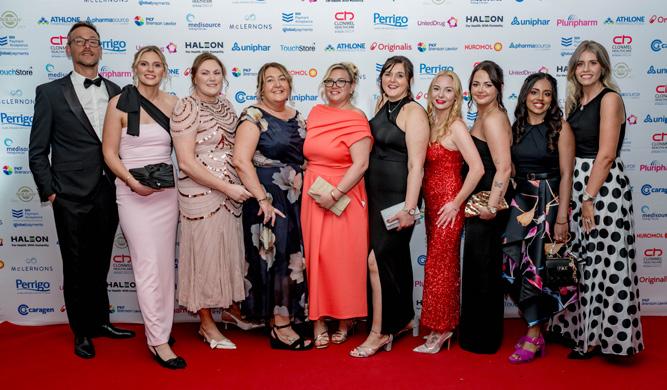
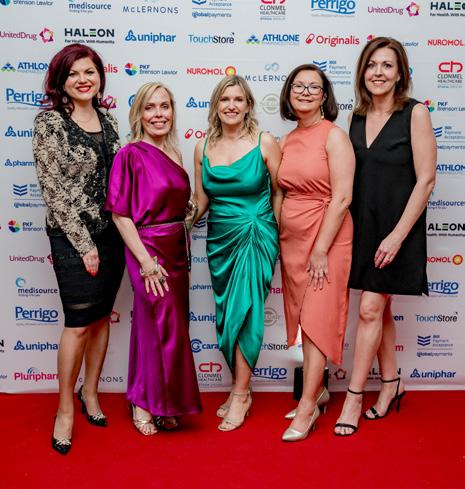
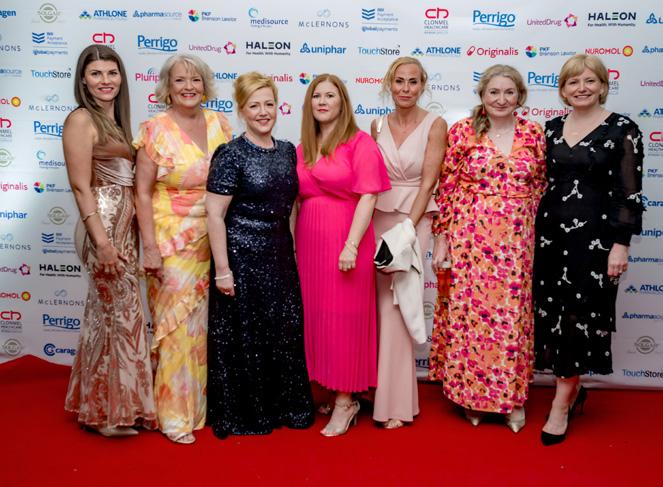
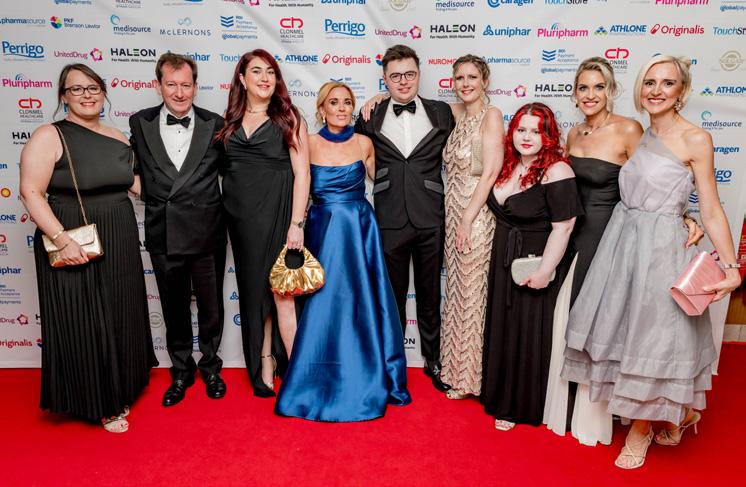
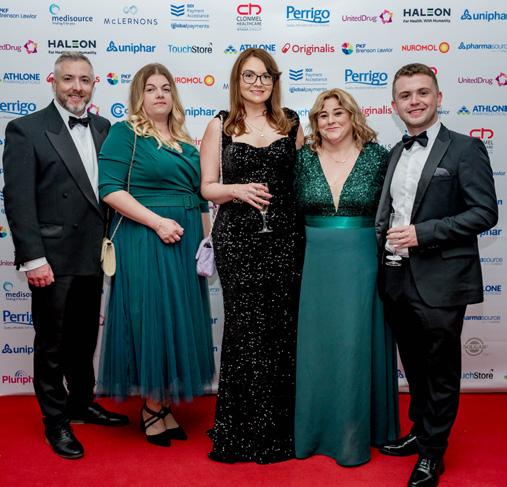
This issue also marks one of the highlights of the pharmacy calendar as we celebrate the winners of the 2026 Irish Pharmacy Awards. It was wonderful to see more than 650 pharmacy professionals come together to recognise excellence across the profession, and this year's Awards were particularly special with the introduction of our first Hospital Pharmacy categories. Congratulations to every finalist and winner. Your dedication, innovation and commitment continue to demonstrate the extraordinary impact pharmacy professionals have on patients and communities across Ireland.
Community pharmacy itself continues to evolve at an impressive pace, and nowhere is that more evident than in the continued rollout of the Common Conditions Service. Six months after its introduction, we take an in-depth look at how the service is performing, what it has achieved so far and the opportunities that lie ahead as pharmacists take on an increasingly important clinical role within primary care.
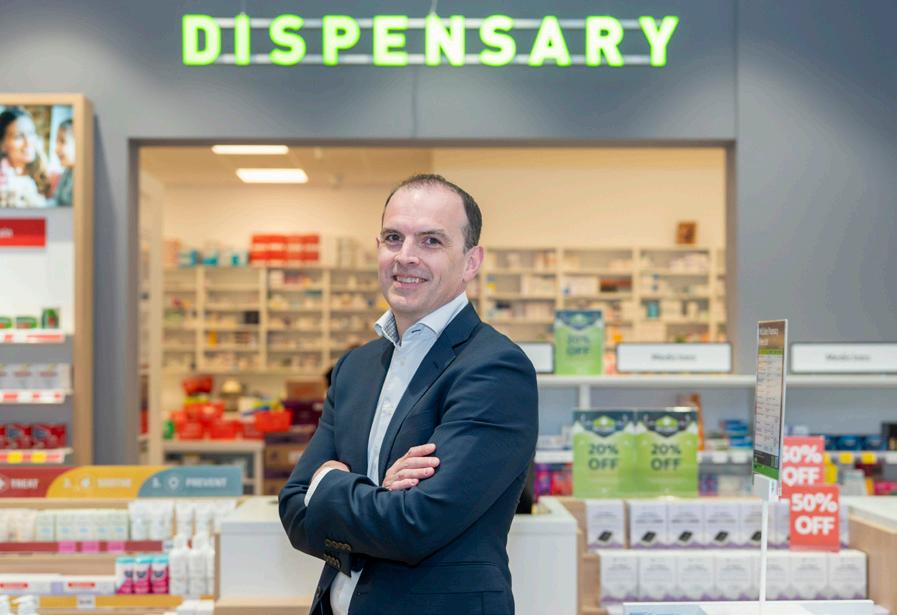
We're also delighted to feature an exclusive interview with Brian O'Keeffe, Managing Director of McCabes Pharmacy. Brian shares his vision for the future of community pharmacy, discussing everything from digital transformation and expanding clinical services to workforce development and the growing role pharmacists will play in Ireland's healthcare system over the coming decade.
As always, I'd like to extend my sincere thanks to all of our contributors, advertisers and readers for your continued support. Your willingness to share your knowledge, experiences and expertise is what makes Irish Pharmacy News such a valuable resource for the profession.
Whether you're catching up on the latest clinical developments, looking for business insights or simply taking a few moments to read between serving patients, I hope you enjoy this issue.
Have a wonderful summer, I hope you enjoy the issue.
Irish Pharmacy News is circulated to all independent, multiple Pharmacists and academics in Ireland. All rights reserved by Irish Pharmacy News. All material published in Irish Pharmacy News is copyright and no part of this magazine may be reproduced, stored in a retrieval system or transmitted in any form without written permission. IPN Communications Ltd. has taken every care in compiling the magazine to ensure that it is correct at the time of going to press, however the publishers assume no responsibility for any effects from omissions or errors.
President and Vice-President appointed at PSI
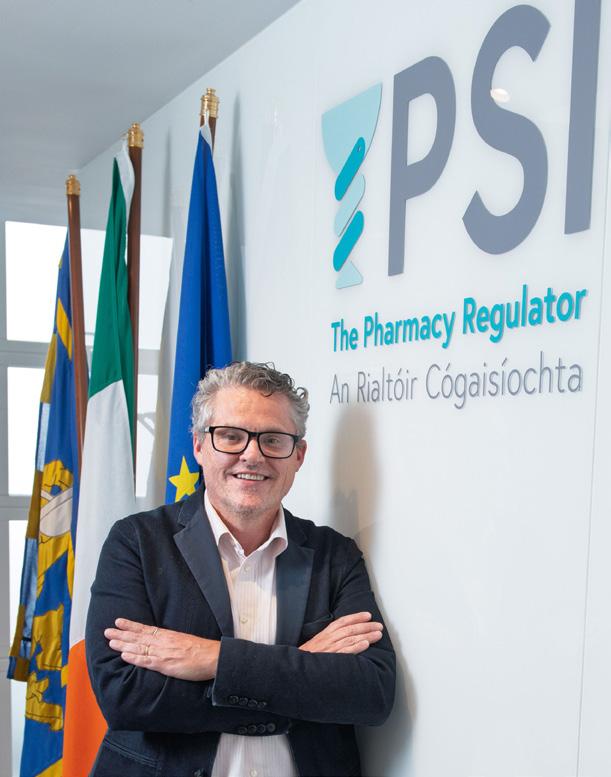
The Council of the PSI – The Pharmacy Regulator have re-elected Dr. Denis O’Driscoll as President for a second term and Emily Kelly was elected as Vice-President. The President and Vice-President are elected from amongst the Council for a one-year term and may hold office for up to two years, in accordance with the Pharmacy Act 2007.
Dr Denis O’Driscoll was appointed to the PSI Council in 2023, and he has served as the PSI President for one year (2025-2026), and previously as Vice-President. He is
Emily Kelly, Vice-President, PSI
a pharmacist with many years of experience working across a variety of pharmacy practice settings, notably as Chief Pharmacist with the HSE’s Addiction Services for over twenty years.
Speaking following his reappointment, Dr. Denis O’Driscoll said, “I welcome the opportunity to serve again as President and contribute to the PSI’s work. I want to recognise the commitment and engagement of Council members as we advance our mission to assure patient safety and public trust in pharmacy through effective regulation. The PSI’s remit is broad, and the work of the Council
is fundamentally important within the wider health and regulatory system. As policy developments continue to shape the evolving role of pharmacy, the PSI remains focused on supporting change with a clear commitment to patient benefit and safety, and effective regulatory oversight.”
Emily Kelly is the new VicePresident of the PSI. Emily was first appointed to the PSI Council in 2023, and she is chair of the PSI’s Audit and Risk Committee. She is a qualified pharmacist with senior management and board-level experience across Ireland, Italy, and Belgium. She currently serves on the board of Life Pharmacy and practices as a community pharmacist. The Minister for Health also confirmed the re-appointments this June of Dr. Paula Barry Walsh, Peter Dennehy and Dr. Ann McGarry to the Council for second terms. Council members are appointed for a four-year term.
Advancing Pharmacy Education in Ireland
RCSI University of Medicine and Health Sciences has entered into a partnership with Uniphar to support excellence and innovation in pharmacy education and training. This collaboration, between the RCSI School of Pharmacy and Biomolecular Sciences and Uniphar, will enhance student learning and engagement by supporting innovative teaching initiatives and providing new opportunities for professional development.
As an official partner of the School, Uniphar will support education across the RCSI School of Pharmacy and Biomolecular Sciences. Throughout the partnership, Uniphar will support the Patient Centred Care Laboratory located at 121 St Stephen's Green, a dynamic, hands-on learning space, designed as a central teaching facility for all pharmacy students. In this fully equipped mock pharmacy, students can practice their professional identity through simulated real-world scenarios and gain practical experience with dispensing systems and pharmaceutical care, preparing them for clinical placements and future practice.
The partnership will also support a 4-month MPharm Year 4 student experiential learning placement
in 2026. The student will be supervised by a Uniphar Teaching Practitioner in collaboration with the RCSI team.
In addition, Uniphar will be the lead sponsor of World Pharmacists Day at RCSI, an annual event to recognise the vital role pharmacists play in improving health outcomes and shaping healthier communities. The event provides an important platform to strengthen connections between education and industry, while inspiring and supporting the next generation of pharmacists. Uniphar is a global partner to pharmaceutical and medtech manufacturers. Set up by a small group of Irish community pharmacists to ensure a reliable supply of medicines for their patients, the company has stayed
Pharmacy Partners with HSE
Recently, to mark this year’s World Elder Abuse Awareness Day, the HSE Adult Safeguarding Team partnered with local pharmacies in counties Carlow, Kilkenny, Waterford, Wexford and South Tipperary to host information and drop-in stands.
The message was that every older person has a right to live a life free of any form of abuse. Visiting Corless Pharmacy, Dublin Rd. in Carlow and Boots, High St., Kilkenny, HSE Safeguarding Team members advised that if you are an older person, or if you are worried about an older person who may be experiencing abuse, mistreatment or not receiving adequate care, there is help and support available.
Rob O’Connor (Principal Social Worker for the HSE Adult Safeguarding Team in the Carlow-Kilkenny/Tipperary South and Waterford/Wexford areas) said,
“We were delighted to partner with local pharmacies to promote World Elder Abuse Awareness Day this year. It enabled our team to reach out to people in the community and provide them with information and support advice.”
“I’d encourage anyone that has a worry about an older person or would like to find out more, to contact us in the HSE South East Safeguarding Team on Freephone (0818) 101 101”.
committed to this goal, working to improve patient access to medicines globally.
“At Uniphar, we recognise the critical role pharmacists play within modern healthcare systems and the importance of equipping students with the skills and knowledge needed for an evolving profession,” said Shane O’Neill, Director of Pharmacy at Uniphar. “Our partnership with RCSI will support innovative educational initiatives that enhance student engagement, foster professional development and help ensure graduates are prepared to meet the healthcare challenges of the future. Developing the next generation of pharmacists requires strong collaboration between academia and industry, and this partnership reflects our shared commitment to innovation, excellence and patient care.”
World Elder Abuse Awareness Day (WEAAD) is observed annually on June 15. It is an official United Nations observance dedicated to raising global awareness about the physical, emotional, sexual, and financial abuse, as well as the neglect, often suffered by older adults.
The official color associated with the day is purple, worn and displayed by campaigners to show solidarity and highlight the cause. The World Health Organization (WHO) reports that approximately 1 in 6 older people globally experience some form of elder abuse.
New Digital App
New data from the National Drug Treatment Reporting System (NDTRS) report on alcohol treatment in 2025, published by the Health Research Board (HRB), shows that there were 8,798 cases presenting for treatment for problematic alcohol use with almost one in three cases requiring treatment for polydrug use (alcohol and other drugs).
Minister Murnane O’Connor has announced funding of ¤426,000 to support the development of an online tool which will support individuals to reduce their alcohol and/or drug use through evidence based behavioural change techniques, interactive exercises and support. This two-year project is funded under the Sláintecare Integration Innovation Fund and is led by HSE Health and Wellbeing.
The initiative aims to strengthen prevention and early intervention by improving access to evidence based, non-judgemental support, particularly for young people, marginalised groups, and those facing barriers to traditional services. This announcement comes as the HRB has published alcohol treatment data for 2025.
In 2025, the number of cases treated for problem alcohol use increased by less than 1% and reached 8,798 cases, the highest annual total reported to date. 43% were new cases (never treated for problem alcohol use before), while previously treated cases accounted for 53% of alcohol treatment cases. Almost half of all cases were classified as alcohol dependent, with a further 30% reported as harmful drinkers.
When combined with the NDTRS treatment figures for drug use in 2025, the total number of recorded episodes for drug and alcohol treatment comes to 24,220 cases. This represents a 10% increase when compared to the total treatment episodes in 2024 (22,040 episodes).
“The data showing alcohol treatment illustrates the harms that problem alcohol use can have on individuals, as well as their families, and communities. We need a holistic response that supports the individual and their family members to address the harms of alcohol dependency.”
Cost Pressures Mounting for Pharmacies
Almost all community pharmacies (94%) have experienced rising operational costs over the past year, while patient demand and prescription volumes have continued to grow, according to the latest Pharmacy Pulse report published by the Irish Pharmacy Union (IPU) in partnership with Fitzgerald Power.
The report highlights the growing pressure facing pharmacies across Ireland. Pharmacy owners identified their main business concerns as wider economic uncertainty (26%), the level of State fees (20%) and business costs (18%) as the main challenges impacting the sector. Rising wages, energy bills, IT infrastructure, and insurance costs were identified as among the most significant cost increases over the past 12 months.
Community pharmacies are playing an increasingly important role in delivering frontline healthcare services, with a programme of pharmacy prescribing for common conditions rolled out earlier this year. In this context the value of medicine sales has increased by 3.9% yearon-year to March 2026, while the value of prescription medicines rose by 9.5%. The figures reflect growing patient demand and increased reliance on local pharmacies for care and support. This increased demand is also being felt at the community pharmacy level. Some 43% of pharmacies reported higher footfall over the past 12 months, while 38% said employment levels had increased during the same period.
Commenting on the findings, Pierce Healy Chair of the IPU’s Pharmacy Contractors Committee (PCC) said:
“Community pharmacies are continuing to manage growing patient demand for healthcare services while facing significant increases in the cost of running their businesses. Pharmacists are increasingly utilising their expertise in medicines and medicine management to support patients and deliver better health outcomes.
“Pharmacies are a cornerstone of primary care in communities across Ireland. However, continued increases in operating costs and sustained pressure on margins present significant challenges for the long-term sustainability of the sector. It is essential that pharmacies receive the support they need to continue providing accessible, high-quality care to patients in every community. This is particularly important as the Community Pharmacy Agreement places greater emphasis on delivering additional services, which requires more staff and leads to higher staffing costs that must be adequately funded.
Commenting, Noel Winters, Corporate Finance Partner at Fitzgerald Power, said, “Community pharmacies are operating in an increasingly complex environment,
New Vital Pharmacies Brand
balancing rising operating costs, workforce challenges and growing patient demand, while continuing to play a vital role within Ireland’s healthcare system.
Through our work with pharmacy owners across Ireland, we understand the importance of having access to timely, relevant market intelligence to support decision-making. Pharmacy Pulse has been developed to provide pharmacy owners with practical insights into the key trends shaping the sector, from business performance and cost pressures to mergers and acquisitions activity.
We are delighted to partner with the Irish Pharmacy Union on this initiative. By combining the IPU’s deep understanding of the sector with Fitzgerald Power’s financial and commercial expertise, we hope Pharmacy Pulse will become a valuable resource for pharmacy owners and managers across Ireland.”
The findings of this report highlight the importance of ensuring continued investment in the sector and recognising the increasing costs facing pharmacies as they respond to growing patient demand. Supporting pharmacies to remain sustainable will be essential to maintaining accessible, high-quality care for patients in every community.
One of the biggest developments in Irish community pharmacy this year is now becoming visible on high streets across the country, as Haven Pharmacy and totalhealth Pharmacy officially come together under a new national identity –Vital Pharmacies.
The rebrand follows the merger of the two long-established pharmacy groups and marks the creation of one of Ireland's largest networks of independently owned community pharmacies.
The rollout of the new Vital Pharmacies brand is already well underway, with more than 70 pharmacies across Ireland now trading under the new identity. Further stores are expected to be rebranded over the coming months as the transition continues nationwide.
According to Vital Pharmacies, the new brand has been designed to combine the strengths of both
organisations while maintaining the local relationships that have been central to both Haven Pharmacy and totalhealth Pharmacy over many years.
The merger brings together two of Ireland's most recognised pharmacy groups under a single identity, creating a stronger national network while preserving the independence of individual member pharmacies.
Several pharmacies have already celebrated their transition to the new brand with launch events involving customers and members of their local communities. Among those recently unveiling their new-
look stores are Cedar Pharmacy in Portlaoise, Connolly's Pharmacy in Dungarvan, McElwee Pharmacies in Mountmellick and Feely's Pharmacy in Tuam.
Government Reaffirms Commitment to Access to Medicines
The Government has reaffirmed its commitment to ensuring Irish patients continue to have timely access to innovative medicines amid growing international concern over the potential impact of changes to pharmaceutical pricing policy in the United States.
Responding to a parliamentary question from Sinn Féin health spokesperson David Cullinane TD, Minister for Health Jennifer Carroll MacNeill said Ireland continues to work with European partners to support medicines access, affordability and availability, while highlighting the State's ongoing investment in new medicines and reforms to the reimbursement system.
Deputy Cullinane sought clarification on what steps the Department of Health is taking to assess and mitigate the possible impact of the United States' proposed "most-favoured-nation" pharmaceutical pricing policy and related trade tariffs, including whether a cross-departmental taskforce had been established to examine the issue.
The US policy proposals have generated concern internationally because they could influence global pharmaceutical pricing and potentially affect the availability of innovative medicines in smaller markets such as Ireland. Ireland also has a significant pharmaceutical manufacturing sector, with many multinational companies using the country as a major European base, raising wider questions about competitiveness and future investment.
While the Minister's response did not directly address the status of any proposed inter-departmental
taskforce or provide details of when such a group might convene, she stressed that ensuring patient access to medicines remains a key Government priority.
"The Government is committed to providing timely access to new and innovative medicines to all patients," she said.
¤4 Billion Annual Medicines Bill
The Minister noted that annual State expenditure on medicines has now reached approximately ¤4 billion, representing almost one euro in every eight spent on healthcare.
Significant investment has been made in recent years to expand access to new therapies. Between Budgets 2021 and 2025, ¤158 million was allocated to support access to innovative medicines, resulting in reimbursement approval for 250 new medicines.
Budget 2026 provided a further ¤217 million in medicines funding, including ¤30 million specifically for new medicines. According to the Minister, this investment had already supported reimbursement for 26 new medicines by mid-June this year.
She also highlighted that while initial funding supports the first year of reimbursement, the overall cost to the State increases substantially as patient uptake grows.
Vaccination Communication
Vaccination remains one of the most effective public health interventions for preventing infectious diseases and reducing morbidity and mortality.
Yet vaccination coverage, particularly among adults, remains below recommended targets in many countries.
Existing literature shows that recommendations from healthcare providers are one of the strongest drivers of vaccine acceptance and uptake.
To support pharmacists in this role, the International Pharmaceutical Federation (FIP) has launched a new toolkit and accompanying infographic on vaccination communication. The toolkit focuses on three key areas of communication: pharmacist–patient, pharmacist–public communication, and communication between pharmacists and other healthcare professionals.
"The sustainability of State medicine expenditure must be protected," the Minister said.
Pricing Agreements Provide Stability
Central to the Government's strategy are the new Framework Agreements on the Supply and Pricing of Medicines (FASPMs), signed with the pharmaceutical industry in March 2026.
The agreements, which will run for the next four years, are intended to provide greater certainty for both the State and pharmaceutical manufacturers while supporting continued patient access to medicines.
The agreements also include a commitment to reform Ireland's pricing and reimbursement system, with the aim of ensuring reimbursement decisions are made within the statutory 180-day timeframe by the first quarter of 2029.
As part of that commitment, the Department of Health plans to undertake a comprehensive review of the pricing and reimbursement process later this year.
The Minister said achieving faster access to medicines would require continued collaboration between Government, the HSE and pharmaceutical companies, including timely health technology assessments and pricing submissions from industry.
“Pharmacists are among the most accessible healthcare professionals and are one of the first points of contact for people seeking advice about vaccines,” said Ms Nisa Masyitah, FIP Data and Intelligence Manager.
“Effective communication skills are therefore essential for improving vaccine uptake, and this toolkit provides practical guidance to support pharmacists in having those conversations with confidence.”
The resource covers key aspects of vaccination communication, including screening and counselling for individuals, addressing vaccine hesitancy and misinformation, and strengthening interprofessional collaboration. It also highlights population groups eligible for vaccination, including infants and children, adolescents, adults, and older adults, as well as special-risk groups such as people living with chronic diseases, pregnant women, and healthcare workers.
The toolkit also aligns with FIP Development Goal 16, which emphasises expanding the role of the pharmacy workforce in the prevention, surveillance, and management of communicable diseases.
The International Pharmaceutical Federation (FIP) is the global federation of national associations of practitioners, educators and scientists, and is in official relations with the World Health Organization. Through its 160 member organisations, it represents over 5.5 million practitioners and scientists around the world. www.fip.org
IPHA Calls for Faster Access to Orphan Medicines
The Irish Pharmaceutical Healthcare Association (IPHA) has called for faster reimbursement decisions for orphan medicines, arguing that delays within the State's assessment process are preventing Irish patients from accessing innovative treatments as quickly as those in many other European countries.
The comments follow recent remarks by Professor Michael Barry of the National Centre for Pharmacoeconomics (NCPE) on RTÉ Radio 1, prompting IPHA to issue a response outlining what it believes is missing from the current public debate on access to medicines for rare diseases.
At the heart of the issue is the length of time it takes for new medicines to be assessed and approved for reimbursement after pharmaceutical companies submit an application to the HSE.
IPHA points out that under the Health Act 2013, reimbursement decisions should be made within 180 days, excluding periods during which pharmaceutical companies are asked to provide additional information. However, the association says this target has not been consistently achieved.
According to IPHA, the average State assessment time for an orphan medicine submitted by one of its member companies since 2022 has been 422 days, excluding industry response times—more than double the statutory timeframe.
The association welcomed the Government's commitment to reforming the reimbursement system, noting that the new 2026 Framework Agreement between the State and the pharmaceutical industry includes a commitment to achieving the 180-day decision timeline by the first quarter of 2029.
IPHA also highlighted the recent reimbursement of a treatment for Duchenne muscular dystrophy,
which it says was completed in approximately 130 days, arguing that this demonstrates timely decision-making is possible.
Impact on Patient Access
The association believes lengthy reimbursement timelines risk making Ireland a less attractive market for pharmaceutical companies launching innovative medicines.
According to IPHA, uncertainty around reimbursement decisions has resulted in companies prioritising countries where access decisions are made more quickly and predictably. It says several European countries, including Denmark, Norway, Estonia, Latvia, Lithuania and Slovenia, currently provide patients with faster access to orphan medicines than Ireland.
IPHA maintains that pharmaceutical companies have a strong incentive to submit medicines for reimbursement as early as possible, noting that applications are made for approximately 70 per cent of medicines authorised by the European Medicines Agency (EMA), while fewer than 10 per cent of EMA-approved medicines developed by its member companies are not submitted for reimbursement in Ireland.
Looking Beyond Cost Effectiveness
The association also argues that the value of orphan medicines extends beyond traditional health technology assessments.
Tobacco Endgame
Michael Barry of the National Centre for Pharmacoeconomics (NCPE)
While recognising the important role of the NCPE in evaluating clinical effectiveness, cost effectiveness and budget impact, IPHA says wider factors—including patient need, quality of life, benefits for carers and families, and broader societal impacts— should also be considered during reimbursement decisions.
It notes that orphan medicines often present unique challenges because clinical evidence is necessarily more limited due to the small patient populations affected by rare diseases.
Reform Underway
IPHA also reiterated its support for the introduction of early access schemes for innovative medicines, an initiative included in the Programme for Government. The association said similar schemes operate successfully in several other countries and could allow patients with serious or rare conditions to access promising treatments while reimbursement assessments are ongoing.
The comments come as the Department of Health continues work on wider reforms to Ireland's medicines pricing and reimbursement system. Under the new Framework Agreement, Government and industry have committed to improving the speed and predictability of reimbursement decisions.
While opinions differ on the reasons for current delays, there is broad agreement that improving access to innovative medicines remains a priority. IPHA said it will continue to engage with the Department of Health, the HSE and other stakeholders to support reforms aimed at delivering faster access to new treatments for Irish patients.
The UK made history at the end of April when it passed the Tobacco and Vapes Act. This landmark piece of legislation has two key features that will have global health implications and consequences for both Northern Ireland and the Republic of Ireland.
Firstly, the Act prohibits the sale of tobacco to anyone born on or after the 1st of January 2009. As this age group gets older, they can never legally be sold tobacco. So over decades, a smokefree generation becomes a smokefree society.
Secondly, the Act strengthens the regulation of vapes and other nicotine products, especially where products are cynically designed and marketed to target children.
Writing in the Irish Times, (Tuesday, the 25th of May), the Irish Heart Foundation’s interim Director of Advocacy, Mark Murphy, called on the Government to follow the UK and bring in legislation to create a smoke-free generation.
According to Murphy, the time is right for Ireland to begin laying out plans for a tobacco endgame. As the bill will apply to all four regions of the UK –England, Scotland, Wales, and Northern Ireland – it means that children in Northern Ireland will have greater protections from tobacco and nicotine harm than those in the Republic of Ireland.
The Irish Heart Foundation believes that all-island alignment is essential. “As the only EU country to share a land-border with the UK and one with deep ties going back generations, it is vital for Ireland to follow suit,” said Mark Murphy.
Sadly, despite being a traditional leader in tobacco control, 17% of the Irish population, or over 800,000 people, still smoke. More alarmingly is that 12% of Irish teenagers smokeii while the reduction in smoking has stalled since 2019.
Professor
Helping you grow your business with United Drug Retail Solutions
Delivering best-in-class products, service and business support for optimum patient care for your customers
Choice Based Buying Group.
Range of quality products including a mix of OTC, branded, generic and cold chain.
Safe and secure sourcing of unlicensed medicines. Bespoke medicines tailored to patients needs.
Ireland’s No1 provider of Ostomy products and services.
Best in class advice, service and support, enabling pharmacists to give patients confidence and peace of mind.
Compliance Based Buying Group
Rewarding you with competitive pricing.
Insights & Education.
Providing meaningful insights to help drive business forward and deliver better patient care.
Call: 01 463 2300
Email: wholesale@united-drug.com
Visit: www.united-drug.com
Login: www.udw.ie
The Common Conditions Service: Six Months On
Strong public support, growing confidence—but is Ireland ready for the next phase of pharmacy-led care?
When the Common Conditions Service (CCS) launched earlier this year, it marked one of the most significant developments in Irish community pharmacy in decades. For the first time, pharmacists could assess, diagnose and, where appropriate, prescribe treatment for eight common conditions without patients first needing to secure a GP appointment.
The service represented more than just another healthcare initiative. It was a clear acknowledgement of the increasingly important role community pharmacists play within Ireland's primary care system and a recognition that patients should be able to access appropriate care from the right healthcare professional at the right time.
Six months later, the first comprehensive snapshot of public opinion has arrived, and the findings paint an encouraging picture. Far from questioning whether pharmacists should be providing these services, the public appears to have embraced the concept. Yet while confidence in pharmacy has grown, the experience on the ground suggests that awareness, funding and integration with the wider healthcare system still have some way to go.
The question now is no longer whether the Common Conditions Service works—but how far it can develop.
A Public Ready for Change
New research conducted by Amárach Research on behalf of Azure Pharmaceuticals provides the first detailed insight into how the public views the Common Conditions Service.
The nationally representative survey of 1,000 adults found overwhelming support for pharmacist-led treatment of common illnesses.
Perhaps the most striking finding is that 84 per cent of respondents said they would consider using the Common Conditions Service instead of visiting a GP for eligible conditions. After learning more about the service, 75 per cent said they would consider using it in the future, while just four per cent said they would be unlikely to use it.
Those figures suggest a remarkable level of confidence in what remains a relatively new service.
Cost and convenience emerged as two of the biggest drivers behind public support.
Thirty-one per cent of respondents said lower costs compared with visiting a GP would encourage them to use the service, while 17 per cent cited faster access to treatment as the primary benefit.
Interestingly, almost seven in ten respondents believed that a consultation fee of between ¤30 and ¤40 represented good value for a pharmacist consultation that included assessment, diagnosis and prescription medicines where appropriate.
For a profession that has long argued that pharmacists can safely manage a greater range of common conditions, the survey provides strong evidence that the public increasingly agrees.
Commenting on the findings, Sandra Gannon, Managing Director of Azure Pharmaceuticals,
believes the conversation has fundamentally shifted.
"These findings indicate a debate shifting from whether pharmacists can do more to how far their role will expand and how quickly the system can adapt."
She believes the survey reflects not simply convenience, but growing confidence in pharmacists as frontline healthcare professionals.
"What stands out is not just willingness to use the service, but the level of comfort and trust underpinning it in such a short period. Convenience matters, but trust appears to sustain repeat use and confidence in the model."
Helping to Address Pressure Across Primary Care
The survey findings arrive against a backdrop of increasing pressure across general practice.
"These findings indicate a debate shifting from whether pharmacists can do more to how far their role will expand and how quickly the system can adapt"
Difficulty accessing GP appointments has become an increasingly common concern in many parts of the country, particularly outside major urban centres.
The Azure research reflects this reality.
Among respondents living in Leinster outside Dublin, one quarter said difficulty securing a GP appointment would be one of the main reasons they would choose the Common Conditions Service—more than double the national average.
The findings reinforce the growing view that community pharmacy can play an important role in helping patients access timely care while allowing GPs to focus on patients with more complex healthcare needs.
That is precisely the philosophy underpinning the service.
According to the HSE, the Common Conditions Service has been designed to provide "faster access to trusted healthcare" while helping ensure GP and hospital appointments remain available for patients whose conditions require more specialist assessment. More than 95 per cent of community pharmacies are now providing the service, giving patients widespread access regardless of where they live.
The HSE also points out that the service was carefully developed through the Community Pharmacy Implementation Oversight Group, which included representatives from the Department of Health, the Irish Pharmacy Union, patient advocates, practising pharmacists and regulatory bodies. Detailed clinical protocols, mandatory pharmacist training and structured referral pathways were all designed to ensure patient safety remained central throughout implementation.
Awareness Remains the Biggest Challenge
Despite the encouraging findings, the research also highlights one of the greatest challenges facing the Common Conditions Service— many people simply do not know it exists.
Overall, 40 per cent of respondents were unaware of the service.
Perhaps more surprising is where that lack of awareness exists.
Among 18 to 24-year-olds, awareness was lowest, with 57 per cent saying they had not heard of the service. Almost half of adults aged 25 to 34 were also unaware.
At first glance, this may seem counterintuitive.
Younger adults are generally regarded as the most digitally engaged healthcare consumers. They are comfortable accessing healthcare information online, often expect convenient services and increasingly use digital platforms to manage many aspects of their health.
Yet this same group appears to be among the least familiar with one of the most significant changes to community pharmacy in recent years.
Sandra Gannon believes this highlights the need for continued public education.
"While attitudes among those familiar with the Scheme are very positive, many people still do not fully understand the services now available through community pharmacy."
There may be several reasons for this.
Many younger adults visit pharmacies less frequently than older patients managing longterm conditions. Others may still associate pharmacists primarily with dispensing prescriptions rather than delivering structured clinical consultations.
Changing those perceptions will likely require sustained public information campaigns alongside ongoing promotion by pharmacies themselves.
Building Confidence
One encouraging aspect of the research is that willingness to use the service appears to increase once people understand what it involves.
Rather than resistance, the challenge appears to be communication.
That may prove easier to address than changing public attitudes.
Community pharmacy already enjoys exceptionally high levels of public trust, built over many years through accessible healthcare advice, vaccination programmes, medicines management and patient counselling.
The Common Conditions Service builds directly on those existing relationships.
Rather than asking patients to place their trust in an unfamiliar service, it asks them to receive additional care from healthcare professionals they already know. That existing trust may ultimately prove one of the programme's greatest strengths.
A spokesperson for the Pharmaceutical Society of Ireland said, “As the pharmacy regulator, the PSI has been a key stakeholder in the Department of Health’s Community Pharmacy Expansion Implementation Oversight Group, along with representation from the HSE, Irish Pharmacy Union, patient/ public advocates, and others. Led by the Department, this group worked collectively to oversee development of the enablers to implement this new service for the public.
“In the implementation of new pharmacy services, the PSI’s role is focused on ensuring that pharmacists are enabled to establish a safe and effective service for patients and the public and that pharmacists and pharmacy teams have access to the necessary training and regulatory supports.
• The PSI-specified CCS training for pharmacists was developed by a multidisciplinary team at RCSI in conjunction with the Irish Institute of Pharmacy (IIOP) and is available on the IIOP website. Pharmacists intending to provide the Common Conditions Service must complete the training and undertake the service in line with the agreed HSE clinical protocols. To date, almost 4,000 pharmacists, representing over half of the total number of registered pharmacists, have completed the required CCS training. Participating pharmacies are listed here: Find a pharmacy offering the Common Conditions Service (CCS) - HSE.ie
• The PSI also published Guidelines to support the Common Conditions Service and facilitate pharmacist and pharmacy compliance with the legislative framework.
“As with any new service, it may take time to establish broad awareness and understanding about the service. It’s worth noting that public uptake of the flu vaccination service in pharmacies increased year-on-year from a low start point when first introduced in 2011.
“The PSI will continue to ensure that the appropriate training and guidance is available to pharmacists participating in the Common Conditions Service so
as to safeguard patient safety and public health. The Department of Health continues to welcome public feedback from those who have availed of the CCS in a pharmacy. This aims to understand how the service is being used and to identify ways it may be improved to meet public need.”
From Policy to Practice: How the Common Conditions Service Is Working on the Ground
While public opinion suggests the Common Conditions Service has been warmly received, the real test lies behind the consultation room door.
How are pharmacists finding the service? Are patients embracing it? And are the systems and structures supporting the profession as effectively as they could?
Irish Pharmacy News spoke to pharmacy leaders and frontline pharmacists to understand how the service is performing several months after its introduction.
A Steady Start
For Brian O'Keeffe, Retail Managing Director of McCabes Pharmacy, the launch generated significant public interest, driven in part by the accompanying national awareness campaign.
"When the service was launched in the Spring, it was accompanied by a media campaign and this undoubtedly led to interest from the public," he explains.
"McCabes Pharmacy received patient queries in relation to the rollout and we were happy to confirm that all of our pharmacies are offering the service."
Several months later, those enquiries have changed.
Rather than asking what the service is, patients are increasingly presenting directly with symptoms that fall within the eight approved clinical pathways.
"A few months on, we are receiving fewer queries enquiring about the concept of the service but we are still seeing a steady number of patients presenting with the symptoms of the eight common conditions."
That pattern may suggest the service is beginning to move from novelty to normality.
However, Brian believes there is still work to do.
"While the majority of patients have heard of the service, many still are seeking confirmation on what medicines the pharmacist can actually prescribe."
Confidence Built on Structure
One of the concerns raised before
the service launched centred on whether pharmacists would feel sufficiently supported when making clinical decisions.
For Brian, the answer lies in the strength of the clinical framework underpinning the service.
"Our pharmacy professionals have attended information sessions, carried out training and we have developed SOPs," he says.
"The clinical protocols for each condition have a definitive list of criteria for when a patient needs to be referred to their GP or in more serious cases, emergency services or A&E."
Rather than replacing GPs, the protocols clearly define where pharmacists can intervene safely and where referral remains essential.
"The structured interview and clinical supports mean that pharmacists are confident in knowing when they should treat and prescribe and when the patient needs to be referred."
The HSE echoes this point.
It emphasises that the Common Conditions Service was specifically designed to complement—not replace—general practice. Each clinical pathway contains clearly defined referral criteria where symptoms fall outside protocol or where more complex assessment is required.
What Are Patients Presenting With?
While the Common Conditions Service currently covers eight conditions, some are appearing much more frequently than others.
According to McCabes Pharmacy, the most common presentations have been:
• Acute infective conjunctivitis
• Uncomplicated urinary tract infections
• Shingles
• Impetigo
These are all conditions that traditionally resulted in a GP appointment despite often following relatively straightforward treatment pathways.
The Reality on the Front Line Independent Donegal pharmacist Eoghan Maguire offers another perspective—one shaped by the realities of day-to-day practice.
His pharmacy currently sees around one Common Conditions Service consultation every one to two days.
12 Special Report
While the service is undoubtedly valuable, he says it has not yet produced the dramatic increase in patient numbers that some may have anticipated.
One reason, he believes, is the consultation fee.
His pharmacy charges ¤25 for a consultation, but he says many patients are still unfamiliar with the idea of paying a pharmacist for a clinical consultation.
“Many patients are still adjusting to the idea of paying a pharmacist for a consultation, much as they would when visiting a GP. If someone pays ¤25 and doesn’t leave with medication, they may feel they have paid for nothing.”
For many members of the public, paying for a pharmacist consultation remains a new concept.
The Value of Professional Advice
Perhaps one of the most interesting issues raised by Eoghan concerns patient expectations.
Not every consultation results in a prescription. Sometimes the pharmacist determines that medication is unnecessary or that referral to a GP represents the safest course of action.
From a clinical perspective, this is exactly how the service should operate. From a patient's perspective, however, it can create a dilemma.
"If someone pays ¤25 and then doesn't leave with medication, they may feel they've paid for nothing." Eoghan argues that this overlooks the true value of the consultation.
The pharmacist has still undertaken a structured clinical assessment, ruled out inappropriate treatment and directed the patient towards the most appropriate care pathway.
He believes there may eventually be merit in exploring a nationally funded consultation payment where no medicine is supplied, recognising the pharmacist's role in safely triaging patients and avoiding unnecessary GP appointments.
"While the majority of patients have heard of the service, many still are seeking confirmation on what medicines the pharmacist can actually prescribe"
Brian O'Keeffe,
Retail
Managing Director,
McCabes
It is an idea that reflects a broader shift in healthcare thinking. Increasingly, the value lies not simply in prescribing but in making the correct clinical decision.
Pharmacy as Primary Care Triage
Eoghan makes another comparison that neatly captures the evolving role of community pharmacy. He likens the Common Conditions Service to triage in an emergency department. Unlike GP surgeries, pharmacies rarely operate entirely by appointment.
Patients walk in throughout the day seeking advice while pharmacists simultaneously manage dispensing, supervise staff, answer medicines queries and provide numerous other healthcare services.
That creates a unique environment.
"There isn't the luxury of every patient having a booked appointment," he explains. Despite these operational pressures, pharmacists continue to integrate structured consultations into their working day. His pharmacy currently operates without appointments because he believes flexibility remains essential.
A rigid booking system could potentially prevent pharmacists responding to more urgent presentations or disrupt wider workflow. It highlights one of the strengths—and challenges—of community pharmacy.
"The IMO maintains reservations about the Common Conditions Service”
Dr Tadhg Crowley, Chair of the IMO GP Committee
Pharmacy
Accessibility remains one of pharmacy's greatest assets, but it also places significant demands on pharmacists' time.
Raising Public Awareness
While pharmacies have invested heavily in training and implementation, awareness remains a recurring theme.
Brian O'Keeffe says McCabes supplemented national HSE communications with its own marketing campaign, promoting appointments both in-store and through the company's website and mobile app.
Similarly, Eoghan Maguire says his pharmacy has relied largely on local promotion.
Both examples illustrate an important point.
Although the HSE launched a national awareness campaign and provides Pharmacy Finder tools and promotional materials, pharmacies themselves continue to play a major role in educating patients about the service.
Whether that responsibility should continue to rest primarily with individual pharmacies or become part of a sustained national public awareness campaign may be one of the questions facing policymakers as the service matures.
A Profession Ready to Expand
Despite the practical challenges, there is a strong sense of optimism among pharmacists delivering the service.
Boots Ireland believes the Common Conditions Service demonstrates the growing contribution community pharmacy can make to public health.
"As community pharmacy continues to embrace its expanding role, services like this can help ease pressure on the wider healthcare system by supporting people in the right
setting," a spokesperson told Irish Pharmacy News.
Boots also supports further expansion of pharmacist-led services, including bowel screening and sexual health promotion where clinically appropriate.
Brian shares a similar view.
"We believe there is significant scope for expansion of the service to other conditions commonly seen in community pharmacy."
He believes the careful development of clinical protocols, combined with strong engagement from pharmacists across Ireland, has created a solid platform for future growth.
"The measured approach to the clinical protocols and the high levels of engagement from the pharmacy profession have laid a strong foundation for the future growth and development of the Common Conditions Service."
A Measured Note of Caution
While enthusiasm for the Common Conditions Service has been evident among many pharmacists and patients, not everyone believes it is yet possible to judge its long-term success.
The Irish Medical Organisation (IMO) has welcomed efforts to improve patient access to healthcare but continues to express reservations about the wider implications of the scheme.
Dr Tadhg Crowley, Chair of the IMO GP Committee, believes it remains too early to draw firm conclusions.
"The IMO maintains reservations about the Common Conditions Service," he says.
"It is too early to assess the scheme's long-term implications. Any issues arising from delayed GP presentation are more likely to emerge over time than in the short term."
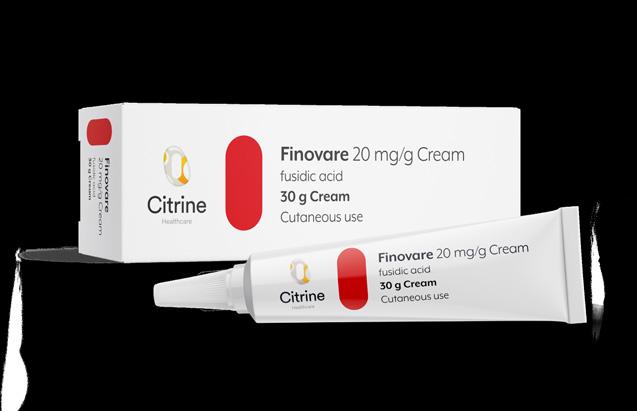
Finovare 20mg/g Cream
Fusidic Acid
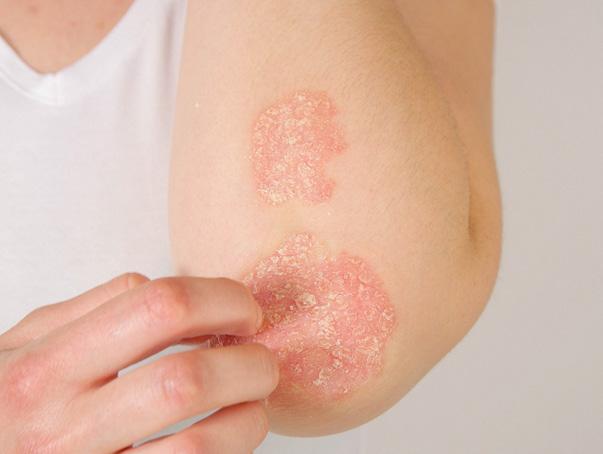
Topical antibiotic treatment of infections, including impetigo, caused by sensitive micro-organisms, in particular Staphylococcusaureus.
Abbreviated Prescribing Information for Finovare can be found below The Summary of Product Characteristics and Patient Information Leaflet can be found at www.hpra.ie
Abbreviated Prescribing Information
Product Name: Finovare 20mg/g Cream. Active Ingedient: Each gram of cream contains 20 mg fusidic acid. Presentation: Cream. A white cream. Indications: Topical antibiotic treatment of infections, including impetigo, caused by sensitive microorganisms, in particular Staphylococcus aureus Posology and method of administration: Apply three times daily or as required. Less frequent application may be adequate for skin covered by a sterile dressing. Cutaneous use. Contraindications and Warnings: Hypersensitivity to the active substance or to any of the excipients .Bacterial resistance among Staphylococcus aureus has been reported to occur with the use of topical fusidic acid. As with all antibiotics, extended or recurrent use of fusidic acid may increase the risk of developing antibiotic resistance. Finovare cream contains cetyl alcohol, butylhydroxyanisole and potassium sorbate which may cause local skin reactions such as contact dermatitis. Butylhydroxyanisole may also cause irritation to the eyes and mucous membranes. If used on the face, care should be taken to avoid contact with the eyes. Finovare can be used during breast-feeding but it is recommended to avoid applying topical Finovare directly on the breast. Undesirable effects: Immune system disorders: Rare: Hypersensitivity. Eye disorders: Rare: Conjunctivitis. Skin and subcutaneous tissue disorders. Uncommon: Dermatitis (including dermatitis contact, eczema), Rash*, Pruritus, Erythema. * Various types of rash reactions such as erythematous, pustular, vesicular, maculo-papular and popular have been reported. Rash generalised has also occurred. Rare: Angioedema, Urticaria, Blister. General disorders and administration site conditions: Uncommon: Application site pain (including skin burning sensation). Application site irritation. Paediatric population: Frequency, type and severity of adverse reactions in children are expected to be the same as in adults. Reporting suspected adverse reactions after authorisation of the medicinal product is important. Healthcare professionals are asked to report any suspected adverse reactions via HPRA Pharmacovigilance, Website: www.hpra.ie. Legal Category: POM. Marketing Authorisation Holder: Citrine Healthcare Limited, Orchard Road, Clondalkin, Dublin 22, D22 V4H1, Ireland.Marketing Authorisation Number: PA23214/001/001. Date of Preparation: January 2024
Adverse events should be reported. Reporting forms and information can be found on the HPRA website (www.hpra.ie). Adverse events should also be reported to Citrine Healthcare Ltd – info@citrinehealthcare.com; 01-4457206
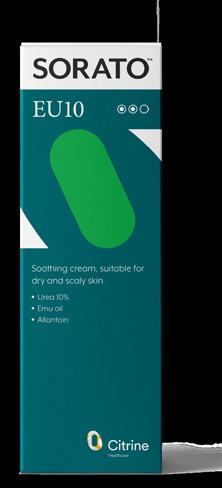
Targeted skin care for dry and flaky skin.
The IMO also points to several clinical concerns that warrant ongoing evaluation.
These include antimicrobial stewardship, the possibility that recurrent urinary tract infections could mask more serious underlying conditions, and the complexity of managing shingles, where antiviral medicines can carry significant side effects in some patients.
Dr Crowley also notes that because the scheme has not yet achieved universal adoption across every pharmacy, assessing its full impact remains challenging.
Those concerns highlight an important point.
The Common Conditions Service is still in its infancy. Like any significant healthcare reform, its success will ultimately depend not simply on uptake but on robust governance, continuous evaluation and a willingness to refine the service as experience grows.
Measuring Success
Unlike many previous healthcare initiatives, the Common Conditions Service has been designed with formal evaluation built into its implementation.
The HSE has selected 150 pharmacies across Ireland to provide detailed data on consultations every six months, capturing information on the number and types of consultations carried out, alongside feedback from participating pharmacists. Patients are also being encouraged to complete a national feedback survey to help shape future development of the service.
That evaluation will be crucial. Headline consultation numbers will tell only part of the story.
Equally important will be understanding:
• How many GP appointments have potentially been avoided?
• How many patients required onward referral?
• Which conditions generated the greatest demand?
• Were clinical protocols sufficiently flexible?
• How satisfied were patients with their experience?
• How did pharmacists find delivering the service within busy community pharmacy settings?
Answers to these questions will help determine not only whether the current scheme is successful, but also whether it is ready for expansion.
Collaboration, Not Competition
Throughout discussions with pharmacists, one message emerged repeatedly.
The Common Conditions Service should not be viewed as competition between pharmacists and GPs.
Instead, it represents an opportunity for better collaboration across primary care.
Donegal pharmacist Eoghan Maguire believes this partnership is essential.
"Pharmacists are experts in medication, and GPs are experts in diagnostics, and they have to work together."
His observation neatly captures the philosophy underpinning the service.
Community pharmacists are not attempting to replace general practitioners.
Rather, they are providing structured assessment and treatment for clearly defined conditions that follow carefully developed clinical pathways.
When patients fall outside those pathways, referral remains an integral part of the consultation.
“Many patients are still adjusting to the idea of paying a pharmacist for a consultation, much as they would when visiting a GP. If someone pays €25 and doesn’t leave with medication, they may feel they have paid for nothing.”
That collaborative model is reflected throughout the HSE protocols and is fundamental to maintaining patient safety while improving access to care.
However, collaboration extends beyond clinical protocols.
Several pharmacists suggested there is scope for stronger communication between GPs and pharmacists, particularly around directing suitable patients towards the service.
If GP practices are experiencing significant pressure from patients presenting with straightforward conditions covered by the Common Conditions Service, greater awareness among practice teams could potentially improve patient flow and reduce waiting times.
Whether such referral pathways develop naturally—or require more formal structures— may become one of the next challenges facing policymakers.
Is the Consultation Fee Model Sustainable?
Another issue likely to generate discussion is the consultation fee itself.
The Azure survey suggests the public broadly accepts the principle of paying for pharmacistled consultations, with 67 per cent considering a fee of ¤30 to ¤40 good value. Yet frontline experience suggests acceptance is more nuanced.
Many patients still expect that payment should result in a prescription or medicine.
Where the pharmacist's professional judgement leads instead to reassurance, selfcare advice or referral to another healthcare professional, some patients question the value of the consultation.
In reality, this reflects a longstanding challenge across healthcare. A consultation is not a transaction for medication—it is a
clinical assessment. Sometimes the best outcome is not prescribing.
As pharmacist prescribing expands, communicating that message to the public may become increasingly important.
What Could Come Next?
Perhaps the most exciting aspect of the Common Conditions Service is not the eight conditions it currently includes, but what it may evolve into.
Both Boots Ireland and McCabes Pharmacy believe there is significant potential for expansion.
Internationally, pharmacists already provide a far broader range of clinical services in many healthcare systems.
Future developments in Ireland could potentially include additional common conditions, enhanced preventative healthcare, point-of-care testing and greater involvement in chronic disease management.
Several pharmacists also spoke about opportunities to develop services around cardiovascular risk assessment, cholesterol testing and wider preventative health initiatives.
Any expansion will undoubtedly require careful planning, robust governance and continued collaboration with other healthcare professionals.
However, the foundations now appear firmly established.
Challenges remain
Public awareness needs to increase. Integration across primary care can be strengthened. Evaluation will be essential to ensure patient safety continues to underpin future expansion. But perhaps the biggest change is one of perception.
The public is no longer asking whether pharmacists are capable of managing common conditions. Instead, the conversation has shifted towards how much more community pharmacy can contribute.
For a profession that has spent many years demonstrating its clinical expertise, that may represent the Common Conditions Service's greatest achievement of all. Whether the service remains limited to eight conditions or evolves into something much broader over the coming years, one thing is becoming increasingly clear.
The Common Conditions Service is not simply another healthcare initiative. It is the beginning of a new chapter in Irish community pharmacy.
Pharmacy Regulator Publishes Annual Report
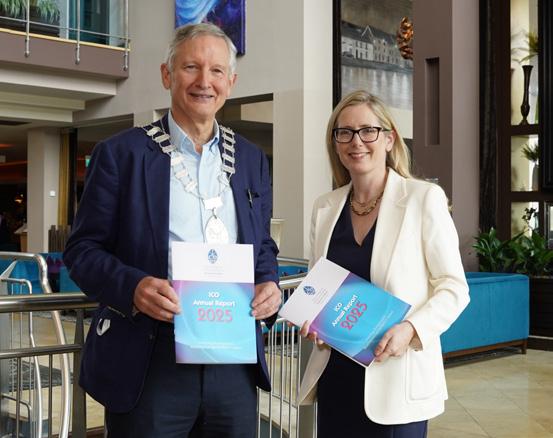
The PSI – Pharmacy Regulator has published its Annual Report and Financial Statements for 2025, outlining the many ways it delivered on its core mission to assure patient safety and public trust by regulating pharmacists and pharmacies in Ireland.
2025 marked the first year of implementation of the PSI’s new corporate strategy, developed to account for and respond appropriately to the significant policies driving changes in pharmacy and, more broadly, in healthcare delivery. The strategy emphasises facilitating pharmacists' greater role in an evolving healthcare system, including digital transformation plans, and the PSI’s focus is on providing regulatory and legislative perspectives and ensuring that education and information underpin changes in support of pharmacy professionals and patient safety.
Commenting on the publication of the Annual Report, PSI Registrar and Chief Officer Joanne Kissane said, “We believe the public is entitled to expect and receive a high standard of care from
pharmacists and pharmaceutical assistants, and that pharmacies should operate to a high standard.
Our annual report demonstrates how we continued to carry out all aspects of our statutory role to support and maintain the provision of safe pharmacy care and services.”
“The strategy has a focus on the implementation of the Department of Health’s Expert Taskforce recommendations for pharmacy so that we can adequately support pharmacy to play an expanded role in our healthcare system. At the same time, we must continue to fulfil our core patient and public safety remit through our responsibilities in relation to registration, education, oversight, complaint management, and the provision of information and advice.”
Dr Denis O’Driscoll, President of the PSI Council
There was significant work by the PSI in preparing for the implementation of the Common Conditions Service (CCS) in pharmacies, a new consultationbased health service available to the public. It enables community pharmacists to manage and treat patients for eight common conditions by offering self-care advice, safety netting and, when appropriate, prescribing certain medicines in accordance with approved HSE clinical protocols. Its implementation required significant collaboration across policy, health and pharmacy stakeholders and the PSI was particularly involved in the consideration of relevant legislative changes, training and guidance development for pharmacists.
“It is clear that many pharmacists are keen to enhance the health care services they can offer to their patients in the community. To date, almost 4,000 pharmacists[1] have completed the required CCS training delivered through the Irish Institute of Pharmacy (IIOP). This introduction of the Common Conditions Service represents a significant milestone both for pharmacy practice and patient care. It facilitates pharmacists to leverage their expertise as medicines experts and contribute more fully to the delivery of effective, timely care in a local and highly accessible setting for the public.”
The PSI's ambition is to ensure that it incorporates greater public and patient involvement (PPI) across all aspects of its regulatory role. The PSI has partnered with the Royal College of Surgeons in Ireland (RCSI) on an innovative research project to examine the role of patient and public involvement in pharmacy and healthcare regulation and
to develop tangible solutions to increase meaningful PPI contributions. The project was awarded funding by the Health Research Board (HRB) in 2025.
“We are confident that the outputs from the two-year project led by Professor Michelle Flood (RCSI), with PSI as the principal case study, will provide significant findings of value for both PSI and other healthcare regulatory bodies in Ireland.”
With its responsibility for setting pharmacy education and training standards, programme accreditation was a significant focus for the PSI early in 2025. Accreditation teams visited existing MPharm programme providers (Trinity College Dublin, University College Cork and Royal College of Surgeons) as well as institutions seeking to establish new student programmes. Three new MPharm programmes at the University of Galway, Atlantic Technological University, and South East Technological University (SETU) were approved by the PSI Council last year. From Autumn 2026, six MPharm courses will be available to people wishing to study pharmacy in Ireland. The availability of a greater number of student places aligns with actions in its Workforce Intelligence Report about the availability of the pharmacy workforce to meet future patient and healthcare needs.
As part of the broader workforce programme, the PSI continued to progress matters through the Pharmacy Workforce Working Group, a joint initiative of the PSI and the Department of Health. Activity included the annual workforce survey of pharmacists, which provides valuable data on workforce-related matters, and the drafting of new pharmacy safe staffing guidelines.
Other significant projects at the regulator were progressed under the third objective of its strategyto enhance and align organisation and people. An organisation structure review was undertaken and implemented in the first half of the year, and an examination of the PSI’s funding was concluded with recommendations for registration fee increases to ensure the
organisation’s ongoing sustainability and ability to effectively deliver its statutory responsibilities.
A core function of the PSI is to register suitably qualified pharmacists, pharmaceutical assistants and pharmacies, and to maintain these registers. By the end of 2025, more than 7,900 pharmacists and 2,000 pharmacies were registered in Ireland. Both registers continued to grow, with the number of pharmacists increasing year-on-year. The revised Third Country Qualification
Recognition (TCQR) process, for those applying with a pharmacist qualification from a non-EU or non-EEA country, also came into operation and drew strong interest, with 364 applications in 2025, up by more than 50% from 147 the previous year.
As the body responsible for registering and regulating pharmacy premises, the PSI conducted 328 inspections of pharmacy premises in 2025. In addition, 8 investigations were commenced where there was reason to believe that
2025 Year In Review
Joanne Kissane, Registrar and Chief Officer
potentially serious public safety issues or major non-compliance exist in relation to a pharmacy or pharmacist.
In line with its statutory responsibility to receive and handle complaints made about pharmacists and pharmacies, 48 complaints were received in 2025. 23 hearings were commenced before a Committee of Inquiry in 2025 in relation to complaints. The outcomes and sanctions of concluded inquiries are noted in the Annual Report. Where other matters of concern are also brought to the attention of the PSI, a PSI team reviewed and took actions to address these. 185 concerns were recorded for 2025. The highest categories of concern raised with PSI were pharmacy practice management issues (117), followed by behaviour incorporating manner/attitude (59) and failure to supply a medication/ treatment (20).
President of the PSI Dr Denis O’Driscoll says “As the governing body of the PSI, Council plays an important role in ensuring that the organisation is appropriately resourced, strategically focused and delivering upon its remit in the public interest. Our annual report documents the significant programme of work undertaken by PSI including maintaining high standards for registration, education and the delivery of pharmacy services. It highlights the PSI’s involvement in pursuing national initiatives that will drive patient and health service changes, progress on pharmacy workforce-related matters, and the implementation of recommendations of our Core Funding Review which will ensure the financial viability of the organisation.
“As a Council, we were pleased to approve three MPharm programmes in new locations across the country and acknowledge the immense work of the institutions and accreditation teams. The Council was also keen to see work progress with the Department of Health to advance reform of the Pharmacy Act and applauds the response of the PSI team to meet legislative and policy developments as they arose. It was a busy and exciting year as demonstrated in the preparations for roll-out of the Common Conditions Service for the public.
“As we reflect on the actions and outcomes of another year, I want to commend the work of colleagues and the many stakeholders in pharmacy and the broader health system with whom we engage. This annual report highlights, more than ever, the significance of collaborative approaches to achieving meaningful outcomes for safe and effective pharmacy and healthcare provision.”
Key Activities for PSI in 2025 included:
• 7,947 pharmacists registered at year end
• 407 new pharmacists added to the Register
• Net increase of +216 pharmacists registered between 2024 and 2025
• Common Conditions Service (CCS) training launched for pharmacists
• Three new Masters in Pharmacy (MPharm) degree programmes approved
• Six public consultations held across a range of topics
• Handled 365 regulatory and pharmacy practice queries from registrants and members of the public
• 328 pharmacy inspections conducted
• 185 matters of concern raised by members of the public with PSI. Top three categories were practice management issues (117), behaviour/ manner (59) and failure to provide a medication (20)
• 48 formal complaints about a pharmacist or pharmacy received during the year
• Launch of new PSI Corporate Strategy 2025-2028
• Publication of principle-based guidance for pharmacies to enhance the availability of pricing information for the public
• Awarded Health Research Board (HRB) funding for a project with the Royal College of Surgeons (RCSI) to examine and enhance patient and public involvement (PPI) in pharmacy and healthcare regulation
Pharmacy Can Become Ireland's Frontline Healthcare Provider
McCabes Pharmacy Managing Director Brian O'Keeffe on growth, digital transformation and why community pharmacy's biggest opportunities are still ahead
Few sectors have experienced as much change over the past decade as community pharmacy. Once viewed primarily as a place to collect prescriptions and seek advice on minor ailments, pharmacies are increasingly becoming an integral part of primary healthcare delivery. New clinical services, advances in digital technology and changing patient expectations are transforming the profession, while pharmacists are taking on greater responsibility than ever before.
At the centre of this evolution is McCabes Pharmacy. Over the past two years, the company has become Ireland's largest pharmacy chain, growing to 111 pharmacies and serving more than 600,000 patients through a network that now stretches across the country.
For Managing Director Brian O'Keeffe, however, success is measured by far more than store numbers.
"Our focus isn't simply on opening more pharmacies," he says. "It's about identifying where we can genuinely improve healthcare, strengthen local services and support the communities we serve."
That philosophy has underpinned McCabes' rapid expansion. Following the acquisition of PHX
Ireland by the Phoenix Group, the organisation embarked on an ambitious programme of investment, bringing together several pharmacy businesses under one nationally recognised, patient-focused brand.
"We wanted to create a consistent experience for patients while investing in the McCabes brand and supporting our pharmacy teams," Brian explains. "Bringing together different businesses under one banner has allowed us to focus on delivering high-quality care while continuing to grow."
Recent acquisitions, including Lally's Pharmacy in Westport, County Mayo and Kinvarra Pharmacy in County Galway, have extended McCabes' footprint into
new regions, but Brian insists expansion will always be driven by patient need rather than geography.
"We're actively looking for opportunities across the country, but it's always about where we believe we can make a difference in local healthcare."
A Profession in Transition
Growth within McCabes reflects a much broader transformation taking place across Irish community pharmacy.
The introduction of the Common Conditions Service earlier this year marked a significant milestone, formally recognising pharmacists as providers of frontline clinical care rather than solely dispensers of medicines.
Brian
O'Keeffe, McCabes Pharmacy Managing Director
"I genuinely believe pharmacists will become the most important clinical profession in primary care over the next decade."
For Brian, this represents only the beginning.
"I genuinely believe pharmacists will become the most important clinical profession in primary care over the next decade," he says. It is a bold statement, but one he believes is supported by the direction of healthcare policy and changing patient needs.
Ireland's healthcare system continues to face significant pressures. Access to GP appointments remains challenging in many parts of the country, while hospital emergency departments continue to experience unprecedented demand.
"The big advantage of pharmacy is proximity," he explains. "We're already embedded within local communities and we're often the first place people turn to when they need healthcare advice."
That accessibility, combined with pharmacists' clinical expertise, places the profession in an increasingly important position.
"The more services we can safely provide within community pharmacy, the more pressure we
"Technology should take away the administrative burden so pharmacists can spend more time with patients."
can take off GPs and hospitals, allowing them to focus on patients with more complex healthcare needs."
The introduction of pharmacist-led treatment for common conditions is, he believes, evidence that this shift has already begun. "We've introduced all eight Common Conditions Service pathways across our pharmacies and we're keen to see that continue to develop."
From Dispensing to Prevention
Perhaps the biggest change Brian sees is not simply an expansion of services, but a fundamental shift in how pharmacy contributes to healthcare.
"We're seeing people becoming much more health-conscious," he says. "Patients don't just want treatment when they're ill— they're looking for advice on how to stay healthy, improve their wellbeing and prevent illness before it develops."
That change has influenced how McCabes approaches both its healthcare services and retail offering. Health screening, weight management programmes, blood pressure monitoring and preventative health initiatives have all expanded in recent years, reflecting growing public demand for accessible healthcare delivered within the community.
For Brian, this evolution represents one of pharmacy's greatest opportunities. "As healthcare continues to evolve, pharmacies can play a much bigger role in prevention as well as treatment. That's where I see the profession making one of its biggest contributions over the coming years."
It is a vision that aligns closely with wider Government ambitions to deliver more care in community settings while reducing pressure on overstretched hospitals and general practice.
If that vision becomes reality, the pharmacy of 2030 could look very different from the pharmacy of today—not simply as a place
to dispense medicines, but as one of the first points of contact for patients seeking healthcare advice, preventative services and ongoing support.
Investing in the Future
While community pharmacy has always been built on personal relationships, Brian believes technology will play an increasingly important role in helping pharmacists spend more—not less—time with patients.
For many, artificial intelligence and digital healthcare are associated with replacing human interaction. Brian sees the opposite.
"Technology should never replace the pharmacist," he says. "Its role is to remove some of the administrative burden so pharmacists can spend more time doing what they do best—looking after patients."
That philosophy is driving McCabes Pharmacy's digital transformation programme.
One of the company's most significant recent investments has been the introduction of an AI-powered telephone system, currently being piloted across the business before a wider national rollout.
Anyone who has worked in community pharmacy will recognise the challenge. Pharmacies can receive hundreds of telephone calls every day, many asking straightforward questions about opening hours, prescription availability or repeat prescriptions.
"The busiest pharmacies can receive 200 to 300 calls a day," Brian explains. "Many of those enquiries are routine, but every call still requires someone to stop what they're doing to answer it."
The new AI system is designed to deal with those routine queries, answer multiple calls
simultaneously and even accept pharmacy orders over the phone. "It sounds remarkably lifelike," Brian says. "It allows us to answer questions quickly while freeing our pharmacy teams to concentrate on patient care."
Far from reducing personal contact, he believes digital tools will ultimately strengthen it by giving pharmacists more time for clinical consultations and face-toface conversations. "We want our pharmacists to spend less time tied to administrative tasks and more time supporting patients."
A Connected Patient Journey
Digital transformation extends well beyond the telephone.
McCabes has also been piloting a new customer loyalty and healthcare app, designed to bring multiple pharmacy services together in one place.
Through the app, patients can order prescriptions, book appointments for Common Conditions Service consultations, arrange vaccinations and receive personalised healthcare information.
"It creates one central point of contact for patients," Brian explains. "People can manage their healthcare when it suits them, whether that's booking a service or ordering a prescription before they come into the pharmacy."
For the business, the benefits are equally significant.
Digital ordering allows pharmacy teams to prepare prescriptions in advance, improve stock management and reduce waiting times, while patients enjoy a smoother and more convenient experience.
Behind the scenes, McCabes is also investing in automated stock replenishment systems and supply chain technology to ensure
medicines are available when patients need them.
It reflects a broader trend across healthcare, where digital innovation is increasingly focused not on replacing clinical expertise, but on making services more efficient and accessible.
Building the Workforce of the Future
Technology alone, however, cannot address one of community pharmacy's greatest challenges—recruitment.
Like many employers across the profession, McCabes continues to operate in a highly competitive market for pharmacists, pharmacy technicians and support staff.
Brian believes attracting talented people requires much more than offering competitive salaries.
"People want opportunities to develop," he says. "They want flexibility, training and clear career progression." To support that ambition, McCabes has invested heavily in education programmes for pharmacy technicians, OTC consultants and pharmacists.
The company operates its own in-house dispensary training, supports staff through nationally recognised technician qualifications and provides ongoing professional development across multiple clinical and retail disciplines.
Being part of a larger organisation also creates career pathways that may not always be available within smaller businesses. "There are opportunities to move into clinical services, management, education, healthcare programmes and different areas across the business," Brian says.
Flexible working has become another key part of the company's recruitment strategy.
Recognising that career priorities change throughout different stages of life, McCabes offers opportunities for colleagues to move between part-time and fulltime working or explore alternative roles within its national network.
"We want to retain good people, and flexibility is an important part of that." Listening to employees is equally important. Each year the company conducts a comprehensive colleague survey, encouraging staff to identify what is working well and where improvements can be made.
More than 85 per cent of employees participated in the most recent survey—an engagement level Brian believes reflects a culture where staff feel their opinions are genuinely valued.
"The feedback is generally very positive," he says. "But we're always asking what more we can do—whether that's additional training, more education opportunities or new ways of supporting our colleagues."
For Brian, becoming an employer of choice is not achieved through one initiative but through continual improvement. "Healthcare is constantly evolving," he says. "Our responsibility is to evolve with it, making sure our colleagues have the skills, confidence and opportunities they need to build rewarding careers."
The Rise of Preventative Healthcare
Changes in patient expectations are also reshaping pharmacy. Brian believes the biggest shift since the COVID-19 pandemic has been the public's growing focus on prevention rather than treatment.
"We're seeing far more people actively looking after their health," he says. "They're asking questions, seeking advice and looking for ways to stay well rather than simply treating illness."
That trend is evident across McCabes' stores. Health screening, weight management support and wellness services have all expanded, while retail categories such as vitamins and nutritional supplements continue to experience strong growth.
In fact, vitamins have become one of McCabes' three strategic product pillars, alongside pain management and skincare. The company's latest store concept reflects that shift, dedicating substantial retail space to vitamins, supplements and
preventative healthcare products, supported by professional advice from pharmacy teams.
"It isn't simply about stocking products," Brian says. "Patients want guidance. They want to understand what's right for them and how these products fit into their overall health."
For Brian, that combination of trusted advice and accessible healthcare is exactly what will continue to distinguish community pharmacy in an increasingly digital world.
Expanding Clinical Care
If the first phase of community pharmacy's evolution has been about improving accessibility, Brian believes the next phase will be defined by expanding clinical services.
Vaccination programmes have already demonstrated what community pharmacy can achieve. McCabes now delivers flu vaccinations across its entire pharmacy network, while also working directly with schools and healthcare organisations to improve vaccine uptake.
"We've gone into more than 100 schools to provide vaccinations for children," Brian explains. "When you look at the number of vaccines delivered—not just by McCabes but by pharmacies across Ireland—it really demonstrates the impact community pharmacy can have."
The introduction of the Common Conditions Service earlier this year has further expanded pharmacy's clinical role.
Although still in its early stages, Brian says patient demand is already beginning to build, particularly for urinary tract infections, conjunctivitis and shingles consultations.
"We've seen a very encouraging uptake so far," he says. "Like any new healthcare service, awareness takes time. As more patients understand what's available through their local pharmacy, we expect demand to continue growing."
Bringing More Healthcare into the Community
Looking further ahead, Brian believes community pharmacy is ideally placed to deliver an even broader range of preventative healthcare services.
Blood screening has already been introduced in selected McCabes pharmacies through partnerships with specialist providers, allowing patients to access tests in a familiar and convenient setting.
The company is also exploring additional services, including mole screening and other preventative health clinics.
"We have consultation rooms in every pharmacy," Brian says. "The question is how we can use those facilities to provide more services that genuinely benefit patients."
The emphasis, he explains, is on collaboration rather than competition.
McCabes has been working with healthcare partners, nurses and specialist providers to explore ways of bringing more healthcare into community settings while ensuring patients continue to receive high-quality clinical care.
It reflects a wider shift taking place across healthcare systems internationally.
With ageing populations, increasing demand for chronic disease management and growing pressure on hospitals and general practice, healthcare is steadily moving closer to patients' homes.
Community pharmacy, Brian believes, is ideally positioned to become one of the key access points.
Accelerating Change
Despite the progress made through the new pharmacy contract and the Common Conditions Service, Brian believes there is still significant potential to accelerate pharmacy's development.
"I would love to see community pharmacy recognised as an intrinsic part of the Irish healthcare system much sooner," he says.
"We already have the expertise. We already take on significant clinical responsibility. We can improve patient access, reduce waiting times and help relieve pressure elsewhere in the healthcare system."
He acknowledges that meaningful reform requires agreement between Government, the HSE, GPs, pharmacy representatives and technology providers.
"Communication has improved enormously over the last year," he says. "The challenge isn't willingness—most people agree pharmacy can do more. The challenge is that legislation, funding models and technology all have to move together."
Brian points to recent developments such as electronic endorsement as examples of progress. While legislative change has now taken place, the profession is waiting for supporting technology to be fully implemented.
Nevertheless, he believes the direction of travel is clear. "We've built a strong platform. Now it's about continuing to add services and making sure patients benefit from them as quickly as possible."
Looking Towards 2030
After 25 years in pharmacy, Brian remains optimistic about the profession's future. "I've always loved pharmacy because of the opportunity it gives you to help people every day."
What excites him most is not simply the introduction of new technology or additional services, but the growing recognition of pharmacists' expertise. "I think pharmacy is finally getting the opportunity to be recognised for what it can actually do."
He believes technology will continue to remove many of the routine administrative tasks that currently consume pharmacists' time, allowing them to focus on the aspect of the profession that matters most—patients.
"Technology will help us become more efficient, but it won't replace the relationship between pharmacists and their communities." That relationship, built over generations, remains community pharmacy's greatest strength.
As Ireland's population becomes more health conscious, Brian believes pharmacies will become increasingly important centres for prevention, early intervention and ongoing health management.
Whether through blood pressure checks, cholesterol testing, vaccinations, common conditions consultations or future clinical services, he sees pharmacies becoming the first point of contact for many healthcare needs. "We need to continue getting out into our communities and supporting people where they live."
For Brian, the future of pharmacy is not defined simply by larger organisations, new technology or expanded services. It is about ensuring community pharmacy fulfils its potential as one of the most accessible and trusted parts of Ireland's healthcare system.
His vision is ambitious but clear. "Pharmacy can be the frontline healthcare provider and advice point for our patients."
Judging by the pace of change over the past few years, that future may be closer than many people imagine.
22 Back2School: Allergies
Allergies in Children
As summer comes to a close, there is always a lot to be done to get kids ready to go back to school. Returning to schools being fully open after the Covid-19 lockdown is going to be hard, and harder still to try and predict what it will look like.
When children do return it will be to a very different experience than before and will carry greater complexities. However what will remain the same is the health and care of school children as they re-integrate with their peers and continue with their lifelong learning.
This special feature takes a closer look at some of the most common presenting issues, ranging from headlice to hayfever and from injuries to skincare.
Parents can help their kids have a great school year by making sure they are healthy and ready to learn – because healthy students are better learners.
However, getting kids ready to start the school year involves more than finding the perfect backpack, buying school supplies, and shopping for new clothes. It means safeguarding their health so they’ll be physically ready for the challenges.
For community pharmacists, the event leads to opportunities for effective front of shop category management. Now is the time for retail pharmacies to get ready for the onslaught of pharmacy needs that crop up among their younger patients as they return to school. Children, ‘tweens, and teens cannot be underestimated, and need to be treated with importance. Pharmacists have a key role to play in advising the younger generation on how to take medications and how to stay away from toxic medications.
Back to school is an opportune time to enhance that discussion.
Providing customers with easy to navigate back-to-school sections in community pharmacy, with relevant point of sale and prominent window displays during August and September, will help remind parents and carers that preparation is key when it comes to the management of back-toschool self-treatable conditions.
In addition, many parents worry about whether they should keep their children at home or send them to school when they are ill. Pharmacy teams should be prepared to ask appropriate questions and offer advice to help them to make that decision. For example, does the child seem well enough to carry out the usual day-to-day activities they would at school, or is their condition serious or contagious enough to be passed on to classmates or teachers? Helping people to make such decisions will add to their self care skills and knowledge for managing coughs and colds.
Highlighting the availability of products, giving advice for back to school ailments and communicating the principles of self care to parents is an important service that community pharmacy offers families as the first port of call. Managing Allergies
The sun may still be out, and September historically sees some of our sunniest weather, so children will be out playing sports during school. This increases the risk of not only sports-related injuries but also exposure to allergens.
Nasal allergy in children, if unrecognised or badly managed,
can have a significant toll on emotional as well as physical well-being.
Kids allergies can leave sufferers incredibly troubled when it comes to getting through the school day.
Itchy eczematous skin, snuffly and irritable noses and wheezy chests, carry a significant burden of ill health. Dr Paul Carson of the Slievemore Clinic Ireland says, “If the nasal allergy is especially troublesome the child may get intermittent hearing loss. One day he’s bright and alert in class, inter-reacting and co-operating. Next day he seems distant and detached, ignoring questions or not fully grasping what’s going on. The teachers are at a loss to explain these variations in attentiveness and the boy’s parents can’t quite understand the situation either. It’s not uncommon for these children to be labelled ‘difficult’.
“Nasal allergy also provokes intense fatigue. If an affected child is not treated he misses out on ordinary children’s activities and can be isolated and ignored.
“The term Allergic Irritability Syndrome (ARS) has been coined to explain the many unpleasant symptoms and features children with untreated nasal allergy show.”
Below are the common effects of persisting nasal allergy in children.
Nasal Congestion
Sometimes a child’s nose is congested (obstructed) to the point that he or she breathes through the mouth, especially while sleeping.
If the congestion is left untreated this forces air currents through the mouth. The strength of the air changes the way the soft bones of the face grow. The features may become abnormally elongated in a pattern called ‘adenoidal face’. This causes the teeth to come in at an improper angle as well as creating an overbite. Braces or other dental treatments may be necessary to correct these problems.
Nasal allergy and ear infections
Nasal allergy can lead to inflammation in the ear and may cause fluid accumulation which in turn can trigger ear infections and decreased hearing. If this happens when the child is learning to talk,
poor speech development may result. Hayfever can also cause earaches and ear itching, popping and fullness (‘stuffed up ears’).
Nasal allergy while at school
Nasal allergy can last throughout the school year. For some kids this means absences due to allergy flares. Here are some of the problems to look out for so that the condition can be properly diagnosed and treated, as well as several suggestions for helping the allergic child.
• Dust irritation: reducing dust in the home will be helpful to most allergic family members. At school, children with allergy problems should sit away from the blackboards to avoid irritation from chalk dust.
• School pets: furry animals in school may cause problems for allergic children. If your child has more problems while at school, it could be the class pet.
• Asthma and physical education: sports are a big part of the school day. Having asthma does not mean eliminating these activities. Often medication administered by using an inhaler is prescribed before exercise to control their symptoms. Children with asthma and other allergic diseases should be able to participate in any sport the child chooses –provided the doctor’s advice is followed.
• Dry air: with the onset of cold weather using a humidifier to accompany forced air heating systems may be helpful in some regions of the country. Adding a small amount of moisture to dry air makes breathing easier for most people. However, care should be taken not to allow the humidity above 40%, which promotes the growth of dust mites and mould.
• Change in behaviour: children cannot always vocalise their annoying or painful symptoms. Their discomfort may manifest as behaviour problems. Be on the alert for possible allergies if your child has bouts of irritability, temper tantrums or decreased ability to concentrate in school. These may be signs of ‘allergic irritability syndrome’ caused by nose and ear symptoms in allergic children.
READY FOR HAYFEVER SEASON?
24hr CONTROL FAST RELIEF OF ALLERGIES
Always read the leaflet.
Abbreviated prescribing information
24 Back2School: Sexual Health
Supporting Young People’s Sexual Health in Pharmacy: Practical Guidance for Frontline Teams from the Sexual Health Centre
The Sexual Health Centre (SHC) is an NGO based in Cork working in the areas of HIV and Sexual Health. Established in Cork in 1987 as Cork AIDS Alliance, SHC has grown to become a leading provider of education, training and support services in the areas of sexual health and HIV. Through initiatives such as WISE Online, our e-learning platform for teachers, youth workers and parents, and our in-person workshops for young people in non-formal education settings, we work to ensure that everyone has access to accurate information, practical skills and supportive conversations about sexual health.
We recognise that pharmacies are frontline healthcare providers in sexual health. As trusted, accessible healthcare providers, pharmacy teams are uniquely placed to offer confidential, inclusive and compassionate care. By creating a welcoming environment and providing accurate information, pharmacies can empower young people to make informed choices, reduce sexual health risks and connect with the right services and supports when needed.
So, what can pharmacy teams do to better understand young people's experiences and ensure they are providing the support, information and environment needed to help them access sexual health care with confidence? If you were asked to discuss sexual activity publicly, how would you feel? Sex and sexuality can be very difficult subjects for anyone to discuss; this is especially true for young people. Young people can often feel anxiety or embarrassment when discussing issues relating to sexual health. Providing a welcoming environment is absolutely essential. Pharmacy staff should adopt a warm, open, and relaxed
Written by Phil Corcoran, Senior Health Promotion Officer, The Sexual Health Centre
demeanor to help young people feel more at ease when talking to them. Try to avoid assumptions about gender, sexuality or sexual behaviours and use inclusive language wherever possible. A positive experience can help build young people's confidence in accessing healthcare when they need it in the future. Visible health promotion materials, private consultation rooms and clear signage can also make services feel more approachable.
When a young person presents for emergency contraception, it is important to approach the consultation with sensitivity. Avoid language that may feel judgemental or overly intrusive. Young people may already feel nervous, guilty, or awkward and it is important to be aware of this. Explain the rationale for any questions you ask- e.g. standard data gathering- not prying for information. Emergency contraception consultations provide a valuable opportunity to discuss wider sexual health needs in a supportive and non-judgemental way. In addition to providing emergency contraception, pharmacy teams can use these consultations to explore condom use, STI testing and ongoing contraceptive needs. Where appropriate, discuss the range of regular contraceptive options available and explain that emergency contraception is intended for occasional use rather than as a routine method of contraception.
These conversations are becoming increasingly important, as sexual health services are hearing reports of growing scepticism among some young people
about hormonal contraception. Concerns about side effects, fertility, long-term health impacts and the use of hormones more generally are commonly raised. Anecdotally, some young women have expressed such strong reservations about hormonal methods that they would prefer to avoid them altogether, despite the risks associated with unintended pregnancy.
Condom provision and advice remain a key aspect of sexual health support within pharmacies. Young people may have limited knowledge about correct condom use, as sex education in schools varies . Pharmacists can provide practical guidance on how to use condoms effectively, discuss the importance of dual protection against pregnancy and STIs and normalise condom use as part of healthy sexual behaviour. If cost is an issue you can signpost to www.sexualhealthcentre.com. We operate a free national condom and lubricant service. People can register online and we will post condoms directly to their homes. Many pharmacies are now being offered the option to opt in to the National Condom Distribution Service which would enable you to provide condoms and lube free of charge directly to young people when required.
When discussing STI testing, pharmacy teams should be aware of local referral pathways, including Genitourinary Medicine (GUM) clinics and the SH24 home testing service. SH24 offers a convenient and discreet way for young people to access STI testing, helping to reduce some of the barriers associated with attending a clinic. The Sexual Health Centre serves as a collection point for SH24 testing kits, further increasing accessibility. Kits can also be ordered directly through SH24.ie.
Safeguarding is another important consideration. Pharmacists should be familiar with safeguarding procedures and understand when concerns require escalation
to Tusla. While maintaining confidentiality is essential to building trust with young people, it is equally important that they understand the limits of confidentiality. At the outset of a consultation, where appropriate, young people should be informed that information may need to be shared if there are concerns about their safety or the safety of others.
During consultations, pharmacists should be alert to signs of exploitation, coercion, abuse, controlling relationships, or situations where a young person may not be able to freely make decisions about their sexual health. Sensitive questioning, active listening, and a non-judgemental approach can help create opportunities for young people to disclose concerns and access appropriate support.
Where safeguarding concerns arise, pharmacists should follow established procedures, seek advice where necessary, and ensure timely referral to the appropriate services.
Conclusion
Community pharmacies play an increasingly important role in supporting the sexual health and wellbeing of young people. As highly accessible healthcare settings, pharmacies can provide trusted information, timely interventions and signposting to appropriate services at critical moments.
The Sexual Health Centre is available to support healthcare professionals with information, resources, and signposting guidance. To learn more about our services, training opportunities, and sexual health resources, visit www.sexualhealthcentre.com or contact the team directly on 021 4276676, email info@sexualhealthcentre.com. Together, community pharmacies and sexual health services can help ensure that young people receive the support, information and care they need.
GET ATHLETE’S FOOT OFF THEIR MIND
ONE TIME APPLICATION
To optimise treatment, remind patients to:
Apply Lamisil Once to both feet
Spread evenly on toes, sole and sides of feet
Do not wash feet for 24 hours
HELPS TO KILL THE FUNGUS1-6
HELPS SOOTHE SYMPTOMS1-6
HELPS PREVENT RECURRENCE1-6,7
1. Ryder NS. Terbinafine: mode of action and properties of the squalene epoxidase inhibition. Br J Dermatol. 1992; 126Suppl 39: 2-7. 2. McClellan KJ, Wiseman LR, Markham A. Terbinafine. An update of its use in superficial mycoses. Drugs. 1999; 58(1):179-202. 3. Havlickova B, Czaika VA, Friedrich M. Epidemiological trends in skin mycoses worldwide. Mycoses. 2008; 51 Suppl 4: 2-15. 4. GSK. Core Data Sheet. Lamisil Once 1% Film Forming Solution. Terbinafine 10 mg/g (as hydrochloride). 2014. 5. De Chauvin MF, et al. Novel, single-dose, topical treatment of tinea pedis using terbinafine: results of a dose-finding clinical trial. Mycoses. 2008; 51(1): 1-6. 6. GSK. Data on File. A randomized, double-blind, placebo-controlled, multicentre, parallel group study of the efficacy and safety of terbinafine film forming solution, 1% (as hydrochloride), in patients with tinea pedis (athlete’s foot). Clinical Study Report Study No. LANT-DE-305. 2003. 7. Up to 3 months. Lamisil Once 1% cutaneous solution. Each gram of cutaneous solution contains 10 mg terbinafine (as hydrochloride). Indication: Lamisil Once 1% cutaneous solution is indicated in the treatment of tinea pedis (athlete’s foot) for adults. Posology and method of administration: Cutaneous use only. Adults aged 18 years and over: The film forming solution should be applied once on both feet, even if lesions are visible on one foot only. This ensures elimination of the fungi (dermatophytes) that might be found in areas of the feet where no lesions are visible. Clinical symptoms usually start to improve within a few days. If there are no signs of improvement within two weeks after completed treatment, patients should contact a pharmacist to verify that the product is correctly used or see a doctor to verify diagnosis. There is no data on repeated treatment with this product, therefore a second treatment cannot be recommended within a particular episode of tinea pedis. Lamisil Once 1% cutaneous solution has not been studied in the paediatric population. Its use is therefore not recommended in patients below 18 years of age. Method of administration: Apply a thin layer to clean dry feet starting at the toes, to the sole and sides of the foot. Leave to dry for 1-2 minutes. Apply to both feet. Wash hands after each foot application. Treated areas should not be washed for 24 hours. Refer to the SmPC for full practical instructions for use. Contraindications: Hypersensitivity to the active substance or to any of the excipients. Special warnings and precautions for use: Lamisil Once 1% cutaneous solution should be used with caution in patients with lesions where alcohol could be irritating (after sun exposure or severe skin scaling). It should not be used on the face. Lamisil Once 1% cutaneous solution is for external use only. It may be irritating to the eyes. In case of accidental contact with the eyes, rinse eyes thoroughly with running water. Lamisil Once 1% cutaneous solution should be kept out of the sight and reach of children. Lamisil Once 1% cutaneous solution is not recommended to treat hyperkeratotic chronic plantar tinea pedis (moccasin type). In the event of allergic reaction, the film should be removed with an organic solvent such as denatured alcohol and the feet washed with warm soapy water. Fertility, pregnancy and lactation: There is no clinical data for the use of terbinafine in pregnant women. Animal studies do not indicate any harmful effects with respect to pregnancy or the health of the foetus. Lamisil Once 1% cutaneous solution should not be used during pregnancy unless clearly necessary. Terbinafine is excreted into breast-milk. After topical use, only a low systemic exposure is expected. Terbinafine should only be used in a nursing mother if the expected benefit justifies the risk to the infant. In addition, infants must not be allowed to come into contact with any treated skin, including the breast. No effect of terbinafine on fertility have been seen in animal studies. Undesirable effects: Undesirable effects include mild and transient reactions at the site of application. In very rare instances, allergic reactions may occur. Uncommon (>1/1,000, <1/100): application site reactions such as skin dryness, skin irritation or burning sensation. Very rare (<1/10,000): allergic reactions such as rash, pruritus, dermatitis bullous and urticaria. Not known (cannot be estimated from available data): Skin exfoliation, skin discolouration, erythema, application site pain, eye irritation. Marketing Authorisation Holder: Karo Pharma AB, Box 16184, 103 24, Stockholm, Sweden. Marketing Authorisation Number: PA22650/009/003. Legal Category: P – Supply through pharmacies only. Not subject to medical prescription. For full prescribing information, please refer to the Summary of Product Characteristics: https://www.medicines.ie/medicines/lamisilonce-1-cutaneous-solution-32641/spc. Suspected adverse reactions should be reported to the HPRA Pharmacovigilance, website: www.hpra.ie and directly to adverse PVIE@karopharma.com. Date of preparation: February 2026.
Vitamin Supplements in Children
To supplement or not to supplement? That is the question.
Vitamins and minerals are important for healthy growth and development in children. Children who eat a well-balanced diet usually do not need a vitamin or mineral supplement. However, some children are at risk for deficiencies and may need a supplement.
Vitamins, minerals and supplements (VMS) have always been an important category in the pharmacy with various benefits for not only adults but children of all ages from birth right up to the elderly.
It is generally recommended that all children aged 6 months to 5 years are given vitamin supplements containing vitamins A, C and D every day. Babies who are having more than 500ml (about a pint) of infant formula a day should not be given vitamin supplements. This is because formula is fortified with vitamins A, C and D and other nutrients.
Babies who are being breastfed should be given a daily vitamin D supplement from birth, whether or not mum is taking a supplement containing vitamin D herself.
Vitamin D: Babies need vitamin D for healthy growth and development. It helps them build strong, healthy bones and teeth. Babies who don’t get enough vitamin D are said to have a deficiency. If the levels are low enough, they are at risk of getting rickets, a disease that affects the way bones grow and develop.
The recent re-emergence of rickets (a severe form of vitamin D deficiency causing deformity of the bones) amongst infants in Ireland indicated the widespread low levels of vitamin D in the Irish population.
Vitamin A: Vitamin A is important for babies and young children, and some may not be getting enough. It's needed for a healthy immune system, can help their vision in dim light, and keeps skin healthy. Good sources of vitamin A include:
• Dairy products
• Fortified fat spreads
• Carrots, sweet potatoes, swede and mangoes
• Dark green vegetables, such as spinach, cabbage and broccoli
Vitamin C: Vitamin C is important for child's general health and immune system. It can also help their body absorb iron. Good sources of vitamin C include:
• Oranges
• Kiwi fruit
• Strawberries
• Broccoli
• Tomatoes
• Peppers
Vitamin B1 (Thiamine) helps convert carbohydrates into energy and supports nerve and muscle function. This is particularly important for active children who need sustained energy throughout the school day.
Vitamin B2 (Riboflavin) and B3 (Niacin) are also involved in
energy production and contribute to healthy skin, eyes, and nervous system function. Deficiencies may lead to fatigue, irritability, and poor concentration.
Vitamin B6 (Pyridoxine) is essential for brain development and function. It supports the production of neurotransmitters like serotonin and dopamine, which influence mood, sleep, and attention—key factors in learning and classroom behaviour.
Vitamin B9 (Folate) plays a role in cell growth and red blood cell formation. It is crucial during periods of rapid growth, making it especially important during childhood and adolescence.
Vitamin B12 (Cobalamin) is vital for neurological development and red blood cell production. Children following vegetarian or vegan diets may be at risk of deficiency, as B12 is primarily found in animal products.
Together, B vitamins help support mental clarity, reduce tiredness and fatigue, and maintain healthy cognitive function—all of which contribute to a child’s ability to learn, concentrate, and stay active. A balanced diet should provide adequate amounts, but in children with restrictive eating habits, a B-complex supplement may be beneficial under pharmacist guidance.
Calcium and Iron: Calcium helps build strong bones as a child grows. Good sources include milk, cheese, yogurt, tofu, and calciumfortified orange juice. Iron builds muscle and is essential to healthy red blood cells. Iron deficiency is a risk in adolescence, especially for girls once they begin to menstruate. Good sources include beef and other red meats, turkey, pork, spinach, beans, and prunes.
Zinc is an essential trace mineral that plays a critical role in numerous biological functions important for growing children. It supports immune system function, wound healing, and normal growth and development, making it particularly valuable during the school years when children are frequently exposed to germs and undergoing rapid physical and cognitive changes.
One of zinc’s key benefits is its role in maintaining a strong immune defence. Children with low zinc levels may experience more frequent colds and infections, slower recovery times, and reduced appetite. Supplementing with zinc—especially during cold and flu season—can help reduce the severity and duration of common childhood illnesses.
Zinc also contributes to cognitive performance and memory, supporting neurotransmitter function and protecting nerve cells from oxidative stress. This makes it a valuable nutrient for concentration, problem-solving, and overall school performance.
Dietary sources of zinc include red meat, poultry, seafood (especially shellfish), dairy products, legumes, seeds, and whole grains. However, absorption can be lower in children following vegetarian or high-fibre diets, so supplementation may be advisable in those cases.
Pharmacists can guide parents in choosing age-appropriate zinc supplements or multivitamins that include zinc, ensuring safe use and avoiding excessive intake, which can lead to gastrointestinal discomfort or reduced copper absorption.
Supplement Safety: Megavitamins - large doses of vitamins - aren't a good idea for children. The fat-soluble vitamins
28 Back2School: VMS
(vitamins A, D, E, and K) can be toxic if kids get too much of them. The same goes with iron. For children and teens with highly selective diets, such as vegetarianism or a dairy-free diet, and for children with erratic eating patterns, you can recommend a daily supplement. Over-thecounter vitamin supplements are typically safe and come in chewable forms in case a child has difficulty swallowing.
The Growth of Natural Products
In recent years, the demand for natural and plant-based children’s supplements has grown significantly, reflecting broader consumer trends toward wellness, sustainability, and “clean-label” living. Parents are increasingly seeking natural alternatives that are free from artificial colours, flavours, preservatives, and unnecessary additives—especially when it comes to products for their children.
This shift has been driven by heightened parental awareness of food sensitivities, allergies, and the long-term impact of dietary choices on children’s health. As a result, many families now prioritise supplements made with organic ingredients, vegan formulations, and those that are non-GMO, allergen-free, or free from added sugars.
In pharmacy, this presents a major opportunity to diversify and grow the vitamins, minerals and supplements (VMS) category by stocking trusted, evidence-backed natural brands. Popular product lines now include plant-based vitamin D3, whole food-based multivitamins, fermented nutrients, and herbal blends for immunity, digestion, and sleep.
Natural children’s supplements also appeal to lifestyle-driven shoppers—particularly parents following plant-based or ecoconscious lifestyles—who may otherwise shop exclusively in health food stores or online. By offering these products in-store, pharmacies can retain customers, attract new demographics, and reinforce their role as modern wellness destinations.
Pharmacy teams should be confident in discussing the benefits and limitations of natural supplements and be prepared to address common questions around efficacy, sourcing, and safety. With the right training and merchandising, natural VMS lines can complement traditional products and drive both trust and sales in this growing category.
Additional Considerations for Pharmacists
Pharmacists play a key role in guiding parents through the often confusing VMS landscape. Some useful points to remember when recommending supplements:
• Check for medication interactions: Iron can reduce absorption of some antibiotics; calcium may interfere with thyroid medication.
• Consider seasonal variations: During the winter, children in Ireland are unlikely to get enough vitamin D from sunlight and will need supplements even if they have a balanced diet.
• Special populations: Children with autism spectrum disorder (ASD) or sensory processing disorders often have restrictive diets, which may require a multivitamin tailored to their intake gaps.
• Probiotics: While not a vitamin, many parents enquire about gut health. A daily probiotic may be helpful for children on antibiotics or with minor digestive complaints, though evidence varies.
• Omega-3 fatty acids: DHA and EPA, essential for brain development, are often lacking in children who don't eat oily fish. Supplements can be recommended based on age, diet, and cognitive development concerns.
Communicating with Parents
Community pharmacists are in an ideal position to support and educate parents. Take the time to ask open-ended questions about the child's diet, medical history, and lifestyle. Always encourage food-first approaches where possible, and reassure parents that supplements should fill in nutritional gaps—not replace healthy meals.
Provide written guidance when appropriate, especially for complex regimens involving iron or vitamin D. Offer practical advice on storage (e.g., away from heat and out of children's reach) and dosage reminders.
Finally, encourage parents to check with a healthcare professional before starting any new supplement, especially if the child is on prescribed medication or has a chronic condition. With the right advice, pharmacists can help ensure children get the nutrition they need for lifelong health and wellbeing.
Boosting Sales
Children’s vitamins and supplements remain a consistent
and growing category within pharmacy retail, driven by increasing parental awareness of nutrition, seasonal health needs, and targeted product marketing. For pharmacies, this presents a valuable opportunity not only to grow sales but also to provide trusted, evidence-based guidance to families. Here are practical strategies pharmacy teams can implement to boost sales and maximise their role in this important sector.
Engage in Seasonal and Thematic Campaigns
Pharmacies can align VMS promotions with key seasons and school terms. For example:
• Back to school (August–September): Focus on immunity and concentration—highlight vitamin C, D, omega-3 and multivitamins.
• Winter months (October–March): Emphasise vitamin D for immune and bone health, particularly in line with national guidelines.
• Exam season: Promote supplements that support mental performance and energy levels, such as iron, B-vitamins, and DHA.
Use prominent signage, themed end-of-aisle displays, and window posters to create visibility and make it easy for time-pressed parents to find the right products.
Offer Staff-Led Nutritional Advice
Training pharmacy staff to confidently offer advice on children’s nutrition and supplement choices adds value to every transaction. A knowledgeable recommendation can make all the difference in whether a customer purchases in-store or looks elsewhere.
Encourage staff to:
• Ask open-ended questions about diet, lifestyle, and medical history (e.g., “Is your child a picky eater?” or “Do they follow a dairy-free or vegan diet?”).
• Suggest age-appropriate multivitamins or single supplements based on identified needs.
• Explain the importance of dosage, frequency, and safe storage.
• Reinforce that supplements should support, not replace, a balanced diet.
This consultative approach builds trust and increases customer satisfaction and loyalty.
Stock a Diverse, Quality Range
Ensure a broad range of highquality VMS products that cater to varying age groups, dietary needs, and preferences. Consider:
• Sugar-free and allergen-free options for children with dietary restrictions.
• Chewable, gummy, and liquid formulations for children with difficulty swallowing tablets.
• Trusted brands with clear labelling and parent-friendly education materials.
Merchandise according to age brackets (e.g., toddlers, schoolaged children, teens) and health goals (e.g., immunity, bones, cognition) to help shoppers navigate the category easily.
Utilise Loyalty Programs and Multi-Buy Offers
Incentivise repeat purchases with loyalty schemes, bundle deals or multi-buy discounts (e.g., “3 for 2 on all children’s VMS”). These not only drive sales but encourage customers to stock up on essentials, particularly when multiple children are in the household.
Consider digital reminders for refills or seasonal check-ins via pharmacy apps or customer emails, especially for products like vitamin D, which need ongoing daily dosing.
Collaborate With Local Schools, Creches, and GPs
Build awareness by offering free vitamin advice sessions or educational leaflets to local schools and crèches. This positions the pharmacy as a community health partner and can generate footfall from parents seeking accessible and trustworthy information.
Collaboration with GPs, public health nurses or paediatric clinics can also help ensure your pharmacy is the first port of call when supplementation is recommended.
Promote Expert Content on Social Media
Use social media to share short videos, blog-style posts, or infographics about common childhood deficiencies, benefits of supplements, and pharmacist tips. Featuring your pharmacy team can personalise the content and foster engagement.
Highlighting your role as a reliable, professional resource can help parents feel confident about shopping locally rather than relying on less informed sources online.
30 Back2School: Oral Health
Why Oral Health Matters for a Successful School Year
As families across Ireland prepare for the return to school, attention naturally turns to uniforms, books, lunchboxes and new routines. However, one important aspect of a child’s wellbeing can easily be overlooked during the busy weeks leading up to September: oral health.
Good oral health is about more than having a bright smile. It plays a vital role in a child’s overall health, confidence and ability to learn. Dental pain, untreated tooth decay and oral infections can affect sleep, concentration, eating habits and school attendance, ultimately impacting a child’s development and academic performance.
The start of a new school year provides an ideal opportunity for parents to re-establish healthy habits that support lifelong oral health and wellbeing.
Establishing Healthy Routines
Summer holidays often bring a welcome break from structure, but they can also lead to less consistent health habits. As children transition back into school, re-establishing good oral hygiene routines should be a priority.
Brushing teeth twice daily with fluoride toothpaste remains the foundation of good oral health. Children should brush once in the morning and again before bedtime using a soft-bristled toothbrush and a family fluoride toothpaste. After brushing, they should spit out excess toothpaste and avoid rinsing with water, allowing fluoride to remain on the teeth and continue protecting against decay.
Parents play an important role in encouraging younger children to develop effective brushing habits. It is recommended to supervise your child’s tooth brushing until around seven years of age. Consistent oral hygiene routines
Written by Orlaith Kennedy, CEO, Dental Foundation Ireland
Hydration and Oral Health
Tap water remains the best choice for hydration and oral health. Plain milk is also a tooth-friendly option, particularly at mealtimes. However, many drinks that appear healthy can still pose risks to developing teeth.
Fruit juices and smoothies contain naturally occurring sugars that become more readily available to the bacteria responsible for tooth decay once fruit is blended or juiced. Sugar-free fizzy drinks may not contain sugar, but their acidic nature can contribute to enamel erosion over time.
Encouraging children to choose tap water regularly throughout the day is one of the simplest and most effective ways to protect their oral health.
Prevention Remains the Best Approach
Prevention is the cornerstone of good oral health. Regular dental check-ups help identify problems early, often before pain or visible damage develops. Routine visits also provide an opportunity to monitor dental development, reinforce healthy habits and offer personalised advice tailored to each child’s needs.
At a time when oral healthcare services continue to face significant pressures, preventive care has never been more important. Establishing good habits early, attending regular dental appointments and making informed dietary choices can help reduce the need for more complex treatment in the future.
not only protect dental health but also help children settle back into the structure of the school day.
What Goes into the Lunchbox Matters
Healthy lunchboxes are often viewed through the lens of nutrition, but their impact on oral health is equally important. Many parents are aware that sugary foods can contribute to tooth decay. It is not only the amount of sugar consumed that matters but also how often teeth are exposed to sugary foods and drinks. Each time a child consumes sugar, bacteria in the mouth produce acids that attack tooth enamel. Frequent snacking throughout the day can therefore increase the risk of decay, even when sugar intake appears moderate.
Tooth-friendly lunchbox options include wholegrain crackers, natural yoghurt, and fresh fruit. Limiting sugary snacks and processed treats help reduce repeated acid attacks and support healthier teeth.
Be mindful of hidden sugars in products often marketed as healthy choices. Breakfast bars, flavoured yoghurts, smoothies, fruit juices and some convenience foods can contain surprisingly high levels of sugar. Reading food labels can help families make informed decisions. As a general guide, foods containing 5g of sugar or less per 100g are considered lower-sugar options.
Sports, Mouthguards and Injury Prevention
With many children returning to rugby, GAA, hockey, basketball and other sports, dental injury prevention deserves special attention.
Dental trauma can occur suddenly and may result in chipped, fractured or knocked-out teeth. Wearing a properly fitted mouthguard significantly reduces the risk of injury and should be considered essential protective equipment for children involved in contact sports.
Parents should check that mouthguards continue to fit correctly, particularly if a child has experienced growth changes or is undergoing orthodontic treatment. A mouthguard that fitted perfectly last season may no longer provide adequate protection.
Healthcare professionals, including pharmacists, dentists and dental teams, all have an important role to play in supporting families through education, early intervention and practical advice.
Small Habits, Lasting Benefits
Oral health is a fundamental part of a child’s overall wellbeing. By prioritising daily brushing, making tooth-friendly food and drink choices, encouraging the use of mouthguards and maintaining regular dental visits, parents can help give their children the best possible start to the school year.
As the new academic term begins, the message is clear: healthy smiles support healthy learning. The small steps taken today can have a lasting impact on a child's confidence, comfort and wellbeing long after the school bell rings.
Back2School: Skin
Skin Health: More Than Just Eczema
While eczema is one of the most common skin conditions affecting school-aged children, it is far from the only reason parents seek advice from their community pharmacist during the back-to-school period.
The return to school often brings children into close contact with classmates after the summer holidays, increasing exposure to common infections and skin complaints. Combined with changes in routine, new uniforms, increased sporting activities and seasonal weather changes, September is often a busy month for pharmacies managing a wide range of paediatric skin conditions.
Head Lice – A Persistent Backto-School Visitor
Few conditions are as closely associated with the start of the school year as head lice.
Although unpleasant, head lice are not a sign of poor hygiene and can affect any child regardless of hair type or cleanliness. Pharmacists play an important role in reassuring parents while advising on appropriate treatment options.
Parents should be reminded that treatment should only be used when live lice are identified. Regular wet-combing remains an effective detection method and should be encouraged before resorting to medicated treatments.
Equally important is helping to dispel common myths. Head lice do not jump or fly and are spread primarily through prolonged headto-head contact. Treating the whole family unnecessarily or repeatedly using insecticide-based products without confirmation of infestation can contribute to treatment failure and unnecessary expense.
Impetigo – When a Rash Needs Prompt Attention
Impetigo is another common condition that often appears in younger school children.
Typically presenting as red sores or blisters that develop the characteristic honeycoloured crust, impetigo is highly contagious and spreads easily through close contact.
While minor cases may sometimes be managed with antiseptic preparations where appropriate, pharmacists should advise parents to seek medical assessment if impetigo is suspected, particularly if lesions are extensive, spreading rapidly or accompanied by fever.
Parents should also be reminded that affected children may need to remain away from school until treatment has begun in accordance with school or public health guidance.
Warts and Verrucas
Swimming lessons, communal changing rooms and sports facilities often contribute to an increase in presentations of plantar warts and verrucas during the school year.
Although many resolve spontaneously, parents frequently seek advice regarding treatment options.
Salicylic acid preparations remain an effective first-line treatment for many patients, although success depends heavily on consistent application over several weeks. Cryotherapy may also be appropriate for some children, depending on age and tolerance.
Pharmacists can also advise families on reducing spread by encouraging children not to pick at lesions and by wearing footwear in communal changing areas and swimming pool surrounds.
Fungal Skin Infections
Ringworm is another common childhood condition that frequently presents at the pharmacy counter.
Despite its name, ringworm is caused by a fungal infection rather than a worm. It typically appears as a circular, red, scaly patch that gradually enlarges while the centre clears.
Prompt treatment with an appropriate topical antifungal usually leads to successful resolution, although pharmacists should advise medical review if lesions involve the scalp, are widespread or fail to improve.
Children participating in contact sports should also be reminded that fungal infections can spread through shared equipment, towels and clothing.
Contact Dermatitis and Sensitive Skin
The return to school often introduces new potential skin irritants.
New school uniforms, synthetic fabrics, detergents, art materials and increased use of hand sanitiser can all contribute to irritation, particularly in children with sensitive skin.
Parents may notice dry, itchy or inflamed patches developing on the hands or areas where clothing rubs against the skin.
Encouraging the regular use of fragrance-free emollients, particularly after hand washing, can help maintain the skin barrier and reduce irritation. Where symptoms persist or worsen despite appropriate skincare, referral to the GP may be appropriate.
Sun Protection Doesn't End in August
Although summer holidays may be over, children continue to spend significant time outdoors during early autumn.
Outdoor sports, playground activities and school trips all increase UV exposure, particularly during warm September weather.
Pharmacists should continue promoting good sun protection habits, including the use of broadspectrum sunscreen, protective clothing and regular reapplication during prolonged outdoor activities.
Instilling these habits early helps reduce cumulative sun damage throughout childhood.
Supporting Families Through Self-Care
One of the most valuable roles community pharmacists play
is helping parents distinguish between conditions that can be safely managed at home and those requiring further medical assessment.
Providing practical skincare advice, recommending appropriate emollients, advising on the correct use of topical treatments and recognising red flag symptoms all contribute to better outcomes for children while reducing unnecessary GP visits.
Equally important is offering reassurance. Many common childhood skin conditions are distressing for both parents and children but can often be managed successfully with timely advice and appropriate treatment.
As children settle back into school routines, pharmacies are ideally placed to support families with expert guidance on maintaining healthy skin throughout the academic year. Whether advising on eczema management, identifying impetigo, recommending treatment for head lice or helping parents navigate common childhood rashes, the community pharmacist remains one of the most accessible healthcare professionals for skin health advice.
By taking every opportunity to educate parents on prevention, early recognition and appropriate treatment, pharmacists can play an important role in helping children stay comfortable, confident and ready to learn throughout the school year.
32 Back2School: Nutrition
Teenagers, Tiredness and Concentration: Practical Advice for Pharmacy Teams
As teenagers prepare for the annual return to school or embark on an important exam year, reports of tiredness, low energy and poor concentration are common. While occasional fatigue is a part of adolescent life, persistent tiredness can negatively impact on academic performance, mood, physical health and overall wellbeing.
Community pharmacists are often one of the first healthcare professionals parents consult when a teenager appears run down. Understanding the potential causes and knowing when to recommend and advise on dietary changes, supplements or further medical investigations can play a key role in helping support young people during this demanding stage of life.
Why Are Teenagers So Tired?
Adolescence is a period of rapid growth and development. During the formative teenage years, the body requires additional energy, protein and micronutrients to support physical growth, hormonal changes and cognitive development. Alongside these changes, teenagers are balancing schoolwork, after school activities, social commitments and increasing screen time.
Written by Katie O’Sullivan, Dietitian & Clinic Founder, MyDietitian.ie
Katie O’Sullivan, who is originally from Cork, set up her business – MyDietitian.ie – in Nenagh, Co Tipperary, in June 2024. Katie previously worked as an acute hospital-based dietitian and is now based in primary care and private practice in Ireland. Her clinic is an adult and paediatric private dietitian service. The service caters for in-person clients in Nenagh and also virtually nationwide. Under the tagline ‘Eat well, Live better’, Katie offers a wide range of services including weight management and type 2 diabetes treatment in adults and managing cow’s milk protein allergy in children, along with a range of other dietetic services. In addition, she offers corporate services to businesses looking to empower staff with good nutrition.
Common contributors to tiredness in teenagers include:
• Inadequate sleep
• Poor dietary intake
• Skipping meals, particularly breakfast
• High academic stress
• Excessive screen use, especially before bed
• Low physical activity levels
• Nutritional deficiencies such as iron or vitamin B12 deficiency
• Underlying medical conditions
The Diet–Energy Connection
Diet plays an essential role in supporting concentration, energy levels and cognitive function. However, many teenagers have irregular eating patterns and may rely heavily on convenience snacktype foods that are high in sugar and low in essential nutrients.
concentration, memory and academic performance.
Pharmacists can encourage parents and teenagers to aim for:
• Three balanced meals daily
• Regular nutritious snacks as required
• A source of lean protein at each meal
• Wholegrain complex carbohydrates for sustained energy release
• Plenty of fruit and vegetables for fibre
• Adequate hydration throughout the day
Simple breakfast ideas include porridge with milk and fruit, wholegrain toast with eggs or natural yoghurt with berries and oats.
Iron: A Common Nutritional Gap
Iron deficiency is one of the primary nutritional deficiencies among adolescents and results in fatigue, reduced concentration and poor exercise tolerance.
Teenage girls are at particular high risk of deficiency due to monthly menstrual blood losses, while rapidly growing boys also have increased iron requirements. Vegetarian and vegan teenagers may be at additional risk if dietary intake is not carefully planned and supplemented where required.
Symptoms of iron deficiency may include:
• Persistent tiredness
• Reduced concentration
• Headaches
• Dizziness
• Pale skin
• Reduced exercise performance
In cases where iron deficiency is suspected, pharmacists should encourage the patient to seek medical assessment and blood testing before recommending micronutrient supplementation. Self-prescribing high-dose iron supplements is not always appropriate and medical diagnosis should be confirmed where possible.
Vitamin B12 and Other Key Nutrients
Vitamin B12 plays a key role in red blood cell formation, nerve function and energy metabolism. Deficiency can contribute to fatigue, weakness and cognitive difficulties.
While B12 deficiency is less common in the general teenage population, it may present in those following a strict vegetarian or vegan diets without appropriate supplementation.
Other nutrients that may impact energy and concentration include:
Vitamin D: Low levels are common in Ireland, particularly during autumn and winter months when there is less sunshine hours (End of October to the end of March). Deficiency has been associated with fatigue and low mood.
Katie O’Sullivan, who is originally from Cork, set up her business –MyDietitian.ie – in Nenagh, Co Tipperary, in June 2024.. Katie previously as an acute hospital-based dietitian and is now based in primary care and private practice in Ireland. Her clinic is an adult and paediatric private dietitian service. The service caters for in-person clients in Nenagh and also virtually nationwide. Under the tagline ‘Eat well, Live better’, Katie offers a wide range services including weight management and type 2 diabetes treatment in and managing cow’s milk protein allergy in children, along with a range of dietetic services. In addition, she offers corporate services to bu sinesses looking to empower staff with good nutrition
Sleep patterns also naturally shift during adolescence. Generally, teenagers tend to fall asleep later due to changes in circadian rhythm, yet early school start times often mean they are not getting sufficient sleep. Most teenagers require approximately between 8- 10 hours of sleep per night, but many achieve significantly less.
One of the most common issues seen in practice is meal skipping. Breakfast is particularly important, as it provides the brain with a steady supply of glucose following an overnight fast. Research consistently shows that regular breakfast consumption is associated with improved
Dietary rich sources of iron include haem sources (animal) such as lean red meat, poultry, fish and non-haem sources (non- animal) for example, beans, lentils, fortified breakfast cereals and dark green leafy vegetables. Consuming vitamin C-rich foods alongside plant sources of iron can improve overall absorption.
Vitamin D supplementation is recommended annually for this period of the year in line with the Food Safety Authority of Ireland recommendations.
Folate: Important for growth and red blood cell production.
Zinc: Plays an key role in cognitive function and immune health.
Omega-3 fatty acids: Support cognitive function and may also contribute to attention and learning.
Are Supplements Helpful?
Food should always be the first approach where possible, but supplements may have a role in specific circumstances.
Pharmacists may consider discussing supplementation for:
• Teenagers with confirmed nutritional deficiencies
• Those following restrictive diets
• Vegans who require a reliable source of vitamin B12
• Individuals with low vitamin D intake or limited sun exposure
While supplements can be helpful in certain cases, they should not be considered as a substitute for a balanced diet, adequate sleep and healthy lifestyle habits.
It is essential to remind families that fatigue is often multifactorial. A multivitamin alone is unlikely to resolve symptoms if poor sleep, stress or inadequate overall nutrition are overlooked.
Sleep: The Underestimated Factor
When discussing tiredness and fatigue, sleep hygiene should be reviewed alongside dietary habits.
Practical sleep hygiene advice includes:
• Maintaining a consistent bedtime and wake time
• Limiting screen use for at least one hour before bed
• Avoiding caffeine-containing energy drinks, coffee and strong tea in the afternoon and evening
• Creating a cool, dark sleeping environment
• Encouraging regular physical activity during the day, preferably outdoors in day light.
Many teenagers rely on caffeinated drinks to counteract fatigue, creating a cycle where poor sleep leads to increased caffeine intake, which in turn results in broken sleep cycles.
When Should Fatigue Be Investigated?
While lifestyle factors are often responsible, persistent or unexplained tiredness
should not be dismissed without further investigations.
Consider a GP referral in the following instances where fatigue is reported as follows:
• Persists for several weeks despite lifestyle improvements
• Interferes significantly with school attendance or daily activities
• Is accompanied by weight loss
• Occurs alongside recurrent infections
• Is associated with shortness of breath or palpitations
• Is accompanied by significant mood changes
• Raises concern for iron deficiency, coeliac disease, thyroid disorders or other underlying medical conditions
Key Takeaways for Pharmacy Teams
Teenage tiredness is common, particularly during periods of academic exams or assessments but it should not automatically be regarded as a normal part of growing up. Community pharmacists are well placed to identify potential nutritional and lifestyle contributors and provide practical, evidence-based advice to parents and their adolescent children.
Encouraging regular nutritionally balanced meals and snacks, good sleep hygiene practices, adequate hydration and appropriate assessment of possible nutrient deficiencies can help teenagers optimise energy levels, concentration and overall wellbeing as they navigate the challenges of school and exam preparation.
Back2School: Probiotics
The Importance of Good Gut Health in Children
The bacteria in a child’s gut plays an important role in keeping them healthy, both mentally and physically
Gut health has become a hot topic in recent years and the discussion is usually about gut microbiome which are the trillions of bacteria that live inside our gut. These bacteria play a key role in keeping children mentally and physically healthy and also reduce the risk of illness and disease.
Symptoms of a poorly functioning gut include uncomfortable digestion, stomach aches, poor nutrient absorption, poor immunity and sleep, mood fluctuations and general fatigue. All can have a detrimental impact on children.
The gut microbiome is established in the early years of life. It’s particularly important to support a child’s gut microbiome to thrive while they’re growing. In fact, it is believed that before the age of four or five children’s microbiome remains flexible. This is a great time to build a strong and healthy gut health in children. Beyond this age the microbiome is harder to change as it becomes well established. Everyone’s microbiome is unique and, interestingly, diet can be responsible for up to 75% of this variation!
Elimination of Waste
The gut removes waste from the body. This is important to help support liver function. So, to keep a child’s bowel movements regular (and prevent uncomfortable constipation), encourage a diet
with plenty of fibre. For instance, include wholegrains, veggies and fruit in their diet. This will keep the bowels regular and also feed the healthy gut bacteria. Water is also important to help keep bowel movements soft and regular.
The Role of Probiotics
Probiotics are the “healthy” bacteria that make up the gut microbiome. Probiotics work to maintain health and immunity. They also fight inflammation and disease. Parents can boost the good bacteria in a child’s gut by feeding them probiotic rich foods. Good bacteria can help to form a strong, healthy microbiome. A probiotic supplement is also an option.
Researchers are still learning about all the benefits of probiotics and how they work. Probiotics may help with digestion, preventing infectious diseases and even playing a role in maintaining a healthy weight.
Some studies say probiotics help children with digestive issues such as:
• Constipation
• Inflammatory bowel disease
• Irritable bowel syndrome
• Infectious diarrhea
Though it is unclear if probiotics benefit children, it's clear they typically won't cause harm in healthy children. However, pharmacy teams should recommend parents wait until a child is over 1 year of age before giving probiotics.
Children who are seriously ill or who have a compromised immune system should consult their GP before taking probiotics. Some studies suggest that children with a central line or port should also avoid probiotics. In children with these medical devices, there have been reported cases of sepsis.
Fibre
A child’s diet should contain fibre as an essential component. It is required to achieve good gut health in children and different fibres help the gut in their own unique ways.
While we often think of fibre as a singular nutrient there are actually many different types, for example:
• Insoluble fibre: Wholegrain breads and cereals and the skin of fruit and vegetables help to soften bowel content, promoting regular (and comfortable) bowel movements.
• Resistant starch: This is a type of fibre which is not digested as normal by the body. Resistant starch is found in wholegrain cereals, legumes and starchy vegetables like potato. It travels to the large intestine where it feeds good bacteria in the gut.
• Prebiotics: This provides another nourishing food source to the healthy bacteria in your gut. The great news is prebiotics are found in foods that are very child-friendly and delicious. Think bananas, apples and oats plus foods that are easy to sneak into meals like barley, onion or flaxseed.
• Soluble fibre: These help to slow the emptying process in the stomach, which can help children to feel fuller for longer.
Back2School: Headlice
Head Lice: Removing the Stigma, Breaking the Cycle
Head lice are one of those subjects that can instantly make people feel embarrassed, overwhelmed or judged. But the truth is simple: head lice are common, they are not a sign of poor hygiene, and they can happen to any family.
My name is Natasha Lucas, and I run The Nit Cracker. I started this journey almost eight years ago, not as a business idea, but as a mother who had been through the head lice struggle myself.
When my daughter was six, she got head lice. Like many parents, I went to the pharmacy and used a treatment, hoping it would solve the problem quickly. Unfortunately, she reacted badly to the product, and I had to act fast. In the end, I combed her hair every day until the infestation was gone.
That experience opened my eyes to how stressful head lice can be for families. Other parents began asking me for help because they could not seem to get rid of them. At the time, I was also working with children and families, including through Tusla, and I saw some very severe cases: children and adults with heavy infestations, matted hair and, in some cases, infections. What struck me most was not just the lice themselves. It was the shame around them.
Parents were exhausted. Children were embarrassed. Families felt judged. Some had been trying weekly treatments for weeks or even months, but the problem kept coming back. That is when I realised there was a real need for practical, informed and compassionate support.
I travelled to America to train further and learn more about professional lice removal. When I came home, I opened The Nit Cracker with one clear aim: to normalise head lice, remove the stigma, and help families get the right support without shame.
Written by Natasha Lucas, The Nitcracker
think it is eczema, an allergy or a skin reaction, when head lice may be part of the picture.
This is why careful questioning can make such a difference.
It can help to ask:
“Have you checked the hair with a proper detection comb?”
“Have you seen live lice, or mainly eggs?”
“How often are you combing?”
“Has anyone else in the household been checked?”
Why Head Lice Can Be So Difficult to Clear
One of the biggest challenges with head lice is their life cycle.
The eggs, often called nits, can be extremely small and difficult to see in the first couple of days. They are attached very firmly to the hair shaft, close to the scalp, with a strong glue-like substance. This is why simply treating the hair once and hoping for the best often does not work.
Head lice eggs usually hatch in around a week. The young lice then mature quickly and can begin laying eggs themselves within a short time. A female louse only needs to mate once and can continue laying several eggs a day during her life.
This is why the timing of treatment and combing is so important.
A once-a-week approach is often not enough. If eggs are missed, they can hatch, mature and restart the cycle. Families then feel as though the treatment “didn’t work”, when in reality the life cycle was never fully broken.
What Pharmacists Often See First
Pharmacists are often the first people parents turn to when they suspect head lice. They may come in worried, embarrassed or frustrated because they have tried products already and the lice keep returning.
In some cases, the first visible sign may not even be lice. It may be itching, irritation or a rash around the neck or behind the ears, where the skin is sensitive. Parents may
“Has the child had head-to-head contact with others recently?”
These questions can help parents understand that successful treatment is not just about applying a product. It is about checking properly, combing thoroughly, repeating at the correct intervals and making sure the whole cycle has been dealt with.
Why Combing Matters
In my experience, combing is one of the most important parts of clearing head lice.
Many products are designed to treat live lice, but eggs can be much harder to deal with. If eggs remain in the hair and hatch later, the infestation can start again.
A good lice comb, used carefully and regularly, can make a huge difference. Hair should be sectioned properly so no area is missed. Particular attention should be paid to the nape of the neck, behind the ears and close to the scalp.
Parents should be encouraged not to rely on a single treatment or a quick check. Head lice require consistency. A structured combing routine every few days is often far more effective than a rushed approach once a week.
When to Refer for Extra Support
Most cases of head lice can be managed at home with the right advice. However, there are times when families may need additional help.
Referral to a specialist lice clinic can be helpful when:
• The infestation has been ongoing for several weeks
• Parents have used repeated treatments without success
• The hair is very thick, long or difficult to section
• There is heavy egg build-up
• The child or adult is distressed
• The hair is matted
• There are signs of broken skin, irritation or infection
• The parent or carer is overwhelmed and needs practical support
In more severe cases, families are often not being careless. They are usually exhausted, embarrassed and unsure what to do next. A supportive referral can make a real difference.
Prevention and Practical Advice
Prevention is not always possible, especially with young children, but there are steps that can help reduce the risk.
Keeping long hair tied up can make it harder for lice to transfer from one head to another. Parents can also be encouraged to check regularly with a detection comb, especially when there has been a known outbreak in school or childcare. Some families choose to use a repellent spray as part of their routine. At The Nit Cracker, we have
researched and developed our own natural repellent, made in Ireland using oils, which has a pleasant smell and can also be used on the skin as a mosquito repellent. The formula combines two clinically recognised botanical actives. Citronella oil (Cymbopogon nardus) masks the skin's natural odour cues that attract mosquitoes and biting insects. Neem oil (Azadirachta indica) contains azadirachtin, which disrupts insect hormonal cycles and deters head lice from attaching to the hair and scalp. Together, they deliver a three-inone product: mosquito and insect repellent, head lice preventative, and daily hair and scalp treatment. Vegan-friendly, sustainably produced, and rooted in evidenceinformed, plant-based formulation. Suitable for skin and hair — perfect for outdoor activities, school, travel, and everyday use.
The most important advice is early checking. The sooner lice are found, the easier they usually are to manage.
Removing
the Shame
One of the biggest messages I would love pharmacists to pass on to parents is this: head lice are normal.
They are not a reflection of cleanliness. They are not something to be ashamed of. They have been around for thousands of years and they continue to affect families everywhere.
The panic and embarrassment around head lice can often make the situation worse. When parents feel judged, they may delay asking for help. When children feel ashamed, they may become anxious or upset.
A calm, informed and kind approach changes everything.
Pharmacists are in a powerful position to reassure families, guide them towards effective treatment, explain the importance of combing and help them know when extra support is needed.
At The Nit Cracker, our mission is simple: to help families clear head lice properly, remove the stigma, and make sure nobody feels alone or ashamed when they need help.
Head lice can be frustrating, but with the right knowledge, the right routine and the right support, they can be dealt with.
For more information see https:// www.therealnitcracker.com
Back2School: News
Awareness and Educational School Programmes
The Sexual Assault Treatment Unit (SATU) in Cork’s South Infirmary Victoria Hospital conducted over 50 educational sessions across 25 different secondary schools in 2025.
The ASSUME programme was developed in 2017 by Margo Noonan, Nurse Lead at SATU in Cork, as a response to the high number of adolescent attendees at the SATU. The programme is delivered by SATU staff to secondary school students between first and sixth year across the Munster region, and teaches them the importance of consent, laws regarding sexual
violence and provides clear pathways to seek help.
The unit remains committed to community and professional education through outreach efforts to schools, as well as parent information evenings. SATU also conducts specialised training for University College Cork (UCC), An Garda Síochána, Non-Consultant Hospital Doctors (NCHDs), Higher Education Institutions (HEIs), and various healthcare providers.
The SATU also facilitated four dedicated workshops in collaboration with Children and Young People’s Service Committees (CYPSC) on consent for frontline workers and supported the Pediatric Forensic Medical Service (PFMS). These programmes help to strengthen inter-agnecy response to sexual violence across Cork.
The SATU community and educational outreach programmes helped to establish community
relationships used to secure several guest speakers for their upcoming 25 year anniversary lunch.
Tom Casey, Deputy Principal at Midleton CBS Secondary School, has been invited to speak at the SATU 25 year anniversary lunch. He has previously taken part in the SATU educational outreach programmes which teaches students topics such as dating abuse, consent and impacts of sexual crimes.
Another speaker attending the event includes Ciara Mangan, a survivor of rape, who now adovocates through her survivorled charity Beyond Surviving which helps by connecting victims of sexual crimes through prioritising social connection, healing support and empowerment.
Other speakers on the day include Dr. Nicola O’Sullivan who is an independent social care consultant who studied in UCC and provides guest lectures in MTU in Cork and
Dr. Gerald Kean of Kean Solicitors. Also, an individual who availed of SATU services previously will provide a video presentation speaking about the impact of sexual violence on them and their experience with SATU services.
Deputy Principal of Midleton CBS Secondary School Tom Casey spoke about his involvement with SATU saying: “I was delighted to be asked to speak at SATU’s 25 year anniversary lunch. The team in the South Infirmary Victoria Hospital are extremely dedicated and help people in their most vulnerable moments. The unit has provided our school with extremely important education on the topics of consent and sexual violence which teaches our students the impact certain mindsets and actions can have. 25 years is a huge milestone for the service and the team, past and present, thoroughly deserve to commemorate the crucial work they have achieved.”
Nicola O'Sullivan
36 Back2School: Period Care
Period Care in Adolescents
Adolescence is a time of major hormonal change, so it is common for periods to be unpredictable in the first few years after they begin. Even so, heavy, irregular or painful periods should not be dismissed as something a teenager simply has to “put up with”. Knowing what is normal, what may signal a problem, and when to seek help can make a big difference to comfort, confidence and long-term health.
In the early years after menarche, the body is still establishing regular ovulation. Because of this, cycles may be irregular at first. A normal menstrual cycle in teenagers can range from about 21 to 45 days, especially in the first two to three years. Bleeding often lasts between two and seven days. Some cramping, tiredness, mood changes and mild discomfort are also common.
Painful periods, or dysmenorrhoea, are one of the most common menstrual complaints in teenagers. Mild to moderate cramping in the lower abdomen on the first day or two of bleeding is usually considered normal. This pain is caused by prostaglandins, chemicals which cause pain and which help the uterus contract to shed its lining. However, period pain is not normal if it regularly causes absence from school, vomiting, fainting, severe distress, or inability to take part in everyday activities. Pain that does not improve with standard measures such as heat packs, paracetamol, NSAIDs, or the antispasmodic buscopan, or that gets worse over time, deserves further assessment. Tens machines are also effective and popular in this age group as many do not like taking medication.
Written by Geraldine Connolly, Gynaecologist - Co Founder of My Girls Gynae- ex Rotunda and Temple Street
Heavy periods are another frequent concern. Some variation in flow is expected, but bleeding is considered heavy if a teenager is soaking through pads or tampons two hourly, needing to change period products during the night, passing large clots, bleeding for more than seven days, or finding that periods interfere significantly with normal life. Heavy bleeding can sometimes lead to iron deficiency or anaemia, causing fatigue, dizziness, breathlessness or poor concentration. In teenagers, heavy periods may be linked to immature ovulation patterns, but they can also point to bleeding disorders, thyroid problems or other medical issues and may need investigation.
Irregular periods are often normal early on, but there are limits. Cycles that are unpredictable in the first couple of years after periods start are not a cause for alarm. Still, further review is sensible if periods remain very irregular several years after menarche, if there are gaps of more than three months between periods, or if bleeding is unusually frequent. Irregular cycles can sometimes be associated with stress, significant weight change, excessive exercise, polymetabolic ovary syndrome, thyroid disease or pregnancy in sexually active teenagers, so history-taking matters.
Certain symptoms should never be ignored. Very severe pelvic pain, especially if it starts before bleeding and continues throughout the cycle, may suggest underlying conditions . Pain during bowel
movements, pain passing urine during a period, pain that starts years after periods were previously manageable, or a strong family history of endometriosis are all reasons to investigate further. Severe one-sided pain may suggest ovarian cysts or ectopic pregnancy. Likewise, extremely heavy bleeding from the first ever period, easy bruising, frequent nosebleeds or prolonged bleeding after dental work may suggest an underlying bleeding disorder.
Pharmacists are often the first health professionals teenagers or parents approach because they are accessible, familiar and easy to speak to without an appointment. This puts pharmacy teams in an important position to reassure, advise and identify red flags. A pharmacist can explain what a typical cycle looks like, discuss symptom tracking, and recommend practical self-care. This may include encouraging the use of a period diary to record timing, flow, pain severity and associated symptoms. Clear records are often very helpful if the teenager later needs review by a GP or specialist.
For painful periods, pharmacists can advise on the correct use of anti-inflammatory medicines such as ibuprofen or naproxen where appropriate, since these are often most effective when started at the start of the pain, early in the period. They can also discuss the safe use of paracetamol, buscopan, heat packs, tens machines and hydration. Importantly, pharmacists can check for contraindications, medicine interactions, asthma history, gastrointestinal problems or other reasons why certain painkillers may not be suitable.
For heavy periods, pharmacists can help families recognise signs that bleeding may be concerning. They may ask about how often pads or tampons are changed, whether clots are present, whether there is flooding through clothes or bedding, and whether symptoms of anaemia are appearing. They can also suggest when iron intake may need review and when medical advice is more appropriate.
Teenagers and parents may not always know when to seek further support, and this is where pharmacy guidance is especially valuable. Referral is appropriate when pain is severe, getting worse, or not responding to over-thecounter treatment; when heavy bleeding is causing fatigue, dizziness or disruption to daily life; when cycles remain markedly irregular; or when symptoms suggest endometriosis, a bleeding disorder or another underlying condition. Red flags include very heavy acute bleeding, fainting, severe one-sided pain, signs of pregnancy-related problems, or symptoms of significant anaemia.
Conversations about periods should be taken seriously. With timely advice, good symptom control and referral when needed, pharmacists play a valuable role in helping teenagers feel informed, supported and listened to, while guiding parents on when further investigation is the safest next step BIO
Set up and ran the first specialised adolescent and paediatric gynae clinics in Ireland in the Rotunda and Temple Street Hospitals (2004-2023)
Established a dedicated teen pregnancy clinic in the Rotunda providing continuity of care during pregnancy and organising postpartum contraception and education.
Many years working in menopause, fertility, recurrent miscarriage, and general gynae clinics.
Over the years I realised that the medical model which concentrates in treating and managing gynae problems is not enough. As time went on, I was medicating less and educating more, aiming to give back autonomy and confidence to the woman/girl sitting before me. I am delighted to continue this path in collaboration with Paula, reducing the fear and anxiety, and providing information, techniques, and tools to help.
Managing Digestion in Children
Written by Niamh Kelly, Registered Dietician
Niamh is a CORU registered Dietitian currently working in community Dietetics with a special interest in IBS, Women's Health, Weight Management and Sports Nutrition.
Introduction
Constipation is common in childhood and particularly around back to school time.
What causes constipation? In most cases of constipation in children, no serious cause is found. Some triggers include:
• Change in toilet environment: Changes in routine, starting school/moving to a new one, or being told to hold on when they feel the urge to go.
• Diet: A diet low in fibre/fresh fruit and vegetables and high in processed foods may worsen constipation.
• Natural gut motility: Some children have slow gut movement.
• Toilet habits: Many children are preoccupied playing and put off going to the toilet. Scheduled toilet time should be included three times a day, every day, to allow for regular visits to the toilet.
• Holding-on behaviour: Some children may ‘hold on’ after a painful or unpleasant experience. Holding on further hardens the poo and makes the next one even more painful.
• Disease: In a very small number of children, diseases such as the absence of normal nerve endings in parts of the bowel, defects of the spinal cord, thyroid deficiency and coeliac disease can cause constipation. Promoting healthy bowel habits
If a toilet-trained child is constipated, it is important for them to develop the habit of sitting on the toilet regularly.
• Encourage sitting on the toilet after meals/three times per day where possible – even if they do not feel the urge to go. They should stay for around five minutes. Avoiding rushing out the door after breakfast time in the morning in particular.
• Reinforce good behaviours (sitting on and pooing in the toilet) with encouragement and age-appropriate sticker or reward charts. Praise should be given for sitting on the toilet, even if they don’t go.
• Correct posture while sitting on the toilet is important. Encourage the child to put his/ her feet flat on the ground or a stool, knees should be higher than hips, lean forward with elbows on knees while pushing. When to see a doctor
• Constipation in older children that is not resolving.
• Toilet trained child with soiling/ faecal incontinence.
Medication
If it is an ongoing problem a doctor may recommend a laxative treatment. Children with ongoing constipation are likely to need laxative medications for some time in addition to establishing healthy bowel habits. Parents often hesitate to start laxatives as they are concerned that the bowel would become “lazy” and dependant on laxatives. It is important to provide reassurance that laxatives such as Macrogols are natural stool softeners and lubricants that help stool move through the bowel.
Possible laxative medications include:
• Osmotic laxatives like Movicol/ Laxido (Macrogols) or Lactulose which increase the water in the stool and soften it.
• Stimulants like Senekot or Dulcolax, which stimulate the bowel to get rid of the poo.
• Suppositories like Glycerine and Microlax are placed into the child's rectum to stimulate emptying. They do not soften the poo in the upper bowel. They are sometimes recommended for severe constipation, but oral laxatives are more effective and less distressing for most children.
Top tip: Add Macrogols to age-appropriate drinks such as water, sugar-free squash, fruit juice When healthy bowel habits have been well established medication should be weaned very gradually. Stopping laxatives too early is a common cause of reoccurrence of constipation.
A healthy diet
Diet alone will rarely treat ongoing constipation in children. However, a healthy balanced diet should be encouraged in all children to include fruit, vegetables and wholegrain foods and work as a preventative strategy.
• A healthy diet should consist of a combination of soluble (oats, fruit, and vegetables) and insoluble fibre (whole grains and pulses). Both types of fibre soften and enlarge stools which reduce transit times. Change to wholegrain carbohydrate foods such as cereal and bread and advise at least five portions for fruit and/or vegetables per day.
Top tip: A portion of carbohydrate, fruit or vegetables is equal to the child’s fist. Add grated vegetables to sauces or mince dishes, puree fruit to porridge oats / yogurt or introduce a daily smoothie with added fruit, vegetables, nuts, and seeds.
Key Points
• Diet alone will not treat ongoing constipation in children
• Medications alongside encouraging healthy bowel habits may be required.
• Regular sitting on the toilet after meals is important to develop a good bowel habit. This should be done even if they do not feel the urge to go.
• Movicol must be made up with the correct volume of water. It has a slightly salty taste and can be mixed with fruit juice or cordial.
• Lactulose is a sweet tasting liquid. It can be mixed with water, milk or juice.
38 Back2School: First Aid
Back to School First Aid Advice
It’s nearly back to school time for many children, along with activities restarting again after the summer break. The following tips on first aid basics may be useful and a great opportunity to re-stock the home first aid kit with the essentials.
Minor cuts and grazes
Minor cuts and grazes are an inevitable part of childhood. The treatment of these is easy: Clean the area with water, an antiseptic wipe or solution.
If the skin is broken, cover with sterile dressing or plaster to keep clean and replace periodically until the wound is scabbed over. Age appropriate plaster designs appear to have magical effects on some wounds! Antiseptic cream or spray may also help to keep the wound clean until the skin is fully healed again.
If the wound appeared to be healing but shows a discharge of yellow colour and is feeling hot to touch, the area may have been infected and needs more attention – regular cleaning with antiseptic or saline and keeping the wound covered with a sterile dressing or plaster is advised. Seek medical care if the wound site does not clear up, if there is a smell from the wound or if other signs and symptoms are noticed, such as a high temperature, confusion or general unwellness.
Nose Bleed
To treat a nosebleed, sit the child down and ask them to lean forward. Pinch the soft part of the nose for 10 minutes, using gauze or a tissue to soak up the blood.
Written by Tony Lawlor, National Director of First Aid Units (volunteer role), Irish Red Cross
Insect stings
If visible, remove the insect sting with a card (such as a bank card), pushing in the same direction as stinger is angled towards – do not move “against the grain” as the stinger may break off and remain under the skin.
Disinfect with a wipe or saline solution and cool the swelling with ice. If the bite is itchy, your pharmacist can advise you on antihistamine creams.
clothing, wrap in warm clothing and blankets. If the child is alert, give hot, sweet drinks.
In children, any temperature of 38 ˚C or above is considered high.
Release the pinch after 10 minutes. If the blood is still flowing, pinch again for a further 10 minutes. This can be repeated once more. If bleeding has not stopped after the third try, call for help 999 or 112.
Ask the child to breathe through their mouth and try not to talk, cough or swallow and not to blow or pick their nose, as tempting as it may feel.
Never ask anyone to tilt their head backwards to stop a nosebleed –this can cause blood to drain down the back of the throat, which leads to choking, coughing, or vomiting.
Soft Tissue Injuries and Fractures
Soft tissue injuries and fractures are common injuries in sports and other activities and happen quite easy. A sprain or strain can be treated using the RICE steps:
Rest
Ice - apply cool or ice pack for 10-15 minutes, but never directly onto skin. Apply on top of bandage or wrap in e.g. a tea towel. This helps with swelling and pain.
Compression – a compression bandage helps keep the swelling at bay and helps with the resting
Elevation
Oftentimes, it is not possible to tell if the bone may be broken. If unsure, treat as a fracture.
Fractures generally cause pain. Handle gently and avoid movement of the affected limb. Seek medical care by either going to the Emergency Department or if unable to do so safely, by calling 999 or 112.
Never apply heat to a recent sprain or fracture as heat increases blood flow to the area, which will make the swelling and inflammation significantly worse.
If the child is severely allergic to insect stings, watch out for swelling – if there is swelling in the face, this can progress to a dangerous situation impairing the child’s airway, so seek emergency care immediately by calling 999 or 112.
Never attempt to suck the venom out of an insect bite - this is completely ineffective and can introduce harmful bacteria from your mouth into the wound.
Burns
For burn injuries, the first step of treatment is to stop the burning process and relieve pain. Use cold water to cool the area for at least 15 minutes – but ensure the patient does not become hypothermic. Only remove clothing if not stuck to burn area.
Minimise any risk of infection by covering the burn area with dry, non-adherent sterile dressing.
Burnjel sachets or dressings are a good way to cool down a burn and can be applied and secured using a non-adherent dressing and bandage.
If you are in doubt that the burns may be more severe, or if any area of the face, hands, feet, flexion points or genital area is affected, don’t hesitate to get help in the Emergency Department or call 999/112.
Never put butter or oil on a burn - greasy substances trap heat in the skin, block the wound, and increase the risk of infection.
Temperature Emergencies
The core body temperature is 37˚C. If the body is unable to regulate the temperature, this may constitute an emergency.
Under 35˚C: Hypothermia
Protect from wind chill – move to warm location, remove wet
To help bring temperature down, move the child to a cool, shaded area, remove constricting clothing, give cool fluids if alert, cool the patient by fanning, tepid sponging. If not alert, roll onto side and call for help 999 or 112. Consider other signs and symptoms and whether to suspect Meningitis.
Consider advice from your pharmacist for over the counter medication to lower fever.
Essentials for the Home First Aid Kit
Hand sanitising gel
Antiseptic (“magic”) cream, spray or wipes
Gauze and saline solution
Non adherent dressings
Essential: funky plasters!
Burnjel – sachets or dressings
Selection of bandages and medi-tape to secure, including compression or crepe bandages
Re-useable or single use coolpack
Antihistamine cream
Thermometer
Paracetamol / Ibuprofen suspension age appropriate for treatment of high temperature
Emesis bags
School Kit (age appropriate)
Hand sanitising gel
Antiseptic wipes
Plasters
Tissues
Don't wait until an emergency happens to wish you had First Aid training. We regularly hear from past participants who have used their skills again and again in everyday life and emergencies. Their stories are a powerful reminder that First Aid knowledge is not just useful— it's essential. Join a course today and gain the confidence to act when it matters most.
To learn more, visit www.redcross. ie/first-aid-courses or email courses@redcross.ie for further information.
First Aid Essentials
Be Ready for Back to School Cuts & Grazes
Our Home Woundcare range offers a variety of plasters, from fabric, waterproof, sensitive and clear to hydrocolloid and a selection of kids’ options. For additional care, we offer spray plasters, as well as bleeding control spray and sponges, ensuring fast, effective treatment for everyday injuries.
Back to School Means Back to Bugs
Equip Parents with BioGaia Pharax® Kids for Immune Support Where It Matters
September signals fresh notebooks, sharpened pencils—and, unfortunately, the return of colds, coughs, and sore throats. With schoolchildren exposed to new germs daily, pharmacies become the frontline for parents seeking safe, effective, and science-backed ways to keep their little ones well.
This autumn, stand ready with BioGaia Pharax® Kids: a clinically proven probiotic and vitamin D supplement designed specifically to support children’s throat health, immune function, and faster recovery from upper respiratory tract infections (URTIs).
The Microbiome: An Overlooked Ally in Children’s Health
We now understand that over 70% of the immune system resides in the gut, and the microbes that populate the gut and throat mucosa play a vital role in defending against illness. When this microbial community— known as the microbiota—is disrupted by illness, antibiotics, or seasonal changes, children become more vulnerable to repeated infections.
Pharmacists are uniquely placed to educate parents on the importance of the microbiome in building immune resilience. This is especially true for children under five, who experience an average of 6–8 colds per year.
BioGaia Pharax® Kids is a probiotic supplement for the throat, containing two well-documented strains of Limosilactobacillus reuteri—DSM 17938 and ATCC PTA 5289—alongside immune-boosting vitamin D3.
In a clinical trial with 70 children aged 6 months to 5 years with pharyngitis and/or tonsillitis, BioGaia Pharax® Kids showed:
- Significantly faster recovery
- Fewer fever days
- Less throat pain
Children taking Pharax had just 3 days of symptoms versus 5 in the placebo group and were fever-free by day 2.
How It Works: Triple Action for Throat and Immune Health
1. Probiotic protection at the throat
The two strains of L. reuteri promote antiviral activity, antibacterial effects, and enhanced immune response.
2. Vitamin D3 for immune support
Each daily dose delivers 10 µg of vitamin D3—contributing to normal immune function, healthy cell division, and inflammation regulation.
3. Fast, easy, and parent-friendly
Just 5 drops in the morning and 5 at night for 10 days. Neutral taste, no refrigeration needed, and safe from 6 months old.
Why Recommend BioGaia?
BioGaia is a global leader in probiotic research with over 290 clinical trials. Their L. reuteri strains are among the most researched and are recommended by paediatric and microbiome experts across Europe.
- QPS-listed, patented strains
- Clinically validated for URTIs
- Reduces antibiotic overuse
The
Role of the Pharmacy in Immune
Education
Parents today seek evidence-based, natural solutions. Pharax is the microbiome-friendly, immune-smart option to break the cycle of recurring infections.
Whether for a toddler starting crèche or a school-age child with their third sore throat, Pharax is a proactive and effective solution.
Product Overview
BioGaia Pharax® Kids – Probiotic throat drops for faster recovery and immune support:
- 400 million live L. reuteri CFU per daily dose
- 10 µg Vitamin D3 (200% EU RI)
- Two patented strains: DSM 17938 & ATCC PTA 5289
- Safe from 6 months old
- Gluten, lactose, and dairy free
- 5 ml bottle, 10-day course
Back to school shouldn’t mean back to the GP. Help families break the cycle of sore throats and constant colds—naturally—with BioGaia Pharax® Kids.
For orders or further information, contact: Direct sales - Sales@BioGaiaIreland.ie Distribution Wholefoods. Additional distributing partners are coming soon. Watch this space!
BioGai Pharax
BioGaia Pharax is a for the th tract.
BioGaia Pharax is a probiotic supplement for the throat that is
Strengthening microbiota2,3 and immune system
Strengthening the microbiota and immune system4, by adding proven to reduce the duration and severity of upper respiratory tract infections in children and adults.1
Why Pharax?
• Suitable alongside antibiotics
•Contains one of the world's most resear probiotic strain*
• Safe for use from 6 months of age
• Vitamin D3 and double strength Lactobacillus reuteri
•Just 5 drops in the morning, 5 at nightf
1. Maya-Barrios A, et al. 2021
2. Jones SE, Versalovic J. 2009
3. Romani Vestman N, et al. 2015
4. EFSA Journal 2010; 8(2):1468
*According to recommendation by ESPGHAN (Szajewska H. et al. 2022)
CPD
CPD
60 Second Summary
Migraine is a complex neurological condition affecting one in seven people yet remains underdiagnosed and undertreated in primary care. The PIN diagnostic tool offers a simple, validated approach to diagnosis.
Modern treatment approaches recognise the importance of early, adequate acute treatment and appropriate use of prevention. Recent advances, particularly CGRP-targeted therapies, provide new options for patients who don't respond to traditional treatments.
The key to successful migraine management lies in accurate diagnosis, individualised treatment plans, and understanding when to escalate care.
With proper recognition and treatment, the vast majority of people with migraine can be managed in Primary Care and can achieve significant improvement in their quality of life and functional capacity.
This CPD module aligns with SIGN 155 (v4.1, 2026), The NHS Scotland’s National Headache Pathways and BASH Guidelines
Author: Dr David PB Watson, GPwER Headache, Department of Neurology, Aberdeen Royal Infirmary AB25 2ZN - david.watson2@nhs.scot
Learning objectives
By the end of this CPD module, readers should be able to:
• Recognise migraine as the most common cause of disabling recurrent headache presenting to primary care
• Confidently diagnose migraine and differentiate it from other primary headache disorders and secondary headache causes
• Implement evidence-based acute and preventive treatments including target therapies (Gepants)
• Counsel patients about medication overuse headache and lifestyle modifications
• Know when and how to escalate care or refer appropriately
1. REFLECT - Before reading this module, consider the following: Will this clinical area be relevant to my practice?
2. IDENTIFY - If the answer is no, I may still be interested in the area but the article may not contribute towards my continuing professional development (CPD). If the answer is yes, I should identify any knowledge gaps in the clinical area.
3. PLAN - If I have identified a
knowledge gap - will this article satisfy those needs - or will more reading be required?
4. EVALUATE - Did this article meet my learning needs - and how has my practise changed as a result? Have I identified further learning needs?
by IPN.
5. WHAT NEXT - At this time you may like to record your learning for future use or assessment. Follow the 4 previous steps, log and record your findings.
can be downloaded from
Disclaimer: All material published is copyright, no part of this can be used in any other publication without permission of the publishers and author.
Migraine Management in Primary Care: A Practical CPD Guide
Why migraine matters
Migraine affects approximately one in seven people globally and is the most common cause of disabling episodic headache seen in primary care. Migraine impacts patients’ home, work and family lives. Data from the Landmark study demonstrate that around 94% of patients presenting to GPs with disabling episodic headache and a normal examination meet criteria for migraine, even when they are initially labelled with alternative diagnoses such as tension-type headache or ‘sinus’ headache. Despite this, migraine remains underdiagnosed and undertreated. This matters: The WHO rates migraine as a leading cause of years lived with disability in working-age adults, and effective treatment can transform daily functioning, reduce repeat consultations and improve patient confidence in primary care management.
Key take-home message: in patients with recurrent, disabling headache and a normal neurological examination, think migraine first.
Case Study: Sarah's Story
Sarah, a 32-year-old teacher, presents to her GP with a 4-year
history of "persistent headaches" on the right side of her face. She was initially suspected of having trigeminal neuralgia and tried amitriptyline, nortriptyline and carbamazepine without effect. Antibiotics and nasal sprays were given for presumed “sinus” headache but did not help. The headaches were a lot better during pregnancy but returned postnatally. She now wakes with headache and experiences facial numbness, causing her GP to refer her urgently due to concern about a secondary headache. She gets 12 headache days a month. She has well controlled asthma and used a Mirena coil for contraception. She has no plans for further family.
• Severe light sensitivity - she wears sunglasses all year round
• Noise sensitivity
• Complete headache freedom during pregnancy
• Sensory aura affecting right arm and cheek occurring twice monthly
Diagnosis: Episodic Migraine with aura
This case illustrates several realworld thinking errors:
• Trigeminal neuralgia and “sinus” headache being considered due to facial pain. Acute sinusitis can cause headache but recurrent facial pain without clear signs of infection is rarely due to sinus problems.
• Sensory symptoms and waking from sleep raising concern about secondary pathology. Migraine aura symptoms occur in about one in three migraine patients. Visual aura is the most common but can also be sensory and motor. Migraine commonly develops during sleep.
• Improvement during pregnancy being overlooked as a diagnostic clue. Note: not all migraine gets better in pregnancy.
• Secondary headache is less likely if there are headache free days.
A structured headache history reframes this clearly as migraine and avoids unnecessary referral or imaging.
Top Tip: Aura symptoms are usually both positive and negative and are usually progressive and are fully reversible. Aura is due to a change in electric activity in the brain that moves across the brain in waves. eg getting flashing lights and then tunnel vision that progresses across the visual field, pins and needles then numbness that can spread distally or proximally. Transient ischaemic attacks are sudden vascular events that tend to be immediate and have negative symptoms. Eg power loss, sensory loss.
the default diagnosis unless red flags are present. The Landmark study showed that 94% of this group of patients will have migraine or probable migraine. In the short time constraints of a Primary Care consultation a useful and validated screening tool is the three-question Migraine ID (PIN) screener:( See box 1) Headache diaries can also be helpful.
with high sensitivity and positive predictive value. (sensitivity 81%, specificity 75%).
• Trigger sensitivity. The migraine brain is boring and sensitive to change. Common triggers are sleep disturbance, stress, hormonal change missing meals and weather pressure changes
Box 1
• P – Photophobia: “Does light bother you during headaches?”
• Trigger sensitivity. The migraine brain is boring and sensitive to change. Common triggers are sleep disturbance, stress, hormonal change missing meals and weather pressure changes
• A positive family history of migraine is found in two thirds of patients.
• A positive family history of migraine is found in two thirds of patients.
Diagnosing migraine: keeping it simple and recognise the pattern
• I – Impaired function: “Have headaches limited your activities for a day or more?”
• Migraine is a long duration headache with episodic attacks lasting 4–72 hours if untreated which has 4 stages though patients don’t get every stage. See Diagram below. Ask about crystal clear days between attacks. Forty percent of patients can get bilateral headache and most patients don’t get aura.
• Neck stiffness, yawning and fatigue are often reported as prodromal symptoms warning patients before the headache starts.
Top Tip
Migraine is a clinical diagnosis, based on history taking. In patients under 50 years with recurrent disabling headache and a normal examination, migraine should be
• N – Nausea: “Do you feel sick or nauseated during headaches?”
Answering “yes” to two or more supports a diagnosis of migraine
• Moderate-to-severe pain with functional impairment. Tension headache is a featureless headache, and the majority of patients self-manage and don’t present to Primary Care.
• Neck stiffness, yawning and fatigue are often reported as prodromal symptoms warning patients before the headache starts.
Top Tip: Ask the patient about previous headache. Patients often mention having had “normal” headache which are usually
migraine. Examples are “it was normal to get a headache with my period” (menstrually associated migraine) , “it was normal to get a headache even after one drink”(undeserved hangover is usually migraine) ,” it was normal to get a headache at the weekend after a busy week” ( let down migraine)
Top Tip: Ask the patient what they would want to do (if they could) when they get a headache. A patient with migraine would prefer to stop activities and keep still, a patient with tension headache may go for a walk and get some fresh air, a patient with cluster headache would feel agitated and restless and would want to move, maybe bang their head on a wall or sit and rock.
Top Tip: A headache diary can be helpful to confirm a diagnosis, quantify headache and migraine days, identify medication overuse and provide a baseline for assessing treatment response (available at migrainetrust.org)
Excluding secondary headache: red flags that change management
Both patients and Primary Care clinicians worry about secondary causes for headache. The Scottish Headache Pathways highlight the most consistent indicators of serious underlying pathology:
• Sudden onset “thunderclap” headache
• New focal neurological deficit
• Systemic features (fever, weight loss, jaw claudication)
• New or progressive headache in those aged >50 years
• Headache triggered by posture or Valsalva manoeuvre
Patients with these features require urgent assessment or referral. In their absence, neuroimaging is not routinely required in migraine.
Any patient with these features requires urgent assessment, often in secondary care.
Top Tip: Explain to the patient that the brain itself has no pain fibres and that pain is referred from the structures around the brain. This means that brain tumours usually present with a disturbance of the part of the brain where the tumour is eg a new epileptic seizure, a permanent loss of parts of the vision, neurological symptoms that don’t resolve. To find a brain tumour in a patient with just headache alone would require 1,111 patients to be scanned.
Understanding migraine: a brief overview
It is important for Primary Care Clinicians to have an understanding of migraine pathophysiology so they can explain to their patients why they get a variety of symptoms and why the targeted treatments against CGRP are migraine specific medications rather than repurposed medications. Migraine is a complex brain disorder of sensory processing, not just a headache. Patients often find it helpful when clinicians explain that the migraine brain is unusually sensitive to normal life stimuli.
Key concepts that support patient understanding: (Diagram below)
• Migraine involves activation of the trigeminovascular system with the trigeminal nerve innervating pain sensitive structures including cranial blood vessels and the dura.
• The neuropeptide CGRP (calcitonin gene-related peptide), by causing vasodilation and neurogenic inflammation, plays a key role in pain signalling and sensitisation
• Attacks evolve through phases (prodrome, aura, headache, postdrome), which may overlap or be absent entirely
• targeted therapies that block the effects of CGRP can help many patients with migraine
The foundation of management: education and lifestyle
All patients with migraine benefit from simple, consistent advice:
• Regular meals, hydration and sleep
• Avoidance of identified triggers where practical
• Normalisation of exercise
• Stress management strategies
Sign Post patients to the Irish Patient Headache Association or the Migraine Trust
Acute treatment: getting it right early
Core principles
• Treat early, while pain is mild using adequate doses remembering that triptans don’t help aura and only work once headache starts
• Avoid opioids and limit acute medication to no more than 2 days per week on average
to avoid potential medication overuse headache
• Treatment options include Aspirin 900 mg, Ibuprofen 400–600 mg or a Triptan. If one triptan fails, trial another triptan before abandoning the class.
• Rimegepant, an oral CGRP receptor antagonist, should be considered for patients who have an inadequate response to at least two triptans, or have contraindications or intolerance to triptans
Top Tip: For patients with significant nausea, very fast onset or severe attacks or are early vomiters consider either nasal zolmitriptan (more nasal absorption than sumatriptan nasal) or subcutaneous sumatriptan. All melt in the mouth triptans are gastrically absorbed. Of the oral triptans Eletriptan has the best NNT data. Adding an antiemetic such as Metoclopramide 10 mg or Prochlorperazine 10 mg can help treat nausea and have independent analgesic effect. Triple therapy of triptan + antiemetic + a long acting NSAID such as Naproxen can be helpful. A useful metaphor for patients is that we are trying to put out the fire in the corner of the room before the whole room is on fire ie treat early with all available treatments.
Top Tip: Sumatriptan is safe to use in pregnancy
Medication-overuse headache (MOH)
All patients with migraine are at risk of developing MOH. About two thirds of patients with chronic migraine have medication overuse. Suspect the possibility of MOH when Triptans, opioids or combination analgesics are used on ≥10 days/month or simple analgesics are used on ≥15 days/month. Triptan overuse can result in a daily migraine like headache, whereas overuse of other analgesia can give a daily headache with features of both migraine and tension headache.
Key management principles include educating patients early and clearly when starting acute therapy, avoiding opioids, individualise withdrawal strategy and introduce or optimise preventive therapy at the same time as withdrawing overused medications. Warn patients that headache often gets worse in the first 2 weeks of withdrawal. The BASH guidelines give clear guidance on how to manage MOH.
Top Tip: Migraine is often comorbid with other chronic pain conditions. Ask the patient which of their pains is the worse. Very often it is the migraine, and this allows negotiation to withdraw or reduce analgesia used for the other pain conditions.
Preventive treatment: reducing migraine burden
The decision to start preventive
treatment should be a joint decision with the patient and should be individualised based on the patient’s preference, current clinical situation, comorbidities and their future plans (e.g. pregnancy or contraception). The table below gives guidance on when to start preventive therapy. In Primary Care the recommended first line preventives are candesartan, propranolol and amitriptyline/nortriptyline. (see table below) Topiramate is now a specialist only medication due to the change in the licensing laws around women of childbearing age. Medications should be started a low dose and titrated every 1-2 weeks aiming for a target dose. Assess effectiveness after 8 weeks at the target dose aiming for a 50% reduction in migraine frequency. Move on to the next medication if either lack of effectiveness or poor tolerability. If effective reassess the need for the medication at 12 months. If first line therapies don’t work or are not tolerated or are contra-indicated then consider targeted preventive therapies (see table) based on local protocols.
Reasons to start preventive therapy
• Migraine impacts on quality of life regardless of frequency
• ≥4 headache days per month as a general guide
• If frequent acute medication use (>10 days/month)
• If migraine attacks respond poorly to acute treatment
• Patient preference to reduce attack frequency
First Line Preventives in Primary Care
1. Candesartan 16mg daily: start on 2-4 mg. Well tolerated, few interactions, established effectiveness, avoid in pregnancy/breastfeeding
2. Propranolol 80-160mg daily: start on 10-120 mg twice a day, established effectiveness, avoid in asthma, note interaction with rizatriptan (maximum 5mg dose), safe at low dose in pregnancy
3. Amitriptyline 25-150mg at night: start at 10 mg, note anticholinergic side effects, safe at low dose in pregnancy.
Targeted preventive therapies
Oral CGRP Antagonists (Gepants)
Atogepant 60mg daily: Licensed for 4 or more migraine days a month, well tolerated (constipation, nausea, somnolence and slight weight loss are main side effects)
Rimegepant 75 mg every other day: Licensed for 4-14 migraine days a month, well tolerated (nausea)
CGRP Monoclonal Antibodies
For specialist use in patients with chronic migraine or frequent episodic migraine who have failed multiple oral preventives:
Reserved for chronic migraine (≥15 headache days/month with ≥8 migraine days) where ≥3 oral preventives have failed. Specialist administration required.
Top Tip: Three preventives need to be considered before starting targeted therapy. However a contraindication eg propranolol and asthma would count as considering one preventive.
Top Tip: When using targeted therapy advise the patient that some patients can start to respond in 1-2 weeks but for others it may take 3 months. Organise a review at 3 months. A diary may be helpful for assessment.
Our Case: Sarah
Over the counter analgesia has not helped her migraine so she was started on a triptan and advised to use only two days a week. As she has 12 headache days a month and a tricyclic had not helped and propranolol contra-indicated due to asthma she was started on candesartan. This initially made her dizzy but this settled after 2 weeks and she was able to increase the dose to 16 mg. After taking this dose for 8 weeks her migraine frequency fell to 8 days a month and her triptan worked for 3 out of 4 migraine to resolve the attack within 2 hours. As she still had more than 4 migraine days a month a Gepant was added as a preventer, After 3 months her migraine days had fallen to 3. She was keen to continue with both preventers and will be reviewed at 12 months.
When to refer
Referral to neurology or a headache service should be considered if:
• Diagnostic uncertainty remains
• Red flags for secondary headache are present
• Preventive therapies available in Primary Care have failed and specialist treatments (Botox or CGRP mAbs) are required
Local referral pathways should be consulted
Key Practical Points for Daily Practice
1. Think migraine first - 94% of patients presenting in Primary Care with episodic disabling headaches with a normal neurological examination will have migraine
2. Use PIN diagnostic toolsimple, quick, validated
3. Treat early and adequatelyeffectiveness diminishes once "brain wind-up" occurs
4. Consider combination therapy - triptan + NSAID + anti-emetic often more effective
5. Address medication overuse - common cause of treatment failure
6. Prevention is underusedconsider earlier, especially if >4 headache days/month
7. New options available - Gepants offer additional acute and preventive choices
References available on request
48 Back2School: Eye Health
Children’s Vision and Eye Health
Most children have excellent vision in both eyes. However, there is a risk that blurred vision and other eye conditions can easily be missed in children, as they may not raise the concern with their parents / guardian.
In most cases conditions which arise can be managed, but the earlier children’s eye problems are picked up, the better the outcome can be.
All children have a basic eye check as part of developmental checks by their Public Health Nurse before they go to school. There is also a free State vision screening for all Primary School children in Junior Infants.
However, if parents have any concerns about a child’s eyes, they shouldn’t wait and should take them to their local Optometry Ireland Optometrist.
When to take your child for a sight test
• There is a family history of –needing glasses at a young age, patching or surgery
• The child has additional needs
• A squint / strabismus (eyes are not looking in the same direction), especially if a sudden onset
• A family history of ‘lazy’ eye
• Rubbing eyes
• Watery eyes
• Clumsiness and poor hand-eye co-ordination
• Avoiding reading, writing, or drawing
• Covering one eye when doing close work, or watching TV
• Sitting very close to the TV or holding books, or objects too close
Written by Liz Grennan, President, Optometry Ireland and practising Optometrist
• Behaviour or concentration problems at school
• They complain about blurred or double vision
• Unexplained headaches.
Poor eyesight affects learning in school
Poor eyesight affects learning and can lead to behavioural difficulties in the classroom – so if parents have any concern the best time to take their child, or teenager, to the local Optometry Ireland Optometrist is before back to school at the end of August.
Challenges caused by poor eyesight can be avoided with the right treatment or glasses. Most problems can be detected and treated through a routine eye exam at a local independent Optometrist, who are at over 350 locations nationwide.
Advice which has become even more relevant for parents today is that studies show that screen time does play a role in the progression of short-sightedness (myopia).
Limit screens for young children and note that best advice is no screens under the age of four. Spending time outdoors every day is also important for all children and teens. Short-sightedness is most likely to start between the ages of 6-13.
For children facing into exam years or an increase in homework in the next school year, good lighting, seating and taking study breaks are recommended.
Complaints of tired eyes or headaches after school could be a sign of vision change or an eye problem. Eyes continue to develop, so it’s important to monitor on an ongoing basis as your child grows.
Main conditions that affect children
• Astigmatism – differences in the curvature of the eye that causes blurred vision
• Hyperopia (long-sightedness) – a common condition in which distant objects may be clear, but blurry when near
• Squint / strabismus – can result in reduced vision in one eye caused by abnormal visual development in early years
• Myopia (short-sightedness) – ability to see near objects clearly, but having difficulty seeing objects that are farther away.
About Babies' Eyes
Babies can see up close when they are born, but at first their eyes may not always focus well. A baby’s eyes may briefly appear misaligned. This should be investigated if this is noted more than occasionally, or past four months.
Babies’ eyes develop gradually. After about six weeks they should be able to follow something colourful or interesting with their eyes. They may also smile back at someone.
If your baby does not seem to be able to focus on you properly, can’t follow you or recognise your facial gestures – your public health nurse or Optometrist should be made aware.
For toddlers, if they object to having one eye covered more than the other, they may have problems seeing out of one eye. As they get older, you can start to point out objects both close up and far away. If they struggle to see close or distant objects, best advice would be to take them to your local Optometrist.
Public eyecare programme for children
In line with the principles of Sláintecare, Optometry Ireland said there is an urgent need for standardised over 8s public eyecare programme in Ireland –and the association called on the Government to fund this in Budget 2027.
Optometry Ireland (OI) is the professional representative body for the vast majority of practising
Optometrists in Ireland, including 700 members in 350 locations nationwide. OI works to ensure the highest possible standards of clinical and dispensing eye-care services to the public. More information at www.optometryireland.ie
How children’s eyesight develops
0 to 6 weeks - Starts to focus their gaze on a face or object.
6 to 8 weeks - may:
• look at you
• follow your face and smile back when you smile
• follow a coloured toy that is about 20cms (or 8 inches) away
• move both eyes together
2 to 6 months - may enjoy looking at bright colours and following moving objects with their eyes.
By about 6 months - may:
• look around them with interest
• see across a room
• notice and reach out for small coloured blocks or other objects placed 30cm (or 12 inches) in front of them
• recognise familiar toys and people that are about 2 to 3 metres away
By about 9 months - may:
• reach out to touch objects and toys that they see in front of them
• look at small things such as crumbs of bread that are 30cm (or 12 inches) in front of them
• use their hands and eyes to try to poke at crumbs
• recognise familiar people who are across the room or street
By about 1 year onwards - may:
• recognise and point to objects and toys that they want
• notice people, traffic or animals that are moving and will watch them with interest for a while
50 Back2School: Stress
New Research Highlights Growing Burden of Teen Stress – and the Opportunity for Community Pharmacy
Teenage stress has become one of the defining health challenges facing families today, with new Irish research suggesting that almost nine in ten parents believe their teenager experiences stress during an average week.
The findings, from a nationally representative survey of more than 500 parents commissioned by PrecisionBiotics, paint a picture of a generation facing mounting academic, social and emotional pressures. From exams and schoolwork to social media and future career choices, today's teenagers are navigating an increasingly complex world – and parents are increasingly turning to healthcare professionals, including pharmacists, for advice and support.
Stress is now the norm
According to the research, 89% of parents believe their teenager experiences some degree of stress during a typical week. Almost onethird described their teenager as either very or extremely stressed, while only 11% believed their child experienced no stress at all.
Perhaps unsurprisingly, education remains the single biggest source of pressure. Exams were identified as the leading cause of stress, closely followed by schoolwork and homework. Social media, friendships, concerns about future education and body image also featured prominently, highlighting
that stress rarely stems from one single issue but instead reflects a combination of academic and everyday life pressures.
For community pharmacists, these findings reflect conversations taking place at the medicines counter every day. Parents frequently seek advice on supporting teenagers through exam periods, improving sleep, managing tiredness and promoting overall wellbeing, creating opportunities for pharmacists to provide evidence-based guidance alongside appropriate product recommendations where suitable.
Stress affects more than emotional wellbeing
The survey also demonstrates how stress manifests physically as well as emotionally.
Parents reported that stress commonly presents as irritability and mood swings, increased anxiety and worry, fatigue, headaches and disturbed sleep. Almost one-third also reported stomach pain or digestive issues associated with stress – another reminder of the close relationship between the gut and the brain, an area that continues to attract growing scientific interest.
The educational impact is equally striking.
Nearly four in ten parents said their teenager had missed school because of stress, with an average of 10 school days lost among those affected. For teenagers experiencing higher levels of stress, the figures were even greater.
Sleep disruption also emerged as a major concern. Among parents of teenagers experiencing high stress levels, more than nine in ten reported that stress related to school or exams affected their child's sleep, while more than onequarter described the impact as significant.
Given the recognised links between sleep, mood, concentration and resilience, the findings reinforce the importance of supporting teenagers before
stress begins to significantly affect their daily functioning.
Pharmacists remain a trusted source of advice
One of the most relevant findings for community pharmacy is where parents turn when looking for support.
Among parents of highly stressed teenagers, speaking to a pharmacist or other healthcare professional was the most commonly reported first step when seeking advice, ahead of online searches, social media and community forums.
This reflects the increasingly important role pharmacies play as accessible healthcare destinations. Community pharmacists are often the first healthcare professionals families consult, particularly for concerns that may not initially require a GP appointment but still benefit from professional advice.
As awareness of adolescent mental wellbeing continues to grow, pharmacies are well placed to provide reassurance, signpost families to appropriate services and recommend evidence-based selfcare strategies where appropriate.
Supporting teenagers holistically
The research found that teenagers most commonly cope with stress by talking to their parents, listening to music and taking part in exercise or sport. These findings reinforce current thinking that emotional support, healthy routines and physical activity all play important roles in helping young people build resilience.
Alongside these lifestyle measures, interest continues to grow in products that support emotional wellbeing through the gut-brain axis.
This is an area where PrecisionBiotics has invested extensively in research. The company has developed Zenflore® Teen, formulated with the clinically researched Bifidobacterium longum 1714™ strain together with vitamins that contribute to normal psychological function
and the reduction of tiredness and fatigue. The wider Zenflore® range also includes Zenflore® Calm, formulated to support mental wellbeing and emotional balance.
A growing opportunity for pharmacy
While no single intervention can remove the pressures facing today's teenagers, the survey highlights an important opportunity for community pharmacy to become part of the wider support network for young people and their families.
As exam pressures, social media influences and concerns about future education continue to shape adolescent wellbeing, pharmacists are increasingly being asked not simply for products, but for trusted advice.
By combining clinical guidance, appropriate referral where necessary and evidence-informed self-care recommendations, community pharmacy can continue to play an important role in supporting teenage wellbeing— helping young people and their parents navigate one of the most challenging stages of life with confidence.
CALM TAKES CARE
ZENFLORE ® CALM with Bifidobacterium longum 1714™
For mental wellbeing and emotional balance.
SAFFRON EXTRACT* SUPPORTS EMOTIONAL BALANCE AND RELAXATION 1
VITAMIN B6** SUPPORTS NORMAL PSYCHOLOGICAL FUNCTION
ZENFLORE
® TEEN with Bifidobacterium longum 1714™
Targeted support for teenagers looking for a calm mind and emotional balance.
SUPPORT MENTAL PERFORMANCE***
SUPPORT NORMAL PSYCHOLOGICAL FUNCTION***
52 Back2School: E-Cigarettes
What are E cigarettes and Nicotine Pouches?
“Nicotine use among young people has increased in recent years driven largely by the variety of flavours,
disposable Vapes and growing availability of smokeless
pouches which are often called snus.”
E cigarettes are electronic devices which contain a battery and produce an aerosol by heating an e liquid. This aerosol usually contains nicotine, flavourings, volatile organic compounds and ultrafine particulate matter. There have been reports in Ireland of the distribution of so-called “spice vapes” (i.e., vapes containing synthetic cannabinoids), as well as illicit vaping products purported to contain THC, where the composition and strength may be unknown. Concerns have also been raised internationally about vapes containing other harmful substances, including synthetic opioids or sedatives. THC is a controlled drug in Ireland and falls within the scope of the Misuse of Drugs Act 1977.
Nicotine pouches (sometimes called Snus) contain a lab-made, tobacco-free form of nicotine combined with plant-based fillers, flavorings, sweeteners, and pH
balancers. Alkaline minerals (such as sodium carbonate or sodium bicarbonate) are added to raise the pH level of the mouth. This makes it significantly easier for your body to absorb the nicotine. The pouch is designed to be placed between the lip and the gum and the nicotine is absorbed into the bloodstream through the gums which is a vascular area. There have also been instances of legal loopholes being exploited by chemically manipulating nicotine derivates, to market vapes and other products as “nicotine-free”. The industry is constantly innovating and introducing new nicotine products to the market –some of which include nicotine gel type products (which is rubbed on the skin), a new nicotine lozenge and a type of sweet as well as nicotine oral strips and toothpicks. These are available in other jurisdictions but not commonly seen in Ireland to date.
nicotine products such as synthetic nicotine
Written by Martina Blake, HSE National Lead for the Tobacco Free Ireland Programme
Nicotine use among young people has increased in recent years, driven largely by the variety of flavours, disposable vapes, and the growing availability of smokeless nicotine products, as well as delays and gaps in legislation regulating the availability and marketing of these products.
Although most young people do not vape, many are first exposed to vaping as early as the start of secondary school and vaping has become increasingly normalised. Young people are more vulnerable to the harmful effects of nicotine, including addiction with nicotine itself impacting on memory concentration, mood and impulse control. Kids, teens and young adults are biologically more prone to addiction than adults are. Nicotine addiction develops much more quickly in a child or adolescent's brain because the brain is still undergoing massive structural changes and possesses heightened synaptic plasticity. This allows nicotine to hijack the brain's reward centers and permanently alter its neural wiring faster than it would in an adult.1, 2 This explains why people starting young face lower quit success rates and more severe withdrawal symptoms.
Some of the physical and mental health effects of nicotine are listed below.
• increased heart rate
• increased blood pressure
• sleep problems
• heart problems are caused because nicotine causes vasoconstriction and a narrowing of the arteries and increases the risk of blood clots
• problems with attention, learning and impulse control in young people
• mental health difficulties, such as anxiety.
The HSE Tobacco Free Ireland Programme and National Communications Department carried out extensive research with both young people and influential adults to help develop a communications campaign to address this problem. This included in person focus groups with parents, teachers, older siblings and sport coaches as well as a survey of more than 300 parents and their children.
Many parents told us they felt “out of their depth” and were “unsure about the risks of vaping or pouches” and whether their children were experimenting.
From our discussions with young people at around age 14, vaping is seen as something “everyone does” rather than a rebellious act with more than 70% of young people reporting they are exposed to vapes in schools or shops. 1 in 4 had vaped and 1 in 10 had tried nicotine pouches.
Social pressures drove experimentation as did bright packaging and sweet flavours. Many young people we spoke to had contradictory understandings of the risks. Parents and teachers reported uncertainty about the range of products, their harms and how to talk to young people about them. Fortunately, they also expressed openness to conversations about Vapes and other nicotine products and a desire for clearer information.
These insights helped shape the first phase of our campaign, which focused on helping parents find trusted accessible information on vaping and snus and giving them tools to start conversations with young people. The HSE has developed website content and booklets outlining nicotine products, health risks, warning signs and conversation tips. The Tobacco Free Ireland Programme issued a letter to all primary and Post primary schools highlighting rising nicotine use and the work was supported by a public information campaign. The second stage launched in March 2026 focused on young people, while continuing to support adults, using content creators to bring the vaping conversation directly to their established communities on TikTok and Instagram. So far results have been encouraging
with over 11 million video views across all content and channels within one month of launch.
The HSE provides safe, effective and clinically sound stop smoking services, which are free and easy to access across the country. These services have been designed for people who smoke cigarettes. We think that these supports may also help those people who wish to stop vaping. There is no funded vaping cessation service yet (bids for funding have been made to the department of health). Within stop smoking services if capacity allows, behavioural support and advice is provided to those who wish to stop vaping however, state funded medicines to support those who want to stop vaping is not currently provided. See advice for the public on how to quit vaping. https://www2.hse.ie/living-well/ quit-smoking/other-products/ quit-vaping/
There are ongoing studies internationally examining what works in terms of vaping cessation. There is emerging evidence that that the same behavioral supports and medicines which work for smoking cessation may be effective for vaping cessation these include varenicline, and nicotine replacement therapies for example. https://tobaccocontrol. bmj.com/content/35/3/382.full.pdf
Nicotine replacement therapy (NRT) is a group of safe and effective medicines to help people stop smoking. NRT may help to relieve cravings and withdrawal symptoms when you stop vaping. Pharmacists can play a key professional group that play an important role in supporting and advising on nicotine cessation.
AS A QUICK REFERENCE GUIDE IN CALCULATING E CIGARETTE DEPENDENCE -
Ask:
When do you have your first vape? Within the first hour of waking may indicate high dependence.
How many times per day do you vape? Assume one time consists of around 15 puffs or lasts around 10 minutes. The higher the amount of vaping the higher the dependency.
Dual Use
If the client indicates dual use of vaping/pouch use plus tobacco smoking assume that there is high dependence and start on highest patch plus short acting product. Ms Blake has a background in general nursing and has worked in the area of Health Promotion and Public Health since 1999. She has worked in Tobacco Control leadership roles since 2008; initially drafting the first five year strategic plan for Tobacco Control for the
Irish Health Service (HSE). She currently holds the role of ‘National lead for the Tobacco Free Ireland Programme’ in the Irish health service. She has implemented standardised programmes and processes within stop smoking services, introduced robust and systematic analysis of performance data, developed performance indicators and minimum operating standards as well as overseeing successive award winning mass media campaigns. Evaluation and research is an underpinning principle in all of the work of the Tobacco Free Ireland programme and Ms Blake and her staff commission research, complete it in house and publish their work routinely. She has successfully negotiated increased funding to strengthen tobacco control and increase the investment in the delivery of stop smoking services in Ireland. During her tenure to date, funding has been secured, which has helped to triple the number of staff working in stop smoking service delivery as well as securing an additional circa 2 million euros to implement free stop smoking medication to all who require access to it through the quit service.
Martina holds a higher diploma in Social Personal and Health Education from South East technological University Waterford, a certificate in Health Care Management from the University of Limerick and an MSc in Health
Promotion/Public Health from the University of Ulster Jordanstown. She is a busy mum of three teenagers, a scout leader and in her spare time she likes to read, bake and go for long walks.
To order free leaflets for your store – log on to www.healthpromotion.ie
References
1. Yuan M, Cross SJ, Loughlin SE, Leslie FM. Nicotine and the adolescent brain. J Physiol. 2015 Aug 15;593(16):3397-412. doi: 10.1113/ JP270492. Epub 2015 Jun 23. PMID: 26018031; PMCID: PMC4560573.
2. Ball J, Christie G, Hoek J, Waa A, Edwards R. Youth vaping addiction: How it happens and why it matters. Public Health Expert Briefing. 2024 Jan 23. https://www.phcc.org.nz/ briefing/youth-vaping-addiction-howit-happens-and-why-it-matters.
Vaping and Young People - https://www2.hse.ie/livingwell/quit-smoking/otherproducts/young-people/
Talking to your child about nicotine and vaping – https://www2.hse.ie/ living-well/quit-smoking/ other-products/youngpeople/#talking-to-yourchild-about-nicotine-andvaping
How to quit vaping – https:// www2.hse.ie/living-well/quitsmoking/other-products/ quit-vaping/
Youth vaping/pouch use prevention campaign – https:// hsehealthandwellbeingnews. com/new-hse-vaping-publicinformation-campaign/
Vaping teens and the Truth podcast recorded in dec 2025 – https:// www.youtube.com/ watch?v=3Oh5dMITmBg E-cigarettes and other nicotine containing products information leaflet – https:// www.healthpromotion. ie/media/documents/ HSE_Vaping_and_Pouch_ informaton_2025_A5_ TFIPub.pdf
Screen
Thinking About the Impact of Screens and the Online World on Young Children, Adolescents and Parents
The important and substantive influence of technology on family life is undeniable. Smartphones, online platforms and AI bring clear advantages — enabling access to education, medical advice, networking opportunities, and everyday conveniences such as online shopping. For parents, these tools can offer practical support in managing the demands of modern life.
However, alongside these benefits, there is a growing concern among some professionals and researchers about the psychological and developmental effects of excessive or poorly managed screen use, both for children and for parents. While debate on this topic often drifts toward extremes — either demonising technology or ignoring its risks — the reality is more nuanced. A balanced, evidencebased approach is essential, and many parents will turn towards trusted healthcare professionals to assist them in making decisions that work for their family.
The Research Landscape
Evidence highlights both the benefits and risks of the online world and screens. Due to the relatively recent advances in these areas, much of the evidence base remains correlational rather than causational, and therefore it should be presented as a guide to be reflected upon and to inform decisions rather than as a guideline to be followed. For young children, research highlights how digital technology can enhance learning and social interaction, especially when content is educational and co-viewed with a parent (Livingstone & Blum-Ross, 2020; Madigan et al., 2020). However, excessive or unsupervised screen time is associated with delayed language development, poorer social skills, and emotional regulation difficulties in children (Madigan et al., 2019; Tamana et al., 2019; Stiglic & Viner, 2019).
Written by Dr Jillian Doyle, Principal Clinical Psychologist and Chartered Member of the Psychological Society of Ireland
engagement may be more important than focusing solely on screen-time totals (Odgers & Jensen, 2020).
Quality Over Quantity
The effects are not solely direct. Screen use can displace activities essential to health and development — such as face-toface interaction, sleep, shared play, and physical activity (McDaniel & Radesky, 2018). For infants and young children, reduced parental responsiveness during screen use can have lasting consequences. Parental device use has been linked to increased parent–child relational problems and disruptions to the quality of face-to-face interactions and conversation quality (Lunkenheimer et al., 2023, McDaniel & Radesky, 2018, Przybylski & Weinstein, 2019).
Irish data from the Growing Up in Ireland shows that higher screen time in young children is associated with lower physical activity and increased obesity risk (Murray & Morgan, 2019). This is supported by wider evidence on sedentary behaviours and musculoskeletal risks (LeBlanc et al., 2015).
As children move into adolescence, the relationship between technology use and wellbeing becomes increasingly complex. Digital technologies can facilitate learning, creativity, social connection and access to support networks. At the same time, adolescents may encounter cyberbullying, harmful content, unrealistic social comparison, misinformation and persuasive technologies designed to maximise engagement. Recent evidence suggests that social media effects vary considerably between individuals, with online experiences, vulnerabilities, and patterns of use often being more important than overall time spent online (Odgers & Jensen, 2020; UNESCO, 2023).
Overall, research suggests that understanding the context, purpose and quality of digital
Not all screen time is equal. Higher-quality, interactive content — especially when co-viewed — can support learning, whereas passive exposure is more likely to be harmful (Madigan et al., 2020).
This principle is equally relevant during adolescence. Research examining the so-called “Goldilocks Effect” suggests that moderate engagement with digital technology may be associated with better outcomes than either excessive use or complete restriction (Przybylski & Weinstein, 2017). While excessive use may interfere with sleep, physical activity, academic engagement and relationships, complete exclusion from digital environments may also limit opportunities for social participation and connection. For clinicians and families, this highlights the importance of asking not simply “How much screen time?” but also “What is the young person doing online?”, “Why are they doing it?”, and “What activities might technology be replacing?”
Supporting Healthy Development in the Digital Age
Screen use should be considered within the broader context of child and adolescent development. Before focusing on reducing device use, it may be helpful to consider whether key healthpromoting behaviours are being adequately supported.
Children and adolescents benefit from sufficient sleep, regular physical activity, faceto-face social interaction, family connection, engagement in education, hobbies, sport, and opportunities for unstructured play and recreation. Concerns regarding screen use are often most relevant when digital engagement begins to displace these important activities.
For adolescents in particular, maintaining opportunities for in-person connection with friends
remains important. While online communication can complement social relationships, it should not completely replace face-to-face interaction, participation in sport, recreation, community activities, or other experiences that support social and emotional development.
The Important Role of Parents
Parents remain the single most important influence on how children and adolescents learn to engage with the online world. While technology continues to evolve rapidly, the developmental needs of young people remain remarkably consistent: they need secure relationships, guidance, opportunities for learning, clear boundaries, and role models who help them develop sound judgement.
Research consistently highlights the importance of parental modelling. Children and adolescents learn not only from what parents say about technology, but also from what they observe. Parents who demonstrate balanced device use, maintain device-free family interactions, prioritise face-toface relationships, and engage thoughtfully with digital technology are helping to establish healthy norms for their children (McDaniel & Radesky, 2018).
Parents also play a critical role in teaching values and ethics in the digital environment. Just as children are taught how to behave respectfully in schools, communities and workplaces, they benefit from guidance regarding kindness, empathy, responsibility and respect online. Promoting pro-social online behaviour—including respectful communication, inclusion, empathy towards others, and awareness of the impact of one’s actions online—may be more beneficial than focusing exclusively on restrictions or screen-time limits.
As children enter adolescence, parents can support the development of critical thinking and digital literacy skills.
Increasingly, young people are exposed to misinformation, algorithmically curated content, influencer marketing, and artificial intelligence tools that can blur the distinction between fact and opinion. Parents can encourage adolescents to ask reflective questions such as: “Who created this content?”, “What is their motivation?”, “How do you know this is true?”, and “What evidence supports this claim?”
Such conversations help young people become more discerning consumers of digital information (Odgers & Jensen, 2020).
The availability of artificial intelligence presents both opportunities and challenges. International guidance highlights the potential of AI to support learning, creativity and productivity, while also emphasising the importance of maintaining critical thinking, independent judgement and digital literacy skills (UNESCO, 2023). This highlights the need for young people to be encouraged to develop independent thinking, problem-solving skills and creativity rather than becoming overly reliant on digital tools to think on their behalf. Technology should not replace human thought and capacity to form our own opinions.
Perhaps most importantly, parents can help children and adolescents maintain a healthy balance between online and offline life. Ensuring opportunities for physical activity, sleep, family interaction, hobbies, community involvement and face-to-face friendships remains one of the most effective ways of promoting wellbeing in the digital age. Rather than attempting to eliminate technology, parents can help young people learn how to use it thoughtfully, critically and in ways that support their longterm development.
Supporting Behavioural Change
Making behavioural change is hard. Supporting parents requires clear, consistent messaging about why change matters, and practical help in replacing device use with meaningful alternatives. Families benefit from wide-ranging supports that fill the space created by reducing reliance on devices, such as outdoor activities, shared play, sport, recreation, and social engagement.
Parents should be made aware that smartphones and apps are designed to capture and hold attention (Mujica et al., 2022). When parents notice patterns of screen-use or online behaviour that they want to change, they
should be supported in practising self-compassion and building healthier habits that benefit both themselves and their families. Thoughtful, dynamic engagement with devices allows for nuanced decisions at every developmental stage, from infancy to adolescence and beyond.
Major health bodies, including the WHO (2019) and the American Academy of Paediatrics (2024), recommend limiting passive screen time in the early years, promoting daily offline activities, and managing parental device use. Increasingly, professional guidance also emphasises the importance of digital literacy, online safety, and balanced technology use throughout childhood and adolescence.
For adolescents, approaches based solely on restriction may be less effective than collaborative approaches that support autonomy and reflection. Collaborative family discussions about technology can be valuable. Technology agreements or family digital contracts may help establish expectations regarding screen use, online safety, sleep, privacy and respectful behaviour. However, such agreements are most effective when they form part of an ongoing conversation rather than a set of rigid rules. The ultimate goal is to support the gradual development of selfregulation, good judgment, and personal responsibility.
An important developmental goal is helping young people become thoughtful digital citizens. This includes encouraging critical thinking, helping adolescents reflect on how online experiences affect their wellbeing, teaching them to evaluate online information critically, and supporting their capacity to say “no” to online peer pressure, harmful challenges, manipulative content, or risky online interactions. Promoting prosocial online behaviour, empathy and respectful communication may ultimately be more effective than attempting to eliminate digital engagement altogether.
Ultimately, the goal is not to vilify technology, but to integrate it in ways that protect developmental needs, preserve parent–child connection, and promote healthy living. Human interaction with the online world is an ongoing determinant of population health, and mindful, supported engagement is key to ensuring the benefits of technology are realised — without compromising the wellbeing of the next generation (Gibney & McCarthy, 2020).
References available on request
World’s Largest Oncology Conference
The Irish Cancer Society shared its leading approach to Public and Patient Partnership in cancer care to a global audience at ASCO, the world’s largest oncology conference.
The Irish Cancer Society was the only Patient Advocacy Group (PAG) in Ireland and one of two PAGs in the European Union selected to attend the annual conference and to showcase their work in partnership with Trinity St James’s Cancer Institute (TSJCI) to the international oncology community.
Claire Kilty, Head of Research at the Irish Cancer Society said: “In oncology, Public and Patient Partnership means that cancer research is carried out with meaningful input from cancer patients, gaining from their lived experience, insights and knowledge.
“At ASCO, the Irish Cancer Society showed the international clinical research community how we are embedding patient partnership into clinical practice, clinical care and into the research decision-making process. The partnership model is unique as we are not piloting in isolation. We are building a scalable, national model and sharing it across cancer centres, while also contributing to European frameworks through the Organisation of European Cancer Institutions (OECI).
“In partnership with Trinity St James’s Cancer Institute, we work to ensure that cancer patients in Ireland have the opportunity to be involved in cancer research. This advances the quality and impact of cancer research and care, ensuring that it better meets patient’ needs.”
Gráinne Smith, Ireland’s first Public and Patient Partnership Lead, Trinity St James’s Cancer Institute, said: “Embedding Patient and Public Partnership in a cancer centre requires dedicated leadership, strong organisational commitment, and sustained investment of time.
The collaboration between Trinity St James’s Cancer Institute and the Irish Cancer Society has been instrumental in enabling this approach.
"During the OECI designation of TSJCI as Ireland’s first Comprehensive Cancer Centre, particular recognition was given to the centre’s strong focus on the patient voice and experience.
“I am delighted that we had the opportunity to attend ASCO and showcase the progress made at Trinity St James’s Cancer Institute with the Irish Cancer Society in embedding patient partnership across both cancer care and research. We are committed to fostering a culture where patients are active partners - not only in their own care, but also in shaping the research that will define future cancer services."
Linda Chanders, patient partner, from Kildare, said: “It is incredibly meaningful to partner with the Irish Cancer Society and Trinity St James’s Cancer Institute so
Dr Claire Kilty
Linda Chander
that researchers can learn from experience with cancer diagnosis and treatment to inform and improve cancer research. It is hugely exciting to have had the opportunity to attend ASCO and to share what we’ve achieved in Ireland, to help patients globally.”
ASCO took place in Chicago over May 29th – June 2nd and is attended by up to 45,000 people, including oncology professionals, researchers and patient advocates from around the globe.
The Irish Cancer Society is privileged to work with a panel of over 40 patient partners. These partners work with international scientific peer reviewers to decide what research should be funded, as well as work with Ireland’s national research community to help direct the research that is carried out across the country.
The Irish Cancer Society is the largest voluntary funder of cancer research in Ireland and one of the leading organisations driving Public Patient Partnership in Ireland, having funded the first ‘Public and Patient Partnership Lead’ in Ireland, Grainne Smith at Trinity St James’s Cancer Institute.
The Irish Cancer Society also represents Ireland as a member of the Organisation of European Cancer Institutes (OECI) working group on patient partnership.
The 2026 ASCO (American Society of Clinical Oncology) Annual Meeting took place both in-person at McCormick Place in Chicago, IL and online from May 29 to June 2, 2026. The event convened over 44,000 oncology professionals around the presidential theme: "The Science and Practice of Translation: Improving Cancer Outcomes Worldwide.”
Key clinical highlights and research breakthroughs showcased during the event included:
• Lung Cancer: Data revealed that Akeso’s ivonescimab combined with chemotherapy achieved a 34% improvement in overall survival compared to a standard PD-1 inhibitor regimen for first-line advanced squamous non-small cell lung cancer.
• Multiple Myeloma: Eli Lilly and Kelonia Therapeutics presented preliminary data on in vivo CAR-T therapies, noting a high response rate in early trials.
• Breast Cancer: A targeted weight loss and lifestyle intervention arm demonstrated improved physical function, global health, and reduced fatigue for breast cancer patients.
• Cancer Risk Factors: New studies, including data from NPR and medical registries, explored the potential for GLP-1 medications to help protect against certain earlystage cancers.
Call for papers: make your contribution to Irish Pharmacy News
Articles
Research Papers
Reviews
Programme Descriptions
Reports
Case Reports
Letters to editor
In-depth review articles critique fundamental concepts, issues, and problems that define a field of research or practice and support advanced practitioners as well as aspiring early-year pharmacists.
Practice reports share innovations on any area of practice, including delivering clinical services, pharmacy administration, or new approaches to inform and engage with patients with the aim to improving pharmacy practice.
Perspective articles focus on a specific field or discipline and discuss current advances or future directions, and may include original data as well as expert insight and opinions.
Contact: Kelly Jo Eastwood at: kelly-jo@ipn.ie or Anna Hadfield anna@ipn.ie
SunSmart Skin Cancer Prevention Month:
Strengthening Prevention, Early Detection and Clinical Outcomes in Ireland
Skin cancer remains the most common form of cancer diagnosed in Ireland and continues to represent a significant public health challenge despite being one of the most preventable malignancies. As SunSmart Skin Cancer Prevention Month highlights the importance of ultraviolet (UV) radiation awareness and protective behaviours, healthcare professionals across Ireland are increasingly focused on strengthening prevention strategies, improving early detection pathways and reducing the growing burden of skin cancer on healthcare services.
Ireland has one of the highest incidences of skin cancer in Europe. The Irish population's predominantly fair skin type, combined with intermittent intense sun exposure and increasing rates of international travel to sunnier climates, contributes significantly to the rising incidence of both melanoma and non-melanoma skin cancers. While advances in dermatology, surgical oncology and systemic therapies have improved outcomes for many patients, prevention remains the most effective intervention available.
Skin cancer encompasses a range of malignancies, with melanoma, basal cell carcinoma (BCC) and squamous cell carcinoma (SCC) accounting for the majority of cases. Basal cell carcinoma is the most frequently diagnosed skin cancer and is generally associated
with excellent outcomes when identified and treated early. Squamous cell carcinoma carries a greater risk of local invasion and metastatic spread, while melanoma remains the most aggressive form and accounts for the majority of skin cancer-related deaths.
The incidence of melanoma continues to rise both globally and within Ireland. Improvements in awareness and diagnostic capabilities have undoubtedly contributed to increased detection rates; however, changing patterns of UV exposure and behavioural risk factors remain key drivers of disease burden. Epidemiological studies consistently demonstrate a strong association between intermittent intense sun exposure, episodes of sunburn and the subsequent development of melanoma.
From a clinical perspective, ultraviolet radiation remains the principal modifiable risk factor for skin cancer development. Both UVA and UVB radiation contribute to DNA damage, immune suppression and carcinogenesis. Repeated exposure accumulates over a lifetime, increasing the likelihood of malignant transformation within skin cells. Importantly, this damage often begins during childhood and adolescence, making early prevention strategies particularly valuable.
Healthcare professionals continue to emphasise that skin cancer prevention should not be viewed solely as a seasonal concern. Although awareness campaigns often coincide with the summer months, cumulative ultraviolet exposure occurs throughout the year. Even in Ireland's variable climate, UV radiation levels can reach intensities sufficient to cause skin damage, particularly during spring and summer.
The Health Service Executive's SunSmart campaign has played an important role in promoting protective behaviours across the population. Key recommendations include seeking shade during peak UV periods, wearing protective clothing, applying broad-spectrum sunscreen with an SPF of at least 30 and regularly checking the UV index. These interventions may appear straightforward, yet evidence consistently demonstrates their effectiveness in reducing cumulative UV damage and subsequent skin cancer risk.
For clinicians, SunSmart Skin Cancer Prevention Month provides an opportunity to reinforce prevention messaging during routine patient interactions. Opportunistic education delivered in primary care, dermatology clinics, oncology services and hospital settings can contribute significantly to improved public awareness. Discussions regarding sun protection should be incorporated into broader conversations about lifestyle modification and cancer prevention.
Certain patient populations require particular attention. Individuals
with fair skin, red or blonde hair, blue or green eyes, a history of severe sunburn, multiple atypical naevi or a family history of melanoma are recognised as being at increased risk. Patients receiving immunosuppressive therapies, including transplant recipients and those undergoing treatment for autoimmune conditions, also face substantially elevated risks of skin cancer development.
The growing population of immunocompromised patients presents unique challenges for healthcare services. Organ transplant recipients, in particular, demonstrate significantly higher rates of squamous cell carcinoma compared with the general population. Long-term surveillance, patient education and multidisciplinary management are therefore essential components of care within these groups.
Advances in diagnostic technologies have enhanced clinicians' ability to identify suspicious lesions at earlier stages. Dermoscopy has become a standard component of dermatological assessment, improving diagnostic accuracy and reducing unnecessary excisions. Increasing utilisation of total body photography and digital mole mapping has further strengthened surveillance capabilities for highrisk individuals.
Artificial intelligence-assisted diagnostic tools are also attracting growing interest. Early research suggests that machine learning algorithms may assist clinicians in identifying suspicious lesions and prioritising referrals. While these technologies are unlikely to replace specialist assessment, they may enhance diagnostic efficiency and support earlier intervention in appropriately selected settings.
Early detection remains one of the most important determinants of skin cancer outcomes. The prognosis for melanoma is strongly linked to tumour thickness at diagnosis. Patients diagnosed with thin, localised melanomas often experience excellent longterm survival, whereas outcomes become progressively less favourable with advancing disease
stage. This reality reinforces the importance of public awareness regarding suspicious skin lesions and prompt clinical evaluation.
Healthcare professionals are encouraged to educate patients regarding the warning signs of melanoma, including asymmetry, border irregularity, colour variation, increasing diameter and evolving characteristics. The widely recognised ABCDE criteria continue to provide a valuable framework for both clinicians and patients when assessing pigmented lesions.
Recent years have witnessed remarkable progress in the treatment of advanced melanoma. The introduction of immune checkpoint inhibitors and targeted therapies has transformed outcomes for patients with metastatic disease. Historically associated with poor survival rates, advanced melanoma is increasingly being managed as a chronic condition in selected patients, with some achieving durable long-term responses.
Immune checkpoint inhibitors targeting programmed death receptor pathways and cytotoxic T-lymphocyte-associated protein pathways have become established components of modern melanoma care. These therapies harness the body's immune system to recognise and attack malignant cells, producing outcomes previously considered unattainable in advanced disease.
Targeted therapies have similarly revolutionised treatment for patients whose tumours harbour
specific genetic mutations, particularly within the BRAF pathway. Molecular profiling now forms an integral part of melanoma management, supporting personalised treatment selection and optimising therapeutic outcomes.
Despite these advances, treatment of advanced disease remains complex and resource-intensive. Immunotherapy-related toxicities, treatment resistance and ongoing monitoring requirements present significant clinical challenges. Consequently, prevention and early diagnosis continue to offer the greatest opportunity for reducing mortality and healthcare burden.
The role of multidisciplinary care has become increasingly important within skin cancer management. Dermatologists, plastic surgeons, oncologists, pathologists, specialist nurses, radiologists and pharmacists all contribute to comprehensive patient care. Multidisciplinary team meetings facilitate evidencebased decision-making and ensure patients benefit from coordinated specialist expertise.
Psychological support also warrants consideration. A diagnosis of skin cancer, particularly melanoma, can generate substantial anxiety and uncertainty for patients and their families. Concerns regarding recurrence, body image following surgical procedures and the implications of ongoing surveillance frequently affect quality of life. Integrating
supportive care services into skin cancer pathways can help address these challenges and improve overall patient wellbeing.
Public awareness campaigns continue to play a vital role in encouraging earlier presentation and reducing harmful behaviours. However, healthcare professionals increasingly recognise that effective prevention requires sustained engagement rather than periodic messaging alone. Embedding skin cancer prevention into broader health promotion initiatives may help support longterm behavioural change.
The economic implications of rising skin cancer incidence should not be overlooked. Increasing demand for dermatology services, surgical procedures, oncology treatments and long-term surveillance places considerable pressure on healthcare systems. Prevention strategies therefore offer not only clinical benefits but also significant opportunities for healthcare resource optimisation.
Research into skin cancer prevention, diagnosis and treatment continues at pace. Investigations exploring novel biomarkers, vaccinebased therapies, combination immunotherapy approaches and enhanced screening methodologies may further improve outcomes in the coming years. At the same time, growing understanding of behavioural science is informing the development of more effective public health interventions aimed at reducing UV exposure.
SunSmart Skin Cancer Prevention Month serves as a timely reminder that meaningful progress against skin cancer requires action at multiple levels. Public awareness, preventive behaviours, early diagnosis, equitable access to specialist services and ongoing research all play critical roles in improving outcomes.
For healthcare professionals working across Ireland's hospitals and healthcare services, the campaign provides an opportunity to reinforce evidence-based prevention messages and support earlier detection efforts. Every patient interaction represents a potential opportunity to promote sun safety, encourage skin self-examination and identify suspicious lesions before disease progresses.
While modern therapies have transformed the outlook for many patients with advanced skin cancer, prevention remains the most powerful tool available. By combining public education, clinical vigilance and multidisciplinary care, healthcare professionals can continue to reduce the burden of skin cancer and improve outcomes for patients across Ireland.
Ultimately, the future of skin cancer control will depend not only on advances in treatment but also on society's ability to embrace prevention as a lifelong commitment. Through continued awareness, early intervention and evidence-based care, significant progress remains achievable in reducing the impact of one of Ireland's most common cancers.
Immunology News
Immune System Overreaction Linked to Deadly Flu in Pregnancy
Researchers have discovered why influenza can lead to life-threatening complications during pregnancy.
In most people, influenza stays in the upper respiratory tract – mainly the nose – and clears without spreading further. But during pregnancy, the virus can extend beyond the lungs into the cardiovascular system, increasing the risk of severe complications for mothers and babies.
Now a new preclinical study using animal models reveals precisely why the virus can spill into the bloodstream during pregnancy, opening the door for targeted treatment. The study is a bilateral partnership between Trinity College Dublin, with collaborators from RMIT University and the University of Adelaide and is published in Science Advances.
Researchers identified a viral sensor in the immune system, known as TLR7, that can become overactive during pregnancy, amplifying inflammation and spreading disease into the bloodstream.
Blocking TLR7 could help prevent the harmful inflammation that makes flu in pregnancy so dangerous. This work can help protect developing babies by stopping the placenta from becoming overly inflamed during flu infection.
Professor John O’Leary, School of Medicine, Trinity, said, “This international research is of high impact in relation to our
understanding of viruses and pregnancy and the role of the maternal immune response.”
Earlier studies from RMIT have shown that severe flu in pregnancy can have long term impacts on babies’ brain development, by inflaming blood vessels and reducing the flow of oxygen and nutrients from mother to baby.
This new study pinpoints the underlying cause of that damage, reshaping our understanding of flu related risk in pregnancy and opening the door to more targeted therapies.
RMIT co-lead author, Prof. Stavros Selemidis, said future treatments
could focus on the immune system rather than the virus itself.
“Our study shows that in pregnancy, the problem isn’t just the flu virus – it’s the immune system overreacting. That’s where future treatments could really make a difference," he explained.
“We’re ready to work with partners to help develop the next generation of therapies and clinical guidelines.”
Next steps for this work: The team is planning further research on how to target TLR7 to reduce the risk of severe influenza and pregnancy complications.
Bill Allows Pharmacist-Led Contraception Service
Pharmacists have welcomed the publication of the Health (Provision of Contraception Prescribing Service in Retail Pharmacy Businesses) Bill 2026, which will, if formally approved, allow pharmacists to continue an existing prescription for contraception for eligible patients for short-acting reversible contraception such as the oral contraceptive pill, transdermal patch and vaginal ring. The measure, which is strongly supported by the Minister for Health and the National Women’s Council of Ireland, is an important development for the accessibility of women's healthcare and a positive step towards expanding primary care services in pharmacies.
The objective of the Bill is to enable the re-prescription of specified forms of contraception by pharmacists under defined circumstances, allowing women aged 17 and over to access repeat prescriptions, following an initial General Practitioner (GP) prescription, at their local community pharmacy.
The Bill will enable women eligible for the Free Contraception Scheme (FCS) to access the pharmacy prescription service, free of charge. Private patients not eligible under the FCS (for example, women aged 36 and over) will be able to access the service, subject to a locally determined fee. Clinical protocols
will be finalised under subsequent secondary legislation to underpin the service. These protocols propose that women aged 17-39 will need to return to their GP, at a minimum, once every five years; those aged 40 and over will need to attend their GP once every two years. Patients deemed high risk and those for whom long-acting reversible contraception is the best choice will remain under the care of their GP.
The IPU has long advocated for the expansion of access to oral contraception (the pill) to make it available to women direct from pharmacies. Pharmacists are medicines experts and already have
extensive experience supporting women's health. Pharmacists have been providing emergency contraception (the morning after pill) for over a decade.
IPU spokesperson Kathy Maher, said, "This is a very positive development for women and one that the IPU has been calling for over many years. Community pharmacists are highly trained medicines experts and are ideally placed to provide this service safely and effectively."
Ms Maher added, "Pharmacists have a proven track record in delivering reproductive healthcare
Celebrating 15-Year Milestone
services and improving access to care. Allowing women to access ongoing contraception directly from a community pharmacist, following a structured consultation and adherence to clinical guidelines, will make services more convenient, reduce unnecessary barriers and help ensure continuity of care."
The IPU looks forward to engaging with the HSE and other stakeholders to support the implementation of the service as quickly as possible and to ensure women can begin benefiting from improved access to contraception at the earliest opportunity.
Revive Active proudly celebrated 15 years in business with a memorable, wellness-focused event at the stunning Airfield Estate in Dundrum, bringing together press and influencers to mark the significant milestone.
The celebration began with a rejuvenating morning yoga session in the beautiful Airfield gardens, led by instructor Shane Lennon, setting a calm and uplifting tone for the day. Guests then gathered in the elegant dining hall of Airfield House for an intimate lunch and afternoon of conversation, reflection and celebration.
The event was hosted by Muireann O’Connell and included Revive Active’s Marketing Director, Helen Mannion and Education & Training Manager, Nicola Sainty. They reflected on the brand’s 15-year journey, its continued commitment to wellness innovation, and the strong community that has supported the business since its launch.
Guests included Triona McCarthy, Eider Leite, Adele Miner, Sinead Kavanagh, Zara Palozzi, Maureen Moores, Megan Mullens, and many more, all coming together to celebrate 15 years of Ireland’s Number One Super Supplement.
Guests enjoyed a curated seasonal menu, beginning with a refreshing grapefruit spritz, followed by a delicious chicken supreme served with braised butterbeans and chorizo, and finishing with a rich and indulgent sticky toffee pudding.
Muireann O Connell, Nic Sainty and Helen Mannion - Revive
The anniversary event reflected Revive Active’s core values of wellbeing, balance and connection, seamlessly combining wellness experiences, nourishing food and meaningful conversation in a relaxed and elegant setting.
The Irish Pharmacy
Awards
Celebrating Excellence Across Irish Pharmacy
On Saturday, 6th June 2026, more than 650 pharmacy professionals, healthcare leaders and pharmaceutical industry representatives gathered at the Clayton Hotel, Dublin, for the most prestigious event in the Irish pharmacy calendar – the Irish Pharmacy Awards 2026.
Hosted by the incomparable Mario Rosenstock, this year's Awards once again celebrated the individuals, teams and organisations whose dedication, innovation and commitment continue to shape the future of pharmacy in Ireland.
Proudly organised by Irish Pharmacy News – Ireland's leading independent publication serving the pharmacy profession – the Awards recognise excellence across every aspect of pharmacy practice, highlighting those who consistently go above and beyond to improve patient care and strengthen healthcare within their communities.
This year marked an exciting new chapter for the Awards with the introduction of three new Hospital Pharmacy categories, recognising the outstanding contribution hospital pharmacy teams make to patient care every day. Their inclusion reflects the increasingly collaborative nature of pharmacy practice across Ireland and acknowledges the vital role played by pharmacists working throughout the entire healthcare system.
Across 16 award categories, the standard of entries once again demonstrated the remarkable breadth of talent, innovation and professionalism within the Irish pharmacy sector. From patientcentred initiatives and clinical excellence to business leadership, digital innovation and outstanding teamwork, this year's finalists showcased the very best our profession has to offer.
Community pharmacy continues to evolve at an extraordinary pace. As pharmacists take on expanded clinical responsibilities, embrace new technologies and deliver an ever-growing range of healthcare services, they are becoming an increasingly important part of Ireland's primary care landscape.
Hospital pharmacy is evolving just as rapidly, with pharmacists playing a pivotal role in medicines optimisation, patient safety and multidisciplinary care.
The Irish Pharmacy Awards exist to recognise these achievements. They celebrate the passion, resilience and commitment of pharmacy professionals who continually strive to improve outcomes for patients, support their colleagues and drive the profession forward.
Natalie Maginnis, Managing Director of IPN Communications, said: "Every year the Irish Pharmacy Awards remind us of the incredible talent, dedication and innovation that exists throughout the pharmacy profession. It is a privilege to celebrate the individuals and teams whose work is making a real difference to patients and communities across Ireland.
"The introduction of our new Hospital Pharmacy categories this year represents an exciting milestone for the Awards and reflects the growing contribution pharmacists are making across every area of healthcare.
Congratulations to every finalist and winner, and sincere thanks to our independent judging panel, whose expertise and commitment ensure the Awards continue to recognise excellence at the very highest standard.
"We would also like to thank our sponsors for their continued support. Their partnership enables us to recognise outstanding achievement and celebrate the innovation, collaboration and professionalism that continues to strengthen pharmacy throughout Ireland."
Over the following pages, we are delighted to celebrate the winners across all 16 award categories. Their achievements represent the
very best of Irish pharmacy and demonstrate the passion, expertise and commitment that continue to drive the profession forward.
Congratulations to all our finalists and winners, whose dedication ensures pharmacy remains at the heart of healthcare in Ireland.
Awards 2026
Winner Winner
SOLGAR OTC Counter Assistant of the Year Award 2026
Sarah has been described as an exceptional pharmacy counter assistant who combines clinical awareness, initiative, and outstanding patient care to deliver a consistently high standard of service. Through careful assessment and clear communication, she ensures patients receive safe, appropriate advice while promoting responsible self-care. Sarah goes beyond her role by improving workflows, reducing waiting times, and proactively managing stock and prescriptions to enhance efficiency. Her calm problem-solving, teamwork, and commitment to supporting both patients and colleagues make her a vital part of the pharmacy.
Sarah commented on receiving her Award, “Winning this Award is a wonderful surprise and a real privilege. It's fantastic to see the important role OTC counter assistants play in supporting patients every day. This means so much to me. Helping customers every day is what I enjoy most about my job, and I'm proud to be recognised by the pharmacy profession."
Julie Crest, Head of Field Sales, UK&I with Solgar said, “Solgar is proud to sponsor the OTC Counter Assistant of the Year award, celebrating the individuals at the very heart of the pharmacy experience.
“Every day, OTC counter assistants serve as trusted, customerfacing experts—guiding shoppers with informed recommendations, offering reassurance, and helping consumers make confident choices about their health and wellbeing. They are not only advisors but true advocates for the brands they believe in, playing a vital role in connecting quality products with the people who need them most.
“As Solgar celebrates 40 years in Ireland, we recognise that the strength and success of our brand has always been built on the endorsement and trust of professionals like you. Your knowledge, passion, and commitment to excellence are what bring our values to life at the counter.
“We are also proud to be celebrating year two of our partnership with the GAA/GPA, supporting players in their performance, recovery, and overall wellbeing—values that align closely with the dedication and care shown by OTC counter assistants every day.
We are honoured to support this award and to recognise the outstanding contribution of OTC counter assistants across the country. Thank you for the difference you make every day.”
Sarah Matthews of Collon Pharmacy, Collon won the Solgar OTC Counter Assistant of the Year Award 2026.
Sarah Matthews, Collon Pharmacy, winner of the Solgar Counter Assistant of the Year Award 2026
Solgar Counter Assistant of the Year Award Sarah Matthews from Collon Pharmacy with Julie Crest, Head of Field Sales, UK&I, Solgar
The
Irish Pharmacy
Awards
2026
Originalis & Pluripharm Community Pharmacy Technician of the Year Award 2026
Winner Winner
Dorota Pacula from Chemco Pharmacy in Celbridge won the Originalis & Pluripharm Community Pharmacy Technician of the Year Award for 2026.
Dorota is an exceptional pharmacy technician and store manager who combines clinical expertise with outstanding leadership. Managing a team of 19 while working on the dispensary floor, she ensures high standards of care, safety, and efficiency. Dorota has driven improvements in systems and training, while her proactive approach to patient care includes identifying critical prescribing errors and enhancing service delivery. Fluent in Polish, she has built strong trust within her local community, improving access and communication for patients. Her dedication, innovation, and ability to lead at every level distinguish her as a truly outstanding finalist.
Dorota said, “It's a fantastic honour to be named Community Pharmacy Technician of the Year. I'm passionate about helping patients and supporting my pharmacy team, so this recognition means a great deal.
"I'm really stunned. Pharmacy is all about teamwork, and I'm fortunate to work alongside colleagues who inspire me every day.”
Rory Holohan, General Manager, Abacus Group Ireland said, "On behalf of Abacus Group Ireland – including Pluripharm, Abacus Medicine and Originalis, we would like to congratulate all finalists for the Community Pharmacy Technician of the Year Award and say a huge congratulations to Dorota as the winner.
“This Award recognises individuals who consistently demonstrate professionalism, resilience, and a commitment to excellence in what are often challenging conditions. Being shortlisted is a meaningful achievement and a reflection of the vital role technicians play within every pharmacy team.
“At Abacus Group Ireland we are committed to being part of the solution. Our focus is on delivering real value to pharmacies, supporting their ability to operate effectively and to continue serving patients in their communities.
Over the past year, our presence in Ireland has grown significantly, and with that growth comes a long-term commitment to the sector. We are here to support — and to build partnerships that make a tangible difference for pharmacy teams and the patients they serve.”
Dorota Pacula, Chemco Pharmacy, Celbridge winner of the Originalis & Pluripharm Community Pharmacy Technician of the Year Award with Rory Holohan, General Manager, Abacus Group Ireland
Dorota Pacula of Chemco Pharmacy Celbridge celebrates winning the Originalis & Pluripharm Community Pharmacy Technician of the Year Award pictured with Rory Holohan, General Manager, Abacus Group and Mario Rosenstock
Awards
2026
Winner Winner
Touchstore Excellence in Dispensing Award 2026
Mark’s Pharmacy, Ardee won the Touchstore Excellence in Dispensing Award 2026.
Mark’s Pharmacy was noted for their highly structured, technology-driven dispensing system that places patient safety, traceability and continuous improvement at its core. The pharmacy has developed a clear and consistent workflow, ensuring every prescription follows the same pathway from clinical check through to final handover, supported by role separation, barcode tracking and double verification processes.
Innovative use of digital tools, including integrated SMS communication, CRM systems and real-time feedback collection, enhances both operational efficiency and patient engagement. A strong culture of safety is embedded through proactive near-miss reporting, regular team reviews and ongoing training, ensuring risks are identified and addressed early.
Pharmacist Mark McPhilips said, “I am stunned to have won this, what an amazing surprise. Safe and accurate dispensing is at the heart of everything we do in pharmacy, and it is a responsibility that our entire team takes great pride in every single day. It’s great to have this Award as a reflection of the professionalism, attention to detail and commitment to patient safety demonstrated by every member of our pharmacy.”
Gerard Cassidy, CEO, Touchstore added, “Touchstore is proud to sponsor the Excellence in Dispensing Award 2026. This Award recognises the outstanding dedication, accuracy, and patient-focused care demonstrated by dispensing teams across Ireland.
“Mark’s Pharmacy are a hugely deserving winner. Dispensing is at the heart of community pharmacy, ensuring that every patient receives the right treatment, advice, and support at the right time. We are continually inspired by the professionalism and commitment shown by pharmacy teams who go above and beyond in their roles every day.
“At Touchstore, we are committed to supporting pharmacies through innovation, efficiency, and technology that enhances patient care. It is an honour to celebrate those who set the standard for excellence in dispensing.”
Mark McPhillips, Mark’s Pharmacy Ardee, winners of the Touchstore Excellence in Dispensing Award pictured with his pharmacy team and Gerard Cassidy, CEO, Touchstore
Mark McPhillips, Mark’s Pharmacy Ardee, winners of the Touchstore Excellence in Dispensing Award pictured with his pharmacy team and Gerard Cassidy, CEO, Touchstore
United Drug Business Development (Independent) Award 2026
Winner Winner
Rathfarnham Pharmacy celebrated their first win of the night with the United Drug Business Development (independent) Award 2026.
Rathfarnham Pharmacy demonstrated an outstanding business development strategy, combining innovation, community engagement and patientcentred care to deliver measurable growth. Since opening, the pharmacy has rapidly established itself as a trusted healthcare hub through a unique dualchannel digital prescription system, integrating both WhatsApp and online ordering to enhance accessibility for all patient groups.
Under the leadership of Superintendent Pharmacist Áine Mac Grory, the pharmacy has embraced forwardthinking initiatives, including the introduction of a loyalty rewards platform and strategic partnerships with local organisations and Irish brands. This approach has driven strong prescription growth, increased patient retention and expanded market reach.
Pharmacist Áine Mac Grory said, “To receive the United Drug Business Development Award is an incredible honour for Rathfarnham Pharmacy. While we are proud of the services and innovations we've introduced, what matters most to us is making a genuine difference to the people and families we care for every day. This award reflects the passion, professionalism and commitment of our entire team, who are always looking for ways to improve the patient experience while remaining true to the values of independent community pharmacy.”
Orlagh Dunne, Sales Manager, United Drug Wholesale said, “United Drug are delighted to sponsor the Business Development Independent category at the Irish Pharmacy Awards again this year.
“This is an opportunity to celebrate and recognise the outstanding work from Pharmacies across Ireland who work tirelessly within their communities every day, supporting patients, and offering frontline care for minor ailments.
“On behalf of everyone at United Drug, we applaud the dedication, commitment, and resilience of the Pharmacy teams who time and again step up and provide exceptional patient care at every turn. Congratulations to the pharmacists that have been shortlisted and we are delighted for Rathfarnhamm Pharmacy.”
United Drug Business Development (Independent) Award Rathfarnham Pharmacy.
Pictured is the team with Superintendent Pharmacist Áine Mac Grory with Orlagh Dunne, National Sales Manager, United Drug
Winners of the United Drug Business Development (Independent) Award Rathfarnham Pharmacy. Pictured is the team with Superintendent Pharmacist Áine Mac Grory with Orlagh Dunne, National Sales Manager, United Drug
Awards
Winner Winner
BOI Payment Acceptance (BOIPA) Innovation & Service Development (Chain) Award 2026
United Drug Wholesale Resource Hub were announced as the winner of the 2026 BOI Payment Acceptance Innovation & Service Development (Chain) Award.
The Innovation & Service Development (Chain) Award recognises groundbreaking initiatives within the community pharmacy sector.
United Drug Wholesale Resource Hub, a transformative digital platform designed to support community pharmacies through a single, integrated source of clinical, operational and commercial resources. Developed in direct response to customer feedback, the Hub addresses a key challenge within pharmacy practice — the fragmentation of information across multiple systems — by providing a centralised, easy-to-access solution.
Combining on-demand training, practical marketing tools and specialised patient support resources, including the UrostomaCare Hub, the platform empowers pharmacy teams to deliver more consistent, informed and patientcentred care. Its flexible, user-friendly design supports continuous professional development while enhancing efficiency in day-to-day operations.
Karen Gibney, Brand & Digital Marketing Manager with United Drug spoke of their delight at being recognised. “We are absolutely delighted to receive the Innovation and Service Development Award. At the United Drug Resource Hub, our focus has always been on developing services that make a meaningful difference to pharmacies, their teams and, ultimately, the patients they serve. This recognition is a tribute to the passion, creativity and commitment of everyone involved in the project, and we'd like to thank our pharmacy partners for their continued trust and collaboration.”
Barry Gray Country Manager, BOI Payment Acceptance commented, “BOIPA is delighted to be sponsoring the Innovation & Service Development (Chain) Award, recognising pharmacy chains that have prioritised innovation to best serve the needs of their customers. We would like to thank the pharmacy sector as a whole for continually going above and beyond for communities across the country.”
Karen Gibney, Martin O'Loughlin and Adrian Pietrzak of United Drug Resource Hub accepting the BOI Payment Acceptance (BOIPA) Innovation & Service Development (Chain) Award
Barry Gray, Country Manager, BOI Payment Acceptance with the winners of the BOI Payment Acceptance (BOIPA) Innovation & Service Development (Chain) winners United Drug Resource Hub pictured with Karen Gibney, Martin O’Loughlin and Adrian Pietrzak
Awards
Uniphar Innovation & Transformation (Independent) Award 2026
Winner Winner
Mark’s Pharmacy in Ardee won their second Award of the night, the Uniphar Innovation & Transformation (Independent) Award 2026.
Mark’s Pharmacy has been shortlisted for its transformative integration of a fully connected digital system, fundamentally changing how the pharmacy manages patient care, communication and operations. By implementing the Zoho platform across all areas of the business, the pharmacy has created a seamless, data-driven approach that links patient interactions, clinical services, training and internal workflows. This innovation has shifted the pharmacy from a reactive model to a proactive, structured system, enabling consistent follow-up, improved communication and enhanced patient engagement. The use of real-time data, patient feedback and near-miss reporting supports continuous improvement and strengthens safety across the pharmacy.
Mark McPhilips, Pharmacist emphasised their pride at winning this Award saying, “Winning this is a fantastic achievement for everyone at Mark's Pharmacy and one that we are incredibly proud of. Innovation isn't simply about introducing new technology—it's about finding better ways to care for our patients, improving the services we provide and continually evolving to meet the changing needs of our community. This award is a wonderful recognition of the vision, dedication and teamwork that drive everything we do."
“Uniphar is proud to sponsor the Innovation & Transformation (Independent) Award,” said Ruth Proctor, Commercial Director, Rx & OTC – Retail. “This evening provides a special opportunity to recognise the incredible work carried out by pharmacy professionals across Ireland, and we are honoured to be part of this celebration.
“On behalf of all of us at Uniphar, we want to extend our congratulations to Mark’s Pharmacy but to also give a sincere thanks to pharmacy teams nationwide for your continued dedication, resilience, and patient-first approach. Your role in supporting health and wellbeing in communities across Ireland cannot be overstated. The pharmacy sector continues to evolve rapidly embracing new responsibilities, expanding services, and navigating constant change with professionalism and care.
“This adaptability and commitment to excellence, particularly in training and development, ensures that patients receive the highest standard of care. As a proudly Irish-owned healthcare company with over 50 years of experience, Uniphar remains committed to supporting the vital work you do.”
Winners of the Uniphar Innovation & Transformation (Independent) Award, Mark’s Pharmacy, Ardee with Mark McPhillips, Pharmacist/Owner and Ruth Proctor, Commercial Director, Rx & OTC – Retail, Uniphar
The Irish Pharmacy
Awards 2026
Winner Winner
Clonmel Healthcare Customer Service Award 2026 (3+ Pharmacies)
This Award recognises Community Pharmacies that can demonstrate across its business a commitment to providing the very highest level of customer service and in doing so be described as truly customer focused.
Adrian Dunne Pharmacy Group is a well-established, Irishowned network that has grown from a single pharmacy into a multi-location community-focused business, built on strong local relationships and high standards of patient care.
The group is recognised for its commitment to accessible healthcare, combining expert advice with a consistent, patient-first approach across all locations. Through investment in digital services, operational efficiency, and team development, it continues to evolve with changing healthcare needs. With a strong emphasis on community engagement and trusted care, Adrian Dunne Pharmacy Group delivers a reliable, high-quality customer experience across its network.
Adrian Dunne spoke on behalf of the team in accepting the Award, “Winning the Clonmel Customer Service Award is an incredible honour for our entire team. Outstanding customer service has always been at the heart of everything we do, and this award recognises the dedication, compassion and professionalism that our colleagues demonstrate every day.
“We are privileged to care for our community and build lasting relationships with our customers, and we'd like to sincerely thank them for their continued trust and support. This award belongs to every member of our team."
Barry Fitzpatrick, Director of Sales with Clonmel Healthcare stated, “Clonmel Healthcare is proud to continue our partnership with the Irish Pharmacy Awards in 2026. These Awards recognise excellence in community pharmacy and the vital contribution of pharmacists and pharmacy teams across Ireland. We greatly value their dedication to the communities they serve.
“We are delighted to sponsor the Customer Service Award at this year's event. It reflects the values at the heart of our industry: partnership, communication, innovation and support. For over 55 years, these values have guided Clonmel Healthcare's commitment to improving people's health as a trusted partner.
“We congratulate all the finalists and recognise the exceptionally high standard of this year’s entries. Well done to the Adrian Dunne Pharmacy Group on their win.”
The Clonmel Healthcare Customer Service Award (3+ Pharmacies) 2026 was won on the night by the Adrian Dunne Pharmacy Group.
Adrian Dunne Pharmacy Group, winners of the 2026 Clonmel Healthcare Customer Service (3+ Pharmacies) Award
Barry Fitzpatrick, Director of Sales with Clonmel Healthcare presenting the Clonmel Healthcare Customer Service (3+ Pharmacies) Award to Adrian Dunne of Adrian Dunne Pharmacy Group
The Irish Pharmacy
Awards
McLernons Independent Community Pharmacy of the Year Award 2026
Winner Winner
Finnegans Pharmacy, Sallynoggin won the prestigious title of McLernons Independent Pharmacy of the Year.
Finnegan’s was shortlisted for its relentless pursuit of excellence and its commitment to delivering consistently outstanding patient care. Driven by a strong internal culture of continuous improvement, the team embraces a “1% better every day” philosophy, ensuring that high standards are not only achieved but sustained across every patient interaction.
Kevin Finnegan told us after accepting the Award, “Winning the McLernons Independent Pharmacy of the Year Award is an incredible honour and something the entire team at Finnegan's Pharmacy is immensely proud of. This award recognises the hard work, passion and commitment that every member of our team brings to the pharmacy each and every day. We are privileged to serve our local community, and this recognition is a reflection of the trust our patients place in us. We'd like to thank our wonderful staff, our loyal customers and everyone who has supported us throughout the years. This award belongs to all of them."
Robin Hanna, Sales Director with McLernons added, “The team at McLernons are delighted to continue our support of excellence in community pharmacy with the sponsorship of the ‘Independent Pharmacy of the Year’ award.
“McLernons have been supporting the recognition of excellence in community pharmacy since the inception of these awards because we believe that they shine a spotlight on the hard work, dedication and professionalism of community pharmacies up and down the country.
“There was a huge field of entries for the Award, resulting in six pharmacies making the shortlist. Congratulations to all six finalists tonight, well done to Finnegan’s Pharmacy and also a huge thank you to all the hard working, innovative and caring community pharmacy teams throughout the country who continue to deliver high quality patient care.”
Finnegan’s Pharmacy owner Peter Finnegan celebrates winning the McLernons Independent Pharmacy of the Year Award with his team and Sales Director of McLernons, Robin Hanna
Winners of the McLernons Independent Pharmacy of the Year Award, Finnegan’s Pharmacy, Sallynoggin with Robin Hanna, Sales Director, McLernons
Awards
Winner Winner
Haleon Self-Care Award 2026
The Haleon Self Care Award for 2026 went to Remedi IFSC CarePlus Pharmacy
Remedi IFSC CarePlus Pharmacy places self-care at the heart of every patient interaction, empowering people with the knowledge, confidence, and support to manage their health proactively. Through pharmacist-led consultations, structured triage, and accessible health checks, it promotes early intervention and responsible self-care. Its innovative digital tools and strong community outreach—from workplace screenings to local partnerships—extend care beyond the pharmacy. By combining clinical expertise with genuine community engagement, Remedi CarePlus is building a healthier, more informed population.
Alicia Pigott from Remedi IFSC Pharmacy spoke of her delight at winning this Award and emphasised the team effort involved. “We are honoured to receive this Award. Self-care is about giving people the knowledge and confidence to manage their health, and community pharmacy is perfectly placed to support them every step of the way.
“Winning this reflects the dedication of our entire pharmacy team and our shared commitment to supporting patients to live healthier, happier lives through self-care.”
Matthew Beattie, Pharmacy Channel Controller with Haleon said, “It is once again an honour for Haleon to sponsor the Self-Care Award and recognise the outstanding work done in this area, throughout the retail pharmacy sector. Our overall health system in Ireland is consistently under pressure to adequately manage those who need to avail of it.
“We firmly believe that the greater adaption of Self-Care has the potential to relieve these pressures by helping to prevent and treat more common minor illnesses at the most appropriate level of the healthcare system. Health matters and taking care of something as important as our everyday health needs to be simpler and we believe Haleon is well positioned to become a leader in this space.
“Huge congratulations to Remedi IFSC CarePlus Pharmacy.”
Winners of the Haleon Self Care Award Alicia Pigott and Fiona Cannon, Remedi IFSC CarePlus Pharmacy with Matthew Beattie, Pharmacy Controller, Haleon
Awards
Perrigo Superintendent Pharmacist of the Year 2026
Winner Winner
Pharmacist Denis O’Driscoll of McCabes Pharmacy scooped the title of 2026 Perrigo Superintendent Pharmacist of the Year.
Denis was shortlisted for his exceptional leadership, governance and lasting impact on community pharmacy at both organisational and national level. As Superintendent Pharmacist for McCabes Pharmacy, Denis has successfully driven the integration of over 100 stores, establishing consistent standards of care through robust governance frameworks, dynamic SOPs and clear, collaborative communication.
His leadership has been instrumental in advancing key patient-focused services, including the rollout of the Common Conditions Service, expansion of vaccination programmes and the introduction of enhanced screening and diagnostic services. A strong advocate for patient safety, Denis has also implemented innovative systems such as 24/7 temperature monitoring and a centralised quality management platform.
Denis told us of his delight at winning, “Winning the Perrigo Superintendent Pharmacist of the Year Award is a tremendous honour and one that I am deeply grateful to receive. This recognition reflects the dedication and professionalism of the many colleagues I have the privilege of working alongside every day.
“As Superintendent Pharmacists, we have an important responsibility to uphold the highest standards of patient safety, clinical governance and professional practice, while also supporting our pharmacy teams to deliver exceptional care. Community pharmacy continues to evolve at an exciting pace, and I am proud to play a part in helping shape its future. I'd like to sincerely thank my colleagues, the McCabes Pharmacy team and everyone who has supported me throughout my career. This Award is one I am honoured to share with them."
Anne Marie O’Neil, Perrigo said, “All of the finalists of this year’s Award are worthy of recognition and we congratulate Denis O’Driscoll on his Award.
“Perrigo Ireland stands at the forefront of the self-care movement, driven by a clear mission: to make lives better through trusted health and wellness solutions, accessible to all. Guided by core values-We Care Deeply, We Do the Right Thing, and We Play to WinPerrigo is not only committed to improving individual well-being but also to fostering a culture of integrity, innovation, and excellence. These principles are more than words; they are the foundation of how we operate, collaborate, and grow.
“This commitment is reflected through our sponsorship of the Perrigo Superintendent Pharmacist of the Year Award. This is not just a testament to our commitment to our consumers through our products but a reflection of the trust we place on pharmacy professionals. Our broad range of quality products are widely available where appropriate and competitively priced. We are proud to be the company behind trusted brands such as Bronchostop, Solpa-Extra, Nytol, NiQuitin, Compeed, EllaOne, Lyclear and Jungle Formula.”
Denis O’Driscoll, McCabes Pharmacy, winner of the Perrigo Superintendent Pharmacist of the Year Award with Anne Marie O’Neill, Field Sales Manager, Perrigo
The Irish Pharmacy
Awards
Winner Winner
Medisource Hospital Pharmacy Technician of the Year 2026
Sharon Curran from Tallaght University Hospital scooped the title of Medisource Hospital Pharmacy Technician of the Year 2026.
Winner of the Medisource Hospital Pharmacy Technician of the Year Award, Sharon Curran, Tallaght University Hospital Pharmacy with Laura Cannon, Business Development Manager, Medisource
Sharon was nominated as a highly accomplished Senior Pharmacy Technician and Team Leader within the Clinical Trials Pharmacy Service at Tallaght University Hospital. With over 25 years dedicated to clinical trials, she has played a pivotal role in developing and sustaining a specialised service that provides patients with safe access to innovative and life-changing therapies.
Sharon leads the full clinical trials medicines pathway, ensuring the safe procurement, storage, dispensing, and accountability of investigational and compassionate access medicines in line with Good Clinical Practice and regulatory standards.
“I am absolutely delighted to receive the Medisource Hospital Pharmacy Technician of the Year Award,” she said. “It is a privilege to work with such dedicated colleagues who are committed to delivering the highest standards of patient care every day. This award is recognition of the teamwork, professionalism and continuous learning that are at the heart of hospital pharmacy, and I am incredibly grateful to everyone who has supported me throughout my career.”
Laura Cannon, Business Development Manager with Medisource said, “Medisource are delighted to sponsor the Hospital Pharmacy Technician of the Year Award again this year.
“Established in 2004, Medisource continues to be a wholly Irish owned company with 30 experienced staff, with our mission to source and supply exempt medicines to all parts within the Irish healthcare system. We work with a wide range of organisations, including multinationals to niche biotech companies around the world to source and deliver urgent medicines to patients in Ireland.
“Our continued commitment is an emphasis on personal communication to ensure that medicines are sourced and delivered within the required timeframe and that such sourcing is done only through verified and legitimate distribution channels within regulations. We offer a global reach and commit to significant local stockholding so that your patient doesn’t have to suffer a break in treatment.
“I would like to extend our congratulations to Sharon as a very worthy winner of this accolade fo 2026.”
Awards
Nuromol Community Pharmacist of the Year 2026
Winner Winner
Áine Mac Grory, Rathfarnham Pharmacy, Rathfarnham took home the title of 2026 Nuromol Community Pharmacist of the Year.
She said on accepting the Award, “To be named Nuromol Community Pharmacist of the Year is an incredible honour and one that I am deeply grateful to receive. Pharmacy is a profession built on trust, compassion and a genuine commitment to improving patients' lives, and I feel privileged to be part of it. This award is not just a reflection of my own work, but of the wonderful colleagues, mentors and pharmacy team who support and inspire me every day. I'd like to thank my patients for the trust they place in me, and my family and colleagues for their encouragement throughout my career. It is a privilege to serve our community, and this recognition will inspire me to continue striving for excellence in patient care.”
Áine is a forward-thinking community pharmacist who has transformed patient care through innovation, advocacy, and deeply personalised service. As founder of Rathfarnham Pharmacy, she has introduced accessible digital solutions, including WhatsApp-based prescription services, alongside proactive follow-up care to improve adherence and outcomes. Her commitment to inclusivity ensures patients with complex needs receive clear, tailored support. Beyond the pharmacy, Áine is a national advocate for healthcare equity, contributing to policy through her role on the PSI Council and her published work. Her leadership, compassion, and drive to improve both patient care and the profession set her apart.
Matt List-Rose, General Manager, Reckitt Ireland commented, “We at Reckitt are honoured to once again recognise the excellent work of Pharmacists this year, and to thank them for their relentless hard work and dedication providing the public with the medication, advice, and self-care products they have needed to protect their health.
“At Reckitt, we exist to protect, heal and nurture in the relentless pursuit of a cleaner and healthier world. Every moment of every day, our products are used by generations of families that have grown up with Reckitt healthcare solutions, and we work with relentless energy and innovation to make the best possible products we can.
“We are looking forward to working together in the year ahead to drive more positive change in communities nationwide.
Huge congratulations to Aine.”
Nuromol Community Pharmacist of the Year Award winner Áine Mac Grory, Rathfarnham Pharmacy pictured with Matthew List-Rose, General Manager, Reckitt
The Irish Pharmacy
Winner Winner
PKF Brenson Lawlor Young Community Pharmacist of the Year 2026
Aoife Clabby from Adrian Dunne Pharmacy in Ballinteer was crowned PKF Brenson Lawlor Young Pharmacist of the Year, also notching up a second win for the Pharmacy Group.
Aoife was nominated as an outstanding young pharmacist who has made an immediate impact through her leadership, innovation, and patient-centred care.
Early in her career, she has introduced improvements such as streamlined dispensing systems and proactive medication management, enhancing efficiency and patient safety. Aoife builds strong relationships with patients, delivering personalised care with empathy and professionalism. She is a natural leader, supporting and training colleagues while fostering a positive, collaborative team environment. Her proactive approach, strong clinical knowledge, and commitment to continuous improvement make her a highly deserving finalist.
“Winning the Young Pharmacist of the Year Award is an incredible honour and one that I am truly grateful to receive,” Aoife says. “As a relatively early stage in my career, this recognition is both humbling and incredibly motivating. Pharmacy is a profession that offers the opportunity to make a real difference to people's lives every day, and I feel privileged to be part of it. I'd like to thank my colleagues, mentors and everyone who has supported and encouraged me along the way. This award inspires me to continue learning, developing and contributing to the future of pharmacy and patient care.”
Jason Bradshaw, Partner with PKF Brenson Lawlor said, “On behalf of the team at PKF Brenson Lawlor we extend our congratulations to Aoife Clabby as the winner of the 2026 Award.
“I am the Corporate Finance Partner with PKF Brenson Lawlor and have over 20 years' experience specialising in the community pharmacy sector. We provide a range of services from buying and selling pharmacies to advising on overall business strategy. Over the years, I have had the pleasure of meeting many pharmacists and seeing many of our pharmacy clients develop and grow.
“Young pharmacists have an ever-growing role, and we have been able to meet many of them while providing business to pharmacy students at RCSI and UCC. I have also had the pleasure of providing one-on-one meetings to interested first-time buyer pharmacists in order to assist them in acquiring their first pharmacy. PKF Brenson Lawlor are proud to provide awards and bursaries to pharmacy colleges as we believe young pharmacists are the future of pharmacy.”
Winner of the PKF Brenson Lawlor Young Community Pharmacist of the Year Award, Aoife Clabby, Adrian Dunne Pharmacy, Ballinteer pictured with Jason Bradshaw, Partner, PKF Brenson Lawlor
Awards
Athlone Pharmaceuticals Community Pharmacy Team of the Year 2026
The Pharmacy Team of the Year is always a hotly contested Award. This year there were 8 finalists and Brogan’s Chemco Pharmacy, Boyle took home the trophy.
Brogan’s Chemco Pharmacy, is a deeply rooted community pharmacy delivering exceptional, patient-centred care built on trust, experience, and genuine connection. Serving generations of families since 1945, the 16-person team combines strong clinical expertise with unparalleled local knowledge. Long-standing staff relationships ensure continuity of care, while a collaborative, safety-focused culture supports consistently high standards across all services. From managing complex dispensing and nursing home care to supporting vulnerable patients through delivery and personalised support, the team goes far beyond traditional pharmacy practice. Combining heritage, teamwork, and compassion, Brogan’s Pharmacy remains a trusted and essential healthcare hub at the heart of its community.
“This is for every member of the team – the people who have been here for years and know our patients by name, but also for the newer members who have brought real energy, innovation and the desire to progress with them,” said Rachel Sheeran, supervising pharmacist, Brogan’s Chemco Pharmacy.
“Boyle is our community. We’re here because these people need a pharmacy that knows them and their families, not just their medicine prescription.”
Conor Keane, Business Development with Athlone Pharmaceuticals said, “Athlone Pharmaceuticals is proud to once again sponsor the “Community Pharmacy Team of the Year” Award. It is always inspiring to see the dedication, professionalism, and care shown by pharmacy teams across the country. Their role in healthcare is invaluable, offering support to the public every day.
“We would like to congratulate everyone who has been shortlisted and once again say a huge well done to the team at Brogan’s Chemco Pharmacy.”
Brogan's Chemco Pharmacy accept the Athlone Pharmaceuticals Community Pharmacy Team of the Year 2026 Award from Conor Keane, Business Development, Athlone Pharmaceuticals
Winners of the Athlone Pharmaceuticals Community Pharmacy Team of the Year Award, Brogans Chemco Pharmacy, Boyle with Conor Keane, Business Development, Athlone Pharmaceuticals
The Irish Pharmacy
Awards
Winner Winner
Pharmasource Hospital Pharmacist of the Year 2026
One of the three newly introduced Award Categories for 2026 was the Pharmasource Hospital Pharmacist of the Year Award. This was won on the night by Peter Duddy of The Coombe Women’s Hospital.
Pharmasource: Pharmasource Hospital Pharmacist of the Year winner Peter Duddy, the Coombe Women’s Hospital with Alice Murphy, Commercial Manager, Hospitals, Pharmasource
Peter is a highly respected hospital pharmacist whose career spans over two decades of leadership, clinical excellence, and innovation in maternal and neonatal care. As Deputy Pharmacist Executive Manager and Pharmacy Lead for Neonatology and Medication Safety at the Coombe Hospital, he plays a central role in shaping safe, effective, and forward-thinking pharmacy services within one of Ireland’s busiest specialist hospitals.
“Receiving the Pharmasource Hospital Pharmacist of the Year Award is both humbling and incredibly rewarding,” reflected Peter.
“Every day, hospital pharmacists work as part of multidisciplinary teams to ensure patients receive the safest and most effective care possible, and I am proud to be part of that commitment. I would like to thank my colleagues for their encouragement and collaboration, and dedicate this award to the entire pharmacy team whose hard work and professionalism make achievements like this possible.”
Alice Murphy, Commercial Manager Hospitals with Pharmasource told us, “Pharmasource is proud to sponsor the Hospital Pharmacist of the Year Award. This Award recognises the exceptional contribution hospital pharmacists make every day— ensuring patients receive safe, timely, and effective access to medicines in increasingly complex healthcare environments, and Peter is a very deserving winner.
“As part of Uniphar, we work closely with hospitals across Ireland to support continuity of supply, particularly for critical and hard-to-source medicines. We see first-hand the dedication, expertise, and resilience demonstrated by hospital pharmacy teams, often under significant operational pressure.
“This Award is an opportunity to celebrate those individuals who go above and beyond for patients, lead innovation in care delivery, and strengthen collaboration across the healthcare system.”
The Irish
Pharmacy
Awards 2026
CARAGEN Hospital Pharmacy Team of the Year 2026
Winner Winner
A new category for 2026 – the Caragen Hospital Pharmacy Team of the Year was won by Tallaght University Hospital.
Winners of the Caragen Hospital Pharmacy Team of the Year Award, Tallaght University Hospital Pharmacy, with Andrew O’Connell, Managing Director, Caragen
The Tallaght University Hospital Pharmacy Team is a highly skilled, forwardthinking multidisciplinary team delivering exceptional, patient-centred care across a complex acute hospital setting. Structured across specialised areas including clinical services, aseptic compounding, medication safety, cancer care, and informatics, the team works seamlessly to ensure the safe, effective, and efficient use of medicines at every stage of the patient journey.
This team stood out for its ability to lead and deliver major transformational projects while maintaining outstanding day-to-day services.
Accepting the Award on behalf of the team, Chief 2 Pharmacist Louise Byrne said, “We are absolutely delighted to receive the Caragen Hospital Pharmacy Team of the Year Award. This Award celebrates the dedication of every member of our team and the important role hospital pharmacy plays in delivering safe, effective and patient-centred care. It is a privilege to work alongside such talented colleagues, and we'd like to thank everyone who has supported us throughout the year. We share this award with our wider healthcare colleagues, whose partnership helps us achieve the very best outcomes for our patients.”
Andrew O’Connell, Managing Director with Caragen Ltd said, “We are delighted to sponsor the Caragen Hospital Pharmacy Team of the Year Award, a category that reflects the dedication, innovation, and collaboration at the heart of modern healthcare. Well done to the team at Tallaght University Hospital.
“All of the finalists tonight were very deserving winners. Hospital pharmacy teams play a vital role in ensuring patients receive safe, effective, and personalised treatment, often working behind the scenes to optimise care and outcomes. Supporting this award recognises their significant contribution to clinical excellence and compassionate patient support.
“We are especially inspired by the teamwork this award represents. Success in hospital pharmacy depends on close collaboration between pharmacists, technicians, clinicians, and support staff working together to meet complex challenges. This collective spirit reflects our own values of partnership, innovation, and improving health outcomes.
“As a sponsor, we at Caragen Ltd are proud to highlight those who demonstrate excellence in care, leadership, and continuous improvement. The finalists and winner of this Award represent the best of what healthcare can achieve through teamwork, and we are honoured to celebrate their impact on patients and the wider healthcare community.”
Irish Pharmacy AwardsThe Best of Pharmacy
Over 650 pharmacy and industry professionals were in attendance as winners across 16 categories were announced at the annual Irish Pharmacy Awards.
Each year Irish Pharmacy News, Ireland’s only independent monthly publication for community pharmacy, celebrates and acknowledges the achievements of teams and individuals within the pharmacy profession.
The 15th annual Irish Pharmacy Awards took place on Saturday, June 6th, 2026. Hosted by Mario Rosenstock, the awards ceremony took place in the Clayton Hotel, Burlington Road, Dublin.
The Irish Pharmacy Awards recognise the achievements of individuals and teams working in both the hospital and community pharmacy sector; their dedication and innovation which positions the profession at the forefront of healthcare, improving the lives of people across the country.
Pictured are some of those who attended.
1
2
1: Tara Kelly, Irish Pharmacy Union and Martin Kelly 2: Gary Kelly, Abacus Group, Joost Adriaans, Pluripharm, Arlene Stenson and Rory Holohan, Abacus Group 3: The team from McCabes Pharmacy and United Drug 4: Ivor Masica and the team from Adrian Dunne Pharmacy
Claire Fitzell, PGEU President
1: Alan Coakley and Ardak Coakley, Republic of Oud 2: Helen Taylor, Robin Hanna, Sandra Morris, Keith McLernon, Laura Manning, Tim O’Brien, Karen Drury, Fergus McCauley, Melissa Rogers and Kevin McManus from McLernons 3: Roisin and Eugene Daly pictured with their pharmacy teams from CarePlus Pharmacy Dooradoyle
4: Dillon Quinn and Barbara Kelly, Excel Healthcare Recruitment 5: Adrian Dunne received their second Award from Barry Fitzpatrick, Director of Sales, Clonmel Healthcare
1: Elaine Kelly Dunne, Elaine McHale, Ksenija Passerini, Helen Sheils and Amanda Broughton, Pharmed 2: Mariosa Kieran, Mater Misericordiae University Hospital with Sharon Curran and Caroline Monaghan pictured with the pharmacy team from Tallaght University Hospital 3: Matt List-Rose, Ciaran Leonard, Bridget Barcoe, Niamh Duffy, Renee Sanderlin, Kelly Jackson, Ismena Kielkowska, Kate Cummins, Susan Mooney, Reckitt Ireland 4: Remedi IFSC Pharmacy team
The team from St James’s Hospital Pharmacy Department
1: Ezebuchi Nwafor, The Coombe Women’s Hospital, Mary Moore, United Drug, Nuala Dwyer and Ufuoma Oghvuwu, Chemco Pharmacy 2: Pharmacist Sheena McEntaggart with the Pharmacy team from Sheena’d Pharmacy, Ratoath 3: Tony Fitzsimmons, Emma Fitzsimmons, Sarah Matthews, Karen O'Brien and Jake O'Brien, Collon Pharmacy
4: Katie Butler, Katie Smith, Robyn Murray, Tammy Maguire, Neill Henry, Paul Agnew and Michelle Dunne, the pharmacy team from Complete Care Pharmacy
Don’t let hay fever hijack your summer: New survey reveals Irish adults left unprepared as pollen season peaks
With Irish summer season in full swing, new nationwide research has exposed a gap in how Irish adults prepare for seasonal allergies, leaving hundreds of thousands vulnerable to having their summer plans ‘hijacked.
The study, conducted by consumer research agency Bounce Insights among 250 Irish allergy and hay fever sufferers, reveals a distinct pattern of "reactive suffering." Rather than preparing in advance, 37% of Irish adults admit they only purchase or start taking seasonal allergy medication when they feel the very first physical symptoms arrive. An additional 32% wait even longer, delaying treatment until their symptoms become "severe, disruptive, or unbearable."
This lack of preparation is actively costing Irish people their summer experiences. The research shows that 69% of respondents have had long-awaited summer activities (such as outdoor concerts, sports matches, festivals, or family BBQs) negatively impacted by sudden, unexpected allergy flare-ups. For 16% of the respondents, the experience was so severe that it completely ruined their day and forced them to leave early, while 53% stayed and endure high levels of physical discomfort. The packing paradox
The study highlights a major blind spot when it comes to packing for outdoor activities. While Irish outdoor enthusiasts and festivalgoers are highly diligent about packing rain gear or ponchos (only 36% are likely to forget them), nearly half (49%) admit that allergy and hay fever medication is the absolute number one essential they are most likely to accidentally leave behind. This is closely followed by sunscreen (47%), reusable water bottles (44%), and sunglasses (44%). This lack of foresight is coming at a high personal cost, actively disrupting Ireland’s highly anticipated outdoor plans and shared summer moments.
Sleepless nights, allergy anxiety and ruined beauty
The impact of being unprepared extends beyond outdoor events, actively disrupting daily routines and wellbeing:
• Sleepless nights: A significant 57% of sufferers state that nighttime allergy symptoms (such as congestion or itchy
eyes) rob them of restorative sleep during peak pollen season. 11% report that they regularly lose sleep, while 46% have their sleep moderately disrupted.
• Public discomfort and embarrassment: Allergy symptoms are also causing social anxiety. 24% of sufferers have felt embarrassed in public because others assumed they were sick or contagious. Furthermore, 30% reported feeling acute embarrassment during intimate or quiet settings, such as social gatherings, dates, or quiet cinema trips, while 12% have suffered embarrassment during crucial professional moments like work meetings or presentations.
• The ruined beauty routine: For the allergy sufferers who wear makeup, summer pollen is also causing a major disruption to their daily grooming and beauty routines.15% of makeupwearing sufferers state their makeup is constantly ruined (including runny mascara and foundation being rubbed off around the nose). 17% actively stop wearing eye makeup or heavy foundation altogether on high-pollen days just to avoid the mess. 13% find themselves spending half their day constantly reapplying makeup to cover up a red, irritated nose and watery eyes.
The pharmacist’s perspective
To help Irish adults navigate the delayed pollen surge and reclaim their summer, Paula Reilly, MPSI, Pharmacy Owner, Baxter’s Totalhealth Pharmacy, Longford, is urging a shift from a "reactive" mindset to "proactive" prevention.
"In my pharmacy, I see the exact same trend play out every year," says Paula Reilly. "People tend to view hay fever as a minor nuisance and wait until they are already sneezing, congested, and suffering from red, itchy eyes before they seek help. But by that point, the allergic inflammatory cascade is already in full swing, making it harder to get under control."
"With pollen counts rising, Irish sufferers need to realize that
modern, second-generation antihistamines are designed to work most effectively when taken proactively. By taking a once-daily shield before heading outdoors, symptoms can be prevented from developing in the first place, ensuring you can enjoy outdoor concerts, family days, and sports events uninterrupted."
For those seeking relief, the pharmacy remains the trusted hub for advice: 68% of Irish sufferers state they prefer to purchase their allergy relief in-store at a local pharmacy so they can ask the pharmacist or pharmacy team for direct, expert advice.
Managing Delayed Summer Allergies: Q&A With Pharmacist Paula Reilly, MPSI
Q1: How is the summer season affecting people this year?
Paula says, "In summertime, we see sudden, concentrated explosion in pollen counts. The key thing to understand is that grass pollen is the main trigger for 58% of Irish allergy sufferers, which means freshly cut lawns, beer gardens, parks, and school sports days are currently high-risk zones."
Q2: The new research shows that 37% of people wait until they feel symptoms before taking action, and 32% wait until symptoms are unbearable. Why is this "wait-and-see" approach a mistake?
Paula says, "In my daily practice, I see this constantly. Customers walk in with streaming eyes and a completely blocked nose, wanting an instant fix.
When you wait until you are already suffering, your body has already released a massive flood of histamines into your system. It can be much to reverse that inflammatory process than it is to prevent it. I always advise starting your allergy prevention early in the season, or at the very least, taking your medication first thing in the morning before you step outside."
Q3: The survey showed that nearly half (49%) of Irish people accidentally forget to pack their allergy medication for weekends
away or festivals. What are your top tips for "pollen-proofing" a summer trip?
Paula says, "It's the classic packing paradox, as people remember their rain ponchos because Irish rain is highly visible, but they forget that pollen is an invisible hijack.
My top tips are:
1. Pack a 'summer prep kit': Put your allergy medication, sunscreen (SPF 50), and a reusable water bottle in a dedicated bag before you pack anything else.
2. Check the pollen forecast: Treat the pollen forecast the same way you treat the weather forecast. If it’s a high-pollen day, take your medication before you leave home.
3. The nighttime routine: Pollen clings to your hair and skin during the day. If you suffer from nighttime sleep disruption (which affects 57% of Irish sufferers), make sure to shower and wash your hair before bed to prevent transferring pollen onto your pillows."
Q4: The research shows that seasonal allergy symptoms disrupt the beauty and grooming routines of nearly half of Irish makeup wearers, with many
Paula Reilly, MPSI
giving up on makeup entirely on high-pollen days. What is your advice for those trying to "pollen-proof" their look?
Paula highlights, "This is a very real, frustrating issue that I hear about in the pharmacy all the time. Constant sneezing, a streaming nose, and itchy, watery eyes make it almost impossible to keep makeup in place, leading to a raw, red nose and smudged mascara. My top tips for protecting both your skin and your look are:
• Create a physical barrier: Before you apply any makeup, dab a tiny bit of clear barrier balm (like petroleum jelly) just inside the rim of your nostrils. This acts like a 'pollen trap,' catching the allergens before you breathe them in and preventing the tickle that starts the sneezing cycle.
• Switch to waterproof: Switch your daily mascara and eyeliner to waterproof formulas during peak summer. This prevents the dreaded 'pollen smudge' when your eyes start to water.
Q5: With 68% of people stating they prefer to buy their allergy medication in-store at a
pharmacy, what is the value of having that face-to-face conversation?
Paula adds, "Every individual’s allergy profile is slightly different. By coming into the pharmacy, we can ask the right questions: Are your symptoms mainly nasal, or are your eyes the biggest issue? Are you taking other medications? Do you need a non-drowsy formula because of your job?
We can help tailor a solution, whether that’s a once-daily tablet, a specific nasal spray, or eye drops to ensure you get safe, targeted, and rapid relief rather than just guessing off a supermarket shelf."
United Drug Retail Solutions – Supporting the
Future of Pharmacy
In today’s fast-moving retail pharmacy environment, United Drug enables you in having the right products at the right time. To run a successful, sustainable business, pharmacies need more than just a reliable wholesaler, they need a strategic partner who understands the challenges and provides practical, realworld solutions.
United Drug Retail Solutions is built around the needs of pharmacists, with an offering that brings together essential services and tools that help you manage your business more efficiently, improve patient care and drive growth.
Built Around Your Business
At the core of United Drug Retail Solutions is a simple promise: we help you do more with less time and effort. Whether it’s smarter purchasing, streamlined operations, reliable access to specialist medicines or training for your team, our goal is to help pharmacies thrive.
With three depots located in Dublin, Limerick and Ballina, we offer next-day delivery, six days a week, on over 14,000 stocked SKUs. Our best-in-class warehousing and logistics ensure you get what you need, when you need it—backed by a team that’s always here to help.
Smarter Buying with Pharmax & Pharma Le Chéile
Our two buying groups have been developed with different pharmacy needs in mind.
• Pharmax, our compliancebased group, is designed for independent pharmacies looking to boost margin and simplify
their purchasing. Members benefit from:
o Improved pricing and margin
o Transparent and easy-to-use systems
o Next-day delivery and reliable supply
o Front-of-shop value through Profitlines Plus
o A consistent and secure supply chain
• Pharma Le Chéile is our choicebased buying group, offering flexibility with a quality selection of OTC, branded, generic and cold chain products—so you can build a range that fits your patient base.
Expert Patient Support – When It Matters Most
We are Ireland’s number one provider of Ostomy & Urology products, trusted by pharmacists for reliable service, expert support and a wide range of specialist products. With over 3,000 lines, a dedicated customer care team, and a complimentary cutting service, we support you in offering your patients confidence, dignity and peace of mind.
We provide training support through UDW.ie, helping your team
stay informed and confident when advising patients.
Meanwhile, Elements gives you access to Ireland’s largest portfolio of unlicensed medicines, with over 1,400 products ready to order. We offer:
• HPRA-compliant sourcing, storing and delivery
• Same-day dispatch on stocked lines
• Emergency turnaround in under 48 hours
• 24/7 online ordering through UDW.ie
If it’s not on the list, it’s on the way! Claims Management That Works
ARC is our bespoke claims management solution, designed to give you full oversight of your dispensary claims and help you protect your revenue.
Features include:
• Alerts at the point of dispensing
• Regular alert saving for repeat issues
• Auto-downloads of GMS, DPS and methadone booklets
• Highlighting of hardship payments
• Clean, readable reports that save time and reduce error
With ARC, you can focus on patients—not paperwork.
Grow with Insights, Training and Support
Our Knowledge Hub brings together everything you need to stay ahead of the curve, all in one place on UDW.ie:
• Award-winning webinar series for ongoing professional development
• Pharmacy podcast covering current trends, insights and challenges
• Category sales insights and articles to help you plan ahead
• Training tools and sales aids for your whole team
• POS kits to help support your in-store sales
We’re always adding new content and updating resources to reflect what’s happening in the industry. Whether you’re looking to improve efficiency, grow sales or simply free up more time for your team to focus on patients, United Drug Retail Solutions is here to help. Talk to your area manager today to learn more about how we can support your business United, we do better.
Topic Team Training – Vitamin D
A community pharmacy environment that fosters teamwork ensured high levels of consumer satisfaction. This series of articles is designed for you to use as guide to assist your team in focusing on meeting ongoing CPD targets and to identify any training needs in order to keep the knowledge and skills of you and your team up to date.
The below information, considerations and checklist provides support to enable you to run a team training session and identify opportunities for learning within the topic of Vitamin D. Vitamin D, or ‘calciferol’, is a fat-soluble vitamin essential for musculoskeletal health by promoting the regulation of calcium and phosphorus (Nice, 2021). It circulates in the blood as Vitamin D3 and Vitamin D2. Vitamin D3 is synthesised in the skin through exposure to sunlight. Vitamin D3 and Vitamin D2 can also be obtained from food sources, fortified foods, and supplements (SACN, 2016). Adverse health outcomes associated with lack of vitamin D include autoimmune disorders, diabetes, cardiovascular issues, cancer, cognitive impairment, as well as poor bone health (Engleman, 2011). Media coverage of the widespread benefits of vitamin D, alongside more recent
Consider:
reports of links with COVID-19 and vitamin D deficiency, have led to increased interest in vitamin D testing and use of supplements.
How much Vitamin D do we require?
The amount of vitamin D required varies by age, health status, sun exposure, and skin colour, depending on how much is likely to be absorbed through sunlight or diet, or because of health conditions. The recommended level of vitamin D for children over 4 years and adults under 65 years is 10 micrograms per day. While this is usually successfully obtained though sunlight and diet, some groups may require supplementation, either through a specific vitamin D supplement or a general multivitamin. Certain groups of people are advised to take vitamin D supplements, and while the guidance varies by country, the Irish Department of Health recommend the following:
Am I, my team, trained in vitamin D supplementation to boost the number of people accessing the pharmacy for advice?
Are the team trained in the benefits and risks associated with vitamin D supplementation?
Does my team know how much vitamin D is required for individuals?
Am I and my team educated the medications which impact on vitamin D levels?
• Breast-fed babies should be given 5 micrograms of vitamin D as a supplement every day from birth to 12 months
• Formula-fed babies should not have a vitamin D supplement unless they take less than 300ml of infant formula per day
• Children from the age of 1 year to 4 years need a vitamin D supplement every day for a few months each year – from Halloween (31st October) to St Patrick’s Day (17th March), they should be given 5 micrograms of vitamin D every day
Key Points:
Check your pharmacy team are aware and understand the following key points:
What vitamin D is
The recommended levels for babies, children and adults
The signs and symptoms of vitamin D deficiency
The impact on those who may be vitamin D deficient
Those who should be advised not to take vitamin D supplements
Up to date advice for appropriate and healthy diet
• Adults aged 65 and older should take a vitamin D supplement of 15 micrograms every day at all times of year.
There are groups of people who may be absorbing insufficient levels of vitamin D through poor diet, health conditions, or inadequate sunlight exposure. According to the HSE, studies show that adults and children in Ireland have insufficient levels of vitamin D. A lack of vitamin D in children can lead to bone deformities such as rickets. In adults, not enough vitamin D can cause a condition called osteaomalacia.
Those at risk of insufficient levels and who should take a vitamin D supplement include:
• People who are not often outdoors
• Those living in residential institutions, such as care homes
• People who wear clothes that cover all of their skin when they are outside
• Those who have a dark skin tone.
Those who are obese or who have certain medical conditions may also be at risk from low vitamin D. Certain diets, for instance vegan, may also result in less intake of foods that are fortified with vitamin D. Potential symptoms of vitamin D deficiency include bone pain, muscle weakness, and bone fractures.
Actions:
Include POS with the wider vitamins, minerals and supplements market
Ensure efficient sign posting to further help and advice or reputable sources for vitamins and supplements
Keep products merchandised together, along with related products to help build sales
Ensure that this important category is fully stocked at all times and merchandising plans are amended based on seasonal times of year
Ensure that I know the recommendations for each vitamin and supplement and the OTC medicines which may cause vitamin D deficiency
Train the team to meet all the above considerations
Supporting Irish Pharmacy with Irish Manufacturing
In today's healthcare environment, reliability has never been more important. Community pharmacies depend on a consistent supply of high-quality products to deliver safe, efficient care to patients every day. As global supply chains continue to face disruption, sourcing products from trusted Irish manufacturers is becoming an increasingly attractive option.
That is the thinking behind the partnership between PharmaCare Distribution Ltd and Total Packaging Solutions (TPS), bringing together two Irish businesses committed to supplying pharmacies with highquality dispensing vials backed by exceptional customer service and dependable local supply.
Established in 2014, PharmaCare Distribution has built a strong reputation as one of Ireland's leading medical supplies companies, providing pharmacies nationwide with an extensive product portfolio and a customerfocused approach. The company believes that strong relationships remain central to supporting community pharmacy, with five experienced sales representatives providing face-to-face support across the country and a knowledgeable office team ensuring customers always have access to expert advice.
"Our customers have shaped our business over the years," says PharmaCare. "Their feedback continues to drive improvements, and making the customer experience simple, efficient and hassle-free remains at the centre of everything we do."
That philosophy aligns perfectly with Total Packaging Solutions, an Irish manufacturer based in Ballymote, Co. Sligo, producing a comprehensive range of wide-
mouth plastic vials and bottles for the pharmaceutical, healthcare and food sectors.
Manufactured in Ireland using advanced injection moulding technology, TPS products combine quality, consistency and practicality. The company's widemouth vials have been designed to make filling and dispensing easier while improving accessibility for end users through larger cap sizes that are easier to open and handle.
For pharmacists, however, one of the biggest advantages extends beyond product design.
The well-publicised disruption to international shipping routes has highlighted the vulnerability of global supply chains. Delays affecting imported products have reinforced the importance of sourcing from reliable local suppliers who can respond quickly when demand changes.
For PharmaCare, partnering with an Irish manufacturer offers significant benefits.
"It is so important to support Irish manufacturing when you get the opportunity to do so," the company says. "What is fantastic about working with Total Packaging Solutions is that continuity of supply is not an issue."
Without lengthy international shipping delays, pharmacies can
benefit from faster deliveries, greater reliability and the confidence that essential products will be available when they are needed.
Quality remains central to the partnership. Total Packaging Solutions places rigorous quality assurance at the heart of its manufacturing process, ensuring every vial delivers the consistency and performance expected by healthcare professionals. The company's products are manufactured from materials suitable for food contact applications, providing customers with confidence in both safety and durability.
The business is equally committed to sustainability. Investment in modern eco-moulding equipment and a 200kW solar power system at its Ballymote facility demonstrates TPS's ongoing commitment to reducing environmental impact while maintaining high manufacturing standards.
Together, PharmaCare Distribution and Total Packaging Solutions offer Irish pharmacies more than simply a dispensing vial. They provide the reassurance of working with trusted Irish companies that understand the needs of the pharmacy sector and are committed to delivering quality products backed by exceptional service.
At a time when continuity of supply, quality and local partnerships have never been more important, supporting Irish manufacturing offers tangible benefits for pharmacies and, ultimately, for the patients they serve.
Key Contacts
Patrick Jordan South Lenister Area Manager patrick@pharmacare.ie 085 758 0036
Paul Whitty North Lenister Area Manager paul@pharmacare.ie 085 1656866
Lorraine Morgan West of Ireland Area Manager lorraine@pharmacare.ie 085 7580035
Fintan Byrne Mid Munster Area Manager fintan@pharmacare.ie 085 8032998
Joanne O Callaghan Munster Area Manager joanne@pharmacare.ie 085 8515110
PharmaCare Office info@pharmacare.ie 021 4313300
Planning Ahead for Summer Locum Cover: Why Early Preparation Matters
The team at PharmaConex shares practical advice on securing locum cover during the busy summer period and highlights the recruitment trends currently affecting community pharmacies across Ireland.
Summer is traditionally one of the busiest periods of the year for community pharmacies when it comes to workforce planning. Annual leave, school holidays and increased competition for available pharmacists can create significant pressure on pharmacy owners and managers trying to maintain safe and consistent service levels.
Typically, demand for locum pharmacists increase significantly from late spring onwards, with June, July and August consistently among the busiest months for temporary pharmacy staffing.
While summer staffing challenges are not new, the current recruitment landscape means that pharmacies need to be more proactive than ever when arranging cover.
Summer Demand Continues to Grow
Each year, pharmacies begin planning staff holidays while simultaneously competing for a finite pool of available locum pharmacists. At the same time, many locums are also taking annual leave themselves, creating additional pressure on availability. This challenge has been exacerbated by Ireland's housing shortage, which has discouraged some locum pharmacists who traditionally came to Ireland during the summer months from doing so, further reducing the available workforce.
In recent years, strong demand for pharmacists across both permanent and temporary roles
Laura Romero is a pharmacist and co-founder of PharmaConex.
Having worked in both community and hospital pharmacy in Ireland for nearly 20 years, she brings extensive clinical experience and a deep understanding of the healthcare sector.
Laura founded PharmaConex alongside her late husband, Paolo Iacovelli, and has been driving the company's growth ever since, helping connect healthcare professionals with outstanding career opportunities.
has made advance planning increasingly important.
Laura Romero, Managing Director with PharmaConex said, “From our experience, pharmacies that secure cover early are significantly more likely to access their preferred pharmacists and maintain continuity throughout the summer months. Early planning not only reduces the stress associated with sourcing lastminute cover, but also typically results in better value and a wider choice of available pharmacists. We are also seeing locums commit to bookings further in advance, which means the number of experienced pharmacists available at short notice is becoming increasingly limited.”
Laura founded PharmaConex alongside her late husband, Paolo Iacovelli, and has been driving the company’s growth ever since. She has the following advice for pharmacy business owners:
How Far Ahead Should Pharmacies Book?
As a general rule, pharmacies should aim to arrange summer cover at least three to six months in advance wherever possible.
Peak holiday weeks, bank holiday weekends and known annual leave periods should be identified early, allowing managers to secure key dates before demand reaches its highest levels. This approach is equally important when planning for pharmacy technician cover, as availability can become increasingly restricted during busy holiday periods. We can provide both pharmacist and pharmacy technician cover, enabling pharmacies to maintain appropriate staffing levels throughout the summer.
One of the biggest advantages of working with a specialist locum agency is visibility. By discussing staffing requirements early, pharmacies can develop a workforce plan and identify potential challenges before they become urgent vacancies.
The earlier conversations begin, the more options are typically available.
The Most Difficult Shifts and Locations to Fill
While demand varies across the country, certain shifts consistently prove more difficult to fill.
Weekend shifts, bank holiday cover and short-notice bookings remain among the most challenging requests received by our recruitment team.
Rural and remote pharmacies can also face additional difficulties due to travel distances and a smaller pool of locally available pharmacists.
In these cases, advance planning becomes particularly important.
Pharmacies that engage with an agency early often benefit from access to a wider network of pharmacists who may be willing to travel when arrangements are made well in advance.
Understanding Summer Locum Rates
One question we are frequently asked during the summer months relates to locum rates.
As demand increases and availability tightens, rates can naturally come under upward pressure, particularly for weekends, bank holidays, urgent
bookings and locations that are traditionally harder to staff.
While cost is always an important consideration, focusing solely on securing the lowest rate can sometimes create challenges around availability and continuity.
Many pharmacies are increasingly recognising the value of building long-term relationships with reliable locum pharmacists who understand their business, team and patient base. Consistency often delivers benefits that extend beyond the hourly rate alone.
Common Mistakes Pharmacies Make
One of the most common mistakes we see is leaving bookings too late.
Many pharmacies assume cover will be readily available until just a few weeks before a shift. In reality, the most sought-after locums are often booked months in advance during peak periods.
Another common issue is relying on a very small pool of pharmacists without establishing alternative options.
Unexpected illness, family commitments or changes in availability can affect even the most reliable professionals. Having access to a wider network helps reduce risk and provides greater flexibility.
Communication also plays an important role. Clear information regarding opening hours, staffing levels, services provided and expectations helps pharmacists make informed decisions and improves booking success rates.
Practical Tips for Avoiding LastMinute Difficulties
Based on our experience supporting pharmacies across Ireland, several simple steps can make a significant difference:
• Finalise annual leave plans as early as possible.
• Identify high-risk dates such as weekends and bank holidays well in advance.
• Secure key bookings several months ahead where possible.
• Maintain relationships with trusted locums throughout the year.
• Respond promptly once a locum's availability is confirmed, as delays may result in them accepting a booking elsewhere.
• Partner with a specialist recruitment agency that understands local market conditions and has access to an extensive pharmacist network.
A strong relationship with a recruitment partner can provide reassurance during busy periods and help pharmacies respond quickly when unexpected staffing gaps arise.
Wider Recruitment Trends
The pharmacy recruitment market continues to evolve.
We are seeing increased use of relief pharmacists by pharmacy groups seeking greater workforce flexibility, while expanding pharmacy services are creating
additional demand for pharmacist time across the sector.
Vaccination programmes, enhanced clinical services and growing patient expectations all place additional pressure on pharmacy teams, making effective workforce planning increasingly important.
As a result, pharmacies are taking a more strategic approach to locum cover than ever before.
Looking Ahead
Summer staffing challenges are unlikely to disappear, but they can be managed successfully with the right planning and support.
It is important to encourage pharmacies to think about locum cover as an ongoing workforce
strategy rather than a last-minute solution. Building relationships with trusted pharmacists and recruitment partners throughout the year can help ensure continuity of service when demand is at its highest.
Working through an established agency can also reduce the administrative burden associated with engaging self-employed locums directly, while providing greater confidence around Revenue compliance and contractor management.
By planning ahead, understanding market conditions and engaging early, pharmacies can navigate the summer months with confidence while continuing to deliver exceptional care to their patients.
Looking Beyond Summer: Building a More Resilient Workforce
While summer presents immediate staffing challenges, it can also provide an opportunity for pharmacy owners to take a step back and consider their longer-term workforce strategy.
The pressures experienced during the holiday season often highlight wider issues that exist throughout the year. If finding a locum at short notice feels almost impossible, or if annual leave planning becomes increasingly difficult every summer, it may be worth asking whether the business has become too dependent on a small number of individuals.
Future-proofing a pharmacy is no longer simply about recruiting when a vacancy arises. It is about building a workforce that is resilient, flexible and capable of adapting to changing service demands.
Creating a Pharmacy Where People Want to Work
Competition for pharmacists has increased considerably, meaning that employers also need to consider what makes their pharmacy an attractive place to work.
While salary remains an important factor, it is rarely the only consideration.
Increasingly, pharmacists are looking for employers who offer supportive working environments, flexible scheduling, opportunities for professional development and a positive workplace culture. Simple initiatives such as structured inductions, regular team meetings, mentoring opportunities and recognising individual achievements can make a significant difference to employee satisfaction and retention.
In many cases, retaining experienced staff is considerably easier—and more cost-effective— than replacing them.
Developing the Wider Pharmacy Team
One way to reduce pressure on pharmacists is to maximise the skills and contribution of the wider pharmacy team.
Pharmacy technicians, dispensing assistants and retail staff all play an essential role in ensuring the smooth operation of a busy community pharmacy.
Investing in training and encouraging team members to take ownership of specific responsibilities can improve workflow while allowing pharmacists to focus on clinical services and patient care.
A well-trained team also makes it easier for locum pharmacists to integrate quickly, as established procedures and experienced colleagues provide continuity during temporary cover.
Making the Most of Quieter Periods
Although summer presents staffing challenges, it can also offer valuable opportunities for business improvement.
Quieter trading days can be used to review standard operating procedures, update staff training records, reorganise dispensary workflows or evaluate retail layouts.
This is also an excellent time to review recruitment processes.
Consider questions such as:
• Are job descriptions still accurate?
• Are interview processes effective?
• Is induction consistent for every new employee?
• Do staff have clear development pathways?
• Could succession planning be strengthened?
Small improvements made during quieter periods often deliver significant benefits later in the year.
Technology Can Support Workforce Planning
Technology is also playing an increasingly important role in workforce management.
Digital rotas, online availability tracking and workforce planning software can simplify scheduling while reducing administrative burden.
Similarly, maintaining an upto-date database of preferred locums—including their availability, experience and previous placements—can make future bookings faster and more efficient.
While technology will never replace personal relationships, it can help pharmacy owners make betterinformed staffing decisions.
Planning for the Unexpected
Even the most carefully planned rota cannot account for every eventuality.
Illness, family emergencies or unforeseen events can quickly create staffing gaps.
Developing a simple contingency plan can help minimise disruption.
This might include maintaining a list of trusted locums, identifying neighbouring pharmacies willing to provide temporary support where appropriate, and ensuring key operational procedures are documented so that temporary staff can integrate quickly.
Preparing for the unexpected often proves just as valuable as planning for predictable annual leave.
Investing in People
Ultimately, successful recruitment is about much more than filling vacancies.
Every interaction with a locum pharmacist, pharmacy technician or prospective employee contributes to a pharmacy's reputation as an employer.
Pharmacies that communicate clearly, provide organised working environments and treat temporary staff as valued members of the team are more likely to become workplaces that people actively seek out.
In an increasingly competitive recruitment market, reputation has become one of the strongest recruitment tools available.
88 Pharmacy Burnout
Beyond the Counter: Protecting Pharmacy Owners from Burnout
For many community pharmacy owners, burnout is a topic that is far easier to recognise in others than in themselves.
Pharmacists are trained to identify signs of stress, fatigue and ill health in patients, yet many business owners continue to work through long hours, increasing workloads and mounting pressures without acknowledging the toll it may be taking on their own wellbeing.
The reality is that pharmacy ownership has changed significantly in recent years. Rising operational costs, workforce shortages, expanding clinical responsibilities and increasing patient expectations have created an environment in which many owners feel they must be constantly available. The pharmacy is often not simply a business; it is a profession, a community resource and, in many cases, a family legacy. As a result, stepping away can feel impossible.
Yet burnout is not simply an individual problem. Left unchecked, it can affect decisionmaking, leadership, staff morale, patient care and ultimately the long-term sustainability of the business itself.
As the summer months approach and many pharmacy teams begin to think about annual leave, it is an ideal opportunity for owners to consider an important question: when was the last time you took a genuine break?
The Hidden Challenge of Pharmacy Ownership
Most pharmacy owners accept pressure as part of the role.
Managing staff issues, dealing with supply shortages, balancing finances, responding to patient needs and navigating regulatory requirements are all viewed as normal aspects of running a pharmacy. The problem is that when pressure becomes constant, it can be difficult to recognise when it has crossed the line into chronic stress.
Unlike employees, business owners often feel responsible not only for their own workload but also for the livelihoods of their team and the wellbeing of their patients. Many describe feeling unable to switch off, even when they are technically away from work.
Emails are checked during holidays. Phone calls are answered during family events. Problems are carried home at night.
Over time, this constant state of responsibility can become exhausting.
Recognising the Signs of Burnout
Burnout rarely happens overnight. It tends to develop gradually, often disguised as dedication, commitment or simply "getting on with it."
Common warning signs include:
• Constant fatigue, even after rest
• Difficulty concentrating
• Increased irritability
• Feeling detached from work
• Reduced motivation
• Difficulty sleeping
• Loss of enthusiasm for the profession
• Increased anxiety about business performance
• Feeling overwhelmed by routine tasks
Many pharmacy owners also report a sense that they are spending more time working in the business than on the business. Instead of focusing on strategy, growth and leadership, they become trapped in daily operational firefighting.
If any of these symptoms sound familiar, it may be time to review not only your workload but also how the pharmacy is structured and managed.
The Cost of Not Taking a Break
There is often a misconception that taking time away from the business is a luxury.
In reality, it is a necessity.
A tired owner is more likely to make poor decisions, overlook opportunities and struggle with long-term planning. Burnout can affect relationships with staff, increase conflict and reduce overall job satisfaction.
Perhaps more importantly, it can create a dependency within the business where everything revolves around one individual.
If a pharmacy cannot function effectively without the owner being present every day, the business may have a resilience problem.
Summer offers an opportunity to test this.
Could you take two weeks away without checking emails every few hours? Could your team manage routine issues without contacting you? If the answer is no, that may indicate areas where systems and delegation need strengthening.
Delegation Is Not a Weakness
One of the most common traits among pharmacy owners is a desire to maintain control.
Many have built their businesses through hard work, attention to detail and a willingness to solve problems personally. While these qualities are valuable, they can also become barriers to growth and wellbeing.
Delegation is often misunderstood as giving up responsibility. In reality, it is about creating capacity.
Effective delegation allows owners to focus on tasks that genuinely require their expertise while empowering team members to take ownership of operational responsibilities.
Consider which tasks only you can perform and which could potentially be handled by others. Examples might include:
• Stock management
• Staff scheduling
• Supplier relationships
• Social media management
• Administrative tasks
• Service promotion
• Customer engagement initiatives
Delegating effectively requires trust, training and clear expectations, but the long-term benefits can be substantial.
Building
a Leadership Team
Many successful pharmacies operate with informal leadership structures. However, creating a more defined leadership team can reduce pressure on the owner and improve business resilience.
Identify team members who demonstrate initiative, reliability and strong communication skills. Could a technician take greater responsibility for workflow management? Could a senior staff member oversee retail operations? Could someone become the point person for training or service development?
Investing in leadership development not only supports succession planning but also helps create a culture where responsibility is shared rather than concentrated in one individual. Employees often appreciate opportunities to grow and develop new skills, creating benefits for both the individual and the business.
Creating Systems That Reduce Dependence
One of the most effective ways to prevent burnout is to build systems that reduce reliance on memory and constant supervision.
When processes exist only in the owner's head, every decision requires their involvement.
Documented procedures can transform this dynamic.
Areas worth reviewing include:
• Opening and closing procedures
• Staff onboarding
• Holiday planning
• Service delivery protocols
• Customer complaint handling
• Supplier ordering
• Emergency contacts
• Business continuity planning
Strong systems create consistency and enable others to operate confidently when the owner is absent.
They also make recruitment and training significantly easier.
Taking a Genuine Holiday
Many business owners take time off without truly disconnecting.
A holiday spent answering emails, responding to WhatsApp messages and checking sales reports every morning is unlikely to provide meaningful recovery.
While complete disconnection may not always be realistic, establishing boundaries is important.
Before leaving:
• Communicate responsibilities clearly
• Assign decision-making authority where appropriate
• Establish escalation procedures
• Limit contact to genuine emergencies
Trusting the systems and people you have put in place can be difficult initially, but it is often the only way to achieve proper rest.
Many owners are surprised to discover that the business performs perfectly well without constant oversight.
Supporting Team Wellbeing
Burnout is not limited to owners.
The pressures affecting pharmacy leaders often impact the wider team as well.
Workforce shortages, increasing patient demand and service expansion can create significant pressure across all levels of the organisation.
Creating a supportive workplace culture can help reduce stress and improve retention.
Simple measures can make a difference:
• Regular team meetings
• Open communication
• Recognition of achievements
• Flexible working arrangements where possible
• Encouraging annual leave
• Providing training opportunities
• Promoting work-life balance
Employees who feel supported are more likely to remain engaged, productive and committed to the organisation.
The Importance of Peer Support
Running a pharmacy can sometimes feel isolating.
Owners often carry concerns they may be reluctant to share with employees or family members.
Connecting with peers can provide valuable perspective and reassurance.
Professional organisations, networking groups, conferences and local pharmacy networks offer opportunities to discuss common challenges and share experiences.
Often, simply hearing that others face similar issues can reduce feelings of isolation and help generate practical solutions.
No pharmacy owner should feel they need to solve every problem alone.
Looking Beyond the Day-to-Day
One of the greatest risks of burnout is that it narrows focus.
When owners are overwhelmed, attention naturally shifts towards immediate operational concerns. Long-term planning, innovation and strategic thinking are pushed aside.
Yet these activities are often what create the greatest value.
Summer can provide an opportunity to step back and ask bigger questions:
• Where do I want the business to be in three years?
• Which services should we develop?
• What investments are needed?
• Are our staffing structures fit for the future?
• What changes would improve patient care?
• What would make the pharmacy a better place to work?
Creating space for strategic thinking can help restore a sense of purpose and direction.
Building a Sustainable Future
The pharmacy profession has always attracted individuals who are committed, hardworking and service-driven. These qualities remain essential. However, there is a growing recognition that sustainability applies not only to businesses but also to the people who run them.
A successful pharmacy should not depend on one person working excessive hours indefinitely.
Instead, it should be supported by strong systems, capable teams and a culture that recognises the importance of wellbeing.
As the summer holiday season approaches, pharmacy owners should view taking a break not as an indulgence but as an investment in both themselves and their business.
The most resilient pharmacies are not necessarily those with the hardest-working owners. They are often those where responsibility is shared, systems are robust and leaders understand that looking after themselves is an essential part of looking after everyone else.
After all, pharmacists spend their careers encouraging patients to prioritise their health. Perhaps this summer is an opportunity for pharmacy owners to take some of their own advice.
Supporting Your Health as you Age: Solgar's Vision for the Future of Consumer Health
Solgar, a leading nutritional supplement brand and Official Vitamin Partner of the GAA/GPA, celebrated 40 years in Ireland with an exclusive retailer partner event at Croke Park. Founded in 1947 by two pharmacists and a holistic physician, Solgar has spent more than 75 years creating nature-inspired and backed by science vitamins and nutritional supplements.
Front row (L-r): John Kennedy – Territory Manager Team Lead, Ireland, Julie Crest – Head of Field Sales, UK & Ireland, Ashleigh Sanderson – Business Manager, Ireland and Ger Fitzgerald – Territory Manager, Ireland, Back row Standing (L-r): Colm Ó Mealóid - Commercial Manager GAA/GPA, Tom Morrissey - Limerick Hurling, Niamh Mallon - Galway Camogie, Bethan Carr – Category Y Channel Lead, Ireland, Sara Gibson – Business Manager, Ireland, Emma Watson - Solgar Brand Manager and Jordan Bodden –National Account Manager, UK
The trade event brought together key retail partners for an overview of Solgar’s 2026 brand plans, upcoming product innovations, and the latest customer insights and category trends shaping the nutritional supplement market. At the event, Solgar brand ambassadors Niamh Mallon, Galway camogie player, and Tom Morrissey, Limerick hurler, introduced the new Player’s Choice bundles, designed to help men and women reach their personal best and find their gold in everyday moments.
The event also marked the official launch of Solgar’s Train Like A Legend, Support Your Club competition, fronted by GAA legend and Solgar Brand Ambassador Colm Cooper. Through the competition, Solgar is inviting GAA clubs nationwide to enter for the chance to win a training session with the former Kerry star and a club makeover fund valued at ¤5,000. Second and third place runners-up will also each receive a makeover fund valued at ¤5,000, which can be used towards club equipment, kit or other improvements.
The initiative is designed to support players, coaches and volunteers across Ireland in achieving high standards on and off the pitch, while reinforcing Solgar’s commitment to helping people find their gold.
Natalia Lobetska, Solgar said: “We were delighted to welcome our retail partners to Croke Park for a very special event marking 40 years of Solgar in Ireland. It was an important opportunity to share our plans for the year ahead, celebrate the strength of our partnerships, and showcase how we are continuing to support the category through innovation, insight and trusted products. We are also very proud to announce the launch of Train Like A Legend, Support Your Club, an exciting competition with Colm Cooper that will give GAA clubs across the country the chance to benefit directly. Through our GAA/GPA partnership, we are committed to supporting communities nationwide and helping more people find their gold.”
Colm Cooper, Solgar Brand Ambassador said: “It’s an honour to team up with Solgar as part of its 40th celebrations. I am
encouraging clubs across the country to take the opportunity to enter and to avail of a brilliant makeover prize which will benefit clubs and make a big difference. I am also honoured to have the opportunity to provide a training session to the winning club, and I look forward immensely to togging out, sharing some of my own insights as well as learning from the players, coaches and volunteers that I will have the chance to engage with as part of the coaching session.”
Strong Growth in the Supplements Market
The event also provided valuable insights into the current state of the Irish vitamins, minerals and supplements market.
According to data presented from Kantar, the broader vitamins, herbal and mineral supplements (VHMS) market continues to perform strongly, reflecting growing consumer interest in self-care and preventative health.
The market is currently valued at:
• ¤112 million in take-home sales
• ¤47 million in online sales
• 20 per cent year-on-year growth
In addition, 58 per cent of the Irish population now purchase VHMS products.
These figures underline the growing role supplements are playing within consumers' health routines and highlight the increasing demand for products
that support wellbeing, immune health, vitality and healthy ageing.
Supporting your health as you age
One of the strongest themes to emerge from the event was the concept of health longevity.
Rather than focusing solely on lifespan, discussions centred on how people can maintain their health, independence and quality of life as they age. The emphasis was on helping consumers "supporting your health as you age" through lifestyle interventions, nutrition and targeted supplementation.
This trend is increasingly influencing consumer purchasing decisions, with growing interest in products that support mobility, cognitive function, energy levels, resilience and overall wellbeing. For community pharmacists, the longevity conversation presents significant opportunities to engage patients around preventative healthcare and provide trusted advice on supplementation throughout different life stages.
Women's Health and GLP-1 Support
Women's health was also identified as a key area of growth within the supplements category.
As awareness continues to increase around issues such as menopause, hormonal health and
Bethan Carr – Category Y Channel Lead, Ireland
Heritage Built on Science and Quality
Innovation Pipeline for 2026
Looking ahead, Solgar also provided a preview of several new product launches planned for September 2026.
Emma Watson, Brand Manager for the UK, discussed the company's growing focus on healthy ageing and revealed plans for a new science-backed longevity range designed to support consumers throughout the ageing process.
Additional innovations highlighted during the event include two new multivitamin products, alongside a Hair Complex formulation aimed at supporting healthy hair growth and reducing hair loss.
opportunities to promote health education and encourage positive health behaviours among the wider population.
In June Solgar launched their Train Like A Legend, Support Your Club competition, where the winning club will receive a training session with GAA legend Colm Cooper and a ¤5,000 club makeover. Two runner-up clubs will also receive ¤5,000 each. To enter the Solgar competition Train Like A Legend, Support Your Club go to https:// lp.solgar.co.uk/l/Y26suq
Looking to the Future
healthy ageing, consumers are increasingly seeking evidencebased solutions and guidance. This trend presents opportunities for pharmacists to play an important educational role in supporting women through various stages of life.
GLP-1 Support
Another significant topic discussed was the rapid rise of GLP-1 medicines and their impact on broader health and nutrition conversations.
While GLP-1 medicines such as Mounjaro and Wegovy have transformed the weight management landscape, there is growing recognition that patients often require additional support beyond the prescription itself.
Discussions highlighted increasing consumer interest in areas including muscle maintenance, nutritional adequacy, vitamin and mineral intake, energy levels and overall wellbeing while undergoing weight-loss treatment.
As community pharmacy teams continue to support growing numbers of patients using GLP-1 therapies, supplementation and nutrition are expected to become increasingly important areas of conversation.
Paul Chamberlain, Category Development Lead reflected on Solgar's long-standing heritage and the values that continue to underpin the brand today.
The company attributes its success to a combination of scientific rigour, product quality and consumer trust. Solgar continues to invest heavily in research and development through facilities in both the United States and Switzerland, while maintaining strict quality standards across its product portfolio.
Among the key differentiators highlighted were the brand's extensive quality assurance programme iconic amber glass bottles, designed to protect product stability and integrity.
Attendees heard that Solgar carries out approximately 14,000 quality tests each month, while consumer confidence in the brand remains exceptionally strong, with 98 per cent of consumers stating they would recommend Solgar to others.
The message was clear: despite significant changes within the consumer health landscape, the brand remains committed to the same principles of quality, science and transparency that have defined it for decades.
The company also plans to launch a Vitality Creatine Complex with Collagen, reflecting increasing consumer interest in maintaining strength, vitality and muscle health as they age.
Importantly, these new products will be prioritised through pharmacy and health food store channels, reinforcing the important role pharmacists play in supporting informed health decisions.
Community at the Heart of Health
Colm Ó Méalóid, who oversees the GAA/GPA partnership, reinforced the significant role that community organisations play in supporting health and wellbeing across Ireland.
He highlighted the scale of engagement with the GAA, noting that around half of Ireland's population identify as GAA fans and approximately one in nine people contribute directly to a GAA club.
Beyond sport, the GPA provides extensive support services for players, including mental health resources, professional development and welfare programmes.
These community connections, speakers argued, create valuable
As Solgar marks 40 years in Ireland, the company is positioning itself at the intersection of several of the most important trends shaping modern healthcare.
From healthy ageing and women's health to sports nutrition and support for patients using GLP-1 therapies, the brand sees growing demand for evidencebased products and trusted health information.
For pharmacy teams, these developments highlight the increasingly important role they play in helping consumers navigate a complex health landscape, providing personalised advice and supporting informed choices around nutrition and supplementation.
With a growing market, a renewed focus on community engagement and a strong innovation pipeline, Solgar's latest initiatives suggest that the next chapter of its Irish story will be as much about education and empowerment as it is about supplements themselves.
Emma Watson, Solgar Brand Manager
Julie Crest, Head of Field Sales, UK & Ireland
Natalia Lobetska, Solgar Senior Brand Manager
From Fracture to Prevention: What National Audit Data Tells Us About Bone Health in Ireland
Written by Ursula Kelleher, Mary Walsh, Daragh Browne and Pamela Hickey, NOCA Trauma & Surgery Audit Programme Team
Every year in Ireland, over 4,000 people sustain a hip fracture. This can be a lifechanging injury most often caused by a trip or fall. Behind this figure lies a largely silent disease: osteoporosis. Most people are unaware they have osteoporosis until they experience a fracture. Bone mineral density declines gradually and without symptoms, until injury occurs. At that point, the clinical and personal consequences can be profound. Understanding the scale of this challenge, and how the Irish health system is responding, is central to improving outcomes for patients nationwide.
National audit data from the Irish Hip Fracture Database (IHFD), the Irish Fracture Liaison Service Database (IFLSD), and the Major Trauma Audit (MTA) collectively highlight the growing burden of fragility fractures, the importance of early detection and the need for coordinated, multidisciplinary care pathways.
The Scale of the Problem
Using established international ratios, it is estimated that approximately 19,000 fragility fractures occur annually in Ireland. The lifetime risk of a fragility fracture is 1 in 3 for women over 50 and 1 in 5 for men over 50. In practical terms, a large proportion of patients presenting to orthopaedic, geriatric medicine, rheumatology, endocrinology and emergency services are either at risk of, or have already sustained, a fragility fracture.
The economic burden is substantial. The direct cost of fractures in Ireland in 2020 was estimated at over ¤1 billion, with projections suggesting this could reach ¤2 billion by 2030 if current trends continue. Ireland has also been identified as having one of the highest rates of osteoporotic fractures in Europe, coupled with relatively low investment in prevention, as highlighted in a
European compendium of country reports published in 2022.
The Irish Hip Fracture Database: Over Twelve Years of Quality Improvement
The National Office of Clinical Audit (NOCA) Irish Hip Fracture Database (IHFD) measures the quality of care provided to patients aged 60 years and over admitted with a low trauma hip fracture. Established in 2013 and now in its thirteenth year, the IHFD has captured data on more than 40,000 patients across all 16 trauma receiving hospitals in Ireland, making it one of the longest running and most comprehensive hip fracture audits globally.
Over this period, the audit has demonstrated sustained improvement. Early published analyses covering 2013–2018 showed clear progress: geriatrician review rates increased from 11% to 69%, bone health assessment from 65% to 84%, and national data coverage reached 99%.
The 2024 report (https:// d7g406zpx7bgk.cloudfront. net/x/0ad2a3642d/irish-hipfracture-database-nationalreport-2024-final.pdf), the largest dataset to date (4,294 cases with 95% national coverage), shows continued gains. Five of the seven Irish Hip Fracture Standards improved between 2023 and 2024. Geriatrician or advanced nurse practitioner review now stands at 86%, bone health assessment at 90%, specialist falls assessment at 87% and early physiotherapy led mobilisation at 85%.
A hip fracture is itself a marker of underlying osteoporosis. By the time a patient presents with a fractured hip, the disease process has typically been present for years. The evidence is clear: a hip fracture significantly increases the risk of subsequent fracture, particularly within the first one to two years. Despite this, bone protective treatment has historically been under prescribed in Ireland.
The IHFD has consistently tracked bone health assessment, which has improved from 65% in 2013 to 90% in 2024. However, assessment alone is not sufficient.
In 2024, only 55% of patients were prescribed bone health medication during admission, indicating that a substantial proportion of admissions still represent missed opportunities for secondary prevention.
The IHFD demonstrates what sustained, clinically led national audit can achieve. Standards that were aspirational in 2013 are now routine. The next challenge is extending this progress beyond the acute episode. Since 2022, the IHFD has expanded its focus to include long term recovery, with outcome data (including mobility, quality of life and one year survival) now collected in 10 of 16 hospitals. As these data mature, they will provide deeper insights into recovery trajectories.
Supporting this, two additional resources funded by the Health Research Board were launched in 2025 to extend the audit’s impact beyond hospital care. An animated patient video, codesigned with patients, families and advocacy groups, guides individuals through the recovery journey from admission to long term self care (available at https://vimeo.com/ noca/hipfracturepatientvideo).
An eLearning module for healthcare staff, designed to support improvements in recovery outcomes, is also available via HSeLanD.
The Major Trauma Audit: Low Falls, High Stakes
The NOCA Major Trauma Audit (MTA) evaluates care for patients with life changing or life-threatening injuries. Since its establishment in 2014, it has collected data on more than 38,000 patients.
Audit findings consistently show that low falls (less than two metres) are the leading cause of major trauma, accounting for 61% of cases (https:// d7g406zpx7bgk. cloudfront.net/x/a077abe57d/ major-trauma-audit-nationalreport-2022-final.pdf). More than half of these incidents occur in the home, highlighting the importance of targeted injury prevention strategies within the domestic environment. Data from successive MTA reports
Ursula Kelleher Mary Walsh
Daragh Browne
Pamela Hickey
continues to reinforce the need for improved home safety measures and public awareness initiatives. Supporting resources, including a home safety checklist and injury prevention and home safety infographics and checklists, are available through NOCA.
The MTA has also shown an increase in the median age of major trauma patients, now 65 years. For many older adults, a fall from standing height can have devastating consequences, including major fractures, hospitalisation, surgery, prolonged rehabilitation, loss of independence and reduced quality of life. Risk factors for osteoporosis, such as increasing age, female sex, previous fractures, smoking, excessive alcohol intake, low body weight and long term corticosteroid use, further increase the likelihood of serious injury following a low impact fall.
Reflecting compromised bone health, limb injuries are the most commonly affected body region, accounting for 28% of injuries, often resulting from low energy mechanisms. More than one quarter of major trauma patients require surgery, with 57% of procedures involving the limbs. Additionally, 7% of patients require extended inpatient rehabilitation, underscoring the significant burden associated with falls and fracture related trauma.
These findings emphasise the critical importance of falls prevention, early identification of osteoporosis and optimisation of bone health as key strategies to reduce major trauma in Ireland’s ageing population.
The Fracture Liaison Service Database: Closing the Secondary Prevention Gap
Fracture Liaison Services (FLS) provide a proactive, coordinated model of secondary fracture prevention. They ensure that patients aged 50 and over presenting with a fragility fracture are identified, assessed for osteoporosis and falls risk and treated in line with national guidelines, thereby preventing recurrent fractures.
While FLS programmes have existed in several Irish hospitals for many years, recent HSE investment has supported their expansion. Between 2019 and 2024, the proportion of FLS nursing staff at advanced nurse practitioner (ANP) or candidate ANP grade increased from 15% to 78%, contributing to higher rates of treatment initiation.
The Irish Fracture Liaison Service Database (IFLSD) has recently transitioned to NOCA governance. Prior to this, it was managed by the National Clinical Programme for Trauma and Orthopaedic Surgery within the Royal
surgery, endocrinology, primary care, nursing, physiotherapy and pharmacy, these audits provide both evidence and a framework for action.
Bone health assessment remains a priority. While rates are high in acute hip fracture care (90% nationally in IHFD 2024 data), FLS data highlight that most fragility fractures are non hip fractures. Wrist, shoulder and vertebral fractures are frequently managed without systematic bone health review. Each fragility fracture represents an opportunity for assessment and prevention.
The treatment gap, where a proportion of patients with a prior fracture are not receiving bone protective therapy, is particularly concerning. Osteoporosis treatment rates in Ireland remain low, even among high risk groups. Improving treatment initiation, adherence and monitoring is both a clinical priority and a patient safety issue.
College of Surgeons in Ireland, which produced four annual reports highlighting gaps in osteoporosis management.
In 2024, among patients presenting with a non hip fragility fracture who had previously sustained a fracture, only 26% were receiving osteoporosis therapy at the time of their second injury. However, once identified by an FLS, most patients are assessed within 90 days. Across successive reports, improvements have been observed in falls risk assessment, medication initiation, referral to exercise programmes and appropriate follow-up.
Despite this progress, approximately 3,000 records were submitted in 2024, representing only around one third of expected fragility fractures within the 10 participating hospitals. International standards suggest that FLS programmes should aim to capture at least 80% of eligible fractures. The gap between current performance and this benchmark points to challenges in staffing, IT infrastructure, access to DXA scanning and links to community-based strength and balance services.
Implications for Clinical Practice
For healthcare professionals involved in osteoporosis care, across geriatric medicine, rheumatology, orthopaedic
Falls prevention is equally central. Pharmacological treatment reduces fracture risk, but repeated falls in unsafe environments maintain high risk regardless of bone density. Strength and balance programmes, home safety assessment, medication review and vision correction are all evidence-based interventions that require coordinated, multidisciplinary delivery.
Conclusions
Ireland is generating some of the most detailed fragility fracture audit data internationally. The IHFD, MTA and IFLSD together provide a robust evidence base to inform national policy, local service development and clinical practice.
The overall trend is positive: care is improving, services are expanding and outcomes are increasingly measurable. However, significant unmet need remains, particularly in secondary prevention, equitable access to FLS and long term follow-up of patients who have already sustained a fracture.
Osteoporosis is a treatable condition. A second fracture, in a patient whose risk has been identified and managed, need not occur. Achieving this requires engagement across all specialties involved in the care of older adults in Ireland.
For further information on all three audits, visit www.noca.ie
Eye Care Reforms Highlighted at Irish College of Ophthalmologists Annual Conference
Ireland’s eye care system has been quietly undergoing a significant structural shift since 2013, when the National Clinical Programme for Ophthalmology was established. The central aim is clear: too much eye care was traditionally delivered in acute hospitals when many patients could be assessed, monitored and treated safely in the community. Moving appropriate services closer to home frees hospital capacity, shortens waiting times and improves patient access.
A key enabler of this reform has been the Integrated Eye Care Team (IECT) model, a multidisciplinary team of ophthalmic nurses, orthoptists, optometrists and technicians working under the clinical leadership of a Consultant Medical Ophthalmologist. These teams provide much needed highvolume community-based eye care while maintaining strong links with hospital ophthalmology services.
The first IECTs were launched in 2020 in North Dublin (linked to the Mater Hospital) and South/West Dublin (linked to the Royal Victoria Eye and Ear Hospital). Since then, the model has expanded into Cork and the West of Ireland, where the Galway region has become a leading example of how integrated pathways can transform access to care.
Galway: Leading the Way in Community Eye Care
Major improvements in eye care services across the Galway
region were highlighted at the Irish College of Ophthalmologists Annual Conference, held at The Galmont Hotel in Galway this week (13-15th May).
Cataract remains the highestvolume surgical procedure in Ireland, and demand continues to grow with an ageing population. In response, the HSE in collaboration with the National Clinical Programme for Ophthalmology, has introduced new cataract pathways designed to streamline referrals and ensure hospital surgical capacity is used efficiently.
At a dedicated Cataract Symposium on Wednesday, 13th May, Dr Geraldine Comer, Consultant Medical Ophthalmologist for HSE West / North West, outlined the modernised cataract pathway currently operating across the west region and the significant benefits it is delivering for patients.
Speaking at the conference, Dr Comer described how the implementation of the cataract pathway in the region is helping patients move more efficiently from referral to assessment and onward treatment, while ensuring hospital services are focused on surgery and more complex cases.
She said, “A standardised cataract-only referral form has been developed for GPs and optometrists referring to the HSE system. This ensures that patients referred for surgical assessment are suitable, informed and ready to proceed if surgery is offered. Patients who do not yet require surgery can remain under community optometric care until the appropriate time.
“The new model of care is designed to reduce unnecessary hospital visits, shorten waiting times and allow more services to be delivered closer to patients’ homes through communitybased clinics. Community pre-
assessment clinics, supported by technicians, nurses and optometrists, also allow much of the preparatory work to be completed locally before surgery.
“The Clinical Programme developed a cataract-only referral form with Healthlink to make it digitally available. This form is now in use in Galway and ready for use in other community ophthalmology clinics who request it.”
A second centre for cataract pre-assessment will commence in summer 2026 in Tuam Primary Care Centre to facilitate appointments for patients east of Galway City who currently have to travel to Shantalla in Galway City Centre for their appointment. This is in keeping with the guiding principle for Sláintecare, "Right Care, Right Place, and Right Time”.
Paediatric Ophthalmology Developments in Galway
The Galway region has also seen major progress in paediatric ophthalmology services, with redesigned referral pathways and expanded community services substantially reducing waiting times for children requiring assessment and treatment.
The Ophthalmology Paediatric Care Pathway, which has been in operation in Galway since May 2023, is a Community Healthcare West managed integrated service with links to Galway University Hospitals.
The clinics are run by a Community Integrated Eye Care Team, led by a Consultant Medical Ophthalmologist, and operate five days a week in Galway City (Shantalla) and Tuam.
Waiting times for paediatric patients requiring eye tests have been reduced dramatically from 2 years to 6 weeks in Galway under the new Ophthalmology Modernised Care Pathway.
These developments form part of the wider National Clinical Programme for Ophthalmology which aims to modernise eye care services nationally by shifting appropriate care from hospitals into community settings.
Keynote speakers at the Oculoplastics Symposium held on Friday 15th May (l-r), Ms Clare Quigley, Consultant Ophthalmic Surgeon, Royal Victoria Eye and Ear Hospital, Dublin, Ms Elizabeth McElnea, Consultant Ophthalmic Surgeon, University Hospital Galway;, session chair Mr Gerry Fahy, President, Irish College of Ophthalmologists and Consultant Ophthalmic Surgeon, Blackrock Health, Galway and Mr Jimmy Uddin, Consultant Ophthalmic Surgeon, Moorfields Eye Hospital, London.
The Consultant Medical Ophthalmologist Role
The expansion of community ophthalmology services has been underpinned by the growing role of the Consultant Medical Ophthalmologist. This consultantled model ensures that patients receive specialist oversight while benefiting from care delivered in accessible community settings.
Consultant Medical
Ophthalmologists provide governance, clinical decisionmaking and supervision across paediatric, cataract and chronic disease pathways. They also create stronger integration between hospital and primary care services, helping patients move seamlessly through the system when escalation or surgery is required.
In regions such as Galway, this role has been central to establishing trusted, high-functioning community services that can safely manage increasing patient demand.
Integrated Eye Care Teams: A Modern Model of Care
The Integrated Eye Care Team model represents a modern, patient-centred approach to healthcare delivery. By combining the expertise of multiple professionals in one service, patients can receive assessment, diagnostics, monitoring and treatment in a single coordinated pathway.
Benefits already being seen include:
• Reduced waiting times for paediatric patients
• Faster access to cataract assessment and surgery pathways
• More hospital capacity for complex and urgent cases
• Care delivered closer to home
• Better use of specialist workforce skills
• Improved patient experience and convenience
New Hospital Initiative
A quality improvement project from the Royal Victoria Eye and Ear Hospital has demonstrated how simple visual preparation tools can significantly improve the experience of autistic patients attending ophthalmology appointments in acute hospital settings.
The research, titled “Carer Experience using Visual Social Stories with Autistic Patients at RVEEH” was presented at the Irish College of Ophthalmologists Annual Conference.
The project was led by Surgical Ophthalmology Trainee, Dr Ian Brennan and Consultant Ophthalmologist, Dr Olya Scannell at the Royal Victoria Eye and Ear Hospital (RVEEH), Dublin, in response to growing recognition that autistic patients often face barriers when accessing specialist hospital care. Sensory overload, unfamiliar environments, and unpredictable procedures can all contribute to significant anticipatory anxiety and difficulties completing examinations.
Using a quality improvement methodology based on the Plan-
engagement during appointments. According to feedback gathered as part of the project, patients who reviewed the Social Story beforehand appeared better able to tolerate the sensory and procedural demands of ophthalmology assessments.
Staff also reported increased success in completing examinations and procedures that can be particularly challenging for autistic patients, including the administration of dilating eye drops and slit-lamp biomicroscopy examinations.
In addition to improving the patient experience, clinicians noted that the initiative reduced time spent managing distress during consultations, allowing appointments to proceed more efficiently and effectively. Staff further described feeling more confident in delivering neurodiversity-affirming care with the support of a standardised preparatory resource.
Do-Study-Act (PDSA) framework, the team developed departmentspecific Social Stories™ tailored to ophthalmology appointments at RVEEH. The stories use real photographs of clinical areas, staff, and equipment to help patients become familiar with the hospital environment before arriving for their appointment.
The visual guides follow a clear and predictable sequence of six “stops” throughout the patient journey, using simple First/ Then logic to support transitions between waiting and consultation areas. The stories were made available in digital pre-appointment packs and hosted online to allow patients and carers to review them at home in advance of their visit.
During the pilot phase, clinical staff reported noticeable improvements in patient preparedness and
The authors conclude that department-specific Social Stories represent a low-cost and scalable intervention that can meaningfully improve access to acute specialist healthcare for autistic patients. They suggest the model could be adapted for use across a wide range of sensory-intensive healthcare environments and supports wider national goals around inclusive and accessible healthcare delivery.
Mr Gerry Fahy, President of the Irish College of Ophthalmologists and Ms Siobhan Kelly, CEO. The report's publication was formally announced during the ICO AGM, held on Friday, 15th May, at the ICO Annual Conference in The Galmont Hotel, Galway. The Annual Report provides an update on ICO activities and finances for that year.
Ms Clare Quigley, Consultant Ophthalmic Surgeon, Royal Victoria Eye and Ear Hospital, Dublin, Mr Jimmy Uddin, Consultant Ophthalmic Surgeon, Moorfields Eye Hospital, London and Ms Elizabeth McElnea, Consultant Ophthalmic Surgeon, University Hospital Galway.
96 Clinical Profiles
IRISH RESEARCH FINDS IMMUNE MARKERS THAT COULD REDUCE UNNECESSARY CHEMOTHERAPY FOR BREAST CANCER
Research led by RCSI University of Medicine and Health Sciences and University College Dublin (UCD) has identified immune markers that could help doctors more accurately determine which breast cancer patients are unlikely to benefit from chemotherapy, potentially sparing some patients from unnecessary treatment.
Chemotherapy is regularly used in the treatment of early-stage, ER+HER2- breast cancer, which accounts for around 70% of all breast cancer diagnoses annually. While it remains an important treatment, the side effects can be debilitating and for a significant proportion of patients, the benefit remains uncertain, raising concerns about overtreatment for those who may have remained cancer-free without it.
New research published in Nature Communications has found that analysing the body's own immune cells found near a tumour using new AI-based methods can provide additional insight to identify which patients can safely have chemotherapy withheld. Currently, patients are assessed using a risk score, but the majority receive an intermediate result, meaning chemotherapy is often prescribed as a precautionary measure. To address this uncertainty, the researchers used samples from a randomised treatment trial comparing hormone-blocking therapy alone against hormone-blocking combined with chemotherapy in an Irish cohort of patients with intermediate risk scores.
Professor Darran O’Connor, research lead at RCSI School of Pharmacy and Biomolecular Sciences, explained the clinical importance of the findings: “For patients with an intermediate genomic risk, the decision around chemotherapy is often difficult and uncertainty frequently leads to treatment that may not have been necessary, impacting on quality of life.”
“Genomic testing has advanced our ability to tailor treatment for these patients, but AI-based analysis of the tumour microenvironment takes this further still. Crucially, because this approach works from tissue samples processed as standard, it has the potential to improve both the precision and the equity of treatment for most women with early-stage breast cancer, regardless of where they are treated."
The study found that a high density of cancer-targeting immune cells, called cytotoxic T-cells, in the tissue surrounding a tumour could more accurately define patient risk compared to current genomic profiling methods. Patients with high cytotoxic T-cell density were found to have poorer outcomes when treated with chemotherapy, suggesting its usefulness as a predictive marker for therapy effectiveness. RCSI and UCD have jointly filed a patent for the technology and is now seeking to commercialise the approach to support its translation into clinical practice.
Dr Zak Kinsella, first author on the study and Postdoctoral Researcher at RCSI said: "It's really encouraging to see how much additional prognostic information can be extracted from these samples using AI. The density of cytotoxic T-cells in the tumour microenvironment proved to be a remarkably strong predictor of treatment response, and that has real implications for how we approach chemotherapy decisions in this patient group."
Professor William Gallagher, Senior Author from the UCD School of Biomolecular and Biomedical Science and UCD Conway Institute, said: “Before this approach can be implemented in clinical practice, further validation in larger studies will be required. However, the findings give us a clearer picture of what drives recurrence risk of breast cancer in patients with intermediate genomic scores and brings us closer to the kind of personalised treatment decisions that could avoid unnecessary chemotherapy."
This research was carried out as a collaboration between RCSI, University College Dublin, Cancer Trials Ireland, Beaumont Hospital, St. Vincent’s University Hospital and Queen's University Belfast. The study was funded by Precision Oncology Ireland, a consortium that is part-funded by Research Ireland under their Strategic Partnership Programme. Further development of the technology is being funded by the ARC Hub for HealthTech, which is co-funded by the Government of Ireland and the European Union through the ERDF Northern & Western Regional Programme 2021-2027.
FUTURENEURO LAUNCHES PROTEOMICS STUDY TO IMPROVE TREATMENT OUTCOMES IN FIRST-EPISODE PSYCHOSIS
FutureNeuro, the Research Ireland Centre for Translational Brain Science, hosted by RCSI University of Medicine and Health Sciences, has launched a
new proteomics study aimed at identifying biological markers that could support more personalised treatment for people experiencing first episode psychosis.
Every year, thousands of people experience a first episode of psychosis — a significant break from reality that affects thoughts, perceptions, and a person’s sense of what is real, often including hallucinations and delusions. While effective treatments exist, individual responses can vary significantly. In the absence of biological markers to guide clinical decision-making, care often relies on a process of adjustment over time, potentially delaying optimal treatment and increasing the burden on patients, families, and healthcare systems.
The project is led by Professor David Cotter, Consultant Psychiatrist at Beaumont Hospital, Professor of Molecular Psychiatry at RCSI, and Principal Investigator at FutureNeuro, alongside Dr Melanie Föcking, Dr Subash Susai, and Dr David Mongan. The research team will use proteomics, the large-scale measurement of proteins in the blood, to identify biological markers that reflect processes occurring within cells, tissues, and organs. By analysing nearly 11,000 proteins across plasma samples from over 500 participants, including people with first episode psychosis and healthy controls, the study aims to assemble one of the most comprehensive proteomic datasets to date in this condition. The data will be used to identify protein patterns that could help predict how patients at the early stages of illness respond to different treatments.
The research builds on two important strands of previous work. Professor Cotter’s team at RCSI has identified components of the immune system’s inflammatory pathway called complement cascade proteins that are associated with symptom recovery and functional improvement in individuals experiencing first episode psychosis.
In parallel, large scale proteomics studies, including analyses of UK Biobank data, have demonstrated how protein signatures in the blood can provide insights into disease risk, prognosis, and treatment response, helping to accelerate progress toward more precise, personalised approaches to care.
Professor David Cotter, said: “This study has the potential to provide new insights into altered biological pathways in psychosis and, in doing so, to offer vital and exciting clues to new treatments. By using large-scale proteomic
approaches in people experiencing first-episode psychosis, we aim to identify biological markers that reflect what is happening at a molecular level in the earliest stages of illness. These insights could help move clinical care beyond a trial-and-error approach and support more personalised, evidence-based treatment decisions at a time when early intervention can make a lasting difference to long-term outcomes.”
If successful, the findings could support more informed, evidencebased treatment decisions from the earliest stages of illness, reducing reliance on trial and error at a time when timely intervention can have a lasting impact.
The study reflects FutureNeuro’s expanding focus on translational psychiatric research, RCSI’s commitment to turning scientific discovery into patient benefit, and Ireland’s national objective to strengthen collaboration between academic institutions and global industry partners.
RISH CANCER SOCIETY SELECTED TO SHOWCASE PATIENT PARTNERSHIP IN CANCER RESEARCH AT WORLD’S LARGEST ONCOLOGY CONFERENCE
The Irish Cancer Society shared its leading approach to Public and Patient Partnership in cancer care to a global audience at ASCO, the world’s largest oncology conference.
The Irish Cancer Society was the only Patient Advocacy Group (PAG) in Ireland and one of two PAGs in the European Union selected to attend the annual conference and to showcase their work in partnership with Trinity St James’s Cancer Institute (TSJCI) to the international oncology community.
Claire Kilty, Head of Research at the Irish Cancer Society
Claire Kilty, Head of Research at the Irish Cancer Society said: “In oncology, Public and Patient Partnership means that cancer research is carried out with meaningful input from cancer patients, gaining from their lived experience, insights and knowledge.
“At ASCO, the Irish Cancer Society showed the international clinical research community how we are embedding patient partnership into clinical practice, clinical care and into the research decision-making process. The partnership model is unique as we are not piloting in isolation. We are building a scalable, national model and sharing it across cancer centres, while also contributing to European frameworks through the Organisation of European Cancer Institutions (OECI).
“In partnership with Trinity St James’s Cancer Institute, we work to ensure that cancer patients in Ireland have the opportunity to be involved in cancer research. This advances the quality and impact of cancer research and care, ensuring that it better meets patient’ needs.”
Gráinne Smith, Ireland’s first Public and Patient Partnership Lead, Trinity St James’s Cancer Institute, said: “Embedding Patient and Public Partnership in a cancer centre requires dedicated leadership, strong organisational commitment, and sustained investment of time. The collaboration between Trinity St James’s Cancer Institute and the Irish Cancer Society has been instrumental in enabling this approach.
"During the OECI designation of TSJCI as Ireland’s first Comprehensive Cancer Centre, particular recognition was given to the centre’s strong focus on the patient voice and experience.
“I am delighted that we had the opportunity to attend ASCO and showcase the progress made at Trinity St James’s Cancer Institute with the Irish Cancer Society in embedding patient partnership across both cancer care and research. We are committed to fostering a culture where patients are active partners - not only in their own care, but also in shaping the research that will define future cancer services."
Linda Chanders, patient partner, from Kildare, said: “It is incredibly meaningful to partner with the Irish Cancer Society and Trinity St James’s Cancer Institute so that researchers can learn from experience with cancer diagnosis and treatment to inform and improve cancer research. It is hugely exciting to have had the opportunity to attend ASCO and
to share what we’ve achieved in Ireland, to help patients globally.”
ASCO took place in Chicago over May 29th – June 2nd and is attended by up to 45,000 people, including oncology professionals, researchers and patient advocates from around the globe.
The Irish Cancer Society is privileged to work with a panel of over 40 patient partners. These partners work with international scientific peer reviewers to decide what research should be funded, as well as work with Ireland’s national research community to help direct the research that is carried out across the country.
The Irish Cancer Society is the largest voluntary funder of cancer research in Ireland and one of the leading organisations driving Public Patient Partnership in Ireland, having funded the first ‘Public and Patient Partnership Lead’ in Ireland, Grainne Smith at Trinity St James’s Cancer Institute.
The Irish Cancer Society also represents Ireland as a member of the Organisation of European Cancer Institutes (OECI) working group on patient partnership.
SEVEN-YEAR ANALYSIS FROM PFIZER’S LORLATINIB CROWN TRIAL SHOWS LONGEST PROGRESSION-FREE SURVIVAL REPORTED TO DATE IN ADVANCED NON-SMALL CELL LUNG CANCER
Pfizer Inc. announced sevenyear follow-up results from the Phase 3 CROWN trial evaluating LORLATINIB (a third-generation ALK inhibitor) versus Crizotinib in people with previously untreated, anaplastic lymphoma kinase (ALK)-positive advanced or metastatic non-small cell lung cancer (NSCLC).
At seven years, patients treated with LORLATINIB had a 55% likelihood of remaining alive without disease progression (95% Confidence Interval [CI], 46-63) compared to 3% (95% CI, 1-8) in the Crizotinib treatment arm. Further, an updated analysis at seven years of median follow-up showed that investigator assessed median progression-free survival (PFS) had not been reached with LORLATINIB, with an estimated Hazard Ratio (HR) of 0.19 (95% CI, 0.13-0.26), representing an 81% reduction in the risk of disease progression or death compared to Crizotinib. Full results from the analysis were presented as an oral presentation on May 29th at the 2026 American Society of Clinical Oncology (ASCO) Annual Meeting (Abstract #8502) and simultaneously published in Annals of Oncology.
“These updated results from the CROWN trial demonstrate Pfizer’s world-class discovery expertise and our commitment to developing breakthroughs that help improve care for people with advanced NSCLC” said Susan Miller, Country Lead and Managing Director, Pfizer Healthcare Ireland.
Jeff Legos, Chief Oncology Officer, Pfizer said: “While definitive conclusions cannot be drawn across studies, this appears to represent the longest observed progression-free survival reported to date in metastatic or advanced lung cancer.”
In Ireland approximately 2700 patients are diagnosed with lung cancer each year. It is the leading cause of cancer deaths in Ireland, with 1 in 5 cancer deaths caused by lung cancer. NSCLC accounts for approximately 75-80% of lung cancers, with ALK-positive tumours occurring in 3-5% of NSCLC cases6 Approximately 2540% of people with ALK-positive advanced NSCLC may develop brain metastases within two years from initial diagnosis.
LORLATINIB was specifically designed and developed by Pfizer to inhibit tumour mutations that drive resistance to other ALK inhibitors and to penetrate the blood brain barrier. Results from this seven-year follow-up showed that LORLATINIB prevented and controlled brain metastases, with a 94% reduction in the risk of developing intracranial (IC) progression (HR, 0.06; 95% CI, 0.03-0.12) and no new IC progression events occurring after the first 30 months. The median time to IC progression was not reached (95% CI, NR-NR) with LORLATINIB and was 16.4 months (12.7-21.9) with Crizotinib. At the time of analysis, 44% of patients in the CROWN trial were still receiving LORLATINIB compared to 3% of patients receiving Crizotinib.
EUROPEAN COMMISSION APPROVES MSD’S ENFLONSIA™ (CLESROVIMAB) FOR THE PREVENTION OF RESPIRATORY SYNCYTIAL VIRUS (RSV) LOWER RESPIRATORY TRACT DISEASE IN INFANTS DURING THEIR FIRST RSV SEASON
MSD, one of Ireland’s leading healthcare companies, has announced that the European Commission (EC) has approved ENFLONSIA™ (clesrovimab) for the prevention of respiratory syncytial virus (RSV) lower respiratory tract disease in newborns and infants during their first RSV season. Clesrovimab is contraindicated for infants with hypersensitivity to the active substance or any of its excipients.
Clesrovimab is a preventive, long-acting monoclonal antibody (mAb) designed to provide direct, rapid and durable protection through 5 months, a typical RSV season, with non-weight-based dosing. The availability in Ireland will depend on multiple factors, including the completion of reimbursement procedures.
RSV is the main cause of bronchiolitis and pneumonia in very young children and can be particularly serious for infants in their first year of life. While most RSV infections are mild and resolve within a few weeks, newborns and young infants, including those entering their first RSV season or with certain underlying medical conditions, are at higher risk of developing more severe lower respiratory tract disease that may require medical attention or hospitalisation.
In Ireland, national focus on RSV prevention has increased significantly in recent seasons. An evaluation published earlier this year by public health authorities found that infant RSV immunisation achieved a high uptake rate of 83%, with more than 22,000 newborns immunised during the 2024/25 winter season.The evaluation estimated that the programme averted approximately 1,030 laboratory confirmed RSV infections in infants, including 440 non hospitalised emergency department presentations, 433 hospitalisations and 79 intensive care admissions. Overall, RSV cases among infants were reduced by an estimated 65% compared with the previous season, helping to ease pressure on paediatric services during peak winter months.
Commenting on the approval, Samantha Humpreys, Managing Director of MSD Ireland Human Health said: “The European Commission approval marks a significant milestone, with the potential to help reduce the burden of RSV disease on infants in Ireland. RSV is one of the leading causes of infant hospitalisation globally given it can progress to severe conditions like bronchiolitis and pneumonia in both healthy and at-risk infants.
This milestone also reflects our continued commitment to advancing science-led innovation and bringing new preventive and treatment options to patients, as we build a strong pipeline of future medicines across areas of unmet need today and into the future. "
The EC approval is supported by results from the pivotal Phase 2b/3 CLEVER trial (MK-1654-004; NCT04767373), which evaluated the safety and efficacy of a single dose of Clesrovimab administered
98 Clinical Profiles
to preterm and full-term infants (birth to 1 year of age), as well as interim data from RSV season 1 of the Phase 3 SMART trial (MK-1654-007; NCT04938830) evaluating the safety, efficacy and pharmacokinetics of Clesrovimab versus palivizumab in infants at increased risk for severe RSV disease. Clinical data from the CLEVER and SMART trials were published in the New England Journal of Medicine in September 2025.
150TH ANNIVERSARY - ST. MICHAEL’S HOSPITAL IN DUN LAOGHAIRE
Minister for Health Jennifer Carroll MacNeill was guest of honour at a special event marking the 150th anniversary of the founding of St. Michael’s Hospital in Dun Laoghaire. Since its establishment in 1876, St. Michael’s Hospital has become a much loved and trusted hospital, providing excellent medical care to its patients.
To mark 150 years of community care at St. Michael’s, a new patient transport vehicle was presented to the hospital by St. Vincent’s Healthcare Foundation. Funded through donations to the Foundation, the vehicle will support patients who need transport between services and continue the legacy of public donations in supporting patient care at St. Michael’s. The hospital
was originally developed through public donations, with 20% of the cost raised at the first public meeting held to discuss the need for a hospital, and the land on which it stands was gifted by General Sir Michael Galwey.
Minister for Health Jennifer Carroll MacNeill joined hospital staff, Board members, local healthcare partners, and members of the Sisters of Mercy and the Religious Sisters of Charity, both of whom played a pivotal role in the establishment of the hospital and its subsequent operation, to celebrate the hospital’s long history and its continuing role in the community.
Congratulating the hospital on its 150 years of service, Minister Carroll McNeill said; “I am delighted to mark 150 years of St. Michael’s Hospital and its outstanding service to our community. This milestone reflects the dedication of generations of staff and an enduring commitment to compassionate, high-quality care.”
Siobhan McCaffrey, Interim CEO of St. Michael’s Hospital, said: “For 150 years, St. Michael’s Hospital has cared for the people of Dún Laoghaire and the wider South Dublin East community. This anniversary is an opportunity to recognise the extraordinary people who continue that tradition of care every day.
“Founded on the belief that everyone should have access to care, dignity, and compassion, that
purpose still guides our work. As demand for our services continues to grow, our future plans will help ensure we can continue to deliver high-quality, patient-centred care for generations to come.”.
Imelda Reynolds, Board Member of St. Vincent’s Healthcare Group, said: “St. Michael’s Hospital has an extraordinary history, shaped by generosity, service, and a deep commitment to the local community. Its foundation was made possible by people who saw a need and responded with compassion and determination.
“That same spirit continues today. The new patient transport vehicle, funded through donations to the St. Vincent’s Healthcare Foundation, is a practical example of how community support continues to enhance patient care. This anniversary is a moment to honour the past and look to the future with confidence.”
St. Michael’s Hospital was established in response to significant local need, at a time when many people in the area were living in poverty and had limited access to healthcare. From the beginning, it was founded as a hospital open to all, rooted in dignity, compassion, and service.
Local priest, Canon Edward McCabe spearheaded the founding of St. Michael’s and promoted a model of care based on inclusion and respect for all denominations.
Now part of the St Vincent’s Healthcare Group, today, St. Michael’s Hospital is a Model
2S acute public hospital with 108 inpatient beds and provides emergency, medical, surgical, outpatient and specialist services, working closely with St. Vincent’s University Hospital and St. Columcille’s Hospital. It also serves patients from across Ireland in the National Pelvic Floor Centre which was officially opened at the hospital in 2024.
St. Michael’s role in Ireland’s healthcare system can be seen in the increasing demand for services. It recorded increased activity across key services in 2025, with Emergency Department attendances rising by 4% to 20,633, admissions increasing by 5.1% to 8,954, outpatient attendances rising by 3% to 26,559, and day cases increasing by 3% to 5,766.
While celebrating its long heritage, the hospital, which serves a catchment population of more than 600,000 people, is also planning for the future, working with the HSE on plans to develop new operating theatres, a new ward and the provision of new equipment including a CT scanner.
CANCER TRIALS IRELAND AND THE BEATRICE PEMBROKE WALSH FOUNDATION PARTNER TO IMPROVE ACCESS AND RESEARCH FOR SARCOMA PATIENTS
Cancer Trials Ireland (CTI) and the Beatrice Pembroke Walsh Foundation (BPW) have announced a new partnership to improve care and drive research for people affected by sarcoma in Ireland.
The initiative, developed in collaboration with St Vincent’s University Hospital’s Sarcoma Network Ireland, will focus on two priorities: bringing specialist sarcoma care closer to patients through regional outreach clinics, and strengthening national research into leiomyosarcoma (LMS), a rare and aggressive cancer.
Sarcoma patients in Ireland are typically treated and monitored through specialist services based in Dublin. While this ensures access to expert care, it can involve long and frequent journeys for routine follow-up appointments, particularly for those living outside the capital.
Under this new partnership, specialist sarcoma outreach clinics will be established in the Midlands, at Tullamore and Portlaoise hospitals. These clinics will provide planned follow-up care closer to home for up to 100 people with Sarcoma, while
Minister for Health Jennifer Carroll MacNeill with interim CEO Siobhan McCaffrey
Hazel Murray, Advanced Nurse Practitioner, St Vincent’s University Hospital; David Walsh, Chair, The Beatrice Pembroke Walsh Foundation; Una Hayden, Advanced Nurse Practitioner, Tallaght University Hospital; Dr Mark Doherty, Consultant in Medical Oncology, St Vincents Hospital; band Claire Hopkins, Cancer Trials Ireland. Pic: Damien Eagers
maintaining strong links to the national sarcoma service in Dublin.
The partnership also has a strong research dimension. It will support the development of a national sarcoma registry and biobank, helping to collect clinical information and biological samples in a structured way to inform future research and clinical trials in leiomyosarcoma (LMS).
Leiomyosarcoma is an extremely rare form of cancer, affecting approximately six in one million people. Affecting mainly women, it is often difficult to diagnose due to its rarity and wide range of symptoms. Beatrice Pembroke Walsh lost her life to LMS at just 53 years of age in October, 2022, and establishing a Foundation to fund education and research to prevent other women experiencing a similar fate was her dying wish. That wish has been honoured by her family and the Foundation is already funding a student from Ireland to undertake his PhD in Oxford University, conducting research on Leiomyosarcoma (LMS).
The partnership with CTI will see a new research project being undertaken that will analyse existing tumour samples from Irish patients with retroperitoneal leiomyosarcoma. The aim is to better understand immune cell patterns and support the development of more targeted treatments in the future.
David Walsh, Chairperson of the Beatrice Pembroke Walsh Foundation, said the initiative reflects the Foundation’s commitment to improving both patient experience and long-term
who died from leiomyosarcoma in 2022. The Foundation is dedicated to raising awareness of the disease, supporting earlier diagnosis and funding research into improved treatments.
Together, Cancer Trials Ireland and the Beatrice Pembroke Walsh Foundation aim to deliver tangible improvements for patients in the near term through enhanced access to care, while also laying stronger foundations for future research and clinical trials in sarcoma.
HOYA VISION CARE AND NIDEK EXTEND GLOBAL STRATEGIC PARTNERSHIP TO ACCELERATE INTEGRATED VISION CARE INNOVATION
Vision Care and NIDEK aim to empower Eye Care Professionals (ECPs) to provide more personalized and data-driven care through advanced diagnostic and measurement technologies integrated with lens innovation.
“The renewal of this partnership with HOYA Vision Care illustrates our shared commitment to providing long-term support to ECPs,” said Motoki Ozawa, President and CEO of NIDEK. “By combining NIDEK’s technological expertise with HOYA’s leadership in vision care, we are pursuing our ambition to offer innovative, highperformance, and fully integrated solutions.”
outcomes. “When Beatrice was ill, I was fortunate to be able to take time away from work to bring her to appointments in Dublin. I know that is not the reality for many families. Travel adds stress at an already difficult time and can be a real barrier to care.
“These outreach clinics in the Midlands will make a very real difference for sarcoma patients. They will allow people to be monitored closer to home, reducing the burden of travel and helping patients stay connected to specialist care. At the same time, we are investing in research that will improve understanding of leiomyosarcoma and help build better treatment options in the future. That was always at the heart of what Beatrice wanted to achieve.”
Angela Clayton-Lea, CEO, Cancer Trials Ireland said the partnership represents an important step forward for both patients and research. “This partnership allows us to address two key challenges in sarcoma care in Ireland: access and evidence. The investment in research infrastructure, including a national registry and biobank, will help ensure Ireland is better positioned to develop and deliver future clinical trials. This infrastructure is key to enabling pioneering research into LMS in Ireland and hopefully help deliver. We are grateful to the Beatrice Pembroke Walsh Foundation for its support and shared commitment to improving outcomes for patients with sarcoma.”
The Beatrice Pembroke Walsh Foundation was established in memory of Beatrice Walsh,
HOYA Vision Care, a world leader in eye care technology, has announced the renewal of its global strategic partnership with NIDEK Co., Ltd., a global leader in the design, manufacture, and distribution of ophthalmic, optometric, and lens edging equipment. Originally established in 2023, the collaboration has been renewed and will now be extended on an automatic yearly basis, reinforcing both companies’ shared vision for advancing the future of vision care.
HOYA Vision Care and NIDEK’s renewed partnership reflects the companies’ shared commitment to advancing technological innovation and delivering integrated solutions that elevate the standard of vision care. The collaboration reflects a growing industry trend toward the integration of diagnostic instrumentation and advanced lens technologies to enable more precise, personalized vision care.
Instrumentation plays a critical role in delivering high-performance lens solutions, supporting clinical decision-making, and enhancing the overall patient experience. Through this partnership, HOYA
“For HOYA Vision Care, this partnership represents a natural strategic alignment with an organization that shares our commitment to quality, innovative design, and long-term investment in research and technology. Both companies are rooted in Japan's long-standing tradition of precision craftsmanship, meticulous attention to detail, and unwavering dedication to excellence – values that define HOYA Vision Care's DNA and form the foundation of this extended collaboration. Together, we are building solutions that empower ECPs to deliver more precise and personalized care, helping to improve life through vision for patients worldwide,” said John Goltermann Lassen, CEO of HOYA Vision Care. Looking ahead, the renewed partnership positions both organizations to respond well to an industry increasingly defined by precision, connectivity, and patient-centricity.
and
Motoki Ozawa, President
CEO of NIDEK and John Goltermann Lassen, CEO of HOYA Vision Care
AUTOMATED DISPENSING SYSTEMS
MADE IN GERMANY
AUTOMATED SPLIT-PACKHANDLING
TECHNOLOGY AT ITS BEST:
• Fully automatic loader with hopper or buffer belt
• Automatic expiry date recognition
• Fast dispensing module
Gollmann have been fantastic to work with- from design through to implementation. They worked with me through numerous design and layout options before finalising my choice. The final configuration and custom build gives me optimal utilisation of space available. The personal service and guidance and advice throughout the project was very reassuring.