Tūmatanui
90 years 1936-2026
Hāpai Public celebrates: Supporting the public sector for 90 years
Reshaping the state and public administration: 1910s to 1980s When facts compete with feelings: Mis- and disinformation in Aotearoa New Zealand
The Johnson Group has worked across the public sector since 2005. A member of the All of Government Recruitment Panel and regarded for our expertise in public sector recruitment, our consultants are specialists who understand the very specific skill sets required of public sector professionals as well as the intricacies of the Wellington market.
We know our candidates well - from what drives or interests them to how they fit into your team to deliver excellent outcomes. Talk to us about how we can help you land your next role, or find the ideal candidate to strengthen your team.





The 2026 Talent Market: A Confident But Considered Start
2026 has kicked off with cautious optimism across the job market. Recruitment activity remains steady but selective. The focus is firmly on critical roles and essential backfills rather than broad-based growth. In the public sector, tight headcount controls persist, with ongoing demand for fixed-term roles and a subtle increase in contract re sources to deliver priority work.

Talent availability is tightening in specific areas. In cha nge and transformation, HR, finance, policy and ministerials, high quality candidates are often receiving multiple offers. Hiring managers are needing to move decisively, with clear alignment on must-haves versus nice-to-haves a nd streamlined approvals to secure top talent quickly. More candidates are entering the job market by choice rather than necessity.
Looking ahead, recruitment activity is likely to remain measured, with pockets of increased demand emerging as priority programmes progress. If you’d like insight into specific areas of the market, or support with upcoming hiring, we’d love to help.
Clive Horne Principal Consultant James Atkin Principal Consultant
Marissa Taylor Principal Consultant Erin Wyllie Senior Talent Manager
Ehara taku toa i te toa takitahi, he toa takitini –
Success is not the work of one, but of many

It is an honour and privilege to pen the President’s message celebrating the 90th birthday of Hāpai Public, the Institute of Public Professionals Aotearoa New Zealand. In doing so, I have been reflecting on 90 years of service to public professionals – as a connector, capability builder, champion, and critical friend.
Hāpai Public (or the New Zealand Institute of Public Administration as it was originally called) was born in Ōtautahi Christchurch in the dark days of the Great Depression. Created by public servants for public servants, the organisation grew out of a hunger for knowledge and connection with others working in the service of the public. Out of a desire to learn from experience, to understand how to support good governance, to work for the government of the day, but retain the ability to serve successive governments. The theory and practice of being a public professional.
Over the years Hāpai Public has adapted to support the changing needs of public professionals and your evolving context, always drawing on the strength and perspective provided by our status as an independent body.
In 1938 Hāpai Public established this journal, Public Sector, as a way of building knowledge, debate, and thought leadership on public policy, practice, and management in New Zealand.
Hāpai Public has acted as a catalyst: innovating, seeding, and incubating new ideas and then finding them a long-term home. For example, recognising the need to professionalise the Public Service, Hāpai Public helped establish New Zealand’s first tertiary qualification in public administration, with the first students graduating in 1941. This eventually led to the formation of the School
of Government at Te Herenga Waka Victoria University of Wellington.
In 1999, Hāpai Public also established the Innovation Awards, later known as the Public Sector Excellence Awards, to raise awareness, champion, and celebrate excellence in the public sector. These awards showcased the talent and innovation of public professionals in achieving good outcomes for the public. Just before the passing of the Public Service Act 2020, the running of the awards was transferred to the Te Kawa Mataaho Public Service Commission and renamed the Spirit of Service Awards.
Our independence has allowed us to create safe spaces under the Chatham House rule for discussing and seeking solutions to contentious issues – like the concept of ‘no surprises’ – and to speak up publicly, as a critical friend. And our establishment of the Ivan Kwok Lecture series on Crown-Māori relationships simultaneously celebrates the legacy of a consummate public servant. This series provides a platform for issues that are fundamental to our future as a nation.
We have continued to adapt our capability offerings – going digital to extend our reach. And it gives me great delight to see the tradition of connecting people and ideas, and of building capability in the work of our strong and vibrant New Professionals network.
I want to take this opportunity to thank all those who have been part of our story over the last 90 years – our corporate members and their people, board members, new professionals, and our own staff. Thank you for your support – we look forward to helping you meet the challenges and opportunities of the next 90 years!
H Ā PAI PUBLIC PRESIDENT
Liz MacPherson
PUBLISHER
Hāpai Public | Institute of Public Professionals Aotearoa New Zealand PO Box 5032, Wellington, New Zealand
Email: office@hapaipublic.org.nz Website: hapaipublic.org.nz
ISSN 1176-9831 (Online)
The whole of the literary matter of Public Sector is copyright. Please contact the editor if you are interested in reproducing any Public Sector content.
EDITOR
Kathy Young editor@hapaipublic.org.nz
CONTRIBUTORS
Barbara Allen, Michael Appleyard, Jane Bolitho, Ava Gibson, Nancy Guo, Farheen Hussain, Mona Krewel, Liz MacPherson, Jim McAloon, Charlie Mitchell, Anna Naschitzki, Kathy Ombler, Justine O’Reilly, Geoff Plimmer, Mikayla Thompson, Kathy Young
JOURNAL ADVISORY GROUP
Barbara Allen, Kay Booth, Finlay Field, Stefan Speller, Mikayla Thompson, Kathy Young
ADVERTISING
Email: office@hapaipublic.org.nz
CONTRIBUTIONS
Public Sector welcomes contributions to each issue from readers. Please contact the editor for more information.
SUBSCRIPTIONS
Hāpai Public welcomes both corporate and individual membership and journal subscriptions. Please email office@hapaipublic.org.nz or visit hapaipublic.org.nz to register online.
DISCLAIMER
Opinions expressed in Public Sector are those of various authors and do not necessarily represent those of the editor, the journal advisory group, or Hāpai Public. Every effort is made to provide accurate and factual content. The publishers and editorial staff, however, cannot accept responsibility for any inadvertent errors or omissions that may occur. Cover image by Freepik.
01
PRESIDENT’S MESSAGE
Ehara taku toa i te toa takitahi, he toa takitini – Success is not the work of one, but of many
04
LEAD STORY
Reshaping the state and public administration in Aotearoa New Zealand 1910s–1980s
As we celebrate Hāpai Public’s 90th anniversary, Jim McAloon, Professor of History at Te Herenga Waka Victoria University of Wellington, outlines the context within which Hāpai Public was formed in 1936 and changes in public administration through to the 1980s.

10
INSIGHTS
When facts compete with feelings: Mis- and disinformation in Aotearoa New Zealand
Dr Mona Krewel, from Te Herenga Waka Victoria University of Wellington, outlines what mis- and disinformation look like in Aotearoa New Zealand, and offers insights for public servants.
08
REFLECTIONS
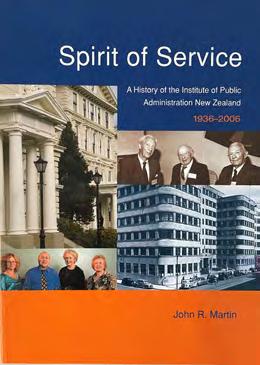
Supporting the public sector for 90 years
Editor Kathy Young speaks with some of those involved in Hāpai Public’s history about its most significant contributions in the past 90 years.
14
INVESTIGATION
How do top public servants make a difference?
Associate Professor Geoff Plimmer, Research Fellow Charlie Mitchell, and Doctoral Candidate and Research Fellow Annika Naschitzki report on a recent Te Herenga Waka Victoria University of Wellington study, which asked how senior public servants best serve the public.

18
FOCUS
Seeing New Zealand in 3D: How mapping powers policy and public service
Aotearoa New Zealand’s shift to 3D mapping is revolutionising how the public sector makes decisions. LINZ’s Michael Appleyard outlines what tools can help agencies in their work.
20
NEW PROFESSIONALS
Young leaders in Parliament
Nancy Guo, from Hāpai Public’s New Professionals leadership team, reflects on the recent Hāpai Public New Professionals Younger MPs panel event, and the common themes among panellists.
22
EYES ON THE WORLD
Canada resets: Remaking Canada’s Public Service
Barbara Allen, Canadian, and Head of School and Associate Professor in Public Management and Policy at the School of Government Te Herenga Waka Victoria University of Wellington, outlines the reshaping of Canada’s Public Service at a time of rupture in its relationship with the United States.
24
KAIMAHI MAKING A DIFFERENCE
Paying it forward
Writer Kathy Ombler speaks with Alex Loo, finalist in 2025’s Te Toho mō te Kaiārahi Rangatahi o te Tau, Young Leader of the Year Spirit of Service Award, awarded by Te Kawa Mataaho Public Service Commission.
26
INSIGHTS
Restorative practices to improve workplace culture and productivity
Dr Jane Bolitho, Justine O’Reilly, and Ava Gibson outline how public servants can use restorative practices in their workplaces to improve team dynamics, resolve conflict, and create a more collaborative work environment.

28
PODCAST REVIEW
Journalist-turned-governance student Farheen Hussain reviews the Cross Party Lines podcast, hosted by Phil Goff, Chris Finlayson, and Sam Collins.
29
DID YOU KNOW?
About the different roles within a minister’s office?
A quick look at the key roles you’ll typically find in a minister’s office and how they work together to support the minister.
Reshaping the state and public administration in Aotearoa New Zealand 1910s–1980s
As we celebrate Hāpai Public’s 90th anniversary, Jim McAloon, Professor of History at Te Herenga Waka Victoria University of Wellington, outlines the context within which Hāpai Public was formed in 1936 and changes in public administration through to the 1980s.

The Great Depression (1929–1939) was a global challenge. Its significance for public administration, in Aotearoa New Zealand as elsewhere, lay in the apparent impotence of ‘business (or government) as usual’ to address it. Responses ranged from fascist dictatorship as in Germany, to a Keynesian welfare state, pioneered in Scandinavia and New Zealand, and in Roosevelt’s New Deal in the United States. One way or another the nature of the state and of public administration changed.
Challenging economic orthodoxy
New Zealand had been governed since the middle of 1931 by a coalition of the conservative Reform party and the United party, itself a reshaping of the Liberals who had governed from 1891 to 1912. Reform’s Gordon Coates, who had been Prime Minister from 1925 to 1928, was Minister of Public Works. Towards the end of 1932 he became convinced that increasing export earnings through a currency devaluation was an essential step to stimulating a wider recovery. Devaluation challenged the ‘sound money’ orthodoxy of the day; Treasury disagreed, as did the Minister of Finance, Downie Stewart, and the banks. Coates won the argument in Cabinet; Stewart resigned on principle, and Coates replaced him and went on to establish the Reserve Bank.
Coates had challenged the normal response to recession, which was reduced public spending and higher interest rates, based on the assumption that the cause was indiscipline. Austerity would eventually restore soundness to the public finances and allow a return to growth. In the long run, balance would be restored. Coates’s initiatives starkly
demonstrated that public policy involves choosing between alternatives – not merely between alternative routes for a railway line, for example, but between contrasting approaches. Public servants would become increasingly involved in advising ministers. The 1912 Royal Commission and the resulting Public Service Act 1912 had established a non-political, career Public Service but political neutrality was understood in terms of ministers not influencing appointments, and public servants refraining from political activity.
The rise of public administration as a profession
The Public Service continued to expand as a result of the 1935–49 Labour government’s reforms. This was the context in which the Institute of Public Administration was founded in 1936. Earlier attempts, in 1932, had noted “[t]he inability of our economic system to right itself unaided” and the need for coordination across departments … “never before in our history has it been so desirable or necessary to offer some attraction for men to enter the field of public administration”. In 1934 a group of public servants in Christchurch had organised a Public Service Administration Society, in part to promote the view that public administration was a profession in itself.
From 1938 the Institute published the Journal of Public Administration. The first issue suggested that the context was “very different from … when state activity was confined largely to passive regulation”. Where the 1912 Royal Commission saw little difference between public administration and business efficiency, the JPA thought “it cannot be suggested that the practice of public administration is necessarily furthered by conforming to or imitating successful business procedure” (p. 7).
The first Labour government’s ambitions, and the demands of wartime and post-war reconstruction, fundamentally reshaped the Public Service. Some reforms, such as the Social Security Act 1938, meant a significant expansion in administration. Others, like the government’s commitment to cultural development, took departments, especially Internal Affairs, in previously undreamt-of directions, like sponsoring historical writing and literature.
A changing role on the world stage Wartime forced fundamental shifts in foreign policy, notably the sometimes uneven evolution of the alliance with the United States from 1942. The Labour government was deeply involved in Allied planning for a new world order. In the post-war years diplomatic missions were established or extended in the United States, Canada, Australia, and increasingly in Western Europe and South and Southeast
AUTHOR Professor Jim McAloon
Asia. Contrary to popular myth, trade was a constant preoccupation long before the United Kingdom finally joined the European Economic Community in 1973.
All this meant changes in the Public Service leadership. Permanent heads – variously called Secretary, Commissioner, and DirectorGeneral – became high-profile, or at least influential, figures of a sort rare before 1935.
Treasury, under Bernard Ashwin (Secretary 1939–55), found its remit developing rapidly from book-keeping to advising on a managed economy, one in which full employment, however defined, was a fundamental, and one in which the balance of payments was a constant concern along with the interplay of fiscal and monetary policy. Treasury officials were increasingly obliged to think, too, about the funding and timing of infrastructure, especially in light of post-war aspirations. Alister McIntosh presided over what was then the Department of External Affairs from 1943 until 1966, building a professional diplomatic service almost from scratch. C. E. Beeby presided over a liberalised approach to education from 1939 until 1960.
Crucially, advice to ministers was almost invariably confidential. Confidentiality was regarded as essential to the free and frank nature of advice, and only later did some major differences of opinion become public. In 1965, for example, External Affairs and Defence had different views about New Zealand participating in the Vietnam War. McIntosh argued forcefully that a modest detachment of troops was necessary to maintain the alliance with the United States. Jack Hunn, the Secretary of Defence, thought New Zealand had no vital interest in the conflict, that the United States could not win, and that New Zealand involvement would endanger bipartisan consensus on foreign policy. W. B. Sutch, Secretary of Industries and Commerce 1958–65, was one senior public servant who was not averse to promoting his own views in public fora.
Exclusion and inequity within the Public Service
Some dimensions of the Public Service around 1960 would have been unsurprising in 1912. The upper levels of the Public Service were entirely dominated by men. Women were only eligible for permanent staff roles in 1947, and discrimination in salaries provoked an intense campaign for equal pay in the 1950s. The first woman head of a department was not appointed until 1984, when Mary O’Regan became Secretary of Women’s Affairs. In the same year Margaret Bazley was the first woman appointed to the State Services Commission.
The Public Service was also largely
monocultural. Not only did the Treaty of Waitangi hardly feature until the late 1980s, but assumptions around such areas as tourism and conservation, child welfare, education, agriculture, and the location of public works frequently and negatively impacted iwi and hapū. The Department of Māori Affairs – as it was from 1947 – under Tipi Rōpiha through the 1950s promoted land development, education, and housing, often in a difficult environment.
In 1961 the newly elected National government established a Royal Commission on state services, chaired by Justice Thaddeus McCarthy. It did not fundamentally change the 1912 model, although the Public Service Commission was replaced by a new State Services Commission with enhanced oversight. On the other hand, the Commission emphasised the increasing complexity of government and the importance of – indeed dependence of ministers upon – public servants’ advice.
As late as 1962 most public servants began their careers as cadets on leaving school. In 1938, at the prompting of the New Zealand University Students’ Association, the government established a committee to consider whether the Public Service could be strengthened by employing more graduates and what opportunities there were. While the committee drafted a report, wartime intervened and the matter lapsed. In 1946 the IPA’s journal reported that while most heads had post-school qualifications, accounting and law predominated, usually as a result of part-time study early in their careers. Perhaps unsurprisingly, the Public Service Commission was not enamoured of general degrees like the Bachelor of Arts. Nor were post-school qualifications necessarily full degrees; according to a 1990 study by Judy Whitcombe, up to 1960, less than 40 per cent of heads had degrees, rising to two-thirds in the 1961–85 cohort.
The reforms of 1984 and beyond If in many ways the 1962 reforms emphasised consolidation, that was unsurprising in a climate often described as consensus politics. The National and Labour parties both accepted the architecture of the state as it had developed from the late 1930s. The contest was often over which party could more efficiently, and indeed generously, administer that architecture. For
Women were only eligible for permanent staff roles in 1947... the first woman head of a department was not appointed until 1984.
many reasons, consensus began to fracture in the mid-1970s and the increasing difficulty of economic management in the wake of the oil shocks prompted calls for reform.
Influential voices increasingly suggested the Public Service had become hidebound, if not sclerotic – a mood reinforced by the play and television series Glide Time/Gliding On and by the British Yes, (Prime) Minister. Treasury, in its 1984 briefing to the incoming government, wrote of a lack of clarity in many aspects of public administration. Significant reshaping followed in the 1988 State Services Act. Trading departments were separated out in the interests of clarity of function, and in many cases became State Owned Enterprises (privatisation often followed). Permanent heads were placed on five-year (renewable) terms, and the State Services Commission was given the power to appoint from outside the Public Service. The chief executive of each department, not the Commission, became the employer of staff in their department.
As Stan Rodger, the minister, said, “A major objective … will be to bring appropriate private sector practices into the Public Service.” The 1912 Royal Commission had advocated “a Service which is conducting the business of the country is just the same as that to be aimed at in a service that is conducting any other business — thorough efficiency combined with economy”. The 1988 Act was far from being “back to 1912”, but it was an interesting swing of the pendulum.
Jim McAloon is a Professor of History at Te Herenga Waka Victoria University of Wellington. His research and teaching interests include the political and economic history of Aotearoa New Zealand.
In 1934 a group of public servants in Christchurch had organised a Public Service Administration Society, in part to promote the view that public administration was a profession in itself.
Parliament in Practice seminar
Parliament in Practice is a one-day seminar offering a unique, behind-the-scenes look at how Parliament operates – delivered by those who work within it and uphold its core responsibilities.
Legislative Council Chamber, Parliament Buildings
Interested? Check it out here
“Fabulous presenters…you get to hear from different people in different roles with different perspectives…you really get the whole picture.”

Effective Engagement with Māori workshop
Join Hāpai Public for a two-day workshop to deepen your historical and cultural understanding and strengthen your engagement with Māori.
Te Whanganui-a-Tara Wellington Workshop presented by Piripi Winiata
Interested?
Check it out here
“Inspiring. Such an amazing opportunity – a perfect balance of law, practical advice, stories, history, and insights.”
Supporting the public sector for 90 years
To mark Hāpai Public’s 90th anniversary, Public Sector journal editor Kathy Young speaks with some of those involved in the organisation’s history. Their reflections are compiled here, in the first of a four-part series, looking at Hāpai Public’s most significant contributions.

AUTHOR Kathy Young
Born in 1936 as the New Zealand Institute of Public Administration, the organisation was formed to grow a professional and politically neutral Public Service. Hāpai Public has evolved and supported the growth of the public sector, adapting to changing times while staying true to its founding purpose: bringing public sector professionals together to learn, train, connect, and hence serve New Zealanders better.
A common thread from those I spoke to was how Hāpai Public has carved out independent, relevant roles that complement what is available to public sector employees. This has been its strength and touchpoint throughout its 90 years; existing to support the public sector, but at arm’s length, as a critical friend of the public sector.
Creating a sense of belonging
Kay Booth, Executive Director of Hāpai Public from 2022 to 2026, identifies developing a sense of belonging as Hāpai Public’s most significant contribution. “It’s helping public professionals to feel at home within the public sector,” she says. “He tangata, he tangata, he tangata. It’s all about the people. We were formed by public servants for public servants.”
Over time, Hāpai Public has broadened its reach to include anyone involved in doing public service, including consultancies and not-forprofit organisations, recognising that valuable work happens across sectors. The organisation set up the New Professionals network in 2002, which helps build capability for those in the first 10 years of their career.
“This network has endured as a place for whanaungatanga, where the next generation of public servants can connect with one another,
and also connect intergenerationally with their peers,” says Dr Claire Achmad, a former co-chair of the New Professionals and former Hāpai Public board member.
The organisation deliberately reinforced its people-first approach when it rebranded in 2025. “When we changed our name in February last year, it was a really significant shift,” Kay says.

EXECUTIVE DIRECTOR 2023–2026
“He tangata, he tangata, he tangata. It’s all about the people. We were formed by public servants for public servants.” (Kay Booth)
KAY BOOTH,
Deb Te Kawa, former board member of Hāpai Public, explains further. “Hāpai Public – the Institute of Public Professionals. The word hāpai in te reo Māori means to lift up or support others. We very deliberately changed it to be about the people.”
Professionalising public administration
Beyond fostering community, Hāpai Public has played a crucial role in professionalising New Zealand’s public sector. The organisation helped establish New Zealand’s first tertiary qualification in public administration, the Diploma in Public Administration, with the first students graduating in 1941. Set up with Te Herenga Waka Victoria University of Wellington, this eventually led to the formation of the School of Government within the University.
From its early days, education and training has been a key activity of the organisation. Another of its most significant early achievements was establishing the New Zealand Administrative Staff College in partnership with the New Zealand Institute of Management.
Len Cook, President from 2009 to 2013, attended the college in the early 1980s. He describes it as “a really important way of creating an integrated Public Service”. Participants from all areas of the public sector would spend three to six weeks studying alongside each other, creating what Len calls “a whole sense of a cohesive Public Service”. The college systematised management development across public sector agencies and private sector businesses, operating residential courses from the 1930s until the late 1980s. “You realised that it was a great way of creating a sense of where your issues fitted in the broader Public Service,” he says. It was the only management training of its kind at the time in New Zealand.
Providing a safe space for
space for discussion of issues which might be considered contentious or controversial,” he says. “Because we were politically neutral, we could provide that opportunity.”
Liz MacPherson, current President of Hāpai Public, agrees, saying that another achievement has been the fact that the organisation offers a whole-of-Public-Service perspective, and not just an individual agency perspective.
“We bring people together by connecting people and ideas from across all agencies and departments.”
Celebrating excellence
In 1999 Hāpai Public established the Innovation Awards (later becoming the Public Sector Excellence Awards) to celebrate excellence in the public sector. Today run by Te Kawa Mataaho Public Service Commission as the Spirit of Service Awards (since 2020), Liz describes them further: “They were an expression of bringing together the public sector to celebrate what was amazing about the public sector,” she says. The awards helped raise visibility for outstanding work, acknowledging that “while we work in the public sector as a system, the people bring that system together”.
Building knowledge and influence
The Public Sector journal, launched in 1938, has provided nearly as much continuity as the organisation itself. Len describes it as documenting experiences and thinking that accumulate to a state of knowledge. The quarterly publication has provided a continuous platform for articles, commentary, and debate on public policy, administration, and management in New Zealand.
Hāpai Public launched the Studies in Public Administration publication series in 1953, contributing substantive research and thought


leadership to public administration in the country. Beyond publishing, Hāpai Public has shaped the sector through submissions on legislation, commissioned thought pieces, and influential conferences. The organisation also carried out significant management training in the regions in the 1970s, conducting one- or two-day courses across the country.
The organisation’s annual address (in which government ministers address the Institute) has helped set the agenda for Public Service excellence and national governance reform.
Today, numerous Hāpai Public events, webinars, newsletters, and social media continue the mahi of connecting public professionals with new ideas and critical thinking, alongside commissioned pieces in the Public Sector journal.
“Public Sector 101 is a fantastic starting point. It’s an online comprehensive introduction to the public sector, which you can work through at your own pace and time,” says Joan Smith, former President and now Treasurer at Hāpai Public, since 2013. The Public Sector conference, held periodically, seeks to offer both practical and strategic thinking to enable a deeply collaborative public sector that is adaptive and relevant.
A quiet achiever
Hāpai Public is, as Alex Loo, current co-chair of the New Professionals network and board member of Hāpai Public, puts it, “a quiet achiever”. The organisation continues to connect people and ideas, build capability within the public sector, and support future good government.
critical thinking
John Larkindale, President from 2013 to 2017, emphasises another vital contribution:
“One of the things that was very valuable was the ability to offer a safe environment, a safe
“I describe us as a catalyst.” (Liz MacPherson)
As Liz summarises: “I describe us as a catalyst.” For 90 years, Hāpai Public has stood beside the people who make New Zealand’s public sector work – through crises and uncertainty, and through good times too – adapting, advocating, training, and building the professional, politically neutral, merit-based Public Service New Zealand relies on.
LEN COOK, PRESIDENT 2009–2013
LIZ MACPHERSON, CURRENT PRESIDENT
JOAN SMITH, FORMER PRESIDENT AND CURRENT TREASURER
When facts compete with feelings: Mis- and disinformation in Aotearoa New Zealand
Dr Mona Krewel, Senior Lecturer in political science at Te Herenga Waka Victoria University of Wellington, outlines what mis- and disinformation look like in Aotearoa New Zealand, and offers insights for public servants on what can be done about it.
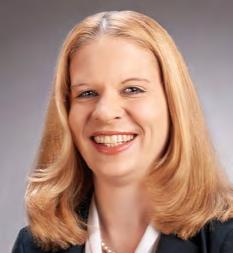
AUTHOR Dr Mona Krewel
Concerns about living in a ‘post-truth’ society, one in which facts appear to matter less than emotions, beliefs, or political identities, have become commonplace across many democracies. Two prominent examples illustrate the stakes: During the Covid-19 pandemic, disinformation about the virus and vaccines circulated widely, including claims that vaccines contained microchips, altered DNA, caused autism, or were part of a coordinated effort by governments to control citizens. False information about the causes of the pandemic also contributed to an increase in hate crimes against ethnic minorities, who were used as scapegoats for the spread of the virus. Similarly, climate change disinformation has long sought to undermine scientific consensus by claiming that climate change is a hoax, or that mitigation policies are part of a global conspiracy to restrict individual freedom and deprive people in primary industries of their livelihood.
The different words, explained
To understand why such claims are problematic and how to address them, it is crucial to distinguish clearly between misinformation and disinformation. Misinformation refers to false or inaccurate information that is shared without the intention to deceive. People may unknowingly pass on incorrect claims because they trust the source or because the information aligns with their existing beliefs. Disinformation or fake news, by contrast, involves the deliberate creation or dissemination of false information with the intention to mislead, manipulate, or cause harm. While the effects of both are usually similar and

often include harmfulness, the difference in intent matters when considering responsibility and accountability.
Equally important is distinguishing mis- and disinformation from other related concepts that are often conflated with them in public debate. Hate speech, for instance, refers to expressions that attack or demean individuals or groups based on characteristics such as ethnicity, religion, gender identity, or sexual orientation. While hate speech can include false claims and often co-occurs with mis- and disinformation on social media, it is defined primarily by its discriminatory and dehumanising nature rather than factual inaccuracy. Negative campaigning,

on the other hand, is a long-standing feature of democratic politics and involves criticising political opponents or their policies. Such criticism may be harsh or unfair, but it is not necessarily false, misleading, or deceptive.
Failing to keep these concepts analytically separate in academic and public discourse creates significant risks. Conceptual vagueness opens the door to political instrumentalisation, where mis- and disinformation become labels applied to inconvenient facts or unpopular opinions. In democratic societies, political disagreement, even when sharp or uncomfortable, is not a pathology to be cured. For academics engaging in public debate
and for government agencies considering responses, conceptual clarity is therefore essential, as their interventions can have real consequences for citizens’ right to freedom of expression.
Within debates about post-truth politics, it is vital to remember that mis- and disinformation are not defined by political disagreement but by verifiable falsehood. When in doubt, information should be treated as an opposing opinion rather than hastily classified as mis- or disinformation. The ability to tolerate disagreement is not a weakness of democracy, but one of its core strengths.
The ability to tolerate disagreement is not a weakness of democracy, but one of its core strengths.
What does mis- and disinformation look like in Aotearoa New Zealand?
Compared with many other democracies, Aotearoa New Zealand is still fairly resilient to mis- and disinformation. Empirical evidence from the New Zealand Social Media Study (NZSMS), a longitudinal text analysis of the Facebook communication of political actors in Aotearoa New Zealand conducted at Te Herenga Waka Victoria University of Wellington, supports this view. During the 2023 General Election, NZSMS analyses show that at the start of the campaign only about 2.5 per cent of posts contained fake news, defined as posts that were largely made up and verifiably false. This was roughly the same level observed in the 2020 election. The share of fake news then declined before rising slightly towards the end of the campaign, peaking at 3.8 per cent at the start of the final campaign week. Across the five weeks preceding election day, fake news posts fluctuated between 0.7 and 3.8 per cent of all posts and originated almost exclusively from a small number of far-right fringe parties.
These figures do not justify claims of unprecedented disinformation in Aotearoa New Zealand, which have often been voiced in the media without corresponding data. When halftruths, meaning posts that are largely accurate but contain some misleading detail, are included, the overall level increases somewhat. In the 2023 election, the NZSMS found that half-truths peaked at around 6.5 per cent of all Facebook posts by the end of the campaign. Even then, the volume remained modest by international standards.
However, low quantity does not mean low impact. Inaccurate posts in Aotearoa New Zealand tend to attract disproportionate attention. During the 2020 election, NZSMS data show that posts without false information were shared on average 55 times, whereas posts containing fake news or half-truths were shared 175 times. The difference in engagement was even more pronounced for comments: accurate posts received 174 comments on average, while fake news posts attracted 341 comments. In short, inaccurate information spreads further and provokes stronger reactions.
Moreover, mis- and disinformation in Aotearoa New Zealand has become more subtle over time. Rather than outright climate change denial, contemporary climate misinformation is framed as scepticism towards climate policies and woven into broader conspiracy narratives.
These narratives frequently invoke ‘globalists’ exerting undue influence over Aotearoa New Zealand, allegedly supported by corrupt domestic political elites, while farmers or ‘ordinary Kiwis’ bear the costs.
Such narratives are often embedded in populist frames that contrast ‘the people’ with ‘the elites’. This populist rhetoric enhances the effectiveness of misleading content by framing politics as a moral struggle and providing clear targets for blame. Unsurprisingly, the NZSMS finds that populist rhetoric and disinformation are highly correlated on social media in Aotearoa New Zealand.
Apart from populist framing, false messages in Aotearoa New Zealand tend to rely on a recurring set of rhetorical strategies, including emotional appeals, oversimplification, cherrypicking evidence, invoking pseudo-experts, anecdotal reasoning, demanding unrealistic scientific certainty, claiming silent majorities, or attacking messengers rather than arguments.
While disinformation may not be widespread, government and public institutions are frequent targets. In the 2023 election, 15.8 per cent of disinformation posts attacked government in general, while attacks against health institutions accounted for over half of all disinformation posts. Individual citizens are also affected, especially academic experts, transgender people, journalists, and Māori. This raises ethical questions about the state’s responsibility to protect citizens from this harm.
Why mis- and disinformation matters: Political trust
One of the most serious long-term consequences of mis- and disinformation is its corrosive effect on political trust, a cornerstone of effective governance. Survey evidence from the New Zealand Election Study (NZES) (Aotearoa New Zealand’s national election study, which has surveyed New Zealanders at every election since 1990), shows that it is not social media use per se that undermines trust. Controlling for a wide range of factors, social media use during the 2023 election was associated with higher political trust. What eroded trust instead were citizens’ perception of being exposed to large amounts of misand disinformation.
[…] the problem is not digital participation itself but the quality of the information environment in which participation occurs.
[…] inaccurate information spreads further and provokes stronger reactions.
This distinction matters greatly. It suggests that the problem is not digital participation itself but the quality of the information environment in which participation occurs. If left unaddressed, perceptions of pervasive disinformation risk become self-fulfilling, as citizens who no longer believe that reliable information exists may disengage from democratic processes altogether.
What should government and the public sector do?
Responding to mis- and disinformation is undeniably delicate. Government agencies operate on thin ice when intervening in information debates, given the fundamental right to freedom of expression and the risk of being accused of censorship. Democratic governments must carefully balance these concerns with their responsibility to protect citizens.
Survey data from Vote Compass (an interactive survey designed by political scientists to help voters calculate their alignment with the parties’ platforms in many countries including Aotearoa New Zealand), during the 2023 election show that a majority of New Zealanders support government action against false online information. The key question is how such action should be taken without threatening freedom of speech, avoiding governmental overreach, or opening the door to misuse.
Governments should prioritise monitoring mis- and disinformation and engaging in counter-speech. This includes systematically tracking the volume, themes, and networks of false information in areas relevant to public policy. One option is to establish an independent research body dedicated to monitoring disinformation in Aotearoa; another is to contract academics to conduct politically independent and methodologically sound research.
Based on robust social science research, agencies can design targeted countercampaigns that provide accurate information and explicitly debunk false claims. Aotearoa New Zealand already offers good examples. The New Zealand Defence Force, in cooperation with academic researchers, monitors disinformation related to defence policy and military engagements. During the Covid-19 pandemic, the Ministry of Health’s ‘Unite against Covid-19’ Facebook page demonstrated how large-scale countercommunication can work by providing timely information, offering behavioural guidance, and debunking false claims without censoring dissent.

In a democracy that values freedom of speech, evidence-based information, and awareness, campaigns are among the most appropriate tools for protecting citizens from online falsehoods and defending public trust. They do not silence voices; they strengthen citizens’ ability to distinguish fact from fiction and, at the same time, help to ensure that disagreement remains a feature of democratic debate.
Dr Mona Krewel is a Senior Lecturer in political science at Te Herenga Waka Victoria University of Wellington, where she leads the Internet, Social Media, and Politics Research Lab (ISPRL), which publishes the New Zealand Social Media Study (NZSMS), and serves
as Academic Lead of VUW’s Policy Hub. Previously, she was an Assistant Professor at Cornell University, USA. Her research examines election campaigns and voting behaviour, and the media–politics relationship, with particular emphasis on social media and mis- and disinformation. She regularly advises public sector institutions on social media research.
Contributions please
Public Sector journal is always happy to receive contributions from readers.
If you’re working on an interesting project in the public sector or have something relevant to say about a particular issue, think about sending us a short article on the subject.
Contact the editor Kathy Young at editor@hapaipublic.org.nz
IMAGE BY FREEPIK
How do top public servants make a difference?
Geoff Plimmer, Charlie Mitchell, and Annika Naschitzki report on a recent Te Herenga Waka Victoria University of Wellington study of 40 senior public servants in New Zealand’s public sector, asking how they best serve the public.



AUTHORS
Associate Professor Geoff Plimmer
Dr Charlie Mitchell
Annika Naschitzki
The point of public organisations, and their leaders’ jobs, is to create value for the public, and in New Zealand’s case, for the people of New Zealand. Studies in public management tell us that the public values the achievement of outcomes, improvements in service delivery quality, the ability to trust in the legitimacy of their institutions, and that the operations of government agencies are efficient and effective. But what leaders do to drive their organisations to produce these things, or not, requires examination. Just as leaders can create value, they can also diminish value, and pursue their own, rather than the public’s, best interest.
In this 2025 study, senior leaders were asked to reflect on their own (and other leaders’) actions that had created value, as well as their own (and others’) actions that diminished value. We focused on four interrelated aspects of public value: achieving outcomes, maintaining trust and legitimacy, providing good service quality, and efficiency.
We interviewed 40 senior leaders at Tier 1 (Chief Executive), Tier 2 (Deputy Chief Executive), and Tier 3 (senior managers within large operational agencies) across a diverse range of public sector organisations, including central and Crown agencies.
High-level findings
Our generalised findings show that much of leaders’ attention was spent on managing their authorising environment, which includes both ministers and influential stakeholders. They found this element of the role necessary, time consuming, and cognitively demanding. They spoke much less about managing internally, down their organisational hierarchy. This includes traditional leadership tasks such as
setting and communicating organisational vision and strategy, or managing capability and capacity within their agencies. Their attention could be described as focusing on maintaining trust and legitimacy, and less so on outcomes, service quality, and efficiency.
This differs from popular management models that emphasise strategy setting, implementation, and resource stewardship within organisations as the key activities of leaders. Leaders did recognise the importance of these factors, though. They saw aligning the organisation with its strategic direction and

Much of leaders’ attention was spent on managing their authorising environment...They spoke much less about managing down their organisational hierarchy.
IMAGE BY 8PHOTO ON FREEPIK
ensuring the right people were in the right roles as essential enablers of value creation.
However, they also noted that stewardship activities are inherently long term, and that managing the short-term dynamics of the authorising environment absorbs most of their time.
Maintaining political and public support for an agency was both demanding and essential to retaining the agency’s mandate and their ability to deliver other valuable outputs. In many cases, the complexity of the operating
environment and fraught multi-stakeholder relationships crowded out leaders’ ability to focus on other areas of their business. This also meant ensuring that they have a team of direct reports in place who leaders can trust and delegate other responsibilities to – which may explain why new incoming executives often invest in structural changes to their own team early in their tenure.
What is standing in the way?
Leaders also discussed factors that hinder or undermine the creation of public value. These reflect the wider operating environment,
system design, and the incentives in place in the public management system.
• Risk aversion remains a constraint: Many leaders described a public service environment in which the consequences of mistakes outweigh the encouragement to innovate. Some talked about the need to manage risks, and in some cases this had been done successfully, but overall risk aversion was seen to sometimes suppress positive and measured risktaking. While they were encouraged to take risks, in practice, they had to

calculate whether they would be ‘thrown under a bus’ if something went wrong.
• Senior leaders are inherently vulnerable: Leaders accepted that the buck stops with them but often felt isolated and undersupported. Several noted a shallow ‘gotcha!’ nature of media coverage and a public environment that demands ‘accountability’ rather than learning. Some cited examples of leaders acting in what they believed to be alignment with government direction, only to face significant consequences when their actions attracted negative publicity. Leaders from Crown entities also saw value in having a more collective and supportive environment outside their organisations.
• Short-term reactivity undermines longterm stewardship: Many leaders felt pushed into dealing with immediate issues, often driven by ministerial requests and priorities, at the expense of longer-term goals and organisational health. Leaders felt that it was a core element of their role to leave their organisations in a better position than when they had received them but found this difficult in the face of short-term pressures.
• Political neutrality has become more challenging: Leaders described some strongly motivated public servants who found it difficult to set aside personal beliefs when they conflicted with government direction. This has resulted in policy advice that does not reflect ministerial expectations and, in some cases, leaks of information. Leaders said they were spending more time discussing political neutrality obligations with staff in the current environment.
• Incentives for successful and sustained collaboration remain weak: Although agencies recognise the need to work together on complex and crosscutting issues, each agency has its own incentives. This often results in limited commitment and siloed delivery. Some leaders attributed this to misaligned accountability settings across the Public Finance Act and the Public Service Act.
Frequent staff changes were another barrier to collaboration.
Overcoming the constraints
Leaders spoke compellingly of effective techniques to overcome some of the constraints. They may seem obvious, but are not always applied. Below are what struck us as useful lessons from the interviews:
• Be a good people leader: Use the foundational skills from your early management roles at an organisational level. Set and share direction, build alignment, and be prepared to apply consequences. Work across hierarchies so information cannot be filtered. Be visible and approachable, and use these interactions to reinforce vision and alignment. Address poor performance promptly and visibly. Leaders noted the significant damage poor performers can cause.
• Develop a deep understanding of your business: Leaders need mechanisms, whether through operational experience or close connection to frontline work, to understand how their organisation functions. This is critical to credibility both within and outside organisations. There was some concern about generalists who lacked depth of knowledge.
• Know when to seize opportunities and when to take the long view: Several leaders described tactical skills used to influence ministers, such as planting ideas early or having policy options or spending proposals ready when opportunities arise. These skills varied among senior managers.
• Broaden your view of change: Leaders reflected on the harmful effects of poorly managed and constant organisational change. Incremental change was often seen as more beneficial than restructures, which can destabilise performance, impact culture, and result in the loss of institutional knowledge.
• Create shared value propositions for effective collaboration: When collaboration benefits all participating agencies, it produces strong results. When collaboration is imposed from above, without benefits to an agency, additional effort, accountability mechanisms, and oversight are required to compensate for weaker incentives.
Where to from here?
These research findings offer insights for how to update the leadership competencies currently in use in the public sector to reflect those necessary for delivering public value. They also represent an opportunity for Public Service agencies to consider whether their recruitment, development, and performance management processes support and reward leaders effectively to create value for New Zealanders.
This research would not have been possible without the generous participation of experienced senior public servants who are committed to delivering value for the people of New Zealand and who were willing to share their experience and learnings so that others may benefit from them. Work is now under way on a range of specific academic papers that delve into the detail on the key elements outlined in this article.
Geoff Plimmer is an Associate Professor at the School of Management, Te Herenga Waka Victoria University of Wellington, where he teaches and researches public sector capability, leadership, and change.
Charlie Mitchell is a Research Fellow at the School of Management, Te Herenga Waka Victoria University of Wellington, with a PhD in management. He has an interest in public value, collaboration, and strategy.
Annika Naschitzki is a Doctoral Candidate and Research Fellow at the School of Government, Te Herenga Waka Victoria University of Wellington, with an interest in organisational change, digitalisation, and public management.
Leaders felt that it was a core element of their role to leave their organisations in a better position than when they had received them but found this difficult in the face of short-term pressures.
• Do not go alone: Build coalitions of relationships inside and outside the organisation to help solve problems and provide advice. Leaders emphasised the importance of learning from their peers. The Public Service Leadership Team was seen as a particularly valuable forum for sharing insights across the core Public Service. Many challenges cross agency boundaries, and strong networks help leaders identify solutions and access resources.
[…] they had to calculate whether they would be ‘thrown under a bus’ if something went wrong.


IMAGE BY FREEPIK
Seeing New Zealand in 3D: How mapping powers policy and public service
New Zealand’s shift to 3D mapping is revolutionising how the public sector makes decisions. LINZ’s Michael Appleyard, Head of Location Information, outlines what tools can help agencies in their work.

Maps have always been more than directions on paper. They are part of New Zealand’s critical infrastructure, underpinning decisions that shape our communities, economy, and environment. Today, thanks to advances in technology, three-dimensional, datarich, and freely accessible mapping offers unprecedented opportunities for evidencebased decision-making across the public sector.
Knowing where you are matters
Every road built, hospital planned, or emergency response coordinated relies on accurate geographic information. Toitū Te
Whenua Land Information New Zealand (LINZ) manages the authoritative data that makes this possible, from property boundaries and addresses to topography and hydrography. These datasets are not just technical tools; they are foundational infrastructure assets that support everything from transport networks to climate resilience planning.
LINZ’s open data services, such as the LINZ Data Service and Basemaps, provide free access to millions of data points, including 2.4 million property titles, 3.2 million building outlines, and nationwide aerial imagery down to 5 cm resolution in urban areas. This data supports public servants, councils, and researchers to make informed decisions about their work.
The rise of 3D mapping
The game-changer is 3D mapping. Over the past six years, LINZ has led a national LiDAR (light detection and ranging technology) programme, creating a 1-metre resolution digital elevation model for most of the country. In 2024 LINZ launched 3D Basemaps, empowering anyone to visualise terrain and contours across land and sea with remarkable clarity. Users can even overlay their own data for customised analysis. LINZ’s 3D Coastal
The future of mapping is not just visual; it’s predictive, interactive, and deeply connected to how we plan for New Zealand’s future.

AUTHOR
Michael Appleyard
Mapping Programme (3DCM) seeks to map up to 40 per cent of New Zealand’s coastline using LiDAR and multi-beam echosounder technologies. This initiative, originally funded as part of the National Adaptation Plan, will provide baseline data for monitoring changes such as sea-level rise and coastal erosion.
The benefits of 3D mapping extend across multiple sectors. It enables smarter infrastructure planning that reduces risk and cost, supports decision-making around managed retreat and flood protection, and improves environmental management through detailed habitat mapping. 3D mapping also enhances maritime safety, providing updated marine hazard data to ensure safer navigation. Together, these advantages make 3D mapping a critical tool for economic development, resilience, and sustainability.
How maps and data support the public sector
After Cyclone Gabrielle, LINZ provided before-and-after imagery to help responders assess landslides and flood damage. Councils use LiDAR data to model flood risks, predict inundation zones, and inform land-use planning. After the Kaikōura earthquake, elevation data supported risk assessments for state highway resilience planning. The ongoing coastal mapping programme supports iwi and hapū adaptation planning by identifying risks to marae and urupā along the coastline.
• Building geospatial capability across the public sector
The shift to 3D mapping isn’t just about technology; it’s about supporting people to know how to use it effectively. LINZ is working with agencies to build capability through training, partnerships, and shared standards, while encouraging planners, analysts, and policy teams to integrate mapping into everyday decision-making as it becomes more accessible.
• Mapping innovation and future opportunities
Looking ahead, mapping will play a central role in digital transformation. 3D coastal mapping data will support the rollout of the Maritime Digital Transformation (MDT) initiative, which LINZ is partnering with Maritime NZ to deliver. MDT will revolutionise how mariners interact with data and new digital tools, such as electronic charts and real-time water depth information, ocean surface currents, and navigational warnings. These digital tools will make maritime navigation more precise, helping ships save fuel and time while operating in our waters. There are also opportunities to combine

3D data with emerging technologies such as artificial intelligence and digital twins. These innovations could allow agencies to simulate policy impacts before implementation, test infrastructure resilience under different climate scenarios, and optimise service delivery in near real-time. For public servants, this means moving beyond static maps to dynamic geospatial tools. The future of mapping is not just visual; it’s predictive, interactive, and deeply connected to how we plan for New Zealand’s future.
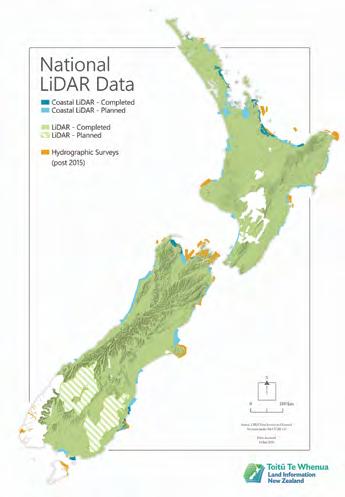
MAP OF NEW ZEALAND SHOWING AVAILABLE NATIONAL LIDAR DATA, PLANNED 3D COASTAL MAPPING AREAS, AND HYDROGRAPHIC SURVEYS COMPLETED OVER THE PAST 10 YEARS.
The big picture
LINZ’s commitment to open, high-quality mapping data empowers the public sector to plan better, respond faster, and build resilience. The ability to see New Zealand in three dimensions is no longer a luxury; it’s crucial for evidence-based decision-making. Get in touch to learn more about how our data can empower your work: elevation@linz.govt.nz
Michael Appleyard is the Head of Location Information at Toitū Te Whenua Land Information New Zealand (LINZ). He supports LINZ to collect, manage, improve, and publish geographic and property information to inspire innovation and support decision making. Michael has held a range of roles at LINZ, including leading the delivery of the Southern Positioning Augmentation Network (SouthPAN), managing teams in LINZ’s overseas investment function, and providing strategic advice to Ministers and Chief Executives. Michael commenced in the Head of Location Information role in January 2026.
These datasets are not just technical tools; they are foundational infrastructure assets that support everything from transport networks to climate resilience planning.
3D ELEVATION MODEL OF TARANAKI MAUNGA MADE WITH LIDAR DATA
Young leaders in Parliament
Nancy Guo, from Hāpai Public’s New Professionals leadership team and a graduate in Auckland Council’s Governance and Engagement department, reflects on the recent Hāpai Public New Professionals Younger MPs panel event, and the common themes among panellists.

With the median age of a New Zealand Member of Parliament (MP) being 49 years old, younger generations are significantly underrepresented in government, yet their perspectives are vital for a responsive democracy.
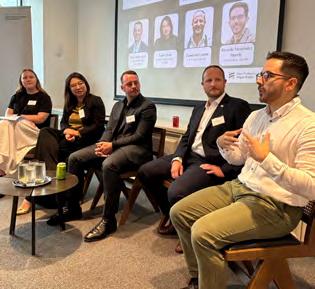
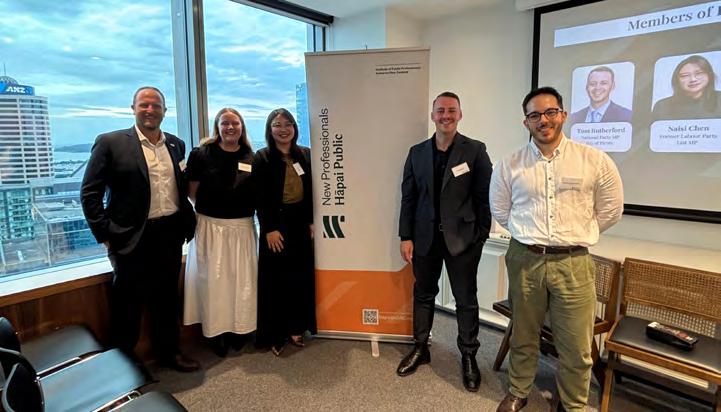
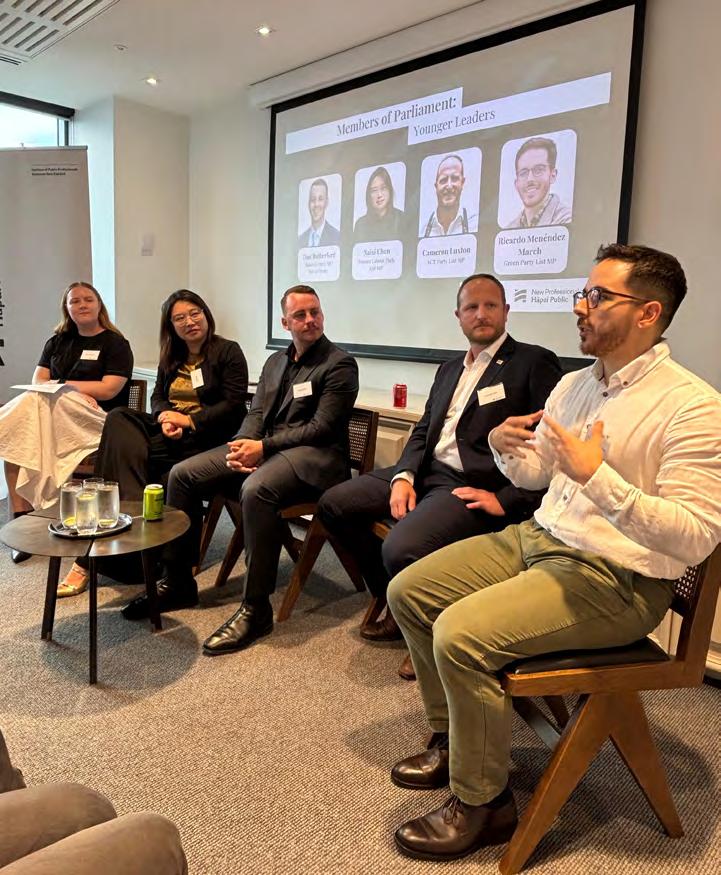
To shed light on what it’s like to be a younger person in Parliament, Hāpai Public New Professionals brought together an inspiring panel of four current and former MPs from across the political spectrum. They shared firsthand insight into what inspired them to enter politics, the challenges of being a younger MP, and how they found their footing in the Beehive.
Common themes
Despite their different political affiliations and life experiences, the panellists shared the
common drive to make a positive impact in their communities. Their genuine desire to make a difference resonated strongly with the audience of early-in-career professionals, who work in or alongside the public sector.
Naisi Chen, former Labour list MP, reflected on her advocacy for improved safety measures while serving as the president of the New Zealand Chinese Students’ Association, following a series of violent attacks on international students near her university. Through rewriting the International Student Wellbeing Strategy and improving lighting near inner-city campuses, she saw the tangible impact of political action, inspiring her to enter politics in 2017.
Tom Rutherford, National MP for Bay of Plenty, spoke about his immense pride growing up in the Bay. Wanting to give back to the communities that shaped him, he entered Parliament in 2023, at just 26 years old, to tackle pressing local issues.
From a building and farming background, ACT list MP Cameron Luxton opened up about the challenges he faced navigating the traditional schooling system and life in rural and smalltown New Zealand. His advocacy for charter schools and farming communities ultimately led him into politics.
[…] the discussion [was] a “powerful reminder that disagreement doesn’t have to be divisive”.
AUTHOR Nancy Guo
FROM LEFT TO RIGHT: CAMERON LUXTON (ACT LIST MP), MIKAYLA THOMPSON (NEW PROFESSIONALS LEADERSHIP TEAM), NAISI CHEN (FORMER LABOUR LIST MP), TOM RUTHERFORD (NATIONAL MP FOR BAY OF PLENTY) AND RICARDO MENÉNDEZ MARCH (GREEN LIST MP)
Ricardo Menéndez March, Green list MP, shared eye-opening anecdotes from his time working for Auckland Action Against Poverty, recalling the barriers vulnerable communities face in accessing social services. Strengthening social welfare was a key driver behind his decision to enter Parliament.
A desire to make a difference
Audiences were struck by the authenticity of the panellists’ reflections. New Professionals Co-Chair Alex Loo observed that each MP had “deeply personal reasons for entering politics”, adding that “what shone through was a genuine desire to change and improve society for New Zealanders”. Similarly, another audience member shared that while he didn’t agree with all the panellists’ political views, he still resonated with each MP due to their “conviction and drive to make positive change in their communities”.
Many young professionals found the panel’s respectful and heartfelt kōrero refreshing, particularly in the current increasingly polarised political climate. An attendee described the discussion as a “powerful reminder that disagreement doesn’t have to be divisive”, adding that the event showcased how people can challenge ideas with “openness, integrity, and respect”.
Others appreciated seeing a more human side of politics. One audience member described the panel speakers as “approachable and generous with their time”, with many chatting with attendees before and after the event.
Highlights of being younger
While age is often equated with wisdom, the panel actively challenged this assumption. Each panellist encouraged the young professionals in the audience to recognise and champion the value of their lived experiences, perspectives, and skills.
Tom Rutherford highlighted that younger people bring energy, drive, and an earnest willingness to learn – qualities essential in both the public sector and Parliament. Naisi Chen encouraged attendees to seek mentorship, recalling a phone call to Jacinda Ardern, who offered her invaluable reassurance during a stressful period. Other panellists emphasised the importance of leading with your values, not being afraid to ask questions, and being honest when you didn’t know the answers.
Challenges of being younger
The panel also discussed the challenges of being significantly younger than your colleagues, including imposter syndrome and fears of not being taken seriously. The MPs’ candid reflections reassured the audience that self-doubt and inexperience were not
barriers to leadership but part of the journey. Ultimately, the challenges of being younger in the workforce were universal, whether in the Beehive or a downtown office.
As an audience member reflected, while “it isn’t easy being the youngest at a table of senior politicians”, it matters that young people can “see themselves in the halls of power”. For the young professionals in the room, the discussion served as a powerful reminder that their perspectives deserve a place in shaping public policy.
[…] it matters that young people can “see themselves in the halls of power”.
The panellists were a direct testament to the fact that leadership is not defined by age or years of experience; it is about conviction, action, and an unwavering commitment to the public good.
Nancy Guo is an associate events co-lead for Hāpai Public New Professionals and a graduate in Auckland Council’s Governance and Engagement department. Coming from an academic background of politics and international relations, she’s passionate about working in the public sector because of its service and values-driven mahi.
FROM LEFT TO RIGHT: MIKAYLA THOMPSON (NEW PROFESSIONALS LEADERSHIP TEAM), NAISI CHEN (FORMER LABOUR LIST MP), TOM RUTHERFORD (NATIONAL MP FOR BAY OF PLENTY), CAMERON LUXTON (ACT LIST MP) AND RICARDO MENÉNDEZ MARCH (GREEN LIST MP)
Canada resets: Remaking Canada’s Public Service
Barbara Allen, Canadian, and Head of School and Associate Professor in Public Management and Policy at the School of Government Te Herenga Waka Victoria University of Wellington, outlines the reshaping of Canada’s Public Service at a time of rupture in its relationship with the United States.

AUTHOR Associate Professor Barbara Allen
It will be no surprise to anyone who follows the news that Canada and the Canadian Public Service are changing. Since the beginning of Trump’s second term, the extremely close relationship between the two countries has been under stress. The shared land border is nearly 9000km long, the longest international border in the world, and most Canadians, in fact, 2 out of 3, live within 100km of the border. About 400,000 people used to cross the border every day, and there were around 800,000 Canadian citizens living in the United States. Many Indigenous communities span the border.
The supply chains for goods and services are among the most integrated in the world, with the United States as Canada’s top trading partner, accounting for over 75 per cent of Canadian exports. Canada has been the second-largest trading partner for the United States. Integration is not even a strong enough descriptor. Indeed, the partnership is defined by cross-border ‘co-production’, with parts crossing the border multiple times during assembly. There have been a series of free trade agreements anchoring the relationship. On an individual level, most people, like myself, have family and friends who live and/or work in the United States; Canadians are used to Americans and enjoy the sporting rivalries. We are like family, both literally, and figuratively.
In recent months, all this has changed.
As of early 2026 significant escalating tariffs that depart from current frameworks include a US-imposed 35 per cent tariff on most non-USMCA (United States-Mexico-Canada Agreement) compliant goods from Canada, with specific levies of 10 to 50 per cent on

BY FREEPIK
key sectors like steel, aluminium, energy, and automotive; with Canada implementing 25 per cent retaliatory tariffs on select US goods.
Still, this is only part of the picture. Canadians have, in their millions, led the way in boycotting American products, stopped travelling to their winter Florida escapes, and even moved back to Canada entirely. The Defence and Security environment has altered, perhaps forever.
Significant programmes of change, partially driven by these factors, are underway within Canada’s Public Management System. Not generally known for its ‘ transformational’ agenda, there are changes happening that constitute a significant overhaul of the system. Prime Minister Carney intends to modernise the Canadian economy, boost productivity, and improve government service delivery.
First there is a considerable workforce downsizing, with a phased reduction of over 17,000 positions (from 190,000), largely to be completed by early 2026. A reskilling benefit has been implemented for workers in priority sectors, including AI and cybersecurity. Second, and relatedly, there is a plan for accelerated AI adoption and infrastructure,
IMAGE

with a commitment of over C$185 million to support small and medium-sized enterprises with AI, and a C$2.5 billion investment in digital infrastructure, such as chips and data centres. For those of us keeping a keen eye on AI, Canada has a new Ministry of Artificial Intelligence and Digital Innovation, signalling a real commitment to accelerate AI use in day-to-day operations and to use it to improve service delivery, reduce backlogs, and change government-citizen interactions.
Related to all of its other plans is the new ‘Buy Canadian’ set of policies and approaches. Canada moved to replace its open-by-default government procurement system with a reciprocal procurement policy, excluding from non-defence federal procurement, suppliers whose home countries do not provide equivalent access to Canadian suppliers in their procurement markets. In essence this
is set to ensure the federal government buys from Canadian suppliers, requires local content in its procurement, and only purchases from trusted partners when Canadian suppliers are unavailable. The ‘Buy Canadian Procurement Policy Framework’ is unprecedented in its scope – where, for example, ‘Policy on Prioritizing Canadian Materials in Federal Procurement’ mandates the use of certain Canadian-produced materials in federal construction and defence procurements valued at C$25 million or more (decreasing to C$5 million on June 15, 2026). A Small Business Procurement Programme is another part of the package.
The idea of using AI to offset labour reduction processes is, while daunting, worthwhile in terms of looking at administrative-heavy processes that blunt innovation and productivity.
There is a considerable workforce downsizing, with a phased reduction of over 17,000 positions (from 190,000), largely to be completed by early 2026.
The insights we can draw from this unprecented scale of activity in Canada are 1) centralised strategic procurement is recognised as a major lever for stimulating the economy, including specific sets of policies directed at SMEs; 2) the idea of using AI to offset labour reduction processes is, while daunting, worthwhile in terms of looking at administrative-heavy processes that blunt innovation and productivity; 3) central governance levers remain important in the face of geopolitical and world economic context shifts and complexity.
Barbara Allen is Head of School and Associate Professor in Public Management and Policy at the School of Government Te Herenga Waka Victoria University of Wellington. She is an international expert in public procurement and public contracting, with sub-specialties in performance and digital government. Barbara researches vexing questions around public spending, public procurement, performance improvement, and digital transformation.
Paying it forward
Alex Loo, co-chair of Hāpai Public New Professionals and Hāpai Public Board member, was a finalist in last year’s Te Kawa Mataaho Public Service Commission Spirit of Service Awards, in Te Tohu mō te Kaiārahi Rangatahi o te Tau, Young Leader of the Year category. Writer Kathy Ombler finds out more.
AUTHOR Kathy Ombler
Alex Loo is a familiar face within Hāpai Public and beyond. Her reach across the public sector is far greater than her day job on NZ Transport Agency Waka Kotahi’s (NZTA)National Ticketing Solution programme. As a Health, Safety and Wellbeing committee member for NZTA’s Auckland office. Alex is a passionate champion of wellbeing and inclusion. She is also a vital member of the agency’s Local Incident Management Team, helping guide staff safely through disruptions and emergencies. In addition she holds roles as Co-chair of Hāpai Public New Professionals, a Hāpai Public Board member, and Co-lead of the New Professionals team in Tāmaki Makaurau. All this indicates her passion for nurturing the next generation of public sector leaders.
Alex might say she is simply returning the favour for the help she’s received.
“Working in the public sector is like being a cog in bigger machinery, where there are a lot of people willing to share their experience, provide support, and give opportunities to develop your knowledge and career,” she says. “I’ve had incredible support from my manager, and from the people at Hāpai Public. People have backed me and wanted me to succeed; they speak to those core Public Service values. I haven’t got to where I am now in isolation.”
Alex began her working life as a journalist, an “awesome, varied role” that she says gave her exposure to different things and taught her a lot about people. Moving into the public sector was not intentional, but the support she’s received has kept her there.
Initially she took up an operational role; now she is Programme Adviser – National Ticketing Solution, working with public transport
authorities to enable contactless payments for commuters across the country. “This is right up my alley, doing something that’s really tangible at a practical level. I don’t think I would have had this opportunity if I hadn’t put myself out there. The more you learn, the more you get involved, the more connections you make, they all pay off. There’s nothing wrong with wanting to be ambitious,” she says.
Alex is also giving back. As health and safety representative, she promotes wellbeing and resilience initiatives across the agency. For example, she has championed events such as Pink Shirt Day, fostering psychological safety, and inclusion in the workplace.
Her role on the Local Incident Management Team has been about supporting staff through disruptions, and giving back to her work whānau, says Alex. The 2023 Auckland floods were a standout event. “That was my first experience in local incident management. Our core purpose really came to life, to ensure the systems were in place, the call trees and the mechanisms, to ensure staff were safe, and to provide assurance that someone was looking after them. Everyone pitched in and we learned lots from feedback.”
After coming through the Waka Kotahi Te Reanga Pito Mata Emerging Professionals Programme, Alex has shown commitment to helping others in the early stages of their careers, sharing her knowledge and helping young talent to navigate the public sector.

“There’s nothing wrong with wanting to be ambitious.”
ALEX LOO
Alex now serves as National Co-Chair of Hāpai Public New Professionals and is a Hāpai Public Board member. “Our focus is to nurture people in their first ten years in career working in the public sector, by organising events for building knowledge and networking.
“The board role is my first taste of governance,” Alex says. “It’s nice to bring fresh ideas about the needs of younger people coming into the public sector. I’ve been fortunate that the people I work with value the contribution young
people bring to these forums. There are also some hugely experienced people on the Board, people I wouldn’t otherwise have met, and I have really valued the opportunity to learn from them.”
For young people, Alex says a career in the public sector is very much worth pursuing.
“There are so many varied roles. You can really find something to float your boat, and you will find a lot of engagement. There are easily as many ways to develop in the public sector as
WANT TO FIND OUT MORE?
If you’re interested in finding out more about the New Professionals network, and events happening in Te Whanganui-a-Tara Wellington and Tāmaki Makaurau Auckland, check out our website here. The network runs regular educational and networking events to provide opportunities for new professionals to come together to form connections, learn, share, and debate ideas.
“You can really find something to float your boat, and you will find a lot of engagement [in the public sector].”
there are in the private sector. Even in my one agency, with the breadth of the work we do, the choice is enormous.”
And while times are currently difficult in the public sector, she says people are incredibly willing to help young people succeed. “People have given me the space and allowed me to do what I am doing. They know that we need those eager young people to come in to take a long-term view.”
Kathy Ombler is a Wellington-based author and freelance writer, with a strong interest in conservation, outdoor recreation, and nature tourism, and also local and national governance.
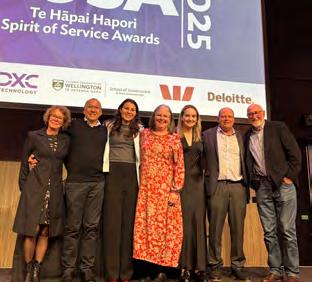
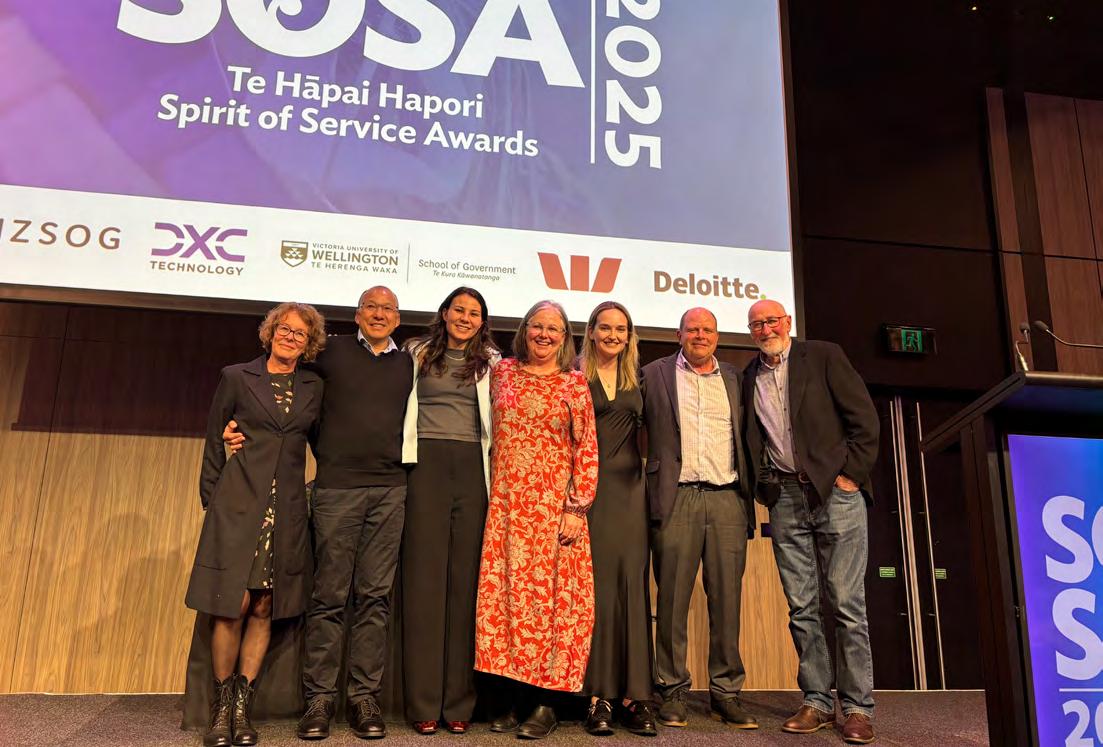
ALEX LOO, THIRD FROM LEFT, AT THE 2025 TE HĀPAI HAPORI SPIRIT OF SERVICE AWARDS EVENT
Restorative practices to improve workplace culture and productivity
Dr Jane Bolitho, Justine O’Reilly, and Ava Gibson outline how public servants can use restorative practices in their workplaces to improve team dynamics, resolve conflict, and create a more collaborative work environment.

Justine O’Reilly
Ava Gibson
Workplace conflict is ubiquitous. It can range from everyday irritations – often accepted as part and parcel of working in a team – to more insidious single incidents that cause distress. At its most complex, conflict reflects ongoing interpersonal or structural dynamics that generate anxiety, frustration, resentment, passive aggression, or anger, sometimes escalating into protracted disputes.
Conscious or unconscious ableism, racism, and discrimination can also contribute to workplace discord. Managing conflict is demanding for leaders, managers, and teams alike. It requires sustained attention, emotional labour, and organisational capacity – and when not handled early, it carries significant personal and economic costs.
The cost of conflict
A 2024 report estimated that bullying and harassment cost Aotearoa New Zealand $1.34 billion a year. These costs arise from:
• workers taking extra leave
• lower productivity (which drops by around 57 per cent for those being bullied)
• hiring and training replacements (where bullying occurs, around 20 per cent of females and 13 per cent of males resign)
• time spent addressing bullying internally.
In the wake of the pandemic, many workplaces have also seen a rise in subtler forms of disengagement – sometimes referred to as quiet quitting, presenteeism, or quiet constraint
Prolonged stress can also lead to unhealthy coping behaviours, such as heavy or binge
drinking or other risk-taking activity. For public servants, the pressures can be even more pronounced. Much of this work involves what are often called complex or wicked problems: system-level challenges that resist simple solutions and demand sustained, collaborative effort across agencies and sectors. And this stress can be heightened for those motivated by a strong sense of care and responsibility towards the people and communities they serve.
Restorative foundations
Restorative justice is a social movement that emerged in the 1970s from communities seeking alternatives to retributive or punishment-focused responses to wrongdoing. It gained significant momentum in New Zealand during the 1990s, influencing justice reform and inspiring similar approaches internationally.
While originally developed as a response to crime, the same principles have been adapted to wider settings, giving rise to restorative practices, which apply restorative values of dignity, accountability, and repair in civil, organisational, and community contexts.
For public sector leaders and managers, these approaches offer practical ways to address harm, strengthen relationships, and build cultures that value accountability, respect, and repair, both internally and with stakeholders.
Restorative teams: Culture and everyday practice
Restorative justice and restorative practice offer a constructive suite of tools to help teams navigate the pressures of modern public service work. Grounded in respect, accountability, and connection, restorative approaches create environments where people can speak openly, repair harm early, and maintain trust, even under pressure.
Conflict exists when people believe something important to them is being threatened. When in conflict, we often lead with our positions; yet it is worth putting in the time to uncover our own and others’ interests, such as respect, acknowledgement, or inclusion. Restorative tools support this work through structured listening processes, guided reflection, and facilitated dialogue. Examples include:
• Restorative check-ins and check-outs, which open and close meetings by inviting brief reflections on how people are arriving or leaving.
• Restorative conversations – short oneto-one or small-group discussions that use open and curious questions (‘What happened?’, ‘Who was affected?’, ‘What needs to happen next?’) to address concerns early.
AUTHORS
Dr Jane Bolitho

• Circle processes, which allow everyone affected by an issue to speak in turn, promoting equity of voice and collective problem-solving.
• Restorative responses to harm, where a neutral facilitator supports those involved to explore impact, accountability, and next steps for repair.
By slowing down to listen and understand before reacting, teams can manage everyday stress, strengthen relationships, and build collective resilience. Over time, restorative
practices foster cultures of open and respectful exchange, where differences are discussed early on and constructively. Staff feel supported to raise concerns and work through tensions before they escalate, and leaders are more confident in addressing emerging issues and preventing escalation.
A restorative approach can help identify systemic issues that contribute to an issue, which can be addressed to lessen the likelihood of it happening again.
INTERESTED IN HOW RESTORATIVE PRACTICES CAN
HELP YOUR WORKPLACE?
From 2026, restorative practices in leadership and organisations will be included in the professional development component of the Executive MBA offered by Te Herenga Waka Victoria University of Wellington. https://www.wgtn.ac.nz/explore/ postgraduate-programmes/executive-master-of-business-administration/ overview
Restorative leadership: Mindset and capability
The same principles that build effective teams also underpin effective leadership. When used consistently, restorative practices shape how teams work together and support leaders to model trust, fairness, and accountability across their organisations.
At the Centre, we view restorative practice as integral to conflict-intelligent leadership. Drawing on principles of appreciative inquiry, restorative leadership focuses on identifying and building on existing strengths – supporting improvement, innovation, and relational trust across teams and organisations.
Restorative organisations
Restorative organisations take proactive and responsive actions to make, maintain, and mend workplace relationships. These actions strengthen everyday collaboration, prevent conflict from escalating, and support staff productivity, wellbeing, and retention.
As an example, and as part of its commitment to becoming a restorative university, Te Herenga Waka Victoria University of Wellington worked with the Centre for Restorative Practice to establish the Employee Advisory and Resolution Service (EARS) – Te Rauawa. Since 2019, the service has provided a restorative pathway for staff to seek confidential, independent advice, and practical tools to resolve workplace issues early, without formal HR involvement. Support may include facilitated conversations and coaching to address and resolve conflict constructively.
In summary
Restorative approaches provide leaders and teams with evidence-based tools to respond to conflict in ways that preserve relationships, promote accountability, and sustain performance. For public servants, they offer a values-aligned path to navigating the inevitable tensions of complex work – building workplaces that are not only more productive, but also more humane.
Dr Jane Bolitho is the Diana Unwin Chair in Restorative Justice at Te Herenga Waka Victoria University of Wellington.
Justine O’Reilly is Director of the Centre for Restorative Justice at Te Herenga Waka Victoria University of Wellington.
Ava Gibson is Director of the Employment Assistance Resolution Service (EARS) – Te Rauawa, Te Herenga Waka Victoria University of Wellington.
IMAGE BY KATEMANGOSTAR ON FREEPIK
Podcast review
Journalist-turned-governance student Farheen Hussain reviews Cross Party Lines, a weekly podcast about the political landscape in Aotearoa New Zealand and around the world.

AUTHOR Farheen Hussain
One of the comments under a Cross Party Lines’ episode says: “I’m really enjoying your guys’ content — it’s intellectually honest opinions from people who have been there and done that … so valuable for political discourse in NZ.” After listening to several episodes, that sentiment makes complete sense.
Hosted by Phil Goff, Chris Finlayson, and Sam Collins, the podcast promises to unpack New Zealand politics, so listeners don’t have to. What stands out first is the tone. The conversations are calm, civil, and unhurried. No interruptions, no dramatic hot takes, just three people talking through the week in politics and the bigger forces shaping the country and the world. It debuted on 29 October 2025 and has since settled into a steady weekly rhythm, unpacking the country’s most talked-about political questions.
Chris Finlayson brings a frankness that gives the show much of its personality. He says exactly what he thinks and does not spend much time softening his words. Phil Goff often takes the more reflective role, drawing conversations back to long-term policy and the direction of the country. Sam Collins plays an important part as the guide, asking the questions many listeners are probably thinking and keeping the discussion moving.
The podcast follows events as they happen, making it especially interesting in an election year. Episodes move easily between domestic politics and international developments, offering a New Zealand lens on global events. Even when the discussion turns to the United States or Europe, the focus returns to what those changes could mean here.
Listening often feels like a crash course in how New Zealand politics works. At the same time, the podcast assumes a certain level of background knowledge. I found myself pausing more than once to look up names or read about events from decades ago. That curiosity becomes part of the experience and adds to the sense that you are gradually building a deeper understanding of the political landscape.
The end-of-year episode reflecting on 2025 is a strong example of what the podcast does well.

The hosts step back from weekly headlines to talk about the slow economic recovery, political performances, and long-term policy questions. The first episode of 2026 continues that wider focus, looking ahead to the country’s future, from universities and talent to productivity and global politics.
Reading the comments across platforms, it is clear that listeners appreciate having a space for calmer political conversation. There is also a noticeable warmth in how the hosts speak about working across party lines and the importance of civility in public life.
One thing that stands out is how often the hosts agree with each other. The conversations feel more reflective than argumentative. Some listeners may miss sharper debate, while others will enjoy the tone and the sense of shared respect.
The pacing is slower than the short, fast content many people are used to now, though the threetopic structure in each episode helps keep things moving.
In the end, Cross Party Lines offers context and perspective rather than breaking news. It helps listeners understand the people, ideas, and events shaping New Zealand politics, and that feels particularly valuable in the lead-up to an election year.
Farheen Hussain is a former journalist from India and currently a Master’s student in Global Business at Te Herenga Waka Victoria University of Wellington. She reported on education and public health during the Covid-19 pandemic and is passionate about reimagining governance through care, ethics, and kaupapa Māori values.
Did you know? About the different roles within a minister’s office?
We take a quick look at the key roles you’ll typically find in a minister’s office, and how they work together to support the minister.
A minister’s office plays a vital role in supporting the Government’s work in Aotearoa New Zealand. Distinct from an electorate or list MP office, a ministerial office is focused on helping the minister carry out their executive and portfolio responsibilities. Every office is structured slightly differently, depending on the minister’s portfolios and priorities.
1
MINISTER: The minister, as you might have assumed, is the boss. Ministers are ultimately responsible for setting the priorities for their relevant agencies based on the government’s policy priorities. They also defend policy decisions, with the House holding them accountable on both policy and operational matters. The specific roles of the current ministers can be found on the Department of the Prime Minister and Cabinet (DPMC) website
The other roles within a minister’s office will vary depending on how many and which portfolios the minister holds. Generally, most ministers’ offices will have at least one senior private secretary, ministerial adviser, press secretary, and private secretary.
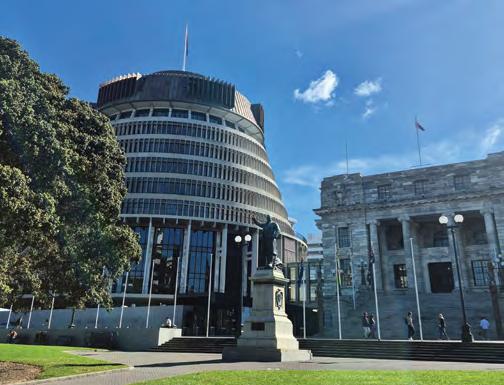
2
SENIOR PRIVATE SECRETARY (SPS): The SPS manages the minister’s office. This person is in charge of the minister’s diary (including all House, Cabinet, and electorate commitments, travel, and attendance at public and other events).
3
MINISTERIAL ADVISER: The ministerial adviser (sometimes called political adviser) provides the minister with support on all policy and political matters for the minister’s portfolios. This includes providing advice on policy issues; liaising with other advisers, ministers, and select committees; and consulting with other political parties, groups, and individuals. They also manage answers to written and oral parliamentary questions and Official Information Act requests.
4
PRESS SECRETARY: The press secretary is responsible for the minister’s communications, such as advice on public relations matters, preparing speeches and media releases, and liaising with the media and other media advisers.
5
PRIVATE SECRETARY: Private secretaries are usually seconded into the office from the relevant government department to support the minister on activities relating to that portfolio. They manage the flow of business between the minister and the department, including correspondence, briefings, policy papers, Cabinet papers, and any other matters requiring follow-up or liaison. Ministers can have multiple private secretaries who specialise in different areas or portfolios. This role is a great career development opportunity if you’re currently working in a department!
Hāpai Public | Institute of Public Professionals Aotearoa New Zealand
PO Box 5032, Wellington 6140, New Zealand office@hapaipublic.org.nz hapaipublic.org.nz