Iowa Corn’s strength starts at the local level, with an involved and dedicated group of grassroots members. Local leaders who continue to show up, lend their voice and lead in their communities, engaging both farmers and consumers. Without our active local members, Iowa Corn would not be as effective because together we are stronger.
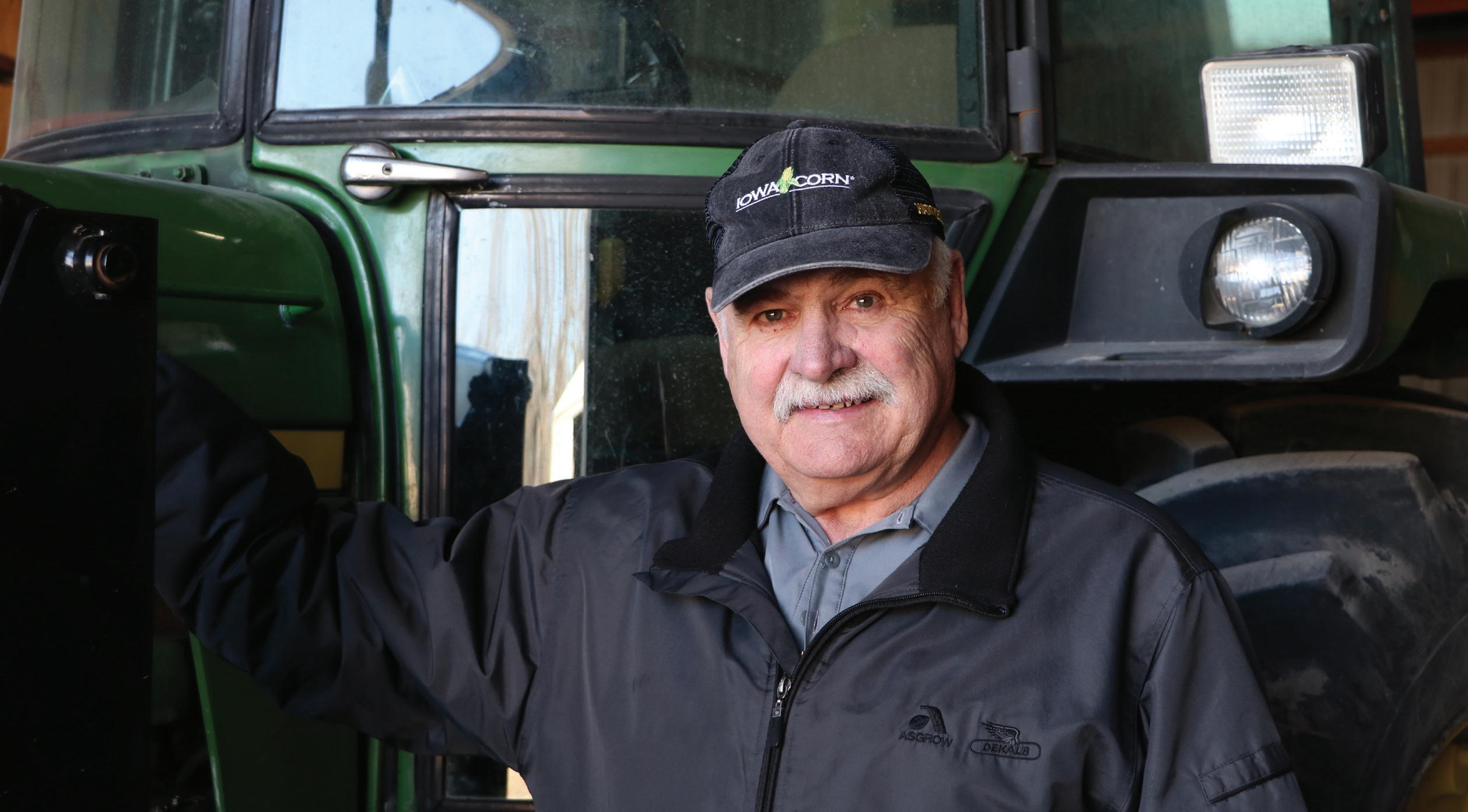
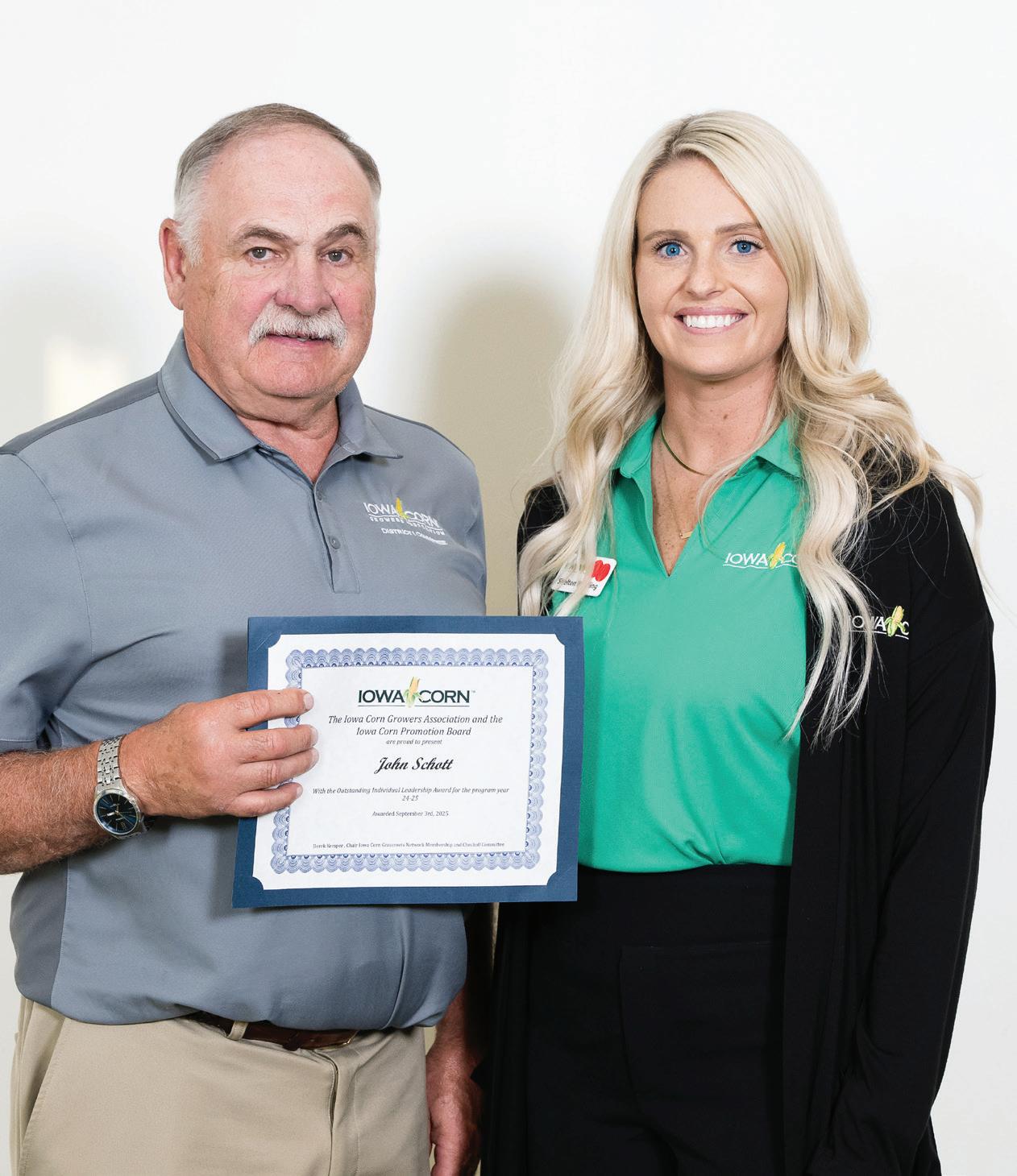
Each year at the Annual Grassroots Summit, Iowa Corn recognizes a local leader for their outstanding contribution to the organization and for creating real impact in their communities. This year’s recipient of the Local Leader Award was John Schott.
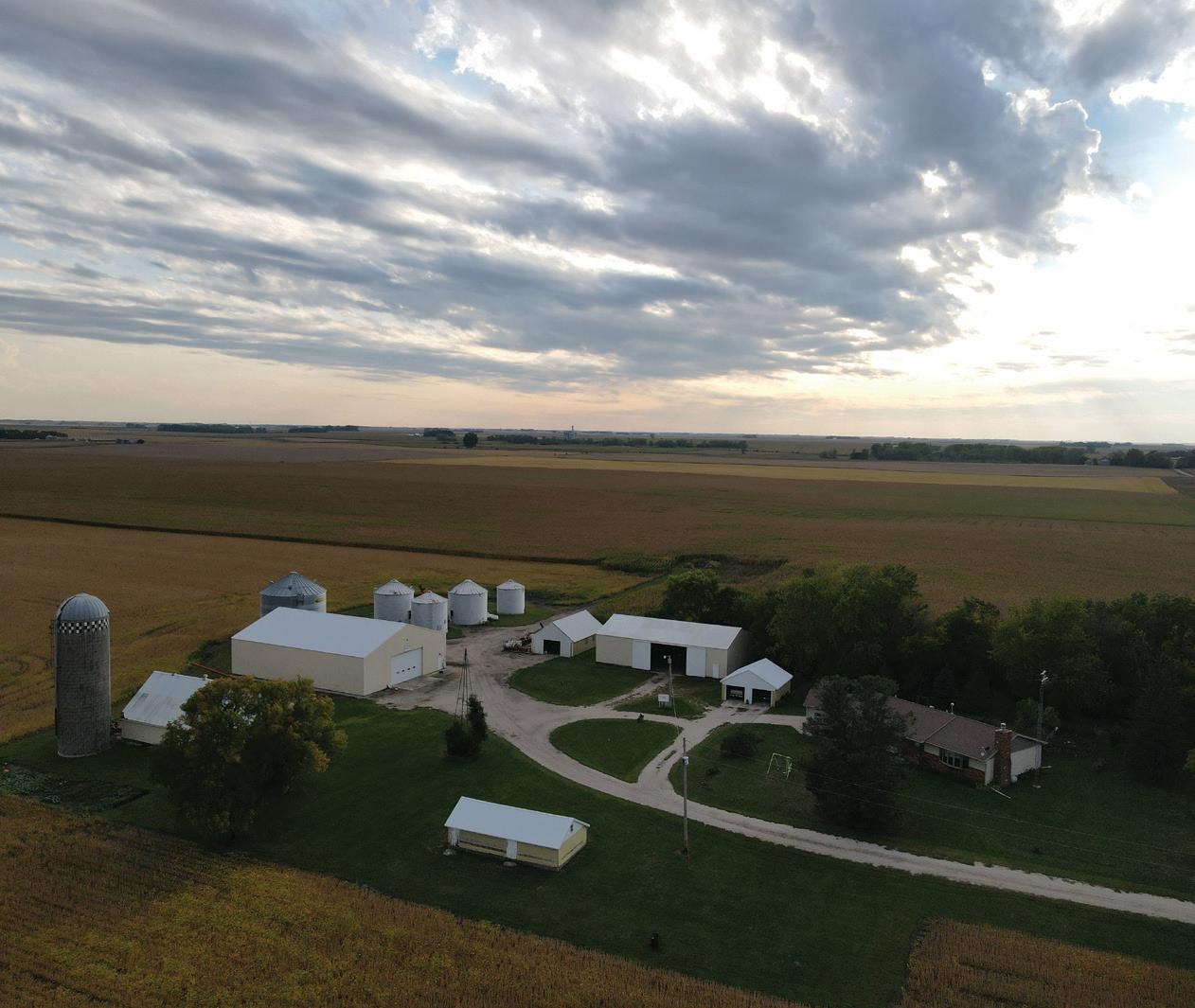
John’s farming career began shortly after he graduated high school, where he started working alongside his
dad in Pocahontas County. Shortly after, in 1976, John rented his first piece of ground where he raised corn and soybeans. In 1990, he became a DEKALB seed dealer, a role he proudly served in for 32 years. After nearly five decades, John retired just a year ago from farming, working with a young farmer in his area to take over his operation.
But John has not stopped being actively involved in agriculture, supporting and advocating for farmers in our state. He currently serves as the president of the Pocahontas County Corn Growers and as a member of the Iowa Corn Animal Agriculture and the Environment Committee as well as on the ICGA Political Action Committee. John also represents Pocahontas County on the District 1 Committee.
For several years, John has also served as a delegate for Corn Congress advocating for agriculture at the national level.
“John was one of the first people I met with when I started at Iowa Corn; he helped show me the ropes,” shared Shelton Hoefling, District 1 Field Manager. “I knew after that first meeting, John was very passionate about the entire Iowa Corn organization as well as the Pocahontas County Corn Growers.”
At the local level, John has been involved in a number of activities including organizing the annual corn and soybean test plot and field day in Pocahontas County, speaking with bikers from across the nation during RAGBRAI and even volunteering at the Iowa Corn Day at the Iowa State Fair and the Clay County Fair. John highlighted the important role farmers and organizations like Iowa Corn play in sharing the impact of corn to consumers.
“Iowa Corn has done a very good job of promoting our product and if you grow corn, you realize that you need to have somebody advocate for you,” shared John. “That’s what Iowa Corn does at the state and national level. They are doing their utmost to help protect our business and try to help us make money.”
In his community, John is a true leader. He continues to show his dedication and passion for agriculture and Iowa Corn through working with his local FFA chapter, 4-H groups and volunteering and helping raise funds for different causes in the community.
In addition to his outstanding achievements, John possesses exceptional leadership skills and the ability to inspire and motivate those around him. John Schott is a prime example of being a dedicated local leader for Iowa Corn, exemplifying leadership and commitment within the agricultural community. Thank you, John, for all you do on behalf of Iowa Corn.
SCan Here to learn more aBout JoHn SCHott ’S StorY
One thing is for certain; Iowa farmers know how to grow corn and so much more. Iowa leads the nation in corn, pork, egg and ethanol production and remains a top producer of many other agricultural commodities. These products feed and fuel not only our state but individuals around the world. More than 97% of the world’s population lives outside the U.S., creating major opportunities for farmers. Roughly one out of every three rows of corn grown in the U.S. is exported in the form of grain or value-added products like ethanol, DDGS, feed or meat.
Access to global markets is critical. But market access isn’t just about trade policy and agreements; it’s also about logistics. If corn can’t move efficiently and competitively, Iowa corn farmers can’t compete globally. That’s why the inland waterways system, and the infrastructure that supports them, remain a top priority for Iowa Corn.
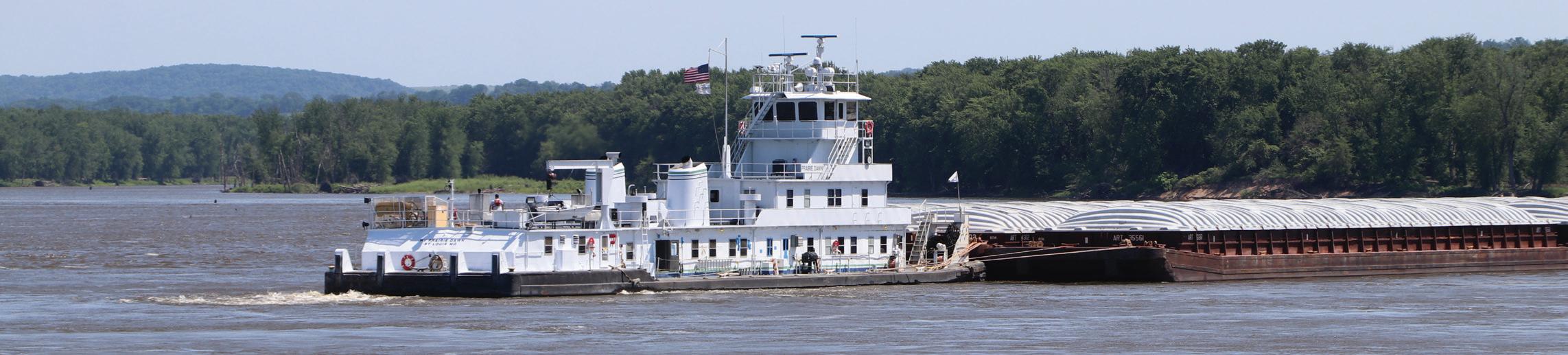
Iowa is uniquely positioned between the Missouri and Mississippi Rivers, which play a pivotal role in connecting Midwest farms to export terminals along the Gulf Coast. Nationally, 65% of U.S. grain is exported through the inland waterways system. On the Upper Mississippi River alone, more than 30 million tons of agricultural commodities move each year, much of it originating from Iowa and neighboring states.
In Iowa, barge movement of corn only makes up a small percentage of transportation. While rail and trucks are critical parts of the transportation system, barges play a unique role in moving large volumes of grain south to international markets while also transporting fertilizer and other inputs north to retailers and farmers. It’s a two-way system that supports both production and profitability.
Waterways aren’t just convenient but are also incredibly efficient. On a single gallon of fuel, one barge can move freight more than four times farther than trucks, while releasing 10 times fewer emissions. Barges also hold the advantage in volume; one standard 15 barge tow moves the equivalent volume of 216 railcars plus 6 locomotives or 1,020 trucks.
That efficiency results in lower transportation costs, fewer emissions and improved safety on highways. It also strengthens our competitive position in key export markets. However, aging waterways infrastructure is creating growing transportation challenges.
The majority of locks and dams on the Mississippi River system were constructed during the 1930s and are operating well beyond their 50-year design life. While they continue to function, breakdowns and unplanned closures are becoming more frequent. Modernizing this system will not only create and support U.S. jobs but also ensure continued movement of all goods including corn.
Iowa Corn, along with our partners at the National Waterways Council, Waterways Council Inc. and the Coalition to Support Missouri Waterways, continue to keep transportation infrastructure as a top priority. Through grassroots advocacy, fly-ins to Washington, D.C., farmer engagement and coalition partnerships, Iowa Corn helps ensure lawmakers understand that waterways are essential to the agriculture industry.
Modernizing our nation’s waterways is vital for a resilient supply chain and global competitiveness, yet funding remains insufficient. By investing in inland infrastructure, we lower domestic transportation costs and ensure corn moves efficiently to market. Iowa Corn remains committed to advocating for these improvements to protect the competitive edge and longterm profitability of our farmers.
Corn impacts Iowa in so many ways. It’s a big deal in our state – for the people growing it and the people consuming it. That’s why the Iowa Corn Promotion Board prioritizes educating growers, consumers and everyone in between about corn and corn-products.
One such program that Iowa Corn invests in is the Iowa Agriculture Literacy Foundation (IALF). IALF, founded in 2013, is dedicated to helping students in our state better understand the global significance of Iowa agriculture. By serving as a central resource for educators, IALF connects agriculture to Iowa’s core science and social studies standards, making real-world learning both relevant and engaging.
IALF has three main goals:
1. Build educator trust by being a credible source and leader of Iowa core content connections to agriculture in K-12.
2. Maintain focus on operational excellence including fundraising, stakeholder/industry relationships and staff development.
3. Collaborate with and empower a diverse group of informal educators and community partners to support the positive message of agriculture literacy in Iowa.
Each March, IALF hosts Read Across Iowa, distributing thousands of agriculture-themed books and classroom resources across the state. Read Across Iowa connects literacy, science and real-world agriculture to Iowa students using children’s books. This year’s theme is Pollinators to Product, highlighting the essential role pollinators play in agriculture and connecting their work to the food, fiber and everyday products students know and use.
IALF also serves as the coordinator of Agriculture in the Classroom. Agriculture in the Classroom helps teachers embed ag education into core subjects already being taught in the classroom. The core curriculum of the program focuses on science, social studies, language arts and nutrition.
Each summer, IALF invests in teachers so they can confidently teach about modern agriculture in their classrooms. Through hands-on workshops, farm and industry experiences and Iowa core-aligned lesson planning, educators gain practical tools and accurate, science-based information about today’s farming practices. By running these workshops, IALF is equipping teachers and increasing its impact to reach thousands of Iowa students each year.
The Iowa Corn Promotion Board has supported IALF for a number of years, recognizing the importance of agriculture education across the state. Iowa Corn serves on IALF’s board, and partners on initiatives such as classroom resource distribution, educator workshops and statewide programs like Read Across Iowa. By staying actively involved, Iowa Corn helps ensure that agriculture education is accurate, science-based and focused on the future of our corn industry.
To learn more about the Iowa Ag Literacy Foundation, visit iowaagliteracy.org.
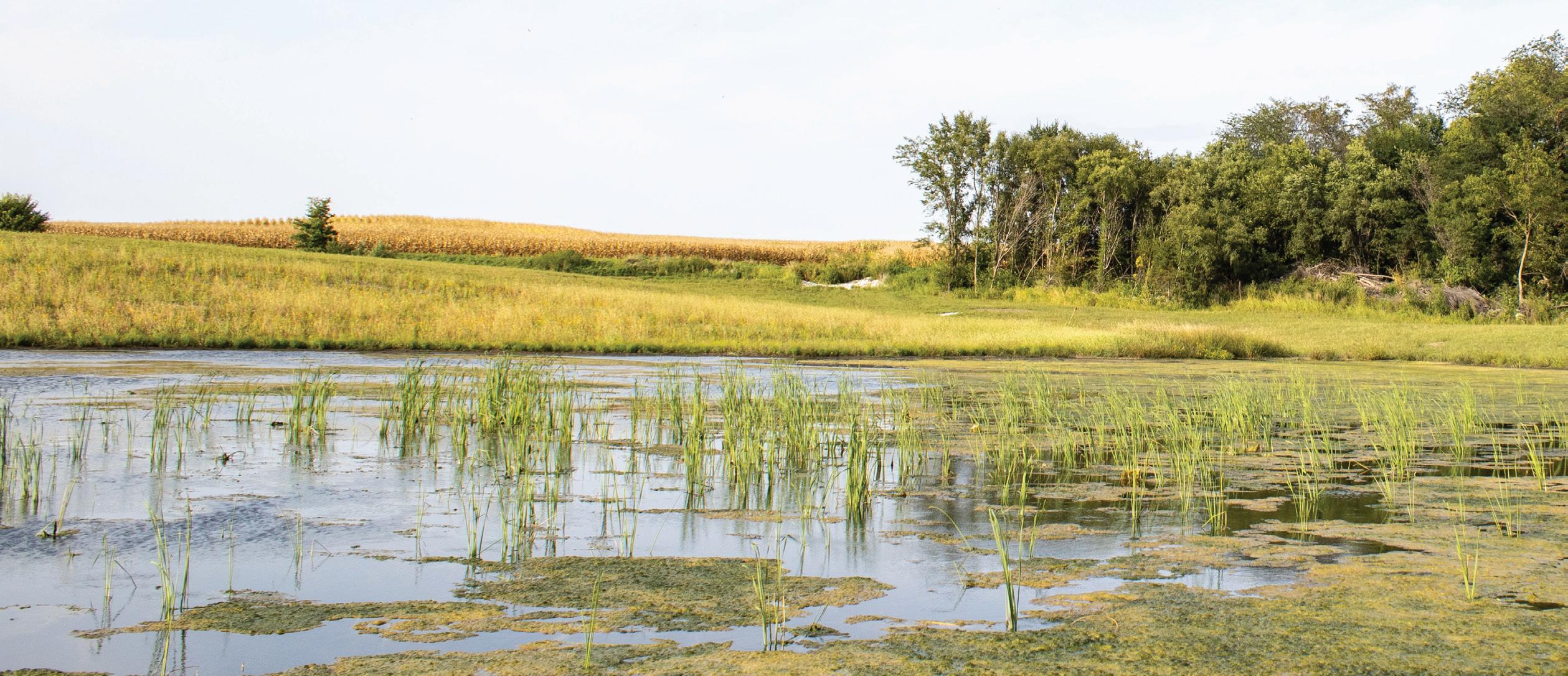
In Iowa, conservation is rooted in both tradition and innovation. Farmers across the state implement practices that are not only right for their operation, but also for the soil and water on their farms.
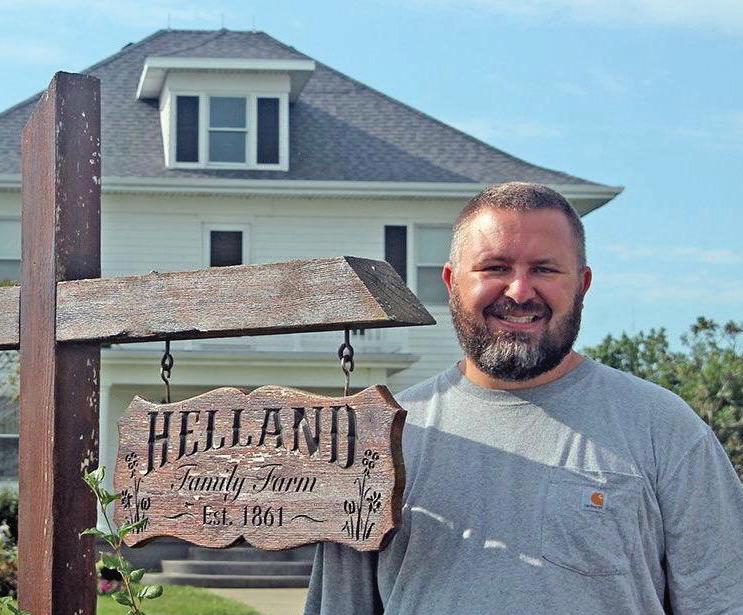
Nick Helland, a farmer from central Iowa, knows the importance of being a steward for more than just his farm, but for the water, soil and community he lives in. Nick and his family farm in Story, Boone, Polk and Dallas counties. Their farm is truly a family operation with Nick working alongside his dad, uncle and cousin.
Conservation is not new for the Hellands. During the mid-90s, a failure of a tillage tractor led them to try no-till on their operation. After seeing no penalties to their soybean yield, the Hellands decided the benefits of saving time, fuel and manpower was a strong advantage for switching to no-till. Today, 75% of their corn and all of their soybean acres are no-till, and between 20-50% of acres utilize cover crops.
The Helland farm is uniquely positioned close to the Des Moines Metro, often a hot spot for conversations around water quality. As part of their farm is positioned on Big Creek, a key waterway feeding into the Des Moines water sources, Nick recognizes the importance of not only implementing conservation practices but also sharing about the work that he does. Last fall Nick
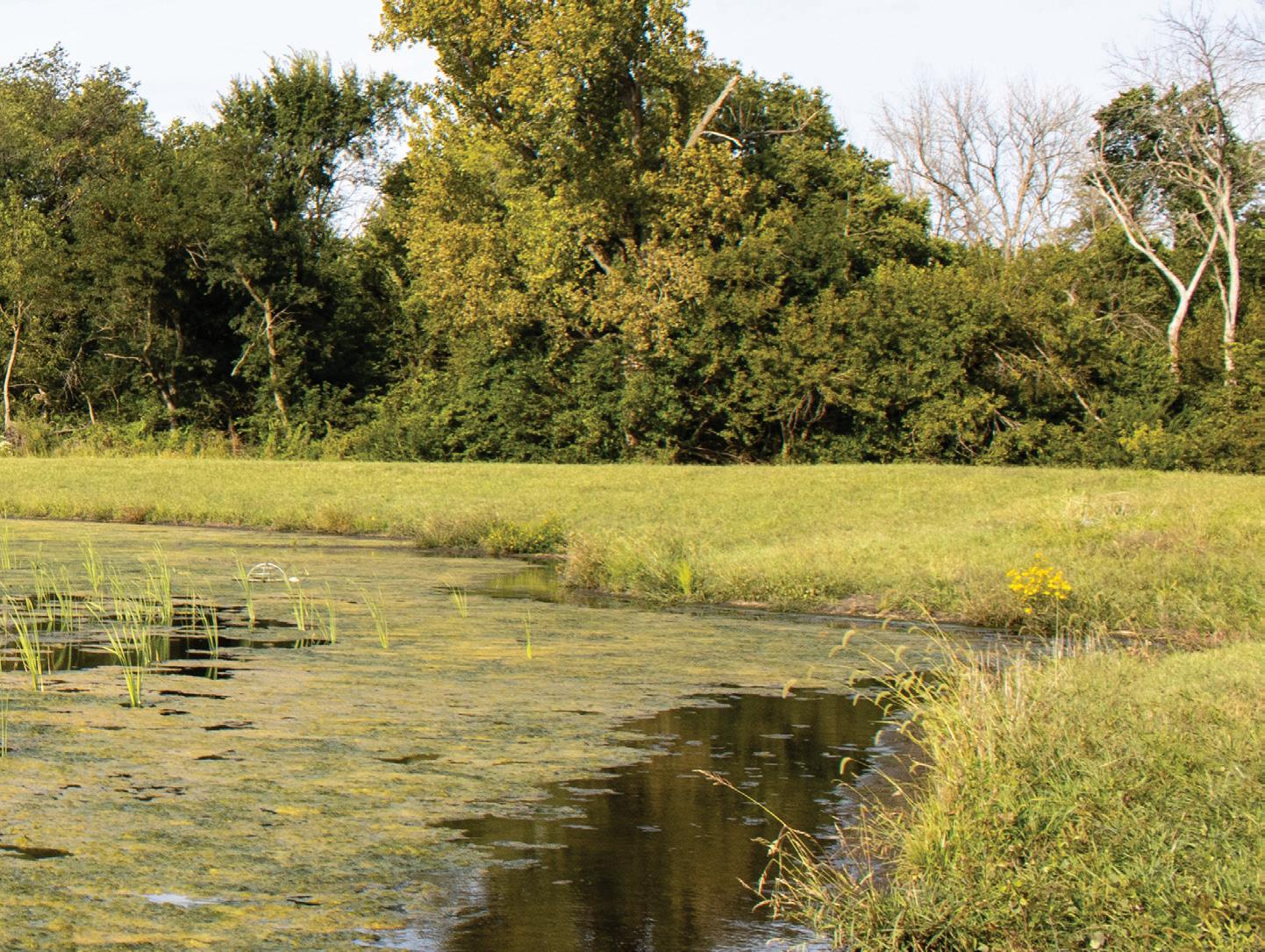
hosted multiple field days showcasing their cover crops, bioreactors, saturated buffer and wetland on his farm.
Nick shared that through this field day, he was able to bring out individuals from Des Moines Waterworks and Central Iowa Waterworks, urban and rural legislators, as well as other farmers and neighbors, to show the real conservation work farmers are implementing. Nick shared how encouraging it was to see this engagement
between waterworks and rural partners, feeling as if the relationship is becoming a partnership and finding common ground solutions to partner together.
“We as farmers have to share not only what we are doing but also what the urban populations around us can do,” shared Nick. “We all want to do what is right, for not only water quality in the state but our land.”
Nick knows as a farmer, he can’t do it alone and shared the value he finds in being an active Iowa Corn Growers Association (ICGA) member. “I can wear a lot of hats on my farm, but there are things that I can’t do that ICGA can do on my behalf,” shared Nick. “Iowa Corn not only keeps me informed and lobbies on our behalf, but also bring our issues to wider, global audiences, to ultimately move more of our product.”
Through ICGA, Nick shared that he not only has a seat at the table but also found multiple ways to get involved and engage. Currently, Nick serves as the President of District 5 Committee and on the Research and Business Development Committee. He is also a past participant of the Iowa Corn Leadership Enhancement and Development (I-LEAD) program.
Supporting corn farmers is a key priority for Iowa Corn. Through research, conservation education and collaboration with partners across the state, Iowa Corn ensures farmers have access to the tools they need to find the best practices for their acres.
Conservation isn’t a one-size-fits-all solution and empowering farmers with resources helps them make informed decisions. To learn more about Iowa Corn’s conservation resources, visit iowacorn.org/growerguides.
Looking to find the nitrogen rate for your farm to maximize PRODUCTIVITY, PROFITABILITY & ENVIRONMENTAL PERFORMANCE?

This decision support tool leverages data from the Iowa Nitrogen Initiative on-farm nitrogen rate trials with cropping systems modeling.
See the optimum nitrogen rate under different scenarios by selecting
• location
• anticipated crop year weather
• residual soil nitrogen
• crop rotation
• planting date
• and fertilizer/crop pricing.
Learn more: n-fact.ag
ICPB director elections are quickly approaching. Crop reporting districts 1, 3 and 6 are up for election. To request a petition or to learn more about the election process, please contact Iowa Corn: 5505 NW 88th Street, Johnston, Iowa 50131 or 515-225-9242. Visit iowacorn.org for further details and more information.
ICPB ELECTION TIMELINE:
MARCH 26: Petitions will be available by request from the Iowa Corn office. Candidates who fill out petitions must also fill out the affidavit candidacy document.
APRIL 7: Deadline for candidate names, district nominating committee forms and candidate bios are due to the Iowa Corn office.
APRIL 21: All petitions for nominations are due to the Iowa Corn office by 4:30 pm.
MAY 20: Absentee ballots available for mailing.
JUNE 15: Deadline for requesting absentee ballots.
JULY 14: Absentee ballots must be postmarked on or before July 14.
JULY 14: Election held at county extension offices.