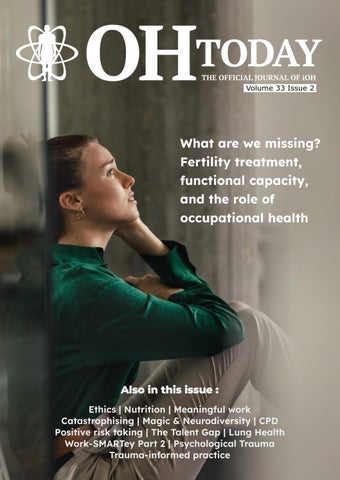
Fertility treatment, functional capacity, and the role of occupational health
Also in this issue :
Ethics | Nutrition | Meaningful work
Catastrophising | Magic & Neurodiversity | CPD
Positive risk taking | The Talent Gap | Lung Health
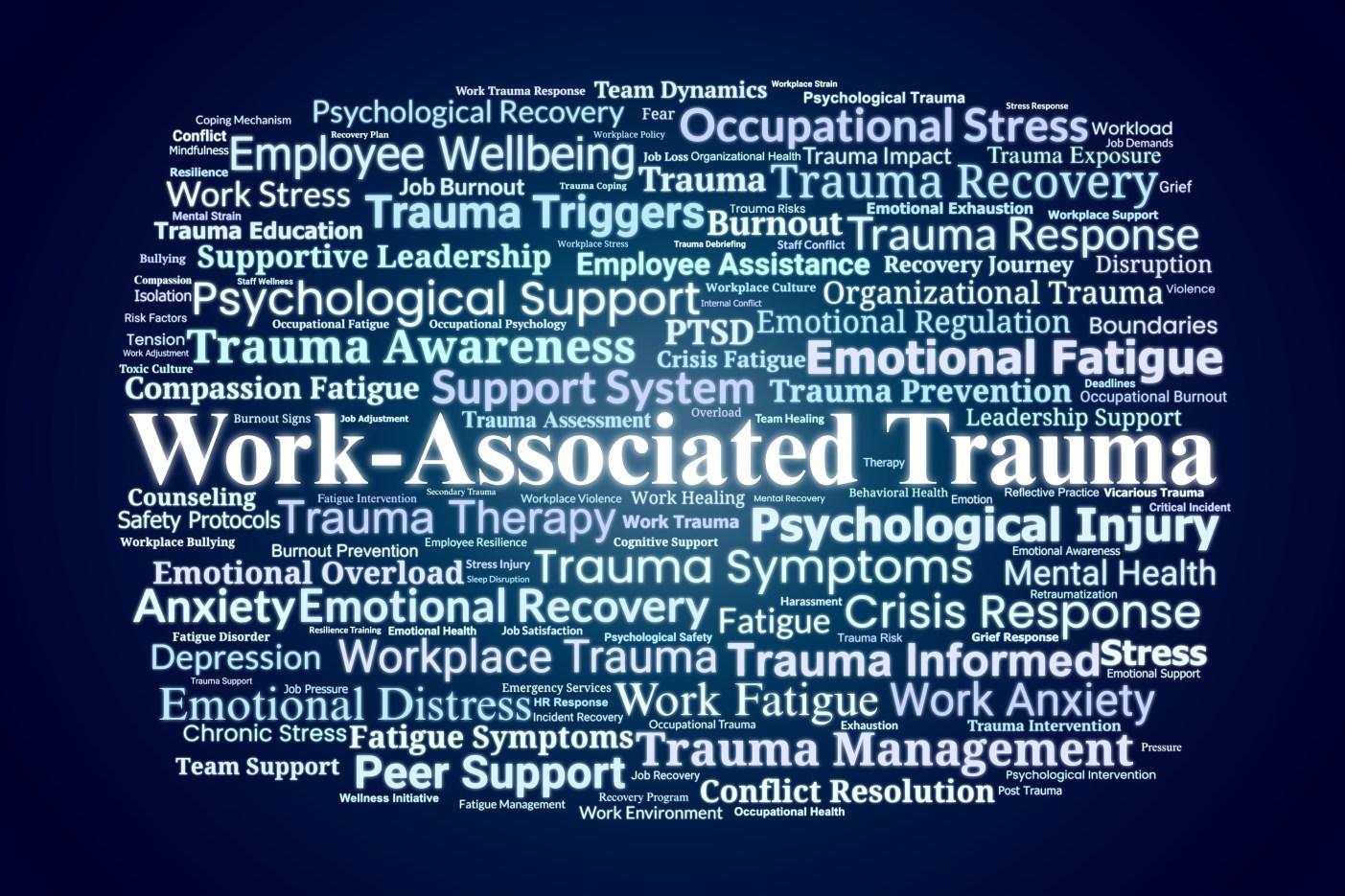
Work -SMARTey Part 2 | Psychological Trauma
Trauma -informed practice
iOH Partners
From the President
Lynn Pratt
Dear Members,
I believe we are at a defining moment for occupational health and wellbeing. The renewed focus on fit note reform, alongside the introduction of WorkWell pilots, offers more than policy change it presents a real opportunity to reshape how we support people to remain in, and return to, good work.
For too long, the fit note has functioned primarily as a mechanism of certification confirming what someone cannot do, rather than enabling what they can. In practice, this has created a passive process: one that validates absence but provides limited direction for recovery or for employers seeking to act effectively.
Encouragingly, a more progressive model is beginning to emerge. WorkWell signals a shift towards earlier intervention, personalised support, and more integrated conversations between
employee, employer and health professionals. This reflects what occupational health has consistently championed that outcomes are driven not by diagnosis alone, but by a functional understanding of workability: what is safe, sustainable and possible with the right support in place.
However, ambition must now be matched by implementation. Success will depend on access to occupational health expertise, clear and actionable guidance for employers, and genuinely integrated pathways. Without this, there is a risk that reform becomes structural rather than transformational.
This edition of OH Today reflects the breadth and continued evolution of our profession. Contributors explore emerging and underrecognised areas, including fertility and functional capacity, alongside themes such as digital fatigue, cardiovascular risk and lung health surveillance. Clinical
insight is complemented by practical perspectives on musculoskeletal health, shift work and workplace nutrition. There is also a strong focus on psychological wellbeing, with contributions on traumainformed practice, catastrophising and positive risk -taking in mental health assessment. Wider system challenges are addressed, including workforce pressures, organisational culture and the importance of meaningful work.
Collectively, these articles reinforce a clear direction of
travel from reactive occupational health management towards prevention, inclusion and more holistic, person -centered approaches.
We know that good work is not simply the end point of health. It is part of the solution. And if we are serious about improving outcomes, we must ensure occupational health and wellbeing is not an addon, but central to the design of this new system.
Lynn Pratt President iOH
What are we missing? Fertility treatment, functional capacity, and the role of occupational health
By Dr Divpreet Sacha
One in six couples in the UK will experience fertility problems. In 2023, over 52,400 patients received fertility treatment, and more than 77,500 IVF cycles were performed, with the proportion of NHS -funded cycles falling steadily from 35% to 27% over the past decade ( HFEA, 2025 ). Most of these patients are now selffunding. Most continue working throughout treatment. Many of them will eventually reach occupational health.
But not always for the right reasons.
The presentation problem
When fertility -related distress arrives at OH, it rarely announces itself. The referral typically cites anxiety, depression, burnout, or unexplained short -term absence, sometimes with a pattern of early -morning appointments, sometimes with an undocumented but significant dip in performance. Fertility treatment, if it is the driver, is often disclosed only when asked directly. Disclosure rates in occupational settings are low, driven by stigma and fear of career impact. This matters clinically. Peer -reviewed evidence reports anxiety in 18–24% and depression in 11–27% of women undergoing IVF ( Hu et al., Scientific Reports , 2025 ; Li et al., Scientific Reports , 2025 ).
A UK -based study by Payne, Seenan and van den Akker ( Journal of Psychosomatic Obstetrics and Gynaecology , 2019 ), which provides the most directly relevant evidence for this OH context, found that absence of workplace support significantly increased psychological distress in employees undergoing fertility treatment and that most participants reported difficulty sustaining work performance and managing attendance throughout.
The clinical stakes extend beyond wellbeing. A Swedish registry study found that untreated depression or anxiety prior to IVF was associated with substantially reduced odds of pregnancy (AOR 0.58) and live birth (AOR 0.60) ( Cesta et al., Fertility and Sterility , 2016 ). Supporting psychological health during treatment is not only a welfare consideration; it has direct clinical implications for treatment outcomes.
A decade ago, we were having a similar conversation about menopause. Cognitive difficulty, low mood, disrupted sleep and declining performance were all presenting at OH without the underlying cause being consistently identified or named. We are at a comparable moment with fertility treatment. The gap between what is presenting and what is being recognised is significant, and it is a gap that occupational health is well placed to close.
This is a clinical question, not just an HR one
The key clinical principle for OH practice is phase specificity Fertility treatment is not a single event: it is a sequence of phases, each with distinct functional demands.
During ovarian stimulation, employees are managing daily selfadministered injections, frequent early -morning monitoring appointments, hormonal side effects including bloating, mood instability, fatigue and impaired concentration, and, in more serious cases, ovarian hyperstimulation syndrome. During the two -week wait following embryo transfer, physical demands reduce but anxiety is typically at its highest point in the cycle; presenteeism is common, and an employee may appear to be functioning when they are not. A negative result can cause acute psychological distress equivalent to a significant bereavement.
Each phase requires a different OH response. A flexible start time during stimulation is a different clinical recommendation to a full day ’s absence for egg collection under sedation, which is different again to the scheduling flexibility and low -key welfare contact appropriate during the two -week
wait. Adjustment recommendations that do not account for the treatment phase are likely to be either insufficient or unnecessary.
The OHP ’s role is to ask: where is this employee in their cycle, right now?
What good OH practice looks like
There is currently no standardised occupational health guidance for fertility -related referrals. The £217 million estimated annual cost to UK employers of inadequate fertility workplace support ( Fertility Matters at Work/Make an Impact CIC, 2024 ) reflects the scale of this gap, in both policy and clinical case management. Only 27% of UK employers have any fertilityrelated workplace policy ( CIPD, 2023 ), and 87% of managers have received no training on fertility issues ( Fertility Matters at Work, 2025 ).
Good OH practice in this context is grounded in functional assessment. The written management report should document current and anticipated functional limitations by treatment phase and make specific, quantified adjustment recommendations. Vague recommendations, such as “restricted duties ”, without specification, are not clinically useful. The OHP ’s role is to be
precise: which tasks, which adjustments, for which phase, and for how long.
Where relevant, a brief validated mental health screen is appropriate. Depression and anxiety are prevalent and under detected in this population. Employees on second or third cycles may carry cumulative psychological burden not visible from the current presentation. Cycle history is clinically and prognostically relevant.
Disclosure is also a clinical consideration. Many employees have not told their line manager they are in treatment. The OHP can explore whether managed disclosure would be helpful, without making that decision for the employee.
Navigating the legal context
OHPs are not legal advisers, but clinical awareness of the legal framework shapes good practice. There is no specific protected characteristic for fertility treatment under the Equality Act 2010. However, relevant provisions exist: sex discrimination considerations may arise in how treatment -related requests or absences are managed; disability provisions may apply where treatment has caused or exacerbated significant and long -
term psychological difficulty (typically lasting, or expected to last, 12 months or more); and from the point of embryo transfer, legal protections equivalent to pregnancy apply.
The OHP ’s role is to hold this awareness, not to make legal determinations. Noting the embryo transfer date in case -records is good clinical practice; it informs adjustment planning and calibrates recommendations to the specific demands of this stage. Where an employee raises questions about their rights or how their requests have been managed, the OHP can acknowledge these in consultation and suggest the employee discusses them informally with HR. The written OH report stays clinical: functional limitations, adjustments, prognosis.
In practice, HR may approach the OHP to seek a clinical view on whether the disability threshold appears to be met. The OHP ’s role here is to provide a clinical opinion on functional impact; the legal analysis remains with HR and, where needed, legal advisers.
The clinical opportunity
The absence of standardised OH guidance for fertility treatment is both a gap and an opportunity. OHPs who develop phase -aware,
functionally grounded practice in this area will conduct better assessments, make more targeted recommendations, and support employees through one of the most clinically and psychologically demanding experiences they are likely to face during their working lives.
It begins with one additional question in every relevant referral:
‘Are
you currently undergoing, or
have
you recently undergone, any fertility
‘Disclosure rates in occupational settings are low. Asking directly, and creating a consultation environment where disclosure feels safe, is the first clinical intervention.
Dr Divpreet Sacha , MBChB, MRCGP, DipOccMed, is a GP with a diploma in occupational medicine & has a special interest in reproductive health and work. She is the founder of the Hormonal Health Equity Institute (HHEI), a clinician - led community interest company currently in development, working across the clinical systems that intersect with reproductive and hormonal health, including primary care, occupational health, mental health, and health promotion, with a focus on health equity and in collaboration with clinical, employer, and community partners.
divpreetsacha@herholistichealth.co.uk
The fertility toolkit for OH professionals can be found here: Fertility Toolkit
FOM publishes updated Ethics Guidance for Occupational Health Practice
The Faculty of Occupational Medicine (FOM) has just released their newly updated flagship publication ‘Ethics Guidance for Occupational Health Practice ’. Now in is 9th edition, the guide continues to support practitioners across every facet of occupational health advice and service delivery by underpinning ethical, impartial assessment and advice on health and work.
The first edition of the FOM Ethics Guidance for Occupational Health Practice was published in 1980, soon after the Faculty was formed. This and subsequent editions have supported generations of colleagues with clear and practical guidance, reflecting the FOM ’s dual obligations to workers and to those who commission their services.
Now, for the first time, the new guide is available in an online format and is free of charge, making it more widely accessible, easier to navigate and can be more readily updated as the landscape of occupational health practice continues to evolve.
The new guidance is the result of an eight -month review by the FOM Ethics Committee, chaired by Hilary Winch. The guidance has been approved by the FOM Board, with input from employment lawyers, lay members of the FOM Board (representing employers and workers respectively), ex -officio members and allied health professionals, nursing and medical members.
Commenting on the new guidance, FOM President Dr Robin Cordell said “I should like to thank Hilary Winch and all members of the ethics committee for their excellent work , and I am delighted that the new free digital format opens our guidance to a broad range of people with an interest in occupational health practice. Being open access online, this brings benefit to workers, managers and HR professionals as well as work and health professionals through improved understanding of ethics in work and health practice and its importance. ”
The new guidance can be viewed here.
For further information
Please contact:
Ben Wheeler, Head of Communications, Faculty of Occupational Medicine ben.wheeler@fom.ac.uk
Night shift work and nutrition: an overlooked occupational health risk?
By Clémence Cleave and Andrew Picken
Healthcare, emergency services, transport, construction, security and hospitality – night shift work is part of everyday life for many workers. In the UK, around 12% of the workforce regularly works at least three hours between 11pm and 6am ( TUC, 2017 ). Working against the body clock creates several organisational and health challenges that keep occupational health practitioners awake too: safety risks, reduced performance, and increased cardiometabolic and gastrointestinal problems.
What can organisations do to minimise the impact of night work and support this workforce? Regular breaks, health checks, carefully planned schedules and recovery time are often high on the occupational health todo list. Yet there is another powerful lever that is too often underestimated and misused: nutrition.
It is not well understood that the right diet can support concentration, focus, performance and recovery. And it also improves key long -term health markers such as blood glucose, cholesterol and blood pressure, as well as mood and anxiety.
Workplace initiatives frequently stop at generic advice about healthy eating. Employees are told to “eat better ” without practical guidance on how and what to eat during night shifts.
More importantly, these initiatives often fail to address the elephant in the room: the food environment and the reliance on convenience foods that many workers depend on to get through the night.
This article explores nutrition as an occupational health issue and outlines practical ways organisations and OH teams can better support night shift workers.
Night shift work and nutrition
Night work as a biological and occupational risk
Humans are diurnal. Our internal body clock – the circadian rhythm – is synchronised primarily by light exposure and coordinates key physiological functions such as sleep, hormone secretion, metabolism and digestion.
Night shift work disrupts this system. Workers may need to stay alert and eat when the body is biologically primed for sleep and fasting. This misalignment affects multiple systems in the body and can have both short -term and long -term consequences.
In the short term, shift workers often report fatigue, digestive issues, reduced alertness and poorer sleep quality. Over time, research has linked longterm shift work with increased risk of cardiometabolic disease, obesity, type 2 diabetes and mood disorders (Kecklund G and Axelson J, 2016 ). Reduced exposure to daylight may also put night shift workers at higher risk of vitamin D deficiency, with implications for bone health, immune function and overall wellbeing ( Martelli, M et al, 2022).
For occupational health teams, this matters not only from a health perspective but also from a safety standpoint. Fatigue, reduced concentration and impaired recovery can increase the likelihood of errors and accidents. In safety -critical sectors such as transport, construction and healthcare, these risks can have serious consequences.
Research suggests that injury risk is around 36% higher during night shifts compared with morning shifts ( Fischer, D et al, 2017 ).
Food intake is not neutral in this process. There is emerging research in (Franzago, M et al, 2023 ). Many metabolic processes, including glucose regulation, insulin sensitivity, and digestive function, follow a daily rhythm. Eating large meals during the biological night, when the body is less prepared to process food, may worsen metabolic disturbances and contribute to digestive symptoms frequently reported by shift workers, such as reflux, bloating, or irregular bowel habits.
From a safety perspective, nutrition strategies can also support fatigue risk management. Stable blood
glucose levels, structured meal timing, and strategic caffeine intake can help sustain alertness and reduce energy crashes during long shifts. For example, replacing irregular snacking on high -sugar foods with planned meals or snacks that combine fibre, protein and complex carbohydrates may support more stable energy levels across the shift. When combined with appropriate scheduling and regular breaks, these nutrition strategies can contribute to reducing fatigue -related risk in the workplace ( De Rijk, M et al, 2023 ).
Nutrition therefore deserves attention alongside other fatigue management measures.
Why “eat better ” messaging falls short at night
Traditional public health models often assume that improving knowledge will lead to healthier choices. In practice, we know that behaviour is heavily shaped by the environment, and this is particularly relevant for night -shift workers. (Huggins, C , et al, 2023 )
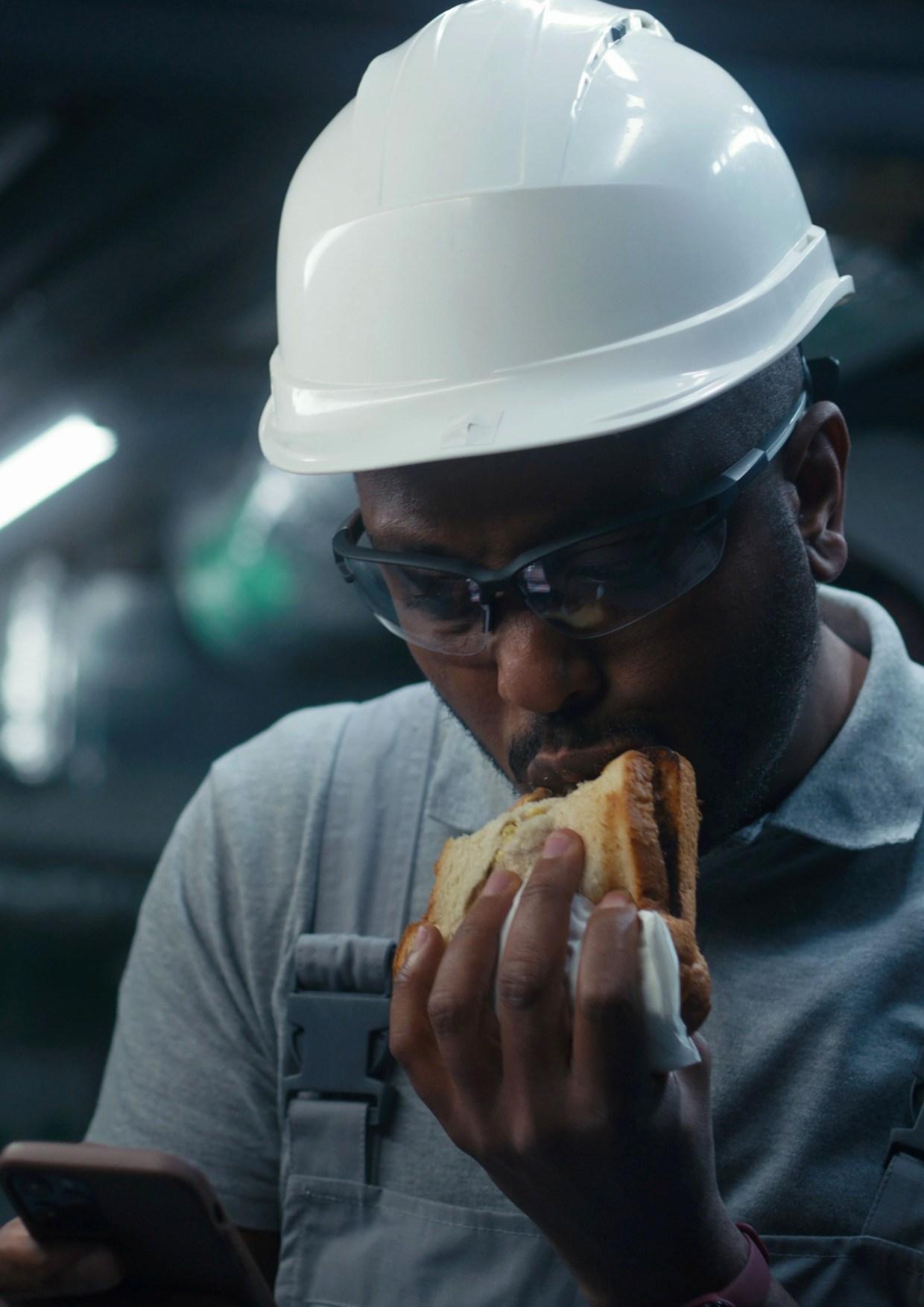
Night shift workers face very different conditions from day workers. Food options may be limited to vending machines, convenience foods, or fast -food outlets. Breaks may be irregular or shortened due to operational pressure. In some sectors, workers may spend long periods away from
facilities such as staff kitchens or canteens. In operational environments such as rail construction, for example, workers may spend an entire shift beside the track with limited access to food preparation facilities. In those circumstances, the easiest option is often whatever food happens to be immediately available, typically snacks carried in pockets or purchased from nearby vending machines or fast -food vans.
When healthier options are not accessible, encouraging workers to make better food choices becomes irrelevant and often frustrating. Much more powerful is to rethink workplace design, access to facilities and organisational culture.
Nutrition, from fatigue management to recovery
Diet can influence several factors that matter directly for occupational health, including energy levels, alertness, digestion and recovery ( Lowden, A et al, 2010 ). Many shift workers rely heavily on sugary snacks or energy drinks to stay awake. While these products can provide a short -term boost, they are often followed by energy crashes that can worsen fatigue later in the shift.
Digestive problems are also common among night workers. Gut function is regulated by the circadian rhythm, and at night gut
Night shift work and nutrition
motility slows down, reducing the body ’s ability to process nutrients such as fats and carbohydrates. Reflux, bloating and irregular bowel habits are frequently reported. Eating large meals high in fat or sugar during the biological night may worsen these symptoms and disrupt sleep after the shift ( Alyami, S et al, 2025 ).
One useful way to think about nutrition in shift work is through the lens of performance and recovery. Night shift workers often operate in demanding physical and cognitive environments where maintaining energy and alertness throughout the shift is essential. In this sense, they can be viewed as “industrial athletes ”, needing to prepare before a shift, perform during it and recover afterwards.
For example:
• Eating a balanced meal before the shift can help stabilise energy levels.
• During the shift, lighter meals and planned snacks may be easier to tolerate than heavy meals.
• Strategic use of caffeine can help maintain alertness, but it should be reduced toward the end of the shift to protect sleep.
• After the shift, a light snack may prevent hunger from interrupting daytime sleep.
The aim of good nutrition is to help workers maintain energy, enhance recovery after a shift and, in the longer term, build resilience despite circadian disruption.
The role of the workplace environment
As mentioned previously, strategies focusing on personal choices are helpful, but they can only achieve so much. The workplace environment remains a key determinant of behaviour. By adjusting the environment, adding new options, and making the healthy choice the easy choice, behaviours can begin to shift.
Take the example of vending machines. On the TransPennine Route Upgrade project, the health and wellbeing team experimented by introducing healthier snack options alongside existing items rather than replacing them. Encouragingly, around half of purchases shifted to healthier alternatives.
This highlights an important principle in workplace health promotion: providing better options can nudge behaviour
without restricting choice, an approach consistent with the Nuffield Intervention Ladder (Nuffield Council, 2009 ).
Several practical measures can be effective for shift workers: (D ’Annibale, M et al, 2021 )
• Providing access to refrigeration and microwaves so workers can bring meals from home.
• Ensuring protected meal breaks during night shifts.
• Offering healthier vending or catering options overnight
• Encouraging hydration by making water easily available
• Where not already in place, developing fatigue management programmes that include evidence -based nutrition and recovery messages.
Putting nutrition on the occupational health agenda
Nutrition for shift workers remains an under -researched area ( Azmi, N et al, 2020 ). Much of the existing evidence focuses on healthcare staff, with fewer studies examining other sectors such as construction, transport, or manufacturing.
Despite these gaps, there is enough evidence to justify action. Improving the food environment, supporting better meal timing, and integrating nutrition into fatigue management strategies can all
contribute to healthier and safer workplaces.
For OH teams, a useful starting point may be to ask a few simple questions:
• Are nutrition and hydration included in regular health assessments for night workers?
• What food options are realistically available for nightshift workers?
• Are facilities in place for staff to store and heat meals?
• Do fatigue management or health and wellbeing policies consider nutrition and hydration?
• Are night workers represented in wellbeing initiatives?
At a more strategical level, there is also an opportunity to strengthen the role of occupational health is this area. This could include training OH nurses and technicians to provide practical nutrition guidance during safety -critical medicals, helping to embed nutrition as a routine component of occupational health practice for shift workers.
Night shift work will always place strain on the body ’s natural rhythms. But nutrition can either amplify that strain or help workers cope with it. Diet should therefore be considered an occupational health issue rather than simply a lifestyle one. When supporting
workers during night shifts, it is also essential to recognise that what they eat is shaped less by individual choice than by the environment organisations create.
If nutrition is left out of fatigue management and occupational health strategies, an important opportunity to reduce risk is missed. Recognising nutrition as part of the occupational health toolkit –alongside scheduling, rest breaks and fatigue monitoring, can help organisations better protect the safety, health and resilience of their night shift workforce.
AI Statement
Night shift work and nutrition
Tool: ChatGPT
Purpose of use: language editing, grammar check
Extent of use: limited editing support
Verification: all content verified by the authors
Clémence Cleave RNutr MSc FRSPH | Linkedin
Clémence is an Award -winning nutritionist and founder, Rocket Fuel Wellbeing
Andrew Picken FRSPH | Linkedin
Andy is Health and Wellbeing Lead, Transpennine Route
Upgrade (HSQE Partnership) and a 17 -year veteran of the wellbeing and healthcare sector and a Fellow of the Royal Society of Public Health, Andy joined The HSQE Partnership back in 2022, taking on the role of Principal Wellbeing Consultant. From psychological and mental health support to physical health, and nutrition management, his enduring passion is focused upon improving the lives of the communities in which he works.
Meaningful work: Implications for Occupational Health
By Sarah Johnson
Across industries, there is a growing sense of misalignment. Roles that once offered stability and direction now often feel rigid, uncertain, or disconnected from how people think, function, and contribute. As a result, more people are not only questioning what they do, but why they do it.
This shift is often interpreted as disengagement or reduced resilience. In practice, it may reflect something more fundamental. For many people, the difficulty lies not in their ability to work, but in how work is organised around them. The result is not a lack of capability, but a mismatch.
That distinction is important.
This question sits at the heart of research I co -authored on the experience of meaningful work among self -employed individuals, published in the South African Journal of Industrial Psychology (Geldenhuys & Johnson, 2021 ). What emerged from that research was not simply that meaningful work matters but that, for many people, it is shaped by purpose, fit, and the ability to organise work in ways that reflect who they are and how they function.
What Meaningful Work Actually Means
Meaningful work is closely associated with psychological wellbeing, mental health, engagement, and sustained performance ( Allan et al., 2018 ; Lysova et al., 2019 ). Despite this, it is often treated as an aspirational concept rather than a practical consideration.
For many people, the challenge is no longer just finding work. It is finding work that fits.
At its core, meaningful work is not simply about enjoyment or general job satisfaction. It reflects the degree of alignment between the person and their work, including how they think, what they value, how they operate, and the nature of the contribution they can make ( Bailey et al., 2019 ; Lysova et al., 2019 ).
When that alignment is present, work can remain demanding without becoming depleting. When it is absent, even well -structured or stable roles can become difficult to sustain over time ( Allan et al., 2018 ; Steger et al., 2012 ).
Research in this area has consistently shown that meaningful work emerges through the interaction between the person and their working environment, rather
than from the job alone ( Bailey et al., 2019 ). In this sense, meaning is not something inherent in a role but something that is shaped through fit.
How Meaningful Work Is Built
In qualitative research, exploring the experience of meaningful work among self -employed individuals, a clear and consistent pattern emerged across participants. Participants did not describe meaningful work as something waiting to be found. They described purpose as coming first, as something inherent, value -laden, and already present, from which meaningful work could then be built (Geldenhuys & Johnson, 2021 ).
From this starting point, other elements followed. Stimulation, creativity, and cooperation contributed to the experience of meaningful work, enabled by purpose rather than acting as primary drivers. Fulfilment, in turn, was not treated as something to pursue directly. It emerged as an outcome when work was shaped around what people valued and experienced as purposeful.
Importantly, these individuals were not waiting for meaningful work to be offered within existing structures. They were actively constructing it ( Geldenhuys & Johnson, 2021 ).
Self - Employment as a Different Way of Structuring Work
People are not only moving toward self -employment because they must. Many are moving toward it because it allows them to work in a way that aligns more closely with who they are.
Self -employment is frequently discussed in terms of flexibility or autonomy. However, its significance may lie more in how it allows work to be organised in relation to the person.
Traditional employment structures tend to assume a relatively standardised model of the worker. Expectations around time, pace, communication, and output are often fixed, with limited scope for variation. While this approach provides consistency, it can create difficulty for people whose way of functioning does not align with these assumptions.
Self -employment offers a different way of organising work. It allows people to structure their work in ways that reflect how they function and what they value ( Geldenhuys & Johnson, 2021 ), rather than relying solely on predefined structures.
For some, this may involve working in cycles rather than fixed hours. For others, it may mean reducing unnecessary cognitive or social demands or adjusting workload in
response to fluctuating capacity.
Self -employment does not remove constraints but enables people to work with them in a more sustainable way ( Geldenhuys & Johnson, 2021 ; Geldenhuys, Łaba, & Venter, 2014 ).
In this sense, self -employment may not just be a career choice. It may be a mechanism through which meaningful work becomes accessible.
How AI Is Expanding Access to Work
The increasing integration of artificial intelligence into work is often framed in terms of efficiency or job displacement. There is, however, a parallel development that is less frequently considered. AI is changing the conditions under which people can participate in work.
Tasks that previously required sustained cognitive effort, high levels of organisation, or specific technical skills can now be supported. Writing, structuring information, planning, and problem -solving can be augmented in ways that reduce friction and increase consistency. For someone who struggles in rigid environments, this is not just convenient. It can be transformative.
For people who experience fluctuating energy, cognitive load, or processing demands, this has
practical implications. It can enable a more stable engagement with work, while allowing greater focus on aspects of work that feel meaningful and manageable. In combination with more flexible working models, AI is contributing to a broader shift in how work is structured and accessed, in line with wider labour -market changes identified in the Future of Jobs Report 2025 ( World Economic Forum, 2025 ).
Implications for Occupational Health (OH) Practice
If meaningful work is shaped through alignment, and if people differ in how they function, then OH practice needs to look beyond whether someone is working at all. It also needs to consider the quality of that work and how well it fits.
Returning someone to work is not necessarily equivalent to supporting their wellbeing. The nature of the work, and how well it aligns with the individual, are central to whether that work is sustainable.
This places greater emphasis on understanding the individual in context. Their values, strengths, constraints, and preferred ways of working are not peripheral considerations. They are directly relevant to the outcome of any intervention.
It also broadens the range of viable pathways. For some individuals, self -employment or alternative forms of work organisation may not represent increased risk. In certain cases, they may offer a more sustainable route to continued participation in work.
Meaningful work, in this sense, becomes part of clinical and practical decision -making, rather than a secondary or abstract concept. Its relationship with wellbeing and functioning is well established ( Geldenhuys & Johnson, 2021 ; Geldenhuys et al., 2014 ), and it warrants corresponding attention in practice.
Moving Beyond a Single Model of Work
Work was never meant to be onesize -fits -all. Significant progress has been made in understanding how work affects health, but the next step is to examine how work itself is structured.
If people vary in how they function, and if meaningful work plays a central role in sustaining engagement and wellbeing, then a single model of work will not work for everyone.
This does not require a complete rejection of existing systems. However, it does call for greater flexibility in how work is
conceptualised and organised.
The issue is no longer only whether meaningful work matters, but whether people are realistically able to access work that aligns with how they function.
People are increasingly seeking work that reflects who they are, not just what they can do.
For occupational health, this shifts the challenge. It is not only about supporting people in returning to work, but about recognising that meaningful work is not always something people find within existing structures.
As this research suggests, meaningful work is often not simply found but built. And the role of OH may be to help make that possible.
AI USE STATEMENT:
ChatGPT was used to support language refinement, structure, and clarity. All ideas, interpretations, and conclusions are the author ’s own.
Sarah Johnson is an Industrial and Organisational Psychology specialist. She has delivered workforce and organisational design projects across South Africa, the UAE, and Saudi Arabia, and has extensive experience in job design, research, and psycho - legal report writing. Her research, published in the South African Journal of Industrial Psychology , explores how meaningful work is experienced, particularly in self - employment contexts. Published paper: Geldenhuys, D.J., & Johnson, S. (2021). Experience of meaningful work for selfemployed individuals. SA Journal of Industrial Psychology, 47, a1817 .
Catastrophising:
What It Is, Why It Matters, and
By Luke
“To hate, to love, to think, see; all this is nothing but
David Hume
Catastrophising: and What We Can Do About It
Griffiths
think, to feel, to but to perceive ”
Hume
Chronic pain has become a modern epidemic, with major consequences for individuals and society. Beyond the unpleasant experience for the individual, chronic pain contributes to absenteeism, presenteeism, disability, increased medical use, and many even report a loss of self (Le Borgne et al., 2017 ; Paschali et al., 2021 ). Despite a clear shift in healthcare toward treating “the person, not the disease", many clinicians continue to implement biomedical advice and treatment that overlooks the psychosocial elements of pain ( Christe et al., 2021 ).
One of the most important psychosocial factors in pain management is catastrophising, often referred to as one of the "Big Five" yellow flags ( Williams et al., 2023 ). This article introduces what catastrophising is, why it matters, and what clinicians can do to help patients change these thinking patterns.
What Is Catastrophising?
Albert Ellis introduced catastrophising in 1962 as the tendency to focus on the negative aspects of a situation and expect the worst outcome ( Ellis, 1962 ). As the biopsychosocial model gained traction, catastrophising became recognised as a multidimensional cognitive –emotional process involving rumination,
magnification, and helplessness. The Pain Catastrophising Scale (PCS) captures these components, but critics argue that its subscales still reflect a dualistic, reductionist, biomedical -style categorisation that fails to capture the complexity and context of catastrophising (Sullivan et al., 1995 ; Cormack, et al. 2023 ).
Petrini and Arendt -Nelson (2020) offer a useful analogy: just as a natural disaster overwhelms emergency services, catastrophising occurs when pain exceeds what a person feels able to mentally handle. Clinically, this often presents as “what if …” thinking, worst -case scenario planning, and statements like, “I won ’t be able to cope. ” Although catastrophising overlaps with fear, it is more accurately considered an anxiety -related response, focused on future threats rather than immediate danger.
Why Is Catastrophising a Problem?
Early models positioned catastrophising as the “gateway ” to the fear -avoidance cycle: pain > catastrophic thoughts > avoidance of activity > deconditioning > more pain
Recent evidence shows fear and catastrophising are separate in nature, but despite this, catastrophising remains strongly
linked to the transition from acute to chronic pain, explaining up to 47% of that progression ( Burton et al., 1995 ). Catastrophising affects both physical and psychosocial function. People who catastrophise often experience poorer physical functioning, heightened pain intensity, reduced ability to interpret threats/safety cues, longer recovery times, increased disability, reduced self -efficacy, and greater healthcare use ( Hirata et al., 2015 ; Timmers et al., 2023 ). They also tend to struggle with communication at work and in social settings, contributing to presenteeism, absenteeism, and social isolation ( Williams et al., 2023 ). Catastrophising is strongly associated with anxiety, depression, and even suicidal ideation, where it is a major predictor alongside depressive symptoms ( Edwards et al., 2006 ). This highlights the importance of appropriate screening during musculoskeletal assessment. The problem may not lie solely with the catastrophiser, though, as some believe that the term "catastrophising" itself may inadvertently bias clinicians. Some fear it can be interpreted as blaming or dismissive, suggesting the patient is exaggerating symptoms ( Pincus & McCracken, 2013 ). This could impact the therapeutic alliance between patients and health care professionals.
Why Do People Catastrophise?
Brain changes: Chronic pain produces changes in brain structure and function, particularly in areas related to emotion and threat appraisal such as the amygdala and inferior parietal lobe. These changes also occur in high catastrophisers, though whether catastrophising leads to changes or the changes predispose one to catastrophise remains unclear ( Vachon Presseau et al., 2013 ).
• Temperament (BIS/BAS):
Individuals with a more inhibited behavioural system (BIS) cautious, threat -focused, and risk -averse, appear more likely to catastrophise than those with a behavioural activation system (BAS) style ( Carver & White, 1994 ; Vervoort et al., 2010 ).
• Learning and family influences: Children of parents with chronic pain and catastrophising tendencies are more likely to catastrophise themselves (Simons et al. 2011 ).
• Socioeconomic and educational factors: Lower socioeconomic status and health literacy are associated with higher catastrophising, likely mediated by chronic stress and fewer resources ( Thompson et al., 2016 ).
• Communal coping: Some individuals catastrophise as a way to seek social support and understanding ( Sullivan et al., 2001 ).
• Iatrogenic factors: Healthcare professionals can inadvertently reinforce catastrophising through fear -laden language, over -medicalising symptoms, passive treatments, and inconsistent or invalidating communication ( Daykin & Richardson, 2004 ; Gardner et al., 2017 ; Linskens et al., 2023 ).
• Attempted problem -solving: Many patients catastrophise to prepare for potential flare -ups, believing that anticipating the worst will reduce the impact. Paradoxically, this “perseverative thinking ” strengthens the catastrophic cycle and creates more distress (Schütze et al., 2020 ).
A Phenomenological Perspective: Predictive Processing
Work on perception and predictive processing suggests the brain continually predicts the world using Bayesian inference prior experiences plus current sensory information generate present perception ( Seth, 2021 ). This helps explain why people catastrophise about pain: if prior experiences or cultural narratives strongly
associate pain with danger, even ambiguous sensations may be interpreted as signs of serious harm.
What Can We Do About It?
Early identification improves outcomes ( Nicholas et al., 2011 ). Education should target the multifactorial nature of pain.
Cognitive Behavioural Therapy (CBT), Acceptance and Commitment Therapy (ACT), and mindfulness, reduce rumination and magnification ( McCracken & Vowles, 2014 ). Clinicians should use reassuring, non -threatening language, avoid catastrophic metaphors, normalise symptoms, and explain pain mechanisms clearly.
Action and behaviour change strategies include resuming hobbies, gradual exposure, goaloriented rehabilitation, and building self -efficacy ( Timmers et al., 2023 ). Environmental strategies such as listening to music can reduce pain perception (Karageorghis & Priest, 2012 ). Structured programmes like the Progressive Goal Attainment Program (PGAP) reduce disability and support return to work (Sullivan et al., 2006 ).
Conclusion
Catastrophising is not the sole driver of chronic pain, but it is a powerful and modifiable factor. Understanding why people catastrophise and addressing it through education, behavioural activation, supportive communication, and goal -orientated rehabilitation can help individuals rebuild a meaningful and active life despite pain.
“If you are distressed by anything external, the pain is not due to the thing itself, but to your estimate of it; and this you have the power to revoke at any moment ”
Marcus Aurelius
Luke Griffiths is an experienced sports rehabilitator working at PAM Group PPS services, as a senior MSK clinician. He has worked in corporate and private healthcare as well as sports and is skilled in delivery of treatment for chronic pain patients, ergonomic assessments, and workshops to improve physical and mental wellbeing.
Angus Baskerville ’s story is not just one of talent and determination; it is a powerful illustration of how understanding, acceptance, and the right outlet can transform a life. At just 30 years old, Angus has already carved out a remarkable career as a professional magician, earning accreditation from the prestigious Magic Circle and captivating audiences across the UK. But behind the sleight of hand and standing ovations lies a deeply human journey shaped by neurodiversity, resilience, and the search for belonging.
Born in the United Kingdom but raised in Cape Town, South Africa, from the age of three, Angus ’s early years were
Angus Baskerville magician and neurodiversity champion
By Neil Baskerville
marked by significant challenges. School life proved particularly difficult. Like many young people with undiagnosed neurodivergent conditions, Angus struggled to fit into environments that neither understood nor accommodated his needs. Social interaction was fraught with confusion and anxiety, and the education system, lacking the necessary awareness at the time, often compounded these difficulties rather than alleviating them.
At the age of 15, Angus received diagnoses of autism and ADHD. For many families, such diagnoses can bring a mixture of relief and uncertainty. In Angus ’s case, it
provided long -awaited clarity a framework through which his experiences could finally be understood. Shortly after, he returned to the UK, settling in Stratford -uponAvon, where he completed his schooling. This transition marked a turning point, not because challenges disappeared, but because understanding had begun. It was at the age of 17 that Angus discovered magic. What began as a curiosity quickly evolved into something far more significant. Magic became a language, a way to communicate, connect, and engage with others in a manner that felt natural and empowering. For someone who had struggled with conventional forms of social interaction, magic offered structure, predictability, and, crucially, a shared sense of wonder.
Through performance, Angus found not only confidence but acceptance. Magic allowed him to take control of social situations, to dictate the pace and tone of interactions, and to engage audiences on his own terms. It became a bridge between his internal world and the external one, a bridge that audiences were more than willing to cross.
This passion and dedication culminated in a major milestone in 2020, when Angus was accepted into the Magic Circle, one of the most respected magic societies in the world. Membership is highly selective,
requiring rigorous assessment and demonstration of skill. For Angus, this was not just professional recognition; it was validation of years of perseverance and self -belief.
Yet his journey did not stop there. In 2024, Angus took to the stage at the Edinburgh Fringe Festival with his debut show, “Naughty or NeuroDiverse – An Aspie ’s Road to Magic ". The show was a deeply personal blend of storytelling and performance, offering audiences insight into his experiences growing up with autism while showcasing his magical talents. The response was overwhelming. Multiple sell -out shows and critical acclaim confirmed what many had already begun to see.
Angus was not only a skilled magician but also a compelling storyteller with an important message.
The success of the show marked another transition: magic was no longer just a passion; it became Angus ’s full -time profession. His journey demonstrates a vital principle within occupational health (OH) and wellbeing, that meaningful employment often emerges from aligning individual strengths with opportunity. For Angus, embracing his passion was not simply a career choice; it was a pathway to independence, identity, and fulfilment.
Building on the momentum of his Fringe success, Angus published his
memoir, sharing the same title as his show. The book provides an intimate account of his journey, enriched by the perspectives of his family, his mother Kate, father Neil, and sister Maddy. Together, their voices paint a comprehensive picture of life with autism and ADHD, highlighting both the challenges and the moments of growth and triumph.
With over 1,000 copies sold, the memoir has exceeded expectations and is already proving to be a valuable resource. It resonates not only with autistic individuals but also with parents, educators, and SEND professionals seeking to better understand neurodiversity. By offering lived experience rather than abstract theory, the book bridges a crucial gap in awareness and empathy.
Angus ’s work extends far beyond the stage and the page. Alongside his mother, he has recently begun speaking within neurodiverse units in Category B prisons across the Midlands. These engagements are particularly significant. They highlight the often -overlooked intersection between neurodiversity and the criminal justice system, where lack of understanding and support can have profound consequences. By sharing his story, Angus provides hope, relatability, and a powerful example of alternative pathways.
His advocacy also reaches into the corporate world. Angus has delivered
talks to major organisations, including Jaguar Land Rover, where he speaks about growing up with autism and the importance of inclusive workplaces. These sessions challenge misconceptions, encourage dialogue, and promote environments where neurodivergent individuals can thrive rather than simply cope.
In education, Angus runs magic clubs in schools, offering young people not only a creative outlet but also a sense of belonging. For children who may feel marginalised or misunderstood, these clubs provide a safe space to build confidence and social skills.
Magic, in this context, becomes more than entertainment; it becomes a tool for development and connection.
His community engagement extends to healthcare settings as well. At Birmingham Children ’s Hospital, Angus entertains young patients, bringing moments of joy and distraction during what can be incredibly difficult times. These performances underscore the therapeutic potential of creativity and human connection, an area increasingly recognised within occupational health and wellbeing. Professionally, Angus continues to expand his reach. He performs regularly at weddings, restaurants, and bars across the country, captivating diverse audiences with his unique blend of humour, storytelling, and illusion. In June, he is set to embark on a 17 -date tour with his new show, "Unmasked ", culminating in his third appearance at the Edinburgh Fringe Festival and a fifth slot at the Ventnor Fringe on the Isle of Wight. Such consistency and growth are testament to both his talent and his work ethic.
Earlier this year, Angus delivered a standout performance at the iOH RAML dinner in Birmingham, where he combined magic with personal narrative to leave a lasting impression on delegates. His ability to engage, inspire, and educate simultaneously reflects a rare skill, one that aligns closely with the goals of occupational health professionals seeking to promote wellbeing through understanding and inclusion.
What makes Angus ’s story particularly compelling within the context of occupational health is its emphasis on strengths -based approaches. Too often, discussions around neurodiversity focus on deficits, what individuals struggle with rather than what they excel at. Angus challenges this narrative. His journey illustrates how recognising and nurturing strengths can lead to meaningful, sustainable employment and improved wellbeing.
It also highlights the importance of early diagnosis and support. While Angus faced significant challenges in his early years, his later experiences demonstrate what becomes possible when understanding is introduced. For professionals working in occupational health, education, and related fields, this underscores the need for proactive identification, tailored support, and inclusive environments.
Equally important is the role of family. The contributions of Angus ’s parents and sister, as detailed in his memoir, reveal the impact of advocacy, patience, and unconditional support. Their experiences offer valuable insights for other families navigating similar journeys, as well as for professionals seeking to engage more effectively with those they support.
Looking ahead, Angus ’s trajectory shows no signs of slowing. With an expanding performance schedule, ongoing advocacy work, and a
growing audience for his writing, he is poised to reach even greater heights. Yet perhaps his greatest impact lies not in accolades or ticket sales but in the lives he touches, those who see in his story a reflection of their own struggles and possibilities.
For the OH and wellbeing community, Angus Baskerville represents more than an inspirational individual. He embodies a shift in perspective, a move towards recognising neurodiversity as a source of strength and innovation. His journey reinforces the idea that with the right support, opportunities, and mindset, individuals can not only overcome challenges but redefine them entirely.
Angus Baskerville | LinkedIn
As awareness of autism and ADHD continues to grow, stories like Angus ’s play a crucial role in shaping understanding and driving change. They remind us that inclusion is not simply about accommodation; it is about celebration of differences, of talents, and of the unique contributions everyone brings.
In Angus ’s case, those contributions come wrapped in wonder, delivered with humour, and grounded in authenticity. His magic may captivate audiences, but it is his story that leaves the most lasting impression. And as he continues to share both, the sky is indeed the limit.
Angus is an award - winning professional magician and mind reader performing across the UK and internationally. A member of the prestigious Magic Circle since 2020, Angus combines illusion, psychology, and storytelling and unforgettable entertainment for weddings, corporate events, festivals and private functions.
A regular now at the Ventnor and Edinburgh Fringes he specialises in close - up magic, stage shows and mind - reading performances. Angus is a powerful advocate for autism awareness having been formally diagnosed with Autism and ADHD in 2011.
His memoir in Naughty or NeuroDiverse – an Aspies Road to Magic details his struggle growing up and how magic and becoming an accomplished magician has helped him combat his autism.
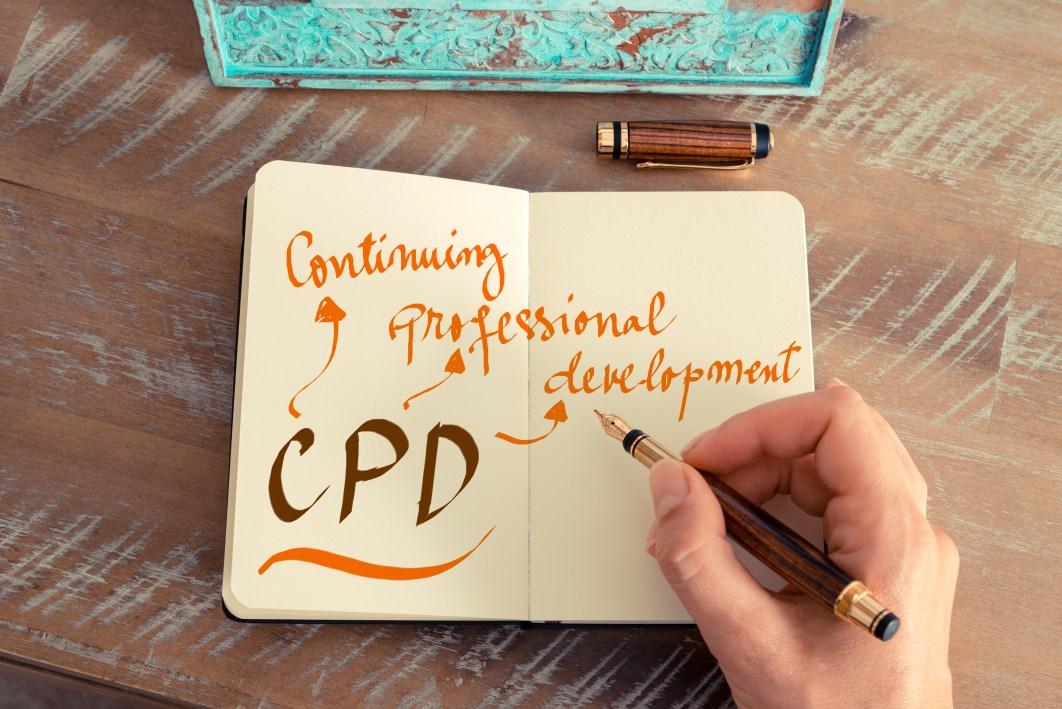
CPD routes for future-proofed occupational health professionals
By EOPH
Our workplaces are evolving rapidly, shaped by hybrid working models, ageing workforces, growing mental health awareness, the impact of AI, and increasing expectations around employee wellbeing. For occupational health professionals, this pace of change brings greater challenges - making the right choices for continuous professional development (CPD) all the more important.
In this article we look at what CPD means for occupational physicians, occupational health nurses, and occupational health technicians alike. We ’ll explore how each might choose to deepen their expertise and some of the directions they might pursue - along with the courses that will develop the required skills and knowledge.
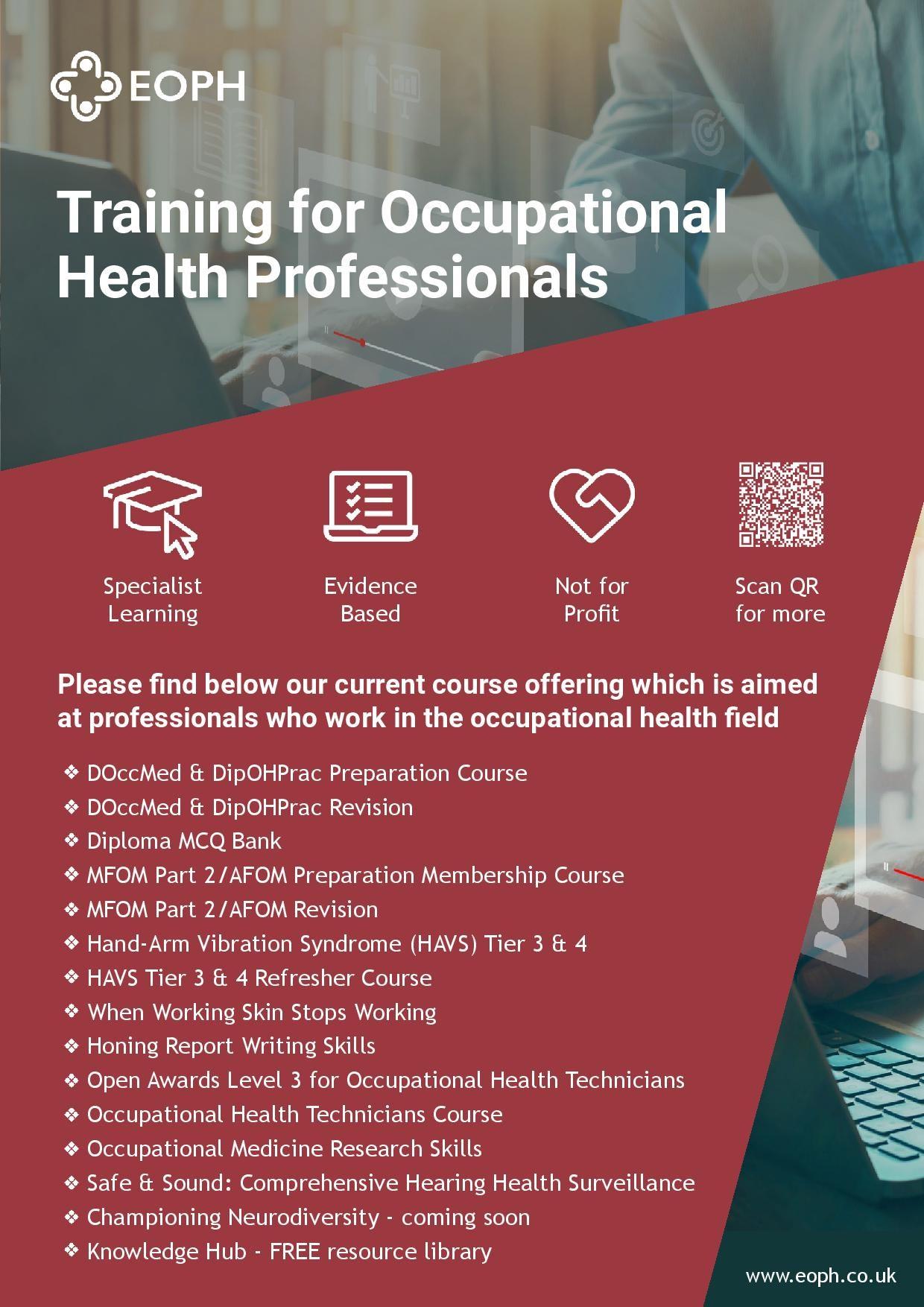
At EOPH we are well placed to know. We provide high -quality, affordable training programmes to support the continuous learning of occupational health professionals. Our courses are designed to promote best practices in occupational health, ensuring that professionals are equipped with the latest knowledge and skills.
The importance of CPD Investing in CPD brings practical benefits that extend far beyond compliance with professional registration requirements. CPD can open doors to leadership opportunities, specialist clinical roles, consultancy work, research, teaching, and strategic positions within organisations.
What ’s more, in a climate of accelerating change, it also helps to feel more confident adapting to new regulations, emerging workplace risks, and advances in occupational health technology. Most importantly, ongoing learning strengthens the quality of care and advice delivered to employees and employers alike.
A variety of CPD routes
The good news is that CPD does not follow a single route. Whatever direction you want to follow, there will be a route to achieve that. There are many ways to build expertise, from formal qualifications and accredited
training to short courses, conferences, mentoring, and practical workplace experience. The key is finding development opportunities that align with your current responsibilities while also supporting future career ambitions.
Let ’s take a look at what CPD means for each role.
Occupational health physicians
For occupational health physicians, CPD often focuses on maintaining clinical excellence while developing broader strategic and leadership skills. Physicians are increasingly expected to advise on complex issues such as long -term sickness absence, workplace mental health, neurodiversity, fitness for work in safety -critical roles, and the impact of digital transformation on employee wellbeing. Keeping pace with these changes requires both clinical updating and organisational awareness. Many occupational physicians strengthen their expertise through specialist training in areas such as mental health, ergonomics, case management, and health surveillance. Courses covering management referrals and fitnessfor -work assessments can also improve communication skills and confidence when handling complex workplace cases.
Career development may also involve moving into leadership, consultancy, research, or teaching roles. Some physicians develop sector -specific expertise in industries such as construction, manufacturing, transport, or healthcare, where specialist knowledge can support further career progression.
Occupational health nurses
Occupational health nurses work in an increasingly varied and fastchanging environment. Many now play a central role in wellbeing initiatives, health promotion, mental health support, and absence management as organisations place greater emphasis on preventative health strategies.
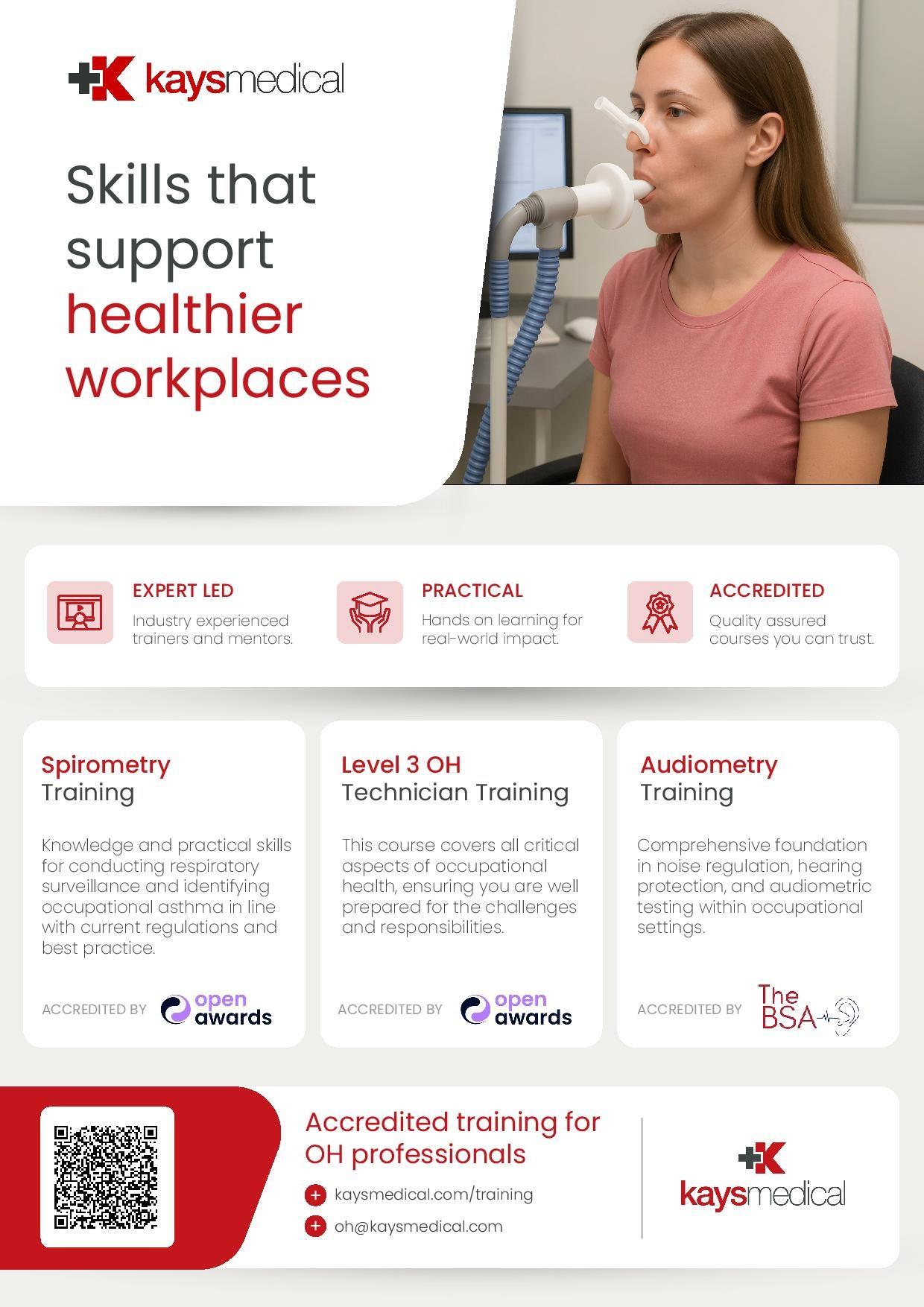
For nurses, CPD can include both clinical and professional development. Updating skills in areas such as vaccination, health surveillance, audiometry, spirometry, and workplace exposure management remains essential. Training in mental health awareness, stress management, resilience, menopause support, and workplace wellbeing can also help nurses respond to changing workforce needs.
Courses in case management and sickness absence management are particularly useful for nurses looking to progress into senior advisory or leadership roles.
Development in communication and report writing can further strengthen confidence when working with managers, HR teams, and external healthcare professionals.
Some occupational health nurses choose to pursue specialist qualifications, leadership programmes, or consultancy work. Others progress into senior management positions or remote and digital occupational health services, supporting employees through virtual assessments and wellbeing programmes.
Occupational
health technicians
Occupational health technicians continue to play an important role in modern occupational health services, particularly as workplaces become more technology -driven and preventative in focus.
For technicians, CPD is valuable both for improving current skills and supporting future career progression. Developing competence in areas such as audiometry, spirometry, vision screening, skin health, drug and alcohol testing, and health surveillance procedures can enhance both confidence and employability. Communication skills, professionalism, and understanding confidentiality and
workplace health legislation are equally important.
Many technicians strengthen their careers through accredited occupational health training that builds both practical and theoretical knowledge. Training in mental health awareness, ergonomics, workplace wellbeing, and digital health systems can also broaden career opportunities as occupational health services continue to evolve.
For some technicians, CPD provides a pathway into further professional qualifications. Many progress into occupational health nursing or specialist advisory roles, while others focus on areas such as mobile health surveillance or compliance -led occupational health services
Common themes across CPD
Several common themes are shaping the future of occupational health development. Mental health remains one of the most significant areas of growth, with employers increasingly seeking support for stress management, burnout prevention, psychological safety, and neurodiversity inclusion. Professionals who develop expertise in workplace mental health are likely to find growing opportunities across both public and private sectors.
Technology is another major driver of change. Digital record systems, video consultations, wearable monitoring devices, and AIassisted reporting tools are transforming how occupational health services are delivered. Professionals who embrace digital learning and understand the practical application of technology in workplace health settings will be better positioned for future advancement.
Regulatory and legal awareness is equally important. Occupational health professionals must continually update their understanding of employment law, health and safety regulations, data protection, and ethical practice standards. Changes in legislation can significantly impact workplace health responsibilities, making regular updating essential for safe and effective practice.
How to approach CPD
One of the most practical ways to approach CPD is to combine formal education with smaller, ongoing learning activities. Webinars, peer discussion groups, professional journals, mentoring relationships, and reflective practice all contribute meaningfully to professional growth. The annual EOPH occupational health conference each February provides a series of topical presentations by leading physicians as well as
informal networking. Learning does not always require major career changes or lengthy qualifications; consistent, focused development over time is often the most sustainable approach. Training providers play an important role in helping occupational health professionals access relevant development opportunities. EOPH offer a range of training programmes designed specifically for occupational health professionals across different stages of their careers. Access to targeted, profession -specific training designed by EOPH ’s own occupational health professionals, can help build confidence while ensuring skills remain aligned with modern workplace demands.
A final thought
Ultimately, continuous professional development is about futureproofing both professional capability and career satisfaction. In occupational health we work at the intersection of medicine, wellbeing, employment, and organisational performance - an area that continues to grow in strategic importance. Those who actively invest in learning and development are more likely to adapt successfully to industry changes, access new career opportunities, and continue making a meaningful impact on workplace health for years to come.
Position Statement
Fit Note Reform and WorkWell Delivery
Executive Summary
iOH welcomes fit note reform and WorkWell pilots ( Broken fit note system to be overhauled - GOV.UK) but emphasises that outcomes depend on shifting from certification to workability, engagement, and integrated support.
The Case for Reform
The current system produces high volumes of certification but limited functional support, failing to consistently support recovery, employer action, or return to work.
What Drives Outcomes
Successful outcomes require functional workability assessment, access to occupational health expertise, and clear employer guidance supported by ongoing engagement.
Risks
Key risks include continued diagnosis -led models, lack of Occupational Health (OH) access, unclear employer outputs, absence of pathways, and reliance on conditionality.
WorkWell - Aligned Model
A workability -based system should include personalised plans, tiered expertise, integrated pathways, and continuous review.
Safeguards
Clinical governance, financial stability, mental health support, integrated services, transparency, and monitoring of harms are essential.
Measuring Success
Success should be measured by sustained return to work, engagement, wellbeing, employer implementation, and equity.
Conclusion
Reform must shift from certification to workability, from compliance to engagement, and from fragmentation to integration.
Annex A – Evidence Base
Evidence indicates that sanction -based approaches may produce short -term compliance but are associated with poorer long -term outcomes, reduced engagement, and adverse mental health effects.
Support -led and occupational health -informed interventions are more effective in achieving sustained work participation.
Annex B – Risks Register
1. Diagnostic focus rather than function
2. Lack of occupational health access
3. Unclear employer guidance
4. Absence of pathways
5. Conditionality risk
Annex C – Definitions
Workability: Functional assessment of capability, risk, and job demands.
Engagement: Sustained participation in work and health support pathways.
This
statement was prepared by
Lucy Kenyon, Trustee and Board Director iOH
May 2026
Positive risk taking in occupational managing uncertainty in mental
By Alex
Risk is inherent in every occupational health (OH) consultation and underpins every recommendation made. However, in practice, risk is often treated as something to be minimised or avoided rather than actively managed. This tendency reflects a broader pattern of defensive practice within healthcare, where decisions are shaped not only by clinical reasoning but by perceived consequences and organisational culture (Catino, 2009; Doyle et al., 2025). Practitioners working within supportive environments are more likely to tolerate uncertainty and manage risk proportionately, whereas those operating within blame -oriented cultures are more likely to adopt risk -averse approaches (Catino, 2009; Boardman and Roberts, 2014).
This dynamic is particularly evident in mental health assessments. Compared with many physical health conditions, mental health presentations are characterised by greater variability, less predictable consequences, and a higher degree of interpretive
occupational health practice: mental health assessment
Alex Rhind
judgement. Stigma and the perceived consequences of adverse outcomes can also increase practitioner anxiety and influence decision -making (Challinor et al., 2025; Fujimoto et al., 2025). As a result, risk -averse recommendations may be adopted as a default position, even where occupational evidence suggests that a more proportionate approach would be appropriate ( NICE, 2022a ; World Health Organization, 2022).
Within this context, risk should be understood as the probability of outcomes that may be either beneficial or adverse, rather than solely as the potential for harm (Department of Health, 2007 ; Wood et al., 2024). An exclusively harm -focused interpretation of risk can obscure the potential benefits of remaining in or returning to work. Positive risk -taking offers an alternative framework, emphasising the identification and management of risk in a way that maximises autonomy, function,
and opportunity (Morgan, 2004; Department of Health, 2007).
Mental health and clinical uncertainty
Positive risk taking is relevant across OH practice, but its importance is most evident in mental health cases, where it is recognised as a core value of contemporary mental healthcare (Doyle et al, 2025; Teoh et al., 2023 ; Felton, 2017). These conditions involve greater uncertainty, greater variation in presentation, and lower practitioner confidence, which increase the likelihood that recommendations may have unintended consequences (Fujimoto et al., 2025; Challinor et al., 2025; NICE, 2022b ).
Mental health conditions carry an occupational dimension that goes beyond symptom presentation.
Evidence indicates that, most of the time, employment is associated with improved psychological health outcomes via mechanisms such as structure, role identity, social interaction, and sense of purpose (Waddell and Burton, 2006 ; WHO, 2022 ). These factors are directly relevant to OH assessment and advice.
The occupational impact of risk - averse practice
When OH practitioners take riskaverse approaches, recommending restriction or absence without adequately weighing occupational implications, the recommendation
itself can directly contribute to poorer outcomes. Unnecessary restrictions or prolonged absences can reinforce avoidance, erode occupational identity, and delay recovery (Nieuwenhuijsen et al., 2014; Muntanelli and Silva -Junior, 2025).
In some cases, this approach may also function to defer, rather than resolve, complex decision -making, effectively shifting risk -based decisions to a later point or another practitioner, rather than actively managing them in the here and now.
For practitioners, repeated reliance on cautious decision -making, driven by perceived consequences rather than clinical evidence and potential benefit, can undermine professional confidence and make considered judgment more difficult over time (Boardman and Roberts, 2014; Challinor et al., 2025). This suggests that risk -averse practices in OH may inadvertently undermine the very outcomes they seek to protect.
Professional confidence and decision making
OH practitioners may experience reduced confidence when assessing mental health presentations, reflecting the inherent complexity and uncertainty of these conditions (Fujimoto et al., 2025; Doyle et al., 2025; Teoh et al., 2023 ), yet confidence develops through repeated application of structured judgement in uncertain situations.
Risk -averse practice affects work outcomes by shaping how decisions are made in uncertain situations. In these situations, greater emphasis is placed on identifying and preventing potential harm, often at the expense of considering the occupational implications of restrictions or nonparticipation in work (Catino, 2009; Challinor et al., 2025). This may lead to recommendations that are broader and more restrictive, and less consistently anchored in functional assessment and employee capability (Catino, 2009; Serra et al., 2007).
This also affects the quality and practical value of OH advice. Recommendations that are not clearly grounded in functional capacity can introduce ambiguity into workplace decision -making and reduce the extent to which they are implemented consistently. This may contribute to unclear management pathways, increased reliance on continued absence or further referrals, and delayed progression towards defined occupational outcomes ( CIPD, 2022 ; Hassard et al., 2024; SOM, 2022 ).
Positive risk taking in occupational health practice.
Positive risk taking provides a structured approach to decisionmaking in uncertain conditions and offers a framework that supports recovery, autonomy, and progression towards meaningful occupational outcomes ( Department of Health,
2007 ; Morgan, 2004). Evidence indicates that outcomes improve when risk is explicitly identified, assessed, and documented rather than managed through defensive restriction (Catino, 2009; Wood et al., 2024).
In OH, this involves articulating and acknowledging the presenting risks, their likelihood and impact, and the occupational implications of different options (Department of Health, 2007; NICE, 2022a ). This also includes considering how identified risks may be mitigated through adjustments, rather than defaulting to restriction or absence. It also requires a clear focus on functional capacity, ensuring that decisions are based on what the individual can do, rather than diagnosis alone.
In mental health assessments, this is grounded in functional assessment and risk formulation, including what the individual can do, the conditions required to support it, and the extent to which it can be maintained in a work setting. This involves understanding the factors contributing to the current presentation, including relevant background vulnerabilities, recent triggers, those that may be maintaining risk, and those that may mitigate or support recovery within the workplace (Fujimoto et al., 2025; Serra et al., 2007; Wood et al., 2024).
This allows uncertainty to be managed within defined parameters
rather than avoided.
This approach then supports the credibility of OH recommendations by ensuring that clinical reasoning is explicitly stated, structured, and grounded in the assessment. Decisions that are clearly reasoned and documented are more consistent, particularly in areas of uncertainty such as mental health conditions and assessment (Doyle et al., 2025; Wood et al., 2024).
The context in which symptoms occur is also critical in determining risk. The presence of a symptom alone does not necessarily indicate a high level of risk; rather, its meaning, severity, and impact on functioning must be considered. For example, experiences such as hallucinations do not, in themselves, indicate risk, but may become clinically significant depending on their content, the individual ’s insight, and any associated behaviours. This reflects the principles of risk formulation, in which risk is understood through the interaction of factors rather than by individual symptoms in isolation (Royal College of Psychiatrists, 2016a ; 2016b ; Logan, 2014).
In practice, the reasoning underpinning a decision and recommendation should be clearly recorded in the clinical notes, including the risks considered, how they were assessed, and how they informed the advice given. The extent to which this is included within the report may vary,
but sufficient clarity is required for employers to understand and implement the recommendation and outcome (Boardman and Roberts, 2014; NICE, 2022a ).
In mental health assessments, conclusions are drawn from observable presentation, structured assessment, and practitioner interpretation, including the mental state examination, the individual's account, risk formulation, relevant supporting evidence, and an assessment of consistency between reported symptoms, observed presentation, and functional impact (Wood et al., 2024; Doyle et al., 2025; Royal College of Psychiatrists, 2016a ;2016b ).
Professional judgement therefore plays a central role in how information is applied, and the quality of reasoning and documentation becomes critical to the consistency and credibility of the outcome (Catino, 2009; Serra et al., 2007).
Conclusion
Risk is inherent in every OH recommendation, yet current approaches in mental health assessment often prioritise perceived safety, reflecting the influence of anticipated consequences on decisionmaking and contributing to more restrictive recommendations and reduced practitioner confidence (Challinor et al., 2025). This is not to suggest that risk should be disregarded or that individuals should return to work where it would be
unsafe; rather, the aim is to ensure that risk is considered proportionately alongside the potential benefits of work.
The effectiveness of OH practice is closely linked to how risk is recognised, assessed, tolerated, documented, and incorporated into recommendations. Evidence indicates that outcomes are improved where risk is explicitly considered, proportionately assessed, and clearly documented, with occupational function remaining central to the decision -making process (Doyle et al., 2025; Waddell and Burton, 2006; WHO, 2022).
In practice, this requires OH practitioners to move beyond risk avoidance and adopt a structured approach to positive risk taking, explicitly balancing potential harms with the benefits of work engagement. This also requires practitioners to reflect on whether decisions are being driven by perceived risk or actual risk. When applied consistently, a positive risk -taking approach strengthens practitioner confidence and supports more effective occupational outcomes. It reflects the level of judgement, clarity, and accountability required for effective OH practice.
Reference List
Boardman, J. and Roberts, G. (2014) Risk, Safety and Recovery. ImROC Briefing Paper 9. London: Centre for Mental Health and NHS Confederation Mental Health Network.
Catino, M. (2009) 'Blame culture and defensive medicine.' Cognition, Technology and Work, 11(4), pp. 245 –253.
Challinor, A., Bhandari, S., Boyle, S., Gabbay, M., Wilson, P., Saini, P. and Nathan, R. (2025) 'Risks to the clinician of risk management: recalled and anticipated consequences of decision making.' Frontiers in Psychiatry, 16, 1484372.
Doyle, M., Grundy, A., McGleenan, K., Nash, M. and Deering, K. (2025) 'Clinical risk management in mental health services: 10 principles for best practice.' International Journal of Mental Health Nursing, 34(1), e13458.
Felton, A. (2017) ‘Therapeutic risk -taking: a justifiable choice? ’, BJPsych Advances , 23 (2), pp. 81–88. doi:10.1192/apt.bp.115.015180.
Fujimoto, S., Doki, S., Hori, D., Ishitsuka, M., Matsuura, A., Tsukada, H., Migaki, W., Kanai, N., Al Assaad, R. and Sasahara, S. (2025) 'Occupational health physicians' perspectives on factors influencing return to work decisions for employees with mental health disorders: a retrospective observational study.' Cureus. doi: 10.7759/ cureus.86189.
Hassard, J., Dulal -Arthur, T., Bourke, J., Wishart, M., Roper, S., Belt, V., Leka, S., Pahl, N., Bartle, C., Thomson, L. and Blake, H. (2024) 'The relationship between line manager training in mental health and organisational outcomes.' PLOS ONE, 19(7), e0306065. Logan, C. (2014) ‘Understanding and managing risk in mental health ’, Advances in Psychiatric Treatment , 20(6), pp. 417–426. doi:10.1192/apt.bp.113.011544.
Morgan, S. (2004) 'Positive risk taking: an idea whose time has come.' Health Care Risk Report, 10(10), pp. 18–19.
Muntanelli, B.R. and Silva -Junior, J.S. (2025) 'Predictors of sustained return to work after sick leave due to mental disorders.' Brazilian Journal of Occupational Therapy. doi: 10.47626/1679 -4435 -2025 -1360.
Nieuwenhuijsen, K., Faber, B., Verbeek, J.H., Neumeyer -Gromen, A., Hees, H.L., Verhoeven, A.C., van der Feltz -Cornelis, C.M. and Bültmann, U. (2014) 'Interventions to improve return to work in depressed people.' Cochrane Database of Systematic Reviews, 12, CD006237.
Serra, C., Rodriguez, M.C., Delclos, G.L., Plana, M., Gómez López, L.I. and Benavides, F.G. (2007) 'Criteria and methods used for the assessment of fitness for work: a systematic review.' Occupational and Environmental Medicine, 64(5), pp. 304 –312. Wood, D.P., Nathan, R., Robinson, C.A. and McPhillips, R. (2024) 'Risk assessment in clinical practice: a framework for decision making in real world complex systems.' BJPsych Advances, 30(1), pp. 53–63.
Alex Rhind is a Clinical Mental Health Manager for Global Occupational Health Services. He is a Registered Mental Health Nurse and Specialist Community Public Health Nurse (OH). As a senior mental health nurse and occupational health advisor in private practice, Alex specialises in the promotion of good mental health in the workplace. He has worked in senior leadership positions in several NHS Trusts with a proven history of successfully leading and supervising multiprofessional teams through highly stressful times, ensuring their productivity, safety, and effectiveness. He is the clinical mental health manager for Global Occupational Health services and provides workplace mental health consultancy services. He specialises in MH conditions, managing boundaries, mental health assessment, training, coaching and risk management.
The Talent Gap: What’s Driving It and How to Respond
Chris Rose Director and Founder of gel Resourcing
The single biggest issue facing occupational health (OH) recruitment in the UK today is the severe shortage of qualified professionals. At gel Resourcing , we see the impact of this shortage every day, and it continues to shape how organisations attract, retain and support OH talent.
A workforce under pressure
Demand for OH services has grown steadily in recent years. Rising long -term sickness, increased employer focus on wellbeing, and ongoing NHS pressures have all contributed to a greater need for skilled OH professionals. The Nursing and Midwifery Council has also highlighted a decline in Specialised Community Public Health Nurse (SCPHN) OH registrations, with numbers falling year on year.
This shrinking workforce is set against a backdrop of rising demand. The Office for National Statistics reported record levels of long -term sickness in 2023, with more than 2.8 million people out of work due to health -related issues. Employers are turning to OH teams for support, yet the pool of qualified professionals is not keeping pace.
Why the shortage is so severe
Several factors contribute to the current recruitment challenge:
• Limited training pathways: There are only a small number of universities offering OH -specific programmes.
• An ageing workforce: Many experienced OH nurses and physicians are nearing retirement. Without enough new entrants, the sector faces a widening skills gap.
• Competition from other sectors: Nurses with transferable skills are often drawn to roles in primary care, public health or private healthcare, where training routes may be more accessible.
• Growing employer expectations: As organisations place greater emphasis on wellbeing, mental health and complex case management, the demand for
advanced OH expertise has increased.
These pressures mean employers are competing for a limited pool of candidates, while professionals looking for their next role often have multiple opportunities to choose from.
What this means for employers
For businesses, the shortage can lead to longer hiring times, increased costs and challenges maintaining service delivery. Some organisations attempt to fill gaps by reshaping roles or relying on temporary staff, but this is rarely a long -term solution.
A more strategic approach is often needed. Employers who succeed in attracting OH talent tend to focus on:
• Clear development pathways
• Competitive and transparent salary structures
• Flexible working options
• Supportive clinical governance
• Investment in training, including OH -specific courses
These elements not only help secure candidates but also support retention, which is just as important in a tight market.
What this means for candidates
For OH professionals, the shortage presents opportunity. Whether you are newly qualified or highly experienced, there is strong demand for your skills. Candidates often tell us they want roles where they can make a meaningful difference, work with supportive teams and continue to develop professionally. With so many employers seeking talent, finding the right fit matters more than ever. At gel Resourcing, we approach recruitment with this in mind. We do not believe in placing candidates into any available role. Our focus is on finding the position where you can thrive, contribute and progress. Because we specialise solely in Occupational Health, we understand the nuances of the sector and the expectations of both employers and professionals.
How gel Resourcing supports the sector
As one of the UK ’s leading OH recruitment specialists, we work closely with employers to build tailored recruitment strategies that reflect their needs. Our extensive database of qualified OH professionals, combined with our ethical and compliant approach, allows us to match the right people to the right roles across the public and private sectors.
For candidates, our consultants take the time to understand your skills, ambitions and preferred working
environment. When the right opportunity arises, we make sure you are supported at every stage.
Moving forward
The shortage of OH professionals is not a challenge that will disappear quickly. It requires investment in training, better awareness of the profession and long -term workforce planning. In the meantime, employers and candidates benefit from working with a specialist partner who understands the pressures and opportunities within the sector.
If you are looking for your next OH role, or you are an employer seeking skilled professionals, our team at Gel Resourcing is here to help. Get in touch to discuss how we can support your recruitment or career goals: https://gelresourcing.co.uk/contactus/
Further information on OH recruitment
O’Neill and Small 2023 The Occupational Health workforce – a crisis of capability?
Norrie and Semkina 2023
Exploring the awareness and attractiveness of Occupational Health (OH) careers: perspectives of trainee doctors, nurses, OH trainees, OH career leavers | King's College London
Lung Health Surveillance and Beyond
By Charlene Mhangami
UK Lead comPAS Clinical Specialist, Vitalograph
Certain occupations can put lung health at risk, particularly in manufacturing and construction, where workers may be exposed to respiratory hazards such as silica. Measures can be put in place to protect employees ’ lung health and promote a safer working environment. Lung health surveillance is a process which assesses an employee ’s respiratory health to prevent lung disease from developing when their work environment might be a contributing factor. The purpose is to maintain and protect the health and safety of employees, assess the effectiveness of existing control measures and help to identify areas where there might still be an impact on an employee ’s lung health. It can ensure that any potential lung diseases are detected as early as possible. Some elements of lung health surveillance is required by law, a key piece of UK legislation is COSHH (Control of Substance, Hazardous to Health Regulations 2002) where employers by law must prevent or adequately control exposure to hazardous substances if there is known risk associated with the job
role. According to the Health and Safety Executive (HSE) health surveillance is necessary when:
• There is a disease associated with the substance in use
• It is possible to detect the disease or adverse change and reduce risk of further harm
• The conditions in the workplace make it likely that the disease will appear Overall, lung health surveillance results should be fed into the organisation's risk management system. If work related lung disease is detected due to exposure to potentially harmful substances, risk assessment and control measures need to be reviewed. It should be noted that lung health surveillance is not for diagnosing lung disease but supports screening and clinical evaluations.
What does Lung Health Surveillance Involve?
An initial risk assessment is a crucial first step in lung health surveillance. This involves identifying workplace respiratory hazards such as wood dust, isocyanates,
welding fumes and laboratory animal allergens. This is followed by an individual risk assessment, which considers personal factors including lifestyle and any pre -existing respiratory disease. The HSE provides standardised respiratory questionnaires that support the identification of relevant symptoms. Objective assessment is achieved through lung function testing, most commonly Spirometry, which measures the volume of air exhaled following a full inhalation. The aim of workplace spirometry is to identify workers who may require further investigation for potential respiratory disease.
In occupational health practice, the main spirometry parameters reported are, Vital Capacity (VC) , Forced Vital Capacity (FVC), Forced Expiratory Volume in 1 second (FEV1) and FEV1/FVC ratio. These parameters provide valuable insight to an employee ’s lung health, and are used identify obstructive and restrictive patterns of respiratory impairment. In situations where Spirometry is not accessible or where a specific disease such as Occupational Asthma is
suspected, Serial Peak Expiratory Flow (PEF) measurements can also be obtained.
It is recommended that occupational health professionals interpret the health surveillance results for both individuals and groups of similarly exposed workers. This can confirm whether the risk assessment needs to be revised, trigger a review of exposure control and where necessary move workers to alternative roles. The frequency of lung health surveillance will vary but usually there is an initial baseline measurement obtained at the start of employment, ongoing annual testing and exit health surveillance.
Interpreting Spirometry
Planning and preparation are essential components of lung health surveillance. A clear process should be in place for managing workers who report respiratory symptoms or present with abnormal lung function results. This should outline when and how workers are referred for further assessment to their General Practitioner or an Occupational Health Practitioner. It should also
address how workers with diagnosed work -related lung disease will be managed. This may include exposure reduction or redeployment to alternative roles. Both the worker and the employer should be fully informed of this process throughout.
Consistency in obtaining reliable and accurate lung function results over time depends on several factors. These include ensuring spirometry tests are technically acceptable and repeatable, maintaining accurate and well -calibrated equipment, and ensuring healthcare professionals conducting the tests are competent. Evidence -based interpretation is essential to ensure meaningful and valid spirometry results.
Spirometry interpretation involves the use of predictive reference equations to generate predicted values that represent average lung function for individuals with similar demographic characteristics. Interpretation requires comparison of measured values obtained on the day of testing with these predicted values. Historically, spirometry has been interpreted using percentage
predicted values, with normal lung function defined as an FEV ₁/ FVC ratio greater than 70% and FEV ₁ and FVC values greater than 80% predicted. However, this fixed -ratio approach does not account for normal variability across populations. It may fail to detect abnormalities in younger individuals and may over -diagnose lung disease in older individuals.
The ATS/ERS and Global Lung Function Initiative (GLI) recommend using the lower limit of normal (LLN), defined as a Z -score of −1.64, as this method provides greater statistical precision and accounts for population variability. Despite this, occupational health regulations and surveillance programmes often specify the use of percentage predicted values, and these may still be reported for regulatory or administrative purposes. When spirometry is performed in the workplace, assessment of absolute values and longitudinal trends over time is crucial, as this can help identify patterns such as excessive decline in FEV ₁.
Spirometry results can be categorised into distinct patterns. A normal pattern is
identified when all reported parameters have Z -scores greater than −1.64. An obstructive pattern is indicated by a reduced FEV ₁/ FVC ratio with a Z -score less than −1.64, often accompanied by a reduced FEV ₁. A restrictive pattern is suggested by a normal FEV ₁/ FVC ratio with reduced FEV ₁ and FVC values, both with Zscores less than −1.64.
What else could it be?
Normal
Spirometry
and Symptomatic Individuals
Spirometry interpretation is not always straightforward. Some workers may present with normal spirometry results while still reporting respiratory symptoms. A common misconception is that normal spirometry means the individual is fine. However, research has shown that normal spirometry does not rule out underlying respiratory disease, and reported symptoms continue to carry important prognostic value. Evidence suggests that chronic respiratory symptoms are associated with adverse outcomes even in individuals with normal spirometry. Colak et al. (2019) demonstrated a
positive dose –response relationship between the number of respiratory symptoms and future health risks. Their findings showed that individuals with chronic respiratory symptoms had higher rates of future respiratory hospitalisations and increased mortality, despite having normal spirometry and no previously diagnosed airway disease.
There are several clinical scenarios in which an individual may be symptomatic despite normal spirometry. One example is early airway disease, which refers to subtle structural changes in the peripheral small airways that may not yet be detected by standard spirometry. This may present with early symptoms of COPD, such as chronic cough or mild breathlessness. Early identification is important, as timely intervention may slow or prevent disease progression. Smoking and occupational exposures are common contributing factors. Asthma may also present with normal spirometry due to its variable nature; if testing occurs when triggers are absent, airflow obstruction may not be evident.
Another consideration is preserved ratio impaired spirometry (PRISm), a lung function pattern characterised by a normal FEV ₁/ FVC ratio with a reduced FEV ₁. This differs from classical airflow obstruction, which is defined by a reduced FEV ₁/ FVC ratio. Individuals with PRISm typically have reduced overall lung volumes and may be further classified as restrictive (reduced FVC) or nonrestrictive (normal FVC). PRISm is commonly associated with chronic respiratory symptoms and has been linked to smoking, obesity, cardiovascular disease, and an increased risk of progression to COPD.
These conditions highlight the importance of evaluating reported symptoms alongside spirometry results and reinforce that spirometry should not be used in isolation when assessing a worker ’s respiratory health.
Abnormal Spirometry and Asymptomatic Individuals
It is important for occupational health practitioners to recognise that the absence of reported symptoms does not necessarily
indicate low risk of disease or good respiratory health. In asymptomatic individuals, spirometry may reveal early or “silent ” disease, with alterations in lung physiology occurring before symptoms develop. Research has shown that asymptomatic airflow obstruction is associated with an increased future risk of COPD, cardiovascular disease, and other adverse health outcomes.
Abnormal spirometry in asymptomatic workers should be interpreted cautiously within the context of lung health surveillance. While abnormal spirometry may be suggestive of disease, it is not always pathological. In some individuals, abnormal results may reflect normal physiological variation rather than disease. One recognised example is dysanapsis, a variation that can occur during puberty where lung parenchymal growth outpaces airway calibre. This results in airways that do not scale proportionally with lung volume and may produce an obstructive spirometry pattern in an otherwise healthy, asymptomatic individual. Dysanapsis is lifelong, nonprogressive, and not
necessarily pathological. In contrast, exposure -related lung impairment is typically progressive and preventable, highlighting the importance of longitudinal trend analysis rather than reliance on isolated measurements.
Other physiological factors may also influence spirometry results. For example, individuals with a large forced vital capacity (FVC) may have a normal FEV ₁ but relatively reduced compared to the FVC resulting in a reduced FEV ₁/ FVC ratio. On the other hand, some workers may adapt to functioning with reduced lung capacity over time and underreport symptoms, making it difficult for them to distinguish between normal and abnormal respiratory function.
Non -physiological factors should also be considered. Workplace culture, fear of negative consequences, or poor organisational planning may discourage workers from reporting symptoms, particularly if declining lung function could lead to job changes or loss of employment. Additionally, individuals who remain under health surveillance may represent a selected population who have tolerated
workplace exposures to date. In these cases, the absence of symptoms may reflect survivorship rather than true safety.
In Summary
Being aware of the nuances of spirometry is essential in the evaluation and management of workers ’ lung function, to supports effective lung health surveillance. However, spirometry should not be used in isolation. A comprehensive approach must also consider individual risk assessments, workers ’ reported symptoms, lifestyle factors, and an understanding of when to refer for further advice or investigation. Consistency in workplace health surveillance and in the collection of lung function tests is vital to ensure reliable results and accurate trend data over time. Companies and Occupational Health Practitioners should therefore avoid stagnant practices and continually review and improve their lung health surveillance processes to ensure best practice and worker safety.
References
The Control of Substances Hazardous to Health Regulations 2002 . https://www.legislation.gov.uk/uksi/2002/2677/2020 -12-31/ data.pdf (Accessed: February 9, 2026).
COSHH health surveillance - COSHH (no date). https:// www.hse.gov.uk/coshh/basics/surveillance.htm#:~:text=Health% 20surveillance%20is%20different%20from%20general%20health,it% 20likely%20that%20the%20disease%20will%20appear.
Health and Safety Executive (HSE) (2024) Health surveillance for those exposed to respirable crystalline silica (RCS) , Health Surveillance for Those Exposed to Respirable Crystalline Silica (RCS) . supplementary guidance, pp. 1–3. https://www.hse.gov.uk/ pubns/priced/healthsurveillance.pdf.
Graham, B.L. et al. (2019) 'Standardization of Spirometry 2019 Update. An official American Thoracic Society and European Respiratory Society Technical Statement,' American Journal of Respiratory and Critical Care Medicine , 200(8), pp. e70 –e88. https:// doi.org/10.1164/rccm.201908 -1590st
Çolak, Y. et al. (2019) 'Prognostic significance of chronic respiratory symptoms in individuals with normal spirometry,' European Respiratory Journal , 54(3), p. 1900734. https:// doi.org/10.1183/13993003.00734 -2019.
Stubbe, B. et al. (2025) 'Preserved Ratio Impaired Spirometry (PRISm) from an Epidemiological Perspective,' Journal of Clinical Medicine , 14(21), p. 7831. https://doi.org/10.3390/jcm14217831.
Townsend, M.C. (2020) 'Spirometry in Occupational Health 2020,' Journal of Occupational and Environmental Medicine , 62(5), pp. e208 –e230. https://doi.org/10.1097/jom.0000000000001851.
Stanojevic, S. et al. (2021) 'ERS/ATS technical standard on interpretive strategies for routine lung function tests,' European Respiratory Journal , 60(1), p. 2101499. https:// doi.org/10.1183/13993003.01499 -2021.
By Dr Alistair
SMARTey - Part 2
Cost of Pain in the UK Early Years Sector becomes just part of the job
Alistair Turvill
This is the second article in a series looking at work -related musculoskeletal pain (WRMSP). Specifically, it considers the risks and experiences related to this phenomenon within the Early Years sector. In the first article in this series, we presented the findings of the UK ’s first empirical study into WRMSP within this population. The data were striking: 98% of the 196 participants reported experiencing pain associated with their work, with the lower back affected in 89% of cases. Pain was not transient; average onset exceeded 12 months, episodes recurred every 7–14 days, and each lasted, on average, 1–2 weeks. Analyses showed that frequent exposure to physically demanding tasks predicted higher pain frequency and earlier onset, and that the number of painful body locations increased with years of service, independently of age. Pain intensity and the frequency of ergonomically demanding activities predicted sickness absence, while pain frequency, bothersomeness, and a perceived lack of protective measures predicted whether staff had considered leaving the profession entirely.
Despite the high levels of pain, recorded sickness absence remained relatively low.
Those findings reveal the scale of the problem. But they also raised a question that statistics alone could not answer. Despite the high levels of pain, recorded sickness absence remained relatively low. Why do so many practitioners continue working through significant discomfort? Furthermore, why do many choose not to report it? And what happens when they do? To answer these questions, Work SMARTey carried out qualitative analysis of written responses provided by the same group presented in our first article. The outcomes from that work will be presented here. Our data and supporting theories
The qualitative data were drawn from the same method outlined in the first article. Alongside the closedended questions on pain, role demands, and employment outcomes, participants were invited to describe in their own words: - the impact of WRMSP on their work and daily life; their reasons for reporting or not reporting pain to an employer; and the outcomes when reports were made. In total, 239 free -text comments were generated from the 196 participants. These responses were
analysed using conventional content analysis.
Our analysis was framed by three established theoretical frameworks. The Job Demands –Resources (JDR) model (Bakker & Demerouti, 2017) describes how strain increases when sustained demands exceed available resources.
Psychosocial Safety Climate (PSC) theory (Dollard & Bakker, 2010) evaluates workplace health and safety reporting practices through workers ’ perceptions of management commitment and communication. And the concept of ‘Safety Silence ’ (Tucker et al., 2008) describes the phenomenon of workers opting not to report safety concerns due to fear, futility, or normalisation of hazards.
What we found
Four categories emerged from the analysis: the perception and impact of pain; pain expectations, culture and reporting; the work environment and support; and mental health and employment decisions. Together, these factors describe a “painogenic ” (Johnson and Woodall, 2022) environment (one in which the role conditions increase the risk of developing new or exacerbating existing pain), while the culture within work means these pain experiences are frequently overlooked and unaddressed.
The lived reality of pain
Participants described pervasive, multi -site pain that affected both their working and personal lives. Their accounts went beyond clinical descriptors. Practitioners spoke of being “fed up with always aching ,” of requiring strong painkillers daily to fulfil their duties, and of being so physically depleted by the end of the working day that they had, as one put it, “nothing left to give to my family .” Pain was not simply present; for some participants, it was routinely managed with painkillers to continue meeting the demands of their work.
Some participants linked their pain to the specific physical demands of working in Early Years: prolonged periods working at children ’s level, sitting on small furniture or on the floor, repeated kneeling and squatting, and frequent lifting of children and equipment. Some described situations of presenteeism (being physically present but functionally limited due to poor health) where pain compromised their ability to carry out aspects of their role. As one leader noted, it was “hard to do the present job when in pain ”. Others expressed anxiety about their professional capability and
future capacity, "Very physical nature of being a pack away Preschool means a lot of heavy lifting and moving. Not sure how long I'll be able to keep doing it.".
For several participants, however, the connection between pain and work was not recognised. Some attributed their discomfort to ageing or personal failings (“ incorrect posture ”) , rather than to the demands of the role. Others reasoned that because they had not suffered a specific injury or accident, their pain was not a workplace issue. This dissociation is significant. Where cumulative strain is not understood as occupational in origin, the impetus for risk assessment or ergonomic intervention is reduced.
A culture of silence
practitioner observed that pain felt like “an expected part of the job judging by the way other staff members describe their pain. ” When pain is universal, it ceases to be a significant, reportable incident and just becomes the status quo. Leaders and practitioners alike described simply having “just got on with it. ”
Participants described a self - triage process in which pain was deemed not “bad enough to mention ” unless it resulted in some form of incapacitation.
Perhaps the most striking finding was the degree to which pain had been normalised across the sector. Participants described WRMSP as something that “comes with the job ” or is “just part of my job .” This was not merely individual stoicism; it appeared to function as a shared cultural script reinforced by social comparison. One
Even where pain was acknowledged as work -related, a high threshold for reporting was evident. Participants described a self -triage process in which pain was deemed not “bad enough to mention ” unless it resulted in some form of incapacitation. This reveals a culture in which pain is only validated when it is severe, rather than being treated as an early warning requiring attention. The analysis identifies a pattern of ‘Safety Silence ’ (the withholding of safety concerns), driven in this case not primarily by fear of repercussions but by a belief that reporting is pointless, that nothing can be done, “nothing can be done really to prevent ”, or that raising the issue would be a burden.
As one practitioner put it, they “don ’t want to be a bother. ”.
Notably, a structural barrier to reporting for some participants was also identified. Thirty -three respondents, when asked why they hadn't reported pain to a manager, simply responded “I am the manager ”. For these individuals, there is an apparent lack of reporting channels. Some described a sense of futility in raising concerns with governance structures such as committees. This is a gap in occupational health infrastructure that standard frameworks do not seem to readily address.
What happens when pain is reported
Of the 196 participants, just over half (52%) indicated they had reported their pain to a manager. The organisational responses described were notably inconsistent. Some participants received constructive, if reactive, support: ergonomic seating, adjusted duties, reduced hours. Others encountered responses that were dismissive or that failed to follow through: pain reports were "noted" without change or promised adjustments (such as a specialist chair) never materialised. Procedural responses such as manual handling refresher training were occasionally offered, but
direct modifications to working conditions (risk assessments leading to lighter duties or lifting restrictions) were less frequently described.
This inconsistency matters. Where organisational responses are unreliable, the perceived cost of reporting (effort, vulnerability, potential stigma) may outweigh the expected benefit, reinforcing the silence described above. The absence of standardised protocols for managing reported pain means that outcomes depend largely on the individual manager or setting, rather than on a consistent standard or duty of care.
Three ways of coping
The analysis identified three distinct patterns in how participants understood and responded to their pain, each aligning with established models of stress and coping (Lazarus & Folkman, 1984). The first (Understanding and Action) reflected better occupational health literacy: participants recognised the occupational origins of their pain and considered active steps to try and mitigate it. The second (Acceptance and Normalisation) involved reframing pain as inherent to the role, often sustained by daily painkiller use. This emotion -focused strategy carries the risk of maladaptive endurance and presenteeism. The
third (Dismissal and Minimisation) involved actively avoiding engagement with the problem, either by internalising pain as a personal failing or by concluding that reporting was futile.
These are not fixed traits. Evidence suggests they are contextdependent responses influenced by the organisational climate. Where organisational leadership demonstrates genuine commitment to staff health and communication channels are trusted, greater levels of psychosocial safety are found. These result in greater awareness of work -related health risks in atrisk populations and the use of proactive coping strategies. Where the psychosocial safety climate is poor, avoidant and fatalistic strategies are more common (Dollard and Bakker, 2010).
The push factor
Over a third (36%) of participants reported having considered leaving their role due to WRMSP. Their accounts often described not a loss of commitment to the work, but a growing fear that continuing would cause lasting physical harm. Concerns were not confined to older workers. One 26 -year -old practitioner asked: “What is my body going to be like in the next 10 years? ” Others described anticipating early retirement because they did not believe they would be physically able to work to
retirement age. These were not people who have lost their passion for Early Years education; rather people who fear their bodies will not sustain it.
Combined with the quantitative findings from the first study (which showed that pain frequency, bothersomeness, and perceived lack of protective measures significantly predicted consideration of leaving), the qualitative data illuminate the mechanism. Many skilled practitioners exit the sector not because of dissatisfaction with the work itself, but because unmanaged physical strain makes continued employment feel unsustainable. In a sector already facing acute recruitment and retention challenges (Early Years Alliance, 2021), this represents a significant but addressable risk.
Implications for practice
The findings from both phases of the Work -SMARTey project highlight the need to shift from reactive management of WRMSP, to a proactive, “prehabilitative ” approach that seeks to prevent incidence. This requires action across three areas.
First, cultural and educational change. Leaders need to recognise that pain normalisation (the belief that discomfort is simply part of the job) is itself a risk factor. Health
awareness training and regular wellbeing check -ins can help foster a ‘safe reporting ’ climate in which early symptoms are treated as actionable hazards rather than inevitable consequences. The gap identified in the first study between the protection leaders believed they provided and the protection practitioners felt they received underscores the importance of this.
Second, environmental adaptation. Risk assessments must specifically address the ergonomic realities that are particular to Early Years settings (low -height and floor -level working).
Investment in appropriate infrastructure (appropriate furniture and ergonomic supports) and modification of working practices (redesigning pack -away routines and using lighter equipment or aids) can reduce cumulative strain. In line with best practice, upstream measures that eliminate or substitute hazards should be prioritised over behavioural fixes (Oakman, 2024).
Third, consistent management protocols. The inconsistency of organisational responses to reported pain needs to be
addressed through clear, evidencebased procedures. This could include enforcing physiological recovery through scheduled breaks, rotating staff between high - and low -demand tasks and standardising legally compliant reasonable adjustments. The structural isolation of leaders and the self -employed, who may have no mechanism for their own occupational health support, also requires attention.
Leaders need to recognise that pain normalisation (the belief that discomfort is simply part of the job) is itself a risk factor.
Study limitations
The limitations acknowledged in the first article apply here as well: a selfselected sample, cross -sectional design, and a predominantly female cohort (though this reflects the composition of the UK Early Years workforce). The survey format enabled a large and varied dataset but prevented deeper exploration of specific points. Future work using interviews or focus groups would allow for richer examination of the themes identified here. The qualitative analysis captures a snapshot of experience; it cannot track how individual responses to pain develop over time.
Looking ahead
Taken together, the two phases of the Work -SMARTey project present a detailed picture of a workforce under significant and largely unaddressed physical strain. The quantitative data established the prevalence and predictors; the qualitative data revealed the mechanisms, specifically a culture of normalisation, inconsistent organisational support, privatised
coping, and a structural silence that means much work -related pain may remain unseen by those who might act on it. Addressing this will require sustained, sector -specific effort across culture, environment, and governance. In the next article in this series, we will describe the development and early piloting of the Work -SMARTey intervention itself.
The study described in this article is currently under consideration in a leading academic journal. The earlier quantitative study is available as an open -access publication:
Turvill, A. J., Sheffield, D., & Taylor, L. (2024). Musculoskeletal pain and working practices in the UK early childhood education workforce. Safety Science, 178 , 106592. https://doi.org/10.1016/j.ssci.2024.106592
For more information about Work SMARTey please visit the project page: https://www.researchwell.co.uk/work -smartey/
For a full reference list please email AlistairTurvill@ResearchWell.co.uk
Following 13 years as a Senior Academic leading curriculum development for health and research -focused provision across a range of programmes at the University of Derby, Dr. Alistair Turvill now specialises in the synthesis and application of data through empirical and secondary investigation at the research consultancy he founded, Research Well, offering expertise within the health and education sectors.
Work SMARTey is a multi -partner project that includes the University of Derby, The Early Years Alliance, The National Education Union, and Jolly Back, with contribution and support also offered from the UK Health and Safety Executive. For more information or if you have any questions about Work SMARTey, visit www.researchwell.co.uk
This article will briefly explore the history of psychological trauma and why trauma matters within an occupational health specialism . A subsequent article will examine in more detail how to consider psychological trauma in OH work.
The term 'psychological trauma' is becoming more common, as are phrases such as 'trauma -informed' and 'trauma -aware', often in relation to societal circumstances rather than medical arenas. As the OH field crosses the boundaries between medical and societal, it is important to consider both trauma as a diagnosis, and trauma informed as a societal responsibility.
What is psychological trauma?
Psychological trauma, like physical trauma, leaves a wound, perhaps a painful memory, or a significant imprint on the way in which the brain interprets and acts on the messages it receives. This traumatic wound can generate a whole -body response, which, if it is too large, can leave lasting effects. Van der Kolk (2014) simply describes trauma, by definition, as unbearable. He also explores the impact trauma has on a person, from a mental and emotional perspective to the physical symptoms and the development of health conditions. Herman (2022) examines the far -reaching dimensions of trauma, suggesting the different paradigms of trauma include terror, disconnection and illness. They both expand their definitions broader than a painful memory or a purely psychological response.
In the medical world, we associate trauma with Post -Traumatic Stress Disorder (PTSD) or Complex PostTraumatic Stress Disorder (CPTSD). But this is where the symptoms and behaviours an individual is experiencing meet a diagnostic threshold, either with the DSM 5 ( American Psychiatric Association 2022 ) or the ICD 11 (World Health Organisation 2019) Regardless of the model, a
diagnosis gives a label and justification for someone malfunctioning. However, it does not fully capture the impact of trauma.
Although PTSD is a relatively new concept, there is evidence of trauma throughout history, especially in war veterans. Notably, World War 1 (referred to as ‘shell shock ’), World War 2 (referred to as ‘lacking moral fibre ’) and, more recently, the Vietnam War. However, the symptoms of trauma have been present for much longer than the wars of the last century. Work from Sigmund Freud in the 1800s identified that many women who were diagnosed with hysteria had survived early -childhood sexual experiences. These were women who were displaying symptoms we would now attribute to trauma ( Herman , 2022). Similarly, Burke Harris (2015) identified societal aspects to trauma. noting poorer health outcomes for those who had experienced 4 or more Adverse Childhood Experiences (ACE). In my opinion, neither of these approaches have been fully explored over the last 200 years. This could be due to the implication of wrongdoing by other people. Bearing in mind when PTSD was accepted as a diagnosis to the DSM, it was one of the only medical conditions to explicitly link disorder
to environmental events.
The neurobiological model of trauma focuses on the way in which the message of something being traumatic is received by the brain. It is likened to the acute stress response and the fight, flight or freeze responses. The body perceives itself to be under threat and therefore needs to manage itself as best as it is equipped to survive (Steffen et al 2022 ). The neurological processes change in response to the trauma. This means the brain will respond to survive, which means normal brain processing is not engaged. This can result in a stronger connection to the survival part of the brain, leaving a residual acute stress response, which activates the limbic system and creates chemical changes. This creates an imprint of a memory for future events when protection or survival may be required. The neurobiological model can be seen within the context of classical conditioning theory and recent research on neuroplasticity. Viewed this way, recovery from trauma could be linked to Maguire et al. ’s (2000 ) approach to neuroplasticity through the creation and strengthening of new neural pathways.
Neuroscience is not the only way to understand trauma. Brewin et al. (2002) acknowledge there are
various theories and models to understand the psychological processes implicated in psychological trauma, none of which offer an absolute. Therefore, there needs to be recognition of various influencing factors, both of interpersonal and intrapersonal origins, to give a more holistic view of trauma. If we only see trauma through the filter of one model or research theory, we risk simplifying the complexities of both its causes and effects.
Regardless of any differences in the models, they essentially validate that there is something about the response to trauma that overwhelms the brain system. This sense of being ‘stuck ’ manifests in various symptoms, including flashbacks; nightmares and intrusions; feeling hypervigilant; avoidance of activities associated with event/trauma and emotional numbing (National Institute for Health and Care Excellence (NICE) guidelines (2024).
Greenberg et al. (2019), Miller (2022) and Herman (1992) agree that, in the aftermath of a traumatic event, most people will recover naturally without the need for professional intervention. According to diagnostic thresholds (ICD -11 and DSM -5), PTSD is identified by persistent distress associated with functional impairment which extends over 4
weeks ( WHO, 2019). With trauma theory, Herman (1992) and Van der Kolk (2014 )) recognise that trauma may take weeks or months to show, so nuance needs to be applied to the recognised diagnostic thresholds. The importance of social support to reduce isolation and routine with activities of daily living is fundamental to aid the processing during this period.
Stepping out of diagnostic thresholds, Herman (2022) suggests there are two types of trauma: type 1 relates to those reacting to single exposure, and type 2 is a response to recurrent or endured exposure to trauma. However, if we think about the neurobiological model in relation to ACEs, we can understand that changes to the brain that occur at an early age will lead to the brain developing differently as the individual matures. This will surely create different symptoms of trauma compared to a mature brain whose previous positive neural connections should be more manageable or treatable than someone exposed to trauma immaturely. There is a crossover of symptoms/behaviours present in adults who experienced early life trauma and conditions, such as Attention Deficit Hyperactivity Disorder (ADHD), due to the similar behaviours seen in both (Maté 2019). Work from both Herman
(2022) and Van der Kolk (2014) suggests that trauma can also be felt in the body with physical symptoms. This was further recognised by Levine (2008), who suggested that trauma is physiological before it becomes psychological.
Van der Kolk (2014) makes a link between recurrent exposure to trauma or complex trauma and physical symptoms such as chronic unexplained pain, headaches, migraines, and dizziness . Gupta (2012) describes these as somatic symptoms associated with trauma exposure. Levine ’s (2024 ) concept of the somatic experience approach to therapy advances this theme, recognising the trauma experience does not only sit within the brain. Kang et.al. (2002) suggest that another commonly linked condition is chronic fatigue syndrome (CFS), drawing correlations of high instances of CFS in war veterans. Nelson et al. (2020) suggest toxic stress is held in the body and can develop into chronic and inflammatory diseases such as asthma, metabolic diseases including diabetes and cardiovascular conditions. Gupta (2012) refers to toxic stress as the constant arousal caused by trauma and limbic instability as a cause of somatic symptoms. These were all noted in the work by Burke -Hariss, who presents a thought -provoking
TED talk on this issue, recognising the societal issues and potential intergenerational impact.
Psychological trauma is a subjective experience. Individuals will have different reactions to the potentially traumatic stimulus; the impact various social aspects of life have on this response cannot be ignored, nor can how safe the individuals feel in their world. Everyone ’s individual life experience affects whether they perceive an event as traumatic or not and how resilient they are. Trauma can therefore be viewed on a macro or individualistic level. As an example, an undercover police officer exposes himself to dangerous and volatile situations daily. He has the knowledge that he is protected by his status as a police officer and feels assured that if something goes wrong, he can start the process of extraction. But, if this assumption is challenged and, in a specific situation, he is criticised, he may develop an acute stress response. His beliefs of his place, status and safety in his policing world have been shattered. Janoff - Bulman (1989) links this type of experience to a shattered assumptions theory. Their work is focused on the wider view of society, but it can be reflected to a macro level of workplaces, especially when someone identifies themselves with
that workplace, such as ‘I am a police officer ’ not ‘I work as a police officer ’. This can be linked to many professions where individuals will assume they are safe when they are at work or believe ‘if I work hard, I will be rewarded. ’ Often bullying, professional humiliation, or an instance that forces someone ’s values or assumptions to be questioned can fall into this paradigm of trauma. There may be a different stimulus, with one triggered by moral injury, rather than fear -based trauma, but the effect on the individual is equally as profound.
How does all this link to
Occupational health?
When we think of trauma in the workplace, we often picture frontline responders or those serving in the forces, but it is relevant to us all. British workplaces are incredibly diverse, full of individuals who have had many experiences, both in and out of the workplace, and who have potentially experienced trauma before they even entered the workforce. The Society of Occupational Medicine (SOM) defines OH as a function that “maintains the wellbeing of employees, preventing and removing ill -health and developing solutions to keep staff with health issues at work ” (SOM n.d.). In doing this, the OH professional will assess
individuals who are referred to their service and provide advice or support in line with the SOM statement above.
O’Neill (2021) describes how OH assessments follow a biopsychosocial model, meaning that the OH specialist will gather relevant information to inform a holistic assessment and provide appropriate advice back to the workplace based on their assessment. In contrast, the UK ’s primary care sector predominantly follows a medical model (Lacobucci 2018) often at the expense of a full understanding of the social aspect of health. Because OH assessments are about an individual ’s ability to work and function in professional situations, it is necessary to understand more than just symptoms when offering advice on functionality.
The next article in this series will examine in more detail how to apply this knowledge about psychological trauma to the OH setting.
References
O’Neill, J. (2021). Triage in occupational health.
Occupational Health at Work, 17(6), 29 –34.
Katie Amis - Hughes
Katie is an experienced occupational health nurse advisor; she has worked in occupational health for over 18 years. During this time, she has worked as a nurse advisor and at management levels. Most of her work has been within policing, and she has presented different topics at national and regional conferences. She is qualified to a master's level in occupational health and has been awarded the prestigious Queens Nurse title in 2018. She has supported many students through the SCPHN -OH pathway, which she finds rewarding. Most recently, she has completed a PG Certificate in Psychological Trauma, allowing her to learn more about her passion of building awareness, support and compassion for those managing psychological trauma.
Affordable Healthcare Compliance and Training Courses. Get affordable healthcare compliance, training courses including PMVA and Occupational Health
An introduction
Sam Langford MSc. Director of Workplace Wellbeing, iOH
Trauma is often associated with frontline services or clinical care. In fact, it is present in many workplaces. More than 70% of people will experience at least one traumatic event in their lifetime (Benjet et al., 2016 ). Most people will never disclose a prior traumatic experience to their employer, and while many do not develop diagnosable conditions as a result, many will carry the effects of those experiences into the workplace. For some, this may be seen through behaviours that developed as ways of coping or adapting to difficult
experiences. For others, the impact may be linked to physical or longterm health conditions associated with trauma.
Trauma -informed practice (TIP) offers a way for organisations to better understand and respond when prior trauma may be evident, seeking to understand what is behind the behaviours that are seen.
For organisations, becoming trauma -informed represents a move towards a more transparent and psychologically safe culture; one where there is greater
understanding of how trauma can shape behaviour, and where organisational systems and environments are designed to reduce unnecessary distress rather than unintentionally contribute to it (The National Forum for Health and Wellbeing at Work, 2026 ).
Every organisation is likely to have employees who have lived experiences of trauma. So, the question for organisations isn ’t whether trauma shows up at work, but whether it is recognised when it does. Recognition facilitates a supportive and nurturing culture, rather than unintentionally exacerbating trauma -responses through systems, policies, or leadership behaviours.
What is trauma?
Psychological trauma is often associated with extreme or catastrophic events. However, it is more accurately defined by its impact, or how someone experiences the event, rather than the event itself. It is widely understood that situations that involve threat, horror, or loss, can be experienced as traumatic, shaped by how it affects a person ’s nervous system, sense of safety, and their ability to cope and function ( Van Der Kolk, 2006 ). Events might be one -off, such as transport accidents, death or losing possessions in a house fire, or more prolonged such as adverse
childhood experiences of growing up in poverty, or in a household with domestic abuse ( Oral et al., 2016 ), for example.
The way in which a person adapts to deal with what they experience, shapes their behaviour, not just in the short term, but in the way in which they respond when the nervous system perceives danger.
Trauma responses in the workplace
Trauma response behaviours will inevitably show up in the workplace at some point, sometimes alongside long -term health conditions associated with psychological trauma.
Behaviours such as withdrawal, defensiveness, avoidance, irritability, or perfectionism may all have roots in trauma responses. Outwardly, behaviours that may appear as disengagement, resistance, overreaction, or controlling behaviour can be someone trying to manage overwhelm, avoid criticism, brace for threat, or simply feel safer . Such behaviours may have developed from coping strategies that once helped someone deal with a traumatic experience ( Harris and Fallot, 2001 ). However, when these behaviours are observed, the response is often to challenge or reprimand, or to manage through performance or conduct processes.
Unfortunately, these processes can exacerbate the trauma response. When an organisation can become more curious and seek to understand, the question of ‘What ’s wrong with this person ’, becomes ‘What happened to this person that might have contributed to this behaviour? ’
These are not conscious behaviours, rather the result of a person ’s subconscious trying to protect themselves, and to feel safe. So, this process is not about seeking to find out what happened to someone in the past but rather being curious about what is happening in the present that might lead to their perception of fear, or lack of safety.
This is the foundation of traumainformed practice
6 principles of a Traumainformed approach
Trauma -informed practice is a whole -organisation approach that shapes culture, communication and systems, rather than being limited to one -off staff training ( Sweeney and Taggart, 2018 ). By adopting the principles of trauma -informed care already widely used within health services ( SAMHSA, 2014 ), organisations can start to create working environments that feel safer, more supportive, and less likely to exacerbate trauma responses. The principles provide a
framework that covers safety, trustworthiness, empowerment and choice, collaboration, peer support, and cultural awareness. Within organisations, these principles influence everything from communication and management behaviours to policy design and employee experience ( Bloom and Sreedhar, 2008 ; Fallot and Harris, 2009 ).
Safety sits at the centre of a trauma -informed approach. Employees need to feel psychologically, emotionally, and physically safe within their work environment ( Edmondson, 2004 ). This means more than simply preventing harm. It includes understanding how certain management styles, workplace cultures, or colleague behaviours can affect people differently. For some individuals, experiences such as public criticism, unpredictability, exclusion, or feeling constantly under threat can trigger trauma responses, particularly where there has been previous experience of psychological abuse or prolonged stress.
Trustworthiness and transparency are equally important. Unclear communication, inconsistent processes, or uncertainty around organisational decisions can heighten anxiety and feelings of instability. Trauma -informed organisations therefore seek to
create environments where communication is open, processes are consistent, and people understand what is happening and why. This becomes particularly important during periods of organisational change, restructures, investigations, or formal processes where uncertainty can easily trigger fear responses. Empowerment and choice are also central to trauma -informed practice. Many trauma responses stem from experiences where someone felt powerless, trapped, or unable to influence what was happening to them. Organisational processes that leave people feeling unheard, or without options can unintentionally recreate those feelings. By involving employees in decisions, listening to concerns, and offering choice where possible, organisations can reduce feelings of threat and help people feel more able to engage.
Peer support and collaboration also play an important role in creating psychologically safer workplaces. Supportive colleagues, compassionate managers, and opportunities to speak openly without fear of judgement can make a significant difference to how safe someone feels at work. Informal peer support is often where people first feel understood, particularly when someone else has experienced something similar.
Trauma -informed organisations recognise the importance of creating environments where people feel able to ask for help, share concerns, and work through difficulties with others, rather than feeling isolated or judged.
Finally, trauma -informed organisations understand that people experience the workplace differently depending on their background, culture, identity, and life experiences. Processes that work well for one person may feel overwhelming, inaccessible, or even unsafe for another. This is why trauma -informed practice encourages organisations to move away from blanket approaches and instead remain curious about individual experience. Taking time to understand what people need, how they experience the workplace, and what helps them feel safe and supported, allows organisations to respond in ways that are more compassionate, inclusive, and effective.
Benefits of a traumainformed approach
When organisations seek to understand not just the behaviours being seen in the workplace, but what may sit behind them, they are often able to respond in more effective and supportive ways. Equally, when organisations start to review the systems, environments, and workplace cultures that may
contribute to stress or trauma responses, the impact can be significant.
Trauma -informed organisations often report improvements in psychological safety, communication, collaboration, and employee wellbeing. Relationships between managers and employees can become more open and trusting, and workplaces may become better able to respond to challenge, change, and distress in a more compassionate and consistent way.
Over time, this can also contribute to improved engagement,
retention, decision making, and organisational functioning more broadly. When people feel safer, heard, and supported within their working environment, they are often better able to participate, contribute, and perform effectively.
Understanding and responding to trauma is therefore fundamental to creating psychologically safe workplaces. A trauma -informed organisation is not simply one that recognises trauma, but one that actively considers how its culture, systems, processes, and leadership approaches affect the people within it.
Samantha Langford | LinkedIn
Sam has an MSc in Workplace Health and Wellbeing and is the owner of Gaia Workplace Wellbeing. She is a workplace health & wellbeing professional, a TRiM manager, coordinator, and associate trainer. She is passionate about supporting trauma, grief, loss, and bereavement in the workplace.