Rising Tensions Over Payments Could Expand Medical Trauma
Bhopal: The escalating standoff between insurance companies and hospitals over cashless treatment claims is raising alarm bells for patients across India. As insurers tighten scrutiny on claims to curb fraud, hospitals are pushing back, citing delayed or denied payments. This friction is leaving patients, especially those reliant on health insurance, in a precarious position, adding financial and emotional stress to their medical woes.
The Insurance Regulatory and Development Authority of India (IRDAI) reported a 15% rise in claim disputes in 2025, with hospitals alleging insurers reject legitimate claims under vague
pre-authorization rules. Conversely, insurers argue that fraudulent claims, costing over ₹5,000 crore annually, necessitate stricter controls. This deadlock has led to instances where patientsface out-of-pocket expenses despite cashless policies, undermining the system's intent. Patient advocacy groups warn that this conflict could worsen trauma, particularly for critical care cases. With hospitals threatening to opt out of cashless networks and insurers holding firm, a resolution seems distant. Experts urge both parties to collaborate, proposing a transparent arbitration
mechanism to balance fraud prevention with patient care. Until then, the cashless care promise risks turning into a hollow assurance for millions.
Source: NDTV
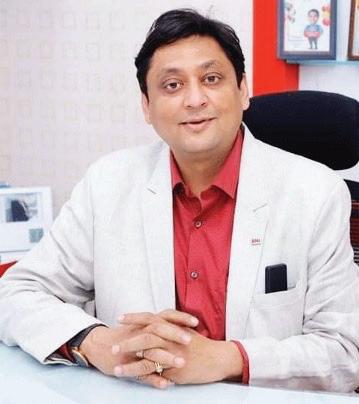
Sh. Pradeep Karambelkar Founder & Editor
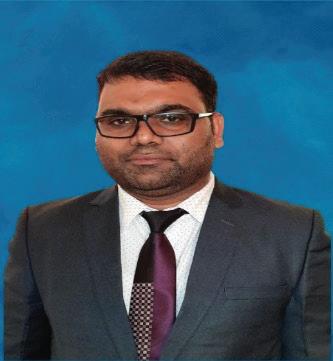
Sh. Pushpendra Singh
Dr. Irshad Ahmad Khan Sub-Editor
Sh. Pradeep Karambelkar Founder & Editor
Sh. Pushpendra Singh Marketing Officer
Dr. Irshad Ahmad Khan Sub-Editor
Choosing the Right ITR Form: A Guide Based on Your Income Sources
Filing income tax returns (ITR) in India is a mandatory process that hinges on selecting the correct form based on your income sources. The proper understanding of these options is crucial for taxpayers to ensure compliance and avoid penalties. The Income Tax Department provides a range of ITR forms, each designed for specific income profiles, reflecting the diversity of India’s economic landscape.
ITR-1 (Sahaj): This form is the simplest, tailored for resident individuals with a total income up to ₹50 lakh. It applies to those earning from salary, a single house property, or other sources like interest (excluding lottery winnings or horse race income). Ideal for salaried employees or pensioners, it’s widely used due to its straightforward structure.
ITR-2: Suited for individuals and Hindu Undivided Families (HUFs) without business or professional income, ITR-2 accommodates income from multiple house properties, capital gains, or foreign assets. It serves high-net-worth individuals, NRIs with Indian income, or those with complex investment portfolios.
ITR-3: This form is for individuals and HUFs with income from a proprietary
business or profession. It covers earnings from partnership firms, capital gains, and other sources, making it suitable for entrepreneurs or self-employed professionals with diverse revenue streams.
ITR-4 (Sugam): A presumptive income option for resident individuals, HUFs, and small businesses with income up to ₹50 lakh from business or profession (calculated at 8% or 6% of turnover). It benefits freelancers, small traders, or those opting for the presumptive taxation scheme under Sections 44AD or 44AE.
ITR-5: Designed for entities like firms, Limited Liability Partnerships (LLPs), Association of Persons (AOPs), and Body of Individuals (BOIs), this form handles income from business, capital gains, or other sources, catering to organizational taxpayers.ITR-6: Applicable to companies excluding those claiming exemption under Section 11 (charitable trusts), ITR-6 covers corporate income from various sources. It is mandatory to file electronically, reflecting the digital shift in tax compliance.
ITR-7: This form is for persons required to file under Sections 139(4A), (4B), (4C), or (4D), including trusts, political parties, universities, or institutions. It addresses
specific exemptions and compliance obligations under the Income Tax Act. The choice of ITR form depends entirely on your income sources and structure. For example, a salaried individual with interest income uses ITR-1, while a businessman with foreign assets requires ITR-3. Mis selecting a form can lead to rejection, notices, or penalties, emphasizing the need for accuracy. The Central Board of Direct Taxes (CBDT) mandates electronic filing for most forms, except for super senior citizens (over 75) with only pension income under the new e-verification scheme.
With the ITR filing deadline for FY 2025-26 set for September 15, 2025 (non-auditors), taxpayers must evaluate their income—salary, business profits, capital gains, or foreign earnings—using the e-filing portal’s ITR utility. Consulting a tax professional can help navigate complexities, especially for those with multiple income streams. This process not only ensures compliance but also optimizes
Dr. Irshad Ahmod Khan
Sub-Editor
Tata Motors Revs Up South African Comeback After Six Years
Indian Automaker Targets Budget SUV Market with New Models
Bhopal: Tata Motors has re-entered South Africa’s passenger vehicle market after a six-year hiatus, launching four new models: the Punch compact SUV, Curvv coupe-inspired SUV, Tiago hatchback, and flagship Harrier SUV. The Indian automaker, partnering with Motus Holdings for distribution, aims to capture a 6-8% market share and rank among the top five passenger vehicle brands in the region. The vehicles, all combustion-engine models, will hit showrooms in September, with plans to introduce the Nexon and Sierra SUVs by 2026.
Tata’s return taps into South Africa’s growing demand for affordable, feature-rich vehicles, positioning it against Chinese competitors like Chery and BYD. The company, which exited the market in 2019 after mixed reception to models like the Indica, has tailored its new lineup to meet local needs, emphasizing safety and modern design. With a network of 40 dealerships expanding to 60 by 2026, Tata is set to strengthen its footprint. This moves highlights India’s cost-efficient manufacturing and South Africa’s rising SUV market, promising economic benefits through job creation and competitive financing.
Suzuki Commits ₹70,000 Crore to Fuel
India’s Auto Growth
Major
Investment to Boost Manufacturing and Innovation Over Next 5-6 Years
Bhopal: Suzuki Motor Corporation, a global leader in the automotive industry, has announced a monumental investment of ₹70,000 crore in India over the next five to six years, signaling a strong vote of confidence in the country’s economic potential. This strategic move is set to bolster India’s position as a key manufacturing hub and drive advancements in automotive technology, particularly in the electric vehicle (EV) and sustainable mobility sectors.
The announcement, made by Suzuki’s leadership during a recent industry summit, underscores the company’s long-standing partnership with India, primarily through its subsidiary, Maruti Suzuki India Limited. The investment will focus on expanding manufacturing capabilities, enhancing research and development (R&D), and accelerating the production of eco-friendly vehicles. This aligns with India’s ambitious goals to transition to cleaner energy and reduce carbon emissions by 2030.
A significant portion of the funds will be allocated to upgrading existing production facilities and establishing new plants to meet the rising demand for vehicles in India and for exports. Maruti Suzuki, which commands over 40% of India’s passenger vehicle market, plans to roll out a range of electric and hybrid models, catering to the growing consumer
preference for sustainable transport solutions. Additionally, the investment will support job creation, with thousands of direct and indirect employment opportunities expected across the supply chain. Suzuki’s commitment also includes strengthening its R&D ecosystem in India. The company aims to develop cutting-edge technologies tailored to local needs, such as affordable EVs and vehicles suited for rural terrains. This move is expected to enhance India’s role in Suzuki’s global innovation network, positioning the country as a hub for
next-generation automotive solutions. Industry experts have lauded Suzuki’s investment as a game-changer for India’s automotive sector, which is already witnessing robust growth. The initiative is likely to attract further investments from global players, fostering competition and innovation. As India accelerates toward a sustainable future, Suzuki’s ₹70,000 crore pledge marks a pivotal step in driving economic growth, technological advancement, and environmental responsibility
Source: Economic Times
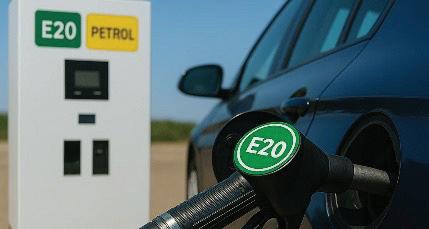
E20 Petrol May Reduce Car Fuel Efficiency by 2-5%
Experts Highlight Trade-offs of Ethanol-Blended Fuel Adoption
Bhopal: Car experts have raised concerns that the adoption of E20 petrol, a blend of 20% ethanol and 80% gasoline, could lead to a 2-5% drop in fuel efficiency for vehicles in India. As the country pushes toward sustainable fuel alternatives to reduce carbon emissions, this trade-off has sparked discussions among automakers and consumers.
The lower energy content of ethanol compared to pure gasoline is the primary reason for the efficiency loss, according to automotive engineers. While E20 fuel supports India’s green energy goals and reduces reliance on fossil fuels, it may result in slightly higher fuel consumption for drivers. Older vehicles, not optimized for ethanol blends, could face compatibility issues, potentially exacerbating the efficiency drop.
Experts advise vehicle owners to ensure their cars are E20-compatible, as manufacturers like Maruti Suzuki and Tata Motors are already producing compliant models. Regular maintenance, such as cleaning fuel injectors, can also mitigate efficiency losses. While the environmental
benefits of E20 are significant, experts urge policymakers to educate consumers about its impact on mileage and vehicle performance to ensure a smooth transition to greener fuels.
Tariffs Threaten to Slash India’s Garment Industry Growth in Half: Crisil
Rising Trade Barriers Pose Risks to Export-Driven Sector
Mumbai: India’s ready-made garment (RMG) industry faces a significant slowdown, with tariffs projected to halve its year-on-year (YoY) revenue growth, according to a recent Crisil report. The analysis suggests that escalating trade barriers, particularly from key markets like the US and EU, could reduce growth from an anticipated 8-10% to a mere 4-5% in the fiscal year 2025-26. This comes as global protectionism intensifies, impacting India’s $18 billion export-driven sector. The RMG industry, a vital employer for millions, especially in rural areas, relies heavily on affordable raw materials and favorable trade terms. However, rising tariffs and stricter regulations are increasing production
costs, squeezing profit margins. Crisil highlights that while domestic demand remains steady, export orders accounting for over 60% of revenue are under pressure due to competitive pricing from countries like Bangladesh and Vietnam. Critics argue that the narrative of tariff impacts might oversimplify the issue, pointing to potential inefficiencies within the industry itself, such as outdated technology and supply chain bottlenecks. Trending discussions on social media also suggest mixed views, with some questioning whether government policies could mitigate these effects through subsidies or trade negotiations. Industry leaders urge the government to address these challenges swiftly,
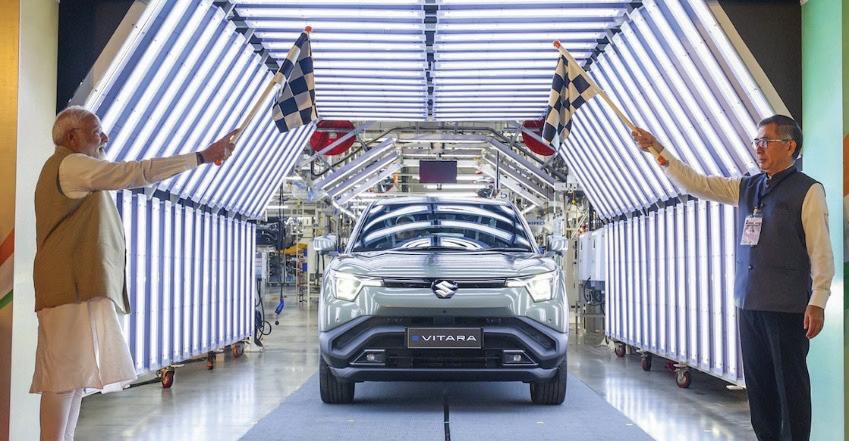
Gujarat: Maruti Suzuki Chairman RC Bhargava has cautioned that India’s heavy reliance on China for lithium is stalling the country’s electric vehicle (EV) battery manufacturing push. Speaking at the launch of the e-VITARA export and a new hybrid battery facility, Bhargava highlighted that dependence on a single supplier poses significant risks, deterring investors from setting up local cell production plants. He noted that the high capital cost—around ₹20,000 crore for a battery plant—combined with uncertain raw material supply, heightens the risk factor.
Bhargava pointed to recent Chinese restrictions on rare earth magnets as a warning sign, emphasizing that India’s lack of domestic lithium reserves forces reliance on imports. While Maruti’s subsidiary, TDS Lithium-Ion Battery Gujarat Pvt Ltd, has begun local electrode-level production for hybrids, full EV battery cell manufacturing remains elusive. He urged Indian scientists to develop alternative chemistries to reduce this dependency. The issue underscores a broader challenge: India’s EV dreams hinge on imported technology, risking supply chain disruptions. Despite government initiatives like the Critical Minerals Mission, the path to self-reliance remains steep, with experts debating the feasibility of scaling production without stable raw material access.
Source: Business Standard
emphasizing the need for policy support to maintain India’s global competitiveness. Without intervention, the sector risks losing market share, potentially affecting jobs and economic growth.
Source: Business Standard
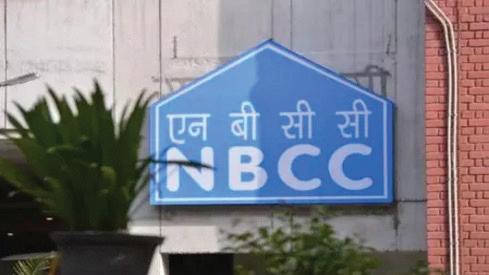
NBCC Secures ₹3,700 Crore Rajasthan Mandate for Ambitious Mixed-Use Development
State-of-the-Art Convention Centre and Infrastructure to Transform Jaipur’s Skyline
Jaipur: NBCC (India) Limited, a Navratna public sector enterprise, has clinched a ₹3,700 crore contract from the Rajasthan government to spearhead a transformative 95-acre mixed-use project in Jaipur. Announced on Monday, the initiative includes designing, constructing, and marketing a range of facilities, marking a significant boost to the state’s urban infrastructure.
The project, approved by the Rajasthan cabinet, will feature the Rajasthan Mandapam Convention Centre, a state-of-the-art venue with a 7,500-seat capacity spread over 25 acres. Additional components include a Global Capability Centre (GCC) Tower, an IT Tower, luxury hotels, and modern commercial and residential infrastructure, all developed on land allotted bythe Rajasthan State Industrial Development & Investment
Corporation Development & Investment Corporation (RIICO) along the B2 Bypass on Tonk Road.
This development underscores Rajasthan’s push to enhance its economic and cultural landscape, with the convention centre poised to become a hub for large-scale events. NBCC’s expertise in project management consultancy and real estate positions it as a key player in executing this vision, promising to create jobs and attract investment.
While the project has been welcomed as a step toward urban renewal, some question whether the heavy reliance on a single entity like NBCC might limit competitive innovation. Nevertheless, the initiative aligns with broader national
With construction set to commence soon, the project is expected to redefine Jaipur’s skyline, blending commercial vibrancy with residential comfort.goals of infrastructure development, leveraging RIICO’s strategic land assets.
Source: Money Control
AMFI Partners with India Post to Train Postmen as Mutual Fund Distributors
Expanding Financial Inclusion Through Rural Outreach
Bhopal: The Association of Mutual Funds in India (AMFI) has signed a groundbreaking agreement with the Department of Posts to train one lakh postmen as mutual fund distributors, aiming to boost financial inclusion across rural and semi-urban areas. The memorandum of understanding (MoU) was formalized on Friday, August 22, 2025, during AMFI’s 30th foundation day celebrations, attended by Securities and Exchange Board of India (SEBI) Chairman Tuhin Kanta Pandey and industry leaders.
This initiative leverages India Post’s vast network of over 1.64 lakh post offices to extend mutual fund access to underserved regions. The pilot phase will focus on Bihar, Andhra Pradesh, Odisha, and Meghalaya, targeting 20,000 new distributors in the first year, with a goal of at least 10 distributors per district by year-end, scaling to 20 by 2026. AMFI plans to train college students and create a “train-the-trainers” model to sustain the program.
The move addresses the growing demand for investment options, with mutual fund folios rising from 2.1 crore in 2019 to 5.6crore by mid-2025. AMFI CEO Venkat Chalasani emphasized the potential to double this base, tapping into India’s 80 crore bank accounts. The initiative also builds on a July 2025 MoU for KYC verification services, streamlining compliance.
While hailed as a step toward financial literacy, skeptics question the feasibility of postmen balancing government duties with distribution roles, citing potential conflicts of interest. Others worry about training quality and rural investors’ readiness. Nonetheless, the partnership aligns with the vision of a “Viksit Bharat,” promoting wealth creation through disciplined savings. Additional efforts include multilingual content campaigns and investor camps, reinforcing AMFI’s commitment to broadening market access. The initiative is seen as a bold experiment, with its success hinging on execution and public trust in this novel distribution channel.
Source: Outlook Money
Government Shelves Auction of Five Critical Mineral Blocks Over Lukewarm Response
New Delhi: The Indian government has cancelled the auction of five critical mineral blocks, including a rare earth element (REE) block in Karnataka, due to a disappointing response in the fifth round of sales. Announced on Wednesday, the decision reflects challenges in attracting bidders for these vital resources, essential for clean energy and technology sectors.
The mines ministry noted that no bids were received for three blocks—two glauconite mines in Gujarat and Chhattisgarh, and a nickel and platinum group element (PGE) block in Karnataka—prompting their cancellation. Additionally, auctions for a tungsten mine in Maharashtra and another REE block in Karnataka were annulled due to fewer than three technically qualified bidders. This follows the fifth tranche launched in January, where only 10 of the 15 offered
blocks found takers, including firms like Coal India and Vedanta’s Hindustan Zinc. The move raises concerns about India’s push for self-reliance in critical minerals like lithium, cobalt, and rare earths, crucial for electric vehicles and semiconductors. Despite 34 blocks auctioned across five rounds out of 55, the persistent lack of interest suggests potential issues—possibly inadequate resource data or high investment risks. Critics argue this could delay the Critical Mineral
Mission, aimed at securing these assets domestically and abroad. While the government may re-auction these blocks with revised terms, the poor response highlights a need for clearer incentives or better exploration data. As global demand for these minerals’ surges, India risks falling behind unless it addresses these structural hurdles effectively.
Source: The Mint
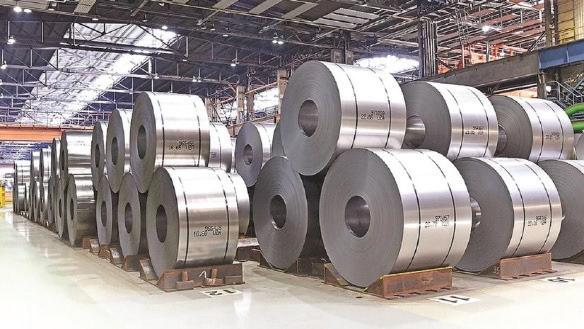
Indian Steelmakers Push for Sevenfold Met Coke Import Quota Hike Amid Supply Crisis
Industry Urges Policy Shift to Sustain Steel Expansion Plans
New Delhi: Indian steelmakers are pressing the government to increase the import quota for low-ash metallurgical coke (met coke) nearly sevenfold, from 1.4 million metric tons to 9.3 million metric tons, citing a severe supply crunch threatening their expansion plans. As the world’s second-largest crude steel producer, India is grappling with insufficient domestic met coke output, a critical raw material for steelmaking, prompting this urgent appeal.
The request, detailed in a government document and supported by industry sources, comes after import curbs were extended for six months starting July 2025. Major players like JSW Steel and Arcelor Mittal Nippon Steel India argue that current restrictions disrupt their ability tosource preferred grades locally, hindering capacity growth. Imports, which have more than doubled over the past four years, primarily come from China, Japan, Indonesia, and Poland, but quotas limit access, forcing reliance on inconsistent domestic supplies.
Trade Minister Piyush Goyal has encouraged local sourcing, while the Ministry of Steel claims domestic capacity—around 7 million metric tons annually—meets demand. However, steelmakers counter that local production, currently at 3 million tons, lacks the quality and consistency needed for large-scale operations. The push for higher imports, with significant allocations sought from Indonesia (2.6 million tons) and Japan, reflects the industry’s struggle to match global benchmarks amid rapid capacity expansion.
Critics question the government’s narrative, suggesting that import curbs may prioritize protectionism over industry needs, potentially stunting economic growth. The steel sector, vital for infrastructure and jobs, risks delays unless supply issues are resolved. As deliberations continue, the outcome could shape India’s steel ambitions, with stakeholders awaiting a balanced policy response to avert a production bottleneck.
Source: Business Standard
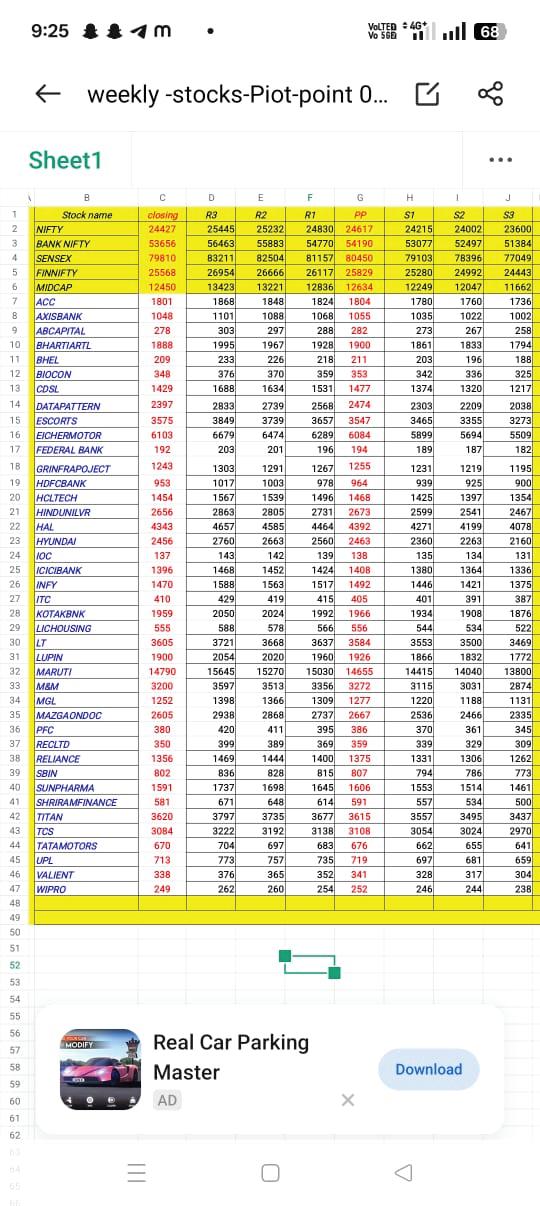
WEEKLY STOCK PIVOT LEVEL
Anil Bhardwaj Technical Head anil.stockcare@gmail.com
• If R2 is crossed then R3 becomes the next target with the stop loss
• Similarly, if price goes below PP the trader should SELL price below PP as stop loss and the first target would be S1,
• If S1 is crossed then S2 becomes the next target with the stop loss
• If S2 is crossed then S3 becomes the next target with the stop loss