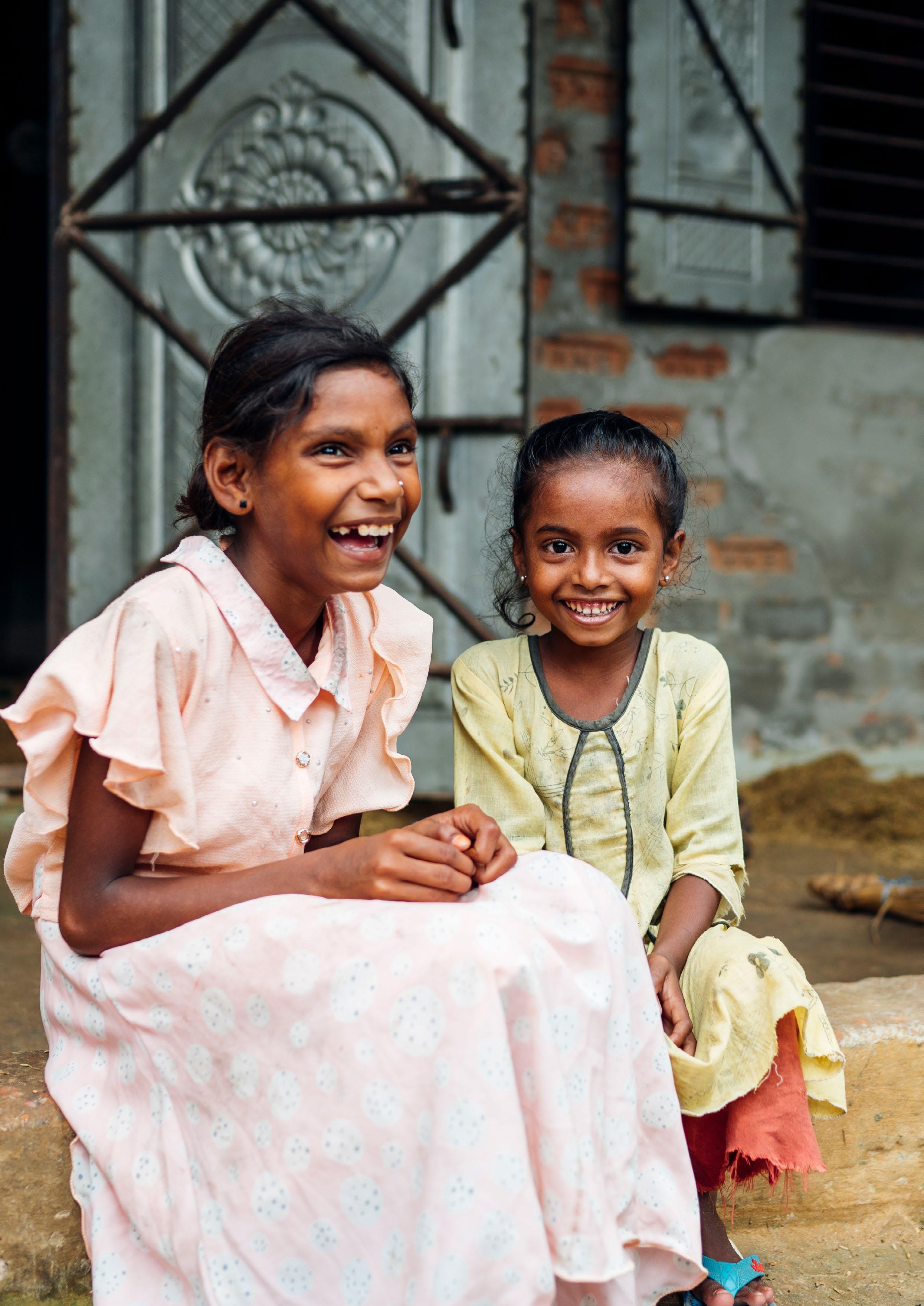
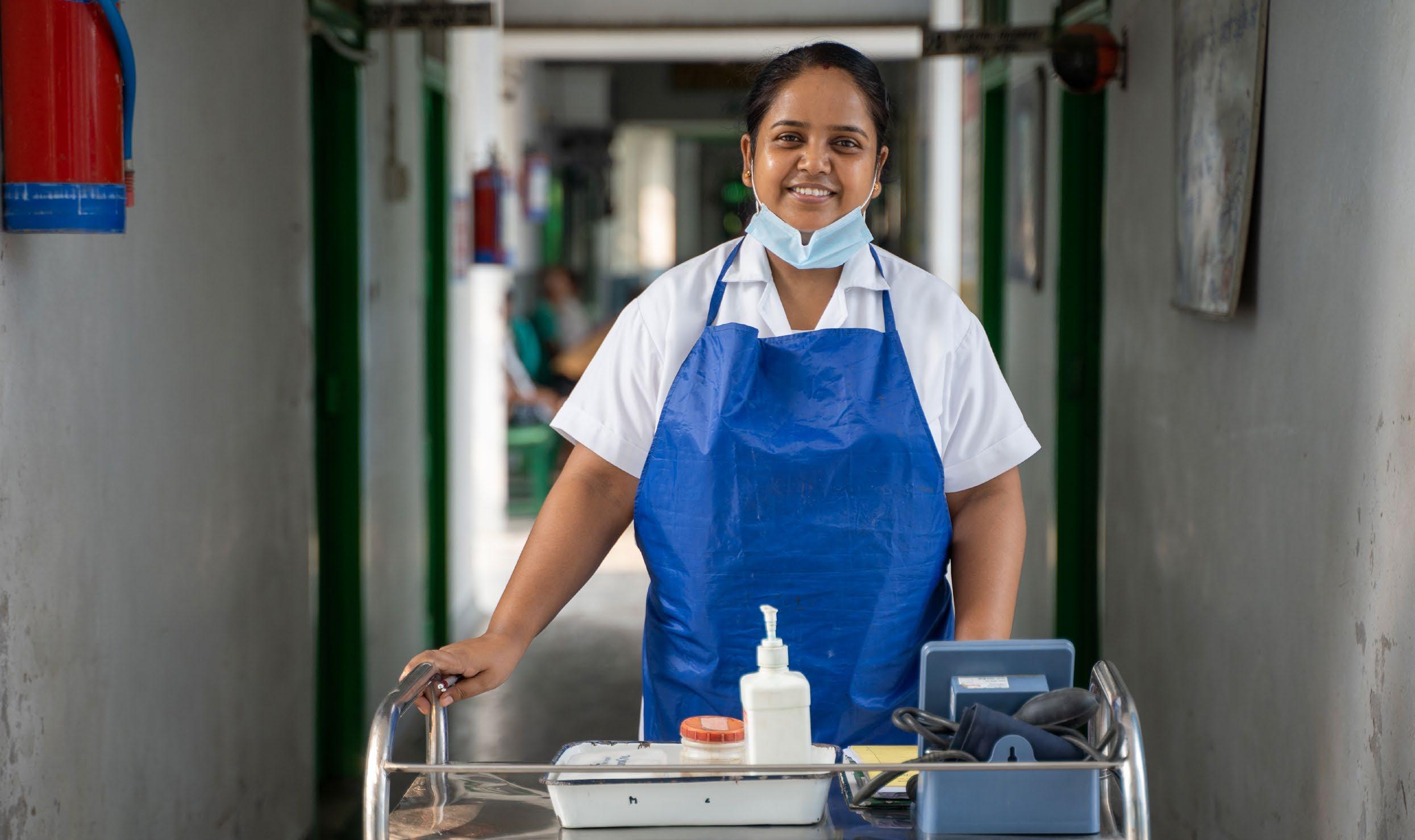
Following Jesus Christ, The Leprosy Mission works with persons affected by leprosy, partners and supporters towards a world where leprosy is defeated and there is healing, dignity, inclusion, and life in all its fullness.
Our Values
Because we follow Jesus Christ, we value Compassion, Justice, Integrity, Inclusion, Humility and Collaboration.
What is Leprosy?
Leprosy is a disease caused by the bacteria Mycobacterium leprae and Mycobacterium lepromatosis. It is mildly infectious, believed to be transmitted predominantly by droplet infection after being in close proximity with infected individuals for prolonged periods.
The disease does not discriminate between race, age, gender, or nationality. However, it remains most prevalent in the poorest and most marginalised communities in the world where there is high population density, poor nutrition and poor housing.
Fearing stigma and rejection, many people hide the early signs of leprosy rather than seeking medical attention.
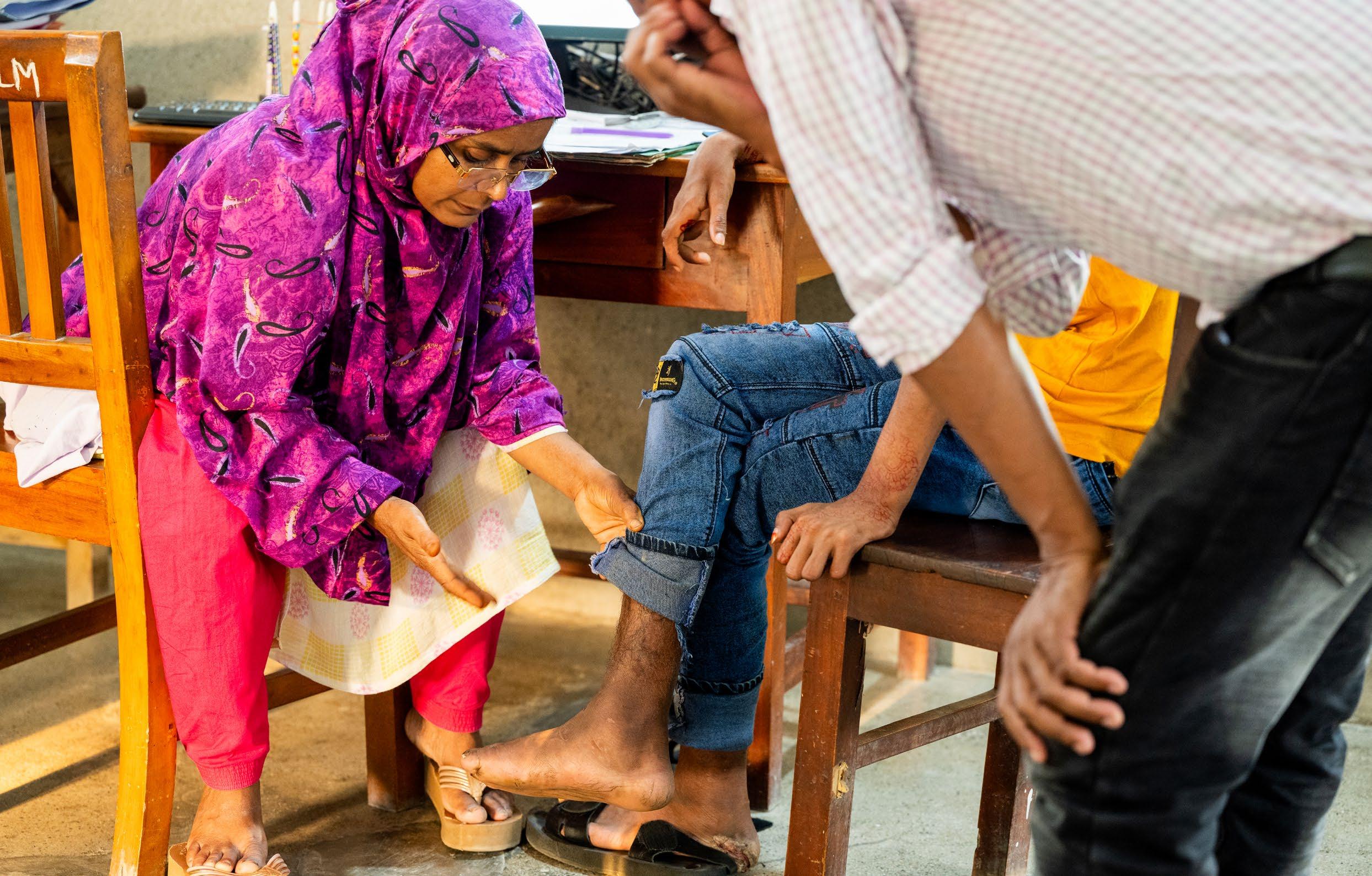
Untreated leprosy is the cause of lifechanging disability and severe physical suffering for many hundreds of thousands of people worldwide. The disease damages the skin and nerves which can lead to the inability to feel pain. This often results in injury and chronic ulceration, sometimes forcing amputation. Furthermore, leprosy damages the nerves in the face, causing blindness due to people’s inability to blink.
Contrary to popular belief, leprosy remains a prominent global health issue in the 21st century. Recognised as an official Neglected Tropical Disease (NTD) by the
World Health Organization (WHO), 172,717 new cases were recorded in 2024 in 184 countries, of which 72 845 (39.8%) were among females and 10 322 (5.6%) were among children.
Leprosy has been curable with MultiDrug Therapy (MDT) since the early 1980s. MDT (a 6-to-12-month course of three antibiotics) has been administered to over 16 million people affected by leprosy since its introduction. However, millions still live with irreversible impairment and disability. Unsurprisingly, ostracisation and physical impairment are often accompanied by the declining mental health of people affected by leprosy.
It is tragic that a treatable illness can continue to cause such devastation in the modern world. With your support, the Leprosy Mission believes that leprosy, and all the suffering it brings, can be defeated and confined to the history books within our lifetime.
Our sincere thanks to all our wonderful supporters. Thanks to your commitment to our mission, we are able to make a difference to the lives of people affected by leprosy we work with in the Pacific, Asia and Africa.
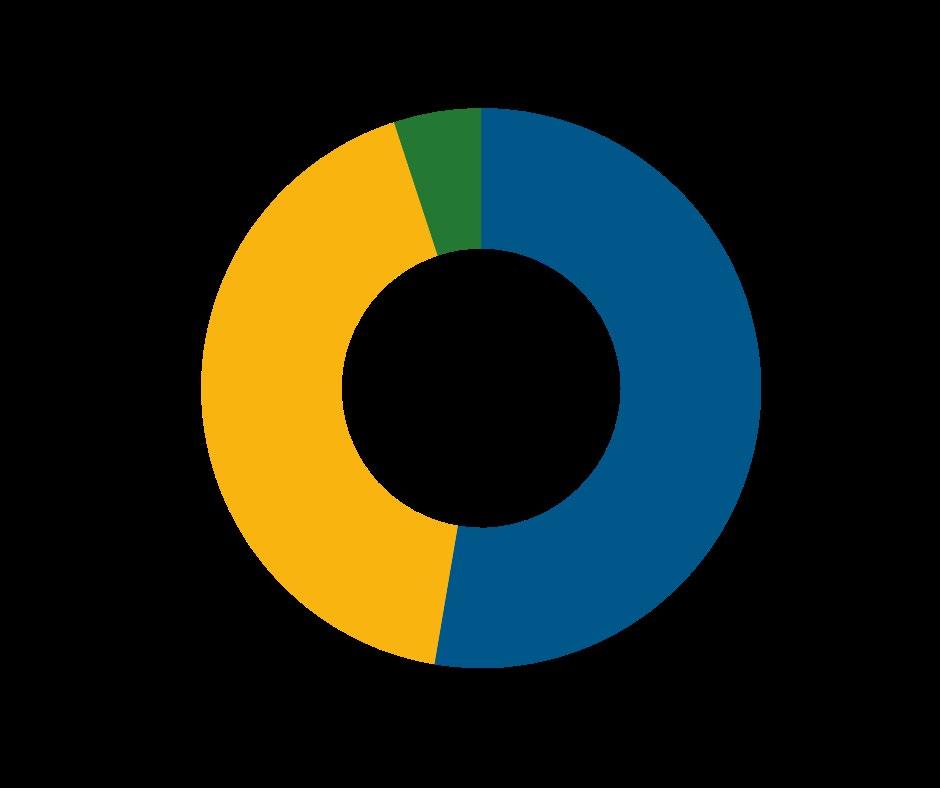
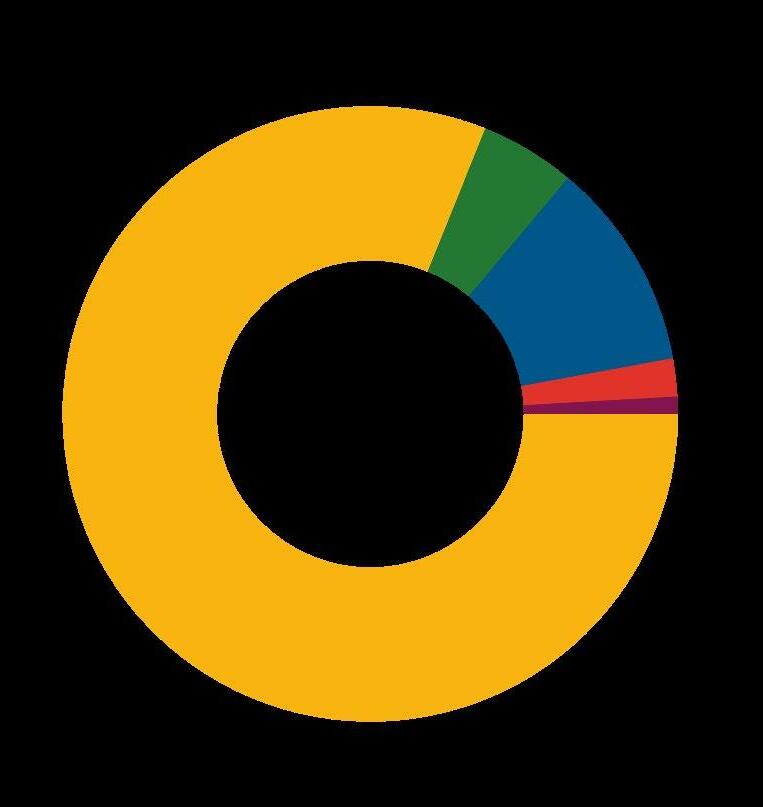
Where the money goes
Requests for further information regarding the Annual Report can be made directly to the Executive Director, The Leprosy Mission New Zealand.
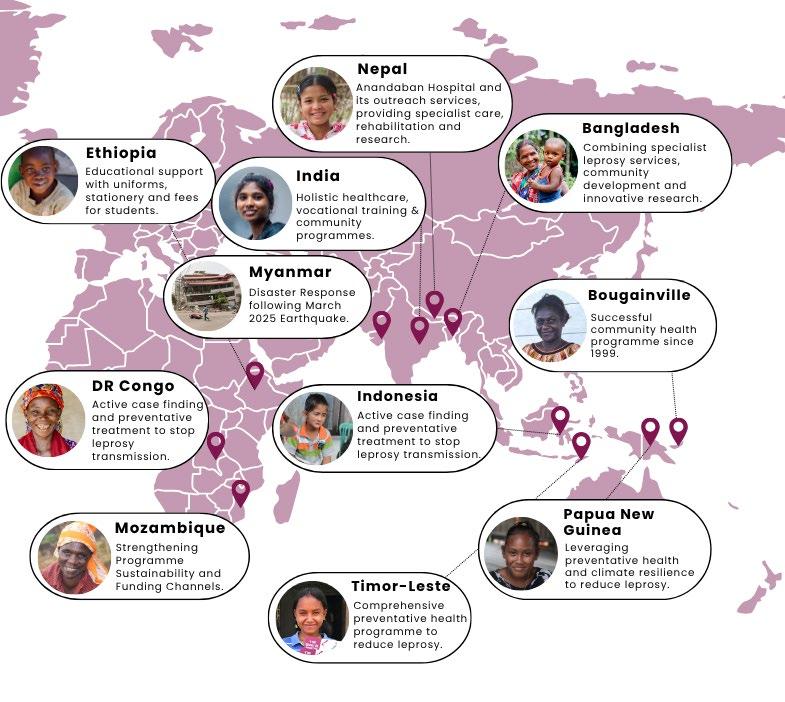
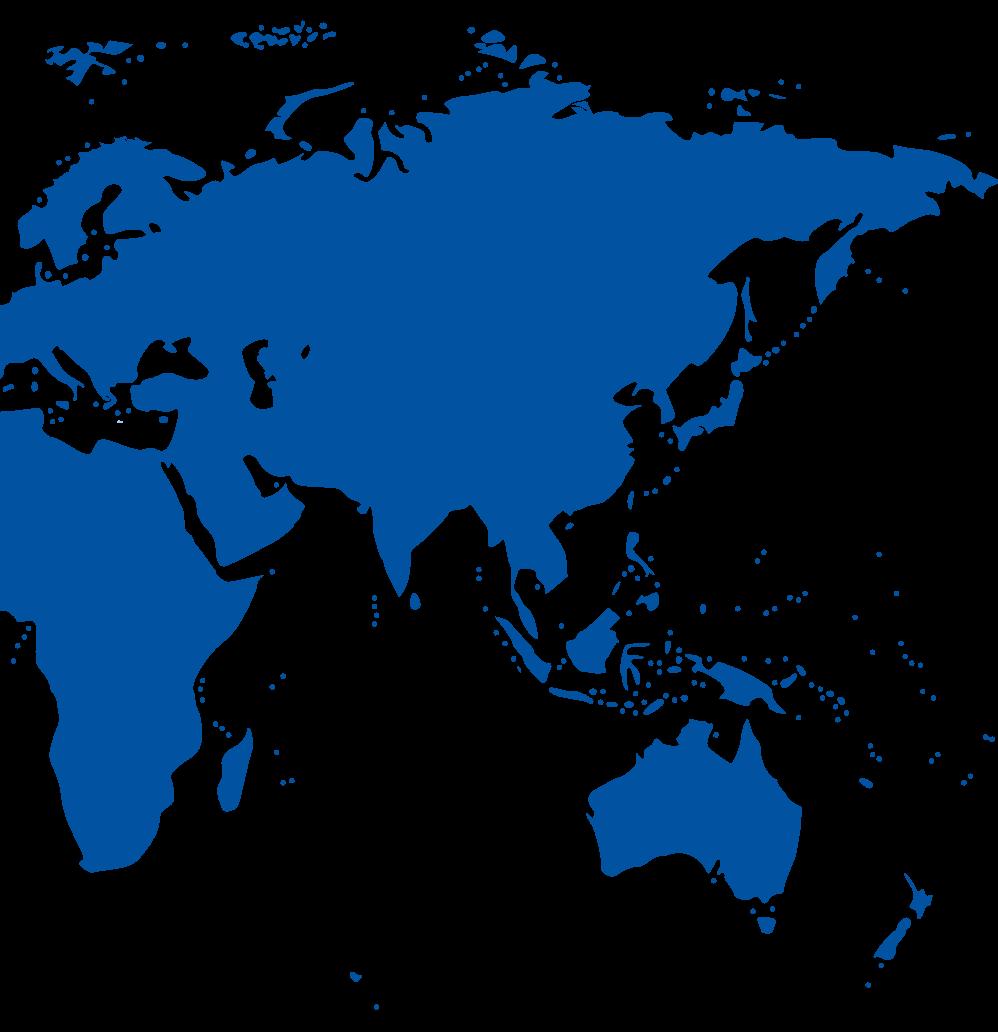
Countries that You Support
With your support, the Leprosy Mission NZ works in partnership with governments, local communities, partner health organisations, the World Health Organization, and many others. We work in areas where poverty, distance and limited services create significant barriers to health, wellbeing and opportunity. By partnering with communities, we help people affected by leprosy, people with disabilities and others who are marginalised to access essential healthcare and services, strengthen their resilience, and create lasting positive change for themselves, their families and their communities.
The Leprosy Mission NZ is part of a Global Fellowship of 27 Leprosy Mission national organisations around the world.
Welcome from Board Chair
Annual Report of The Leprosy Mission New Zealand Incorporated
“He upholds the cause of the oppressed and gives food to the hungry. The Lord sets prisoners free, the Lord gives sight to the blind, the Lord lifts up those who are bowed down, the Lord loves the righteous.”
Psalm 146:7–8
On behalf of the Board, it is my privilege to present the 2025 Annual Report.
As I reflect on the words of the Psalmist, “He [the Lord] upholds the cause of the oppressed and gives food to the hungry”, it is clear God’s presence is alive and well as we continue to see people affected by Leprosy given a hand up to be cured, cared for and restored to their communities.
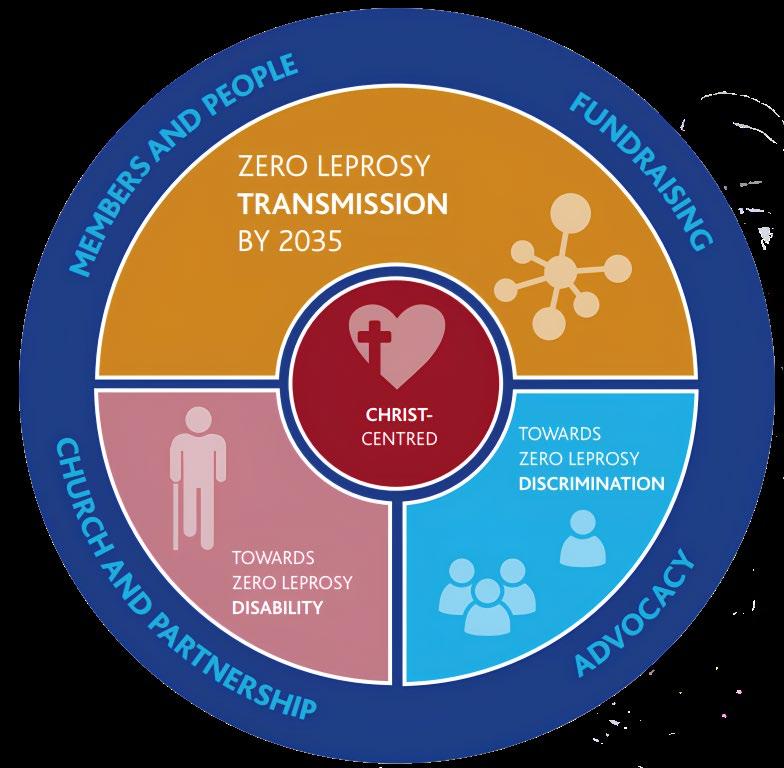
2025 saw our latest 5-year strategy get underway. The strategy has Jesus Christ at the core of all we do. Our focus remains clear: preventing the transmission of leprosy, supporting those living with disability caused by the disease, and eliminating discrimination.
We are committed to keeping you, our supporters, well informed about the impact of this work, while ensuring we have stable programmes in our region and also contributing meaningfully to the wider global mission.
A key goal guides our efforts: achieving no new child cases of leprosy in the countries where we work by 2035. With God’s grace, your generosity, and the dedication of teams around the world, we believe this is within reach.
Our closest programme partnerships continue in Bougainville, Papua New Guinea, Timor Leste, and Kiribati. These initiatives not only identify and treat leprosy, but also contribute to broader community development through strengthened preventative health systems, climate change resilience, water and sanitation, leadership and governance, and gender equality.
The Bougainville Healthy Communities Programme remains a major strength, reaching around 800 villages and covering more than 95% of Bougainville’s population, while providing significant support to the local health system. The deepening partnership with Autonomous Bougainville Government Department of Health over the past 12 months has been especially encouraging and positions the programme strongly for continued impact and long-term success.
In 2025, we also advanced the programme in Kiribati. With a local base now established and strong teams built, the programme will draw on the proven delivery models in Bougainville, PNG, and Timor Leste. Kiribati has an extremely high prevalence of leprosy, so it is an exciting place for us to be.
We also continue to support work further afield, such as Indonesia, Nepal, and Bangladesh. A highlight is the Nilphamari Hospital in Bangladesh, a 100-bed facility performing complex surgeries and rehabilitation. Your support ensures the ongoing stability of this facility.
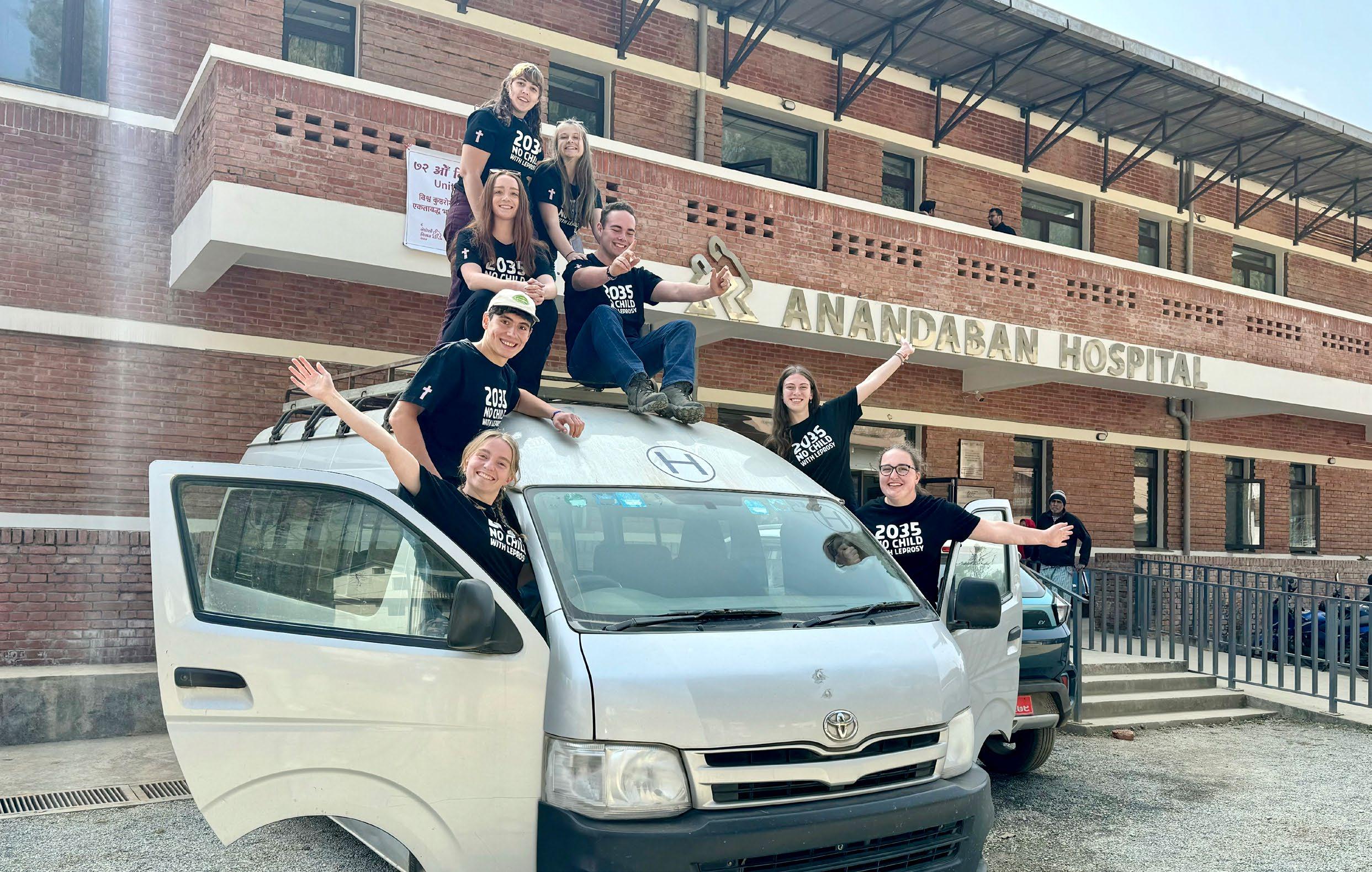
Early 2025 saw a passionate group of young adults visit Anandaban Hospital in Nepal. They also raised funds for an electric mobile medical van, which is now in service. Another enthusiastic team of young adults has travelled to Nepal again in 2026, showing that the compassion of this generation remains strong.
As a Board, we acknowledge the remarkable dedication of our staff and the leadership of Gillian Whitley. We are fortunate to have such a driven and enthusiastic team. I would also like to acknowledge all of the Board and
Sub-Committee members who give freely of their time, skills, and enthusiasm in a voluntary capacity.
Thank you for your prayers, gifts, and support. Through God’s love, we continue working toward a world where leprosy is defeated and lives are transformed
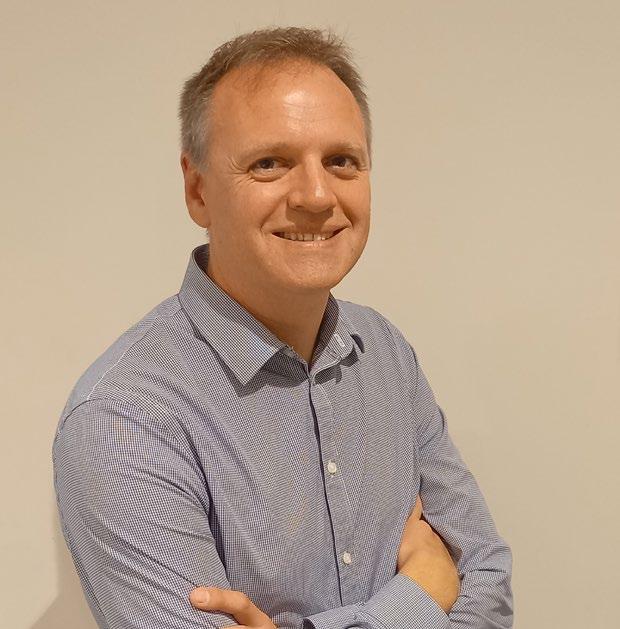
Andre Stuart
BOARD CHAIR
The Leprosy Mission New Zealand Incorporated
Welcome from Executive Director
“See, I am doing a new thing! Now it springs up; do you not perceive it?” Isaiah 43:19
The work reflected in this Annual Report captures a year of growing momentum, collaboration and innovation across our Global Fellowship.
As we move ever closer to our audacious goal of No Child with Leprosy by 2035, there is a growing sense of urgency and determination across our Global Fellowship.
Around the world, teams are no longer only researching how to interrupt transmission. They are preparing to put promising solutions into practice in real communities, in realworld conditions.
We are entering an important new phase. For years, research projects have operated within tightly controlled environments and carefully monitored conditions.
Now comes the challenge of translating those findings into the complexity of everyday life where health systems are stretched, priorities compete, and communities face countless social and economic pressures. It is in these environments that lasting change must take root if transmission is truly to be stopped.
One of the most significant developments this year has been the continued progress of the PEP++ research project which tested whether a new preventative treatment regimen could be more effective than the current standard of Single Dose Rifampicin (SDR).
The trial compared SDR with a combination of two antibiotics administered over three doses. Initial findings suggest that PEP++ may prove significantly more effective in reducing the transmission of leprosy.
Yet interrupting transmission will not mean the immediate end of leprosy. The bacteria can remain in the body for many years before symptoms appear, meaning transmission may occur long before a diagnosis is made.
This is why child leprosy remains such an important indicator; when a child is diagnosed, it tells us transmission is still occurring within that community.
It is also why our work must continue with urgency and compassion. Behind every diagnosis is a person, a family and a future that can still be transformed through early diagnosis, treatment, research and community-based care.
In New Zealand, we continue to be encouraged by a deeply committed team and the strong support of New Zealanders, the NZ Government, Christian media, churches and faith communities. Together, these partnerships are enabling practical, long-term investment in research, healthcare and community programmes that are transforming lives.
The 2025 Youth Advocates successfully raised the funds towards a mini-van for The Leprosy Mission Nepal’s Anandaban Hospital. A particularly moving moment came when the drivers of the mini-van personally expressed their gratitude. The vehicle is now being used to travel long distances across difficult terrain to deliver vital outreach leprosy clinics to remote communities, improving access to diagnosis, treatment and care for those who might otherwise be left behind.
This Annual Report highlights the impact that can be achieved when compassion, innovation and partnership are combined with practical action.
With blessings,
Gillian Whitley EXECUTIVE DIRECTOR
The Leprosy Mission New Zealand Incorporated
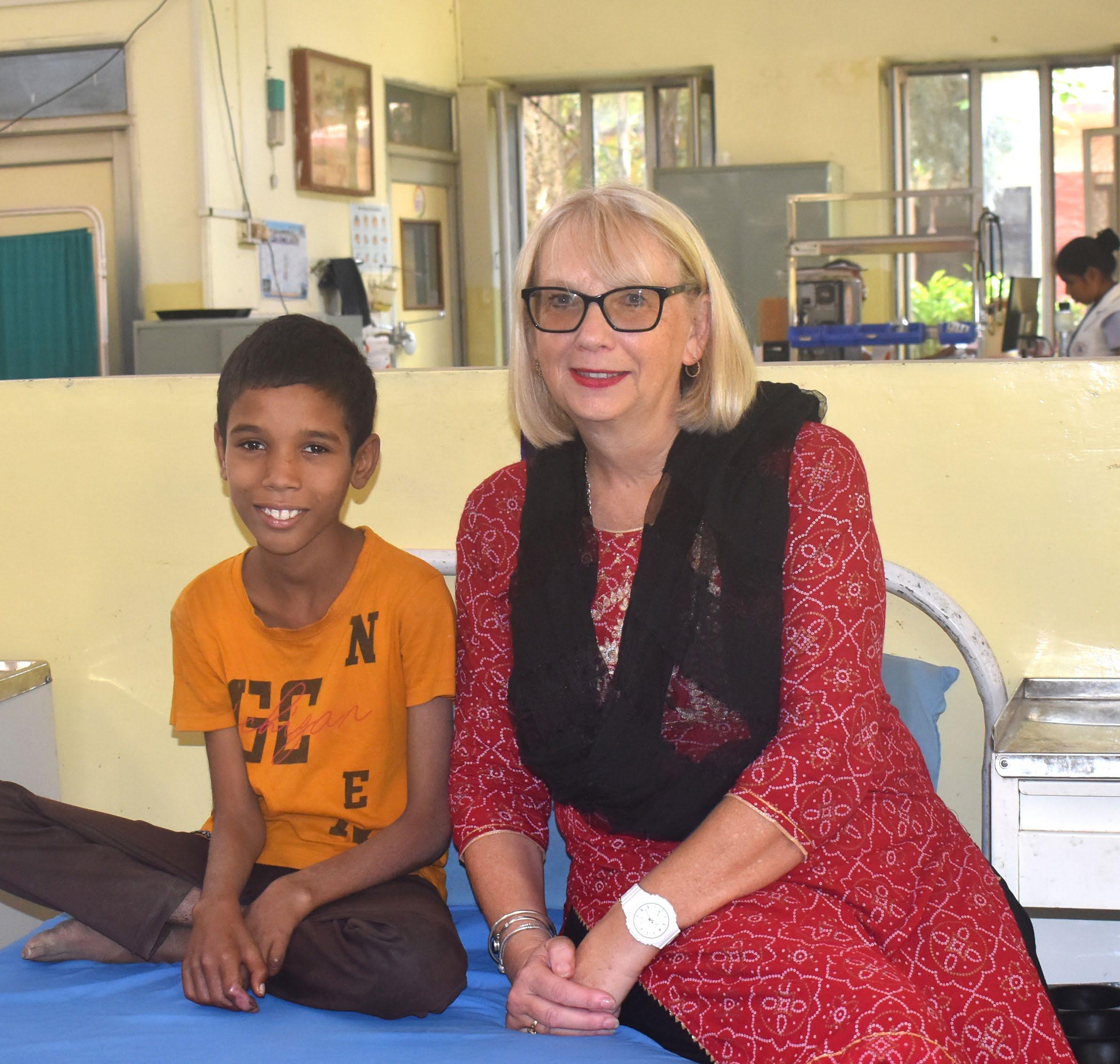
Gillian meeting Ajay, Cure One ambassador, at Naini Hospital in India.
Bangladesh Helping Lead
Groundbreaking PEP++
Leprosy Research
A major international research initiative known as PEP++ is exploring how to more effectively stop the transmission of leprosy. Support from the Leprosy Mission New Zealand is helping make this important work possible in Bangladesh.
While leprosy is completely curable, transmission continues in some communities because people can carry the bacteria for years before symptoms appear. During this time, the disease may unknowingly spread to close family members and others in regular contact with an affected person.
This is why researchers and global health organisations are increasingly focusing on prevention and transmission interruption strategies.
One of the most promising approaches is known as Post-Exposure Prophylaxis (PEP), where preventative treatment is provided to people who are at higher risk of developing leprosy because they have been in close
contact with someone diagnosed with the disease.
The PEP++ project builds on earlier success using Single Dose Rifampicin (SDRPEP), which has already been shown to significantly reduce the risk of developing leprosy among contacts of newly diagnosed patients. Researchers are now studying whether a stronger preventative treatment, using a combination of antibiotics over a longer period, can provide even greater protection and help further interrupt transmission.
The international study is being implemented in countries where leprosy transmission remains ongoing, including Bangladesh, Brazil, India and Nepal. In Bangladesh, communities are participating in contact tracing, screening programmes and preventative treatment initiatives aimed at identifying and protecting those most at risk.
In Bangladesh, the research is centred around The Leprosy Mission Trust Bangladesh’s Nilphamari Hospital in the north of the country. The hospital has long been recognised for its specialist leprosy expertise and its outreach into surrounding communities where leprosy transmission remains a significant challenge.
From Nilphamari, healthcare teams are working with communities to carry out screening, contact tracing and preventative treatment programmes aimed at identifying and protecting those most at risk.
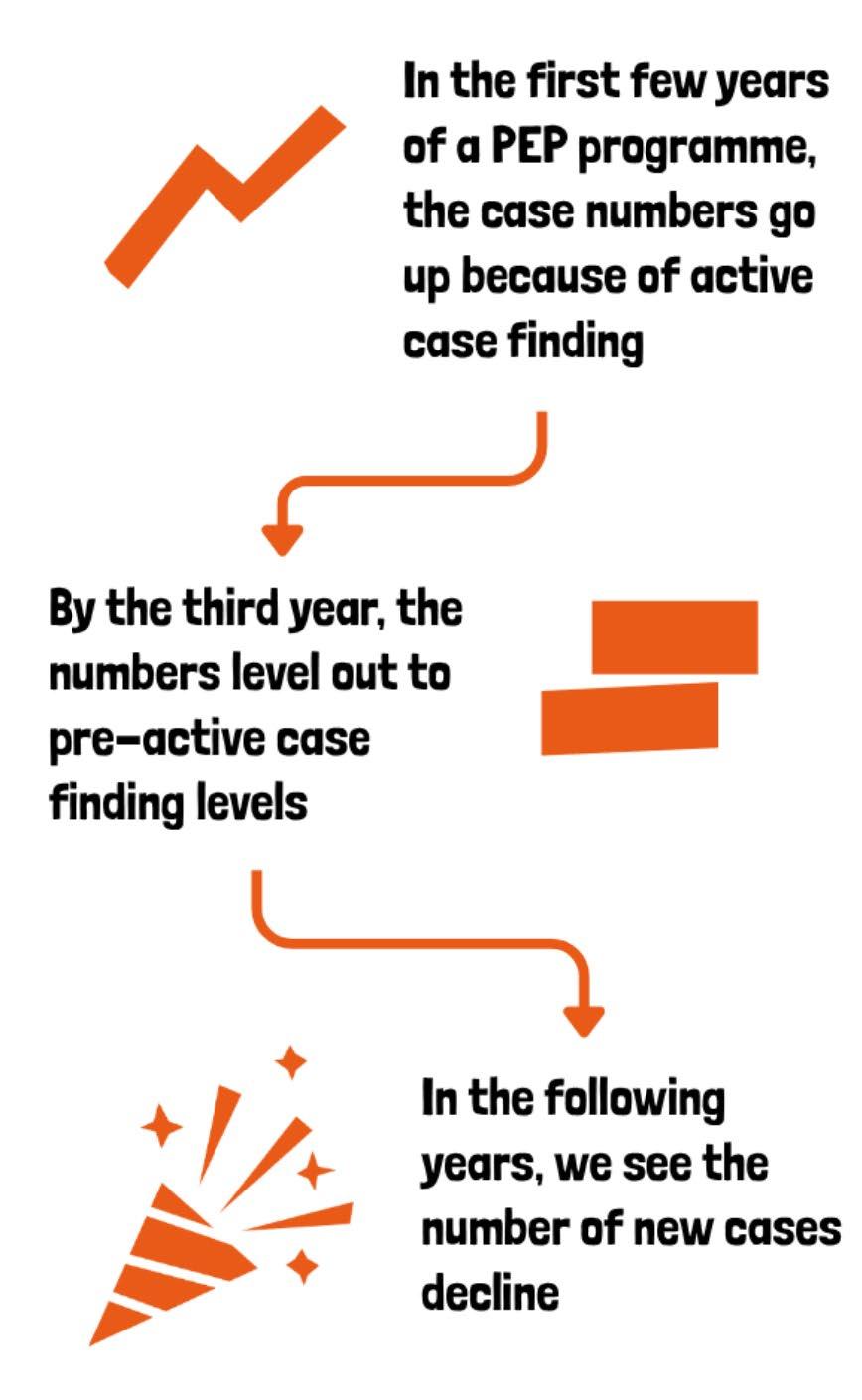
The project also uses hotspot mapping and active case finding to identify areas where transmission is continuing within communities. By focusing efforts in these high-risk locations, researchers hope to better understand how enhanced prevention strategies could help reduce new cases more rapidly.
Importantly, PEP++ is not only about medical research. The programme also strengthens local health systems, supports earlier diagnosis, improves community awareness and helps reduce the stigma still associated with leprosy. Earlier diagnosis and treatment are critical in preventing disability and reducing the long-term impact of the disease.
Support from the Leprosy Mission is helping contribute to this important research effort in Bangladesh as part of wider global collaboration with the organisation No Leprosy Remains (NLR) to stop transmission.
If successful, PEP++ could become a major breakthrough in global leprosy control helping protect vulnerable communities, reducing the spread of the disease and bringing the world closer to the vision of No Child with Leprosy by 2035.
Triple Zero Leprosy Strategy
The Leprosy Mission New Zealand has been creating life-changing connections between New Zealanders and people affected by leprosy throughout the world. We are dedicated to curing, caring for and restoring people, families and communities affected by leprosy.
Cure
Preventing:
• Improving health and hygiene knowledge and practices
• Improving water and sanitation facilities and waste management
Care
human rights
Finding and Diagnosing:
• Raising awareness of leprosy
• Improving health seeking behaviour
• Strengthening health referral pathways and systems
Being treated:
• Ensuring leprosy assessment available and accessible
• Ensuring Multi-Drug Therapy (MDT) medication given and taken
Breaking transmission:
• Active case finding and contact tracing
• PEP (Post-Exposure Prophylaxis): a preventative treatment given to close contacts of people with leprosy to reduce the risk of developing leprosy.
Hospital and Clinic Healthcare:
• Providing reconstructive surgery and ulcer treatment
• Providing counselling and physiotherapy
• Reaction management
After treatment Care:
• Bespoke prosthetics and orthotics
• Providing self-care training to people affected by leprosy and their families
• Providing follow-up health services
• Advocating for the removal of discriminatory legislation
Restore Sustainable livelihood development:
Towards Zero Transmission Towards Zero Disability Towards Zero Discrimination
• Providing vocational training and employment placement
• Providing business training on income generation activities
• Providing training on saving, loans and seed funding
• Facilitating self-help groups
Breaking stigma:
• Training community leaders and members in advocacy and human rights.
• Advocating for the removal of discriminatory legislation.
Cure Zero Transmission
Leprosy is a curable disease, but it remains most common in communities where poverty, poor living conditions and limited access to healthcare make early diagnosis and treatment more difficult.
Your support has helped people affected by leprosy to be diagnosed, begin lifechanging MDT treatment, and receive the ongoing support needed to complete their full course of medication and be cured.
Zero Transmission of leprosy can be achieved by:
• Early detection of leprosy and treatment of new leprosy cases, which helps interrupt the transmission of leprosy.
• Research into new diagnostic tools aims to detect leprosy earlier, reducing transmission and preventing life-changing impairments.
• Reducing infection risk through Post-Exposure Prophylaxis (PEP), one dose of Rifampicin to people who are close contacts.
• Research into improved treatments for leprosy reactions seeks to better manage inflammation, pain and nerve damage.
• Improving water, sanitation and hygiene to reduce contamination and to prevent secondary infections for people affected by leprosy.
Indonesia
Indonesia has the third highest number of new leprosy cases in the world. Leprosy Mission New Zealand is a supporting partner of NLR (No Leprosy Remains) - Indonesia to support the PEPCOM project in Indonesia.
The project specifically targets the district of Indramayu - a high leprosy endemic region in West Java to stop transmission. Through active case finding, new leprosy cases are detected to receive MDT treatment. Close contacts are screened for leprosy and provided with preventative PEP treatment to reduce their risk of developing the disease.
Bougainville
For more than 20 years, we have worked alongside communities across Bougainville to improve health, strengthen livelihoods and build resilience through the Bougainville Healthy Communities Programme (BHCP). With support from New Zealand's Ministry of Foreign Affairs and Trade (MFAT), this long-standing partnership has helped communities create lasting improvements in wellbeing.
The programme has improved access to healthcare, strengthened water, sanitation and hygiene practices, supported food security and livelihoods, and increased community resilience. The programme has also invested in local leadership, governance and community capacity, equipping communities to identify their own priorities, lead development initiatives and respond to future challenges. Through this locally led approach, families and communities have been empowered to drive sustainable change and improve their quality of life for generations to come.
1,330 community members participated in preventative health training through BHCP, strengthening local capacity to promote healthy behaviours and prevent avoidable health conditions.
14,000
Indonesia reports over 14,000 new cases of leprosy annually making it the third highestburden country in the world after India and Brazil.
Being Cured by
You!
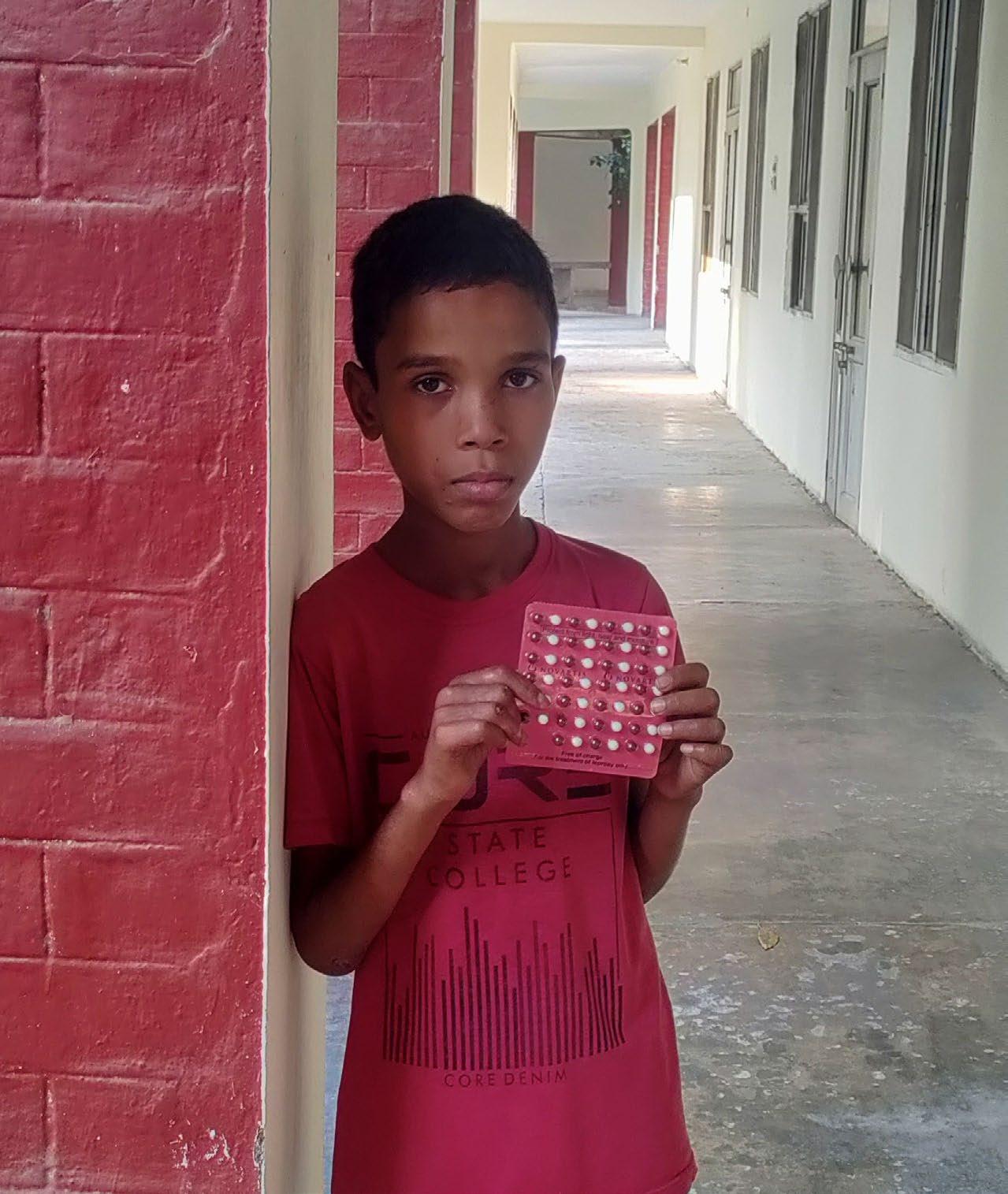
At just 11 years old, Ajay should be running through fields, playing with friends, and learning, dreaming freely about his future. But for this bright boy living in Andra Pradesh, India, the harsh grip of leprosy has already stolen much of his childhood.
With his parents facing their own challenges, Ajay’s whole world rests on his grandfather’s shoulders. But now, thanks to your love and compassion, that burden is no longer carried alone.
Ajay’s leprosy began quietly with just patches of numbness on his hands. His family, unaware of what it meant, turned to a local healer. But the so-called treatments only deepened their hardship and delayed proper care.
By the time they reached help, Ajay’s leprosy had already caused irreversible damage.
The nerves in Ajay’s hands have lost sensation, never to return. His fingers
curled into claws. He could not hold a cup or grip a pencil.
Even more devastating, he no longer feels pain—the very gift that warns us of danger.
As his hands lost sensation, Ajay lost his protective sense of pain. One day, Ajay placed his hand in boiling water without realising it. He felt nothing as his skin blistered.
Then came a turning point.
Thankfully, a kind neighbour guided Ajay’s family to The Leprosy Mission's Naini Hospital.
At the hospital, Ajay finally received a correct diagnosis and began the essential Multi-Drug Therapy to stop the disease’s progression.
Ajay’s journey is just beginning, but hope is rising.
Ajay still dreams of his future in meaningful work helping others who suffer, just as he did. And with God’s grace, and the love and support of New Zealand supporters like you, that dream is possible.
With proper care, surgery, and support, Ajay may once again hold a pencil, return to school, and reclaim the life leprosy tried to steal.
What
a wonderful way to acheive No Child with Leprosy by 2035.
The Good News!
Leprosy is caused by a bacteria called M. leprae, which can damage the skin, nerves, hands, feet, and eyes if left untreated. But today, there is a highly effective cure.
Treatment comes in the form of MultiDrug Therapy (MDT), a combination of three antibiotics that work together to kill the bacteria. It’s safe, widely available, and provided free of charge in many countries where the Leprosy Mission serves.
Even more encouraging: Once someone starts MDT, they can no longer pass leprosy on to others.
This makes early diagnosis and treatment incredibly important.
The sooner treatment begins, the better the outcome. With the right care, people can make a full recovery and prevent long-term complications.
However, when treatment is delayed or not completed, the bacteria can cause permanent damage, affecting movement, vision, and daily life.
That’s why access matters.
Together, you and the Leprosy Mission help make sure people can receive MDT as soon as possible—so the disease can be stopped, lives can be restored, and futures protected.
Care
Zero Disability
Leprosy is one of the leading causes of preventable disability in the world, and yet disability is not an inevitable consequence of leprosy. That’s why the Leprosy Mission is committed to seeing zero disability because of the disease.
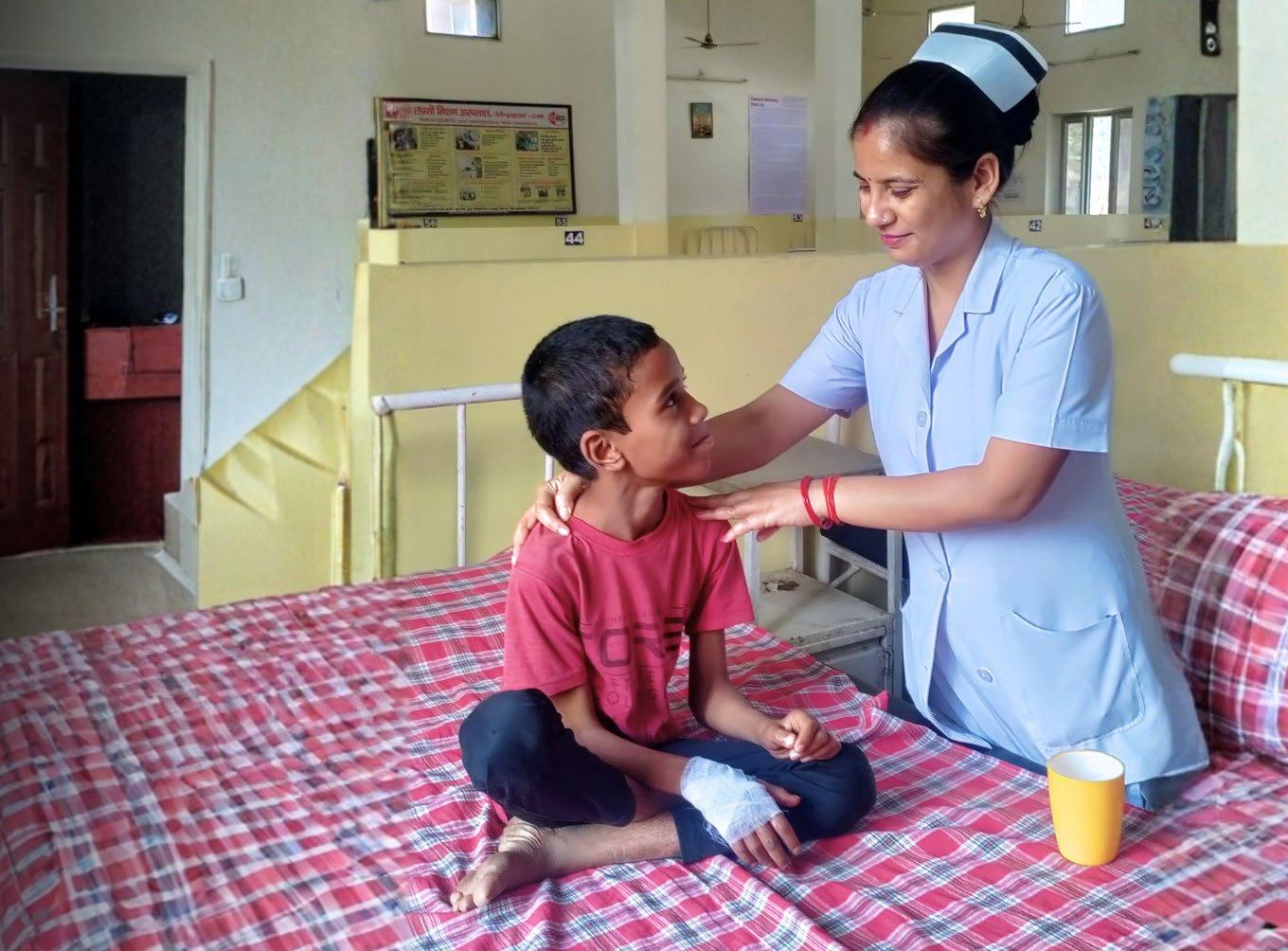
Hospitals that you support provide reconstructive surgery, physiotherapy , ulcer treatment and reaction treatment. In our projects, people affected by leprosy are taught self-care for ulcers to prevent disability, and are provided with assistive equipment, crutches and wheelchairs as well as prosthetics.
Nepal
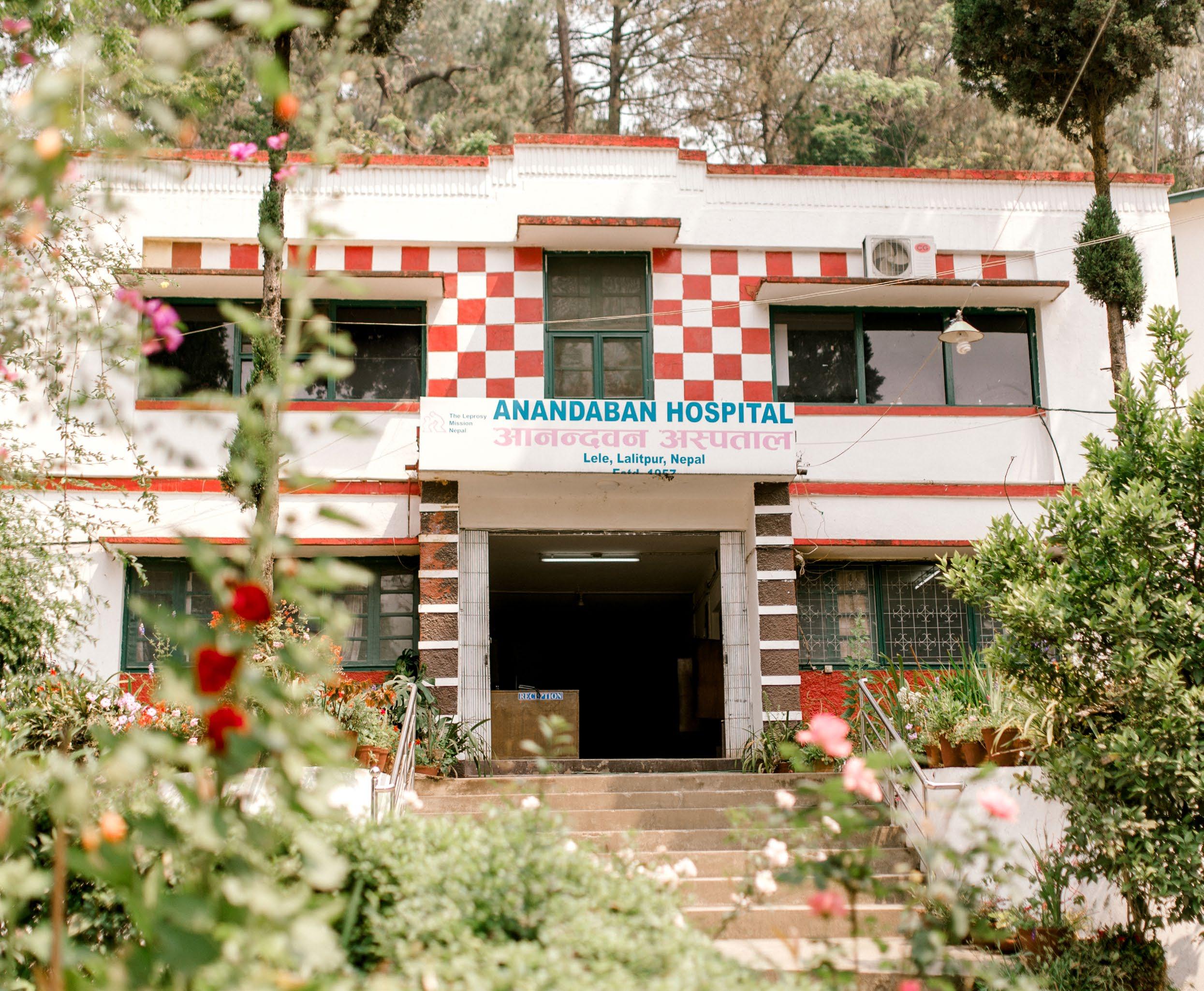
Despite the significant challenges created by the 2024 landslides, which damaged infrastructure and placed considerable pressure on facilities at Anandaban Hospital, vital care for people affected by leprosy has continued uninterrupted. Specialist teams have remained committed to providing diagnosis, treatment, management of leprosy reactions, rehabilitation, physiotherapy, surgery and ongoing support for those living with the physical and emotional impacts of the disease. Alongside hospital-based care, outreach services have continued to reach people in remote communities, ensuring that those most in need can access the treatment and support required to prevent disability, restore dignity and transform lives.
Anandaban Hospital in-patient: 262
admitted for ulcer treatment with an average length of stay of 38 days.
admitted for reaction with an average length of stay of 31 days. 153
97 patients admitted for Reconstructive surgeries (foot, hand and eye).
India
The Leprosy Mission’s Faizabad Hospital in Andra Pradesh state, provides specialist care for people affected by leprosy and disability, offering diagnosis, treatment, rehabilitation and support services. The hospital plays an important role in helping people access quality healthcare, prevent life-changing impairments and restore their health, dignity and independence.
Faizabad Hospital:
622
4,702
total in-patients.
Total leprosy consultations.
Nila’s Journey of Healing and Hope
Caring for Nila Every Step of the Way
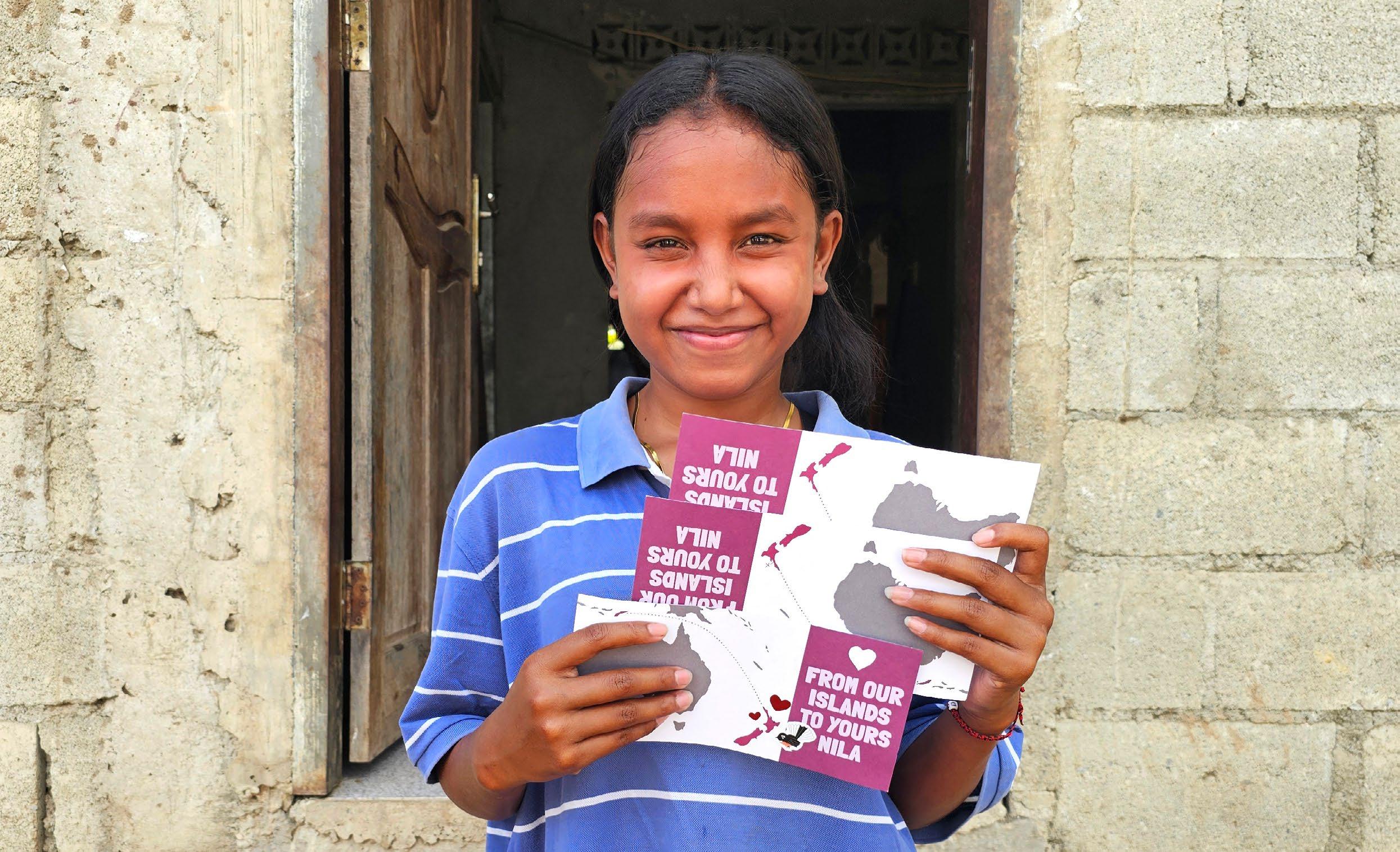
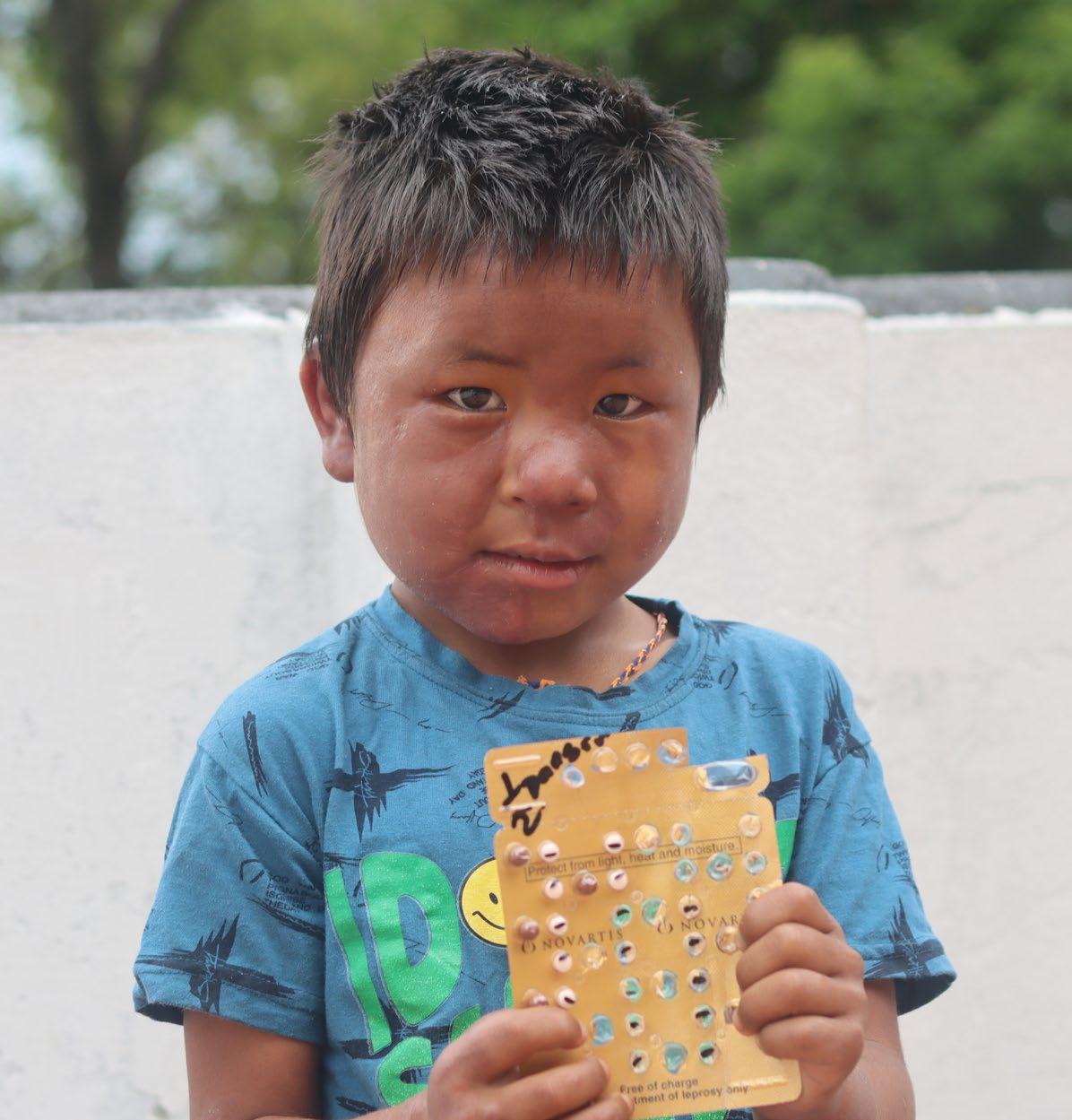
In Timor Leste, 13-year-old Nila now smiles with confidence again after completing her journey through leprosy treatment and recovery.
When unusual marks first appeared on Nila’s face, fear quickly spread through her family. In communities where the painful legacy of leprosy still lingers, many people associate the disease with disability, isolation, and hopelessness.
But Nila’s story changed because the Leprosy Mission team was there.
When Dr. Cela and the Leprosy Mission team arrived in Nila’s community, they immediately recognised the signs of leprosy and ensured she received the care she urgently needed.
Rather than facing the disease alone, Nila was surrounded by compassionate medical support, encouragement, and ongoing care from the very beginning.
At first, Nila struggled deeply with fear and shame.
“I felt ashamed to show myself,” she said. “I could not go to school.”
Her confidence disappeared as she worried about what others would think of her appearance and what her future might hold.
With support from New Zealand, Nila was quickly started on MDT, the life-changing treatment that cures leprosy. Within just 48 hours of beginning treatment, the risk of transmission was dramatically reduced.
Over the following months, the Leprosy Mission team continued walking alongside her, monitoring her recovery and making sure she received the medical attention and emotional support she needed to heal fully.
Without this early intervention and dedicated care, Nila could have faced lifelong complications from leprosy.
A Mother’s Gratitude
Nila’s mother, Tatum, says the support her daughter received changed everything.
“I prayed every day for my daughter,” she shared. “I cannot express how thankful I am to the people in New Zealand for helping her. You’ve given her life back to her.”
Nila’s healing is a testimony to the power of kindness and faith. God has restored her health, and through your generosity, her hope for the future has been renewed.
Protecting More Children Like Nila
Nila’s healing is not just a personal victory; it’s a beacon of hope for her community.
It is a powerful reminder of why early detection, treatment, and compassionate care are so important.
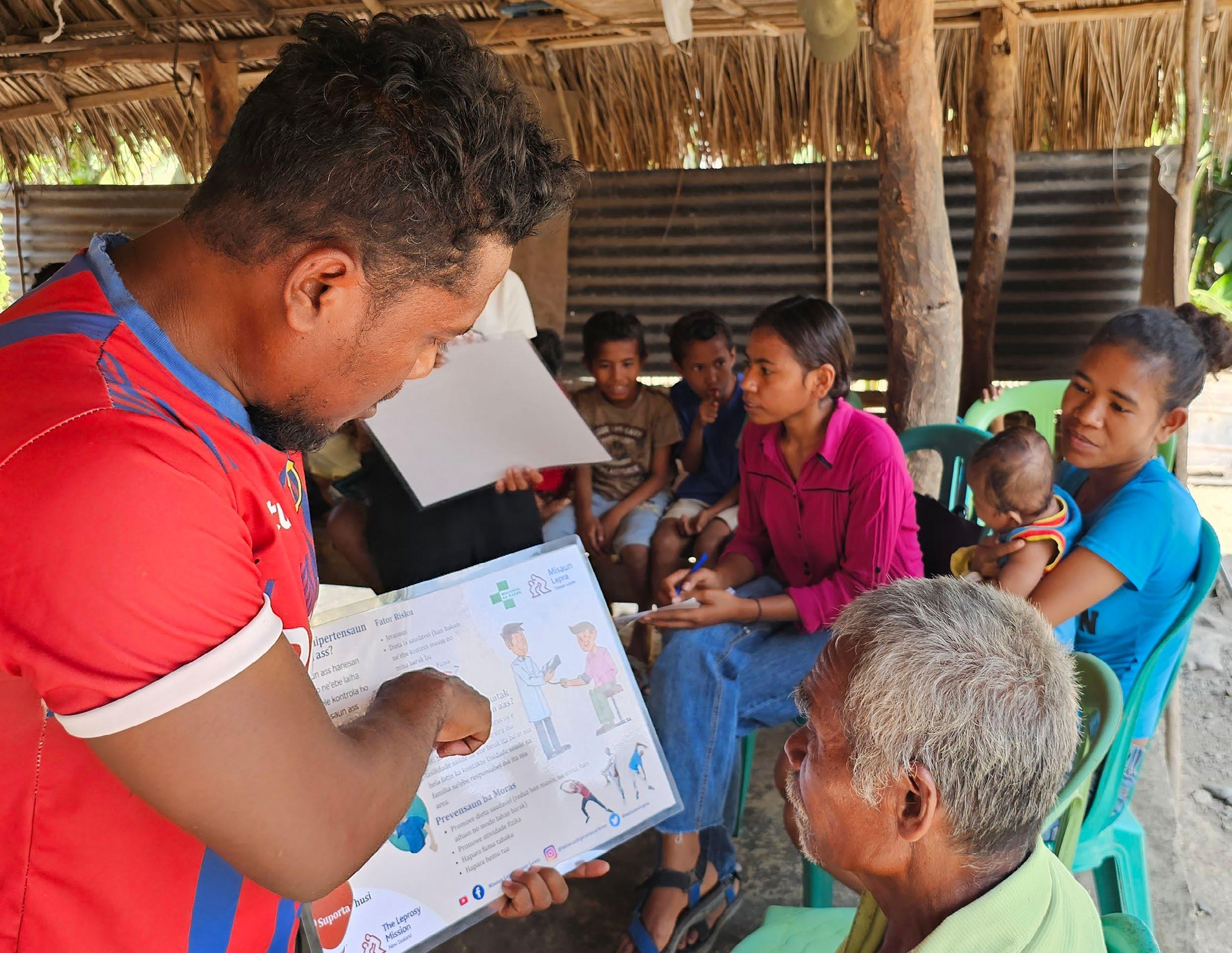
Through the PHACE (Preventative Health And Community Empowerment) programme, the Leprosy Mission is continuing to reach vulnerable communities across Timor Leste, ensuring children like Nila can receive timely diagnosis, treatment, and ongoing support before leprosy causes permanent harm.
Thank you for standing with us in this mission of healing and hope. Together, we are bringing light into the darkness and protecting the future of children in Timor Leste.
Restore
Zero Discrimination
In the projects you support, people affected by leprosy are restored back to their communities and empowered to challenge injustice and self-advocate for their rights and entitlements.
New Zealand supports livelihoods development through training, skills development and income-generating opportunities that enable people affected by leprosy and disability to restore their independence, overcome poverty and build a brighter future for themselves and their families.
Together, with your support we will see leprosy-affected people enjoy full participation in public, social, economic and cultural life.
India
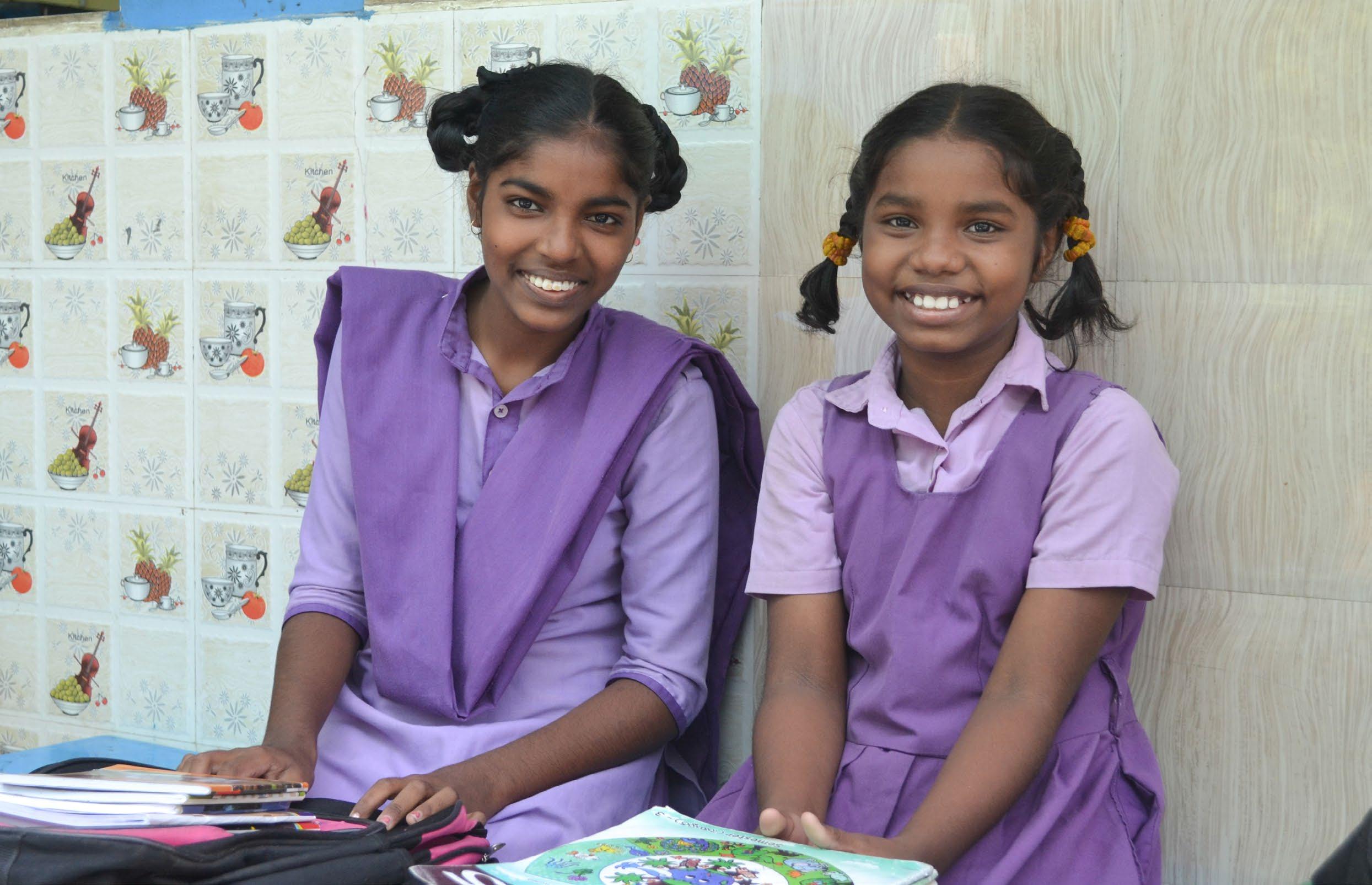
As part of the Children Unite for Action programme, the Leprosy Mission assists with meeting the educational needs of children and youth in communities affected by leprosy. Through the CUFA Project, 1,849 vulnerable children affected by leprosy and disability were supported to access healthcare, education and protection, while 60 Village Level Child Protection Committees were strengthened, 501 community members trained in child safeguarding, and 363 teachers from 59 schools equipped to promote inclusive education.
1,849
children affected by leprosy and disability were supported to access healthcare and education.
The Faizabad Vocational Training Centre provides residential training that equips people affected by leprosy and disability with the skills, confidence and opportunities needed to build independent livelihoods. In addition to nationally recognised vocational courses, students receive life skills, self-care and disability management training, health support, career and counselling services, entrepreneurship development, and practical workplace experience.
In 2025, over 100 students participated in the year-long residential programme, gaining skills that will help them secure employment, pursue self-employment and build brighter futures for themselves and their families.
4
Trade affiliated certification courses (national or state)
9
Non-formal trades
Papua New Guinea & Timor Leste
The Preventative Health and Community Empowerment (PHACE) programme worked in partnership with targeted communities to establish collaborative relationships and identify Community Leaders and Village Health Volunteers in 64 communities in Papua New Guinea and Timor Leste. The comprehensive training programme for volunteers ensures that health knowledge is embedded at the community level. Learning, sharing and ownership of knowledge empowers community decision-making, leading to transformative actions.
The training and intervention activities at the community level have resulted in a greater number of women taking leadership roles. There is an increasing number of suspected cases of leprosy being found through active case finding. The referral pathways established to ensure that people affected by leprosy, vulnerable and marginalised people feel safe and included in their communities.
39 Community Leaders participating in Leadership Governance for health and cross-cutting issues.
Bangladesh
17,791
Participants in Timor-Leste’s awareness raising activities on preventative health, gender-based violence and rights-related issues.
The Disadvantaged People's Association (DAPA) is a registered grassroots organisation representing 275 Self-Help Groups (SHGs) and 3,537 members across the greater Chattogram district of Bangladesh.
Established through the Chattogram Community Development Programme (CCDP), DAPA has grown with support from The Leprosy Mission Bangladesh and funding from New Zealand. DAPA now increasingly leads the programme, strengthening local ownership and sustainability. Through savings schemes and community initiatives, members have improved incomes, living conditions, access to healthcare, and educational opportunities for their children. Continued investment in DAPA's leadership is helping ensure lasting, locally led impact for communities affected by leprosy and disability.
Kamal’s Journey of Transformation
One year ago, Kamal's future looked uncertain.
Terrified and struggling to breathe, Kamal and his family had travelled for five hours by bus over difficult terrain to seek help. They believed he had been cursed by a snake god and had little hope that anything could be done.
But everything changed when they reached Anandaban Hospital.
At the hospital, Kamal's family learned the truth: he wasn't cursed. He had leprosy—a disease that can be cured.
When he arrived at the hospital, Kamal was seriously unwell, with extensive signs of leprosy and one of the highest bacterial loads the clinicians had encountered in a child. This contributed to a severe leprosy reaction and significant inflammation.
Following diagnosis, Kamal began MDT treatment to cure the leprosy and received steroids to control the severe reaction and inflammation.
Alongside specialist medical care, he received the ongoing support needed to help him recover and regain his health.
Slowly, his body began to heal. The swelling reduced. His breathing improved. The patches faded. Day by day, Kamal moved closer to freedom from a disease that had threatened to steal his childhood.
His remarkable progress over the past year demonstrates how access to quality healthcare can transform the lives of children affected by leprosy.
Before leprosy treatment
Today, Kamal is cured of leprosy.
Throughout Kamal's treatment, hospital counsellor Ruth walked closely alongside him and his family, providing the emotional support they desperately needed. She helped them process the fear, uncertainty, and stigma that often accompany a leprosy diagnosis.
Even after Kamal returned home, Ruth continued visiting him regularly, encouraging him and reminding him that he was not alone in his journey.
While visiting the family, Ruth also spent time educating others in the village about leprosy. Many community members had been afraid of Kamal, worried that his disease would spread to them and their families.
Through patient conversations and education, Ruth helped dispel myths and fears surrounding leprosy, explaining that once treatment begins, the disease is not easily transmitted.
Her work brought understanding, acceptance, and renewed hope to the wider community.
Today, Kamal's story is one of restoration.
He is back at school, walking each day with his father and younger sister, gathering friends along the way. He has a close group of best friends, loves learning, and although he can be shy around new people, he's growing in confidence and resilience.
For the first time in a long time, Kamal's family is looking toward the future with hope.
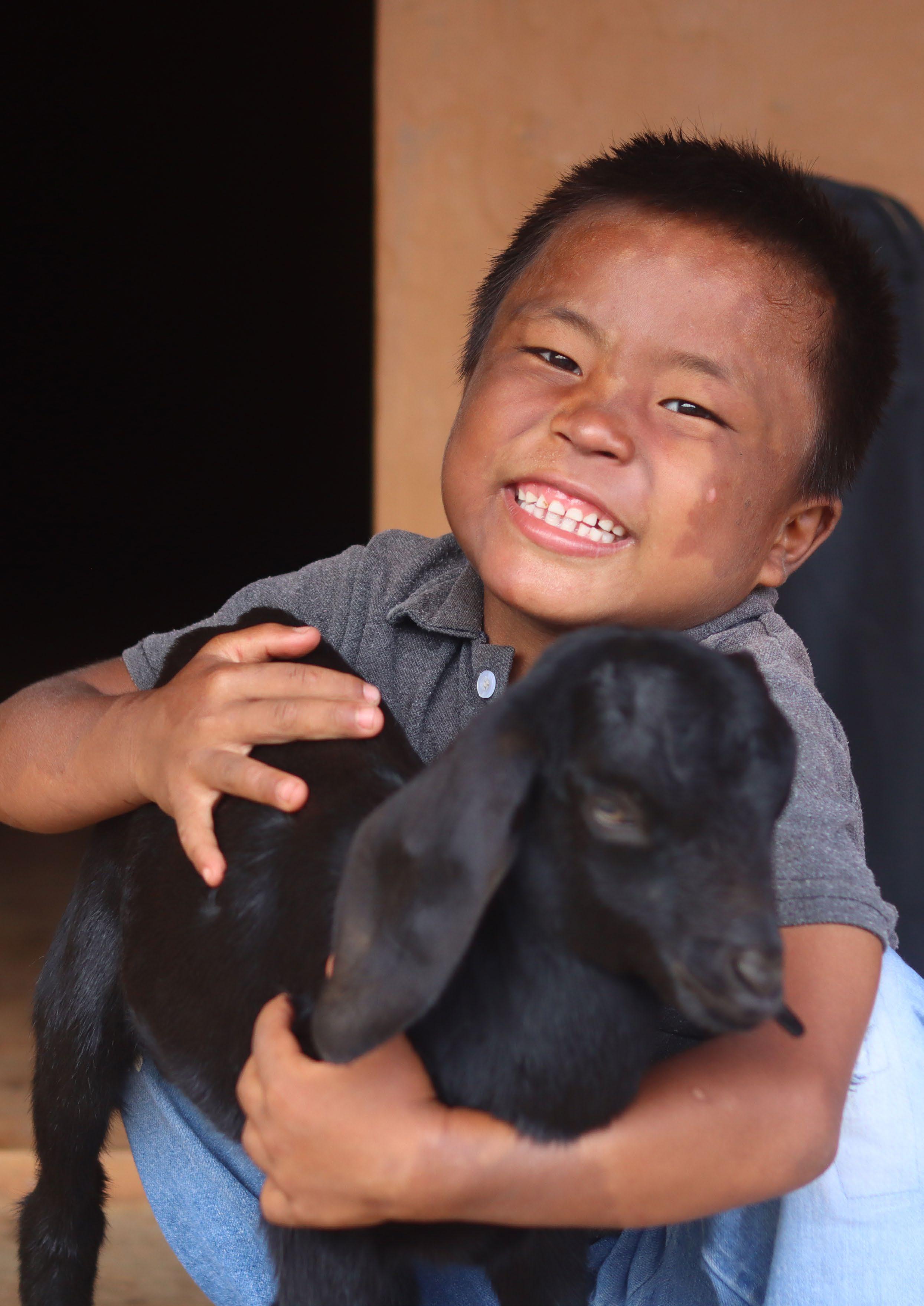
Through the Leprosy Mission Nepal's animal husbandry programme, families like Kamal's can receive goats, chickens, and buffalo. These animals provide nutritious food such as milk, eggs, and meat, helping families remain healthy and strong.
They also create opportunities for income through the sale of surplus produce, helping cover school fees, clothing, and medical expenses. Most importantly, this support could allow Kamal's father to remain at home, caring for his family and working on the land rather than seeking employment far away.
Because of your generosity, Kamal is no longer defined by disease. He is a healthy young boy, surrounded by family, embraced by his community, and filled with hope for the future.
After one year of leprosy medication
Building Climate Resilient Communities in Papua New Guinea
For many families in Papua New Guinea, access to clean water has never been guaranteed, increasing the risk of illness and making it harder for people affected by leprosy and other health conditions to maintain their health and wellbeing. Communities face growing challenges to their health, sanitation and livelihoods due to increasingly unpredictable weather conditions with prolonged droughts and rising sea-levels.
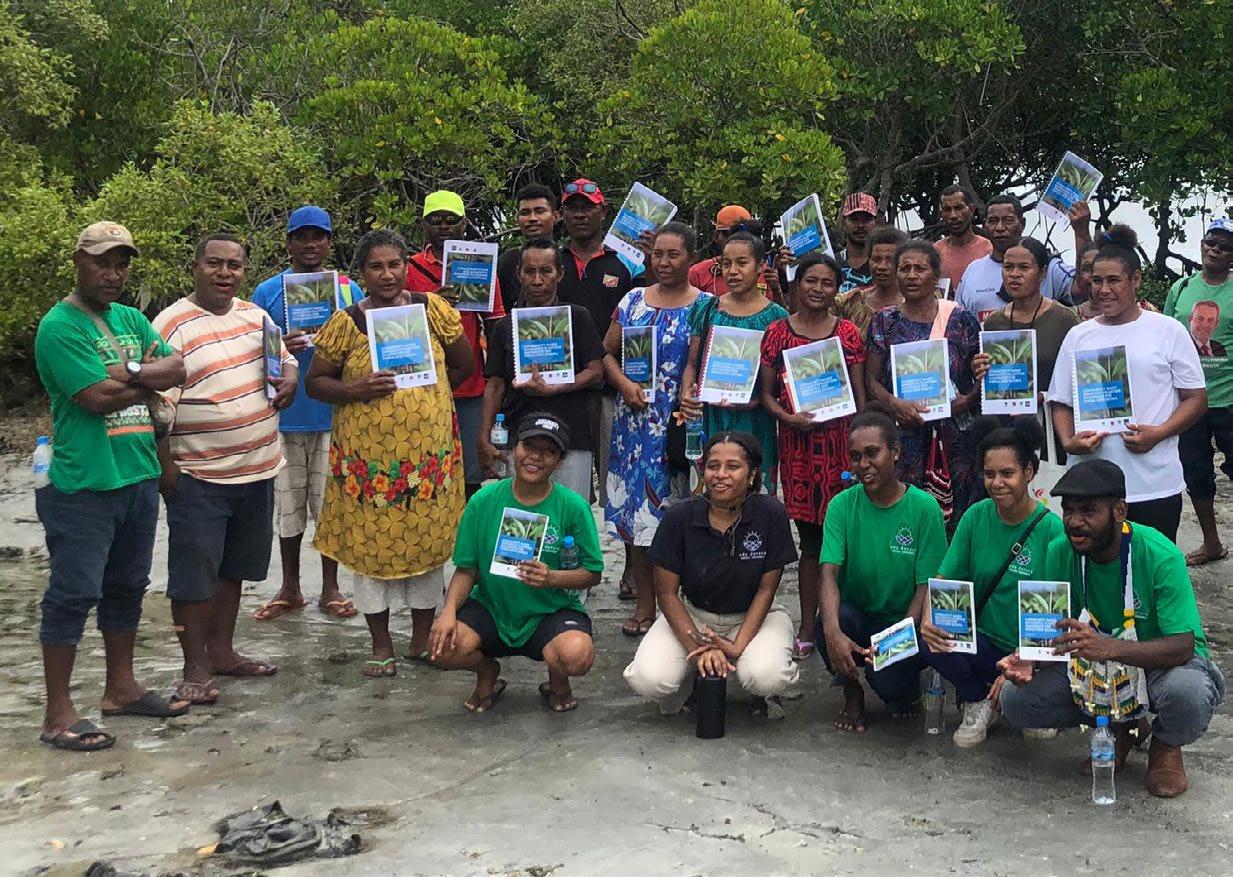
Through the Climate Change Resilience Programme (CCRP), delivered in partnership with MFAT and The Leprosy Mission PNG, communities are building the skills, leadership, and infrastructure needed to adapt and thrive in a changing climate.
One community already experiencing the benefits is Matairuka Village. For years, healthcare in Matairuka depended on the weather. During dry seasons, the local health facility often had to close, not because there were no health workers, but because there was no water.
Today, thanks to support from New Zealanders, that has changed.
Working alongside the community, The Leprosy Mission helped install water tanks, sanitation facilities, sinks, and washing areas, transforming the health facility into a clean, safe, and climate-resilient centre serving more than 5,000 people.
At the heart of this transformation is Ibin, the facility’s sole health worker. Before the project, Ibin regularly carried buckets of water from his own home just to provide basic healthcare.
Maintaining hygiene and safe patient care was a constant struggle. Now, with a reliable water supply and training in water management, hygiene, and maintenance, healthcare can continue uninterrupted.
Patients can wash their hands. Toilets function properly. Mothers can give birth in safer conditions. And families know the facility will be open when they need it most.
CCRP is helping communities take ownership of climate adaptation through practical training, local leadership, and climateresilient Water, Sanitation and Hygiene (WASH) infrastructure. Reliable water sources are helping families better cope with drought, saline intrusion, and other climate-related challenges that once disrupted daily life.
Today, a health facility once at risk of closure stands as a place of hope and resilience— open, prepared, and ready to serve, whatever the season.
CCRP is operating in 15 communities in PNG, strengthening the work of PHACE (Preventative Health and Community Empowerment) programme.
A Vehicle of Hope
In the remote hills and valleys of Nepal, many people affected by leprosy face enormous barriers to accessing healthcare. Reaching Anandaban Hospital can mean days of walking or long, costly journeys on public transport. Following the 2024 landslides in the Kathmandu Valley, damaged roads have made travel even more difficult.
As a result, many delay seeking treatment because they cannot afford to leave work or their families behind. Yet leprosy is completely curable when detected early, and timely treatment can prevent lifelong disability.
Thanks to the generosity of supporters like you, hope is now reaching further. In 2025, Youth Advocates raised more than $30,000 to provide Anandaban Hospital with a brand new vehicle.
This mobile medical van enables the team to bring specialist care, medicines and equipment directly to remote communities. It supports early detection of leprosy, screening of family members and close contacts, and helps ensure treatment begins before disability occurs.
The new vehicle also allows medical teams to visit rural schools, providing children with free health check-ups and hygiene packs.
Additionally, the new vehicle is electric, making it more efficient and reducing running costs as staff travel across Nepal’s challenging terrain.
This means more resources can be directed towards patient care.
Thank you for helping bring lifechanging healthcare within reach for people affected by leprosy in Nepal. Your kindness is truly making the journey to healing possible!
Financial Statements
GENERAL PURPOSE FINANCIAL REPORT
Statement on Corporate Governance
The Board is responsible for preparing financial statements that give a true and fair view of the financial position of The Leprosy Mission New Zealand at the end of a financial year and the operating results for that year. The external auditor is responsible for expressing an opinion on the financial report, based on a review and assessment of the conclusions drawn from evidence obtained during the audit.
The general-purpose financial statements set out in this report have been prepared by management in accordance with generally accepted accounting practice under the Financial Reporting Act 2013. The Leprosy Mission New Zealand took early adoption of the NZ International Public Sector Accounting Standards [NZ IPSAS] tier 2 in 2021. They are based on appropriate accounting policies which have been consistently applied and supported by reasonable judgements and estimates.
The Board
The Board retains full and effective control over the society, monitors executive management and ensures that decisions on material matters are in the hands of the Board.
Audit Committee
The audit committee is composed of members of the Resources committee. The external auditor has access to this committee and meets with the committee following completion of the audit for the 12 months ended 31 December 2025. Matters considered included a review of the financial statements and accounting policies, the effectiveness of management information and other systems of internal control and the auditor’s findings. The auditor is appointed each year based on recommendations of the audit committee.
Internal Control
To fulfil its responsibilities, management maintains adequate accounting records and a system of internal controls which is monitored periodically. No breakdowns were identified in the systems of internal control for the 12 months ended 31 December 2025. After reviewing internal financial reports and budgets, the Board believe that The Leprosy Mission New Zealand Incorporated will continue to be a going concern in the foreseeable future. For this reason, they continue to adopt the going concern basis in preparing the financial statements.
Statement of Service Performance
Leprosy Mission NZ
For the year ended 31 December 2025
Outcomes
The Leprosy Mission New Zealand’s vision is leprosy defeated; lives transformed. Our work focuses on the strategic goals of Zero Transmission, Zero Disability and Zero Discrimination.
Outputs
Bougainville Healthy Communities Programme (BHCP)
Village/community support visits
Participants in health promotion training
(under design)
(776 male and 554 female)
(430 male and 491 female)
New confirmed leprosy cases 42 (20 male and 22 female) 33 (22 male and 11 female)
(842 male and 567 female)
(728 male and 474 female)
(50 male and 67 female) 72 (37 male and 35 female)
Preventative Health and Community Empowerment (PHACE) Programme,
Papua New Guinea
Community leaders have attended training on Leadership, Governance (for health) and crosscutting issues
391 (212 male and 171 female)
P. 2 PHACE 6 month report + P. 3 Annual Report (divided in two as this covered half of 2024)
Community Health Volunteers have recevied training on preventative community health and cross-cutting issues 90 (43 male and 47 female)
(75 male and 75 female)
(36 male and 10 female)
(29 male and 17 female)
(64 male and 58 female)
(44 male and 47 female)
(56 male and 51 female)
Awareness-raising and sensitisation activities on preventative health, genderbased violence (GBV), and other rights-related issues have been conducted in target communities covered
Community Health Volunteers have received training on preventative community health and cross-cutting issues
Community leaders have attended training on Leadership, Governance (for health) and cross-cutting issues
Referrals associated with disability, gender-based violence (GBV) and illness
17,791 (8,032 male and 9,759 female)
P. 4 of 6 Month Report
P. 1 of Annual Report divided by two
61 (31 male and 30 female)
P. 2 Annual Report
137 (75 male and 62 female)
P. 2 6 Month Report:
50 (25 male and 25 female)
Annual Report P. 2: 174 (101 male and 73 female) /2
87 (50 male and 37 female)
168 (141 male and 85 female)
P. 4 6 Month Report:
48 (25 male and 23 female)
P. 4 Annual Report: 240 (116 male and 124 female) /2
120 (58 male and 62 female)
PEPCOM - Indonesia (Indramayu District)
New cases identified in the Target Communities
Intensive Case Finding (ICF) orientation provided to healthcare staff
Single-Dose Rifampicin (SDR-PEP) Administered through the PHCs in the target communities.
8,656 participants (3,833 male and 4,823 female)
61 (31 male and 30 female)
216 (142 male and 74 female)
2025
245 new cases
21 public health centres now implementing ICF
P. 2 PEPCOM Annual Report 2025 (NLR Indonesia)
2,087 close contacts
P. 2 PEPCOM Annual Report (NLR Indonesia)
28 (19 male and 9 female)
2024
124 new cases of 355 referrals from 35 PHCs
59 cadres from 57 endemic villages
3,232 contacts
* Some output measurements do not have comparative figures because new programmes were developed in 2024 with a different focus area, making the data not directly comparable to previous years.
STATEMENT OF FINANCIAL POSITION
AS AT 31 DECEMBER 2025
The Leprosy Mission New Zealand Incorporated
accompanying
Cash Flow Statement
Notes to the Financial Statements
For the year ended 31 December 2025
1. Reporting Entity
The Leprosy Mission New Zealand Incorporated is a charitable organisation, based in Auckland, incorporated under the Charitable Trusts Act 1957 and registered under the Charities Act 2005 as Charities Registration No. CC37638. It provides essential services and support to people experiencing the causes and consequences of leprosy.
Physical address: The Leprosy Mission New Zealand Incorporated 591 Dominion Road, Mount Eden, Auckland 1041.
2. Date of Authorisation
The current financial statements of the Leprosy Mission New Zealand are for the year ended 31 December 2025. These statements will be authorised for issue on 6th May 2026 and approved after the Board meeting and AGM on 13th June 2026.
3. Basis of Preparation Statement of Compliance
The general-purpose financial statements have been prepared in accordance with the requirements of the rules of the Society as stated in Section 12 and these comply with the Public Benefit Entity Accounting Standards Framework (Not-For-Profit Entities).
The financial statements of the Leprosy Mission New Zealand have been prepared in accordance with Generally Accepted Accounting Practices. [NZ GAAP] They comply with the Public Benefit Entity NZ International Public Sector Accounting Standards [NZ IPSAS], with application of Reduced Disclosure Requirements (RDR), as authorised by the External Reporting Board under the Financial Reporting Act 2013.
Under this framework, the Leprosy Mission New Zealand is classified as a Tier 2 reporting entity. Leprosy Mission New Zealand is a public benefit entity that raises funds together with the NZ Government grants for leprosy-related work done overseas.
The stated accounting framework and accounting policies set out below have been applied consistently to all periods presented in these financial statements.
The financial statements are presented in New Zealand Dollars (NZD) rounded to the nearest dollar.
4. Accounting Policies
(a) Owned Assets
The financial statements are prepared on the historical cost basis. 1.
Assets includes furniture and fixtures, office equipment and vehicles in addition to an interest in the Missions Centre Partnership of which the Leprosy Mission New Zealand owns a 50% share at 591 Dominion Road. Except for interest in the Missions Centre Partnership, all assets have been recorded at cost less accumulated depreciation. The Leprosy Mission NZ has applied the Equity Method for the valuation of its 50% partnership share in the property at 591 Dominion Road according to PUBLIC BENEFIT ENTITY INTERNATIONAL PUBLIC SECTOR ACCOUNTING STANDARD 36 INVESTMENTS IN ASSOCIATES AND JOINT VENTURES (PBE IPSAS 36).
(b) Depreciation
Depreciation is calculated to write off the cost of furniture and fixtures, office equipment and vehicles, on a straight-line basis over the expected useful economic lives of the assets concerned.
The estimated useful lives of assets are as follows:
• Computers and software - 3 years
• Furniture and Fixtures 5 years
• Motor vehicles 5 years
The assets’ residual values and useful lives are reviewed, and adjusted if appropriate, at each reporting date.
(c) Investments
(i) Leprosy Mission New Zealand endeavours to make available all possible funds for immediate leprosy work. Specific funds are invested to only utilise the
(ii) Investments are shown in the Statement of Financial Position at the lower of cost or market value.
(iii) The Leprosy Mission New Zealand’s investments comprise cash together with 300 shares in Pacific Gas & Electric Company which were bequeathed to The Leprosy Mission New Zealand by a supporter. The fair value of quoted securities is determined based on bid prices at the balance sheet date. The book value of this investment remains unchanged from 2003. PG&E filed for Chapter 11 on 29 January 2019 and as of 31 December 2023 the last sale listed on the NASDAQ Exchange was USD 18.04 per share. There were no PG&E dividends received in 2025.
(iv) The Leprosy Mission New Zealand has a third share of a 5-share interest in freehold land in the Maori Freehold Land known as Anakiwi No. 10 Block.
(d) Receivables
Receivables are recognised at the original invoice amount less impairment losses. This balance is made up of a current account balance with the Leprosy Mission International, prepayments and GST.
(e) Payables
(f) interest when received.
Trade and other payables represent liabilities for goods and services provided to the Leprosy Mission New Zealand and which have not been paid at the end of the financial year. Given their short-term nature, the carrying values of trade and other payables are considered a reasonable approximation of their fair values.
An accrual for Holiday Pay reflects the balances owing to staff at balance date and is measured at the amounts expected to be paid when the liabilities are settled. Sick leave requests greater than any annual entitlement are considered insignificant and have not been accrued into employee end of year entitlements.
(g) Revenue NON-EXCHANGE TRANSACTIONS
(i) Grants and Donations
Grant and donation income is recognised as income when it becomes receivable unless the Leprosy Mission New Zealand has a liability to repay the grant if the requirement of the grant or donation is not fulfilled. A liability is recognised to the extent that such conditions are unfulfilled at the end of the reporting period.
(ii) Bequests
Bequests are recognised in the statement of Comprehensive Revenue when received.
(iii) Government Grants
Contracts with the Ministry of Foreign Affairs and Trade [MFAT] are based on 2-5 -year terms with a schedule of annual payment dates. The contracts have
performance reporting dates along with a financial accountability reporting inclusive of any unspent balance. Formal negotiations take place with the MFAT on any unspent project funds as to repayment, or an application to apply the unspent funds to an extension of the project(s). On this basis, the revenue recognition policy is to treat government contracts as a current liability until the funds are expended on the authorised project, and the administration of the project.
(h) Revenue EXCHANGE TRANSACTIONS
(i) Finance Income (interest and other Income)
Interest is recognised in the statement of comprehensive revenue and expenses as it accrues, using the effective interest method. Dividend income is recognised in the statement of comprehensive revenue and expenses when the right to receive payments is established.
(ii) Sale of books
Revenue from the traded goods and services are recognised when the agreed goods & services have been delivered, and the amount of revenue can be reliably measured. At this stage, the benefits of the service and products has been delivered to the respective client.
This year a decision was taken to write off the value of books held in inventory. A total of $1,266 was written off.
Currency gains or losses are recognised as “Other Income” at the end of the financial period.
(i) Finance Income (interest and other Income)
(i)
Interest is recognised in the statement of comprehensive revenue and expenses as it accrues, using the effective interest method. Dividend income is recognised in the statement of comprehensive revenue and expenses when the right to receive payments is established.
(ii) Currency gains or losses are recognised as “Other Income” at the end of the financial period.
5. Emergency Grants
Grants made for emergency purposes are recognised as expenses when approved and the recipient has met all necessary conditions to be entitled to the payment.
6. Income Tax
The Leprosy Mission New Zealand is wholly exempt from New Zealand income tax and gift duty having fully complied with all statutory conditions for these exemptions.
7. Goods and Services Tax
The statement of comprehensive revenue and expenses has been prepared so that all components are stated exclusive of GST. All items in the statement of financial position are stated net of GST, except for receivables and payables, which are stated inclusive of GST.
8. Donation Income
This income is made up of the following.
9. Programmes
Cash and Cash Balances
Cash comprises deposits with The Bank of New Zealand.
11. Funds Committed For Future Remittances
NZAID grants for 2025 received from MFAT (Ministry of Foreign Affairs and Trade) along with currency gains held over for final remittance totalled $3,037,302 and will be remitted after balance date. The increased amount is due to MFAT funded projects no longer being based on a calendar year.
12. Changes in Accounting Policies
There have been no material changes in accounting policies by the entity during the period covered by these financial statements. All policies have been applied on a basis consistent with those used in previous year.
13. Related Party Transactions
There were no related party transactions in 2025.
Leprosy Mission New Zealand conducts an internal audit every year for the Bougainville Healthy Communities Programme (BHCP) project. The internal audit comprises a deskaudit followed by a site visit to PNG to complete a full internal audit which is required for reporting to MFAT. Graham Mills CA, a member of The Leprosy Mission NZ Board conducts this audit and is paid a fee which is determined and agreed in the BHCP project budget with MFAT. All travel, accommodation and incidentals for the site visit are covered under the agreed budget.
14. Accounting For Events After Balance Date
No significant events have occurred since balance date that would require a change to these Financial Statements.
Furniture and Motor Vehicles
16. Advances - Share of Partnership
• A reinstatement valuation of the building was prepared by Seagars (Auckland) Ltd in September 2023, and the reinstatement estimate was $ 3,150,000. We have moved our insurance brokers from Rothbury to Gallagher Insurance Brokers (formerly Crombie Lockwood).
• A valuation from the Auckland City Council letter dated 11th June 2025 had the following values.
These advances are repayable in the event of The Leprosy Mission New Zealand withdrawing from the partnership.
17. Transactions with key management personnel
The total remuneration to key management personnel comprising of 6 individuals was –
18. Total Personnel Cost
The total personnel cost was –
19. Financial instruments
Financial assets and financial liabilities are recognised when the Entity becomes a party to the contractual provisions of the financial instrument. The Entity derecognises a financial asset or, where applicable, a part of a financial asset or part of a group of similar financial assets when the rights to receive cash flows from the asset have expired or are waived, or the Entity has transferred its rights to receive cash flows from the asset or has assumed an obligation to pay the received cash flows in full without material delay to a third party; and either:
• the Entity has transferred substantially all the risks and rewards of the asset; or
• the Entity has neither transferred nor retained substantially all the risks and rewards of the asset but has transferred control of the asset.
20. Use of Estimates and Judgements
The preparation of the financial statements in conformity with PBE Accounting Standards Tier 2 requires management to make judgements, estimates and assumptions that affect the application of accounting policies and the reported amounts of assets, liabilities, income and expenditure. There are no significant estimates used in the preparation of the financial statements.
21. Equity
The equity comprises of the following:
(b)
for the year
(486,646) 1,021,865 (940,575)
Project and Other Reserves
Board Designated Project Funding
3,000,000
2,441,354
Independent Auditor’s Report
To the Board of The Leprosy Mission New Zealand (NZ)
Opinion
We have audited the Financial Statements of The Leprosy Mission New Zealand on pages 29 to 44, which comprise the Entity Information, the Statement of Service Performance, Statement of Financial Position as at 31 December 2025, and the Statement of Comprehensive Income, Statement of Changes in Equity and Statement of Cash Flows for the year then ended, and Notes to the Financial Statements, including a summary of significant accounting policies.
In our opinion, the accompanying Financial Statements present fairly, in all material respects:
• the entity information for the year ended 31 December 2025;
• the service performance for the year ended 31 December 2025, in that the service
• the financial position of The Leprosy Mission New Zealand as at 31 December 2025, and its financial performance, and cash flows for the year then ended,
in accordance with Public Benefit Entity Standards Reduced Disclosure Regime issued by the New Zealand Accounting Standards Board (Tier 2 (PBE)). performance information is appropriate and meaningful and prepared in accordance with the entity’s measurement bases or evaluation methods;
Basis for Opinion
We conducted our audit of the Statement of Comprehensive Income, Statement of Financial Position, Statement of Cash Flows, Statement of Accounting Policies and Notes to the Financial Statements in accordance with International Standards on Auditing (New Zealand) (ISAs (NZ)), and the audit of the Entity Information and Statement of Service Performance in accordance with New Zealand Auditing Standard (NZ AS1 (Revised) 'The Audit of Service Performance Information (NZ)'.
Our responsibilities under those standards are further described in the Auditor's Responsibilities for the Audit of the Financial Statements section of our report. We are independent of The Leprosy Mission New Zealand in accordance with Professional and Ethical Standard 1 ‘International Code of Ethics for Assurance Practitioners (including International Independence Standards) (New Zealand) issued by the New Zealand Auditing and Assurance Standards Board, and we have fulfilled our other ethical responsibilities in accordance with these requirements. We believe that the audit evidence we have obtained is sufficient and appropriate to provide a basis for our opinion.
Other than in our capacity as auditor we have no relationship with, or interests in, The Leprosy Mission New Zealand.
Restriction on Responsibility
This report is made solely to the Board Members, as a body, in accordance with section 42F of the Charities Act 2005. Our audit work has been undertaken so that we might state to the Board Members those matters we are required to state to them in an auditor's report and for no other purpose. To the fullest extent permitted by law, we do not accept or assume responsibility to anyone other than the Board Members as a body, for our audit work, for this report, or for the opinions we have formed.
Other Information
The governance board is responsible for the other information being the Statement on Corporate Governance, The Board, Audit Committee and Internal Control. No assurances on the other information are engaged by us.
Our audit opinion on the financial statements does not cover any assurance of the other information. In connection with our audit of the financial statements, our responsibility is to read the other information and, in doing so, consider whether the other information is materially inconsistent with the financial statements, or our knowledge obtained in the audit or otherwise appears to be materially misstated. If based on the work we have performed, we conclude that there is a material misstatement of this other information, we are required to report that fact. We have nothing to report in this regard.
Board Responsibility for the Financial Statements
The Board Members are responsible on behalf of the entity for such internal control as the Board Members determine is necessary to enable the preparation of Financial Statements that are free from material misstatement, whether due to fraud or error.
(a) the selection of elements/aspects of service performance, performance measures and/or descriptions and measurement bases or evaluation methods that present service performance information that is appropriate and meaningful in accordance with Tier 2 PBE;
(b) the preparation and fair presentation of the Financial Statements which comprise: - the Entity Information;
- the Statement of Service Performance; and
- the Statement of Comprehensive Income, Statement of Financial Position, Statement of Cash Flows, Statement of Accounting Policies and Notes to the Financial Statements in accordance with Tier 2 PBE, and
(c) for such internal control as the Board Members determine is necessary to enable the preparation of Financial Statements that are free from material misstatement, whether due to fraud or error.
In preparing the Financial Statements, the Board Members are responsible on behalf of the entity for assessing the entity's ability to continue as a going concern, disclosing, as applicable, matters related to going concern and using the going concern basis of accounting unless the Board Members either intend to liquidate the entity or to cease operations, or have no realistic alternative but to do so.
Auditor's Responsibilities for the Audit of the Financial Statements
Our objectives are to obtain reasonable assurance about whether the Financial Statements as a whole are free from material misstatement, whether due to fraud or error, and to issue an auditor's report that includes our opinion. Reasonable assurance is a high level of assurance, but is not a guarantee that an audit conducted in accordance ISAs and NZ AS1(Revised) will always detect a material misstatement when it exists. Misstatements can arise from fraud or error and are considered material if, individually or in the aggregate, they could reasonably be expected to influence the decisions of users taken on the basis of these Financial Statements.
A further description of the auditor's responsibilities for the audit of the Financial Statements is located at the XRB's website at www.xrb.govt.nz/standards-for-assurance-practitioners/ auditors-responsibilities/audit-report-8/.
The engagement partner on the audit resulting in this independent auditor's report is Emily Ren. Signed:
Auckland 6 May 2026
Our commitment to you
While the Leprosy Mission New Zealand holds itself to the highest standards in all activities it undertakes, there may be times when this standard cannot always be achieved or be perceived to be achieved. The Leprosy Mission New Zealand has policies and a Safeguarding Code of Conduct addressing child and vulnerable adult protection. In the event of a complaint being received by the Leprosy Mission New Zealand, we will investigate, address the concerns raised and learn from the experience.
In the first instance, please contact us:
General concerns: supporterservices@leprosymission.org.nz
Or call Freephone: 0800 862 873 (NZ Only) or +09 630 2818
If you have raised a complaint with The Leprosy Mission New Zealand and are not satisfied with the response to that complaint you may contact:
The Council for International Development (CID), the national umbrella agency for NZ organisations working in International Development. Website: cid.org.nz
You can also contact Charities Services, part of the Department of Internal Affairs. Website: charities.govt.nz
Fundraising Institute, a sector organisation of which The Leprosy Mission New Zealand is a member and which commits to ethical and best practice fundraising. Website: fia.org.au/s/
We would like to acknowledge and thank our partners who joined us in our goal of No Child with Leprosy by 2035.
Overseas partners:
(until No Leprosy Remains)
Disadvantaged People's Association (Bangladesh)
New Zealand partners:
Geyser Community Foundation (The Wallace Homes Fund)