
International Tree Foundation’s Impact in 2025
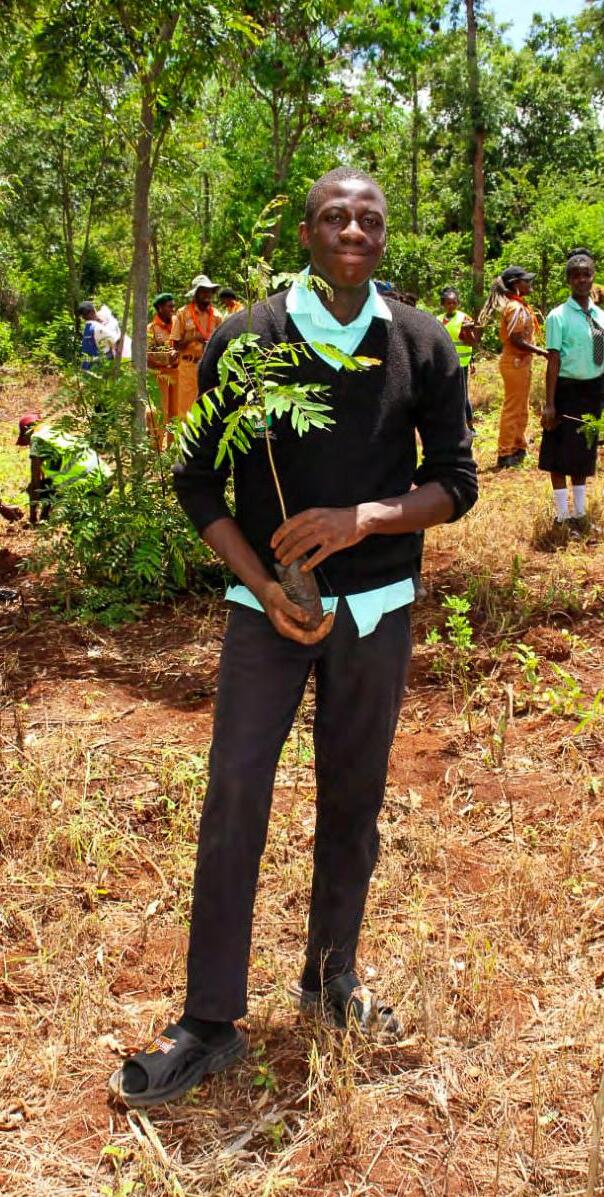
We believe in the power of trees; when they’re planted properly, they transform landscapes and lives. We focus our efforts where they’re needed most – places with threatened ecosystems, endangered tree species and climate-vulnerable communities. Together, through tree planting, we tackle social, economic and environmental challenges.
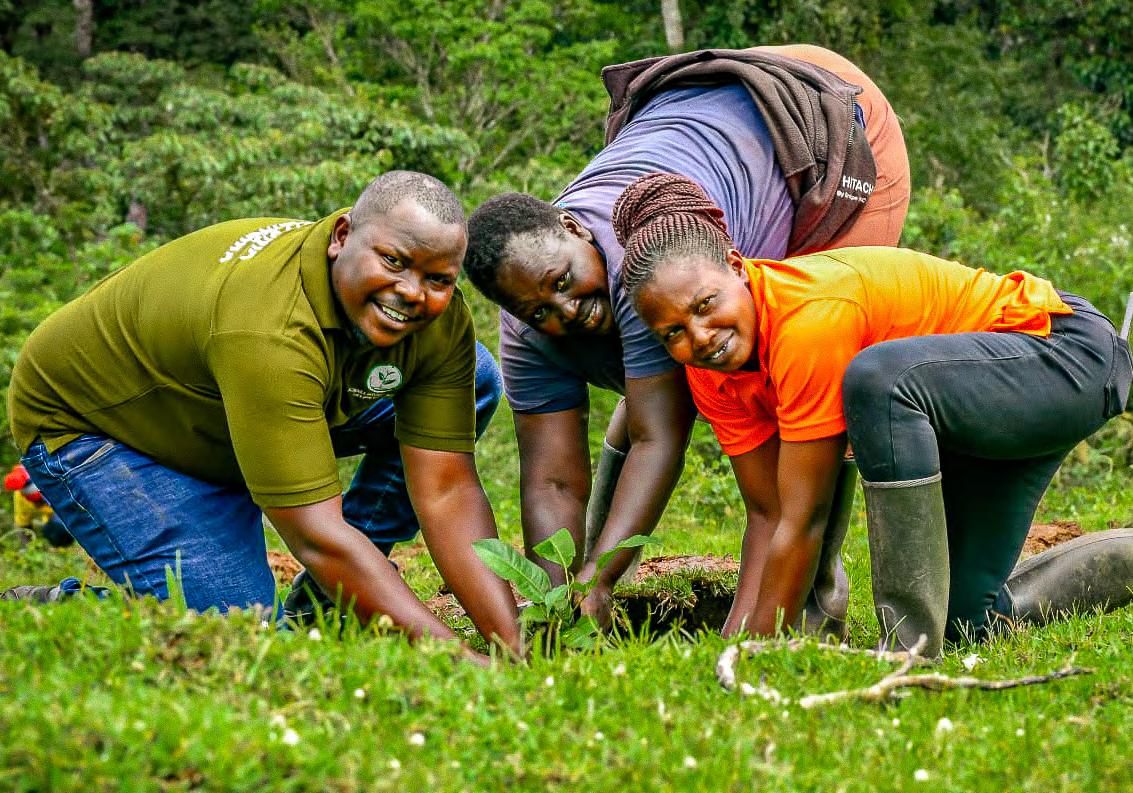
It takes a community to restore a forest. That’s why we’re community-led. That means that local people, who depend on their local forest, lead the restoration. Communities identify their own needs and ideas. And together we implement practical, locally-driven solutions that include everyone – especially women, young people and vulnerable groups.
It’s how we’ve done it for over a hundred years and with your help, it’s what we’ll be doing for a hundred more.
Our mission goes beyond planting trees. We’re helping communities thrive with better livelihoods, stronger economies and healthier ecosystems.
We’re the world’s oldest tree planting charity. We started in the foothills of Mount Kenya in 1922.
Our mission
To work with local communities to plant trees and restore forests in places where, together, we can make the fastest, most lasting impact for communities and the future of our planet.
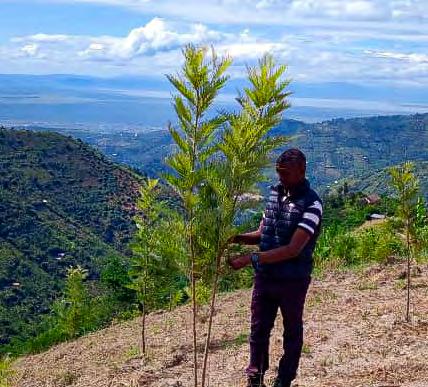
Our approach ensures an impressive 80% or higher tree survival rate.
We combine indigenous knowledge and scientific methods to propagate and grow endangered trees. The trees are then planted back into the forest, increasing resilience and ensuring we don’t lose any of these vital species.
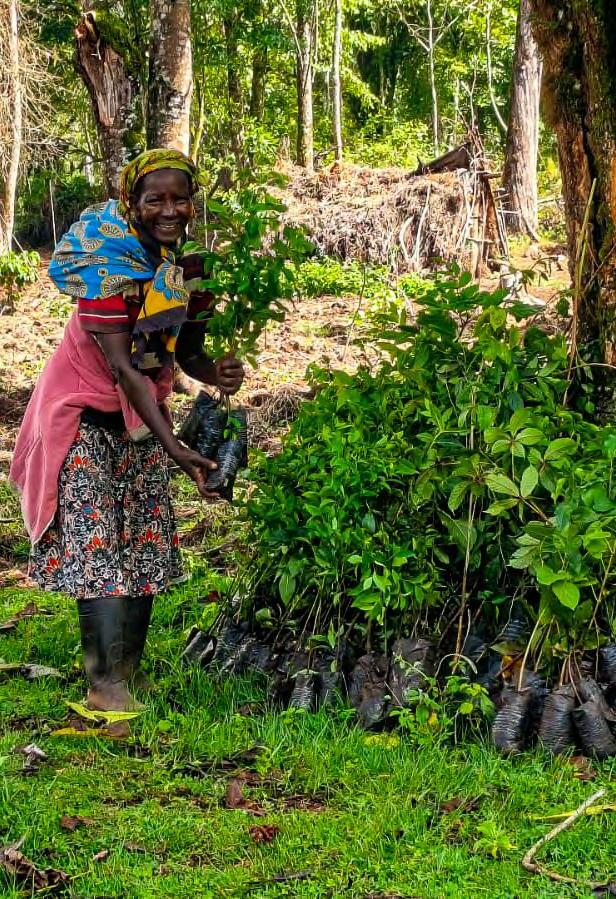
Teaching people to grow trees and create their own nurseries provides a new income source, while the trees themselves produce nuts, fruit and other resources which can be sold, creating sustainable livelihoods which will grow as the trees do.
In many communities where we work, women have little agency over land while carrying the burden of tending it. Through education and training for women, we strengthen forest restoration and the local economy.
Time in nature is proven to boost physical and mental health. Our work helps people, who might not otherwise have the opportunity, to spend time in green spaces and connect with nature.
Trees capture carbon and cool our planet. They bring rain, combat drought, clean the air, keep soil stable, reduce the effects and likelihood of natural disasters.
• Combats the devastating effects of climate change
• Improves soil and yields
• Provides shelter and food for people and wildlife
• Restores or protects existing forests
• Restores ecosystems and helps biodiversity to flourish
• Improves access to vital resources like food and medicine
• Equips people with sustainable livelihoods.
Thousands of communities depend on forests for food, medicine and fuel. Planting trees on homesteads and farms improves access to these vital resources while protecting oldgrowth forests.
By planting trees and rewilding, we restore habitats, help species to return and ensure nature and biodiversity can flourish once again.
When trees are planted on farms, they improve the soil which leads to higher yields. Trees also give shelter and food for families and livestock.
Tree planting helps marginalised communities to enhance their wellbeing and economic independence. That’s a win-win for people and their environment.
Our work in East Africa is making a real difference, driving progress on 8 out of the 17 of the UN’s Sustainable Development Goals (SDGs).
From boosting social and economic development to managing natural resources sustainably and tackling climate change head-on, we’re creating fast and lasting impact where it makes the biggest difference.
The events of 2025 have shown starkly that we are living through a climate and nature crisis that is placing unprecedented pressure on both ecosystems and the communities that depend on them.
At the International Tree Foundation, planting trees is central to our response to the climate crisis. Working alongside communities to grow and plant the right trees, in the right places, remains at the heart of our mission and has done for more than a century.
But trees rarely deliver their full potential in isolation. Across our programmes, tree planting is integrated into a wider set of activities designed to build resilience and restore ecosystems in ways that endure. Community-run nurseries create local ownership. Agroforestry improves soil health while increasing food production and farm incomes. In drylands and degraded forests, water harvesting, soil restoration and careful site management underpin long-term survival. Alongside this, our work brings in practical solutions that improve daily life while reducing pressure on forests, like fuel-efficient ecostoves that need less firewood and improve air quality.
Within this report, we also highlight women’s empowerment. This is not an add-on to our work; it’s central to effective restoration. In many communities, women manage natural resources yet have the least access to land, training and income. When women are supported, trees are better cared for, nutrition improves and income is reinvested. We have seen this first-hand – increased confidence and decision-making power leads to healthier landscapes and more resilient families. Supporting women in our work is simply about making the work effective and ensuring lasting impact.
Care and quality are vital to our work. We are focused on making every pound go further. Our model is built on partnership, working with trusted local organisations who understand their landscapes and can deliver efficiently. Rather than short-term planting, we invest in skills, systems and local ownership so trees survive and benefits continue long after funding ends. With over 80% tree survival rates and a strong track record of increasing incomes and yields, we prioritise approaches that deliver multiple outcomes at once. Careful monitoring, community-led design and a century of experience mean we focus resources where they make the greatest difference. The result is practical, lasting change that represents strong value for money, both for communities and for funders seeking meaningful impact.
As climate impacts intensify, the need for restoration that is thoughtful, locally led and built to last has never been greater. Our work tells the story of trees planted with purpose that bring lasting prosperity for people and nature.
James Whitehead, CEO
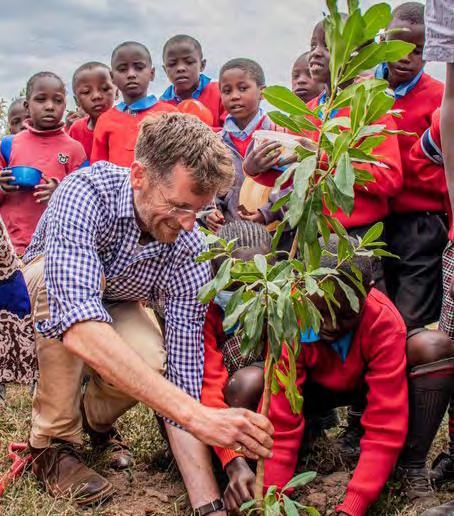

542,250 trees planted
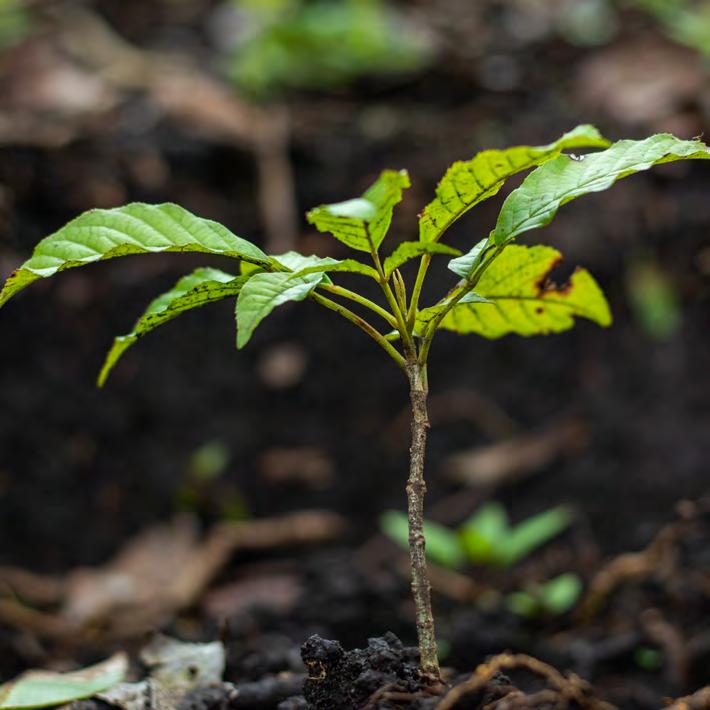

50 community organisations increased forestry and agroforestry capacity
1,450 young people learned about our environment and conservation
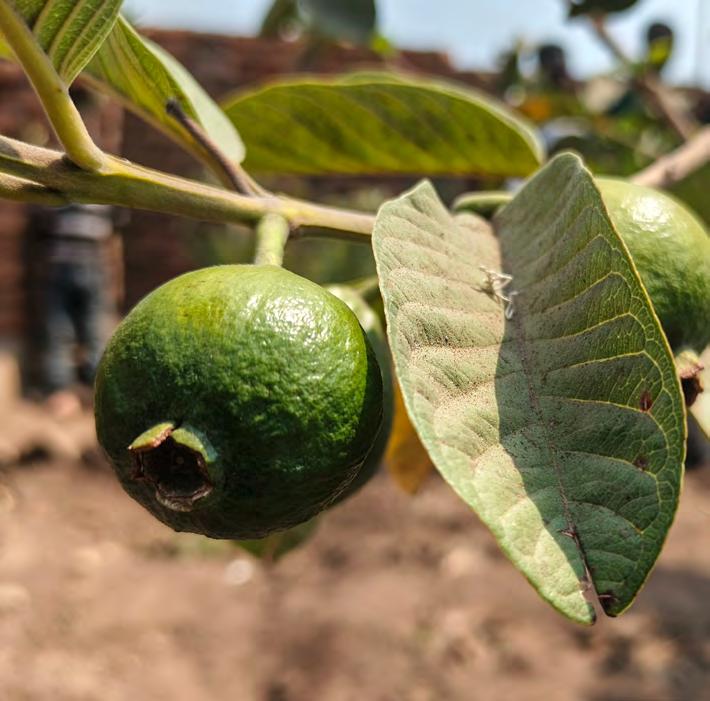

31,150 women and girls benefiting from trees

25 projects increased biodiversity or ecosystem services
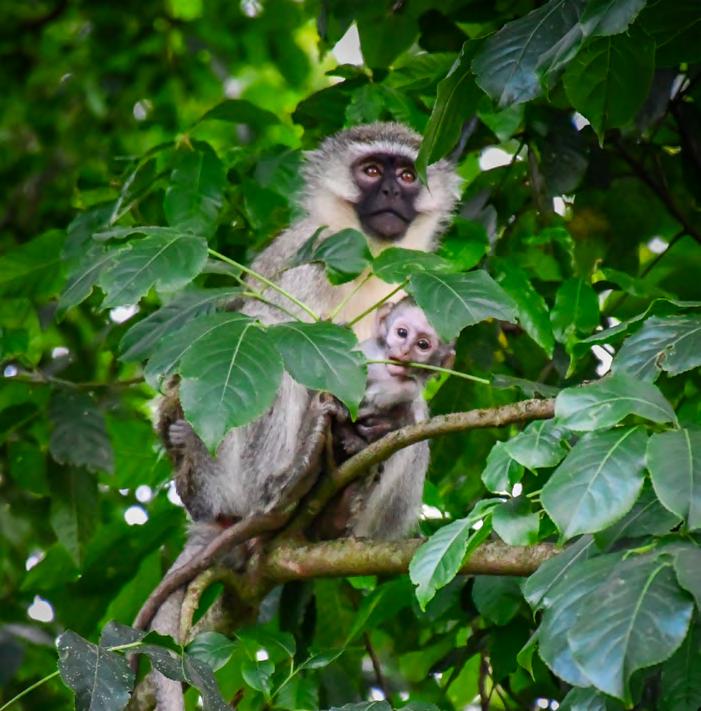

500 hectares of forest conserved or restored

15,500 families increased their household income
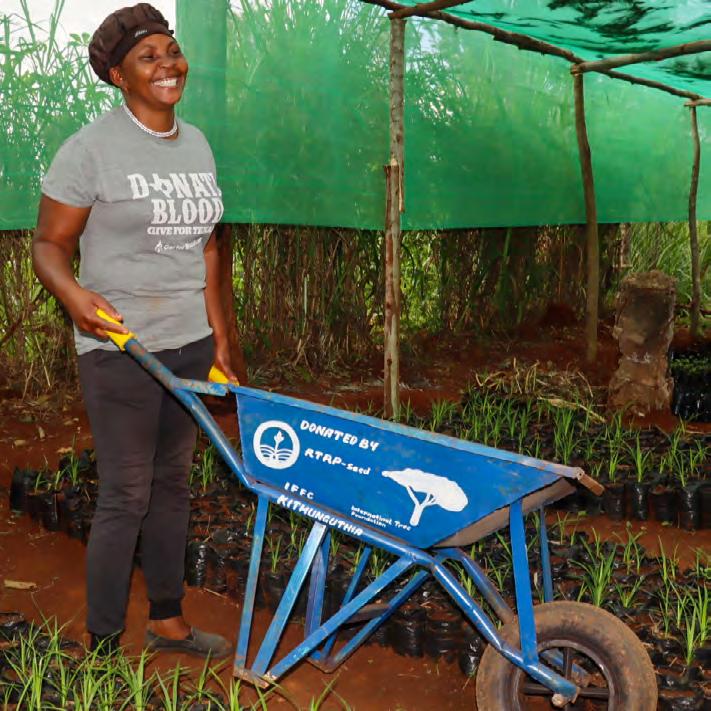

42,300 people reached through awareness campaigns
“Following the large-scale planting campaigns of 2024, this year focused on intensified monitoring, reporting and verification. Our efforts concentrated on maintaining trees, boosting survival rates and assessing longterm impacts.
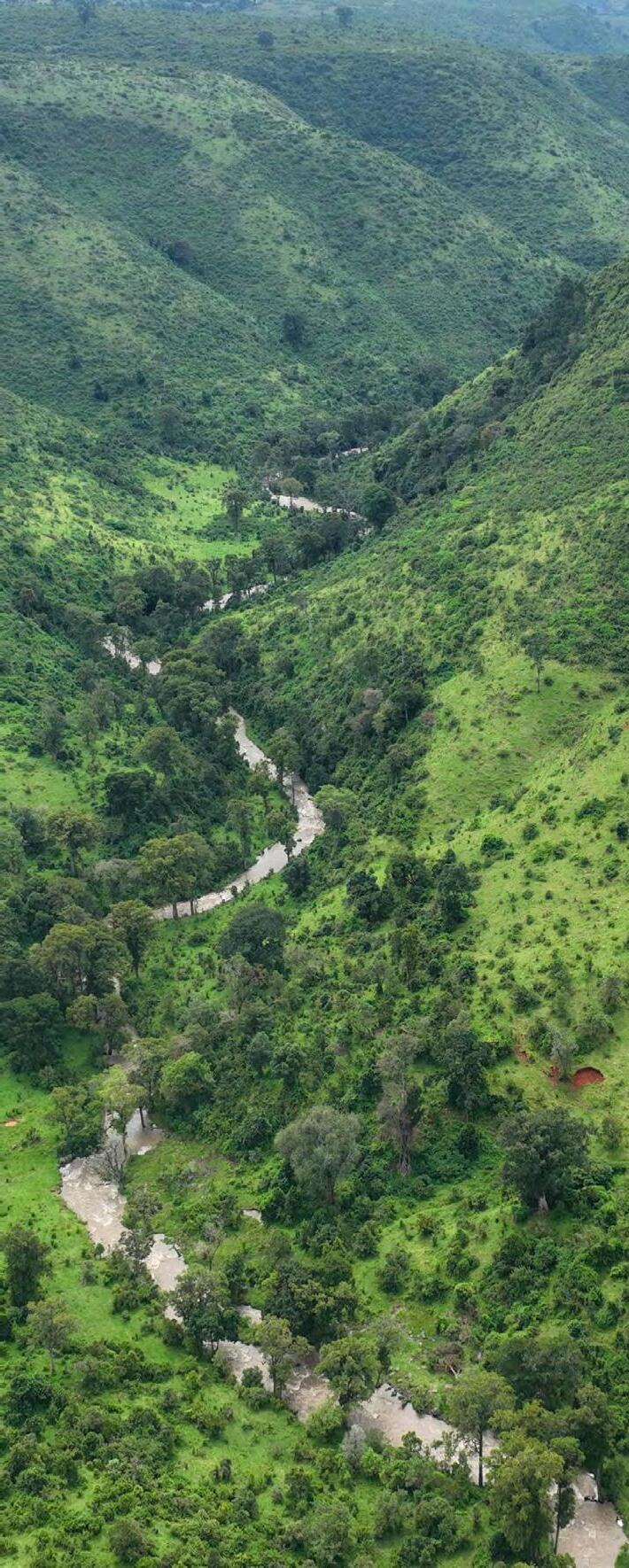
“Canopies are forming just four years after planting in Dundori Forest. Rivers in Irangi Forest have been recharged, increasing water supply for local communities. Birdsong and insect activity have intensified. Elephant populations in Meru Forest are rising. And small animals such as dik-diks, antelopes, hares and worms are thriving in Ndaragwa Forest. These indicators demonstrate a clear revival of biodiversity across restored ecosystems.”
Mercy Kimani, Kenya Programme Manager
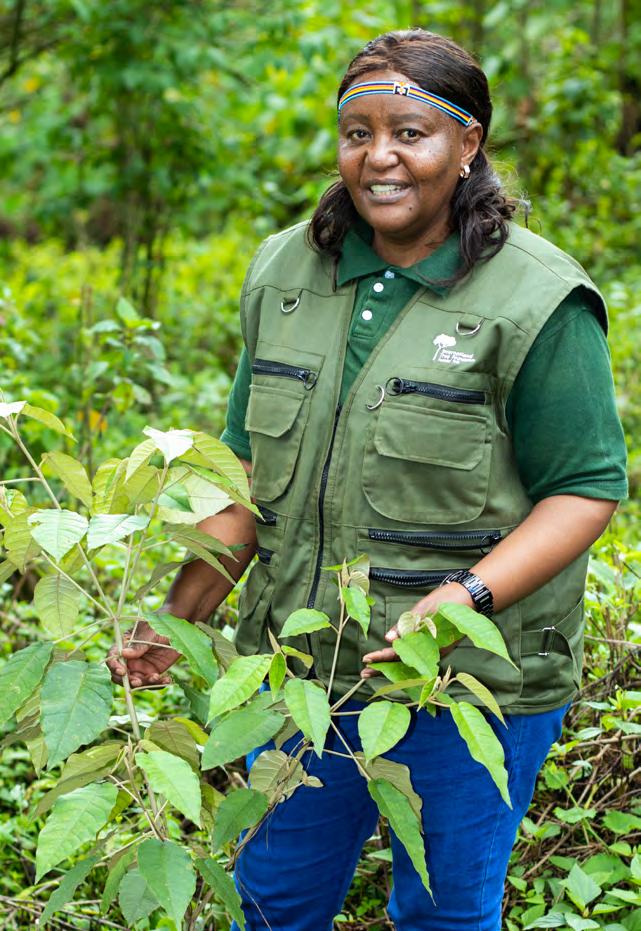
beehives have been given out and 40% of recipients have already harvested honey, creating sustainable, nature-based livelihoods that complement restoration efforts
“We have planted about 10 species in the forest, some of them are medicinal. These are beneficial for our health and even for animals.”
Josephine Wangari, Kamuyu
Our partner MEFECAP planted 16,000 indigenous trees, including 2,800 threatened species, helping to rehabilitate 10 hectares of degraded forest in Upper Imenti. For Edith Karimi, the opportunity to work during the planting season has already made a difference. With the wages she earned, Edith bought her first goat and now produces three litres of milk each day. “I can count myself as a person with an income,” she says. “I sell some milk and use the rest for my family. Thank you to ITF for this project.”
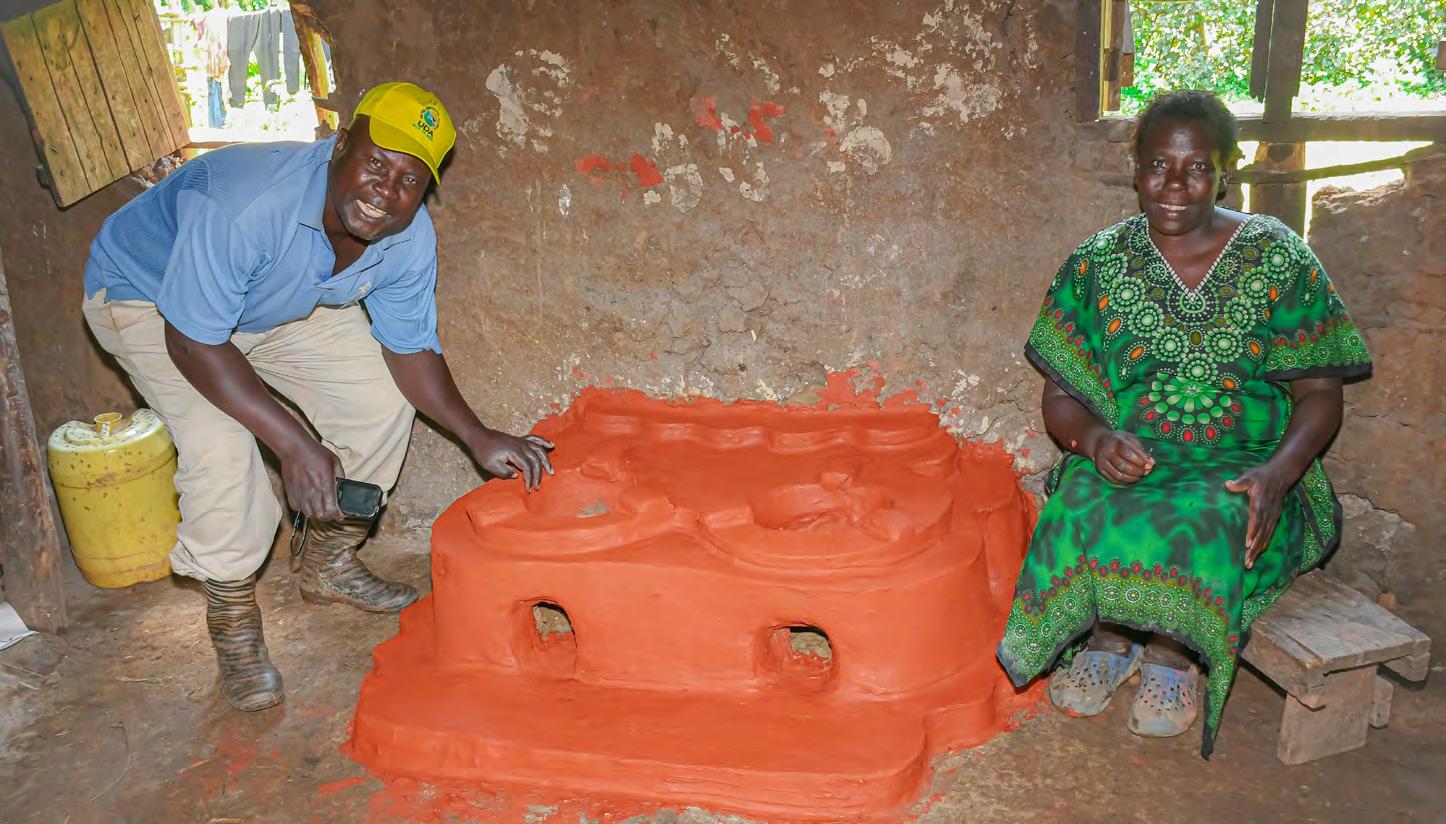
A clean cooking project is helping protect forests while improving daily life for local families. The project introduced 300 eco-stoves to households living near Malava Forest, Kakamega. These stoves use a third less firewood and produce less smoke, creating healthier homes while reducing pressure on the forest. The initiative has also trained 30 local eco-preneurs to build and install the stoves, creating green jobs and strengthening community ownership of forest conservation.
In Kitui County, teacher Lilian Motovi has inspired her whole community to plant trees. Her school received seedlings for students to plant. Watching them grow sparked Lilian’s own passion, and she began planting trees at home, which in turn sparked the passion of her neighbours. “Even my neighbours were inspired to plant trees when they visited my home,” she says. “I contacted KDC who gave us 3,000 trees which I gave to my neighbours to plant in their farms. The trees are doing very well.”
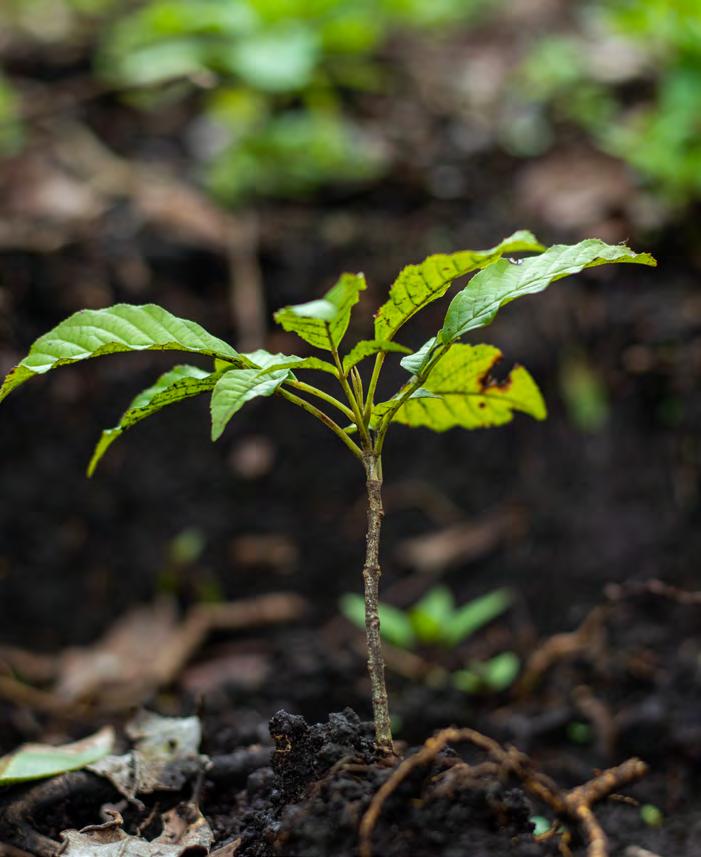
“In 2023 I received and planted 200 trees on my farm near the road. Since then I have been nurturing the trees. They are doing really well. My trees have been attracting passersby who take pictures, admiring them and posting them on social media, which is a good way of creating awareness on the importance of trees. Through the trees I’ve planted, many people have seen the benefits. And they have started to plant trees on their farms too.”
26 different species planted in just one project in Kakamega
In Kobujoi Forest, a restoration project is helping forests recover while creating new opportunities for local people. So far, 35,000 seedlings have been planted to restore forest and farmland. The project has also created employment for 170 community members who work as forest scouts, nursery staff and tree planters.
One of them is Kelvin Lagat, who has used the income from his work to buy a calf and begin building a more secure future. He has also gained new skills, working as a mason to help construct water infrastructure for the community tree nursery. “If it were not for this project, I would not be where I am now,” says Kelvin.
39% women’s representation in the Community Forest Association in Iloro –up from 14% – giving more women a voice in managing local forests
In Meru, members of the Community Forest Association harvested beans and potatoes grown through intercropping with newly planted trees, creating both food and income. They generously donated a tenth of their harvest to orphanages and homes supporting people living with disabilities. The remaining produce was sold, providing vital income for the farmers.
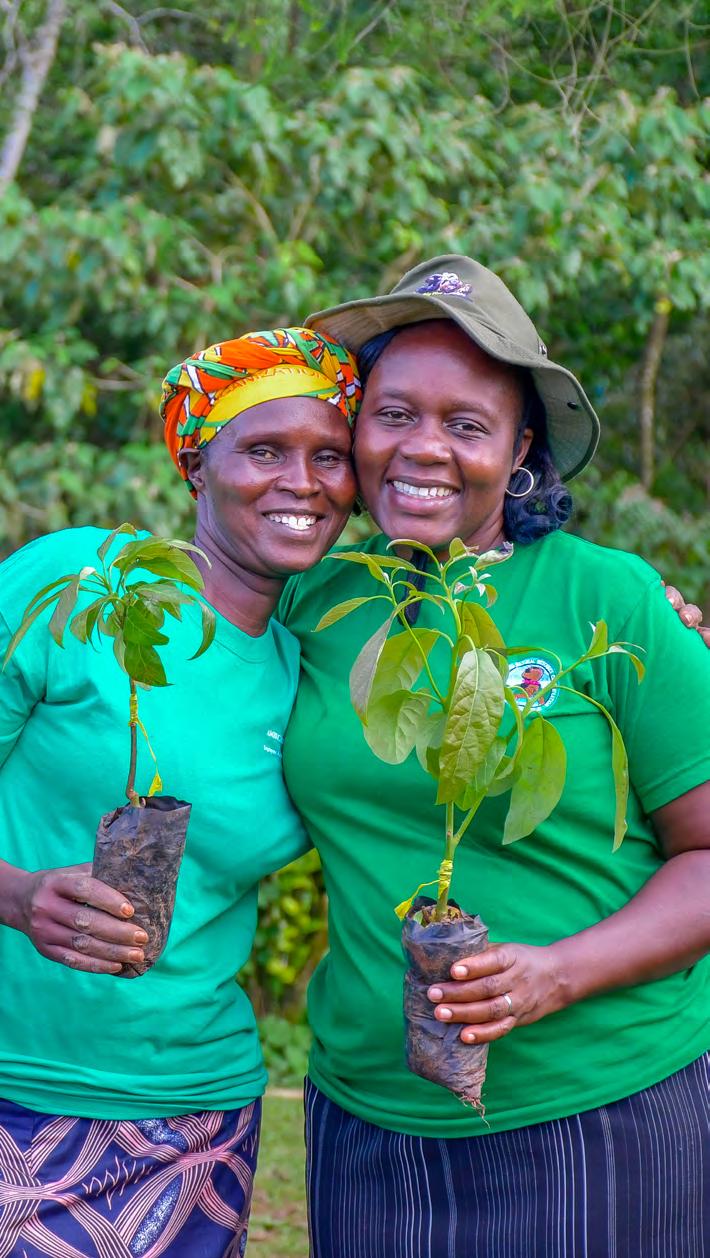
Kenya is home to around 1,100 native tree species. Yet today, nearly 10% of them are threatened with extinction.
Losing even a single tree species can trigger a chain reaction of ecosystem collapse: forests are more vulnerable to fire and disease, habitats shrink, countless wildlife species and microorganisms are pushed to extinction and tree-dependent communities are plunged into crisis. Once a species is extinct, it’s lost forever.
That’s why we’re working with local communities and partners across the country to identify, grow, plant and restore threatened native trees so that none of these precious species disappear from the planet.
Restoring threatened species begins in the forest itself. With training from specialists at Botanical Gardens Conservation International and the National Museums of Kenya, we’re equipping community members to identify and monitor “mother trees”.
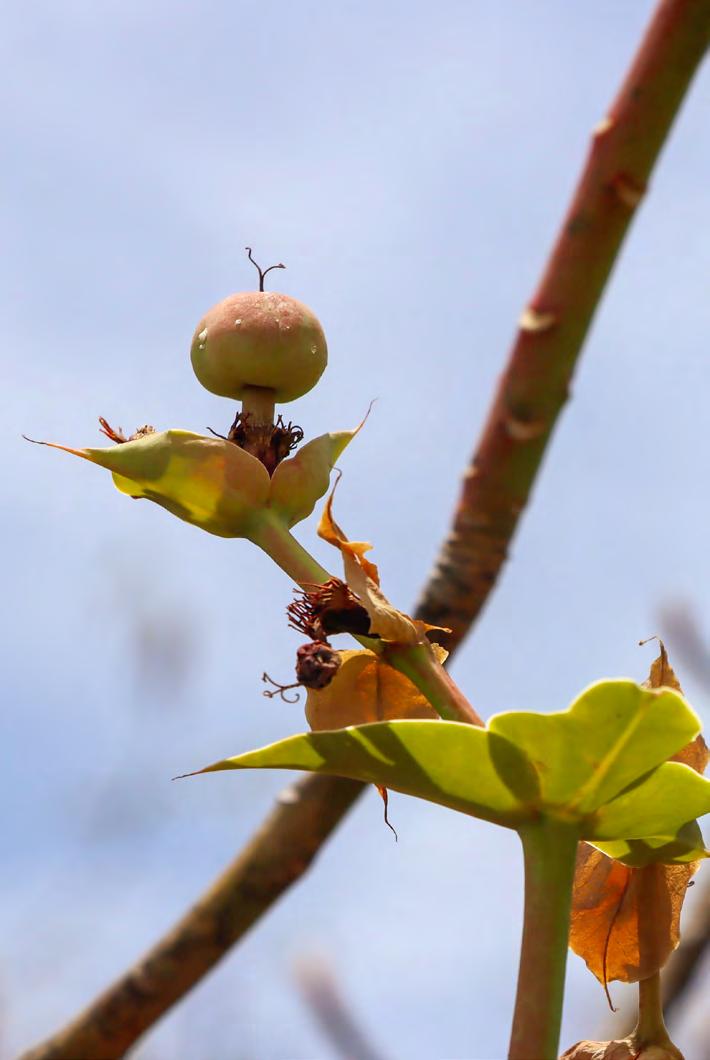
Mother trees are often the largest and oldest trees in the forest. They play a vital ecological role, connected to surrounding plants through underground fungal networks that allow trees to exchange nutrients and chemical signals.
Once identified, these trees are carefully monitored. Participants track seasonal flowering and fruiting cycles, so that seeds can be harvested when they are mature and most likely to germinate.
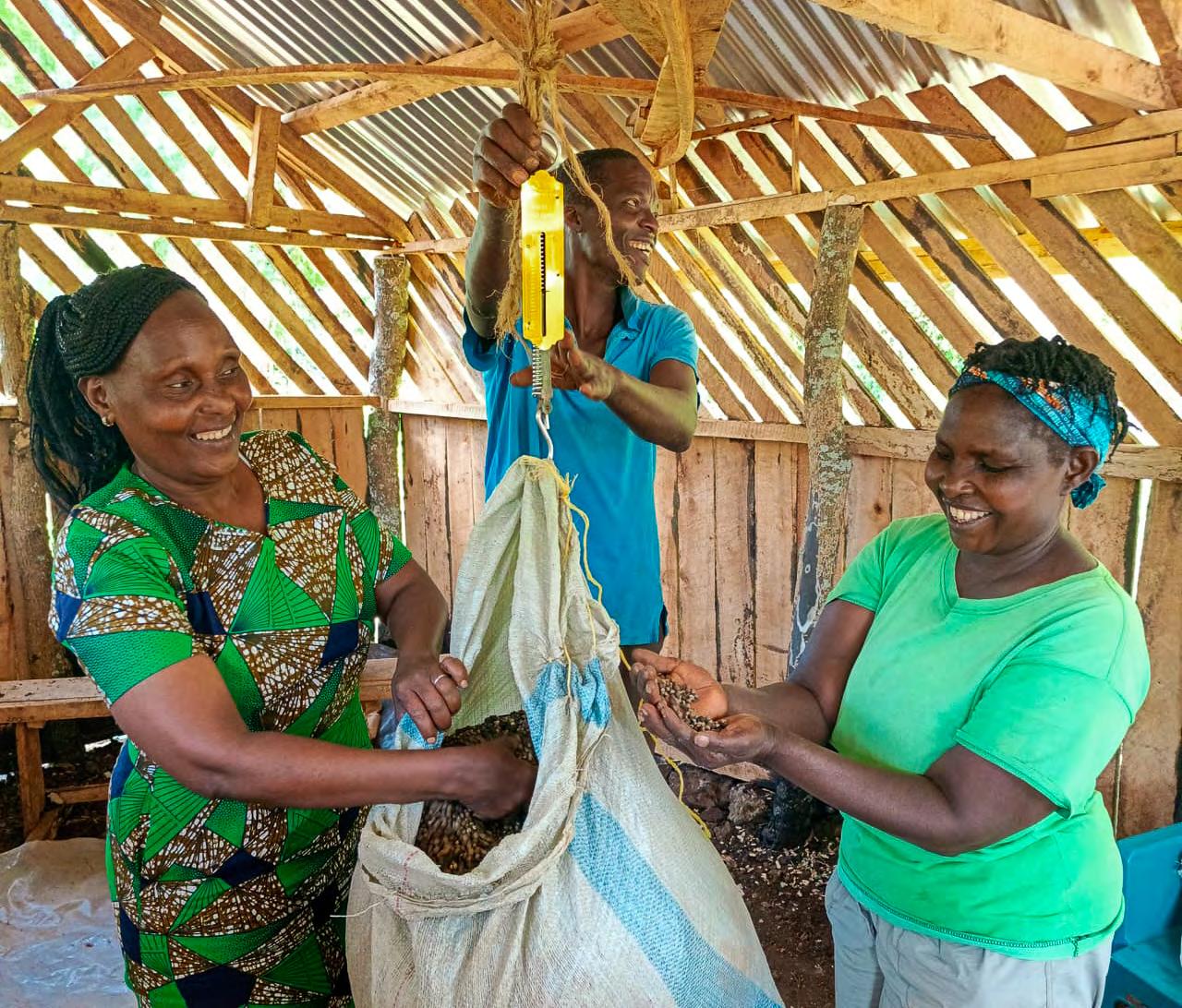
Once seeds have been collected, they are nurtured in community nurseries. Local partners receive training in careful seed handling and nursery management so that as many seeds as possible germinate. Seeds must be cleaned, stored and sown correctly and seedlings carefully tended to so that they develop strong roots and stems.
These nurseries are centres of learning and opportunity where local people develop practical skills and create new sources of income.
“Through training programmes, I have acquired skills in seed collection, the propagation of both threatened and native trees and nursery management,” says Simon Kairu, who now works as a forest scout caring for newly planted trees.
“The income generated from this initiative has significantly contributed to my ability to finance my son’s university education,” he says. “This project has profoundly transformed my life and career trajectory.”
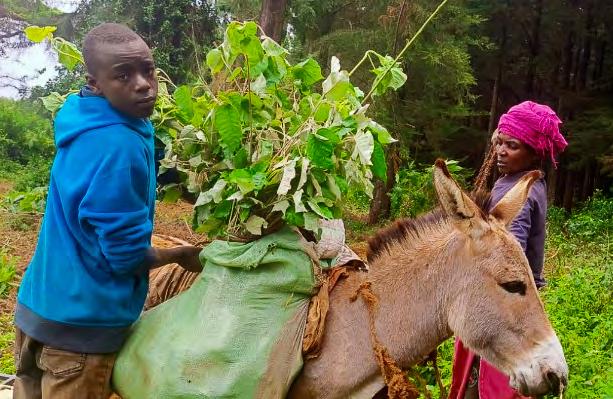
After about nine months, the seeds have grown into seedlings which are now ready to be planted back alongside other indigenous trees to rebuild healthy, diverse forests.
Ruth Kimunto plays a vital role ensuring that the trees reach their new home, “The initiative employs my donkeys to transport trees to locations inaccessible to tractors,” she explains. “Through the income generated from this service, I have been able to fulfil essential obligations. I have been able to pay for my rent and my three children’s education.”
By identifying threatened species, nurturing seedlings and restoring them to the landscape, communities are helping secure the future of Kenya’s remarkable tree diversity. These restoration projects are also creating sustainable employment for local people who are working as forest scouts, nursery managers and planting and monitoring teams.
Together we can ensure that none of Kenya’s precious trees go extinct while growing healthy, resilient forests for the next generation. Thank you for supporting this vital work.
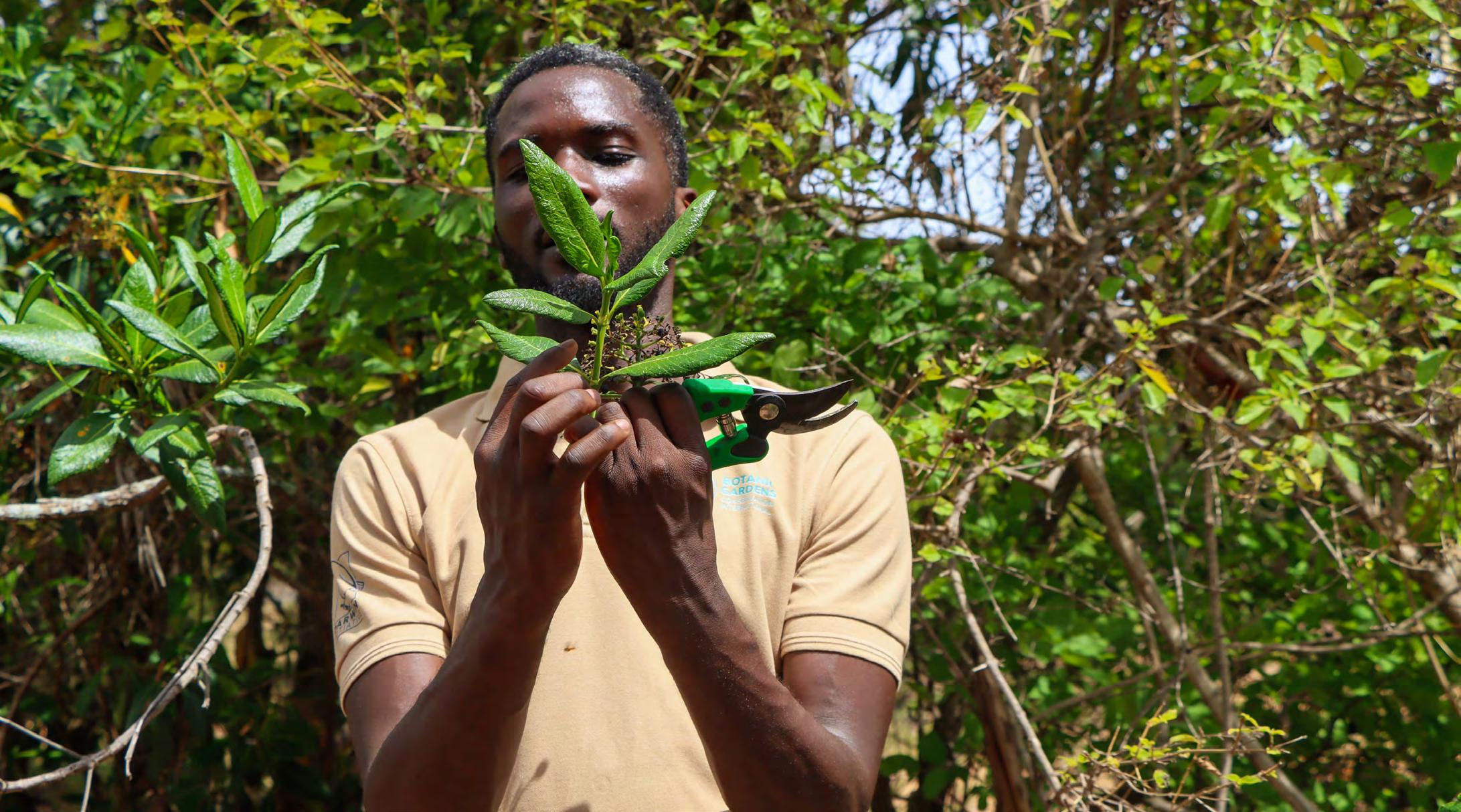
“In Uganda, we exceeded our tree planting goals, planting over 57,000 trees and restoring over 40 hectares of degraded land in the Rwenzori, Bwindi and Mount Elgon regions. On top of this, we’ve enhanced food security for marginalised communities and supported village savings, micro-businesses and financial literacy. Community enterprises at the permaculture centre also continued to grow, with fish farming, poultry management and other sustainable initiatives.”
Wycliffe Matika, Africa Programme Manager
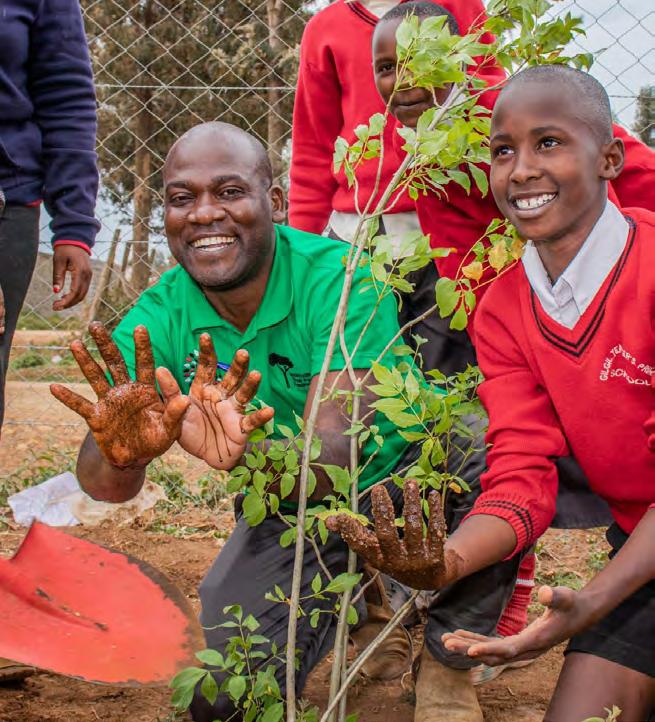
In Kasese District, tree planting is helping families rebuild both their environment and their livelihoods. Through the project, 22,700 trees have been planted and cared for by local communities. Nziabake Eunice from Mbunga Village received several seedlings, including jackfruit. “My jackfruits are growing well and have started showing signs of fruit.” She is hopeful that as they mature, they will provide both income and food for her family while improving the surrounding environment.
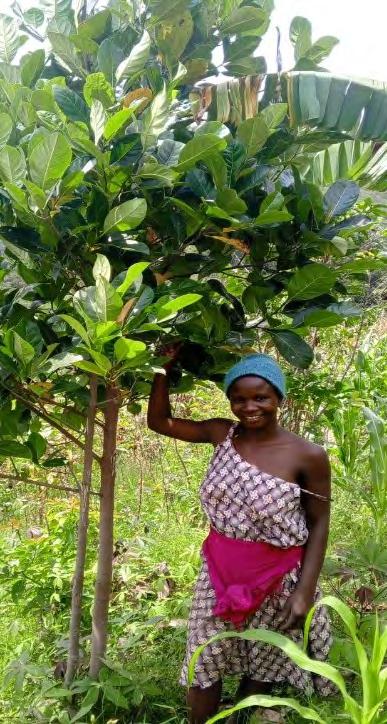
A pilot project planted 100 Hass avocado trees in Nyanamo Town Council to support future livelihoods and resilience. Seedlings of Hass avocados, which are drought-resistant, were given out to community members, marking the first time this variety has been grown in the area. The pilot is helping assess how well the trees adapt to local soils, with the aim of scaling up planting in the future. If successful, the project could provide both improved nutrition and a reliable source of income for families across the community.
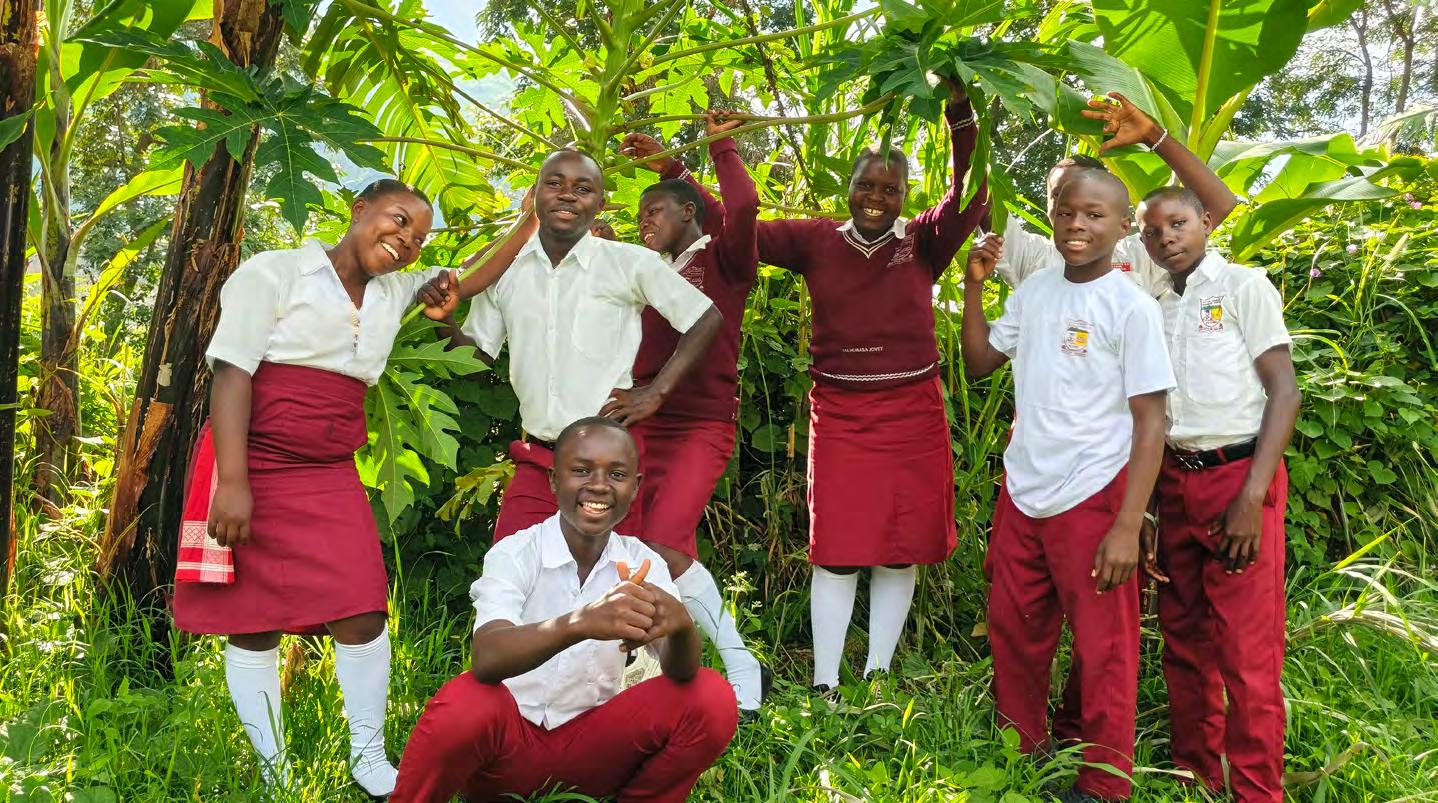
“A big change is coming to my village in the near future. This change will come if everyone works hard in planting trees and protecting the environment. I’m playing my part and I encourage everyone in my village to also play their part.”
Sezonga Gilido, Bwindi
50 young people living with disabilities have been upskilled through sustainable livelihood training and education
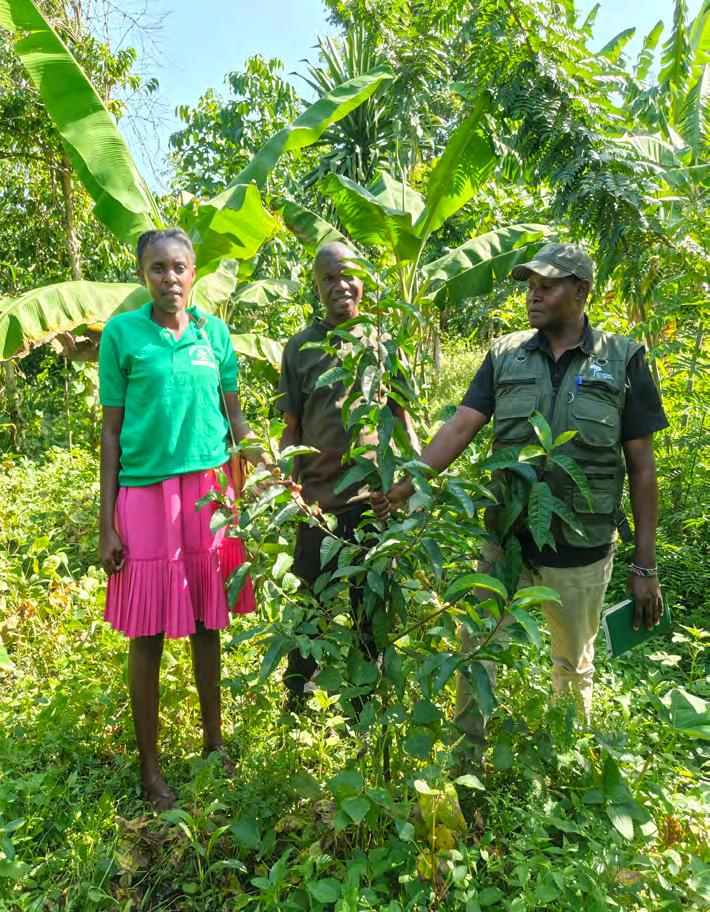
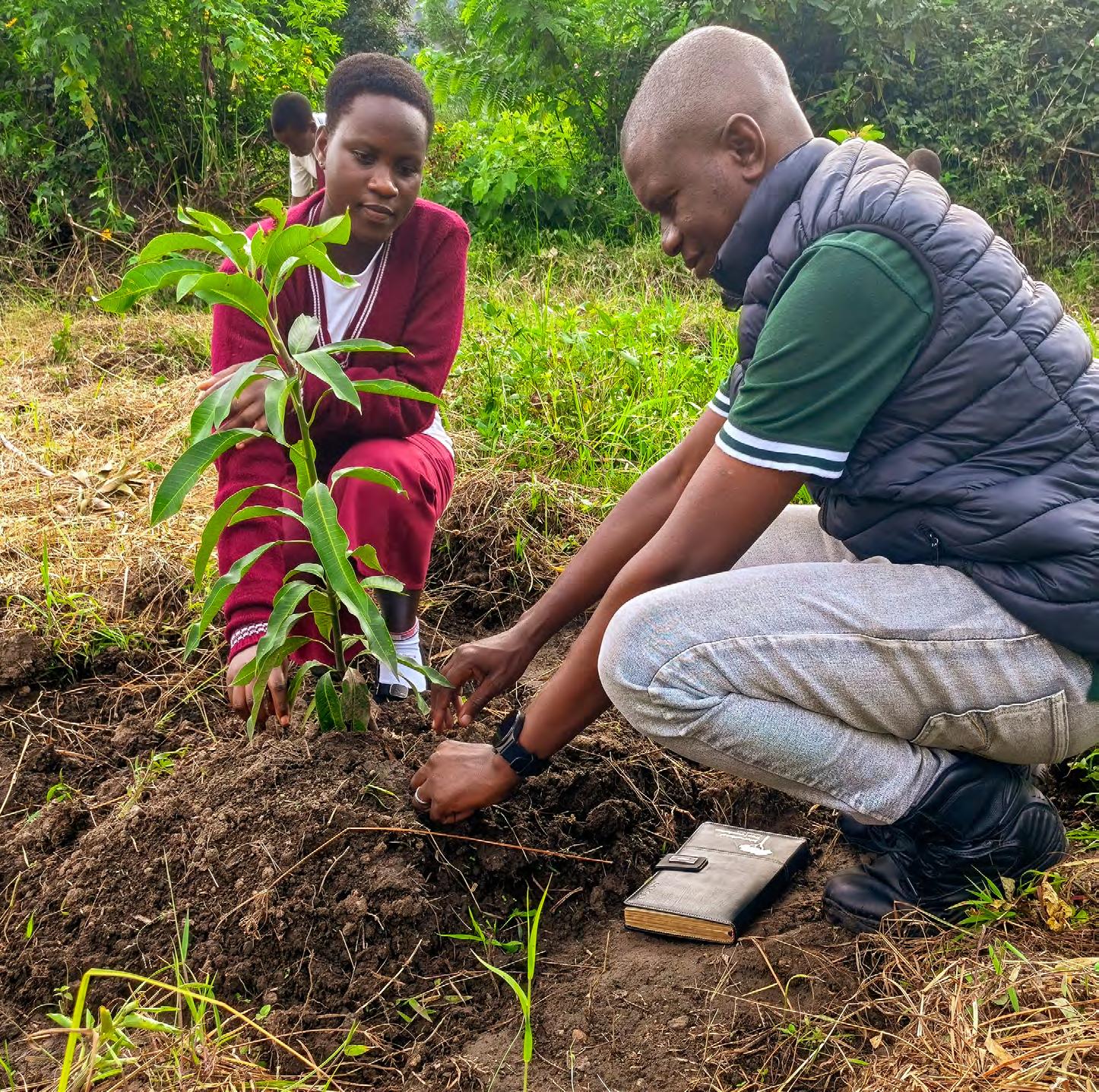
19 different species planted in Bwindi Forests with the Center for Research Uptake in Africa
Restoration projects are creating new opportunities for people who are often left behind. Binyinyi Tereza received training in sustainable farming thanks to the Karambi Group of People with Disabilities. “It was a turning point for me. I gained valuable skills in sustainable farming and started my own backyard garden, which has been truly life-changing,” she said. “Not only have I improved my access to nutritious food, but my selfesteem has also soared. I’m now passionate about sharing my knowledge with my neighbours, teaching them how to grow their own vegetables. My dream is to expand my garden into a thriving business, inspiring others in my community and beyond.”
The role of women is central to whether trees survive and whether communities truly benefit. In many of the places we work, women collect firewood, grow food, manage water and care for family health, yet they often have the least access to land, training and income. When women are included in restoration, trees are better cared for, household nutrition improves and income is reinvested in sustainable outcomes and wellbeing. Through womenled nurseries, initiatives and training, we see stronger landscapes and more resilient communities. Simply put, including women in restoration ensures effective and lasting impact.
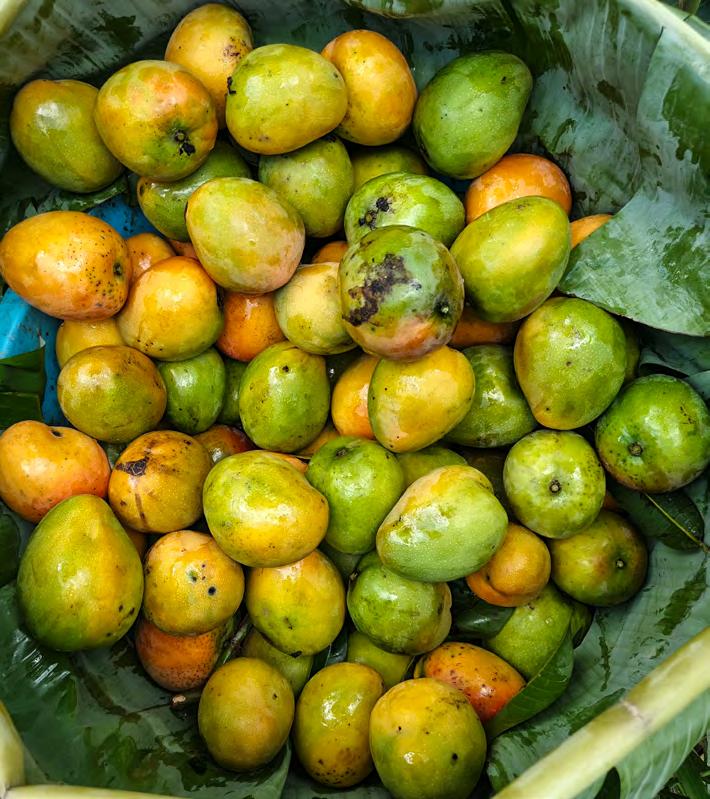
“In Tanzania, ITF is proud to have reinvigorated flagship projects in the vital landscapes of Usambara and Katavi. We have planted a total of 45,700 diverse trees, contributing to the restoration of important land, including school grounds, public spaces and smallholder farms.
“This progress has been made possible thanks to the support of our donors, partners and stakeholders, all of whom contributed to making this year noteworthy.”
Wycliffe Matika, Africa Programme Manager
Over the last three years, we’ve planted trees in Wamweru water catchment, an important ecosystem for communities in Wamweru and neighbouring villages. “It provides clean water to over 1,000 households,” says Emmanuel Chrispin from Mirumba village water committee. “The ecosystem also provides habitat for many animals including primates.”
“In the last three years since the tree planting project started at Wamweru, the water table has risen, enabling us to access water throughout the year.”
“Our school environmental club has 35 members. We started by potting 1,000 seedlings which we later planted. Since then we have grown more than 11,000 trees in our nursery. These trees will provide different fruits to the students. And they will enhance our school. We will enjoy shade during the dry season and also earn income from the sale of seedlings to the community.”
Issa Mohammed Abdi, Usevya Secondary School
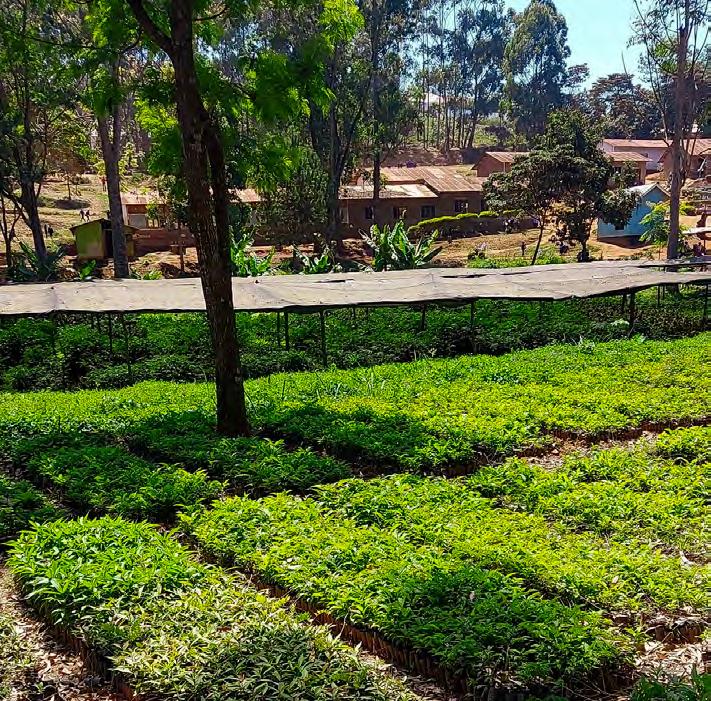
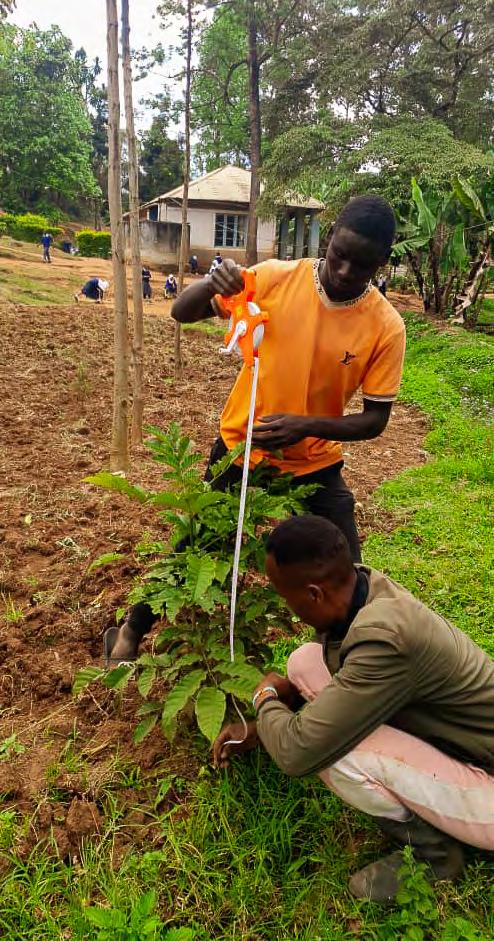
households affected by climate change have been supported thanks to ITF
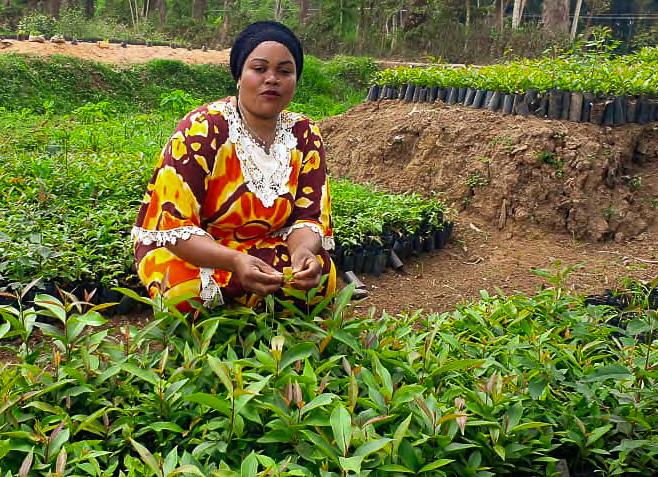
“This project has improved my life as I have been employed at the tree nursery. Thanks to this opportunity I earned some money to buy school uniform for my fourth child.”
Saumu Juma, Lushoto
Lazaro Mkwama is a farmer in Mirumba Village who grows fruit trees among his other crops. “I have planted over 200 fruit trees, including oranges, guavas, avocados, bananas and pawpaw. I have also introduced herbs.”
Some of his trees are only three years old, but they are already providing food. “I have benefited from fruits and shade. Every year the trees produce more fruits, so every year I get more benefits from the trees. Not just income, but improved nutrition.”
His system of mixed farming is circular, maximising his results at no extra cost to him. “I also feed my chickens vegetables I grow with manure from the chickens. This system is why my environment is changing positively.”
880 climate change advocates trained in schools. Their hard work has planted orchards, edible gardens and green belts, enhancing biodiversity and creating greener, more positive learning environments
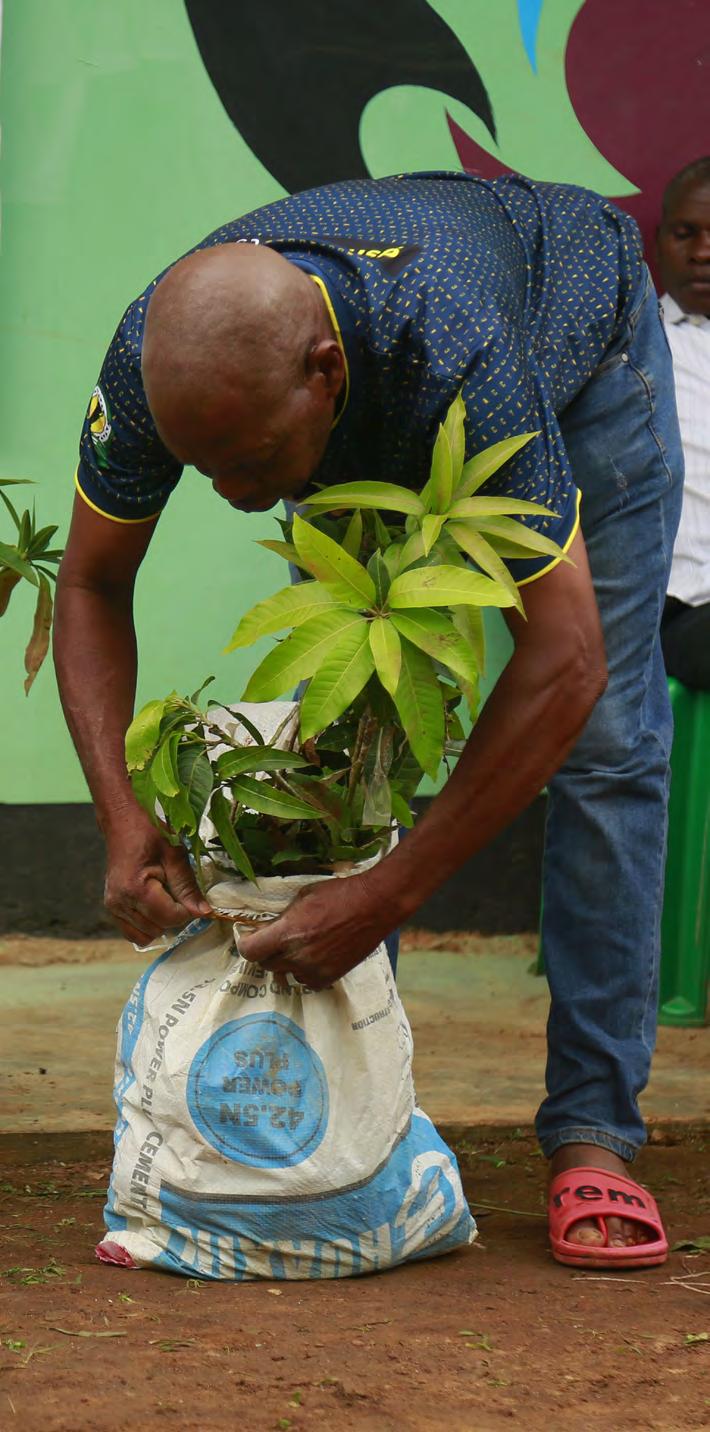
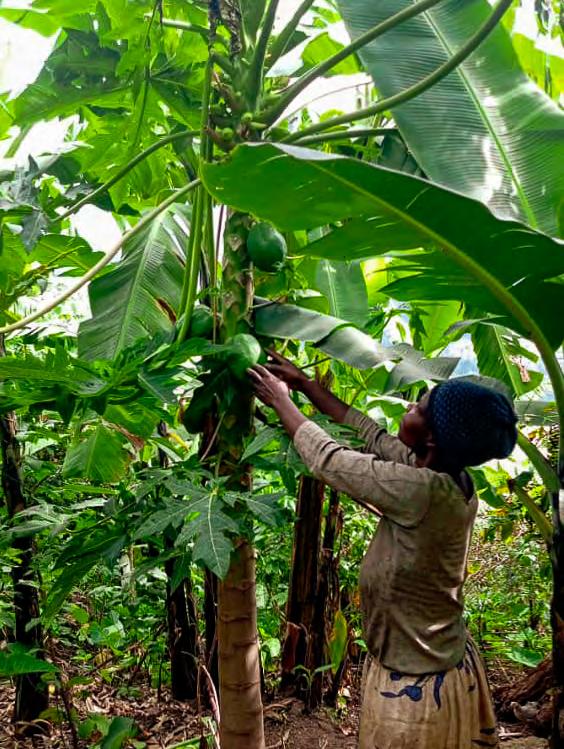
“We have planted and nurtured many trees in our school. From the trees we have planted we are getting good shade and fruits. When we leave school, we will continue being environmental ambassadors in our homes and in the communities, telling them about the importance of conserving our environment.”
Baraka Msunga Mageti, Mirumba Secondary School
40 hectares of land restored across schools, farms and vital water catchment areas, helping communities rebuild the landscapes they depend on
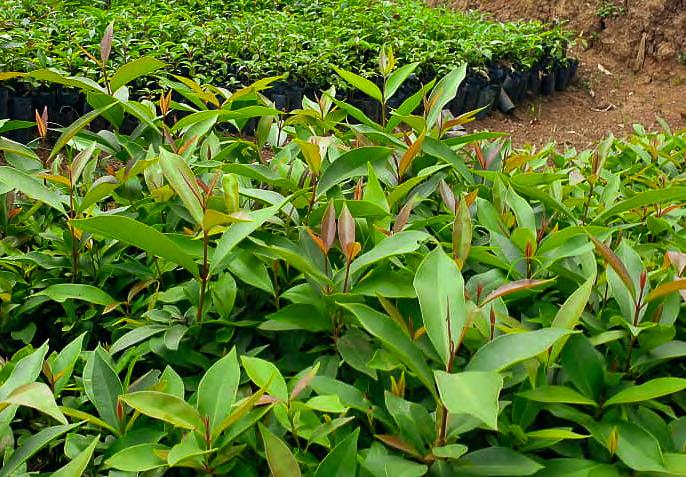
36,000 agroforestry trees planted with Changamoto Youth Development Organization
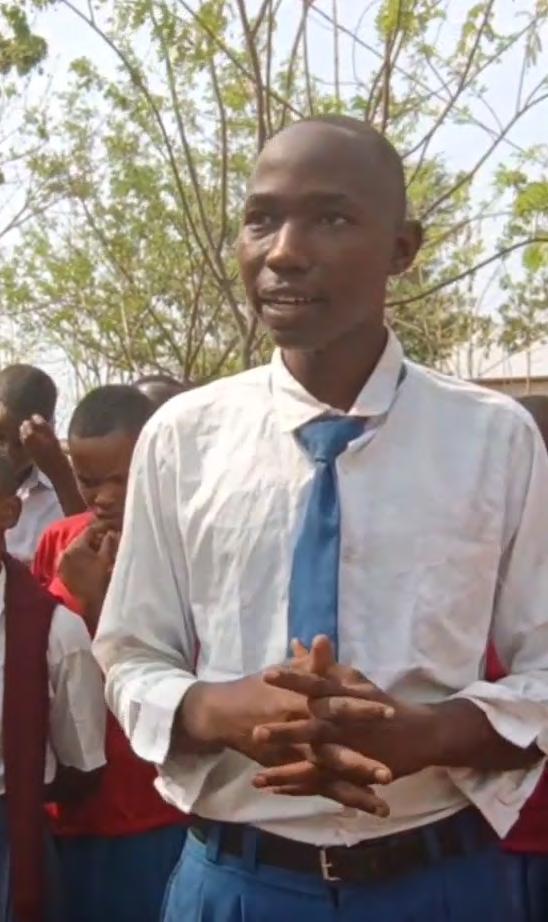
“In 2025, we worked with community groups across the UK and Ireland. It has been a privilege to discover new partners and projects and also to work again with our long-standing partners –watching their knowledge and skills grow in the arena of community engagement and tree planting has been inspiring.
“The programme seeks to leverage the wellspring of enthusiasm for nature restoration in the UK. By engaging community volunteers, we not only inspire nature connection amongst the general population, with all its associated health benefits, we can also avoid the high contractor costs that are often associated with tree planting, thereby simultaneously planting trees efficiently and increasing our impact for people and planet.”
Sam Pearce, UK and Ireland Programme Manager
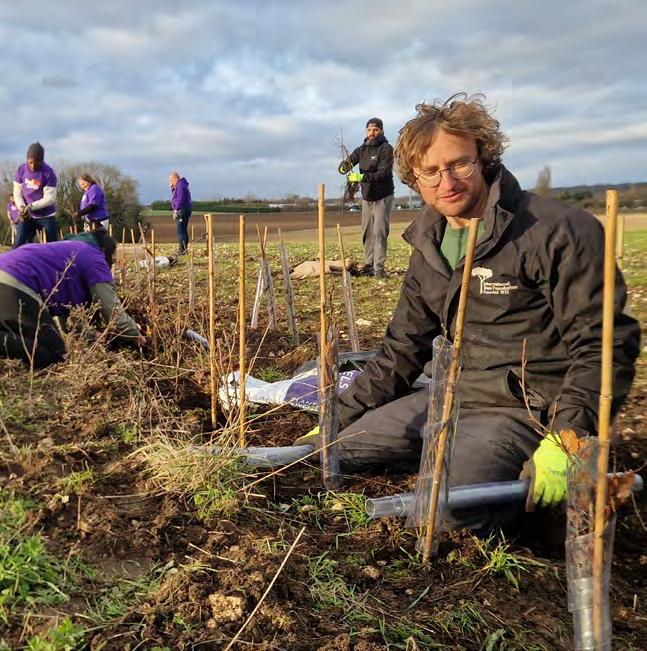
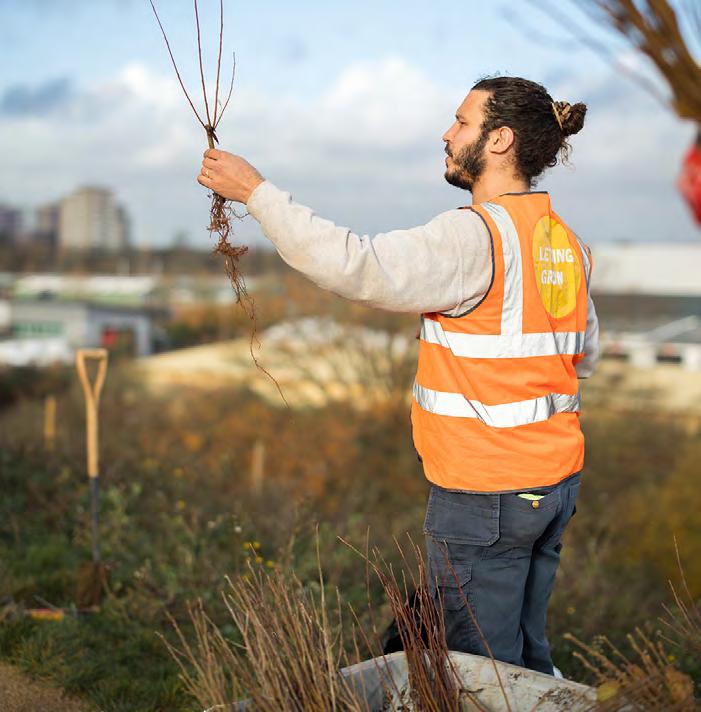
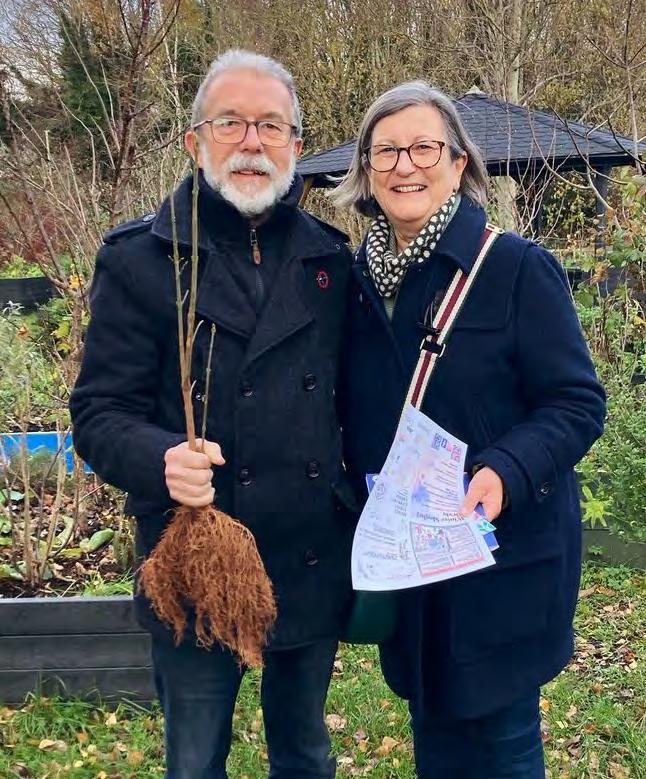
Through our Garden Tree Giveaway project we gave out 5,000 free trees to 3,000 households. The trees were distributed by volunteers, food banks and community networks in Oxfordshire. The project has helped local people take local climate action in their gardens while helping to increase tree cover across the county.
4,000 trees planted at Huntingdon Racecourse, with local community group Creating Nature’s Corridors
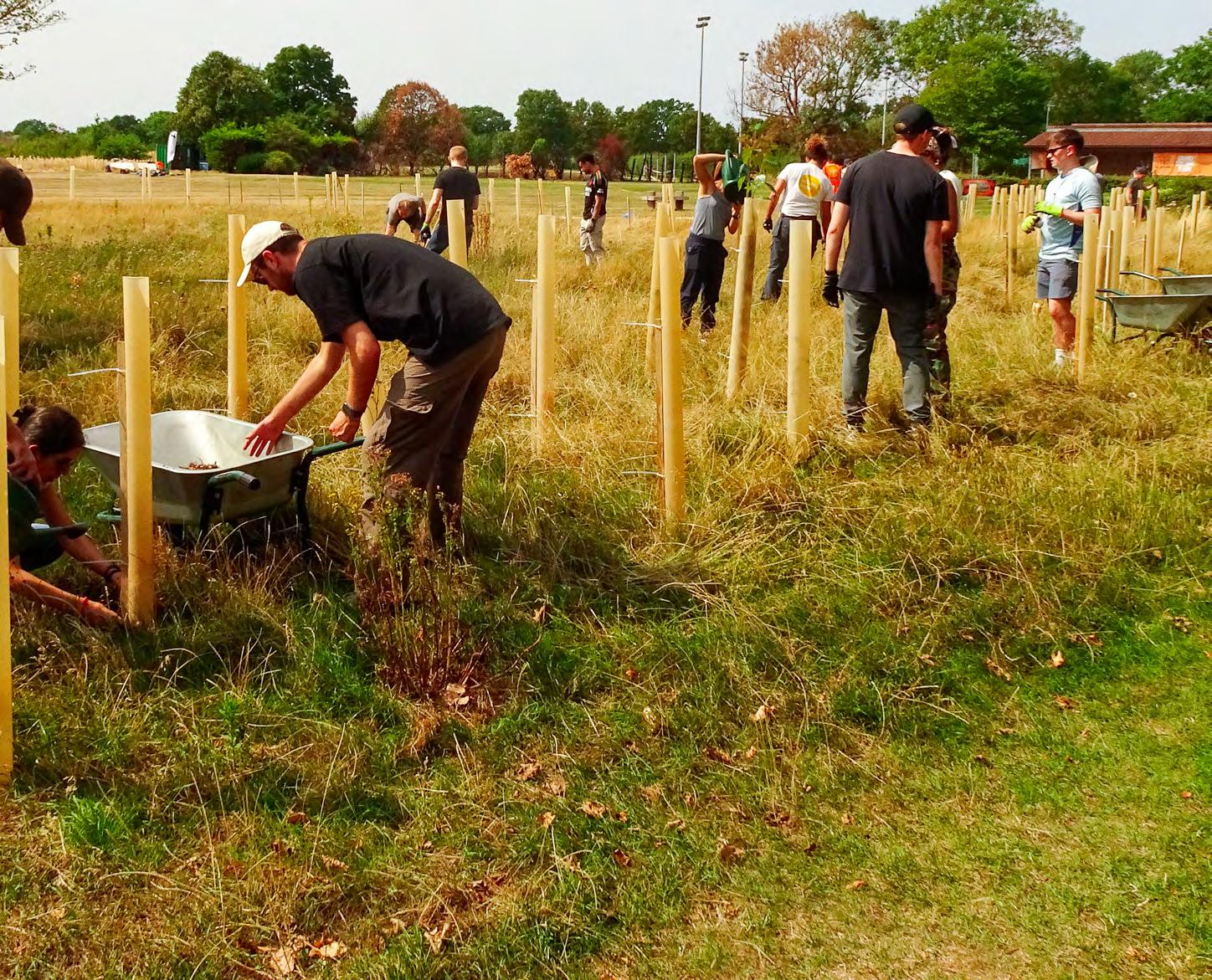
It was an extremely hot and dry summer in 2025 and many newly-planted trees were struggling to survive across the UK. But volunteers from Oxford Economics were on hand to help out at a site in Ealing, London, where they were able to complete a full day of tree maintenance and care to help ensure the trees got the water they needed. The survival rate was over 85%, which is highly encouraging in these difficult circumstances.
31 community groups equipped to plant and protect trees
Volunteers spent a hot day weeding, mulching and watering hedging whips planted three years ago at the Blue Cross rehoming centre. Their tireless work helped the young hedgerow thrive in the dry conditions, protecting it for generations to come.
A biodiversity study of two urban planting projects revealed a 250% boost in insect life compared to adjacent unplanted areas. The trees were planted in 2019 and are now attracting over 75 different species of insects and other invertebrates, including many pollinators.
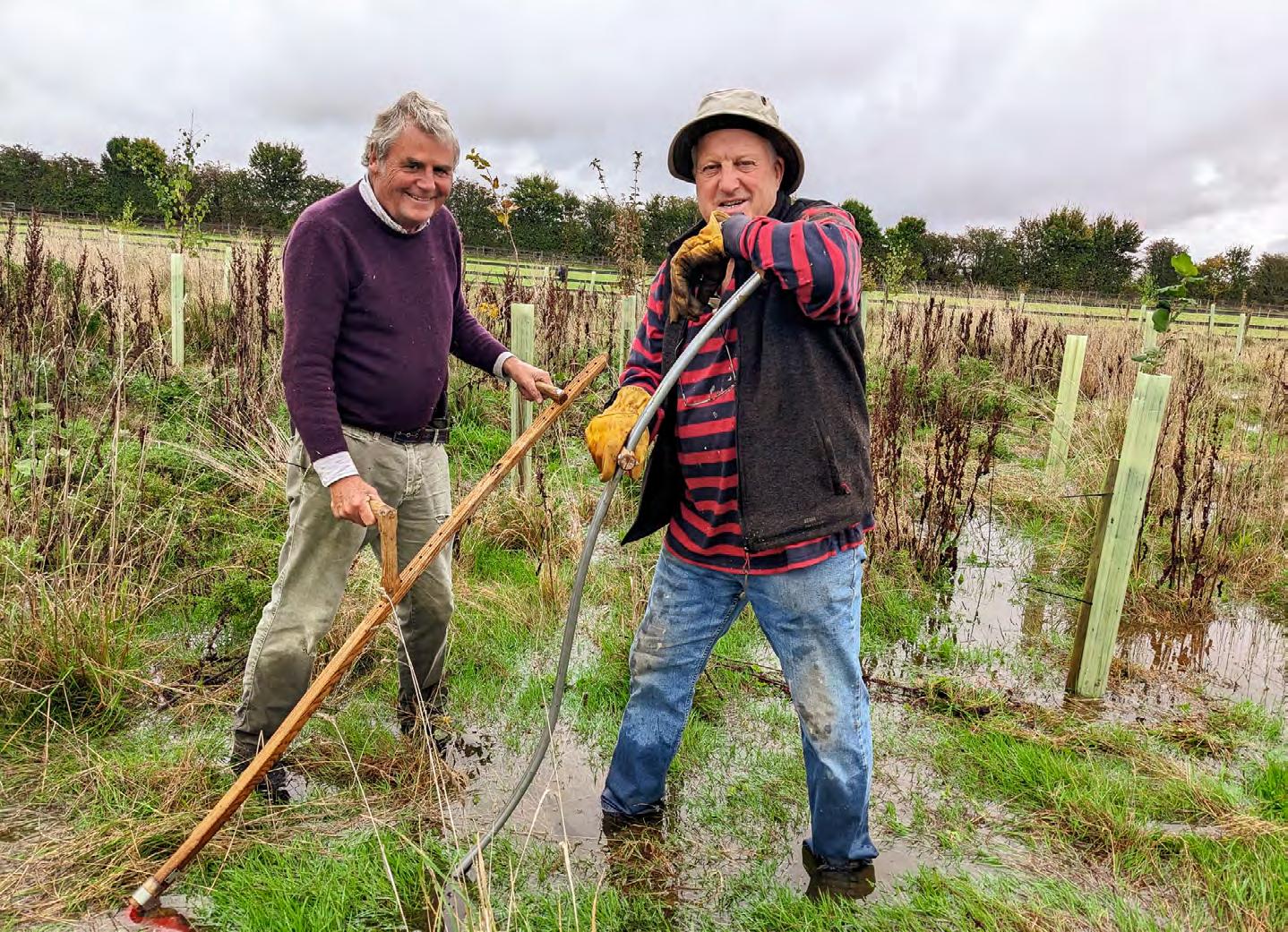
24,000 trees were planted at the Lowther Estate on the edge of the Lake District. These trees are part of a large-scale assisted ‘re-wilding’ scheme that ITF has been supporting for two years. Thorny trees, such as hawthorn and blackthorn, were planted around native broadleaf species to create a natural defence, keeping the trees protected in their youth from grazing animals.
Alongside tree planting, this project has seen the introduction of beavers, the restoration of rivers and the re-naturalising of meadows – all in a bid to rebalance the needs of nature and sustainable farming in the region. Our annual monitoring of the project found a 90% survival rate. This is a testament to the quality of the planting by the community.
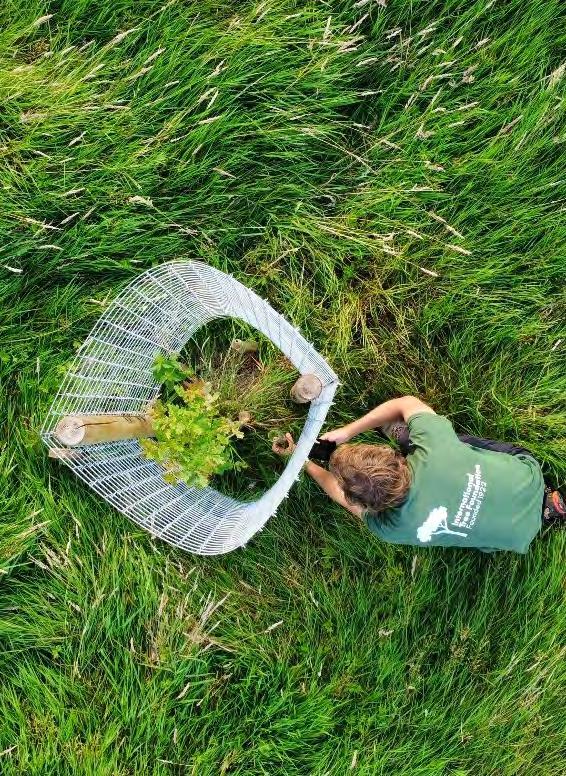
80 people came out to plant trees and restore the landscape in West Lothian, Scotland
“We’ve been able to plant wildlife-friendly hedging and an orchard within the school grounds at Saint Leonard’s School, Banbury. We’re incredibly grateful for the opportunity to create outdoor spaces that inspire a deeper connection with nature. While the orchard will eventually provide fruit, for now, the children will learn about the seasons and engage in naturebased activities. These experiences not only nurture their appreciation for the natural world but also support their mental wellbeing.”
Caroline Debus, Headteacher
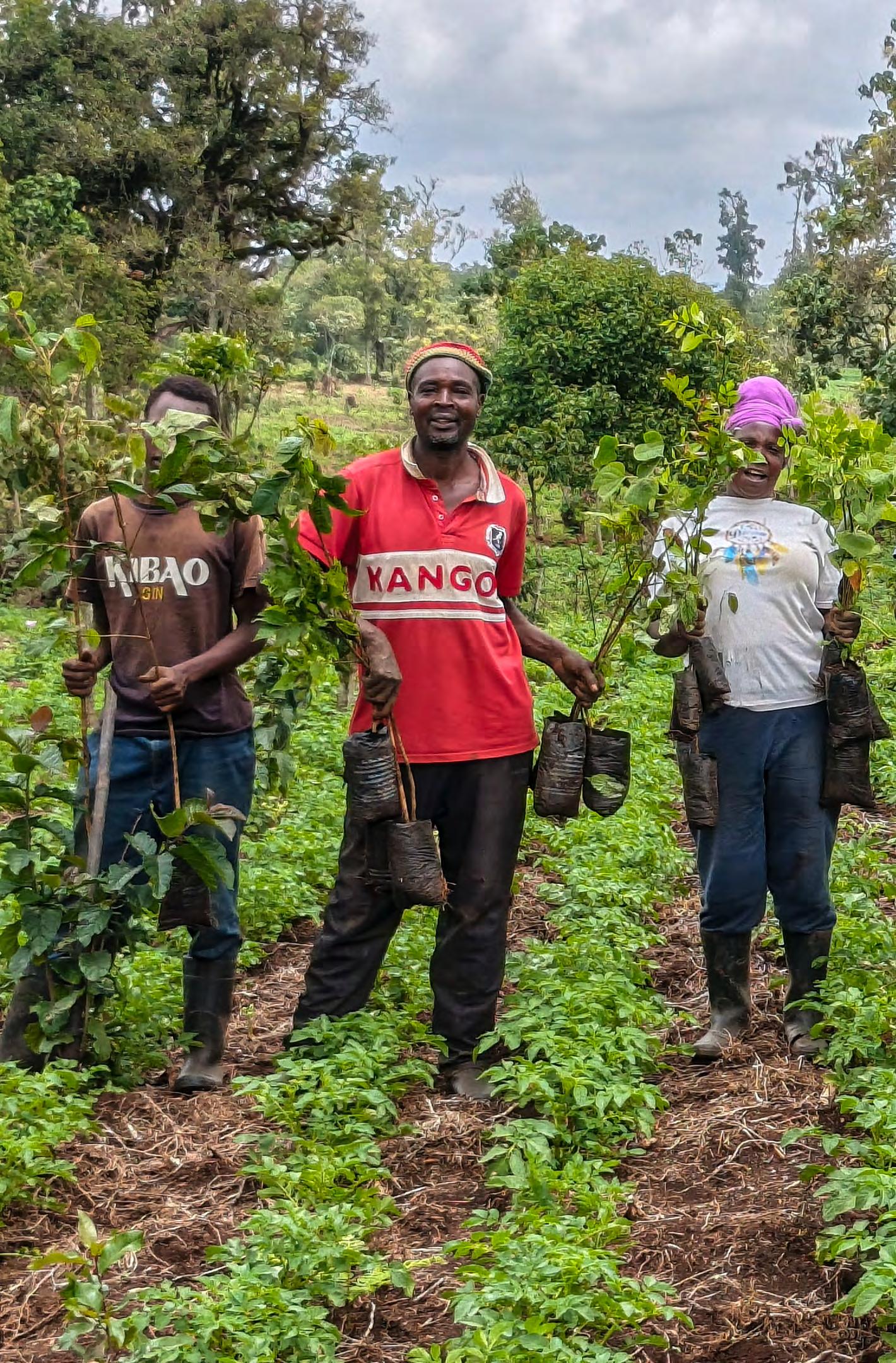
Across the world, but especially in the places we’re planting trees, natural disasters are intensifying. Countless species are threatened with extinction. And the health, safety and livelihoods of millions of people are at risk.
It’s not too late. But we need to act now. Trees are food-growers, shade-givers, crophelpers and incomeearners. They are drought-stoppers, floodfighters, air-cleaners and planet-coolers.
We can harness the power of trees to protect our future. By planting more trees in places where they make a fast and lasting impact, we can safeguard our planet for generations to come.
Please donate today and help more communities to restore their local landscape and transform their lives through the power of trees.
Just £2 can pay for a tree that provides food for today and protects nature for tomorrow.
Make a gift today at internationaltreefoundation.org/donate
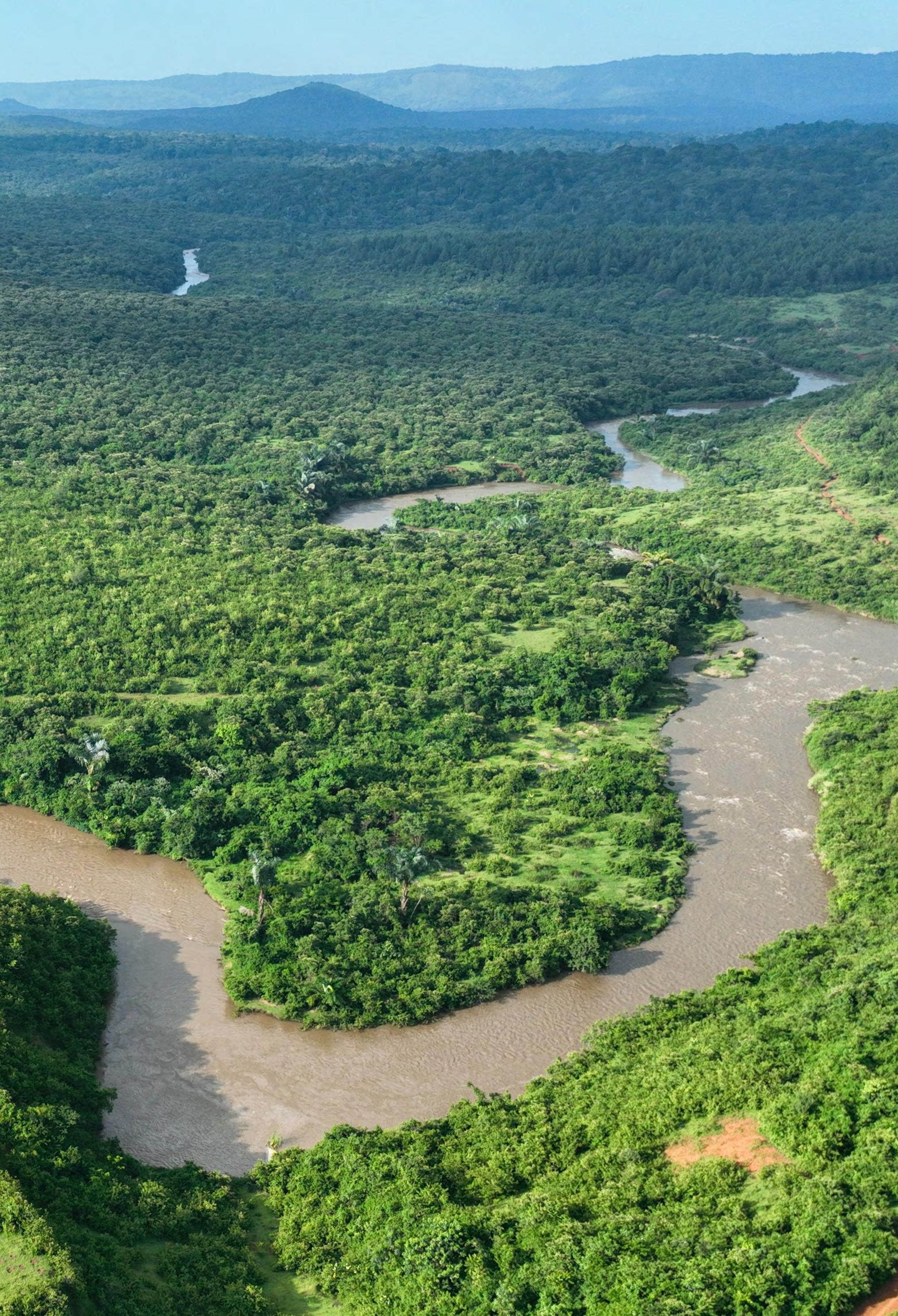
The impact of ITF’s work has been made possible thanks to the backing of our supporters and donors, the tireless work of our community partners and the dedication of our staff and of our trustees and volunteers who freely gave their time. Thank you also to Botanical Gardens Conservation International, Cyril Hugh Kleinwort Foundation, Ecologi, Embassy of the Kingdom of the Netherlands, Ernest Kleinwort Charitable Trust, Fondation Franklinia, Green Impact, Just One Tree, National Lottery Community Fund, Ofenheim Charitable Trust, One Tree Planted, States of Guernsey, The Adrian Swire Charitable Trust, The Tresanton Trust, TreeSisters, UPS Foundation and VIA Foundation. Together, we are creating lasting change and moving towards a greener future.