CHANGEMAKER SHOWCASE

Learners’ curiosity drives what and how they learn.
Learners know what they’re learning and why it is significant.
Learners know where they are as learners and how to go further.
Learners persist with relevant and rich challenges.
Learners consider and connect complex ideas.
Learners apply their learning in diverse and challenging contexts.
Learners feel a sense of safety and belonging.
At ISP, changemaking extends beyond the curriculum and is embedded in everyday learning and the culture of the school. It emerges through collaboration across grade levels, shared experiences, and the many ways students learn, connect, and contribute both inside and outside the classroom.
This publication brings together stories from across all school levels to show how students and teachers are building community, taking action in the world, and shaping their own learning journeys. Each section highlights a different dimension of what it means to grow as a Changemaker at ISP.
A strong community begins with people feeling seen, valued, and connected. Across ISP, students and staff create spaces where wellbeing is supported, identities are celebrated, and everyone can find a sense of belonging.
Students at ISP are active participants in shaping their learning experiences. Whether through leadership roles, electives, or student-led projects, they are encouraged to explore their interests and discover who they are and what they care about.
Learning at ISP extends beyond the classroom into the wider world. Through partnerships, service learning, and sustainability initiatives, students explore their responsibility to local and global communities and take meaningful action alongside others.
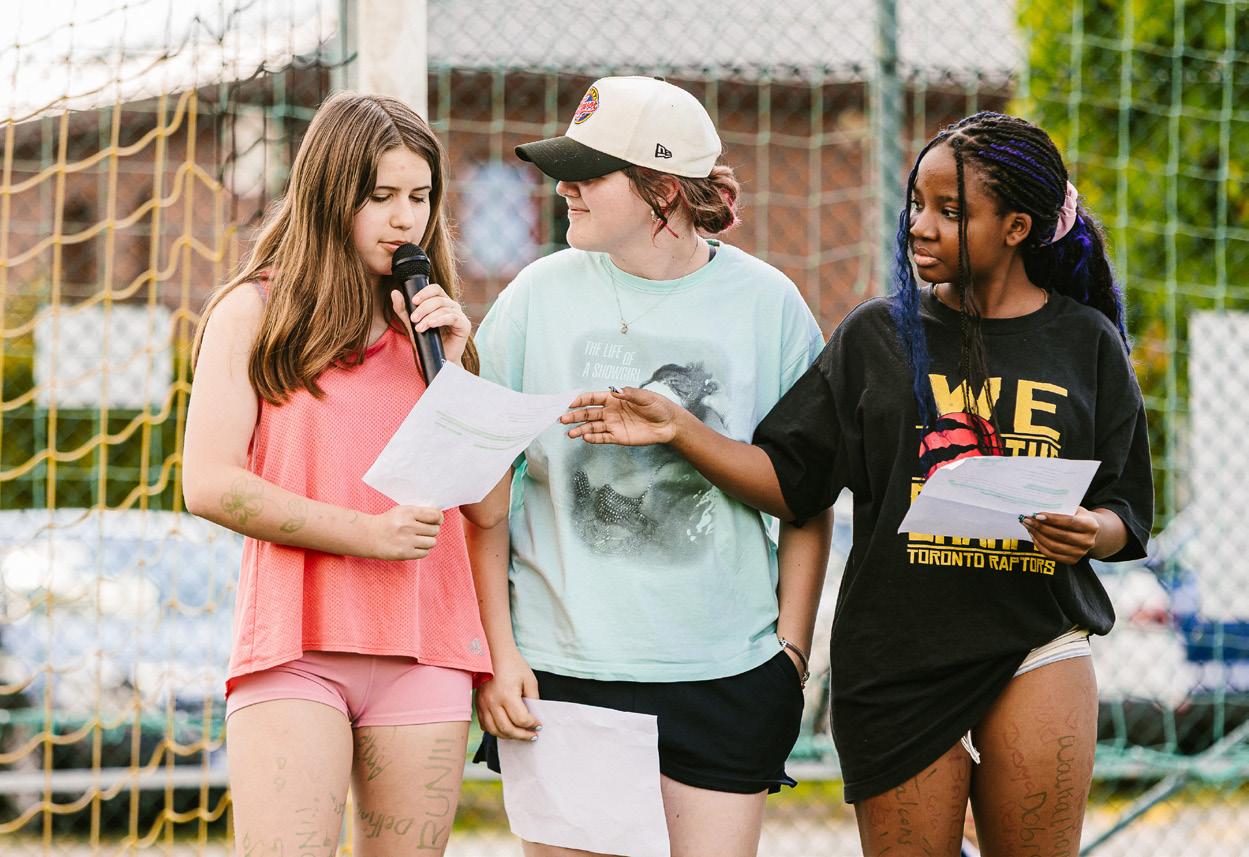
Our School: Wellbeing, Inclusion & Belonging
A Role to Play and a Place to Belong
A look at our theatre programme from the perspective of inclusion and belonging
Speak Out: From Experience to Purpose
Two brothers spearhead an anti-bullying initiative at ISP and beyond
Finding Joy in the Everyday
What the littlest members of ISP can teach you about care and connection
Ways of Seeing: Language and Connections
Building an inclusive school community through languages at ISP
Ourselves: Student Voice, Choice & Agency
More than a Race: Learning in Action
Grade 1’s get inspired to turn their inquiry into action
Choosing their Path: Electives at ISP
Expanding student agency through the elective programme
When Students Teach Students
Peer-to-peer learning at the Changemaker Conference in Dusseldorf
In the Tank and Beyond
Learn about our student-led business club where ideas are tested and brought to life
Our World: Global Citizenship & Sustainability
Happy Hearts: From ISP to Nepal
A personal experience inspires an initiative to expand global access to education
Partnerships for Purpose: ISP and Dobrý anděl
A classroom market to a Middle School walk-a-thon, sustained partnerships deepen learning
Do Plants Talk? Play, Inquiry, and Environmental Learning
From questioning how ecosystems work to understanding why they matter
From Certification to Culture: ISP’s Sustainability Journey
ISP’s journey toward becoming an Eco School
Theatre at ISP is more than performance: it is a space where students discover confidence, creativity, and a sense of belonging. Across Elementary, Middle, and Upper School, this year’s productions brought students, teachers, and families together through shared storytelling and collaboration.
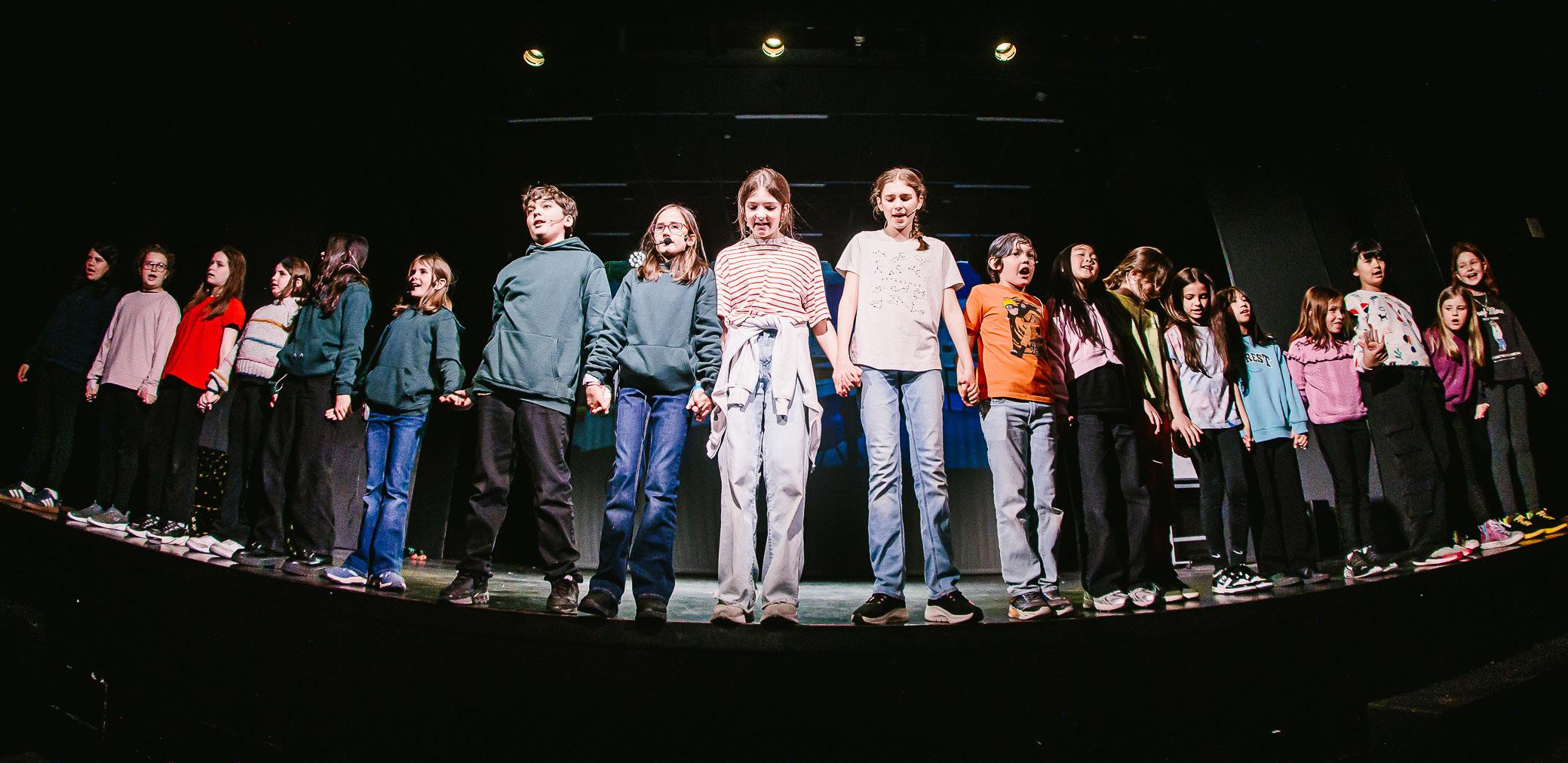
The premier of the original Grade 4 & 5 Elementary musical, Messin’ with the Timeline, invited students into a playful and thought-provoking exploration of history and how it shapes who we are today. Inspired by themes connected to the world around us, the musical encouraged students to think beyond the stage, reflecting on global challenges and how we can learn from the past to create a better future. The storyline followed four aliens who came to Earth to “uninvent” key innovations such as vaccinations and the internet, allowing students to experience a world without these advancements and explore the importance of knowledge, critical thinking, and collaboration.
Guided by the musical vision of Suzanne Higgins, choreography by Corky Hawkins, and acting direction from Ashley Eames, students developed far more than performance skills. The focus extended beyond memorizing lines to exploring character, storytelling, and creative expression, allowing each student to find their own voice on stage. The production became a space where students could take risks, grow in confidence, and feel seen and supported within a creative community.
‘The students were true risk-takers. To get up on that stage and act, dance and sing, sometimes solo, is no easy task. The collaboration between the staff involved, and the MS tech crew led by Josh Stewart, really put the icing on the cake. A fantastic achievement, in a relatively small space of time. Well done everybody!” – Suzanne Higgins, Elementary Music Teacher
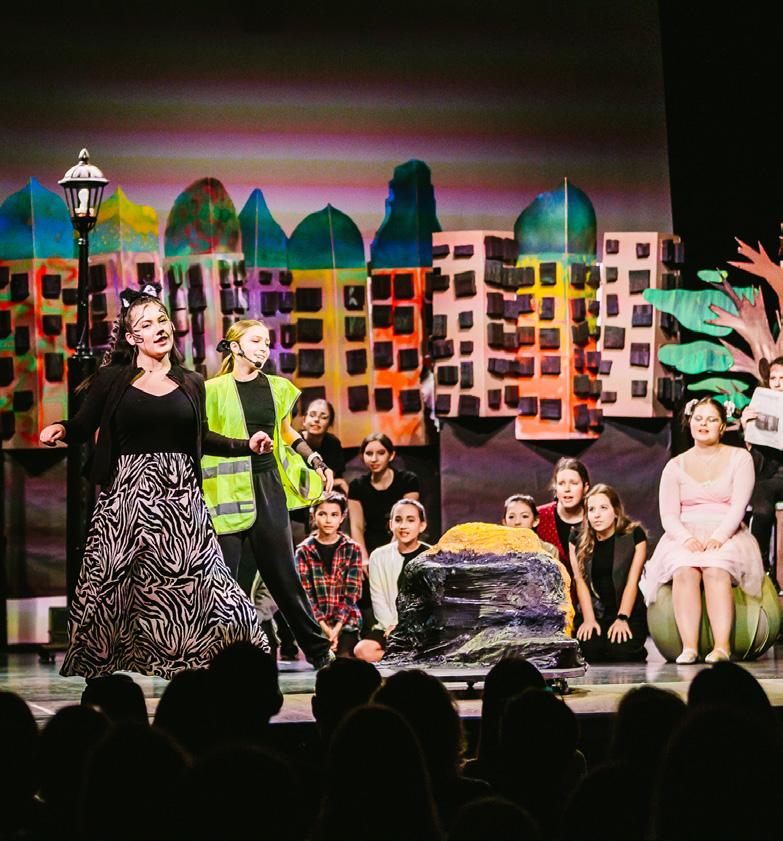
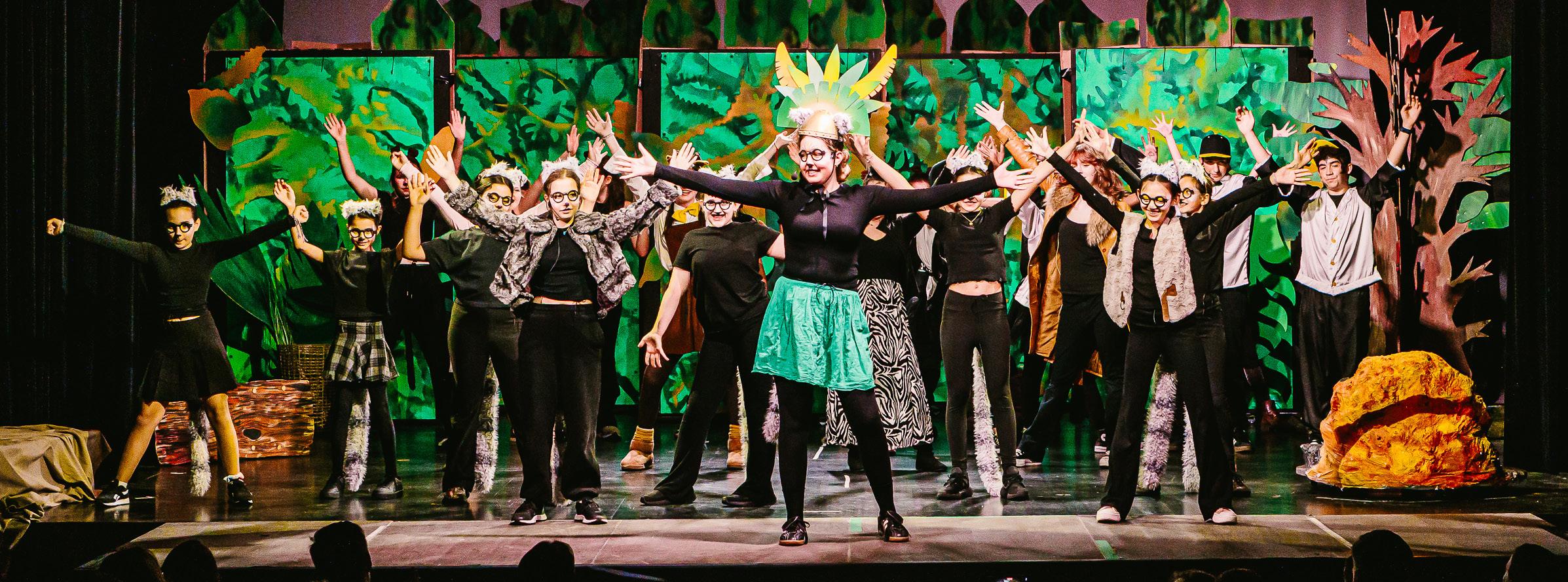
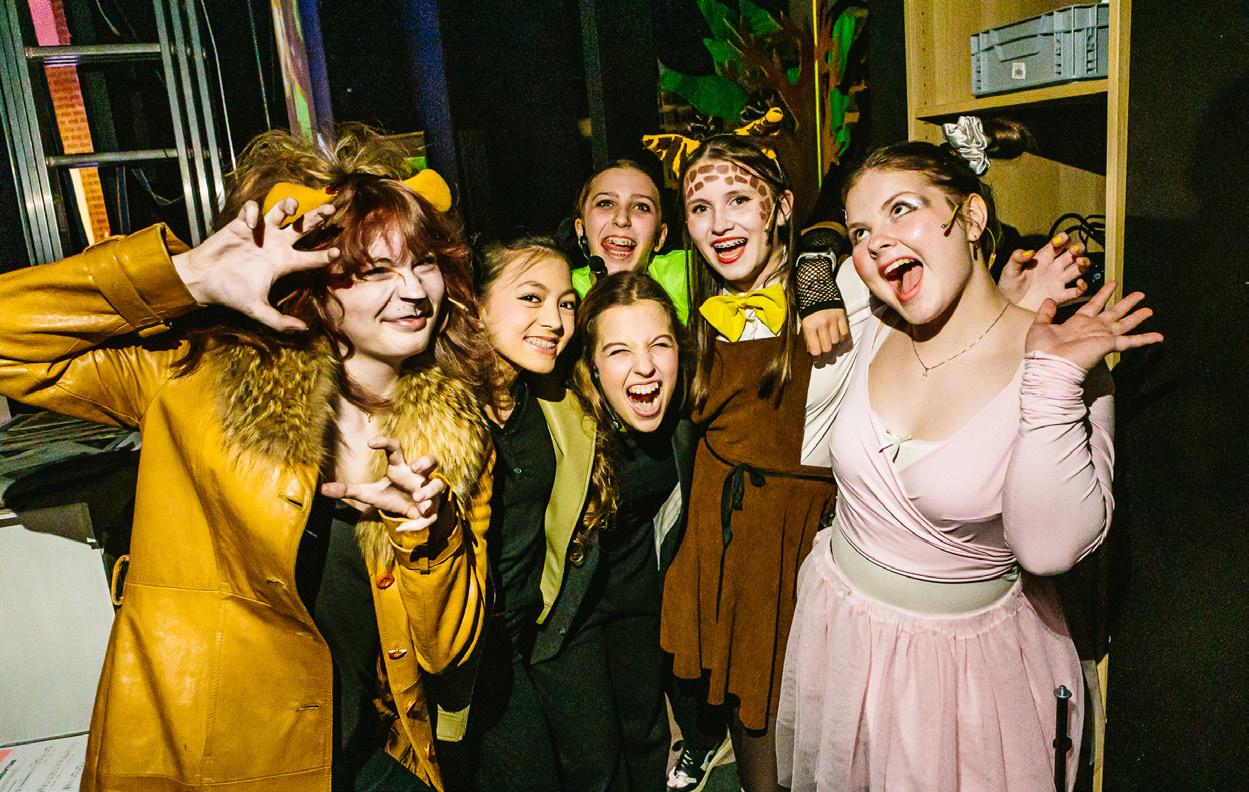
In the Middle and Upper School production of Madagascar – A Musical Adventure Jr., more than 70 students from Grades 6–12 collaborated both on and off stage, taking ownership of choreography, set design, costumes, lighting, sound, backstage operations, and stage management under the guidance of a dedicated team of teachers.
“Seeing the level of collaboration between students from across the Middle and Upper School was remarkable. The dedication and leadership they showed, from choreography to managing backstage operations, made this collective success possible.” – Lynelle Schumacher, MS Drama Teacher and Director
The production highlighted how theatre becomes a truly inclusive space when students are trusted with responsibility and creative ownership. Whether performing, designing, or managing backstage operations, every student contributed to a shared vision and worked together with peers across grade levels to bring the production to life.
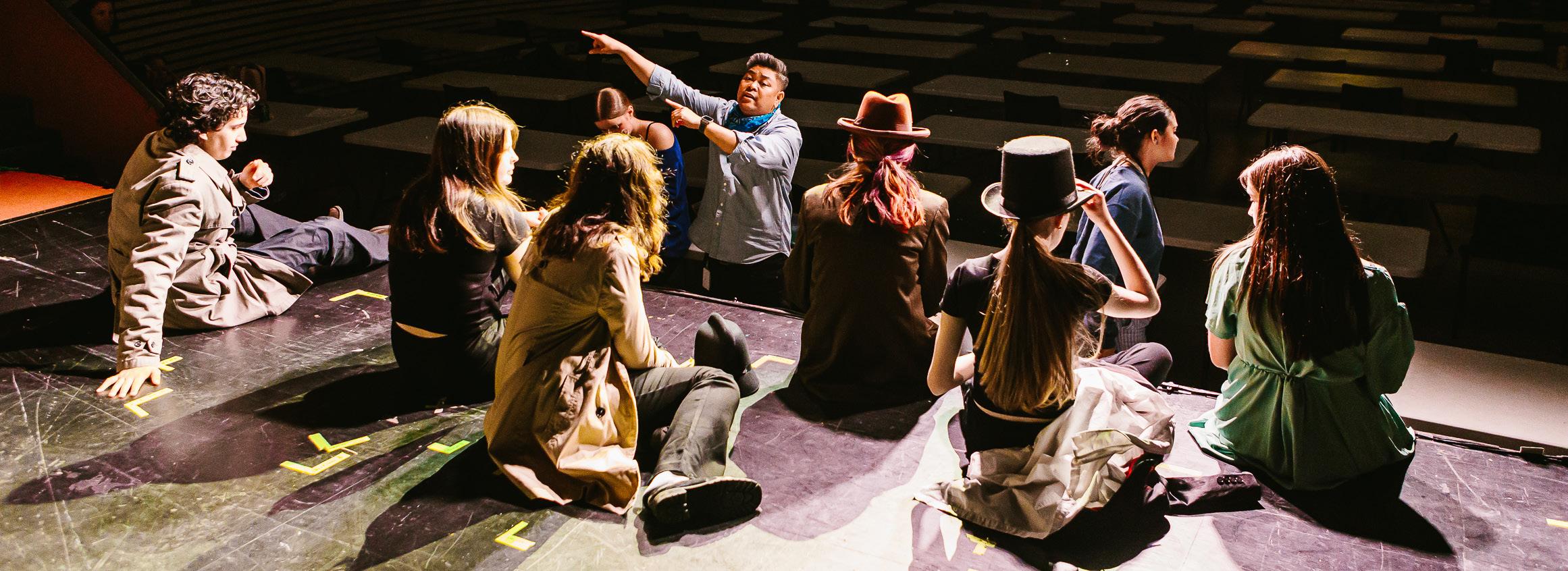
In the Upper School, the Intro to Theatre class brought Patrick Barlow’s fast-paced, comedic whodunit The 39 Steps Abridged to the stage, transforming a classic spy thriller into a masterclass in inclusivity and student-led changemaking. With a small cast tasked with playing over 60 characters, the production demanded absolute trust and radical collaboration. The stage became an equalizer where students from all backgrounds and experience levels had to rely heavily on one another, fostering a profound sense of psychological safety and belonging. Every student’s voice was essential to keeping the chaotic, high-energy narrative on track.
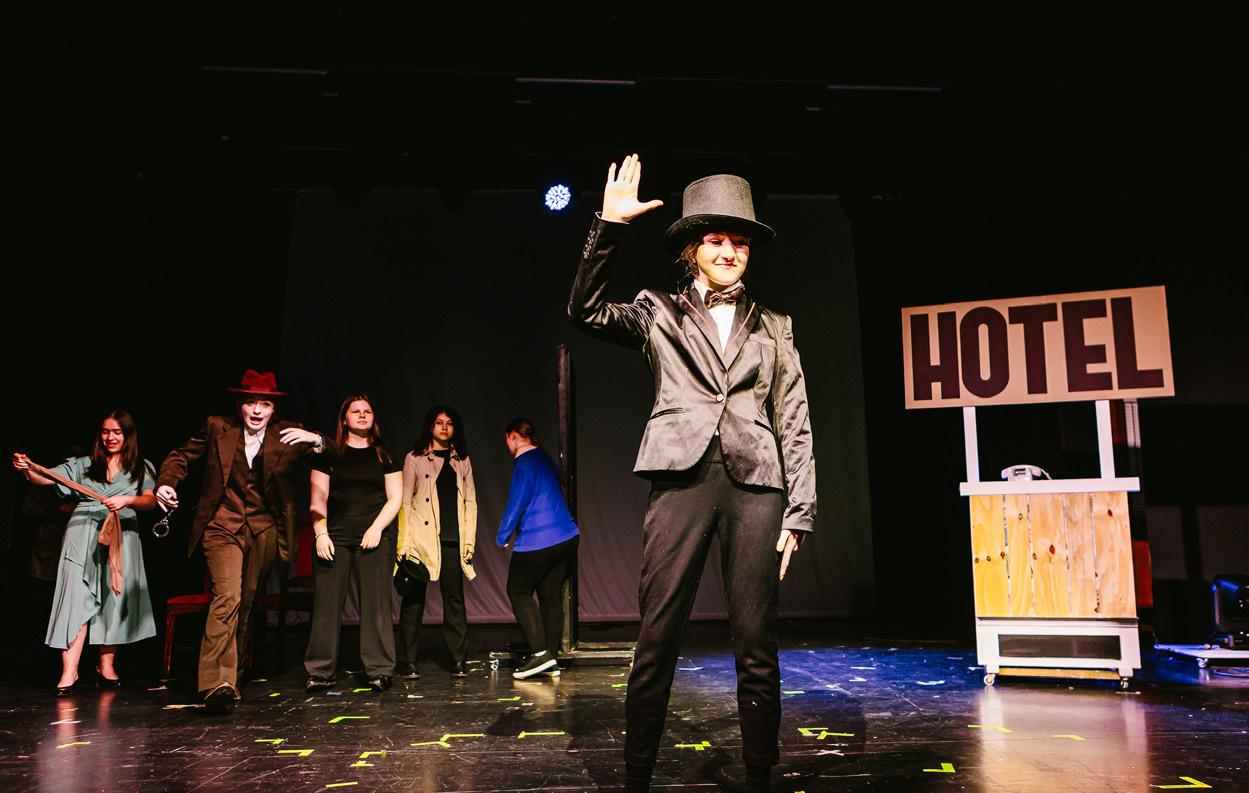
Beyond the laughter, the production served as a catalyst for developing student Changemakers. By tackling a show that requires immense creative problem-solving, like using minimal props and sheer imagination to simulate train chases, plane crashes, and missing fingers, students learned to challenge conventional boundaries. They weren’t just executing a script; they were taking creative risks, advocating for their artistic visions, and realizing that they have the agency to shape the world around them.
“The 39 Steps pushed our Upper School students to step outside their comfort zones and completely trust their peers. Watching them evolve from hesitant participants into confident leaders who take ownership of the narrative, both on stage and off, shows the true power of theatre to shape future Changemakers.” – Josefino Rivera, US Theatre and English Teacher, Director
Across all productions, theatre at ISP became a powerful example of inclusion in action. Students collaborated across ages, cultures, and experience levels, discovering how the arts can build empathy and community. In creating stories together, they also created spaces where every student had a role to play, and a place to belong.
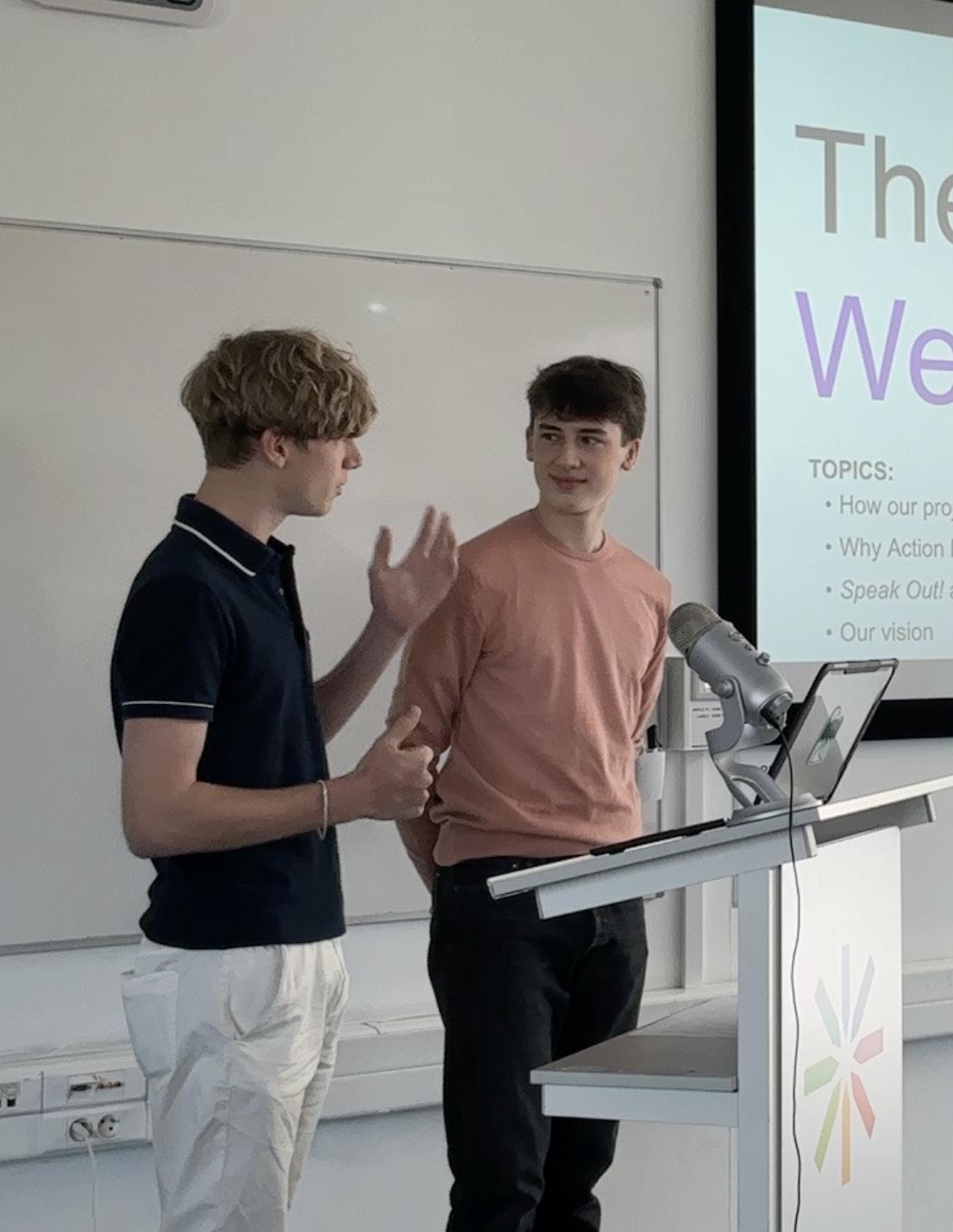
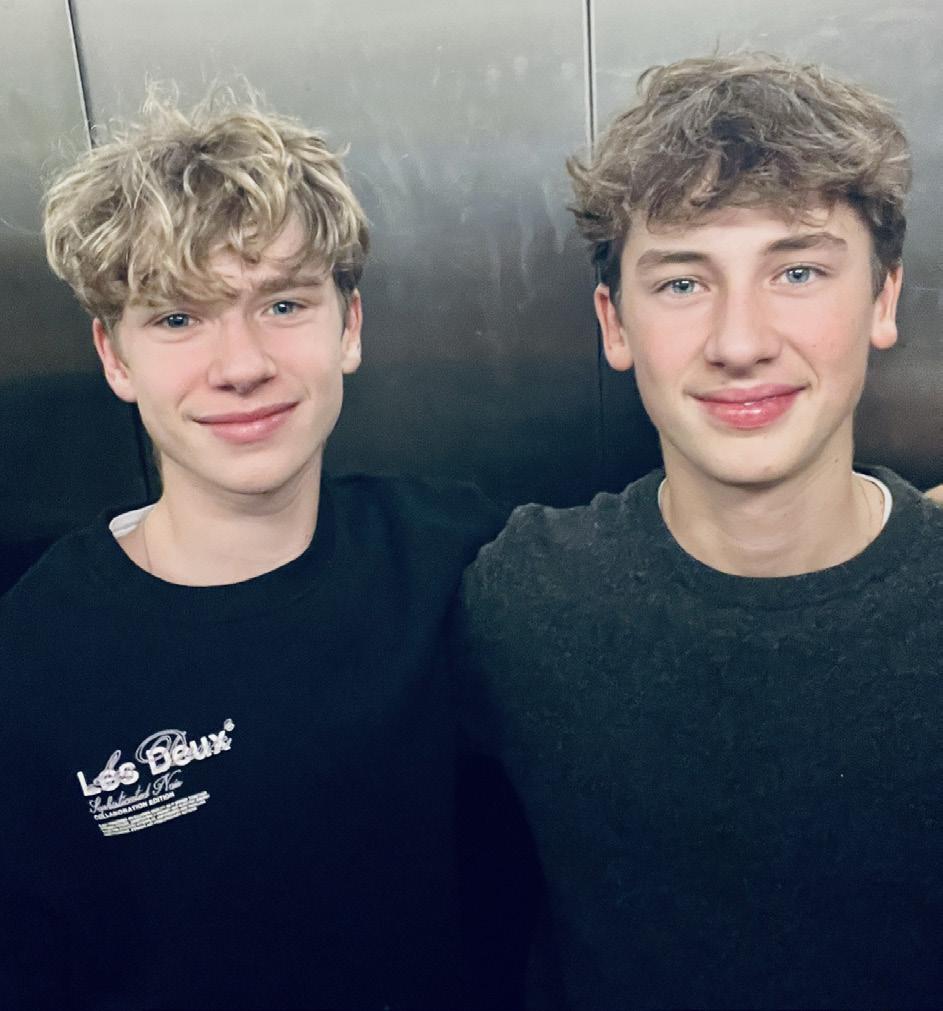
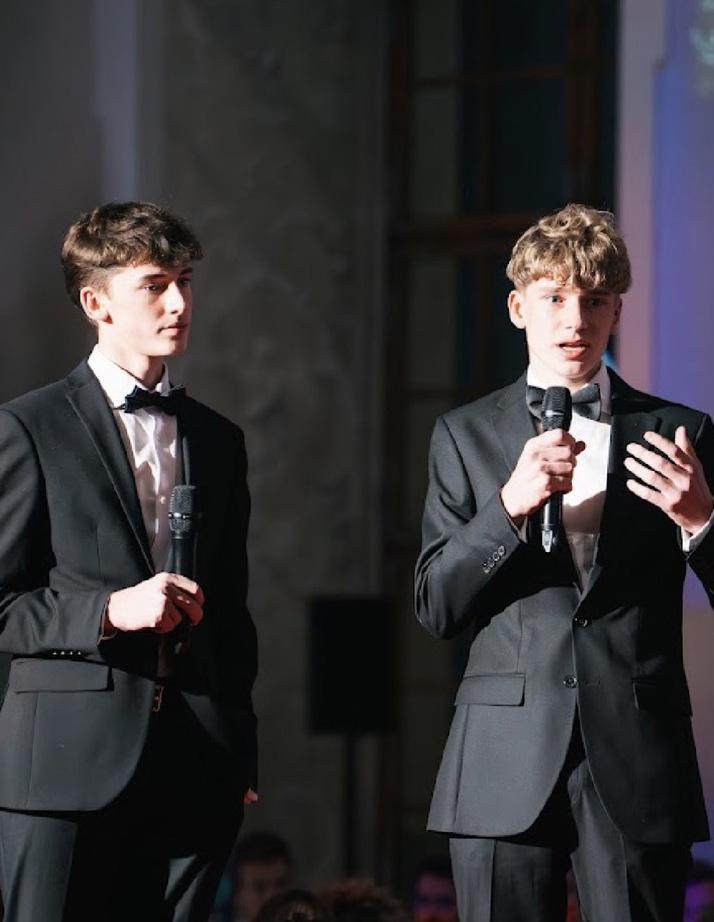
The ISP student-led club Speak Out began not as an assignment, but as a personal experience that became a call to action. Founded by Grade 11 student, Gabe, and his brother, Elias, the initiative started in response to witnessing someone close to them being bullied. It has since grown into a wider effort to raise awareness of bullying, not only at ISP, but across Prague and beyond. With support from their family, the brothers established Speak Out as a nonprofit in 2025.
“ISP is our pilot school, but we hope to grow in the Czech Republic, and maybe even reach other schools in Europe through our schools’ involvement in SCIS. Bullying is something that exists everywhere.” - Gabe, Grade 11
At ISP, Speak Out has grown into a student club of around 15 – 20 members who are genuinely passionate about the work. The group runs peer-to-peer workshops in younger grades, helping students recognise and understand different forms of bullying. In addition to workshops in the Elementary School, the club recently led a Coffee Morning session for parents and is planning a Stretch Day experience for Middle School students next year.
Over time, the initiative has expanded in both structure and reach. The student team now includes dedicated teams focused on events, marketing, and operations, reflecting the growth of both the programme and the community behind it. Speak Out has also begun working beyond ISP, connecting with other schools in Prague, professionals, and education authorities, while exploring tools such as digital safety systems and potential AI-supported resources.
The broader aim is to help students feel confident speaking out to trusted adults, whether parents, teachers, or counsellors, before situations escalate. At its core, Speak Out is a purposedriven initiative built on lived experience, sustained by student passion, and driven by a shared commitment to creating safer, more connected school communities.
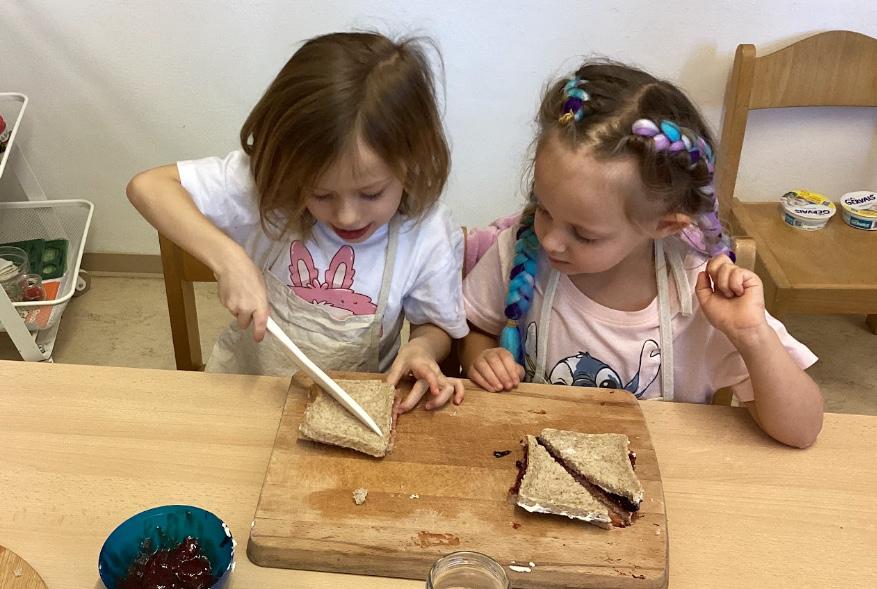
What can everyday moments teach us about joy, identity, and community? This question emerged in Jessie Martin’s class in the Early Childhood Foundations 3/4 as teachers noticed children naturally engaged in caring for their environment and the people around them. This observation sparked a deeper exploration of the children’s inherent interest in everyday acts like cleaning, and the satisfaction these moments seemed to bring. It also invited students to notice how simple actions can shape how we feel, connect, and belong within a community.
“As I observe the children engaging in “everydayness”, activities interwoven in their daily life or introduced to us by our school community members, I am reminded of the value of “common things” and witnessing the “phosphorescence” that emanates from the children when they do it.” - Jessie Martin, ECF 3/4 Teacher
As part of the inquiry, students experimented with familiar and unfamiliar tools, building coordination and confidence through actions such as sweeping, scrubbing, and wiping. Intrigued and excited by the change they were creating through their actions, students assembled a cleaning cart to extend their work beyond the classroom and into the wider community. Moving through the campus with purpose, students cared for areas such as the theatre stage and Student Life Centre, and even learned to repair books alongside ISP librarians. Through these experiences, children developed a growing sense of responsibility and capability: I can help. I can fix things. I can take care of our community.
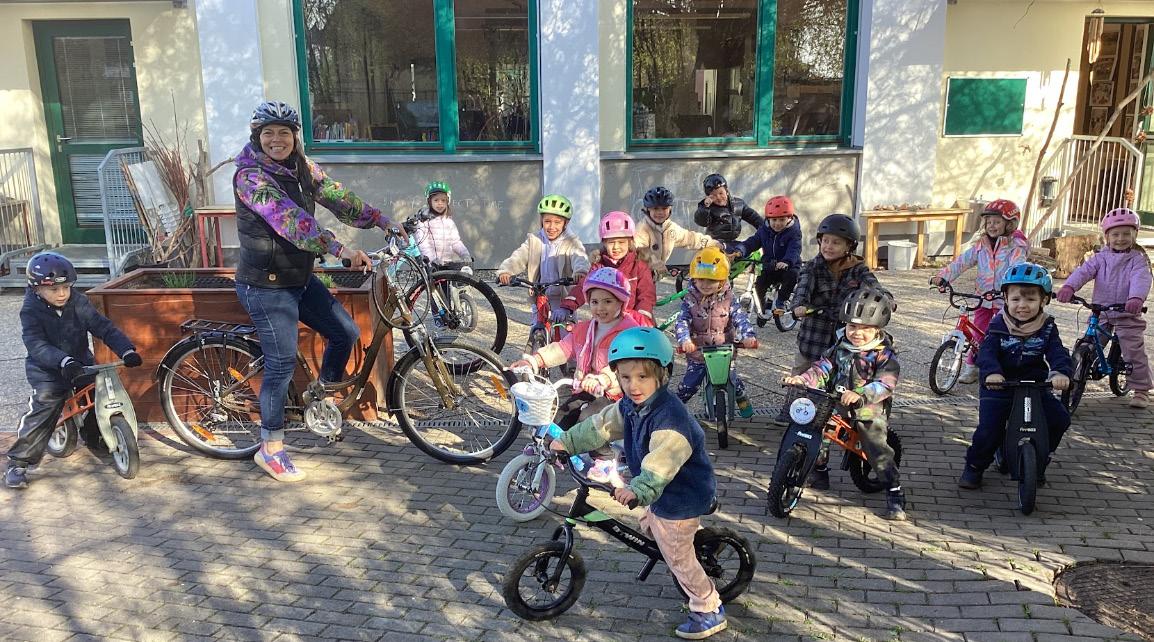
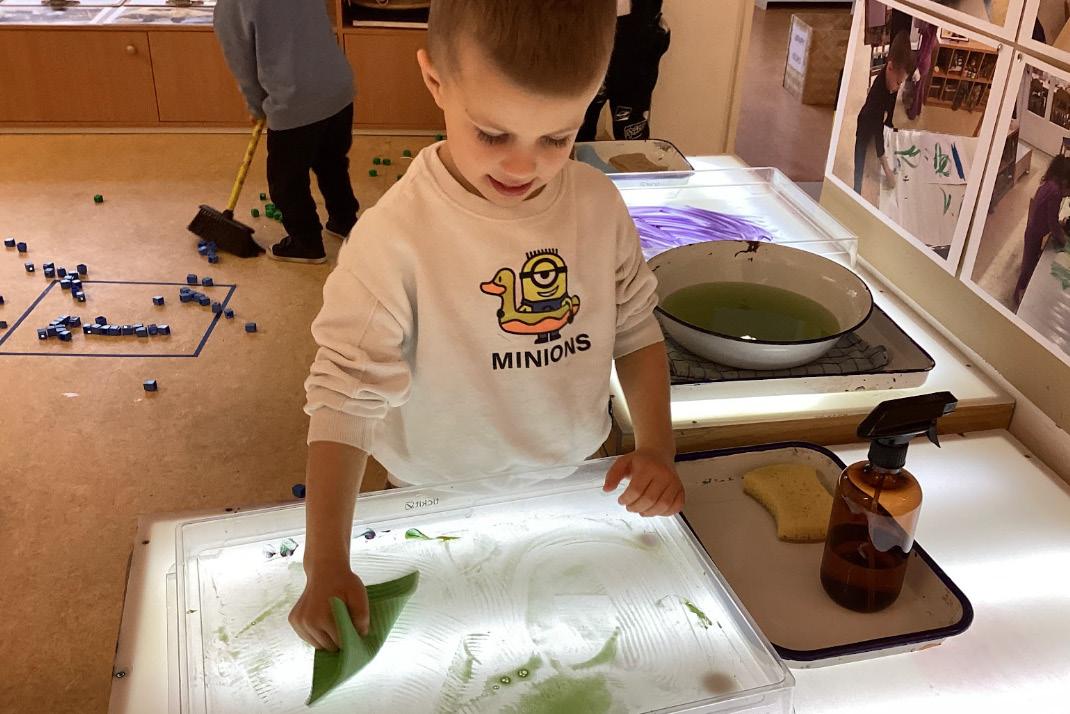
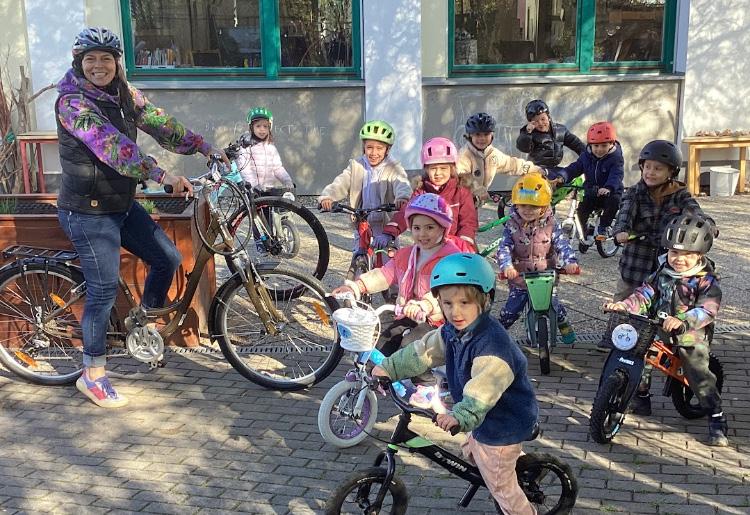
The inquiry deepened as members of the wider school community visited the classroom to share what brings them joy in their everyday lives. From older students to teachers and staff, guests spoke about practices such as yoga, gardening, journaling, fixing things, walking dogs, listening to music while doing chores, and caring for shared spaces. Inspired by these conversations, students began experimenting with some of these routines themselves. Grade 4 teacher, Trent Herbst’s passion for fixing bikes sparked particular excitement, transforming the classroom into a working bike space where students explored wheels, parts, and repair, eventually culminating in a celebratory community bike ride!
Through these experiences, students were not only engaged in everyday moments, but also by the relationships they built along the way. Their actions became a way of connecting with others and contributing meaningfully to school life. In doing so, ECF 3/4 students emerged as relational Changemakers, finding joy in the everyday and discovering their ability to strengthen their community through care and connection.
At ISP, languages are more than a subject; they are a way of seeing the world and connecting with others. Across Elementary, Middle, and Upper School, students engage with languages with a shared focus on celebrating linguistic diversity, and exploring how languages can shape identity, culture, and thinking, while building a more inclusive community.
In Elementary School, language learning begins through curiosity and exposure, with students studying French, Spanish, German, or Czech. In the Middle Years Programme, this develops further through deeper study and more immersive learning experiences. In Upper School, students take on greater ownership of language and identity through more advanced study and student-led initiatives that connect language to community and belonging.
“Our language is really our way of seeing the world, but also our perception of the world around us is influenced by the languages we speak. Learning a language can be like opening a window into somebody else’s perception.” -
Hélène Harlé, MYP/DP Teacher of French, Curriculum Leader
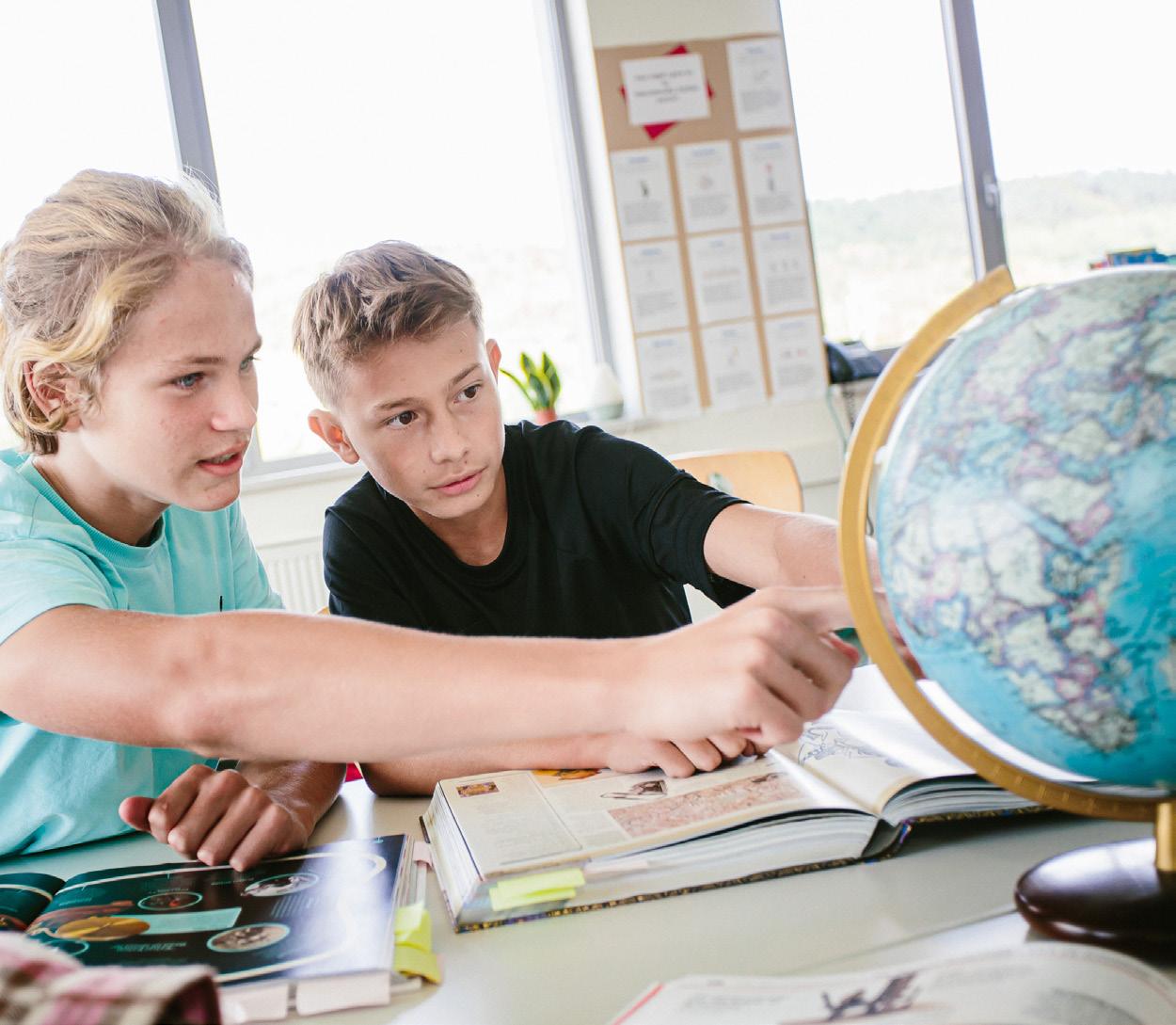
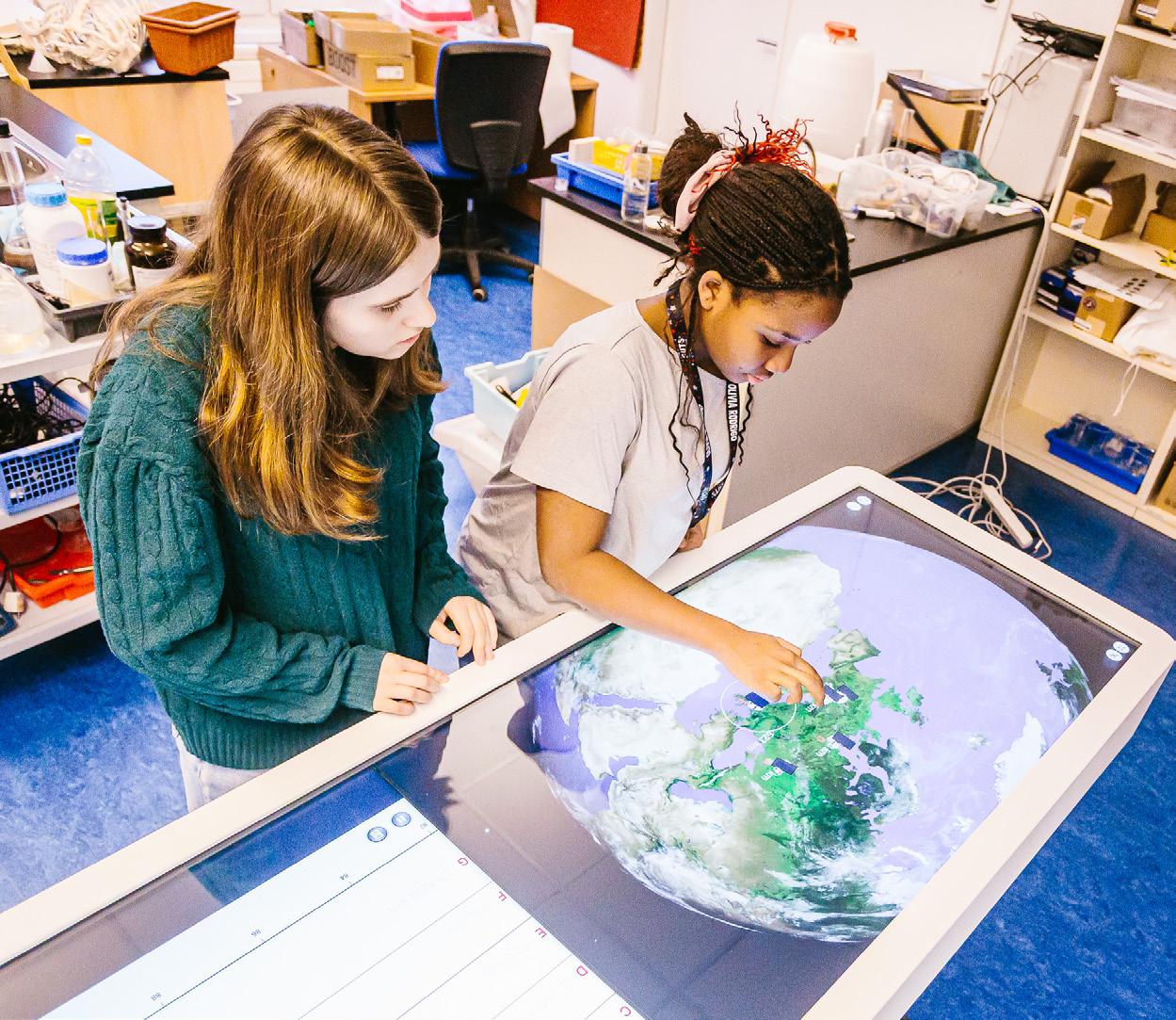
Across all divisions, learning comes alive through hands-on cultural experiences that extend beyond the classroom. Recently, our Elementary German students’ overnight stay in Dresden immersed them in the city’s history and culture, while French students explored visual culture at the Museum of Decorative Arts through the “French Interwar Advertising Posters” exhibition. In the Middle Years Programme, “Stretch Days” deepen learning through a range of immersive experiences, including the screening of the French environmental film Arco, authentic cooking workshops, and cultural performances such as Mariachi.
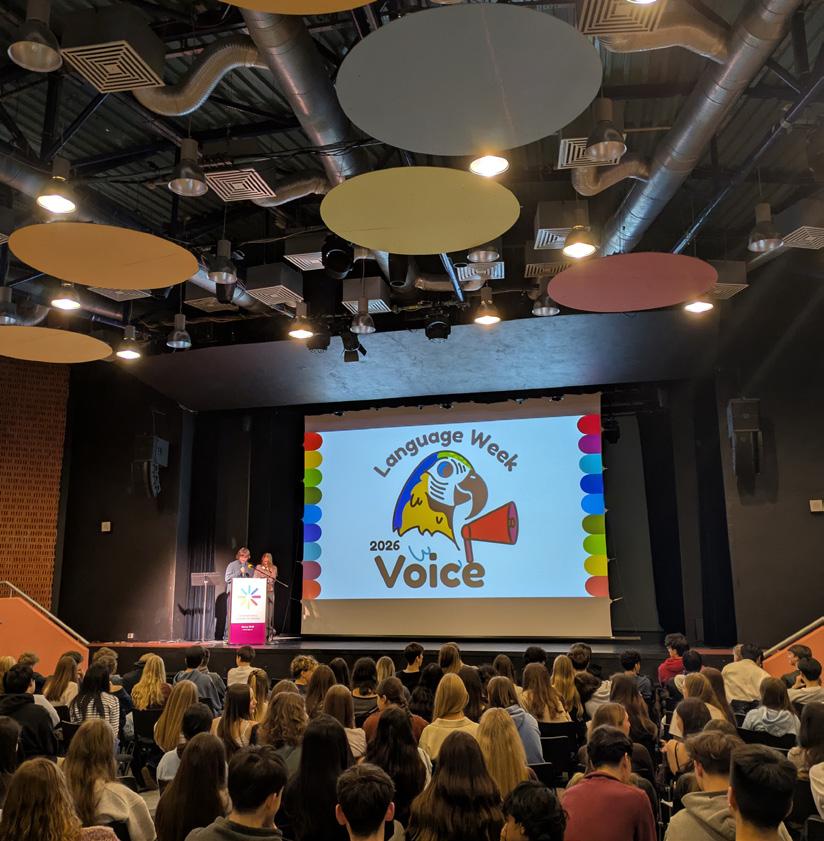
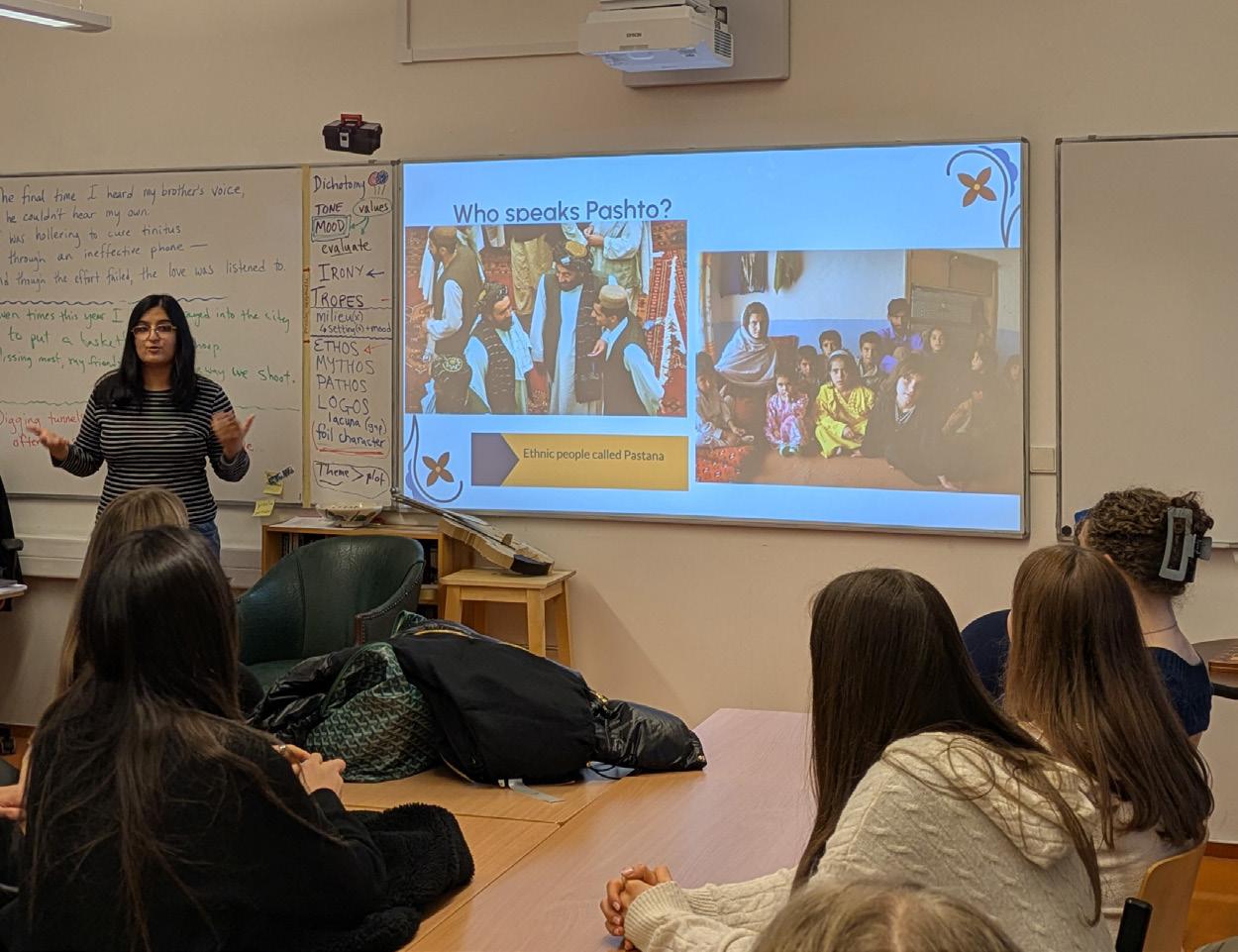
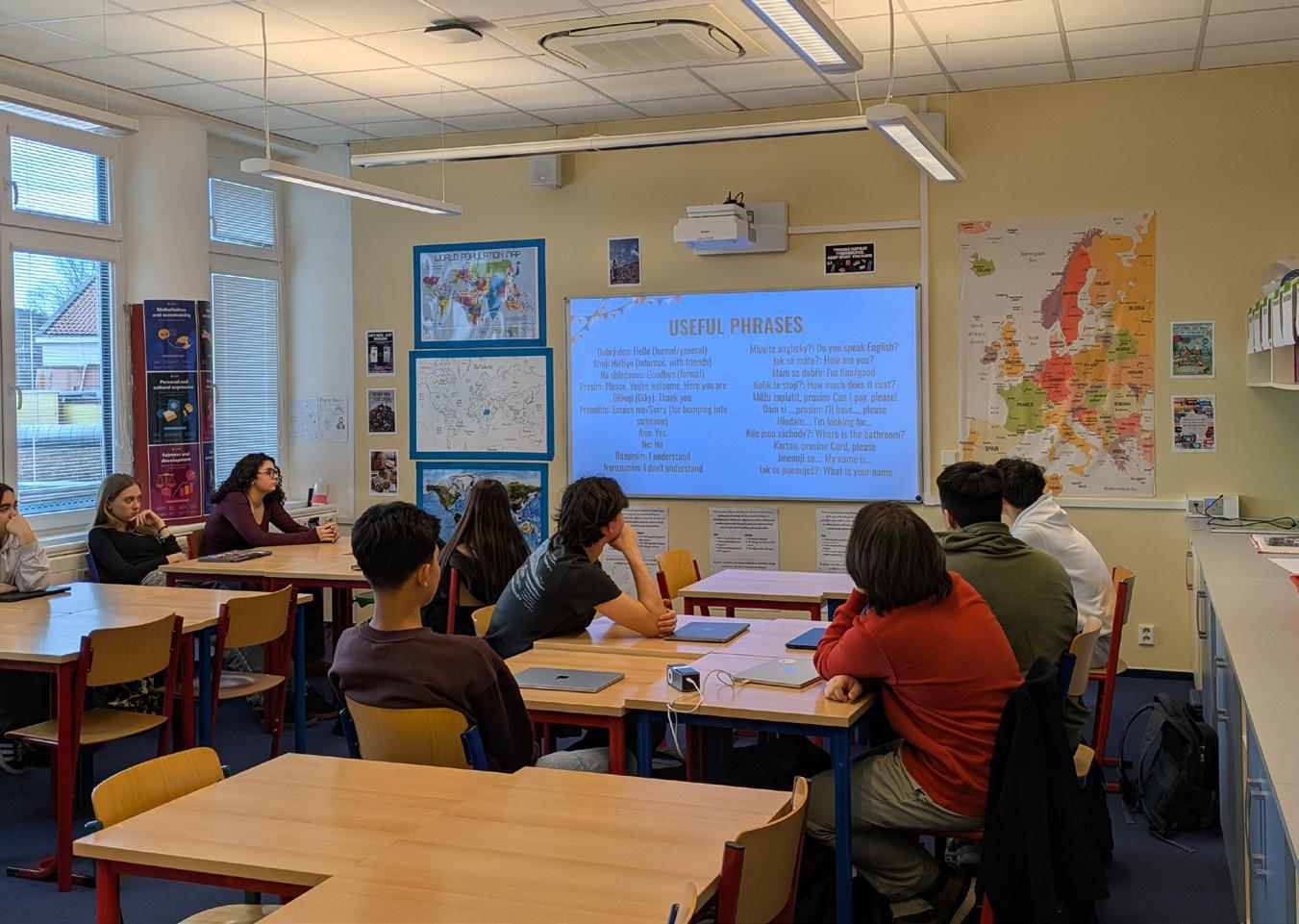
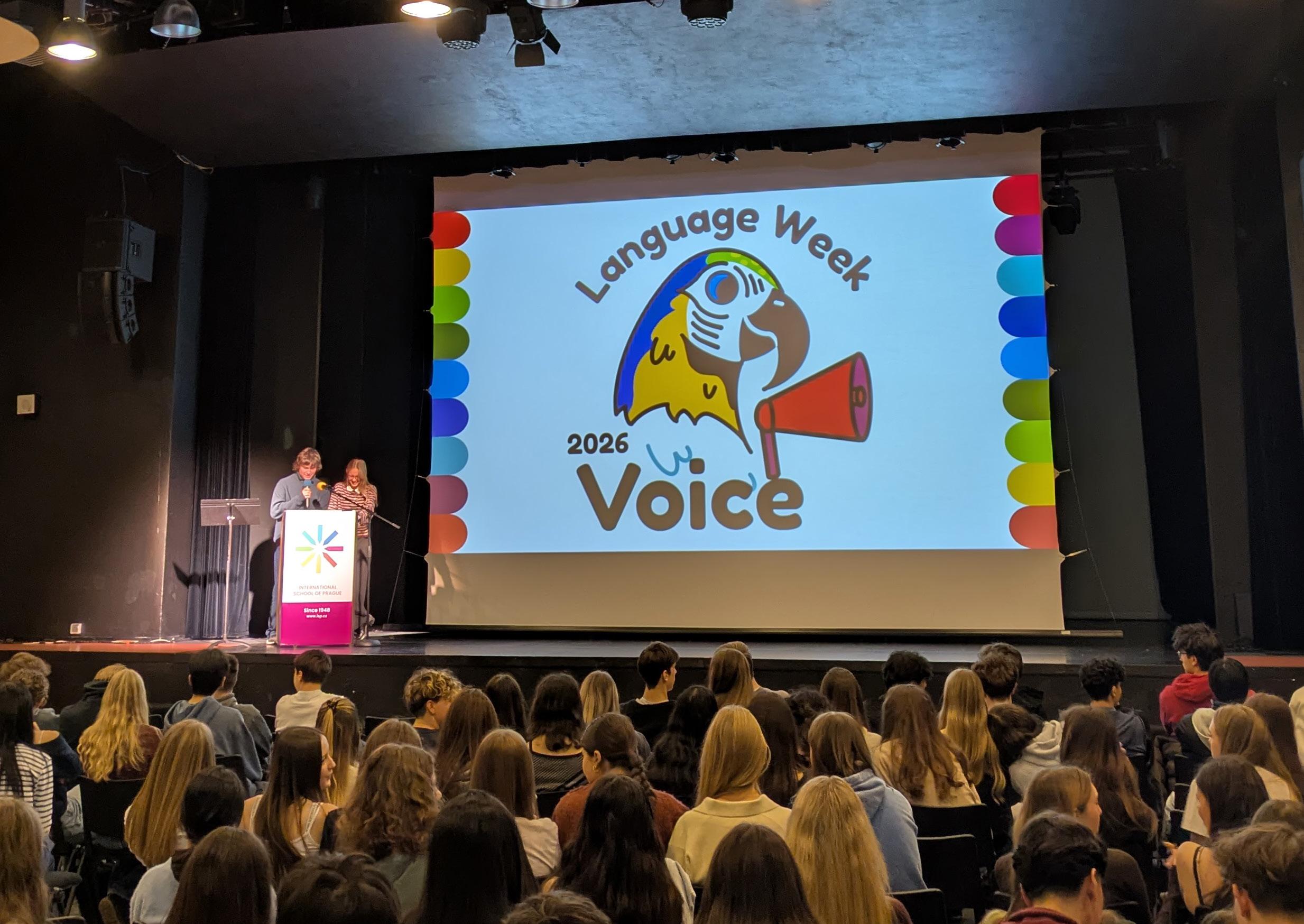
In Upper School, in addition to expanding their command of additional languages, the students are also given the opportunity to honor their home language. Language Week, on the ISP calendar since 2006, is a fully student-led initiative that aims to highlight and celebrate the rich linguistic and cultural diversity of the school, and to give the 50+ cultures present in the community equal space and voice. Over the course of the week, the students teach their peers and teachers, and explore how language connects to identity, belonging and values. It positions students as both learners and experts, and emphasizes curiosity and life-long learning.
Across all school sections at ISP, language learning extends beyond acquisition. It becomes a way for students to engage with perspective, culture, and identity, and to recognise that each language offers a different way of understanding the world and understanding each other.
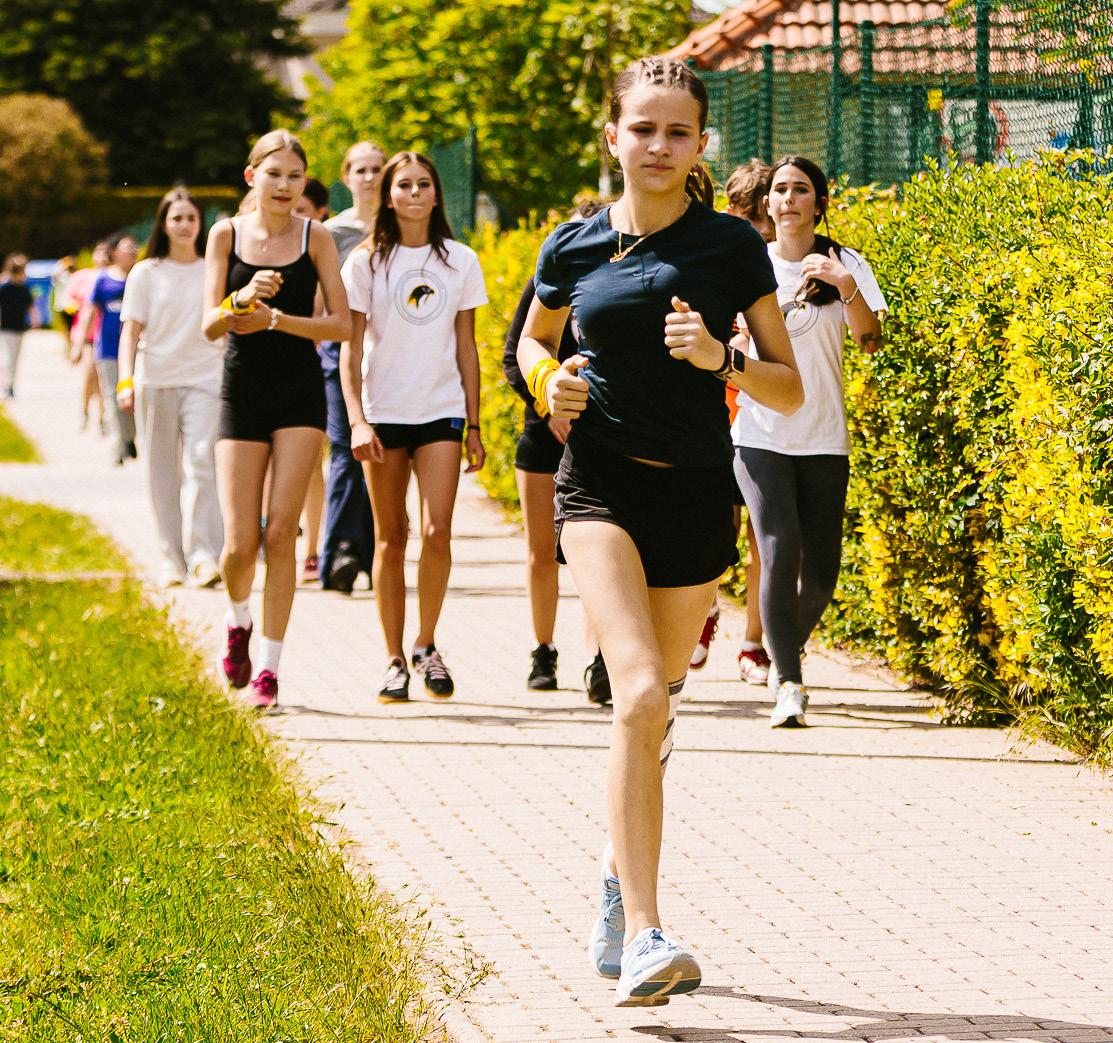
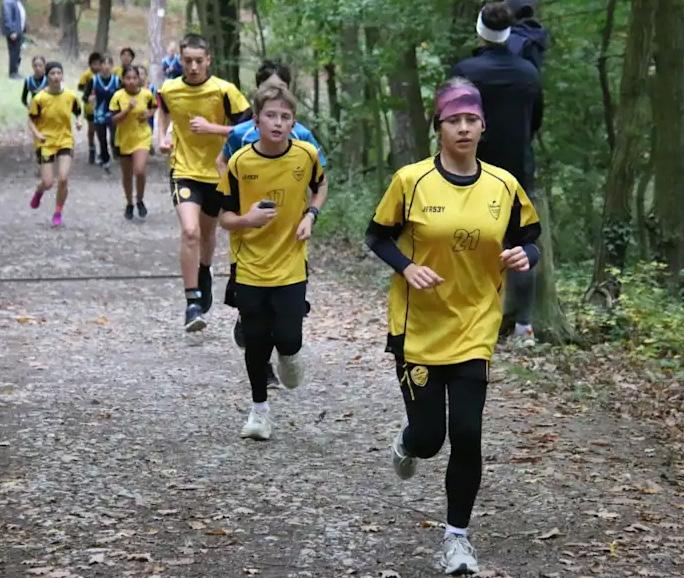
The Grade 1 Unit of Inquiry, How We Organise Ourselves – Our Communities, began with a simple question: Who belongs to a community, and how do we get to know and show care for one another? Students reflected on their own communities, from families and teams to classrooms and friendships, developing a collective understanding of what community can be. When they discovered that their teacher, Ms. Liz Kennedy, is not only a runner but also the coach of ISP’s cross country team, they saw a meaningful opportunity to put their ideas about community into action!
Inspired by the upcoming US Cross Country meet (and Ms. Kennedy’s collection of running medals) students took initiative to make the event memorable! They created signs and posters to welcome the Falcons and visiting athletes for the event, and even designed medals for the winners to receive. Grade 1’s organised a friendly competition to see which hand-drawn metal would be selected, which was then etched into wood with the help of Elementary Design and Technology Coach Amy Garrett, using the Wonder Lab’s laser cutter.
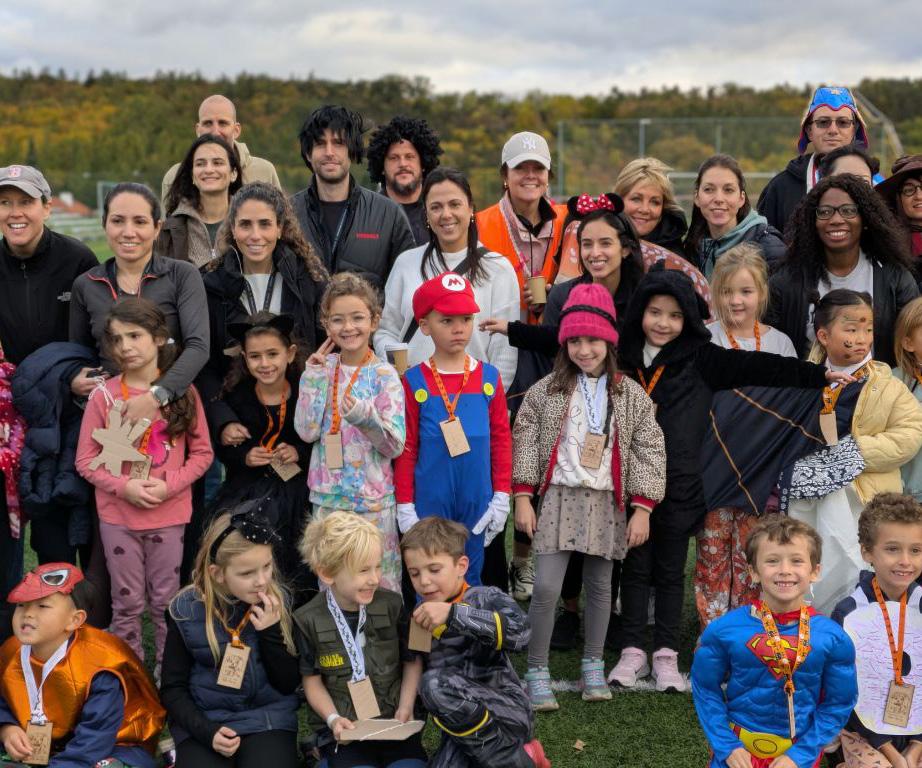
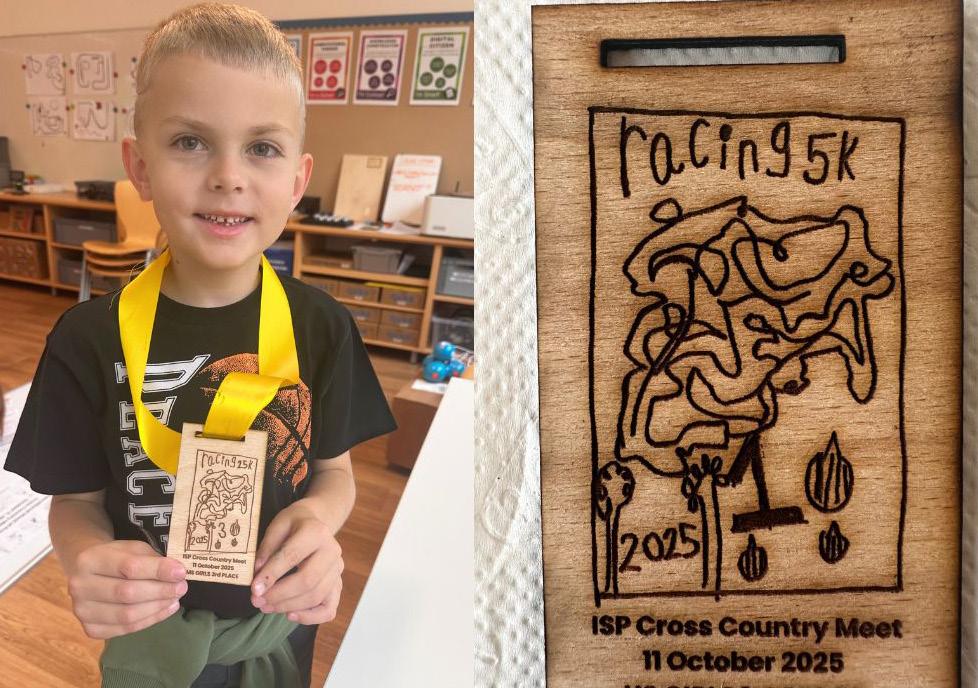
The excitement did not end at the finish line! Energised by seeing their efforts make an impact at the race, students decided to plan their own Grade 1 Fun Run. Taking ownership from start to finish, they mapped and measured the 4km course, collaborated with Grade 4 buddies to bring the Halloween theme to life through spooky decorations, and designed new pumpkin-themed medals (with hand-sewn ribbons) so that every participant in the Grade 1 community could feel celebrated.
“Student engagement was incredibly high throughout this unit, with strong connections across learning, from math and measurement to mapping, design, and collaboration. Not only did Grade 1 students contribute to a US event, but they also collaborated with their Grade 4 buddies to develop the theme, creating a truly cross-grade experience. It was a fresh take on a unit we’ve taught many times, bringing new energy, creativity, and a strong sense of student ownership.”
What began as a classroom inquiry grew into a powerful example of learning in action: students following their curiosity, collaborating across the school, and discovering that community is not only something we belong to, but something we actively create together.
At ISP, electives in Middle and Upper School are one of the ways students are given agency over their learning. Electives create space for students to step beyond the structure of the core curriculum, explore new interests, and pursue their passions. Because electives are ungraded, students are encouraged to take risks and try something unfamiliar in a safe and supportive setting. ISP’s elective offerings are extensive and varied, ranging from rock climbing and public art to leadership, sustainability, and creative pursuits.
While many electives are led by ISP teachers, some are developed in partnership with external organizations, creating opportunities and connections that extend beyond the school community. Plant-for-the-Planet is one such experience, giving students the opportunity to learn from environmental experts and engage with a global movement focused on climate action and sustainability. Another example is our Middle School Sports Leadership elective.
Facilitated in partnership with the Leadership Skills Foundation and delivered by Middle School teacher and coach Holli Demirel, the Sports Leadership elective offers students a unique opportunity to explore one of the most important dimensions of athletics: the relationship between coach and athlete. Through the programme, students develop transferable leadership, communication, and teamwork skills by coaching younger ISP athletes in ES PHE classes and moving forward, they will also have the opportunity to assistant coach in the ASA (After School Activities) programme. Alongside these experiences, many other electives continue to stretch beyond traditional subject areas, providing students with new skills and perspectives.
Perhaps the most valuable aspect of the elective programme is not the content itself, but the sense of ownership it fosters. By choosing their own pathways, students explore and expand their interests, experiment with new ideas, and discover passions that can shape their learning long after they leave the classroom.
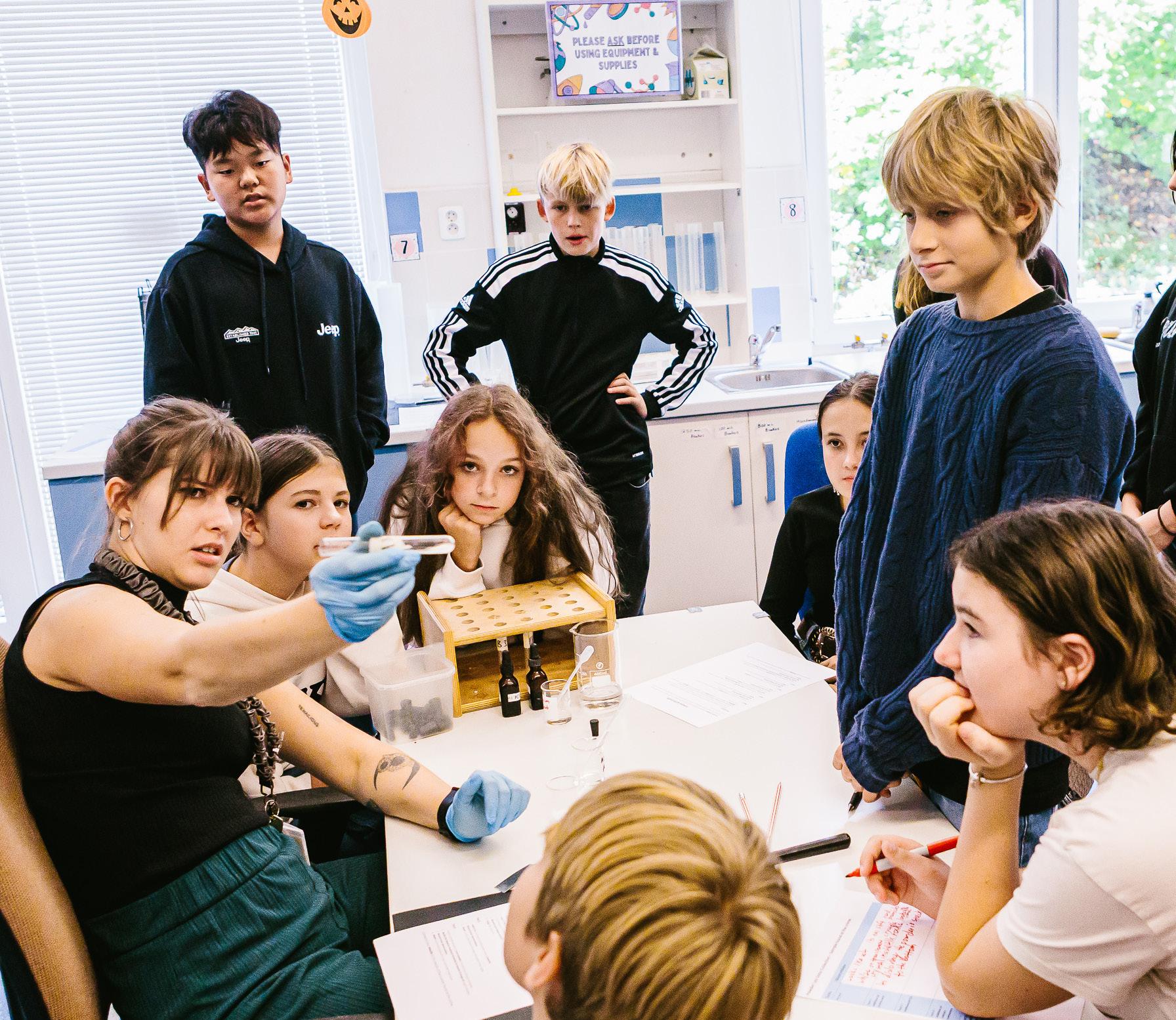
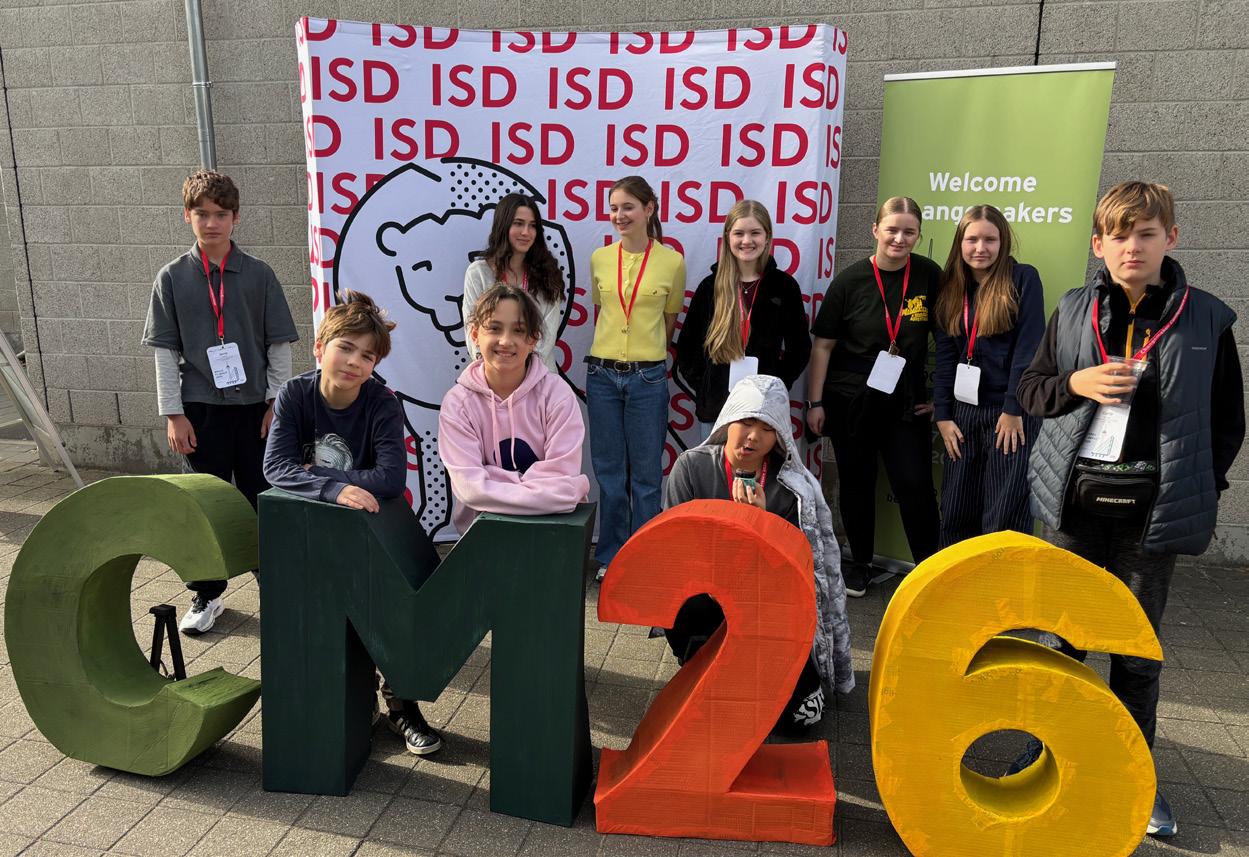
In Middle and Upper School, students take part in the annual Changemaker Conference, where they engage with a wider global community of young people from SCIS schools across Europe, exchanging ideas, engaging in collaborative workshops, and learning from other youth. This Spring was ISP’s second year of attending the conference, with ten students from across Middle and Upper School participating at the International School of Dusseldorf.
What makes the conference especially unique is that it is largely student-led, from the organising committee to many of the presenters and workshop leaders. This peer-to-peer learning is impactful not only for the students on stage, but for the participants attending the conference.
“Something that surprised me was learning that changemaking is not just talking on stage or sharing ideas, but it’s actually about taking action. You can do the things you want to do as your action and that can have an impact.” - Yael, Grade 7
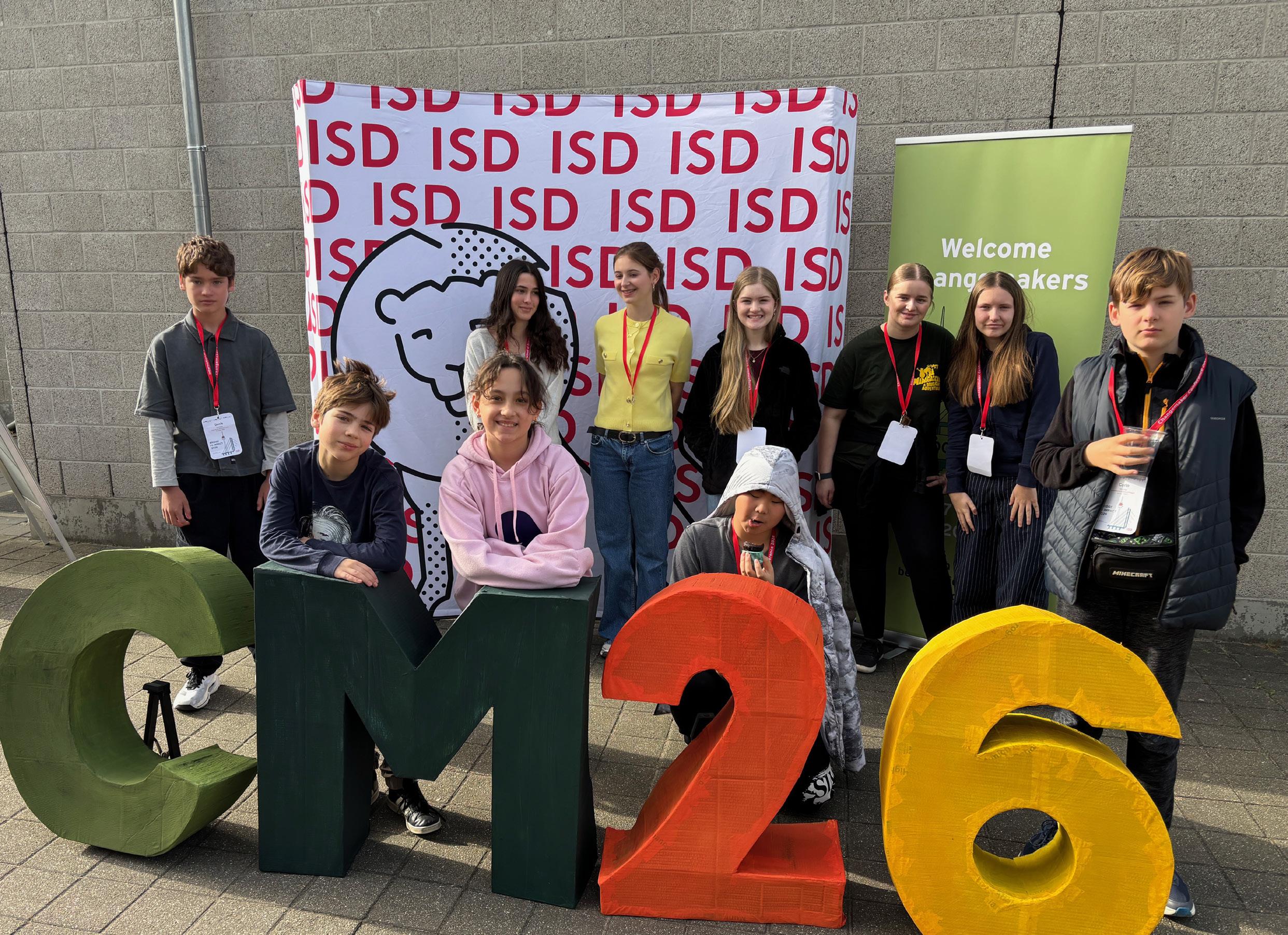
This year, ISP students not only participated in discussions but also came back to ISP inspired to take action at ISP and in the Prague community. In Middle School, for example, students are developing a project to upcycle bottle caps into student artwork, and working on a composting project. Other initiatives include a Middle and Upper School collaboration to re-envision the recycling programme at school, including running a recycling audit to understand the challenges of our current bin system, along with updating and clarifying all the visuals on bins around campus.
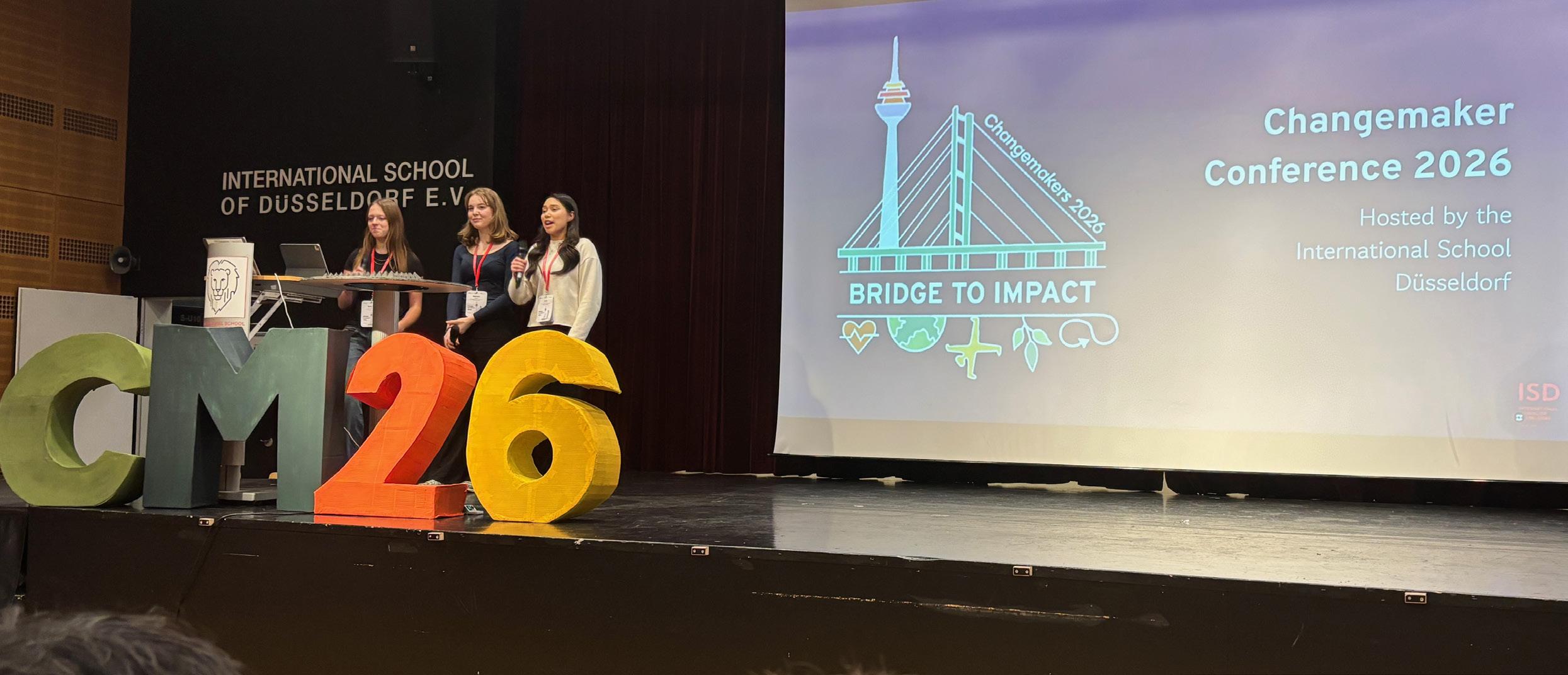
“The Changemakers Conference in Dusseldorf opened up a space for me to collaborate with other young Changemakers. Alongside my classmates and students from other schools, I was able to garner lots of insightful ideas and opinions on how we can make change in the world. I came back to ISP with lots of fresh ideas and advice on how I can introduce new projects to our community! “ - Leah, Grade 10
The conference creates a meaningful space for students to step into leadership, share their voices both on stage and in classrooms, and inspire others their age to take action.
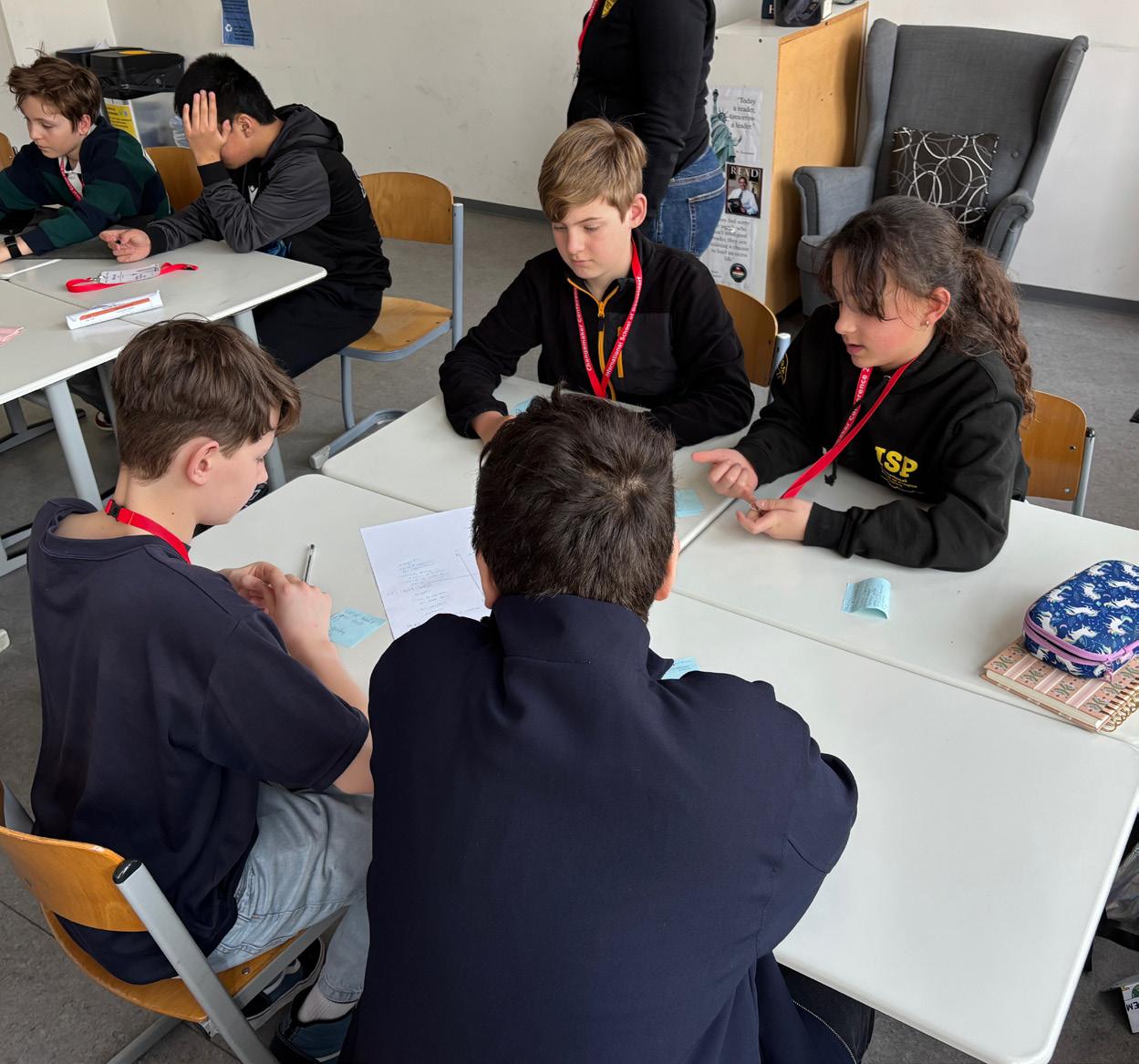
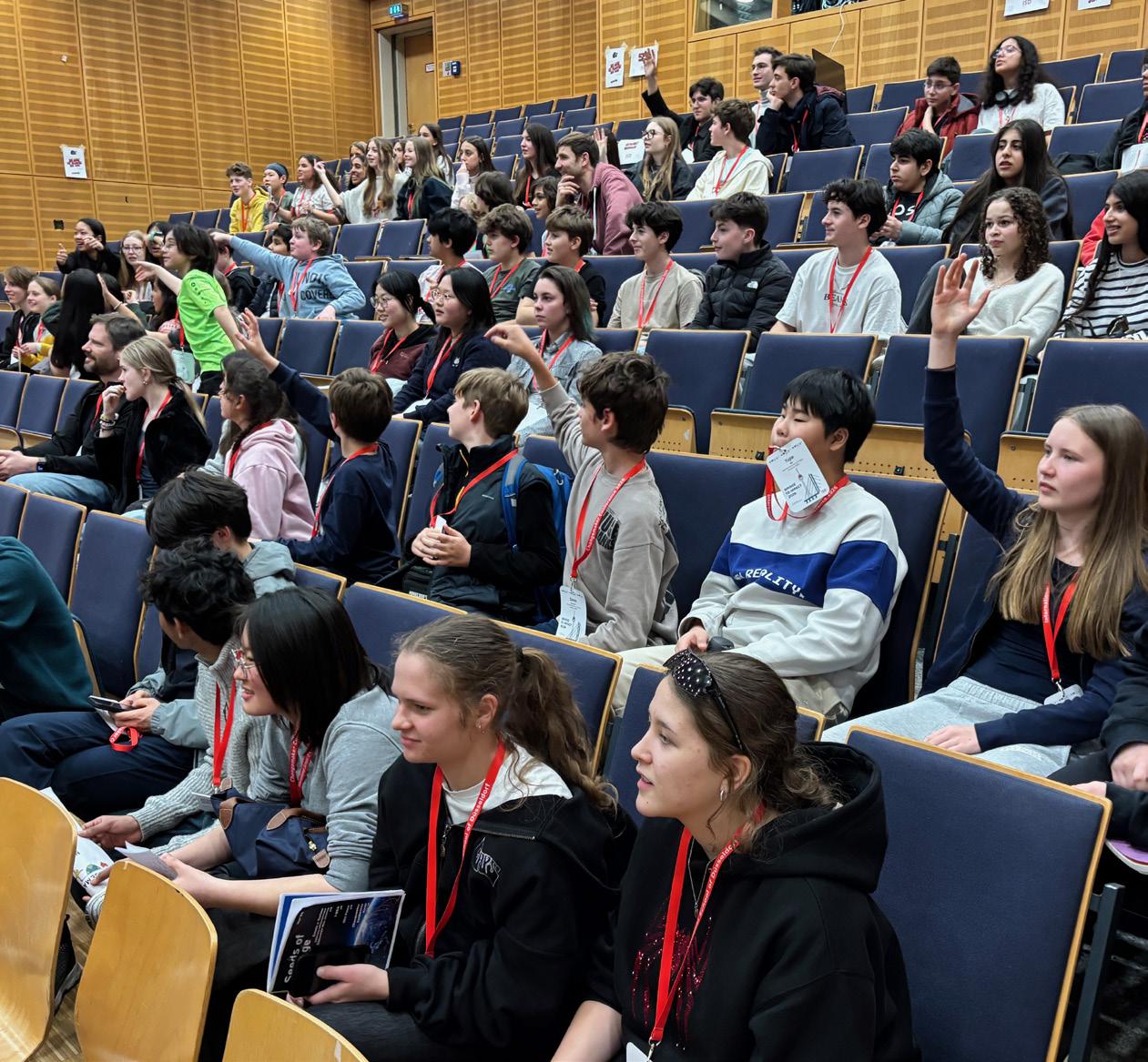
Bringing an idea to life takes courage, passion, and a willingness to take risks. These are qualities that not only describe Grade 11 student Niki, leader of the ISP Business Club, but also define the ethos of the club, built on learning through doing. Now in its second year, the ISP US Business Club bridges learning with real-world experience through a series of hands-on events, adding a rush of adrenaline and excitement along the way!

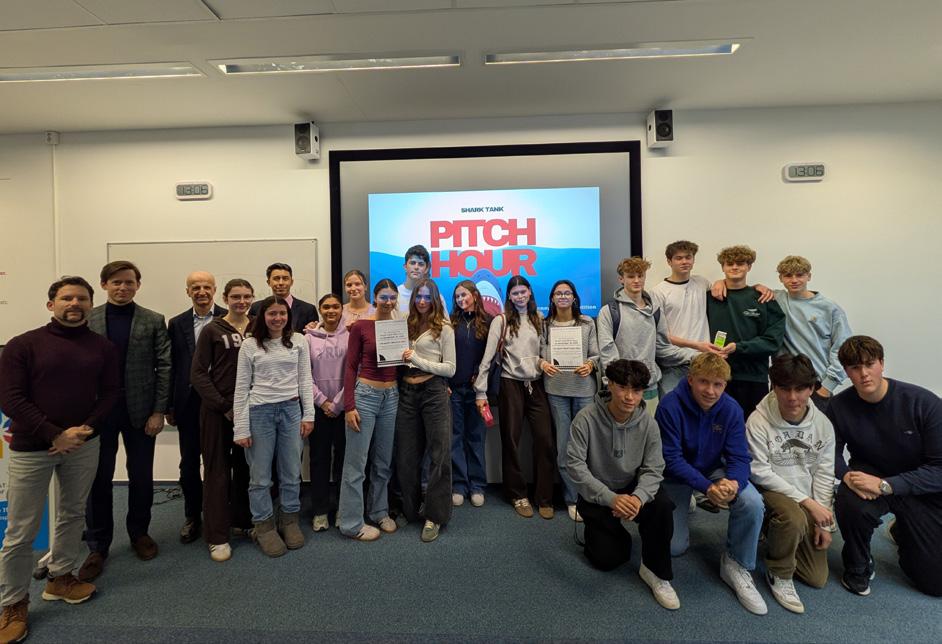
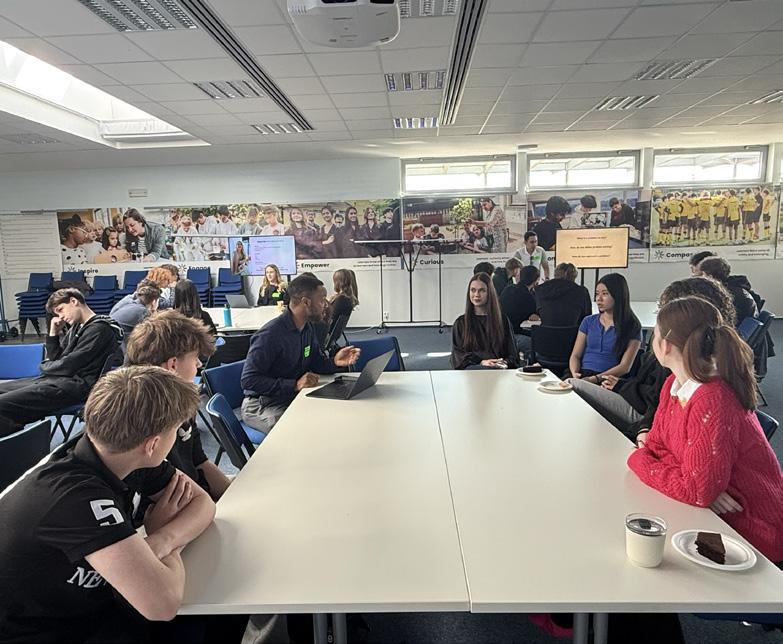
The US Business Club organises a range of experiences, including skills workshops, entrepreneurship seminars, and its most popular event so far: a ‘Shark Tank” style competition. In this event, Upper School students stepped into the “Tank,” and presented structured business ideas to a panel of guest judges and entrepreneurs. Teams were evaluated on creativity and innovation, market fit, business model strength, feasibility, marketing strategy, and pitch delivery, making it as much about communication and persuasion as it is about the ideas themselves. While competitive in format, the experience also builds camaraderie, with students encouraging one another throughout the process.
“It wasn’t just about having a good idea – it was about selling it. People clapped for each other and supported each other throughout. There was a real sense of community.” - Niki, Grade 11
The Business Club operates entirely outside the business management curriculum and is fully student-led, taking ownership of everything from planning and logistics to delivery on the day. Niki and her team put a great amount of energy and effort into each event – from inviting guest entrepreneurs and organising judging panels to managing communication, timelines, and the flow of the experience itself.
Beyond Shark Tank, the club continues to grow through workshops and seminars designed to build practical skills in entrepreneurship, communication, and problem-solving. Each experience is shaped by a clear intention: to “bridge curiosity with impact” by helping students turn ideas into action through applied, real-world learning.
The Happy Hearts Club at ISP was inspired by a powerful personal experience that evolved into a student-driven initiative dedicated to making a global impact. After returning from a service trip to Nepal with the Happy Hearts organization, Grade 11 student, Ester, was inspired to engage more students in understanding the importance of educational access worldwide.
Together with fellow student Luki, Grade 11, she invited the organisation’s CEO to ISP, launching a collaboration that became the ISP Happy Hearts Club, connecting students with projects supporting school construction and educational opportunities in Nepal, Mexico, and the Philippines.
Since then, members of the club have combined fundraising, advocacy, and leadership through events such as Valentine’s Day bake sales, trivia nights for teachers and students, book drives, and Elementary School activities, alongside running awareness campaigns across the wider school community. Members of the club have also spoken at events such as the British Embassy Equilibrium Closing Session and the Forbes Women’s Summit charity gala.
Student involvement sits at the heart of the club’s success. Members take on roles in fundraising, marketing, outreach, event planning, and long-term project development, gaining leadership experience while taking ownership of initiatives they care about. The collaboration with Happy Hearts remains closely connected through mentorship and regular communication with the organization’s leadership, helping students understand how their efforts translate into real impact on the ground.
“Beyond the financial goals, we want to shift the mindset of the ISP community from being passive observers to active changemakers. By showing the tangible results of our work, such as helping fund a new school building, we hope to prove that students truly have the power to create meaningful and lasting change in the wider world.” - Ester, Grade 11
Looking ahead, the club hopes to expand opportunities for students to engage directly through service trips like Week Without Walls, while building a strong structure that ensures the initiative continues to thrive long after its founders graduate.
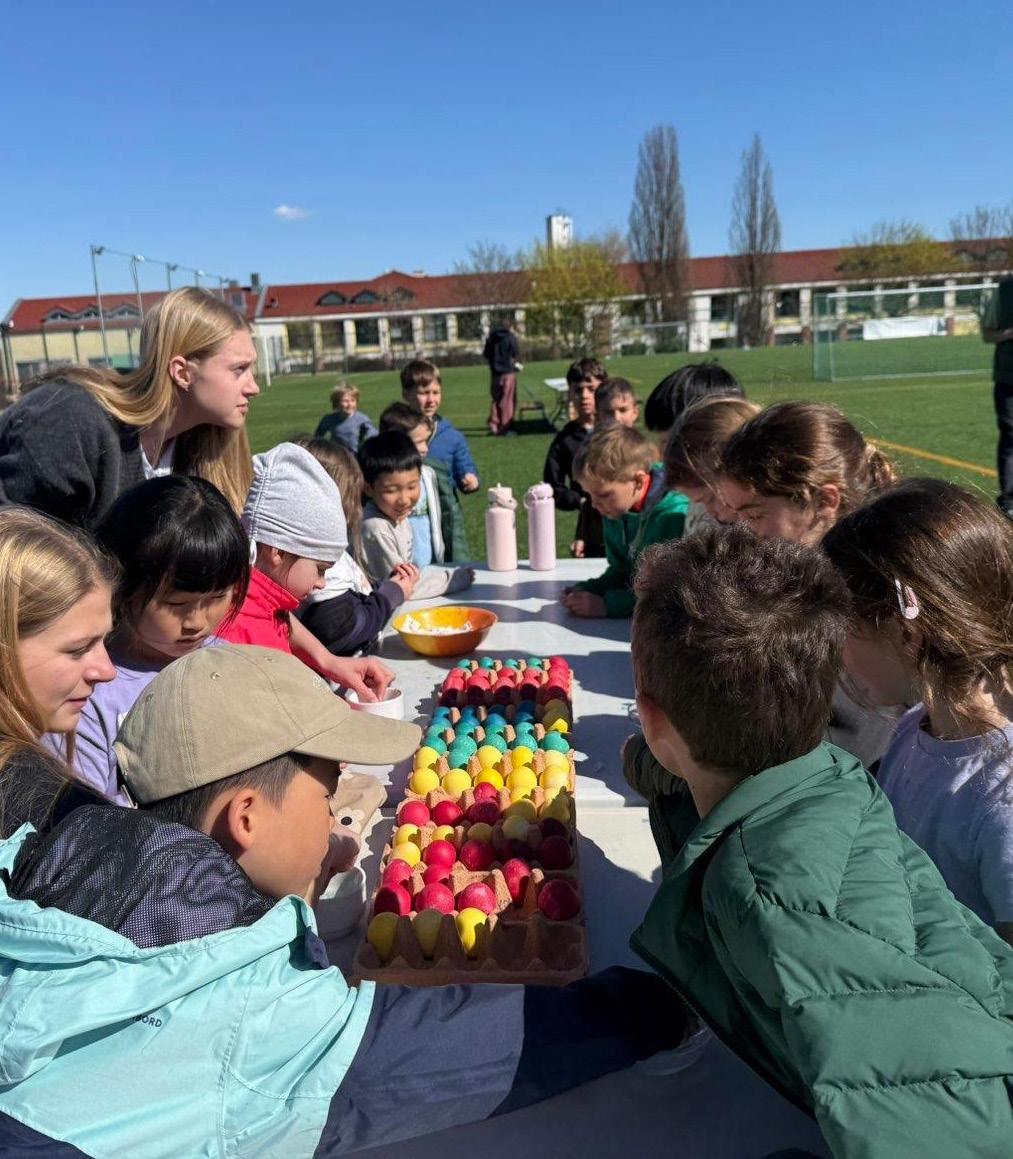
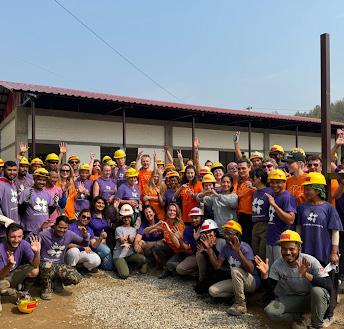
At ISP, community partnerships are evolving into something deeper and more meaningful: sustained relationships that allow students to engage in authentic, reciprocal service over time. One such partnership is with Dobrý Anděl (Good Angel), a Czech charitable organisation that provides financial support to families facing serious illness. Through this growing collaboration, students are learning about service and experiencing what it means to contribute in ways that are thoughtful and ongoing. While there were several connections with Dobrý Anděl this year, two notable experiences involved Grade 4 and Middle School students.
Leading up to the winter break, Grade 4 students took part in a PYP Market Unit that combined creativity, entrepreneurship, and service learning. Inspired by visits to local Christmas markets, they designed and created their own sustainable products, developing ideas through collaboration with Grade 12 Business students in a “Shark Tank”-style pitching process. The unit culminated in a student-led market, with all proceeds (over 30,000 CZK) donated to Dobrý Anděl. To deepen their understanding of impact, co-founder Petr Sýkora visited ISP and spoke with Grade 4 students about empathy and what it means to be a compassionate global citizen.
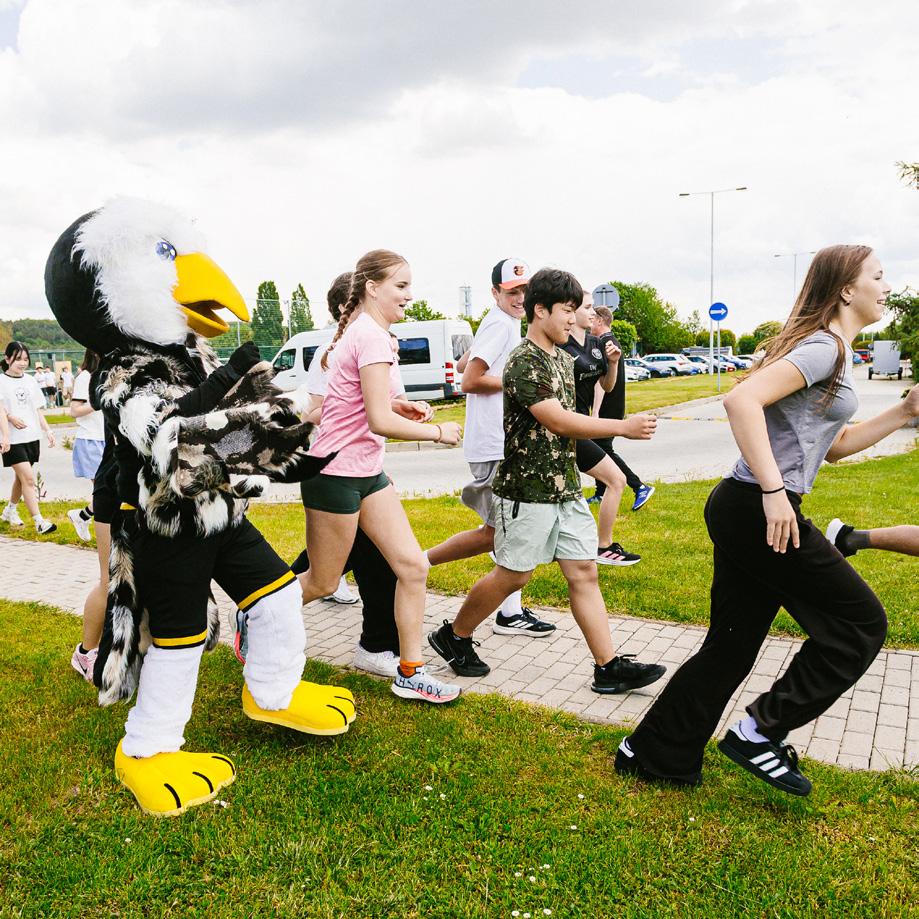
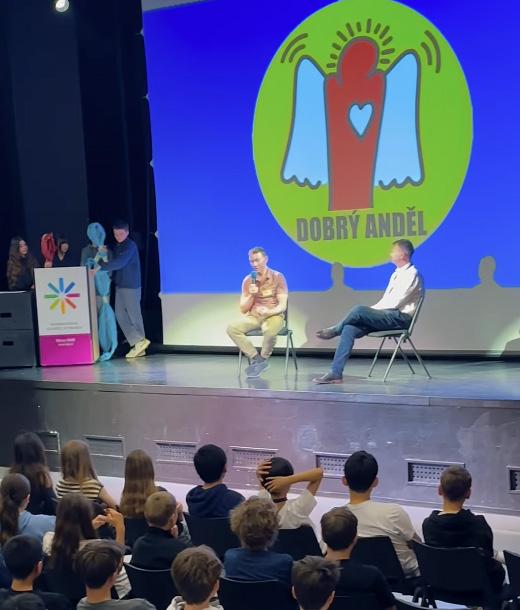
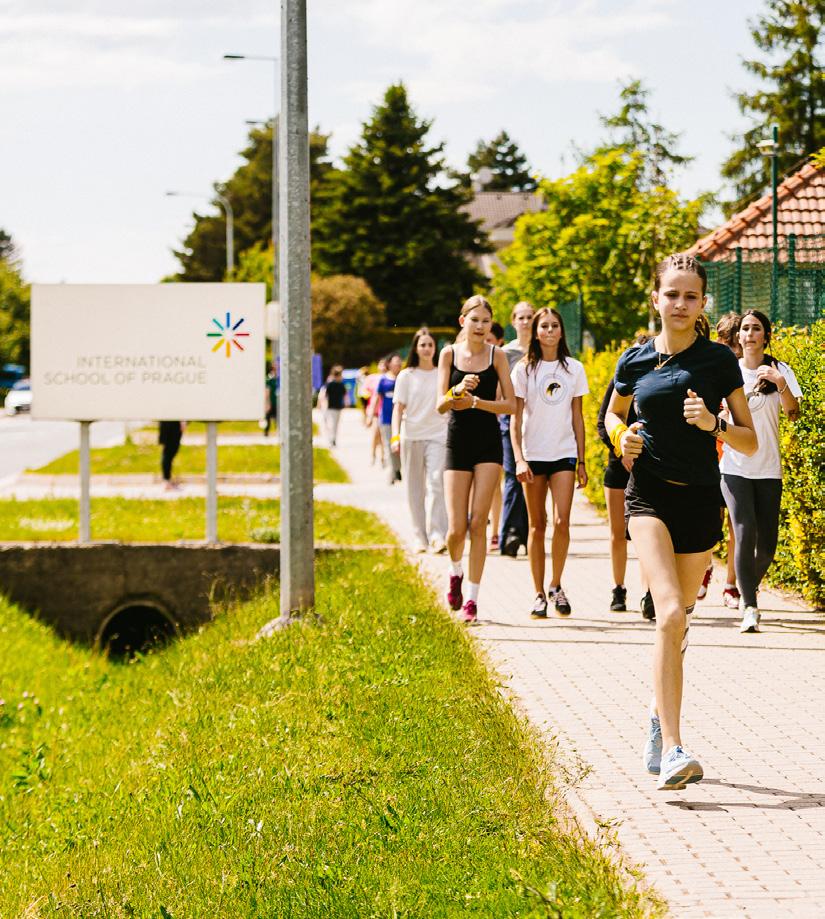
This partnership also extended into Middle School, where students took part in a Walk-a-thon fundraiser in support of Dobrý Anděl. Through this shared initiative, students across year levels contributed to a common cause, extending the spirit of service beyond a single project and strengthening a sense of collective responsibility and purpose within the ISP community.
Together, these experiences reflect the power of long-term community partnerships. They allow students to return to the same relationships year after year, building understanding, continuity, and a tangible sense of impact.
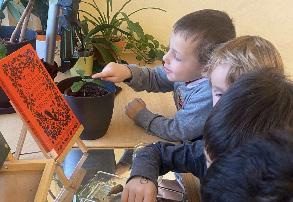
In Early Childhood Foundations, hands-on inquiry connects play and discovery across learning spaces that invite children to ask questions and wonder about the world around them. What began as an imaginative moment between two children playing with wooden mushrooms sparked an important conversation with the whole class about whether plants talk. This moment of curiosity evolved into an in-depth inquiry into mycelium networks that challenged their assumptions about communication and engaged young learners as scientists and environmental stewards.
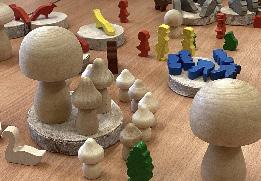
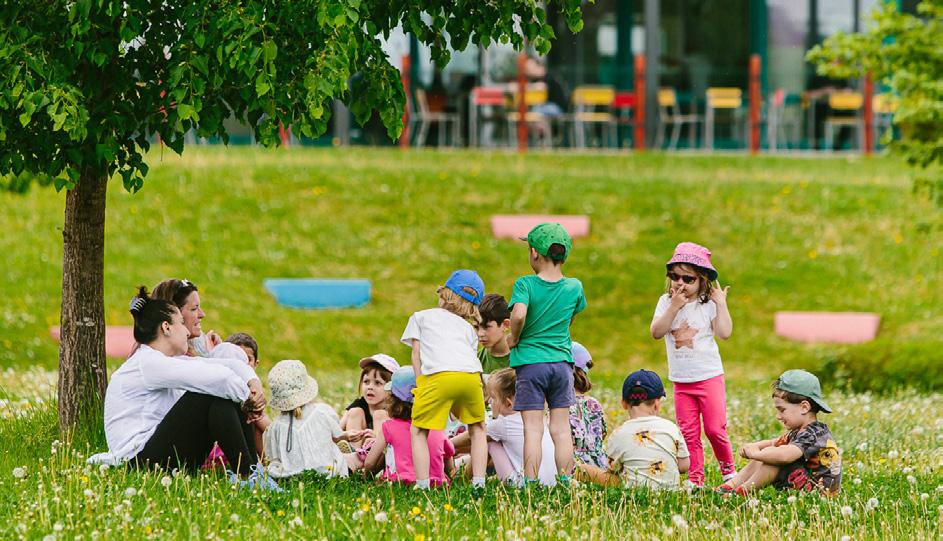
When the investigation began, the children concluded that plants could not talk because they lacked mouths, voices, or hearts. However, these ideas began to shift when they encountered the concept of underground communication networks.
“The children were fascinated to learn about mycelium, how all plants communicate with one another using this network and how they gift each other things they need.” - Nina Radcliffe, ECF5 teacher
This discovery not only fundamentally shifted their understanding of plant biology, but also influenced how they interacted with their environment. In the classroom, children began tending to plants more gently, speaking kindly to the budding acorns, and developing a growing awareness of the living quality of nature. During weekly visits to the nearby forest, these observations and behaviours continued to deepen as children made connections between their learning and the world around them.
The idea of “gifting” within these underground systems particularly captured their imaginations. The children created visual representations to express their understanding of these ecological exchanges, and added symbols to represent these moving nutrients and resources.
“Mycelium gives presents to trees and then they have more smiley faces and the trees are happy. The trees also give presents to some other trees so no tree has no presents. The presents are food, air, and water.” - Martin, ECF5 student
When children are engaged through their imagination, scientific inquiry can go beyond acquiring knowledge and become an experience of connection and responsibility. Through play that was led by the children themselves, students moved from questioning how ecosystems work to understanding why they matter.
At ISP, global citizenship and sustainability have become increasingly embedded in both curriculum and daily life over recent years. This deepening commitment is reflected in the school’s decision to pursue ECO Schools recognition, an international distinction awarded by the Foundation for Environmental Education (FEE) to recognise sustainability, environmental responsibility, and student-led action within a school community.
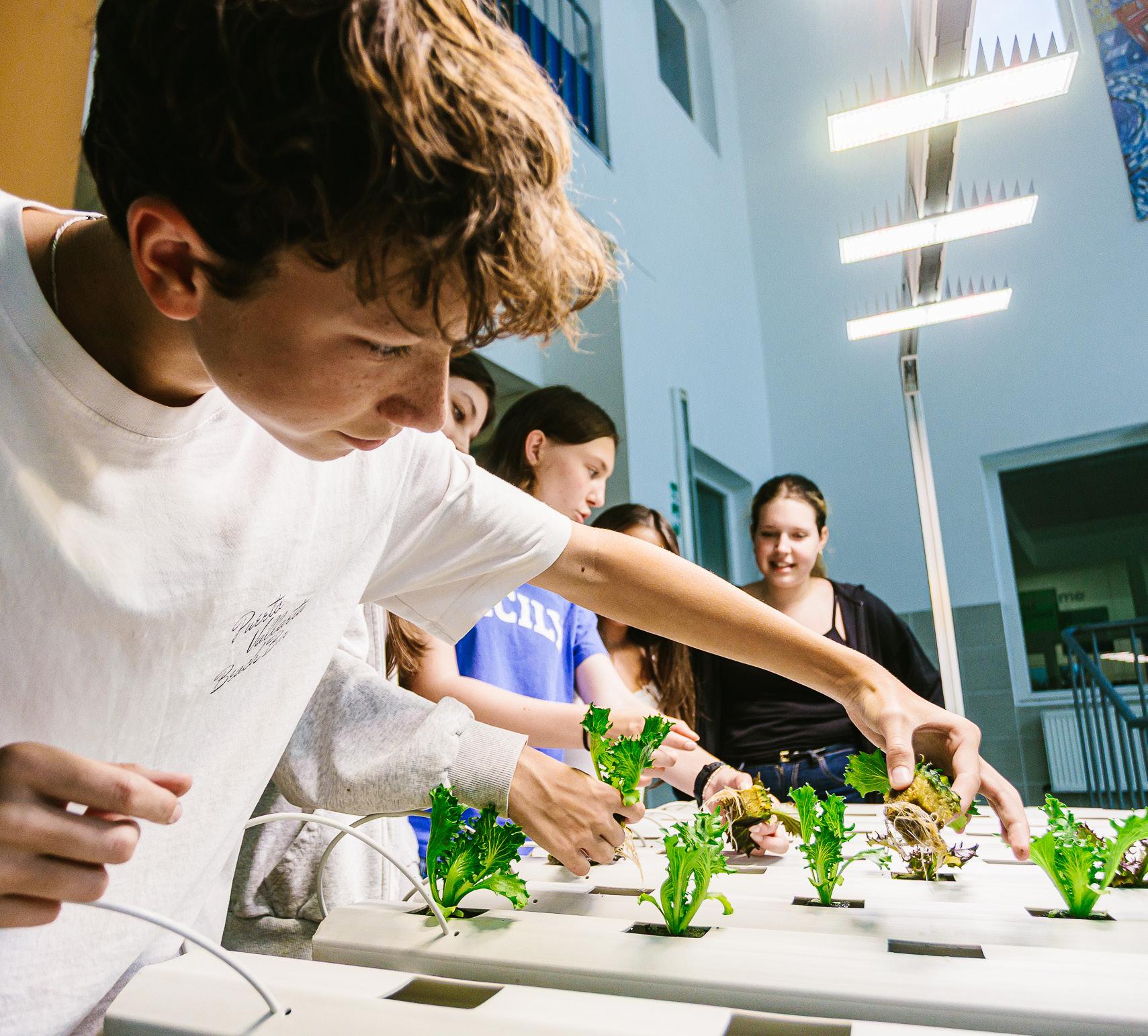
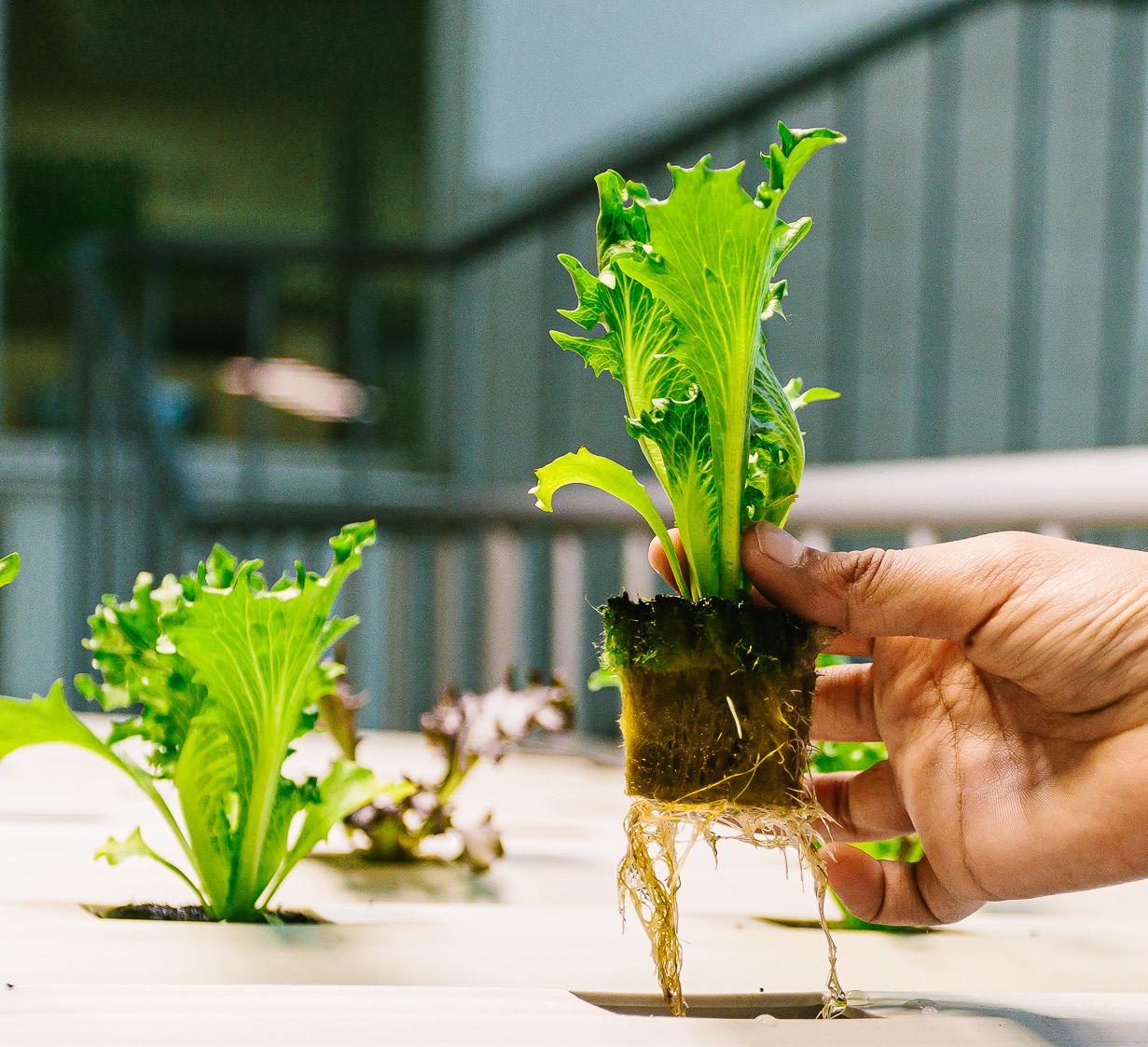
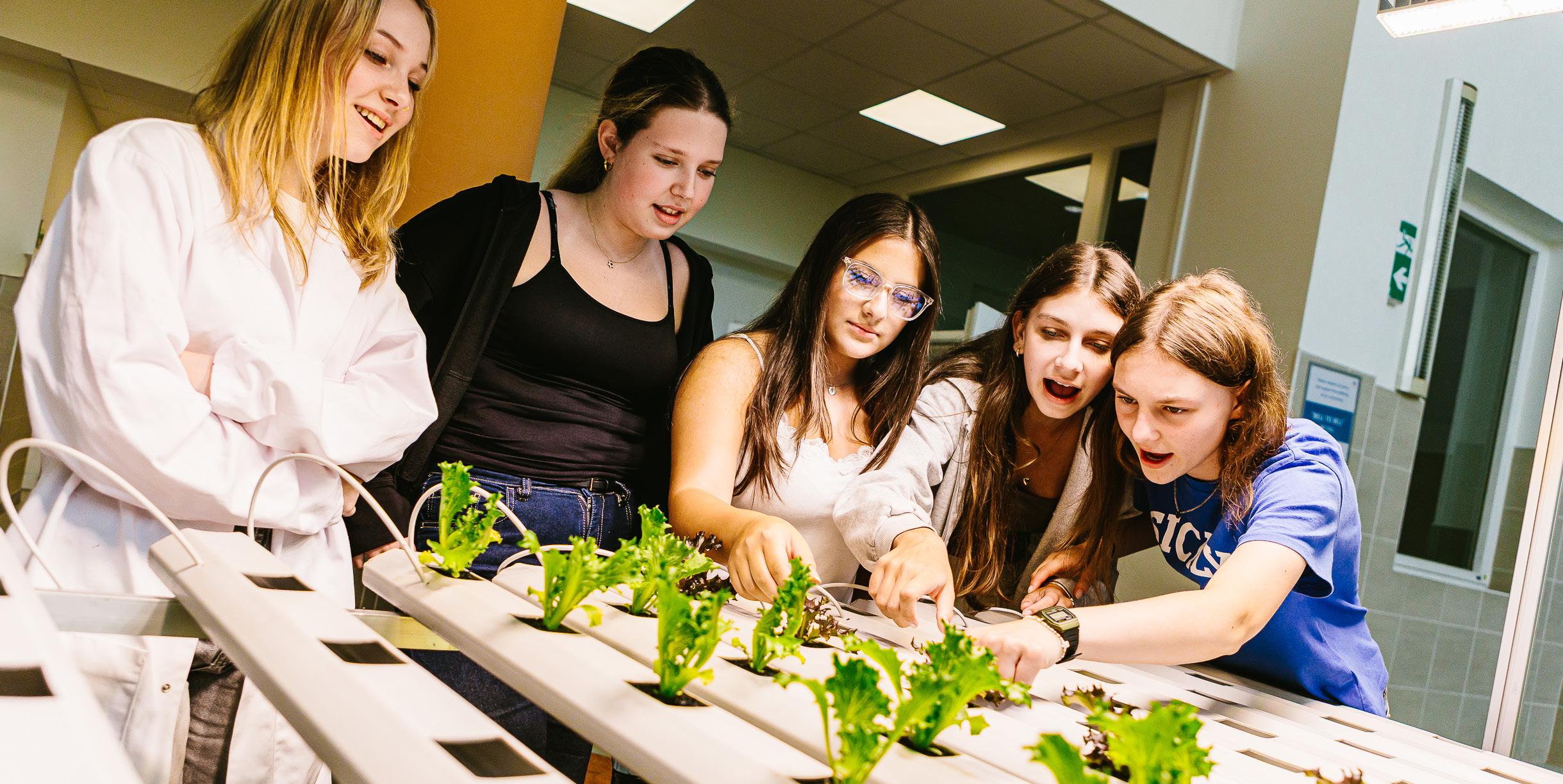
While ISP has already made significant progress through initiatives such as our year-round Upper School hydroponic growing system and exploring sustainable cafeteria sourcing, and could have met the requirements without much change, educators recognised an opportunity to turn the certification process into a meaningful learning journey.
Throughout the year, a collective of teachers from across all school divisions has been meeting regularly in a PGE (Professional Growth and Evaluation) to ensure the certification process is authentic, collaborative, and student-driven. Rather than rushing toward certification and “achieving” a flag, the team has focused on a long-term process to unify the various ecoactivities already happening across campus. Recognising that a true “Green Flag” culture requires measurable outcomes and cross-school coordination, the PGE is working to establish a shared system that positions “Changemaking” as an umbrella for ISP’s eco-culture. The ultimate goal is to move past a simple checklist, making our ecological challenges just as visible as our progress, while empowering students to monitor our data and hold the community accountable.
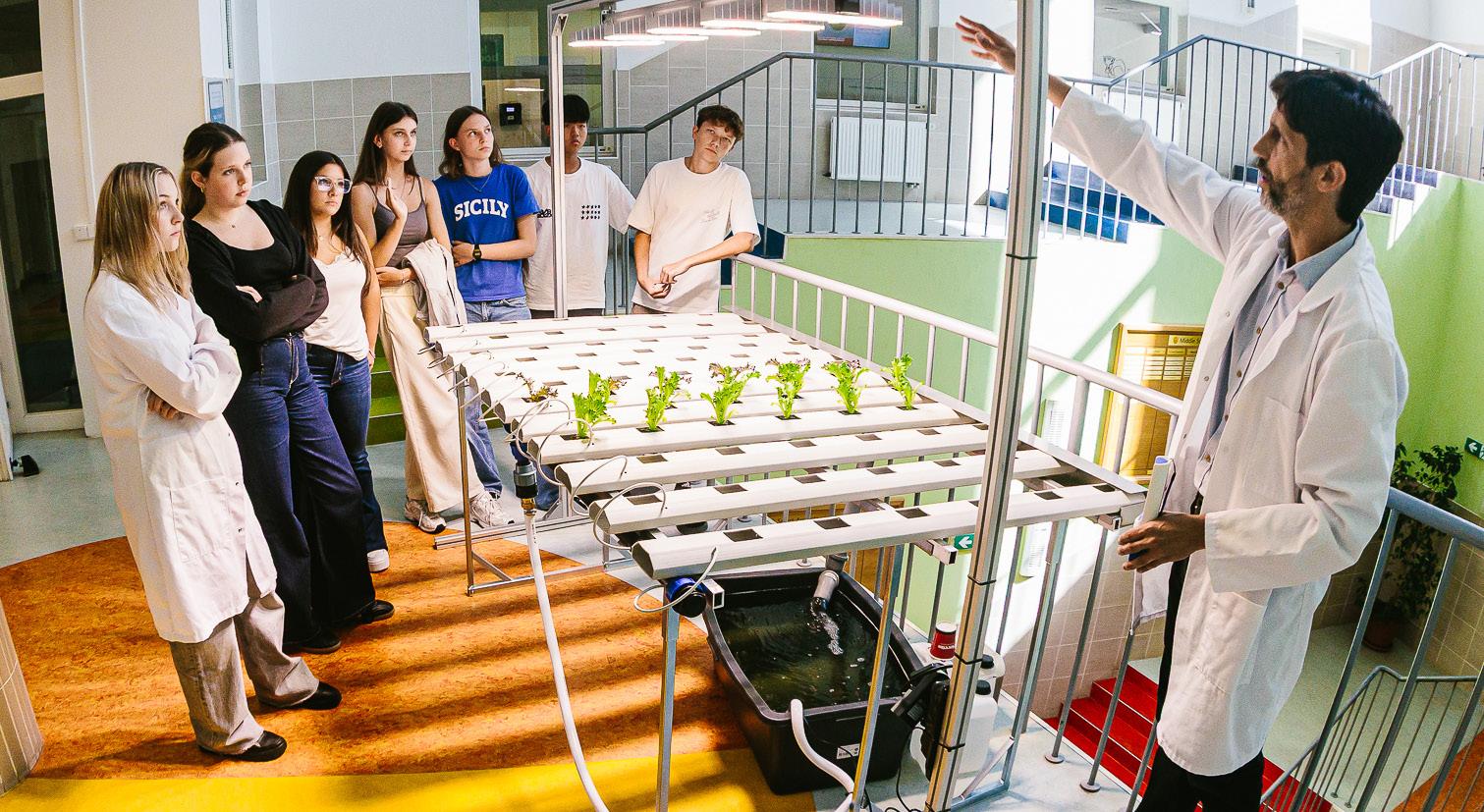
“The goal isn’t just to hang a green flag on the wall; it’s about shifting our daily mindsets. We want sustainability to become second nature to our students, woven into the very fabric of how we learn and live at ISP.”
- Remo Velardo, Upper School Biology Teacher
In the Upper School, students in the Earth Club have been actively leading school-wide reviews, collaborating with Elementary students on a shared values statement, and laying the groundwork to launch a signature annual Earth Week event. Students in other school sections have also been involved, including the Middle School, which has integrated sustainability directly into the curriculum through an Urban Farming elective, expanded biodiversity studies via the “Insect Houses” project, and participated in the “Plant for the Planet” initiative. Together, these initiatives reflect a growing, student-led culture of environmental action across ISP.
While ISP may already meet the certification requirements this year, taking a slower approach that involves all students demonstrates positive change in practice: moving beyond a checklist toward a shared culture of learning, reflection, and action.