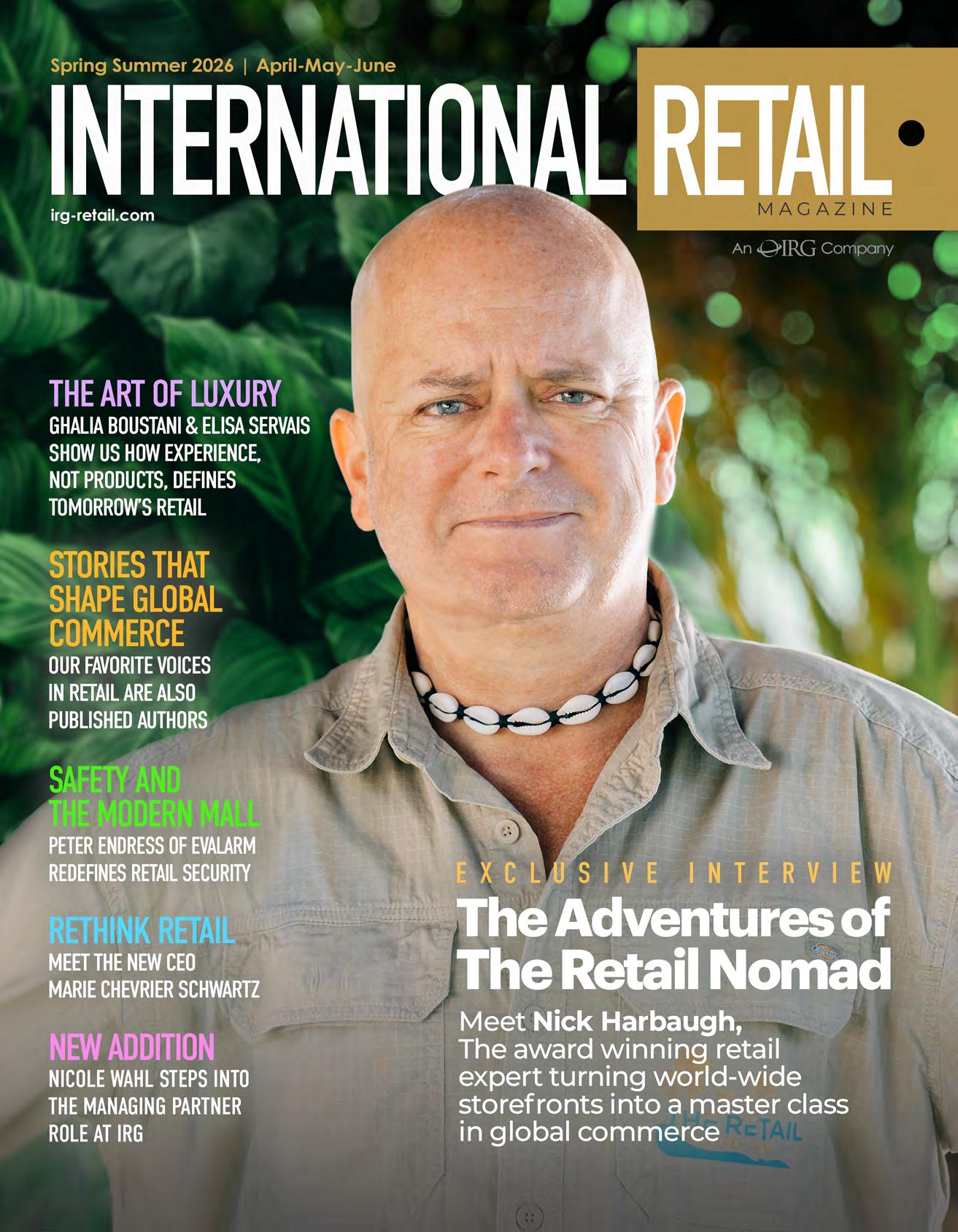
International Retail Magazine: Adventures of The Retail Nomad Nick Harbaugh | Spring+Summer 2026
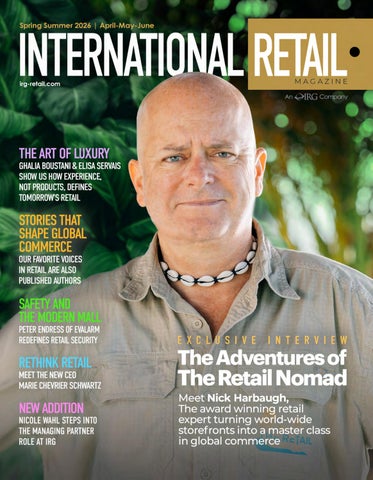
In this issue, Nick shares what he’s seen and experienced in retail around the globe in
Linda Johansen-James
Nicole “Nikki” Wahl
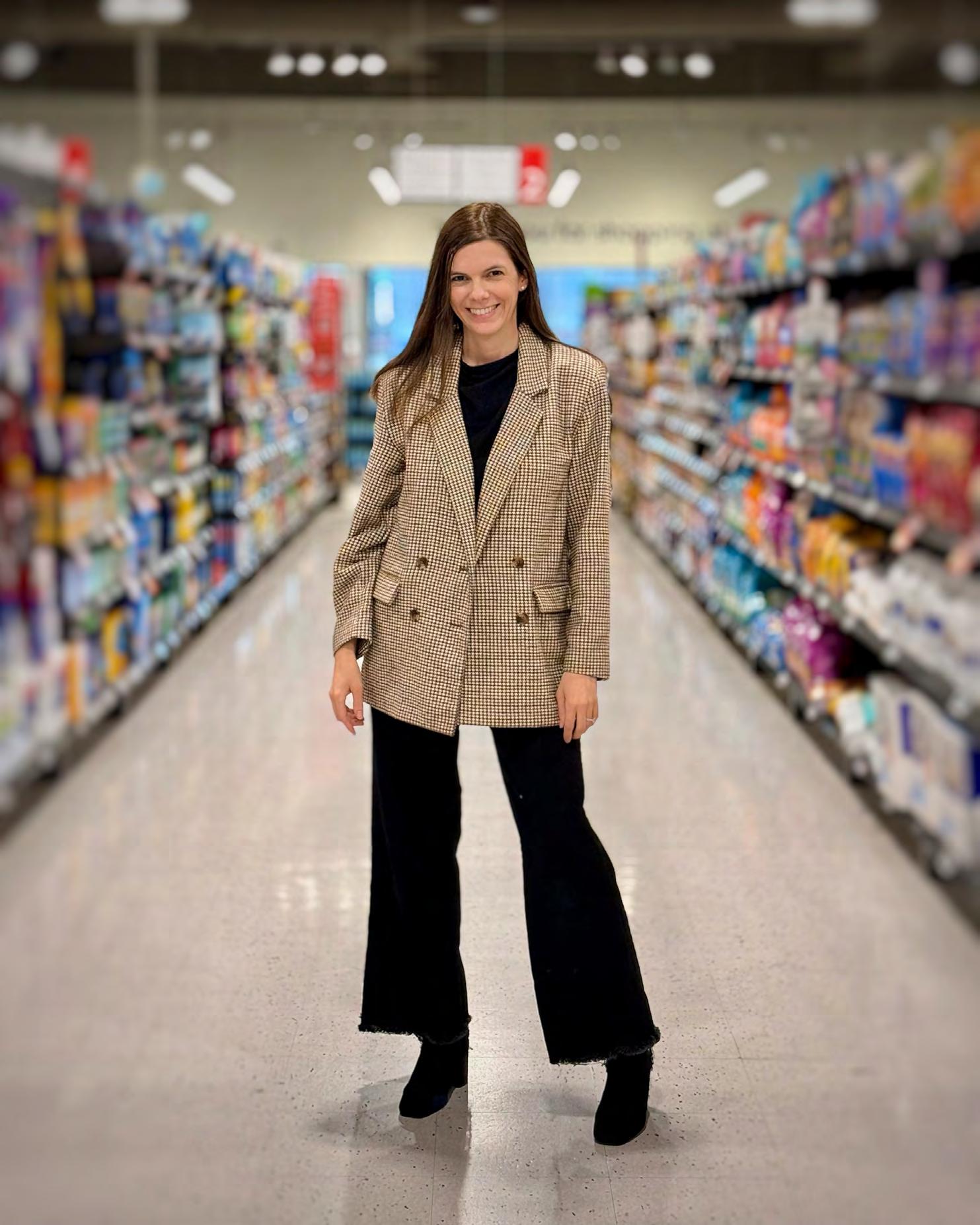
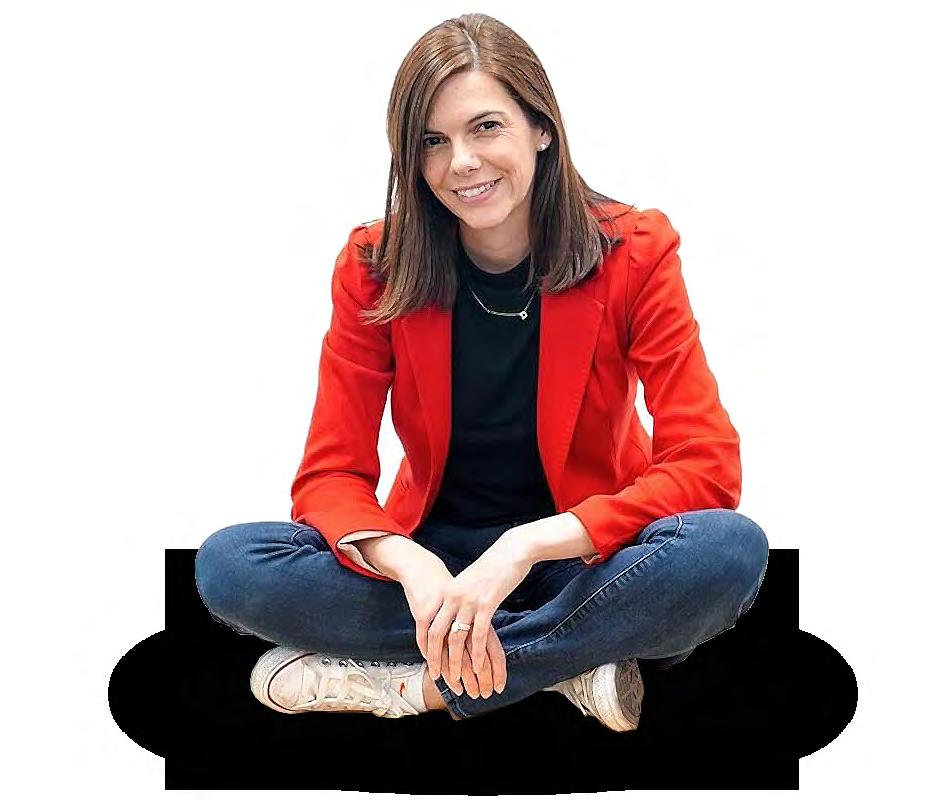
Melissa Moore
SUCCESS
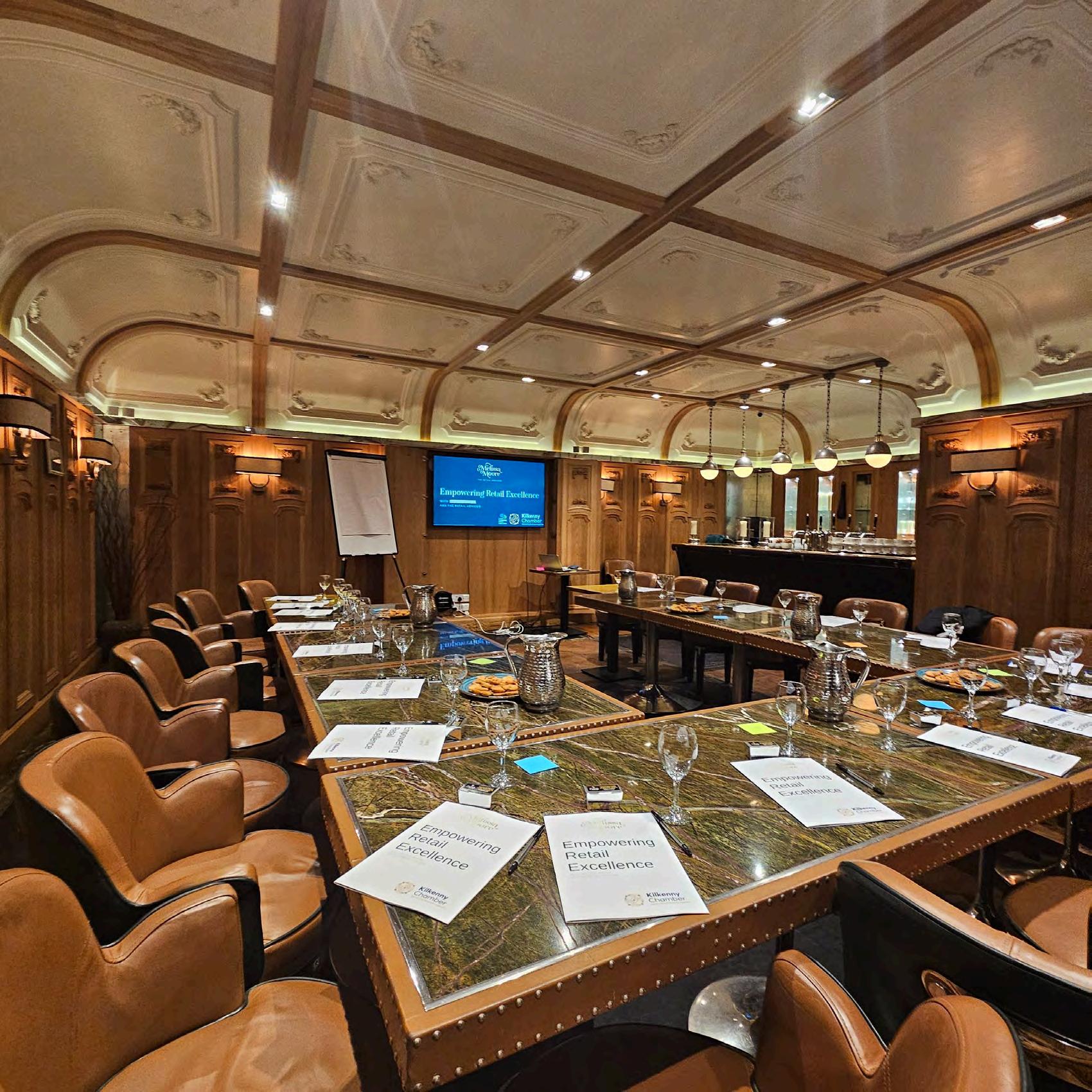
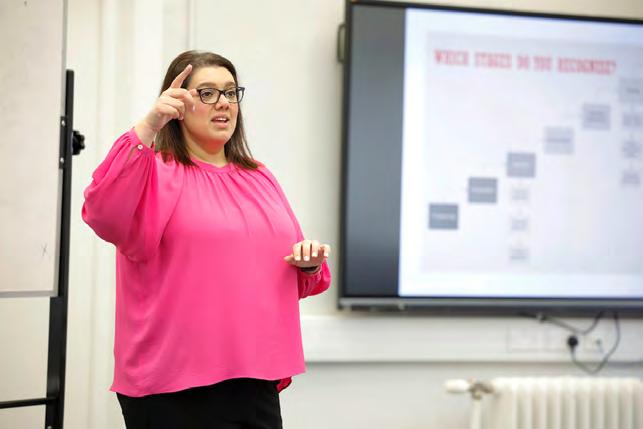
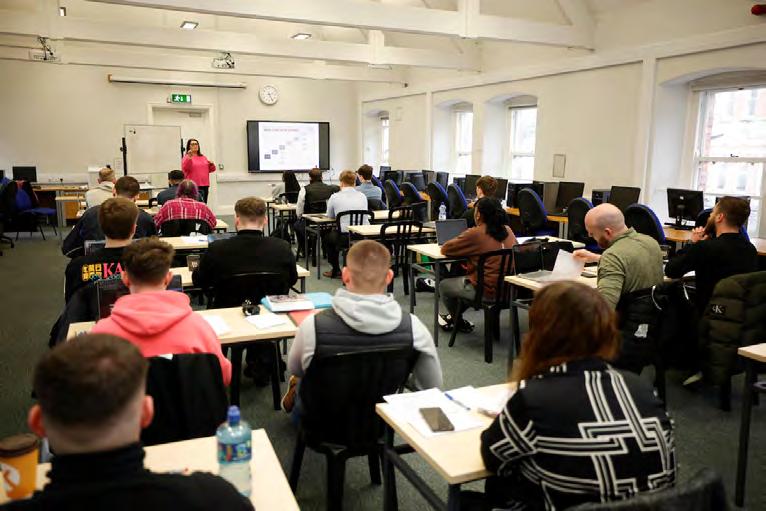
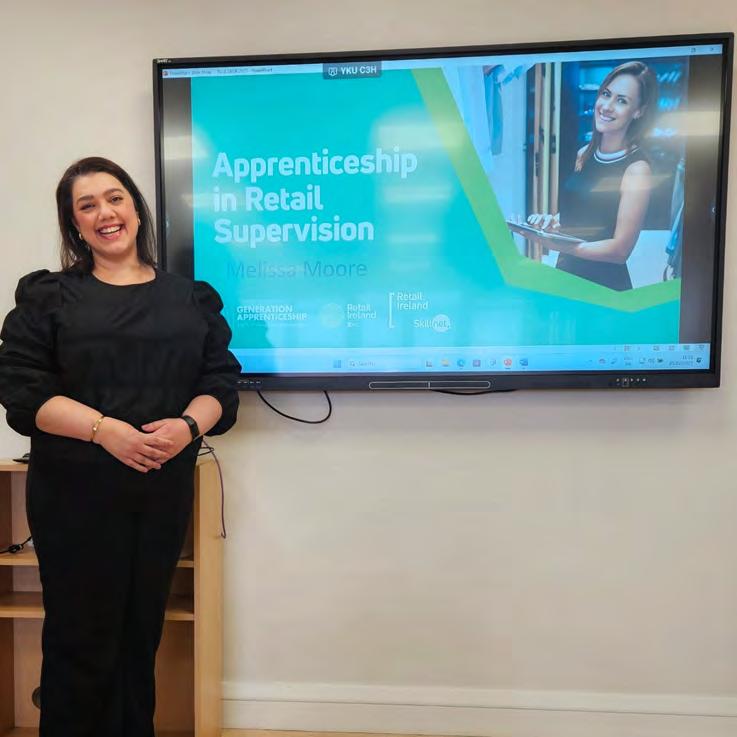
Want that elusive competitive edge? It starts with training that gets ROI. Melissa Moore returns with strategies that get real world results.
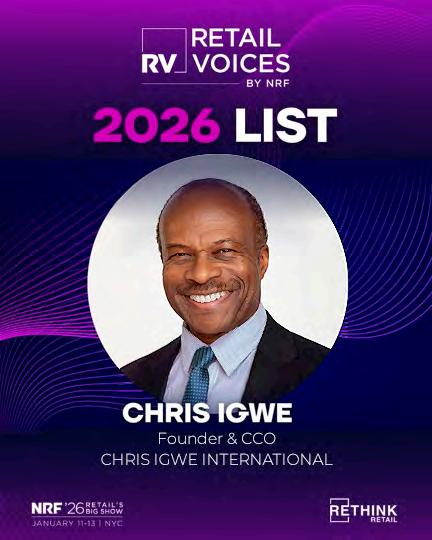
CHRIS IGWE IS AT IT AGAIN
Chris shares what transpired across retail in Europe last year and shares his expert predictions for 2026.
RETAIL ON THE WORLD STAGE
Retail Warrior, Linda Johansen-James shares the best conferences of 2025 and her itinerary for conferences in 2026.
WOMEN IN TECH
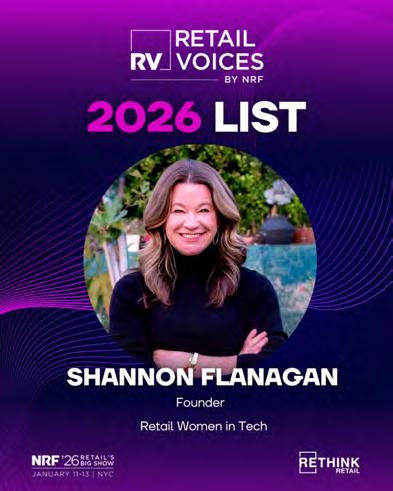
Shannon Flanagan launched Retail Women in Tech for a very specific reason; not enough women in leadership roles.
THE POWER OF POP-UPS
Greg Parsons shares insights on how modular pop-ups are redefining store innovation, flexibility, and experiential retail.
We’re excited to share
Publisher’s Letter:
What 2025 Taught Us, and What’s Next for Retail in 2026
Looking back on 2025, one thing is clear: retail is no longer about products — it’s about experience. The “nice-to-have” extras have become the main event.
The brands that succeeded didn’t just sell merchandise; they created moments people remembered and spaces where customers felt a sense of connection and belonging.
Consumers today aren’t simply purchasing goods. They’re seeking meaning, community, and environments that reflect who they are. Recognition alone is no longer enough. Customers want to feel understood. In this landscape, bonding truly is the new branding.
If 2025 proved anything, it’s that experience drives relevance. Transactions are the outcome of connection, and connection is built through emotional resonance, cultural awareness, and thoughtful, human-centered design.
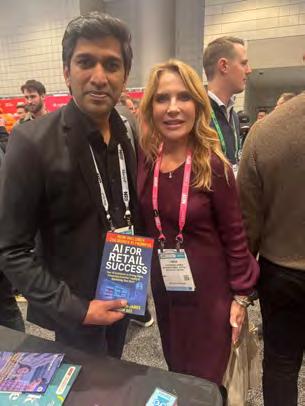
Technology, especially AI, accelerated this shift. In 2025, AI moved from novelty to necessity. It personalized journeys, anticipated customer needs, and streamlined operations, allowing teams to focus on deeper engagement. It even made its way onto bookshelves (shameless plug), through my two co-authored titles with Sharon Gee, AI for Retail Success and AI for Retail Success: The Shopper’s Edition.
The most exciting development has been AI’s evolution into a collaborative partner — guiding discoveries, enhancing service, and helping brands create smarter, more responsive experiences.
So, what’s ahead for 2026?
First, customer experience remains paramount. Retail spaces must go beyond aesthetics to become emotionally intelligent environments that resonate culturally and authentically. Physical retail isn’t disappearing; it’s transforming into destinations where the journey is as meaningful as the purchase.
Second, AI will take on a more strategic role. Retailers who use it to enhance empathy, reduce friction, and personalize interactions will build stronger, longer-lasting relationships.
The brands that win in 2026 will understand this: the future of retail is humancentered, experience-driven, and powered by intelligent technology — balanced with emotional intelligence.
Here’s to a year of deeper connections, memorable moments, and retail that inspires as much as it sells.
With gratitude, Linda
Linda Johansen-James, CRX, CLS Publisher International Retail Magazine Founder/CEO International Retail Group
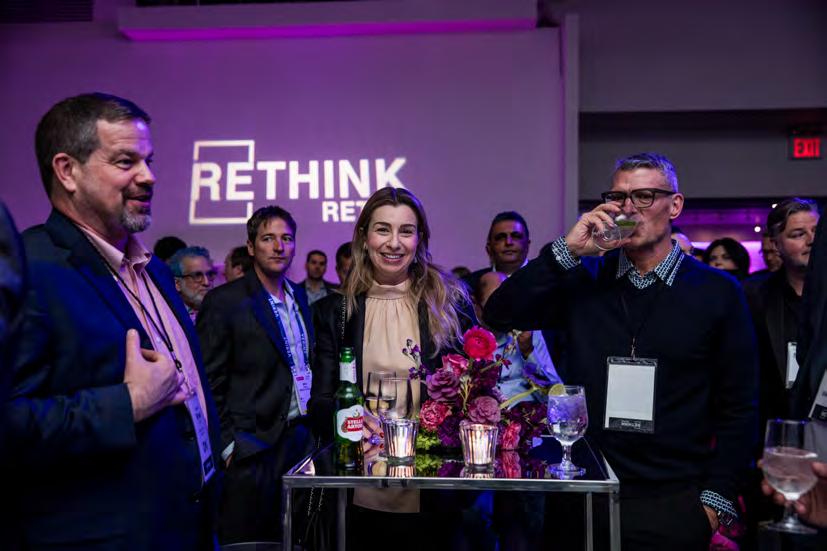
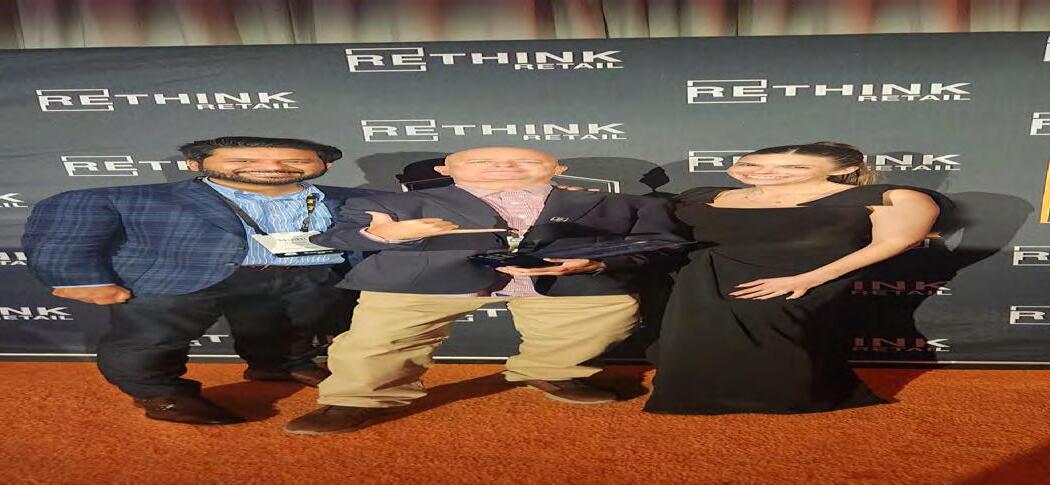
RETHINK Retail Top Retail Expert
Cell: 702-927-8740
email: ljohansen-james@irg-retail.com
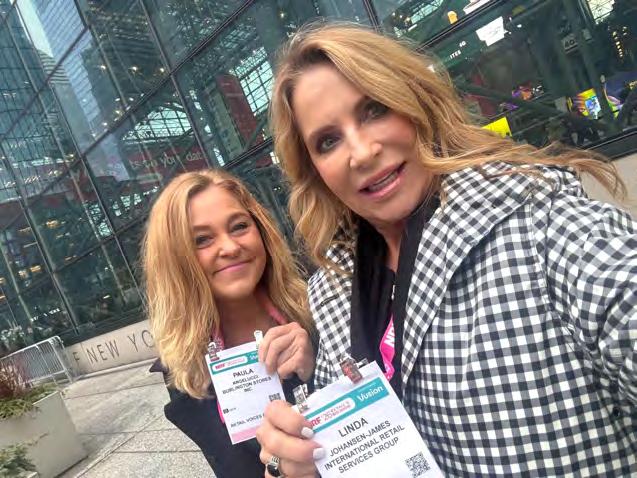
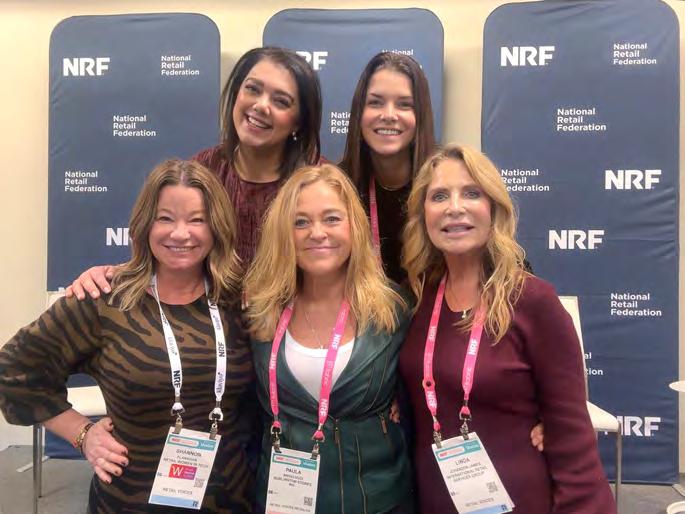
Linda & Paula Angelucci of Burlington Stores at NRF 2026 in NYC
International Retail Magazine!
Believe it or not, here we are already well into the first quarter of 2026! How in the world did that happen!?!
In this issue of International Retail Magazine, we take a look back at 2025 and forward into the unfolding year with great insights from industry professionals from all around the globe. In particular, this issue’s cover story by Nick Harbaugh, The Retail Nomad and VP of Business Development for Flexecution, is a great read for anyone interested in how retail is flourishing, adapting and reorienting itself in places as different as Costa Rica and Germany, Asia and the US.
We also hear from our regular contributors, Chris Igwe with the European view, The Retail Tea Break host Melissa Moore talks training for success, Greg Parsons tells us about some exciting pop-up concepts to look out for and Shannon Flanagan updates us on Retail Women in Tech. In this issue we also welcome Rich Honiball, adjunct instructor at George Mason university and co-host of the Retail Relates podcast. Rich will
break down all the terrific books written by RETHINK Retail’s Top Retail Experts. Each issue will include a handful of titles so you can plan your reading strategy!
Speaking of RETHINK Retail, we’re excited to introduce Marie Chevrier Schwartz, the new CEO! Marie brings a wealth of experience in retail, tech and entrepreneurial spirit to the role. Learn how she sees her new position and her vision for the organization going forward.
Finally
Luxury retail is always interesting in that it requires a different type of attention. Ghalia Boustani, PhD and Elisa Servais, PhD detail how luxury retailers use storytelling, among other devices, to create emotion and belonging.
On the less sexy but certainly essential side of the retail/real estate business is safety concerns. We can’t properly retail where people feel unsafe. EVALARM’s VP, Peter Endress, is helping shopping centers level up their safety and security game all over the world.
Finally, Linda Johansen-James gives us a window into the conferences and expos attended in 2025 and those we’re looking forward to in 2026. In particular, we are looking forward to the inaugural Flex Retail Conference in Nashville where our very own Linda Johansen-James will be a guest speaker.
Enjoy, learn, rinse and repeat!
Shannon Shannon Quilty Editor, International Retail Magazine
3
Contact us to advertise and/or to be featured in future publications: email: ljohansen-james@irg-retail.com. Subscribe at: www.irg-retail.com
Me and Linda in Istanbul, Turkey.
byMaxJames
Beauty Beyond The Storefront
Automated Retail is Shifting From Curiosity to Commerce, Especially in Beauty and Wellness
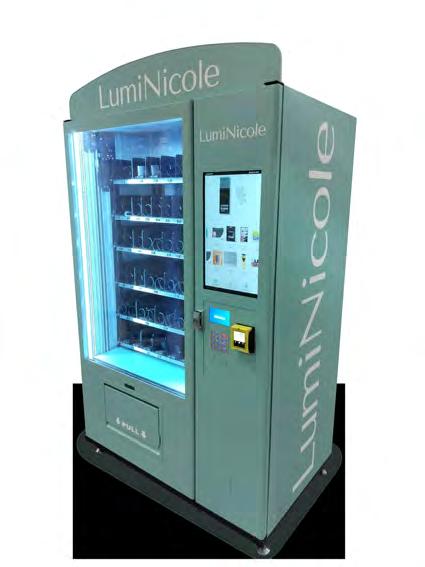
LumiNicole is leading this evolution by placing curated beauty and wellness brands into smart vending machines, automated retail stores, pop-ups, and experiential kiosks in airports, hotels, college campuses, hospitals, and major event venues nationwide.
Founded by beauty and retail veterans
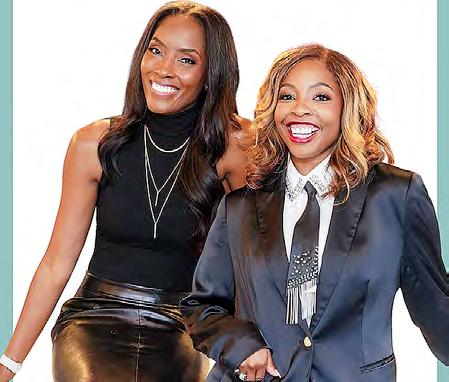
Leslie Roberson & Kendra Bracken-Ferguson, LumiNicole blends data-driven AI curation with high-visibility placement to connect consumers with standout founder-led brands outside traditional storefronts.
In 2026, the company will launch its first 40 automated retail stores nationwide, expanding access and visibility for prestige, emerging, and inclusive wellness products across high- traffic environments.
A signature moment in LumiNicole’s rollout is its flagship partnership with Adelphi University, the first campus in the nation to host automated retail installations. The initiative brings curated shopping directly into student life while creating paid internships, a student ambassador program, and the LumiNicole Beauty & Wellness Scholarship —linking retail innovation with realworld opportunity for the next generation.
By combining intelligent assortment, experiential placement, and studentfocused partnerships,
LumiNicole is reimagining how and where beauty and wellness are discovered—meeting consumers in the moments that matter.
To learn more about LumiNicole, visit www.luminicole.com, online @luminicolebeauty, or email us: hello@luminicole.com
Built to Execute
Nicole Wahl steps into the Managing Partner role at International Retail Group
There are leaders who talk about growth, and then there are leaders who build it, operationalize it, and scale it.
I am proud to announce that Nicole Wahl is stepping into the role of Managing Partner at International Retail Group.
Nicole’s foundation in retail leadership began in the beauty industry as SVP of Retail Operations for American Kiosk Management. For 18 years, she led the Field Operations as SVP Retail, Sales and Operations for the US and Canada, overseeing multi-country operations that contributed more than $1.7 billion in topline revenue. She managed large field teams, complex logistics, performance strategy, and operational systems at scale. She understands volume, velocity, and what it takes to drive measurable results across distributed markets.
After nearly two decades in executive retail leadership, Nicole chose to deepen her expertise from the service side of the business.
She returned to school to become a Master Esthetician and went on to serve as Managing Director for several medical spas. There, she combined operational rigor with client experience, leading high-performing teams, strengthening revenue performance, and building service models rooted in discipline and accountability.
She has led from corporate boardrooms and from the front lines. That perspective matters.
This is not a ceremonial title. It is a working leadership role.
As Managing Partner, Nicole will be responsible for:
• New client acquisition and strategic partnership development
• Leading and expanding IRG Retail Tours
• Working directly with clients on operational performance and execution
• Contributing to overall company strategy and growth initiatives
She will partner closely with me to ensure our work remains disciplined, results-driven, and aligned with the realities our clients face every day.
Together with our team, we remain committed to sharp strategy, hands-on execution, and boutique precision delivered at a global level. Growth will remain intentional. Partnerships will remain personal. Execution will remain non-negotiable.
Nicole’s leadership strengthens our foundation and sharpens our future. We are built to execute.
Linda Johansen-James Founder & CEO International Retail Group
TRESPASSED 12.11.2028
FUNCTIONING PROPERLY
MAINTENANCE CREW
DISPATCHED TO LEVEL 3.
MULTIPLE GUESTS REPORTED SMELLING SMOKE.
OFFICER HAUER DISPATCHED FOR 402 EVALUATION…
FUNCTIONING PROPERLY
MRS. DAVIS REQUESTED AN ESCORT TO THE PARKING GARAGE, LEVEL 6
FUNCTIONING PROPERLY
EVALARM Redefines Retail Safety
With people, not just technology in mind, Shopping Malls used to be simple: grab what you need, maybe meet a friend for coffee, catch a movie, then head home.
Today, they’re something much bigger—part town square, part workplace, part social hub. They’re high traffic, open, and constantly in motion, full of people with different needs and expectations. That energy makes malls exciting. It also makes it challenging to safely manage them.
service teams all rely on operators to make safety feel effortless. When a mall feels calm and well-run, nobody notices the security. That’s the goal.
Behind the scenes, though, operators know the stakes are higher than ever. Medical incidents, fires, technical failures, security situations, and cyber risks are now everyday realities.
Traditional security systems—radios, phone trees, printed binders, control rooms, and quick-thinking people— still have a role, but they are reaching their limits. In critical moments, even small delays or miscommunications can escalate a situation.
The conversation in the industry is shifting. The focus isn’t on piling on more tools; it’s on connecting the ones you already have into a seamless, intelligent system.
From Reaction to Readiness
Older security models are reactive: something happens, teams respond.
That approach works in simple situations, but modern malls and shopping places are complex, busy, and unpredictable.
The emerging mindset is different:
• Proactive, not reactive
• Integrated, not siloed
• Data-driven, not assumption-based
• People-centered, not system-centered
This shift isn’t about chasing the latest gadget. It’s about building resilience…the ability to respond to the unexpected with confidence and clarity.
Malls must be ready for everything:
• A medical emergency in a busy store
• A fire alarm in a multi-level building
• Technical failures affecting lighting, escalators, or HVAC
• Security incidents requiring rapid coordination
• External events affecting community safety
• Cyber incidents impacting systems or communications
Each scenario involves multiple stakeholders, communication channels, and actions.
Managing that with disconnected tools can feel like trying to conduct an orchestra while everyone is playing a different song.
How EVALARM Helps
EVALARM isn’t just another security tool. It’s connective infrastructure. This cloud-based alarm and emergency communication platform brings together alerts,
action plans, and teams into one operational picture. The principle is simple: when something happens, the right people get the right information immediately, without waiting for multiple phone calls or manual coordination.
Here’s what that looks like in practice:
• Multi-channel alerting via mobile apps, push notifications, SMS, desktop clients, and IoT SOS buttons
• Digitized action plans that eliminate uncertainty when nerves are high
• Targeted communication, reaching teams in defined sequences based on the scenario
• Real-time visibility, showing who’s available, who has responded, and what’s happening
• Inclusive messaging, accessible and multilingual for diverse teams
• Automatic documentation of every action, helping with compliance and post-incident review
EVALARM doesn’t replace people. It helps them move in sync, fast and clearly.
Safety Is a Team Sport
Emergency response in a shopping center rarely belongs to one department. Center management, store managers, security teams, technicians, vendors, and emergency responders all play a part. The challenge has always been coordination.
With centralized communication, alignment happens almost effortlessly.
Imagine a medical emergency in a store. Alerts go out instantly. Management, technical teams, and security all know what’s happening. The ambulance is met at the correct entrance and guided along the fastest route. Every second counts, and seconds are saved.
Everyday Value Beyond Emergencies
One of the most valuable aspects of a connected platform is its impact on daily operations.
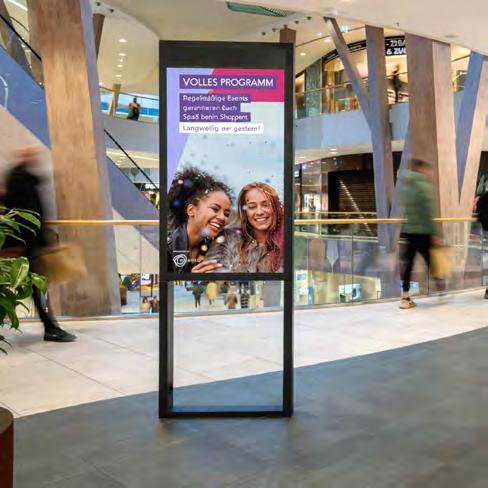
Digital safety systems are part of the daily rhythm of any major shopping center environment. Large video walls display tenant messaging, promotions, and information.
Behind the scenes, the same screens can be tied to the emergency platform. If something happens, they instantly switch to emergency mode.
Other everyday use cases include:
• Digital inspection rounds and patrol tracking
• IoT-based emergency buttons inside stores
• Mobile incident reporting with photos and real-time updates
Over time, safety stops being a separate function and becomes an operational backbone.
Built on Practical Experience
Best Practice Guidelines for Shopping Places, developed in collaboration with industry councils in Germany, Austria, and Switzerland, aren’t theory. They reflect real-world experience, showing operators how digital alarm and communication systems can reduce risk, limit disruption, and build resilience.
The emphasis is on practical readiness, not flashy technology.
For visitors, security is a feeling. For tenants, it’s reassurance. For operators, it’s confidence.
About the Author
Confidence that if something goes wrong, communication will be clear. Confidence that response will be coordinated. Confidence that decisions can be made quickly and with full visibility.
Technology plays a role, but safety at its core is still about people looking out for people-supported by systems that allow them to act decisively. Connected, proactive platforms like EVALARM are less about alarms and more about creating trust. That’s the real measure of security in modern shopping places.
www.evalarm.de/en
Peter Endress has more than 30 years of experience in consulting. His previous roles include Senior Manager at IBM Global Services, CEO of an international consulting firm in Switzerland, and Sales Director Europe of FPT, Vietnam’s leading IT company.
As Managing Partner of GroupKom, he is responsible for EVALARM in Germany, Austria, Switzerland, the Middle East, and Turkey. Peter is also an active member of the ECSP Risk, Resilience and Security Workgroup.
CRAFTING EXPERIENCES THAT PEOPLE ACTUALLY REMEMBER
BY DR. GHALIA BOUSTANI & DR. ELISA SERVAIS
Luxury isn’t just about owning beautiful things anymore. Today’s high-end consumers aren’t just buying a product —they’re buying a feeling, a story, an experience that aligns with who they are and who they want to be. Physical stores are no longer mere points of sale; they’ve become stages, playgrounds, and galleries where brands get to choreograph moments that linger long after the customer leaves.
But let’s be honest: creating experiences that actually matter is hard.
Too often, brands chase trends, recycle Instagram ideas, or copy what competitors are doing—without asking whether it feels authentic or relevant. True luxury experiences aren’t flashy for flashiness’ sake. They are meaningful, humancentered, and unforgettable.
Here’s how the best brands are doing it, and how others can follow their lead.
Rarity Sells: Exclusive Editions and Customization
Nothing says “luxury” louder than scarcity. Limited-edition products or store-exclusive collections instantly spark desire. Add customization— monograms, bespoke finishes, tailored options—and suddenly your customer isn’t just buying; they’re co-creating. A customization table, cleverly placed in a window display, does more than look pretty. It’s a temptation tactic: “Come in. Touch it. Make it yours.
BY DR. GHALIA BOUSTANI & DR. ELISA SERVAIS
Experiences like this turn casual window shoppers into engaged participants.
Service That Feels Personal
Luxury is in the details, and service is the ultimate detail. Today’s top brands are redefining what it means to serve a client. It’s not enough to answer questions politely; it’s about creating moments where the customer feels seen and understood.
Think private consultations, one-on-one product experiences, and co-creation that turns ownership into storytelling. Dior, Moynat, and Faure Le Page are masters at this: hand-painted illustrations, monogramming, and bespoke accessories transform simple purchases into identityaffirming experiences.
Connecting Digital and Physical Worlds
Luxury customers move seamlessly between online and offline. A strong brand experience acknowledges that, making transitions between channels effortless. Loyalty programs can do more than track points—they can collect preferences, reward visits, and create genuine personal interactions. Picture this: a heritage brand sends a birthday gift, offers QR-code-enabled surprises in-store, and shares curated updates. Customers feel valued, brands stay top of mind, and every touchpoint is an opportunity for engagement.
For example, the loyalty program with Maison Dandoy stands out. I love being part of their Dandoy Family. I look forward to receiving their mailings hoping it will be yet another one of the seven gifts they send per year.
Losing Luxury
You can’t even imagine how impatient I was for my birthday and then so proud and giddy walking into the store with my QR code. The lady kindly wished me well, scanned the code, then took one of their gorgeous tins and invited me to select my very own pick of 250gr of their luxury biscuits. (Fyi-one biscuit is about 2€ so imagine a free tin filled with about 20 of them!
I still proudly have the tin on my dining room table, clearly illustrating how a well-designed loyalty program can not only bring channels together but also turn already loyal customers into true brand fans.
Technology With a Purpose
Technology isn’t luxury’s enemy— it’s a tool, if used wisely. AR, VR, and interactive displays should reinforce the story or help staff create value, not distract or confuse.
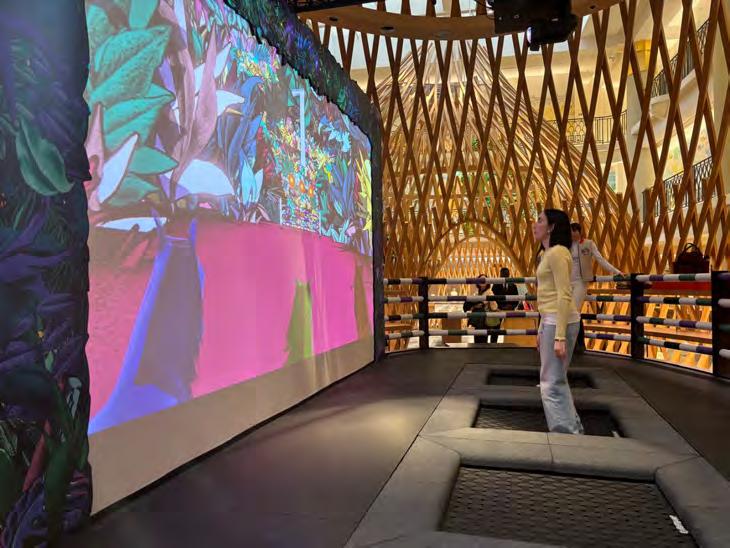
Take a heritage brand’s equestrian VR experience. Customers step into the brand’s signature event, fully immersed in a world that only that brand could deliver. Technology here doesn’t show off—it tells a story.
Luxury isn’t one-size-fits-all. Local culture, art, and heritage can create authentic, memorable experiences. Collaborate with local artists, designers, or cultural figures. Adapt seasonal themes, games, or festivities to resonate with the community.
This strategy turns stores into cultural hubs and encourages exploration, turning shopping into discovery. Local relevance isn’t a gimmick—it’s a form of respect that customers notice.
Stir Emotions, Don’t
Just Sell Products
Emotion is the secret ingredient. Surprise, curiosity, nostalgia—these are the spices that make experiences unforgettable. Multi-sensory exhibitions, fragrance journeys, and fashion-show-turnedmuseums invite customers to step beyond commerce into memory-making. When emotion drives design, customers leave with stories, not just bags.
People Make the Brand
Authenticity matters more than ever. Influencers have their place, but real, human connection wins hearts. Staff, creative directors, or in-house curators can embody the brand’s voice, turning stores into places of personality and story.
A store showcasing music, art, or curated cultural experiences can feel more like a gallery than a shop—and that human touch is exactly what makes it stick.
Spaces for Reflection and Connection
Luxury spaces now answer a deeper need: connection. Customers want to engage with the world, with others, and with themselves. Art installations, workshops, repair services, or wellness areas make stores destinations, not just pit stops.
Community-oriented events—private dinners, forums, or creative classes—create a sense of belonging. The brand becomes a companion in life, not just a retailer.
Storytelling and Theater
Every successful luxury experience tells a story. Dramatic staging, visual contrast, scale, and motion can turn a store into a theater where every detail matters. Whether permanent or temporary, narrative-driven design transforms shopping into spectacle— while keeping the brand at the heart.
Engaging All The Senses
Scent, sound, and texture amplify immersion. A carefully curated fragrance, a subtle soundtrack, or interactive tactile elements can turn the store into a full-bodied experience.
Let Customers Play
Participation sticks. Portrait sessions, co-creation workshops, and interactive games give customers agency. They’re not just observers—they’re part of the story.
Food for Thought (and Taste)
Culinary experiences elevate retail into indulgence. Chef collaborations, tastings, and private dining add flavor to the brand, literally and figuratively. Eating, drinking, and enjoying the space make memories last.
The Bottom Line
True luxury experience is about relevance, meaning, and connection. Every element—digital or physical, big or small—should answer: Does this enrich the customer’s journey? Does it reflect our brand?
When done right, luxury isn’t just a product. It’s an emotional, immersive, memory-rich relationship. It’s thoughtful, culturally attuned, and human centered. And it’s something people carry with them long after they leave the store.
Stories That Shape Global Commerce
FROM THE VOICES OF TOP RETAIL EXPERTS
BY RICH HONIBALL
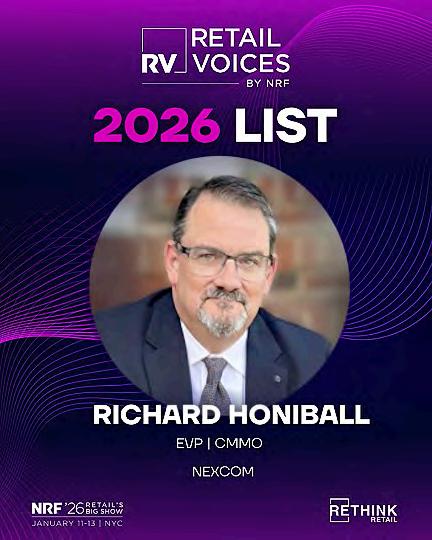
Something exciting is happening in the world of Retail. Experts in all areas of the field are sharing thoughts, theories, concepts, and experience in published form. There’s so much great content that IR Magazine requested the assistance of noted industry expert Rich Honiball, a senior retail and marketing executive with more than 30 years of experience leading growth, brand transformation, and customer experience, to read and review.
We’ll be sharing a sampling of those reviews in each issue to give you a taste of what’s out there.
Rich’s career spans specialty and mass retail, moderate to luxury, and both public and private sectors, with deep expertise in merchandising, marketing strategy, brand development, digital transformation, and organizational leadership. A recognized industry voice, he was named an NRF Top 50 Voice for 2026 recently this year. All of which makes Rich perfect for the job!
Retail has always been described through the language of transactions, channels, and technology. Yet the longer I spend in this industry, the more convinced I become that its true engine is connection.
One of the greatest privileges of my career has been the opportunity to build relationships with members of the RETHINK Retail community’s Top Retail Experts from around the world - leaders whose experiences span continents, cultures, disciplines, and decades of change. Through the Retail Relates podcast, I have also had the chance to introduce several of these experts
to the next generation of talent, creating conversations that bridge experience with curiosity.
In those exchanges, one theme surfaces again and again: there is no shortage of hard-earned lessons in this industry. Fortunately, several of these leaders have chosen to capture their perspectives in books. Not just perspectives on leadership, branding, stores, and strategy - but stories about resilience, reinvention, setbacks, and overcoming adversity.
Let’s highlight a handful of them here:
Chris Igwe
Breaking Down Barriers: My Journey from a Small African Village to The World Stage (2023)
Chris Igwe’s story blends global perspective, resilience, and reinvention. Born in Nigeria and later working across Europe, he began his career as a civil engineer before transitioning into global retail leadership and advisory roles for some of the world’s most recognized brands. Breaking Down Barriers combines personal history with professional philosophy, sharing lessons shaped by adversity, cultural transitions, and leadership across international markets. At its core, the book is about perseverance, mentorship, and the belief that opportunity can emerge from even the most challenging beginnings.
Order on
Laura Ravo
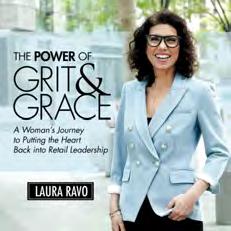
The Power of Grit & Grace (2023)
Laura Ravo’s career spans beauty, retail leadership, and entrepreneurship, with senior roles at companies including Ulta Beauty, Lord & Taylor, and Calvin Klein. Her work has always lived at the intersection of brand, leadership, and personal reinvention. The Power of Grit & Grace explores the reality that leadership journeys are rarely linear. Ravo shares lessons learned from career pivots, personal setbacks, and moments of reinvention, arguing that true strength in leadership requires both perseverance and vulnerability. Success, in retail and in life, is rarely about perfection - it is about persistence and the courage to evolve.
Order on
Melissa Gonzalez
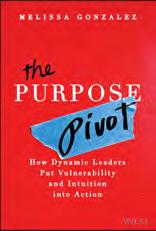
The Purpose Pivot: How Dynamic Leaders Put Vulnerability and Intuition into Action (2025)
Melissa Gonzalez brings a perspective shaped by her work in experiential retail and brand storytelling in her work with MG2 and position as a sought-after keynote speaker and top retail expert. The Purpose Pivot explores how leaders can navigate uncertainty by embracing
vulnerability, trusting intuition, and staying grounded in purpose. It reflects a broader shift in retail leadership toward empathy, adaptability, and authenticity as core business capabilities.
* Featured in Episode #103, Retail Relates.
Order on
Kevin Kelley
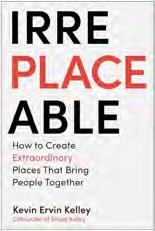
Irreplaceable: How to Create Extraordinary Places that Bring People Together (2024)
Kevin Kelley draws on decades of work in brand strategy and experiential design, helping organizations rethink how physical spaces create value beyond transactions. He has spent years championing the idea that physical retail still matters deeply - but only when it creates meaningful experiences.
Irreplaceable argues that the most successful retail environments are those that cannot be replicated online. They are designed to bring people together, foster discovery, and create emotional connection in ways that digital channels alone cannot. (featured in Episode #125, Retail Relates)
Order on
Cindy Marshall Sorry About Your Diagnosis… You’re Fired! (2023)
Cindy Marshall’s book may have the most startling title of the group, and intentionally so. A seasoned retail executive and cancer survivor, Marshall shares a deeply personal story at the intersection of career, health, and identity. This is not a traditional retail strategy book. Instead, it is a powerful reflection on resilience, perspective, and redefining success after lifechanging events. Marshall reminds us that careers are lived by humans first and professionals second - a theme that resonates strongly across modern leadership conversations.
Order on
Chief Executive Officer
Marie Chevrier Schwartz
RETHINK Retail
Meet The New Boss
International Retail sits down with Marie Chevrier Schwartz to get the scoop on her vision for the Future
Marie Chevrier Schwartz is an avid enthusiast of community, commerce, and technology, and a recovering entrepreneur turned ecosystem builder.
Currently the CEO of RETHINK Retail, where she works closely with retailers, brands, and technology leaders shaping the future of commerce through community, insight, and collaboration. She also serves as a Strategic Advisor to TechTO, which she previously led as CEO.
Before shifting into ecosystem leadership, Marie founded and led
Sampler, a commerce technology company that helped brands like L’Oréal and Kroger digitize product sampling, gathered around the simple and powerful principle of making product discovery more personal.
At this stage of her journey, Marie’s work is about connecting people, sharing lessons honestly, and helping builders feel less alone while they do hard things.
She speaks and moderates conversations across founder, retail, and technology ecosystems, from national tech weeks and communityled stages to executive peer forums and accelerators.
Marie, you’ve had an incredible journey- from entrepreneur to ecosystem builder to CEO. What values or experiences from your early days at Sampler are still guiding you today at RETHINK Retail?
Sampler taught me resilience in a way no book or boardroom ever could. Building something from nothing and then carrying it through growth, pressure, and ultimately a very hard ending really clarified my values.
What stayed with me most is the belief that you should be most focused on your customer. You can have the most exciting plans in the world, but if you’re not listening closely to customers, to partners, to your team, you’ll miss the real signal. I also learned to get comfortable making decisions
with imperfect information, and to stay human while doing hard things. Those lessons show up every day in how I lead now.
RETHINK Retail is known for shaping conversations at the forefront of retail. What attracted you to lead this platform, and what excites you most about this next chapter?
What drew me in was the communityfirst DNA. RETHINK Retail isn’t just a media platform or an events company; it’s a place where smart, curious people come to think out loud together about where retail is going.
I’m excited about expanding that conversation. Retail is moving quickly fast right now. I believe the next era won’t be defined by one breakthrough technology, but by how well we collaborate across disciplines, geographies, and generations of leaders to advance retail forward together. Being able to steward a platform that helps make this happen feels incredibly meaningful.
During your time at TechTO, you scaled impact across 60,000+ builders. How do you envision applying that same energy of community building to RETHINK Retail’s global network?
The biggest lesson from TechTO is that community doesn’t scale through broadcasting; it scales through fostering a sense of belonging. People want to feel seen, useful, and connected to something bigger than themselves.
At RETHINK Retail, that means creating more opportunities for experts and operators to engage with each other.
Smaller moments of connection, more intentional formats, and spaces where people can share what’s really working (and what isn’t). If we get that right, the impact compounds naturally.
You’ve worked with both emerging founders and industry giants. What do you think retail leaders today can learn from startup ecosystems and vice versa?
Startups are incredibly good at moving fast, testing assumptions, and learning in public. Enterprise leaders can borrow that mindset, especially the willingness to experiment without needing certainty upfront.
At the same time, startups can learn a lot from established retailers about operational discipline and building sustainable longstanding value and business systems.
RETHINK Retail is evolving fast. What new programs, media formats, or engagement strategies are you exploring to amplify the voice of the modern retailer?
We’re thinking a lot about depth over volume. More practitioner-led conversations, more behind-the-scenes perspectives, and more formats that reflect how people actually learn today including peer exchanges, and realworld case studies.
I’m particularly excited about elevating voices that don’t always get the microphone: operators in the middle of transformation, leaders navigating ambiguity, and retailers building quietly but thoughtfully. Those stories are often the most valuable.
You’ve spoken about helping people feel less alone while they do hard things. How will that belief shape how RETHINK Retail supports its community?
Retail leadership can be incredibly isolating, especially right now. My goal is for RETHINK Retail to feel like a place where leaders can say, “I’m figuring this out too,” and be met with generosity instead of judgment.
That belief shows up in how we design experiences, how we moderate conversations, and how we show up as a team. If people leave our ecosystem feeling more grounded, more connected, and a little less alone, then we’re doing our job.
Retail is constantly transforming. What trends or technologies do you believe will most impact how brands connect with consumers in 2026 and beyond?
I’m particularly fascinated by how Retail will continue breaking down channel walls.
Stores will operate as experiential hubs, fulfillment centers, creator studios, and retail media environments. Digital will be less about e-commerce as a separate lane and more about connected commerce at every touchpoint.
The distinction between physical and digital will matter far less than how seamlessly data and experience move between
You’ve worked with scrappy startups and iconic global brands. Where does radical collaboration unlock the most value?
Radical collaboration works best when it’s grounded in shared curiosity rather than transaction. When startups and large brands come together to learn (not just to sell or pilot), both sides grow.
The real value unlock happens when each side is willing to admit what they don’t know. That’s when new ideas emerge that neither could have built alone.
Looking ahead, how do you hope your leadership will influence the legacy of RETHINK Retail? What do you want the community to feel because you were part of this journey?
I hope to increase the number of businesses and careers RETHINK Retail has an impact on.
If the legacy is that we helped people connect more deeply, think more generously, and lead with a little more courage, especially during moments of uncertainty, I’ll feel proud. At the end of the day, I want this community to feel like a place that truly had their back.
Melissa Moore The Retail Advisor
Competitive Advantage?
Retail Training That Works!
RETAILERS HAVE INVESTED HEAVILY IN DEVELOPMENT FOR YEARS. NOW THE EXPECTATION IS SIMPLE: PROVE IT WORKS.
In 2026, training must translate directly into better service, stronger selling and more confident teams. As customer expectations continue to increase, commercial pressure pile on and our workforces are more fragile than ever, most retailers are missing something…. The glue to hold it all together. The confidence building, product embracing, strategic developing, people focused training that keeps the customer coming back.
So, for those of us immersed in retail education and training, working with the industry and in the industry to support them is crucial in 2026.
Learning That Fits The Rhythm of The Shop Floor
Time away from customers is precious. Lengthy courses detached from operational reality are increasingly difficult to defend. In their place sit short, purposeful learning interventions delivered at the moment of need.
A rapid pre-trade focus on link selling. A midweek tune-up on new product stories. A confidence primer before peak. These bursts are practical, repeatable and immediately applicable. When working alongside teams, adoption is strongest when education flexes to the business, not the other way around.
How do I know this? Because I lived it on the shop floor and now I support national and international brands with their training needs both on the shop floor and more formally in the classroom. My version of academia doesn’t mean reading out-dated books, it means doing the hard work and immersing myself in the latest writings and data to bring to the students.
Tailored Development, Powered by Smarter Systems
Learning technology can now read performance patterns and direct people to the support that will shift results. If conversion weakens, selling skill practice appears. If add-on rates fall, colleagues are guided toward attachment strategies. When a new manager struggles to drive standards, coaching tools and conversation frameworks surface immediately.
I’m not against tech for training; I embrace it when it meets the needs for the employee and drives their experience.
Practice Before Performance
Theory alone rarely survives first contact with a busy Saturday. Experiential learning bridges the gap. Through interactive scenarios and simulations whether in person or online, individuals can test judgement, language and composure without commercial exposure. They build muscle memory. They arrive at real encounters having already succeeded several times in rehearsal.
The outcome is a more assured, more credible workforce who are confident and customer ready.
The Rise of The Everyday Coach
One of the biggest changes over the last few years has been the willingness of retailers to invest time and money into store leadership teams. Why? Because the expectation that managers grow people, not simply run operations is now a reality. Delivering results still matters, of course, but how those results are achieved is under far greater scrutiny.
The next generation of leaders must know how to spot opportunity in real time, step into moments that matter and move performance forward through conversation, not instruction. In the work I do developing tomorrow’s retail leaders, this capability sits at the heart of the curriculum. Coaching is no longer an optional extra; it is a core management skill. What does it look like in practice?
Brief observations. Focused feedback. Clear direction about what good looks like next time. Consistent recognition when progress appears. Repeated daily, these seemingly small actions create powerful momentum. Easier said than done when we are in the age of labour shortage in retail….
However. when leaders operate this way, every shift becomes a learning environment and every interaction has the potential to build confidence and competence.
Integration in 2026
selling, digital confidence and leadership impact. When people understand what good looks like, they know what to work toward. Show the skill, evidence the behaviour, and progression follows. This clarity is vital for the future of the industry. Retail can offer remarkable careers, I know first-hand where it can lead. But bright talent will only stay if growth feels real and attainable. When training and development translates into opportunity, people commit. They see a future, not just a job.
Measuring What Truly Matters, a Stronger Human Focus
The most progressive businesses are correlating development with conversion, loyalty, productivity and attrition. Training is no longer a supportive function; it is a driver of commercial performance and brand differentiation. However, alongside capability sits care. Resilience, inclusion and emotional intelligence are foundational elements of modern curricula because sustainable performance depends on people who can thrive, not merely cope. Remember,
Retail is operating in an environment where small improvements compound quickly. A better question, a stronger recommendation, a more confident conversation, repeated across hundreds of interactions improves internal and external customer experience (and sales). That is why capability can no longer be left to chance. It must be designed, supported and reinforced in the reality of daily trade. Retailers who invest in practical development, who equip their leaders to coach consistently and who bring in expertise to accelerate progress will create teams that are ready for whatever the market throws at them. Training is no longer an add-on; it has become central to how retailers improve performance, build confidence and stay competitive. The retailers pulling ahead are utilizing training as they would their supply chain. Build it well, maintain it relentlessly and it will power everything else.
Melissa Moore is a retail educator and trainer. She also hosts The Retail Tea Break podcast.
A Bright Future For Retail
By Chris Igwe
of Chris Igwe International
It was a pivotal year, sometimes dramatic, often subtle. In 2025, retailers and brands continued refining their store portfolios, reducing overall numbers while targeting prime space in leading cities and dominant schemes. The focus was optimization: protecting profitability while laying the groundwork for long-term growth.
Across Europe, retail parks once again led to rental growth, continuing a trend established in 2020.
Encouragingly, high streets and shopping centres have also shown steady improvement over the past three years, signaling renewed confidence from both landlords and occupiers. The recovery may be gradual, but optimism has returned.
Growth remains strongest at the extremes. Premium and luxury brands continue expanding, while discount retailers thrive on value positioning.
The message is clear: price matters, but perceived value matters more.
Sneaker culture continues to influence performance. JD Sports shows sustained growth across Europe and the US, while brands such as Gymshark, On, and Hoka pursue expansion strategically, cultivating strong communities rather than relying solely on footprint growth.
One of the year’s standout phenomena has been the rapid rise of Pop Mart , whose figurines have sparked buying frenzies driven by scarcity and FOMO . Close behind is MINISO, alongside niche collectible-led concepts gaining traction. Whether this momentum proves durable remains to be seen, but the consumer appetite for novelty and exclusivity is undeniable.
Meanwhile, established fashion players have expanded with confidence.
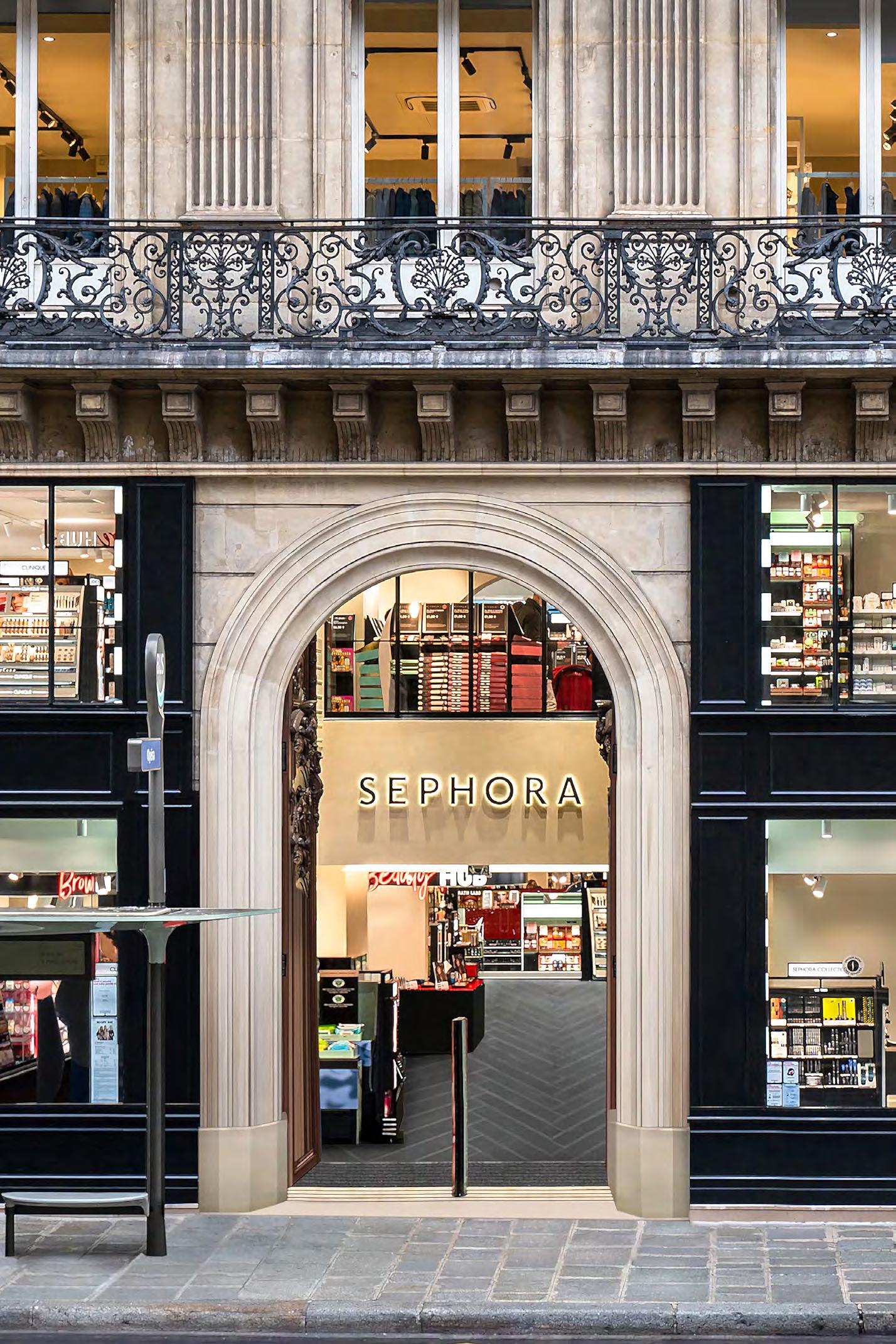
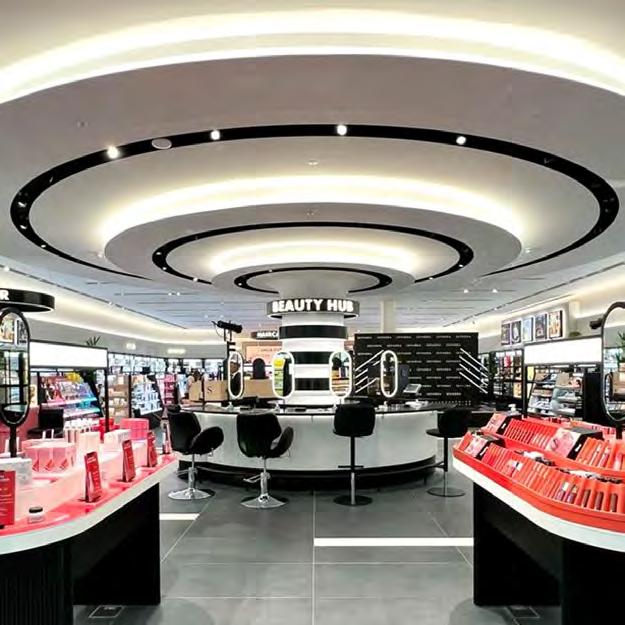
Sephora, West London.
Zara and Uniqlo continue opening larger, elevated formats that feel more premium than their price points suggest. This reflects a broader flight to quality: strong cities, excellent frontage, efficient floor plates, and minimal compromise.
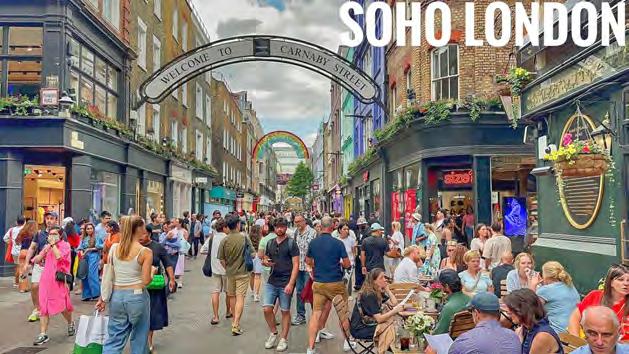
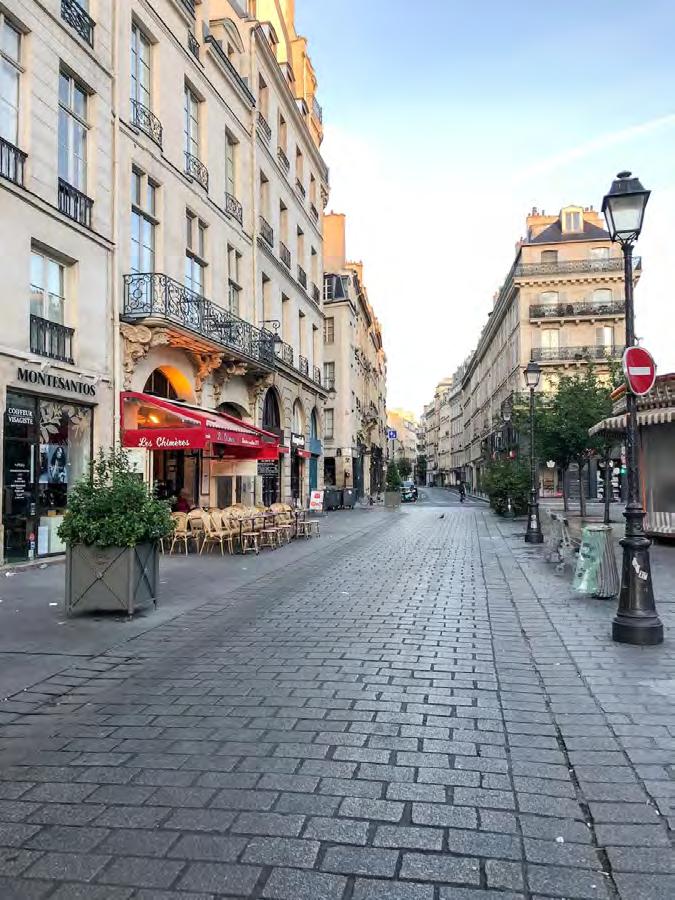
Well-curated retail environments have also revitalized neighborhoods such as Le Marais in Paris and Soho in London, proving that design-led destinations still captivate shoppers when executed thoughtfully.
A defining theme of 2025 has been the demand for engagement— particularly from Gen Z. This generation expects authenticity, clarity, and entertainment. Shopping centres have had to work harder than ever to attract and retain them.
At MAPIC in Cannes, research shared by European business schools revealed that Gen Z will not compromise on experience. Despite limited budgets, they are willing to spend more to demonstrate loyalty to brands that resonate. Conversely, they will quickly disengage from those that fall short, including entire destinations.
universal remedy. Sustainability concerns now influence consumers, landlords, and investors alike. Younger shoppers in particular are voting with both their voices and their wallets.
Environmental responsibility continues gaining momentum across Europe. Retailers, brands, and landlords are addressing waste reduction and circularity more visibly. Platforms such as Vinted reflect the growing embrace of recommence, while food and beverage operators are focusing on waste management and responsible sourcing.
Soho, London.
Le Marais, Paris.
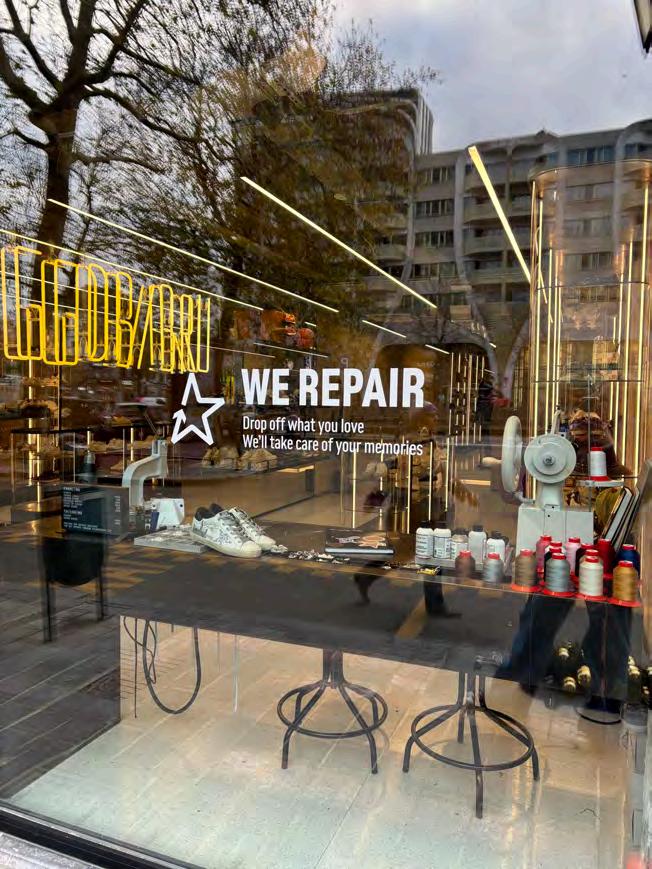
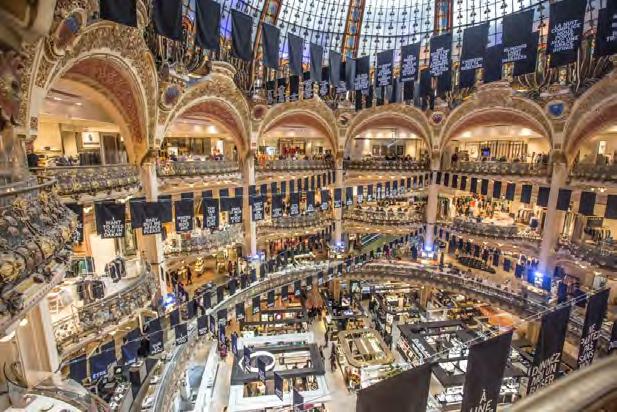
Major brands including Levi's, H&M, Gucci, Burberry, and Ralph Lauren, alongside department stores such as Selfridges and Galeries Lafayette, have introduced repair, reuse, and recycling initiatives. These are no
signal long-term structural change. Technology remains central, with AI leading investment priorities. Yet technology cannot replace human interaction. If anything, shoppers are demanding more personal connection. Digital tools must enhance the store experience rather than substitute for it.
Looking toward 2026, collaboration will intensify. Capsule collections, traveling exhibitions, immersive installations, and cross-brand partnerships will multiply. These initiatives blur traditional retail boundaries, allowing visitors to engage without obligation while still encouraging purchase.
Storytelling remains essential—but delivered with authenticity rather than noise. Consumers want to experience a brand’s values and personality, not be overwhelmed by excessive messaging.
Community building will deepen. Brands are investing in loyal followers who share identity and purpose. Gymshark’s expansion into New York illustrates how a strong community model can translate internationally. Affordable luxury will continue gaining traction as brands seek to elevate perception while remaining accessible.
Private sales, loyalty evenings, and exclusive events will become more common. Online retailers will increasingly seek physical space, recognizing that stores extend reach and build credibility.
Pop-ups and short-term leases will remain critical testing grounds for innovation.
Retailers are also rethinking how space is used, integrating cafés, art installations, music events, and cultural programming to create reasons to visit beyond transaction. Experience is no longer optional; it is fundamental.
Leisure and entertainment face pressure as consumers demand constant novelty, yet food-led concepts remain resilient. New formats continue emerging, while international operators such as Popeyes and Chick-fil-A expand further into Europe, including the UK.
The trajectory is clear: fewer but better stores. The flight to quality— across high streets, shopping centres, outlets, and retail parks—will persist. Prime space in prime cities remains the priority.
Retail’s future is bright, but selective. Retailers, brands, and landlords that engage, excite, and build authentic loyalty—while blending technology intelligently with human connection— will define the winners of 2026 and beyond.
Galeries Lafayette, Paris.
Retail On The World’s Stage
ON THE ROAD WITH THE RETAIL WARRIOR, LINDA JOHANSEN-JAMES
Why 2025’s Conferences Mattered — and Why 2026 Is Where the Action Is
Last year, retail went global, and I had a front-row seat. From NRF to ShopTalk, Magdus to the Retail Technology Show, 2025 reminded me that retail doesn’t happen in silos. It happens in community. These conferences aren’t just about sessions and slides; they’re where ideas ignite, partnerships are forged, and the future of commerce takes shape.
I was lucky enough to be there not just as an attendee, but as a speaker and panelist. And here’s the thing; what really sticks with me isn’t the stats or trends shared on stage. It’s the hallway conversations, the unexpected introductions, the friendships that turn into collaborations.
Those connections? Invaluable. They’re the sparks that fuel inspiration and open doors you didn’t even know existed.
NRF: Retail’s Big Show
The One You Can’t Miss
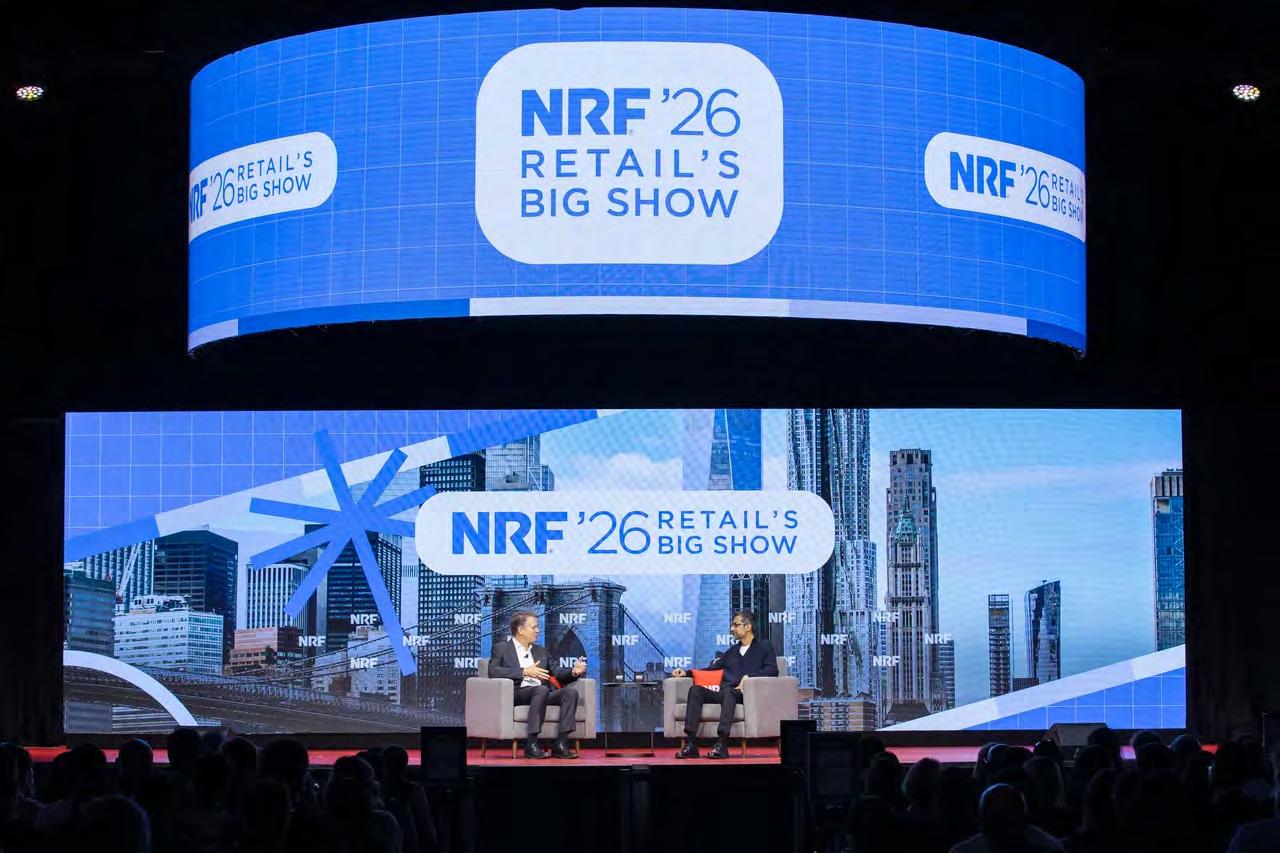
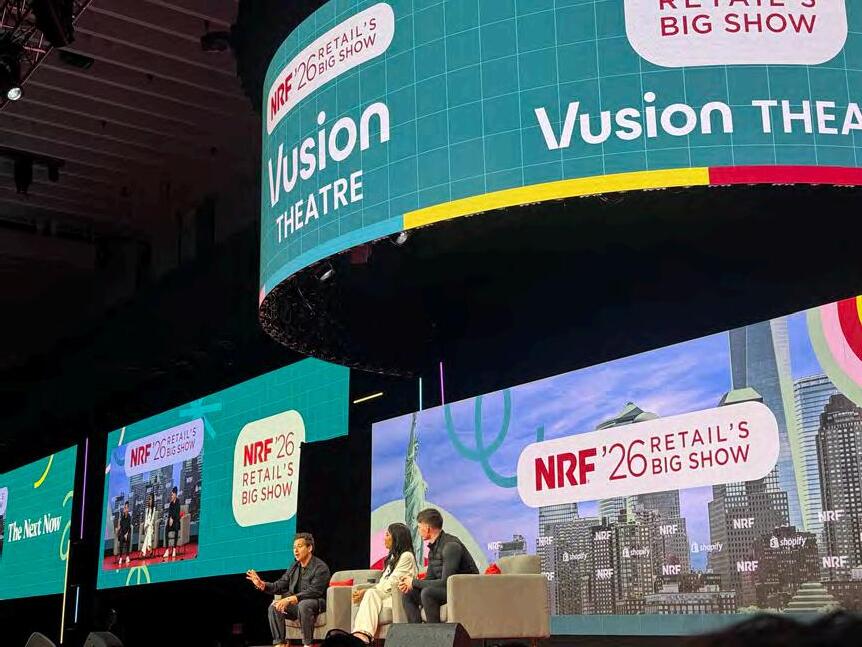
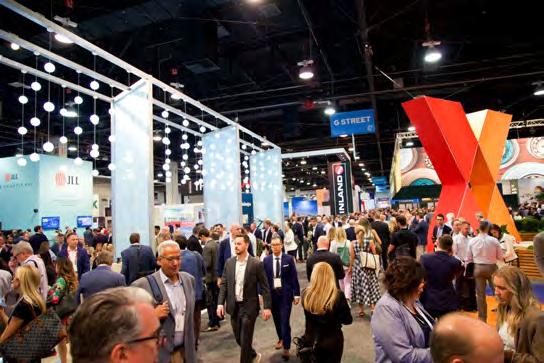
Every January, tens of thousands of retail pros flood New York for the National Retail Federation’s Retail’s Big Show. It’s the beating heart of the industry — a place to see cutting-edge innovation, explore AI, omnichannel strategies, and the ever-evolving customer experience. If you want to feel the pulse of retail, this is where the year begins.
Linda hangin’ out with, l to r: Melissa Moore, Renee Hartmann, Nick Harbaugh, and Sharon Yourell Lawlor.
L to R: Will Odwarka of Heartatwork Hospitality Consulting, Linda Johansen-James and, Shannon Quilty.
ShopTalk: Where Innovation Meets Connection
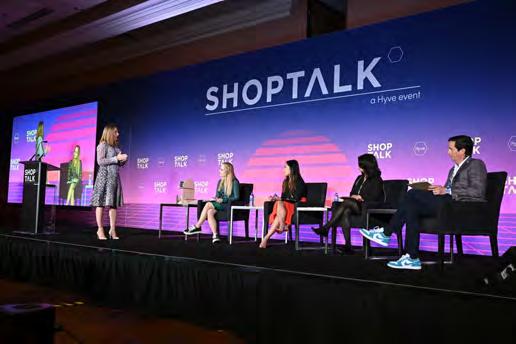
ShopTalk has a different kind of energy. It’s fast, forward-thinking, and unashamedly exciting. Retail, e-commerce, tech… it all collides here. But beyond the panels and keynotes, the magic is in the people you meet. The connections made here often last a lifetime, turning peers into collaborators, and ideas into action.
Magdus: Europe’s Outlet Retail Powerhouse
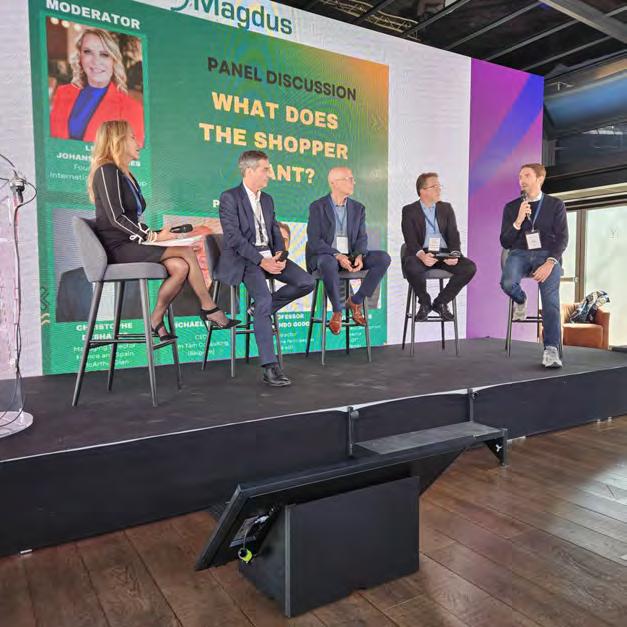
If outlet retail is your game, Magdus is the place to be. This Pan-European conference brings together operators, developers, brands, and investors to tackle the unique challenges and opportunities in this resilient sector. Tours, roundtables, trend sessions — Magdus gives you a front-row look at why outlet retail continues to outperform expectations.
ICSC & MAPIC: Where Retail Lives
Retail isn’t just what’s on the shelf, it’s also where it lives. ICSC and MAPIC gather landlords, developers, brands, and brokers in one place, creating a breeding ground for deals, market insights, and strategic partnerships. If location is everything, these conferences are non-negotiable for anyone shaping the retail landscape.
Specialty Shows: Retail Tech, eTail, Shopping Center & Mall Management Conference (SCMM), and More…
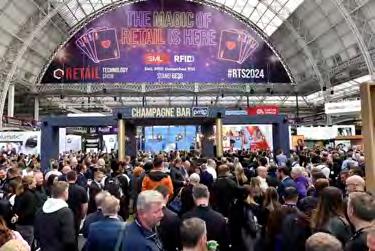
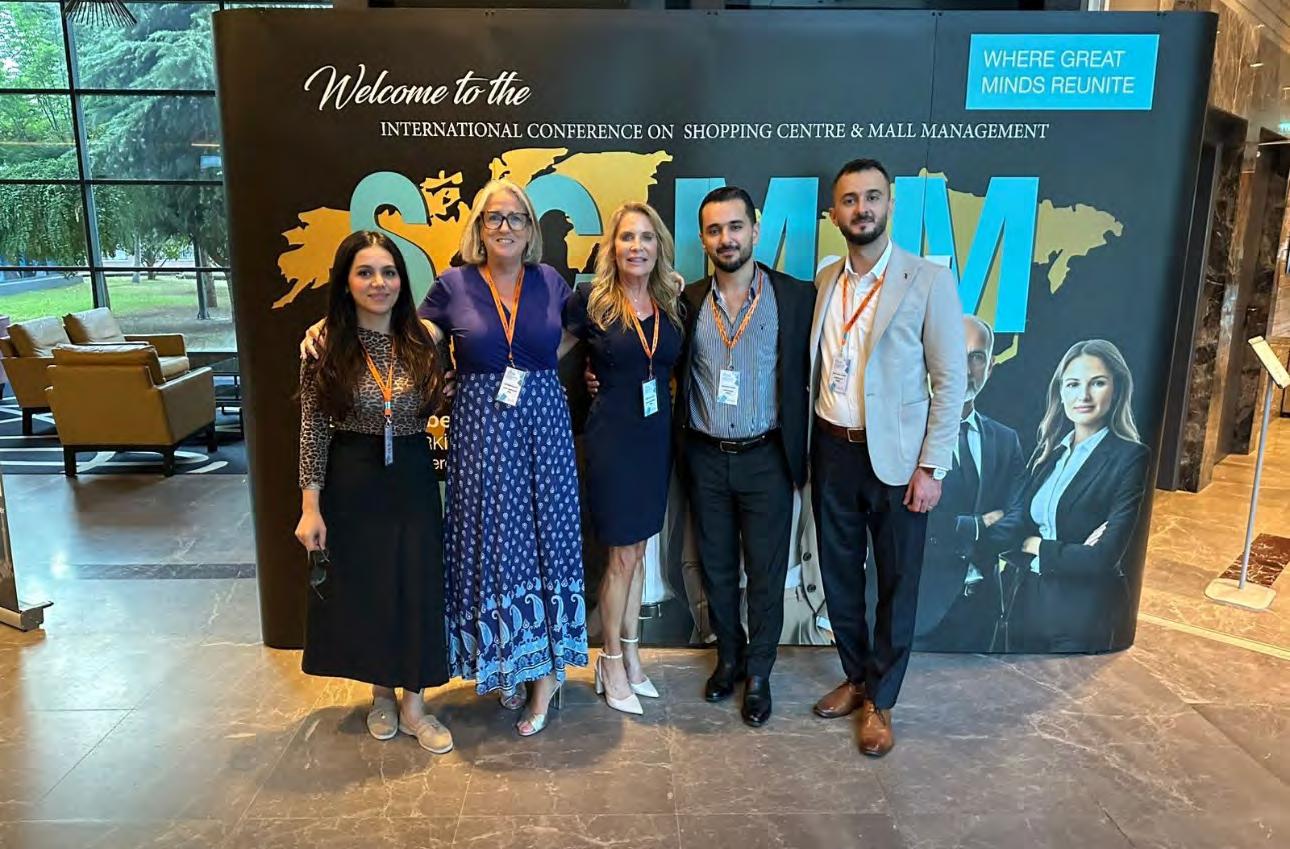
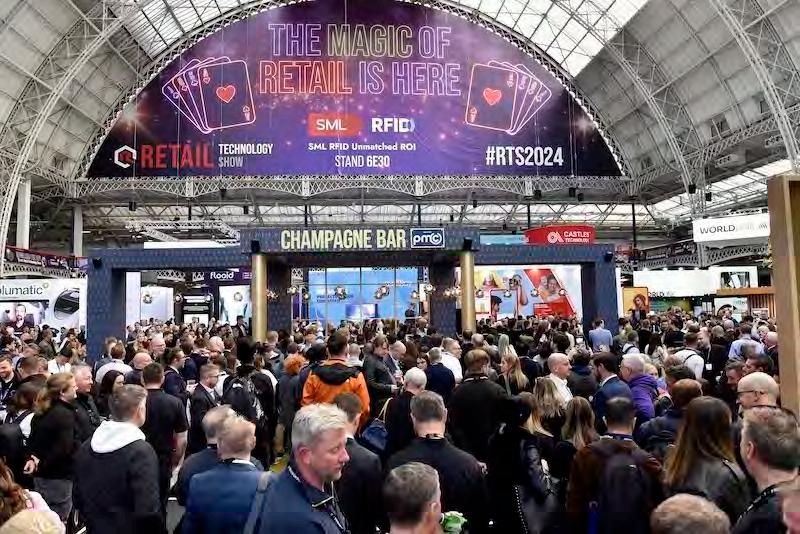
Sometimes, it’s about the details. Events like the Retail Technology Show, eTail, and SCMM dive deep into digital transformation, mall management, and operational excellence. They’re the tools and playbooks you can take home and put to work immediately. The Scandinavian Mind Conference, that I attended as a panelist this year in NYC, focused on the intersection of technology, sustainability, and the fashion industry.
Why 2026 Is Your Year to Hit the Road
Here’s the truth: 2026 is going to move faster, evolve further, and demand more. AI, omnichannel integration, experiential retail…all are rewriting the rules. And conferences? They compress months of learning into days. You can’t replicate that kind of insight sitting at your desk.
I’m already on the road — NRF, eTail, ShopTalk, the new Flex Retail Summit and Retail Technology Show are all on my schedule. These aren’t just events; they’re platforms to shape conversations, expand influence, and forge partnerships that actually move the needle.
Showing up, in person, on stage, in conversation, face to face, is no longer optional. It’s strategic. It’s where clarity meets connection, and where the Retail Warrior finds momentum.
Linda hangin’ out with Nick
Fun on the road.
Industry Leaders Dinner
Meetup at the airport with Simon Ong
Nomad
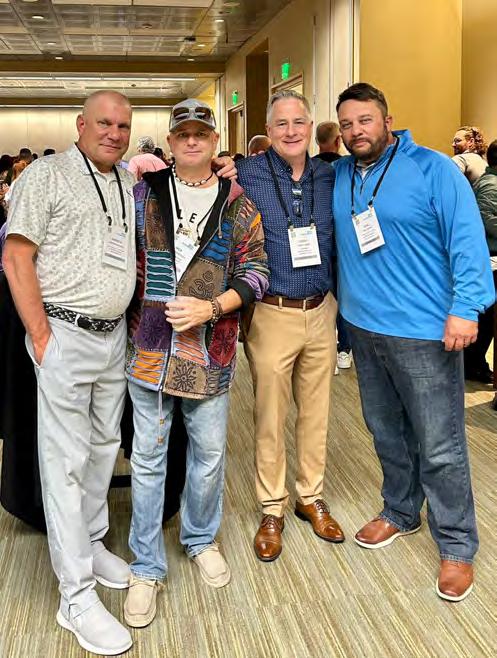
NICK HARBAUGH IS THE RETAIL NOMAD.
GLOBAL
RETAIL STRATEGIST, STORYTELLER, AND EXECUTION
EXPERT EXPLORING THE FUTURE OF RETAIL
Editor's Note:
We first met Nick Harbaugh when we interviewed him for International Retail’s Spring Summer 2025 issue. In this issue, Nick shares what he’s seen and experienced in retail around the globe in the past year.
What 2025 Taught Us About The Future of Retail
Retail has always been an industry defined by motion. New formats emerge; technologies shift; consumer expectations evolve. But 2025 did not feel like a year defined by speed. It felt like a year defined by clarity — a year when the industry began listening more closely, acting more deliberately, and understanding more deeply what truly drives meaningful customer experiences.
The future of retail is not being built in isolation. It is being shaped through movement — across cultures, markets, formats, and conversations. It lives in the connection between strategy and execution, between technology and humanity, and between brands and the communities they serve.
My own journey into that world began more than three decades ago, not in boardrooms or on stages, but on job sites.
I started in retail project management, fixture installation, and store development — work that taught me early that execution is where trust is built. Plans matter, ideas matter, but in retail, reality happens on the floor. That lesson has guided every step of my career since.
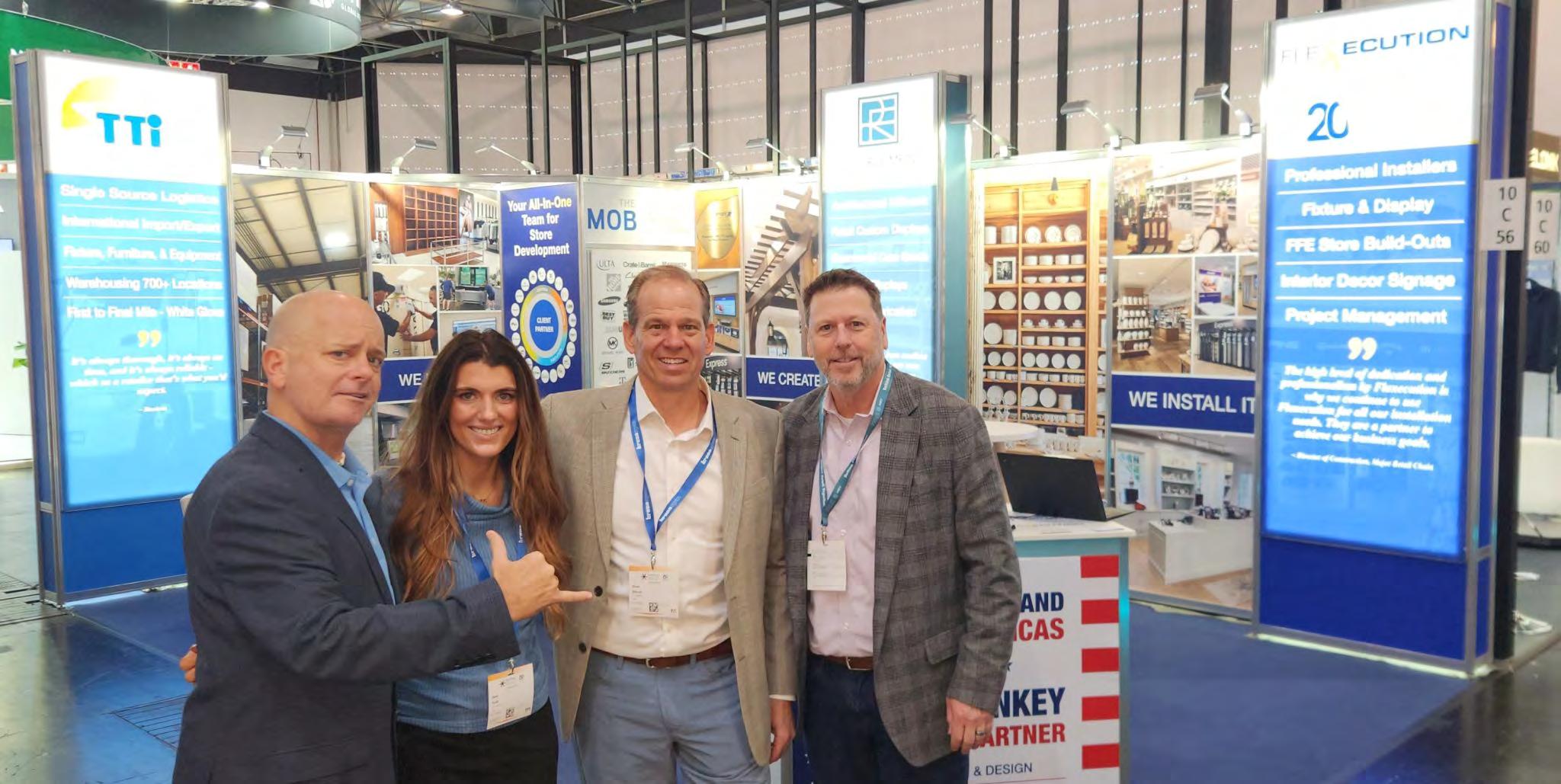
Today, alongside my work as The Retail Nomad, I continue partnering with retail brands through Flexecution – supporting store roll-out initiatives that bring strategy to life on the ground. Through digital storytelling and
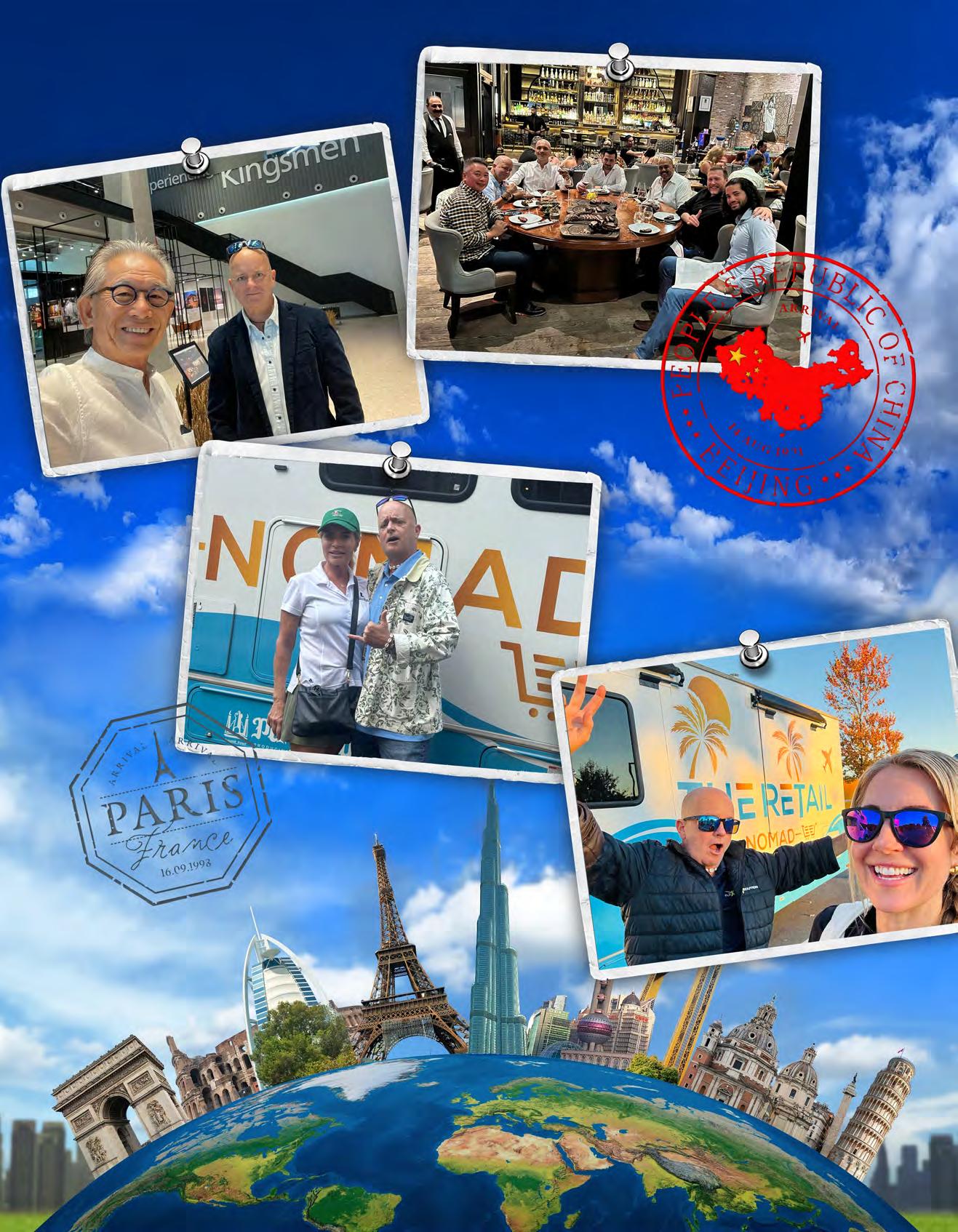
field insight, I’ve had the opportunity to capture retail environments in more than 50 countries, creating a living archive of how retail is expressed across cultures and communities.
And in 2025, one lesson stood above the rest: Retail’s greatest advantage isn’t speed. It’s the ability to listen… then execute with intent.
From Store Openings To Global Retail Expeditions
Physical retail is not disappearing. It is transforming — and that transformation is visible everywhere if you look closely enough.
Across major metropolitan centers, emerging markets and neighborhood-driven concepts, the stores that resonated most this year were those that understood their role as more than places to transact. They were places to connect, to reflect culture, and to tell stories.
In Mexico City, for example, I visited one of the largest and most immersive athletic brand environments in Latin America — a store that didn’t simply present products but celebrated community, identity, and movement.
It felt less like a store and more like a cultural space where brand and place were intertwined.
Experiences like that repeated themselves across continents. In Europe, pop-up activations created moments of discovery and urgency. Across Latin America, community -centered retail showed how local identity can shape buying behavior. In the United States, technology-driven environments demonstrated how automation and convenience are redefining expectations.
Traveling globally also revealed something unexpected: brands that no longer operate in North America continue to thrive in other regions.
In Costa Rica, you can still walk into RadioShack or Payless Shoe Source. Mexico maintains stores under the Sears and Woolworth names. Forever 21 continues operating across Latin America and Asia. Fans of Kenny Rogers Roasters can still visit locations in Malaysia, Singapore, and the Philippines. Shoppers looking for value in Europe will encounter TJ Maxx rather than its U.S. counterpart.
Retail does not disappear. It adapts.
Across continents, the most resonant environments shared one quality: they created relevance, not just revenue.
The Retail Nomad Channel: Seeing Retail As It Really Is
While execution work happens on the ground, storytelling allows those insights to travel.
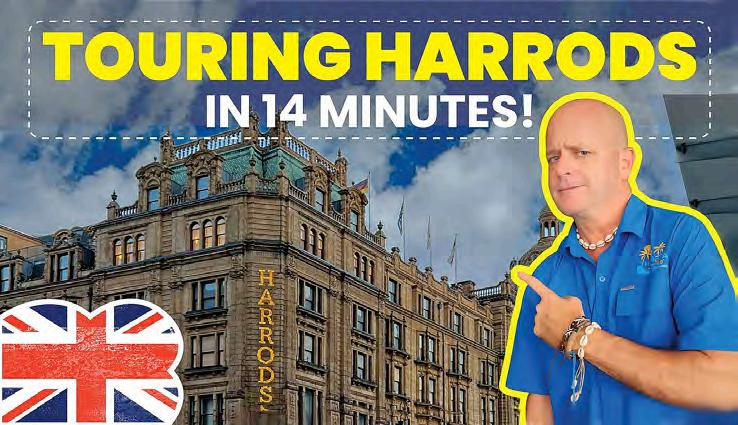
Through The Retail Nomad YouTube channel, I’ve created a space to share authentic retail experiences from around the world — store walkthroughs, trend observations, and conversations with innovators shaping the future of the industry. From automation showcases to immersive flagship environments, the goal has always been the same: bring people closer to what’s actually happening in real stores.
What I’ve learned through this process is that curiosity drives insight more than any trend report ever could. When professionals can see how customers interact with spaces, how technology functions in context, and how brands express themselves physically, they gain a deeper understanding that can’t be replicated through data alone.
Retail reveals its future in small moments — in layout decisions, service interactions, and the subtle ways people navigate space.
what’s possible.
For more than a decade, I’ve also remained engaged with a network of innovators across retail, hospitality, and restaurant sectors — people committed to learning from one another and pushing the industry forward together. These communities matter because they break down silos. They create space for collaboration, empathy, and real-world problem-solving.
Retail, at its best, is a shared effort.
The Human Element
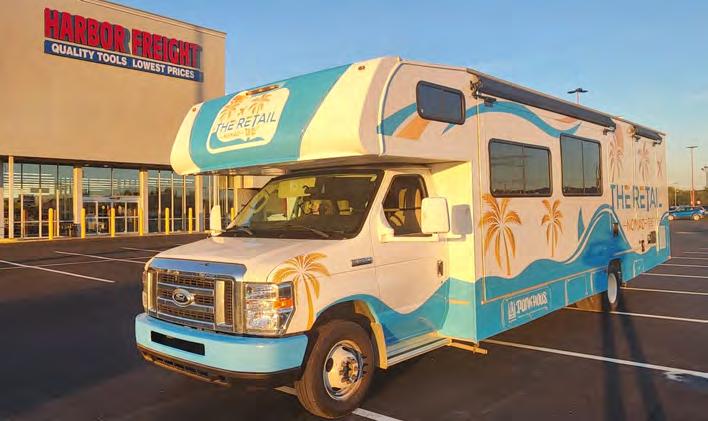
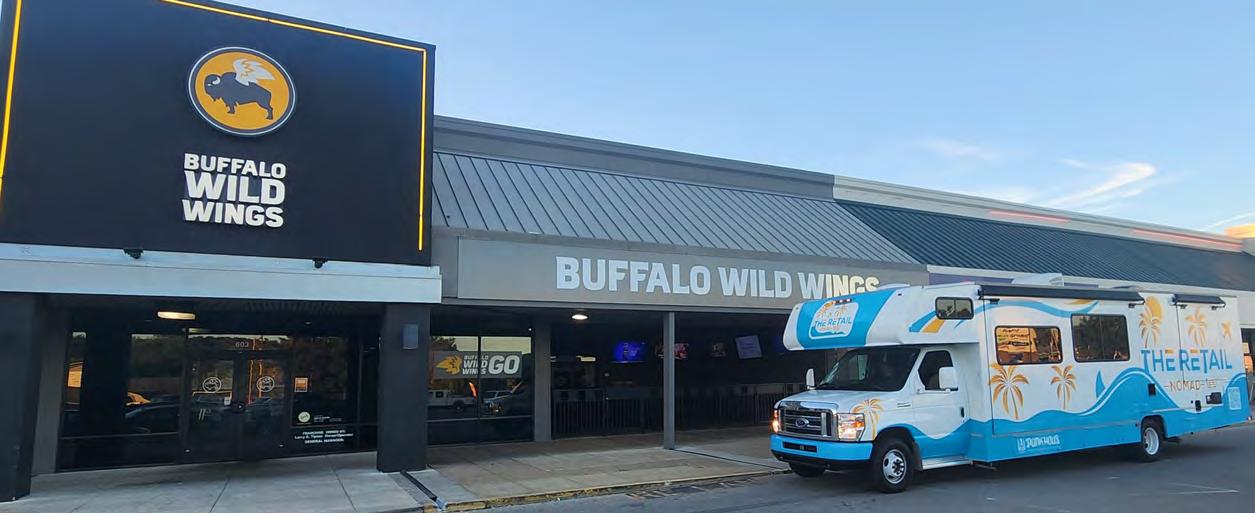
The Retail Nomad Mobile
In A Tech-Driven Year
If there was one defining shift in 2025, it wasn’t that technology took over retail. It was that technology finally began to mature into something useful — something integrated.
AI, automation, self-service, and smart systems moved beyond buzzwords and into infrastructure. But the most successful implementations were not those that replaced people. They were the ones that supported people.
The brands that stood out were those using technology to remove friction— to make experiences smoother, faster, and more intuitive—so that employees could focus on what humans do best: connecting, helping, and understanding.
Technology alone doesn’t create loyalty. Human connection does.
Lessons On The Road
After tens of thousands of travel miles, hundreds of videos, and countless conversations across markets and cultures, a few truths have become clear: Listening drives strategy.
Retail is not about predicting the future.
It’s about paying attention to the present. Execution builds trust.
Ideas inspire. Execution creates impact.
In my role working with global rollout teams and brand partners via Flexecution, I’ve had the opportunity to help bring largescale initiatives to life, from store refreshes and signage programs to fixture installations and remodel, across hundreds and sometimes thousands of locations.
This work is not glamorous. It doesn’t live in the pitch deck or the keynote. It lives in coordination across time zones, in problemsolving under pressure, and in the discipline required to maintain consistency across diverse markets. It’s where strategy becomes visible at the aisle level and where the promise of a brand is either kept or broken.
One of the defining takeaways from these experiences is simple: loyalty is not built by products alone. It is built by the environments people move through and the consistency of the experience they receive. And that consistency is only possible through execution.
Customers don’t remember plans. They remember how a space felt and how a brand delivered.
Human-centered technology wins. Technology without empathy creates noise. Technology with intention creates experience.
Looking To 2026… And Beyond
Retail’s future is not digital versus physical. It’s the harmony between the two.
Spaces will continue to evolve. Technology will continue to advance. But the brands that succeed will be those that remain attentive — to people, to place, and to purpose.
Whether analyzing customer flow, experimenting with AI, or designing experiential environments, the industry’s task remains the same: stay human, stay curious, and stay grounded in execution.
If 2025 taught us anything, it’s this: Retail that listens — and acts — wins. That is the world of retail as seen through the eyes of The Retail Nomad — grounded in experience, enriched by discovery, and committed to bringing the global story of retail home.
“Customers don’t remember plans. They remember how a space felt and how a brand delivered.”
Marie Chevrier Schwartz CEO RETHINK Retail
Mudit Rawat Head of M&A Corporate Affairs TAO Digital
Women, Technology & Leadership
BY SHANNON FLANAGAN
Retail Women in Tech is a global nonprofit uniting women and allies to secure parity by 2030 and strengthen mobility across retail. Outcome-driven and intentionally no-paywall, RWIT is built as a crosssector, multi-generational community to drive change together. Through structured systems that combine mentorship, visibility, allyship and access, RWIT translates community into measurable career progression and industry growth.
The need is urgent. While progress has been made, it isn’t compounding and the headwinds are strong. Women hold nearly half of entry-level roles, yet advancement narrows at every level as the “broken rung” persists at first promotion. Women are exiting the workforce at record pace and many are less likely to enter or remain in AI roles due to gaps in access and fluency.
Shifts in workforce funding and initiatives continue to impact advancement and male-dominated rooms can unintentionally accelerate biased systems. The result is not a pipeline problem. It’s a systems issue that constrains growth just as demand for AI-ready leaders is surging.
RWIT exists to redesign that system.
It operates as a workforce engine grounded in a compounding, give and get back model: Belonging → Visibility → Access → Mobility → Leadership.
RWIT activates this through four drivers: cultivating belonging across cities, and campuses; opening pathways to grow via mentorship, internships and career support; building cross-sector bridges that connect all sectors of the industry; and spotlighting what matters by amplifying journeys, allyship and gaps, making advancement visible, replicable, and accountable.
About Shannon Flanagan:
Shannon Flanagan, the founder & CEO, Retail Women in Tech, has built her career around driving strategic transformation across the retail industry. A community builder, speaker, author, and mental health advocate, Shannon believes it’s time to redefine success, not by title or status, but by fulfillment, belonging and impact.
FROM SEASONAL NOVELTY TO STRATEGIC GROWTH ENGINE: HOW MODULAR POP-UP RETAIL IS REDEFINING STORE INNOVATION
Once considered a novelty or a seasonal sales tactic, pop-up retail has rapidly evolved into a strategic tool for brands and retailers seeking to test markets, validate concepts, and strengthen customer engagement without committing to long-term leases. What was once a tactic to fill empty retail windows during the holidays has become a core part of the modern retail playbook and driven by changing consumer habits, shorter decision cycles, and the need for agility in a fast-moving marketplace.
The New Role of Pop-Ups in Retail Strategy
Traditionally, pop-ups were temporary storefronts or displays meant to create buzz, move seasonal product, or capitalize on a short-term opportunity. Modern pop-up retail still serves these functions, but its purpose has expanded significantly. Retailers now use pop-ups to evaluate new real estate, test product launches, refine store layouts, and even pilot staff training in authentic environments before committing to permanent locations.
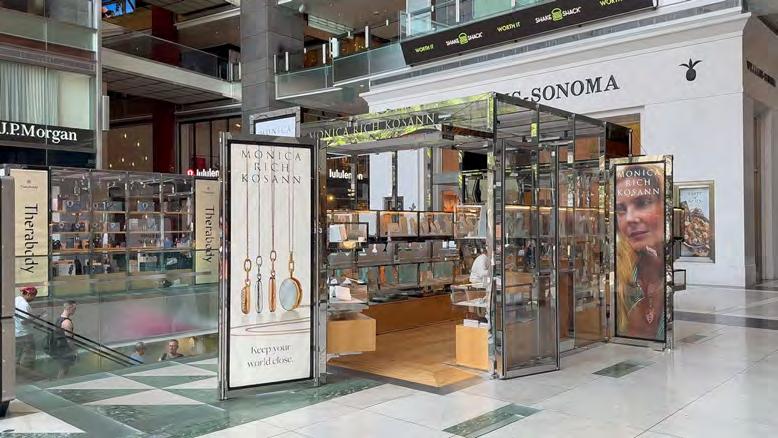
Monica Rich Kosann Modular Pop-Up.
Rather than being revenue generators alone, pop-ups serve as “retail laboratories.” These flexible environments bring brands into direct contact with consumers and capture invaluable insights on behavior, preferences, and conversion patterns in real time.
Why Physical Testing Still Matters
Though e-commerce and digital analytics offer powerful tools for understanding customer behavior, they cannot fully replicate in-person retail interactions. Pop-ups create physical touchpoints where shoppers connect with products, engage with staff, and experience a brand in an immersive experience that is increasingly valued in an era of experiential commerce.
Physical retail enables brands to gauge customer flow, product engagement, and conversion behavior in a real environment, revealing insights that purely online testing cannot capture. Consumers still crave tactile experiences and human interaction, particularly for new or unique product categories
where touch, feel, and live demonstration influence purchase decisions.
Moreover, in-person experiences build brand loyalty and emotional resonance more quickly than digital channels alone. This dynamic explains why brands are investing in physical pop-up experiences even as online sales continue to grow. These testing grounds are bridges between digital discovery and physical engagement.
Modular Construction:
The Enabler of Strategic Pop-Ups
The explosive growth of pop-up retail has been matched by a parallel evolution in construction methods. Traditional sitebuilt stores and temporary fit-outs often require lengthy permitting, disruption to existing properties, and a significant investment of time and capital.
Shipping container conversions have offered some flexibility, but they come with constraints on size, customization, and structural adaptability.
In contrast, modular construction buildings are built offsite in controlled environments and delivered ready to install. This method offers a faster, more flexible, and more adaptable solution. Modular units can be designed to meet building codes and quality standards while also being engineered for relocation, reuse, and expansion.
This relocatable building model allows brands to deploy pop-ups in non-traditional locations — from transit hubs to public plazas — without the delays and uncertainty that accompany traditional builds. The result is a lower time-to-market, reduced disruption, and greater flexibility to experiment with location, format, and concept.
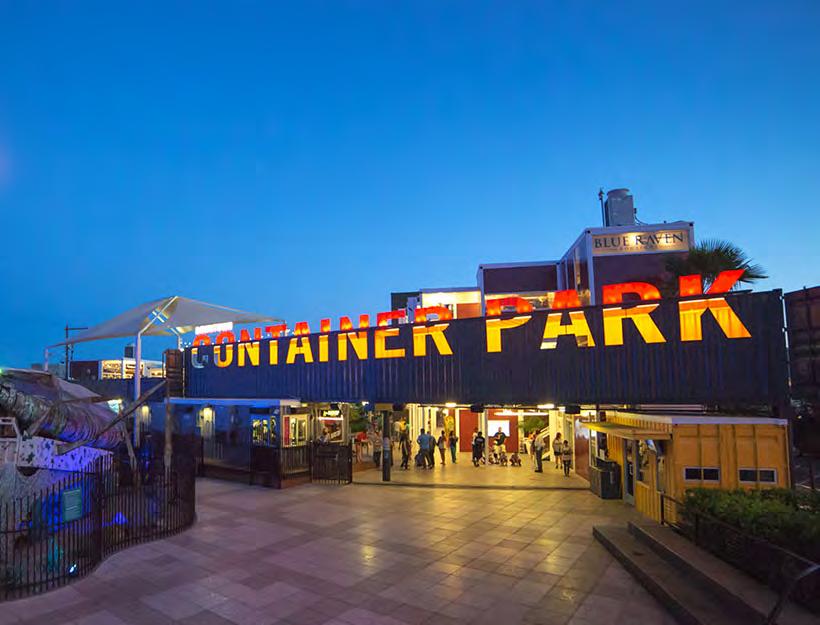
Container Park in Las Vegas, NV made entirely of shipping containers.
in The Real World
Across the industry, modular pop-ups have delivered measurable strategic outcomes. For example:
• Market Visibility and Positioning:
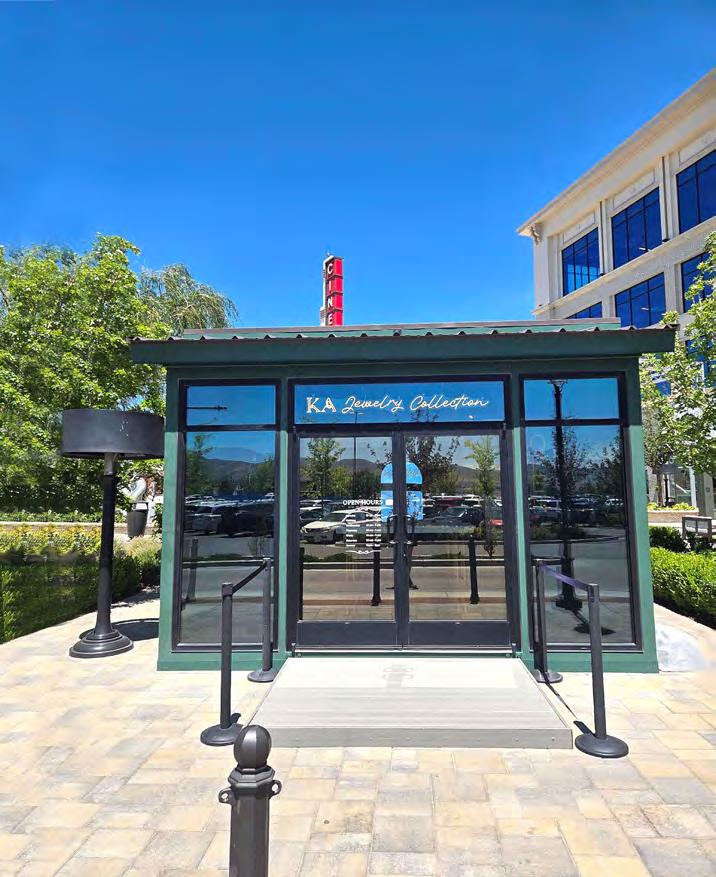
Local brands in Utah leveraged small modular retail buildings to open along busy sidewalks and public gathering places, improving visibility and engaging shoppers who might otherwise pass by larger competitors.
• Operational Efficiency:
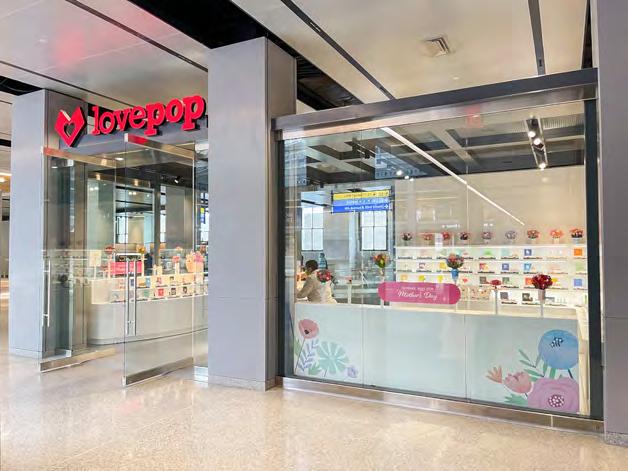
Love Pop activated an under-utilized space within a New York City train station by installing a modular stationary shop built offsite and installed in a matter of days, avoiding traditional construction delays, disruptions, and extended timelines.
These scenarios illustrate how modular pop-ups help brands enter markets faster, reduce long-term risk, and gain consumer insights without locking into multi-year leases — a fundamental shift from the traditional retail expansion playbook.
Reframing Economics: Risk, Flexibility, and Strategic Value
Pop-ups are often misunderstood as merely a way to “save money.” In reality, the economic value lies not just in lower upfront costs but in risk reduction and strategic flexibility. Pop-ups allow brands to test products and locations before committing significant capital to a permanent store. They also enable faster learning cycles, empowering retailers to pivot or scale based on real audience feedback rather than assumptions.
KA Jewelry Collection modular Pop-Up: exterior.
Love Pop’s modular shop.
KA Jewelry Collection interior.
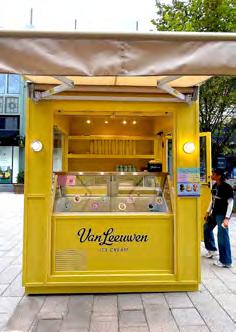
Van Leeuwen modular ice cream shop
Today’s retail teams view modular pop-ups differently from a decade ago. Instead of seeing pop-ups as temporary, low-cost experiments, they increasingly recognize them as strategic investments that reduce capital, mitigate market risk, and enable iterative growth. The ability to acquire real-world performance data — from foot traffic patterns to conversion metrics — can profoundly influence long-term store planning and capital allocation.
Shipping Containers vs. Purpose-Built Modular
Shipping container conversions have an aesthetic appeal and can be useful in certain contexts, especially where building codes are minimal and simplicity is acceptable. But they often fall short as serious retail testing platforms. Containers are fixed in size, limited in customization, and less adaptable than purpose-built modular structures. Once extensively modified, the integrity and cost-efficiency of a container solution can diminish, making it a less effective choice compared to modular units designed for retail performance and brand expression.
Modular construction, by contrast, supports brand customization, operational needs, and compliance with building standards, while enabling designers to tailor layouts, façades, and customer experiences. This flexibility translates into better alignment with brand identity and customer
expectations, making modular a superior choice for strategic pop-ups.
Defining the Modern Pop-Up Strategy
A modern pop-up strategy is not just about temporary space — it’s about creating temporary insight.
Contemporary pop-ups are designed to meet customers where they live, work, and shop, offering brands a chance to test new products, assess market fit, and evaluate real-estate options in real time. This approach marks a paradigm shift from older models where pop-ups were chiefly seasonal revenue vehicles.
Today’s pop-ups are temporary in location but permanent in strategic value. They are engineered for reuse, relocation, and iterative learning — part of a retail portfolio that supports data-driven decisions and long-term growth.
The Takeaway for Retail Leaders
If there’s one idea retail executives, landlords, and developers should remember, it is this: modern construction methods — particularly modular — enable brands to pursue strategic growth without long-term commitments. Modular structures save brands time and capital while providing platforms for immersive interactions that traditional retail and online channels simply cannot replicate. By bringing experiences directly into consumers’ everyday environments, pop-ups redefine how brands connect with customers, test ideas, and expand intelligently in an ever-changing retail landscape.
KA Jewelry Collection interior.
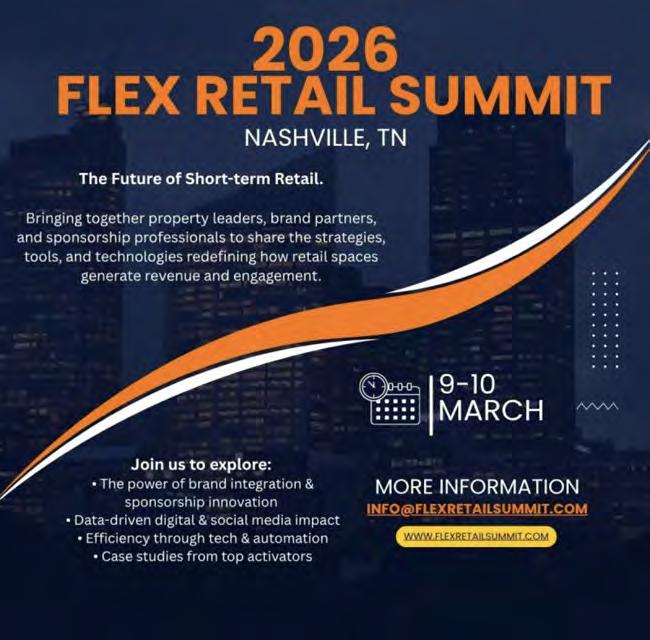
March 9–10, 2026
Nashville, TN,USA
The FLEX Retail Summit!
SHAPING
THE FUTURE OF SPECIALTY LEASING
earning attention for its singular focus on short-term retail, specialty leasing, and ancillary income strategies. The Flex Retail Summit, set for March 9–10, 2026, in Nashville, TN, positions itself as a forum for practical insight, forwardlooking conversation, and meaningful industry connection.
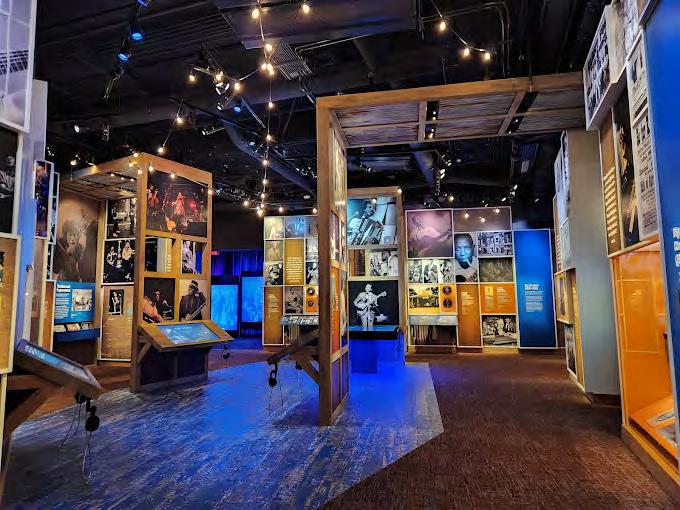
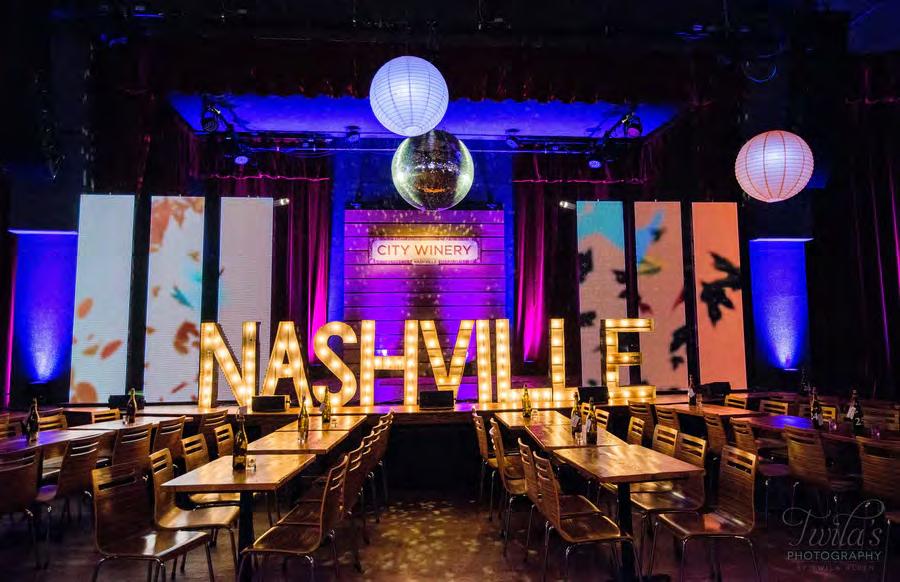
Presented in an intimate, professionally curated setting with a welcome reception at the National Museum of African American Music followed by a full day of programming at City Winery, The Summit is intentionally structured to foster peer engagement and idea exchange among retailers, leasing teams, brands, and solution providers.
A Conference with a Clear Purpose
The Flex Retail Summit’s mission is straightforward: to bring together the stakeholders shaping the next chapter of flexible retail.
Designed specifically for short-term and specialty leasing, the event fills a key gap in the industry calendar by focusing on revenue opportunities
beyond long-term tenancy and traditional leasing models.
As property owners and managers explore ways to monetize underperforming space, experiment with pop-ups and experiential activations, and integrate new technologies into leasing and marketing workflows, the Summit aims to deliver real, actionable ideas rather than abstract rhetoric.
Programming That Mirrors Today’s Market Realities
What sets the Flex Retail Summit apart is that its agenda, while still evolving, reflects the issues and opportunities most relevant to shopping center professionals today. Highlighted sessions include forward-looking panels and discussions on topics such as:
• The Future of Specialty Leasing and where business development is headed in the coming years.
• Sponsorship Revenue Models, exploring how property owners and brands can build recurring value that “sticks” rather than one-off advertising buys.
• Portfolio Growth Strategies, focused on scaling successful flex programs from pilot to multi-center implementation.
• Using Digital and Social Channels to Find Tenants, a session that reflects the increasing role of technology in leasing outreach.
Emerging Concepts and Activations, offering inspiration from creative national examples of experiential retail. These panels will tackle topics like lead generation through digital advertising, market trends, and strategies for securing buy-in from internal leasing leadership.
Connections That Count
More than a series of presentations, the Summit is built around conversation. It's smaller, focused format encourages networking and real dialogue among attendees. Organizers have intentionally limited overall capacity to prioritize depth over breadth making it easier for professionals to reconnect with industry colleagues, forge new partnerships, and explore opportunities with solution providers in specialty leasing, retail technology, space activation, and ancillary revenue optimization.
Why the Shopping Center Community Is Taking Notice
Specialty leasing and flexible retail activations are no longer fringe concepts. Across markets, property teams are looking for ways to diversify income, test new retail formats, and build consumer engagement through curated pop-ups, local makers, experiential offerings, and brand partnerships. These tactics have proven especially valuable in driving foot traffic, supporting place-making initiatives, and reinvigorating under utilized space.
The Flex Retail Summit’s focus on both the tactical (“how”) and strategic (“why”) of flexible retail resonates with shopping center owners who are looking to evolve their leasing portfolios without sacrificing revenue predictability. By connecting programming to real reports, case studies, and practitioner insights, the event aims to move beyond theory to deliver playbooks participants can implement back home.
Planning Your Visit
For professionals in the shopping center space, the timing and location offer additional appeal.
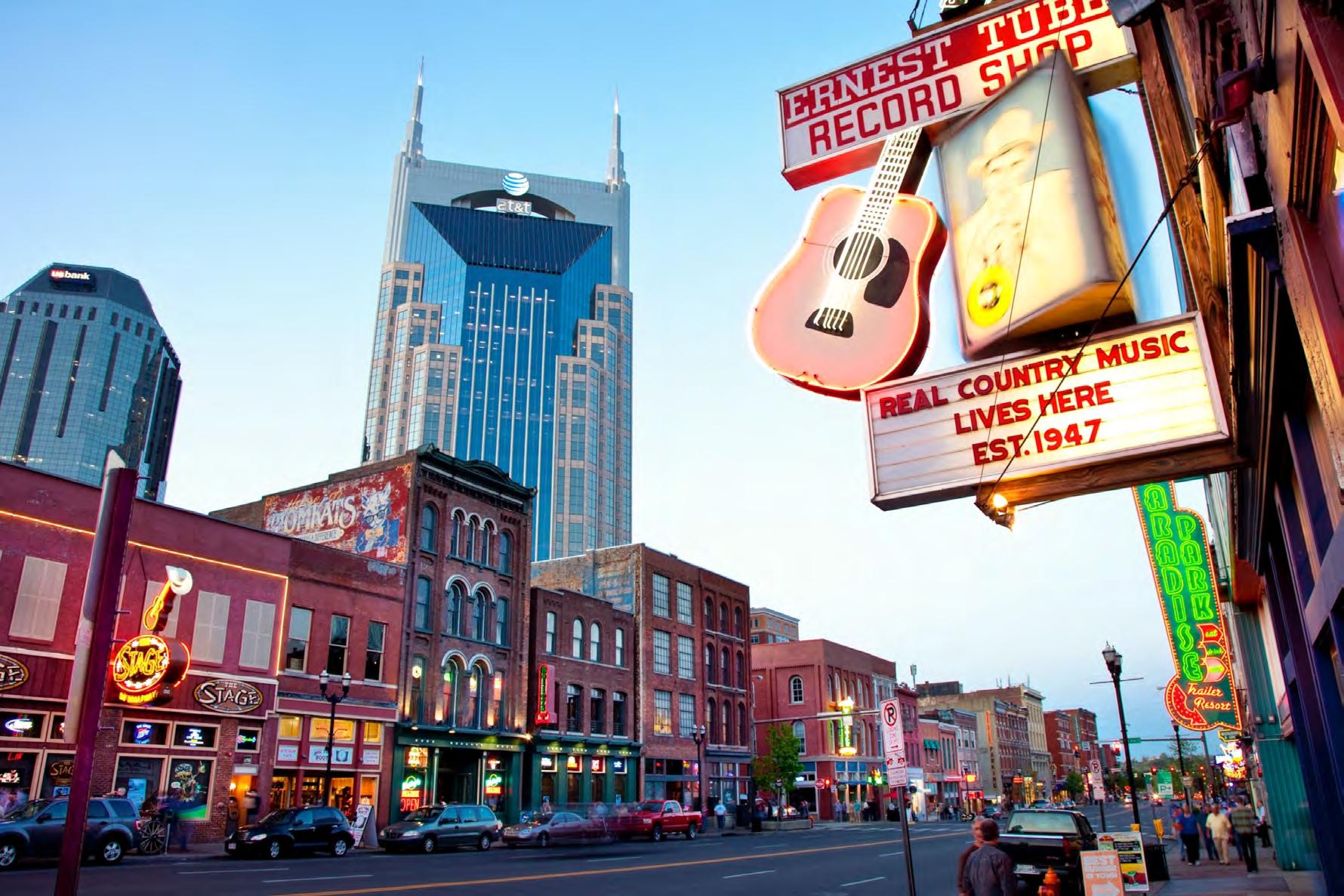
Nashville, with its blend of cultural energy and accessible hospitality infrastructure, provides a compelling backdrop for conversation and collaboration. A range of partner hotel room blocks are available to support travel planning for attendees.
Whether your role spans leasing, property management, ancillary income strategy, retail technology, or tenant relations, the Summit promises content and connections t hat reflect where the specialty leasing ecosystem stands and where it’s headed.