6:30pm Thursday 10th November 2011
Celebrating Forty Fabulous Years 1971 - 2011
6:30pm Thursday 10th November 2011
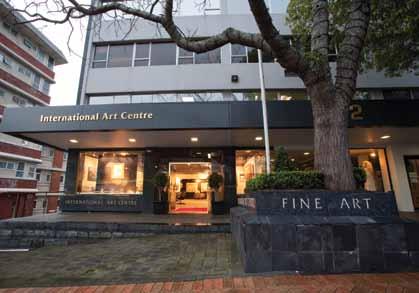
Scarborough Gallery, International Art Centre, Lower Ground Level, 272 Parnell Road, Parnell, Auckland
Viewing Times Page 3
Index Page 122
Conditions of Sale Page 124
Absentee Bid Form Page 123
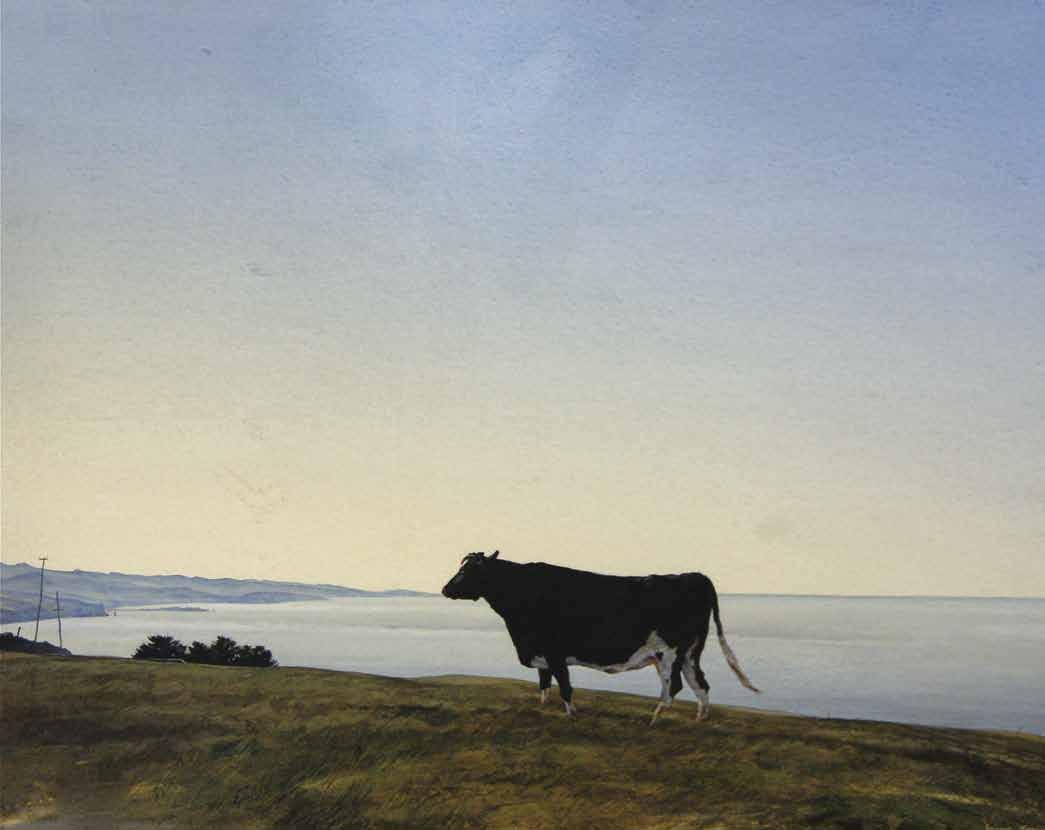
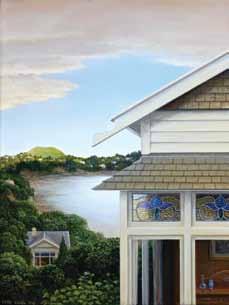
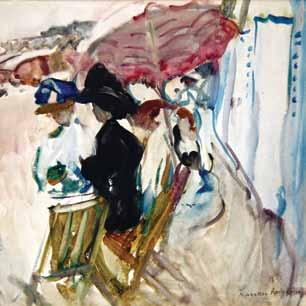
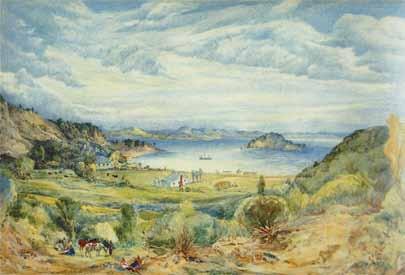
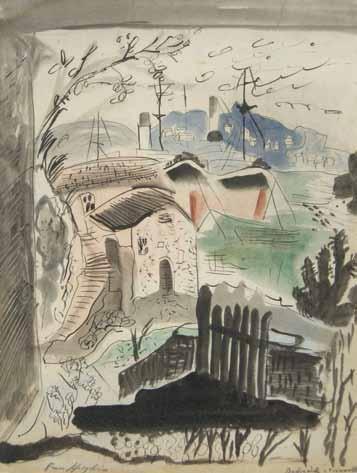
Cover Illustration: Lot 50
Inside Front Cover: Lot 53
Inside Back Cover: Lot 48
Back Cover: Lot 1
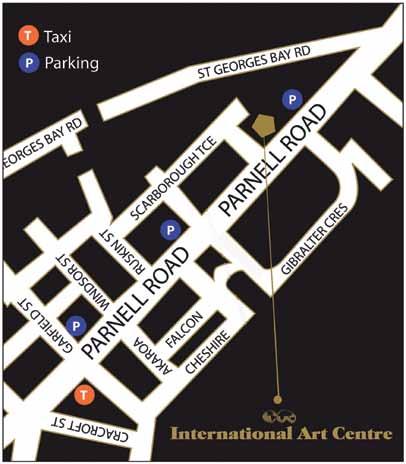
Location map
Works purchased may be uplifted at close of sale or Friday 11th November 9.30am - 5.00pm.
Payment may not be made during sale.
Auction Contacts
Richard Thomson Frances Davies
Ph: 09 379 4002
Ph: 09 379 4010 richard@artcntr.co.nz fran@artcntr.co.nz
Mobile: 027 4751 071 Mobile: 027 4936 360
Auction administration James Watkins
Luke Davies
Ph: 09 366 6045
Ph: 09 379 4010 james@artcntr.co.nz luke@artcntr.co.nz
Trish Young www.fineartauction.co.nz
Ph: 09 366 6045
Skype: fineartauction trish@artcntr.co.nz info@internationalartcentre.co.nz
Auction Venue
Scarborough Gallery, International Art Centre, Lower Ground Level, 272 Parnell Road, Auckland.
On Evening of Sale:
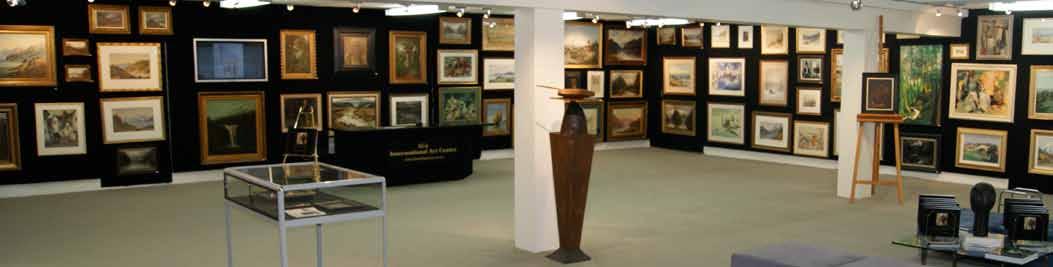
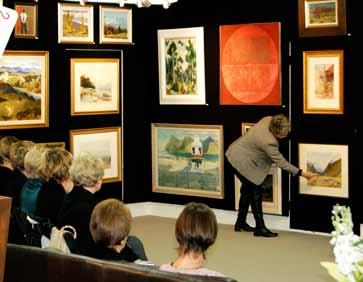
Please join us in our main gallery from 5.30pm for a glass of wine and refreshments. Coffee served before and during auction. For your additional comfort and viewing pleasure our street level gallery remains open until sale completion.
Car Parking
Parking During Viewing Days:
Available on site during weekend viewings, Saturday 5th & Sunday 6th November. Use Scarborough Lane entrance beneath our main gallery. During other viewing times on site parking is available on request.
Parking During Auction:
Limited parking is available on site. Use Scarborough Lane entrance beneath our main gallery to access these carparks on evening of sale.
Parking on Parnell Road is free after 6:00pm. A secure two level pay and display carpark is located at 282 Parnell Road.
Viewing Times
International Art Centre’s Scarborough Gallery, Lower Ground Level, 272 Parnell Road, Auckland Thursday 3rd November 9:00am - 5:30pm Friday 4th November 9:00am - 5:00pm
Lecture & Morning Tea 4th November 10:30am - 11:15am Saturday 5th November 11:00am - 4:00pm Sunday 6th November 11:00am - 4:00pm
7th November 9:00am - 5:30pm
8th November 9:00am - 5:30pm
9th November 9:00am - 5:00pm Thursday 10th November 9:00am - 1:00pm (Auction 6:30pm)
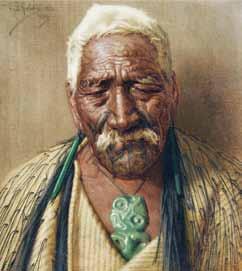
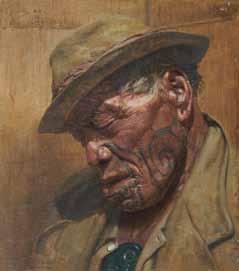
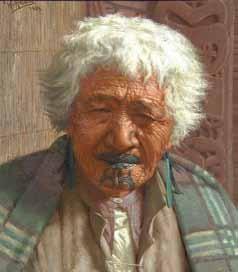
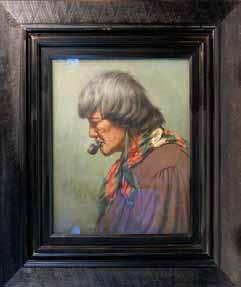
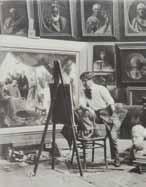
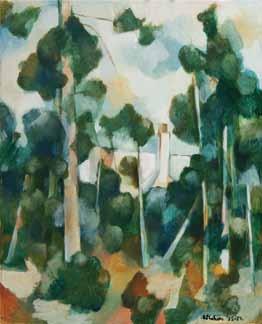
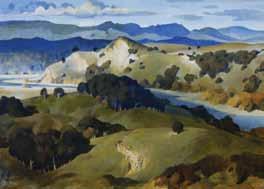
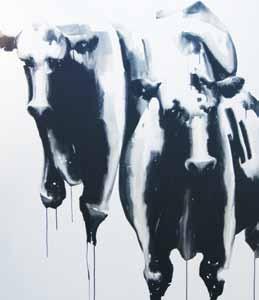
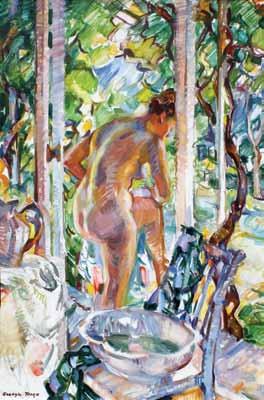
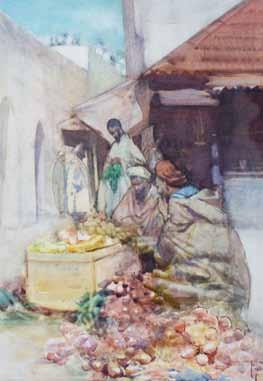
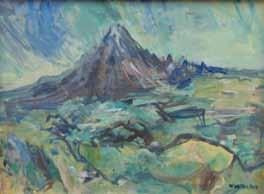
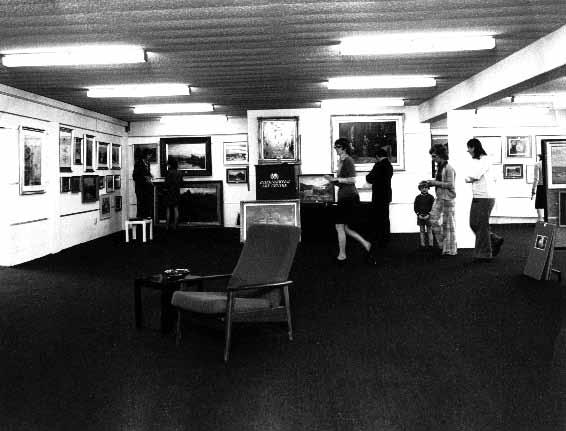
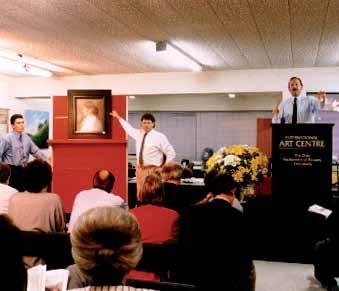
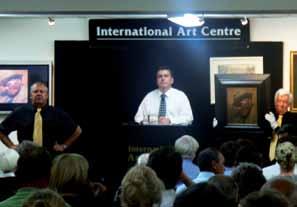
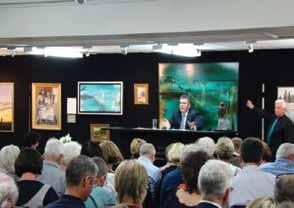
Preview Lecture & Morning Tea
Friday 4th November 10:30am
Dr Angela Mackie of the Cathedral Lectures discusses key elements of selected works 10:45am - 11:15am
This lecture is 20th Century NZ Artists
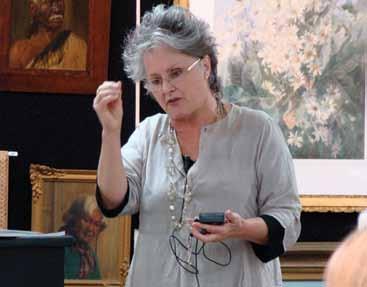
Dr Angela Mackie Cathedral Lectures www.duomo.ac.nz
RSVP Luke Davies
luke@artcntr.co.nz Phone 09 379 4010
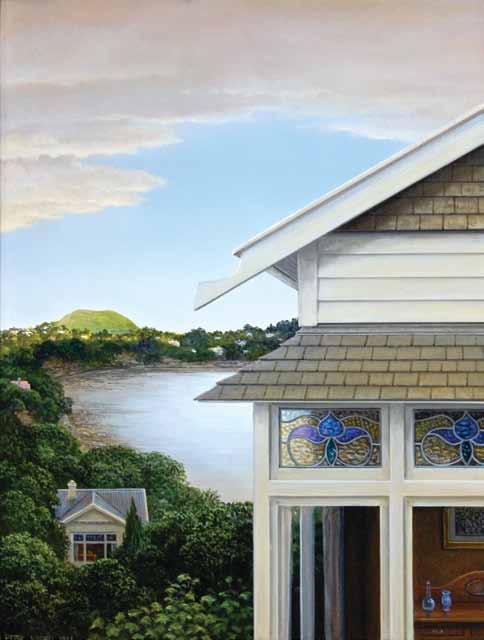
1 PETER SIDDELL
b. 1935
Harbour Morning
Acrylic on board 40.5 x 30.5
Signed & dated 1986
12,000 - 18,000
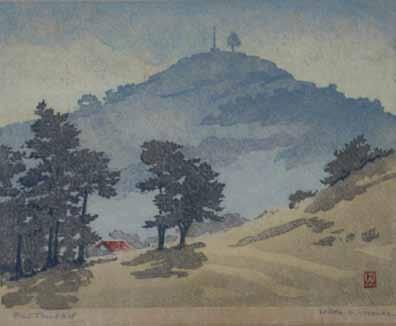
2 HILDA WISEMAN
1894 - 1982
One Tree Hill
Woodblock 14 x 18
Signed & inscribed
800 - 1,200
Provenance: Ida H Carey Estate Collection
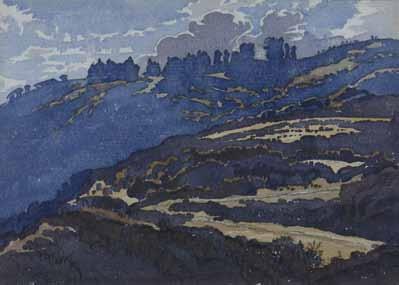
3 HARRY VYE MILLER
1907 - 1986
Sunlight and Shade, Otago
Watercolour 21.5 x 30
Signed & dated 1954
800 - 1,200
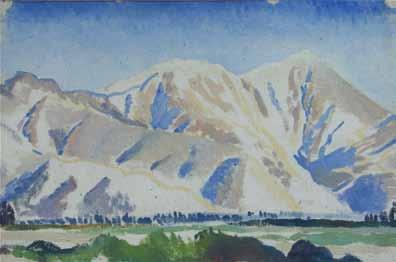
4 ROBERT NETTLETON FIELD
1899 - 1987
Mt Peel Oil on canvas 21 x 31
Signed on artist’s label verso 1,000 - 1,500
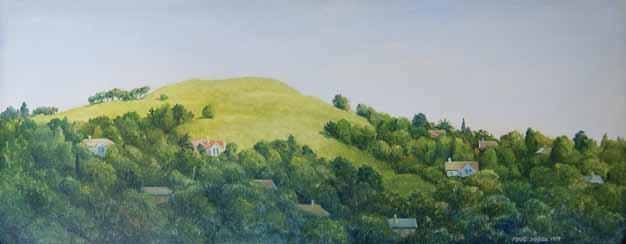
b. 1935
Mt Hobson
Oil on panel 16 x 35
Signed & dated 1979
4,500 - 6,500
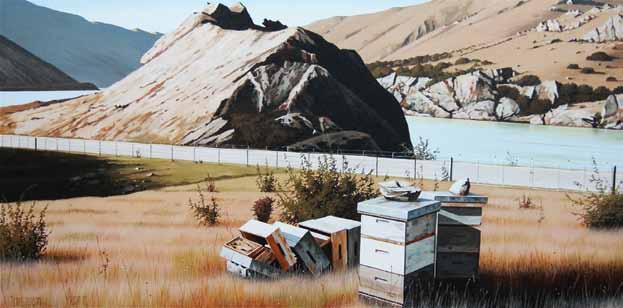
b. 1961
Oil on canvas 50.5 x 101.5
Signed & dated 2007 verso
9,000 - 11,000
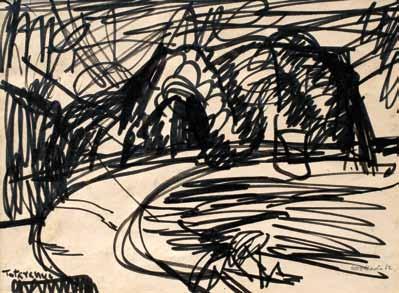
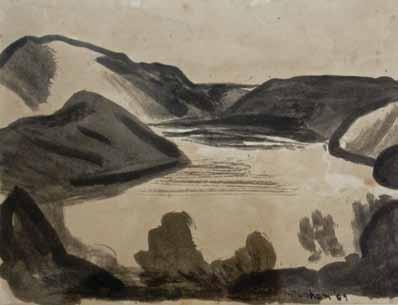
1910 - 1998
Ink & felt pen on paper 25 x 36
Signed, inscribed & dated 1962
2,500 - 3,500
1919 - 1989
Landscape, 1949
Watercolour wash 19.3 x 25.2
Signed & dated 1949
8,000 - 12,000
Provenance:
Private Collection, Auckland
Record number cm001420 McCahon Database
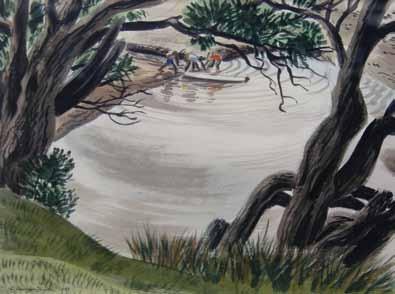
1906 - 1964
Setting Off
Watercolour 26 x 35.5
Signed & dated 1955
2,500 - 3,500
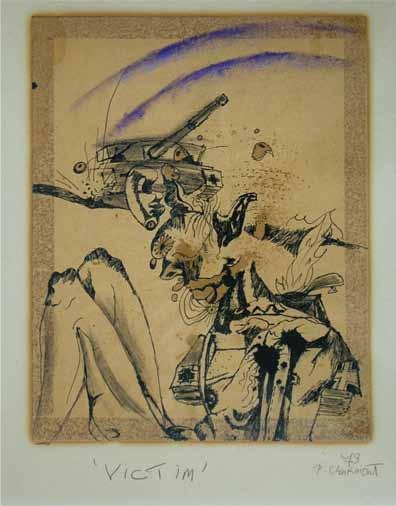
11 PETER
1949 - 1984
Victim
Mixed media on paper 32 x 26.5
Signed, inscribed & dated 1973
1,500 - 2,500
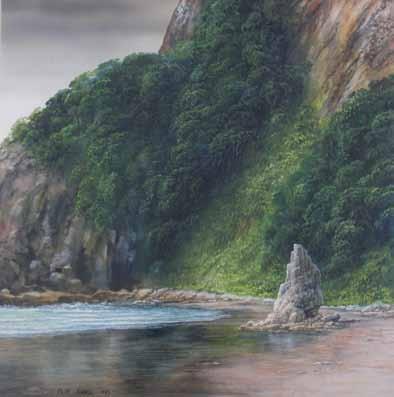
b. 1935
Governor’s Rock Karekare III
Watercolour 26.5 x 26
Signed & dated 1985
3,000 - 4,000
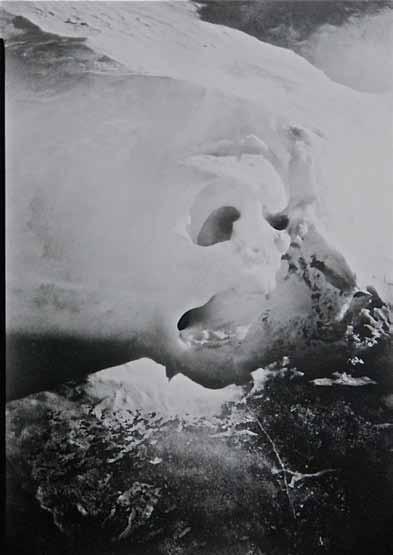
b. 1971
Ice Ghoul, 2006
Gelatin Silver fiber based print from Ambrotype
Edition of 5 23 x 18
Inscribed & numbered verso
1,500 - 2,500
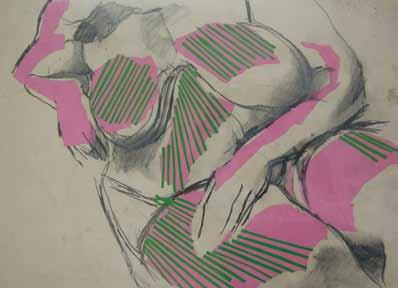
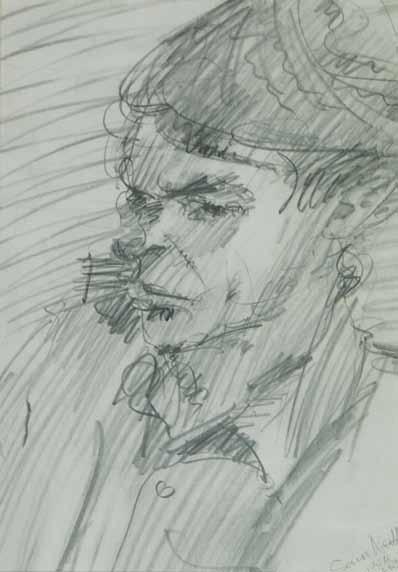
b. 1933 - 1978
Front View
Mixed media on paper 52 x 72
800 - 1,200
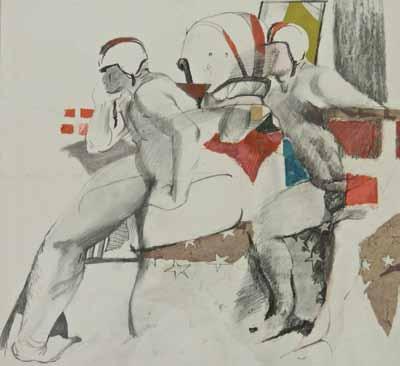
16
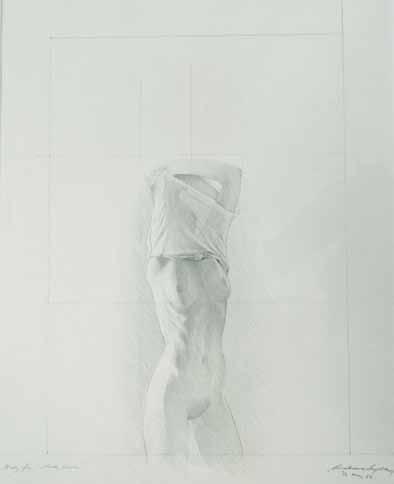
b. 1948
Study of ‘Black Couch’
Pencil on paper 49 x 39
Signed, inscribed & dated 26 May 1987
5,000 - 7,000
17 MARTIN BALL
b. 1952
Coffee Cups, White Terrace, after Valentine
Oil on canvas 76 x 101.5
Signed, inscribed & dated 1995 verso
6,000 - 8,000
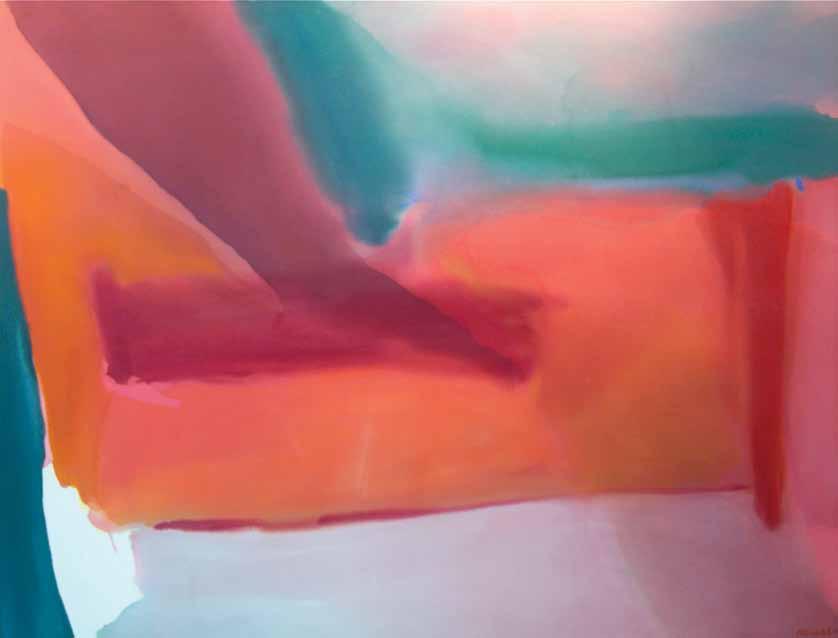
18 GRETCHEN ALBRECHT
b. 1943
Mango Slice
Acrylic on canvas 143.5 x 187
Signed & dated 1974
18,000 - 24,000
Provenance:
Private Collection, Auckland. Ex collection of Pakuranga Art Society
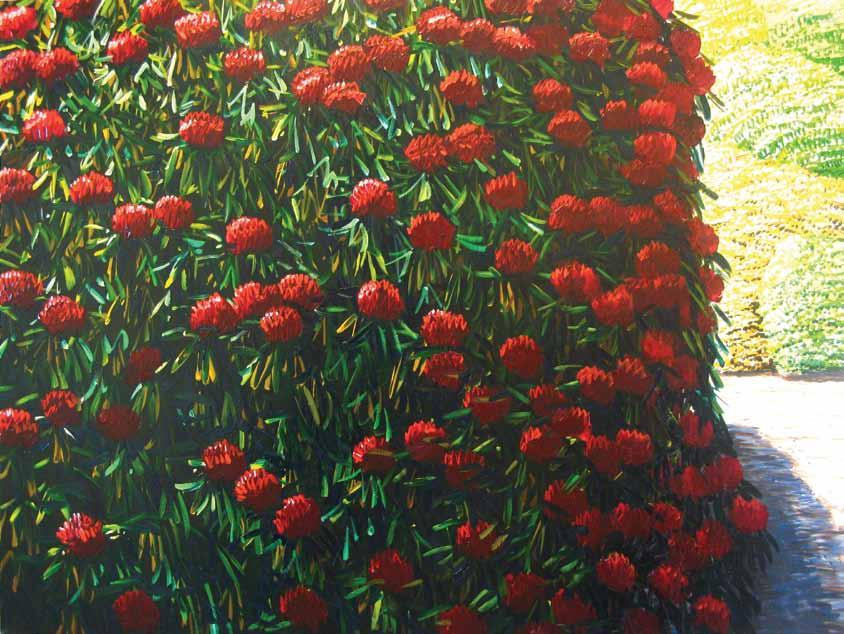
b. 1964
Colyton, May
Oil on canvas 90 x 120
Signed and dated 2008 verso
12,000 - 14,000
b. 1964
Field Study 101
Oil on canvas 122 x 121.7
Signed & dated 2007 verso
8,000 - 12,000
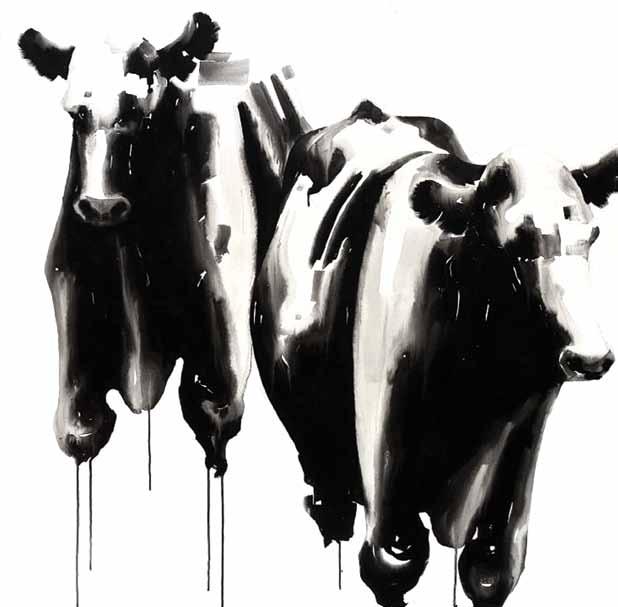
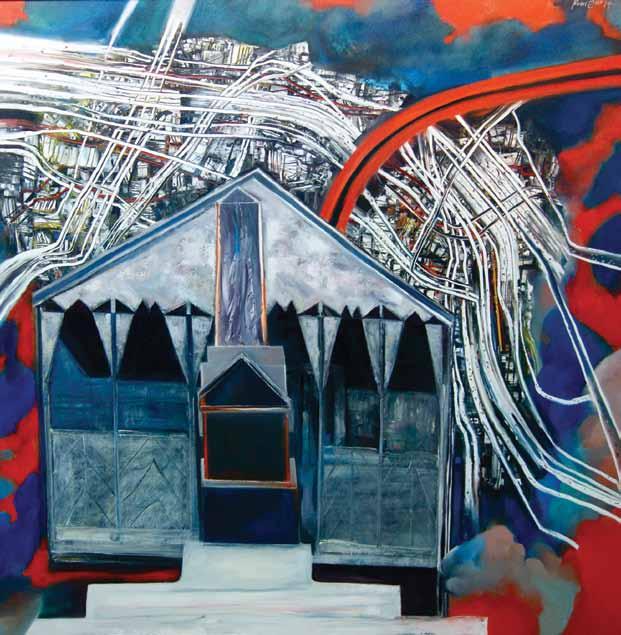
Signed & dated 1974
Inscribed verso
16,000 - 24,000
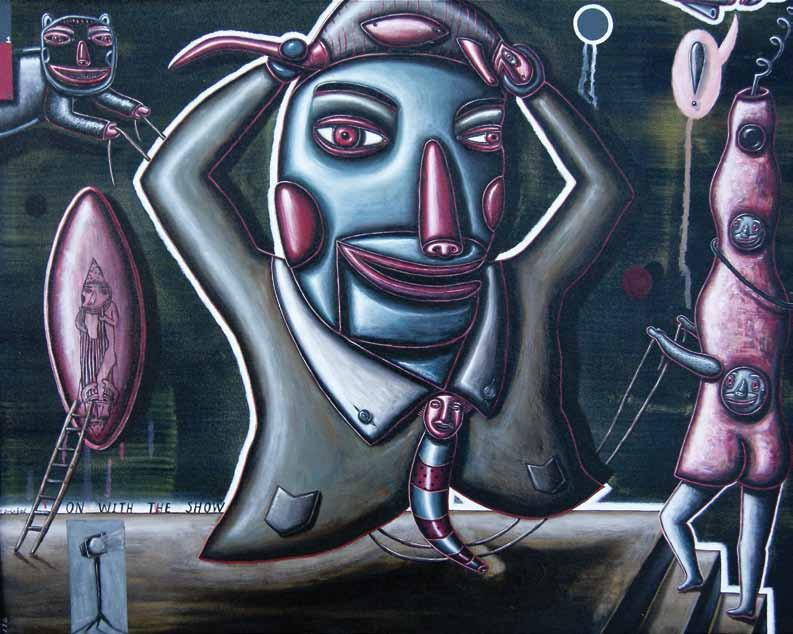
b. 1964
On With the Show Oil on canvas 60 x 75
Signed, inscribed & dated 1996
9,000 - 12,000
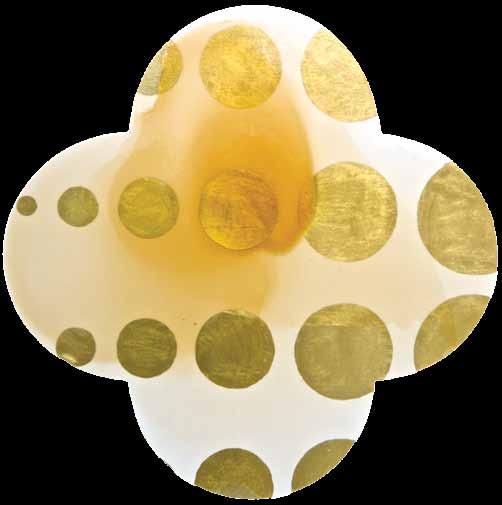
23 MAX GIMBLETT b. 1935
Brook of Gold for Maia Quaterfoil and acrylic on canvas 62.5 x 62.5
Signed, inscribed & dated 2004 verso
12,000 - 14,000
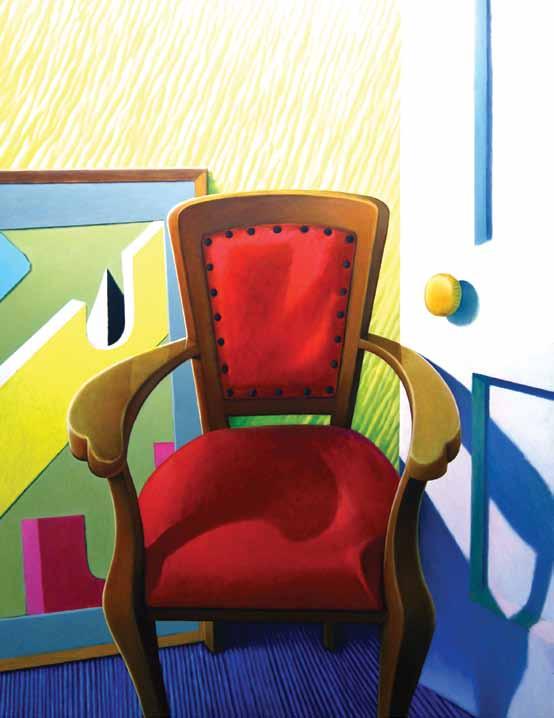
24 MICHAEL SMITHER b. 1939
Red Chair, also known as Homage to Clairmont Oil on board 154.5 x 120
Signed, inscribed & dated 1977 verso
30,000 - 40,000
Provenance: Illustrated p. 159 Michael Smither Painter, Trish Gribben, Ron Sang Publications, 2004
Catalogued in the above publication as Homage to Clairmont
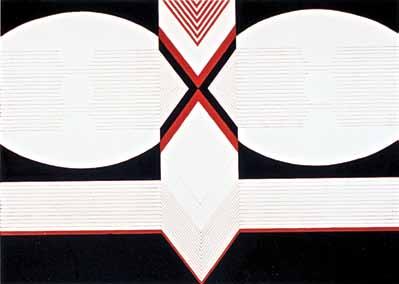
25 PARATENE MATCHITT
b. 1933
Te Pakanga XXI - Takahuri Ana I Te Atea, 1974
Pen and ink on paper 48 x 66.8
3,500 - 4,500
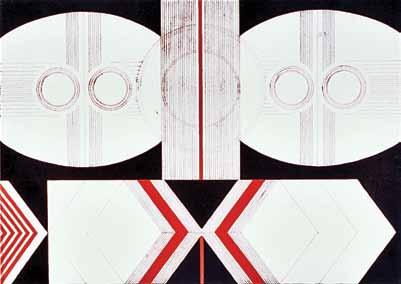
26 PARATENE MATCHITT
Te Pakanga XXII - Ka Whakatika, Ka Whakatika
Pen and ink on paper 48 x 66.8
3,500 - 4,500
27 GORDON WALTERS
1919 - 1995
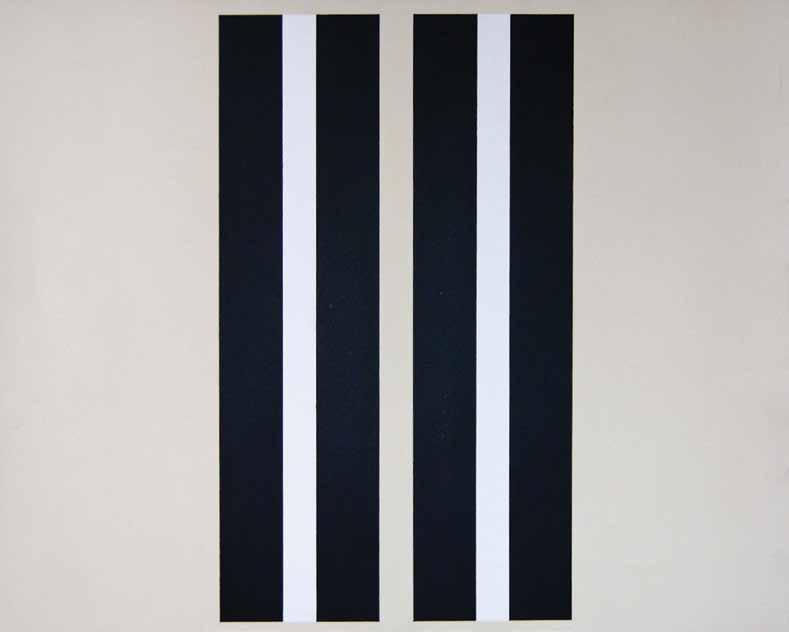
Untitled (Vertical Bars) , 1978
Acrylic on canvas 49.2 x 61.2
Signed & dated 1978 on stretcher verso
15,000 - 25,000
This Walters is unusual in that it combines an idea the artist first had in 1956, bought to life in a medium favoured he in 1978. Here we see the successful revisiting of influences from an earlier period. Perhaps the artist found it necessary to examine the pure abstraction of his 1950s work as a means of achieving a natural liberation from the 1970s Koru paintings. Walters’ primary concern has always been with the relationship between a fairly restricted number of shapes which he has combined and recombined throughout his career. His treatment of the Maori koru motif represents the most well known example. In 1950 Walters viewed paintings by Mondrian and Theo van Doesburg at the Galerie Rene in Paris. During that time he saw works by Russian artists, Malevich and Vasarely along with those of Auguste Herbin. Looking at such paintings confirmed Walter’s desire to continue working in the spare, reductive style which naturally appealed to him.
Soon after his return to New Zealand Walters began experimenting with Polynesian and Melanesian abstract patterns. The spatial relationship of each work was planned by use of the papier colle technique. This involved a careful moving of individual elements in various combinations until the ideal was achieved. Only then did the artist make a painting on canvas.
28 MICHAEL SMITHER
b. 1939
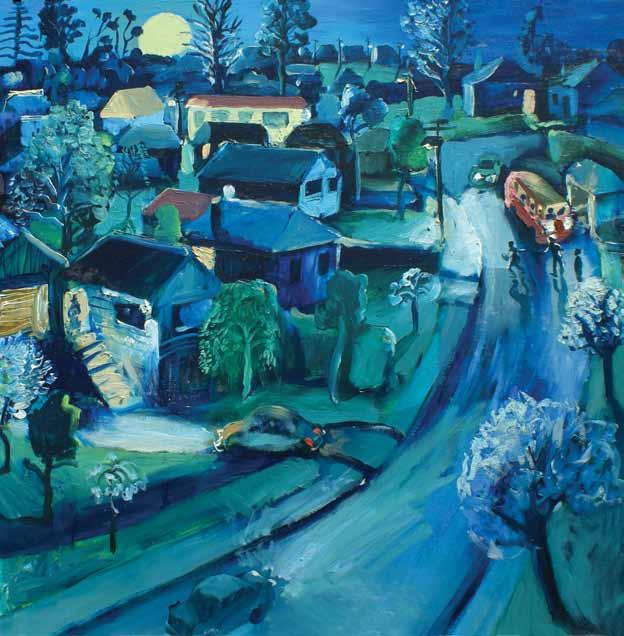
Doralto Road in the Moonlight, 1969 Oil on board 72 x 70
Signed, inscribed & dated 1969 verso
35,000 - 45,000
Provenance: Private Collection, Auckland
Illustrated p 25 Michael Smither Painter, Trish Gribben, Ron Sang Publications, 2004
There is Kirby Wright’s car backing out of our drive. The lights illuminating the flowering cherry tree and my mother stands to say goodbye in the doorway of 48 Doralto Road. The moon is up as usual and we’re on our way down town to drink weak coffee at Stellas, whose walls are covered in prints of dark ladies by Tretyakov. (Tretchikoff). The ceiling is blue and has stars and we drink there as a group of young men nearly every night.
Text: Michael Smither p 24 Michael Smither Painter, Trish Gribben, Ron Sang Publications, 2004
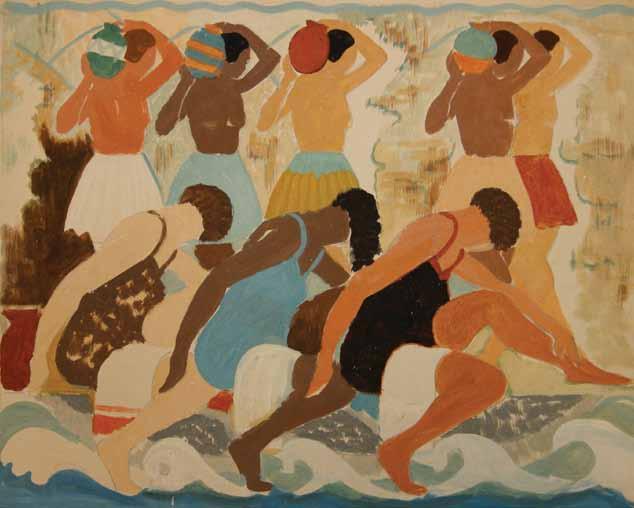
1886 - 1965
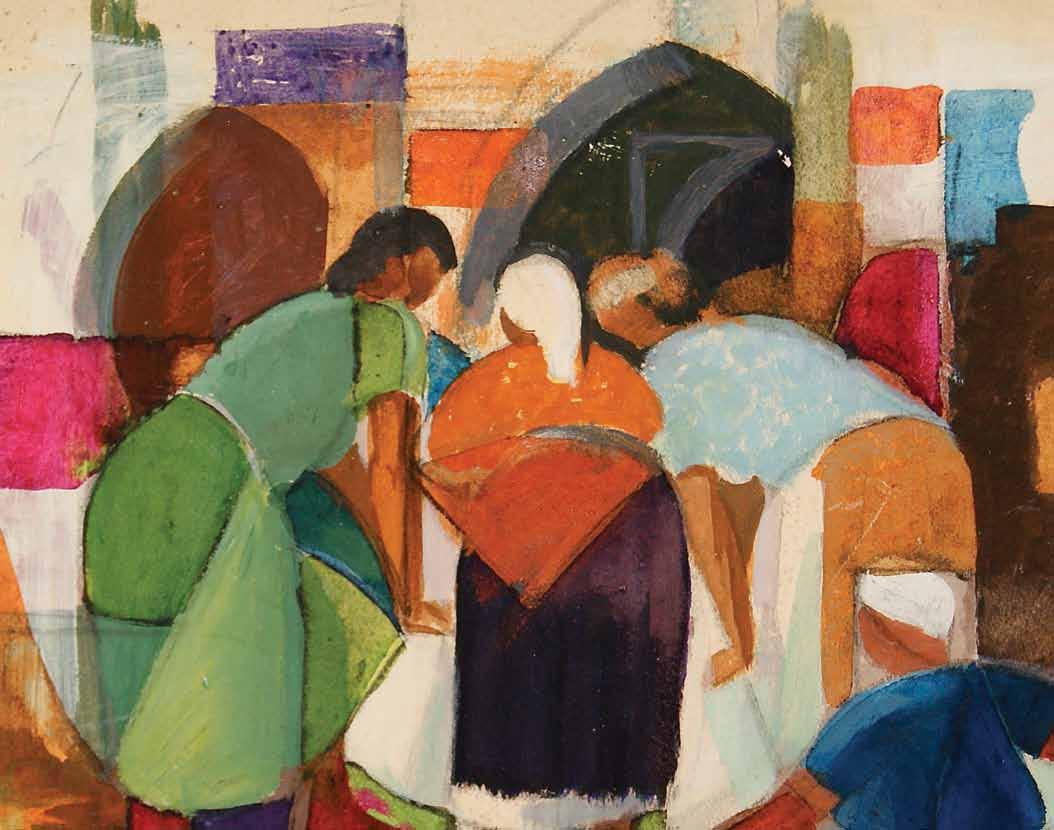
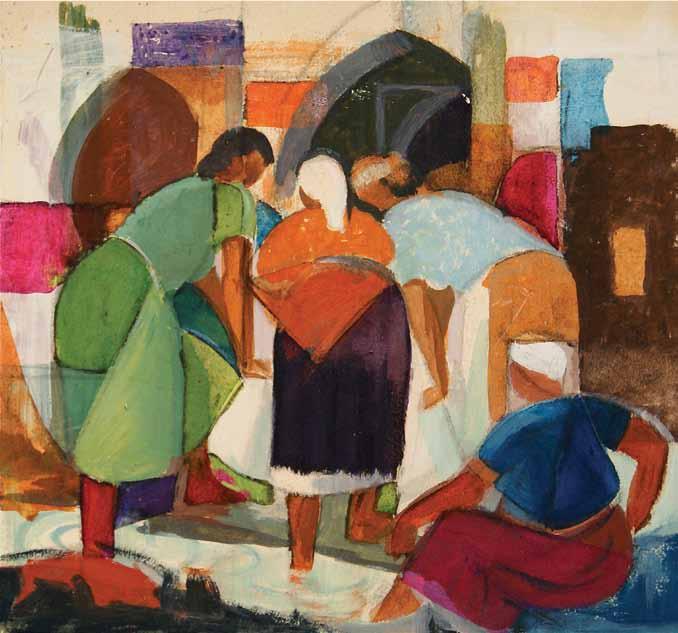
Washerwomen
Tempera on paper 32 x 36
Weeks O’Connor hand written verso
4,000 - 6,000
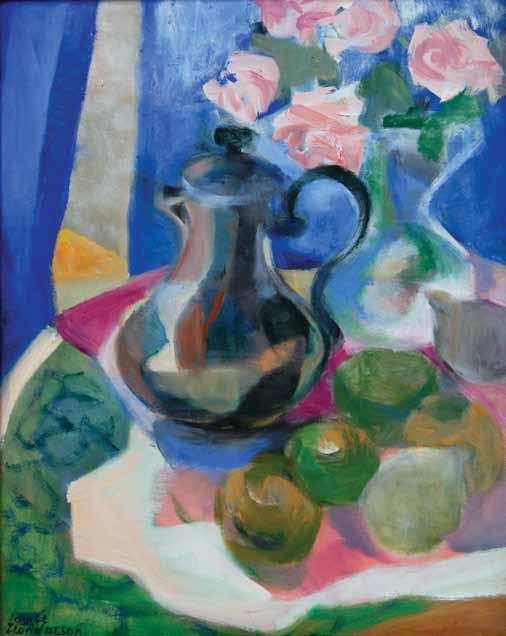
1847 - 1945
Still Life with Teapot Oil on canvas 50 x 39.5
Signed
10,000 - 15,000
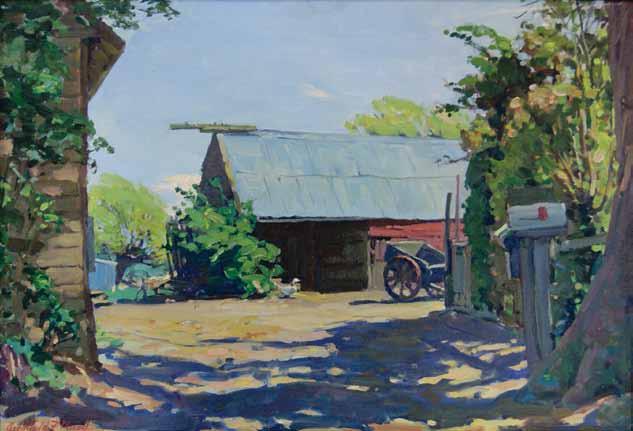
Canterbury
Signed
3,000 - 5,000
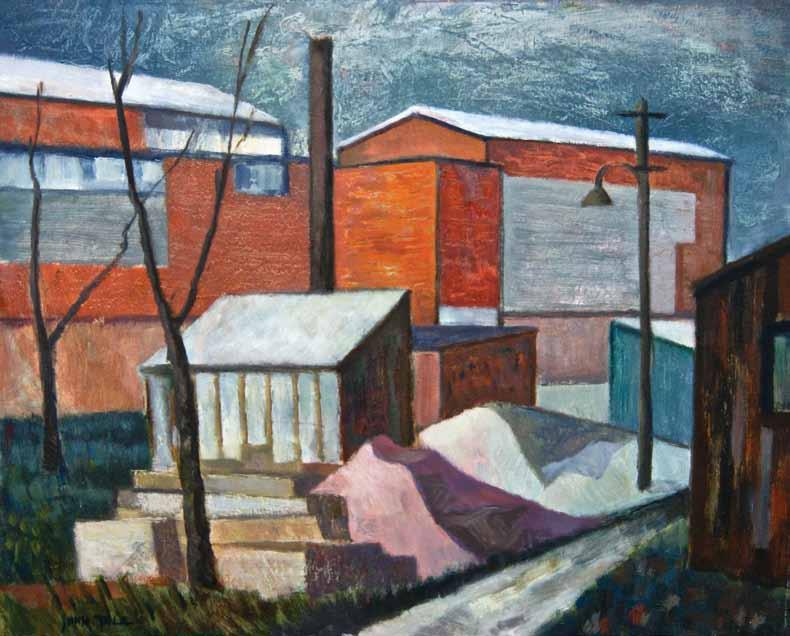
1890 - 1967
The New School Oil on board 39 x 49
Signed 5,000 - 7,000
Provenance:
Ex. Collection of Charles Tole, Artist’s brother
Original artist’s label affixed verso reads: The New School
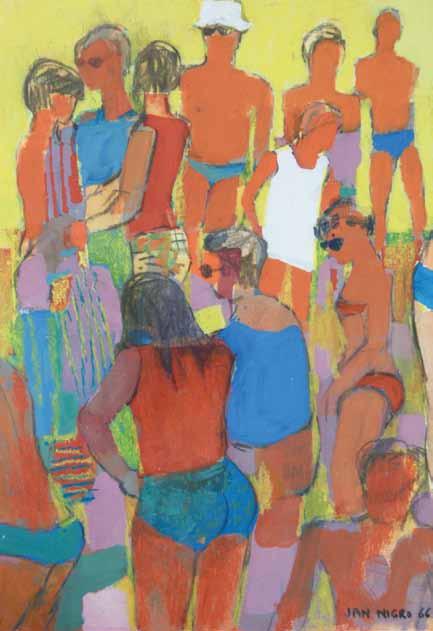
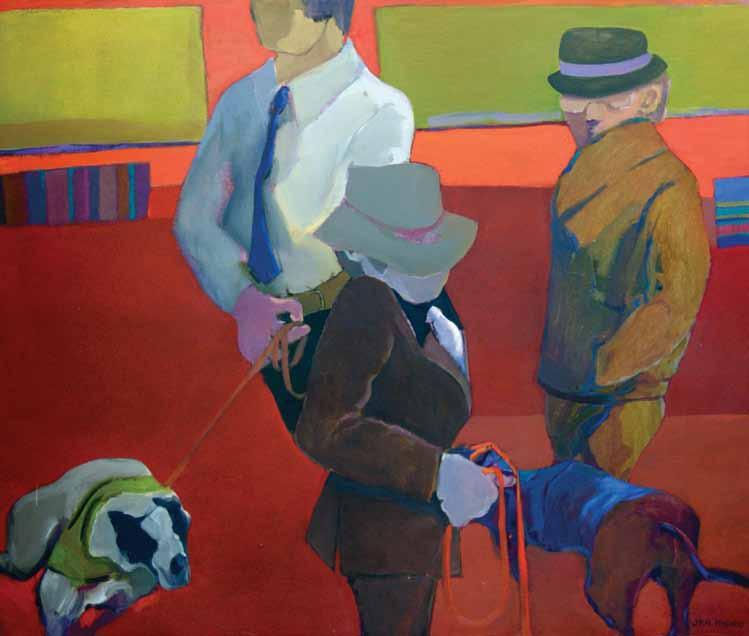
33 JAN NIGRO
b. 1920
Bathers
Mixed media on paper 55 x 37.4
Signed & dated 1966
4,500 - 6,000
Signed & dated 1965
5,000 - 8,000
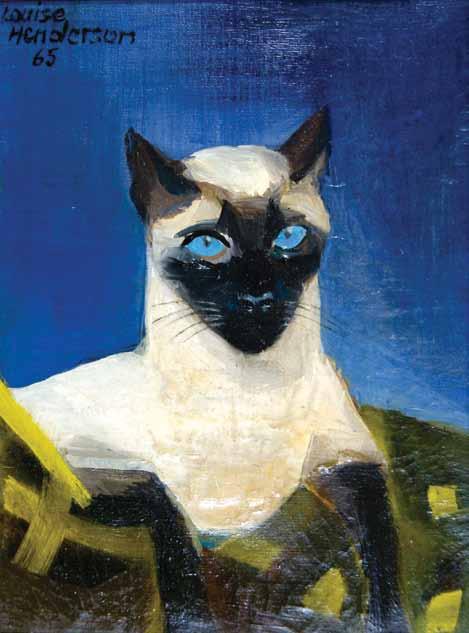
35 LOUISE HENDERSON
1847 - 1945
Siamese Cat
Oil on canvas 33 x 24.4
Signed & dated 1965
2,000 - 3,000
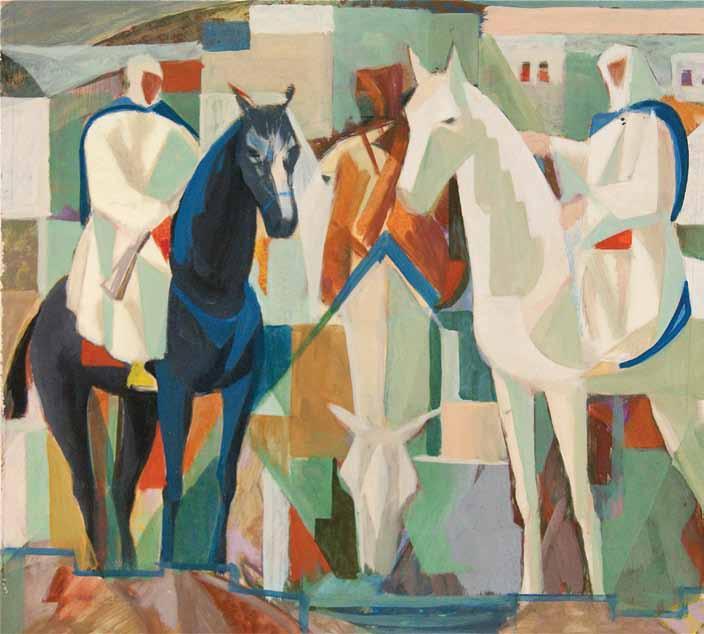
36 JOHN WEEKS
1886 - 1965
Horsemen
Tempera on paper 39.5 x 44
Signed
4,000 - 6,000
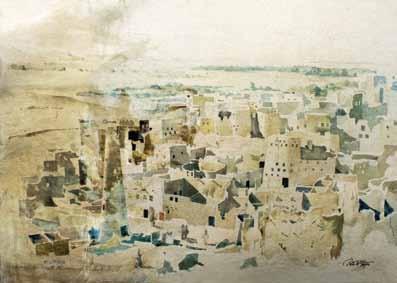
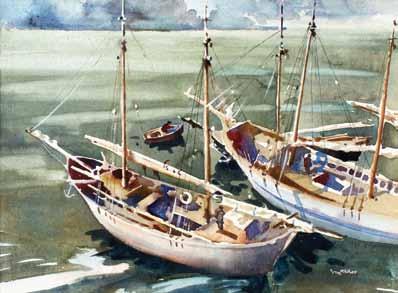
1910 - 1995
Kufra, Southeastern Libya
Watercolour 34.5 x 48
Signed, Inscribed To the memory of the LRDG (Long Range Desert Group)
8,000 - 12,000
Provenance: Ex Roy Cowan and Juliet Peter Collection
The Free French from Chad, together with the Long Range Desert Group, attacked and took Kufra. From Kufra the LRDG. commanders would essentially serve as the military commanders of a region approximately the size of northern Europe, a region which had not seen rain in 70 years.
This is a rare field study painted whilst the artist was in Kufra 19 - 30 April, 1941
38
1910 - 1995
Salonika Harbour
Watercolour 34 x 47
Signed. Inscription verso reads “Painted in Salonika in 1945. Peter McIntyre.”
6,000 - 8,000
Provenance:
Estate of George R. Chance, Dunedin. George R. Chance was a friend of Peter McIntyre and son of early New Zealand photographer George Chance.
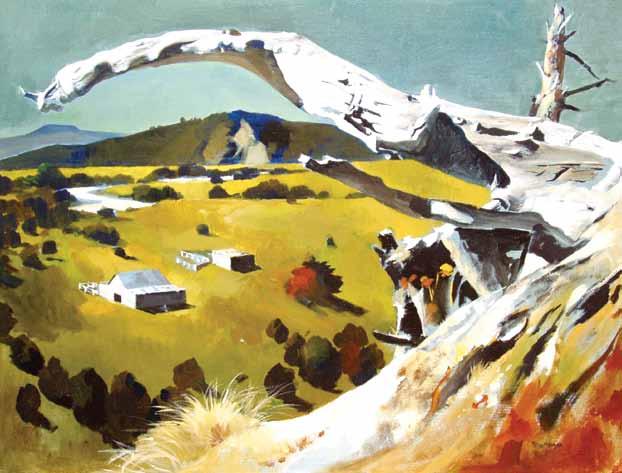
1910 - 1995
The King Country Oil on board 49.5 x 73.5
Signed
15,000 - 20,000
Illustrated
Plate 12 McIntyre Country, New Zealand Landscapes by Peter McIntyre
A H & A W Reed Ltd 1979
In the late afternoon sun the King Country lies at peace, but its history speaks of the strange cult of the Hau Hau and the days when it was the last stronghold of exclusive Maoridom.
Text: McIntyre Country, New Zealand Landscapes by Peter McIntyre
A H & A W Reed Ltd 1979
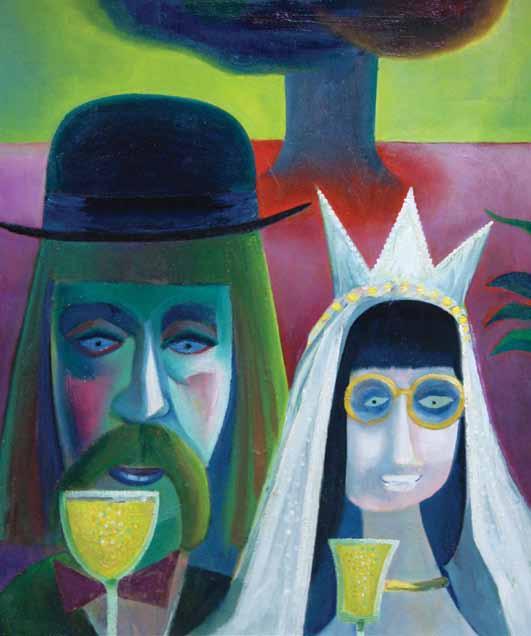
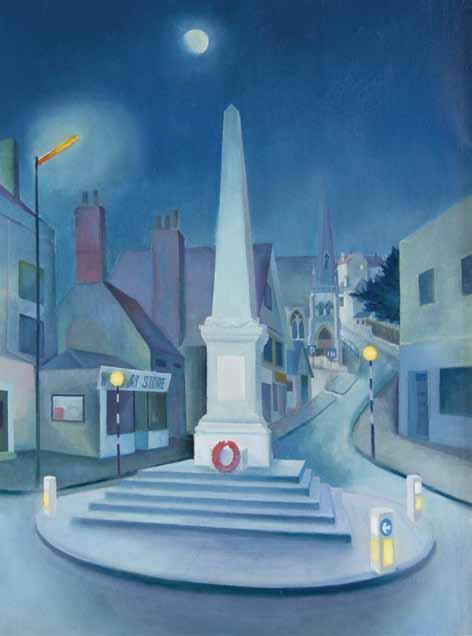
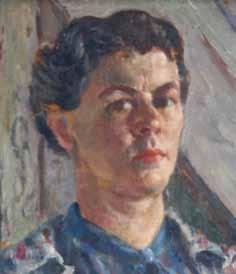
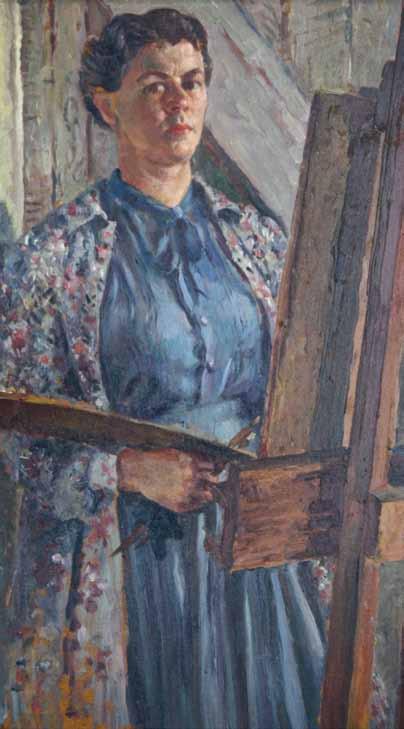
42 A LOIS WHITE
1903 - 1984
Self Portrait, c. 1953
Oil on cardboard 50 x 28
Signed 15,000 - 20,000
Illustrated: p. 101 By the Waters of Babylon, The Art of A. Lois White, Nicola Green, David Bateman, 1993
Exhibited:
By the Waters of Babylon, The Art of A. Lois White
Auckland City Art Gallery March - May 1994
Waikato Museum of Art & History July - August 1994
Dunedin Public Art Gallery October - November 1994
Te Papa Tongarewa December 1984 - January 1995
Hawke’s Bay Museum February - March 1995
Robert McDougall Art Gallery April - May 1995
At the time she made this painting Lois White felt under siege. The Elam School of Art where she had taught for many years and the Auckland Society of Arts where she regularly exhibited were both receiving adverse public criticism from the reforming director of the Auckland Art Gallery, Eric Westbrook. At Elam, Lois White continued to teach as she always had though her students were becoming increasingly impatient with both her traditional methods and aggressive manner. Few of them knew, let alone respected her earlier work, based, like her teaching, on a strong sense of design. Sometimes she would come to class only to find the room empty of students. In this self portrait she stands at her easel holding a palette and brush, wearing a traditional artist’s smock over her dress and looking not at the work in hand but directly outwards. Her expression is defiant. The portrait is a strong statement of identity.
PETER SHAW
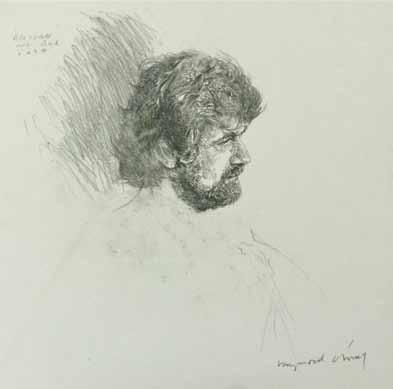
inscribed & dated 1979
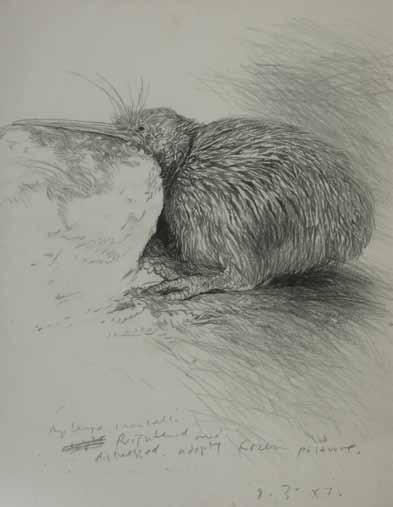
Signed, inscribed & dated 8/3/1987
2,000 - 3,000
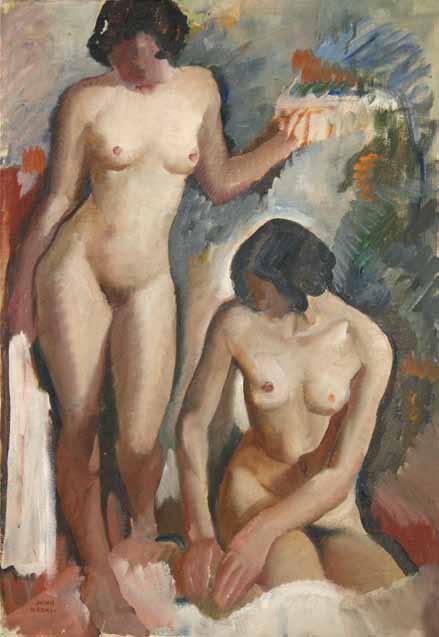
45 JOHN WEEKS
1886 - 1965
Two Nudes Oil on canvas 64 x 44
Signed
8,000 - 12,000
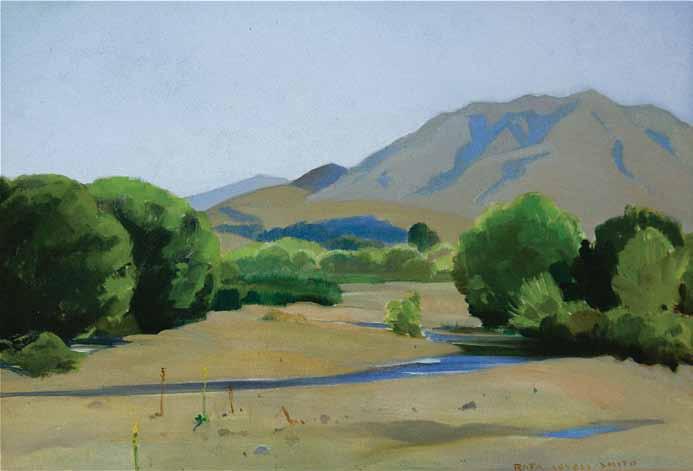
1894 - 1969
Mount Grey, Amberley
Oil on board 30.5 x 45
Signed
3,000 - 4,000
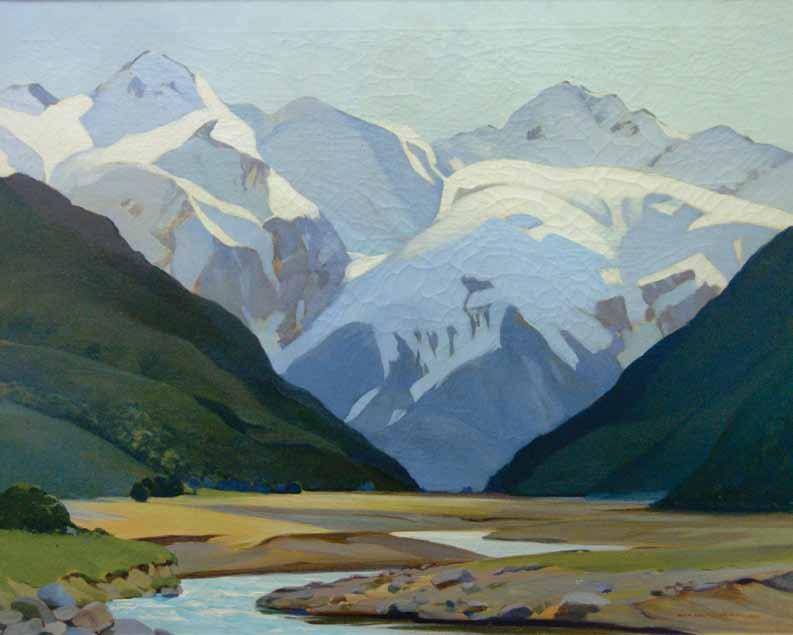
1894 - 1969
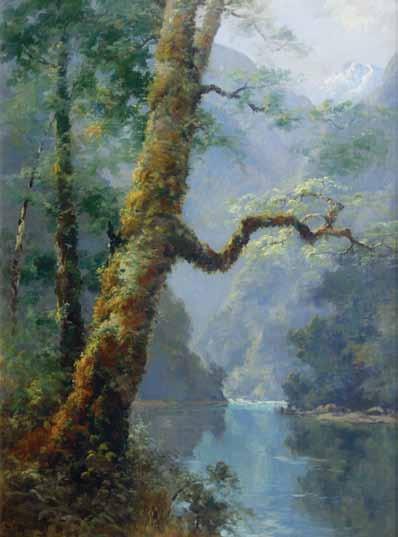
Headwaters of the Waimakariri Oil on canvas 71 x 91
Signed & dated 1942
26,000 - 30,000
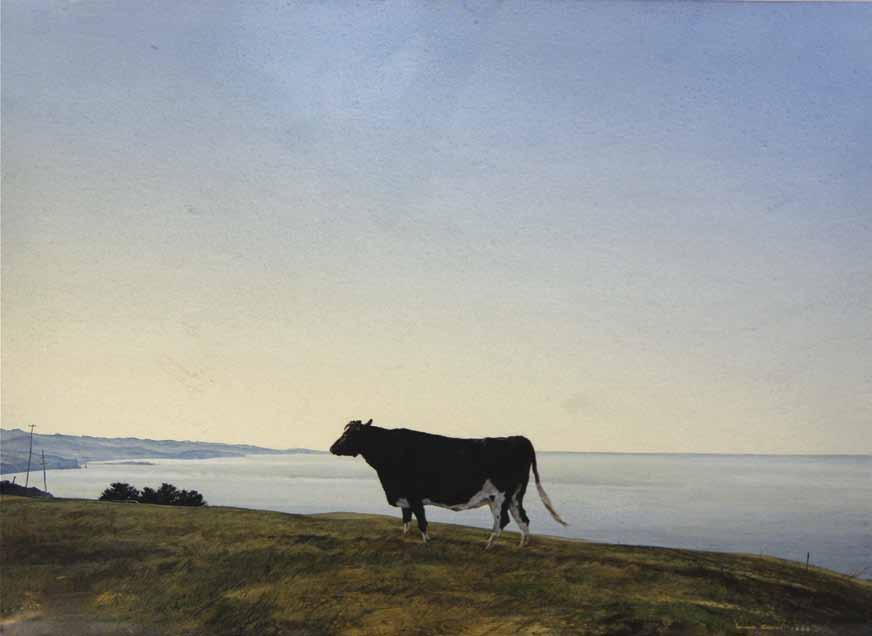
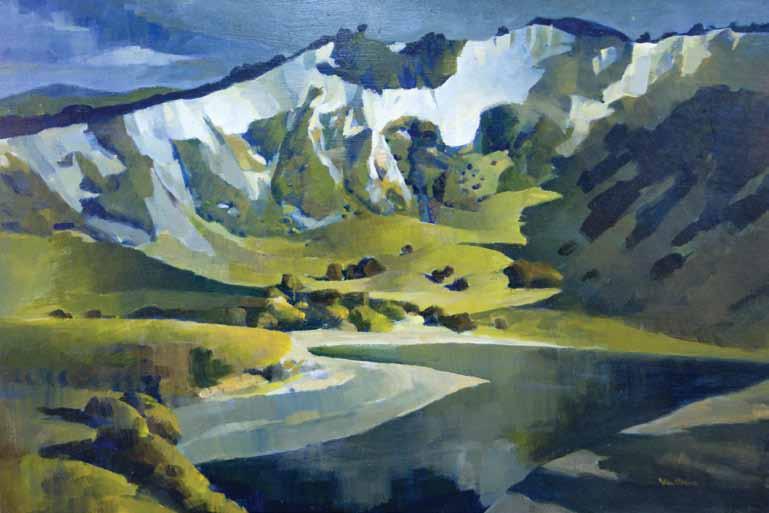
48 GRAHAME SYDNEY
b. 1948
Above Murdering Beach
Watercolour 55 x 76
Signed & dated 1986
25,000 - 35,000
Provenance:
Private Collection, Auckland since 1986
Grahame Sydney is best known for his magnificent landscapes of Central Otago, many of which hang in public and private collections in New Zealand and abroad. Such is the universal appeal of Sydney’s work that his paintings are owned by Elton John, Nelson Mandela and Sam Neill. Sydney's contribution to New Zealand art is considered so significant that in 2003 he was awarded an Officer of the New Zealand Order of Merit, (ONZM) for services to painting. For almost 30 years Sydney's paintings have been inspirational with their ability to evoke a sense of wonder and kinship.
From childhood drawings of Disney characters in the 1950s, through to the large majestic landscapes of Otago forty years onward, Grahame Sydney's passion for painting has never diminished. He has worked in oils, watercolour, tempera, etchings and lithographs. Following his first solo exhibition at the Moray Gallery in 1972, he spent a period overseas in the United Kingdom and Europe before returning to Dunedin in 1974 to begin life as a full-time artist. Those years have witnessed an impressive and substantial body of work, and an extensive exhibition history.
Sydney is a clever magician who plies his craft with great skill and subtlety, making paintings that are seemingly simple, but their plain reality tenders deeper emotions than simple recognition. You don't just see the land here, you feel it ... These hills, these skies give us a voice that is unique, a voice that is evoked by the art of Grahame Sydney. It is the voice of us all. Keith Stewart.
It seems to me that the essentials of landscape are seen with the heart. There’s a lot of feeling in his work, but it’s not up front, it’s not indulgent, it’s not demanding of emotion - but there’s a lot of emotional tension there in the paintings. Owen Marshall.
This work Above Murdering Beach, 1986 is an original watercolour - a preliminary work for Grahame Sydney’s oil on linen Above Murdering Beach painted in 1987.
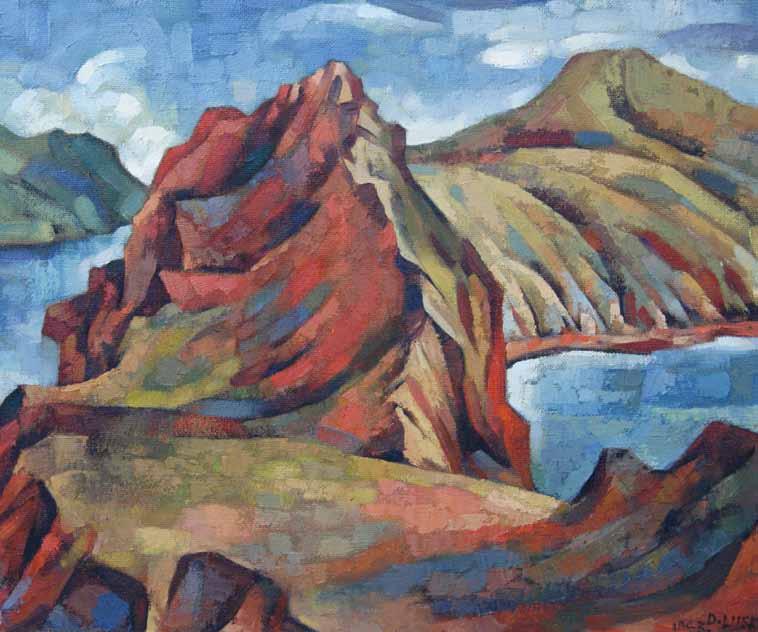
49 DORIS LUSK
1916 - 1990
Onawe Peninsula - Akaroa Harbour
Oil on canvas on board 49 x 65
Signed & dated 1968
12,000 - 16,000
Doris Lusk was born in Dunedin, the youngest daughter of an architect, Thomas Younger Lusk. Drawing and painting were major interests during her childhood spent in a rural area bordering the Waikato River just outside Hamilton.
With the advent of the Great Depression the family returned to Dunedin. Doris Lusk attended Otago Girls' High School and enrolled herself in the art school of King Edward Technical College in order to pursue her ambition of becoming a painter. Here she met Anne Hamblett ( later to marry Colin McCahon ) and was taught by Charlton Edgar and R.N. Field. Another influence was the English painter Russell Clark at that time employed as a commercial artist by the printing and publishing firm, John McIndoe. Lusk attended his life drawing classes and was an active participant in the lively art scene which grew up around this romantic figure. At the time Otago Art Society conservatism was a force to be reckoned with. Lusk removed her work in protest from an Art Society show whose selectors had rejected one of Colin McCahon's large Otago Peninsula landscapes ostensibly because it was inadequately framed. Eventually a group of these younger artists and their sympathisers packed the Society's Annual General meeting, voted out the old council and put in a more open minded one. Lusk's life long addiction to landscape painting was developed through the teaching of Charlton Edgar.
Her early Central Otago landscapes in high keyed colour show his influence. Doris Lusk spent three years as a commercial artist and taught art at a number of girls' schools. In 1941, as Mrs Doris Holland, she moved to Christchurch eventually becoming the mother of a boy and two girls. In 1943 she joined the progressive Canterbury painters - The Group - exhibiting in their Ballantyne's show for that year and many times thereafter. Summer holidays at Duvauchelle, Banks Peninsula led to many paintings of that area; others included the State Hydro series at Waikaremoana; from the mid 1960s the artist began a long series of paintings at Onekaka, Nelson with its black fractured wharf cutting into the surf. In 1947 Doris Lusk became a tutor in pottery and later in painting; in 1967 she was appointed lecturer at the Canterbury School of Fine Arts.
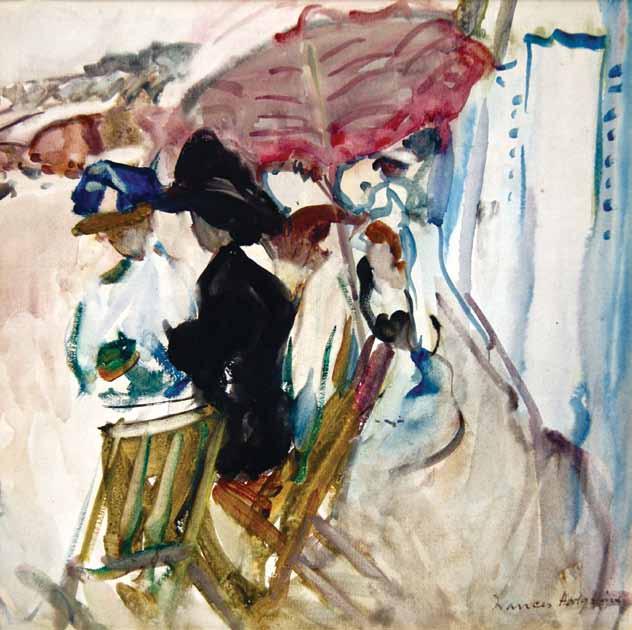
50 FRANCES HODGKINS
1869 - 1947
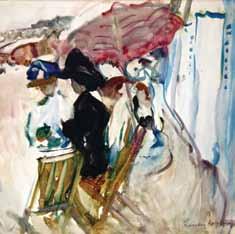
Sur La Plage
Watercolour 30 x 31
Signed
55,000 - 70,000
Provenance: Private Collection, Auckland
In true classical manner, the body language of the figures and their summarily depicted facial expressions in Frances Hodgkins’ watercolour Sur la Plage indicate the inner workings of the soul of four women.
Three women are grouped together. The female in the dark clothes dominates the conversation. She leans forward into the personal space of the woman on the left who turns her head away and clasps her hands behind her back. A cavernous mouth, formed by the two sided triangle of the large dark hat and the collar of the equally dark costume, barks at the lady in white.
The female on the right of this group of three inclines her head but keeps her own counsel. Is she amused as she listens to the dictatorial tone of her neighbour whose older age is indicated by a dark line down the cheek of her face of slightly sagging flesh? Three women are summarily indicated, their three hats mimicking the curves of the red umbrella and lead our eye, just as the line of the beach chair does, to a fourth buxom figure of calligraphic lines and fluid green and blue. Hodgkins indicates the presence of water by suggesting these colours in other objects, a painterly transposed epithet.
The dark colour of the jacket recalls Manet, the only Impressionist to make extensive use of black, yet the work is also reminiscent of a similar work by Monet, The Beach at Trouville, where the form of the chair links the two figures. In Hodgkins’ work, the criss-cross of the chairs as well as their parallel forms serve as a framing device below the women while the umbrella fulfills the same role above, a kind of group hat from which only the unhappy women on the left is excluded.
Loose brushwork indicating form does not lessen the clarity of what the viewer sees nor the clarity of the colour; wet on wet creates feeling of heat, the use of bright colours, perhaps gleaned from her years studying in New Zealand with Nerli, together with the calligraphic lines and shallow pictorial space, place this work firmly in the Post-Impressionist world.
ANGELA MACKIE
51 CHARLES FREDERICK GOLDIE
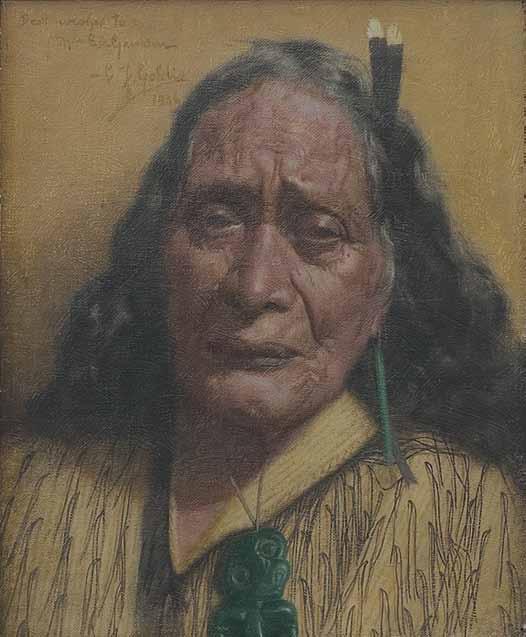
1870 - 1947
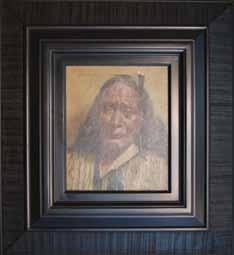
Ngaheke, a Chieftainess of the Tutea Taoi Hapu at the Tangi. The Chief is Dead, His Widow Mourns.
Oil on canvas 27.4 x 22.3
Signed, inscribed Best wishes to Mrs E B Gunson & dated 1936
190,000 - 240,000
Provenance: Private Collection, Dunedin since 1972
Illustrated: p. 276 C. F. Goldie His Life & Painting, Alister Taylor & Jan Glen Alister Taylor publishing 1977
NZ Herald, 24 June, 1972
‘In Polynesian portraiture Mr C F Goldie stands pre-eminent in the world today, and New Zealand has every reason to be proud of him’
Governor General Lord Bledisloe Quote from C F Goldie: His Life & Painting, Alister Taylor & Jan Glen, 1979
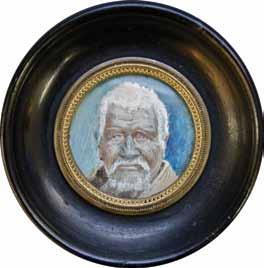
52 LOUIS JOHN STEELE
1843 - 1918
Tepine Te Mamaku (100 years old) Tawhata, King Country, N.Z.
Watercolour 3.6 x 3.6
Signed & inscribed verso
1,200 - 1,800
Illustrated actual size 52
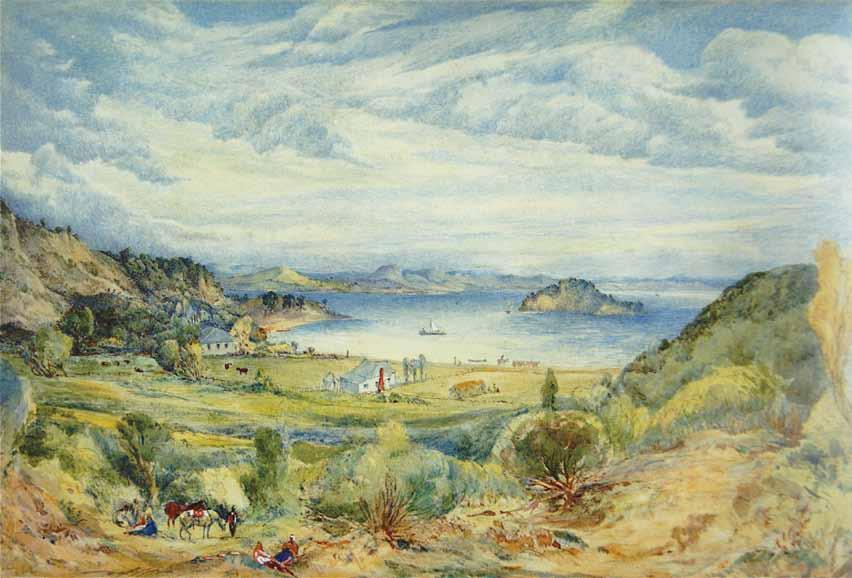
53 ALBIN MARTIN
1813 - 1888
Paihia
Watercolour 20 x 28
15,000 - 25,000
Provenance: Colenso Family Descent
Acquired by William Colenso (1811 - 1899), a friend of Albin Martin in the 1860s. The work has been held by the family ever since. William Colenso is the great-great-grandfather of the present owner. Colenso was elected to the New Zealand General Assembly of 1861 in Auckland.
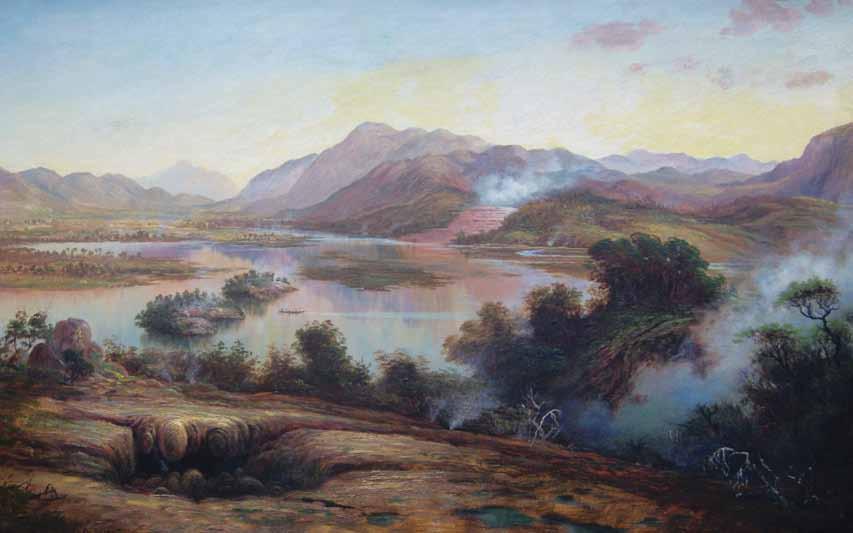
54 CHARLES BLOMFIELD
1848 - 1926
The Sleeping Geyser, Rotomahana an Intermittent Geyser of Terahoparatarangi
Oil on canvas 58 x 93.5
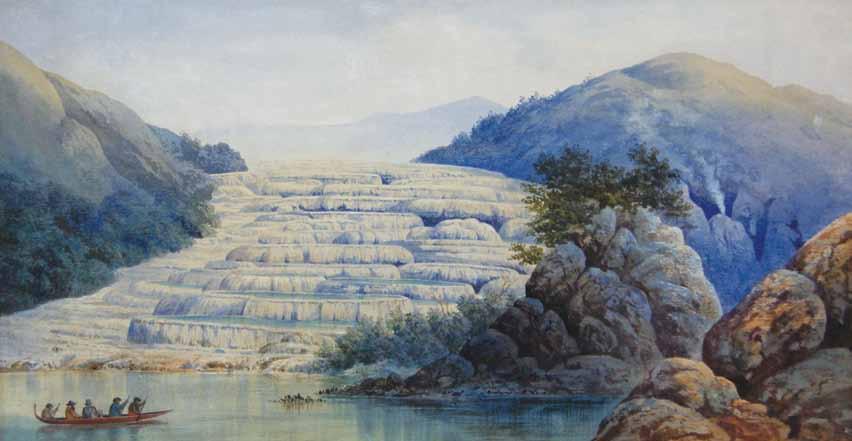
Signed & dated 1885
35,000 - 45,000
Charles Blomfield has long been recognised as the most popular early New Zealand painter of the Pink and White Terraces. Blomfield first saw the Terraces in December 1875 and made the comment that they were 'exceedingly beautiful and graceful'. Returning nearly ten years later, he spent six weeks painting this 'eighth wonder of the world'. Blomfield's paintings were sold from his Victoria Arcade studio in Queen Street. Open daily, the studio was a popular destination for tourists. The Terraces were tragically destroyed by the Tarawera eruption of 1886. In response to public demand Blomfield continued to paint this favoured subject, immortalising the lost terraces in his paintings.
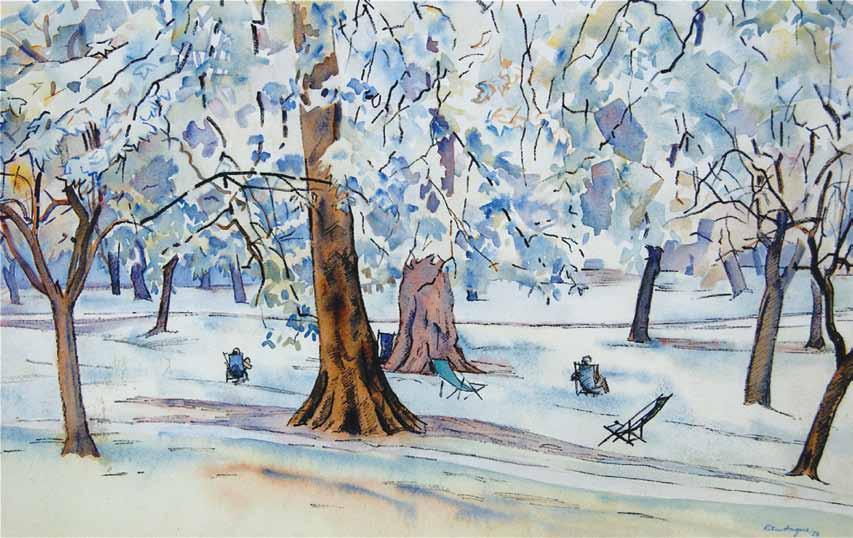
1908 - 1970
Plane Trees, Green Park, London
Watercolour 33 x 51
Signed & dated 1951
15,000 - 25,000
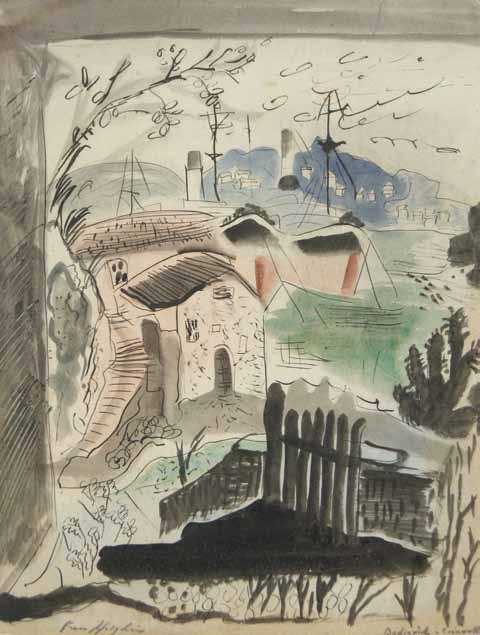
56 FRANCES HODGKINS
1869 - 1947
Bodinnick Cornwall
Watercolour 44 x 35
Signed & inscribed
25,000 - 35,000
Provenance: Private Collection, Auckland
Exhibited:
Exhibition of works by Frances Hodgkins
Leicester Galleries, London, 1941
Original Leicester Galleries label affixed verso
This work is presented in its original frame. It is offered for sale for the first time since 1941.
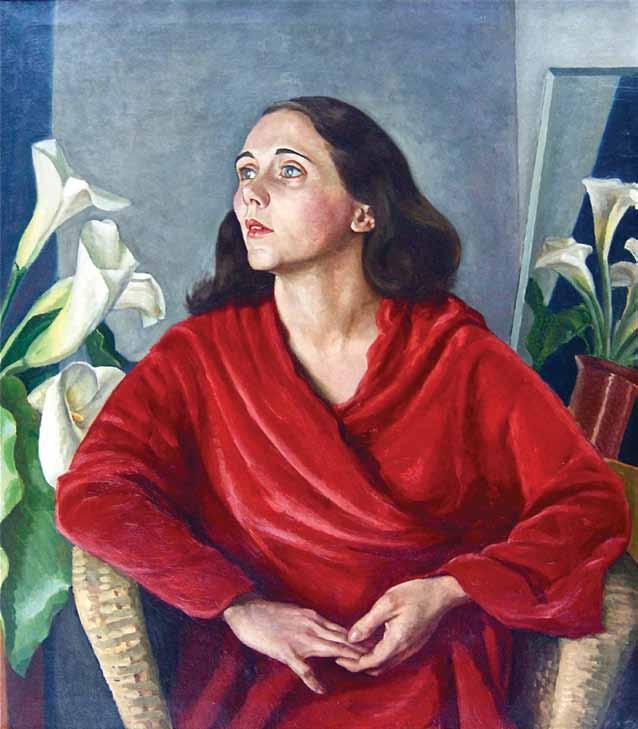
57 CHRISTOPHER PERKINS
1891 - 1968
Portrait Of Annette Stiver
Oil on canvas 83 x 72.5
Signed
25,000 - 35,000
Illustrated: p. 17 Art in New Zealand, September 1931
English artist Christopher Perkins spent the years 1929 to 1932 teaching at Wellington’s Technical College Art School. At the same time Mr Michael Stiver, a New York advertising executive, had come to the city to establish an office for J.Walter Thompson. This was the first international advertising agency to set up a New Zealand operation, Stiver being responsible for the General Motors account in this country. Perkins painted this portrait of Annette Stiver, formerly known as Portrait of Mrs Michael Stiver, in 1931. In terms of painterly upward sweeping rhythm he seems to have taken his cue from the subject’s distinctively retroussé nose. The profusion of arum lilies that surrounds her is mysterious. Usually regarded as a symbol of purity here they may offer a clue to the notion that the sitter and his subject were close. This painting was exhibited at the seventh annual exhibition of the Contemporary Group at the Macquarie Gallery, Sydney in November 1932. Mr and Mrs Stiver had earlier moved to Sydney after car sales in New Zealand plummeted during the Depression. In 1967 the painting was reported to be in the subject’s own collection in New York. It was sold at auction in New Zealand in 1986.
PETER SHAW
Christopher Perkins was born in England and studied at the Slade School of Art, London. During his period of study he visited Italy where he studied the work of the great Renaissance masters. He served in field artillery and camouflage units during World War I following which he settled first in East Anglia then at the French Mediterranean port of St Tropez. Here he devoted his attention to still life compositions as a means of perfecting his control of tone. Two years later he decided to concentrate on landscape paintings and moved to Sanary, Provence near Aix to be near the country made famous in Cezanne’s landscapes. It is said that on first reaching Aix, Perkins removed his shoes and walked barefoot straight to Cezanne’s house.
Returning to England, Perkins applied under the La Trobe Scheme for a job as an instructor at the Wellington Technical College Art School, arriving in New Zealand in March 1929 when he was disappointed at finding a transplanted piece of Victorian England rather than the Gauguinesque South Seas landscape he had imagined. He was disappointed too to find that Maori art was for the most part concealed in museums and little appreciated by the Europeans. His aim was the creation of a national art based upon popular appreciation. Like H. Linley Richardson he was also to paint pictures of Maori subjects and motifs. Perkins was to advocate a search for local subject matter and express a conviction that there was a particular clarity of light in New Zealand.
In Art in New Zealand of June 1934 the writer and critic A.R.D. Fairburn was to give these views about the painter’s task in New Zealand their most authoritative expression: “There is no golden mist in the air, no Merlin in our woods, no soft warm colour to breed a school of painters from the stock of Turner, Crome, Cotman and Wilson Steer. Hard clear light reveals the bones, the sheer form of hills, trees, stones and scrub. We must draw rather than paint, even if we are using a brush, or we shall not be perfectly truthful “.
These controversial notions have been repeated or subjected to critical scrutiny ever since, most notably by Francis Pound in an essay called The Land, The Light and Nationalist Myth in NZ Art in Te Whenua, Te Iwi; The Land and The People. ed. Jock Phillips. Allen and Unwin/ Port Nicholson Press 1987 pp 48-60. Defeated by local painters’ reliance on English models and alienated because of his own fearless criticisms of the New Zealand art scene, Perkins was unable to achieve his desired aims here. By 1933 he had returned to England.
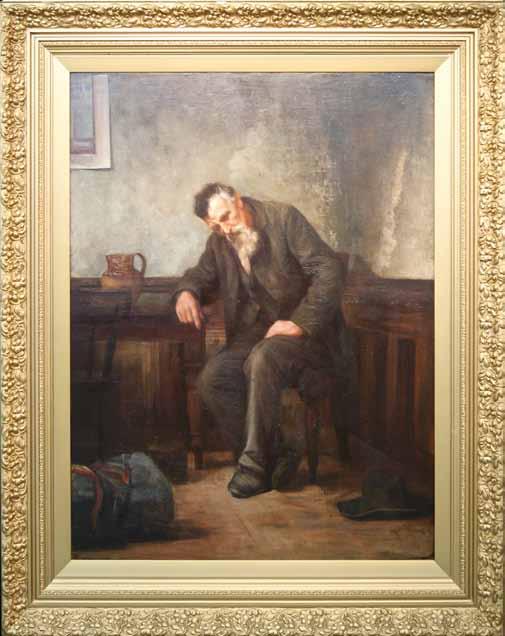
1858 - 1941
Study of a Weary Traveller Oil on canvas on board 116 x 90
Signed & dated 1890
20,000 - 30,000
This painting won third prize in the Art Union Competition held after World War I to raise money for war widows. After studying at Dunedin School of Art, O’Keefe joined his father in the family hotel business before going to Paris in 1894. This work is believed to be a scene from the O’Keefe family hotel. It has been held in the same family collection since the 1920s.
1835 - 1913
20,000 - 30,000
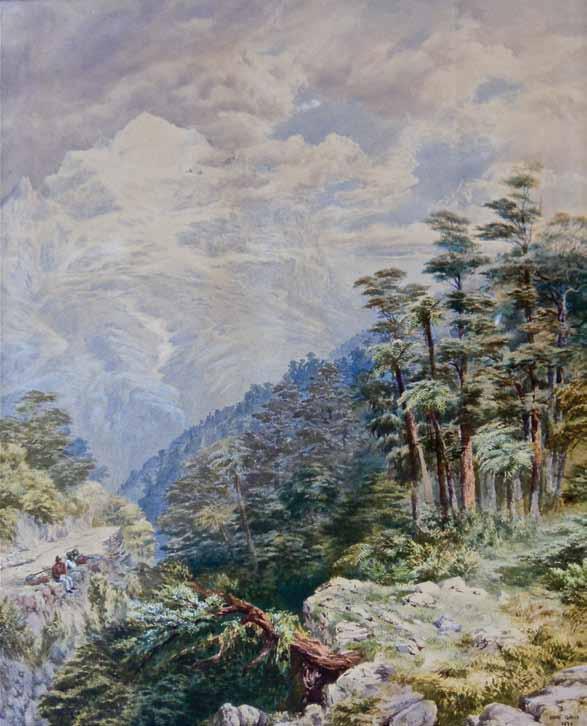
60 JOHN GULLY
1819 - 1888
Otira Pass
Watercolour 82 x 66.5
Signed & dated 1879
30,000 - 40,000
Provenance:
New South Wales Art Gallery purchased this watercolour from the Otago Art Society, 1879. Original New South Wales Art Gallery label affixed verso. De-accessioned 1958. Held in the same collection since.
Exhibited:
Otago Art Society, 1879
Wairarapa Art Exhibition, Masterton, 1962, no. 126a, V E Donald Collection.
Reference: p. 135 ‘New Zealand’s Romantic Landscape Paintings’ by John Gully, Compiled and written by the artist’s great, great grandson John Sidney Gully, Millwood Press, Wellington, 1984
Reference no. G79/3
Gully immigrated to New Zealand from Bath in 1852 accompanied by his wife Jane and their three children. The family settled in Omata, Taranaki where they purchased the Omata Store in 1854. Sadly, lack of trade resulted in bankruptcy and the family's relocated to New Plymouth. Gully advertised his availability to paint views of properties for sending abroad and served as a volunteer during the Land Wars. He was invalided out of the army as the conditions were too severe for his constitution. In 1860 the Gully family left New Plymouth for the city of Nelson, purchasing a house in Trafalgar Street with a large orchard and garden. It was here that the artist spent the rest of his life. Gully was encouraged by the geologist Julius von Haast, who commissioned twelve watercolours of the mountains and glaciers of Canterbury. These watercolours were used to illustrate a lecture given by Haast at the Royal Geographical Society in London in 1864.
Gully became part-time drawing master at Nelson College. Later, through the assistance of politician and artist James Crowe Richmond, he was appointed full time draughtsman to the Nelson provincial survey office.
During his lifetime Gully enjoyed popularity and success as an artist, today he is regarded as one of New Zealand’s foremost landscape painters.
Working almost entirely in watercolour, Gully's field trips yielded a legacy of many finely worked sketch-books full of careful pencil studies and numerous quick-wash drawings both in colour and sepia. Large scale watercolours became immensely popular as centre-pieces at art society shows. Today only a few such works remain in private hands. Gully enjoyed recognition and success in his life time. All of Gully's watercolours submitted to the 1865 New Zealand Exhibition in Dunedin sold prior to the exhibition opening. He exhibited at the British Royal Academy in 1871. In 1873, nine paintings were sent to the New Zealand Court at the International Industrial Exhibition in Vienna. In 1886 he exhibited at the India & Colonial Exhibition in London and the Intercolonial Exhibition in Melbourne. He also exhibited works with the Society of British Watercolour Artists in London.
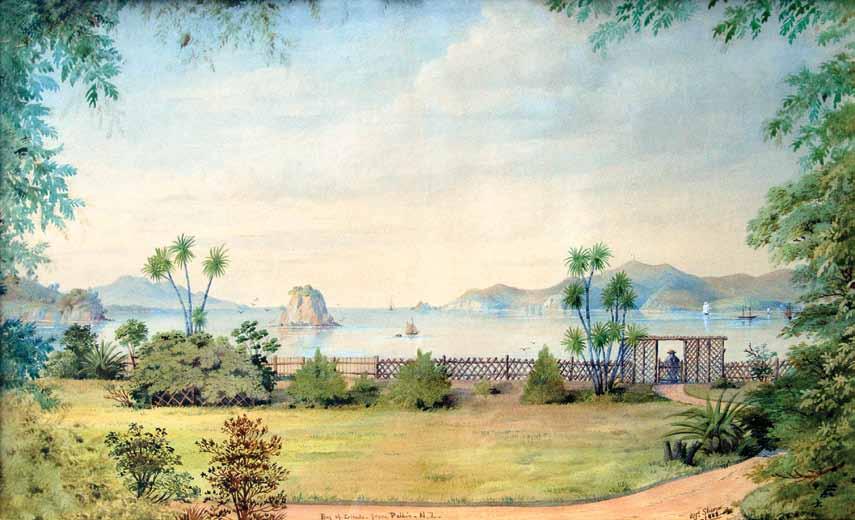
61 ALFRED SHARPE
1836 - 1908
Bay of Islands from Paihia Watercolour 41 x 66
Signed, inscribed & dated 1882
40,000 - 60,000
Provenance:
Private Collection, Auckland
Purchased by current owner, National Treasures
International Art Centre, Auckland, March 1993
Profoundly deaf and partly mute, Alfred Sharpe embarked on a three week sketching tour of the Bay of Islands in 1882. Bay of Islands from Paihia is a rare watercolour painted as a result of that journey. This carefully composed work, framed by native foliage, affirms the artist’s close personal relationship with the New Zealand landscape, in one of his poems he refers to the trees and rocks as ‘friends’.
In his book Frames on the Land Francis Pound suggests that Sharpe, like other topographical painters, believed that to make the work artistically pleasing, the subject needed to be idealised but that, the real must be idealised realistically. Francis Pound, Frames on the Land, Collins, 1983. Set like many of Sharpe’s landscapes at twilight, the painting has a tranquil air. Soft blues and greens predominate, with warmer hues in the pathway leading the eye through the foreground towards the hills of the background.
Although Sharpe had established a reputation for finely detailed watercolours of the New Zealand landscape, exhibiting with the Society of Artists and the Auckland Society of Arts, he did not feel he received the deserved level of critical recognition he deserved. This coupled with marital difficulties, contributed to his decision to leave New Zealand for Australia in 1887.
This watercolour is one of the rare surviving works of the 1880s depicting this historically important area. It was a little over a century earlier that Captain James Cook sailed into the bay in 1769. It was he who named it Bay of Islands, finding it heavily populated by Maori, he was impressed at their industry and intelligence. The name Paihia came from the Bay of Islands Nga Puhi chief Te Pahi 1760 - 1809, who was one of the first Maori leaders to have significant contact with British Colonial officials.
There with friends I am surrounded; There no solitude I feel; And to me her mystic wonders Nature ever doth reveal Alfred Sharpe
15,000 - 20,000
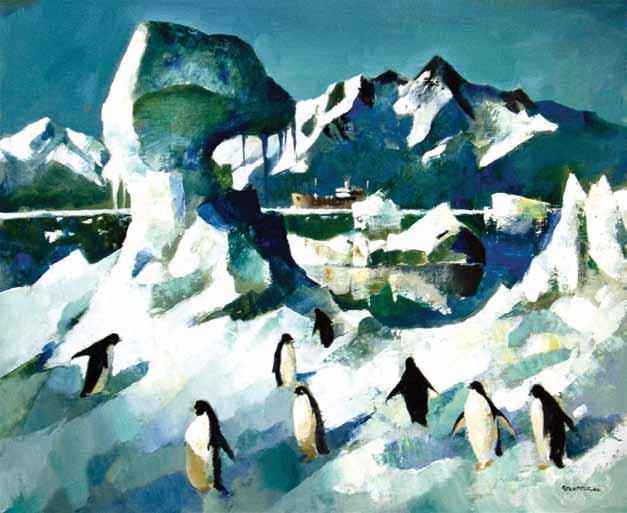
1910 - 1995
Hallett Bay, Antarctica
Oil on board 50 x 60
Signed
18,000 - 25,000
Hallett Bay, Antarctica. I sailed into this bay on an American navel icebreaker and was enchanted. There was no night and a hundred thousand Charlie Chaplin in white ties and tails performed for me. This, and Cook’s Bay in Moorea, are two of the most beautiful bays in the whole of the Pacific.
Text: Peter McIntyre Peter McIntyre’s Pacific, 1966
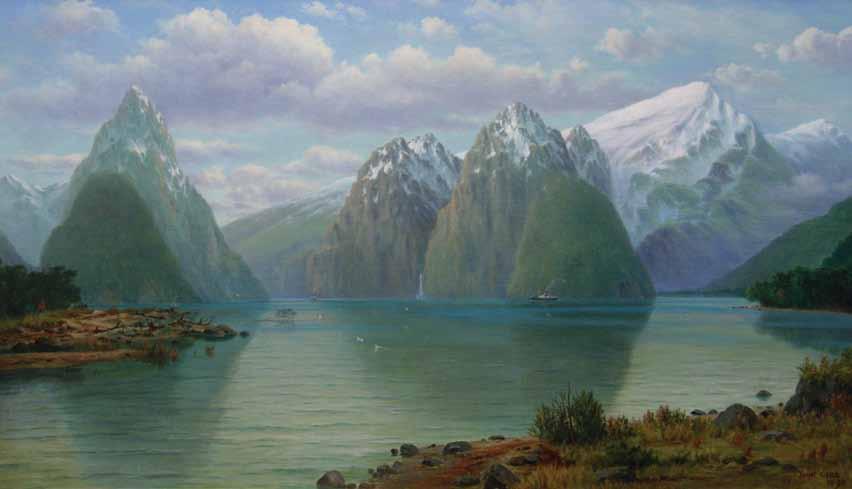
1831 - 1909
Oil on canvas on board 67 x 117
Signed
10,000 - 15,000
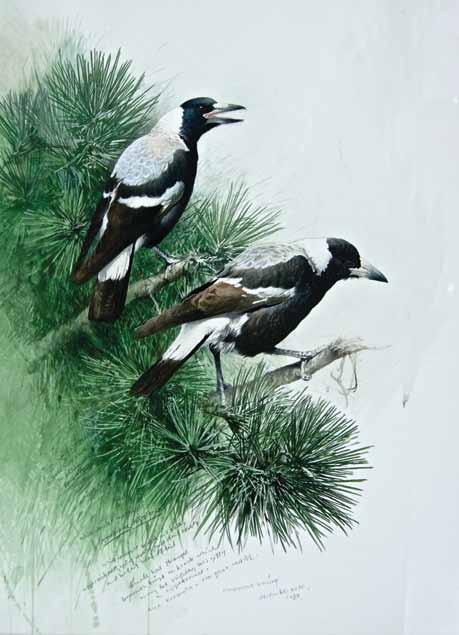
64 RAYMOND CHING
b. 1939
White Backed Magpie
Watercolour 71.5 x 50
Signed, inscribed & dated 1980
17,000 - 22,000
Provenance:
Private Collection, Waikato
Purchased by current owner from the exhibition Raymond
Ching Paintings and Drawing, International Art Centre 1980
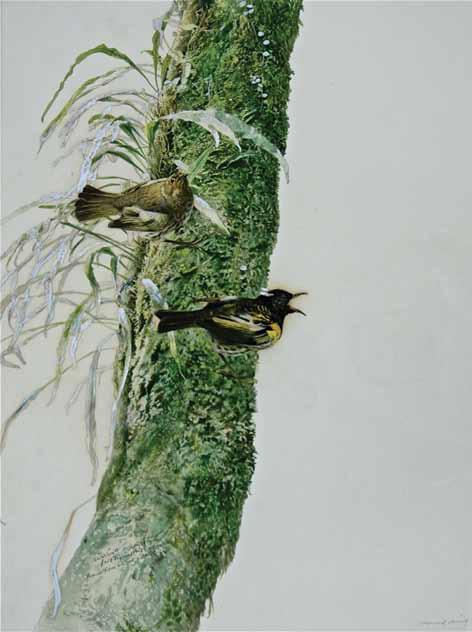
65 RAYMOND CHING
b. 1939
Stitchbirds
Watercolour 68.9 x 53.4
Signed & inscribed 14,000 - 18,000
Provenance:
Private Collection, Waikato
Purchased by current owner from the exhibition
Raymond Ching Paintings and Drawing, International Art Centre 1980
Illustrated:
p. 195 New Zealand Birds, An Artist’s Field Studies
Raymond Ching
The Stitchbird or Hihi (Notiomystis cincta) is a medium-sized forest species and is one of New Zealand’s rarest birds. Recent DNA analysis has shown it to be the sole representative of another bird family found only in New Zealand whose closest relatives may be the iconic Wattlebirds including the Kokako, Saddleback and the extinct Huia. The shy, attractive Stitchbird is a honeyeater, regularly visiting flax, pohutukawa and puriri. The laying period is usually November resulting in three to five chicks. Both parents feed the chicks on nectar and small insects.
In 2006 sixty Stitchbirds were released in the Karori Wildlife Sanctuary near Wellington and in October of that year, for the first time in more than 120 years, chicks were hatched on mainland New Zealand. A dedicated conservation programme has been underway at Tiritiri Matangi for some years. However the species is classified as vulnerable, and found in only five locations, amongst which are Little Barrier Island and Mokoia Island in Lake Rotorua as well as the Waitakere Ranges. Currently the world population is estimated at 1,000 adult birds.
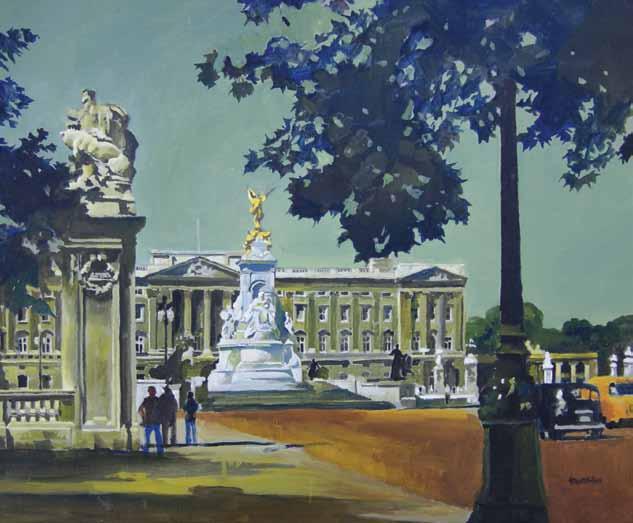
1910 - 1995
Signed
10,000 - 15,000
‘It is that sense of something happening, a fullness to life, a feeling of everything being crowded and noisy, that makes London’
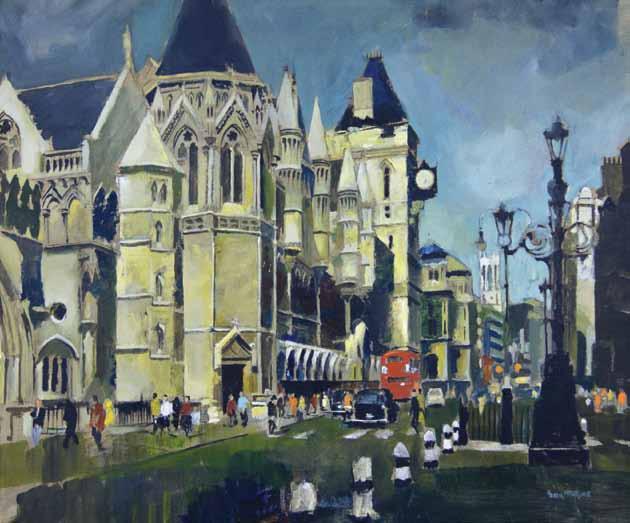
Royal Courts of Justice, London Oil on canvas 50 x 60 Signed
10,000 - 15,000
The Royal Courts of Justice, commonly called the Law Courts, is the building in the Strand, London which houses the Court of Appeal of England and Wales and the High Court of Justice of England and Wales. This building is a large grey stone edifice in the Victorian Gothic style and was designed in the 1870s by George Edmund Street, a solicitor turned architect.
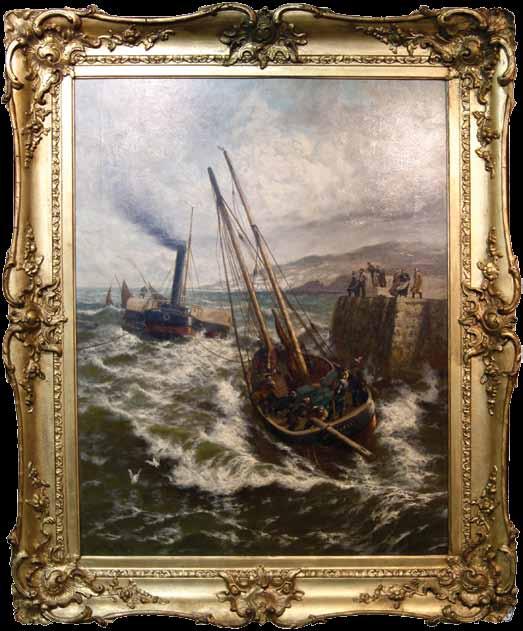
68 THOMAS ROSE MILES
British fl. 1869 - 1910
Stormy Departure
Oil on canvas 90 x 69
Signed
5,000 - 10,000
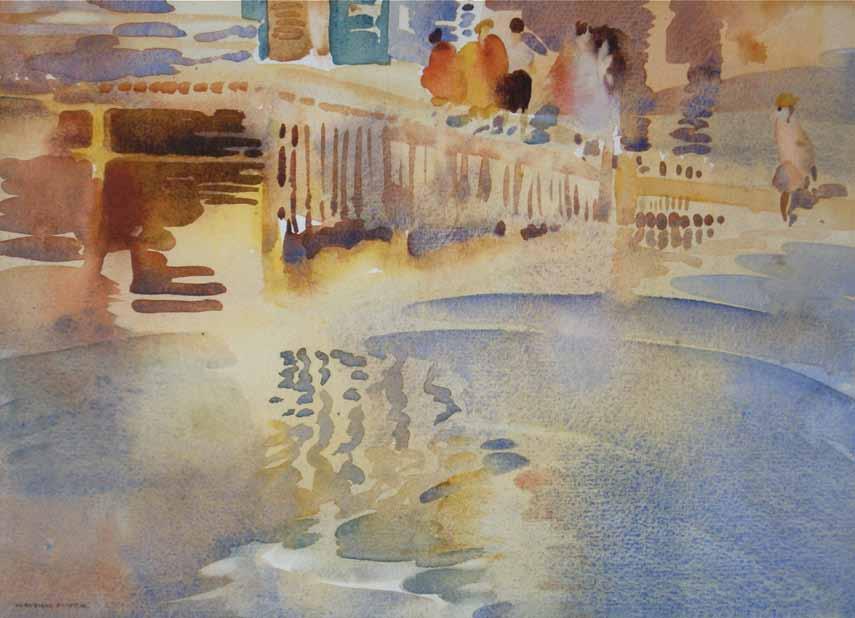
69 SIR WILLIAM RUSSELL FLINT
British 1880 - 1969
Reflections
Watercolour 25 x 35
Signed
7,000 - 10,000
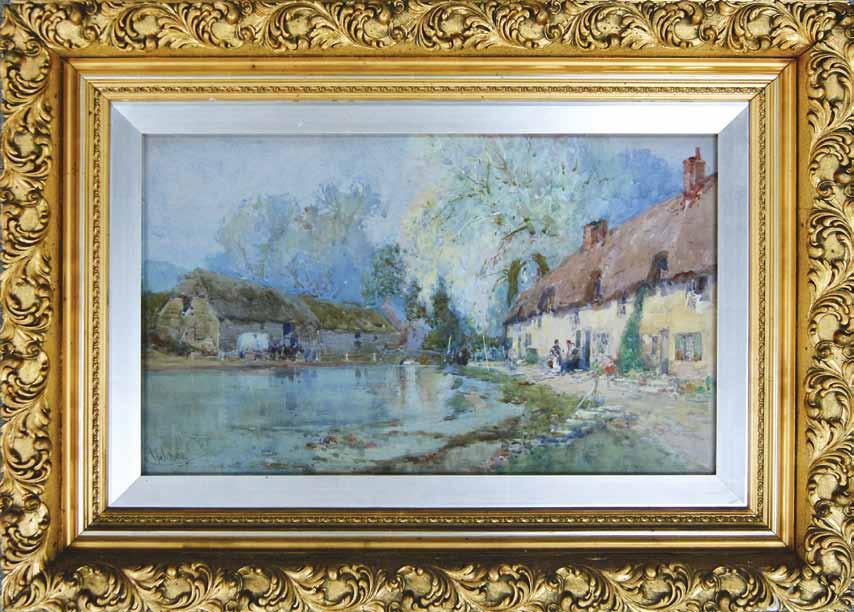
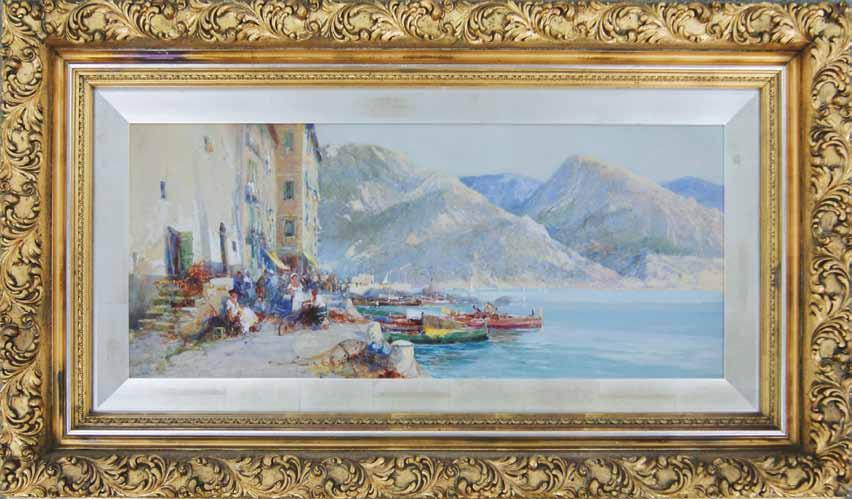
71
British 1855 - 1924
Kirkby,
Watercolour 35 x 59
Signed
8,000 - 12,000
British 1855 - 1924
Villefranche, French Riviera
Watercolour 32.5 x 72.5
Signed. Inscribed & dated 1910 verso.
Original H Fisher & Son label affixed verso
8,000 - 12,000
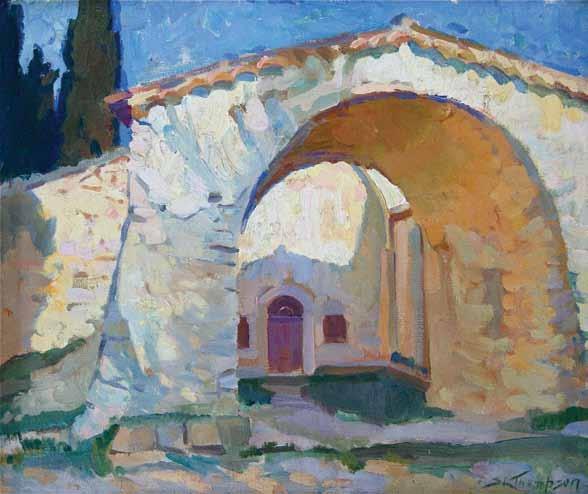
72 SYDNEY LOUGH THOMPSON 1877 - 1973
Entrance to a Chapel, Provence
Oil on canvas 37 x 44
Signed. Inscribed verso 5,000 - 8,000
H. Fisher & Son Christchurch label affixed verso.
Reads: No. 1 Entrance to a Chapel Provence, June 1948
73 JOHN WEEKS 1886 - 1965
An Aberdeenshire Harbour
Tempera on cardboard 35.5 x 50.5
Signed 4,000 - 6,000
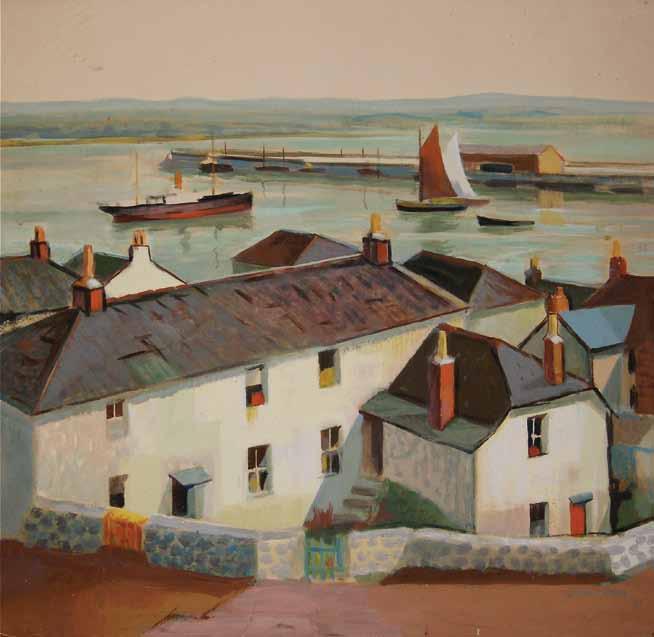
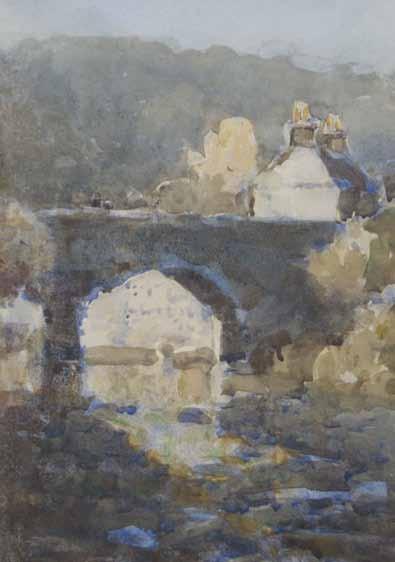
75 74
Lot 74 Exhibited:
Collectors Exhibition Sutor Gallery, Nelson 1981
Label affixed verso
74 MARGARET OLROG STODDART
1865 - 1934
On the Bridge
Watercolour 27 x 18
Signed 5,000 - 8,000
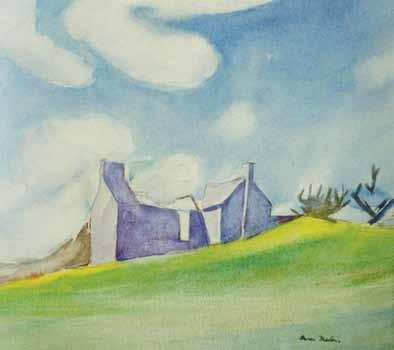
75 OWEN HEATHCOTE MERTON
1887 - 1931
Ruined Houses
Watercolour 24 x 26.7
Signed 3,000 - 5,000
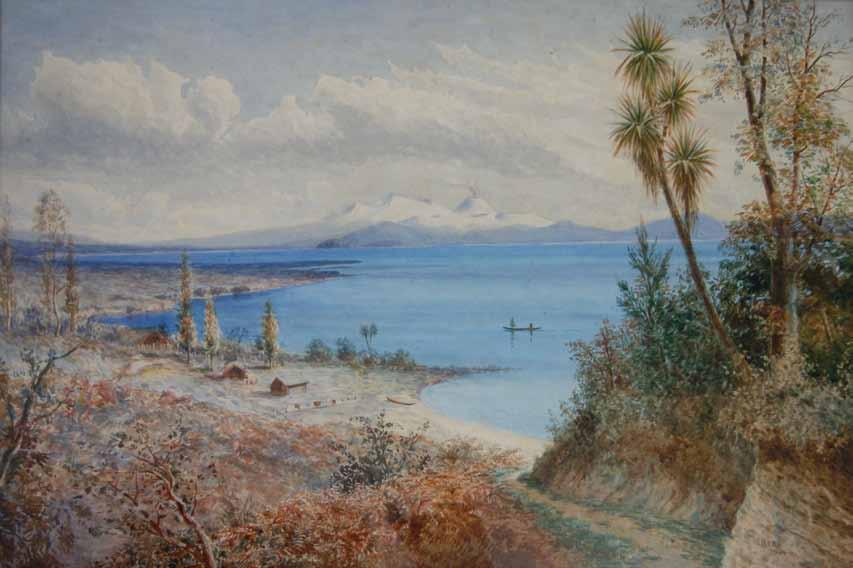
76 THOMAS DERBY RYAN
1864 - 1927
Lake Taupo with Mountains Beyond Watercolour 46.7 x 69.5
Signed 4,000 - 6,000
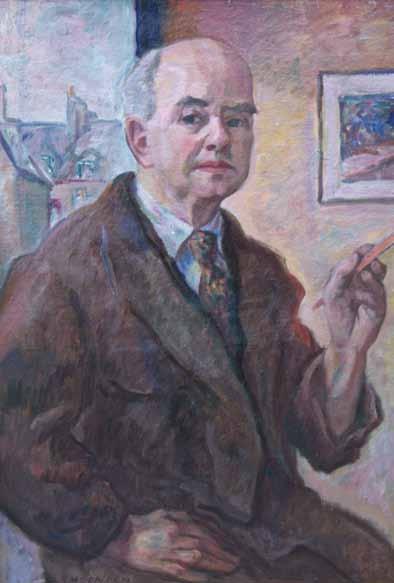
77 FRANCIS MCCRACKEN
1879 - 1959
Self Portrait
Oil on board 75 x 51.5
Signed 6,000 - 10,000
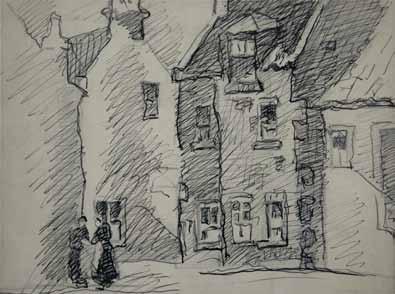
78 FRANCIS MCCRACKEN
1879 - 1959
Gossip, St Monance
Ink & pencil on paper 15 x 20
1,200 - 1,600
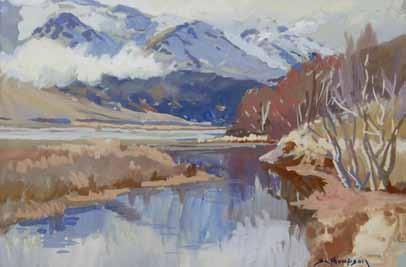
79 SYDNEY LOUGH THOMPSON 1877 - 1973
Mackenzie Country Gouache on paper 36.2 x 48.9
Signed 4,000 - 6,000
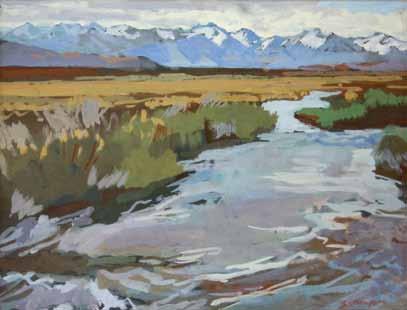
80 SYDNEY LOUGH THOMPSON 1877 - 1973
Stillwater
Gouache on paper 35 x 52
Signed 4,000 - 6,000
Provenance: Estate of George R. Chance, Dunedin
1916 - 1962
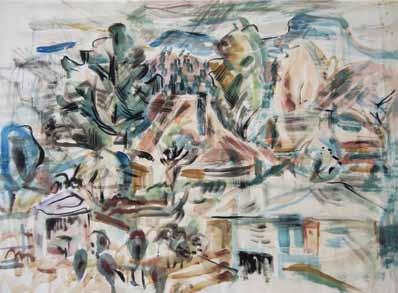
From Forrest Hill Road
Watercolour on paper 54 x 73.5
1,500 - 2,500
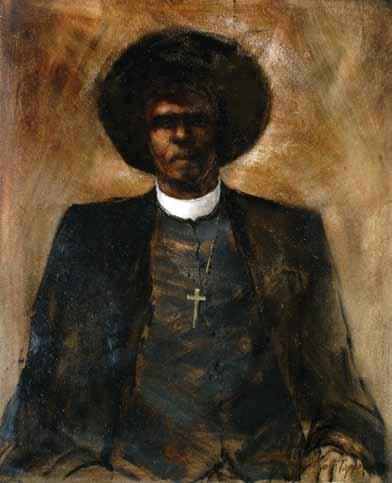
1927 - 1999
The Young Priest Oil on board 60.5 x 49.5
Signed. Inscribed verso
4,000 - 6,000
1916 - 1962
Mimiwhangataroa Homestead
Watercolour 46 x 57
Signed & dated 1962
3,000 - 5,000
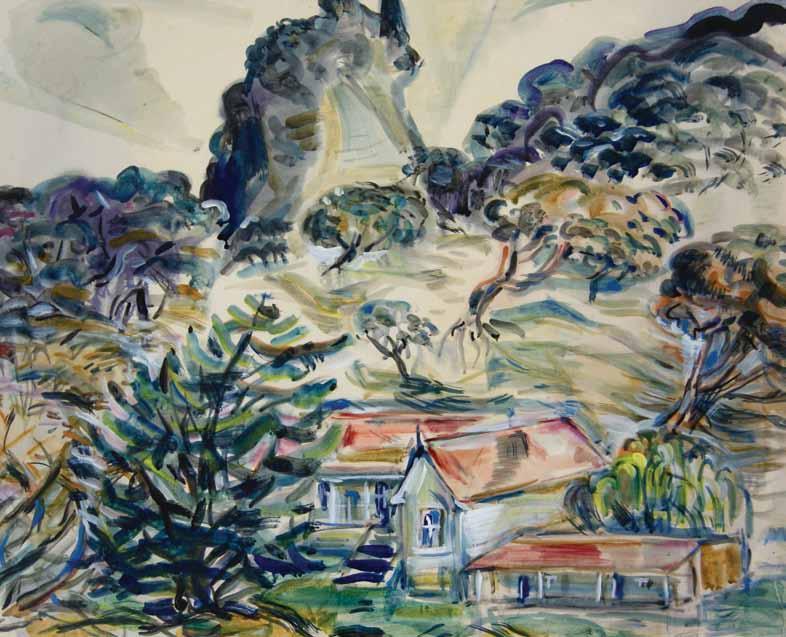
- 3,500
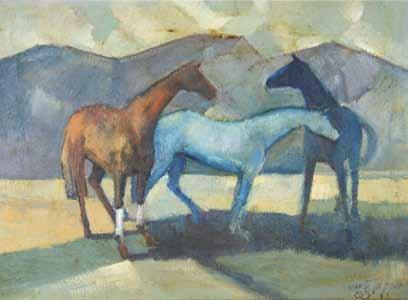
85 GARTH TAPPER
1927 - 1999
Three Horses Oil on canvas 44 x 61
Signed & dated 1983
3,000 - 5,000
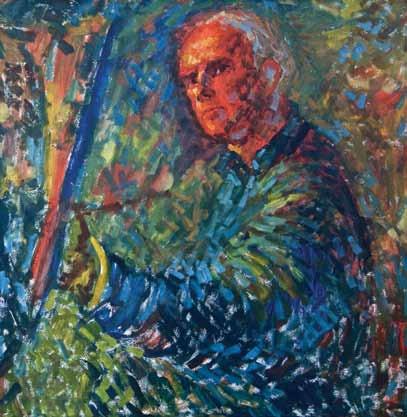
86 GARTH TAPPER
1927 - 1999
Self Portrait Oil on board 59 x 58
Signed and inscribed Garth Tapper for Garth Tapper & dated 1975 verso
4,000 - 6,000
1878 - 1947
Signed & dated 1943
3,000 - 5,000
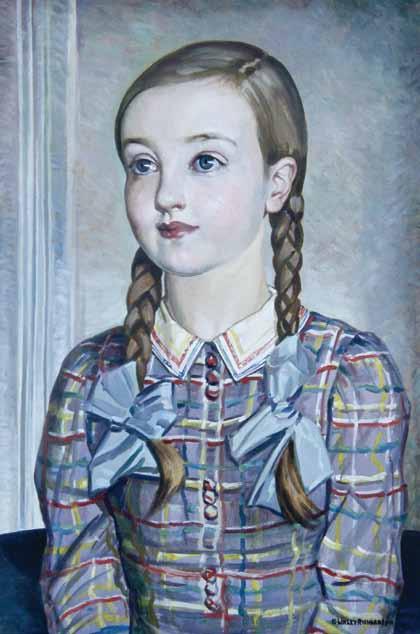
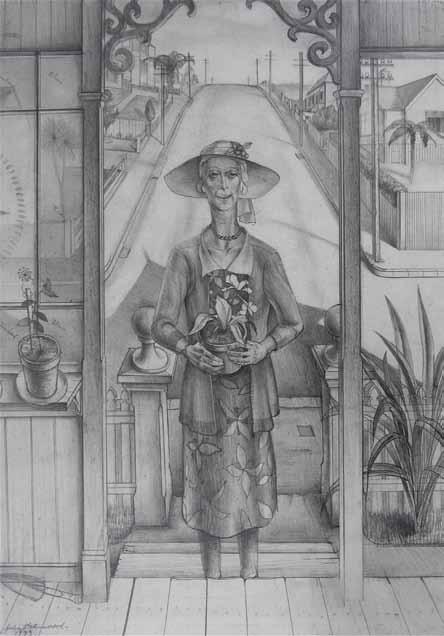
88 JOHN HOLMWOOD
1910 - 1987
Untitled Pencil on paper 75.5 x 53
Signed & dated 1975
2,000 - 3,000
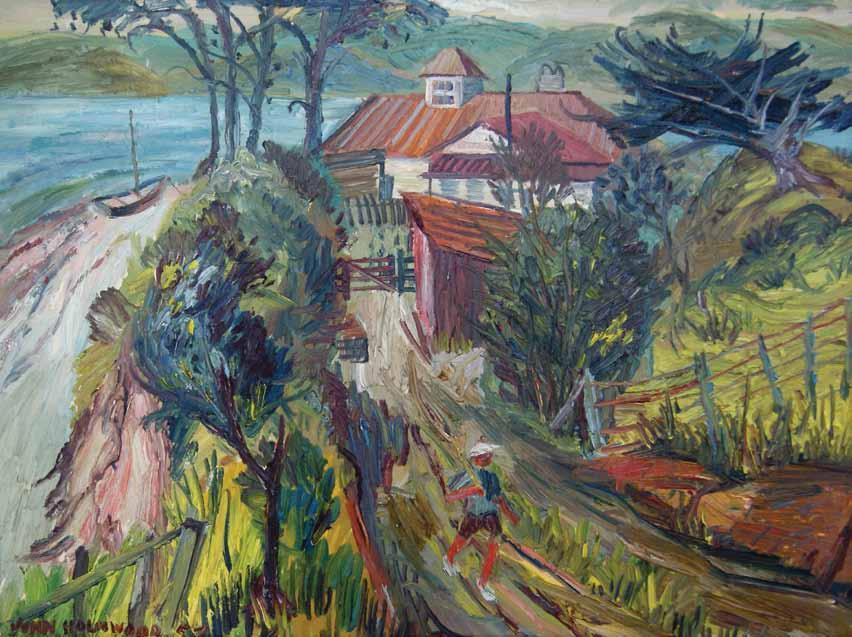
89 JOHN HOLMWOOD
1910 - 1987
A Villa Beside the Sea, Puketutu Island Oil on board 55.5 x 74
Signed & dated 1957
6,000 - 8,000
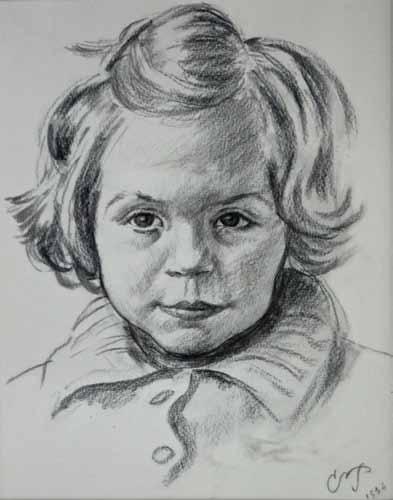
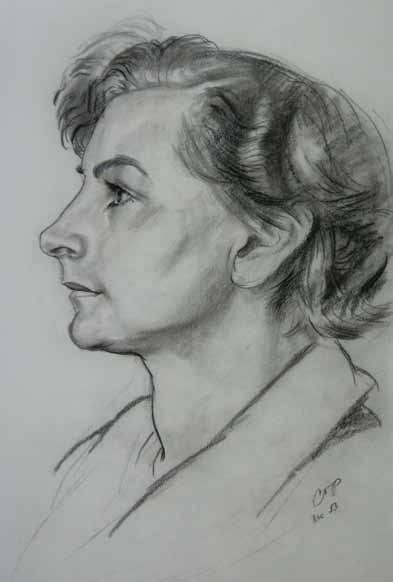
91 CHRISTOPHER PERKINS
1891 - 1968
Woman in Profile
Charcoal on paper 35.5 x 24
Signed & December 1933
800 - 1,500
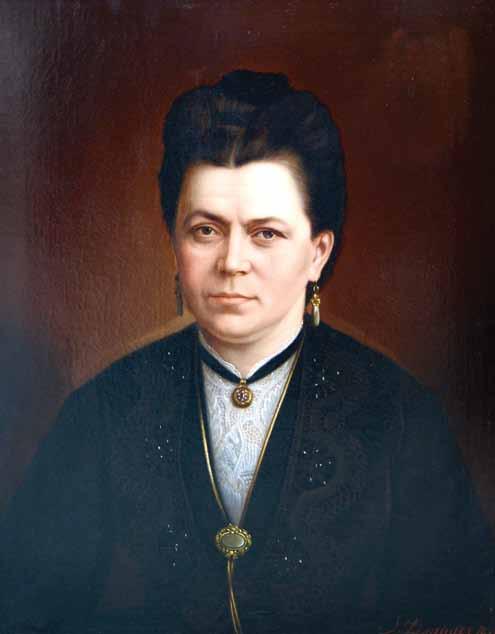
92 GOTTFRIED LINDAUER
1839 - 1926
Mrs Schischka Oil on canvas 65 x 49
Signed & dated 1876
8,000 - 12,000
Like the artist himself, Rosalie Schischka was a Bohemian, born in Pilsen. She arrived in New Zealand with her husband Lorenz and seven children in 1864, eventually settling in the Puhoi valley where they farmed 220 acres. Lorenz Schischka died in 1880, his wife surviving another twenty years. She was 73 when Lindauer painted this solemn portrait for which she dressed in the formal mourning attire she probably wore for the rest of her life. The artist has taken considerable care over details of facial expression, jewellery and fabric lending support to the view that this is a portrait from life, unlike many of Lindauer’s Maori subjects which were based on photographs.
PETER SHAW
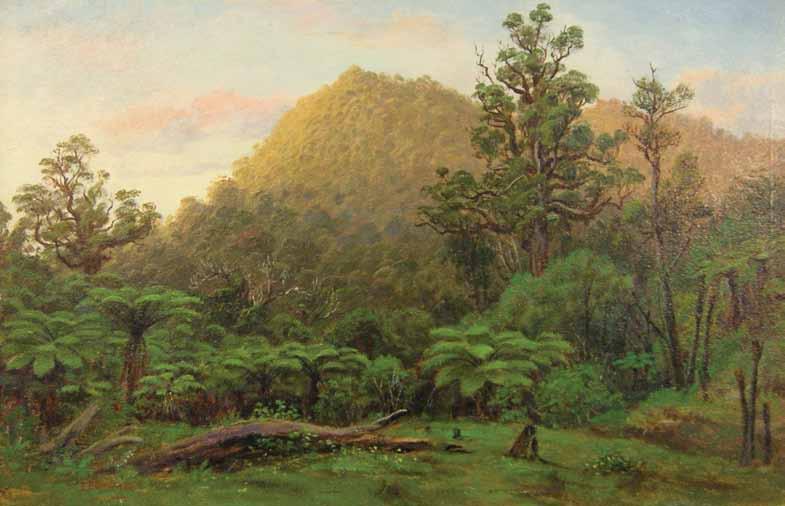
1848 - 1927
Mamaku Ranges, Rotorua
Oil on board 29.5 x 46
Signed & dated 1899
4,000 - 6,000
Oil on canvas 72 x 95
2,000 - 3,000
New Zealand 19th Century
Coromandel Oil on canvas 89 x 59
1,500 - 2,500
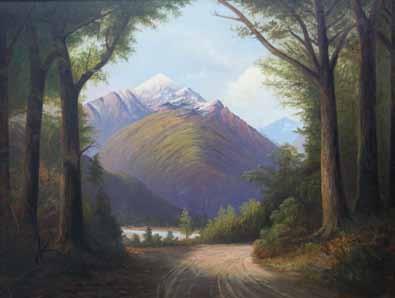
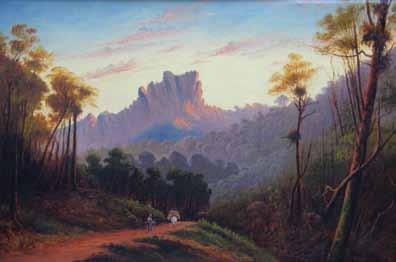
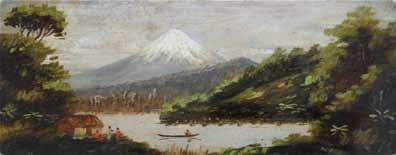
JOHN PHILEMON BACKHOUSE
1845 - 1908
Mt Egmont Oil on card 6.5 x 15
Signed 2,000 - 3,000
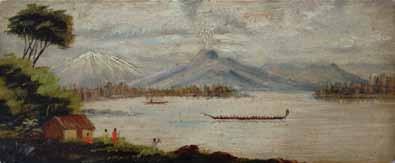
JOHN PHILEMON BACKHOUSE 1845 - 1908
Lake Taupo Oil on card 6.5 x 15
2,000 - 3,000
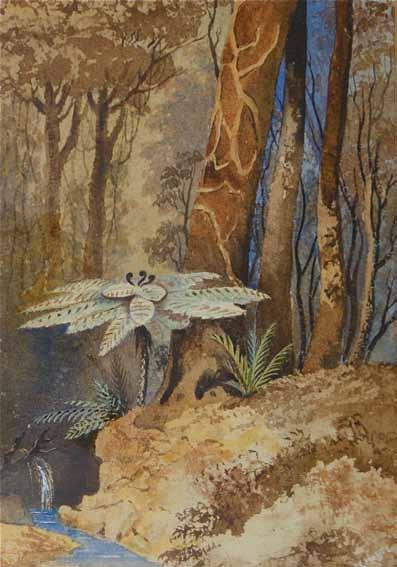
98 JOHN BARR CLARKE HOYTE
1835 - 1913
Fern and Stream Study
Watercolour 21.3 x 15.2
Signed
1,500 - 2,000
99 MARGARET OLROG STODDART
1865 - 1934
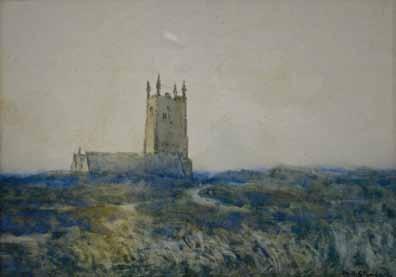
Cathedral in a Landscape
Watercolour 25 x 35
Signed
3,500 - 4,500
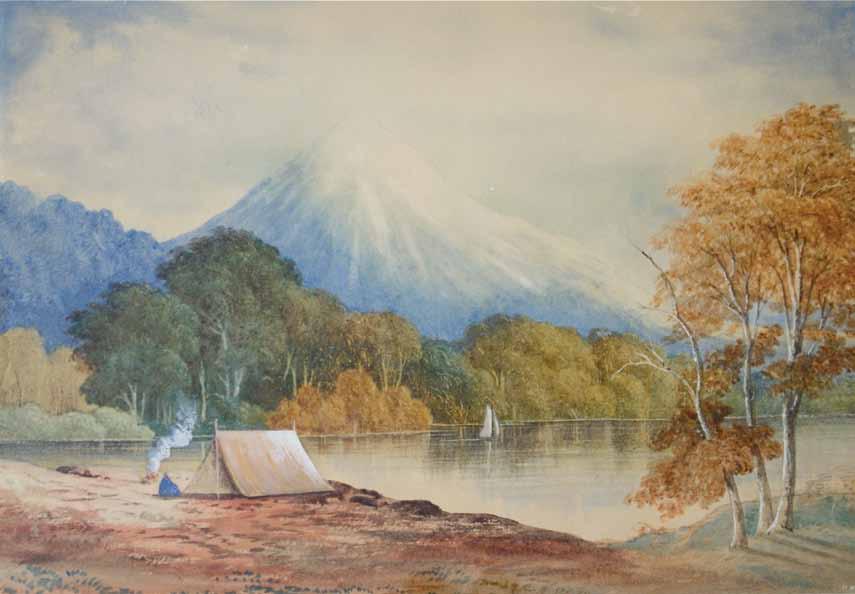
100 JOHN BARR CLARKE HOYTE
1835 - 1913
Mt Egmont
Watercolour 30.5 x 44
Signed
7,000 - 10,000
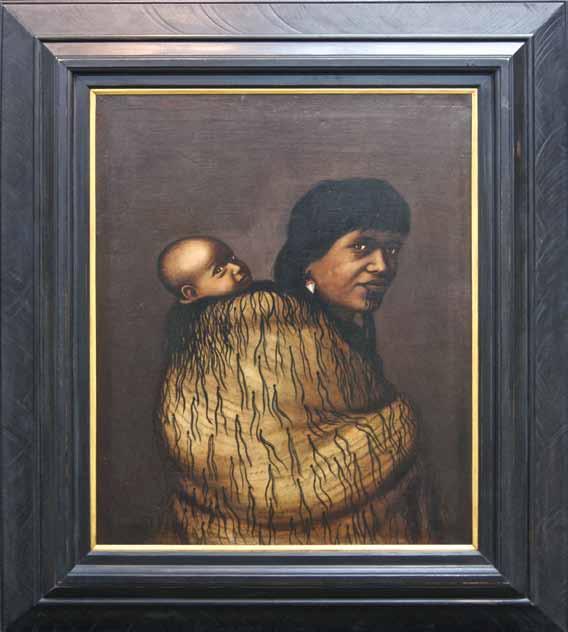
101 SCHOOL OF GOTTFRIED LINDAUER
Early 20th Century
Anna Rupene and Child Oil on canvas 75 x 60
5,000 - 10,000
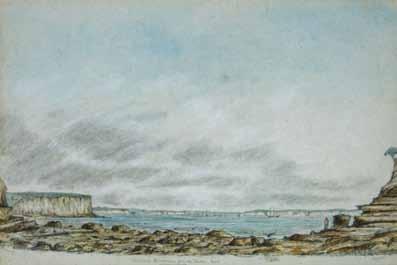
102 GEORGE FREDERICK SWAINSON
1829 - 1870
Auckland Harbour from Bastion Rock
Watercolour 24 x 35.5
Signed, inscribed & dated 1851
1,200 - 1,800
1891 - 1949
Signed 6,000 - 8,000
1821 - 1904
Watercolour 32.5 x 68.5
Signed, inscribed & dated 1871
3,000 - 4,000
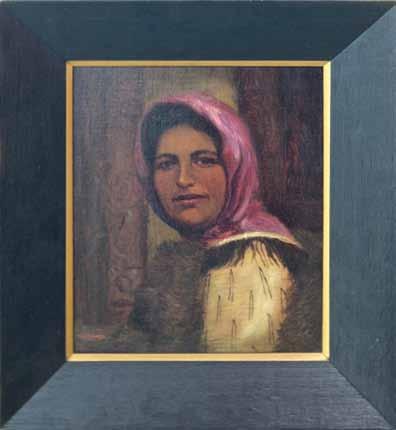
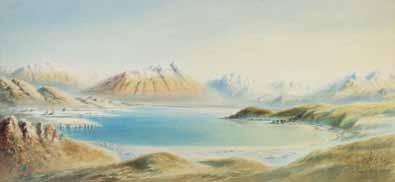
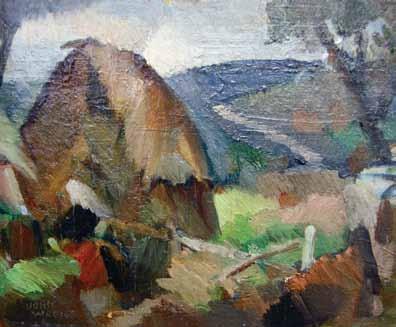
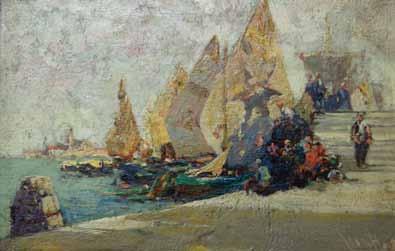
105 JOHN WEEKS 1886 - 1965 A Moist Landscape Oil on plywood panel 20 x 24
Signed 2,500 - 3,500
106 GEORGE CHARLES HAITE 1855 - 1924
Venetian Sails
Oil on board 11 x 17
Signed 1,200 - 1,600
107 PETER MCINTYRE 1910 - 1995
Mahurangi, Auckland
Oil on canvas 45 x 58
Signed 7,000 - 10,000
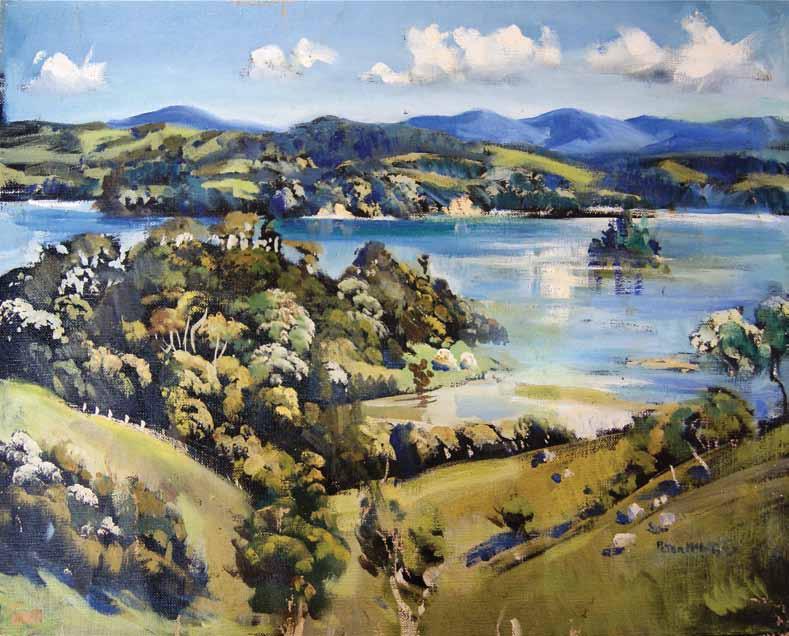
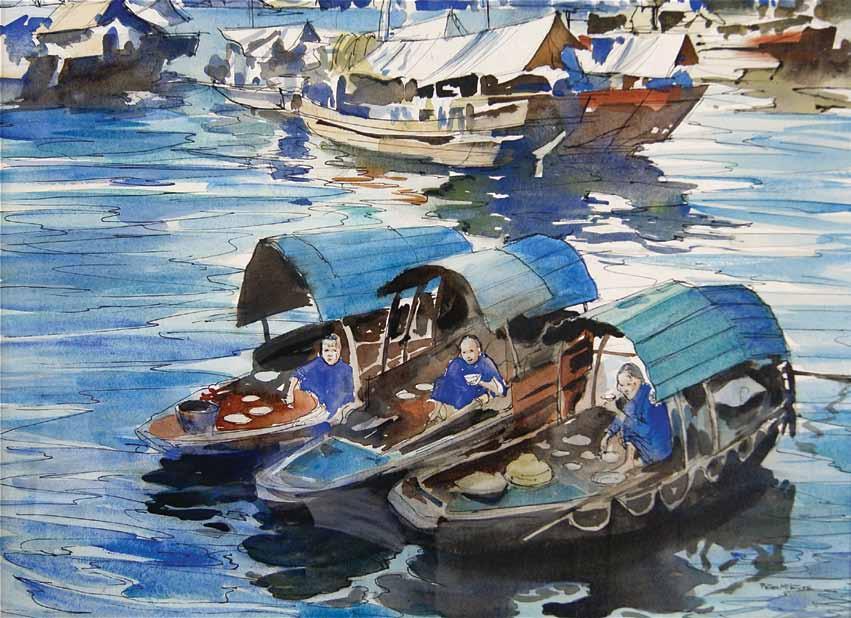
1910 - 1995
Sampans - Hong Kong
Watercolour 52 x 74
Signed
7,000 - 10,000
109 LAURENCE WILLIAM WILSON
1850 - 1912
Lake Te Anau
Pastel on paper 30 x 45
Signed, inscribed & dated 1886
1,500 - 2,500
Provenance Lots 108 & 109
Estate of George R. Chance, Dunedin
110 LAURENCE WILLIAM WILSON
1850 - 1912
Preservation Inlet
Pastel on paper 30 x 45
Signed
1,200 - 1,600
1850 - 1912
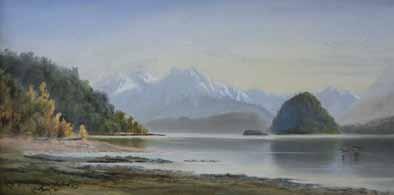
Lake Manapouri from Shallow Bay
Pastel 25 x 44
Signed, inscribed & dated 1890
800 - 1,500
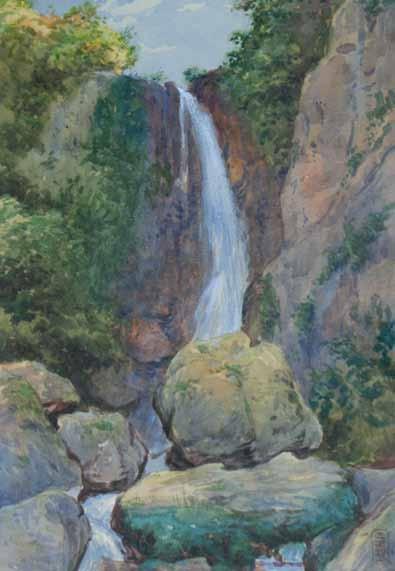
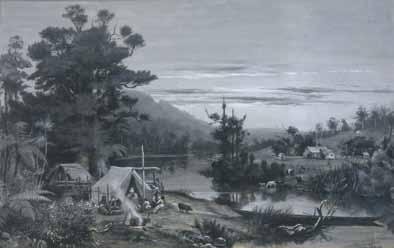
112 EDWARD WILLIAM PAYTON 1859 - 1944 Wairoa Falls, Tarawera Watercolour 35 x 24 Signed 800 - 1,200
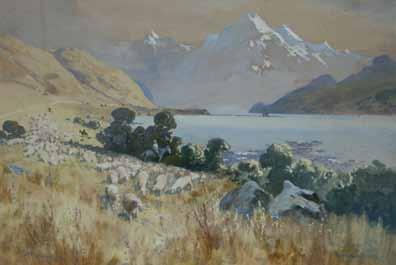
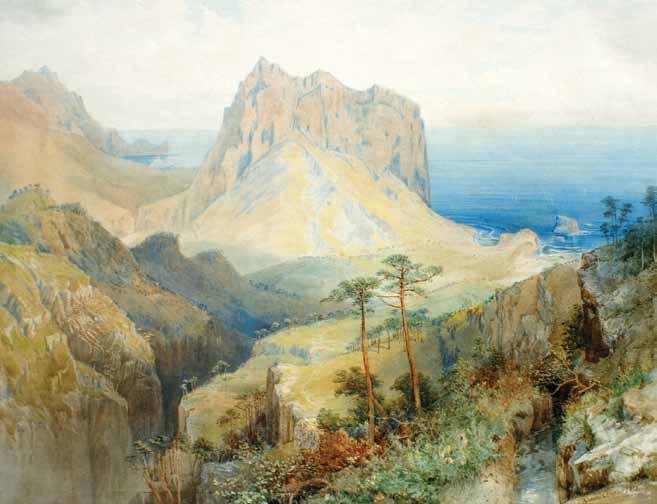
1854 - 1937
Maori Village
Monotone gouache on paper 31.5 x 50
Signed
800 - 1,200
1863 - 1930
Lake Pukaki
Watercolour 37 x 55
Signed 1,500 - 2,500
1828 - 1902
Coastal Scene
Watercolour 53 x 67
Signed & dated 1888
9,000 - 14,000
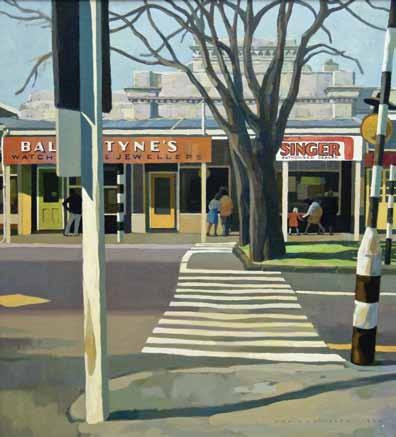
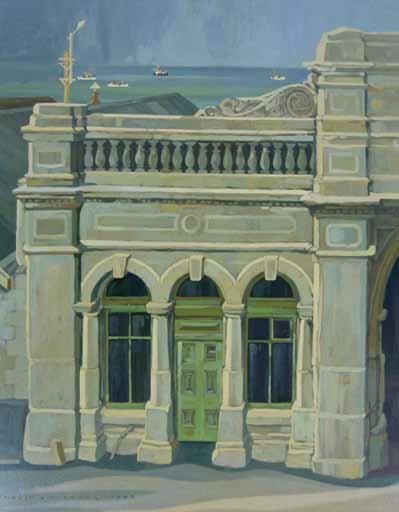
A
b. 1919
Thames Street, Oamaru
Oil on board 67 x 61
Signed & dated 1980
4,000 - 6,000
b. 1919
Grainstore, Oamaru
Oil on board 70 x 54
Signed & dated 1992
4,000 - 6,000
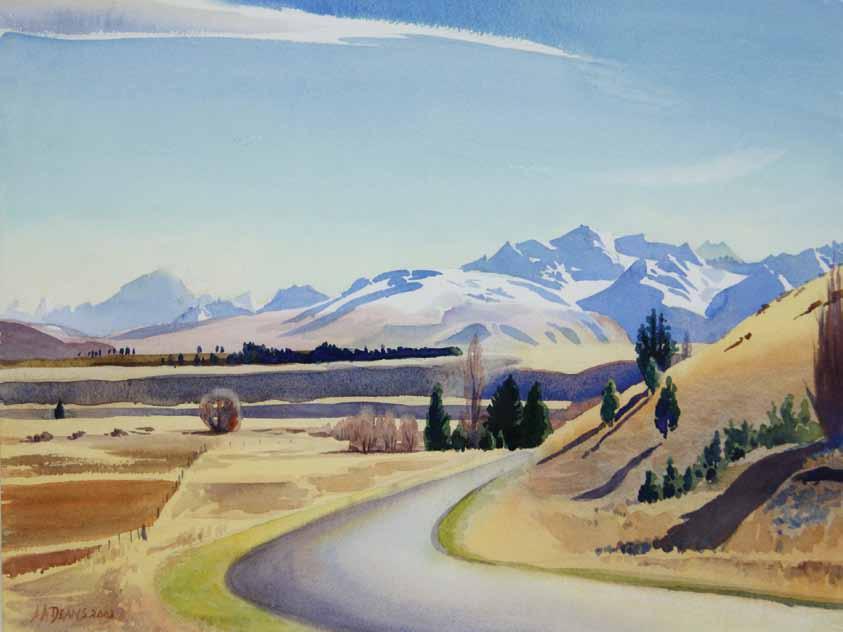
b. 1915
The Road To Tekapo
Watercolour 34 x 52.2
Signed & dated 2003
4,000 - 6,000
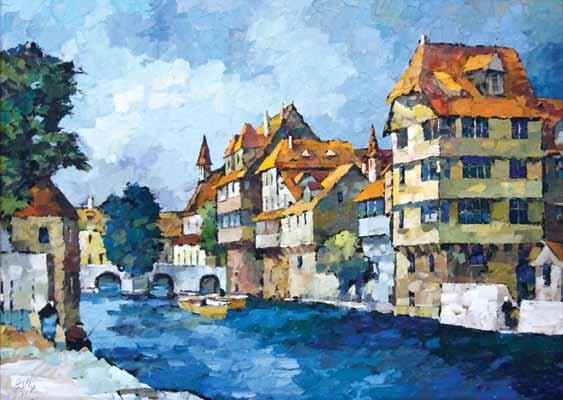
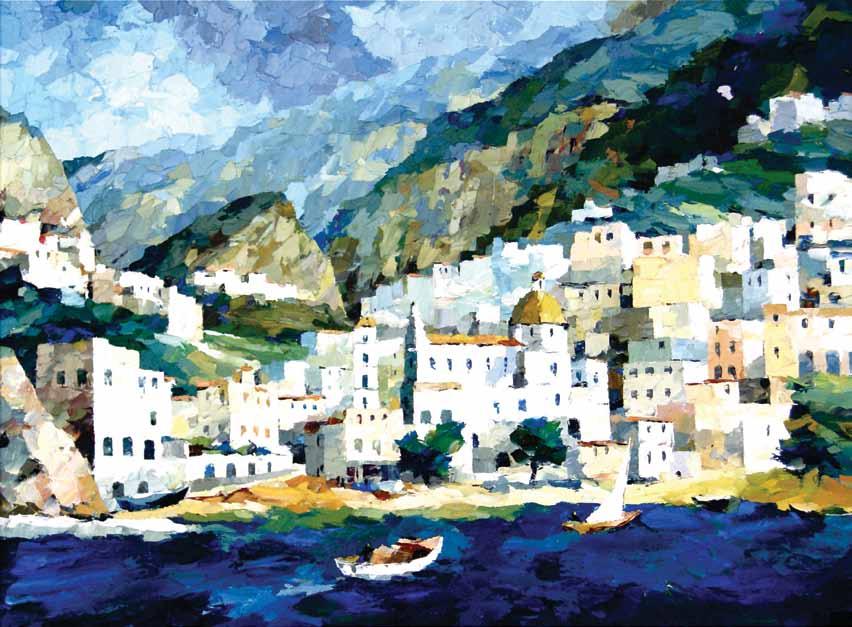
Well known for his distinctive European village scenes coupled with the heavy application of oil paint by both brush and palette knife, Dunedin based Tom Esplin began working on such subjects in the 1970s. The works found a ready market allowing the artist to return to Europe on regular painting trips with his wife Edith. The couple also travelled widely in China and the Pacific.
In his early years, Scottish born Esplin exhibited at the Royal Society of Artists, London and the Royal Society of Watercolourists, Scotland. He gained a Diploma of Fine Arts at Edinburgh College, Scotland. Arriving in New Zealand in 1954 the artist spent 30 years as Senior Lecturer and Associate Professor at the University of Otago School of Design. Retirement resulted in a busy life as a successful full time professional artist.
These two works have been in the same private ownership since painted.
121 DOUGLAS BADCOCK
1922 - 2009
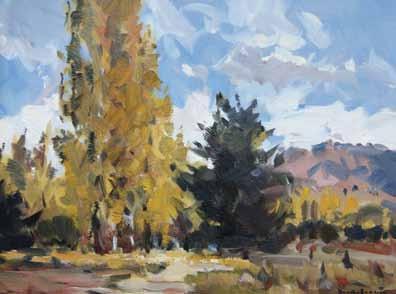
Autumn, Earnscleugh, Otago Oil on board 30 x 39.5
Signed. Inscribed verso 2,000 - 3,000
122 DOUGLAS BADCOCK
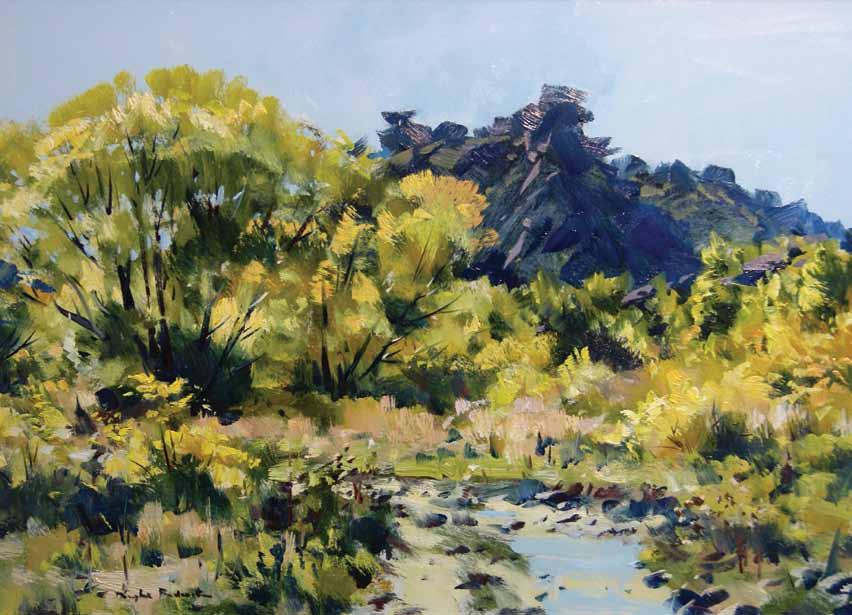
Willows and Creek, Speargrass Flat Oil on board 24.4 x 34.5
Signed. Inscribed & dated 1995 verso 2,000 - 3,000
123 DOUGLAS BADCOCK
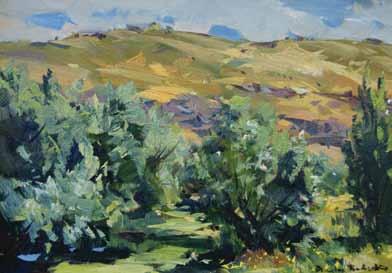
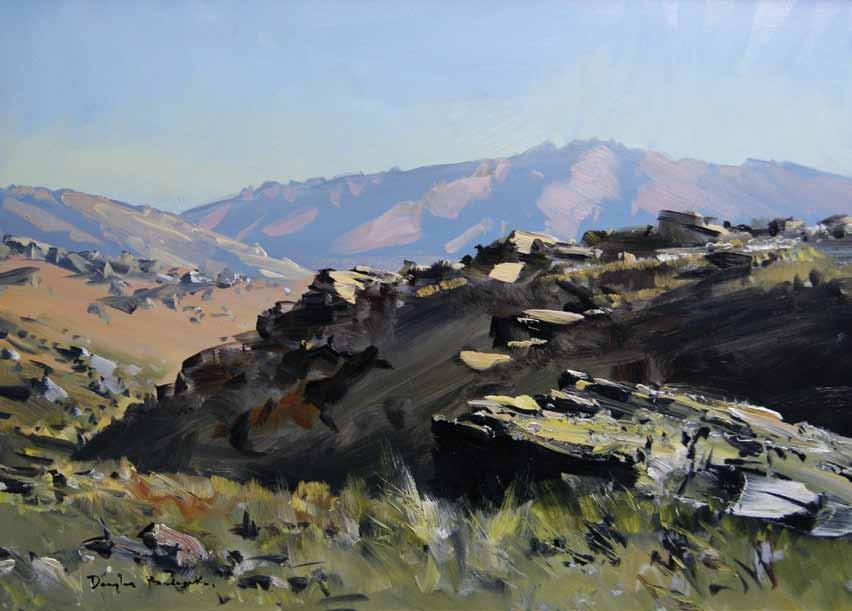
Rocky Landscape, Central Otago Oil on board 51 x 71
Signed. Inscribed verso 4,500 - 6,500
Born in Balclutha 1922 Douglas Badcock had a highly successful professional art career. Preferring to paint en plein-air, mostly in oil, Douglas earned a reputation as one of New Zealand's leading landscape painters. His paintings are included in the Queen of England's collection and King of Thailand's collection. Douglas was a Kelliher art award winner and several books have been published on his work. He came second in the 1959 Kelliher Art Award and third in the 1962 award.
Badcock held his first exhibition in Wellington in 1960, selling out within two days. A review at the time described him as ‘a realistic painter and absolutely sincere with a natural talent and a high technical standard ... A master of the New Zealand landscape, he paints New Zealand as he sees it’. He produced at least three publications: My Kind Of Country then later My Kind of Painting and A Painter in Fiji.
In a Listener article in 2004, Mr Badcock said: ‘paint seas, skies, mountains. I paint the world I know, as it appears to me. I have an image that is there and I have to record it. When I’m painting I let the subject reveal itself. Picasso said `I don’t seek, I find’. And finding is a revelation – intellectually, emotionally, spiritually. The primary motivation is self-expression, but if there’s no vision, if we don’t see beauty in nature any more, then we’re nowhere.’
Douglas Badcock passed away in 2009. These works are from the artist’s Estate collection.
124
1922 - 2009
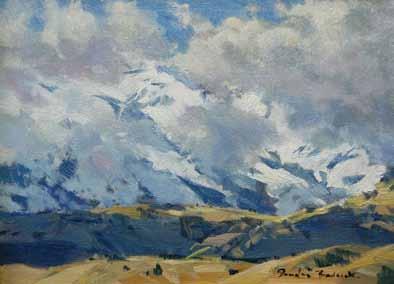
Snow Cover, Crown Range from Speargrass Flat Oil on board 25 x 34.5
Signed. Inscribed & dated 1995 verso
2,000 - 3,000
125 DOUGLAS BADCOCK
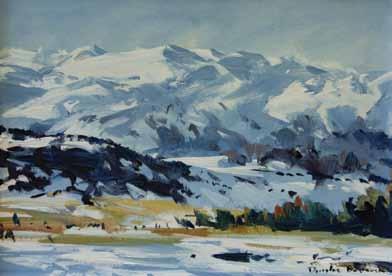
Coronet Peak from Speargrass Flat Oil on canvas board 24.4 x 34
Signed. Inscribed & dated 1995 verso
2,000 - 3,000
126
Fraser Dam, Mid Summer Oil on board 52 x 69
Signed. Inscribed & dated 2001 verso
4,500 - 6,500
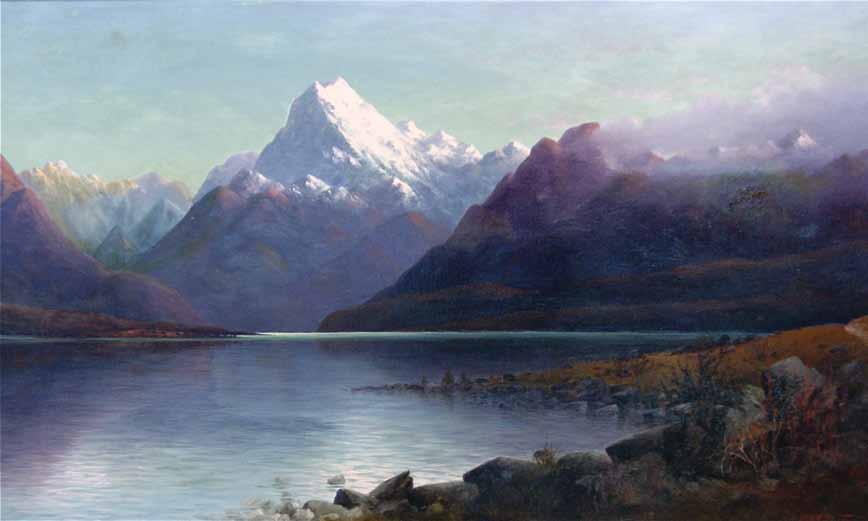
Signed
2,000 - 3,000
1913 - 1983
Landscape, 1948
Oil on board 47.5 x 63
Signed & dated 1948
4,000 - 6,000
1865 - 1934
Lavender Fields
Oil on canvas 49 x 64
Signed
4,000 - 6,000
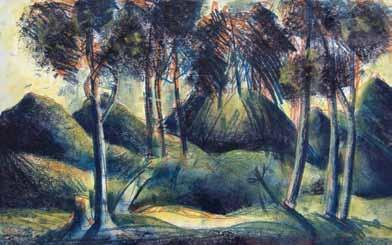
130 HARRY VYE MILLER
1907 - 1986
Akaroa Harbour
Charcoal and watercolour 30.5 x 45.5
Signed & dated 1971
800 - 1,200
131 EDWARD BULLMORE
1933 - 1978
Trees, Mamuka
Mixed media on paper 41.5 x 67
800 - 1,200
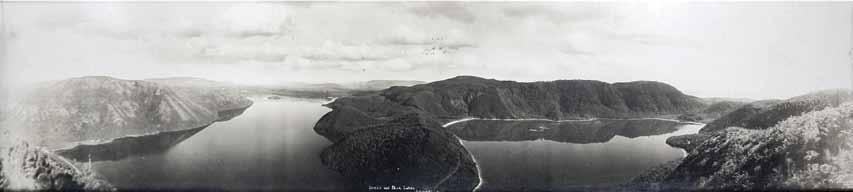
132 R P MOORE
1881 - 1948
Blue and Green Lakes, Rotorua
Panoramic black and white photograph 22 x 87
R P Moore Studio stamp & inscribed
400 - 800
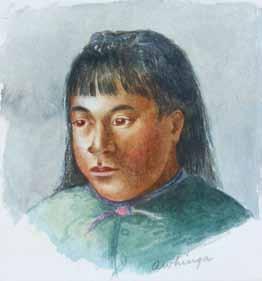
133 THOMAS DERBY RYAN
1864 - 1927
Awhinga
Watercolour 16.5 x 15.8
Inscribed
800 - 1,200
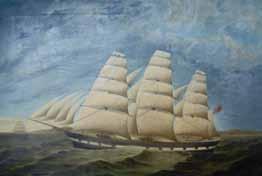
134 ARTIST UNKNOWN
19th Century
A Merchant Ship under Sail
Oil on canvas 59 x 85
Signed
800 - 1,200
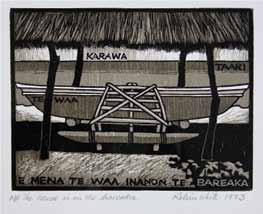
135 ROBIN WHITE b.1944
The Canoe is in the Bareaka Woodblock, Edition of 20, Artist’s Proof 15 x 20
Signed, inscribed & dated 1983
800 - 1,200
Viewing
Catalogue