Directors: Grahame Chote, Richard Thomson & Frances Davies
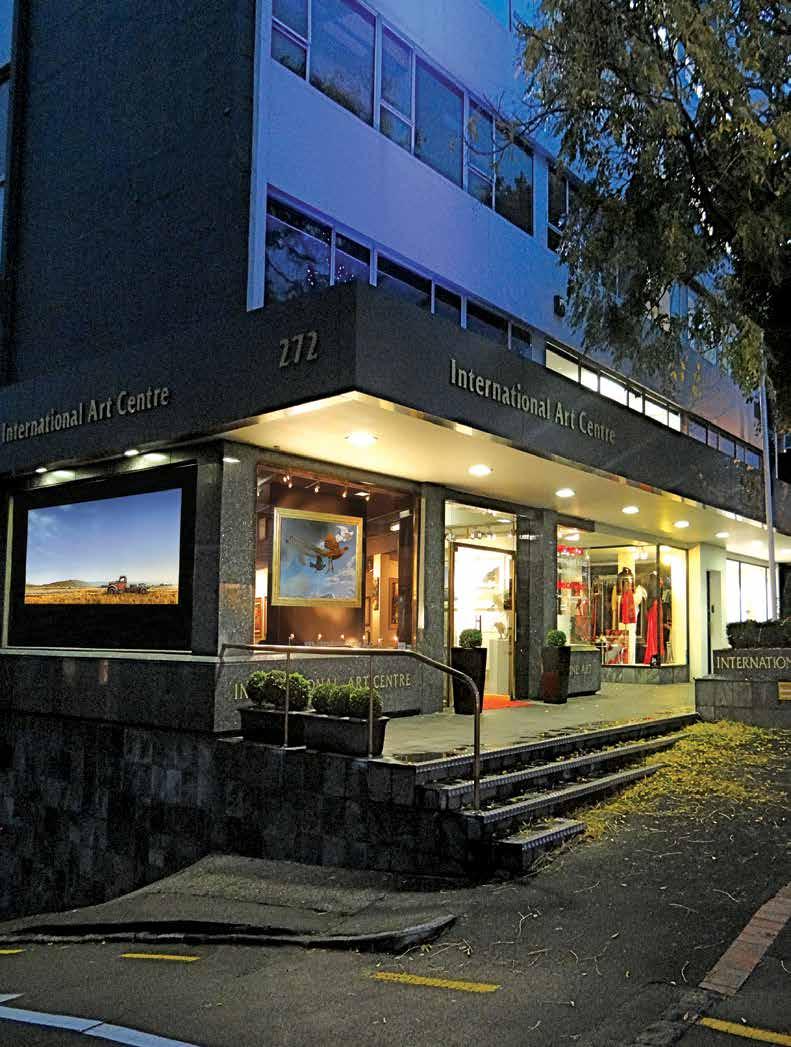
272 PARNELL RD, AUCKLAND, PO BOX 37 344 TEL (09) 379 4010 FAX (09) 307 3421 www.fineartauction.co.nz
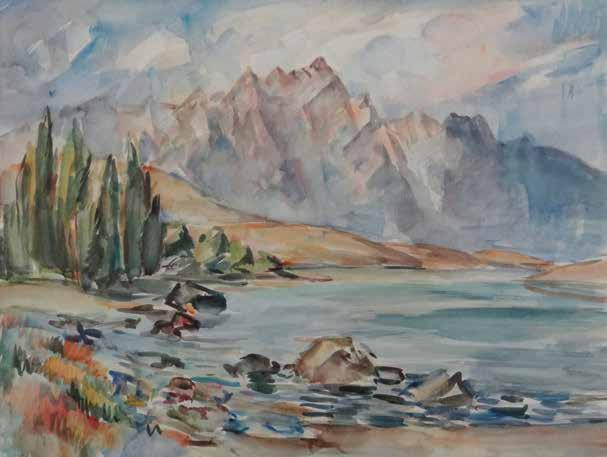
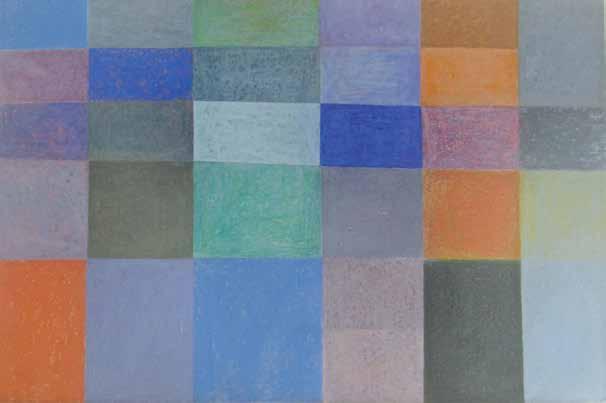
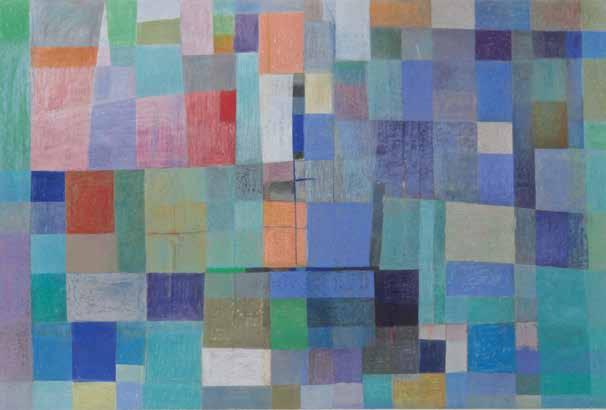
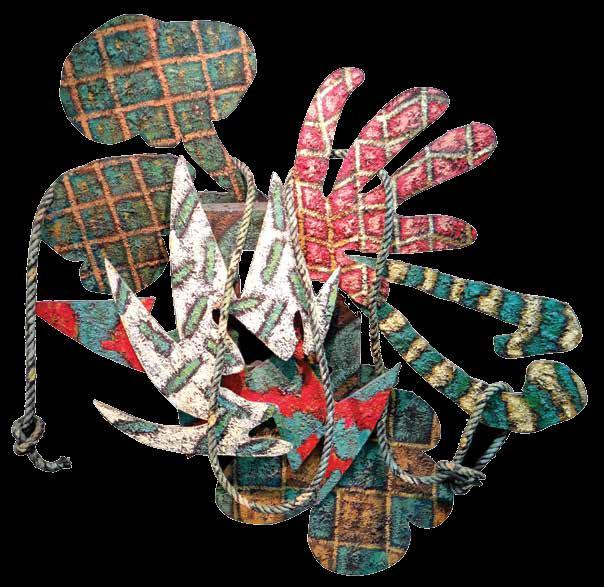
Contemporary & Modern Art
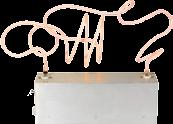
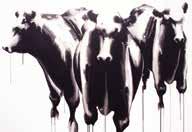
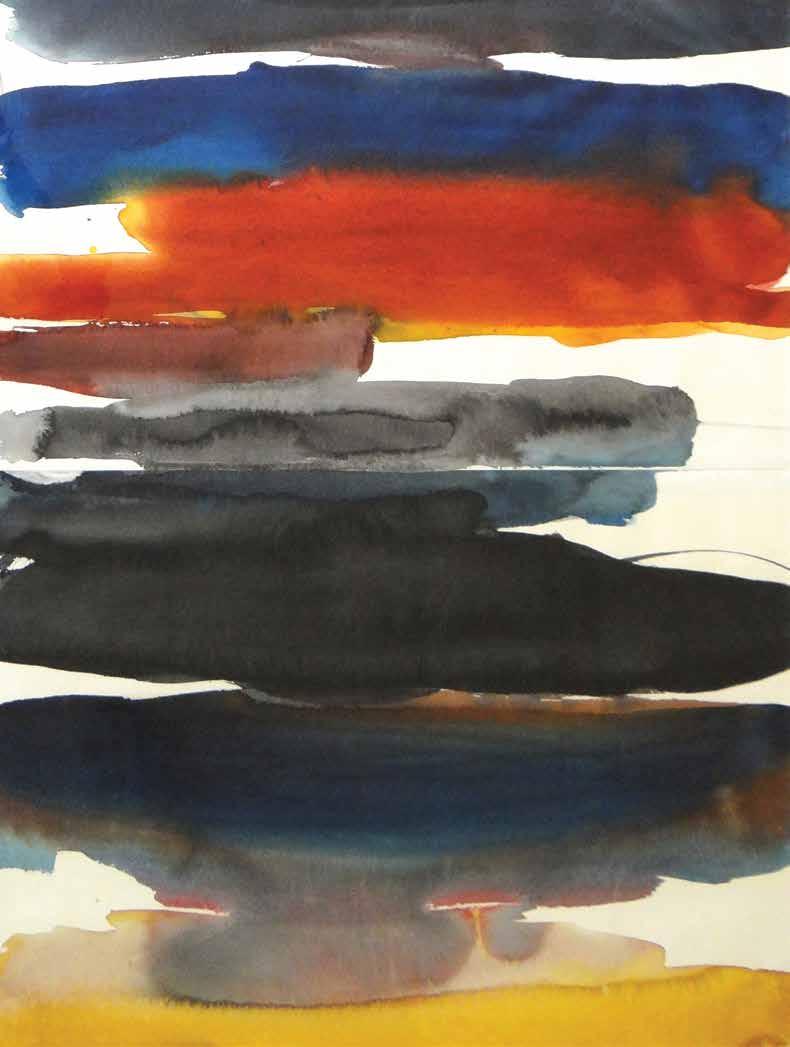
Billy Apple $7,620
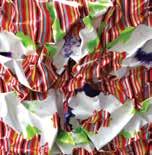
Miranda Parkes $6,155
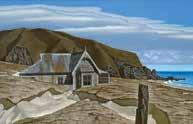
Brent Wong $52,700
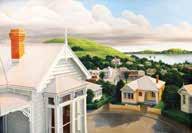
Peter Siddell $170,000
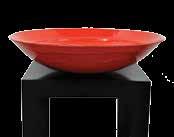
Len Castle $9,380
Mike Petre $17,000
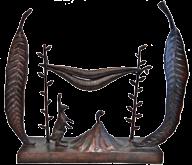
Dibble $12,890
Important, Early & Rare
Selected works from the Fletcher Trust Collection
6:30pm Wednesday 10 September 2014
The Fletcher Collection was begun in 1962 by Sir James Fletcher II and his friend and colleague George Fraser. Four watercolours by JBC Hoyte were purchased, reputedly for £300 and hung in the boardroom of Fletcher Holdings at Penrose, replacing photographs of race horses. With the continued acquisition of paintings, many from New Zealand’s colonial past, an interesting and diverse collection was gradually assembled.
In 1967, the company relocated to the present Fletcher House, where increased wall space prompted the decision to commence collecting contemporary New Zealand paintings. The Collection increased with the 1981 merger of Fletcher Holdings and Challenge Corporation. In Wellington, Challenge Corporation had maintained its own smaller collection since 1965. For ten years following the merger, the two collections functioned in Auckland and Wellington respectively. In 1991 they were consolidated as a single collection in Auckland.
During the 1990s the Fletcher Challenge Collection continued to grow while many other corporate art collections were being dismantled. With the 2001 dissolution of Fletcher Challenge Limited, sole responsibility and ownership of the Collection passed to the Fletcher Trust. Works from the Collection remained on the walls of the Fletcher Building offces at Penrose.
The Collection inherited by the Fletcher Trust had been amassed under a mandate to acquire the finest works by New Zealand artists. In many cases this involved purchasing paintings that represented the high points of periods in the work of our major artists. As a result multiple holdings of work by some artists was both important and inevitable.
The founders, Sir James Fletcher II and George Fraser, always resolutely maintained that the Collection operated primarily for the benefit of staff. Their aim was always to have as few works as possible in storage.
For a variety of reasons along with a change in staff numbers, the rise of the interactive offceand increased use of open-planned spaces, there are fewer walls in Fletcher related offcebuildingsand, as a consequence, less hanging space for paintings. The Trust has resolved that, rather than hold these fine art works in storage, the time has come to reduce the size of the Collection.
The Trust has decided to offer for sale by auction seventy seven selected works from the Collection. We welcome your interest in this sale.
Invitation
PREVIEW LECTURE BY DR ANGELA MACKIE OF THE CATHEDRAL LECTURES
Please join us for morning tea as Dr Angela Mackie discusses key works from the catalogue 10:30am - 11:30am Friday 5 September 2014
R.S.V.P. Luke Davies luke@artcntr.co.nz Tel. 09 379 4010
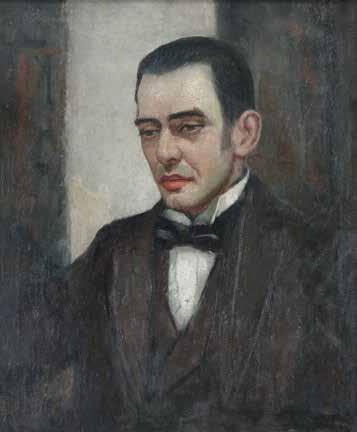
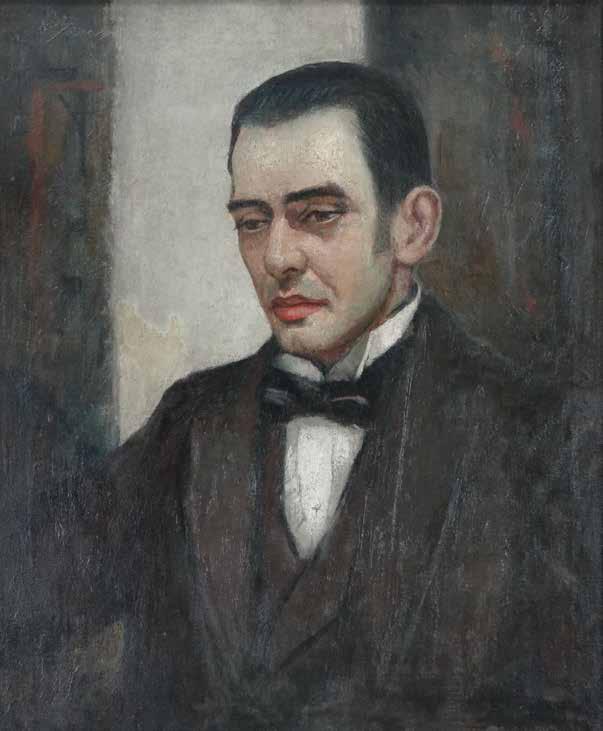
Lot 17 RAYMOND MCINTYRE Self Portrait
Auction commences 6:30pm
All measurements in millimetres
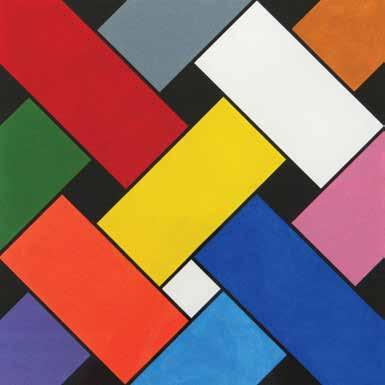
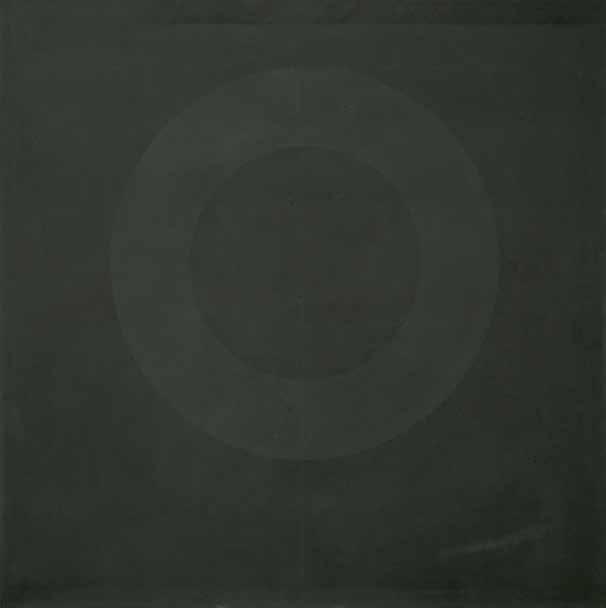
1 IAN SCOTT
1945 - 2013
Lattice Drawing no. 67
Acrylic on paper 340 x 340
Signed, inscribed & dated 1982 verso
Estimate $2,000 - 3,000
Provenance:
Fletcher Trust Collection
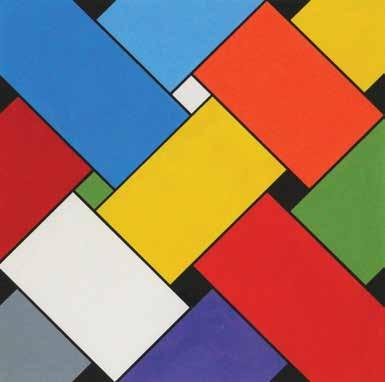
2 IAN SCOTT
1945 - 2013
Lattice Drawing no. 72
Acrylic on paper 340 x 340
Signed, inscribed & dated 1982 verso
Estimate $2,000 - 3,000
Provenance:
Fletcher Trust Collection
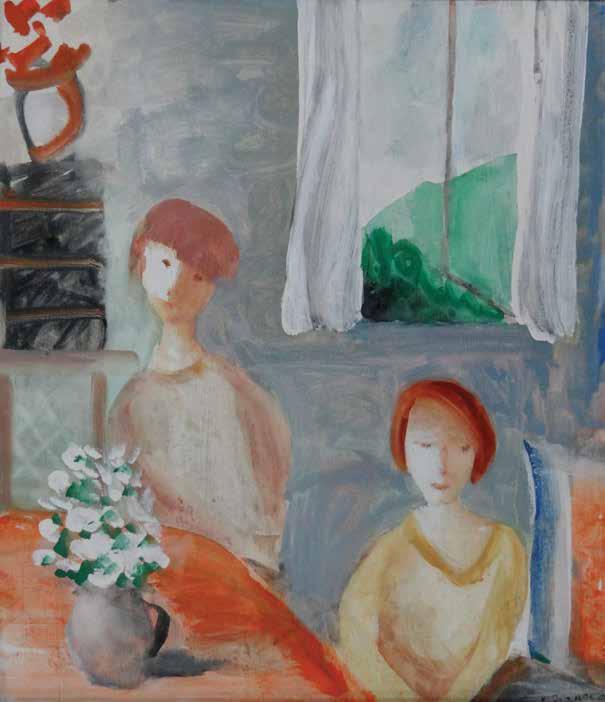
3 PATRICIA FRANCE
1911 - 1995
The Jug & Flowers
Gouache on paper 440 x 380
Signed
Inscribed verso
Estimate $4,000 - 6,000
Provenance:
Fletcher Trust Collection
Reference: p. 157 Painting Out the Past
The Life and Art of Patricia France, Richard Donald Longacre Press 2008
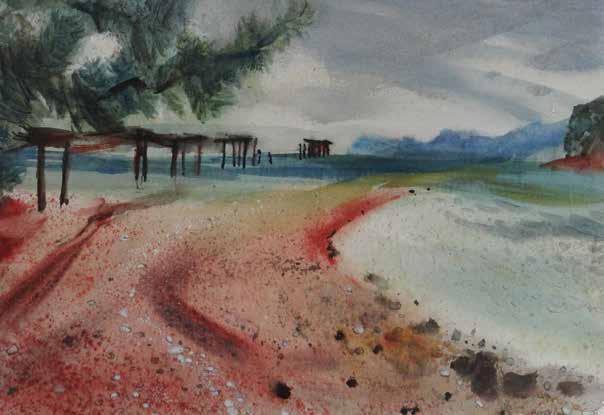
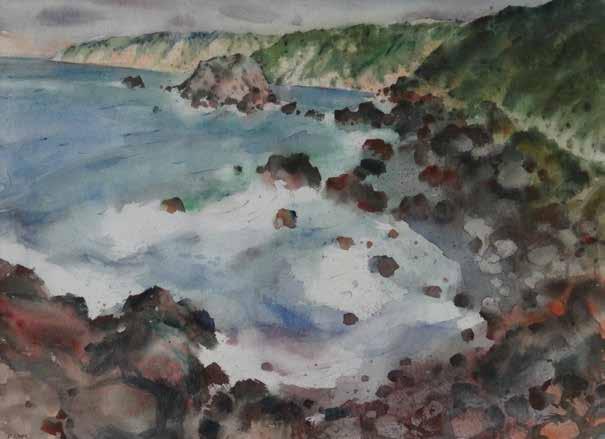
DORIS LUSK
1916 - 1990
Onekaka
Watercolour 400 x 620
Signed & dated 1977
Estimate $4,000 - 6,000
Provenance:
Fletcher Trust Collection
5
DORIS LUSK
1916 - 1990
Kaikoura Coast
Watercolour 525 x 715
Signed & dated 1983
Estimate $4,000 - 6,000
Provenance:
Purchased from Louise Beale Gallery, Wellington 22/12/1983. Label affxedverso Fletcher Trust Collection
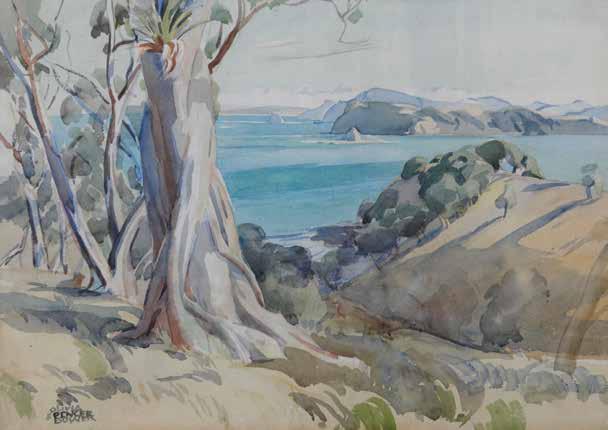
6
OLIVIA SPENCER BOWER
1905 - 1982
Near Mahurangi
Watercolour 380 x 535
Signed
Estimate $3,000 - 4,000
Provenance:
Fletcher Trust Collection
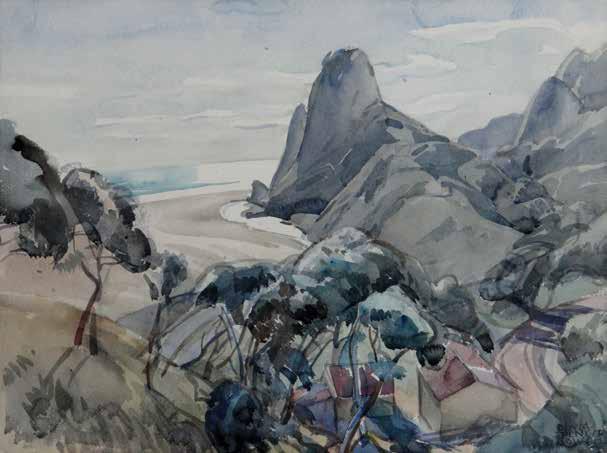
7 OLIVIA SPENCER BOWER
1905 - 1982
Karekare
Watercolour 390 x 520
Signed
Estimate $3,000 - 4,000
Provenance:
Fletcher Trust Collection
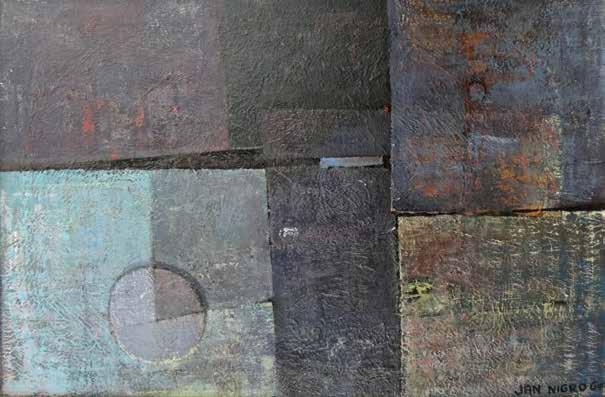
JAN NIGRO
1920 - 2012
Abandoned Mine IV
Oil on board 800 x 1210
Signed & dated 1964
Estimate $3,000 - 5,000
Provenance: Fletcher Trust Collection
Illustrated p. 81 Apple for the Teacher, by Jan Nigro, David Bateman 1996
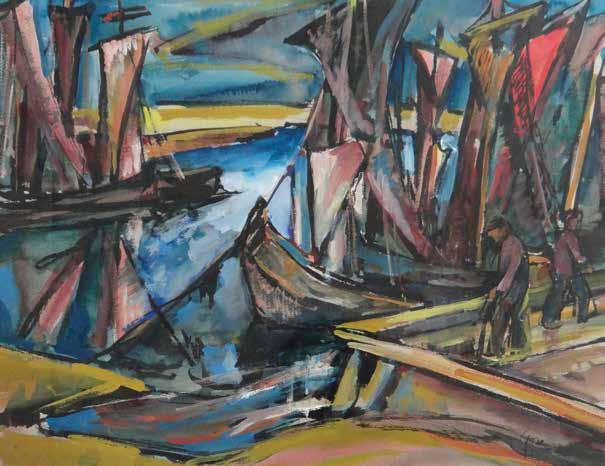
9 RUDOLF GOPAS
1913 - 1983
Wharves
Tempera on board 460 x 600
Signed & dated 1950
Estimate $5,000 - 7,000
Provenance:
Fletcher Trust Collection
10
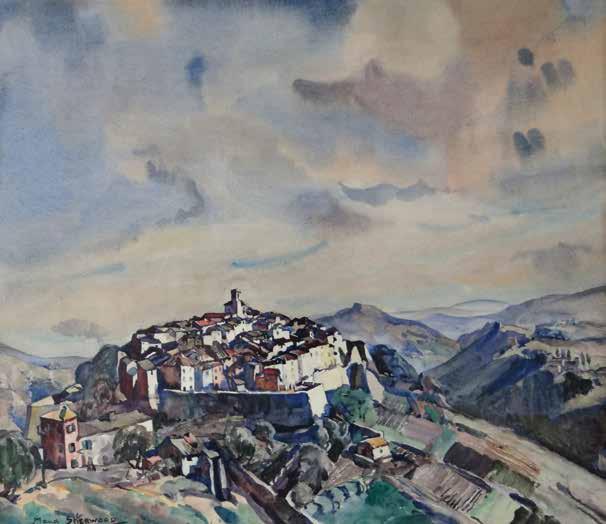
MAUD WINIFRED SHERWOOD
1880 - 1956
St Paul de Vence, France
Watercolour 480 x 550
Signed
Estimate $4,000 - 6,000
Provenance:
Fletcher Trust Collection
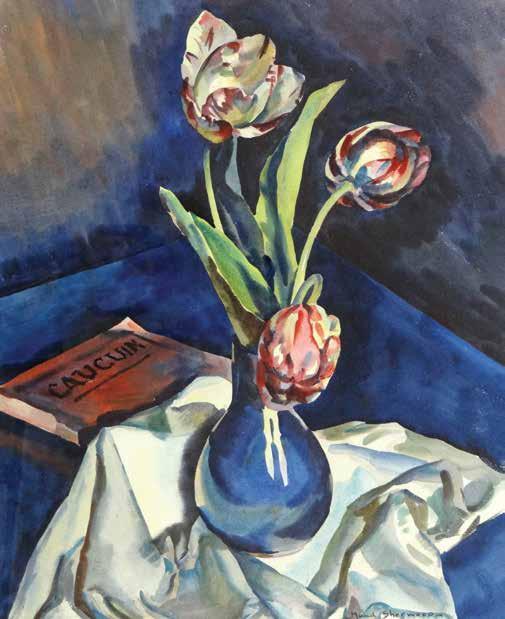
11 MAUD WINIFRED SHERWOOD
1880 - 1956
Variegated Tulips
Watercolour 547 x 455
Signed
Estimate $4,000 - 6,000
Provenance: Fletcher Trust Collection
12
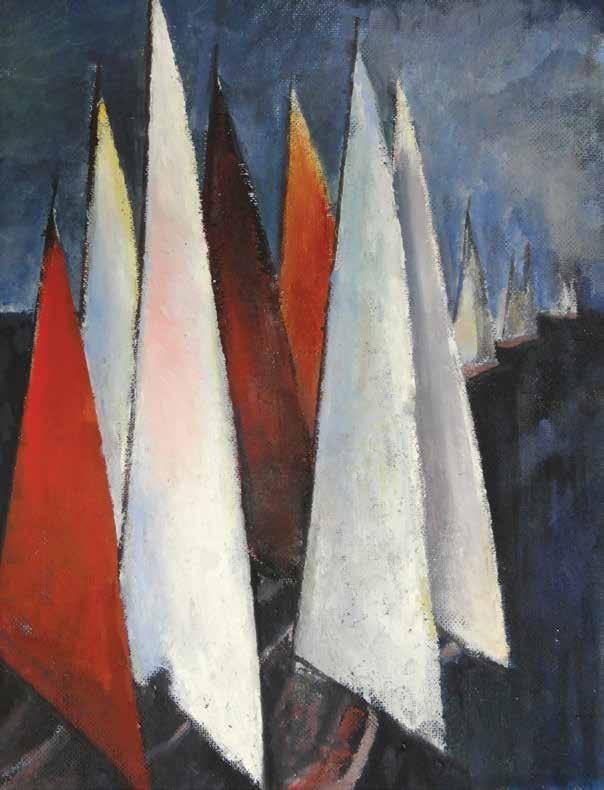
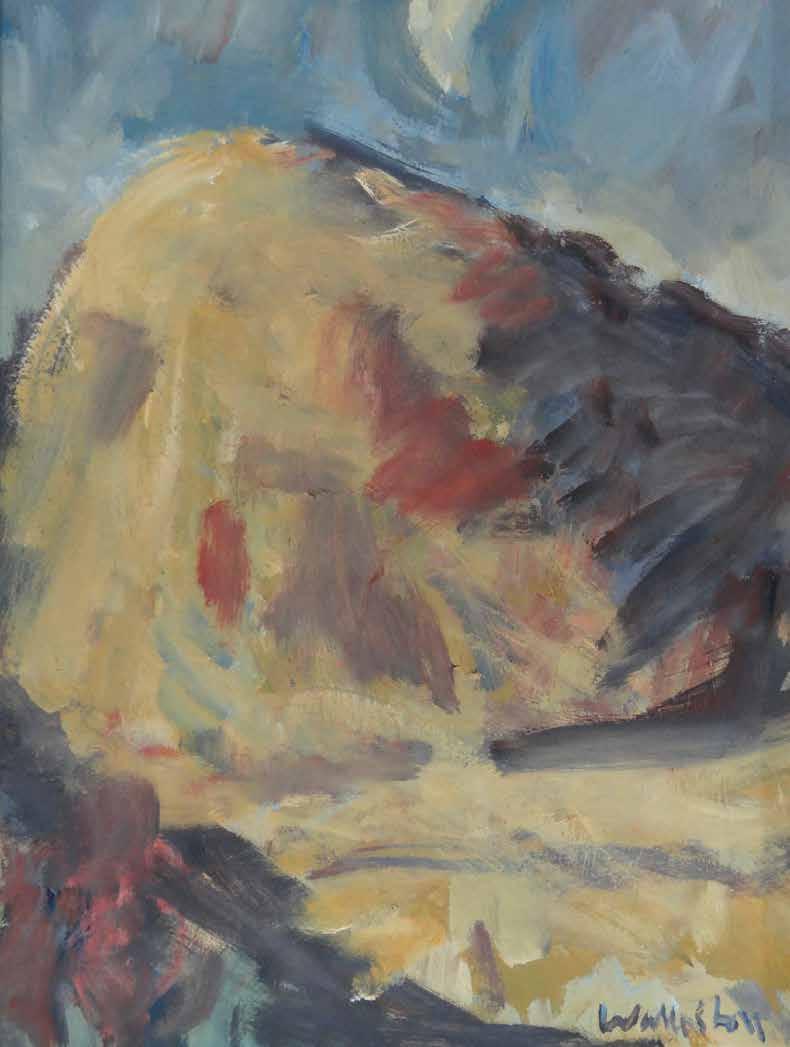
WILFRED STANLEY WALLIS
1891 - 1957
Sails, Abstraction
Oil on board 500 x 380
Estimate $4,000 - 6,000
Provenance:
Ex Wallis Family Collection, Rotorua
Purchased from John Leech Gallery, Auckland c. 1985
Fletcher Trust Collection
W.S. Wallis was born in Christchurch and educated at Christchurch Boys’ High School. After graduating with a degree in Medicine from the University of Otago in 1914 he went overseas in 1915 as a medical offcer, serving in Egypt and later in England. He came back to New Zealand as Chief Medical Offcerof Hospital Transport, Maunganui and was subsequently
appointed superintendent of the then King George Hospital, Rotorua.
After a period in private practice, Wallis returned to work in the Queen Elizabeth Hospital during World War II, attending to wounded returned servicemen. He was awarded an O.B.E. in 1948 for his services to medicine.
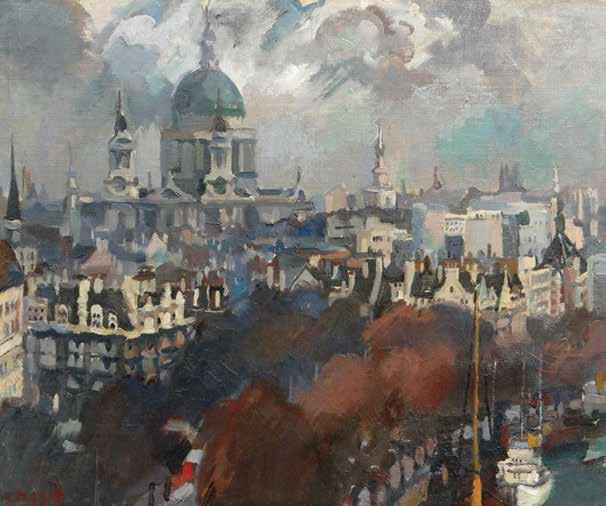
13 EVELYN PAGE
1899 - 1988
View of St Paul’s, London
Oil on canvas 595 x 600
Signed
Estimate $15,000 - 25,000
Provenance: Fletcher Trust Collection
In 1950 Evelyn Page travelled by ship to England with her husband Frederick, who was on sabbatical from the music department of Victoria University. While in London Page spent some time looking at the oil sketches of Constable which are held in the Victoria and Albert Museum. She saw an exhibition of works by Matthew Smith and introduced herself to him; she and her husband visited Ivon Hitchens and bought a painting from him. At this time she also painted Ralph Vaughan Williams, while her husband played the
piano music of Douglas Lilburn, a former student of the great English composer. View of St Paul’s, London is one of a number of oils which convey the bustle, movement and colour of the city of London which so attracted the artist. This work is an authentic record of blustery, grey English winter weather. Page revelled in the ‘clear, strong colours waiting to be put on canvas‘ when they returned to Wellington. There is subliminal reference to the well known photograph taken during the blitz of the smoke surrounding St Paul’s.
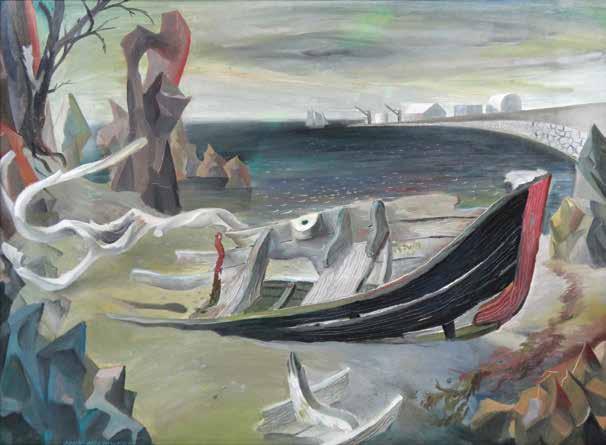
14
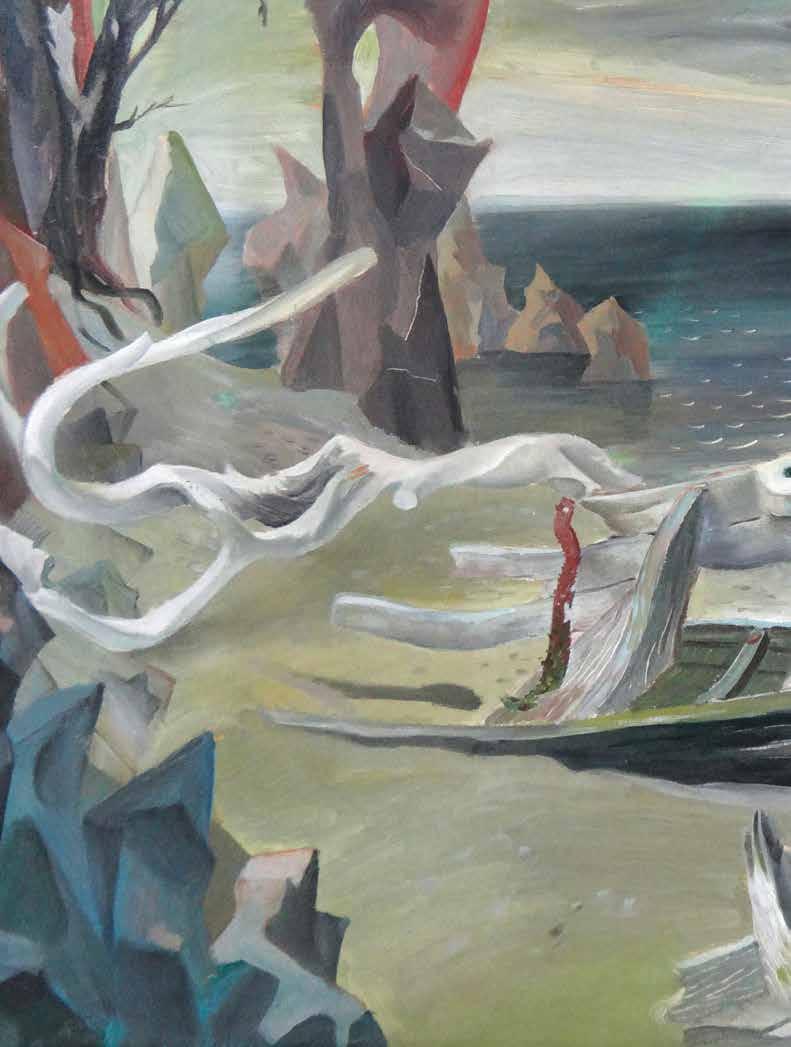
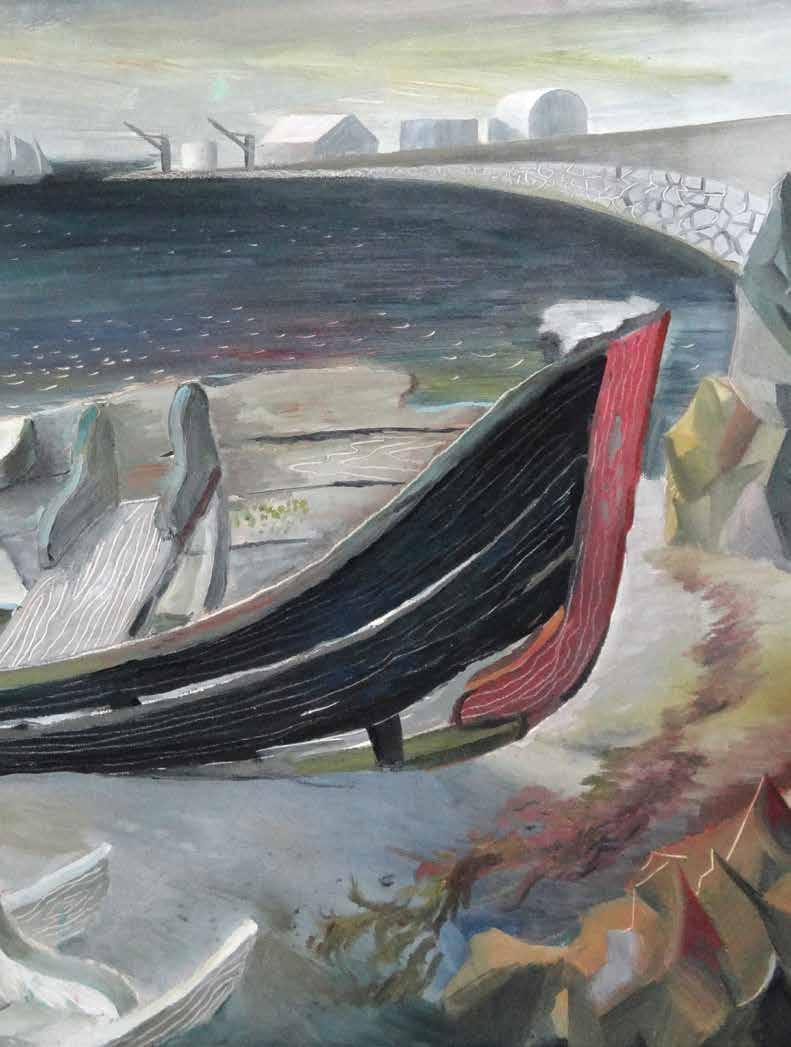
JOHN HOLMWOOD
1910 - 1987
Derelict
Oil on board 560 x 760
Signed & dated 1951
Inscribed on artist’s label affxedverso
Estimate $15,000 - 25,000
Provenance:
Purchased from Webb’s Auction, July 1987 Fletcher Trust Collection
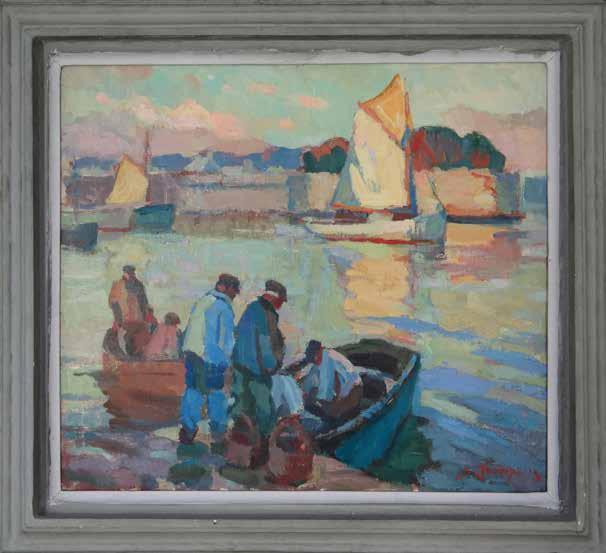
15 SYDNEY LOUGH THOMPSON
1877 - 1973
Autumn Evening – Concarneau, Brittany
Oil on canvas 460 x 525
Signed
Estimate $18,000 - 25,000
Provenance: Fletcher Trust Collection
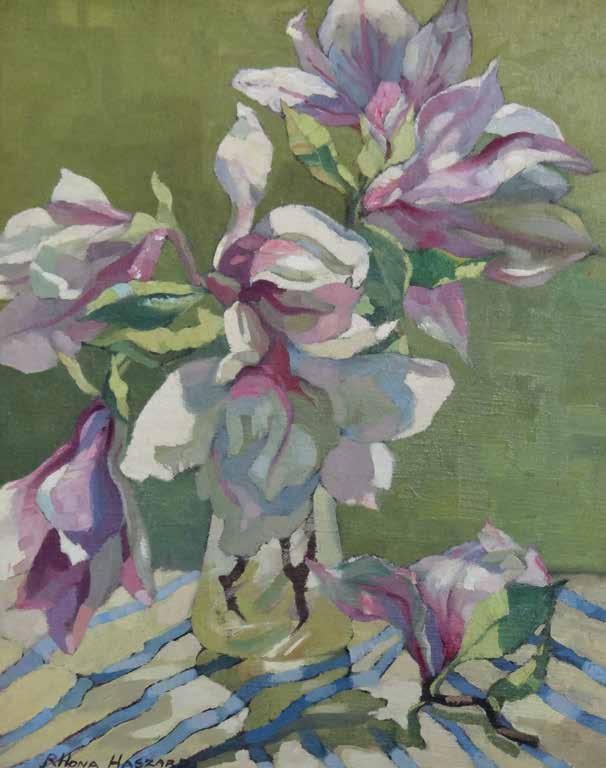
16
RHONA HASZARD
1901 - 1931
Still Life: Magnolias
Oil on board 420 x 325
Signed
Estimate $15,000 - 20,000
Provenance:
Purchased from John Leech Gallery, Auckland 1985
Fletcher Trust Collection
Exhibited:
Daily Express, Young Artist’s Exhibition, original label affxedverso
New Zealand Artist Joanne Drayton, Canterbury University Press, 2002
Born in Thames on the Coromandel Peninsula in 1901, Haszard studied at Canterbury College School of Art and worked with fellow students Ngaio Marsh, Evelyn Page, Rata Lovell-Smith and Olivia Spencer Bower. She was taught by Archibald Nicoll, the newly appointed head of the school. A successful future seemed assured by her marriage in 1922 to teacher and fellow student Ronald McKenzie. However in 1925 she abandoned her marriage and headed to France with ex-British army offcerandartistLeslieGreener. They settled in Paris and studied at the Academy Julian. Her brighter, Post-Impressionist style rapidly brought international recognition, and in London she participated in a number of significant exhibitions.
She worked as an artist on the Channel Island of Sark, France, Alexandria and London. She dressed eccentrically, recommended Radclyffe Hall’s lesbian novel The Well of Loneliness, spoke positively of de facto relationships and advocated vegetarianism and unprocessed food. Most significantly, she wanted to paint innovatively and professionally.
Her life was cut short at the age of thirty when she fell from a four-storey tower at Victoria College, Alexandria in 1931, the night after her last exhibition opened.
17 RAYMOND MCINTYRE
1879 - 1933
Self Portrait
Oil on canvas 61 x 51
Estimate $40,000 - 60,000
Provenance:
McIntyre family collection, London
Purchased from John Leech Gallery, Auckland circa 1990 Fletcher Trust Collection
Raymond McIntyre was an emigre New Zealand artist whose departure was an enormous loss to painting in this country. Born in Christchurch he studied with Petrus van der Velden and attended evening classes organised by the Canterbury College School of Art. In 1905 he joined a sketch club where he met Sydney Lough Thompson who had recently returned from four years study in Europe. From 1906 -1908 McIntyre shared a studio in Cathedral Square with Leonard Booth who described him as an enthusiastic disciple of Whistler. In 1906 -1907 McIntyre was able to observe for himself the new techniques of impressionism when twenty works by English Art Club members were shown at the New Zealand International Exhibition in Christchurch.
These were to be enormously influential in forming McIntyre’s modern style of painting, a factor which
did not always endear him to the art establishment. Consequently, in 1909 at the age of thirty, he left for England where he began an intensive period of study with such noted artists as Walter Sickert and William Nicholson.
His diverse work included street scenes, a subject he shared with the Camden Town Group, and from 1920 he began to paint rivers and parks. McIntyre was also a talented musician, writer, printmaker, theatre and music critic. For some years he was art critic for the Architectural Review. He was a practising Christian Scientist since 1907 and in 1933 refused an operation for a hernia. The resulting infection caused his death which could have been prevented if he had permitted medical treatment.
18 NIGEL RODERICK BROWN
b. 1949
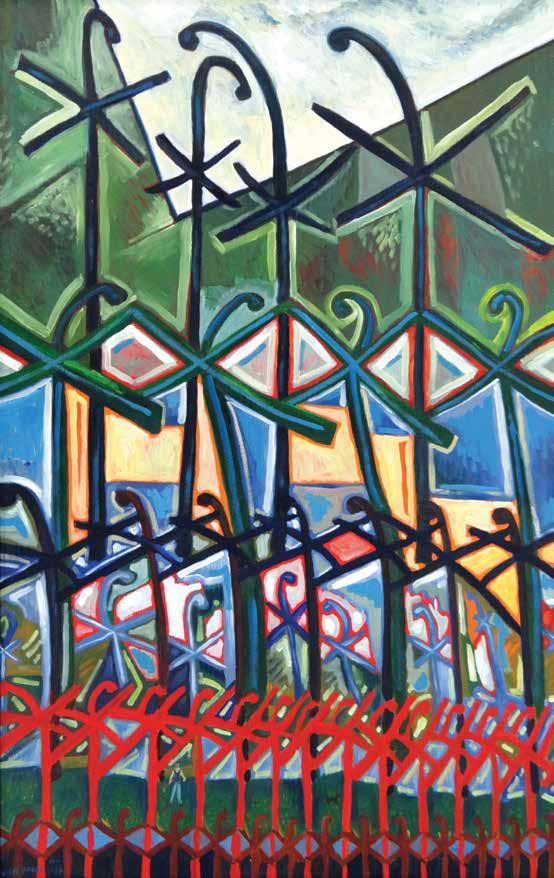
Walls of Fern for an Axeman Oil on board 1210 x 772
Signed & dated 1980
Inscribed and dated Titirangi 1980 verso
Estimate $7,000 - 12,000
Provenance: Barry Lett Galleries, Auckland Fletcher Trust Collection
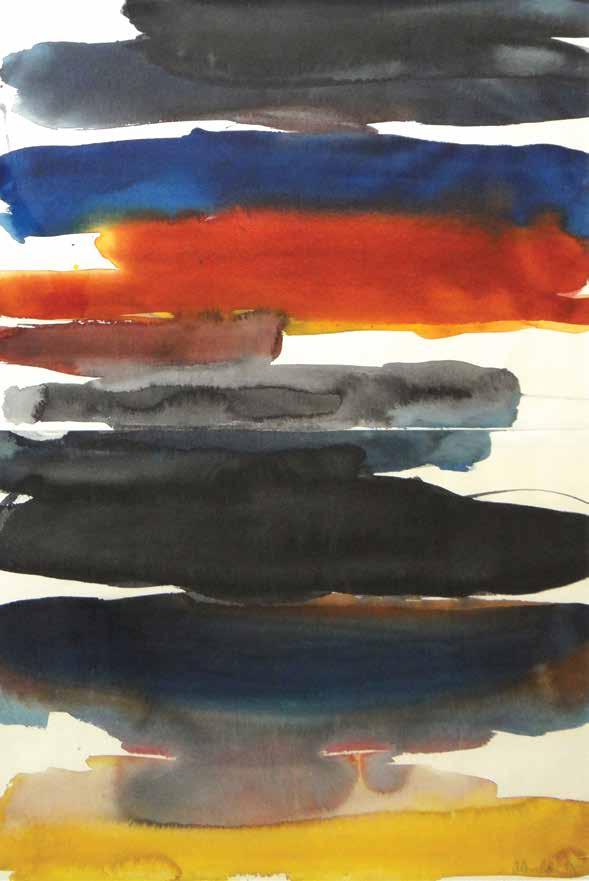
19 GRETCHEN ALBRECHT
b. 1943
Untitled Watercolour 1110 x 740
Signed & dated 1974
Estimate $12,000 - 18,000
Provenance:
Barry Lett Galleries, Auckland Fletcher Trust Collection
20
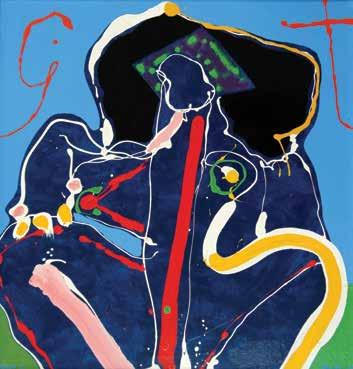
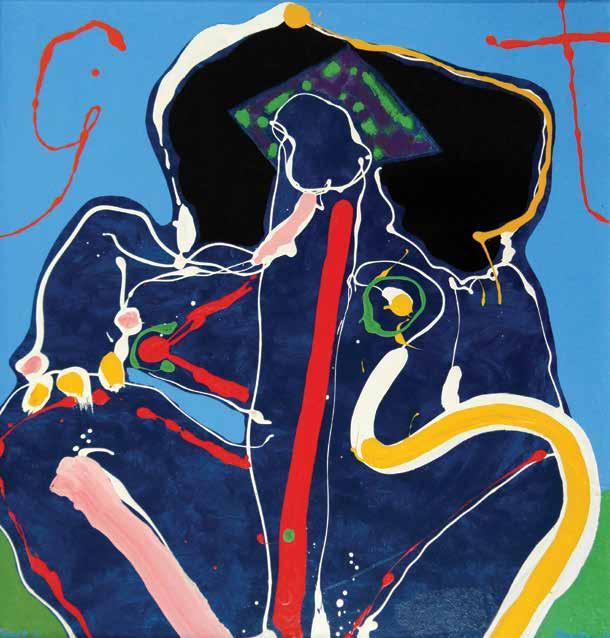
PATRICK HANLY
1932 - 2004
Torso G
PVA, enamel & acrylic on board 580 x 550
Signed, inscribed & dated 1978
Estimate $35,000 - 45,000
Provenance:
Purchased from Barry Lett Galleries, 1978
Fletcher Trust Collection
Illustrated:
Art New Zealand, Winter 1978
Pat Hanly’s Torso G comes more than a decade after he returns from five years in Europe and marks a time in his career when he said that everything, all the strands he had been working on, were coming together. The painting holds within it the discoveries and achievements of several preceding series: the coastal light of Figures in Light; the tenderness of Girls Asleep; the atomised forms and transparency of Inside the Garden and Molecular; and finally the mature balance between figure, ground, line and flat, intense colour of The Golden Age.
Torso G was first shown at Auckland’s Barry Lett Galleries early in 1978 and reproduced in Art New Zealand in the same year. It is tempting to see the ‘G’ in the upper left corner as referring to the artist’s wife Gil; and perhaps the ‘T’ as Gil’s maiden name Taverner, or their daughter Tamsin’s initial, or standing in for the ‘Torso’ of the title – or all three. Whichever, Torso G is Pat Hanly at the top of his game, and evidence that, as his wife Gil Hanly says “he knew absolutely what he was doing”.
However, arriving at a painting such as Torso G was not plain sailing for Hanly. There were struggles: Gil Hanly recounts how the artist laboured through periods when he felt blocked; being worried he was too influenced by what he was taught at art school; and a diffcult“flounderingaround”period following his return to New Zealand when he could not really get his eye in after the sunless but otherwise frenetically stimulating years in the UK, Holland and Italy. To compound these struggles, his habit of destroying works he was not happy with (even buying them back to do so) is well-known. Probably, and most importantly, it was ‘the darkness’ that gave birth to this painting and others of its quality from this period. ‘The darkness’ as Pat Hanly called it, was a reductive technique that he devised trying to unlearn what he’d learnt at art school and to see things afresh. He had a studio in Grafton where he blacked out the windows and worked entirely in the dark; turning on the light later to discover what he’d done. This process was both productive and thrilling.
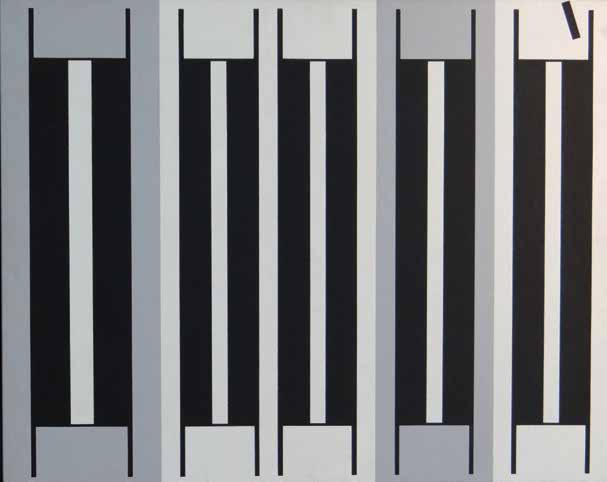
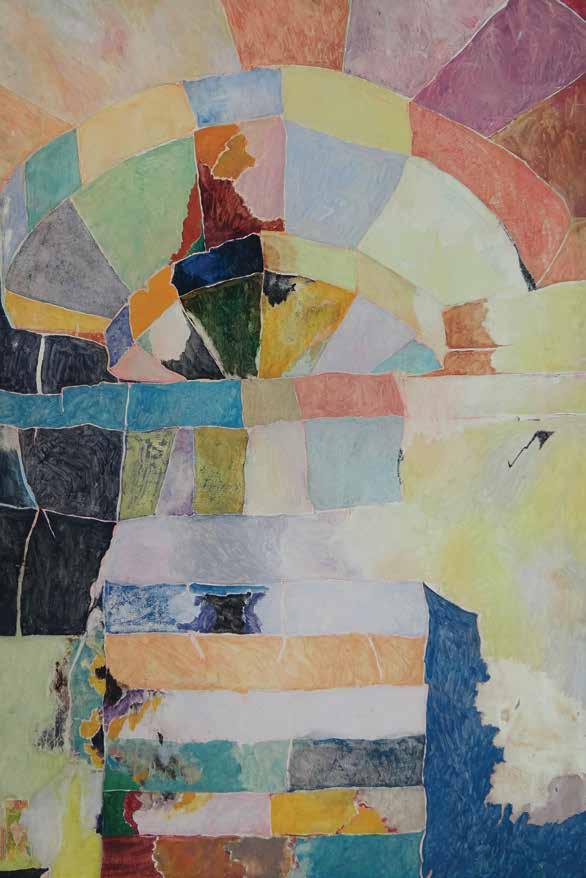
ROB GARRETT
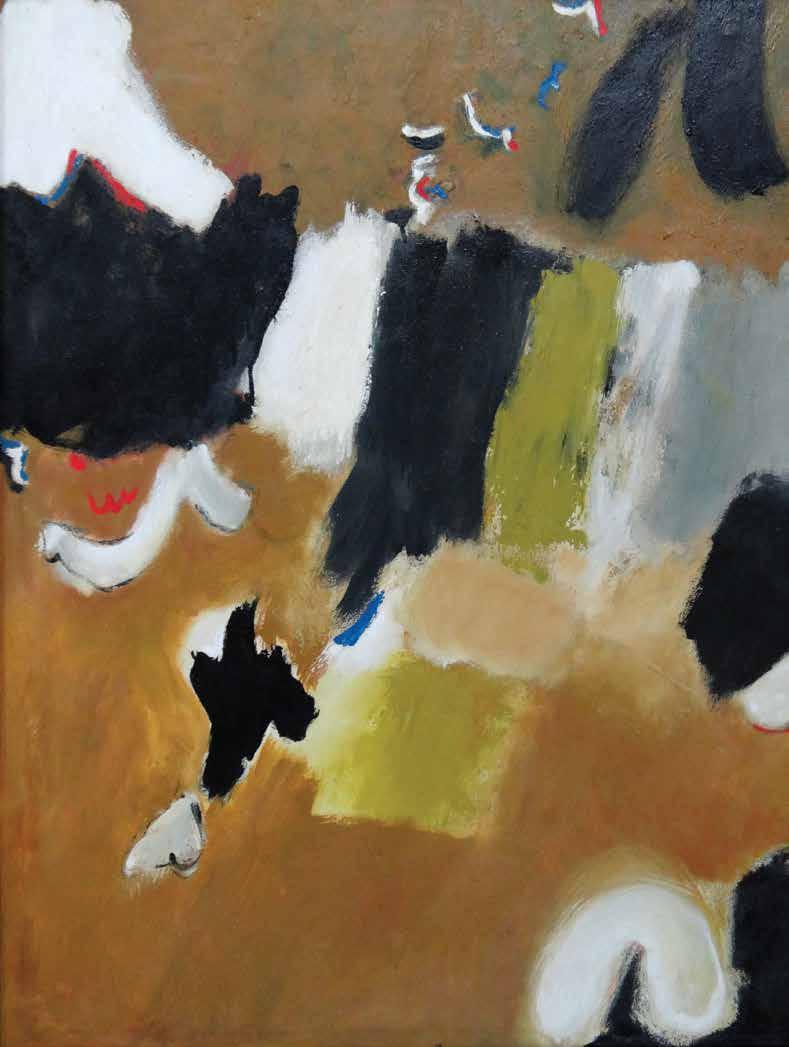
21 GORDON WALTERS
1919 - 1995
Untitled
Acrylic on canvas 490 x 610
Estimate $20,000 - 30,000
Provenance:
Fletcher Trust Collection
Untitled is a remarkable work for the way it forms a stylistic bridge between Walters’ earliest abstract works and the final fifteen years of his oeuvre while he took a break from his koru paintings. The work also gives us a clue as to the artist’s interest, not only in European abstraction, but the lessons of Dadaism, and especially of Jean Arp who compared the role of the artist to a plant bearing fruit.
Walters largely moved between New Zealand and Australia throughout his career, working in Wellington, Auckland, Sydney, Melbourne and finally Christchurch.
His early career was punctuated by a brief but very influential period living in London, Amsterdam and Paris where he gained first-hand experience of Paul Klee, Victor Vasarley, Auguste Herbin, Giorgio Morandi, Kazimir Malevich, Theo van Doesburg, Joan Miró, Jean Arp and Piet Mondrian.
Although by the 1970s he was working in acrylic on canvas, paintings from this period such as Untitled started out as paper collages. Walters would cut out a variety of shapes of coloured paper and arrange and re-arrange them on a larger sheet until he had arrived at the composition of forms that best suited him and from there he would commence painting.
This is a slow and deliberative process, but it is also open to spontaneous chance discoveries, and these two aspects give the artist great freedom to work through numerous possibilities before settling on the most satisfying. Here, the lessons of Dadaism and especially of Jean Arp seem important, because it was Arp who also developed both paintings and relief sculptures from experiments with paper collage.
“According to the laws of chance” Arp would drop cut paper shapes (and later torn pieces of paper) – like fruit from a plant – onto a plane ground and then arrange his design based on the compositional juxtapositions suggested by where the paper pieces landed.
He was careful to explain however that his compositions were not the result of “the law of senselessness”: they were not, as people have claimed, random.
Take a look at the small black shape at the top right hand corner of Walters’ painting. Is this the result of the operation of the “laws of chance” in the moments when Walters is moving pieces of cut paper around to develop the plan for his painting? It could be, but whether it is or not, it reveals the artist’s delight in creating surprising shifts and formal juxtapositions that have a lasting resonance.
ROB GARRETT
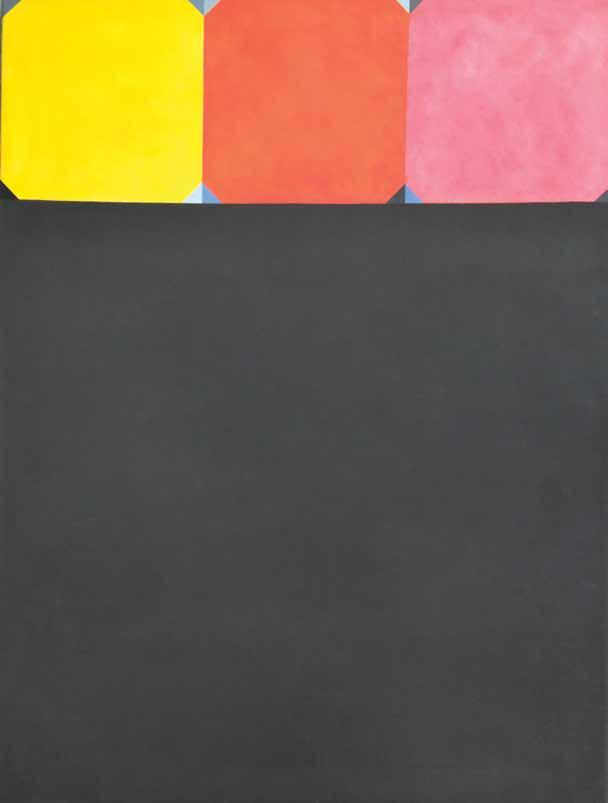
22 MILAN MRKUSICH
b. 1925
Meta Grey - Light Series
Oil on canvas 1120 x 840
Signed, inscribed & dated 1970 verso
Estimate $45,000 - 65,000
Provenance:
Fletcher Trust Collection
Acquired directly from the artist, 1978
Exhibited:
Twenty Paintings 1969 - 1970, Barry Lett Galleries, Auckland 6 - 16 July 1970
Illustrated:
p. 76 Mrkusich The Art of Transformation, Alan Wright & Ed Hanfling
Auckland University Press, 2009
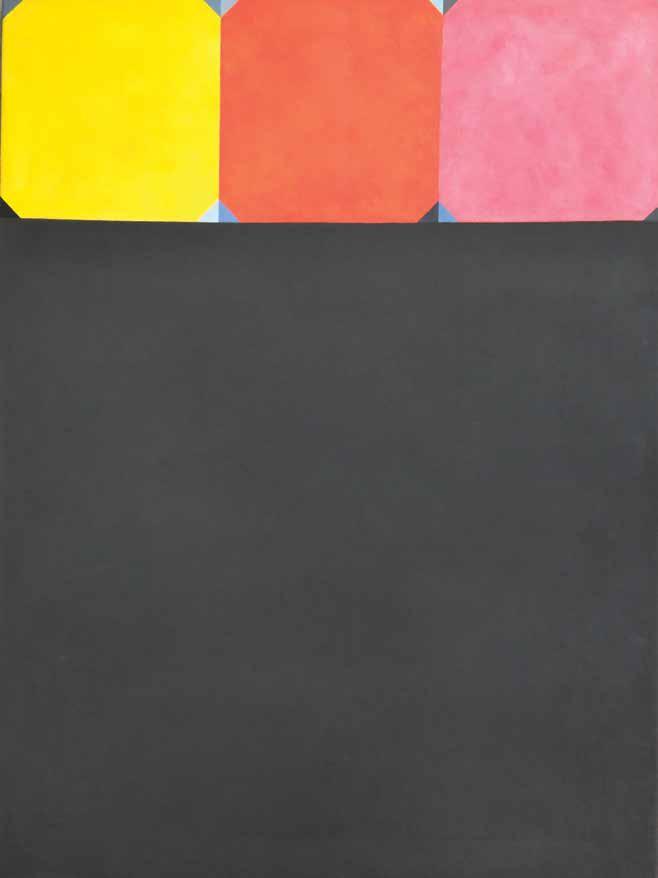
The Meta Grey series commenced in 1969, is a development from the Corner paintings in that each work is concerned with density of colour rather than with space. They were originally silent, sombre works dominated by the colour grey but later, as here, Mrkusich darkened the tonality to black and brightened the other colour groupings. These light coloured areas at the top act as a positive element while the greys or blacks below are the negative. A quotation from Susan Sontag’s essay
Aesthetics of Silence may be useful: “ Traditional art invited a look. Art that is silent engenders the stare. Silent art allows - at least in principle - no release from attention because there has never been any soliciting of it. A stare is perhaps as far from history, as close to eternity, as contemporary art can go.“
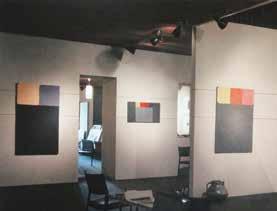
Barry Lett Galleries, Auckland July 1970
Meta Grey - Light Series hangs on right wall
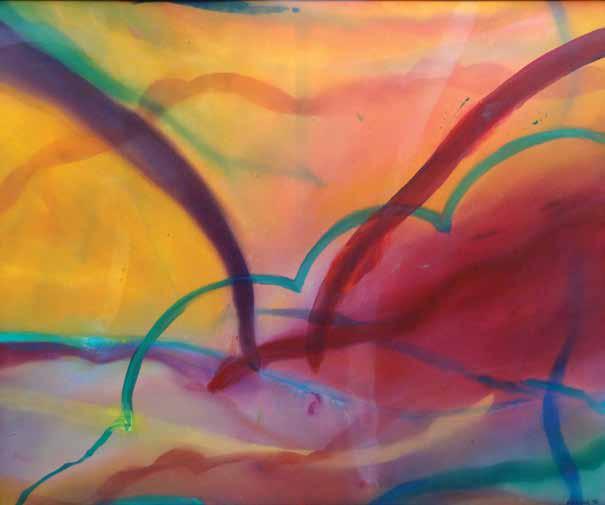
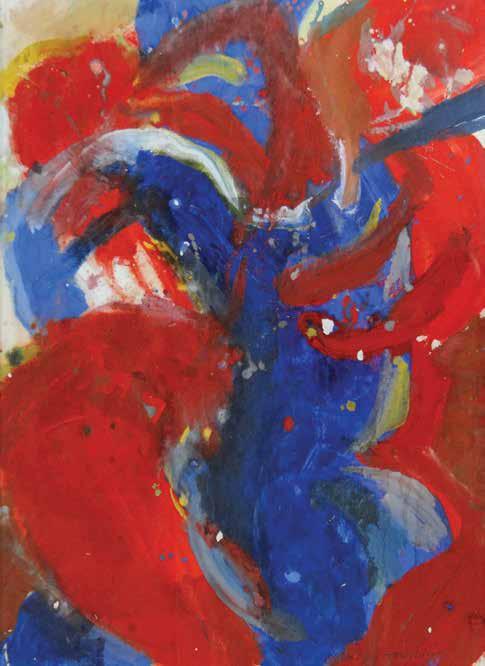
23 GRETCHEN ALBRECHT
b. 1943
Snake Charmer
Acrylic on canvas 1500 x 1820
Signed & dated 1976
Inscribed verso
Estimate $15,000 - 20,000
Provenance:
Purchased by Fletcher Challenge Ltd
Bosshard Galleries, Dunedin, 1977
Fletcher Trust Collection
Exhibited:
Elva Bett Galleries, 1976
Bosshard Galleries, Dunedin, 1977, no. 15
Original label’s from both galleries affxedverso
Gretchen Albrecht’s signature arc sweeps across Snake Charmer with its curved lines suggesting the sway of the snake charmer’s body and mesmerising flute; and the arc that later became synonymous with her name is explicitly foreshadowed here with great confidence and grace.
Gretchen Albrecht was born in Auckland where she continues to live and work. She studied at Elam School of Fine Arts, the University of Auckland – where later she was Teaching Fellow in Painting from 1972 to1973 – and unlike many of her contemporaries who travelled immediately after art school, Albrecht did not go overseas until after a decade of developing her practice. Snake Charmer comes from what the artist considered to be the emergence of her mature style in the 1970s.
It was a period where she secured her vision and reputation as a leading abstract painter in a manner similar to that of American artist Helen Frankenthaler who in the late 1960s evolved a form of abstraction with transparent bands of horizontal colour.
Following a decade of colour-field paintings that explored stacked and layered chromatic relationships, the hemispheres that emerged after Albrecht’s year away in the USA and Europe, and during her Frances Hodgkins Fellowship in Dunedin from 1981 to 1982 were a shock for New Zealand audiences: shaped canvasses replaced the standard rectilinear stretchers; bold solid colours replaced the watercolour-inspired washes and transparency; and strident contrasts replaced previously more subtle shifts of hue.
All this, at the time, perhaps obscured the constancy of Albrecht’s gesture and the way the dimensions of her works corresponded to the scale and expression of her body.
In Snake Charmer we can see the familiar wide sweep of her extended arm in the two red arcs which plunge from the centre up to the left and right corners; and in the three blue arcs that traverse the canvas from lower left to high on the right-hand edge. These are the same as those that come to define the hemispheres which first emerge in 1981. It is the same body, the same painterly gesture; but the artist has shifted her expression dramatically and extended her vernacular.
The hemispheres of the early 1980s owe much to the artist’s travels in 1979, but they also owe much to her own painting that preceded them; and the power of Snake Charmer lies in its complete maturity as a painting as well as in the story it tells of a moment in which the artist created a bridge to a new way of working.
ROB GARRETT
24 GRETCHEN ALBRECHT
b. 1943
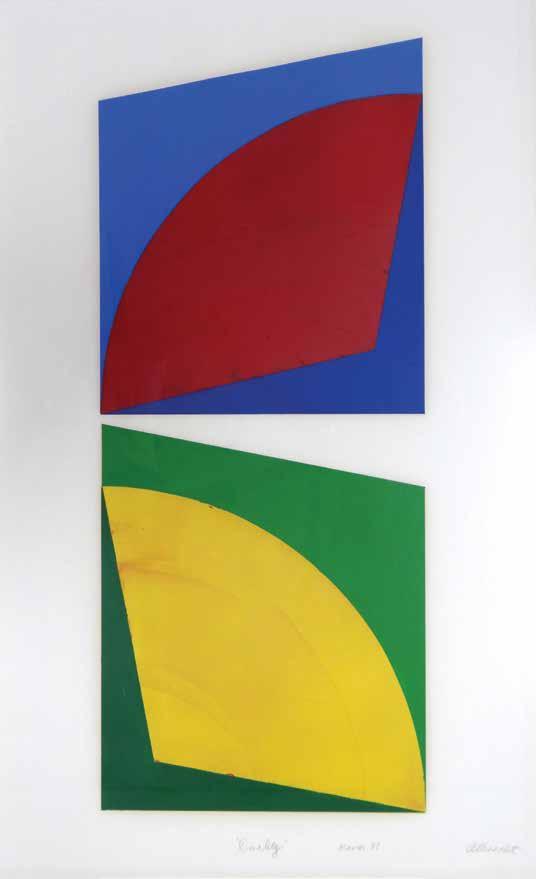
Duality
Oil, wax on paper 1100 x 695
Signed, inscribed & dated 1982
Estimate $7,000 - 10,000
Provenance:
Purchased from International Art Centre Auction Paintings & Watercolours 20/10/1992
Fletcher Trust Collection
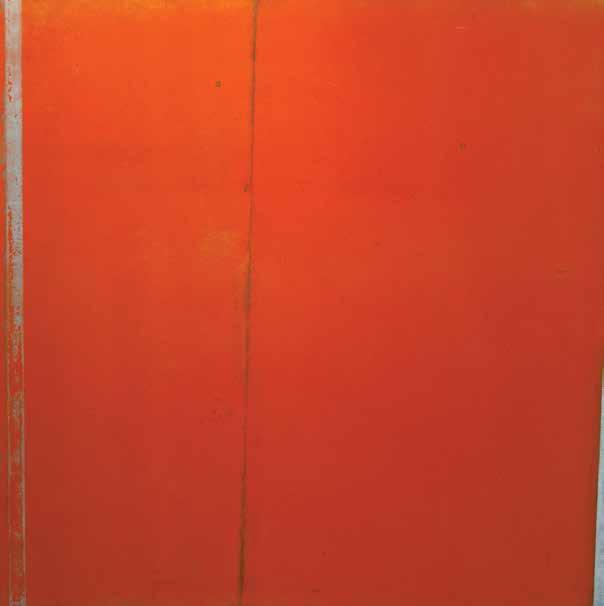
25
STEPHEN BAMBURY
b. 1951
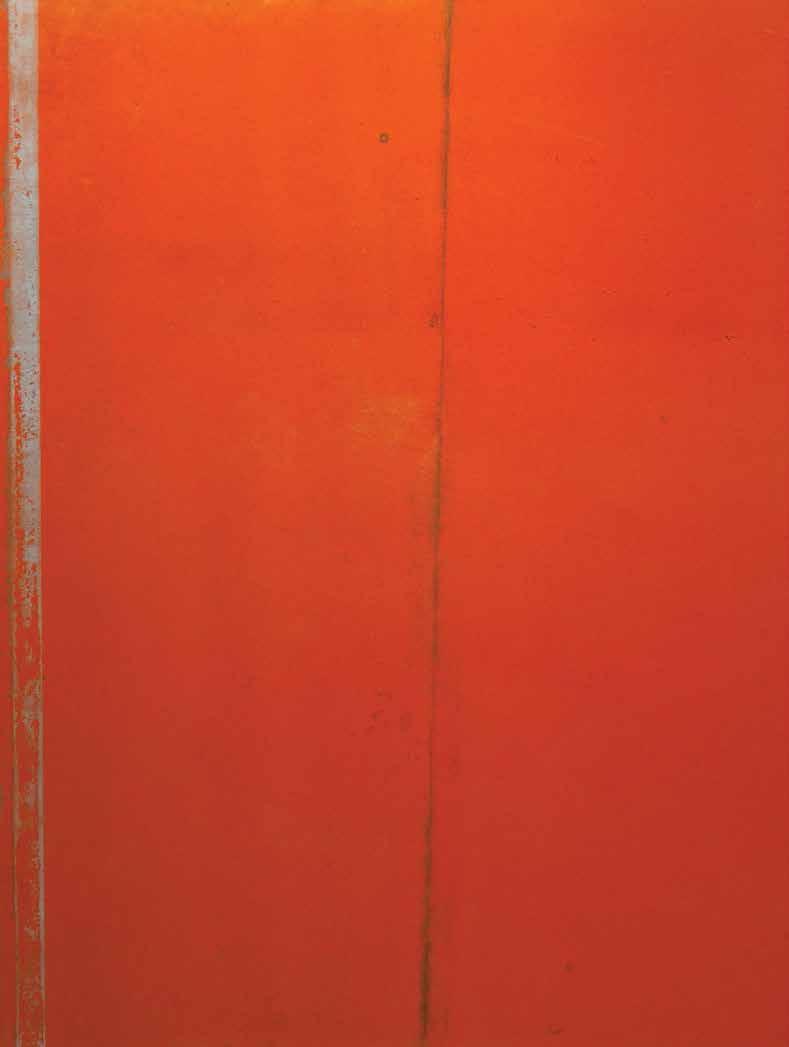
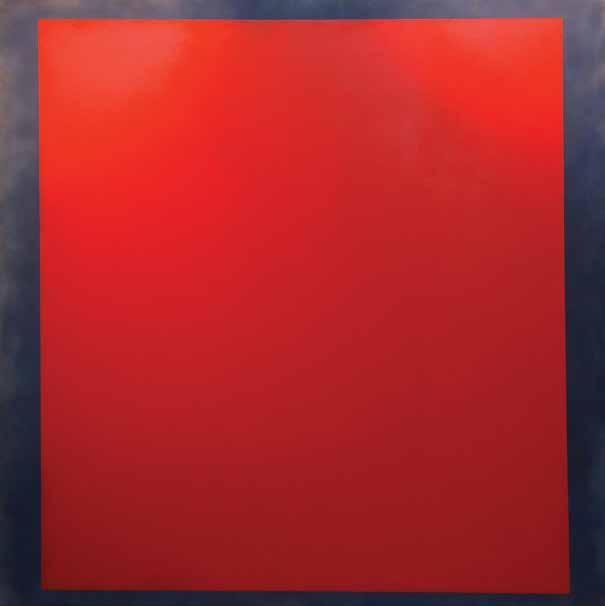
Area Series - Red
Acrylic on canvas 1750 x 1750
Signed, inscribed & dated 1980 on stretcher verso
Estimate $20,000 - 30,000
Provenance:
Benson & Hedges Art Award, 1980 - finalist
Fletcher Trust Collection
Illustrated p. 42 Stephen Bambury
Wynstan Curnow and William McAloon
Craig Potton Publishing 2000
Born in Christchurch, Stephen Bambury studied at Elam School of Fine Arts graduating in 1975 with a Dip.F.A. Hons. In 1979 he received a QEII Arts Council grant which he used to travel to North America. In 1989 as the first Moet et Chandon Fellow he spent nine months in France. He returned to Paris in 1990, remaining there until 1992. On return to New Zealand
he established a studio in Auckland. He has exhibited regularly and widely throughout New Zealand since 1975. This work is one of the artist’s Block paintings though unlike most of them, Area Series Red is not constructed of two canvasses bolted together. Area Series Red was a finalist in the Benson and Hedges Art award 1980.
26 MICHAEL SMITHER
b. 1939
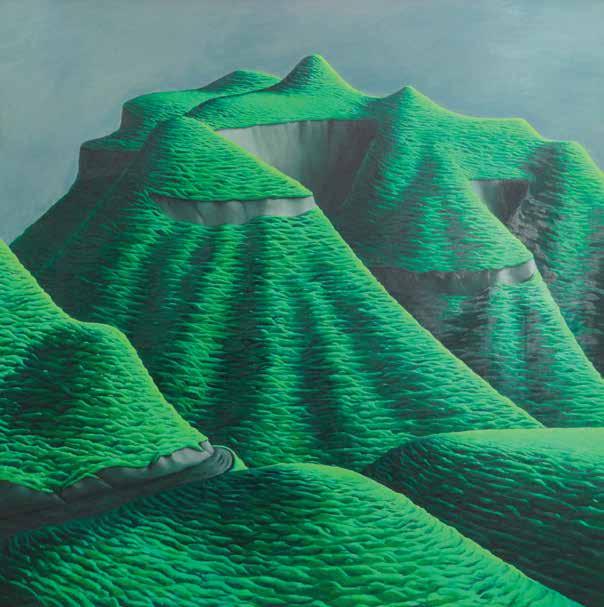
Hills Of Tongaporutu
Oil on board 1210 x 1210
Signed
Estimate $45,000 - 55,000
Provenance:
Fletcher Trust Collection
Illustrated: p. 72 Michael Smither Painter
Trish Gribben, Ron Sang Publications, 2004
Tongaporutu is a small pretty coastal settlement 67 kilometres north of New Plymouth at the mouth of the Mokau River lined with picturesque old-style family baches. Michael Smither, as we would expect, gives us a different vision of the place. The folksy charm of Smither’s rural landscapes and domestic scenes have long held the power to conjure warm feels of familiarity and humour. They are homely images. Smither is also the quiet master of New Zealand’s unhomely (unheimlich), creating ripples of something repressed or denied across the calm exterior of our everyday.
In Hills of Tongaporutu this is most evident in the way he has used the intensity of green to suggest a quite-literally saturated landscape that is slumping ever downwards towards river and sea, exposing the grey subsoil in over-grazed pastureland; and in my imagination the artist takes us into some uncanny undercurrent with the slits of grey which look much like the eye-slits of hooded subterranean creatures. Hills of Tongaporutu comes in the middle of an incredibly productive two decades for the artist after he moved back to his home town of New Plymouth in 1962 to take up a role as husband, father and fulltime painter. Smither recalls: “It was prolific out
of necessity. The prices that one got for paintings in those days were between 12 guineas and … 30 guineas [… and] I had to have, on average, about three or four exhibitions a year of 20 or 30 paintings to meet our financial needs.”
This necessity for productivity did not however dull Smither’s eye, nor his passion for paintings that convey something deeper than intriguing forms and beguiling subjects. Perhaps there is a glimpse of what lies beneath the liquefying green of the hills of Tongaporutu in Smither’s story of the time he decided to walk around the coast from New Plymouth to Wanganui. It took nine days and in the end he couldn’t take anymore, not because he was tired, but because of what he saw and felt: “The Taranaki environment is so powerful that it’s hard to show that they have had an effect on it, but they have. The evidence of pollution was all the way along the coast. Just about everywhere you went, there were fences hanging over cliffs and waterfalls of dirty streams. It was just appalling. The most miserable bloody walk I’ve ever taken.”
ROB GARRETT
27 RICHARD KILLEEN
b. 1946
Filament, 1973
Oil and acrylic on canvas 1270 x 964
Signed on side of stretcher
Inscribed & dated 1973 verso
Artist Reference 45
Estimate $10,000 - 15,000
Provenance:
Purchased from Petar James Gallery, Auckland 1973 Fletcher Trust Collection
This work is one of Killeen’s hard edged geometric abstractions made up of repeating forms. This pattern making quality of the work takes precedence over the use of imagery or the necessity for a composition.
The whole of the surface becomes an object in itself, there being no necessity for a hierarchy of objects within the aluminium frame.
28 PATRICK HANLY
1932 - 2004
New Order 28 Part II
Oil on board 980 x 855
Signed, inscribed & dated 1963
Estimate $25,000 - 35,000
Provenance:
Peter McCleavey Collection, Wellington Fletcher Trust Collection
New Order 28 Part II (1963) is from a group of works that Pat Hanly created in the period immediately following his return from five years working in London, Amsterdam and Florence. When he returned, he was sceptical about staying in New Zealand, and intended rather to work in Australia, but he was surprised to find a very energetic and supportive environment in Auckland “and a group of artists who showed total commitment”; and so he stayed.
Pat Hanly was born in Palmerston North and died in Auckland after a long illness. He was taught by Allan Leary in Palmerston North; by Bill Sutton in Christchurch, when in 1952 he began a three-year Diploma of Fine Arts course at Canterbury University School of Fine Arts; and then in 1957 he travelled to London, where he attended night classes at Chelsea School of Art.
Following his return to New Zealand in 1962 Hanly became one of the major figures of, and contributors
to, New Zealand’s growing contemporary art scene. 1962 also brought a shift in his aesthetic language.
Describing the first major body of work to emerge at that time as somewhat “therapeutic”, the artist noted in 1979 that the “New Order was trying to talk about the roughness of New Zealand, its newness and crispness and those physical things. I hadn’t, until that time, been an abstract or expressionist painter. Having resisted that in Europe, I thought it was the only way to really try and talk about this place.”
The painting’s broad, rough markings and sharp curvilinear accents; and bold colours and tones - black, blue, ochre, white and red – suggest Auckland’s clay and sandy beaches, coastal clouds, summer’s deep shadows and the vibrancy of the edge of the Pacific. The plump bottom-like forms in New Order 28 Part II also pre-figure elements of the artist’s next series – Figures in Light – in which he
became fascinated with the visual intensity of figures in sunlight sitting and lying in the sun on the beaches. With the view of an expatriate, he was sharply critical of the social implications of a “nation sitting around on its bum doing nothing.” New Order 28 Part II is
clearly on the cusp of that moment when Hanly is finishing with adjusting to life back in New Zealand and now has something potent to say about it.
ROB GARRETT
29 RICHARD KILLEEN
b. 1946
Ace
Oil on board 1474 x 1220
Signed, inscribed & dated February 1972 verso
Original artist’s label affxedverso
Estimate $8,000 - 12,000
Provenance:
Purchased from Petar james Gallery, Auckland 1972 Fletcher Trust Collection
Killeen’s first paintings were of stereotyped suburban imagery close in spirit and intention to the work of the American Pop artists who brought imagery drawn from mass media into high art. Already in these
works Killeen’s tendency to detach images from their surroundings in order to present them as signs rather than representative facts can be seen.
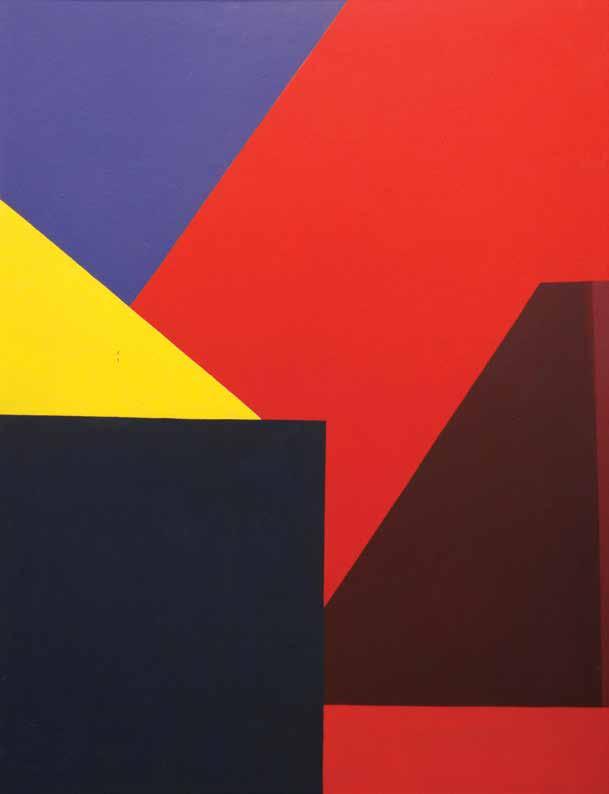
30 IAN SCOTT
1945 - 2013
Lattice Drawing no. 32
Acrylic on paper 770 x 560
Image size 120 x 120
Signed, inscribed & dated 1981 verso
Estimate $1,000 - 1,500
Provenance:
Fletcher Trust Collection
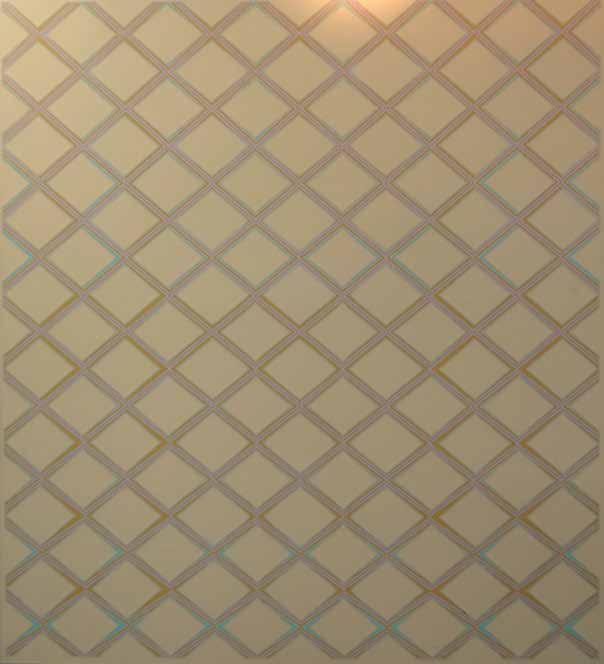
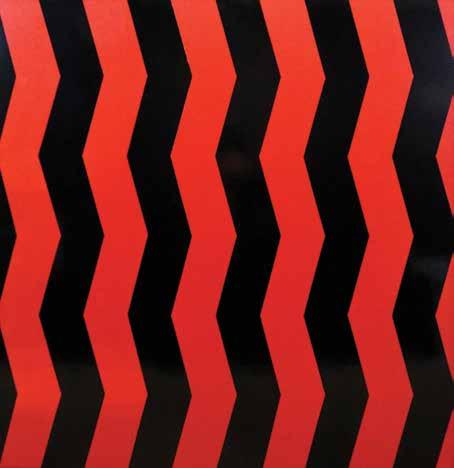
31 IAN SCOTT
1945 - 2013
Lattice no. 44
Acrylic on canvas 1140 x 1140
Signed & dated March 1978 verso
Estimate $7,000 - 10,000
Provenance:
Fletcher Trust Collection
REFERENCE:
In 1978 Scott painted Lattice No. 44 and Lattice No. 45. Other than the size of the canvas, the works are identical in colour and composition, Lattice No. 45 won the Benson & Hedges Art Award in 1978 and features on p. 85 Ian Scott, Warwick Brown, Marsden Press 1997. It measures 1650 x 1650 and is in the collection of Dunedin Public Art Gallery.
James Mollison, Director of the National Gallery of Australia and judge of the 1978 Benson & Hedges Art Award said he was looking for an artist who had set himself a task and achieved what he set out to do.
All the elements - size, colour, tone and relationships of one colour to another were perfect in this respect. There is no corner-to-corner diagonal and fewer, broader bands.
A thin delineating stripe has been introduced inside the band edge. Colours are less intense than in some other Lattices and the elements sit tight inside the frame, with less feeling of run-off.
p. 84 Ian Scott, Warwick Brown, Marsden Press 1997.
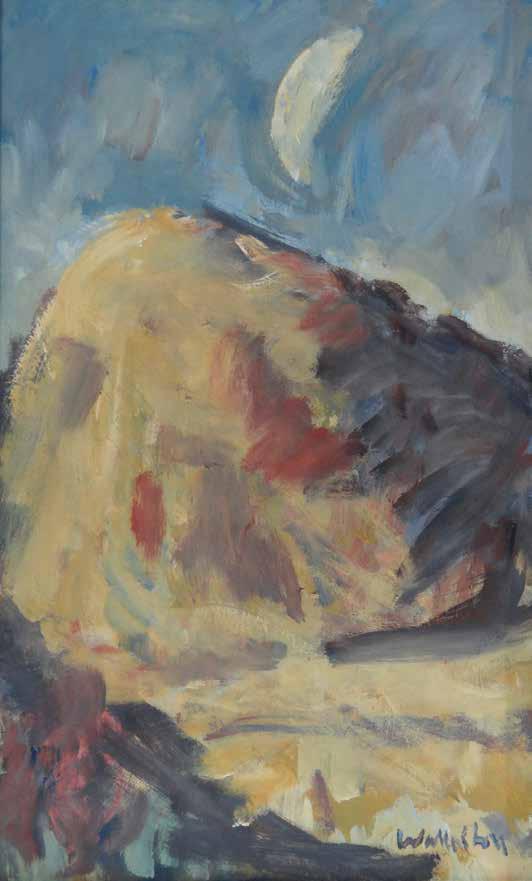
32 SIR MOUNTFORT TOSSWILL WOOLLASTON
1910 - 1998
Moon Over Pah Hill
Oil on board 895 x 595
Signed
Estimate $20,000 - 30,000
Provenance:
Fletcher Trust Collection
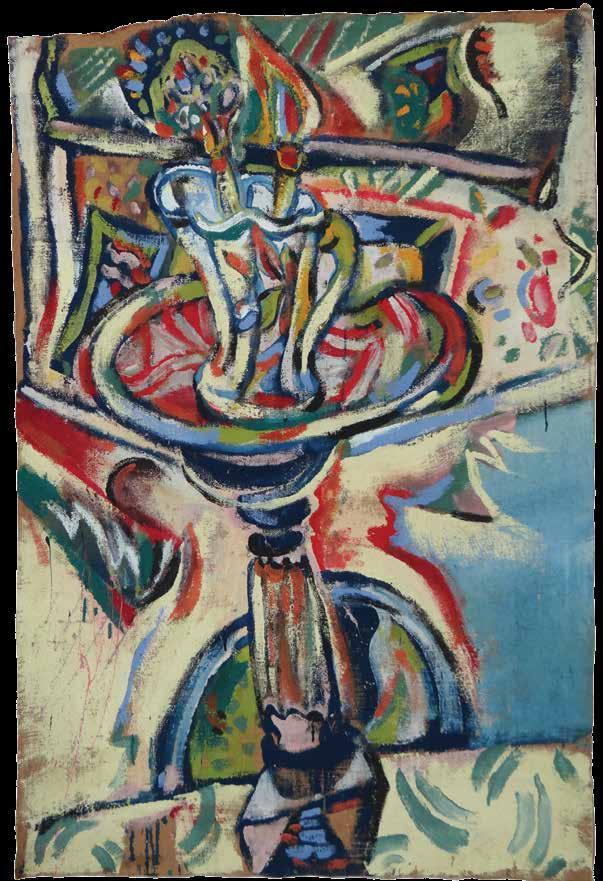
33 PHILIP CLAIRMONT
1949 - 1984
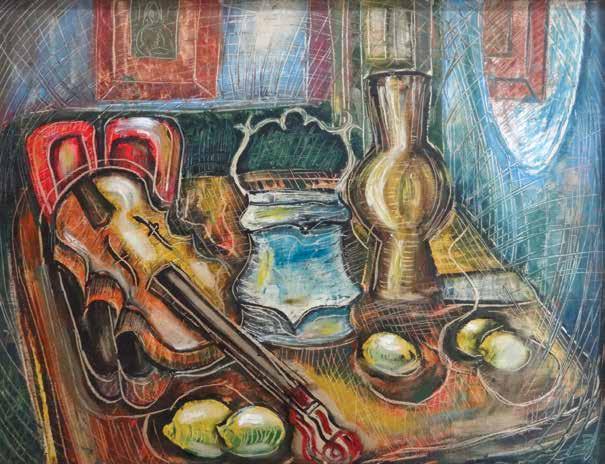
Still Life With Jug and Paint Brushes, 1977 Oil on jute 1400 x 930
Estimate $30,000 - 40,000
Provenance:
Ex Collection of Jeffrey Harris (Artist) Fletcher Trust Collection
Still Life With Jug and Paint Brushes, created in the last decade of Clairmont’s short life embodies many key elements associated with his work. A pupil of Rudolf Gopas, Clairmont’s work was influenced by van Gogh, Francis Bacon and of course his contemporaries Allen Maddox and Tony Fomison.
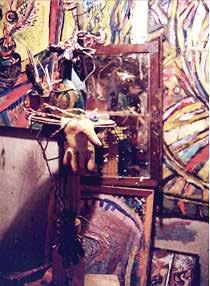
His complex compositions appear spontaneous but there is more to them than meets the eye. Clairmont obsessively painted and repainted familiar objects. This work was completed in his Waikanae garage studio. The photograph to the right shows the small table on which Clairmont arranged objects to be painted, along with mirrors which added drama and distortion to forms he captured on canvas.
34
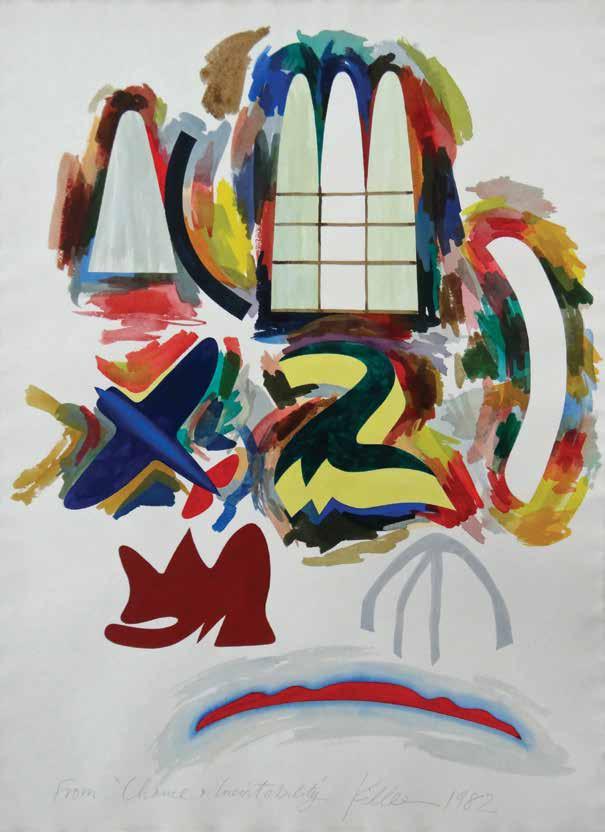
RICHARD KILLEEN
b. 1946
From Chance & Inevitability
Acrylic on Fabriano paper 770 x 550
Signed, inscribed & dated 1982
Estimate $4,000 - 6,000
Provenance:
Purchased from Peter McLeavey Gallery 1983 Fletcher Trust Collection
Exhibited:
Chance and Inevitability Auckland City
Art Gallery, Artist Project No.1. 1982
Chance and Inevitability Robert McDougall
Art Gallery 1982
Chance & Inevitability, Peter McCleavey Gallery, Wellington 1983
Born in Hamilton, Melvin Day began formal art training at eleven years of age. He attended classes at Elam School of Art under the tutelage of John Weeks, Lois White and Ida Eise, becoming a full-time student in 1939 and graduating in 1942. Day spent the war years in the New Zealand Army and then the Royal New Zealand Air Force. Following this, he taught at Ngongataha and in 1954 extended his studies, gaining a Bachelor of Arts from Victoria University.
From the 1950s onwards Day exhibited widely throughout New Zealand and in 1961 at the Commonwealth Art Today exhibition in London. Whilst based in London, during the early 1960s, he attended Professor Anthony Blunt’s lectures at the Courtauld Institute. Day became fascinated with the geometric precision employed by Italian Renaissance painter, Paolo Uccello, a fascination which resulted in the creation of Day’s celebrated Uccello Series.
In 1964 Day exhibited alongside Ralph Hotere, Edward Bullmore and Gordon Browne in the Young Commonwealth Painters at Whitechapel Gallery, London. For a time he taught in London before returning to New Zealand in 1968 and his appointment as director of the National Art Gallery of New Zealand. In 1978 he was appointed government art
historian continuing to paint professionally. Two retrospective exhibitions were held, one at the Dunedin Public Art Gallery in 1970 and at the Dowse Art Gallery, Lower Hutt the following year. A major survey exhibition, Full Circle was held at the Wellington City Art Gallery in 1984. A thoughtful and scholarly painter, Day’s interest in various periods of western art history is reflected in his work. He studied and utilised a wide variety of influences from the painters of the Italian Renaissance, to the modernist works of Cezanne and Braque. In 2003 Day was awarded the CNZM for services to the arts. In 2004 a major survey exhibition Melvin Day - Continuum was held at City Gallery, Wellington. In 2009, along with Nigel Brown and John Walsh, he travelled to Fiordland to paint the landscape which had inspired Cook’s artist, William Hodges. The journey was documented Peta Carey’s film The Waterfall. Day’s portrait of Donald McIntyre was gifted to the New Zealand Parliamentary Services in 2011.
Melvin Day’s works are found in many national and international public and private collections including Te Papa Tongarewa, The New Dowse, The Rototua Museum, the New Zealand Ministry of Foreign Affairs, the Dunedin Public Art Gallery and the Auckland Art Gallery.
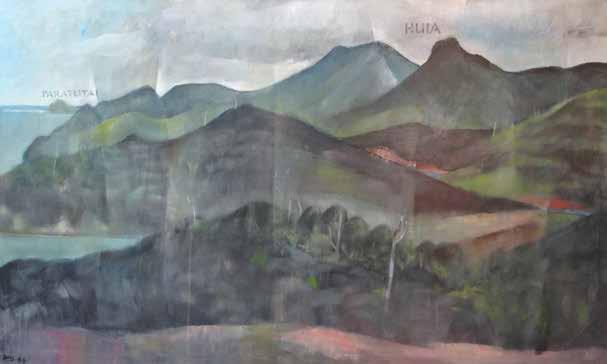
35 MELVIN DAY
b. 1923
Huia
Oil on canvas 1370 x 2280
Signed, inscribed & dated 1984
Estimate $7,000 - 12,000
Provenance:
Fletcher Trust Collection
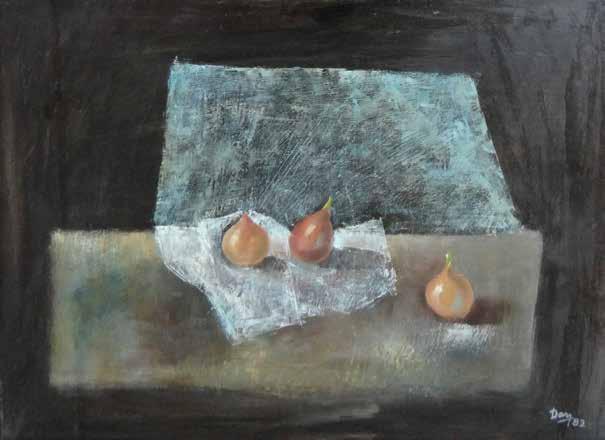
36 MELVIN DAY
b. 1923
Still Life V Oil on paper 570 x 770
Signed & dated 1982
Estimate $3,000 - 5,000
Provenance:
Purchased by Fletcher Challenge Ltd, Wellington 1982
Fletcher Trust Collection
37 GEOFF THORNLEY
b. 1941
Untitled No. 2
Mixed media 1100 x 1100
Signed, inscribed & dated 1978 verso
Estimate $8,000 - 12,000
Provenance:
Purchased from Petar James Gallery, Auckland 1978 Fletcher Trust Collection
Untitled No. 2 marks a return to single frame painting on canvas at the time the artist was involved with his Construction works. This is nothing unusual for Thornley who often indulged in what he calls side by side production as a means of resolving or extending
a debate between rival aesthetic methods. Thus Untitled No. 2 shares some of the qualities of confinement and concreteness of the Constructions while also alluding back to the more purely painterly work of an earlier period.
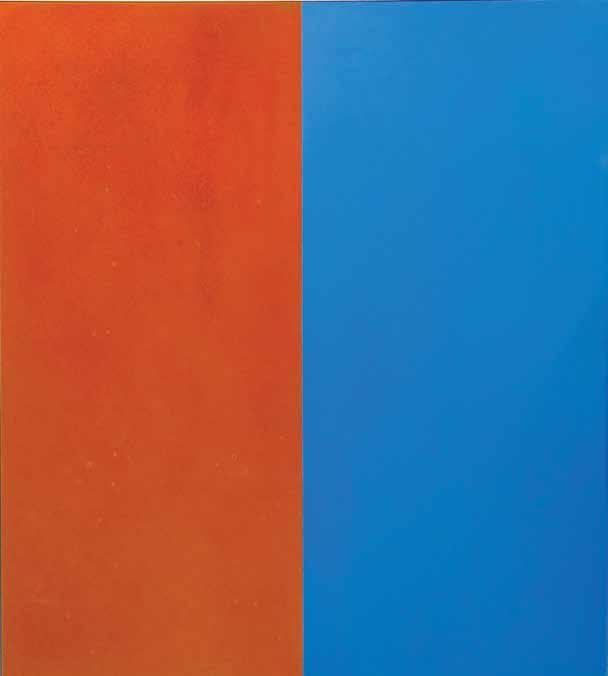
38 GEOFF THORNLEY
b. 1942
Untitled
Mixed media 890 x 790
Signed & dated 1977 verso
Estimate $8,000 - 12,000
Provenance:
Purchased from Petar James Gallery, Auckland 1977
Fletcher Trust Collection
This is one of the last paintings produced by Thornley in the period immediately before he began his work on the Constructions which were to occupy him for the next nine years. In its clear separation of two sharply contrasted colours it bears a close resemblance to
some of the early constructions except that in this case the work is painted on a single canvas held within a frame. This is a transitional work in which the artist is moving towards a new style.
39 RALPH HOTERE
1931 - 2013
Port Chalmers Painting No. 8 1972
Acrylic on canvas 1200 x 1200
Estimate $70,000 - 100,000
Provenance:
Collection of the artist
Purchased from John Leech Gallery, Auckland November 1986
Fletcher Trust Collection
This work was in the collection of the artist until 1986 when Auckland dealer John Gow visited the artist at his home in Carey’s Bay. The artist released the work to be sold directly to the Fletcher Collection at the time.
40
GEOFF THORNLEY
b. 1942
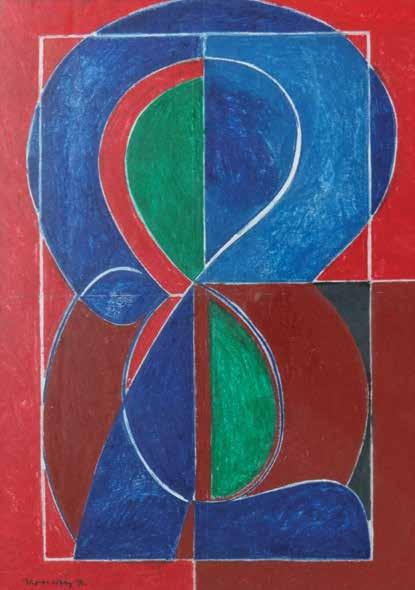
Stupa 21 (Tryptich)
Mixed media 1070 x 2160 overall
Each panel signed, inscribed & dated 1971 verso
Estimate $5,000 - 8,000
Provenance:
Purchased from Barry Lett Galleries
Auckland 1972
Fletcher Trust Collection
Exhibited:
Paintings 1971-2, Barry Lett Galleries, Auckland 1972
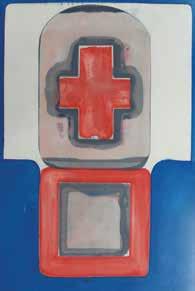
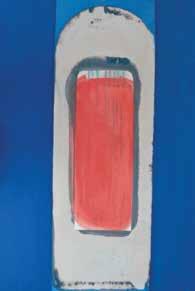
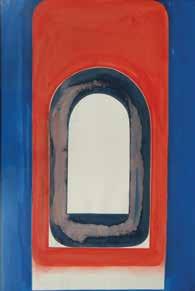
Geoff Thornley has been described by Michael Dunn as One of the most committed of the younger abstract painters working in New Zealand. He studied at Elam School of Art 1960-64 graduating with a B.F.A. Initially his painting was figurative but by the early 1970s he had evolved an abstract style which demonstrated an interest in building up layers of colour which was to be one of the hallmarks of his art in later decades. This work is the most minimal of three Stupa triptychs, the other two being held in the collections of the Te Papa and the Govett Brewster Gallery, New Plymouth. The artist regards these works produced on a full sheet of Steinbach paper ( the largest available paper size ) as signatures of my beginnings in which he treated the surface as a vessel to be filled or as a void to be painted around using a pure watercolour technique. The title Stupa derives from a mound form found in Indian architecture, which was used to mark out the sacred site on which a temple was to be built. This mound dominates each of the three works.
41 GEOFF THORNLEY
b. 1942
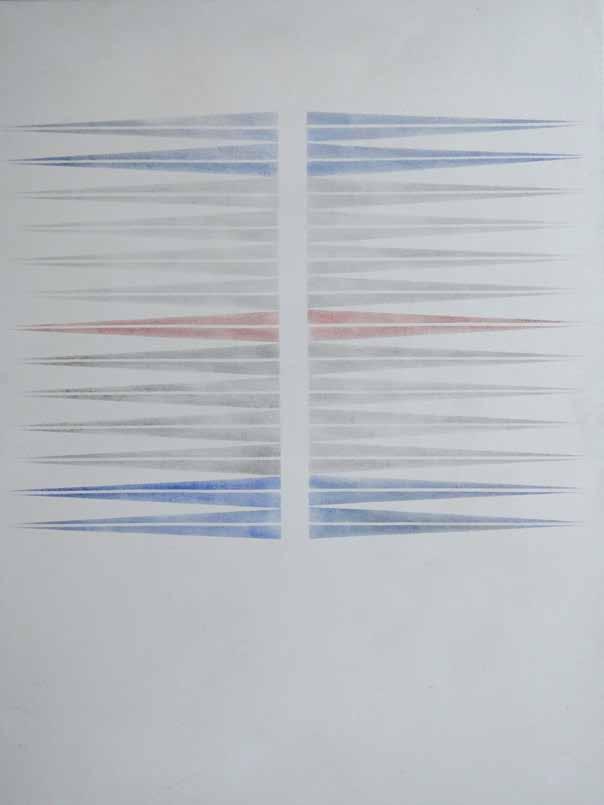
Untitled ( crayon )
Crayon on paper 300 x 210
Signed & dated 1972
Estimate $1,500 - 2,500
Provenance:
Purchased from Barry Lett Galleries
Auckland 1972
Fletcher Trust Collection
Exhibited:
Paintings 1971-2, Barry Lett Galleries, Auckland 1972
b. 1948
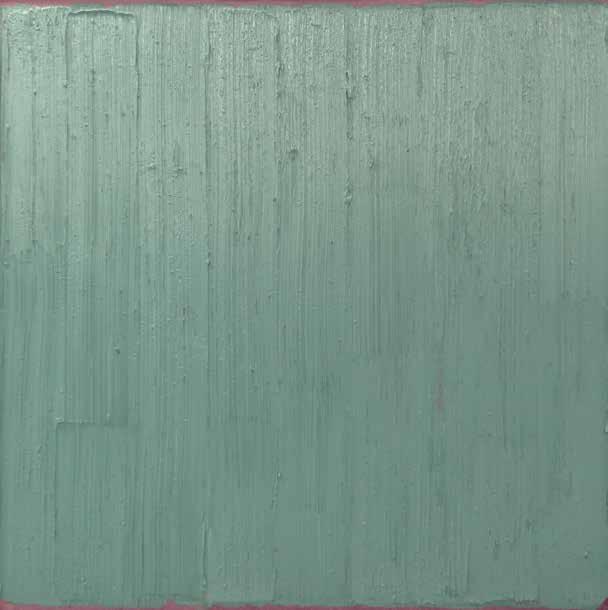
Aqua Oil on board 1070 x 1110
Signed & dated 1982 verso
Estimate $5,000 - 7,000
Provenance: Purchased from International Art Centre Auction Paintings & Watercolours 20/10/1992 Fletcher Trust Collection
42 ROB MCCLEOD
b. 1950
Medium Mesh One
PVA on canvas 1380 x 1250
Signed & inscribed on stretcher verso
Estimate $4,000 - 6,000
Provenance: Fletcher Trust Collection
43 JOHN HURRELL
44
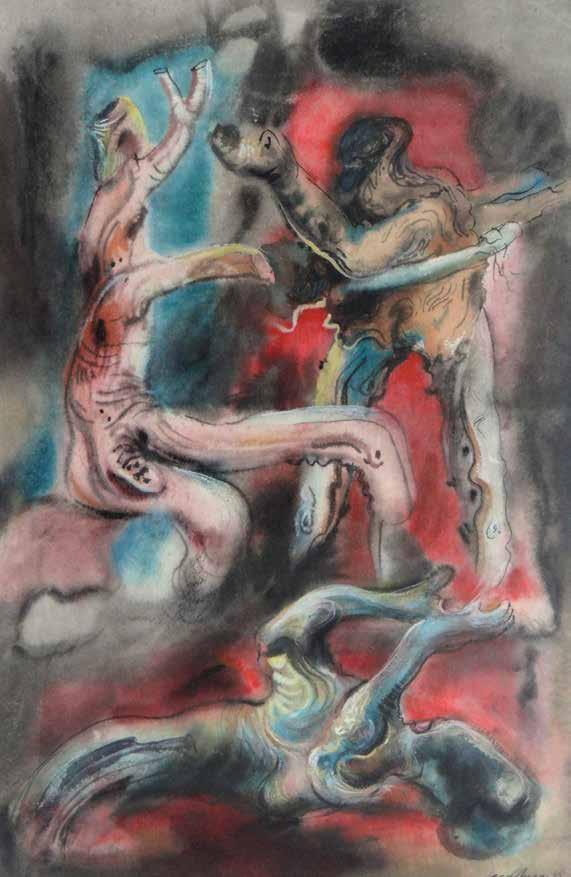
ERIC LEE JOHNSON
1908 - 1993
Casualties
Watercolour 520 x 350
Signed
Estimate $4,000 - 6,000
Provenance: Fletcher Trust Collection
In the 1930s and 1940s Eric Lee-Johnson was one of a number of artists including Christopher Perkins, Russell Clark, Mervyn Taylor, John Holmwood and Gordon Walters who revived the theme of the destruction of our indigenous forests. They produced so many paintings on this theme that they received the not altogether flattering name, the Dead Tree School. Although there can be no doubt of their conservationist conviction, it is also significant that they were influenced by English painters such as Paul Nash and Graham Sutherland whose interest in antiromanticism had led them to seek subjects which deflated traditionally romantic notions. Instead of the great oaks of Constable or the soft silver-grey foliage of the Norfolk School of watercolourists they painted hard edged images of dead or burned trees, many of them sights imprinted on their minds in the battle ravaged landscapes of World War I.
Eric Lee-Johnson’s painting Casualties not only tells us about his conservationist sympathies but also about his determination to be a modern painter, informed about what was happening in the London art circles he had recently been a part of. Lee-Johnson was also a noted photographer who made many studies of twisted tree limbs and bark textures. Casualties employs a very fluid watercolour style to depict slain trees as people engaged in a violent struggle. It is as though the living, moving trees are frozen in death. This anthropomorphism underlines the rape of the land theme. By the 1950s Eric Lee-Johnson had abandoned this theme for much softer and more obviously picturesque works depicting old houses which were by then being demolished in our town and cities.
45 ALFRED SHARPE
1836 - 1908
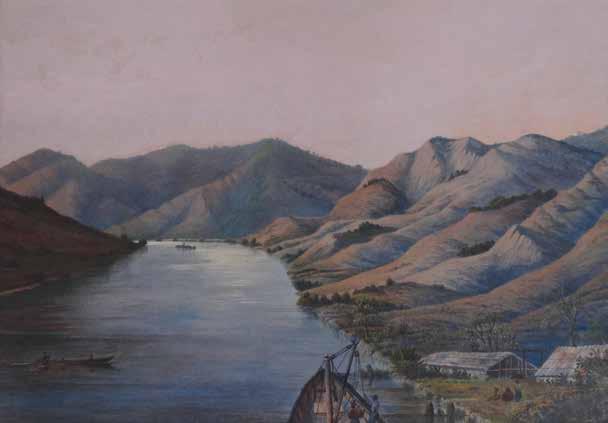
Taupiri Gorge From The Kupukupa Coal Mines, 1876
Watercolour 430 x 610
Estimate $20,000 - 30,000
Provenance:
Fletcher Trust Collection
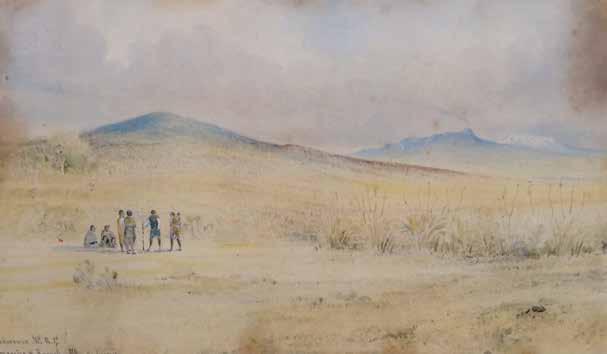
The scene is Taupiri Gorge from the Kupukupa Coal Mines showing the slate formation of the Hakarimata Range through which the Waikato River has forged a passage. The picture is excellently painted, and is a vast improvement on some of Mr Sharpe’s former productions. New Zealand Herald, 6 March 1876.
46
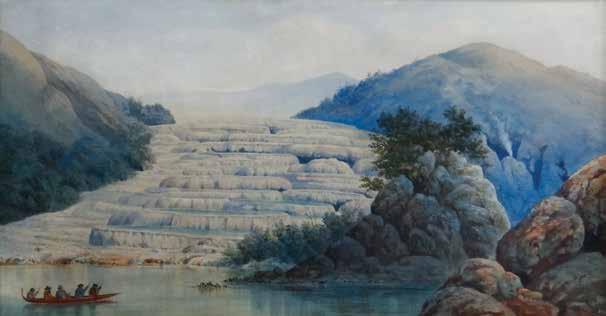
JOHN BARR CLARKE HOYTE
1835 - 1913
The White Terraces Watercolour 320 x 640
Signed & dated 1873
Estimate $15,000 - 20,000
Provenance:
Fletcher Trust Collection
47
JOHN BARR CLARKE HOYTE
1835 - 1913
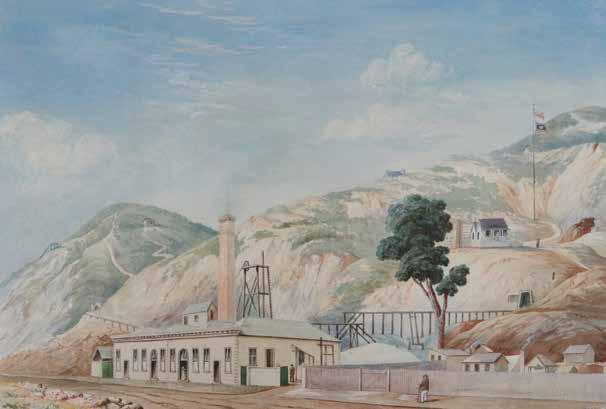
The Golden Crown Stamper Battery, Gold Crown Street, Thames
Watercolour 375 x 545
Signed
Estimate $15,000 - 25,000
Provenance: Fletcher Trust Collection
Towards the end of the last century Thames was the largest centre of population in New Zealand with 18,000 inhabitants and well over 100 hotels and 3 theatres. The population today stands at approximately 7,000 and now has only 4 hotels in the town centre.
48
JOHN KINDER
1819 - 1903
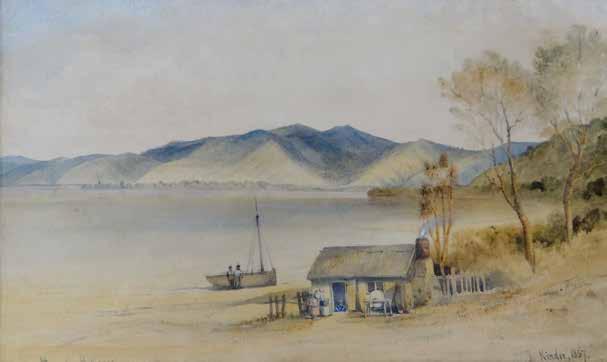
Hauraki, Hokianga
Watercolour 255 x 430
Signed, inscribed & dated 1957
Estimate $5,000 - 8,000
Provenance:
Fletcher Trust Collection
Kinder visited the Hokianga in December 1858 though he himself dated this painting 1857, in error. On this journey Kinder also visited and painted the Waima Wesleyan Mission and the small settlement of Horeke, once the site of ship building yards.
49
JOHN KINDER
1819 - 1903
Mt Kakaramea
Watercolour 255 x 424
Signed, inscribed & dated 1862
Estimate $5,000 - 8,000
Provenance:
Fletcher Trust Collection
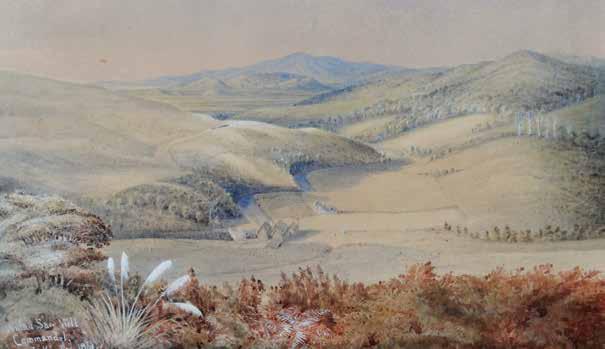
Kinder visited the area now known as Tongariro National park in January 1862. He made several paintings of the central North Island mountains, all from the foot of Kakaramea (or Browntop, as it is popularly known). Tongariro and Ruapehu appear in the distance.
50 JOHN KINDER
1819 - 1903
Waiau Sawmill, Coromandel
Watercolour 235 x 380
Signed, inscribed & dated 1861
Estimate $5,000 - 8,000
Provenance:
Fletcher Trust Collection
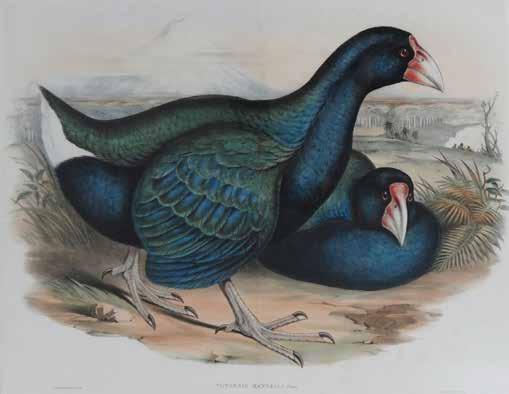
51 JOHN GOULD
1804 - 1881
Notornis Or Takahe ( Notornis Mantelli)
Lithograph 552 x 718
Inscribed
Estimate $2,000 - 3,000
Provenance:
Fletcher Trust Collection
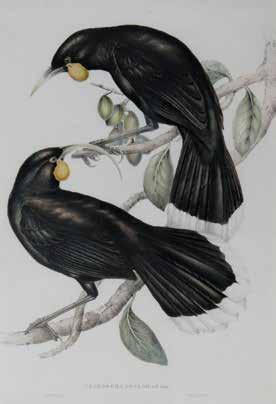
52 JOHN GOULD
1804 - 1881
Neomorpha Gouldii ( The Huia )
Lithograph 552 x 356
Inscribed
Estimate $2,000 - 3,000
Provenance: Fletcher Trust Collection
53 DIANA THORNLEY
b. 1941
Chromatic PVA on board 895 x 685
Signed verso
Estimate $1,000 - 1,500
Provenance:
Fletcher Trust Collection
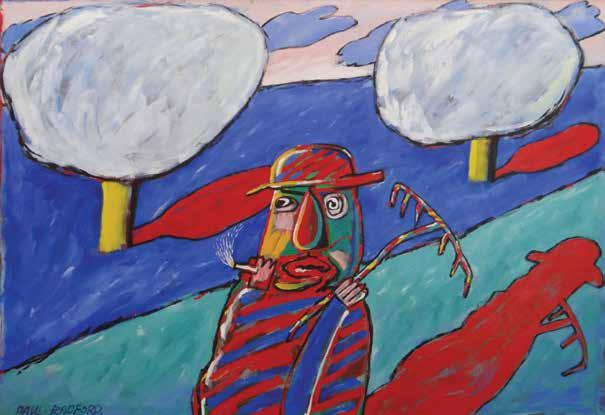
54 PAUL RADFORD
b. 1957
The Gardener
Acrylic on canvas 1200 x 1800
Signed
Estimate $4,000 - 6,000
Provenance:
Fletcher Trust Collection
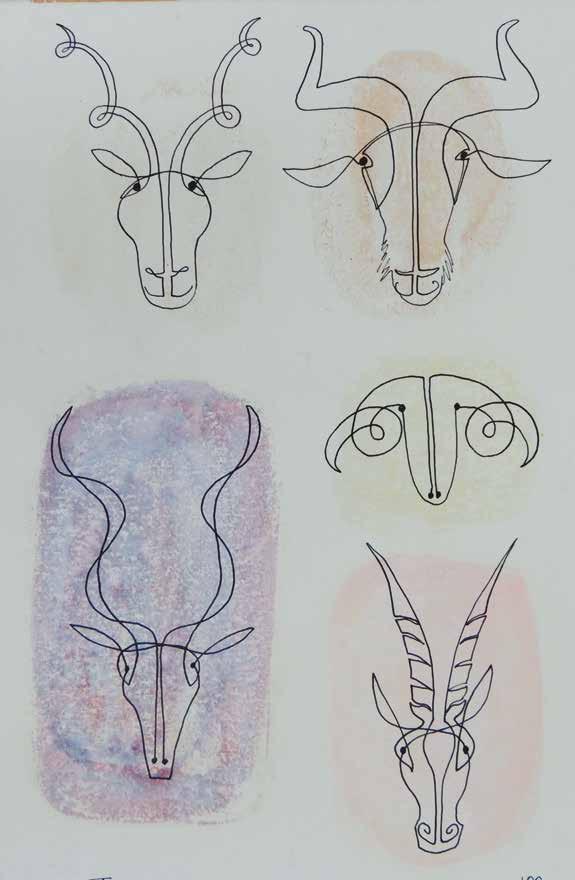
55 DENNIS KNIGHT TURNER
1924 - 2011
Goatshead Series No.100
Watercolour 520 x 340
Signed & dated 1957
Estimate $2,000 - 3,000
Provenance:
Fletcher Trust Collection
56 RICHARD THOMPSON
b. 1965
Untitled, Battle Painting - Diptych
Enamel and paving paint on board
Larger panel 1130 x 1180
Smaller panel 445 x 260
Estimate $1,000 - 2,000
Provenance:
Fletcher Trust Collection
57
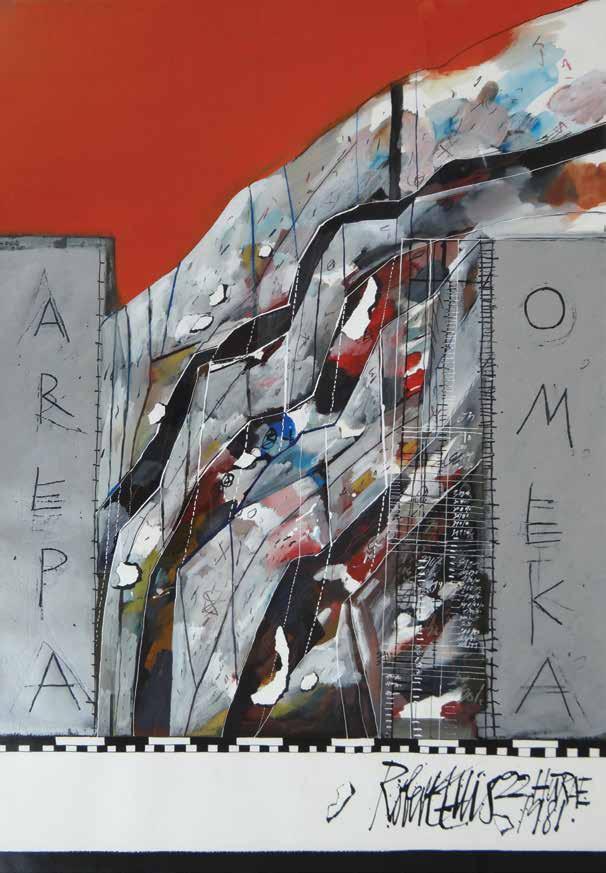
ROBERT ELLIS
b. 1929
Rakaumangamanga, 22 Hurae
Oil on paper 1080 x 750
Signed, inscribed & dated 1981
Estimate $5,000 - 7,000
Provenance:
Purchased from RKS Art, Auckland 1982
Fletcher Trust Collection
Exhibited: Rakaumangamanga, RKS Art
Auckland 14 - 26 June, 1982
58 PHILIP TRUSTTUM
b. 1940 Sketch
Oil on board 1420 x 960
Signed & dated 1971
Estimate $4,000 - 8,000
Provenance:
New Vision Gallery, Auckland 1971 Fletcher Trust Collection
PHILIP TRUSTTUM b. 1940 Carrying Oil on paper 750 x 550
Signed
Estimate $2,500 - 3,500
Provenance: Fletcher Trust Collection
60 PHILIP TRUSTTUM
b. 1940
Pushing Oil on paper 750 x 550
Signed
Estimate $2,500 - 3,500
Provenance: Fletcher Trust Collection
61
PHILIP TRUSTTUM
b. 1940
Musical Notes
Oil on canvas 1115 x 1825
Inscribed
Estimate $5,000 - 7,000
Provenance:
Fletcher Trust Collection
62 JOHN WEEKS 1888 - 1965
Harlequin Oil on board 450 x 320
Signed
Estimate $3,000 - 5,000
Provenance:
Purchased from John Leech Gallery, Auckland Ex Artist’s Estate Collection Fletcher Trust Collection
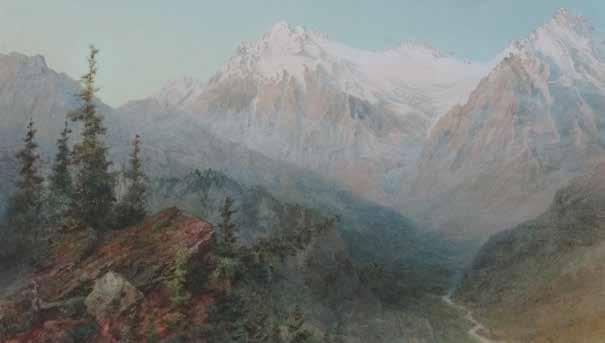
63 NICHOLAS CHEVALIER
1828 - 1902
A Majestic Snow Covered Mountainscape
Watercolour 372 x 652
Signed & dated 1874
Estimate $5,000 - 10,000
Provenance:
Fletcher Trust Collection
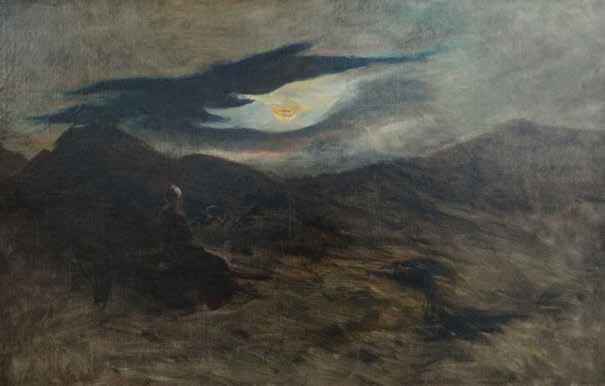
64 PETRUS VAN DER VELDEN
1837 - 1913
Estimate $4,000 - 8,000
Provenance: Fletcher Trust Collection
Figure In Moonlight Oil on canvas laid on board 720 x 1130
KEITH PATTERSON 1925 - 1993
Still Life
Oil on board 545 x 725
Estimate $1,000 - 2,000
Provenance: Ex Collection Vernon Brown, Architect Fletcher Trust Collection
65
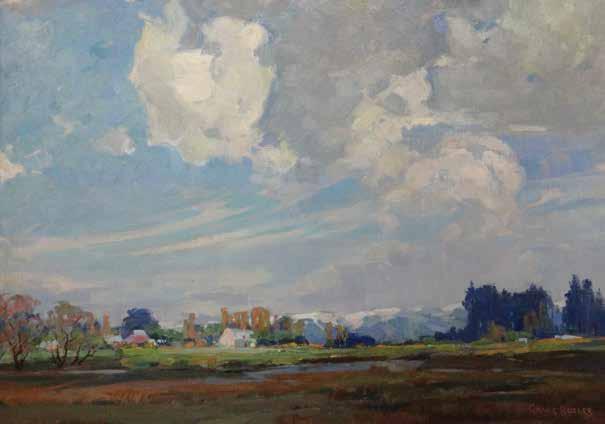
66 GRACE BUTLER
1886 - 1962
Canterbury Plains Oil on board 475 x 680
Signed
Estimate $3,000 - 5,000
Provenance: Fletcher Trust Collection
Born Grace Cumming at Invercargill to Scottish immigrant parents she moved with her family to Norsewood and later, in 1903, to Gisborne. She attended Napier Art School until 1907 by which time she already worked on the staff. She also took private pupils in Gisborne. From 1910-14 she went to the Canterbury School of Art where she was taught by Sydney Lough Thompson, Cecil Kelly and Leonard Booth. In 1911 she married Guy Raphael Butler remaining until Christchurch until 1918 when she moved to Auckland. She and her husband bought a mountain shack at Arthur's Pass where Grace Butler would indulge in plein air painting, sometimes working even in snow when she was obliged to cover her easel and stand on heated stones. In 1925 she was again taught by Sydney Lough Thompson on one of his return trips from France. It was his post impressionist landscape style which formed the basis of her art. Grace Butler exhibited widely during her lifetime including at the Festival of Britain Exhibition of 1951. She died at Wellington.
Abstract Study verso
67
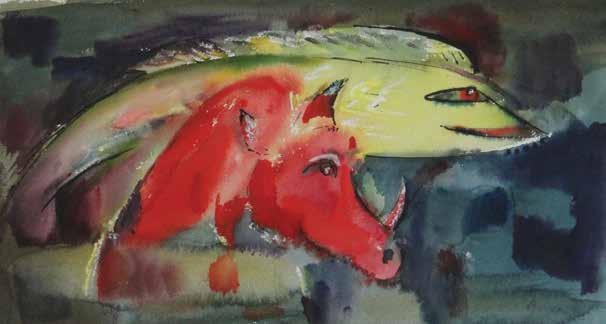
RUDOLF GOPAS
1913 - 1983
Fish And Unicorn - Abstract Study verso
Watercolour 215 x 400
Signed & dated 1952
Estimate $1,500 - 3,000
Provenance:
Fletcher Trust Collection
Gopas was born in Lithuania, and had exhibited widely throughout Europe before arriving in New Zealand in 1949. He settled in Christchurch and gradually established himself as one of the most important immigrant painters. Gopas’ tendency towards German Expressionism encountered some criticism, partially because the style had not yet been accepted or fully explored by New Zealand artists. This initial opposition didn’t lessen the influence of the artist who has since been commended for providing what was to become an important stylistic force in New Zealand painting. Michael Dunn has commented that: “Gopas did much to move the focus of painting away from its regionalist and realist fixation to a more expressive and subjective dimension”.
It was unfortunate that Gopas’ unorthodox approach separated him so distinctly from his contemporary art circles that he was considered by some as insane. However, the artist used his position at the Canterbury School of Art to work against the traditional methods of formal art training which he scorned openly. Philip Trusttum was among the pupils who were exposed to Gopas’ ideas at this time. This work displays features such as a disregard for spatial recession, bright colours applied loosely and with visible brushstrokes, strong outlining and non-naturalistic forms, which make for an expressionistic work, the kind of which was fairly radical for Christchurch in the 1950’s.
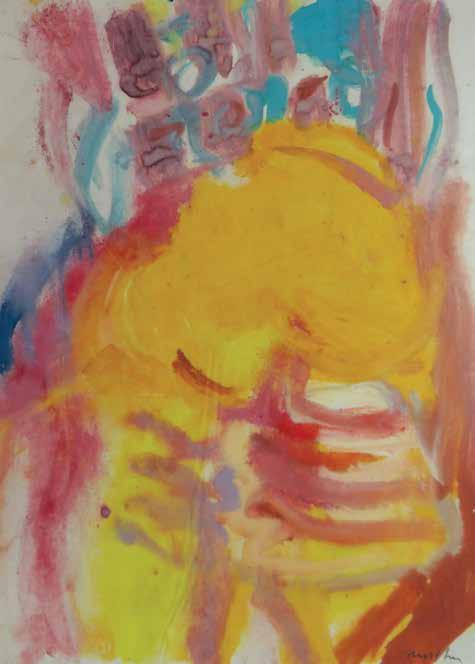
Since graduating Bachelor of Fine Arts at Auckland University in 1981, Mathieson has been exhibiting most regularly, slowly developing her technique, based on the pre 1965 European abstract movement, an offshoot of which became the New York Abstract Expressionist school.
Always striving to be more expressive than purely decorative but still aiming to create a thing of beauty before anything else.
70 CHRISTINE MATHIESON
b. 1954
Busy Green
Pastel on paper 710 x 1010
Signed & dated 1984
Estimate $1,000 - 1,500
Provenance:
Brooker Gallery, Wellington
Fletcher Trust Collection
I also like to juxtapose colours so that they resonate off the surface, and for each colour to have a voice. Someone asked me once “Do your colours sing?” I was able to truthfully answer yes and have been a slave to that creed ever since, not only from the point of view of the resonance of each colour but from the way in which the paint is applied to the support structure. I try to show my life force in every stroke.
CHRISTINE MATHIESON
71 INGRID BANWELL
b. 1957
Delicate Connections
Oil, enamel on customwood and rope 1200 x 1500
Signed, inscribed & dated 1985 verso
Estimate $1,500 - 3,000
Provenance: Fletcher Trust Collection
Ingrid Banwell was born at Taupo. She was educated at schools in Mexico City, Wellington and New York and graduated from Auckland University School of Fine Arts in 1981. In 1985 she was awarded a QEII Arts Council Travel Grant for study in the USA. Her painted wall constructions made in the mid 1980s experimented with the dividing line between painting and sculpture, the polarities of organic and geometric constructions and the assimilation of Oceanic with European art forms to express New Zealand's multi-cultural influences.
72 NEIL FRAZER
b. 1961 Leaf Oil on canvas 2325 x 3090
Signed & dated 1989
Estimate $2,000 - 5,000
73 KEGGIE CAREW
b. 1957
Positive Futility Barrier Oil on two canvas panels 600 x 720
Signed & inscribed
Estimate $1,000 - 2,000
b. 1950
Kete of Plenty
Oil on canvas 350 x 480
Estimate $1,000 - 1,500
Provenance:
Fletcher Trust Collection
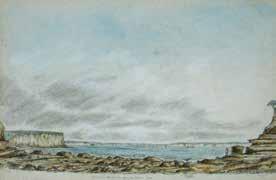
75 GEORGE FREDERICK SWAINSON
1829 - 1870
Auckland Harbour from Bastion Rock Watercolour 235 x 355
Signed, inscribed & dated 1/8/1851
Estimate $1,000 - 1,500
Provenance:
Fletcher Trust Collection
74 PAUL JACKSON
76 MAY SMITH
1906 - 1988
Wanganui Island (Triptych)
Watercolour 225 x 1335
Signed
Estimate $1,000 - 1,500
Provenance:
Fletcher Trust Collection
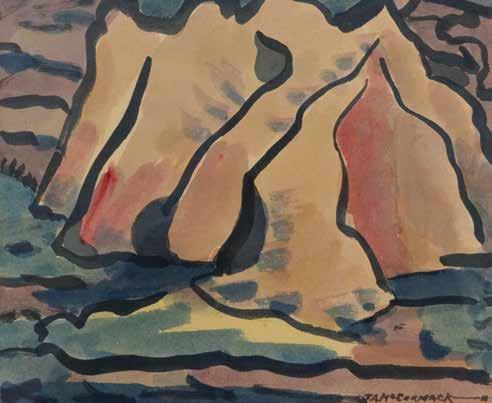
77 THOMAS ARTHUR MCCORMACK
1883 - 1973
Seascape
Watercolour 200 x 245
Signed
Estimate $1,000 - 1,500
Provenance:
Ex collection of Michael Smither
Subscribe to the Auction Catalogues
Subscription include: 8 Consecutive Catalogues with a minimum 4 Important, Early & Rare catalogues
. Please charge my Visa /Mastercard or find my cheque enclosed (tick one)
Expiry date ................/................. Signature .....................................................................................
Fax to +64 9 307 3421 or Post to International Art Centre PO Box 37344 Parnell Auckland 1151
Alternatively subscribe online www.fineartauction.co.nz or call Toll Free 0800 800 322 with credit card details
Private Treaty Sales - Please contact me when works by the following artists are available for sale by private treaty
272 Parnell Road Auckland New Zealand Tel +64 9 379 4010 www.fineartauction.co.nz
Absentee Bid Form
Selected works from the Fletcher Trust Collection 6:30pm 10 September 2014
I instruct International Art Centre to bid on my behalf for the following lots up to the prices indicated below. My bids are to be executed at the lowest attainable price level. All bids are subject to Conditions of Sale printed in this catalogue.
International Art Centre offers this service to clients unable to attend sale.
International Art Centre is not responsible for error or failure to execute bids. Fax +64 9 307 3421 or post to PO Box 37344 Parnell, Auckland 1151 before 3pm 10 September
272 Parnell Road Auckland New Zealand Tel +64 9 379 4010 www.fineartauction.co.nz
Conditions of Sale & A Guide to Buyers
CONDITIONS OF SALE
The highest bidder shall be the buyer. In the event of any dispute as to the bidding in respect of any lot, that lot may be offered again at the discretion of the auctioneer whose decision shall be absolute and final.
The auctioneer has the right -
(i) to refuse any bid;
(ii) to advance the bidding at his absolute discretion;
(iii) to place a reserve on any lot; (iv) to place a bid or bids on behalf of the seller; (v) to withdraw any lot from sale; (vi) to require a successful bidder to pay forthwith the whole or any part of the purchase price.
The auctioneer acts as the agent of the seller and neither he nor the seller shall be responsible for any defects or faults in any lot or for any errors of description or for genuineness or authenticity of any lot and no compensation shall be paid in respect of same.
From the time of lot being sold, such lot will be the responsibility of the buyer.
Successful bidders are required to pay for purchases immediately on completion of sale unless otherwise arranged.
All intending buyers are required to register for a bidding number prior to auction commencing. Subscribers can use their permanent bidding number. We reserve the right to ask for identification if you are a first time client of International Art Centre.
Each lot shall be paid for and removed at the buyers expense by no later than 4pm Friday 12 September 2014 unless otherwise arranged failing which the auctioneer and/or the seller shall have the right to forfeit any deposit paid by the buyer and to resell the lot either by public or private sale and any deficiency on costs of resale shall be borne by the defaulting buyer.
No lot may be collected or paid for whilst auction is in progress.
SUBJECT BIDS
When the auctioneer declares a lot ‘subject’ this means the bid is below the set reserve and is subject to vendor accepting, rejecting or negotiating the bid. International Art Centre will endeavour to make contact with the vendor immediately after sale or the following day. If the bid is accepted, the highest bidder is obligated to make purchase.
ESTIMATES
Estimates are provided for each entry and act as a guide only. They are prepared well in advance of sale and are subject to revision at any time. Estimates are based on hammer price and do not include our buyers premium.
ABSENTEE BIDS
Absentee bidding arranged - please refer to absentee bidding page in back of catalogue. Fax to (09) 307 3421 or post to PO Box 37 344 Parnell. Please do not be offended if a member of our staff asks for your credit card details as security.
Absentee bids can also be left via our website to registered members. International Art Centre website www.fineartauction.co.nz acts as a useful auxiliary to the catalogue but we recommend inspection or a condition report prior to leaving a bid. Our staff will gladly supply you with a condition report on any lot.
TELEPHONE BIDS
Telephone bidding available to subscribers. There is no charge for this service.
PAYMENT FACILITIES
Eftpos: Available for transactions $2,000 or less which is the banks daily limit. For transactions less than $4,000 a 50% deposit on the evening and balance following morning is acceptable as long as the goods remain on our premises.
Bank deposits: Please ask for our bank details to be faxed or emailed if you wish to pay by direct debit. Quote the Lot number(s)
Cheques: Accepted by known clients of International Art Centre or at our discretion. When posting cheques please ensure they are sent to the following address. International Art Centre PO Box 37 344 Parnell, Auckland 1151. Make cheque payable to ‘International Art Centre’
Credit cards: Visa & Mastercard accepted with a 2% surcharge. No other credit cards accepted.
EXPORTING
As a general rule, anyone exporting New Zealand works over 60 years of age should apply for an export certificate from the Ministry for Culture and Heritage to avoid issues with customs. This does not apply to non New Zealand works. For full details visit www. mch.govt.nz
FREIGHT & PACKING
International Art Centre will gladly arrange in house or professional packing and international, national or local freight at cost. Please arrange insurance on your items prior to them leaving our premises. In some cases, we may be able to arrange delivery ourselves within the Auckland area.