Understanding ABECMA® (idecabtagene vicleucel)


The IMF InfoLine team is here to support you and your loved ones with the most up-to-date information about myeloma
Call the IMF InfoLine at 1.800.452.CURE (toll-free in the U.S. & Canada) or 1.818.487.7455 (worldwide), or email InfoLine@myeloma.org with your questions, or if you wish to discuss the contents of this booklet.
Want answers and don’t want to wait?
Get the answers you need anytime from Myelo® , your 24/7 generative AI assistant that is designed to support you living well with myeloma. Ask Myelo your questions at myeloma.org.
Join the Myeloma Knowledge Platform Visit myprofile.myeloma.org and create your online IMF account to receive the most helpful content recommendations tailored to support your personal myeloma experience.
You are not alone
The International Myeloma Foundation (IMF) is here to help you. We are committed to providing information and support for patients with multiple myeloma (which we refer to simply as “myeloma”) and their care partners, friends, and family members. The IMF supports the myeloma community with a broad range of resources available on our website myeloma.org, and through numerous programs and services such as publications, seminars, webinars, workshops, and the IMF InfoLine.
The IMF InfoLine
The IMF InfoLine responds to your myeloma-related questions and concerns in a compassionate and caring manner. To receive the most up-to-date information about myeloma, call 1.818.487.7455, email InfoLine@myeloma.org, or schedule a convenient time to talk with an IMF InfoLine Coordinator at mmsm.link/infoline.
IMF publications
Myeloma is a cancer that is not known to most patients at the time of diagnosis. If you have been diagnosed with myeloma or if you suspect that you might have myeloma, the IMF can help you become well-informed about this disease so that you can have an active role in your own medical care and make good decisions about it in partnership with your doctor. We suggest that you read the IMF’s Patient Handbook, an introductory overview of myeloma diagnosis, effects on the body, risk stratification, treatment options, and key supportive care measures. The Patient Handbook will also direct you to other resources that may be helpful to you.
The IMF’s Understanding-series publications are intended to offer more detailed information about a broad range of myeloma-specific topics, including drugs and drug regimens, and the symptoms and side effects that can result from the myeloma itself and from its treatments.
All IMF publications are free-of-charge and can be read, downloaded, or requested in printed format at publications.myeloma.org. If you prefer to access any of the IMF’s publications or resources in electronic format, the light blue links will take you there.
Understanding myeloma vocabulary
Words in bold+blue in IMF publications are explained in a companion booklet, Understanding Myeloma Vocabulary. Myeloma is a complicated disease, but the language that describes it doesn’t have to be hard to understand. Being comfortable with myeloma-related terms is helpful to reading educational materials and to your conversations with your doctor. To read or download the electronic edition of Understanding Myeloma Vocabulary, visit glossary.myeloma.org.
What you will learn from this booklet
This booklet discusses the drug Abecma® (also known by its generic drug name, idecabtagene vicleucel or “ide-cel” for short). Abecma was approved by the U.S. Food and Drug Administration (FDA) in March 2021 for the treatment of adult patients with relapsed/refractory multiple myeloma (RRMM). You will learn how Abecma works, who can be treated with Abecma, clinical trial experience with Abecma, and how to prevent or minimize potential side effects of Abecma.
Immunotherapy
The immune system is comprised of a complex network of cells, tissues, organs, and the substances they make. The immune system involves multiple mechanisms that work together to protect and defend the human body from external threats (e.g., bacteria, viruses, toxins) and from internal threats such as cancer. The immune system helps to destroy infected and diseased cells and to remove cellular debris while protecting healthy cells.
Myeloma interferes with the normal function of the body’s immune system. Designed to protect us from harm, the immune system is very complex. To learn more about the immune system in the context of myeloma, read the IMF’s publication Understanding the Immune System in Myeloma. Immunotherapy is treatment that enhances the body’s natural defenses to protect us from harm. Abecma is a type of immunotherapy, a personalized chimeric antigen receptor (CAR) T-cell therapy that is manufactured for each individual patient using the patient’s own T cells, and is delivered as a one-time infusion.
T cells (T lymphocytes) are a type of white blood cell. T cells are an important part of our immune system by helping the body fight infection and disease. T cells can be distinguished from other white blood cells by the presence of a T-cell receptor (TCR) on the cell surface. T cells can recognize and bind to specific antigens, thereby triggering an immune response.
T cells can recognize myeloma cells as foreign and cancerous. However, as myeloma grows, the number of T cells is significantly reduced and their function blocked, thus allowing the myeloma to continue to grow. What is needed are T cells which recognize myeloma cells as foreign and are capable of destroying them.
Who can be treated with Abecma
In March 2021, Abecma became the first-in-class B-cell maturation antigen (BCMA) -directed CAR T-cell therapy approved by the FDA for the treatment of adult patients with RRMM after 4 or more prior lines of therapy, including an immunomodulatory agent , a proteasome inhibitor, and an anti-CD38 monoclonal antibody. Abecma is the first CAR T-cell therapy for myeloma to be approved by the FDA, and it is the first to target BCMA.
In April 2024, the FDA approved Abecma for the treatment of RRMM after 2 or more prior lines of therapy. The expanded approval makes this important CAR T-cell therapy available to patients earlier in the disease course. The expanded approval is based on data from the KarMMa-3 phase III clinical trial, which demonstrated progression-free survival (PFS) of about 13 months in the group of patients who received Abecma vs. 4 months in the group of patients who received other regimens.
How Abecma works
CAR T-cell therapy with Abecma takes the patient’s own T cells and engineers them to identify the B-cell maturation antigen (BCMA) receptor on the surface of myeloma cells, bind to this receptor, and destroy the myeloma cells. BCMA is a protein involved in myeloma cell growth and survival. BCMA is found on the surface of nearly all cells in patients with myeloma, both on myeloma cells and on healthy cells as well. BCMA is also known as tumor necrosis factor receptor superfamily member 17 (TNFRSF17).
Collection
The patient’s own T cells are collected by a procedure called apheresis, sometimes also called leukapheresis. Apheresis is a procedure whereby whole blood is taken from the patient, then passed through a machine that separates the blood into its individual components so that one particular component can be collected. The remaining blood components are then immediately re-infused back into the bloodstream of the patient. This is similar to how a patient’s own stem cells may be collected for an autologous transplant.
Manufacturing
The harvested T cells are sent to a highly specialized manufacturing laboratory to be engineered to attack the myeloma. The laboratory inserts a gene into the patient’s T cells, genetically modifying the T-cells to recognize and attach to BCMA. This creates the Abecma BCMA T-cell product that is unique to the patient.
The patient’s genetically engineered T cells are grown in the lab until millions of cells have multiplied, enough active T cells for the therapy to be effective. This process usually takes approximately 4 weeks.
Preparation
Approximately 5 days before the CAR T cells are reinfused, the patient begins a 3-day, low-dose chemotherapy regimen in order to prepare the body to more easily receive the CAR T cells.
Infusion
Approximately 4 weeks after the initial T-cell collection, the Abecma BCMA T-cell product is administered to the patient by way of an infusion through an intravenous (IV) catheter. The Abecma dose can be administered in one or more infusion bags, with up to 30 minutes for each infusion bag.
The infused CAR T cells immediately begin to seek out the myeloma cells in the body and attack them. As a precaution, due to the specialized nature of T-cell therapy and the possibility of side effects during this process, many patients are admitted to the hospital for about a week. Abecma must be administered at a certified treatment center.
Activation
Abecma recognizes and binds to BCMA on myeloma cells, leading to the destruction of BCMA-expressing myeloma cells. The CAR T cells become activated and begin to directly destroy the cell and also to engage other parts of the immune system to help.
Monitoring
Monitoring ensures that the Abecma treatment is working and helps with identifying any potential side effects. For at least 7 days after receiving the infusion of Abecma, the patient is monitored daily at the certified healthcare facility where the treatment was administered.
For 2 weeks after the infusion of Abecma, the patient should remain within 2 hours travel to the certified healthcare facility where the treatment was administered. This is the approximate timeline of treatment with Abecma,
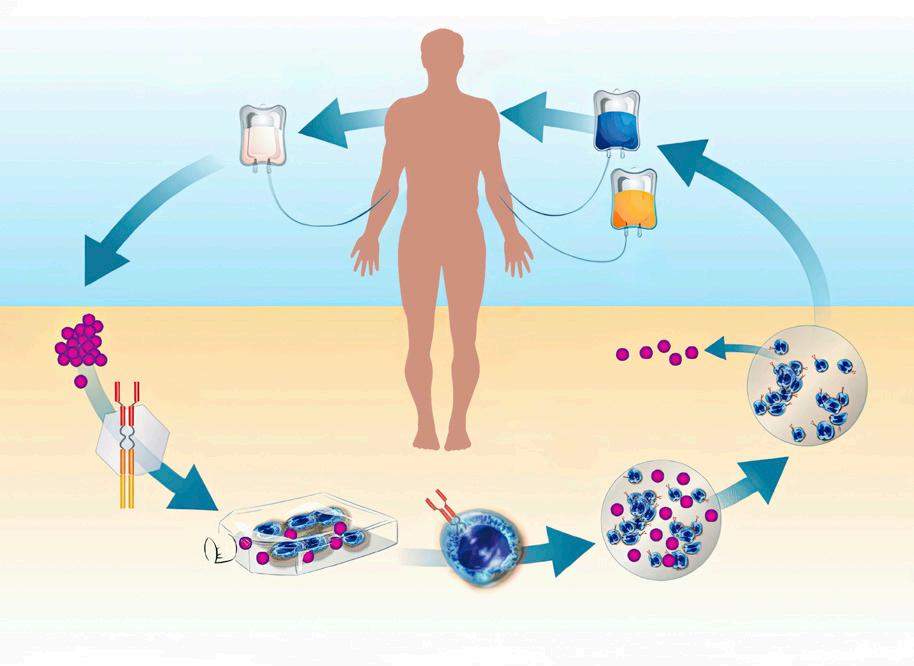
1. T cells are collected from the patient’s bloodstream.
2. These cells are modified to produce receptors that recognize the patient’s myeloma cells.
3. The modified T cells are multiplied in a laboratory in large numbers.
4. They are re-infused into the patient.
5. The re-infused T cells begin to destroy the patient’s myeloma cells.
but every patient is different and the total time it takes to complete the process may vary.
Effects on ability to drive and operate machinery
For at least 2 weeks following the Abecma infusion, you may be at risk for temporary memory and coordination problems, sleepiness, confusion, dizziness, and seizures. Don’t drive, operate heavy machinery, or engage in any activities that could be dangerous or hazardous if you are not mentally alert. Be sure to discuss with your healthcare team any potential issues that you may be experiencing.
Safety information
Abecma is administered only at certified treatment centers. To find a certified treatment center near you, visit abecma.com/find-a-treatment-center.
¡ If you have been treated with Abecma, do not donate blood, organs, tissues, or cells for transplantation.
¡ Treatment with Abecma may cause a false-positive human immunodeficiency virus (HIV) test result by some commercial tests.
¡ Patients treated with Abecma may develop secondary malignancies and should be monitored life-long.
A side effect, also called adverse reaction or adverse event (AE), is an unwanted or unexpected effect caused by a drug. The safety profile of Abecma is generally predictable, with side effects that are mostly lowgrade, with early onset and resolution. However, treatment with Abecma may cause side effects that are severe or life-threatening. Immediately alert your healthcare team if there is any change in your health, or if you develop any new or worsening symptoms after receiving Abecma, such as any of the following:
¡ shaking or twitching (tremors),
¡ severe fatigue,
¡ severe nausea or vomiting,
¡ difficulty breathing,
¡ fever of 100.4°F/38°C or higher,
¡ chills or shivering,
¡ confusion,
¡ dizziness or lightheadedness,
¡ fast or irregular heartbeat.
Possible side effects of Abecma
Side effects that were recorded in the KarMMa clinical trial of Abecma include CRS, cytopenia, infection, hypogammaglobulinemia, diarrhea, neurologic toxicities, and hemophagocytic lymphohistiocytosis (HLH).
Cytokine Release Syndrome (CRS)
Cytokines are proteins that circulate in the bloodstream, usually in response to infection. Cytokines can stimulate or inhibit the growth or activity in other cells.
Cytokine release syndrome (CRS) is a potentially fatal, uncontrolled immune reaction in which cytokines become highly elevated and trigger an overwhelming immune system response. A cytokine “storm” can seriously damage body tissues and organs. The CRS toxicity is a result of the active destruction of the myeloma cells by the BCMA-targeted T cells.
Symptoms of CRS, which can be severe or fatal, may include fever, difficulty breathing, dizziness or lightheadedness, nausea, headache, fast heartbeat, low blood pressure, or fatigue. Immediately tell your doctor if you develop any of these symptoms or if you experience any other potential side effects of Abecma.
In patients treated with Abecma in the KarMMa clinical trial, CRS of any grade occurred in 85% of patients using the Lee grading system. The median time to onset of CRS was 1 day after the infusion, and the median duration of CRS was 7 days.
Cytopenias
This is a condition in which there is a lower-than-normal number of red blood cells (anemia), white blood cells (leukopenia), or platelets (thrombocytopenia). In some patients, cytopenia may be prolonged. Pancytopenia is a condition in which all of a person’s blood cell levels are low.
Infection
Abecma can lower one or more types of your blood cells, which may make you feel weak or tired, or increase your risk of severe infection or bleeding. Abecma can increase the risk of life-threatening infections that may lead to death. While you receive treatment with Abecma, your doctor will monitor your blood cell counts. If you develop a fever, you must get immediate medical attention.
Hypogammaglobulinemia
This is a laboratory diagnosis made when the immune system is not producing enough immunoglobulin G (IgG). Most patients receiving Abecma will develop hypogammaglobulinemia and will need to be given intravenous immunoglobulin (IVIG), a medical product of concentrated human antibodies that can be administered by intravenous (IV) infusion.
Diarrhea
If you have diarrhea, take precautions to prevent dehydration by drinking a sufficient amount of water. Your doctor will monitor your electrolytes and correct abnormalities if they’re detected. Your doctor may direct you to take or administer anti-diarrheal medication, and/or intravenous (IV) hydration. Contact your doctor immediately if you get dizzy or lightheaded, or experience fainting.
Neurologic toxicities
Neurologic toxicities have occurred in patients treated with Abecma. Symptoms include but are not limited to the following: confusion,
disorientation, loss of consciousness, seizures, tremor, slower movements, changes in personality, depression, tingling and numbness of hands and feet, leg and arm weakness, facial numbness, and difficulty speaking, reading, or writing.
Hemophagocytic lymphohistiocytosis (HLH)
HLH is an aggressive and potentially life-threatening inflammatory condition of excessive immune system activation. HLH can occur with CRS or with neurologic toxicities or even in the absence of either.
Other common side effects
Other common side effects may include musculoskeletal pain, upper respiratory tract infection, viral infections, encephalopathy (disease in which the functioning of the brain is affected), edema, cough, headache, and decreased appetite.
Access and support
If you are receiving Abecma, you can choose to enroll in the Cell Therapy 360 Patient Support Program and Copay Assistance Program. For more information, visit Abecma.com or call 1.888.805.4555.
In closing
This booklet is not meant to replace the advice of your doctors and nurses who are best able to answer questions about your specific healthcare management plan. The IMF intends only to provide you with information that will guide you in discussions with your healthcare team.
To help ensure a good quality of life through effective treatment, you must play an active role in your own medical care. We encourage you to visit myeloma.org for more information and to join the IMF’s Myeloma Knowledge Platform at myprofile.myeloma.org.
To receive the most up-to-date information about myeloma in a caring and compassionate manner, call the IMF InfoLine at 1.818.487.7455, email InfoLine@myeloma.org, or visit mmsm.link/infoline to schedule a convenient time to talk with an IMF InfoLine Coordinator.
To get answers to your questions without having to wait, ask Myelo® anytime 24/7 at myeloma.org. This generative AI assistant is designed to help you find the right resources.
Use the hyperlinks and web addresses included in this publication for quick access to a variety of resources. Sign up at subscribe.myeloma.org for our quarterly journal Myeloma Today and weekly e-newsletter Myeloma Minute, as well as alerts about IMF news, events, and actions.

Founded in 1990, the International Myeloma Foundation (IMF) is the world’s leading organization dedicated to multiple myeloma. The IMF is steadfast in its mission: Accelerating the prevention and cure of myeloma and improving the quality of life for patients and families.
The IMF serves people impacted by myeloma at every stage of the disease by combining world-class research, trusted education, global advocacy, and direct support. A cornerstone of this work is the International Myeloma Working Group® (IMWG) – a network of more than 300 internationally renowned researchers and clinicians who establish the guidelines that shape how myeloma is diagnosed, treated, and managed across the globe.
Through its global network of support groups, educational programs, its 24/7 generative-AI myeloma assistant Myelo® , its InfoLine staff, and its advocacy for greater healthcare access, the IMF helps people living with myeloma and their care partners navigate diagnosis, treatment, and survivorship. At the same time, the IMF ensures scientific advances translate into better care and outcomes.