

GUIDELINE UPDATES AND PROPOSALS
Steering Committee
Exercise Recommendations for People with Multiple Myeloma:
A Modified Delphi and Expert Consensus from the International Multiple Myeloma and Exercise Working Group (IMMEWG)
The need
• Patients with myeloma live longer and some even off therapy
• Patients would like to participate in physical activities again
• There is not enough scientific data to give clear recommendations
Approach
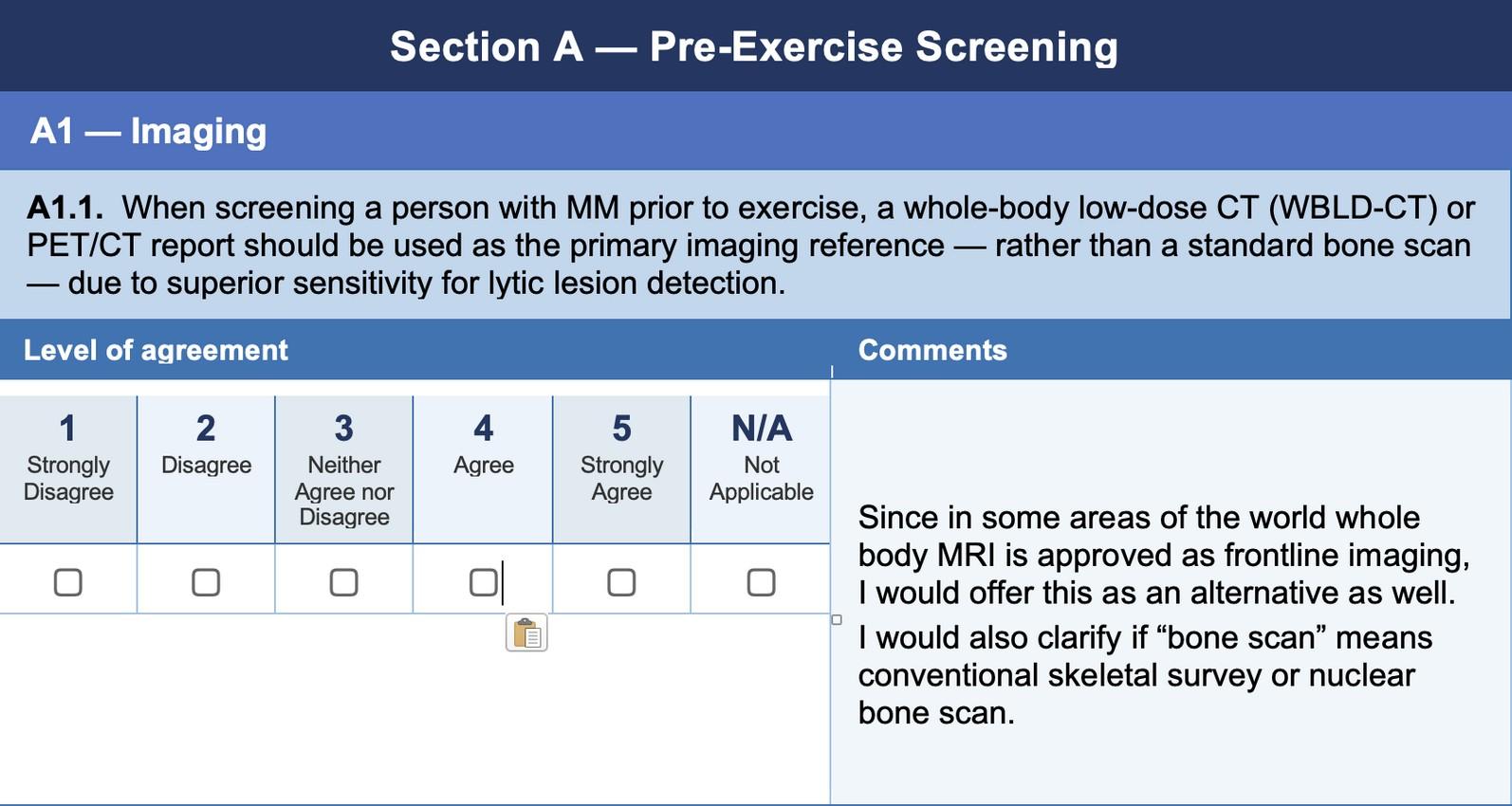
A Delphi survey explores three key components of exercise recommendations for people with multiple myeloma (MM): (1) pre-exercise screening procedures (2) risk stratification (3) exercise prescription
How to complete the Delphi survey
• Rate your level of agreement against each statement on a 1–5 Likert scale (Strongly Disagree → Strongly Agree). Select N/A if the statement falls outside your area of expertise.
• There are no right or wrong answers. This study relies on genuine expert opinion.
Estimated time: 20 minutes.
Responses received via email will be immediately transferred to the research folder and stored anonymously and securely.
jens.Hillengass@roswellpark.org

SMOLDERING MULTIPLE MYELOMA COMMITTEE
Maria Mateos
Shaji Kumar
MGUS and SMMQuestions
Marivi Mateos Shaji Kumar
Monoclonal gammopathy
• Diagnostic criteria remain unchanged
• Important to note the new normal ranges for serum free light chain from diagnosis standpoint
• Screening still not recommended on a population level
• With wider use of mass spec, more individuals are going to be diagnosed with small spikes
• Education – important to understand the natural history of IgM vs non-IgM
Disease Definitions and Natural History
• SMM Definition remain current
• Role of population-based screening not proven
• not recommended
• Need to do targeted/ enriched screen
• Important as we have an approved intervention
• Likely role of EMR embedded AI based algorithms
Monoclonal gammopathy of Clinical Significance (MGCS)
• Widening spectrum of disorders
• Clearer definition is required
• Clear demonstration of a plasma cell clone
• Important to demonstrate causality to avoid overdiagnosis
• Definition need to incorporate the specific clinical presentation
• Clinical manifestations related to the monoclonal process – not myeloma related
Risk Stratification
• Mayo 20/2/20 has been validated and should form the basis for clinical trial inclusion for now, but we need to continue to refine
• Needs refinement with a dynamic model to allow ongoing risk stratification – planned effort to combine multiple datasets
• Incorporation of genomic abnormalities important next step
Risk stratification
• Circulating plasma cells – powerful prognostic factor needs incorporation
• Allows for more frequent monitoring
• Needs to incorporate imaging – baseline and dynamic
• Needs practical assays for genomic and immune markers to further refine the risk – identify those at either end of the spectrum
Early Intervention
• Daratumumab is a reasonable intervention for high risk 20/2/20 population based on AQUILA
• Important to continue education to identify the high risk patients for treatment
• Lifestyle modification should be considered for lower risk SMM and high risk MGUS
Endpoints for clinical trials
• Time to active myeloma (2014 definition) is an accepted endpoint
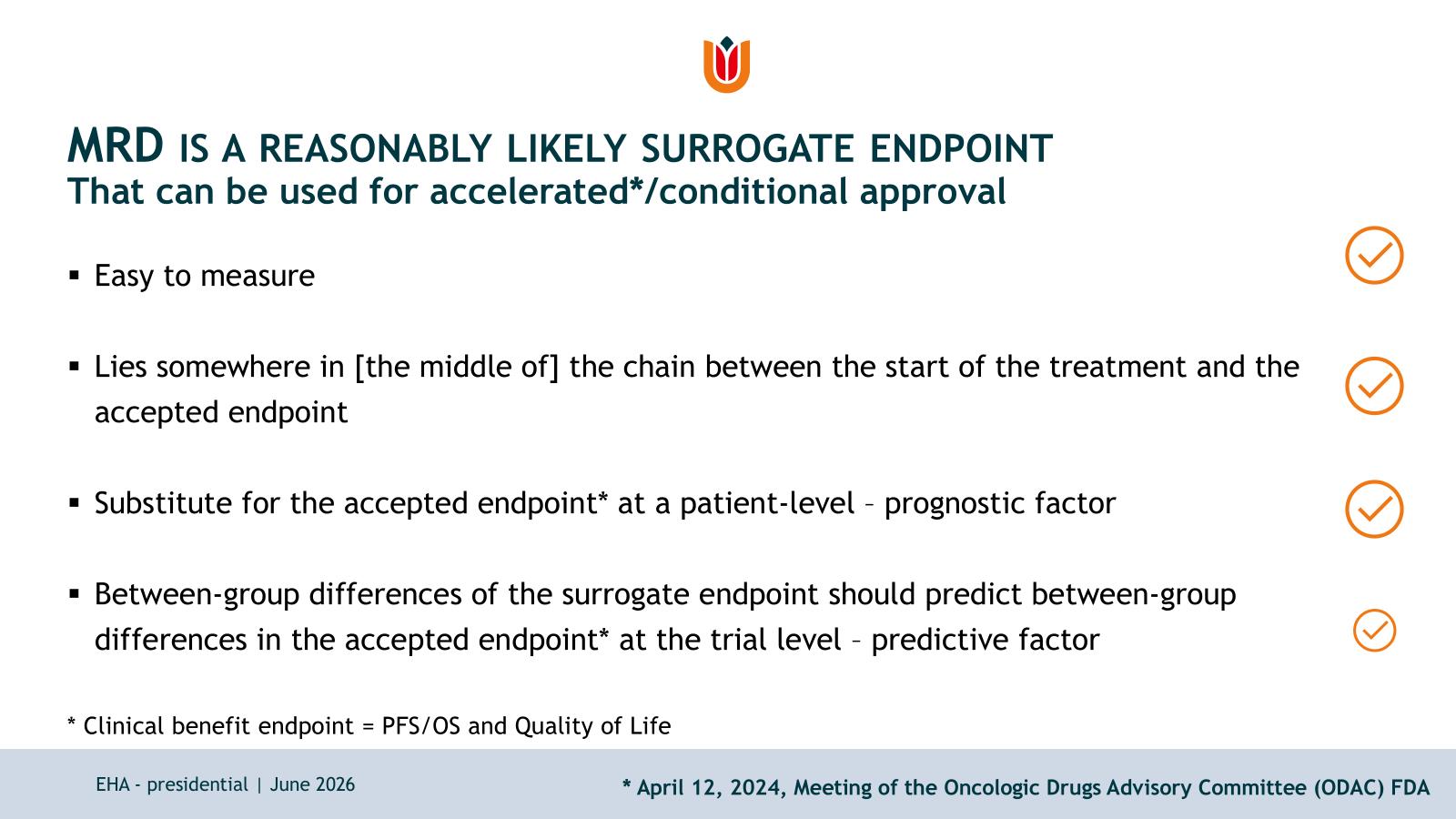
• We need surrogate endpoints
• Biochemical progression has most data
• Sustained MRD negativity is another option
• The surrogate may depend on trial design
• Need to explore additional cutoffs for biochemical change
• Identify characteristics that can influence the impact of BP
Next questions
IMMUNE THERAPY COMMITTEE
Tom Martin Yi Lin
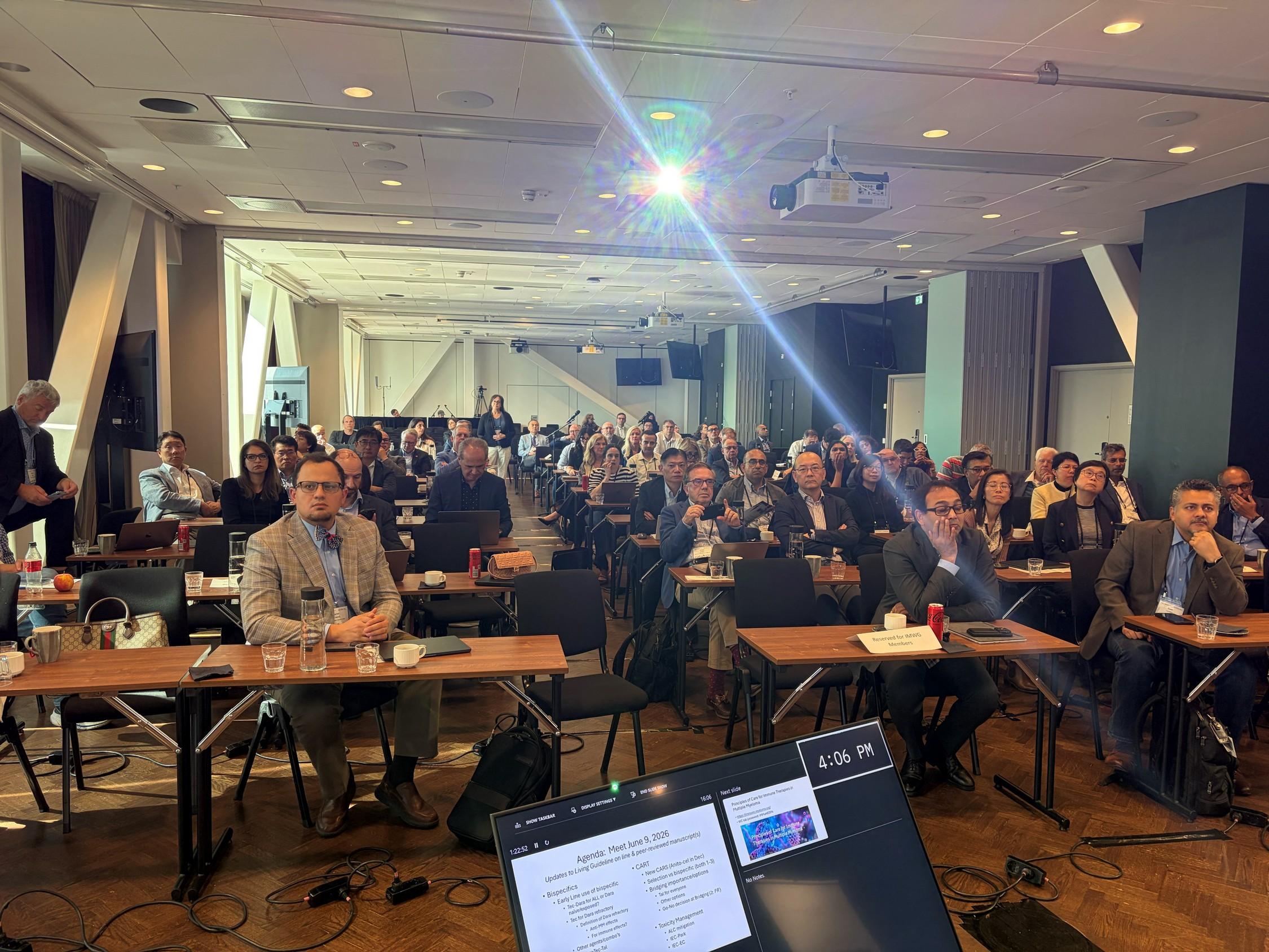
IMWG Immune Therapy Committee Meeting
June 2026
• Database Enrollment update
• Manuscripts - Update
• Current Projects - Update
• Proposals: current and new
• Virtual Tissue Bank
• Guidelines
• IMWG WC Meeting
• Update Guidelines – Bispecifics: When, what, where
• Update Guidelines – CART cells: When, what, where
Immunotherapy Database Manuscripts
Manuscript/Project Update
Manuscripts
• Long term Tec Manuscript (Carlyn/Darren): Pending, being written in Q2 2026, looking at infection in more detail
• Dual Exposed Manuscript (Murali/Darren) – N=157, IMS abstract, Manuscript in preparation.
• Case Series of Cilta-cel–Associated Parkinsonism (Anu): Manuscript to be circulated.
• Elra Outcomes (Hira/Rakesh): N=115, Manuscript being written
• Tec/Elra after prior BCMA exposure (n=126; Carlyn/Rakesh): IMS abstract, manuscript to follow
Collaborating projects
• SCOPE-MM: predictive score of CAR-T outcome at the time of eval/pre-leukapheresis (Rejeski/Lin, IMWG ImmunoTherapy committee recommendation) – submission to Lancet Oncology
• CHARGE: prognostic score of TCE outcome (Zanwar/Costa) – under review at JCO
• MSKCC (Max Merz): Infection validation study, cohort of >200 patients provided for validation, analysis complete
Manuscript/Project Update
Data Collection Ongoing
• CART cohort(Susan/Eric): ALC and Delayed Tox, Data collected, queries to start, teams meeting, ASH Deadline
• GPRC5D related Ataxia (Murali/Torsten): ASH Deadline
• t(11:14) Outcomes with Talq (Susan/Amrita): ASH Deadline
Prospective collection
• Frailty assessment prospectively (Hira): Baseline, 3 months, among patient receiving Bispecific Ab
• Talq Oral toxicity questionnaire (Rakesh): Baseline and additional time points
Project Proposal- Approved
1. Outcomes associated with teclistamab and talquetamab combination therapy : Dr. Tan
This proposal will evaluating outcomes as well as safety of combining teclistamab and talquetamab in the real-world setting.
2. Outcome of patients with plasma cell leukemia receiving novel immunotherapy: Aljama and Hira
Study the response rates and overall outcomes of patients with primary and secondary plasma cell leukemia and other high risk features receiving T-cell engagers and/or CAR-T therapy
3. Secondary Primary Malignancy: Laurent G/Tom Martin
Data collection on-going
Hoping to have >500 patients with >1 year follow-up (200 CAR, 300 Bispecific)
- Differences in incidence and types of malignancies??
Project Proposal- New
Evaluation of efficacy and safety of Daratumumab in combination with Teclistimab in early relapsed myeloma in the real world setting
(Dr. Nisha Joseph)
This would be a retrospective multicenter analysis utilizing the database to assess the efficacy and safety of teclistamab in combination with daratumumab in early relapsed setting. In addition, the study would describe utilization of IVIG and supportive measures, patterns of outpatient use and the treatment dosing schedule being used in the real world setting.
Project Proposal
Outcomes of Patients treated with Cilta/CART as Early vs. Late line
tmt
We plan to collect and analyze disease and treatment-related data of patients who have been treated with CAR-T at early vs. late timepoints.
Outcomes of Patients treated with bispecific as Early vs. Late line
tmt
? Should we plan to collect and analyze disease and treatment-related data of patients who have been treated with CAR-T at early vs. late timepoints.
Compare early CART vs. Early bispecific.
New proposal idea discussions
• Refined the question to examine early line use of BsAb and CART, for example to look at early progressions: Are there patients who would benefit from both or one and not the other treatment, or neither
• BsAb: outcome of patients who stopped for reason not for PD, and their outcome
• Long term immune recovery as well
• Outcome for serial CART use (CAR-T after CAR-T)
• important to understand clinical outcome but also for payers/policy
• Think about real world, prospective pragmatic study
Virtual Tissue Bank
Things to Discuss: Virtual Tissue Bank
1. COH – genomic analysis – (WGS before and after)
2. GTC (Genomic Testing Cooperative) Proposal Plan:
1. Prospective collection of GPRC5D and BCMA mutation data after immunotherapies
Cohort 1: 150 patients – treated with BCMA and GPRC5D therapeutics (2 immunotherapies)
- 75 BCMA and GPRC5D bispecifics - 75 BCMA/GPRC5D CAR or bispecific (25 with GPRC5D bridging then BCMA CAR)
Cohort 2: 100 patients – treated with 1 BCMA therapeutic - 25 BCMA ADC - 25 CART - 50 Bispecific
Sample collection: Bone Marrow and PB
1. Pre-immunotherapy (for Cohort 1) CD138(+) cells, cell free DNA
2. At relapse
Project Proposal
Development of an Immunotherapy Target Mutational Database: Jonathon Keats and Murali Janakiram
With the new recommendations by the IMS/IMWG High risk definition to use sequencing based testing in myeloma more and more centers will have access to whole genome sequencing or panel sequencing assays that incorporate reporting of copy number, mutations, and structural events within immunotherapy targets. The aim would be to expand the immunotherapy registry to include target assessment data to facilitate analysis of target loss incidence, response, and outcomes.
Ideas from this meeting
• sBCMA – other assays – cfDNA and mutations?
Updates to Living Guideline on line & peer-reviewed manuscript(s)
• Bispecifics
• Early Line use of bispecific
• Tec-Dara for ALL or Dara naïve/exposed?
• Tec for Dara refractory
• Definition of Dara refractory
• Anti-MM effects
• For immune effects?
• Other agents/combo’s
• EMD =>Tec-Tal
• Dosing
• Infectious prophylaxis
• Duration of therapy
• Consideration with ADC
• CART
• New CARS (Anito-cel in Dec)
• Selection vs bispecific (both 1-3) & ADC
• Bridging importance/options
• Tal for everyone
• Other options
• Go-No decision at Bridging (
• Toxicity Management
• Predictors & mitigation
• IEC-PKS
• IEC-EC
• Defining Refractoriness
• Eligibility for immunotherapy trials
• https://immuno.myeloma.org/

IEC-Parkinsonism (JNJ CART-ASCENT Protocol)
Proposed Grade-Based Management Algorithm of IEC-Parkinsonism
IEC-Parkinsonism
Grading per ASTCT
Criteria/Guidelines
1st Line Strategy:
• Initial Treatments
– High-dose IV Solu-Medrol (1-2 mg/kg/d)
– High-dose IVIg (1-2 g/kg)
• Optional Treatments
– Intrathecal chemo
Refractory:
2nd Line Strategy:
• Worsening or no improvement within 7 days
• Treatment Option
– One-time, high-dose (based on frailty) cyclophosphamide (Cytoxan)
– Fit pts = 2 g/m2
– Elderly/frail pts = 1 – 1.5 g/m2
• Optional Treatments (if not given in 1st line)
– Intrathecal chemo
– High-dose IVIg (1-2 g/kg)
Refractory:
• Worsening or no improvement within 14 days
3rd Line Strategy:
• Initial Treatments
– * Ruxolitinib x 4 weeks
• Optional Treatments (if not given prior)
– Intrathecal chemo
– High-dose IVIg (1-2 g/kg)
Refractory:
• Worsening or no improvement within 4 weeks
4th Line Strategy:
• Investigator’s Choice
At any point: Symptom improveme nt or resolution
Simultaneous Diagnostic Workup
• Referral to neurology
– Neurologic assessment
– Imaging studies (CT/MRI)
– Lumbar Puncture
• Rule out other causes (infections, etc.)
• Admit as necessary
• Follow IEC-EC infection prophylaxis
Supportive Care | Infection Prophylaxis
• Universal
– Aggressive antimicrobial
– VZV + PJP coverage
– IVIG pp
• Steroid usage > 5-7 days
– Add antifungal prophylaxis
• If neutropenic (ANC < 1,000) OR on steroids:
– Consider antibacterial prophylaxis
Continue to taper treatment option(s) with close observation
*Patients responding to ruxolitinib would need to remain on therapy for many months with slow taper. If this is started inpatient, authorized process needs to be started for outpatient coverage.
At any point: Symptom improveme nt or resolution
1st Line Strategy:
• Treatment Option
– One-time, high-dose (based on frailty) cyclophosphamide (Cytoxan)
– Fit pts = 2 g/m2
– Elderly/frail pts = 1 – 1.5 g/m2
• Optional Treatments
– Intrathecal chemo
– High-dose IVIg (1-2 g/kg)
Refractory:
• Worsening or no improvement within 14 days
2nd Line Strategy:
• Initial Treatments
– * Ruxolitinib x 4 weeks
• Optional Treatments (if not given prior)
– Intrathecal chemo
– High-dose IVIg (1-2 g/kg)
• Investigator’s Choice Refractory:
• Worsening or no improvement within 4 weeks
3rd Line Strategy:
Can we do
better with early predictors of IEC-PKS and mitigation strategies?
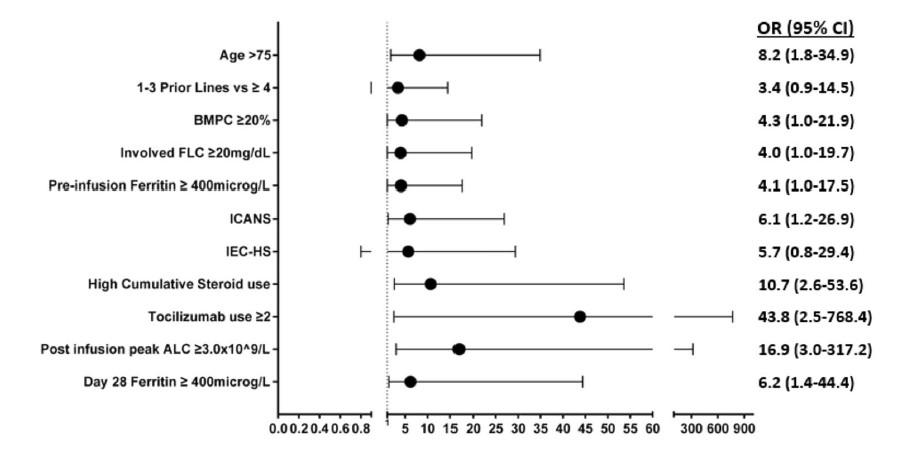
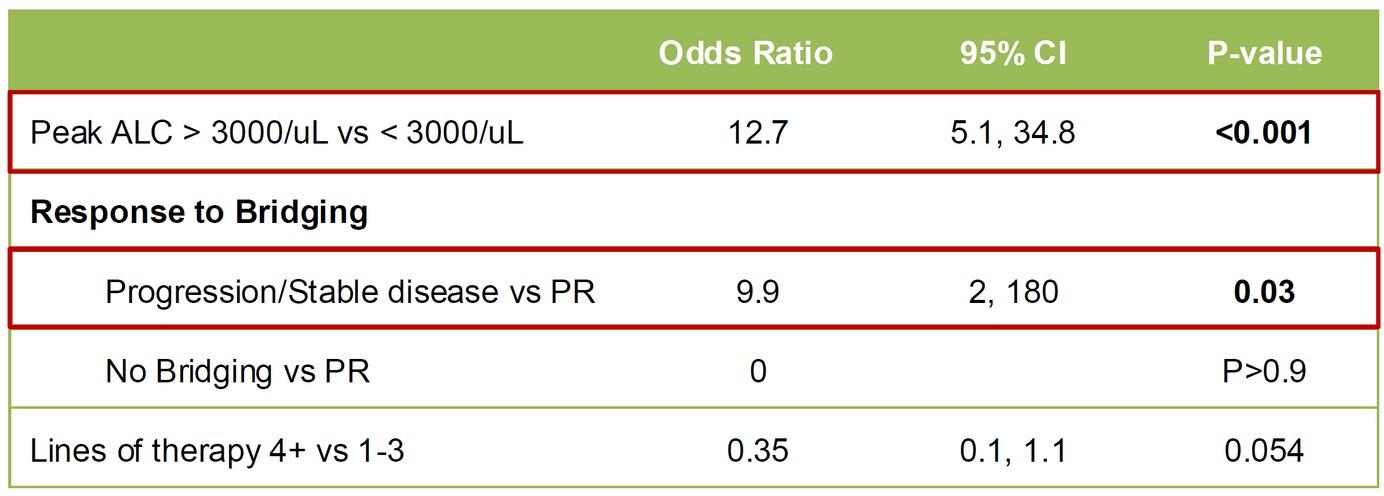
Predictors of IEC-DNT: Multivariate analysis
Mayo Clinic Cohort U.S. MM Immunotherapy Consortium
Fifteen centers across U.S.
• May 2022 – Dec 2024.
• N = 761 standard of care Cilta-cel
Can mitigation strategy at the time of ALC expansion reduce the incidence or severity of IEC-DNT/PKS?


• Using single arm binomial design, alpha 0.1 and 90% power
Ken Lim Melinda Tan
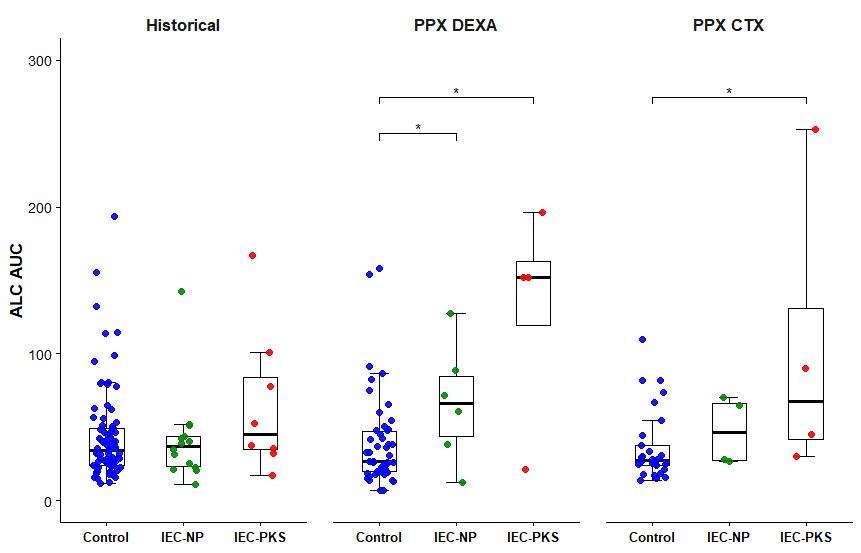
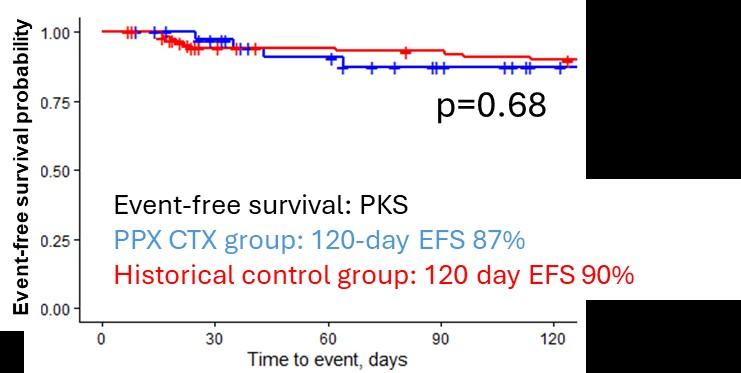
PPX DEX & PPX CTX did not reduce the rate
or EFS of IEC-DNT or IEC-PKS: Mayo Clinic Cohort
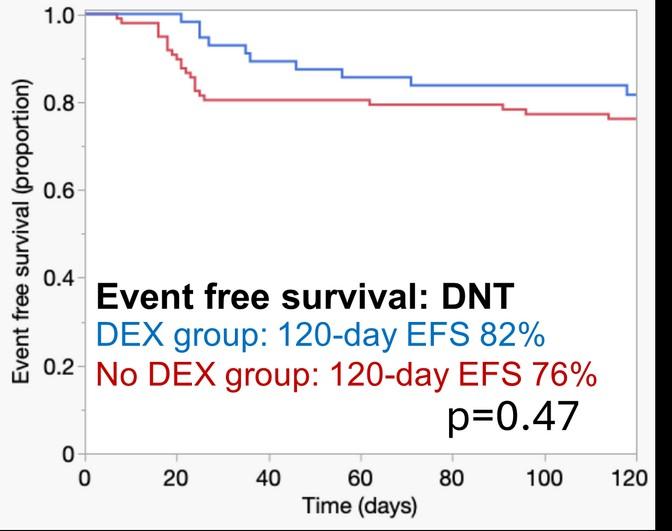
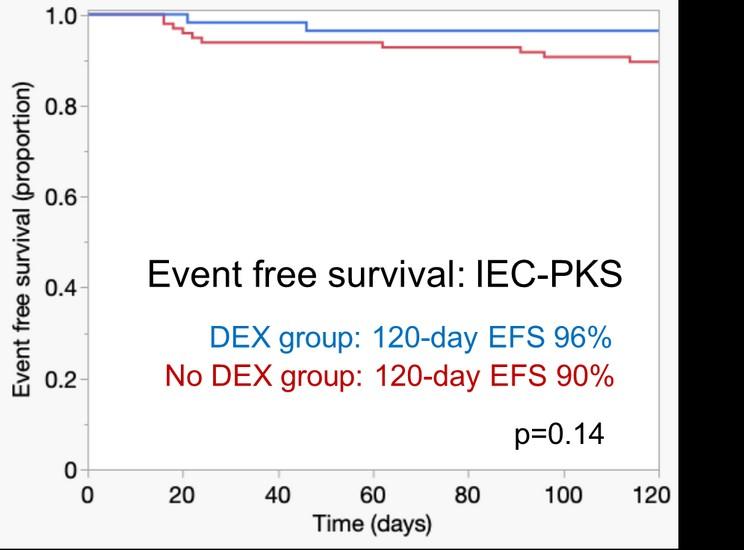
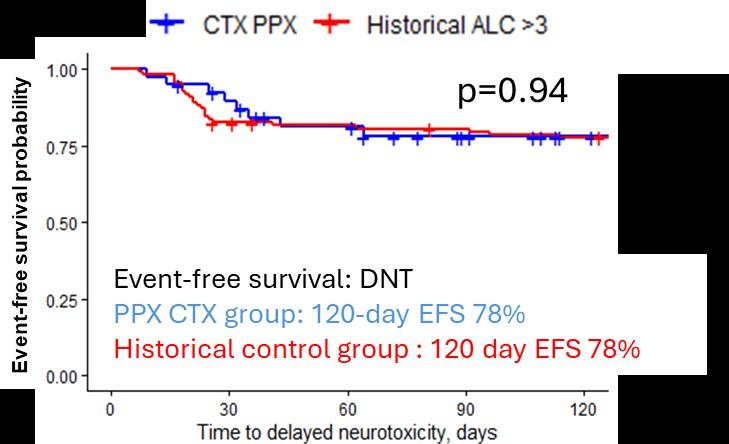

No Difference in ALCpeak or AUC among cohorts
Ken Lim Melinda TanChristoph Schaefers
Delayed Neurotoxicity 2026: Consensus
1. ALC Elevation (no neuro Sxs (~30-50%)): what is your strategy? - Dex x 3 days - Cyclophosphamide 500mg x 1 - Dasatinib? Natalizumab?? - Other strategies??
2. What should we recommend now?? - anyone following CD4/CD8 ratios?
J&J/US Protocol to investigate prophylactic strategies
- Which ones??
ASTCT Consensus Criteria | IEC-EC
Grade 1 Grade 2
Grade 3
Grade 4
Diarrhea Increase in stool frequency < 4/day over baseline
Colitis
Enterocolitis
Asymptomatic; clinical or diagnostic observations only; intervention not indicated
Asymptomatic; clinical or diagnostic observations only; intervention not indicated
Increase in stool frequency 4-6/day over baseline; limiting instrumental ADLs
Abdominal pain; mucus or blood in stool
Increase in stool frequency > 7/day over baseline; limiting self-care ADLs
Severe abdominal pain; peritoneal signs
Life-threatening consequences; urgent intervention indicated
Life-threatening consequences; urgent intervention indicated
Abdominal pain; mucus or blood in stool
Severe or persistent abdominal pain; fever; ileus; peritoneal signs
Life-threatening consequences; urgent intervention indicated
Note: Adapted with permission from CTCAE criteria. Grade is determined by the most severe event in any of the given domains.
Clinical Presentation
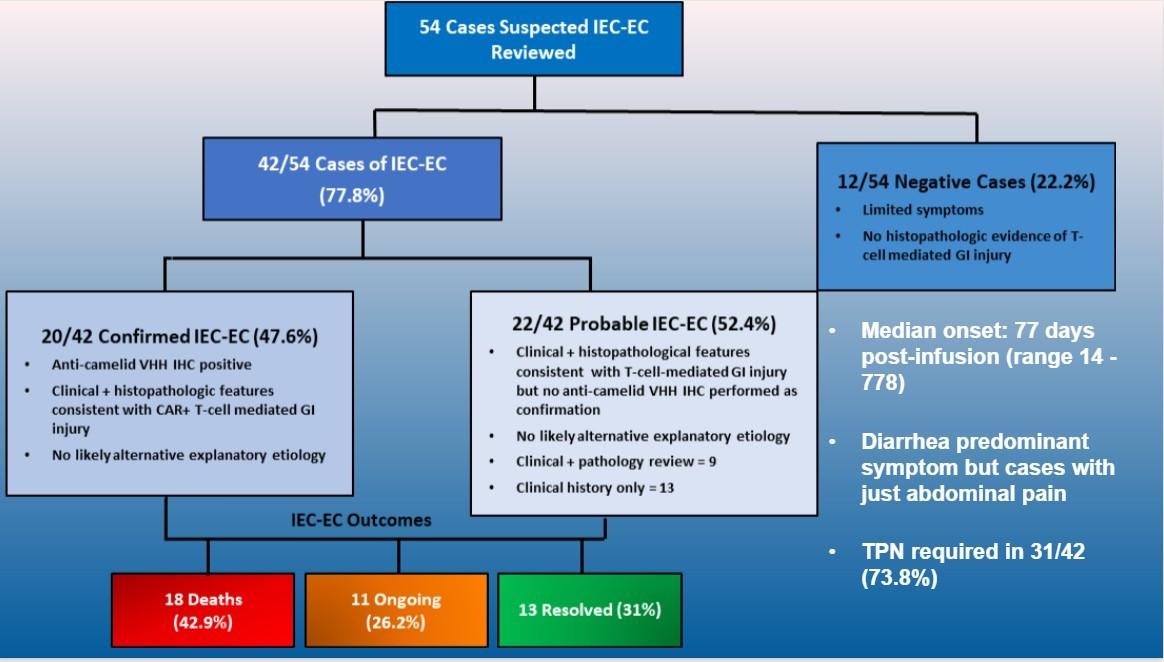
• Presents as acute, typically non-bloody, grade 3+ diarrhea
• Median onset 92.5 days (22-210) post-CAR-T; incidence 1.2% (0.2% idecel, 2.2% ciltacel)
• Can be associated with weight loss, need for TPN
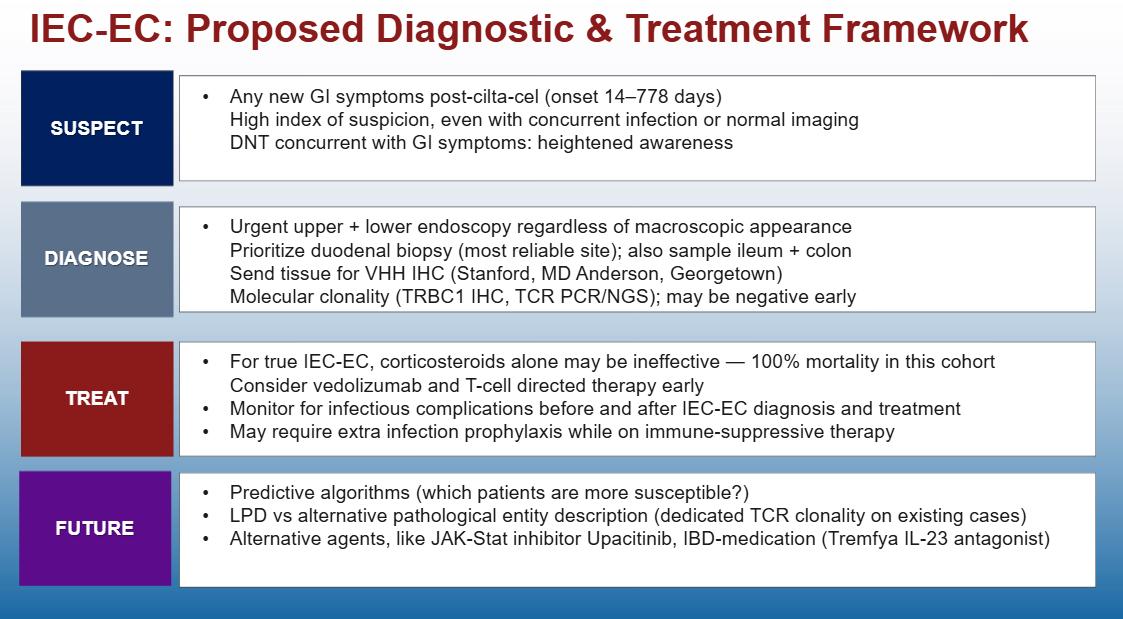
• Workup: EGD/colonoscopy, biopsy with additional testing for clonality, camelid IHC
• Pathology: inflammation, intra-epithelial lymphocytosis, crypt drop-out in colon, villous blunting in duodenum
• High co-occurrence of infection
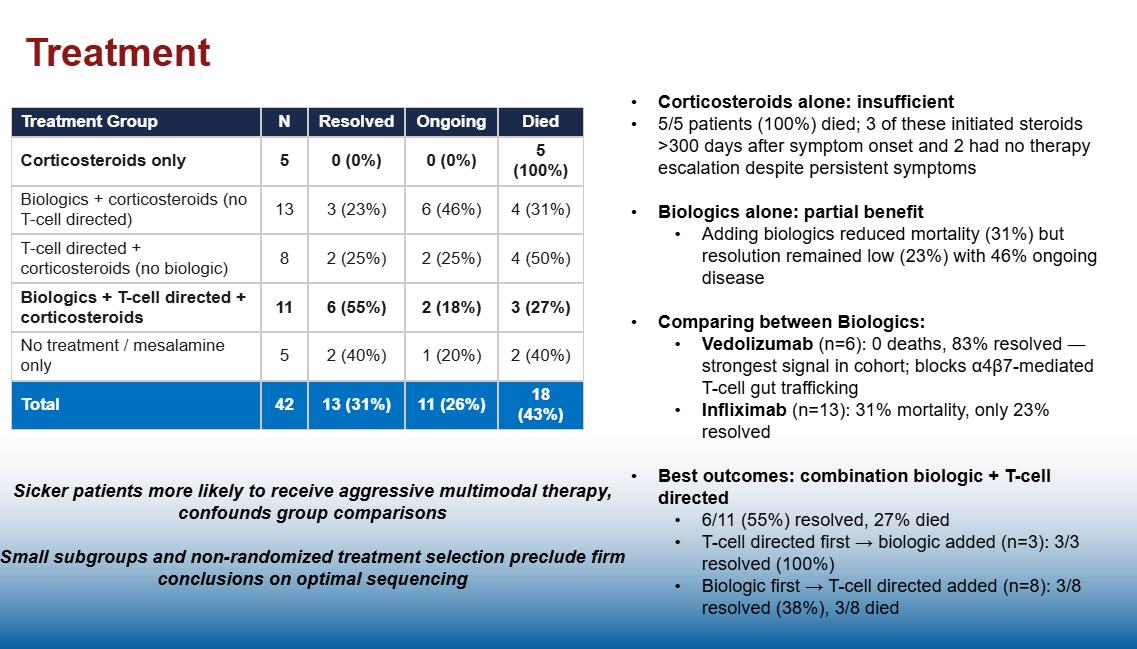
High mortality!
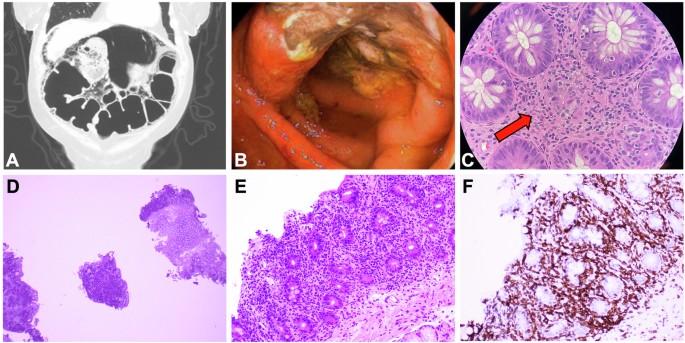
A. Toxic megacolon on CT
B. Ulceration in transverse colon
C. Focal crypt dropout, increased apoptosis (10x power)
D. Infiltration of lamina propria by T-cell (2x power)
E. Infiltration of lamina propria by T-cells (10x power)
F. IHC stain for CD3 (20x power)
Other causes/diagnoses of diarrhea (ie, infection)
Instituteappropriate directed therapy
1st Line Strategy:
• Upadacitinib
Tx dose: 45mg PO Daily, 8 weeks
Maintenance: 15-30mg Daily
• Regardless of response:
– Repeat EGD q4w (+/- 2 weeks)
Refractory:
2nd Line Strategy:
Other Causes Ruled Out
Proposed Grade-Based Management Algorithm of IEC-Enterocolitis
Regardless of grade, initiate Systemic steroid (1 mg/kg) treatment immediately for ≧ 1 week while conducting baseline assessment
Baseline Assessment (Prior to Therapy)
• Symptom grading
• Nutritional status (need for TPN)
• Infectious workup
• Worsening or no improvement within 14 days
One-time, Cyclophosphamide (Cytoxan) (dose based on frailty & can be fractionated over 2-3 days)
• Fit = 2 g/m2
• Elderly/Frail = 0.5 -1.5 g/m 2
Repeat EGD q4(±2) weeks if refractory
Refractory:
3rd Line Strategy:
• Worsening or no improvement within 14 days
Treat based on EGD results:
• Abnormal EGD
• Maintenance with a biologic
- Infliximab every 8-12 weeks
- Vedolizumab every 6-8 weeks
• Normal EGD
• Continue supportive care
Add Infliximab 5mg/kg at 0, 2, & 6 weeks
Repeat EGD q4(±2) weeks if refractory
4th Line Strategy:
Refractory:
• Worsening or no improvement within 14 days
• Investigator’s Choice
Additional Options:
• Cyclosporin A
Duration: 4-6 wks
Target trough
Treatment: 300 - 500 ng/mL
Maintenance: 150 - 300 ng/mL
Infection Prophylaxis (All Pts)
Universal
• Aggressive antimicrobial
• VZV + PJP coverage
• IVIg pp
Steroid usage > 5-7 days
• Add antifungal prophylaxis
If neutropenic (ANC < 1,000) OR on steroids:
• Consider antibacterial prophylaxis
Additional Supportive Care (All Pts - PRN)
Antidiarrheals
Nutritional Support
• TPN
• Hydration +/- electrolytes
Check for T-cell clonality (TCR):
OR prolonged diarrhea >7 days Response Measured As:
Send all EGD biopsies to Adaptive
• < Grade 1
• Off TPN
• Stabilization in weight (no loss)
• Confirmation via endoscopy
Cont. to taper treatment option(s), cont. supplemental care with close observation
*Patients responding to Upadacitinib would need to remain on therapy for many months with slow taper. If this is started inpatient, authorized process needs to be started for outpatient coverage.
Treat based on EGD results:
• Abnormal EGD
• Maintenance with a biologic
- Infliximab every 8-12 weeks
- Vedolizumab every 6-8 weeks
• Normal EGD
• Continue supportive care
• Laboratory parameters
1st Line Strategy:
• One-time, Cyclophosphamide (Cytoxan) (dose based on frailty & can be fractionated over 2-3 days)
– Fit = 2 g/m2
– Elderly/frail = 0.5 – 1.5 g/m 2
• Regardless of response:
– Repeat EGD q4w (+/- 2 weeks)
2nd Line Strategy:
Upadacitinib
Refractory:
• Worsening or no improvement within 14 days
• Tx dose: 45mg PO Daily, 8 weeks
• Maintenance: 15-30mg Daily
Repeat EGD q4(±2) weeks if refractory
Refractory:
3rd Line Strategy:
• Worsening or no improvement within 14 days
Continue upadacitinib
Add Infliximab 5mg/kg at 0, 2, and 6 weeks
Repeat EGD q4(±2) weeks if refractory
4th Line Strategy:
• Investigator’s Choice Refractory:
• Worsening or no improvement within 14 days
Thank you Questions and Comments
IMWG Breakfast: IEC- EC Consensus
1. IEC- enterocolitis
1. IMWG Treatment Recommendations: Need Consensus
2. Should we add this to “Living Guidelines” ??
Bispecific Guideline Update
• Early line use of bispecifics
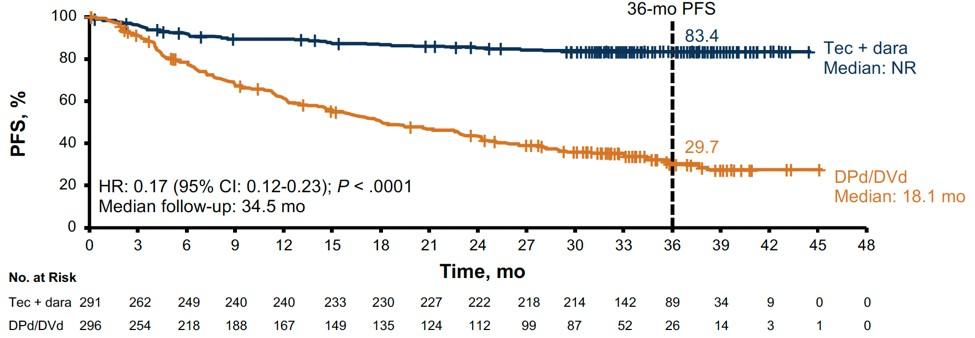
• Tec-Dara (1-3 lines of therapy)
• Should we define Dara refractoriness
• Progression on Dara
- Tec + Dara. PFS 83% @ 3 years
• Does dara exposure change immune effects?
• Use Dara if no exposure for (?1 m, 3 m, 6 m)
• Use Dara always– “not refractory” to IS
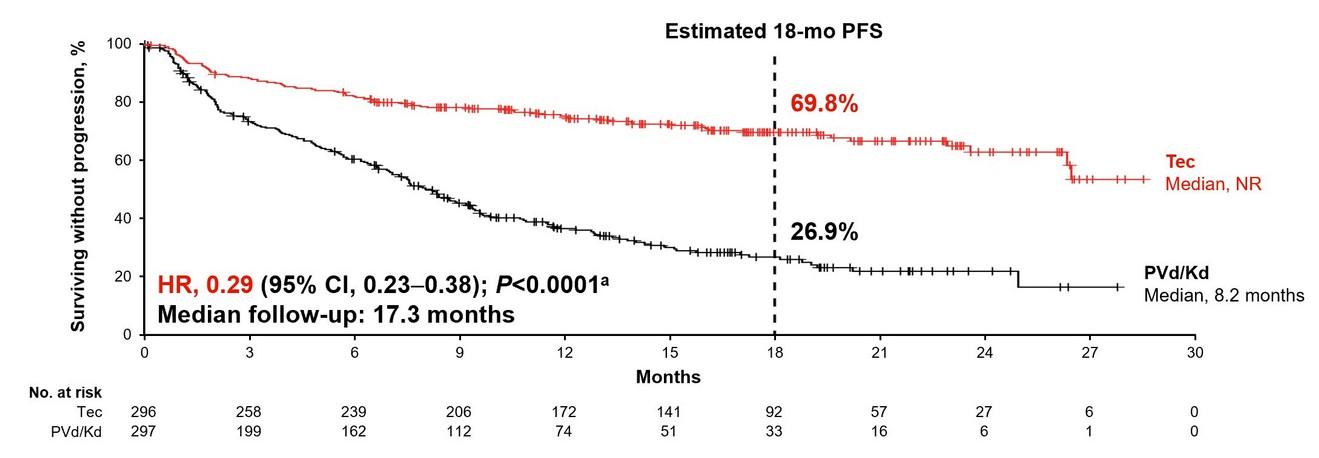
• Bispecifics
• When to use Tec vs. tec-dara
• Combos with other Agents
• Tec-9, Maj-6, Mag-5
Majestic-3
Majestic-9
CART Guideline Update
• New CARS
• Early line use of CARS
• CART 4 - subsets
• KaMM3 – with bridging
• Bridging Therapy
• Agents: Talq vs. BCMA bispecific
Anito-cel
• Response: Go, No-Go decision (have to have PR?)
• Toxicity improvements with effective bridging
• Toxicity management
• IEC-Parkinsonism
• IEC-Enterocolitis
• Other
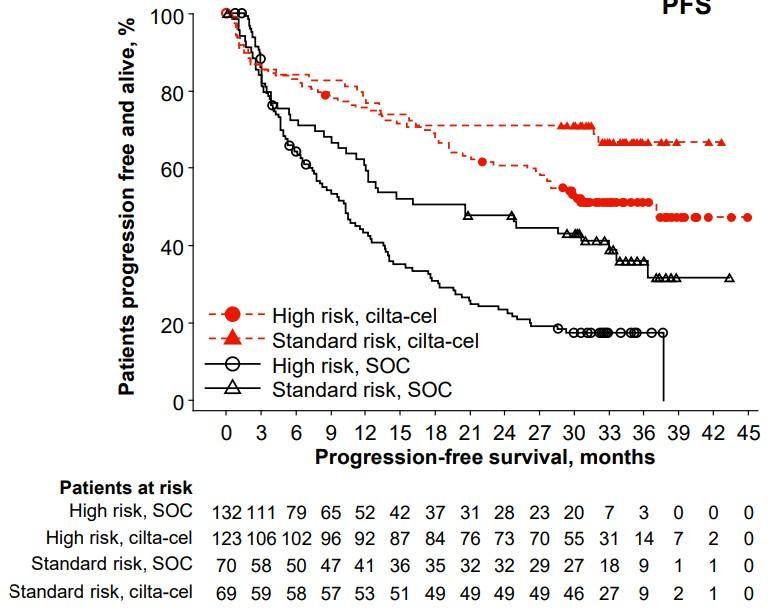
CART 4
ASTCT Consensus Criteria | IEC-PKS
Domain Grade 1
Motor
Cognitive change
The following may be present: mild postural tremor, micrographia, decreased arm swing while walking with minimal or no stiffness. Minimal or no functional disability. Can walk without assistance, mildly slower. Able to perform self-care. Mildly slower motor functions.
Grade 2
Moderate stiffness and gait change without impairment of balance or postural reflexes; physically independent. Ambulatory, but may intermittently require walking assistive device.
Grade 3
Severely disabling, still able to walk or stand with assistive device. Slow difficult movements with loss of balance. Requires assistance for most selfcare activities.
Grade 4
Limited movement. Unable to care for self. Primarily confined to bed or chair.
Personality
Mildly slower cognitive function. Able to maintain work and participate in routine social activities.
Shows interest in activities; full affect.
Moderately impaired cognitive function. May impact ability to work or participation in routine social activities.
Severely impaired, limited participation in social activities.
Unable to work or interact socially. Minimal verbal responses or comprehension.
Flat affect, apathy. Diminished interest in activities.
Notes: Grade is determined by the most severe event.
Abbreviations: IEC – immune effector cell
Lacks interest or initiative in nearly all social activities/
Indifferent or lethargic. Withdrawn from nearly all forms of interaction.
MASS SPECTROMETRY & MRD COMMITTEE
Bruno Paiva
Nikhil Munshi
MRD and Mass Spec Subcommittee Meeting
Stockholm 6/9/2026
MRD Including Mass Spectrometry
Circulating Tumor Cell and Circulating DNA Detection in Multiple Myeloma
Outline of the meeting
• MRD assessment in bone marrow
o The evolving role of i2TEAMM
o Limited implementation in clinical practice
o Generating large real-world data to answer questions not being asked in clinical trials?
• MRD assessment in peripheral blood
•Open Discussion and Q&A
Discussion – Some Agreement
• MS vs marrow MRD
• Assay standardization: MASS-FIX, EXENT, miRAMM, clonotypic peptide
LC-MS/MS differ in sensitivity, reporting, sample type, and workflow.
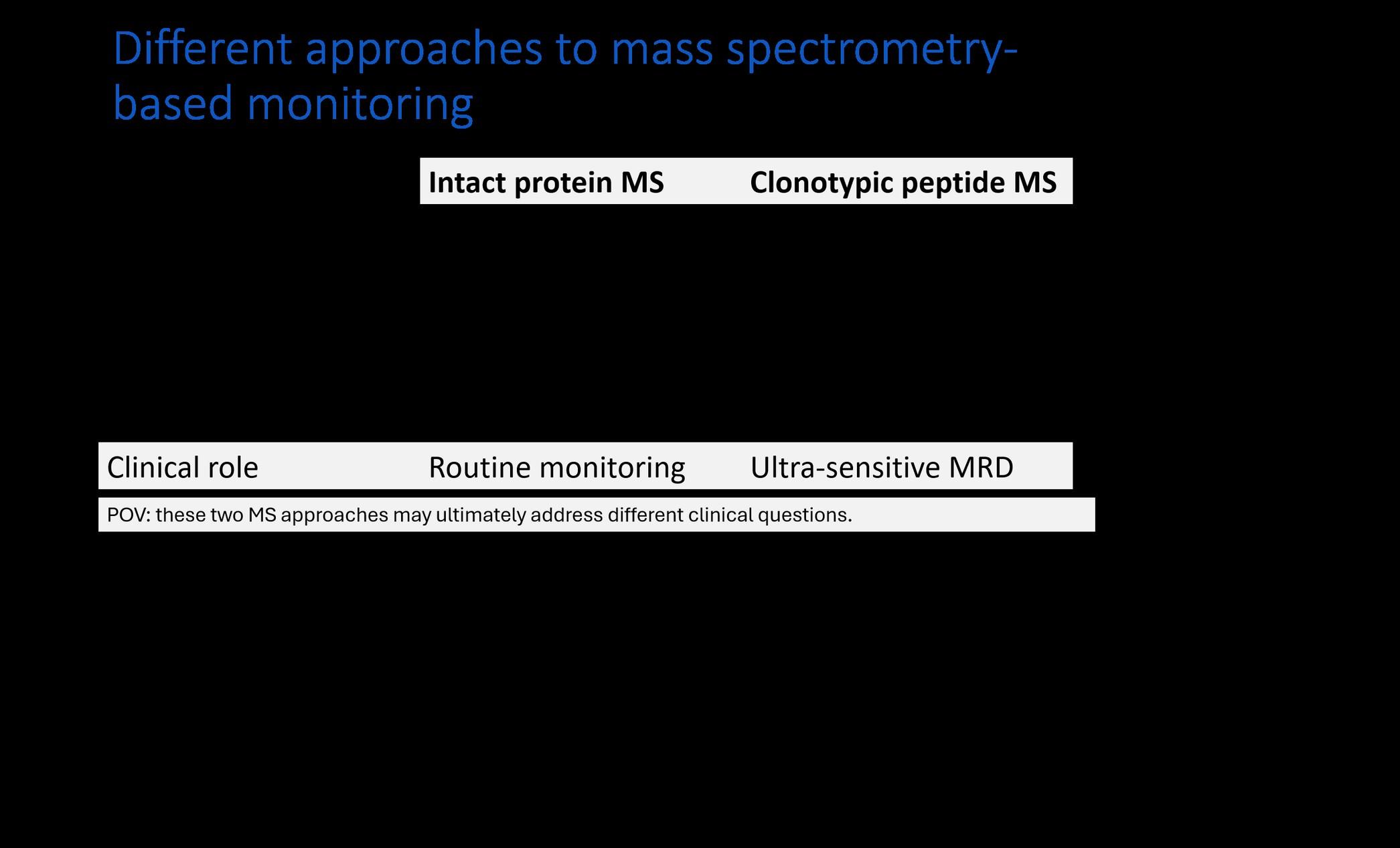
Discussion – Some Agreement
• MS vs marrow MRD
• Assay standardization: MASS-FIX, EXENT, miRAMM, clonotypic peptide
LC-MS/MS differ in sensitivity, reporting, sample type, and workflow
‒ If the sensitivity are defined the method does not matter –similar to BM MRD NGF vs NGS
‒ Need cross-platform calibration.
• Timing and kinetics: As serum M-protein has a biological half-life, persistent MS+ may reflect various other possibilities.

Kinetics of M-protein clearance
• Biological factors
‒ Isotype, heavy/light chain, m/z
‒ Baseline concentration
‒ PTM (glycosilation)
• Patient factors: renal function, polyclonal Igs, age, …
• Treatment factors
‒ Depth of response
‒ Treatment modality (therapeutic MoAbs may interfere with the MP washout)
POV: A better understanding of M-protein clearance kinetics is required to properly interpret the results of highly sensitive M-protein detection methods.
Discussion – Some Agreement
• MS vs marrow MRD
• Assay standardization: MASS-FIX, EXENT, miRAMM, clonotypic peptide
LC-MS/MS differ in sensitivity, reporting, sample type, and workflow
‒ If the sensitivity are defined the method does not matter –similar to BM MRD NGF vs NGS
‒ Need cross-platform calibration.
• Timing and kinetics: As serum M-protein has a biological half-life, persistent MS+ may reflect various other possibilities.
Discussion – Some Agreement
• MS vs marrow MRD
• Assay standardization: MASS-FIX, EXENT, miRAMM, clonotypic peptide
LC-MS/MS differ in sensitivity, reporting, sample type, and workflow
‒ If the sensitivity are defined the method does not matter –similar to BM MRD NGF vs NGS
‒ Need cross-platform calibration.
• Timing and kinetics: As serum M-protein has a biological half-life, persistent MS positivity may reflect various other possibility.
• Timing of assessment – Baseline --- Clinical CR --- q3 month
Purpose
• Therapeutic antibody interference:
• Both therapeutic antibodies and IVIg requires calibration
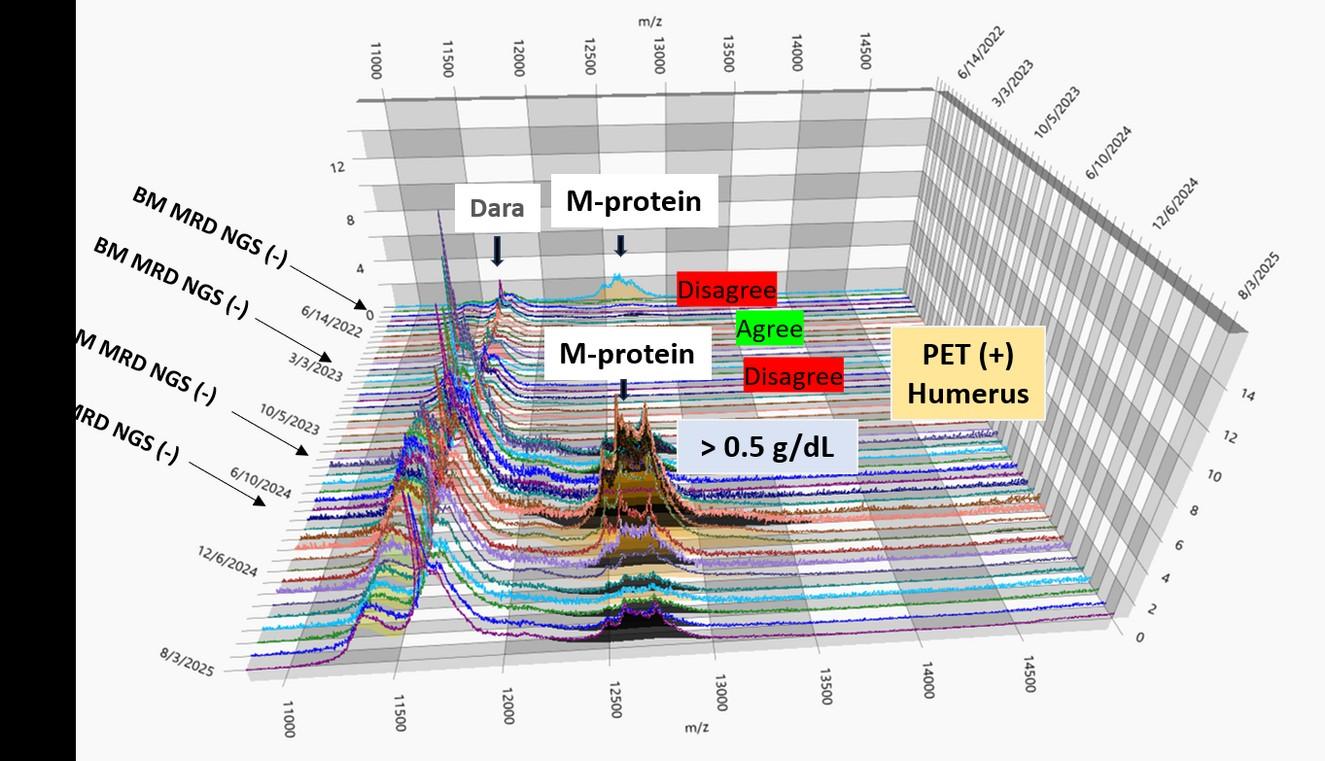
Purpose
• Therapeutic antibody interference:
• Both therapeutic antibodies and IVIg requires calibration
• Disease subtype applicability:
• Very useful in Amyloidosis (almost all) , non secretory MM (90%); biclonal disease (large no of MGUS have more than 1 clone);
• Its role in extramedullary disease – needs exploration
• Need separate guidance for intact Ig, light-chain-only
Needs work
• Uniform sensitivity assessment, Cutoffs and response categories:
‒ Define MS-negative, MS-positive below IFE,
‒ re-emergent clone, rising clone, and whether MS negativity should upgrade CR/MRD categories.
• Clinical actionability: Should MS conversion trigger imaging, marrow MRD, treatment intensification, continuation, or restart? This remains unsettled.
Needs work
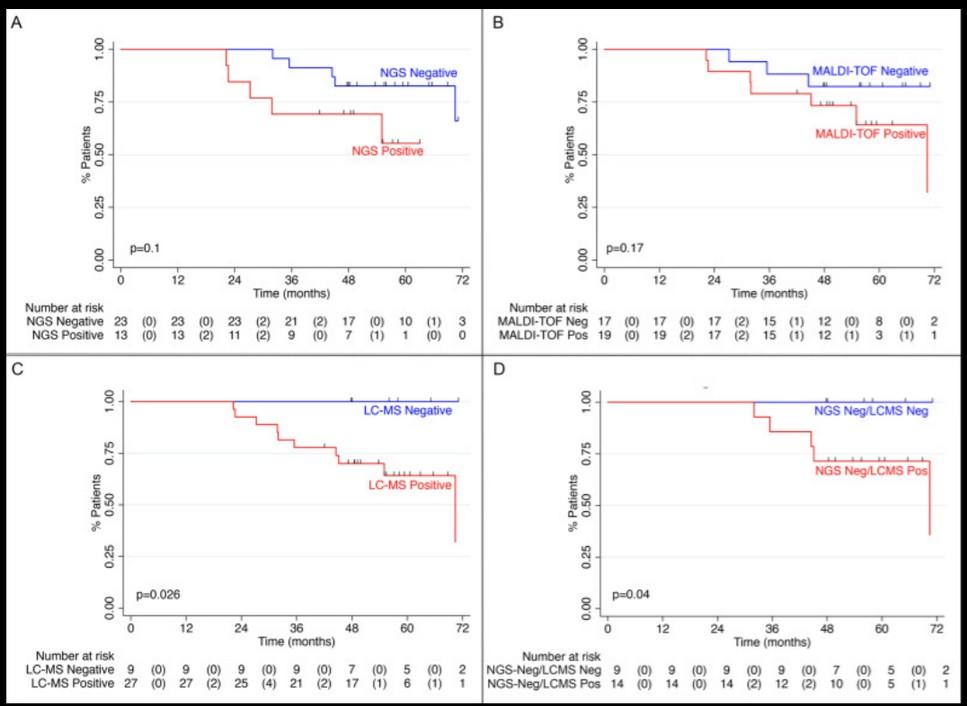
• Regulatory/trial use: Need all trial to include MS assessment to accumulate data to consider
‒ its incorporation into response criteria,
‒ Sustained MRD and cure definitions,
‒ Regulatory endpoints. MRD is increasingly accepted for trials, but MS-specific rules remain evolving.
Final Conclusion
• Its an outstanding exploratory endpoint that requires our attention to Develop future dataset and define its role

Final Conclusion
• Its an outstanding exploratory endpoint that requires our attention to Develop future dataset and define its role
• WE NEED BLOOD BASED METHODS
‒ Monitoring of CTCs using NGF is showing consistent prognostic value
• Consideration for a new consensus
International Independent Team for Endpoint Approval of Myeloma Minimal Residual Disease (i2TEAMM)
Academic Sites and Industry Global Trials


















International Independent Team for Endpoint Approval o/f Myeloma Minimal Residual Disease
(i2TEAMM) Academic Sites
QUESTIONS !!
Defining clinically meaningful MS categories
Current Future
Positive / Negative MS-negative Low-level detectable
Rising clone
Progressive disease
There is a need to define positivity and negativity thresholds for highly sensitive MS methodologies, as well as clinically relevant criteria for M-protein re-emergence, potentially incorporating an evolving pattern analogous to that used with standard methods.
Disease specific considerations (POV)
Disease subtype Special considerations
Intact Ig MM Standard application
Potential MS pathway
Use intact light chain MS / MALDI-TOF; consider clonotypic LCMS/MS if higher sensitivity/MRD assessment is needed.
Light chain MM Different kinetics Limited data with EXENT (reagents in development), Clonotypic peptide-based LC-MS/MS1
Oligosecretory MM High potential utility High-sensitivity clonotypic LC-MS/MS; MALDI-TOF may be insufficient at low levels.2
Non-secretory MM Limited applicability Not suitable, affects at a very low proportion of patients.
AL amyloidosis Unique biomarker Same as Light-chain MM; interpret with organ response and FLC.
Biclonal MM Clone tracking challenges Identify and track each clone separately
Extramedullary disease Potential discordance Combine MS with imaging and BM MRD3
Knowledge gaps that need to be adressed: 1FLC monitoring using MALDI-TOF MS, 2quantification thresholds, and 3 generation and interpretation of combined imaging–MS results.
QUALITY OF LIFE (QOL) COMMITTEE
Surbhi Sidana
Sonja Zweegman

QoL/PRO Sub-Committee Meeting June 9, 2026
Sonja Zweegman, MD, PhD
Surbhi Sidana, MD
Quality of life = important

Quality of life = important
Quality of life = important
Quality of life = important
Quality of life = important
Quality of life = important
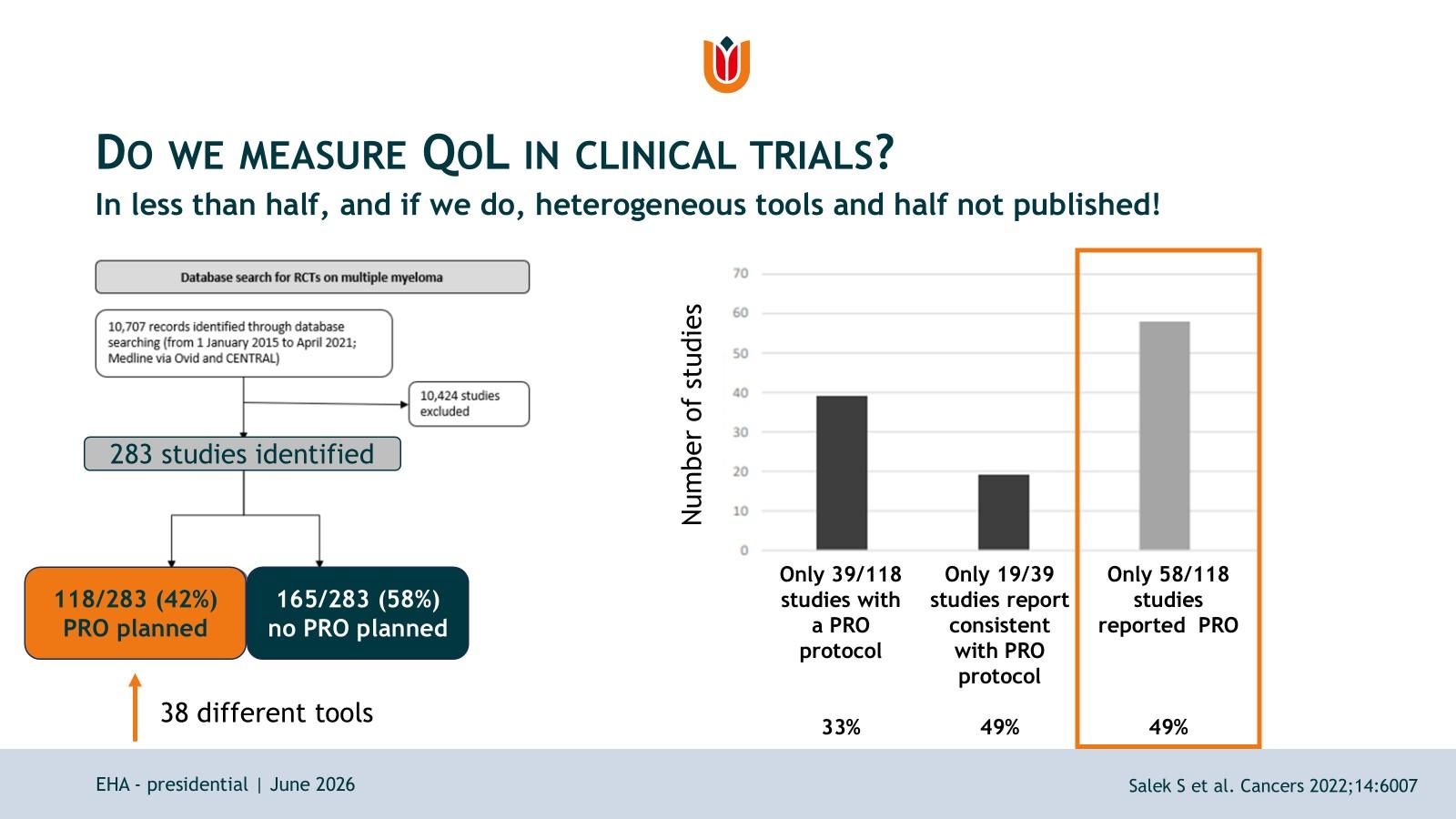
Quality of life = important
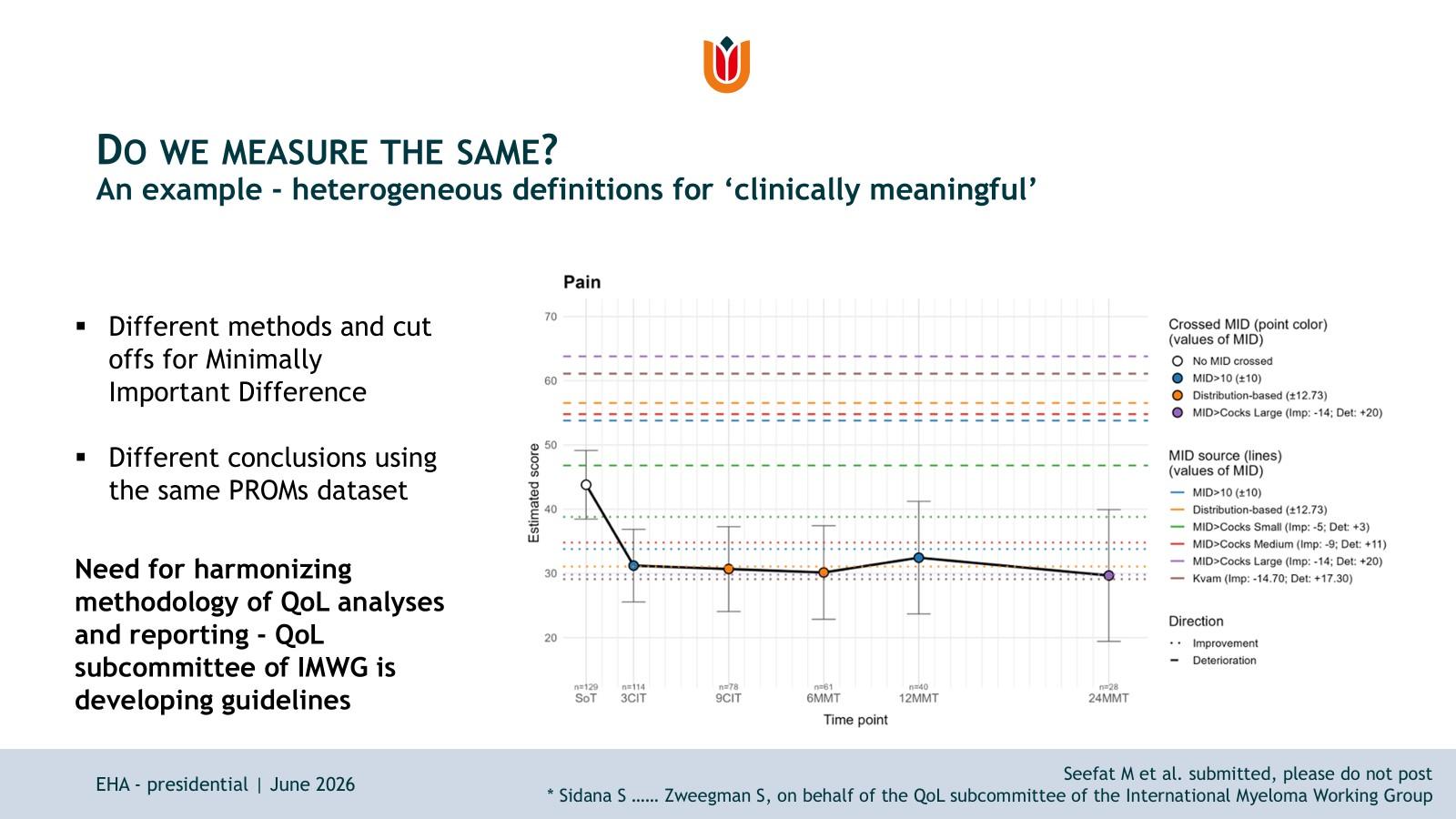
Bias in reporting
Those who remain on study tend to report better QoL
Do not only report complete cases
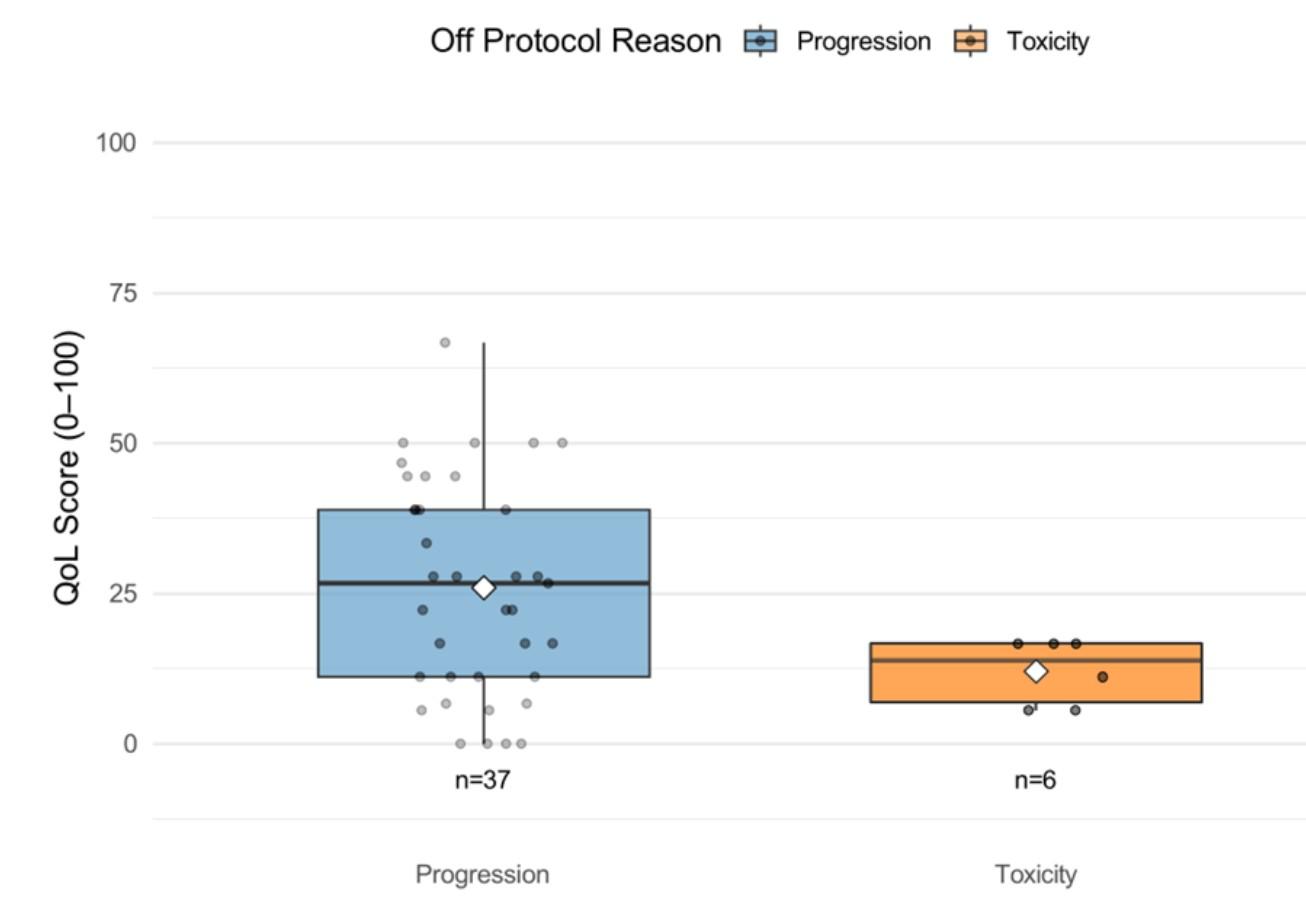
Extending HRQoL after treatment discontinuation
Report separately for going of protocol for different reasons – by example PD or toxicity
Collaborative Effort!
Myeloma Experts and Researchers
• Nadine Abdallah, Mayo Clinic, Rochester, MN
• Rahul Banerjee, University of Washington, Seattle
• Natalie Callandar, University of Wisconsin
• Donna Catamero, Mount Sinai, NY
• Rajshekhar Chakraborty, Columbia University
• Gordon Cook, University of Leeds, UK
• David Cucchi, Amsterdam UMC, Netherlands
• Edvan Crusoe, Brazil
• Michel Delforge, UZ Leuven, Belgium
• Amylou C. Dueck, PhD Mayo Clinic, Arizona
• Beth Faiman, Cleveland Clinic, OH
• Doris Hansen, Moffitt Cancer Center
• Jens Hillengass, Roswell Park Cancer Center
• Murali Janakiram, City of Hope
• Artur Jurczyszyn, Krakow, Poland
• Charalampia Kyriakou, University College of London, UK
• Birgit Lissenberg, Netherlands
• Hira Mian, McMaster University, Hamilton, Ontario
• Roberto Mina, Italy
• Simone Oerlemans, Netherlands
• Charlotte Pawlyn, The Institute of Cancer Research, London, UK
• Aurore Perrot, France
• Borja Puertas Martinez, Spain
• Joshua Richter, Mount Sinai
• Maarten Seefat, Amsterdam UMC, Amsterdam, Netherlands
• Katja Weisel, Germany
• Tanya Wildes, University of Nebraska
• Christine Ye, MD Anderson Cancer Center
Statistical PRO Experts
Amylou Dueck, PhD Mayo Clinic, Arizona
Birgit Lissenberg, PhD, Netherlands
Regulatory Experts:
Vishal Bhatnagar, US FDA
Bindu Kanapuru, US FDA
Francesco Pignatti, EMA
Patient Advocates:
Eilidh Duncan, Myeloma Patient Europe
Poornima Parmesawaran, IMF Patient Board, US
The morning after
• Brief update about the guideline
• New proposals that we discussed yesterday - Surbi
• Near future – connect with immune therapy, MRD and bone disease subcommittees
International Myeloma Working Group
Guidelines on Patient Reported Outcomes Assessment in Multiple Myeloma Clinical Trials
Summary from collaborative effort 2025-26
• Manuscript has been circulated to members of QoL Committee (April 2026)
• Feedback received and discussed at committee meeting
• Working on incorporating feedback
• Broad circulation coming soon
PROPOSAL FOR GUIDELINES ON INVESTIGATING, ANALYSES AND REPORTING OF QOL IN MM CLINICAL TRIALS
1. INTRODUCTION - WHY TO MEASURE QOL?
SURBHI SIDANA AND SONJA ZWEEGMAN
2. QOL TOOLS IN CLINICAL MM TRIALS – THE PRO’S AND CON’S – WHICH TO USE?
RAHUL BANERJEE, CHARALAMPIA KYRIAKOU, MICHEL DELFORGE, DORIS HANSEN, ROBERTO MINA
3. STATISTICAL ANALYSES OF QOL, AND HOW TO DEFINE CLINICAL MEANINGFUL DIFFERENCES IN PRO DOMAINS
NADINE ABDALLAH, HIRA MIAN, DAVID CUCCHI, SIMONE OERLEMANS, BIRGIT LISSENBERG-WITTE, AMYLOU DUECK
4. PROS AS ENDPOINTS IN MYELOMA CLINICAL TRIALS – UNDER WHICH CONDITIONS
MURALI JANAKIRAM, NATALIE CALLANDER, BIRGIT LISSENBERG, VISHAL BHATNAGAR, BINDU KANAPURU, AMYLOU DUECK, FRANCESCO PIGNATTI
5. CONCLUSIONS AND GUIDELINES FOR INVESTIGATING, ANALYSES AND REPORTING OF QOL IN MM CLINICAL TRIALS
SURBHI SIDANA AND SONJA ZWEEGMAN
What to measure – 6 Areas
1. Disease-related symptoms (Pain, Fatigue)
2. Symptomatic adverse events (key AEs of interest based on trial)
3. Physical function
4. Role function
5. Overall side effect impact summary measure
6. Overall quality of life – dependent on many factors and may not solely represent treatment impact
1-5 are consistent with FDA Core Guidance
Summary Recommendations: Domains and Measures
1. Disease related symptoms: Pain, fatigue
2. Symptomatic AEs
3. Physical function
4. Role function (work, home, leisure)
5. Side effect summary score
6. Overall QoL
7 Special considerations: Regional regulatory considerations
Prefer EORTC QLQ-30 – alternative PROMIS 29
PRO-CTCAE: Pick from item library to measure symptomatic adverse events
EORTC QLQ-30 (nausea, vomiting, diarrhea, sleep)
Specific symptom modules (vision, taste)
PROMIS-29 or EORTC QLQ-30
EORTC QLQ-30 (No direct measure in PROMIS)
GP-5 (FACIT library) or EORTC library question 168
EORTC QLQ-30
Note for PROMIS measures: overall QoL is included in global mental health summary measures, but no stand-alone question
In certain areas, regulatory requirements may necessitate the use of additional PROs
Eg. Use of EQ5D in registrational trials for EMA Include as required by regional regulatory guidelines
Recommended Frequency of Evaluation
Study Population Frequency:
On continuous Therapy
First 3-6 months: Once a month Month 3 to 6-24 months: Every 1-3 months depending on expected symptom burden/patient population 2 years: Every 6 months At progression, and if feasible 1 additional timepoint soon after
Monitoring after treatment stopped: Fixed duration or response adapted trials
Measure more often (monthly) for 3-6 months after stopping treatment as QoL may improve
If treatment escalated (response adapted): measure more often as QoL may worsen
Recommended Frequency of Evaluation
Study Population Frequency:
Special Considerations:
Bispecific Antibodies
In the step- up phase: consider more often in the first cycle (weekly)
Special Considerations:
CAR-T therapy
At enrollment/apheresis (if significant interval in between, enrollment should be baseline)
Prior to lymphodepletion
Day 0-28: weekly Month 1-6: Monthly
Month 6-2 years: Every 3 months
Beyond 2 years: Every 6 months
Both enrollment/apheresis and pre-lymphodepletion are important timepoints in CAR-T clinical trials. Bridging period: critical and change should be described from apheresis to pre-LD and compared to both timepoints
Future Projects: Pooled Analysis of PRO Data from Large Trials
• Similar to MRD surrogate-endpoint-type analysis
• Determine optimal timepoints, degree of expected change
• Relationship between PRO change and efficacy measures (response, MRD)
• Data driven RTs/MIDs for subscales of common measures in myeloma
PRO Statistical Expert Leading Analysis: Amylou Dueck, PhD (Mayo Clinic, AZ); Birgit Lissenberg, PhD (Netherlands)
Requirements: Individual patient level PRO and efficacy data from large clinical trials.
Next steps:
1. Evaluate PRO data in trials included in MRD surrogacy analysis (may limit contracting burden)
Future Projects: PRO Outcomes in Functionally Cured Patients
Population: Patients who are off therapy and in MRD negative response
Evaluate PRO measures
Compare to normative population on those regions
Next Steps:
1. Develop a collaborative study within IMWG to recruit patients off therapy
2. PRO and return to normal work and life
3. Prospective follow-up
4. Evaluate funding sources and study teams
Discussion at Committee Meeting: Focus on post CAR-T and limited duration BsAB patients
Future Projects: Smoldering MM
Prospective collaborative study in both patients undergoing treatment and those on observation
Considerations:
• Current measures for cancer population (EORTC) may not be appropriate
• Measures validated in general populations (PROMIS) may be more appropriate
• Include instruments to evaluate treatment side effects
• Consider development of additional measures
Discussed at Committee
Hold off as similar projects ongoing (UK COSMOS)