Our Mission: We are dedicated to improving the the quality of life of myeloma patients while working toward prevention and a cure.
Our Vision: A world where every patient can live life to the fullest, unburdened by the disease.
MESSAGES FROM IMF LEADERSHIP
Dear Reader,
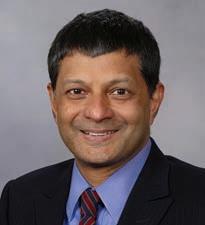
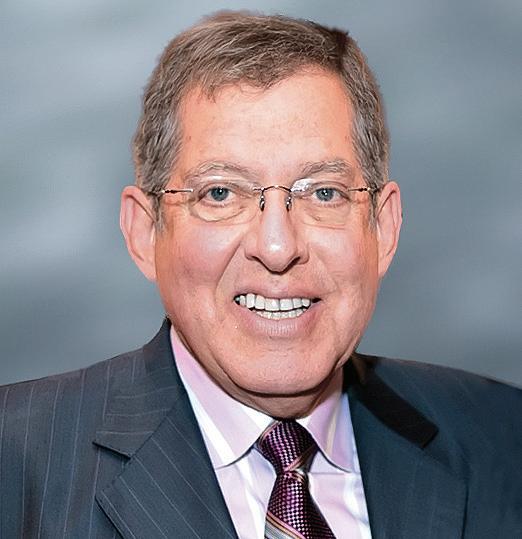
As Chairperson of the International Myeloma Foundation® (IMF), I am honored to share highlights from the Fiscal Year 2025 — yet another year marked by groundbreaking research and progress in myeloma treatment. Most importantly, we have outstanding results from the early use of immunotherapy in relapsed disease, approval of the first ever treatment for smoldering multiple myeloma, and a new risk stratification model for myeloma.
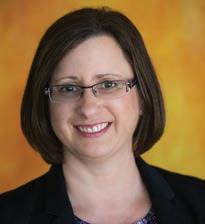
One of the major highlights of the year is that we welcomed Heather Cooper Ortner as our new President & Chief Executive Officer. Ms. Cooper Ortner is a visionary leader who brings 10 years of CEO experience to the IMF. She willl strengthen and expand our mission as well as bring about transformative growth to the organization. The International Myeloma Working Group® (IMWG) published several new guidelines and original research data to improve outcomes for myeloma patients. This year, we initiated plans for new clinical trials and studies, and to expand our research efforts in immunotherapy, minimal residual disease (MRD) assessment, and early detection and intervention. The IMF Scientific Advisory Board (SAB) serves as our research committee, and it has been a tremendous source of leadership for the organization’s many research initiatives.
We continue to serve patients globally with our patient support groups and educational programs. We are also expanding our clinical trial efforts, launching a new trial in Latin America as part of the IMF Latin America Network. Our immunotherapy database provides real-world insights on modern treatments for myeloma including CAR T-cell therapy and bispecific antibodies, with several research publications.
In Fiscal Year 2025, we mourned the loss of our Board Members, Mr. John O’Dwyer and Mr. Benson Klein. The IMF and the myeloma field benefited immensely from their contributions over a long period of time, and we will miss them.
In this new year, I look forward to working with our Board, our President & CEO, and entire IMF team to fulfil our vision and mission, and to make progress in research, education, support and advocacy. The IMF is proud of playing an important role in the impressive advances taking place in myeloma. We will continue to focus on innovation and will be an enduring source of support for patients with myeloma around the world.
Sincerely,
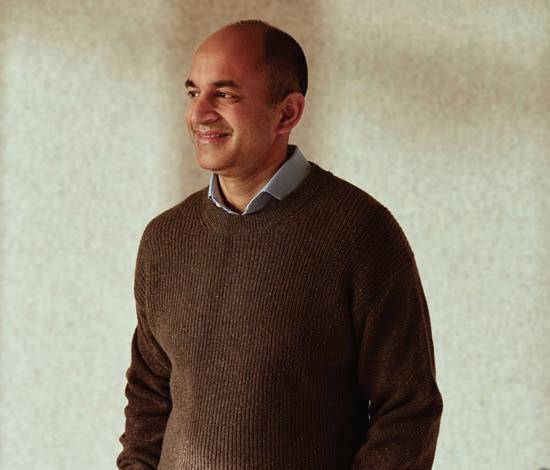
S. Vincent Rajkumar
IMF
Chairperson
of the Board
Dear Friends and Supporters,
As I reflect on this remarkable organization’s achievements over the past year, am filled with gratitude, humility, and an enormous sense of possibility. Stepping into the role of President & CEO has given me a front-row seat to the passion, expertise, and determination that define this community. I joined at a time of strong momentum, and what I have witnessed so far only deepens my confidence in the power of our mission and the people who make it real every day.
Across our programs, the impact is both measurable and deeply human. We have expanded access to trusted education and support resources, ensuring that individuals and families navigating complex health challenges do not have to do so alone. We s trengthened connections among patients, caregivers, clinicians, and advocates, building a network where knowledge is shared and voices are heard. These efforts are not just services — they are lifelines that empower people to make informed decisions and find hope in difficult moments.
Innovation remains at the heart of our work. Our research initiatives continue to push boundaries, bringing together leading scientific minds to accelerate discovery and translate breakthroughs into meaningful progress. By investing in collaborative research models and forward-thinking strategies, we help shorten the distance between the laboratory and real-world impact. This year, we supported promising new studies, fostered cross-disciplinary partnerships, and advanced data-driven approaches that will shape the future of care and outcomes.
None of this happens without you. Our donors, partners, volunteers, and advocates fuel every milestone we reach. Your generosity and belief in this mission enable us to think bigger, move faster, and reach further. I have been especially inspired by the stories I’ve heard while listening and learning from our community. Your experiences and insights are guiding our priorities and sharpening our focus for the years ahead.
Looking forward, we are committed to deepening our impact, broadening access, and continuing to lead with integrity, innovation, and compassion. Thank you for welcoming me so warmly and for standing with us as we work toward a future defined by progress, equity, and hope.
With gratitude,
Heather Cooper Ortner President & Chief Executive Officer
IMF Founders
Brian D. Novis
Susie Durie
Brian G. M. Durie, MD
IMF Board of Directors
S. Vincent Rajkumar, MD Chairperson of the Board Professor of Medicine, Mayo Clinic – Rochester, MN
Christine Battistini
President of International Myeloma Foundation Latin America and Instituto Espaço de Vida – São Paulo, Brazil
Loraine Alterman Boyle Writer/Producer – New York, NY
Jenn Wieworka, DNP, RN, OCN Director, Support Groups
Sandy Wilkes Grants Manager
Yara William, DrPH, MHA Associate Director, Support Groups
Marquela Zepeda Grants Specialist
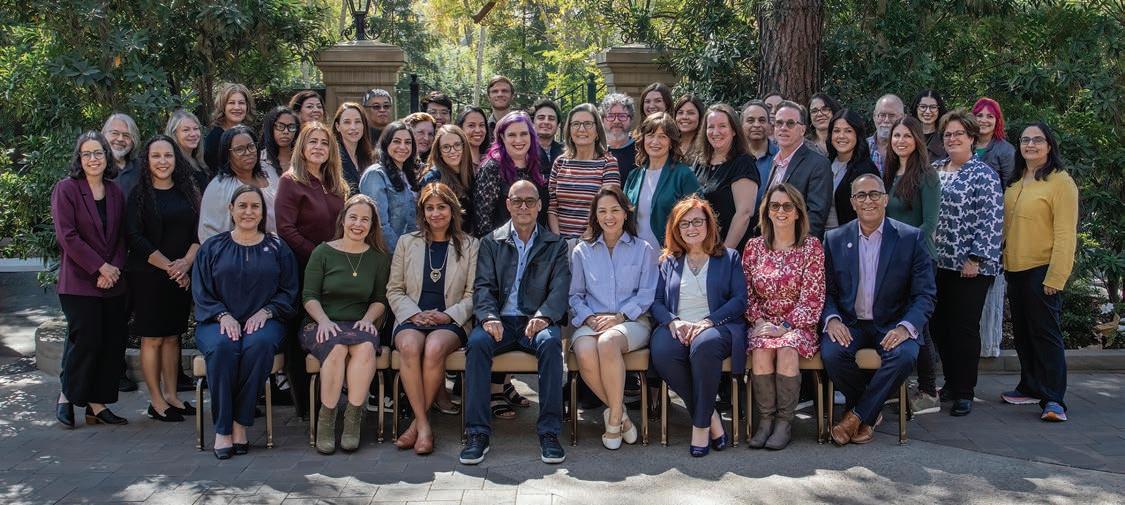
In February 2024, the IMF Team met in Los Angeles to strategize and focus on upcoming organizational objectives.
STRATEGIC PRIORITIES
The IMF Leads with Our Three-Pronged Global Strategy
In this year’s International Myeloma Foundation’s (IMF) Annual Report, we cover key IMF initiatives that align with our overall strategy. This strategy is shaped by these priorities:
GLOBAL CONNECTION
To create a global, connected patient experience.
IMPACTFUL RESEARCH
To advance research that matters most to patients.
MEANINGFUL CHANGE
To generate real-world evidence to drive meaningful change in research, clinical care, and advocacy.
We connect patients through global patient education meetings, answer your questions through our InfoLine team, produce hundreds of publications in English and 20 other languages, and more.
Look for the Global, Connected Patient Experience icon on the pages of this report to see how we achieve this priority.
HOW DO WE DO THIS?
We advance research that sheds light on myeloma prevention and a potential cure. Currently, the IMF has more than 50 ongoing curefocused research projects being conducted worldwide.
As you scan this report, look for the Advance Research That Matters Most to Patients icon to see how we meet this priority.
We continue to innovate through initiatives, like the IMF’s Immune Therapy Registry and Virtual Tissue Bank, which give researchers the data and tools to accelerate breakthroughs and improve care for myeloma patients.
Look for the Generate Real-World Evidence to Drive Meaningful Change in Research, Clinical Care, and Advocacy icon to see how we fulfill this priority.
We hope providing our three-pronged strategy in this visual format helps define the progress we’ve made toward achieving our vision during the 2025 fiscal year: A world where every myeloma patient can live life to the fullest, unburdened by the disease.
The IMF’s International Myeloma Working Group Stands at the Forefront of Research for the Myeloma Community
With more than 300 world-class experts, the International Myeloma Working Group® (IMWG) plays a critical role in advancing research, improving treatments, and setting globally accepted standards of care for myeloma patients.
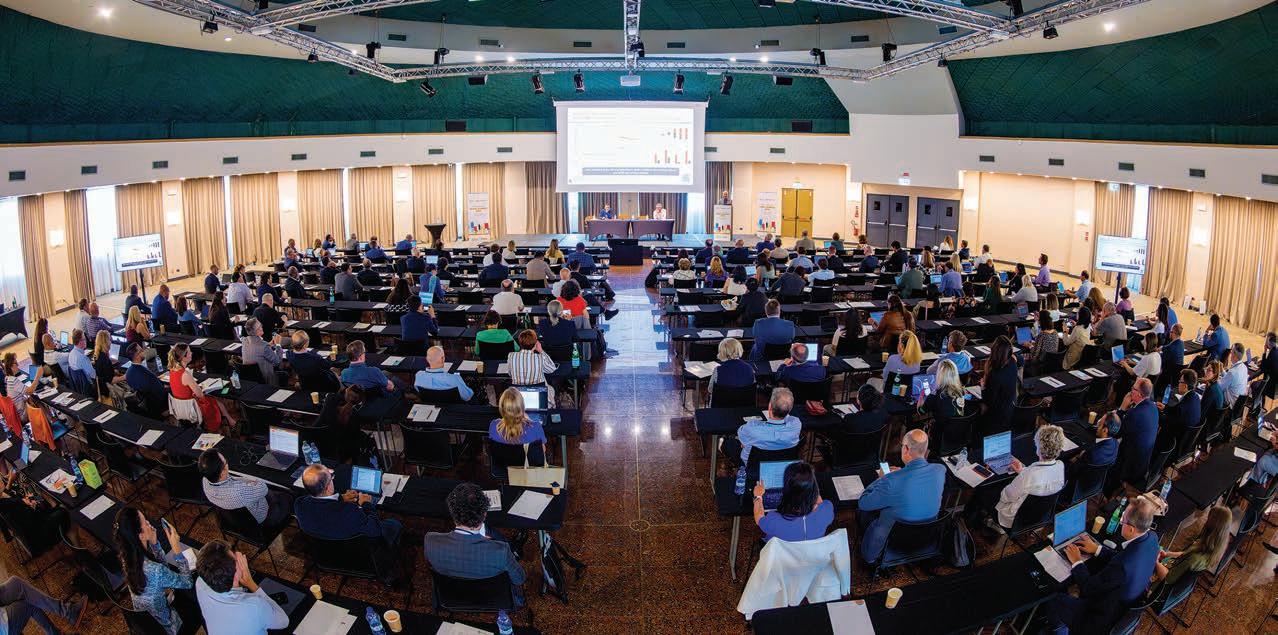
The IMWG Annual Summit (held this year in Milan, Italy, from June 9-11) highlighted the latest breakthroughs in myeloma research and patient care. Also in Fiscal Year 2025, the IMF collaborated with the International Myeloma Society (IMS) and published new consensus recommendations on the definition of high-risk multiple myeloma (HRMM).
THE IMWG SUMMIT HIGHLIGHTS
Dr. Francesco Maura, Memorial Sloan Kettering Cancer Center, New York, New York, presented on the progression of monoclonal gammopathy of undetermined significance (MGUS) to multiple myeloma (MM), focusing on the dynamic interplay between genomic evolution and immune surveillance.
Dr. Meletios A. Dimopoulos, Department of Clinical Therapeutics, National and Kapodistrian University of Athens School of Medicine , Athens, Greece, presented on risk stratification and management of smoldering multiple myeloma (SMM), emphasizing standardized risk certification system in SMM to identify high-risk patients, guide personalized treatment decisions, inform clinical trial design, provide appropriate patient counseling and planning, and improve resource allocation.
Dr. Jill Corre, the University Cancer Institute of Toulouse Oncopole, Toulouse, France, presented the new IMS/IMWG
consensus genomic definition of high-risk multiple myeloma (HRMM), which marks a significant advancement in precision risk stratification and will be discussed at the end of this article.
IMF Scientific Advisory Board Member Dr. Shaji Kumar, Mayo Clinic, Rochester, Minnesota, discussed the new response criteria and risk stratification for myeloma, emphasizing the shift toward precision and consistency in disease assessment. Dr. Kumar pointed to this accurate response criteria for guiding clinical care and for ensuring fair comparison of therapies in trials and in determining drug approvals.
Dr. Aurora Perrot, University of Toulouse, Toulouse, France, presented on minimal residual disease (MRD) status and myeloma clinical trials. She talked about how in the PERSEUS trial, MRD-negative patients on daratumumabbased maintenance could stop therapy after two years, though questions remain about relapse risk postdiscontinuation. She also discussed the MASTER trial which showed that early treatment interruption based on MRDnegativity is not advisable in high-risk cytogenetic patients. Finally, she touched on the MIDAS trial that stratified patients’ post-induction based on MRD status. This trial suggested that autologous stem cell transplant may be safely deferred in MRD-negative standard-risk patients, and tandem transplant likely offers no additional benefit.
on Page 8
The International Myeloma Working Group Annual Summit took place from June 9-11, 2025, in Milan, Italy.
Continued from Page 7
Member Dr. Sagar Lonial, Winship Cancer Institute, Emory University, Atlanta, Georgia, focused on applying and interpreting existing data in clinical practice. He suggested that while individual trial differences exist, the most effective approach continues to be a combination of a CD38 monoclonal antibody (such as daratumumab), an IMiD (like lenalidomide), a proteasome inhibitor (such as bortezomib or carfilzomib), and dexamethasone. This quadruplet approach has demonstrated deep responses and improved progression-free survival. Yet, since not every patient may have access to quads, the best available and optimized triplet is still a strong approach.
Dr. Tom Martin, University of California San Francisco, San Francisco, California, provided an in-depth overview of the current landscape of CAR T-cell therapies and bispecific antibodies in myeloma emphasizing their transformative impact on treatment, particularly in the relapsed/refractory setting. He pointed out that as bispecifics and CAR T-cell therapies continue to advance, frontline treatment represents the space with the greatest potential for meaningful, lasting impact.
Dr. Nizar Bahlis, University of Calgary, Calgary, Canada, presented on sequencing immunotherapies in MM, focusing on the biological underpinnings and clinical considerations for using bispecific antibodies and CAR T-cell therapies. Additionally, he recommended confirming retained antigen expression via flow cytometry (FCM) or nextgeneration sequencing (NGS) before transitioning to subsequent therapies.
Dr. Herman Einsele, Würzburg University Hospital, Würzburg, Germany, presented on the need for novel constructs and strategies to address key limitations of current therapies. The goals include enhancing efficacy (overcoming T-cell exhaustion, antigen escape, and suppressive tumor microenvironments), reducing toxicities, such as Cytokine Release Syndrome (CRS), Immune Effector Cell-Associated Neurotoxicity Syndrome (ICANS), and Cranial Nerve Palsies (CNP)/Movement and Neurocognitive Treatment-emergent adverse events (MNT), as well as improving accessibility by reducing long manufacturing times and high costs associated with autologous CAR T cells. Strategies under investigation include combining T-cell therapies with small molecules — such as dasatinib or other kinase inhibitors — to reduce toxicities and T-cell exhaustion and using IMiDs or CELMoDs to improve T-cell fitness and function.
Dr. Ajai Chari, University of California San Francisco, San Francisco, California, outlined four key categories contributing to resistance in T-cell–redirected immunotherapies: tumorintrinsic mechanisms, T-cell health, microenvironmental factors, and treatment characteristics. While T-cell redirecting therapies like bispecific antibodies and CAR T cells have led to impressive response rates and improved progression-free survival, resistance remains a major challenge.
The 16th Annual IMWG Summit demonstrated exemplary collaboration in myeloma research that has become the expectation of its outstanding membership.
IMF AND THE INTERNATIONAL MYELOMA SOCIETY (IMS) COLLABORATE TO DELIVER NEW GROUP CONSENSUS RECOMMENDATIONS
The IMWG and IMS published the peer-reviewed article “International Myeloma Society/International Myeloma Working Group Consensus Recommendations on the Definition of High-Risk Multiple Myeloma” in the Journal of Clinical Oncology. According to the IMS, this is “the first consensus definition of high-risk myeloma in the contemporary of genomics.”
Currently, high-risk multiple myeloma (HRMM) patients face a challenging unmet need: experiencing poor outcomes despite being treated with newer and more advanced therapies. At present, there is no standard definition of HRMM in clinical trials. Several risk models exist, but many do not fully include the latest research on important genetic features or the impact of new treatments. Additionally, patients placed in the same risk group using older models often have very different survival outcomes. The tools, risk markers, and cutoff points used to define HRMM vary from model to model, making it challenging for doctors to uniformly apply them in practice.
One of the co-authors of the IMS-IMWG consensus article, IMF Chairperson of the Board Dr. S. Vincent Rajkumar, Mayo Clinic, Rochester, Minnesota, said: “By defining HRMM in a clear, consistent, and standardized manner, we are able to help doctors and clinicians identify the condition, provide accurate information to the patient, and treat the disease more effectively. By using this definition in clinical trials, we are able to discern which treatments work best for HRMM
patients and can even design clinical trials that are tailored to their unique needs and risk levels.”
IMF Chief Medical Officer Dr. Joseph Mikhael believes, “this is a critical guideline, not only for ongoing and future research, but to help medical teams caring for patients in the clinic. We know high-risk myeloma is a challenge to treat, and this document will facilitate better care for those with the most aggressive form of the disease.”
IMWG PUBLICATIONS
Costa LJ, Banerjee R, Mian H, et al. International Myeloma Working Group Immunotherapy Committee recommendation on sequencing immunotherapy for treatment of multiple myeloma. Leukemia (2025). https://www.nature. com/articles/s41375-024-02482-6
Tan CR, Asoori S, Huang C-Y, et al. Real-world evaluation of teclistamab for the treatment of relapsed/refractory multiple myeloma (RRMM): an International Myeloma Working Group Study. Blood Cancer J. 2025;15(4):53. https://www.nature.com/articles/s41408-025-01259-z
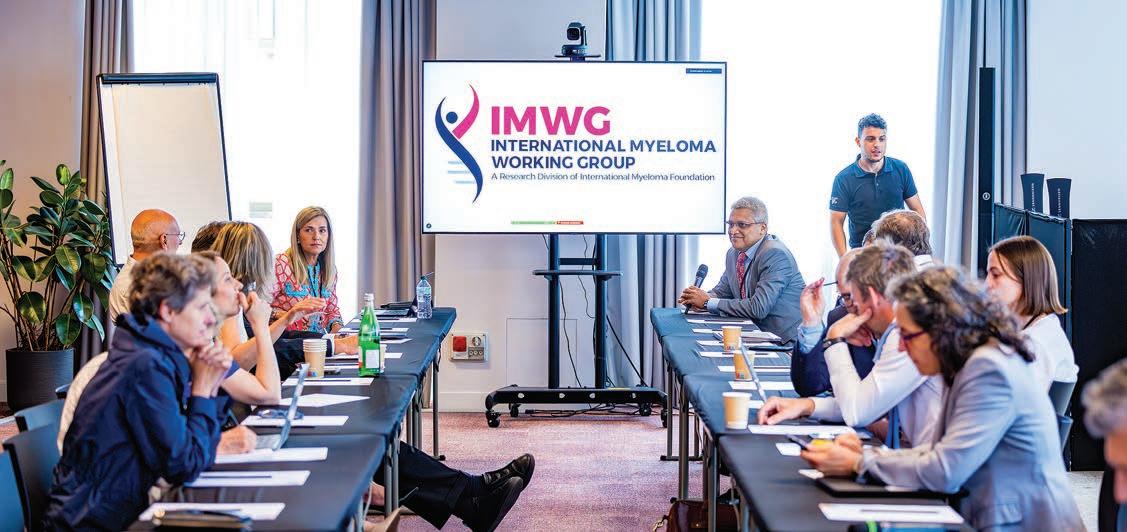
At the IMWG Summit, members break out into working group sessions.
The IMF’s Asian Myeloma
Network Connects Patients, Care Partners, Healthcare Professionals, and Myeloma Researchers
In Fiscal Year 2025, the IMF’s Asian Myeloma Network (AMN) delivered its most expansive programming to date, hosting an annual summit, a patient forum, and two master classes. These activities underscored AMN’s growing regional influence and its commitment to education, collaboration, and clinical advancement across Asia.
The centerpiece of the year was AMN’s annual meetings, held in October 2024 in Seoul, South Korea. These meetings brought together 192 participants from 10 countries and regions, including China, Hong Kong, Japan, Malaysia, the Philippines, Singapore, South Korea, Taiwan, Thailand, and Vietnam. Marking a significant milestone, myeloma experts from India joined for the first time, becoming AMN’s eleventh membership region and further strengthening the network’s geographic reach.
THE IMF’S 4TH AMN MASTER CLASS
Held October 17–18, 2024, the 4th AMN Master Class focused on myeloma physicians in training and welcomed 49 participants. The program opened with remarks from AMN Chair Dr. Wee Joo Chng, Senior Consultant at the National University Cancer Institute, Singapore. Faculty presentations covered global diagnostic criteria, prognostic factors, risk stratification, and treatment approaches for newly diagnosed and relapsed or refractory multiple myeloma in Asia. Additional sessions addressed CAR T-cell therapy, infection risk, and side effect management. Participants presented clinical cases that were reviewed by expert faculty, fostering interactive discussion. The program concluded with a Master Class examination, and participants received certificates at a subsequent dinner.
THE IMF’S 4TH AMN PATIENT FORUM
The 4th AMN Patient Forum took place on October 18 in Seoul and was attended by 58 representatives from patient organizations across China, Hong Kong, Malaysia, the Philippines, Singapore, South Korea, Taiwan, and Thailand. Chaired by AMN Executive Member Dr. Daryl Tan of Mount Elizabeth Novena Hospital, Singapore, the forum featured four working group sessions. These sessions focused on establishing patient societies, developing effective programs, collaborating with physicians, and strengthening fundraising efforts, with the goal of building sustainable and impactful patient advocacy organizations across the region.
THE IMF’S 8TH AMN ANNUAL SUMMIT
At the 8th AMN Annual Summit, Dr. Chng outlined potential new initiatives, including real-world natural history studies, development of an AMN registry, new clinical trials — particularly for high-risk multiple myeloma — bridging therapy strategies, and updated AMN treatment guidelines. Summit sessions addressed high-risk disease, real-world immune therapy data, treatment breakthroughs, access to care, and progress within AMN working groups.
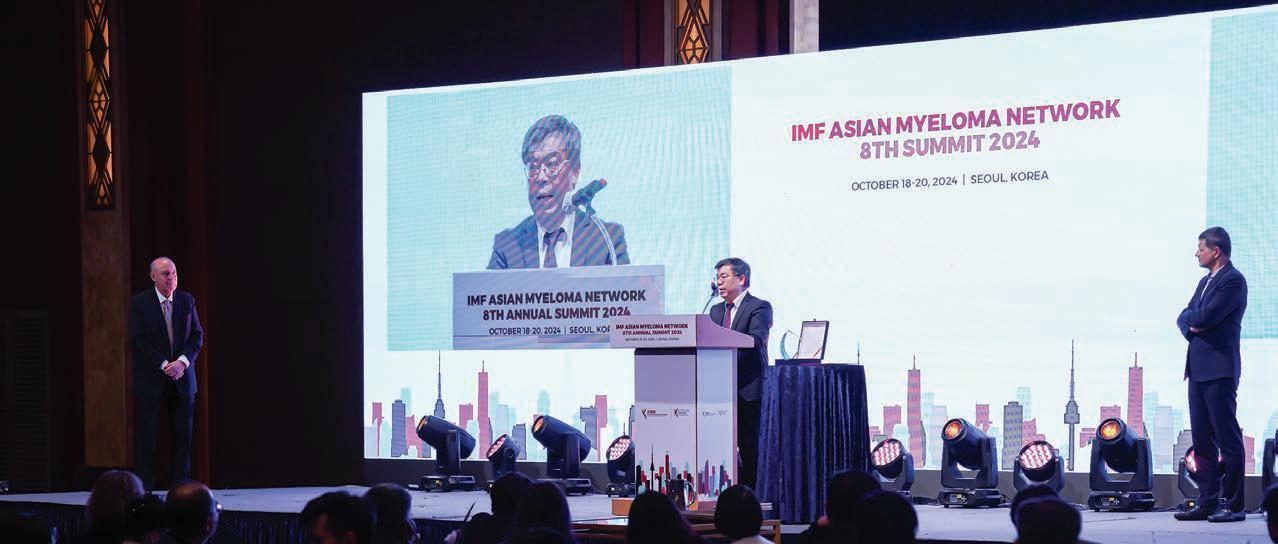
During the Summit Awards Dinner, Executive Committee member Dr. Wenming Chen of Beijing Chaoyang Hospital, China, received the 2024 AMN Distinguished Award. The second day of the summit featured working group reports on infection and side effects, immunotherapy, new AMN research initiatives, clinical trials, and the AMN Virtual Tissue Bank. The final session focused on future directions, including membership expansion, outreach, collaboration with other regions, and planning for upcoming meetings.
AMN expressed its gratitude to international advisors Dr. Tom Martin, University of California, San Francisco; Dr. Shaji Kumar, Mayo Clinic, Rochester, Minnesota; and Dr. Jean-Luc Harousseau, Institut de Cancérologie de l’Ouest, France.
IMF 5TH AMN MASTER CLASS
The 5th AMN Master Class was held in Singapore from July 25–27, 2025, and brought together 48 early-career myeloma physicians from 11 AMN countries and regions. Led by Dr. Chng and introduced by IMF Senior Vice President of Global Affairs Daniel Navid, the program emphasized diagnostic criteria, risk stratification, and treatment decision-making. Faculty addressed frontline therapy for transplant-eligible and transplant-ineligible patients, relapsed or refractory disease, emerging immunotherapies, CAR T-cell therapy, infections, and toxicity management. The second day centered on complex clinical case discussions, and participants received certificates at a closing dinner.
From Collaboration to Clinical Trials: The Growing Reach of the IMF’s Latin American Myeloma Network
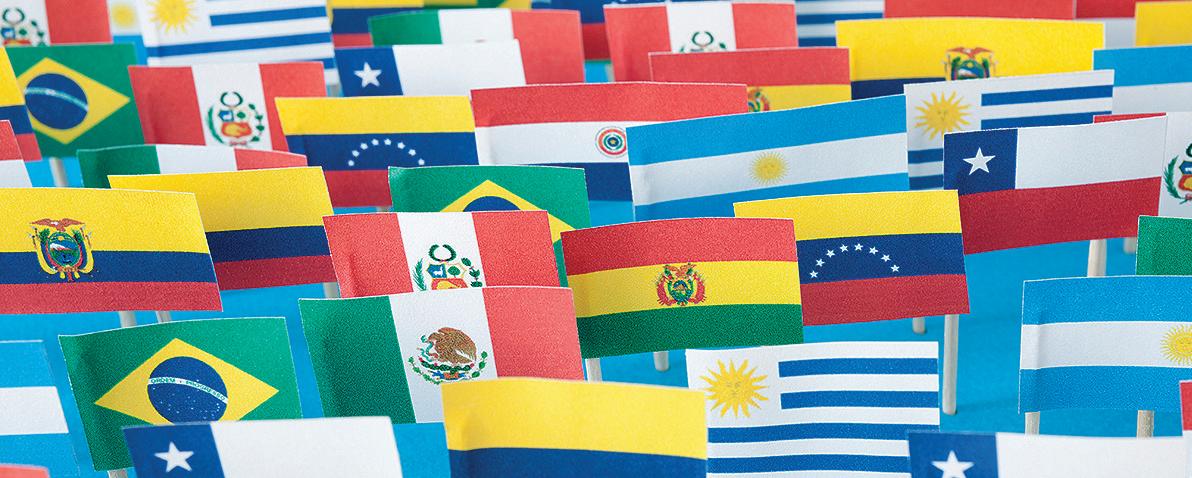
The IMF created the Latin American Myeloma Network (LAMN) to conduct multinational trials, provide myeloma education to patients and providers, facilitate collaborative research, and deepen the myeloma expertise across the region of Latin America. In Fiscal Year 2025, the LAMN advanced its mission across the region by enhancing access to novel therapies, and elevating the clinical and research skills of providers through impactful programs and clinical trials.
AMN CLINICAL TRIALS NETWORK
Since its inception, AMN has worked to establish a regional clinical trials network responsive to local needs. Despite early challenges related to infrastructure, regulation, and resources, the network has matured over the past decade under the leadership of Prof. Chng, Dr. Kihyun Kim, and other regional leaders. The network has completed eight trials, partnered with industry and academic groups, and now incorporates MRD testing and novel immunotherapies.
In 2025, AMN003 and AMN004 were published in Blood Cancer Journal AMN006, the first trial for newly diagnosed transplant-ineligible patients, was completed and submitted for peer review. Additional trials progressed or concluded, and new multi-country studies, including a GSK collaboration planned for 2026, signal continued momentum.
AMERICAN
SOCIETY OF HEMATOLOGY ANNUAL
MEETING BREAKFAST
On December 8, 2024, during the American Society of Hematology (ASH) Annual Meeting in San Diego, California, the IMF hosted a breakfast for the LAMN executive committee. This gathering provided an opportunity for the leaders to engage in strategic discussions, strengthen collaboration, and align priorities for upcoming initiatives. The informal setting fostered meaningful dialogue on the network’s progress and future goals.
LATIN AMERICA PROFESSORSHIP PROGRAM
Another cornerstone of LAMN’s educational strategy is the Latin America Professorship Program, which includes upcoming meetings in Brazil, Argentina, and Mexico. This program is designed to strengthen academic exchange and clinical expertise through visiting professorships, addressing critical gaps in care for multiple myeloma patients.
As part of this initiative, a Request for Proposal entitled “Addressing Multiple Myeloma Gaps in Care for Patients in Latin America – Visiting Professorship Program” was launched. Applications received from across the region reflected widespread interest and a commitment to improving patient outcomes. After a rigorous selection process, six projects were chosen:
• Brazil: 3 projects
• Mexico: 2 projects
• Argentina: 1 project
CLINICAL TRIAL - LAMN001
The first clinical trial of the LAMN is in the final stages of launch. It will provide a novel therapy to patients with relapsed disease in five sites across Latin America in Argentina, Brazil, and Chile.
IMF Senior Vice President of Global Affairs Daniel Navid [far left] and IMF Chairperson of the Board Dr. S. Vincent Rajkumar [2nd from right] as well as IMF Asian Myeloma Network Chairman Dr. Wee Joo Chng [far right] look on as Dr. Wenming Chen [center] accepts the AMN Distinguished Award at the 2024 Asian Myeloma Network Summit in Seoul, South Korea.
Redefining the
Future
of Myeloma: Inside the Black Swan Research Initiative
For more than a decade, the IMF’s Black Swan Research Initiative® (BSRI®) has been asking uncomfortable questions about multiple myeloma. Centered on the rare and unexpected, the initiative lives up to its name by pursuing what many consider the field’s most bold goal: not just treating multiple myeloma but curing it.
The numbers from the flagship ASCENT trial hint at what might be possible. When 84% of participants achieved minimal residual disease (MRD)-negativity — meaning cancer cells became undetectable at extremely sensitive thresholds — it suggested that the disease trajectory could be fundamentally altered.
SCREENING A NATION
Perhaps no BSRI project better illustrates the initiative’s scope than iStopMM, Iceland Screens, Treats, or Prevents Multiple Myeloma. Since 2016, researchers have screened 54% of Iceland’s entire population for monoclonal gammopathy of undetermined significance (MGUS), the precursor condition to myeloma. The study revealed that nearly 5% of Icelanders screened have MGUS.
The data emerging from this population-wide experiment is already reshaping clinical practice. In 2025 alone, the iStopMM team published five significant findings: According to a publication in the journal Blood one iStopMM paper states that high calcium levels in the blood (hypercalcemia) do not signal a
higher risk of progression to multiple myeloma. This finding reassures patients and clinicians that isolated hypercalcemia does not indicate disease progression, which can prevent unnecessary anxiety and testing. Published in the British Journal of Haematology, another iStopMM paper explains that people with MGUS have a 43% higher risk of venous blood clots but no increased risk of arterial events like heart attacks or strokes. This revelation helps refine preventive care for MGUS patients without overstating cardiac risk. Published in JAMA Oncology, the iStopMM team introduced new agepecific reference ranges for free light chain (FLC) testing, which reduced light-chain MGUS (LC-MGUS) diagnoses by 82%. This work could eliminate thousands of false MGUS diagnoses worldwide. In Blood Cancer Journal, another iStopMM publication explains how the team validated the new FLC test cutoffs in a Danish cohort, confirming that reclassified “normal” patients had no higher progression risk. These results support more accurate, personalized risk assessment. Published in Nature, a paper discusses how the iStopMM project revealed that people with smoldering multiple myeloma (SMM) face significantly higher infection rates, linked to reduced antibody levels (immunoparesis), even before progressing to myeloma. This discovery challenges the traditional “watch and wait” approach in SMM, showing that infection prevention should be part of early disease management
ADDRESSING DISPARITIES AND DEFINING CURE
Beyond Iceland, BSRI is pursuing targeted investigations designed to fill critical knowledge gaps. The pilot CHAMMP study is screening 1,000 African Americans for MGUS, with early data suggesting higher-than-expected prevalence rates in this historically underrepresented population. Meanwhile, real-world data collection efforts are tracking potential delayed toxicities of Tecvayli® (teclistamab), particularly neurological toxicities. The BSRI team is looking at dosing strategies for bispecific antibodies and sequencing recommendations for the future.
Finally, BSRI remains active in developing the definition of a cure for myeloma. For patients, curing in myeloma means a return to normal life expectancy. For clinicians, cure is defined by a patient meeting four criteria: MRDnegativity at 10-6 by Next Generation Sequencing (NGS), nothing lights up on a PET scan, the absence of monoclonal protein as detected by mass spectrometry, and no circulating plasma cells.
Looking ahead, the BSRI team will proceed in refining risk stratification; build unique, nimble U.S-based trials focused on early intervention; prioritize small, targeted studies answering specific questions; and include underexplored groups (e.g., SLiM-CRAB-less, long-term survivors).
The BSRI team remains steadfast with forward-looking scientific approaches that question assumptions, identify gaps, and embrace unconventional ideas.
The IMF’s M-Power Initiative Improves Access and Outcomes to Myeloma Care
Led by IMF Chief Medical Officer Dr. Joseph Mikhael, the IMF’s M-Power® Initiative is a community program that aims to reduce health disparities and improve multiple myeloma outcomes, with a strong focus on promoting equity and survival among African American communities disproportionately affected by the disease.
In Fiscal Year 2025, the M-Power Initiative hosted three in-person workshops: an annual Juneteenth celebration in Brooklyn, NY, with 51 attendees; one in Philadelphia with 201 attendees; and one in New Rochelle, New York. These workshops educate participants about myeloma and clinical trials as well as empower them with knowledge.
The M-Power Initiative partnered with the W. Montague Cobb/NMA Health Institute’s Cobb Scholars Program for the third year to develop the Medical Student Scholars Program for Health Equity in myeloma, a mentoring initiative for minority medical school students. Eleven students, several of whom were from Historically Black Colleges and Universities (HBCUs), were paired with myeloma experts dedicated to health equity. Together, they conducted 11 projects on health disparities in myeloma, all of which were then presented as posters at the annual meeting of the National Medical Association, held in Chicago in July 2025. Three of these scholars’ projects were chosen as poster presentations for the 67th American Society of Hematology meeting.
Also in 2025, M-Power’s work was published in three medical journals:
S. Li et al. Effects of socioeconomic status and healthcare resource availability on survival in Older (>66 years) nonhispanic black patients versus non-hispanic white patients with multiple myeloma. Clinical Lymphoma, Myeloma, and Leukemia, Vol 000. 2024. doi: 10.1016/j.clml.2024.11.011
Bhutani M. et al. The IMF/NMA medical student mentorship program in health equity in multiple myeloma. J Natl Med Assoc. 2025 Feb 8:S0027-9684(25)00003-3. https://doi. org/10.1016/j.jnma.2025.01.001does
Mikhael, J. et al. The benefits of telehealth in promoting equity in blood cancer care – results of a multi-stakeholder forum and systematic literature review, Journal of Medical Economics 28:1, 788-802, DOI: 10.1080/13696998.2024.2438561
Embracing the unexpected — just as the discovery of the black swan reshaped what we thought possible, so too can the bold research of the IMF’s Black Swan Research Initiative® transform the future of myeloma.
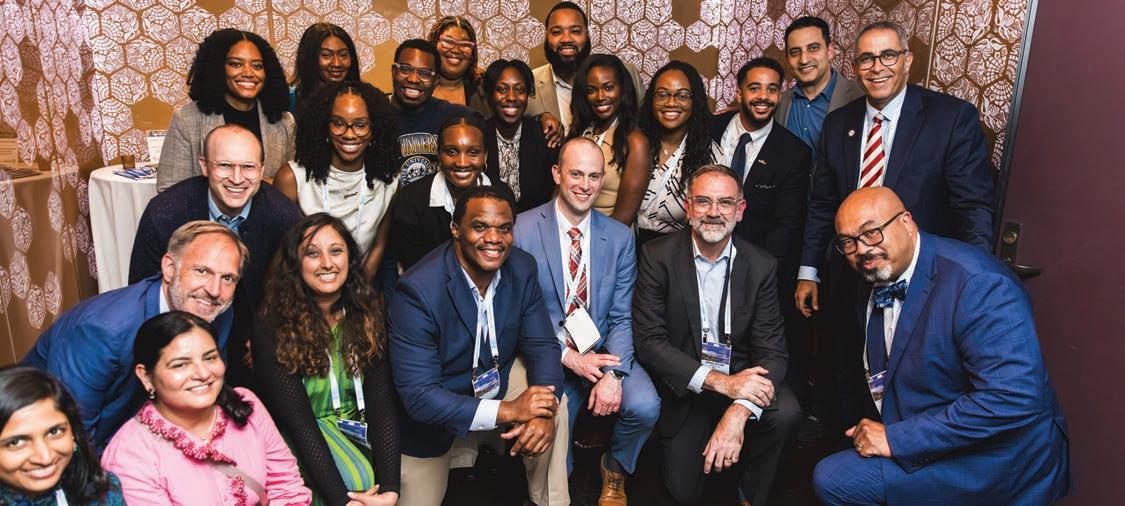
The M-Power Initiative and the W. Montague Cobb/NMA Health Institute’s 11 Medical Scholars and their mentors gathered at the annual meeting of the National Medical Association in Chicago in July 2025.
The IMF Nurse Leadership Board: Reshaping Myeloma Care
The IMF’s Nurse Leadership Board (NLB) is a distinguished group of expert nurse faculty dedicated to advancing patient-centered initiatives within the global myeloma community. NLB members are committed to improving the quality of nursing care and enhancing the self-care of myeloma patients. Since its establishment in 2006, the NLB has reached thousands of nurses and educated and empowered countless numbers of patients and care partners.
In September 2025, the NLB held its 21st meeting and marked its 19th year of making an impact. Co-chaired by Beth Faiman, PhD, MSN, APN-BC, AOCN®, BMTCN® FAAN, FAPO, and Mary Steinbach, PhDc, DNP, APRN, the meeting focused on shaping future projects to address evolving patient needs. The NLB also held its inaugural NLB Leadership and Mentorship Award ceremony, with Dr. Faiman as its first-ever recipient. The award was presented by IMF Interim CEO and Senior Vice President of Strategic Planning Diane Moran.
ELEVATING PROFESSIONAL STANDARDS
A highlight of the NLB’s educational outreach is its annual symposium at the Oncology Nursing Society (ONS) Congress. The 18th symposium, “Updates in Multiple Myeloma Treatment: Case Studies for Nurses,” was attended by 602 nurses in person, with in-person and virtual attendees collectively caring for 23,000 myeloma patients monthly.
NLB members work alongside International Myeloma Working Group (IMWG) breakout groups in developing
an immune therapy webpage to support therapy implementation and management.
In 2025, NLB members made significant contributions to scholarly literature, including, “Optimizing Transitions of Care in Multiple Myeloma Immunotherapy: The Nurse’s Role” in Clinical Journal of Oncology Nursing (CJON) and “Understanding the Role and Clinical Management of Bridging Therapy During CAR T-cell Therapy for Relapsed Multiple Myeloma” in the Journal of the Advanced Practitioner in Oncology (JADPRO). Two of their roundtables produced white papers on CAR T-cell therapy and bispecific antibody therapy. Additionally, the NLB expanded Myeloma University with new modules on both bispecific antibodies and survivorship.
RESPONDING TO COMMUNITY NEEDS
NLB nurses actively engage with the patient community by serving as speakers at IMF Patient and Family Seminars, Community Workshops, and Support Group meetings. Two new projects will address changing needs: a Community Nurse Peer-to-Peer program, designed to help nurses stay current on complex treatments and provide much-needed access to expertise, and a Care Partner Training and Toolkit to remove barriers to care by educating on disease basics, side effect monitoring, and infection prevention.
These initiatives ensure the NLB continues to lead in enhancing patient outcomes and professional development across the globe.
The International Myeloma Foundation’s Evolving Digital Ecosystem
Through a growing digital ecosystem, the IMF is building a smarter, more connected, and more informed future for everyone affected by multiple myeloma.
INTERLOCKING PIECE 1: THE IMF’S MYELOMA KNOWLEDGE PLATFORM
At the heart of the IMF’s digital transformation is the Myeloma Knowledge Platform (MKP®), a secure, HIPAAcompliant data platform built on Amazon Web Services (AWS) and Salesforce’s Data Lake for Nonprofits. The MKP organizes, connects, and analyzes previously siloed data, uncovering insights that drive more personalized and effective patient support. It also identifies patterns and links across other interlocking pieces in the IMF’s ecosystem.
INTERLOCKING PIECE 2: MYELO – A GENERATIVE AI-POWERED ASSISTANT
Within the MKP ecosystem lives Myelo® the IMF’s first AI-powered chatbot designed specifically for the myeloma community. Acting as a virtual assistant for patients, care partners, and healthcare professionals, Myelo has been trained with extensive myeloma knowledge to provide clear, reliable answers 24/7.
Over the past year, Myelo has fielded nearly 83,000 questions across 25,000 sessions, representing a 290% year-over-year growth.
Myelo is being developed further to enhance personalization further by:
• Tailoring responses based on past interactions and user location.
Recommending local resources and notifying users of nearby clinical trials or local myeloma specialists.
• Adding voice capabilities that recognize tone and emotion for more natural conversation. Research shows that personalized digital health support improves treatment adherence and patient satisfaction. By designing Myelo to be usable by anyone — regardless of age, income, or tech familiarity — the IMF ensures accessibility for all. Myelo’s development team includes technology and medical experts as well as patient advocates, ensuring a 360° approach to care.
INTERLOCKING PIECE 3: THE IMF’S CLINICAL TRIALS MATCHING ENGINE, POWERED BY SPARKCURES
For many patients, finding a clinical trial can be as overwhelming as the disease itself. The IMF’s Clinical Trials Matching Engine, launched in 2024 and powered by SparkCures, simplifies that process. Integrated within the MKP, it helps users identify trials that fit their diagnosis, treatment history, and personal preferences.
Accessible at myeloma.org/sparkcures, the platform empowers patients, care partners, and clinicians to explore clinical trials independently. Already, users have connected with trial teams, and early enrollments show how technology can conveniently lead patients to the right channels.
INTERLOCKING PIECE 4: MYELOMD. BRINGING SPECIALIST-LEVEL INSIGHT TO EVERY CLINIC
Developed in response to an increasingly complex treatment landscape, MyeloMD is an AI-powered diagnostic support tool for healthcare professionals. In development now and launching in 2026, it will provide specialist-level guidance to non-myeloma experts, offer evidence-based recommendations integrated into clinical workflows, and bridge expertise gaps across diverse care settings.
With its intuitive design and seamless integration, MyeloMD will help reduce disparities in care, ensuring more patients benefit from the latest insights and standards in myeloma treatment.
By uniting data, AI, and human insight, the IMF is redefining what it means to support patients living with cancer.
The IMF Nurse Leadership Board gathered in Cleveland from September 13-15, 2025, to advance patient-centered initiatives.
More than 23,000 people visited our Clinical Trials
Matching Engine powered by Spark Cures, for a total of 17,439 searches.
The generative-AI assistant answered 79,804 user questions.
The InfoLine had 2,350 interactions with the myeloma community.
Reached 415,900,00 social media accounts across all IMF social platforms and programs, as aggregated by Brand Mentions.
IMF videos were viewed 23,000,000+ times across YouTube, Instagram, and Facebook.
28 educational meetings in the U.S., with more than 3,800 in-person attendees and 27,000 online archive viewers.
11 European Patient & Family Seminars with 1,400 in-person and 1,400 online attendees.
SUPPORT
26th Annual Support Group Leader Summit: Celebrating
Hope In Action
The IMF held its 26th Annual Support Group Leaders Summit (SGLS) from July 17-20, 2025, in Eagan, Minnesota. The theme was “Hope in Action: Embracing the Art & Science of Support Group Leadership.”
This powerful theme signifies the importance of support group leadership. As ambassadors for myeloma awareness and advocacy, these leaders create safe spaces of belonging and share knowledge to build coMMunity. The IMF Support Group team partners with these leaders by offering tools, training, and ongoing support to start groups, as well as sustain them as local resources.
The IMF welcomed 108 leaders, representing 81 support groups; 21 were first-time attendees, and 87 were returning leaders. Educational sessions discussed clinical aspects of myeloma, including screening, smoldering disease, frontline treatment, maintenance, and relapse, as well as covering FDA-approved treatments and clinical trials. Through fireside chats, IMF Chief Medical Officer Dr. Joseph Mikhael and IMF Scientific Advisory Board Member Dr. Shaji Kumar, Mayo Clinic, Rochester, Minnesota, engaged with support group leaders and provided the latest updates in myeloma research.
Powerful panel discussions on myeloma advocacy and immunotherapy experiences showcased leaders’ wisdom and hope gained during their own personal experiences with myeloma. IMF Nurse Leadership Board member Beth Faiman, PhD, MSN, APN-BC, AOCN® BMTCN® FAAN, FAPO, Cleveland Clinic, Taussig Cancer Institute, Cleveland, Ohio led an in-depth session on myeloma tests and diagnostics.
Then, separate breakout sessions for patients and care partners highlighted the power of myeloma voices, learning from both shared experiences and expert insights.
Additionally, some leaders offered their expertise with presentations on the agenda. Stan Smith, co-leader of Denver, CO and Care Partners Only groups led attendees in a guided mindful doodling session. Leaders reported feeling re-energized and calm during and after this session and that they would potentially incorporate this artful practice into their own group meetings. Malcolm Katz and Sally Weber, LCSW, co-leaders of the San Fernando Valley, California, support group led an interactive discussion on navigating grief and finding hope through the process. Joy Heimgartner, MS, RDN, CSO, CNSC, LD from Mayo Clinic provided practical strategies for leaders to share with their members regarding optimizing nutrition in myeloma. IMF Associate Directors of Support Groups, Katie Atkins, MSW, LCSW, OSW-C, and Yara William, DrPH, MHA, shared best practices for navigating support group dynamics and difficult conversations. Walking through the IMF Resilience Gallery and peaceful walks around Viking Lake provided leaders with opportunities for connection, self-care, and reflection.
The Summit ended with an inspiring keynote from Barry E. Knight, whose message centered on transforming hope into action. His words motivated leaders to stay true to their purpose, lead with heart, and bring renewed energy to their work.
Meet The IMF Support Group Team: Educating, Engaging, & Empowering
The IMF Support Group team is more than a group of professionals; they are nurses, social workers, public health advocates, cancer survivors, and care partners united by a shared goal: to educate, engage, and empower those affected by myeloma. Together, they bring decades of experience, compassion, and the power of connection.
The team offers an unmatched depth of clinical knowledge, personal insight, and supportive care. They don’t just serve the myeloma community; they are a part of it. The Support Group team is united in their passion: to ensure that no one faces myeloma alone.
The team is led by IMF VP of Patient Support Robin Tuohy, a 25+ year care partner to her husband Michael, who was diagnosed with myeloma in 2000. This personal experience motivated her to join the IMF in 2005 and has cultivated the growth of the IMF’s support group network, providing guidance to over 155 local and special interest groups across the U.S. Cecilia Romero, Project & Technology Manager for the Support Group team, is passionate about keeping projects and programs running smoothly. Her background has been in higher education with a focus on improving the health and well-being in the communities we serve.
Serving our community as Directors of Support Groups, Becky Bosley, BSN, RN, and Jennifer Wieworka, DNP, RN,
OCN, have combined experience of over 30 years in the oncology field as nurses. As an ovarian and breast cancer survivor, Becky brings a personal understanding of the challenges faced by those diagnosed with cancer. Jenn’s goal in her work with the myeloma community is to help create a supportive and empathetic environment where patients can feel informed and empowered.
IMF Associate Directors of Support Groups, Katie Atkins, LCSW, OSW-C, and Yara William, DrPH, MHA, round out the team with their years of experience in oncology social work and public health. Katie values the opportunity to walk alongside patients as they face cancer and the challenges that come with it. Yara is passionate about health equity, community engagement, and patient advocacy.
Whether you’re newly diagnosed, a long-time patient, or a care partner, the IMF’s Support Group team is here for you. Learn more about our efforts at https://www.myeloma.org/support-groups or reach out to sgteam@myeloma.org.
Myeloma Voices At ASH
The IMF values patient and care partner voices and has provided the opportunity for their voices to be heard during the American Society of Hematology (ASH) Annual Meeting & Exposition since 2006. In 2025, we built a Myeloma Voices at ASH hybrid team of 11 in-person and four virtual attendees to attend ASH. Our team shared their learnings and takeaways with the global myeloma community via social media posts and vlogs, as well as a Facebook Live event at ASH with IMF Chief Medical Officer Dr. Joseph Mikhael. A Post-ASH webinar was also held where three of our Myeloma Voices at ASH team members discussed important topics at ASH with Dr. Mikhael from a patient perspective.
IMF Support Group Team Reach
The IMF’s Support Groups’ reach in the myeloma community continues to grow. In Fiscal Year 2025, the IMF Support Group team conducted 187 visits, both virtually and in-person, directly reaching 2,988 patients and care partners. Additionally, during this period, our Project & Technology Manager Cecilia Romero provided direct technical support to leaders 517 times, ensuring efficiency across all initiatives. New groups were launched in Fort Wayne, Indiana; Sebring, Florida; Omaha, Nebraska; Duarte, California; Portland, Maine; Rapid City, South Dakota; Atlanta, Georgia Men-Only group; and a virtual special interest group specifically designed for veterans with myeloma.
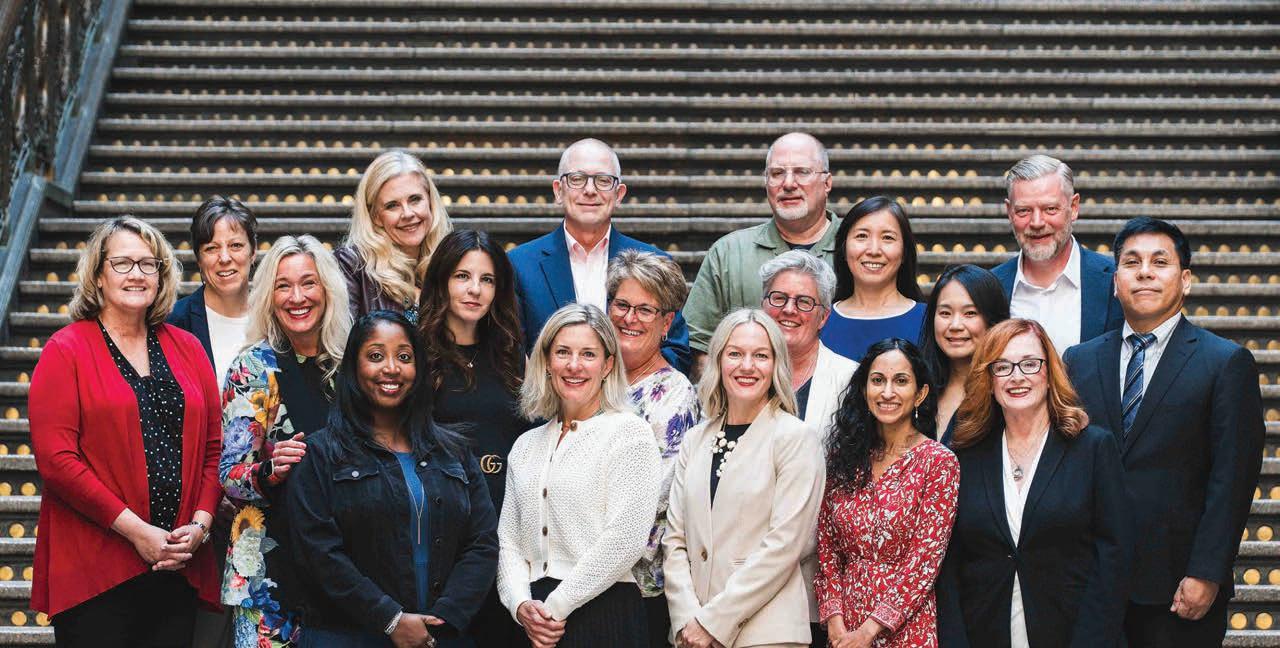
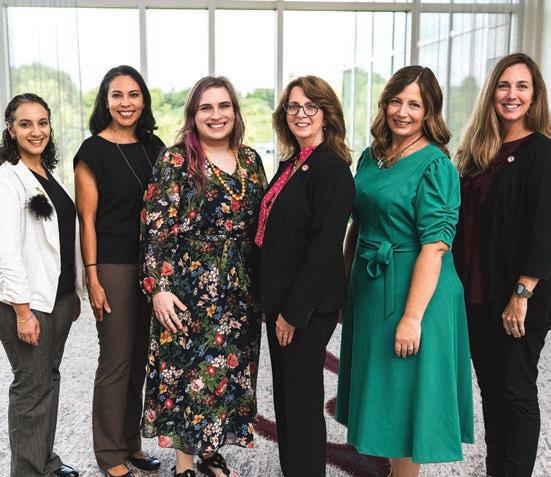
From Left: IMF Support Group team members Yara Willaim, DrPH, MHA; Cecilia Romero; Jenn Wieworka, DNP, RN, OCN; Robin Tuohy; Becky Bosley, BSN, RN; and Katie Atkins, MSW, LCSW, OSW-C.
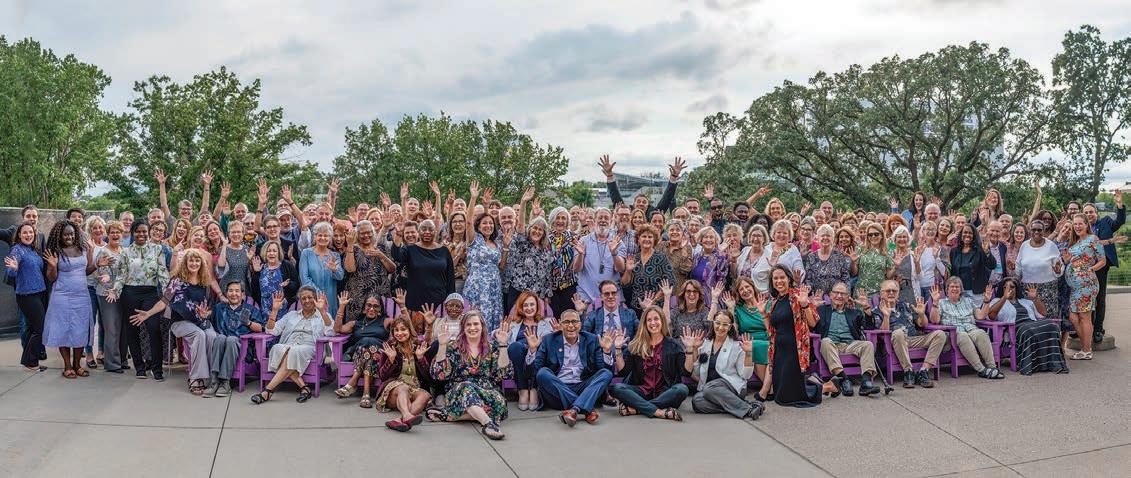
Support group leaders from across the country gathered in Eagan, Minnesota, for the IMF’s 2025 Support Group Leaders Summit from July 17-20, 2025.
THE IMF’S Global Myeloma Action Network Unites Global Myeloma Advocates
The IMF’s Global Myeloma Action Network® (GMAN) brings together multiple myeloma advocacy leaders to improve the lives of patients around the world. In Fiscal Year 2025, GMAN convened four times.
On October 9, 2024, members of GMAN came together for GMAN Fall Virtual Meeting. IMF Chief Medical Officer Dr. Joseph Mikhael shared key topics from the IMS Meeting in Rio de Janeiro, Brazil.
On December 18, 2024, GMAN members met online for a winter update. IMF Chief Medical Officer Dr. Mikhael presented research from the 66th ASH Annual Meeting & Exposition.
On March 19, 2025, GMAN members did a virtual meeting for a spring session. Dr. Mikhael outlined latest updates for the use of dexamethasone in myeloma treatment.
The GMAN Annual Summit was held in person from June 6-8, 2025, in Milan, Italy. Over 40 advocacy leaders of patient organizations were in attendance, sharing best practices and addressing mutual areas of concern within the global myeloma community. For the first time at the GMAN Summit, a dedicated poster session showcased country-specific unmet needs in myeloma, reflecting the idea that local challenges can drive global insight.
GMAN Steering Committee member and Chief Executive Officer of Myeloma Canada Martine Elias began by revisiting
GMAN’s core mission. In addition, Ms. Elias proposed the launch of a global awareness initiative for 2026. Dr. Mikhael discussed the evolving landscape of myeloma research, highlighting both significant progress made and critical questions that remain. Dr. Mikhael emphasized that disparities in care and access persist globally.
Finally, the 2024 recipients of the Susie Novis Durie (SND) Grants — Mijelom CRO, Dansk Myelomatose Forening, AMEN Organization, and Euronet Romania — shared the outcomes of their projects. This was followed by the announcement of the 2025 SND Grant Recipients:
• The Armenian Hematology Association (Armenia) aims to highlight emotional and psychological needs of patients, and facilitate collaboration for better care, earlier diagnosis, and support services.
• The Academic Model Providing Access to Healthcare (AMPATH, Kenya) outlines a strategy to transform myeloma care in Kenya by equipping frontline health workers, raising community awareness, and using digital tools to reduce care barriers.
• The Carita Foundation (Poland) plans to establish a quarterly magazine for myeloma patients and care partners.
• The Association of Myeloma Patients of Serbia (Serbia) aims to empower the myeloma community by enhancing awareness, knowledge, and communication around the disease especially in smaller and underserved towns.
IMF U.S. Advocacy Makes Strides In
In 2025, IMF Advocacy team continued its work to ensure that myeloma patients and their families have a strong voice in shaping healthcare policy. This year brought new opportunities to advance legislation that improves access to care, affordability, and patient-centered innovation.
The year began with the IMF’s participation in the One Voice Against Cancer (OVAC) Grassroots Lobby Day, where myeloma advocates met with Members of Congress to urge sustained funding for the National Institutes of Health (NIH), National Cancer Institute (NCI), and Centers for Disease Control and Prevention (CDC). These meetings reinforced the critical role federal research funding plays in progress toward a cure for myeloma.
Building on 2024’s bipartisan momentum, the Coalition to Improve Access to Cancer Care (CIACC) continued engaging lawmakers to ensure equitable access to cancer treatments, including advancing the Cancer Drug Parity Act. The coalition’s outreach helped raise awareness among Congressional offices about the financial and access barriers faced by patients nationwide.
A major highlight of the year was the IMF’s first-ever Hill Day, held in September 2025 for Blood Cancer Awareness Month. This landmark event amplified the patient voice on Capitol Hill, bringing 24 myeloma advocates from across the country to Washington, DC, for policy briefings, advocacy training, and meetings with Congressional offices. Discussions focused on improving access to care, treatment affordability, and sustaining federal investment in cancer research. For many
2025
advocates, this opportunity was their first to share personal stories directly with lawmakers, turning complex policy issues into human experiences that resonate and inspire change. The event strengthened relationships with policymakers and demonstrated the growing power of a unified myeloma community.
The IMF’s Grassroots Advocacy Program continues to expand, now including over 250 trained advocates. Many have completed the IMF Legislative Advocacy Masterclass and are helping educate policymakers as well as strengthening the collective voice of the myeloma community.
To continue the legacy of recently deceased IMF Board Member Benson Klein, the IMF proudly sponsored Jack Leimann, a George Mason University graduate student, through the Trooper Benson Advocacy Internship Program. The IMF is grateful to the Kleins for making this program possible. Over the summer, Jack helped prepare grassroots software and identify Congressional offices for the inaugural Hill Day, which he also attended. Inspired by advocates’ stories, Jack gained hands-on experience in legislative engagement. He plans to remain involved in future IMF advocacy efforts. Former intern Cece Fainberg also participated.
Through these efforts, the IMF Advocacy team remains steadfast in its mission to champion policies that improve access to care, reduce patient burdens, and accelerate progress toward a cure for myeloma.
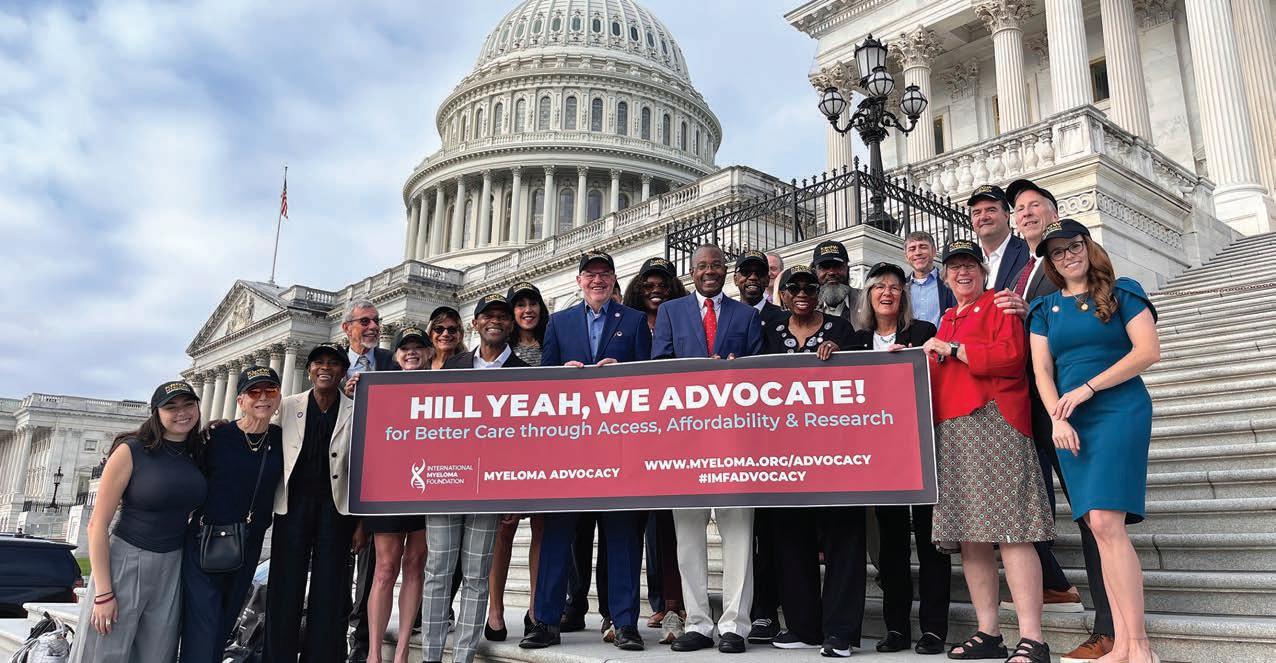
In September 2025, more than 20 patient advocates accompanied the IMF on Capitol Hill to support clinical trial access, oral parity, telehealth, and more for myeloma patients.
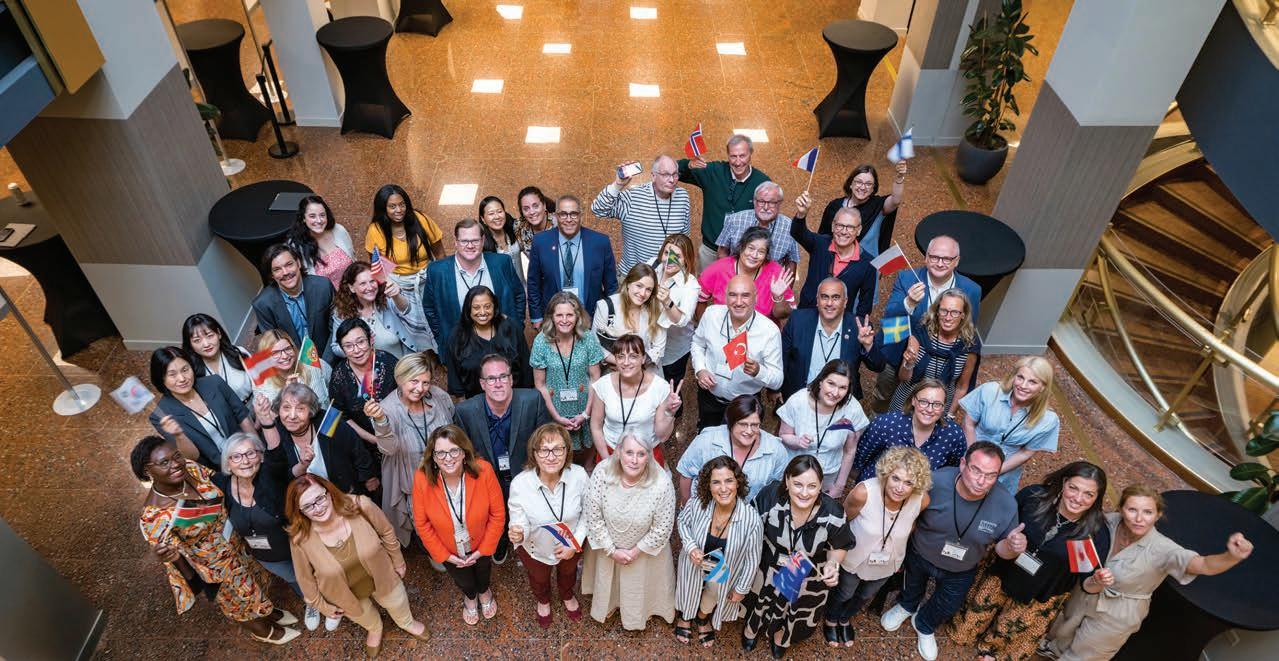
Global myeloma advocates gathered in Milan, Italy, from June 6-8, 2025, for the IMF’s Global Myeloma Action Network (GMAN) Summit.
DEVELOPMENT
Pedaling Toward a Cure: The IMF’s Iceland Cycling Expedition 2025
From August 27 to September 2, 2025, a team of 20 ironwilled cyclists — including myeloma patients, care partners, clinicians, researchers, and pharmaceutical industry partners — braved Iceland’s breathtaking yet arduous landscape in the IMF’s annual Iceland Cycling Expedition. The 150-mile journey symbolized strength, unity, and hope in the ongoing race to end multiple myeloma.
“Myeloma is a relentless disease, but our cyclists are resilient. And every mile takes us closer to the cure,” said IMF Interim CEO and Senior Vice President of Strategic Planning Diane Moran, RN, MA, EdM. “The terrain is really rugged, but it’s no more rugged than what they face every day.”
This year’s participants raised nearly $1.1 million to fuel myeloma research. Among those conquering the odds was Ashley Dieks, diagnosed at 36, who said cycling became, “a symbol of resilience.” For Benjamin Freund, diagnosed in 2019, the ride was proof that, “I will continue to enjoy life and thrive despite it.” Smoldering multiple myeloma patient Katherine Podgorski cycled in memory of loved ones lost to myeloma and for the future. “To be here, raising funds to help understand what causes myeloma, is exactly what I think will help make a difference for future generations,” she said.
Care partners also rode with purpose. Troy Fischer cycled for his wife, Carol: “Through this ride, I’m not only raising funds, but I’m also sharing our story to inspire hope.”
Clinicians and researchers joined, too, blending science with solidarity. IMF Scientific Advisory Board Member and Fundraising Chair for the Expedition Dr. Saad Usmani, Memorial Sloan Kettering, New York, New York, said, “The key message is that the organization is committed to
finding the cure.” Dr. Cristina Gasparetto of Duke Cancer Institute, Durham, North Carolina, added, “It takes a village to fight cancer.”
Industry partners from Bristol Myers Squibb, Johnson & Johnson, Sanofi, GSK, Arcellx, and Kite Pharma cycled alongside patients, recognizing that the rugged landscape mirrors the experience of living with myeloma full of steep climbs and hard-won triumphs.
Proceeds from the expedition support the IMF’s research initiatives, including the landmark iStopMM Project in Iceland, a global first in screening a national population for early signs of myeloma.
For the IMF and its cycling warriors, every mile matters. Together, they are not just crossing finish lines; they’re pushing closer to a cure.
DONOR SPOTLIGHT
Gaurav Gupta, venture capitalist at Lightspeed Partners, father, husband, and IMF donor living with myeloma
Myeloma Patient, Advocate, and Donor Gaurav Gupta Sees the Value of the Moment and Seizes It
In 2022, Gaurav Gupta visited his primary care physician, and they both discovered that Gaurav’s lab work was not normal. Soon after, Gaurav visited a hematologist at the University of California at San Francisco, and he was diagnosed with high-risk smoldering multiple myeloma (HR SMM).
Gaurav recalls returning from that appointment and googling all these unfamiliar terms, such as M protein, IgA, IgG, and so forth. It was through this search that he stumbled upon the IMF website myeloma.org.
From exploring myeloma.org, Gaurav decided to reach out to the IMF-affiliated San Francisco Bay Area Multiple Myeloma Support Group. There, Gaurav met Jack Aiello, a late IMF Board Member.
Gaurav shared that he was trying to learn all that he could about his diagnosis, especially since it was high risk. He wanted to know what that meant exactly and how best to treat it.
Jack Aiello reassured Gaurav, saying to him, “You’re doing the right things. You’re seeing the right people. Come join our support group.”
Gaurav did just that, and he said, “I found it [the support group] to be really important as I navigated the disease.”
Following this, Gaurav attended an IMF Patient & Family Seminar in the Bay Area. He said, “It was one of the most energizing things I had done in a long time, and I knew I really wanted to be part of this community.”
Gaurav not only takes part in the IMF community through attending support groups and educational events, but he is also a donor.
Gaurav said that having cancer made him realize, “You have to live in the moment. You can’t just wait to do something. That’s why I chose to give now.”
Because of his involvement with the IMF, Gaurav witnessed the impact of the organization. He said, “I saw how tangibly they [the IMF] were working to solve the problems that myeloma patients deal with. The IMF is at the intersection of patients, clinicians, the pharmaceutical industry, and government policy. I realized that the IMF’s work with the IMWG helps set policy and even influenced FDA decisions that have had a huge impact on us patients, on the treatments that will be made to us now, and in the future.”
Gaurav encourages those who may be hesitant to give to the IMF to consider these unique things that the organization does to affect the quality of life of patients everywhere. He sees the IMF as forward-looking, and it aligns with his values.
Furthermore, Gaurav hopes that the IMF’s work will lead to greater personalization in treatments through gaining a better understanding of the genetics of myeloma. For example, Gaurav said, “By identifying people like me who were smoldering at the onset of their disease, but with high-risk features that point to the disease progressing sooner, I think the IMF can help lead the way in personalizing the right treatments at the right time.”
He also hopes that the “earlier and earlier people can be treated, then the better their chance at defeating cancer and having a better quality of life.”
While Gaurav’s quest for myeloma awareness and knowledge is charged, he also reminds other patients that they are “more than myeloma.” Today, Gaurav works as a venture capitalist with Lightspeed Venture Partners, investing in early-stage technology companies, enterprise software, and AI.
He is also able to go skiing, sailing, and travel with his wife and two young sons. Gaurav lives a full life, and he works to give back, because, as he said, “Having a cancer like myeloma really makes you re-evaluate life in so many important ways, and figure out your priorities. I think that patients who realize this, come out stronger.”
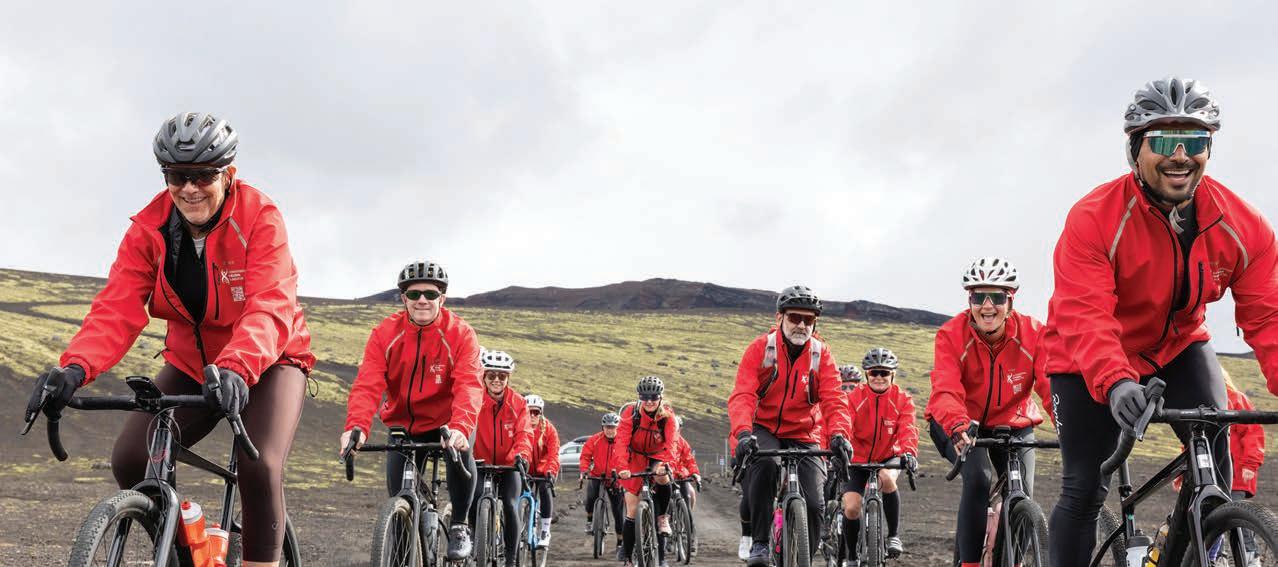
2025 Iceland Cycling Expedition cyclists push to the finish line in Kjósarhreppur municipality near Reykjavík, Iceland.
The 2025 Iceland Cycling Expedition cyclists pause in front of the Hjalparfoss waterfall along the course of the ride.
DEVELOPMENT DEVELOPMENT
Peer-to-Peer Fundraising
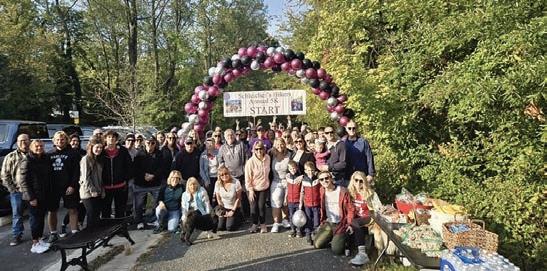
6TH ANNUAL SCHLEICHER’S HIKERS WALK / OCTOBER 2024 — BEL AIR, HARFORD COUNTY, MARYLAND
Organized by Bonnie Schleicher and Joy Mays, Jim Schleicher’s sister, in memory of Bonnie’s spouse, Jim Schleicher, the 6th Annual Schleicher’s Hikers Walk raised more than $8,000. After Jim lost his battle with multiple myeloma in October 2019, his family and friends created the Annual Schleicher’s Hikers 5K on the MA & PA Trail — an event he had envisioned — to honor his memory and support the IMF. Held the second Saturday of every October, the race has already raised over $65,000 for myeloma research and continues Jim’s legacy of strength, positivity, and community spirit.
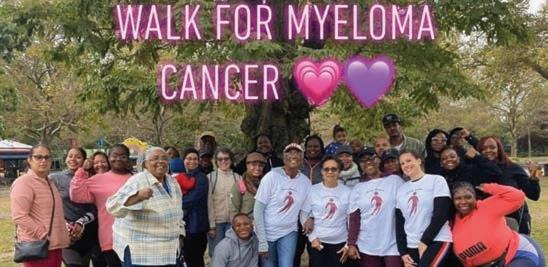
9TH ANNUAL WALK-A-THON AND BARBECUE TO END MYELOMA / SEPTEMBER 14, 2025 — QUEENS, NEW YORK
Organized by 15-year myeloma survivor Theresa Tucker, the 9th Annual Walk-a-thon and Barbecue to End Myeloma raised more than $4,000. A portion of the funds from this event helped support the IMF M-Power Initiative’s Medical Student Scholars for Health Equity, a myeloma mentoring program for minority medical students.
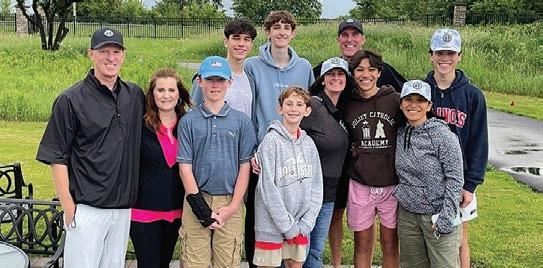
17TH ANNUAL CZERKIES MEMORIAL GOLF OUTING / JUNE 7, 2025 — BOLINGBROOK, ILLINOIS
Organized by Craig Czerkies and the Czerkies family, the 17th Annual Czerkies Memorial Golf Outing raised more than $35,000 to fund IMF-led research. The Czerkies family organizes this annual fundraiser to honor the memory of their parents, Carolyn, who passed away from myeloma, and Edward Czerkies. Since 2008, the Czerkies Memorial Golf Outing has united friends and supporters to raise over $530,000 for myeloma research, funding five Brian D. Novis Research Grants and continuing their parents’ legacy of courage and community.
7TH
ANNUAL WALK FOR MYELOMA MIRACLES / SEPTEMBER 20, 2025 — RANCHO CUCAMONGA, CALIFRONIA
Organized by the self-described “multiple myeloma conqueror,” Pam Poliakoff, the 7th Annual Walk for Myeloma Miracles raised more than $14,000. Pamela has undergone chemotherapy, a stem cell transplant, and has experienced serious complications. Fortunately, she has remained in remission and treatment-free for over four years. Drawing on her lifelong passion for giving back, she has raised millions through her work in fundraising for various events. She has spent the past six years organizing events for the IMF to advance research and awareness.
Ways To Give
A gift to the IMF is an investment in our mission to advance research, improve care, and support myeloma patients. Your generosity makes our work possible — and brings hope to those who count on us.
There are many ways to give to the IMF. You can designate your gift toward a specific program or service, or to the IMF’s general operating fund, which sustains our patient advocacy, education, and support programs.
ONLINE DONATION
Make a gift now through our secure online portal.
BY CHECK
Make checks payable to: International Myeloma Foundation 4400 Coldwater Canyon Ave., Suite 300, Studio City, CA 91604
THE HOPE SOCIETY
Where there is hope, there is a path forward: Join the IMF’s Hope Society ® and help make a difference for people living with myeloma. With a recurring monthly gift of any amount, you can advance IMF’s mission and core programs, including educational and support group events, publications, the toll-free InfoLine, and much more.
TRIBUTE GIFTS
A tribute gift offers a meaningful way to celebrate a special person, while contributing to the IMF’s mission of working toward prevention and a cure. You can make a tribute gift in honor of someone who is facing myeloma; or in memory of a family member, friend, or colleague.
PLANNED GIFTS
Make a gift for the future of the IMF and become a valued member of the Brian D. Novis Legacy Society. Including the IMF in your will, estate plan, or other planned giving vehicle — such
as an IRA or Charitable Gift Annuity — demonstrates your lasting commitment to our mission and creates a meaningful legacy that honors you or your loved ones.
PEER-TO-PEER (P2P) FUNDRAISING
You can organize a fundraiser for the IMF or join many other P2P events happening across the country. Our volunteer fundraisers help raise multiple myeloma awareness in their communities, while raising much-needed funding for our essential research, patient education, support, and advocacy programs, all with support and guidance from our Peer-to-Peer Fundraising team.
DONOR-ADVISED FUNDS
A donor-advised fund, or DAF, allows you to make a charitable contribution, receive an immediate tax benefit, and then recommend grants from the fund over time. The IMF is a qualified recipient of grants through all Donor Advised Fund programs, including Fidelity Charitable Gift Fund, Jewish Community Foundation, Vanguard Charitable Fund, and more. To designate the IMF as a recipient of your gift, please search for the International Myeloma Foundation or use the IMF’s Tax ID (95-4296919) to locate our organization from your fund’s website.
STOCK DONATIONS
Donating appreciated stock to the International Myeloma Foundation is a tax-wise way to make a powerful impact. By giving stock directly, you may be able to avoid capital gains taxes while still claiming a charitable deduction for the full market value.
CORPORATE PHILANTHROPY AND FOUNDATION GRANTS
The IMF can guide your organization’s giving strategy so that it aligns with your corporate goals, target audience, and marketing objectives. By contributing a corporate gift or foundation grant, your organization can provide seed funding that is necessary to accelerate the path to a cure, expedite the discovery of innovative treatments, and expand IMF programming to support the lives of those affected by multiple myeloma.
To learn more about ways to give to the IMF, please visit myeloma.org/donate, or contact the Development Team at development@myeloma.org or 818-487-7455 x600.
Organized by Theresa Tucker
Organized by Pam Poliakoff (Event Chair) and Star Thomas (Event Co-Chair)
Organized by Bonnie Schleicher and Joy Mays
Organized by Craig Czerkies and the Czerkies family
For a copy of our complete audited financial statements, please contact the IMF office.
*Percentages based upon detailed final trial balance.
Honoring the Memory of IMF Board Members
The IMF mourns the passing of two of its longtime and devoted Board Members Benson Klein JD and John O’Dwyer.
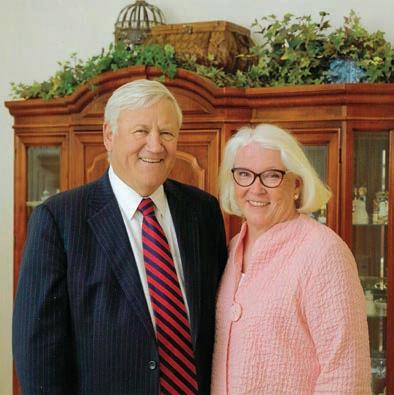
Longtime IMF Board Member Benson Klein, JD, who lived courageously with myeloma for more than 27 years, passed peacefully on July 21, 2025, surrounded by his family. A devoted advocate, Benson served on the IMF Board for over two decades, providing leadership on the finance, investment, fundraising, and governance committees. Beyond his professional career as a respected attorney and community leader, he and his wife Carol dedicated themselves to advancing the IMF’s mission through fundraising, advocacy, and mentorship. Benson’s warmth, humor, and compassion touched countless lives.
A devoted IMF Board Member and philanthropist, John O’Dwyer lived with myeloma for 18 years and passed peacefully on April 27, 2025, surrounded by loved ones. A visionary leader, John championed research and innovation to find a cure, helping launch the Black Swan Research Initiative® and supporting projects like the Iceland Cycling Expedition documentary. Alongside his wife Dorothy, John dedicated nearly two decades to advancing the IMF’s mission through leadership, generosity, and his unwavering commitment. His passion for research and belief that “each of us must play a part in seeking a cure” continues to inspire the myeloma community.