WELCOME TO THE CLEVELAND PATIENT & FAMILY SEMINAR
SATURDAY, MAY 2, 2026
HEATHER COOPER ORTNER
PRESIDENT & CEO








SATURDAY, MAY 2, 2026
HEATHER COOPER ORTNER
PRESIDENT & CEO
• Slides from Friday & Saturday Programming
• Evaluations for Friday & Saturday Programming
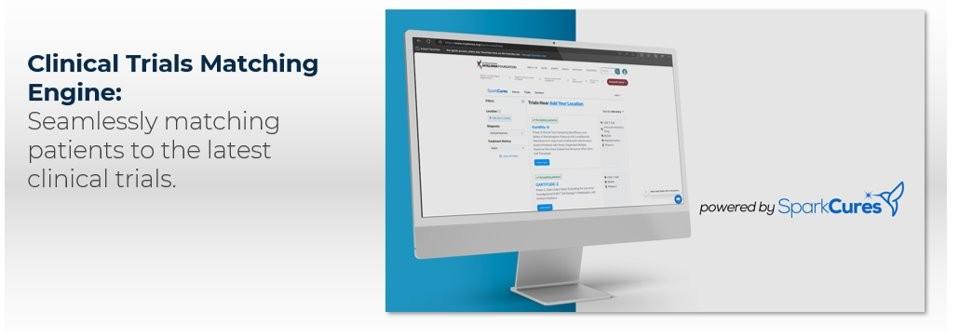
• SparkCures Search Engine specific for the Ohio region
• Ways to Give
9:00 – 9:15AM Welcome & Announcements
9:15 – 9:45AM President & CEO Address
9:45 – 10:30AM Fireside Chat: What is the Future of Myeloma? With Q&A
10:30 – 10:45AM BREAK
10:45 – 11:45 AM Breakout Sessions #1: Treating Myeloma
Breakout A: Newly Diagnosed: Frontline Therapy
Breakout B: Managing Relapsed Myeloma
11:45 - 12:45PM LUNCH
12:45 – 1:30PM Find Your Path: Navigating Your Myeloma Journey
1:30 – 1:45PM Closing the Gap: Health Disparities in Myeloma
1:45 – 2:45PM
Breakout Sessions #2: Patients and Care Partners
Breakout A: Patients Only – Lessons Learned
Breakout B: Care Partners Only
2:45 – 2:50PM RETURN TO MAIN SESSION
Grab-and-Go Refreshments
2:50 – 3:20PM Controversies in Myeloma
3:20 – 3:55PM
Ask the Experts with Guest Faculty
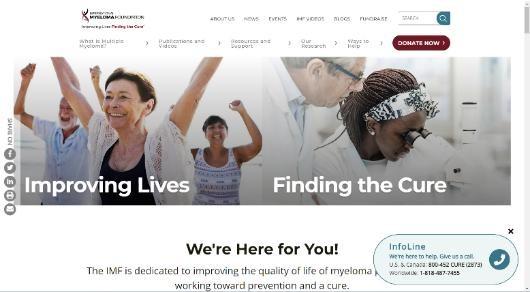
Improving the quality of life of myeloma patients while working toward prevention & a cure
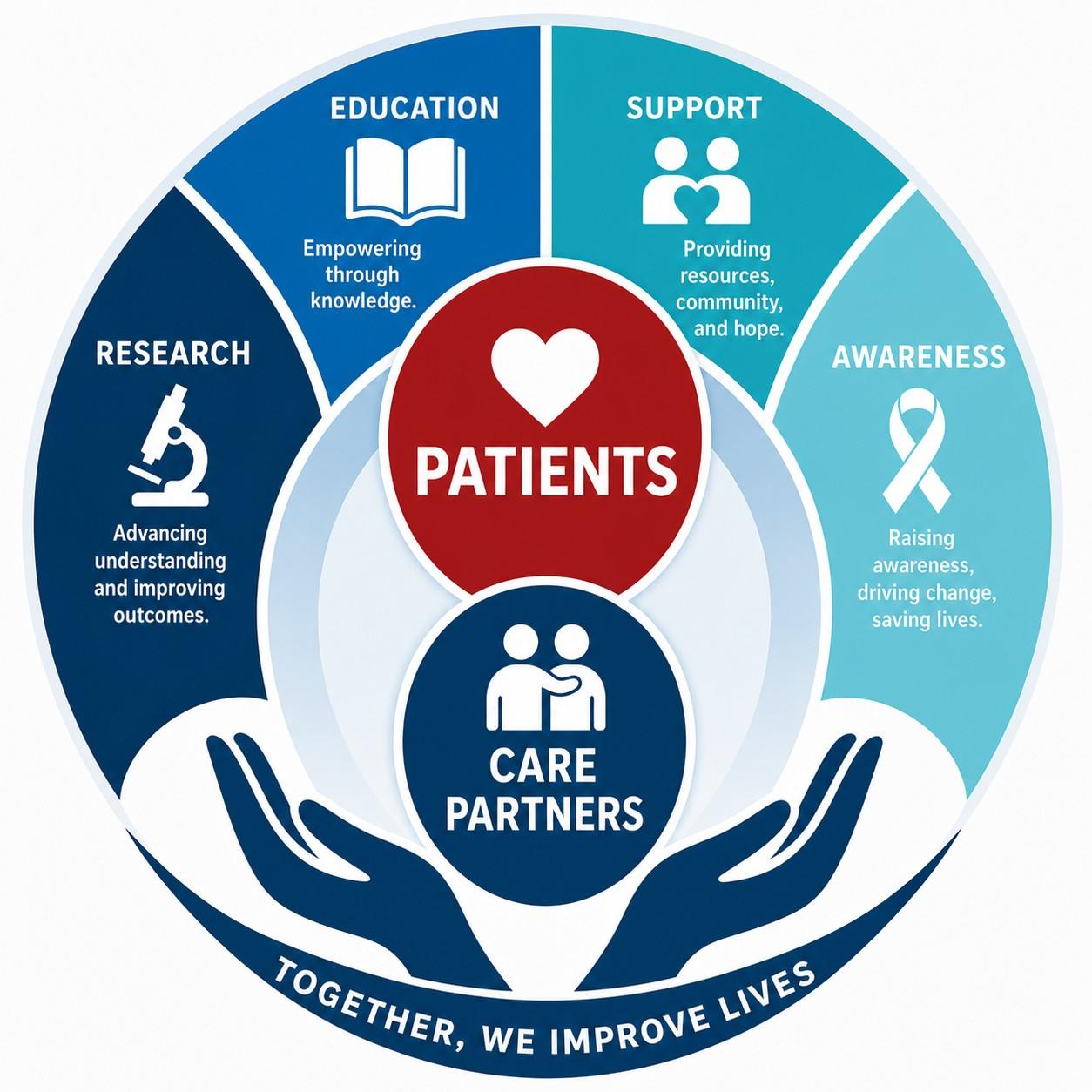
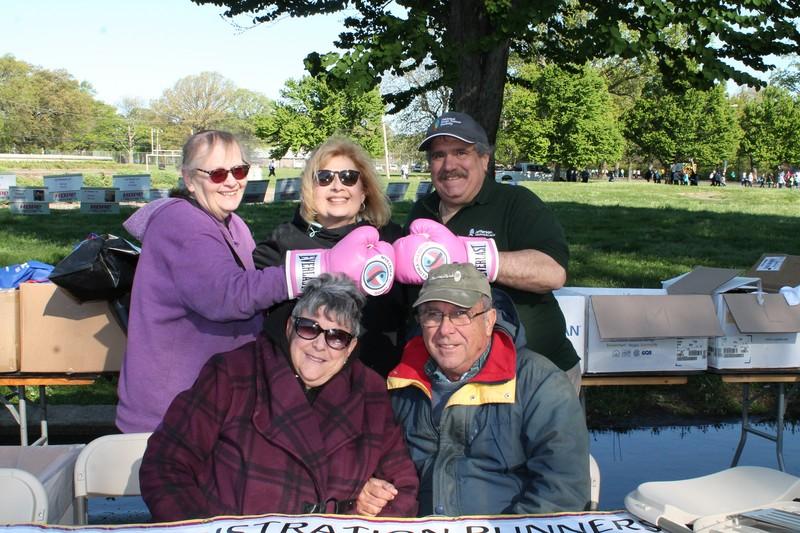
Together, we are turning hope into action: one meeting, one conversation, one connection at a time.

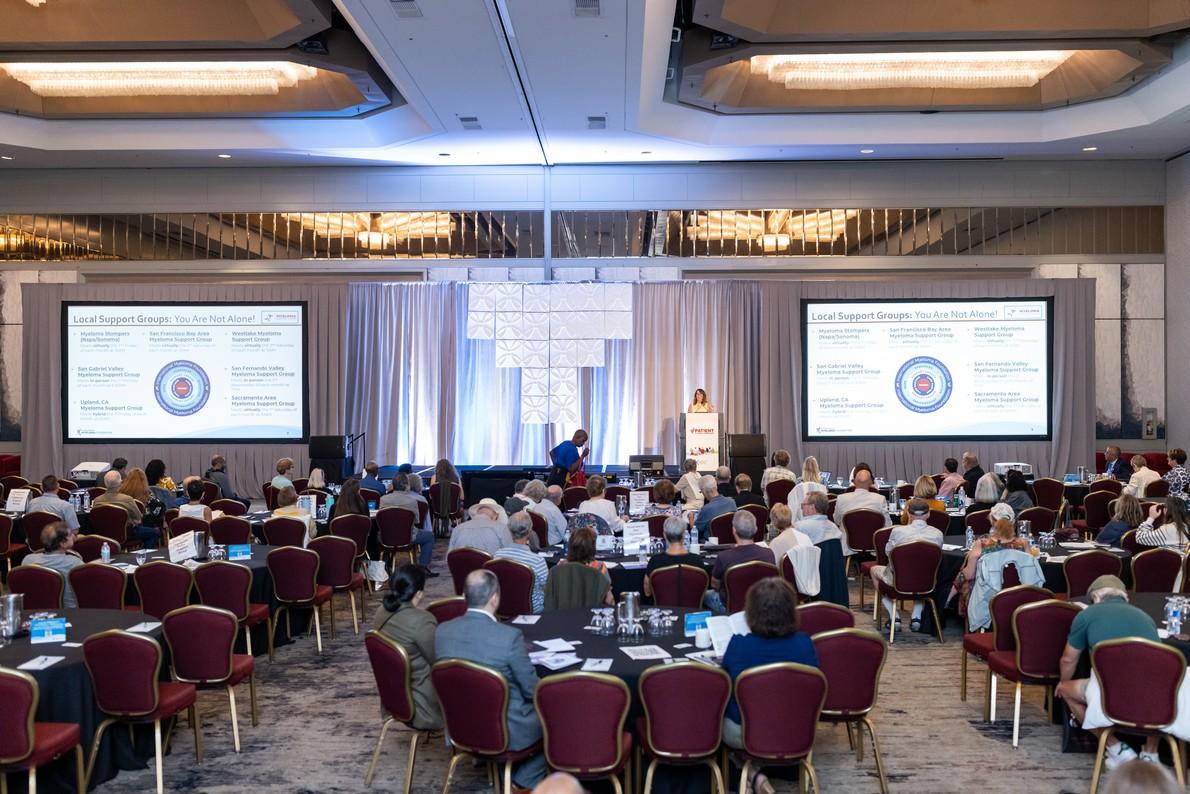
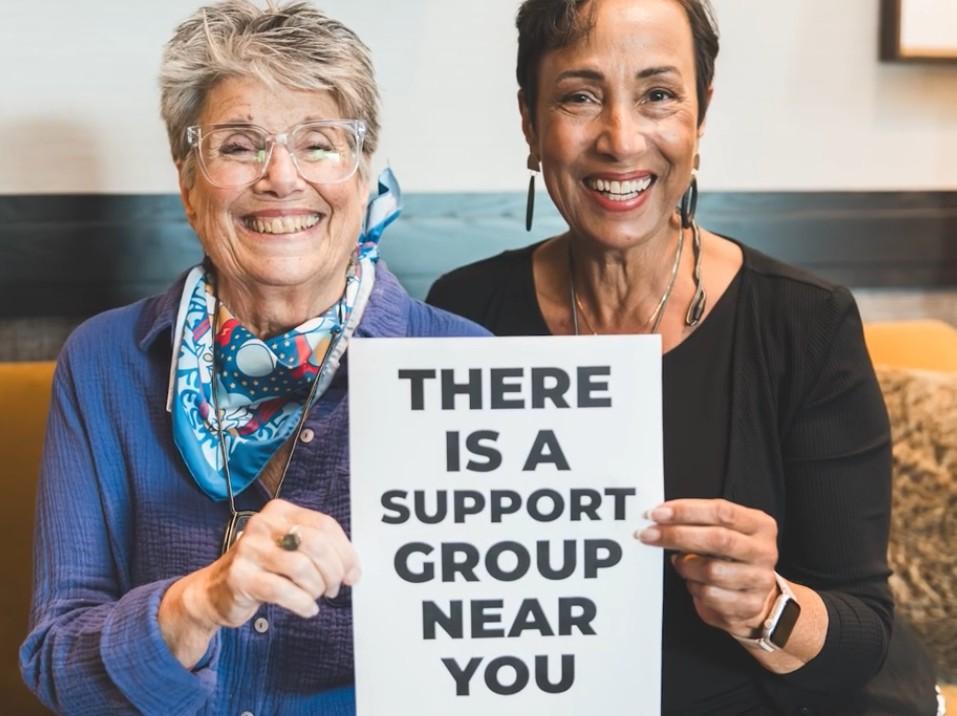
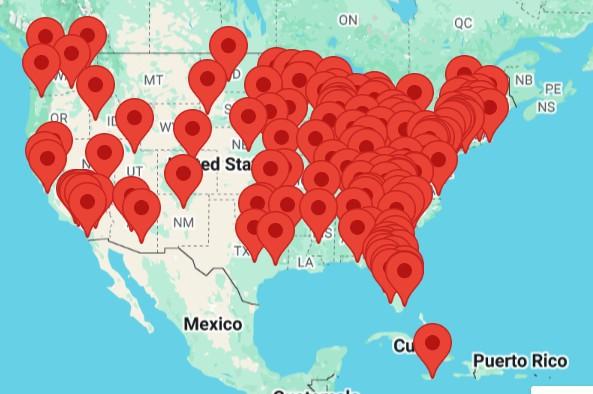
Support Groups empower patients & care partners with information, insight & hope
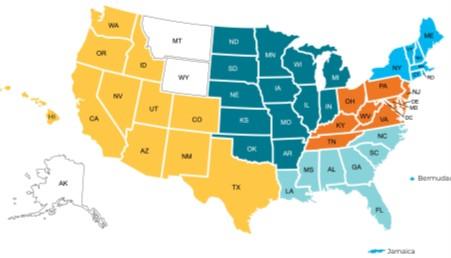
The IMF provides educational support to a network of over 155 myeloma specific groups and over 200 Group Visits/Year


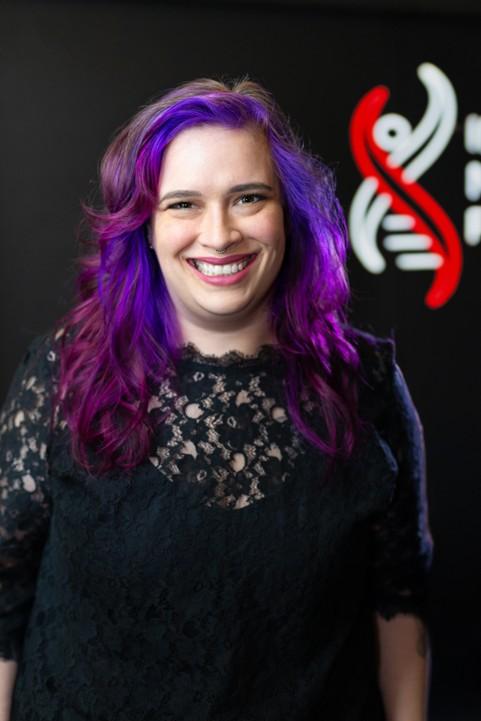



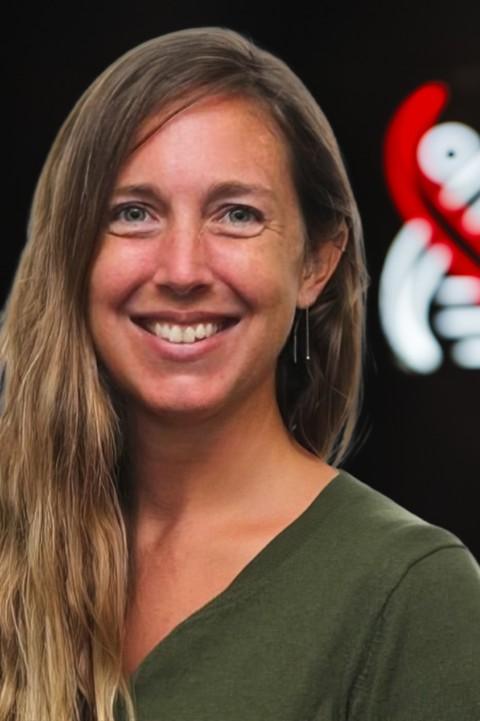
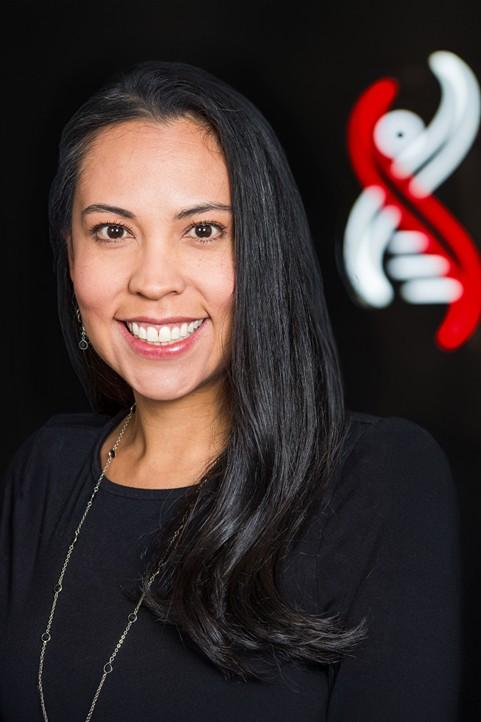
Cecilia
The IMF Support Group Team offers an unmatched depth of clinical knowledge, personal insight, and supportive care.
We don’t just serve the myeloma community— we are part of it. We are united in our passion: to ensure that no one faces myeloma alone.
• Cleveland, OH
• Cincinnati, OH
• Columbus, OH
• Youngstown, OH
• Canton, OH
• Cleveland Clinic
• Pittsburgh, PA
MM Families
For patients & care partners with young children
Living Solo & Strong
For patients without a care partner
Veterans SIG
For those who served our country MM in the Middle
For those diagnosed before age 50
MM in the Middle
For those diagnosed before age 50
Care Partners Only
For myeloma care partners only
For smoldering myeloma patients & care partners
Living with High-Risk Multiple Myeloma
For high-risk myeloma patients & care partners
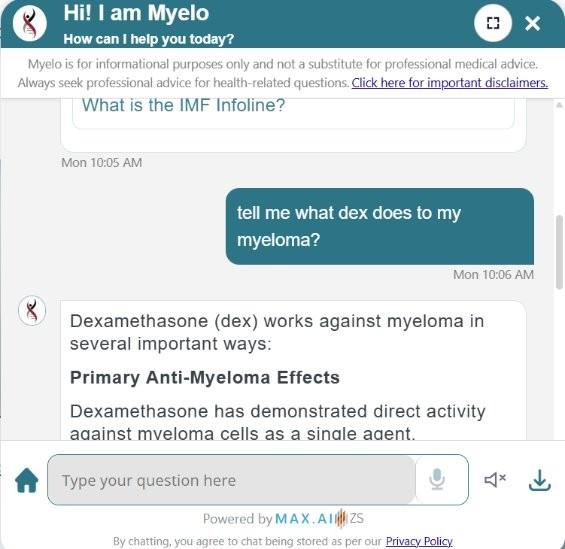
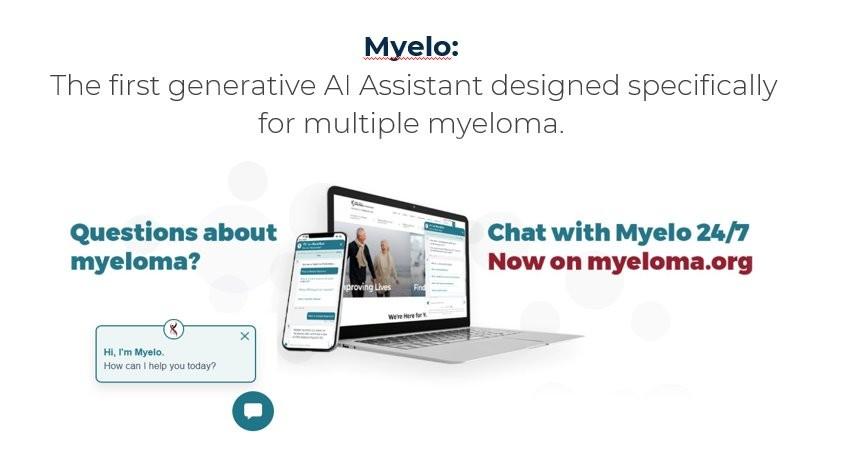
• Understanding lab results, terminology and disease state
• Preparing for medical visits


• Access to medical providers, specialty care (ASCT, CAR T)
• Access to specialty medications
• Financial resources
• Boca Raton, FL – March 13 – 14
• Cleveland, OH – May 1 – 2
• Los Angeles, CA – August 14 – 15
• Short Hills, NJ – October 2 – 3
• Kansas City, MO – March 28
• Virtual – April 20 – Newly Diagnosed
• Minneapolis, MN – April 25
• Detroit, MI – June 27
• Salt Lake City, UT – August 1
• Virtual – August 24 - Relapsed
Portland, OR – September 19
San Diego, CA – October 24
Phoenix, AZ – November 14
Virtual – November 16 -


11.8 K Mentions

60M Reach

346.5K Interactions
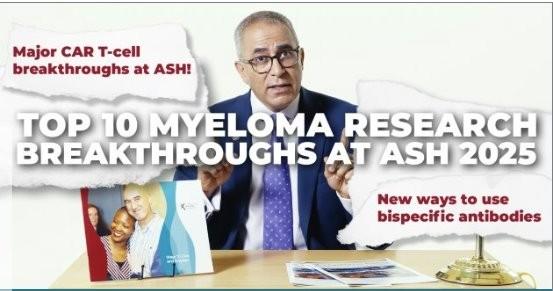
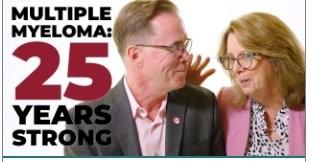


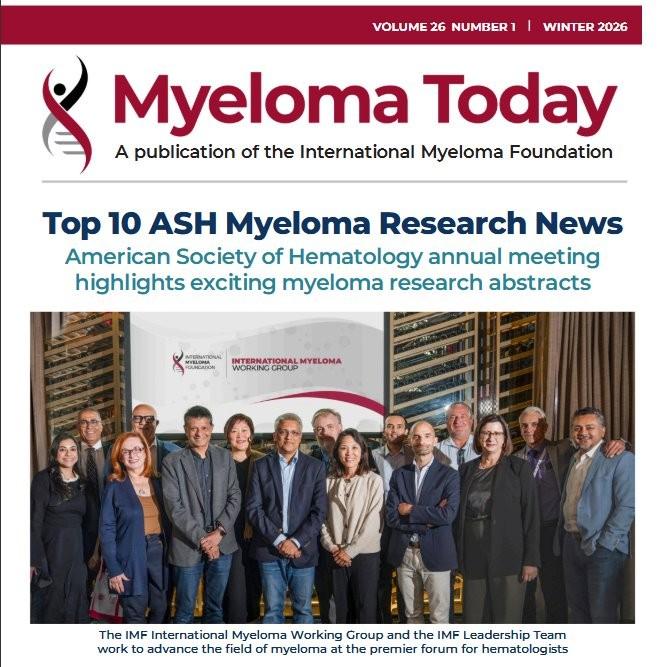



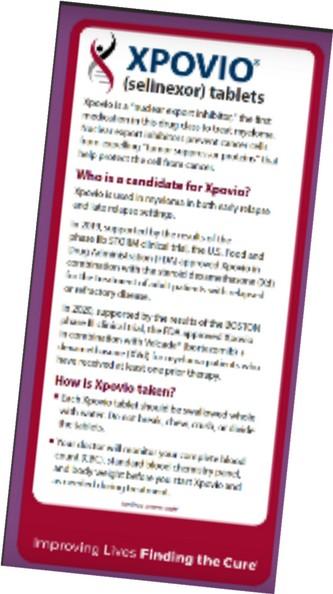
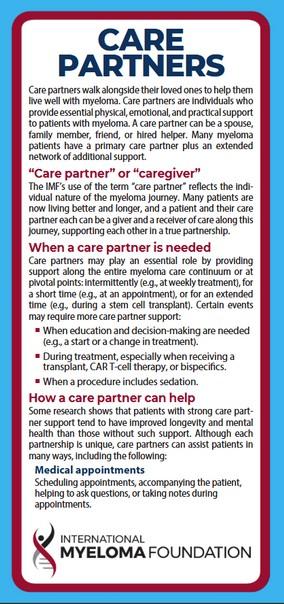





Coordinated international leadership advancing prevention, better treatments, and a cure for myeloma
The Scientific Advisory Board (SAB) provides strategic scientific guidance and identifies emerging research priorities
The SAB helps shape and oversee major IMF research initiatives
The International Myeloma Working Group (IMWG), a global network of more than 300 myeloma researchers, collaborates to develop consensus guidelines, research standards, and landmark publications
The Black Swan Research Initiative (BSRI) drives innovative research aimed at achieving a cure for myeloma
Together, these programs foster global collaboration and accelerate scientific discovery

Joseph Mikhael, MD, MEd, FRCPC, FACP, FASCO
IMF Medical
Advisor
Ashley Rosko, MD
Ohio State University Comprehensive Cancer Center, Columbus, OH
WHEN YOU RETURN FROM BREAK, PLEASE HEAD TO YOUR
SELECTED BREAKOUT SESSION:
BREAKOUT A: NEWLY DIAGNOSED: FRONTLINE THERAPY
Please move to the Severance Room (4th Floor)
BREAKOUT B: MANAGING RELAPSED MYELOMA
Please remain in this room
• Slides from Friday & Saturday Programming
• Evaluations for Friday & Saturday Programming
• SparkCures Search Engine specific for the Ohio region
• Ways to Give
1. Discuss WHY relapses occur
2. Review important principles of selecting treatment for relapsed myeloma
3. Empower patents to engage in the decision-making process
4. Encourage patients to know there are MANY options for relapsed myeloma
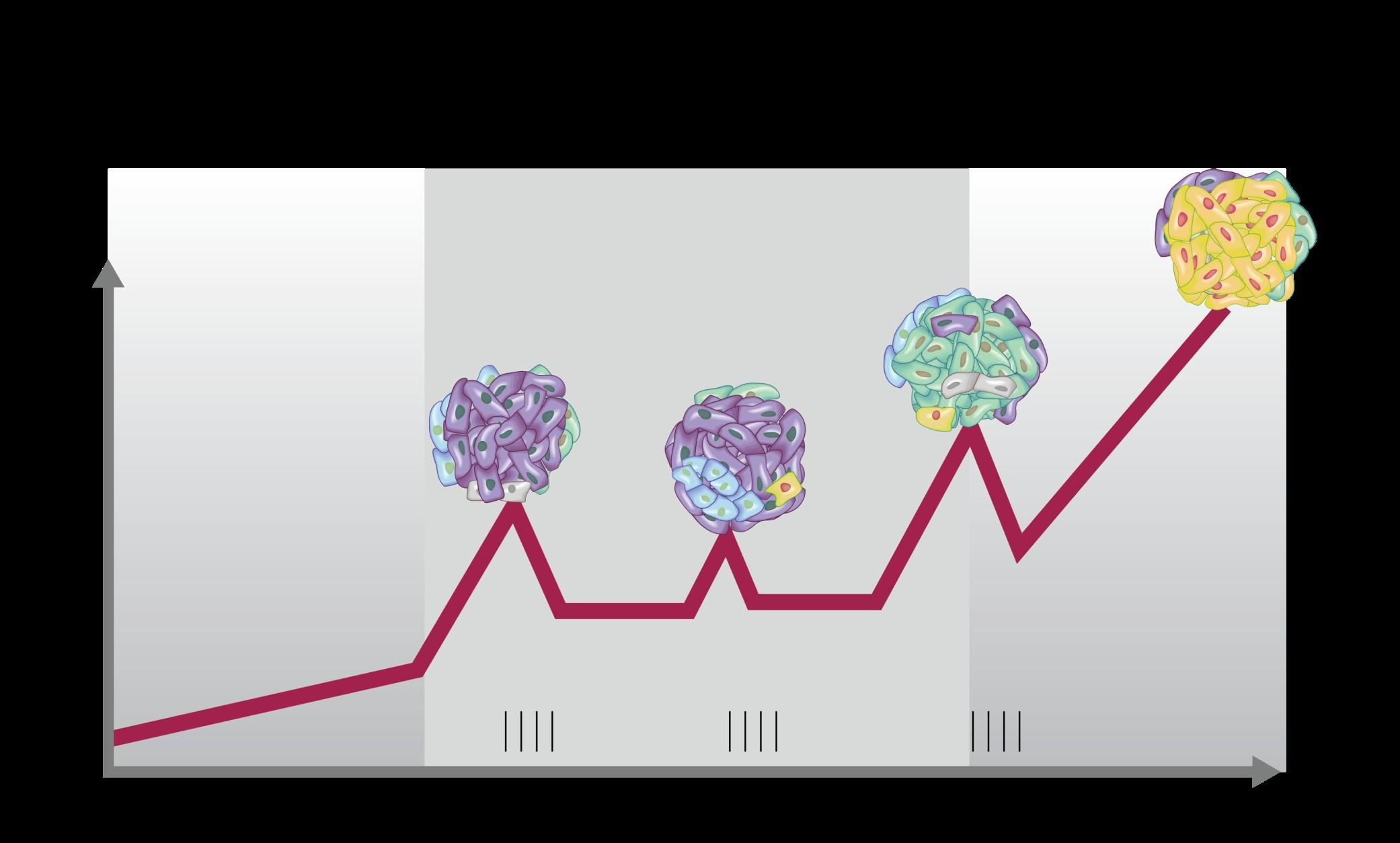
SYMPTOMATIC REFRACTORY RELAPSE
Adapted from Dr. Brian Durie and Keats JJ, et al. Blood. 2012;120:1067-1076.

We speculate many reasons for this...
1. It is never fully cleared
Minimal Residual Disease (MRD) negativity is not truly NEGATIVE
2. The immune system cannot contain or prevent the disease Remember myeloma is a disease of the plasma cell
Myeloma Therapies Common Combinations
Belantamab mafodotinb Bela, BVd, BPd, BKRd
Bortezomib (SQ admin) VRd, Vd, VCd
Carfilzomib KRd, Kd, Dara-Kd, Isa-Kd
Ciltacabtagene Autoleucel Cilta-Cel
Daratumumab Dara-Rd, Dara-Vd, Dara-Pd, Dara-VMp, Dara-Kd
Elotuzumab ERd, EPda
Idecabtagene Vicleucela Ide-Cel
Isatuximab Isa-Pda, Isa-Kd
Ixazomib IRd
Lenalidomide VRd, Rd, KRd, Dara-Rd, ERd, IRd
Pomalidomidea Pda, Dara-Pd, EPda, PCdb
Selinexor Xd, XVd, XKdb, Dara-Xdb
Teclistamab, Talquetamab, Elranatamab, Linvoseltamab

Many treatment options are available.
More therapies are being studied Clinical trials may be an option


Teclistamab and Daratumumab
New agents or regimens in clinical trials are always an option
Key – when myeloma relapses, it “overcomes” the current therapy being used, so it is necessary to change the approach to the disease with a new a mechanism of action

IMiD
Proteasome
drug Thalomid (thalidomide)
Revlimid (lenalidomide)
(pomalidomide)
(carfilzomib)
Rev, Len
Darzalex (daratumumab)
Sarclisa (isatuximab)
(elotuzumab)

Peptide Drug Conjugate* Pepaxto (Melphalan Flufenamide)
BCMA Targeted Antibody Drug Conjugate (ADC)
Blenrep (belantamab mafodotinblmf) Bela, Belamaf, or B
Abecma (idecabtagene vicleucel)
Bispecific Antibodies
Carvykti (ciltacabtagene vicleucel)
Tecvayli (teclistimab)
Talvey (Talquetamab)
Elrexfio (Elranatamab)
Lynozyfic (Linvoseltamab Tec Talq Elra Linvo
Cevostamab, Iberdomide, Mezigdomide, Anito-cel, Venetoclax
AZD0120, Etentamig, KLN-1010, Trispecifics ……………………………
* This agents is currently off the market in the US but available through special programs
SC or SQ = Subcutaneous, Under the skin; IV = Intravenous
Typically the most durable remissions occur earlier in the disease course
So, we want to use the best possible therapies before the disease becomes more resistant
Therapies tend to have a greater effect earlier in the disease course...
As will be discussed today, options for relapsed myeloma have grown and these three approaches have the best outcomes
This has to be balanced with patient characteristics and preferences – so other options (like doublets) can be considered
NEW – the combination of Teclistamab and Daratumumab was approved in March 2026
• Nature of relapse
• Renal insufficiency
• Hepatic impairment
• Comorbidities
• Preferences
• Social factors
– Support system
– Accessibility to treatment center
– Insurance coverage
• Previous therapies
• Prior treatment-related adverse event(s)
Disease Treatment Patient
– Biochemical vs symptomatic
• Risk stratification
– High-risk chromosomal abnormalities: del(17p), t(4;14), t(14;16)
• Disease burden
• Regimen-related toxicity
• Depth and duration of previous response
MRD refers to the persistence of residual tumor cells after treatment and is responsible for relapse1
MR→PR→ VGPR→CR →sCR
1. Adapted from Hauwel M, Matthes T. Swiss Med Wkly 2014:144:w13907 2. Biran N, et al. Curr Hematol Malig Rep 2014;9:368–78
Current techniques can detect MRD with a sensitivity of 10-6 for MM cells2







Negative by next generation flow (NGF) (minimum sensitivity 1 in 10-5 nucleated cells or higher)*
mCR AND normal Free Light Chain ratio, Bone Marrow negative by flow, 2 measures
CR AND negative PCR
Complete Response: Negative immunofixation (IFE); no more than 5% plasma cells in BM; 2 measures
Very Good Partial Response: 90% reduction in myeloma protein
Partial Response: at least 50% reduction in myeloma protein
Minimal Response
Stable Disease: Not meeting above criteria
Progressive Disease: At least 25% increase in identified myeloma protein from lowest level
MRD = Minimal Residual Disease sCR = Stringent Complete Response; BM = Bone Marrow
Known
We are still learning what is the “optimal” sequence of therapies but it is clear there is no “optimal” sequence as so many variables influence choice
But a few lessons are being learned:
1. In general if a patient is CAR T eligible, it is preferred prior to bispecific antibodies
2. All therapies can be sequenced in any order but it can reduce its efficacy – T cells in particular may need a ”rest”
We do not treat myeloma, but PEOPLE! How it affects your life and your preferences is critical and should be considered...
“The aim of shared decision making is to ensure that: - Patients understand their options and the pros and cons of those options.

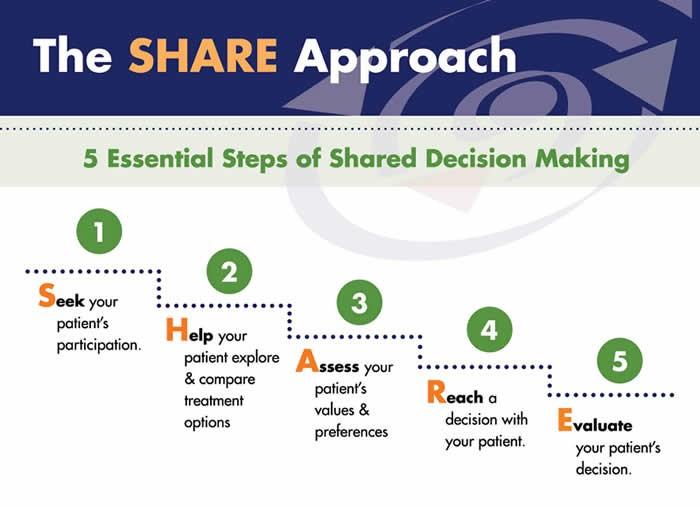
- Patient's are used to guide decisions.”
VD
Rev/Dex
CyBorD
VTD
VRD KRD
D-VMP
DRD
Tandem ASCT (?)
Nothing
Thalidomide?
Bortezomib
Ixazomib
Lenalidomide
Combinations
D-VRD
Isa-VRD
D-KRD
Isa-VRD “More” induction?
Bortezomib
Lenalidomide
Carfilzomib
Pomalidomide
Selinexor
Panobinostat
Daratumumab
Ixazomib
Elotuzumab
Isatuximab
Belantamab mafodotin*
Melphalan flufenamide*
Idecabtagene autoleucel
Ciltacabtagene autoleucel
Teclistamab, Talquetamab
Elranatamab, Linvoseltamab
Daratumumab?
Carfilzomib?
Lenalidomide + PI
ASCT, autologous stem cell transplant; CAR, chimeric antigen receptor; Cy, cyclophosphamide; d- daratumumab; D/dex, dexamethasone; isa, isatuximab; K, carfilzomib; M, melphalan; PD-L1, programmed death ligand-1; PI, proteasome inhibitor; Rev, lenalidomide; V, bortezomib.
Speaker’s own opinions.
CAR T Cell Therapy
Bispecific/Tri-specific
Antibodies
Cell Modifying Agents
Venetoclax
PD/PDL-1 Inhibition?
Small Molecules
* These agents are currently off the market but available through special programs
Anito-cel
Cevostomab
Iberdomide, Mezigdomide
Sonrotoclax
KLN-1010
AZD0120
• Slides from Friday & Saturday Programming
• Evaluations for Friday & Saturday Programming
• SparkCures Search Engine specific for the Ohio region
• Ways to Give
Please move to the Erie Room
Beth Faiman, PhD, MSN, APN-BC, AOCN®, BMTCN®, FAAN, FAPO
Cleveland
Clinic Taussig Cancer Institute, Cleveland, OH


Beth Faiman PhD, MSN, APN-BC, AOCN®, TCTCN®, FAAN, FAPO
Cleveland Clinic Taussig Cancer Institute
Cleveland, OH




Myeloma’ s
Terrain

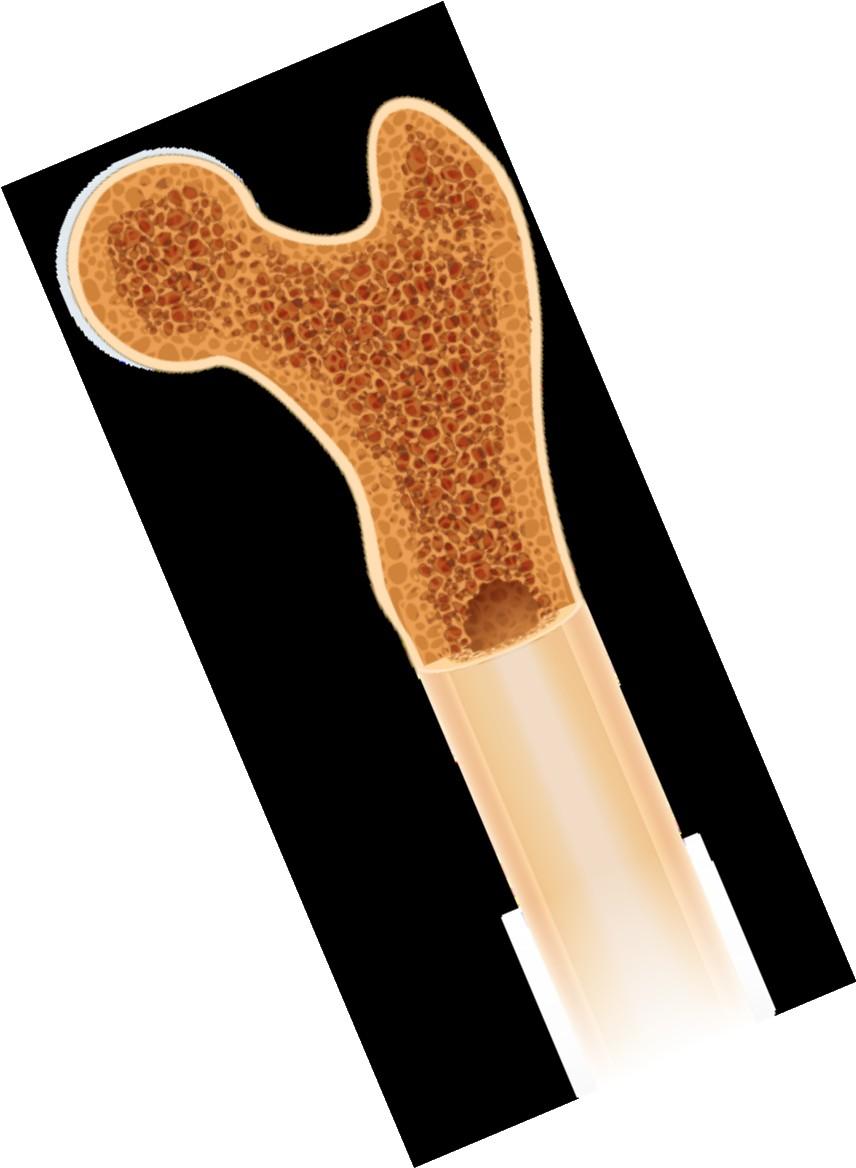
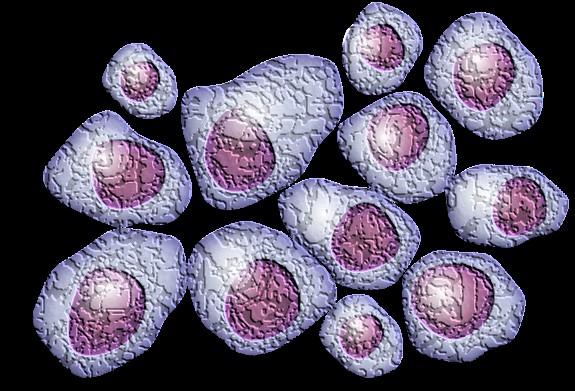
In Multiple Myeloma, one plasma cell mutates, making many identical plasma cells (monoclonal).
Cells come from white blood cells produced in the bone marrow and make many different antibodies to help fight infection (polyclonal).






Myeloma’
Terrain
Bone marrow
Anxiety Stress Depression

Decreased red blood cells

Anemia & Fatigue
Decreased white blood cells

Myeloma protein in blood and urine
Changes in bone remodeling
Clonal myeloma plasma cells can cause many issues
• Crowd out normal bone marrow cells
• Can cause kidney dysfunction
• Affect bone cells (balance of osteoclasts & osteoblasts)
Immune Dysfunction & Infection
Renal Dysfunction

Bone Damage

IMWG
Infection remains the leading cause of death in patients with multiple myeloma. Several factors account for this infection risk, including the overall state of immunosuppression from multiple myeloma, treatment, age, and comorbidities (e.g., renal failure and frailty).
Report fever of more than 100.4°F, shaking chills even without fever, dizziness, shortness of breath, low blood pressure to HCP as directed.
IMWG Consensus guidelines and recommendations for infection prevention in multiple myeloma; Lancet Haematol.2022;9(2):143–161.
Infection Prevention Tips
Good personal hygiene (skin, oral)
Environmental control (avoid crowds and sick people; use a high-quality mask when close contact is unavoidable)
As recommended by your healthcare team:
Flu, COVID, RSV & and pneumococcal vaccinations; avoid live vaccines
Preventative and/or supportive medications

Myeloma Treatment
Stay hydrated--drink water
Avoid certain medications
• IV contrast dyes

• Myeloma Treatment
• Nutrition
• Vitamin D
• Calcium (if approved by doctor)
• NSAIDs like Advil (ibuprofen), Aleve (naproxen)
Be alert: symptoms of kidney dysfunction
• Fatigue and weakness
• Nausea and vomiting
• Foamy or dark urine
• Swelling in feet, ankles, or face
• Shortness of breath
• Persistent itching
• Loss of appetite
• Muscle cramps
• High blood pressure
• Weight-bearing activity (e.g., walking, standing, climbing stairs, stretching, dancing)
• Bone-strengthening agents (prescribed by your healthcare team)
Pain can significantly compromise quality of life and add to distress.
Sources of pain include bone disease, neuropathy and medical procedures.
Prevention
• Decrease fracture risk through myeloma treatment, bone strengthening agents, physical activity, preventative surgery
• Prevent Nerve Damage: prevent shingles, manage diabetes, myeloma medication dosing and route of administration
• Combine scheduled medical procedures, when possible (Ex. blood draw, biopsy), use sedation if available
Treatment
Interventions depend on source of pain, may include
• Medications, Surgery, Radiation therapy, etc.
• Physical therapy & continued activity, complementary therapies (Mind-body, meditation, yoga, supplements, acupuncture, etc.)
• Scrambler therapy for neuropathy
Discuss with your healthcare provider new bone pain or chronic pain that is not well controlled and decreasing pain medication if pain has improved.

HR-SMM = high risk smoldering multiple myeloma; M-protein = monoclonal protein; MGUS = monoclonal gammopathy of undetermined significance; misc = miscellaneous (no dominant clone); MM = multiple myeloma; SMM = smoldering multiple myeloma.
Adapted from Durie B. Keats JJ, et al. Blood. 2012;120(5):1067-1076.
The relapsing nature of multiple myeloma means patients and their care partners may have multiple points to make decisions about treatment & care
People with myeloma are living longer; goals, preferences, and values may change over time

“The aim of shared decisionmaking is to ensure that:
- Patients understand their options and the pros and cons of those options.
- Patient's goals and treatment preferences are used to guide decisions.”

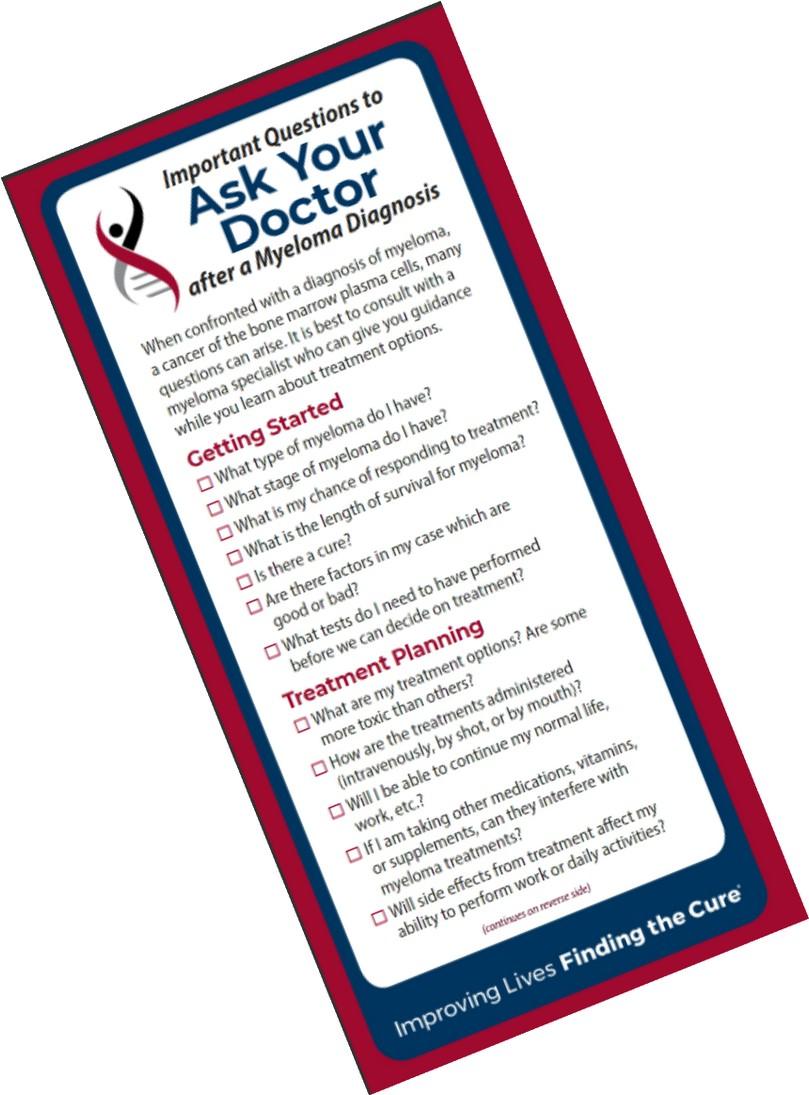
Ask questions (write them down in advance of visit)
• What are my treatment options?
• What are the pros and cons of each option? Efficacy? Side effects? Administration? Insurance nuances?
• Are there treatments that wouldn’t be a good option for me? Why?
Express your desire to participate in the treatment decisions
• I want to make sure the treatment we chose is the best option for me
• I want to be sure we are choosing the best therapy for my husband/wife
Ask for time (if needed/ appropriate)
• There is a lot to think about. Can I/we have some time to consider the options?
• Ask for information you can consider at home
• Note: if medical emergency/high risk, may not be appropriate
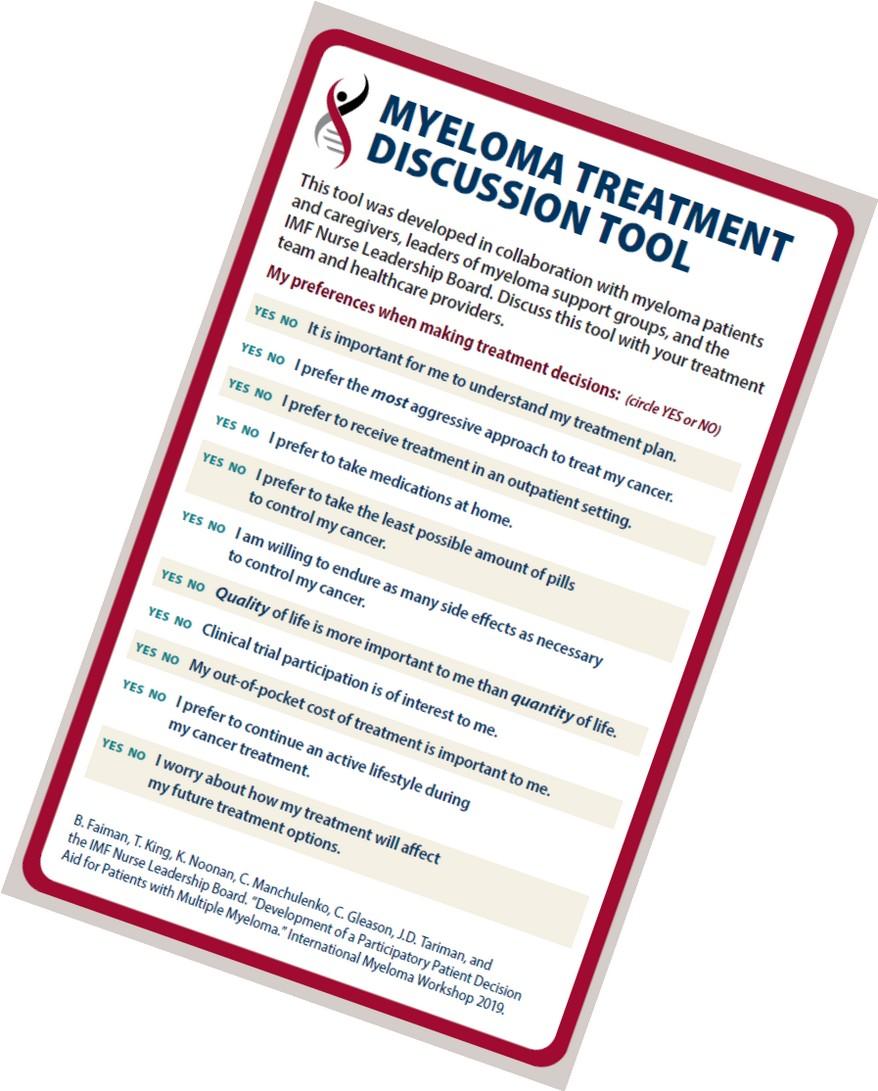
Starting Your Trek
Understand options; consider priorities
Express your goals/values/preferences; create a dialog
Arrive at a treatment decision together
• Use reliable sources of information like the IMF and “Myelo”
• Use caution when considering stories of personal experiences
• Consider your goals, values and preferences
• My top priority is [goal/value]; additional [preferences] are also important.
• I think [treatment] may be a good choice given my priorities… What do you think?
• What treatment would you recommend given my goals and priorities?

• Be empowered to be part of decision-making
• Stay informed, understand options
• Use reliable and current sources of information
• Use caution considering stories of personal experiences
• Consider your priorities
• Discuss with your care partner
• Consider your goals/values/preferences
• Be a part of the conversation, create a dialog
• Ask questions & Express your goals/values/preferences
• Ask for time to consider options, if needed
• Arrive at a treatment decision together

• Arrange follow up to review and adjust, if needed

High potential to progress to active MM in 2 years
• M-spike ≥ 2 g/dL
• Free light chain assay (involved/uninvolved ratio ≥ 20)
• Bone marrow ≥ 20% clonal plasma cells
FDA approved Nov2025
51% Reduction in risk of disease progression or death with Darzalex Faspro® treatment of high-risk SMM (compared with active monitoring)
DARZALEX FASPRO® as monotherapy is indicated for the treatment of adult patients with high-risk smoldering multiple myeloma
FDA = US Food and Drug Administration; MM = multiple myeloma; SMM = smoldering multiple myeloma

Dimopoulous MA, et al. N Engl J Med. 2024;394(18):1777-1788. doi: 10.1056/NEJMoa2409029. Mateos, MV, et al. Blood Cancer J. 2020;10:102. (2020). https://doi.org/10.1038/s41408-020-00366-3 Use
Consolidation
Initial treatments aimed at reducing the amount of myeloma cells
Intensification of treatment to deepen response. Either additional cycles of induction or autologous stem cell transplant (in eligible patients)
Prolonged lower-intensity treatment designed to sustain remission Maintenance
Your Trek
Quadruplet therapy is preferred for nearly all patients with newly diagnosed myeloma
1 2 3 4
Anti-CD38
Monoclonal Antibody (mAb)
• Darzalex (daratumumab)
• Sarclisa (isatuximab)
Proteosome Inhibitor (PI)
• Velcade (bortezomib)
Immunomodulatory Drug (IMiD)
• Revlimid (lenalidomide)
• Kyprolis (carfilzomib) Steroids
• Pomalyst (pomalidomide)
At infusion clinic: subcutaneous injection, on body device or infusion
Supportive medication:
• Decadron (dexamethasone)
• Prednisone
Oral medication taken at home
• Antiviral prophylaxis (i.e., acyclovir or valacyclovir) to prevent viral infections, particularly shingles.
• Antibacterial agents (i.e., Bactrim, levofloxacin) to prevent bacterial infections.
• Aspirin or other anticoagulant therapy to reduce the risk of blood clots from IMiDs.
• Bone-strengthening agents (i.e., zoledronic acid, denosumab) to strengthen bones and protect against fractures.
Steroids enhance the effectiveness of other myeloma therapies
Your provider may decrease or discontinue the dose as myeloma responds to therapy.
Do not stop or alter your dose of steroids without discussing it with your provider
• Irritability, mood swings, depression
• Difficulty sleeping (insomnia), fatigue
• Blurred vision, cataracts
• Increased risk of infections, heart disease
• Muscle weakness, cramping
• Increased blood pressure, water retention
• Flushing/sweating
• Stomach bloating, hiccups, heartburn, ulcers, or gas
• Weight gain, hair thinning/loss, skin rashes
• Increased blood sugar levels, diabetes
• Consistent schedule (AM vs. PM)
• Take with food
• Stomach discomfort: Overthe-counter or prescription medications
• Medications to prevent shingles, thrush, or other infections
Rajkumar SV, et al. Lancet Oncol 11(1):29–37. King T, Faiman B. Clin J Oncol Nurs. 2017;21(2):240-249. Banerjee,R. et al. Blood 9.25.24
Peripheral neuropathy happens when there is damage to nerves in the extremities (hands, feet, limbs). Damage can be the result of myeloma, treatment or unrelated conditions (i.e., diabetes).
Symptoms:
Numbness
Tingling
Prickling sensations
Sensitivity to touch
Burning and/or cold
sensation
Muscle weakness
Prevention / management:
Bortezomib once-weekly and/or subcutaneous administration
Massage area with cocoa butter regularly
Neuroprotective Supplements
• i.e., B-complex vitamins (B1, B6, B12)
Safe environment: rugs, furnishings, shoes
If neuropathy worsens, your provider may:
Adjust your treatment plan
Prescribe oral or topical pain medication
Suggest physical therapy
Starting Your Trek
HCPs may manage DVT/PE risk by
• Adjusting medications and schedules
Blood clots can cause swelling, pain, discoloration (DVT), shortness of breath, chest pain, sense of doom (PE). Blood clots are serious and can be life threatening.
• Prescribing blood-thinning medications according to assessed risk (DOAC, aspirin, warfarin, heparin)
• Balancing the risk of DVT and PE with that of bleeding with low platelets

Additional strategies to reduce risk of clots:
• Anti-embolism stockings (elastic stockings)
• Exercise regimen
• Moving frequently when sitting long periods
• Travel precautions (foot/leg exercises, walking, aspirin if not already on blood thinner)
You may be at risk:
• Family History • Obesity • Immobility • Smoking • Surgery
DOAC = direct oral anticoagulant; HCP = health care provider; DVT=deep vein thrombosis; PE=pulmonary embolism
Rome, S, et al. Clin J Oncol Nurs. 2008;12(3)suppl:37-52. Faiman B. Clin J Oncol Nurs. 2016;20(4):E100-E105. De Stefano, et al. Hematologica, 2022
ELGIBILITY
Your Trek
Location: Transplant Center P H A S E 1
Measuring treatment response
Testing for Eligibility
Insurance authorization Collecting stem cells
Duration: Approximately 2 weeks
P H A S E 2
TRANSPLANT
HD-Melphalan Stem cell infusion Supportive Care
• GI Management
• Transfusions
• Antibiotics
Hair Loss Engraftment
Duration: Approx. 3-4 weeks Location: Transplant Center
Location: HOME P H A S E 3
Restrengthening Appetite recovery
“Day 100” assessment
Begin maintenance therapy
Duration: Approximately 1012 weeks
Stem cell transplant after induction remains the standard of care for eligible patients
Fluid intake can help with both diarrhea and constipation and helps kidney function
Constipation is more common in the induction phase
Opioid pain relievers, antidepressants, heart or blood pressure medications (check with provider, pharmacist)
Supplements: Calcium, Iron, vitamin D (rarely), vitamin B-12 deficiency
Increase fiber
Stay well hydrated
Fruits, vegetables, high fiber whole grain foods
Fiber binding agents – Metamucil® ,
Citrucel®, Benefiber®
Anorexia, the inability to eat, is common during transplant and resolves with time.
• Hydration is most important
• Small, frequent meals with a focus on protein intake
• You will work closely with a dietician to help monitor your calorie intake
Diarrhea is common during transplant and long-term maintenance therapy.
Other medications and supplements can cause GI issues.
Hydration is very important
Electrolyte replacement is common
Good skin care will help prevent irritation
Stool exam may be needed to rule-out infection
If no infection, anti-diarrheal medication may be prescribed
Discuss GI issues with healthcare providers to identify causes and adjust medications and supplements

Myeloma Therapy
Common Combinations or Therapy Names
Belantamab mafodotina BVd, BPd, BKRd
Bortezomib (SQ admin)
Carfilzomib
Car T-cell
Daratumumab
Elotuzumab
VRd, Vd, VCd
KRd, Kd, Dara-Kd, Isa-Kd
Cilta-Cel®, Ide-Cel®
Dara-Rd, Dara-Vd, Dara-Pd, Dara-VMp, Dara-Kd, Dara-Tecvayli®
ERd, EPda
Isatuximab Isa-Pda, Isa-Kd
Ixazomib IRd
Lenalidomide
VRd, Rd, KRd, Dara-Rd, ERd, IRd
Pomalidomidea Pda, Dara-Pd, EPda, PCdc
Selinexor
Xd, XVd, XKdc, Dara-Xdc
T cell Engager (Bispecific)b Elrexfio®, Lynozyfic™, Talvey®, Tecvayli
New agents or regimens in clinical trials may be an option
Many therapy options are in the myeloma toolkit and more are being studied

a2 or more prior therapies. b4 or more prior therapies. cOff-label; not currently FDA-approved.
C = cyclophosphamide; d = dexamethasone; Dara = daratumumab; FDA = US Food and Drug Administration; E = elotuzumab; Isa = isatuximab; I = ixazomib; K = carfilzomib; M = melphalan; p = prednisone; P = pomalidomide;
R = lenalidomide; SQ = subcutaneous; V = bortezomib; X = selinexor.
NCCN Guidelines®. Multiple Myeloma V4.2026. Accessed December 22, 2025.
Relapsed MM after 4 prior LOT (or clinical trials)
Relapsed MM with 1-2 prior LOT
BCMA target: potential for infection
• Abecma® (ide-cel)
• Carvykti® (cilta-cel)
• (anito-cel – pending FDA approval)
TCE are innovative immunotherapies used in the treatment of relapsed multiple myeloma. These therapies work by redirecting the patient's own T-cells to recognize and attack myeloma cells.
Bridging therapy, if needed; Lymphodepleting therapy when CAR T cells are ready T Cell Infusion Close monitoring and Management of side effects 1 3 4 5 HOME! Apheresis to Collect T Cells T Cell Manufacturing 2a 2b
Bispecific antibodies
• About 7 in 10 patients respond
• Off-the-shelf treatment; no waiting for engineering cells
BCMA target: potential for infection
• Tecvayli® (teclistamab)
• Elrexfio® (elranatamab)
• Lynozyfic™ (linvoseltamab)
Cytotoxic cytokines

Bispecific antibody T cell MM cell
GPRC5D target: potential for skin and nail side effects, GI issues of taste change, anorexia and weight loss
• Talvey® (talquetamab)
FcRH5 target: new myeloma target
• (cevostamab - pending FDA approval)


Target CD3



BCMA = B-cell maturation antigen; CAR = chimeric antigen receptor; GPRC5D = G protein–coupled receptor, class C, group 5, member D; CAR = Chimeric Antigen Receptor; LOT = Lines of Therapy; MM = multiple myeloma.
Shah N, et al. Leukemia. 2020;34(4):985-1005.
CYTOKINE RELEASE SYNDROME (CRS) ICANS AND NEUROTOXICITY
• Fever
• Fatigue & Weakness
• Headache
• Nausea/Vomiting/Diarrhea
• Chills
• Low blood pressure
• Rapid heart rate
• Difficulty breathing
CRS is a common but typically mild & manageable side effect
PREVENTION AND MANAGEMENT of CRS
• Disease management to reduce tumor burden
• Bispecific Step-up Dosing (SUD)
• Tocilizumab
• Steroids
• Anti-Seizure medications
• Close monitoring
• Headache
• Difficulty concentrating
• Lethargy
• Agitation
• Hallucinations
• Tremors

• Confusion
• Memory loss
• Aphasia (difficulty with speech, reading, writing, or understanding language)
• Personality change
• Delayed Neurotoxicity can include Parkinsonism, Cranial Nerve Palsies and Peripheral Neuropathy/Guillan Barré syndrome (GBS)
CAR = chimeric antigen receptor. ICANS = Immune Effector Cell-Associated Neurotoxicity Syndrome
Brudno JN, Kochenderfer JN. Blood. 2016;127(26):3321-3330. Lee DW, et al. Biol Blood Marrow Transplant. 2019;25:625-638. Kumar, et al.
Blood (2024) 144 (Supplement 1): 4758.
Type of Infection Risk
Medication Recommendation(s) for Healthcare Team Consideration
Viral: Herpes Simplex (HSV/VZV); CMV Acyclovir prophylaxis
Bacterial: blood, pneumonia, and urinary tract infection
PJP (P. jirovecii pneumonia)
Fungal infections
COVID-19 and Influenza
IgG < 400 mg/dL (general infection risk)
ANC < 1000 cells/μL (general infection risk)
Consider prophylaxis with levofloxacin
Consider prophylaxis with trimethoprim-sulfamethoxazole (Bactrim)
Consider prophylaxis with fluconazole
Antiviral therapy if exposed or positive for covid per institution recommendations
IVIg recommended for patients receiving CAR T or TCE therapies
Consider G-CSF 2 or 3 times/wk (or as frequently as needed) to maintain ANC > 1000 cells/μL and maintain treatment dose intensity
Some people receiving BCMA-targeting therapies have experienced infections that are less common like CMV, PJP and fungal infections
ANC = absolute neutrophil count; BCMA = B-cell maturation antigen; CAR = chimeric antigen receptor; CMV, cytomegalovirus; GCSF = granulocyte colony-stimulating factor; HSV = herpes simplex virus; IVIg = intravenous immunoglobulin;
PJP = Pneumocystis jirovecii pneumonia; VZV = varicella zoster virus. Raje NS, et al. Lancet Haematol.2022;9(2):143–161.
Changing Course
Xerostomia
OTC dry mouth rinse, gel, spray are recommended. Avoid hot beverages. Anti-fungal therapy for oral thrush.
Dysgeusi a Dexamethasone oral solutions “swish and spit” may provide benefit. Sour citrus or candies before meals are also recommended.
Dysphagia
= Dry Mouth = Difficulty Swallowing = Taste Change
Dental Care
Attention to oral hygiene. Regular dental cleaning and evaluation. Close monitoring for ONJ, oral cancer and dental caries
Dietary modifications with small bites, eating upright, and sips with food can help manage symptoms
Weight Monitoring
Some medications lead to weight gain, others to weight loss. Meet with a nutritionist
Consider diet changes, supplements
Work closely with your entire health care team to manage oral side effects.
ONJ = Osteonecrosis of the Jaw; OTC = Over The Counter
Possible side effect to some treatments and supportive care medications

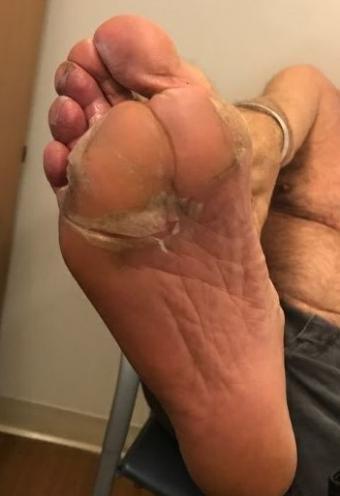
Skin Rash
Prevent dry skin; apply lotion
Report changes to your care team
Medication interruption or alternative, as needed
Steroids:
• Topical for grades 1-2,
• Systemic and topical for Grade 3
Anti-histamines, as needed

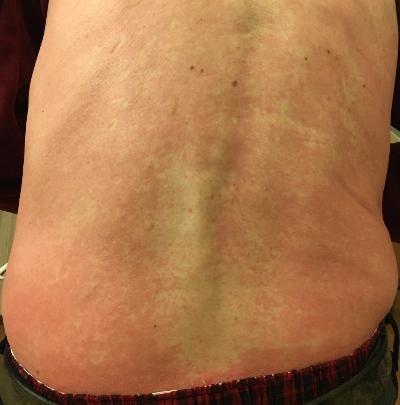
Nail Changes
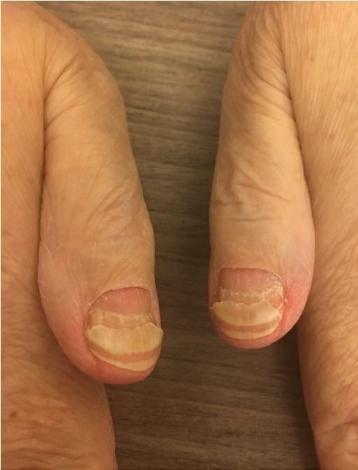

Keep your nails short and clean.
Watch for “catching and tearing”
Apply a heavy moisturizer like Vaseline or salve. Wear cotton hand coverings to bed
A nail hardener may help with thinning
Tell the team if you have signs of a fungal infection, like thickened or discolored nails
Symptoms are under-reported:
“I mentioned it before. Nothing can be done.”
“I don’t want to be put on another medication.”
Fatigue is the most reported symptom. Sources include anemia, pain, reduced activity, insomnia, treatment toxicity, bone marrow suppression. Symptoms can improve with continued physical activity

• Mental health / social engagement
• Stress reduction; relaxation
• Sufficient Sleep
Recommended Health Screenings
Blood pressure
Cholesterol
Cardiovascular disease
• Maintain a healthy weight; eat nutritiously
• Activity / exercise / prevent falls, injury
• Stop smoking
• Sexual health / intimacy
• Complementary or alternative therapy
• Socializing, Staying connected
Have a PCP for general check ups, preventative care, health screenings, vaccinations
Have specialists for dental care, eye exams/screening, skin cancer screening
Colonoscopy
Dental checkups & cleaning Dermatologic evaluation
Diabetes
Hepatitis
Hearing
Vision Women specific: mammogram, pap smear Men specific: prostate
Faiman B, et al. CJON. 2017;21(5)suppl:19-36. Dimopoulous M, et al. Leukemia. 2009;23(9):1545-56.
Brigle K, et al. CJON. 2017;21(5)suppl:60-76. Faiman B, et al. CJON. 2017;21(5)suppl:19-36. Faiman B, et al. CJON. 2011;15suppl:66-76. Miceli TS, et al. CJON. 2011;15(4)suppl:9-23.
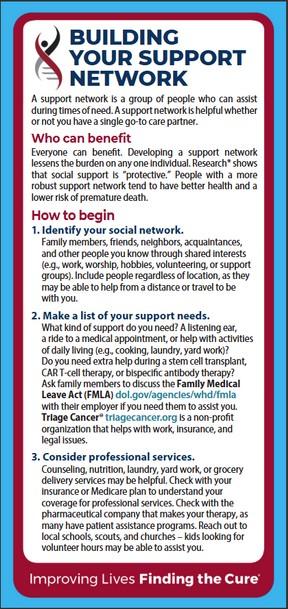
Multiple studies demonstrate that strong social ties are associated with
• Increased longevity, including people with cancer
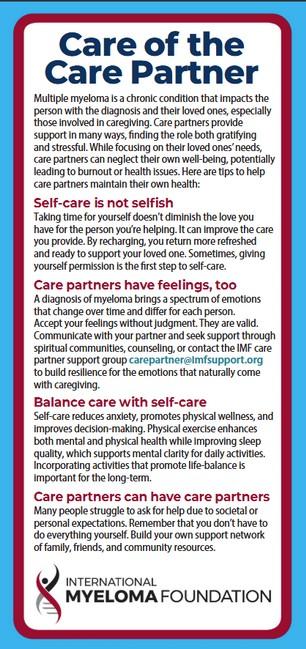
Caring for the care partner
• Recognize that caregiving is difficult and stressful
• Improved adherence to medical treatment leading to improved health outcomes
• Lower risk of cardiovascular diseases
• Increased sense of purpose & life satisfaction
• Improved mood and happiness
• Reduced stress and anxiety
• Enhanced resilience
Care partners may help with medical appointments, managing medication, daily living, physical assistance, emotional support, myeloma knowledge, healthy lifestyle, patient advocacy, financial decisions
Care partners can be a spouse, close relative, a network of people (family, friends, neighbors, church members, etc)
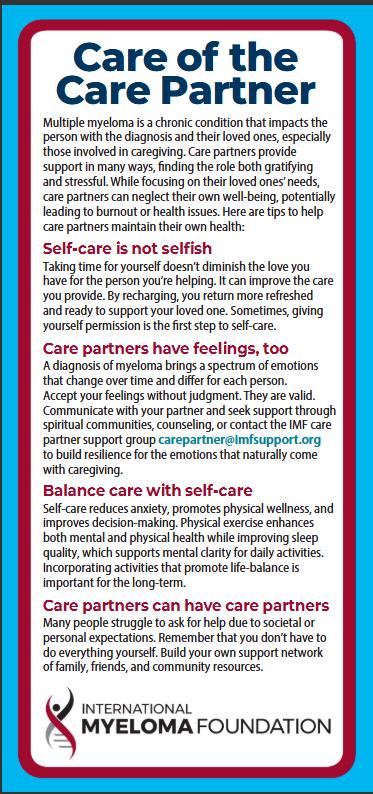
• Encourage care partners to maintain their health, interests, and friendships
• The IMF has information and resources to help care partners
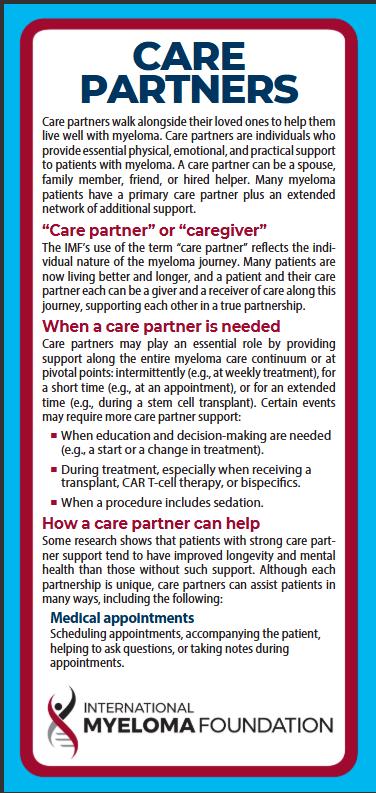
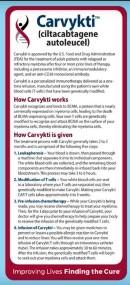
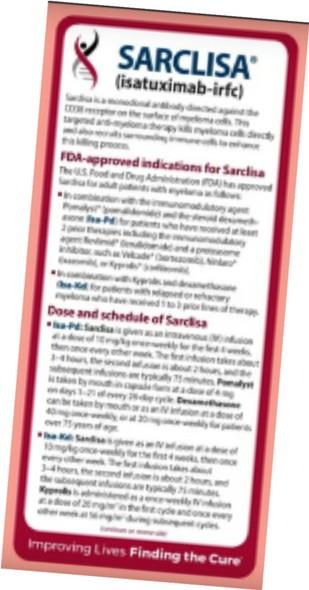
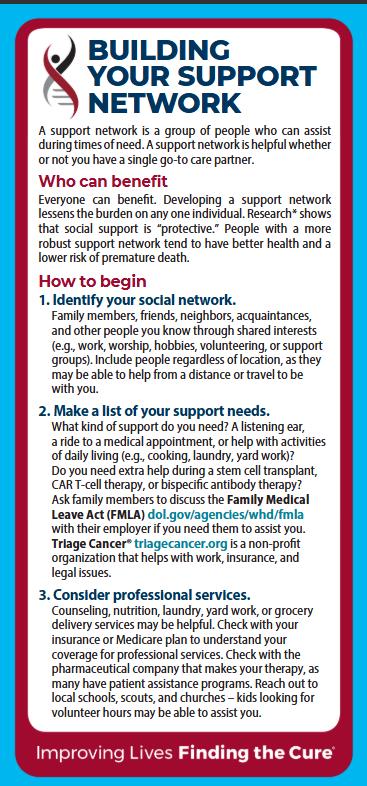
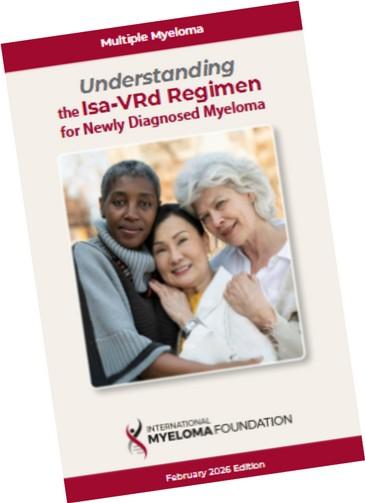
Tip Cards











“THANK YOU!”

Joseph Mikhael, MD, MEd, FRCPC, FACP, FASCO IMF Medical Advisor
Health disparities are preventable differences in the burden of disease, injury, violence, or opportunities to achieve optimal health that are experienced by socially disadvantaged populations
- Centers for Disease Control (CDC)
Health equity generally refers to individuals achieving their highest level of health through the elimination of disparities in health and health care
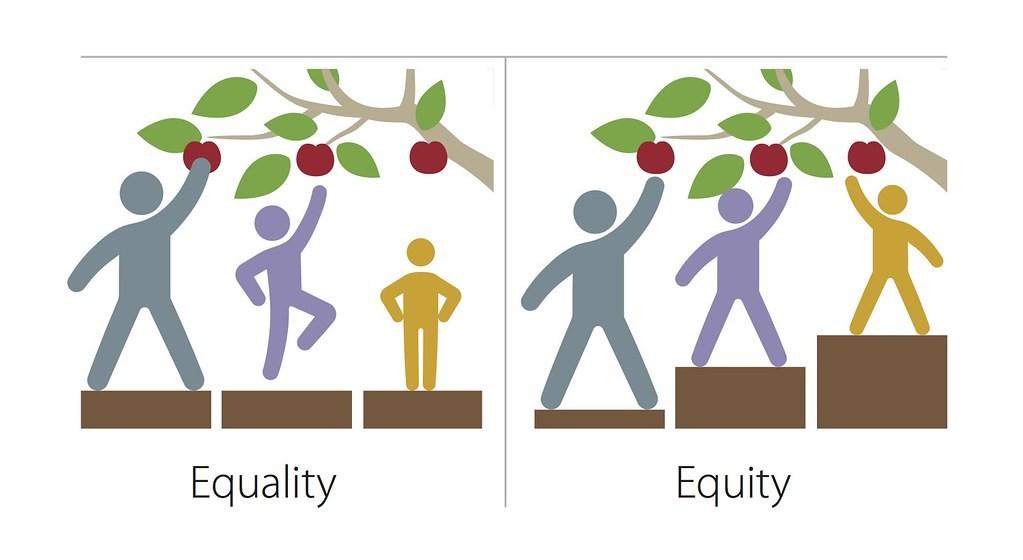




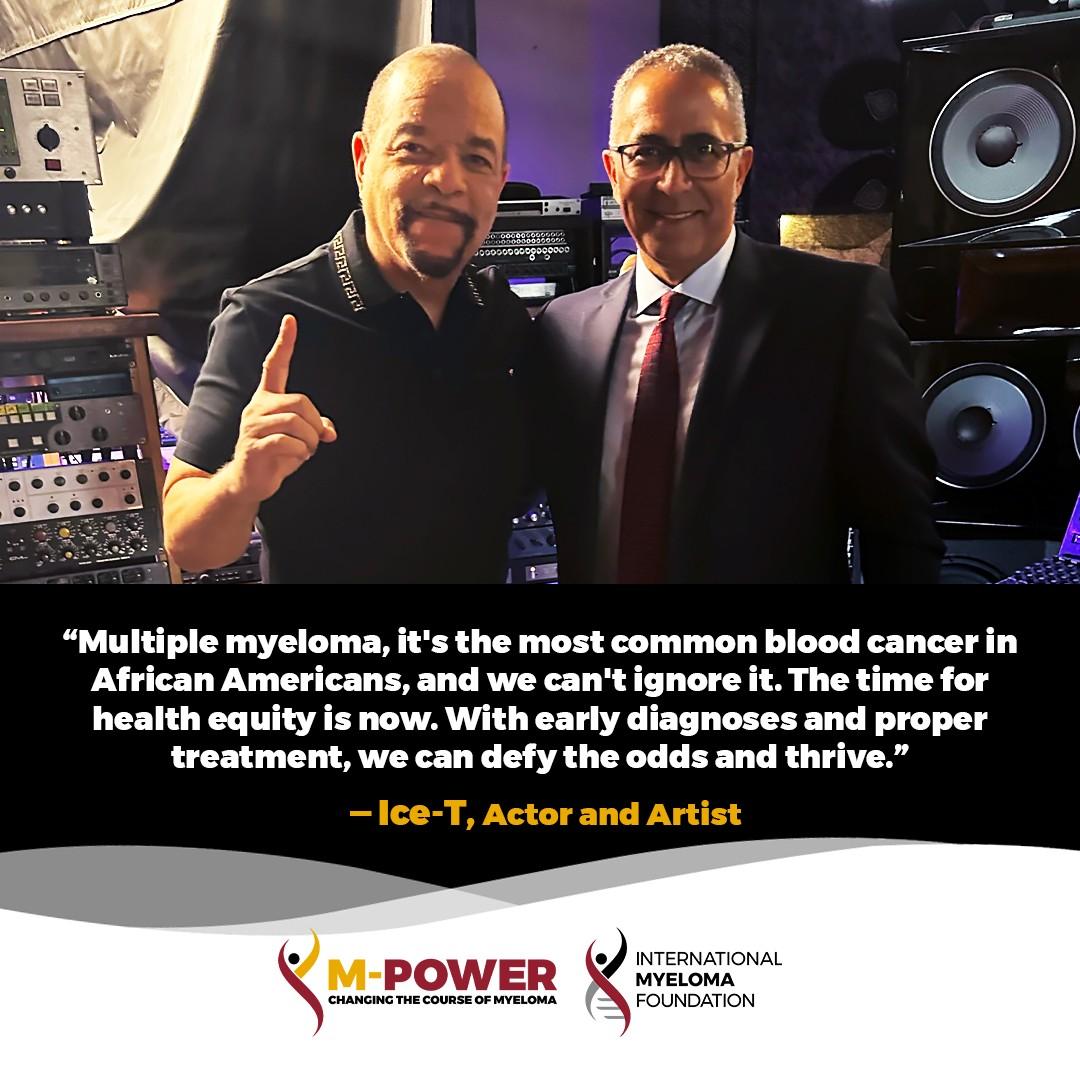
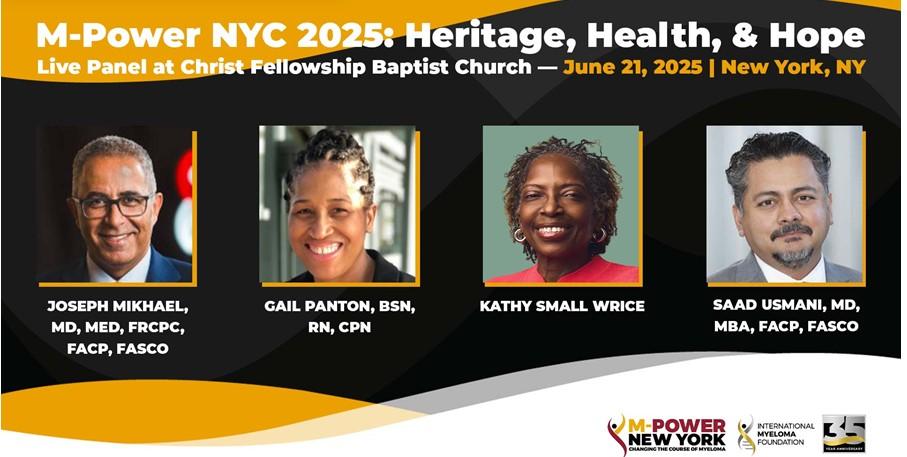
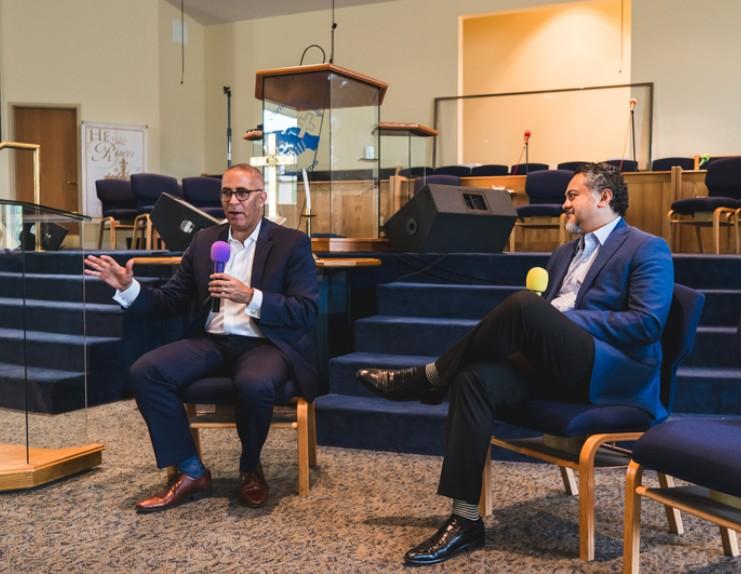
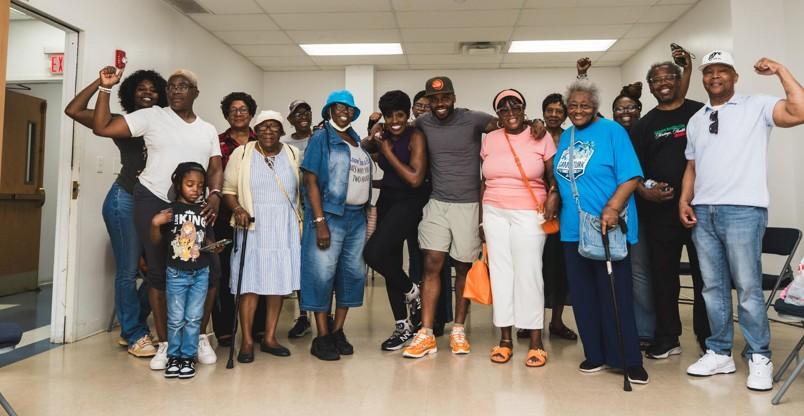
The core vision of this initiative is to improve the short- and long-term outcomes for African American patients with myeloma.
We want to empower patients and communities to change the course of myeloma…
Enhance access to optimal care by educating myeloma providers about the disparity and how to reduce it
Engage the community to increase awareness and provide support
Shorten the time to diagnosis by educating primary care providers to recognize the disease and order the right tests






Kyle RA. Mayo Clin Proc. 2003;78:21-33.


Other Physician
Emergency Care
Hematologist
Oncologist
Primary Care/ Internal Medicine
Nephrologist
Orthopedic
Rheumatologi st Neurologist
Typical diagnostic intervals1
Hematology/Oncology: < 3 months
Primary Care: > 6 months
The average patient will see their PCP THREE times with signs and symptoms of MM before the diagnosis is suspected!2
1. Kariyawasan CC, et al. QJM. 2007;100:635-640. 2. Hossain M, et al. An in depth analysis of factors contributing to diagnostic delay in myeloma: a retrospective UK study of patients journey from primary care to specialist secondary care. Blood. 2021;138(suppl 1):3007.
Our goal is to reduce DELAYS in diagnosis among African Americans by educating the primary care community with a focus on:
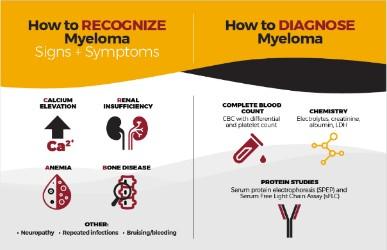
• Recognizing the signs and symptoms of myeloma
• Discriminating myeloma from other diagnoses such as diabetes
• Capturing an accurate diagnosis through proper use of testing
• Providing referral guidelines for Hematology and Oncology

• Grand Rounds

8,000
• Postcards mailed to 6,000+ PCPs in target cities
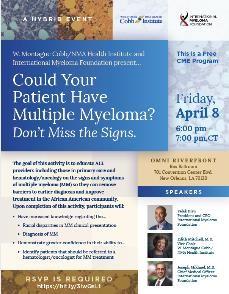
• Free PCP CME course “Don’t Miss Myeloma”
• Cobb Institute talk

• Talk at NMA Annual Meeting Dinner Meetings Articles and pending publications


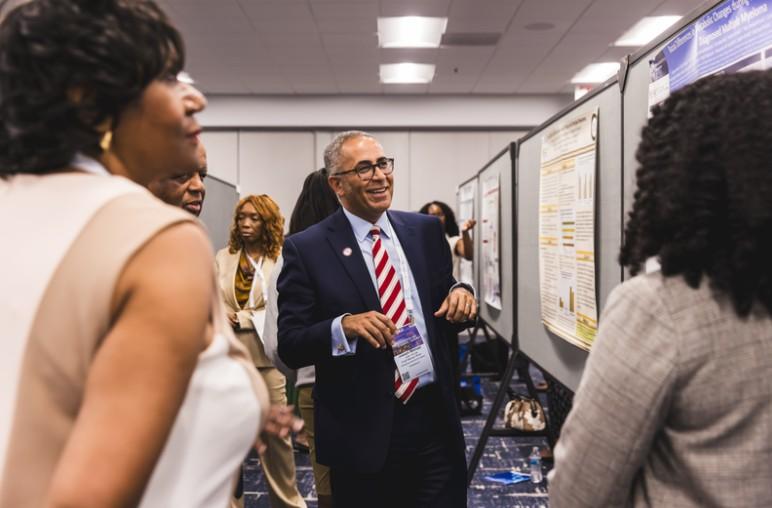
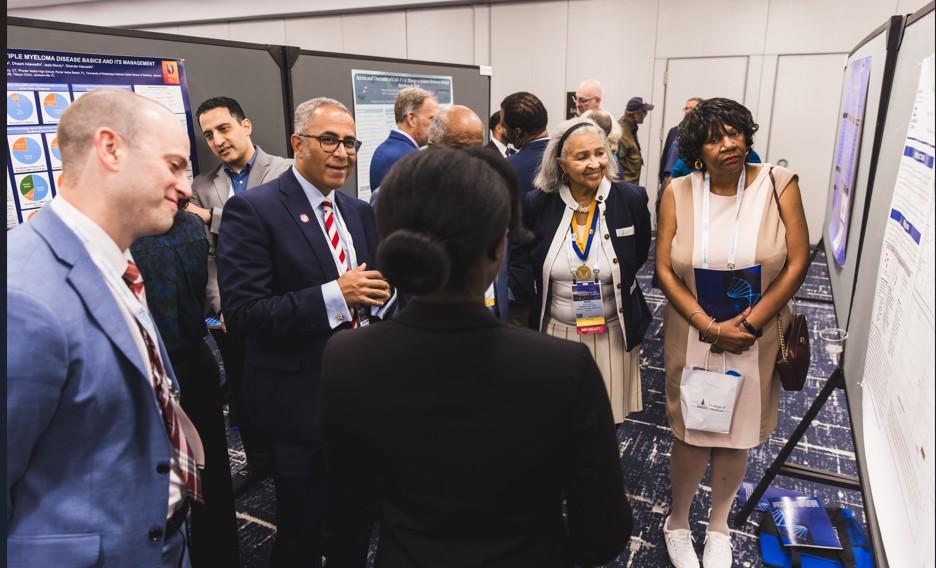
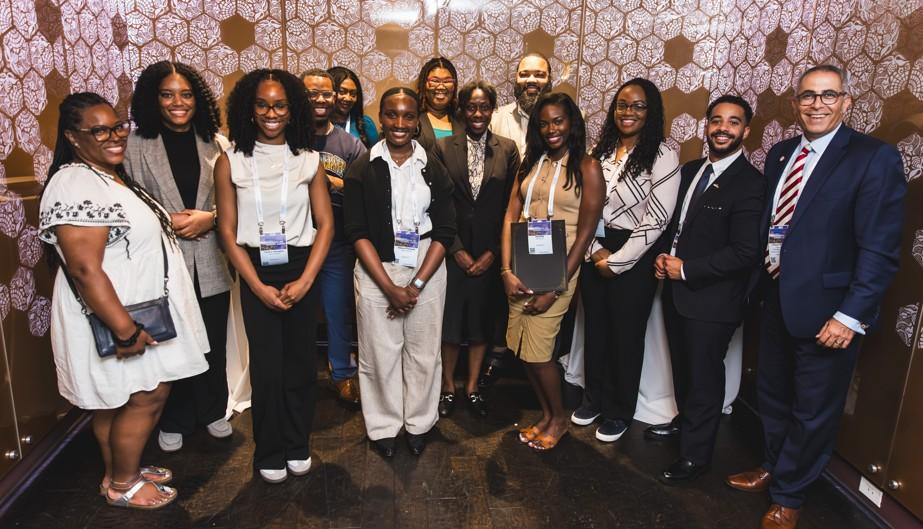
• 11 1st through 3rd year medical students from all over the country met in Chicago on July 21st at the NMA Annual Convention and Scientific Assembly
• Presented posters, they worked on with a multiple myeloma experts immediately following the Jane Cooke Wright Symposium
• 2 students delivered oral presentations at a NMA session



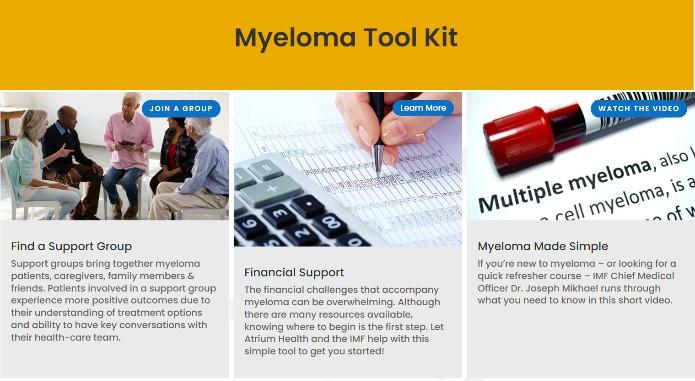
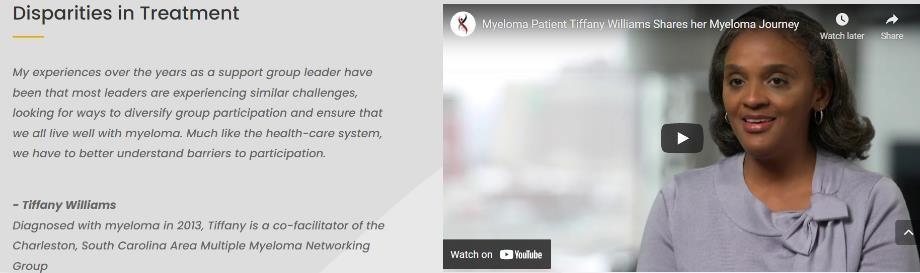
Over 750,000 visits to M-Power site!



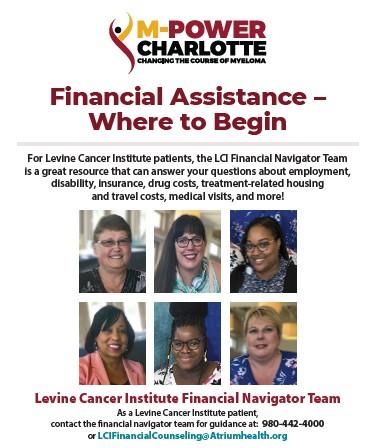

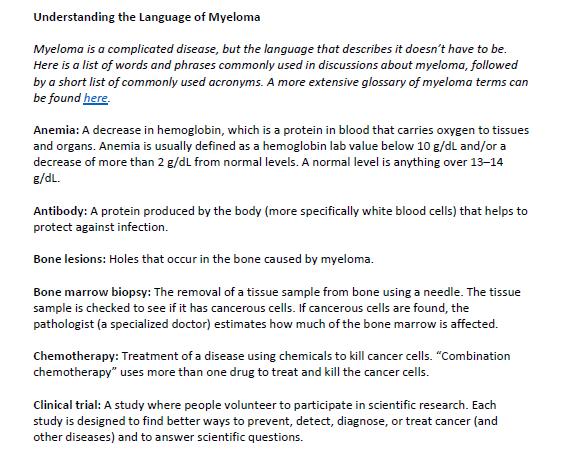
Objective: To promote trust and educate patients regarding clinical trials, particularly those from populations underserved by clinical trials, laying the groundwork for potential future trial participation
1.Identify Myeloma Patients who have been on a trial from historically underrepresented groups
2.Diversity in Clinical Trials Academy
• The patients and partners attended an in-person training on the ABCs of Clinical Trials, unconscious bias, reasons for participation in trials, limitations of trials, informed consent, and how to effectively relate their personal stories.
• They were recorded sharing their stories and their interaction with clinical trials

3.Rollout of the program
This will be incorporated into IMF in-person meetings, videos, the IMF website, articles, podcasts, social media campaigns, and support group curricula
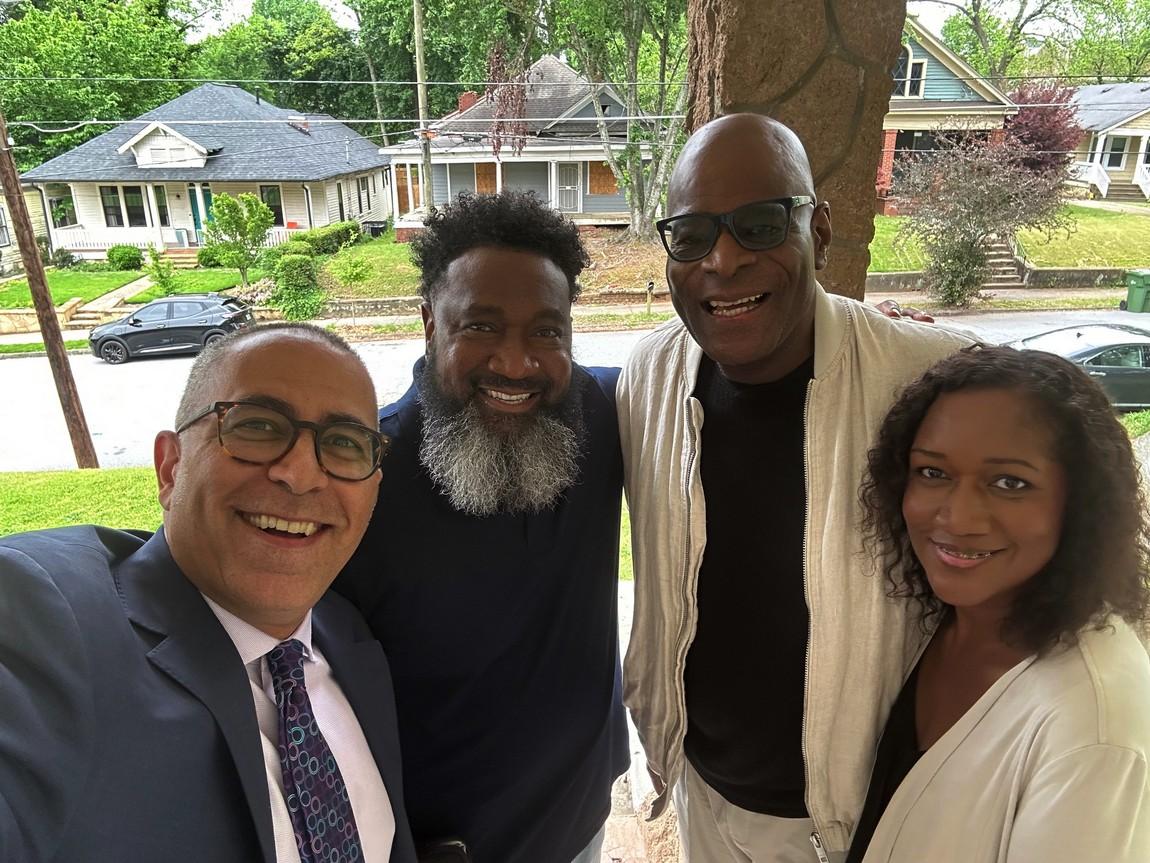
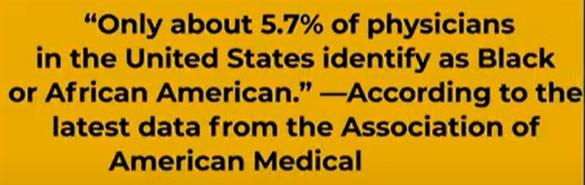
• Health disparities are sadly prevalent across all diseases, but particularly in multiple myeloma in the Black community
• KNOW the signs/symptoms of myeloma – Fatigue, Pain and Anemia
• If you know someone with myeloma, we are here for you!
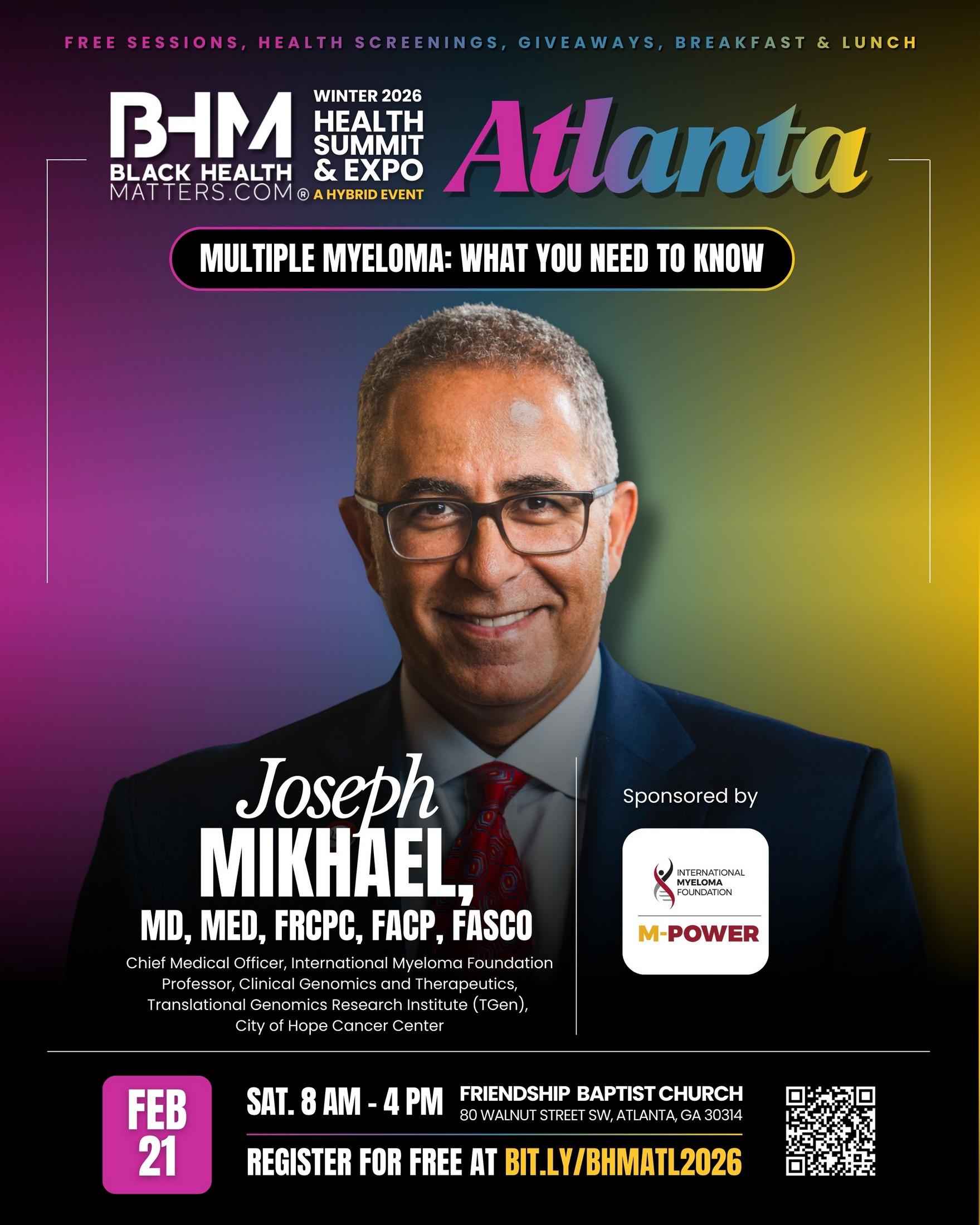
• The IMF’s M-Power is designed to reduce the inequity by ENGAGING the community, EDUCATING primary care providers and ENHANCING the care of patients with myeloma...

•Be more conscious of the topics of health equity
•Evaluate the opportunities in your experience to reduce disparities
•Support the M-Power movement!


PLEASE HEAD TO YOUR SELECTED BREAKOUT SESSION:
BREAKOUT A: PATIENTS ONLY – LESSONS LEARNED
Please remain in this room
BREAKOUT B: CARE PARTNERS ONLY
Please move to the Severance Room (4th floor)
Ohio State University Comprehensive Cancer Center, Columbus, OH
Cleveland Clinic, Cleveland, OH
Cleveland Clinic, Cleveland, OH
• Slides from Friday & Saturday Programming
• Evaluations for Friday & Saturday Programming
• SparkCures Search Engine specific for the Ohio region
• Ways to Give
OUR MISSION:
Improving the quality of life of myeloma patients while working toward prevention and a cure.
OUR VISION:
A world where every myeloma patient can live life to the fullest, unburdened by the disease.