WELCOME TO THE CLEVELAND PATIENT
& FAMILY SEMINAR

FRIDAY, MAY 1, 2026
HEATHER COOPER ORTNER
PRESIDENT & CEO








FRIDAY, MAY 1, 2026
HEATHER COOPER ORTNER
PRESIDENT & CEO
• Slides from Friday & Saturday Programming

• Evaluations for Friday & Saturday Programming
• SparkCures Search Engine specific for the Ohio region
• Ways to Give
1:00 – 1:15PM Welcome
1:15 – 1:30PM Hot Topics in Myeloma
1:30 – 2:15PM Myeloma 101: The Big Picture Perspective
2:15 – 2:45PM The Unseen Impact of Myeloma: Taking Care of your Emotional Health
2:45 – 3:00PM BREAK
3:00 – 3:40PM Navigating Insurance & Medical Bills
3:40 – 3:55PM Advocacy Update
3:55 – 4:25PM Myeloma 202: Immunotherapy Made Simple
4:25 – 4:40PM Understanding Clinical Trials
4:40 – 5:10 PM Q&A with Guest Panel
5:10 – 5:15PM Announcements & Evaluation Completion
5:15 – 6:15PM Welcome Reception & Networking
Improving the quality of life of myeloma patients while working toward prevention & a cure
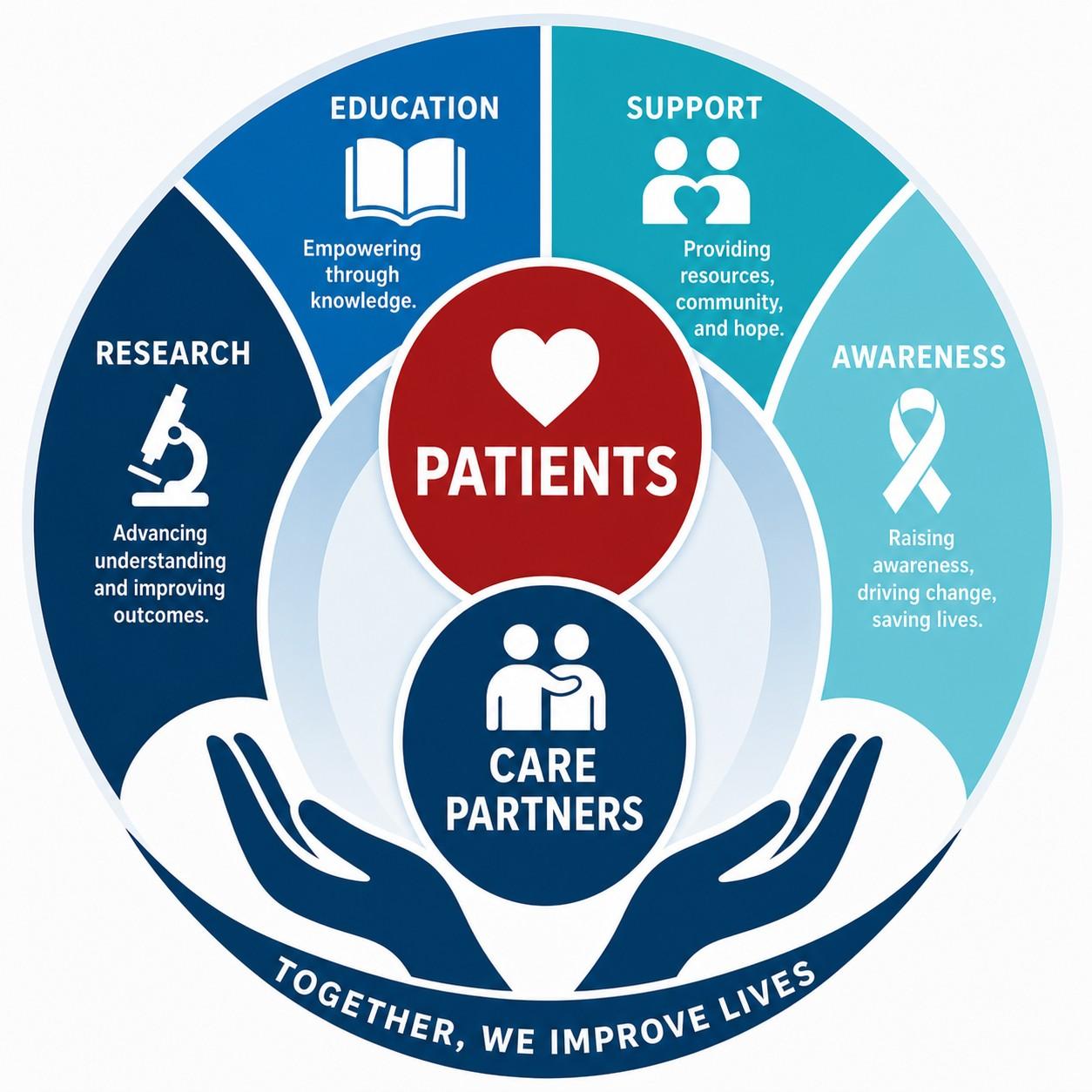
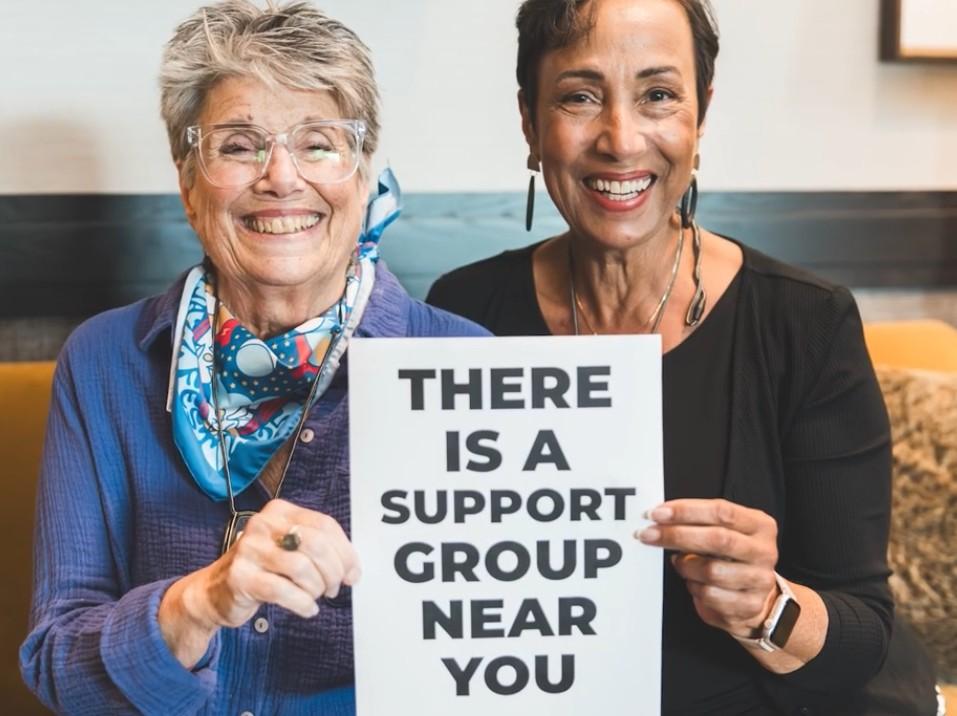
Support Groups empower patients & care partners with information, insight & hope
The IMF provides educational support to a network of over 155 myeloma specific groups and over 200 Group Visits/Year


Robin Tuohy Vice President, Patient Support
Jenn Wieworka Director, Support Groups



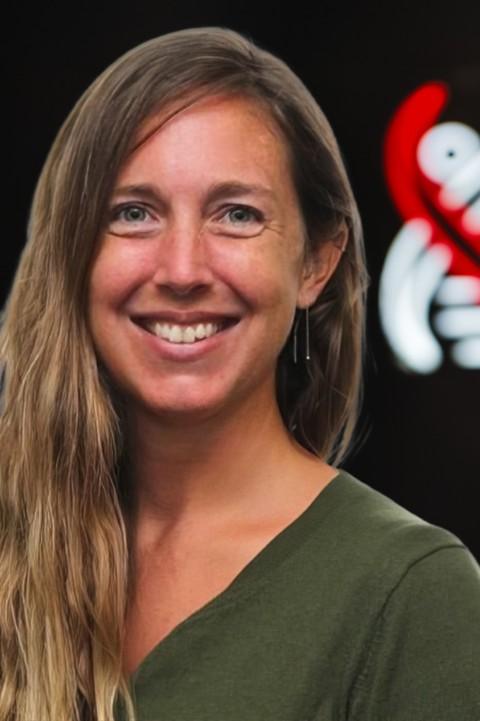
Becky Bosley Director, Support Groups Yara William Associate Director, Support Groups Katie Atkins Associate Director, Support Groups
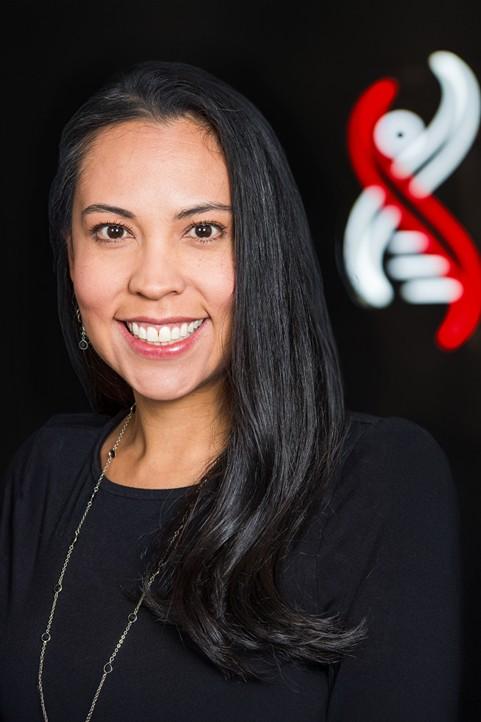
Cecilia Romero Project & Technology Manager, Support Groups
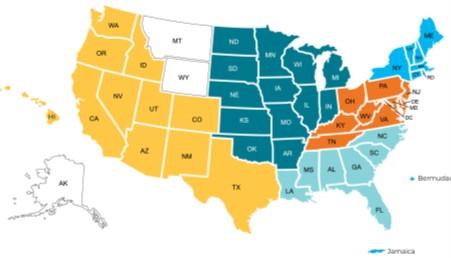
• Cleveland, OH
• Cincinnati, OH
• Columbus, OH
• Youngstown, OH
• Canton, OH
• Cleveland Clinic
• Pittsburgh, PA
MM Families
For patients & care partners with young children
Living Solo & Strong
For patients without a care partner
Veterans SIG
For those who served our country MM in the Middle
For those diagnosed before age 50
MM in the Middle
For those diagnosed before age 50
Care Partners Only
For myeloma care partners only
For smoldering myeloma patients & care partners
Living with High-Risk Multiple Myeloma
For high-risk myeloma patients & care partners

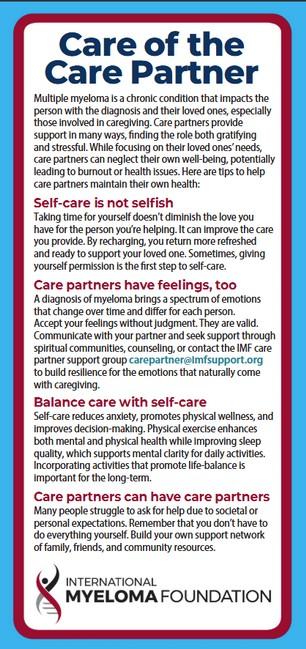
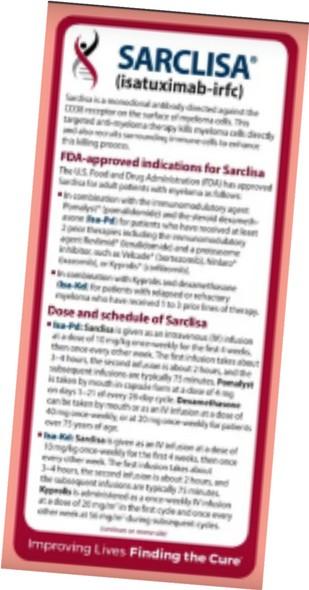
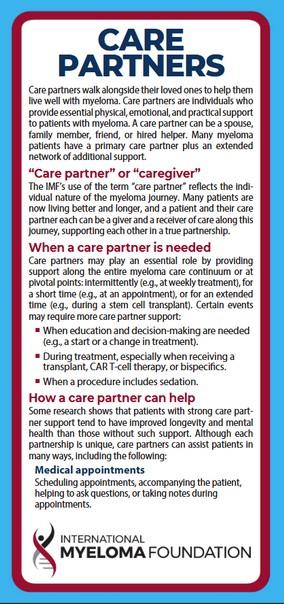
• Boca Raton, FL – March 13 – 14
• Cleveland, OH – May 1 – 2
• Los Angeles, CA – August 14 – 15
• Short Hills, NJ – October 2 – 3
• Kansas City, MO – March 28
• Virtual – April 20 – Newly Diagnosed
• Minneapolis, MN – April 25
• Detroit, MI – June 27
• Salt Lake City, UT – August 1 • Virtual – August 24 - Relapsed
Portland, OR – September 19
San Diego, CA – October 24
Phoenix, AZ – November 14
Virtual – November 16


11.8 K Mentions

60M Reach

346.5K Interactions


Joseph Mikhael, MD, MEd, FRCPC, FACP, FASCO
IMF Medical Advisor
Joseph Mikhael, MD, MEd, FRCPC, FACP, FASCO, IMF Medical Advisor

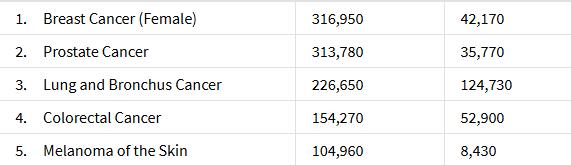
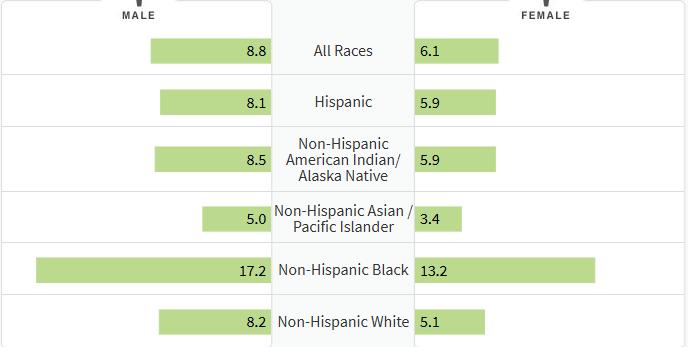
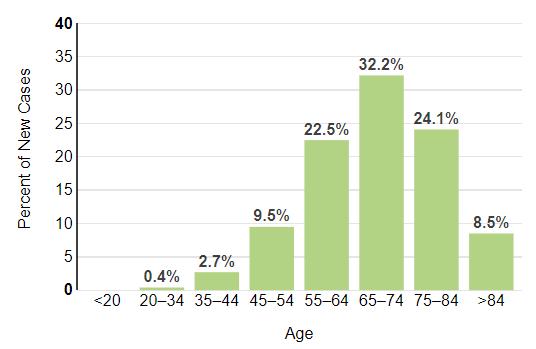
How common is Myeloma?





Percent of New Cases by Age
Environmental Factors:
• Exposure to some chemicals
• Radiation exposure
Examples:
Agent Orange
Burn pits
Pesticides, Herbicides
Firefighter/First Responder exposures
Individual Factors:
• Age
• Family History of related disorders
• Personal History of MGUS or SMM
• Obesity
VA Study Documents Health Risks for Burn Pit Exposures
Leukemia and Multiple Myeloma Set to Be Added to List of Conditions Linked to Burn Pits
In most cases, the honest truth
WE DON’T KNOW

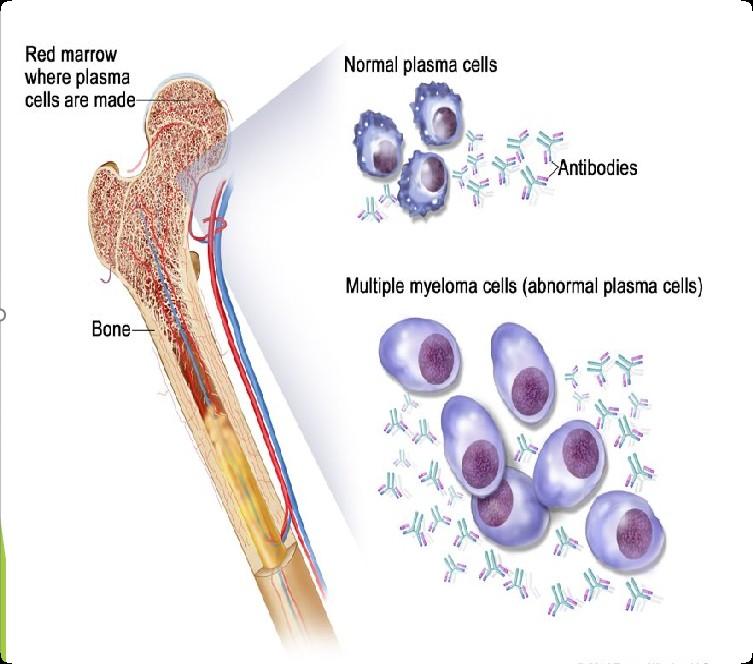
Hematopoietic stem cell
Red Blood Cells Carry Oxygen White Blood cell Fight Infection Platelets Prevent Bleeding






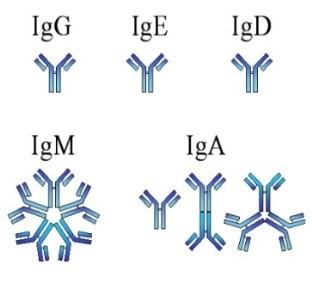
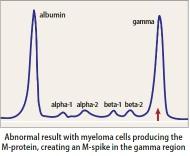

Heavy Chain = M-Spike

65% IgG – most common
20% IgA – associated with AL Amyloid
5% to 10% light chain-only (kappa, lambda)
Less common: IgD, IgE, IgM
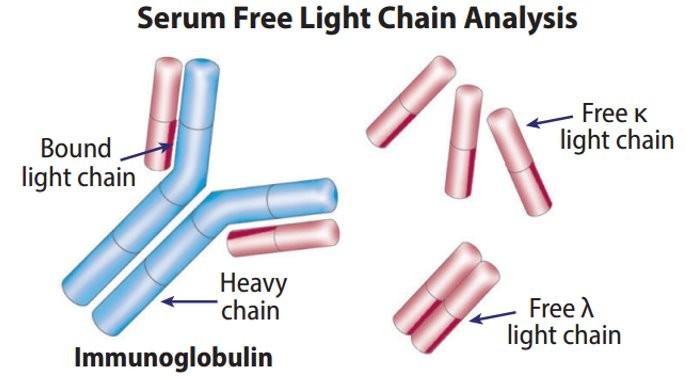

• AL-Amyloid
• POEMS
• Light or Heavy Chain Deposition Disease
• MGCS = Clinical
• MGRS = Renal
Condition MGUS1-4 (Monoclonal Gammopathy of Undetermined Significance)
1-5,8 (Smoldering Multiple Myeloma)
• MGNS = Neuro * In clinical trial

Test Name
What it means

CBC + differential
Complete metabolic panel
Beta-2 Microglobulin (B2M)
Lactate Dehydrogenase (LDH)
Serum Immunofixation and Protein electrophoresis (SPEP+IFE)
Immunoglobulins (G, A, M, D, E)
Free light chain assay with kappa/lambda ratio
Urine immunofixation & protein electrophoresis (UPEP+IFE)
Hemoglobin, WBC, Platelets
Creatinine, Calcium, Albumin, Liver function
Part of staging and risk stratification
Measures the level of normal and clonal protein
Identifies the type of clonal protein
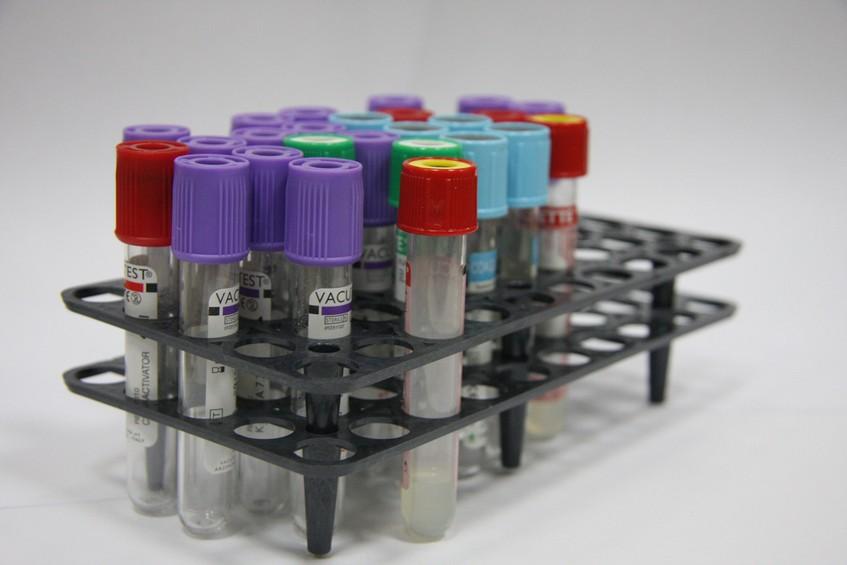
Measures the level of normal and clonal protein
Identifies the type of clonal protein

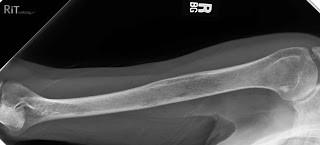
Imaging:
– Skeletal survey: Series of X-rays; less sensitive than other techniques
– Whole body low dose (CTWB-LD CT )
– Positron Emission Tomography (PET/CT)
– Magnetic Resonance Imaging (MRI)
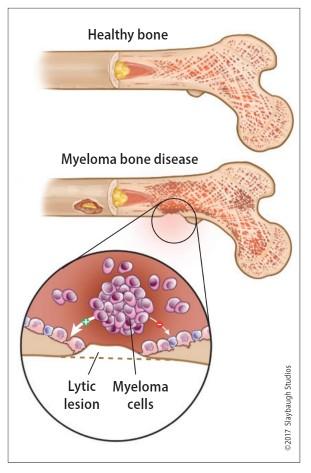
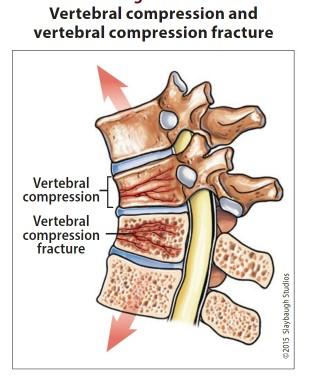
Healthy bone versus myeloma bone disease
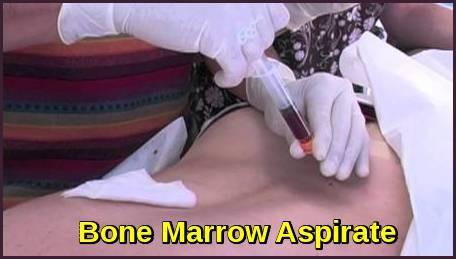
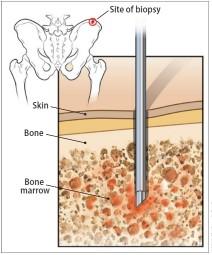
Bone marrow biopsy & aspirate
• Bone marrow plasma cells (%)
• Congo Red staining if concern for
Bone marrow genetics
• Cytogenetics
• Fluorescence in situ hybridization (FISH)
• Next generation sequencing (NGS)

(p53del)
*15-20% of people with NDMM

Initial Therapy (a.k.a. Frontline, Induction) Quad Therapy (ex. CD38+ MoAb + VRd)
Cell

(thalidomide)
(lenalidomide)
(pomalidomide)
(daratumumab) Sarclisa (isatuximab)
(elotuzumab)

Peptide Drug Conjugate* Pepaxto (Melphalan Flufenamide) Melflufen
BCMA Targeted Antibody Drug Conjugate (ADC)
Blenrep (belantamab mafodotinblmf) Bela, Belamaf, or B
Abecma (idecabtagene vicleucel) Ide-cel
CAR T Cell therapy
Bispecific Antibodies
Pipeline
Carvykti (ciltacabtagene vicleucel) Cilta-cel
Tecvayli (teclistimab)
Talvey (Talquetamab)
Elrexfio (Elranatamab)
Lynozyfic (Linvoseltamab
Tec Talq Elra Linvo
Cevostamab, Iberdomide, Mezigdomide, Anito-cel, Venetoclax
AZD0120, Etentamig, KLN-1010, Trispecifics …………………………… MORE TO COME!
* This agents is currently off the market in the US but available through special programs
SC or SQ = Subcutaneous, Under the skin; IV = Intravenous









Negative by next generation flow (NGF) (minimum sensitivity 1 in 10-5 nucleated cells or higher)*
mCR AND normal Free Light Chain ratio, Bone Marrow negative by flow,
2 measures
CR AND negative PCR
Complete Response: Negative immunofixation (IFE); no more than 5% plasma cells in BM; 2 measures
Very Good Partial Response: 90% reduction in myeloma protein
Partial Response: at least 50% reduction in myeloma protein
Minimal Response
Stable Disease: Not meeting above criteria
Progressive Disease: At least 25% increase in identified myeloma protein from lowest level
MRD = Minimal Residual Disease
sCR = Stringent Complete Response; BM = Bone Marrow
• Not every relapse requires immediate therapy
• Each case is different
Symptomatic or extramedullary disease
Asymptomatic high-risk disease or rapid doubling time or extensive marrow involvement
Initiate Treatment
Asymptomatic biochemical relapse on 2 consecutive assessments
Consider Observation Monitor Carefully Consider Treatment Patient-/Disease-Specific Monitor Carefully

Bi-Specific Antibodies
Talvey (Talquetamab) CAR-T





Antibody Drug
Empliciti (Elotuzumab)
Bi-Specific Antibodies
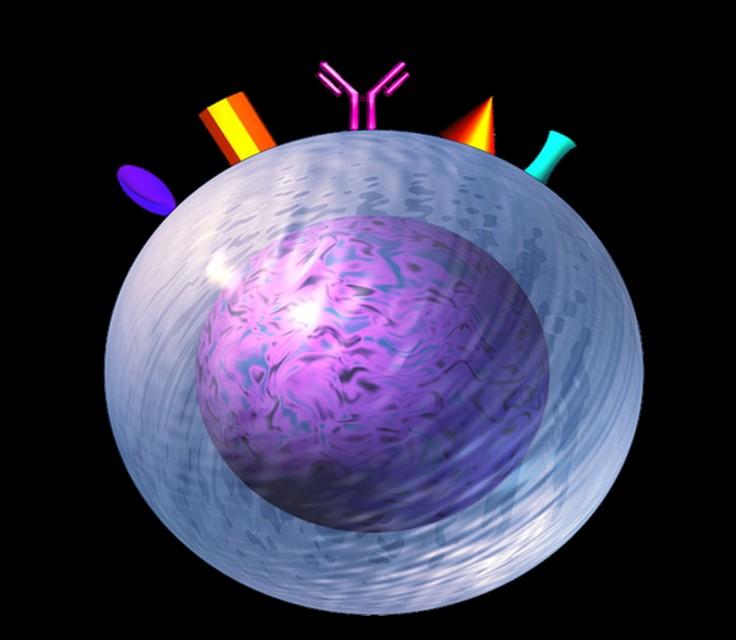

Bi-Specific Antibodies
CAR-T


Monoclonal Antibodies
Daratumumab and Darzalex Faspro Sarclisa (Isatuximab) TAK-079 MOR202
Immune Therapies
Abecma (Ide-cel CAR-T)
Carvykti (Cilta-cel CAR-T)
Tecvayli (Teclistamab)
Elrexfio (Elranatamab)


Lynozyfic (Linvoseltamab)
Other CAR-Ts
Other Bi-Specific Antibodies

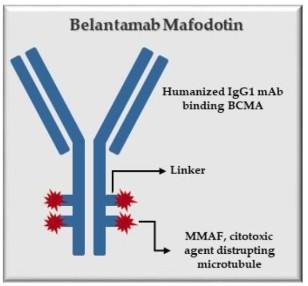

How it works:
An antibody directed at a target (BCMA) combined with a cytotoxic agent (chemotherapy)
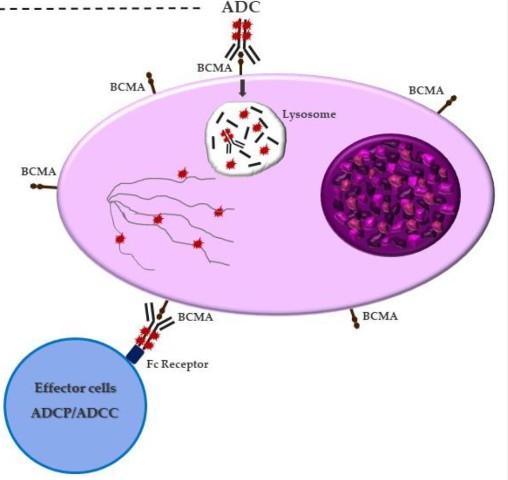
ADC = Antibody-Drug Conjugate
BCMA = B-Cell Maturation Antigen
ADCP/ADCC = Antibody-Dependent Cellular Cytotoxicity & Phagocytosis
• Incorporates 2 antibody fragments to target and bind both tumor cells and T cells
• Brings target-expressing MM cells and T cells into close proximity, enabling T cells to induce tumor-cell death
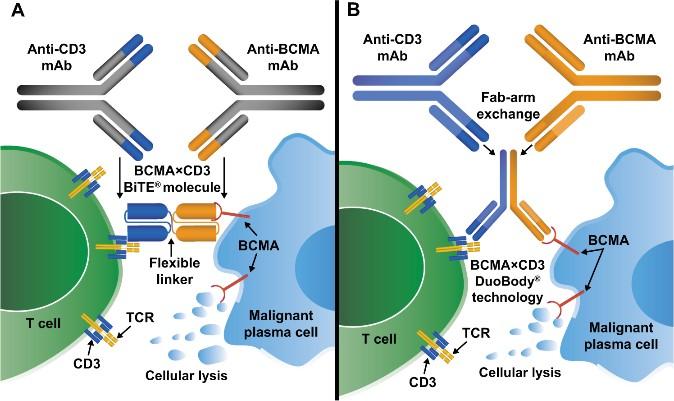

Targets of Bispecific Molecule Vary
“Off the Shelf” Advantage
• No manufacturing process, unlike CAR T-cell therapy (but like ADC/belantamab therapy)
• Thus, no delay between decision to treat and administration of drug
ADC = Antibody-Drug Conjugate; BCMA = B-Cell Maturation Antigen; CD3 = Cluster of Differentiation 3; FcRH5 = Fc receptor-homolog 5; GPRC5D = G-protein coupled receptor family C group 5 member D
Image Source: Shah N, et al. Leukemia. 2020;34:985–1005. Creative Commons License:
CAR T therapy recommended. Insurance approved and ready to move forward.




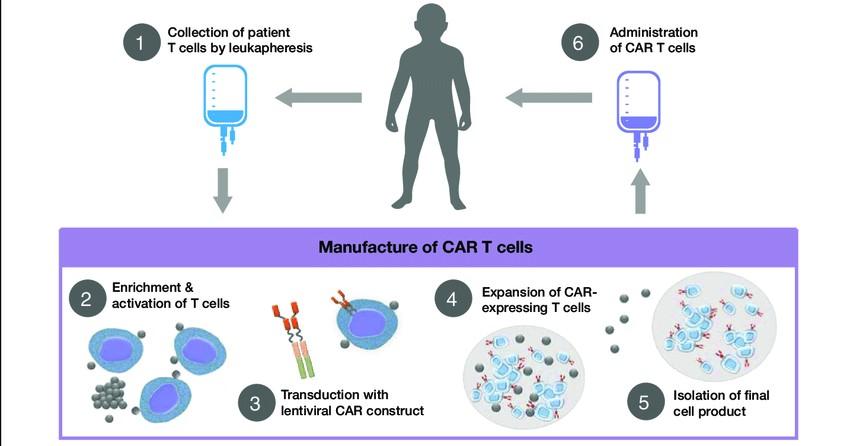


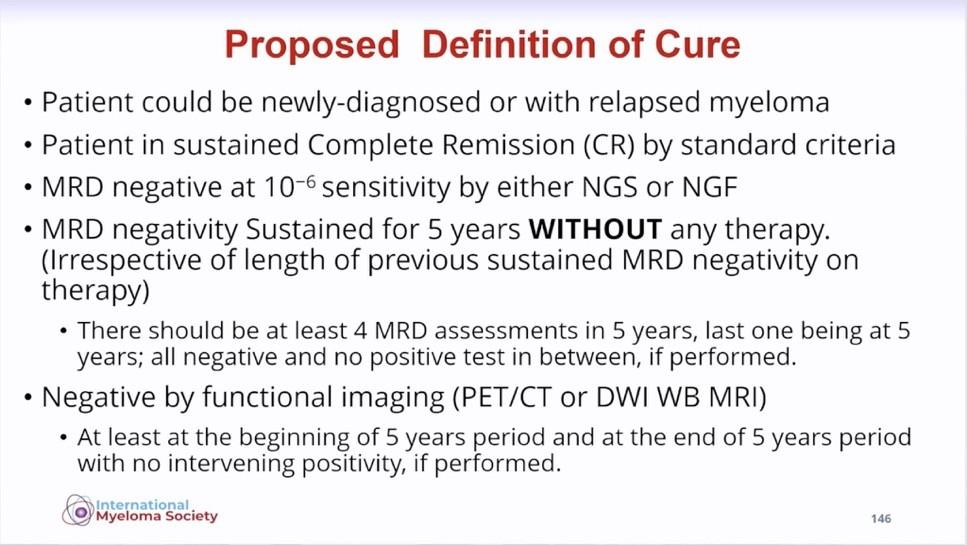
Defining “Cure” has many considerations:
We have historically called myeloma “incurable” as such a small fraction of patients remained in long term remission
Elimination of disease, down to Minimal Residual Disease Negative (MRD-)
Prolonged deep response Off Therapy
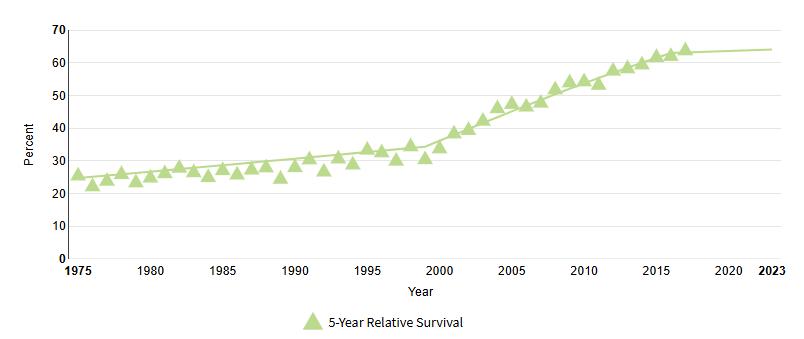

Survival continues to improve in MM with an average over 10 years now!
A recent DRAFT definition is being considered:
VD
Rev/Dex
CyBorD
VTD
VRD KRD
D-VMP
DRD
Tandem ASCT (?)
Nothing
Thalidomide?
Bortezomib
Ixazomib
Lenalidomide
Combinations
D-VRD
Isa-VRD
D-KRD
Isa-VRD “More” induction?
Bortezomib
Lenalidomide
Carfilzomib
Pomalidomide
Selinexor
Panobinostat
Daratumumab
Ixazomib
Elotuzumab
Isatuximab
Belantamab mafodotin*
Melphalan flufenamide*
Idecabtagene autoleucel
Ciltacabtagene autoleucel
Teclistamab, Talquetamab
Elranatamab, Linvoseltamab
Daratumumab?
Carfilzomib?
Lenalidomide + PI
ASCT, autologous stem cell transplant; CAR, chimeric antigen receptor; Cy, cyclophosphamide; d- daratumumab; D/dex, dexamethasone; isa, isatuximab; K, carfilzomib; M, melphalan; PD-L1, programmed death ligand-1; PI, proteasome inhibitor; Rev, lenalidomide; V, bortezomib.
Speaker’s own opinions.
CAR T Cell Therapy
Bispecific/Tri-specific
Antibodies
Cell Modifying Agents
Venetoclax
PD/PDL-1 Inhibition?
Small Molecules
* These agents are currently off the market but available through special programs
Anito-cel
Cevostomab
Iberdomide, Mezigdomide
Sonrotoclax
KLN-1010
AZD0120
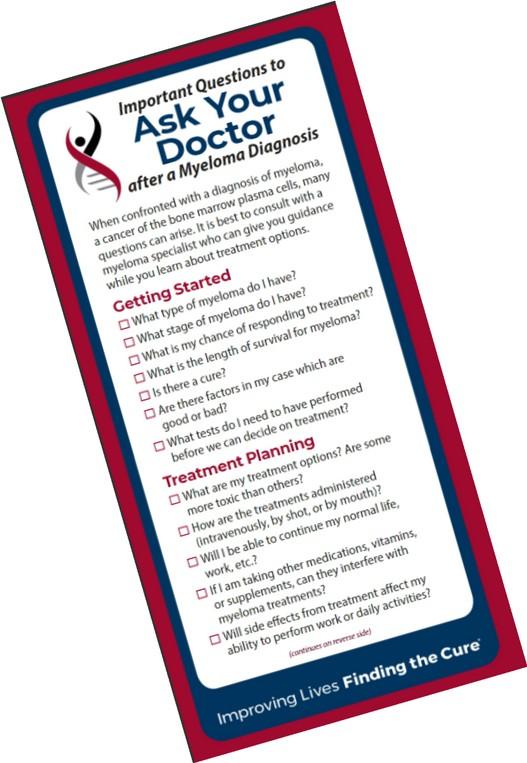
• You have the right to get a second opinion. Insurance providers may require second opinions.
• A second opinion can help you:
– Confirm your diagnosis
– Give you more information about options
– Talk to other experts
– Introduce you to clinical trials

– Help
you learn which health care team you’d like to work with, and which facility




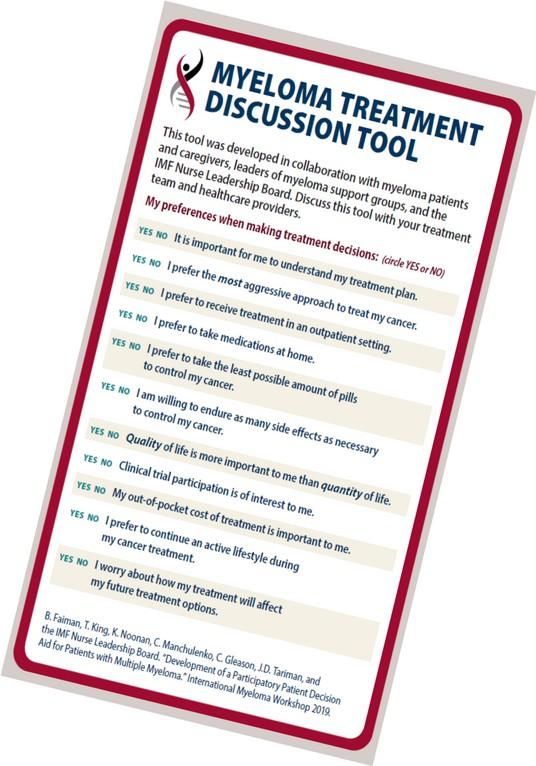
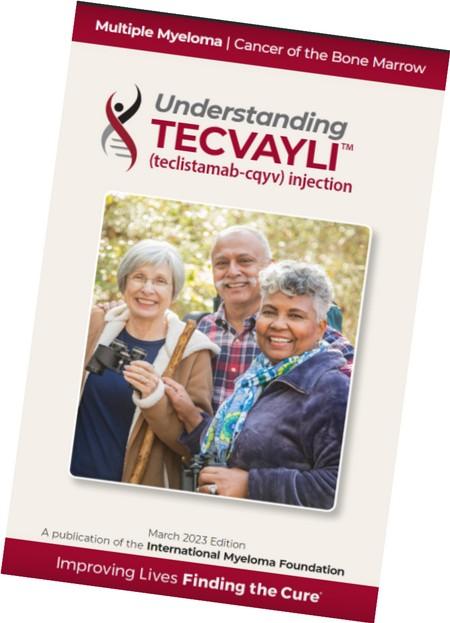



Becky Bosley, BSN, RN IMF Director, Support Groups

The International Myeloma Foundation Support Group Team presents this information to support learning and conversations with your healthcare team.
This presentation is for informational purposes only and is not intended to provide medical advice or replace guidance from your medical providers.
Common Emotional Responses
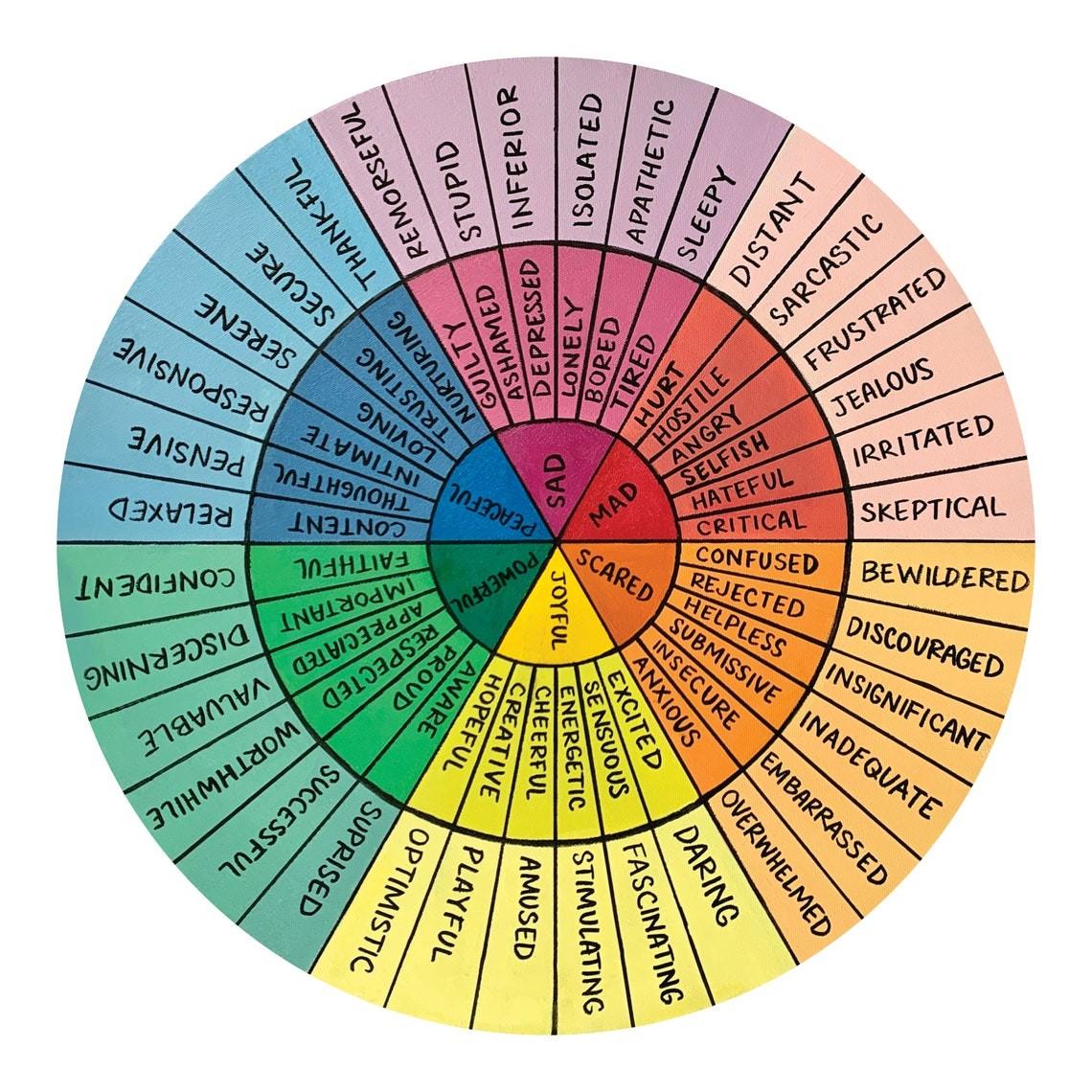
The Spectrum of Emotions
Coping with your Emotions
Grounding Exercises
When & Where to Seek Help
Wellness Tips & Resources for Support
• This discussion includes candid reflections on the emotional impact of a myeloma diagnosis, including difficult and sometimes heavy themes such as fear, grief, uncertainty, and depression.
• This may initially feel uncomfortable as we navigate what it’s like to live with myeloma, however, we hope to honestly recognize challenges, validate all emotions, and introduce coping strategies to help support both patients and care partners.
• While every myeloma patient & care partner's emotional response to living with myeloma is different, we want to steadfastly support the entire myeloma community, no matter where you are on this spectrum.

Myeloma is often seen through the lens of physical symptoms, treatments, and survival rates.


Beneath the surface of this medical battle lies a profound emotional journey that affects not only the person diagnosed but also their loved ones.
Getting a diagnosis of cancer can feel like getting the wind knocked out of you.
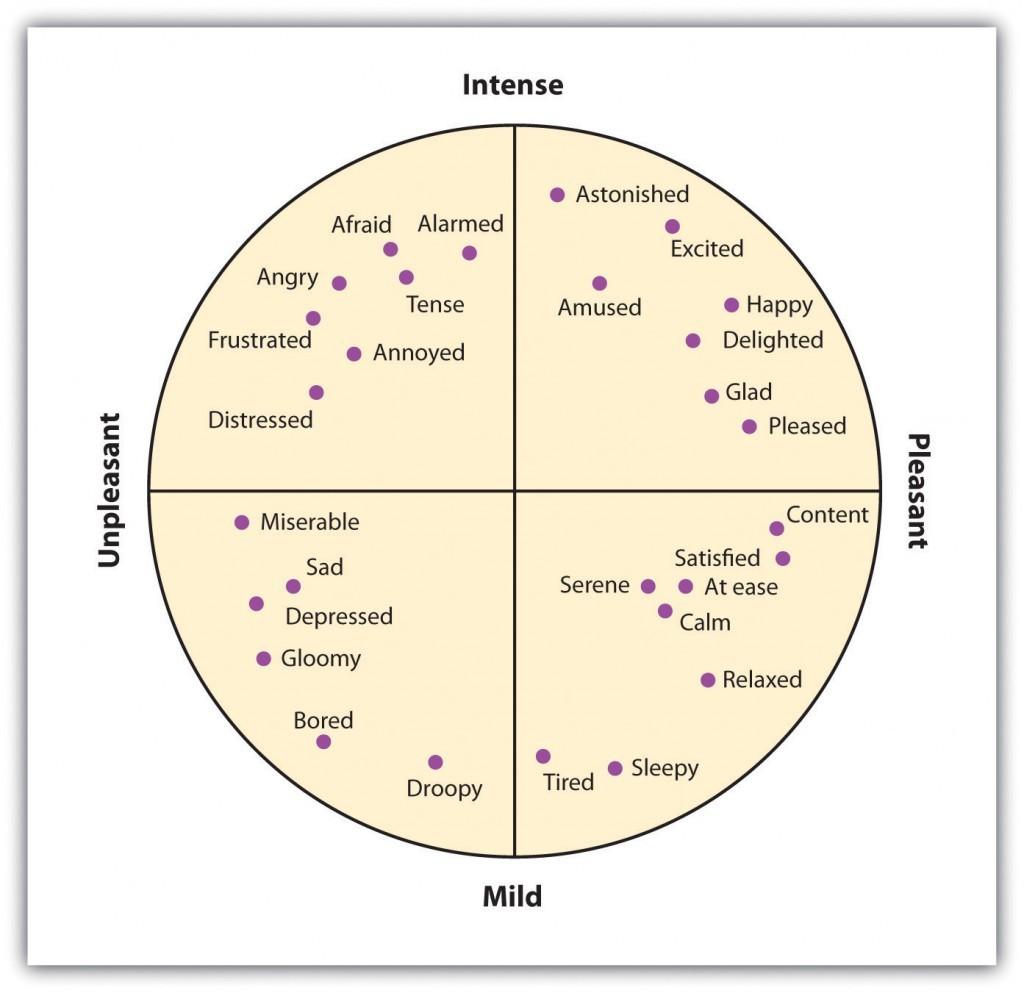
https://opentextbc.ca/introductiontopsychology/chapter/10-1-the-experience-of-emotion/
Some patients describe a feeling of numbness or surrealism after a cancer diagnosis; unable to fully grasp the weight of the news.
• Confusion
• Disconnection
• Denial

It is completely normal to experience anger towards:
• Doctors
• Healthcare team
• Yourself
• God

Patients describe many fears after a myeloma diagnosis, including:
• Fear of pain or treatment
• Fear of rejection/loneliness
• Practical worries (finances, housing, career, etc.)
• Fear about the future
• Fear of death and dying

• Side effects like fatigue, hair loss, nausea, and cognitive changes can strip away one’s sense of normalcy and identity.
• Some people feel isolated as they withdraw from social activities, work, or relationships due to physical limitations or emotional distress.
• The loss of independence and routine can be demoralizing and defeating.
• Cancer can significantly impact relationships with partners, family, friends, and coworkers.
• Some people may not know how to respond or offer support, leading to awkwardness, discomfort, or distance.
• Care partners can also experience emotional exhaustion, guilt, and helplessness as they witness their loved one's suffering.

Symptoms of anxiety include:
• ruminating about a specific fear
• sleep disturbance
• feeling restless or edgy
• irritability
• being easily fatigued or overstimulated
• difficulty concentrating or forgetfulness

Symptoms of depression include:
Sleep disturbance Loss of interest/pleasure in activities that used to feel exciting (anhedonia)
• Feelings of guilt or worthlessness
• Changes in energy or excessive fatigue
• Appetite/weight changes

• Psychomotor disturbance
• Suicidal thoughts
• Depressed mood
• In the US, 23.1% of the general population meet criteria for a diagnosis of a mental health disorder.
• Over 56% of patients living with blood cancers experience anxiety and depression

• This is never about suggesting the illness itself is “good” or that someone should suffer.
• Rather, it’s about recognizing that within extremely difficult or unwanted experiences, people sometimes discover forms of meaning, strength, connection, or clarity.

Research in psycho-oncology shows that post-traumatic growth is surprisingly common. People sometimes describe:
• A greater appreciation for life’s small moments
• New or deepened spiritual beliefs
• A sense of inner strength they didn’t know they had
• Increased empathy or patience

Suffering forces confrontation with vulnerability and uncertainty, and some individuals emerge with a transformed worldview.
• We may not yet have a cure for myeloma, and the reality is our physical bodies are never perfect, but we can experience emotional or spiritual healing in the midst of this journey.
• Consider for yourself what it would mean to engage in “healing.”

Cancer strips away control, but in that loss, people often find a different kind of agency:
• Choosing how to spend meaningful time
• Choosing how to speak about their experience
• Choosing how they meet uncertainty emotionally and spiritually

The struggle becomes a teacher of resilience and presence.
A powerful source of meaning comes from turning personal suffering into support for others:
• Advocating
• Volunteering
• Leading a support group
• Sharing one’s story

• Helping someone newly diagnosed
The idea of “I can use what I’ve been through” gives suffering a sense
of direction.
• Awareness
• Identify
• Accept
• Recognize
• Stay Curious
• Let go
Don’t feel that you have to be “strong.”
If you feel tired, lonely, anxious, depressed, angry, etc., acknowledge your feelings and talk about them. If all you want to do is cry, then go ahead.

“The work of the mature person is to carry grief in one hand and gratitude in the other and to be stretched large by them.
How much sorrow can I hold? That’s how much gratitude I can give. If I carry only grief, I’ll bend toward cynicism and despair. If I have only gratitude, I’ll become saccharine and won’t develop much compassion for other people’s suffering.
Grief keeps the heart fluid and soft, which helps make compassion possible.”

-Francis Ward Weller

5-4-3-2-1 Grounding Exercise
The “Pretzel” or other bilateral stimulation exercises
Mindful Walking
4 Square breathing
Categories (i.e. Colors, college football teams, etc.)
Aromatherapy
Hold a piece of ice

Eat a small bite of food with intention and mindfulness
Think about what you need. Lots of people will want to help but don’t know how.
• Practical needs
• Financial help
• Emotional support

Your mental health is as important as your physical health!
Tell your healthcare team or another medical professional if you need support.
Ask if your hematology/oncology clinic employs a clinical social worker or counselor. Emotional support and therapy services are available at many clinics.

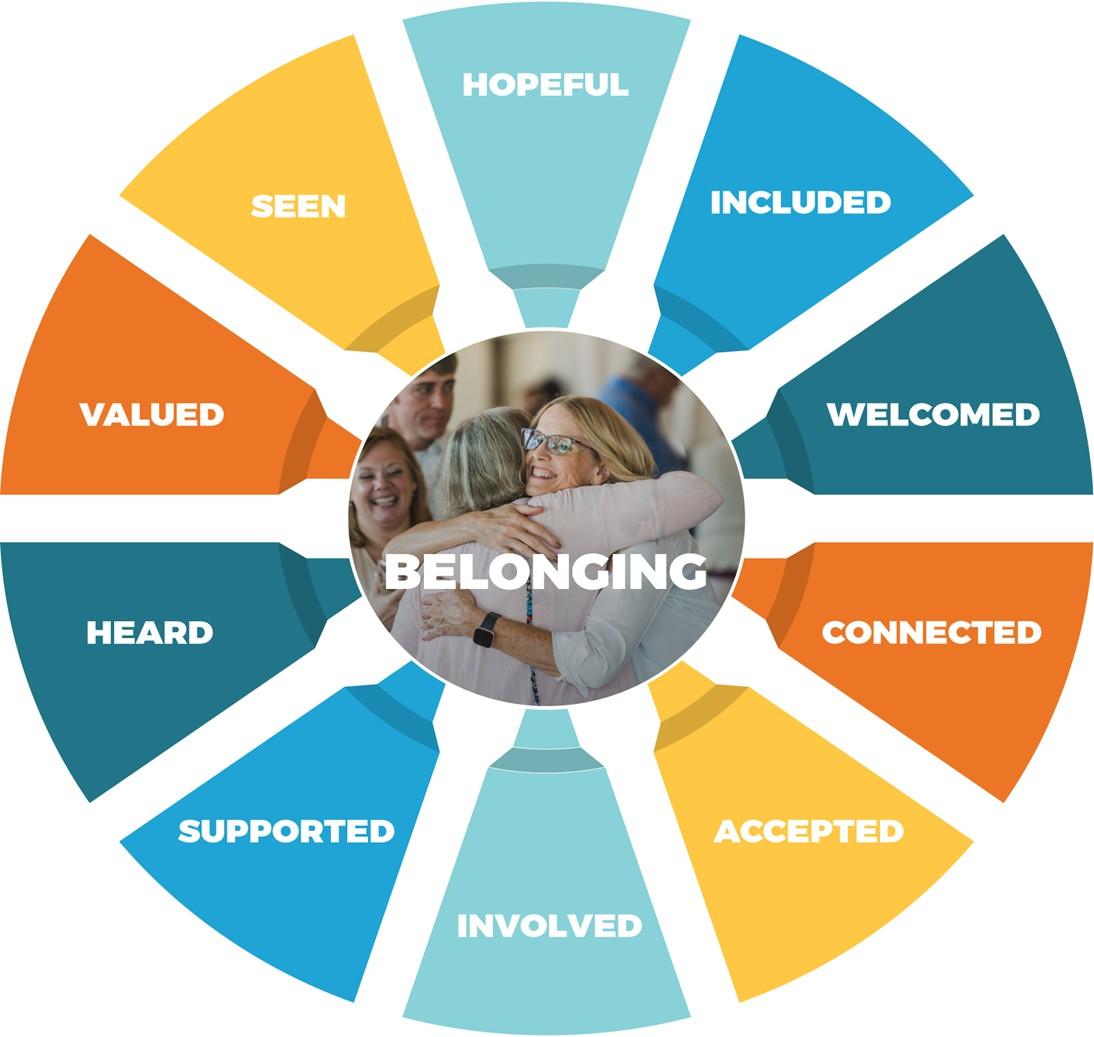
• Included
• Welcomed
• Connected
• Accepted
• Involved
• Supported
• Heard
• Valued
• Seen
• Hopeful
Talk to friends and family, and others you trust
Ask for help and be specific about what you need

Join a support group

Get education and information only from reliable/reputable sources
Take time for yourself
Spend time with supportive friends
Celebrate every victory!
Talk with your doctor to determine what plan of action works best for you. Medications could potentially be part of a treatment plan that you and your doctor work on together.
If you think therapy/counseling could be beneficial, ask for a referral or check out websites/platforms such as:
• Headway
• Better Help
• Talkspace
• CaringBridge
• Psychology Today


• Slides from Friday & Saturday Programming
• Evaluations for Friday & Saturday Programming
• SparkCures Search Engine specific for the Ohio region
• Ways to Give
Kathryn J. Strobach, Esq., MSW Staff Attorney, Triage Cancer
This presentation provides general information on the topics presented. The authors and presenters are not engaged in rendering any legal, medical, or professional services by its presentation or distribution. Although this content was reviewed by a professional, it should not be used as a substitute for professional services.
No part of this presentation may be reproduced, distributed, or transmitted in any form or by any means, without the prior written permission of the author, except properly attributed, noncommercial uses permitted by copyright law. For permission requests, contact the authors at info@triagecancer.org
Triage Cancer is a national, nonprofit organization that provides free education on the legal and practical issues that may impact individuals diagnosed with cancer and their caregivers.
• TriageCancer.org
• Educational Events
• Triage Cancer Conferences
• Live & Recorded Webinars
• CancerFinances.org
• Quick Guides & Checklists
• Animated Videos

• State Resources & Chart of State Laws
• Legal & Financial Navigation Program

Don’t
You Are Not Alone.

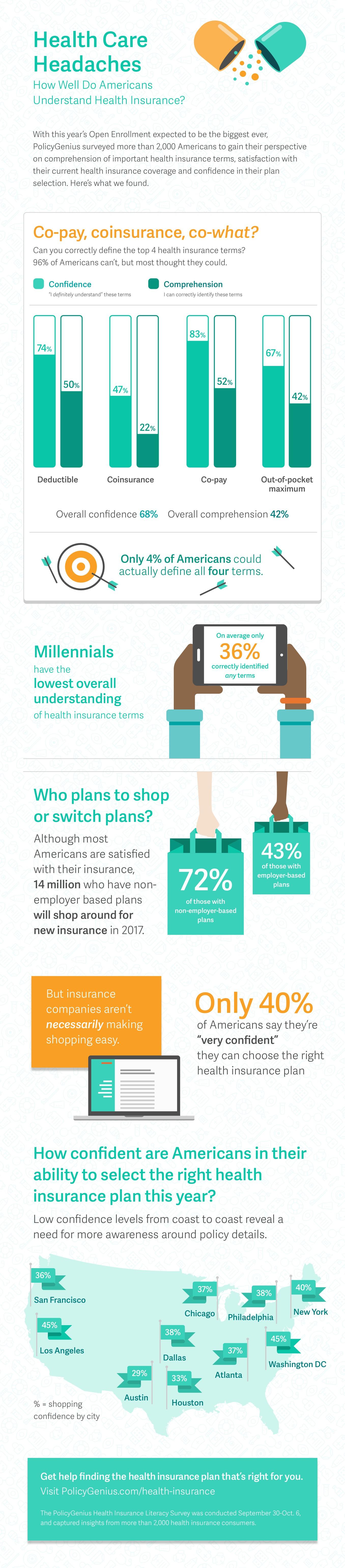
Source: 2017 PolicyGenius Health Literacy Survey
• Premium: each month (fixed $ amount)
• Deductible: each year (fixed $ amount)
• Co-Payment: each time you get care (fixed $ amount)

• Co-Insurance / Cost-Share: each time you get care (%)
• Out-of-Pocket Maximum (fixed $ amount):
Michael’s Marketplace Plan: Deductible = $2,000
Co-insurance = 70/30 plan
OOP Max = $8,000
If Michael has a $72,000 hospital bill, what does he pay?
1. His deductible of $2,000
$72,000-$2,000 = $70,000 left
2. His co-insurance amount of 30%
30% of $70,000 = $21,000
But OOP max is $8,000.

So, he would pay the $2,000 deductible + $6,000 of the $21,000 co-insurance amount, for a total of $8,000.
There may be a separate out-of-pocket maximum for out-of-network services
Individual vs. Family Plans
• e.g., Individual $5,000 and Family $10,000
Marketplace Plans
• Out-of-pocket max = deductible + co-payments + co-insurance (medical care & drugs)
• Doesn’t include deductibles
• Out-of-pocket max = co-payments + co-insurance
• Doesn’t include deductibles or co-payments
• Out-of-pocket max = co-insurance
• Doesn’t include prescription drugs

• Separate out-of-pocket max for prescription drugs = co-payments + co-insurance
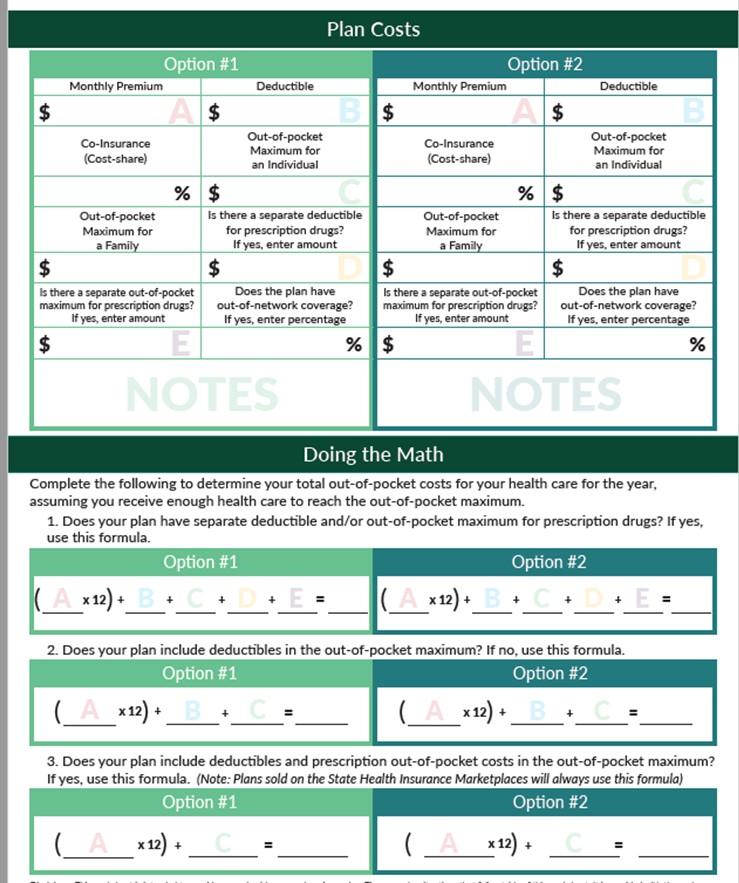
$200 x 12 = $2,400 + $8,000 = $10,400
Total costs for year = (monthly premium x 12) + OOP max $275 x 12 = $3,300 + $6,000 = $9,300 $400 x 12 = $4,800 + $2,000 = $6,800
Note: for in-network providers only
• Cost
• Premiums, co-payments, deductibles, co-insurance, out-ofpocket maximums
• Network of providers and facilities
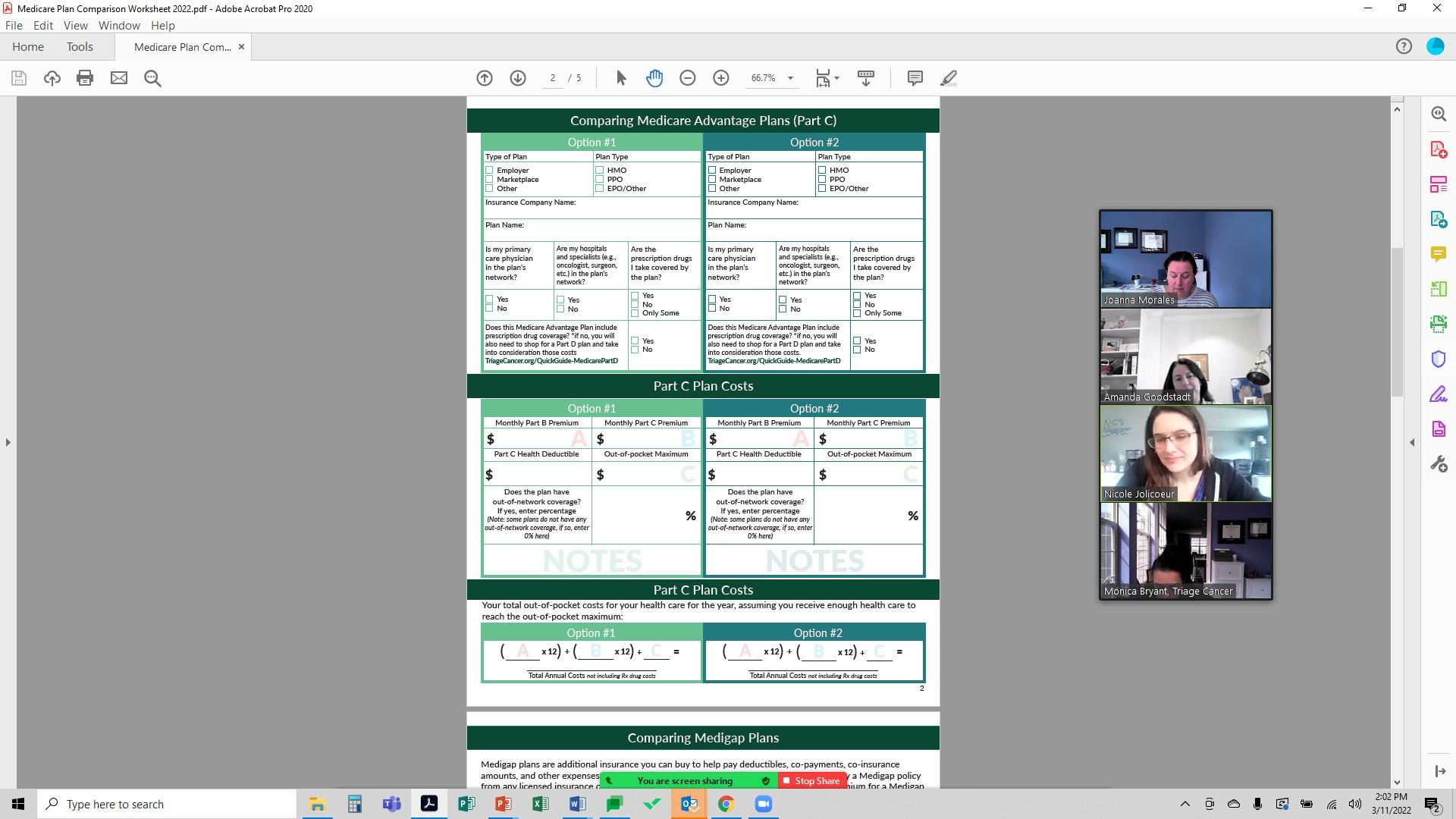
• Check if your providers and facilities (hospitals, labs, imaging centers, etc.) are covered
• Prescription drug coverage
• Which drugs are covered (i.e., formulary)?
• Is there a separate out-of-pocket maximum for drugs?
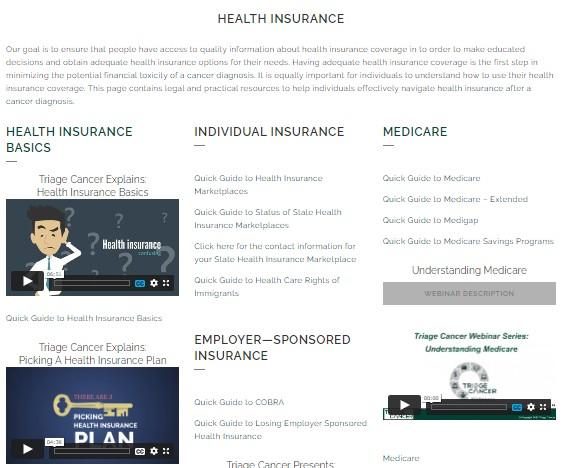
TriageCancer.org/video-pickingaplan

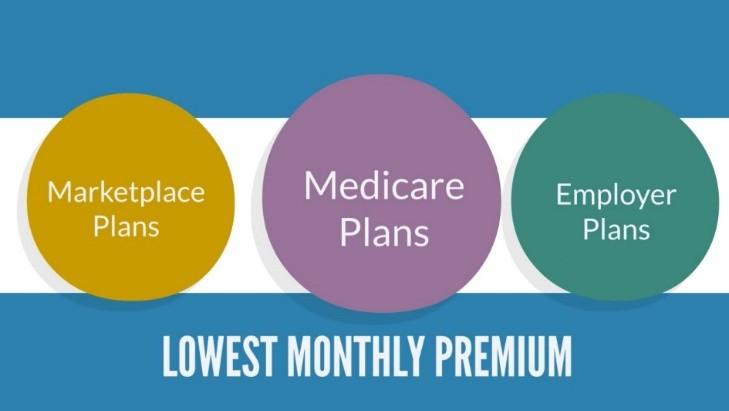
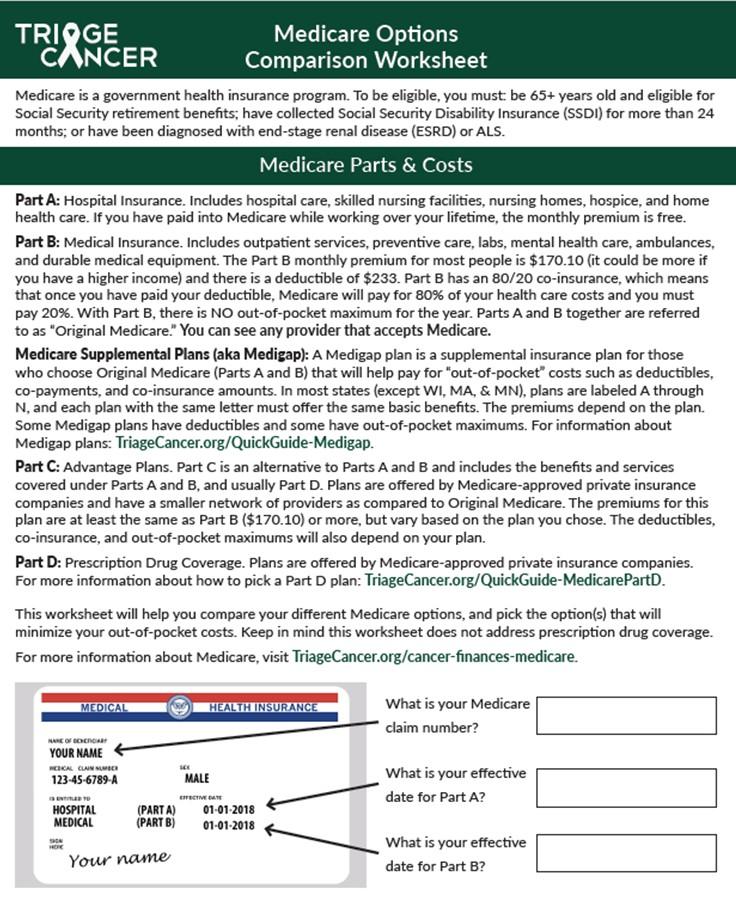
• Employer plans: varies (often in the Fall)

• Medicaid: accepted year round
• Medicare: Oct. 15 – Dec. 7*

• 2026 Marketplace: Nov. 1 – Jan. 15*
• 2027 Marketplace OEP:
• Federal: Nov. 1 – Dec. 15
• States may have open enrollment periods through Dec. 31
*Plans are for a calendar year
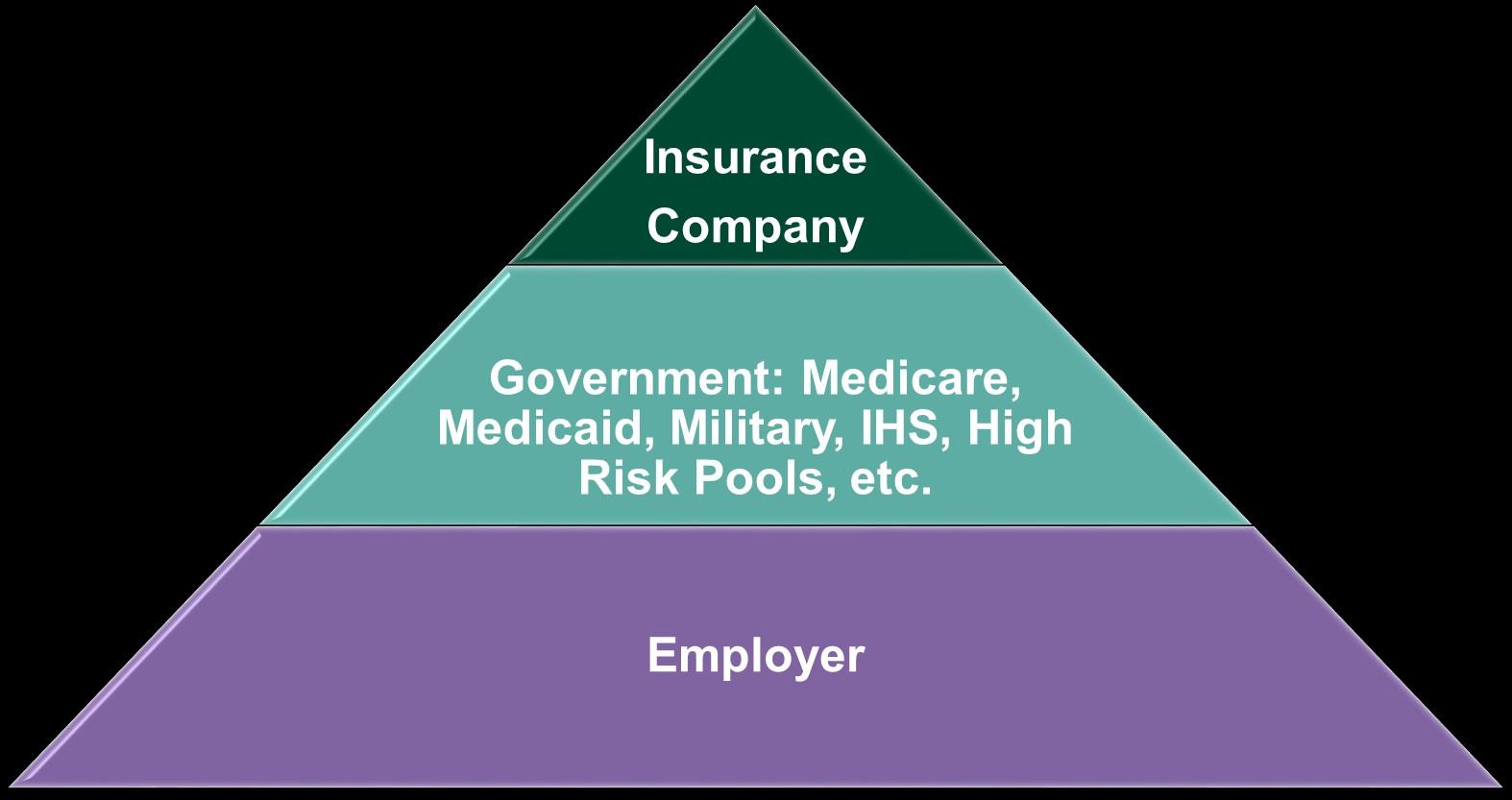
nce Compa
ny Government: Medicare, Medicaid, Military, State & Local Programs, etc.
Employer
• Health Insurance Premium Payment Program (HIPP)
• Medicaid-eligible recipients with group health insurance
• Medicaid pays premium for group health insurance (e.g., COBRA)
• Don’t have to change providers; employer coverage may be better
• 31 states have this program, including: CA, GA, IA, IL, MA, PA, RI, TX, VA
“Four in five customers are able to find a plan for $10 or less a month.”
reduce monthly premiums to 8.5% of household income Expired 12/31/2025
400% + (2025) $ help
• $2,100 out-of-pocket maximum for Part D drug costs
• Applies to:
• Part D plans
• Part C plans with drug coverage
• Does not apply to drugs covered by Part B!!!
• If plan has a drug deductible, that counts towards the out-of-pocket maximum
• Cap will continue to increase over time (e.g., $2,400 in 2027)
• Out-of-pocket costs can be spread out through the calendar year (aka “smoothing”)
• There is no interest charged on the payments
• Run by your Part D drug plan
• Voluntary program
• You have to choose to sign up
• You can cancel at any time, but you must pay your balance
• You pay nothing at the pharmacy
• Instead, your plan will send you monthly bills for your out-of-pocket drug costs
• This is different than your Part D plan monthly premium bill; and
• Your Part D Explanation of Benefits document
• You can pay by check, credit, or debit card
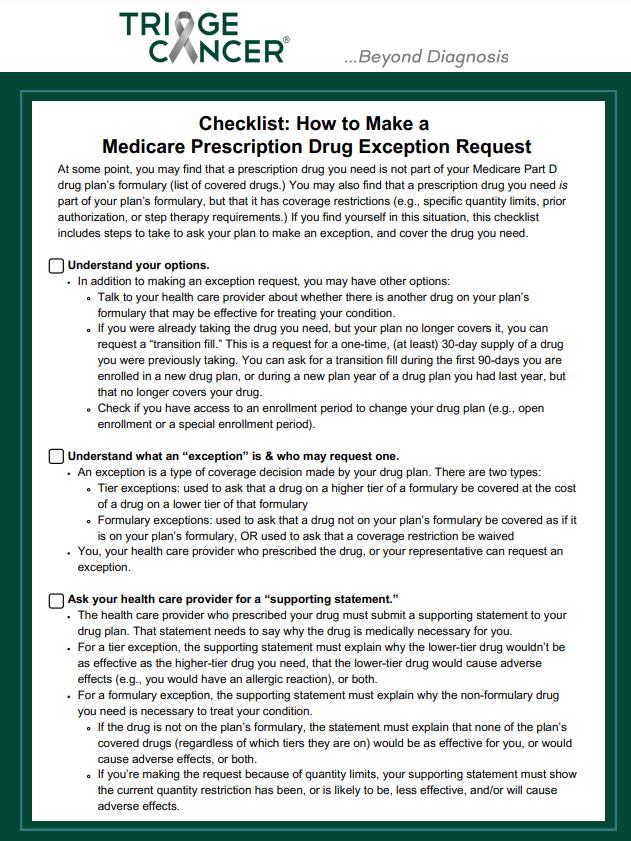
Ask your HCP for supporting statement about why a drug is medically necessary for you
• Alternatives aren’t as effective, and/or
• Alternatives would cause adverse effects
• Can ask to expedite the request if you can show the standard timeframe will jeopardize life, health, or ability to regain maximum function
• After receiving supporting statement, drug plan must provide written notice of decision within 72 hours (24 hours, if expedited request)
• If your request for an exception is denied, appeal!
Medicare savings programs (MSPs)
• Helps pay for premiums; and sometimes deductibles, co-payments, & cost-share
• Four types of MSPs:
1. Qualified Medicare Beneficiary (QMB – “Quimby”) Program helps eligible individuals pay for Part A and Part B premiums, as well as deductibles, coinsurance, and co-payments
2. Specified Low-Income Medicare Beneficiary (SLMB – “Slimby”) Program helps eligible individuals pay for Part B premiums.
3. Qualifying Individual (QI) Program helps pay the Part B premiums for certain individuals who are not eligible for Medicaid.
4. Qualified Disabled and Working Individuals (QDWI) Program helps eligible individuals pay their Part A premiums.
• Low-Income Subsidy (aka Extra Help): most people will pay no premium or deductible & have lower co-payments and cost-share
• May be automatically enrolled, but can also apply
• Income limit = 150% FPL; Resource limit = $16,590 (individual), $33,100 (married)*
• Pay no more than $5.10 for each generic/$12.65 for each brand-name covered drug
• www.ssa.gov/benefits/medicare/prescriptionhelp
• State Pharmaceutical Assistance Programs (SPAP): pays some premiums or drug costs
• Programs not available in every state: www.medicare.gov/plan-compare/#/pharmaceutical-assistance-program/states/
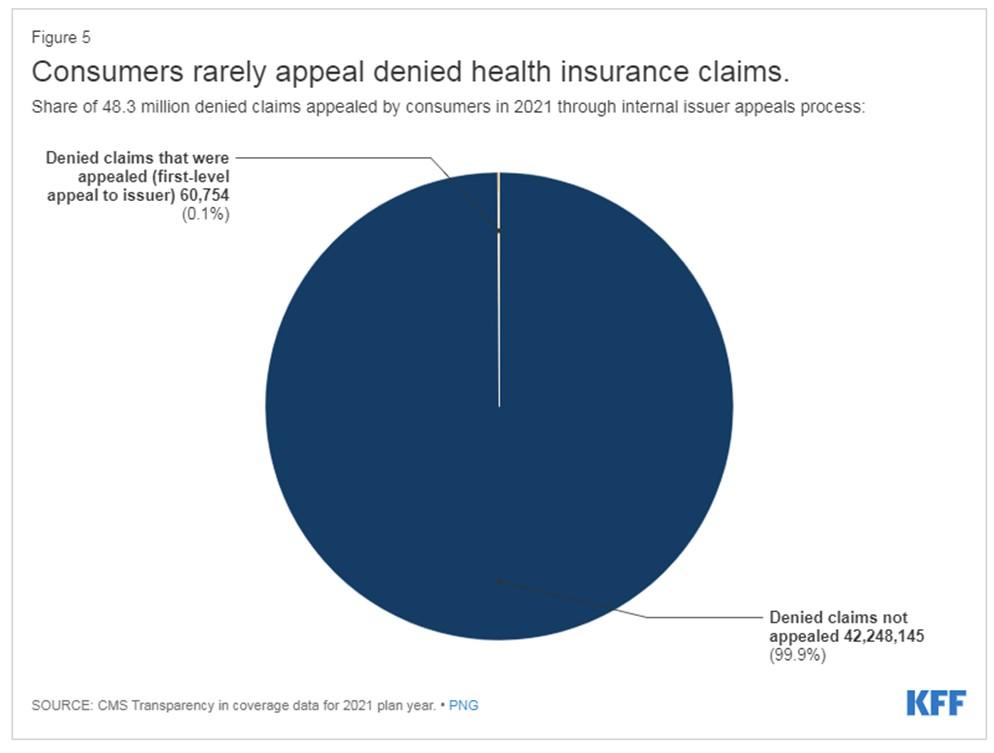
• Denials of coverage (aka “adverse benefit determination” (ABD))
• Internal appeals
• External appeals (individual and employer plans)
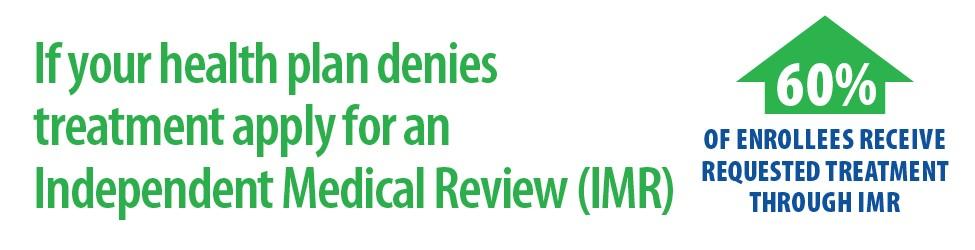
• AKA: Independent or External Medical Review
• Conducted by an independent medical review organization (IRMO) or independent review entity (IRE)
• State Health Insurance Agency: Triagecancer.org/StateResources
• Cost: $0 if HHS process. Up to $25 if issuer contracts with IRO or uses state process
• Is it worth it?
• Keep track of:
• Dates, times, and method of any contact (phone, email, etc.)
• Names of people you talk to
• Summaries of your conversations
• Any documents you send or receive
• Important dates
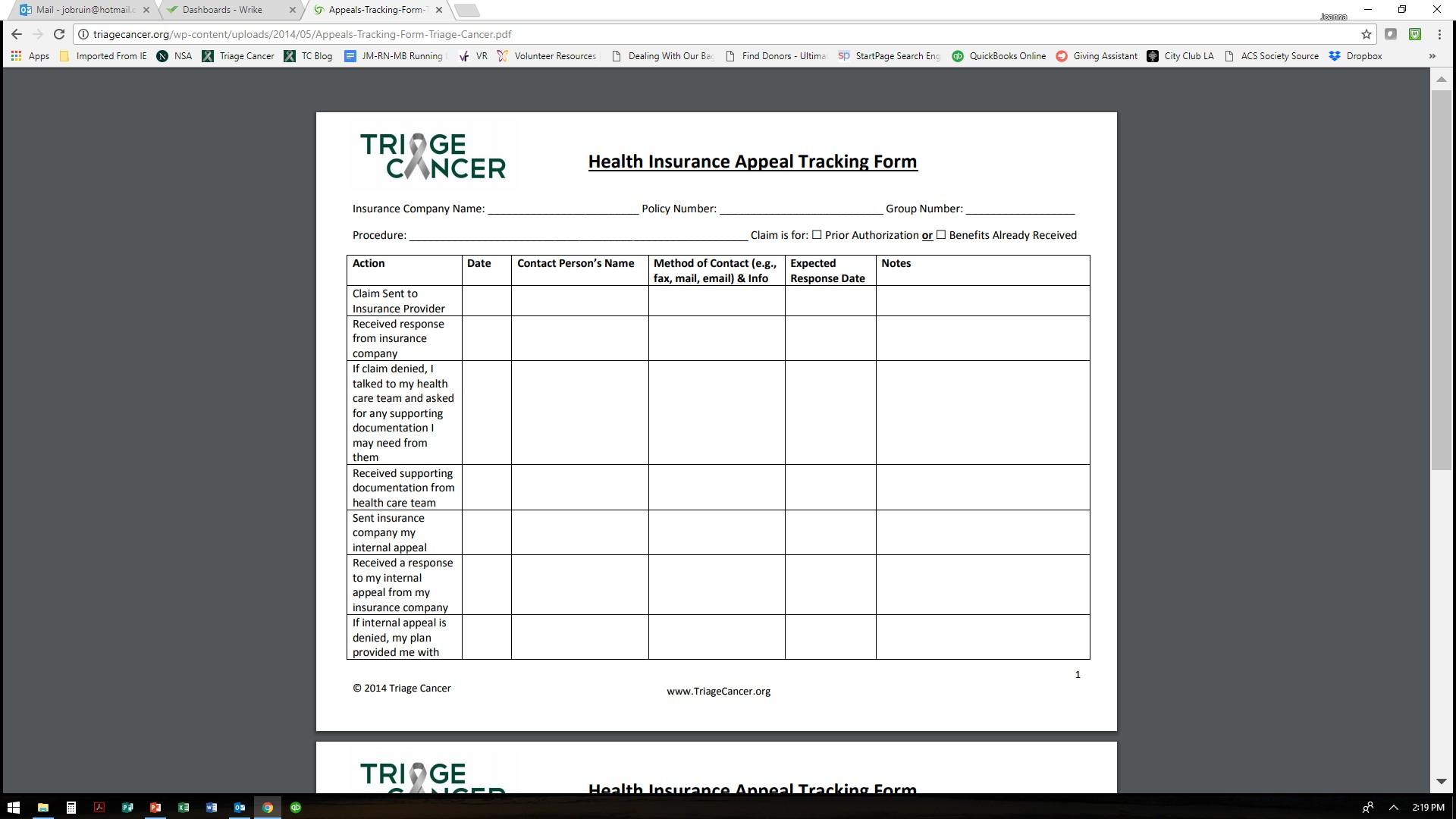
• Good time to delegate to family and friends
TriageCancer.org/AppealTrackingForm

Understand why your claim was denied
Gather your evidence
Submit necessary paperwork
Pay attention to deadlines
Remember the Golden Rule
File external appeal if needed
Expedite appeal if appropriate
Stay organized
Don’t give up!
TriageCancer.org/HealthInsurance • Quick Guide to Appeals for Employer-Sponsored & Individual Health Insurance • Quick Guide to Access to Medical Records • Health Insurance Appeals Tracking Form • CancerFinances.org – Health Insurance Appeals Module • Recorded Webinar: Health Insurance Appeals • Animated Video: When an Insurance Company Says No

• From your insurance company:
We have received a claim We are processing your claim Explanation of Benefits
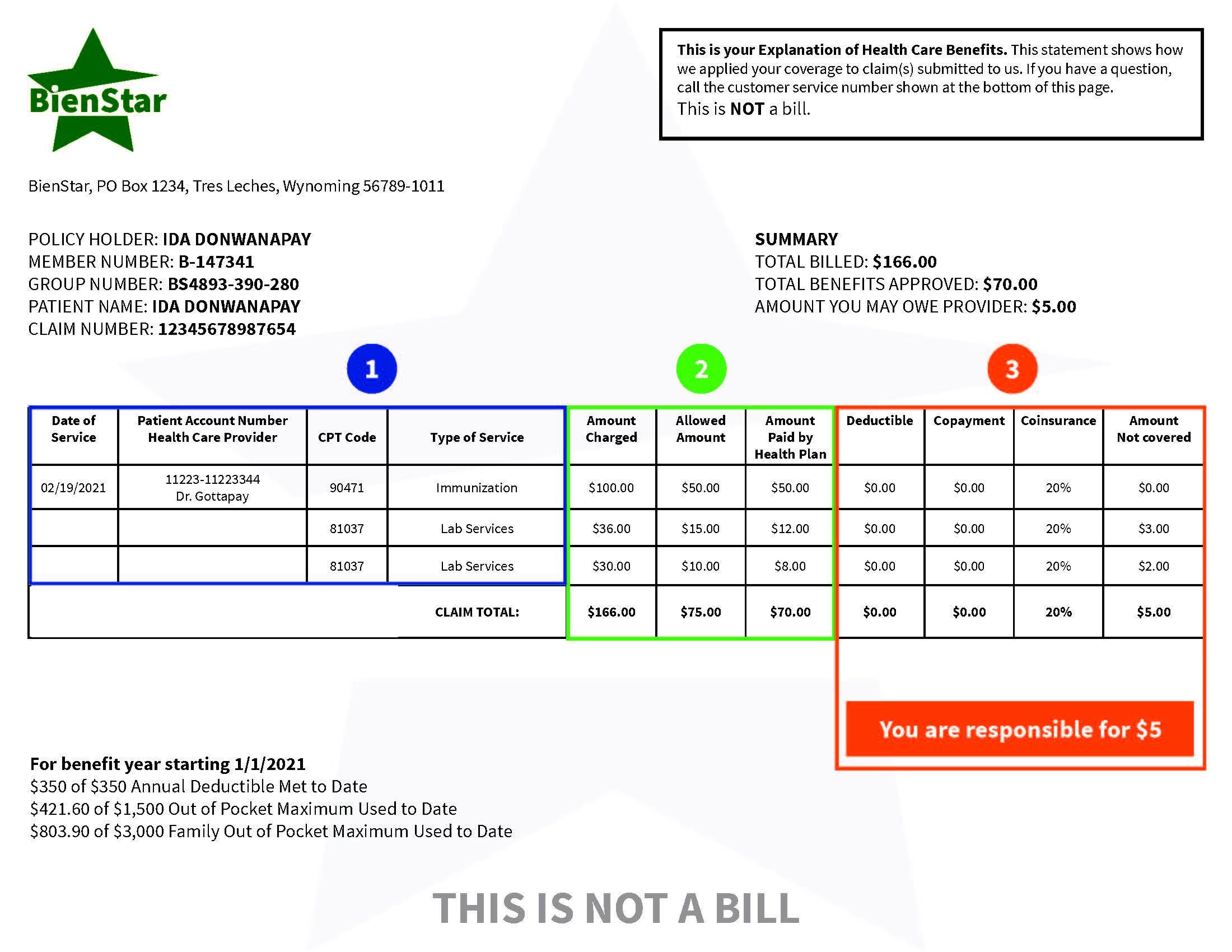
• From your provider:
• The bill
• Doesn’t always happen in this order!
• Wait for the EOB before paying any bills
• Compare EOB & Bills – check for errors!
• Ask questions of providers and insurance
• Was coverage denied? Appeal!
• Do you qualify for hospital charity care?

• Nonprofit hospitals are required to offer free or discounted health care to patients with certain incomes
• A/K/A financial assistance or ability to pay programs
• Can include inpatient and emergency room services
• Bill shouldn’t go to collections while application under review
• Apply for help from Dollar For: DollarFor.org/TriageCancer

•Contact providers if having trouble paying your bills
• When:
• Before unpaid bills sent to collections agencies
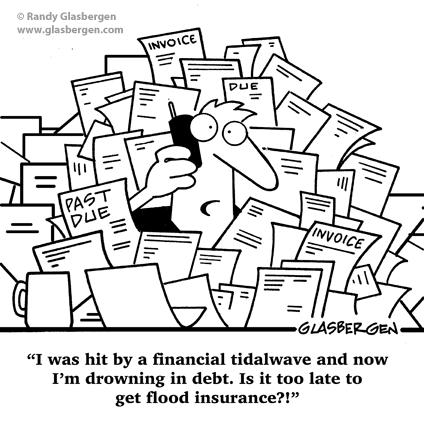
• What:
• Ask for more time
• Check to see if they would be willing to:
• Write off a portion of your bill;
• Negotiate a payment plan; or
• Accept a lower lump sum payment
Note: can work with other creditors, too!
• Paying co-pays & co-insurance when you visit a provider
• What to do if you have already met your OOP maximum?
• What to do when a provider asks you to pre-pay your co-insurance?
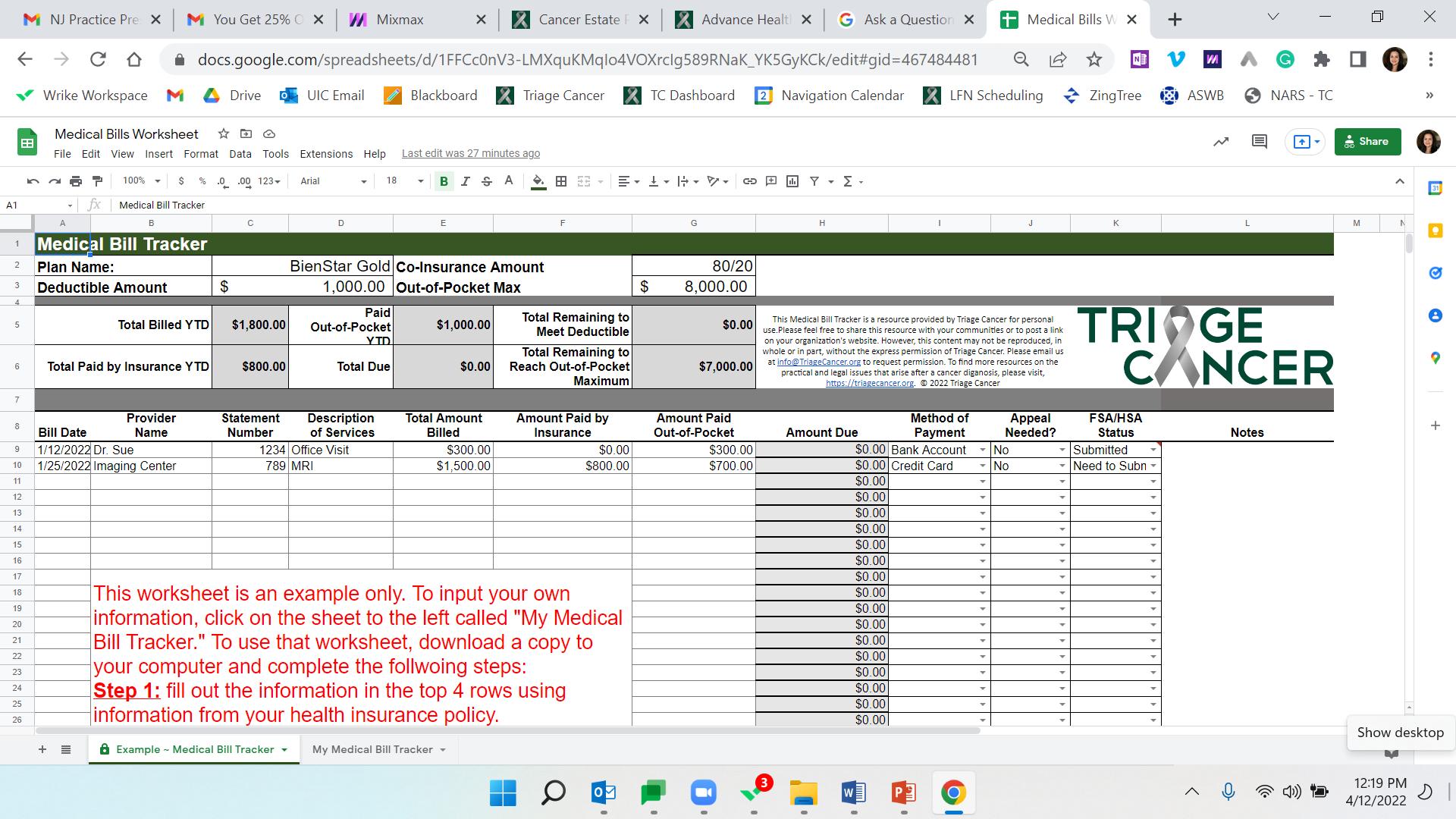
Medical bills from all healthcare providers:
Hospital admissions, clinic visits, lab work, diagnostic tests, procedures, treatments
Drugs given & prescriptions ordered
Claims filed
Payments from insurance companies and explanations of benefits
Any pre-authorizations
Dates, names, and outcomes of any correspondence with insurance companies or providers
Non-reimbursed or outstanding medical and related costs
Meals, lodging, and travel expenses (including gas, parking, and tolls)
Your medical records
*Some of these may be tax-deductible!
Educational event for:
• Individuals diagnosed with chronic or serious medical conditions
• Caregivers
• Health care teams
• Advocates & others
Topics:
• Being an Advocate
• Health Insurance
• Finances
• Being Prepared
• Employment
• Disability Insurance
Online 2026:
• May 15-16
• November 6-7 TriageCancer.org/Conferences
“Absolutely amazing. Triage Cancer Conference supplied me with a lot of details on information that I thought I knew....I was wrong. However, I do feel more confident in each of the topics that were discussed.” –Virtual Attendee
*Free CEs/Contact Hours for nurses, social workers, & patient advocates
*Free PDCs for HR professionals

Upcoming Topics:
• May 27 ~ Coping with Stress
• June 23 ~ Beyond Medical Care: Finding the Help You Need
• July 22 ~ Managing Health Insurance Transitions
Full Schedule & Registration: TriageCancer.org/Webinars
Recordings of Past Webinars: TriageCancer.org/Past-Webinars
*Free Contact Hour/CE for nurses, social workers, & patient advocates
*Free PDCs for HR professionals
“It is helpful to know this info at the beginning of a cancer diagnosis or at the VERY LEAST to know it exists, as you do not know what you do not know!” –Attendee

Danielle Doheny
IMF Director of Public Policy & Advocacy
The IMF Advocacy Team collaborates with multiple stakeholders to inform and influence decision-making on the critical healthcare issues that directly impact myeloma patients.

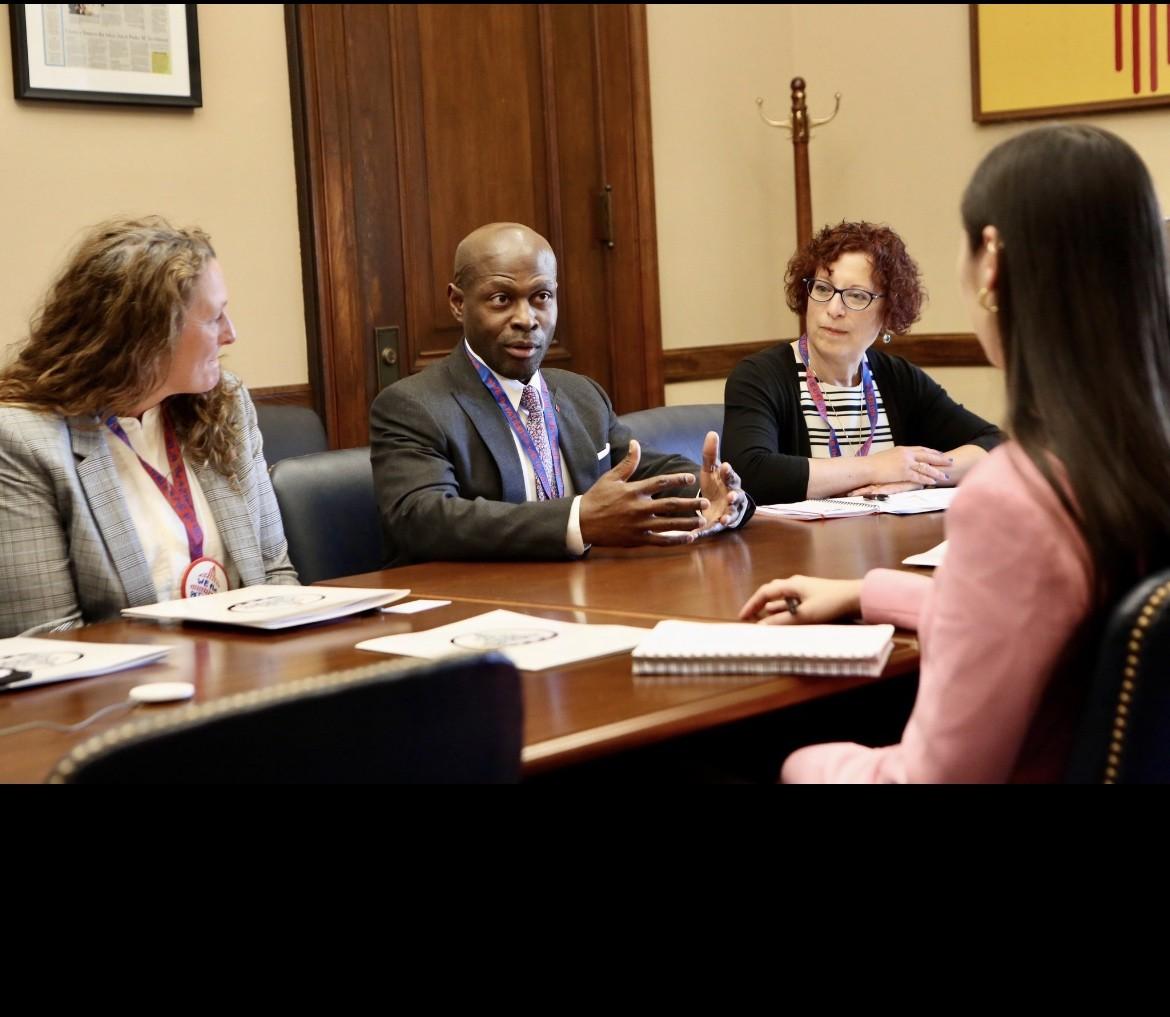
The U.S. Advocacy Team advocates for equitable access to timely diagnosis, innovative treatments and research on Capitol Hill and with key regulatory

The team advocates both alongside of and on behalf of the patient community that we serve.
Advocacy play a critical role to educate policymakers about the issues important to our community and motivate them to act.
The following policy principles are the foundation on which we prioritize our advocacy work.
1. Ensure Access to Care: We advocate for policies that ensure all myeloma patients have equitable, comprehensive, patientcentered care without insurance barriers that limit options or delay treatment initiation.
2. Eliminate Financial Barriers: We advocate for policies that allow myeloma patients access to treatments and supportive care interventions without facing financial hardships.
3. Advance Myeloma Research: We advocate for annual appropriations funding for myeloma research and the advancement of clinical trial eligibility and research protocols that ensure representation from diverse populations.

1. ENSURE ACCESS TO CARE
2. ELIMINATE FINANCIAL BARRIERS
3. ADVANCE MYELOMA RESEARCH
INSURANC E REFORM: DRUG ACCESS
Step Therapy Protocols Safe Step Act
INSURANC E REFORM: COINSURANCE
Oral Parity Cancer Drug Parity Act
INSURANC E REFORM: DRUG ACCESS PBM Reform PBM Reform Act
INSURANC
E REFORM: COPAYS Copay Accumulators HELP Copays Act
FEDERAL FUNDING
ANNUAL APPROPS
Annual Appropriations
NIH: National Cancer Institute, National Institute on Minority Health, ARPA-H
CDC: Comprehensive Cancer Control Initiative
DoD: Congressionally Directed Medical Research Program (CDMRP) for Myeloma.
MEDICARE REFORM:
PHYSICIAN ACCESS
Tele-Health/Medicine
Telehealth Modern. Act
MEDICARE REFORM: ANNUAL COST LIMITS
Inflation Reduction Act implementation Cap & Smoothing (MPPP), Drug Pricing, Drug Formularies
CLINICAL
TRIAL ACCESS
Primary care education, Focus on underserved, POC, rural settings and socioeconomically disadvantaged groups
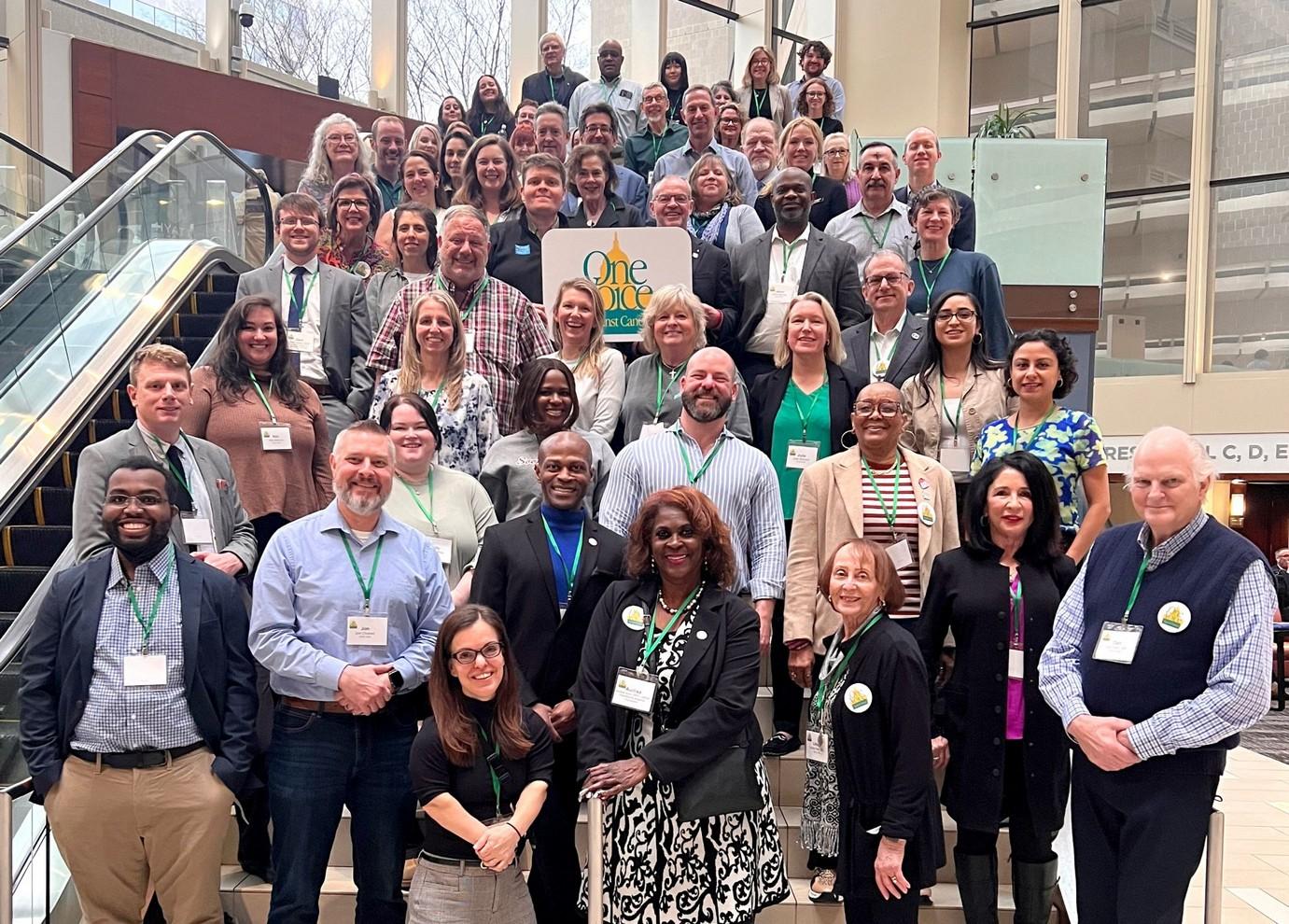
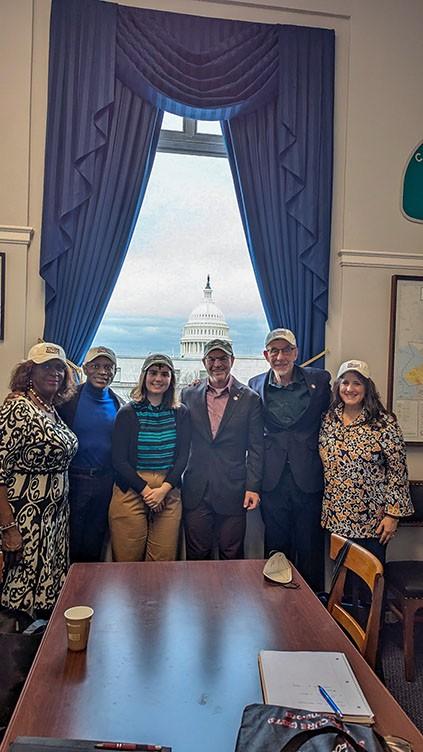
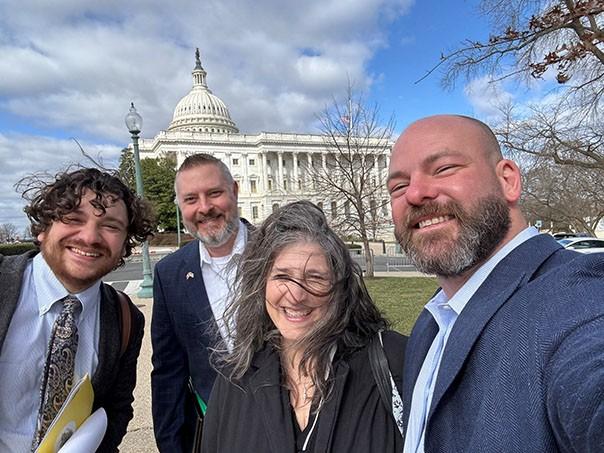
Patients and caregivers are the most powerful voices in health policy.
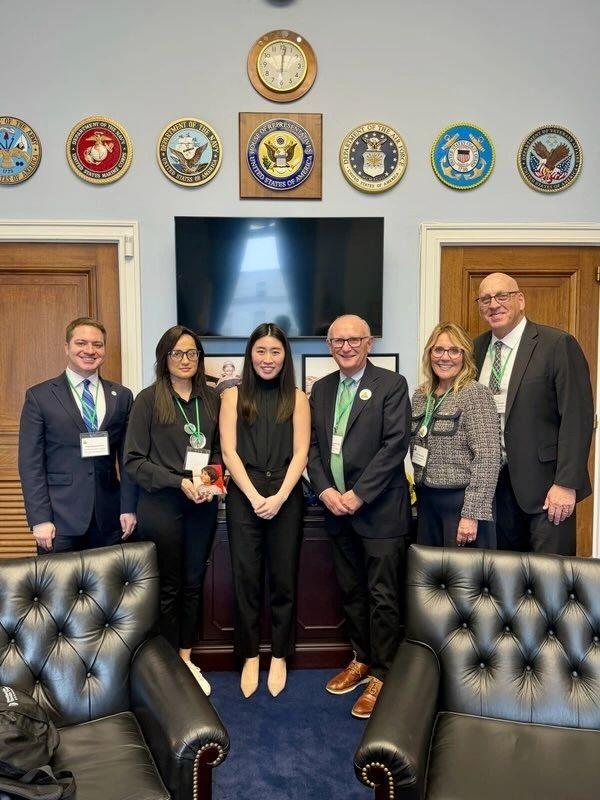
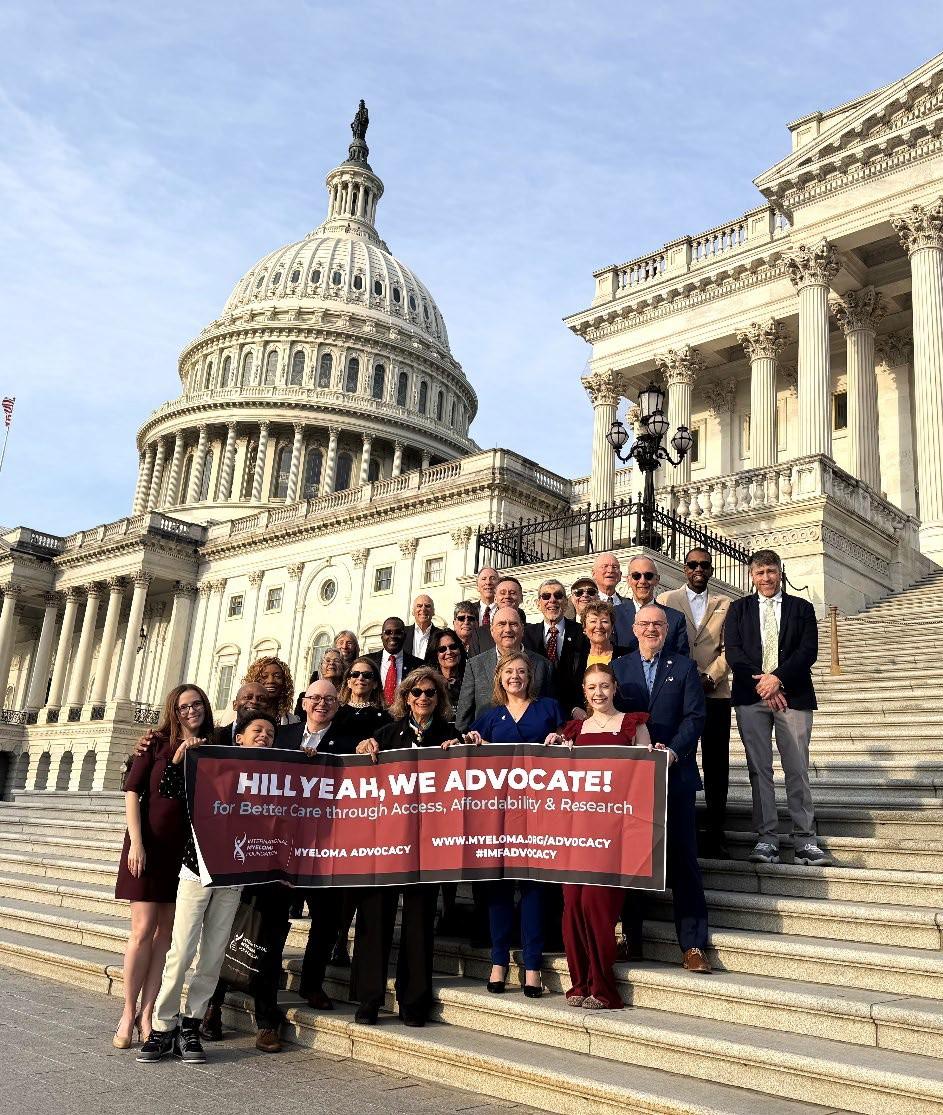
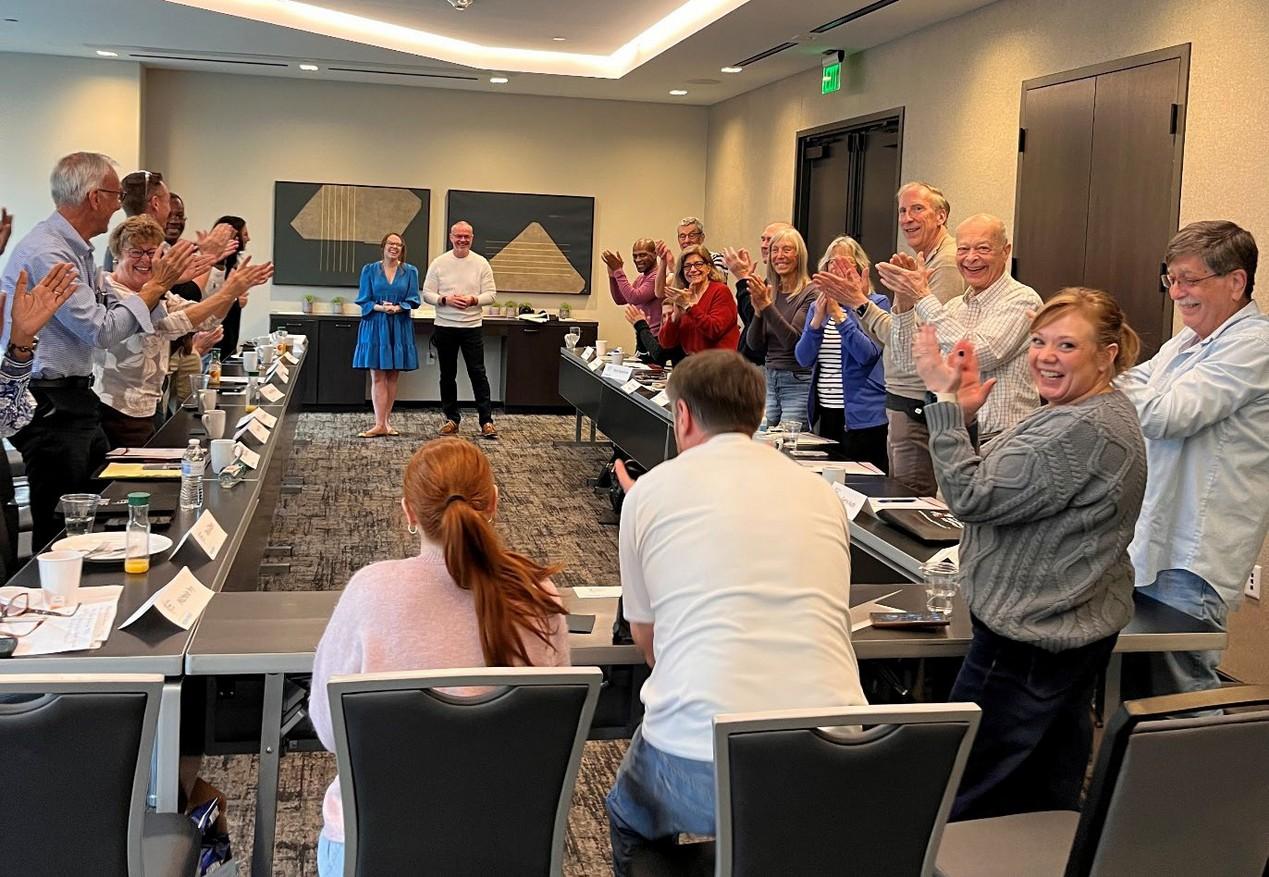
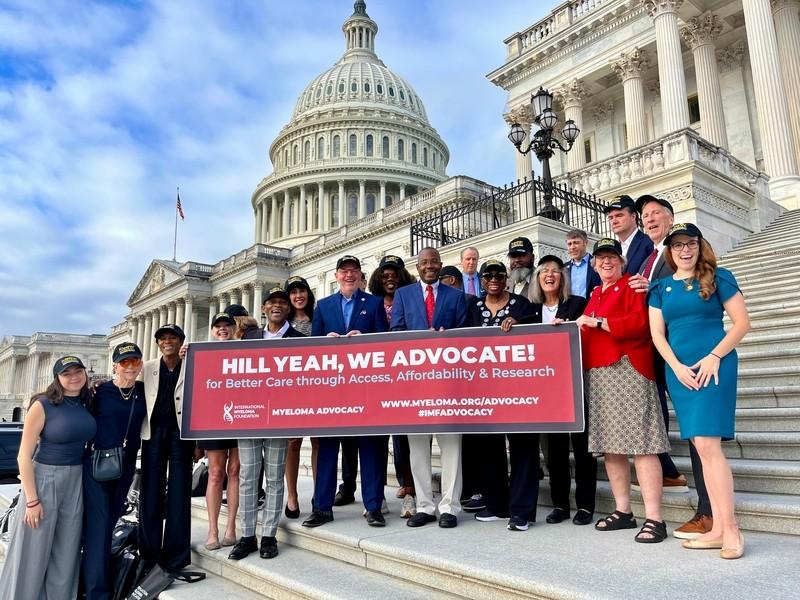
Each year, the International Myeloma Foundation brings myeloma patients and caregivers to Capitol Hill to meet with members of Congress. Together, we advocate for:
• Better access to treatment
• Stronger support for cancer research
• Policies that improve the lives of people living with myeloma
No policy experience is needed.
Just a willingness to share your experience.
IMF provides:
• Advocacy training
• Policy briefings
• Guidance every step of the way
Email us to join the IMF Advocacy Master Class and prepare for the next Hill Day.
“Never doubt that a small group of thoughtful, committed citizens can change the world; indeed, it’s the only thing that ever has.”
— Margaret Mead
Addressing healthcare barriers for multiple myeloma patients depends on winning over the hearts and minds of policymakers. It is not enough to just identify an issue and have data-driven evidence/research to back it up. It is not even enough to work with coalition partners that agree with our point of view. We must convince policymakers to prioritize our issues, draft legislation and vote it into law. Email


Joseph Mikhael, MD, MEd, FRCPC, FACP, FASCO
Medical Advisor, International Myeloma Foundation
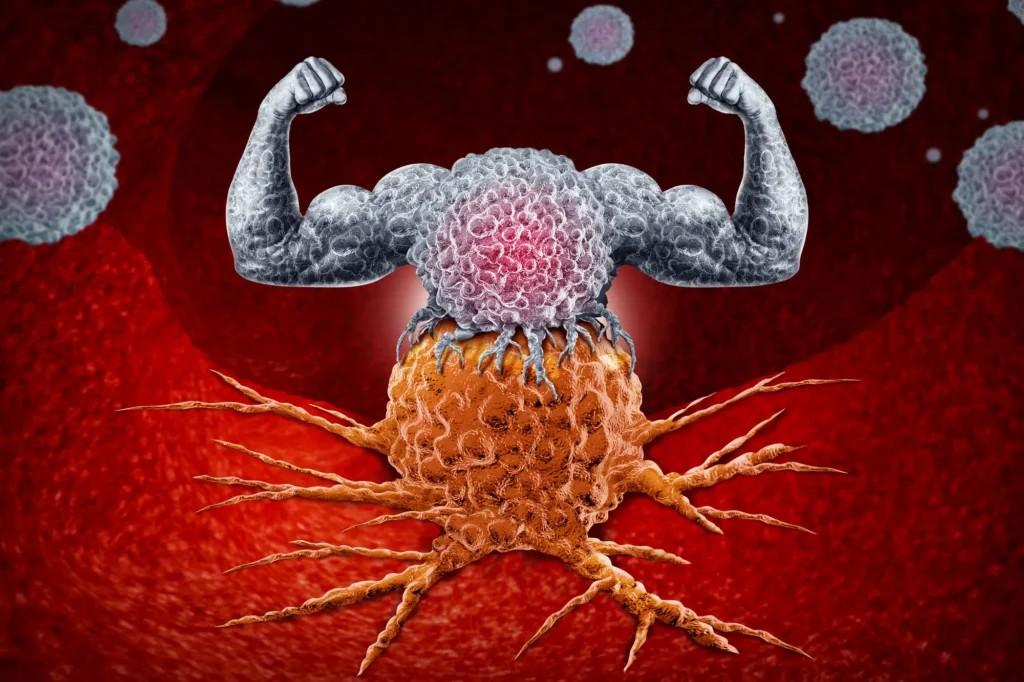
• Discuss the concept of immunotherapy and how it applies to myeloma
• Review how we are using immunotherapy already in myeloma
– Monoclonal Antibodies
– Antibody Drug Conjugates (ADCs)
– CAR (Chimeric Antigen Receptor) T Cell therapy
– Bispecific/Trispecific Antibodies
• Predict the future of myeloma and its reliance on immunotherapy…

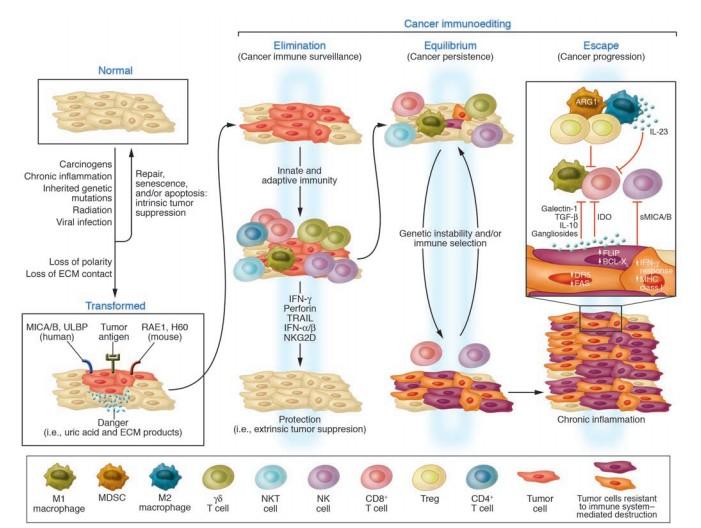
J Clin Invest. 2007 May 1; 117(5): 1137–1146.



Increase in cytokine production and adhesion molecules Block of programmed cell death FAS (CD95)












• Monoclonal Antibodies
– Daratumumab, Elotuzumab, Isatuximab
• Antibody-Drug Conjugates
– Belantamab
• CAR T cell therapy
– Ide-cel, cilta-cel
• Bispecific Antibodies
– Teclistamab, Talquetamab, Elranatamab, Linvoseltamab
• Future Directions – MORE antibodies, novel CAR T and much more!
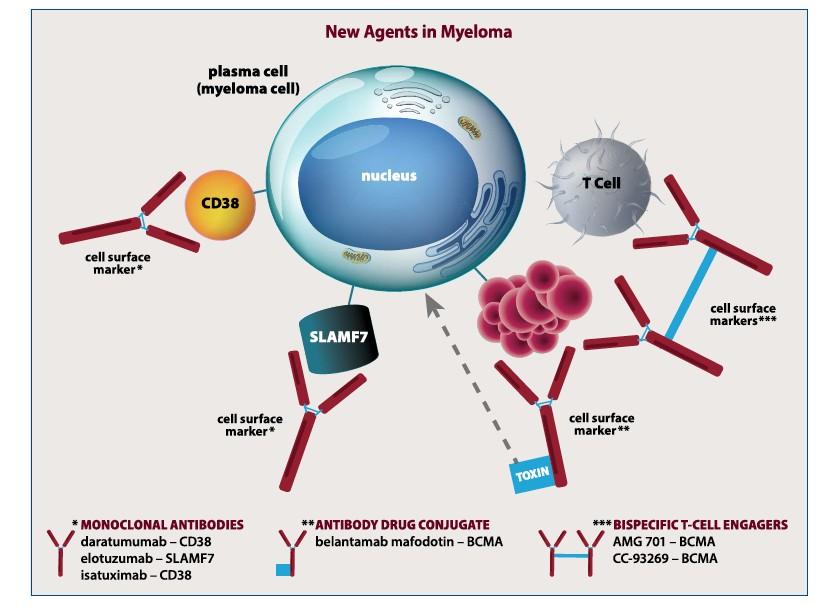
Bi-Specific Antibodies
Talvey (Talquetamab) CAR-T
Antibody Drug
Empliciti (Elotuzumab)
Bi-Specific Antibodies
Bi-Specific Antibodies
CAR-T
Monoclonal Antibodies
Daratumumab and Darzalex Faspro Sarclisa (Isatuximab) TAK-079 MOR202
Immune Therapies
Abecma (Ide-cel CAR-T)
Carvykti (Cilta-cel CAR-T)
Tecvayli (Teclistamab)
Elrexfio (Elranatamab)
Lynozyfic (Linvoseltamab)
Other CAR-Ts
Other Bi-Specific Antibodies
How it works:
An antibody directed at a target (BCMA) combined with a cytotoxic agent (chemotherapy)
ADC = Antibody-Drug Conjugate
BCMA = B-Cell Maturation Antigen
ADCP/ADCC = Antibody-Dependent Cellular Cytotoxicity & Phagocytosis
Image Credit: https://creativecommons.org/licenses/by-nc/3.0/
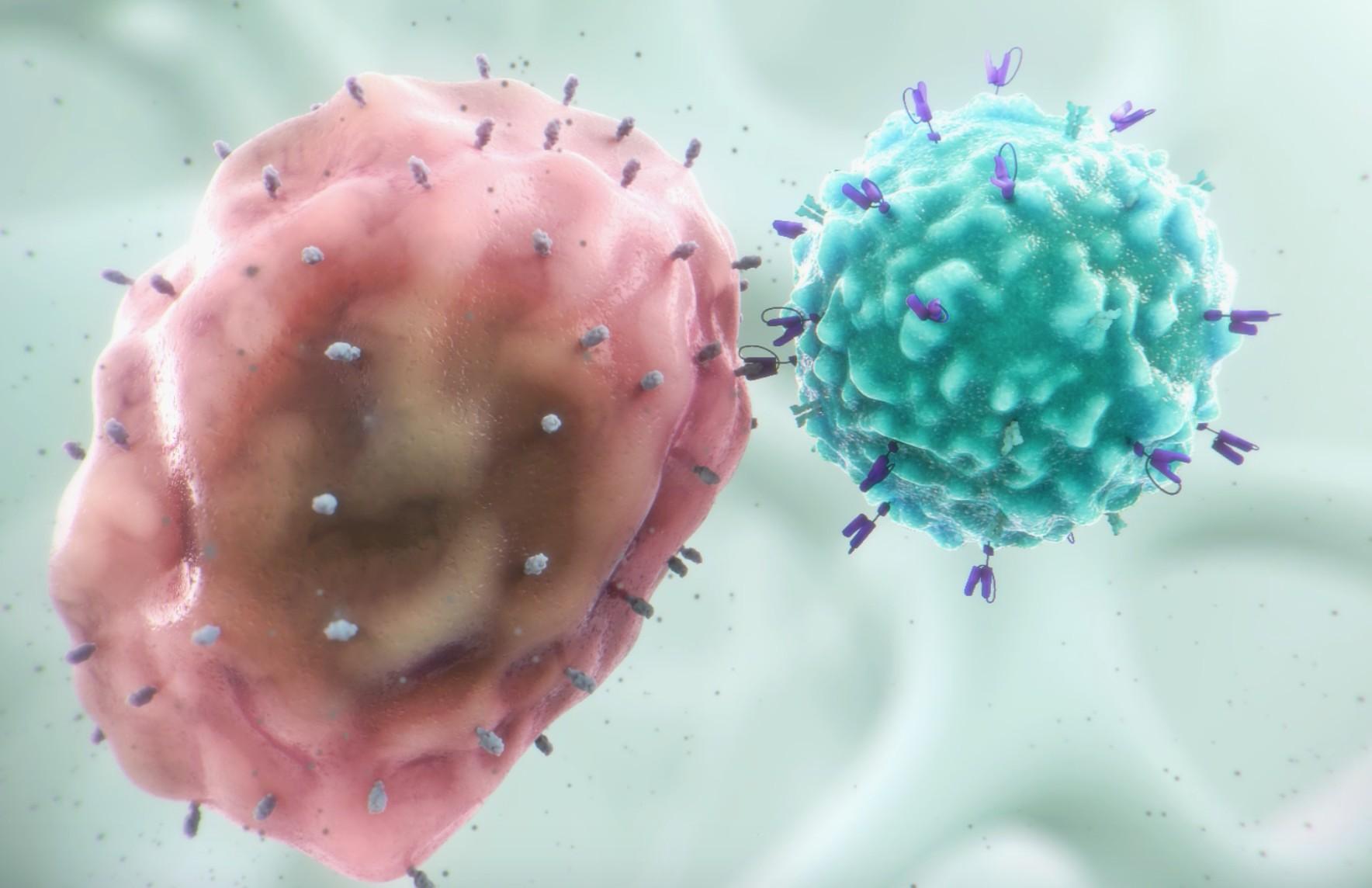
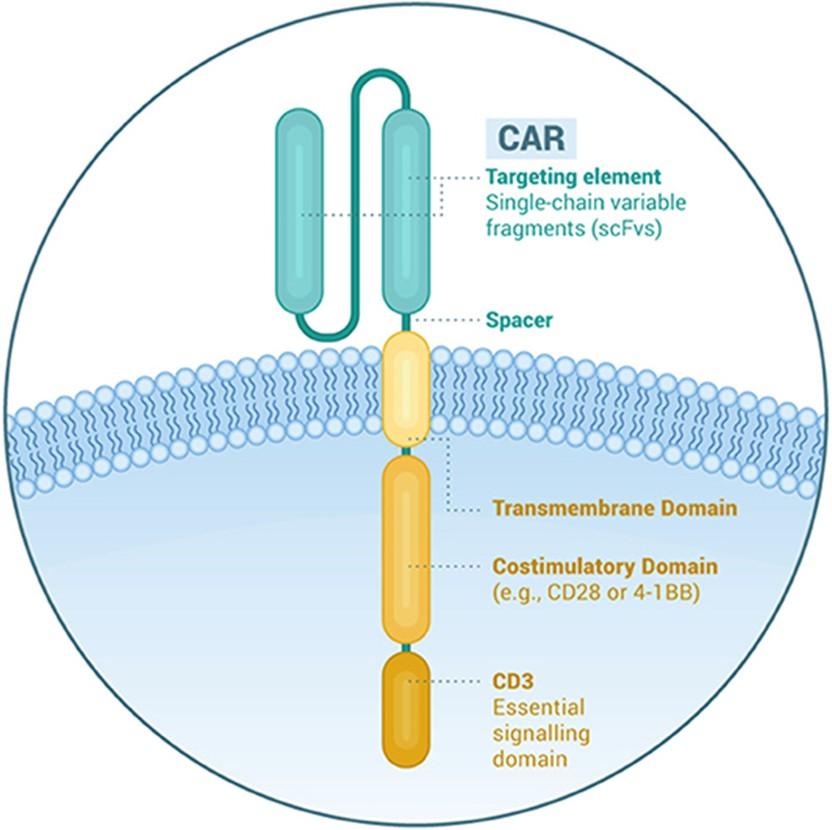
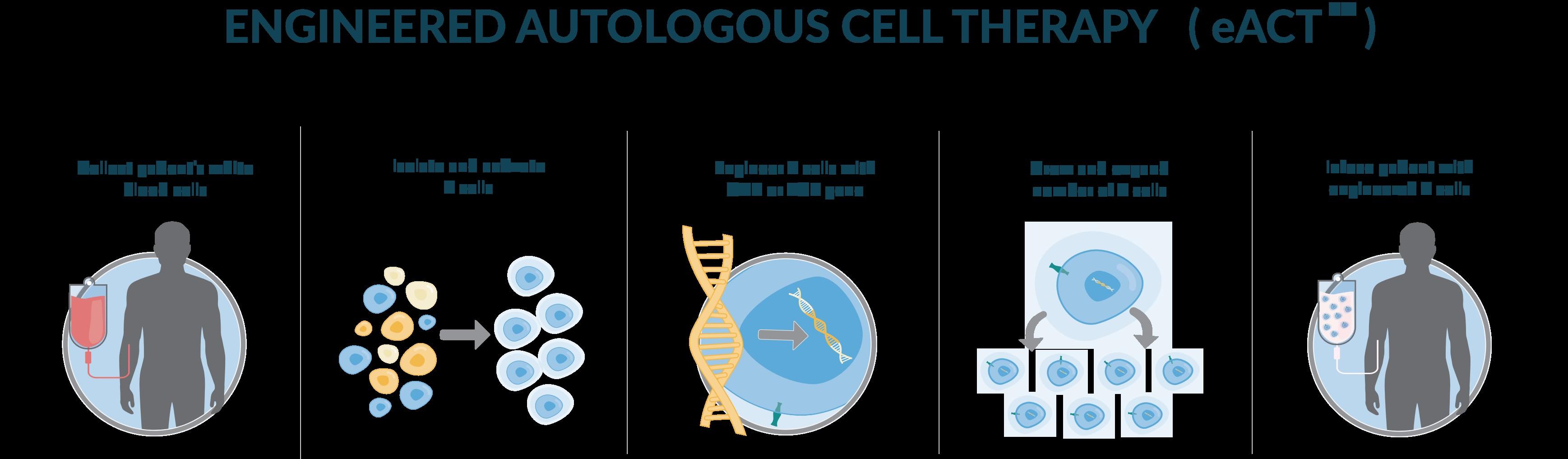
ENGINEERED AUTOLOGOUS CELL THERAPY

Hucks G, Rheingold SR. Blood Cancer J. 2019;doi:10.1038/s41408-018-0164-6.
Early (Days/Weeks)

Delayed (Weeks/Months)
Long-term (Years)
Cytokine Release Syndrome (CRS)
Neurotoxicity (ICANS)
Delayed neurotoxicity (Parkinsonism, cranial nerve palsy)
IEC-Colitis
Second cancers
Unknown long-term effects
IEC-HS
Cytopenias and infections
ICANS = immune effector cell-associated neurotoxicity syndrome
IEC = immune effector cell
• Novel CAR Ts with unique features
– non BCMA targets (GPRC5D, FcRH5 and others)
– “fast Cars” with shorter manufacturing time
– enhanced binding
• dual targeting
• d-domain binding
• in vivo CAR T – without the need of T cell collection or lymphodepleting chemotherapy
• Allo-CAR T – external T cells infused into the patient
•Incorporates 2 antibody fragments to target and bind both tumor cells and T cells
•Brings target-expressing MM cells and T cells into close proximity, enabling T cells to induce tumor-cell death
•BCMA = B Cell Maturation Antigen
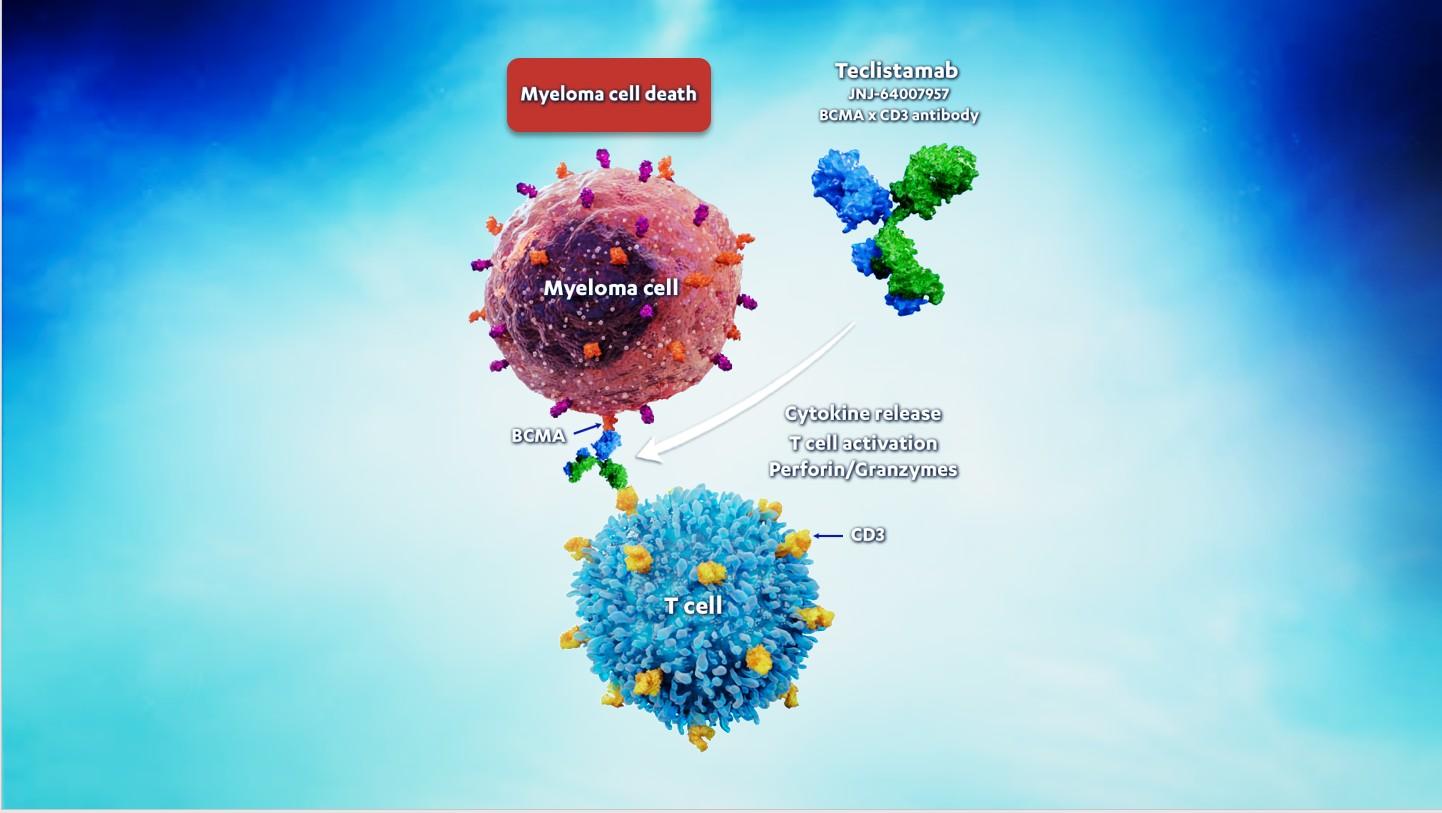
• Incorporates 2 antibody fragments to target and bind both tumor cells and T cells
• Brings target-expressing MM cells and T cells into close proximity, enabling T cells to induce tumor-cell death
Targets of Bispecific Molecule Vary
“Off the Shelf” Advantage
• No manufacturing process, unlike CAR T-cell therapy (but like ADC/belantamab therapy)
• Thus, no delay between decision to treat and administration of drug
ADC = Antibody-Drug Conjugate; BCMA = B-Cell Maturation Antigen; CD3 = Cluster of Differentiation 3; FcRH5 = Fc receptor-homolog 5; GPRC5D = G-protein coupled receptor family C group 5 member D
Image Source: Shah N, et al. Leukemia. 2020;34:985–1005. Creative Commons License:
• Novel targets – FcRH5 (Cevostamab)
• More convenient dosing – monthly (Etentamig)
• Trispecific Antibodies – dual MM Cell targeting – potential for enhanced binding and less resistance
• Combinations with other MM agents (Teclistamab-Daratumumab)
• Immunotherapy has completely transformed cancer care
• In MM we have several forms of immunotherapy already approved and many many more to come
• There may be a day when immunotherapy may replace traditional induction therapy and stem cell transplant
• The next wave of immunotherapy will be likely MORE effect and have LESS side effects
• The IMF houses the immunotherapy database so we can learn more about this treatment even more quickly
Joseph Mikhael, MD, MEd, FRCPC, FACP, FASCO,
• Slides from Friday & Saturday Programming
• Evaluations for Friday & Saturday Programming
• SparkCures Search Engine specific for the Ohio region
• Ways to Give
Clinical Trials are a critical part of myeloma therapy
Every myeloma patient should at least consider participation in a trial when relevant
The IMF is deeply committed to improving access to clinical trials, especially in those who have been historically underrepresented
The IMF will continue to expand its work in clinical trials – STAY TUNED!
• Slides from Friday & Saturday Programming
• Evaluations for Friday & Saturday Programming
• SparkCures Search Engine specific for the Ohio region
• Ways to Give
5:15 – 6:15 PM

OUR MISSION:
Improving the quality of life of myeloma patients while working toward prevention and a cure.
OUR VISION:
A world where every myeloma patient can live life to the fullest, unburdened by the disease.