
MOVING HOPE HOME: What it Takes to Move a Shelter
By Molly Monroe
Thousands of hands, thousands of hours and thousands of dollars keep Interfaith Sanctuary running and the most vulnerable population cared for. Building and moving into a new shelter is an undertaking that cannot possibly be accomplished by one human alone, but with a village. The Boise community surrounded Interfaith with support by donating, advocating and building to make the new Shelter Home a reality.
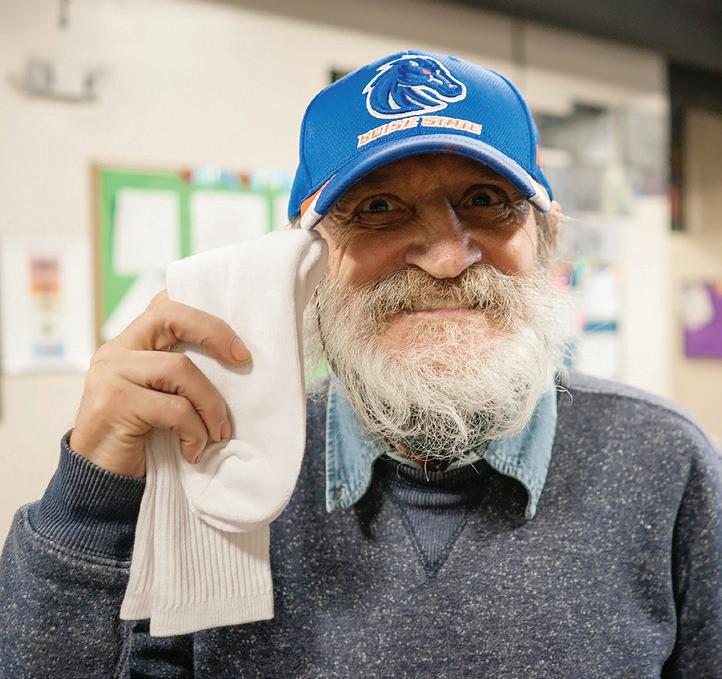
In honor of preparing for the opening of our Shelter Home, we’re highlighting contributions the community has made to help Interfaith move to State Street.
Donating Good
Donations keep the shelter running and guests’ needs met. This holiday season, the community donated articles of clothing to keep guests warm from head to toe. For the fifth year in a row, Hanes for Good donated 500 pairs of socks during the holiday season. Debbie Mallis helped Hillview United Methodist Church organize donations of handmade hats and gloves. The community didn’t stop at clothing guests can use now, but also donated quilts for each guest to have on their bed when they move into the Shelter Home. Hearts were warmed and bellies were filled. City of Good stepped up the plate to fill plates of those who experienced food insecurity when SNAP benefits were reduced. City of Good’s Executive Director, Britt Udesen, reported that in
November, the nonprofit provided about 2,000 grab and go meals. The organization is preparing 7,000 frozen meals to provide all guests and staff meals for 14 evenings. When the shelter home is up and running, City of Good will also provide 500 ready to cook meals a week.
Three meals a day, seven days a week, could not be provided without a commercial kitchen. The Church of Jesus Christ of Latter Day Saints funded the state of the art kitchen equipment for Interfaith Sanctuary’s Mercy Kitchen. A representative from the church paid a visit to the shelter to meet staff and guests and see the new kitchen, although it was not yet functional. By a miracle, the equipment happened to arrive the very morning he flew in and he got to witness the church’s generous donation being installed.
Advocating Stories
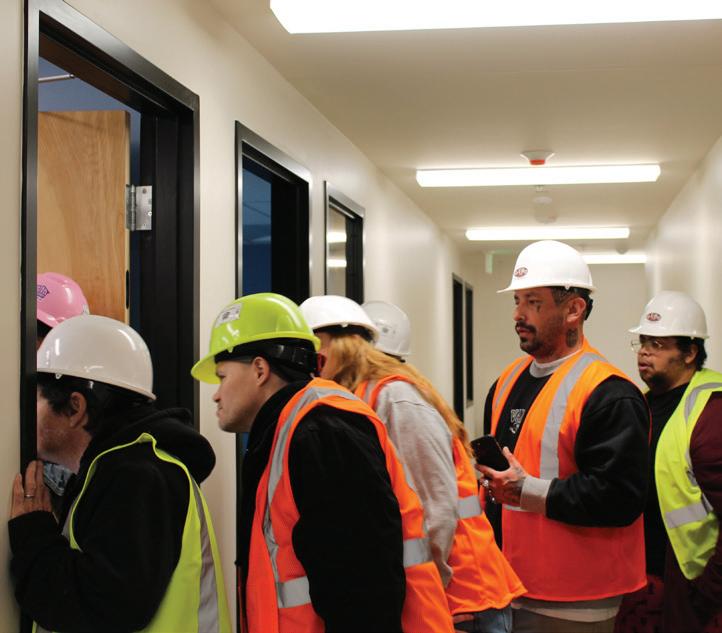
The stories that built the shelter were spread throughout Boise as more and more community members, partners, sponsors, neighbors and guests toured the new Shelter Home on State Street. They were blown away by the sheer size and intentionality of the campus. Even those who held different perceptions on Interfaith’s mission at one time shared the understanding of the impact the Shelter Home will have on Boise and beyond.
Nick Rogers, an individual experiencing homelessness who is involved in Word on
the Street, was brought to tears of gratitude after touring the Shelter Home. “It’s so cool to have feet on the ground at this place because this place is going to change lives,” he said. “Generations of this Valley will be changed because of the work put into it. It’s really beautiful.” As someone who was impacted by programming, he saw the potential for greater impact the Shelter Home could have.
Jodi Peterson-Stigers gave dozens of tours full of stories about how the Shelter Home became what it is today. Many community members and faith leaders including Deacon Tom Dominick of St. Mary’s Catholic Church and Spiritual Director for St. John’s/St. Mary’s Conference of St. Vincent dePaul, and Co-Chair of the Voice for the Poor Committee, toured the new shelter and noticed how essential the space is for families.
“The tour of the new shelter home brought joy to my heart. In a city where it is illegal to camp on the street, this new shelter environment is sorely needed,” he said. “This new shelter home is incredible and will allow families with children to stay together, provide privacy, medical care, and opportunities especially for children to learn and feel safe.”
His wife, Bobbi Dominick said, “This shelter recognizes and respects the essential dignity of each human person and tries to affirm each individual. I was amazed at the expanded opportunities this shelter provides for people to grow and find joy,
play, and many other ways,” she said. “The attention to detail is impressive, from plugins for chargers, to the paint on the walls, to a teen room and play areas, to safety measures, to medical care. All of these things demonstrate that new shelter is the result of a labor of love.”
Michelle Burks, a community member, was impressed by the thoughtfulness of the trauma-informed design of the shelter from the color scheme to the medical wing. “Involving guest input to design and create safe spaces is amazing. The security aspect is going to be great for those living close by and inside,” she said. “It seems like more of a transitional housing than a shelter offering services for medical health and even hospice. Jodi has thought of everything, so impressed and cannot wait to help out in whatever way I can!”
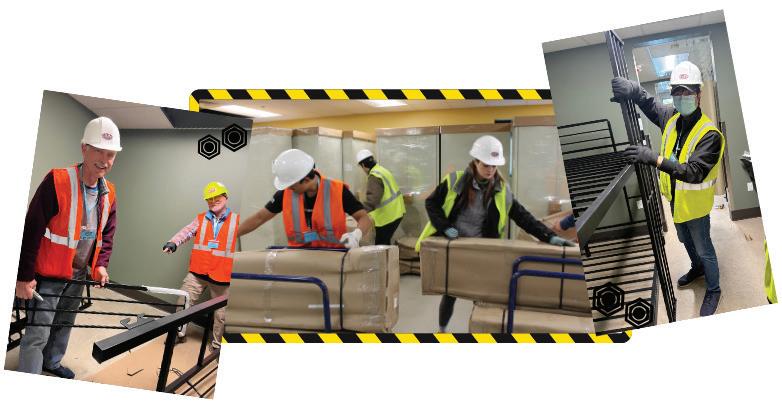
Nicki Guho, owner of Guho Corp. the general contractor building the Shelter Home on State Street, sponsored the adult library in honor of his wife Yvonne’s late mother who was an avid reader and book lover. “The Betty Jean Jone’s Library” will be filled with her book collection along with her vinyl collection. A phonograph with wireless earphones are designed into this new space to share stories and music. Many supporters of Interfaith were inspired to sponsor rooms and fill it with decor and furniture with guests in mind. Even those who toured the campus were inspired to sign up to assemble the furniture for the rooms.
WORD ON THE STREET
PO BOX 9334
511 S Americana Blvd
Boise, ID 83702
EDITOR IN CHIEF
Molly Monroe
WOTS WRITERS/COLUMNISTS
Shiloh Price
Gerri Graves
Julie Loomis
Nate Dodgson
Chris Alverez
Jodi Peterson-Stigers
Molly Monroe
Nicki Mortensen-Alverez
Janet Kaufman
Amberly Smith
Terry Reilly Health Services
WOTS HISTORIAN
Nicky MacAislin
WOTS STREET PHOTOGRAPHERS
Gypsy Wind
Julie Loomis
Heather
ART COLLECTIVE DIRECTOR
Chris Alvarez
CONTACT THE EDITOR
To submit story ideas or community articles, please send request and information to molly@interfaithsanctuary.org
Moving Hope Home: continued from 1
Building Hope
On December 11, Interfaith Sanctuary’s new Shelter Home was granted temporary occupancy and the community wasted no time helping with the next step. The very next day, a dozen volunteers showed up at the construction site to unload a semi truck full of IKEA furniture and then over the next two weeks over 200 volunteers showed up to help build IKEA furniture.
Micron was the first group to lend a hand and shared how fun it was to serve with their co-workers. People came prepared with their toolkits, drills, allen wrenches, work gloves and joy at being able to serve
POETRY CORNER
Clipped Wings 6 New Day, New Dreams You Say
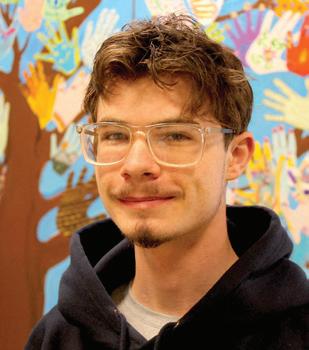
By Shiloh Price
As if my breath, my blood, my skin
Were crimes I’d made by letting in.
I swallowed guilt like morning bread, Knelt on the stones where angels bled. They preached in fire, masked as light— And told me breaking meant I’d fight. They measured worth in silent lips, In covered curves and chastened hips. They called it love, this shrinking game—
But couldn’t even speak my name. I used to beg beneath their cross, To trade my truth for lesser loss. I made myself a ghost in pews, While they passed judgment in my shoes. But look at me—I’m still right here.
My voice is louder than their fear. The God they used to strike me down
Has no more claim to wear my crown. I walk through fire and don’t bow. What scorched me then won’t touch me now. Their heaven isn’t where I’ll climb—
My worth was never tied to time.
I bless the rage that kept me warm, The hymns I wrote inside the storm. And every lie they taught as grace Fell powerless beneath my face.
So let them preach, and let them pray— Their words can’t take my skin away.
I am the altar and the flame,
No longer bound by holy shame.
in this simple way.
Some volunteers had been involved with Interfaith for years. Tom Neale, from Boise Unitarian Universal Fellowship, who helped cook and deliver meals to the River Street Shelter for a year. Paul Christiansen and Karen Shein, a mother and son duo who volunteered in the laundry room every Monday. Folks like these jumped at the chance to serve Interfaith in another capacity.
When Jodi Peterson-Stigers spoke on stage at Cathedral of the Rockies about Interfaith’s needs, something stirred in Donna Thie to ask how she could help. From there, Donna led the charge for volunteers on “build days”, setting goals and expecta-
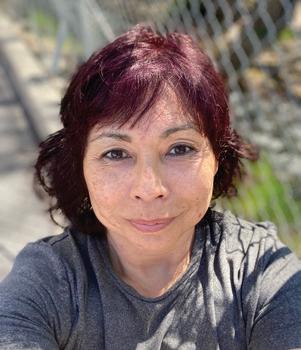
By Julie Loomis
It is quite strange, where life will take you. one day you are watching your dreams, and then they are watching you. You think your job will last, at least till you catch up on your bills. Then suddenly you have all day, to dream up a new way to climb the hills. Nothing last forever, especially in this new economy. Yet not all is lost with new challenges, For some of us this new life is free. Free to go back to school, and pursue something worthwhile. Start that business like poetry writing, at least that should bring a smile. Whatever you decide, just remember to breathe. Life is about many things, don’t let yourself be deceived.

tions, giving instructions. She used her experience in delegation in a church setting and in construction to lend a helping hand alongside TJ Wilson.
TJ lived in the neighborhood surrounding the new Shelter home for thirteen years.
Three Ways to Help Us Move Hope Home
By Jodi Peterson-Stigers
As we get closer to opening Interfaith Sanctuary’s new Shelter Home, there is a lot of work to do and a real opportunity to be part of it.
Moving into a new shelter home isn’t just about the move itself. It’s about preparing a space where people can come inside, feel safe, and begin to rest and reset. That takes many hands and a community willing to
show up.
If you’re looking for a meaningful way to get involved this year, these are three very real, very needed ways to help us move hope home.
1. Build & Furnish the Shelter Home Turn empty rooms into usable, welcoming spaces
We need help assembling furniture, setting up rooms, and getting spaces ready for use. This is hands-on, practical work with

By Critter
I like to write poems
Lisa Loeb wrote them.
She said that I said she only hears what she wants to.
I never said that.
I get that though.
She was frustrated with everyone. At least she didn’t use a gun. She used her words.
I’ve learned that words turned into birds that fly through the air so the world can see ,are words exposed like votes for me to be the president.
Make them count.
Don’t hurt people with those words but be the fowl that bears no scowl, only the verbs that our world needs to recover the love of a brotherly brother.
The love of a sisterly sister or mother. Love perpetuates humanity and is the meaning of life. Greed equals strife.
Greed destroys EVERYTHING. Let me see…
I like to write poems.
Lisa Loeb wrote them.
She said that I said she only hears what she wants to.
I never said that.
I get that though.
No longer bound by holy shame.
At first, he was not a fan of people experiencing homelessness moving into the area, but when he accepted that the Shelter Home was opening, he started to learn more about Interfaith’s mission and even appreciated the hope it was building. He got involved in build days, directed other volunteers and provided tools and safety talks on every shift.
“The flight is over, but the work isn’t,” he said. “Jodi has the tenacity to keep going. It’s so 2important for people to give. What they’re really giving is hope and a second chance.”
Help us move hope home! See below for three great ways to get involved.
immediate results. You’ll see a room go from empty to ready in a matter of hours. These spaces will soon be someone’s place to sleep, rest, and start figuring out what comes next. Your time helps make that possible.
2. Stock Food Shelves & Kitchen Spaces
Get the basics in place so we’re ready to serve from day one
Our kitchen and food storage areas need to be fully stocked and organized before we open. Volunteers help put food on shelves, organize pantry items, and set up kitchen storage so staff and guests can move easily through the space.
This work supports daily meals and helps us start strong the moment our doors open.
3. Prepare the Space & Get It MoveIn Ready
Help make the shelter feel ready, not rushed
Before guests arrive, we want the shelter to be clean, organized, and calm. Volunteers help make beds with new sheets and handmade quilts, wipe down rooms, and do the final prep that makes the space feel cared for.
This is the last step before welcoming people inside—and it matters more than it sounds.
Show Up. Lend a Hand. Move Hope Home.
Every task matters. Every shift helps. When you volunteer during this phase, you are helping get this shelter home ready so that our guests can come inside morning, noon, and night.
This is what moving hope home looks like. Learn more at interfaithsanctuary.org
Xtreme Holiday Xtravaganza
By Molly Monroe
Two sold out nights celebrating 20 years of Xtreme, hosted by Curtis Stigers and Jodi Peterson-Stigers. Local musicians, dancers, writers, and divas came together to bring peace, love, and music to Treefort Music Hall, helping raise over 4,500 nights of shelter.
Here are some highlights from the evening:

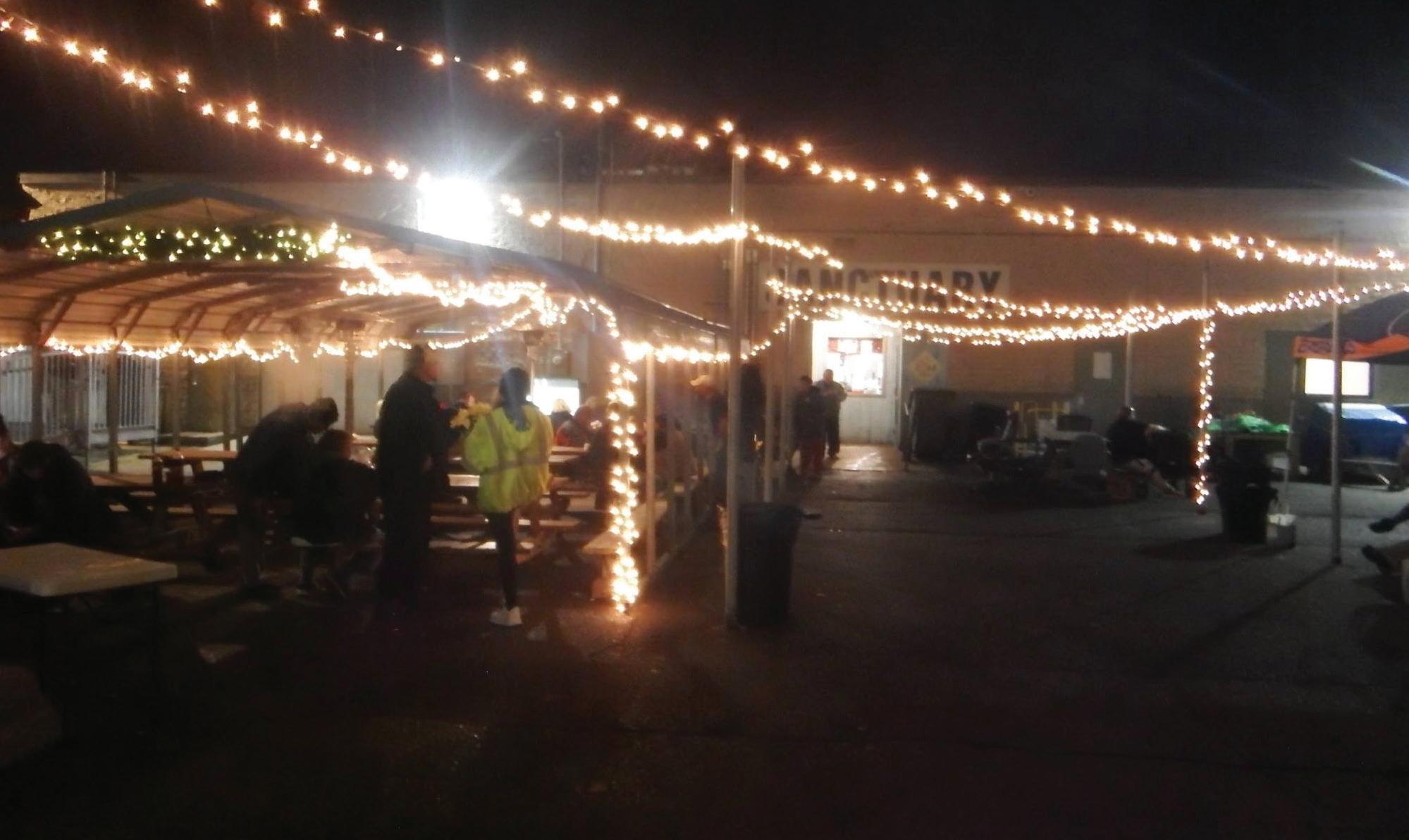
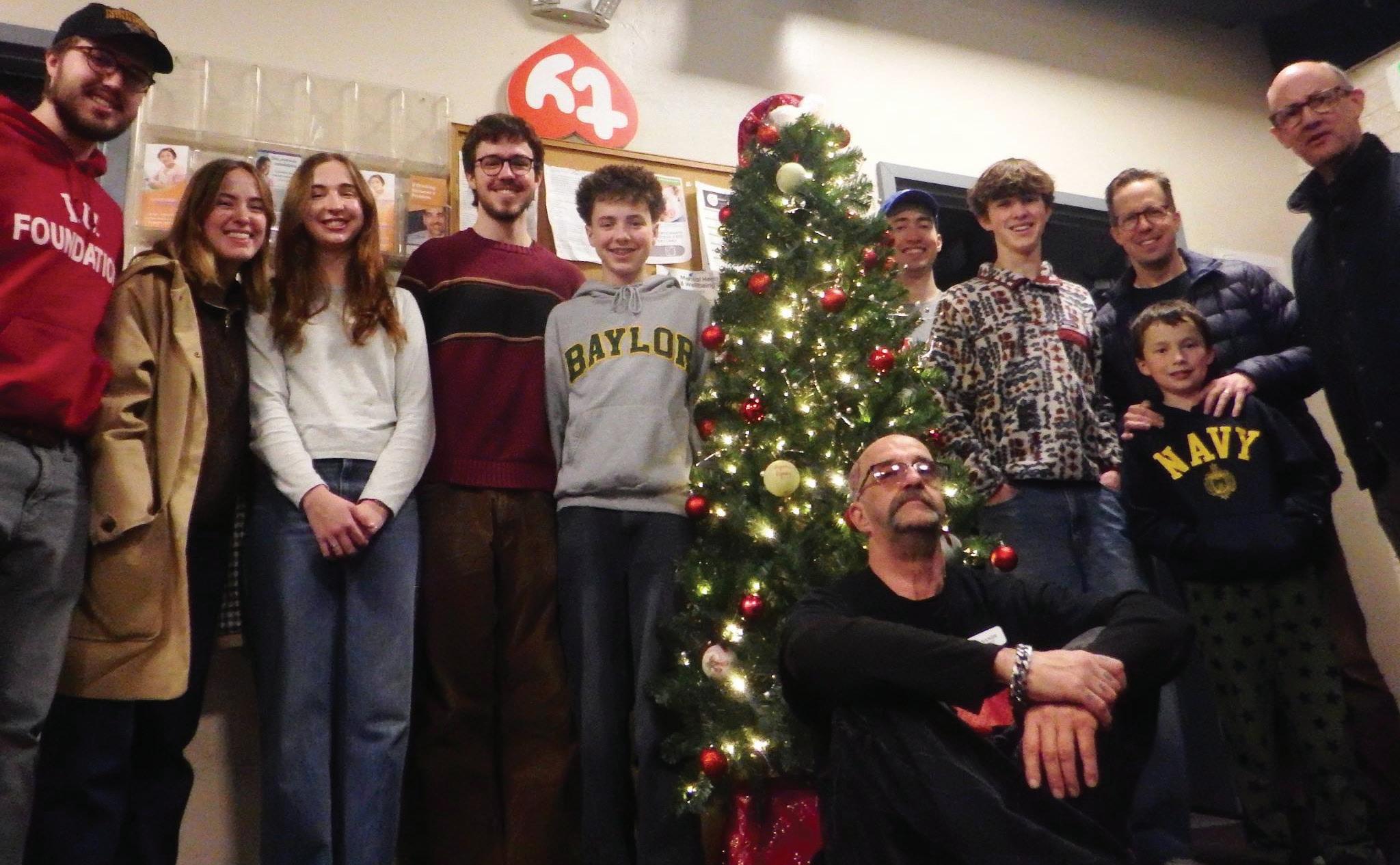
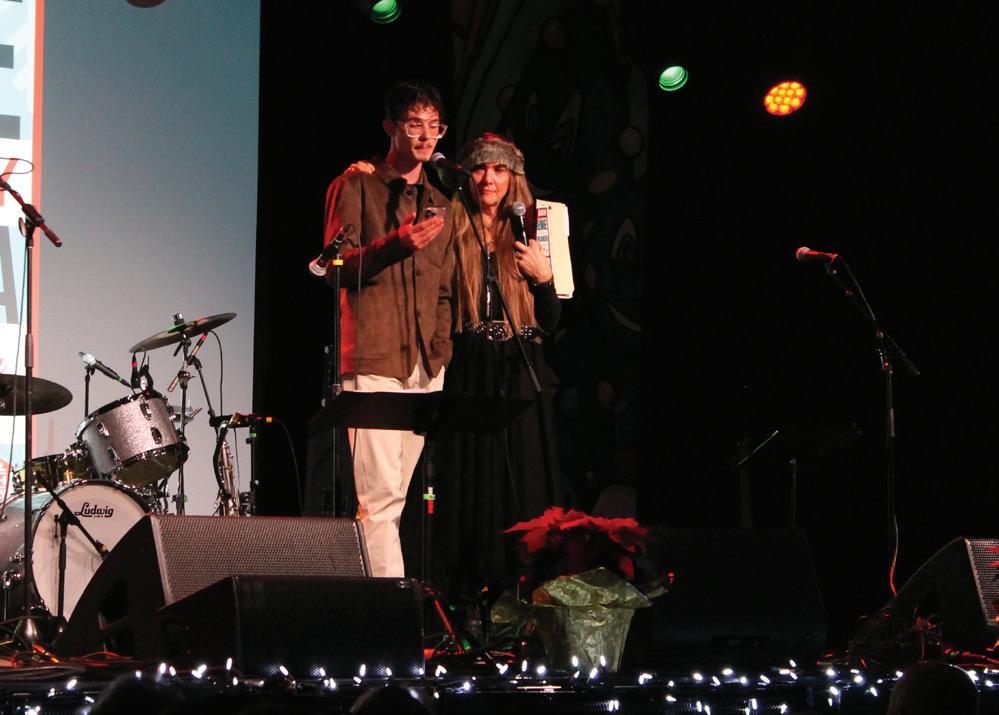
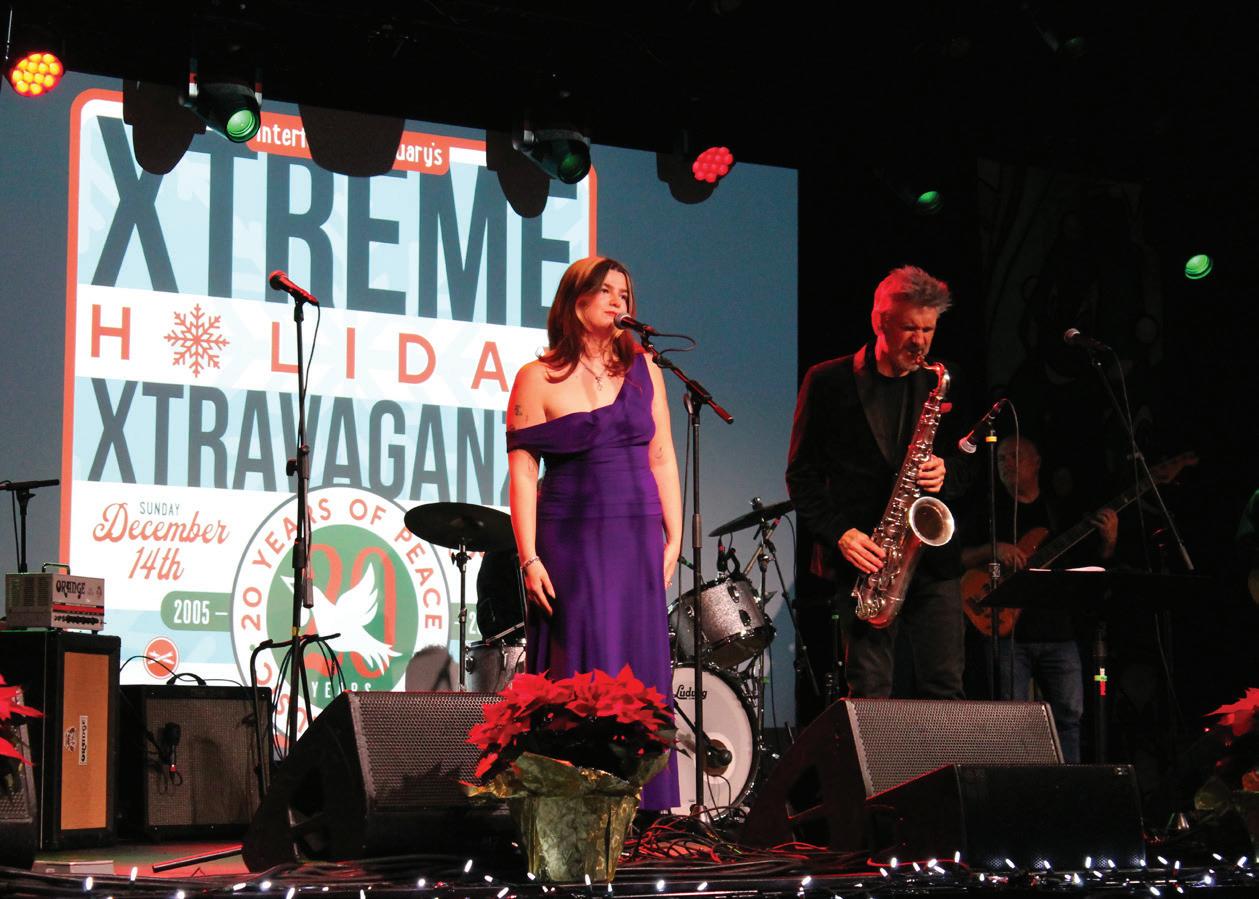
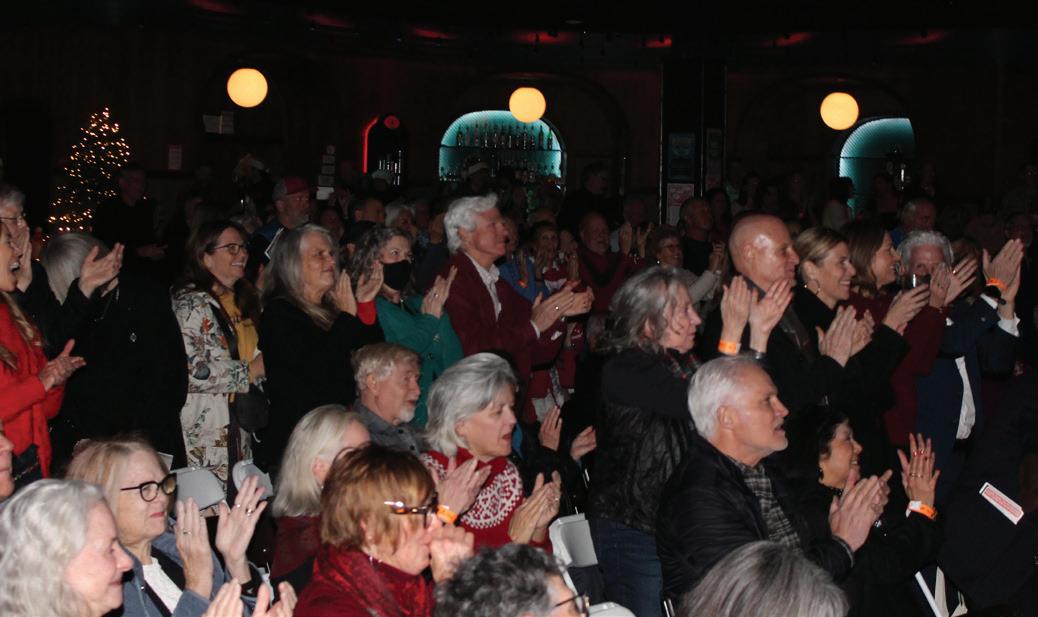
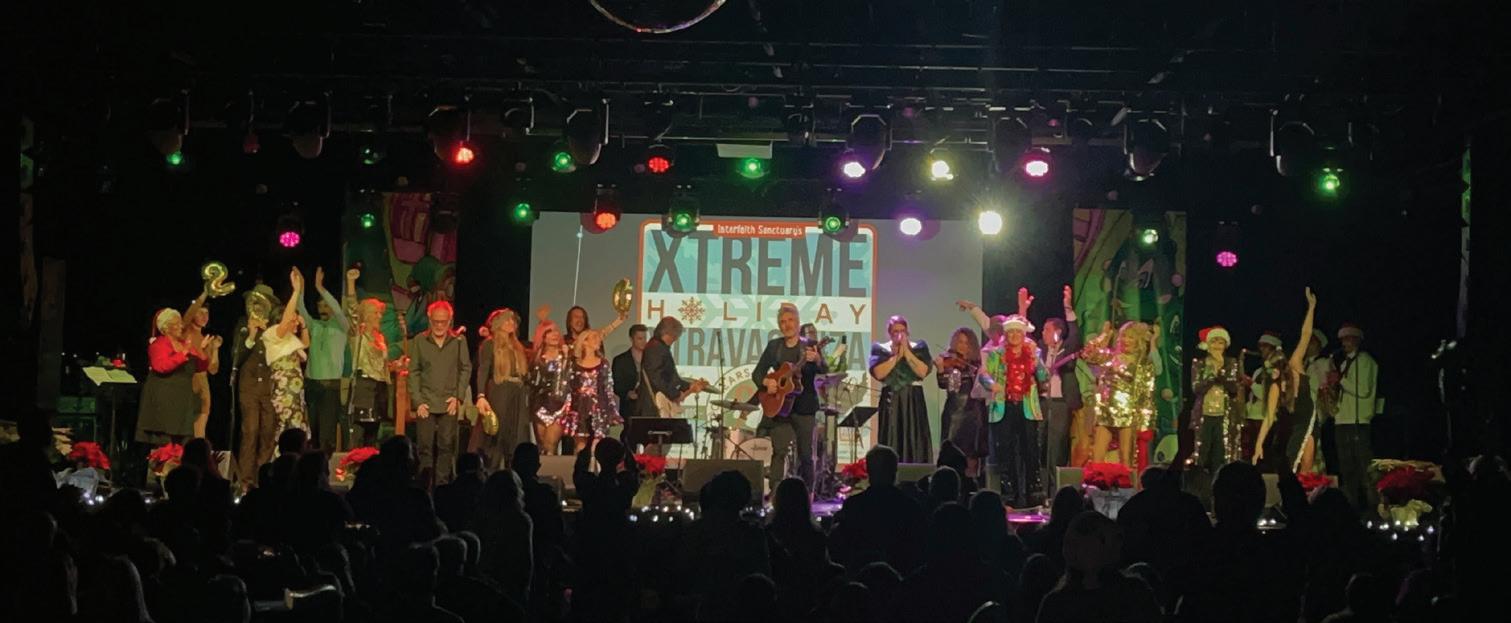
Photo by Gypsy
Holiday spirit lights up the Sanctuary.
The sweet Gage family hung lights up for guests the week of Christmas.
Curtis Stiger plays saxophone alongside Olive Hoffman performance of “Santa Baby”.
Shiloh’s speech received a standing ovation from the audience showing their support for him and Interfaith.
WOTS writer and guest, Shiloh Price spoke about the challenges he faced and how Interfaith helped him rise up out of them, sparking his faith again.
All artists made an appearance on stage during the grand finale of the Xtreme Holiday Xtravaganza.
COMMUNITY PARTNERS
Building Compassion… and Gingerbread Houses
By Dulce de Leche
I lit the Chocolate Backwoods with my iridescent skull light. The flame was invisible so it was impossible to see during the dark early morning. I stepped off the city bus into the ice cold snow. My Google Maps took me to some hole-in-the-wall, rundown building with a glass dove mural set into the concrete. I stepped inside to see two statues knelt down in prayer.
the clothing closet. No one had shown me such kindness in months.
DEEDS ON THE STREET
This is what Corpus Commons provides to the homeless community every day. A warm, welcoming place to eat and stay in the daytime. Corpus has provided over 110,000 meals, 100,000 showers and 18,000+ loads of laundry as well as new outfits and pairs of shoes.
“How may I help you?” a warm voice greeted me.
“I need something to eat and possibly a shower. It’s been a week. But I have no money to give you.” I responded.
“That’s okay. Hot lunch is served at 11:30 p.m. and we have warm showers. Here’s a hot coffee, sugar and a donut. That gentleman over there will wash your clothes while you shower. And we have a clothing closet if you want something new.”
Corpus Commons is made to assist others in their time of need. No questions asked, just compassion and giving.
DEEDS ON THE STREET
She handed me a steaming cup and tears streamed down my face. As she led me to
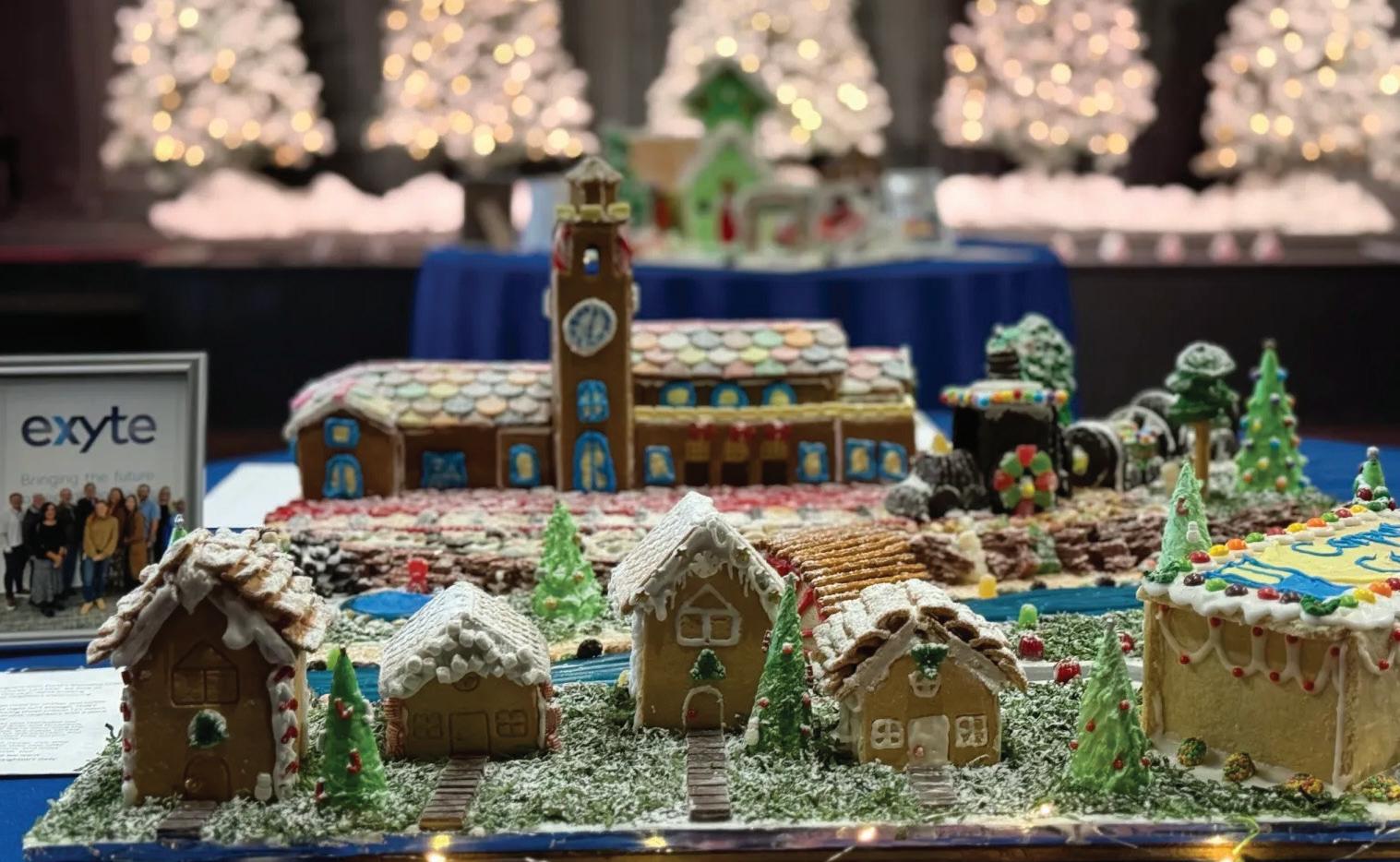
“The Great Gingerbread Build” was their first fundraiser ever. It was a two-day gingerbread house building competition that provided refreshments and allowed people to vote in each category of building. There was a winner from each of the four categories. During the two days, people from the community gathered at The Creative Space in Garden City and paid a $25 donation per vote.
They had sponsors from the state to design and build gingerbread pieces and each had
a goal donation amount with it.
“It was a huge success. We had over 700 people and we hope to use the money raised to build new showers and restrooms and upgrade the kitchen” Rowan, a Corpus employee said.
Jina, a facilitator of somatic breathing at Interfaith’s Project Well Being who attend-
ed the event, said “It was beautifully done and a lot of fun.”
Thanks to all the participants, donors and, most of all, Corpus Commons. Here’s to a happy and successful new year and even more donations in 2026! For more information and to leave a donation corpuscommons.org
Terry Reilly Tips: Finding Comfort in Connections
DEEDS ON THE STREET
By Briana S., Case Manager Terry Reilly Health Services
WOTS
Humans are meant to be in relationships because we are, by nature, wired for connection. Relationships are critical to our well-being as they can provide support, promote physical and mental health, and foster our personal development.
There’s a saying that goes, “Make new friends, but keep the old. One is silver,
and the other gold.” This means that sometimes we will have friendships from a very young age, that last a long time. These people, who know you so well, are important. Though life changes and people change, it’s important to not let these important friendships go—the people who know the real you.
We can be reluctant to allow new people into our lives. It can be hard to trust others. If you open your mind and look past
DEEDS ON THE STREET WOTS
Coat Drive for Ada County Jail
Inspired by Guest
By Molly Monroe
“Interfaith saved me from freezing to death,” Gypsy Wind said. When he was released from Ada County Jail in the winter there were no coats or boots available at the time.
Historically, Ada County Jail has accepted donations of warm clothes for those being released to ask for upon release. However, limited storage and supplies make it difficult to give every person a coat.
Lindsay Stanger, Ada County Sheriff’s Office community engagement manager, excitedly agreed to partner with the Word on the Street team to put on a coat and boot drive. “We are trying to address a common need,” she said. “We can only do so much with what we have, so this is a great way to pull resources and help each other.”
You can drop off your donation at the Phoenix building, 511 S. Americana Blvd., in the collection bin Monday through Friday, 10 a.m. to 2 p.m., throughout January.
The goal is to collect 100 coats and 20 pairs of boots. (More XL and XXL sizes are appreciated.)
Wind explained that when folks are not given the supplies needed to stay warm, they will do whatever they can to get them.
“It puts people in a position to possibly reoffend, just to survive the night,” he said.
“But those getting out of jail just need a chance to rebuild their lives and become productive members of society.”
He confessed that he was so cold and in need after being released, he walked into Burlington Coat Factory intending on stealing a coat, but he decided to ask the store clerk, who, in turn, graciously gifted him a jacket.
He found himself at Interfaith. He was devastated and scared. But I was welcomed into Project Well Being and Word on the Street. In a newspaper meeting, he shared his experience of going from jail cell to cold street and said, “We need to do a coat drive to prevent this from happening to others.”
“Nothing is worse than being cold,” Stanger said, “It takes a village to keep our community warm and cared for.”
This coat drive serves as an opportunity for the community to share its warmth and make sure no one is left in the cold, one coat at a time.
initial assumptions, you can meet some amazing people. What we first think about people can be just a surface glimpse. But keeping an open mind and taking time to get to know others more deeply can lead to impactful friendships or pleasant acquaintances. And sometimes those can be life changing!
If you feel timid when meeting a new person, here are some conversation starting questions:
• Can you tell me about a favorite pet?
• What was your first job?
• Where did you grow up?
• What’s your ‘superpower’?
Don’t let fear of new people and false assumptions get in the way of making new friends. You never know who will come into your life and change it forever.

Boise Landmarks created by Exyte Gingertecs, Public Choice Winner in Adult Group category (Photo courtesy of Corpus Commons marketing/communication team).
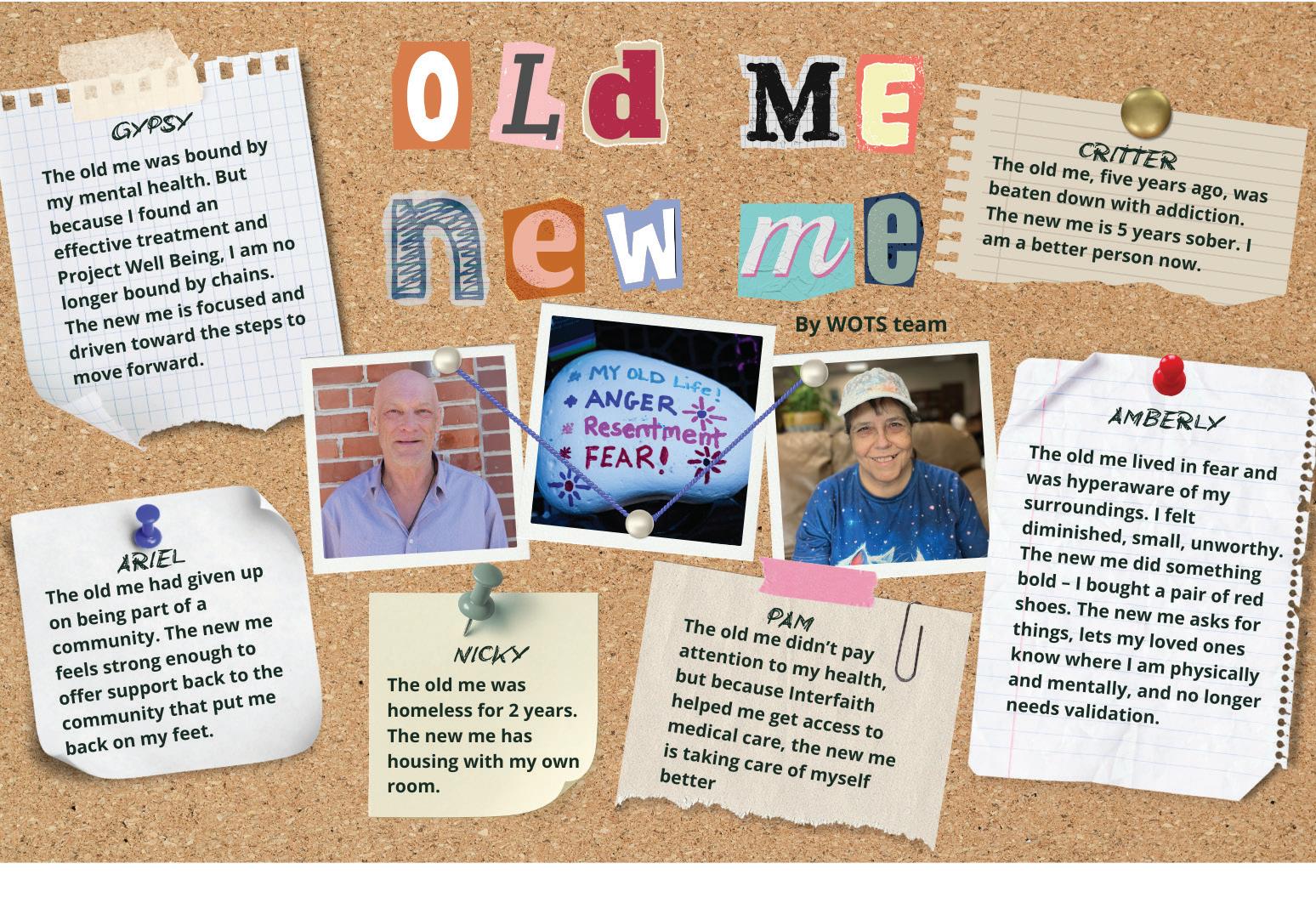
My Name Is...
By Dawn McCulloch
My name is Dawn. I’m writing this for the first time because I want to tell you my story and share what saved me.
I became homeless when I lost my section 8 voucher by going to Delaware to live with my sister. I could not find a place quick enough so my voucher expired and my sister kicked me out.
I’d never been homeless so I was scared. I moved back to Idaho and went to another shelter who demanded I take a drug test because someone spread a rumor that I did drugs. When they kept harping on me and didn’t go potty so they kicked me out along with another girl.
We went to Cooper Street by Interfaith Sanctuary, but realized quickly this would not be a safe place for me so in the middle of the night I knocked on Interfaith’s door and but sadly they were full.
The next day, I showed up to the shelter and got on the waitlist and found out there would be space for me that night. They welcomed me in and for the first time in a
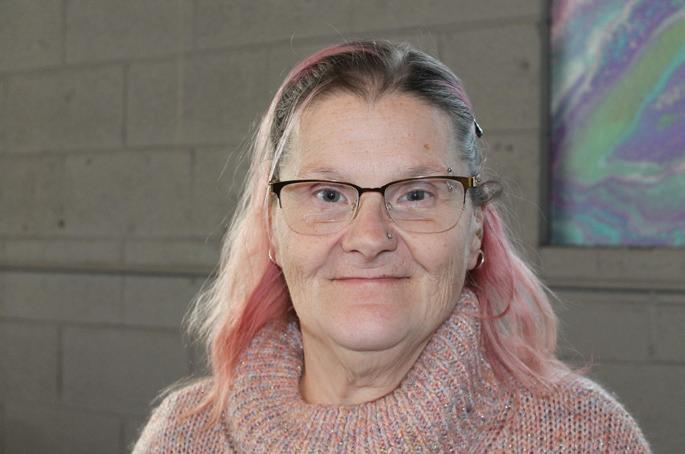
long time, I felt safe.
This time around though, I’m taking care of business and working on myself in Project Well Being. Thanks to the Sanctuary and Catch office, we’re working on getting me housing.
I just want to send a special thank you out to Jodi Peterson-Stigers for keeping this place for us and making sure we are safe.
To you that help run the shelter and the programs, thank you so much for everything you have been doing to help, not just me, but everyone who comes to Sanctuary.
2025 Reflections
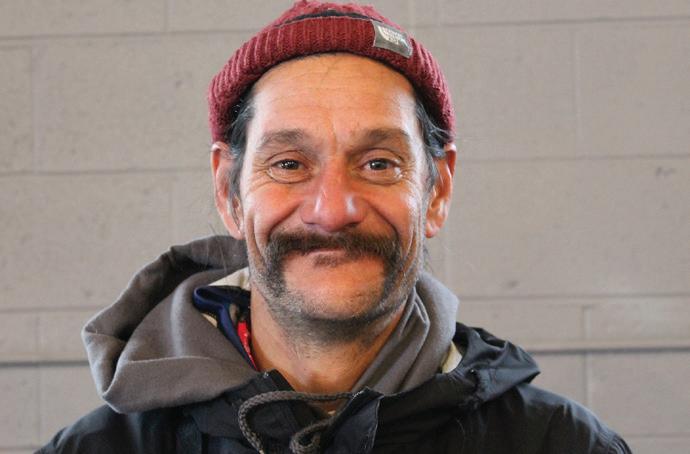
By Nick Rogers
Throughout this past year, I finally feel the new me. I have acceptance of my mistakes, forgiveness of my shortcomings and understanding that everyone has them to some extent or another. I have the willingness to do the work and meet my personal issues head on, and with it, the presence of self health, without judgement, but with kindness and compassion for my process through this season of life.
I feel that wellness to an extent is uncomfortable. Existing, not running. I’m walking slowly through my pain, sharing it boldly in the face of uncertainty, feeling my way along in everything that’s worth anything.
Valuing one’s personal life and valuing the matter of overcoming or coping with tragic loss, mental stability, personal growth, etc. can’t really be gauged in time or distance. It’s a highly personal journey. I’ll walk every day of my life from here on out in the most inward, personal way, but because it’s my choice to look at all my brokenness as beauty, my age as wisdom and health as a gift from the Creator.
With that being said, I’m not counting the miles I’ve walked over the past 12 months,

but rather focusing on one foot in front of the other. Not focused on the past and not stressing the future. It’s with faith and health that I’m focused on every moment whilst experiencing it and understanding my only truth lies with my reaction to these situations in life, forgiveness and grace with forever more lay in my wake.
I can’t really say how far I’ve come because it’s never the destination, but always the journey. I can only comment how happy I am to be walking in the direction of personal health.
Thank you to my circle of support including Nicki, Critter, Jodi, Molly and everyone who believes in me and cares for others above themselves day in and day out. Thank you from everyone that grows within your light.
Together, we will explore how to create environments where dignity is honored, differences are embraced, and every person has the opportunity to belong and thrive.
Through keynote addresses, interactive breakout sessions, and community-building experiences, you will learn practical strategies for cultivating compassionate communities.
The theme of “Everyone is Welcome - Let’s Make it Real” will be explored by keynote speaker Dr. Mitch Maki and closing plenary speakers Sarah Inama and Andy Scoggin, Interfaith Sanctuary Board President.
This event takes place on January 24 at Boise JUMP from 9:00 a.m. to 4:30 p.m. Scan the QR code or visit tinyurl.com/ WassmuthConference26 to register and get more information.
FROM OLD TO NEW
Because of Interfaith
By Molly Monroe
Stories are what make Interfaith an impactful place. It’s where we hear stories of strength, resilience and growth out of seemingly grave circumstances. It doesn’t happen overnight, but over time, after with patience, dedication and hope.
Both guests and staff are able to rise up and overcome the odds thanks to a village surrounding them with care. These are just a few things that Interfaith makes possible.
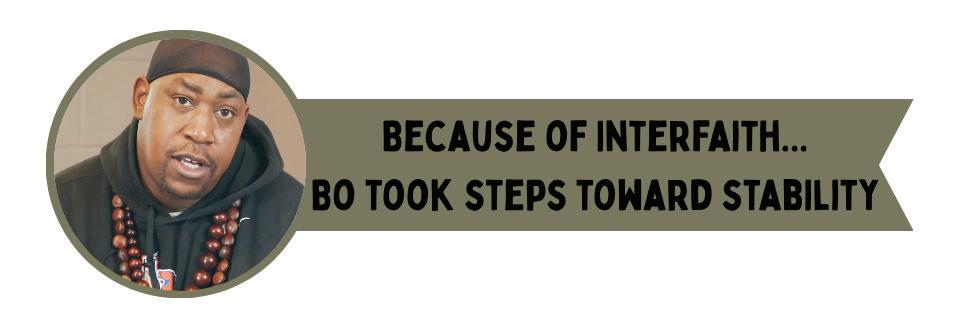
Bo came to Interfaith after difficult relationships left him without a home. He felt defeated when he arrived at the shelter, but was met with compassion and opportunity.
Through the Food Service Training Program, he gained skills, confidence, and ultimately, a job with Boise State Dining. This became his first stepping stone to housing.
Today, Bo is in a home of his own, building a stable life for his kids.
When you give the gift of shelter this holiday season, you’re supporting people like Bo as they take steps toward stability.
What’s So Good About The New Year?
By Sharla Phelps, Ancora Hospice Bereavement Specialist
Life is full of transitions. Some transitions are anticipated with excitement, others with sorrow. One thing we can count on though is that life is always changing. A New Year can be seen as a time of transition; moving from one year to another, setting “resolutions” and making a fresh start. But what is so good about a new year and what it brings, and why is it that people often have difficulty making these transitions?
The struggle to make transitions, changes, and adjustments can originate in an individual’s coping style and life experience. Oftentimes people struggle because they lean on the past; agonizing over what they were, who they were, what life was like for them, loss of health, failed relationships, unachieved goals, or grief over the loss of someone special to them. They look back on the way things were and often want to return to those days. The impact of these things continues to trouble them as they attempt to move forward into a new year. There is a saying that goes like this, “At every level there is a new devil”. At all stages of life there are joys and challenges. There are also new struggles and new opportunities at each turn. So, how do people move into a new year, with all of the transitions that are coming?
An idea that comes from Mindful.org is this: “Practice for Honoring the Transition to a New Year”. We encourage you to try it out and see how it feels for you
A Practice for Honoring the Transition to a New Year
• Sit comfortably, relax your body, and close your eyes.
• Slowly, gently, breathe in through your nose, and out through your mouth.
• Now, imagine that you are breathing in all of 2025 and what transpired for you, bringing the whole year into your lungs with each breath.
• Survey your memories as they come in on your breath and fill your lungs, catching glimpses of the year’s high and low moments.
• Allow yourself to feel the good, bad, disappointing, marvelous, wondrous, thanking everything that life brought to you this year.
• Feel the fullness of the year, savoring

At first, Gypsy refused to come into shelter. The thought alone brought him to tears, but one day, he couldn’t stand the cold any longer.
When he came inside, he attended Word on the Street. Through sharing his photography, joining weekly meetings, and donating his art, Gypsy built trust and friendships he never expected.
He came in from the cold and found something he didn’t expect: a community that surrounded him in the warmth of belonging.
Today, Gypsy is connected and serving where he can, whether it’s his family or his friends at Interfaith.
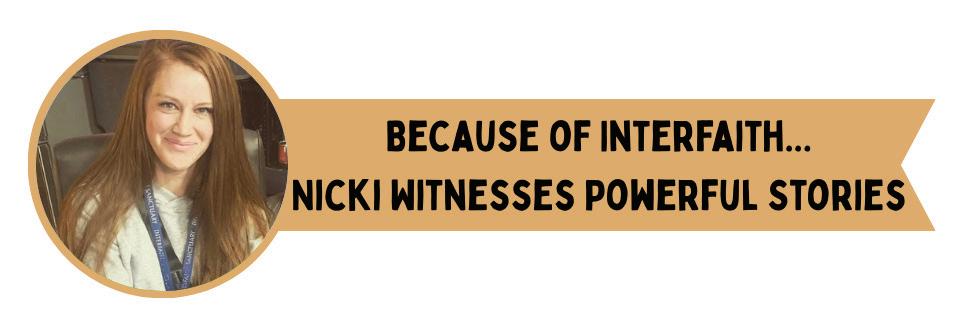
Nicki has always been passionate about supporting people. As Director of Project Well Being, our mental health program, she helps create a safe space for guests to process and learn together.
Out of Project Well Being, our newspaper, Word on the Street (WOTS), was born. WOTS challenges the stigma of homelessness by providing a platform for people to share their experiences.
Through her work, Nicki witnesses incredible stories of resilience, empathy, and compassion every day.
“I hope that everyone at some point in their lives finds a community of people whom they can feel deeply connected to.”
Mercy Kitchen: Fueled
these moments of reflection.
• Let it all go. With a few deep, long exhales, let it all go.
• Experience the tides of your breath a few times, in and out, and then rest, sensing the air coming in through your nostrils and flowing out.
• Let your breath flow naturally, effortlessly.
• Next, imagine a field of snow, freshly fallen all around you, pure, expectant, inviting.
• Allow your heart to swell and your ears to attune: What is calling to you this year? Where does your heart long to be? Feel and sense deeply.
• When you are ready, let your eyes flutter open: Welcome to a new beginning.
The authors suggest taking some time to note what came up for you during this activity. You can do this in your head or write it down. What thoughts and memories bubbled to the surface? What feelings came up for you? What made you smile? Feel calm or nourished? Are there things you feel relieved to let go of and leave in the past? How can you utilize this exercise as you start the new year?
A Word About Hope in the New Year
We can appreciate the sentiment in this statement by Glen Mollette, “Our hope must be to transition as well as we can because transition is coming for us all.” The word “hope” is understood as “the ability to find ways to achieve our goals and have the courage to pursue them” (Snyder, 2002). Starting a new year can inspire individuals to practice hope, strengthening their belief in the possibility that newness of life can be created in the new year.
There are changes coming for each one of us. Learning how to bring hope into those changes is key. Whether it is finding hope and peace with a move to a new building, a different relationship, or new goals, practicing being in that moment and enjoying what is there for us can help usher in what comes next.
One of our favorite movie quotes is, “Have the day you have!” No pressure, no expectations, just being in the moment and experiencing life and what comes with it. Even if it’s not our best year, it’s the only year we have right at this moment in time. The life we have today is the only life we are given.
by Food and Faith
By Molly Monroe
Frank Kalange believes he was called to be Interfaith Food Service Director. From watching his Italian mother cook, he fell in love with cooking at the age of seven. He went on to manage 42 different restaurants and eventually used his cooking to feed his neighbors, friends and family around a long table in his backyard to raise funds for different charities.
In a low moment of his life after a divorce, he looked up at the sky and asked God, “What do you want me to do?” He heard the response, “Feed my sheep.”
Kalange’s faith drove him to start Mercy Kitchen out of St. Mark’s Catholic Church. Every Wednesday he gathered a group of
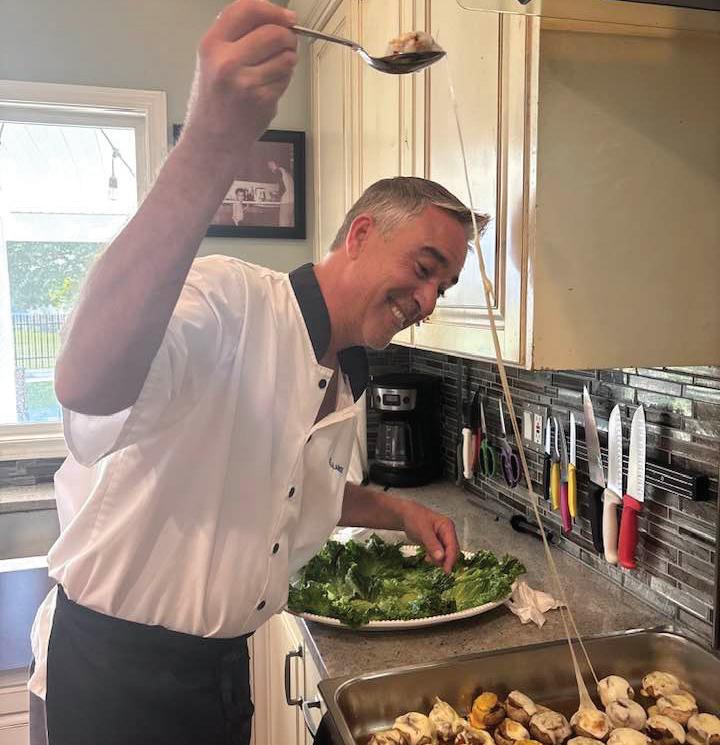
volunteers to prepare, deliver and serve a warm meal to guests of Interfaith Sanctuary. He connected with guests experiencing homelessness and looked forward to serving them on a weekly basis. Wednesday is still his favorite day of the week.
Kalange went from Interfaith’s beloved volunteer (who was even honored as the volunteer of the year at the 2024 Fred Awards Gala) to Interfaith’s Director of Food Service.
“I didn’t know that Frank would even consider the position of Food Service Director,” Jodi Peterson-Stigers said. “But when I reached out to him, he said, ‘I have been waiting for you to ask.’”
Kalange was interviewed by George Prentice on Boise State Public Radio and shared his mission and vision for the kitchen.
“I think God chose me to do this,“ he

said in the interview.
For a couple of months, Kalange reached out to friends, family, community members and volunteers to raise funds to stock the kitchen with utensils, supplies and ingredients.
He witnessed acts of kindness when he shared his mission to feed folks experiencing homelessness whether someone paid for his cart full of groceries or handed him cash in the Winco parking lot.
“I’ve been planting seeds for two months and they’re all growing!” Kalange said.
He started building a team of volunteers and churches of various faiths to come cook meals at the Shelter Home. His goal is to have a different group come in each day of the week to help prepare nutritious, delicious meals for the guests.
Since the new Shelter Home will be open 24 hours a day, seven days a week, Mercy Kitchen will provide three meals a day, everyday for over 200 guests. That’s around 615 meals a day and 4,305 meals a week.
Many more meals, requires many more hands.
If you’re interested in volunteering in Mercy Kitchen, preparing meals with a group or bringing your cooking expertise to our Food Service Training Program, email mercykitchen@interfaithsanctuary.org.
If you’d like to donate toward Mercy Kitchen’s supplies, scan the QR code.
Kalange is beyond grateful for all the helping hands and generous hearts who have put time, love and cooking into Mercy Kitchen. He looks forward to loving the guests of Interfaith through good food.

Granny Wears Black Velvet
By Gerri Graves
I came across an amusing article a couple of weeks ago. Basically, a group of aging Gen X’rs was asked a group of questions pertaining to mental changes in thought, which age plays a part in.
Scenarios that were no longer palatable. Actions they found distasteful. People and/or situations they have now found to be intolerable. Activities that had lost importance. What about their history would they change, given they had access to this added wisdom?
Being an X’er, I found the article rather amusing.

Their lists of intolerants were much my own: Flattery. Know-it-alls. Going out vs a home-cooked meal. The horizontal mambo. Fake friends and the accumulation of them for self-importance. Faux niceties. Mentally assigning class- a form of discrimination of sorts. Label chasing (If I’m being honest, I never really followed fashion. I have always bought quality over name. I wear what I love. Silk, velvet, damask- things of that nature. Love a fun, floral dress too. And hats! I always loved hats. Lol).
Obnoxious fine dining --- give me a huge bowl of homemade chicken and noodles over fancy food any day of the year. Chasing infamy. Attention. Lying. Lacy underwear contraptions that go places
they shouldn’t. Social ladders and the stigma attached to them. Adornment --as in, flashy diamonds and gold. (I think that’s a lifer for me as well. I’ve only owned one gold necklace in my entire life. No diamonds, ever. Even my engagement/ wedding rings were carnelian. Jealousy. Rivalry. Broken promises. The perfect body and calorie counting. Post menopausal acne. (Why?)
I had always thought it was a me thing, but apparently it’s also a wisdom thing. I often wondered at my youthful idiocy of wanting everyone to like ME, when I didn’t like 90% of THEM. I mean, in my early 20s, my group of friends was so large I couldn’t go anywhere without running into someone I knew. It was so much work...and no anonymity to be had. Why didn’t I realize back then how important my privacy was to my mental well-being?
Anyway, this article brought to memory a conversation I had with a group within the homeless community. The questions and reflection were much the same, but with the added category of being amongst the unhoused. What did they feel was the cause of their situation? What had they gleaned from it...and what were their plans going forward?
A few credited their addiction. Some...a bad relationship and the escape from that bad relationship. Others, a mental or physical ailment. So many, too many... cannot afford to work at wages that have not kept up with the current cost of living. Especially with kid(s) in tow. They don’t live in the same world as I did, back when I juggled a couple of waitressing jobs, college and kids. It feasibly cannot be done any longer, not without help. Most admitted to their own mistakes...and
Book Review: Where Did Everybody Go?
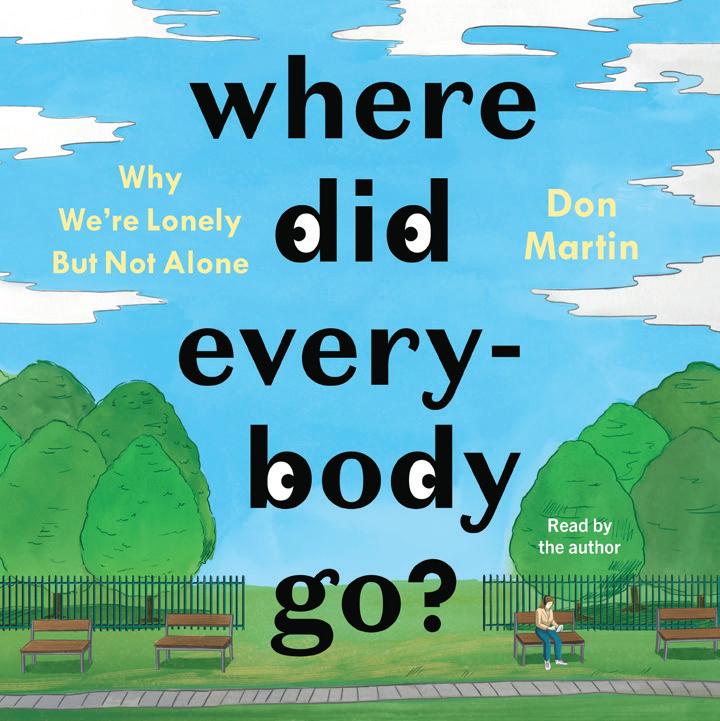
By Amberly Smith
When author Don Martin wanted to understand loneliness at a deeper level, he returned to his roots—researching, analyzing data and speaking with experts. What he discovered in Where Did Everybody Go? changed how I think about connection and isolation.
The most striking revelation? Our bodies express loneliness the same way they express hunger as a biological signal pushing us to connect with others. This isn’t just an uncomfortable sensation; it’s our body telling us we need community to survive and thrive. For people experiencing homelessness, finding spaces where they don’t feel lonely isn’t just nice, it’s essential for their health.
This is why the programming at Interfaith
owned them. The admittance became their “learning”. Some were still in the phase of blaming others for their mistakes. Fewer still are living in the blip of their EKG. There was no cause; it was just an unfortunate set of circumstances. A (hopefully) brief setback, while they struggle to find purchase again.
When they responded to what this experience had brought them, in the way of wisdom, there were so many variants. Very few were of the same consensus. Rainy day savings (when wages allow). Community. Solid friendships. That family is an earned title, not one dictated by birth. Abuse is not love. People you think are friends do not always have your best interests at heart.
Victimhood is a tragedy (for the most part) of your own creation. You don’t have to stay in a volatile situation out of some sort of misplaced loyalty. A single parent is better than two squabbling ones. Know your worth. Fight for that pay increase. Love is for fairytales. Good relationships take work from both parties. College is not a one-way ticket to financial security. Our medical system is not working for everyone.
Going forward? Almost a unanimous reply. Money. They all needed more of it to remove themselves from poverty. And while that is mostly true for a person expe-
Inter(n)faith
By Allyson Harrup
Sanctuary – Project Well-Being, Project Recovery, Word on the Street and the Art Collective – matters so much. When unhoused individuals find community here, they’re not just enriching their lives; they’re meeting a fundamental, biological need. Feeling welcomed and connected improves health outcomes, increases safety and gives people the stability to rebuild their lives. Community isn’t a luxury; it’s medicine.
Where Did Everybody Go? also challenges our assumptions about technology, including social media. Every new technology—cars, cell phones, television and even electricity—faces resistance and moral panic. While social media has impacts worth examining, it isn’t necessarily making us lonelier. Many people, especially those who face barriers to in-person connection, find genuine communities online to alleviate their loneliness. My own daughter has created a fulfilling life and friendships online.
The book reminds us that whether we connect in person at Word on the Street meetings or through digital spaces, what matters is that we’re connecting in some way. Our bodies know what we need. The question is: are we creating spaces where everyone can find it?
Where Did Everybody Go? is available as an audiobook from Simon & Schuster, read by the author, Don Martin.
riencing poverty, it’s not entirely the case for all. Money never bought anyone happiness. Greed can be a detriment to one’s well-being. Probably more than poverty. One thing I’ve learned over these past few years is that I can survive on very little. Been doing it for a while now.
For Christmas, I put away $5-$20 here and there...and watched a couple of dozen websites for sales, extra percentage off coupons, free shipping and clearances. It was a lot of work...and I don’t recommend the stress of it, but I was able to give my kids a little something with very little.
Money shouldn’t interfere too much with my quality of life. Greed should be avoided at all costs. But I absolutely learned how to manage a little money and turn it into something special for my kids.
I guess that’s my personal wisdom. We spend so much of our lives accumulating wealth or lack thereof, that we forget it’s not the reason for living. Our experiences and the people within the melodrama are what make a simple life worth having.
I mean, if our life were a candle, and the spent wax is our past, the pillar left unburned should not be wasted on scenarios, people and work that do not lend to our light.
Burn for the things that bring you joy.
I’ll end on a quote that made me think. It’s not an exact quote, and I don’t know who wrote it...but it’s about how precious life is.
“Life is like a ship traveling through water. It will have its ups and downs, while all inevitably arrive at the same destination. The key to remember is we’re merely passing through it. Once.”
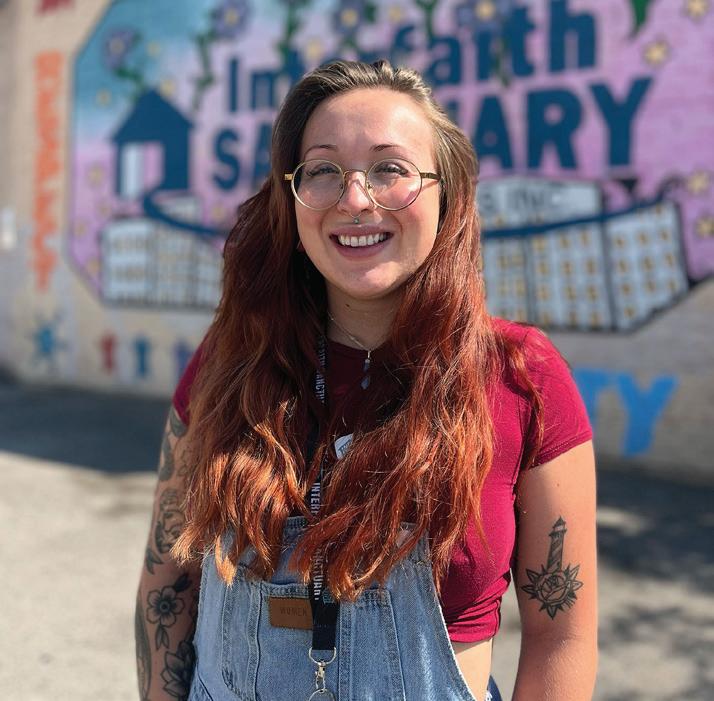
The simple answer as to why I chose Interfaith is because it’s what I’ve always wanted to do. I’ve had a soft spot for the unhoused community for as long as I can remember. Throughout my life I’ve had a few experiences that have brought my heart closer to the social issue of homelessness, and I’m so grateful that now I get the privilege to be part of a solution.
I remember being very small the first time I met someone experiencing homelessness. He was an older gentleman, and I remember thinking he looked like Santa Claus. My mother, my sister, and I were in a coffee shop, awaiting hot chocolate, and this man came in to ask if water was free. I was too young to comprehend the situation, and I couldn’t understand why someone would choose water over hot chocolate. My mother offered to buy him a coffee, and the man thanked us graciously, then walked back out into the cold. I never saw him again, but I couldn’t stop thinking
about him. When I asked my mother at home about the man, she explained to me what “homeless” meant. My small, delicate heart broke. I was inconsolable for hours.
When I got a bit older, I fell upon some hard times. I struggled for years, fighting battles that I never would have won without kindness and help from the people around me. I was unhoused for just under two months when I was 20, and I still remember the chill of October nights in my bones to this day. People were kind to me, and I was so lucky. I’m grateful to be in a stable and privileged place today, but I won’t ever forget what being homeless felt like for me.
These are just a few of the experiences that have made me decide to spend my time serving the people at Interfaith. I thought I knew how important this work was to me when I first started, but it wasn’t until I had a chance to get closer to a few of the guests at Interfaith that I truly knew that this is where I belong. Nothing warms my soul like a guest coming to me to show me pictures of their daughter, or someone trusting me to help clean and bandage their wounds when they are unable. Getting to see someone get their spark for life back, or hold up the keys to their new home, those are the real reasons why I choose to stay. I am the lucky one.
I still think about the man from the coffee shop. I wonder where he is, if he’s happy, and if he is still asking for water instead of hot chocolate.
I’m grateful to Interfaith Sanctuary, to all of its staff, and everyone who has ever stayed here. I wish you all a long and happy life.